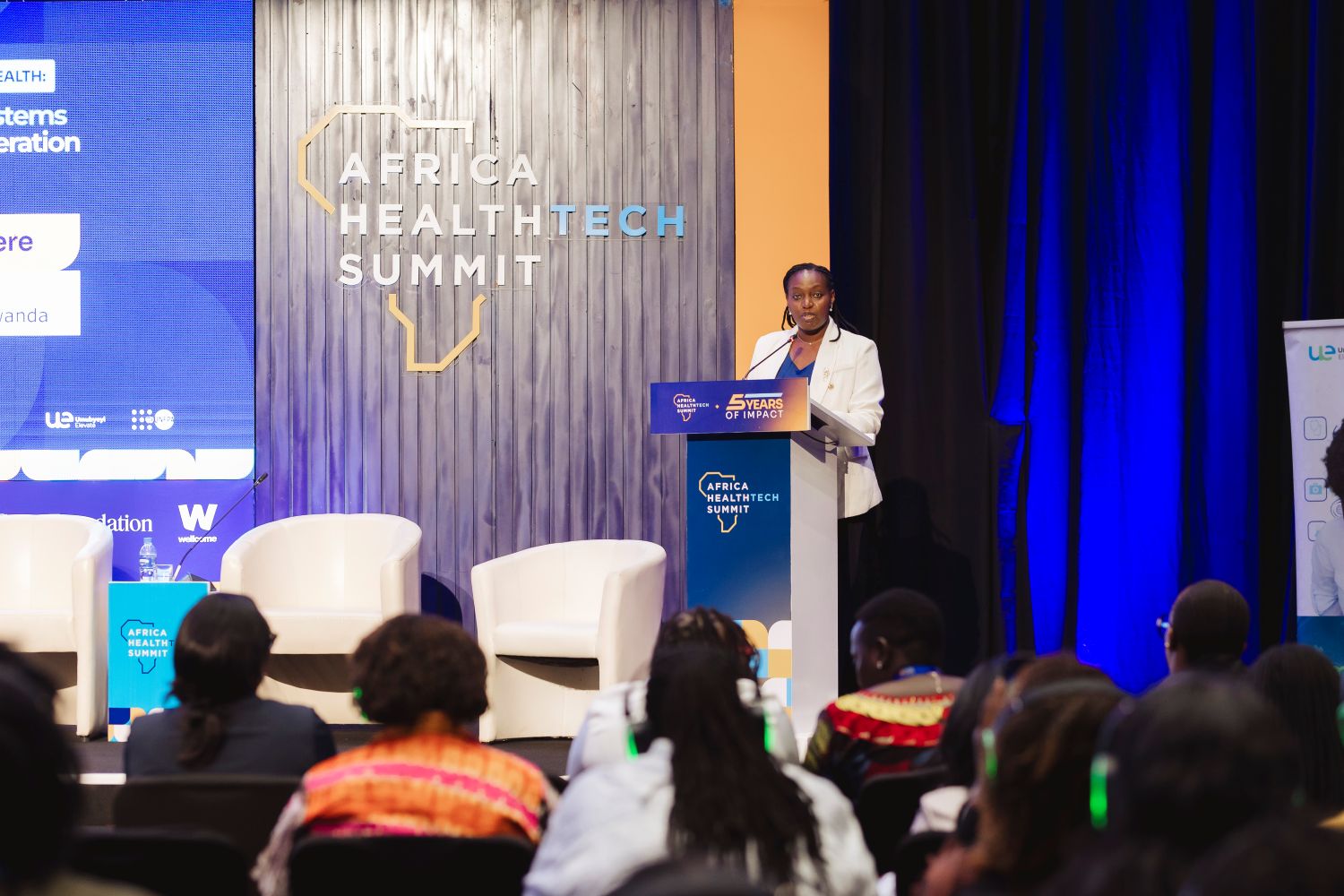
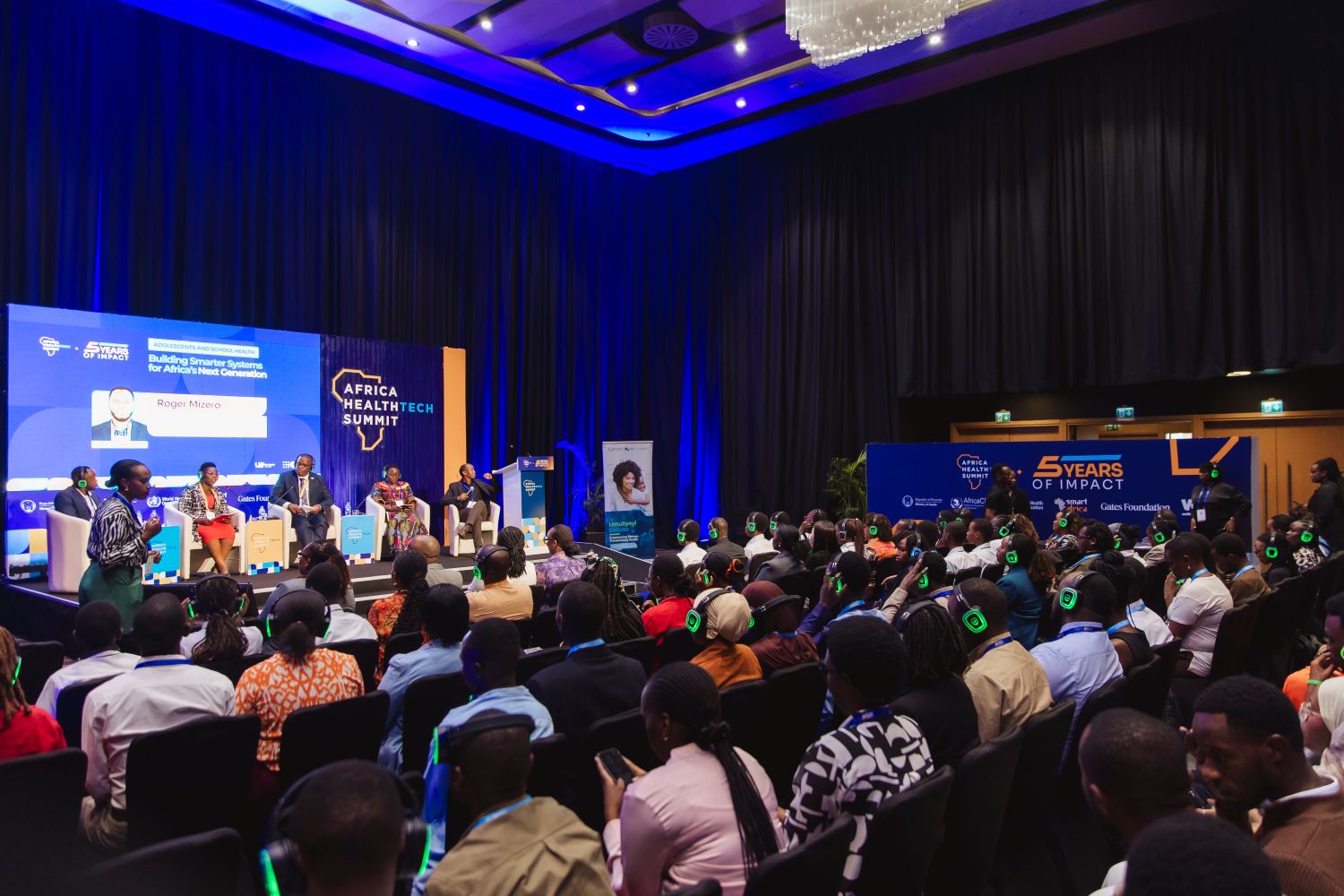
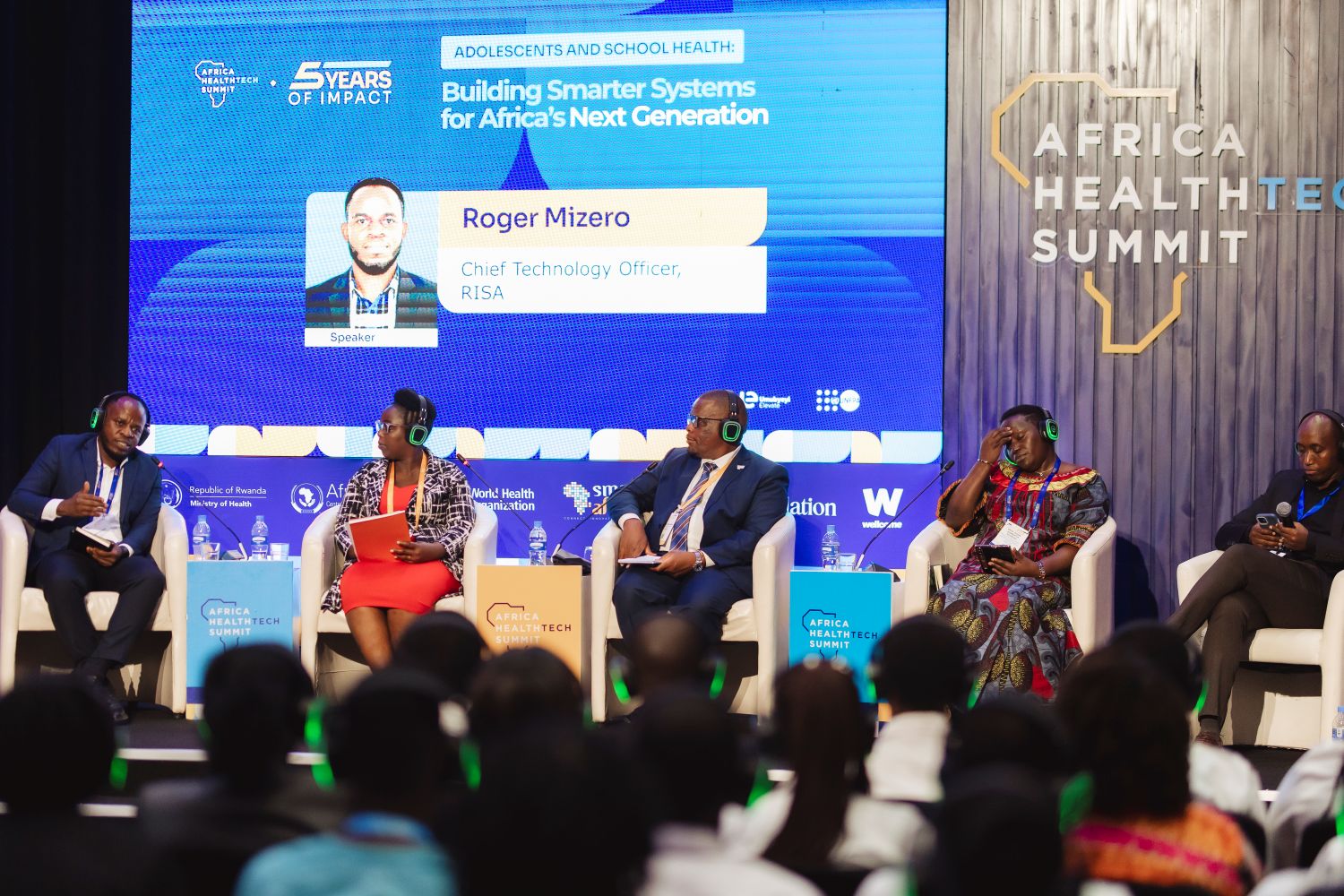
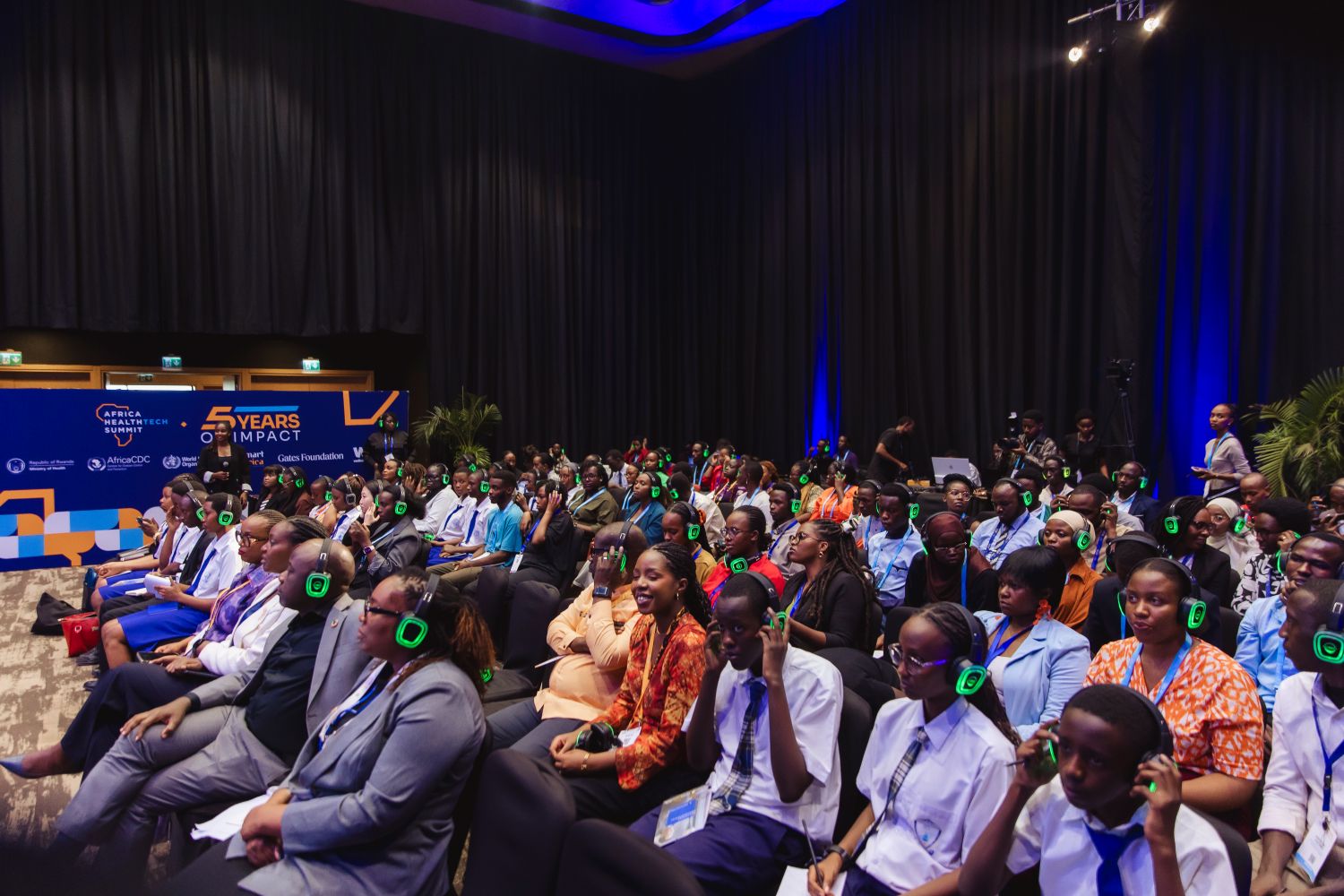
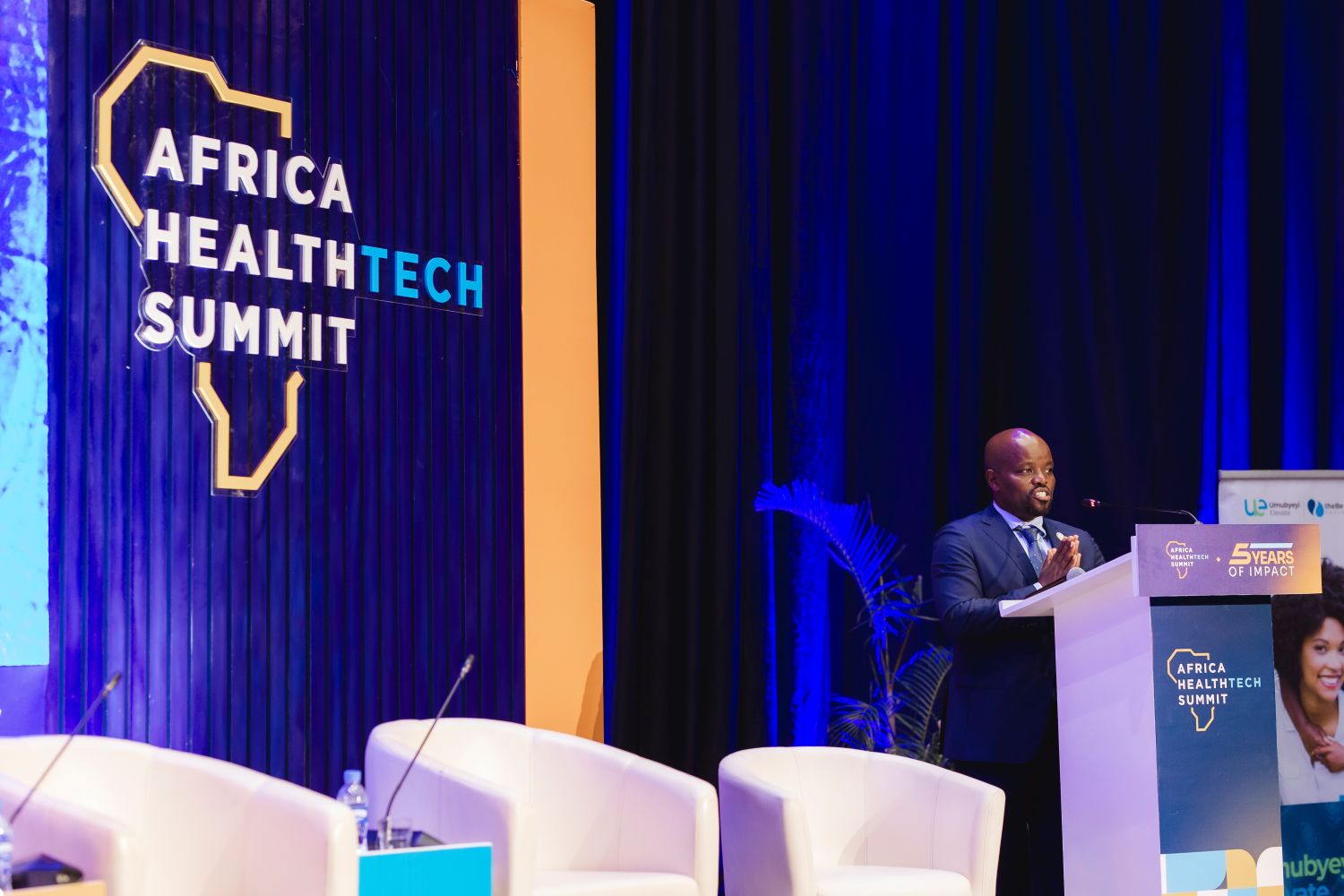
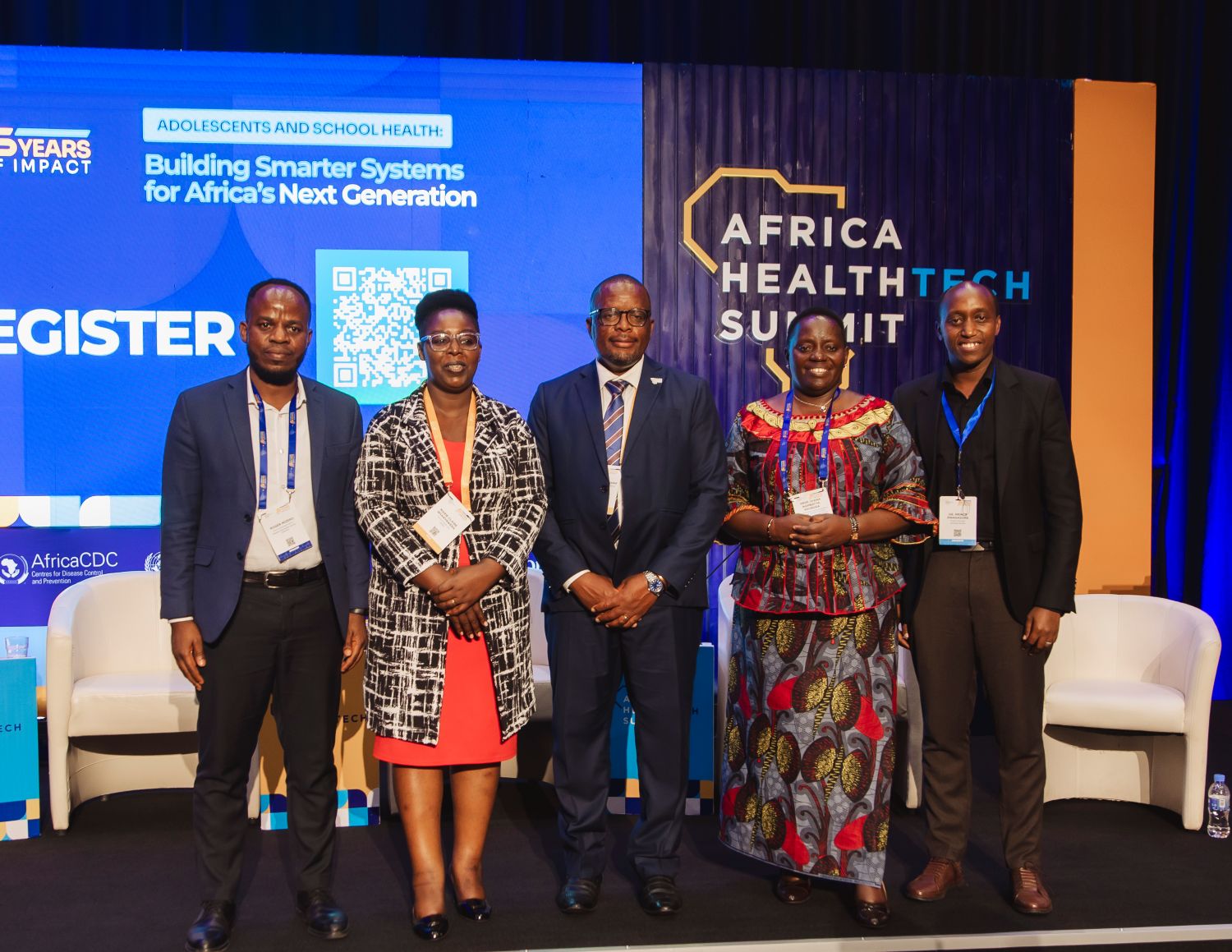
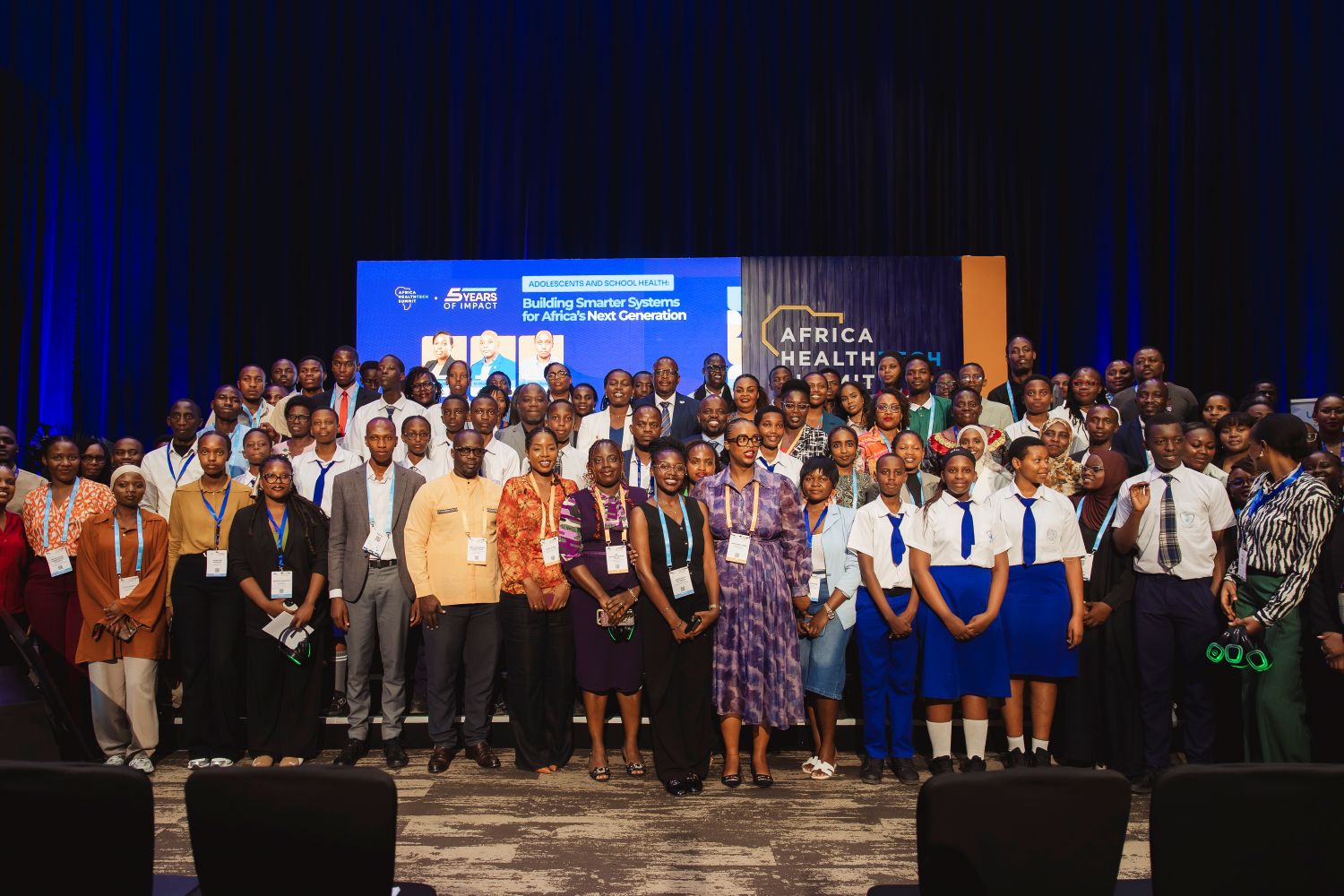
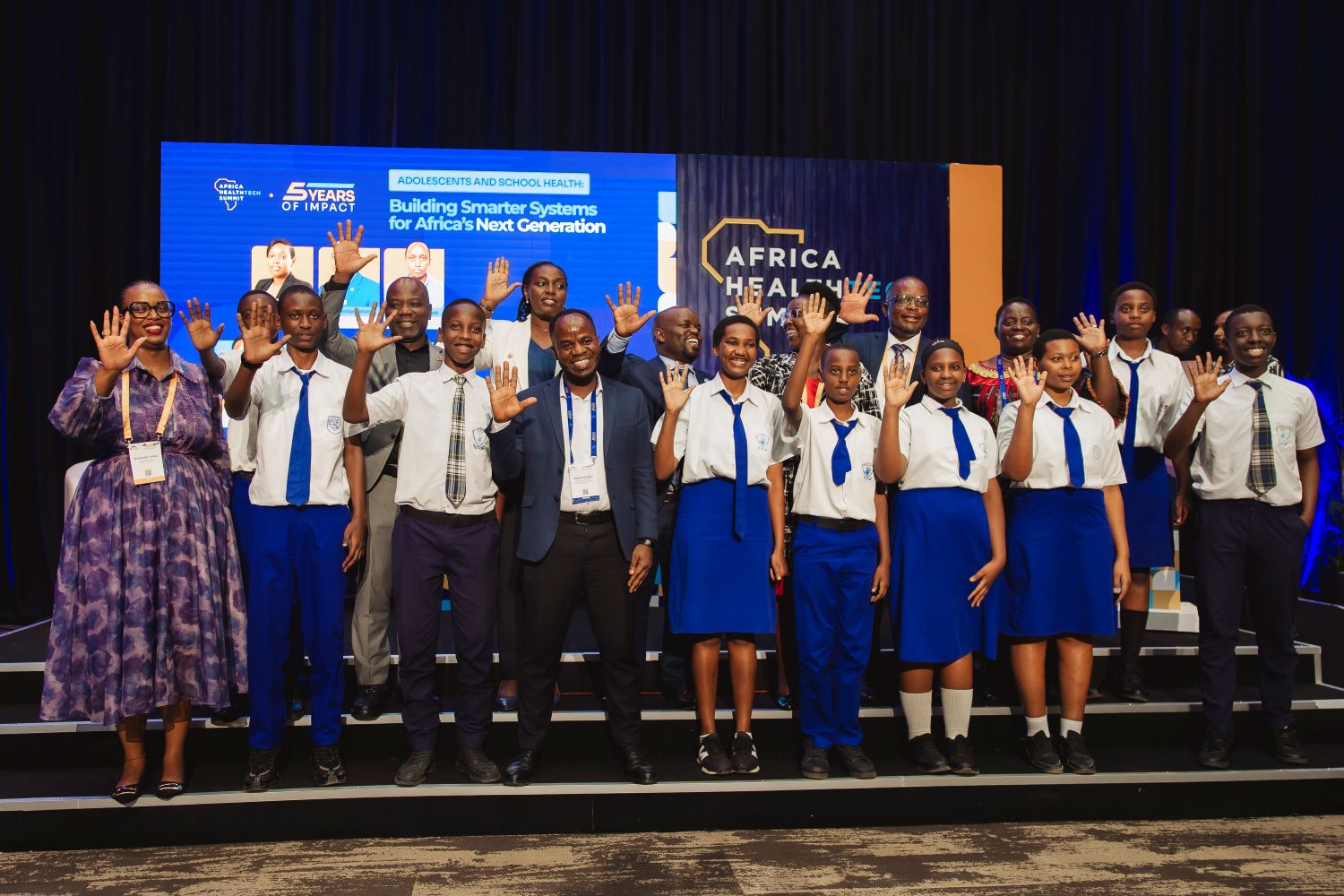
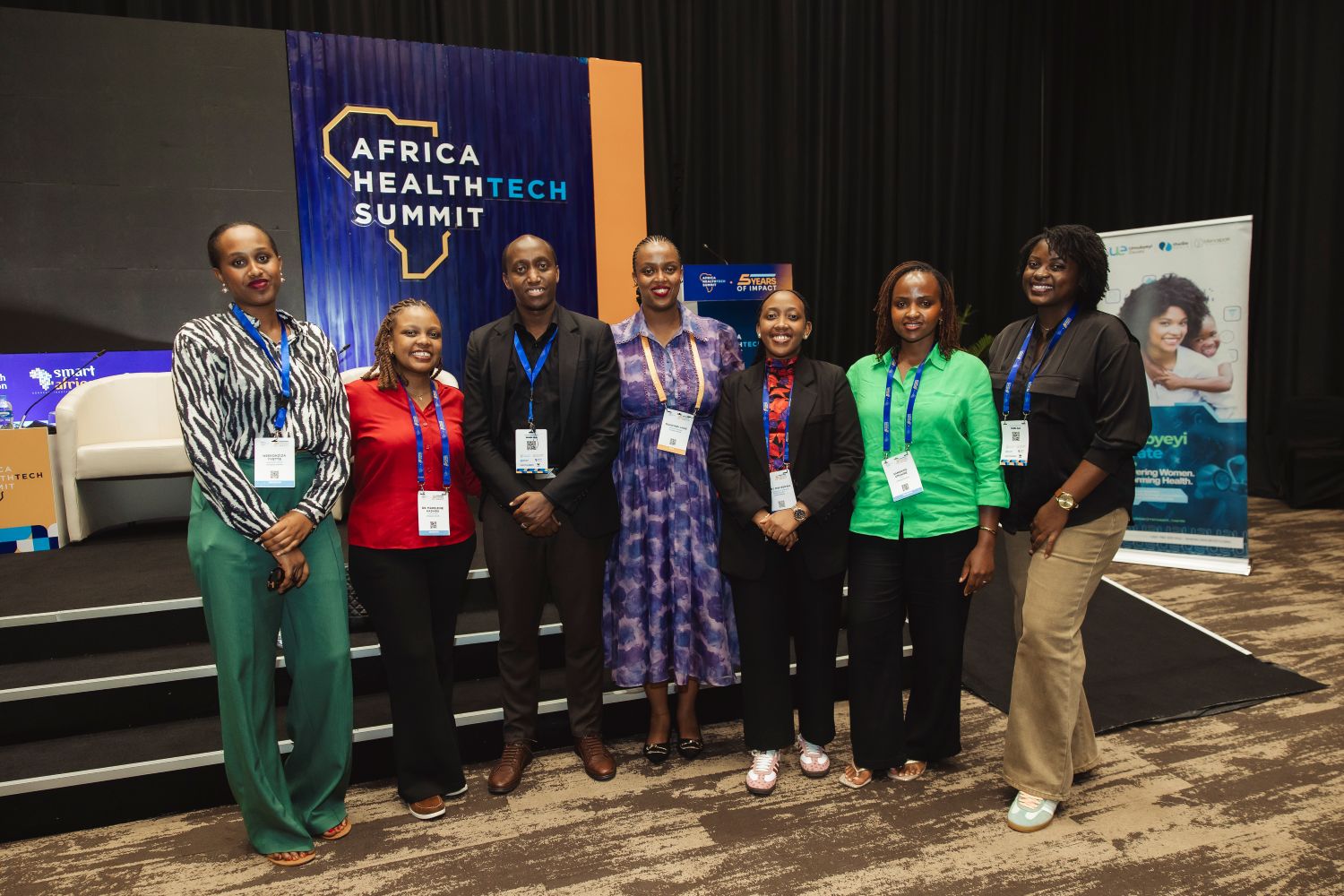
The call was made during a high-level session on adolescent and school health held at the Africa HealthTech Summit 2026 at the Kigali Convention Centre on October 1.
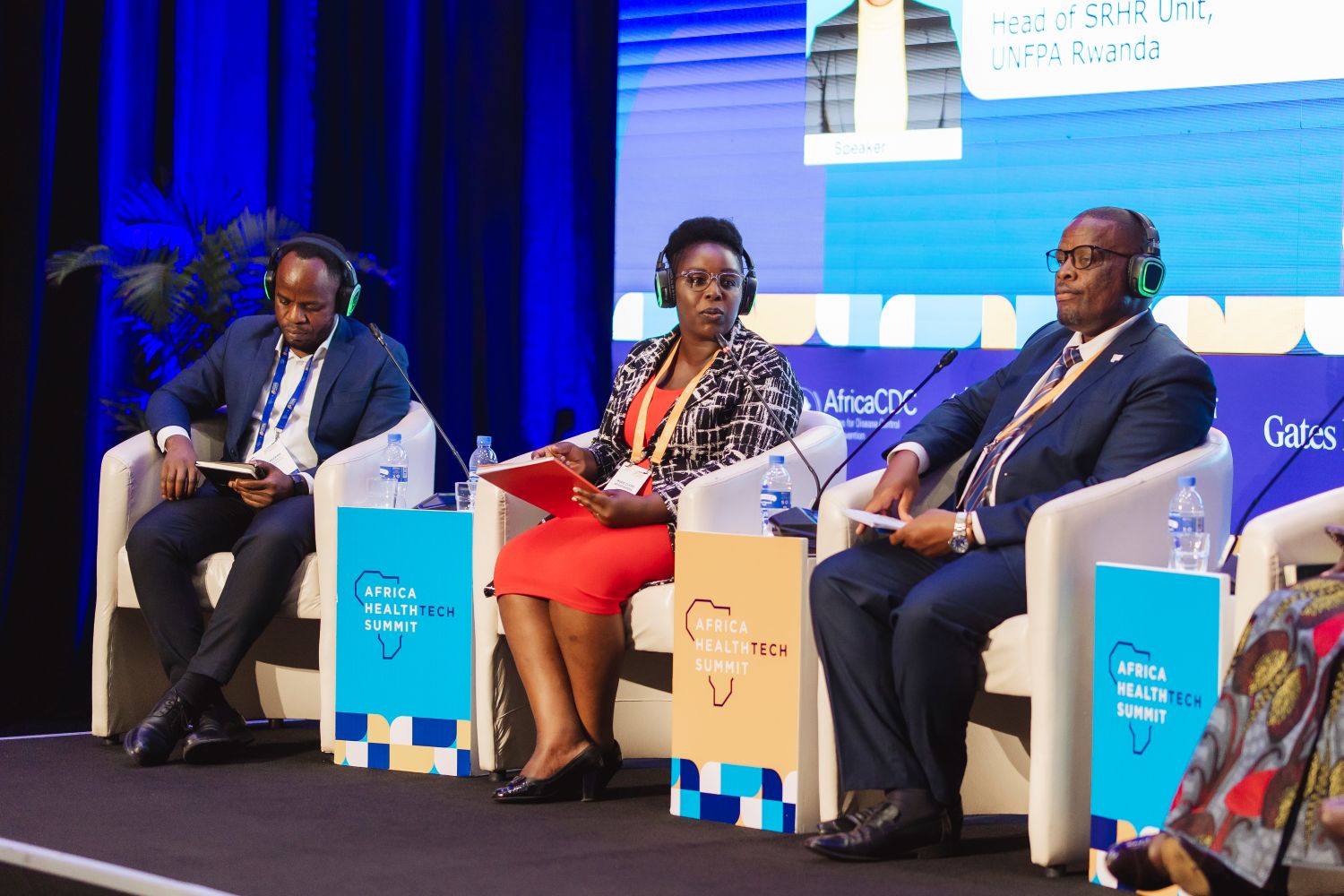
The session, titled “Adolescents & School Health: Building Smarter Systems for Africa’s Next Generation,” was convened by Umubyeyi Elevate in partnership with UNFPA Rwanda as part of the summit’s Reproductive, Maternal, Child and Adolescent Health track.
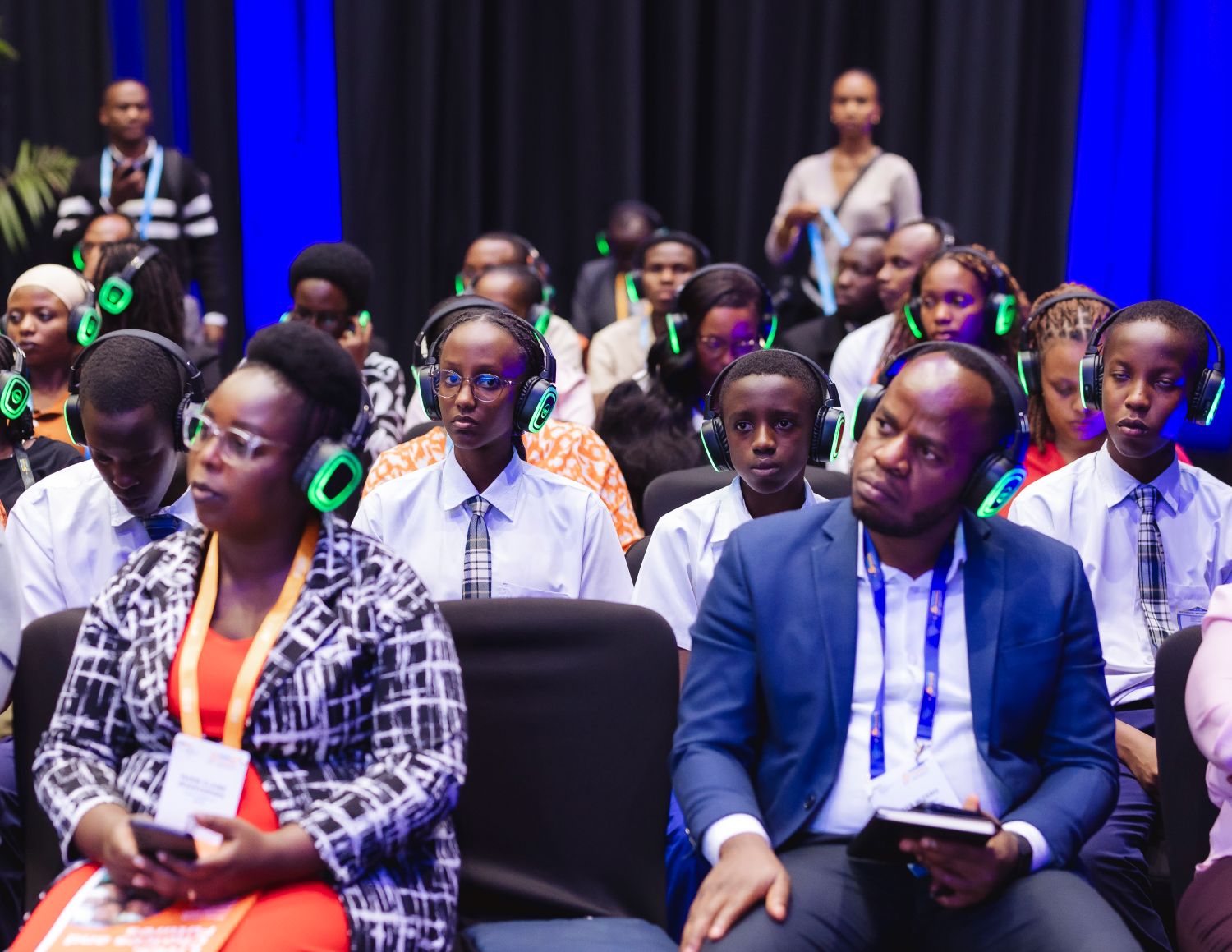
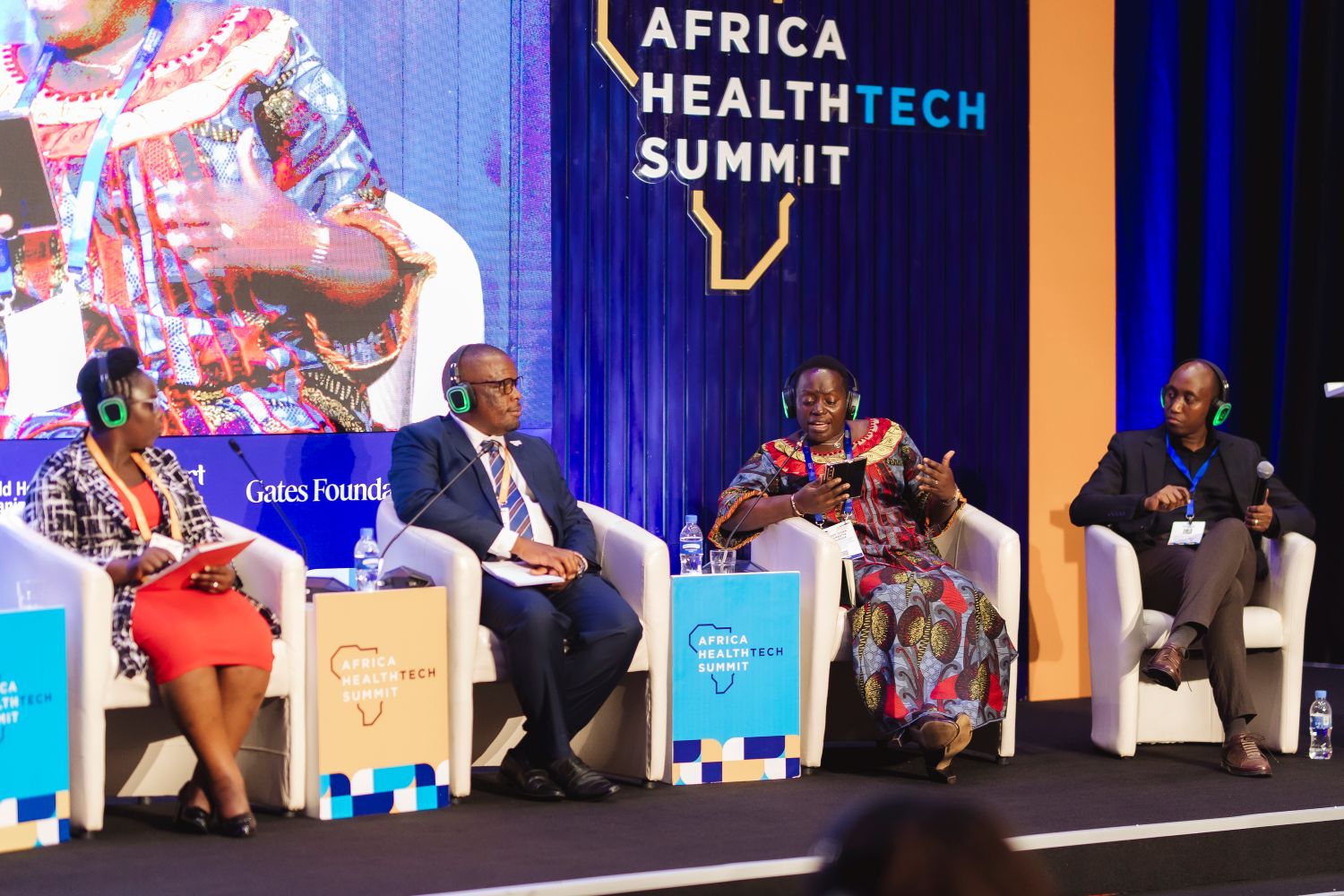
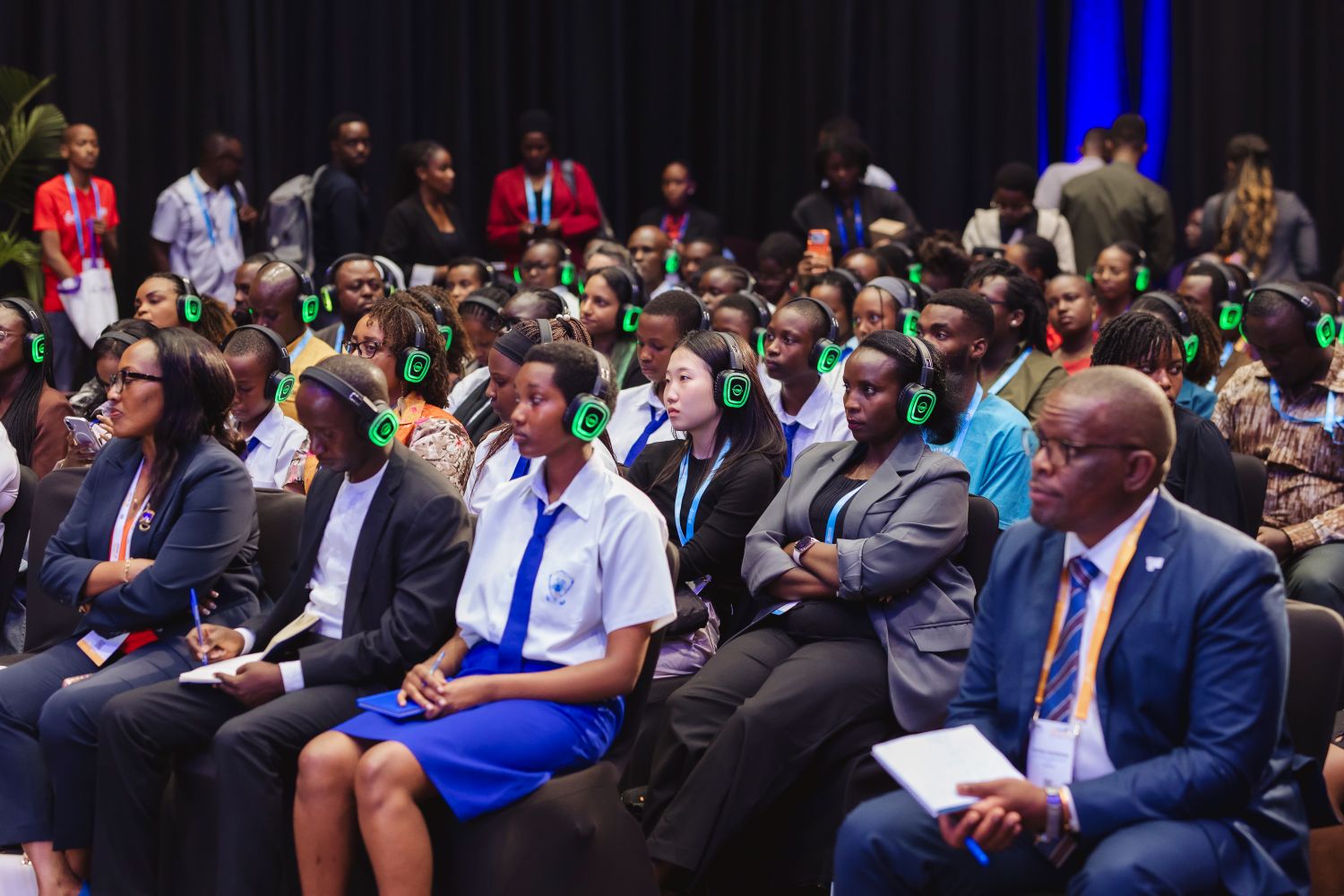
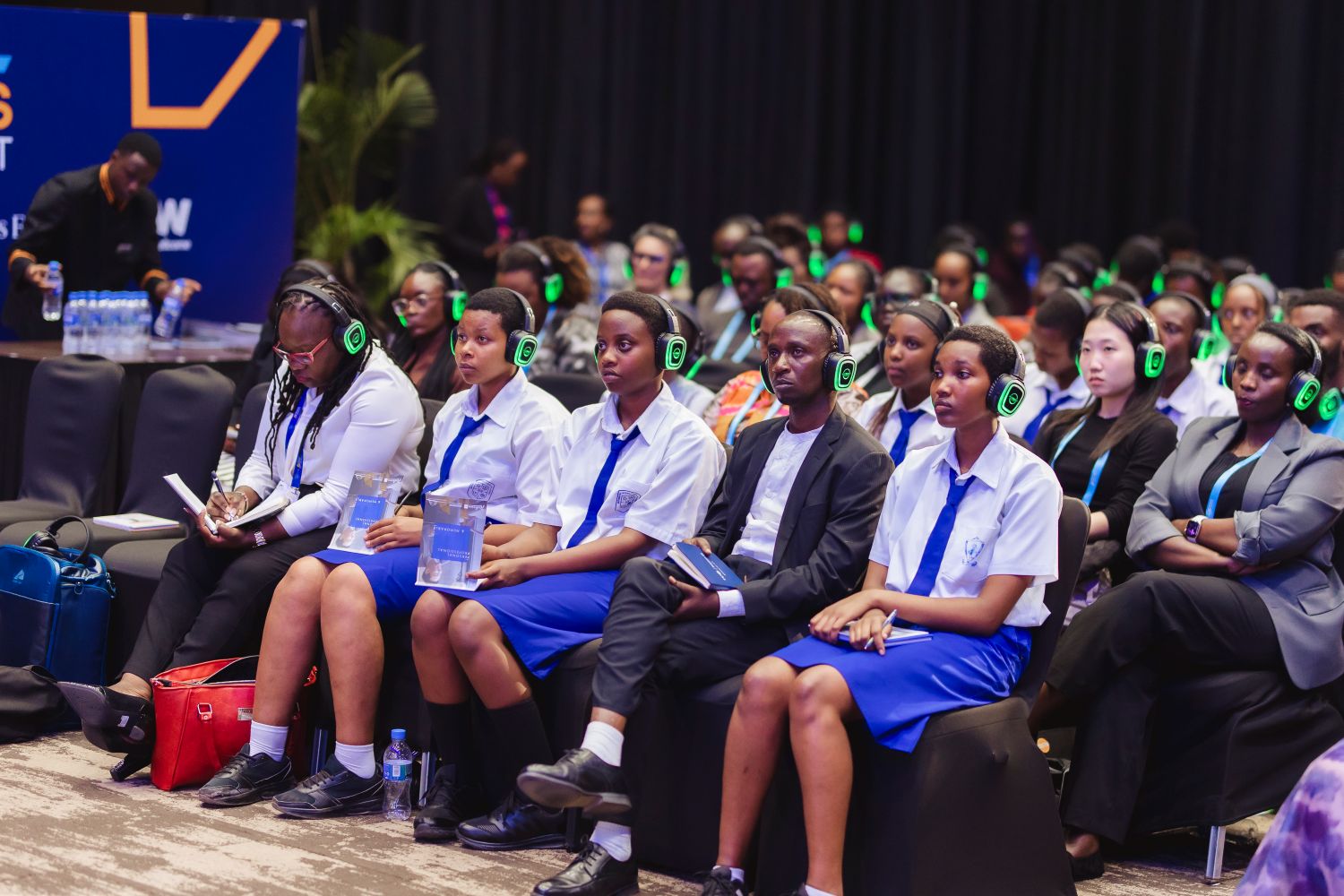
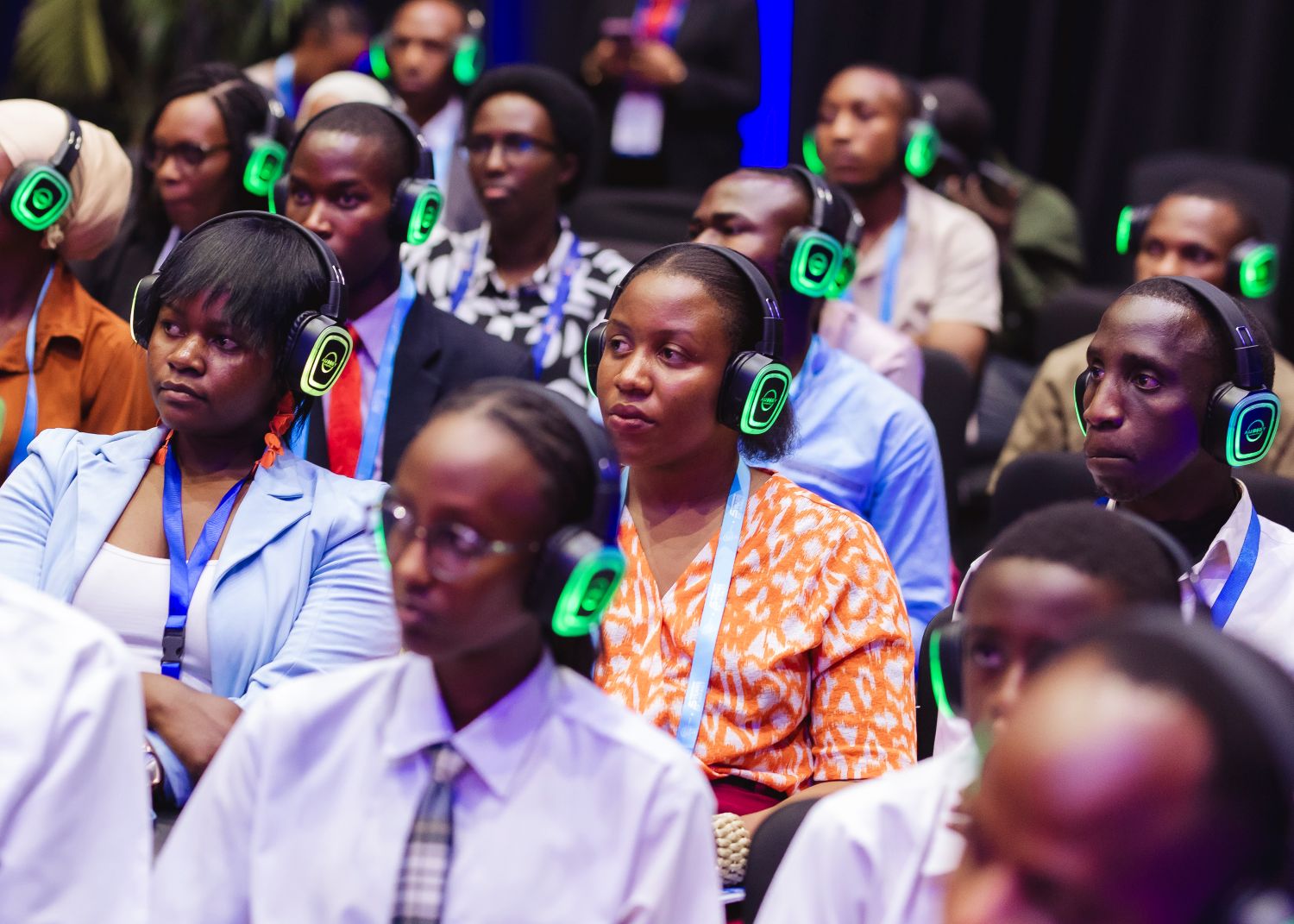
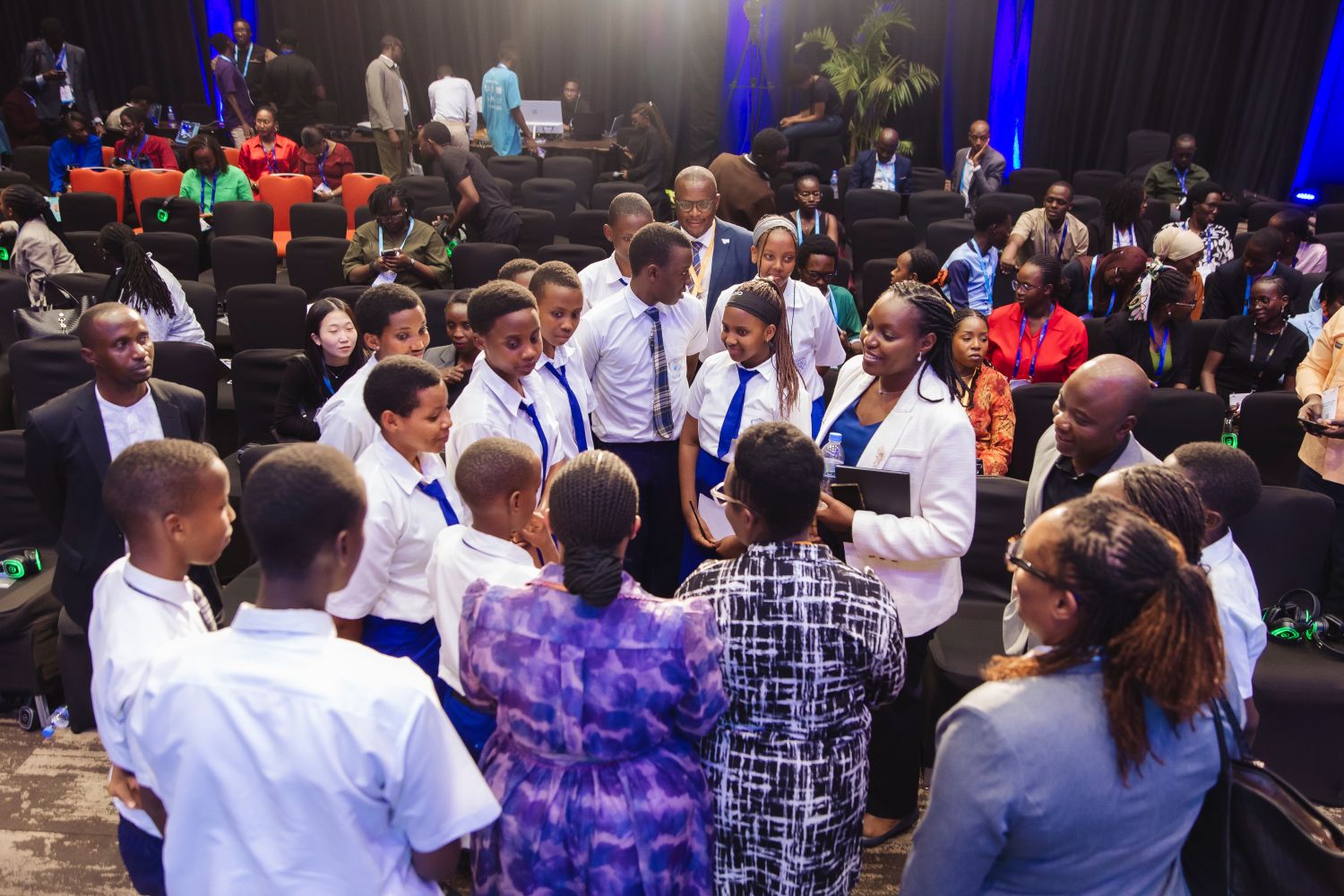
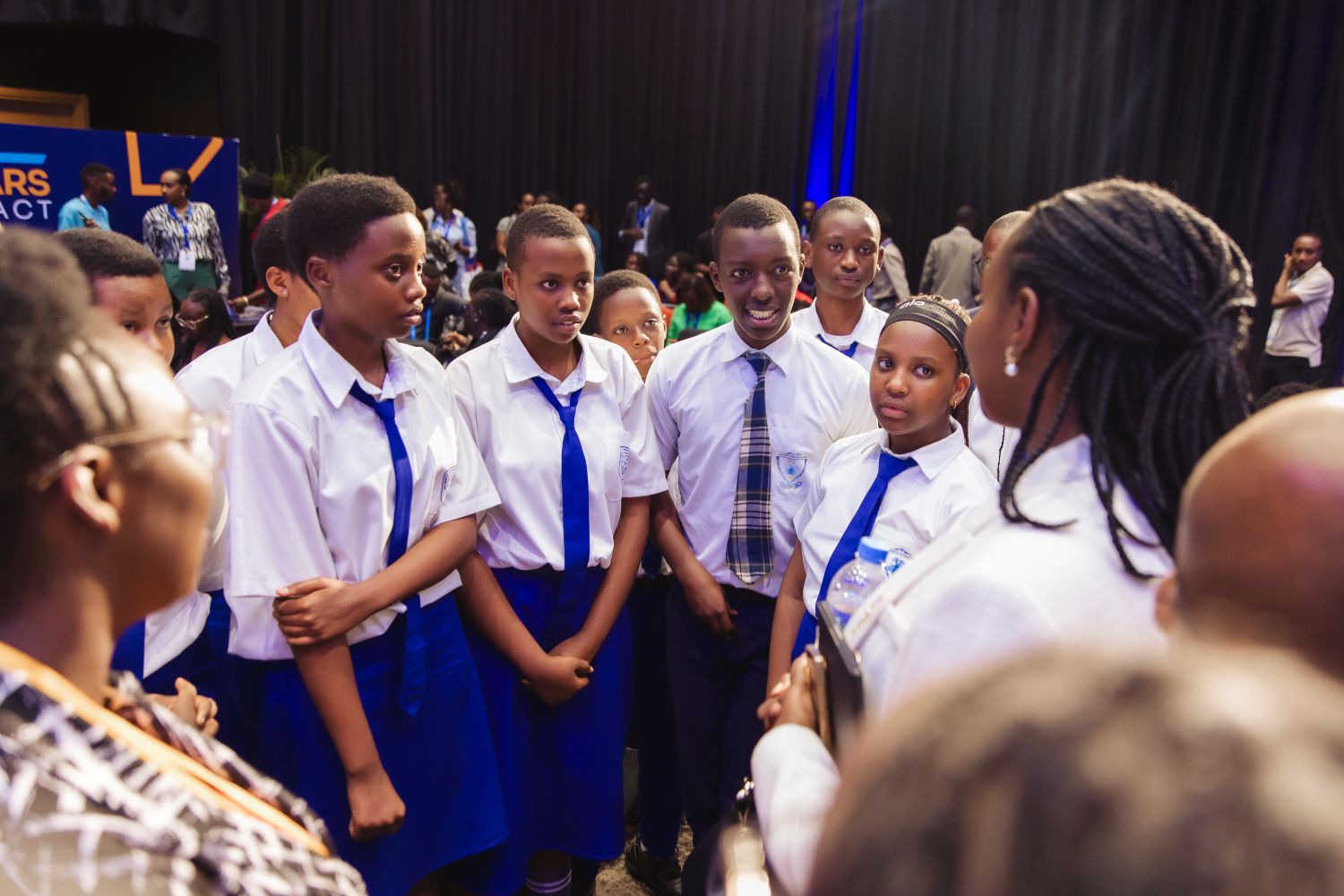
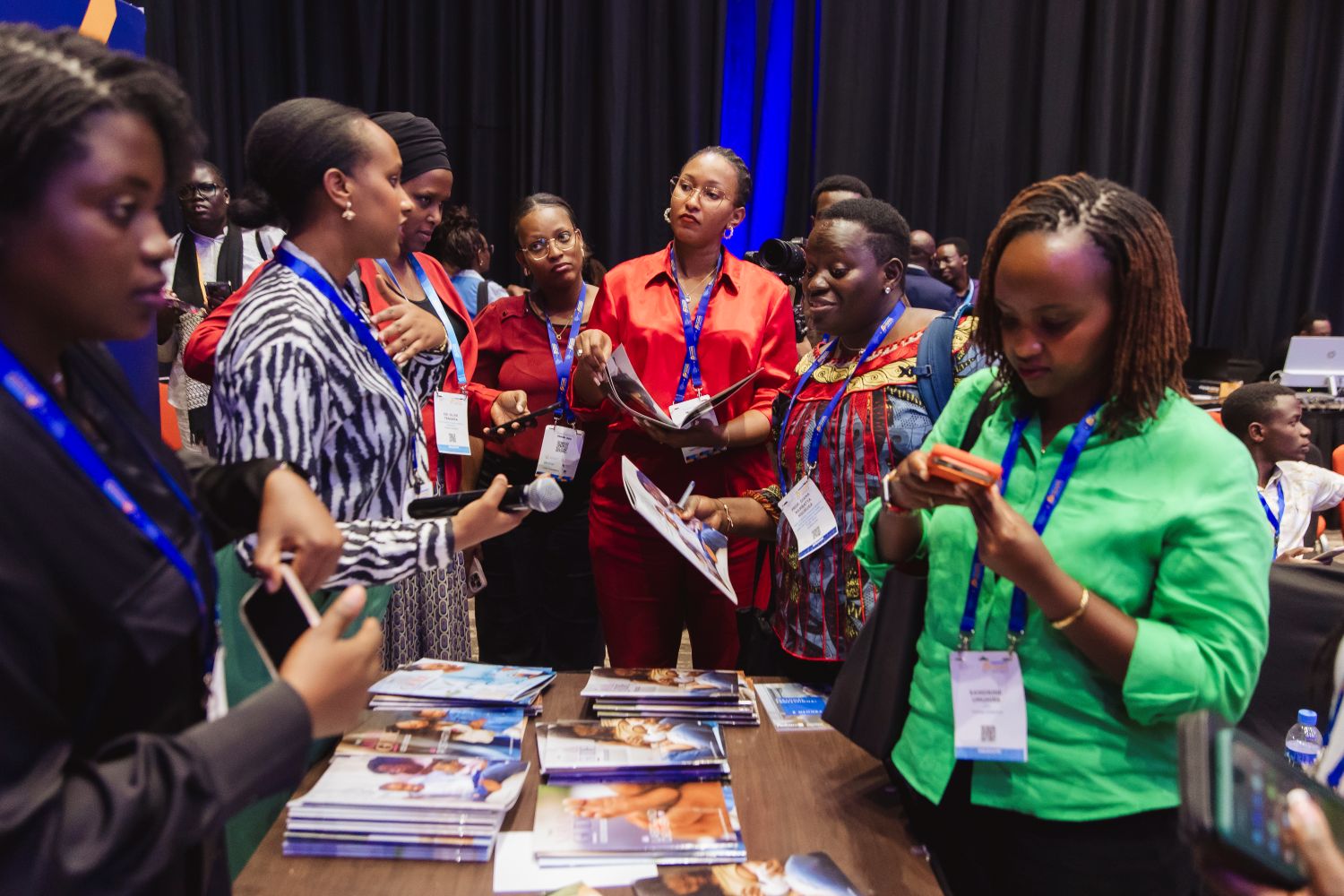
Participants from government, health, education, technology and development organisations discussed how schools, health facilities, families and communities can work together to address the challenges facing adolescents.
Dr. Prince Rwagasore, Programs Manager at Umubyeyi Elevate, noted that adolescent wellbeing requires a broader approach that goes beyond sexual and reproductive health.
He highlighted adolescent pregnancy, interrupted education, economic vulnerability and mental health concerns as issues that require coordinated responses.
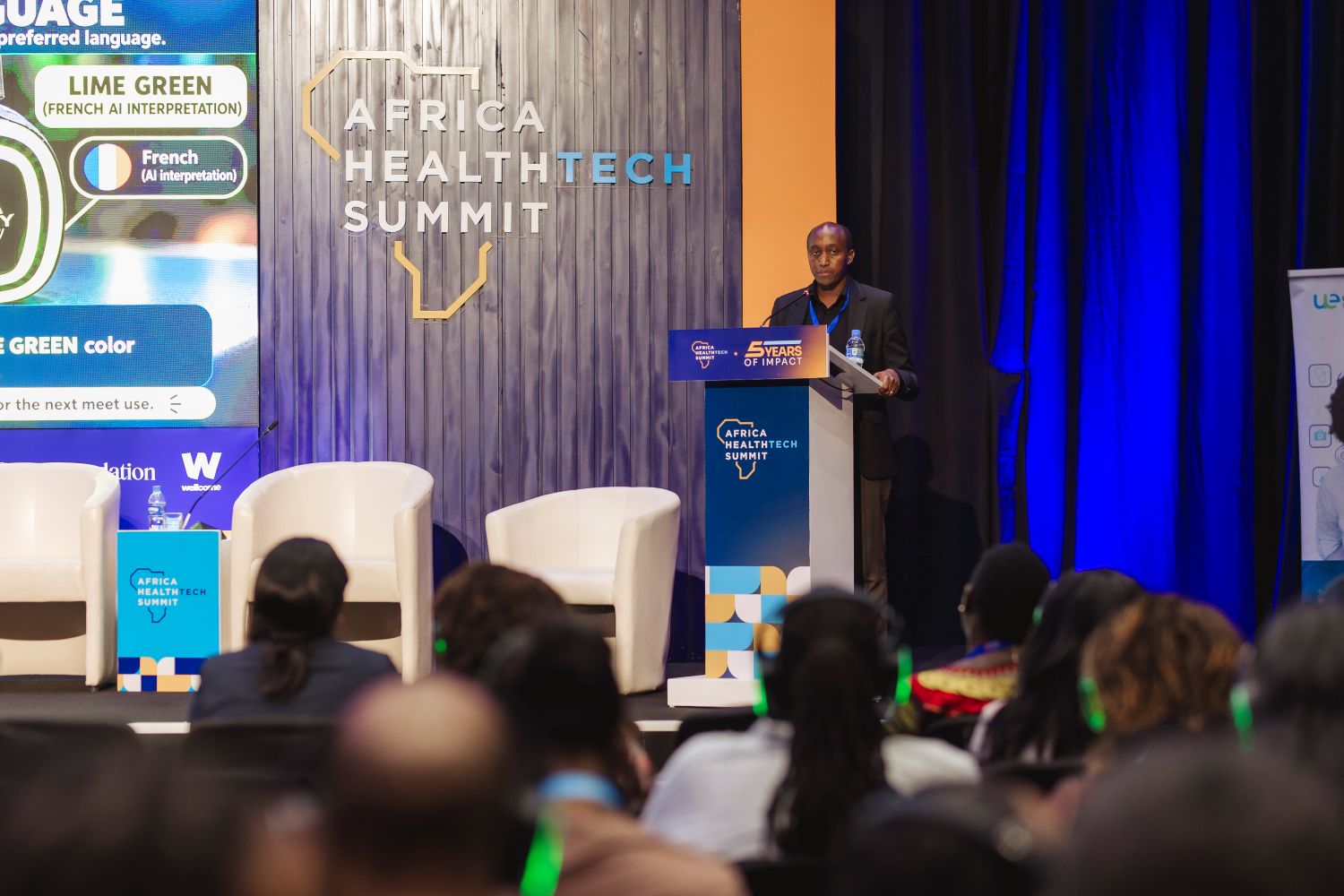
The discussion also focused on how digital technology can improve access to information and services while protecting privacy, safety and trust.
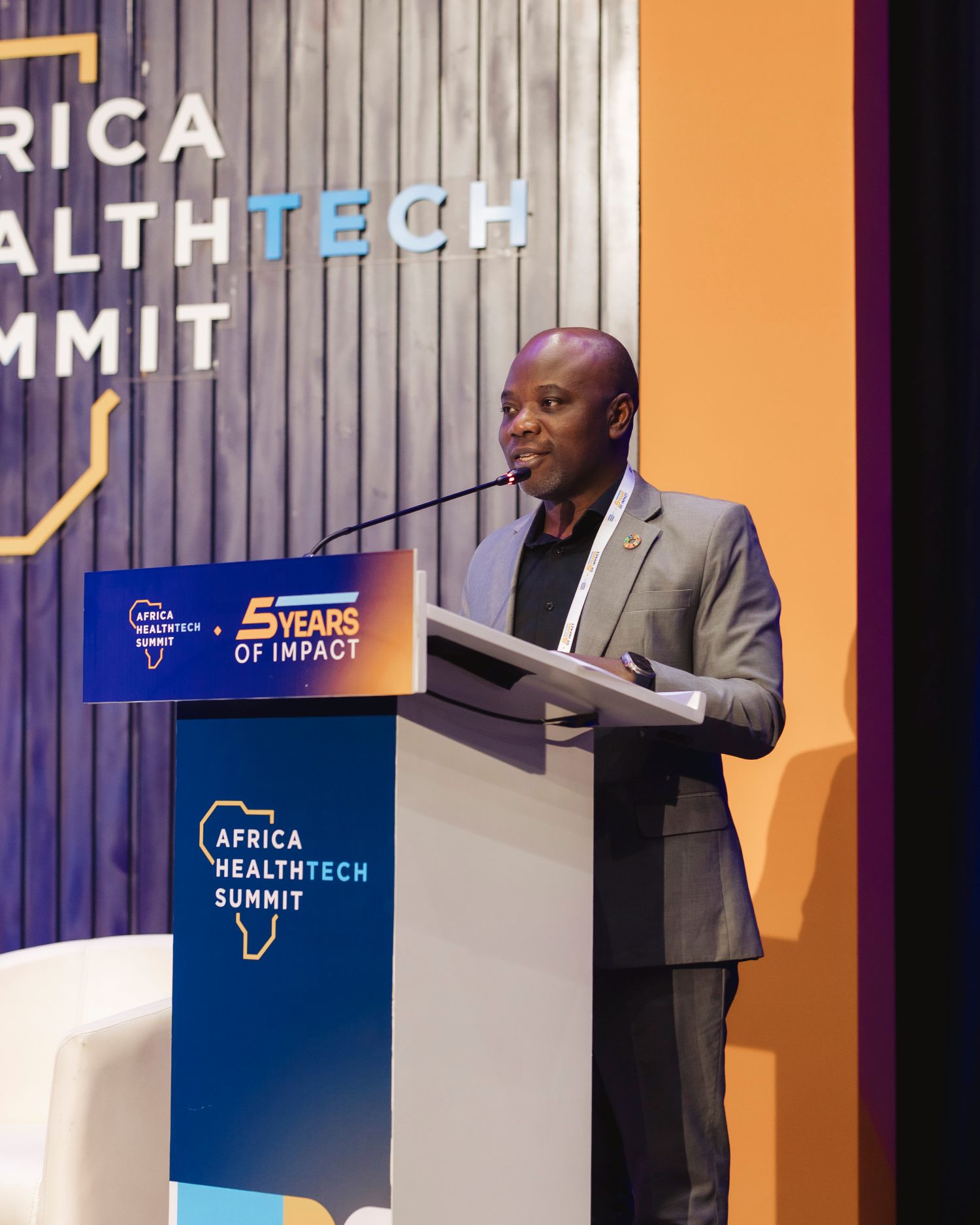
UNFPA Rwanda Country Representative Dr. Olugbemiga Adelakin stressed that young people should not be viewed only as the future of Africa but as an important part of its present.
“We often say that young people are the future, but in Africa young people are the vibrant present, as we can see in Rwanda,” he remarked.
Adelakin called for schools to be considered part of the wider health system when designing solutions for young people.
“If we are serious about building intelligent health systems in Africa, we must recognize schools as ecosystems,” he added.
He pointed to collaboration between UNFPA and Rwanda’s Ministry of Education, including the integration of comprehensive sexuality education into TVET curricula, as an example of how adolescent health can be incorporated into education systems.
Minister of State at the Ministry of Education Claudette Irere stressed that learner wellbeing is closely linked to educational outcomes.
“For the Government of Rwanda, adolescent health and human capital development are two sides of the same coin,” she stated.
“We cannot talk about quality education while ignoring the physical and emotional state of the learner.”
Irere noted that factors such as anxiety, illness and hunger can affect a student’s ability to learn, even when they are physically present in school.
“Learning starts with wellbeing,” she emphasised.
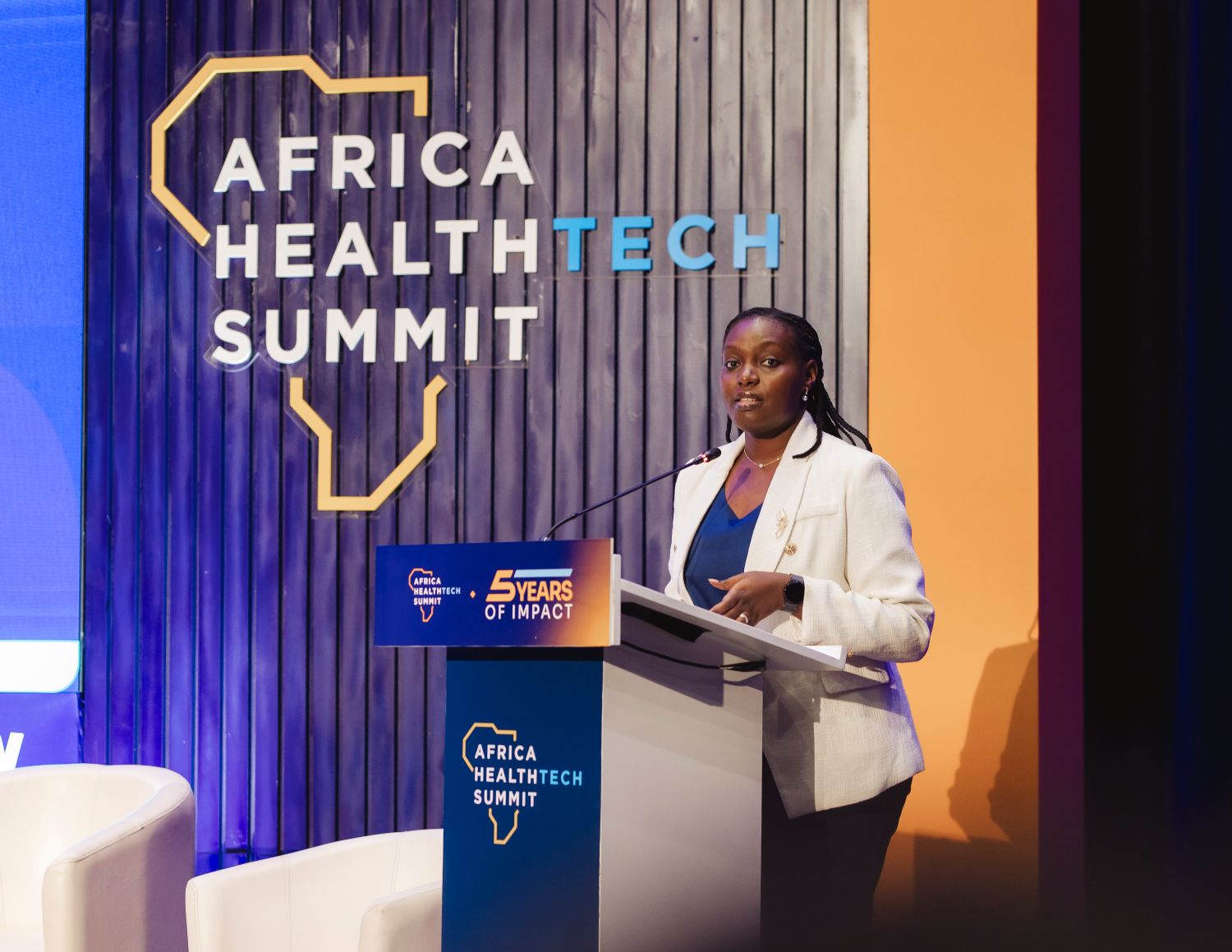
She called for clear protocols for school staff, stronger referral links between schools and health professionals, and support that is prompt, private and empathetic.
Irere also urged technology innovators to develop solutions that protect privacy, work with existing infrastructure and remain sustainable beyond individual projects.
Chairman of the Africa HealthTech Summit Jean-Philbert Nsengimana observed that adolescent health had not received sufficient attention in discussions about health technology.
“We started realising that there are important parts of our people that are missing in our conversation. Adolescent health was missing,” he noted.
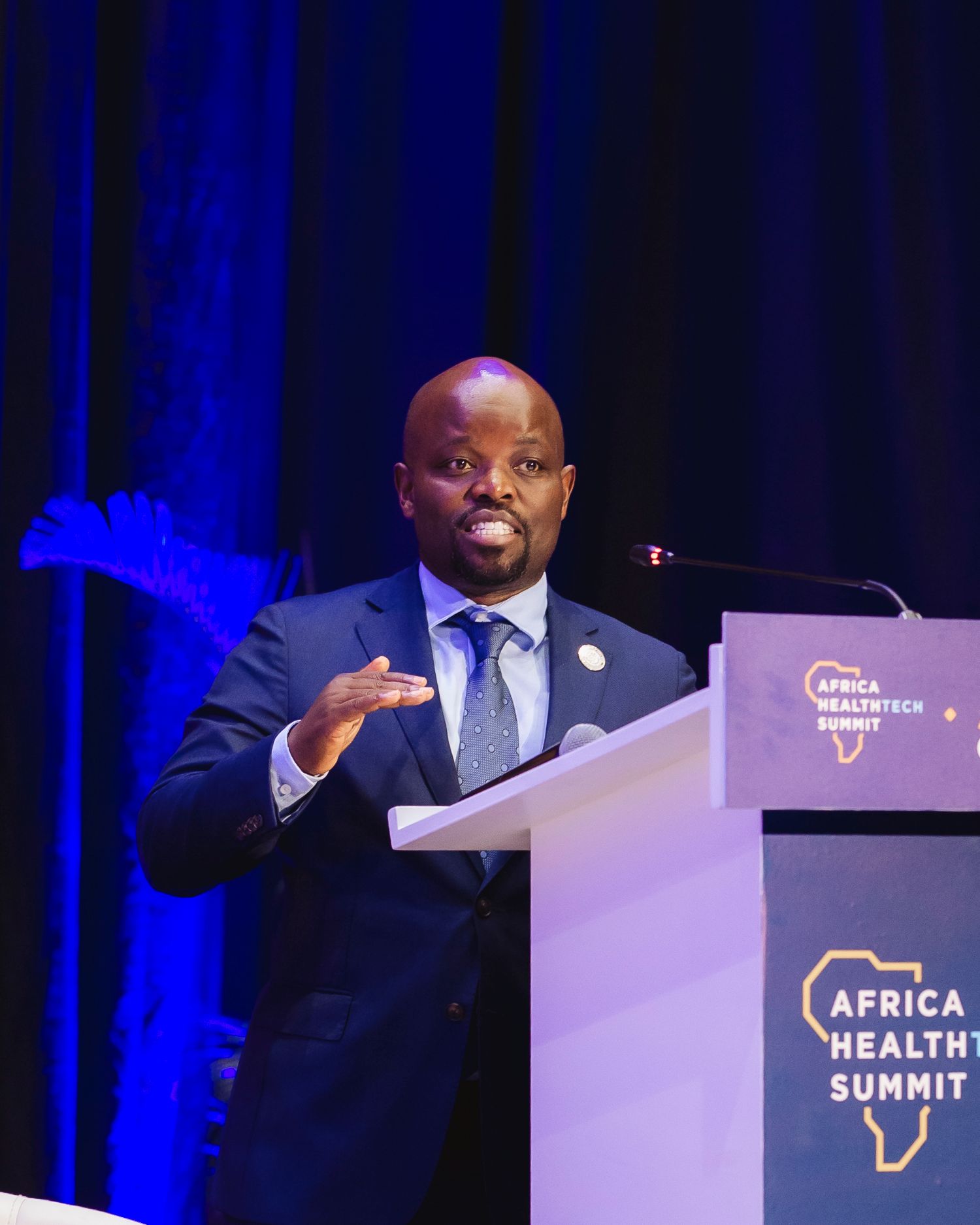
Nsengimana also highlighted the need for better coordination between schools, hospitals and communities.
Speaking on behalf of Umubyeyi Elevate founder Dr. Umunyana Marie Chantal and the organisation’s community, Operations Manager Ange Mukwindi called for greater collaboration between the health, education and technology sectors.
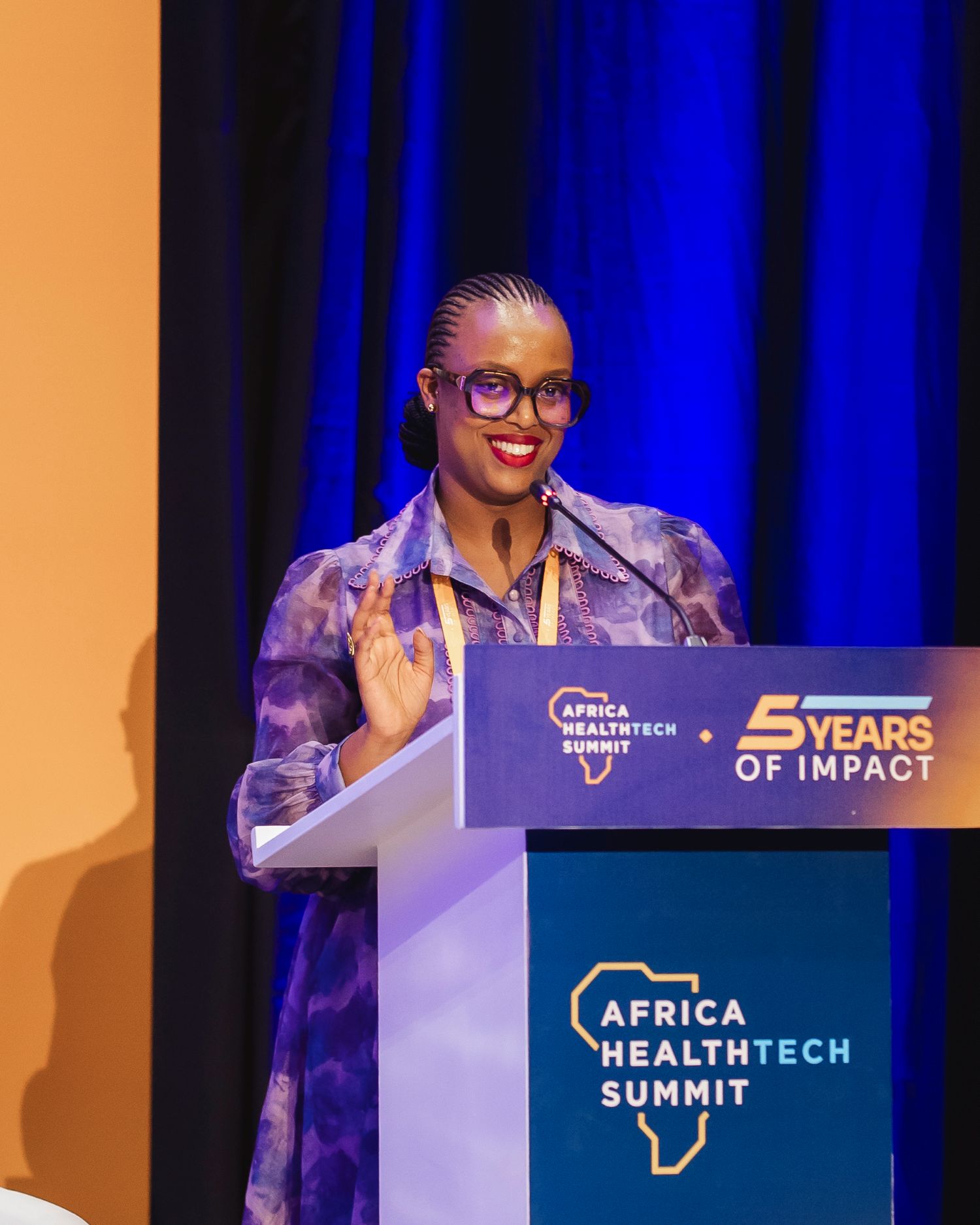
She also emphasised the importance of involving young people in designing and assessing solutions intended for them.
“Young people, you are not the audience for these solutions. You are the architects,” she said.
Participants were challenged to identify potential collaborators and agree on at least one action to pursue within 30 days.
The session was part of efforts to strengthen discussion around integrated adolescent health systems, with Umubyeyi Elevate expected to use the outcomes to inform its post-summit research and engagement with partners.
Umubyeyi Elevate is a women-led health innovation company rooted in Rwanda, working to make reliable health information, compassionate support, and quality care more accessible to women and families. From adolescence through pregnancy, motherhood, and menopause, its work combines health literacy, digital tools, community engagement, and workplace programmes to help people make informed decisions and navigate care.
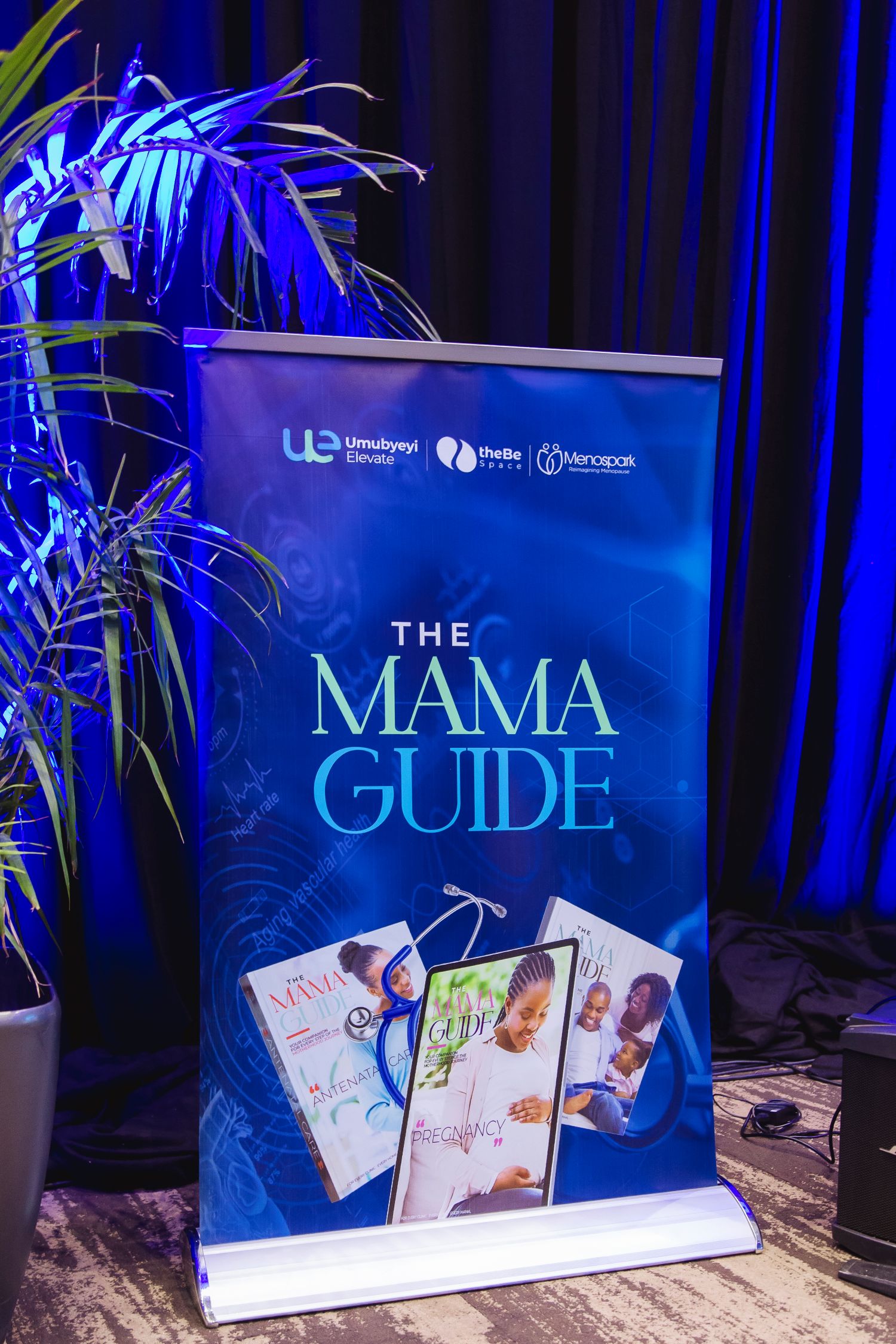
Through initiatives including Mama Guide and partnerships across health, education, technology, and communities, Umubyeyi Elevate bridges gaps between information and care, placing women and young people at the heart of the systems intended to serve them.
Leave a Reply