Researchers found that supercentenarians, people aged 110 and above, have unusually high levels of a specialised immune cell known as CD4 cytotoxic T lymphocytes, or CD4 CTLs.
These immune cells can destroy abnormal cells and are involved in the body’s defence against infections and potentially cancerous cells.
The study, published in Cell Reports, examined blood samples from 28 people divided into three age groups: adults aged 70 to 99, those aged 100 to 109, and people aged 110 or older.
Researchers found that the proportion of CD4 CTLs increased with age. They accounted for about 4% of the relevant T cells among people aged 70 to 99, compared with 9.6% among those aged 100 to 109 and 17.6% among people aged 110 and above.
The researchers also found evidence that these immune cells undergo clonal expansion, meaning individual immune cells multiply to produce large numbers of genetically similar cells.
In one participant, a single clone accounted for more than half of all CD4 CTLs detected in the blood.
Some of the dominant immune-cell sequences were similar to sequences found in people with certain cancers, including lung, breast and liver cancer.
However, none of the supercentenarians studied had been diagnosed with those cancers.
Scientists caution that the findings do not prove that CD4 CTLs are responsible for exceptional longevity. The study was relatively small and focused on immune cells in blood.
Researchers now plan to investigate how these cells behave in different tissues.
The findings offer another clue into the biological mechanisms that may allow some people to remain healthy well beyond 100 years.
A new study has found unique immune cells in people who live beyond 110
China’s State Administration for Market Regulation said Friday that Tesla would recall about 2.98 million vehicles, including 973,156 Model 3 cars manufactured between March 4, 2019, and April 29, 2026, and 1.96 million China-made Model Y vehicles produced between November 16, 2020, and April 30, 2026. The recall also covers more than 35,000 imported Model 3s, around 8,000 Model X vehicles and roughly 2,000 Model S cars.
The vehicles are equipped with electronic door latches and mechanical emergency releases that can be difficult to identify in an emergency. Tesla will install warning labels free of charge to help occupants locate the manual releases.
A woman opens the door for a Tesla Model YL electric vehicle at a showroom in Beijing.
The recall is part of a broader Chinese effort involving 11 automakers to address concerns surrounding emergency door mechanisms. Nine manufacturers, including Tesla, will add warning labels, while all 11 companies will issue software updates as part of the recall campaigns. Xiaomi, Xpeng, and Geely brands Zeekr and Lynk & Co. are among the other automakers affected.
Electronic door latches have become increasingly common as automakers seek to offer more seamless entry systems, including smartphone and NFC-based access. However, such systems can become unusable when a vehicle loses power after a crash. Manual releases are generally installed as a backup, but some are concealed behind panels or placed in locations that may not be obvious to passengers.
China announced in February, following a two-year review, that it would ban hidden electronically actuated exterior door handles from 2027.
Tesla has faced similar scrutiny in the United States. The country’s top auto safety regulator opened an investigation into Tesla’s door-latching systems late last year after concerns were raised about the accessibility of emergency releases. U.S. lawmakers have also proposed legislation requiring manual releases to be intuitive and readily accessible.
Tesla, which helped popularise flush exterior door handles and electronic latches, has said it is working to redesign its door handles in future vehicles. The company’s latest recall in China adds to growing regulatory pressure on automakers to ensure passengers can quickly escape vehicles when electronic systems fail.
China has ordered Tesla to recall nearly three million vehicles over concerns that emergency door releases could be difficult for occupants to locate following a serious crash or power failure, marking the electric vehicle maker’s largest-ever recall campaign in the country.
Researchers studying a highly magnetic neutron star called a magnetar observed signs of a phenomenon known as vacuum birefringence.
This effect occurs when extremely strong magnetic fields change the way light travels through what appears to be empty space.
The idea was predicted in the 1930s through work associated with quantum electrodynamics.
According to the theory, a vacuum is not truly empty because quantum fluctuations can produce temporary changes involving virtual particles.
Under normal conditions, these effects are far too weak to detect. However, the enormous magnetic fields surrounding magnetars could make them visible.
The research team studied the magnetar 1E 1547.0-5408, using NASA’s Imaging X-ray Polarimetry Explorer, or IXPE, together with the NICER X-ray telescope and Australia’s Murriyang Parkes radio telescope.
The scientists examined X-rays and radio signals from the magnetar and found an unusual pattern in the polarization of the X-rays.
The polarization was closely connected to the star’s magnetic field and matched observations of its radio emissions.
The researchers say the results provide compelling evidence for vacuum birefringence, although more observations are needed to completely confirm the explanation.
Magnetars are especially useful for this research because they possess some of the strongest magnetic fields known in the universe.
These fields are estimated to be more than 100 million times stronger than anything scientists can create on Earth.
If future observations confirm the discovery, it could provide an important test of quantum physics under extreme conditions and help scientists better understand how light, space and matter behave in the most powerful environments in the universe.
Magnetar’s powerful magnetic field helps reveal a hidden quantum effect.
Researchers from the University of Jyväskylä followed children for eight years and found that those who spent more time using screens tended to perform better in tests of cognitive processing during adolescence.
The findings challenge the common belief that screen time is always harmful to children. However, researchers say the results should not be interpreted as a reason for children to spend unlimited time on phones, computers or other digital devices.
Instead, they suggest that what children do during screen time may be more important than the amount of time they spend in front of a screen.
The study was based on the PANIC study, which has followed children’s physical activity and nutrition over several years.
Researchers examined 260 young people, including 124 girls and 136 boys, who had an average age of 15.8 years.
They looked at screen use, physical activity and sedentary behaviour from childhood into adolescence.
The teenagers’ learning, attention and working memory were assessed using the CogState test battery.
The results showed that greater screen time beginning in childhood was associated with better cognitive processing during adolescence.
Petri Jalanko, a doctoral researcher at the University of Jyväskylä, said the findings suggest parents and teachers should encourage children to use digital devices for activities that involve active thinking, problem-solving, creativity and learning.
“We should not regard screen time solely as harmful but seek balance between physical activity and screen time that promotes active thinking,” Jalanko said.
The researchers also found that the relationship between physical activity and cognitive performance was more complicated.
Among girls, higher levels of light physical activity from childhood were associated with better working memory during adolescence. Among boys, participation in guided physical activities was linked to better working memory.
However, the researchers did not find a clear connection between physical activity and cognitive performance when activity was measured using devices that tracked movement and heart rate.
The researchers said the differences could partly be explained by the type of activity and how it was measured.
They also stressed that the study does not prove that screen time directly causes better cognitive performance.
More research, including intervention studies, is needed to establish whether there is a cause-and-effect relationship.
More childhood screen time has been associated with better thinking skills in teens.
The programme was launched by the Government of Rwanda in 2024 as part of efforts to accelerate the country’s transformation under the second National Strategy for Transformation (NST2).
The initiative aims to equip one million people, particularly young people, with coding and other digital skills over a five-year period.
The programme was introduced amid Rwanda’s growing young population and the increasing demand for digital skills.
Data from the 2022 Population and Housing Census shows that people aged 30 and below account for 65.3% of Rwanda’s population.
The 1MRC programme is implemented under the supervision of the Digital Inclusion Council (DIC) in partnership with the Ministry of ICT and Innovation.
Some of those who have benefited from the programme told Rwanda Broadcasting Agency (RBA) that the training has provided them with valuable skills and opened up new opportunities.
Umuhoza Evodie said the programme equipped her with skills to develop computer applications that can help address challenges faced by Rwandans.
“I was trained in computer programming, and the applications we develop can help Rwandans in their everyday lives,” she said.
Umuhire Aimée Cynthia said the skills she acquired through the programme helped her secure employment and prepared her to work on projects with potential impact both in Rwanda and internationally.
“They train us to compete in the global labour market, not just in Rwanda. Even the projects we are given to work on are designed with the international market in mind.
We are encouraged to think about how people outside Rwanda, or people in other countries, would use the solutions we develop,” she said.
She added that without the opportunity to acquire digital skills through the 1MRC programme, she would not have been able to work on the international projects she is currently involved in.
Ernest Mpundu, Project Manager in charge of Programs at the Digital Inclusion Council, said the initiative is not limited to teaching coding.
“The programme is not only about equipping people with computer programming skills. It is also about giving them broader digital literacy skills.
Technology has become an essential part of everyday life, and by taking this approach, we are confident that we can achieve the goals we have set,” he said.
The 1MRC programme is part of Rwanda’s broader efforts to strengthen digital skills among its population and prepare young people for opportunities in the increasingly technology-driven global economy.
Over 300,000 people have been trained in coding over the past two years
Three people familiar with the matter told Reuters that the model was developed in partnership with Alibaba and trained with support from the Chinese technology company. They spoke anonymously because the information has not been made public.
Apple had previously relied on models from Chinese technology companies to bring generative AI features to its devices in China.
US-developed services such as OpenAI’s ChatGPT and Anthropic’s Claude are not available in the country.
Apple Intelligence, the company’s suite of AI tools, is expected to launch in China in the coming months after an iOS update.
A China-specific model could give Apple greater control over the AI experience on devices sold in the country.
It could also help the company meet China’s regulatory requirements, which challenge foreign technology companies.
The move comes as Apple faces strong competition from Chinese smartphone makers, including Huawei, that have moved quickly to introduce AI-powered features.
The absence of Apple Intelligence from Chinese iPhones has been cited as one factor affecting the company’s competitiveness as consumers increasingly choose domestic brands with built-in AI assistants.
The development follows a lengthy regulatory process. Last month, China’s Cyberspace Administration registered Apple’s generative AI service, clearing the way for Apple Intelligence to reach Chinese iPhones.
Under the existing arrangement, Alibaba’s Qwen model is expected to be incorporated into the version of Apple Intelligence for compatible iPhone, iPad, Mac and Vision Pro devices sold in China. The service was also expected to include Baidu technology.
Apple recently published a Chinese-language guide showing eligible Mac users in mainland China how to connect Qwen to Siri and Apple’s Writing Tools. Apple later removed the guide without explanation.
Apple’s partnership with Alibaba was first confirmed in February 2025, when Alibaba Chairman Joe Tsai said Apple had selected Alibaba to provide AI technology for its phones in China.
The rollout was later delayed as Apple worked to adapt its features to Chinese regulations.
China remains an important market for Apple, accounting for a significant share of its revenue.
The company’s latest AI strategy could help it strengthen its position while navigating the country’s regulatory environment.
Apple’s latest AI move comes as the company works to strengthen its position in China’s competitive smartphone market.
The new information comes from the Sloan Digital Sky Survey V, known as SDSS-V. It is part of Data Release 20, or DR20, the latest major collection of information from the project.
A spectrum is a way of studying light from an object in space. By breaking light into different parts, scientists can learn about an object’s temperature, movement and chemical makeup.
One of the biggest changes in the new release is that it includes optical observations from the Southern Hemisphere for the first time.
These observations were made with a telescope at Las Campanas Observatory in Chile.
They have been combined with observations from the Sloan Foundation Telescope at Apache Point Observatory in New Mexico.
Together, the two locations allow scientists to study objects in the sky from both the northern and southern parts of Earth.
The new data include information on about 1.5 million stars. They also contain about 1.1 million spectra from the Black Hole Mapper programme, covering around 500,000 different objects.
Scientists hope the information will help them better understand supermassive black holes and how they change over time.
Some of the objects have been observed more than once, allowing researchers to compare their changes.
The release also combines optical observations with X-ray information from the eROSITA space telescope.
This gives scientists information about hundreds of thousands of objects that produce X-rays, including active galaxies, galaxy clusters and active stars.
Another important part of the release focuses on the Milky Way and nearby galaxies. Scientists have mapped areas containing glowing gas, young stars and planetary nebulae.
The maps include well-known regions such as the Orion and Rosette nebulae.
The new release also includes 18 scientific catalogues and online tools that make it easier to explore the huge amount of information.
The data are publicly available, meaning scientists, students, teachers and astronomy enthusiasts around the world can use them.
Researchers hope the information will lead to new discoveries about how stars and galaxies form and change.
With DR20, SDSS-V is moving closer to creating a detailed map of the sky across both hemispheres.
The project is giving scientists a powerful new way to study the Universe and understand its many mysteries.
Astronomers have mapped more of the universe using millions of new observations.
The four-day forum in Kigali will examine the challenges and opportunities facing Africa’s Internet ecosystem, particularly inland markets that lack direct access to submarine cable landing stations, while exploring ways to build a more resilient, affordable and locally connected Internet across the continent.
By fostering a more connected and resilient Internet, these efforts can lower the cost of delivering digital services, improve online performance, and strengthen Africa’s ability to shape and sustain its own digital future.
Organised by the African IXP Association (Af-IX) and supported by the Rwanda Internet Community and Technology Alliance (RICTA), AfPIF is a leading forum for Africa’s Internet stakeholders to exchange ideas, build partnerships, and advance practical solutions to strengthen the continent’s digital infrastructure and Internet ecosystem.
Af-IX is a regional association dedicated to advancing the proliferation of Internet Exchange Points (IXPs) across the African continent.
Meanwhile, the Rwanda Internet Community and Technology Alliance (RICTA) is a not-for-profit organization representing the Rwanda Internet community. It was formed in 2005 with the objective of managing the .RW country code top level domain and the Rwanda internet exchange point.
“Hosting this year’s AfPIF in Rwanda gives us an important opportunity to put the spotlight on the realities of building and strengthening Internet infrastructure in inland East and Central Africa. We’re looking closely at both the challenges and opportunities facing inland markets that don’t have direct access to submarine cable landing stations, while exploring how stronger interconnection, carrier-neutral data centres, and local content delivery can help build a more resilient and affordable Internet across Africa.
“We’re looking forward to bringing our community together to share experience, identify solutions, and build the partnerships needed to turn these opportunities into lasting progress,” said Kyle Spencer, Executive Director of the African IXP Association.
As the local host of AfPIF 2026, RICTA is delighted to welcome delegates from across Africa and around the world to Rwanda, as the event returns to the country for the second time following the successful 2022 edition.
This year’s forum brings together a diverse community of stakeholders from across the Internet ecosystem, including Internet Exchange Points (IXPs), data centres, cloud and content delivery providers, Internet service providers, submarine cable operators, technology companies, governments, academia, research institutions, development partners, community networks, and the media.
“This rich diversity of expertise and perspectives is essential to fostering collaboration, strengthening Africa’s digital infrastructure, and accelerating the continent’s digital transformation,” said Grace Ingabire, CEO of RICTA.
“We warmly invite delegates to make the most of their time in Rwanda by experiencing the country’s vibrant digital and business landscape, discovering new opportunities for investment and innovation, and building partnerships that can contribute to the growth of Africa’s digital economy,” added Ingabire.
Hosted at the Kigali Marriott Hotel, AfPIF 2026 will explore the opportunities and challenges shaping East Africa’s digital future, with a focus on Internet policy, carrier-neutral data centres, and content delivery infrastructure.
The programme features workshops, keynote addresses, panel discussions, bilateral meetings, lightning talks, and networking events designed to share practical insights, encourage collaboration, and support new partnerships and investment across Africa’s Internet ecosystem.
Internet connectivity is increasingly becoming essential to communication, business and access to digital services.
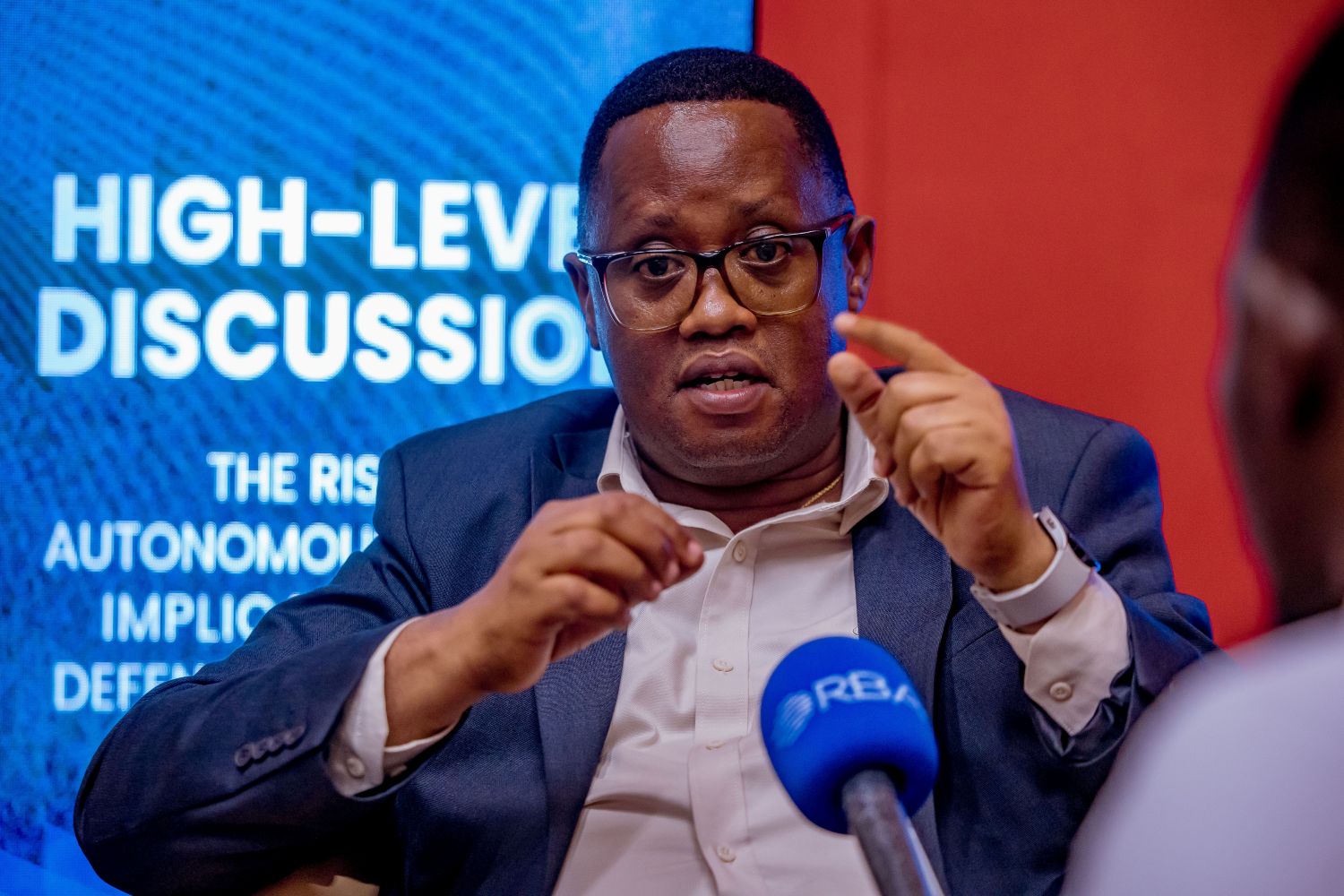
Speaking to journalists on the sidelines of the ISCA High-Level Discussion in Kigali on Wednesday, Dr. Ndushabandi said Rwanda’s governance, security institutions, research capacity and investment in education give it an advantage as African countries confront a rapidly changing technological and security environment.
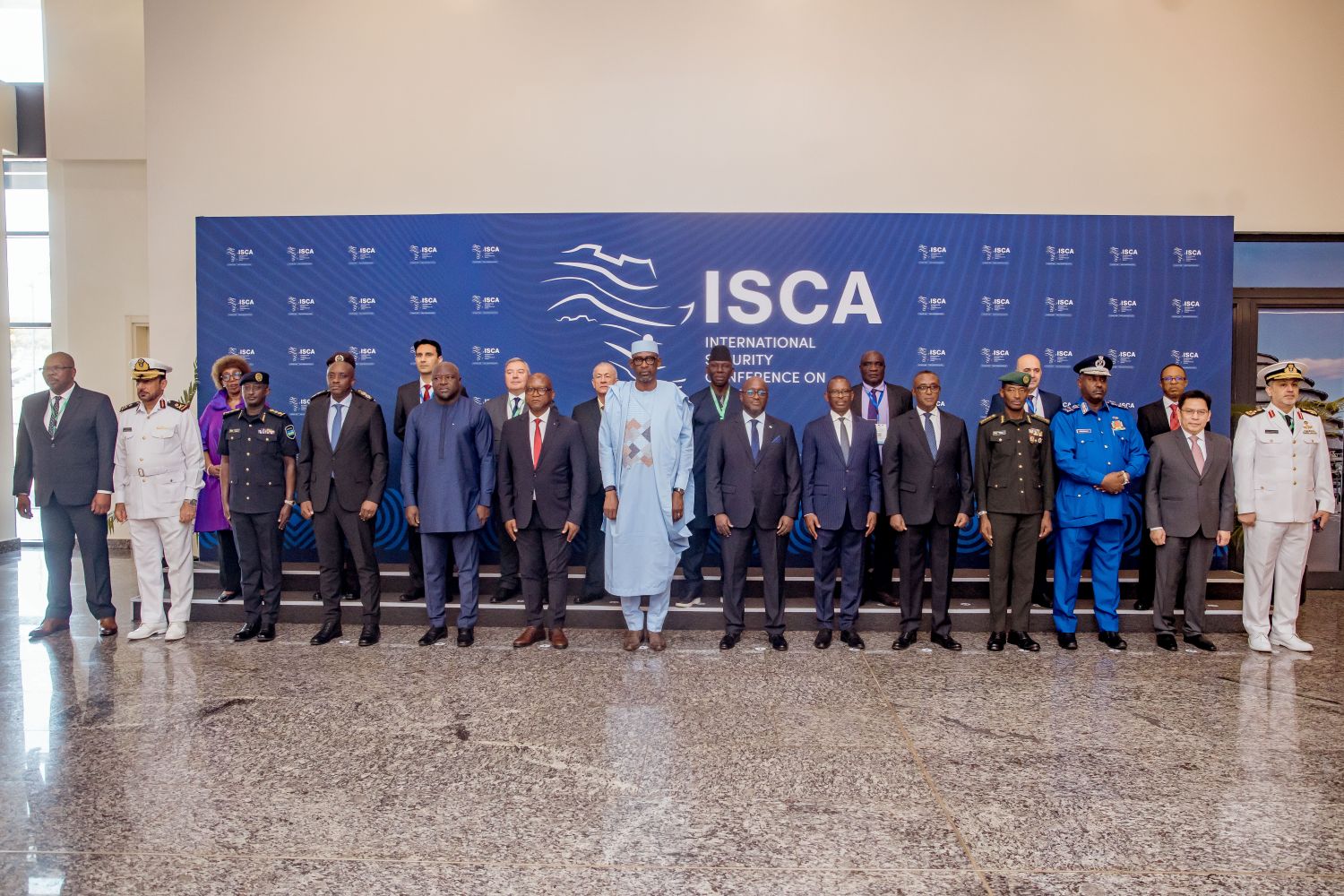
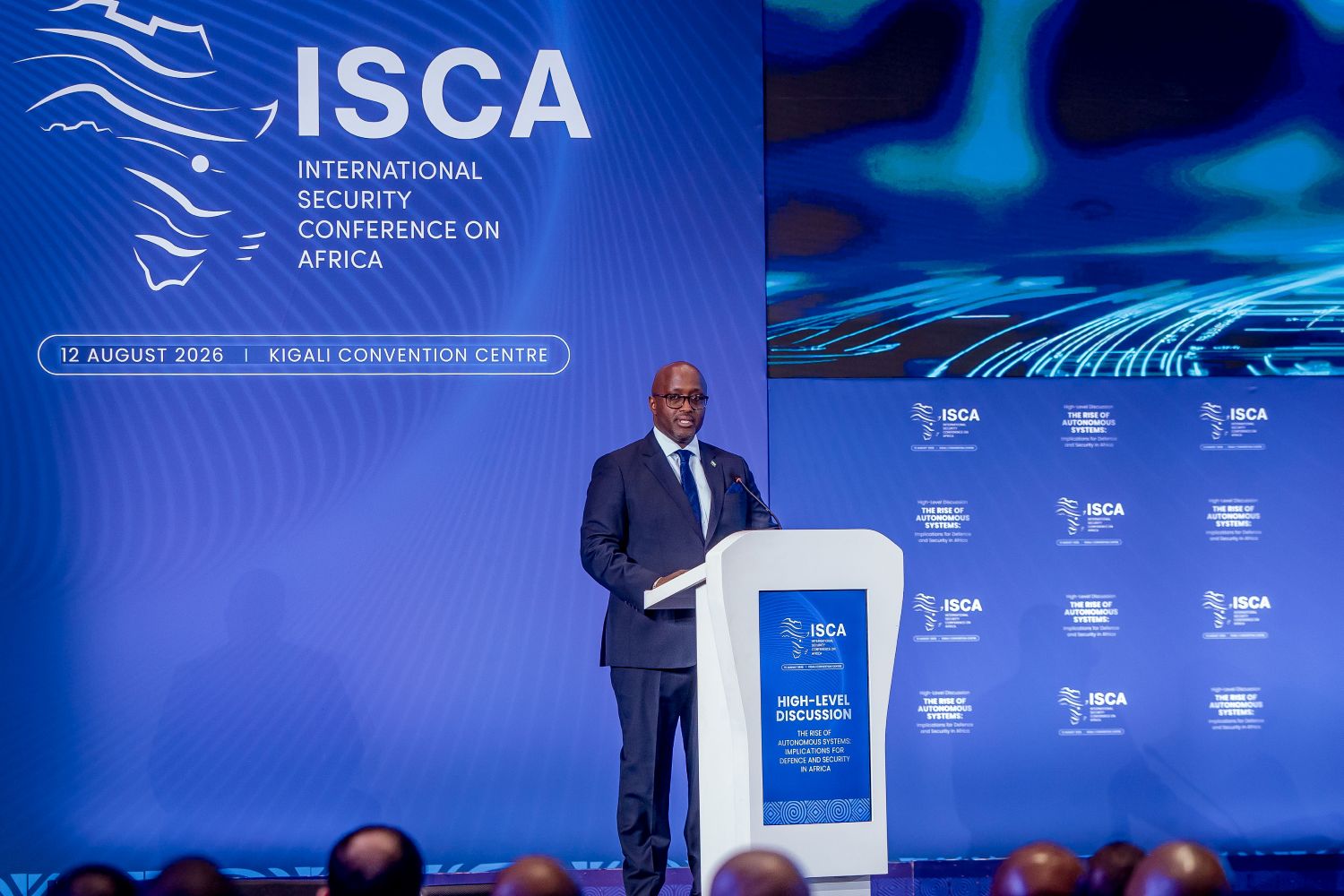
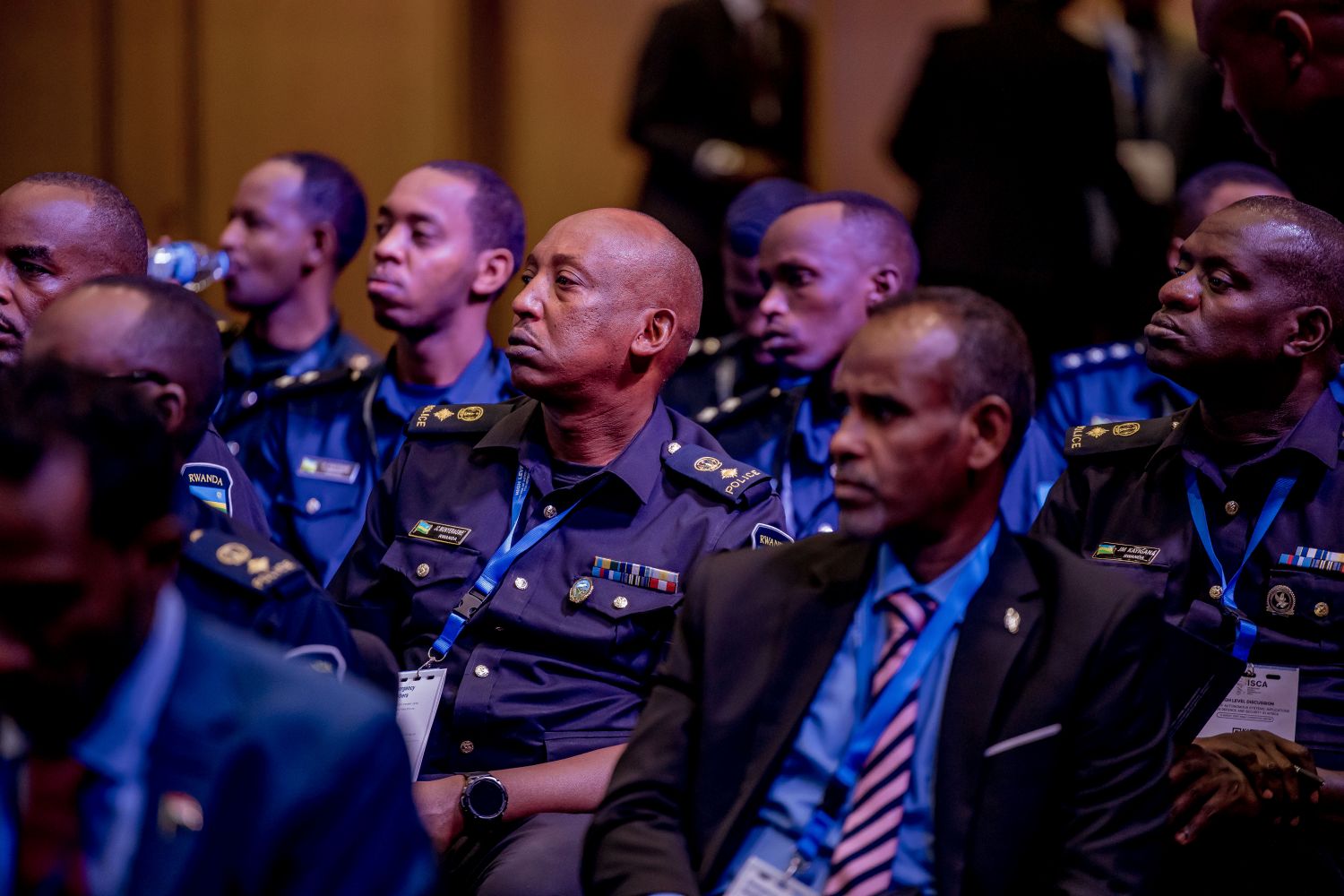
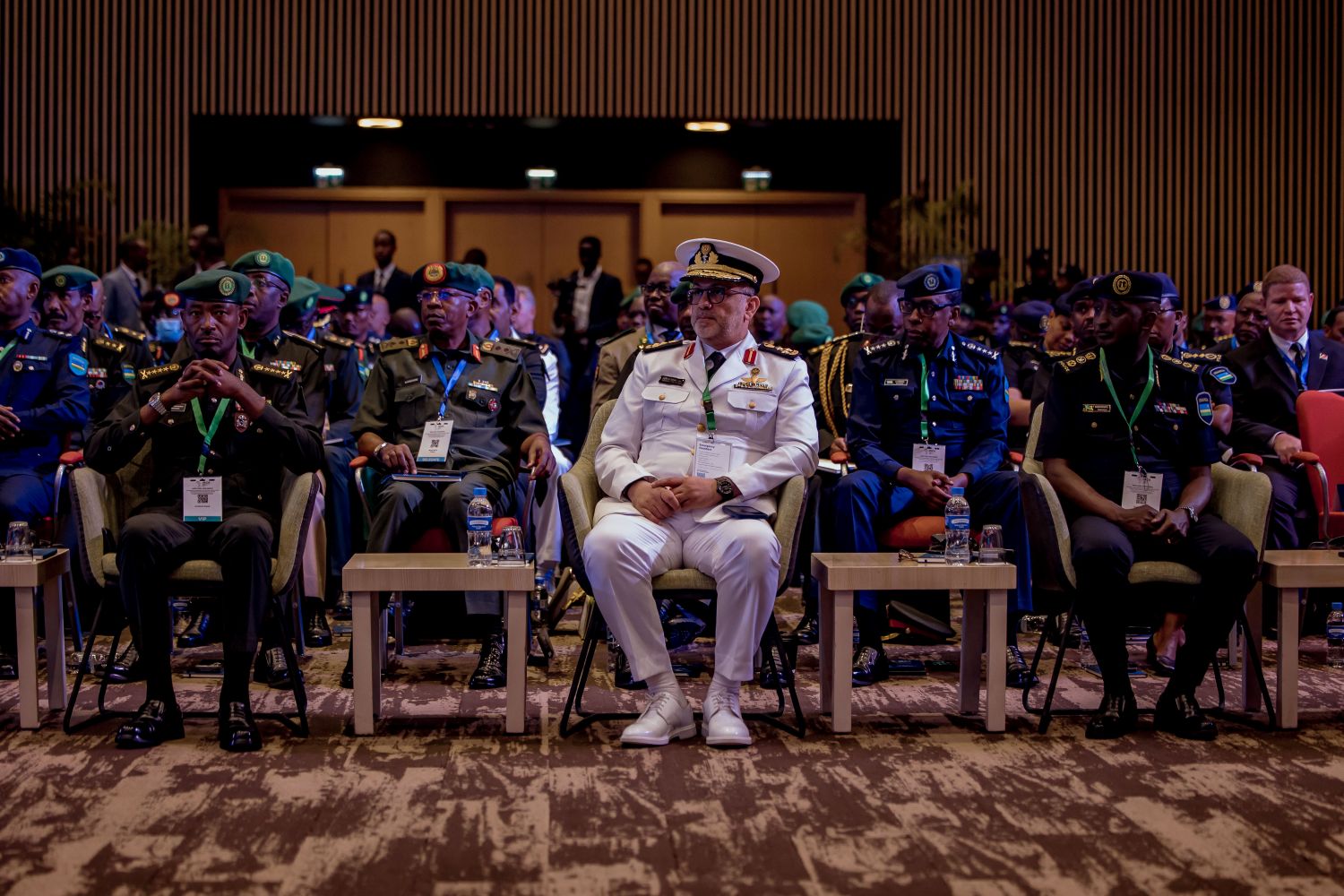
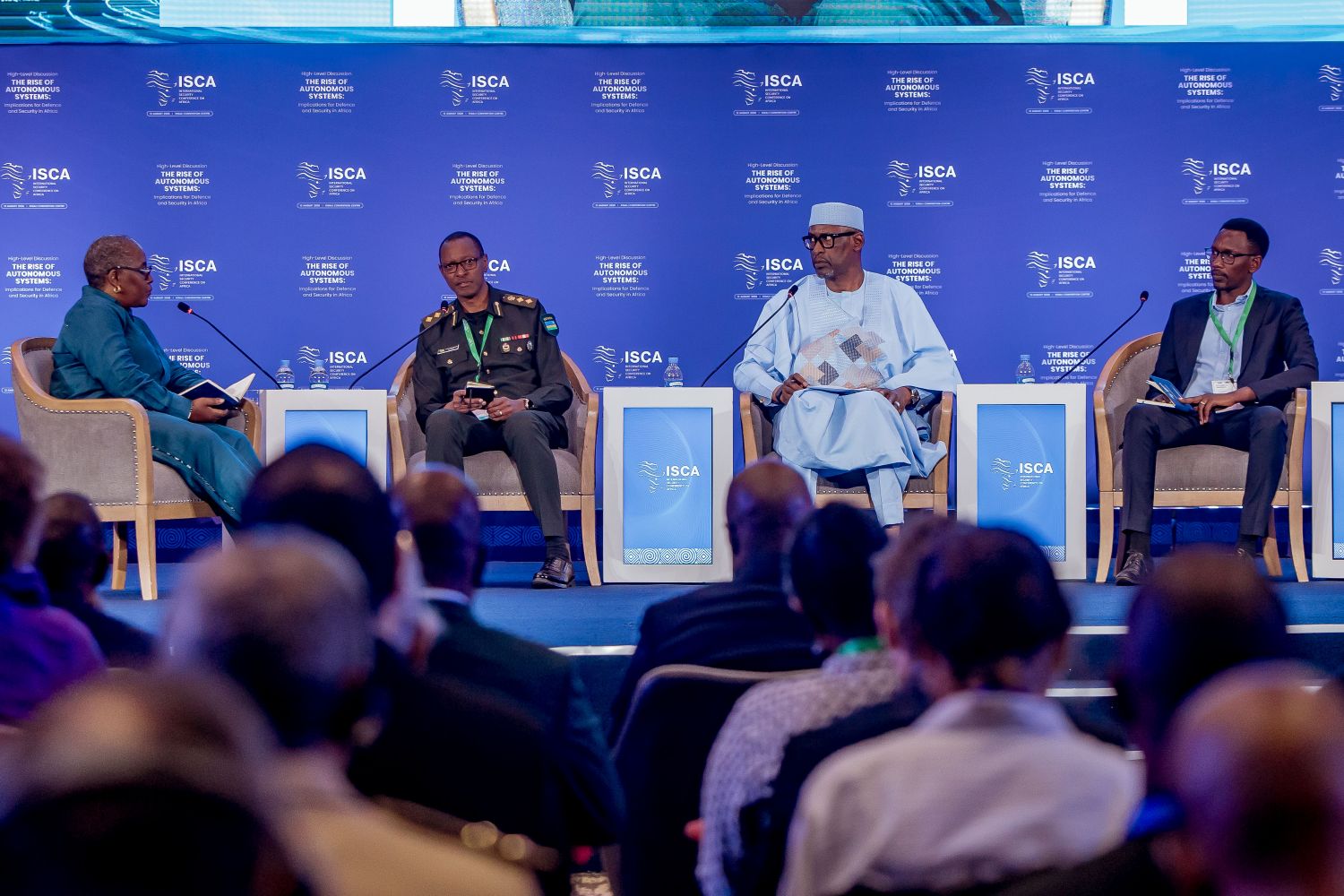
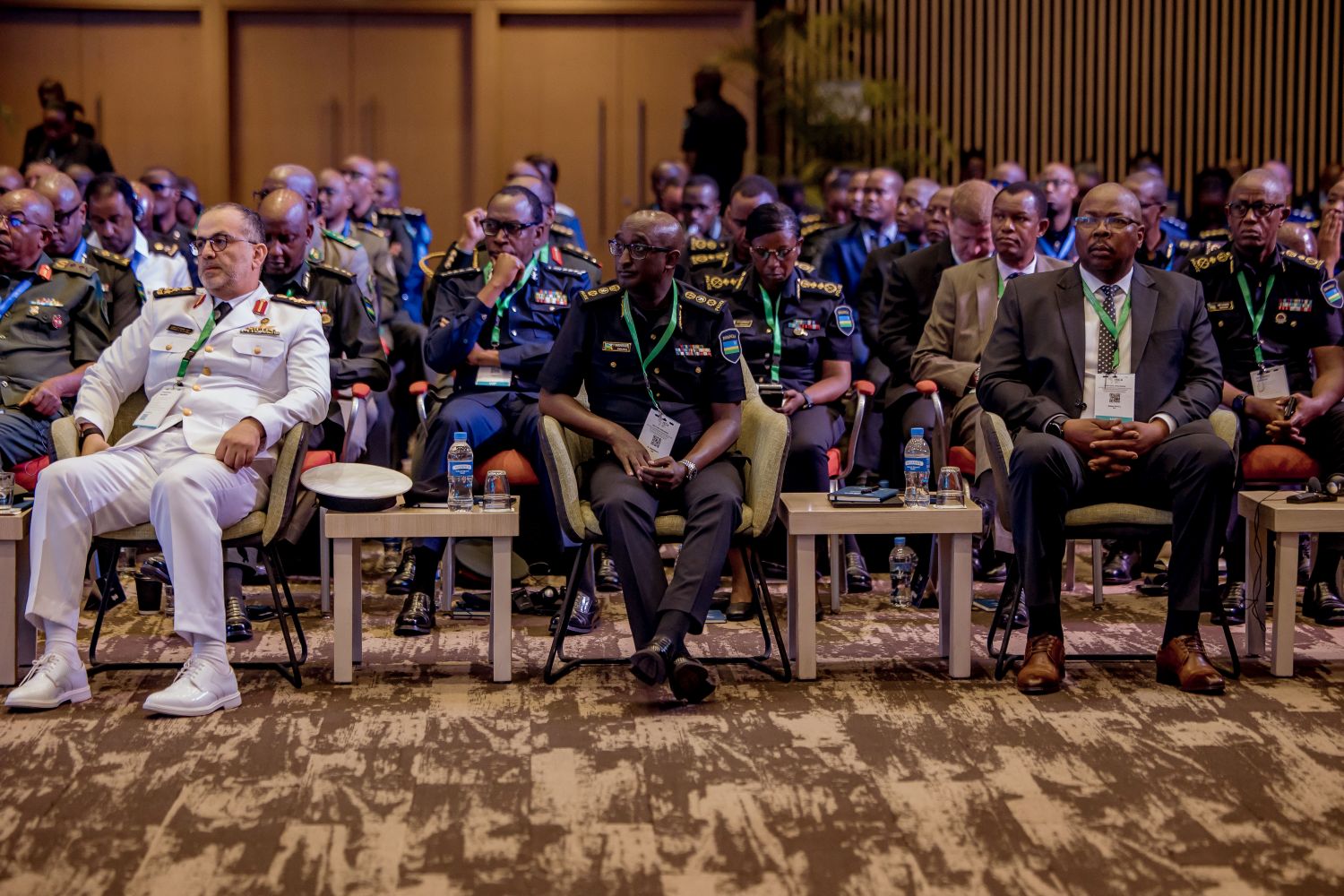
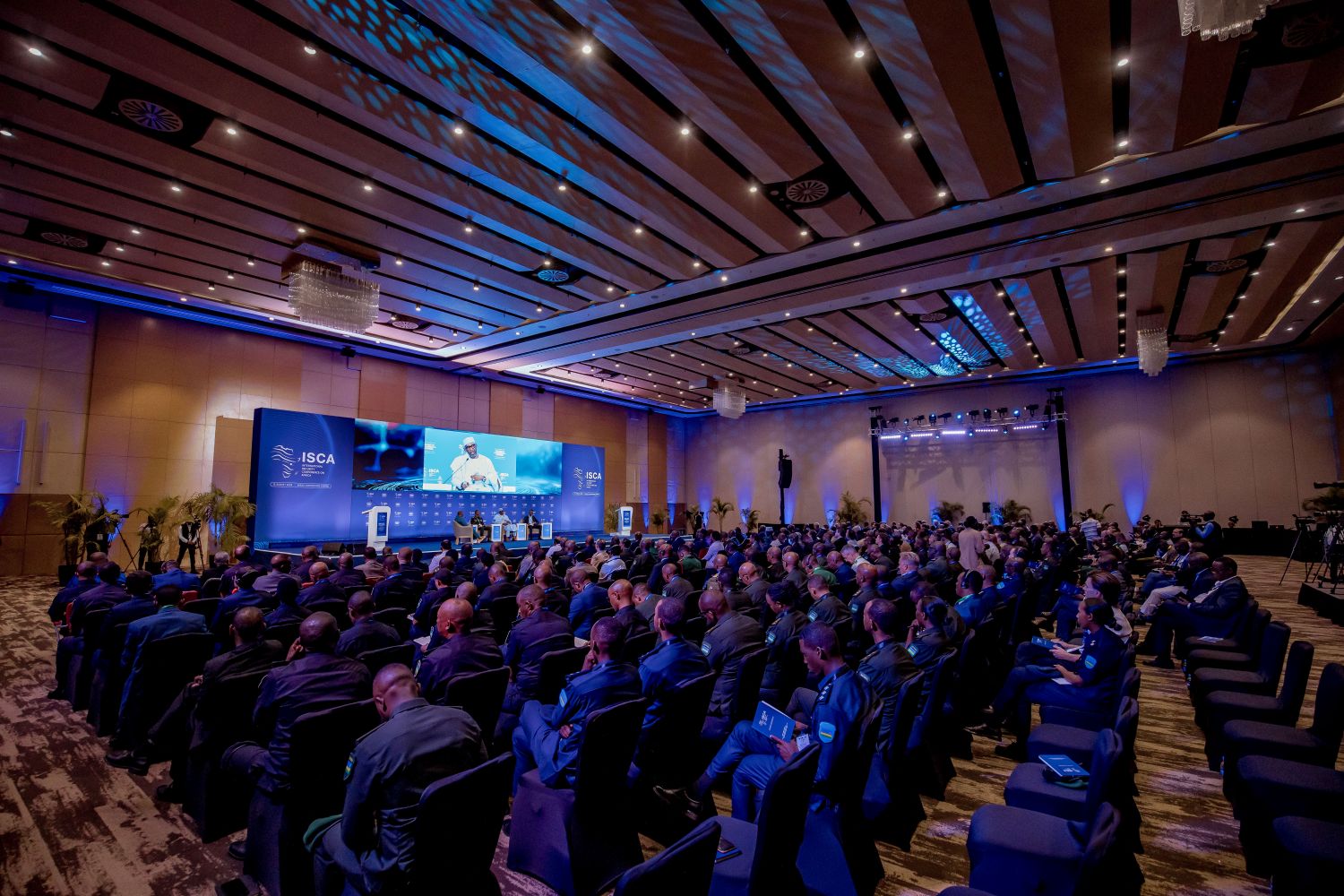
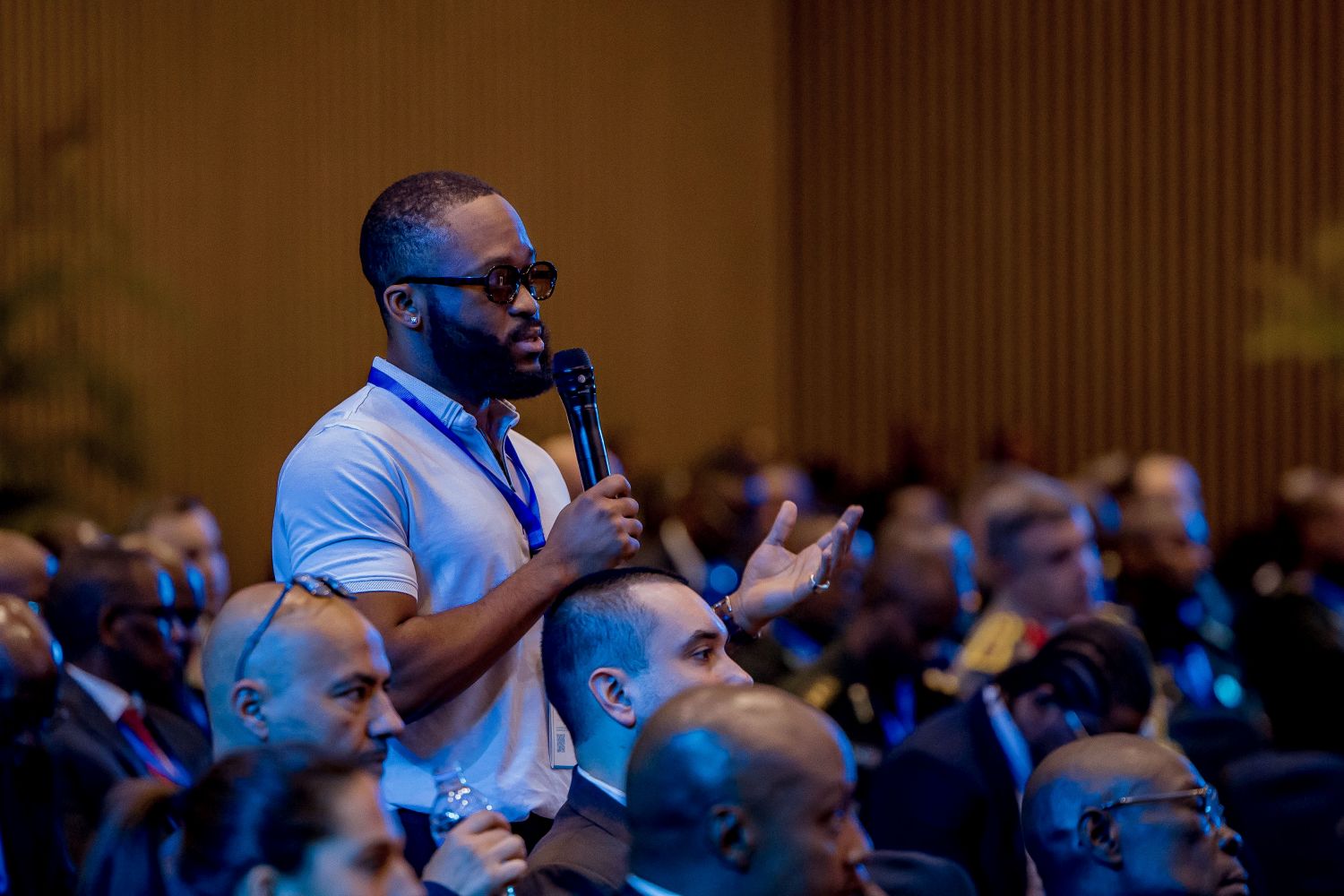
The high-level discussion, held at the Kigali Convention Centre under the theme “The Rise of Autonomous Systems: Implications for Defence and Security in Africa,” brought together more than 300 delegates from 50 countries, including policymakers, defence and security officials, researchers, technology experts and international partners.
Dr. Ndushabandi said the discussions had demonstrated that autonomous systems are no longer a distant technological development but are already changing the nature of conflict and security across Africa.
“Something is happening. The conflict, the landscape is changing,” he said, summarising one of the key conclusions emerging from the discussions.
He said autonomous systems are reshaping issues ranging from border security and military operations to cybersecurity, cross-border crime and immigration management, forcing African states to reconsider their doctrines, institutions and capabilities.
Rwanda’s advantage
According to Dr. Ndushabandi, Rwanda stands out in three key areas: governance and leadership, information and security capabilities, and human-centred development.
“From a research perspective, I could highlight three dimensions. The first one is governance and leadership,” he said, arguing that Rwanda’s experience in institution-building, governance and security provides lessons that could be relevant to other African countries.
He pointed to Rwanda’s participation in peace operations and counterterrorism efforts, including in Mozambique and the Central African Republic, as examples of the country’s developing security and military capabilities.
He also highlighted Rwanda’s ability to monitor and assess emerging security challenges, arguing that information capabilities will become increasingly important as autonomous technologies transform the security environment.
The third dimension, he said, is development, particularly education and the development of human capabilities.
“Capabilities goes with resources, capability, development of education systems,” Dr. Ndushabandi said, stressing that Africa’s response to autonomous technologies cannot be separated from investment in people.
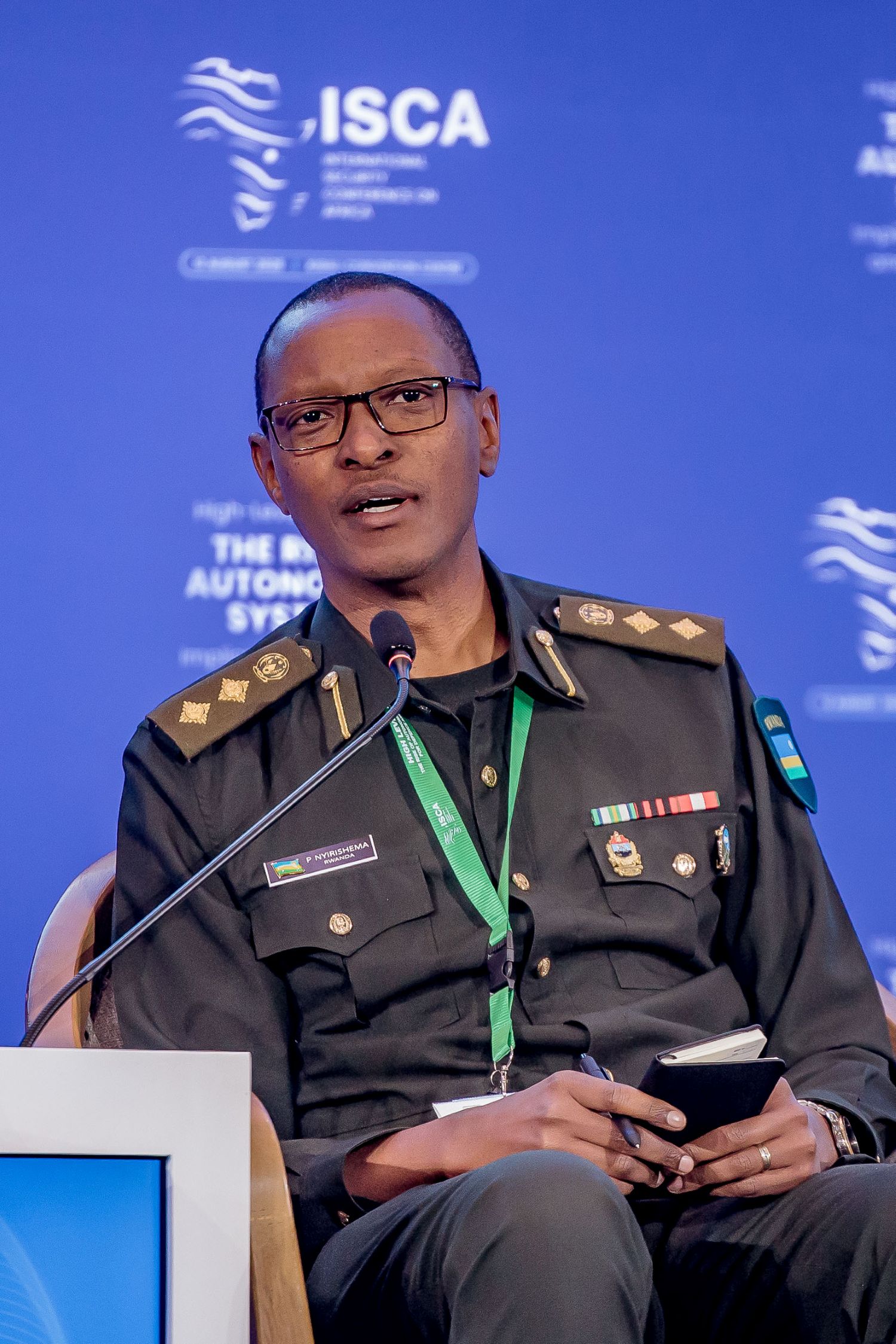
His assessment echoes comments made during the conference by Col. Patrick Nyirishema, Head of Defence Research and Development at the Rwanda Defence Force, who argued that Rwanda has a particular advantage because of its leadership’s emphasis on anticipating future security challenges.
Nyirishema said Africa faces a fundamental choice: whether to remain primarily a consumer of technologies developed elsewhere or to build the capabilities needed to shape and adapt them.
For him, the starting point is talent.
“Build talent. Build talent. Build talent,” Nyirishema told the panel, arguing that African countries need to develop technology ecosystems extending beyond defence institutions to universities, private companies, young innovators and other parts of society.
From buying technology to building capability
The conference repeatedly stressed that autonomous systems cannot simply be treated as another procurement item.
Col. (Rtd) David Kanamugire, Chief Executive Officer of Rwanda’s National Cyber Security Authority, said Africa could not “buy autonomy” because effective autonomous capability depends on much more than acquiring equipment.
He identified data, computing power, talent and adaptable institutions as essential components of the technology ecosystem.
“Autonomous-ready means you control the entire technology stack,” Kanamugire said, highlighting the importance of controlling sensors, communications, cybersecurity and other supporting systems.
This concern was also central to Dr. Ndushabandi’s assessment.
He said Africa should welcome technological opportunities coming from outside the continent, but should simultaneously develop the capacity to adapt and eventually develop technologies that respond to African needs.
“The objective is not simply going to be to regulate what comes from outside,” he said. “It is about being open to and aware of the opportunities these technologies offer.”
However, he stressed that imported systems must be adapted to local cultures, institutions and security realities.
The African context matters
The conference heard that technologies developed elsewhere may not perform in exactly the same way when deployed in African environments.
Moise Busogi, Assistant Teaching Professor at CMU-Africa, gave the example of artificial intelligence models used for image recognition. A model trained in one country can perform differently when deployed in another environment because of differences in terrain, infrastructure and other local conditions.
That, he argued, makes contextualisation and local innovation essential.
Nyirishema said autonomous systems designed for desert environments would need to operate differently from those deployed in forests, mountainous terrain or other settings, underscoring the need for African countries to develop the talent and institutions required to adapt such technologies to local conditions.
Security risks are also increasing
While autonomous systems offer opportunities in border surveillance, agriculture, infrastructure protection, intelligence gathering and military operations, speakers warned that their increasing accessibility also creates new security risks.
Rwanda’s Foreign Minister Olivier Nduhungirehe said autonomous systems and artificial intelligence are becoming increasingly accessible, including to non-state actors.
“Africa cannot afford to fall behind as these technologies continue to evolve,” Nduhungirehe said.
Dr. Ndushabandi similarly warned that autonomous technologies could become particularly problematic in countries affected by unresolved conflicts, weak governance or limited state control over territory.
He said the decreasing cost of autonomous systems could make them increasingly accessible to non-state groups, including armed groups, potentially intensifying existing conflicts.
Sovereignty and strategic autonomy
Another major concern emerging from the discussions was sovereignty.
Dr. Ndushabandi said autonomous systems can challenge traditional concepts of state sovereignty, particularly when systems operate across borders or when states become dependent on technologies, data or infrastructure controlled elsewhere.
The question for Africa, he said, is how to benefit from international technological cooperation while maintaining sufficient strategic autonomy.
Dr. Paul Simon Handy, Regional Director for East Africa and Representative of the African Union/Institute for Security Studies, argued that strategic autonomy should not mean that every African country manufactures every component of an autonomous system.
Instead, he said, it should mean having the knowledge and political freedom to understand, sustain and make decisions about the technologies countries acquire.
He also urged African states to rethink military doctrines rather than simply inserting new technologies into existing structures.
A continental opportunity
The discussions also pointed to greater cooperation between African countries.
Handy said no African state could independently develop the entire range of technologies required for autonomous systems, making regional cooperation and an intentional division of labour essential.
Dr. Ndushabandi said the ISCA platform had provided an opportunity for governments, security institutions, researchers, universities and international partners to begin developing such cooperation.
He noted that the discussions were also timely because technology is expected to feature prominently on the African Union agenda in 2027.
For Dr. Ndushabandi, Africa’s preparedness will ultimately depend on whether governments can translate the current debate into practical policies, stronger institutions, education programmes and technological capabilities.
Dr. Ndushabandi also urged young Africans to use growing access to AI and other technologies to develop specialised skills rather than focusing primarily on entertainment. “AI is giving opportunity for young people to access knowledge,” he said, stressing the importance of education and professionalisation as Africa prepares for the changing security and technological environment.
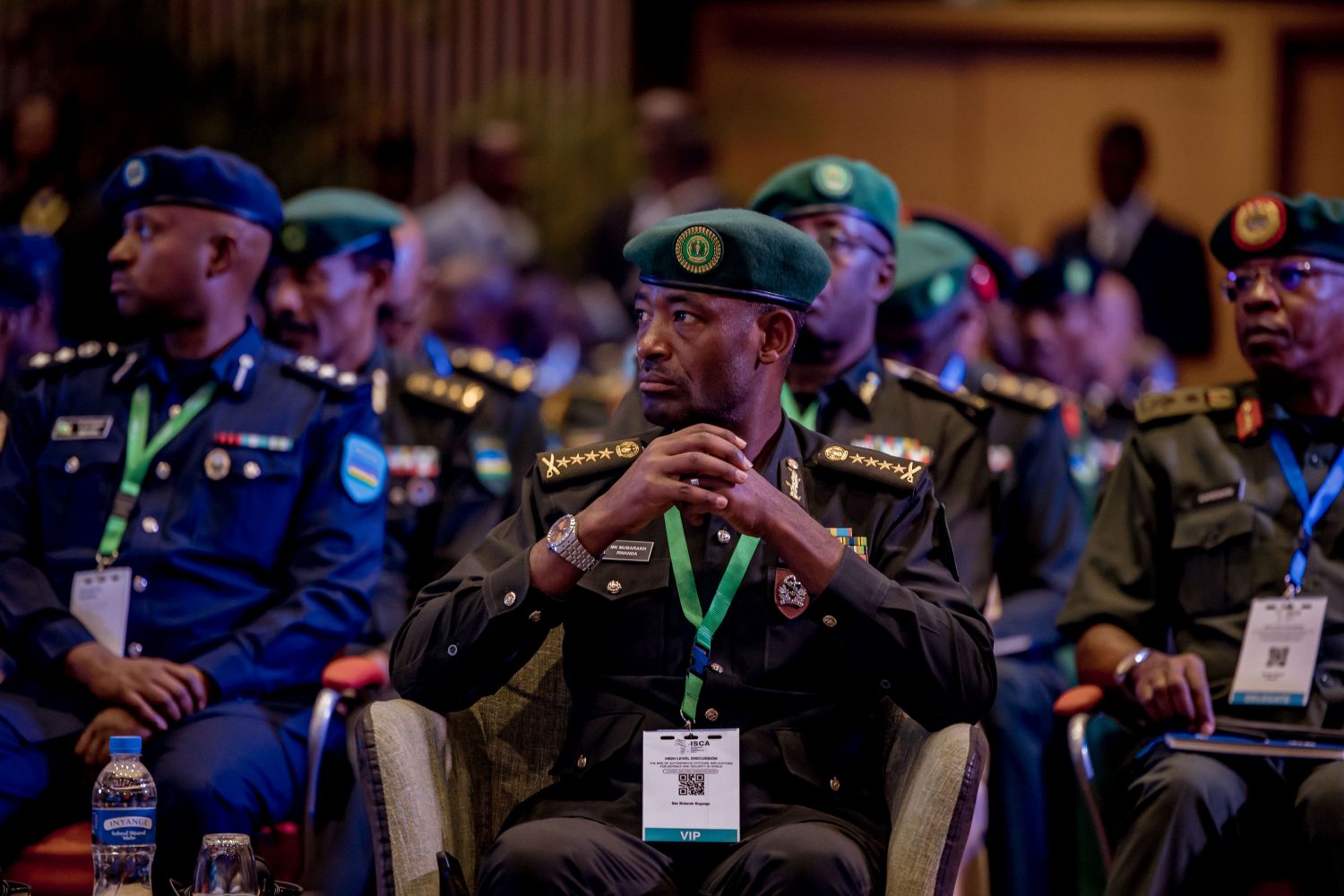
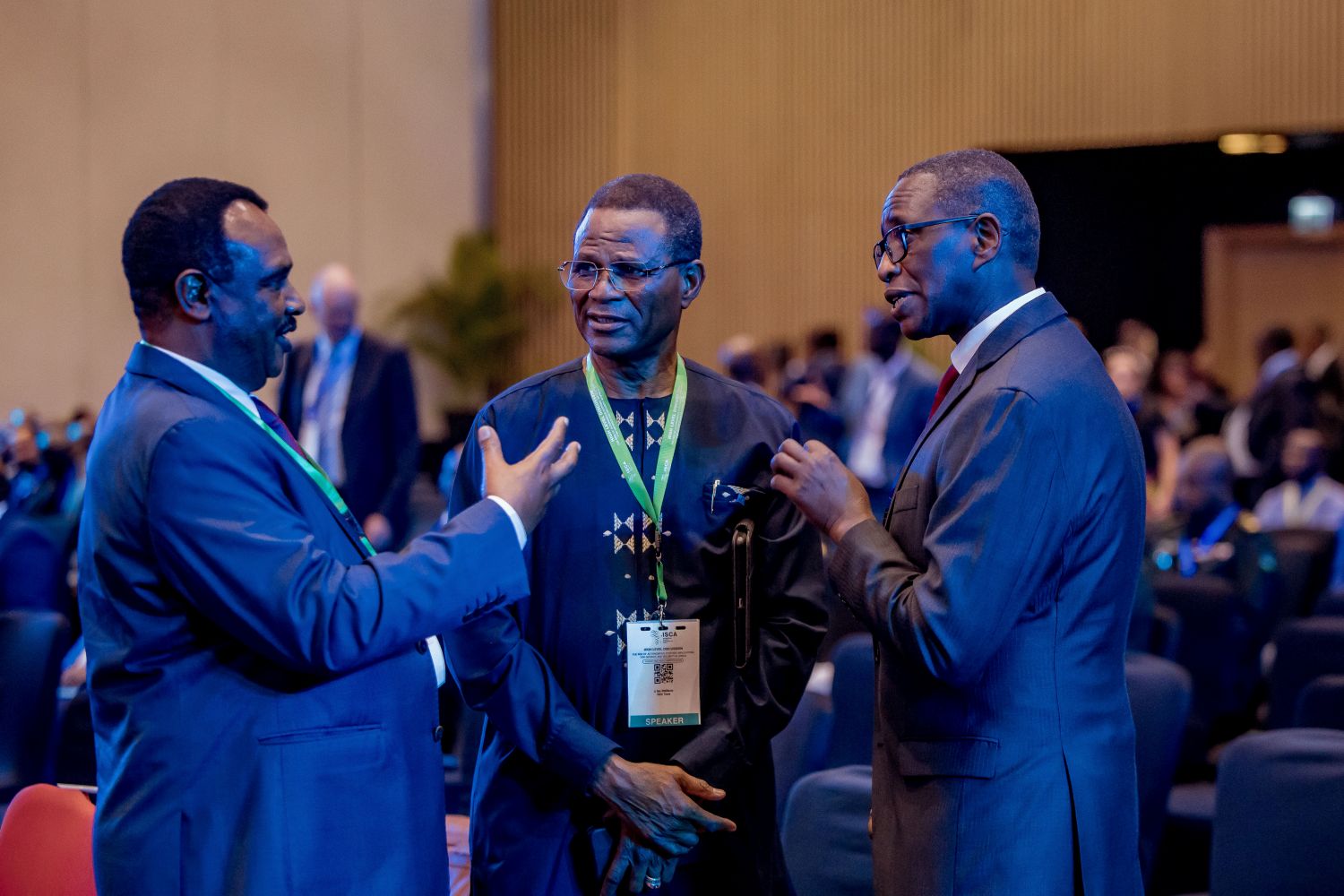
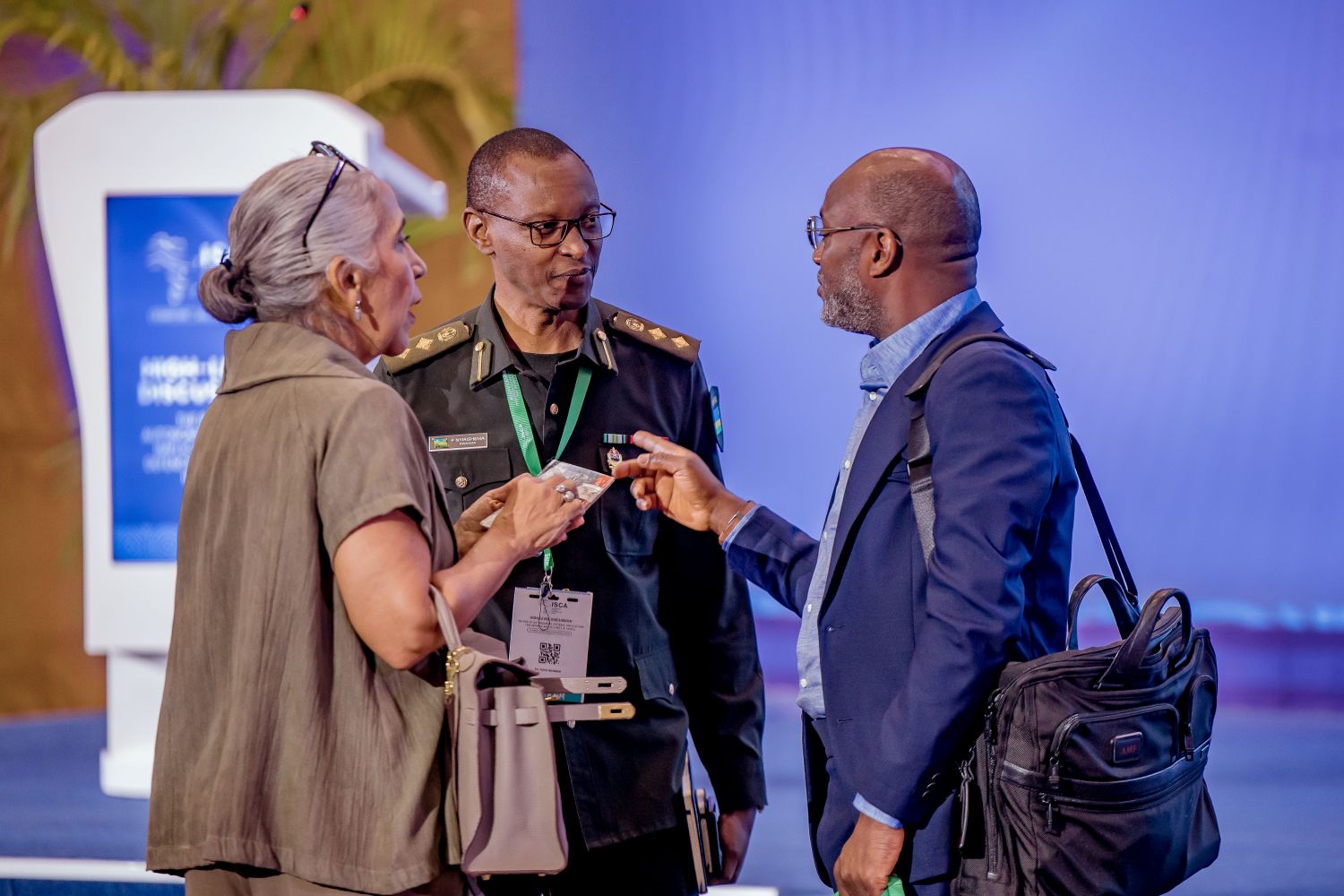
The high level convening brought together more than 300 delegates from 50 countries.Rwanda’s Foreign Minister Olivier Nduhungirehe said autonomous systems and artificial intelligence are becoming increasingly accessible, including to non-state actors.Chief of Defence Staff (CDS) of the Rwanda Defence Force, General Mubarakh Muganga, follows the discussions. The conference repeatedly stressed that autonomous systems cannot simply be treated as another procurement item.Col. Patrick Nyirishema, Head of Defence Research and Development at the Rwanda Defence Force, argued that Rwanda has a particular advantage because of its leadership’s emphasis on anticipating future security challenges.
The programme, led by the Rwanda Space Agency (RSA), is designed to support a wide range of national development activities across the country.
The partnership follows a pilot project implemented in Zanzibar with support from the Tony Blair Institute and the World Bank. It marks Planet’s first national-scale satellite data partnership in Africa.
At government level, the programme will make high-resolution satellite imagery available to support policymaking and national planning.
The data will be used to monitor agriculture and food security, track forest health and resilience, improve urban planning and zoning, and support land-use management. It will also help strengthen disaster preparedness, prevention and response, including assessing and repairing damage caused by disasters.
The Rwanda Space Agency is working to make satellite imagery one of the key tools used by government institutions to inform decision-making at different levels.
The programme also includes an education component. Public universities in Rwanda will use Planet’s imagery and data for teaching, developing new courses and advancing technology-driven research.
The partnership will also help build local capacity by equipping people with the skills and knowledge needed to analyse and use satellite data effectively.
Selected startups operating in key sectors of national development will also have access to Planet’s near-daily data. They will use the information to develop new solutions and services, with the broader goal of promoting inclusive economic growth.
Planet Labs PBC is a U.S.-based Earth observation company founded in 2010 by three former NASA scientists. The company designs, builds and operates a large fleet of Earth-imaging satellites and provides satellite imagery, geospatial data and analytics to governments, businesses and research institutions.
Planet says its fleet of approximately 200 Earth-imaging satellites can capture imagery covering the world’s landmass daily, making it possible to monitor changes on the ground at a much higher frequency than traditional satellite imagery.
Rwandan institutions are set to start using near-daily satellite imagery and data to support evidence-based decision-making, thanks to a new partnership with Planet.