The data centers, supported by U.S. President Donald Trump, have emerged as a key topic ahead of the 2026 midterm elections. Recent polls have found that more than 70 percent of the public opposes data centers near them, according to The Wall Street Journal, forcing governors and candidates who had previously embraced AI to backtrack on their positions.
Power pressure
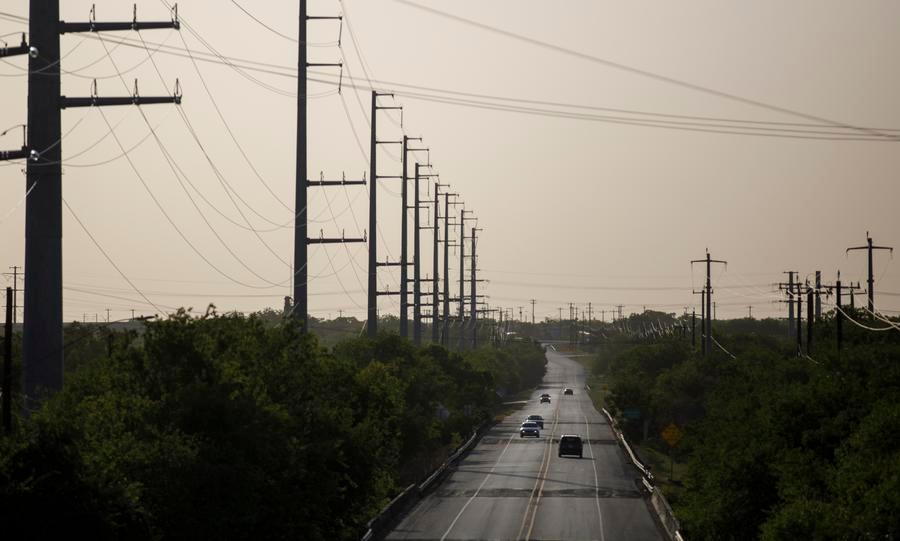
The biggest source of public concern is the strain that data centers place on the power grid, with residents worried that the rapid expansion of such facilities could lead to higher electricity bills.
The concern comes as electricity prices have climbed across the country. Average electricity costs in the U.S. have risen more than 35 percent in the last five years, according to the Bureau of Labor Statistics.
Many consumers are blaming data centers for rising electricity costs, though the industry says it isn’t solely to blame, according to the WSJ report.
The pressure is particularly visible in Texas, one of the country’s fastest-growing data center hubs. The state recently froze new grid connections for data centers and launched an audit of proposed projects amid concerns over whether the surge in electricity demand can be reliably managed.
In March, major technology companies, including Microsoft, Amazon, Google, Meta, xAI, Oracle and OpenAI gathered at the White House to sign Trump’s “ratepayer protection pledge,” committing to “paying the full cost of their energy and infrastructure, no matter what.”
However, the Financial Times reported the pledge lacks an enforcement mechanism and remains vague on which infrastructure costs data centers would have to cover.
The biggest source of public concern is the strain that data centers place on the power grid, with residents worried that the rapid expansion of such facilities could lead to higher electricity bills.
Other concerns
Beyond concerns about electricity costs, opposition has also focused on the broader environmental and community impacts of data centers.
In rural Nebraska, The Associated Press reported that residents worried about “dwindling farmland” and “declining water supplies” as large technology companies expand data center projects, while residents in East Texas complained of being forced to live in a “gas cloud” so data centers could get enough electricity.
The report also cited Kardal Coleman, who leads the Democratic Party in Dallas County, criticizing data centers for “replacing our jobs, polluting our air, and exacerbating the climate crisis, not to mention the noise disturbing our neighborhoods.”
A lack of transparency and public involvement has further fueled opposition to data center projects. In Oklahoma, The Washington Post reported how one person opposing a Google data center project said residents had been “kept in the dark” about what would be built in their community.
Who benefits?
Trump has strongly supported the expansion of data centers during his second term, citing jobs and national security as reasons for accelerating the build-out.
“If they want to be successful and rich, with far lower taxes and jobs all over the place, let Data Reign,” Trump said on social media, referring to communities that reject such projects.
But some data center activists were wary of politicians and powerful corporations asking people to sacrifice in exchange for economic revitalization that may never arrive, according to The Washington Post.
In West Virginia, resident Shaena Crossland said that she feared data centers could repeat the pattern of industries such as coal mining and logging, which extracted resources from the state while leaving many communities struggling economically.
“Hopefully this cycle of extraction and taking advantage of people will stop,” Crossland said.
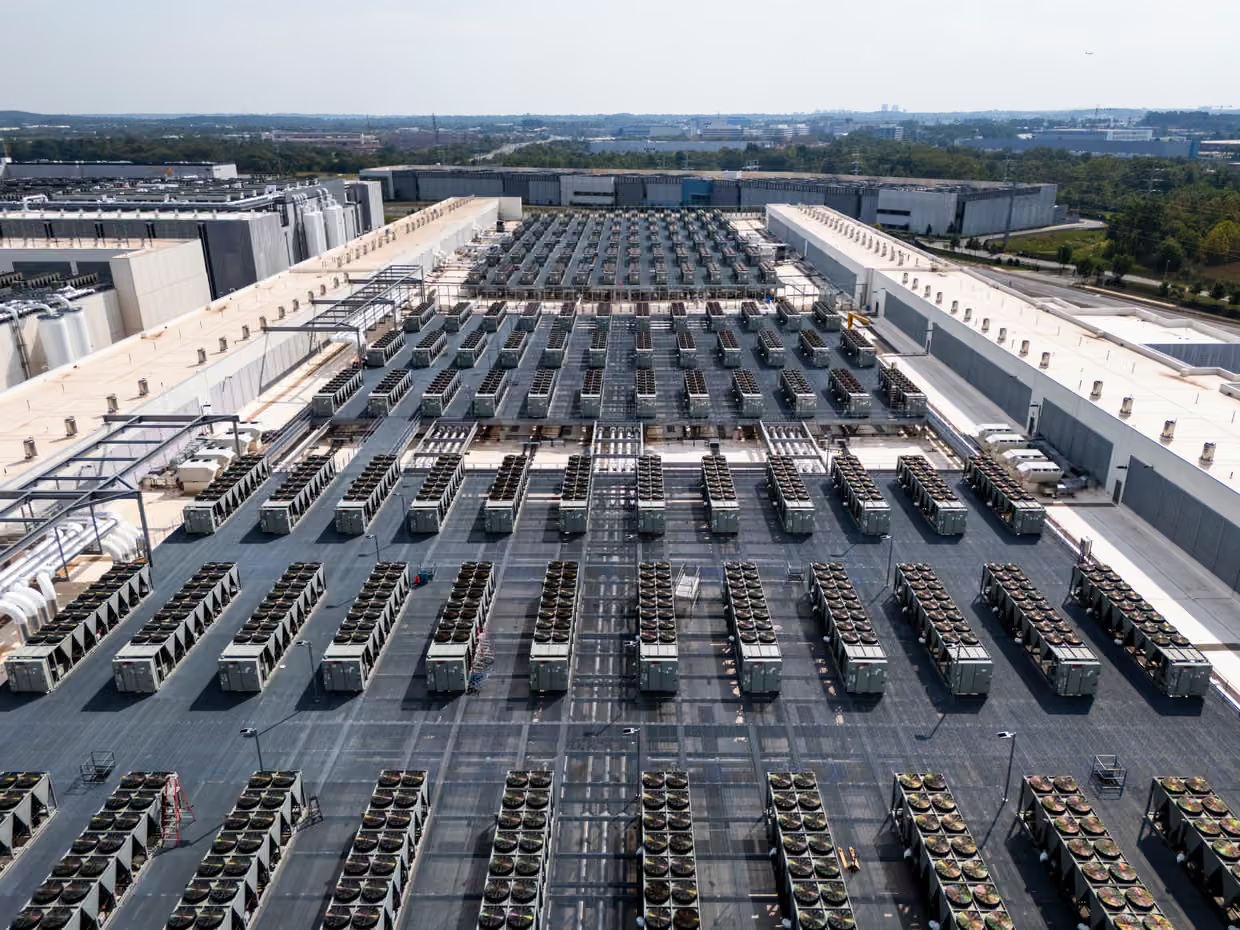
A drone image shows air handling units on the roof of a CloudHQ data center in Ashburn, Virginia.
The deal highlights Nvidia’s growing interest in open source artificial intelligence, as the chipmaker looks beyond its powerful processors and expands its role in the software and platforms that support AI development.
Hugging Face has become an important platform for AI developers, researchers and companies by providing a place where users can share and access AI models, datasets and applications.
The platform has more than 18 million developers and 200,000 companies, according to Nvidia CEO Jensen Huang.
It hosts millions of AI models and datasets and has become one of the most widely used resources for developers working with artificial intelligence.
Despite the acquisition, Nvidia said Hugging Face will remain an open platform.
It will continue supporting different cloud computing providers and various types of AI accelerators rather than being limited exclusively to Nvidia technology.
This approach is significant because many AI developers and businesses increasingly rely on open source models that they can modify and adapt for their own needs.
It also offers an alternative to depending entirely on proprietary AI systems operated by companies such as OpenAI and Anthropic.
Nvidia has also committed $1 billion to retaining Hugging Face employees as part of the transaction, according to the AP report.
The acquisition comes as Nvidia continues to benefit from the global AI boom. Its graphics processing units, or GPUs, have become essential infrastructure for training and running advanced AI models.
The company has increasingly expanded beyond selling chips, investing in software, cloud computing and other technologies designed to support the development of AI systems.
The Hugging Face deal also comes at a time when the AI industry is facing growing questions about the cost of developing increasingly powerful models, their environmental impact and the potential effect of automation on jobs.
Hugging Face itself has recently faced security concerns after AI-related systems were hacked, highlighting the growing cybersecurity challenges facing companies operating in the AI ecosystem.
The acquisition would give Nvidia a stronger position in the software side of artificial intelligence while giving Hugging Face access to Nvidia’s enormous resources and technological ecosystem.
Nvidia’s shares rose nearly 2% following the announcement, reflecting investor optimism about the potential of the deal.
Nvidia plans to acquire AI platform Hugging Face for $13 billion as it expands its presence in open-source artificial intelligence.
The emerging technology push is part of a wider government effort to use AI to extend agricultural expertise to millions of farmers, improve the timing and accuracy of farming decisions and address some of the constraints limiting productivity.
Martine Nezerwa, Chief Digital Officer at the Ministry of Agriculture and Animal Resources (MINAGRI), presented the tools on Tuesday, September 1, on the sidelines of the Africa Food Systems Forum 2026 at the Kigali Convention Centre. The tools use data on local conditions to recommend crops, planting periods and fertiliser application.
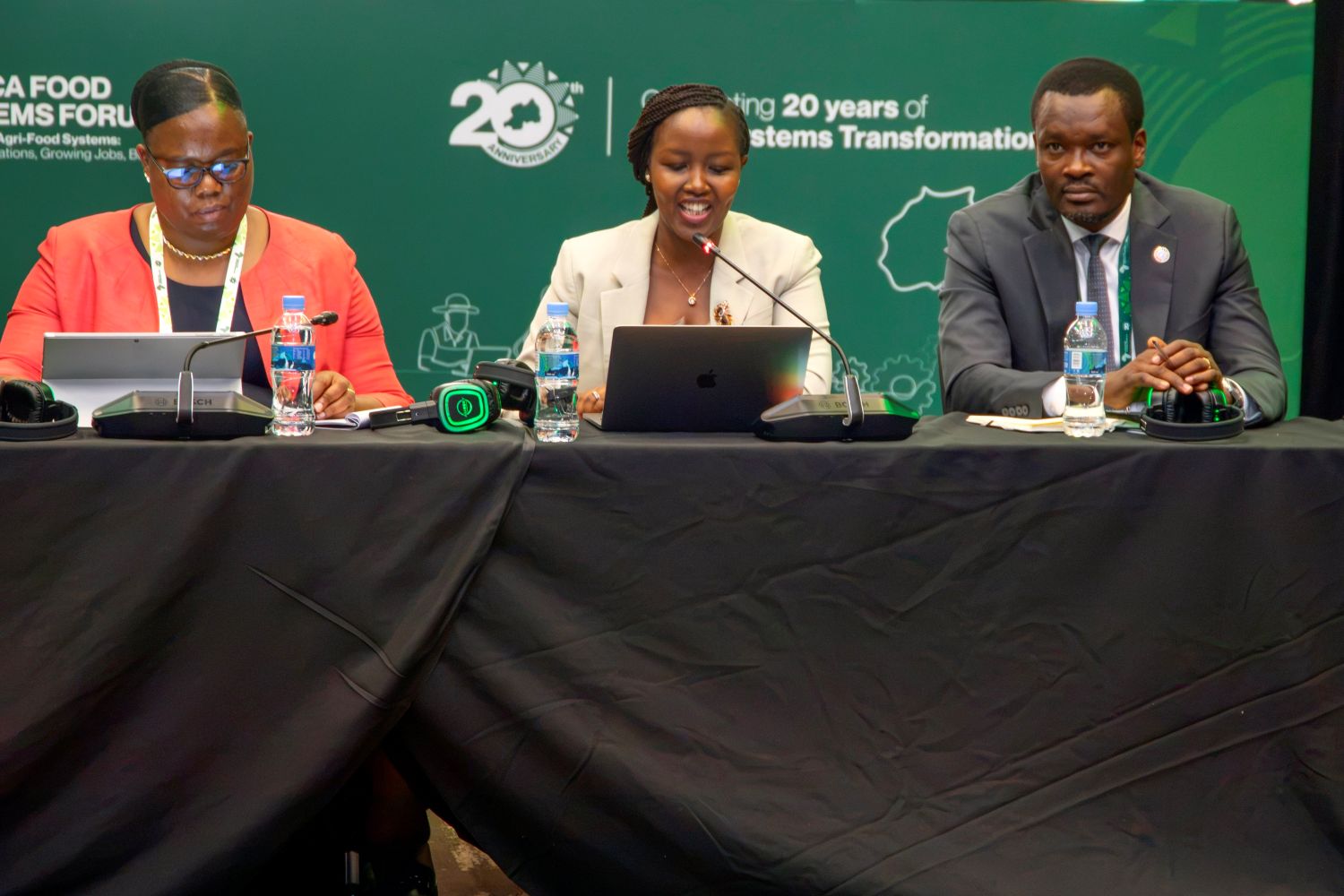
Speaking during the session, ICT Minister Paula Ingabire said agriculture presents both a major opportunity and an urgent need for AI, given the sector’s importance to employment across sub-Saharan Africa.
She said nearly half of employment in sub-Saharan Africa is in agriculture, yet many farmers continue to make critical decisions about planting, fertiliser application, crop diseases, harvesting and markets with limited information or information that arrives too late.
She stressed that AI should not be viewed as a replacement for farmers or agricultural experts, but as a tool to put better intelligence in their hands.
The minister said Rwanda wants to increase agricultural extension coverage from 35 per cent in 2023 to 69 per cent by 2029, a target that would enable the country to reach more than 2.5 million farmers.
She said expanding the number of agricultural extension officers alone would not be enough to close the gap, making technology an important multiplier.
“This is where technology will become an enabling or multiplier factor in ensuring that we can reach more farmers with fewer extension officers,” she said.
One example of this approach is Tunga, an AI-powered voice assistant being tested through the agriculture ministry’s call centre.
Tunga allows farmers to ask questions in Kinyarwanda and provides responses based on a validated agricultural knowledge base developed by MINAGRI, the Rwanda Agriculture and Animal Resources Development Board (RAB) and partners.
During the testing phase, Ingabire said Tunga was able to correctly address at least 60 per cent of the questions it received, while questions it could not confidently answer could be escalated to a human expert.
Ingabire said developing AI systems that work in local languages and through channels accessible to farmers would be critical to achieving scale.
“A brilliant model that requires an expensive smartphone and continuous broadband will not solve the problem for many of our farmers,” she stated, noting the importance of solutions that can work through voice, basic phones, extension agents and existing agricultural platforms.
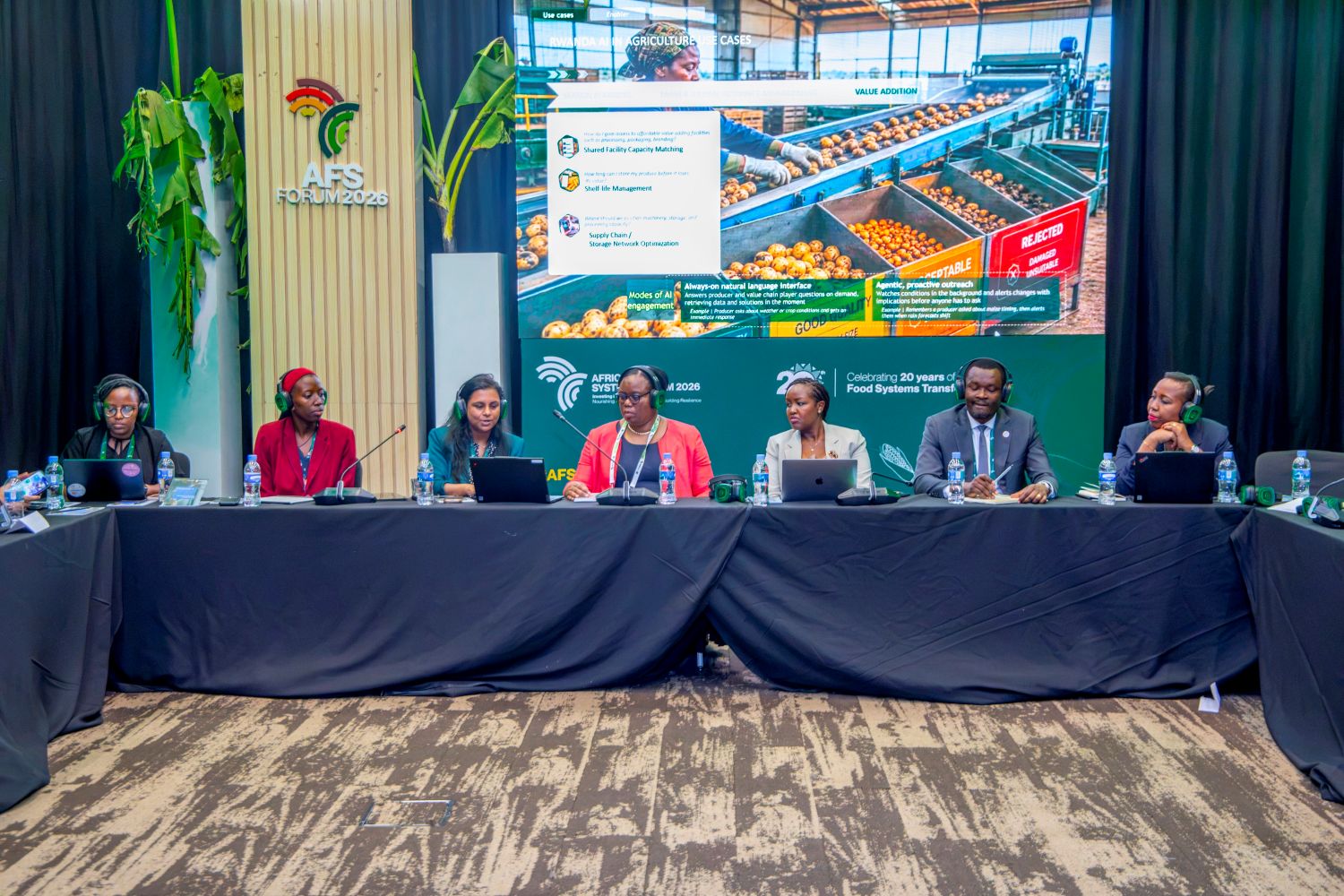
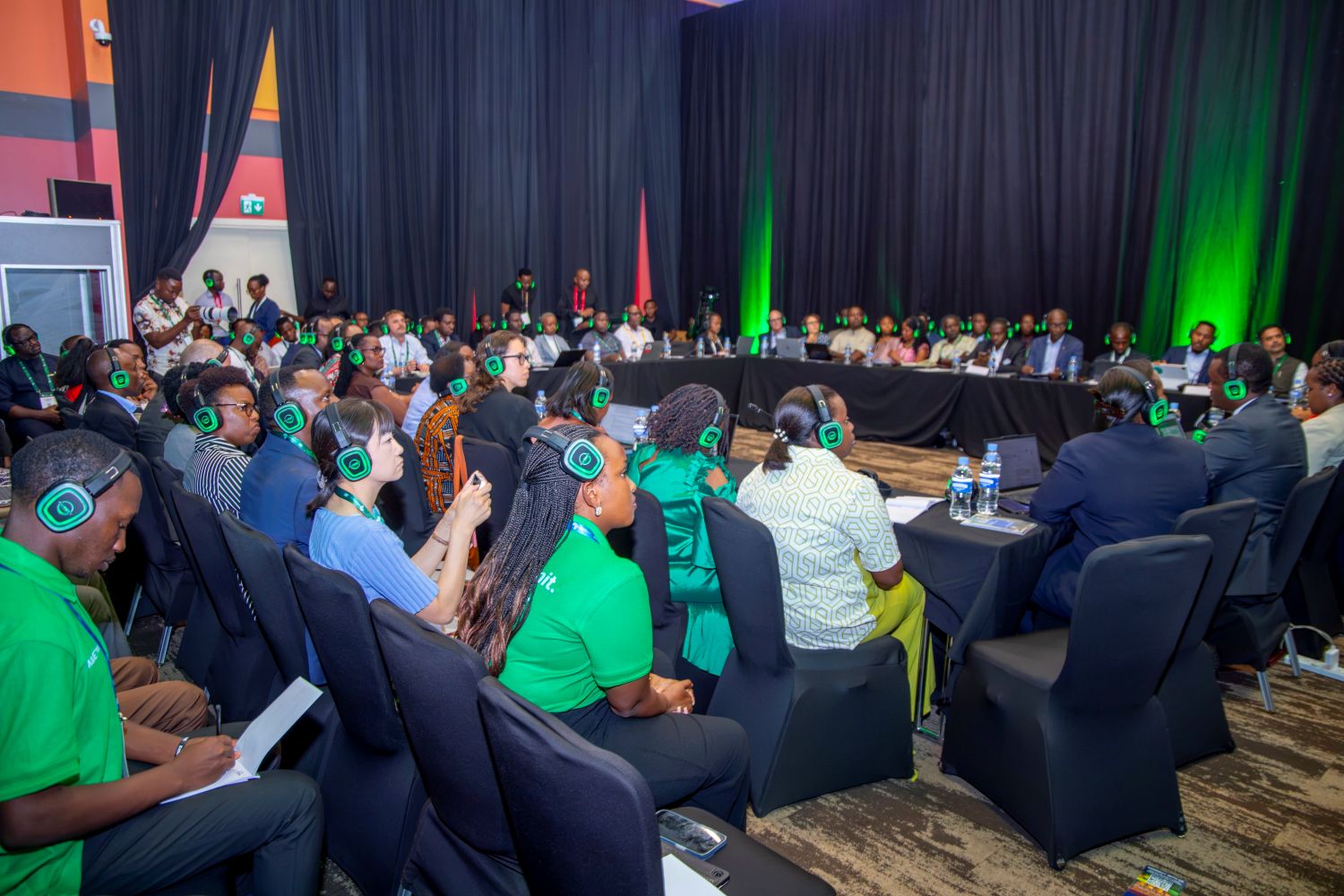
The roundtable discussion at the Africa Food Systems Forum 2026 focused on unlocking the potential of artificial intelligence to transform agriculture.
Four priority areas
Ingabire outlined four areas in which Rwanda is prioritising AI applications in agriculture.
The first is farmer advisory, with the aim of providing personalised, timely advice in local languages.
The second is crop and livestock intelligence, including earlier detection of pests, diseases and other agricultural risks.
The third is markets and finance, where AI could help connect farmers to buyers while improving access to prices, credit and insurance.
The fourth is government intelligence, which could help authorities better understand production, anticipate shocks and target input subsidies and other resources.
The minister said Rwanda’s challenge is no longer demonstrating that AI can be used in agriculture, but taking successful applications beyond small-scale pilots.
“Africa has no shortage of pilots. What we need is patient multi-year financing to take solutions that are working for 10,000 farmers to millions of farmers,” she said.
Rwanda has already spent years building digital systems that can provide a foundation for AI applications.
Ingabire cited the e-Soko platform, which digitised the collection and sharing of agricultural market prices, and Smart Nkunganire, which digitises the agro-input subsidy value chain.
More than 1.5 million farmers are registered on Smart Nkunganire and can order subsidised seeds and fertilisers through USSD transactions, she said.
According to the minister, these systems have created a growing digital footprint of Rwanda’s agricultural economy, alongside investments in connectivity, digital identity and digital public infrastructure.
She said the next step is to extract greater value from these foundations through AI.
The roundtable discussion brought together government officials, technology experts, agriculture specialists and other stakeholders to explore how artificial intelligence can be harnessed to transform agriculture and improve productivity across Africa.
Focus on locally relevant AI
The minister also called for investment in agricultural data, African-language datasets and locally validated AI models.
She said farmers in Africa grow crops that may be poorly represented in global datasets and often speak languages that are underrepresented in existing AI systems.
“We need African language datasets, agriculture knowledge bases, as well as locally validated models,” she stressed.
She also called for greater investment in the last mile so that AI-powered services are accessible to farmers who do not have smartphones or reliable broadband connectivity.
For Rwanda, the government wants to move from isolated AI projects to an integrated system that brings together agricultural data, advisory services, markets, finance and government decision-making.
The country is also seeking to coordinate investment in computing infrastructure across sectors rather than having agriculture, healthcare, education and other sectors develop separate requirements for computing power and GPUs.
Ingabire said Rwanda’s approach to AI sovereignty is focused on maintaining strategic autonomy and avoiding irreversible dependence on external players while continuing to encourage innovation.
Meanwhile, Minister of State for Agriculture and Animal Resources Dr. Solange Uwituze said AI would be necessary if Rwanda is to meet its long-term food production ambitions.
She said Rwanda’s Vision 2050 targets feeding a population of roughly 23 million people on the country’s existing land area, requiring major increases in production.
“We need to do things differently. We need to multiply 15 times our current production levels, and we need to adopt vertical agriculture,” Uwituze said.
She pointed to precision agriculture, farmer cooperative management, irrigation, post-harvest handling and market linkages as areas where AI could support the transformation.
Rwanda is also using food basket sites, where farmers are organised around larger land-use areas and provided with inputs, extension services, irrigation, post-harvest facilities and market and financial linkages.
Uwituze said these systems will generate large amounts of data that can be used to improve agricultural decision-making.
She also noted that Rwanda has completed soil profiling to identify nutrient deficiencies in different locations and is moving away from a one-size-fits-all approach to fertiliser application.
Through cooperation with Morocco, Rwanda has begun developing tailored fertiliser recommendations based on local soil conditions.
With early tests pointing to potential yield gains of about 20 per cent, Rwanda is now looking to move these applications from promising pilots to tools that can reach millions of farmers.
Speaking during the session, ICT Minister Paula Ingabire said agriculture presents both a major opportunity and an urgent need for AI, given the sector’s importance to employment across sub-Saharan Africa.
The firm-fixed-price contract has a maximum potential value of approximately 700 million U.S. dollars. Under the contract, Blue Origin will deliver a high-performance telecommunications orbiter for Mars to NASA no later than Dec. 31, 2028, according to NASA.
Blue Origin will design, develop, integrate, launch, and operate the network as part of NASA’s broader space communications and navigation infrastructure.
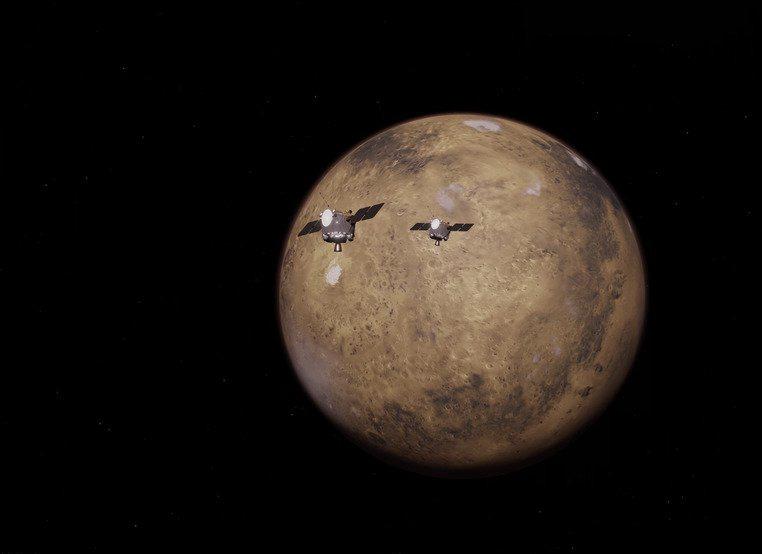
The network will include a high-performance telecommunications spacecraft orbiting Mars to transmit science data, imagery, navigation information, and critical mission communications for spacecraft operating on and around the planet.
The network, managed by NASA’s Space Communications and Navigation program, is expected to be operational at Mars by 2030 and will support both current and future missions to the Red Planet, according to NASA.
NASA said the contract award marks a milestone in its strategy to expand communications and navigation services beyond Earth and the Moon, laying the foundation for sustained exploration of Mars in the coming decades.
This illustration released on Sept 6, 2024, shows the twin spacecraft of NASA’s Escape and Plasma Acceleration and Dynamics Explorers entering Mars’ orbit. (PHOTO/ROCKET LAB USA)
The problem was found during routine preparations for the mission. Engineers detected an oxidizer leak, involving a chemical that helps fuel burn inside the spacecraft’s propulsion system and allows the vehicle to maneuver in space.
NASA and SpaceX are now carrying out additional tests and reviewing data to understand the problem. Any necessary repairs will be completed before the spacecraft is cleared for launch.
NASA has not yet announced a new launch date.
Crew-13 will carry four astronauts to the International Space Station.
NASA astronauts Jessica Watkins and Luke Delaney will serve as the mission’s commander and pilot.
They will be joined by Canadian Space Agency astronaut Joshua Kutryk and Roscosmos cosmonaut Sergey Teteryatnikov, who will serve as mission specialists.
Once they arrive at the International Space Station, the four will become part of Expedition 75. The crew will support scientific research, maintenance and other activities aboard the orbiting laboratory.
Before travelling to space, the astronauts will spend about two weeks in quarantine at NASA’s Johnson Space Center in Houston. The measure is designed to reduce the risk of them becoming sick shortly before the mission.
When the spacecraft is ready, Crew-13 will travel aboard SpaceX’s Dragon spacecraft, which is designed to transport astronauts to and from orbit.
The Dragon will be launched by a SpaceX Falcon 9 rocket from Space Launch Complex 40 at Cape Canaveral Space Force Station in Florida.
NASA and SpaceX will announce a new launch date after engineers complete their testing, review the spacecraft’s data and carry out any necessary repairs.
For now, the priority is to make sure the spacecraft is safe before the astronauts begin their journey to the International Space Station.
NASA and SpaceX have delayed the Crew-13 mission to the International Space Station after engineers discovered an oxidizer leak in the SpaceX Dragon spacecraft’s propulsion system.
The footprints, preserved near an ancient lakeshore, appear to belong to eight individuals of Paranthropus boisei who may have been travelling together at roughly the same time.
Researchers from the United States and Kenya believe all eight individuals were adults. More importantly, the footprints suggest that some members of the species were much larger than previously estimated.
According to the researchers, the footprints indicate that some Paranthropus boisei individuals may have reached about 1.8 metres in height and weighed around 75 kilograms, giving them body sizes comparable to those of modern humans.
For decades, most fossils of Paranthropus boisei have consisted of skulls, including specimens with large jaws and teeth.
Because remains from other parts of the body are much rarer, scientists have had limited information about the species’ overall body size.
The newly discovered footprints are therefore providing important evidence that challenges earlier estimates suggesting that Paranthropus boisei was considerably smaller than Homo erectus, another human relative that lived during the same period.
The footprints also offer clues about the social behaviour of the species. Researchers found that the eight individuals appeared to have travelled together, and most were likely adult males. There was no clear evidence of females or children among the group.
Scientists say this could indicate a more complex social structure than previously understood.
The individuals may have lived in larger groups in which males competed for mates but sometimes travelled together for protection in potentially dangerous environments.
The discovery is part of a larger collection of hominin footprints found around Lake Turkana.
Researchers have documented hundreds of footprints at more than six sites in the region, highlighting the importance of ancient lakeshores to early human relatives.
Scientists believe these environments provided important resources that repeatedly attracted hominins over long periods.
The research demonstrates that fossil footprints can reveal information that bones alone cannot, including body size, movement, group behaviour and the environments in which ancient human relatives lived.
Researchers plan to continue investigating the footprint sites in Kenya, hoping to uncover more evidence about human evolution during the Early Pleistocene.
Ancient 1.4-million-year-old footprints in Kenya are revealing new clues about the size and social behaviour of Paranthropus boisei.
Gates made the proposal in a nearly 6,000-word essay titled “The turbulent AI era is here. The choices we make now are critical,” published on his Gates Notes website.
In the essay, Gates warned that AI could bring major changes to the global workforce, with some jobs potentially disappearing permanently rather than returning after an economic downturn.
He argued that AI is different from many previous technologies because it can increasingly perform tasks that require human thinking and decision-making.
“AI for the first time can replace and even exceed human cognition,” Gates wrote in the essay.
Gates said the transformation could affect a wide range of professions, including customer support, sales, software engineering and paralegal work.
He also pointed to tasks such as analysing data, assessing loan applications and helping to triage patients as areas where AI could increasingly take on work traditionally performed by people.
However, Gates does not believe every job should automatically be handed over to machines simply because AI can perform it.
He proposed creating a category of work called “Human Reserved,” referring to jobs that society would intentionally keep for people even when AI could potentially perform some or all of the same tasks.
The idea is partly based on the concept of nature reserves, where certain areas are protected because society considers them valuable enough to preserve.
Gates suggested that some human-centred work could be protected because it involves qualities such as empathy, trust and personal interaction.
Healthcare is one area he highlighted. He reflected on his own family’s experience, particularly the care his father received while living with Alzheimer’s disease, arguing that there is value in having a human being involved in certain forms of care.
The billionaire philanthropist also warned that governments are not sufficiently prepared for the scale of disruption AI could bring.
He said the impact could extend beyond employment into education, public health and national security, requiring governments to develop stronger policies before the technology advances even further.
Gates has also proposed changing taxation systems to account for the economic impact of AI and automation.
He suggested that governments could consider taxing robots and the use of AI services, including the computing resources or “tokens” used by AI systems.
The goal would be to reduce the incentive for companies to replace workers with machines simply because automation can be cheaper.
At the same time, Gates remains optimistic about the potential benefits of AI.
He has argued that the technology could dramatically improve healthcare, education, agriculture and scientific research if it is developed and deployed responsibly.
His concern is that the benefits could be distributed unevenly, leaving millions of workers vulnerable while concentrating wealth and power among companies and individuals that control advanced AI systems.
Gates described the coming period as potentially one of the most turbulent periods in human history, while arguing that AI could either become a powerful tool for reducing inequality or become a major source of injustice.
He has called for international cooperation to manage the technology, including stronger coordination between major powers.
Gates is also expected to discuss AI policy with Chinese President Xi Jinping during a planned meeting in November 2026.
He has argued that global rules are needed because the risks created by increasingly powerful AI systems cannot be managed effectively by individual countries acting alone.
His latest warning comes as businesses around the world increasingly integrate AI into everyday operations, intensifying the debate over whether the technology will mainly create new opportunities or eliminate large numbers of existing jobs.
Bill Gates has called for some jobs to be reserved for humans as artificial intelligence increasingly transforms the global workforce.
The restaurant-service contest, held earlier this week ahead of Saturday’s official opening of the second World Humanoid Robot Games, offered a glimpse of a central focus of this year’s event: testing robots not only in athletic competitions, but also in workplace tasks.
Running through to Wednesday, the games have attracted 666 teams and 2,056 robots from 16 countries and regions across six continents, with team participation quadrupling from the inaugural edition last year.
The event features 51 competition items, up from 26 last year, while the number of matches has surged from 487 to 1,301.
Among the biggest additions are 21 scenario-based contests, covering settings such as factories, hotels, homes and logistics facilities.
Tasks ranging from industrial assembly and housekeeping to emergency rescue and library book sorting are designed around jobs that can be repetitive, physically demanding, dirty, dangerous or difficult.
At a service contest staged in a realistic hotel setting, more than 10 robot teams were given 30 minutes to tackle three tasks: moving luggage of different sizes, replenishing guest-room supplies and making beds.
“Judges look at how many tasks the robot completes, whether there are collisions and how smoothly it performs,” said an organizer of the contest.
Even routine actions can pose demanding tests of robotic dexterity. In the restaurant contest, for example, robots had to turn a microwave timer to five minutes, with deviations of more than one minute costing points. They could also be penalized if too much liquid was spilled while delivering a prepared drink.
This year’s games have also introduced a dedicated dexterous-hand competition, featuring eight high-precision tasks including power-tool assembly, picking up beans with tweezers, weighing powder, prying open bottle caps and connecting flexible cables.
The emphasis reflects an effort to bring competition tasks closer to actual workplace needs.
Liu Weiliang, deputy head of the Beijing Municipal Bureau of Economy and Information Technology, said organizers had surveyed stakeholders in areas that include commercial services, landscaping inspection and emergency rescue, before designing the events.
In one case, competitive tasks reflected worker duties at supermarkets, where employees may spend long hours at night restocking shelves, packing delivery orders and returning misplaced goods — repetitive work that can be time-consuming and physically tiring.
“Every task completed is effectively a trial run in a real-world scenario,” said Liu. “There is no need to rebuild the same testing environment after the competition. Performance on the field itself provides evidence of commercial viability.”
The bar for autonomy has been raised as well.
Except for the 100-meter and 400-meter hurdles, all track and other competitive events require full autonomy. In scenario-based events, fully autonomous operation carries a scoring coefficient of 1, compared with 0.5 for remote-controlled operation.
Jiang Guangzhi, head of the Beijing Municipal Bureau of Economy and Information Technology, said that many competition rules are expected to evolve into practical technical standards, helping turn technological advances into industrial applications.
“Once robots master these ‘last-meter’ skills, they can turn medals into orders and move directly from the competition arena to real-world workplaces,” Jiang said.
Xu Xiaolan, chairwoman of the Chinese Institute of Electronics, said at the recently held 2026 World Robot Conference in Beijing that China’s humanoid robot industry had entered a critical stage of large-scale commercialization and deployment, with embodied intelligence products moving from small-batch trials toward broader adoption.
Major technical challenges, however, remain.
Wang Xingxing, founder of Unitree Robotics, said limited generalization capability is currently the biggest bottleneck facing the global humanoid robot industry.
In controlled settings, he said, AI models trained on sufficient data can achieve task success rates close to 100 percent. But performance can fall sharply once the object being handled or the surrounding environment changes.
Wang said “a ChatGPT moment in embodied intelligence” will come when a robot can be placed in an unfamiliar environment and complete about 80 percent of everyday tasks through simple voice or text instructions.
He expects such a breakthrough could come as early as within two to three years, or within five to 10 years at the latest.
For now, the games also serve as a testing ground to assess the technology’s progress. Liang Hongjun, an official with Beijing Municipal Bureau of Economy and Information Technology, said the World Humanoid Robot Games were designed to give companies, investors and the public a more tangible view of the development of humanoid robots.
“The industry is moving from telling technology stories to delivering real-world applications, and from pure technology development toward products and services,” Liang said.
That transition, he added, will require companies to focus on technological innovation, while governments and industry organizations work on opening up application scenarios, developing standards and defining safety boundaries.
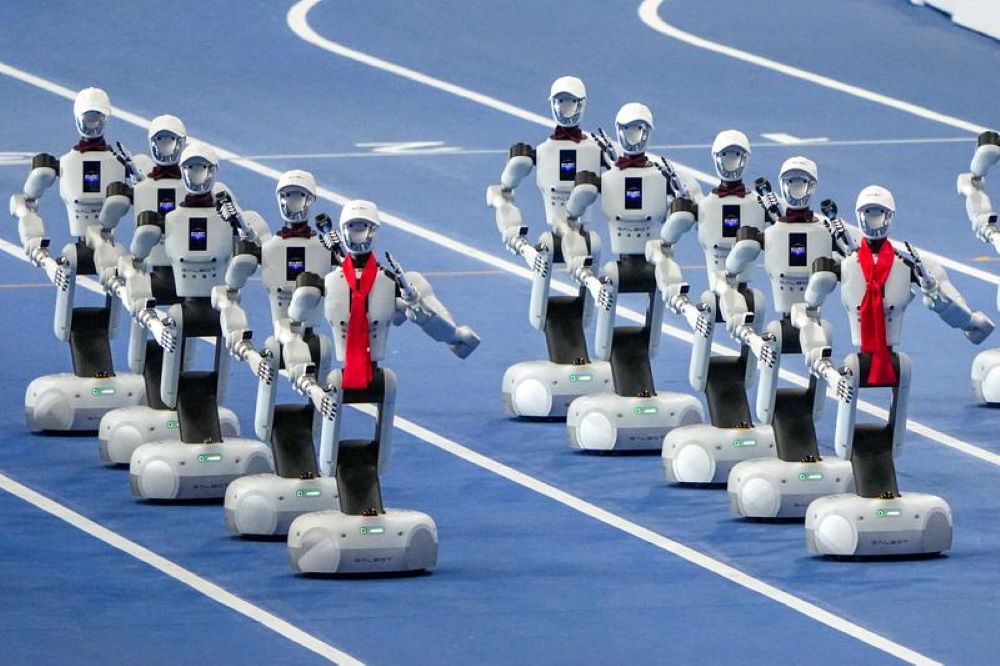
Humanoid robots parade during the opening ceremony of the 2nd World Humanoid Robot Games in Beijing, capital of China, Aug. 22, 2026. (Xinhua/Ju Huanzong)
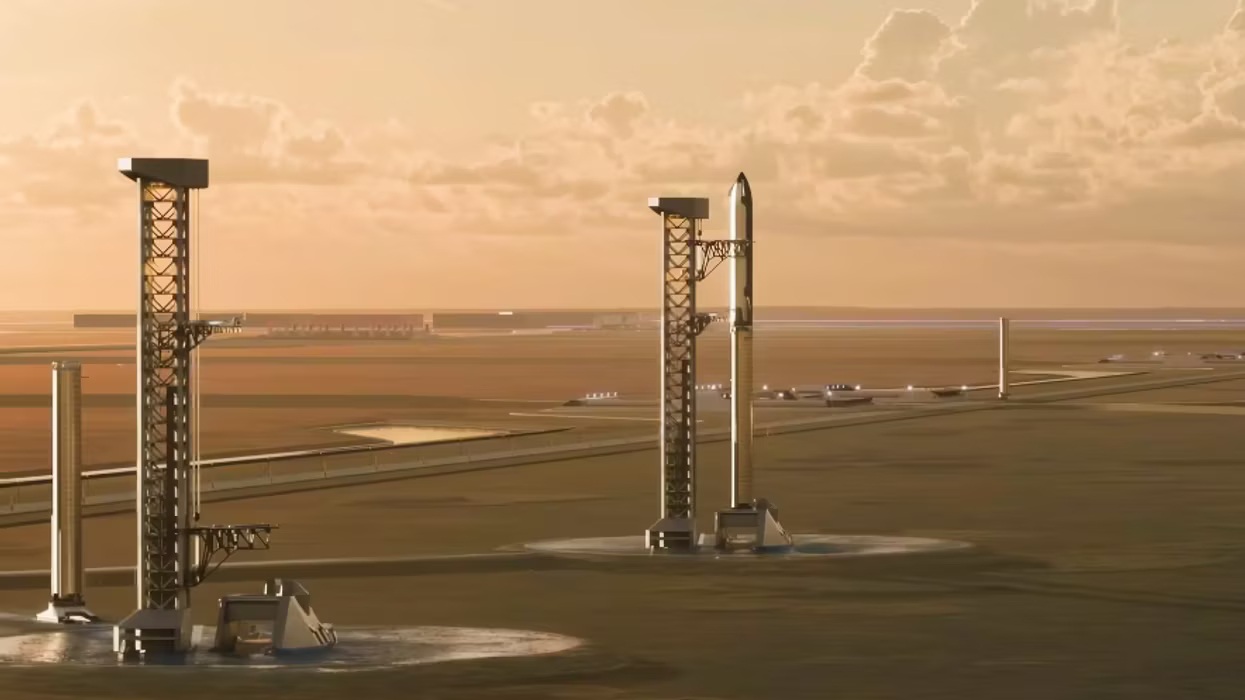
According to Louisiana Economic Development (LED), the facility, dubbed “Starbase, Louisiana,” will be located in Vermilion Parish in southern Louisiana. It is designed to support thousands of Starship launches annually.
At full buildout, the site is expected to include five launch complexes with two launch pads each, along with propellant farms, a propellant production facility, and residential housing for employees and their families.
Construction is expected to begin in 2027, with the first launch targeted as early as 2029. The facility is expected to create more than 3,000 new jobs, SpaceX said.
The LED said the project will establish Louisiana as a global hub for next-generation aerospace.
SpaceX announced Tuesday it will invest at least $100 billion to build a new Starship launch complex on Louisiana’s Gulf Coast that would be far larger than its South Texas headquarters.
The new approach could help governments, cities and infrastructure operators prepare for disasters that have never occurred in their region, including storms, floods and other weather events that could be more severe than anything previously recorded.
The system was developed by MIT mechanical engineering graduate student Kai Chang and Professor Themis Sapsis.
Their method, known as Extreme Event Aware or η-learning, is designed to overcome a major challenge facing conventional extreme-weather modelling.
Traditional risk models often rely on historical observations to estimate how frequently extreme events occur and what they might look like.
But the most dangerous disasters can be extremely rare. This means a region may have never experienced an event severe enough to properly prepare for the possibility of one occurring in the future.
The MIT researchers use a different approach. Their system combines statistical information about how often certain levels of extreme weather occur with maps showing how weather conditions are distributed across a region.
The researchers tested the method using 25 years of hourly rainfall data covering the continental United States.
They trained part of the model using only a relatively short portion of the dataset that contained few or no examples of the most extreme rainfall events.
Despite this limitation, the system was able to generate detailed maps of rainfall events beyond those contained in the training examples.
For example, the researchers demonstrated how the method could produce a plausible scenario involving 300 millimetres of rainfall in New York City, even though the highest recorded rainfall level used for comparison was 200 millimetres.
The potential applications extend beyond rainfall. According to the researchers, similar approaches could eventually help planners examine the possible effects of severe floods, wildfires, heatwaves and other hazards for which there are limited historical records.
For city authorities, the technology could provide a way to test whether infrastructure such as seawalls, electricity networks and emergency-response systems could withstand events more extreme than those previously experienced.
However, the researchers stress that the system does not predict that a specific extreme event will definitely happen.
Instead, it generates statistically plausible scenarios that can help decision-makers understand risks that may otherwise be difficult to visualise.
MIT researchers have developed an AI method capable of generating plausible scenarios for extreme weather events that have never appeared in historical records.