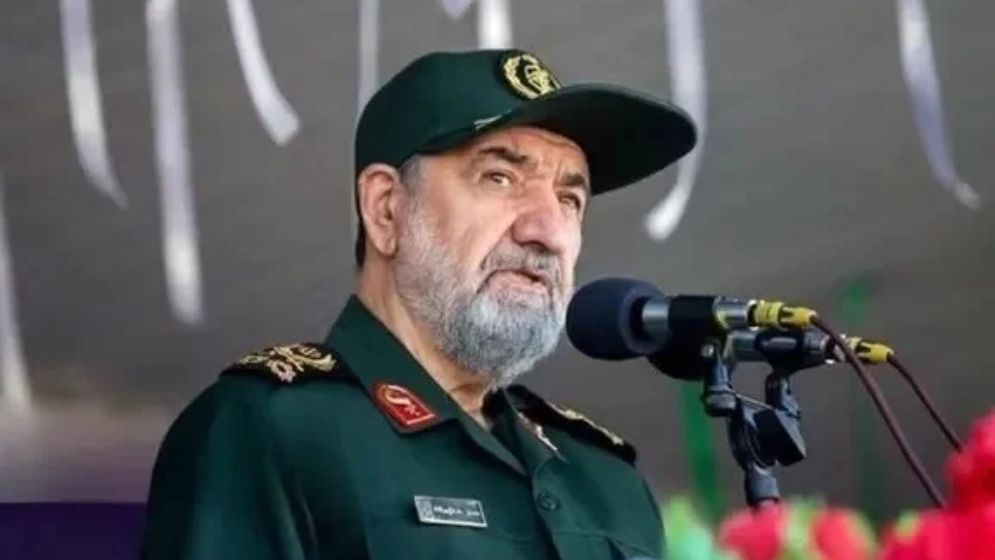
Rezaei, the secretary of Iran’s Supreme National Security Council, made the remarks in an interview with state-run IRIB TV.
He said Iran would first negotiate with such countries and ask them to stay out of the conflict, but warned that if they refuse, Tehran will strike their interests, and that if surrounding countries choose to join the U.S. siege, Iran “will not let even a single drop of oil be exported from the Strait of Hormuz.”
He noted that Iran has learned how to bypass U.S. sanctions and continue oil sales over the years.
Rezaei also repeated that the Hormuz Strait will remain closed unless the United States fulfills its commitments under the Iran-U.S. peace memorandum of understanding signed in June, adding that Washington must act first this time.
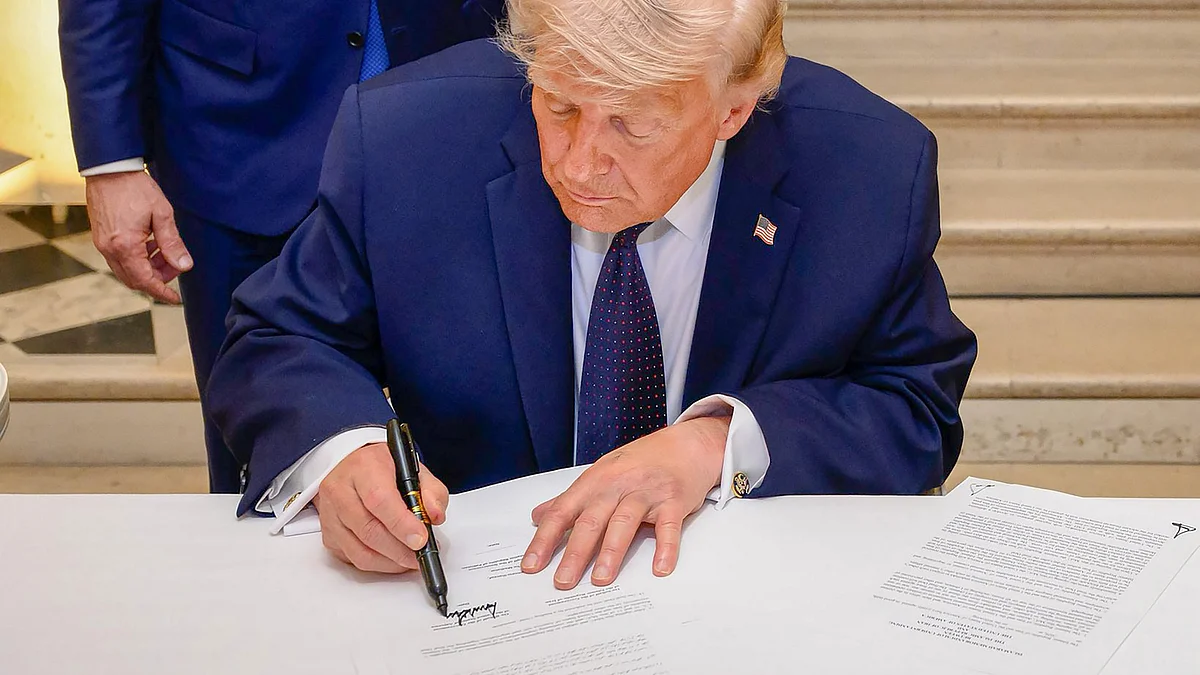
U.S. President Donald Trump said Wednesday that the United States would launch “the most crushing economic operation ever” against Iran, describing it as an “economic warfare and isolation on an unprecedented scale.”
Iran’s top security official Mohsen Rezaei warned Saturday that any country participating in the U.S. economic war against Iran will be considered an “enemy” by Tehran.
As the war ended, defeated forces of the former Rwandan Armed Forces (Ex-FAR), Interahamwe militia members and others involved in planning and carrying out the genocide, together with civilian refugees, fled to neighbouring countries, particularly then-Zaire, now the Democratic Republic of Congo (DRC), and Burundi.
Among those who fled to Burundi were Burundian Hutu refugees who had previously been living in Rwanda. They joined others in the forests and, together with refugees from other countries, formed the armed movement FDD and its political wing, the CNDD, in September 1994.
Although some of those who formed FDD had been involved in the killings of Tutsi in southern Rwanda during the genocide, they initially lacked the military experience needed to challenge the government of Colonel Pierre Buyoya.
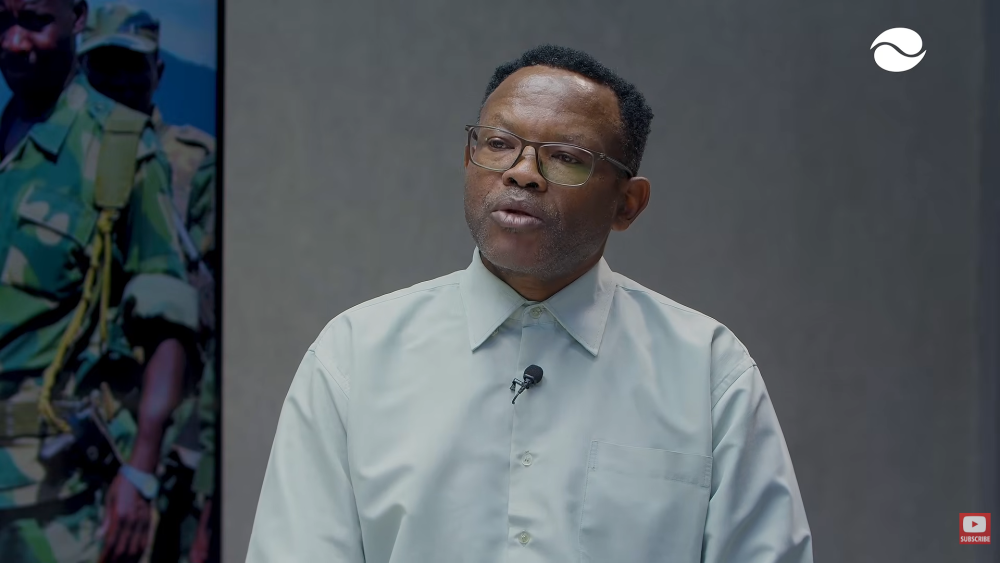
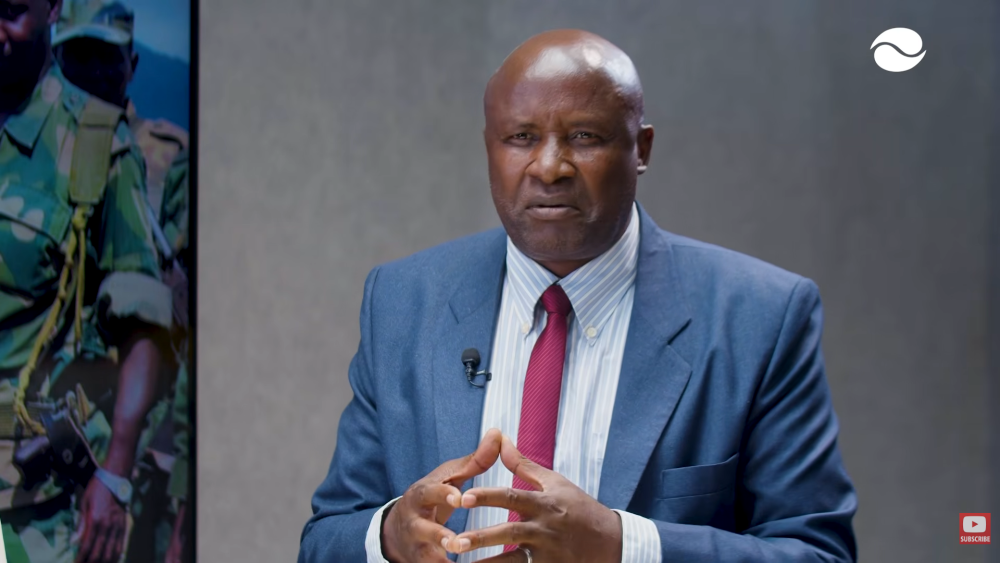
Maj (Rtd) Peter Kubwayo, a former FDLR leader, was among those who fled to Burundi after the RPA victory. Originally from Musange Sector in Nyamagabe District, Southern Province, Kubwayo told IGIHE that he and other refugees were taken to an area known as Gihunda when they arrived in Burundi, where they were assigned to train fighters belonging to the newly formed FDD.
Ex-FAR trains FDD fighters
In early 1995, FDD, led by Léonard Nyangoma, entered into a cooperation agreement with Ex-FAR, which was represented by its former Chief of Staff, Gen Augustin Bizimungu.
The agreement, signed in Bukavu, in South Kivu Province, stated that FDD and Ex-FAR shared common interests and should therefore cooperate financially and militarily in their efforts to mobilise and support Hutu refugees.
Kubwayo said the close relationship between Nyangoma and Ex-FAR commanders, including Gen Bizimungu, who had fled to Mugunga, west of Goma, helped facilitate the agreement.
“He requested assistance, and they provided officers to train officers and soldiers. An Ex-FAR team went to Burundi in March 1995, led by Lt Col Edouard Gasarabwe,” Kubwayo said.
Gasarabwe was accompanied by other Ex-FAR officers, including Maj Diogène Nkundimana, Lt Gaspard Muragijimana, Adjudant Chef Jean Ngerageze, Sgt Maj Jean Damascene Uzabakiriho and Cpl Faustin Sebutimbiri.
According to Kubwayo, the Ex-FAR officers trained FDD fighters at a military school in Musigati, in the former Bubanza Province, as well as at Gihunda. They remained there for about five months before returning to Zaire in August 1995.
Kubwayo said the cooperation was also rooted in the anti-Tutsi ideology shared by elements within FDD and Ex-FAR, both of which were predominantly composed of Hutu fighters.
He said the training covered military tactics, discipline and weapons use, but also included ethnic ideology.
“They taught them tactics, discipline and the use of weapons. But among the teachings was the ideology that ‘We are Hutu, and we must fight the Tutsi to drive them out of Burundi. Once we take Burundi, we will go and take Rwanda as well,’” Kubwayo said.
Links extend into Congo
Kubwayo said the relationship between Burundian armed groups and former Rwandan military and militia networks continued to evolve after Laurent-Désiré Kabila’s AFDL launched an offensive against Ex-FAR and Interahamwe forces in refugee camps in eastern Zaire.
Some Burundian refugees who had fled alongside Rwandans moved with them towards western parts of the country, including areas around Mbuji-Mayi.
After Kabila’s relationship with Rwanda deteriorated, he sought alliances with groups opposed to the Rwandan government. This included reaching out to former Ex-FAR and Interahamwe leaders as part of efforts to challenge the Rwandan government.
Kubwayo said Burundian refugees who had been alongside Rwandans were also incorporated into military training programmes in Congo.
“Some Burundians had fled alongside the Rwandans and went with them. They met in places such as N’Sele and underwent training in different centres, while others met in Kananga at EFO. During the military training given to Interahamwe and Ex-FAR at those centres, the Burundians were also there,” he said.
Among those trained was Gen Maj Agricole Ntirampeba, who is now Burundi’s ambassador to the DRC. At the time, Ntirampeba trained at EFO Kananga before continuing his studies at Rukango and receiving intelligence training in Mbuji-Mayi.
Kubwayo said the training was provided by Ex-FAR officers and Zimbabwean forces.
When FDD learned that Burundian refugees had received military training in Zaire, it requested that they be transferred to its ranks. Ntirampeba, who was then a Sous-Lieutenant, and other fighters subsequently went to Burundi, where Ntirampeba became one of the movement’s commanders.
Kubwayo said the relationship between the Burundian fighters and those who had trained them continued even after the former entered government.
“From that time, they never stopped working with those who had trained them. Then, when they came into government, the cooperation continued. They would communicate by telephone,” he said.
From CNDD-FDD to the M23 conflict
The networks that emerged from these relationships have continued to feature in the region’s successive conflicts, according to Kubwayo.
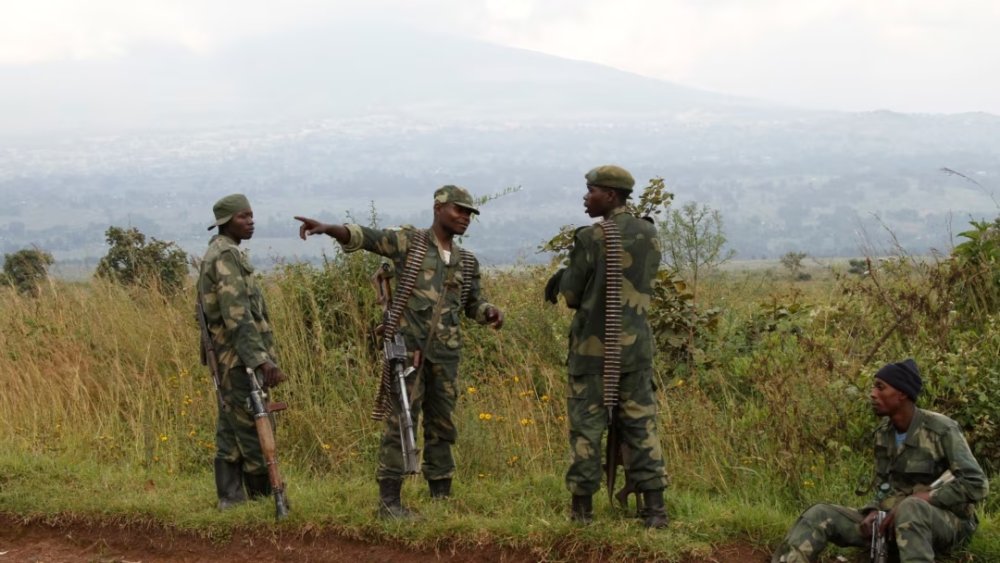
In 2023, Burundi deployed troops to North Kivu Province to support the Congolese army in fighting the M23 rebel movement. The deployment followed an agreement between Burundi and the DRC after the two countries expressed dissatisfaction with the performance of the East African Community regional force.
Kubwayo said that, during the deployment, Burundian troops worked alongside FDLR fighters in areas of Masisi Territory, including Bambiro, Rutobogo, Kinigi, Rusayo and Kanyaruchinya, north of Goma.
He said the two sides shared intelligence and equipment as they operated against M23.
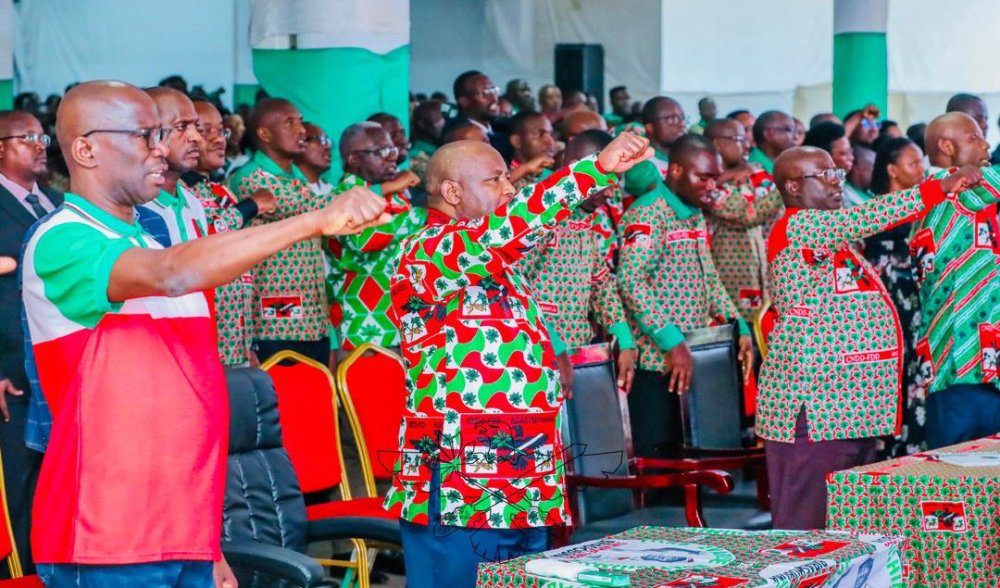
Maj (Rtd) Peter Kubwayo said the agreement signed by Nyangoma and Gen Bizimungu strengthened the FDD movement.The CNDD-FDD, the ruling party in Burundi, was formed in September 1995.
Pezeshkian made the remarks at the 31st General Assembly of the Islamic Association of the Iranian Medical Society in the capital Tehran, where he stressed that the war with the United States must end at some point, according to a statement published on his office’s website.
“It is better that we end the war today when we are in a position of power and dignity, and the entire world acknowledges our victory and emphasizes that the United States, in violation of all (international) regulations, has attacked our schools, hospitals, and infrastructure, and is hated in the world,” he said.
Pezeshkian described the peace memorandum of understanding (MoU) signed between Iran and the United States in June as “honorable and valuable,” stressing that not a single provision of the MoU suggests surrender and that all obligations fall on the other party.
He noted that what was accomplished during the negotiations with the United States was a “great achievement,” which was approved with “unity and solidarity” in Iran’s Supreme National Security Council, and all members of the council defended it decisively.
The president, however, emphasized that Iran will not surrender if attacked again, saying, “We will under no circumstance bow to bullying, and there is no doubt about it.”
“We will stand against them until our last breath and will give them a crushing response,” he said, adding that Iran’s military commanders and armed forces are “wholeheartedly and selflessly” in full readiness to defend the country.
On June 18, Iran and the United States signed the MoU on ending their war in the region on all fronts. Under the MoU, the two countries were scheduled to hold negotiations within a period of 60 days, which ended on Monday, to reach a final agreement. However, the fate of the talks remains unclear following an escalation between the two countries last month.
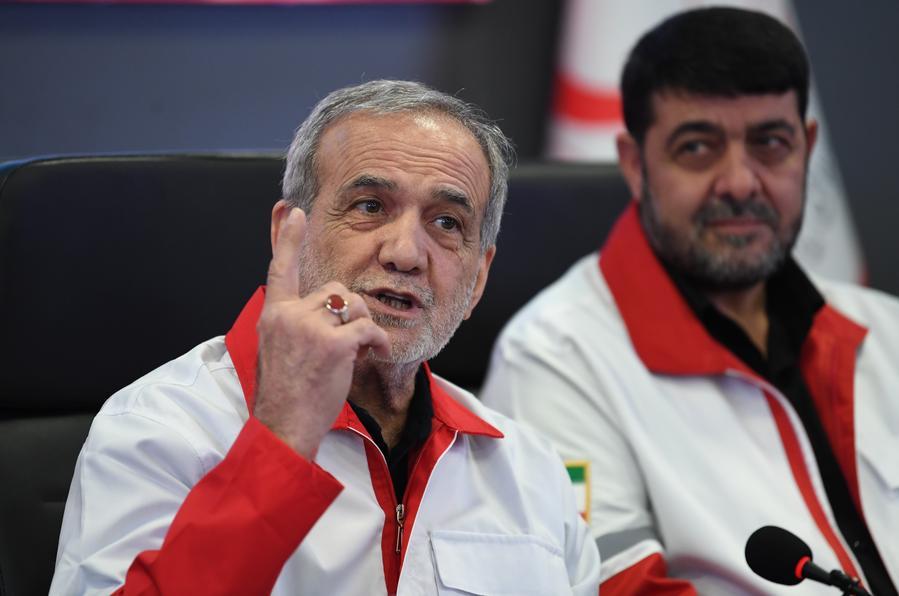
Iranian President Masoud Pezeshkian speaks during his visit to the headquarters of Iran’s Red Crescent Society (IRCS) in Tehran, Iran, April 15, 2026. (Xinhua/Shadati)
While dismantling the FDLR may still appear a distant prospect, disarming the group is reportedly part of an agreement between the DRC government and the FDLR aimed at encouraging fighters to voluntarily lay down their weapons, place them in designated facilities and eventually reintegrate them into civilian life.
Rwanda has rejected the arrangement, saying it is not provided for under the Washington peace agreements.
Floribert Anzuluni, the DRC minister responsible for regional integration, confirmed the agreement in July 2026. He later said that an African country had agreed to receive FDLR fighters who refuse to return to Rwanda, adding that discussions were ongoing with other countries.
However, the history of the FDLR suggests that the problem may not end with the laying down of weapons. The group’s networks, political structures and ideology could survive, as this is not the first attempt to dismantle the organisation while allowing elements associated with it to remain active.
This has prompted the International Contact Group for the Great Lakes (ICG), which works closely with the European Union, the United States, France and other partners monitoring developments in the region, to remind the DRC that it must dismantle the FDLR as required under the Washington peace agreement.
The ICG has also called on the DRC to establish a clear plan and timetable for dismantling the FDLR and to explain how the group’s leaders or fighters suspected of serious crimes will be brought to justice.
The FDLR problem goes beyond weapons
Following the 1994 Genocide against the Tutsi in Rwanda, members of the defeated former Rwandan Armed Forces (Ex-FAR), Interahamwe militia members and others involved in the genocide fled to then-Zaire, which later became the DRC. The FDLR was established in 2000 by former members of these groups.
The US Treasury Department says the FDLR has committed ethnically motivated violence, killed civilians, abducted people and recruited children as soldiers. These activities have led to sanctions against the group’s leaders.
Regional political analysts argue that any country considering receiving FDLR fighters must recognise that disarming them would not automatically eliminate the ideology they have embraced for decades or the support networks they have built.
UN experts’ reports have indicated that the FDLR has continued to be led by Rwandans, while increasingly recruiting large numbers of Congolese fighters over the years.
The group has also maintained longstanding links with the DRC authorities. Within the Congolese army, there has reportedly been an officer responsible for coordinating with the FDLR, while FDLR fighters have at times been incorporated into government forces during periods of conflict.
These links demonstrate the resources and influence the group has accumulated during its decades in the DRC, as well as the extent to which it has become embedded in parts of Congolese society and armed networks.
Genocide ideology could move with them
One of the greatest risks for any country receiving FDLR fighters would be allowing the group’s former structures and leadership to remain intact.
If leaders and fighters continue operating under what they describe as political objectives, they could potentially maintain activities aimed at destabilising Rwanda or spreading division.
They could do so through networks of supporters built over many years or through social media, allowing their ideology to gradually reach people in the host country and potentially even influence political structures, as has happened in parts of the DRC.
At that point, the issue would no longer simply concern “former Rwandan fighters”. It could become a domestic security and social problem for the host country if the group’s divisive ideology begins taking root there.
Accounts from former FDLR members have frequently referred to military training in Burundi. In recent years, some Burundian officials have also made statements appearing to defend the group or downplay the threat it poses.
Relocating FDLR fighters without dismantling their structures could therefore risk spreading the group’s extremist ideology beyond the DRC.
The lesson from the DRC
UN expert reports have documented links between the FDLR and Congolese armed groups including APCLS and Nyatura. The FDLR has also frequently cooperated with the Congolese army and armed groups incorporated into the Wazalendo coalition.
The FDLR has been accused of playing a significant role in the formation and leadership of groups including Nyatura, APCLS and CMC. Its cooperation with such groups has been particularly important because they have provided protection and hiding places for FDLR fighters when attacks were expected.
Another concern is the group’s ability to rebuild its resources through illicit economic activities. The United States says the FDLR has generated revenue through mining, kidnapping for ransom, looting and environmental destruction, including charcoal production.
If these sources of financing are not dismantled, the FDLR could potentially recreate them in another country where its fighters are relocated.
Beyond relocation
An African country that agrees to receive some FDLR fighters would need a programme that goes far beyond providing them with a place to live.
The FDLR would need to be disarmed and stripped of its financing networks, while those suspected of involvement in the genocide, crimes against humanity or other serious offences would need to face justice rather than disappear into a broader reintegration programme.
UN principles on disarmament, demobilisation and reintegration (DDR) stress that simply removing fighters from armed groups is not enough. They need support to rebuild civilian lives, while host communities must also be involved so that former fighters can become part of local economic and social activities.
An African country that receives FDLR fighters could therefore give them an opportunity to begin new lives. But if it accepts them as a group that retains its leadership, networks and ideology, it could expose itself to some of the same problems the FDLR has created in the DRC.
More than 12,000 former fighters who left the forests of the DRC and returned to Rwanda have gone through reintegration programmes run by Rwanda’s Demobilisation and Reintegration Commission (RDRC).
They have received training and support to rebuild their lives and are now participating in civilian life and contributing to Rwanda’s development.
The FDLR has a history of spreading genocide ideology and ethnic hatred while carrying out acts of violence.
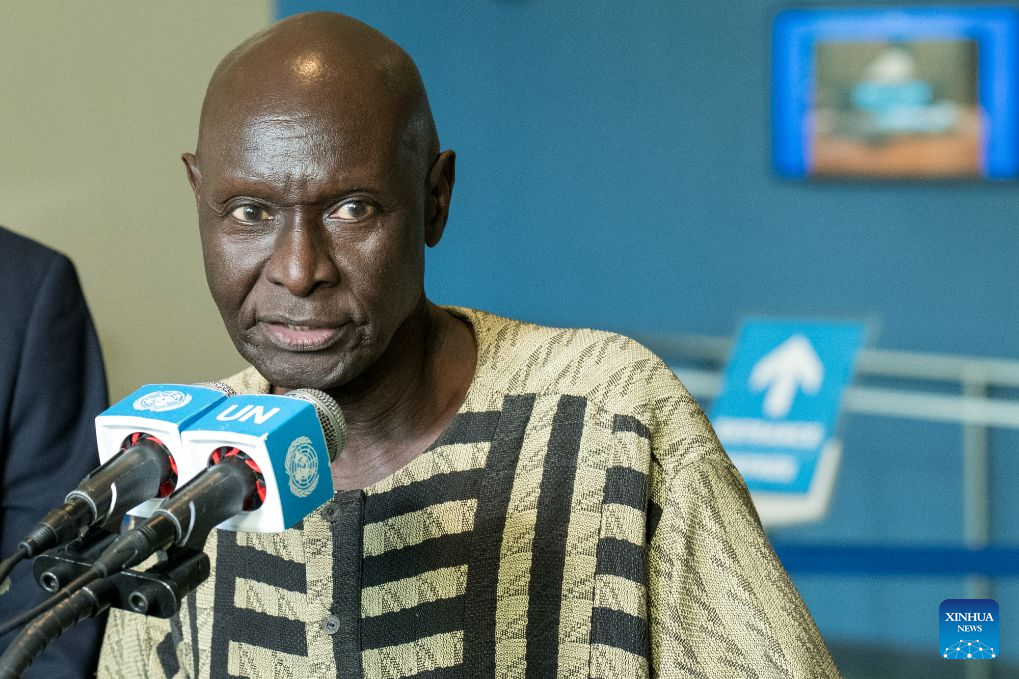
In Wednesday’s dialogue, Ugandan diplomat Olara Otunnu, who was nominated by his country, said the immediate priority must be given to the proliferation of increasingly deadly conflicts that threaten to engulf entire regions and the world.
He promised to support UN member states to end the Ukraine crisis, address the Gaza crisis, support the peace deal between Rwanda and the Democratic Republic of the Congo, work with the African Union and other global partners to end the conflict in Sudan, support ongoing diplomatic efforts to bring about a comprehensive peace agreement in the Iran conflict, and support a more coordinated and concerted counter-terrorism response in the Horn of Africa and the Sahel.
Otunnu also vowed to rebuild consensus on human rights, reform UN, alleviate the fiscal crunch and innovate UN financing, harness the unprecedented opportunities of artificial intelligence, deepen cooperation between UN and regional organizations, and reconnect the global public to UN.
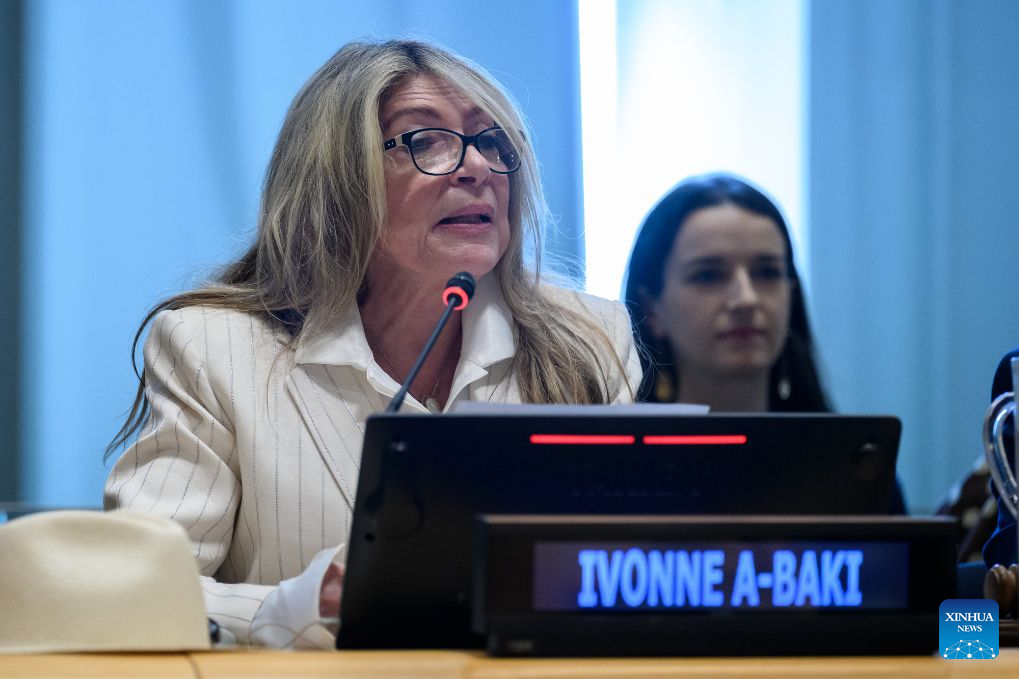
In Thursday’s dialogue, Ecuadoran diplomat Ivonne A-Baki said she wants to be a leader rather than a manager, if selected as the next UN secretary-general.
“A manager is someone who follows a mission statement. A leader is someone who follows a north star,” said A-Baki, who was nominated by Tonga. “My north star for this world body is not necessarily reform. It’s renewal. Renewal of the promise of building peace and preventing war. Renewal of the promise to promote human dignity and social progress and renewal of the vision that the UN can be the one body where nations of the world can work together to achieve more than nations working alone.”
She promised to commit to direct and delegated peacekeeping and peacemaking, Security Council modernization, resolving development debt and unlocking finance, and safeguarding human dignity in the age of artificial intelligence.
The UNGA began to convene interactive dialogues with candidates for the next UN secretary-general in late April.
The other six candidates have attended interactive dialogues one by one.
Current UN Secretary-General Antonio Guterres’ term of office expires at the end of this year. The next secretary-general will take over the role on Jan. 1, 2027.
Ecuadoran diplomat Ivonne A-Baki, a candidate for the next UN secretary-general, speaks at an interactive dialogue with UN member states at the UN headquarters in New York, Aug. 20, 2026. The UN General Assembly (UNGA) on Wednesday and Thursday held respective interactive dialogues with two candidates for the next UN secretary-general. (Loey Felipe/UN Photo/Handout via Xinhua)Ugandan diplomat Olara Otunnu, a candidate for the next UN secretary-general, speaks to reporters after an interactive dialogue with UN member states at the UN headquarters in New York, Aug. 19, 2026. The UN General Assembly (UNGA) on Wednesday and Thursday held respective interactive dialogues with two candidates for the next UN secretary-general. (UN Photo/Handout via Xinhua)
Despite these efforts, the terrorist group has survived, rebuilt its ranks and continued to play a significant role in the conflicts that have plagued eastern DRC.
The Congolese government has once again pledged to dismantle the FDLR under agreements that would require its fighters to lay down their weapons, relocate to designated camps and eventually return to civilian life.
However, former members of the FDLR interviewed by IGIHE say similar promises have been made before without producing lasting results.
They allege that Kinshasa’s previous efforts to neutralise the group were often accompanied by political manoeuvring and that the same pattern could continue under the latest arrangements.
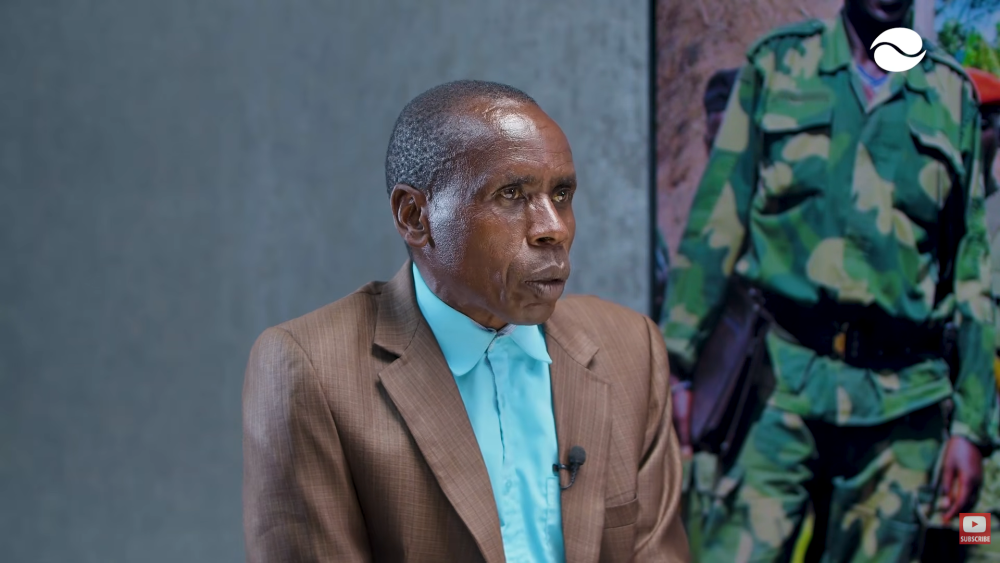
Pastor Niyonzima Jean Damascène, who previously worked in intelligence and reconnaissance for the FDLR before returning to Rwanda in 2023, told IGIHE that the group’s relationship with successive governments in Kinshasa dates back decades.
He said that when tensions escalated between the government of Laurent-Désiré Kabila and Rwanda, Kabila sought the support of former Rwandan government soldiers, commonly referred to as Ex-FAR, and Interahamwe militia who had fled to different African countries.
According to Niyonzima, the groups reached an agreement to cooperate militarily and pursue a common objective against Rwanda.
“At that time, they agreed to work together against the Tutsis. After defeating them, they would push them out and help them capture Rwanda. That agreement is still in place today because some forces have left the FDLR and joined the FARDC. They include generals, colonels and others who have joined,” he said.
Joseph Kabila succeeded his father, Laurent-Désiré Kabila, as president of the DRC in 2001.
Niyonzima said Joseph Kabila later sought to relocate FDLR fighters within the country because of disagreements with the group. In 2002, he said, the fighters were placed in camps but were not fully disarmed.
According to Niyonzima, a major development came in 2003 when Congolese forces pursued FDLR fighters who had been based in Kamina. The fighters subsequently moved towards eastern DRC, where they joined other members of the group.
Niyonzima alleged that Congolese forces sometimes staged operations against the FDLR while maintaining an understanding with its commanders.
He claimed commanders on both sides would communicate before an operation, allowing FDLR fighters to withdraw before Congolese troops arrived.
“If one commander had worked with another commander, and one of them was sent to the east to fight the FDLR, he could not actually fight us. He would tell us, ‘We are going to attack this place. Leave because we are coming and we will burn it,’” he said.
He claimed that Congolese forces would then carry out the operation to create the impression that they had defeated the FDLR.
“They would actually come and burn the area, but because we had agreed beforehand, we would have already left. They would burn houses to show that they had carried out an operation, but they would leave equipment behind. When we returned, we would find the equipment they had left for us. That is what we used,” he said.
Maj. (Rtd.) Makuza Anastase, who worked closely with FDLR president Lt. Gen. Victor Byiringiro before returning to Rwanda in 2020, also claimed that the FDLR maintained relationships with successive governments in Kinshasa.
He said public announcements that the Congolese government was preparing to dismantle the FDLR did not always reflect what was happening on the ground.
“I think there was a time when you would hear Congo saying that it was going to dismantle the FDLR. That was simply a way of deceiving the international community. In reality, that is not how things happened,” he said.
Makuza alleged that Congolese forces would announce military operations, launch heavy bombardments and instruct FDLR fighters to leave targeted areas before troops arrived.
“They would tell us to leave, we would leave, and then they would arrive and burn things to make it appear as though they had taken control of the area. Afterwards, they would leave,” he said.
He further alleged that the troops sometimes left ammunition and food behind for FDLR fighters.
According to Makuza, messages were also allegedly left on trees for FDLR fighters, including one that read: “Our enemy is one, it is Rwanda.”
Why Kinshasa continues to rely on the FDLR
The administration of President Félix Tshisekedi, which succeeded Joseph Kabila’s government, has at times characterised the FDLR as a group largely composed of elderly fighters and therefore lacking the capacity to pose a serious security threat to Rwanda.
Makuza disputed that description, arguing that the FDLR has evolved over generations.
“An elderly person is someone who fled when he was already old. I am also getting older. But haven’t I had children? Didn’t others have children? We reached there and had children, those children grew up, and others are still being born. The FDLR is not made up of elderly people because it does not belong to one, two or three people. There are many of them. Those who went there as children and those who were born there are all part of the FDLR,” he said.
Makuza argued that elderly fighters represent only a small proportion of the group and claimed that its ranks increasingly include younger people who were born into families linked to its founders.
Niyonzima and Makuza both argued that the Congolese government has continued to rely on the FDLR because they consider its fighters more experienced and more willing to engage in combat than many Congolese troops.
Niyonzima said Kinshasa has particularly turned to the FDLR whenever its forces face significant military pressure.
“Kinshasa often turns to the FDLR, especially when it is under pressure. Since 1998, whenever it faced difficult situations, that is what happened. When M23 first emerged, Congo also relied on the FDLR, and it has done so again recently,” he said.
FDLR and Wazalendo cooperation
Niyonzima said cooperation between the Congolese government and the FDLR has become more visible in recent years, particularly through the broader alliance involving Wazalendo militia.
He claimed that FDLR-linked fighters and other armed groups have been deployed alongside Congolese forces in battles against AFC/M23.
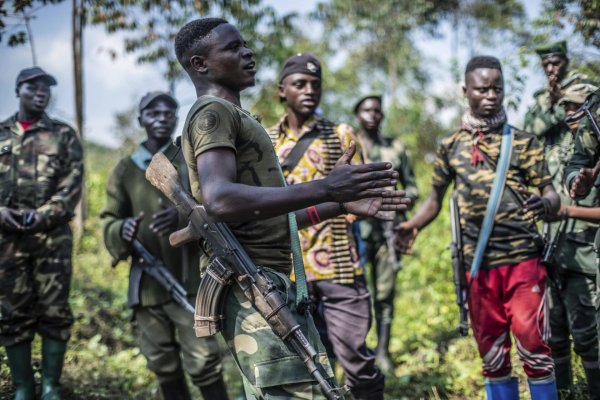
“They fought during the first M23 rebellion, and now they are openly working together against the current M23. They have hidden behind the term Wazalendo. There are groups that the FDLR helped establish. Nyatura is one of them. The FDLR trained them and provided them with equipment,” Niyonzima said.
He said FDLR and Nyatura fighters are often deployed to areas where fighting is particularly intense because, in his view, they have more battlefield experience than regular Congolese troops.
“Where the FDLR and Nyatura are deployed, it becomes difficult for M23 to dislodge them. The Congolese government sees that these are fighters and thinks, ‘If I remove these people, I will lose a lot. I will not have this kind of strength again,’” he said.
According to Niyonzima, when fighting intensifies, Congolese forces provide FDLR and other Wazalendo members with equipment to help them confront AFC/M23 fighters.
Maj. (Rtd.) Makuza Anastase said claims that the FDLR is made up only of elderly fighters are false, arguing that the group is predominantly composed of young combatants.Pastor Niyonzima said that whenever FARDC forces planned to attack the FDLR, they would warn the group in advance so its fighters could withdraw from their positions.
Fayulu made the remarks during a press conference in Brussels, Belgium, where he argued that the Banyamulenge are not Congolese.
He said ethnic groups in the Democratic Republic of Congo (DRC) have their own languages, but claimed that the Banyamulenge do not because they speak Kinyarwanda, which he used to argue that they originate from Rwanda.
“Which Congolese person does not have a language? Raise your hands. Is Kinyamulenge a language spoken in Congo? They speak Kinyarwanda,” Fayulu said.
He went on to question whether the Banyamulenge are among the ethnic groups that make up the DRC.
“Are the Banyamulenge Congolese? Look at the ethnic groups in Congo. There is no such ethnic group,” he said.
Amb. Nduhungirehe condemned Fayulu’s remarks, drawing a comparison with rhetoric used by a section of Rwanda’s political class in the years leading up to the 1994 Genocide against the Tutsi.
“Ethnic hatred, historical distortions and cynical remarks have reached a worrying level within the Congolese political class, including part of the opposition,” Amb. Nduhungirehe said.
“This strangely reminds me of a section of Rwanda’s political class between 1990 and 1994 which, as part of a genocidal process of delegitimisation, claimed that Rwandan Tutsi were not true indigenous people,” he added.
In the years preceding the Genocide against the Tutsi, extremist propaganda sought to portray Tutsis as foreigners who had taken control of Rwanda.
In November 1992, Léon Mugesera, a prominent figure in the then-ruling MRND party, delivered an inflammatory speech in Kabaya, in the former Gisenyi Prefecture, in which he called for Tutsis to be sent back to “Abyssinia” through River Nyabarongo.
Questions surrounding the citizenship and identity of the Banyamulenge have remained a longstanding source of political controversy in the DRC.
Human Rights Watch has documented how, particularly during the 1980s and 1990s, some politicians in then-Zaire sought to strip Banyamulenge of citizenship by portraying them as immigrants from Rwanda.
Amb. Nduhungirehe also criticised those who give platforms to politicians making such statements, warning that they could eventually be held responsible for doing so.
“At some point, those who roll out the red carpet for these unscrupulous politicians, instead of taking action against them, will also have to answer for it,” he said.
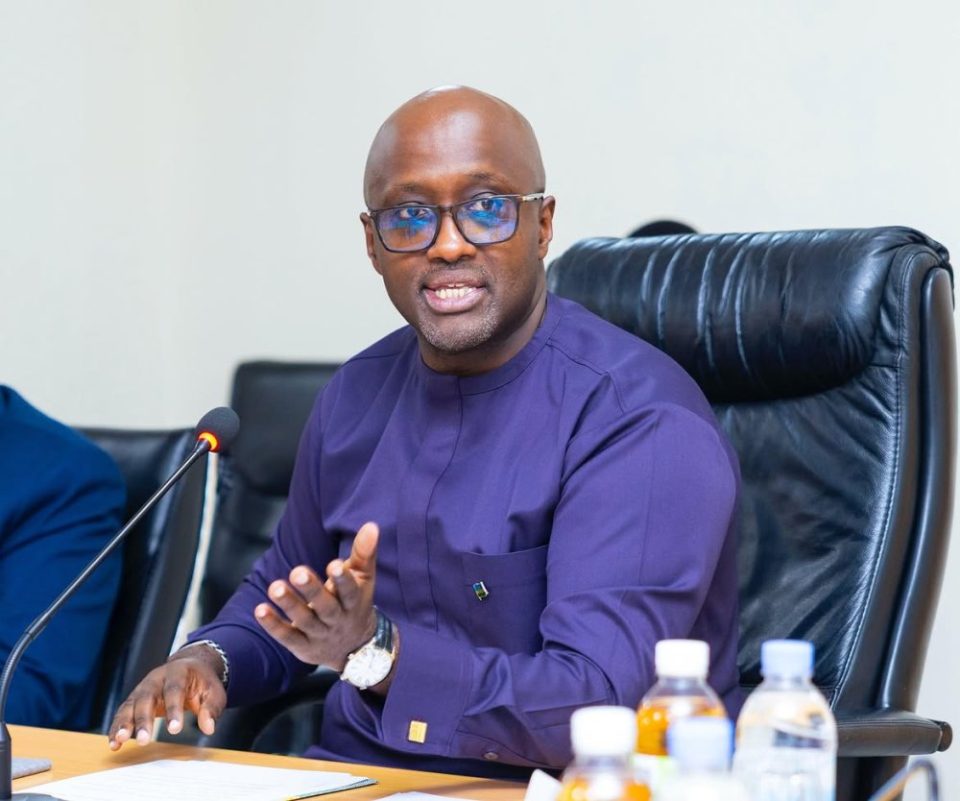
Minister Nduhungirehe likened Fayulu’s remarks on the Banyamulenge to rhetoric used by a section of Rwanda’s political class between 1990 and 1994 to delegitimise Tutsis.
In an interview with Main Switch 27 published on August 17, 2026, Bizimana said Burundi maintains good relations with most countries, except Rwanda.
According to Bizimana, the strained relations stem from Rwanda’s refusal to hand over people accused of involvement in the attempted coup against former Burundian President Pierre Nkurunziza in May 2015.
“The only slight problem is with Rwanda. You know that it is the country hosting those who attempted to overthrow the government in Burundi in 2015. We continued talking to them, but sometimes we found that what they said was not being implemented because they had agreed to return those people to Burundi so that they could face justice, but they did not.
They kept misleading us and then used them on opposing sides in Congo to attack us and create chaos in the country. But God helped us, and we are vigilant. They will not find a way through,” he stated.
Rwanda has repeatedly said it cannot extradite the individuals because it received them as refugees and that refugee matters are governed by international law.
Rwanda’s Minister of Foreign Affairs and International Cooperation, Olivier Nduhungirehe, recently said Kigali had never agreed to send the individuals accused of involvement in the coup attempt back to Burundi.
He said discussions on the matter took place in 2023 but failed to reach a conclusion because some conditions requested from the Burundian side were not fulfilled.
Bizimana said dialogue on the issue was still ongoing, arguing that improved relations between the two countries were necessary for security and economic development.
“We are talking. There are institutions that are communicating to see whether things can return to normal because we know, and they also know, that without security in our countries and without proper trade relations, we will not achieve development.”
Bizimana and ethnic rhetoric
One of the most controversial parts of the interview came when Bizimana compared the paths Burundi and Rwanda have taken after their troubled histories.
He said Burundi had chosen to accommodate Hutu, Tutsi and Twa communities, while suggesting that Rwanda had taken a different path and excluded part of its population.
“They took another path. They continued saying, ‘You have no place here,’ while ignoring that God gave the country to all its people. We saw this clearly: Hutu, Tutsi, Twa and others have nowhere else to go. We have one country, which is the country God gave us, and we are all expected to live in it, share what it has, help one another and build it together.”
He added: “Others took that path too, and I believe that path is not right because we saw it in Burundi’s history. You saw how it ended, and I believe they will realise that the path they have taken offers no solution.”
Bizimana did not specify which section of Rwanda’s population he claimed had been excluded. However, the remarks bring ethnic framing back into discussions about Rwanda, more than three decades after the country’s devastating history of divisionism.
Pacifique Nininahazwe, head of the Burundian civil society organisation FOCODE and a prominent commentator on Burundian politics, has previously criticised Bizimana’s rhetoric.
Nininahazwe said one of the decisions the government of President Evariste Ndayishimiye could come to regret was appointing Bizimana as foreign affairs minister, arguing that his language could undermine Burundi’s diplomacy.
He has described Bizimana as a minister whose rhetoric is often harsh and confrontational, potentially creating diplomatic problems rather than resolving them.
Bizimana downplays FDLR threat
Bizimana’s comments on the FDLR were another major focus of the interview.
The minister was asked about allegations that Burundi cooperates with the FDLR. He rejected the suggestion that the armed group poses a significant threat to Rwanda and spoke about it in terms that downplayed the group’s history and activities.
“The FDLR has never attacked Rwanda. For more than 30 years, they have been talking about it, but the group has never launched an attack against Rwanda. Since 1996, there have been attacks, and they have worked with the Congolese government to fight them […] We cannot support the FDLR because we know it has no benefit.”
Bizimana has previously expressed similar views. In early July 2025, after President Paul Kagame said Rwanda expected the Democratic Republic of Congo to dismantle the FDLR, Bizimana wrote on X that “the FDLR card no longer works.”
He has also previously argued that the FDLR is no longer a threat to Rwanda and that Kigali uses the group as a pretext.
The FDLR, however, remains a central issue in regional security discussions. Its dismantling is among the commitments contained in the Washington peace agreement between Rwanda and the Democratic Republic of Congo, while international actors have repeatedly called for the armed group to be dismantled.
Claims about hunger in Rwanda
Bizimana also moved beyond diplomacy and security during the interview, making false claims about the socio-economic situation in Rwanda.
He alleged that some Rwandans cross into Burundi to steal crops because of hunger in Rwanda.
“I think they see the problems they have. We have heard that Rwandans often come to Burundi to steal, with some entering farms to steal crops because of the hunger they are experiencing.”
Bizimana did not provide figures or other evidence to support the claim. The remarks add another layer to the increasingly confrontational rhetoric. Bizimana has previously attracted controversy over statements on regional affairs.
A regional affairs analyst who spoke to IGIHE described Bizimana as one of Burundi’s worst diplomats, citing the harsh language he frequently uses when speaking about Rwanda.
“Minister Bizimana lacks diplomatic decorum. Whenever Rwanda is concerned, he uses inflammatory language and appears to support anyone who is against Rwanda. You have seen how he downplays the threat posed by the FDLR and how he attacked Qatar, which has been facilitating talks between the DRC government and AFC/M23 in Doha,” he noted.
On January 3, 2026, he accused Qatar of using its financial influence in the Democratic Republic of Congo conflict to prevent the United States from imposing sanctions on Rwanda.
The comments triggered significant debate and pressure on Burundi, with President Ndayishimiye later apologising on social media. Bizimana subsequently stayed away from social media platforms for some time.
Diplomacy depends not only on keeping channels of communication alive; it also requires language that creates room for trust and compromise. Bizimana’s latest remarks risk doing the opposite, reinforcing tensions at a time when both countries need to rebuild confidence and find common ground.
His statements raise a broader question over whether Burundi’s diplomatic messaging is helping to repair relations with Rwanda or making reconciliation more difficult.
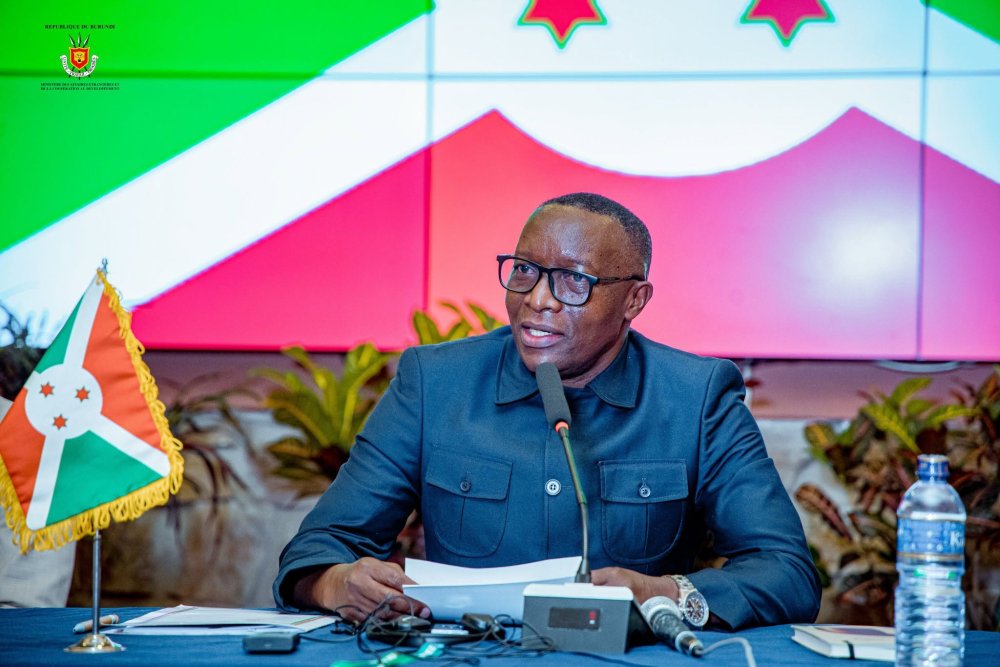
Burundi Foreign Minister Edouard Bizimana has again revived inflammatory rhetoric against Rwanda while downplaying the threat posed by the FDLR.
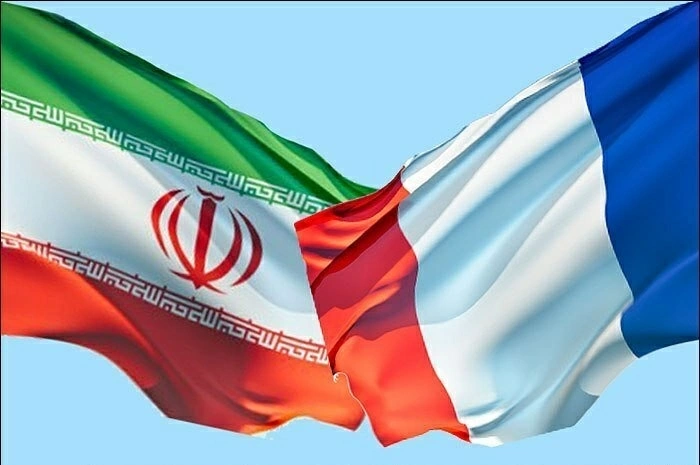
The Iranian Foreign Ministry announced the move days after the country’s Intelligence Ministry said the two French diplomats had taken part in a secret meeting in Tehran in July with suspects of a “major case involving foreign infiltration and interference.”
The Foreign Ministry said in a statement that the French diplomats’ activities were “in violation of international law, especially the Vienna Convention on Diplomatic Relations of 1961.”
The ministry said it declares the two French embassy staff persona non grata, thus prohibiting their entry into Iran, in view of the fact that the French government has not taken any action to rectify their behavior and guarantee the non-recurrence of such conduct weeks after the disclosure of their “illegal behaviors.”
In a post on social media platform X on Tuesday, French Foreign Minister Jean-Noel Barrot reiterated his claim that the two French diplomats had been “scandalously and deliberately” assaulted on July 19, saying in retaliation, the French government will expel two Iranian diplomats from France in the coming days.
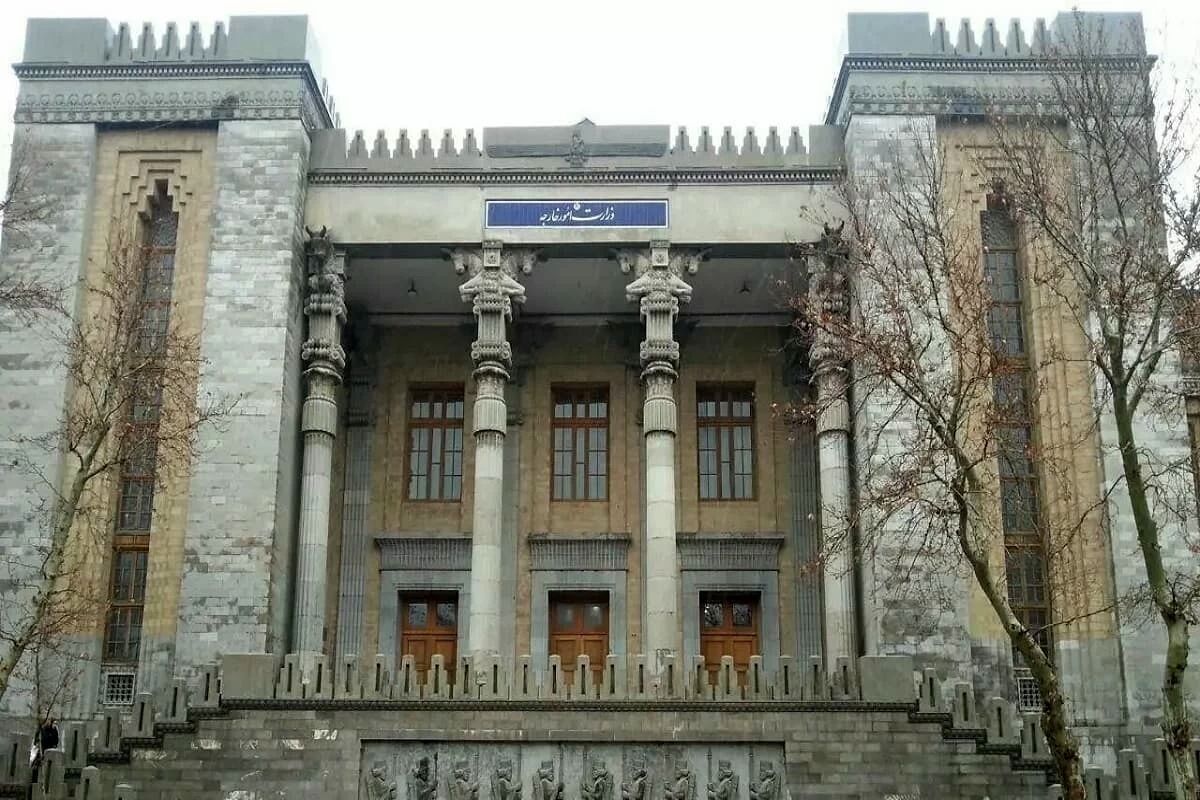
The exterior of the Ministry of Foreign Affairs in Tehran
In an interview with the semi-official Tasnim news agency, IRGC spokesperson Hossein Mohebbi called Trump’s claim a “delusion,” saying no dialogue is going on between the IRGC officials and the Americans.
Even Iran’s diplomatic apparatus is not currently negotiating with the United States owing to Washington’s “breach of promises,” Mohebbi added.
Separately, at Monday’s press conference, Iranian foreign ministry spokesman Esmaeil Baghaei denied media reports of unofficial contact between Washington and the IRGC via Iraqi Kurdistan officials and an alleged secret U.S.-Iran meeting in Erbil.
The news is “media techniques and psychological operations used to sow discord among Iran’s decision-making bodies,” Baghaei said.
Fox News reported earlier that Trump confirmed there is a backchannel for peace talks between Washington and the IRGC.
Iran’s Islamic Revolution Guard Corps (IRGC) on Monday rejected U.S. President Donald Trump’s claim that there is a backchannel for talks between Washington and the IRGC.