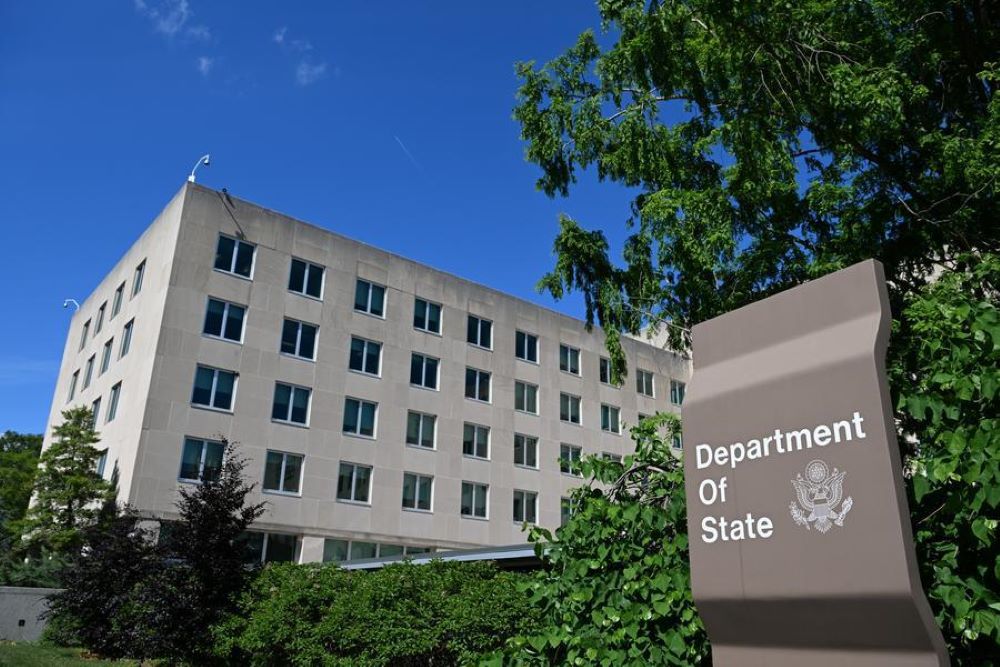
U.S. embassies in Israel, Lebanon, Saudi Arabia, Qatar, Jordan, Oman, Iraq and Kuwait are among the missions expected to increase staffing, the report said Tuesday, citing an internal U.S. State Department document and three U.S. officials.
According to the document obtained by the NYT, the first diplomats to return will be at the U.S. embassy in Lebanon, though the embassy would not reach full staffing under the plan.
Posts in the United Arab Emirates, Saudi Arabia, Qatar and Lebanon will initially cap staffing at 85 percent, and posts in Iraq, Kuwait and Bahrain at 75 percent.
In the six Gulf countries and Lebanon, the State Department will enforce restrictions on bringing family members, the document added.
The restaffing is set to proceed as the Trump administration threatens new economic sanctions on Iran after talks between Washington and Tehran floundered, suggesting that the United States does not expect an imminent renewal of full-scale conflict, said the report.
This photo taken on May 15, 2026 shows the U.S. Department of State building in Washington, D.C., the United States. (Xinhua/Li Rui)
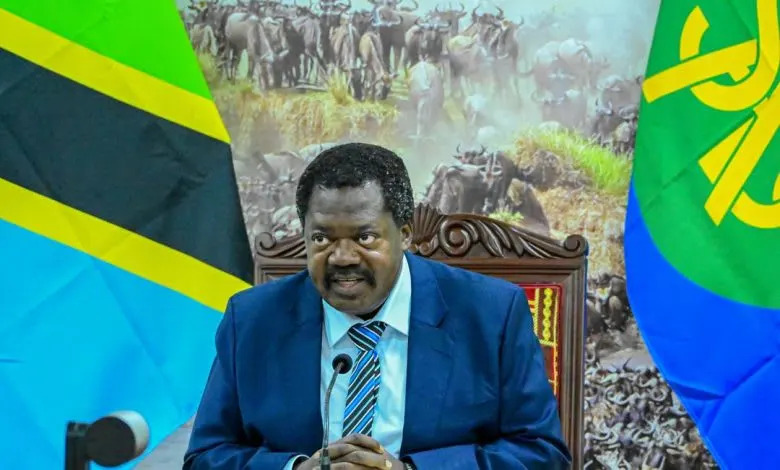
Nchimbi said on Tuesday, August 25, that he had written to President Samia Suluhu Hassan informing her of his decision to resign, effective September 4, 2026.
He said the resignation was made in accordance with Articles 50(2)(c) and 149(2) of Tanzania’s Constitution.
Nchimbi said his decision was also linked to a commitment he made to President Samia in August 2025, when he pledged to support her and the country with loyalty and said he would relinquish his position if she ever felt that another vice president was needed.
“I have satisfied myself, beyond doubt, that H.E. the President desires a change; therefore, I have decided to fulfill my promise,” Nchimbi said in a public notice.
He said he would continue serving as “a good citizen of Tanzania” after leaving public office.
His resignation comes amid media reports of a fallout between Nchimbi and President Samia, although neither side has publicly detailed the circumstances behind the reported differences.
Nchimbi was sworn in as vice president in November 2025 after serving as Samia’s running mate in the October 2025 presidential election.
Before becoming vice president, Nchimbi served as secretary-general of the ruling Chama Cha Mapinduzi (CCM). He previously held senior government positions, including minister of information and minister of home affairs, and later served as Tanzania’s ambassador to Brazil and Egypt.
Tanzania’s Vice President Emmanuel Nchimbi has announced his resignation from the position and from public service, effective September 4, 2026.
“We are launching an economic onslaught against Iran’s financial connections around the globe,” said Bessent at a press conference. “Our objective is to sever every economic lifeline” that sustains the country, he said.
The U.S. Treasury Department said in a press release that the new sectoral sanctions determinations target five critical sectors — digital assets, technology, gold, aviation and shipping — that the U.S. says Iran has relied on to prop up its economy.
The measures marked the beginning of “a sustained and systematic campaign to close every financial resource” that supports Iran, the department said. It added that “any entity that facilitates money laundering or sanctions evasion on behalf of Iran risks being cut off from the U.S. financial system.”
The department is expanding the categories of “Iran-related conduct” that the United States might sanction in the future, and said “every country will be given a defined timeline to shut down the Iran-related activity” the United States has identified.
Bessent disclosed that U.S. President Donald Trump has been calling world leaders with specific requests to cease their interactions with Iran.
Simultaneously, the department’s Office of Foreign Assets Control (OFAC) sanctioned nearly 60 entities, individuals, and vessels in multiple jurisdictions that enable Iran’s activities, including illicit nuclear and missile technology procurement, cyber operations, and oil-revenue generation networks.
OFAC also suspended several general licenses that previously authorized certain remittance payments to Iran and Iranian access to the U.S. cultural and academic system.
Additionally, the Treasury Department released additional guidance on the sanctions risks associated with complying with Iranian demands regarding shipping in the Strait of Hormuz.
In a post on X, Iranian Parliament Speaker Mohammad Baqer Qalibaf responded to U.S. economic threats against Tehran by saying that, “Iran’s trading partners, both in the media and through messages sent to us, have made it clear that they don’t take these statements into account anywhere.”
“They cannot cut off our financial lifelines,” Iran’s Minister of Economic Affairs and Finance Seyed Ali Madanizadeh said in another X post, adding that Tehran has been “planning for some time to counter the sanctions.”
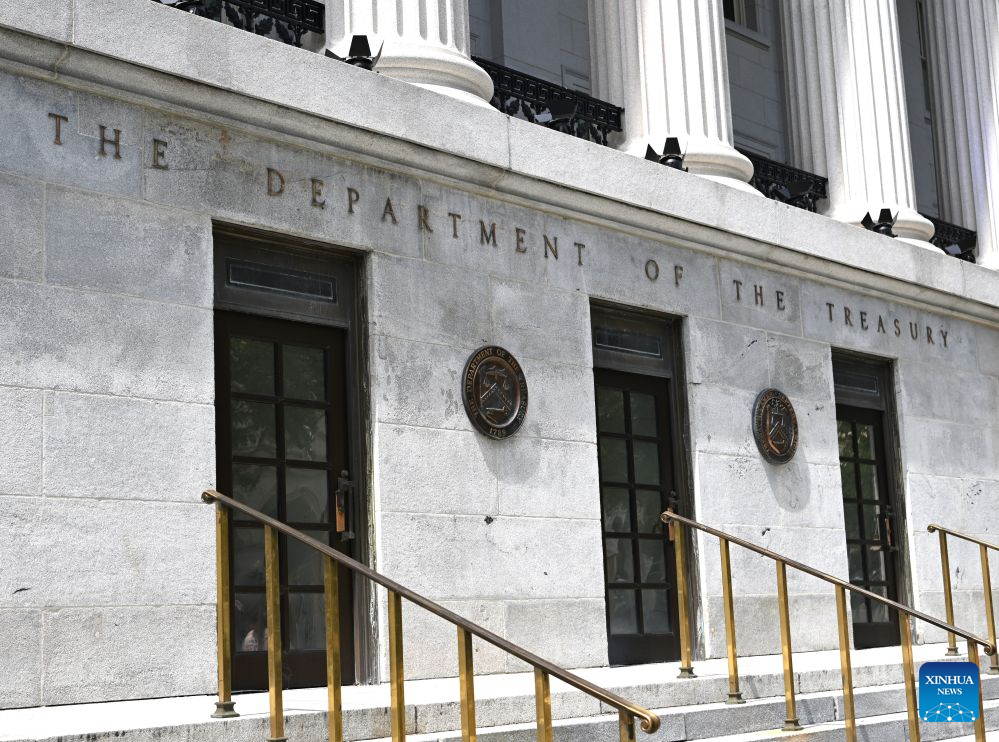
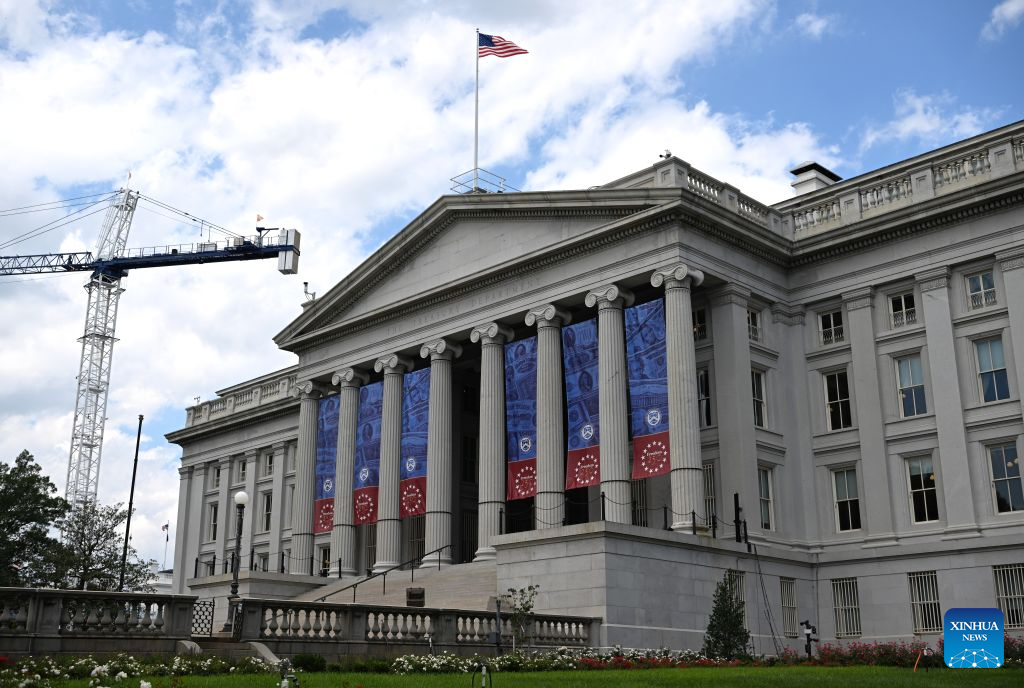
This photo taken on Aug. 24, 2026 shows the U.S. Department of the Treasury in Washington, D.C., the United States. U.S. Treasury Secretary Scott Bessent on Monday threatened Iran with “an economic D-Day,” announcing a wave of new sanctions aimed at further isolating the country. (Xinhua/Li Rui)
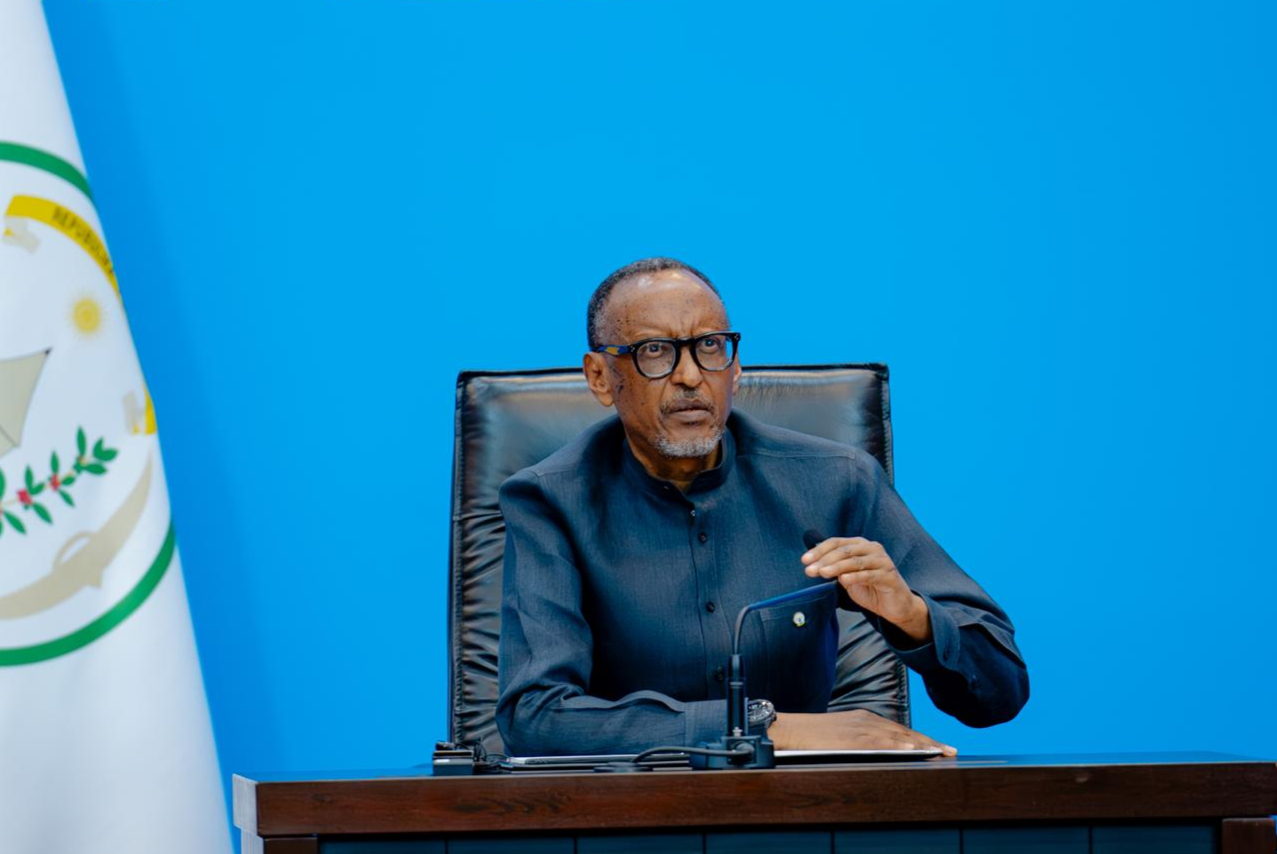
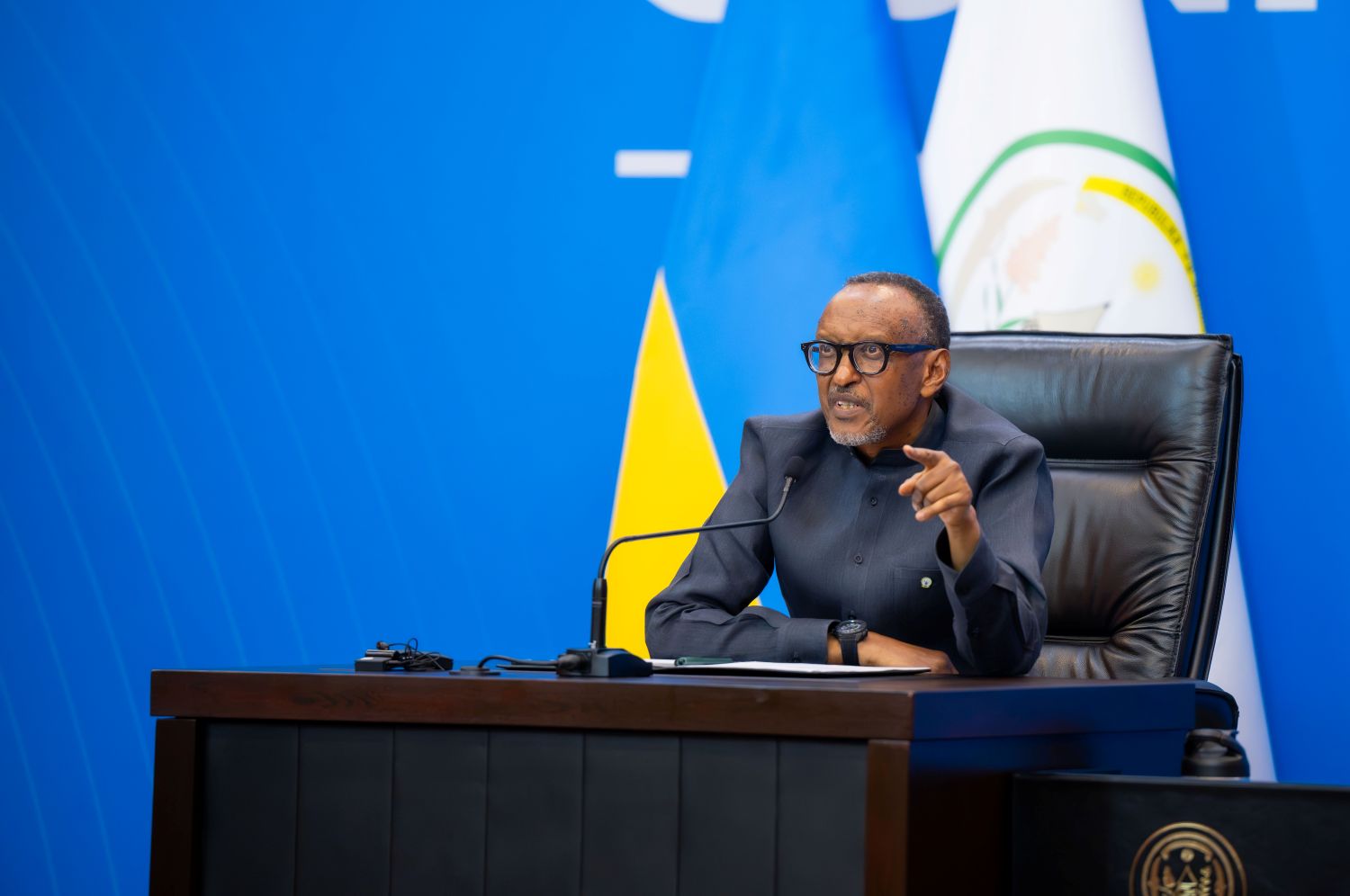
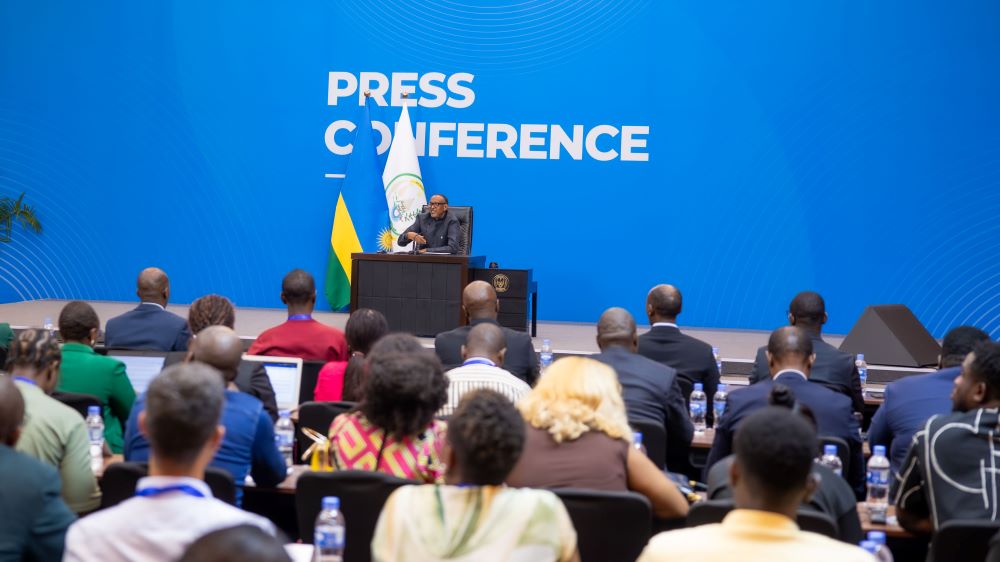
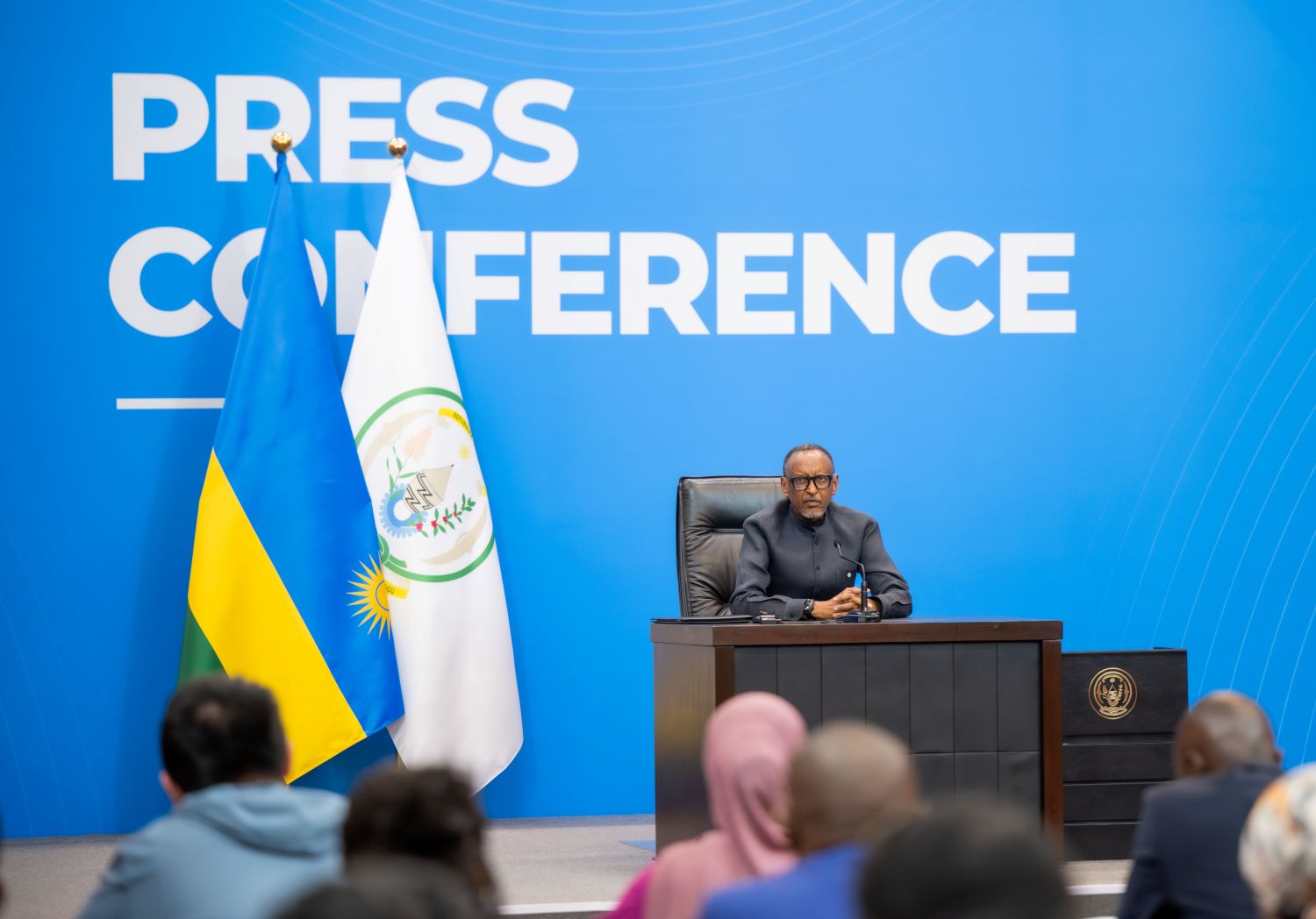
Speaking during a press conference at the Kigali Convention Centre on Monday, President Kagame said Rwanda had never made such a commitment to Burundi.
“There is no commitment we ever made that we did not fulfil, not with the President of Burundi, not with anybody,” Kagame said, adding that perhaps Ndayishimiye had “dreamt and thought it had happened.”
Ndayishimiye, in an interview with BBC Gahuzamiryango in July 2026, said Burundi was still waiting for Rwanda to fulfil what the two countries had agreed upon. When asked to specify the matter, he said it concerned the transfer to Bujumbura of individuals accused of attempting to overthrow Nkurunziza in May 2015.
Kagame said he was unaware of any meeting or agreement in which Rwanda had committed to handing over the suspects.
The Head of State accused Ndayishimiye of being dishonest, recounting a conversation the two leaders had following reports that Burundi had deployed troops to North Kivu Province in eastern Democratic Republic of Congo.
Kagame said Rwanda’s intelligence services had informed him about the deployment, prompting him to call Ndayishimiye to seek clarification. He also raised concerns over reports linking Burundi to the Democratic Forces for the Liberation of Rwanda (FDLR), as well as earlier incursions into Rwanda by armed groups operating from Burundi, including the FLN.
According to Kagame, Ndayishimiye strongly denied that Burundian forces had been deployed to North Kivu and urged him to cross-check the information, suggesting that those who had provided the reports were attempting to cause problems.
“I said, President, I will take your word, much as I think the reports I received were credible, but I will take your word for it,” Kagame said.
However, Kagame said the reports were subsequently confirmed when Burundian soldiers were captured in North Kivu by AFC/M23 fighters.
“A couple of weeks after, they were captured in the north of Kivu,” he remarked.
Kagame said he therefore did not know what commitment or meeting Ndayishimiye was referring to when he claimed Rwanda had failed to honour an agreement regarding the 2015 coup suspects.
Rwanda has in the past said it cannot hand over the persons linked to the coup because they are refugees protected under international law.
Speaking during a press conference at the Kigali Convention Centre on Monday, President Kagame said Rwanda had never made such a commitment to Burundi.
Speaking during a press conference at the Kigali Convention Centre on Monday, Kagame said Rwanda’s security concerns over the FDLR have persisted for about three decades and will continue to shape the country’s involvement in the regional conflict as long as the armed group remains a threat.
“Rwanda’s problem has always been the FDLR in Congo. I can repeat it a hundred times,” Kagame said.
“And if this problem of FDLR is not resolved, of course Rwanda will always remain involved as part of this problem. There are no two ways about it.”
President Kagame was responding to a question about a recently reported Congolese protocol for the disarmament, demobilisation and cantonment of FDLR fighters, which Kinshasa said was part of its commitments under the Washington peace agreement. Rwanda has rejected the arrangement as inconsistent with the agreement. The United States, which brokered the deal, has said the DRC must neutralise the FDLR as part of its commitments under the Washington Accords.
The journalist asked whether Rwanda viewed the initiative as the neutralisation process envisaged under the agreement or as a political manoeuvre.
Kagame said efforts to resolve the FDLR issue had been ongoing for decades, involving the United Nations, the United States, European countries, African states and other actors, but had failed to address the root causes of the problem.
“The handling and the mishandling of this problem over many years is known. The actors are known,” he remarked
He argued that successive efforts had focused on superficial aspects of the crisis rather than addressing its underlying causes.
The Head of State also rejected arguments that Rwanda uses the FDLR, formed by individuals responsible for the 1994 Genocide against the Tutsi in Rwanda, as a justification for its involvement in eastern DRC.
“If you don’t want Rwanda, if nobody keeps saying Rwanda, Rwanda, Rwanda, and doesn’t want Rwanda to have anything to say in this, why don’t you remove this problem and see whether Rwanda is using it as an excuse?” he posed.
‘We will do anything that contributes to that protection’
Kagame said Rwanda’s approach would be guided first by the need to protect itself, while also seeking to avoid giving its adversaries opportunities to threaten the country.
“We behave in a manner that protects us at any cost. We will do anything that contributes to that protection, day or night,” he stressed.
“There are no two ways about it; that one we will, no question.”
He added that Rwanda would seek to act responsibly while protecting its interests.
“We will do what is right to protect ourselves, and we will do it without fear, favour, day or night, any time,” Kagame said.
President Kagame also maintained that Rwanda’s desire for peace remained central to its approach to the regional crisis.
“We want peace to the point that we are ready to fight for it. And that’s our main goal. We want peace, and we want to work with others to have peace,” he said.
His remarks came as he questioned the effectiveness of international efforts to address the conflict in eastern DRC, including the use of sanctions.
Kagame argued that sanctions had created additional problems rather than resolving the underlying conflict.
“Instead of sanctioning FDLR or those who work with them or support them, they sanction those who fight them. I don’t understand the logic,” he noted.
He also questioned the failure to address the origins of the conflict involving various armed groups in eastern DRC, including AFC/M23.
Kagame said Rwanda would continue working with other countries on peace efforts while maintaining its own security as a priority.
“We are happy to do that, I think. It is a pleasure to do the hardest task to protect ourselves. That’s what it is,” he said.
Speaking during a press conference at the Kigali Convention Centre on Monday, Kagame said Rwanda’s security concerns over the FDLR have persisted for about three decades and will continue to shape the country’s involvement in the regional crisis as long as the armed group remains a threat.
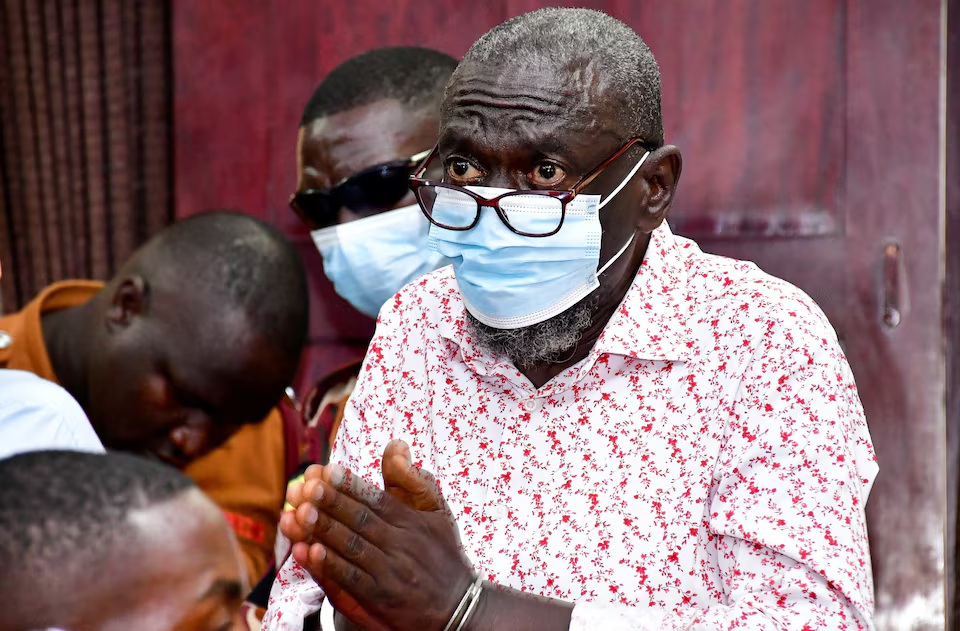
Byanyima said on Sunday that Besigye, who has been in custody since November 2024, remained weak and required continued care following his recent health challenges.
“I am hurt, angry and anxious. Kizza Besigye has been returned to his prison cell, and his sisters who have been caring for him at the prison hospital have been sent away,” Byanyima said.
She added that he was still extremely weak and expressed concern that conditions in prison could affect his recovery.
The Uganda Prisons Service had not immediately commented on Besigye’s transfer or his current condition.
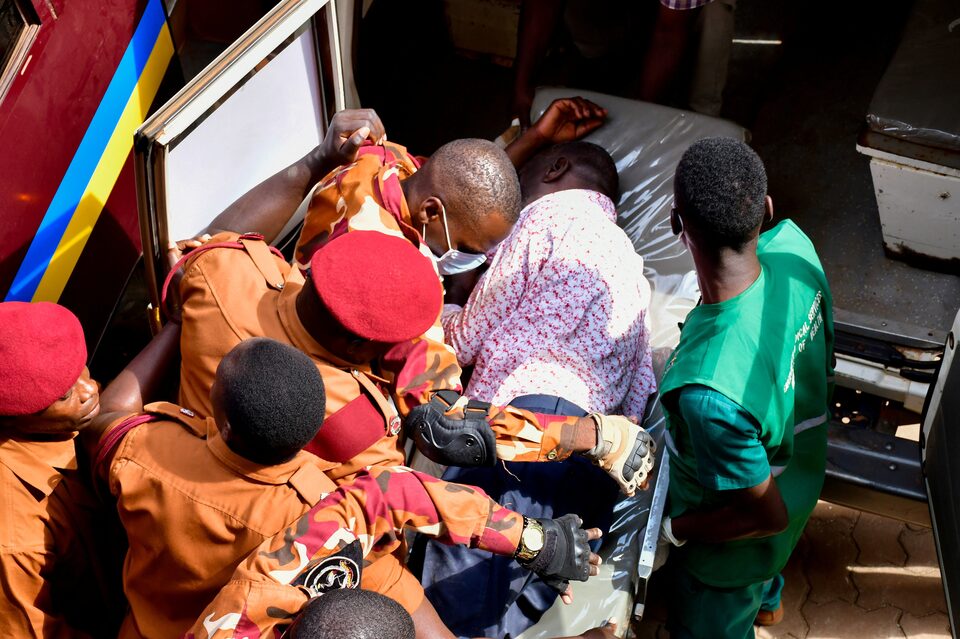
Besigye’s health has been under scrutiny since he collapsed during a court session in Kampala on July 29 while attending proceedings in his treason case.
Detained Ugandan opposition figure Kizza Besigye is put in an ambulance after he collapsed while attending a court session where he is on trial for treason, at the High Court in Kampala, Uganda, July 29, 2026.
A subsequent psychiatric assessment found that he remained alert and able to understand information but had difficulty speaking or writing. Doctors said he had preserved comprehension but an impairment affecting his ability to express himself, which could interfere with his participation in his defence.
According to the medical report, Besigye could communicate by pointing to letters and numbers, although doctors noted that the method made it difficult for him to provide detailed instructions or communicate effectively about his case.
The medical team recommended further assessment and continued speech, language, physical, occupational and neurological rehabilitation.
Meanwhile, proceedings in the treason case against Besigye and his co-accused have continued. Justice Emmanuel Baguma allowed the trial to proceed despite Besigye’s absence on medical grounds, with prosecution witness Wilson Orlando giving testimony.
The medical assessment did not categorically declare Besigye unfit to stand trial but noted that his communication difficulties could affect his ability to participate meaningfully in the proceedings.
Besigye, 70, is jointly charged with Hajj Obeid Lutale and Capt. Denis Oola with treason-related offences stemming from allegations that they travelled to Kenya and held meetings aimed at plotting to overthrow the Ugandan government. The three have denied the charges.
Besigye and Lutale were detained in November 2024 after they were brought back to Uganda from neighbouring Kenya, where they had travelled before their arrest. Besigye has since remained in custody as the case proceeds.
Detained Ugandan opposition figure Kizza Besigye gestures before he collapsed while attending a court session where he is on trial for treason, at the High Court in Kampala, Uganda, July 29, 2026.
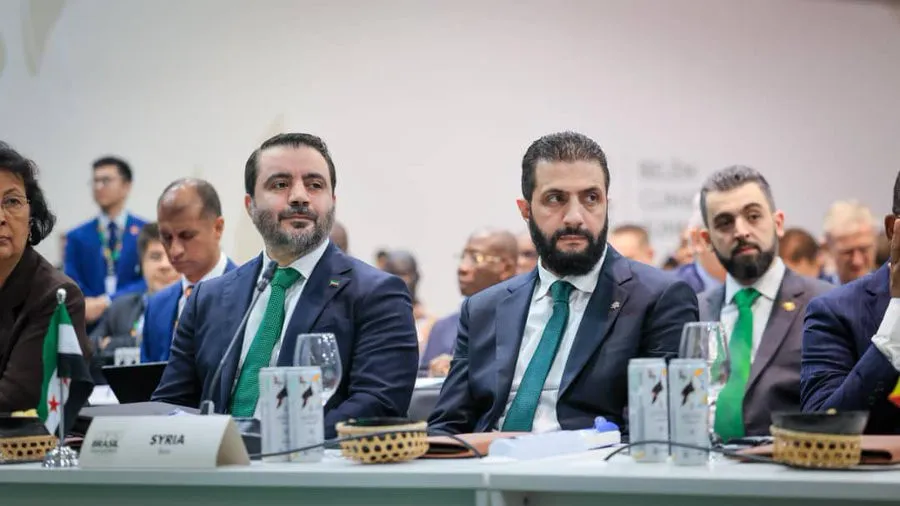
The high-level Syrian delegation was headed by foreign affairs chief Asaad al-Shaibani and included the heads of the general and military intelligence services, while Israel was represented by a senior delegation, according to the source.
The Jordan-hosted meeting was held as part of efforts to reduce tensions following recent Israeli strikes on Syrian territory and escalating tensions in southern Syria, as well as to support stability in Syria and the wider region.
The discussions focused on establishing practical mechanisms to halt Israeli attacks, arrests and targeting operations and reviving negotiations with the aim of reaching a security agreement that could lay the groundwork for a more comprehensive accord in the future, the source said.
The Syrian delegation stressed that Syria is a sovereign state and has the right to rebuild and develop its national army and determine its alliances and partnerships in accordance with its national interests.
Damascus would not accept any arrangements or mechanisms restricting those sovereign rights, the source added.
The Syrian side also reiterated its position that the Israeli-occupied Golan Heights is Syrian territory, while noting that discussion of its final status and the path toward resolving the issue remains premature at the current stage.
Damascus said its immediate priorities are the withdrawal of Israeli forces to positions held before Dec. 8, 2024, and the full restoration and implementation of the 1974 Disengagement Agreement.
The talks also addressed efforts to narrow differences between Türkiye and Israel and prevent tensions between the two regional powers from spilling onto Syrian territory, according to the diplomatic source.
The meeting focused on practical steps to reduce tensions while exploring ways to return to negotiations, with the Syrian side stressing that any security arrangements must respect Syria’s sovereignty, territorial integrity and sovereign rights.
Israel struck the Abu al-Duhur military airport in northwestern Syria on Tuesday, saying Damascus was preparing to allow Turkish forces to deploy there, a claim denied by Syria and Türkiye.
Senior Syrian and Israeli delegations held talks in Jordan on Sunday under US mediation, focusing on de-escalation and efforts to revive negotiations toward a security agreement, Syria’s state news agency SANA reported, citing a diplomatic source.
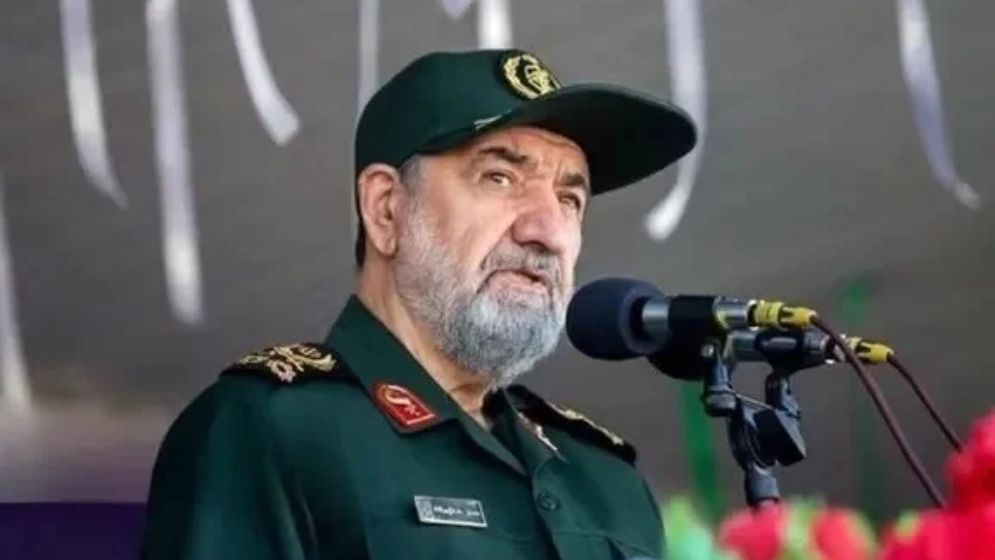
Rezaei, the secretary of Iran’s Supreme National Security Council, made the remarks in an interview with state-run IRIB TV.
He said Iran would first negotiate with such countries and ask them to stay out of the conflict, but warned that if they refuse, Tehran will strike their interests, and that if surrounding countries choose to join the U.S. siege, Iran “will not let even a single drop of oil be exported from the Strait of Hormuz.”
He noted that Iran has learned how to bypass U.S. sanctions and continue oil sales over the years.
Rezaei also repeated that the Hormuz Strait will remain closed unless the United States fulfills its commitments under the Iran-U.S. peace memorandum of understanding signed in June, adding that Washington must act first this time.
U.S. President Donald Trump said Wednesday that the United States would launch “the most crushing economic operation ever” against Iran, describing it as an “economic warfare and isolation on an unprecedented scale.”
Iran’s top security official Mohsen Rezaei warned Saturday that any country participating in the U.S. economic war against Iran will be considered an “enemy” by Tehran.
As the war ended, defeated forces of the former Rwandan Armed Forces (Ex-FAR), Interahamwe militia members and others involved in planning and carrying out the genocide, together with civilian refugees, fled to neighbouring countries, particularly then-Zaire, now the Democratic Republic of Congo (DRC), and Burundi.
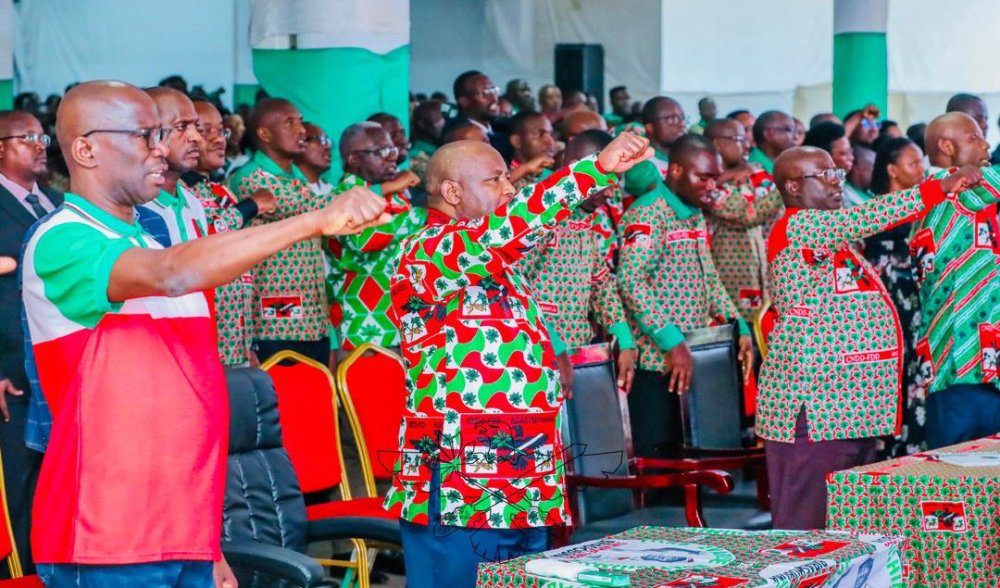
Among those who fled to Burundi were Burundian Hutu refugees who had previously been living in Rwanda. They joined others in the forests and, together with refugees from other countries, formed the armed movement FDD and its political wing, the CNDD, in September 1994.
Although some of those who formed FDD had been involved in the killings of Tutsi in southern Rwanda during the genocide, they initially lacked the military experience needed to challenge the government of Colonel Pierre Buyoya.
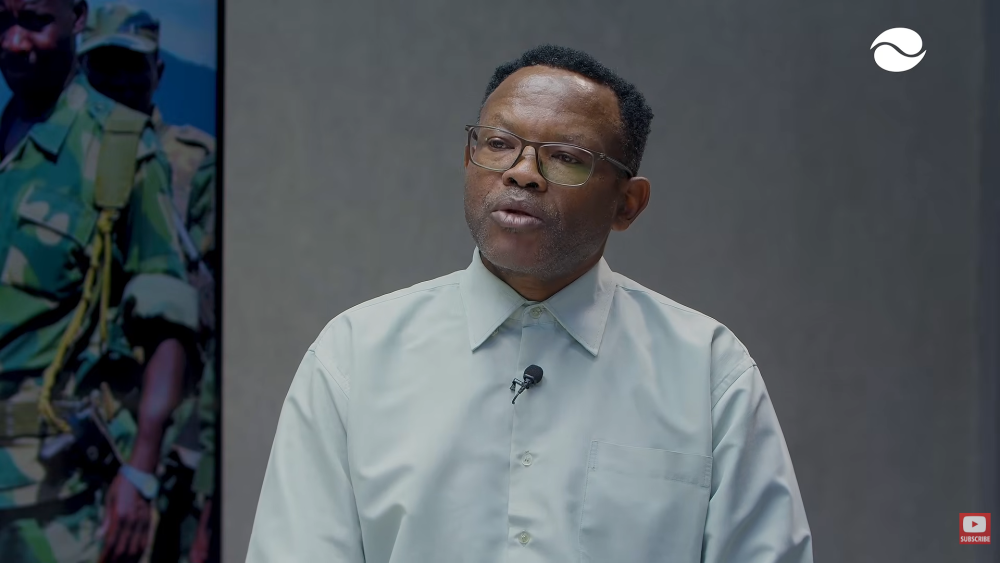
Maj (Rtd) Peter Kubwayo, a former FDLR leader, was among those who fled to Burundi after the RPA victory. Originally from Musange Sector in Nyamagabe District, Southern Province, Kubwayo told IGIHE that he and other refugees were taken to an area known as Gihunda when they arrived in Burundi, where they were assigned to train fighters belonging to the newly formed FDD.
Ex-FAR trains FDD fighters
In early 1995, FDD, led by Léonard Nyangoma, entered into a cooperation agreement with Ex-FAR, which was represented by its former Chief of Staff, Gen Augustin Bizimungu.
The agreement, signed in Bukavu, in South Kivu Province, stated that FDD and Ex-FAR shared common interests and should therefore cooperate financially and militarily in their efforts to mobilise and support Hutu refugees.
Kubwayo said the close relationship between Nyangoma and Ex-FAR commanders, including Gen Bizimungu, who had fled to Mugunga, west of Goma, helped facilitate the agreement.
“He requested assistance, and they provided officers to train officers and soldiers. An Ex-FAR team went to Burundi in March 1995, led by Lt Col Edouard Gasarabwe,” Kubwayo said.
Gasarabwe was accompanied by other Ex-FAR officers, including Maj Diogène Nkundimana, Lt Gaspard Muragijimana, Adjudant Chef Jean Ngerageze, Sgt Maj Jean Damascene Uzabakiriho and Cpl Faustin Sebutimbiri.
According to Kubwayo, the Ex-FAR officers trained FDD fighters at a military school in Musigati, in the former Bubanza Province, as well as at Gihunda. They remained there for about five months before returning to Zaire in August 1995.
Kubwayo said the cooperation was also rooted in the anti-Tutsi ideology shared by elements within FDD and Ex-FAR, both of which were predominantly composed of Hutu fighters.
He said the training covered military tactics, discipline and weapons use, but also included ethnic ideology.
“They taught them tactics, discipline and the use of weapons. But among the teachings was the ideology that ‘We are Hutu, and we must fight the Tutsi to drive them out of Burundi. Once we take Burundi, we will go and take Rwanda as well,’” Kubwayo said.
Links extend into Congo
Kubwayo said the relationship between Burundian armed groups and former Rwandan military and militia networks continued to evolve after Laurent-Désiré Kabila’s AFDL launched an offensive against Ex-FAR and Interahamwe forces in refugee camps in eastern Zaire.
Some Burundian refugees who had fled alongside Rwandans moved with them towards western parts of the country, including areas around Mbuji-Mayi.
After Kabila’s relationship with Rwanda deteriorated, he sought alliances with groups opposed to the Rwandan government. This included reaching out to former Ex-FAR and Interahamwe leaders as part of efforts to challenge the Rwandan government.
Kubwayo said Burundian refugees who had been alongside Rwandans were also incorporated into military training programmes in Congo.
“Some Burundians had fled alongside the Rwandans and went with them. They met in places such as N’Sele and underwent training in different centres, while others met in Kananga at EFO. During the military training given to Interahamwe and Ex-FAR at those centres, the Burundians were also there,” he said.
Among those trained was Gen Maj Agricole Ntirampeba, who is now Burundi’s ambassador to the DRC. At the time, Ntirampeba trained at EFO Kananga before continuing his studies at Rukango and receiving intelligence training in Mbuji-Mayi.
Kubwayo said the training was provided by Ex-FAR officers and Zimbabwean forces.
When FDD learned that Burundian refugees had received military training in Zaire, it requested that they be transferred to its ranks. Ntirampeba, who was then a Sous-Lieutenant, and other fighters subsequently went to Burundi, where Ntirampeba became one of the movement’s commanders.
Kubwayo said the relationship between the Burundian fighters and those who had trained them continued even after the former entered government.
“From that time, they never stopped working with those who had trained them. Then, when they came into government, the cooperation continued. They would communicate by telephone,” he said.
From CNDD-FDD to the M23 conflict
The networks that emerged from these relationships have continued to feature in the region’s successive conflicts, according to Kubwayo.
In 2023, Burundi deployed troops to North Kivu Province to support the Congolese army in fighting the M23 rebel movement. The deployment followed an agreement between Burundi and the DRC after the two countries expressed dissatisfaction with the performance of the East African Community regional force.
Kubwayo said that, during the deployment, Burundian troops worked alongside FDLR fighters in areas of Masisi Territory, including Bambiro, Rutobogo, Kinigi, Rusayo and Kanyaruchinya, north of Goma.
He said the two sides shared intelligence and equipment as they operated against M23.
Maj (Rtd) Peter Kubwayo said the agreement signed by Nyangoma and Gen Bizimungu strengthened the FDD movement.The CNDD-FDD, the ruling party in Burundi, was formed in September 1995.
Pezeshkian made the remarks at the 31st General Assembly of the Islamic Association of the Iranian Medical Society in the capital Tehran, where he stressed that the war with the United States must end at some point, according to a statement published on his office’s website.
“It is better that we end the war today when we are in a position of power and dignity, and the entire world acknowledges our victory and emphasizes that the United States, in violation of all (international) regulations, has attacked our schools, hospitals, and infrastructure, and is hated in the world,” he said.
Pezeshkian described the peace memorandum of understanding (MoU) signed between Iran and the United States in June as “honorable and valuable,” stressing that not a single provision of the MoU suggests surrender and that all obligations fall on the other party.
He noted that what was accomplished during the negotiations with the United States was a “great achievement,” which was approved with “unity and solidarity” in Iran’s Supreme National Security Council, and all members of the council defended it decisively.
The president, however, emphasized that Iran will not surrender if attacked again, saying, “We will under no circumstance bow to bullying, and there is no doubt about it.”
“We will stand against them until our last breath and will give them a crushing response,” he said, adding that Iran’s military commanders and armed forces are “wholeheartedly and selflessly” in full readiness to defend the country.
On June 18, Iran and the United States signed the MoU on ending their war in the region on all fronts. Under the MoU, the two countries were scheduled to hold negotiations within a period of 60 days, which ended on Monday, to reach a final agreement. However, the fate of the talks remains unclear following an escalation between the two countries last month.
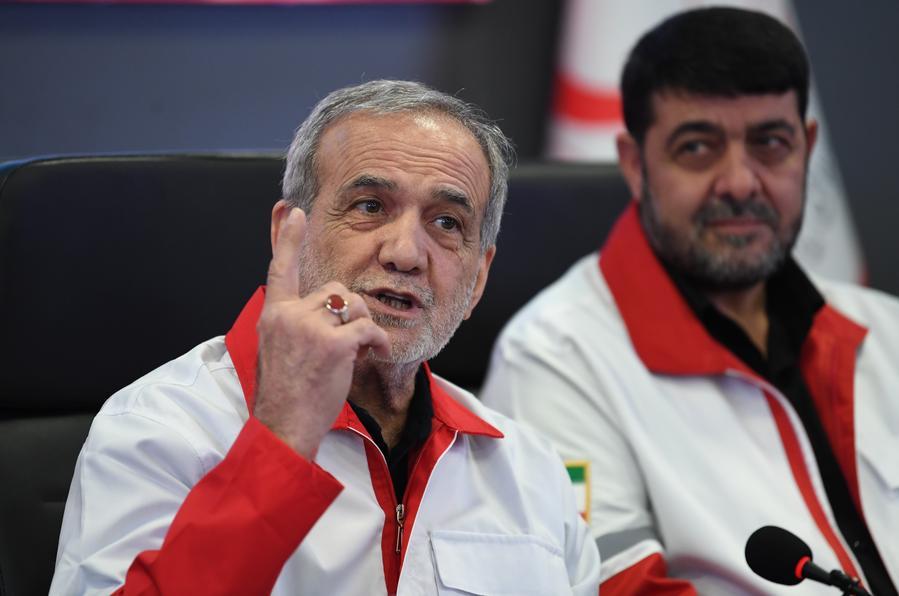
Iranian President Masoud Pezeshkian speaks during his visit to the headquarters of Iran’s Red Crescent Society (IRCS) in Tehran, Iran, April 15, 2026. (Xinhua/Shadati)