The AFC/M23 coalition and the MRDP-Twirwaneho movement have controlled Point-Zéro since the night of July 3-4, 2026. The area was previously controlled by the Congolese army, Burundian troops and Wazalendo militia.
According to reliable sources involved in the preparations, the Congolese government has increased the number of troops and military equipment deployed in the province ahead of planned operations targeting positions held by AFC/M23 and Twirwaneho.
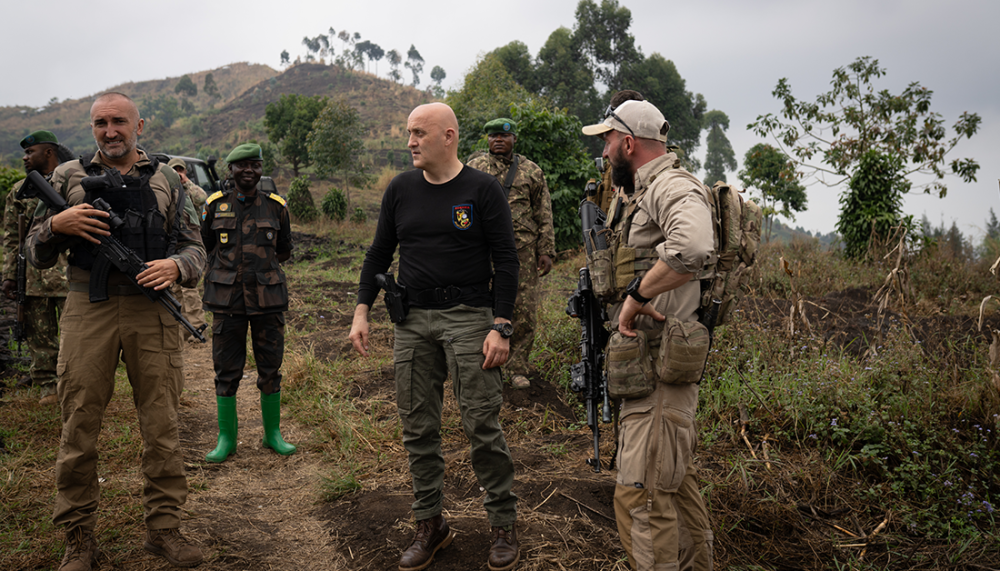
The number of foreign mercenaries operating in the area also increased towards the end of August. American and Colombian mercenaries reportedly increased from 10 to 35 and are operating around Lusuku and Alaba, near Point-Zéro, alongside members of the DRC’s special forces unit known as Hiboux.
The mercenaries are expected to take part in specialised operations, including directing air strikes and operating attack drones targeting AFC/M23 and Twirwaneho positions.
On August 28, the Congolese army increased its troop presence in several parts of Uvira Territory, including Murunga, Munanira, Ndolera, Kashabiro and Lemera.
On the night of August 29, a Hiboux battalion moved from the Bilende area in Fizi Territory towards Point-Zéro.
The preparations come as Congolese and Burundian troops, together with Wazalendo fighters, continue to deploy in areas surrounding the Minembwe commune in Fizi, Uvira and Mwenga territories.
Sources also reported that the Congolese army has continued to send military equipment through Burundi. Between August 5 and 7, three aircraft reportedly travelled from Kinshasa to Bujumbura carrying equipment before it was transported to South Kivu.
On August 9 and 10, Burundian military vehicles carrying troops, equipment and military drones reportedly crossed the Gatumba-Kavimvira border towards Baraka in Fizi Territory.
The Chief of Staff of the Congolese Armed Forces, Lt Gen Banza Mwilambwe Jules, and his Burundian counterpart, Gen Prime Niyongabo, also travelled to Kalemie in early August, where they followed preparations for planned operations in Minembwe.
The DRC government expects the mercenaries to help direct airstrikes and operate attack drones.
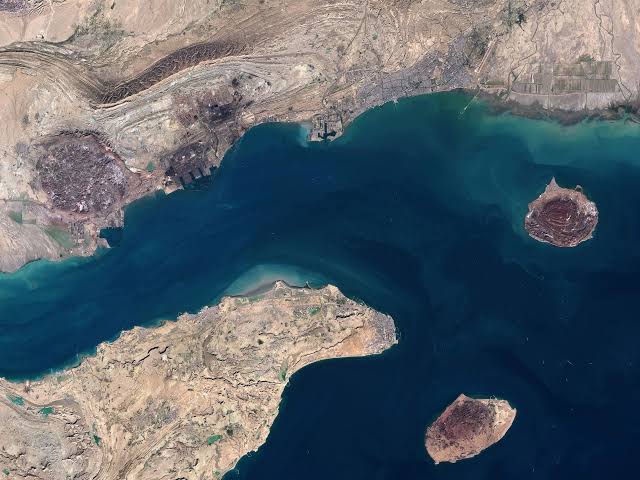
The latest escalation began after US forces struck two Iranian rocket launchers on Larak Island, an Iranian island located near the Strait of Hormuz.
The United States said the operation was aimed at preventing an imminent threat to shipping in the strategic waterway.
Iran responded by launching ballistic missiles toward US military facilities in Jordan, according to Iranian officials and regional reports. Jordan said its forces intercepted the missiles.
The renewed confrontation marks the first known direct US military action against Iran since late July, when fighting had eased as Washington and Tehran pursued efforts to reach a longer-term agreement.
The situation escalated further after US President Donald Trump claimed that Iran’s Kharg Island was being “blown to smithereens.”
Kharg Island is a major centre of Iran’s oil industry and serves as the country’s main crude oil export terminal.
Any major attack on its energy infrastructure could have significant consequences for Iran’s economy and global oil markets.
However, there was no independent evidence that Kharg Island had been attacked when Trump made the claim.
Reuters also reported that the video Trump shared alongside his statement was AI-generated. An Iranian official dismissed the claim as false and described it as “laughable.”
The White House and the US Department of Defense did not immediately provide details confirming an attack on Kharg Island.
The renewed fighting has already affected global energy markets. Oil prices rose on Monday as traders reacted to the possibility that the conflict could further disrupt shipping through the Strait of Hormuz, one of the world’s most important routes for oil and gas transportation.
The Strait has remained a major point of tension throughout the conflict. Iran has threatened to restrict shipping through the waterway, while the United States has sought to keep the route open for international commercial vessels.
The latest escalation comes as Washington also increases economic pressure on Tehran.
US Treasury Secretary Scott Bessent said the United States plans to introduce new secondary sanctions against Iranian financial networks on a weekly basis, beginning with banks.
The developments have raised fears that the renewed military confrontation could undermine diplomatic efforts and trigger a wider regional crisis.
For now, the Strait of Hormuz remains at the centre of the dispute, with any prolonged disruption threatening global energy supplies and potentially pushing oil prices higher.
US-Iran tensions have escalated as fighting resumes, raising concerns over regional stability and global energy supplies.
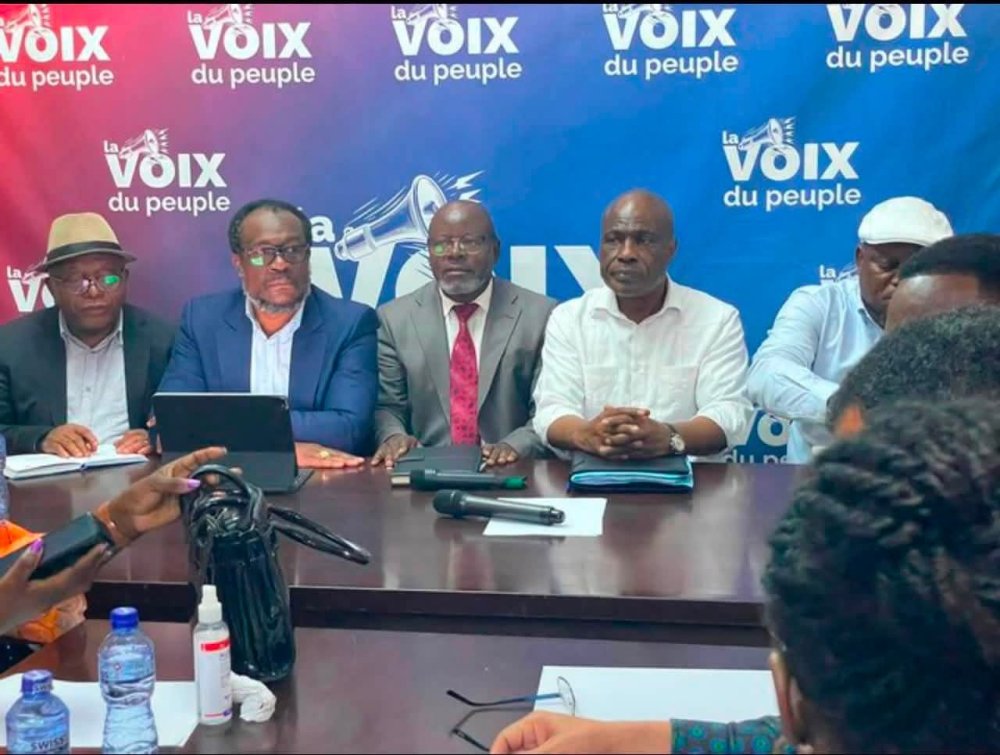
After Tshisekedi announced on August 27, 2026, that he had officially launched consultations aimed at finding solutions to the crises affecting the DRC, opposition figures grouped under the C64 coalition, which advocates for the defence of the Constitution, immediately rejected the initiative.
C64 includes prominent opposition politicians such as Martin Fayulu, Moïse Katumbi, Jean-Marc Kabund, Matata Ponyo and Delly Sesanga.
The coalition criticised the initiative, saying it should have been a genuinely inclusive national dialogue rather than what it described as consultations organised by the authorities.
“C64 continues to condemn and reject what Félix Tshisekedi calls national consultations, instead of launching an inclusive national dialogue. The Congolese people are not fools,” the coalition said.
The M.A.R.C party, led by Claudel Lubaya, also rejected the initiative, arguing that the consultations favour supporters of the Tshisekedi administration.
Opposition figures say their concerns centre on how the dialogue has been organised, who has been invited and the issues expected to be discussed. They argue that the process is primarily designed to serve the political interests of the current administration.
Fayulu and his allies have announced that they will join their supporters in a demonstration against Tshisekedi’s government on September 15, 2026. The protest had previously been postponed twice as the two sides engaged in efforts to ease tensions.
The dispute is also linked to Tshisekedi’s reported plans to amend the Constitution, which his opponents say could allow him to seek a third term. C64 members have vowed to strongly oppose such a move.
“Congo does not belong to Mr Félix Tshisekedi. The country will not become the victim of a third term after 2028,” C64 said.
Union Sacrée backs Tshisekedi
While opposition groups have rejected the initiative, senior figures within Union Sacrée, the political coalition supporting Tshisekedi, have welcomed it.
Transport Minister Jean-Pierre Bemba described it as a “new approach to dialogue”, while National Assembly Speaker Vital Kamerhe called it an unprecedented way of seeking solutions to the DRC’s problems.
Tshisekedi said consultations would first be held across all 26 provinces before a national conference in Kinshasa, allowing citizens and different institutions to present their views.
His supporters say the process is intended to move beyond traditional political negotiations involving only senior political figures and give ordinary citizens a role in finding solutions to the country’s challenges.
Joseph Kabila stance
The “Sauvons la RDC” coalition led by former President Joseph Kabila, who governed the DRC from 2001 to 2019, supports an inclusive national dialogue but wants it to be led by an independent and impartial facilitator.
Kabila and his allies are calling for all parties affected by the DRC’s crises to participate in the talks. They also want all sides to agree on the framework for the dialogue and for the international community to play a role in monitoring the process.
Their position is similar to that of the National Episcopal Conference of Congo (CENCO) and the Anglican Church, which have called for dialogue involving armed groups, including AFC/M23 fighters and the CRP movement founded by Thomas Lubanga.
Tshisekedi has faced calls to ensure that armed groups are included in the dialogue, with critics warning that excluding them could limit the chances of reaching a lasting solution and potentially worsen the conflict, particularly in eastern DRC.
C64 coalition has rejected President Tshisekedi’s dialogue plan, and announced protest
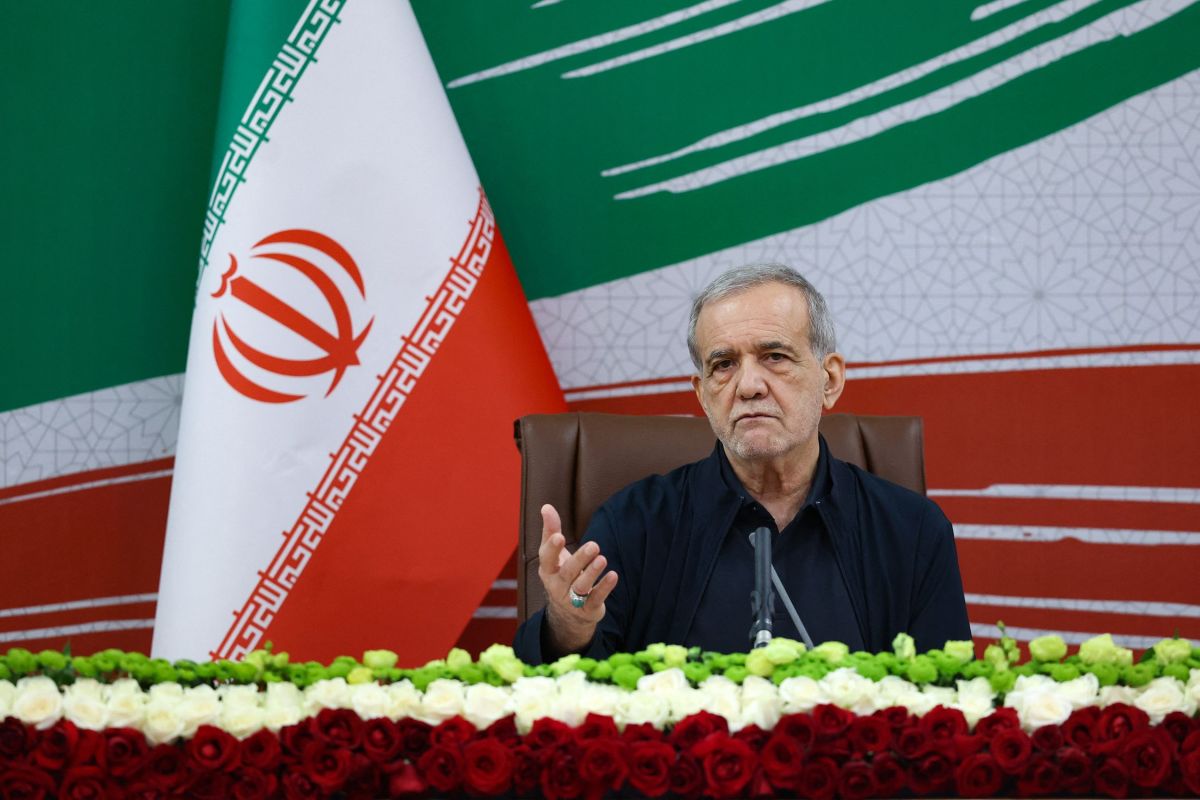
Pezeshkian made the remarks in a televised interview broadcast Friday night, responding to questions about whether ongoing diplomatic efforts could revive the peace memorandum of understanding (MoU) signed by Iran and the United States in June and restore the Iranian nation’s rights.
“We can move forward” if Iran’s actions are met with reciprocal and proportional actions from the other side, the Iranian president said, acknowledging that the two sides might not achieve all their objectives.
Under the MoU, the United States was expected to lift a naval blockade and oil and petrochemical sanctions against Iran and release Iranian frozen assets.
Pezeshkian said Iran had exported nearly 90 million barrels of oil during the period when the agreement was being implemented.
“The main issue is that we must be committed to the MoU we have written. When we sit down at the negotiating table, we can talk to them,” he said.
On June 18, the United States and Iran signed the deal on ending the war in the region on all fronts, including Lebanon. Under the MoU, they were scheduled to hold negotiations within 60 days, which ended on Aug. 17, to reach a final agreement.
The talks’ fate remains unclear following the escalation between the two countries last month.
Pezeshkian’s comments came as Iran continues to grapple with economic pressures at home.
In a separate message Friday marking Government Week, Iranian Supreme Leader Mojtaba Khamenei called for “serious” attention to economic and livelihood challenges, including inflation, unemployment and the management of prices and markets.
Iran needs stronger economic growth, increased investment and a production boost, Khamenei said, describing greater reliance on domestic production as key to addressing the country’s economic difficulties.
Where domestic production cannot meet demand, imports should be used “properly and wisely,” he said.
Khamenei also called for maintaining national unity and protecting social cohesion, warning against using statements that lead to hopelessness and weaken national and public motivation.
The remarks came amid intensified U.S. economic pressure on Iran. Earlier this month, U.S. President Donald Trump announced “the most crushing economic operation ever taken” against any country providing a lifeline to Iran.
“This will be Economic Warfare and Isolation on an unprecedented scale,” Trump said in a social media post, calling the move “an ECONOMIC D-DAY.”
Iranian President Masoud Pezeshkian said Friday that Iran will negotiate with the United States, but remains wary of Washington,
“Treasury promised to sever every economic lifeline Tehran has left and finally end the threat” of Iran, said U.S. Treasury Secretary Scott Bessent, referring to the campaign dubbed “Operation Economic Outcast.”
“We also warned that Iran’s enablers cannot continue to enjoy access to the U.S. dollar and the global financial system,” Bessent said. “Banque Misr UAE decided to find out the hard way, and today, we are taking the first step in holding it accountable for its continued, egregious support of the Iranian regime.”
According to the department, Banque Misr UAE is “a critical node” for Iran’s access to U.S. dollars. Between January 2024 and June 2026, the bank processed approximately 1.8 billion dollars in transactions for 103 companies that the department said may be part of Iranian shadow banking networks.
The proposed action against the bank would cut off what the department described as a key financial lifeline and sanctions evasion vehicle for Iran.
Separately, the Treasury Department’s Office of Foreign Assets Control on Friday also sanctioned Iranian national Reza Mohammad Taeedi, general manager of Bank Melli’s Dubai branch, claiming that the bank had facilitated billions of dollars in transactions through accounts controlled by the Islamic Revolutionary Guard Corps’ Quds Force.
Bessent announced “Operation Economic Outcast” on Monday, saying the campaign was aimed at severing Iran’s remaining financial lifelines. He warned that any entity facilitating money laundering or sanctions evasion on behalf of Iran would be cut off from the U.S. financial system.
Iranian Foreign Minister Seyed Abbas Araghchi condemned the U.S. campaign as “economic terrorism” and called on the United Nations to denounce the U.S. actions.
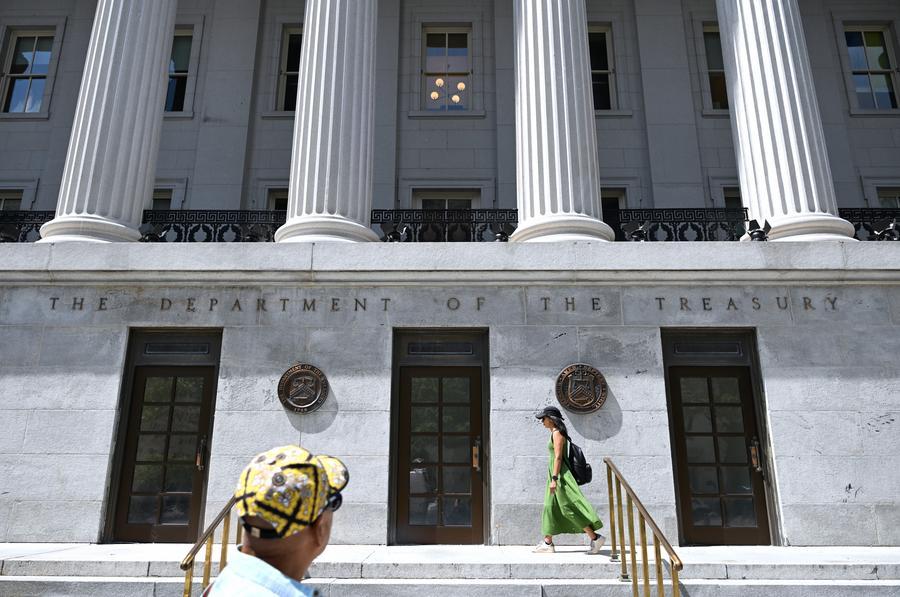
People walk past the U.S. Department of the Treasury in Washington, D.C., the United States, Aug. 24, 2026. (Xinhua/Li Rui)
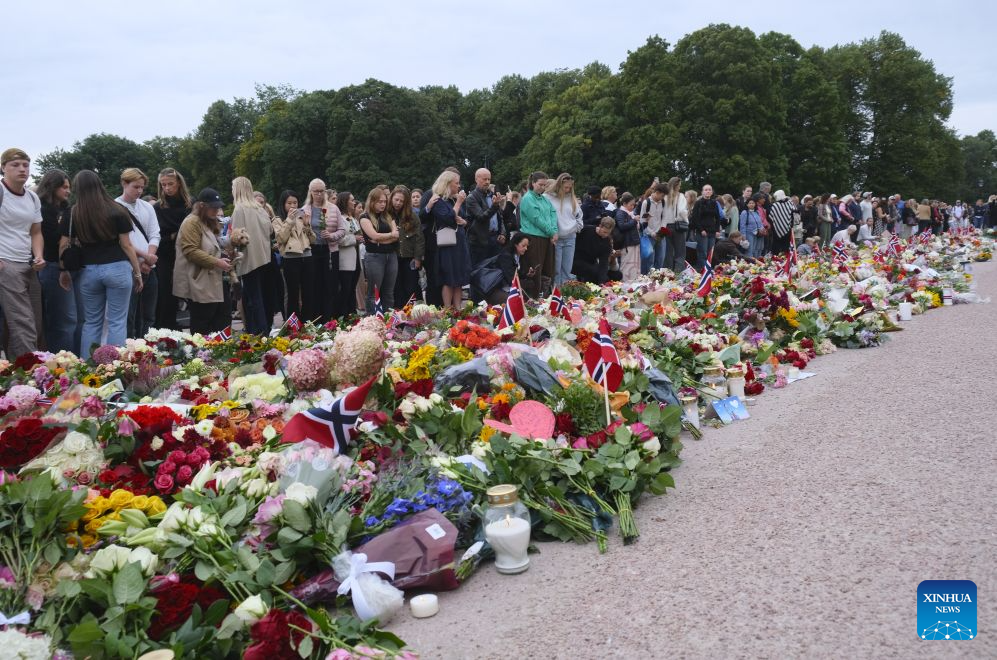
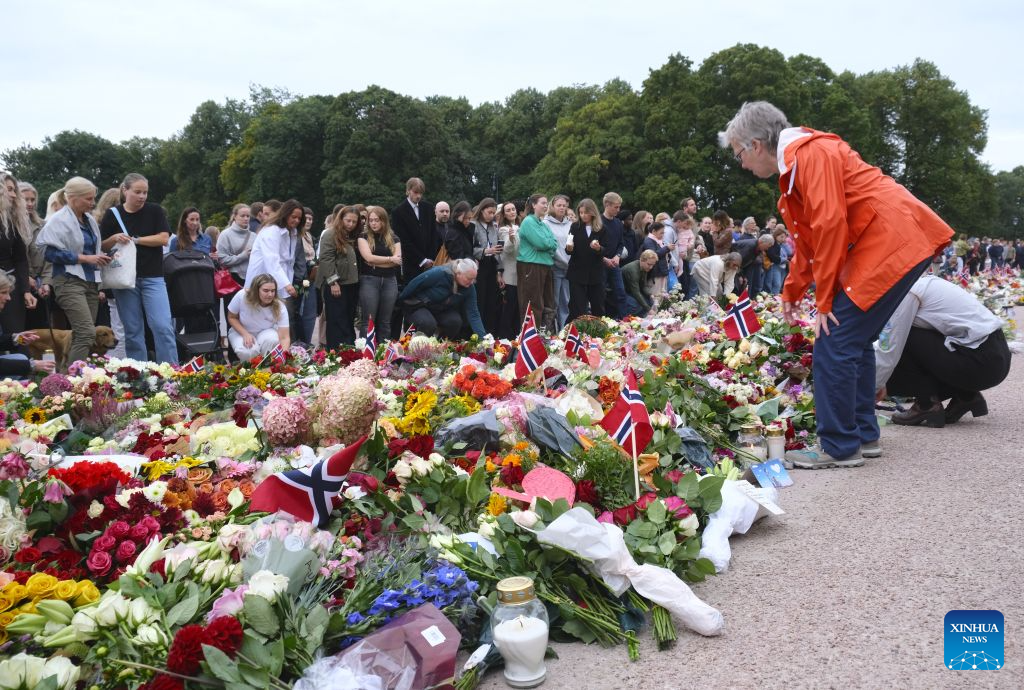
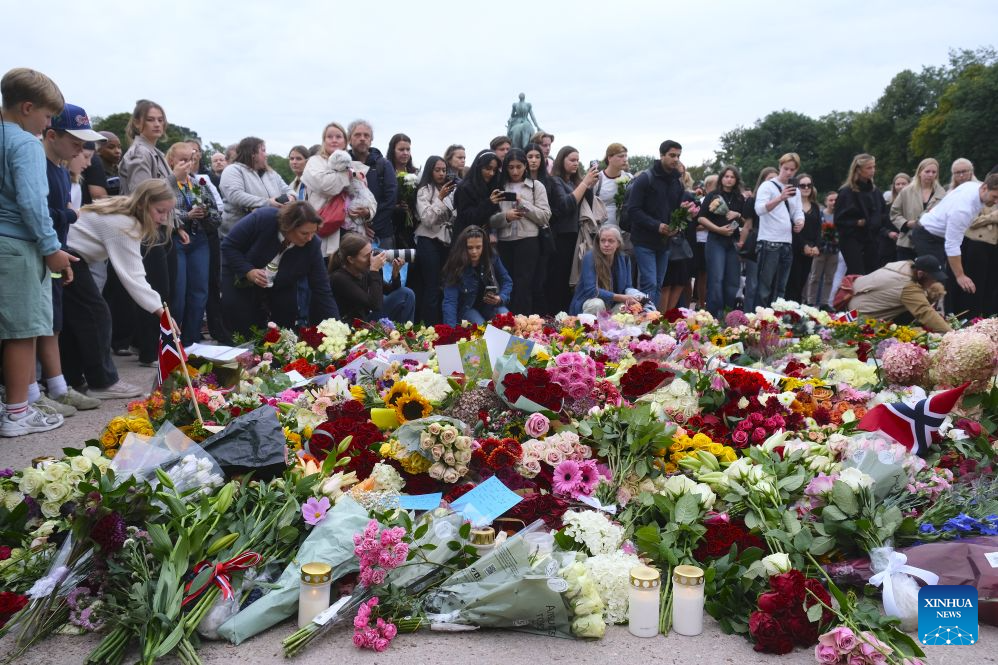
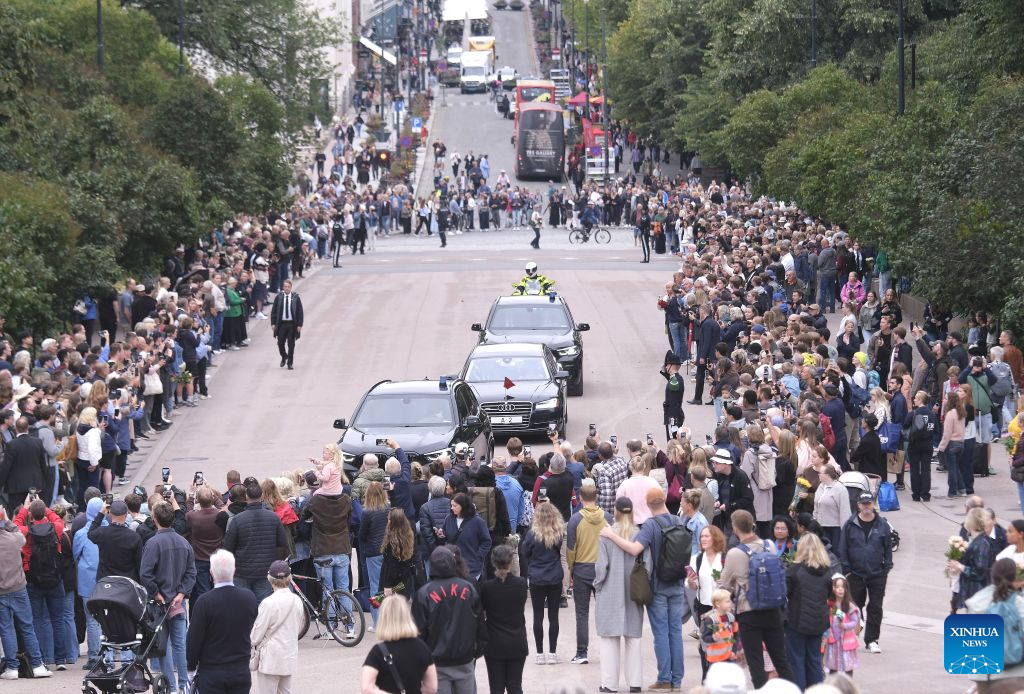
The king passed away peacefully at Oslo University Hospital Rikshospitalet at 6:35 a.m. local time (0435 GMT), according to a statement issued by the Royal House.
Under Norway’s rules of succession, 53-year-old Crown Prince Haakon immediately succeeded to the throne and became the country’s new king. His regnal name and motto have yet to be officially announced.
Harald was admitted to the hospital on Aug. 17. The Royal House previously said he had received cortisone treatment for hemolytic anemia in recent weeks, which caused fluid accumulation. During his hospitalization, he was also treated with antibiotics for a bacterial infection in his blood.
The Royal House said Thursday that Harald’s health had deteriorated and his condition was “very serious.”
Born on Feb. 21, 1937, Harald ascended to the throne on Jan. 17, 1991, following the death of his father, King Olav V. He had been hospitalized several times in recent years and received a permanent pacemaker in 2024.
Haakon was born on July 20, 1973. He had served as regent on multiple occasions when his father was ill or abroad. Haakon’s eldest child, Princess Ingrid Alexandra, is now Norway’s crown princess and the heir to the throne.
The king passed away peacefully at Oslo University Hospital Rikshospitalet at 6:35 a.m. local time (0435 GMT), according to a statement issued by the Royal House.The king passed away peacefully at Oslo University Hospital Rikshospitalet at 6:35 a.m. local time (0435 GMT), according to a statement issued by the Royal House.
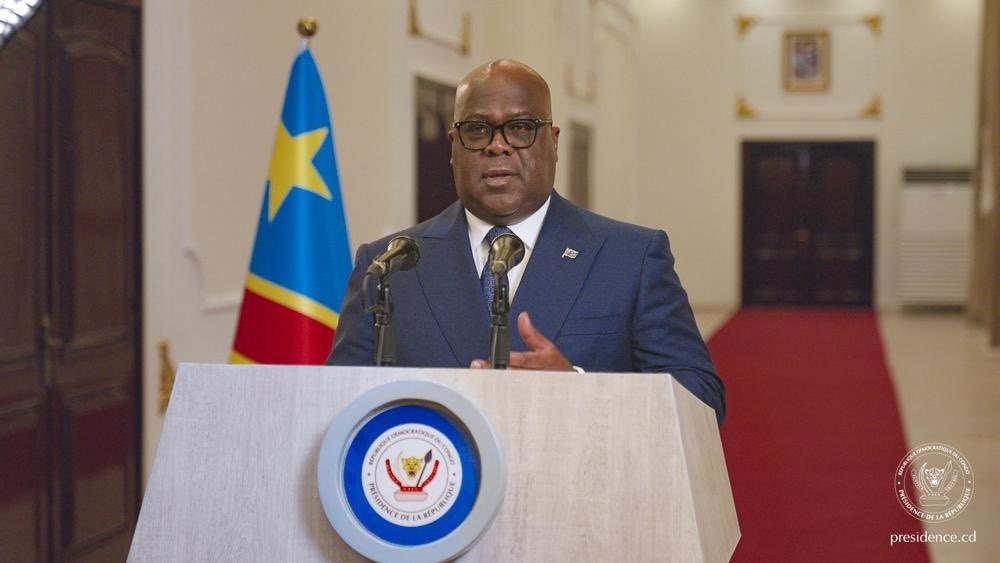
In an address to the nation on August 27, Tshisekedi announced the launch of what he described as an inter-Congolese dialogue aimed at addressing longstanding political challenges, insecurity and divisions, while laying the groundwork for governance reforms.
The process will begin with consultations in the DRC’s 26 provinces before culminating in national-level talks in Kinshasa. Citizens, local authorities, political parties, civil society organisations, traditional and religious leaders and other stakeholders are expected to contribute.
Tshisekedi said the dialogue should produce a “National Pact for Peace, Unity and State Reform”, along with mechanisms to ensure that its resolutions are implemented, unlike previous initiatives that ended without meaningful follow-up.
AFC/M23 kept out
Despite presenting the initiative as a national process for addressing the country’s challenges, Tshisekedi made clear that it would not include the AFC/M23 coalition or other actors he accused of challenging the state through armed action.
He insisted that the national dialogue would not replace the Doha talks, which are focused on resolving the conflict in eastern DRC, arguing that issues related to armed groups, including a ceasefire and disarmament, should be dealt with through that separate process.
“No one can take part in the national dialogue while carrying weapons against the country. No weapon can give its holder greater rights than those granted to a citizen through elections. No military victory can be converted into political legitimacy,” Tshisekedi said.
He said those who have taken control of national territory by force, established what he described as illegal administrations or acted in the interests of foreign powers would be excluded from the talks.
While Tshisekedi said those who renounce violence and respect the law could be allowed to rejoin the national community, he maintained that peace should not mean impunity for those responsible for serious crimes.
Critics question inclusivity
The president’s approach has revived concerns among religious leaders, politicians and other observers who argue that a dialogue meant to address the country’s political and security crisis cannot afford to leave out actors with a direct stake in it.
The Catholic Church and other religious leaders have repeatedly called for an inclusive dialogue bringing together the country’s key political and armed actors, arguing that the DRC’s history has shown the limits of peace processes that exclude major parties.
The National Episcopal Conference of Congo (CENCO) has been among those pushing for broader talks, including the participation of representatives of AFC/M23, Thomas Lubanga’s CRP movement and former President Joseph Kabila.
The Kinshasa government has rejected those calls.
Critics argue that excluding such actors risks turning Tshisekedi’s dialogue into a forum for those already aligned with the political order rather than a genuine attempt to confront the forces driving the country’s crises.
They also warn that sidelining armed groups from one political process while fighting continues in the east may do little to address the realities on the ground, particularly as AFC/M23 controls significant parts of North and South Kivu.
Three months to find answers
The dialogue is expected to last no more than three months, starting with provincial consultations before moving to national-level discussions in Kinshasa.
Participants are expected to include representatives of young people, women, workers, farmers, researchers, the private sector and the Congolese diaspora. Tshisekedi has also called on religious leaders and churches to support the initiative.
But the process begins at a time when the country remains deeply divided, and the conflict in eastern DRC continues, raising questions about whether a dialogue that excludes some of the country’s most consequential actors can produce the unity and lasting peace it promises.
Democratic Republic of Congo (DRC) President Félix Tshisekedi has launched a three-month national dialogue billed as a path towards peace and unity, but his decision to exclude armed groups and other influential political figures has already drawn criticism from those who question whether the process can deliver a lasting solution to the country’s deep-rooted crisis.
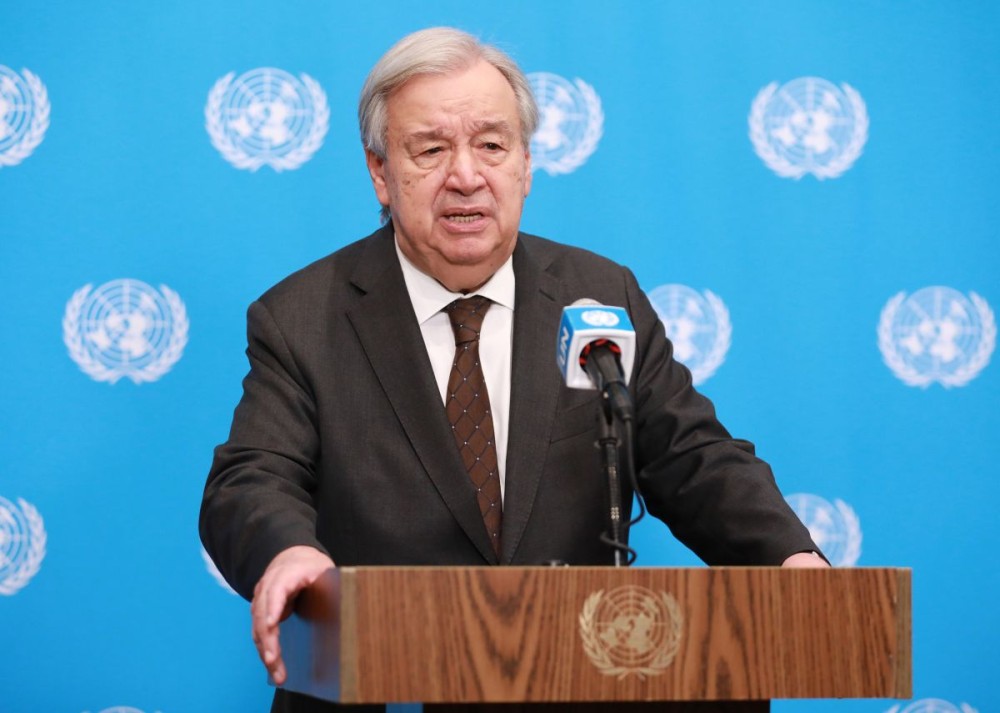
“The secretary-general is concerned about any new measures, any additional rhetoric that we see that could lead to an escalation. And we’re continuing to see disruptions in the flow of energy, disruption in the flow of food,” Stephane Dujarric, the spokesperson, said in response to a question about whether Guterres had received a letter from Iranian Foreign Minister Seyed Abbas Araghchi regarding new U.S. sanctions against Iran.
Dujarric said the letter had been received and distributed to the Security Council and the General Assembly as requested.
This conflict, even in somewhat of a frozen kinetic phase, continues to do a lot of harm to the region and to the global economy, said the spokesperson.
The only way to reach a durable settlement is through dialogue, and the secretary-general is very much appreciative of the mediation efforts by Qatar, Egypt, Pakistan and others who are doing their best to try to lead to a political solution, said the spokesperson.
U.S. Treasury Secretary Scott Bessent on Monday threatened Iran with “an economic D-Day,” announcing a wave of new sanctions against the country.
Iranian President Masoud Pezeshkian said Wednesday that the United States will not achieve anything through its economic pressure on Iran.
New York: UN Secretary-General Antonio Guterres speaks at a press encounter at the UN headquarters in New York on July 31, 2026. Guterres said Friday that fighting must stop on all fronts in the Middle East.
The decisions were reached on Wednesday, August 26, during an emergency meeting of CCM’s Central Committee in Dar es Salaam, a day after Nchimbi announced his resignation from the vice presidency and retirement from politics and public service.
Nchimbi’s resignation is due to take effect on September 4, 2026, and was accepted by President Samia Suluhu Hassan. The appointment of his successor will now follow the constitutional process.
Speaking to journalists after the party meetings, CCM Secretary-General Asha-Rose Migiro said the Central Committee had considered several issues, including disciplinary and ethical matters concerning Nchimbi, who was also a member of the committee.
“After considering all the available information, it was established that the Constitution of Chama Cha Mapinduzi and its regulations had been violated,” Migiro said.
She said the party’s National Executive Committee subsequently resolved unanimously to expel Nchimbi.
“We therefore wish to inform all CCM members and the public that, from this moment, he has been expelled from the party and is no longer a member,” she said.
The expulsion marks a dramatic development in Nchimbi’s political career, which has included senior positions within both the government and CCM.
Nchimbi previously served as CCM secretary-general before becoming Samia’s running mate in the October 2025 General Election. He was sworn in as Vice President on November 3, 2025.
In his resignation statement on Tuesday, Nchimbi said he had decided to leave office after becoming convinced that President Samia wanted a change of vice president.
“I am satisfied beyond doubt that Her Excellency the President wants change, so I have decided to fulfil my promise,” he said.
Nchimbi said his decision was also in line with a commitment he made to Samia in August 2025 to support her and the country with loyalty and step aside if she felt another person was needed as vice president.
Nchimbi’s proposed successor currently serves as Minister for Energy and is also CCM’s Member of Parliament for Chamwino. He has previously held several senior government positions.
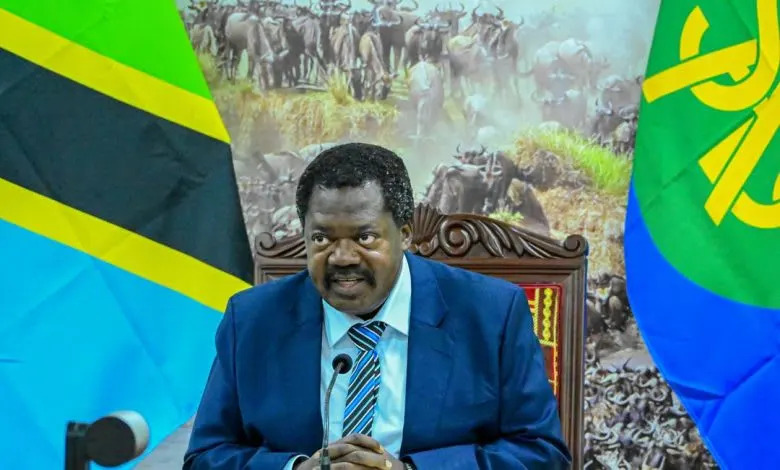
Tanzania’s ruling Chama Cha Mapinduzi (CCM) has expelled Vice President Emmanuel Nchimbi from the party and endorsed Energy Minister Deogratius Ndejembi as its nominee to succeed him as Vice President.
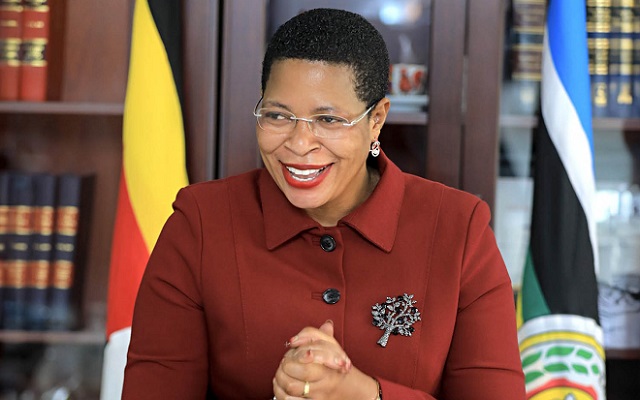
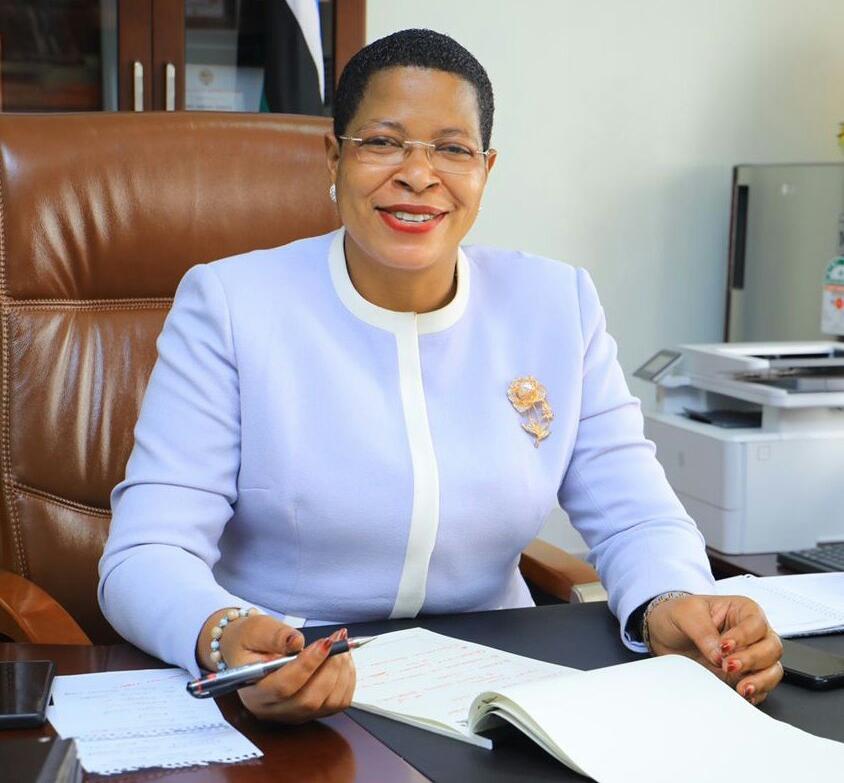
Among confirmed her release in a message posted on X on August 26, expressing gratitude to Museveni and saying she looked forward to resuming her work as Bukedea Woman Member of Parliament.
“I take this opportunity to thank the Almighty God for the gift of life and freedom,” Among wrote. “My profound and heartfelt appreciation goes to His Excellency, President Yoweri Museveni, for his unmatched parental grace and decision to grant me mercy.”
She also thanked Chief of Defence Forces Gen. Muhoozi Kainerugaba, saying she appreciated his professionalism during the period of her restricted movement.
“As the Woman MP for Bukedea, I look forward to continuing my work for my constituents and standing firm with our revolutionary leadership,” she said.
Her release came a day after Gen. Muhoozi announced on X that President Museveni had instructed him to release the former Speaker and that she would not face prosecution.
“Mzee has also instructed me to release AAA from house arrest. We shall do that as well. We shall not prosecute AAA. She made mistakes but Mzee has decided to forgive her,” Gen. Muhoozi wrote on August 25.
The decision brings an end to more than 100 days of restricted movement for Among, who had been confined to her residence in Kampala’s Nakasero neighbourhood since mid-May as authorities investigated allegations of corruption, abuse of office, illicit enrichment and possible violations of Uganda’s Leadership Code.
The investigation had reportedly focused, among other issues, on the acquisition of a luxury Rolls-Royce Cullinan valued at billions of Ugandan shillings, which prompted complaints to the Inspectorate of Government over possible failures to fully declare assets.
Security agencies had also searched properties linked to Among and reportedly seized electronic devices as part of the wider investigation.
According to reports, Special Forces Command personnel deployed at her residence have since withdrawn, allowing her to resume her normal activities and legislative duties.
While the decision means Among is no longer expected to face prosecution over the allegations, several parliamentary staff and associates arrested during the wider investigation remain before the courts on separate charges related to alleged financial losses and money laundering.
Among’s release marks a dramatic turn in a political and legal saga that had placed one of Uganda’s most prominent political figures under intense scrutiny in the months following her tenure as Speaker of the 11th Parliament.
Among confirmed her release in a message posted on X on August 26, expressing gratitude to Museveni and saying she looked forward to resuming her work as Bukedea Woman Member of Parliament.