The resignation of Chongolo was announced by Paul Makonda, CCM’s ideology and publicity secretary, at the end of a two-day meeting of the party’s National Executive Committee (NEC) held in Dar es Salaam, Tanzania’s commercial hub.
“The chairperson of CCM, President Samia Suluhu Hassan, informed the NEC meeting that she had received a resignation letter from the secretary general and she has endorsed the resignation,” Makonda told a news conference at the end of the NEC meeting.
Makonda did not explain the reasons for Chongolo’s resignation. Chongolo was appointed the party’s secretary general in April 2021.
Rashwan said in a statement that the injured Gazans were accompanied by about 320 people.
Meanwhile, 8,691 foreign and dual nationals, and 1,258 Egyptians have crossed into Egypt from the Gaza Strip, Rashwan said, adding that 421 Palestinians stranded in Egypt entered Gaza during the same period.
He added that 239 planes carrying humanitarian aid to the war-torn Gaza Strip had landed in Egypt’s Al-Arish Airport since Oct. 21.
According to Rashwan, 2,670 trucks loaded with humanitarian aid and fuel have entered the Gaza Strip through the Rafah crossing since Oct. 21.
He reaffirmed Egypt’s continued efforts to accelerate the delivery of humanitarian aid to the Gaza Strip in order to alleviate the worsening humanitarian crisis there.
After weeks of Israeli strikes on Gaza in retaliation for an attack on Oct. 7 by Hamas against Israel, the two sides reached a four-day humanitarian truce last week, which was extended for another two days starting on Tuesday.
The Palestinian death toll from the Israel-Hamas conflict has surpassed 15,000, including more than 6,150 children and over 4,000 women, according to Palestinian figures. Israel said that the Hamas attack killed about 1,200 people while more than 200 people were taken as hostages.
The Prime Minister highlighted the need for timely and effective implementation of EAC projects to boost trade and ease business across the region. While acknowledging commendable growth in intra-EAC trade, he raised concerns about persistent non-tariff barriers and called for sustainable financing solutions.
Among others, Premier Ngirente urged efficient use of resources and reaffirmed Rwanda’s commitment to the EAC integration process.
Since 1967, the East African Community (EAC) has encountered challenges in implementing agreements, rules, and historical frameworks established by member states, as noted by influential figures such as Julius Kambarage Nyerere, Jomo Kenyatta, and Milton Obote. Despite facing a suspension in 1970, the EAC resumed its activities in 1990, driven by the vision of individuals like Mwalimu Nyerere who fought for its existence.
The organization, originally conceived to facilitate regional integration, still requires citizens of member countries to possess passports, raising questions about the progress achieved over the years. For instance, a Rwandan traveling to Burundi, Tanzania, or Kenya must have a passport or Laissez Passé, while entry into Uganda only necessitates an identity card.
The EAC’s foundational agreement envisions the free flow of goods, people, services, finance, and the right to establish profitable activities. However, challenges persist, hindering real integration and impeding the movement of people, as emphasized by members of the East African Legislative Assembly (EALA).
George Stephen Odongo, Uganda’s representative in EALA, highlighted the existence of the African Common Market agreement signed by all EAC countries, emphasizing the need to facilitate the movement of people and goods.
He expressed optimism that full integration would be realized when countries universally adhere to the agreement, advocating for the acceptance of identity cards as a means of communication.
However, concerns about security implications were raised, with countries like Tanzania and Burundi working on requirements and controls to ensure the use of identity cards aligns with their security measures. Despite the push for easier connections through identity cards, the emphasis on security remains paramount.
Members of EALA persistently call for the implementation of various agreements and laws, urging member states to abide by the EAC agreement to guide collective actions. The issue of travel costs within the EAC region was raised, noting that sometimes it surpasses the expenses of traveling to Europe, highlighting a need for effective solutions.
Joseph Ntakirutimana, the President of EALA, acknowledged these challenges but assured that efforts are underway to address them.
The EAC, now comprising eight countries following Somalia’s accession, continues its commitment to regional integration. Premier Ngirente, in a speech to the East African Legislative Assembly, commended progress in community projects and legislative achievements.
He stressed the high expectations of EAC citizens for positive changes in their lives through effective governance and called for the timely implementation of projects to enhance trade and business across the region
Despite acknowledging growth in intra-EAC trade, concerns about non-tariff barriers persist, emphasizing the need for sustainable financing solutions and efficient resource utilization. Rwanda reaffirmed its commitment to the regional vision, echoing the collective pursuit of a more integrated and prosperous East African Community.
The project is a three-year institutional support of US$ 880,000 as a grant by AfDB under the Fund for African Private Sector Assistance (FAPA) to the government of Rwanda. The project will be designed and implemented by RDB in close collaboration with the Private Sector Federation, Small and Medium Enterprises (MSMEs) team and other key public institutions by building in-house capabilities.
The project development objective is to support reforms in the policy environment to enable Private sector-led growth and strengthen the capacity of Rwanda’s private sector, especially MSMEs to generate quality jobs and adopt responsible and green business practices.
Specifically, the project will conduct an investment policy review to strengthen policy formulation and the regulatory environment for private sector development and expansion of the Business Development Advisors (BDA) Scheme and build the capacity of MSMEs to access both domestic and international markets.
The project’s activities will also strengthen the capacities of staff of beneficiary government institutions to design, monitor and implement more effective and green private-sector support programs and policies. SSIPSD will also support strengthening public-private dialogue and collaboration through a participatory process of the Investment Policy Review and targeted workshop sessions.
Commenting on the project, AfDB Country Manager Aissa Touré said: “African Development Bank, in line with the Country Strategy for Rwanda, remains committed to working with the Government of Rwanda and her partners to support Rwanda in fostering the development of productive capacities to unlock private sector potential, enhance competitiveness and, in turn, accelerate structural transformation.”
RDB Chief Executive Officer Francis Gatare said that the project aligns with the Government of Rwanda’s focus on creating a favorable environment for private sector-led growth.
“We hope the key policy and capacity development interventions will further boost private sector contribution to Rwanda’s sustainable growth and development,” he noted.
{{About AfDB}}
Established in 1964, the African Development Bank is the premier pan-African development institution, promoting economic growth and social progress across the continent.
There are 81 member states, including 54 in Africa (Regional Member Countries). The Bank’s development agenda is delivering financial and technical support for transformative projects that will significantly reduce poverty through inclusive and sustainable economic growth.
{{About RDB}}
The Rwanda Development Board (RDB) is a government agency in Rwanda with a vision to transform Rwanda into a dynamic global hub for business, investment, and innovation.
Its mission is to fast-track economic development in Rwanda by enabling private sector growth.
Scheduled for November 30, 2023, this meeting has become imperative following a cautionary advisory about potential repercussions on the country’s immigration strategy if international law provisions are neglected or violated.
The United Kingdom aims to devise a mechanism for transferring immigrants and asylum seekers who have entered the country through illicit means to Rwanda. Conversely, the Supreme Court has determined that such a course of action violates international law, prompting the British Government to promptly explore alternative avenues.
According to The Times, the British Government, guided by its legal advisors, has been cautioned that breaching the European Convention on Human Rights (ECHR) could impede the extradition process of immigrants to Rwanda.
Prime Minister Rishi Sunak has outlined plans to commence the transfer of migrants to Rwanda in the summer of 2024.
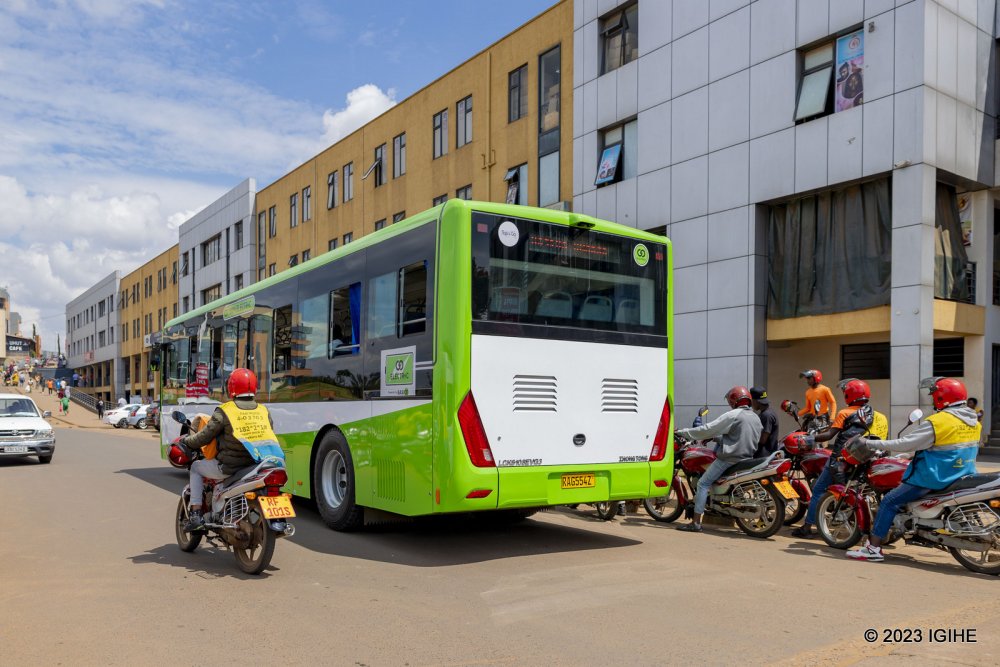
Set to take effect on December 15, 2023, the ministerial regulation outlines that half of these buses will reach Kigali before December 2023, with the remaining fleet arriving in January 2024.
Dr. Jimmy Gasore, the Minister of Infrastructure, confirmed the presence of 40 buses in Rwanda, and an additional 60 are in transit from Dar es Salaam. The initial batch of 100 buses is anticipated to be fully operational by month’s end.
Dr. Jimmy emphasized the close collaboration with public transport operators in Kigali to facilitate investment in the sector, encouraging all Rwandans to seize this unique opportunity created by government measures.
The tax exemption initiative aims to alleviate financial burdens on investors, facilitating easier access to bank loans and reducing costs for end-users. Richard Tusabe, Secretary of State in charge of National Treasury at the Ministry of Finance and Economic Planning, clarified that this move does not signify a government return to the public transport sector but rather a strategic response to the urgent need for additional vehicles in Kigali.
A comprehensive study identified a shortage of 305 buses, prompting the decision to import 200 as the initial phase of addressing the shortfall. Tusabe further highlighted that the bulk purchase of buses resulted in more favorable prices, with the government’s assumption of import taxes ensuring dealers can acquire the buses at reduced costs, thereby preventing fare increases for passengers.
In a bid to facilitate financing, measures have been implemented to encourage banks to lower interest rates and expedite loan approval processes. The Business Development Fund (BDF) has committed to providing guarantees for at least 70% of borrowed amounts.
Interested parties can acquire these buses either through direct payment or by utilizing a bank of their choice. However, it is stipulated that no individual or company can purchase more than 20 buses among the first 100, with purchase requests required before December 8, 2023.
Prospective buyers are required to visit the Rwanda Utilities Regulatory Authority (RURA) to complete an application form before finalizing their purchase. The Ministry of Infrastructure has specified that any bus owner, whether an individual or a company, meeting Kigali’s public transport standards will receive transport authorization from RURA. Each city route is mandated to have at least two service providers, ensuring operational diversity.
To elevate service quality, only buses with a minimum of 29 seating places will receive authorization, with preference given to those capable of accommodating 70 passengers or more for long-distance journeys.
For older vehicles, there is a 15-year age limit for those currently in operation in the country and a five-year limit for imported buses. Additionally, all buses in the public network must be equipped with a digital payment system, and transport permits will be valid for five years.
This visionary initiative promises to transform the public transportation landscape in Kigali, providing innovative and accessible solutions to enhance urban mobility.
According to a report from RMB, the period from 2017 to September 2023 witnessed a substantial surge in Rwanda’s mineral exports. In 2017, the country garnered US$373 million from mineral exports. Although revenues dipped to US$347 million in the subsequent year and further to US$314 million in 2019, there was a notable resurgence, reaching US$733 million in 2020.
The positive momentum continued with the country generating US$516 million in 2021, US$722 million in 2022, and registering US$852 million by September 2023. This impressive growth is attributed to proactive research that identified new mine reserves allocated to investors for exploration. Additionally, mining companies’ investments in mechanization have significantly contributed to enhanced productivity.
The mining sector has become a vital source of employment, with at least 70,000 individuals engaged, fostering individual growth and development in the surrounding areas. Notably, as of 2022, 22 women owned mining and exploration sites, and women constituted 24% of employees in mining explorations.
In the same year, taxes from mining activities contributed Rwf27.7 billion to the national coffer, with expectations of a further increase in 2023. RMB reports ongoing research at 52 mining sites across the country to identify types of minerals available in Rwanda and explore efficient utilization methods. Plans are underway to establish a laboratory to facilitate this research and streamline the issuance of mineral export licenses.

In collaboration with RMB and the Ministry of Infrastructure, efforts are being made to overhaul the sector. Power transmission lines are reaching mining sites, aiding sector players in acquiring updated equipment tailored to their operational needs. These initiatives reflect Rwanda’s commitment to fostering a sustainable and innovative mining industry for long-term economic growth.
Internal Security Principal Secretary Raymond Omollo said the team consisting of 11 ministries and their relevant agencies will provide early warning information, flood alerts, flood preparedness, safety, and emergency response information to stakeholders and the public.
“Saving lives and reducing the impact of the El Nino rains through early warning and disaster monitoring remains the government’s top priority and having every actor and stakeholder working in sync is the surest way of mitigating and responding to the emergency,” Omollo told journalists in Nairobi, the capital of Kenya.
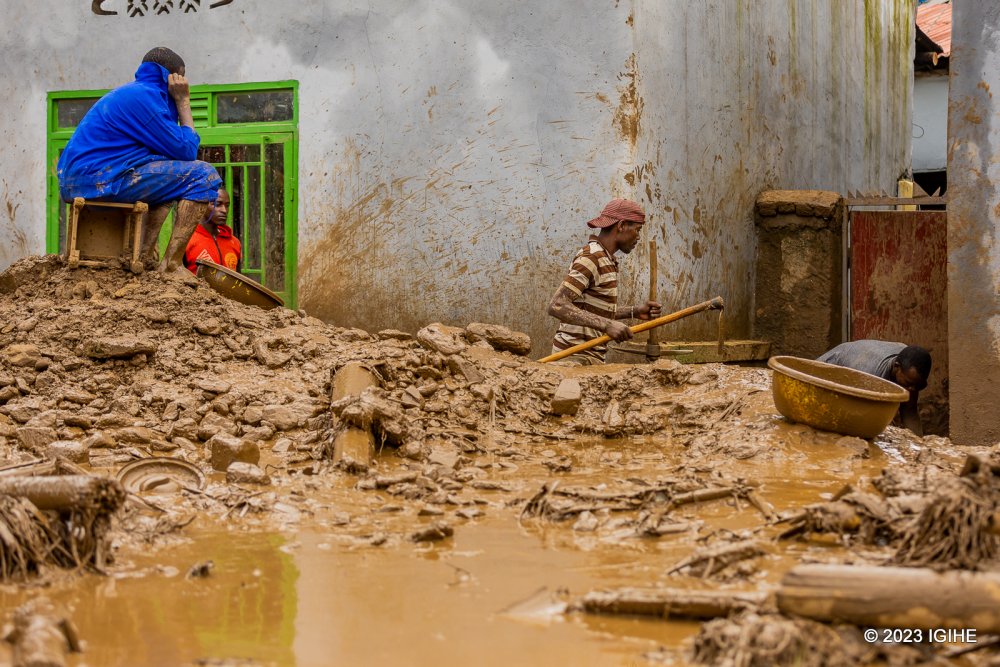
The devastating flooding has displaced thousands, caused by unusually active El Nino rains which are pounding several parts of the East African country.
Thousands of homes have been washed away or are marooned, while farmland has been submerged and livestock drowned, according to the government and humanitarian agencies.
Some of the hardest hit areas have been the semiarid lands where pastoralism is the economic driver for livelihoods.
These areas are still recovering from the worst drought in 40 years as well, which has caused high rates of malnutrition.
According to Omollo, the emergency team has also been tasked to mobilize resources and combine capacities at all levels of government, and cooperate with agencies in national and county governments to better respond to emergencies.
Omollo said four counties including Tana River, Garissa, Wajir, and Mandera have currently been identified as the worst hit while ten counties including Isiolo, Samburu, Kwale, Homa Bay, Makueni, Tharaka Nithi, Lamu, Taita Taveta, Meru and Kisumu are on high alert.
The Kenyan official said more than 89,000 households (over 500,000 people) have been displaced and are being hosted in 112 camps established in the affected counties.
“All major dams are being monitored but Kiambere has a meter remaining to overflow, we call on those downstream to move to higher ground even as the government enhances power generation to mitigate the challenge,” Omollo said.
He said relevant ministries, departments, and agencies have resolved to establish a flood multi-agency team, tasked with assessing and managing the current flood situation in the country.
Humanitarian agencies have also warned that this flooding may also increase the likelihood of cholera outbreaks, mental health issues, loss of livelihoods, post-harvest losses, and food security issues.
The Deputy President of the Presidency Council Musa al-Kuni, who was visiting the department at the time of the deportation, described the process as “humane and appropriate.”
“I express my gratitude to all those working in the Illegal Migration Control Department for their efforts to provide proper and humane living conditions for the migrants, despite lack of capabilities,” al-Kuni said.
Because of the insecurity and chaos in the country since the fall of the late leader Muammar Gaddafi in 2011, many migrants, mostly Africans, chose to cross the Mediterranean Sea to European shores from Libya.
So far this year, 15,057 illegal migrants have been rescued and sent back to Libya, according to the International Organization for Migration.
The central bank’s report for 2022-2023, presented to parliament Monday in the Rwandan capital of Kigali, said that the economic resilience primarily stemmed from a robust performance in the services sector.
“Despite facing various economic challenges such as a global demand slowdown, rising inflation and climate shocks, Rwanda’s economy remained resilient, with real GDP growing by 8.1 percent during 2022-2023, slightly lower than the 8.9 percent achieved in the previous year,” the report said.
It noted that Rwanda’s external trade continued its recovery path, witnessing a 29.8 percent increase in merchandise exports. This growth was attributed to the strong performance of domestic manufacturing exports and traditional commodities.
The financial year 2022-23 posed challenges for Rwandans due to high and persistent inflationary pressures and weather-related issues, which adversely affected the country’s agricultural production, read the report.
“These combined challenges increased inflation from 4.6 percent in fiscal year 2021-2022 to 18.2 percent in fiscal year 2022-2023,” it noted.
Furthermore, the report indicated that the country’s financial sector maintained sufficient capital and liquidity, with regulated institutions consistently holding capital above the required levels. Banks sustained an aggregate total capital adequacy ratio of 21.1 percent as of June 2023, surpassing the regulatory minimum of 15 percent, according to the report.
The report, however, said that Rwanda’s total trade deficit increased 29.7 percent, creating additional pressure on the local currency.