Moscow Mayor Sergei Sobyanin said on his social media channel that the air defense forces had intercepted and destroyed several drones flying towards Moscow over the Moscow region early Sunday morning. There were no casualties or property damage, he added.
Bryansk Governor Alexander Bogomaz also said on social media that two drones had been destroyed by the air defense system over the Bryansk region.
Lamu County Commissioner Louis Rono said heavily armed assailants raided Marafa and Poromoko villages at around 9 p.m. on Saturday and set several houses ablaze.
According to Rono, the police launched a manhunt for the assailants, adding that the attackers escaped the scene.
“No arrests have been made but the manhunt for those behind the incident is underway,” Rono said on the phone.
In Marafa village, the attackers torched four houses and beheaded a 72-year-old man.
According to preliminary findings, the attackers then proceeded to the neighboring village of Poromoko where they torched at least six houses, slaughtered chickens, and stole household items.
The attack which was linked to suspected al-Shabab militants, comes about three months after a similar one in Lamu West that saw a gateman at a local school killed after a brief abduction.
The police said the security operations have been upped in the area to tame the plans for more attacks in the tourism resort region.
The Lamu region, which includes popular tourist beach destination Lamu Island, lies close to the Somali border and has suffered frequent attacks in the past, including roadside bombs and the abduction of foreigners.
In a video posted on social network X, the Minister of Health Sabin Nsanzimana said the initiative dubbed “green hospital” is aimed at transforming health facilities into green spaces that champion both environmental protection and improved health outcomes.
He said trees will be planted in and around 56 hospitals, 514 health centers and 1,252 health posts across the country.
“Some 20,000 trees have so far been planted countrywide and we still have a long way to go against the target of reaching 2 million trees. The reason for this campaign is that it is no longer a secret, research has shown that trees, green spaces have a healing power,” he said.
“In health facilities surrounded by trees and green spaces patients are discharged two days earlier than the recommended time. Trees also are stress relievers because they provide fresh air for our bodies.”
The exercise launched in Bugesera district will be implemented together with the Rwandan Ministry of Environment.
The latest drive is in line with the Rwanda government efforts to tackle climate change.
Rwanda has committed to plant 63 million trees by the end of 2023 to promote environment conservation and climate adaptation, according to the Ministry of Environment.
Due to efforts aimed to protect existing forests and reforestation, more than 30 percent of Rwanda’s surface is covered by forests, equivalent to 724,695 hectares, according to the ministry’s data.
Addressing a myriad of challenges faced by individuals across various African nations, this collaboration signifies a pivotal step forward for those aspiring to build a life abroad but have struggled to find a reliable and efficient avenue to do so.
Dr. Francis Habumugisha, the CEO of Mega Global Link, highlighted the inspiration behind this initiative, stating, “There are individuals who, despite graduating, find themselves unemployed or underpaid, falling short of our collective goals.”
This partnership not only addresses employment concerns but also streamlines the process for those desiring international travel by expediting the acquisition of essential documents through Mega Global Link.
Established in 2009, AtoZ Serwis Plus, the agency partnering with Mega Global Link, specializes in immigration services and boasts a significant presence with offices in Poland, Portugal, Germany, Malta, and Romania. Having successfully assisted over 2,000 individuals in obtaining visas, work permits, and related services, their expertise significantly enhances the prospects for those looking to work in Europe.
One distinctive feature of this collaboration is its empowerment of high school graduates to secure employment opportunities. Prospective employees enter into a notarized employment contract with Mega Global Link, featuring a unique clause guaranteeing reimbursement of the initial payment if a job is not secured.
Throughout the entire process, from application to arrival in the host country, individuals are meticulously monitored. This includes specialized training aligned with their designated job roles upon arrival, ensuring a seamless integration into their new work environment.
Dr. Habumugisha encourages individuals to seize this opportunity before the end of 2023, as Mega Global Link is offering discounted services to its customers during this period.
The company’s multifaceted approach extends beyond employment services, catering to diverse needs such as facilitating educational connections for students through pre-established agreements with schools, arranging medical treatments in partner hospitals, and offering comprehensive visa application support.
Clients benefit from a streamlined visa application process, with Mega Global Link assisting in document completion, collection, and prompt payment upon successful application.
As the company continues to empower individuals to pursue their aspirations abroad, it stands as a beacon of opportunity in bridging the gap for job seekers and dreamers alike.
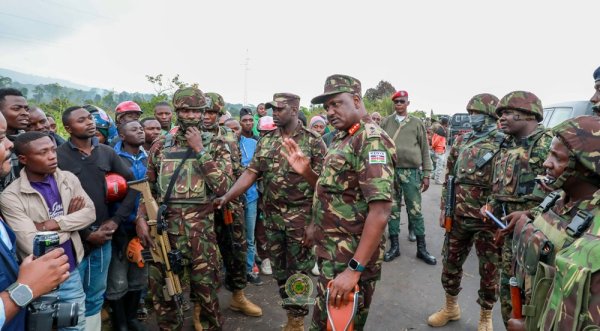
Since 2020, the Rwandan soldiers have played a pivotal role in ensuring the security of the capital. Patrolling the streets of Bangui, these troops, equipped with armored vehicles, conduct security checks to maintain the tranquility of the city.
Their presence is notably evident in commercial areas where locals continue to sell their products unhindered. Whether offering delectable chicken meat or managing bars and stalls with a variety of items, business carries on smoothly.
The positive impact of this heightened security resonates among the residents. During interviews with IGIHE, a motorcycle taxi driver, a kiosk vendor, and a passerby expressed a sense of peace, engaging in their nighttime activities without concerns.
The motorcycle taxi driver shared a poignant personal story, recounting how he had to flee to Cameroon in 2013 during the turmoil that claimed his father’s life. It was only with the return of security that he could come back and pursue a career as a motorcycle taxi driver.
He acknowledges the reassuring presence of Rwandan soldiers, particularly between 9 PM and 10 PM, contributing significantly to the city’s safety.
Claude, another resident, acknowledges the improvements in recent years thanks to the security control activities of the Rwandan military. However, he emphasizes that specific areas require increased attention due to the presence of security-threatening groups, including former members of armed groups like Séléka, who joined François Bozizé’s CPC.
Despite these challenges, nightlife in Bangui continues to flourish. A money transfer service trader attested to the thriving business, especially during weekends. He revealed that in a week, he can process money transfers of up to 150,000 CFA on his phone, while small merchants can earn up to 200,000 CFA from their stalls.
The nighttime scene in Bangui reflects a delicate balance between rebirth and vigilance. The unmistakable presence of the Rwandan army has undeniably contributed to the city’s stabilization, allowing residents to engage in their nighttime pursuits with a newfound sense of serenity.
Rwanda, a notable participant in this conference, showcased its commitment to advancing women’s land rights. The overarching theme of this year’s CLPA was “Promoting Sustainable Land Governance in Africa for Accelerating Implementation of the AfCFTA” – the African Continental Free Trade Area.
Leontine Kanziemo, Advisor at the African Natural Resources Management and Investment Centre, emphasized the significance of the AU’s 2016 campaign aiming to allocate 30 percent of land to African women by 2025. She viewed this as a catalyst for Africa’s economic transformation, stressing the importance of continued government investment in supporting women farmers.
Investing in agriculture, according to Kanziemo, means enabling women farmers to overcome obstacles, build capacity, and access markets. Research shared at the conference revealed that women constitute a significant portion of cross-border traders, comprise 50 percent of the agricultural labor force along the value chain, and represent 90 percent of the labor force in Africa’s informal sector – a sector contributing 85 percent to the continent’s total economic activity.
The prevailing suggestion is that integrating women’s land rights into the AfCFTA represents a pivotal opportunity to advance gender equality, empower women economically, and foster sustainable development in Africa. By addressing the unique challenges faced by women in accessing and owning land, the AfCFTA can create an enabling environment for women entrepreneurs, facilitate their participation in cross-border trade, and contribute to poverty reduction and inclusive growth.
Rwanda’s success story in this realm is attributed to the implementation of reforms that grant women equal rights to own and use land. Officials stress that it’s not just about establishing national legal frameworks but also aligning them with international human rights standards and enforcing them effectively to protect women’s land rights.
Dr. Didier Milindi Rugema, a Rwandan specialist in land administration and management, who was also a member of the scientific committee that organized the CLPA2023. emphasized the need for ongoing monitoring of implementation on the ground to ensure women truly benefit from their rights.
Dr. Monica Elias Mhoja, Landesa Outreach Director-Africa, proposed specific measures to support women’s land rights further. This includes creating safe spaces for women, documenting their issues, providing legal aid, and sensitizing communities on women’s rights to own land. Addressing social issues such as women’s land rights, HIV/AIDS infections, the status of single women, and women’s ability to work and be breadwinners for the family is also crucial.
The call has been made for more African countries to follow suit, ensuring that women’s land rights are fully integrated into the AfCFTA’s policies, programs, and implementation mechanisms.
This move is not only perceived as benefiting women but is also seen as contributing to the overall success and sustainability of the AfCFTA and accelerating Africa’s broader development agenda.
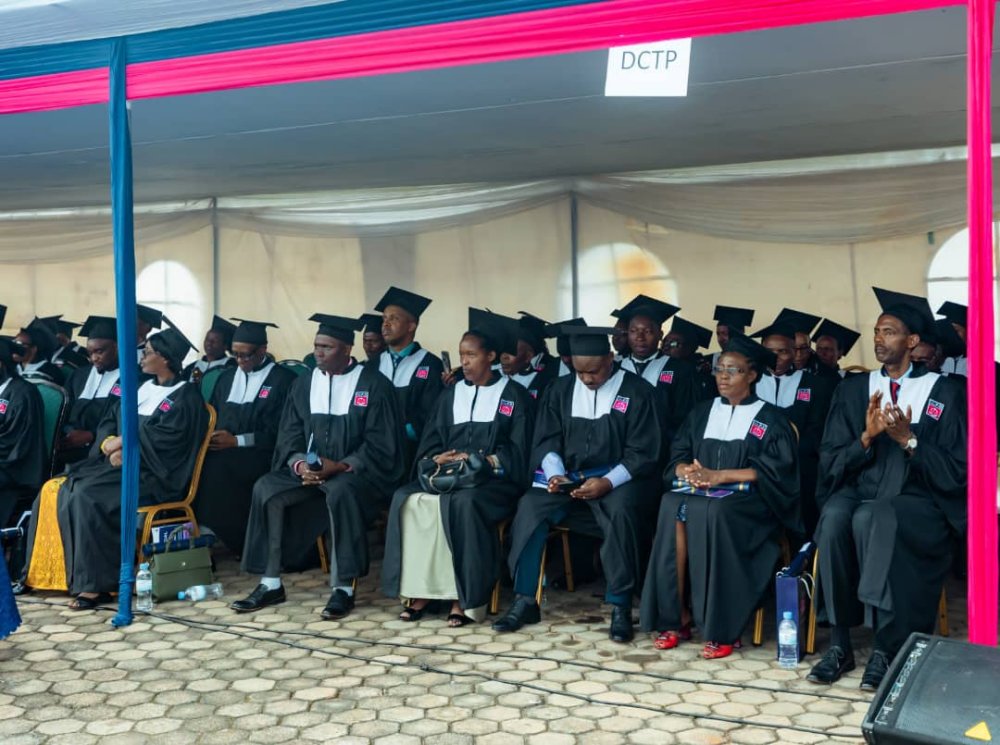
The ceremony that took place at Bangui’s Camp Kassaï was presided over by Prof. Faustin Archange Touadera, the President of Central African Republic and was attended by Maj Gen Wilson Gumisiriza, RDF Mechanised Division Commander on behalf of the Chief of Defence Staff.
In a statement to the media after the ceremony, President Touadera thanked his counterpart, Paul Kagame and Rwanda Defence for their support to stabilize Central African Republic.
Speaking during the event, the Rwandan Bilateral Contingent Commander, Col Alphonse Gahima said that the new soldiers were trained to become professionals and change makers in their country.
“I want to point out that the discipline, bravery, enthusiasm and stamina you’ve shown throughout your training are very reassuring for the work you’re about to do. For our part, as Instructors, we will continue to provide you with the support you need, to facilitate your learning and enable you to become professional soldiers worthy of the name, as requested by the leadership of FACA and RDF,” said Col Gahima.
Rwandan troops first deployed to CAR in January 2014. Rwanda now has more than 2,000 soldiers serving in CAR under the UN Peacekeeping mission. Rwanda also maintains more than 1000 soldiers deployed in CAR under bilateral agreement.
The Africa’s Business Heroes (ABH) Prize competition, in its fifth consecutive year, is a philanthropic initiative sponsored by the Jack Ma Foundation and Alibaba Philanthropy.
Munyabugingo, among the ten finalists, was selected from a pool of over 27,000 applicants spanning all 54 African nations after months of meticulous evaluation by a panel of esteemed judges.
The finalists represented eight countries: Rwanda, Benin, Egypt, Ghana, Kenya, Morocco, Nigeria, and South Africa.
Munyabugingo, is one of ten African entrepreneurs who will share a grant of US$1.5 million from ABH. The grand finale, coinciding with the celebration of ABH’s fifth anniversary, saw three entrepreneurs from Egypt, Kenya, and Nigeria emerge as the top winners of the 2023 grants.
The grand prize of $300,000 went to Dr. Ikpeme Neto, the CEO and founder of Wellahealth Technologies in Nigeria. The first runner-up, Thomas Njeru, CEO and co-founder of Kenyan agriculture company Pula Advisors Limited, secured $250,000. The second runner-up, Ayman Bazaraa, CEO and co-founder of Egyptian education and training company Sprints, received $150,000.
In addition to Munyaneza, the other seven innovators were awarded $100,000 each. Notable among them are Bola Bardet, CEO and co-founder of Susu, a Beninese healthcare company; Ismael Belkhayat, CEO and founder of Moroccan fintech company Chari; and Mohammed Ali, founder and CEO of Egyptian electrical company iLock.
The list also includes Sierra Leonean Nthabiseng Mosia, co-founder of energy distributing company Easy Solar, and Theo Baloyi, CEO and founder of South African retail company Bathu, along with Christina Mawuse Gyisun, CEO and co-founder of Sommalife, a Ghanaian agriculture enterprise.
Since 2019, six Rwandan entrepreneurs have received a total of $485,000 in funding from the Alibaba initiative.
These include Albert Munyabugingo, founder of Vuba Vuba; Francine Munyaneza, founder of Munyax Eco; Yvette Ishimwe, founder and CEO of IRIBA Water Group; Christelle Kwizera, founder of Water Access Rwanda; and Kevine Kagirimpundu, co-founder and CEO of UZURI K&Y.
The intervention was prompted by the formation of the armed group Séléka in the North, whose coup attempts had failed. Initially part of the African Union mission (MISCA), the RDF later integrated into the United Nations Multidimensional Integrated Stabilization Mission in the Central African Republic (MINUSCA), assuming expanded responsibilities that included protecting civilians, UN infrastructure, and the head of state and his family.
In 2020, a bilateral agreement facilitated the deployment of Rwandan military reinforcements to CAR. Brigadier General Ronald Rwivanga, spokesperson for the Rwandan Defense Force, highlighted the positive developments during an exclusive interview with IGIHE.
Rwandan journalists, visiting CAR, observed the tangible improvements made by the RDF, particularly in a school in the city of Bangui’s Kina district.
The positive impact of RDF’s efforts on the ground became evident as they witnessed the resurgence of education. For instance, the Kina primary school, once affected by conflict, now accommodates over 2,400 students, symbolizing restored confidence among parents and a return to normalcy.
Beyond combating insecurity, the RDF has actively contributed to broader aspects of security and community well-being. Health centers, including three maternity centers, were established, and various community initiatives have been successfully executed.
In response to IGIHE’s inquiry about collaboration, Brig Gen Rwivanga outlined the synergy between the RDF troops deployed under the UN and those sent through bilateral cooperation.
While UN forces focus on protecting civilians and ending armed conflicts, Rwandan forces under bilateral cooperation initially confronted specific threats, such as François Bozizé’s forces in 2020.
Their role expanded to securing the population, peacekeeping, and crucially, enhancing the capabilities of the Central African Armed Forces.
When asked about the mission’s duration, Brig Gen Rwivanga emphasized a flexible approach, citing ongoing training efforts to empower Central African forces for autonomous defense. Despite acknowledging the impossibility of ensuring absolute security everywhere, he reassured that the overall security situation in the country remains stable.
Addressing concerns about insurgents, Brig Gen Rwivanga reported that groups like Anti-Balaka and Séléka, though dispersed, are actively being located and disarmed as part of the RDF’s ongoing initiative.
In the heart of the mission, the RDF stands as a beacon of hope, contributing significantly to the restoration of peace and security in the Central African Republic.
The call was made on Thursday at the 2023 Conference on Land Policy in Africa at the African Union (AU) headquarters in Addis Ababa, Ethiopian capital.
The conference discussed the implementation of cross-border land policies and ways to address conflicts arising from the movement of pastoral communities across the continent.
Hubert Ouedraogo, one of the speakers and land policy experts in Burkina Faso, said the pastoral communities in Africa are under threat due to dwindling pastoral resources and widespread conflicts as they cross borders searching for pasture land and water bodies.
“The continental frameworks, regional protocols and conventions as well as cross-border legislations have been poorly or not implemented and failed to address problems faced by pastoral communities in Africa,” Ouedraogo said.
According to figures released at the conference, the population of pastoral communities in Africa is 265 million.
Ouedraogo urged African governments and regional economic communities to promote the continental land agenda and work on the implementation of those frameworks and conventions or adopt new ones that will bring about lasting solutions.
Intergovernmental Authority on Development (IGAD) expert and one of the speakers Esther Obaikol said pastoral communities in Africa are facing conflicts as they go deeper and deeper into neighboring countries in search of water and pasture.
She said the conflicts are on the rise due to the impact of climate change and drought.
“Climate change has exacerbated conflict and that has led to a lot of instability in terms of resource sharing, and African governments and regional communities as well as civil society organizations should find common cross-border solutions to the movement of people and the movement of cattle across the continent,” Obaikol said.
According to the expert, new protocols aimed at establishing cross-border land policies, finding alternative conflict solutions and sharing resources among the pastoral communities across borders are nearing ratification by AU and regional blocs.