In a statement at the end of the 64th ordinary session of the Authority of Heads of State and Government of ECOWAS in the Nigerian capital of Abuja Sunday, the West African bloc set up a committee made up of the presidents of Togo, Sierra Leone, and Benin to engage with the military junta in Niger on the need for a short transition roadmap and the emplacement of monitoring mechanisms.
“Based on the outcomes of the engagement by the CNSP (National Council for the Safeguard of the Homeland), the Authority will progressively ease the sanctions imposed on Niger,” the statement said. “Failure by the CNSP to comply with the outcomes of the engagement with the committee, ECOWAS shall maintain all sanctions, including the use of force, and will request the African Union and all other partners to enforce the targeted sanctions on members of the CNSP and their associates.”
The West African leaders emphasized the need for the immediate and unconditional release of Bazoum while deploring both his continued detention and that of his family members and associates, as well as the lack of commitment on the part of the CNSP to restore constitutional order.
In an earlier extraordinary summit in August, the bloc vowed to enforce all sanction measures, in particular border closures and strict travel bans, on all individuals or groups whose actions hinder peaceful efforts to restore constitutional order in Niger.
The military in Niger detained Bazoum on July 26 and chose Abdourahamane Tchiani, former leader of the country’s presidential guard, to lead the CNSP, a governing body established by the soldiers after the coup, which has been since exercising legislative and executive authority.
The ECOWAS comprises Benin, Burkina Faso, Cabo Verde, Cote d’Ivoire, The Gambia, Ghana, Guinea, Guinea-Bissau, Liberia, Mali, Niger, Nigeria, Senegal, Sierra Leone, and Togo.
The concern stemmed from Tshisekedi’s controversial remarks about President Paul Kagame during a campaign event in Bukavu, where he went as far as likening Kagame to Hitler. These statements, deemed inappropriate for a president, sparked reactions from both Rwanda and the international community.
A Congolese diplomat highlighted the inappropriateness of certain words, emphasizing the need for diplomatic discourse despite existing misunderstandings between the two nations.
Tshisekedi’s questionable actions were further scrutinized, particularly his support for the FDLR, a terrorist group implicated in the 1994 Genocide against the Tutsi and his pledge to topple the Rwandan government. Critics argue that Tshisekedi is playing a dangerous game in the Great Lakes Region by aligning himself with the FDLR.
President Kagame, in March 2023, accused the Democratic Republic of Congo (DRC) of supporting the FDLR in plans against Rwanda’s peace. He highlighted the group’s historical ties to the Congolese Army, resulting in attacks on Rwanda. In response, Rwanda bolstered troop presence along its border to prevent further security breaches.
Diplomats, including Amb Vincent Karenga, criticized the DRC’s leaders, accusing them of having a misguided perception of Rwanda and a desire to confront it without adequate preparation.
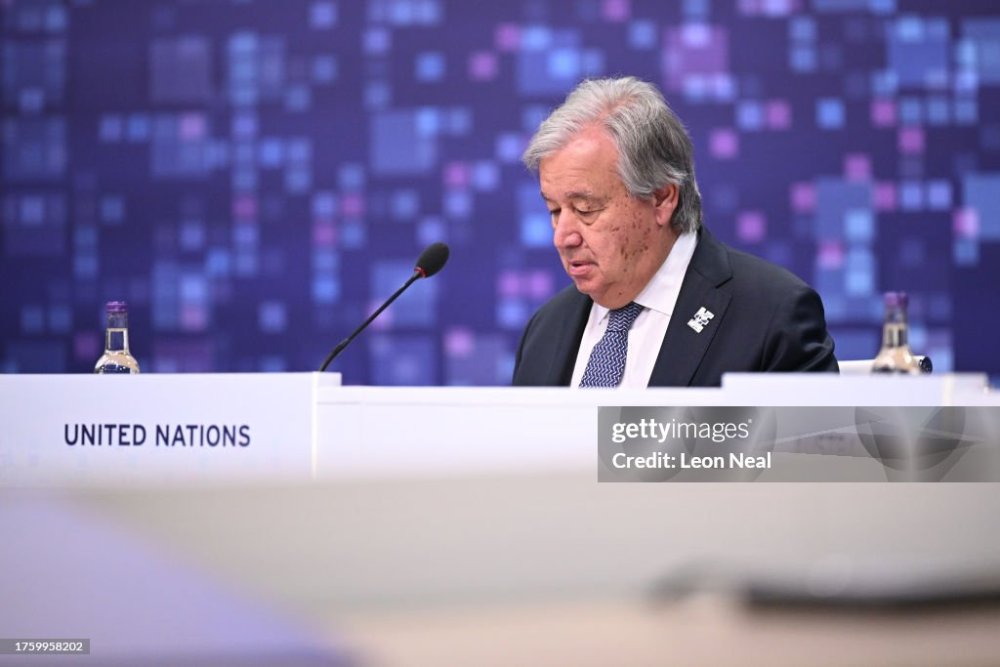
Rwanda’s ambassador in the Netherlands, Amb Nduhungirehe Olivier, acknowledged historical mistakes in choosing leaders but emphasized the uniqueness of Tshisekedi’s case. He called on UN Secretary-General Antonio Guterres to address the escalating situation, highlighting the FDLR’s increased integration and criminal activities against Congolese Tutsi.
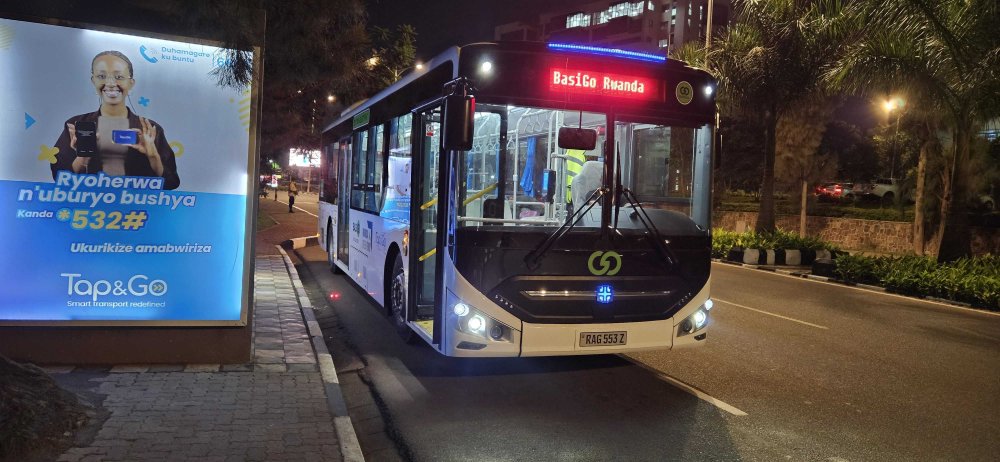
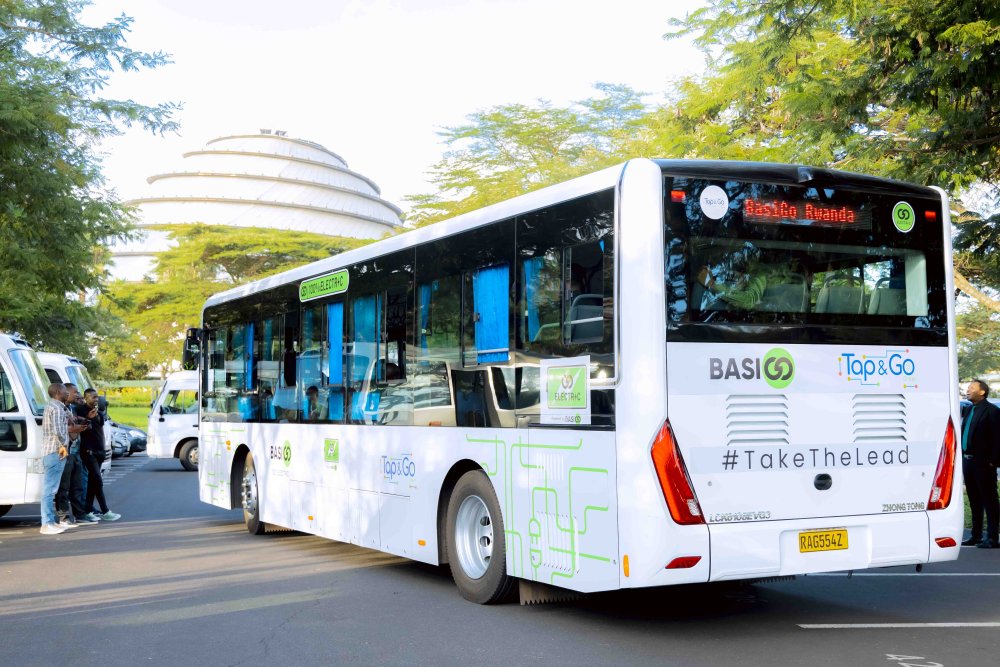
Brought to Rwanda by the electric bus company BasiGo, headquartered in Kenya, the buses were introduced in collaboration with AC Mobility, which incorporates Tap & Go technology for seamless bus fare payments through advanced technology.
Some of these buses arrived in Rwanda in November 2023 and, according to BasiGo, have undergone preliminary testing to ensure their readiness for integration into the passenger transport system.
Initially, two out of the four electric buses designated for the trial program were delivered to Kigali. These buses, provided by BasiGo, are set to hit the roads, marking the commencement of passenger transportation.
The objective, as stated by BasiGo, is to assess the buses’ technical capabilities and performance on Kigali streets, with plans to incorporate them into the existing business model of renting out buses.
Collaborating with established transport companies in Kigali, including Kigali Bus Service (KBS), Royal Express, and Volcano, BasiGo aims to conduct a thorough evaluation during this trial period. Post-experiment, there are ambitious plans to deploy 200 electric buses on Kigali streets within 18 months, presenting a comprehensive solution to the city’s persisting transportation challenges.
The cost structure for renting these buses includes fuel, maintenance, and other associated expenses. With a length of 10.5 meters, the buses boast a seating capacity for 70 passengers.
Notably, their fully charged batteries enable a travel distance of 300 kilometers without requiring recharging, surpassing the distance from Kigali to Rusizi. This extended range enhances operational efficiency within Kigali, facilitating more trips without complications.
Given the substantial battery capacity, specialized ‘180 kW DC’ chargers have been installed at Rwandex in Kicukiro District, a collaborative effort between BasiGo and the Rwanda Energy Group (REG).
BasiGo envisions revolutionizing public transportation in Rwanda by providing affordable electric buses as an eco-friendly alternative to traditional gasoline-powered buses. This initiative aligns with the government’s commitment to creating a sustainable infrastructure for public transportation, promoting accessibility for all. ‘180 kW DC’ chargers
As a financial boost, BasiGo received €30,000 towards the end of the week to further support the project’s implementation. The official launch of public operations using these electric buses is scheduled for Monday, at Downtown.
The fire occurred after the ICRC convoy “violated an agreement with the Sudanese army by approaching our defensive positions accompanied by an armed vehicle belonging to the rebels,” the SAF’s spokesman said in a statement, expressing their regret over the incident.
Meanwhile, the paramilitary Rapid Support Forces (RSF) on Sunday accused the SAF of attacking the ICRC convoy, which, according to a statement by the RSF, has killed two people and injured another.
Sudan has been witnessing deadly clashes between the SAF and the RSF in Khartoum and other areas since April 15.
More than 12,000 people have been killed so far in the clashes, while 6.6 million others have been displaced inside and outside Sudan, according to the UN Office for the Coordination of Humanitarian Affairs.
Lul Ruai Koang, the spokesperson of the South Sudan People’s Defense Forces, told Xinhua on Sunday in Juba, the capital of South Sudan, that all the forces that had been deployed in December 2022, as part of the East African Community Regional Force, have been withdrawn from the North Kivu region of the DRC.
The withdrawal of the South Sudanese troops came after the East African Community announced on Nov. 25 that the DRC would not renew the mandate of the regional force beyond Dec. 8.
Since November 2022, this regional force, consisting of Kenyan, Ugandan, Burundian and South Sudanese elements, has been stationed in the eastern part of the DRC in response to conflicts between the DRC military and the March 23 Movement rebels.
The joint report by the Commonwealth Secretariat and YOUNGO, the children and youth constituency of the United Nations Framework Convention on Climate Change (UNFCCC), analysed 100 climate finance initiatives targeted at young people.
While it shows an increase in youth-focused climate finance, funds are mainly disbursed in small amounts, hindering large-scale youth-led climate action. In addition, the audit information provided by funders lacked full transparency, especially about beneficiaries and what projects were funded.
In response, the report calls for a fit-for-purpose approach to deploying climate finance for youth-led actions to remove existing barriers and ensure young people receive a fair share of support.
The proposed solutions include targeted reporting, a streamlined process for accessing funds with a focus on clear eligibility criteria, increased private sector support and new innovative financing sources.
Climate finance, a core part of the Paris Agreement, is provided to help developing countries cut greenhouse gas emissions and adapt to the impacts of climate change.
The report was launched at a side event, ‘Empowering Youth Leadership: Experiences from the Commonwealth in Access to Climate Finance, Capacity Building and Technology’ – hosted by the Commonwealth Secretariat in partnership with the governments of Fiji and Zambia on 9 December 2023 during the United Nations Climate Change Conference (COP28).
Speaking at the event, the Commonwealth Secretary-General, Patricia Scotland KC, said: “Young people, who make up 60 per cent of Commonwealth citizens, are on the frontline of the climate crisis, living mostly in areas prone to extreme weather events.
“As a result, many are facing job losses, displacement, health issues and educational setbacks. In the face of adversity, the resilience of young people shines through as they harness their drive and talent to lead on powerful climate solutions.”
She added: “This report reveals the dire need to scale up financial support for young people and prevent them from being stuck in the vicious cycle of chasing funds. We must work together with young people to address the barriers they face in accessing climate finance and support them in scaling contributions to meeting climate targets. This is essential to our belief that youth-led action is integral to our pursuit for a sustainable future for all.”
During the event, participants shared their experiences on accessing climate finance, upskilling and leveraging technology to empower youth-led efforts in tackling the challenges posed by climate change, while examining ways to maximise existing opportunities
Collins Nzovu, Zambia’s Minister of Green Economy and Environment, said: “The future belongs to the children, and we should do everything possible to ensure we leave a liveable climate for them. We realise we need to pass the baton of leadership to the youth. We are increasing our support to the youth to take leadership which demonstrates our unwavering support for the Commonwealth Year of the Youth.”
The minister urged youth to use their energy, presence, connections and innovation to drive the change needed to save the planet.
In his remarks, Naipote Tako Katonitabua, Fiji’s Ambassador to the United Arab Emirates, said: “The world is facing unprecedented impacts of climate change the global stocktake has shown us how far behind we are in our climate ambitions.”
“We need dramatic actions to benefit our climate and we need them now,” he added. “Youth inclusion at all levels in climate action including at political level is necessary to ensure the sustainability of our efforts.”
Sheen Tyagi, Research Director at YOUNGO’s Finance and Markets Working Group, said: “The seeds of environmental resilience are sown in the passion and innovation of youth. Investing in youth-led climate projects is not just an investment in the future; it’s a commitment to safeguarding our planet.”
She continued: “Climate finance directed towards our projects is the imperative bridge between aspirations and actionable change. The currency of change lies in climate finance for the youth, and to ensure a sustainable tomorrow, we need the unwavering support of governments, institutions, the private sector, communities, and every individual.”
During the event, Dr Ruth Kattumuri, Senior Director at the Commonwealth Secretariat’s Economic Youth and Sustainable Development, announced this year’s winners of the Commonwealth Sustainable Energy Transition Award, which were:
‘Tragedy to Triumph: Biogas in Daria Nagar’ by Areebah Armin Ahsan
‘Mud-coated Walls and Sandy Dunes’ by Sarah Shahbaz Khan
‘Solar Concentrator for Sustainable Cooking Energy’ by Michael Okao, Darius Ogwang and Joshua Elem
‘EcoPower Adventure: Empowering Communities Through Interactive Learning’ by Michael Chiangi Gbagir
The ‘Availability of Climate Finance for Youth’ report will inform the Commonwealth Secretariat’s ongoing work, especially its Commonwealth Climate Finance Access Hub, which has supported small and vulnerable countries to access about $322 million of climate finance for projects to mitigate and adapt to the impacts of climate change.
Prof. Danson has over 30 years of Academic and Industrial Experience in the fields of Finance, Accounting, Audit Risk and Business Management. Having worked at the Catholic University of Eastern Africa for over 12 years and other Universities within and outside Kenya, he has acquired the ethos, experience and expertise required to promote and oversee Quality Teaching and Learning in Higher Learning Institutions, University Research and Innovations, Knowledge Transfer Partnerships and Networking, which are the core functions of a University.
He holds a Doctor of Philosophy (PhD) Degree in Finance from Gulu University, a Public University in Uganda. He also holds a Master of Business Administration (MBA) Degree with a Double Major Specialization in Accounting and Finance from University of Nairobi, Kenya and a Bachelor of Commerce (BCom) Accounting Option Degree from University of Nairobi, Kenya. He is a Registered and Practicing Member of the Institute of Certified Public Accountants of Kenya (ICPAK), a Registered and Practicing Member of the Institute of Certified Public Accountants of Rwanda (ICPAR) and a Registered Member and Fellow of the Association of Chartered Certified Accountants of United Kingdom (ACCA-UK), with an Advanced Diploma in Accounting from the same Association.
He has taught and supervised research project/theses for Bachelor of Commerce (BCom) and Master of Business Administration (MBA) programs. Additionally, he has taught Doctor of Philosophy (PhD) Finance and Accounting courses and supervised several PhD candidates. Prof. Danson has acted on several occasions as Director of Graduate School of Business at Catholic University of Eastern Africa and has conducted research and published widely in peered and referred Finance and Accounting journals and articles. He has attended many international conferences and workshops and has been an External Examiner for Mount Kigali University, Rwanda.
Musyoki is also a registered and practicing member of the Institute of Certified Investment and Financial Analyst of Kenya (ICIFA), a registered member of the Chartered Institute of Securities and Investment of United Kingdom (MCSI-UK), a registered and certified public secretary by the Registration of Certified Public Secretaries Board of Kenya (RCPSB), a registered member of the Institute of Certified Public Secretaries of Kenya (ICPS-K) and a member of the American Finance Association (AFA).
He was the Vice Chancellor and Professor of Finance at KIM University, in Kigali, after serving as Deputy Vice Chancellor Academics, Research, Administration and Finance at the same university until November, 2019.
He was also the Acting Vice Chancellor and Associate Professor of Finance at University of Kigali, until March 2018. Prior to this, he was the Deputy Vice Chancellor Academics and Research as well as an Associate Professor of Finance at the same University. Musyoki is a Research Professor with an independent research firm, Institute of Research Analysis.
The Board of Directors, management team, staff and students of University of Kigali have congratulated Musyoki on his appointment and committed to supporting his efforts in steering the affairs of UoK towards the achievement of its strategic goals.
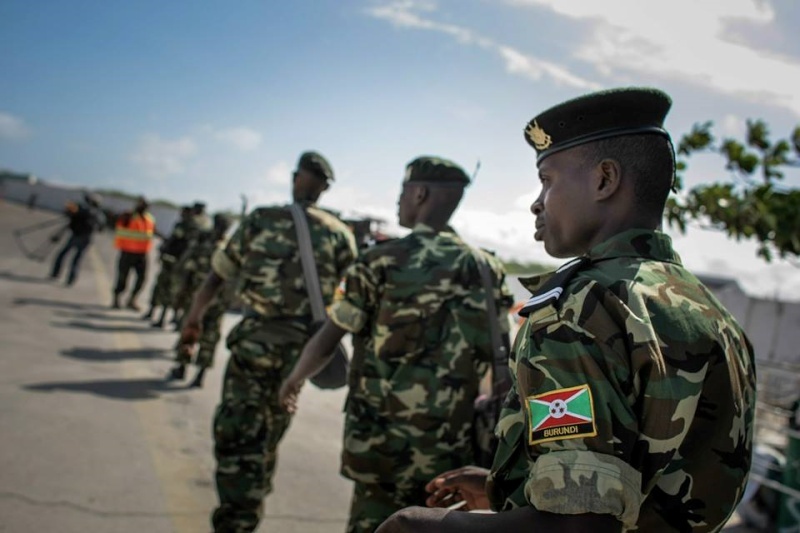
As the East African Community (EAC) took steps to address security challenges in the Eastern DRC, the Burundian government made a controversial move by clandestinely deploying troops into the DRC.
This deployment is viewed as a breach of peace agreements designed to stabilize a region threatened by over 200 armed groups.
The Burundian army formed alliances with groups like Wazalendo and the FDLR, a terrorist organization comprised of individuals responsible for the 1994 Genocide against the Tutsi in Rwanda. This alliance raises serious questions about Burundi’s commitment to the EAC’s strategy, which emphasizes political negotiations to resolve crises in the DRC.
Accusations have also surfaced about Burundi supporting the Congolese Army (FARDC) and its coalition, facing criticism for alleged atrocities against Congolese Tutsi. Reports from Kinshasa suggest that the Congolese government pays each Burundian soldier, with payments reportedly reaching $5,000 per month, to combat the M23—a group dedicated to defending the rights of Tutsi communities in the DRC.
Since November 29, Burundi has initiated the evacuation of its soldiers who were killed or injured in clashes with the M23 in North Kivu. While the Burundian government acknowledges approximately 60 deaths, credible sources suggest that the actual number could be higher.
Protests have erupted within the Burundian army and the national assembly against this intervention in the Congo, resulting in the arrest of senior officers.
On November 13, a meeting chaired by President Evariste Ndayishimiye at Ntare Rushatsi House confirmed the continued presence and reinforcement of Burundian troops in North Kivu. In addition to the initially deployed 2,000 soldiers, an additional 1,800 soldiers were sent to bolster these forces. The collaboration between the Burundian army and armed groups such as Wazalendo and the FDLR is particularly troubling, given their alleged involvement in atrocities against Congolese Tutsis.
It is essential to note that the alliance between the Armed Forces of the Democratic Republic of the Congo (FARDC) and the FDLR remains a central element in the conflict between Rwanda and the DRC.
Despite the withdrawal of the East African Community Rapid Deployment Capability (EACRF) troops from the DRC, Burundi maintains its military presence under the bilateral cooperation agreement signed with the Congo.
Analysts closely monitor this situation, questioning the real impact of the Burundian intervention on the resolution of the conflict.
“These include around 2,900 national organizations, 110 foreign organizations and more than 10 UN humanitarian agencies and regional organizations,” said the commission, pointing to the war’s negative impact on the humanitarian situation in the country.
It indicated that 85 percent of international aid workers had left Sudan due to growing risks.
On Thursday, the UN Office for the Coordination of Humanitarian Affairs (OCHA) said in a statement that social instability, poor communications network, staff shortfall, and bureaucratic impediments have been affecting the delivery of humanitarian assistance in many parts of Sudan.
Sudan has been witnessing deadly clashes between the Sudanese Armed Forces (SAF) and the paramilitary Rapid Support Forces (RSF) in Khartoum and other areas since April 15.
More than 12,000 people have been killed so far in the clashes, while 6.6 million others have been displaced inside and outside Sudan, according to the OCHA.
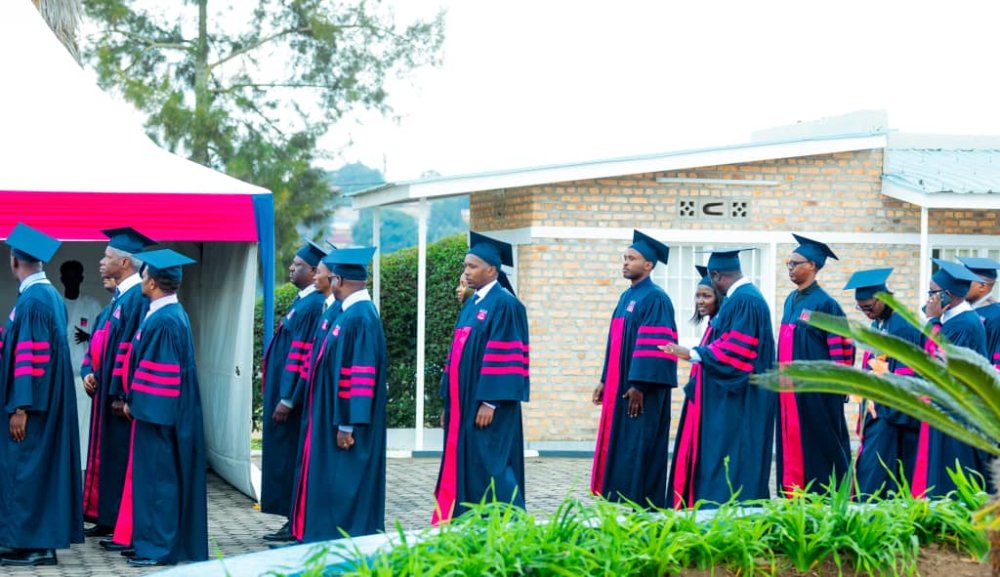
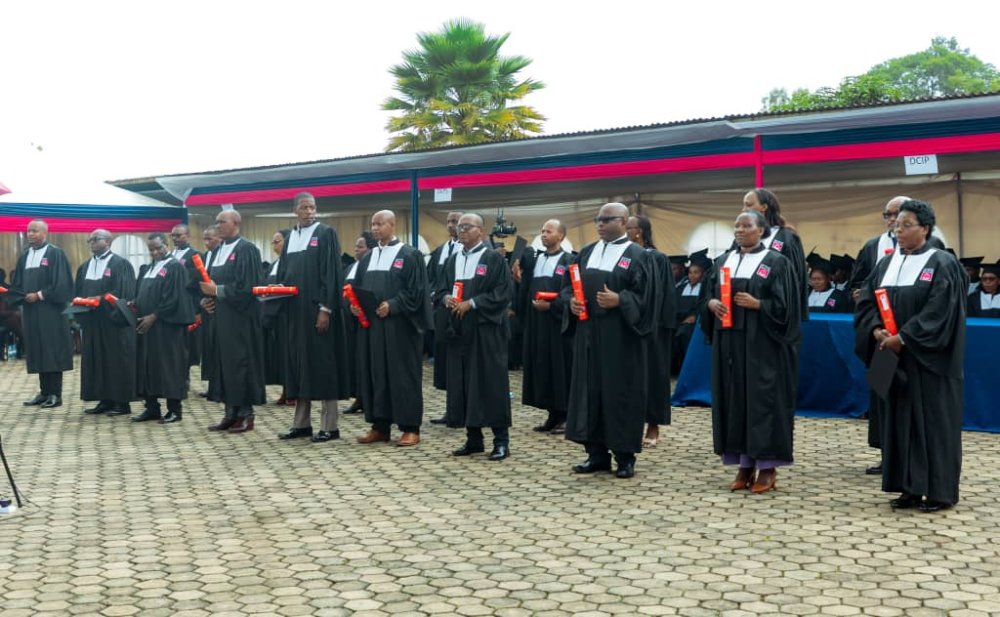
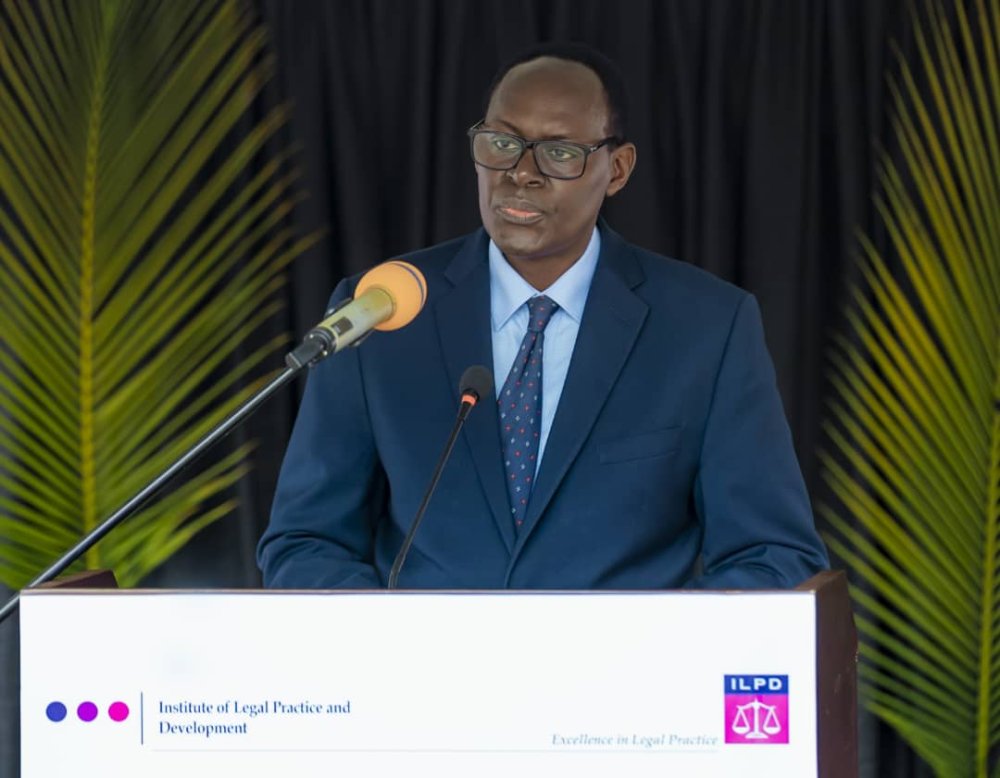
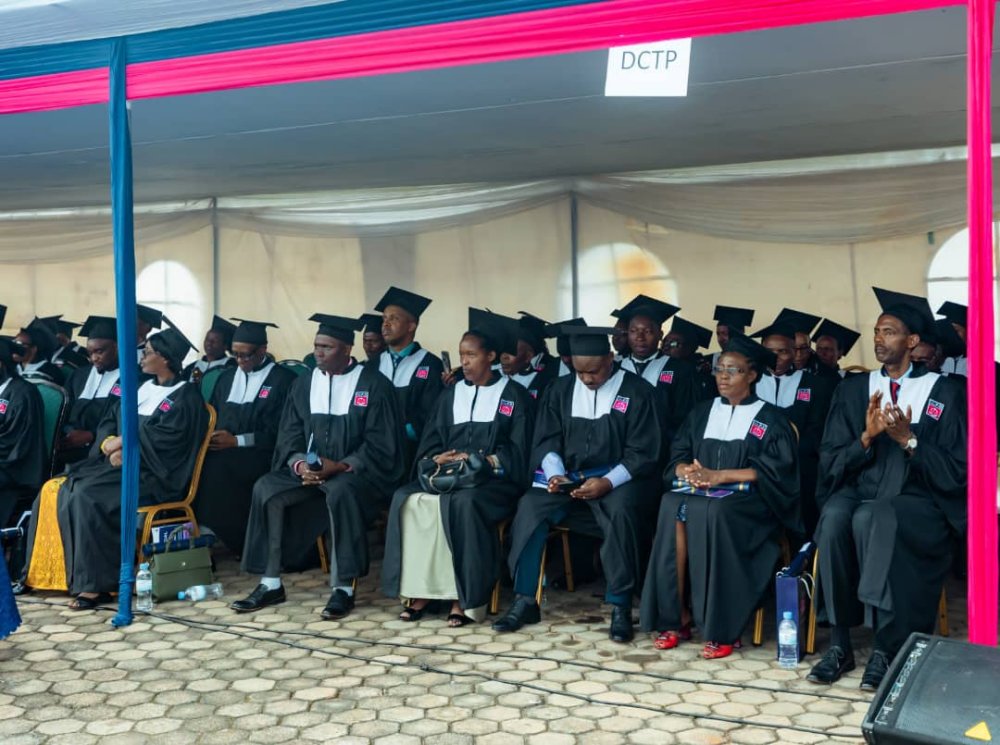
The newly minted lawyers express a commitment to utilizing the acquired knowledge to enhance their proficiency in delivering justice to all Rwandans. Armed with expertise from five specialized course programs, these graduates have seamlessly integrated into various facets of the justice sector, assuming roles such as prosecutors, judges, court clerks, and legal researchers.
“We have gained invaluable knowledge that equips us to effectively resolve disputes arising from agreements, addressing a critical need within our legal landscape,” remarked one of the graduates.
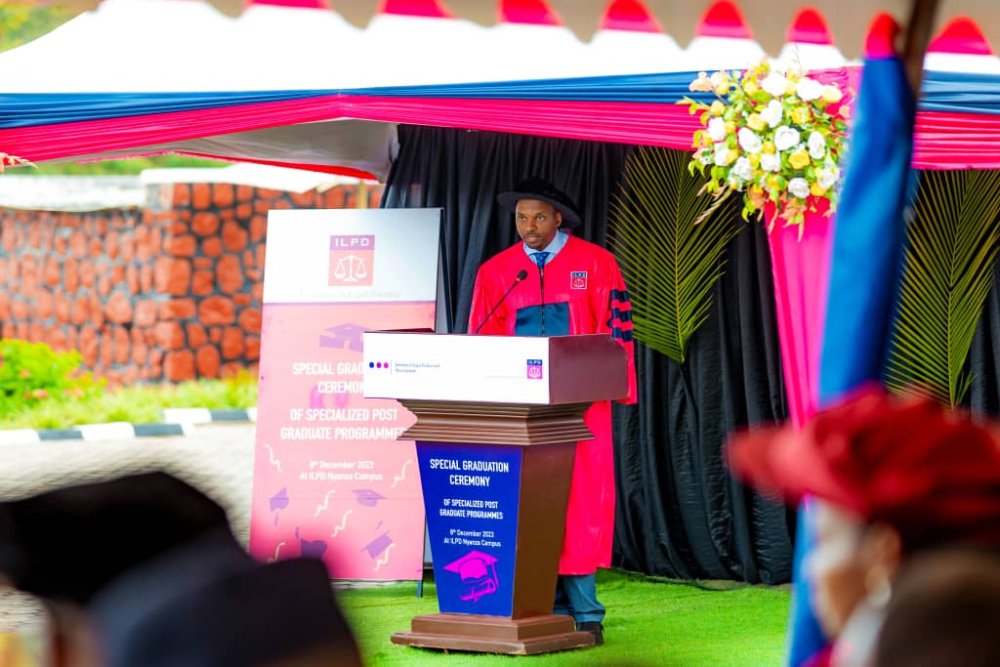
Dr. Aimé Muyoboke Kalimunda, the Rector of ILPD, emphasized the multifaceted contributions these specialized legal professionals will make to the judicial sector. He highlighted that while a judge with a Bachelor’s or higher degree possesses foundational knowledge, specialization provides an additional layer of expertise crucial for efficient case management.
“Specialization not only expedites case proceedings but also enhances the overall efficiency of the judicial process, ultimately reducing associated costs and bolstering citizens’ confidence in the judiciary,” noted Dr. Muyoboke.
Acknowledging the intricate nature of contemporary challenges and the evolving landscape of conflicts globally, Faustin Nteziryayo, President of the Supreme Court, underscored the significance of these specialized courses in ensuring the delivery of quality justice.
The curriculum, which covers cross-border crime prosecution, trial and sentencing procedures, contract law application, implementation of the Civil Procedure Act, and Companies Act, reflects the ILPD’s commitment to preparing graduates for the complexities of the legal profession.