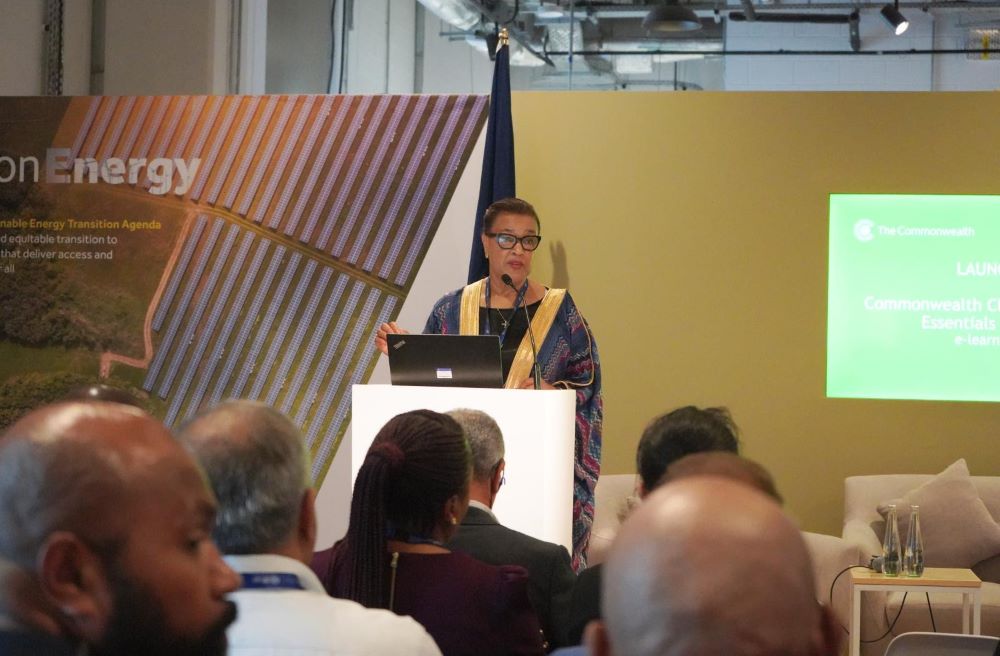
The Commonwealth Secretary-General, Patricia Scotland, launched the ‘Commonwealth Climate Finance Essentials E-learning Course’ at an event on 11 December 2023 in Dubai during the United Nations Climate Change Conference (COP28).
The course builds on the extensive experience of the Commonwealth Climate Finance Access Hub.
The hub has helped 17 small and vulnerable states in Africa, the Caribbean, and the Pacific to access more than US$322 million in climate finance for projects to mitigate and adapt to the impacts of climate change.
Government officials and experts can use the course to better understand complex areas, such as the climate finance landscape, the compliance requirements set by major funders, the financial requisites for accessing funding and the specific needs of vulnerable groups.
Crucially, the course introduces officials to the core elements needed to write a successful application for securing climate finance for projects. It also unpacks the use of innovative tools, such as earth observation data, to improve project rationale and navigate red tape.
At the 2022 Commonwealth Heads of Government Meeting, leaders urged developed countries to fully deliver on their commitment to providing US$100 billion every year in climate finance to help developing nations address challenges posed by climate change.
However, access to funding remains a barrier. Some small island developing states report spending two to three years to develop a climate project proposal. This is followed by another year of legal and implementation arrangements before governments receive funds and can start projects.
Speaking at the event, Secretary-General Patricia Scotland said: “Despite contributing least to the problem, small and vulnerable states are bearing the biggest burden. Increasingly frequent and extreme weather events are causing widespread destruction to livelihoods and infrastructure – and destroying economies.
“While the international community is stepping in to provide support, it’s not enough. Small and vulnerable states also need to navigate the demanding conditions necessary for accessing available climate funds.
“The Commonwealth’s e-learning course is a significant step towards helping government officials better understand the complex structures of multi-billion-dollar funds and access the finance they need.”
During the event, Saber Hossain Chowdhury, Special Envoy of the Prime Minister of Bangladesh for Climate Change, drew attention to the capacity challenges faced by developing countries in accessing climate finance on time.
He specifically pointed to the prolonged approval process, citing instances where Bangladesh had to wait nearly nine years to receive funds after submitting project applications.
Mr Chowdhury said: “The course is a great tool. All the good practices from the Commonwealth are brought together and are now available in the form of e-learning. It will help with building that capacity that is so very essential.”
Through this course, he added, countries equipped with the necessary capacity would not only have priority in accessing funds, but also ensure support reaches those most in need.
Orlando Habet, Belize’s Minister of Sustainable Development, Climate Change and Disaster Risk Management, endorsed the new course.
He said: “Climate finance is critical for small island developing states and least developed countries. We have been told that the process of finding finance takes too long. This course will assist us to cut down on that time.”
The minister also thanked the Commonwealth Secretariat for deploying a national climate finance adviser to Belize. He added that the adviser has been assisting his country in securing funding to implement the national climate plans.
The course is part of a package of resources developed by the Commonwealth Secretariat to support its 56 member countries in tackling the global climate crisis.
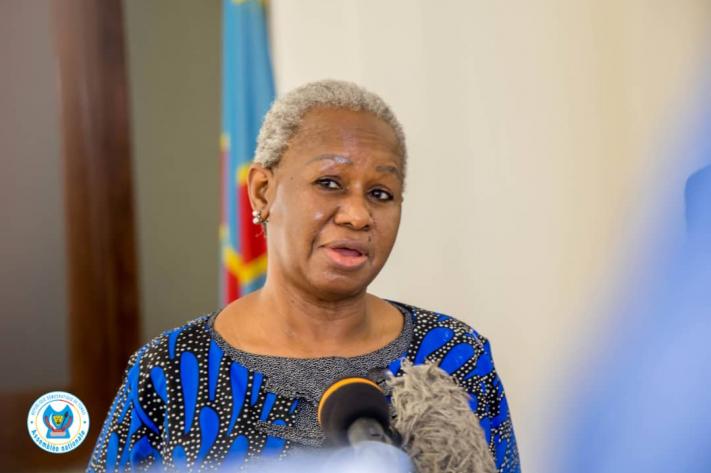
In December, the situation in the DRC’s North Kivu province worsened, heightening the risk of a direct military confrontation between the two countries, potentially involving Burundi, as stated by Keita, the UN secretary-general’s special representative for the DRC, during a briefing to the Security Council.
Tensions between the DRC and Rwanda are currently at a critical point, with a significant risk of military escalation despite ongoing regional and international efforts to ease tensions, according to Keita. The UN secretary-general’s latest report to the Security Council highlights increased cross-border incidents and mutual accusations of supporting armed groups in eastern DRC.
Rwanda denies the allegations and accuses the DRC of collaborating with the FDLR, a terrorist group responsible for the 1994 Genocide against the Tutsi.
In the south of the North Kivu province, security, humanitarian, and human rights conditions have deteriorated due to hostilities between the DRC military and the M23 rebel movement.
At the request of the DRC government, the mandate of the East African Community Force has not been extended beyond Dec. 8 and the force has begun its withdrawal. At the same time, the Southern African Development Community is preparing for the deployment in the coming weeks of a new force in the DRC.
Keita emphasized the importance of continuous investment by the Congolese government in regional, national, and local political processes for conflict resolution in the east, alongside the reform of the Congolese security sector and the implementation of a disarmament and community reintegration program.
The ongoing insecurity has exacerbated the humanitarian crisis, with over 6.3 million internally displaced people in the DRC, and more than 500,000 people fleeing their homes since October.
Cholera and measles outbreaks, along with alarming levels of gender-based violence, have further worsened the situation.
Keita urged donors to provide the necessary resources, emphasizing that as of November, the UN humanitarian response plan for the DRC for 2023 remained significantly underfunded.
With the planned drawdown and withdrawal of the UN peacekeeping mission in the DRC, Keita highlighted the critical juncture in relations between the United Nations and the DRC, particularly in the lead-up to presidential, national, provincial, and local elections.
She stressed the need to consider the complex security, humanitarian, and regional tensions in redefining the partnership between the UN and the DRC.
Keita and DRC Deputy Prime Minister and Foreign Minister Christophe Lutundula signed a Joint Disengagement Plan on Nov. 21, outlining the initiation of the mission’s drawdown by the end of 2023 following extensive consultations between the DRC government and the UN peacekeeping mission known as MONUSCO.
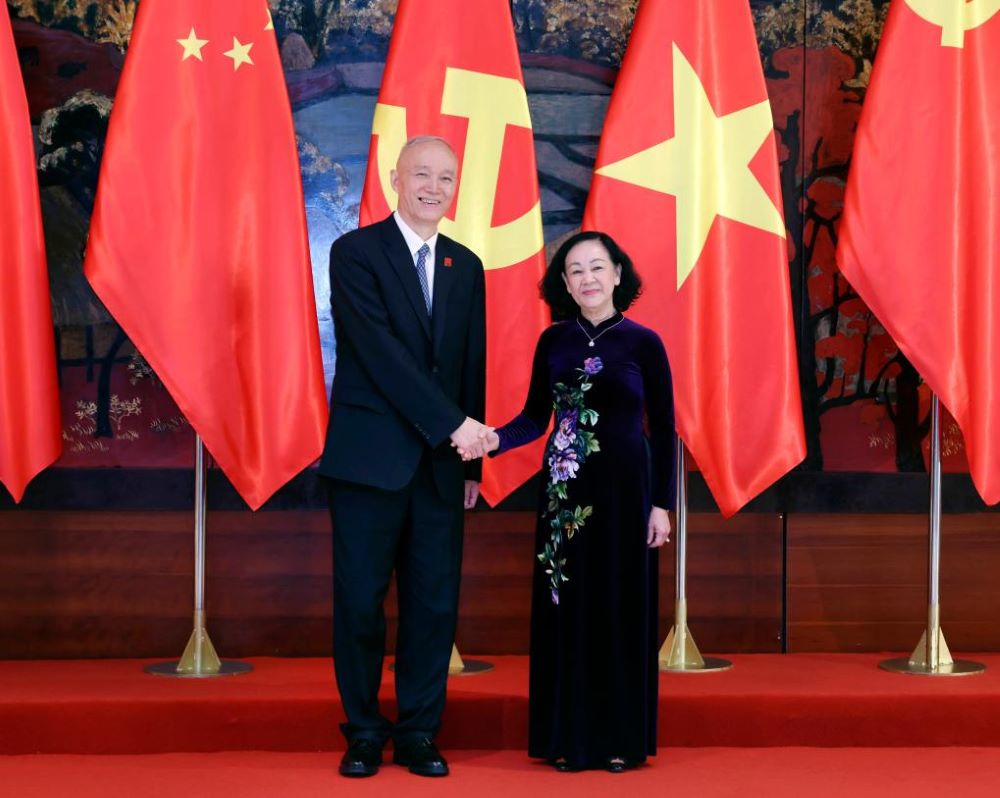
Cai, a member of the Standing Committee of the Political Bureau of the CPC Central Committee and a member of the Secretariat of the CPC Central Committee, made the remarks while meeting with Truong Thi Mai, a member of the Political Bureau of the Communist Party of Vietnam (CPV) Central Committee and permanent member of the CPV Central Committee Secretariat.
Cai said the current trip to Vietnam by Chinese leader shows that China attaches great importance to relations between the two parties and two countries, and that China firmly supports Vietnam’s socialist cause, adding that top leaders of both parties held important talks and agreed to deepen the China-Vietnam comprehensive strategic cooperative partnership and build a community with a shared future that carries strategic significance between the two sides.
The visit will surely become an epoch-making milestone in the history of China-Vietnam relations, and will have a significant and far-reaching impact on advancing the socialist cause and promoting regional peace and development, Cai said.
Calling on both sides to adhere to the correct political direction, Cai said China and Vietnam should intensify the self-improvement of the party and resolutely safeguard the party’s leadership and system security.
Both sides should deepen the synergy of their respective development strategies and further upgrade their practical cooperation in the spirit of mutual success and win-win cooperation, he said.
China and Vietnam should encourage news media and trade unions, women’s groups, youth and other organizations to deepen exchanges and cooperation, carry forward the traditional friendship between the two countries, and promote people-to-people exchanges, Cai said.
Both sides should strengthen cooperation within the framework of the China-proposed three global initiatives on development, security and civilization, as well as coordination and cooperation within multilateral organizations and mechanisms, so as to uphold international fairness and justice, maintain regional peace and stability, and promote the building of a community with a shared future for humanity, he added.
Mai said the talks between the top leaders of the two parties were very successful, which provided new and important impetus to the development of the relationship between the two parties and two countries, and will greatly expand and deepen bilateral cooperation in various fields.
The two sides should let inter-party exchanges provide strategic guidance and play a pioneering role, and implement the consensus reached by the top leaders of the two parties with concrete actions, Mai said.
Mai said building a Vietnam-China community with a shared future that carries strategic significance will promote the well-being of the two peoples and the cause of peace and progress of humankind.
The Vietnamese side firmly supports the three global initiatives, believing they are in line with the interests of people of all countries and conform to the spirit of the UN Charter and international law, Mai said.
The CPV is ready to work with the CPC to utilize the advantages of the socialist system to promote the steady and sustainable development of relations between the two parties and two countries, Mai said.
Chinese Foreign Minister Wang Yi, who is also a member of the Political Bureau of the Communist Party of China Central Committee, was present at the talks.
Nguyen Hoang Anh, a member of the Communist Party of Vietnam (CPV) Central Committee, said in a recent interview that Vietnam and China are neighboring countries linked by mountains and rivers and share a long-lasting friendship between the two peoples.
Anh recalled that General Secretary of the CPV Central Committee Nguyen Phu Trong held talks with Xi during his trip to China last year, where the two leaders jointly charted the course for the development of bilateral ties and lifted their relationship to a higher level.
Noting that this year marks the 15th anniversary of the Vietnam-China comprehensive strategic cooperative partnership, Anh said Xi’s visit is of landmark significance.
The two sides will discuss cooperation in various fields to further promote friendly exchanges and solidify progress in bilateral cooperation, said Anh, who is also chairman of the Commission for State Capital Management at Enterprises.
“High-level contact is a good tradition between Vietnam and China, and is promoting the continuous development of bilateral ties,” he added.
Anh, president of the Vietnam-China Friendship Association, said, “Over the 70-plus years of diplomatic ties, traditional friendship has witnessed continuous development.”
The association was established in 1950 when the two countries established diplomatic relations and is one of the first foreign friendship organizations set up in Vietnam.
Friendly exchanges between the peoples are significant as they add momentum to consolidating the popular and social foundation for the growth of bilateral ties, Anh said.
Noting that people-to-people exchanges have contributed to cementing mutual trust and promoting mutual understanding between the two countries, Anh said friendly exchanges of the kind “have strongly boosted communication and cooperation in the fields of trade, investment, culture, tourism and education in recent years.”
“The two countries have become one of the most popular tourist destinations for each other,” he added.
Looking ahead, Anh said the two sides should further implement the consensus reached by the leaders of the two parties and two countries, tell the story of the Vietnam-China friendship well, and speed up the resumption of the Vietnam-China People’s Forum.
Both sides should place more emphasis on promoting exchanges and cooperation in the fields of arts, education, science and technology, tourism, health, and sports at the local level, especially between the border regions, and explore exchange activities in various forms in the pursuit of more practical people-to-people diplomacy with efficiency, he added.
Anh said the traditional Vietnam-China friendship was forged by the older generations of the leaders of the two countries and is a valuable asset shared by the two peoples.
The people of both sides, especially the youth, should carry forward the friendly ties and further deepen the understanding of the Vietnam-China traditional friendship, so as to ensure a lasting friendship from generation to generation, he said.
The two sides have announced the new positioning of relations between the two parties and countries and agreed to build a China-Vietnam community with a shared future that carries strategic significance on the basis of deepening the comprehensive strategic cooperative partnership between the two sides.
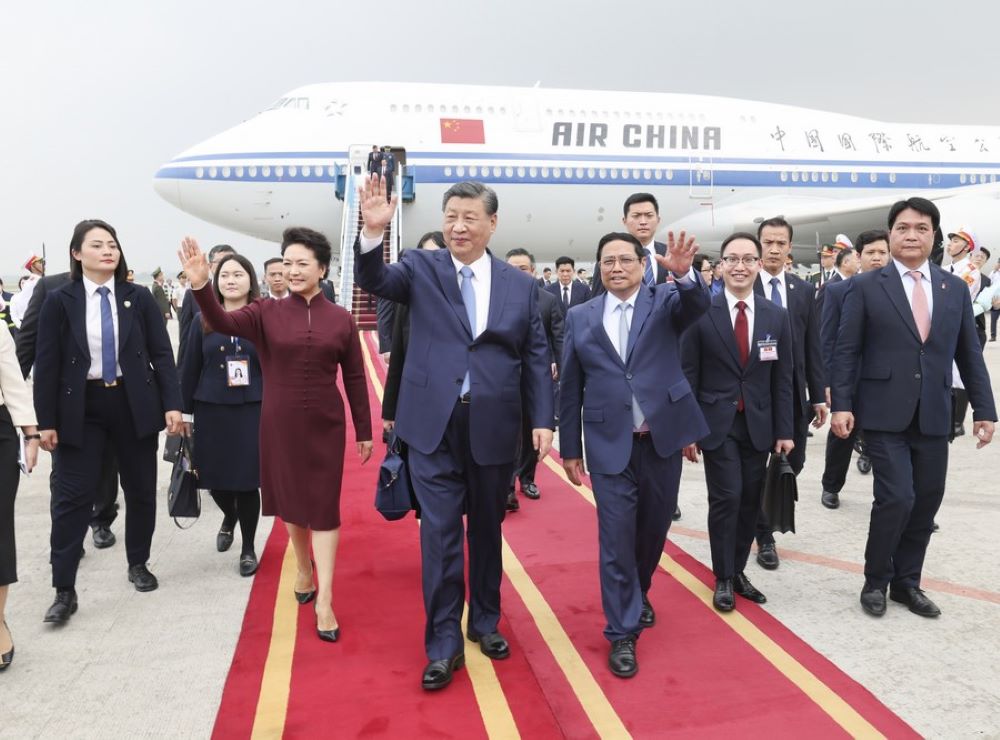
The announcement was made during the ongoing state visit to Vietnam by Xi Jinping, general secretary of the Communist Party of China (CPC) Central Committee and Chinese president.
Xi attended a welcome ceremony held by General Secretary of the Communist Party of Vietnam (CPV) Central Committee Nguyen Phu Trong.
After the ceremony, Xi held a meeting with Trong. Xi said he is delighted to visit Vietnam as promised and complete the third round of mutual visits between the two leaders. China is pleased with the achievements made by Vietnam in the past nearly 40 years of “Doi Moi,” the country’s reform cause, especially since the 13th National Congress of the CPV, Xi said.
China firmly supports Vietnam in continuing to advance the cause of socialist construction, Xi said. He expressed confidence that under the firm leadership of the CPV with General Secretary Trong at the helm, the Vietnamese party and government will successfully implement the major goals and tasks set by the 13th National Party Congress of the CPV, laying a solid foundation for the successful realization of the two 100-year goals.
China and Vietnam have supported each other in their respective struggles for national independence and liberation, and have learned from each other in their respective undertakings of reform and opening-up as well as innovation, Xi said.
Xi said China always sees its ties with Vietnam from a strategic and long-term perspective, noting that at present, changes in the world, times and history are unfolding in an unprecedented manner.
As the world’s top two ruling Communist parties, both the CPC and the CPV have been adhering to and developing Marxism, unswervingly following the path of socialism, and leading their respective country in socialist construction, said Xi.
All the more, the two parties should grasp the special strategic significance of China-Vietnam relations and make solid progress in building a China-Vietnam community with a shared future from the perspective of strengthening the socialist forces in the world and ensuring the steady and long-term progress of their respective cause of socialist construction, Xi added.
Xi said with joint efforts, China-Vietnam ties will enter a new stage of greater political mutual trust, more solid security cooperation, deeper mutually beneficial cooperation, stronger popular support, closer multilateral coordination and better handling of differences.
Xi also said that the cause of socialist construction in China and Vietnam will advance steadily and make new contributions to the stability, development and prosperity of the region and the world at large.
Xi made a six-point proposal on building a China-Vietnam community with a shared future, the first of which is to keep to the right political direction.
China and Vietnam should adhere to high-level strategic guidance, strengthen exchanges and mutual learning on the governance of party and state, and jointly deepen understanding of the ruling laws of Communist parties, as well as the laws of socialist construction and the development of human society, Xi said.
The two countries should firmly support one another on issues concerning each other’s core interests and major concerns, and jointly uphold international equity and justice, he said.
Both sides should also deepen mutual trust on security, Xi said.
The two sides must prioritize national political security, ensure the red flag of socialism not to be changed, and spare no effort to prevent, defuse and contain all kinds of political and security risks, he said.
China firmly supports Vietnam in maintaining social stability and ethnic unity, and believes Vietnam will continue to support China in opposing external interference and firmly advancing the great cause of national reunification, he said.
Xi said the two countries should upgrade practical cooperation.
The modernization that includes the whole of more than 1.4 billion Chinese people is a great opportunity brought by China to the world, he said, adding that China is willing to share opportunities and seek common development with its Vietnamese comrades.
An active alignment with the eight major steps to support high-quality Belt and Road cooperation by the Vietnamese side is welcomed, Xi said, calling for expanding cooperation in such emerging areas as digital economy and green development.
The two sides should jointly implement the Regional Comprehensive Economic Partnership, safeguard the global trading system, and build a secure, stable, unimpeded, efficient, open, inclusive and mutually beneficial global industrial chain and supply chain, he said.
China will continue to encourage competent Chinese enterprises to invest and do business in Vietnam and hopes that Vietnam will provide a good business environment for Chinese enterprises, he added.
The Chinese president also called for more input to cement the popular support for China-Vietnam friendship.
Bilateral cooperation should have a heavier focus on agriculture, education, health care and other fields concerning people’s livelihood, Xi said, adding that the two sides should strengthen cooperation in such areas as youth, tourism as well as at the local level, deepen the two peoples’ understanding on a China-Vietnam community with a shared future and on the traditional friendship between the two parties and countries, and enhance the bonds between the young generation of the two countries, to cement the popular support for China-Vietnam friendship.
China and Vietnam should work closely on international and regional issues, Xi continued, noting that the remarkable development achievements of the two countries are the result of both the hard work of both sides and an open and inclusive world, especially a peaceful and stable Asia-Pacific.
China does not engage in exclusive cliques, block politics or camp confrontation, Xi said, adding that China is ready to strengthen multilateral cooperation with Vietnam, and work with Vietnam to uphold genuine multilateralism, and jointly increase the voice and influence of developing countries in international affairs.
Xi also called on the two countries to manage differences on maritime issues.
The two sides should actively discuss and carry out more maritime cooperation projects, strive to promote joint maritime development, and turn challenges posed by maritime issues into opportunities of bilateral cooperation, he added.
On behalf of the Vietnamese party, state and people, Trong warmly welcomed Xi’s state visit to Vietnam on the occasion of the 15th anniversary of the Vietnam-China comprehensive strategic cooperative partnership, and once again extended sincere congratulations on the major theoretical and practical innovation achievements made at the 20th CPC National Congress.
Trong said that under the strong leadership of Xi and the guidance of Xi Jinping Thought on Socialism with Chinese Characteristics for a New Era, China has made all-round achievements and its international status and influence are increasing day by day. Vietnam is sincerely happy for brotherly China, he said.
Vietnam firmly believes that under the leadership of the CPC Central Committee with Xi at its core, China will achieve all the goals set at the 20th CPC National Congress as scheduled and make new and significant contributions to the cause of human progress.
Trong said Xi is a comrade and friend respected and admired by the Chinese people. Trong said both Xi’s invitation of him to China immediately after the 20th CPC National Congress and Xi’s third visit to Vietnam as promised fully demonstrated his special friendly feelings towards Vietnam and the high level of Vietnam-China relations.
Trong said that Vietnam-China friendship is deep as comrades and brothers, adding that not long ago, he personally went to the Friendship Pass to plant a tree of friendship, hoping to highlight the special brotherly friendship between Vietnam and China, and send a positive signal of the special friendship between the two countries.
Trong thanked China for taking Vietnam as a priority in its neighboring diplomacy, firmly supporting Vietnam’s cause of reform, innovation, opening-up, industrialization and modernization, and providing valuable assistance to Vietnam during difficult times such as the COVID-19 pandemic.
The Vietnamese side firmly upholds the one-China principle, recognizes Taiwan as an inalienable part of the Chinese territory, supports China’s cause of reunification and firmly opposes separatist activities of “Taiwan independence” in any form, Trong said.
Issues related to Hong Kong, Xinjiang and Xizang are all China’s internal affairs, he said, adding that Vietnam opposes any force to interfere in China’s internal affairs, hopes and also believes that China will maintain stability, development and prosperity.
Vietnam adheres to an independent foreign policy and takes developing relations with China as a top priority and strategic choice, Trong said.
Vietnam is willing to work with China to build a Vietnam-China community with a shared future that carries strategic significance, comprehensively strengthen cooperation in political, economic, trade, security and non-governmental areas, and set a good example of mutual benefits and win-win results, which are in line with the common interests of the two parties, governments and peoples, he said.
Maritime disputes are only part of Vietnam-China relations, and it is believed that the two sides can properly handle them in the spirit of mutual trust and mutual respect, Trong said, adding that Vietnam and China share the same idea in safeguarding multilateralism and international fairness and justice, and promoting peace, cooperation and development.
The important global initiatives proposed by Xi, such as the joint construction of the Belt and Road, the Global Development Initiative, the Global Security Initiative and the Global Civilization Initiative, are aimed at safeguarding the common interests of all mankind and are fully in line with international laws, he said, adding that they have received extensive support and positive response from the international community and that Vietnam firmly supports and stands ready to actively join them.
In the current complex international situation, it is of great significance for both countries and the world that Vietnam and China working closely in multilateral cooperation and jointly tackling various traditional and non-traditional security challenges, Trong said.
He said he believes Xi’s visit will surely become a historic milestone in promoting Vietnam-China relations to a higher level and contribute to peace and development of the region and the world.
After the talks, Xi and Trong witnessed the display of bilateral cooperation documents signed by the two sides, covering more than 30 fields such as the Belt and Road cooperation, inspection and quarantine, development cooperation, digital economy, green development, transportation, local cooperation, defense and law enforcement security cooperation, and maritime cooperation.
Trong invited Xi to have a small chat over tea. The general secretaries of the two parties continued in-depth communication in a relaxing and friendly atmosphere.
They believe that China and Vietnam, as friendly neighbors, share the same ideals and ideas. As good neighbors, good partners, good brothers and good comrades, the two countries enjoy unique climatic, geographical and human advantages favorable for building a community with a shared future that carries strategic significance.
They said that the two sides should carry on the traditional friendship forged by leaders of the older generation, make joint efforts to build a community with a shared future, take their own modernization path, achieve mutual benefits and win-win results, learn from each other, benefit the two peoples, and make positive contributions to regional peace and prosperity.
They also agreed to issue a joint statement on further deepening and elevating the comprehensive strategic cooperative partnership and building a China-Vietnam community with a shared future that carries strategic significance.
The new strategic positioning between the two parties and countries was announced following talks between Xi Jinping, general secretary of the Communist Party of China (CPC) Central Committee and Chinese president, and Nguyen Phu Trong, general secretary of the Central Committee of the Communist Party of Vietnam (CPV).
China and Vietnam are connected by mountains and rivers, enjoy cultural proximity, cherish the same ideals, and have a shared future ahead.
Regardless of how the international situation may change, the two sides jointly uphold peace and tranquility, pursue development and cooperation, promote prosperity and progress, and embark on a bright path towards building a community with a shared future for mankind.
As this year marks the 15th anniversary of the comprehensive strategic cooperative partnership between China and Vietnam, elevating the bilateral relationship is in tune with the trend of the times and will pave the way for an even brighter future in their bilateral relations.
As the world’s top two ruling Communist parties, both the CPC and CPV have been adhering to and developing Marxism, unswervingly follow the socialist path, and leading their respective country in socialist construction.
All the more, the two parties should grasp the special strategic significance of China-Vietnam relations and make solid progress in building a China-Vietnam community with a shared future from the perspective of strengthening the socialist forces in the world and ensuring the steady and long-term progress of their respective cause of socialist construction.
Now enjoying a new positioning, the bilateral relationship sends a clear signal of unity and cooperation to the international community.
The construction of a community with a shared future that carries strategic significance between China and Vietnam not only aligns with the common interests of both parties and countries, but also stands to attract more countries to engage in the noble undertaking of building an Asian community with a shared future and a community with a shared future for mankind.
This, in turn, will provide greater positive energy for the substantial development of Asia, nurturing good-neighborly friendship and making significant contributions to global peace and development.
With joint efforts, China-Vietnam ties enter a new stage of greater political mutual trust, more solid security cooperation, deeper mutually beneficial cooperation, stronger popular support, closer multilateral coordination, and better handling of differences.
The cause of socialist construction in China and Vietnam will advance steadily and make new contributions to the stability, development, and prosperity of the region and the world.
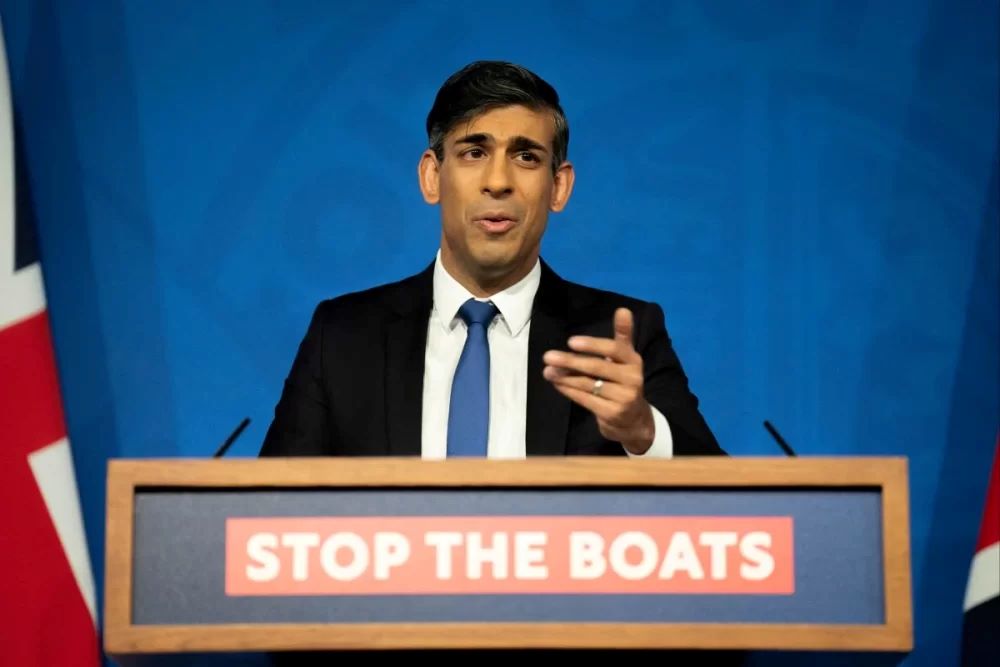
Defending his strategy, Sunak emphasized that the bill empowers the British people to decide immigration matters, rather than criminal groups or foreign courts. This victory comes after the UK Supreme Court ruled last month that Sunak’s previous policy of deporting those arriving illegally on small boats breached human rights laws. In response, Sunak forged a new treaty with Rwanda and introduced emergency legislation to bypass legal barriers hindering deportations.
With Sunak’s Conservatives facing internal divisions and trailing the opposition Labour Party by approximately 20 points ahead of an anticipated election next year, the first parliamentary vote exposed fractures within the party. Moderate Conservatives are reluctant to support the law if it compromises human rights obligations, while right-wing politicians argue it does not go far enough to prevent legal challenges by migrants.
Although party management instructed all 350 Conservative lawmakers to back the bill, nearly 40 were not officially recorded as having voted. Despite this,MPs voted in favor of the bill by 313 to 269.
Approximately 29,000 asylum seekers have arrived via boats this year, marking a one-third decrease from the previous year. However, the image of inflatable dinghies crossing the Channel remains a visible symbol of the government’s struggle to control borders—a central promise of Brexit campaigners. Sunak, having pledged to “stop the boats” as one of his key objectives, expressed determination to move the bill forward.
Sunak’s spokesperson stated after Tuesday’s successful vote that efforts will be made to ensure the bill becomes law, allowing the initiation of flights to Rwanda to effectively address the issue of boat arrivals.
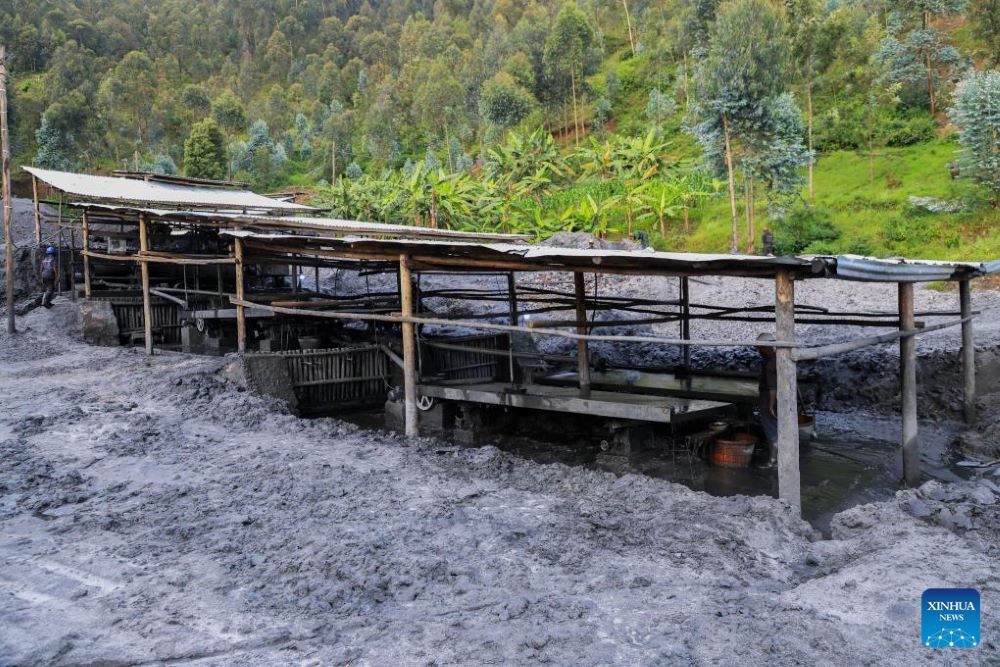
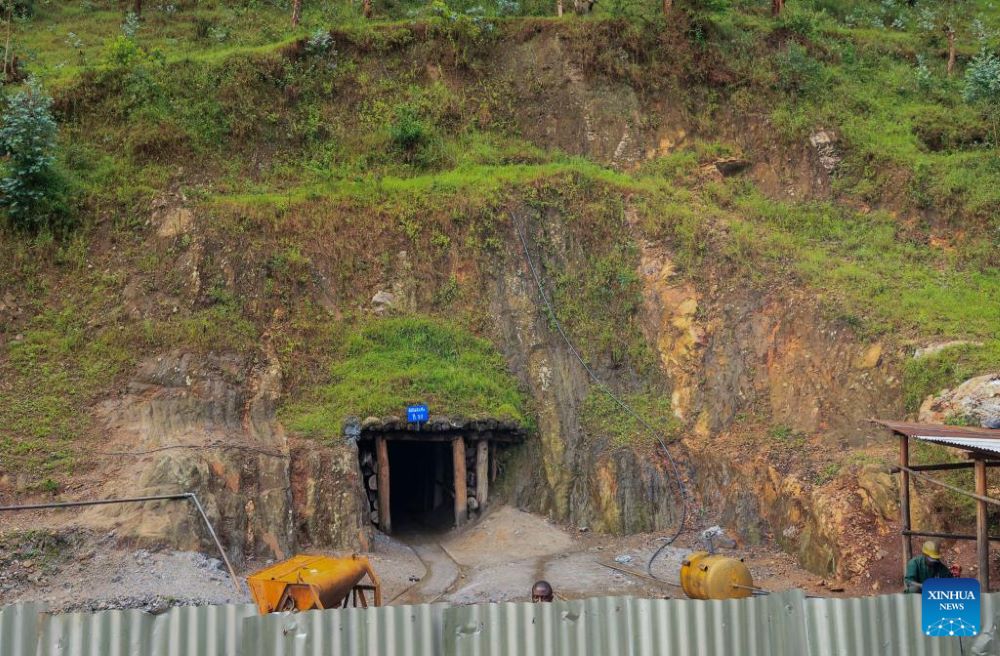
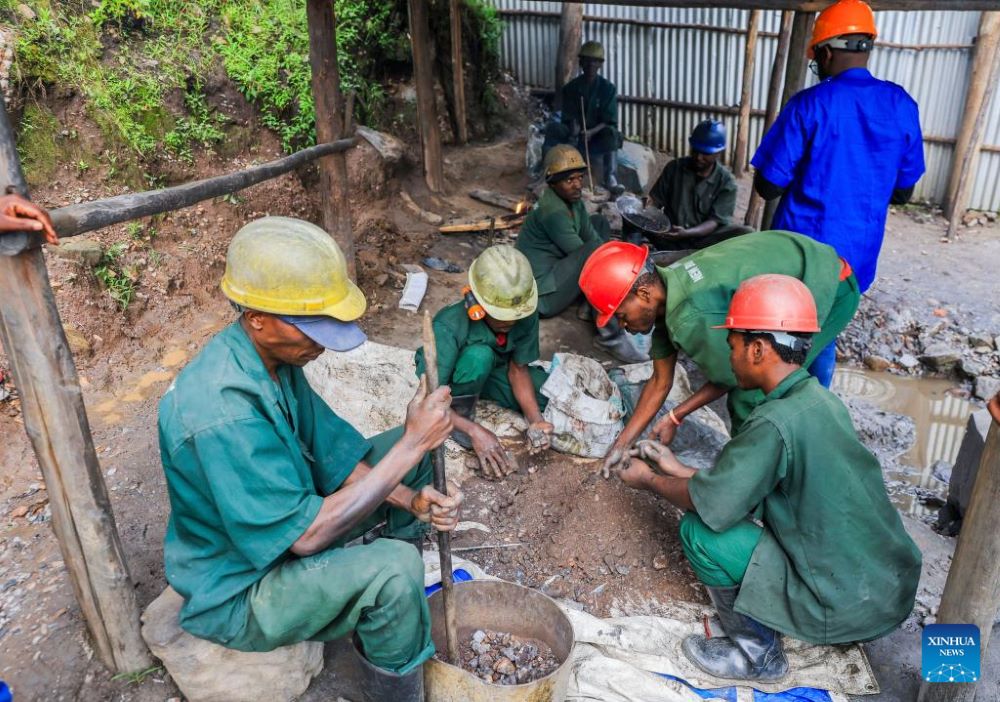
Donat Nsengumuremyi, the manager of Mining Extraction and Inspection Division at Rwanda Mines, Gas and Petroleum Board, shared insights into their transformative process. “We have initiated a shift from small-scale to semi-mechanized mining. Our aim is to enhance recovery both during extraction and processing stages.”
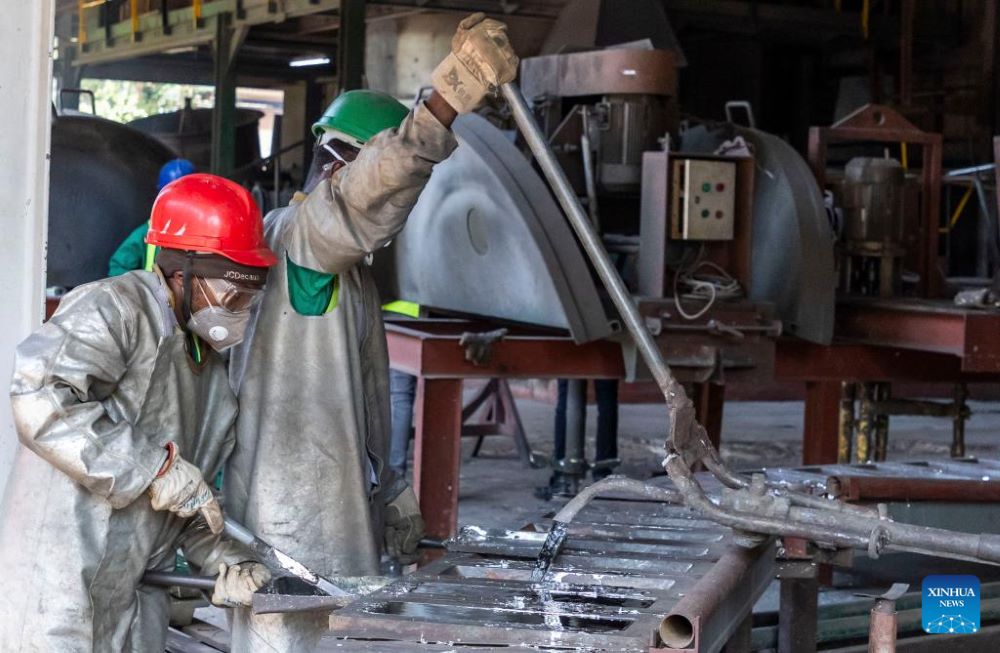
Nsengumuremyi stressed the need for modern equipment and efficient processes, saying “Encouraging companies to adopt modern technology or utilize methods like controlled explosives enables proper extraction while minimizing waste. Implementing modern processing techniques enhances the recovery of essential minerals.”
Official data reveals that Rwanda presently taps into only 30 to 40 percent of its mineral potential. To entice investors, the government has implemented various incentives, including a favorable fiscal regime aimed at increasing profitability within the mining sector, which, in turn, positively impacts other industries.
“We provide technical support to mining operations by offering training to miners and operators, ensuring they possess the necessary skills and understanding. Moreover, we prioritize providing efficient and prompt services to mining operators, creating a conducive and secure environment for conducting business,” Nsengumuremyi added.
This strategy has resulted in the attraction of around 150 mining companies and cooperatives, primarily located in southern and western Rwanda.
According to the manager, the government places utmost importance on the safety of workers and environmental protection. “Employing modern mining equipment and techniques, we prioritize the safety of workers and the surrounding community,” Nsengumuremyi said, adding that “We conduct comprehensive impact assessments before commencing any mining project. Our aim is to design mitigation measures ensuring operations align with environmental and safety standards.”
Rwanda’s mineral export revenues have surged from 71 million U.S. dollars in 2010 to over 772 million dollars in 2022. The government’s objective is to achieve annual mineral export revenues of 1.5 billion dollars by 2024.
By prioritizing safety, embracing technological advancements and committing to community development, Rwanda’s mining sector aims for sustainable growth while benefiting its citizens.
Nsengumuremyi highlighted the government’s commitment to improving the livelihoods of mining communities. “Our future orientation in professionalizing mining operations includes social corporate responsibility provisions within mineral agreements,” he said.
“We collaboratively identify key activities that contribute to community welfare through discussions with local leaders. Regular monitoring ensures the fulfillment of these commitments,” he added.