A total of 248 members of the National Assembly, the lower house of parliament, voted in favor of the non-binding motion, while 91 lawmakers opposed it.
The motion was tabled by the opposition party Economic Freedom Fighters, and was backed by the ruling African National Congress.
The parliament said the measures will be in place until Israel agrees to a ceasefire and participates in UN-facilitated negotiations.
The vote came after Israel recalled on Monday its ambassador to South Africa, Eliav Belotserkovsky, “for consultations.”
Also on Tuesday, South African President Cyril Ramaphosa chaired a BRICS extraordinary virtual summit on the Palestinian-Israeli issue.
South Africa announced last week that it had referred Israel to the International Criminal Court (ICC) for war crimes investigation. Its cabinet also called on the ICC to issue arrest warrants for all those involved, including Israeli Prime Minister Benjamin Netanyahu.
Earlier this month, South Africa recalled all of its diplomats from its embassy in Israel.
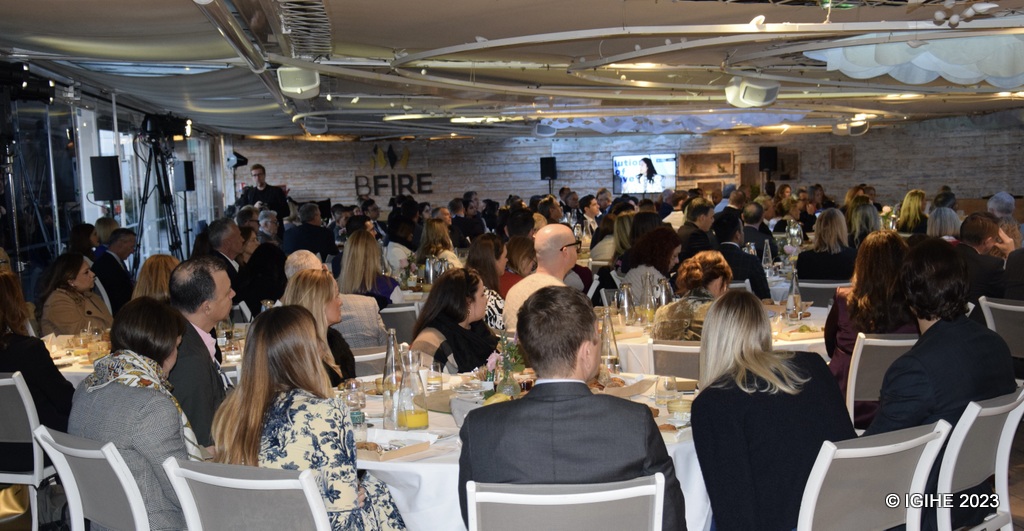
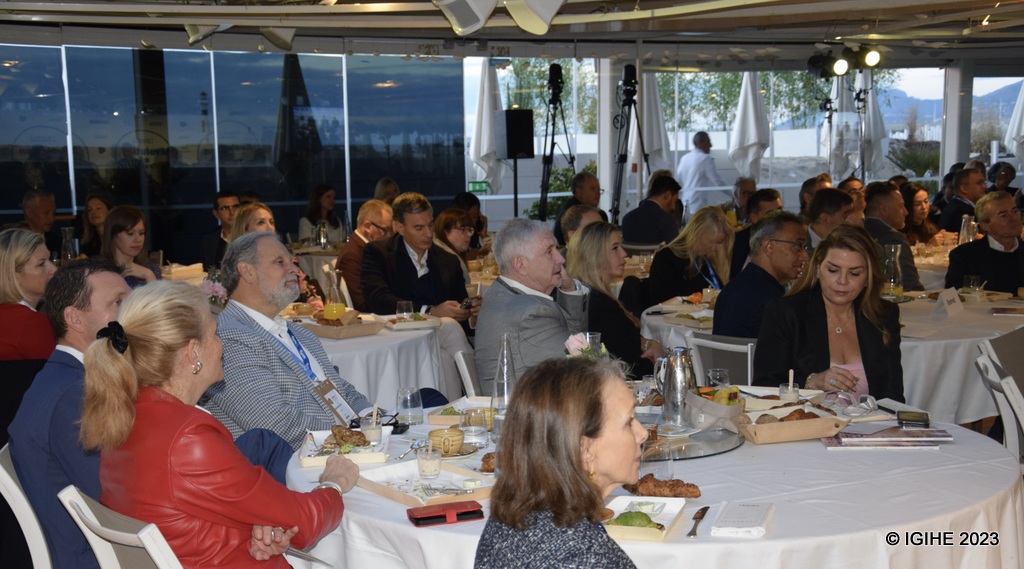
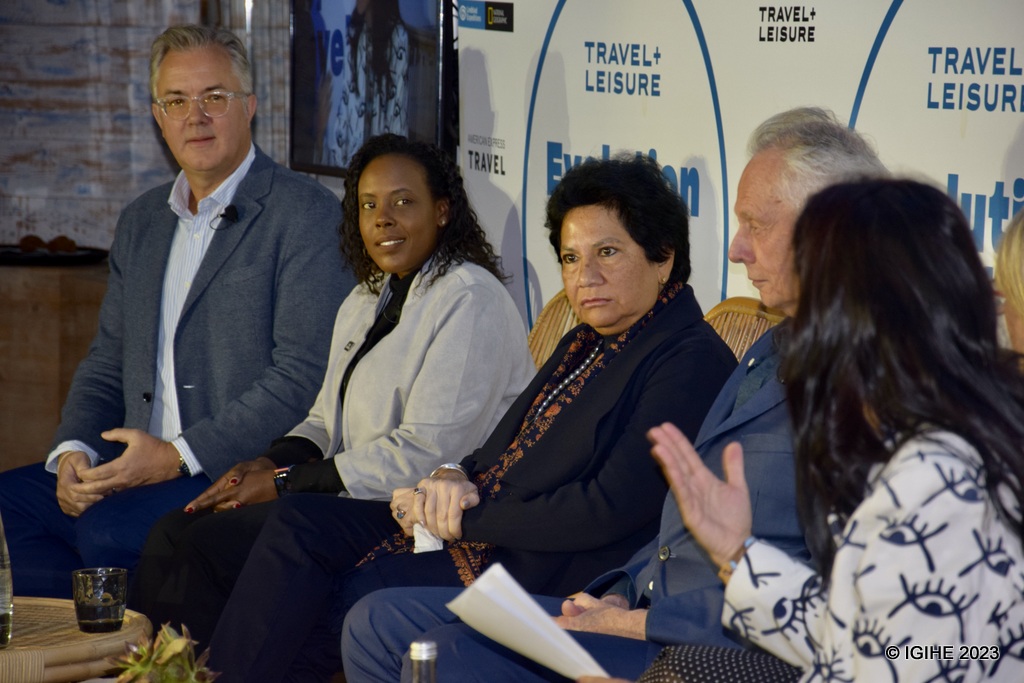
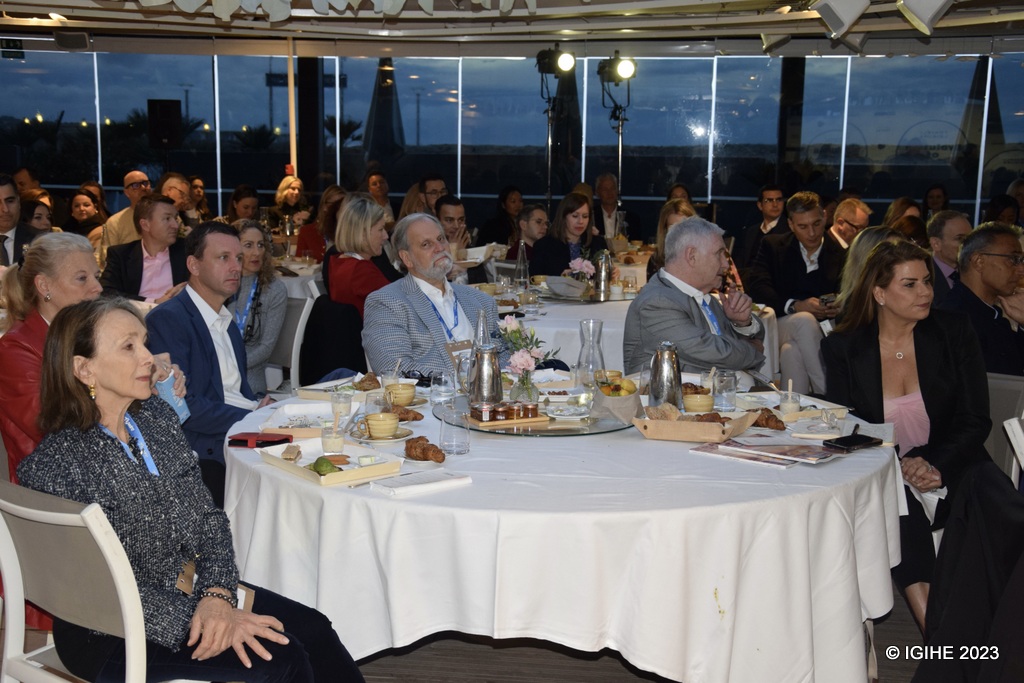
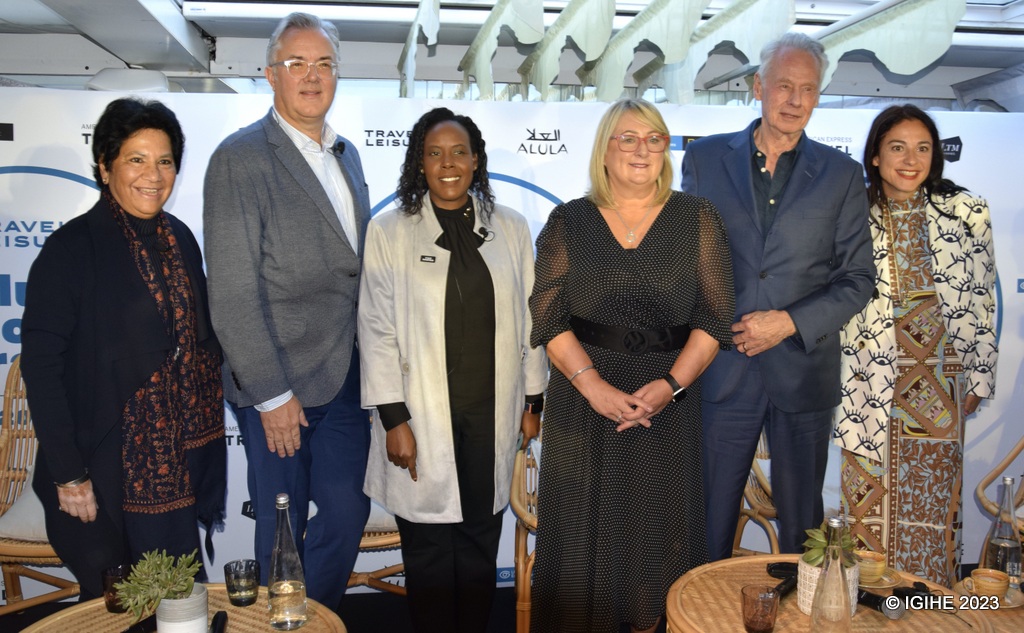
Speaking at the third edition of the East African regional tourism expo underway in Nairobi, the Kenyan capital, senior officials highlighted the sector’s potential for growth, citing the abundance and diversity of scenic attractions.
More than 3,000 delegates, including ministers, industry leaders and investors, are attending the expo, running until Thursday and featuring exhibitions, seminars and business networking.
Alfred Mutua, Kenya’s cabinet secretary for tourism and wildlife, said that EAC member states should leverage targeted marketing and product diversification to stimulate growth in the tourism and hospitality sectors.
“As a region, we need to invest additional resources towards regional tourism promotion. The expo provides a platform to foster debate on how best to showcase regional tourist attractions to local and overseas travelers,” Mutua stated.
Peter Mathuki, the EAC secretary general, said that tourist numbers have been on a growth trajectory in the bloc, recording 7.2 million arrivals in 2019, with projections aiming to increase numbers to 14.05 million by 2025.
“Following numerous efforts by the EAC partner states, and at the regional level, we are now seeing good signs of full tourism recovery,” Mathuki said.
He urged countries to showcase the region’s scenic attractions such as sandy beaches of the Indian Ocean, snow-capped mountains, savannah grasslands, dense rainforests, wildlife and cultural heritage to attract more visitors.
Mathuki highlighted that the implementation of a regional tourism marketing strategy covering 2021 to 2025 is on track, adding that sports, culture and agro-tourism, if harnessed optimally, can boost arrivals.
IGP Namuhoranye thanked them for the winning spirit and being result oriented.
The two Police volleyball teams have won combined nine trophies this year.
The men’s volleyball team won five competitions. These include the just concluded Africa Zone V Club Championship 2023, the 2023 Kampala Amateur Volleyball Club (KAVC), Rutsindura Memorial Tournament, Kirehe Open and Kayumba memorial tournament.
The women volleyball club also won four trophies, namely; Kayumba memorial tournament, Genocide Memorial, Liberation Cup, and Taxpayer’s Appreciation Volleyball Cup.
The two Police clubs will be among the teams that will represent Rwanda in the Africa Club Championship, one of the most prestigious Volleyball tournaments, expected to be played next year.
“Rwanda National Police will continue to support you to build on your triumph and to remain competitive clubs,” IGP Namuhoranye said.
Olivier Ntagengwa, the captain of the Police men’s volleyball club, thanked the RNP leadership for the support, which plays a key role in their triumph.
His counterpart of the women club, Judith Hakizimana, said that the RNP support, disciplined and determined players have helped them to be a winning team.
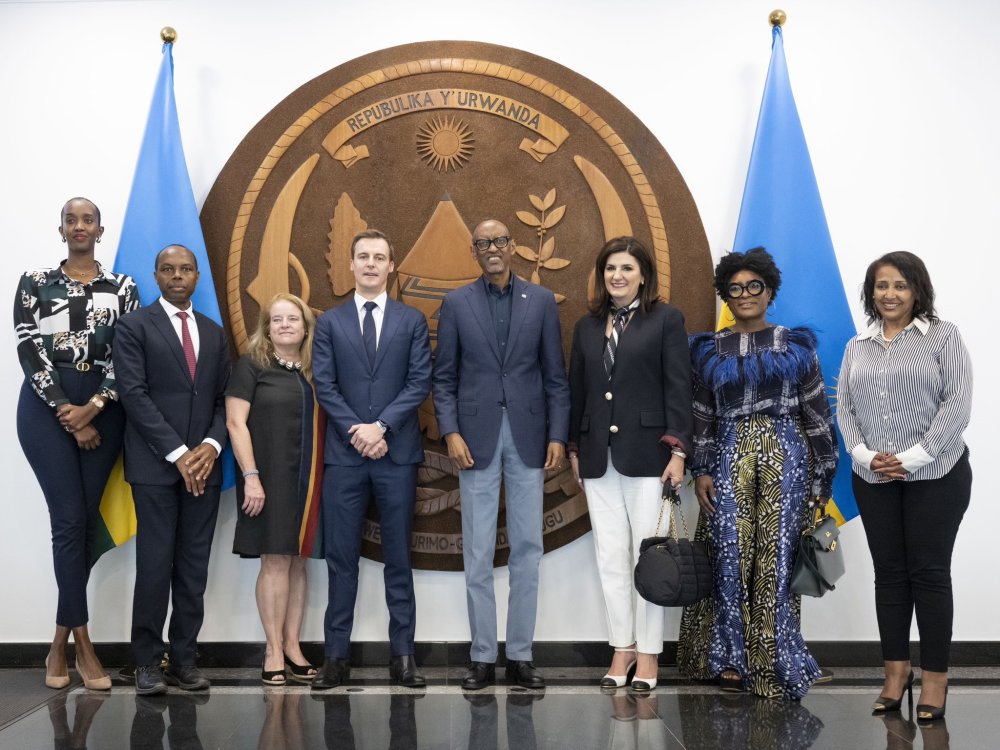
Haines met with Rwandan President Kagame and Congolese President Tshisekedi with the aim “to secure commitments from both leaders to de-escalate tensions in eastern [DR Congo],” as stated by the White House on Tuesday, November 21. The official statement emphasized that both leaders, acknowledging the prolonged history of conflict in the region, intend to implement specific measures derived from past arrangements supported by neighboring countries through the Luanda and Nairobi processes to alleviate the current tensions.
Accompanying Haines were Assistant Secretary of State for African Affairs Molly Phee and Special Assistant to the President and National Security Council Senior Director for African Affairs Judd Devermont. The White House further asserted, “The U.S. government welcomes and intends to monitor these DRC and Rwandan steps towards de-escalation, and plans to support diplomatic and intelligence engagements between both countries to foster greater security and prosperity for the Congolese and Rwandan peoples.”
In response to the security crisis, DR Congo accuses Rwanda of supporting M23 rebels in the country’s east—a claim that Kigali dismisses, asserting that the rebellion is an internal Congolese matter. Conversely, Rwanda accuses the Congolese army of collaborating with the genocidal FDLR militia, posing a threat to its security. The FDLR, formed by remnants of the Interahamwe militia and the former Rwandan army responsible for the 1994 Genocide against the Tutsi, is central to the accusations.
Tensions have heightened, marked by Congolese warplanes violating Rwanda’s airspace on at least three occasions between November 2022 and January 2023. Additionally, rocket shells targeted Rwandan territory, resulting in civilian injuries. On October 23, a Rwandan citizen sustained injuries from a stray bullet during clashes involving armed groups allied with the DR Congo army. The Rwandan government urges Kinshasa to cease support for the UN-sanctioned terrorist group FDLR, accused of disseminating hate speech and violence against Congolese Tutsi communities.
Eastern DR Congo has been a volatile region for almost 30 years, remaining home to over 130 armed groups.
The Director General of Burkina Faso Police Force is in Rwanda for a week-long visit aimed at strengthening Police cooperation.
IGP Namuhoranye thanked his counterpart for visiting Rwanda adding that it has provided an opportunity for Rwanda and Burkina Faso Police forces to exchange ideas and share experience on different areas of policing.
“Rwanda National Police was established 23 years ago, only 6 years after the 1994 Genocide against the Tutsi. Our policing journey may not be long, but we have been able to establish systems upon which Rwanda’s safety, security and development are premised,” IGP Namuhoranye said.
He added that the RNP has invested more in training, acquiring policing equipment and operational capabilities necessary to ensure security in Rwanda and in other countries such as Central African Republic, South Sudan and Mozambique, where Rwanda has deployed Police units.
“Our countries face many common challenges that require close and mutual partnerships,” IGP Namuhoranye said.
The visit, he reiterated, lays a foundation and strategies of working together towards mitigating law enforcement challenges.
He further said that Rwanda has consistently demonstrated its readiness to engage in meaningful security partnerships, both regionally and internationally, which has so far produced tangible benefits.
Controller General Ouedraogo thanked Rwanda for the warm reception.
“We have come to learn from Rwanda’s policing, which is exemplary. We want to pick a leaf from it’s contribution to the country’s security and development,” Dr. Ouedraogo said.
He added: “We have so far witnessed some of the community development activities that Rwanda Police engages in together with the citizenry; how the Police works with the people in security matters.”
The Burkina Faso Police Chief also visit various RNP departments and units, including training schools and college.
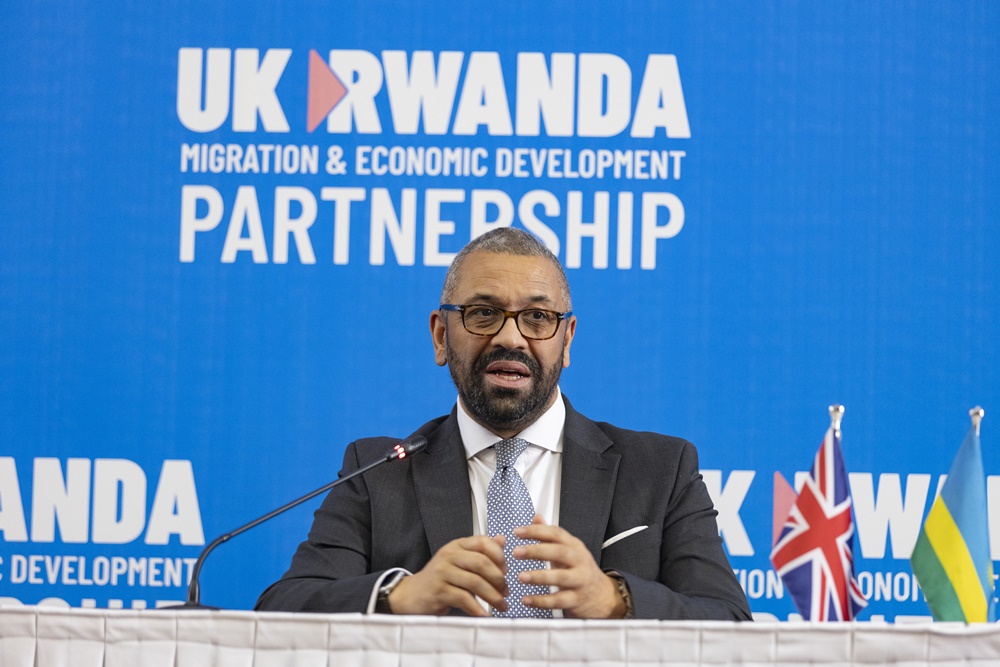
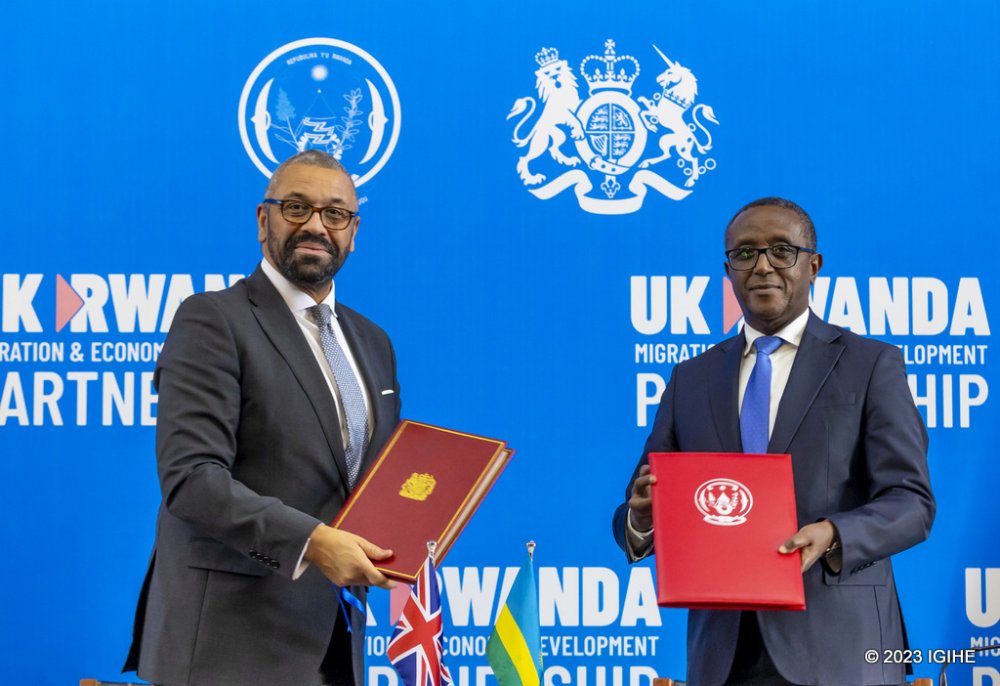
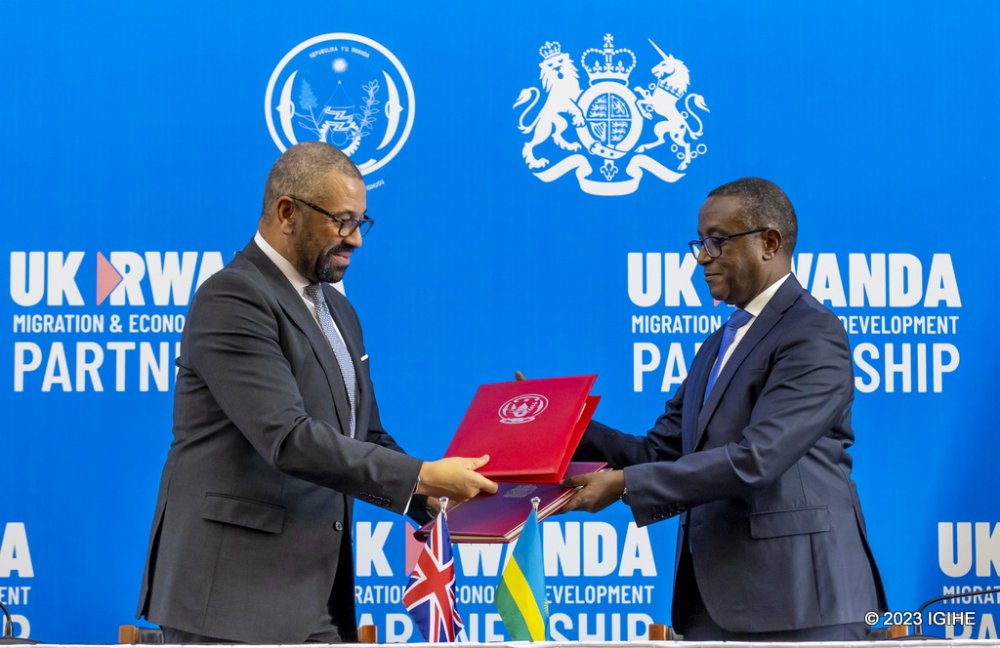
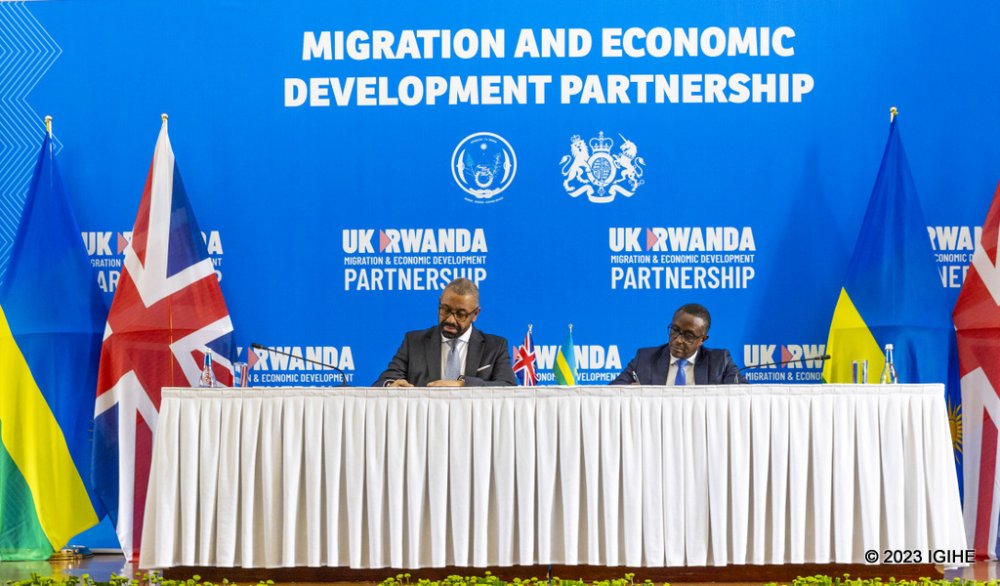
Makolo shared these insights during an interview with Sky News, emphasizing that amendments are being made in response to questions raised by the United Kingdom (UK)’s Supreme Court.
In response to concerns about the potential return of asylum seekers to their place of origin, Makolo highlighted that the revised agreement clearly defines this aspect. She assured that the legal system governing these matters will be explicitly outlined, addressing and confirming any uncertainties.
Expressing disagreement with the UK Supreme Court’s characterization of Rwanda as an unsafe country, Makolo asserted the safety of Rwanda. He emphasized that the agreement clearly states that Rwanda does not always repatriate migrants to their place of origin, reinforcing this stance in the ongoing legal procedures.
Makolo clarified that Rwanda, having signed an international treaty on protection of refugees, is obligated not to send individuals back to their place of origin if they are fleeing from a bad life. She assured that migrants arriving in Rwanda will have the option to live in the country without the risk of expulsion to an unsafe place, and they can choose to return to their place of origin if they wish.
Addressing concerns about the well-being of immigrants in Rwanda, Makolo underscored that they will be treated well and receive the same services as Rwandans. To support them, the government is actively increasing job opportunities, reforming education services for higher quality, and facilitating the acquisition of citizenship through legal channels.
Responding to questions about potential challenges faced by immigrants, Makolo stated that Rwanda acknowledges universal issues present in every country. She affirmed that immigrants will have equal opportunities to overcome these challenges and emphasized a collective effort for shared progress.
Makolo expressed pride in Rwanda’s progress, noting ongoing efforts over the past 30 years. Despite global immigration debates, she emphasized the country’s commitment to continuous improvement. Looking ahead, she envisioned a better Rwanda for both its citizens and those choosing to stay, anticipating further progress in the coming years.
Uwera emphasized the importance of formulating and implementing a law to grant driving privileges to individuals with hearing and speech disabilities, stressing the need for mechanisms to identify and support these individuals adequately. She pointed out the existing disparity between Rwandans and foreigners with similar disabilities who can drive in the country, advocating for a campaign to raise awareness on this issue.
“We’ve brought this matter to public attention so that informed discussions can take place. There are individuals in our country with valid permits driving without hindrance, supported by the necessary documentation,” stated Uwera.
During the meeting, instances were shared where individuals holding foreign permits could drive without fluency in the local language. Uwera highlighted the urgency of addressing this issue in a progressive nation, emphasizing that building institutions and a legal framework should include provisions for individuals with disabilities.
Apollinaire Mupiganyi, TIR Executive Secretary, underscored the empowering potential of implementing such a law, stating that owning a car could alleviate the financial burden of hiring a driver for disabled individuals. SP Teddy Ruyenzi, representing the police, expressed readiness to enforce the law once approved, dispelling concerns about increased road accidents among individuals with hearing and speech disabilities.
Kayigi Kajuga Léon from Rwanda Development Board (RDB) emphasized the importance of comprehensive considerations before implementing such a law, suggesting an examination of technological requirements, road infrastructure, and congestion to ensure that granted rights are not incomplete.
Jean d’Amour Uzabumwana, a member of the Executive Board of the Rwanda National Union of the Deaf (RNUD) and the Accountant of the National Union of Disability Organizations in Rwanda (NUDOR), echoed the need for an updated law, emphasizing its potential to streamline the process for individuals with hearing and speech disabilities, eliminating the need to obtain licenses abroad.
In 2016, the World Federation of the Deaf emphasized the obligation, as per the The United Nations Convention on the Rights of Persons with Disabilities (UNCRPD), for governments to establish measures preventing the exclusion of people with disabilities from various aspects of life.
As of 2019, Rwanda was among 26 countries without a law allowing people with hearing and speech disabilities to drive, prompting a call to action to avoid discrimination against this segment of the population.
The RWAFPU3-6 of 160 officers under the command of Senior Superintendent of Police SSP Angelique Uwamariya replaced RWAFPU3-5, which returned home later in the afternoon after a successful one-year peacekeeping duty in South Sudan.
Commissioner of Police (CP) William Kayitare, the Commissioner for Peace Support Operations, presided over the rotation at Kigali International Airport, on behalf of the RNP leadership.
He welcomed the officers back home and thanked them for a successful tour-of-duty.
“The country welcomes you back home and commends your sacrifice for the people of South Sudan.
Professionalism in peacekeeping goes beyond just physical security of those under your protection; it is also a pride to your country,” CP Kayitare told the replaced officers on arrival at Kigali International Airport.
Beyond just physical security of civilians, the contingent also engaged in human security initiatives related to health, hygiene and constructed a Police station well equipped with furniture and other items, among others.
The weeklong conference that was held at NIRDA Huye Research Centre in Huye District brought together experts, researchers, policymakers, and practitioners from across the world. It ended on Friday 17 November 2023.
Experts, researchers, policy makers, architects, engineers, and carpenters convened, engaging in practical workshops to enhance their understanding of modern bamboo construction techniques.
Participants acquired hands-on skills in Bamboo joinery and bamboo mechanical properties, Bamboo wall and bamboo durability as well as Bamboo beams and bamboo roofs as well as working with laminated bamboo among others.
Participants also discussed what could be the best techniques and requirements to promote bamboo and use it in the construction sector.
Speaking on behalf of NIRDA during the conference on Thursday, Telesphore Mugwiza, Division Manager for Applied Research and Development, underscored the need to advocate for bamboo adoption in Rwanda’s construction industry, citing its potential to create sustainable, locally sourced structures.
He said that NIRDA advocates for the incorporation of various bamboo species in the country, emphasizing knowledge sharing and skill development to boost bamboo usage in construction.
“The focus was put on practical workshops and presentations to equip local actors with the skills and insights needed to embrace bamboo as a key player in the construction industry,” said Mugwiza,
“Over the past days, the focus was put on practical workshops and presentations to equip local actors with the skills and insights needed to embrace bamboo as a key player in the construction industry,” said Mugwiza.
The conference, themed “A Step towards Sustainable Green Architecture,” saw collaboration between NIRDA, Belgian Development Agency (Enabel) in Rwanda, and Racines de France.
Richard Niwenshuti, Permanent Secretary at the Ministry of Trade and Industry, commended NIRDA and Enabel for organizing such an important international conference on bamboo for construction stressing that it was an opportunity for local actors to learn from global experts.
He said that research revealed that bamboo can be a good source for construction materials which are sustainable, affordable and environment friendly.
“Bamboo’s status as a renewable material and carbon sink makes it a true green gold,” he said.
“It offers sustainable alternatives to conventional construction materials like wood, cement, concrete, steel, and fiberglass. As a local and renewable resource, bamboo has the power to significantly reduce the ecological footprint of our buildings, a crucial step for an industry known for its environmental impact,” he added.
The official added that by embracing bamboo, Rwanda aligns itself with ambitious development, climate, and environmental goals, including the Sustainable Development Goals, Reducing deforestation and forest degradation targets (REDD+), Paris Agreement commitments, and the Aichi Biodiversity Targets.
In 2022, Enabel, NIRDA, and Racine de France established the Center of Excellence for Bamboo at NIRDA’s Research Centre in Huye district focusing on transforming construction methods and reducing environmental impact.
“This center holds the promise of transformative change, leveraging technology and innovation around bamboo to provide an alternative to traditional construction methods,” said Niwenshuti.
Niwenshuti added that the government of Rwanda has identified three key categories for bamboo development: oriented strand board, plywood, and medium density fiberboard (MDF).
“Collaboration between research institutions, public entities, academia, and industry players is essential to advance the variety of bamboo species suitable for construction,” highlighted Niwenshuti.
Niwenshuti stressed the importance of quality control, standards in bamboo processing, and collaboration among research institutions, public entities, academia, and industry players.
“It is our collective responsibility to ensure that bamboo products meet the necessary standards, fostering a sustainable and reliable industry,” said Niwenshuti.
Laurent Preud’homme, Deputy Head of Mission and Head of Cooperation at the Embassy of Belgium to Rwanda, praised Enabel’s support in developing various Made in Rwanda construction materials.
“It offers sustainable alternatives to conventional construction materials like wood, cement, concrete, steel, and fiberglass,” emphasized Preud’homme.
Participants lauded the conference for providing practical skills and insights into bamboo’s versatile applications in the construction sector.
“With a grasp of its properties, we can engineer secure structures resistant to strong winds and earthquakes, and when sourced locally, bamboo can also contribute to a sustainable, local economy for rural communities,” emphasized Pierre Boucher, a Structural Engineer from France specialized in Timber and Bamboo.
“Bamboo’s strength, rapid growth, and numerous environmental benefits make it an ideal building material, allowing us to diminish the environmental impact of the construction industry and sequester CO2,” explained Pierre Boucher.
The trio is alleged to be part of the racket of drug traffickers, largely from Tanzania, through porous borders, according to Superintendent of Police (SP) Hamdun Twizeyimana, the Police spokesperson for the Eastern region.
SP Twizeyimana said: “On Friday, November 17, Police got information about a man that had sneaked quantities of cannabis into Rwanda from Tanzania through a porous border point in Kirehe district.
The same individual, who was being trailed, transported the narcotics from Kirehe, on Saturday, November 18, to a house in Cyimbazi village, Ntunga cell in Mwulire sector, Rwamagana district.”
He added that the three suspects, including the man who delivered the narcotics, the woman and her son were arrested red-handed at the house in Rwamagana.
The house belongs to the same arrested woman and her son, the alleged rightful owner of the narcotics.
They were all handed over to RIB at Kigabiro station for further investigations.
“There are other members of the same ring, who are still at large. They include motorcyclists, who were allegedly working for the woman and her son to deliver narcotics the their clients,” said SP Twizeyimana.
“We thank residents, who provided vital information that led to the arrest of some members of the ring. We urge the public to maintain the community policing spirit to break chains of drug supply.”