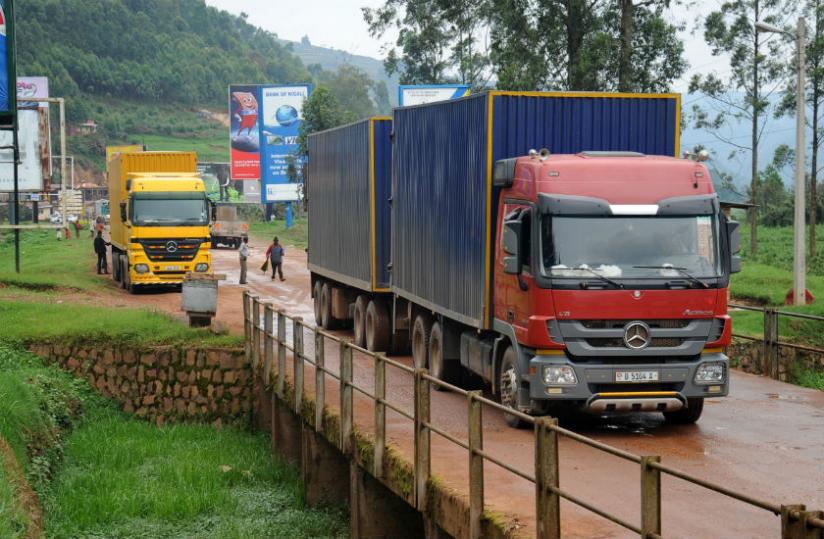
The use of the EAC Regional Electronic Cargo and Drivers Tracking System is one of the decisions of a cabinet meeting held on May 29.
The postponement came after Tanzania’s request that the process be first fully understood by various EAC bodies, including the Council of Ministers, to get it approved.
The EAC Secretariat said that for this reason, the technology must first be approved by the ministers.
The launching date and places were expected to begin on August 12 and end on August 31, starting from the Rusumo border between Rwanda and Tanzania.
After Rusumo, next would have been the Mutukula border between Tanzania and Uganda on August 14; the Malaba border between Kenya and Uganda on August 21; Namanga border between Tanzania and Kenya on August 28 and finally, Kobero border between Burundi and Tanzania on August 31.
Under the technology, drivers will be required to install the application of this technology on their phones which will be used to monitor them from the start to the end.
The technology will be monitored at the headquarters of the EAC Secretariat, supported by four other locations in four countries namely Kenya, Uganda, the Democratic Republic of Congo, and Rwanda and on the Nimule border in South Sudan.
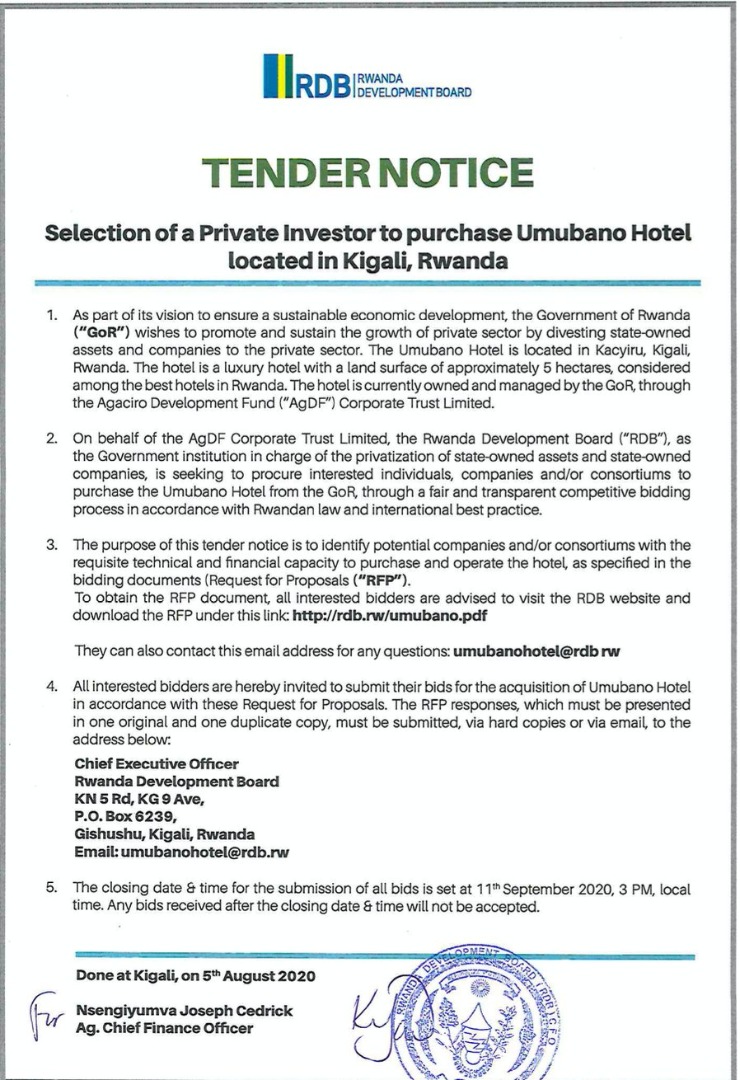
A statement issued by RDB states that the Government of Rwanda prioritizes support for the private sector and thus RDB is looking for investors who can buy the property in a fair and transparent competitive bidding process.
“The purpose of this tender notice is to identify potential companies and/or consortiums with the requisite technical and financial capacity to purchase and operate the hotel,” it said.
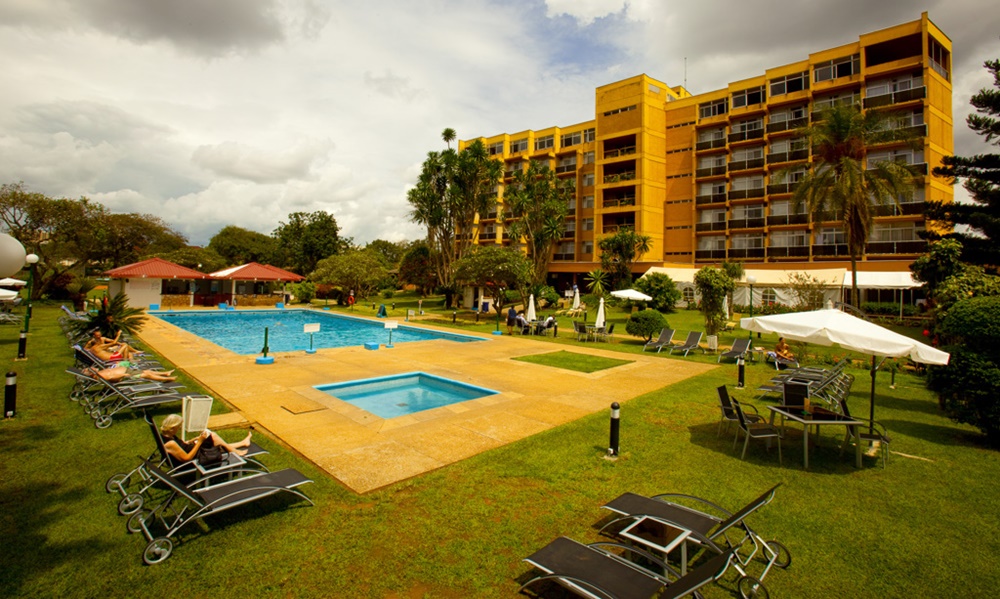
One of the key factors for an investor who will take over the Kacyiru-based hotel facility is to turn it into a five-star hotel within the shortest time possible.
RDB said it will work with the new investor to turn the hotel into a flagship that will meet various local and international environmental sustainable standards to attract local and international clients.
Umubano is one of the oldest hotels in Rwanda and had been acquired by Madhvani Group at a tune of $13 million in April 2017 after years under liquidation.
The hotel has been in the hands of several other investors, including the Libyan government-affiliated LAP Investments which operated it under Laico Hotels brand; it has also previously been managed by global hotel brands including Novotel, Meridian and Accord.
The Government has set September 11 as the closing date for submission of applications from potential bidders.
A ministerial statement issued on Wednesday, August 12, 2020, states that the deceased was a patient undergoing treatment in Kigali.
“Condolences to the family of the 37-year-old man who passed away in Kigali,” he said.
The number of Covid-19 patients continues to rise.
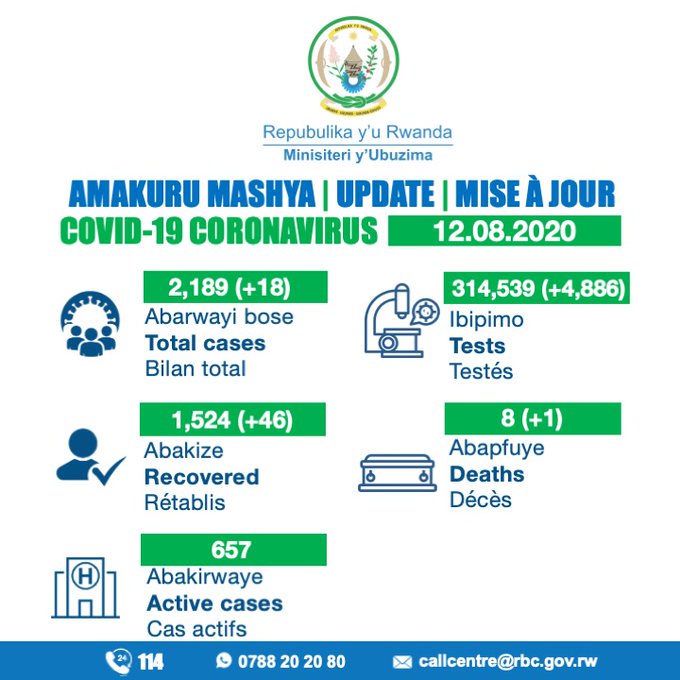
Statistics from the Ministry of Health show that in the last 24 hours, Rwanda reported 18 new cases out of 4886 sample tests taken and 46 recoveries discharged from the hospital.
New patients include 15 from the Kigali City of Kigali among contacts of positive cases and tests conducted in a high risk group, 2 from Ngoma District, and 1 from Rubavu.
Currently, of the 2,189 people infected with Coronavirus, 1524 have already recovered, and 657 still undergoes treatments.
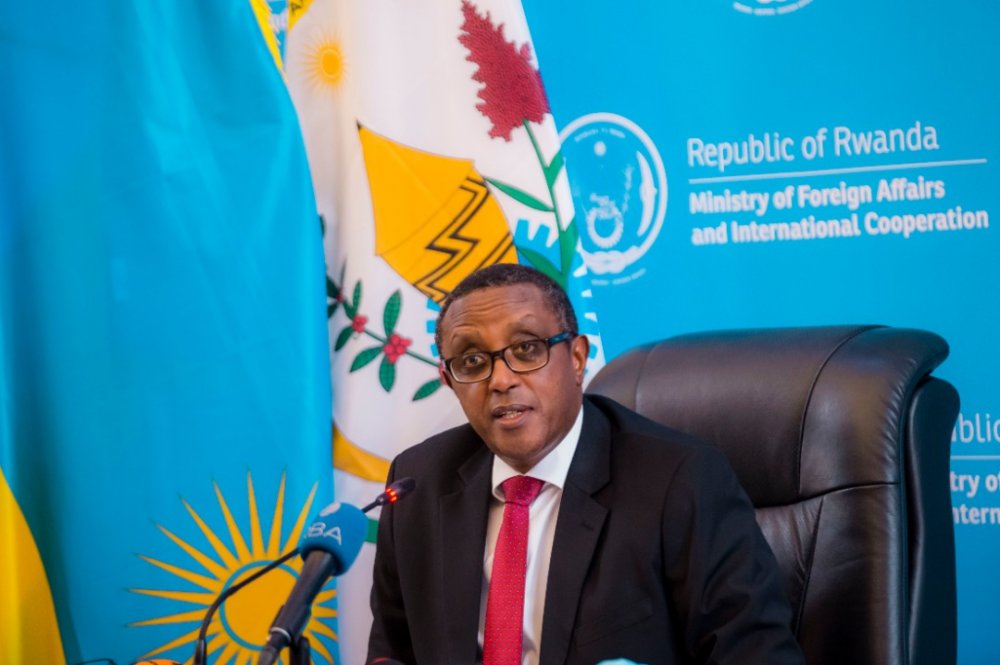
Dr. Biruta said this on Wednesday while addressing the media in Kigali on the current affairs on local, regional, and global issues.
Asked about the recent comments made by the Burundi’s President Maj. Gen Evariste Ndayishimiye that Rwanda is holding hostage Burundian refugees, Biruta said that the claims are false because Rwanda has expressed the desire to facilitate the repatriation process.
“The numbers we have indicate that Rwanda hosts 71,973 Burundian refugees at the moment, the third-highest number of Burundian refugees hosted by any country. One can only claim that the ones in Rwanda have been held hostage after the refugees in other countries have returned home, which is not true,”
“Before the COVID-19, which led to the closure of borders, it should be noted that at least 200 Burundian refugees would return home. Nobody stopped them. The fact that they are not going home now is because of the border closures but Rwanda has no interest in keeping the refugees,” Minister Biruta said.
Dr Biruta added that Rwanda has an international obligation to welcome refugees escaping trouble but has no interest in keeping them. He said that whatever was done was in line with the protocol to protect refugees in peril.
“As we speak, tomorrow there is a technical meeting involving all parties, to discuss the modalities of how these refugees can be facilitated to return home even at this time of COVID-19,” he added, pointing out that the process is facilitated by the United Nations High Commission for Refugees (UNHCR).
“We have about 136 Burundian citizens who had come to Rwanda for different reasons at the time the borders were closed, including those who had come to seek treatment. They requested to return home and they were denied the right to do so. They have been stranded here. The Burundian Embassy in Rwanda approached us and requested us to facilitate their repatriation and we did our part but Burundi refused to welcome them back. Some were known and had been cleared to travel hear for treatment but after that they could not be allowed to return home,” Dr Biruta said.
Dr Biruta said that it is surprising that Bujumbura would accuse Kigali of holding Burundian refugees’ hostage yet they cannot allow back their own citizens.
Dr Biruta also spoke about the recent comments by the Burundian leader that his government is not interested in pursuing friendly ties with a ‘cunning and dishonest neighbour’, pointing out that Rwanda would not force Burundi to work on bettering relations.
“What I can say is that for us we remain ready to work with our neighbours to improve relations. For two countries to co-exist well there must be the will on both sides. What we learned is that Burundi is not interested in improving relations,” Dr Biruta said.
He said that Rwanda would not go into responding to some of the allegations or attacks apart from clearing the air on outstanding issues without exchanging words with the Burundian leadership.
The joint letter contained a request for recommendations to stop discrimination against Shincheonji Church, a new Christian denomination headquartered in South Korea, and a UN ECOSOC-affiliated organization named Heavenly Culture, World Peace, Restoration of Light (HWPL).
The representative of this letter, the director and founder of FREE WATCH AFGHANISTAN, Mobeenullah Aimaq, said that he agreed with the UN’s concern for the persecution of minorities and vulnerable groups as well as human rights violations that continue to occur in the pretext of fighting the coronavirus. To solve this problem, he proposed a joint letter to young people around the world to appeal to the international community.
He strongly urged that the Korean Government should knock off the prosecution of Shincheonji Church and HWPL in South Korea. “Prosecuting Shincheonji Church and HWPL should be immediately stopped so that the international reputation of the government, known as a proponent of peace in the globe, will be saved,” he added.
In the letter, they reported the several acts of unfair discrimination and oppression of the Korean government and the media against these organizations by citing the concerns of UN Secretary-General regarding “disproportionate effects on certain communities, the rise of hate speech, and the targeting of vulnerable groups”.
According to the report, there have been over 5,500 instances of human rights abuses of members of the Shincheonji Church during this period of the ongoing pandemic. Among the cases include two female members’ death in suspicious circumstances. Many of these victims are promising young people who are now facing increased discrimination in workplaces and schools, violence at home, and even forced deprogramming.
The letter highlights that the members of Shincheonji Church are also victims who were unfortunately infected with the virus despite following the government’s guidelines related to the pandemic.
Furthermore, the unprecedented custody investigation against 89-years-old Chairman Man Hee Lee of Shincheonji Church and HWPL was recently determined. The charters of these two groups have been revoked by the government and they have been subject to rigorous tax investigations. Those in leadership positions within the organizations also have been taken into custody for questioning.
In the Korea Times column titled “Can unpopular sect expect justice?”, Michael Breen, CEO of Insight Communications, referred the current investigation into Shincheonji Church as a “witch-hunt” by saying that Shincheonji is a safe target for politicians and others who comment in public since it is unpopular.
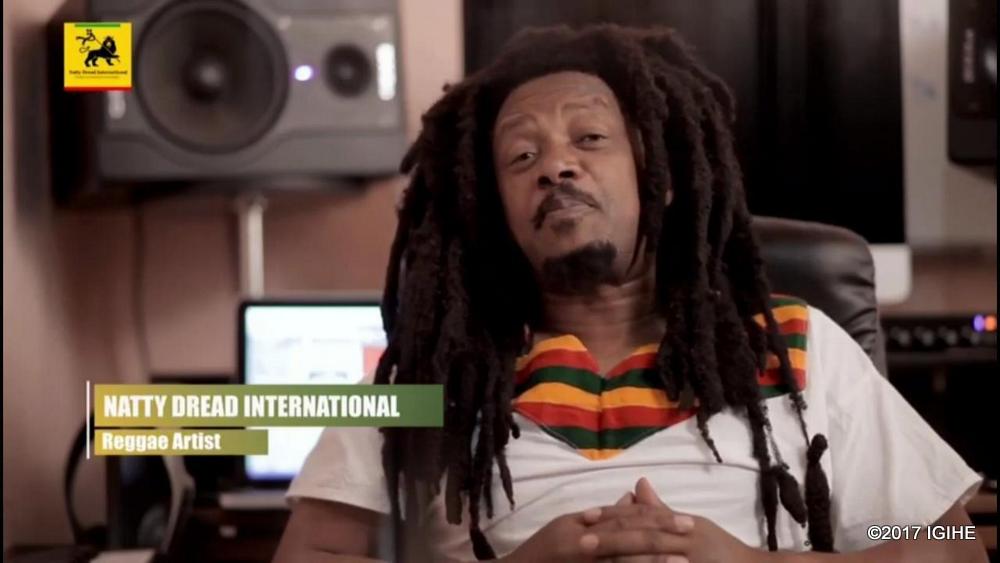
“I’m sitting in Kigali Rwanda where had wars and genocide. And Rwanda has come out to be a country that now is sharing with the rest of the world about peace. we have learned how to have peace makers or peace forces worldwide. As a person, I would you like to contribute to initiative and effort of persuading the government of South Korea, not to persecute HWPL, or the Shincheonji Church.” Said Natty Dread, the reggae artist from Rwanda.
In the joint letter, they urged that cases of human rights, social and religious repression, such as the ones occurring in South Korea, must be put to an end in order to build “more effective and inclusive solutions for the emergency of today and the recovery for tomorrow.”
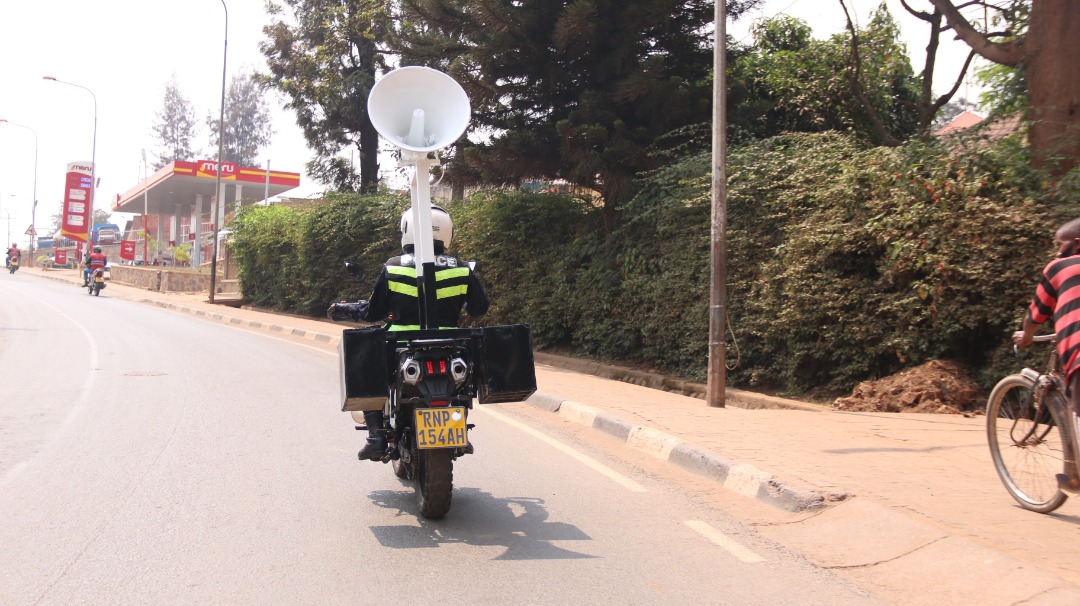
Since Monday, August 10, RNP has deployed its vehicles and motorcycles mounted with loud speakers to convey the Dos and Don’ts designed to prevent further spread of COVID-19.
Vehicles and motorcycles are trekking through markets, trading centres, residential areas and streets spreading safety message to further influence behavioural change and positive actions in line with the government directives and other instructions meant to curb the spread of the pandemic.
RNP spokesperson, CP John Bosco Kabera said that the campaign is in line with the current situation when almost all businesses have resumed, but some of them don’t follow the safety instructions in provision of their services.
“The government put much effort in containing the virus and created a safe atmosphere for most of the services to resume. However, we can’t lean back; the virus is still in our midst and transmitted by the people, who breach the recommended safety behaviours and practices. We are still in a fragile period when individual hygiene and safety choices our sole protection against COVID-19,” CP Kabera said.
He observed that there are some individuals and business owners, whose actions still pose a threat to safety, and which can derail the national efforts to fight the pandemic.
“The message is clear; wear a facemask properly covering your mouth and nose at all times you leave your home; wash or sanitize your hands as many times as possible; maintain social distancing… at least one metre between you and another person; there are also safety instructions when in the vehicle or taxi-moto, which must be adhered to.”
Social distancing, washing hands before boarding and wearing facemask are also compulsory in public service vehicles.
For those using motos, sanitizing hands, having own fabrics to be worn inside a helmet and paying transport fares using cashless services are the prerequisite.
The campaign also emphasizes the 15 and 30 maximum numbers for civil and religious marriage, respectively.
The directives also provide not more than 30 people for the burial ceremony.
Equally, religious services are only allowed after inspection and upon approval by local leaders, and continuously adhering to safety guidelines issued by the Ministry of Health; businesses are encouraged to embrace cashless payment systems.
The general public are urged to do away with the culture of shaking hands and hugging; sports activities are done individually and sports businesses prohibited; entertainment, bars, parties and other social gatherings in homes and public places as well as betting businesses are not allowed.
CP Kabera said: “We are still seeing people undermining these safety guidelines, including movements beyond 9PM. As usual, the RNP way of policing is through awareness and education for the people to understand what is required of them; enforcement follows smoothly, as the public takes ownership of the process.
We believe that when people are informed they also make informed and appropriate decisions, and this is the basis of this campaign.”
“This is not the time to lean back and relax, but rather a period to take utmost individual responsibility to strengthen prevention actions against COVID-19 in all aspects as we go about our errands.”
The public are urged to report any violations on 112 (emergency toll-free line) and 0788311155 (WhatsApp) as well as all other RNP known communication channels including social media platforms.
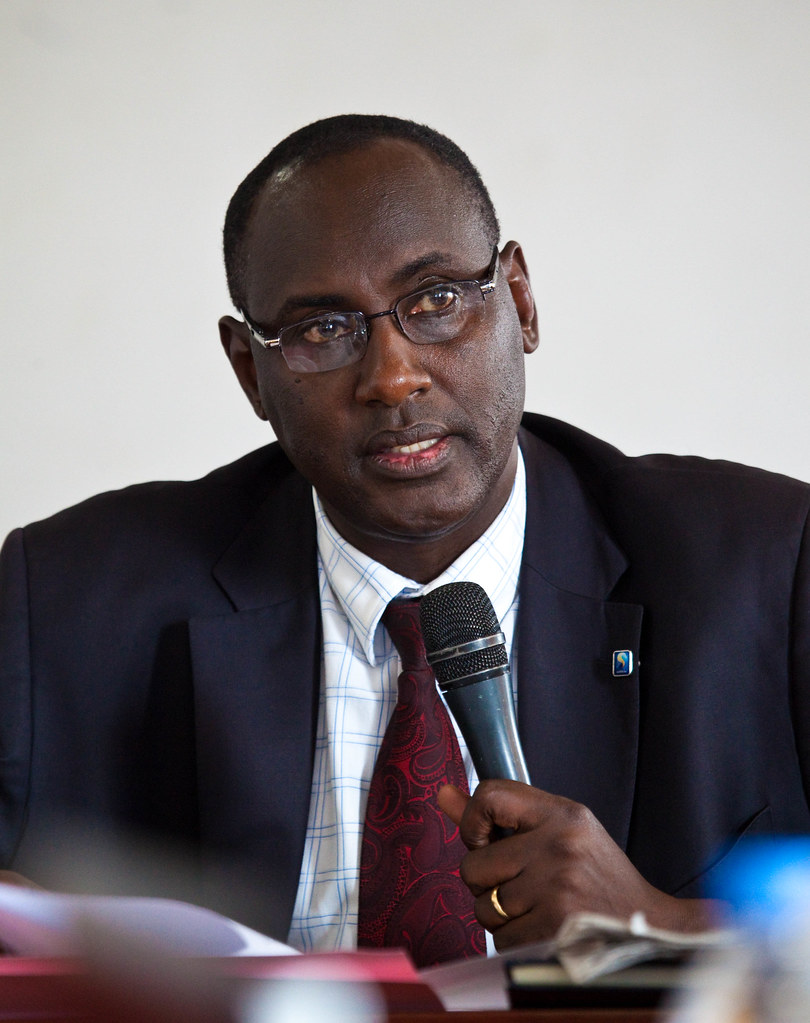
His death was announced by the ruling party Rwanda Patriotic Front (RPF- Ikotanyi) via Twitter.
“On behalf of the @rpfinkotanyi family, the Secretary General Hon. François Ngarambe joins in mourning the family of Ambassador Kamali Karegesa who passed away on Tuesday due to illness,”
“Ambassador Kamali will be remembered for his dedication and service to the country. May God grant him eternal rest,” reads the statement.
The Late Karegesa served in different government positions;he served as the Rwandan High Commissioner to South Africa, after working in similar capacity in Uganda.
Karegesa also worked as the Executive Secretary of the Chancellery for Heroes, National Orders and Decorations of Honour (CHENO).
Before he passed, Karegesa was working at the secretariat of the ruling RPF-Inkotanyi, where he was an advisor on diplomacy.
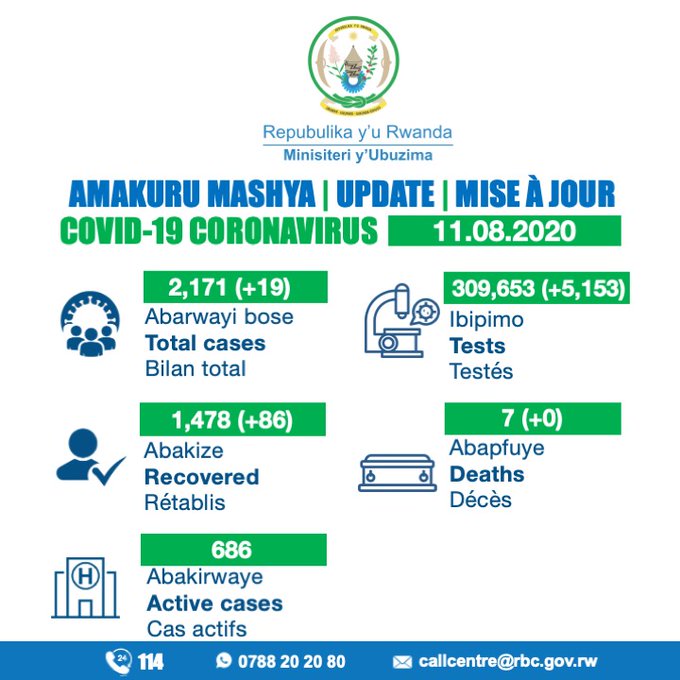
In a Tuesday 12, August report, 19 new cases were recorded out of 5153 tests that were conducted, bringing the total of confirmed cases to 2,171.
According to the Ministry of Health statement , the new cases include 10 contacts of positive cases and tests in high-risk groups in Kigali, while 6 are returning residents isolated upon arrival in Rubavu; there were also 2 cases from Rusizi and one from Gicumbi district respectively.
The new recoveries bring the number of recoveries to 1478 while the number of active cases is now 686.
The generators were recovered on Sunday, August 9, from three prime suspects, who were also arrested in Fumbwe Sector, Rwamagana District.
Chief Inspector of Police (CIP) Hamdun Twizeyimana, the Police spokesperson of the Eastern region, identified the suspects as John Dukuzimana, 25, Jean Bosco Rwigamba, 21, and Santos Murazimana, 26.
CIP Twizeyimana said that the trio was intercepted in Lake Muhazi as they crossed from Gatsibo to Nyarubuye in Fumbwe Sector.
“On Sunday, at about 3pm, local security personnel saw three men as they crossed to Rwamagana from Gatsibo, through Lake Muhazi with three power generators in a boat, and called the Police out of suspicion that the generators could be stolen,” CIP Twizeyimana said.
“During interrogation, one of the suspects, John Dukuzimana, disclosed that they stole the generators from a mining company in Gatsibo where Dukuzimana was working as a cleaner,” he added.
Dukuzimana was the brain behind the theft.
Indeed, when the Police in Rwamagana District called the mining company, they confirmed that their three power generators had been stolen.
The suspects were handed over to Rwanda Investigation Bureau in Murambi where the crime was committed.
The mining company thanked the Police for recovering the power generators, noting that theft had affected their operations.
CIP Twizeyimana lauded the impact of community policing groups including Irondo local security personnel and the general public in fighting and preventing crimes through information sharing on suspects and recovery of stolen items.
Theft, under article 166 of the law determining offences and penalties in Rwanda, attracts an imprisonment of one to two years and a fine of between Rwf1 million and Rwf2 million, a community service of six months or one of these penalties.
The suspects were caught mining coltan and cassiterite in a stream.
Those arrested are Vincent Habiyambere, Claude Twagirimana, Venuste Hakorimana and Vincent Nshimiyimana.
Others are Adrien Sinayobye, Patrick Mugabo and Sylidio Habirora.
According to Chief Inspector of Police (CIP) Bonaventure Twizere Karekezi, the Police spokesperson of the Western region, the operation was conducted between 11AM and 12:30 following information from local residents, who reported the unlawful acts.
“Local residents called Gatumba Police station reporting a group of people that was conducting illegal mining activities, which were affecting the stream and the environment in general,” CIP Karekezi said.
“The Police station and local administrative security personnel worked together to arrest all the seven people red-handed.
Their unlawful mining activities had affected the stream, blocked and channelled the running water to people’s gardens and the waters turned dirty due to such human actions,” he added.
The spokesperson noted that all the seven illegal miners came from different places, were not wearing facemask and protective gears.
“In any unfortunate case where one is infected with COVID-19, it was easy to infect others. They were also exposed to health risks since they had no protective gears.
Besides, they were also using minors in the unlawful and hazardous acts of mining.”
The exhibits including minerals and the tools they were using, were impounded at Gatumba Police station where the suspects are detained.
CIP Karekezi thanked the residents for reporting the illegal practices to protect the stream and fight environmental degradation.
Last week, more than 40 people were also caught in illegal mining activities in closed coltan concession located in Rutsiro District, Rusebeya Sector in Kabona Cell.
The concession was closed on safety grounds.
Article 54 of the law on mining and quarry operations, states that; “any person, who undertakes mineral or quarry exploration, exploitation, processing or trading without a license commits an offence.”
Upon conviction, the offender is liable to imprisonment for a term of between two and six months and a fine of not less than Rwf1 million and not more than Rwf5 million or only one of these penalties.
The law also provides for the confiscation of any seized minerals or quarry in storage, trading or processing without a license.