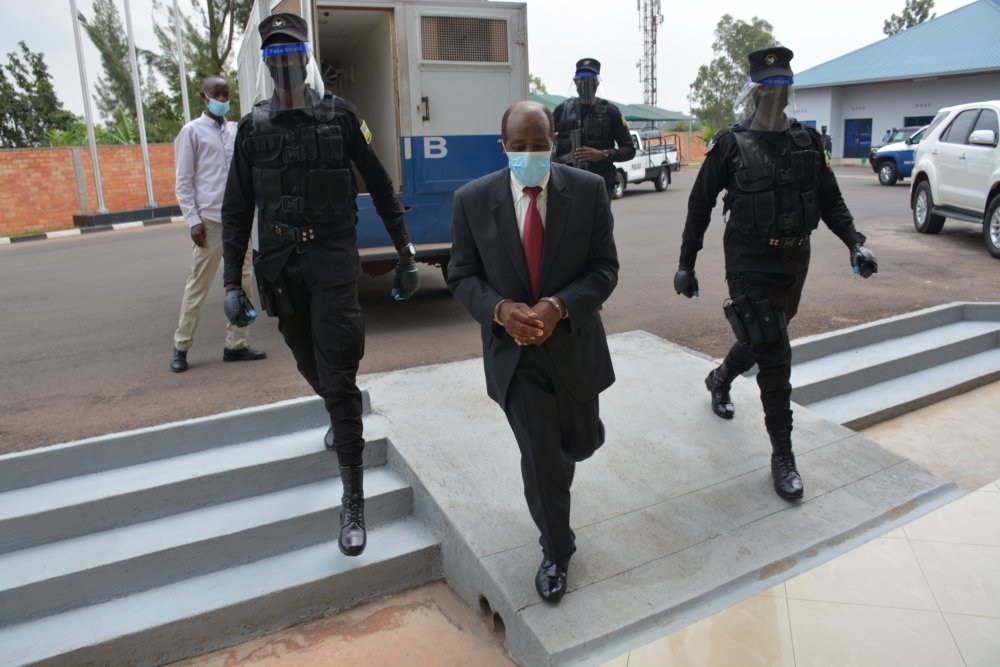
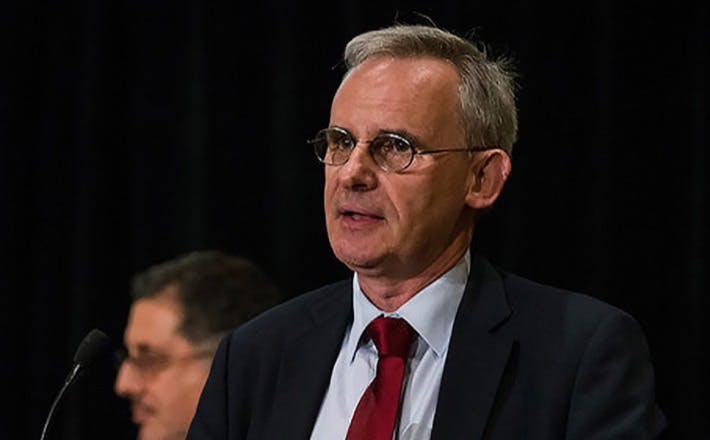
In the early hours of Monday morning, Rusesabagina was shown to the media where the agency said he had been arrested with the help of international agencies.
The RIB said he was suspected of creating and leading armed terrorist groups, including the Rwandan Movement for Democratic Change (MRCD) and PDR-Ihumure, operating in various parts of the region and abroad.
Rusesabagina has recently been charged with felony criminal including intimidation, arson, kidnapping, and murder of innocent civilians.
The decision was taken during a cabinet meeting on August 26, 2020 to ensure that the activities of the Public Sector will continue while respecting prevention measures of the COVID-19 pandemic, but that each level of government is required to employ no more than 30% of all employees, leaving others to work from home and later take turns going to the office.
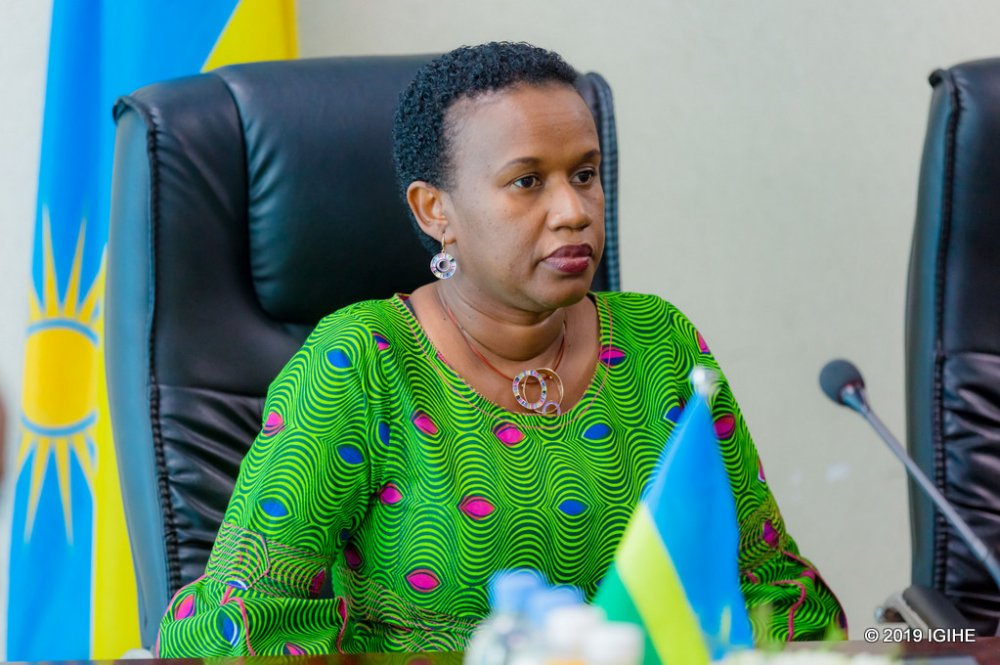
The Minister of Public Service and Labor, Rwanyindo Kayirangwa Fanfan, addressed a letter to all Ministers, Secretaries of State, Director General of the Rwanda Development Board (RDB) and the Ministry of Mines, Petroleum and Gas, on of August 29, 2020, indicating that something needed to be changed.
The decision was taken on the basis of an audit conducted at all levels of government from July 30 to August 4, 2020 to ensure compliance with the COVID-19 epidemic prevention guidelines, which indicate that “Only 38 out of 121 audited agencies complied with the required number at the time.”
MIFOTRA called on all government agencies to “publish a list of staff assigned to work in the office and home based workers and when the Department rules that take they will be taking turns, this will help the authorities to ensure that no more than 30% of the workforce in the office as mentioned”
“Suspension of the use of the fingerprint machine or the signature of the staff and any other means of controlling the spread of the pandemic, to control the productivity of employees, both office workers and home based workers” said Minister Rwanyindo.
She also urged them to continue to sensitize staff and government agencies to make better use of ICT in providing the services they need.
Kayirangwa urges them to “make it easier for Public Transport Workers to get to and from work, to return home at 03:00 PM so that they can reach their homes before 7:00 PM.”
Normally, government staff worked from 7 a.m. to 5 p.m. MIFOTRA also called on the Ministry in particular to monitor the implementation of the COVID-19 epidemic prevention measures.
Foods, rice, cooking oil, maize flour, sugar, and salt, as well as hygiene items including soaps, sanitary pads, and masks, were provided to the families.
The beneficiaries include families with people living with HIV. The items were handed over to Kabuye Health Center in Jabana Sector which is regularly monitoring them.
Those who take antiviral drugs are among the most affected by Covid-19 and the medications they take require proper nutrition.
CSDI Director-General Leon Pierre, said they were already working in the Sector, seeking funding to provide them with food after realizing that their livelihoods had stalled.
It is an initiative of CSDI in partnership with the AIDS Healthcare Foundation, AHF, which already works with 30 health centers across the country.
Director of AHF in Rwanda, Dr. Brenda Kateera Asiimwe, said the support is in line with their plan to deliver food to people living with HIV in the health centers they work with.
“Today we have helped CSDI deliver food and other items to the community but we are usually working with 30 Health Centers. We are also supporting them to deliver food to those affected by Covid-19 especially those with HIV and other people in need. ”
One of the recipients of the grant said it has come in handy because the ARV drugs they take need a person to eat well.
The donation is valued at $ 12,000 (over Rwf11.6 million).
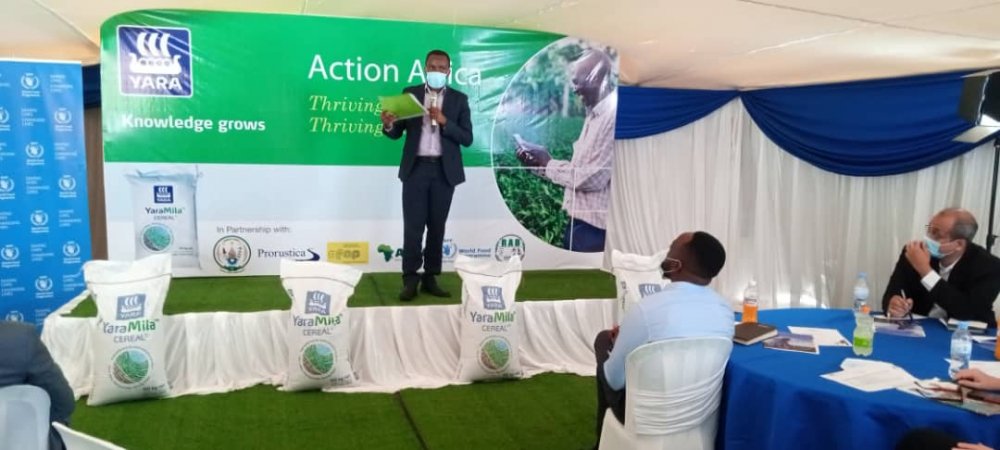
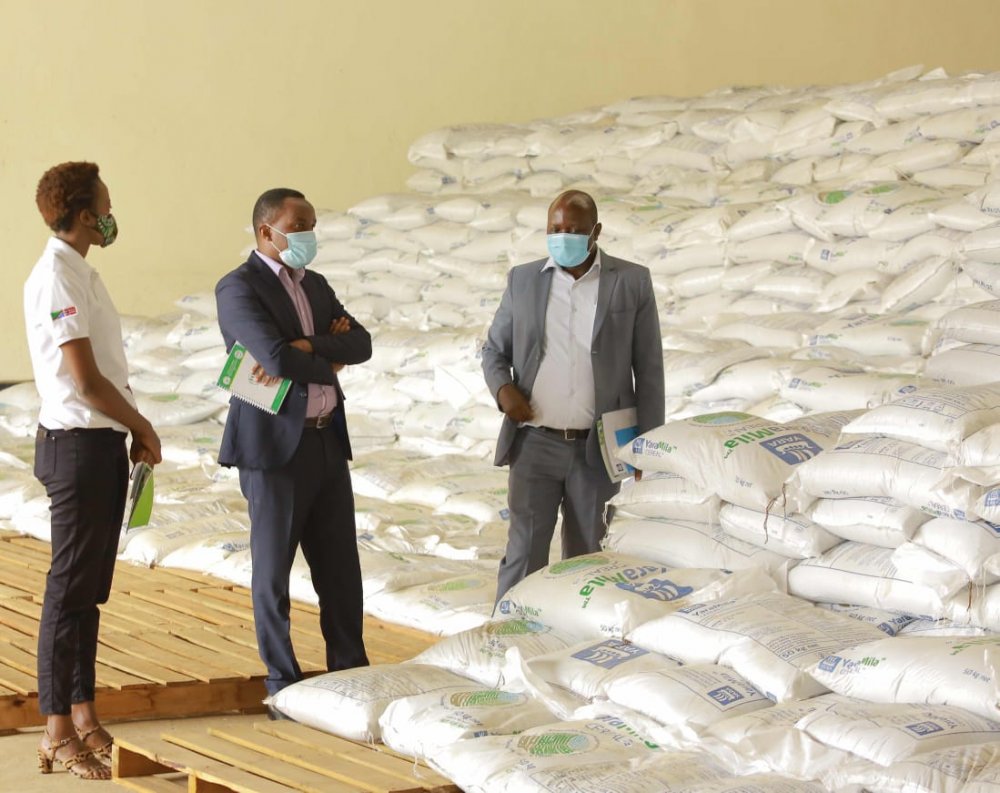
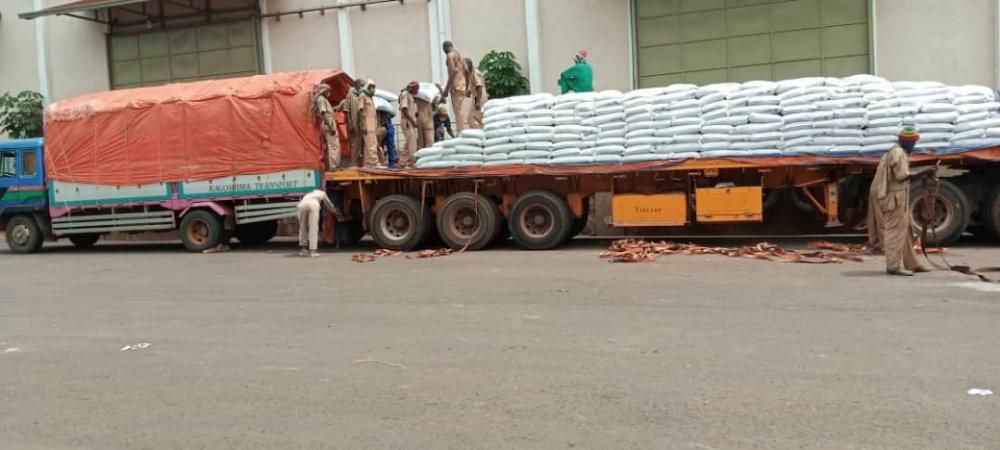
The grant was delivered on August 28, 2020, to help farmers get the current crop growth season 2020 C in full swing.
Yara’s representative in Rwanda, Peter Ngugi, said they would help farmers to ensure that at least the growing season ends when they have planted as planned.
“Today the world economy is in turmoil yet agriculture is the source of livelihood. When neglected we end up starving. In this regard, we have provided these additives to make it easier for maize and rice farmers to cultivate on time. ”
Dr. Karangwa Patrick, Director of the RAB said the grant was made at the right time.
“It’s great support that Yara has given farmers. We’re very grateful to them for supporting the maize and rice farmers,” he said.
Some representatives of the farmers’ cooperatives who attended the event told IGIHE that they were very happy with the support provided.
Kayitesi Francine, the head of the COMSS Cooperative in Kicukiro District, who had a smile on her face, thanked Yara for their support as they coped with the effects of Coronavirus.
These cooperative leaders also say that many farmers have already realized the importance of using industrial fertilizers.
Murwabashyaka Simon, a member of the KORIKA Rice Cooperative in Gasabo District, said that 95% of their cooperatives have already learned about the importance of industrial fertilizers.
“Before, there were those who thought it was a waste of money for them. They have come to realize the difference now.”
Statistics show that in Rwanda about 70% of the population is engaged in subsistence farming. This suggests that disrupted agriculture could have a serious impact on the country’s food security.
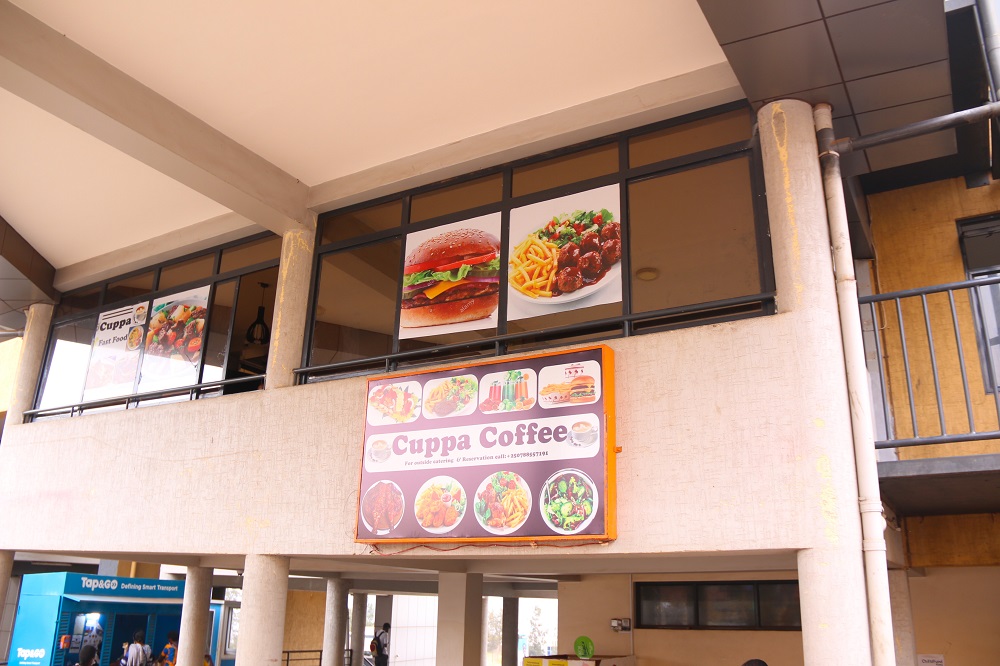
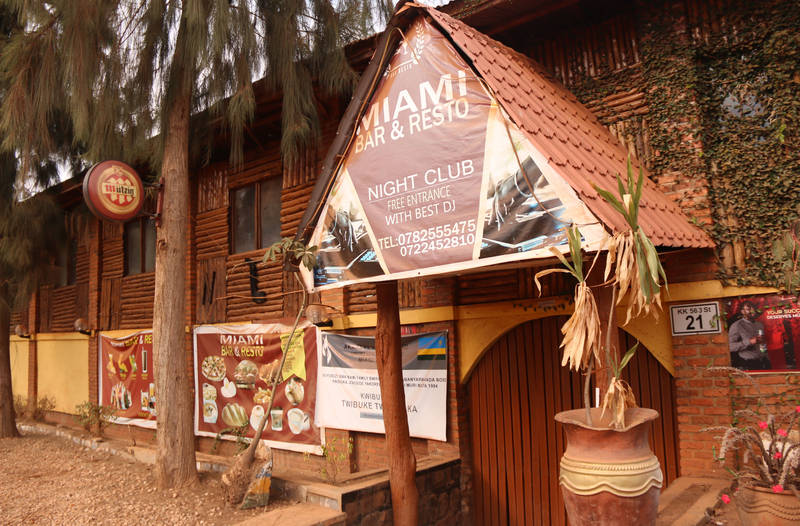
The establishments are Cuppa Coffee in Downtown, Nyarugenge District, Cincinnati and Miami Family in Niboyi and Gikondo, respectively, both in Kicukiro District.
At Cuppa Coffee, authorities, on Friday, found 21 youngsters holding a birthday party in a congested room.
Birthday parties and other social gatherings are prohibited in this fragile period of COVID-19.
At Miami Family owned by one Emmanuel Minani, authorities found 14 people in a social gathering drinking at about 8 PM, the time when everyone was supposed to be home.
Nine people were also found drinking at Cincinnati bar owned by one Alphier Bizimana.
Bars are among the businesses that are still closed.
Innocent Iyakaremye, the manager at Cuppa Coffee regretted allowing the group of youth to hold the birthday party for their colleague at the facility.
Cuppa Coffee proprietor, Damien Sibomana wondered why his manager went against the clear directives.
“The government directives are clear and in addition to that, I also personally gave them instructions against any parties, to allow not more than 35 people inside, clients to wash hands before entering and to ensure that they sit according to the sitting arrangement organized in respect of social distancing,” Sibomana said.
He added: “We invest our money in these businesses and violating the given instructions can hurt the business. My manager probably looked at his interest but not the general interest of business and above all, the safety of the people.”
Nyarugenge District Executive Administrator, Emmy Ngabonziza emphasized that any business found operating contrary to the safety guidelines will face severe consequences, including closure.
“Parties or social gatherings are prohibited; it’s our role as local leaders in partnership with Rwanda National Police and hospitality establishments to ensure that everything is done in compliance with the directives,” Ngabonziza said
“Most of these social gatherings are organized or involve the young people, who, as we know, are among the majority infected with COVID-19. We, therefore, urge the young generation to value and protect their lives by ensuring maximum compliance.”
He further mentioned the role of parents and guardians to educate their children on the pandemic and the safety guidelines to prevent them from engaging in such risky events.
Some of those found holding a birthday party are as young as 15 years.
Owners or managers of hospitality establishments, he said, should take the lead to ensure that nothing contrary to the directives is conducted in their facilities.
RNP spokesperson, CP John Bosco Kabera cautioned that the “warning period is over; it’s time for immediate action to violators.”
“The directives are very clear and have been elaborated even to those who seem not to have understood them. We ought to know that the pandemic is still in our midst and it kills.
Social events or gatherings are prohibited, bars are closed, everyone should be home by 7 PM, wearing of facemask is not an option when you leave your home. It is now time for immediate repercussion to errand violators but not just issuing caution,” CP Kabera said.
He took time to also warn those, who might use their private vehicles and motorcycles to transport people out of Kigali at a fee, and contrary to the directives, to other parts of the country.
“Any vehicle or motorcycle found transporting people beyond Kigali, contrary to the new directive, will be impounded for a long time and driver or rider severely penalized,” CP Kabera warned.
He advised the public on proper planning to avoid unnecessary movements, adding that those who brag for violating the directives or post their photos on social media platforms are not doing any good but rather influencing bad attitudes and actions especially among the young people, which will not be entertained.
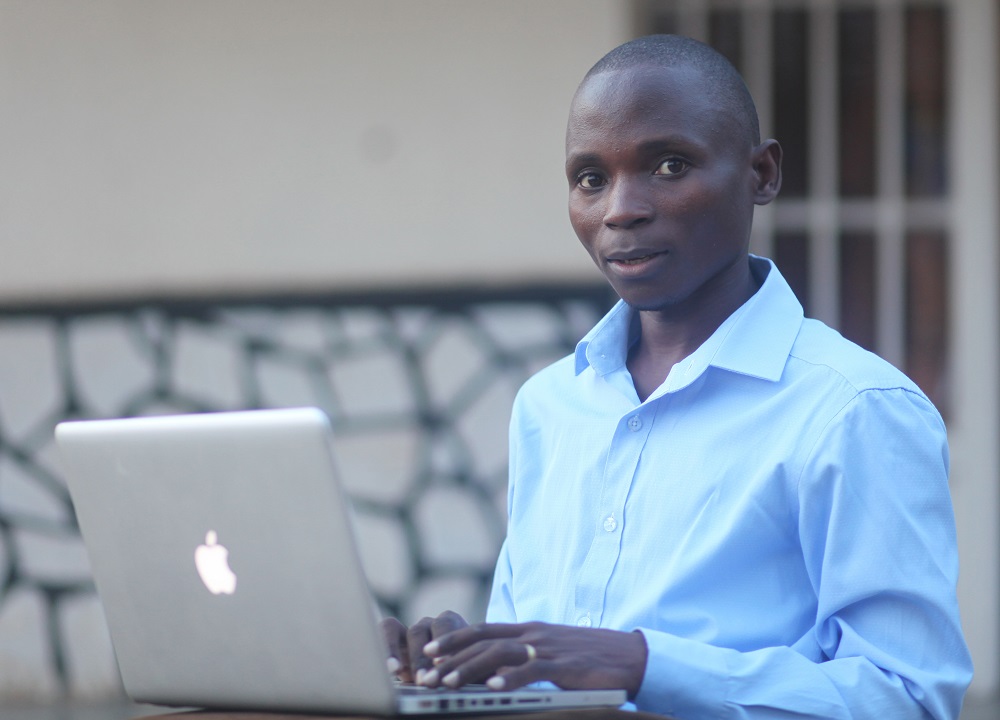
The training was organized by the University of Rwanda and Media High Council that Christophe Hitayezu, a Journalist and Pandemic Media Mentor at Internews asked Ewen MacAskill to explain how Rwandan journalists can still investigate and present their stories just by the use of their smartphones.
“The great thing about mobile phone these days is that you can pretty much do everything, you can take a video, edit it and have it uploaded in less than 30 minutes.” Said MacAskill “in the wide world, almost 70% of the population follow news using their phones; and what they are doing is watching videos. Mobile journalism is where the future is, and all you need is a smartphone.”
“Before, we used to carry heavy camera and sophisticated equipment when going on field that can be quite intimidating in different areas; yet it was found that when you are using your phone in recording, people are willing to share information with you,” he added.
MacAskill said that mastering the technique is not the only purpose of the Mobile journalism (MoJo) program; he explained that with all the techniques every journalist has to also remember that every new has a structure of storytelling.
At the beginning of the year 2020 the Mobile journalism (MoJo) competition was started worldwide and Ewen MacAskill was among the mentors for Thomson Foundation.
The MoJo training that organized by UR and MHC have been conducted at Musanze District last Week from Monday to Friday, and brought together 23 trainees.
“When we asked people to send in stories, quite often they would send nice videos, but they were not connected to the news. You know having Mobile journalism technique is only one half, the other half is having an understanding of what the news story is,” said MacAskill.
In the middle of MoJo course, the COVID happened. As part of the course people were asked to go out and do news stories on video and then send their edited program. MacAskill was one of the judges, but because of COVID-19, it was difficult for people to go out and do their interviews, so all their original plans have to be abandoned, and people had to produce stories in the new COVID19 environment.
MacAskill said that during those times some people responded well “Just because of the COVID, it doesn’t mean you can’t do interesting stories … you don’t take risks, don’t break the law and you can still produce interesting stories,” he said.
MacAskill said that COVID-19 should not be an excuse for people to stop being good journalists because the pandemic has affected everybody in the world, “You should always be producing stories. There is a huge appetite everywhere for stories about the COVID-19,” he said.
Ewen MacAskill is the former defence and intelligence correspondent for The Guardian having worked for the UK media organization for 22 years.
He played a key role in reporting the revelations from computer analyst whistle-blower Edward Snowden about the mass surveillance by US and UK intelligence agencies. He has received a number of prestigious awards for this work and was a member of the Guardian team who, along with the Washington Post, received a Pulitzer Prize in 2014.
During his career with The Guardian he held a number of senior editorial roles including Washington bureau chief, diplomatic editor, and chief political editor.
Before joining The Guardian he was political editor of The Scotsman.
Ewen has worked on a number of projects with the Thomson Foundation and is acting as a mentor for participants on the Thomson Foundation digital and multimedia summer course. He is also assisting participants from the Journalism Now e-learning programme on investigative journalism techniques.
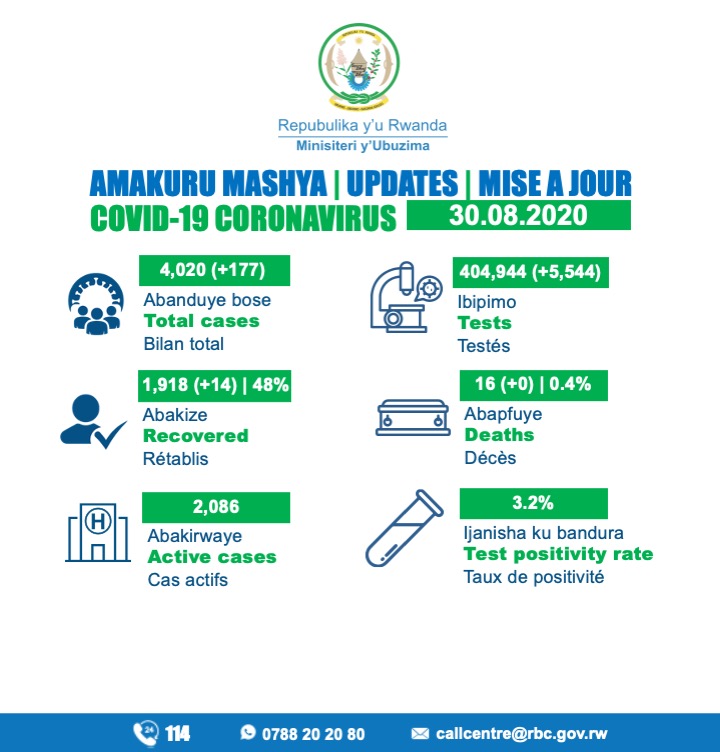
The Sunday statement, August 30, 2020, shows that new patients have been identified in “Kigali: 170 (Kigali market cluster), Rusizi: 5, Rubavu: 2”
So far, 16 people have succumbed to the virus while active cases are now 2,086.
Due to the increasing number of new infections, the number of active cases has exceeded the number of recoveries.
Health authorities in Rwanda say that by helping Coronavirus patients to be treated in their homes, about 46 have recovered.
Coronavirus symptoms include coughing, flu, and difficulty breathing. It is transmitted through the mucous membranes of the respiratory tract.
Rwandans are required to continue complying with government regulations, especially with frequent washing of hands and water and soap, wearing masks when leaving home or in public.
The minister said the death, reported Friday, was an 81-year-old woman.
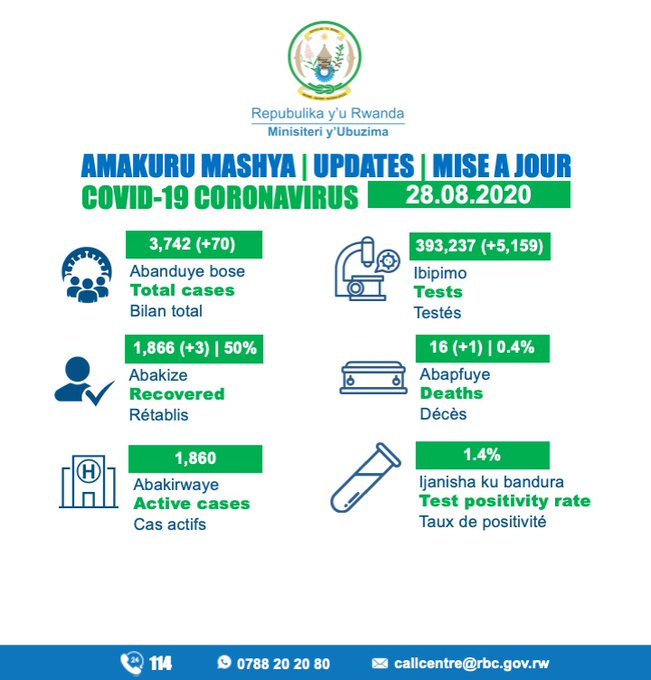
On August 28, 2020, 70 people were diagnosed with COVID-19 caused by Coronavirus out of 5,159 tests taken, bringing the total number of infected to 3,742 while three have recovered bringing the total number of recoveries to 1866.
The number of new cases in the City of Kigali was 54, seven in Rusizi, three in Nyamasheke, three in Rubavu, two in Kirehe, and one in Musanze.
Currently, 1,860 are the active COVID-19 patients in the hospital who are receiving day-to-day care.
“The death toll stands at 0.4%, while the rate of infection is 1.4%,” the minister said.
The Minister of Health, Dr. Daniel Ngamije, recently suggested that if no action is taken in the next 30 days, Rwanda could lose about 25 people.
“We have seven patients who are very ill, including a 22-year-old,” he said.
DCF is a non-profit organization offering humanitarian assistance to the needy, the sick, and those facing other serious health problems. The family was founded by Kabanyana C. Keitsia in Rwanda around 2005.
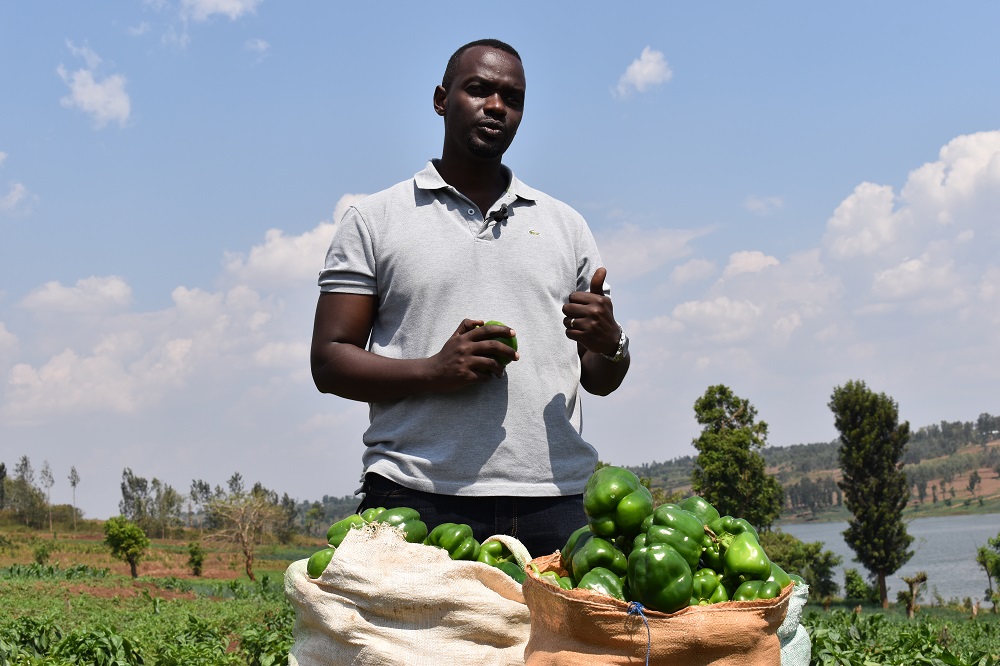
In May 2018, DCF approached 123 farmers from Kamabuye Sector and 139 from Rweru Sector in Bugesera District, helping them set up irrigation, land consolidation, and capacity building, according to DCF Director, Habimana Olivier.
“DCF supports these farmers towards realizing timely and profitable farming,” he says.
Habimana told IGIHE that the organization has received $ 25,000 in funding from the GEF Small Grants Program, a project under the auspices of the United Nations Development Program (UNDP); and Bugesera District with a grant of Rwf15 million.
The two-year project was intended for both Rweru and Kamabuye groups.
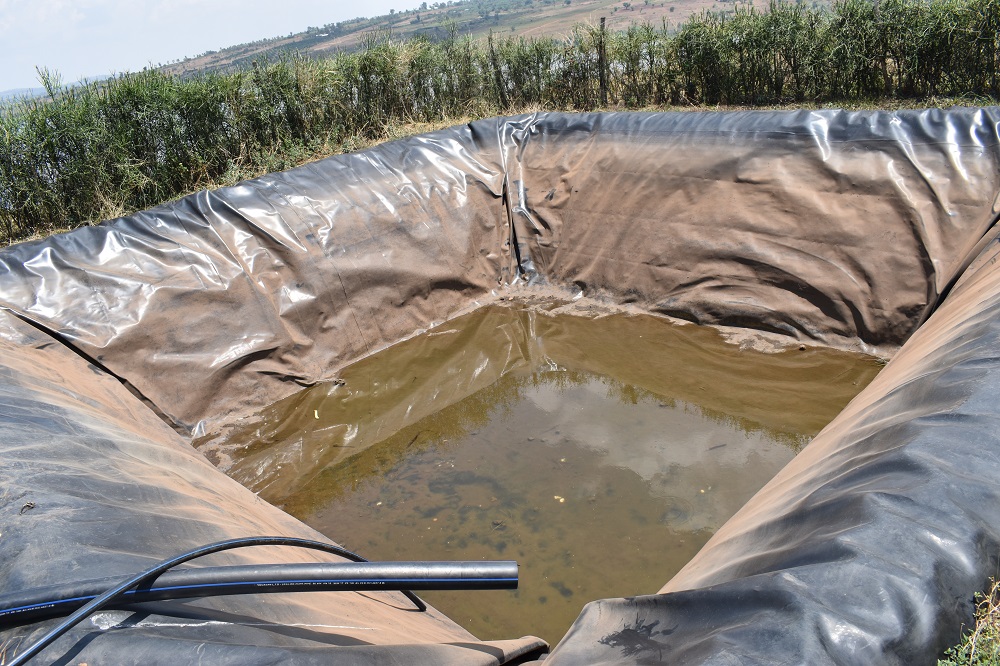
According to Laure Kananura, coordinator of the GEF Small Grants Program, the grant was extended to help farmers till their land continuously even during dry periods. The project provided farmers with solar-powered systems. After seeing the productive activities of the farmers, Bugesera District also supported them.
Director of Agriculture and Natural resources of Bugesera District, Jean Damascene Sijyenibo, said they chose to advocate for the DCF because they saw a change.
{{Farmers appreciate it}}
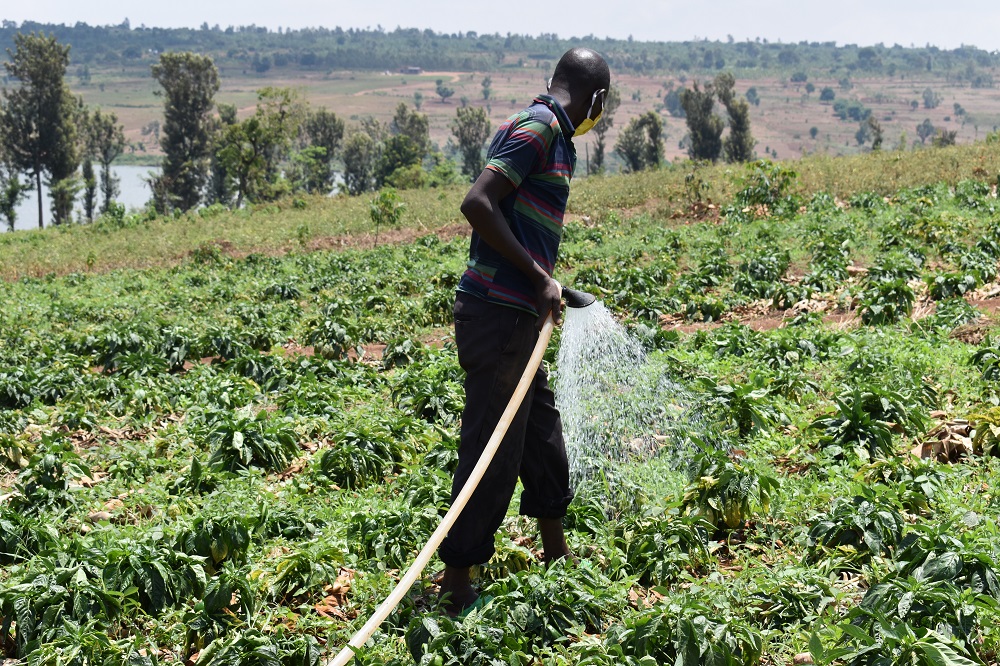
Before the DCF’s help, members of the Duterimbere group said they used to do traditional agriculture and was difficult for them because while watering they used watering cans to serve big farm expanses.
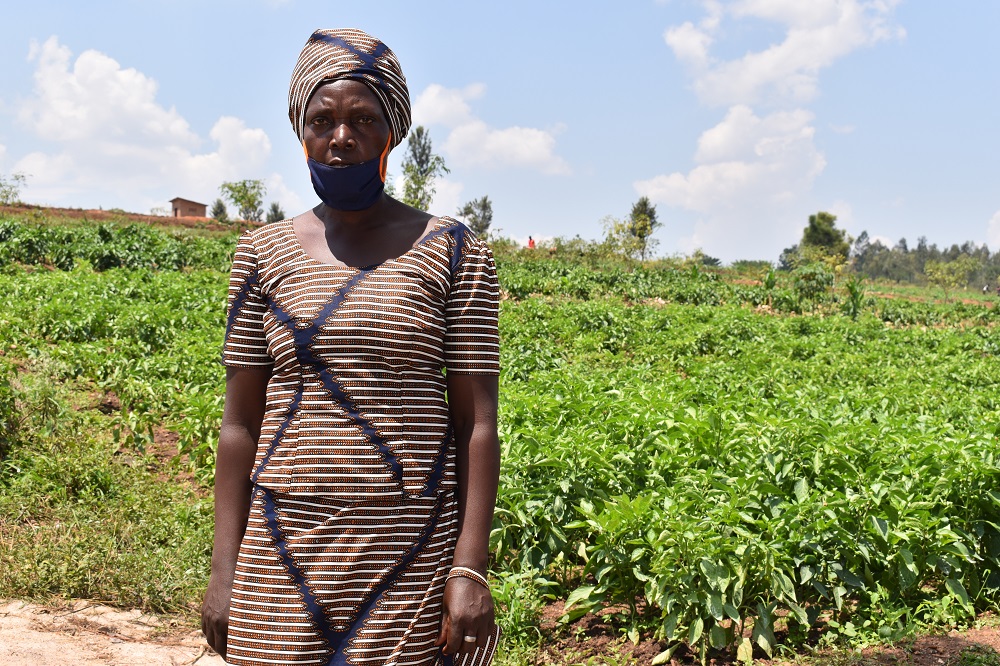
A member of this group, Ahishakiye Venantie, said: “We used to use a watering can. Because I am old, I used to water in a small place and go back home. It was very frustrating and the yield was low. ”
Duterimbere Director Musabyimana Peninah also said that watering was difficult at first but now they have been provided with DCF technology to make it easier.
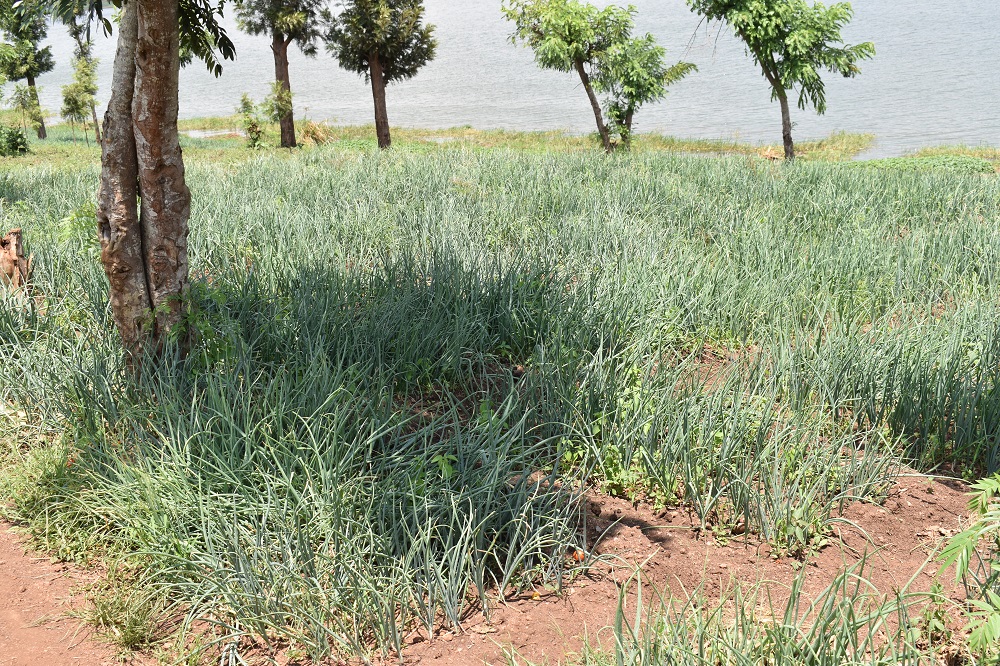
He also commended the Bugesera District administration for increasing its energy efficiency. “When we started working with DCF we used to grow on four hectares and now we have grown to 14 hectares,” he said.
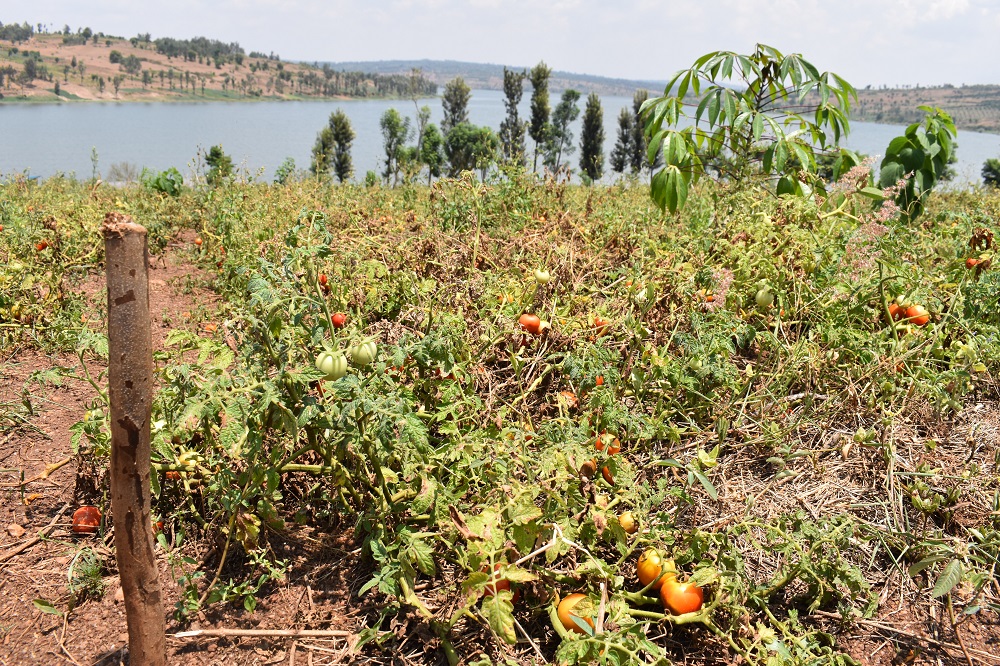
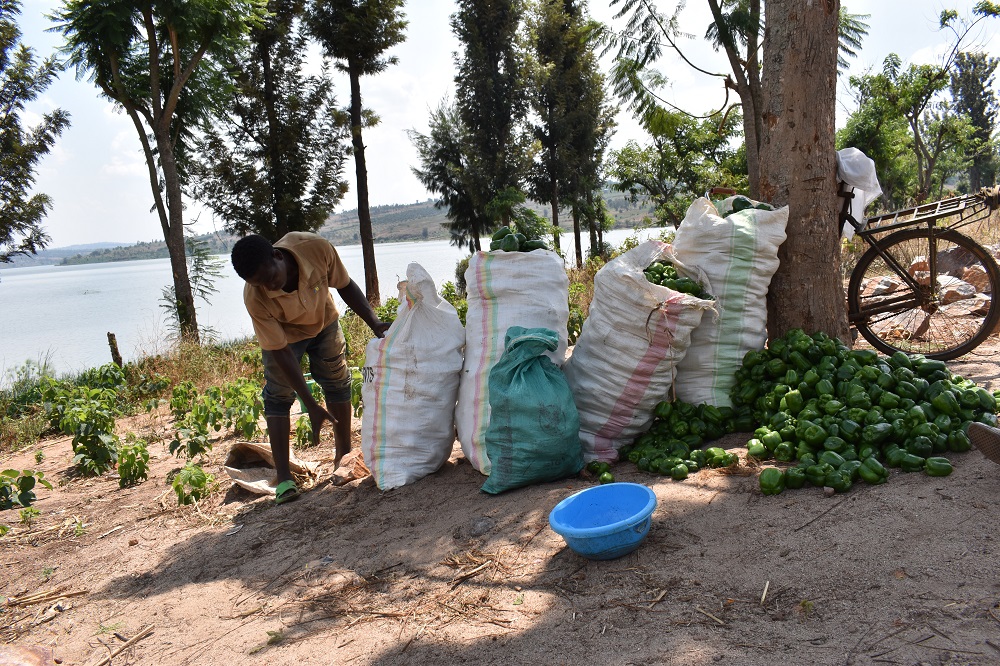
The farmers testify that the return on investment per unit area has tremendously increased.
Emmanuel Uwimpuhwe, a member of this group, said: “Before we used to earn about Rwf100,000 from agriculture but now it is Rwf500, 000 and without difficulty.”
Kananura finds that the fact that Bugesera District is pleased with what DCF has done in collaboration with GEF SGP / UNDP and its commitment to expand the project, is a matter of great pride. He finds that this partnership is important for the development of the community.
The DCF is also involved in other charitable activities such as paying health insurance for the needy where it has paid more than 10,000 since 2005, helping school dropouts to return to school, providing hygiene items to teenagers, among others.
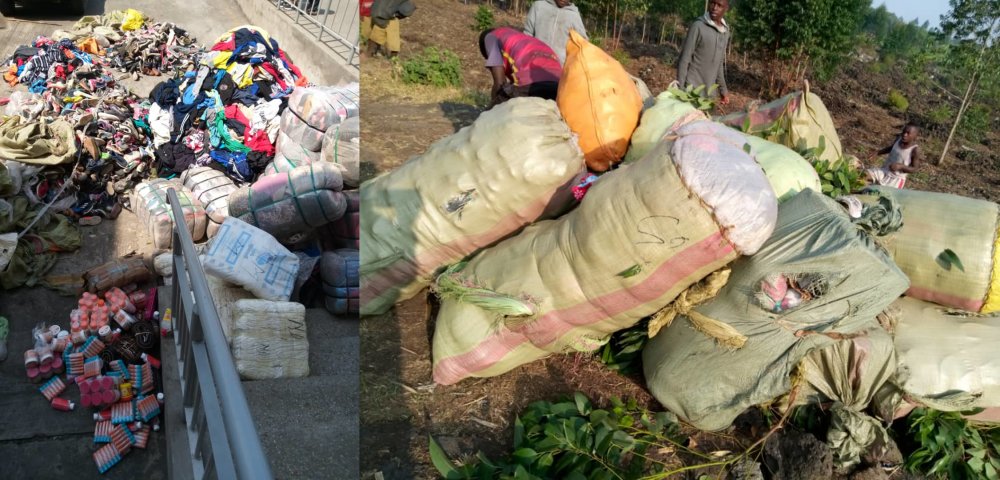
Chief Inspector of Police (CIP) Bonaventure Twizere Karekezi, the Police spokesperson for the Western region, said that the smugglers had 12 bales and 497 kilograms of second-hand clothes, 357 kilograms of used shoes and assorted liquors and energy drinks.
Others include eight sacks full of banned polythene bags as well as 321 pieces of varied types of banned skin bleaching lotions.
CIP Karekezi said that the suspected smugglers were intercepted at about 5:30 AM at a porous border shortly after crossing into Rwanda through in Murambi Village, Buhaza Cell of Rubavu Sector.
The goods were being sneaked into the country from the Democratic Republic of Congo (DRC), he said.
“The suspected smugglers were cut-off just after crossing into Rwanda, by members of security organs, who were patrolling the area and seized the 28 big sacks of goods,” CIP Karekezi added.
This came a day after the Rwanda National Police (RNP) Revenue Protection Unit (RPU) also seized other three sacks of skin bleaching lotions and one sack second-hand clothes, from smugglers, who had attempted to sneak them into the country through Lake Kivu.
CIP Karekezi said that most of the people intercepted in Rubavu smuggling goods are not the rightful owners but rather hired.
He warned against such acts of fraud, through which illegal goods such as non-biodegradable plastic bags and skin whitening lotions, oils and soaps are also brought on the Rwandan market.
“Police works with other security organs, fishing cooperatives, and the public to get information on the smugglers, which facilitates such successful operations,” the spokesperson said.
Under the East African Community Management Act, which is applicable in Rwanda, seized smuggled goods under article 199, are auctioned.
In article 12, a retailer of plastic carry bags and single-use plastic items is liable to an administrative fine of Rwf300, 000 and dispossession of those plastic carry bags and such items.
On the other hand, cream and oil brands with hydroquinone and mercury, are prohibited in Rwanda under the ministerial order determining the list of cosmetics, whose use is prohibited in Rwanda; the law on organization, functioning, and competence of the Council of Pharmacists; and the law relating to the regulation and inspection of food and pharmaceutical products.
There are 1,342 listed skin bleaching products banned in Rwanda.