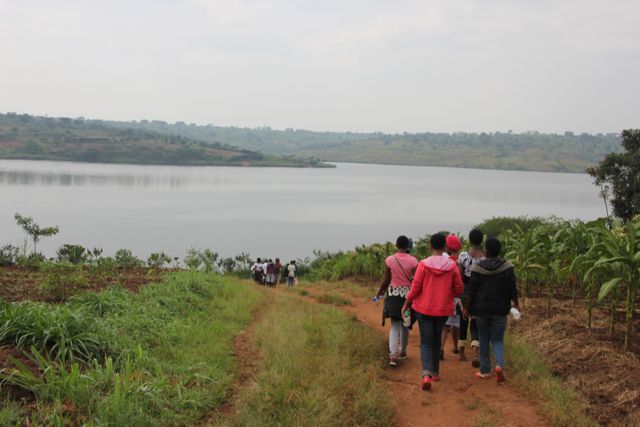
The bodies were found on Wednesday, September 2, 2020. 42 bodies were found in Rwamibabi Village in Ntovi Cell, and two more were found in Bare Village in Rwintashya Cell. The discovery followed information provided by the community, prompting Ibuka authorities in collaboration with local authorities to begin the search.
Rukumberi Sector Executive Secretary Mbarushimana Ildephonse told IGIHE that they had started searching for the bodies two days ago after receiving information from the community that may people were killed from that place.
He called on those who still have information on the whereabouts of the bodies of Tutsis killed in the genocide against the Tutsi to provide it so that victims can be afforded decent burial.
There is a memorial in Rukumberi sector where remains of over 40,000 victims are buried.
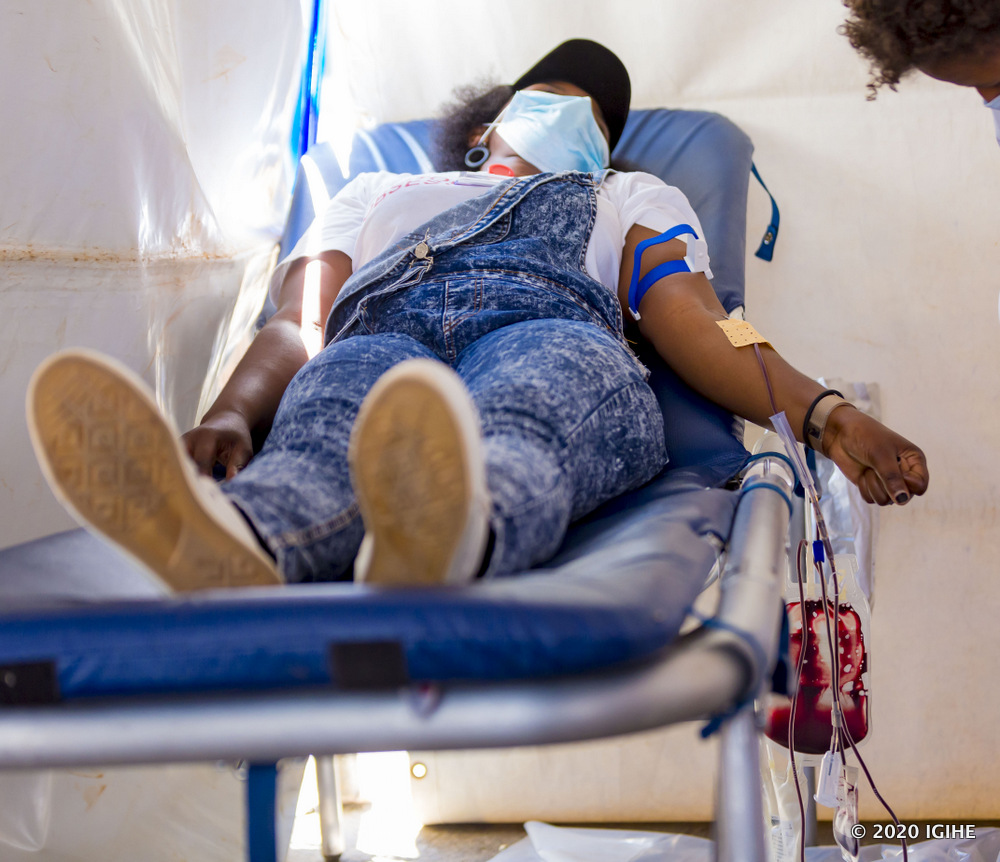
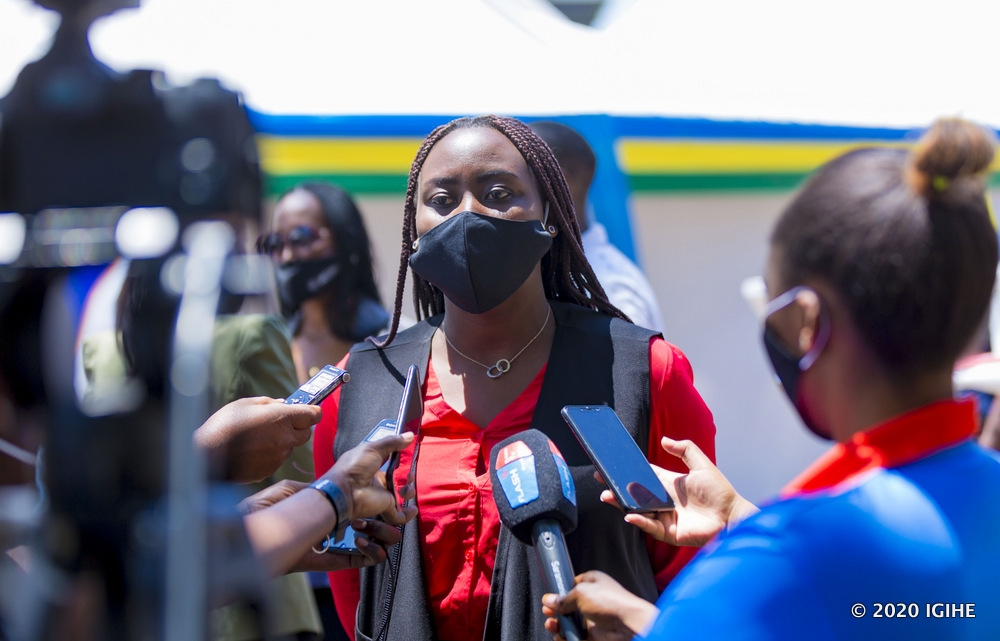
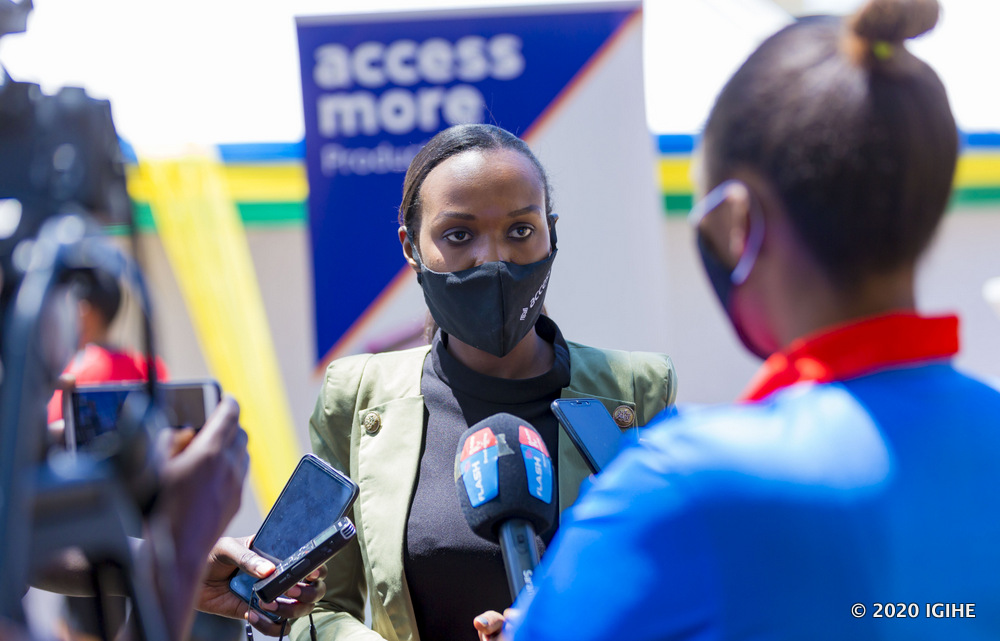
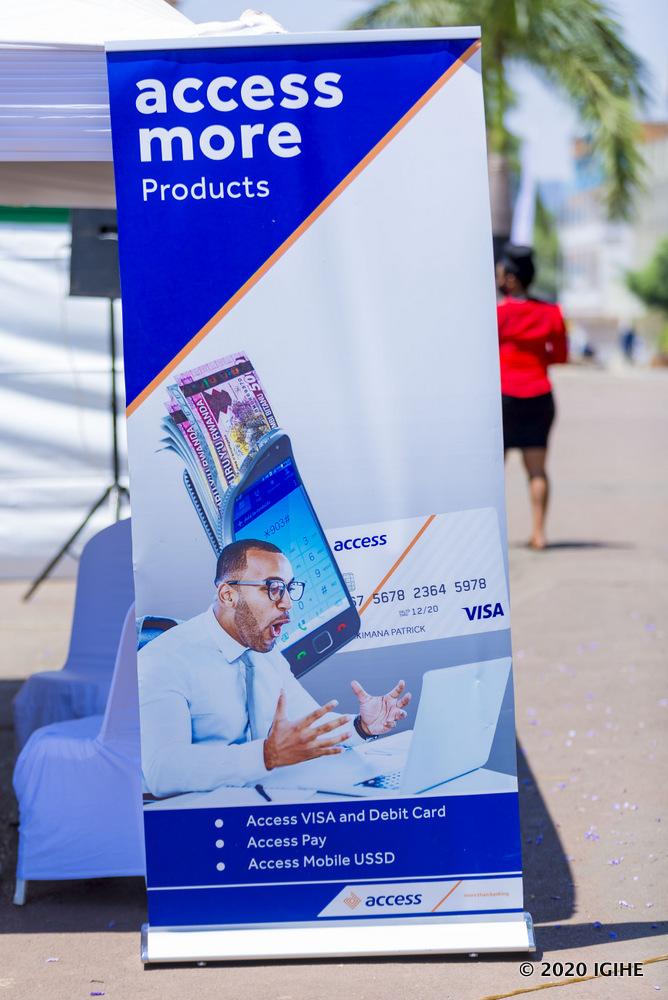
The event was organized by Access Bank Plc through its department that cares for women, Maternal Health Care in collaboration with the national blood transfusion center, Inzira Collect na Iby’Iwacu.
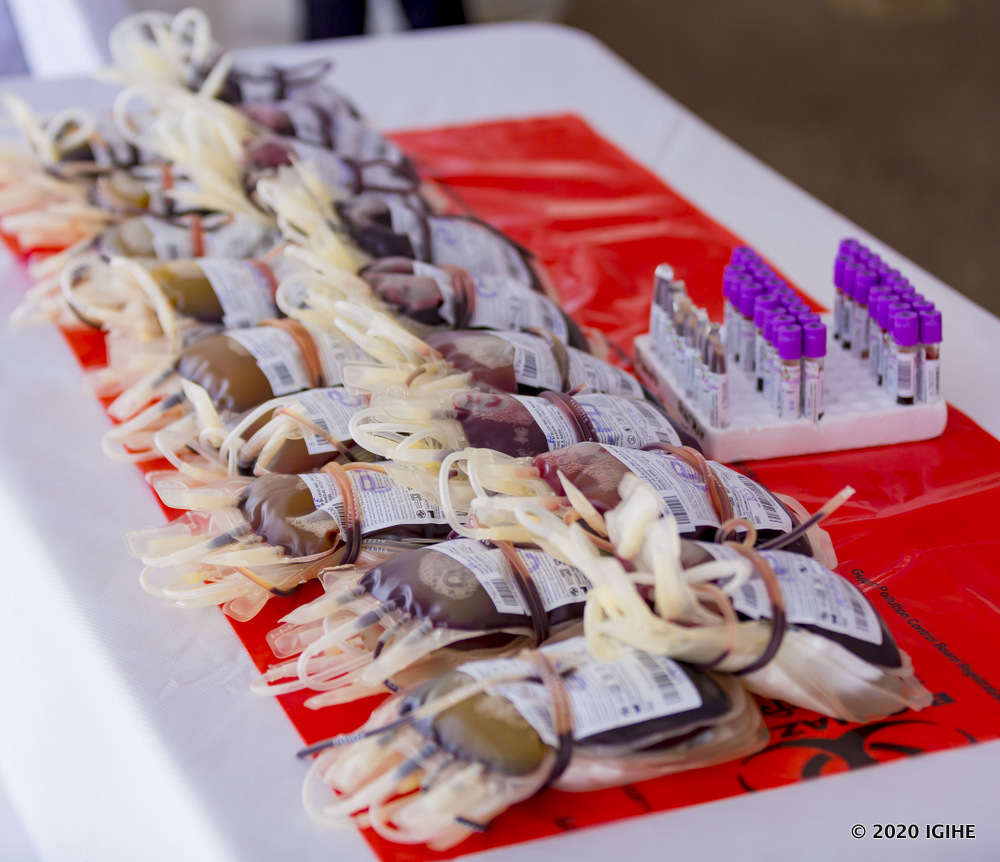
The event was themed ‘Protect mother’s life, donate blood, give life.’ It was aimed at collecting blood that will be given to people who need it, especially women who give birth and face a problem of over bleeding.
Natacha Sandrine Umuhoza, Representative of Access Bank Rwanda at the beginning of the event, said that in addition to their work as a bank they also have other activities that help the country.
She added that as a bank they have chosen to launch a blood donation campaign because they believe that a person does not thrive without good health.
“We have chosen to do this through our branch at Access Bank because we have thought that women are among the people who need blood mostly, especially when they give birth they often have various problems that require blood, and for a person to thrive she also has to have a healthy life,” she said.
The blood donation process will last for three days and will end on September 4, 2020.
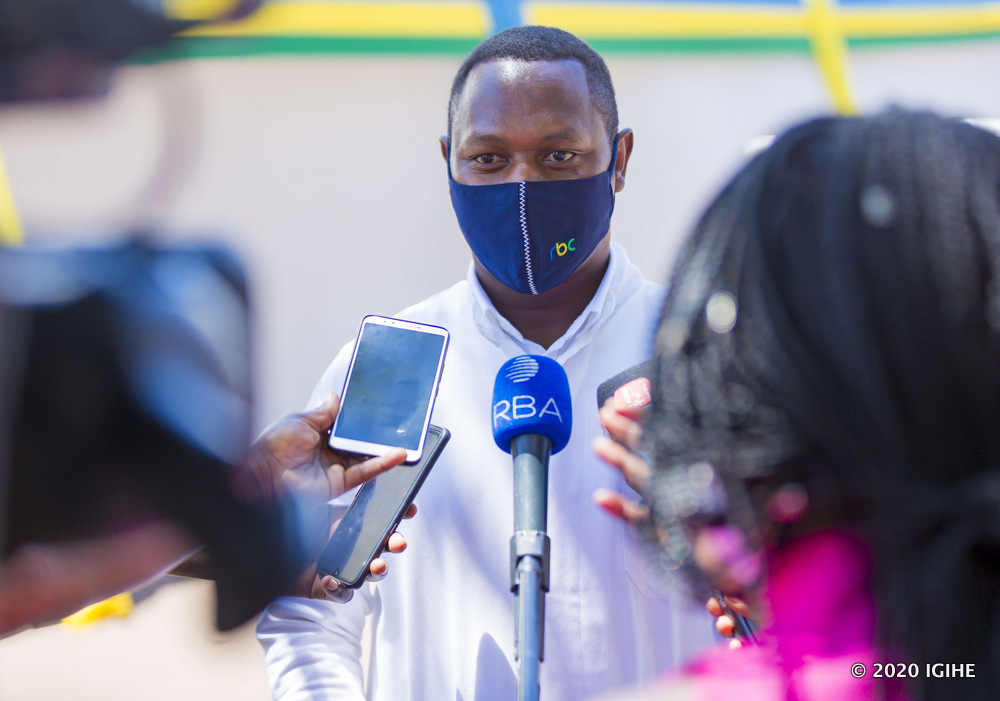
The Director of the National Blood Transfusion Center, Dr. Gatare Swaibu, thanked Access Bank’s involvement in the long-running blood donation drive due to COVID-19.
“The event seemed to have stalled since COVID-19 arrived in Rwanda, we realized it is necessary, we collaborated with Access Bank Rwanda branch which cares for women to make this event possible,” he said.
Fiona Cecile Umulisa, the director of Ibyiwacu, says Rwandans should have a better blood donation culture.
Akingabire Marie Claire, one of the participants in the blood donation event, said that she donates happily because she has seen so many people lose their lives because of the lack of blood which makes her sad.
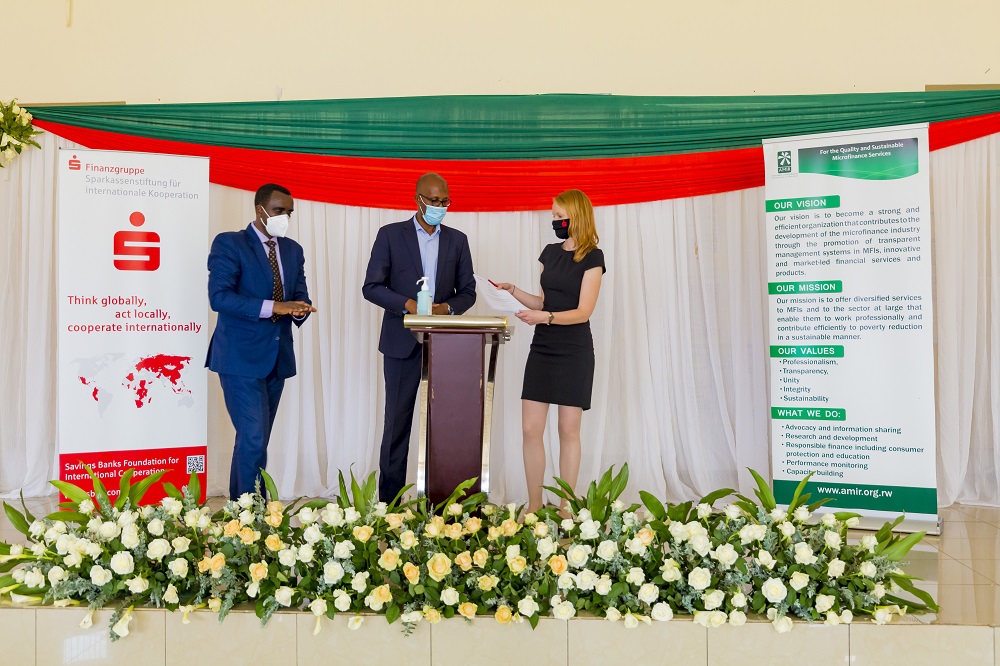
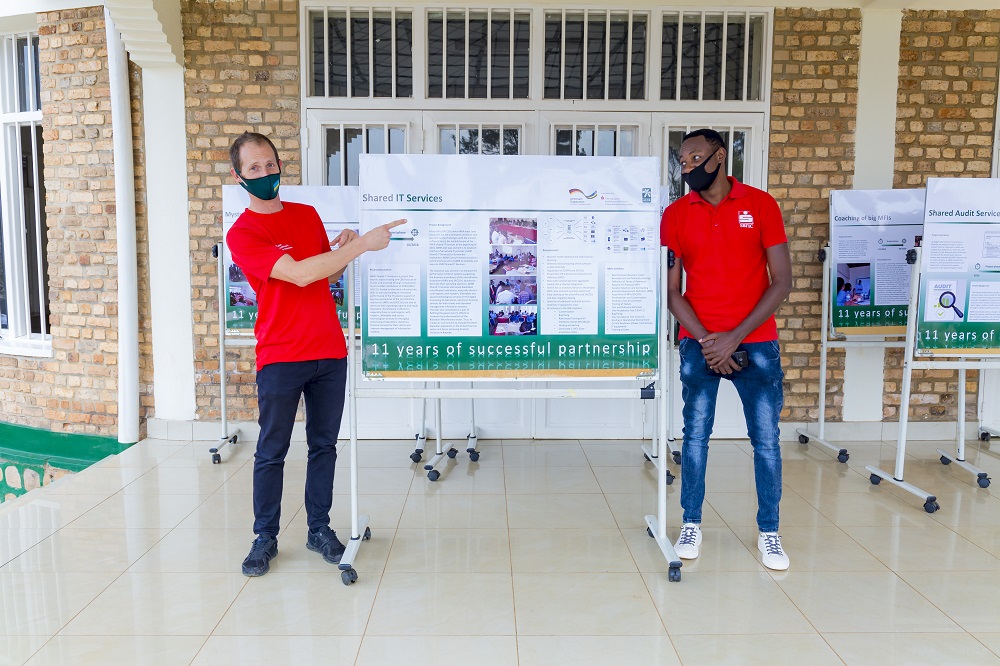
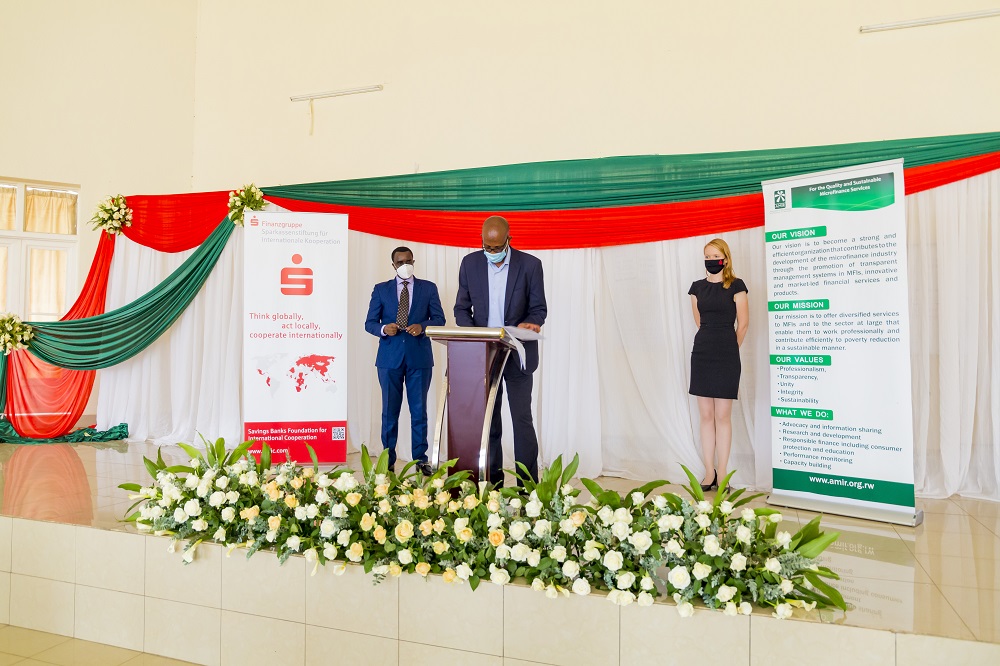
In a concluding ceremony on Friday last week the joint achievements of the two organizations were commemorated and celebrated, and decisive steps were taken to ensure that AMIR can promote the positive development of the microfinance sector without the support of its long-standing partner SBFIC.
Initially the partnership was launched in 2009 with a strong focus on financial education. The largest of the financial education activities initiated at the time, World Savings Weeks, is still celebrated annually and enjoys high participation all over the country. During this time, more than 500,000 people were sensitized and made aware of the savings culture, and more than 100,000 children opened their own savings account with a total amount of Rwf 2.2 billion.
In her opening speech, Maria Knappstein Country Director SBFIC Rwanda gave a pertinent summary of the 11 years of cooperation and illustrated the dynamic development that not only the country of Rwanda but also the entire microfinance sector has undergone during the time of this partnership, e.g. that AMIR membership increased by 850 %, from 30 up to 340 or financial inclusions (including informal ones) were promoted and could be expanded from 47 % to 93 %.
During her retrospective journey through time, Knappstein mentioned that interventions to develop the capacity of microfinance staff and bodies were another focal area that was included from the very beginning. Initially, AMIR, with SBFIC’s support, was directly responsible for organizing training courses to professionalize its members.
Soon afterwards, the idea of founding its own training academy for microfinance institutions emerged. Consequently, AMIR and SBFIC were among the key players in the conception and establishment of this academy called RICEM (Rwanda Institute of Cooperatives, Entrepreneurship and Microfinance).
Knappstein also emphasized that one partner could only grow through the other and that she is very grateful for this intensive time of partnership.
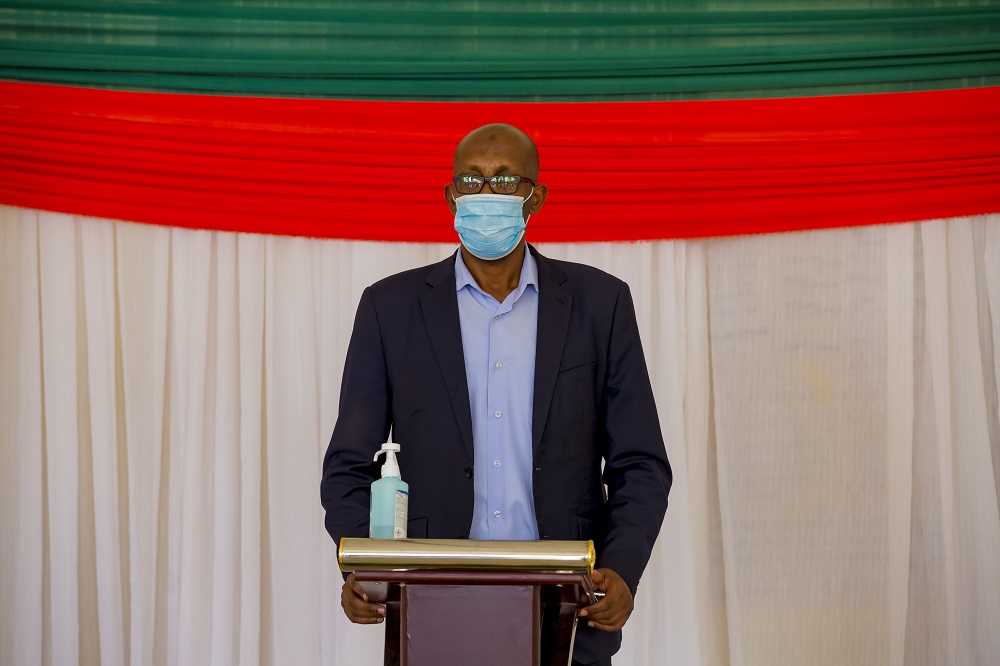
Speaking on behalf of the AMIR, its Executive Director, Aimable Nkuranga, said the project was aimed at polishing the skills of microfinance staff for better services delivery. He said that all the activities that took place have had a positive impact.
“In various training, financial institution staffs have been empowered. We have also made benchmark visits to different countries to learn best practices and share experiences,” he said.
One of the most important topics on the agenda to further boost AMIR’s activities was the signing of a license agreement for the so-called business simulations. SBFIC’s business simulations are an international brand for an innovative interactive learning experience, in which learning is supported by haptic and computer-based simulations, far away from dry theory.
The simulations offer participants a risk-free environment in which they can try things out. The main goal of the simulations is to teach people to recognize the causes of problems and analyze relationships.
By interpreting the results and evaluating the players’ performance, the teams form and refine their own success strategy. AMIR will thus be authorized to offer these business simulations to its members and beneficiaries even after the partnership ends.
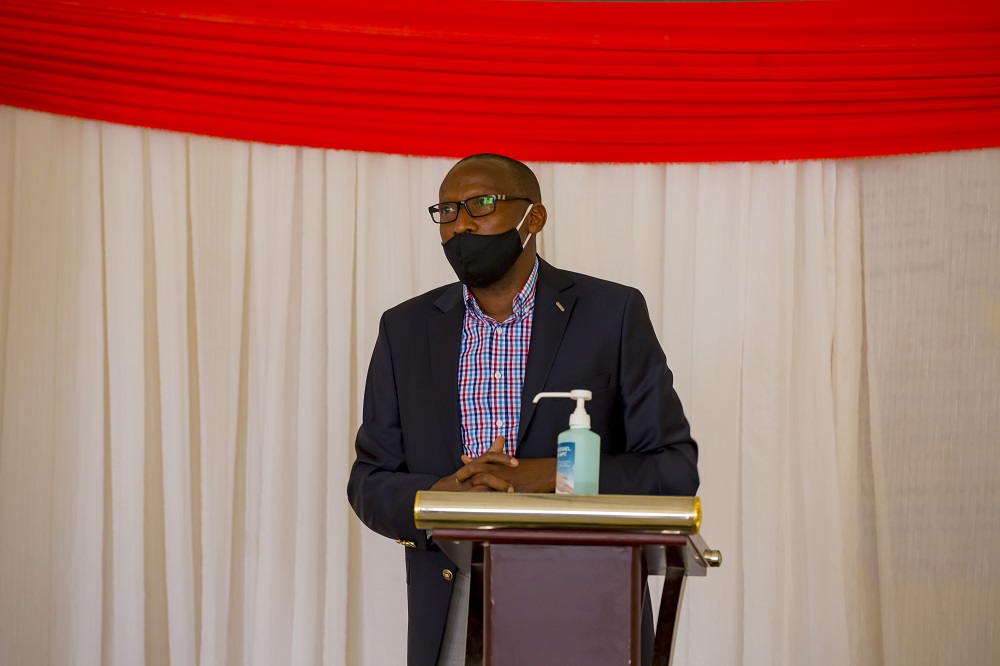
Charles Kayumba, Vice Chairman of AMIR, reported in his speech that he himself had benefited from professional training that AMIR had been conducting in the microfinance sector with the support of SBFIC from the very beginning. He appreciated the quality of the training courses developed and conducted specifically for the sector and thanked SBFIC on behalf of AMIR for the many years of fruitful partnership.
A certain level of digitization is an essential prerequisite for future activities in this sector. In order to demonstrate the supportive possibilities of digitization, the organization team arranged a quasi-live connection to Germany, in which the two regional coordinators of SBFIC East Africa, Britta and Thomas Konitzer, sent their greetings and best wishes to AMIR.
They also reminded of the joint successes, such as the introduction of Shared Audit Services or the establishment of different meeting formats with the member organizations, in order to be able to inquire for their needs directly at the basis.
Last but not least, they emphasized another success story, which was a joint development of a new product specially designed for women: Tinyuka Wigire Munyarwandakazi, launched in 2016, educates more than 5,000 women on savings and credit, with more than 7,000 accounts open and a total of Rwf 400 million that has been disbursed as loans to profitable projects, most of which have been made by women who have been trained by this project.
The subsequent handover of all joint projects was not only symbolic. Knappstein emphasized that she would not let AMIR go without the best possible preparation for their trips and ventures when SBFIC does no longer sit in the ‘passenger seat’ for potential support.
Therefore, all colleagues had made every effort to document the joint projects of the past years. All concept papers, templates, implementation plans, monitoring files and lessons learnt were collected and ceremonially handed over to AMIR on a flash drive. This includes the following joint projects:
Coaching of big MFIs, Mystery Shopping, Dual Apprenticeship System, Financial Education for Children, Member Meeting Formats, Shared IT Services, Shared Audit Services, Farmers Business Simulations, Micro Business Simulation, Savings Game, Tinyuka Wigire Munyarwandakazi and World Savings Week.
As the event’s guest of honour, the two organizations were able to welcome Mr. Kevin Kavugizo from BNR, Director of Microfinance Institutions Supervision Department, who was the only one of the attendees able to follow the entire development of the partnership between SBFIC and AMIR from the beginning and now report on it.
In his review, he reported on an impressive joint study trip, which has had an enormous impact on him and has developed him further in his role at the BNR.
He said that the BNR’s supervisory role is much easier if the capacity of MFI staff is enhanced, and that the sector is currently on a good path. Kavugizo also sees many advantages for the National Bank as a supervisory authority, provided that the entire microfinance sector emerges strengthened from this development.
He did not forget to mention, and he appreciated very much that SBFIC will remain in Rwanda despite the expiration of the partnership with AMIR in order to provide support elsewhere, for instance in the Umurenge SACCO professionalization project in the field of data cleaning and business planning for the future District SACCOs.
The concluding photoshow with pictures from the entire 11-year partnership had some treasures from the photo box ready and let the participants revel in good memories.
The tenor of all speakers expressed: ‘Let us remember each other and meet again as good friends!’
Police also seized 1,985 liters of locally made illicit substances from the five suspects.
The operation is part of the strengthened fight against production and sell of illicit drinks, and to dismantle illegal distilleries.
If was facilitated by credible information from community policing partners in the area, according to Superintendent of Police (SP) Alphonse Mayinga, the District Police Commander for Nyaruguru.
“We are working with youth volunteers, DASSO and community policing committees to identify and arrest people involved in criminal activities. These include dealers in narcotic drugs and psychotropic substances. We are also combining operations with sensitization on awareness and prevention of the COVID-19 pandemic,” SP Mayinga said.
The five men arrested are; Emmanuel Ntakirutimana caught with 610 liters; Janvier Manirakiza with 350 liters; Sylvester Bizimungu had 830 liters; Joseph Hakizimana with 100 liters, and Jean Claude had 95 liters.
According to SP Mayinga, these psychotropic substances pose a threat to human security.
“We have had cases of people, who turn violent after drinking illicit brew and becoming threats to the security of residents and their own families in particular.
That is not all, because during this period when everyone is urged to be vigilant, their clients remain exposed to the risk of contracting the Coronavirus, as they drink from closed up places where social distancing is not applied, neither are facemasks worn. Sometimes, they even drink from the same bottle,” the DPC observed.
Article 263 of the 2018 law determining offences and penalties in general, stipulates that producing, trafficking or selling simple narcotic drugs and psychotropic substances attracts a term of not less than seven years and not more than 10 years in prison, and a fine of not less than Rwf5 million and not more than Rwf10 million.
Alcoholic drinks produced without complying with standards and other laws; and chemical substances whose original intended use had been altered, and used as narcotic drugs are classified under simple narcotic drugs by a 2019 ministerial order establishing the categorization of drugs.
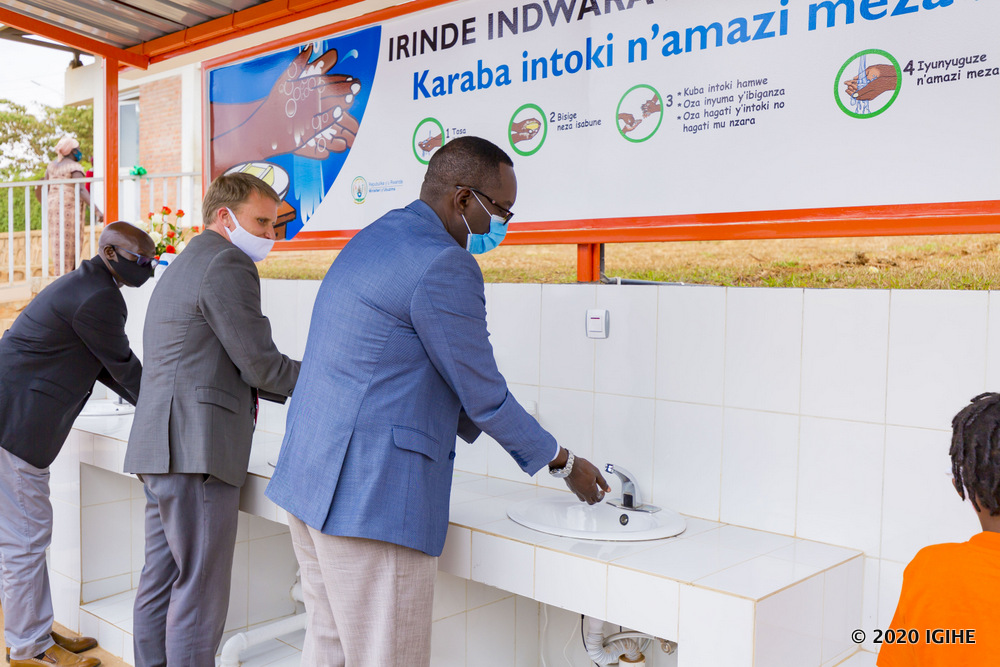
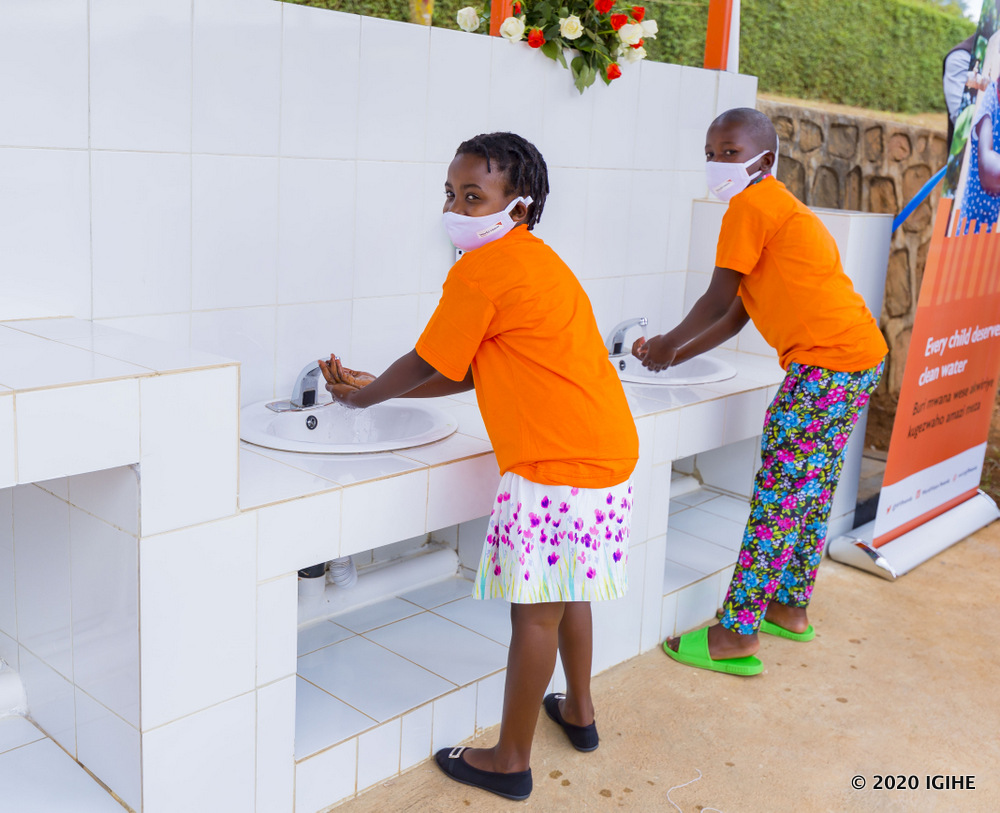
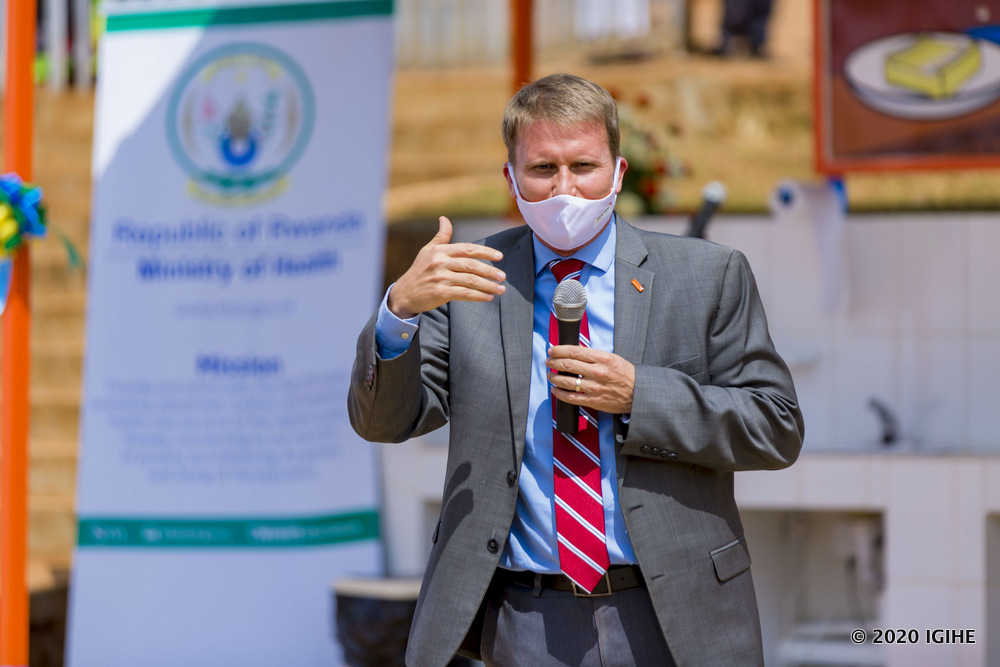
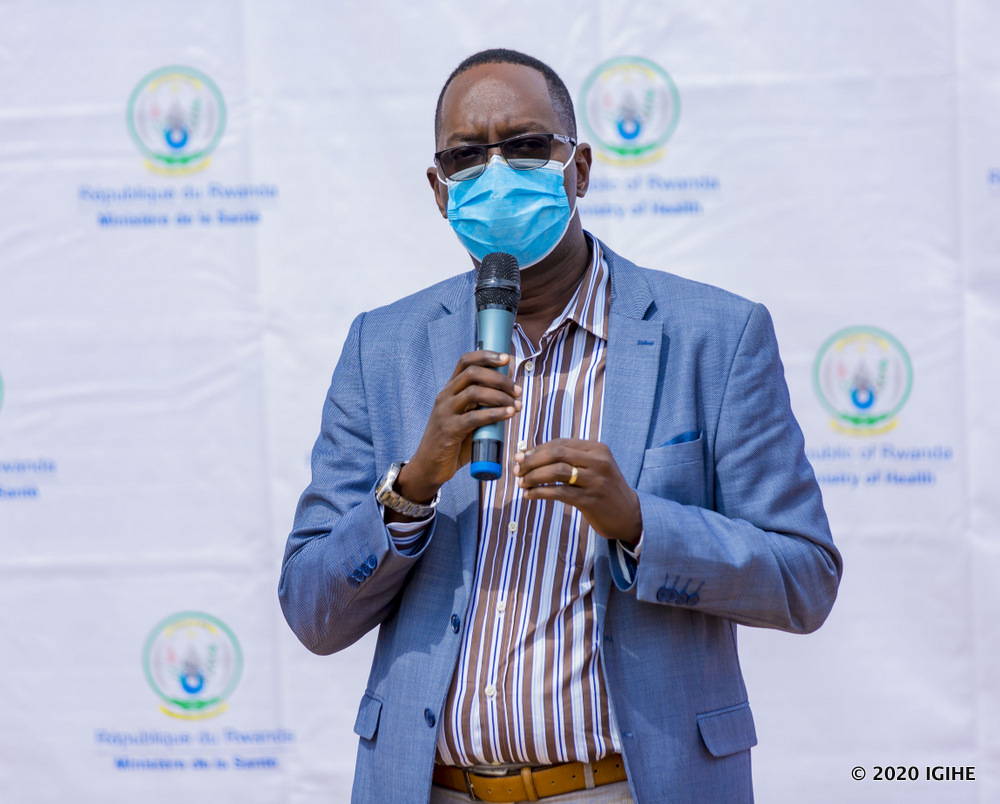
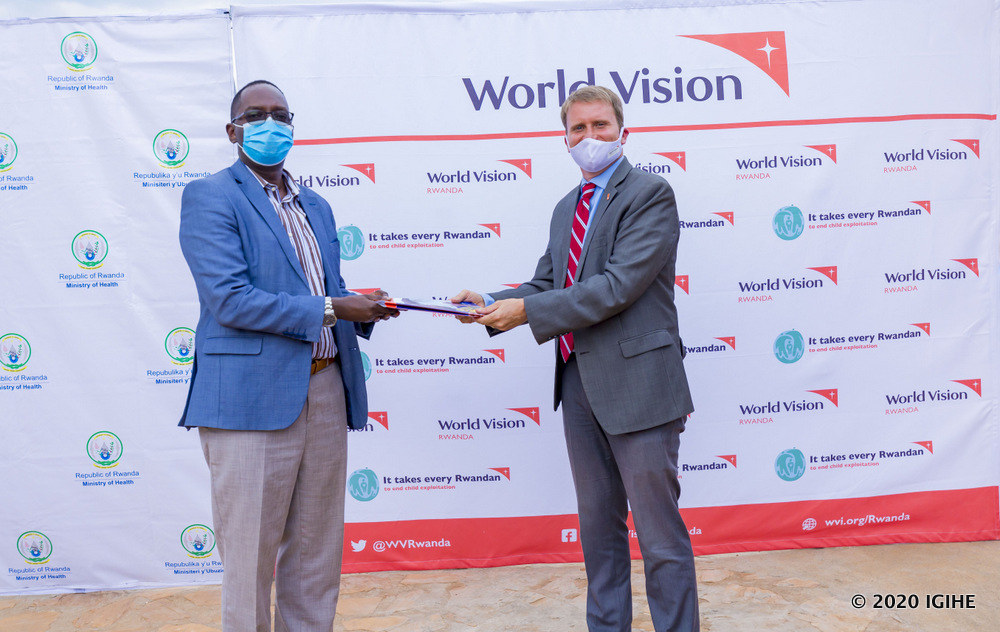
The inauguration was held at Masaka Hospital in Kicukiro District on Tuesday, September 1, 2020.
The Ministry of Health says the project will be completed with the construction of 300 toilets across the country.
The Minister of Health, Dr. Ngamije Daniel, explained the importance of health to the people of Masaka Hospital and encouraged the people to practice hand-washing in their homes.
“We thank this partnership with World Vision and other partners who worked hard to avail of these facilities. The important thing is to thank the person who did the work, not the amount of money spent. Here I look at the importance of these modern hand washing facilities. It is going to help us prevent the Covid-19 pandemic and other hygiene-related diseases. I also urge the recipients to take good care of them.”
“For the general public, these activities are at the hospital but also in your home you should do it. Protect your children from hygiene-related diseases including worms,” he added.
Sean Kerrigan, National Director of World Vision Rwanda assured that the organization he leads will continue to support activities aimed at improving the health of the community.
“We thank the Government of Rwanda for its efforts in the fight of COVID-19. This is something that the government started doing many years ago before Coronavirus outbreak. This is reflected in the government’s long-standing efforts to bring water closer to the people, improve the health, hygiene, and sanitation sectors and more. We are happy that the children will have a healthy life. ”
In an interview with IGIHE, the Director of Masaka Hospital, Dr. Uwizeye Marcel, said the hand washing machine they were given has come in handy.
“Because we receive so many patients, it’s going to help us. Having six modern hand-washing facilities is going to help us speed up our services. It will help us to prevent Cororonavirus and other contagious diseases. ”
The 49modern hand-washing facilities cost Rwf290 million, built in partnership with World Vision as a major donor. About 47 were built at various hospitals across the country, while two were built at health centers.
In collaboration with World Vision, there is also the construction of other 250 modern hand-washing facilities which will cost Rwf260 million.
“In 2020, the Global Innovation Index (GII) welcomes two new members to its esteemed Advisory Board: Clare Akamanzi, the Chief Executive Officer of the Rwanda Development Board, and Heizo Takenaka, the Director of the Center for Global Innovation Studies in Toyo University and former Minister of Japan,” reads the statement.
In 2011, an Advisory Board was established to provide advice on the research underlying the Global Innovation Index (GII), generate synergies at its stages of development, and assist with the dissemination of its messages and results.
The Advisory Board is a select group of leading international practitioners with expertise in the realm of innovation. Its members are from diverse geographical and institutional backgrounds and participate in their personal capacity. In 2020, the GII Advisory Board is comprised of 17 members in total.
Its members come from diverse geographical and institutional backgrounds and participate in their personal capacity.
Among the high profile figures members of the GII are the Director General of UNESCO Audrey Azoulay, Houlin Zhao, ITO Secretary General and Fabiola Gianotti, Head of European Organization for Nuclear Research (CERN).
The GII report is co-published by Cornell University, a US-based Ivy League research university, INSEAD, and the World Intellectual Property Organization (WIPO), a specialized UN agency.
The 2020 index is expected Wednesday, September 2, marking the 13th edition; it includes 131 economies, which represent 93.5 percent of the world’s population.
This edition, with the theme “Who Will Finance Innovation?”, sheds light on the state of innovation financing by investigating the evolution of financing mechanisms for entrepreneurs and other innovators; it is expected to also point out the remaining challenges – including in the context of the economic slowdown induced by the Covid-19 crisis.
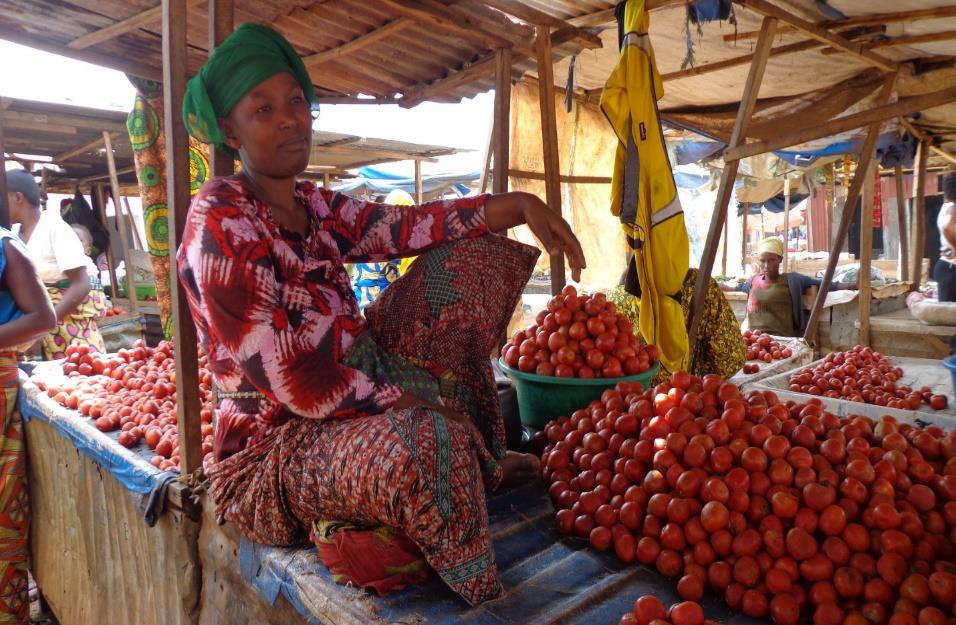
With the support she received from FXBVillage SKOL program, she was able to develop a successful income generating activity of selling fruits and vegetables, her children returned to school, she joined a savings groups and created a kitchen garden that provided her with legumes. She affirms that she could earn $5 and could regularly save before COVID-19 crisis. It is with apparent happiness and pride that she narrates her story
‘’ ’My name is Marie Rose and I live in Gasharu cell, Nyamirambo Sector, the district of Nyarugenge of Kigali city. I am a beneficiary of the VillageFXB SKOL poverty alleviation program, which is now in its final year of implementation. I want to share with you my story of how the FXB SKOL program helped me to cope with the COVID-19 and take care of my family.
The pandemic that emerged in China was of little concern to us. Most people in Rwanda did not know anything about this disease. After spreading to Europe and other countries around the world, the rumor was that it did not affect Africans, we were wrong. From the first case in Rwanda, everything went very fast, we were put in quarantine, only essential services were still allowed, and our businesses suffered.
I am very proud to be part of the FXB -SKOL family. It is true that we went through a very difficult time during this COVID-19 crisis, but FXB had prepared us. In three years, I have received a lot of training that allowed me to cope with this situation.
In the first year, I received training in financial literacy, project management and was provided a start-up capital that allowed me to start an income generating activity of selling fruits and vegetables. We have also been trained and helped to grow a vegetable garden where I grow carrots, lamb’s lettuce, cabbage, beets and much more.
These vegetables are primarily intended to improve our own diet. I usually sell the surplus to the market, which allows me to increase my income. However, during the crisis I shared them with my neighbors who were starving.
FXB has taught us to adopt good hygiene habits. We built latrines, showers and a hand-washing station in front of our house. Everybody adopted the habit of regularly wash hands with soap. The government is sensitizing people to adopt good hygiene behaviors to protect themselves from coronavirus, whereas it is already part of our daily life.
I understood the importance of saving and planning. I am part of a Savings and Credit Group. The group members convenes every week and contribute an agreed amount, based on everyone’s ability, that serve as personal savings and are used to provide small loans to the group members.
It is also an opportunity to share life experiences and learn from each other. Our group is composed of 28 people and we were able to save $1,200 shortly before the COVID-19 crisis. This is already our second cycle.
A cycle lasts 12 months and, at the end, we share the profits that we use to expand our businesses or for other personal projects. For this time, our savings have helped us to cope with this challenging situation.
Even though we are going through difficult times, my family did not suffer too much compared to my neighbors thanks to my income generating activity and my savings. Additionally, my kitchen garden together with all the direct and indirect support I benefited from this program backed me during these hard times.
The FXB staff remained in regular contact with us remotely via phone and it motivated me. During these tough times, we have really understood the importance of the good lessons we benefited from FXB-SKOL program. My business and my savings have been my life jacket during the moments of turbulence. I thank SKOL and FXB for all the support’’ gratefully relates Marie Rose
One of the suspected illegal mineral dealers identified as Jean Damascene Tuyizere was arrested with 280 kilogrammes of Coltan.
According to Chief Inspector of Police (CIP) Aloys Bugingo, the District Police Commander (DPC) for Kamonyi, Tuyizere was at the time smuggling the minerals to Kigali in a vehicle RAC 705I, which was also impounded.
Apparently, Tuyizere, an employee of COMIKA mining company operating in Rukoma, used the company’s tags to tag his minerals, which he had acquired through other fraudulent means.
“Tuyizere, who is an employee of COMIKA mining company, was operating other illegal side deals. This time, he had used COMIKA tags in an attempt to beat security and to smuggle the minerals from Kamonyi to Kigali.
When we inquired with COMIKA management, we indeed found out that the minerals were not theirs and that Tuyizere had used their tags to conduct his illegal mineral businesses on the side,” CIP Bugingo said.
Meanwhile, another suspected illegal mineral dealer called Gaspard Njenyeri, 54, was also caught with 2.5kgs of coltan. Four other suspects were at the time found mining in a coltan concession in Rukoma.
“Understanding that there are increased illegal mining and related businesses in Kamonyi, especially in Rukoma, we have increased operations to prevent these unlawful activities and related fraud,” the DPC said.
He warned residents against the unlawful mineral business and called for continued sharing of information on dealers, including groups that engage in mining and those who buy the minerals from them.
Article 54 of the law on mining and quarry operations, states that; “any person, who undertakes mineral or quarry exploration, exploitation, processing or trading without a licence commits an offence.”
Upon conviction, the offender is liable to imprisonment for a term of between two and six months and a fine of not less than Rwf1 million and not more than Rwf5 million or only one of these penalties.
The court also orders confiscation of any seized minerals or quarry in storage, trading or processing without a licence.
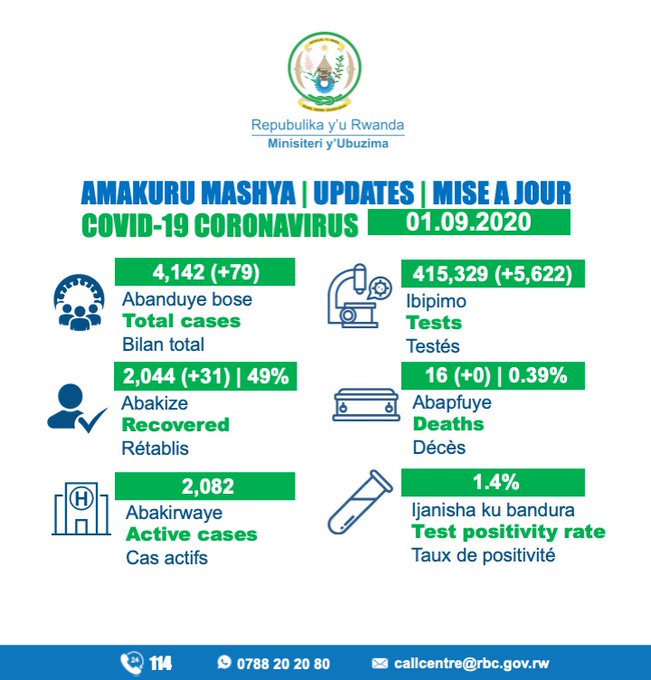
The Ministry’s statement, on Tuesday, September 1, revealed that 51 new cases were reported from Kigali City from contacts of high risk groups, with 13 from Rusizi, 6 from Rubavu, 5 from Karongi and 4 from Gisagara District.
Since the COVID-19 outbreak, Rwanda has 4142 confirmed cases taken out of 415,329 sample tests. Of these, 2044 have recovered and were sent home, while the active cases are now 2082.
Coronavirus symptoms include coughing, flu, and difficulty in breathing. The virus is said to be transmitted through the mucous membranes of the respiratory tract.
Rwandans are required to continue complying with government regulations, especially with frequent washing of hands and water and soap, wearing masks when leaving home or in public.