The Seoul Central District Court delivered the ruling in a heavily watched, nationally televised session, capping off a tumultuous political scandal that has gripped the nation.
In addition to the prison term, the court ordered Kim to pay a heavy fine and forfeit the illicit gains.
The presiding judge delivered a scathing rebuke of Kim’s actions, stating that her conduct severely undermined public trust in the integrity of the presidential office.
“The defendant leveraged her status as First Lady to engage in systemic corruption, unhesitatingly accepting high-priced luxury goods and assets that are practically unattainable for ordinary citizens,” the court stated. “Her actions demonstrated a flagrant disregard for the law and ethics expected of public figures.”
The ruling closely aligned with the demands of the prosecution. An independent counsel team, led by special prosecutor Min Joong-ki, had previously sought a 7.5-year sentence, characterizing Kim’s actions as a structural “cash-for-posts” scheme.
The independent investigation revealed that Kim received roughly 300 million won (about $217,000 USD) worth of cash and valuables in exchange for political favors.
Among the illicit gifts was a luxury Van Cleef & Arpels necklace and earrings set from a construction chair, intended to secure a government chief of staff position for his son-in-law.
Kim was also convicted of accepting a gold turtle and a classic painting from a education official, alongside a Vacheron Constantin wristwatch from a robotics entrepreneur.
The sentencing marks a historic low point for the legacy of former President Yoon Suk-yeol, who was himself sentenced to life in prison in February for his December 2024 martial law declaration.
Legal representatives for Kim voiced strong objections to the verdict, asserting that the evidence was circumstantial, and confirmed they intend to file an immediate appeal.
Kim Keon-hee, the wife of South Korea’s former President Yoon Suk-yeol, was sentenced to seven years in prison on Friday after being found guilty of extensive corruption, including trading highly coveted government positions for luxury goods and financial favors.
The indictment was announced on June 23 as part of the U.S. Department of Justice’s 2026 National Health Care Fraud Takedown, a nationwide enforcement operation that resulted in charges against 455 defendants accused of participating in healthcare fraud and opioid-related schemes involving more than $6.5 billion in false claims.
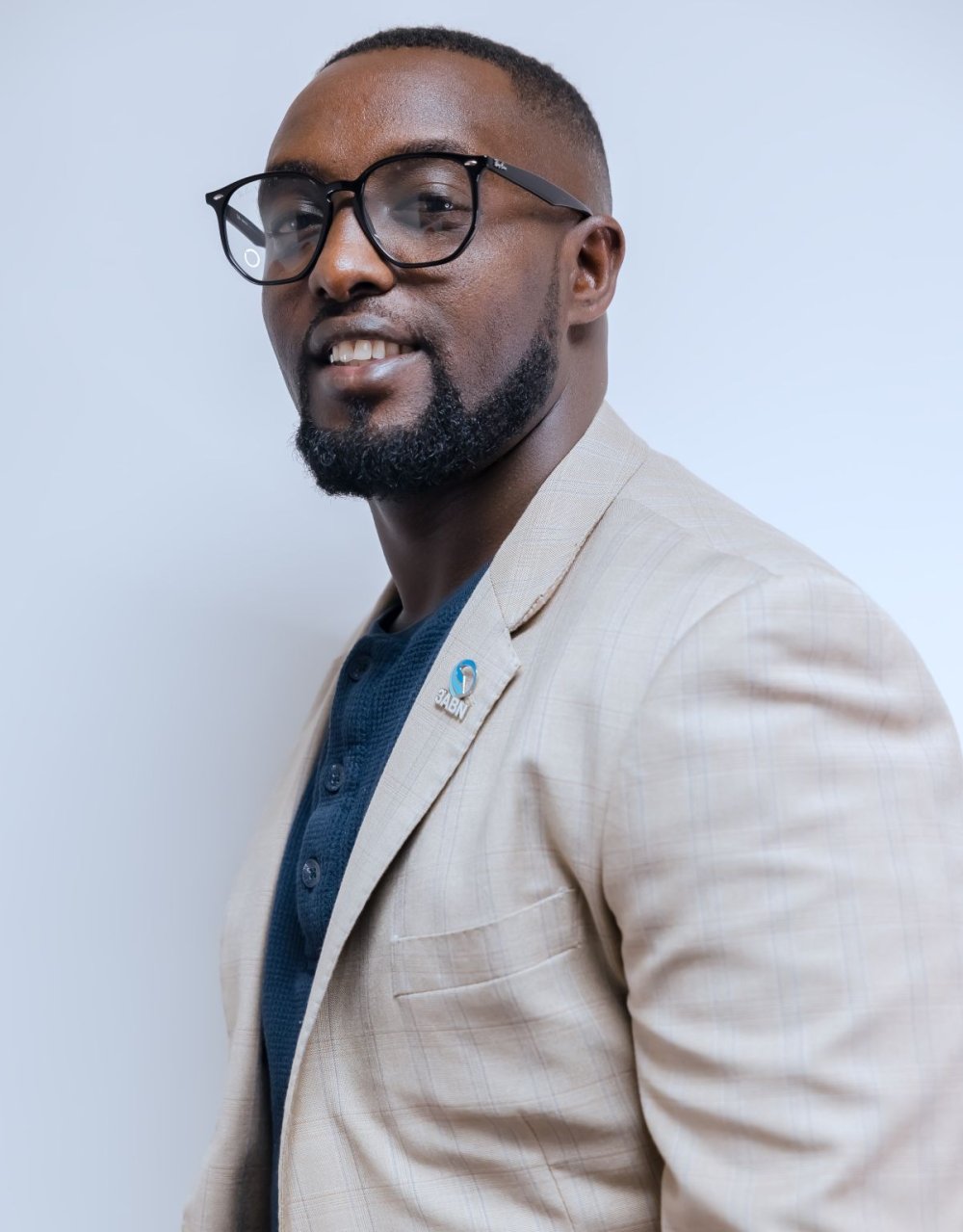
Muyumbu, 38, faces charges of conspiracy to commit healthcare fraud and wire fraud, healthcare fraud, conspiracy to launder money, and money laundering.
According to the U.S. Attorney’s Office for the District of Arizona, Muyumbu owned and operated Motherland Counseling LLC, an outpatient treatment center in Phoenix that provided addiction treatment services to individuals struggling with alcohol and drug dependency.
Prosecutors allege that Muyumbu enrolled the company as a provider with the Arizona Health Care Cost Containment System (AHCCCS), Arizona’s Medicaid agency, and targeted patients enrolled in the American Indian Health Program, a fee-for-service healthcare program serving Native American beneficiaries.
The indictment alleges that between the operation of the business and the submission of claims, Muyumbu and his co-conspirators exploited vulnerable patients by billing AHCCCS for services that were never provided, improperly billed, medically unnecessary, or so substandard that they failed to serve any legitimate treatment purpose.
Federal authorities claim that approximately $44.9 million in false and fraudulent claims were submitted to AHCCCS, which subsequently paid out about $36.7 million based on those claims.
The Justice Department further alleges that some of the claims were linked to illegal kickbacks and bribes and that patients were used primarily to generate Medicaid reimbursements rather than receive meaningful treatment.
Investigators also accuse Muyumbu of laundering proceeds from the alleged scheme through the purchase of real estate in the greater Phoenix area. Authorities said they have seized approximately $104,463 believed to be proceeds of the alleged fraud.
The case is among four major Arizona prosecutions announced as part of the national crackdown. Other defendants include medical biller Susie Kamien, sales representative Sandra Peters, and pharmaceutical executive Brian Rowan, whose separate cases involve alleged healthcare fraud schemes ranging from tens of millions to more than $1 billion.
Announcing the charges, U.S. Attorney Timothy Courchaine said the scale of fraud uncovered nationwide should concern American taxpayers.
“The billions of dollars of fraud highlighted in today’s announcement should shock and anger every American,” Courchaine said. “We must protect our valuable federal health care programs from exploitation by criminals.”
The nationwide operation involved federal and state law enforcement agencies across 56 federal districts and 45 states and territories. Authorities reported the seizure of more than $182 million in cash, luxury vehicles, jewelry, and other assets connected to healthcare fraud investigations.
Muyumbu is said to have entered the United States through refugee resettlement after spending time at Nyabiheke Refugee Camp in Rwanda’s Eastern Province, which for many years hosted refugees who had fled conflict in eastern Democratic Republic of Congo.
Court documents indicate that after settling in Arizona, Muyumbu established Motherland Counseling LLC and expanded its operations in the Phoenix area. Prosecutors now allege that the business became central to one of the largest individual Medicaid fraud cases announced in Arizona during this year’s national healthcare fraud enforcement action.
Muyumbu is also known within Rwanda’s entertainment circles and among members of the Rwandan diaspora in the United States. He gained wider public recognition after serving as the best man at singer The Ben’s wedding and has on various occasions been seen supporting Rwandan artists, including Kevin Kade. His visibility within entertainment and diaspora communities made him a familiar figure to many Rwandans long before the allegations announced by U.S. prosecutors this week.
Muyumbu’s case is being prosecuted by attorneys from the Justice Department’s National Rapid Response Strike Force and the U.S. Attorney’s Office for the District of Arizona.
Federal authorities emphasized that an indictment is merely an allegation and that Muyumbu, like all defendants charged in the operation, is presumed innocent unless and until proven guilty in a court of law. No trial date has been announced.
Muyumbu, 38, faces charges of conspiracy to commit healthcare fraud and wire fraud, healthcare fraud, conspiracy to launder money, and money laundering.Muyumbu is said to have entered the United States through refugee resettlement after spending time at Nyabiheke Refugee Camp in Rwanda’s Eastern Province, which for many years hosted refugees who had fled conflict in eastern Democratic Republic of Congo.
Relasss died on the morning of Tuesday, June 16, while awaiting trial at the High Court in Abuja in connection with a financial-related case.
He had been held in pre-trial detention since 2023 after a court denied him bail, citing concerns that, as a foreign national without Nigerian citizenship, he could abscond if released.
According to local media reports, correctional authorities convened an emergency management meeting following his death to establish the circumstances surrounding the incident. The meeting reportedly also reviewed the state of healthcare services available to other ill inmates.
Sources cited by Sahara TV alleged that inmates are required to pay for basic sanitary supplies for sick prisoners instead of having such essentials provided by the correctional service. The reports claim that inmates are asked to contribute 15,000 Nigerian naira (about $11) for hygiene materials.
The same sources further alleged that prisoners must also cover the cost of being transferred to hospitals outside the correctional facility for specialized treatment, a practice they claim contributed to Relasss’ death after he was unable to access medical care in time.
The allegations have not been independently verified.
The Nigerian Correctional Service has not publicly commented on the claims or the circumstances surrounding Relasss’ death. Sahara TV reported that the agency’s spokesperson, CSC Jane Osuji, did not respond to requests for comment.
The investigation is expected to determine the circumstances of the Rwandan national’s death and examine broader concerns over access to healthcare for inmates within Nigeria’s correctional facilities.
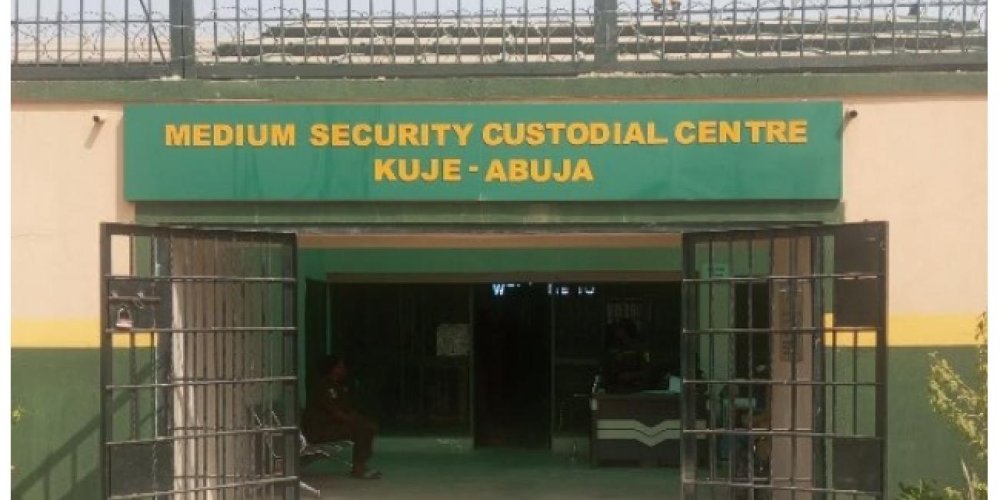
Nigeria’s National Correctional Service (NCS) has launched an investigation into the death of a Rwandan national, Benjamin Relasss, who died while in custody at Kuje Correctional Centre, amid allegations that he was denied timely medical care.
The decision, issued on June 19, confirms an earlier ruling by the Kicukiro Primary Court of May 26, 2026, which found that there are strong grounds to suspect the accused of committing multiple offenses.
The alleged offenses include human trafficking, complicity in human trafficking, unlawful arrest and detention, issuing threats, failure to report a serious crime, and forgery, alteration, and use of falsified documents.
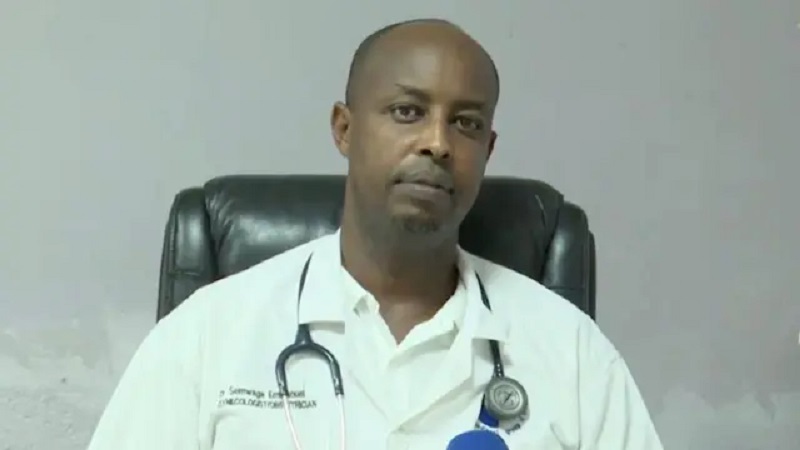
Dr. Semwaga is separately charged with complicity in human trafficking, failure to report a serious crime, and forgery, alteration, and use of falsified documents.
Prosecutors say the case arises from a fertility arrangement set up by Nsabimana and his wife Mukahigiro, which connected infertile couples with women willing to carry pregnancies on their behalf. Authorities allege that the arrangement later became commercialized and involved illegal practices.
It is further alleged that women who agreed to carry pregnancies were promised medical and social support during pregnancy, but that these commitments were not fulfilled. Some of the women were also allegedly threatened when they raised concerns.
Investigators allege that Dr. Semwaga was involved in embryo transfer procedures for participating women. However, the prosecution maintains that the procedures were carried out outside approved legal and institutional frameworks, and without the knowledge of the hospital where he worked.
Dr. Semwaga had requested provisional release, arguing that he needed to continue providing medical follow-up for women who had undergone embryo transfers and were nearing delivery. He also offered bail of 20 million Rwandan francs, which the court rejected.
On May 28, the accused filed an appeal at the Nyarugenge High Court, which was registered on June 1, seeking to overturn the lower court’s decision to keep them in custody.
During a closed-door appeal hearing held last week, Dr. Semwaga reiterated his request for release, stating that the women involved still required his medical attention and continued to consult him from the Nyarugenge Correctional Facility for treatment guidance.
The co-accused also argued that they were not a flight risk and should be released pending trial. The court, however, dismissed all arguments and ordered that they remain in provisional detention pending the substantive hearing of the case.
Dr. Emmanuel Semwaga and his co-accused will remain in provisional detention.
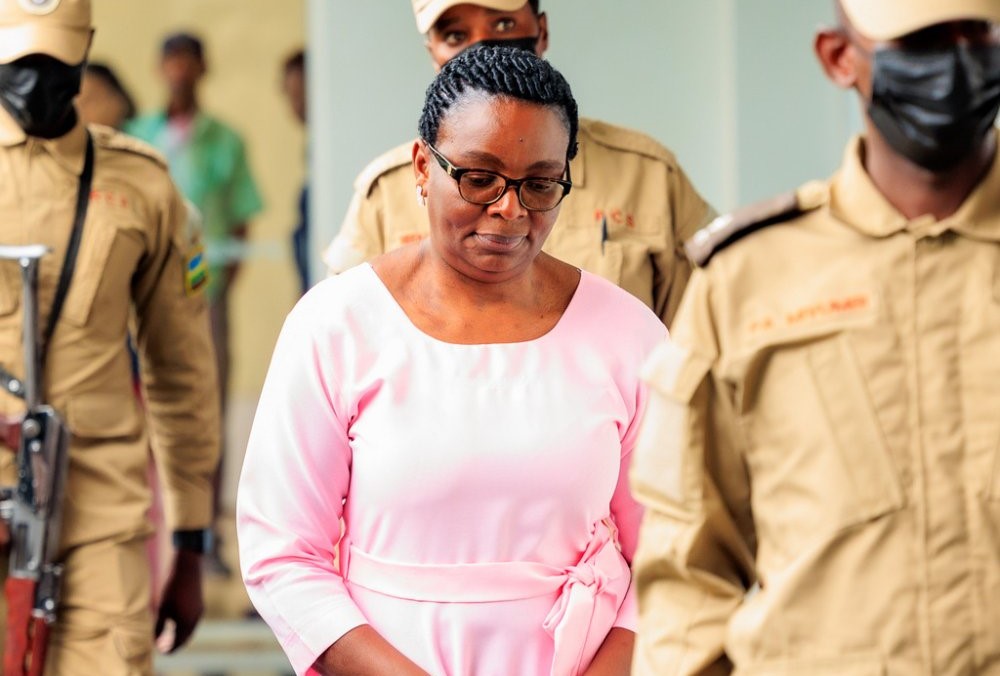
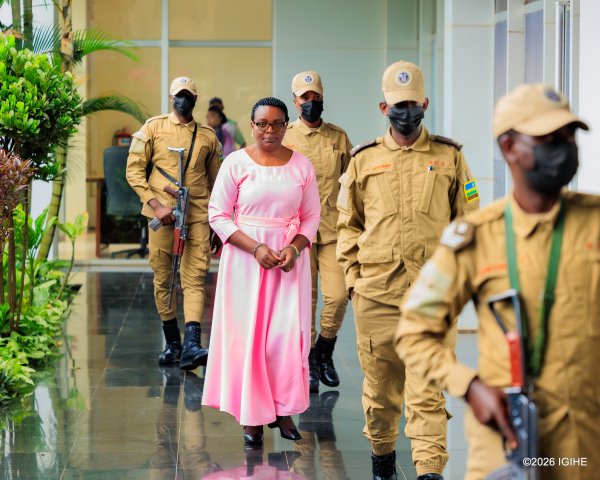
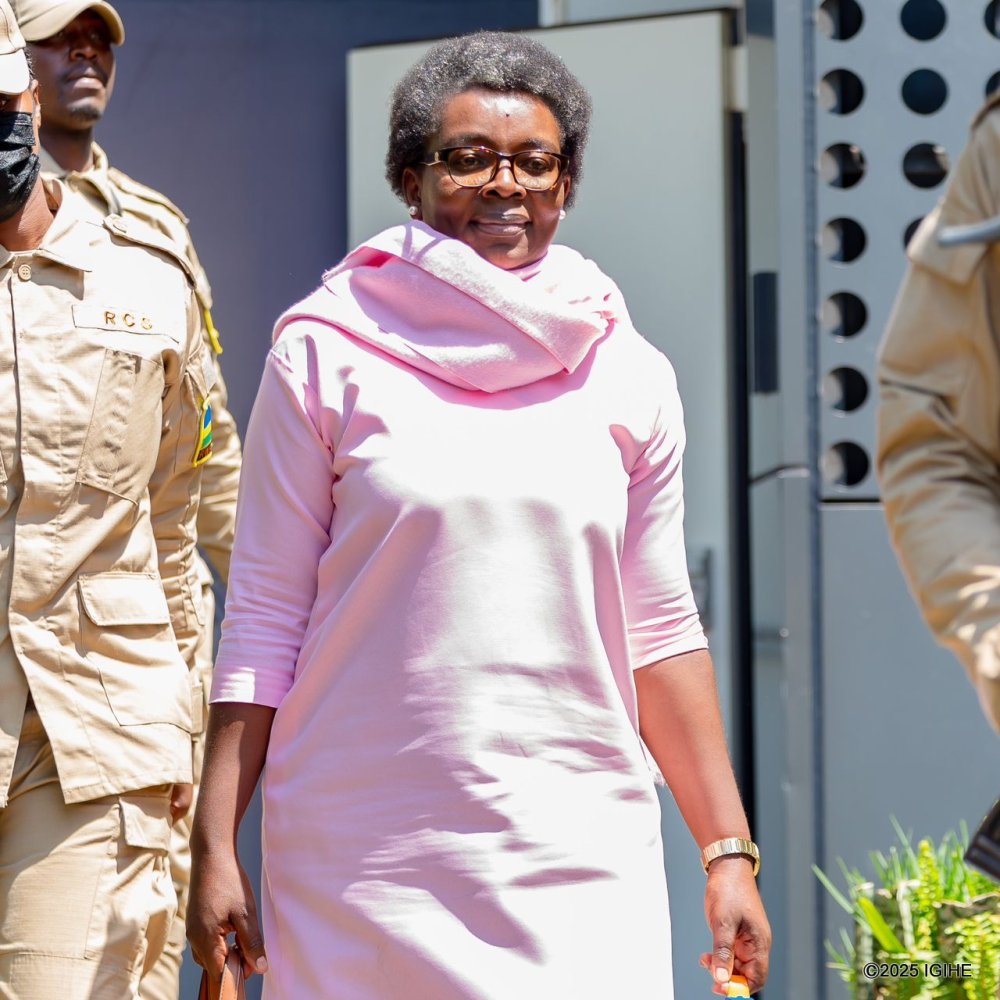
Ingabire Victoire, who describes herself as an opposition politician, is facing seven charges including forming or joining a criminal organisation, inciting public disorder, undermining the existing government, and spreading false information or propaganda aimed at inciting international hostility against the Government of Rwanda.
She is also charged with conspiracy to undermine the government, conspiracy to cause public disorder, and conspiracy to organise demonstrations.
Once the preliminary hearing concludes, the case is expected to proceed in open court.
Preliminary hearings, as provided for under Article 125 of Rwanda’s law governing criminal procedure, are intended to allow parties to address any procedural issues that could affect the main trial before it begins.
Regarding the charge of forming or joining a criminal organisation, the prosecution alleges that Ingabire played a role in organising training sessions for members of her supporters linked to DALFA Umurinzi, an organisation considered illegal in Rwanda.
The prosecution also argues that attacks carried out by groups such as RUD Urunana and P5 resulted in deaths, and that Ingabire was linked to these groups through her leadership of FDU-Inkingi, which allegedly later aligned with P5.
During a prior bail hearing, Ingabire stated that she had distanced herself from FDU-Inkingi, saying she left the party after concluding that it was involved in harmful activities.
Under Rwandan law, forming or joining a criminal organisation carries a prison sentence of no less than seven years and not more than 10 years.
Inciting public disorder is punishable under Article 204 of the penal code with a sentence ranging from 10 to 15 years in prison.
The prosecution alleges that in one audio recording, Ingabire and Cassien Ntamuhanga were heard planning a protest at Kigali’s city roundabout near Rubangura.
On the charge of undermining the government, prosecutors argue that Ingabire’s FDU-Inkingi party collaborated with armed groups opposed to the state, including RUD Urunana, P5, and RNC, with the aim of destabilising the government.
It is further alleged that once these plans were uncovered, Ingabire went on to form another political party, DALFA Umurinzi.
If convicted of undermining the government, she could face life imprisonment.
She is also accused of spreading false information or propaganda intended to incite hostility against the Government of Rwanda abroad, particularly around the time Rwanda was preparing to host the Commonwealth Heads of Government Meeting (CHOGM).
Prosecutors allege that Ingabire and her associates planned demonstrations aimed at portraying Rwanda as insecure.
During the COVID-19 pandemic, she is also accused of mobilising people who were promised food aid in order to stage protests.
Depending on whether the offence is considered in peacetime or wartime, the penalty ranges from seven years to life imprisonment.
Given the seriousness of the charges, prosecutors may seek a life sentence.
Ingabire faces charges including conspiracy to undermine the government, conspiracy to cause public disorder, and conspiracy to organise demonstrations.
Ingabire is facing multiple charges, including forming and participating in a criminal group, inciting public disorder, undermining government, spreading false information and propaganda intended to damage Rwanda’s reputation abroad, disseminating false rumours, plotting against state authorities, and incitement to protest.
The charges are linked to training sessions conducted in 2021 involving members of the then-unregistered political group DALFA Umurinzi. Prosecutors allege that participants received training from foreign instructors using material including the book Blueprint for Revolution by Serbian author Srdja Popovic.
The sessions were reportedly coordinated by Sibomana Sylvain, who is also a co-accused in the case.
Request to postpone proceedings
Before the prosecution presented its case, Ingabire raised her hand and informed the court that she was not prepared to proceed.
“I understand the prosecution is about to present its case, but I am not ready to stand trial due to several obstacles,” she told the court.
She later explained that her legal team, Me Gatera Gashabana, Me Bikotwa Bruce, and Me Gashema Félicien, had written to the court on June 10, 2026, outlining challenges affecting her ability to prepare a proper defence.
Ingabire argued that she was not in a suitable condition to proceed, citing physical, emotional, and other constraints affecting her preparedness.
Grounds presented by the defence
She outlined four main grounds for requesting a postponement. First, she said she had been unable to meet with her co-accused, who attended the same training sessions, which she considers necessary for preparing a coordinated defence. She stated that prison authorities had denied such meetings.
Second, she raised concerns over limited communication with her family, who are abroad. She said she has only been allowed to communicate with her husband, who is currently hospitalised, and has not been able to speak with her children. She argued that this restriction undermines her ability to prepare adequately, citing international standards on the rights of detainees to maintain family contact.
Third, she cited health and detention conditions, stating that basic personal care items, including toothpaste and skin lotion, were not consistently provided, affecting her well-being.
Fourth, she said she had been restricted in practising her religion and requested the court to ensure her basic rights, including freedom of worship, are respected.
Her lawyers informed the court that they had submitted multiple written complaints, including letters dated May 18, June 2, and June 11, 2026, outlining the difficulties faced in preparing the defence.
Me Bikotwa Bruce argued that there was no legal justification preventing Ingabire from meeting co-accused persons to prepare her case. Me Gatera Gashabana further requested that the trial chamber conduct a visit to the detention facility to assess her conditions firsthand and address the concerns raised.
Prosecution response
The prosecution dismissed the objections, arguing that none of the issues raised constituted valid legal grounds for adjournment.
“These are not legal obstacles to the continuation of the trial; they are emotional claims by the accused and her lawyers. We consider them delaying tactics,” the prosecutor stated.
The prosecution further argued that the inability to meet co-accused persons does not violate any legal provision and therefore cannot justify suspending proceedings. It added that concerns about communication with counsel would be more relevant, but no such restriction had been demonstrated.
On religious practice, the prosecution maintained that detainees in Rwanda retain the right to worship. Regarding complaints about hygiene items, it argued these were unrelated to the merits of the case and did not justify postponement.
Court’s direction
The presiding judge asked Ingabire how many meetings she would require with her co-accused to prepare her defence. She responded that at least four meetings would be necessary.
The court also instructed the defence to submit all documentation supporting claims that formal requests had been made to prison authorities and relevant institutions regarding access to co-accused and other facilities.
After hearing submissions from both sides, the court adjourned the session and scheduled the hearing to continue on June 16, 2026, at 11:00 a.m.
Victoire Ingabire is facing multiple charges, including forming and participating in a criminal group, inciting public disorder, undermining government, spreading false information and propaganda intended to damage Rwanda’s reputation abroad, disseminating false rumours, plotting against state authorities, and incitement to protest.
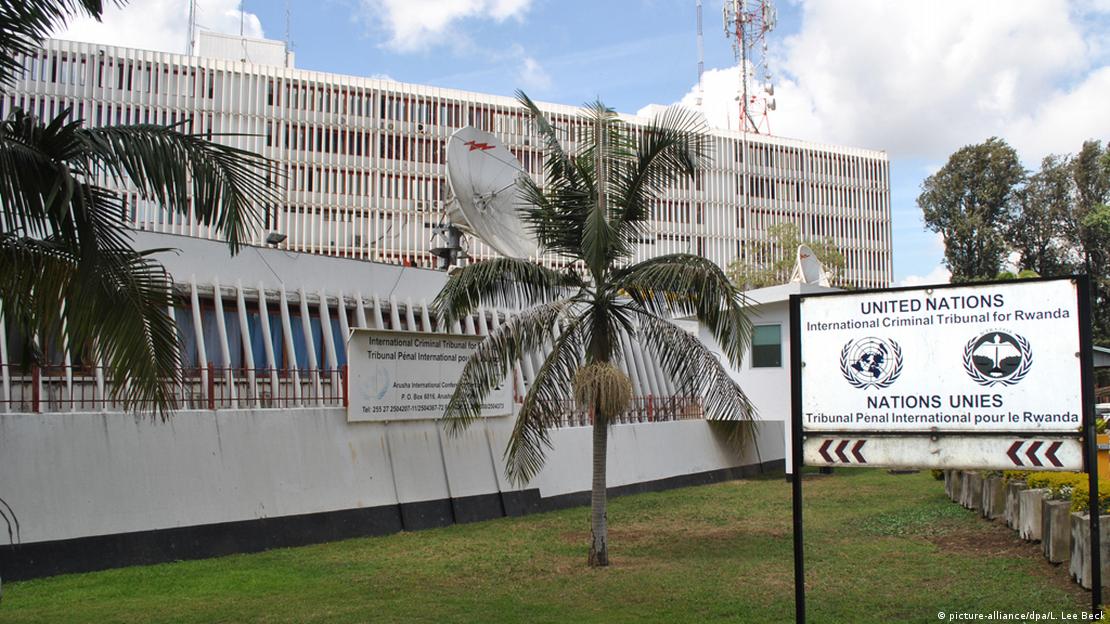
Addressing the Security Council during an open debate on the International Residual Mechanism for Criminal Tribunals (IRMCT), Rwanda’s Minister of Justice and Attorney General, Emmanuel Ugirashebuja, said the question of the ICTR archives is no longer one of capacity or feasibility, but one of principle.
“The question before us is where the historical record of the Genocide against the Tutsi should be preserved so that it remains most meaningful, accessible and relevant to those whose history it documents,” he told Council members on Friday.
The intervention comes as the United Nations considers the future of the ICTR’s legacy institutions and remaining residual functions. Rwanda argued that, unlike other international tribunal archives that concern multiple countries and conflicts, the ICTR archives relate to a single country, a single people and a single genocide, making Rwanda the most appropriate location for their preservation.
Ugirashebuja emphasised that Rwanda fully recognises the archives as the property of the United Nations, but said ownership alone should not determine their future location. Historical relevance, accessibility and proximity to survivors and future generations should also be taken into account, he argued.
According to the minister, the country has already met all technical and legal requirements necessary to host the archives. The government says it has invested in archival infrastructure, developed expertise in preservation and digitization, and established legal safeguards that would protect the integrity of the records while ensuring continued access for researchers and scholars.
In a significant new offer, Rwanda pledged to bear the financial costs associated with relocating and maintaining the archives.
“Relocating the archives to Rwanda would not impose an additional financial burden on Member States,” Ugirashebuja said, adding that Rwanda is prepared to finance the transfer, preservation and digitisation of the records while maintaining United Nations ownership.
The minister said such an arrangement would relieve the UN and member states of future financial obligations related to managing and digitising the archives, while ensuring their long-term preservation.
For survivors of the Genocide against the Tutsi, Rwanda argues that the transfer would represent more than the movement of documents. It would symbolise the return of a vital part of their collective memory and historical record.
Beyond the archives issue, Rwanda also called for greater clarity regarding the future of the Mechanism’s remaining responsibilities. The country expressed readiness to host a small residual prosecutorial presence to support cooperation with national authorities and the continued pursuit of genocide fugitives.
Ugirashebuja noted that more than 1,000 genocide suspects remain at large worldwide and said continued international cooperation remains essential to advancing accountability.
Rwanda further renewed its longstanding offer to receive persons convicted by the ICTR for sentence enforcement, as well as Rwandan nationals who have been acquitted or have completed their sentences but remain without a durable solution.
The minister told the Council that Rwanda’s correctional facilities meet international standards and that the country has accumulated decades of experience in the reintegration of returning nationals and former genocide convicts.
As the IRMCT moves closer to completing its mandate, Rwanda urged the Security Council to begin making decisions about the orderly transfer of remaining responsibilities, including the future of the ICTR archives.
“The Mechanism was never intended to be permanent,” Ugirashebuja said. “Its success should ultimately be measured not by its longevity, but by its ability to complete its mandate and ensure that residual responsibilities are managed in a sustainable manner.”
The appeal places the future location of the ICTR archives firmly before the Security Council and signals Rwanda’s intention to play a larger role in preserving the legacy of international justice more than three decades after the Genocide against the Tutsi.
The ICTR served as the principal international tribunal to prosecute those responsible for the 1994 Genocide against the Tutsi. It was formally closed on December 31, 2015. By the time of its closure, the Tribunal had indicted 93 individuals and concluded proceedings for 82, resulting in 61 convictions and 14 acquittals.
Additionally, it issued a total of 55 first-instance judgments and 45 appeal judgments. Remaining cases, primarily fugitives still at large and some matters referred to national jurisdictions, were transferred to the International Residual Mechanism for Criminal Tribunals to ensure the completion of the Tribunal’s work.
Addressing the Security Council during an open debate on the International Residual Mechanism for Criminal Tribunals (IRMCT), Rwanda’s Minister of Justice and Attorney General, Emmanuel Ugirashebuja, said the question of the ICTR archives is no longer one of capacity or feasibility, but one of principle.Rwanda’s intervention comes as the United Nations considers the future of the ICTR’s legacy institutions and remaining residual functions.
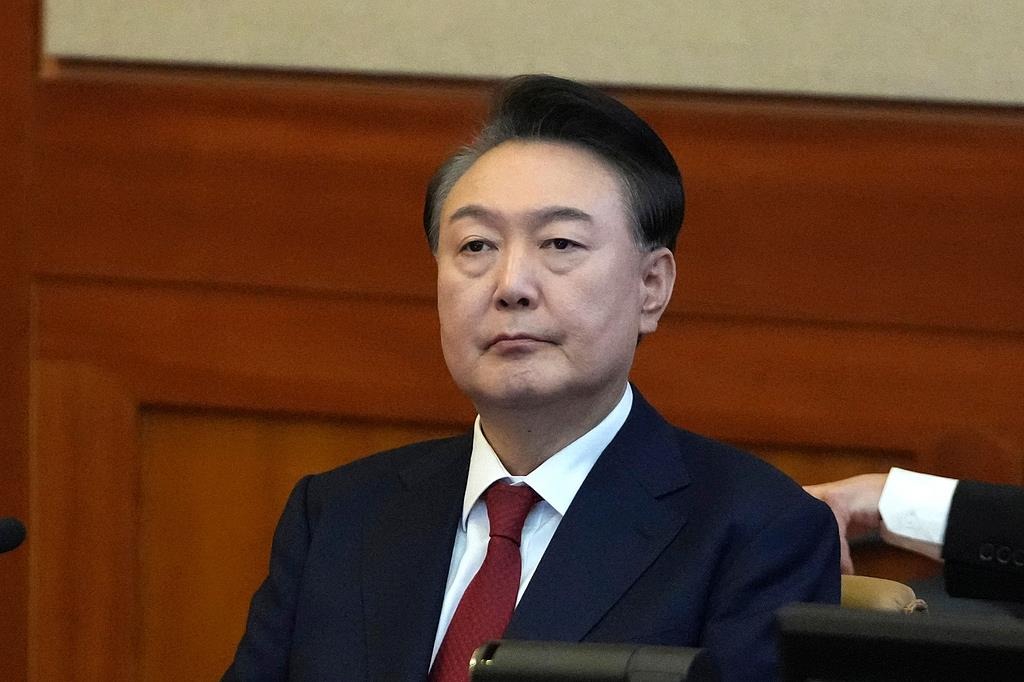
The Seoul Central District Court handed down the prison sentence to Yoon on charges of general treason, referring to the crime of harming South Korea’s military interests or benefiting the enemy.
The court ruled that the drone infiltration compromised South Korea’s military interests, saying that the drone operations were conducted for private purposes unrelated to national security or defense.
The team of Cho Eun-suk, an independent counsel who led investigations into Yoon’s insurrection and other charges, demanded a 30-year prison term for Yoon.
Yoon was accused of ordering the drone infiltration into Pyongyang around October 2024 with the intent of militarily provoking the DPRK in a bid to create a pretext for his martial law declaration in December of the same year.
The special prosecutor team believed that the drone operation heightened military tensions between the two Koreas and compromised South Korea’s military interests, as the drone crash led to the leak of classified information about military operations and assets.
Former Defense Minister Kim Yong-hyun was sentenced to 30 years in prison, which is heavier than the 25-year jail term sought by the special counsel, while Yeo In-hyung, former head of the Defense Counterintelligence Command, was sentenced to 15 years in prison.
Yoon, Kim and Yeo were indicted on general treason charges in November 2025.
Yoon was sentenced to life in prison in February for insurrection stemming from his martial law declaration.
The emergency martial law was declared by Yoon on the night of Dec 3, 2024, but it was revoked hours later by the National Assembly.
He was indicted under detention in January 2025 as a suspected ringleader of the insurrection, becoming the first sitting president to be arrested and indicted.
The Seoul Central District Court handed down the prison sentence to Yoon on charges of general treason
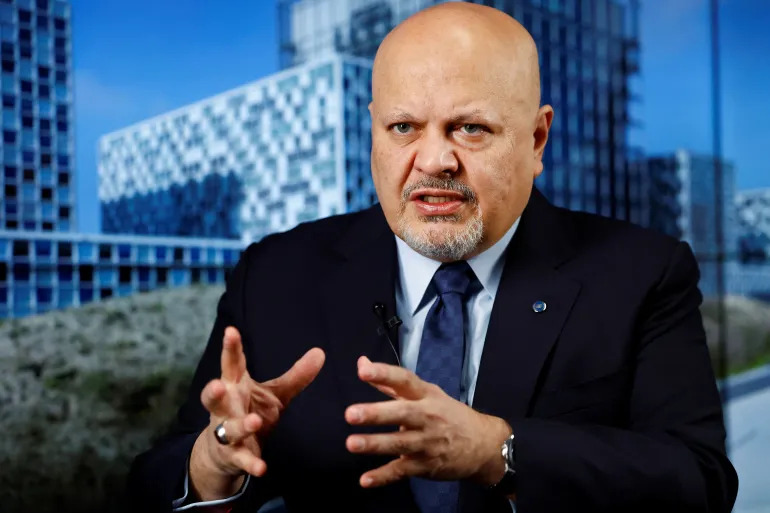
The court’s governing body, the Bureau of the Assembly of States Parties, announced on Monday that Khan’s case will be referred to a special session of the ICC’s 125-member states, which will ultimately decide his future at the world’s top war crimes tribunal.
The suspension follows a vote by the bureau’s executive committee after reviewing findings from a United Nations investigation, advice from an ad hoc panel of judicial experts, and written submissions related to the case.
In its statement, the bureau emphasised that the suspension “is not an indication of the final outcome” of the proceedings. The decision and supporting documentation will remain confidential.
Khan, 56, has strongly denied the allegations and rejected the suspension. In a statement issued through his lawyers, he described the decision as “unlawful, procedurally unfair and unsupported by evidence.”
The allegations, first reported in 2024, were brought by a female ICC staff member who accused Khan of engaging in coercive and non-consensual sexual conduct between 2023 and 2024. The alleged incidents are said to have occurred during work trips, in Khan’s office in The Hague, and at his residence.
According to media reports, a UN investigation found a “factual basis” for the allegations. However, a three-judge panel tasked with reviewing the findings reportedly concluded that the evidence was not sufficiently conclusive to establish misconduct.
Khan’s legal team has argued that the judges unanimously determined that the investigation’s factual findings did not establish misconduct or a breach of duty. The prosecutor has also maintained that the allegations are part of a politically motivated campaign against him.
The case marks an unprecedented moment for the ICC. Khan is the first chief prosecutor to be formally suspended by the court’s oversight body. The referral of disciplinary proceedings to all member states could ultimately lead to a vote on whether he should be removed from office.
Only the Assembly of States Parties has the authority to dismiss the prosecutor. A majority vote in a secret ballot would be required, meaning at least 63 of the court’s 125 member states would need to support his removal.
Khan has already been on voluntary leave from the Office of the Prosecutor since May while the inquiry was underway. As a result, his suspension is not expected to significantly affect the court’s day-to-day operations.
A date for the special session of member states has not yet been announced.
Khan has served as ICC prosecutor since 2021 and gained international prominence for pursuing investigations and arrest warrants in several high-profile conflicts, including cases related to the war in Gaza and former Philippine President Rodrigo Duterte’s anti-drug campaign.
Karim Khan is the first ICC prosecutor to be formally suspended from his role by the court’s oversight body.
In a ruling delivered on Monday, a three-judge bench comprising Justice Eric Ogola, Justice Anthony Mrima, and Justice Dr. Freda Mugambi held that while Gachagua’s impeachment remains valid, key aspects of the process fell short of constitutional standards of fairness.
The court found that senators infringed on Gachagua’s fair hearing rights when they declined to grant an adjournment despite his absence from the proceedings, thereby proceeding with hearings in a manner that violated due process protections.
The judges said the award of Ksh 50 million was both compensatory and constitutional in nature, aimed at vindicating the Constitution, restoring the dignity of the affected party, and deterring future violations by state organs.
“The court awards constitutional damages of Kenya Shillings 50 million to His Excellency Gachagua payable by the Senate to vindicate the Constitution, restore the dignity of the affected party, and deter future violations,” the bench stated.
The court further emphasised that Parliament must establish a clear statutory framework governing the impeachment of a Deputy President under Article 150 of the Constitution, noting that procedural clarity is essential to safeguard constitutional protections.
On issues relating to pension and emoluments, the court made no determination, stating that Gachagua is free to pursue the matter before the appropriate forum.
Gachagua’s legal team said they would challenge the ruling at the Court of Appeal, arguing that the court’s finding of a fair hearing violation raised unresolved constitutional contradictions in the impeachment decision.
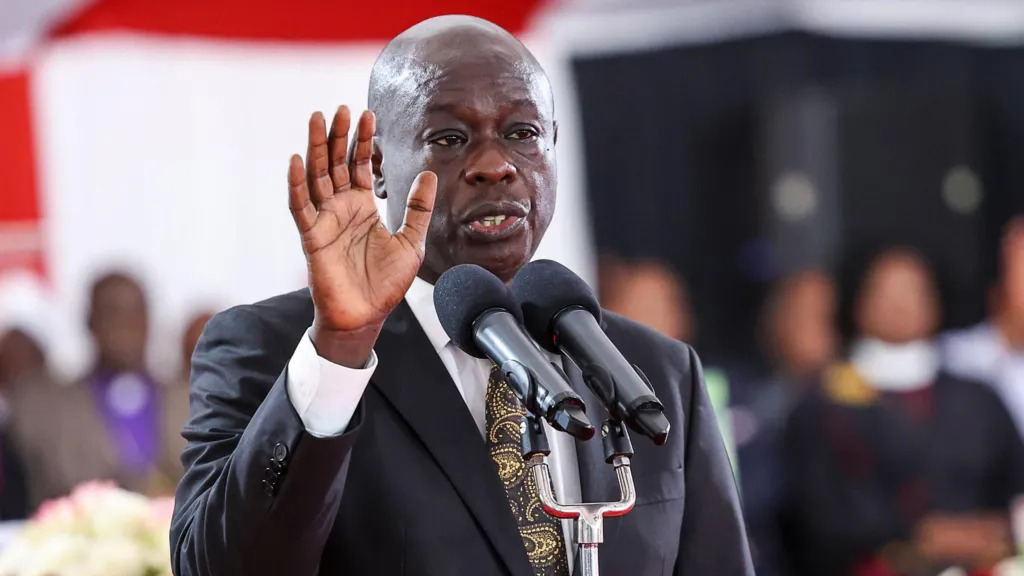
Kenya’s High Court has ordered the Senate to pay former Deputy President Rigathi Gachagua Ksh 50 million (about Rwf 565 million) in constitutional damages after finding that his right to a fair trial was violated during impeachment proceedings that led to his removal from office in October 2024.