The figures show a steady increase over the eight-year period, starting with 13 cases in 2018 and rising to 368 in 2019. The number stood at 326 in 2020, 339 in 2021, and 464 in 2022, before nearly doubling to 804 in 2023.
The highest annual total was recorded in 2024, when courts imposed community service in 1,462 cases. The figure fell to 584 in 2025, while 114 cases resulted in the sentence during the first half of 2026.
Nyagatare Primary Court recorded the highest number of sentences at 554 cases, followed by Gasabo with 463, Nyarugenge and Ndora with 332 each, and Kicukiro with 323.
Speaking to journalists on September 11, Inspector General of Courts Valens Nkurunziza noted that community service applies to specific statutory violations.
“The law currently provides for six offences that can attract this sentence. It was imposed most frequently in 2024, when it was handed down in 1,462 cases,” he said.
Overall, historical data indicates that more than 20,000 people had been sentenced to community service under the national framework by 2024, including individuals who were awaiting deployment.
The Rwanda Correctional Service (RCS) expanded implementation of these community service sentences in December 2025, initially placing 800 individuals into public work and development projects.
Under Rwandan criminal procedure law, community service imposed as a principal sentence cannot exceed six months. It can also replace part of a custodial sentence: for offences carrying prison terms between six months and five years, a court may order an offender to serve up to two years of the term through community service.
Where an offence carries a prison sentence of less than six months, the community service period cannot exceed that maximum term. If an offender willfully fails to fulfill their assigned duties, they can be ordered to serve the remainder of their sentence in prison.
The RCS determines placement based on an offender’s technical skills and health status. Depending on the arrangement, individuals either return home daily or reside at designated facilities. Sentences may be temporarily suspended in cases of physical or mental disability, serious illness, or pregnancy where continuous labor poses health risks.
Rwandan courts have handed down community service sentences in 4,474 cases since 2018, with offenders either serving them from home or at designated facilities.
The Seoul Central District Court delivered the verdict, ruling that it cannot be definitively concluded that there was an intent to obstruct the investigations into a marine’s death.
The team of independent counsel Lee Myeong-hyeon, who led investigations into the marine’s death, sought a five-year prison term on charges of aiding the criminal suspect’s flight and abusing presidential power.
Yoon was accused of ordering the appointment of former Defense Minister Lee Jong-sup as ambassador to Australia to help him flee the country in November 2023, about four months after the marine’s death.
The special counsel team alleged that Yoon helped Lee, a primary suspect at the time, flee the country through the appointment to cover up the marine’s death.
The court handed down blanket acquittals for several former top-ranking officials involved in lifting Lee’s travel ban and fast-tracking his appointment.
Yoon was sentenced to life in prison in February for the insurrection stemming from his martial law declaration and 30 years in prison in June for the general treason relevant to the infiltration of drones into the Democratic People’s Republic of Korea.
The emergency martial law was declared by Yoon on the night of Dec. 3, 2024, but it was revoked hours later by the National Assembly.
He was indicted under detention in January 2025 as a suspected ringleader of the insurrection, becoming the first sitting president to be arrested and indicted.
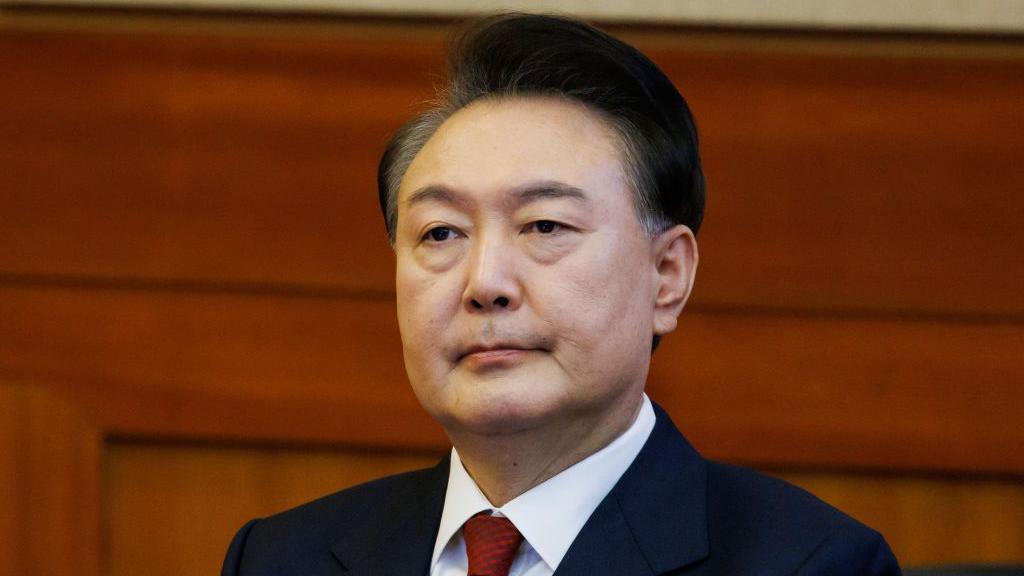
South Korea’s ousted former President Yoon Suk Yeol arrives to attend his trial at the Seoul Central District Court in Seoul, South Korea, May 12, 2025. (AP Photo/Ahn Young-joon, Pool, File)
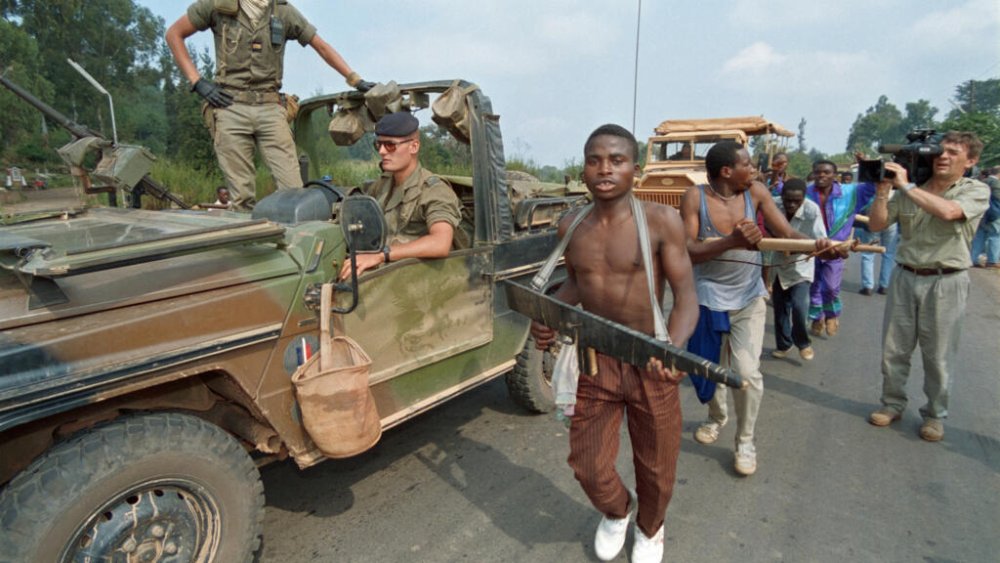
In a ruling on September 9, 2026, the country’s highest court rejected an appeal seeking to reopen an investigation into the possible complicity of French soldiers in the massacres of Tutsi at Bisesero in western Rwanda.
The case was brought in 2005 by six Genocide survivors and human rights organisations including Survie, Ibuka, the International Federation for Human Rights (FIDH), the French League of Human Rights (LDH) and Licra.
The complainants accused French soldiers serving under Opération Turquoise of knowingly failing to protect Tutsi civilians who had sought refuge in the Bisesero hills, where hundreds were killed between June 27 and 30, 1994.
They argued that the soldiers were aware of the killings but did not intervene despite having the capacity to do so.
The investigation was halted in 2018, and the decision was subsequently upheld by investigating judges in October 2023 and by the Paris Court of Appeal in December 2024. The civil parties then appealed to the Court of Cassation.
The court has now confirmed the dismissal, bringing the long-running legal case to an end.
Eric Plouvier, a lawyer representing Survie, had argued that the French court decisions denied justice to those killed in Bisesero and the survivors, and called for the investigation to continue to establish the role of the French soldiers.
However, the Court of Cassation found that the French soldiers could not be expected to act without precise orders from their chain of command, particularly the Ministry of Defence.
The judges also found no evidence showing that the officers intended to facilitate crimes against Tutsi civilians.
According to the court ruling, the three-day delay before the rescue operation reflected the time needed to clarify a situation that remained confused, while the soldiers had limited information about what was happening and the nature of the Genocide against the Tutsi.
The court also noted that the force led by Lieutenant-Colonel Jean-Rémi Duval was too small to conduct a secure intervention at the time.
Regarding General Jean-Claude Lafourcade, who commanded Opération Turquoise, the judges found that he had sought additional information before deciding on possible action and that doubt remained over his knowledge of what was taking place.
France’s top court has upheld dismissal of case against soldiers accused of failing to protect Tutsi in Bisesero.
Shema, 48, is accused of issuing unfunded cheques and obtaining another person’s property through fraud. He denies the charges.
The court ordered his detention on September 2, 2026, citing the ongoing investigation and the fact that the offences he is accused of carry prison sentences of more than two years.
IGIHE has learned that Shema filed his appeal at the Nyarugenge Intermediate Court on September 4. A hearing date has not yet been set.
During the August 26 hearing, prosecutors argued that there were strong grounds linking Shema to the alleged offences and that he could flee if released while investigations were ongoing.
The case relates to an agreement worth more than €1 million between Shema’s company, Africa Medical Supplier Plc, and UAE-based ABZL International General Trading LLC. The agreement, signed in January 2024, involved supplying medical equipment under a World Bank-funded contract for the Democratic Republic of Congo.
Prosecutors said Shema’s company failed to meet its payment obligations and later issued two cheques worth $400,000 and $200,000 in August 2025. They said the bank confirmed the cheques were not backed by sufficient funds, with the company’s account holding only $1,183 during the relevant period.
Shema told the court that the dispute arose from problems with ABZL’s bank account and disagreements among its shareholders. He said his company had previously paid $800,000 under the agreement and maintained that he had acted in good faith.
His lawyer, Sangano Yves, argued that the matter was fundamentally a commercial dispute and questioned the evidence surrounding the cheques.
Shema also told the court that he owns assets worth more than Rwf5 billion that could be used as bail security and pledged not to evade justice if released.
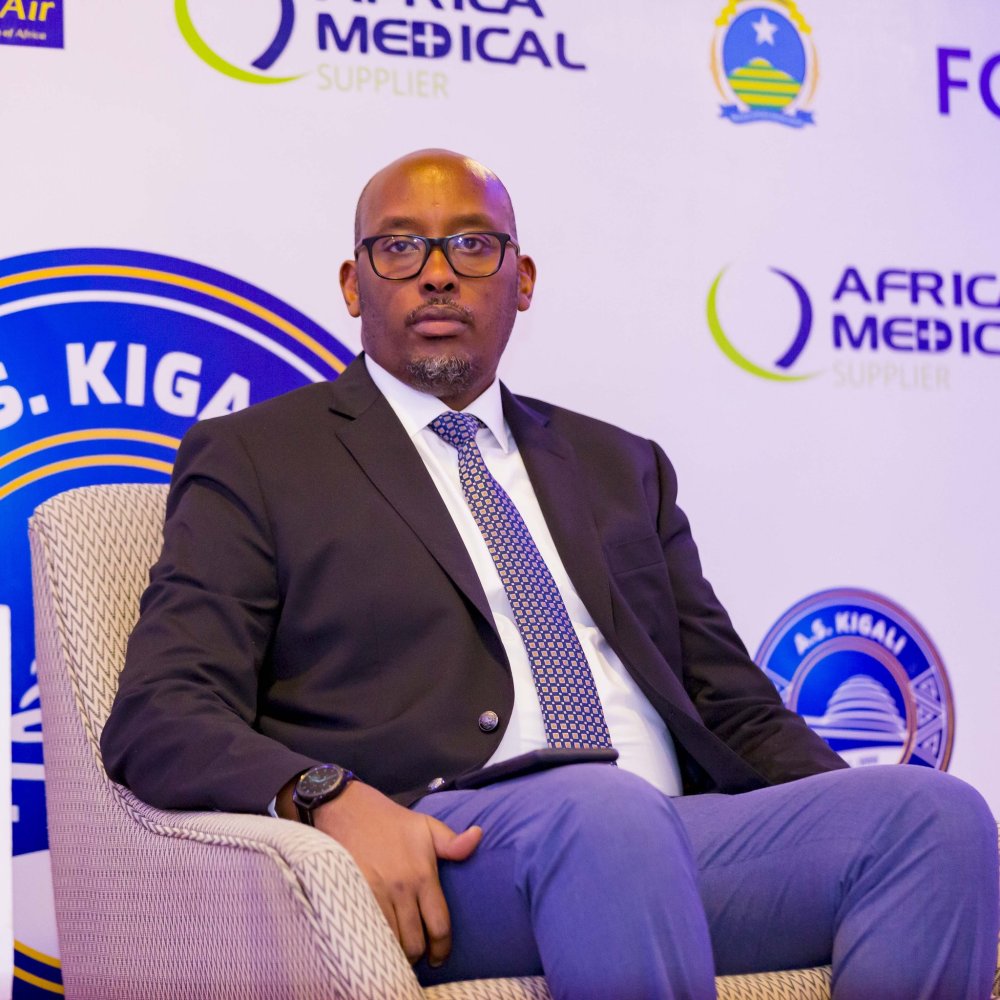
Shema Fabrice has appealed a 30-day provisional detention order.
Mukantaganzwa said the decline was partly attributed to the use of restorative justice, which focuses on resolving disputes through mutual agreement between the parties.
She made the remarks on September 4, 2026, during the official closing of the 2025/26 judicial year in Kigali, where the 2026/27 judicial year was also officially launched.
The ceremony was attended by judges and other officials from the justice sector, including representatives from the Ministry of Justice. The previous judicial year ended on June 30, 2026.
Mukantaganzwa said courts across Rwanda began the 2025/26 judicial year with a backlog of 54,278 cases that had been carried over from the previous year.
During the year, the courts received 109,417 new cases, bringing the total number of cases that needed to be handled to 163,695.
Of these, 123,027 cases were concluded, leaving 40,668 cases pending as the new judicial year began.
This means that the backlog from the 2024/25 judicial year, which stood at 54,278 cases, declined to 40,668 cases, representing a reduction of 25.1%.
Among the cases concluded during the year, 109,555, representing 89%, were heard on their merits, while 13,472, equivalent to 11%, involved hearings on provisional detention and release.
The 13,472 cases involving provisional detention and release concerned 17,086 individuals. Of these, 9,093, representing 58%, were ordered to remain in provisional detention.
Another 4,294 people, equivalent to 25%, were granted provisional release, while 2,889, representing 17%, were released subject to conditions they were required to comply with.
The judicial year ended with the justice sector having made progress toward its goal of strengthening restorative justice, which contributed to an increase in the number of cases resolved through this approach.
“We are pleased that the number of cases resolved through this approach reached 19,888, up from 15,012 in the previous year. This represents an increase of 4,876 cases, equivalent to 32.4%,” Mukantaganzwa said.
She said the increase demonstrates progress in delivering fair justice by ensuring that cases are resolved in a timely manner.
The number of cases that had remained pending for more than six months also declined. At the end of the 2025/26 judicial year, there were 17,663 such cases, compared with 26,862 in the previous judicial year.
This represents a decline of 6%.
The reduction was also reflected in the average time cases remained pending before being heard. The average waiting period fell from six months in 2024/25 to four months during the year that ended.
However, Mukantaganzwa acknowledged that cases remain pending and said the goal is to continue reducing the backlog in order to strengthen the delivery of efficient justice.
“The goal is to continue reducing the backlog so that it does not exceed 30% by 2028/29,” she said.
She noted that some courts, particularly the High Courts and courts in the City of Kigali, continue to have a high number of cases. This affects the amount of time litigants have to wait before their cases are heard.
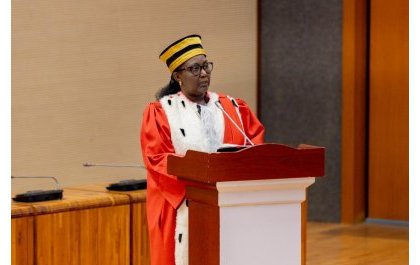
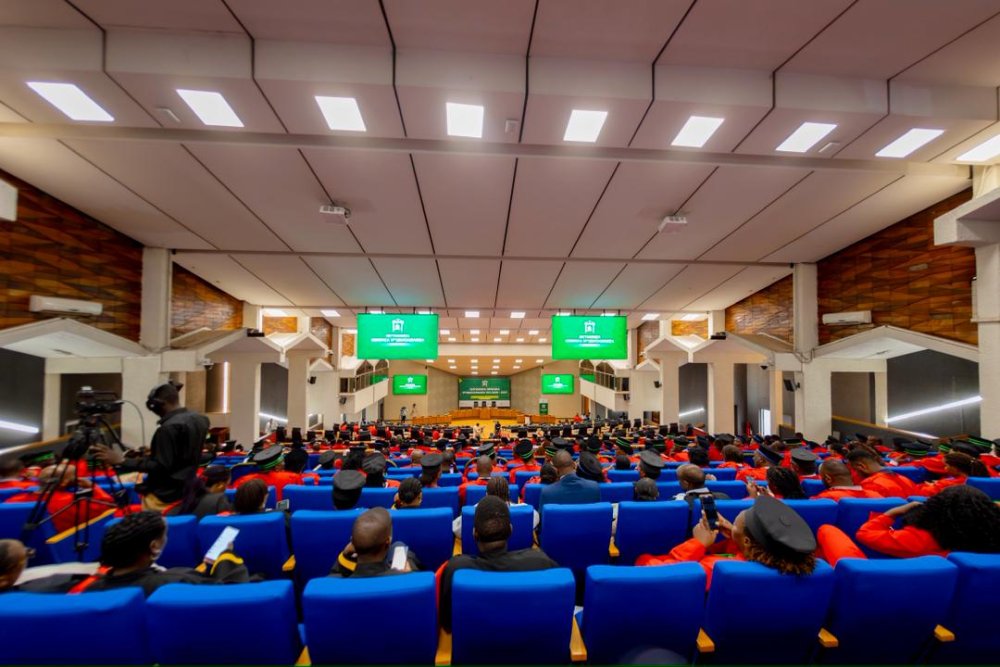
Supreme Court President Domitilla Mukantaganzwa said the backlog of court cases declined by 25.1% during the 2025/26 judicial year.Judges attend the ceremony marking the end of the judicial year and the launch of a new one.
The ruling was delivered on September 2, 2026, after the prosecution requested 30 days of remand, arguing that there were substantial grounds to believe Shema committed the alleged offences and that he could abscond if released while investigations continued.
The case stems from a contract worth more than €1 million between Africa Medical Supplier Plc, a company owned by Shema that deals in medical equipment, and ABZL International General Trading LLC. The agreement, signed on January 23, 2024, was linked to World Bank procurement for the supply of medical equipment to the Democratic Republic of Congo.
Under the agreement, Africa Medical Supplier was required to pay ABZL within 60 days. The prosecution told the court that the company failed to meet the payment deadline and repeatedly delayed ABZL before eventually promising to settle the outstanding amount by email.
On August 5, 2025, Shema allegedly issued ABZL two cheques worth $400,000 and $200,000. The prosecution said the cheques were dishonoured because the company’s account did not have sufficient funds between August 1 and 10, 2025.
Shema denied the charges, saying ABZL was a financial services company based in the United Arab Emirates with which he had maintained business relations since 2017. He said their previous contracts had been successfully completed.
He told the court that Africa Medical Supplier had paid $400,000 in May 2024 and another $400,000 in December 2024, but that the second payment could not be completed because of an issue with ABZL’s account. He said the contract required ABZL to provide an alternative account in such circumstances.
Shema also said a dispute between ABZL shareholders led one of them to take the cheques, add payment instructions and request that the money be paid into a US bank account. He questioned why cheques originally intended for payment in Dubai would be redirected to the United States.
Shema maintained that he would not flee if released and told the court that he owns assets worth more than Rwf5 billion that could be used as security.
His defence counsel challenged the validity and handling of the cheques, arguing that the bank had cancelled them on July 16, 2025, before the alleged offence date of August 5. The lawyer also pointed to a change in the payment destination from the UAE to a US bank account on June 25, 2025.
The defence asked the court to grant Shema bail, arguing that the dispute arose from a commercial contract rather than a personal criminal matter.
The defence also said they submitted evidence of a $600,000 payment made through BK and a letter requesting assistance from the Rwanda Investigation Bureau (RIB) to transfer the funds to the designated account.
The court also noted discrepancies in the cheques, including the fact that both bore the same cheque number. The original did not have a date, while the copy presented to the court was dated either August 5 or August 8, 2025. Both documents bore Shema’s signature.
The prosecution, however, told the court that when RIB asked the bank whether the cheques were covered, the bank confirmed that they were not, noting that the Africa Medical Supplier account held just over $1,000.
After considering the submissions, the court remanded Shema in custody for 30 days as investigations continue.
Nyarugenge Primary Court has remanded Shema Fabrice for 30 days
Shema was arrested by the Rwanda Investigation Bureau (RIB) on August 11, 2026. He is facing charges of issuing a cheque without sufficient funds and fraudulently obtaining another person’s property.
His hearing on provisional detention was initially scheduled for the morning of August 26, but the court adjourned it to the afternoon to allow Shema and his lawyer more time to prepare their evidence.
The hearing began at 3 p.m., with prosecutors telling the Nyarugenge Primary Court that the case arose from a contract between Africa Medical Supply, Shema’s company that trades in medical equipment, and ABZL International Trading.
The agreement, signed on January 23, 2024, required Africa Medical Supply to make payment within 60 days, according to the prosecution.
Prosecutors said the company failed to honour the agreement and repeatedly delayed payment to ABZL despite demands for settlement. They said Shema eventually promised to pay after ABZL contacted him by email.
On August 5, 2025, prosecutors said Shema issued ABZL two cheques, one for $400,000 and another for $200,000.
The prosecution told the court that the bank subsequently confirmed that the cheques were not backed by sufficient funds, noting that the Africa Medical Supply account did not contain enough money to cover them.
Prosecutors asked the court to remand Shema in provisional detention for 30 days, arguing that there are reasonable grounds to believe he committed the alleged offences and that he is considered a flight risk if released while investigations continue.
Shema denies charges
Shema denied the allegations and told the court that Africa Medical Supply had entered into a business agreement with ABZL, a UAE-based company that provides financial support services, and that the two companies had worked together previously.
He said previous agreements between Africa Medical Supply and ABZL had been successfully completed, with both sides fulfilling their contractual obligations.
Regarding the agreement at the centre of the case, Shema said his company paid ABZL $400,000 in May 2024 and another $400,000 in December of the same year.
He said ABZL did not receive the second payment because the bank reported a problem with the account designated to receive the funds.
According to Shema, Article 6 of the agreement required ABZL to provide an alternative account if there was a problem with the designated account.
“We asked them to amend the agreement and provide us with another account. We discussed it, and I suggested that while they were resolving the issue, I could give them a cheque, one without a date,” he told the court.
Shema said a dispute subsequently arose among ABZL shareholders, with the parties disagreeing over which account should receive the money.
He alleged that one of the shareholders, who is also the complainant in the case, took the cheque, added details to it and requested that it be paid into a US Bank account in the United States. The shareholder also added August 5, 2025 as the date, he said.
Shema questioned why a cheque intended for payment in Dubai, United Arab Emirates, would later be presented in the United States.
He also rejected the allegation that he knowingly issued a bounced cheque, saying his previous financial record demonstrated that he was a credible businessman.
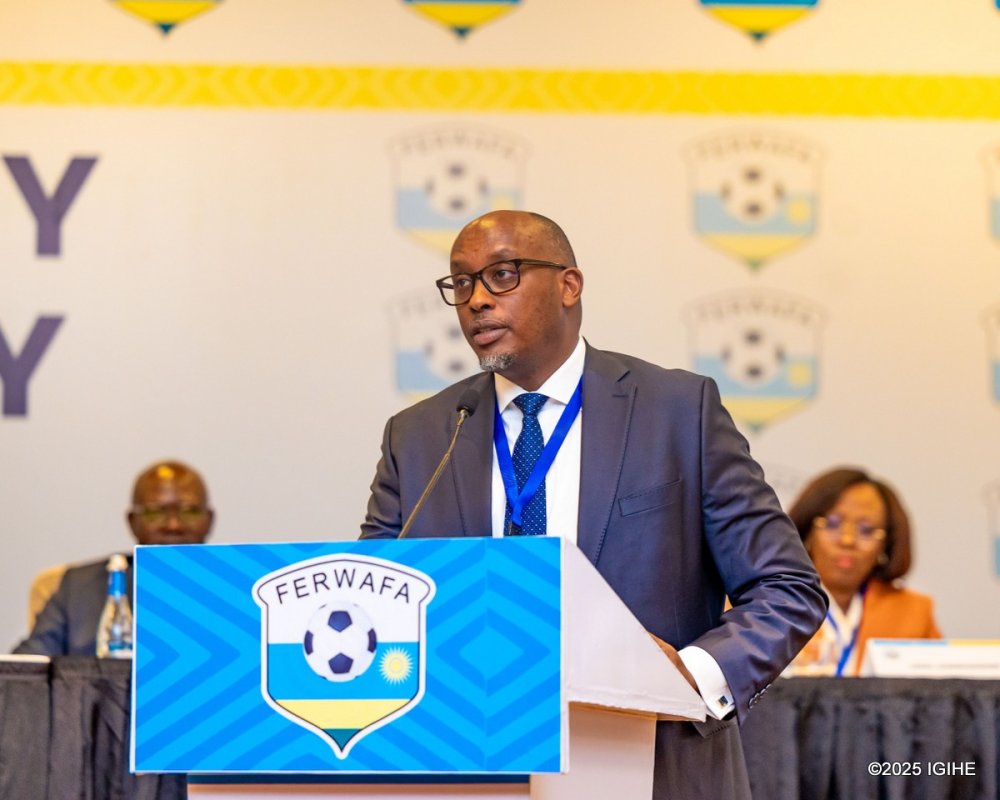
Shema further argued that his position as FERWAFA president demonstrated the level of trust placed in him and said he would not evade justice if granted provisional release.
“I am a leader who has been entrusted with responsibility, and I have been heading FERWAFA for a year. I have never abused that responsibility for my personal interests, and the charges against me have nothing to do with it,” he said.
He told the court that he owns assets worth about Rwf 5 billion that could be used as security for his release.
Lawyer challenges prosecution’s evidence
Shema’s lawyer challenged the prosecution’s evidence, questioning the timeline surrounding the cheques.
The lawyer said the bank dishonoured the cheques on July 16, 2025, while Shema is alleged to have committed the offence on August 5, 2025.
He also told the court that the cheque had originally been intended for payment in the UAE but was later presented to US Bank on June 25, 2025.
“We believe that one of the reasons I&M Bank rejected the cheques was that the account details had been unlawfully changed,” the lawyer said.
He argued that the dispute was essentially a commercial matter arising from a contractual relationship rather than a criminal case involving Shema in his capacity as head of Africa Medical Supply.
The defence also submitted proof of a $600,000 payment through Bank of Kigali (BK) and a document requesting RIB’s assistance in ensuring that the money reaches the intended account.
Prosecution maintains case
The prosecutor told the court that the case involves two cheques bearing the same number. He said the original cheque did not contain a date, while a copy contained a date that could be either August 5 or August 8, 2025.
The cheques, he said, had been submitted to the court and bore Shema’s signature.
The prosecutor also said RIB had contacted the bank to establish whether the cheques were backed by sufficient funds at the time. The bank reportedly responded that the account held only slightly more than $1,000.
He rejected the argument that offering property as security automatically entitled an accused person to provisional release.
The prosecutor further stressed that issuing a cheque without sufficient funds is a criminal offence separate from a person’s failure to meet a contractual payment obligation.
The prosecution maintained its request for Shema to be detained for 30 days as investigations continue.
Shema, however, questioned the prosecution’s account of the timeline.
“The prosecution should explain how a cheque can be issued in August and yet be declared invalid by the bank in June. I had no agreement with US Bank that would allow me to make the payment. The willingness to pay is there; it could be resolved within an hour,” he said.
Shema also told the court that he has a family and children in school, while his wife is employed, and questioned why prosecutors believed he might flee.
“I do not understand why the prosecutor is concerned that I might flee from justice when I also have other responsibilities entrusted to me by the country,” he added.
He maintained that he should be released because he had demonstrated his willingness to settle the outstanding amount owed to ABZL.
The court is expected to rule on the request for provisional detention.
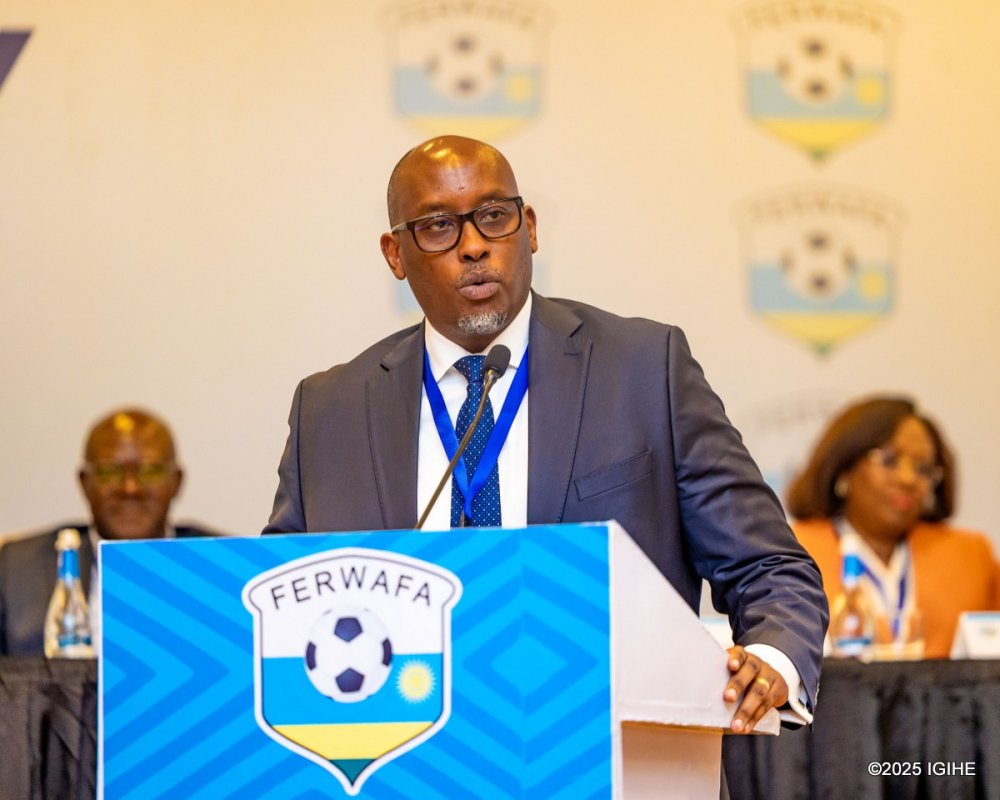
Businessman and Rwanda Football Federation (FERWAFA) President Shema Fabrice is accused of issuing two cheques totalling $600,000 (about Rwf 883.5 million) without sufficient funds.
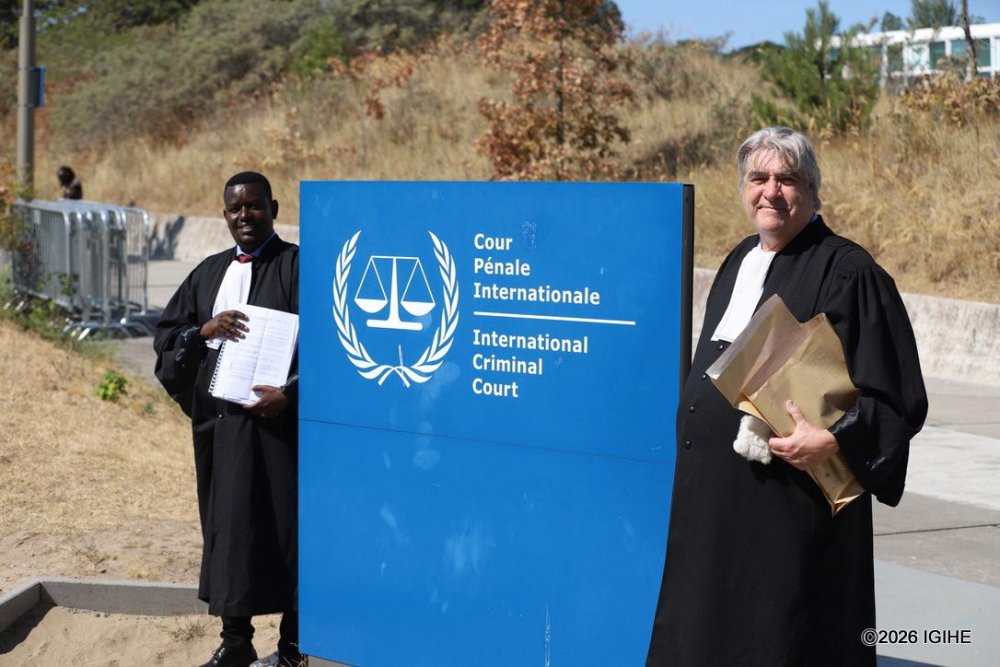
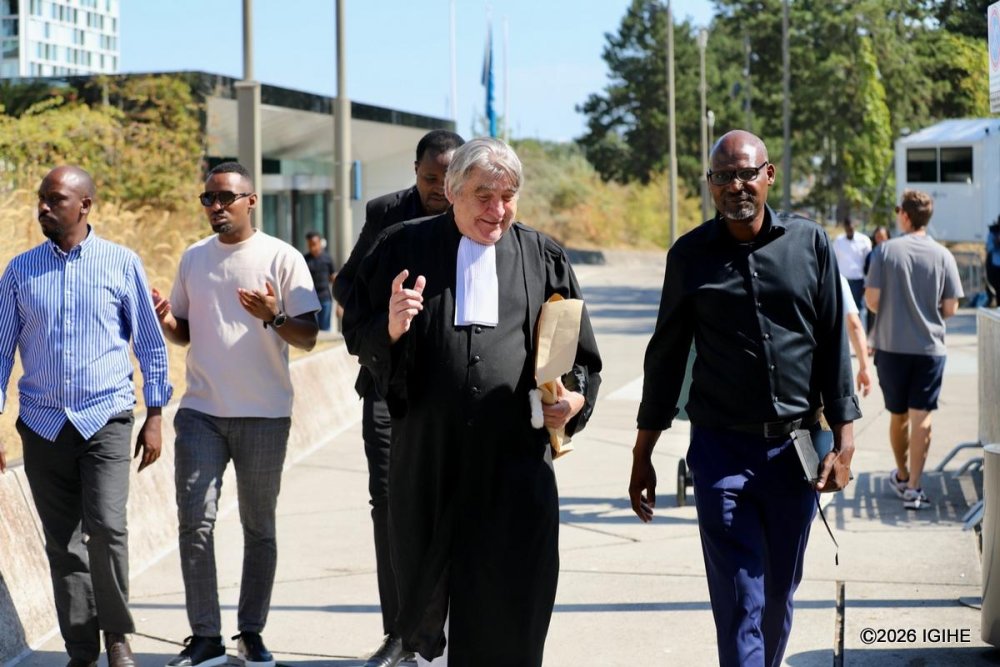
Maingain is among the lawyers representing the Banyamulenge community in a complaint submitted to the ICC Prosecutor’s Office in The Hague on August 14, 2026. The complaint calls for an investigation into alleged serious crimes committed against Banyamulenge people in Minembwe and other parts of eastern DRC.
Speaking to IGIHE, Maingain said the decision to approach the ICC came after the community had exhausted avenues available through DRC’s domestic justice system.
“We came to The Hague to take an important step by submitting a complete file to the Office of the Prosecutor of the International Criminal Court under Article 15 of the Rome Statute,” he said.
According to Maingain, the file contains evidence and information relating to alleged crimes that the Banyamulenge representatives believe fall within the jurisdiction of the ICC.
He said efforts had been made over several years to have the alleged crimes investigated through DRC institutions, but those efforts had not resulted in what he considered a concrete response from the authorities.
“We had no other option left but to turn to the International Criminal Court,” Maingain said.
The material submitted to the ICC includes witness accounts, other evidence, statements that the complainants consider to be incitement to hatred and an analysis of the historical context surrounding the alleged abuses.
Maingain said the lawyers were asking the ICC Prosecutor’s Office to examine the material and determine whether there are grounds for opening an investigation.
“We will never stop seeking justice for the Banyamulenge,” he said.
He said particular attention had been given to recent events in Minembwe, which he believes warrant consideration by international justice institutions.
Maingain is handling the case alongside lawyer Innocent Nteziryayo, who provided further details about the allegations contained in the complaint.
Nteziryayo said the filing focuses in part on alleged drone strikes in Minembwe, which he said took place mainly in recent months and caused damage to infrastructure.
He said the complaint names several individuals and officials whom the lawyers want investigated, including DRC President Félix Tshisekedi, members of his government and Burundian officials.
“Our focus was particularly on allegations concerning drone attacks in recent months that destroyed infrastructure in Minembwe and other areas,” Nteziryayo said.
The lawyers also allege that the attacks were accompanied by statements they consider to be hate speech, which they attribute to senior officials and other influential figures in DRC.
Nteziryayo said the complaint also names the Burundian military and some of its officials, alleging that they were involved in attacks against Banyamulenge civilians and the destruction of their infrastructure.
The complaint submitted to the ICC argues that the alleged acts could amount to crimes against humanity, war crimes, forced displacement on ethnic grounds and genocide.
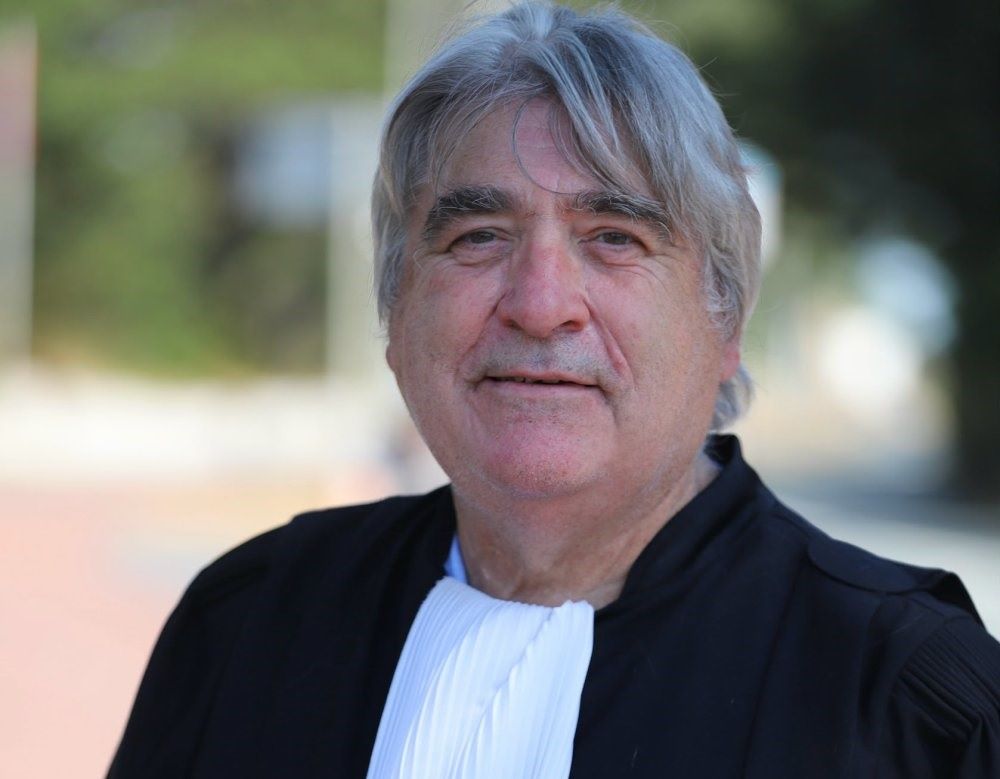
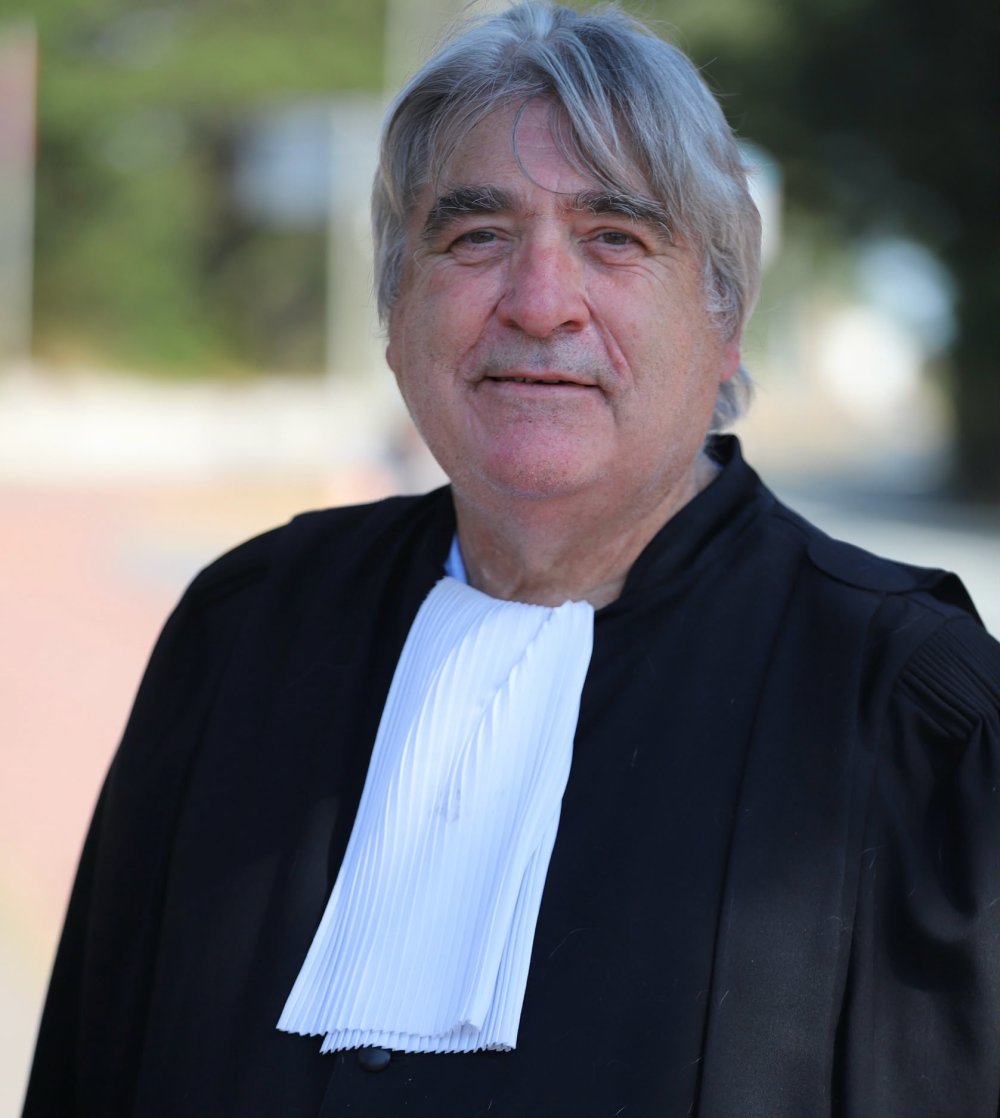
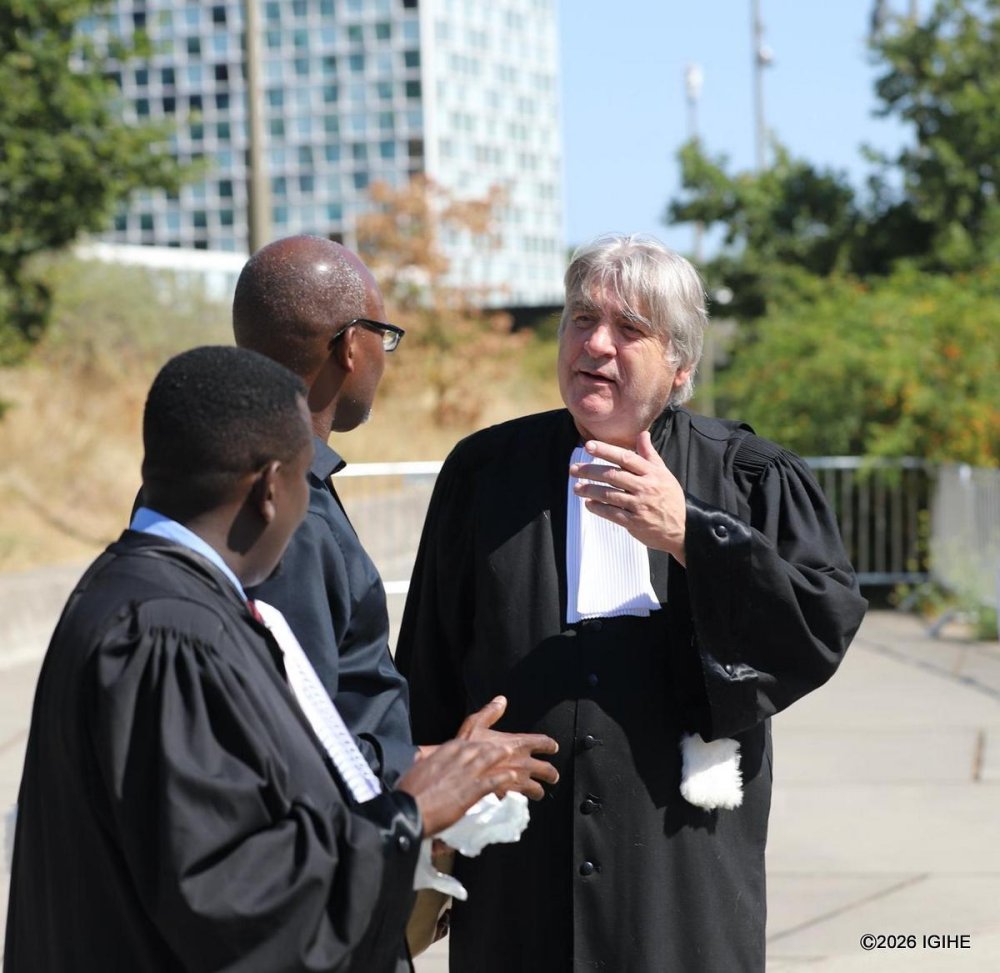
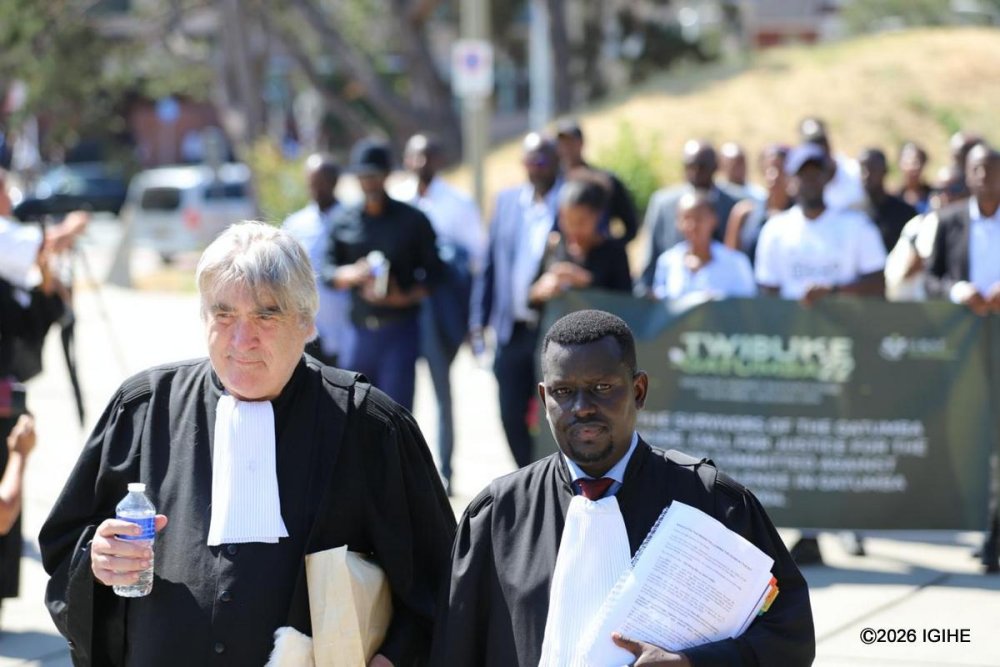
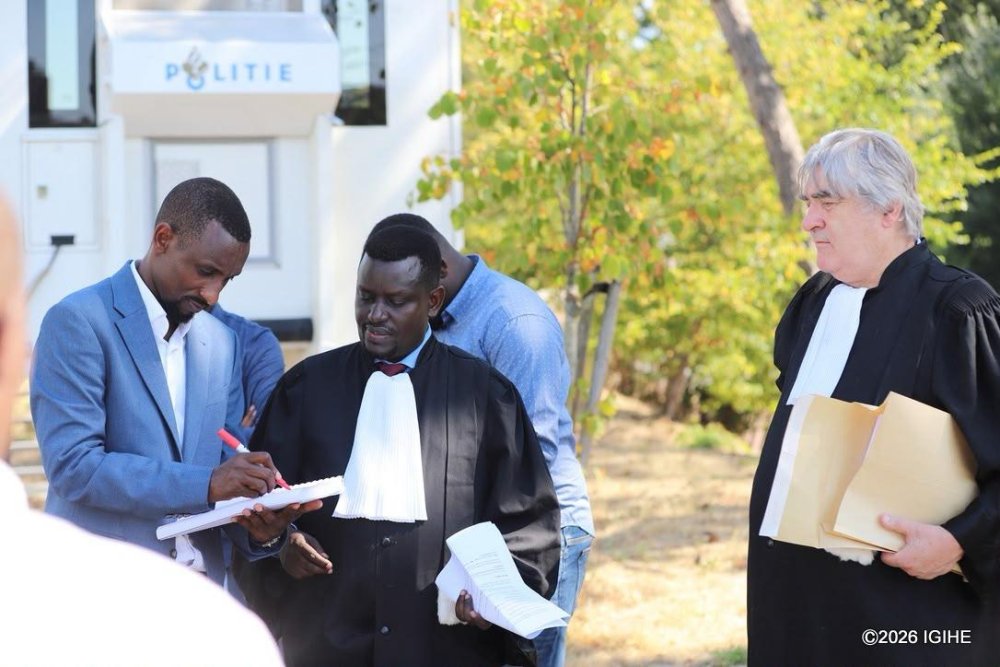
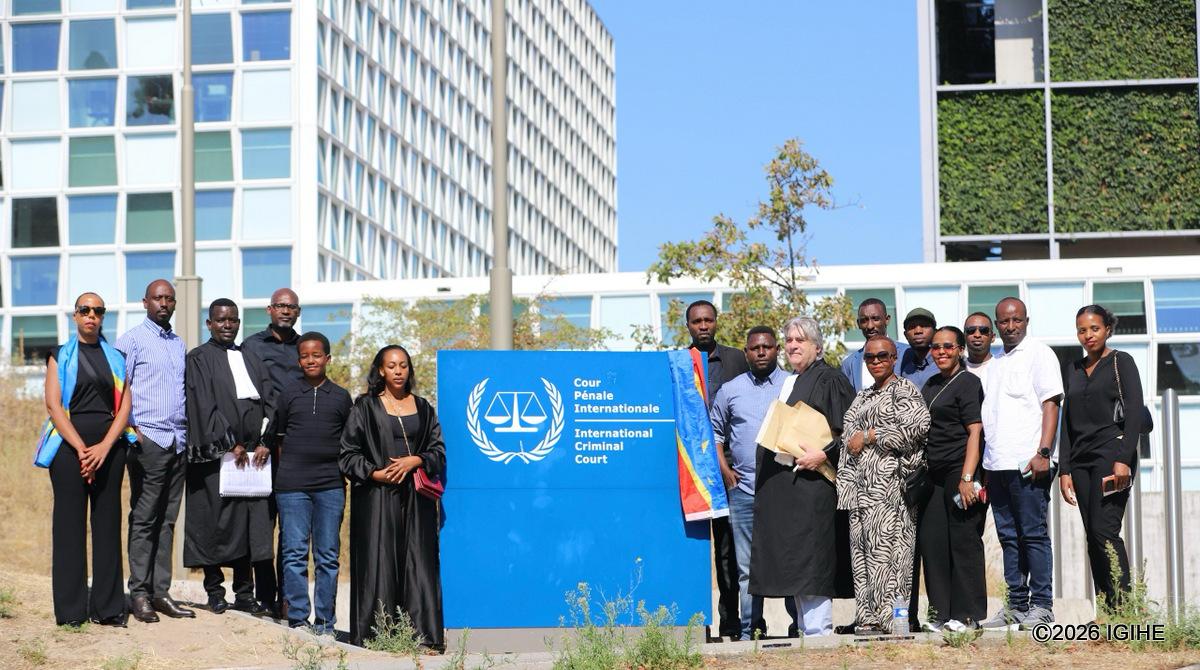
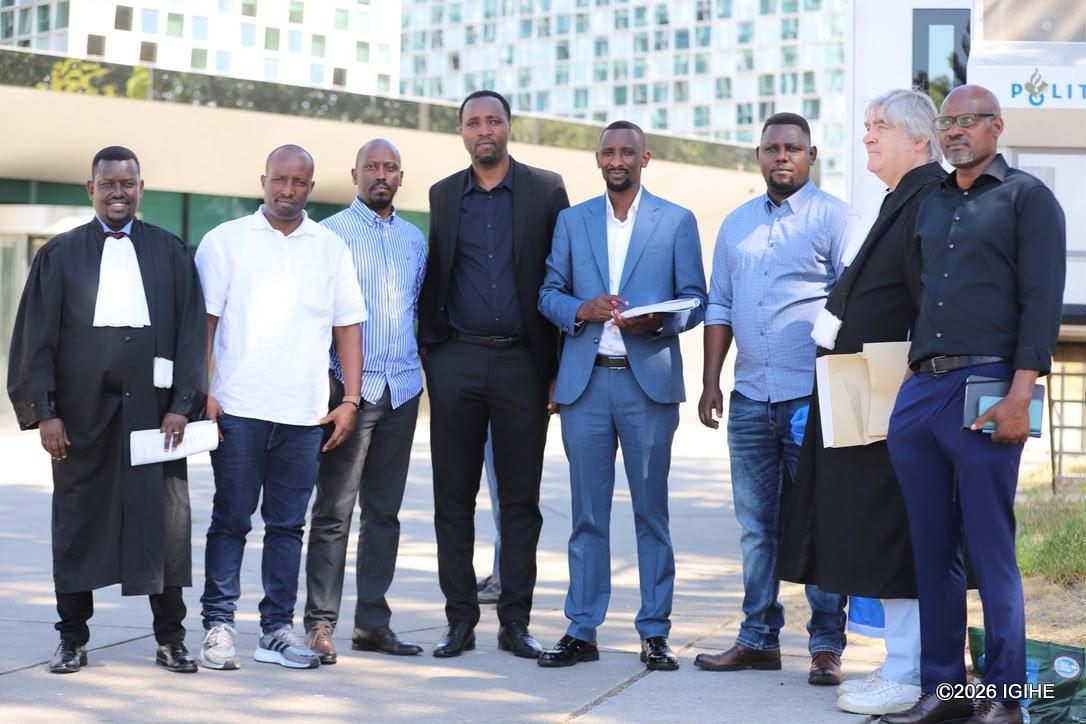
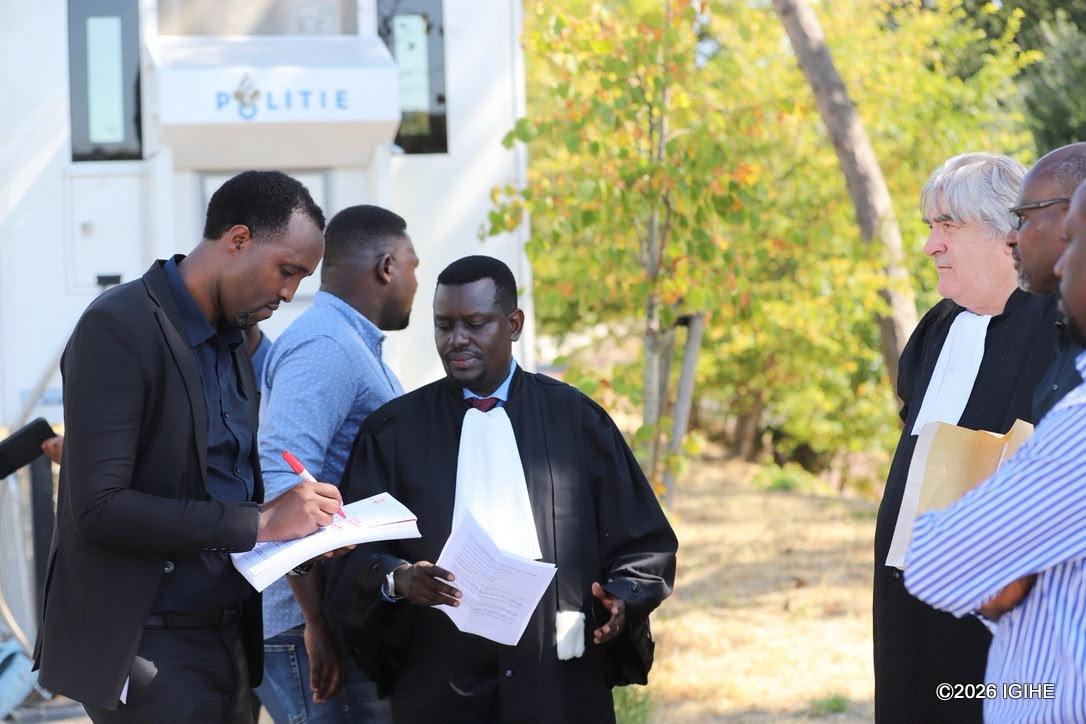
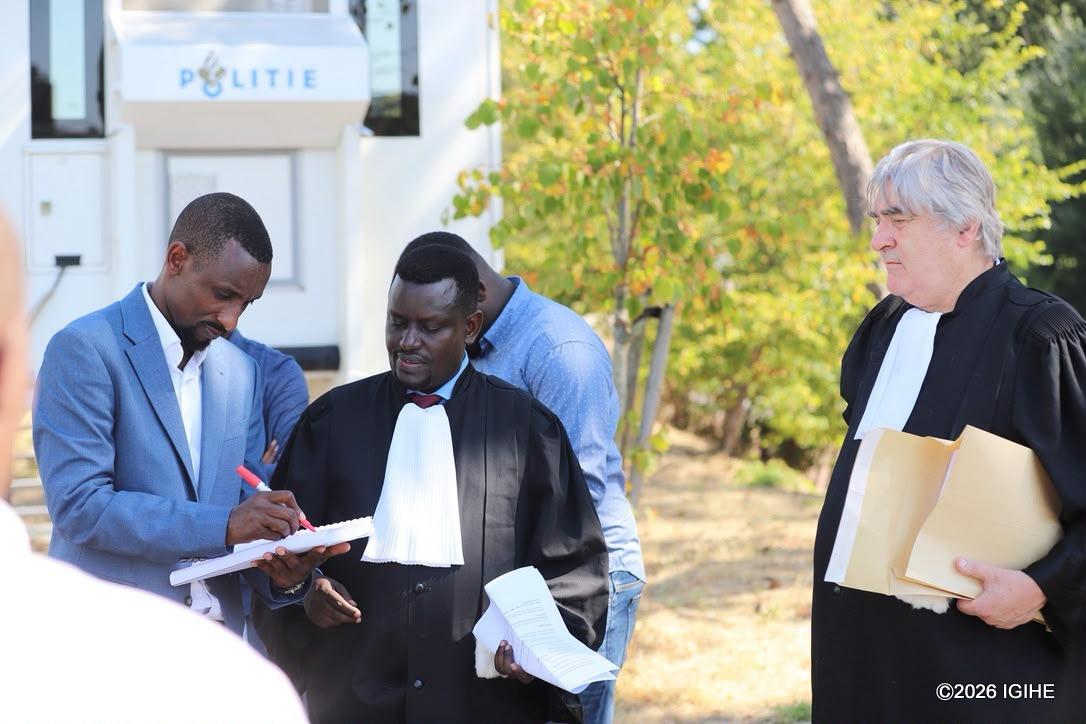
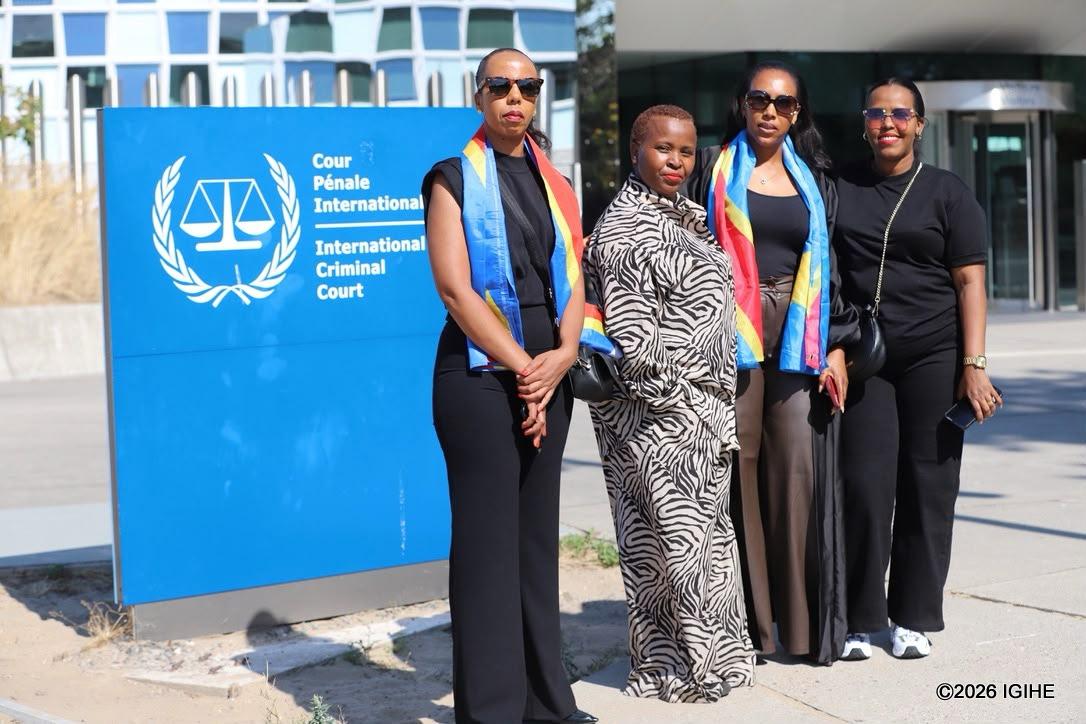
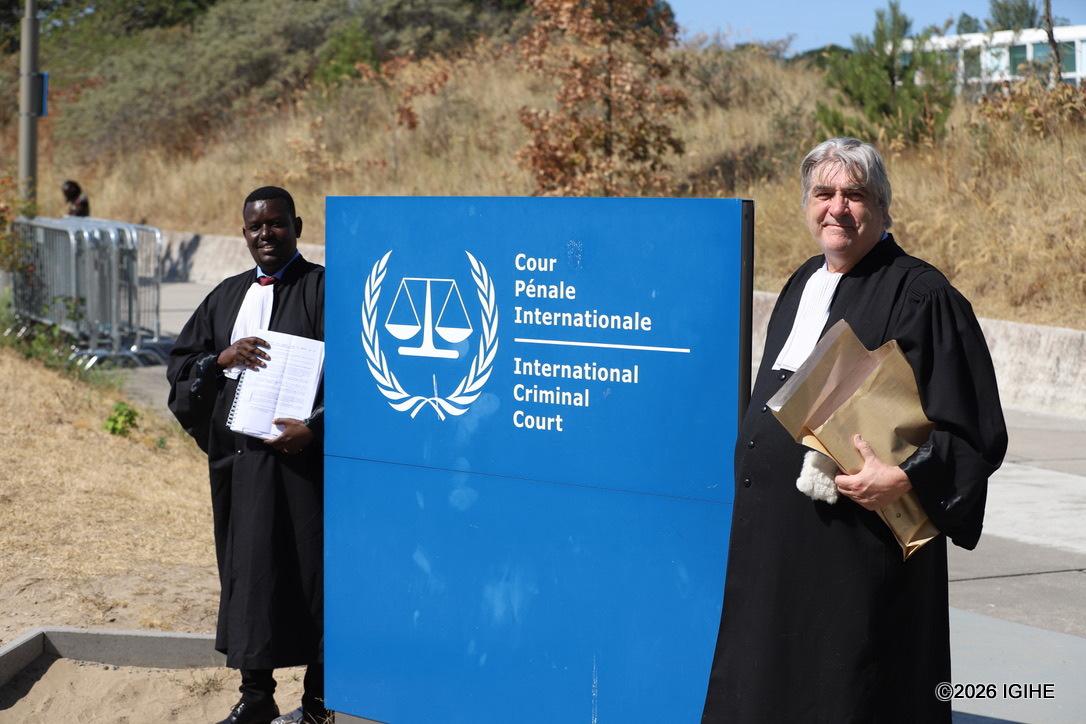
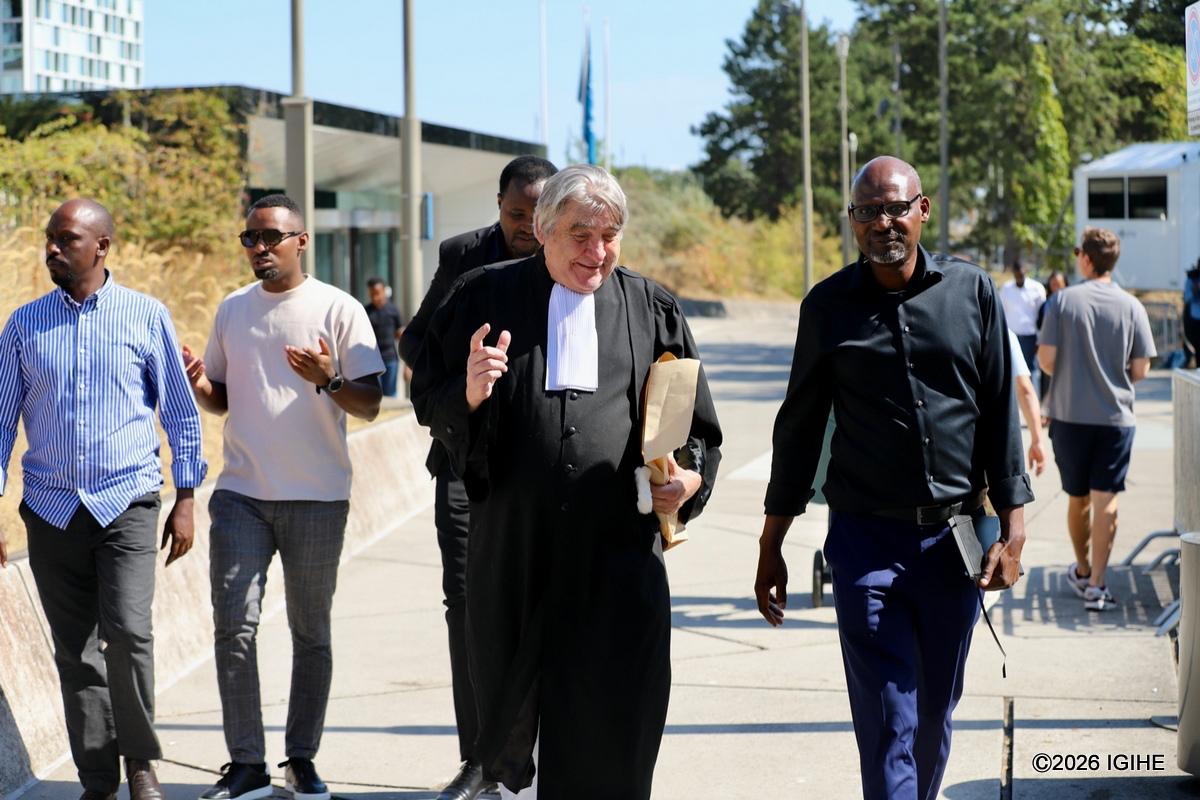
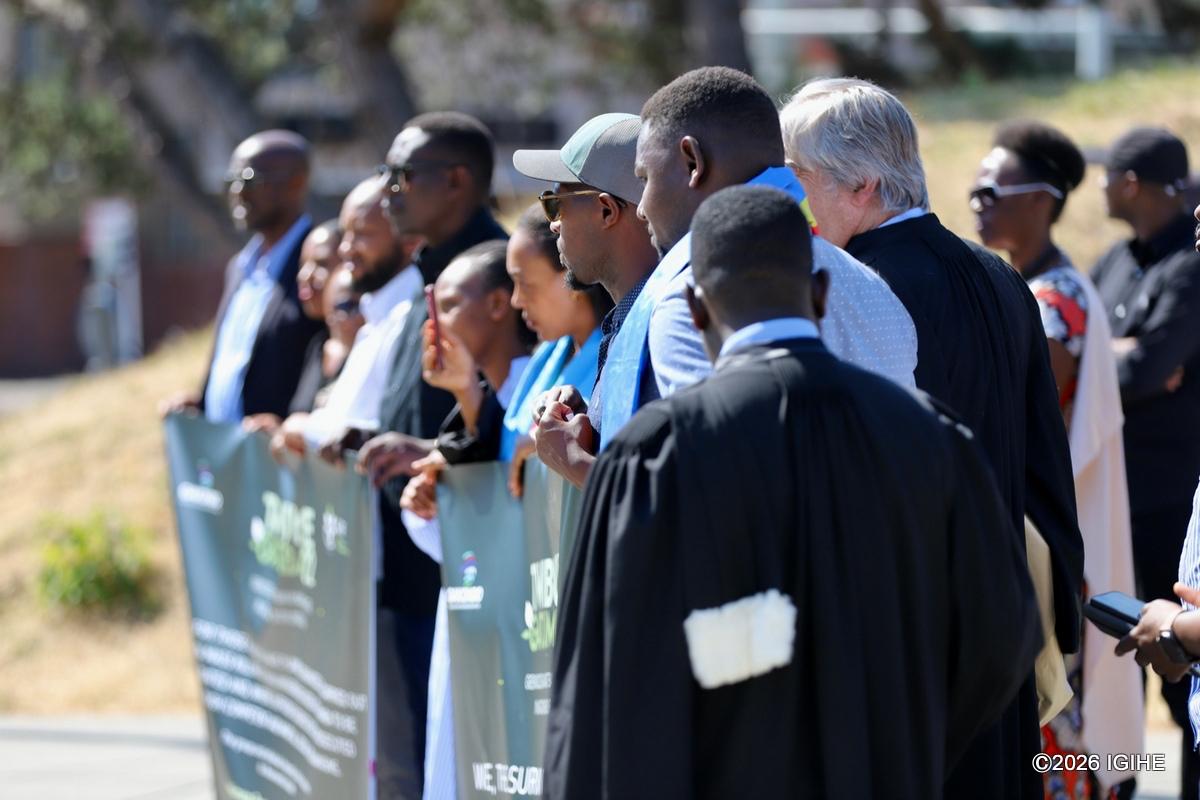
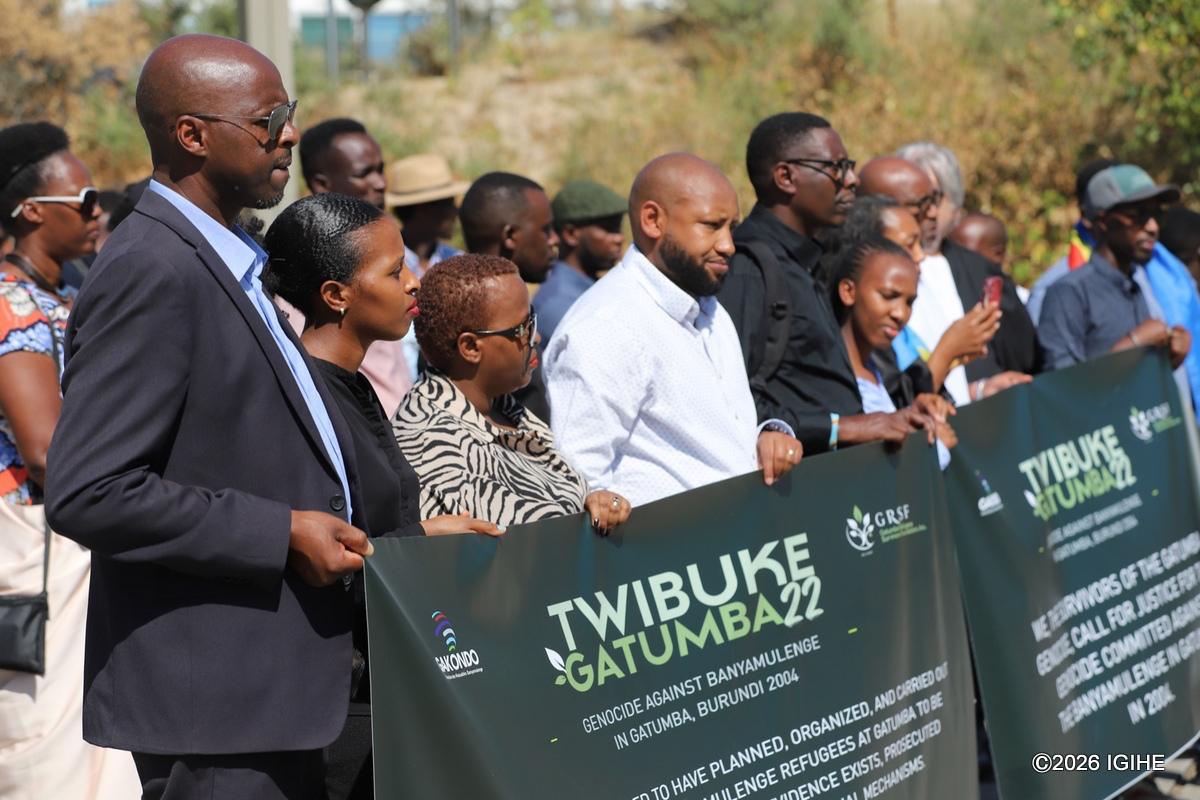
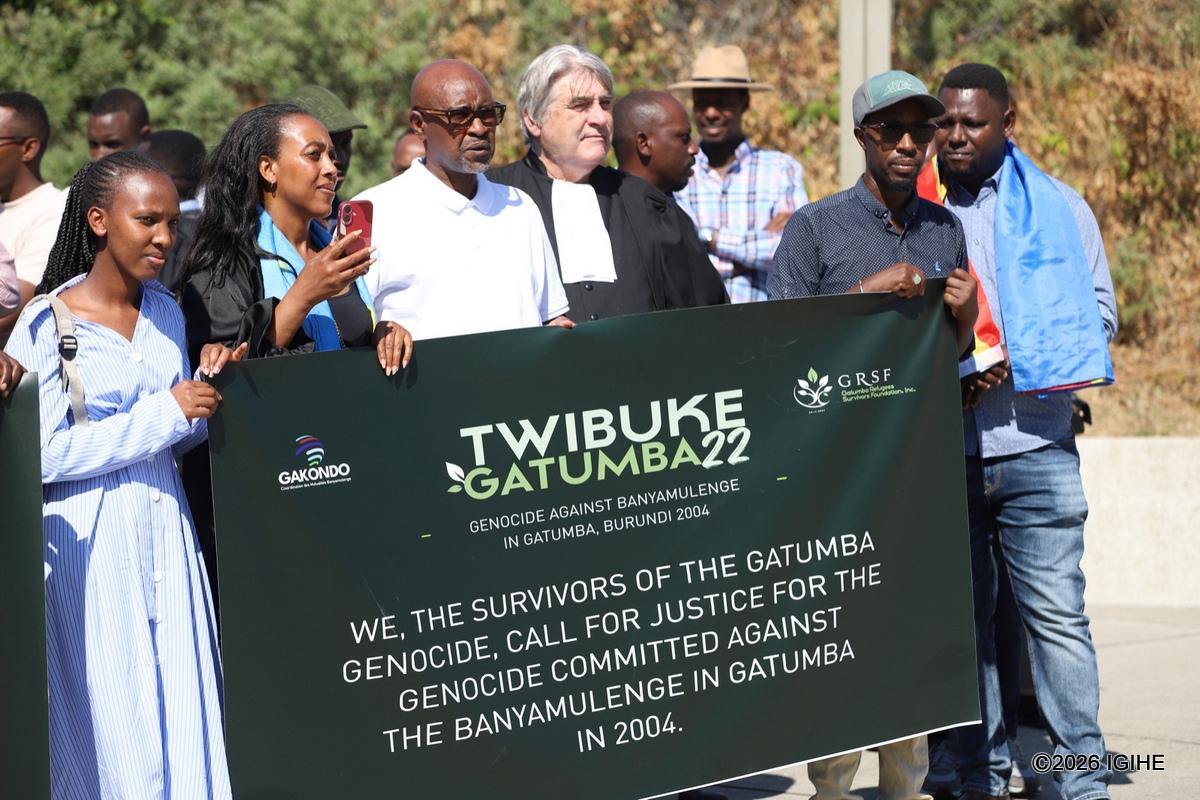
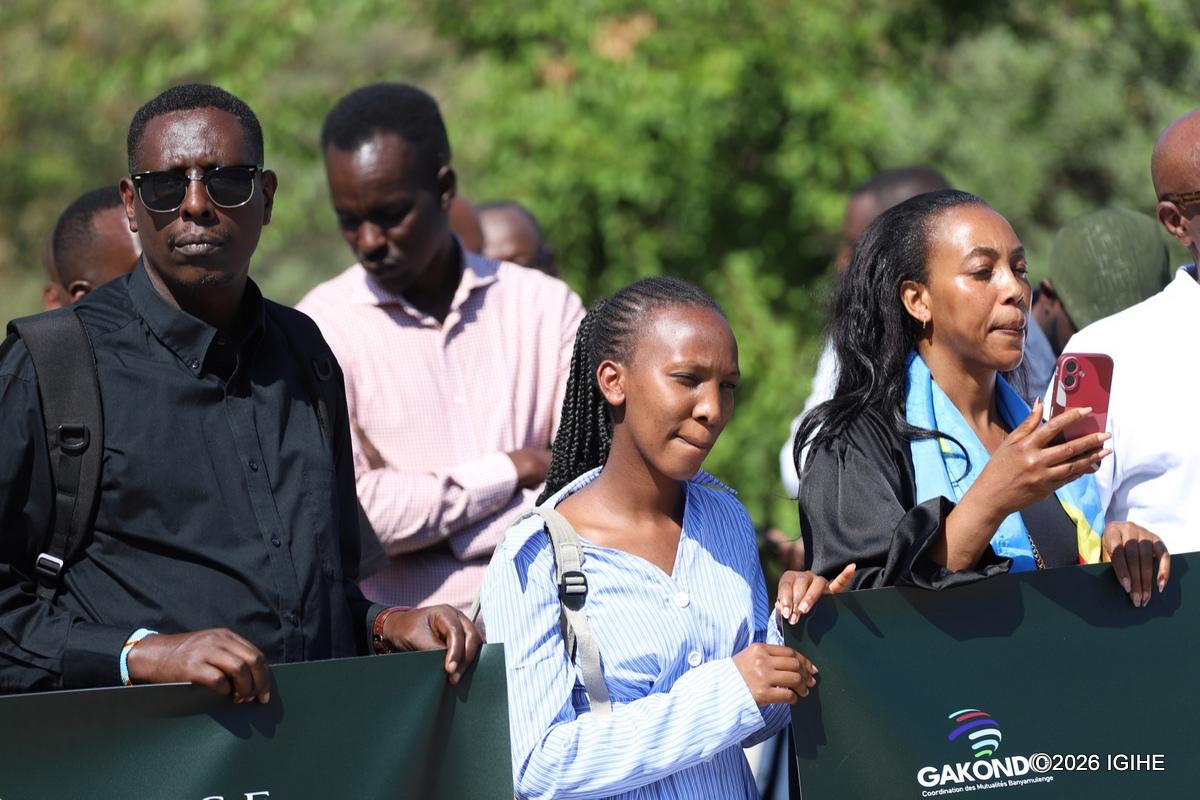
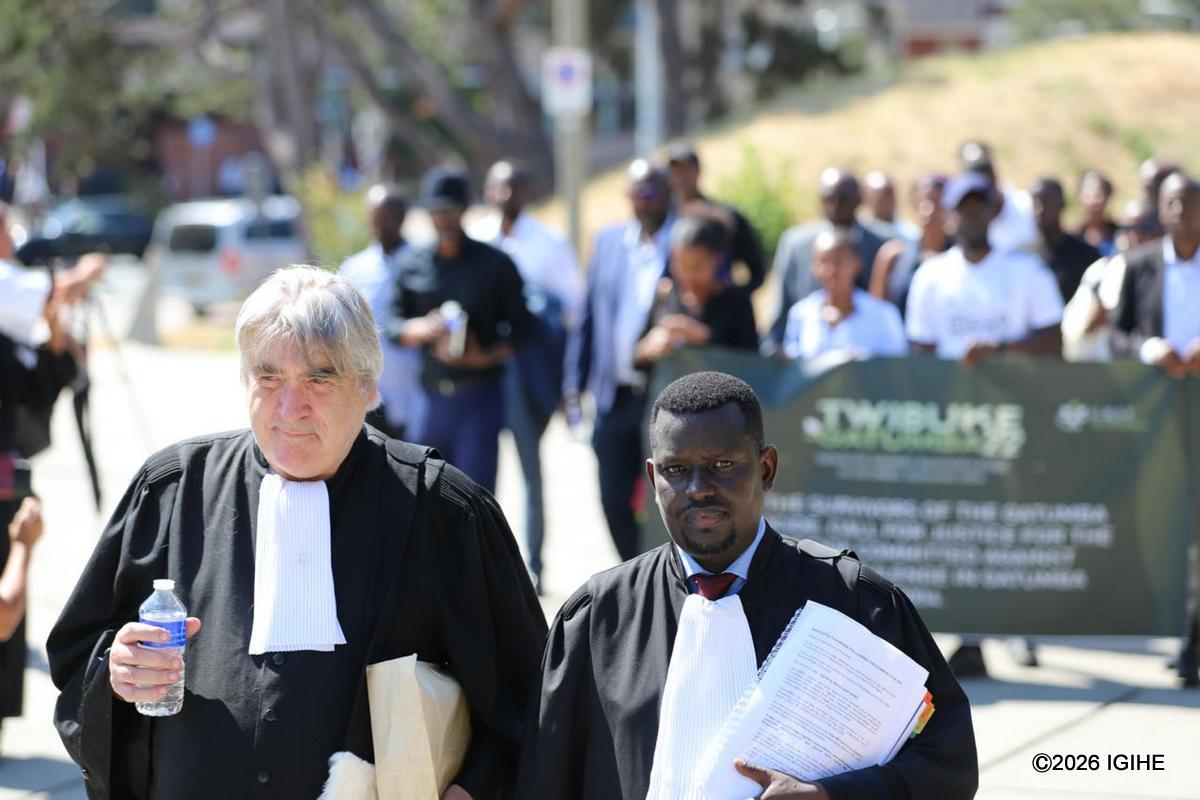
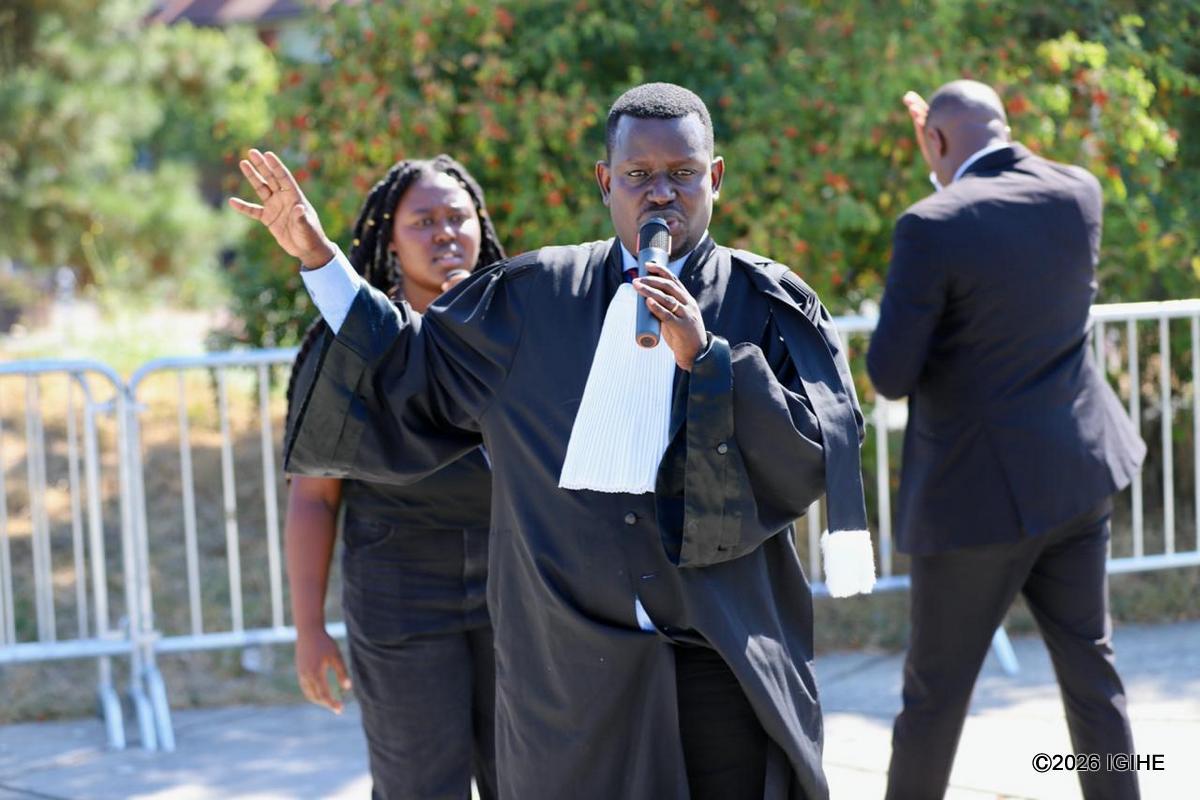
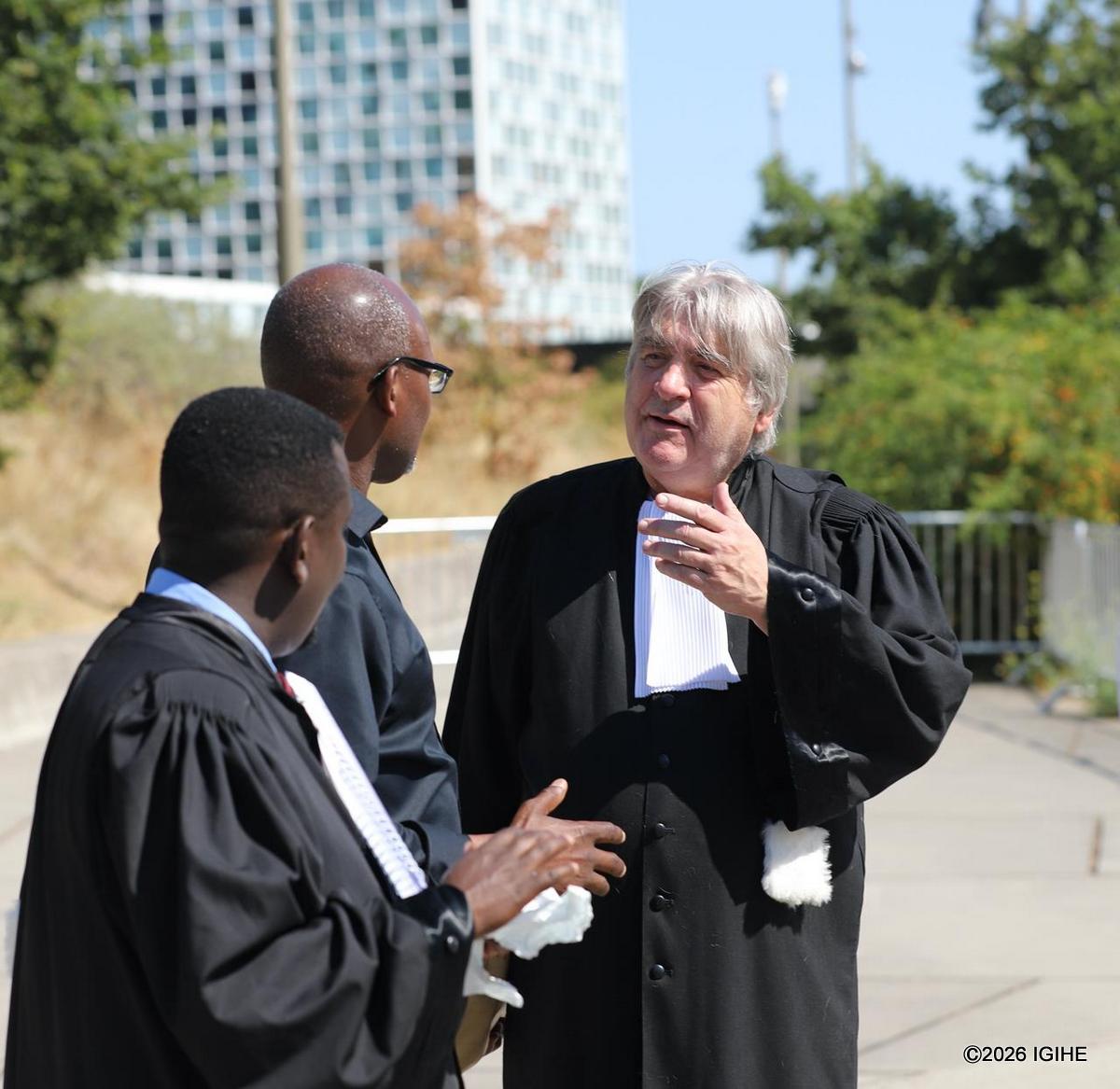
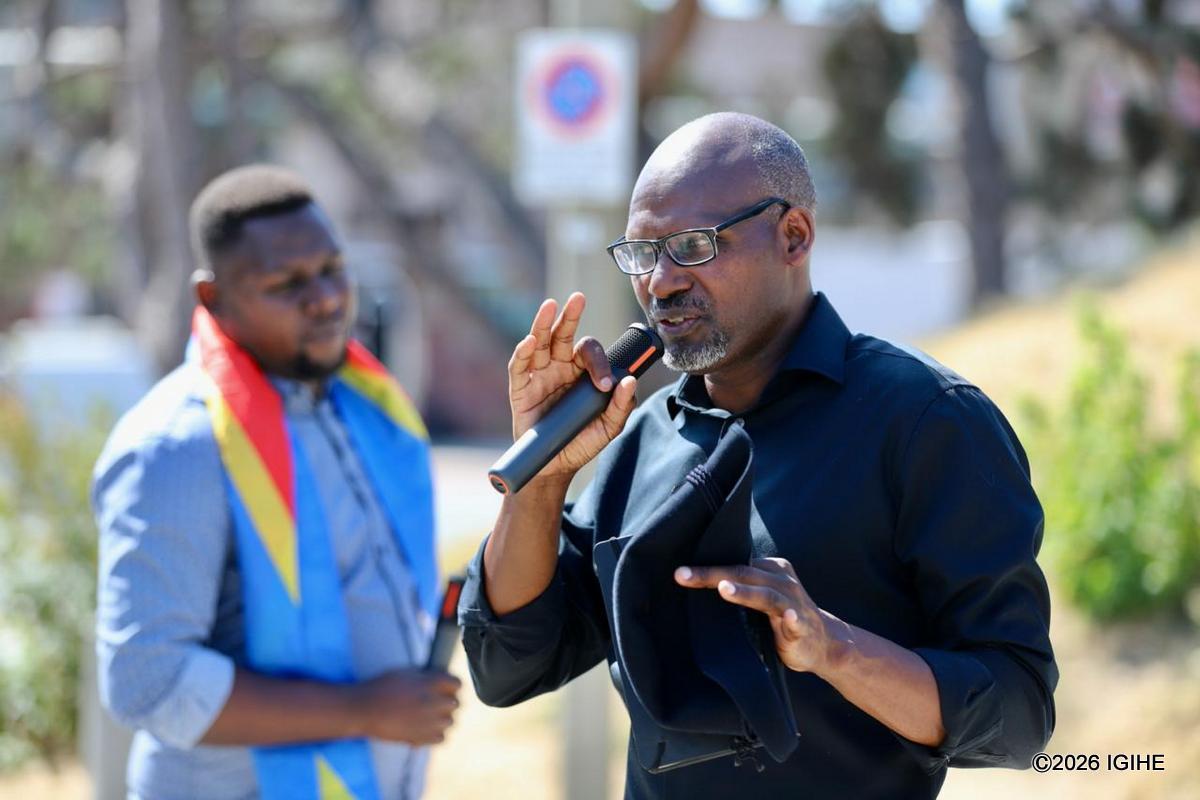
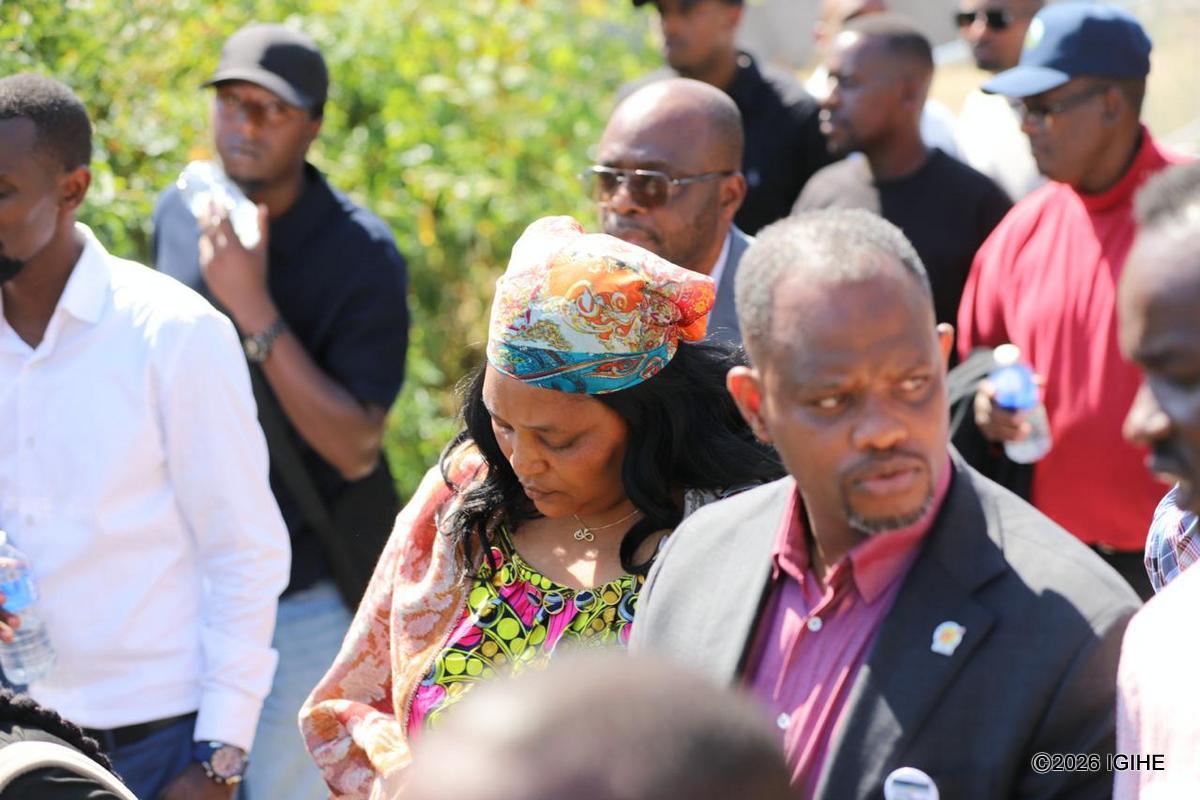
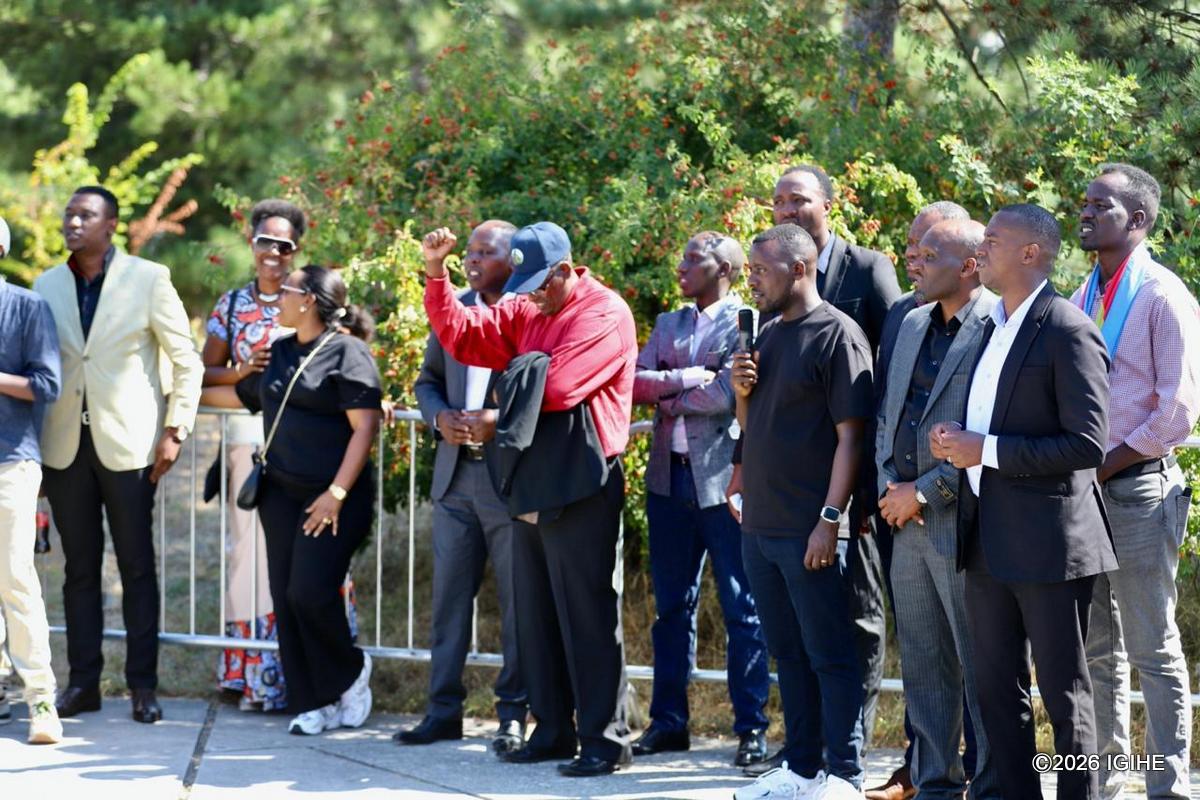
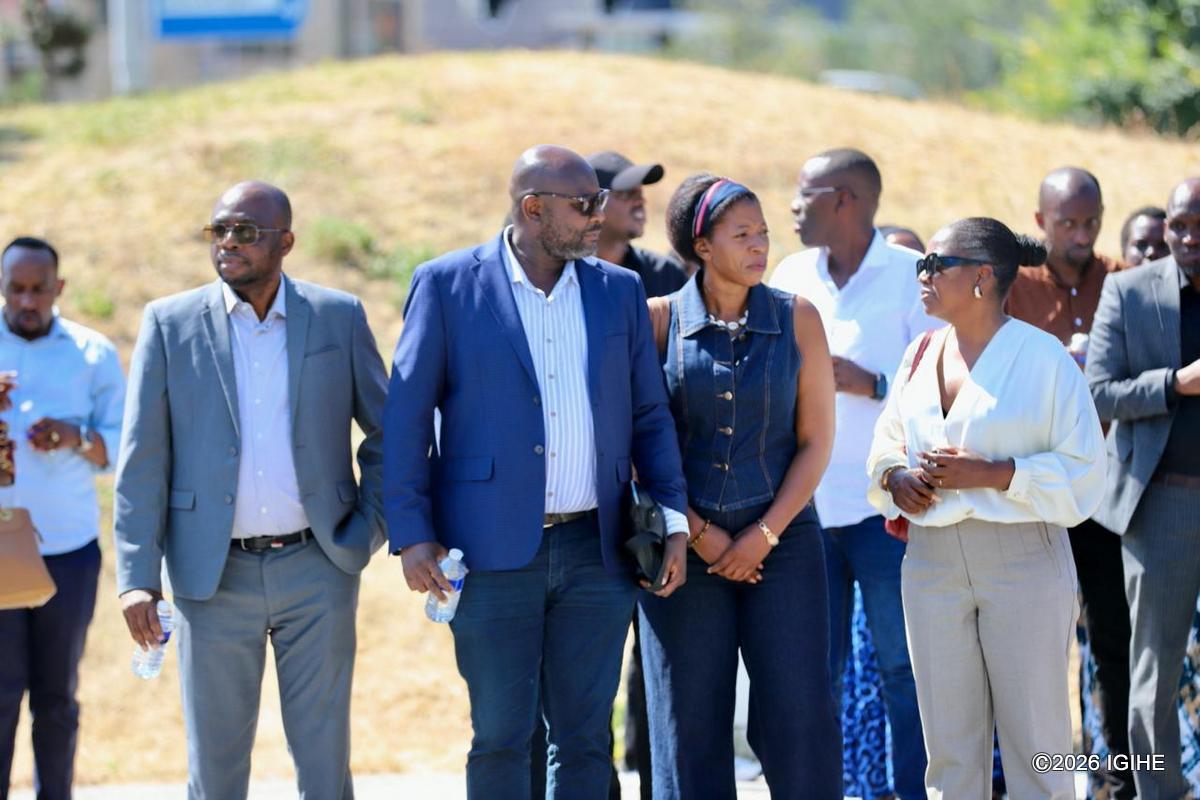
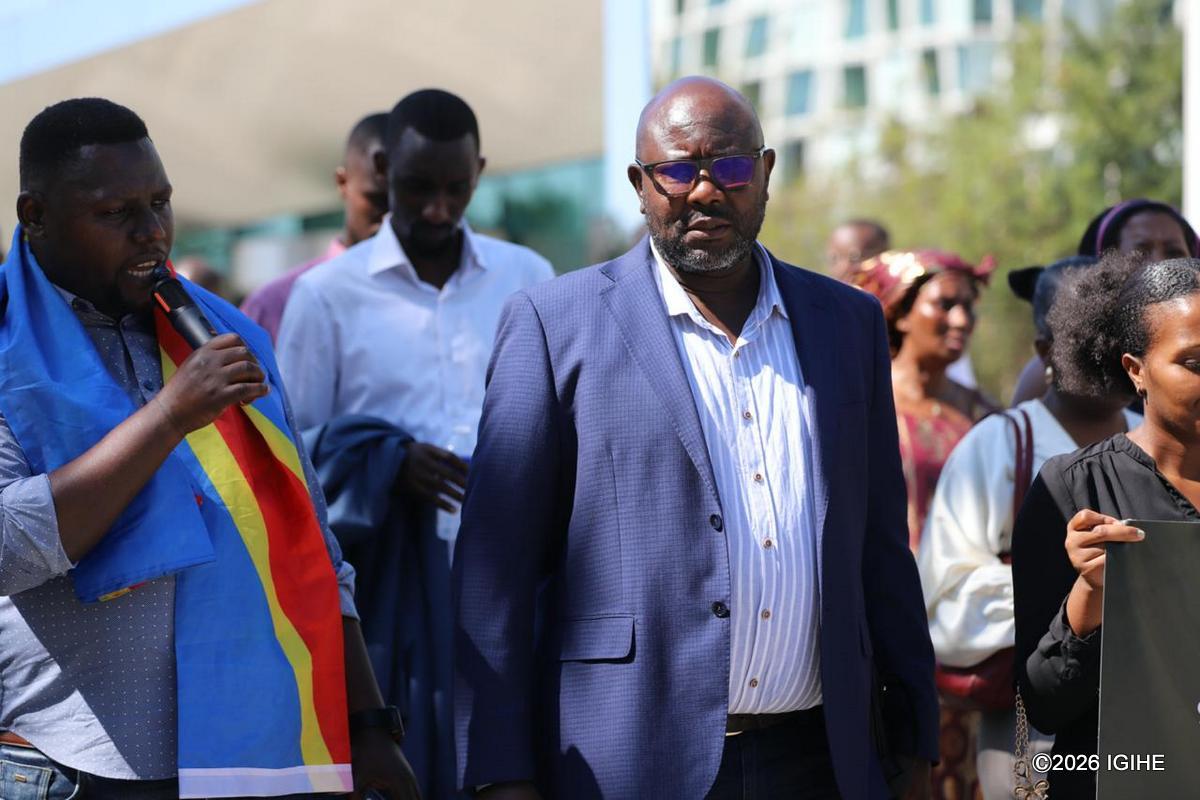
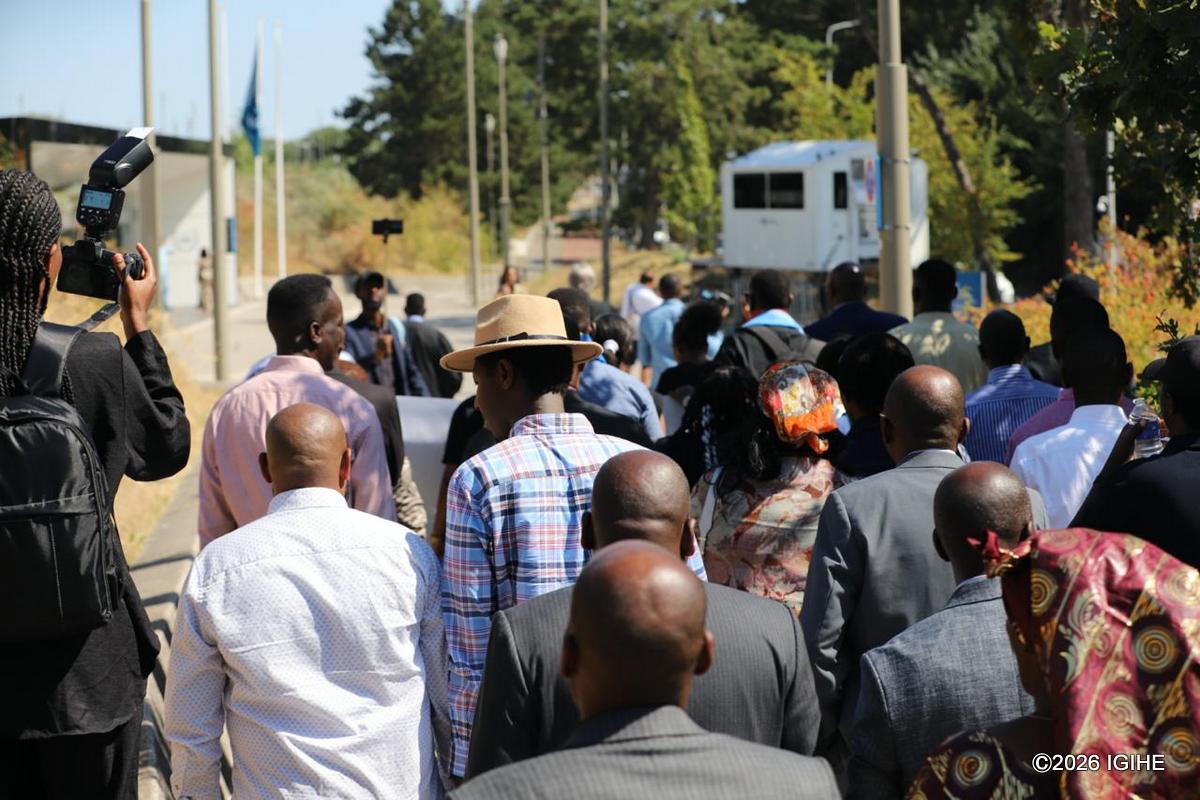
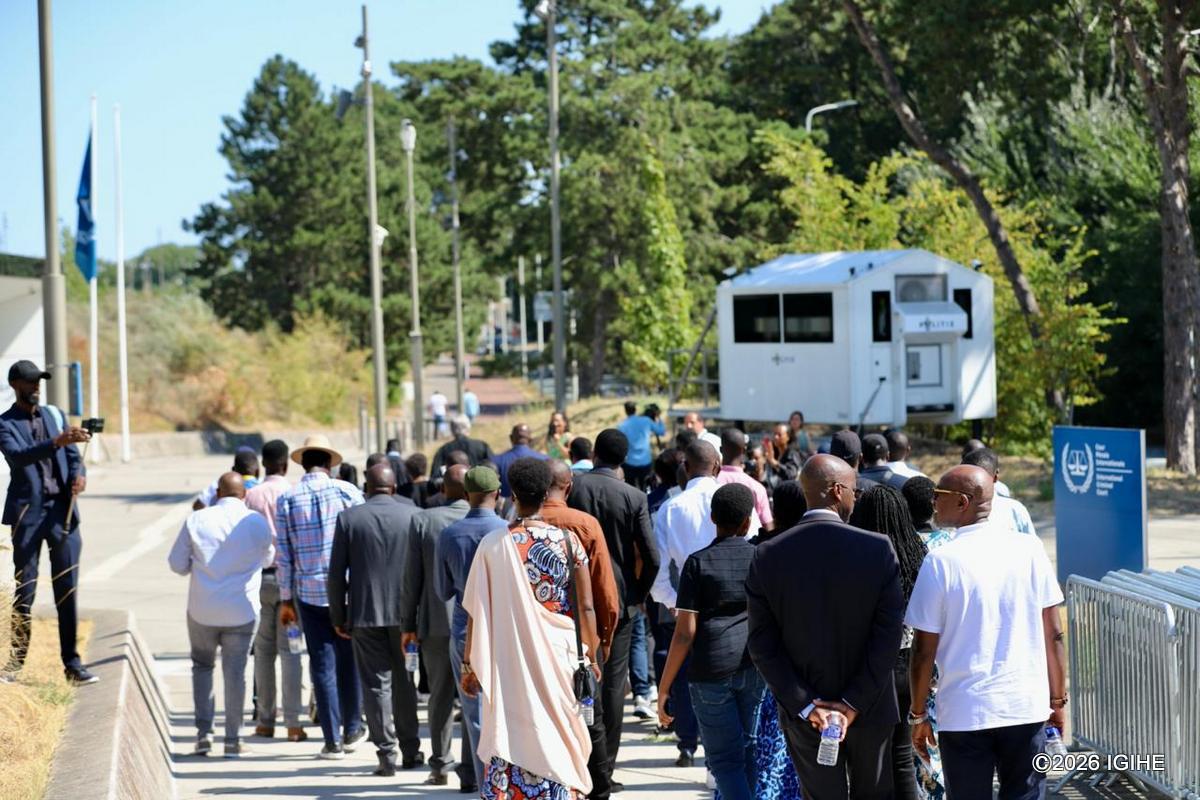
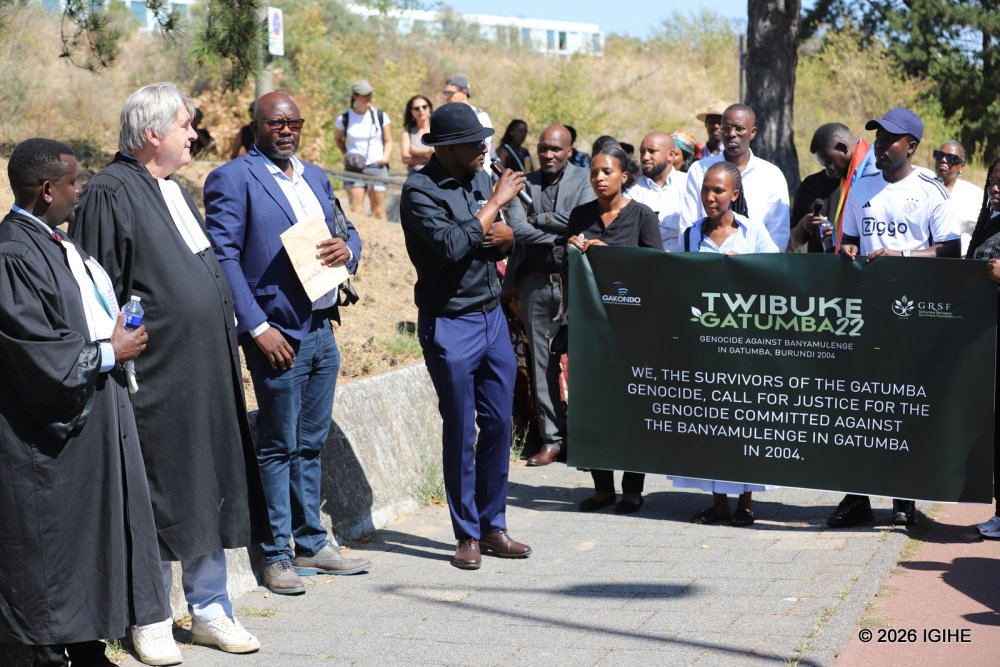
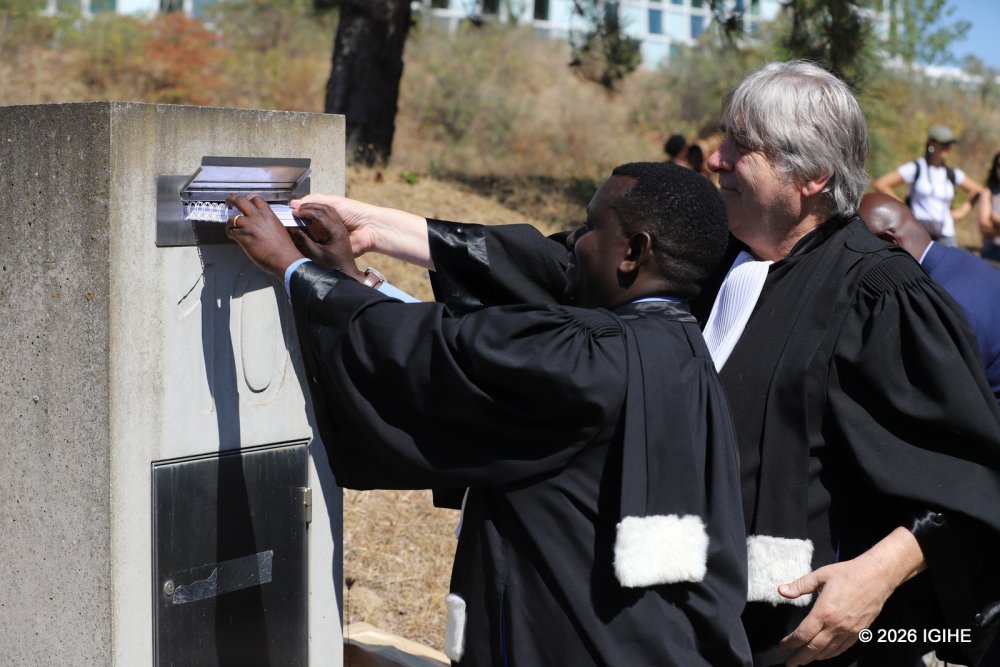
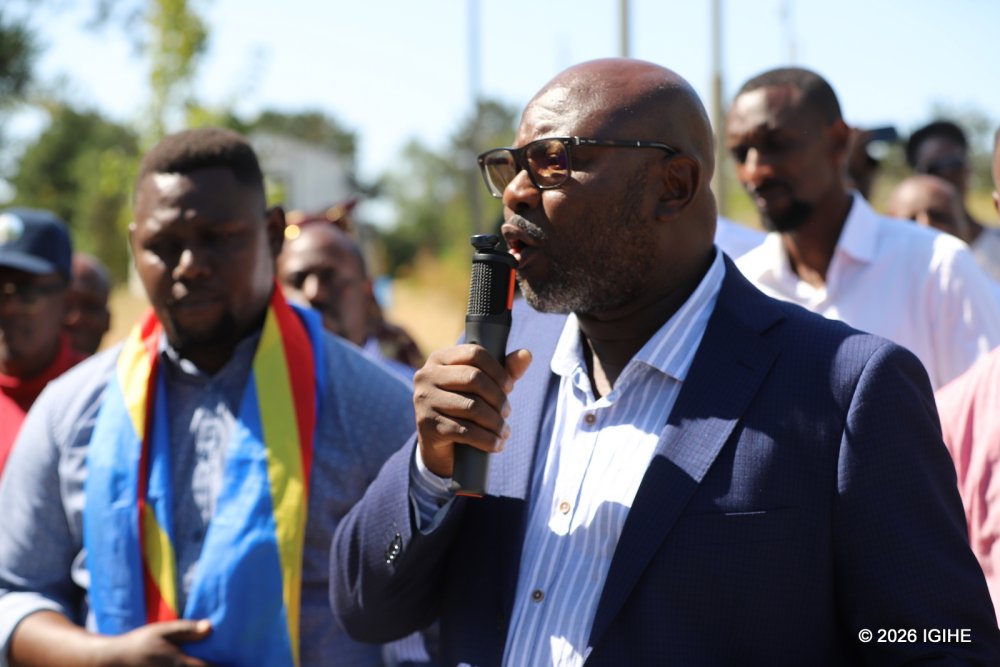
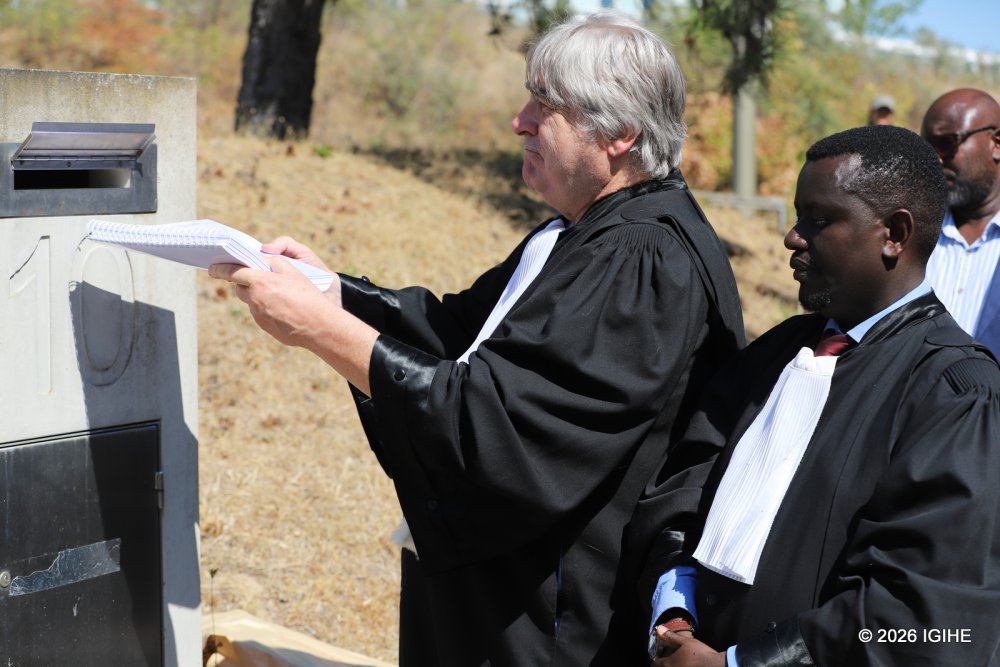
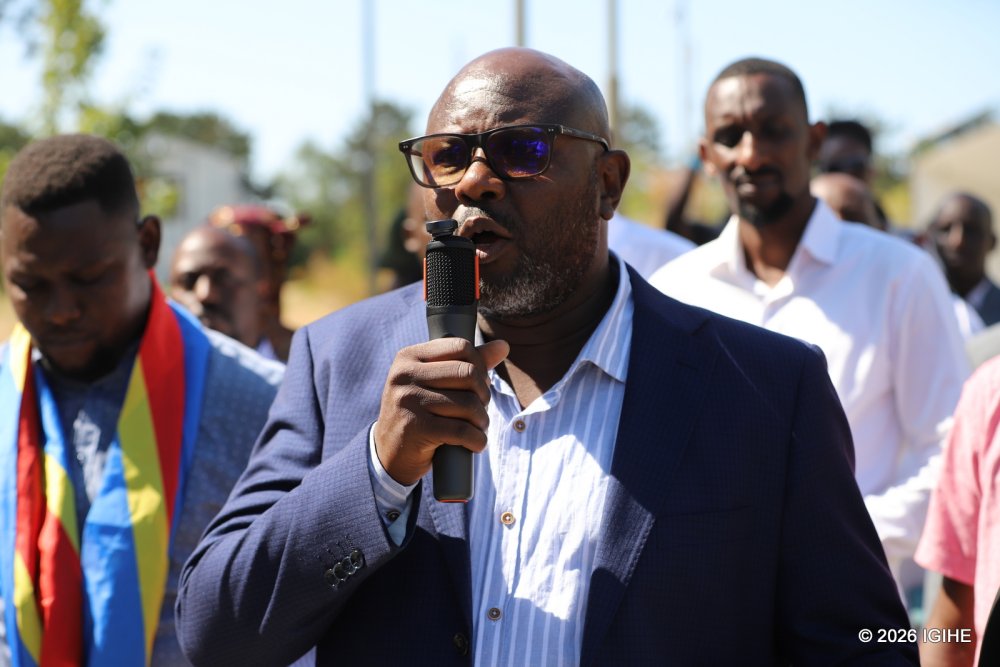
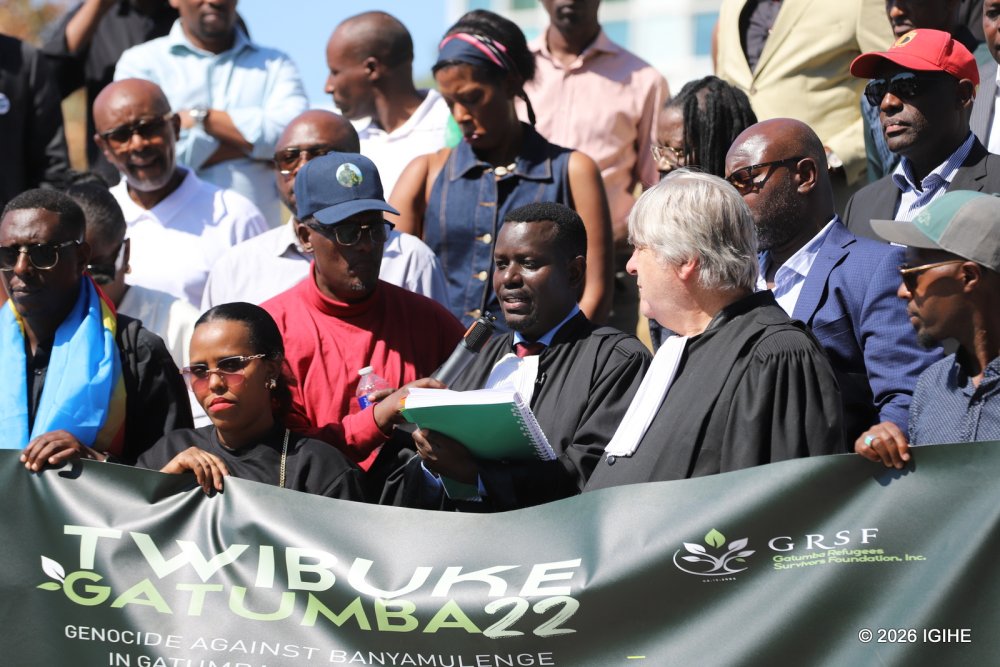
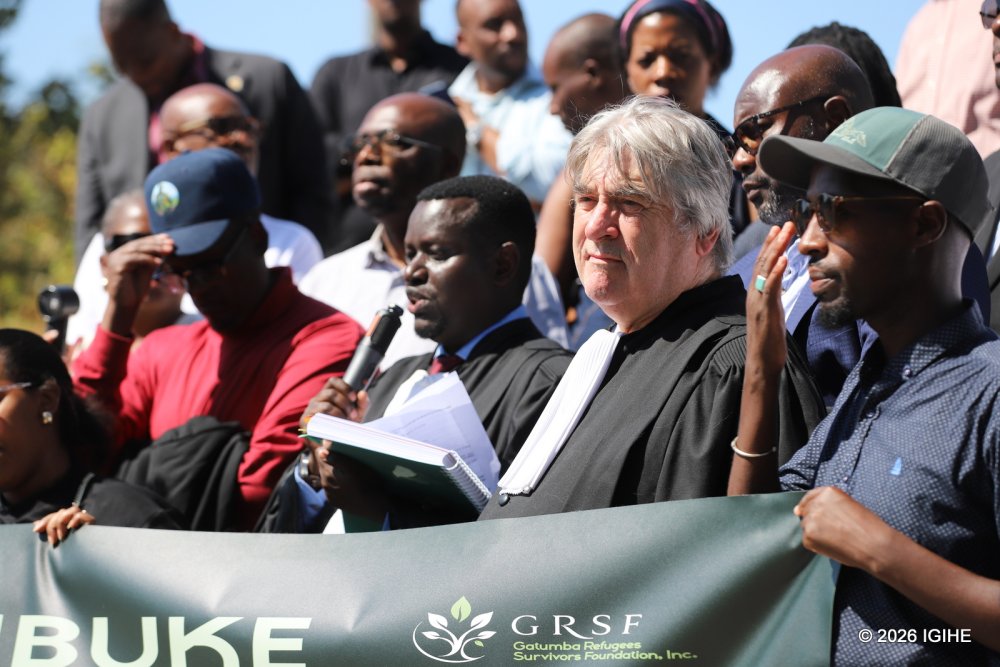
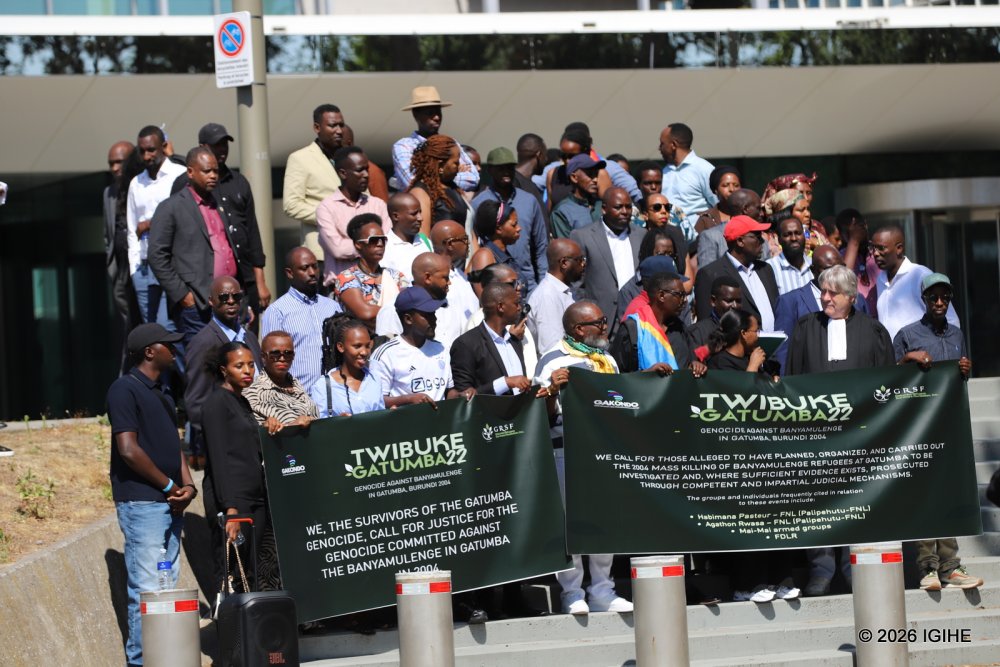
Lawyer Bernard Maingain, who represents the Banyamulenge in a complaint filed with the International Criminal Court (ICC), said they turned to the court after years of seeking justice in the Democratic Republic of Congo without receiving a concrete response from the country’s institutions.Lawyers representing the Banyamulenge say they want alleged attacks and other abuses in Minembwe examined by international justice institutions.The Banyamulenge community is seeking an ICC investigation into alleged crimes committed in Minembwe, according to its lawyers.Representatives of the Banyamulenge community submit a complaint to the ICC Prosecutor’s Office in The Hague.
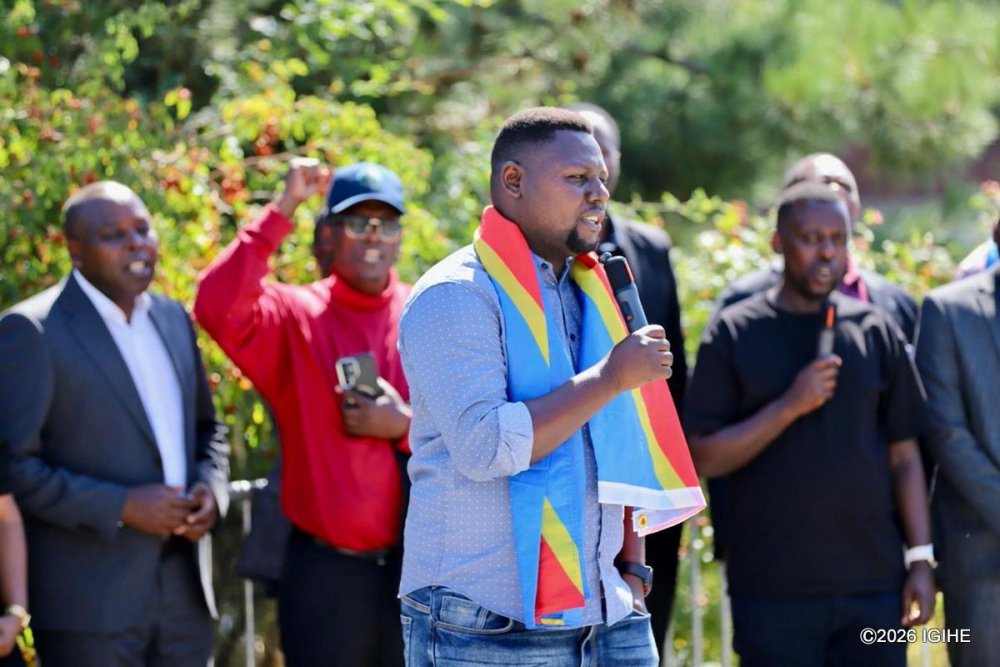
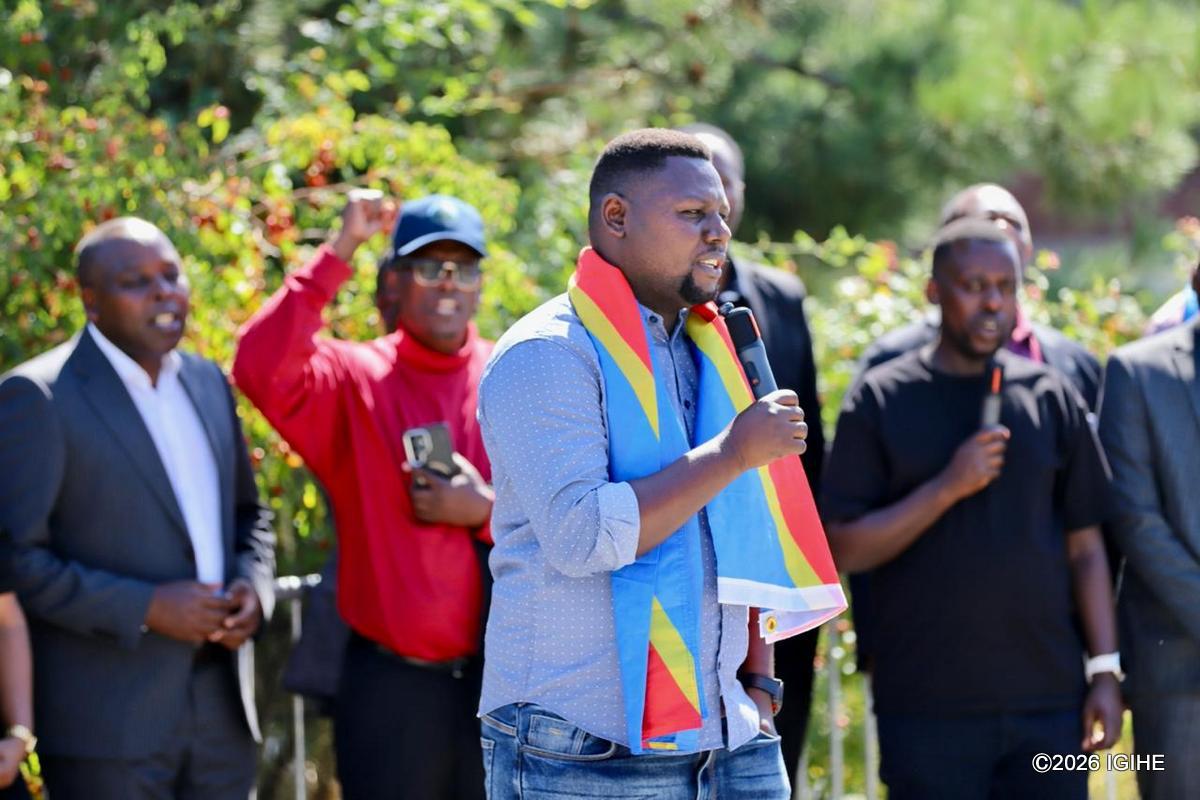
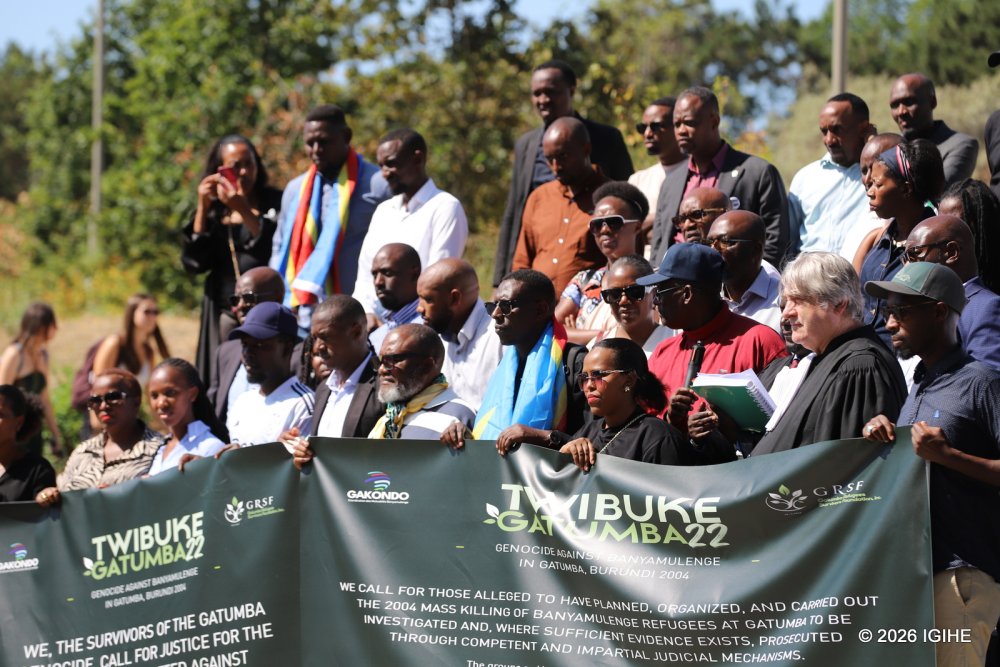
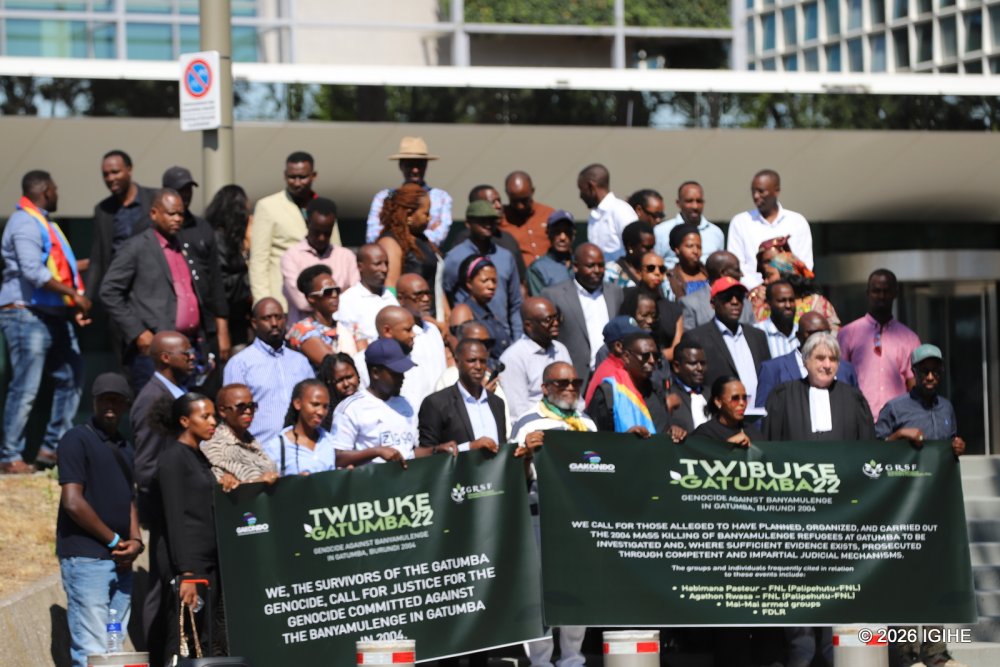
The complaint was submitted on August 14, 2026, during a ceremony attended by Banyamulenge representatives from different parts of the world and lawyers representing the complainants.
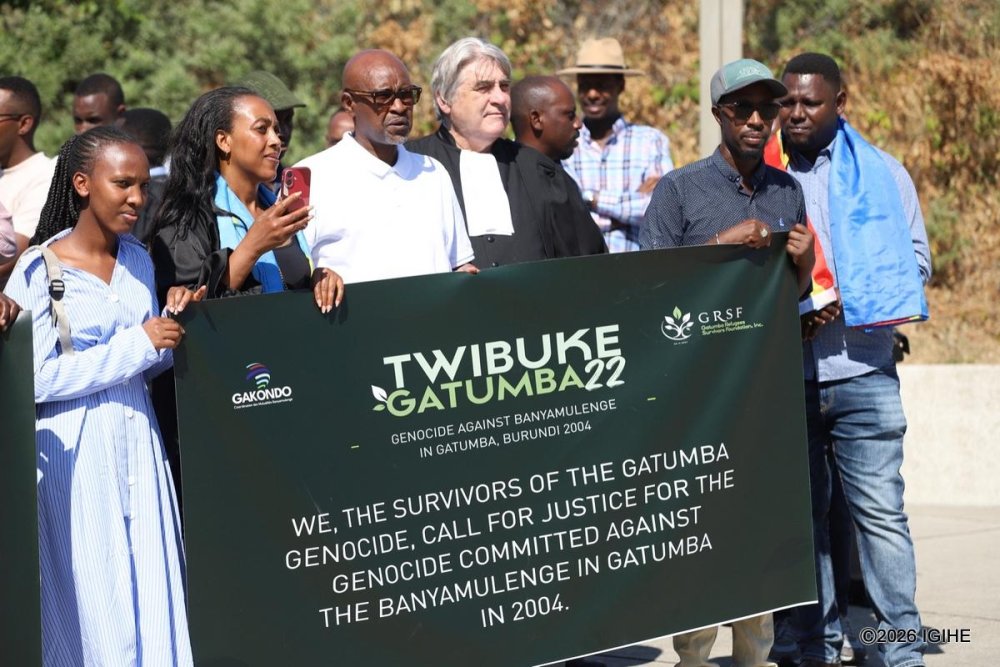
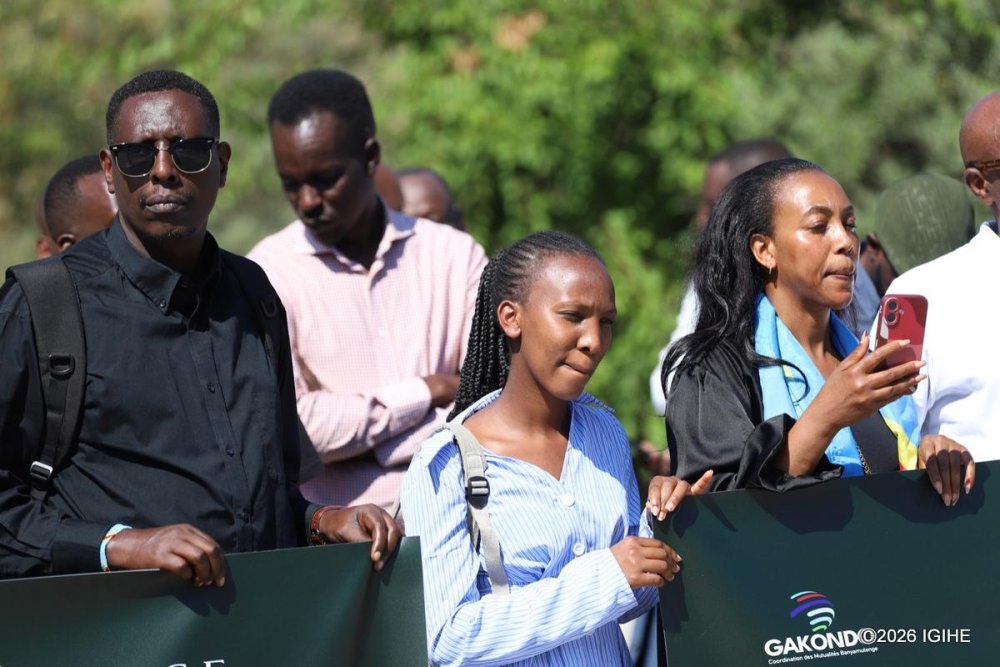
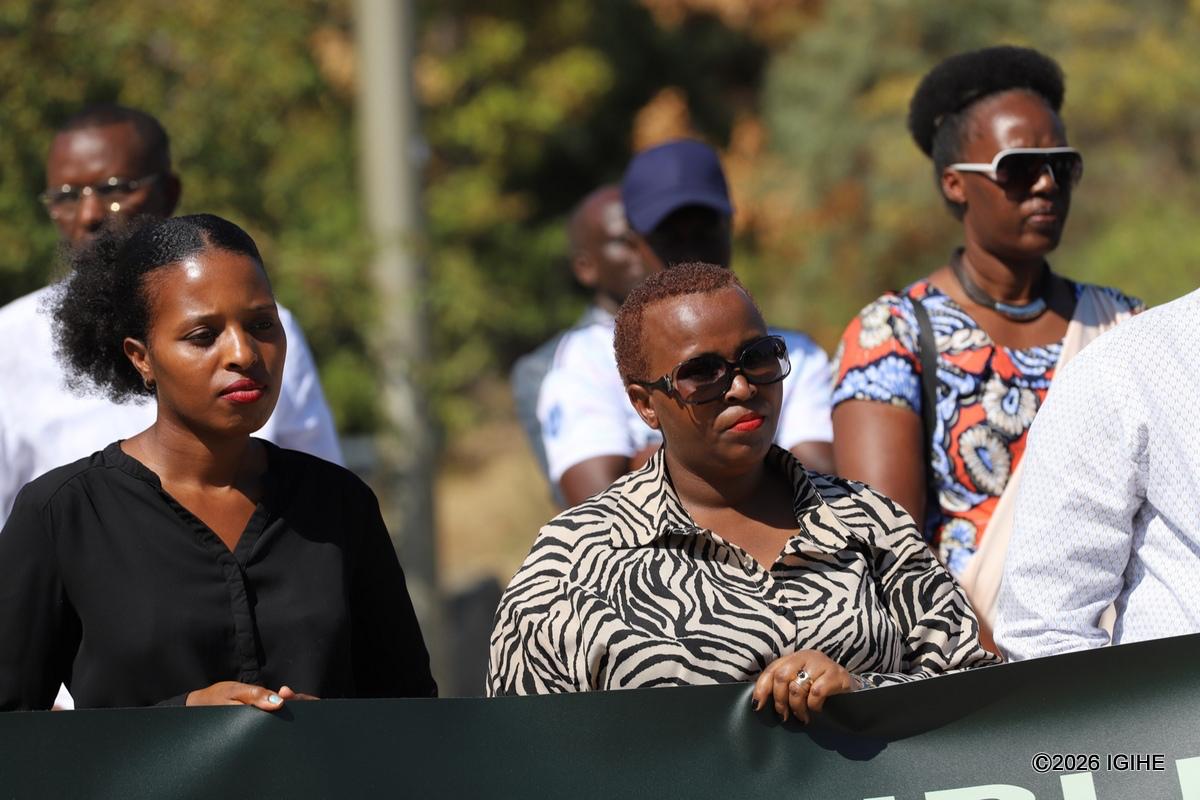
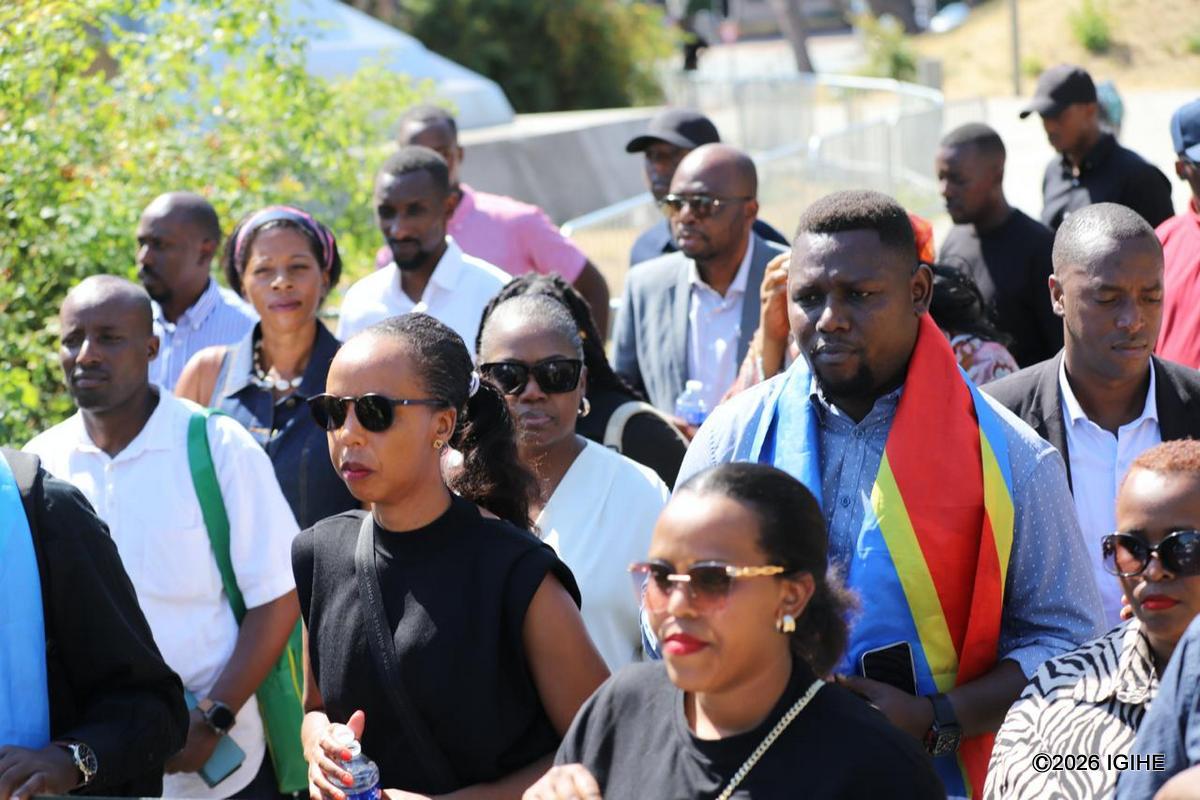
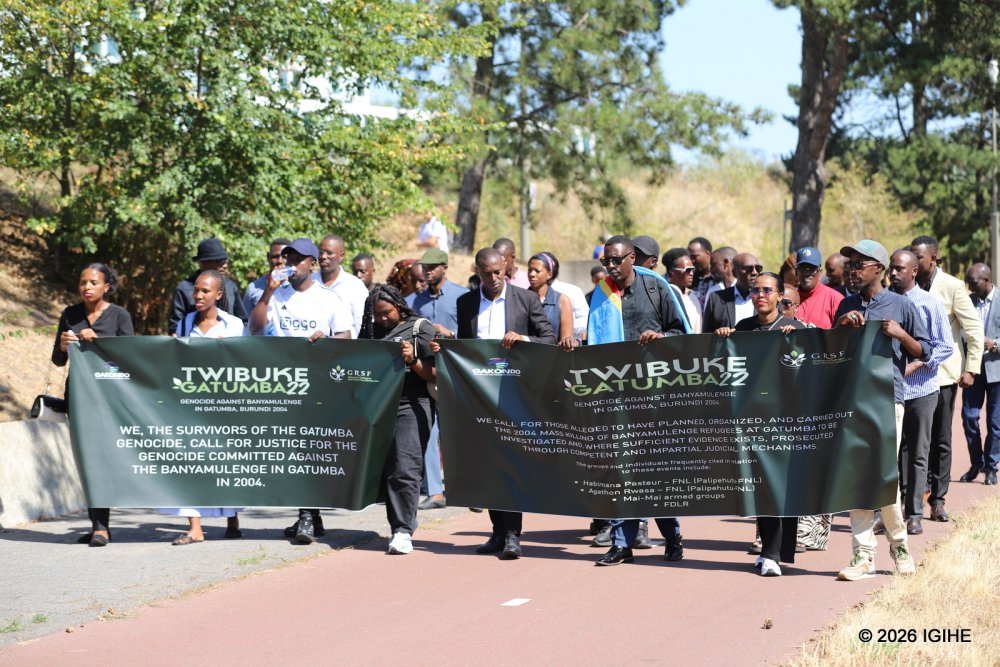
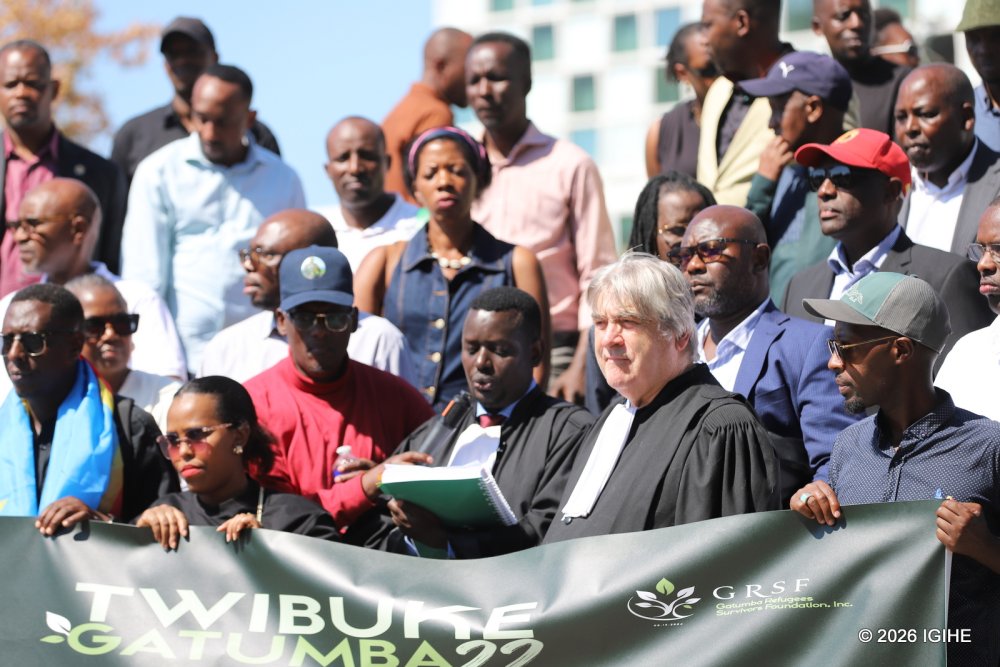
Ahead of the submission, participants held a short march to the ICC headquarters to commemorate Banyamulenge refugees killed in Gatumba, Burundi, in 2004.
The complaint focuses mainly on a series of attacks by forces aligned with the DRC government in Minembwe and surrounding areas, particularly since fighting resumed between government forces and the AFC/M23 rebels.
Innocent Nteziryayo, one of the lawyers representing the complainants, told IGIHE that the complaint names President Félix Tshisekedi, members of his government and officials from Burundi.
“We mainly focused on incidents that occurred in recent months, particularly the drone strikes that destroyed infrastructure in Minembwe and other areas,” he said.
Nteziryayo said the complaint also refers to statements by senior officials that the Banyamulenge representatives consider to be incitement to hatred.
“We also linked them to statements that have been made by senior officials, starting with the President, ministers and various journalists. We also filed a complaint against the Burundian army and its leaders because they allegedly played a role in operations targeting the Banyamulenge and destroying their infrastructure, and there is substantial evidence,” he said.
Another lawyer representing the complainants, Bernard Maingain, said the delegation had come to The Hague to take what he described as a significant step by bringing the case before the ICC Prosecutor’s Office under Article 15 of the Rome Statute.
“We have come to The Hague to take a particularly significant step: to bring before the Office of the Prosecutor of the International Criminal Court, under Article 15 of the Rome Statute, a comprehensive dossier concerning crimes that we believe were committed against the Banyamulenge and fall within the jurisdiction of the ICC,” Me Maingain said.
According to Me Maingain, the move comes after attempts to seek justice through the Congolese judicial system failed to produce results.
He said that despite efforts made over several years, the authorities did not provide an effective response.
“We had no other option but to come before the International Criminal Court,” he said, explaining that the dossier submitted to the Prosecutor includes testimonies, evidence, hate speech and historical analyses.
The lawyer called on the Office of the Prosecutor to examine the material submitted and open investigations into the crimes.
“We will never give up seeking justice for the Banyamulenge population,” Maingain said, stressing the importance of the recent events in Minembwe.
In documents submitted to the ICC Prosecutor’s Office, the complainants contend that residents of Minembwe have been subjected to acts that constitute crimes against humanity and war crimes. They also cite forced displacement on ethnic grounds and acts that they say may amount to genocide.
The dossier includes testimonies from people affected by the bombardments in Minembwe, along with photographs, videos and other analyses intended to document the abuses.
The complainants further testify that some residents were forcibly removed from their homes, while others were displaced, unlawfully detained, tortured or subjected to other forms of cruel or degrading treatment.
The Banyamulenge have named several political, military and administrative officials in the DRC and called for an assessment of their role in the abuses documented in the complaint.
The dossier also mentions armed groups including Wazalendo, Nyatura and the FDLR. The complainants are calling for investigations into the possible role of these groups in attacks against civilians in Minembwe.
They have also asked the ICC Prosecutor’s Office to examine the involvement of Burundian officials whom they accuse of cooperating with DRC authorities in operations carried out in Minembwe.
To support the complaint, the Banyamulenge submitted documents signed by residents, associations and institutions in Minembwe authorising their representatives to act on their behalf in seeking justice.
The institutions cited in the dossier include health centres in the Minembwe highlands, churches, Minembwe General Hospital, universities, primary and secondary schools, and Radio Tuungane de Minembwe.
Their lawyers said they also submitted a list of people who were forcibly displaced, unlawfully detained, tortured or subjected to other forms of mistreatment or degrading treatment.
The Banyamulenge say the 2004 Gatumba massacre, in which many Banyamulenge refugees from the DRC were killed, remains one of the most painful events in the community’s recent history.
Those gathered in The Hague said their decision to approach the ICC was intended to give a voice to people who have suffered abuses and to ensure that the violations in Minembwe receive international attention.
They called on the ICC Prosecutor’s Office to review the documents, testimonies and other evidence submitted and determine whether there are sufficient grounds to open an investigation into the crimes.
The filing in The Hague marks another step by Banyamulenge representatives in what they describe as a broader effort to seek justice for people who have suffered abuses in Minembwe and other conflict-affected areas of eastern DRC.
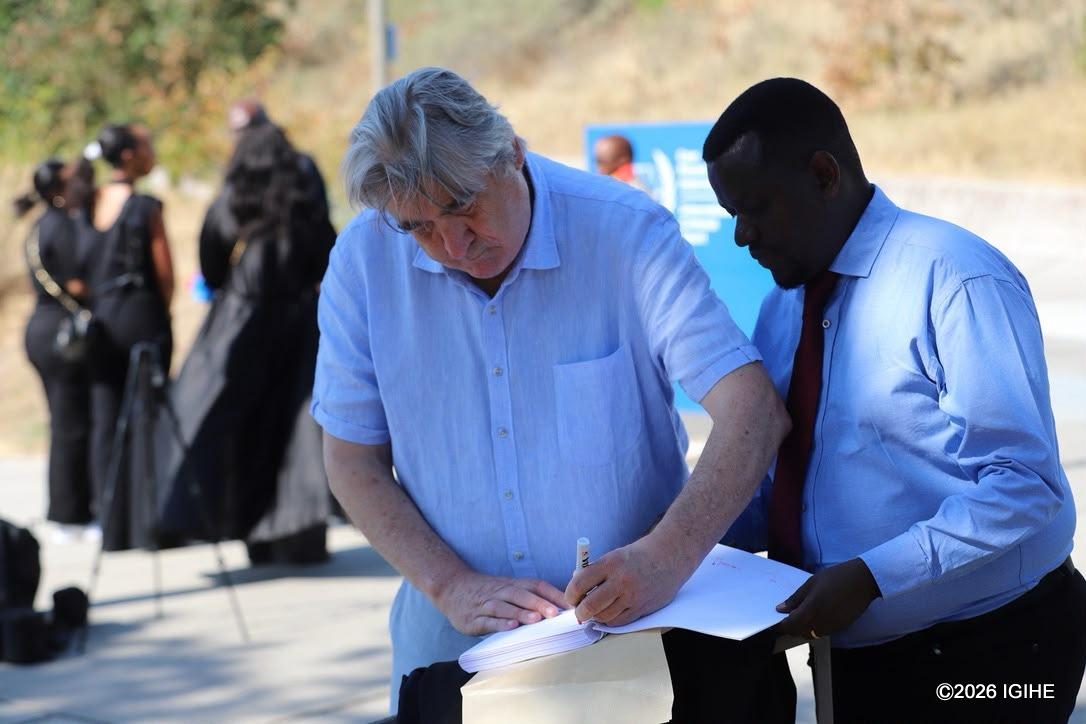
The complaint was submitted on August 14, 2026, during a ceremony attended by Banyamulenge representatives from different parts of the world and lawyers representing the complainants.Lawyers Innocent Nteziryayo and Bernard Maingain signing the complaint dossier.
Representatives of various Banyamulenge associations also signed.
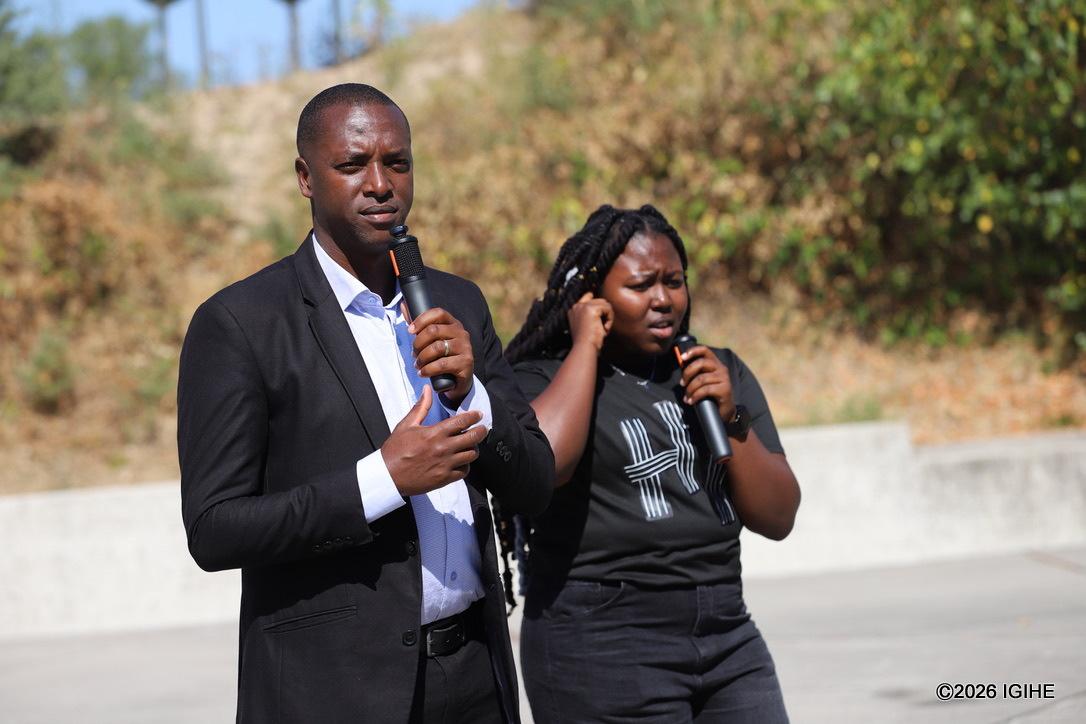
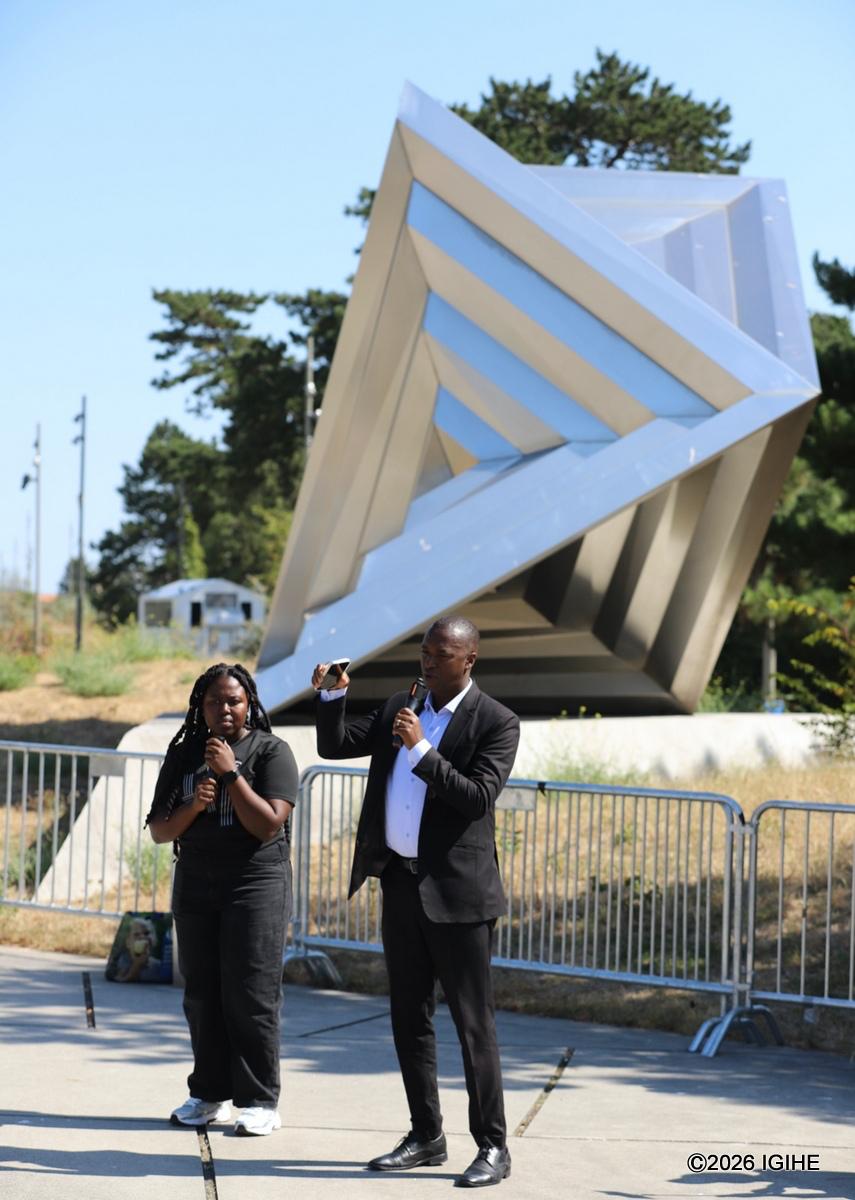
Lawyers Bernard Maingain and Innocent Nteziryayo during the submission of the complaint to the ICC. Banyamulenge youth led the event on Friday. Lawyer Ruhamira Jean Pierre explaining the sequence of events.
U.S. news outlet The Intercept and non-profit Freedom of the Press Foundation (FPF) alleged that the paid Truth Social service violates two parts of the Constitution: the First Amendment right to access a president’s comments on equal terms with other members of the press and public, and the Fifth Amendment prohibitions on charging unreasonable conditions for government benefits.
The plaintiffs said delayed access to the president’s statements would harm their ability to produce or support journalism, The Wall Street Journal reported Wednesday.
“A president selling priority access to news he himself generates for the benefit of a private company he controls is so blatantly corrupt and unconstitutional that it would have been hard to even fathom just a few years ago,” said Seth Stern, chief of advocacy at the FPF.
As general counsel to The Intercept, David Bralow said: “Nothing could be more antithetical to the free, independent press than the president charging for early access to his public announcements.”
The paid Truth Social service, named Truth API, allows subscribers to receive Trump’s posts seconds before they appear for the general public. Seeking to block the plan, the two groups said those moments matter because Trump’s posts often move stocks, oil and other financial markets with announcements about government policy, military actions and other decisions, as seen during the Middle East conflicts and renewed U.S. tariff measures.
Many big investment firms have developed automated systems to monitor Truth Social, detect important keywords and take action, often within a fraction of a second, such as initiating or canceling positions, The Wall Street Journal reported, citing traders.
A Wall Street Journal review of trading data showed how quickly some traders have pounced on the president’s online comments. In the minute following two of Trump’s posts about Iran in June, investors traded more than 2 million shares, according to data from DTN, a global data and technology company. These trades caused swings of more than 2 percent in almost two dozen energy and industrial stocks.
The plaintiffs argued that the setup gave an unfair advantage to those who can afford it, creating a system where market-sensitive information reaches paying clients first, according to the BBC.
Trump Media & Technology Group (TMTG), Truth Social’s parent company, announced that Truth API charges up to 100,000 U.S. dollars a month for early access to 10 high-profile Truth Social accounts, including Trump’s own, or 60,000 dollars per month if users commit to three years.
Trump has the largest following on the platform, with about 13 million followers, followed by his eldest son, Donald Trump Jr., with around 7.5 million.
Other accounts offered through Truth API include those of Vice President JD Vance, Health and Human Services Secretary Robert F. Kennedy Jr., FBI Director Kash Patel and the White House itself, the complaint said.
The service came as the publicly traded TMTG lost hundreds of millions of dollars each quarter and its stock has dropped below 10 dollars from 62 dollars shortly after going public two years ago.
Trump is the largest shareholder of TMTG, with a 41.3 percent stake worth approximately 950 million dollars, held through his Donald J. Trump Revocable Trust. His eldest son, Donald Trump Jr., serves as a director of TMTG and oversees the trust, while the president is the trust’s sole beneficiary, the BBC reported.
Even before the new API service was launched, ethics watchdogs criticized Trump’s posting on Truth Social as a brash attempt to profit off the presidency, linking it to other money-making ventures, including those related to cryptocurrencies.
Earlier this year, the president filed a required annual financial disclosure report showing that he had taken in more than 1 billion dollars in 2025 from new crypto businesses subject to regulation by his administration, according to AP.
The Wall Street Journal reported that trading firms were among the first subscribers to the service, with more than 10 customers having signed up. In this business, getting to data nanoseconds faster than competitors can amount to a sizable advantage.
“This scheme is profoundly corrupt,” the two organizations said in their complaint. “The president stands to gain financially by giving ‘market-moving’ government information to those who are willing and able to pay his personal company.”
The plan also drew backlash from Democratic lawmakers, who called for a probe into the service by the U.S. Securities and Exchange Commission.
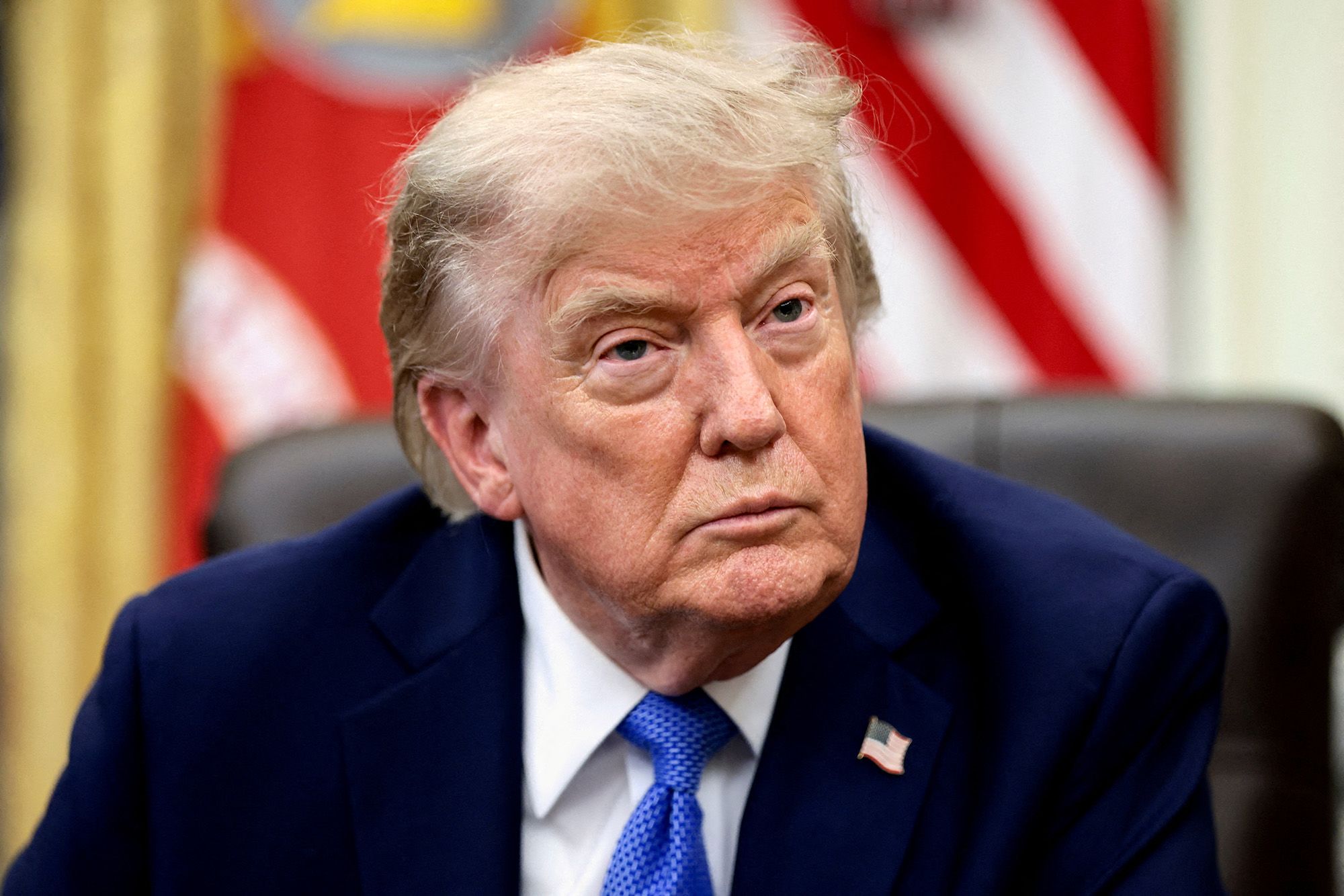
U.S. President Donald Trump was sued Wednesday by two media organizations