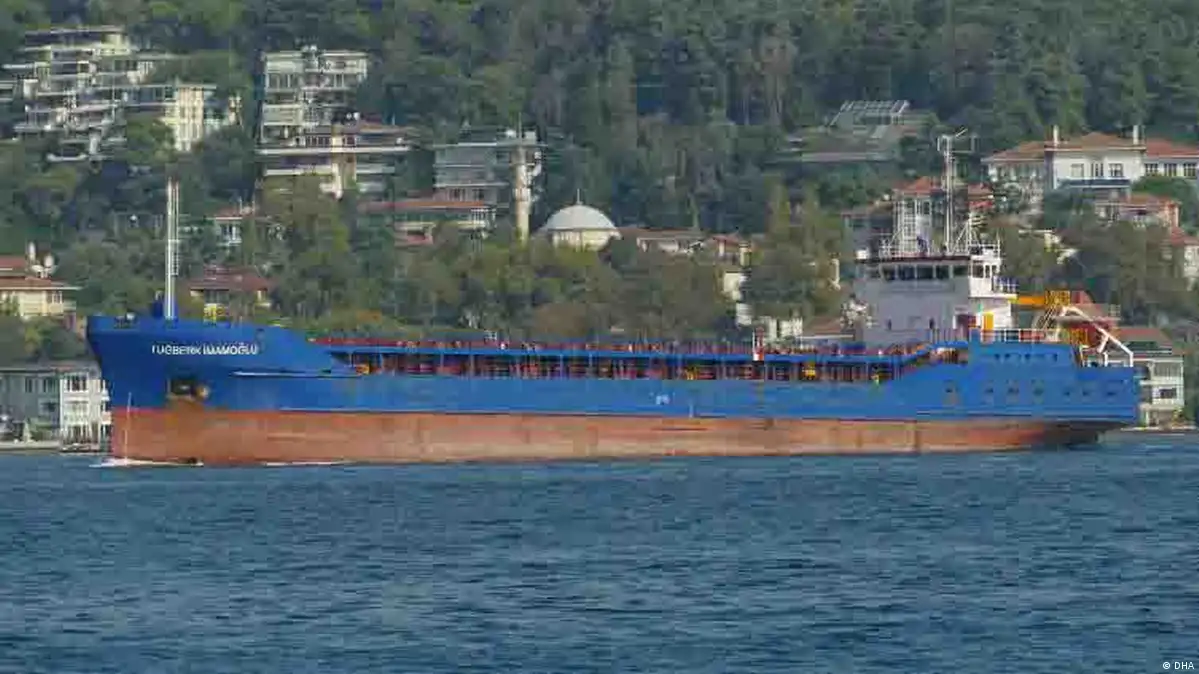
The collision occurred at around 3:00 a.m. local time (0000 GMT) south of Istanbul’s Silivri district, the Istanbul Governor’s Office said in a statement.
The incident involved the commercial ship Alsu, which was traveling from the northwestern province of Kocaeli to Aliaga district in Izmir province, and the Tugberk Imamoglu, which was sailing from the southern port of Iskenderun to Karadeniz Eregli on Türkiye’s Black Sea coast.
Authorities were unable to establish contact with the Tugberk Imamoglu and its 10 crew members, the statement said. Initial assessments showed no visible damage to Alsu.
Many naval units were dispatched to the area. Search and rescue operations are ongoing.
Contact was lost with the cargo ship Tugberk Imamoglu and its 10 crew members
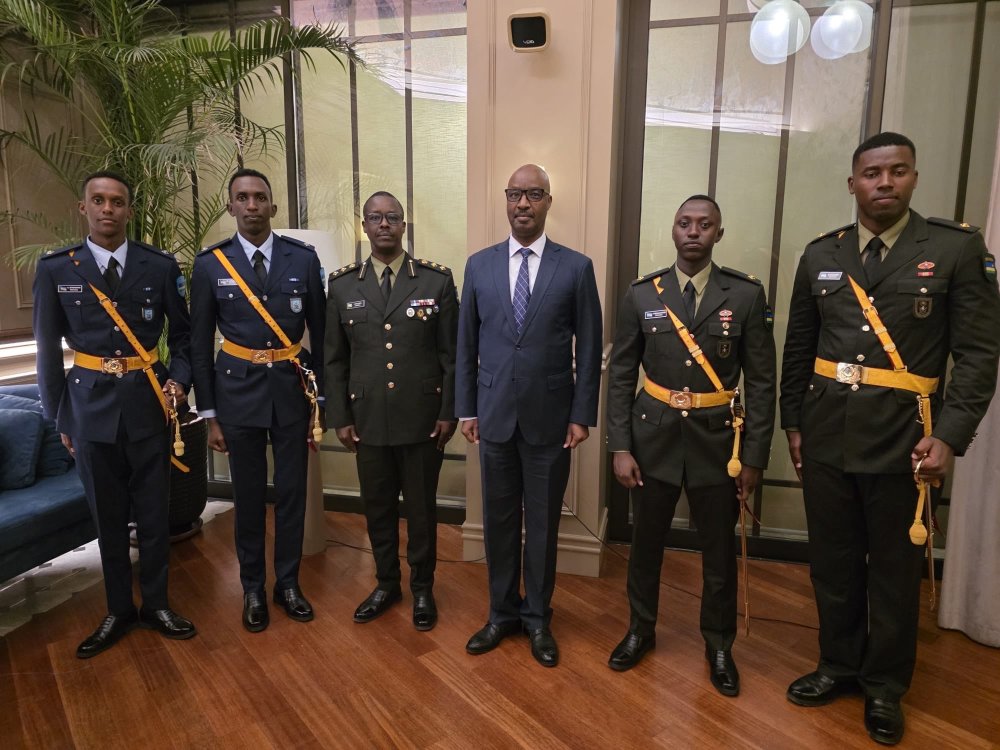
The graduation ceremony was held on August 30, 2026, in Ankara, bringing together graduates from the two military academies.
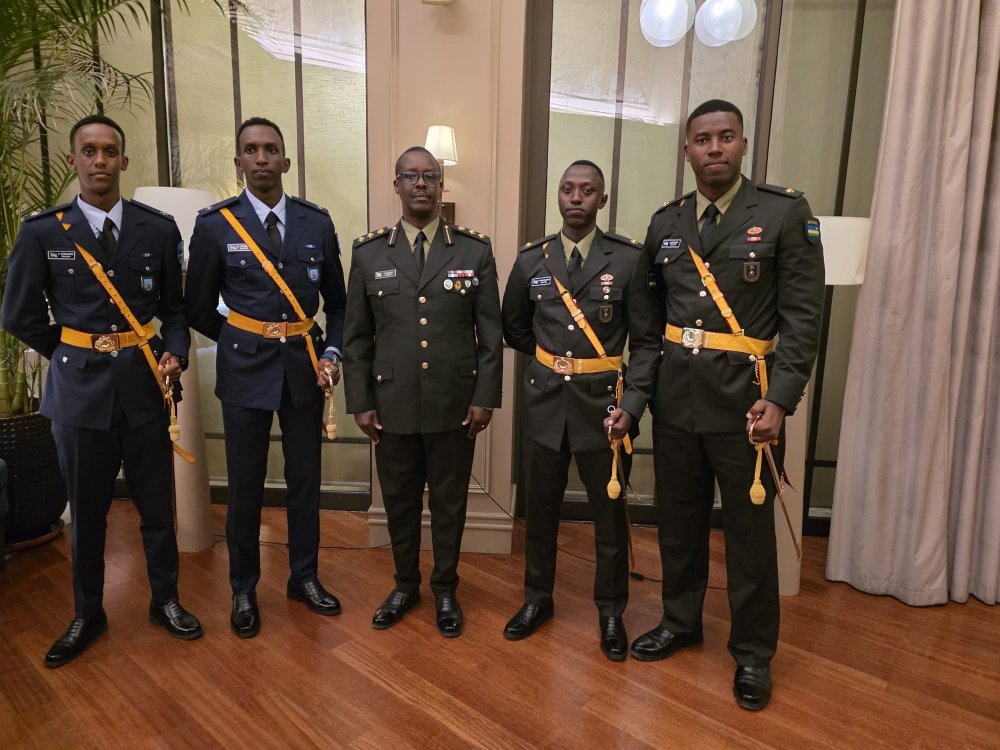
The four Rwandans are Byiringiro Arnauld, Cyizere Prince, Mbanzabugabo Daniel and Mugabe Robert.
Following the completion of their military training, they were commissioned with the rank of Second Lieutenant by the President of the Republic of Türkiye, Recep Tayyip Erdoğan.
The graduation ceremony was attended by Rwanda’s Ambassador to Türkiye, Lt Gen (Rtd) Charles Kayonga, and the Defence Attaché at the Rwandan Embassy, Colonel JP Rulisa.
The graduation is part of Rwanda’s efforts to strengthen the skills and capabilities of its military personnel through professional military education and training programmes in different countries.
Türkiye’s President Erdoğan has commissioned four Rwandans with the rank of Second Lieutenant The graduation ceremony was attended by Rwanda’s Ambassador to Türkiye, Lt Gen (Rtd) Charles Kayonga, and the Defence Attaché at the Rwandan Embassy, Colonel JP Rulisa.
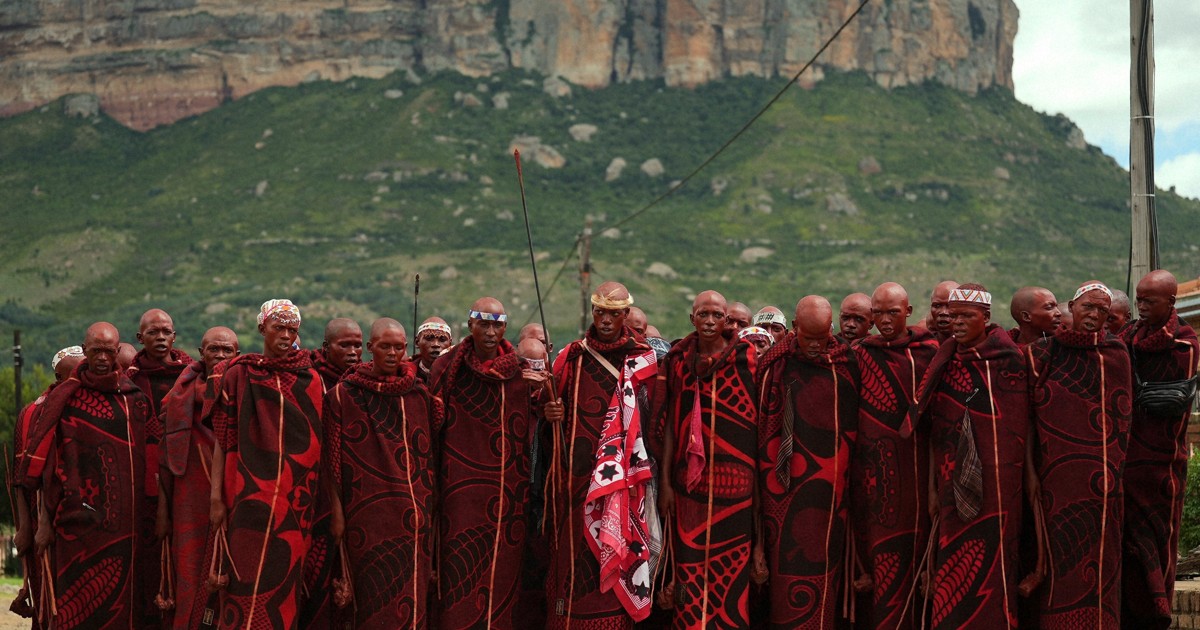
Known as Ulwaluko, the centuries-old ceremony is held twice a year and is intended to mark the transition from boyhood to manhood. Initiates are taken away from their families for about three weeks, where they undergo circumcision and are taught traditional values, survival skills and community history.
However, illegal initiation schools have been blamed for many of the deaths and injuries. Untrained practitioners reportedly carry out circumcisions using unsafe instruments, leading to severe infections, gangrene, sepsis and dehydration.
A South African government-commissioned report recorded 322 deaths between 2021 and 2024, alongside thousands of hospitalisations and cases of amputation. In 2024 alone, 93 deaths and 11 penile amputations were recorded during the winter and summer initiation seasons.
The government has introduced measures to regulate the practice, including requiring initiation schools to be registered and traditional surgeons to be trained and qualified. According to reports, Police have also shut down 42 illegal schools, arrested 40 people and rescued 180 boys.
Traditional Affairs Minister Velenkosini Hlabisa said the latest deaths were “deeply concerning” and called for collective action to eliminate preventable deaths and injuries.
“Respect for tradition must go hand in hand with respect for the law and every initiate’s constitutional right to life, dignity and safety,” Hlabisa said.
Despite the risks, Ulwaluko remains culturally significant for many communities. Those who complete the ceremony are recognised as men and may gain access to certain traditional and social activities, while those who refuse can face strong peer pressure and social stigma.
Initiates return after completing their passage to manhood at a traditional initiation school, in Phuthaditjhaba, South Africa, Jan. 3, 2026. (AP Photo/Alfonso Nqunjana)
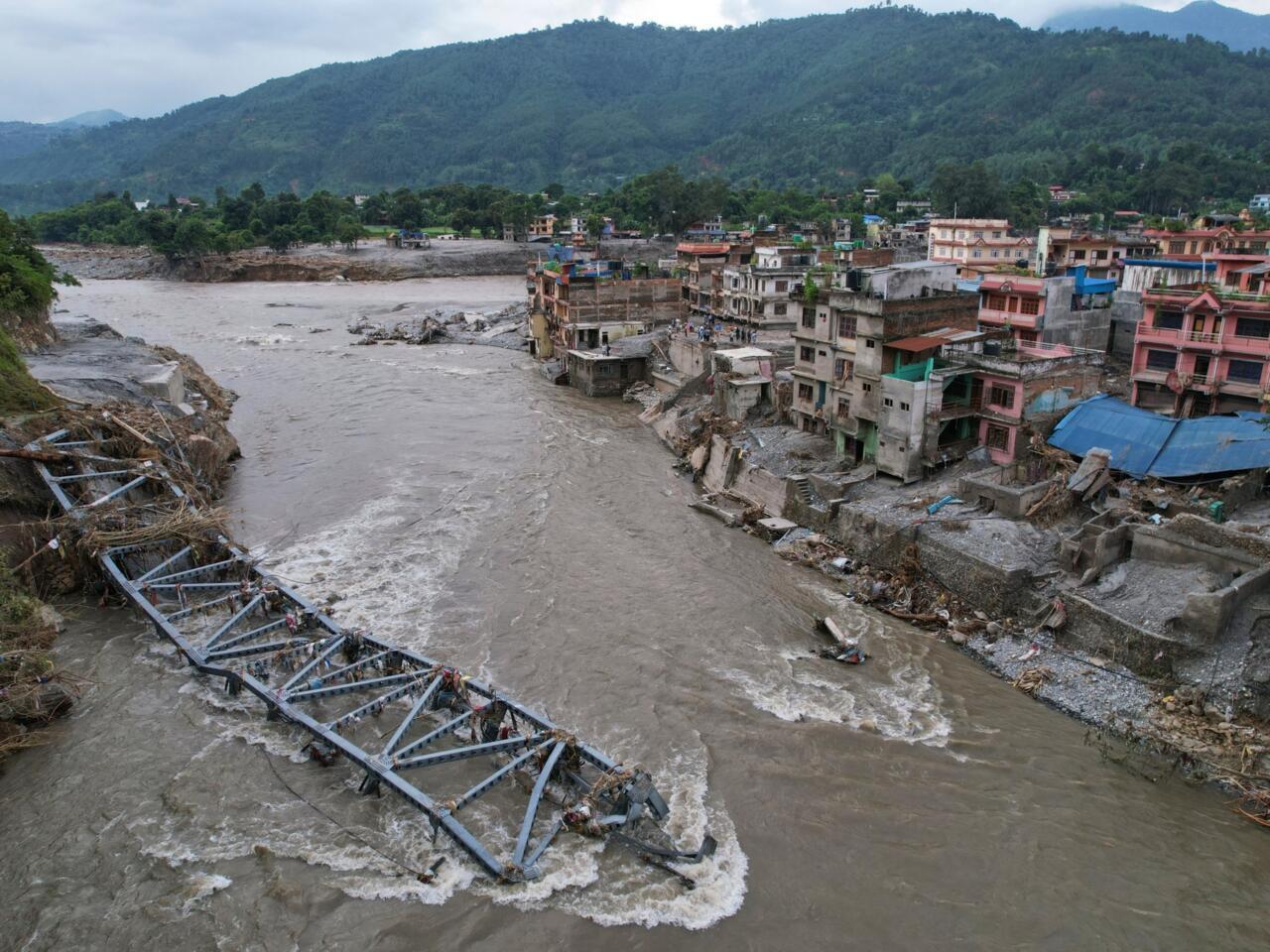
Nepal’s National Disaster Risk Reduction and Management Authority said 592 foreign nationals are among those missing. US State Department spokesperson Tommy Pigott said about 85 Americans remained unaccounted for as rescue operations continued.
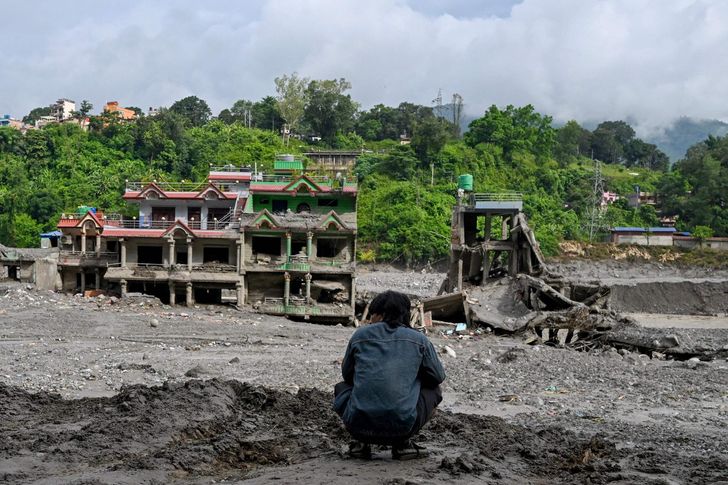
The flooding, triggered by a glacier collapse in the Nepal-Tibet border region on Wednesday, has devastated communities and left rescuers struggling to reach affected areas.
“The disaster here is overwhelming,” Ferrin Cole, an operations director at the US-based Crisis Response International, told NBC News. He said the flood had destroyed entire communities and that rescue teams were working to deliver assistance as quickly as possible.
More than 90,000 people have been affected, according to the Nepal Red Cross, while Nepali officials said more than 10,400 people, including 277 foreign nationals, had been rescued.
The scale of the disaster has also overwhelmed morgues, with authorities reporting that some recovered bodies were beyond recognition.
China has separately reported 16 deaths and 546 missing people in Tibet, although it remains unclear whether some cases overlap with Nepal’s figures.
Meanwhile, a landslide-dammed lake near a border checkpoint is overflowing, complicating rescue efforts. Heavy rains in Nepal have also raised river levels and triggered fresh warnings for communities living along waterways.
A drone view of a bridge damaged by flash flooding along the Tadi River in the Devighat area of Nuwakot district, Nepal, on August 29, 2026. AP Photo/Rajesh Kumar Singh – Rajesh Kumar Singh
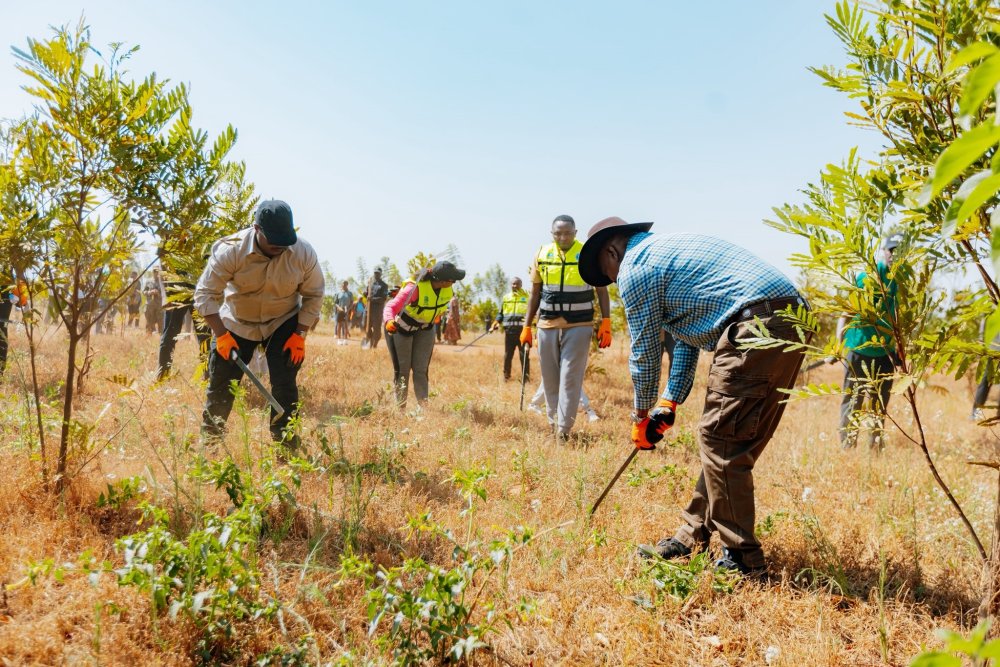
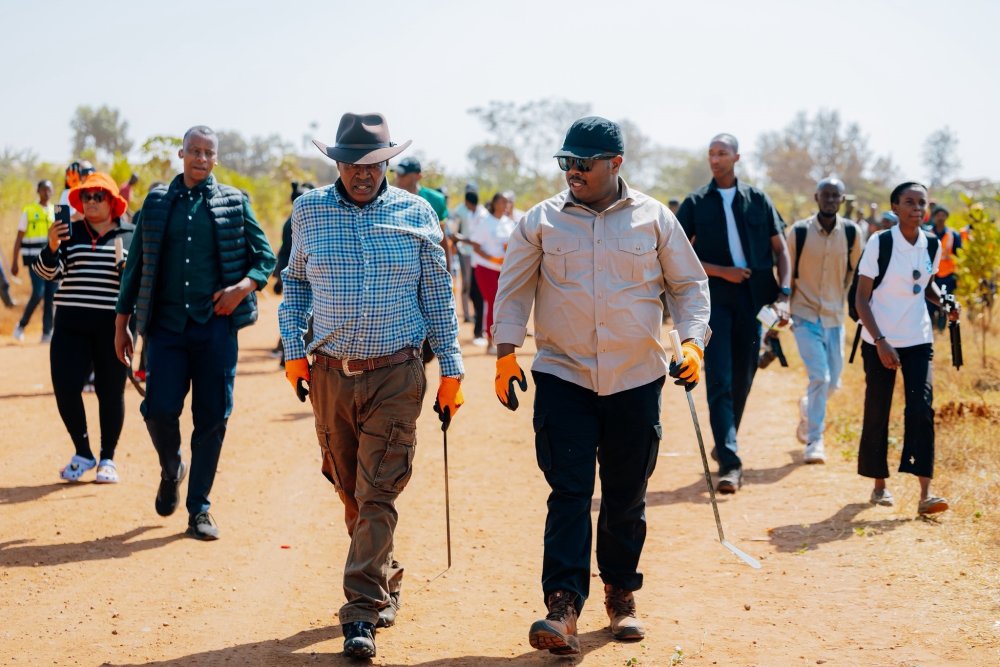
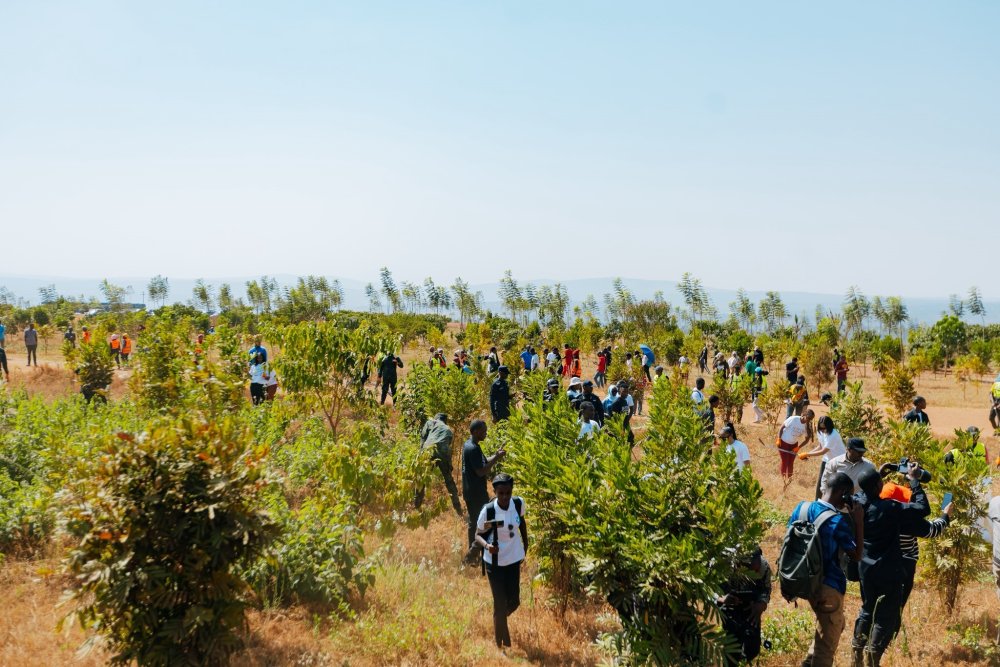
The activity took place in Gahanga Sector and was attended by senior government officials, including Minister of Youth and Arts Development Dr. Abdallah Utumatwishima, Rwanda National Police Inspector General of Police Felix Namuhoranye, and Rwanda Development Board Chief Executive Officer Jean-Guy Afrika.
Masisi, who served as Botswana’s president from 2018 to 2024, is in Rwanda to attend the Africa Food Systems Forum (AFS Forum) scheduled to take place in Kigali from August 31 to September 4, 2026.
Speaking during the community work, Masisi praised Rwanda’s practice of bringing young people and older generations together to participate in community activities.
He said he was impressed by the way young Rwandans join older generations during Umuganda to clean their communities and contribute to building a united country.
Masisi encouraged young people to set personal goals and work toward improving themselves every day. He also urged them to pursue progress collectively and ensure that their development does not leave others behind.
He said this spirit of shared progress would help Africa strengthen its position globally and achieve greater development.
Masisi also highlighted Africa’s historical significance, noting that the continent is widely recognised as the birthplace of humanity and has the potential to play a much greater role in the world.
He further said Rwanda and Botswana have several things in common and should align their efforts around the shared objective of making Africa a more developed continent and a model for the rest of the world.
Former Botswana President Mokgweetsi Masisi and Kigali City Mayor arriving in Gahanga Sector where the community work took place. Former Botswana President Mokgweetsi Masisi joined Kigali residents in Umuganda in Gahanga Sector on August 29, 2026.
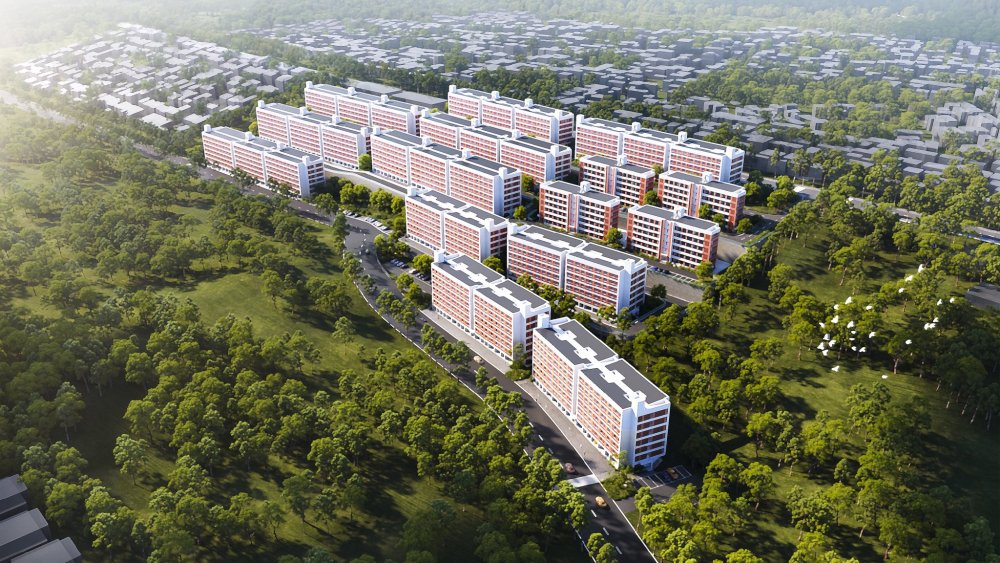
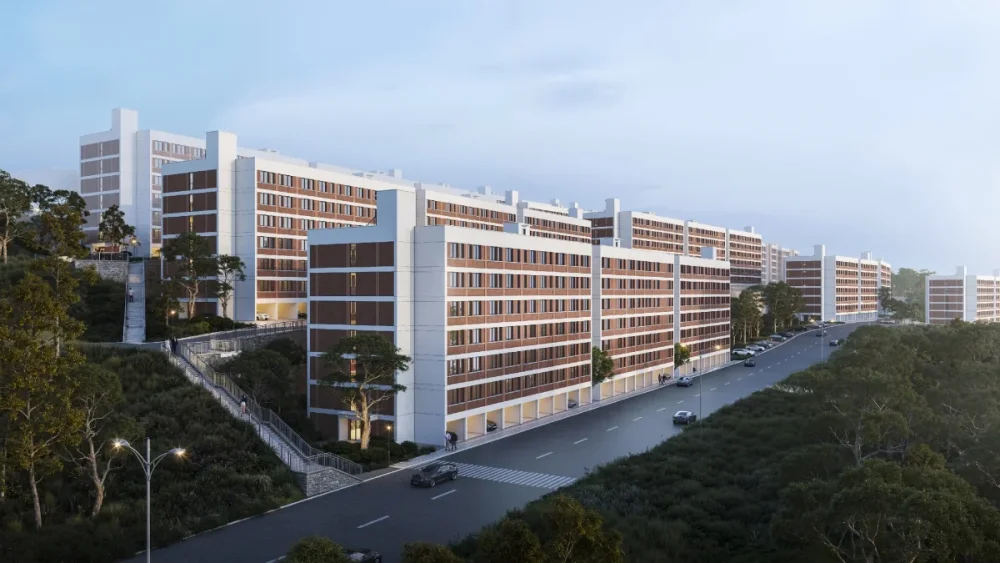
The project, located in Kabuhunde Village, Kagugu Cell, Kinyinya Sector in Gasabo District, is expected to provide modern housing for 716 families currently living on a 33.699-hectare site.
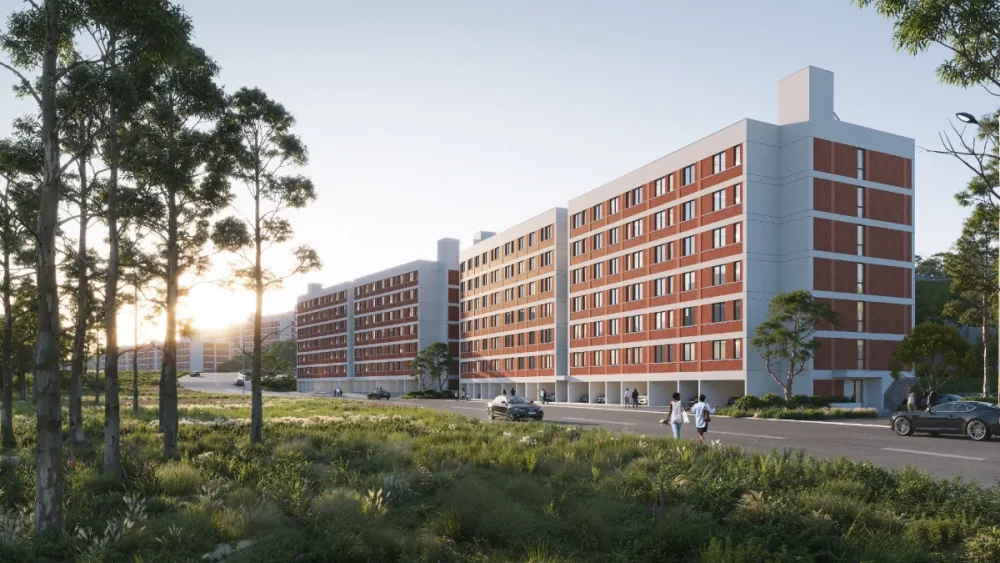
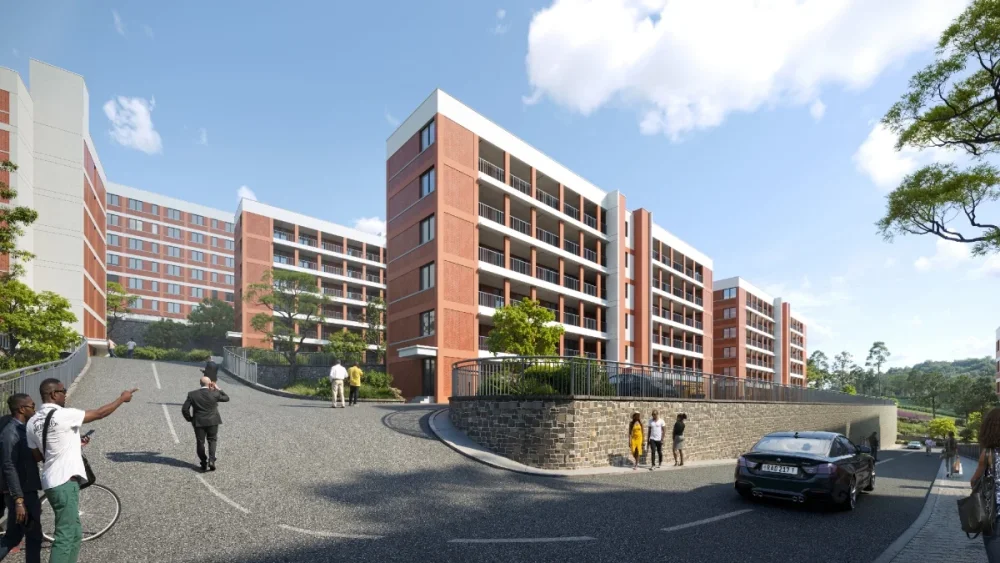
The development will feature six-storey buildings (G+6), equipped with designated parking spaces and elevators.
City of Kigali spokesperson Emma-Claudine Ntirenganya said the new neighbourhood will also include key infrastructure and services, including tarmac roads, a wastewater treatment facility, public recreational spaces, a market and a health centre.
Residents who currently own land or houses within the project area will receive new homes based on the value of their existing properties and in accordance with compensation regulations, allowing them to retain ownership of the new homes.
The Kagugu project will follow an approach similar to that used in the Mpazi and Nyabisindu housing developments.
The first phase of the Mpazi project delivered nearly 800 homes, while its expansion is expected to provide more than 4,100 additional homes. The Nyabisindu project is expected to deliver more than 2,000 homes by June 2027.
Ntirenganya said that beyond the number of houses being constructed, the projects are aimed at improving the living conditions of low- and middle-income residents while preserving communities and the achievements they have made over the years.
“This means that families can move into modern, secure houses with better services without being separated from their neighbours. Parents can continue accessing the markets and businesses they have traditionally relied on,” she stated.
She noted that residents would continue living close to their workplaces and sources of income, while their children would remain in the schools they already attend.
“The biggest change will be in their daily lives: safe and well-built homes, improved hygiene and sanitation, better roads and water networks, organised housing, recreational spaces, and easier access to services and infrastructure,” Ntirenganya said.
The Kabuhunde Rehousing Project will feature six-storey residential buildings with elevators and designated parking spaces.Construction of the Kabuhunde Rehousing Project is scheduled to begin in January 2027.The new Kabuhunde housing project in Kagugu is expected to provide homes for 716 families.The new Kagugu neighbourhood will include tarmac roads, a market, a health centre and public recreational spaces.
The GSDF said it was extremely regrettable that one of its members, who was supposed to abide by laws and discipline, had committed such an act, public broadcaster NHK reported.
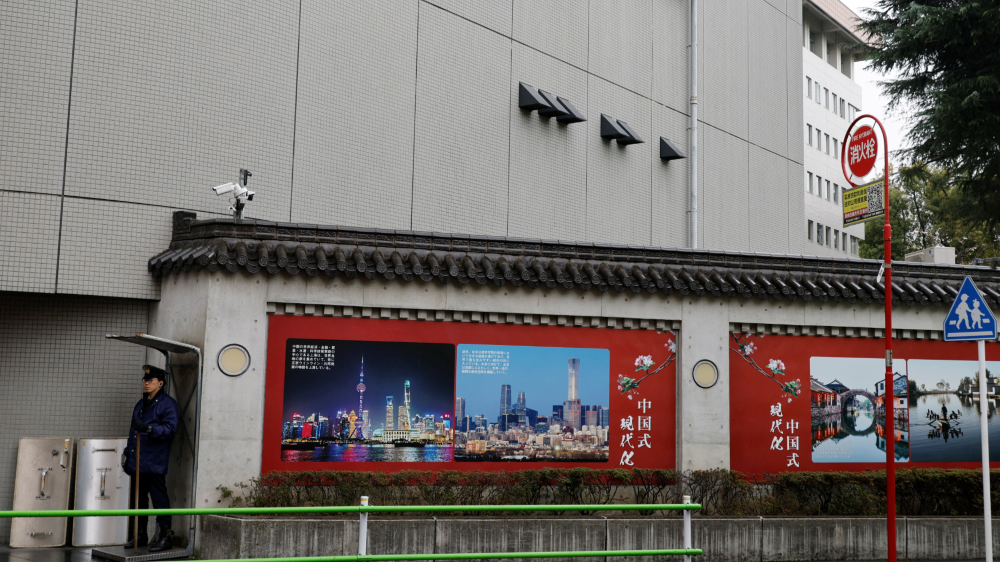
On March 24, the GSDF officer, identified as Kodai Murata, allegedly scaled a barbed-wire wall and broke into the Chinese embassy in Tokyo with an 18-cm blade, threatening to kill Chinese diplomatic personnel. He was later arrested by the police.
Japanese prosecutors indicted Murata on charges including trespassing and threatening embassy staff.
The embassy has lodged solemn representations and a strong protest with the Japanese side, demanding that Japan provide a responsible explanation. So far, however, the Japanese side has only expressed that the incident was “regrettable,” without offering an apology.
A Japanese police officer stands guard in front of the Chinese Embassy in Tokyo, Japan, March 25, 2026.
The funds will support projects in energy, roads, public transport, housing, health infrastructure and waste management, with the largest allocations going to two energy projects.
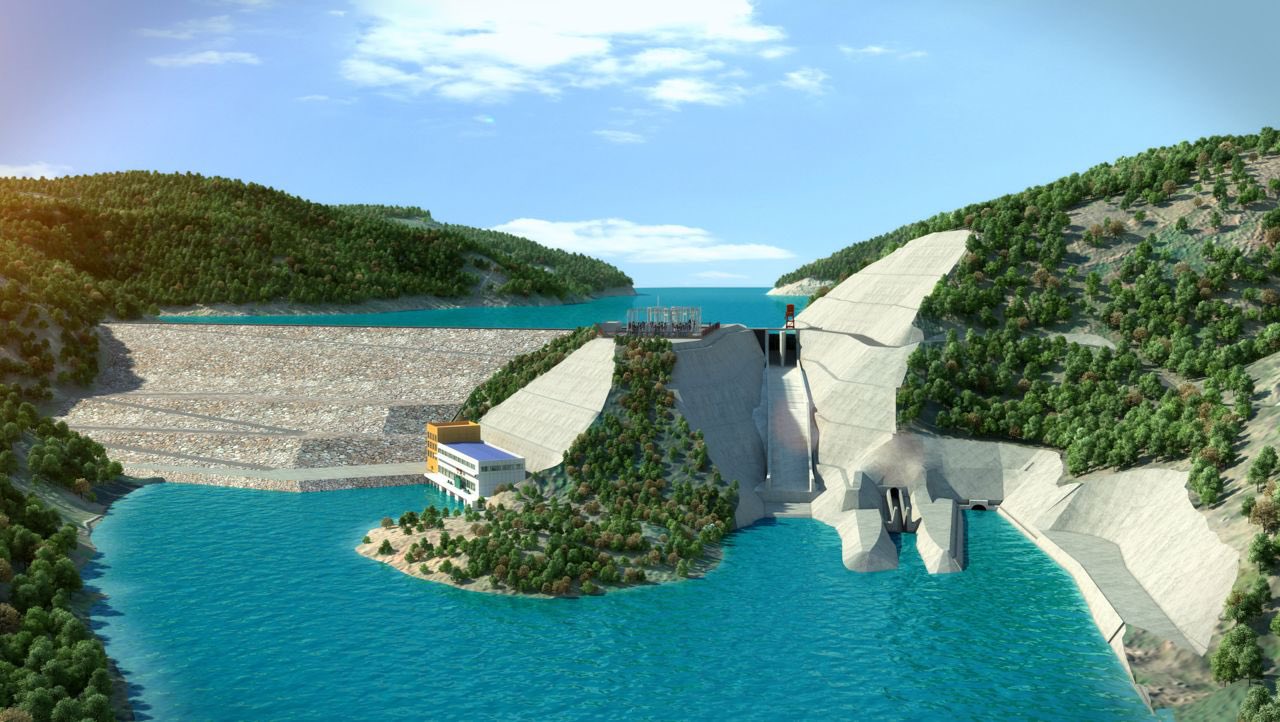
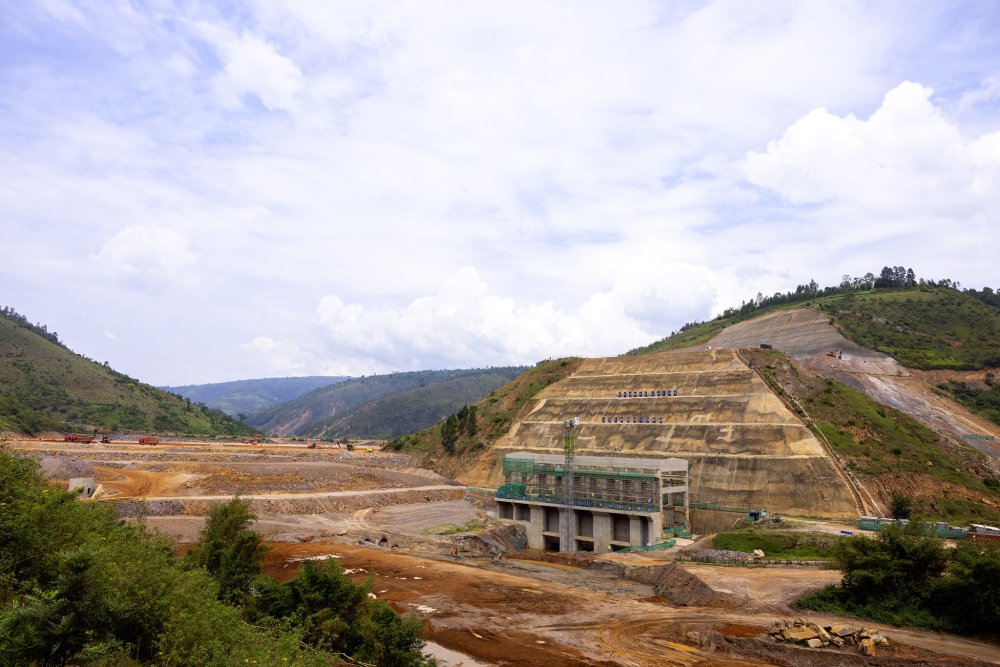
The Nyabarongo II power plant, which is expected to generate 43.5 megawatts, has the largest allocation at Rwf 149.81 billion, equivalent to about 24.5% of the total infrastructure budget.
Construction of the power plant is currently 73.82% complete and is expected to reach 75% in the first quarter, 80% in the second, 90% in the third and 95% by the end of the financial year.
The planned activities include completing and approving the remaining construction designs for the powerhouse, spillway, switchyard and transmission lines. The project will also involve monitoring construction works, completing the third phase of land acquisition and developing a plan for an early warning system to alert residents in case of a problem.
The second-largest allocation, Rwf 90.97 billion, will go towards connecting 199,487 new households to electricity. Baseline figures show that 2,348,087 households were already connected to the national grid.
The Energy Development Corporation Limited (EDCL) plans to connect 40,487 households in the first quarter, 45,000 in the second, 52,000 in the third and 62,000 in the fourth. The work will include preparing surveys and designs, procurement, construction of medium- and low-voltage electricity networks, compensation payments and connecting households.
Road maintenance in Kigali is the third-largest item, with Rwf 40 billion allocated to the project. The Rwanda Road Maintenance Fund (RMF) will review and approve contracts and invoices related to road maintenance works before payments are made.
The implementation target is to have 25% of the funds disbursed in the first quarter, 50% in the second, 75% in the third and 100% by the end of the financial year.
The rehabilitation and development of housing in Nyabisindu will receive Rwf 29.53 billion, making it the fourth-largest project by allocation. The project consists of 2,029 houses and is currently 23.36% complete, with the target of reaching full completion during the financial year.
The Rwanda Housing Authority (RHA) is responsible for overseeing implementation, while the Rwanda Social Security Board (RSSB) will provide financing. The City of Kigali will work with residents, pay temporary rent for people relocated by the project and determine the beneficiaries of the houses. The Ministry of Defence is responsible for construction works.
Another Rwf 22.26 billion has been allocated to the rehabilitation of the 10-kilometre Prince House–Giporoso–Masaka road. The works are expected to progress from 5% to 15% during the financial year.
The project will involve compensation payments, relocating utility networks and other infrastructure along the project route, as well as mobilising construction materials and workers. The Rwanda Transport Development Agency (RTDA), City of Kigali, Ministry of Infrastructure and Ministry of Finance and Economic Planning are involved in its implementation.
Public transport is also a major area of investment, with Rwf 21.45 billion allocated for the construction of 250 smart bus shelters. The facilities will include systems displaying bus arrival times, lighting, seating and infrastructure designed to make them accessible to people with disabilities.
The target is to complete 10% of the shelters in the first quarter, 40% in the second, 40% in the third and all 250 by the fourth quarter.
A further Rwf 21 billion has been allocated for 84 new electric buses. Fifty buses will be provided through the City of Kigali’s RUMI project, while 34 will come through RTDA’s KUTI project, alongside infrastructure for parking and charging the buses.
The programme also includes completing the legal and financial arrangements for the wider project involving 300 electric buses and approving the timeline for the first batch of 100 buses to be delivered to Rwanda.
The rehabilitation of Ruhengeri Referral Hospital has been allocated Rwf 12.5 billion. The project is expected to start from zero and reach 20% in the second quarter, 25% in the third and 30% by the end of the financial year.
The Ministry of Infrastructure and RHA will procure the contractor and supervising consultant and oversee implementation, while the Rwanda Biomedical Centre (RBC) and Musanze District will have responsibilities related to financing, supervision and implementation.
The first phase of the Kigali waste management project in Nduba will receive Rwf 12.03 billion. The project is currently 45% complete and is expected to reach 100% during the financial year.
The Water and Sanitation Corporation (WASAC) is responsible for construction and supervision, while the City of Kigali will support land acquisition and monitor the works.
The tenth project is the rehabilitation of the Masaka–Kabukuba–Riziyeri and Kabukuba–Nyamata/Gahembe–Kindama roads, which has been allocated Rwf 12 billion.
The works are currently at 5% and are expected to reach 20% in the first quarter, 30% in the second, 45% in the third and 60% by the fourth quarter. Activities will include compensation for people affected by the project, construction works and meeting requirements for the release of funding from development partners.
Together, the 10 projects account for Rwf 411.56 billion of the Rwf 610.84 billion infrastructure budget for the 2026/27 financial year, highlighting the concentration of spending on major energy, transport, housing and public infrastructure projects.
Nyabarongo Dam is one of the projects allocated the largest amount of funding in this financial year.The dam is expected to reach 95% completion by the end of this financial year.This photo shows the artistic impression of Nyabarongo dam
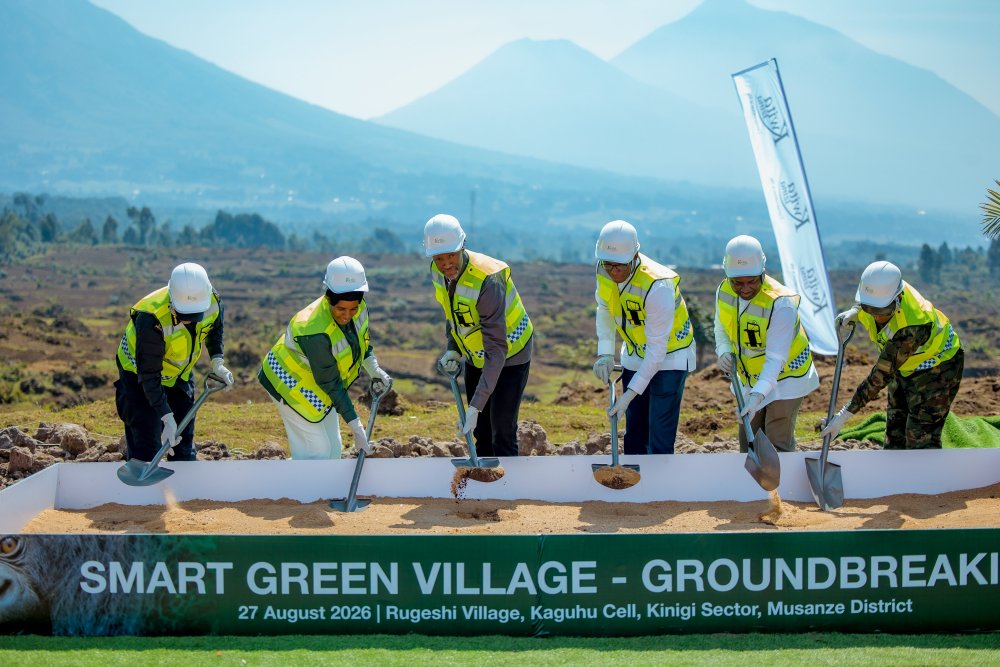
The project, valued at more than $49 million, is expected to provide 547 families with modern homes, basic services and opportunities to improve their livelihoods.
The Smart Green Village will combine climate-smart agriculture, renewable energy and tourism-related economic opportunities.
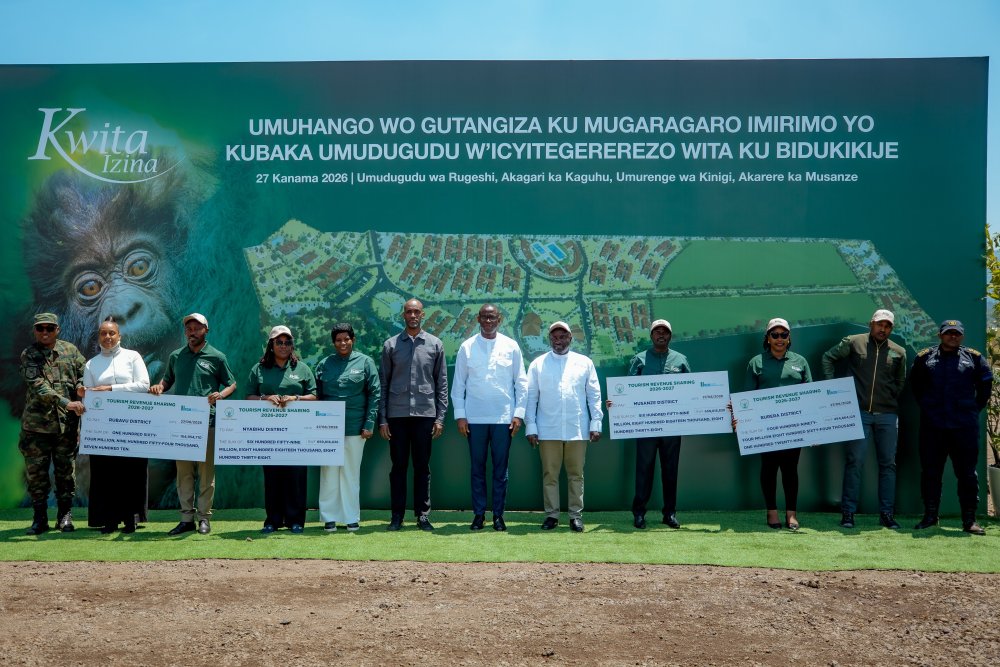
The launch of the construction works coincided with the announcement of funds to be distributed to districts surrounding Volcanoes National Park under Rwanda’s Tourism Revenue Sharing Programme.
The two initiatives highlight Rwanda’s approach of involving communities in environmental conservation and tourism development.
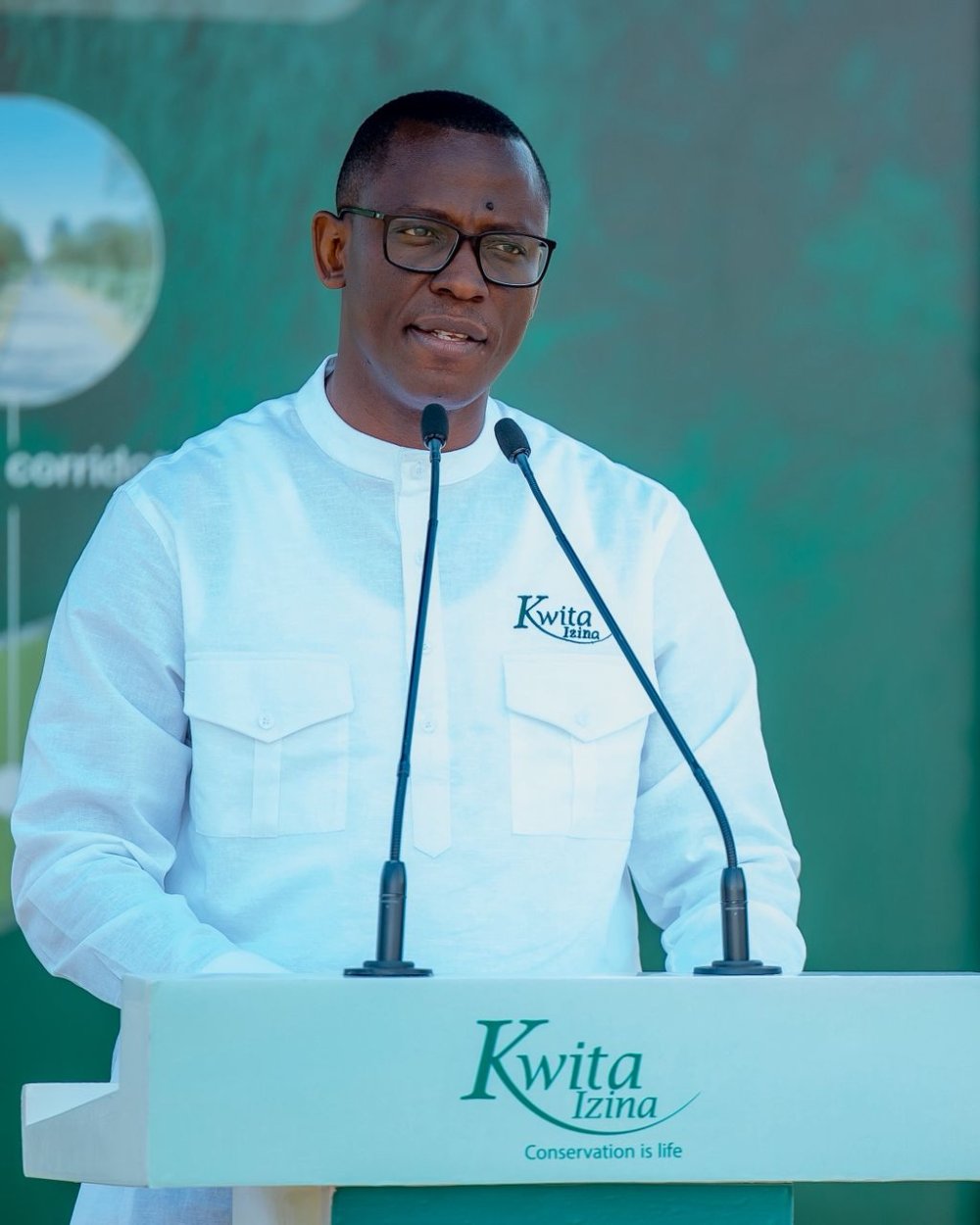
The activities are part of events leading up to the 21st edition of Kwita Izina, the annual gorilla naming ceremony scheduled for September 4, 2026, under the theme, “Conservation is Life: Sustaining the Future.”
Minister of Local Government Dominique Habimana said community development should go hand in hand with environmental protection.
“This project demonstrates Rwanda’s commitment to putting citizens at the centre of development, while building communities with good infrastructure, services, welfare, cleanliness and security.
“The houses and infrastructure being built here belong to the people. I encourage residents to take ownership of them, participate in their development and protect them so that this village continues to be a clean, safe and sustainable place where families can prosper,” he noted.
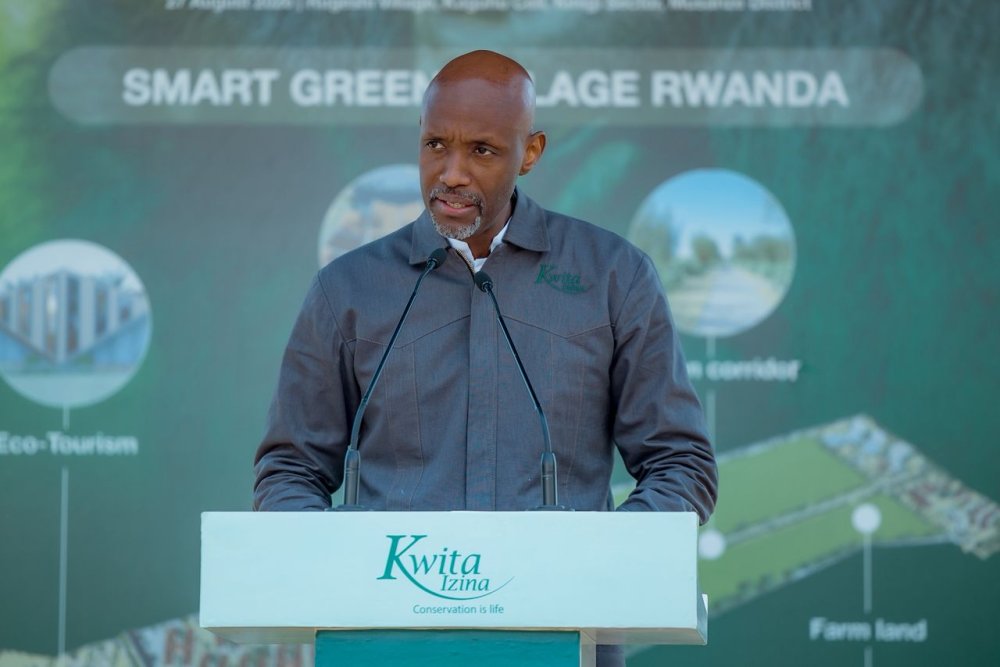
Rwanda Development Board (RDB) Chief Executive Officer Jean-Guy Afrika said the village demonstrates that environmental conservation and community development should advance together.
“It will provide families with good houses, modern infrastructure, basic services and economic opportunities, while promoting sustainable agriculture, resilience to climate change and environmental protection.”
Project linked to Volcanoes National Park expansion
The Smart Green Village is part of plans to expand Volcanoes National Park by nearly 3,740 hectares and establish a 6,620-hectare buffer zone.
The wider programme is expected to improve the livelihoods of more than 17,000 people from nearly 3,400 families, increase wildlife habitat, conserve biodiversity, promote tourism and create new economic opportunities for communities living around the park.
The programme is estimated to cost nearly $300 million and will be implemented over 10 years.
The first phase covers nearly 450 hectares and will affect 547 families living in the area planned for the park expansion.
The Government of Rwanda acquired 50 hectares in Rurembo where the Smart Green Village is being built. Compensation for the land has already been paid, while compensation for families living in the area to be incorporated into the park is also being paid.
The families relocated to the new village are expected to benefit from improved access to basic services, safer living conditions and new opportunities for economic development.
Esther Mukamakuza, one of the future beneficiaries, said the project had given residents a sense that they could set goals and make decisions that contribute to the development of their families.
“We learned that this new village will bring positive changes to our lives. We will have schools, health centres, roads and clean cooking methods, which will make things easier for women and families. We are grateful to see a future where our needs are considered and where we can also contribute to the development of our families,” she said.
Four districts receive nearly Rwf2 billion
Every year, Rwanda shares part of tourism revenue with communities living around national parks that generate the revenue.
Under the Tourism Revenue Sharing Programme, 10% of tourism revenue generated from national parks is invested in development projects benefiting surrounding communities.
The four districts surrounding Volcanoes National Park have been allocated more than Rwf1.98 billion.
Burera District will receive Rwf495 million, Musanze Rwf659.8 million, Nyabihu Rwf659.8 million and Rubavu Rwf164.95 million.
RDB said the funds will support community development activities in the four districts, ensuring that tourism revenue continues to reach people living around the park.
Northern Province Governor Maurice Mugabowagahunde said benefits from Volcanoes National Park reach communities through employment, businesses and tourism revenue sharing.
“Since this programme started, 838 projects worth Rwf8.6 billion have been supported, demonstrating that the park belongs to the people and contributes to their development.
“The expansion of Volcanoes National Park and this project will help address the shortage of agricultural land while reducing conflicts between people and wildlife. They will provide people with more space to live and farm safely, while creating better ways of protecting the environment,” he noted.
Over the past 20 years, more than Rwf23 billion has been invested in communities through the tourism revenue sharing programme, supporting projects in education, healthcare, access to clean water and social welfare.
Kwita Izina is an annual ceremony that brings together Rwandans and friends of Rwanda to name newborn mountain gorillas, drawing from the longstanding Rwandan cultural tradition of naming children shortly after birth.
Since 2005, Kwita Izina has grown into an international platform celebrating Rwanda’s conservation efforts and recognising the role of communities and partners in protecting mountain gorillas and their habitat.
The 21st Kwita Izina ceremony, during which 22 baby gorillas will be named, will take place on September 4, 2026, in Kinigi, Musanze District.
Officials lay the foundation stone at the site where the Smart Green Village will be built.The four districts surrounding Volcanoes National Park have been allocated more than Rwf1.98 billion.Jean-Guy Afrika, RDB Chief Executive Officer, highlighted the importance of linking environmental conservation with community development.Dominique Habimana, Minister of Local Government, urged residents to take ownership of the infrastructure being developed in the Smart Green Village.
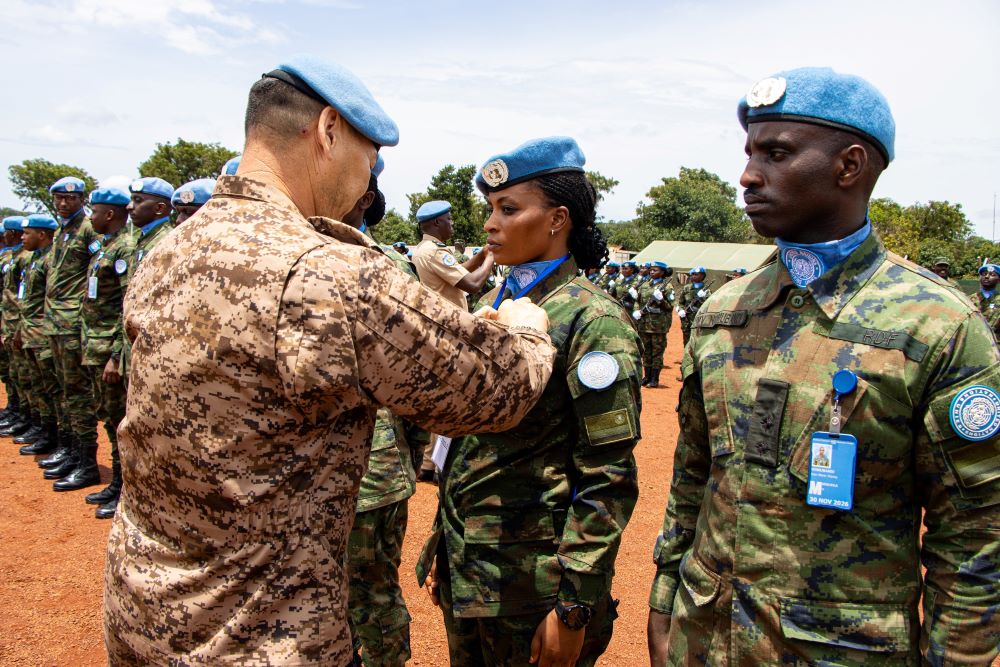
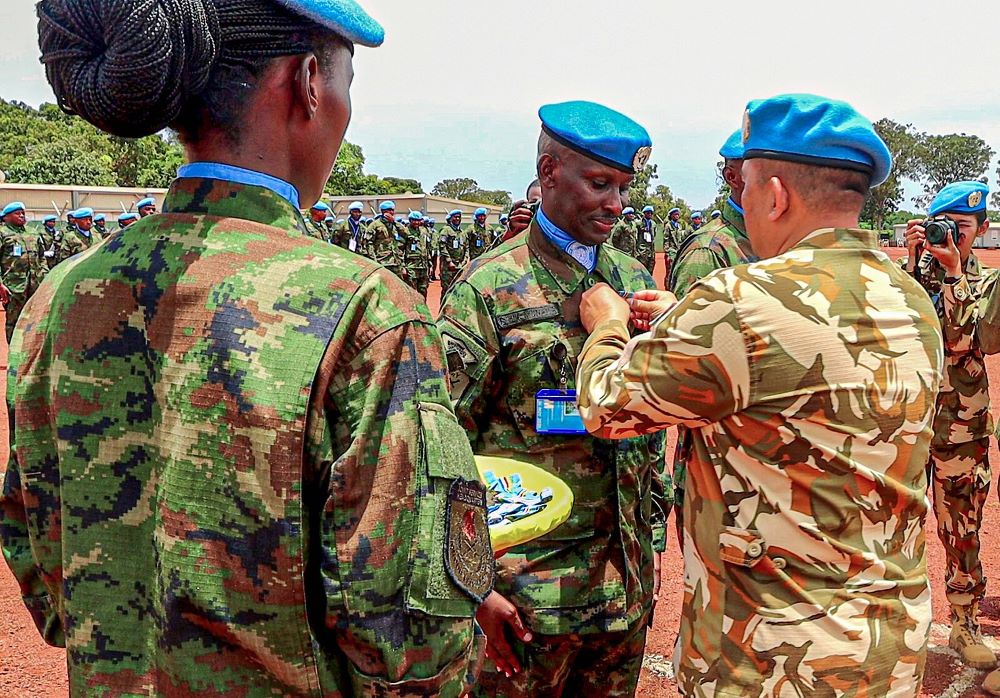
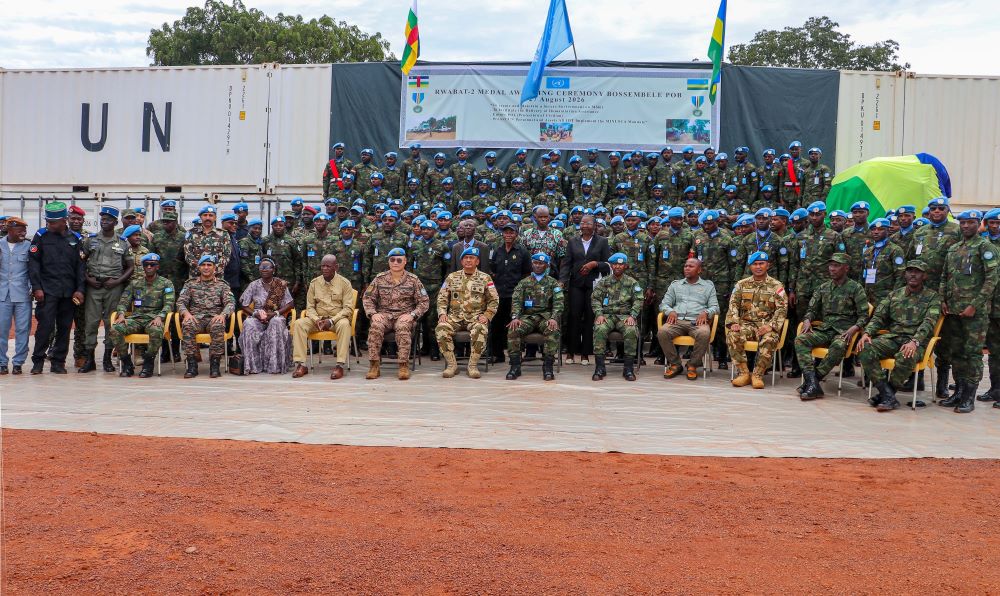
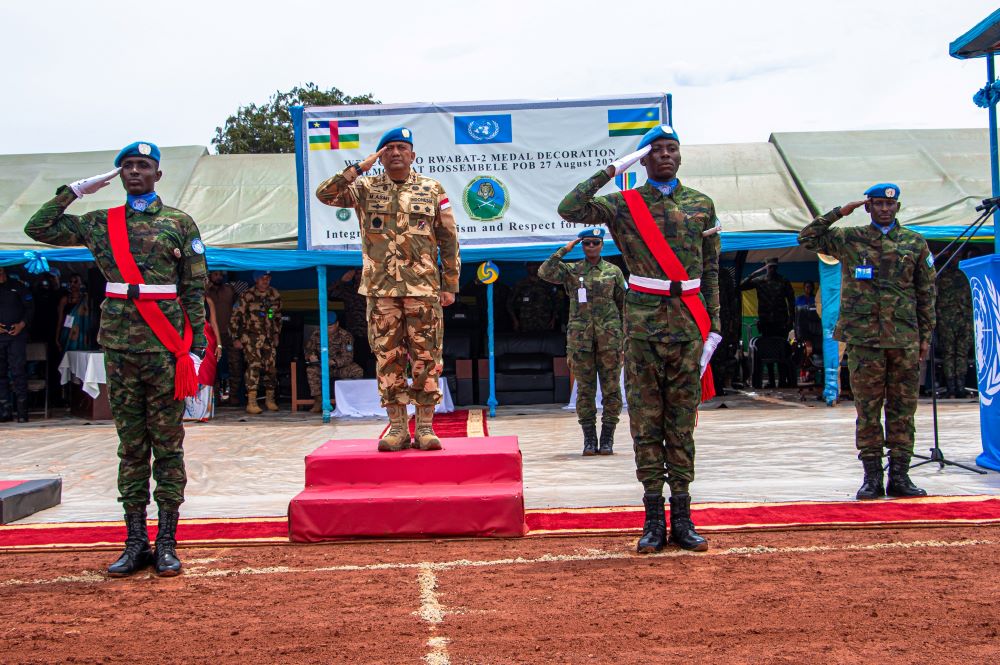
The medals were presented to members of RWANBATT-2 in recognition of their dedication, professionalism, and contribution to peace, security, and stability in the Central African Republic.
The ceremony held on August 27, 2026, was presided over by the MINUSCA Deputy Force Commander, Maj Gen Maychel Asmi. It was attended by the Governor of Ombella-M’Poko Region, Joseph Dokombo; MINUSCA Sector West Commander, Brig Gen Ganselem Lkhagvasuren; Commander of Joint Task Force Bangui, Brig Gen Franco Rutagengwa; Rwanda Defence Attaché to CAR, Col Alphonse Gahima; and members of the Rwandan community in CAR.
Addressing the peacekeepers, Maj Gen Asmi commended RWANBATT-2 for carrying out its duties with professionalism and determination in support of the MINUSCA mandate.
He emphasised that the UN medal represents both individual service and the international community’s commitment to peace and stability.
“Wear this medal with pride. It represents sacrifice, discipline, professionalism, and service to the people of the Central African Republic,” he stated.
Maj Gen Asmi also acknowledged RWANBATT-2’s role in contributing to the creation of a secure environment that has supported the return of internally displaced persons to their homes.
The RWANBATT-2 Contingent Commander, Col Laurent Kalisa Munana, said the peacekeepers remain committed to fully implementing the MINUSCA mandate and maintaining the reputation they have built through discipline, professionalism, and dedication.
“We remain determined to uphold the trust placed in us and to continue serving with the same commitment and professionalism until the completion of our mission,” Col Munana said.
Maj Gen Maychel Asmi commended RWANBATT-2 peacekeepers for their professionalism and determination in supporting the MINUSCA mandate.MINUSCA Deputy Force Commander Maj Gen Maychel Asmi presented United Nations Service Medals to members of RWANBATT-2 at Bossembele Camp.Members of RWANBATT-2 received UN medals for their service and contribution to creating a secure environment in the Central African Republic.Rwandan peacekeepers pose with their United Nations Service Medals following a ceremony recognising their dedication and professionalism in the Central African Republic.Rwandan peacekeepers serving with MINUSCA are recognised for their role in supporting peace, security and stability in the Central African Republic.