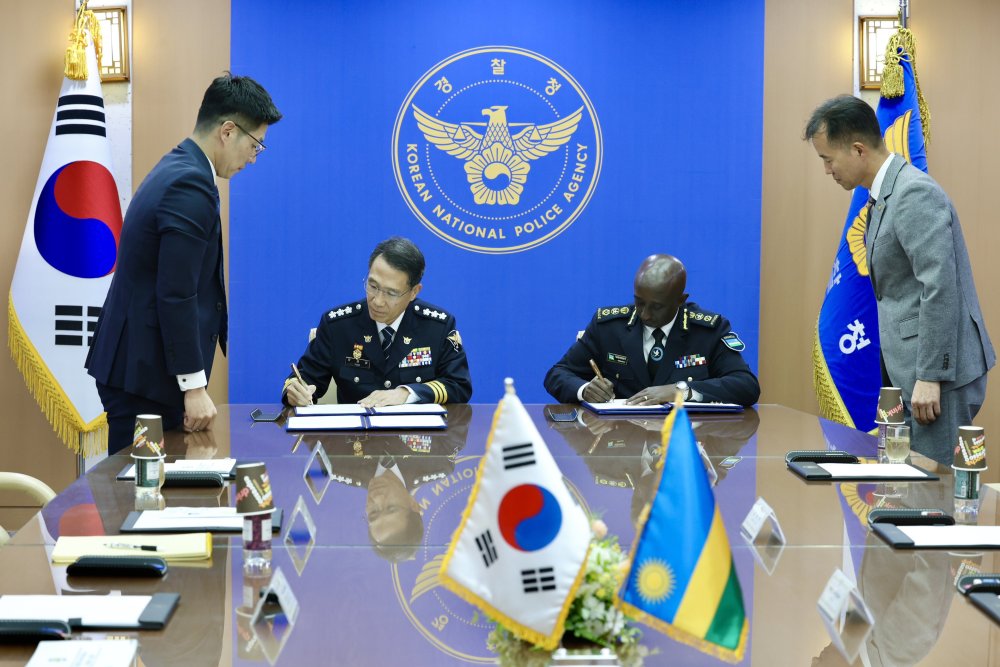
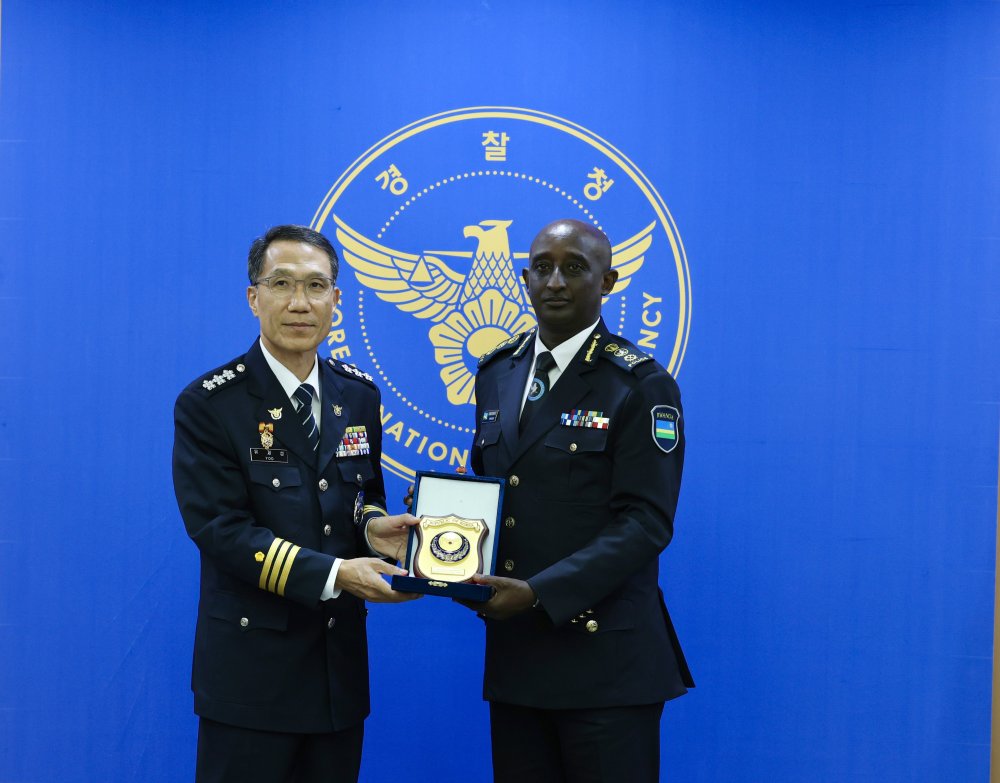
The agreement was signed in Seoul, South Korea, on Thursday, August 20, by Rwanda’s Inspector General of Police, Felix Namuhoranye, and Yoo Jae-Sung, Commissioner General and Chief of the Republic of Korea National Police.
Rwanda’s Ambassador to South Korea, Nkubito Manzi Bakuramutsa, witnessed the signing ceremony.
The MoU provides a framework for cooperation in combating transnational organised crime, sharing information and expertise, and strengthening the skills and capabilities of police officers in both countries.
The partnership will also facilitate joint training and other capacity-building programmes aimed at enhancing policing capabilities and strengthening cooperation between RNP and KNPA.
Rwanda established diplomatic relations with the Republic of Korea in 1963.
The relationship grew stronger with the opening of a diplomatic bureau in November 2008 and later upgraded to an embassy in February 2009.
Rwanda National Police Chief Felix Namuhoranye and his South Korean counterpart Yoo Jae-Sung sign a police cooperation agreement in Seoul on August 20, 2026.RNP Inspector General of Police Felix Namuhoranye and Commissioner General Yoo Jae-Sung exchange documents after signing a police cooperation MoU in Seoul.Rwanda and South Korea have agreed to strengthen police cooperation in combating transnational organised crime and sharing expertise.
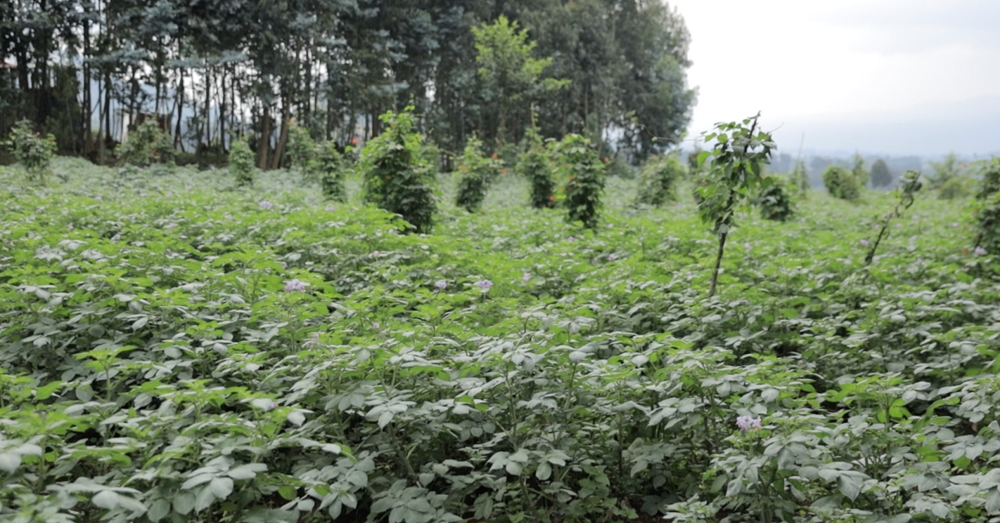
The Rwanda Agriculture and Animal Resources Development Board (RAB) said 100,000 hectares will be cultivated using soil conservation practices, while 246,000 hectares will be located in designated Food Basket Sites (FOBASI). Of the FOBASI area, 100,000 hectares will receive special attention.
The plans were announced on Tuesday, August 18, 2026, during an expanded meeting held in the Eastern Province to assess preparations for the 2027A agricultural season and discuss measures to strengthen food security.
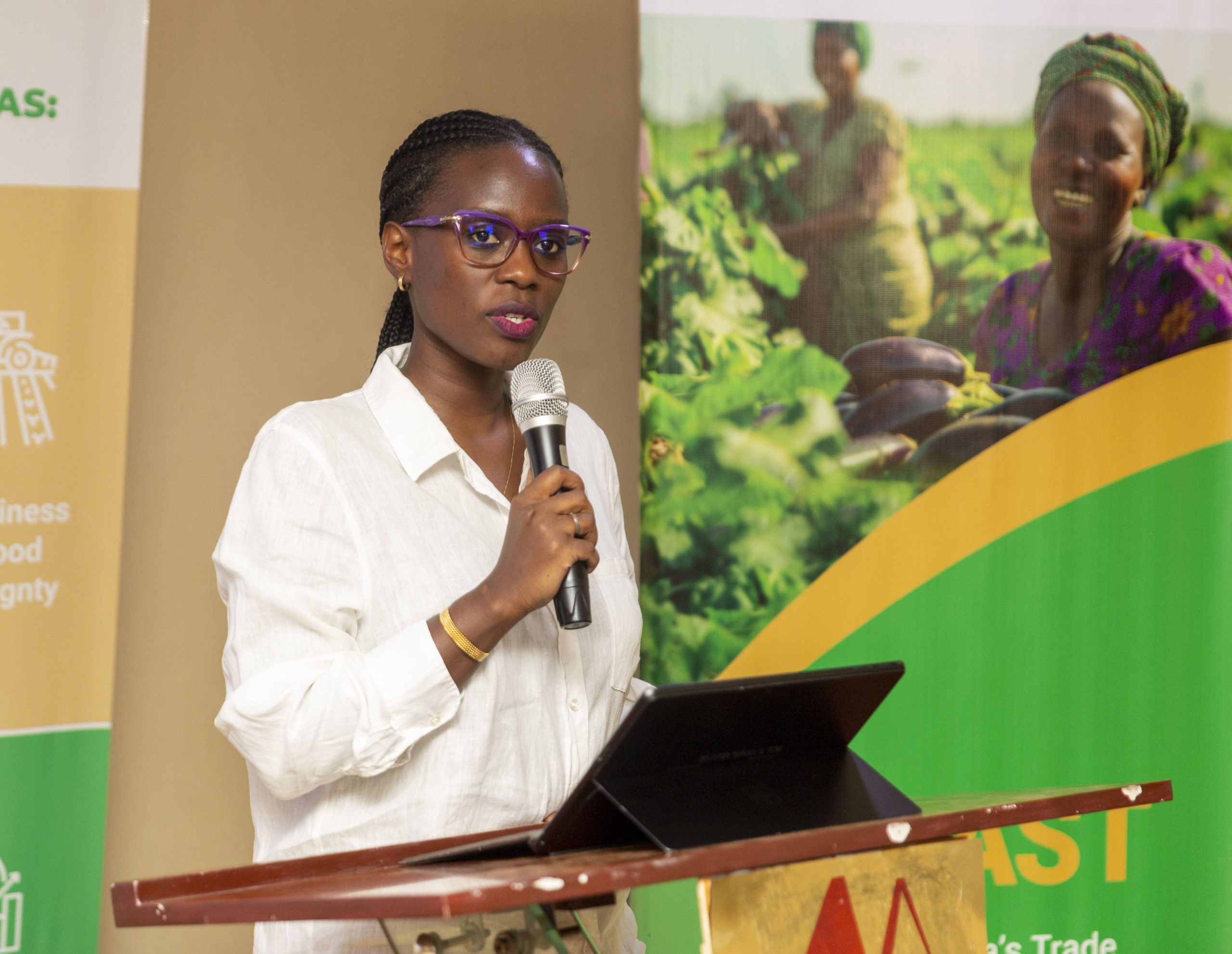
The Acting Director General of RAB, Dr. Florence Uwamahoro, said soil conservation farming will be among the key priorities during the upcoming season.
“Soil conservation farming is one of the approaches we want to invest in during this agricultural season. We tested it through research to find ways of addressing the effects of climate change,” Dr. Uwamahoro said.
She explained that the approach allows farmers to protect the soil while preparing their fields for planting.
According to Dr. Uwamahoro, farmers clear the land, make planting holes where crops will be planted, apply manure or fertilizer, and continue with weeding and mulching to improve soil conditions and increase production.
She said RAB has already trained a significant number of people who will work with farmers and help them adopt the soil conservation practices.
Government targets higher production in FOBASI areas
Dr. Uwamahoro said RAB is also targeting a significant increase in production from FOBASI areas.
She explained that the institution aims to double the production recorded last year, which has contributed to the decision to increase the area under cultivation.
Eastern Province Governor Pudence Rubingisa said preparations for the 2027A season have already begun, with authorities placing particular emphasis on soil conservation and ensuring farmers have the necessary inputs before the rainy season.
He said farmers have started being encouraged to register through Smart Nkunganire so that they can access fertilisers and seeds in time.
The aim is to ensure that farmers are ready to plant as soon as adequate rainfall begins, rather than starting preparations only after the rains have arrived.
“We have also set a target of reaching eight tonnes per hectare in both irrigated and rain-fed areas, while for rice, we aim to reach seven tonnes per hectare,” Rubingisa said.
Maize, beans, rice and soybeans among priority crops
The crops expected to receive particular attention during the 2027A season include maize, beans, rice and soybeans.
Authorities have also urged people who own large areas of farmland but do not cultivate them to allow other residents to use the land for farming.
The measure is intended to increase the amount of land under cultivation and contribute to higher agricultural production.
The preparations for the 2027A season are part of Rwanda’s broader efforts to improve agricultural productivity, strengthen food security and help farmers adapt to the effects of climate change.
Rwanda is set to cultivate 760,000 hectares during the 2027A Agricultural Season
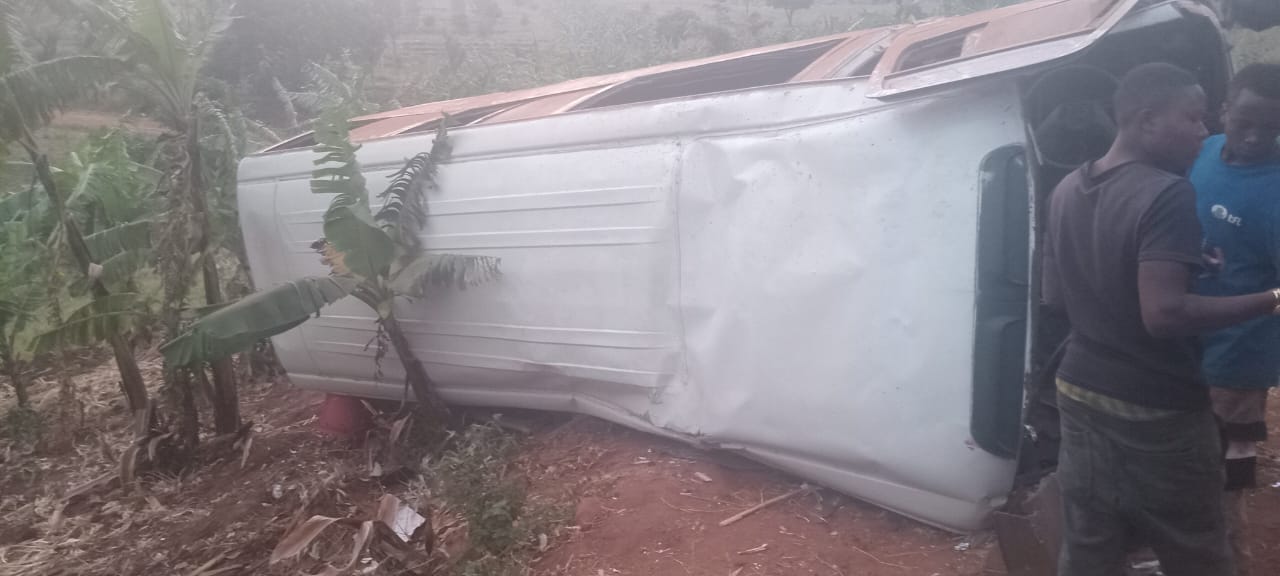
The accident occurred in the early hours of August 18, 2026, in Kagese Cell, Nasho Sector.
SSP Twizeyimana Hamdun, Rwanda National Police spokesperson in the Eastern Province, told IGIHE that the crash involved a Coaster passenger vehicle.
He said two people died at the scene, while two others died on the way to hospital.
“We have not yet established the cause of the accident, but the driver said the vehicle lost its brakes. The area has a steep descent, so speed could have contributed to the crash,” SSP Twizeyimana said.
He urged motorists to avoid speeding, refrain from driving under the influence of alcohol and regularly check the roadworthiness of their vehicles.
SSP Twizeyimana also warned against driving while fatigued, saying tiredness has contributed to road crashes in recent days.
He further urged passengers to report dangerous driving and speak up when drivers engage in risky behaviour.
“Passengers should not overlook mistakes made on the road. If a driver is making mistakes while driving, they should inform the Police early so that action can be taken.
“Passengers can also tell the driver when they notice dangerous driving. This helps everyone look out for one another,” he said.
The 16 people injured in the crash are currently receiving treatment at different hospitals.
SSP Twizeyimana also warned against driving while fatigued, saying tiredness has contributed to road crashes in recent days.
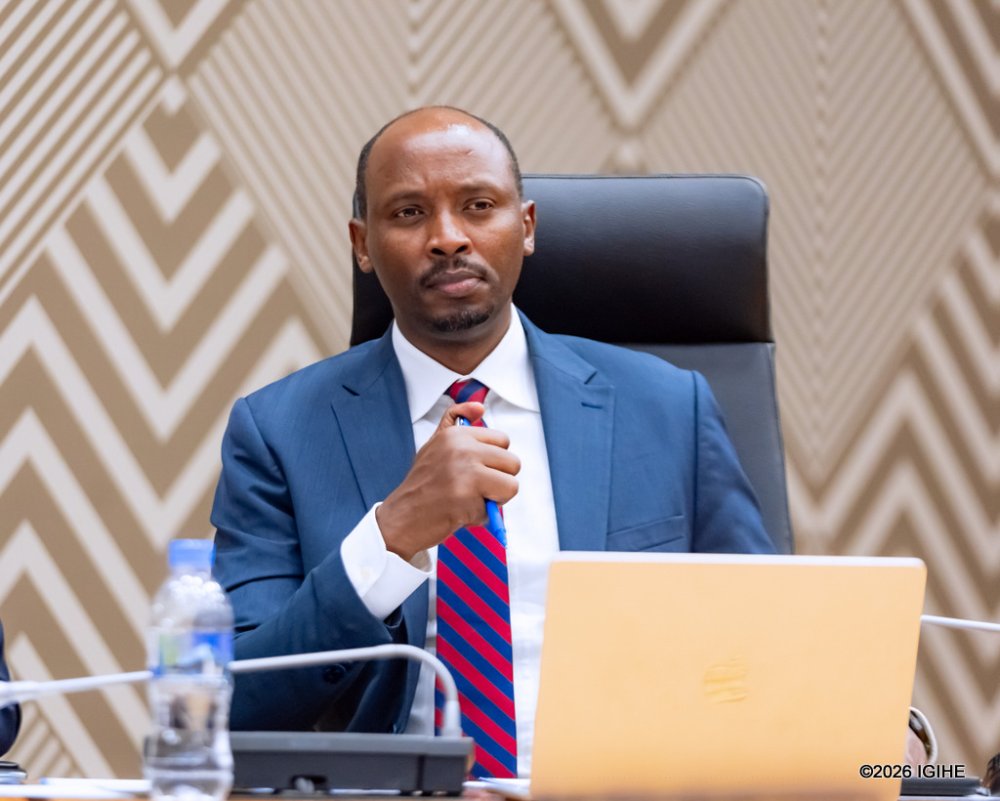
The survey, conducted by the International Budget Partnership and launched in Rwanda by Transparency International Rwanda (TI-Rwanda), assessed 82 countries on budget transparency, public participation and oversight.
Rwanda scored 55 out of 100 for budget transparency, up from 50 in 2023 and 45 in 2021. Kenya ranked first in East Africa with 56 points.
Rwanda ranked sixth in Sub-Saharan Africa and recorded a notable improvement in public participation, with its score rising from 16 in 2023 to 26 in 2025. However, this remains the country’s weakest area.
Budget oversight improved from 56 to 61 points. Legislative oversight increased from 44 to 47, while audit oversight rose sharply from 78 to 89, making it one of the strongest areas of progress.
The survey, however, identified continued challenges in the timely publication, completeness and accessibility of budget information.
TI-Rwanda Executive Director Apollinaire Mupiganyi said the findings show continued progress while underscoring the need to ensure that budget information is timely, comprehensive and accessible, alongside stronger opportunities for citizens to participate in budget processes.
“The improvement recorded in the OBS 2025 demonstrates that Rwanda has continued to strengthen its budget accountability systems. At the same time, the findings remind us that progress should go beyond producing budget documents to ensuring that information is published on time, is comprehensive and accessible, and that citizens have meaningful opportunities to participate and see how their contributions are considered. Strengthening these areas will be important for translating budget transparency into greater accountability and more responsive public services,” he said.
Globally, budget transparency averaged 47 points, while public participation averaged 18.
Legislative and audit oversight averaged 45 and 60 points respectively. Public participation remained the weakest pillar worldwide despite a modest improvement from previous years.
Rwanda has ranked second in East Africa in budget transparency
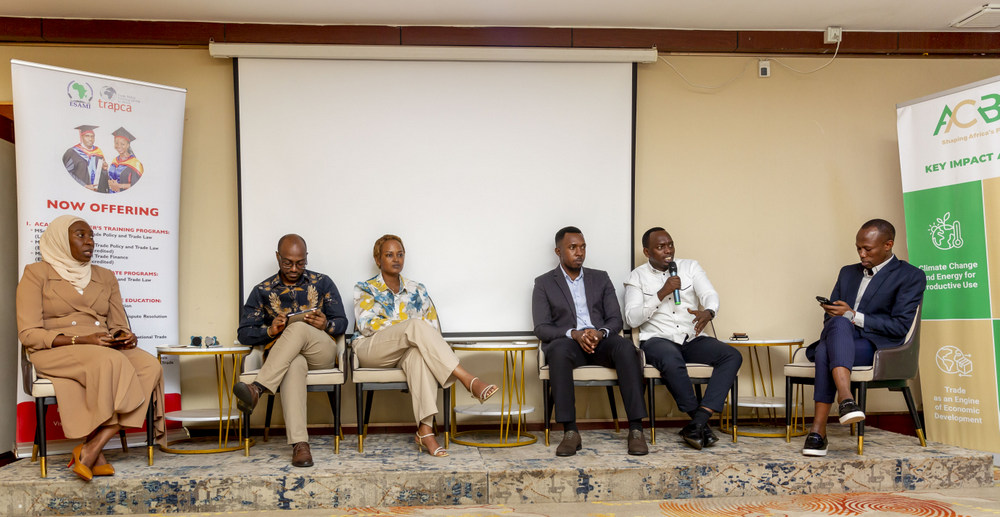
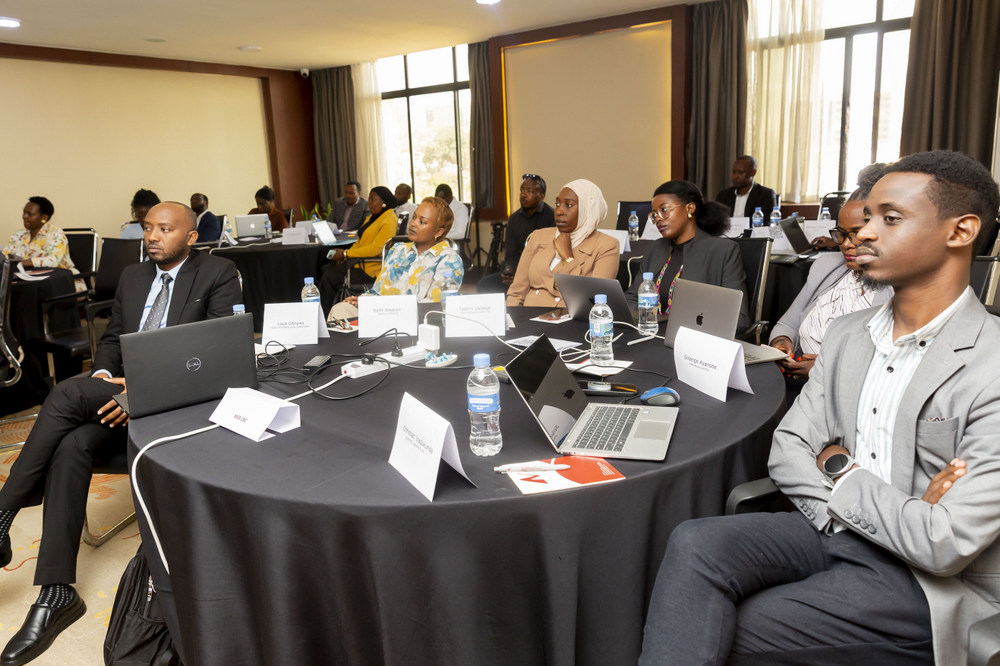
The call was made during a forum titled “Unlocking AfCFTA Services: Challenges and Opportunities for Youth and Women in Rwanda,” held at M-Hotel in Kigali on August 13, 2026.
The forum brought together government officials, entrepreneurs and private sector representatives and youth to discuss practical ways of increasing Rwanda’s participation in Africa’s growing services market.
Discussions focused on challenges including cross-border payments, currency conversion, taxation, business registration, regulations, logistics and limited access to information about African markets.
Doreen Ntawebasa, Director General of Trade and Investment at the Ministry of Trade and Industry, emphasized the importance of turning AfCFTA commitments into practical opportunities for businesses.
“AfCFTA provides Rwanda with an important opportunity to connect its businesses to a much larger continental market. Our focus should now be on ensuring that entrepreneurs have the information, capacity and support they need to use these opportunities,” Ntawebasa said.
Participants also discussed the need to simplify regulations and strengthen cooperation between African countries so that businesses can operate more easily across borders.
The movement of professionals under Mode 4 was highlighted as an important opportunity in services trade, particularly for skilled young people seeking to provide professional services in other African countries.
The panel also examined Mutual Recognition Agreements, which can help facilitate recognition of professional qualifications across borders.
Digital trade and payments were another major focus. Participants noted that high transaction costs, currency conversion and difficulties accessing cross-border payment systems can make it harder for businesses to trade within Africa.
The Pan-African Payment and Settlement System (PAPSS) was highlighted as one solution that could make cross-border payments easier and reduce some of the costs associated with currency exchange.
Doreen Ntawebasa also stressed the importance of ensuring that AfCFTA information reaches entrepreneurs beyond Kigali.
“We need to take AfCFTA closer to the people, especially young people and women in rural communities, and provide information in a language they can easily understand,” she said.
Participants recommended using Kinyarwanda, social media and community-based channels to improve awareness of AfCFTA opportunities.
They also called for stronger export-readiness programmes to help entrepreneurs understand market research, rules of origin, regulations and other requirements before entering international markets.
The forum further emphasized the need for gender and age-disaggregated data to measure how youth and women are benefiting from AfCFTA.
The discussions were moderated by Amos Akandwanaho, National AfCFTA Youth and Women Champion.
Other speakers included Gloire Kayitare, External Trade Policy Specialist at the Ministry of Trade and Industry; Yvanie Kamikazi of Mbere Enterprises; Moise Tuyizere, Director of Operations at the Rwanda ICT Chamber; Tadhim Uwizeye, Founder of Olado Business Group Ltd; and Norman Mugisha, Founder and CEO of Afri-Farmers Market.
The forum concluded with a call for stronger public-private cooperation, better access to information, improved digital payment systems and targeted support to help Rwanda’s youth and women turn AfCFTA opportunities into real businesses and jobs.
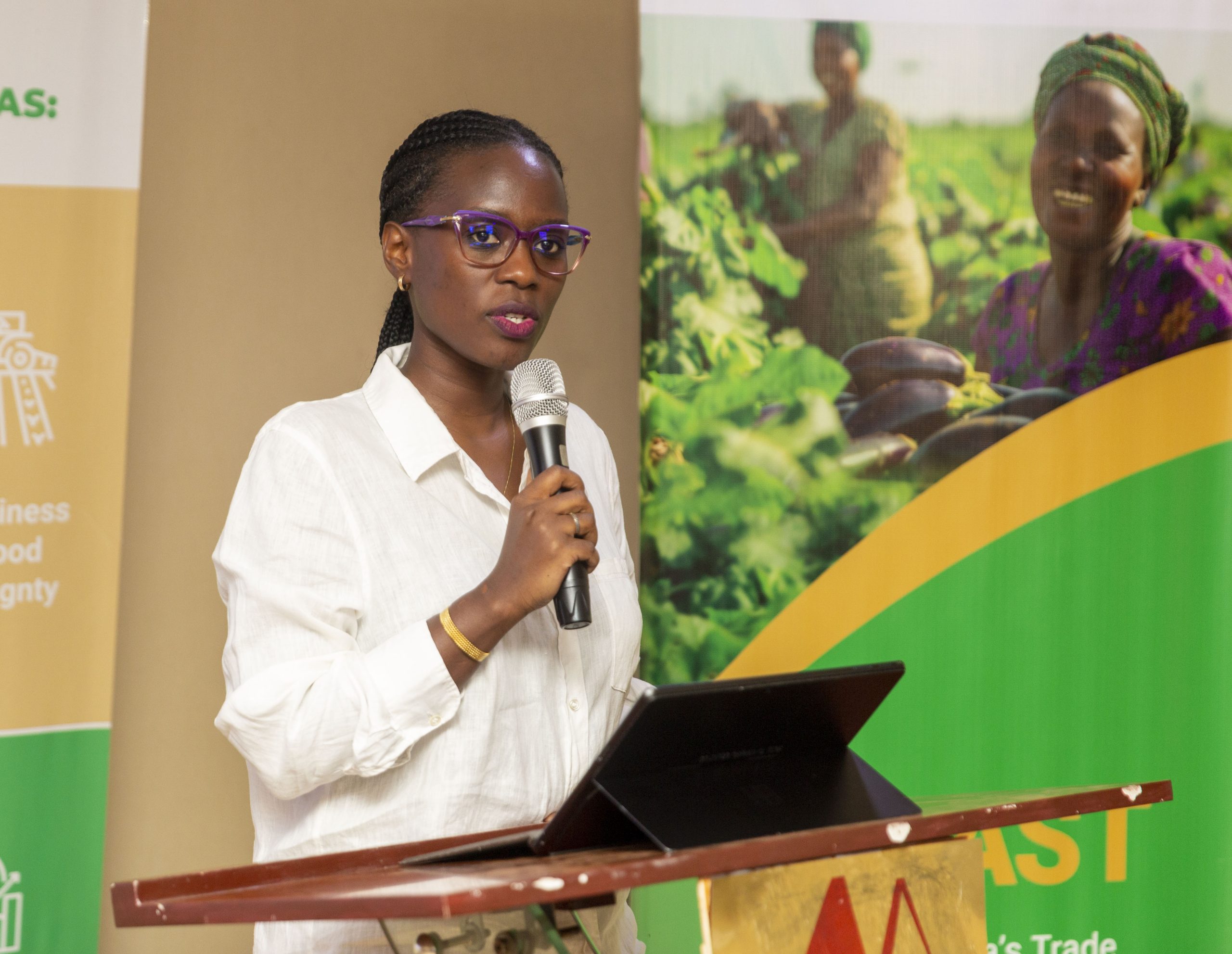
Experts called for stronger support to help young people and women access Africa’s growing services marketStakeholders urged Rwanda to strengthen export readiness, digital payments and access to AfCFTA information.Doreen Ntawebasa, Director General of Trade and Investment at the Ministry of Trade and Industry, emphasized the importance of turning AfCFTA commitments into practical opportunities for businesses.
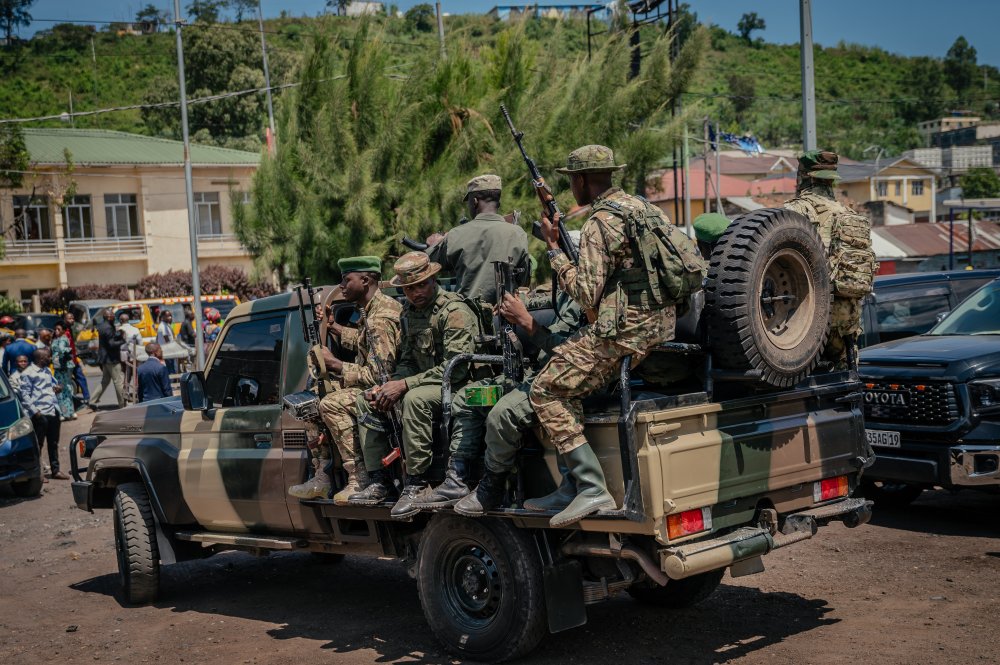
In a statement issued on August 14, 2026, AFC/M23 said shells were fired at around 9 a.m. in Kanyola, Walungu Territory, and surrounding areas in South Kivu Province.
The coalition said another attack was launched at around 11 a.m. by the Congolese army and allied groups against Kawere in Masisi Territory, North Kivu Province.
AFC/M23 said the attacks killed people and forced some residents to flee their homes again, although it did not provide figures for those killed or injured.
The accusations come as the DRC government and AFC/M23 have agreed to a ceasefire and mechanisms to monitor its implementation under peace talks held in Doha, Qatar.
The agreement requires both sides to protect civilians, respect human rights and maintain a lasting cessation of hostilities.
AFC/M23 has accused DRC forces and their allies of launching attacks in densely populated areas of eastern DRC.
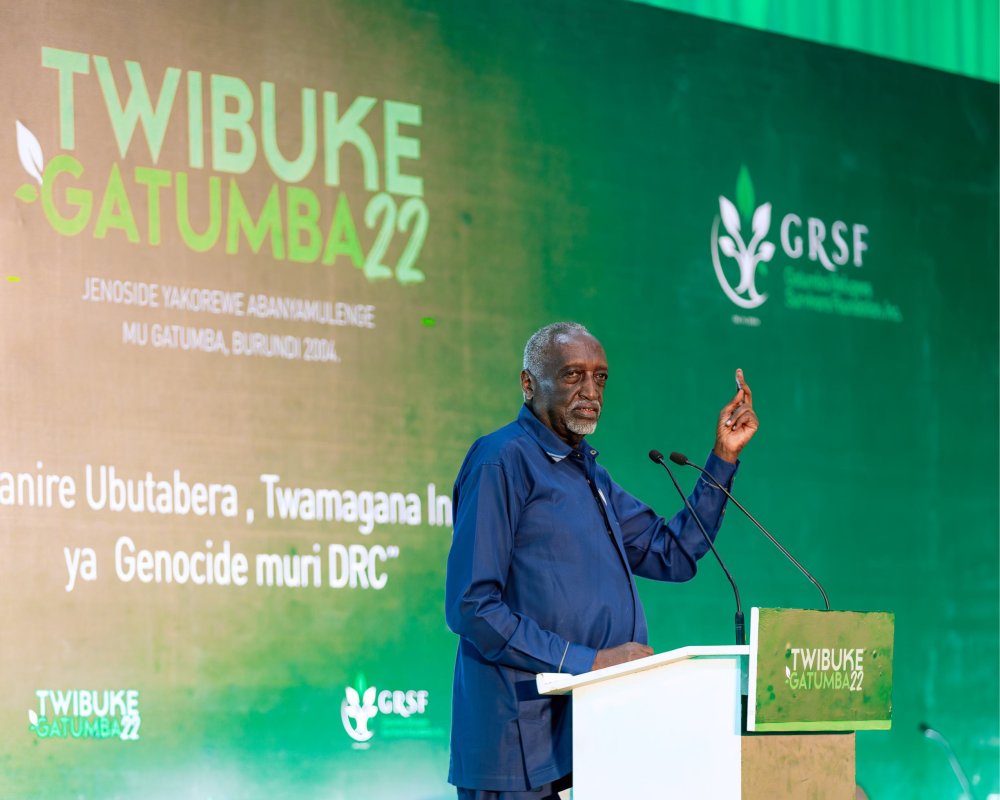
Rutaremara made the remarks on the evening of August 13, 2026, during a commemoration event held by Banyamulenge living in Rwanda to mark the 22nd anniversary of the massacre of 166 Banyamulenge refugees at Gatumba camp in Burundi in 2004.
The Banyamulenge refugees were attacked by armed groups, including FNL-PALIPEHUTU, on the night of August 13, 2004. Reports have also implicated other armed personnel, including elements from the Democratic Republic of Congo.
The Banyamulenge have accused the governments of Burundi and the DRC of failing to ensure justice for the victims, saying the two countries have continued to delay accountability while hostility towards the Banyamulenge persists.
Rutaremara expressed solidarity with the Banyamulenge, saying their frustration over the lack of justice is shared by Rwanda, which he said has also been waiting for Burundi to hand over genocide suspects for more than 30 years.
“We are still waiting for justice. We have not brought a single Burundian [suspect] here,” he said.
He said Burundi’s reluctance to cooperate is largely linked to the fact that some Burundians who participated in the Genocide against the Tutsi later returned to Burundi and eventually rose to senior positions in government.
Rutaremara specifically cited former Burundian Prime Minister General Alain-Guillaume Bunyoni, saying he had opposed cooperation that could have led to the extradition of suspects.
“Gen Bunyoni was the one who refused. He said, ‘If we allow Rwandans to come and ask for people, they will end up taking all of us who are in Burundi,’” Rutaremara said.
He argued that once judicial cooperation began, Rwanda would have been able to request the extradition of suspects regardless of their positions in Burundi’s leadership.
“We would have started by asking for those at the top because many of them participated in the Genocide here in Rwanda,” he said.
Rutaremara said the international recognition of the 1994 Genocide against the Tutsi and subsequent efforts to prosecute those responsible were made possible in part by the victory of the Rwandan Patriotic Front (RPF Inkotanyi), which ended the genocide and took control of the country.
He said that before the RPF’s victory, the mass killings of Tutsi had not been formally recognized internationally as genocide.
Addressing the Banyamulenge, Rutaremara said governments play a decisive role in either delivering justice or preventing it.
“You will not get justice from Burundi because we have also been waiting for it from before you. There are many people there who killed people here in Rwanda. Their names and lists are available,” he said.
He cited the Mayaga region of southern Rwanda as one area where Burundian refugees allegedly participated in the genocide.
According to Rutaremara, the genocide in Mayaga was carried out with extreme brutality, with local Interahamwe militia receiving support from Burundian Hutu refugees who had fled to Rwanda and settled in Ngoma, in Muyira Sector.
He said the refugees had carried anger and resentment from Burundi following the assassination of President Melchior Ndadaye and later participated in attacks against Tutsi in Mayaga.
Rutaremara also alleged that Burundian refugees in Ntongwe and Muganza communes, in the former Butare area, participated in the Genocide against the Tutsi, accusing some of those involved of committing acts of extreme brutality.
He said it remains difficult to secure accountability because the international community appears unwilling to pursue the matter, while those responsible have also failed to acknowledge their actions.
The comments came as Banyamulenge in Rwanda continued to demand accountability for the 166 refugees killed at Gatumba camp on August 13, 2004, an attack that remains a major source of grievance among the Banyamulenge community.
Tito Rutaremara, Chairperson of the Rwanda Elders’ Advisory Forum, said Rwanda has for decades asked Burundi to extradite its nationals who participated in the Genocide against the Tutsi, but Burundi has remained reluctant to do so because of its own leaders.
On August 5, 2026, the Rwanda Food and Drugs Authority (Rwanda FDA) temporarily suspended 52 imported alcoholic beverages that it said did not meet required quality standards. The products included Kenya King, Gilbey’s Gin, Avalon Premium Vodka, Safari Gin and Sweet Berry Vodka, which are manufactured in Kenya.
Following the suspension, KEBS said it had conducted inspections and laboratory tests on the five Kenyan alcoholic beverages and found that they complied with applicable Kenyan and EAC quality standards.
KEBS also said it was engaging Rwanda FDA and other regulatory authorities in the region to establish the basis for the suspension and find a resolution through mechanisms provided under the EAC framework.
Speaking during a social media engagement hosted on TikTok on August 12, Dr. Nsanzimana responded to the position taken by KEBS.
He said the fact that some of the beverages were reportedly marked for markets outside Kenya raised questions.
“We have seen what our neighbours said, but no one speaks ill of them,” Dr. Nsanzimana said.
“If some of those products were tested and there are labels showing that they are not allowed in their own country but are instead meant for other countries, that is an indication that they may also be seeking profits elsewhere and protecting themselves,” he said.
Dr. Nsanzimana said consumers also have a responsibility to understand the products they use and protect their families.
“Everyone should know what they are doing and how they protect their families,” he said.
The Minister said he did not expect the suspension of the alcoholic beverages to damage Rwanda’s relations with Kenya.
He said the relevant authorities, including those responsible for foreign relations, would work together to address the matter.
The development comes amid a broader crackdown by Rwanda on alcoholic beverages considered to pose quality or safety concerns.
Following the Rwanda FDA’s action against substandard locally produced alcoholic beverages, including the closure of 148 factories, the crackdown also extended to imported alcoholic beverages.
Minister Nsanzimana has defended Rwanda FDA’s decision to suspend the five Kenyan alcoholic beverage brands over quality concerns.Gilbey’s Gin is among the five Kenyan alcoholic beverage brands temporarily suspended from the Rwandan market.
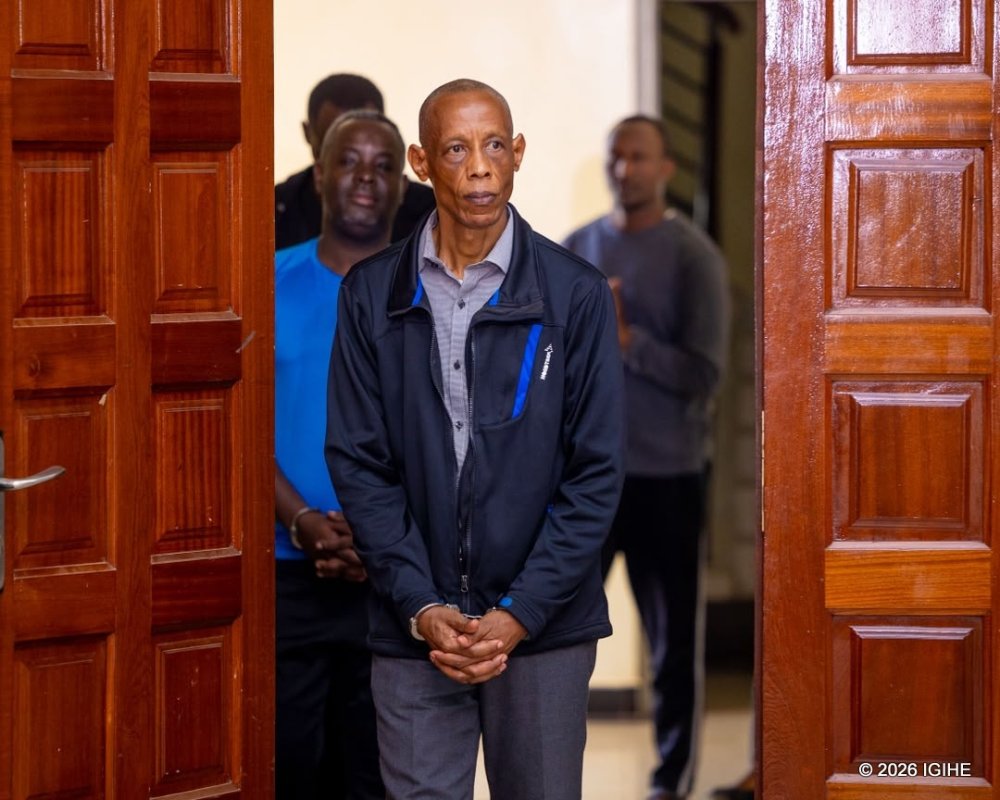
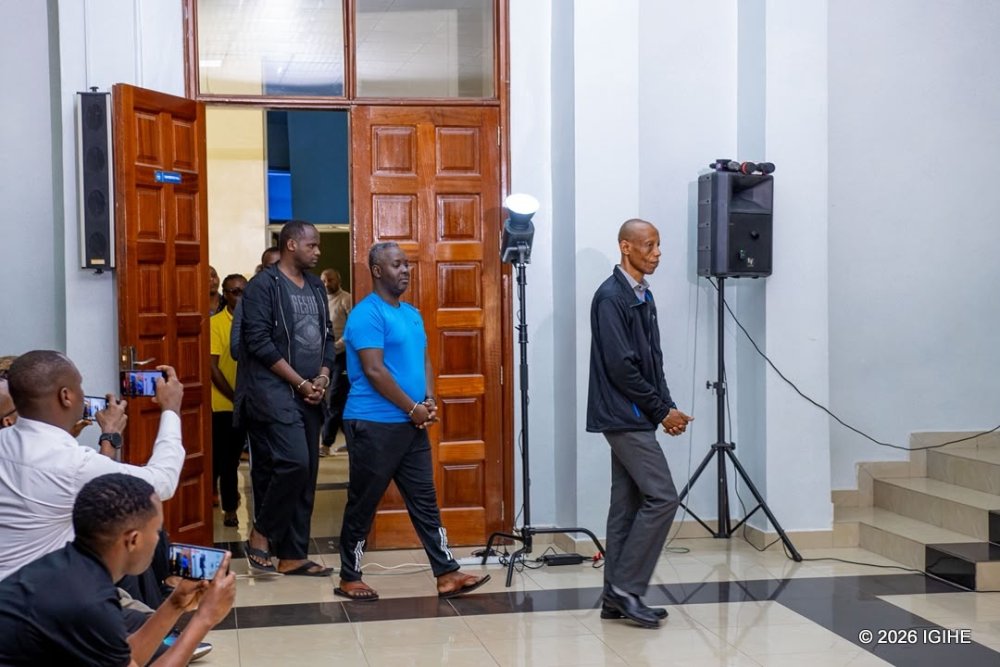
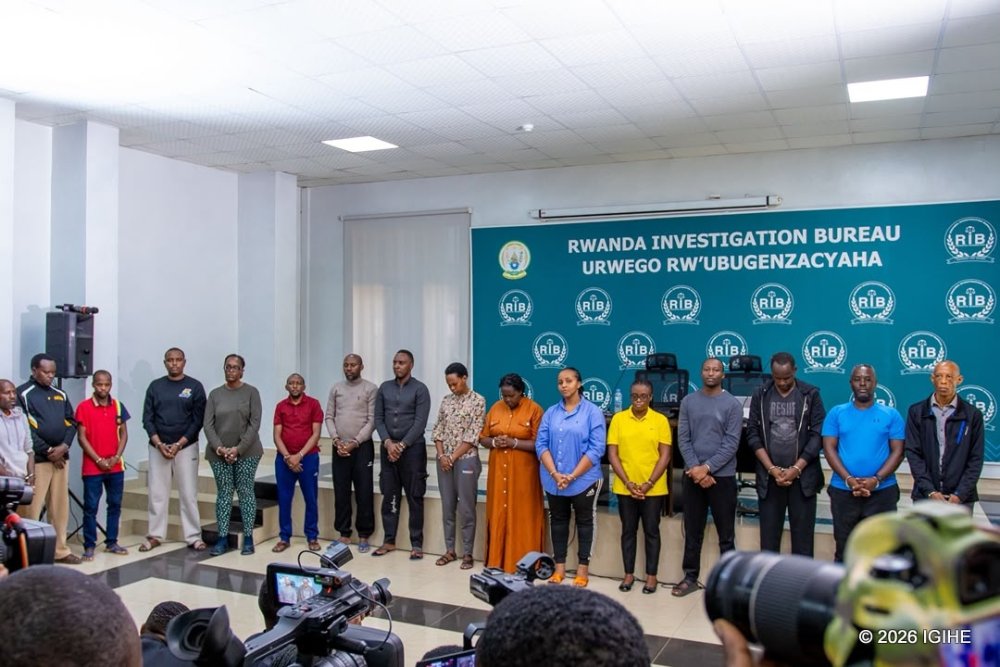
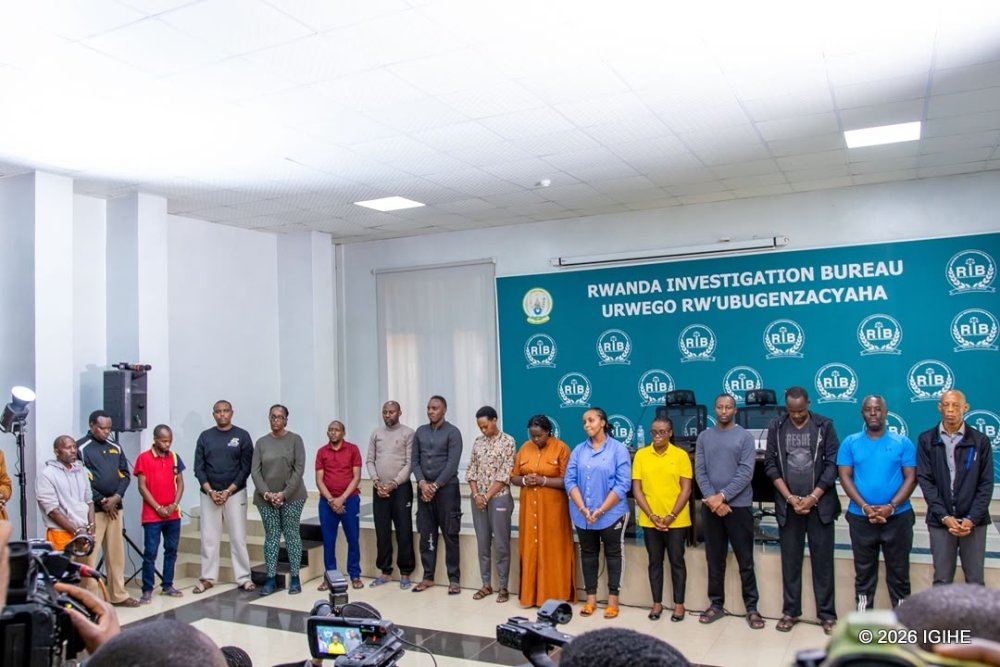
The suspects were presented on August 13, 2026, and all are public servants. Ten of them are employees of Rwanda FDA, while others are from the Rwanda Standards Board (RSB) and local government institutions.
Among the Rwanda FDA employees presented are Dr. Eric Nyirimigabo, Head of the Food Department; Dr. Nyamwasa, Division Manager of Food Safety Monitoring; Christian Namahoro, food inspection specialist; Muhimpundu Alice, Food Stores & Outlets Inspection Specialist at the Rwanda Food and Drugs Authority; Kangabe Benitha, food technology inspection specialist; and Uwamahoro Elizabeth, a specialist in food safety and monitoring.
The group also includes Niyigena Claudine, a specialist in the inspection of food storage facilities and markets; Ndayishima, a specialist responsible for monitoring medicines after they enter the market; and Nizeyimana Janvier, a specialist in the engineering of food-processing plants.
RIB spokesperson Dr Murangira B. Thierry said 104 people had been arrested since July 20, 2026, in connection with offences related to the production of substandard alcoholic beverages.
Of those arrested, 97 have had case files prepared and submitted to the prosecution, he said.
RIB questions licensing decisions
Dr. Murangira said preliminary investigations had found that some licences were issued without following the recommendations of Rwanda FDA’s Internal Technical Licensing Committee.
“The preliminary investigation showed that some licences were issued without being based on the decisions of the technical committee. We understand clearly that the committee’s decision is what should have been relied upon,” he said.
He cited an inspection of an alcoholic beverage factory where investigators found a machine used to extract juice that had significant amounts of rust.
Dr. Murangira said it was concerning that the factory was eventually granted a licence despite the inspection findings and despite the technical committee recommending against the licence.
According to the RIB spokesperson, on April 23, 2026, the Director General of Rwanda FDA issued a Food Business Operations (FBO) licence to the operator after three requirements had been met.
However, on May 19, the technical committee reviewed the inspectors’ report and recommended that the factory should not be granted the licence.
Dr. Murangira said the committee therefore reviewed a report concerning a licence that had already been issued.
RSB officials also arrested
Some of the suspects presented by RIB are officials from the Rwanda Standards Board who are responsible for issuing different certification documents.
They include Mporanzi Samuel, National Certification Division Manager; Kanyange Celine, Head of the Product Certification Division; and Kabanda Eric, Head of the Systems Certification Division.
Three other RSB employees are being investigated over the issuance of S-Mark certification, which indicates that a product meets the required quality standards.
RIB said the officials allegedly issued S-Mark certificates to more than 18 companies whose products did not meet requirements set by Rwanda FDA.
Dr. Murangira explained that, under normal procedures, a business or manufacturer applies for an S-Mark from RSB, after which the product is assessed to establish whether it meets Rwanda FDA requirements before certification is issued.
“We found a certain alcoholic beverage with an S-Mark, but when we checked its Rwanda FDA documentation, we found that it had none. This created a major gap and became one of the factors behind the proliferation of substandard products on the market,” he said.
Dr. Murangira said the officials arrested from quality-control institutions are suspected of abusing their authority for personal gain and failing to perform their duties for personal interests.
He said quality-control officials have the authority to seize or stop products that do not meet the required standards but allegedly failed to do so.
“The factories that were closed were operating and making money despite not having the required documents. This means that those responsible for issuing the documents turned a blind eye and deliberately ignored the violations, allowing people who should not have benefited to make profits,” he said.
The arrests come after the closure of more than 150 factories in Rwanda over the production of substandard alcoholic beverages.
Five local officials arrested
RIB also arrested five Executive Secretaries of cells and sectors who are suspected of being accomplices to an offence involving providing a person with an item capable of causing death or seriously damaging their health.
Dr Murangira said the local officials allegedly worked with owners of alcoholic beverage factories by warning them about planned enforcement operations or allowing factories that had been closed to resume operations without following legal procedures.
“There were times when we went out looking for places where those beverages were being produced. Because we work with local authorities, we would find that the operators had been warned,” he said.
He added that some of the officials were arrested after closed factories were allowed to resume production in recent days.
According to RIB, some local officials allegedly told factory owners that the closures were temporary and would soon be lifted.
Dr. Murangira, however, said authorities were now also pursuing officials who allegedly enabled the factories to operate without the required licences.
The investigation is part of a wider crackdown on substandard alcoholic beverages in Rwanda, which has so far resulted in the closure of more than 150 factories and the arrest of more than 100 people suspected of involvement in related offences.
Prof. Emile Bienvenu the Director General of Rwanda FDA has been arrested.Prof. Emile Bienvenu (front) was paraded on August 1, 2026.18 individuals, including the Director General of Rwanda FDA (front right) have been paraded.
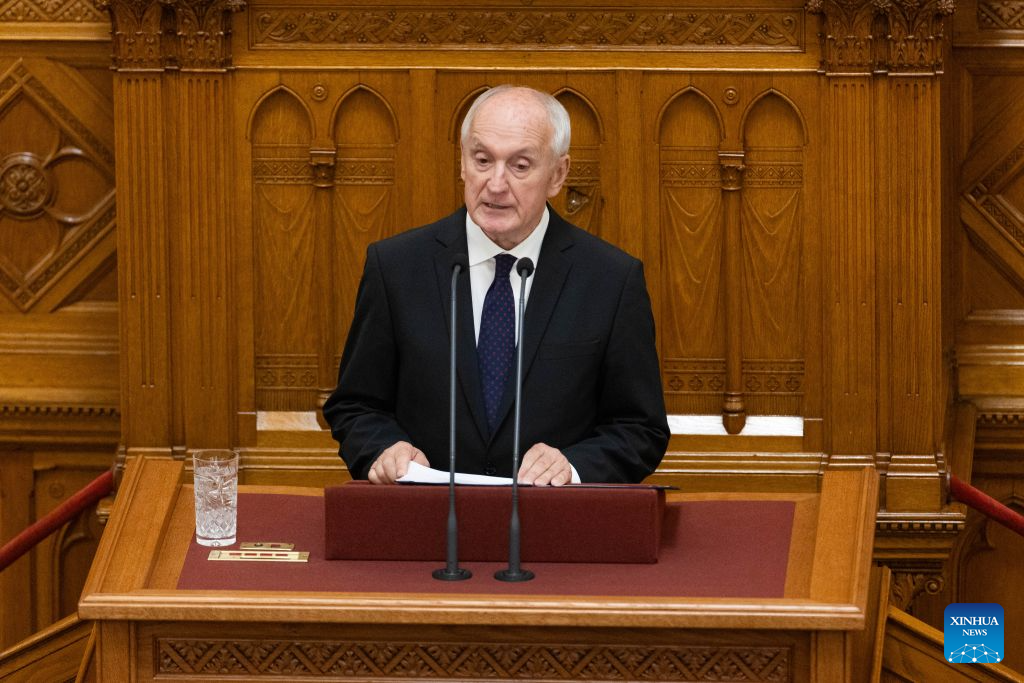
Baka, 73, the sole candidate in the election, received 140 votes in a secret ballot. He was nominated by the ruling Tisza party, which holds the two-thirds parliamentary majority needed to elect the president without opposition support. Baka will officially take office on Aug. 19.
In his speech, Baka said his role as president would be to represent both majority and minority views, acknowledge political differences rather than imposing artificial unity, and safeguard constitutional checks and balances.
He said Hungary’s relationships with several international allies have deteriorated in recent years, and rebuilding those partnerships should be an important priority of his presidency.
Baka served as a judge at the European Court of Human Rights from 1991 to 2008 before Hungary’s parliament elected him president of the Supreme Court in 2009.
His six-year mandate as Supreme Court president was cut short at the end of 2011 following judicial reforms introduced under the government of then Prime Minister Viktor Orban.
Tuesday’s election after former President Tamas Sulyok signed the country’s 17th constitutional amendment late last month, triggering the end of his mandate as head of state.
Following the end of Sulyok’s term in office on July 20, Speaker of Parliament Agnes Forsthoffer served as acting president.
The president of Hungary is elected by parliament for a five-year term, shouldering constitutional duties including signing legislation and representing the state. The president is also commander-in-chief of the Hungarian Armed Forces.
Parliament members congratulate Andras Baka (C), Hungary’s newly elected president, at the parliament in Budapest, Hungary, Aug. 11, 2026. Hungary’s parliament on Tuesday elected former Supreme Court chief Andras Baka as the country’s new president. (Photo by Peter Zsolnai/Xinhua)Andras Baka, Hungary’s newly elected president, delivers a speech at the parliament in Budapest, Hungary, Aug. 11, 2026. Hungary’s parliament on Tuesday elected former Supreme Court chief Andras Baka as the country’s new president. (Photo by Peter Zsolnai/Xinhua)