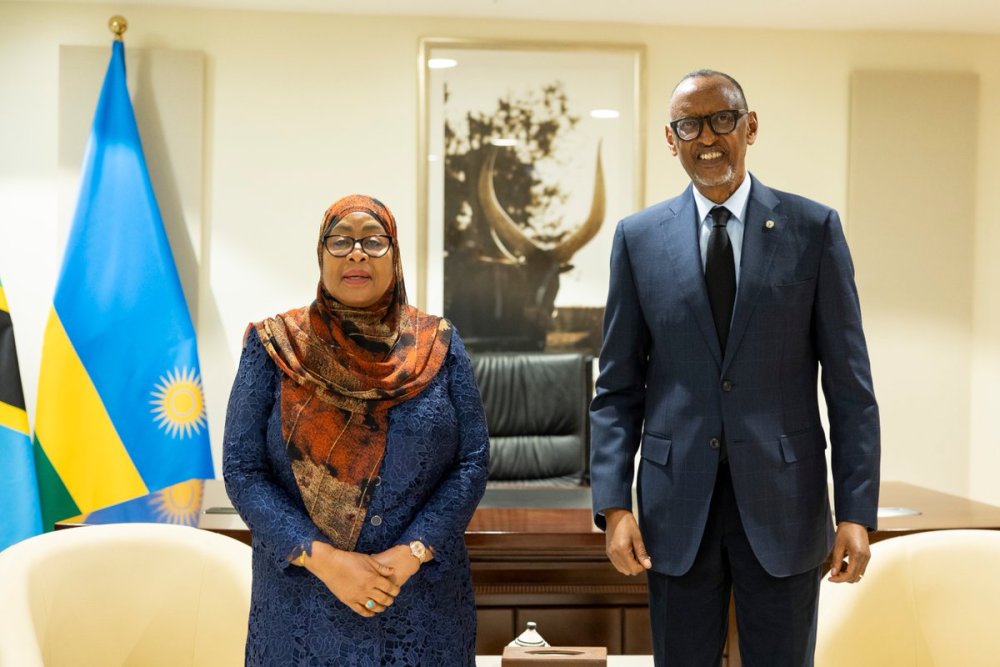
In a message posted on X on Monday, Kagame extended his sympathy to President Samia, her family and the people of Tanzania.
“My sincere condolences to my sister, President Samia Suluhu, her family, and the people of Tanzania on the passing of H.E. Hafidh Ameir Hassan,” Kagame said.
“The Government and people of Rwanda stand in solidarity with President Samia Suluhu and our brothers and sisters in Tanzania as they honour the life and legacy of H.E. Hafidh Ameir Hassan,” he added.
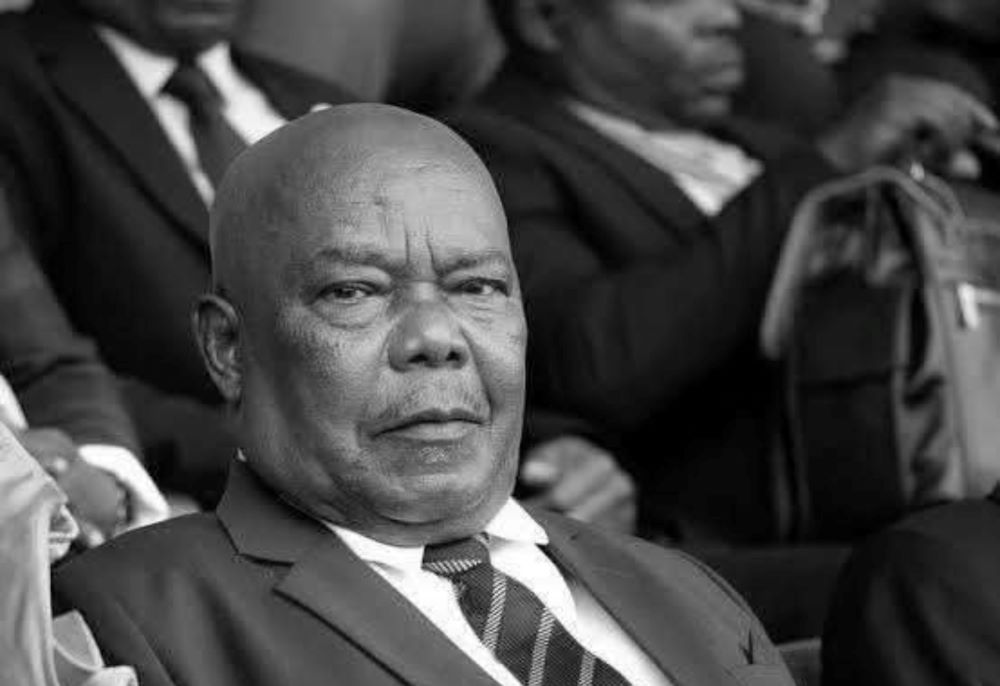
Hafidh Ameir Hassan died on Monday, September 7, at the age of 76 while receiving treatment for a heart condition at Emilio Mzena Memorial Hospital in Zanzibar.
His death was announced by Tanzania’s Vice President Deogratius Ndejembi.
He said funeral arrangements were underway in Kizimkazi, Zanzibar, where the family was preparing to honour the late First Gentleman.
Hafidh became Tanzania’s First Gentleman in 2021 when Samia assumed the presidency following the death of President John Magufuli. He largely maintained a low public profile and was known as an agriculturalist.
He and President Samia married in 1978 and had four children; three sons and a daughter. Their daughter, Wanu Hafidh Ameir, is a politician who has served in the Zanzibar House of Representatives.
President Paul Kagame has expressed condolences to Tanzanian President Samia Suluhu Hassan following the death of her husband.
Hassan died at about 8 a.m. at Emilio Mzena Memorial Hospital, where he had been undergoing treatment, Vice President Deogratius Ndejembi announced.
“With great sadness, I inform you of the death of Mr Hafidh Ameir Hassan, husband of the President of the United Republic of Tanzania, Samia Suluhu Hassan,” Ndejembi said.
He offered condolences to President Samia, her family, relatives and friends, as well as Tanzanians, adding that funeral arrangements had begun in Kizimkazi, Zanzibar.
Tributes followed from across the region, including from Kenyan President William Ruto, who said he received the news with “great sorrow.”
Ruto described Hassan’s death as a personal loss for the Tanzanian president and their family.
“President Samia has lost a lifelong companion, her children a beloved father, and Tanzania a distinguished son,” he said.
“Kenya stands with our Tanzanian brothers and sisters in this moment of grief,” Ruto added, wishing President Samia and her family strength and comfort during the difficult period.
The Africa Centres for Disease Control and Prevention also expressed condolences to the Tanzanian president and her family.
Hassan, a Tanzanian agriculturalist, became Tanzania’s First Gentleman after his wife assumed the presidency in 2021. The couple married in 1978 and had four children, three sons and a daughter.
Their daughter, Mwanu Hafidh Ameir, is a politician serving in the Zanzibar House of Representatives.
Hassan maintained a relatively low public profile throughout his wife’s political career and was rarely seen alongside her at public events.
Hafidh Ameir Hassan, husband of Tanzanian President Samia Suluhu Hassan, has died in Zanzibar while receiving treatment for a heart condition.
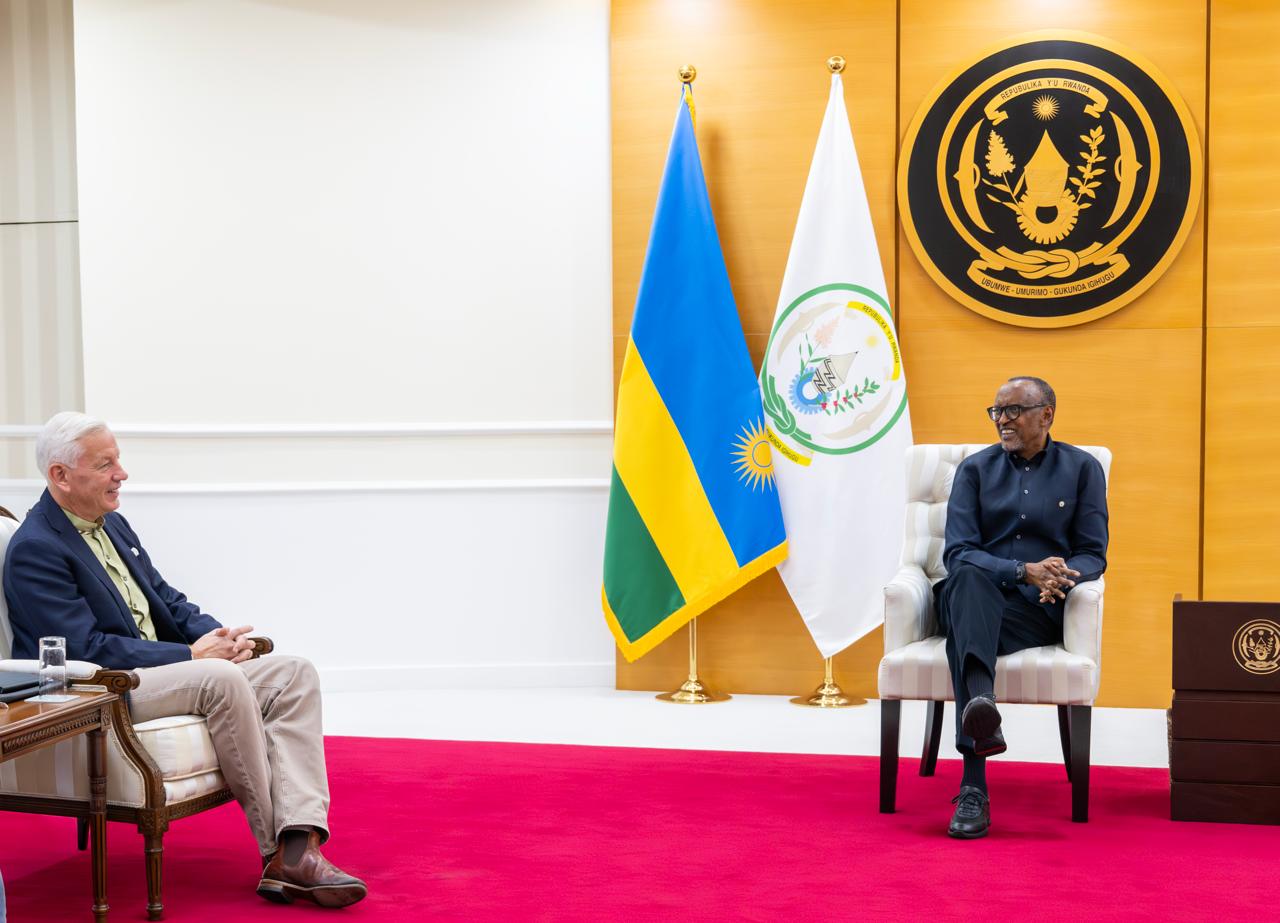
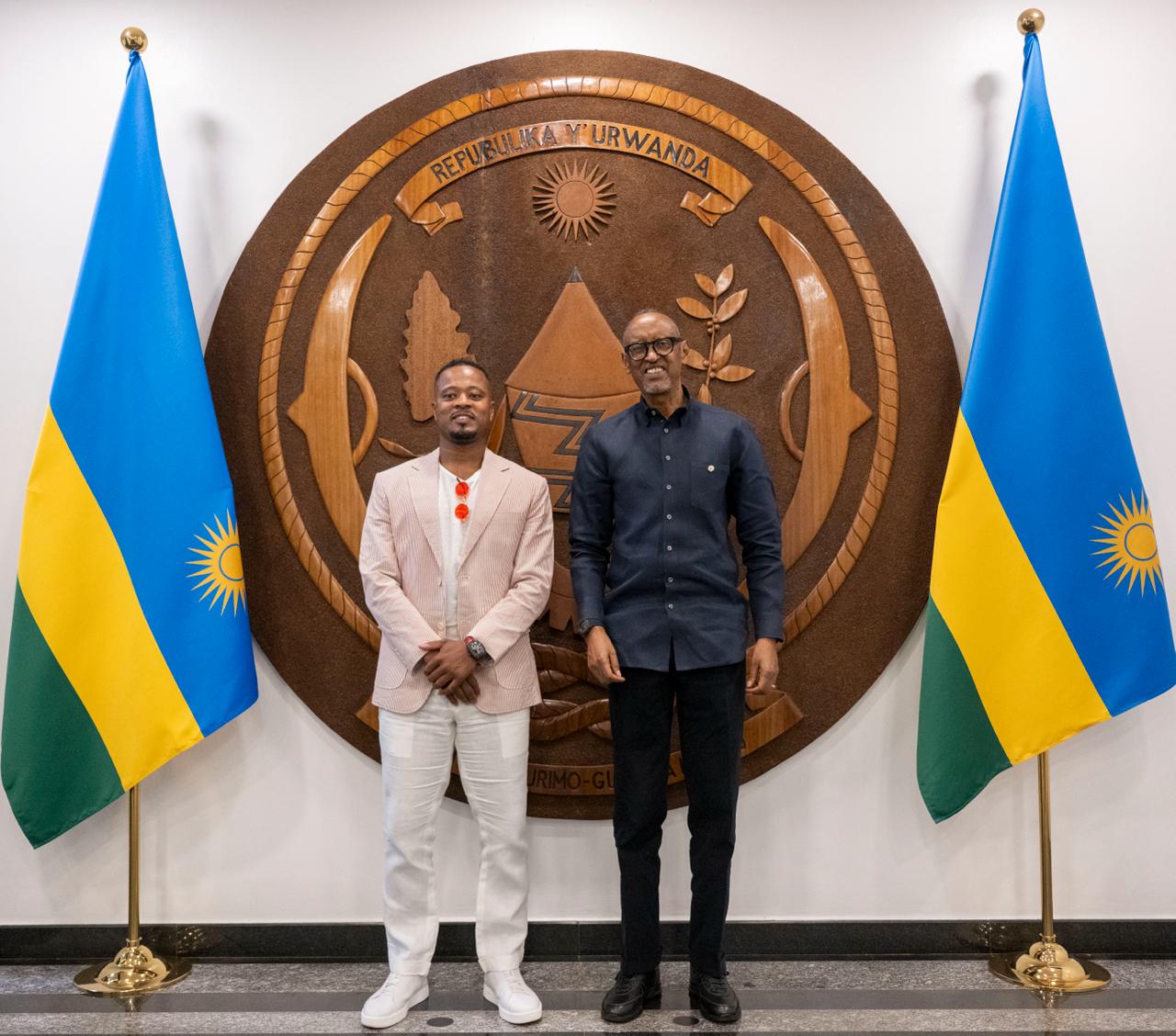
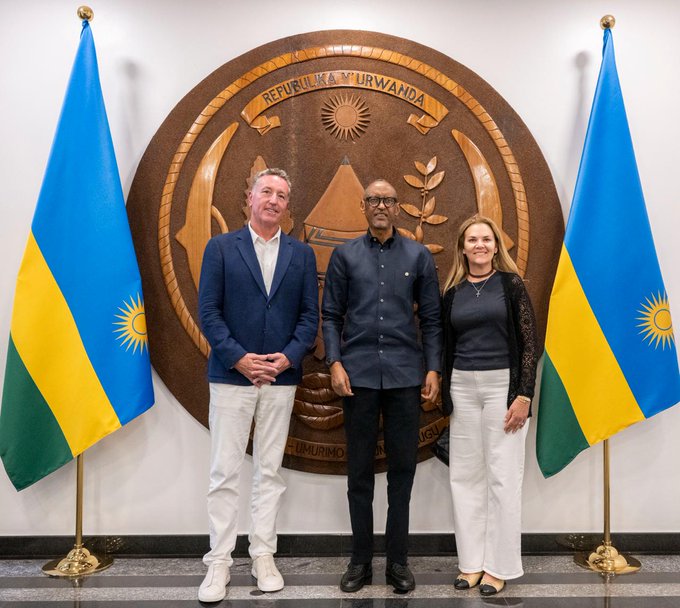
The personalities who met with President Kagame at Urugwiro Village on on Friday include Dominic Barton, Chairman of Rio Tinto and LeapFrog Investments; Shaikha Al Nuwais, Secretary-General of UN Tourism; Paul Danforth, President of CAA Sports; and Patrice Evra, former captain of Manchester United and the France national team.
Barton named a male baby gorilla from the Izuba family Umukondo. The gorilla was born on June 20, 2025, to mother Muhabura. Barton said the name represents a starting point or source, reflecting the role of mountain gorillas in sustaining the wider ecosystem.
Barton is a Canadian business executive who serves as Chairman of Rio Tinto and LeapFrog Investments. He previously served as Global Managing Partner of McKinsey & Company and as Canada’s Ambassador to China.
Shaikha Al Nuwais, who named a female baby gorilla Ishakwe, is the Secretary-General of UN Tourism and the first woman to lead the organisation in its 50-year history.
Ishakwe, which means “determination,” was born to mother Turiho of the Muhoza family. The name also refers to a small drum used to set the rhythm for others, symbolising the ability to make an impact regardless of one’s size or position.
Paul Danforth, President of CAA Sports, named a male baby gorilla Shikama, meaning “stand strong.” The gorilla was born on July 3, 2025, to mother Turimaso of the historic Susa family. Danforth is a global sports executive who previously served as Senior Vice President of Sales for the New York Mets.
Former Manchester United and France captain Patrice Evra named a male baby gorilla Muganura, a name inspired by Umuganura, Rwanda’s traditional harvest and thanksgiving celebration. The gorilla, from the Izuba family, was born on March 20, 2026, to mother Mafubo and is her first infant.
Evra is a former French international who won five Premier League titles and the UEFA Champions League with Manchester United. He earned 81 caps for France and captained both Manchester United and the French national team.
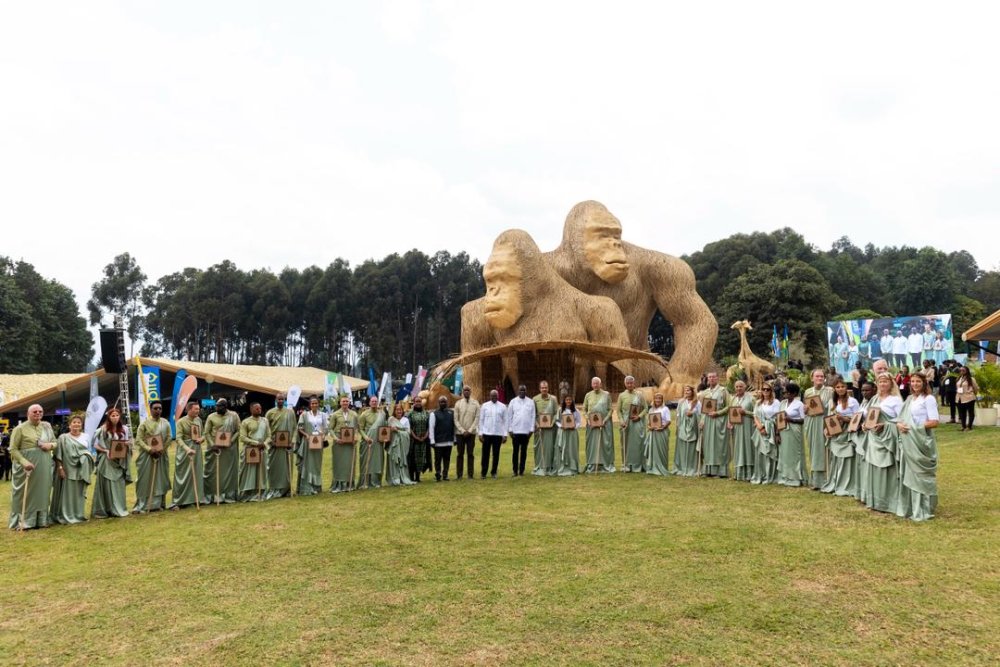
The four personalities were among 22 namers drawn from the worlds of conservation, tourism, business, sport, entertainment, philanthropy and public service. Other namers included Olympic high-jump champion Mutaz Essa Barshim, Atlético de Madrid CEO Miguel Ángel Gil Marín, UCI President David Lappartient, Rwandan gospel singer Israel Mbonyi, filmmaker Marie-Clémentine Dusabejambo and former French international Mamadou Sakho.
The Kinigi ceremony brought together communities, conservationists, government officials, international partners and visitors to celebrate Rwanda’s mountain gorillas and the country’s conservation achievements.
Prime Minister Dr. Justin Nsengiyumva attended as Guest of Honour, alongside former leaders including Botswana’s former President Mokgweetsi Masisi and former Ethiopian Prime Minister Hailemariam Dessalegn.
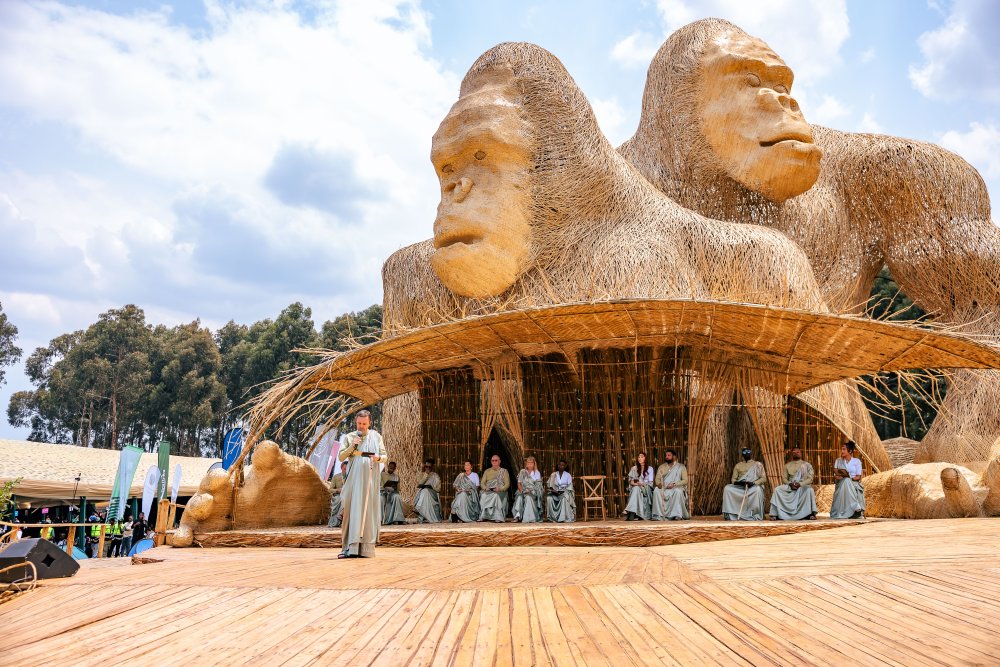
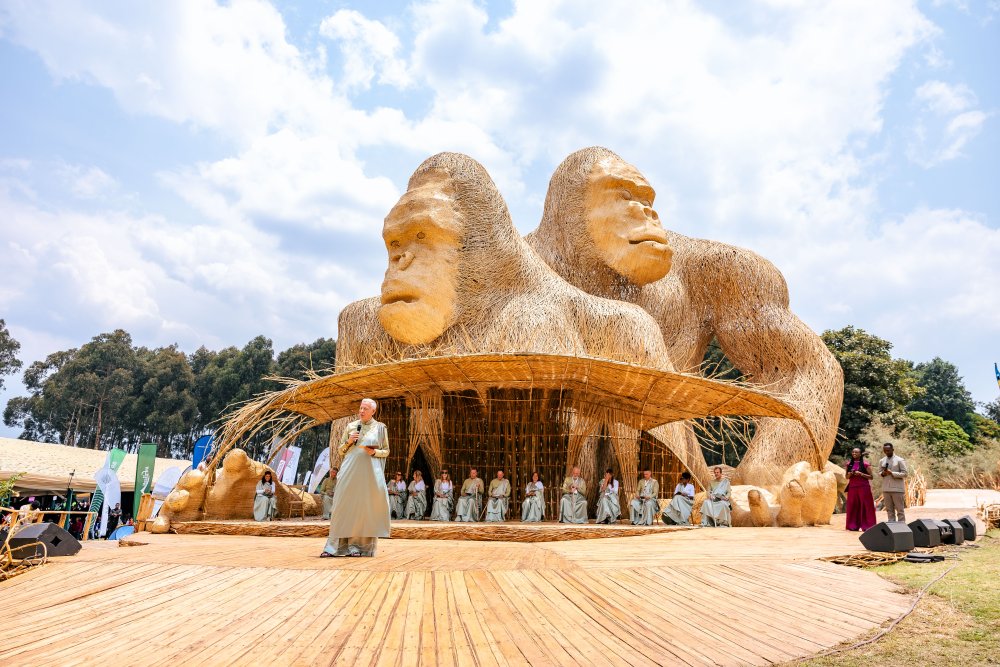
The event was held at the foothills of Volcanoes National Park, where Rwanda has developed a broader conservation and community-development programme around the protection of the mountain gorilla habitat.
More than 1,060 mountain gorillas now live in the wild across the Virunga Massif and Bwindi ecosystem, making mountain gorillas the only great ape species whose population is continuing to grow.
Kwita Izina also highlights the link between conservation, tourism and the wellbeing of communities living around protected areas. Through Rwanda’s Tourism Revenue Sharing Programme, 10 per cent of national park tourism revenues is reinvested in surrounding communities.
More than Rwf 23 billion has so far supported nearly 1,300 community projects, including schools, health centres, water infrastructure and livelihood initiatives.
This year’s Kwita Izina activities also included the groundbreaking of the Smart Green Village in Kinigi as part of the wider Volcanoes Community Resilience Project.
Rwanda’s long-term plans include expanding Volcanoes National Park by about 3,740 hectares and establishing approximately 6,620 hectares of buffer zones, with the broader programme expected to improve livelihoods for more than 17,000 people.
Kwita Izina, which means “to give a name” in Kinyarwanda, is inspired by the centuries-old Rwandan tradition of naming newborn children in the presence of family and community.
It became an official annual event in 2005 and has since developed into an international platform for celebrating mountain gorilla conservation and recognising the role of communities and partners in protecting their habitat.
With the 22 gorillas named during Friday’s ceremony, the number of mountain gorillas named through Kwita Izina since 2005 reached 460.
President Kagame meets Dominic Barton, Chairman of Rio Tinto and LeapFrog Investments, who named baby gorilla Mukondo during the 21st Kwita Izina ceremony.President Kagame also met with former Manchester United and France captain Patrice Evra. President Kagame meets Paul Danforth, President of CAA Sports, who named baby gorilla ShikamaPresident Kagame met with Shaikha Al Nuwais, Secretary-General of UN Tourism.
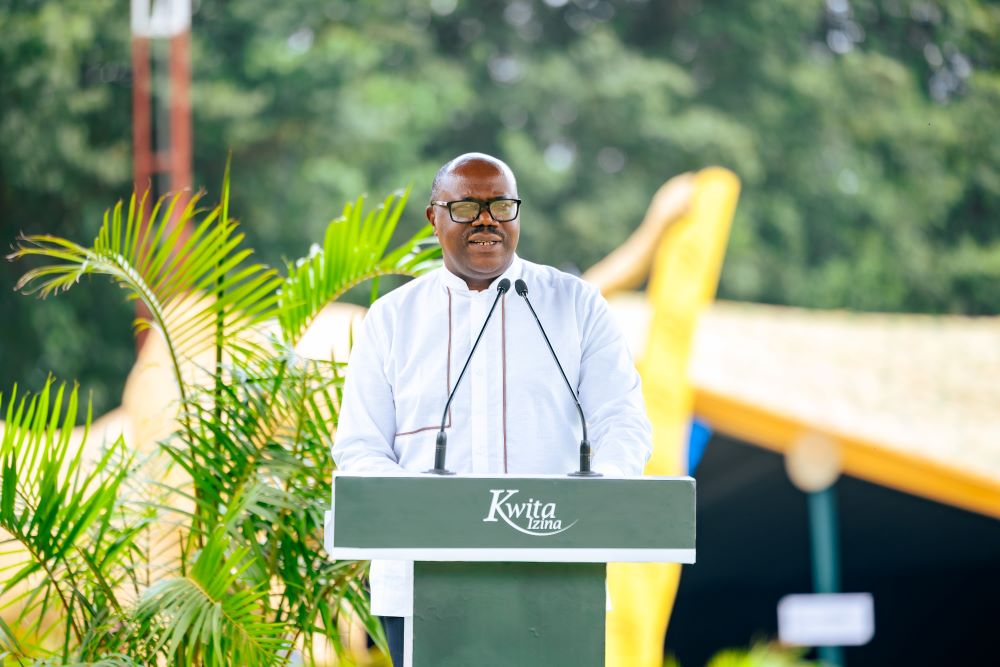
The Prime Minister was speaking on Friday, September 4, at the foothills of Volcanoes National Park in Musanze District, where 22 baby mountain gorillas were named, bringing the cumulative number of gorillas named through Kwita Izina since its inception in 2005 to 460.
He said Rwanda’s experience in protecting mountain gorillas demonstrates that conservation cannot be treated separately from human development, as the country seeks to sustain the recovery of a species once pushed close to extinction.
“Protecting nature cannot be separated from improving people’s lives, just as national conservation efforts cannot be separated from international cooperation. Rwanda’s experience here in the Virunga Mountains is tangible proof of this concept,” Dr. Nsengiyumva said.
Kwita Izina is rooted in a Rwandan tradition in which newborn children are named in the presence of family, friends and neighbours as a public welcome and a commitment to their protection and wellbeing.
Dr. Nsengiyumva said the same principle applies to the gorillas, making each name a commitment to safeguard their future.
“We extend that same spirit to the gorillas we have named today, because a name for us is more than a celebration: it is a promise. And the promise we make to these gorillas is that they will have the protection, the habitat and the conditions they need to grow, to thrive and to reproduce,” he said.
The Prime Minister recalled that in the early 1980s, only about 250 mountain gorillas remained in the Virunga Massif, with poaching, habitat loss and social conflicts threatening the species.
Today, more than 1,060 mountain gorillas live in the wild, including more than 600 in the Virunga Massif.
Dr. Nsengiyumva attributed the recovery to decades of conservation work involving rangers, veterinarians, researchers, governments, communities, the private sector and international partners.
“This remarkable recovery did not happen by chance. It was built through the dedication of rangers who walk these mountains daily, the expertise of veterinarians and researchers, strong conservation policy, responsible tourism, and above all, the recognition that no single actor could do this job alone,” he said.
The economic impact of conservation has also extended beyond wildlife protection, with gorilla tourism contributing to jobs, local businesses, investment and livelihood opportunities for communities around the park.
Dr. Nsengiyumva noted that construction of a smart green village was launched the previous week through an investment of more than $49 million to provide 547 households affected by the park’s expansion with modern housing, essential services and sustainable livelihood opportunities.
“This reflects our belief that conservation must advance with human development,” he said.
Rwanda Development Board (RDB) CEO Jean-Guy Afrika echoed the message, describing the growth of the mountain gorilla population as an “extraordinary conservation achievement” while warning that the progress requires sustained investment and cooperation.
“The progress we celebrate today took many years to build. Sustaining it will require continued vigilance, long-term investments and strong partnerships across generations,” Afrika said.
Afrika also linked the Volcanoes National Park expansion to both conservation and community development, saying it would create additional habitat for growing gorilla families while providing neighbouring communities with better housing, infrastructure, services and economic opportunities.
The RDB chief also called on the 22 distinguished namers to use their influence to keep conservation efforts in the global spotlight, saying their role extends beyond the ceremony.
“Today, you have done much more than announce 22 names. Each name gives identity to a gorilla and meaning to its story. Each name reminds us of our shared responsibility to ensure that these gorillas remain safe and that their habitat remains protected,” Afrika said.
The namers included Shaikha Al Nuwais, Secretary-General of UN Tourism, as well as football legends Mamadou Sakho and Patrice Evra.
The business community was represented by Dominic Barton, Chairman of Rio Tinto and LeapFrog Investments, and Miguel Ángel Gil Marín, CEO and majority shareholder of Atlético de Madrid.
David Lappartient, President of the Union Cycliste Internationale (UCI) and a member of the International Olympic Committee (IOC), also took part, alongside Qatar’s Olympic high-jump champion Mutaz Essa Barshim.
The ceremony also brought together figures from the creative and conservation sectors, including award-winning filmmaker Alastair Fothergill, known for productions such as Planet Earth and Blue Planet, and Rwandan gospel singer Israel Mbonyi.
They joined other personalities from conservation, business, entertainment and philanthropy who took part in this year’s ceremony.
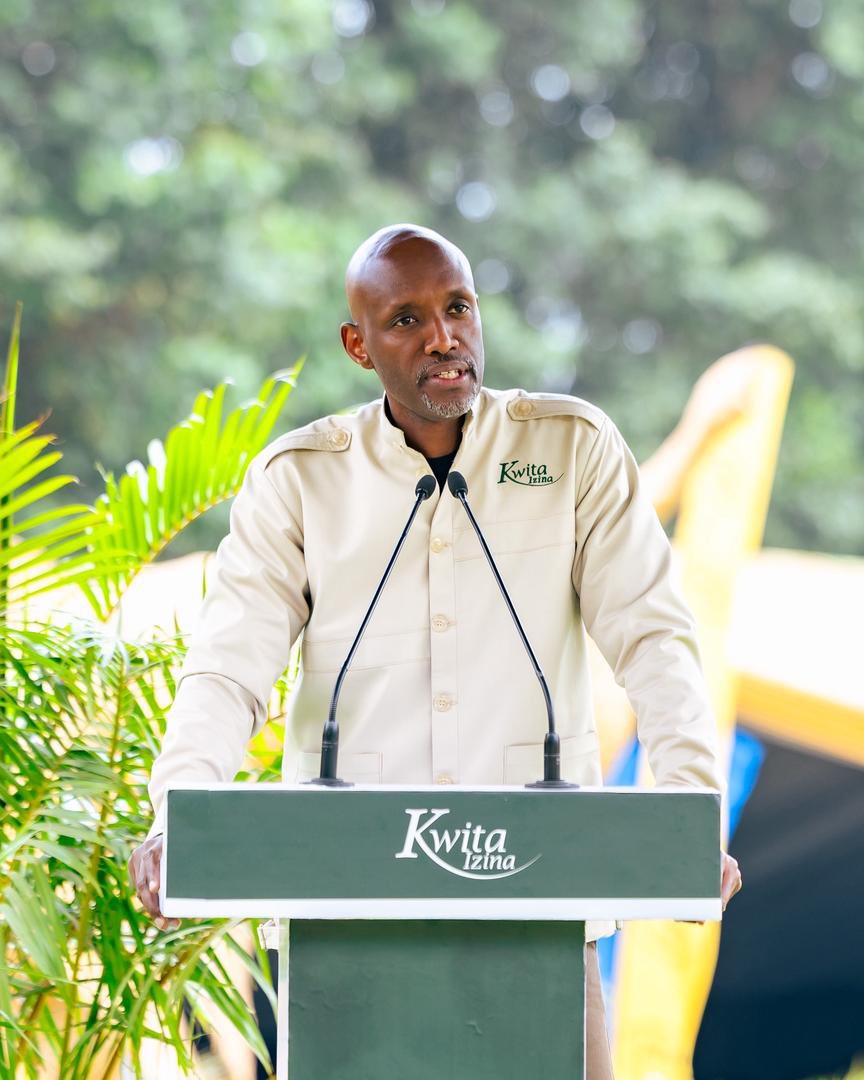
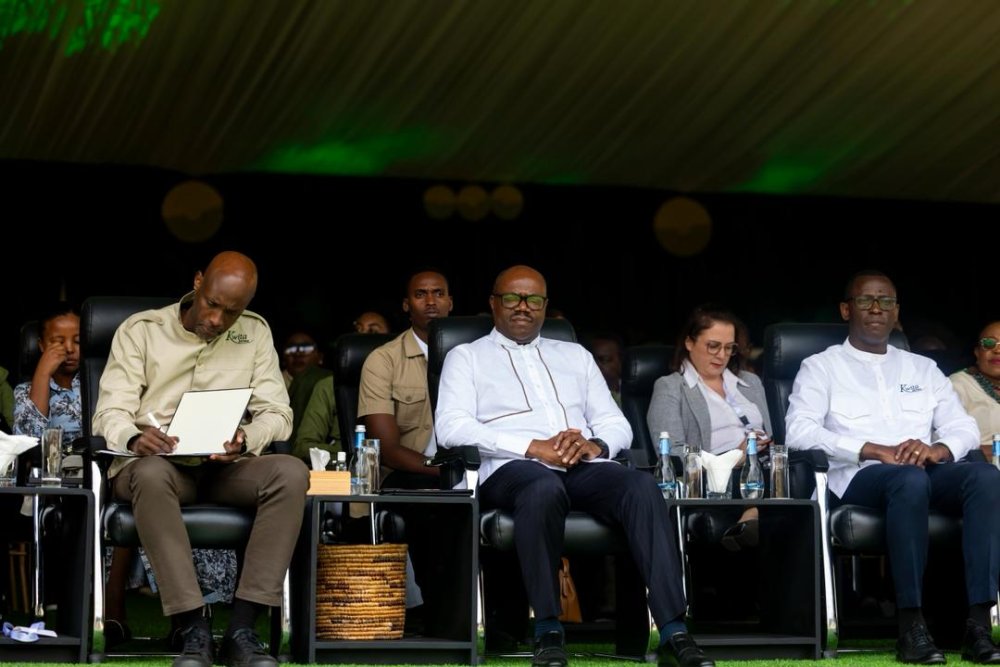
The ceremony welcomed a distinguished group of international personalities from sports, business, conservation, entertainment and philanthropy.Speaking at the 21st Kwita Izina ceremony, Prime Minister Dr. Justin Nsengiyumva linked Rwanda’s conservation progress to human development and community wellbeing.Rwanda Development Board CEO Jean-Guy Afrika called for continued vigilance, long-term investment and strong partnerships to sustain the gains made in mountain gorilla conservation.The 21st Kwita Izina gorilla naming ceremony took place at the foothills of Volcanoes National Park in Musanze District on September 4, 2026.
The development was confirmed by the Office of the President, Village Urugwiro, on Thursday evening.
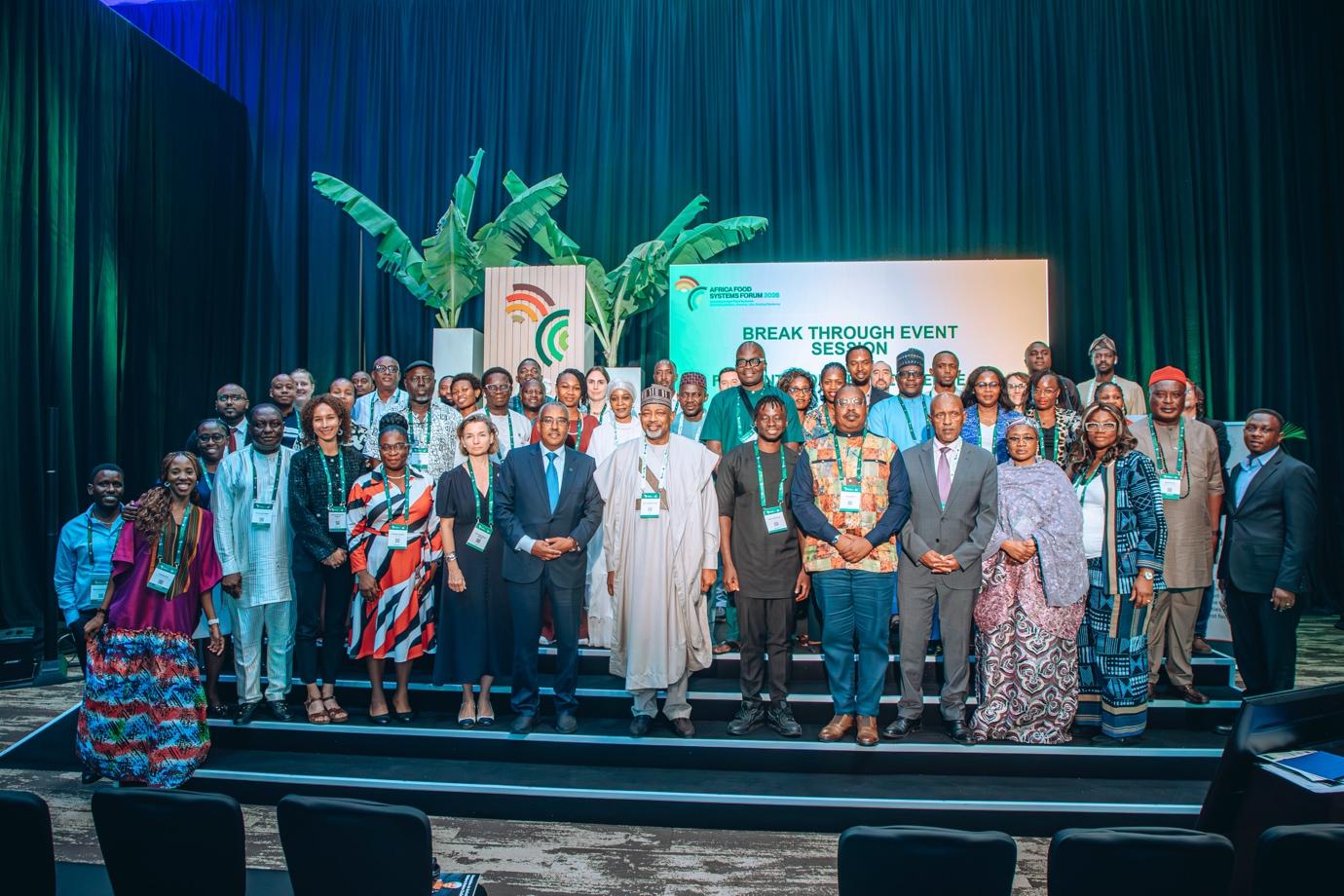
The meetings took place on the sidelines of the Africa Food Systems Forum (AFS Forum) 2026, which was held in Kigali and brought together leaders and stakeholders to discuss ways of strengthening Africa’s food systems.
IFAD is a United Nations specialised agency that works with rural communities to address poverty, improve food security and nutrition, and strengthen agricultural productivity and livelihoods.
The organisation focuses on supporting rural people, particularly small-scale farmers and vulnerable communities, to improve their livelihoods, expand businesses and build resilience to challenges affecting their development.
The discussions come as African countries continue to seek ways to transform agriculture, strengthen food production and build more resilient food systems amid changing economic and environmental conditions. With the global population projected to reach about nine billion by 2050, pressure on food systems is expected to increase, making agricultural transformation and food security key priorities for developing countries.
IFAD directs much of its work towards countries and communities where poverty and hunger are most prevalent, supporting rural populations to improve their livelihoods and strengthen their ability to withstand economic, social and environmental challenges.
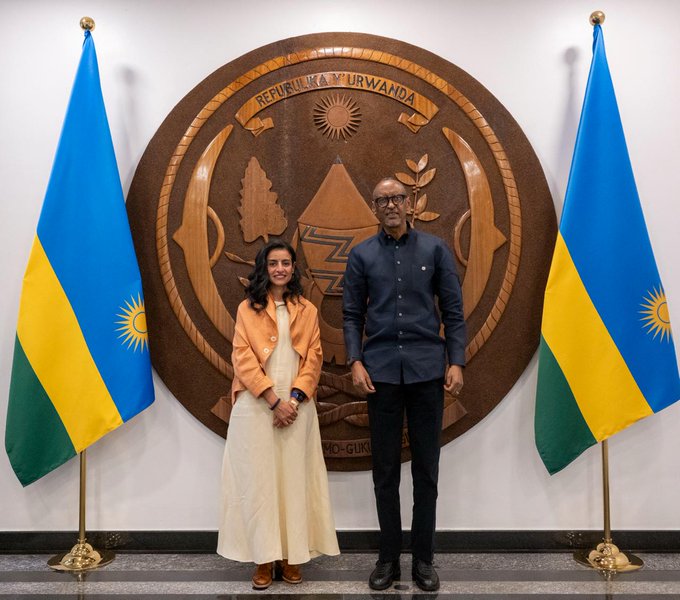
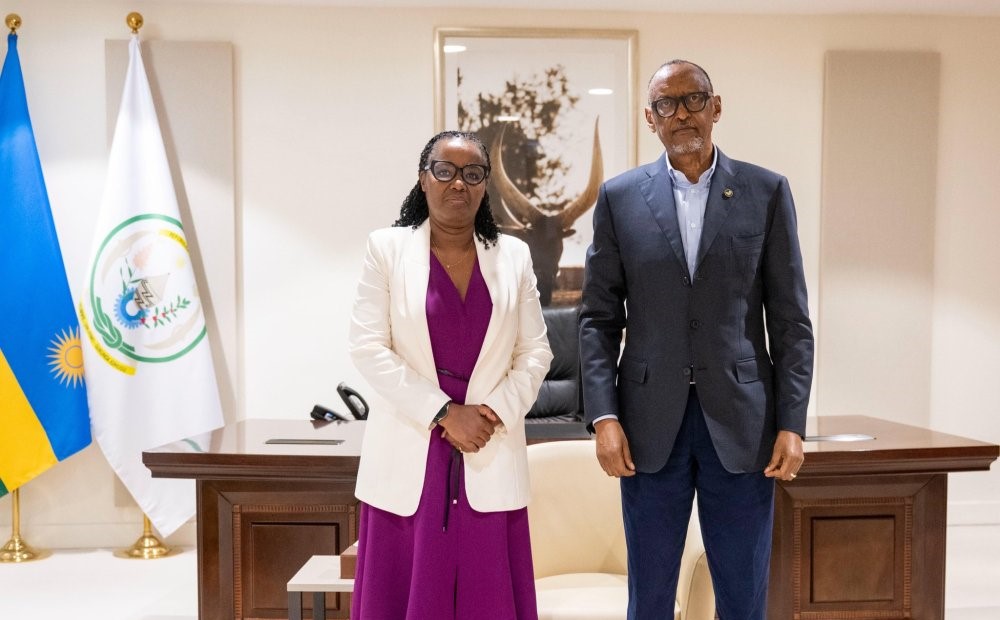
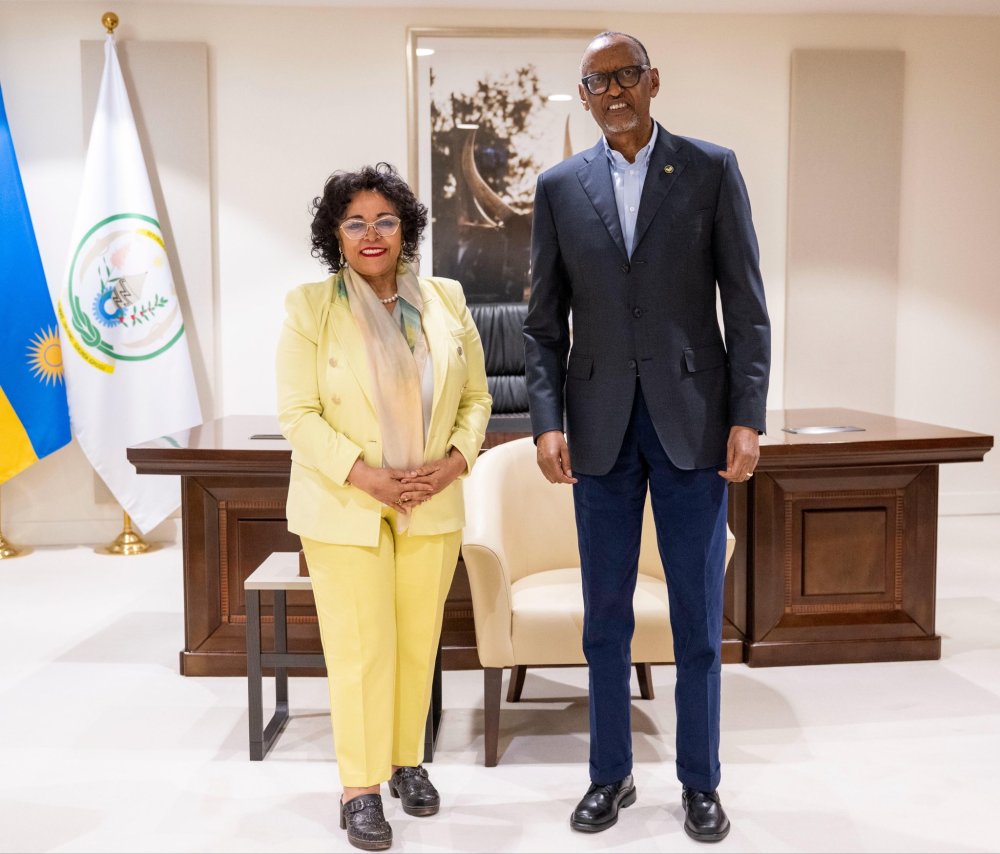
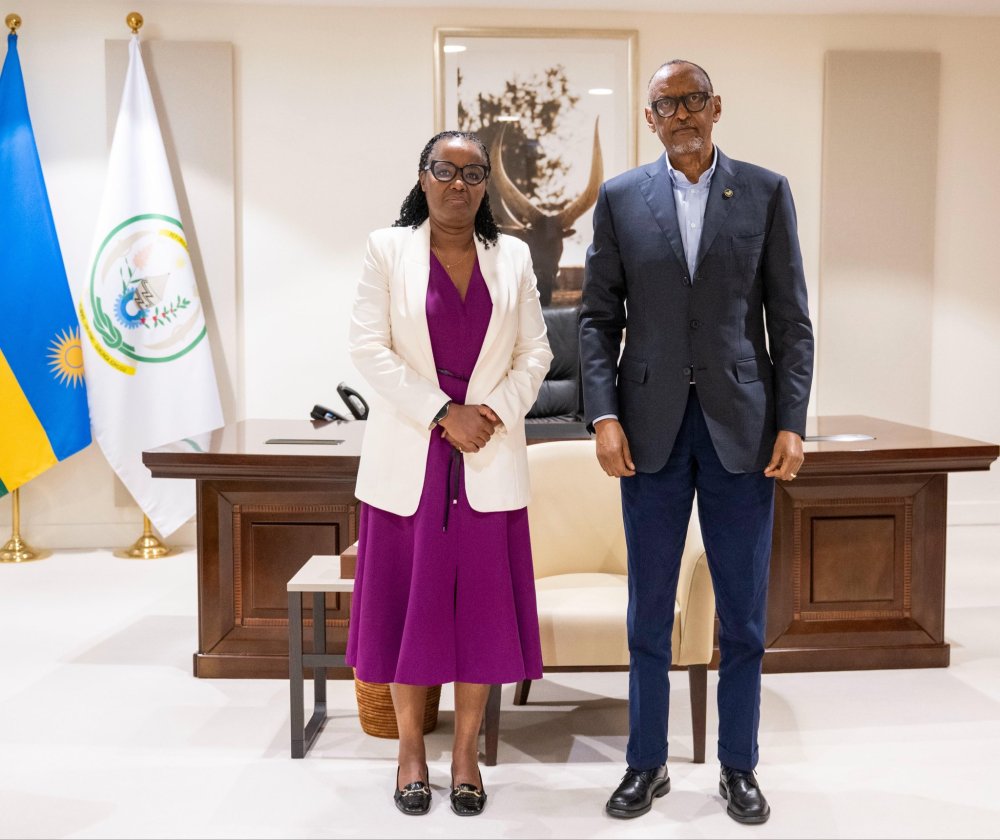
President Kagame held talks with AUDA-NEPAD CEO Nardos Bekele-Thomas on advancing Africa’s agricultural transformation.President Kagame met with IFAD Vice President Dr. Gérardine Mukeshimana on the sidelines of AFS Forum 2026.
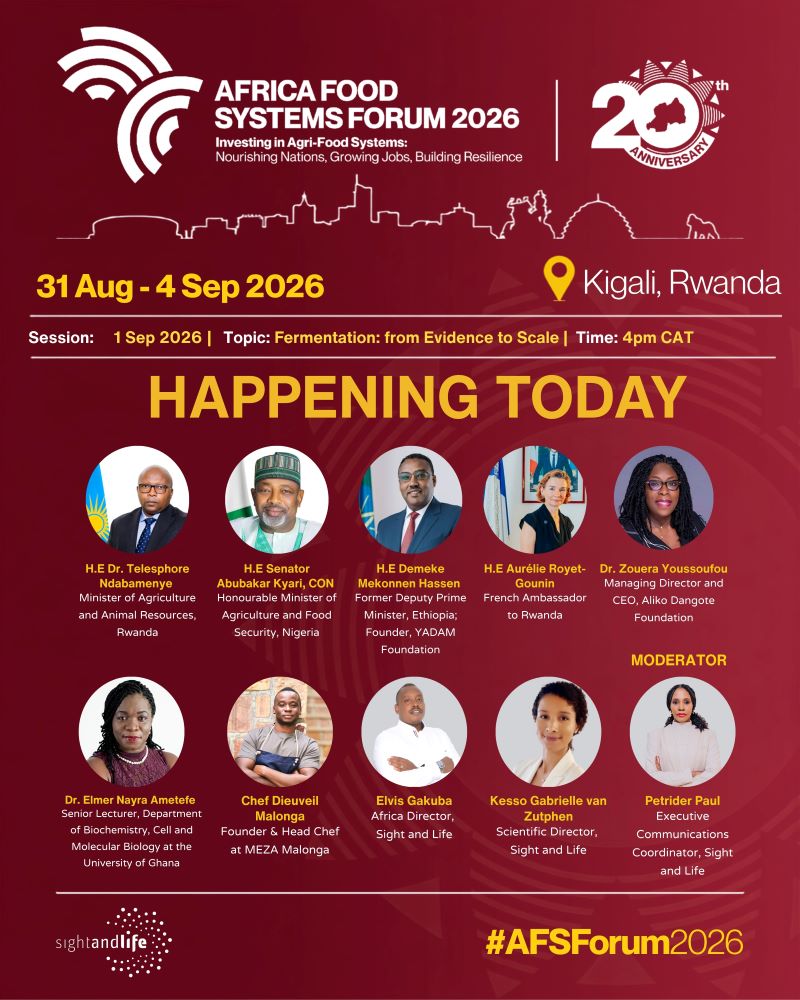
The call came during “Fermentation: from Evidence to Scale,” a high-level Breakthrough Event convened by Sight and Life at the Africa Food Systems Forum 2026 in Kigali, Rwanda.
The session brought together senior leaders from Rwanda, Nigeria and Ethiopia, including representatives from the Ministry of Agriculture of Rwanda and Nigeria, the former Deputy Prime Minister of Ethiopia and the French Ambassador to Rwanda, alongside representatives from philanthropy, science and Africa’s culinary community to examine what is needed to move fermented foods from longstanding traditional practice towards wider recognition, investment and responsible scale.
Fermentation has been part of African food cultures for generations, transforming locally produced foods and supporting preservation, dietary diversity and livelihoods. Yet despite its widespread use, its potential remains relatively underrepresented within contemporary nutrition and food systems strategies.
“Fermentation has long been part of how African communities produce, preserve and enjoy food. The opportunity now is to strengthen that foundation with better evidence, innovation and investment so it can contribute more to nutrition, livelihoods and resilience,” said Elvis Gakuba, Africa Director at Sight and Life. “We need to back fermentation as a practical, locally rooted pathway to healthier diets, stronger local economies and more resilient food systems,” he said.
Elvis Gakuba – Africa Director, Sight and Life
Moving an African food tradition onto the food systems agenda
Discussions throughout the session underscored a central message that fermentation should not be viewed simply as a tradition to preserve, but as an existing part of African food systems whose potential can be strengthened through science, policy and investment.
Speakers explored the diversity of fermented foods already consumed across the continent and the opportunity to build on knowledge embedded within communities rather than beginning solely with solutions developed elsewhere.
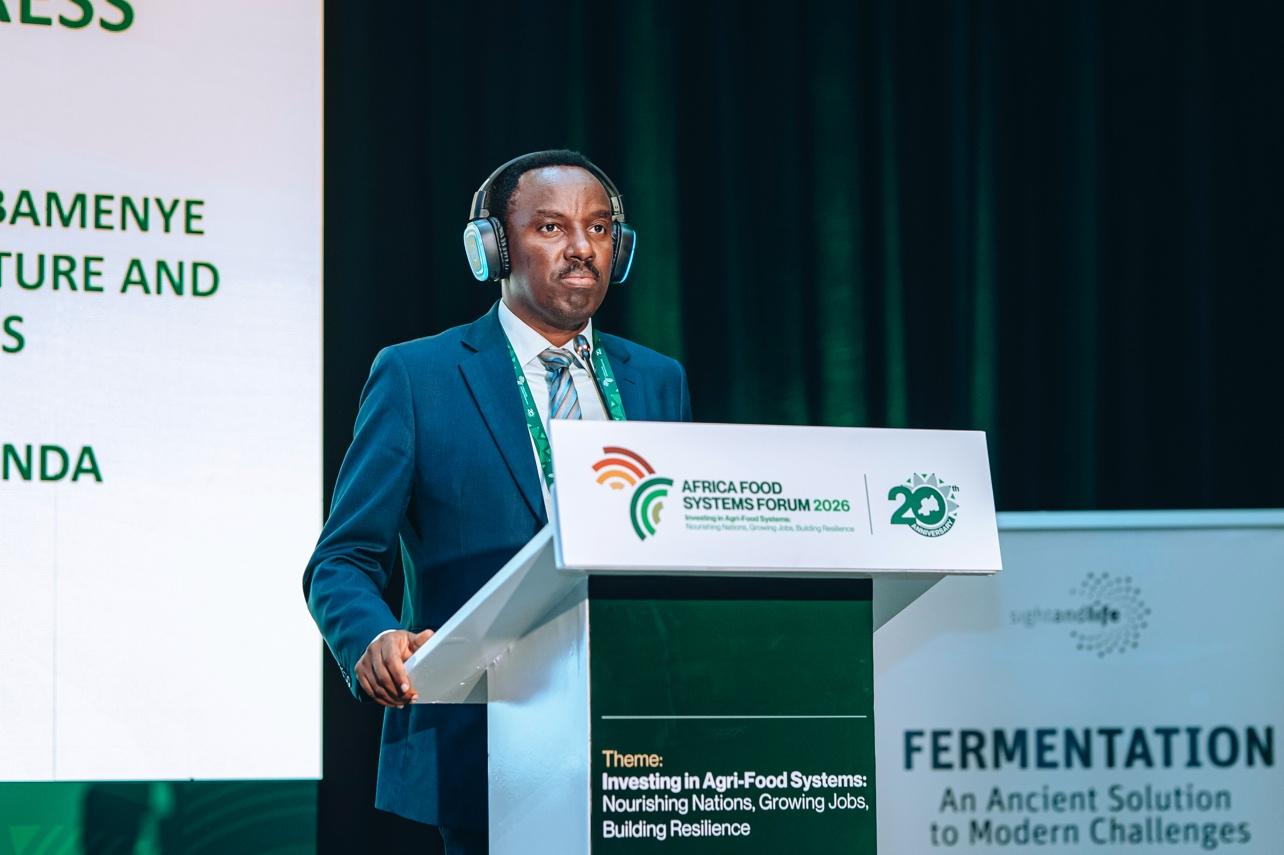
Speaking on behalf of Dr. Telesphore Ndabamenye, Minister of Agriculture and Animal Resources of Rwanda, Dr. Patrick Karangwa, Director General of Agriculture Modernization at the Ministry, highlighted the importance of recognising fermentation within the broader shift towards African-led food systems solutions.
“Fermentation is not a foreign solution being introduced to Africa. It is rooted in our own food traditions and communities,” said Dr. Karangwa. “The opportunity is to strengthen that knowledge through science, standards and policy so that it can contribute more deliberately to nutrition and food systems transformation. We welcome Sight and Life’s leadership in bringing this conversation to the African Food Systems Forum.”
Dr. Patrick Karangwa, Director General of Agriculture Modernization for the Ministry of Agriculture and Animal Resources, Republic of Rwanda
The discussion also examined the practical role governments can play, including strengthening research, food composition data, food safety and quality standards, dietary guidance and other policies that create an enabling environment for fermented foods.
Nigeria: linking fermentation with food security and local value addition
Nigeria’s long history of fermented foods was another important focus of the dialogue.
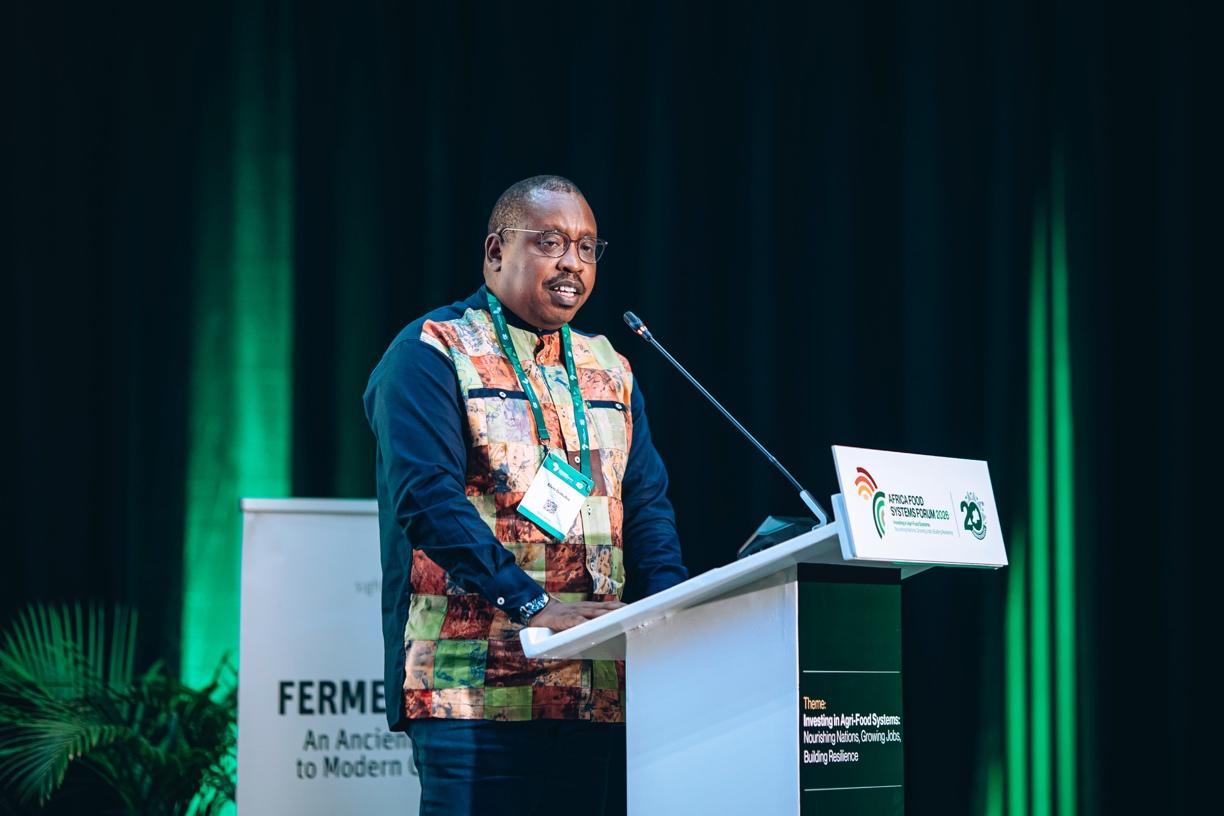
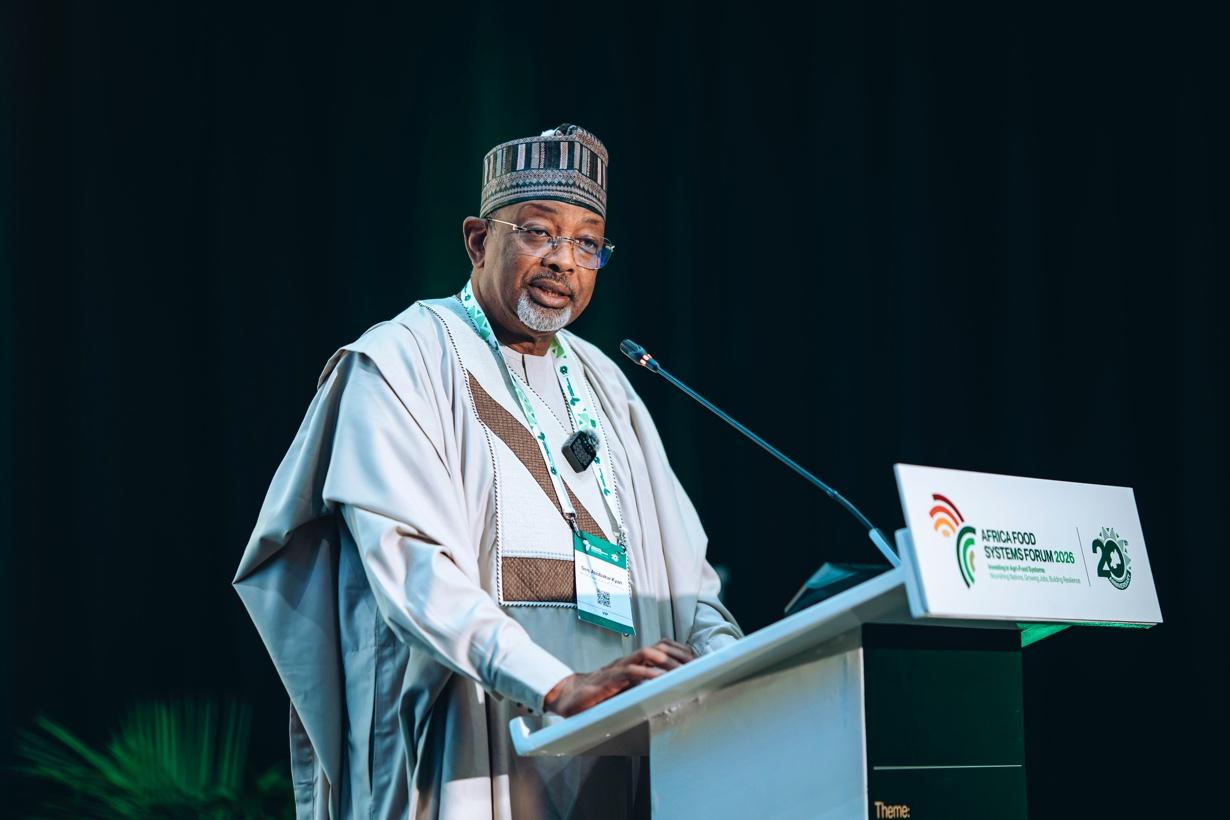
Senator Abubakar Kyari, CON, Minister of Agriculture and Food Security of Nigeria, highlighted the relevance of fermentation to Nigeria’s wider priorities around food security, domestic processing and agricultural value addition.
“Nigeria already has a rich diversity of fermented foods and generations of knowledge around how they are produced. The opportunity is to strengthen what already exists, through research, improved processing, standards, innovation and stronger markets,” said Senator Kyari. “This can create opportunities for better nutrition, for farmers, processors, women entrepreneurs and local businesses throughout our food value chains.”
Senator Abubakar Kyari, CON, Minister of Agriculture and Food Security of Nigeria
Speakers emphasised that women are particularly important to this agenda. Across many African communities, women play a central role in the production, processing and sale of fermented foods. Expanding access to finance, technology, markets and business support could therefore enable fermentation to contribute more strongly to both nutrition and women’s economic participation.
A Global South solution rooted in existing knowledge
The session also drew attention to Ethiopia’s extensive fermentation heritage, including foods such as injera that have long been central to diets and culture.
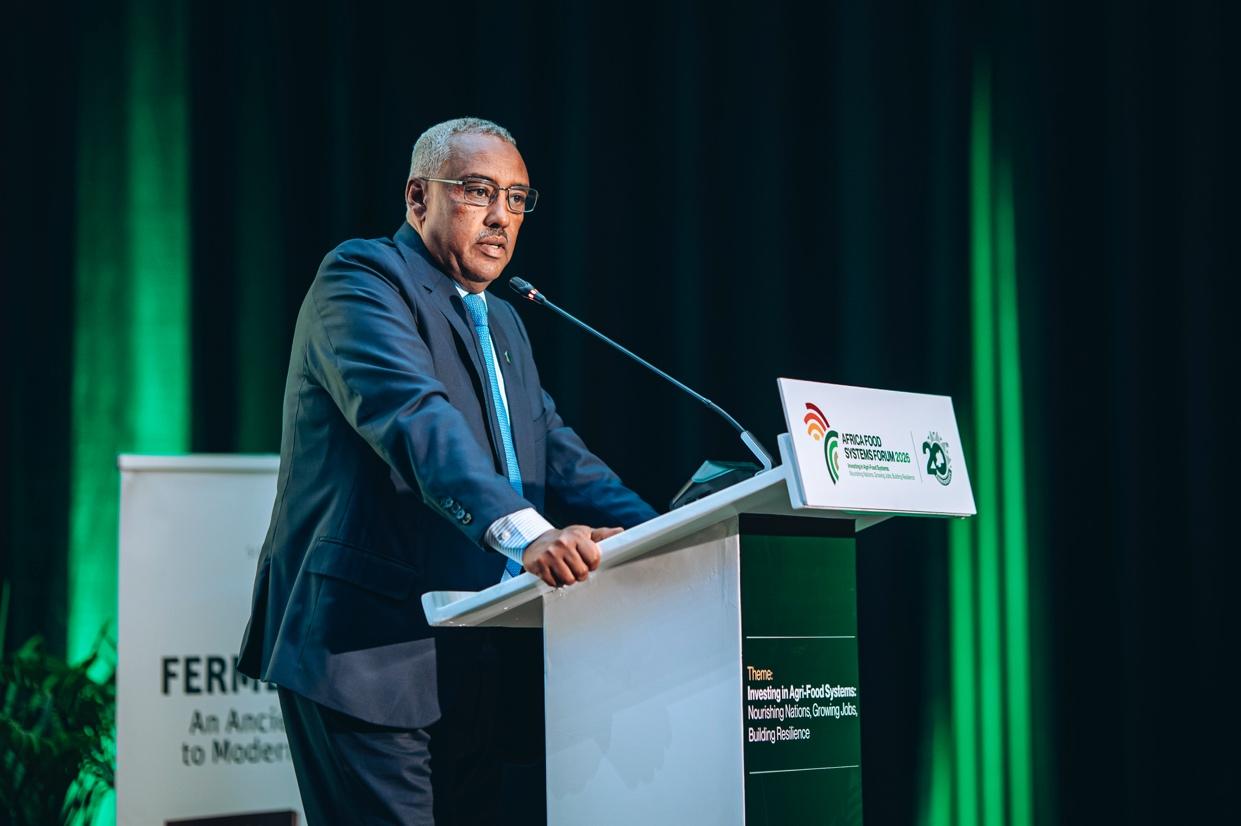
Demeke Mekonnen Hassen, former Deputy Prime Minister of Ethiopia and Founder and Board Chairperson of YADAM Foundation, argued that fermentation demonstrates the value of looking within African food systems for solutions that can be strengthened through science.
“This is a strong example of an initiative emerging from the Global South and building on practices African communities have carried for generations,” said Demeke Mekonnen Hassen. “In Ethiopia, fermented foods are already deeply embedded in our diets and culture. The next step is to strengthen the research around them and create the policy, regulatory and investment environment that allows promising solutions to move to scale.”
Demeke Mekonnen Hassen, former Deputy Prime Minister of Ethiopia; Founder and Board Chairperson of YADAM Foundation
He also reaffirmed YADAM Foundation’s interest in working with Sight and Life to strengthen research and explore how fermentation can contribute to nutrition and public health priorities in Ethiopia.
Bringing the evidence to Africa
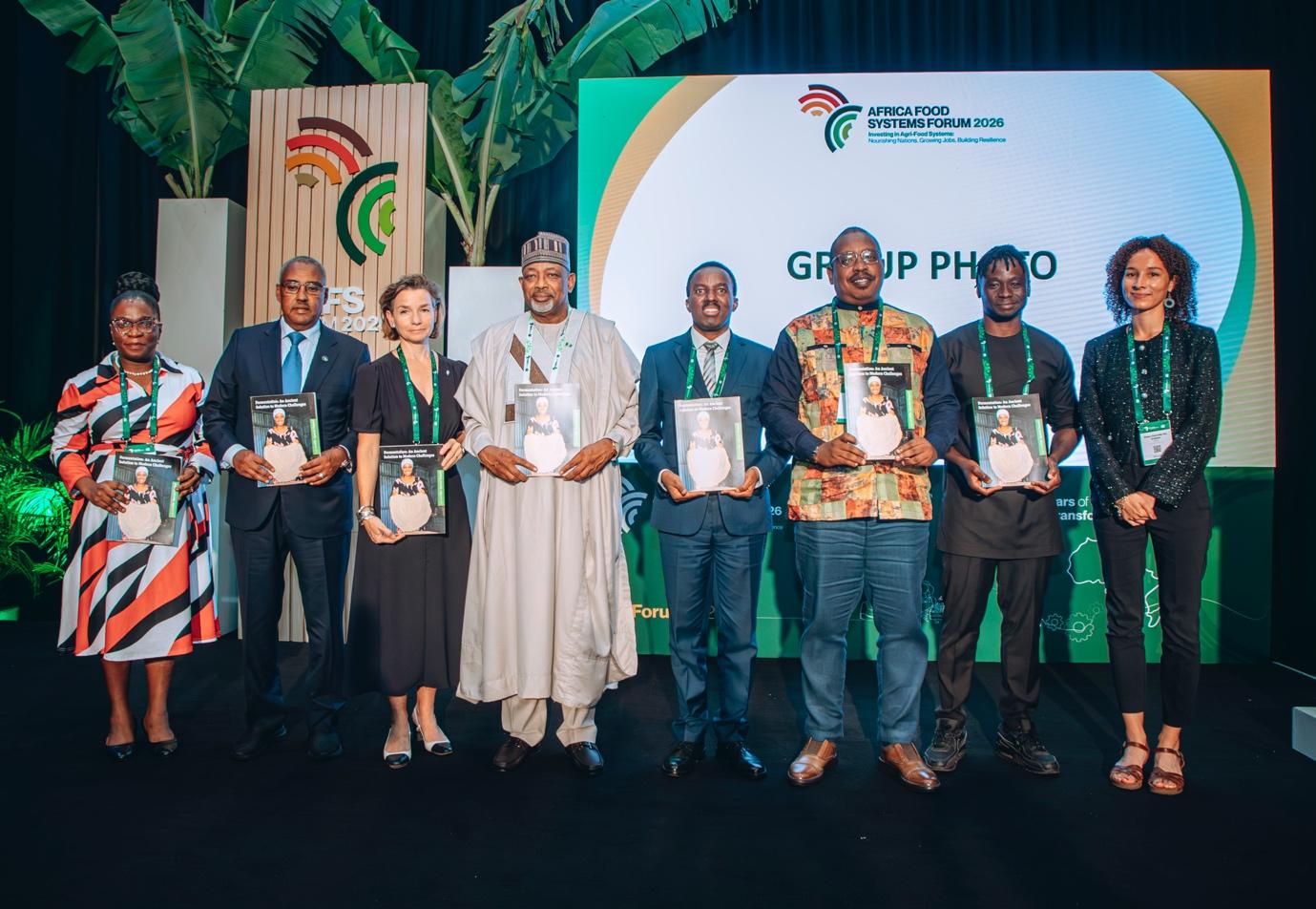
A central part of the session was Sight and Life’sSpecial Report, Fermentation: An Ancient Solution to Modern Challenges.
The report brings together the science behind fermentation, examines barriers and opportunities for scale, presents experiences from low- and middle-income countries and outlines a framework for moving from evidence towards action.
At AFSF, Sight and Life shared key insights from the report with a high-level continental audience, while scientists at the session examined what is known, and what still needs to be understood about the nutritional and health potential of African fermented foods.
Dr. Elmer Nayra Ametefe, Senior Lecturer at the University of Ghana, stressed the need to strengthen Africa’s own evidence base.
“Africa’s fermented foods carry generations of knowledge, but science can help us understand their full potential,” said Dr. Ametefe. “By strengthening the evidence around their nutritional and health benefits, we can better position these foods as part of the solutions for healthier diets and stronger food systems.”
The conversation also highlighted the need for greater investment in characterising traditional fermented foods, understanding their composition and safety, and translating scientific findings into products, programmes and policies.
From evidence to investment
Speakers also discussed how funders, development partners and investors can support the evidence, innovation and partnerships needed to take fermentation to scale.
“At CIFF, we are pleased to support this work because it brings together three things that matter for scale: strong evidence, locally rooted solutions and the partnerships needed to move from research into practice. Fermentation is already part of people’s diets and communities; the opportunity now is to strengthen the evidence and enabling conditions so that its potential can be realised more widely and sustainably,” Anna Hakobyan, Chief Impact Officer and Executive Director, Nutrition, Children’s Investment Fund Foundation said.
That emphasis on locally relevant solutions was echoed by Zouera Youssoufou, Managing Director and CEO of the Aliko Dangote Foundation, who highlighted the importance of supporting solutions that can operate within existing food systems and reach communities at scale.
“For the Aliko Dangote Foundation, tackling malnutrition means backing solutions that are practical, locally grounded and capable of reaching people at scale,” said Youssoufou. “Fermentation offers that opportunity, building on foods Nigerians already know, produce and consume, while using evidence and innovation to unlock greater nutritional value, strengthen livelihoods and improve food and nutrition security.”
Participants agreed that moving fermentation to scale will require collaboration across sectors. Governments have a role in creating enabling policy and regulatory environments; researchers must continue strengthening the evidence; businesses and entrepreneurs can translate knowledge into products and markets; and philanthropic and development partners can help support innovation and de-risk early investment.
From conversation to action
Sight and Life used the AFSF session to call for fermentation to receive greater consideration within Africa’s nutrition and food systems agenda.
Rather than creating an entirely new solution, the opportunity lies in strengthening practices and foods that already exist, supporting them with the science, standards, investment and partnerships required to increase their contribution to nutrition, economic opportunity and resilient food systems.
“The question is no longer simply whether fermentation has potential,” Elvis Gakuba added. “The question is what we are prepared to do collectively, through research, policy, partnerships and investment, to unlock that potential. Kigali has helped move that conversation forward, and our focus now must be on turning that momentum into action.”
Sight and Life is expected to continue working with governments, researchers, philanthropic organisations and other partners to strengthen the evidence around fermented foods and identify pathways towards responsible scale.
About Sight and Life
Sight and Life is a Swiss-based innovation and systems-transformation foundation, working to end malnutrition and build resilient food systems. Founded four decades ago on the belief that better evidence can improve lives, we bridge science, governments, markets and communities to turn nutrition research into solutions that reach people at scale.
About the Africa Food Systems Forum
The Africa Food Systems Forum is a leading continental platform for African agriculture and food systems, bringing together governments, businesses, researchers, development partners, farmers and other stakeholders to advance practical action on food systems transformation.
Its mission is to inform, influence and catalyse the transition to sustainable, resilient and inclusive food systems across Africa, with a strong focus on investment, policy reform, women and youth.
For the 2026 edition, the Forum is being held in Kigali, Rwanda, under the theme “Investing in Africa’s Agri-Food Systems: Nourishing Nations, Growing Jobs, Building Resilience.”
Speakers with the Sight and Life Special Report on Fermentation
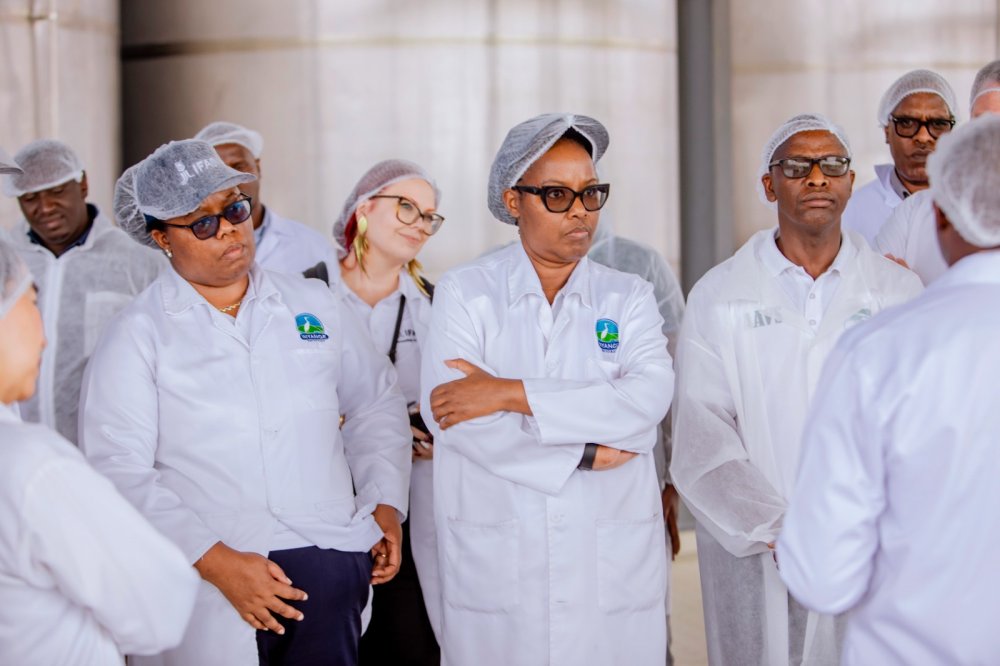
She made the remarks on Monday, August 31, 2026, during a visit by International Fund for Agricultural Development (IFAD) Vice President Dr. Gérardine Mukeshimana and senior officials from several countries to projects aimed at adding value to milk production in Nyagatare District.
The delegation visited Nyagatare Daily Marketing Cooperative, which is supported by the Rwanda Dairy Development Project Phase II (RDDP II), funded by IFAD. They also visited private veterinary practitioners operating in Nyagatare and the Inyange powdered milk processing plant.
Rugamba Sam, who collects about 100 litres of milk per day, said farmers still face challenges in accessing high-yielding dairy cattle that would enable them to operate commercially.
He said that although dairy farming is profitable, farmers have yet to gain sufficient access to cattle capable of producing large quantities of milk.
Mukansanga Cecile, who keeps eight cows, said they produce about 50 litres of milk per day. However, during the dry season, production drops significantly, with her four lactating cows producing only slightly more than 10 litres per day.
She called for support to help farmers access cattle with higher milk yields.
Uwituze said Rwanda is continuing to promote livestock farming based on market demand.
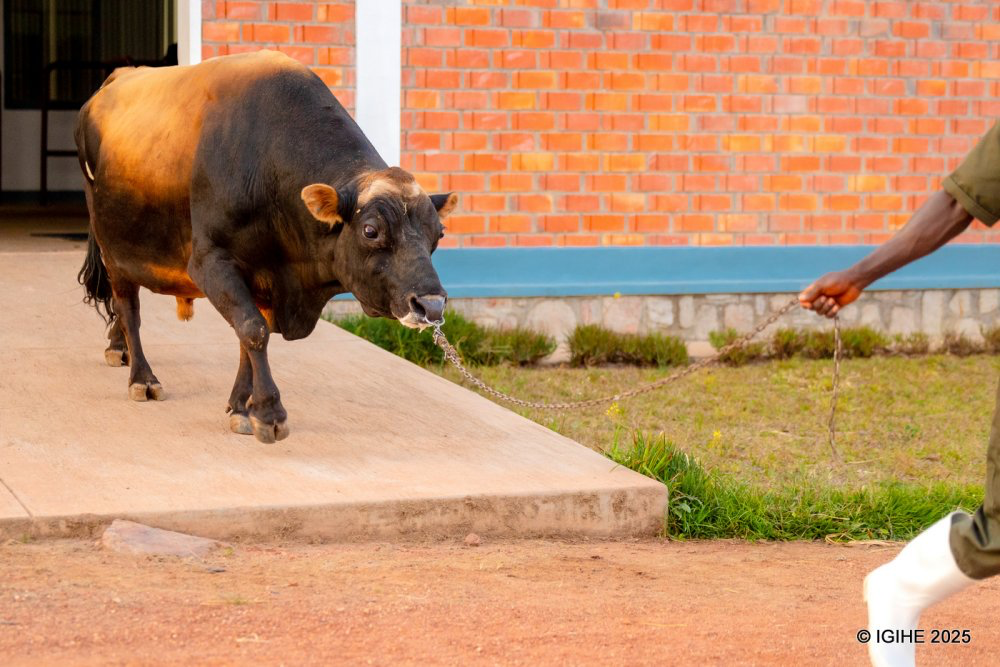
“We currently have 30 bulls. This year, we renewed our stock and brought in 30 new ones, which are now available at our Isonga Centre. We have three breeds of dairy cattle, as well as breeds of beef cattle. We brought them in to provide breeding material for beef cattle to farmers. They are now doing well.”
Dr. Uwituze said the semen from the bulls will be used to improve cattle breeds among farmers and increase the availability of animals suited for both dairy and beef production.
She also said the government is testing a system that could allow farmers to access sexed semen from next year, enabling them to know whether the resulting calf will be male or female.
“There are investors we are talking to so that they can come and support us. The discussions are already underway.”
Meanwhile, IFAD Vice President Dr. Gérardine Mukeshimana called for greater investment in smallholder farmers and livestock keepers to enable them to meet market demand.
She said 70 percent of agricultural and livestock production comes from smallholder farmers and called for efforts to build their capacity so they can increase production and better meet market needs.
State Minister for Agriculture and Animal Resources, Dr Solange Uwituze, said Rwanda has acquired 30 bulls from Switzerland, Finland and other countries, which are expected to provide new breeding stock.The disclosure was made on Monday, August 31, during a visit by IFAD Vice President Dr Gérardine Mukeshimana and other officials to milk production projects in Nyagatare.
In a statement published on its official news outlet Sepah News, the IRGC said its “regret-inducing response against the aggressors” have begun, noting its air defense had shot down a “hostile” U.S. MQ-9 Reaper drone.
Its aerospace forces also launched ballistic missile and drone strikes on Camp Titin in Jordan and Shaikh Isa Air Base in Bahrain, reportedly killing “a large number of” U.S. troops and destroying several key facilities and combat helicopters.
It stressed that the U.S. strikes will only protract the closure of the Strait of Hormuz and make the Iranian armed forces more determined to “suppress the foreign forces interfering in the waterway.”
The IRGC said the attacks began after the United States bombed a number of civilian places in Iran’s southern coasts “out of desperation” and in retaliation for the U.S. “criminal” and deadly attack on a wedding ceremony in Hormozgan province.
The Jordanian Armed Forces-Arab Army (JAF) said later that the country’s air defense systems on Tuesday evening intercepted and destroyed 10 of 13 ballistic missiles that entered the country’s airspace from Iran in the past hours.
Three other missiles fell in remote areas away from population centers, with no casualties or loss of life reported, according to a JAF statement.
The semi-official Fars news agency cited Ahmad Nafisi, Hormozgan’s deputy governor for political and security affairs, as saying that at least five people, including a four-year-old child and a woman, were killed and over 50 others wounded in the U.S. attack targeting the wedding ceremony in Sirik county.
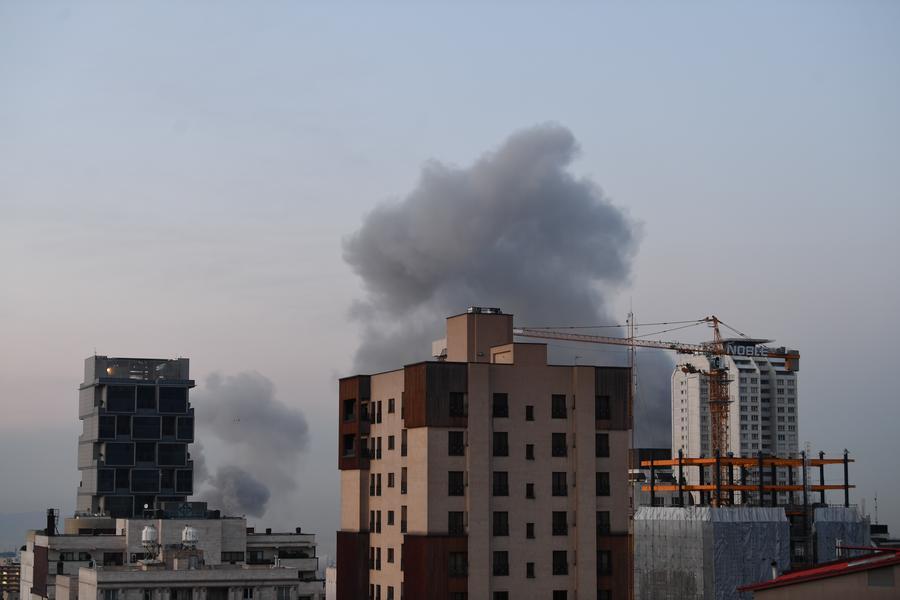
Multiple explosions were heard Tuesday evening in several southern Iranian provinces as U.S. Central Command, in a post on social media platform X, announced the start of strikes against IRGC targets.
The explosions were heard in the counties of Sirik, Bandar Abbas, Qeshm and Jask in Hormozgan, Konarak and Chabahar in Sistan and Baluchestan province, Jiroft in Kerman province, and Asaluyeh in Bushehr province, Iranian media reported.
Iran’s main military command, Khatam al-Anbiya Central Headquarters, said in a statement that in response to the U.S. “air aggression,” the Iranian armed forces will deal “crushing and shattering” blows to the United States.
Smoke billows after explosions heard in downtown Tehran, Iran, April 1, 2026. (Xinhua/Shadati)
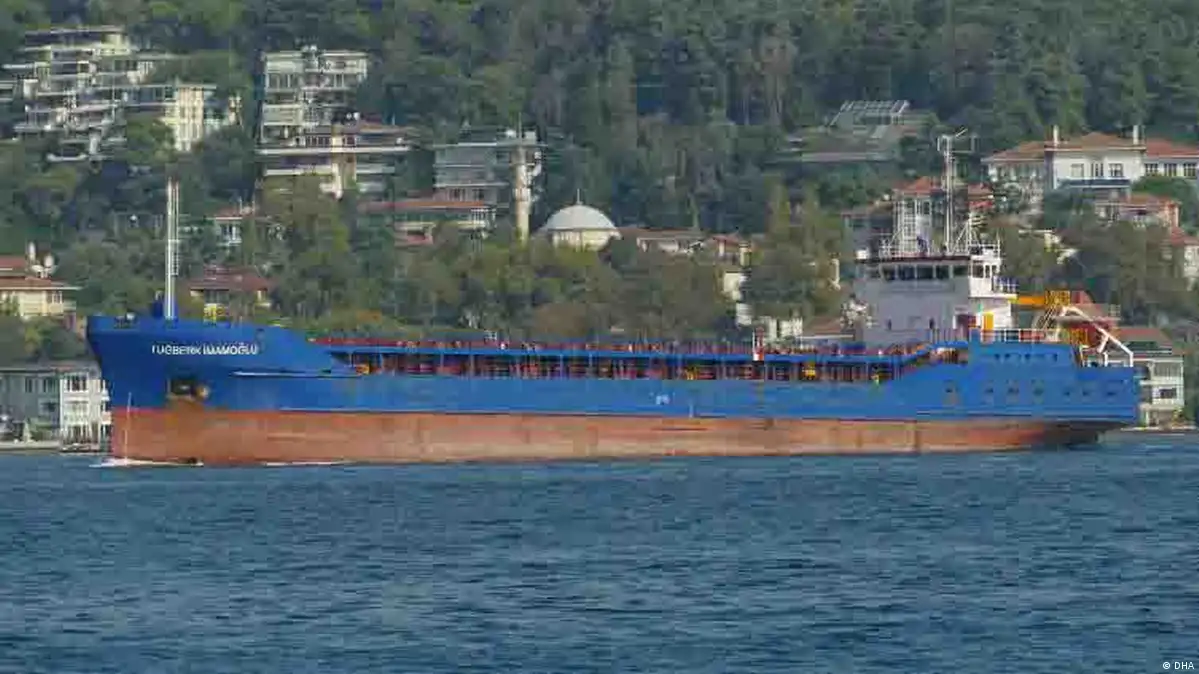
The collision occurred at around 3:00 a.m. local time (0000 GMT) south of Istanbul’s Silivri district, the Istanbul Governor’s Office said in a statement.
The incident involved the commercial ship Alsu, which was traveling from the northwestern province of Kocaeli to Aliaga district in Izmir province, and the Tugberk Imamoglu, which was sailing from the southern port of Iskenderun to Karadeniz Eregli on Türkiye’s Black Sea coast.
Authorities were unable to establish contact with the Tugberk Imamoglu and its 10 crew members, the statement said. Initial assessments showed no visible damage to Alsu.
Many naval units were dispatched to the area. Search and rescue operations are ongoing.
Contact was lost with the cargo ship Tugberk Imamoglu and its 10 crew members