U.S. military support has so far been limited to providing Saudi Arabia with intelligence and targeting data for its operations against the Houthis, according to the report.
Washington has recently increased the sharing of such information with Riyadh. The White House believes the United States is currently providing Saudi Arabia with all the support it needs to confront the Houthis, said the report.
“No offensive strikes,” a U.S. official was quoted as saying.
Alex Plitsas, a former Pentagon official, said on CNN earlier that he had been told that U.S. President Donald Trump held a meeting at Camp David on Saturday to discuss and review options for strikes in Yemen. The White House and the Pentagon have not publicly confirmed the claim.
The Trump administration has so far shown little willingness to become directly involved in the conflict. Multiple U.S. media outlets reported earlier this month that Saudi Crown Prince and Prime Minister Mohammed bin Salman bin Abdulaziz Al Saud had urged Trump to order U.S. strikes against the Houthis, but Trump declined.
Meanwhile, Saudi Arabia has reportedly sought air-defense assistance from France, Britain, Pakistan and Egypt as its supply of missile interceptors runs low and U.S. stocks of interceptors have been strained by the conflict with Iran.
The Houthis’ recent advances and attacks have raised concerns that it could open another front in the broader U.S.-Iran conflict, further complicating an already volatile regional situation.
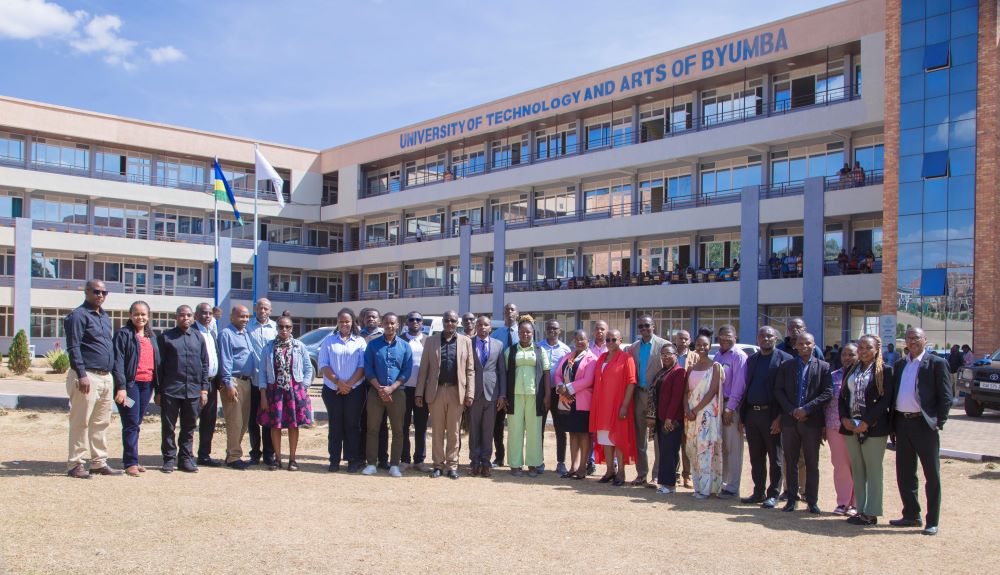
Based in Gicumbi District in Rwanda’s Northern Province, the university says its approach is guided by its vision of becoming a “Radiating University of academic and professional excellence for sustainable socio-economic development.”
UTAB Vice Chancellor Fr. Dr. Gilbert Munana, said universities should contribute to society beyond producing graduates.
“A university should not only transform the lives of the students who pass through its gates; it should also contribute to transforming the communities and society to which those students belong.”
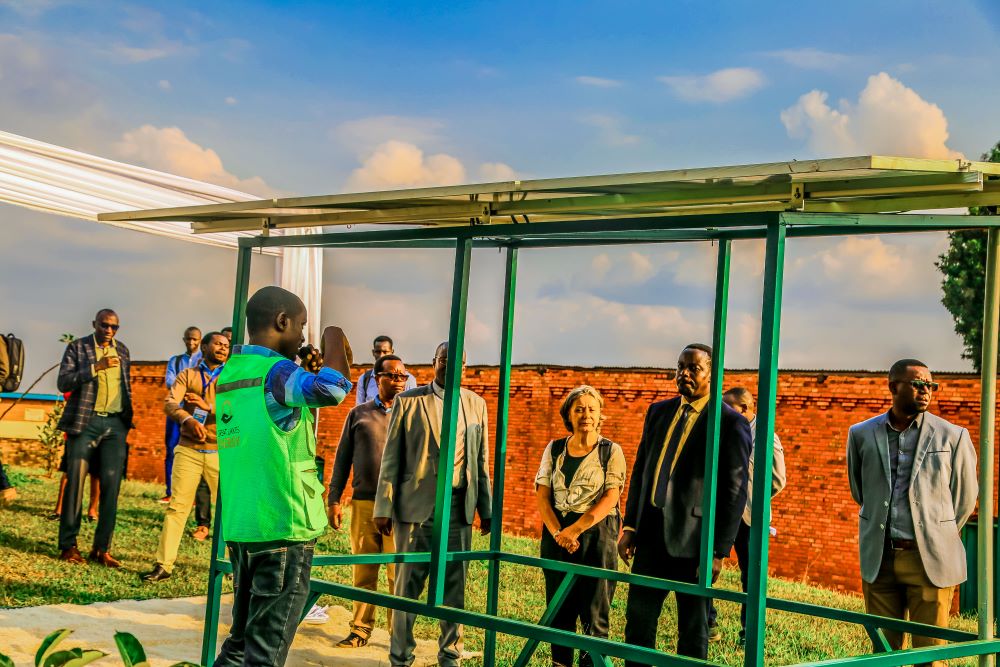
One example is the UTAB Living Lab at GS Byumba, established under the GREATER Project to connect education with practical community experiences.
The facility brings together students, educators, researchers and community members to identify challenges and explore solutions, particularly in renewable energy. The model also seeks to position communities as partners in learning, research and innovation.
The approach was highlighted during Global Goals Week on September 1, 2026, when the Living Lab hosted activities under the theme, “Strengthening Practical-Oriented and Community-Engaged Education through Living Labs for Sustainable Development.”
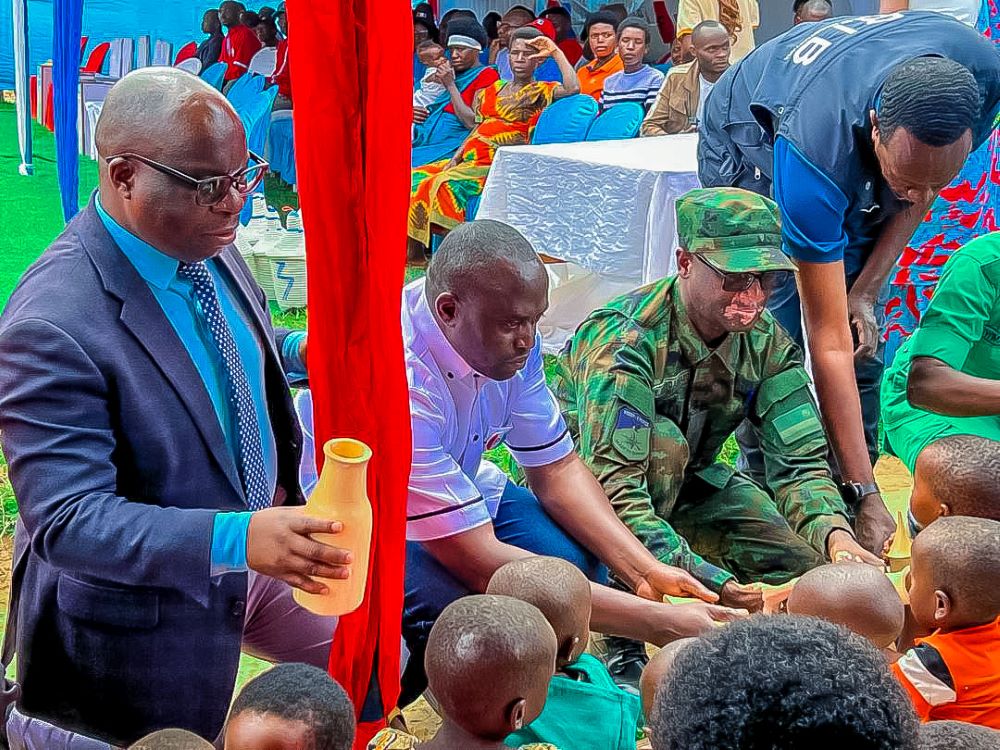
UTAB has also undertaken initiatives targeting household nutrition. On July 8, the university provided 504 families with children under five with hens and feed, alongside awareness sessions on the causes and consequences of malnutrition and stunting and ways to address them.
The initiative is part of the university’s efforts to work with other stakeholders to improve nutrition among vulnerable households while strengthening livelihoods and human capital.
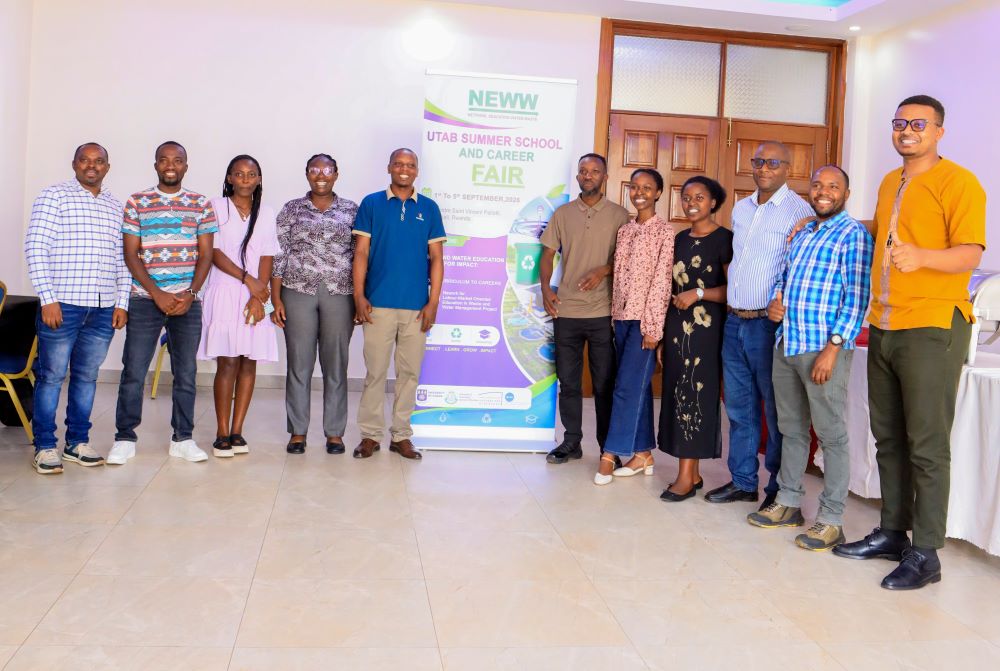
Its engagement with the labour market is also reflected in the Network for Labour-Market-Oriented Education in Waste and Water Management (NEWW) project. The initiative links teaching and applied research with industry needs through practice-oriented curricula, expert engagement and interaction with employers.
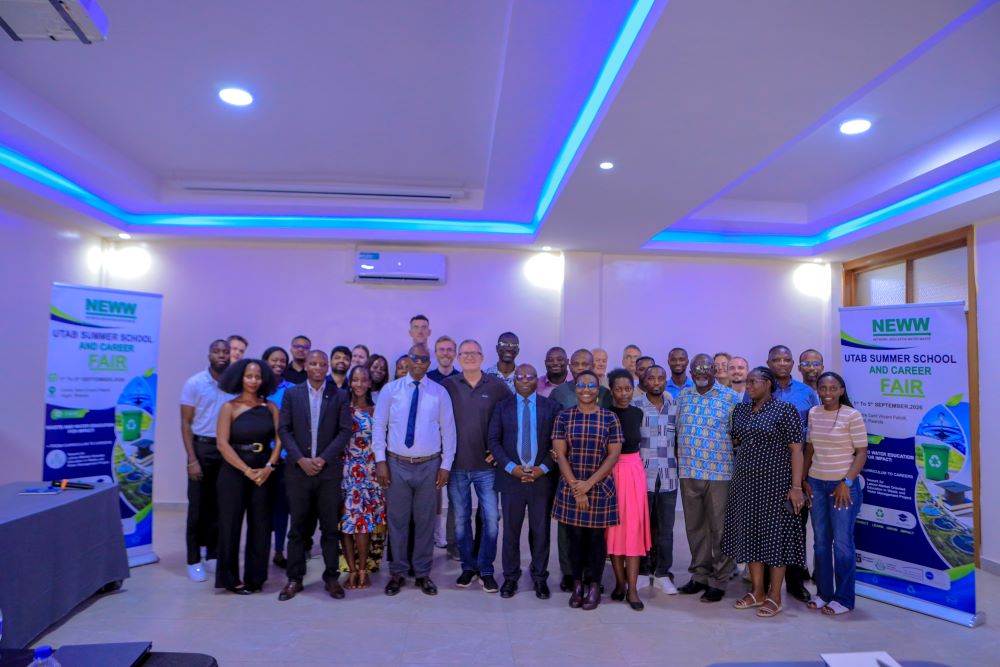
During the 2026 NEWW Summer School and Career Fair, held in Kigali from September 1 to 5, students, academics, researchers and industry partners from Rwanda, Ghana and Germany participated in discussions on curriculum development, practical learning and research in waste and water management. The event also provided opportunities for students to interact with potential employers.
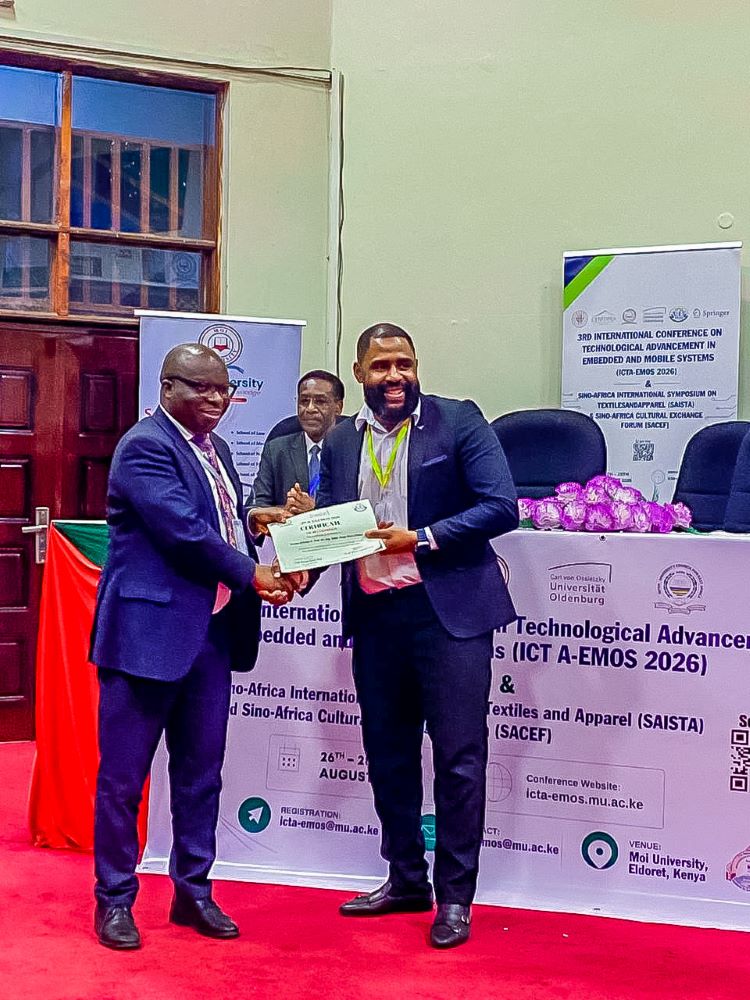
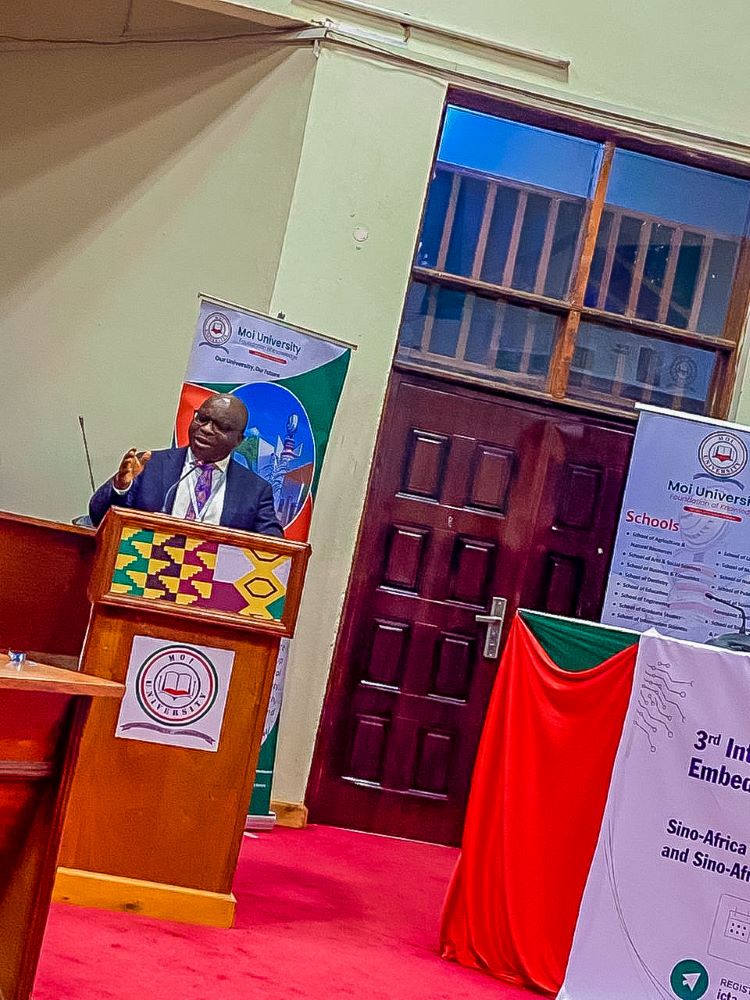
UTAB is further expanding its regional academic partnerships. From August 26 to 28, the university participated in the 3rd International Conference on Technological Advancement in Embedded and Mobile Systems (ICTA-EMOS 2026), hosted by Moi University in Eldoret, Kenya.
At the conference, Dr. Munana highlighted the importance of regional university networks in strengthening institutional capacity and the global visibility of African universities.
The university says its partnerships have also created opportunities for staff and student mobility and capacity building in countries including Ghana, China, Italy, Poland and Germany.
Meanwhile, UTAB is seeking to align its research with national development priorities. On August 28, it held a Research Agenda Stakeholders’ Workshop bringing together representatives from government, academia, the private sector, civil society and development partners.
The workshop sought to identify pressing challenges and guide academic staff in developing research projects focused on practical solutions and Rwanda’s socio-economic development.
Climate resilience is among the areas receiving increased attention. UTAB has introduced a Master of Science in Urban Environment and Climate Resilience, designed to develop professionals capable of addressing environmental risks, climate adaptation and sustainable urban development.
The university says the programme is intended to strengthen the human capital needed to help communities anticipate and respond to environmental and urban challenges.
Dr. Munana said universities have a responsibility to connect education, research and practical needs.
“Our responsibility is not simply to produce graduates, but to equip them with knowledge and practical skills that can be applied to real challenges.”
Through its Living Lab, community initiatives, industry partnerships, research agenda and new academic programmes, UTAB is seeking to strengthen the connection between higher education and the communities and industries it serves.
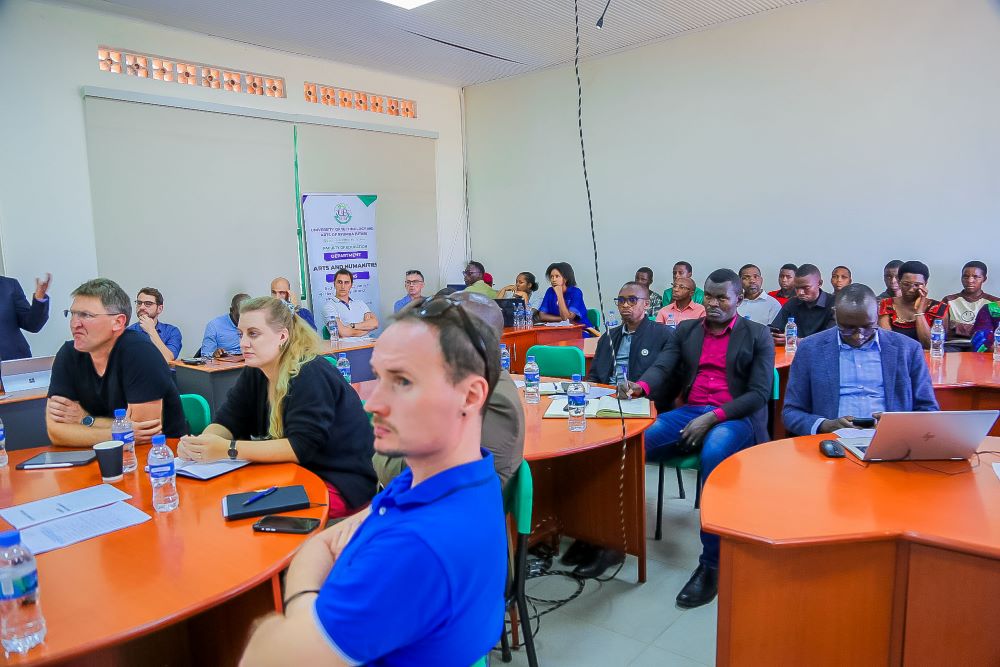
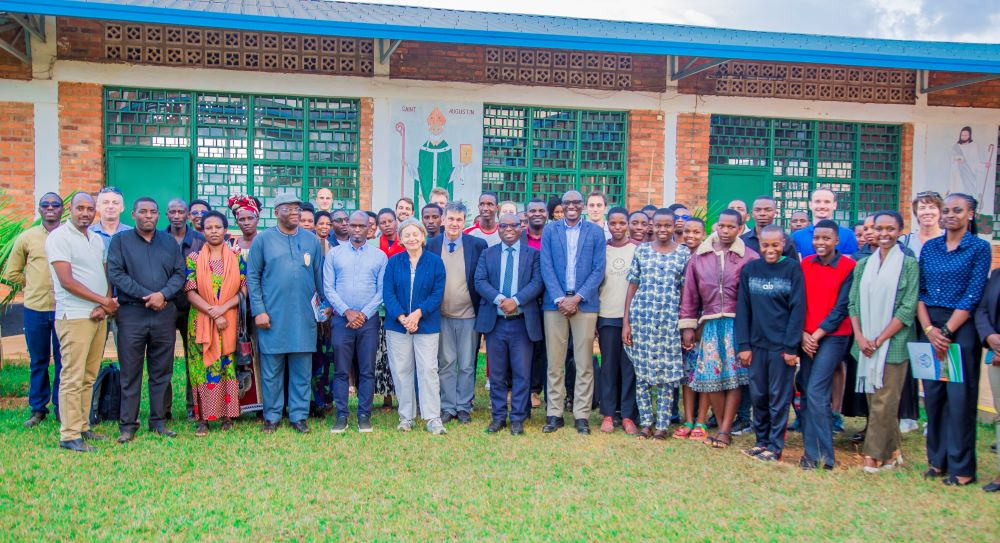
UTAB works to connect higher education with community needs and socio-economic development.UTAB Vice Chancellor Fr. Dr. Gilbert Munana, says universities should contribute to society beyond producing graduates.UTAB is expanding staff and student mobility opportunities through academic partnerships with institutions in countries including Ghana, China, Italy, Poland and Germany.UTAB continues to create opportunities for students to gain practical skills and experience.UTAB continues to use education, research and partnerships to contribute to sustainable socio-economic development.UTAB Vice Chancellor Fr. Dr. Gilbert Munana participated in the ICTA-EMOS 2026 conference in Eldoret, Kenya, where African universities discussed technological advancement and collaboration.UTAB places community engagement at the centre of its approach to higher education.Participants at the 2026 NEWW Summer School and Career Fair explored approaches to curriculum development in waste and water management.
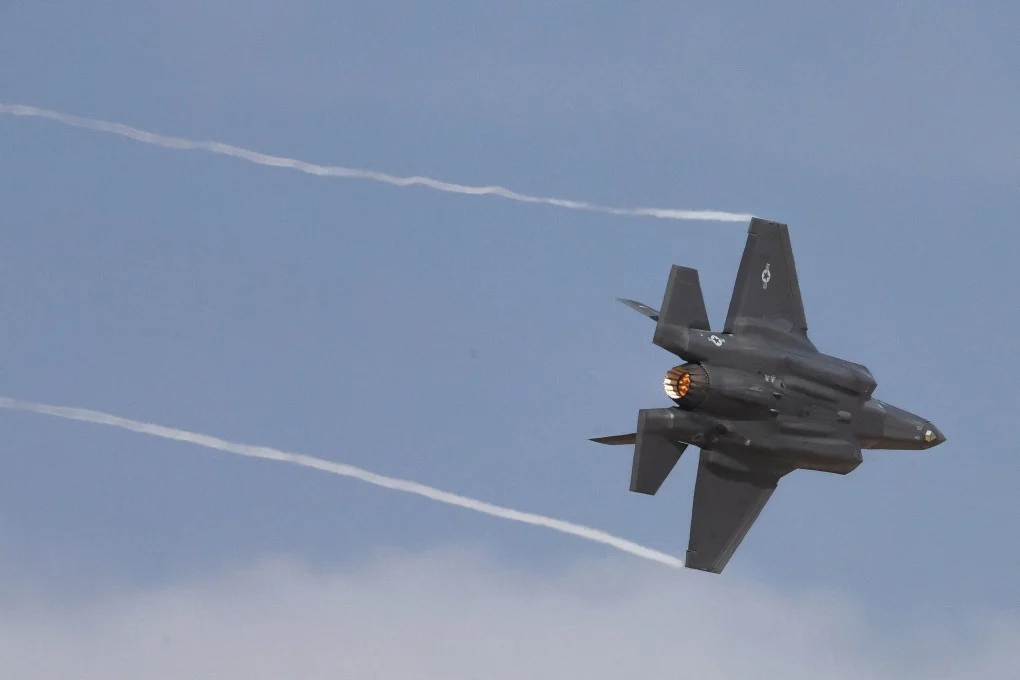
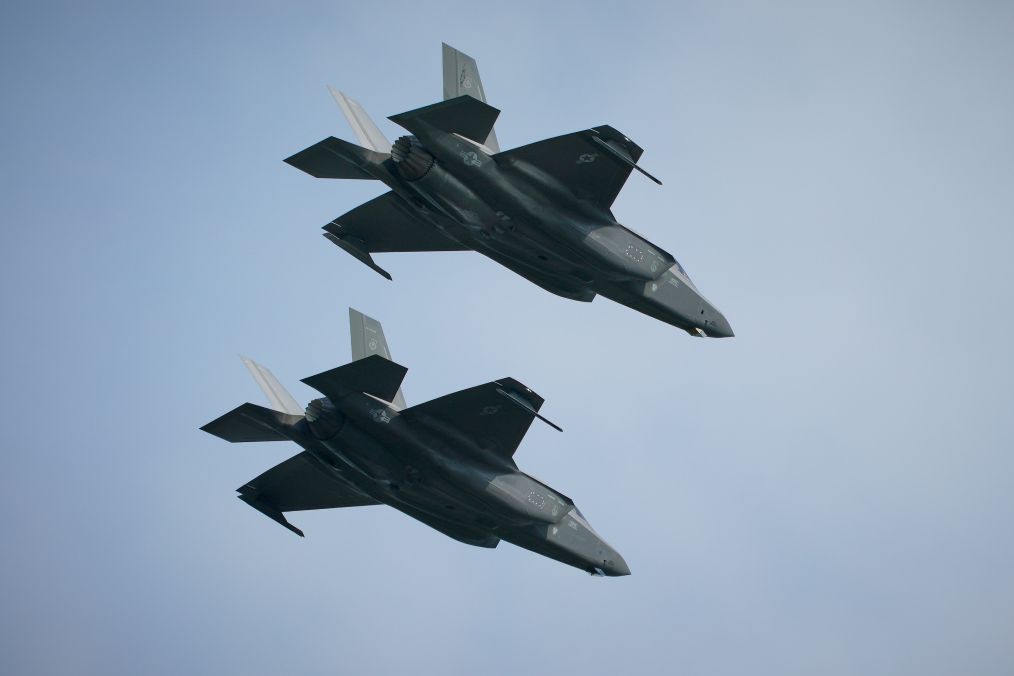
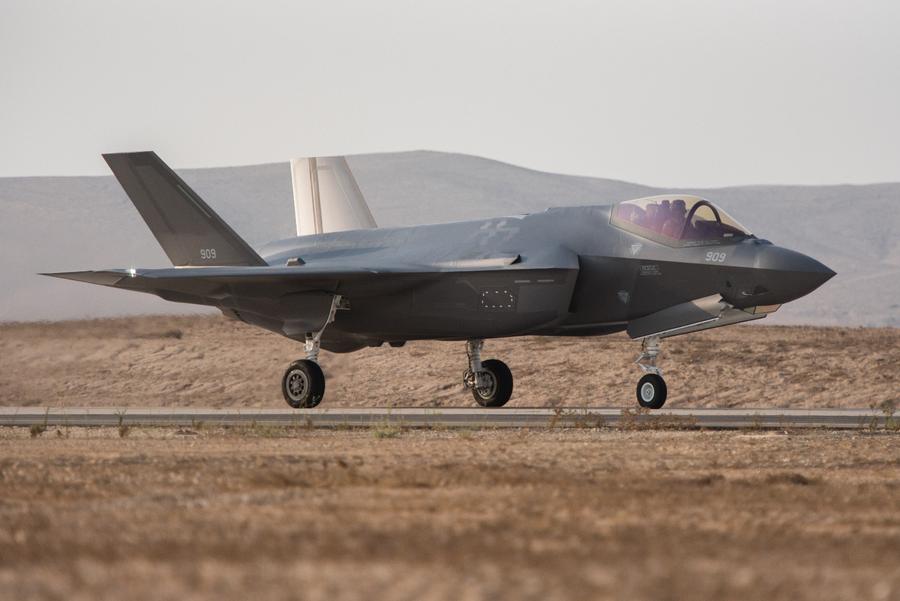
The U.S. State Department said Thursday that the government had approved a potential sale of 48 F-35 fighter jets, along with communications equipment and other support items, to Saudi Arabia.
Estimated at 24.3 billion U.S. dollars, the deal still needs congressional approval.
The F-35, built with stealth technology designed to evade enemy detection, is considered among the world’s most advanced fighter jets. Israel is reportedly the only country in the Middle East to currently operate the aircraft.
The proposed sale “will improve Saudi Arabia’s capability to deter current and future threats by strengthening its homeland defense, and improving interoperability with U.S. forces, and other regional and NATO forces,” the U.S. State Department said in a news release on Thursday, noting that it “will not alter the military balance in the region.”
Israel has opposed U.S. fighter jet sale to Saudi Arabia over military edge concerns: report
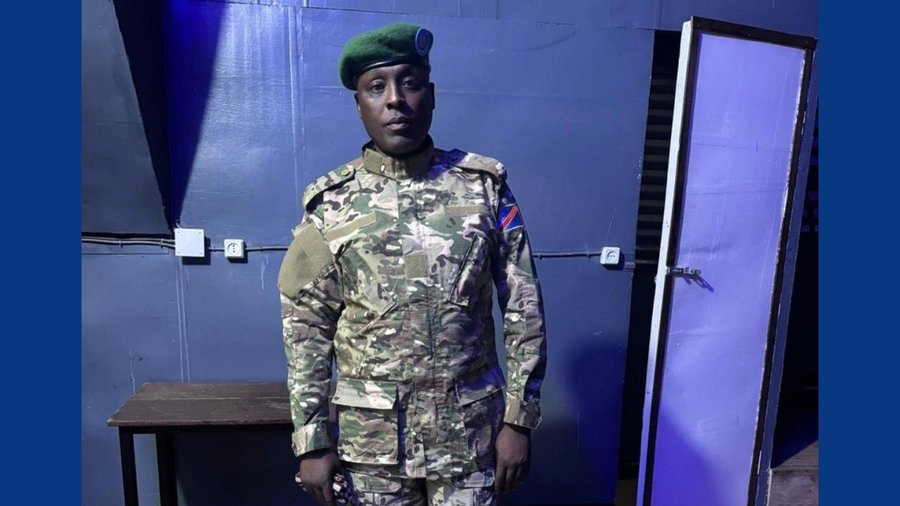
Col Fidèle Rugabo, an officer with Twirwaneho, said that at around 3 a.m. on September 18, 2026, forces of the DRC, Burundi, FDLR, P5 and Wazalendo attacked civilians in Mukoko and Nyaruhinga.
He explained that the enemy from the direction of Mukoko attacked civilians at 3 a.m. and the enemy was being hit hard. ” Col. Rugabo said.
Col Rugabo further claimed that at around 6 a.m., forces supporting the DRC government attacked the Gipimo area in the direction of Kabanju.
The reported attacks follow several days of offensives by forces aligned with the DRC government in areas controlled by Twirwaneho and AFC/M23, including Minembwe, Kalehe and Masisi.
Twirwaneho and AFC/M23 strongly condemned the attacks.
Col Rugabo said MRDP Twirwaneho repelled attacks by the coalition of DRC government forces.
The estimated total cost is 24.3 billion U.S. dollars, the department said in a statement.
Saudi Arabia has requested to buy 48 F-35 Lightning II Joint Strike Fighter aircraft with conventional takeoff and landing and 49 Pratt & Whitney F135-PW-100 engines, of which 48 are installed and the other is a spare, the statement said.
According to the statement, the proposed sale “will improve Saudi Arabia’s capability to deter current and future threats by strengthening its homeland defense, and improving interoperability with U.S. forces, and other regional and NATO forces,” but “will not alter the military balance in the region.”
Israel is reportedly the only country in the Middle East to currently operate F-35 fighter jets.
U.S. has approved sale of 48 F-35 stealth fighter jets to Saudi Arabia
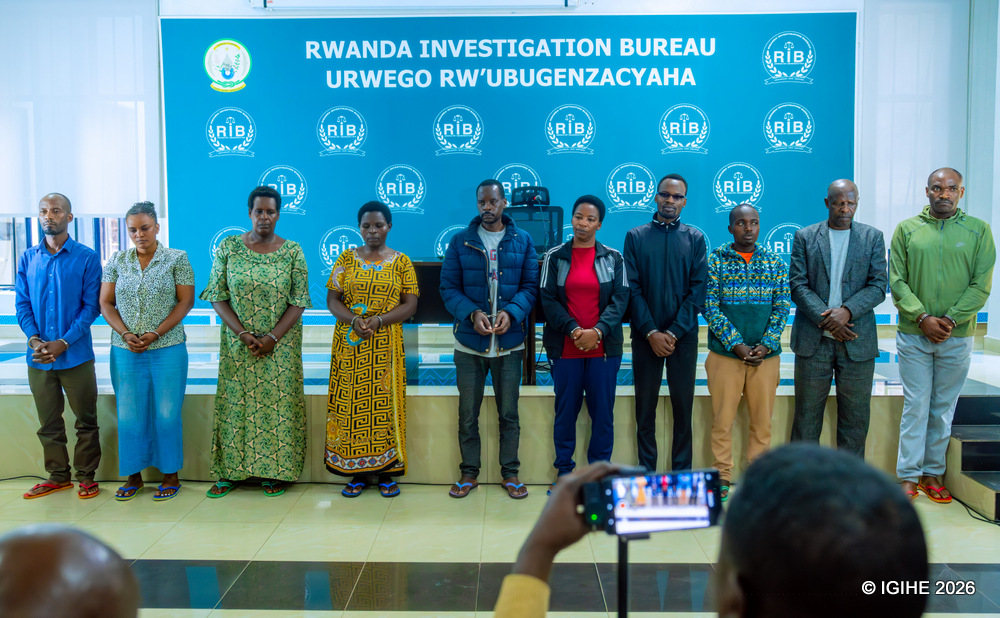
RIB spokesperson Dr. Murangira B. Thierry told IGIHE that the case files of the 46 suspects had been submitted to the Prosecution.
“After arresting the first 81 suspects, who are now facing legal proceedings, another 46 were arrested and their case files have been submitted to the Prosecution. Investigations are still ongoing in other districts,” he said.
The latest arrests include one suspect from Kirehe District, 11 from Kayonza, six from Rwamagana, 16 from Nyabihu, two from Musanze, three from Gicumbi, four from Nyamagabe and three from Huye.
The case files from Kirehe, Kayonza, Rwamagana, Nyabihu, Musanze, Nyamagabe and Huye were submitted to the Prosecution on September 14, 2026, while those from Gicumbi were submitted on September 15.
Preliminary investigations found that some Primary Six teachers posed as cooks to gain access to national examination venues.
In one case, a teacher entered the examination venue carrying cooking supplies and was allowed into the kitchen, where an examination paper was brought to him. He then completed it before the answers were reportedly used to help students cheat.
The suspects face charges of abuse of office for personal benefit, a corruption-related offence, and breach of professional confidentiality.
Under Article 15 of the law on combating corruption, a person convicted of abuse of office faces seven to 10 years in prison and a fine of Rwf5 million to Rwf10 million. A conviction for breach of professional confidentiality under Article 150 of the law determining offences and penalties carries one to two years in prison.
Dr. Murangira thanked members of the public for providing information that has helped authorities identify people suspected of involvement in examination malpractice.
The 46 latest arrests bring the total number of suspects to 127, up from the initial 81 arrests. File photo
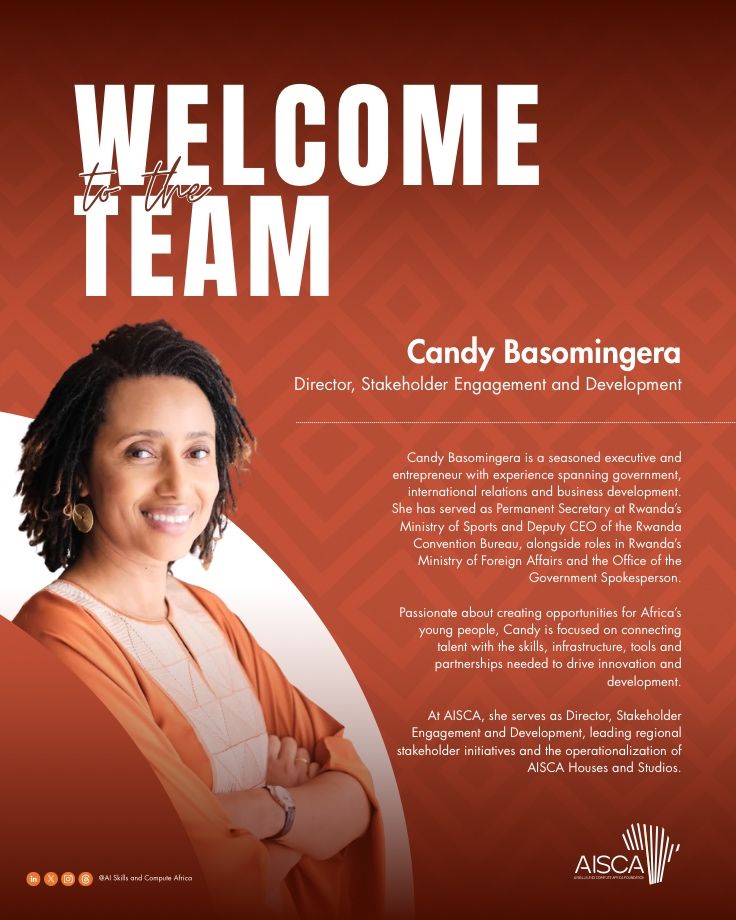
The Kigali-based foundation announced the appointment on Monday, September 14, alongside that of Scovia Achan, who joined as a machine learning engineer.
Basomingera will oversee regional stakeholder initiatives and help operationalise AISCA’s Houses and Studios, which are intended to connect African talent with computing resources, skills and opportunities to develop artificial intelligence solutions.
According to the foundation, she brings experience in government, international relations and business development. She served as Permanent Secretary at the Ministry of Sports from July 2025 to July 2026, after previously serving as Deputy Chief Executive Officer of the Rwanda Convention Bureau.
AISCA officially launched its headquarters in Kigali on May 14, 2026, with a focus on expanding access to AI skills and computing infrastructure across Africa.
The foundation’s Board of Trustees is chaired by former Agriculture Minister Dr. Agnes Kalibata.
AISCA says it aims to support 25,000 projects, 10,000 researchers and equip 1.5 million people with AI-related skills, while contributing to up to one million jobs by 2036.
Its partners include Cassava Technologies, the African Institute for Mathematical Sciences and DC Labs.
Candy Basomingera has been appointed Director of Stakeholder Engagement and Development at the AI Skills and Compute Africa Foundation (AISCA).
The Virgo Transport 8 was carrying 243 people when it lost contact early Sunday while travelling from Surabaya in East Java to Banjarmasin in South Kalimantan.
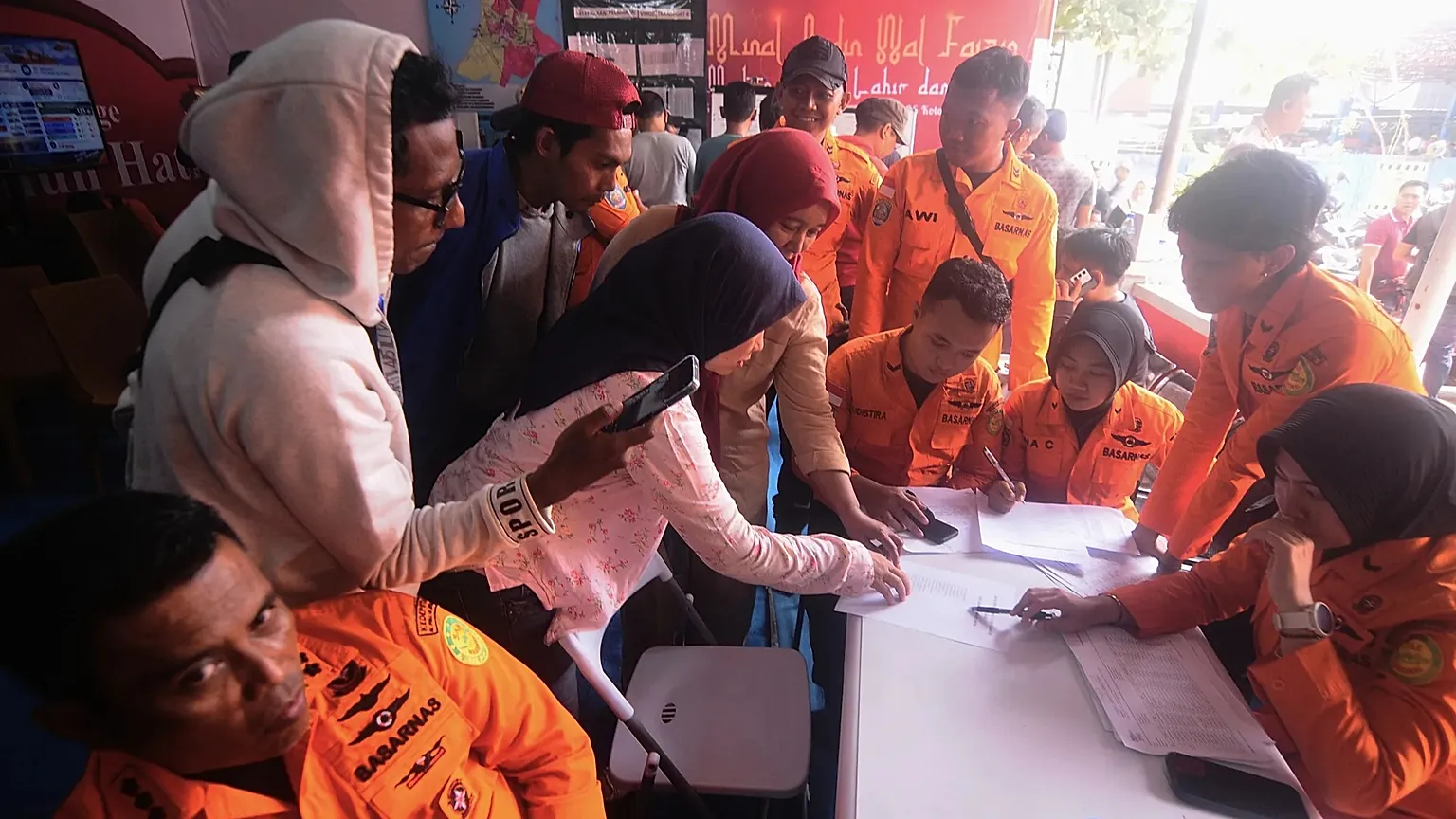
Authorities have rescued 108 people from the vessel, according to Indonesia’s National Search and Rescue Agency.
Rescue teams, including the coast guard and navy, have been working in difficult conditions as strong winds and high waves make it harder to reach the vessel and search for those still missing.
The rescue agency said it had deployed at least 622 personnel, 17 ships, five helicopters and aircraft as part of the operation.
However, turbulent seas have prevented specialist underwater rescue teams from beginning a full search around the partially submerged ship.
Mohammad Syafii, head of Indonesia’s national rescue agency, said the conditions remained challenging and that authorities were identifying additional personnel with specialist skills while waiting for the weather to improve.
The ship was reportedly struck by waves reaching about three metres during the incident.
Another rescue official said the vessel leaned heavily to one side after strong waves hit its starboard side.
The capsized ship is located about 80 nautical miles, or nearly 150 kilometres, from the rescue command centre at Trisakti Port in Banjarmasin.
Rough weather has also made it difficult for rescue vessels to dock near the stricken ship.
As of Monday afternoon, none of the 129 missing people had been found, according to officials quoted by Reuters.
The search was continuing despite the difficult conditions.
Transport Minister Dudy Purwagandhi said the vessel had a capacity of about 500 passengers, indicating that it was not overloaded.
The exact cause of the accident remains under investigation.
The incident has raised renewed concerns about maritime safety in Indonesia, an archipelago of more than 17,000 islands where ferries and passenger ships are an important and affordable means of transportation.
The Java Sea has previously been the scene of major maritime disasters. In 1981, the Tampomas II sank in the region, killing nearly 600 people according to some estimates.
For families waiting for news of their relatives, the search remains an anxious race against time as rescuers continue efforts to reach those who may still be alive.
Indonesian rescuers search for survivors after the Virgo Transport 8 passenger ship capsized in the Java Sea
The incident occurred shortly after 10 a.m. local time when a vehicle equipped with boarding stairs collided with an All Nippon Airways (ANA) passenger jet parked at the airport, public broadcaster NHK reported, citing the airport’s operating company and ANA.
The vehicle was attempting to pass behind the aircraft when it came into contact with the plane near its tail. Passengers had already boarded the aircraft, which was preparing to depart for New Chitose Airport in Hokkaido, but the flight was canceled due to the incident, and arrangements were made to transfer the passengers to another flight, the report said.
According to the airport’s operating company, no other flights were affected.
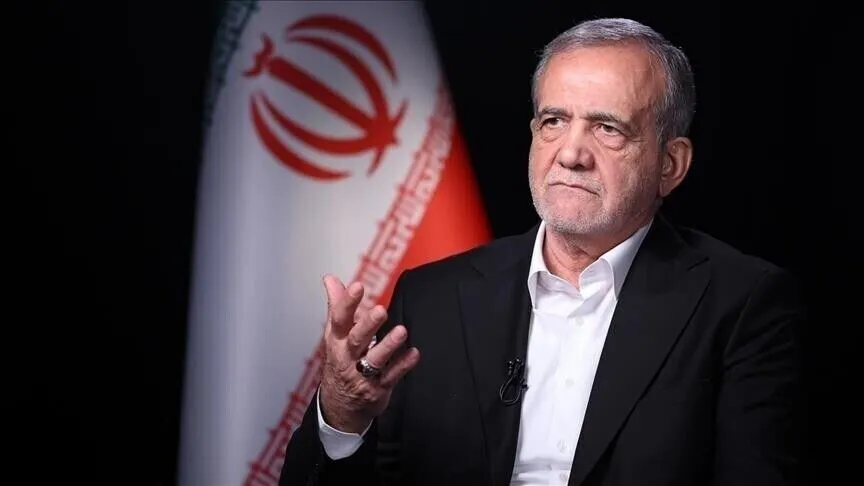
“Since the United States cannot force Iranians to surrender through bullying, it seeks to make them capitulate owing to livelihood problems and a lack of facilities. However, the Iranian people will not surrender,” Pezeshkian said at a meeting with Indian religious leaders, elites and businessmen in New Delhi, according to the official IRNA news agency.
He condemned the U.S. naval blockade and economic war against Iran, saying Washington does not want Iran to be an independent country, “but we will not bow to its bullying.”
Iran has been under a U.S.-imposed naval blockade for several months and has recently witnessed an unprecedented intensification of pressure on its economy by Washington.
Last month, U.S. President Donald Trump announced “the most crushing economic operation ever taken” against any country providing a lifeline to Iran, adding that “this will be economic warfare and isolation on an unprecedented scale.”
Iranian President Masoud Pezeshkian said on Friday that the Iranian people will not surrender to U.S. economic pressure.