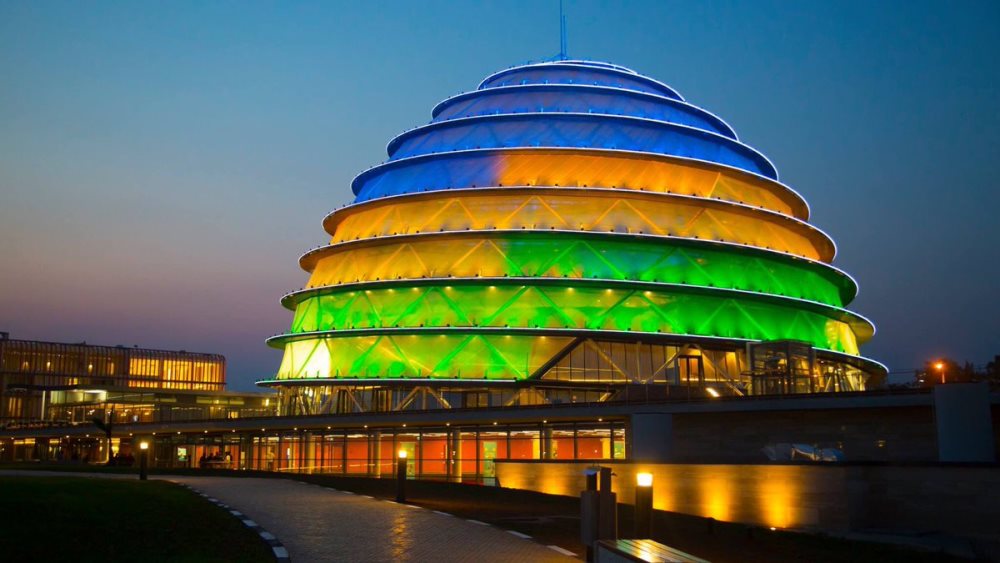
The announcement follows the successful ACCS 2026 held in Livingstone, Zambia, from 23–25 September 2026. Ethiopia is scheduled to host the 2027 edition, ahead of Rwanda in 2028.
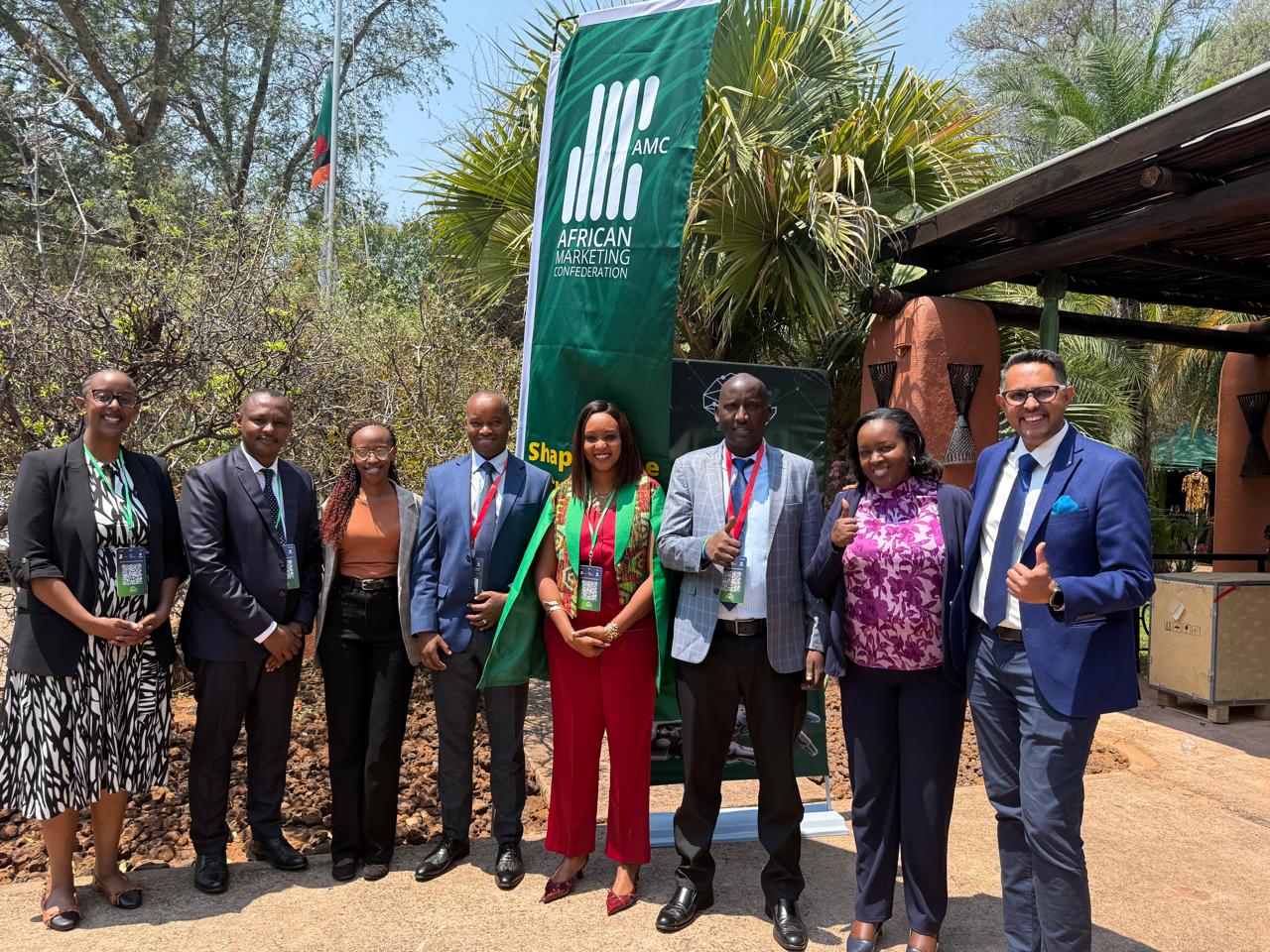
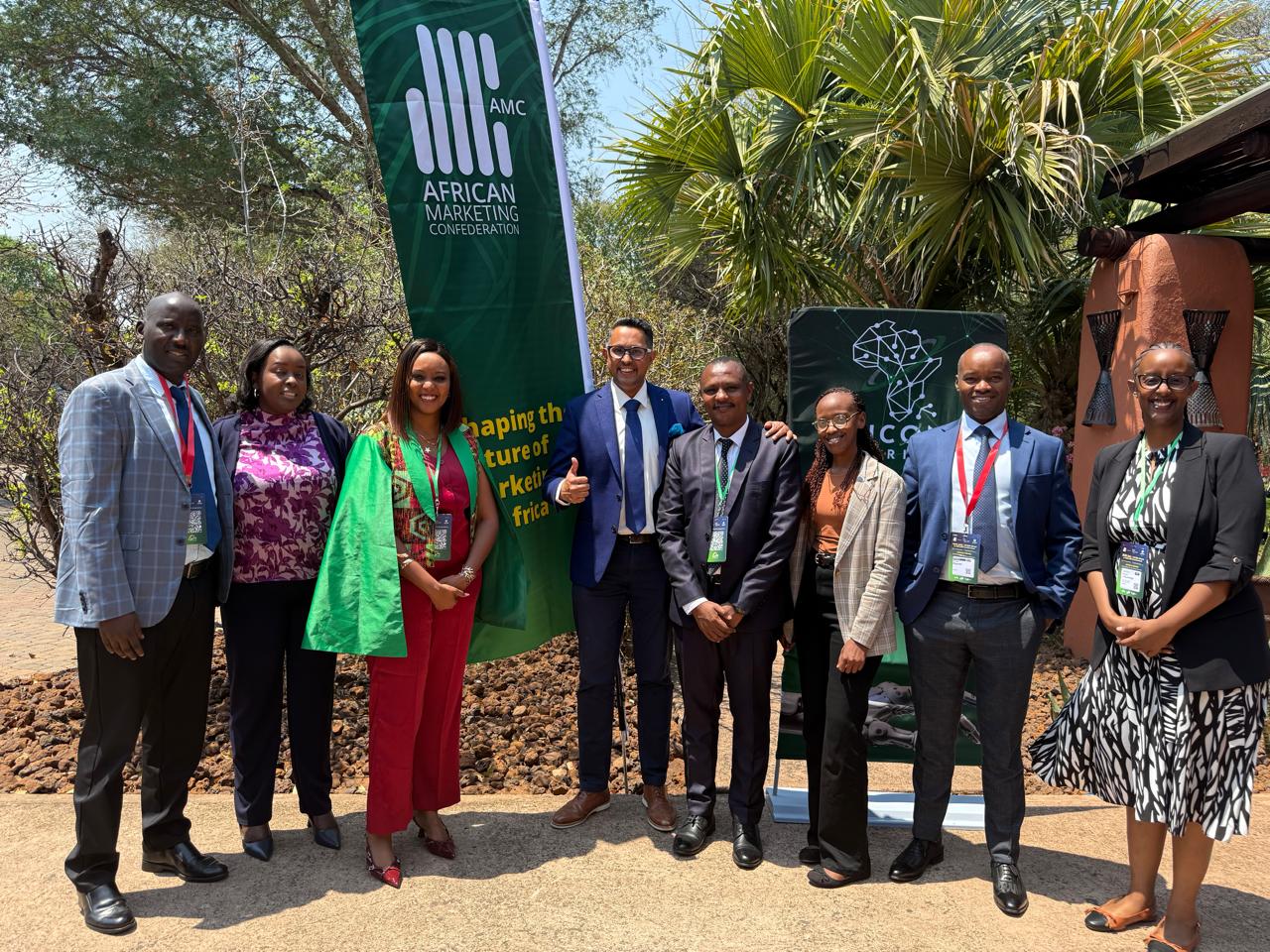
Rwanda was well represented at ACCS 2026 by the Marketing Society of Rwanda (MSR), Rwanda Convention Bureau, ICT Chamber, and representatives of the supply chain and procurement profession.
The delegation demonstrated Rwanda’s commitment to strengthening collaboration across marketing, ICT, supply chain and procurement in support of Africa’s commercial transformation.
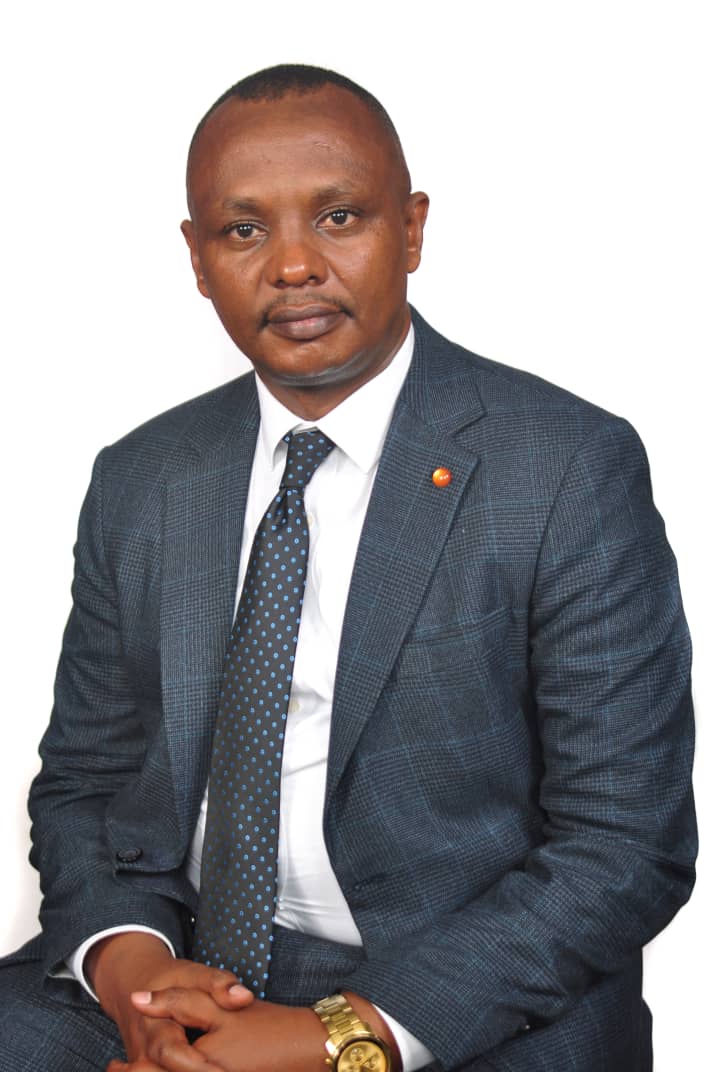
Commenting on the achievement, Mr. Moses Kazoora, President of the Marketing Society of Rwanda, said: “Securing the opportunity to host ACCS 2028 is a proud moment for Rwanda and its professional community. We commend the Government of Rwanda, through the Rwanda Convention Bureau, for leading this successful bid, and appreciate the collaboration of our partners across marketing, ICT, supply chain and procurement.
“Hosting ACCS 2028 presents an important opportunity to showcase Rwanda’s capabilities, strengthen professional networks, promote innovation and create meaningful partnerships across Africa. MSR looks forward to working with all stakeholders to deliver a successful summit that advances professional excellence and contributes to Rwanda’s business and economic development.”
ACCS 2028 is expected to bring together professionals and stakeholders from the marketing, communications, ICT, supply chain, creative industries and business sectors across Africa for knowledge exchange, networking, innovation and strategic partnerships.
MSR calls upon industry stakeholders, professional associations, private-sector organizations, government, institutions and development partners to support the preparations and successful delivery of ACCS 2028, ensuring a meaningful and impactful summit for Rwanda and the continent.
The Marketing Society of Rwanda is the national professional association dedicated to advancing marketing excellence, professional development, industry collaboration and the promotion of best practices in Rwanda’s marketing profession.
MSR works with government, private-sector institutions and regional and international partners to strengthen the marketing profession and contribute to Rwanda’s business and economic development.
Rwanda has been selected to host ACCS 2028 following a successful summit in Livingstone, Zambia.Moses Kazoora, President of the Marketing Society of Rwanda, has described the opportunity to host ACCS 2028 as a proud moment for Rwanda.The Rwanda delegation has brought together representatives from marketing, ICT, supply chain and procurement at ACCS 2026.
The two leaders conducted sincere and in-depth exchanges and reached common understanding on many issues, which has added new substance to the constructive China-U.S. relationship of strategic stability, and provided new strategic guidance for China-U.S. relations.
Putting vision into action
“I am ready to work with you to steer the giant ship of China-U.S. relationship on a steady course toward the future,” Xi said at the welcome ceremony at the White House.
Xi’s visit comes less than half a year after Trump’s state visit to China in May, when the two presidents agreed to build a constructive China-U.S. relationship of strategic stability.
Later at his White House meeting with Trump, Xi called for translating that vision into action and finding the right way for the two major countries to get along with each other.
The two sides need to work toward a relationship featuring cooperation as the mainstay, moderate competition, manageable differences, and promises of peace, Xi said.
Xi noted that China and the United States should, and fully can, achieve mutual benefit and win-win results through practical cooperation, help each other succeed through healthy competition, properly manage differences by seeking common ground while respecting differences, and build peace by fostering mutual trust, so that a constructive China-U.S. relationship of strategic stability can better benefit the two peoples and people around the world.
Trump, for his part, said he and Xi are good friends who have maintained in-depth and close communication, and expressed confidence that U.S.-China relations would be handled well under the leadership of the two heads of state.
The meticulous arrangements for Xi’s state visit, down to the details and with care and consideration, reflected the importance Trump attached to Xi’s trip.
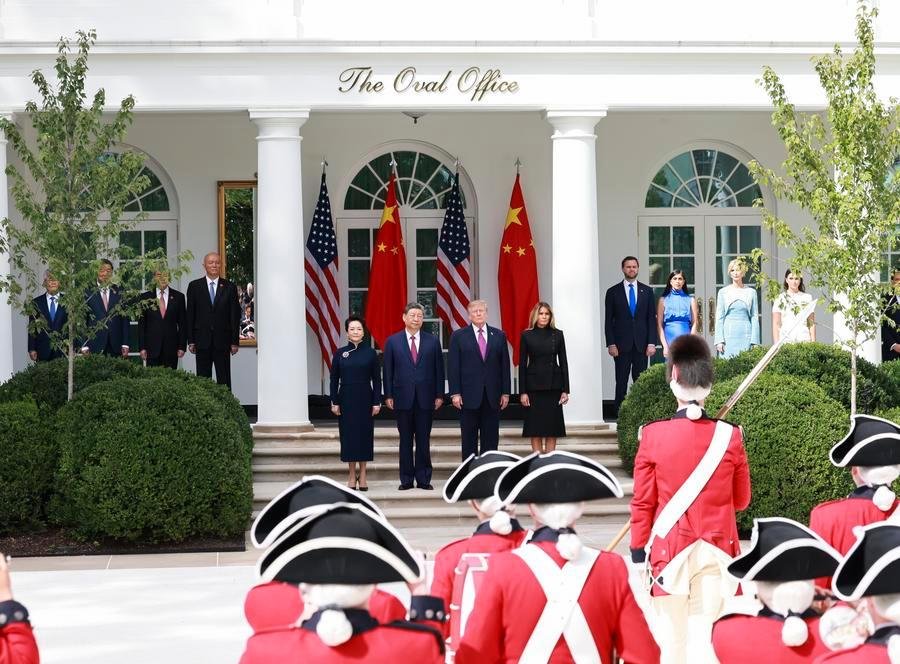
After receiving Xi in person at the airport one day earlier, Trump hosted the grand welcome ceremony at the White House.
Xi and his wife, Peng Liyuan, watched a performance by the United States Marines in the company of the U.S. presidential couple. The ceremony also featured a military review, with U.S. honor guards from different military services performing traditional drills and playing instrumental music. Multiple combat aircraft flew over the White House in honor of the Chinese and U.S. presidents and their wives.
Following the talks, the two presidential couples met again for the state dinner. Inside, red blossoms and red linens decorated the room, a choice a White House release said reflected the color’s longstanding cultural significance in China.
“In less than half a year, the Chinese and American presidents have exchanged state visits, making history in our bilateral engagement,” Xi said at the state dinner hosted by Trump.
The strongest signal to the world is that the leaders of the world’s two most consequential major countries, though overtly competitive, can meet in harmony and with good spirit, which is the headline achievement, commented U.S. scholar Robert Lawrence Kuhn.
Cooperation goes both ways
From Beijing in May to Washington in September, practical cooperation has remained high on the agenda of China-U.S. interactions.
At the ceremony, Xi called on the two countries to “cooperate with sincerity.”
Xi said the two sides share “deeply intertwined” interests and ample room for cooperation, noting that China-U.S. collaboration “may not solve every problem in the world,” but many would be hard to resolve without it.
During his talks with Trump, Xi said the latest round of trade and economic consultations between the two countries had produced a new joint arrangement, calling it good news for industries and people of both countries, as well as the global economy.
Noting that cooperation is a two-way street, Xi said as long as the two sides uphold the spirit of equality, mutual respect and mutual benefit, they can find a way out of problems.
The state dinner offered another glimpse of the breadth of economic ties between the two countries. Executives from major U.S. aviation, technology and financial firms were among the guests, including some who had accompanied Trump to Beijing in May, such as Nvidia CEO Jensen Huang and Tesla CEO Elon Musk.
Artificial intelligence (AI) was another area discussed by the two leaders.
While China and the United States compete in AI, they have even more reasons to cooperate, Xi said, urging the two major countries in AI to leverage respective strengths rather than guard against each other.
The two sides should keep AI under human control, uphold a human-centered approach and use AI for good, ensuring that it serves human progress, Xi added.
Trump also stressed the importance of maintaining dialogue on AI, calling it the technology that bears on the future of humanity.
Carrying on friendship
At the state dinner, both presidents looked back on the long history of exchanges between the Chinese and American peoples, underscoring the importance of people-to-people ties.
Xi recalled how the two peoples stood shoulder to shoulder in the fight against Japanese militarist aggression more than 80 years ago, and how Ping-Pong Diplomacy reopened the door to bilateral exchanges more than half a century ago.
He also recounted the story of American Ronald Sakolsky, who supported Chinese desert control worker Yin Yuzhen’s tree-planting efforts more than 20 years ago, calling it a shining example of friendly exchanges between the two peoples.
Such exchanges, Xi said, have promoted heart-to-heart communication between our peoples and strengthened public support for China-U.S. friendship and cooperation.
Trump, meanwhile, reviewed the long history of U.S.-China exchanges, pointing to early commercial ties and the exchange of “goods, knowledge, customs and ideas.”
“As the leaders of our two nations, President Xi and I both understand that we represent different systems, but the ties between our people endure, and we’ve never gotten along better,” Trump said.
New steps are now being taken to carry that friendship forward.
At the welcome ceremony, Xi announced that two pandas, Ping Ping and Fu Shuang, will soon arrive at Zoo Atlanta and meet the American people. He also invited 100,000 young Americans to visit China for exchange and study programs over the next five years.
“The hope of the China-U.S. relationship lies in our people, and its future lies with the young,” Xi said.
In 2023, during his visit to San Francisco, Xi announced a similar initiative inviting 50,000 young Americans to China over five years. That target has already been achieved.
“President Xi announced that he wants to double the number of students over the next five years. That’s very positive, very significant, because I believe that those kinds of exchanges and students going back and forth are very, very important,” said Kenneth Quinn, president emeritus of the World Food Prize Foundation.
U.S. President Donald Trump holds a welcome ceremony for Chinese President Xi Jinping, who is on a state visit to the United States, at the White House in Washington, D.C., the United States, Sept. 24, 2026. (Xinhua/Wang Ye)
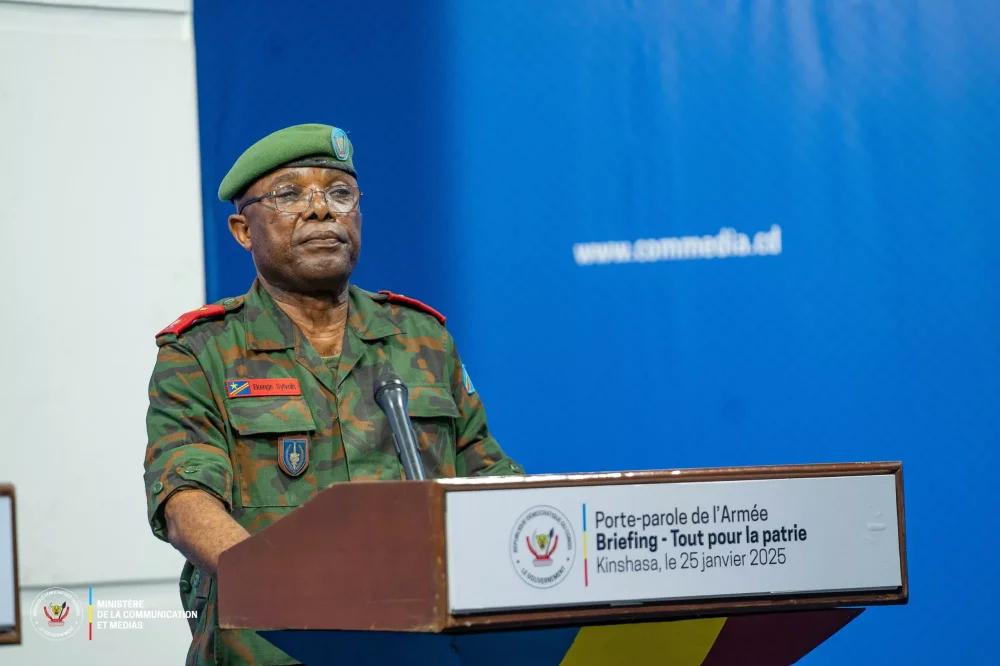
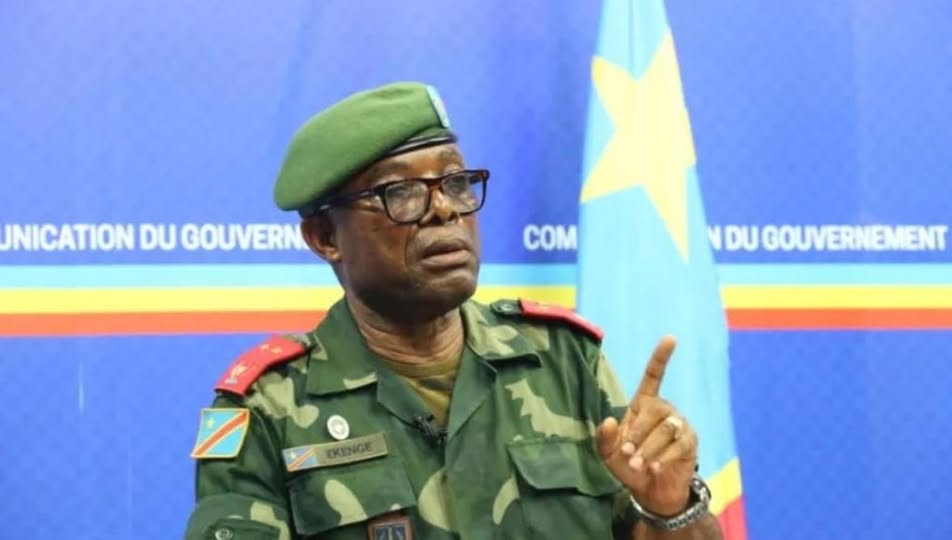
Ekenge resumed the role after being sidelined in late 2025 following comments he made on national broadcaster RTNC, in which he warned Congolese men against marrying Tutsi women.
At the time, Ekenge said: “Today, if you marry a Tutsi woman, you have to be very careful, you have to be very careful because… they can even give you someone from her family, such as a nephew or cousin, who comes to your home and is not actually a cousin or nephew, but someone who comes to have children with your wife in your home. [When children are born], they tell you that the children were born looking like Tutsis because Tutsis are a superior ethnic group.”
His return comes as the FARDC deals with the aftermath of a September 25, 2026 plane crash in Kenge, Kwango Province, which involved several soldiers. Ekenge signed the military’s statement confirming the crash.
The remarks that led to his suspension sparked criticism from Tutsi community representatives and the AFC/M23.
FARDC leadership subsequently distanced itself from Ekenge’s comments, saying they did not represent the position of either the military or the government, and announced his temporary suspension.
David Karambi Fati, president of a Tutsi community organisation in North Kivu, said the suspension was insufficient and called for Ekenge to face legal proceedings.
AFC/M23 also condemned the remarks, saying that portraying Tutsi women as symbols of the enemy could contribute to hostility against the community.
Rwanda’s Foreign Affairs Minister Amb. Olivier Nduhungirehe likewise condemned the comments, linking them to what he described as genocide ideology, cooperation with the FDLR and attacks against Congolese Tutsis and Banyamulenge.
During Ekenge’s suspension, Lt Col Mak Hazukay Mongba served as acting FARDC spokesperson from January 8, 2026. Hazukay had previously been the military’s deputy spokesperson.
Gen Maj Sylvain Ekenge confirmed the plane crash involving soldiers.
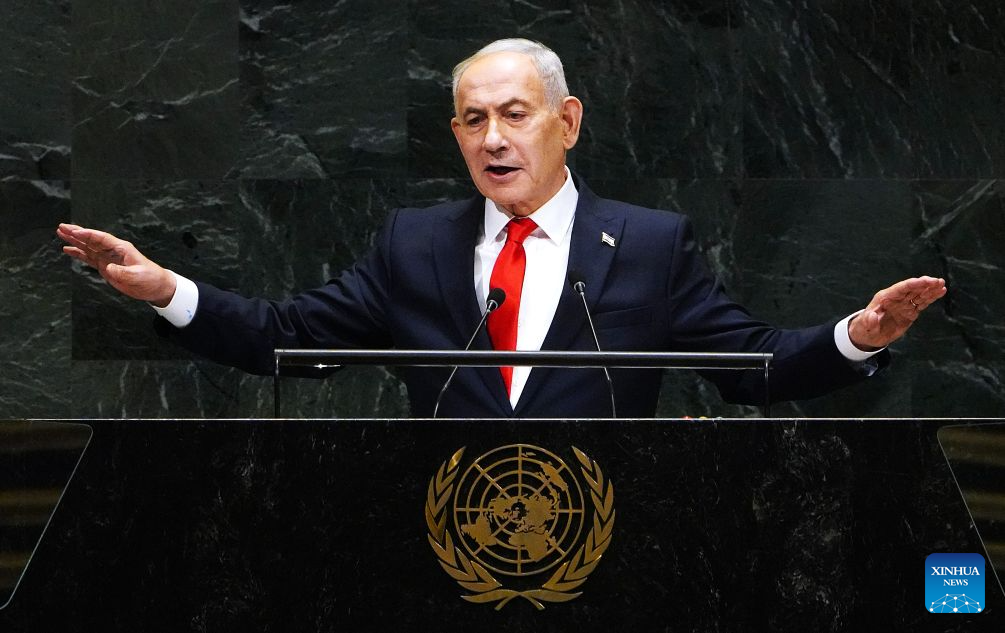
Netanyahu used his speech to defend Israel’s military actions in Gaza and elsewhere in the region, amid growing international criticism and diplomatic isolation.
Rejecting allegations of genocide in Gaza, the Israeli prime minister claimed that Israel “didn’t commit genocide. Israel prevented genocide.”
He accused several countries, including Western European nations, of “succumbing to the antisemitic mobs” and refusing to stand with Israel.
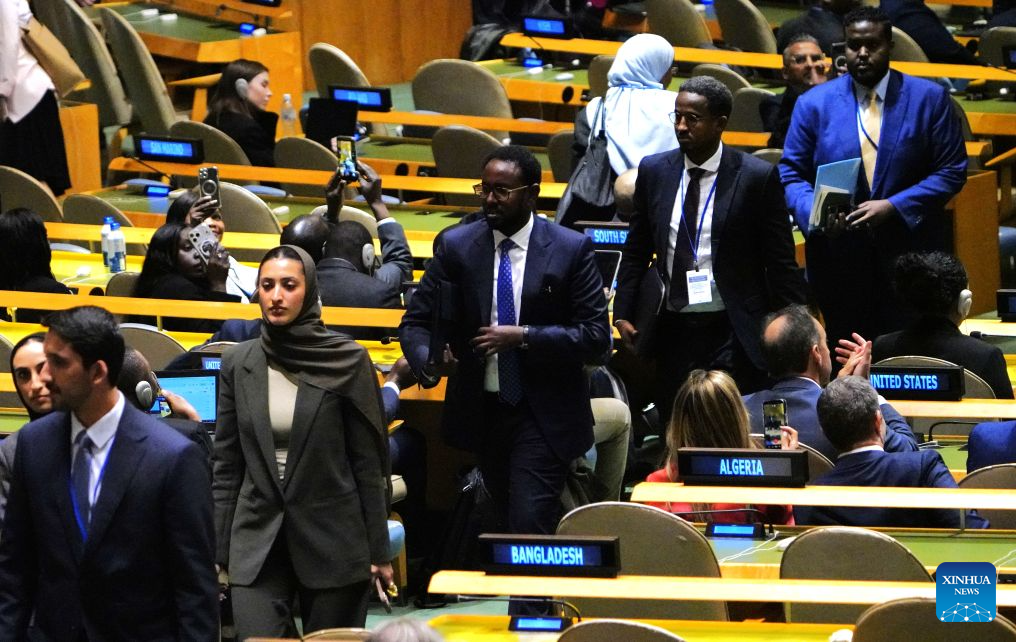
As Netanyahu began speaking, dozens of delegates walked out, leaving a large number of empty seats in the hall.
Accusing his critics of spreading what he called lies about Israel, Netanyahu called the delegates who walked out “moral cowards.”
Earlier in the day, Palestinian President Mahmoud Abbas told the assembly that the existence of the Palestinian people is under threat and the two-state solution has been undermined severely.
Addressing world leaders via pre-recorded video, he said Palestinians in Gaza were being subjected to killing, destruction, starvation, attempted forced displacement and “a war of genocide,” while in the West Bank settlement expansion was accelerating.
“The danger is no longer limited to undermining the two-state solution and preventing the realization of the Palestinian state, it threatens the very existence of the Palestinian people,” Abbas said.
“Israeli extremism is expanding its colonial project to create the so-called Greater Israel,” he warned.
Abbas called for greater international efforts to preserve the two-state solution, noting that “neither military occupation nor settler terrorism will pave the way to that solution.”
He criticized the U.S. decision to deny visas to the Palestinian delegation for a second consecutive year, and called on Washington to lift the sanctions and restrictions against Palestine.
Abbas thanked countries that had banned products from Israeli settlements and urged Washington to honor its commitment to prevent the annexation of Palestinian territory.
“We will not leave our homeland, we will not accept displacement, we will not allow anyone to decide our future on our behalf,” he said.
Outside the UN headquarters, hundreds of demonstrators gathered to protest Netanyahu’s appearance and express support for the Palestinian people.
Delegates walk out in protest as Israeli Prime Minister Benjamin Netanyahu addresses the general debate of the 81st session of the United Nations General Assembly (UNGA) at the UN headquarters in New York, Sept. 24, 2026. Israeli Prime Minister Benjamin Netanyahu speaks during the General Debate of the 81st session of the United Nations General Assembly (UNGA) at the UN headquarters in New York, Sept. 24, 2026. (Xinhua/Wu Xiaoling)
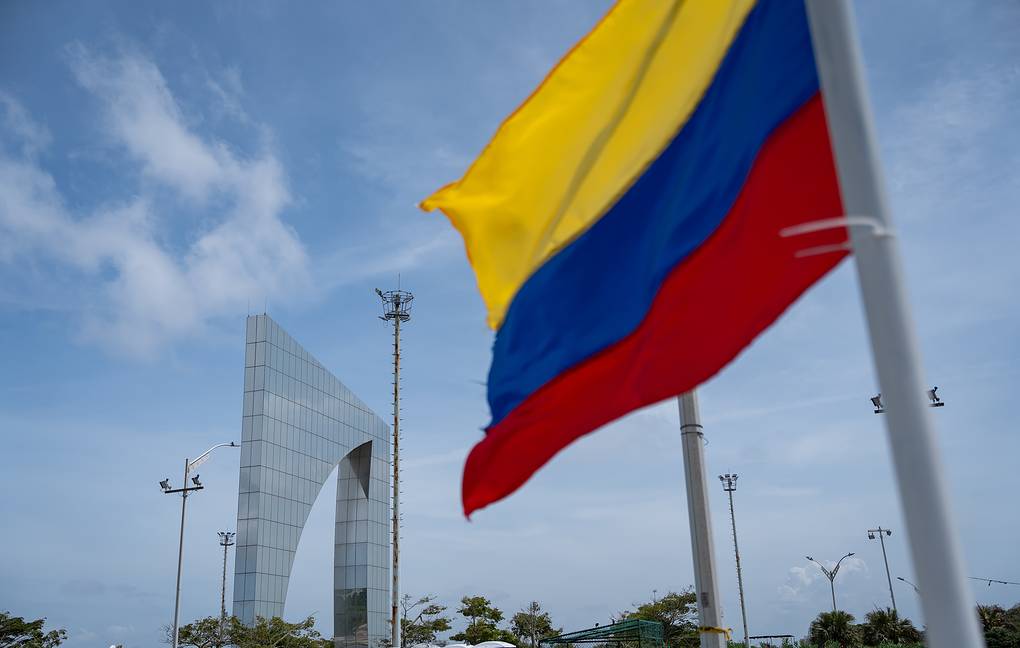
The decision was based on Colombia’s foreign policy principles concerning national and hemispheric security and the fight against transnational crime, taking into account alleged links between the Iranian government and international terrorist groups and other “narco-terrorist” organizations that Colombia considers a security threat, the ministry said.
“These events have eroded Colombia’s confidence in the government of the Islamic Republic of Iran,” the ministry said in a statement.
The statement stressed that the severing of diplomatic relations does not constitute a break in consular relations, in accordance with the Vienna conventions on diplomatic and consular relations.
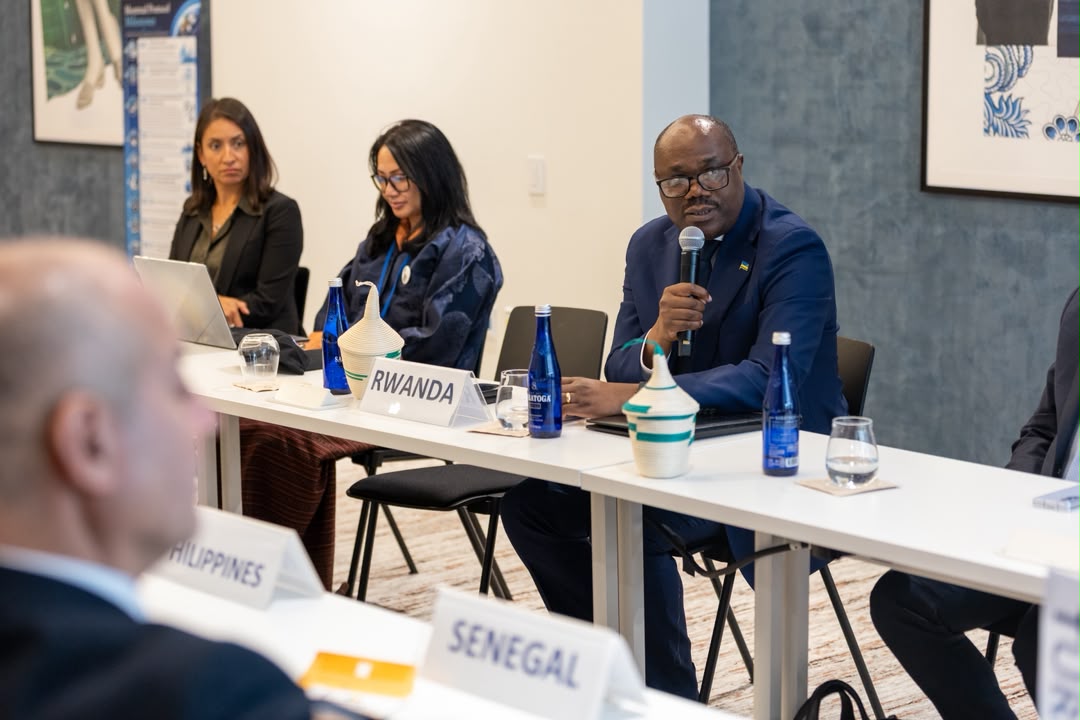
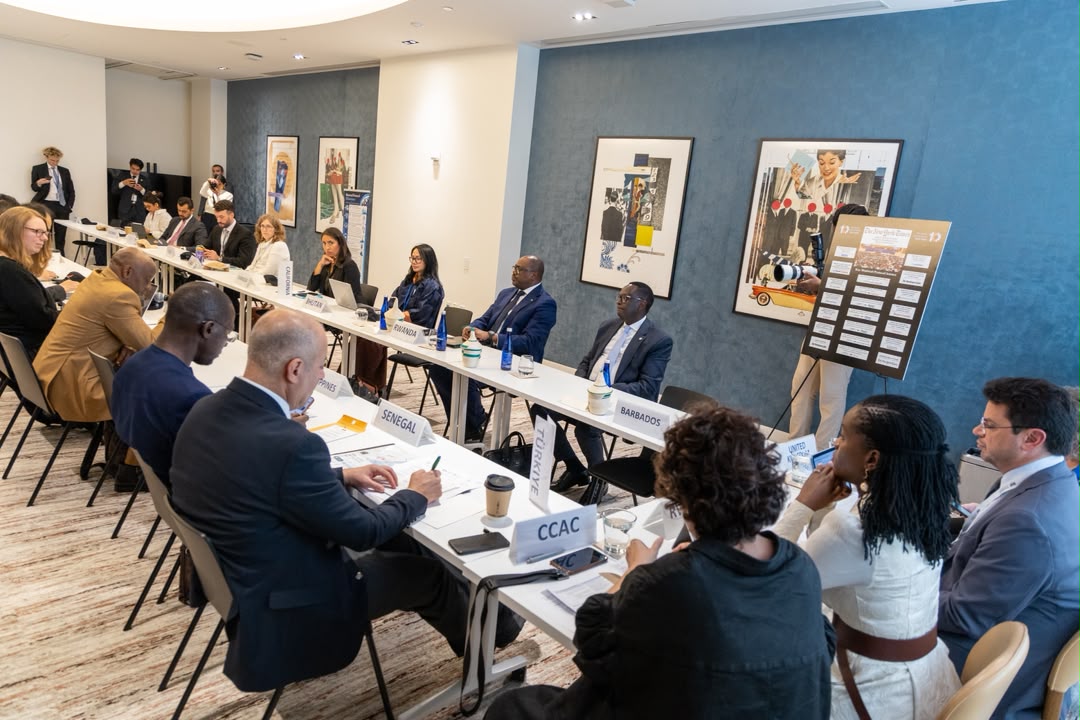
Dr. Nsengiyumva made the remarks on September 23, 2026, in New York, where he delivered closing remarks at an event marking the 10th anniversary of the Kigali Amendment and the renewal of the Friends of the Kigali Amendment.
“The Kigali Amendment has shown us what is possible when countries come together around a shared environmental challenge and turn ambition into collective action,” he said, while stressing that “adoption was only the beginning.”
He said the real test now is how quickly countries can translate their commitments into improvements in people’s daily lives.
The Prime Minister linked sustainable cooling to practical development needs, citing healthcare, agriculture and energy costs as areas where progress can have a direct impact.
He said reliable and sustainable cooling can determine whether hospitals are able to safely refrigerate vaccines and medicines, while cold-chain infrastructure can help farmers preserve their produce, reach markets on time and reduce losses.
“This is why sustainable cooling cannot be treated only as a climate priority. It is a development priority,” Dr. Nsengiyumva said.
The Kigali Amendment, adopted in Kigali in 2016, expanded the Montreal Protocol’s scope by requiring countries to gradually reduce the production and consumption of hydrofluorocarbons (HFCs), potent greenhouse gases widely used in refrigeration and air conditioning.
Ten years after its adoption, the Amendment has gained broad international participation. As of August 10, 2026, 174 countries had ratified it, according to the Ozone Secretariat.
The Ozone Secretariat says the Amendment has helped drive the transition towards more energy-efficient and sustainable cooling technologies. Its 2026 anniversary campaign describes the past decade as a period in which the agreement has linked climate action with development, industrial capacity and innovation.
Officially reported data also show that global HFC production and consumption peaked in 2023 before beginning to decline. By 2024, consumption was reported to be 30 percent below the collective baseline established under the Kigali Amendment.
Dr. Nsengiyumva said Rwanda is seeking to contribute to this transition through the African Centre of Excellence for Sustainable Cooling and Cold-chain, which brings together technology, skills, research and investment to address challenges in food systems and healthcare.
He said Rwanda’s experience should serve as a “proof of concept” that can eventually be scaled beyond the country.
The Prime Minister identified four priorities for the renewed Friends of the Kigali Amendment: bringing every country into the agreement, accelerating implementation, mobilising partnerships and resources, and ensuring industry contributes to making efficient, climate-friendly cooling technologies available at scale.
He also called for greater involvement from philanthropy, civil society, the private sector, financial institutions and organisations such as the Climate and Clean Air Coalition.
His remarks come ahead of the 38th Meeting of the Parties to the Montreal Protocol, which Rwanda will host in Kigali from November 2 to 6, 2026.
The meeting will take place in the same city where the Kigali Amendment was adopted a decade ago, giving Rwanda an opportunity to host countries as they assess progress and consider the next phase of implementation.
Dr. Nsengiyumva said Rwanda looks forward to welcoming participants back to Kigali, urging countries and partners to move “from commitment to implementation, from implementation to impact, and from ambition to results.”
The event was held in New York on September 23, 2026, bringing together government representatives and partners to mark the 10th anniversary of the Kigali Amendment and renew the Friends of the Kigali Amendment.Prime Minister Dr. Justin Nsengiyumva has urged countries to accelerate the implementation of the Kigali Amendment and ensure efficient, climate-friendly cooling technologies are available at scale.
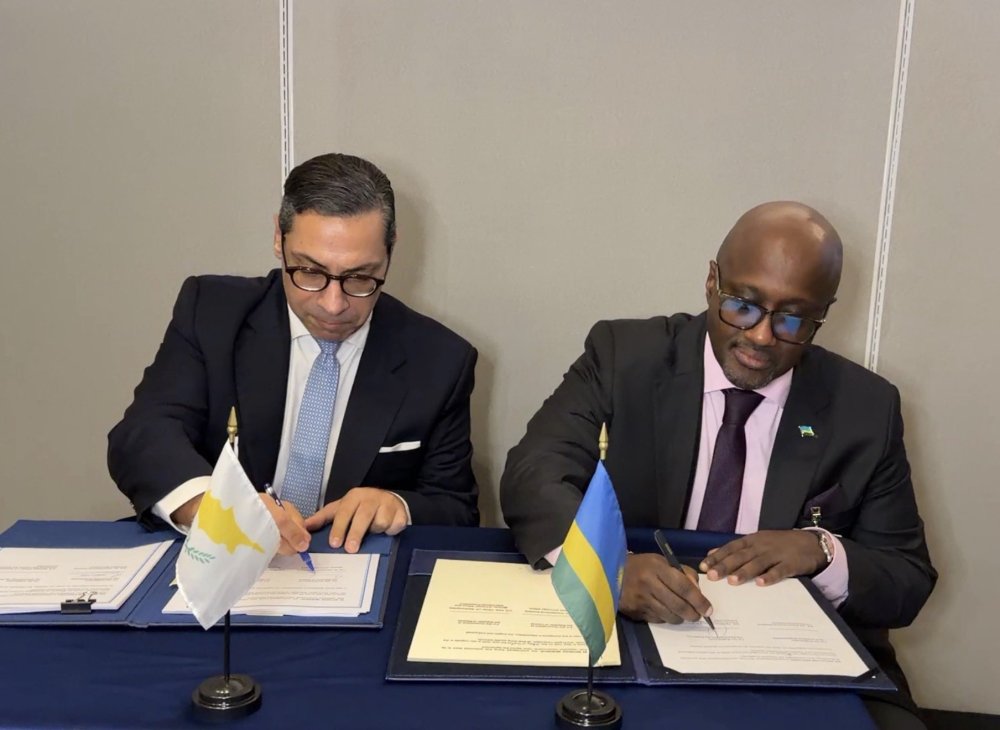
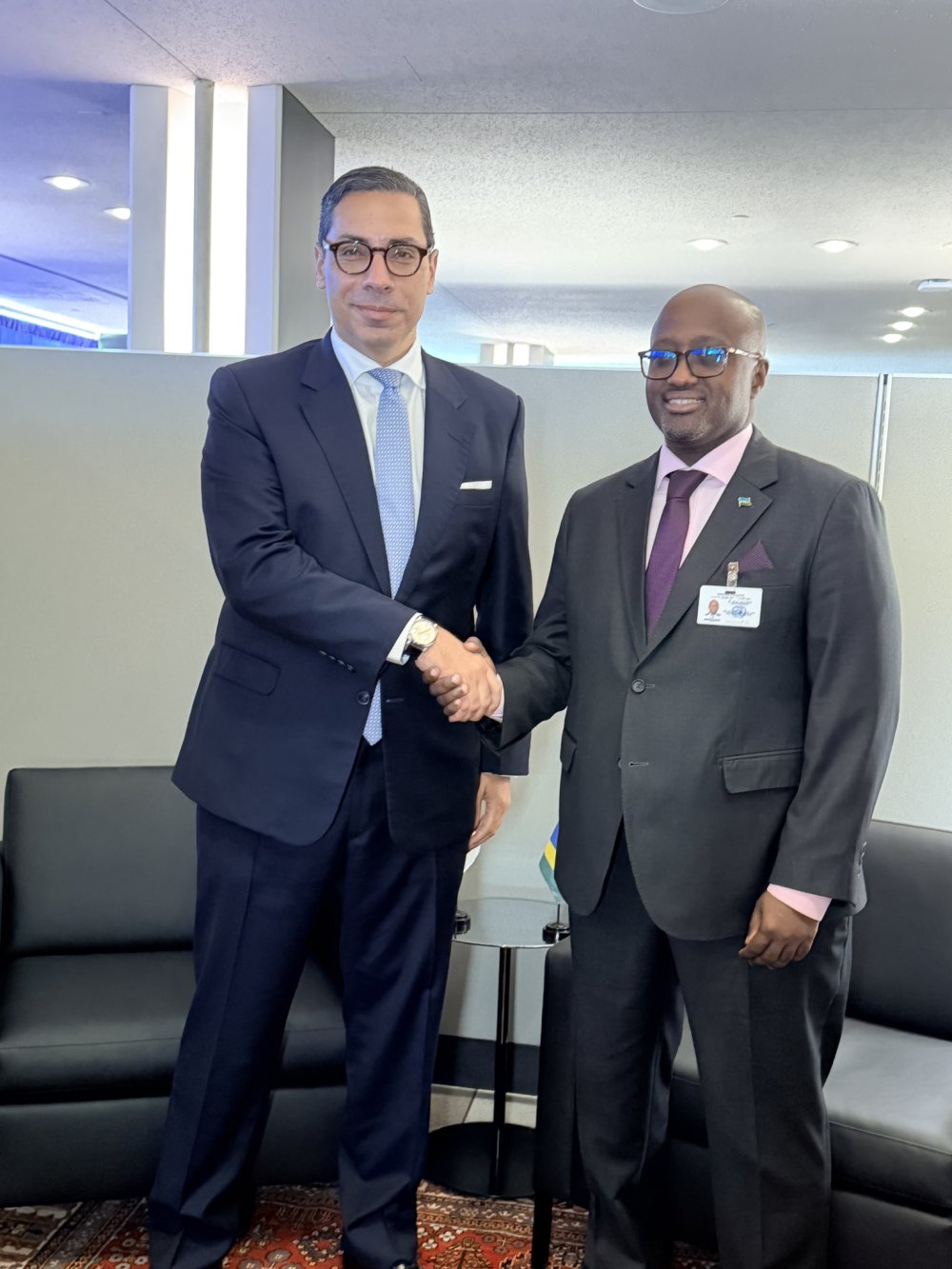
The agreement was signed on September 22, 2026, during talks between Rwanda’s Minister of Foreign Affairs, Amb. Olivier Nduhungirehe, and his Cypriot counterpart, Dr. Constantinos Kombos.
Kombos said his discussions with Nduhungirehe focused on ways to further strengthen relations between Rwanda and Cyprus across various areas of mutual interest, as well as regional issues.
In a post on X, Nduhungirehe thanked his Cypriot counterpart for “good discussion, which opened new opportunities for the bilateral relations and cooperation between Cyprus and Rwanda.”
The signing of the agreement marks another step in the development of relations between Rwanda and Cyprus.
Cyprus is an island country in the eastern Mediterranean Sea, with Nicosia as its capital. It is located south of Türkiye, with the rest of its borders surrounded by the Mediterranean Sea.
Rwanda, represented by Foreign Minister Olivier Nduhungirehe, and Cyprus, represented by Foreign Minister Constantinos Kombos, signed an Air Services Agreement on September 22, 2026.Rwanda and Cyprus have signed an Air Services Agreement to strengthen cooperation in aviation and deepen bilateral relations.
The decision was delivered on September 22, 2026, a day after the prosecution and Shema’s defence agreed to a settlement under which he admitted to two charges.
The charges are issuing a dishonoured cheque, provided for under Article 126 of Law No. 060/2021 of October 14, 2021, governing negotiable instruments, and obtaining another person’s property through fraud, provided for under Article 174 of Law No. 68/2018 of August 30, 2018, on offences and penalties in general.
The offences stemmed from Shema issuing two cheques worth a combined $600,000 to settle obligations under a contract between his company, Africa Media Supplier, and ABZL International General Trading LLC, a company based in the United Arab Emirates.
In the plea agreement submitted to the court, the prosecution told the court that Shema had already paid the money and requested that he be sentenced to six months in prison, suspended for one year, and fined Rwf3 million.
In its ruling on Tuesday, the court approved the agreement and sentenced Shema to six months in prison, suspended for one year, and a Rwf3 million fine.
The court ordered that the terms of the agreement take effect immediately following the reading of the decision, resulting in his release.
The ruling came as Shema’s defence had previously appealed to the Nyarugenge Intermediate Court against a decision concerning his 30-day pre-trial detention.
One of Shema’s lawyers told IGIHE that following his release, they would withdraw the appeal they had filed.
Nyarugenge Primary Court has ordered the release of Fabrice Shema
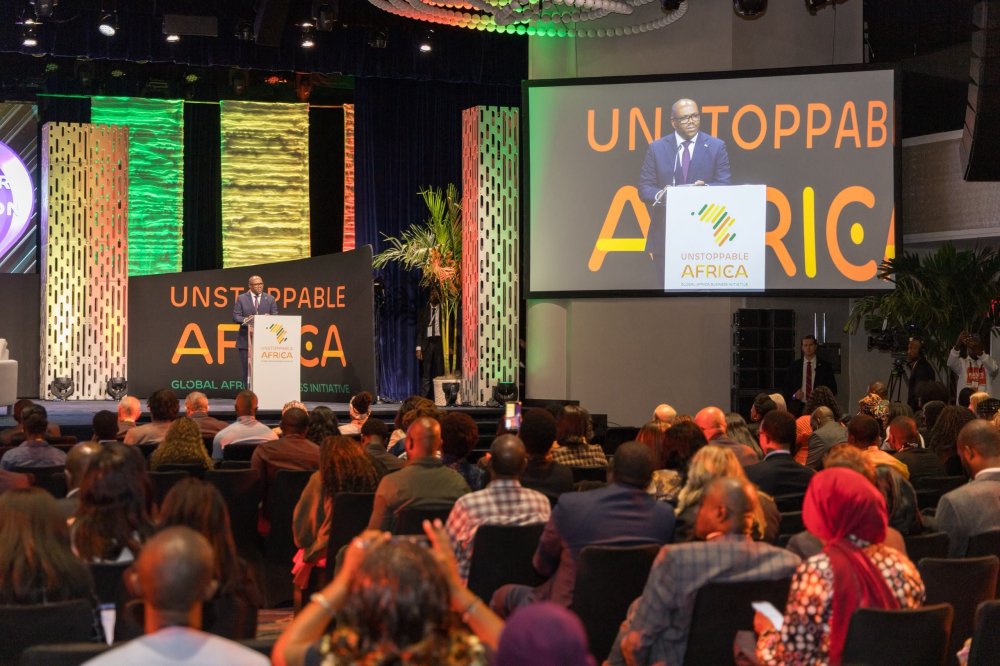
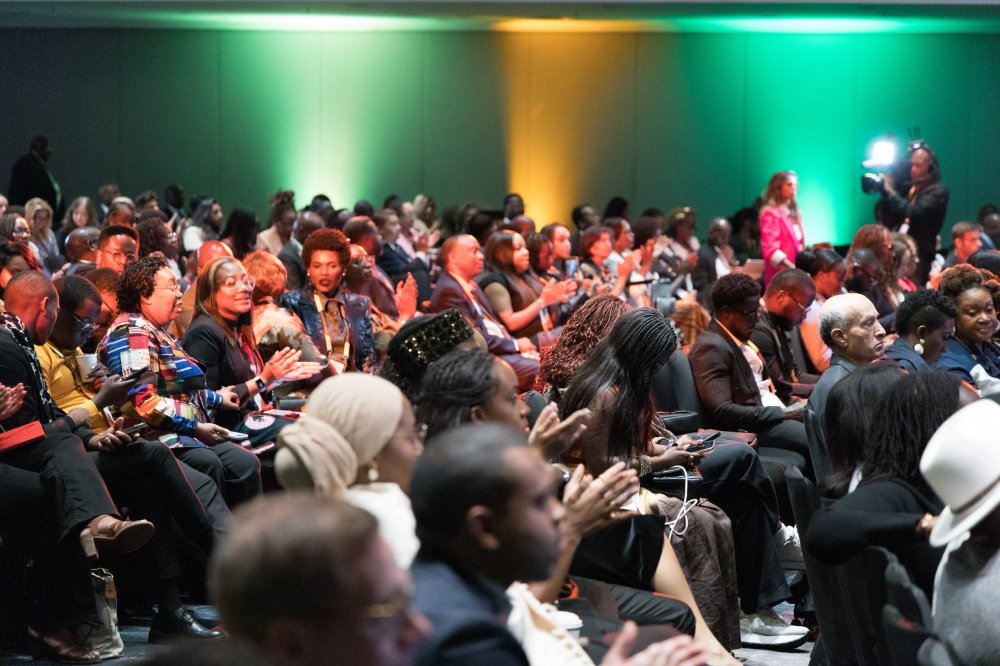
Dr. Nsengiyumva made the remarks on September 21 while addressing the Global Africa Business Initiative’s high-level event, Unstoppable Africa 2026, in New York, as leaders and business executives gathered alongside the opening of the 81st session of the United Nations General Assembly.
“Artificial intelligence is often described as Africa’s great opportunity. That is true. But in most of our countries, it is being used at a small fraction of its potential,” he said.
He said Africa should focus on building, adapting and deploying AI at scale while ensuring that the value generated by the technology remains on the continent.
Dr. Nsengiyumva highlighted Rwanda’s investments in digital infrastructure, including a national fibre-optic backbone, broad 4G coverage and ongoing 5G pilots. He said the country has also digitised more than 250 government services and established a national digital payment platform.
Rwanda adopted a National AI Policy in 2023 and has a data protection law supported by a dedicated Data Protection Office. Nsengiyumva also noted that Rwanda’s Cabinet approved the establishment of a National AI Agency in June to drive strategy, research, development and adoption of AI.
He said Rwanda’s approach is based on connectivity, digital services and trusted rules, while identifying affordable computing capacity and energy as major constraints.
On AI sovereignty, Nsengiyumva said it should not mean self-sufficiency, noting that Rwanda welcomes global companies and partnerships. Instead, he said, attention should be given to where decisions are made and where value is recorded.
He also stressed the importance of developing African talent, saying Rwanda is investing in AI engineers through institutions including Carnegie Mellon University Africa and the African Institute for Mathematical Sciences.
“We are not asking to be included in someone else’s AI economy. We are building our own, safely, equitably, and responsive to our own needs and opportunities,” he said.
Dr. Nsengiyumva is in New York representing President Paul Kagame during UNGA 81, where he is scheduled to deliver Rwanda’s national statement on September 23. The General Debate runs from September 22 to 28.
Premier Nsengiyumva has highlighted Rwanda’s push for African AI sovereignty
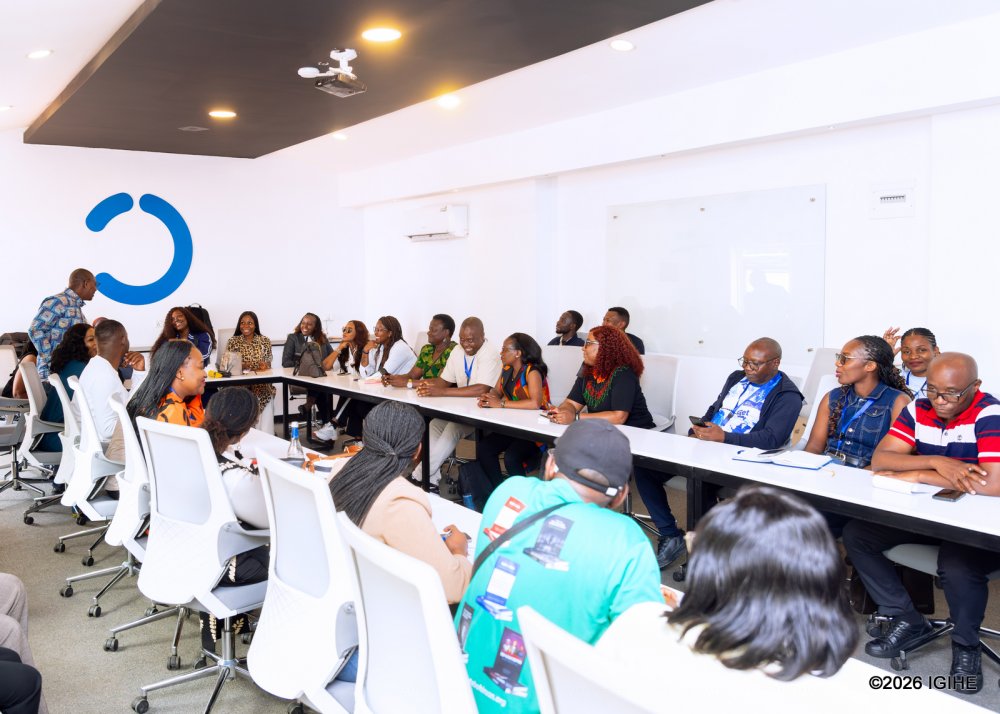
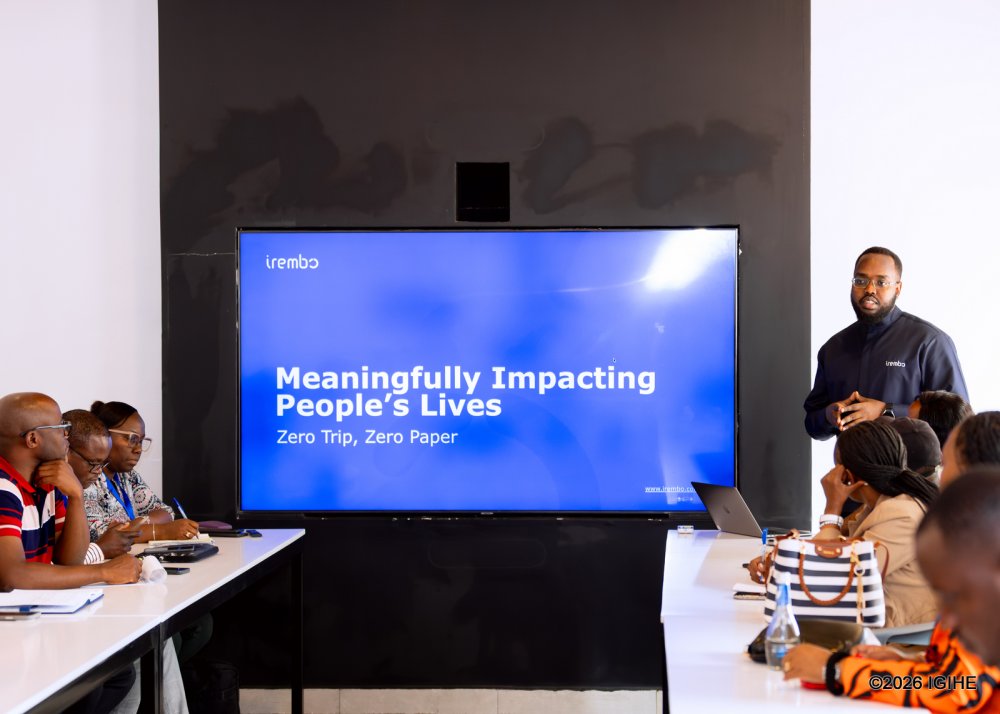
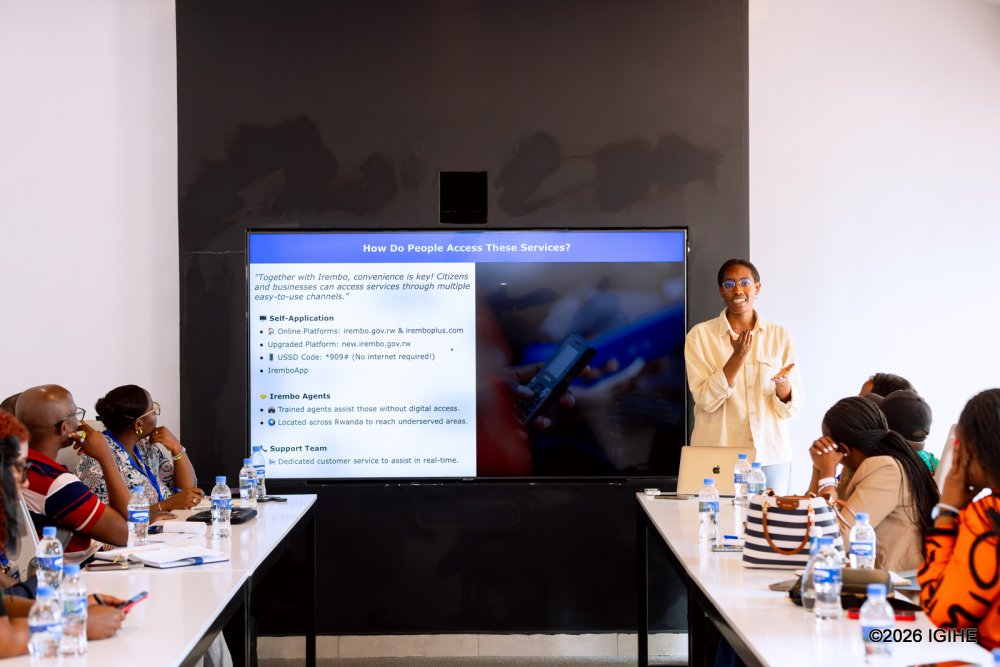
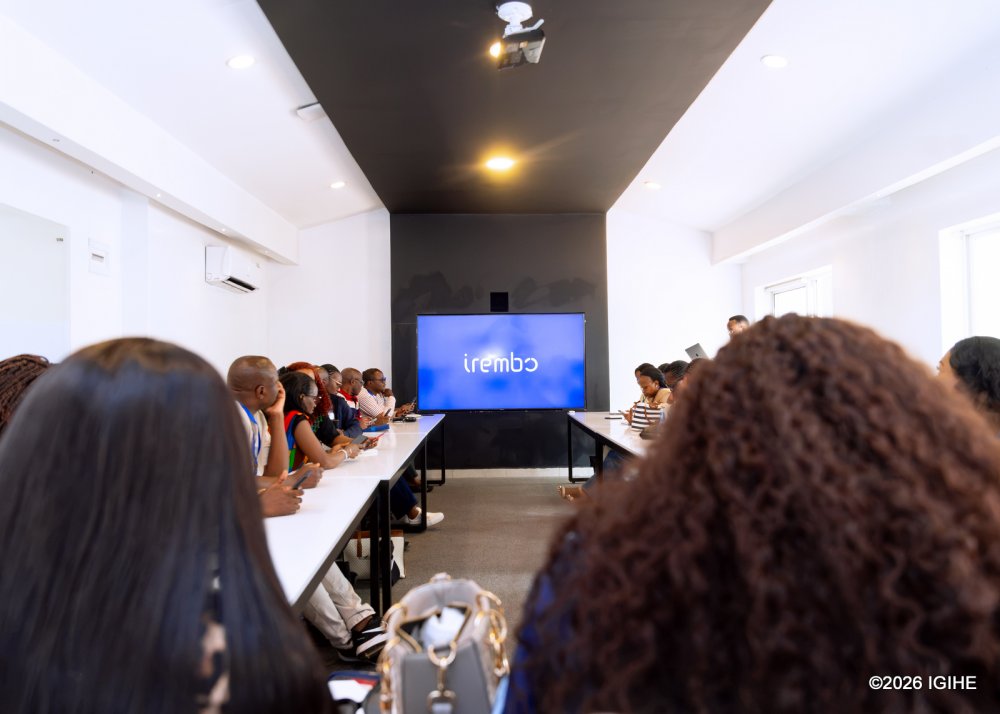
During the visit, participants were briefed on how Irembo has made it easier for citizens to access public services while also helping the government deliver services more efficiently.
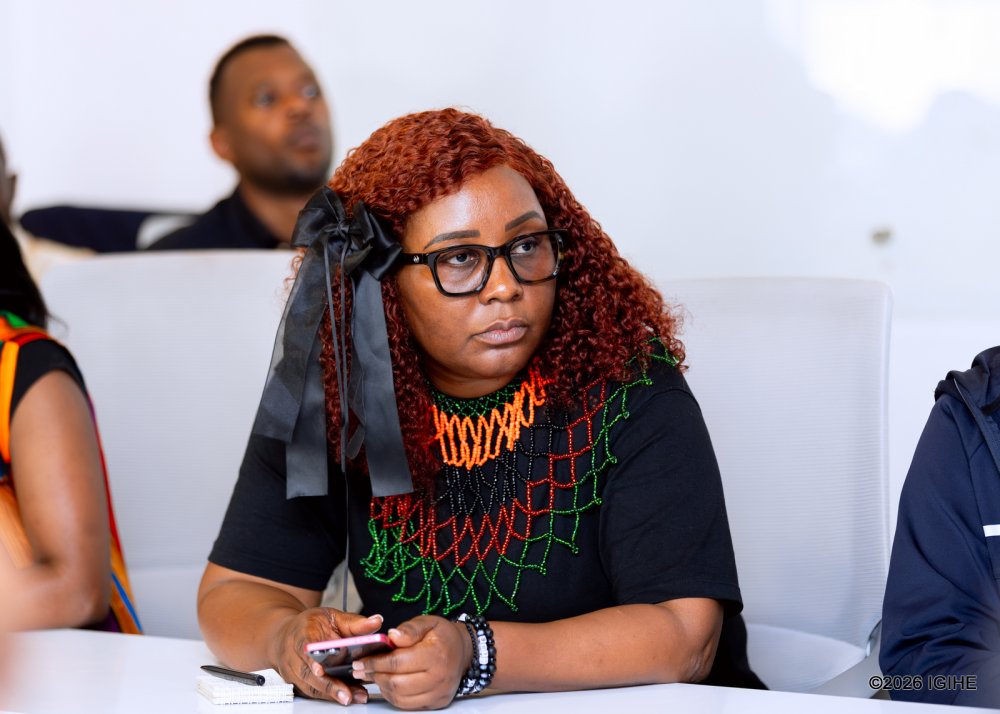
More than 300 participants from different countries attended the forum, which focused on ways to improve service delivery across Africa and ensure that citizens have a better experience when accessing public services.
The participants were shown some of the services available on Irembo, as well as the ‘Byikorere’ initiative, which allows Rwandans to apply for services directly through their mobile phones without having to visit Irembo agents.
They were also briefed on the role of Digital Ambassadors deployed across the country to help citizens understand how Irembo works and assist them in using technology to apply for and access public services.
Samuel Afotoye from Ghana, one of the forum participants, described Irembo as a good example of how technology can simplify access to public services.
He said Ghana also has digital platforms through which people can access services, but they are not consolidated in one place as they are on Irembo.
“We do not have services brought together in a one-stop centre like Irembo. Each service is usually handled by the institution responsible for it,” he said. Afotoye said bringing services together on one platform makes it easier for people to access them without having to move from one institution to another.
Sibusiso Nyasulu from Malawi said platforms such as Irembo can also help reduce corruption in public service delivery.
“Standing in queues to get a stamp slows down the quality of service. Because the world we live in is moving very fast, it is important for countries to consider putting in place digital infrastructure that can speed up service delivery,” he said.
Nyasulu, however, noted that limited access to digital devices such as mobile phones and internet connectivity in many African countries remains one of the challenges to expanding digital public services.
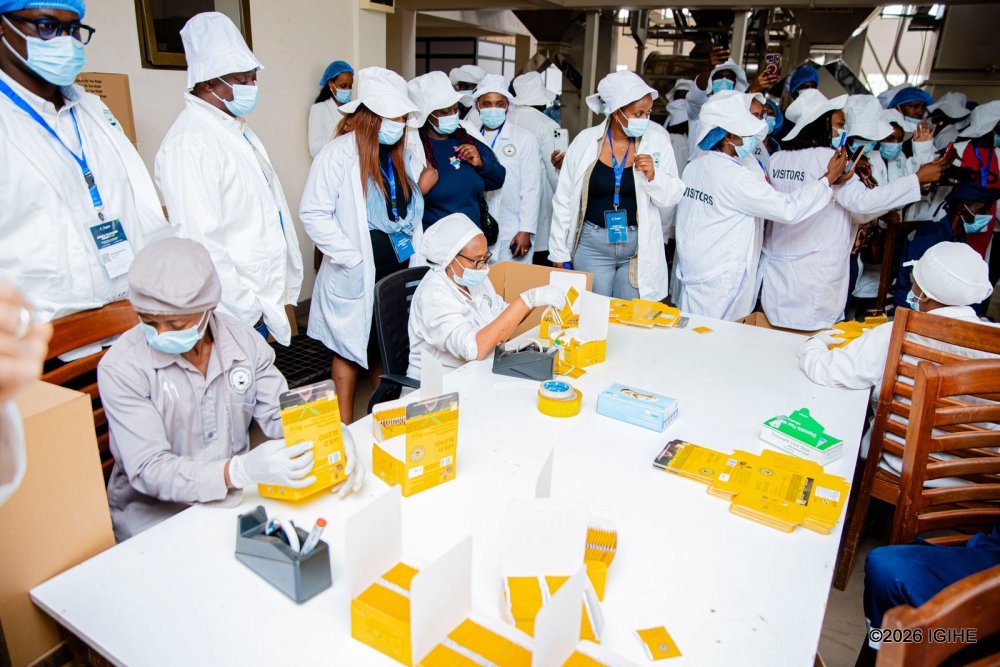
As part of their programme in Rwanda, the forum participants also visited Rwanda Mountain Tea factory in the Masoro Industrial Zone, where they observed its operations and measures put in place to improve service delivery and the quality of its products.
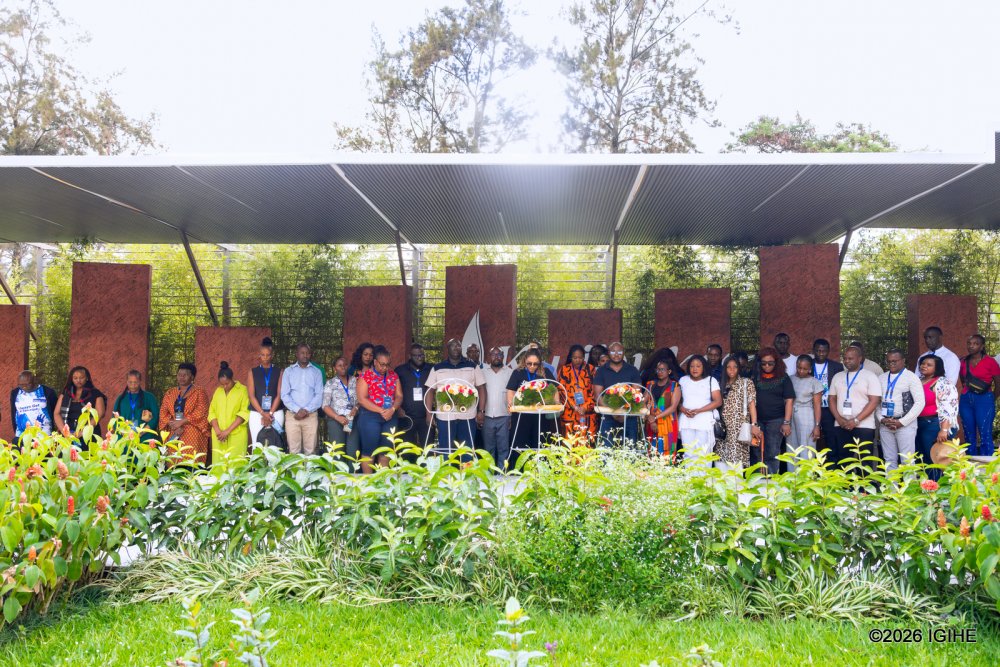
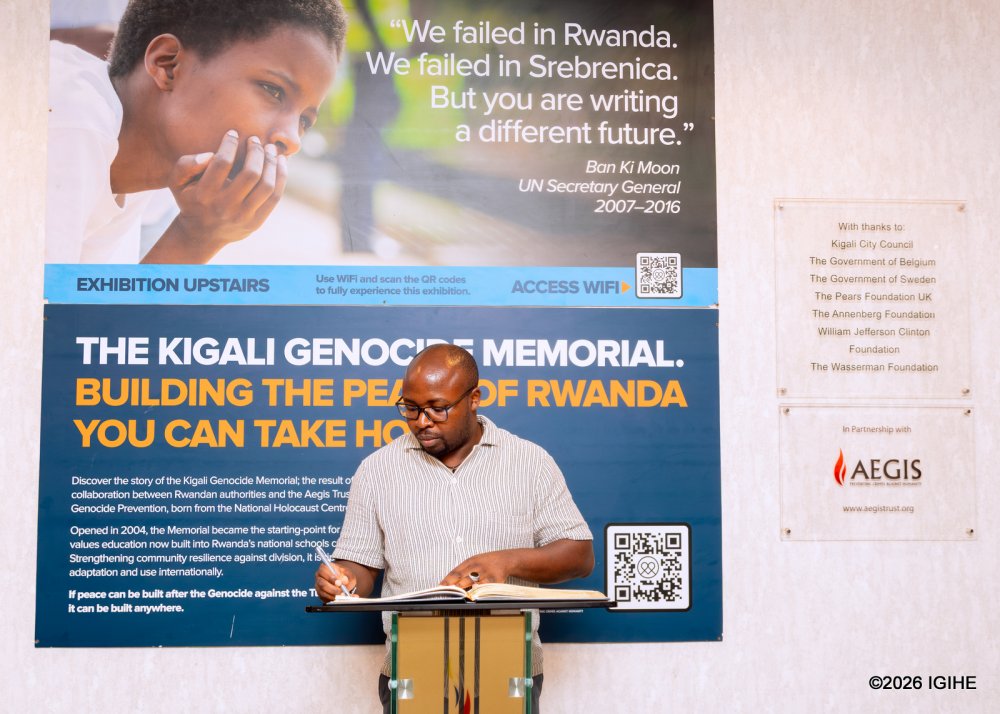
They also visited the Kigali Genocide Memorial in Gisozi, where they paid tribute and laid flowers at the graves of victims of the 1994 Genocide against the Tutsi.
Africa CX Leaders Forum participants explore how Irembo is transforming public service deliveryAfrica CX Leaders Forum participants toured Rwanda Mountain Tea factory in the Masoro Industrial Zone to learn about its operations and quality measures.Africa CX Leaders Forum participants explored Irembo’s digital platform and its role in making public services faster and easier to access.Africa CX Leaders Forum participants also paid tribute to victims of the 1994 Genocide against the Tutsi during a visit to the Kigali Genocide Memorial.