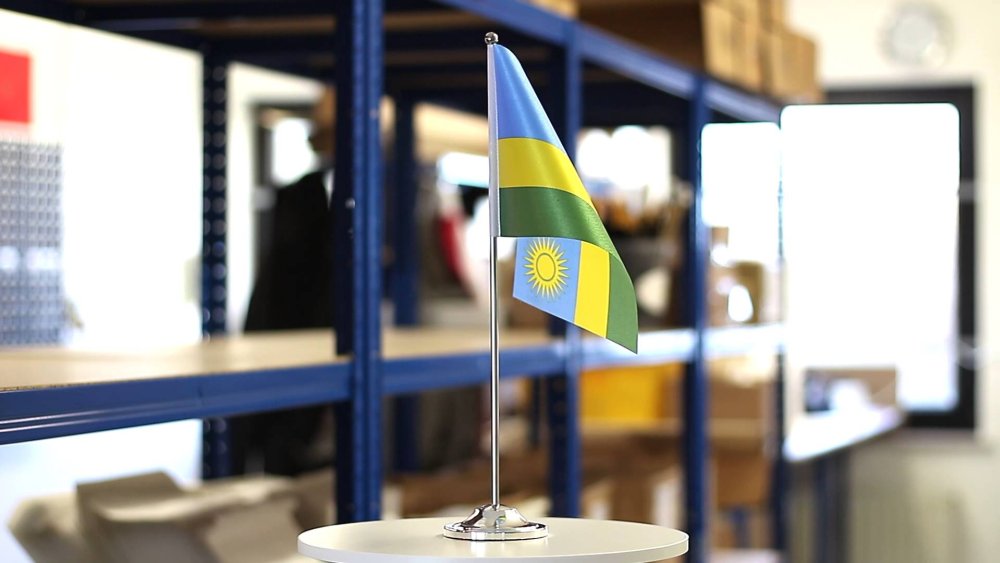
A statement issued by the Directorate General of Immigration and Emigration shows that among those granted Rwandan citizenship, 26 were born in Burundi, 20 in the DRC, nine in Uganda and eight in the United States.
The group also includes six people born in Belgium, five from Cameroon, four from Kenya and three born in Rwanda to parents of foreign origin.
Canada, the Netherlands, the Republic of Congo, Switzerland and Tanzania each had two nationals among those who acquired Rwandan citizenship.
About 60 percent of the newly naturalised citizens are aged between 30 and 49 years, a demographic group considered to have strong potential to contribute to the country’s social and economic development.
They are followed by those aged between 50 and 64, people above 65 years, and young people below 30 years.
The youngest among the new citizens is five years old, while the oldest is 81.
The newly granted Rwandan citizenship became effective on July 24, 2026, according to a notice published in the Official Gazette of the Republic of Rwanda.
Rwanda has granted citizenship to 105 people from 27 countries.
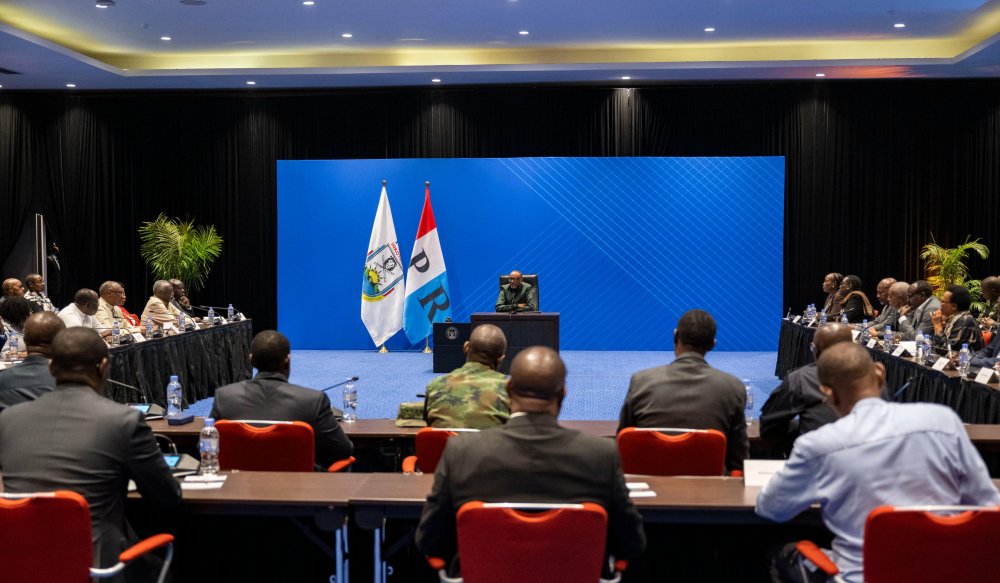
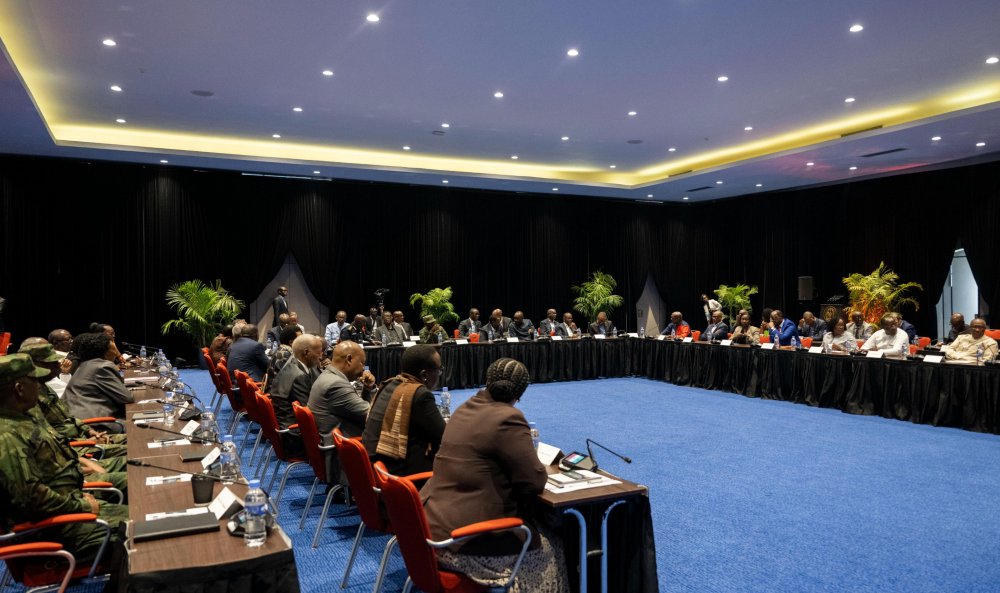
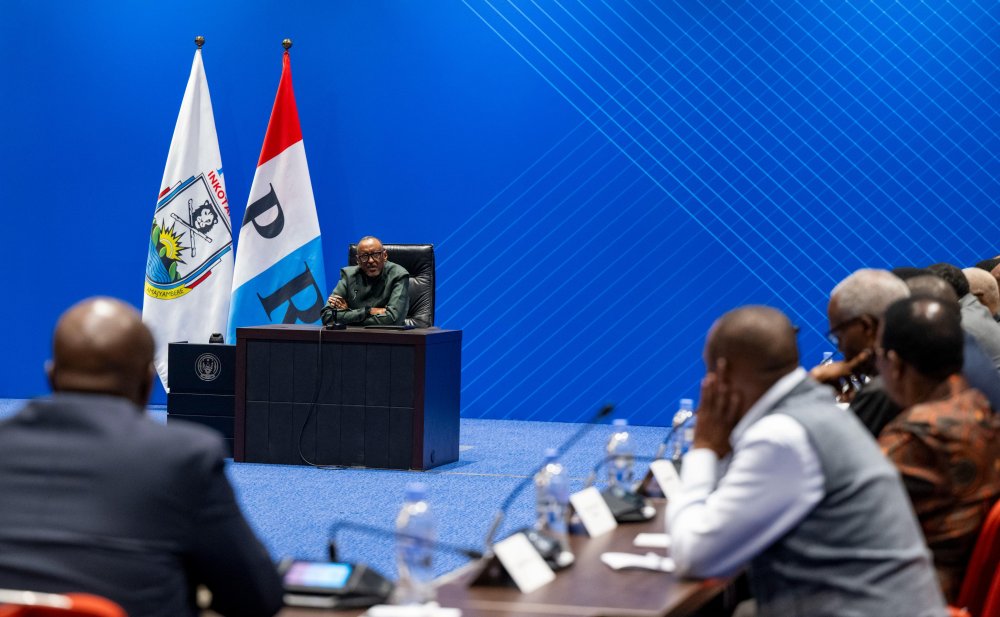
The meeting took place on July 27, 2026, at Intare Arena, according to Rwanda’s Office of the President, Urugwiro Village.
“The meeting emphasized the importance of members upholding the Party’s values, including people-centered governance and accountability, to advance the Party’s mission of Rwanda’s continued development,” reads a statement released by Urugwiro Village.
From refugee movement to political organisation
The FPR-Inkotanyi traces its roots to 1987, a pivotal year that marked a turning point for Rwandan refugees who had spent nearly three decades in exile.
The period followed remarks by then-President Juvénal Habyarimana, who, when asked about the return of Rwandan refugees, reportedly likened the country to “a glass already full of water,” suggesting there was no room for their repatriation.
The statement reinforced the belief among many refugees that returning home through dialogue was unlikely.
At the same time, the Rwandan Alliance for National Unity (RANU), an organisation established in 1980 to advocate for the return of refugees, began restructuring to pursue its objectives more effectively.
By 1987, many Rwandan refugees, particularly those living in Uganda, were enjoying greater stability following the rise to power of President Yoweri Museveni, whose liberation struggle had included the participation of many Rwandans.
RANU subsequently embarked on organisational reforms, introducing new leadership structures and strategies to strengthen its campaign.
Among those tasked with advancing the movement was Tito Rutaremara, now Chairperson of Rwanda Elders’ Advisory Forum. He helped establish a political training school in Uganda aimed at educating new members on the organisation’s ideology and long-term objectives.
The RPF Cadre School opened in June 1987, preparing members to mobilise support and recruit followers who clearly understood the movement’s mission.
University students were trained and encouraged to pass on the ideology to others, creating a network of mobilisation among Rwandan refugees across Uganda, Burundi, Tanzania, Kenya and what was then Zaire.
Birth of the RPF and armed struggle
Following the expansion of its support base, RANU convened a General Assembly in December 1987, bringing together members from across the diaspora.
One of the key resolutions adopted during the meeting was to rename the organisation the Front Patriotique Rwandais (RPF) Inkotanyi.
The following year, members met in Washington, D.C., where they reaffirmed their commitment to continue pursuing their objective of returning to their homeland.
As the movement evolved, its leaders concluded that achieving this goal would require an armed wing. They established the Rwanda Patriotic Army (RPA), which launched its first military offensive into Rwanda on October 1, 1990.
Many of the RPA’s senior officers had previously served in Uganda’s armed forces. Among them were Maj Gen Fred Gisa Rwigema, who led the campaign in its early stages, and Maj Gen Paul Kagame, who assumed command after Rwigema was killed shortly after the offensive began.
The RPA continued the liberation struggle, eventually ending the 1994 Genocide against the Tutsi and paving the way for national reconstruction under the leadership of the FPR-Inkotanyi.
Development gains since 1994
Following the Genocide against the Tutsi, Rwanda faced severe economic devastation. The country’s economy, already among the smallest in the region before 1994, contracted by about 50 percent in its aftermath.
In 1995, Rwanda’s national budget stood at just Rwf56 billion, with more than 90 percent financed through foreign aid. Per capita income was approximately $111.9, placing Rwanda among the world’s poorest nations.
Over the following decades, the country pursued reconstruction and economic reforms centred on accountability, citizen-focused governance and institutional development.
According to official figures, Rwanda’s Gross Domestic Product grew by 9.4 percent in 2025, increasing from Rwf19.918 trillion in 2024 to Rwf23.387 trillion.
The national budget for the 2026/27 fiscal year reached Rwf7.7963 trillion, representing a 12 percent increase from the revised Rwf6.9521 trillion budget for 2025/26. Foreign borrowing is projected at Rwf1.9741 trillion.
For many years after liberation, Rwanda sustained annual economic growth averaging between 7 and 8 percent. Life expectancy has also risen dramatically—from about 28 years immediately after the Genocide against the Tutsi to nearly 70 years today, reflecting improvements in healthcare, living standards and social protection.
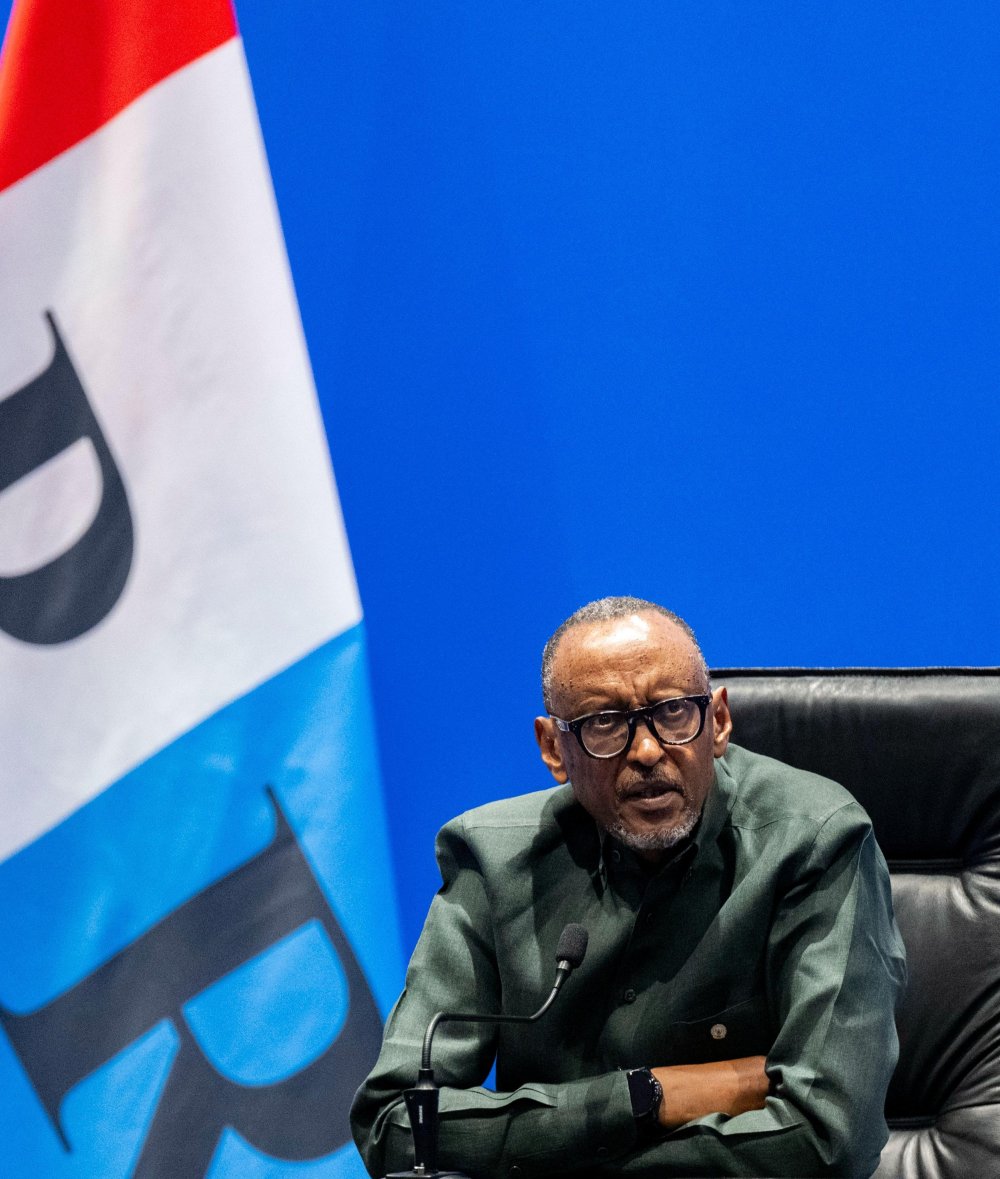
President Kagame and senior RPF-Inkotanyi cadres convene at Intare Arena to discuss the party’s values, history and contribution to Rwanda’s transformation.President Paul Kagame addresses senior RPF-Inkotanyi cadres during a meeting on the party’s history, values and role in Rwanda’s transformation at Intare Arena.Senior RPF-Inkotanyi cadres listen as President Paul Kagame speaks during a meeting reflecting on the party’s journey and Rwanda’s transformation.
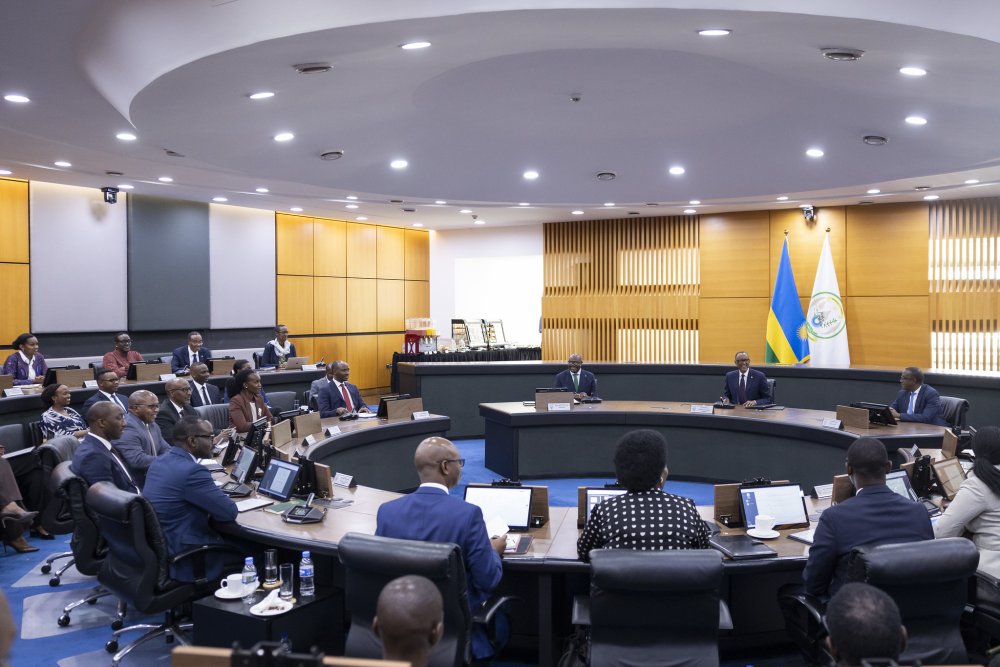
According to a communiqué issued by the Office of the Prime Minister, Cabinet was briefed on key initiatives designed to accelerate Rwanda’s transition to a knowledge-based, cashless and digitally driven economy.
The initiatives include the establishment of the Rwanda Institute of Computing (RIC), the modernization of telecommunications infrastructure from 2G/3G to 4G/5G networks, and the rollout of eKash as an interoperable national digital payment platform to accelerate financial inclusion and digital transactions.
Cabinet also approved the Rwanda Food Innovation Ecosystem Strategy together with the establishment of the Rwanda Food Innovation Partnership (RFIP), an initiative intended to fast-track innovation in food systems through agile regulation, attracting investment, creating jobs, and strengthening food security and nutrition.
The meeting further approved a draft law ratifying the Financing Agreement between the Republic of Rwanda and the International Development Association (IDA) relating to a second additional financing package for the recovery and resilience project. The agreement was signed in Kigali on June 25, 2026.
Among other decisions, Cabinet approved a Ministerial Order governing authorisations relating to dynamites or accessories.
It also approved applications for Rwandan nationality.
Cabinet endorsed a Shareholders Agreement between the Government of Rwanda and JSC National Mining Company “Tau-Ken Samruk” (TKS) for the establishment of a joint venture to undertake mineral exploration and mining activities in Rwanda.
The meeting further approved a concession agreement between the Government of Rwanda and InipasvalleyRw Ltd for the High-Value Therapeutic Crops Project.
It also approved an amendment to the Power Purchase Agreement between the Energy Utility Corporation Limited (EUCL) and Nyirahindwe HPP relating to the development and operation of the Nyirahindwe I Hydropower Plant in Nyamasheke District.
Cabinet granted agrément to three proposed diplomatic representatives.
Those approved include Ms Jirusaya Birananda as Ambassador Extraordinary and Plenipotentiary of the Kingdom of Thailand to the Republic of Rwanda, with residence in Nairobi; Ms Marie Goreth Nizigama as the UN Women Country Representative in Rwanda; and Mr Anton Buttigieg as the proposed Honorary Consul of Rwanda to the Republic of Malta.
During the meeting’s Any Other Business session, the Minister of National Unity and Civic Engagement informed Cabinet that Umuganura 2026 celebrations are scheduled for August 7, 2026.
The Minister of Finance and Economic Planning also informed Cabinet that Kigali will host the 26th Council of Ministers of the Eastern and Southern Africa Anti-Money Laundering Group (ESAAMLG) from August 31 to September 5, 2026.
Cabinet was further informed by the Minister of Agriculture and Animal Resources that Kigali will host the Africa Food Systems Forum (AFSF) Summit 2026 from September 1 to 4, 2026, with the event also marking the forum’s 20th anniversary.
President Paul Kagame chaired a Cabinet meeting that approved the establishment of the Rwanda Nature Foundation alongside a series of measures on digital transformation, food security, investment and international cooperation.
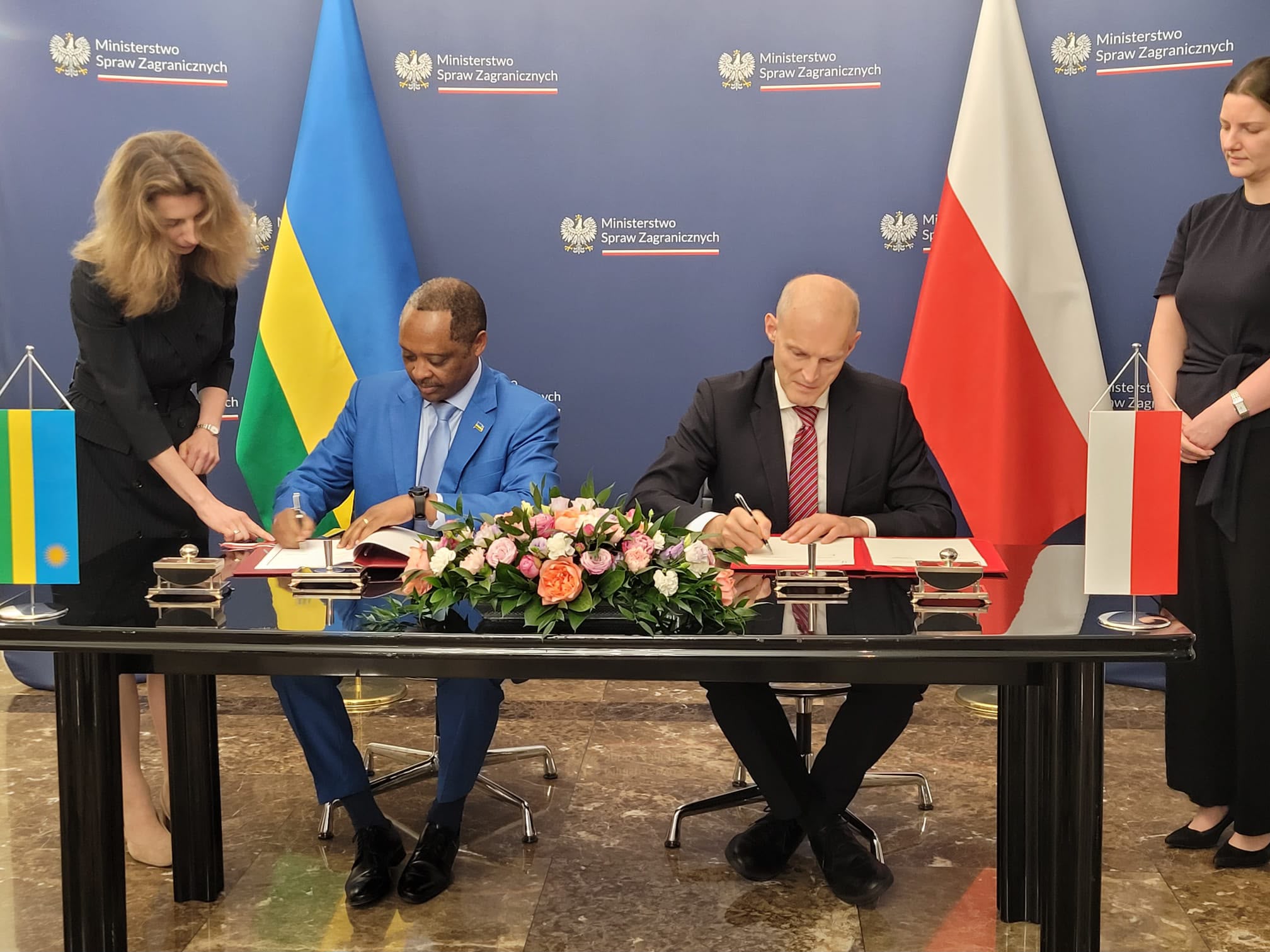
The agreement was signed on Friday in Warsaw by Poland’s Secretary of State at the Ministry of Foreign Affairs, Wojciech Zajączkowski, who oversees African affairs, and Rwanda’s Ambassador to Poland, Prof. Anastase Shyaka.
Officially titled the “Bilateral Agreement on Engagement in Gainful Occupation by Family Members of the Members of the Diplomatic Mission,” the agreement enables eligible family members of diplomats and other embassy personnel from Rwanda in Warsaw and Poland in Kigali to undertake gainful employment in accordance with the laws and regulations of their host country.
Speaking during the signing ceremony, Secretary of State Wojciech Zajączkowski welcomed the growing partnership between the two countries.
“We are pleased with the relationship we have with Rwanda and with the way our cooperation continues to grow,” he said.
He added that Rwanda is the first African country with which Poland has signed such an agreement.
For his part, Ambassador Prof. Anastase Shyaka thanked the Polish government for the importance it attaches to strengthening its friendship and cooperation with Rwanda.
“Rwanda highly values its excellent cooperation with Poland. Just as you consider us among your close friends, we equally regard you as one of our trusted partners and friends,” he said.
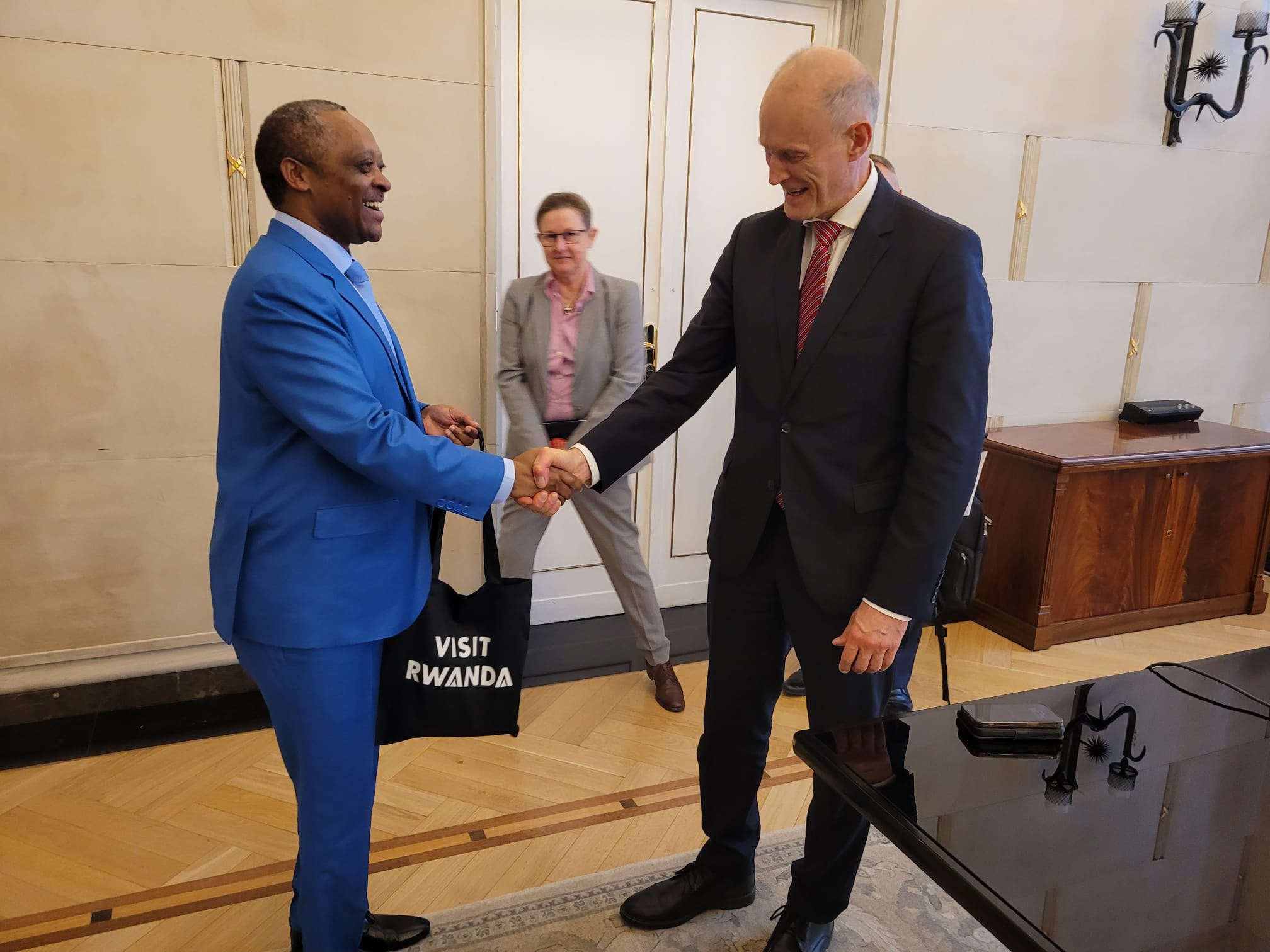
The ceremony concluded with an exchange of gifts, including a Visit Rwanda souvenir, and was attended by officials from both the Rwandan and Polish sides.
The agreement reflects the two countries’ commitment to deepening bilateral cooperation while making it easier for the families of diplomatic personnel to integrate into the societies where they are posted.
Rwanda and Poland have signed an agreement enabling eligible family members of diplomatic mission staff to engage in gainful employment abroad.The agreement signed in Warsaw allows family members of Rwandan diplomats in Poland and Polish diplomats in Rwanda to seek employment under host country regulations.Rwanda’s Ambassador to Poland Prof. Anastase Shyaka and Poland’s Secretary of State Wojciech Zajączkowski signing an agreement allowing family members of diplomats to work in their host countries.
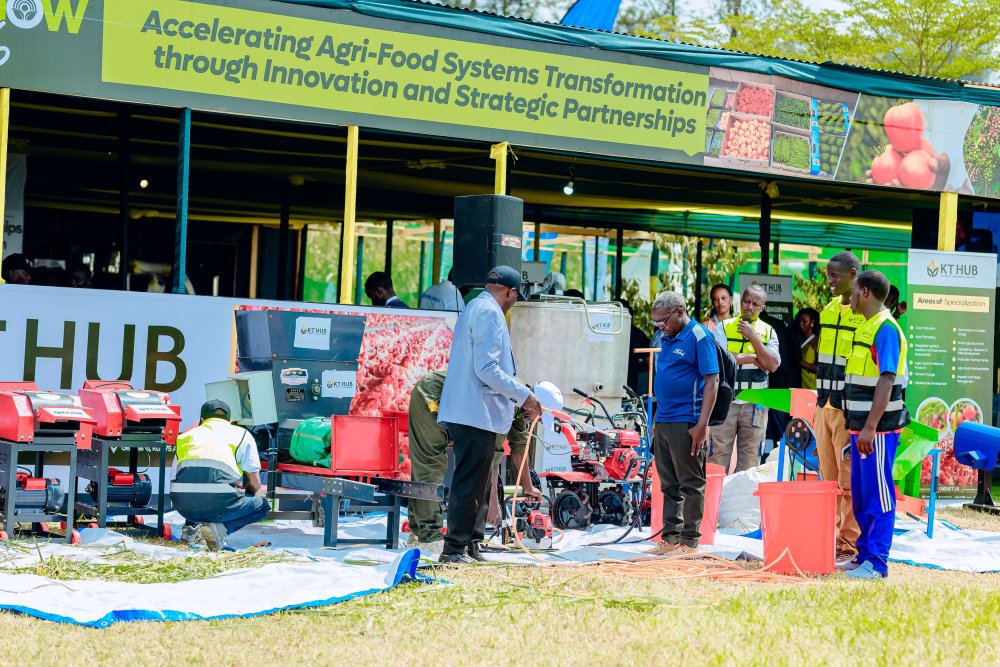
The technology, developed by KT Hub, Rwanda-based integrated agricultural and agribusiness hub, was unveiled during the 19th Rwanda Agricultural Show organised by the Ministry of Agriculture and Animal Resources (MINAGRI).
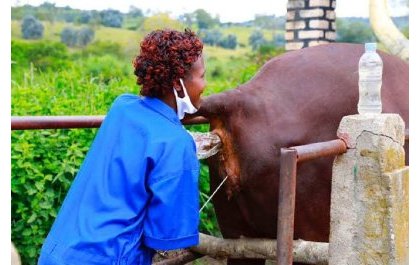
The innovation uses advanced cameras to examine animals before artificial insemination, allowing veterinarians to identify possible reproductive health challenges and confirm whether the semen being used is of good quality before it is introduced.
The exhibition was officially opened on July 23, 2026, at Mulindi in Kigali and will continue for 10 days, bringing together farmers, agricultural companies, researchers, government officials and other stakeholders to showcase innovations transforming Rwanda’s agriculture and livestock sectors.
MINAGRI revealed that this year’s exhibition attracted more than 600 exhibitors, including individuals, groups and companies from Rwanda and abroad. The number has increased compared to more than 500 exhibitors recorded in 2025 and about 300 exhibitors approximately five years ago.
Among the major innovations showcased was KT Hub’s artificial insemination technology, which seeks to address one of the challenges faced by livestock farmers where animals fail to conceive after insemination despite farmers following the required procedures.
KT Hub Managing Director Kabahizi Théoneste told IGIHE that the company developed the technology in partnership with the Rwanda Agriculture and Animal Resources Development Board (RAB), covering the entire process from importing animal semen to delivering it to veterinarians responsible for carrying out insemination.
He explained that the technology helps determine why artificial insemination may fail, especially in situations where farmers are unable to identify the exact cause.
“Sometimes semen can be collected properly from a male animal and stored under the right conditions, but when it is introduced into a cow or another animal, it may fail because it was wrongly placed. Some farmers believe that if a cow shows signs of fertility in the evening, it should be artificially inseminated the following morning for a better chance of conception.
However, the camera helps determine whether the reproductive system has any problems and whether it is the appropriate time for insemination,” Kabahizi said.
He added that some animals fail to conceive because of infections or other reproductive health problems that may not be visible without proper examination.
“There are cases where the area where insemination is performed has infections or other conditions that prevent successful fertilisation.
With this technology, veterinarians first examine the animal using a camera. If a problem is detected, treatment is provided before insemination is attempted again. In some cases, hormonal treatment can also be used to make the animal ready for breeding sooner,” he explained.
The technology also includes another camera designed to examine semen quality before insemination. Veterinarians capture an image of the semen, and the system provides information showing whether it is still healthy and suitable for use.
Kabahizi said KT Hub is also promoting improved cattle breeds from Brazil, which are expected to produce higher-quality milk. He noted that future generations of these cattle could produce between 25 and 30 litres of milk per day.
KT Hub introduced the technology to the government, and following its launch, the solution will gradually be made available to livestock farmers across the country.
The company also supplies animal semen and has the capacity to store up to 10 million doses, ensuring a reliable supply for artificial insemination programmes.
Veterinarians will receive specialised training on how to use the technology before being equipped with the necessary tools, including two cameras, to provide artificial insemination services to farmers.
Speaking at the exhibition, Minister of Agriculture and Animal Resources Dr. Telesphore Ndabamenye said this year’s theme focuses on promoting innovation in agriculture and livestock, noting the importance of the sectors to Rwanda’s economy.
He said agriculture and livestock contribute nearly 19 percent of Rwanda’s Gross Domestic Product (GDP), while about 70 percent of industries in the country depend on agricultural production.
“These figures show that improving agricultural and livestock production cannot be achieved without innovation and partnerships aimed at addressing the challenges affecting these sectors in Rwanda,” Dr. Ndabamenye said.
He added that the innovations showcased during the exhibition demonstrate potential solutions to challenges facing farmers, making it important to bring together innovators, stakeholders and users to discuss and promote their adoption.
The Minister said that, some of the showcased technologies could begin being implemented during the 2027 A farming season, with continued government support.
According to MINAGRI, Rwanda’s milk production has increased significantly over the past 14 years, tripling from 334,727 tonnes in 2010 to 1,092,430 tonnes in 2024.
During the same period, annual milk consumption per person increased from 37.3 litres to 79.9 litres, reflecting growth in the country’s dairy sector.
Modern agricultural equipment was also showcased.Rwanda’s Minister of Agriculture and Animal Resources, Dr. Telesphore Ndabamenye, said that innovation in agriculture and livestock is essential, noting that the sectors contribute nearly 19 percent of the country’s Gross Domestic Product (GDP).
The 19th Agricultural Show has officially opened. KT Hub Managing Director, Kabahizi Théoneste, said that the technology-based artificial insemination programme for cows and pigs will help address challenges where animals fail to conceive after being inseminated.
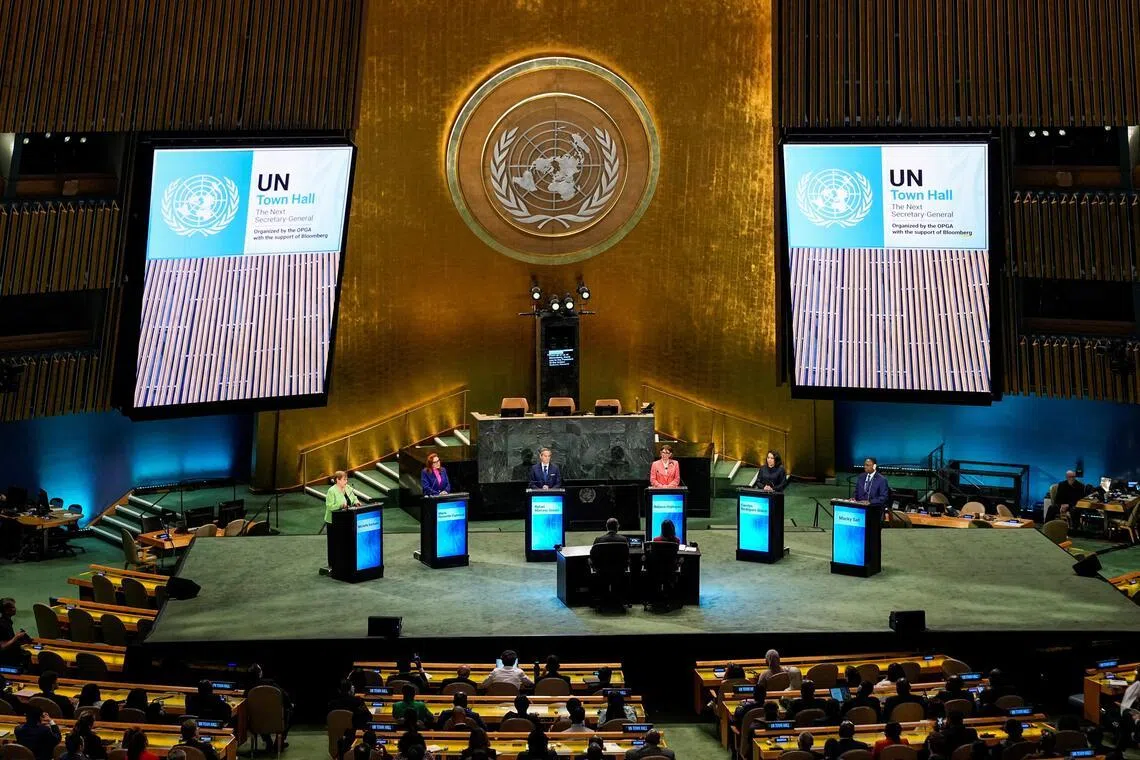
The meeting, organized by UN General Assembly President Annalena Baerbock, with the support of media company Bloomberg, was streamed live on UN Web TV and Bloomberg platforms.
“Today marks a critical step in the selection of the next secretary-general of the United Nations, probably one of the most challenging but also most honorable jobs in the world,” said Baerbock in her opening remarks.
“The person we choose will not only be the face of this house of humanity but also its custodian. She or he will stand up for the United Nations Charter and all three pillars — peace and security, sustainable development and human rights — in a time of unprecedented challenges yet also new opportunities,” she said.
The six candidates — Michelle Bachelet, former Chilean president and former UN high commissioner for human rights; Maria Fernanda Espinosa, former UN General Assembly president and former foreign minister and defense minister of Ecuador; Rafael Mariano Grossi of Argentina, current director general of the International Atomic Energy Agency; Rebeca Grynspan, former vice president of Costa Rica; Carolyn Rodrigues Birkett, Guyana’s permanent representative to the United Nations; Macky Sall, former president of Senegal — attended the meeting and answered questions from both Bloomberg mediators and audience members.
At the end of the meeting, the six candidates were asked to outline their priorities for their first 100 days as UN secretary-general if elected.
The term of the current UN secretary-general, Antonio Guterres, expires at the end of this year. The next secretary-general will take over on Jan. 1, 2027.
Six candidates are competing to succeed current UN Secretary-General Antonio Guterres, whose term ends in 2026.
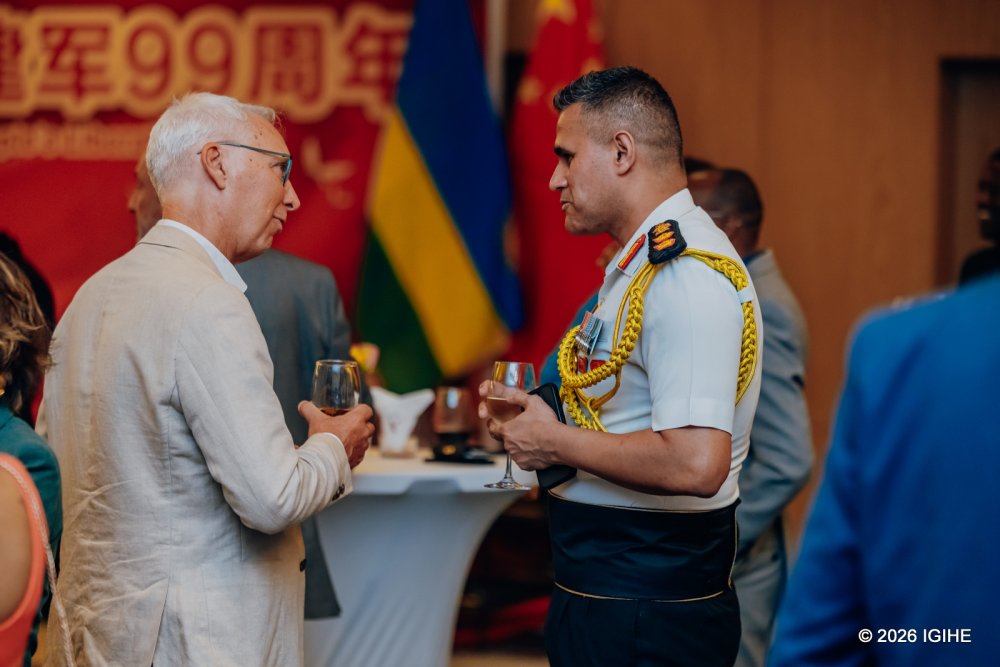
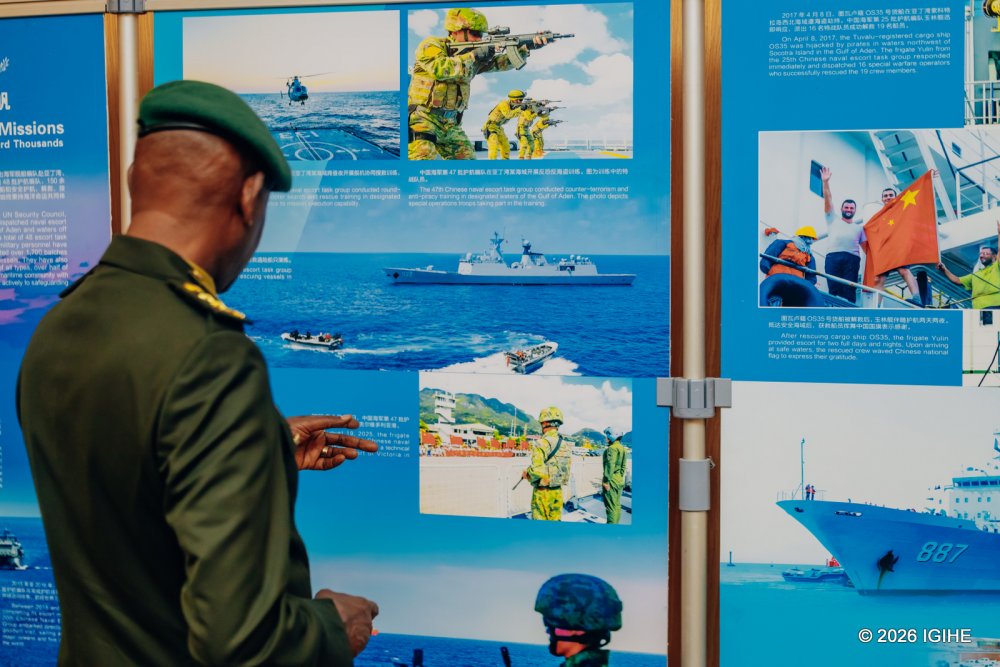
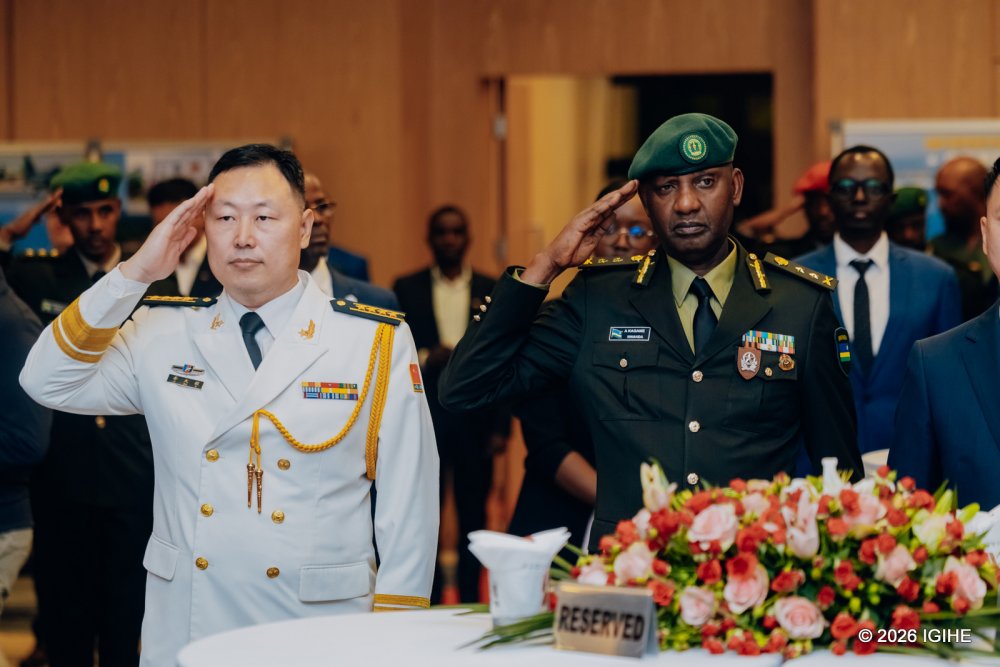
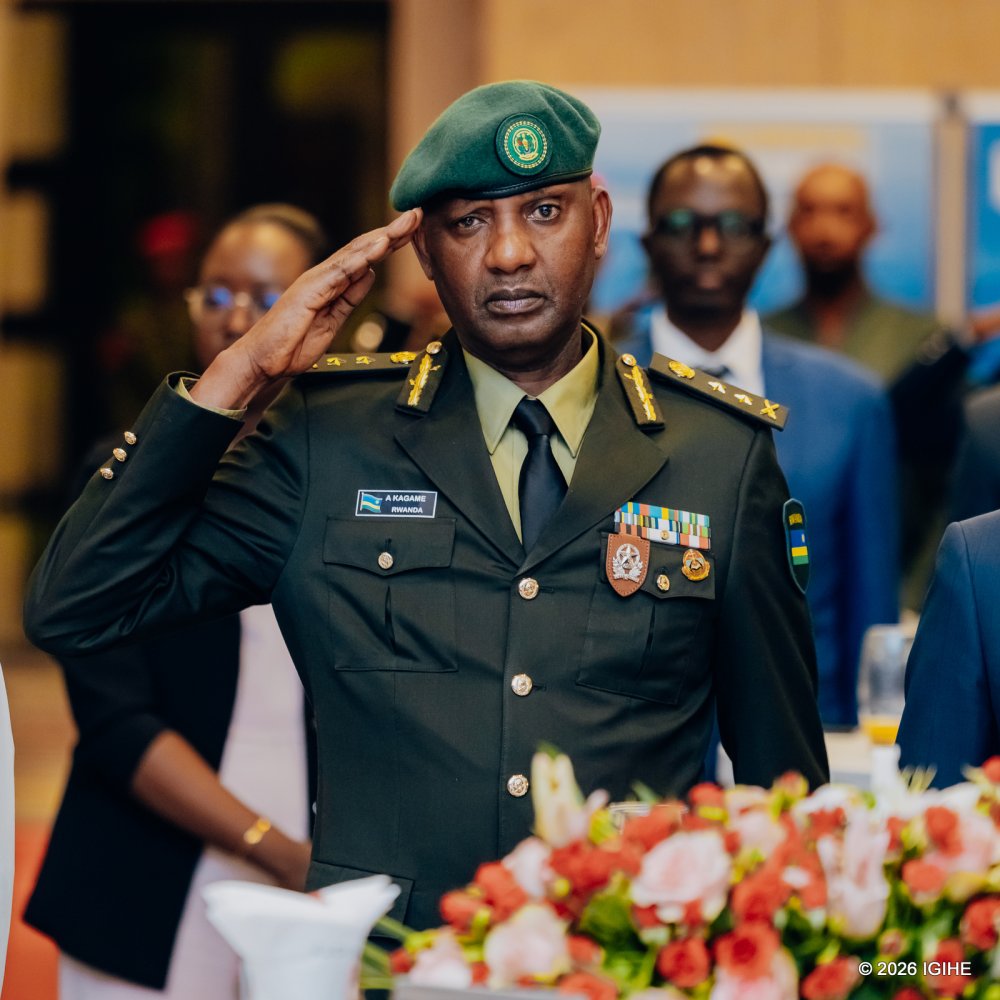
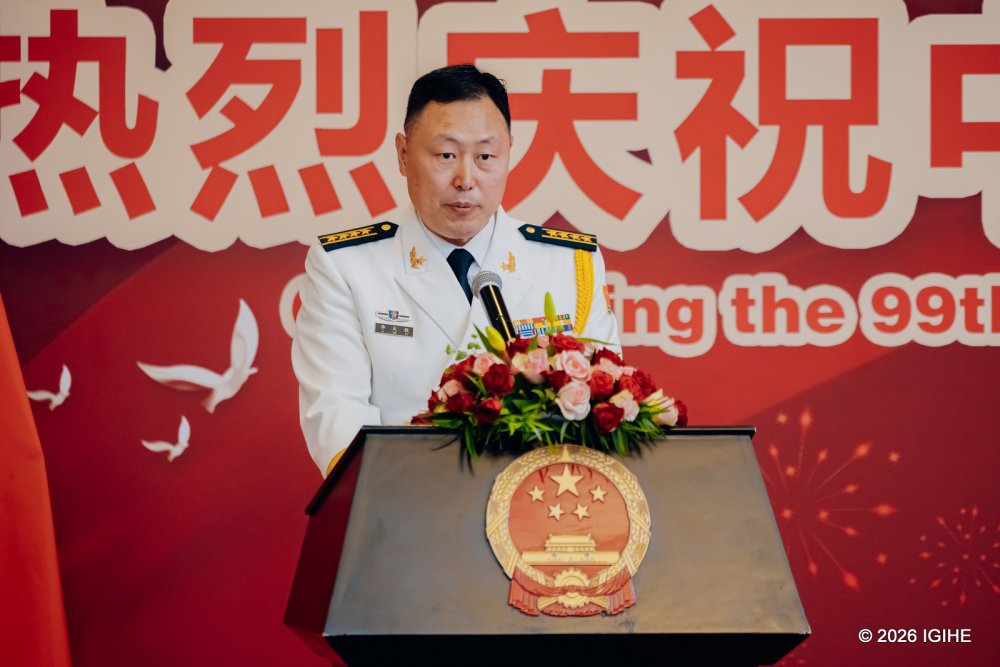
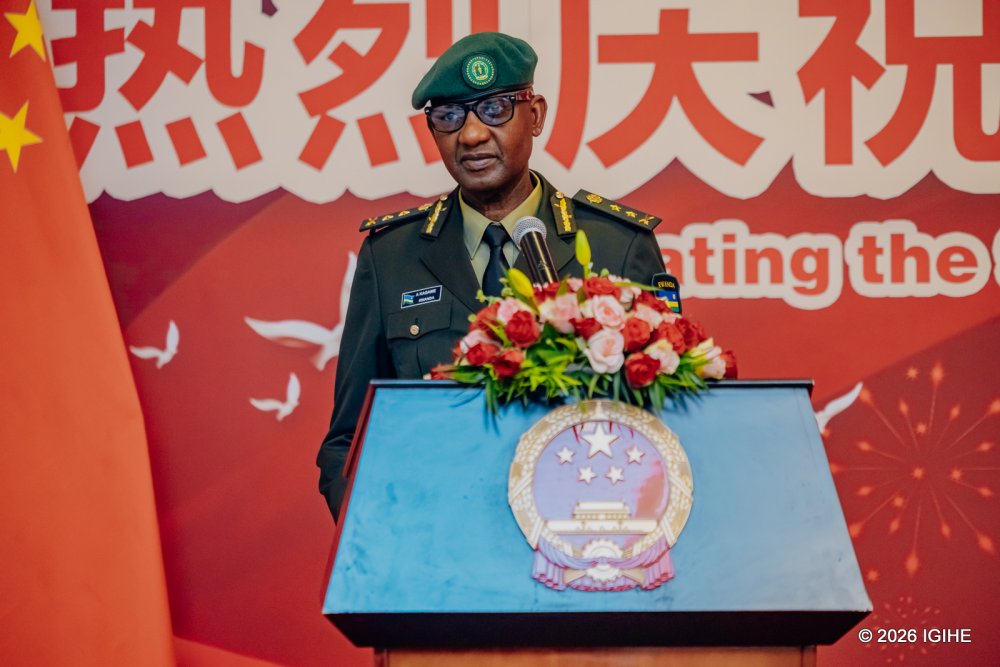
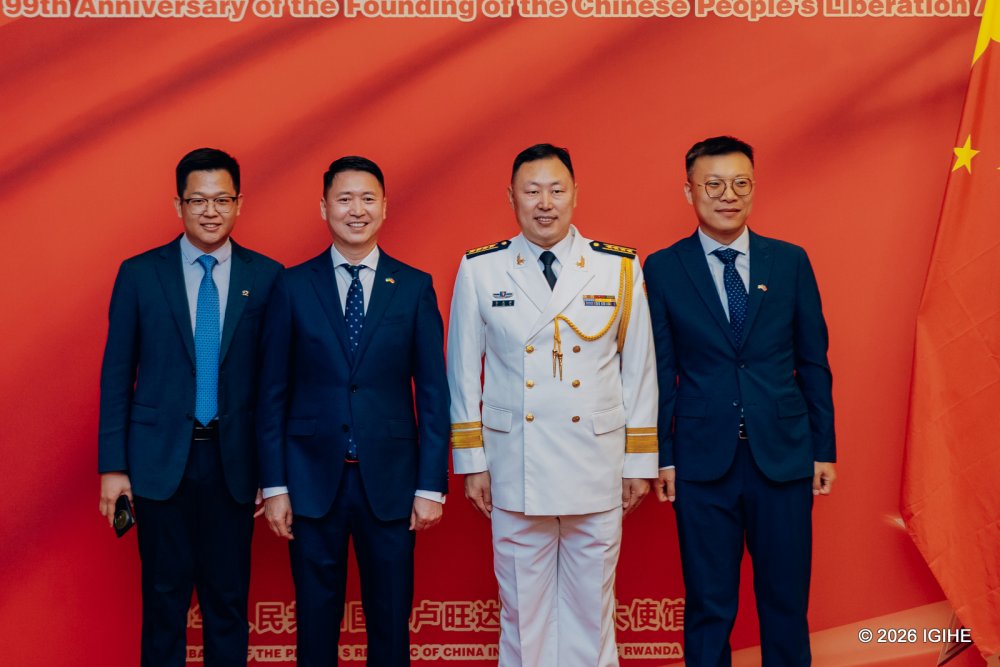
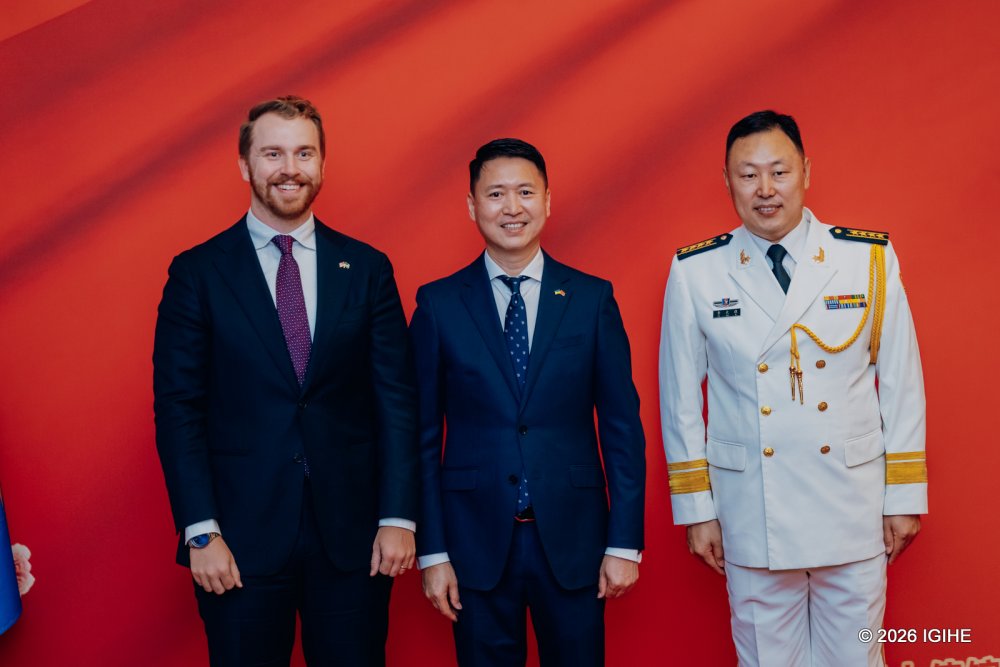
Speaking at the celebration in Kigali, Major General Alex Kagame, Chief of Staff of the Rwanda Defence Force (RDF) Reserve Force, congratulated the Chinese government and the PLA, describing the army as a modern force that has contributed to international peace and security.
Maj Gen Kagame said Rwanda values its longstanding friendship with China, noting that defence cooperation between the two countries has grown over the years.
“China’s consistent support in professional military education and specialized training has made meaningful contributions to the continued development of RDF capabilities,” he said.
He added that Rwanda remains committed to strengthening cooperation with China, highlighting the importance of collaboration between the two armed forces in responding to complex and interconnected challenges amid an evolving international security environment.
“This reality underscored the importance of trusted partnerships that promote capacity building, professional excellence and collective efforts towards working with regional and international peace stability.
“Rwanda remains committed to working closely with China in pursuit of these shared objectives,” he noted.
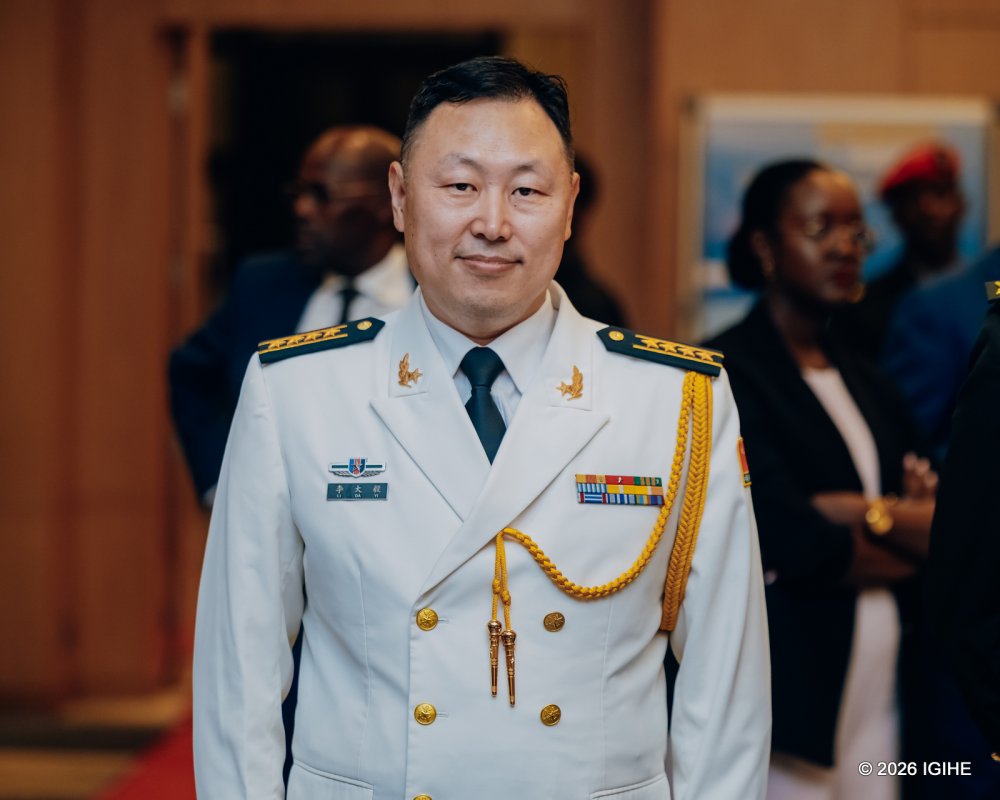
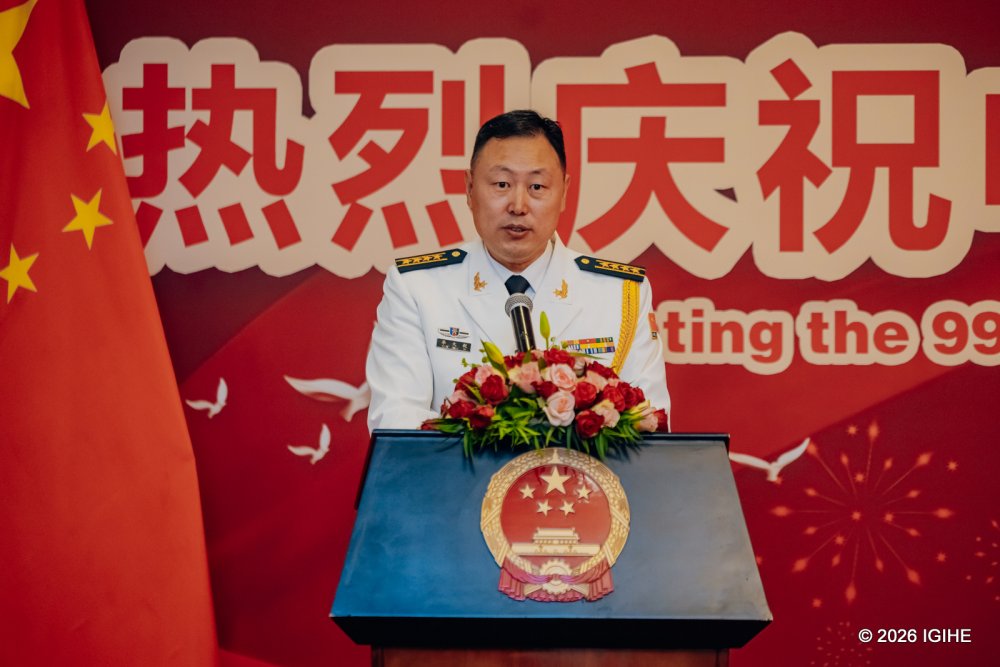
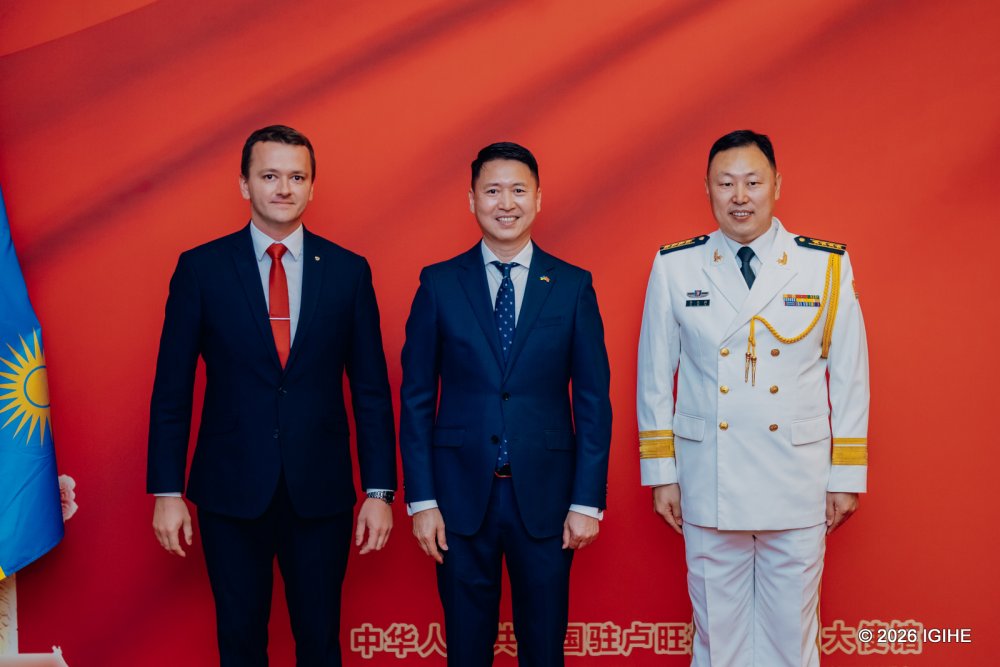
The Chinese Defence Attaché to Rwanda, Senior Captain Li Dayi, said the PLA’s development has been guided by China’s commitment to peaceful development and its belief that peace and harmony among nations are essential.
He highlighted China’s contribution to global peacekeeping, noting that since joining UN peacekeeping operations in 1990, the Chinese military has deployed more than 50,000 peacekeepers to missions across more than 20 countries and regions.
Capt Li said China-Rwanda military cooperation has continued to grow through defence exchanges and expressed China’s commitment to further deepening the partnership.
“China is willing to work with Rwanda, guided by the important consensus reached by the two heads of state, to elevate the military-to-military relationship to a new level on the basis of mutual respect, equality and mutual benefit,” he said.
He added that such cooperation would contribute to regional peace, stability and shared development.
The PLA was founded on August 1, 1927, and has since developed into one of the world’s largest military forces.
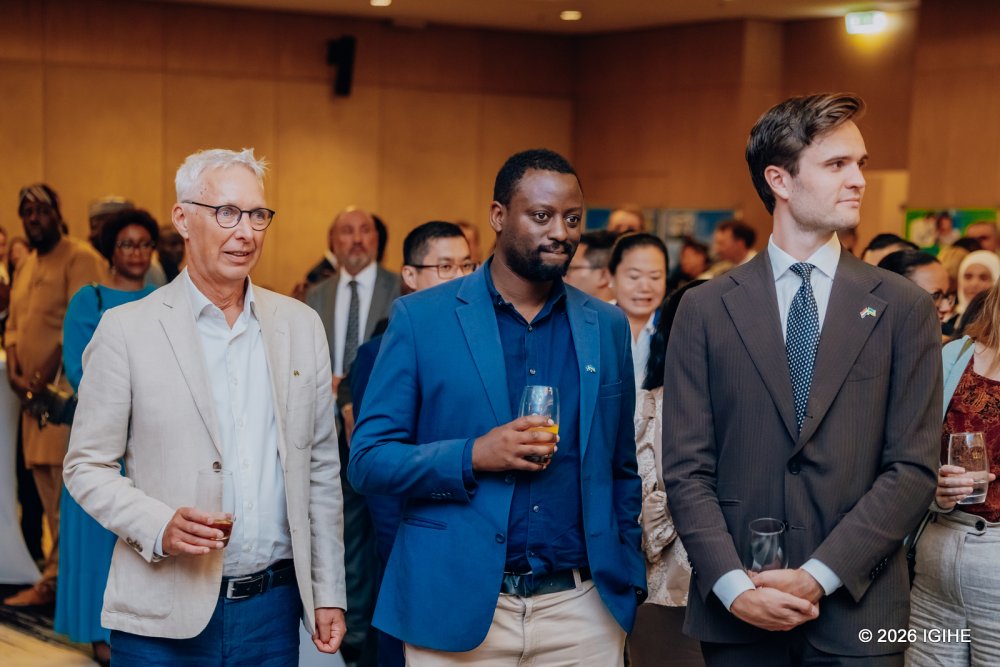
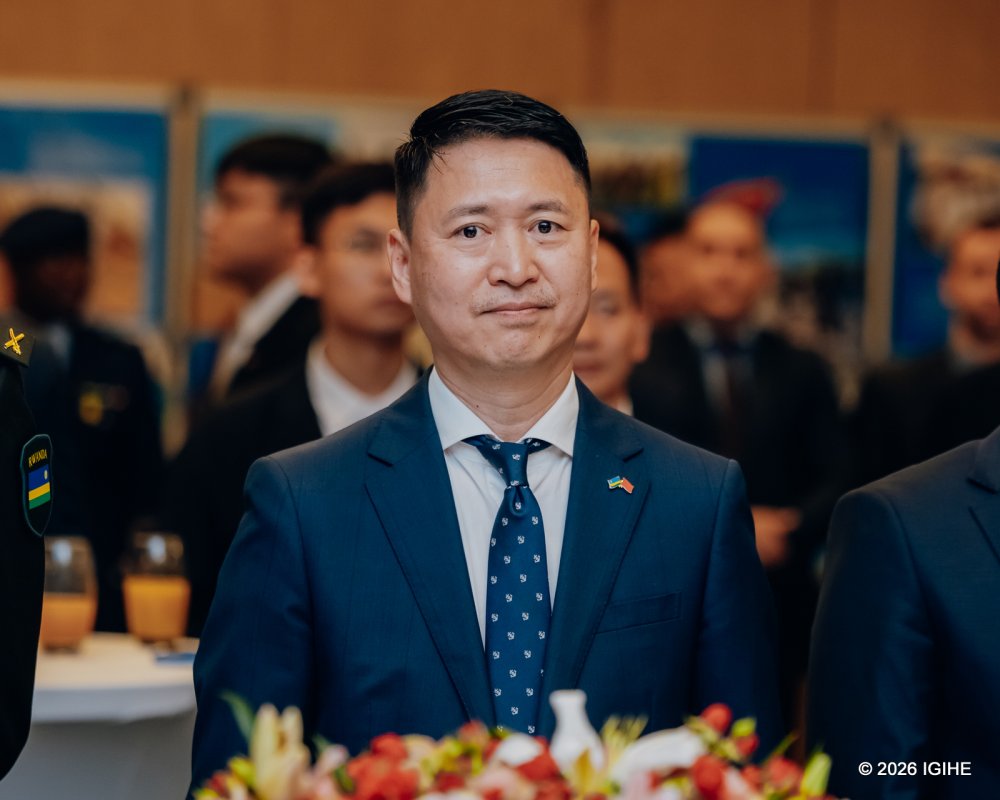
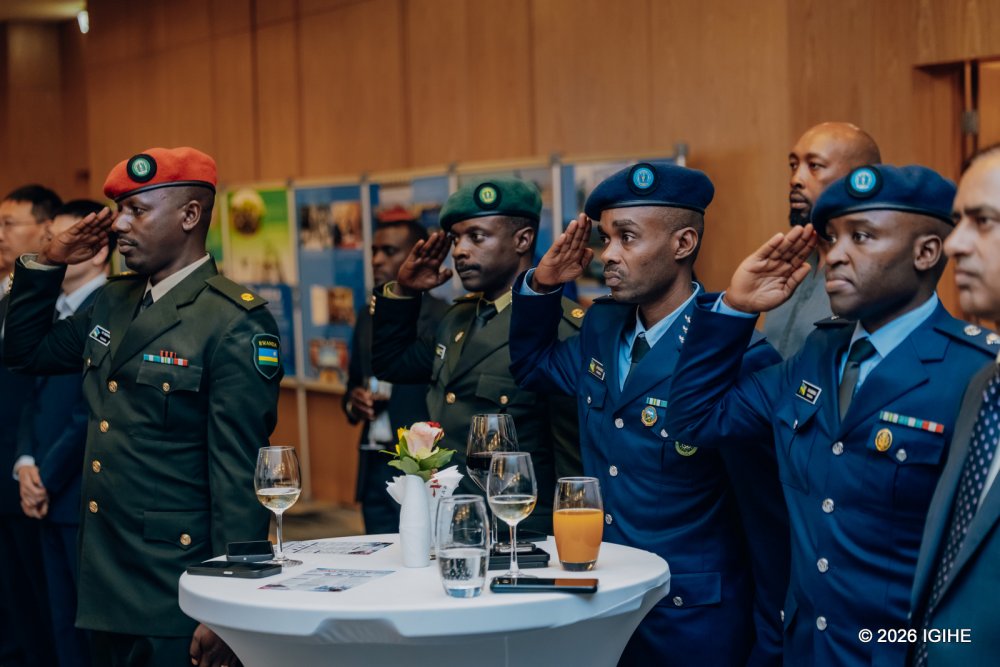
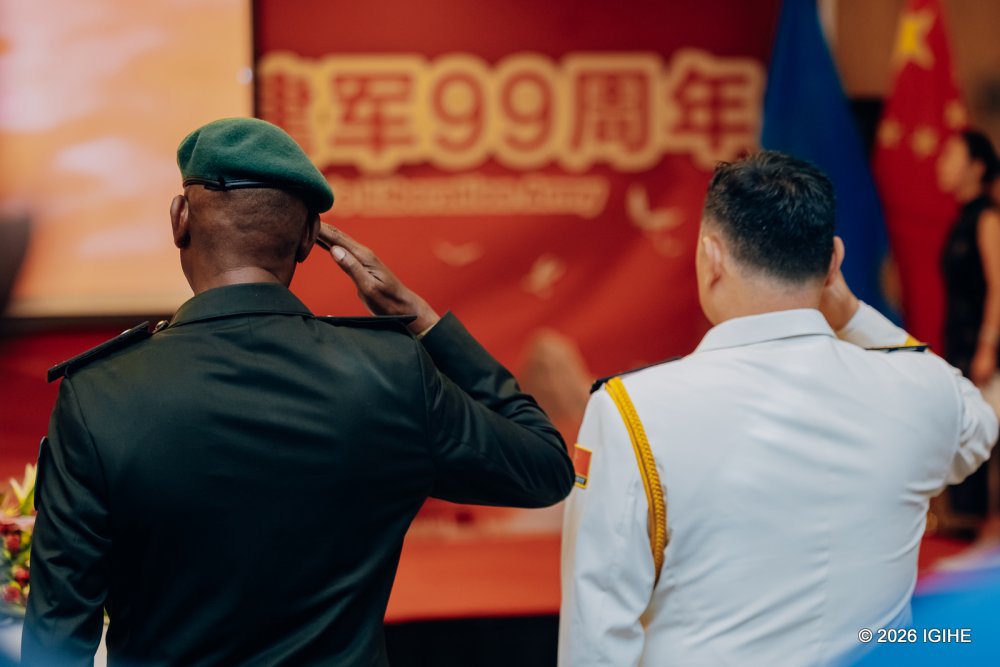
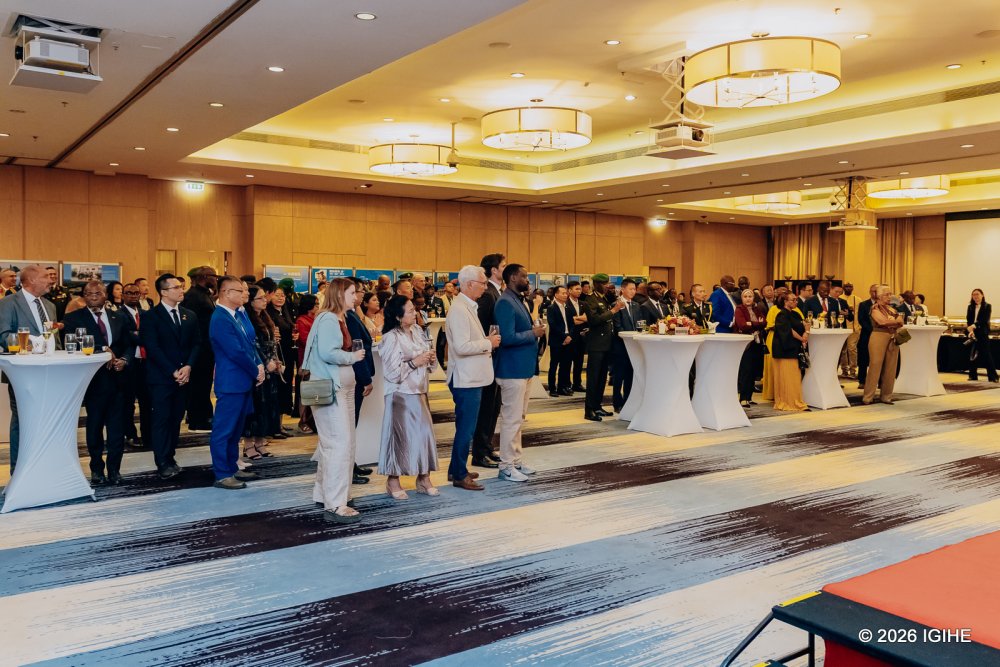
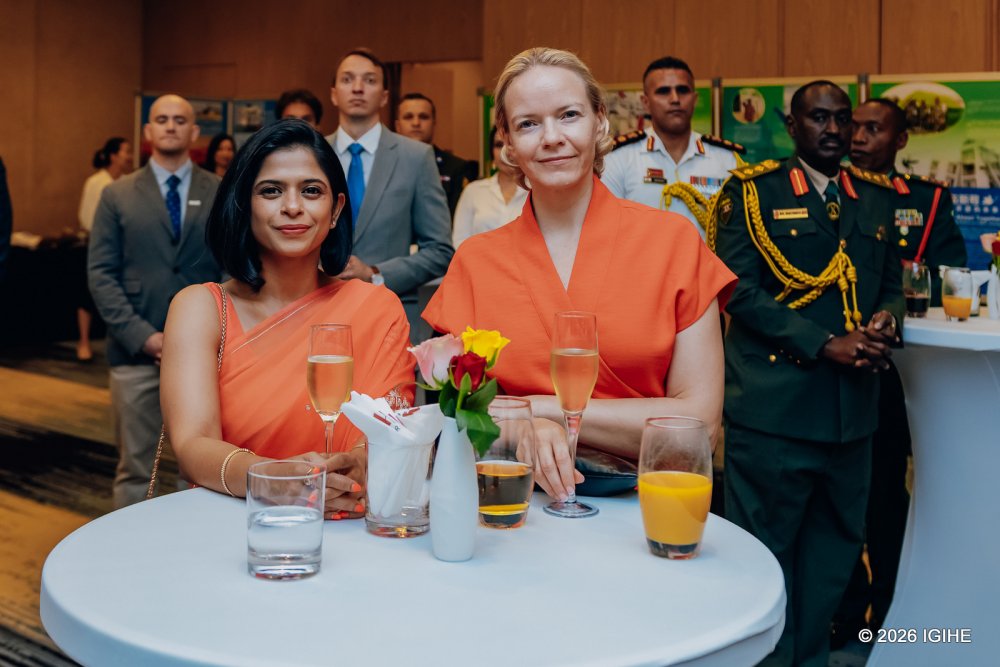
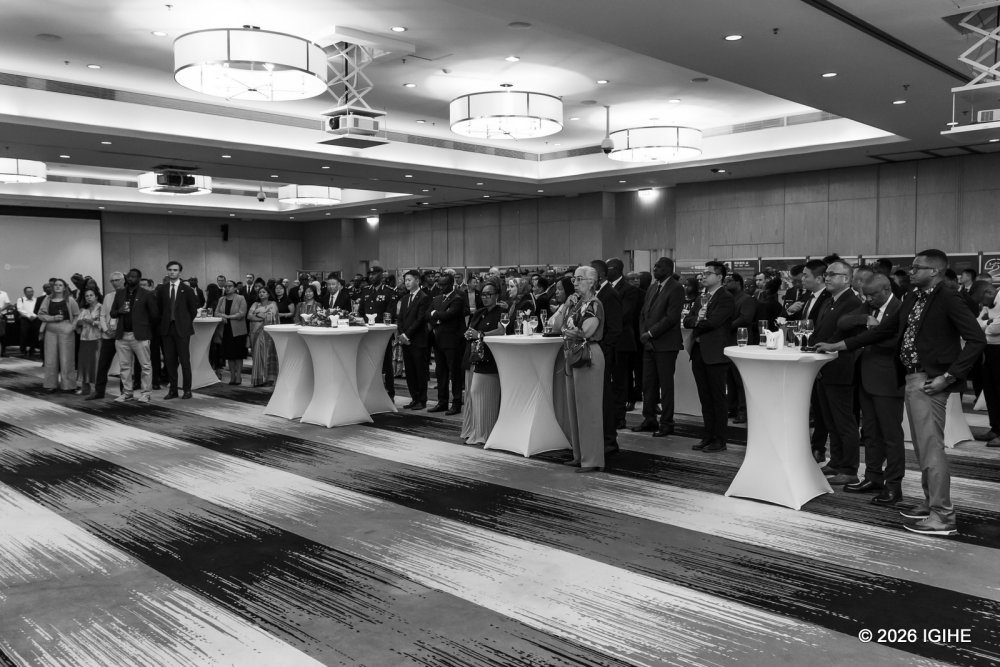
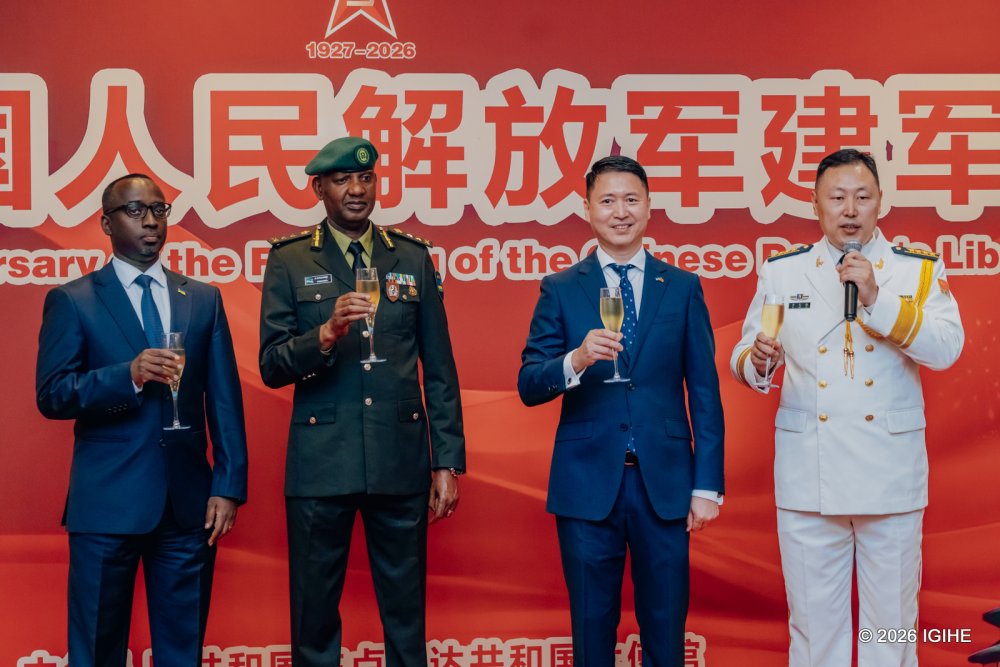
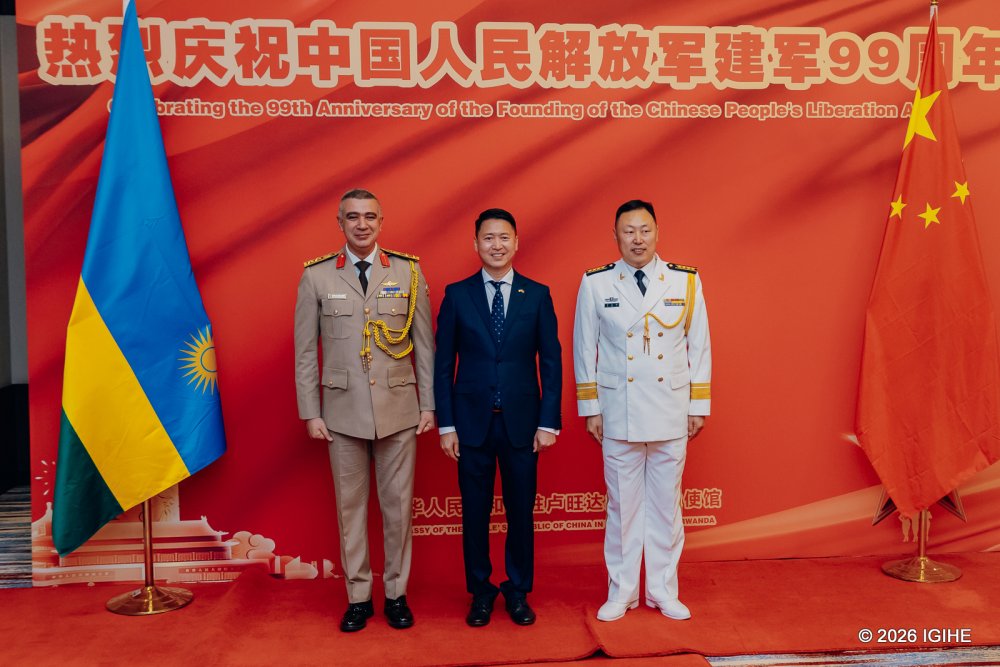
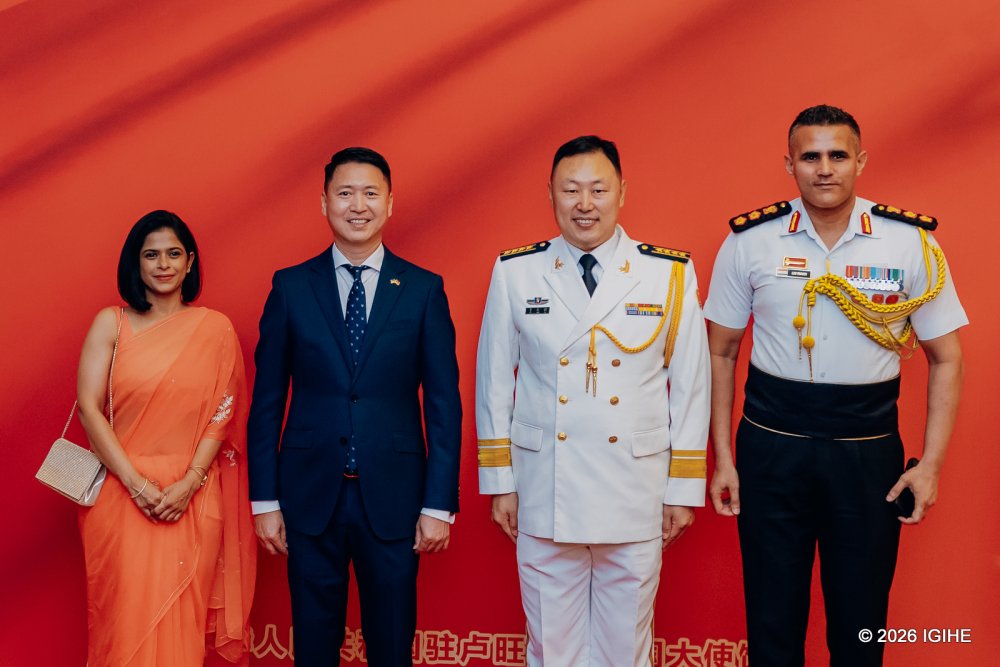
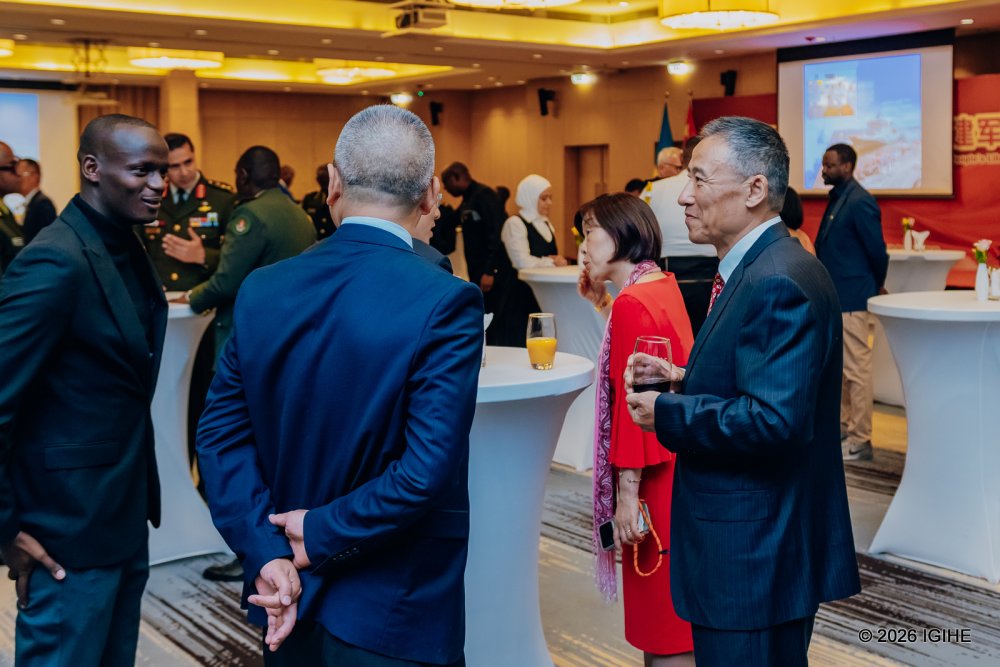
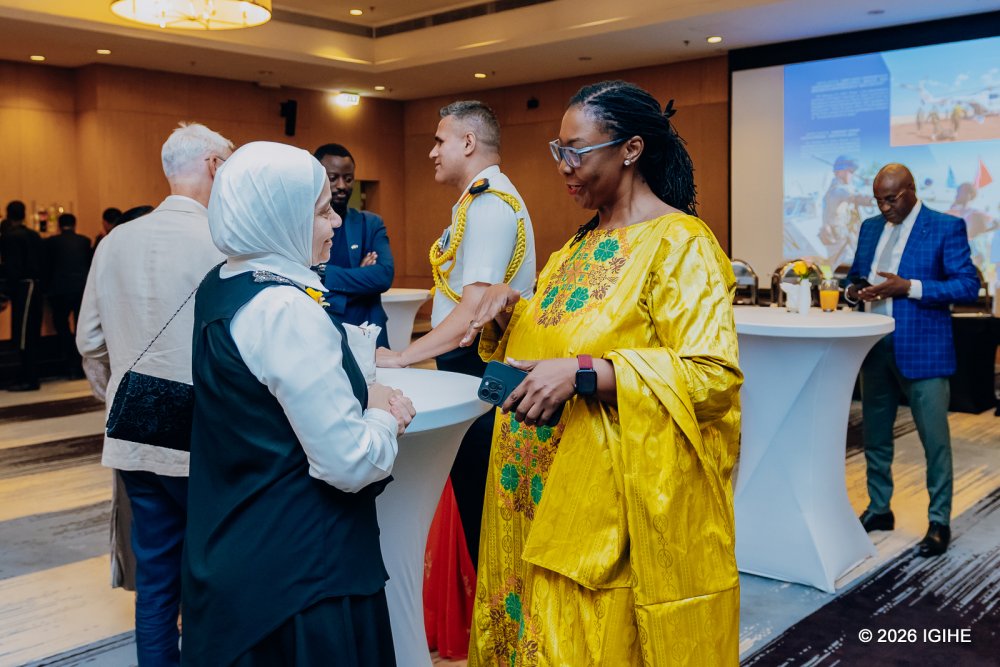
The anniversary celebration brought together government officials, diplomats, defence attachés, members of the Chinese community and friends to commemorate its history and achievements.
Photos from the celebration of the 99th anniversary of the Chinese People’s Liberation Army (PLA) in Kigali
Maj Gen Alex Kagame congratulates the Chinese government and the People’s Liberation Army during the PLA anniversary celebration in Kigali.Chinese Defence Attaché Senior Capt Li Dayi highlighted China’s contribution to global peacekeeping during the PLA anniversary event in Kigali.Guests follow remarks during a ceremony marking the 99th anniversary of the founding of the Chinese People’s Liberation Army in Kigali.RDF representatives and Chinese officials attended the celebration of the 99th anniversary of the Chinese People’s Liberation Army in Kigali.Rwanda and China officials gather in Kigali to mark the 99th anniversary of the founding of the Chinese People’s Liberation Army.Senior Capt Li Dayi, Chinese Defence Attaché to Rwanda, addresses guests during the PLA’s 99th anniversary celebration held in Kigali.The celebration brought together government officials, diplomats, defence attachés and members of the Chinese community in Kigali.Maj Gen Alex Kagame, Chief of Staff of the RDF Reserve Force, delivers remarks during the celebration of the 99th anniversary of the founding of the Chinese People’s Liberation Army in Kigali.
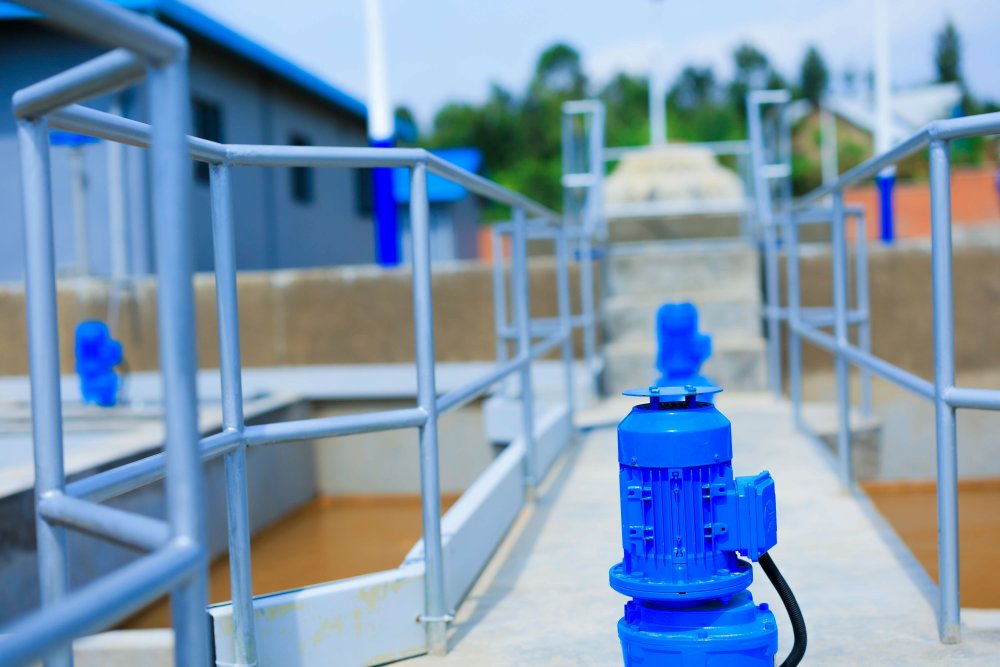
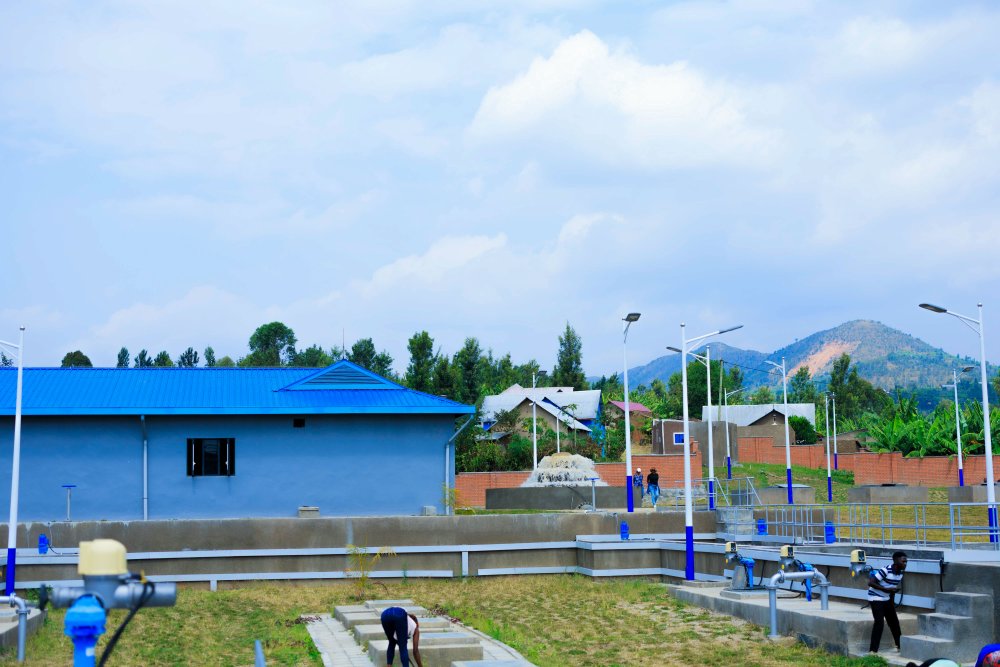
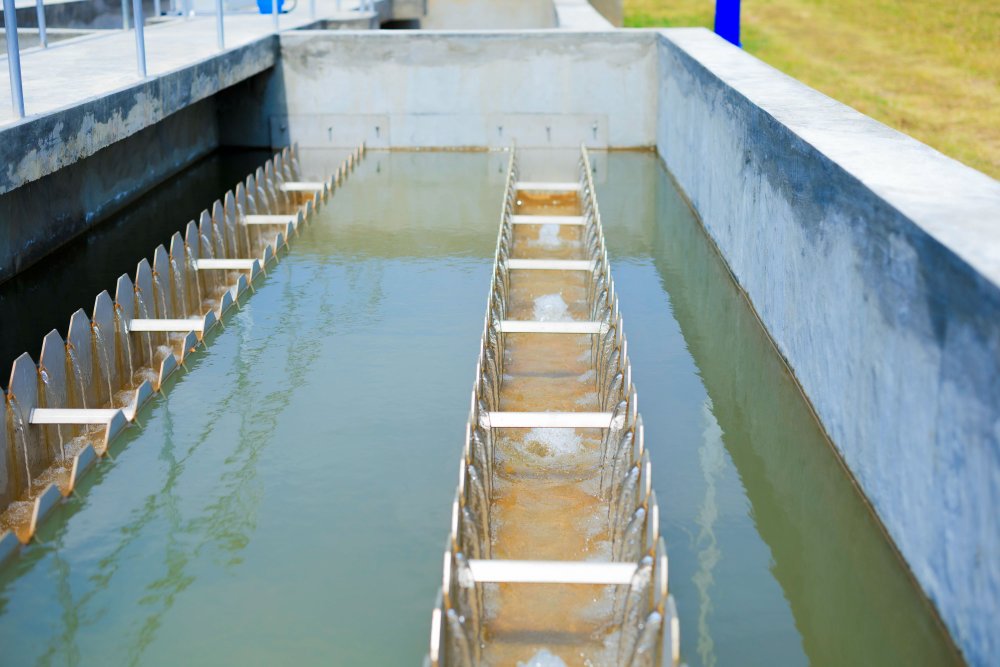
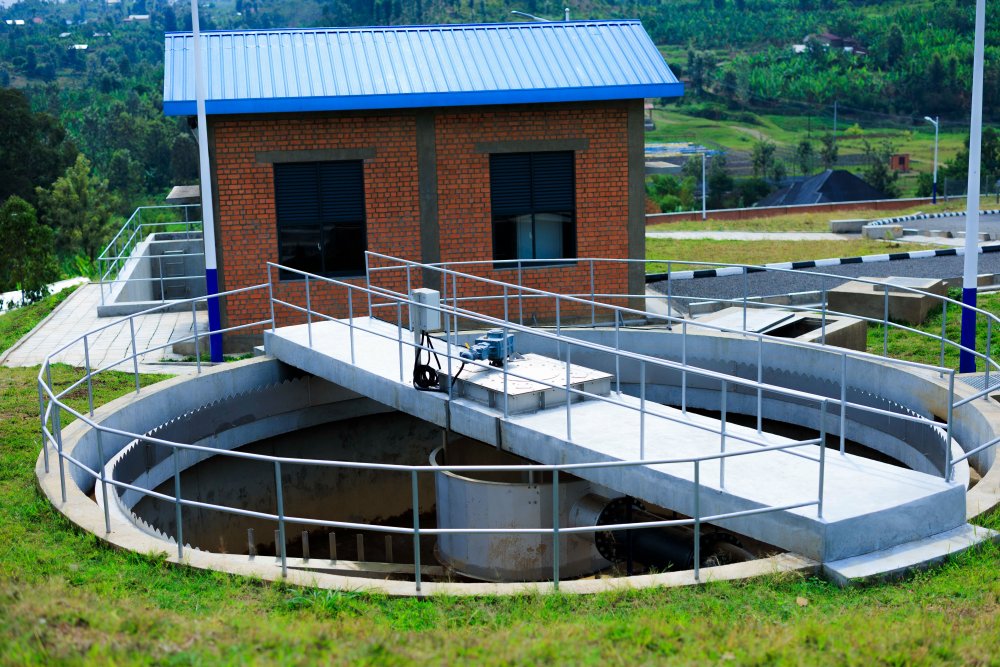
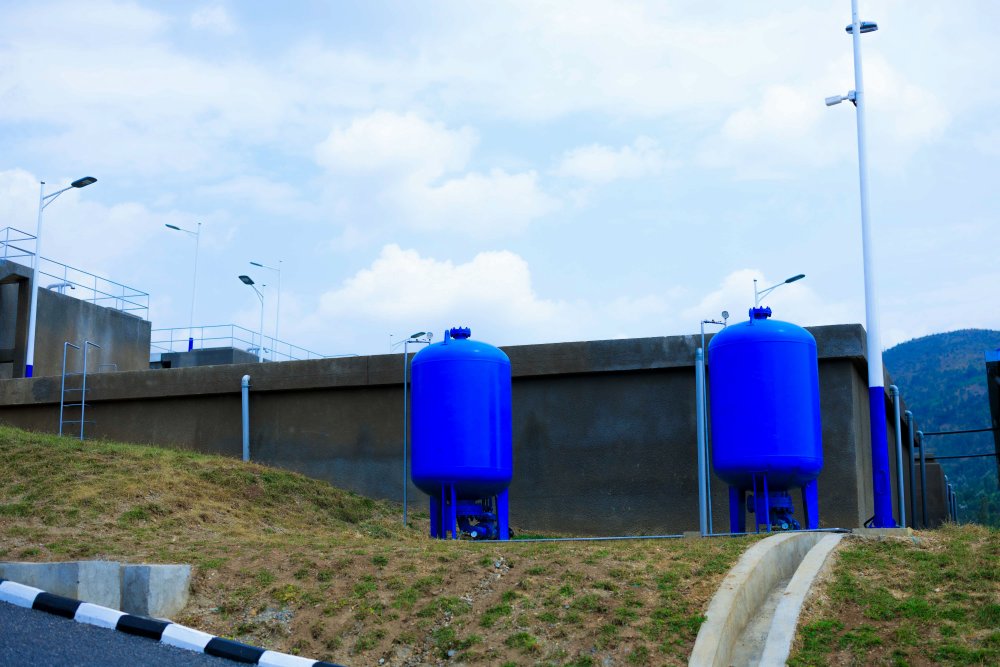
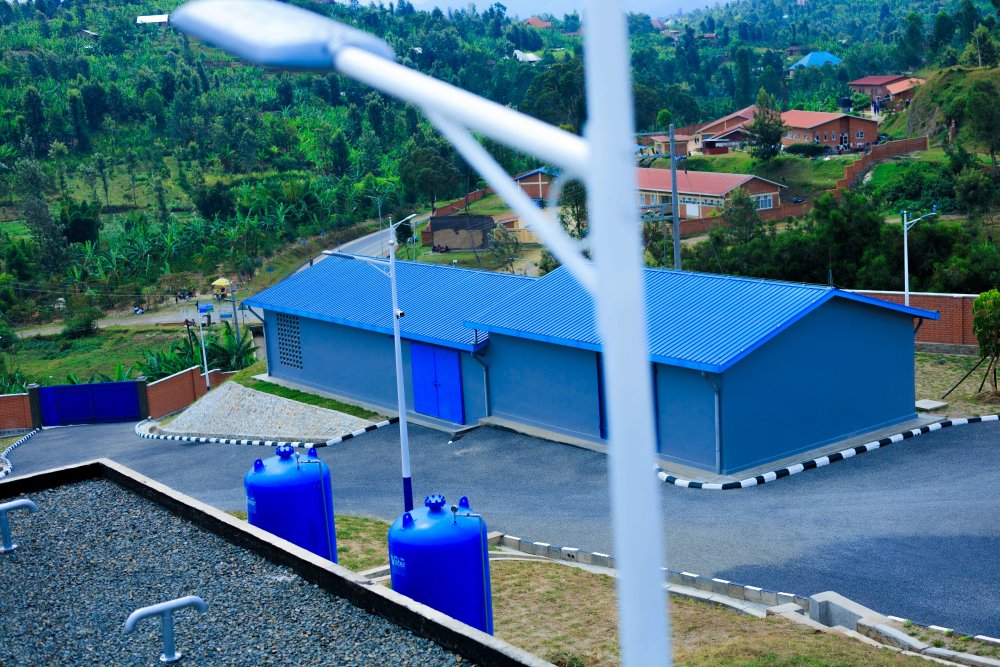
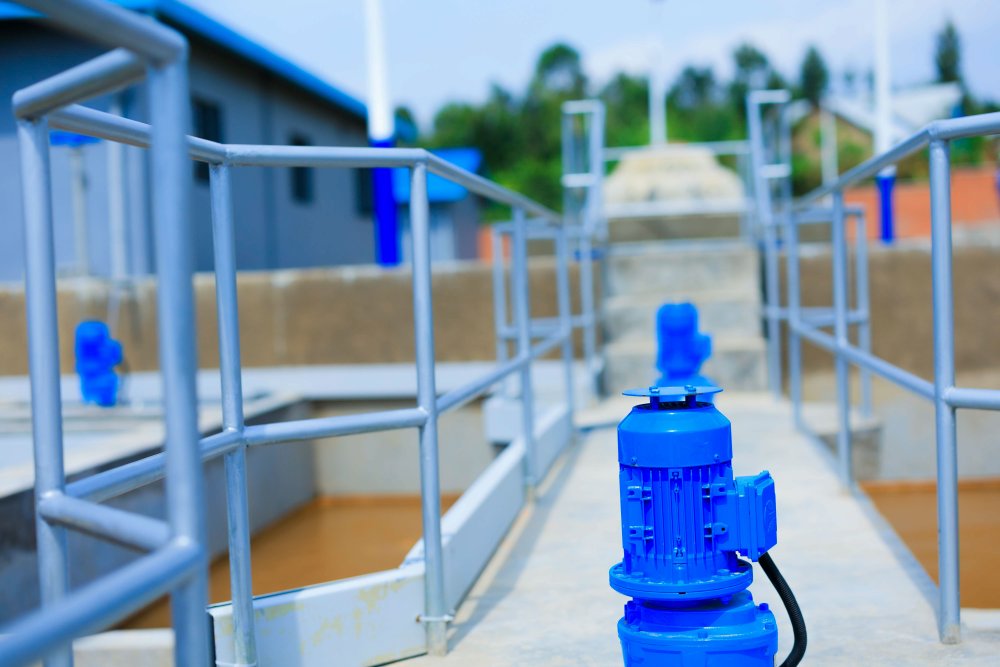
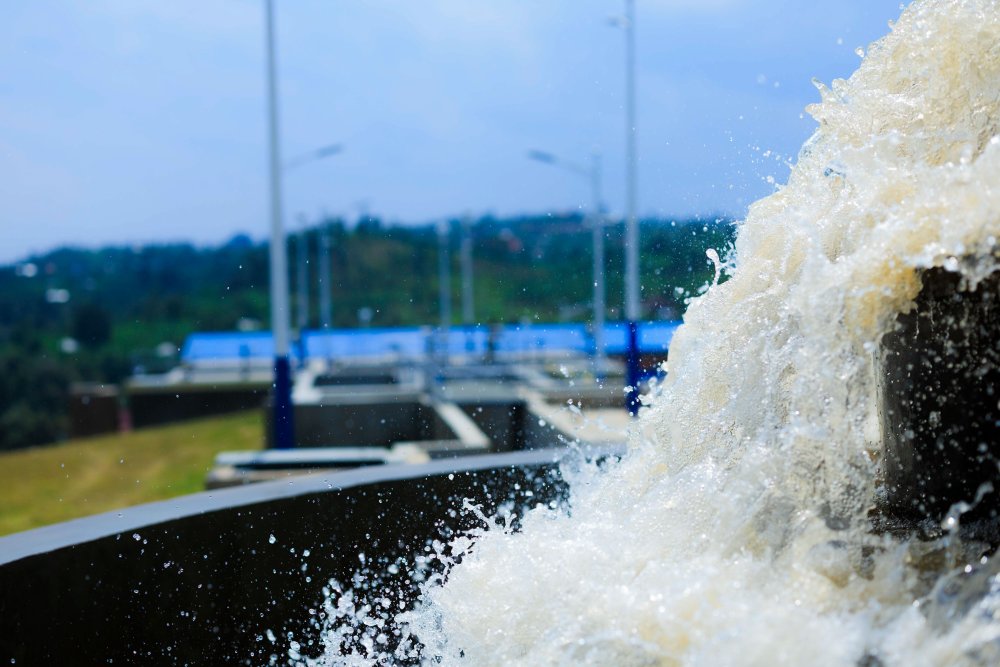
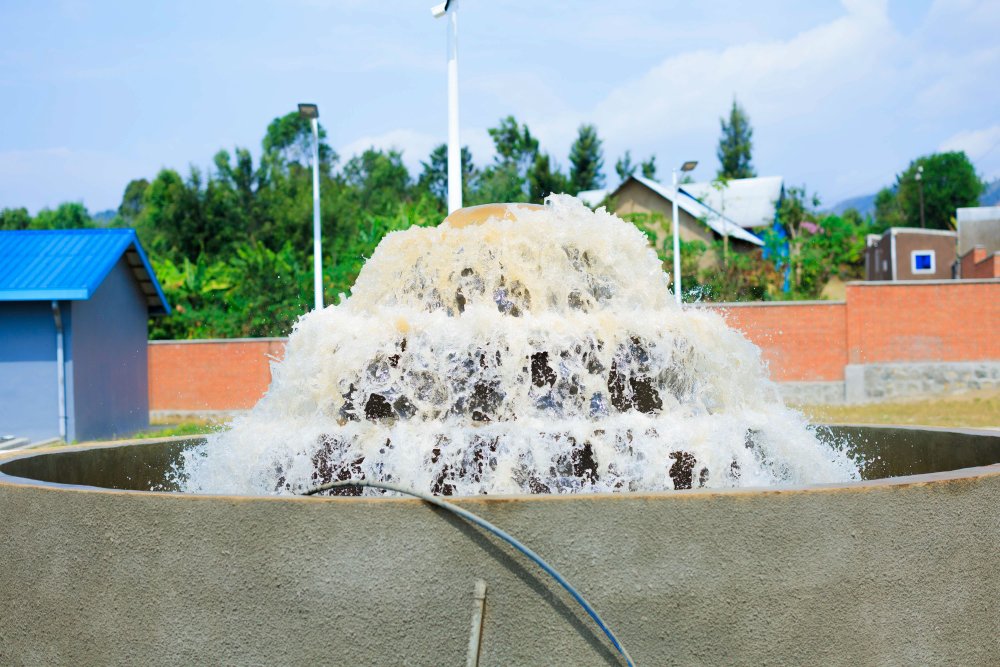
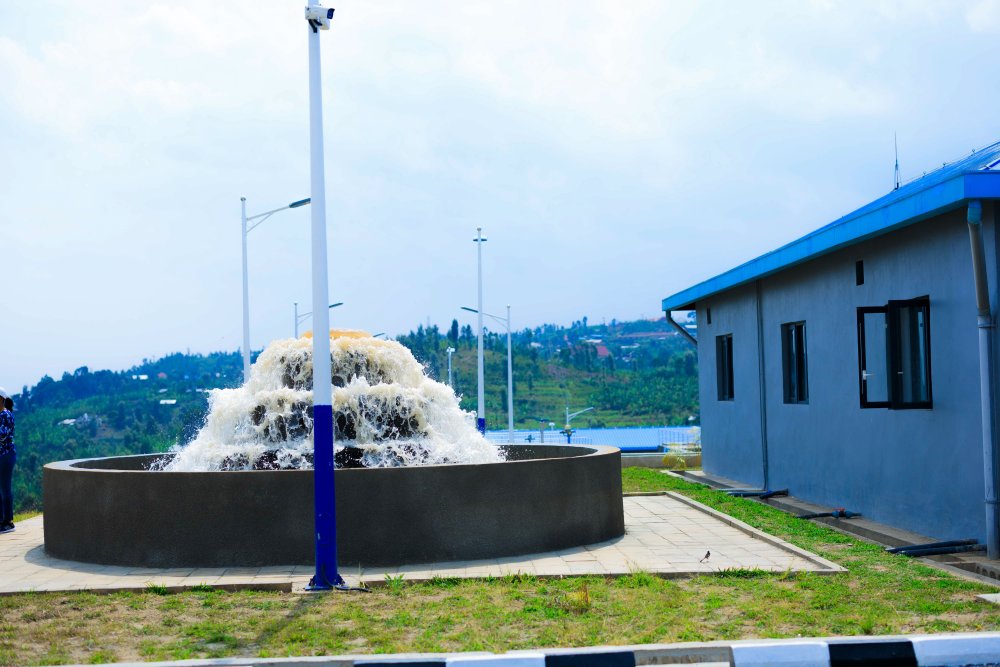
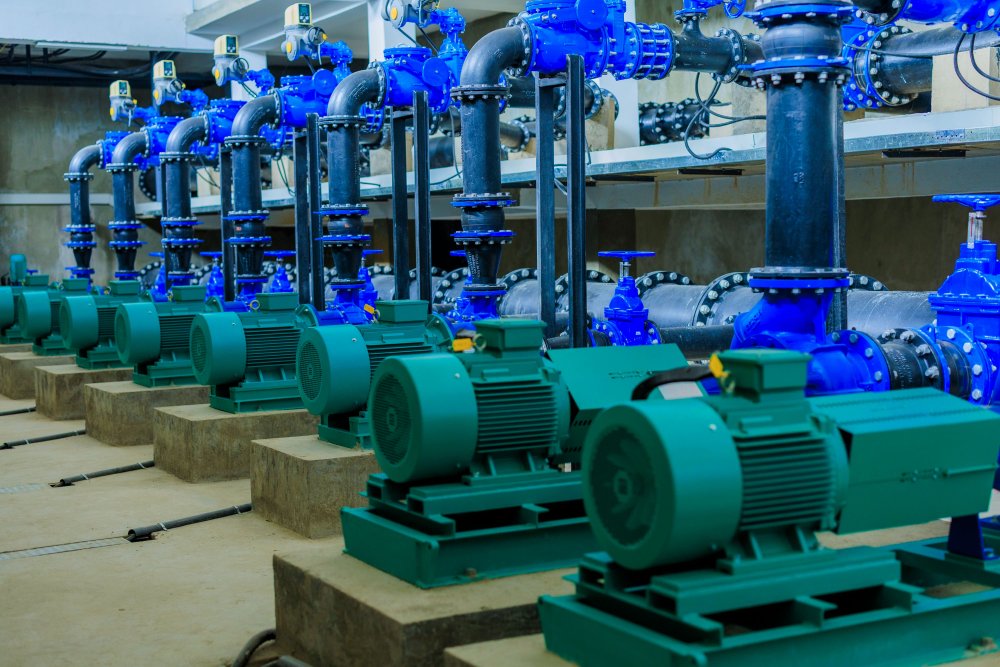
The ministry said the completion of the plant marks a significant step in expanding access to safe and reliable water supply in different parts of Rwanda.
The facility has the capacity to treat 13,000 cubic metres of water, increasing the availability of clean water for communities and supporting efforts to improve public health and sanitation.
The completed works represent the first phase of the Kivu Belt Water Supply System project, which is expected to provide clean water to more than 130,000 people once fully implemented.
“Beyond improving household access to clean water, the project will also strengthen service delivery for health facilities, schools, hotels, businesses, and other public institutions, supporting improved public health and socio-economic development,” the ministry said.
The Rwandan government has continued to invest in expanding access to clean water and improving sanitation services, with the goal of ensuring that all citizens have sustainable access to safe water.
As part of efforts to address water supply challenges, the government has announced plans to increase clean water production capacity to 688,000 cubic metres per day by 2029.
WASAC, Rwanda’s water and sanitation utility, indicates that approximately 1,234 cubic metres of water that could be treated daily by existing facilities is currently unavailable due to ageing infrastructure.
To address these challenges, authorities are implementing measures including the expansion and rehabilitation of water treatment facilities and distribution networks. These efforts aim to reduce water losses before reaching consumers from the current 35 percent to 25 percent by 2029.
Kivu Belt Water Plant to supply 13,000 cubic metres of water dailyWater from Kivu Belt Plant to improve healthcare servicesFirst phase of Kivu Belt Water Project completed, begins supplying residents in Rubengera and BwishyuraRwanda intensifies efforts to expand access to clean water
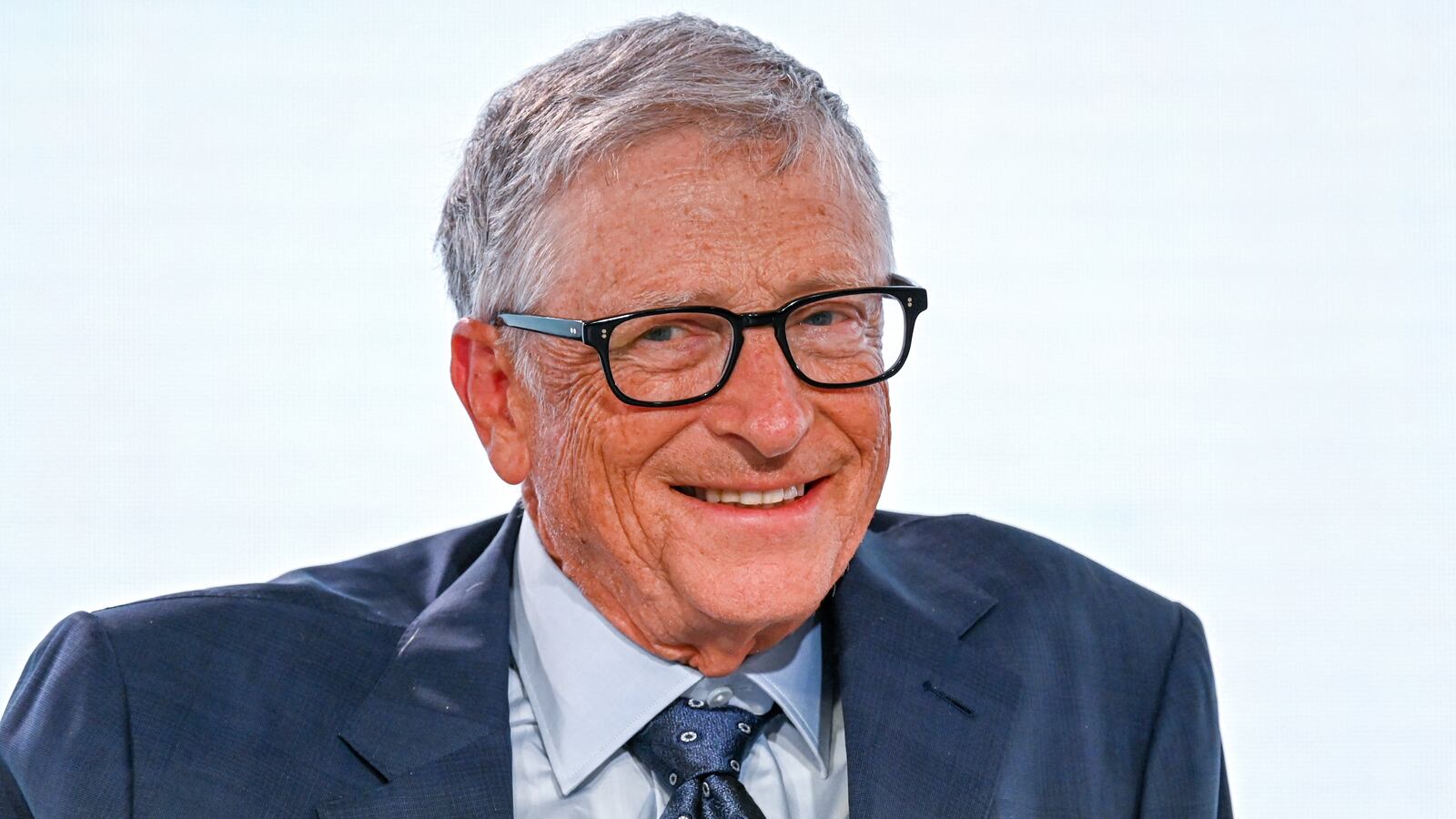
Gates began his engagements by visiting a syringe manufacturing plant in Rwamagana District, one of the facilities supporting efforts to increase Africa’s capacity to produce essential medical supplies locally.
During his visit, IGIHE has learnt, Gates is also expected to tour Mwulire Health Centre and meet with a community health worker to gain insights into how Rwanda’s healthcare system delivers services from the grassroots level.
The visit is a personal one for Gates, who has kept a relatively low-profile approach during his engagements. People who have interacted with him described him as approachable despite his global influence.
His schedule includes meetings with different stakeholders, including an engagement at a hotel in Rwamagana.
The facilities and initiatives he is visiting are among areas supported by the Gates Foundation, where he serves as Co-Chair.
The TKMD syringe manufacturing plant, located in Mwulire Industrial Park, Rwamagana, was inaugurated in April 2025. It started operations with the capacity to produce between 600,000 and one million syringes daily.
The factory employs 110 people, with women accounting for about 80 percent of its workforce. Before being distributed, the syringes undergo quality checks to ensure they meet international standards.
The first batch produced by the plant was purchased by UNICEF and supplied to countries including Ethiopia, Burundi, the Democratic Republic of Congo and Mozambique.
According to CNBC Africa, TKMD has produced more than 22 million syringes since 2024 and secured a UNICEF contract to manufacture an additional 150 million units. Local production is expected to reduce delivery times to countries across East, Central and Southern Africa by up to 90 percent.
Gates has previously highlighted the importance of strengthening local manufacturing capacity, particularly after the COVID-19 pandemic exposed vulnerabilities in global supply chains for vaccines, medicines and other essential health products.
He said African countries’ difficulties in accessing critical medical supplies during the pandemic showed the risks of relying heavily on distant manufacturers.
Ahead of his visit, Gates told CNBC Africa that Rwanda’s progress has been driven by long-term investments in people, strong institutions and effective delivery of services rather than a single innovation.
He pointed to major improvements in health outcomes since 2000, where the number of Rwandan children dying before the age of five has declined by 80 percent, while deaths among women from complications related to pregnancy and childbirth have fallen by 85 percent.
According to Gates, these gains have been supported by investments in primary healthcare, community health workers and institutions such as the Rwanda Biomedical Center.
The visit comes months after Rwanda was selected as the first beneficiary of Horizon1000, a $50 million (about Rwf 72 billion) artificial intelligence health initiative launched by the Gates Foundation and OpenAI to support African countries in using AI to strengthen healthcare delivery.
The initiative, announced in January 2026, aims to help deploy AI tools across 1,000 primary healthcare clinics and surrounding communities by 2028, with a focus on improving access to quality care and supporting healthcare workers.
Rwanda was selected partly because of its investments in digital health and innovation, including the establishment of an AI health hub and the launch of an AI-powered Health Intelligence Center.
During his interview, Gates said AI has the potential to address some of Africa’s biggest challenges, including health worker shortages and limited healthcare infrastructure.
He stressed that the technology should support, rather than replace, healthcare workers by helping them make better decisions and improve service delivery.
The American philanthropist said he was looking forward to meeting government leaders, frontline health workers, innovators, researchers and students to better understand Rwanda’s approach to using technology and partnerships to improve lives.
For more than two decades, the Gates Foundation has partnered with Rwanda and other African countries to support efforts aimed at strengthening health systems and advancing development priorities.
“I’m looking forward to the conversations ahead, and to learning more from the people and institutions helping shape Africa’s future,” Gates said.
American billionaire Bill Gates is in Rwanda to learn more about the country’s progress.
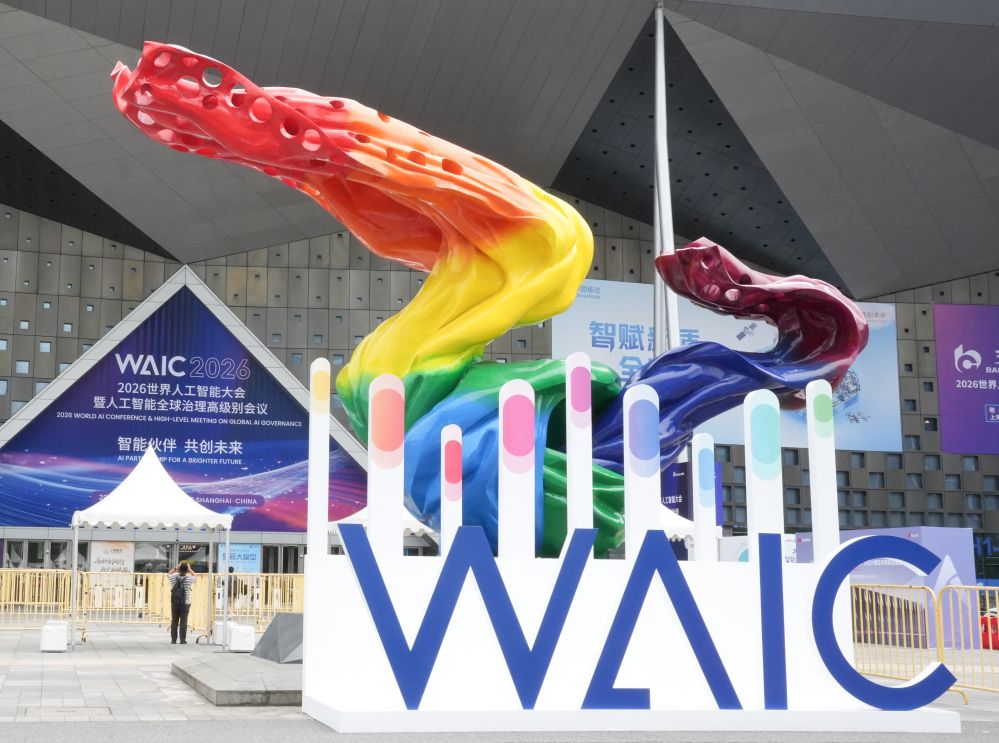
Chinese President Xi Jinping said the establishment of the World Artificial Intelligence Cooperation Organization (WAICO) is a major move by China to answer the call of the Global South and unite the international community in advancing AI development and governance.
“It will be an important milestone in the history of AI development,” Xi said at the opening ceremony of the 2026 World AI Conference and High-Level Meeting on Global AI Governance.
WAICO’s establishment comes as AI has emerged as a key driver of global economic growth, while humanity grapples with AI-related security and ethical challenges and seeks to bridge widening gaps in AI development, according to speakers at the event.
The organization, headquartered in Shanghai, aims to ensure that AI is beneficial, safe and fair, and serves the benefit of all humanity, according to the organization’s founding agreement.
Representatives from 29 countries signed the agreement on Thursday, making their countries founding members of WAICO. Chinese Foreign Minister Wang Yi signed the agreement on behalf of the Chinese government. The other countries included Kazakhstan, Laos, Pakistan, Russia and Indonesia.
WAICO’s establishment is widely considered a concrete step China takes to work with all parties to build a fair and equitable AI governance framework and make AI an international public good that benefits all.
Addressing Friday’s event, United Nations Secretary-General Antonio Guterres noted that WAICO is a “natural development” of the Global AI Governance Initiative proposed by Xi in 2023.
“Technology that will shape the future of humanity must be shaped by all humanity,” said Guterres. “It cannot be governed by a handful of countries or a handful of companies. Every nation needs a seat at the table.”
China is a global leader in AI development. In 2025, its core AI industries were worth over 1.2 trillion yuan (about 175 billion U.S. dollars), while the number of AI enterprises nationwide exceeded 6,200.
Kazakh President Kassym-Jomart Tokayev, also attending the event, said he appreciates China’s leadership in establishing WAICO, adding that he believes the organization has the potential to become a leading international institution shaping the future of global AI.
This photo taken on July 16, 2026 shows the exterior view of the Shanghai World Expo Exhibition and Convention Center in Shanghai, east China. Shanghai is ushering in its major AI moment of the year with the forthcoming 2026 World AI Conference (WAIC) and High-Level Meeting on Global AI Governance, scheduled from Friday to Monday. (Xinhua/Ding Ting)