In a statement issued on August 3, 2026, Rwanda FDA announced that it had closed 101 additional manufacturers producing fermented alcoholic beverages and ordered the immediate removal of all advertising materials promoting their products across the country.
The regulator also directed that all alcoholic beverages produced by the affected manufacturers be withdrawn from the market immediately.
“Rwanda FDA orders that all beverages produced by these manufacturers be removed from the market. Manufacturers must immediately begin withdrawing the products as soon as they receive this notice,” the statement said.
The authority further instructed the manufacturers to notify all distributors to collect the products from wholesalers and retailers and return both unsold and recalled stock to the production facilities.
Manufacturers have been given three working days from August 3, 2026, to submit a report to Rwanda FDA detailing the product recall process.
Distributors and retailers were also ordered to stop selling or distributing the listed beverages immediately and return any remaining stock to their suppliers, whether distributors or manufacturers.
Rwanda FDA warned that failure to comply with these directives would result in additional measures in accordance with applicable laws and regulations.
The authority also urged consumers to stop drinking the affected products, adding that more manufacturers could face similar sanctions as ongoing inspections and enforcement activities continue.
The statement further clarified that any other alcoholic beverages produced by the listed manufacturers, even if they do not appear on the published list, must also be removed from the market.
In addition, all billboards and other advertising materials promoting the affected alcoholic beverage brands must be taken down immediately wherever they are displayed across the country.
The latest enforcement action comes just a day after Rwanda FDA suspended eight distilleries on August 2, 2026, including Ingufu Gin Ltd and NBG Ltd.
The crackdown is part of a broader campaign against unregulated alcoholic beverages, which have caused serious public health concerns in Rwanda. Over the past seven months, such products have reportedly claimed around 50 lives, while about 100 other people suffered severe health complications, including blindness.
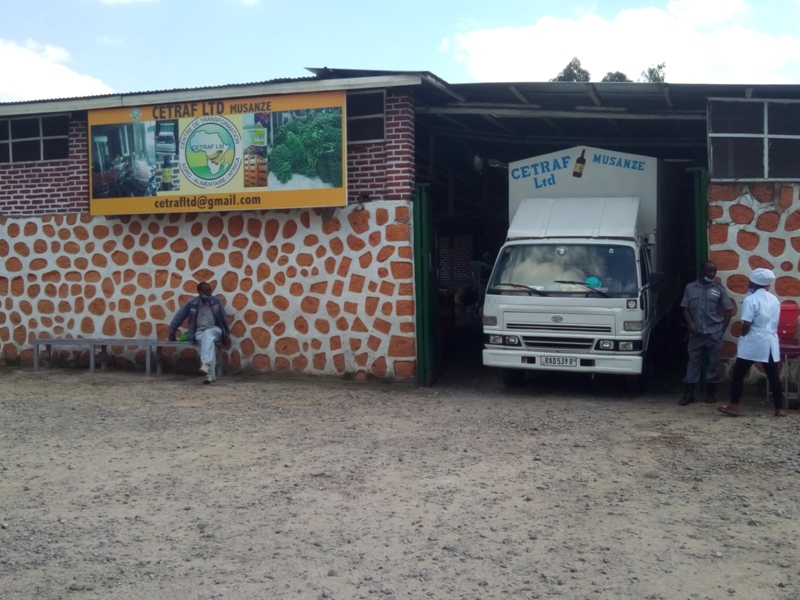
Over 100 beverage manufacturers including CETRAF from Musanze have been shut down.
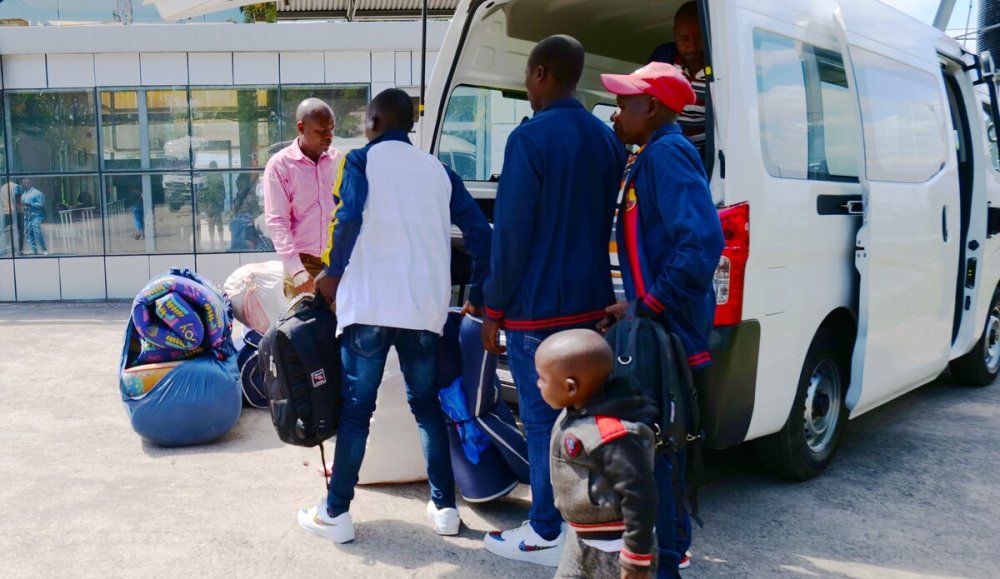
The minister made the comments via X account on August 1, 2026, in response to a MONUSCO statement issued on July 29 after Rwanda returned 39 Congolese nationals to the DRC.
The individuals had been repatriated to Rwanda as former FDLR combatants, but subsequent verification established that they were Congolese civilians with no ties to the armed group.
In its statement, MONUSCO rejected suggestions that it had been negligent, stressing that every repatriation is preceded by a comprehensive verification process to confirm that those concerned qualify for return to Rwanda.
However, Amb. Nduhungirehe said the UN mission cannot deny the outcome of the verification carried out after the repatriations.
“What MONUSCO cannot distance itself from, however, is the fact that since October last year, 81 people repatriated by MONUSCO as former FDLR combatants were later found to be Congolese civilians, born to Congolese parents, with no Rwandan origin and no history of involvement in armed groups.”
The minister further explained that the Expanded Joint Verification Mechanism (EJVM), a regional mechanism responsible for verifying security-related matters in the Great Lakes region, was invited to independently examine the issue.
According to Amb. Nduhungirehe, interviews conducted during the verification process showed that many of those repatriated had falsely claimed to be former FDLR members in order to benefit from Rwanda’s demobilization and reintegration programme.
“The Expanded Joint Verification Mechanism (EJVM) was even invited to verify this information. During interviews, 69 of these individuals admitted regretting having agreed to falsely present themselves as former FDLR combatants after being promised the benefits offered by the Mutobo Demobilization Centre to repatriated ex-combatants.”
Amb. Nduhungirehe also called on MONUSCO to uphold the highest standards in implementing its disarmament, demobilization and reintegration (DDR) programme.
“In conclusion, I would like to stress that throughout this process of disarming and demobilizing former combatants, professionalism, diligence, and integrity on the part of MONUSCO’s DDR personnel must remain fundamental guiding principles.”
Foreign Minister Olivier Nduhungirehe said that since October 2025, MONUSCO has repatriated 81 Congolese civilians to Rwanda, identified as former FDLR combatants.MONUSCO repatriates former armed group members to Rwanda through its Disarmament, Demobilisation, Repatriation, Reintegration and Resettlement (DDRRR) programme.
The message was shared through a statement issued on July 31, 2026, by RPF-Inkotanyi Secretary General Ambassador Christophe Bazivamo.
The statement said: “The RPF-Inkotanyi family joins in mourning with the Liberal Party [PL] following the death of Honourable Senator Mukabalisa Donatille, who was the president of the party.”
RPF-Inkotanyi said Senator Mukabalisa will be remembered for her dedicated service to the country and her contribution to Rwanda’s development journey.
“Honourable Senator Mukabalisa Donatille will always be remembered for the good work she did for the country and her contribution to the development journey, especially during her tenure as President of the Chamber of Deputies and during her time as a Senator,” the statement read.
The ruling party also extended condolences to Mukabalisa’s family, friends, and colleagues she worked with at different levels, encouraging them to remain strong during this difficult period.
Senator Mukabalisa died on July 30, 2026, after an illness. She served as President of the Chamber of Deputies from 2013 to 2024 before joining the Senate.
Throughout her political career, Mukabalisa was among the women who played a significant role in Rwanda’s leadership, particularly through her decade-long tenure at the helm of the Chamber of Deputies.
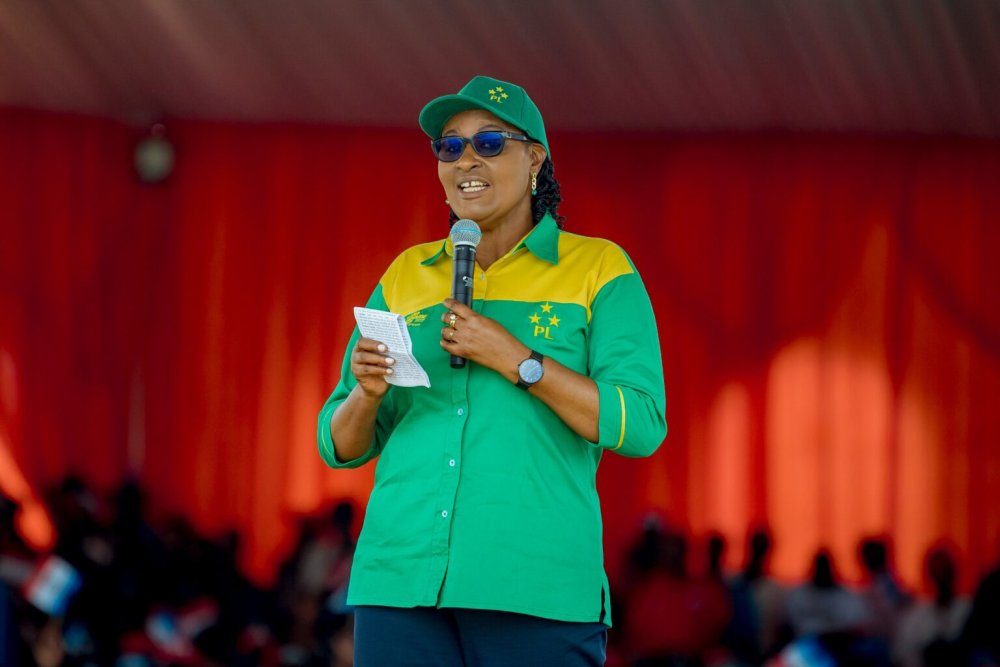
Senator Mukabalisa Donatille served as a Senator and President of PL before her demise.
The accident occurred on July 30, 2026, at around 5:00pm in Nyakabungo Village, Gasoro Cell, Kigoma Sector.
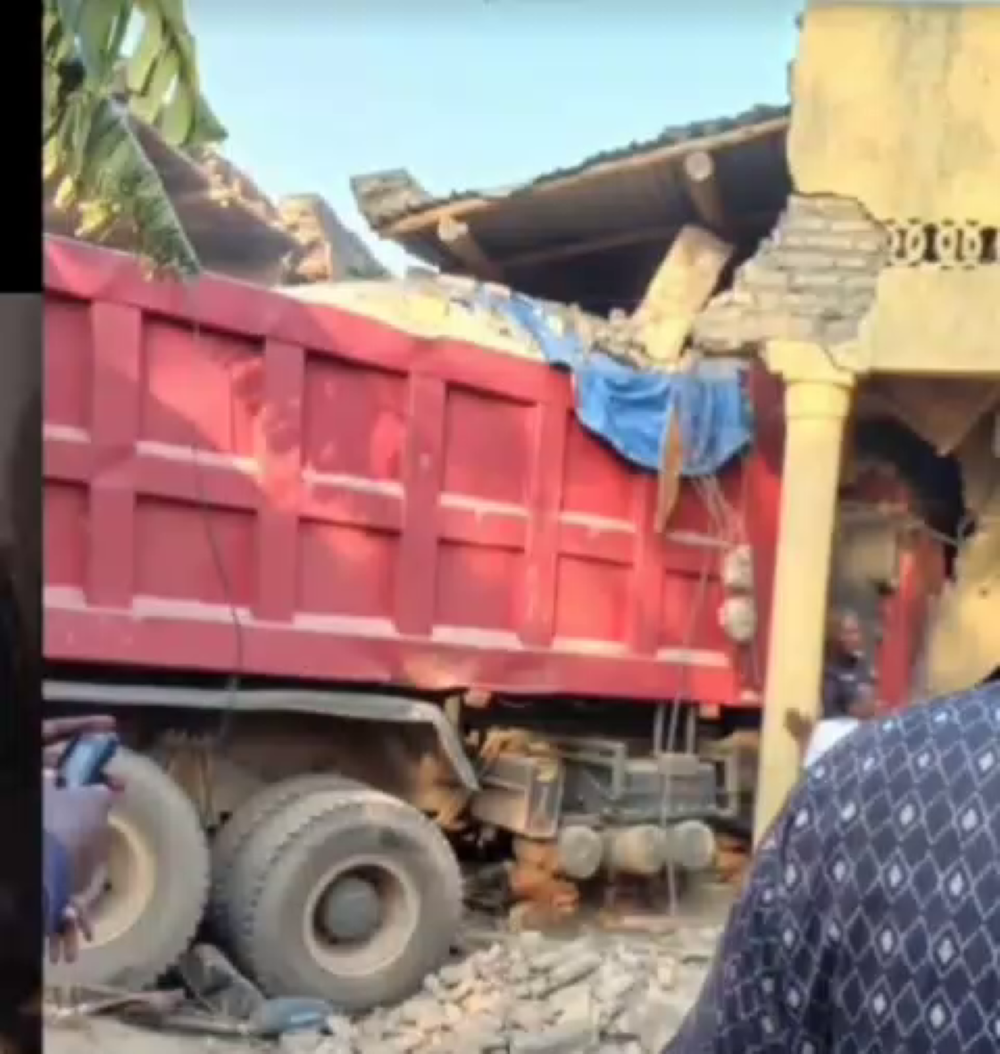
The truck, which was carrying sand, reportedly veered off the road due to its heavy load before crashing into the nearby commercial building, where it struck people inside.
Nyanza District Acting Mayor Patrick Kajyambere told IGIHE that one person died in the accident, while five others, including the truck driver, sustained injuries.
“A woman died on the spot while five others were injured, including the driver. We have not yet confirmed the exact number of people affected because one person is still missing,” Kajyambere said by press time.
He added that the deceased and the injured were taken to Nyanza Hospital for medical attention, while expressing condolences to the families affected by the accident.
Kajyambere said the cause of the accident has not yet been established, adding that investigations by the Rwanda National Police traffic unit will determine what led to the crash.
A Howo truck was involved in an accident in Kigoma Sector, Nyanza District on July 30.
“This agreement is a critical step towards Gaza finally being governed by a new Palestinian government that will work closely with the Board of Peace to help the Palestinian people,” Trump wrote on Truth Social.
“At the same time, Israel will have the security it deserves, with Gaza no longer used as a base for terror attacks,” he added.
The agreement will be carried out in structured phases, according to Trump, who noted that as disarmament is completed, Israeli forces will withdraw, and the International Stabilization Force will work with a new Palestinian police force to take responsibility for Gaza’s security.
He said Egypt, Qatar and Türkiye helped broker the agreement as mediators.
As of now, Hamas has yet to confirm the agreement.
Trump said that the agreement is a critical step towards Gaza finally being governed by a new Palestinian government that will work closely with the Board of Peace
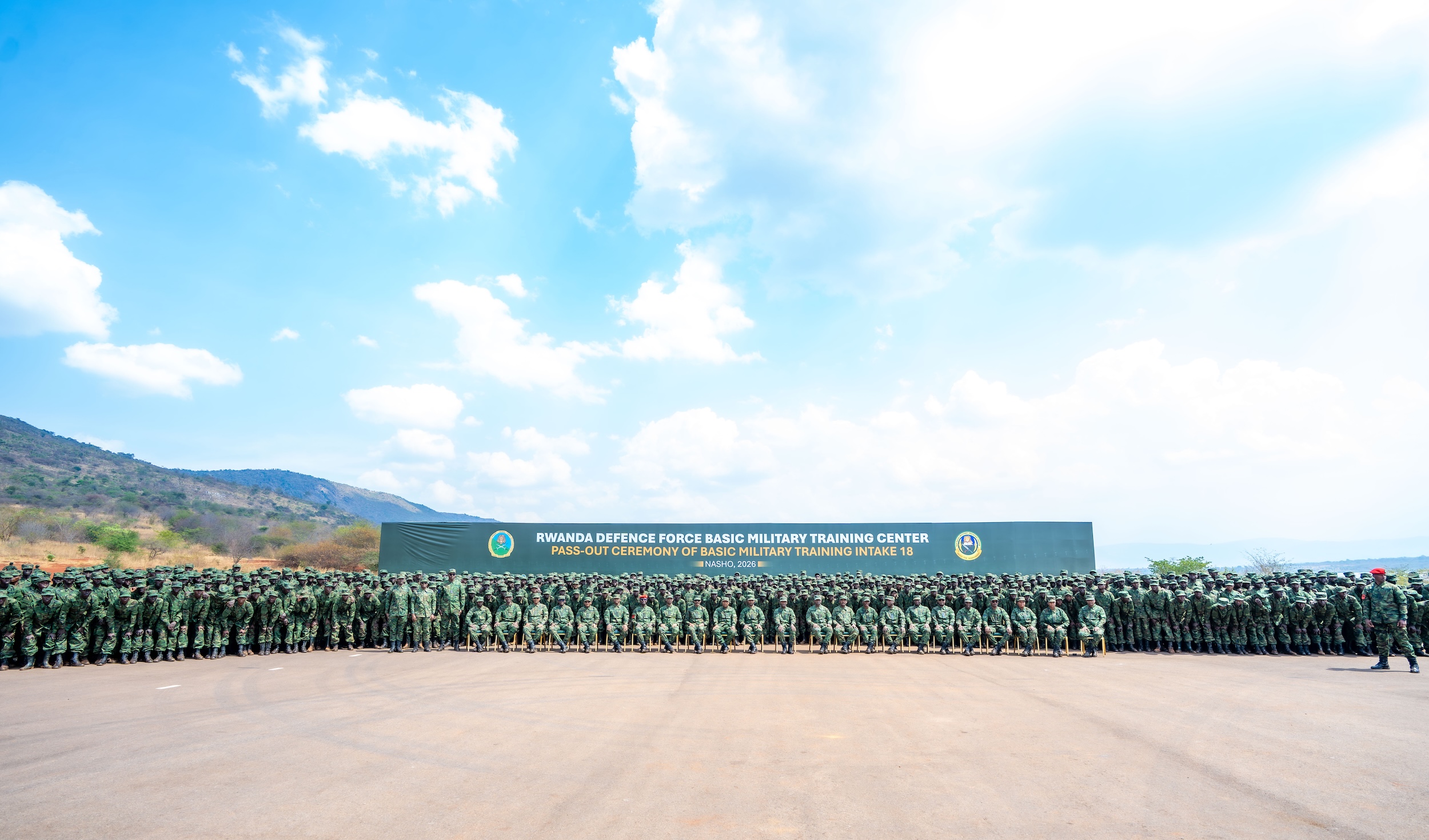
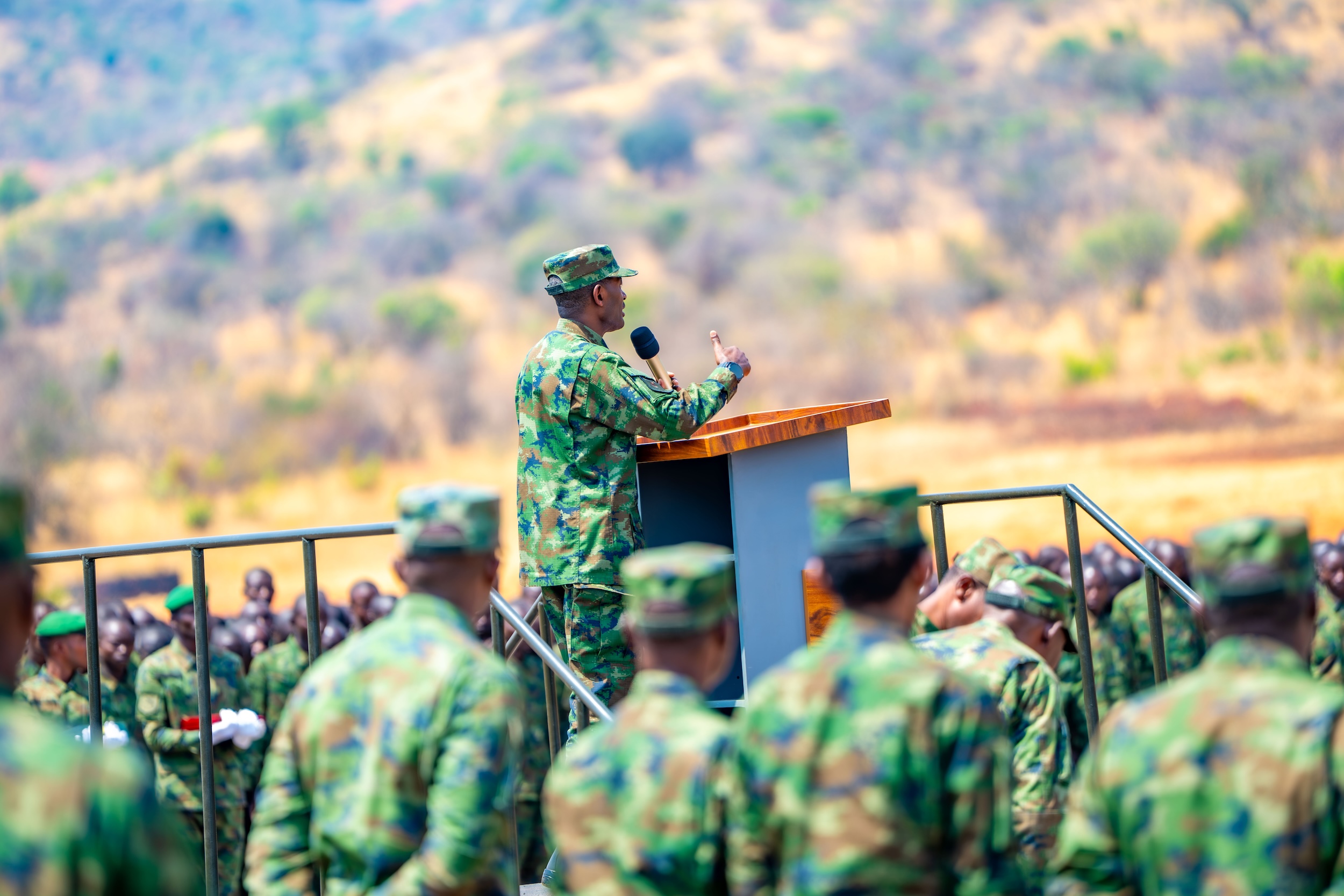
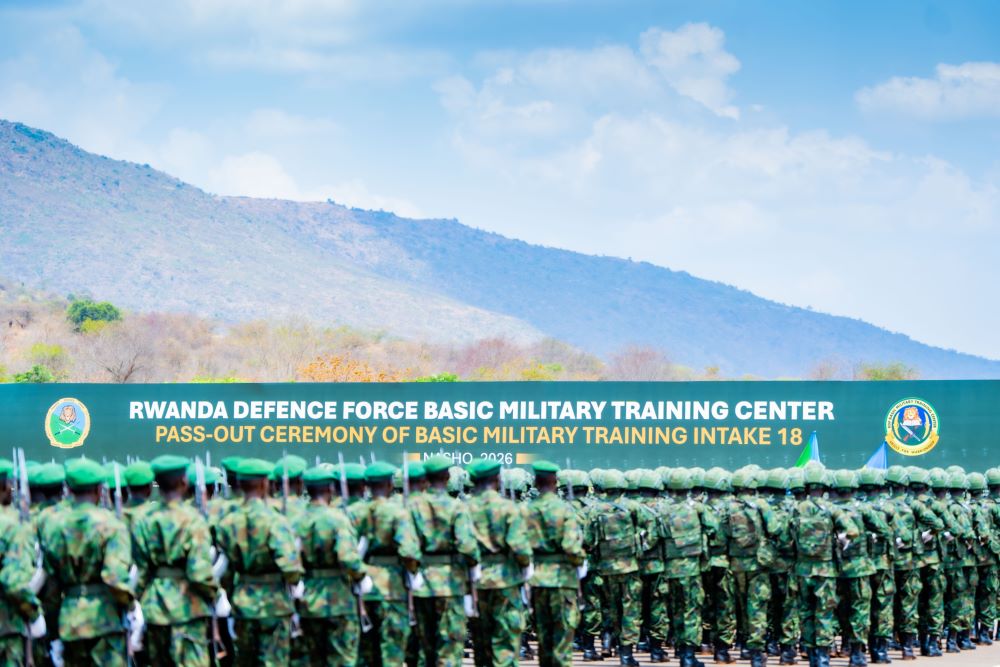
The pass-out ceremony was presided over by the Chief of Defence Staff of the Rwanda Defence Force, General MK Mubarakh, and attended by RDF generals, senior and junior officers, as well as other ranks.
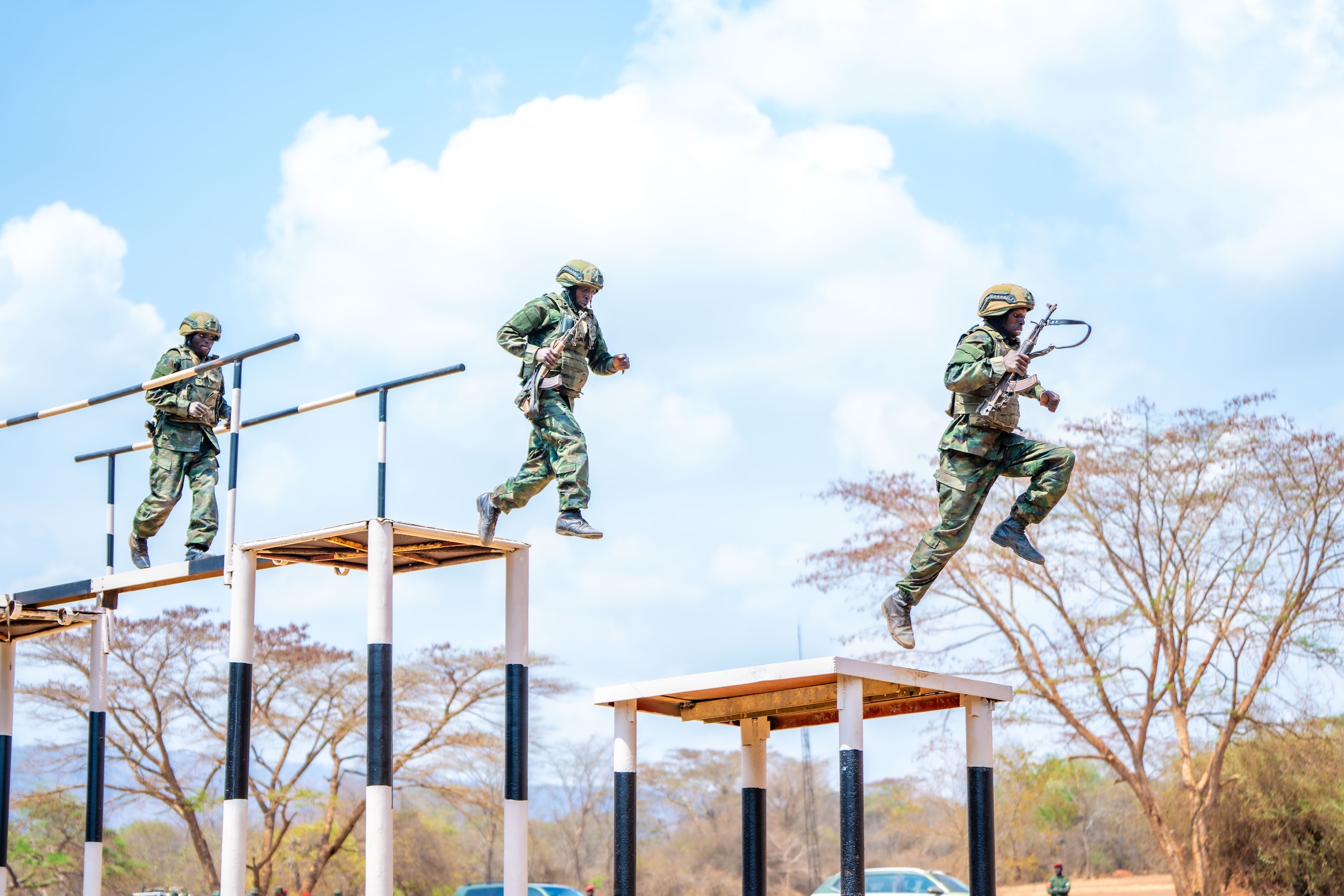
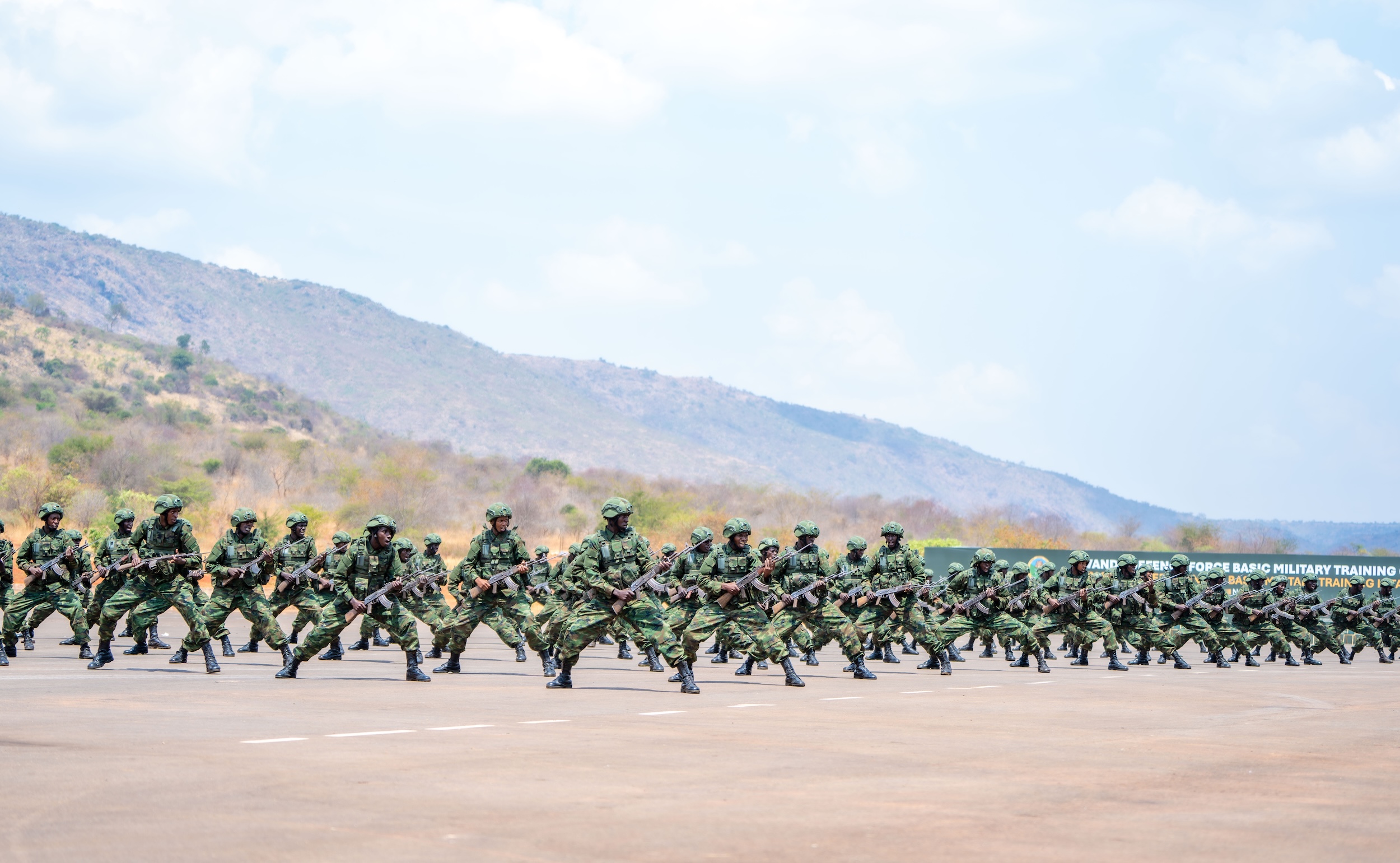
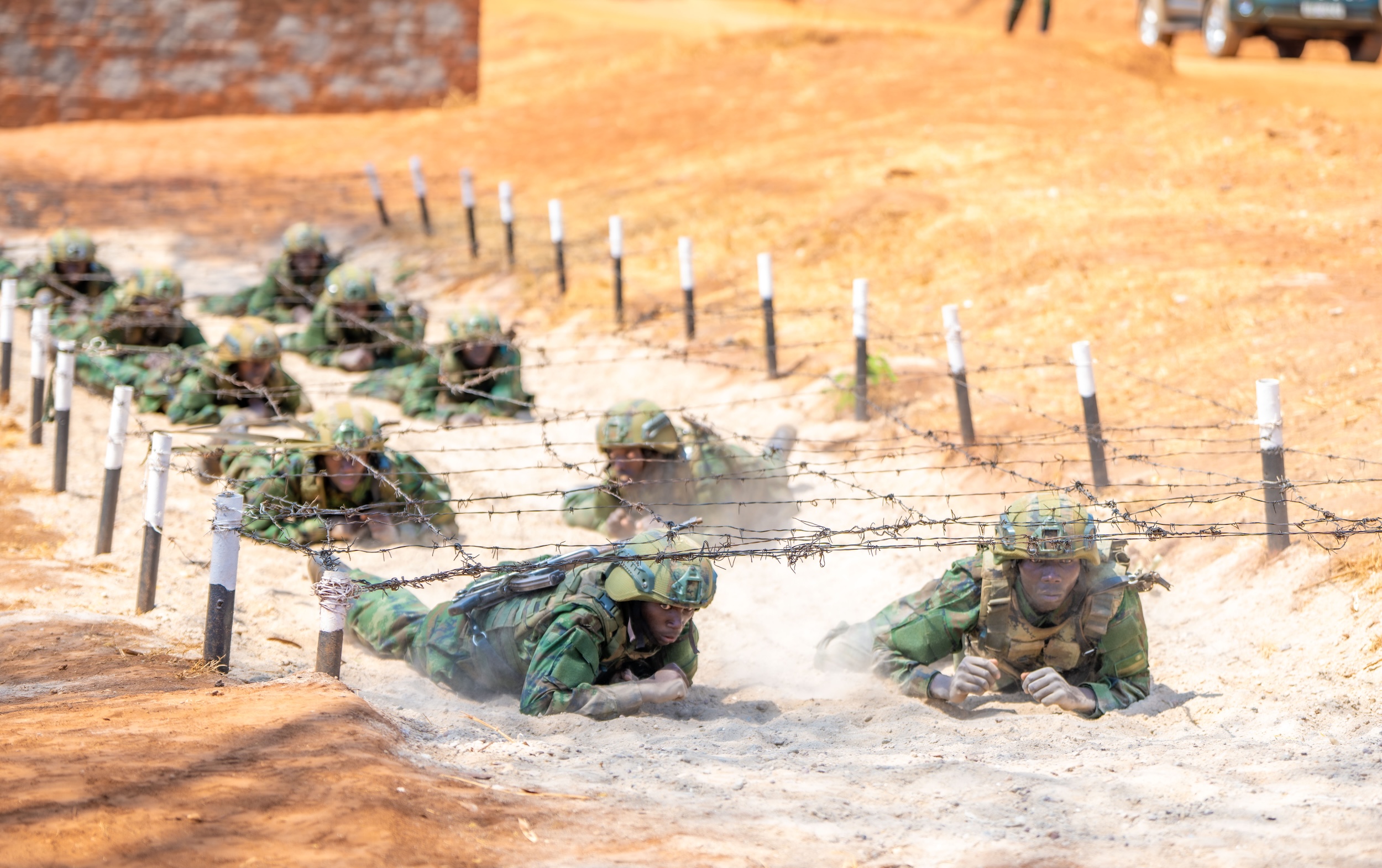
During the ceremony, the newly trained soldiers demonstrated the knowledge and skills they had acquired throughout their training, including marksmanship and a range of tactical drills, highlighting their readiness to undertake operational duties.
In his remarks, General MK Mubarakh congratulated the recruits on their resilience, commitment, and determination throughout the demanding training programme. He welcomed them into the RDF family and urged them to apply the knowledge and skills they had gained in safeguarding Rwanda’s sovereignty and protecting its citizens.
Gen MK Mubarakh also reiterated the guidance delivered by the President of the Republic and Commander-in-Chief of the Rwanda Defence Force to young people participating in the Indangamirwa Programme at the Gabiro Military Training Centre in Gatsibo District.
He encouraged the recruits to uphold the Kinyarwanda language, Rwandan culture, traditions, principles, and values, while remaining vigilant and prepared to confront any threats to the nation’s security.
He further urged them to reject complacency, divisionism, and rhetoric that promotes such tendencies, as well as negative behaviours, including excessive alcohol consumption and immoral conduct.
Gen Mubarak reminded the new soldiers that the training they had completed marked only the beginning of their military careers, emphasising that their professional development would continue through further training to enhance their knowledge and skills in line with the evolving requirements of the RDF.
He challenged them to put their training into practice, uphold the RDF’s vision and mission, and contribute to building a professional, capable, and disciplined force.
He particularly underscored the importance of discipline and adherence to the RDF’s core values as they integrate into their respective units and serve alongside their fellow soldiers.
The Chief of Defence Staff also commended the leadership of BMTC Nasho, particularly the instructors, for their unwavering dedication to developing the recruits’ knowledge, skills, and leadership qualities, thereby preparing them to make an effective contribution to the defence of the country.
New RDF soldiers demonstrate tactical drills during their graduation ceremony at the Basic Military Training Centre in Nasho.The Rwanda Defence Force has welcomed a new cohort of soldiers following the successful completion of six months of basic military training at BMTC Nasho.Newly graduated RDF soldiers demonstrate skills acquired during their training.The pass-out ceremony marked the completion of six months of basic military training.General MK Mubarakh addressed newly trained RDF soldiers, urging them to uphold discipline, patriotism and the force’s core values.
Mukabalisa, who previously served as Speaker of the Chamber of Deputies, died on Thursday morning at King Faisal Hospital, where she had been receiving medical treatment.
Following the announcement of her passing, colleagues who served alongside her in Parliament reflected on her leadership, humility, and commitment to serving the country.
Parliamentarian Musa Fazil Harerimana, who worked closely with Mukabalisa during her time as Speaker of the Chamber of Deputies while he served as Deputy Speaker, described her as a symbol of effective leadership and gender equality.
Speaking to IGIHE, Harerimana said Mukabalisa demonstrated that women are equally capable of leading institutions and bringing people together to make important decisions.
“Many things can be said about her, but one of the first things I would highlight is that she was a true example of gender equality. The way she led people and guided them in making decisions demonstrated that women are fully capable of effective leadership. There was no difference between a man who leads well and a woman who leads well,” he said.
Harerimana also praised Mukabalisa’s patience and ability to unite people with different political views, describing such qualities as essential for effective leadership.
“She was a very patient person. Leading people with different opinions and political perspectives, bringing them together and helping them find common ground requires patience. That quality was something you could clearly see in her,” he said.
He added that Mukabalisa was a determined leader who worked tirelessly to achieve goals she believed were beneficial, while respecting the views of others.
“Whenever she believed something was right, she would do everything possible to achieve it without disregarding anyone. She would explain her ideas clearly and continue engaging with people until they understood and accepted them. This also reflected her love for the country. Despite the painful history Rwanda went through, she deeply loved Rwanda,” Harerimana said.
He further described her as a humble leader who valued different opinions, listened carefully, and always sought solutions that brought people together.
Senator Uwera Pelagie also expressed her admiration for Mukabalisa, describing her as an inspiration and a person she greatly respected.
“Accepting this loss has been very difficult because I loved her. She was a wonderful mother figure, a person of wisdom and intelligence. Her achievements speak for themselves, and I wish her eternal rest,” Uwera said.
MP Mukabalisa Germaine also described the late senator as a mother figure, saying her passing was a painful loss.
“To me, she was like a mother,” she said.
Senator Dr Frank Habineza, leader of the Democratic Green Party of Rwanda and spokesperson of the Political Parties Forum in Rwanda, also paid tribute to Mukabalisa, with whom he worked for six years in the Chamber of Deputies before continuing their collaboration in the Senate.
Dr Habineza described her as a caring mentor, an adviser, and a leader with exceptional problem-solving abilities.
“I saw her as a mother figure with whom we could discuss issues and seek advice. What started as seeing her as my leader eventually developed into seeing her as a sister. She was someone who understood how to work with people and carry out her responsibilities effectively,” he said.
He added that Mukabalisa’s leadership experience enabled her to bring together people with different perspectives and find solutions to complex challenges.
“She had great wisdom and experience. She could lead people with different opinions and find ways to unite them. Challenges that appeared difficult became manageable, and problems found solutions. She was a highly skilled leader and a great adviser. Whenever we discussed issues and followed her guidance, her advice always proved valuable,” he said.
Dr Habineza worked alongside Mukabalisa on the Senate’s Economic Affairs Committee, where they also shared the same office.
Mukabalisa was born in Nyamata, Bugesera District, in July 1960. Before entering politics, she worked as a law lecturer at the University of Kigali (ULK).
She also served with the World Health Organization (WHO) and the United Nations Development Programme (UNDP) for 16 years.
Mukabalisa entered Parliament in October 2003 until 2008. From 2011 to 2013, she served as a Senator.
In 2013, she returned to the Chamber of Deputies and was elected Speaker, a position she held until 2024 after completing two terms as provided by law.
On September 19, 2024, Mukabalisa was elected as a Senator representing the coalition of legally recognized political parties in Rwanda.
She also served as President of the Liberal Party (PL), which was founded on July 14, 1991.
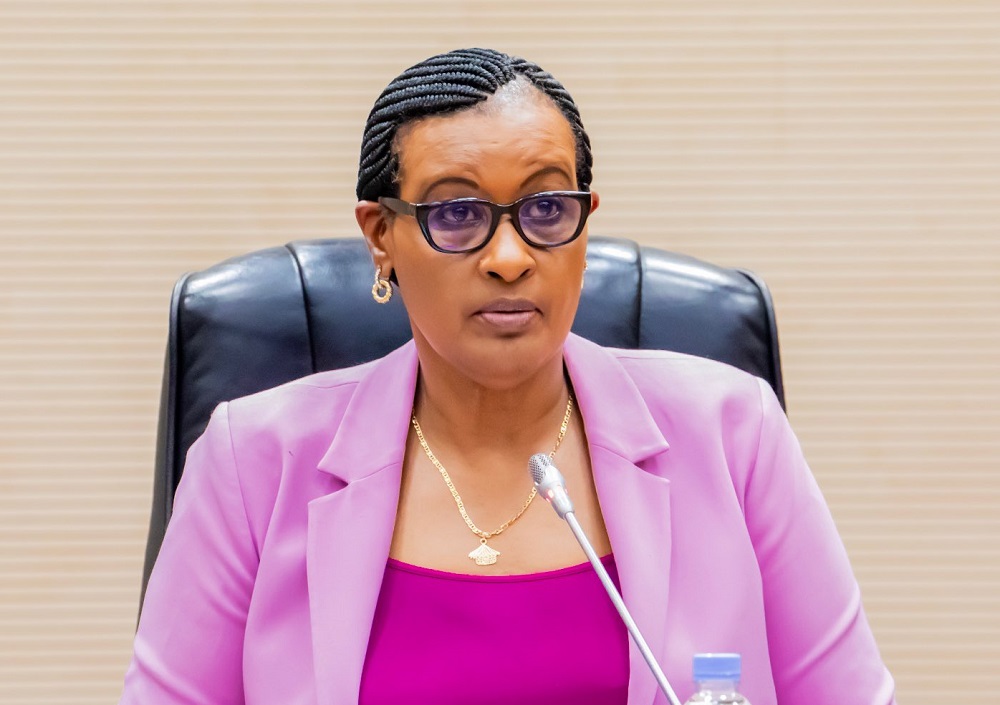
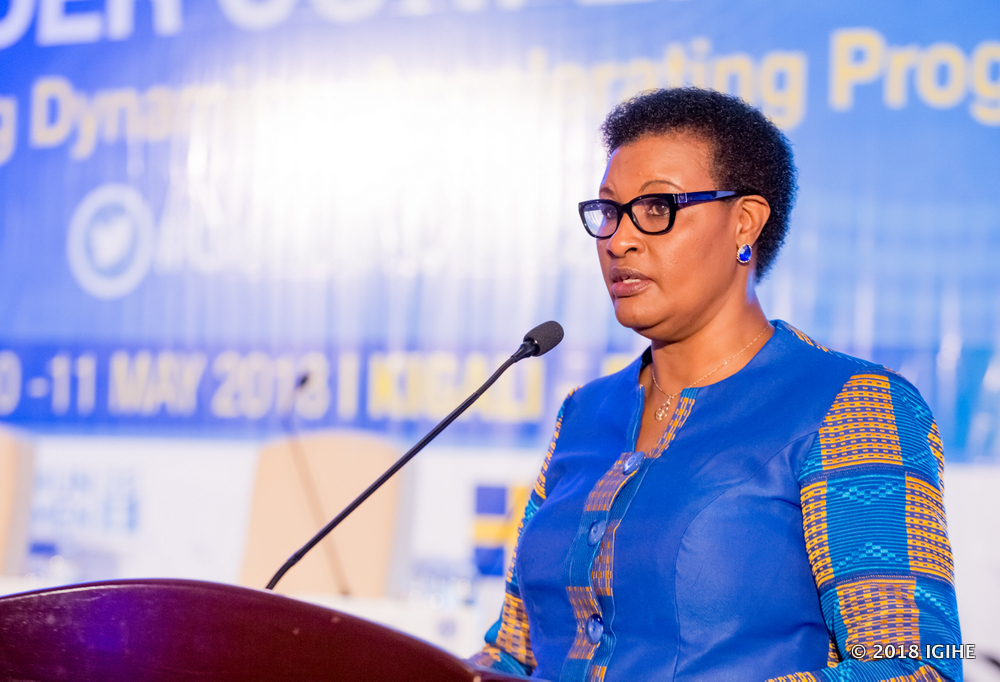
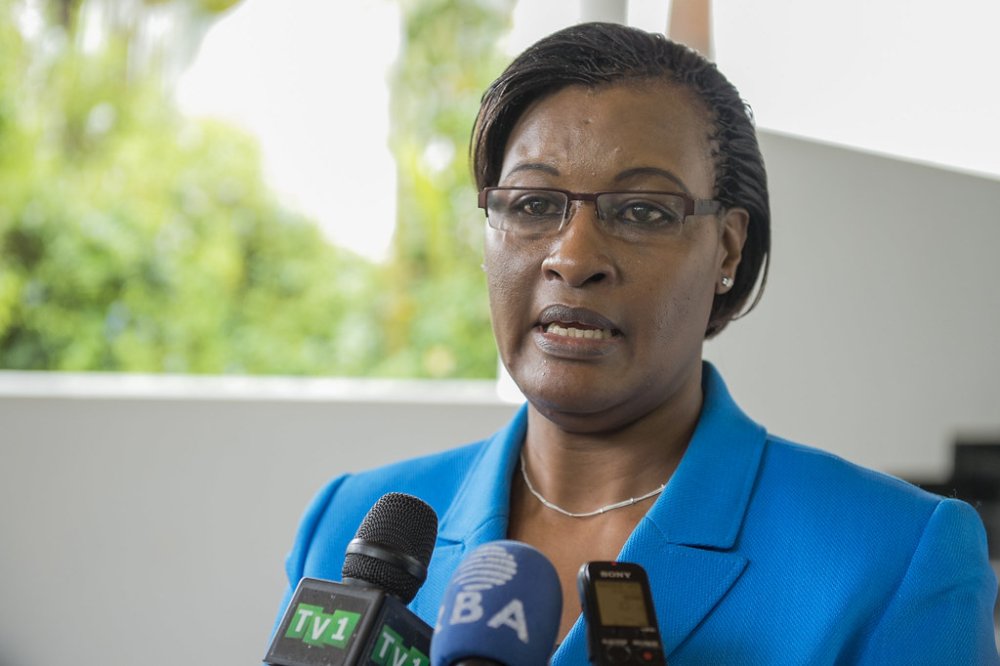
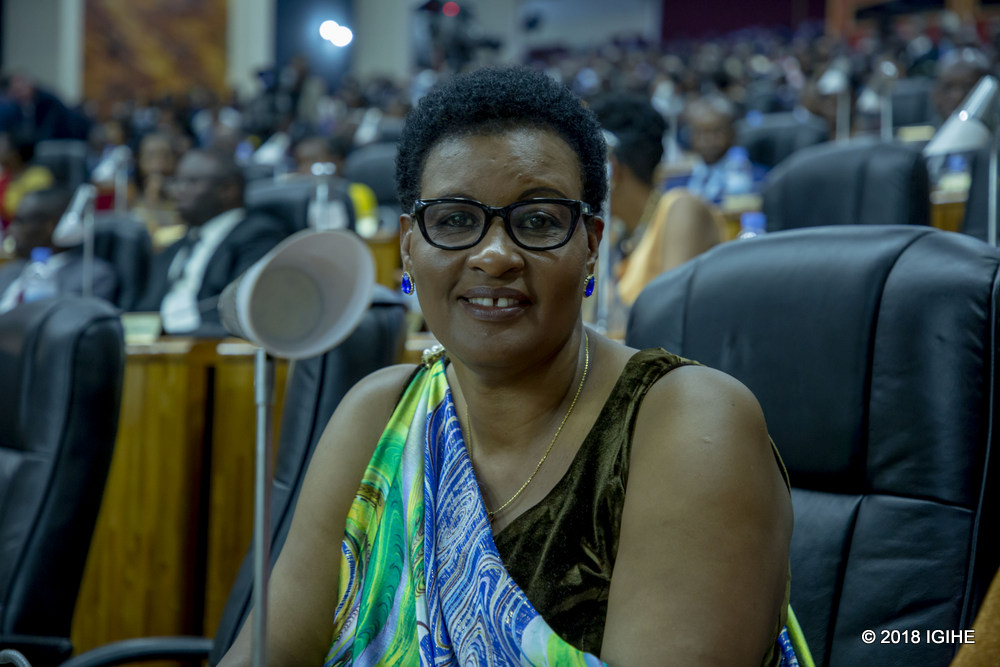
Mukabalisa Donatille served as Speaker of the Chamber of Deputies for 11 years.Mukabalisa Donatille has been eulogized as a mother figure and a trusted adviser to colleagues Mukabalisa Donatille has passed away after an illness.Senator Mukabalisa Donatille served as Chairperson of the Liberal Party (PL).
The message of condolence was issued after news of Mukabalisa’s death emerged on Thursday morning, July 30, 2026.
She died at King Faisal Hospital in Kigali, where she had been receiving medical treatment.
“It is with heavy heart and great sorrow that the Senate of Rwanda announces the passing of Honourable Donatille Mukabalisa who died today , July 30, 2026, at the King Faisal Hospital in Kigali. Our thoughts are with the family of late Senator Donatille Mukabalisa,” reads a statement released by the Senate adding that details regarding the memorial service and funeral will be communicated later.
Mukabalisa was born in Nyamata, Bugesera District, in July 1960.
During her political career, she was elected as a Member of Parliament in October 2003, a position she held until 2008. She later served as a Senator from 2011 to 2013.
In 2013, Mukabalisa returned to the Chamber of Deputies, where she was later elected Speaker, a position she held until 2024 following new parliamentary elections. She did not seek re-election after completing two terms in the lower chamber.
Mukabalisa also served as the President of the Liberal Party (PL), a political party founded on July 14, 1991.
Mukabalisa died on Thursday succumbing to natural cause.
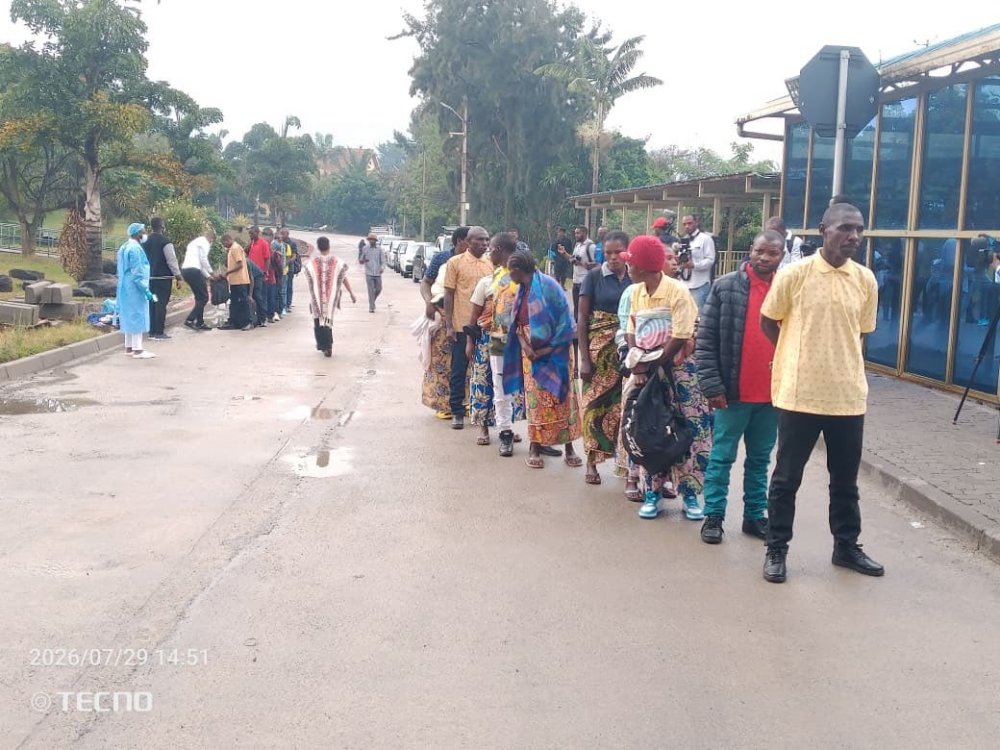
In a statement issued on July 29, 2026, RDRC said the repatriation ‘took place in the presence of media and MONUSCO officials following a comprehensive verification process which established that the individuals did not meet the eligibility requirements for Rwanda’s demobilisation and reintegration programme’.
The commission further reaffirmed its commitment to a rigorous verification process in line with established procedures, regional frameworks, as well as collaboration with regional and international partners to promote accountability, regional cooperation, and lasting peace.
Also on July 29, 2026, AFC/M23 spokesperson Lawrence Kanyuka alleged that the DRC government is recruiting civilians and encouraging them to falsely present themselves as former FDLR combatants in exchange for money.
Kanyuka claimed that after being promised payment, the Congolese nationals are enrolled in the Disarmament, Demobilisation and Reintegration (DDR) programme, which is overseen and implemented by the United Nations Organization Stabilization Mission in the DRC (MONUSCO).
According to AFC/M23, the alleged scheme is intended to conceal the presence of genuine FDLR fighters, a terrorist group that the DRC committed to dismantling under the peace agreement signed with Rwanda last year through mediation by the United States.
Kanyuka further accused the DRC government of continuing to integrate FDLR members into the country’s security institutions, alleging that some have been incorporated into the Armed Forces of the Democratic Republic of the Congo (FARDC) and the Wazalendo militia.
“Kinshasa uses the FDLR as a central component of its security apparatus. Members of this group have been integrated into FARDC, the Wazalendo militia and other state security institutions,” Kanyuka alleged.
He further claimed that some FDLR members are serving in the Republican Guard (GR), the elite unit responsible for protecting senior government officials and other high-profile figures.
AFC/M23 called for an end to what it described as the recruitment of civilians to falsely identify themselves as former FDLR combatants, arguing that the practice is intended to mislead the Congolese public and the international community.
The Rwanda Demobilisation and Reintegration Commission (RDRC) has repatriated 39 Congolese nationals to the DRC after they falsely claimed to be former FDLR combatants.
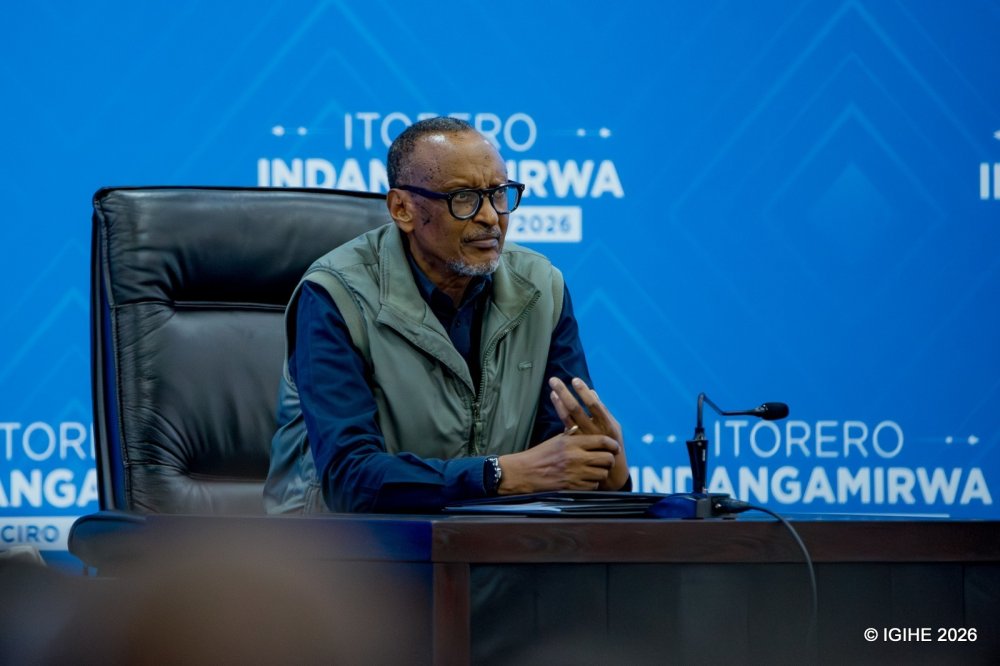
The President made the remarks on July 28, 2026, while meeting with the 16th cohort of Itorero Indangamirwa, the civic and national values training program for Rwandan youth, organized by the Ministry of National Unity and Civic Engagement at Gabiro Combat Training Centre.
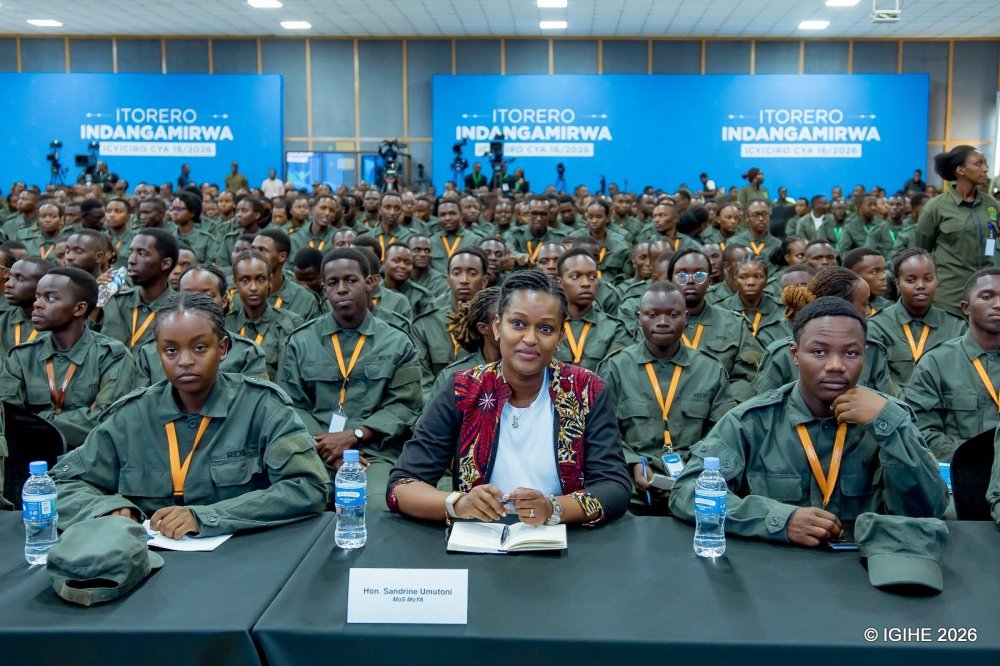
This year’s program has close to 800 participating youth between the ages of 18-23 including Rwandans living abroad, and students from across high schools and higher learning institutions in Rwanda.
Kagame explained to the young people the difficult history Rwanda went through, including the displacement of thousands of Rwandans who fled the country from 1959 following waves of violence targeting sections of the population.
“Unlike you, I did not have the opportunity to start from where you are, being told that there is Itorero and learning what happens there. No, I never attended Itorero. Where I got my lessons was not called Itorero,” Kagame said.
He explained that he lived in Uganda from the age of four or five because of these historical circumstances and began searching for solutions when he was around 20 or 21 years old. By the age of 23, he said, he met others who shared the same concerns and joined efforts to address the issue.
Kagame urged the youth to start thinking early about their interests and those of their families and country, commending them for choosing to attend Itorero, a programme aimed at instilling values among Rwandans.
During the interaction, the President asked the Indangamirwa participants whether they had learned how to accurately use firearms. After they responded that they had, he told them that weapons should only be used when necessary and not against every situation.
He said: “Everything has its time. When the time has not come to resort to weapons, there is no reason to use them. When that time comes, it does not come because of one individual alone.
“It comes when people’s rights have been taken away, when they have been pushed as far as we were pushed, and when they seek other ways to resolve the problem but those options fail. Then it becomes a matter of saying: ‘Now you know? We are going to fight over this.’”
Kagame said that when one person denies another person their rights and prevents a country from living in peace, the first step should be to seek dialogue and peace. However, if that fails, he said, the use of force may become necessary, citing the Rwanda Patriotic Army’s (RPA) liberation struggle that began on October 1, 1990.
He recalled that while he and his colleagues were refugees, they believed they should not remain in exile. However, he said officials from the Habyarimana government who came to Uganda argued that Rwanda was too small to accommodate all refugees returning home.
“But the country is small. These people don’t have a place,” Kagame said.
President Kagame said it was inconceivable that Rwandan refugees could be denied the right to return to their own country while the Habyarimana government believed they, and even their descendants, would remain in exile indefinitely despite having a homeland.
He explained that at the start of the liberation struggle, he told those fighting alongside him that he did not blame the country that had given them refuge, even if it had treated them unfairly, but instead held responsible the government that had refused to allow them to return home.
“My problem was with the person who was supposed to determine my rights in my own country and denied me those rights. That was the person we had to confront, and that is what happened,” Kagame said.
“I would not start a war against those who had hosted us because they had not given us something or had denied us something.
“No. They were free to give us what they wished or not, even if one might consider it unfair. The real responsibility lay with the person who had denied you peace in your own country.
Kagame told the youth that one of the important lessons they should learn is how to defend their rights and understand that no one should dictate how they should live or determine how Rwandans should live.
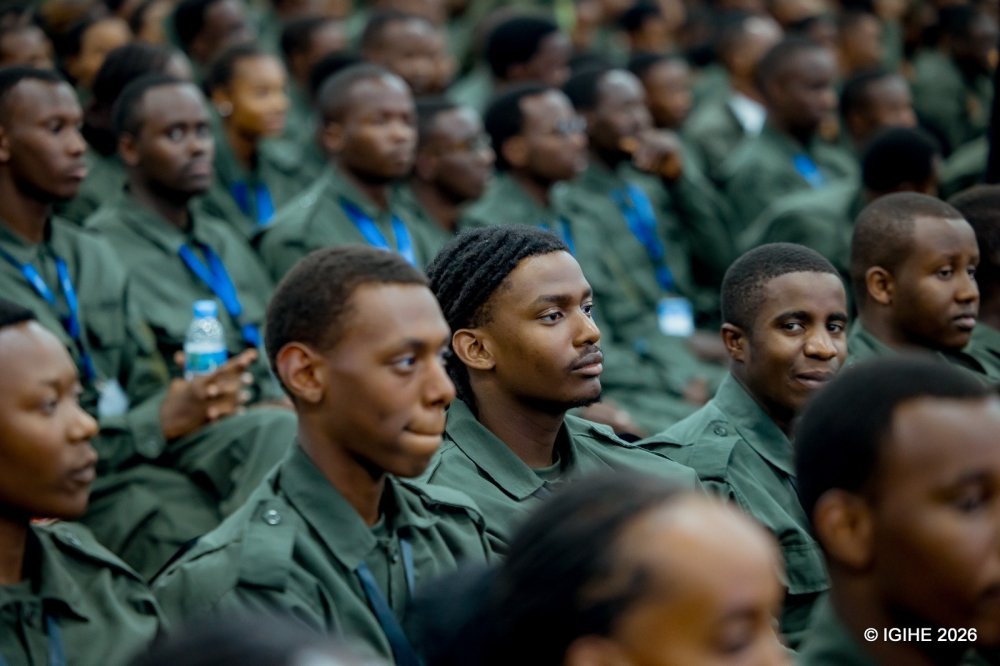
The Indangamirwa programme brings together young Rwandans to strengthen patriotism, leadership skills and national values.President Paul Kagame addresses the 16th cohort of Itorero Indangamirwa during a session at Gabiro Combat Training Centre.Nearly 800 young Rwandans, including students and youth from the diaspora, are taking part in the 16th Indangamirwa training programme.