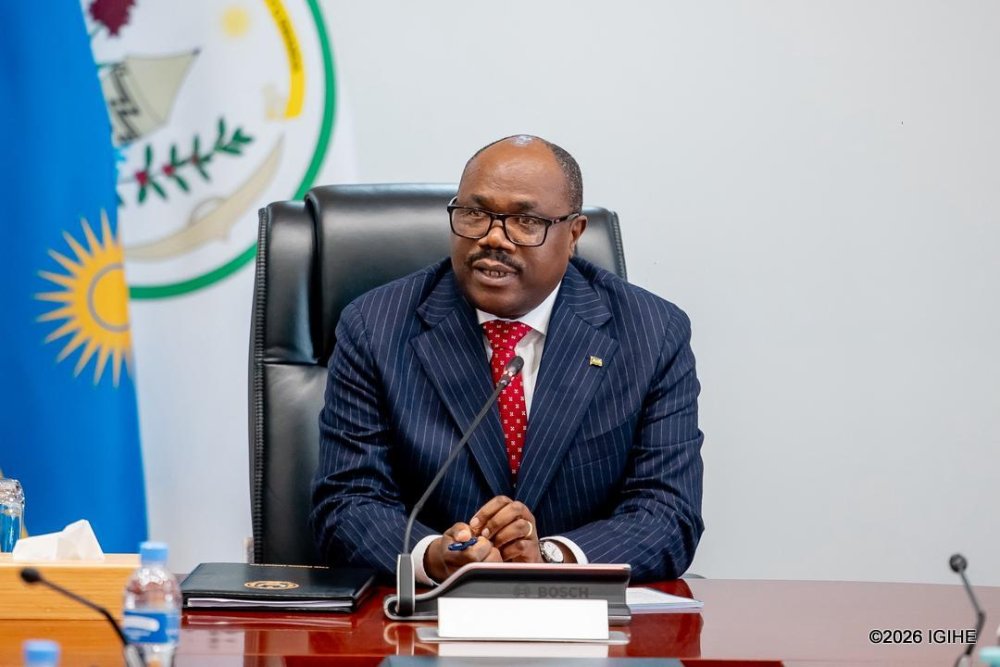
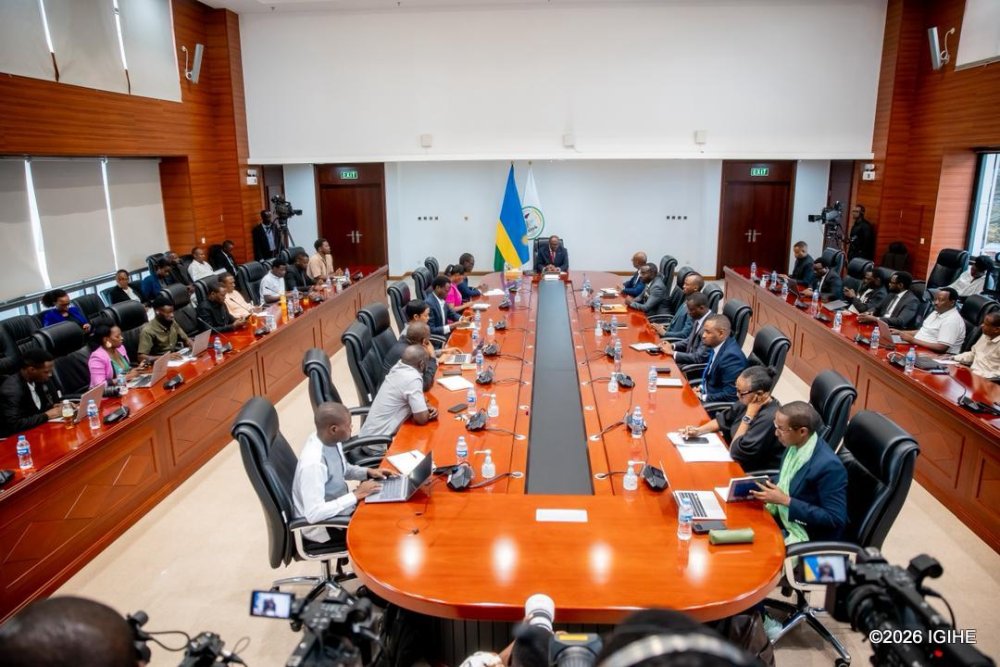
In a communiqué released on Monday, June 8, 2026, the IMF Executive Board approved a 38-month Extended Credit Facility (ECF) arrangement totalling SDR 185.031 million (about US$250 million) and authorised an immediate disbursement of SDR 26.433 million (approximately US$35.7 million).
According to the IMF, the program is designed to help Rwanda navigate tighter global financing conditions while sustaining economic growth, protecting social and development spending, and rebuilding policy buffers.
Rwanda’s economy has continued to demonstrate strong resilience despite a challenging international environment. Economic growth reached 9.4 percent in 2025, significantly exceeding expectations, driven by robust domestic activity and strong export performance, particularly in coffee and mineral exports.
However, inflationary pressures have intensified. Inflation rose to 13.2 percent year-on-year in April 2026, moving above the National Bank of Rwanda’s target range. The IMF attributed much of the pressure to higher global oil and fertilizer prices linked to the ongoing war in the Middle East.
While Rwanda’s external position improved in 2025 and foreign exchange reserves remained healthy at just over four months of import coverage, the IMF warned that the conflict in the Middle East poses significant risks to the country’s outlook. Economic growth is projected to slow to below 6.8 percent in 2026 as higher import costs and financing pressures weigh on the economy.
The IMF-supported program will focus on three key priorities: strengthening macroeconomic policies, managing fiscal and debt risks to preserve sustainable growth, and promoting private sector-led development through improved transparency and oversight of state-owned enterprises.
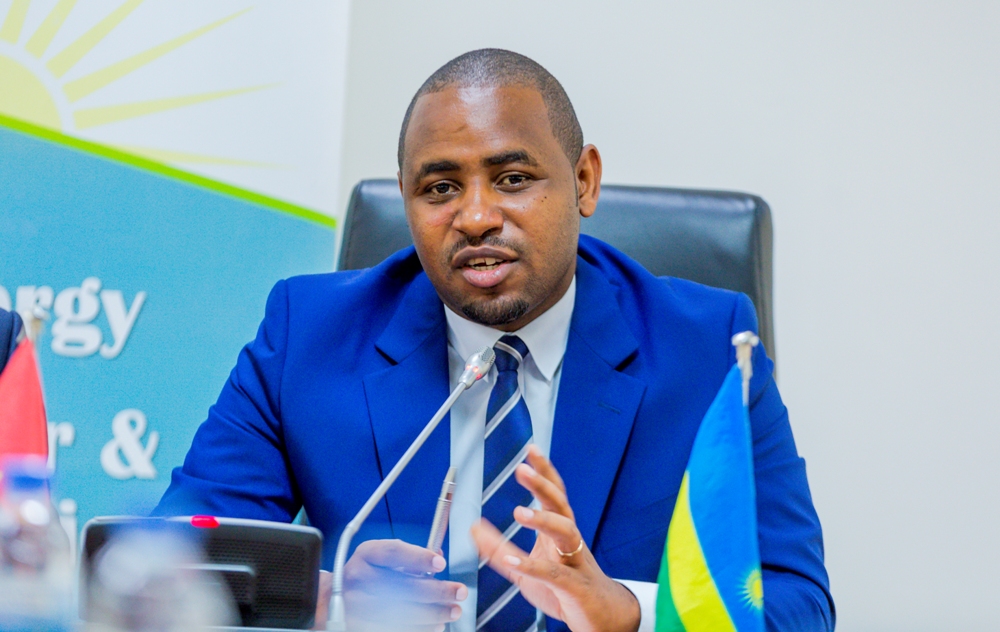
IMF Deputy Managing Director and Acting Chair Bo Li said Rwanda’s economy had remained resilient despite successive global shocks, reflecting strong policymaking and reform efforts.
“Rwanda’s economy has remained resilient amid successive shocks, reflecting strong reform ownership and agile policymaking,” Li said.
He noted that advancing development goals while rebuilding economic buffers will require a carefully balanced policy approach, including greater exchange rate flexibility and a credible medium-term fiscal consolidation strategy.
The IMF emphasised the importance of strengthening domestic revenue mobilisation, improving public investment management, and enhancing oversight of fiscal risks to maintain Rwanda’s moderate risk of debt distress while protecting social spending.
The Fund also called for a tight and forward-looking monetary policy to address elevated inflation and reinforce confidence in the inflation-targeting framework. Although rapid credit growth warrants close monitoring, the IMF said Rwanda’s financial sector remains stable.
Looking ahead, the IMF stressed that continued structural reforms, including improvements in public investment efficiency and accelerated reforms of state-owned enterprises, will be essential for enhancing economic resilience and fostering stronger private-sector-led growth.
The newly approved ECF arrangement is expected to serve as a key policy anchor for Rwanda as it seeks to manage external shocks, maintain reform momentum, and attract additional financing from development partners.
According to the IMF, the program is designed to help Rwanda navigate tighter global financing conditions while sustaining economic growth, protecting social and development spending, and rebuilding policy buffers.
The move reflects growing price pressure driven by both domestic and global factors, including higher fuel and transport costs linked to international disruptions.
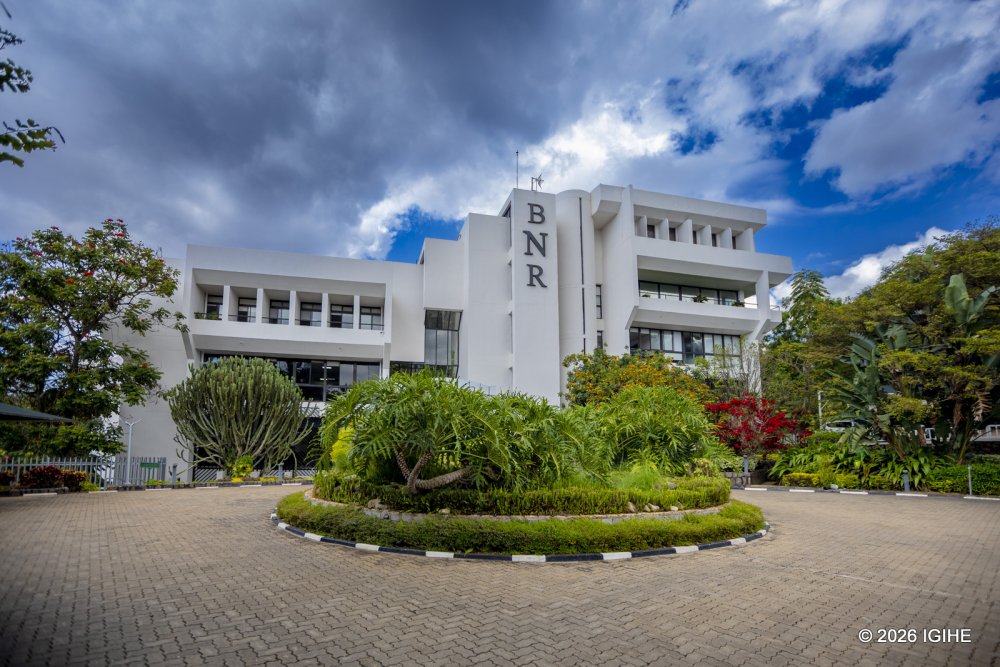
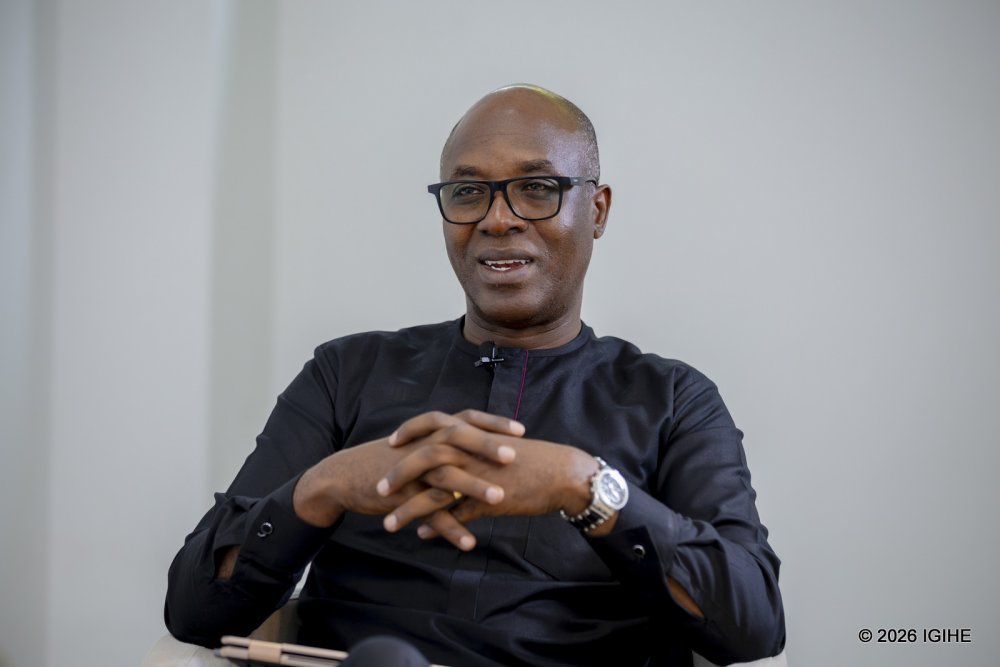
Explaining the decision in an exclusive interview with IGIHE, Prof. Kasai Ndahiriwe, Director of the Monetary Policy Department at BNR, said the central bank is guided by inflation projections and the need to keep price increases within a sustainable range.
“When the Monetary Policy Committee observes that inflation is increasing or is expected to rise beyond the BNR target range of 2% to 8%, action is taken. Inflation should ideally not exceed 8%,” Prof. Kasai said.
He added that the policy rate is one of the key tools used to manage inflation by influencing the cost of borrowing and overall demand in the economy.
“When goods become more expensive, people tend to buy less. Conversely, when prices are lower, consumption increases,” he explained.
According to him, raising the policy rate is designed to reduce excess money circulation in the economy by making borrowing more expensive for households and businesses.
“When BNR raises the policy rate, it signals banks and borrowers to be more cautious in their spending. It is essentially a message encouraging reduced spending to help control inflation,” he said.
Inflation pressures driving policy decisions
Inflation in Rwanda has shown a steady upward trend since the beginning of 2026, rising from 8.9% in January to 9.2% in February and March, before reaching 13% in April.
Prof. Kasai noted that both domestic conditions and global shocks have contributed to the rise in prices.
“The inflation projections show that the rate will remain above 8% this year and in the early part of next year,” he said.
He pointed to external disruptions, including geopolitical tensions affecting global oil supply routes such as the Strait of Hormuz, which handles a significant share of global petroleum trade.
“Intense global developments, including conflicts affecting oil transport routes, have impacted fuel prices, transport costs, and ultimately inflation,” he added.
The BNR adjusts the policy rate depending on how far inflation is from the target range. In the current environment, inflation has moved significantly above the upper limit of 8%, prompting stronger action.
Prof. Kasai said the size of the increase reflects the severity of inflationary pressure.
“A 1% adjustment reflects the fact that inflation is far from the desired range for the Rwandan economy,” he said, noting that forecasts for 2026 point to inflation levels around 13.9%.
Economic growth remains strong despite inflation
Despite inflationary pressures, Rwanda’s economy continues to show strong performance. Real GDP grew by 9.4% in 2025, while economic activity expanded further in early 2026, with the Composite Index of Economic Activities (CIEA) rising by 16.5% in Q1 2026.
External trade also strengthened, with merchandise exports increasing by 63.2% year-on-year in Q1 2026, driven by higher coffee and mineral export volumes and stronger prices. Non-traditional exports rose by 64.8%, led by processed cooking oil and wheat flour.
Prof. Kasai emphasised that strong growth and high inflation can occur at the same time, and should be assessed separately.
“When you look at the economy of Rwanda, GDP has continued to grow strongly. That is one side,” he said.
For ordinary citizens, the policy rate increase translates into higher borrowing costs as commercial banks adjust their lending rates.
However, BNR maintains that the objective is to stabilise prices and protect purchasing power in the long run.
The central bank expects inflation to gradually return within its target range by around 2027, depending on how global and domestic pressures evolve.
Explaining the decision in an exclusive interview with IGIHE, Prof. Kasai Ndahiriwe, Director of the Monetary Policy Department at BNR, said the central bank is guided by inflation projections and the need to keep price increases within a sustainable range.
The revelation comes as Rwanda continues efforts to cushion consumers from rising global petroleum prices through fuel subsidies.
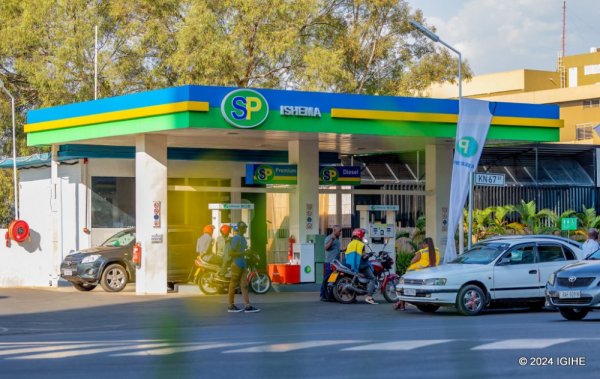
On June 5, 2026, the government announced that the retail price of petrol would remain capped at Rwf2,938 per litre, while diesel would retail at no more than Rwf2,927 per litre, up from Rwf2,205 in the previous review.
Despite the increase, the government maintained a subsidy on diesel. Officials said that without the intervention, diesel would have sold at Rwf3,581 per litre.
Speaking during a media briefing on June 7, Minister of Trade and Industry Prudence Sebahizi said Rwanda’s comparatively lower fuel prices attracted buyers from neighbouring countries, resulting in a sharp increase in domestic fuel consumption.
Trade Minister Prudence Sebahizi said Rwanda’s lower fuel prices attracted buyers from neighbouring countries, sharply increasing fuel consumption.
Under normal conditions, Rwanda consumes between 1.2 million and 1.5 million litres of diesel per day, alongside 800,000 to 900,000 litres of petrol.
However, during periods of heightened regional price disparities, daily diesel consumption surged to between 2.5 million and 3 million litres.
“The situation showed that we were effectively subsidising fuel for people beyond our borders when our objective was to support Rwandans,” Sebahizi said.
The increased demand was particularly evident at fuel stations near Rwanda’s borders, where supplies were depleted shortly after opening.
“For about a week, some stations located near border areas ran out of fuel within the first two hours of operation because of customers coming from neighbouring countries,” he said.
According to the minister, consumption levels have since normalised following monitoring and corrective measures.
Data from early June indicate that diesel consumption has returned to pre-crisis levels, while petrol consumption has fallen as consumers adapt to higher prices.
Public transport shift cuts petrol demand
Government officials attributed part of the decline in petrol consumption to growing use of public transport.
Passenger numbers on public buses have increased by approximately 15 percent as more commuters opt to leave private vehicles at home.
Rwanda currently operates 390 buses in its public transport network. The fleet is expected to expand with the addition of 100 buses by the end of 2026 and a further 200 in 2027, bringing the total to nearly 700 buses.
State Minister for Infrastructure Jean de Dieu Uwihanganye said the long-term goal is to expand the fleet to between 1,000 and 1,500 buses while continuing to improve supporting road infrastructure.
“We want public transport to become the preferred mobility option for more people,” Uwihanganye said.
State Minister for Infrastructure Jean de Dieu Uwihanganye said the long-term goal is to expand the fleet to between 1,000 and 1,500 buses.
Current petrol consumption has fallen to between 600,000 and 700,000 litres per day, compared with previous levels of up to 900,000 litres. On some days, consumption falls as low as 400,000 litres.
Officials say the trend demonstrates that Rwandans are responding to calls for more efficient fuel use.
Fuel imports remain a major foreign exchange burden
The government also highlighted the broader economic implications of fuel consumption, noting that petroleum imports account for one of the country’s largest foreign currency expenditures.
According to Sebahizi, Rwanda spends more than $700 million annually on petroleum imports, a figure roughly equivalent to the country’s earnings from tourism.
Tourism revenues reached $685 million in 2025, up from $647 million in 2024.
“The foreign currency generated through tourism is almost equal to what we spend on petroleum products each year,” Sebahizi said. “Reducing unnecessary fuel consumption is therefore important for protecting the country’s foreign exchange reserves.”
Sebahizi also addressed concerns over low industrial capacity utilisation, noting that some factories are operating at only about 30 percent of their potential output.
The government is working with manufacturers to increase production and reduce reliance on imported goods, he said.
Officials argue that expanding domestic production and encouraging more efficient energy use will help strengthen Rwanda’s economic resilience amid global market uncertainties.
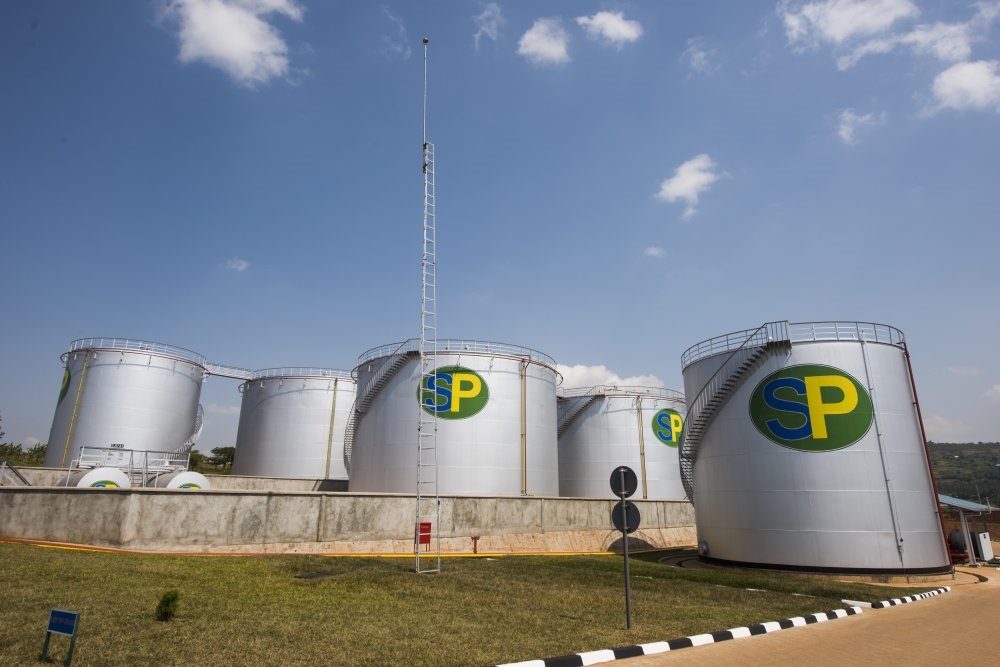
To improve preparedness for future fuel supply disruptions, Rwanda plans to double its strategic petroleum storage capacity.
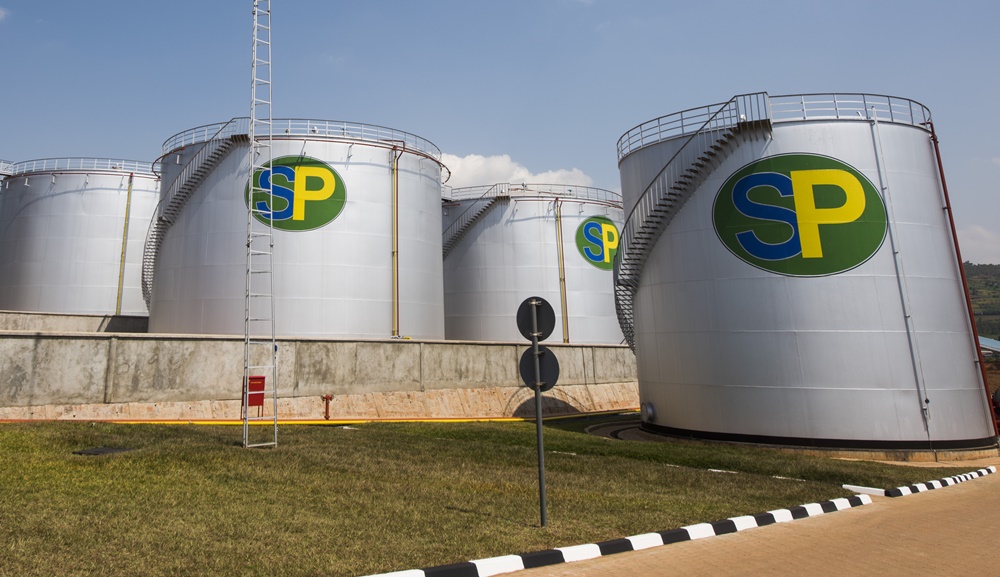
The country currently has storage facilities capable of holding 117 million litres of petroleum products. Increasing that capacity would allow Rwanda to maintain fuel supplies for at least six months during periods of severe market volatility, officials said.
Rwanda plans to double its petroleum storage capacity.
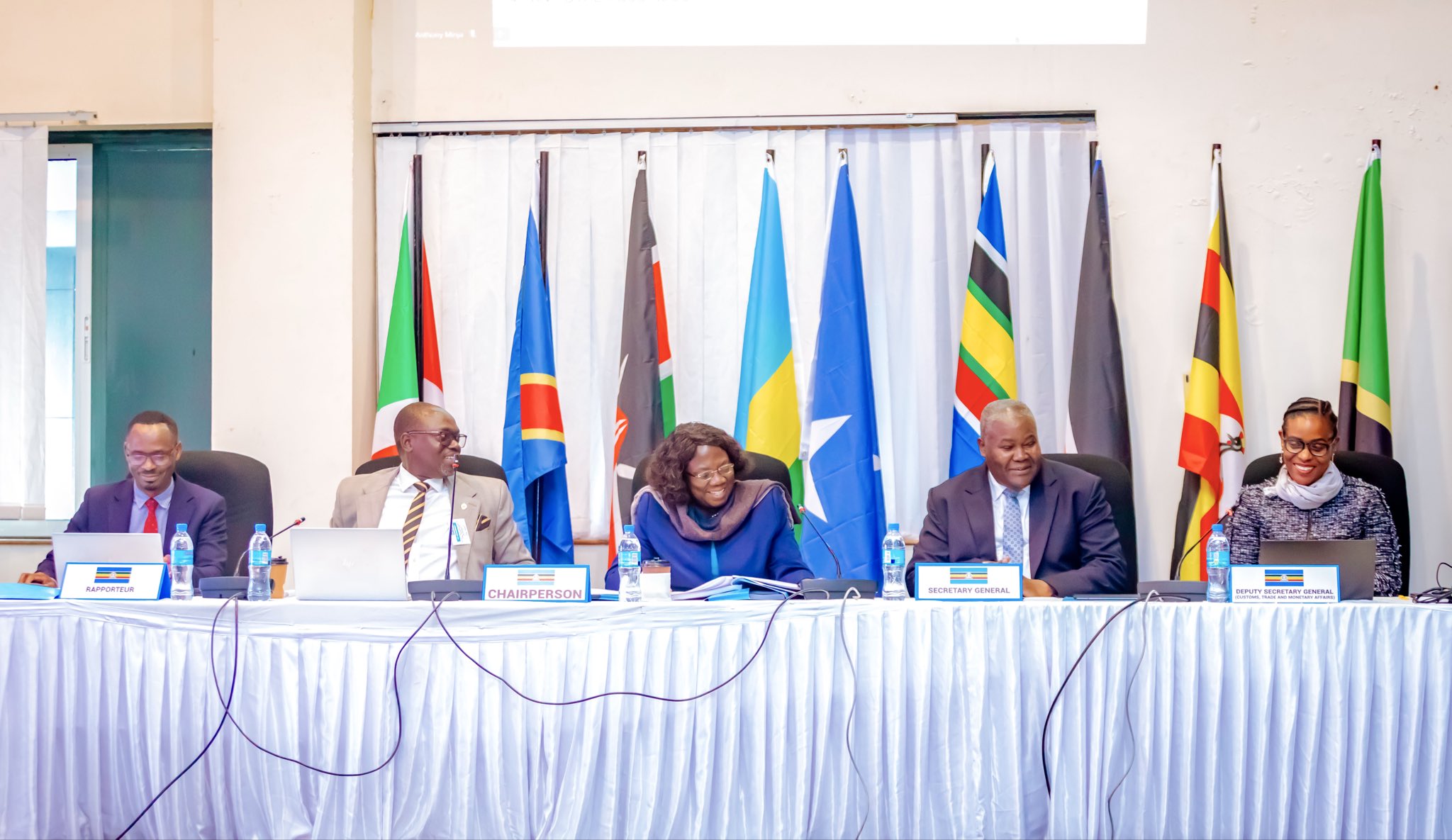
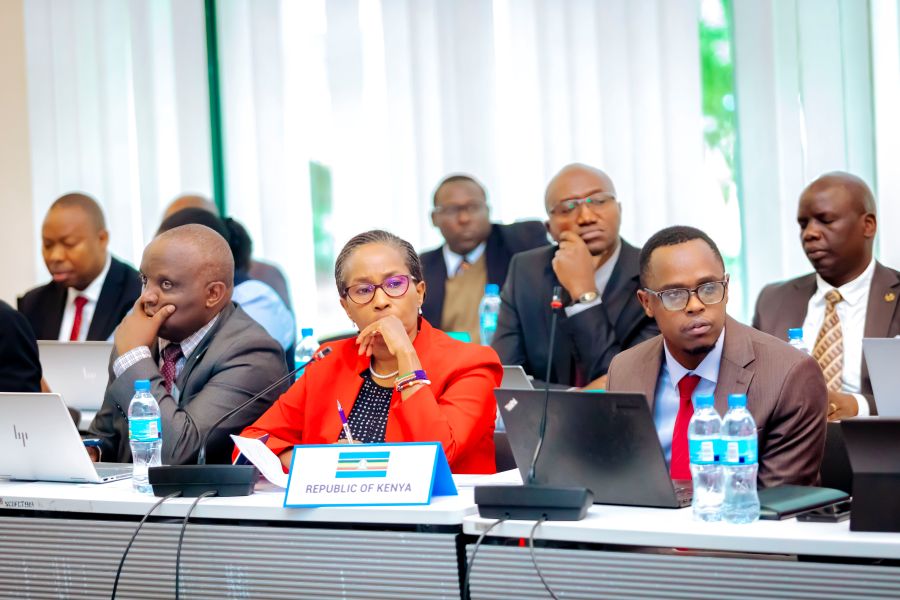
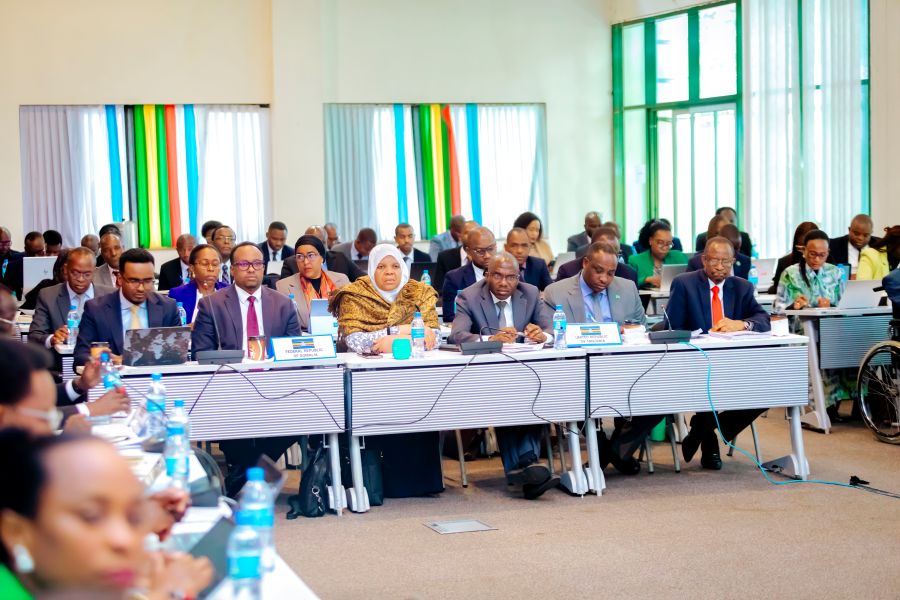
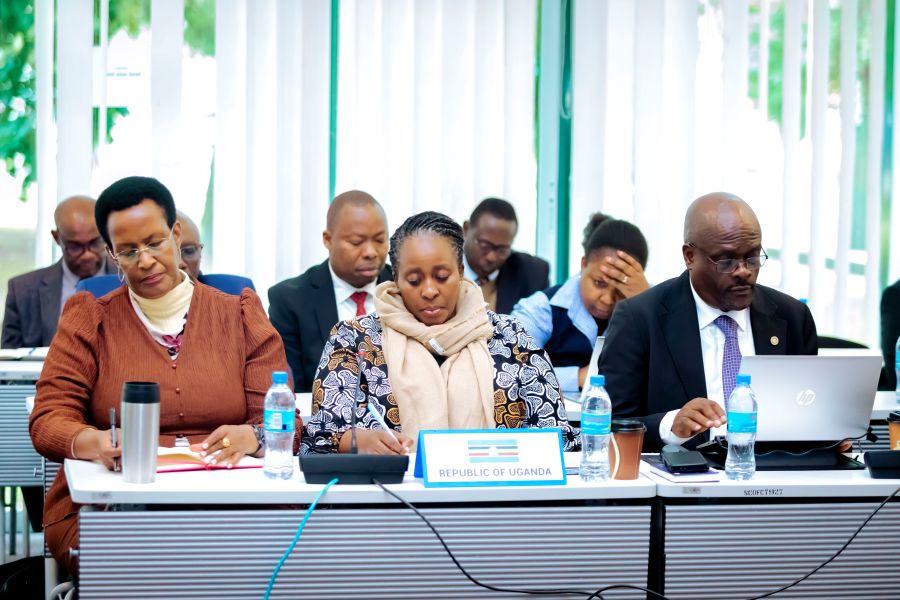
The decisions were reached during the 48th Meeting of the Sectoral Council on Trade, Industry, Finance and Investment (SCTIFI), which concluded in Arusha, Tanzania, this week.
The meeting brought together ministers responsible for trade, industry, finance and EAC affairs, alongside senior government officials and technical experts from across the region.
Opening the meeting, EAC Secretary General Amb. Stephen P. Mbundi said the region is facing a challenging global environment marked by geopolitical tensions, disruptions to maritime trade routes, growing protectionism, and supply chain vulnerabilities.
He stressed the need for a stronger regional market, lower costs of doing business, and faster implementation of regional integration commitments, including the elimination of non-tariff barriers (NTBs).
The meeting brought together ministers responsible for trade, industry, finance and EAC affairs, alongside senior government officials and technical experts from across the region.
Customs and trade reforms
Among the key decisions, ministers endorsed the completion of Time Release Studies for the Northern and Central Corridors. The studies assess cargo clearance times and identify ways to simplify and harmonise customs procedures.
The findings showed that closer cooperation among customs authorities, border agencies, and the private sector has improved the efficiency of regional supply chains. However, they also highlighted areas requiring further reforms.
The council also adopted a framework to monitor implementation of the EAC Customs Union Protocol. The mechanism will help assess compliance by partner states with regional obligations.
In addition, ministers approved measures to integrate South Sudan into regional customs data-sharing systems.
Tackling non-tariff barriers
The council reaffirmed its commitment to eliminating non-tariff barriers, which continue to affect trade within the region.
Ministers reviewed proposals aimed at strengthening the legal framework for addressing NTBs, including possible sanctions and compensation mechanisms for traders who suffer losses due to illegal taxes or unauthorised trade restrictions.
The proposals will undergo further technical and legal review before being considered for adoption.
Supporting industrialisation
The meeting also approved a comprehensive review of the EAC Rules of Origin 2015 following extensive consultations among member states.
The Rules of Origin determine which products qualify for preferential tariff treatment within the EAC Customs Union and are considered a key instrument for promoting regional manufacturing and value addition.
Legal review of the updated rules is ongoing before implementation. Potential trade deal with Singapore
Ministers also discussed growing international interest in trade partnerships with the EAC.
Among the countries seeking closer economic ties is Singapore, which has formally proposed negotiations for an EAC-Singapore Free Trade Agreement. The council endorsed continued engagement with Singapore and instructed the EAC Secretariat to begin technical preparations, including developing an initial negotiation framework.
Ministers emphasised that any future negotiations should reflect the collective interests of all partner states and align with existing and planned trade agreements.
The council further endorsed fiscal measures agreed during the 2026/27 pre-budget consultations of finance ministers under the Common External Tariff framework.
The measures are currently being gazetted and are expected to take effect on July 1, 2026.
Implementation timelines
To ensure timely implementation of the decisions, ministers agreed on several deadlines.
Technical analysis of outstanding customs and trade facilitation matters is expected to be completed by August 30, 2026, while the Regional Steering Committee will conclude ongoing trade facilitation workstreams by September 30.
Partner states are also expected to submit recommendations on the regional duty remission framework by September 30, while approved fiscal measures should be gazetted by June 30.
The ministers said effective implementation of the agreed measures, timely payment of partner states’ contributions, and continued collaboration among regional institutions will be critical to achieving a more prosperous, competitive, and integrated East Africa.
The EAC is a regional intergovernmental organization comprising Rwanda, Democratic Republic of Congo, Somalia, Burundi, Kenya, South Sudan, Uganda and Tanzania.
The EAC aims to expand and deepen economic, political, social, and cultural integration to improve the quality of life of the people of East Africa through increased competitiveness, value-added production, trade, and investment.
The meeting brought together ministers responsible for trade, industry, finance and EAC affairs, alongside senior government officials and technical experts from across the region.
He made the remarks on June 6, 2026, during a press conference.
Rwanda’s current minimum wage was set in 1974 at Rwf100 per day for employees working in the formal sector.
The issue is frequently debated in public discourse, with concerns often linked to rising living costs, while incomes for many workers remain relatively unchanged.
Dr. Nsengiyumva noted that while workers naturally expect higher pay, employers view wage increases in relation to production costs and business sustainability.
“For workers, when the minimum wage is increased above prevailing market levels, it is seen as positive because they earn more. However, from the employer’s perspective, it increases the cost of producing goods and services,” he said.
He illustrated the impact with an example of a business currently paying Rwf50,000 per worker. If a minimum wage of Rwf80,000 were imposed, he said, the employer would have to significantly adjust operational costs.
“An employer who previously hired 10 workers may find it difficult to sustain all of them and may reduce the workforce to seven. As a country, we must ask whether we have truly benefited if three people lose their jobs,” he said.
According to him, while the remaining employees may earn more, the increase could simply reflect the redistribution of wages from those who were laid off.
He cautioned against focusing solely on nominal wage figures without considering broader economic dynamics.
“Increasing wages on paper while prices also rise achieves little. What matters is how we help workers become more productive. The key question is: how much value are we generating from the work being done? Employees should not rely on guaranteed wages alone while delivering low productivity, just as employers should not expect high output without fair compensation,” he said.
Dr. Nsengiyumva emphasised that productivity growth is the foundation for sustainable wage increases.
“If productivity increases, wage growth will follow naturally. Employers do not need to be reminded to increase wages when workers are generating higher value,” he added.
He also highlighted persistent productivity gaps in key sectors, particularly agriculture, where yields remain below potential. For instance, maize production may average around two tonnes per hectare, despite the capacity to produce significantly more under improved practices.
The government, he said, continues to prioritise investment in skills development and capacity building to enhance workforce productivity. He further noted that Rwanda is focusing on creating higher-quality jobs that require specialised skills and offer improved remuneration.
According to the National Institute of Statistics of Rwanda (NISR), 238,491 non-agricultural jobs were created in 2025, marking an 8.9% increase compared to the previous year.
Prime Minister Dr. Justin Nsengiyumva has said that discussions on the minimum wage should not be the primary focus, arguing instead that raising productivity is the sustainable path to higher incomes, as employers are more likely to increase wages when output improves.The PM made the remarks on June 6, 2026, during a press conference.
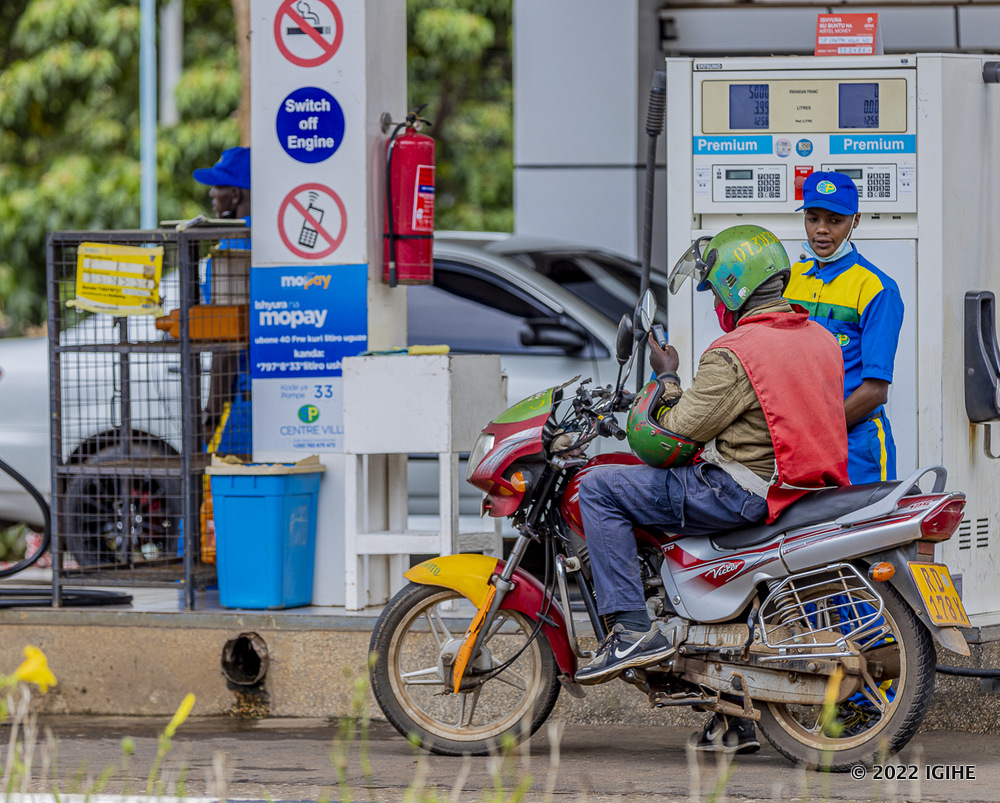
Under the revised prices, a litre of petrol will continue to retail at Rwf2,938, while a litre of diesel has increased from Rwf2,205 to Rwf2,927, representing a rise of Rwf722 per litre.
The new prices were announced on June 5 and will take effect from June 6, 2026, at midnight. The previous fuel price adjustment was made on April 16, 2026.
In a statement, RURA said the latest revision reflects developments on the international market while taking into account government measures aimed at maintaining stability in the petroleum sector and limiting the impact on the economy and consumers.
” Government interventions have helped moderate the increase in pump prices, keeping them below the level that would result from market conditions alone. This support is intended to cushion transport and freight services and reduces broader economic impact,” the statement reads.
The regulator also confirmed that fares for public transport services will remain unchanged.
“Public transport fares will remain unchanged. Government support measures will continue to assist public transport operators in managing high fuel costs and ensure affordable transport services for commuters,” RURA stated.
The authority added that it will continue monitoring developments in international and regional petroleum markets, while ensuring the reliable supply and distribution of fuel across the country.
The sharp increase in global fuel prices has largely been attributed to the ongoing conflict involving the United States, Israel and Iran, which began three months ago.
The conflict has disrupted traffic through the Strait of Hormuz, a critical shipping route through which about 20 percent of the world’s daily petroleum supply passes.
As of June 5, 2026, a barrel of crude oil was reportedly trading between $94 and $95.
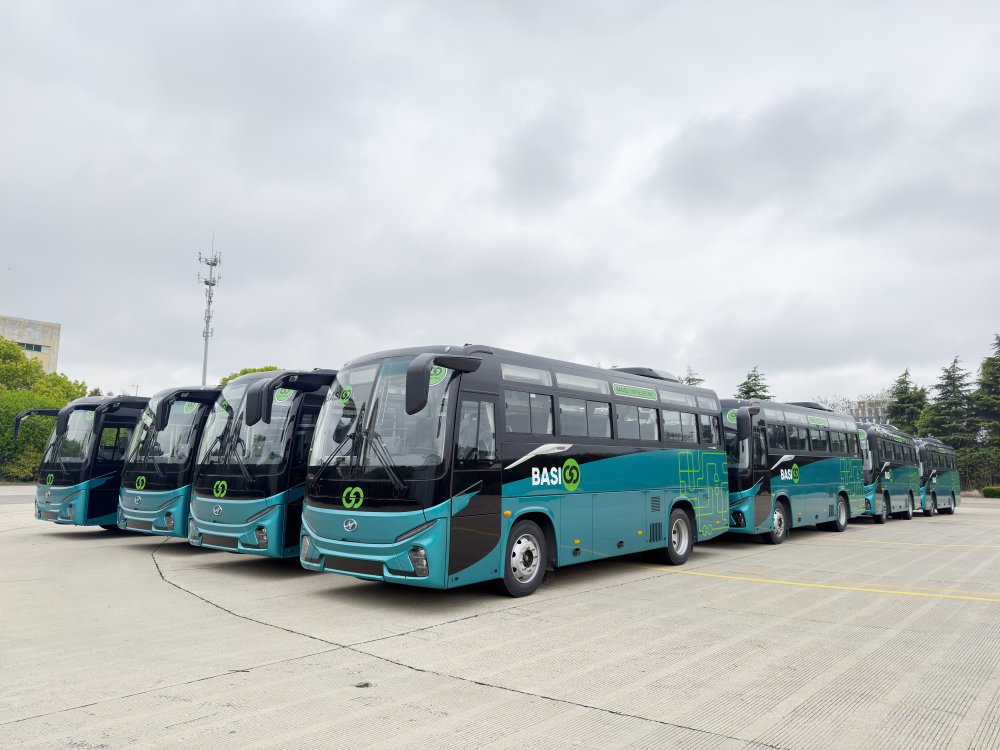
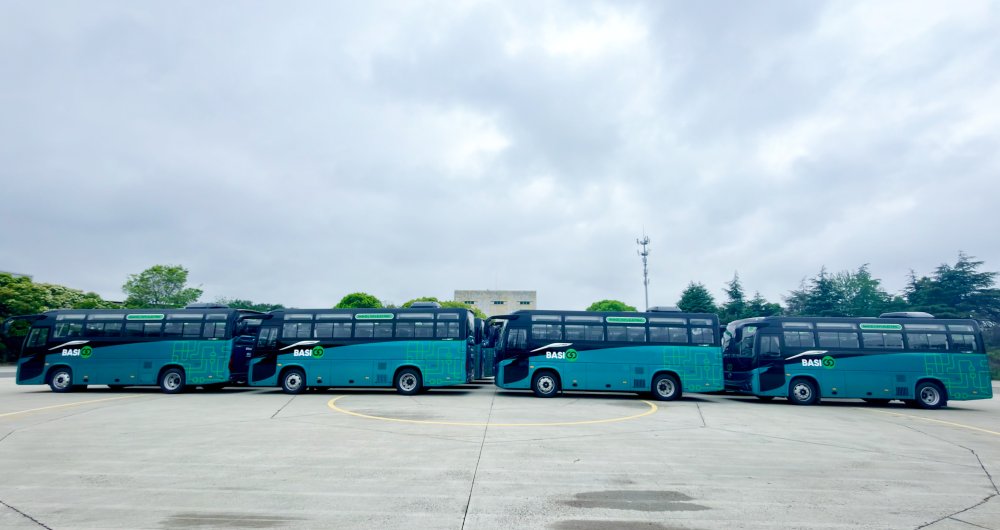
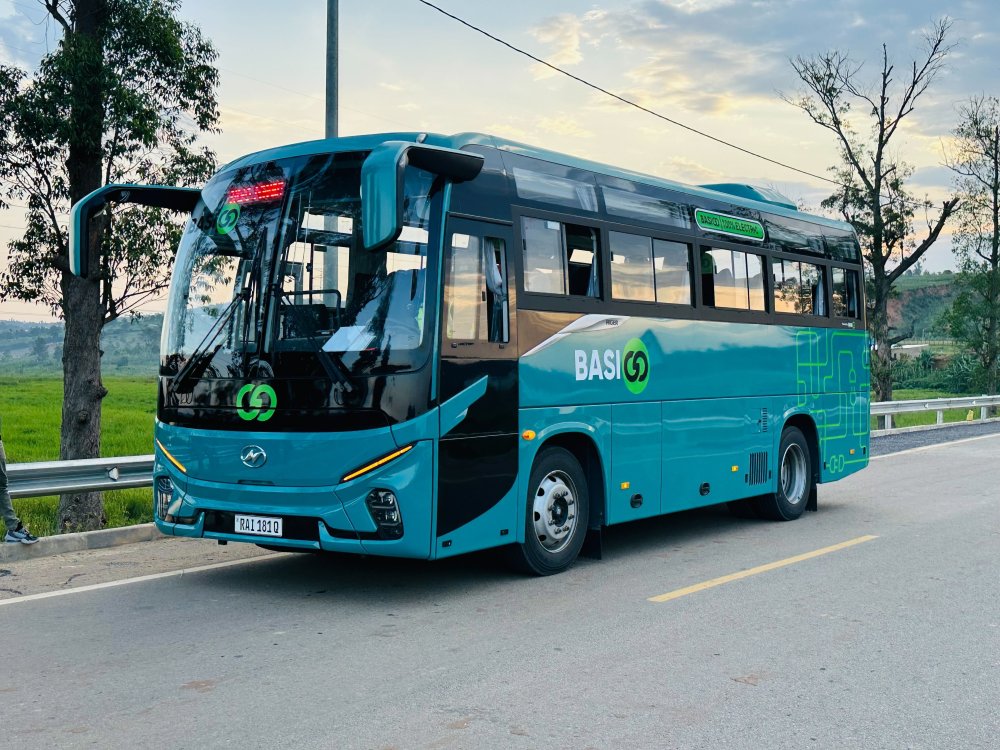
The new fleet consists of fully electric buses, offering an alternative to diesel-powered vehicles at a time when fuel prices continue to rise. The buses are expected to help public transport operators lower operating costs while contributing to efforts to reduce carbon emissions.
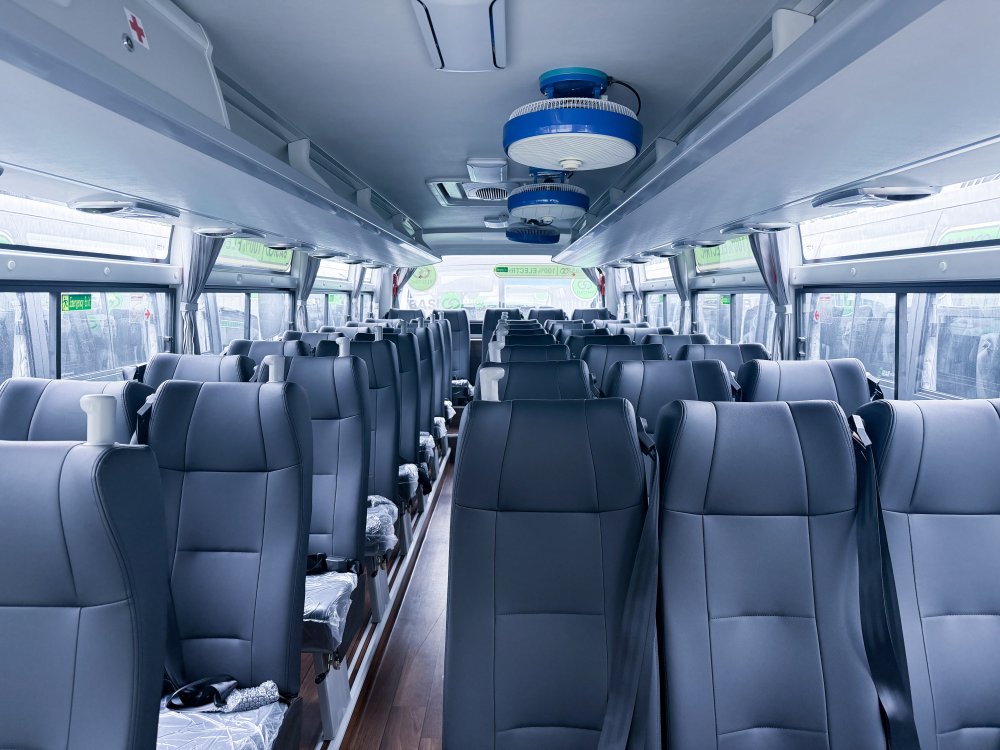
Designed for long-distance travel, each bus can cover at least 400 kilometers on a single charge, allowing it to complete a round trip between Kigali and the Eastern Province without requiring recharging. The buses can accommodate 42 passengers and include dedicated luggage storage space.
While electric buses have become increasingly common in Kigali, BasiGo plans to deploy the new vehicles in the Southern, Northern, and Eastern provinces, expanding access to electric public transportation beyond the capital.
According to BasiGo Rwanda Managing Director Jones Kizihira, the buses have already arrived in Mombasa and are currently en route to Rwanda. He said the vehicles are expected to be operational in the country before the end of June 2026.
Kizihira noted that electric buses are becoming an increasingly attractive option for public transport operators due to their lower operating costs compared with diesel-powered vehicles.
“Fuel prices continue to increase, and these vehicles will help transport operators meet their operational targets while maintaining the profitability of their investments,” he said. “Most operators still rely heavily on diesel-powered fleets, but gradually introducing electric buses enables them to significantly reduce daily operating expenses.”
He also encouraged transport companies to embrace electric mobility, noting that confidence in the technology has grown as more operators experience its benefits.
“Electric vehicles are still relatively new, and some potential buyers initially have concerns,” Kizihira said. “However, those already using them have seen their advantages. As adoption increases, so too will local expertise in operating, maintaining, and servicing these vehicles.”
BasiGo Rwanda aims to have at least 100 electric buses operating in the country by the end of 2026. The expansion will be accompanied by workforce training programs for technicians and charging operators, as well as continued investment in charging infrastructure.
The company currently operates charging stations in Muhanga and Huye districts and plans to further expand its charging network to support the growing electric bus fleet.
The new fleet consists of fully electric buses, offering an alternative to diesel-powered vehicles at a time when fuel prices continue to rise.While electric buses have become increasingly common in Kigali, BasiGo plans to deploy the new vehicles in the Southern, Northern, and Eastern provinces, expanding access to electric public transportation beyond the capital.The buses are expected to help public transport operators lower operating costs while contributing to efforts to reduce carbon emissions.BasiGo Rwanda aims to have at least 100 electric buses operating in the country by the end of 2026.
The launch event brought together corporate executives, diplomats, transport operators, first-time car buyers, and automotive enthusiasts to witness the arrival of a vehicle that Akagera Motors believes will redefine perceptions of the Mahindra brand in Rwanda.
For more than two decades, Mahindra has built its reputation in Rwanda through rugged pickup trucks and heavy-duty SUVs known for their durability and reliability. The introduction of the XUV 3XO signals the company’s move into a new category aimed at urban motorists, young professionals, growing families, and technology-conscious drivers.
Speaking during the launch, Roopak Gorajia, Sales and Marketing Director of Akagera Motors, described the vehicle as a milestone for both Mahindra and the Rwandan automotive market.
“Most people know Mahindra as a pickup brand. We have been very strong with pickups and the big SUVs. Now Mahindra has introduced this compact SUV that is tech-savvy, rich in equipment, and updated to meet modern lifestyle needs. This is a game-changer for Mahindra as it enters a new segment they haven’t played in before in Rwanda,” he said.
The Mahindra XUV 3XO arrives with a long list of premium features rarely found in its price segment.
A technology-driven compact SUV
The Mahindra XUV 3XO arrives with a long list of premium features rarely found in its price segment.
Among its standout technologies is a 360-degree camera system, providing drivers with a complete view around the vehicle through cameras positioned at the front, rear, and side mirrors.
The vehicle is also equipped with Level 2 Advanced Driver Assistance Systems (ADAS), featuring automatic emergency braking, lane keep assist, lane change assist, adaptive acceleration and deceleration, and stop-and-go functionality. According to Gorajia, the system can automatically intervene to help prevent collisions with pedestrians, cyclists, or vehicles ahead.
Additional safety features include six airbags, blind-spot monitoring, electronic stability control, front and rear parking sensors, disc brakes on all four wheels, and an electronic parking brake with auto-hold functionality.
One of the vehicle’s most innovative features is its blind-view monitor. When the driver activates a turn signal, a live camera feed of the intended side appears directly on the digital instrument cluster, helping eliminate blind spots during lane changes and turns.
The introduction of the XUV 3XO signals the company’s move into a new category aimed at urban motorists, young professionals, growing families, and technology-conscious drivers.
Premium comfort and connectivity
Designed to appeal to modern consumers, the XUV 3XO combines advanced technology with premium comfort.
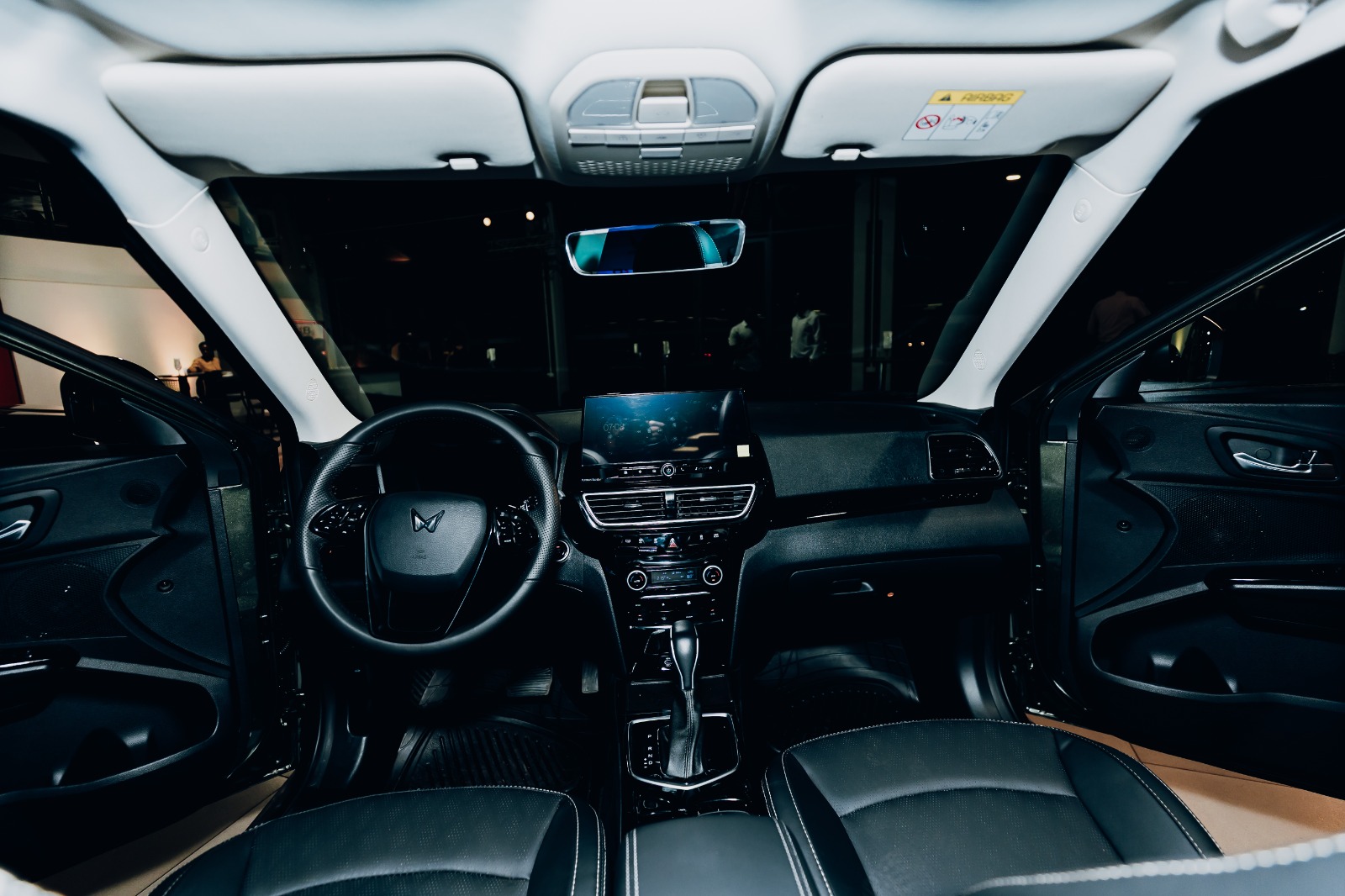
The compact SUV features dual 10-inch digital displays for the infotainment system and instrument cluster, wireless Android Auto and Apple CarPlay connectivity, online navigation, dual-zone climate control, wireless phone charging, and 65W USB-C fast charging ports capable of powering laptops.
Inside, passengers are welcomed by full leatherette seats, soft-touch dashboard and door trim materials, and a Harman Kardon premium audio system with seven speakers, amplifier, and dedicated subwoofer.
A panoramic skyroof further enhances the cabin experience, creating an open and spacious feel uncommon in compact SUVs.
On the exterior, the vehicle features full LED lighting, including LED signature daytime running lights, bi-projection headlamps, LED fog lamps, and LED tail lamps, complemented by 17-inch diamond-cut alloy wheels.
Designed to appeal to modern consumers, the XUV 3XO combines advanced technology with premium comfort.
Efficiency meets performance
Powering the XUV 3XO is Mahindra’s 1.2-litre turbocharged mStallion petrol engine paired with a six-speed automatic transmission.
The engine produces 82 kW of power and 200 Nm of torque while delivering fuel efficiency of approximately 18 kilometres per litre.
Gorajia noted that the timing of the vehicle’s introduction aligns with changing consumer priorities.
“Petrol prices have gone up, so fuel efficiency is critical. This 1.2-litre turbo petrol engine offers excellent mileage and allows customers to travel further using less fuel, making it ideal for the current economic environment,” he explained.
Competitive pricing and financing options
Akagera Motors announced a tax-free price of Rwf 27 million for the Mahindra XUV 3XO, while the fully tax-paid retail price stands at Rwf 39 million.
To improve accessibility, the company has partnered with several financial institutions, including Bank of Kigali, Ecobank, Equity Bank, Access Bank, GT Bank, and I&M Bank, to facilitate vehicle financing.
Customers can begin the financing process directly at Akagera Motors by selecting a vehicle and obtaining a proforma invoice before approaching their preferred bank for loan processing. The company also maintains a partnership with Mayfair Insurance to provide customers with preferential insurance rates.
Building on Mahindra’s Legacy
During the event, Senthil Ganesh Shanbagamoorthy, Managing Director of Akagera Business Group (ABG), emphasised that the XUV 3XO builds upon Mahindra’s long-established reputation for durability while embracing the expectations of today’s automotive buyers.
“For almost 30 years, Akagera Motors has been committed to bringing quality automobile solutions to the Rwandan market at accessible prices,” he said.
“What has made us stand out is our relationship with customers. In an industry where many competitors have come and gone, Akagera has remained a reliable and trustworthy partner. We stand behind every vehicle, every customer, and every promise we make.”
He described the XUV 3XO as a vehicle that combines modern design, advanced technology, safety, comfort, and value for money.
Senthil Ganesh Shanbagamoorthy, Managing Director of Akagera Business Group (ABG), emphasised that the XUV 3XO builds upon Mahindra’s long-established reputation for durability while embracing the expectations of today’s automotive buyers.
Mahindra’s next chapter in Rwanda
According to Gorajia, Mahindra’s reputation in Rwanda has been built on vehicles that remain operational for more than 15 years and frequently exceed 500,000 kilometres of service.
The XUV 3XO seeks to transfer that same reliability into a contemporary family SUV designed for urban lifestyles.
“It is for first-time buyers, young couples, new families, and anyone who wants more features with fewer problems,” he said. “The technology and mechanics are proven.”
The vehicle comes with a manufacturer’s warranty of five years or 150,000 kilometres, whichever comes first.
As Mahindra expands beyond its traditional workhorse image, Akagera Motors believes the XUV 3XO is well-positioned to capture growing demand for feature-rich, fuel-efficient compact SUVs in Rwanda.
The all-new Mahindra XUV 3XO at Akagera showroom in Kicukiro. The unveiling of the vehicle marks a major shift for the Indian automotive brand as it enters Rwanda’s growing compact SUV segment.
Beyond automobiles, Akagera Motors is part of the larger Akagera Business Group (ABG), one of Rwanda’s most diversified privately-owned conglomerates. Established in Rwanda in 1997 and transformed into Akagera Business Group in 2008, the company has expanded far beyond vehicle sales into multiple sectors serving consumers, businesses, and institutions across the region.
Today, ABG operates across ten major sectors of the consumer market: Automotive, Electronics, FMCG Trading, Media, Health, Construction, Industrial / Energy, HVAC, Security, and Hospitality. The group represents 150+ international brands and maintains operations throughout East Africa.
The launch of the Mahindra XUV 3XO comes as Akagera Business Group prepares to mark three decades in Rwanda.
“We are committed to Rwanda and Rwandans. We don’t come to make a quick profit, we bring quality products and stand by our customers for the lifetime of the product and the company,” Gorajia said.
The XUV 3XO seeks to transfer Mahindra’s reputation of reliability into a contemporary family SUV designed for urban lifestyles.
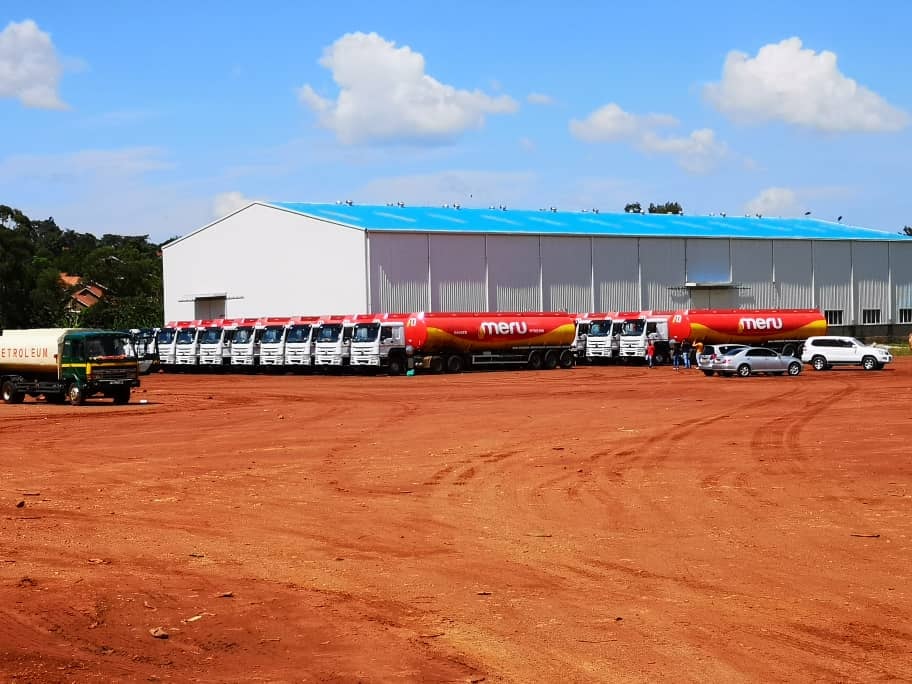
According to a notice issued by RRA, the products in question include 1,993,750 litres of fuel currently stored in bonded facilities operated by Yussa in Kabuye, Rubis Energy in Gatsata, and Oilcom in Jabana.
Diesel accounts for the largest share of the stock, with approximately 1.35 million litres. The remaining volume includes 641,055 litres of petrol and 5,065 litres of kerosene.
RRA said the fuel has exceeded the maximum storage period permitted under customs regulations and must therefore be processed and released onto the market.
The published list shows that the ownership of 791,832 litres of the fuel has not been identified. Among the companies holding the largest volumes are Mount Meru Petroleum with 368,998 litres, Kivu Energy Ltd with 120,361 litres, and Socit Sarl with 65,404 litres.
Other firms on the list include Ukod Oil Rwanda Ltd, Hashi Energy, China Road, Gulf Energy, Hunan Road and Job Petroleum, each holding varying quantities of fuel and diesel.
Bonded warehouses are used to store imported goods before taxes and duties are paid or before customs clearance is completed.
A source familiar with petroleum storage operations explained that fuel sometimes remains in storage after smaller companies cease operations.
Because warehouse operators do not own the products, they cannot place them on the market without authorization. In such situations, government intervention is required to facilitate their release.
RRA’s notice also lists several individual owners with fuel products in storage. The smallest quantity recorded belongs to an owner holding just three litres.
A source familiar with petroleum storage operations explained that fuel sometimes remains in storage after smaller companies cease operations.
The crisis severely impacted international transport routes, particularly flights to and from the Middle East. As security concerns escalated following U.S. military strikes on Iran late February 2026, airlines suspended numerous routes to destinations such as Qatar and the United Arab Emirates (UAE).
Early March, more than 21,000 flights to and from the Middle East were reportedly canceled. Major hubs, including Dubai International Airport, reduced operations significantly, while Rwanda’s national carrier, RwandAir, also suspended flights to the region.
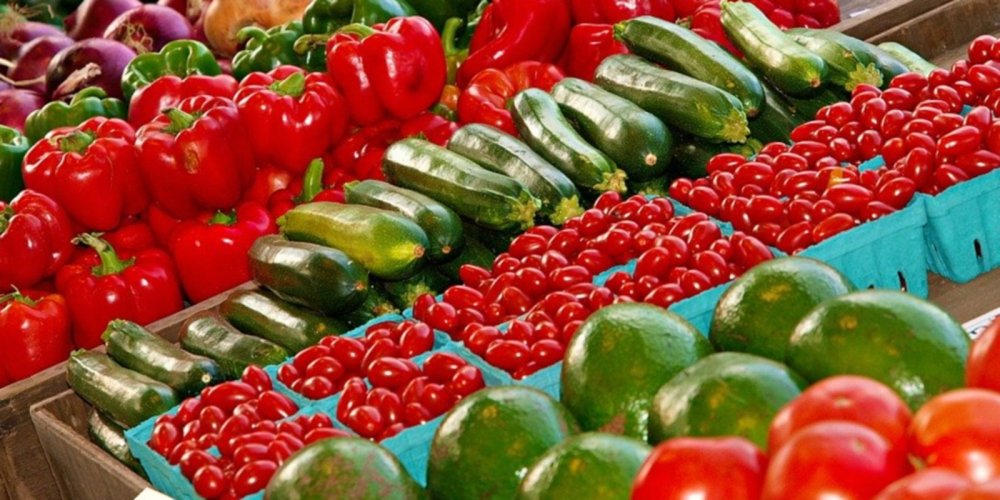
The disruptions hit Rwanda’s horticulture sector hard. According to the Horticultural Exporters Association of Rwanda (HEAR), around 80 percent of exporters temporarily halted their activities as access to major markets such as Dubai and Abu Dhabi became difficult.
Association president Robert Rukundo said the suspension of flights created major challenges for exporters who depend on air transport, particularly RwandAir, to move fresh produce.
“The situation became very difficult. Air travel was suspended, maritime trade was also affected because the Strait of Hormuz was closed. Trade became complicated, and transportation costs increased as businesses searched for alternatives,” he explained.
Rukundo noted that some exporters attempted to redirect produce to neighboring countries or local processing industries, but many were unable to find viable alternatives.
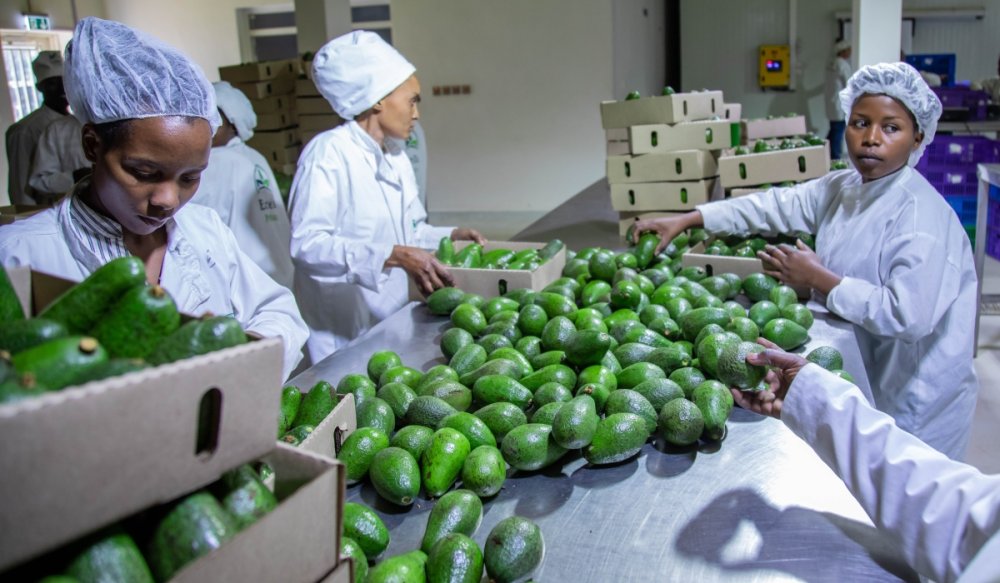
The impact extended throughout the value chain, from exporters to farmers. Products such as avocados, one of Rwanda’s most important agricultural exports, were particularly affected.
Data from the sector shows that before the conflict, Rwanda regularly exported between 20 and 25 tonnes of fresh produce per flight, with exports taking place several times a week. However, volumes declined sharply once transport links were disrupted.
Between March 24 and 28, 2026, Rwanda exported 173 tonnes of fruits worth Rwf 235 million and 290 tonnes of vegetables worth Rwf 853 million. Some of these exports were destined for the UAE.
By comparison, during the week of February 16–20, before the conflict began, Rwanda exported 376 tonnes of fruits worth Rwf 471.7 million and 437 tonnes of vegetables valued at Rwf 569 million.
Rukundo said the crisis highlighted the country’s limited capacity to process and preserve agricultural products when export markets become inaccessible.
“When produce cannot reach the market, it becomes a major problem. We still lack sufficient facilities to add value, process products, and store them until market conditions improve,” he said.
Although Rwanda has some processing facilities capable of producing avocado oil, guacamole, soap, and other products, Rukundo said their capacity remains limited.
He added that, just as the COVID-19 pandemic exposed vulnerabilities in supply chains, the Iran conflict has shown the need for greater investment in value-addition industries.
RwandAir flights resume
In a positive development for exporters, RwandAir announced on May 29, 2026, that it would resume flights to Qatar and the UAE from June 1.
Rukundo welcomed the decision, saying it would help restore trade links, even though the peak avocado harvest season is nearing its end.
“We are very happy that the flights have resumed. This will help reconnect us with our markets and bring back customers. We hope it will also contribute to better prices,” he said.
However, he cautioned that higher fuel prices and increased transport costs could continue to affect profitability.
Avocados: Rwanda’s “green gold”
Avocados have emerged as one of Rwanda’s most promising export crops, driven by growing demand in the Middle East, Europe, and other international markets.
Rukundo described avocados as “green gold,” saying the crop creates opportunities across the entire value chain—from farmers and transporters to cold-storage operators, processors, and exporters.
“It is a crop that can transform livelihoods and create jobs at every stage of production and distribution,” he said.
The crop’s export potential continues to grow. Rwanda exported fewer than 1,000 tonnes of avocados in the 2018/19 season, earning just over $400,000. By 2024, exports had risen to 4,200 tonnes, generating more than $8 million in revenue.
Rwanda currently sells around 80 percent of its avocado exports to Arab countries, while also supplying European and regional markets.
The country recently signed agreements that will allow avocado exports to enter the Chinese market as well.
Figures released in November 2025 showed that Rwanda had more than 550,000 avocado trees.
Since most of these trees are still relatively young, production is expected to increase significantly in the coming years, strengthening the crop’s role in the country’s export sector.
Rwanda currently sells around 80 percent of its avocado exports to Arab countries, while also supplying European and regional markets. Middle East conflict has disrupted Rwanda’s horticulture export trade.