The revenue was generated from 10,989 tonnes of agricultural and livestock products exported to various international markets. These included coffee, tea, vegetables, fruits, flowers, livestock products, and other agricultural commodities.
Coffee exports totaled 652 tonnes, generating about Rwf 4.5 billion, while tea exports reached 1,166 tonnes, earning approximately Rwf 4.8 billion.
Vegetable exports stood at 450 tonnes, bringing in around Rwf 772 million. These products were mainly exported to countries including China, the United Kingdom, the Netherlands, France, and several African markets.
Fruit exports reached 22 tonnes, generating Rwf 82 million, with shipments going to the United Arab Emirates and other African countries.
Flower exports amounted to 7 tonnes, earning about Rwf 56 million, mainly destined for the United Kingdom and the Netherlands.
Other agricultural products such as tubers, legumes, cereals, and related commodities accounted for the largest volume, with 7,822 tonnes exported, generating about Rwf 7 billion. These were mainly shipped to Bangladesh, the United States, and various African countries.
Livestock and related products also contributed to export earnings, with 869 tonnes exported, generating approximately Rwf 767 million, primarily destined for African markets.
Tea exports reached 1,166 tonnes in five days, earning approximately Rwf 4.8 billion.
The message was delivered during the 2026 Capital Markets Youth Forum, a national campaign that attracted more than 1,100 contestants and reached over 6,000 students through roadshows across all provinces.
The forum was organised by the Capital Markets Authority, Rwanda National Investment Trust, Rwanda Stock Exchange and Luxembourg Development Cooperation Agency. It focused on helping young people understand savings, investment, shares, bonds and collective investment schemes.
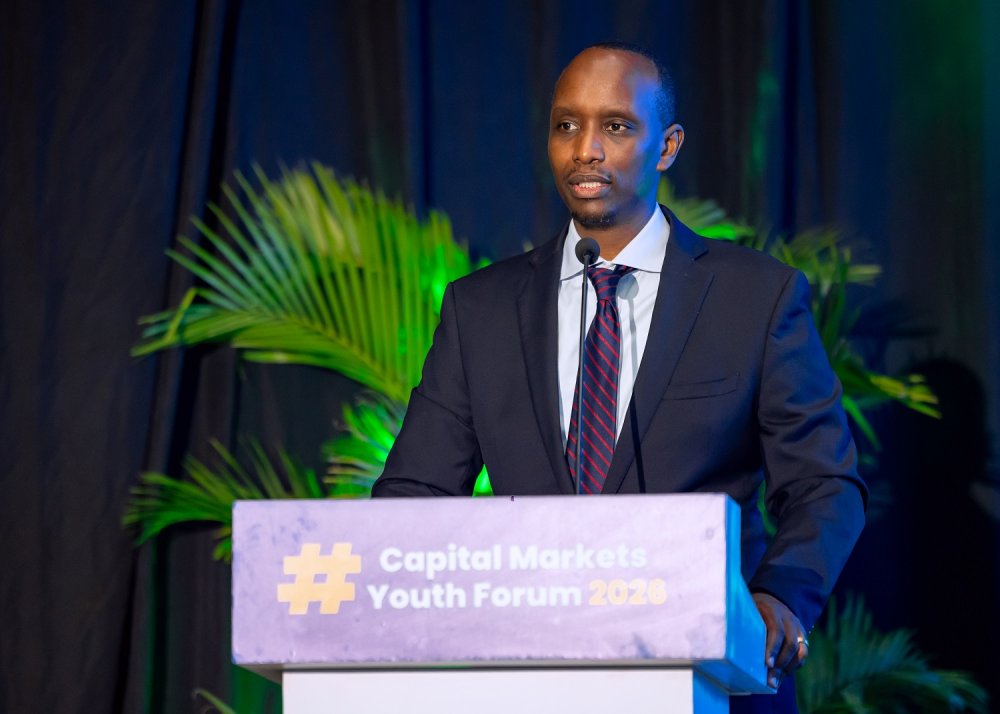
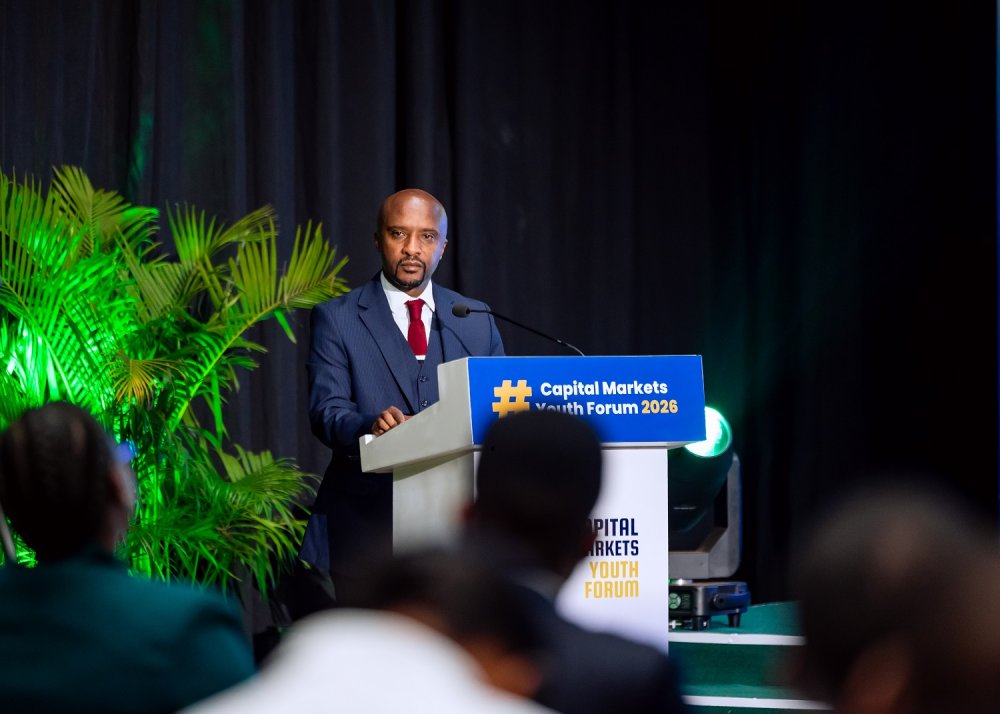
The Chief Executive Officer of the Capital Markets Authority, Romeo Ngarambe said the capital market should not be viewed as a space reserved for large companies, wealthy individuals or financial institutions.
He noted that “Through this programme, we seek to build a stronger culture of saving and investment among youth. We want young people to understand that the capital market is not reserved for a few institutions or large investors.”
For young people, the capital market offers practical entry points. Through shares, they can own part of listed companies. Through bonds, they can lend to the government or companies and earn returns. Through collective investment schemes, they can pool modest amounts with other investors and benefit from professional fund management.
Alodie Iradukunda, a Member of the East African Legislative Assembly, urged young people to look beyond saving alone and put money into productive assets. She said that “Saving alone is no longer enough.”
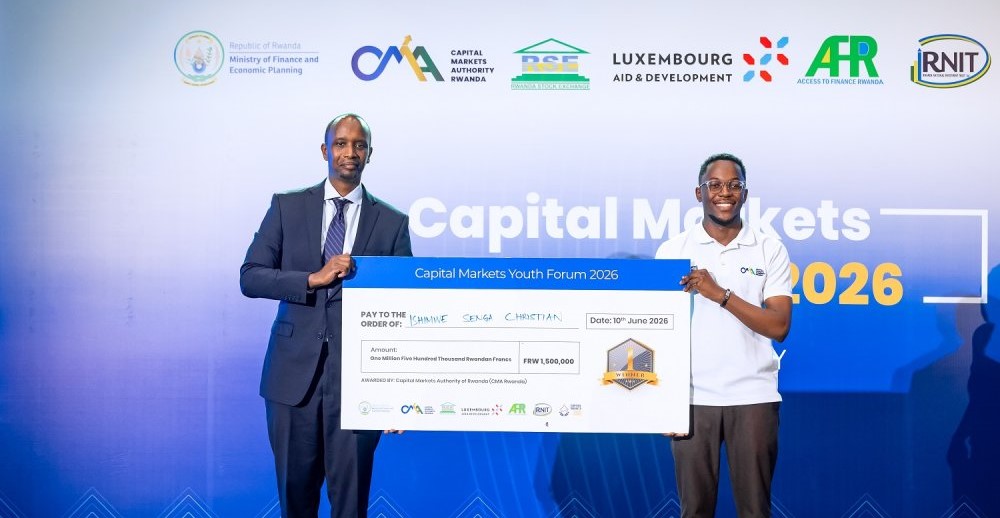
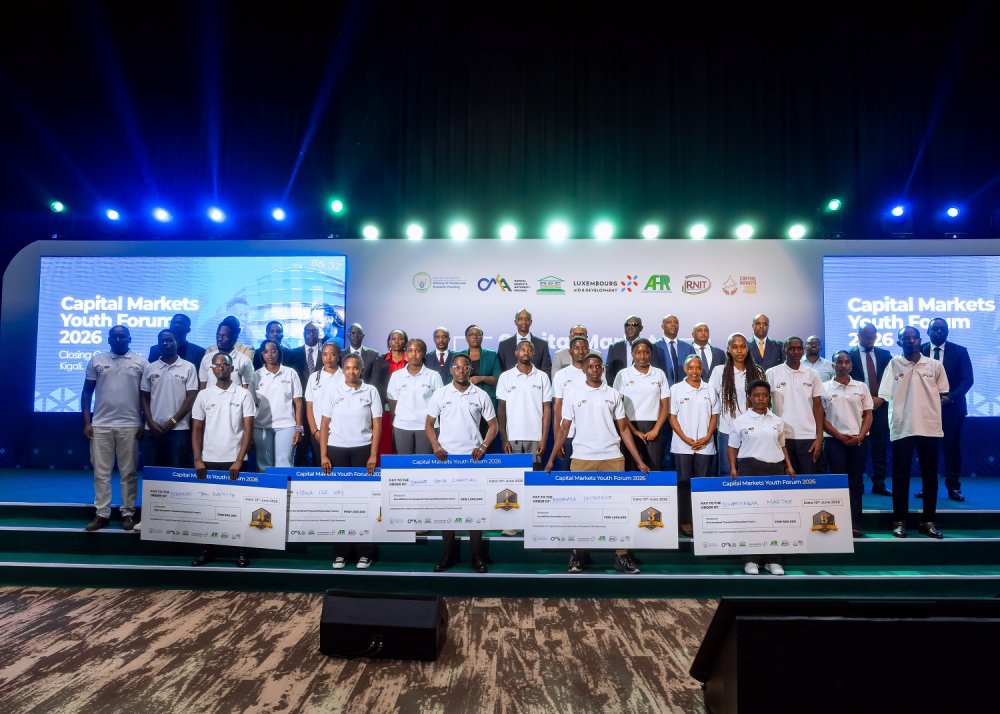
The Capital Markets University Challenge held as part of the Capital Markets Youth Forum, concluded with 5 winners from 1,100 contestants.
The winners received prizes in shares, bonds and Collective Investment Schemes which provide practical exposure to capital market products & long-term investment.
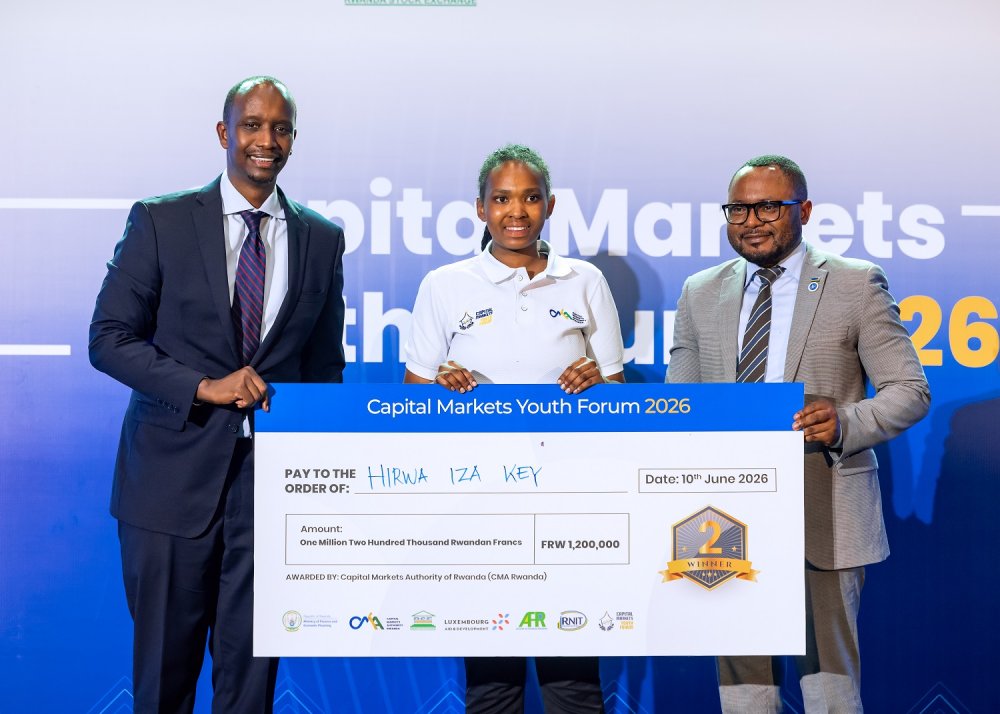
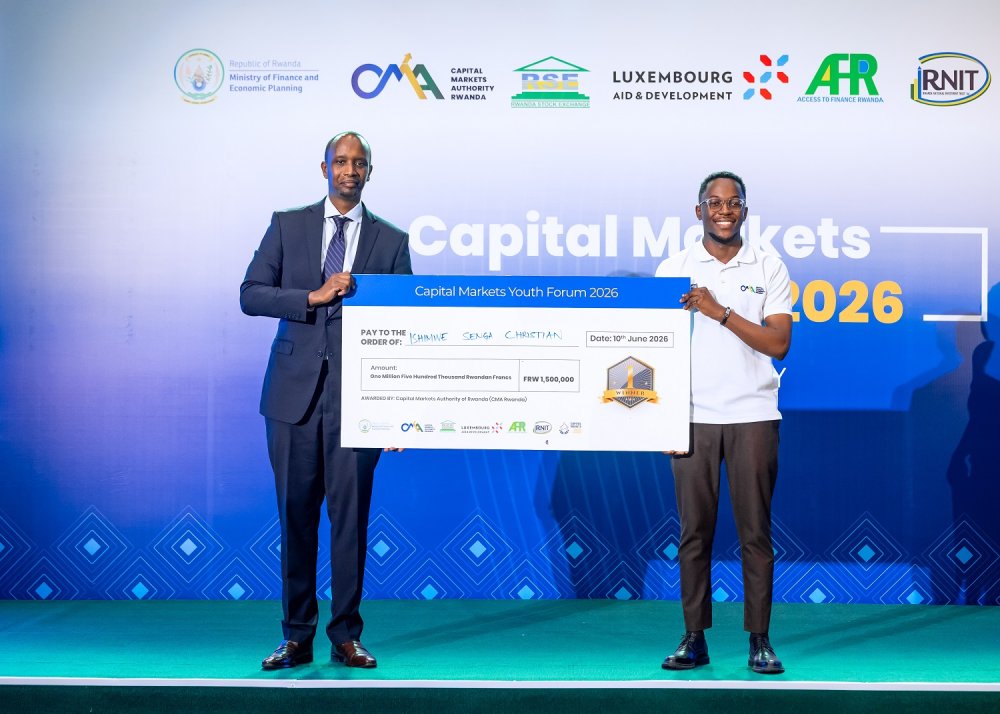
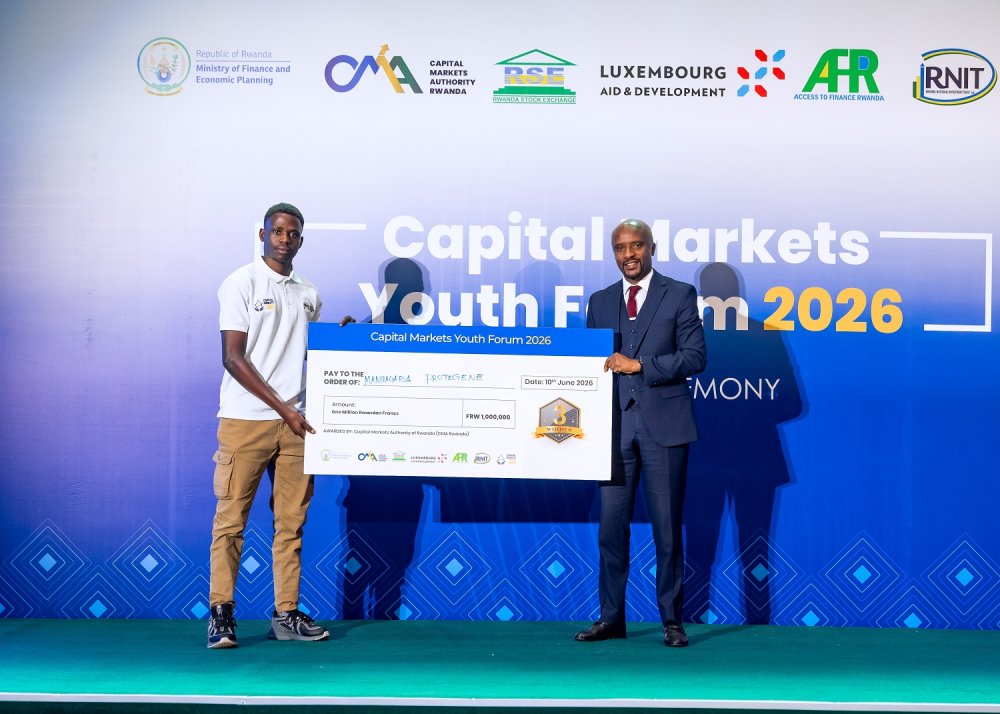
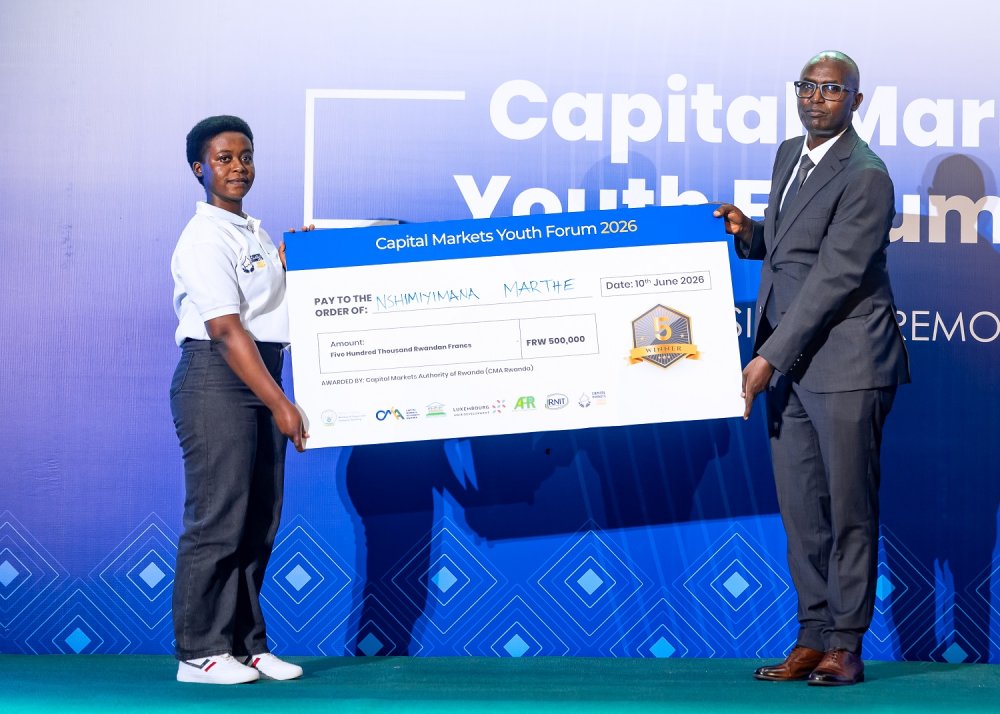
Christian Ishimwe Senga took first place and received Rwf 1.5 million worth of shares, bonds and Collective Investment Schemes. Iza Key Hirwa came second with Rwf 1.2 million, while Protegene Maniragaba finished third with Rwf1 million. Jean Baptiste Byiringiro came fourth with Rwf800,000, while Marthe Nshimyimana came fifth with Rwf500,000.
The forum focused on helping young people understand savings, investment, shares, bonds and collective investment schemes.The youth forum was organized by the Rwanda Capital Markets Authority (CMA), RNIT Iterambere Fund, the Rwanda Stock Exchange, and Luxembourg’s development cooperation agency. Iza Key Hirwa came second with Frw 1.2 millionChristian Ishimwe Senga took first place and received Frw 1.5 million worth of shares, bonds and Collective Investment Schemes.Marthe Nshimyimana came fifth with Frw 500,000.Capital Markets Authority Chief Executive Officer, Romeo Ngarambe, said the capital market should not be seen as a space reserved only for large companies or financial institutions.Rwanda Stock Exchange Chief Executive Officer, Rwabukumba Pierre-Célestin.
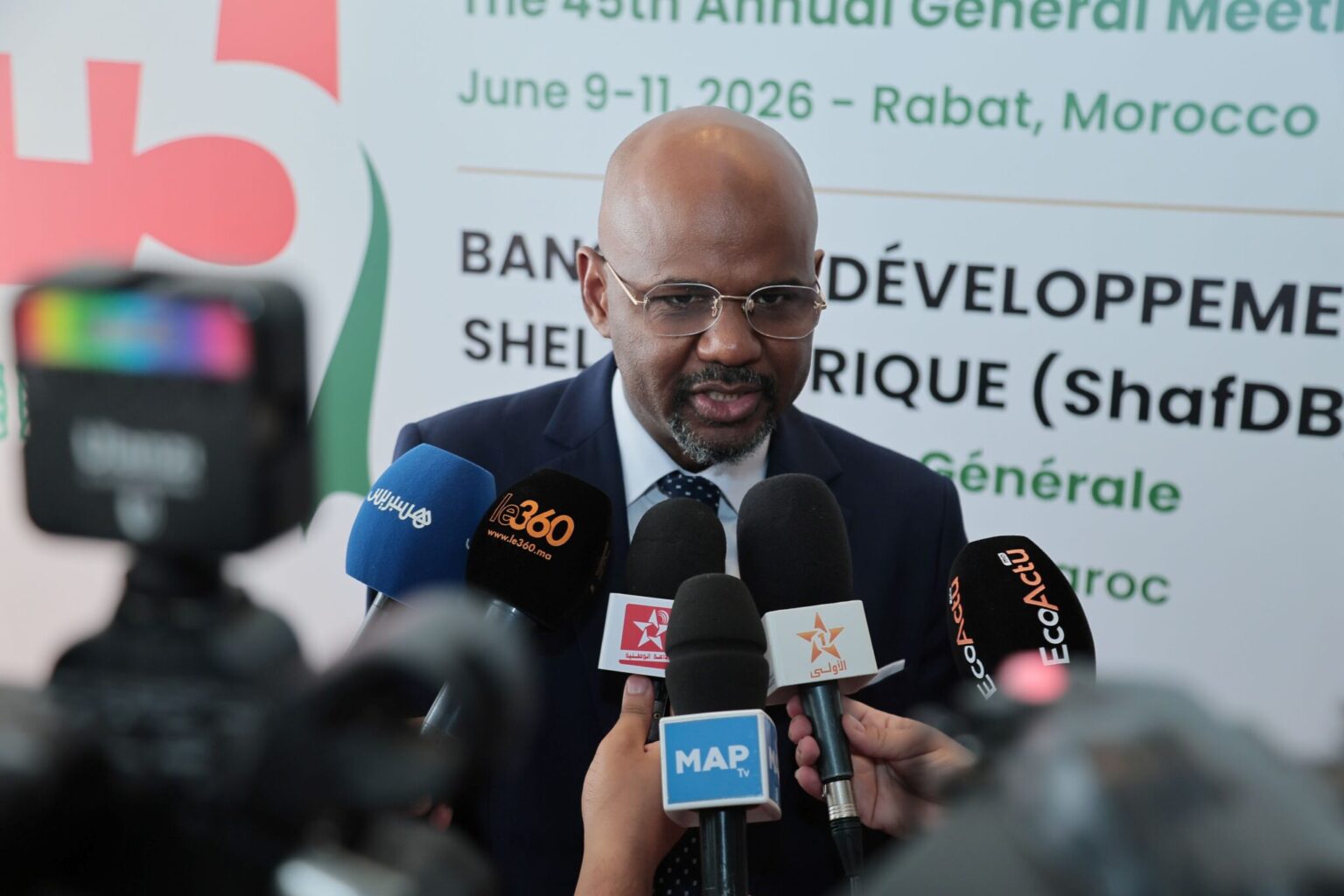
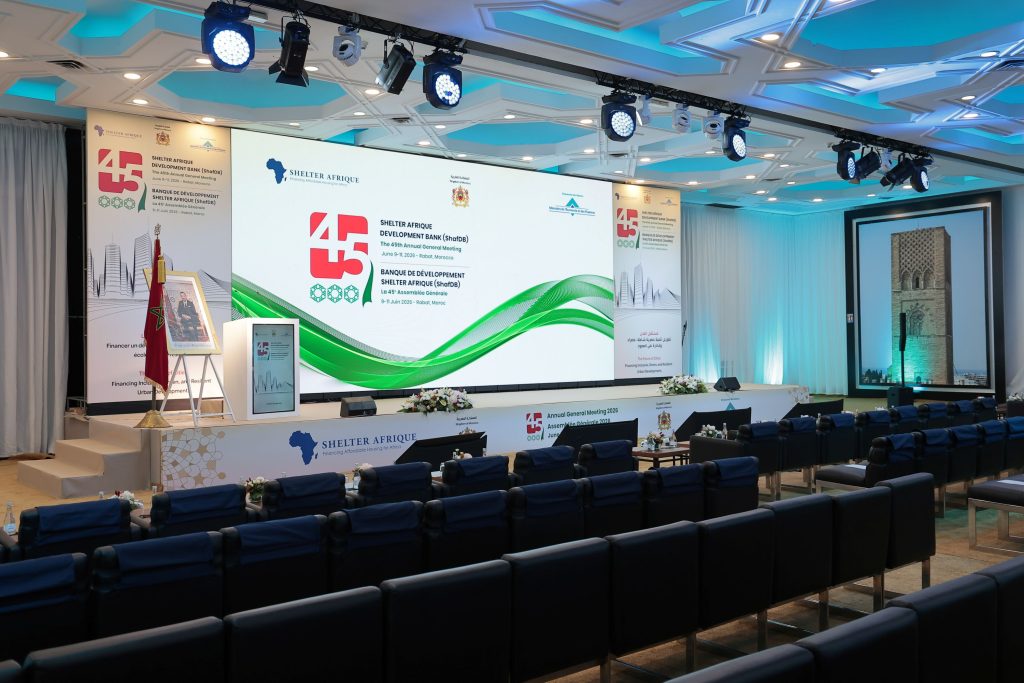
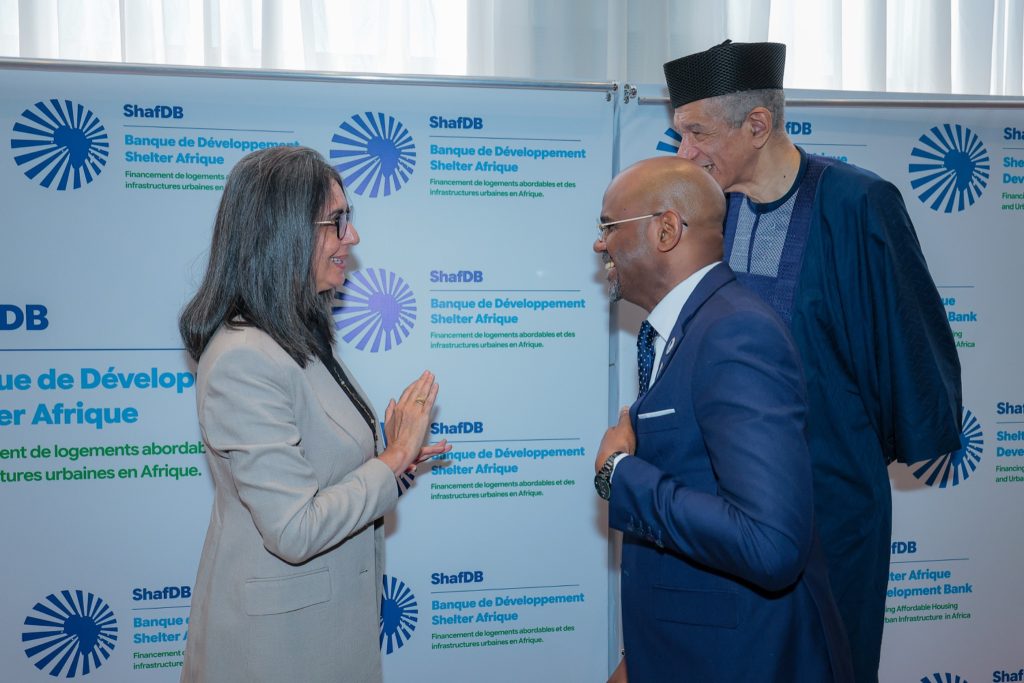
The new brand was officially launched in Rabat, Morocco, during the bank’s 45th Annual Meetings, marking a major milestone in the institution’s evolution and long-term strategic repositioning within Africa’s development finance landscape.
Speaking at the unveiling, Thierno-Habib Hann, Managing Director and Chief Executive Officer of Shelter Afrique Development Bank, said the rebranding represents far more than a cosmetic change.
“Rebranding means more than a name change. It is not only changing the institution’s framework of operations. The transition is expanding the role of the institution into a development bank, making it more nimble and impactful across the housing value chain while creating jobs,” he said.
The bank has in recent years pursued a deliberate strategy to expand its financing capacity in response to rising demand for affordable housing and urban infrastructure across the continent. With a membership of 44 African states and institutional shareholders including the African Development Bank and the African Reinsurance Corporation, Shelter Afrique says it is increasingly aligning its operations with Africa’s broader development priorities.
Board Chairman Lionel Zinsou said the institution’s success will be measured by its tangible impact rather than policy declarations or strategic plans.
“Our success will not ultimately be measured by strategies adopted, policies approved or meetings held. It will be measured by homes financed, cities improved, jobs created and lives transformed. The reform phase of the institution must now become the delivery phase,” he said.
The transition to a Multilateral Development Bank is expected to place Shelter Afrique in the same category as other pan-African lenders, strengthening its ability to mobilise capital for large-scale housing and urban development projects.
The institution is now targeting Africa’s estimated 53 million housing deficit, which requires approximately $1.3 trillion in investment to address, according to the bank.
Hann said the next phase of the bank’s strategy will focus on scaling impact across the housing ecosystem.
“Our vision for the next five years and beyond is to lead the transformation of the African housing sector to address urban infrastructure challenges and create jobs,” he said.
The rebranding also comes amid increased collaboration among African multilateral development banks aimed at unlocking greater pools of capital for infrastructure and housing.
This year’s Annual General Meeting was held under the theme: “The Future of Cities: Financing Inclusive, Green, and Resilient Urban Development,” reflecting the growing urgency around sustainable urbanisation across Africa.
Established in 1981 in Lusaka, Zambia and headquartered in Nairobi, Kenya, Shelter Afrique Development Bank is a Pan-African MDB dedicated to financing sustainable housing, urban development, and related infrastructure. It is owned by 44 African governments alongside institutional shareholders including the African Development Bank and Africa-Re.
The institution, of which Rwanda is a member, operates through four business lines: the Financial Institutions Group (FIG), the Project Finance Group (PFG), the Sovereign and Public-Private Partnerships (PPP) Group, and the Fund Management Group (FMG).
Speaking at the unveiling, Thierno-Habib Hann, Managing Director and Chief Executive Officer of Shelter Afrique Development Bank, said the rebranding represents far more than a cosmetic change.The new brand was officially launched in Rabat, Morocco, during the bank’s 45th Annual Meetings, marking a major milestone in the institution’s evolution and long-term strategic repositioning within Africa’s development finance landscape.The rebranding also comes amid increased collaboration among African multilateral development banks aimed at unlocking greater pools of capital for infrastructure and housing.
The Urban Consumer Price Index (CPI), which serves as the headline measure for monetary policy purposes, increased by 12.9 percent compared to May 2025 and by 0.5 percent compared to April 2026. The annual average inflation rate between May 2025 and May 2026 stood at 8.7 percent.
The report also showed that overall inflation across Rwanda reached 12.3 percent on an annual basis, while rural inflation stood at 11.8 percent.
The latest figures indicate that inflationary pressures remain elevated after a sharp acceleration in recent months. Urban inflation rose from 8.9 percent in January to 9.2 percent in February and March before surging to 13.0 percent in April and remaining high at 12.9 percent in May.
Transport, housing and health costs were among the biggest drivers of the increase in consumer prices.
Urban transport prices rose by 24.5 percent compared to May last year and increased by 1.1 percent on a monthly basis. Housing, water, electricity, gas and other fuels increased by 19.4 percent annually, although the category declined by 0.9 percent compared to April.
Health services recorded the steepest increase among major expenditure categories, rising by 71.6 percent over the past 12 months. Restaurants and hotels also registered a significant increase of 16.6 percent, while prices for alcoholic beverages, tobacco and narcotics rose by 16.1 percent.
Food and non-alcoholic beverages, which account for 27 percent of the urban consumer basket, increased by 6.2 percent annually and 0.9 percent monthly. Within the category, vegetable prices rose by 9.0 percent, meat prices increased by 12.9 percent and non-alcoholic beverages climbed by 11.0 percent compared to May 2025.
The report shows that transport and housing costs made the largest contributions to annual urban inflation, adding 3.2 and 3.1 percentage points respectively to the overall 12.9 percent inflation rate. Food and non-alcoholic beverages contributed a further 2.3 percentage points.
NISR also reported strong inflationary pressures in energy-related products. The urban energy index increased by 44.4 percent compared to May 2025, making it one of the fastest-rising components of household expenditure. However, the energy index declined by 0.5 percent compared to April 2026.
Meanwhile, the local goods index increased by 13.7 percent on an annual basis,
outpacing the imported goods index, which rose by 10.5 percent.
Underlying inflation, which excludes fresh food and energy prices and is considered a key indicator of broader price trends in the economy, rose by 12.0 percent year-on-year and 0.7 percent on a monthly basis. The annual average underlying inflation rate reached 9.2 percent.
The CPI is compiled using a basket of approximately 1,622 goods and services monitored across urban and rural areas of Rwanda. Each month, NISR collects more than 40,000 prices from markets, shops, schools, hospitals and other outlets to track changes in the cost of living.
Rwanda’s inflation rose to 12.9 percent in May 2026, driven by sharp increases in transport, housing, energy and health-related costs, according to the latest Consumer Price Index (CPI) report released by the National Institute of Statistics of Rwanda (NISR).
The delegation was led by Rogelio Romero, Chapter Representative of YPO Gold Panama and Chief Executive Officer of Concretex Panama.
According to the Office of the President, the meeting explored Rwanda’s development journey, the country’s growing entrepreneurship ecosystem, and prospects for strengthening business and economic partnerships between Rwanda and Panama.
YPO is a global leadership community that connects more than 38,000 business leaders across over 130 countries. Its members include chief executives, entrepreneurs, and senior executives who lead companies and organizations across a wide range of sectors.
The Panama Chapter brings together senior executives from some of the country’s leading firms and investment groups, creating a platform for business networking and investment opportunities.
The visit reflects growing international interest in Rwanda as a destination for investment and innovation, driven by the country’s business-friendly environment, economic reforms, and expanding private sector.
The discussions also highlighted the potential for increased cooperation between Rwandan and Panamanian businesses, particularly in areas that support entrepreneurship, trade, and investment.
Rwanda has continued to position itself as a hub for business and innovation in Africa, attracting investors and business leaders from around the world seeking new opportunities and partnerships.
In 2025, Rwanda recorded a significant increase in investor commitments, underscoring the country’s growing appeal as a destination for business and investment. According to official figures, total registered capital reached $2.62 billion (approximately Rwf 3.8 trillion) across 799 pipeline projects, a substantial increase from the 612 projects registered the previous year.
Once fully implemented, these projects are expected to create more than 38,000 jobs, further supporting Rwanda’s economic growth and employment objectives. The real estate, manufacturing, and mining sectors attracted the largest share of the registered capital, highlighting the diversity of opportunities available to investors.
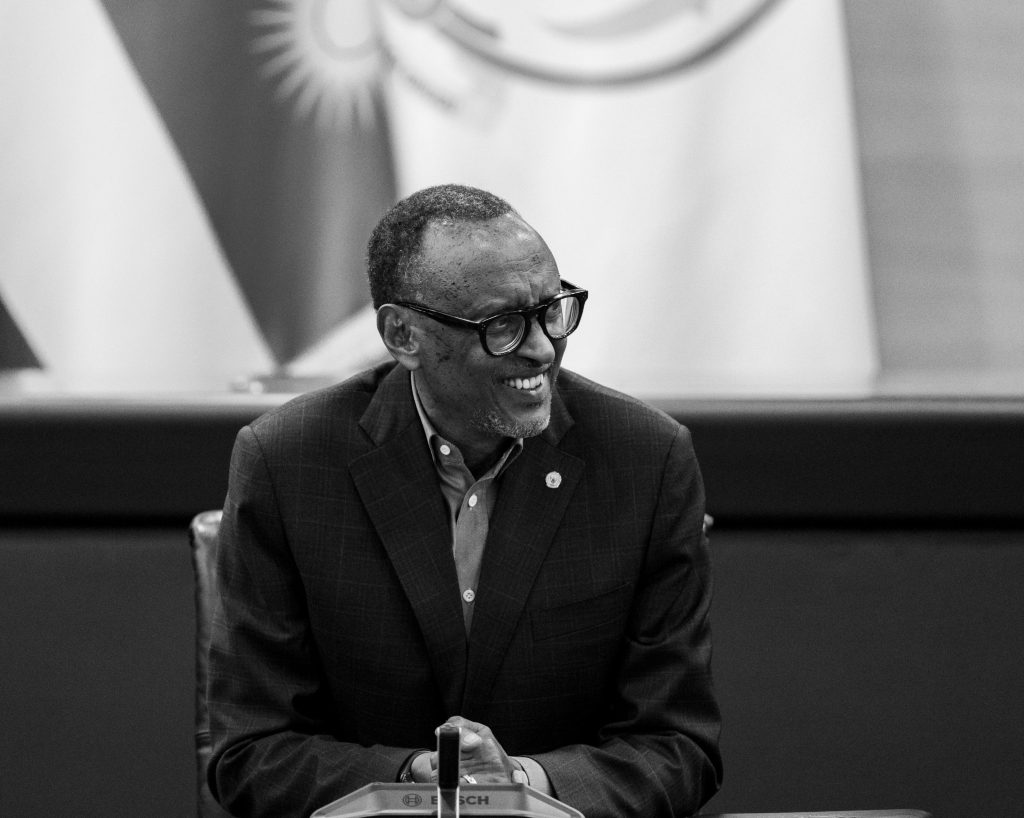
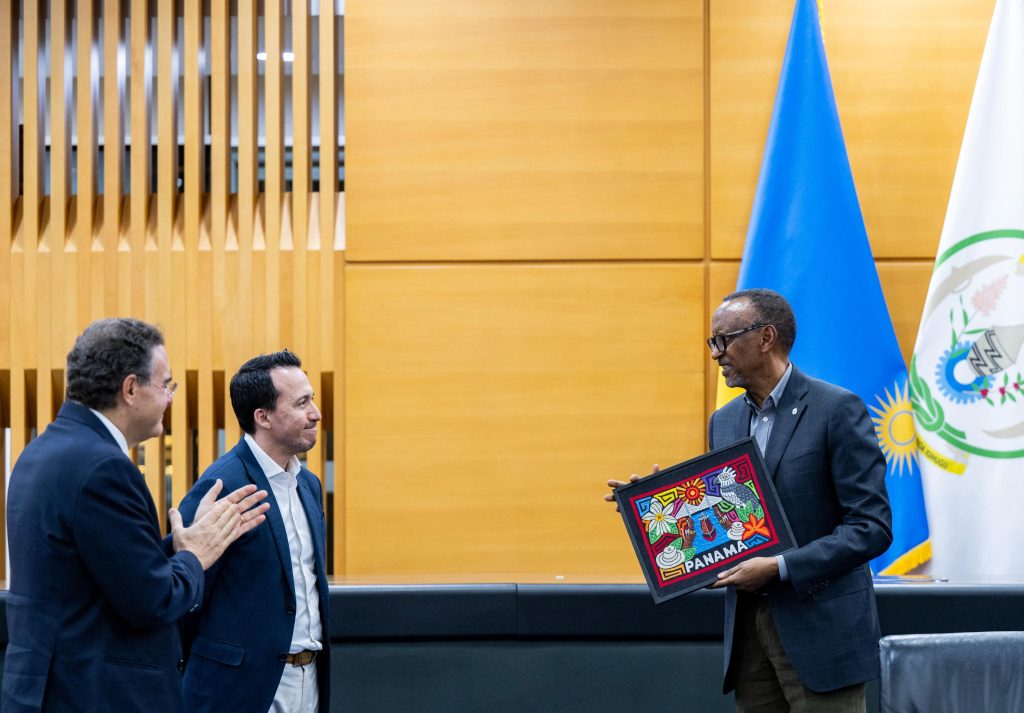
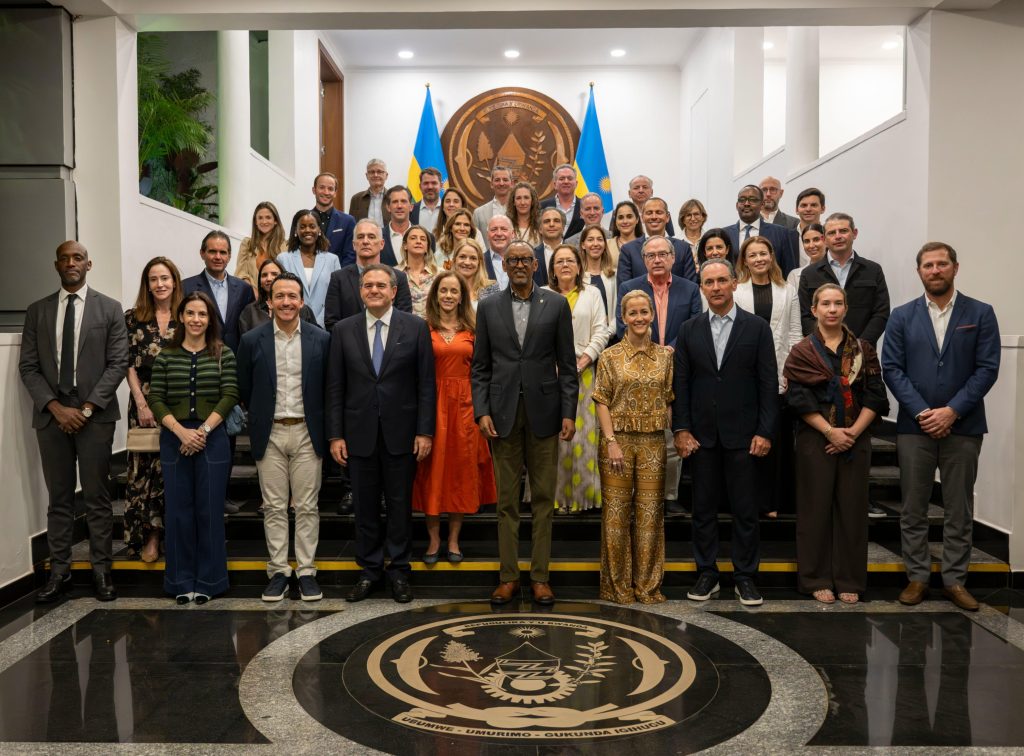
President Paul Kagame on Tuesday received a delegation of 19 members of the Young Presidents’ Organization (YPO) and their spouses at Urugwiro Village.According to the Office of the President, discussions focused on Rwanda’s economic transformation, entrepreneurship, and opportunities for business collaboration with Panama.The delegation was led by Rogelio Romero, Chapter Representative of YPO Gold Panama and Chief Executive Officer of Concretex Panama.The meeting explored Rwanda’s development journey, the country’s growing entrepreneurship ecosystem, and prospects for strengthening business and economic partnerships between Rwanda and Panama.
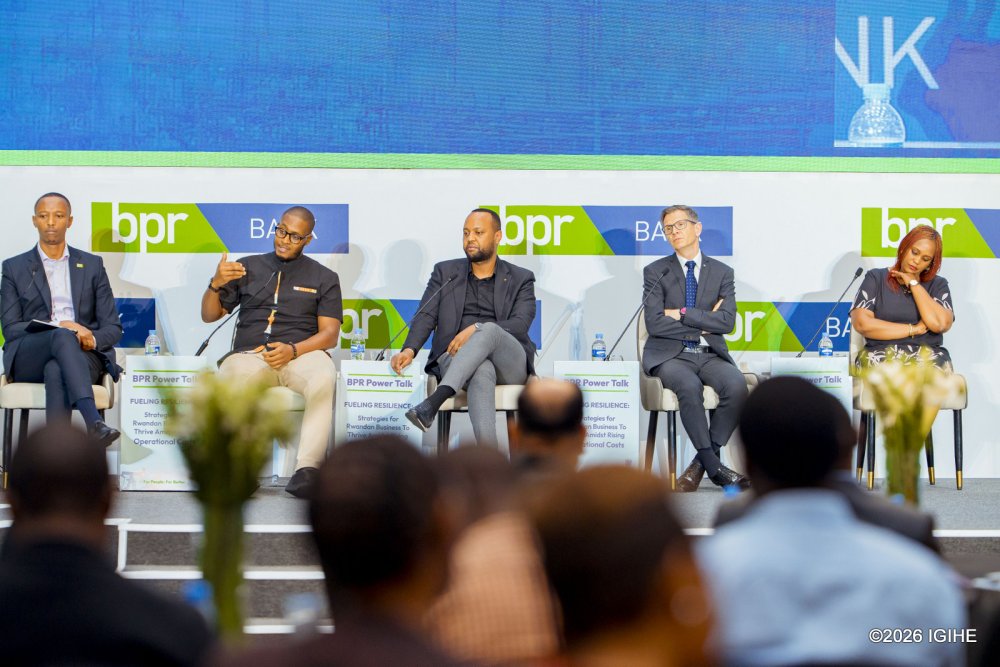
Through these engagements, the bank convenes clients operating in a particular sector alongside industry experts to assess prevailing challenges and identify opportunities for collaboration that can drive growth.
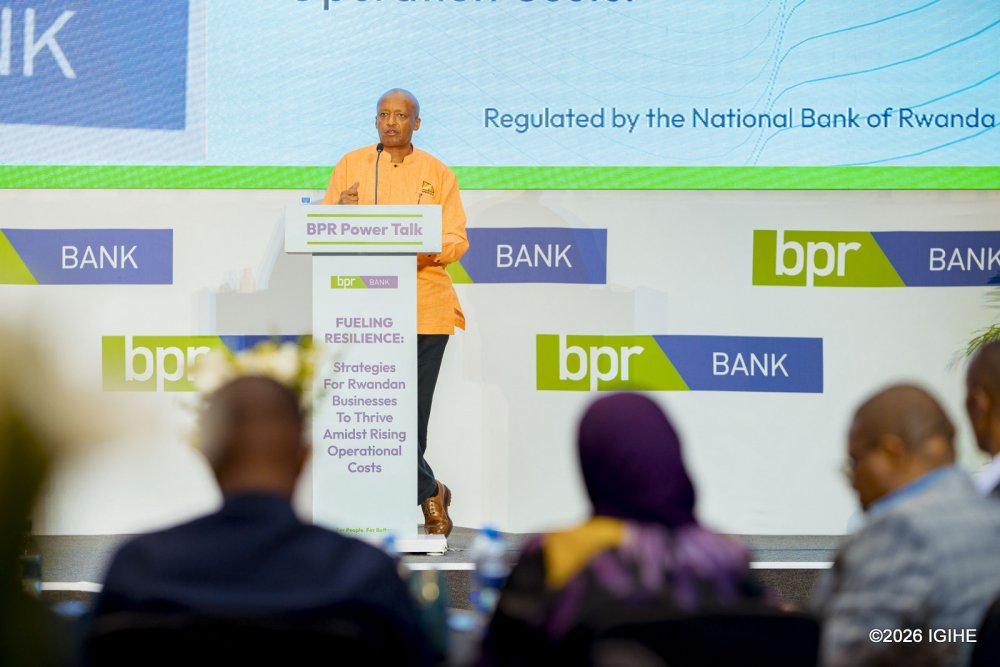
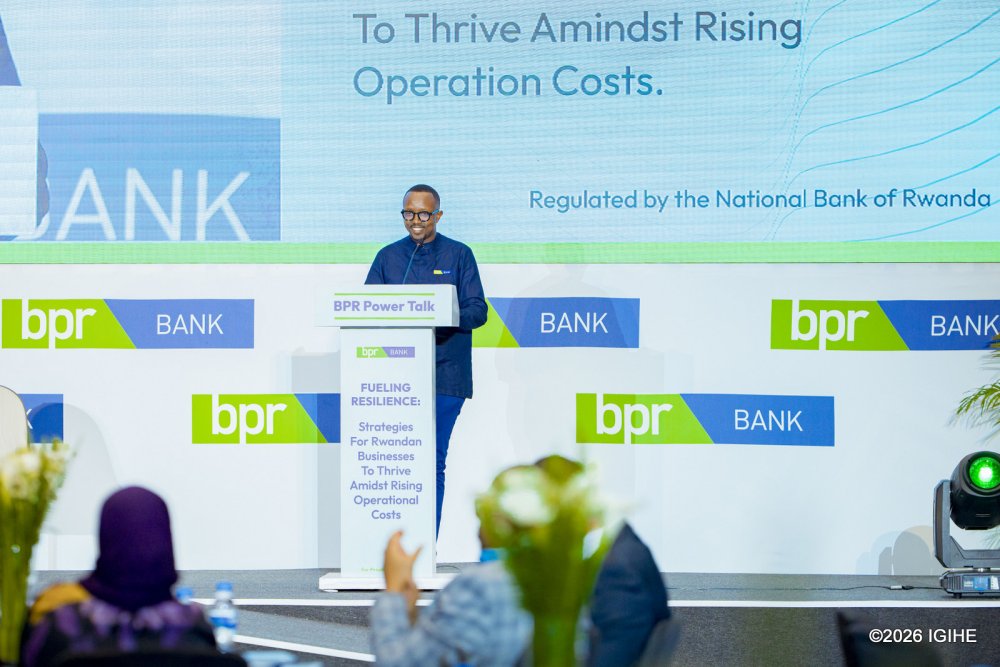
According to BPR Bank Rwanda PLC’s Chief Finance Officer, Vincent Ngirikiringo, the initiative was conceived as a platform for dialogue between the bank and stakeholders across different sectors of the economy.
“We designed these discussions as a forum for exchanging ideas with our partners in various sectors of the economy. It is an ongoing initiative that will also cover industries such as construction, agriculture and others,” he said.
The first edition brought together players from the energy, transport and manufacturing sectors, all of which depend heavily on petroleum products and have been significantly affected by recent global market disruptions.
The challenges stem largely from the conflict involving Iran, which disrupted global oil markets following the closure of the Strait of Hormuz, a critical shipping route through which more than 20 million barrels of oil pass each day, representing around 20% of global consumption.
As a result, petroleum prices surged, rising by about 45% since the Middle East conflict began in late February 2026.
A barrel of petroleum products that had been trading between $65 and $70 climbed to around $130 in April before easing slightly. By early June 2026, prices were fluctuating between $90 and $95 per barrel.
The Iran conflict also led to the loss of approximately 1.5 billion barrels of unprocessed petroleum products that never reached the market.
Globally, the sector is estimated to have incurred losses exceeding $50 billion as a consequence of the crisis.
Representatives from the public and private sectors discussed possible solutions to the challenges posed by rising petroleum product prices.
Rwanda among the affected countries
The impact was also felt in Rwanda. On August 5, the price of diesel increased by Rwf722 per litre, reaching Rwf2,927 from Rwf2,205, while petrol remained unchanged at Rwf2,938 per litre.
Earlier, on April 16, 2026, petrol prices rose by Rwf635 per litre, increasing from Rwf2,303 to Rwf2,938, while diesel remained at Rwf2,205.
The previous adjustment had been made on April 3, 2026, when petrol prices increased by Rwf314 to reach Rwf2,303 per litre, while diesel rose by Rwf257 to Rwf2,205.
The increases contributed to broader inflationary pressures. According to the National Institute of Statistics of Rwanda (NISR), consumer prices in April 2026 were 13% higher than April 2025. In March 2026, annual inflation stood at 9.2%.
The root cause, according to Eric Mutaganda, Chairperson of the Petroleum Traders Association of Rwanda and Managing Director of Merez, is the disruption caused by the Iran conflict.
“The Iran conflict had a significant impact on us, but together with the Government of Rwanda we managed to reduce its severity. The government provided subsidies to ensure Rwandans did not face the full burden that would otherwise have occurred. Although oil prices increased by 45%, the actual procurement costs multiplied five times,” he explained.
The figures illustrate the point. Before the conflict began in early February, a tonne of petroleum products cost around $300. Today, the same quantity costs approximately $1,650.
Mutaganda noted that addressing such shocks requires substantial strategic storage capacity that can shield the country during supply disruptions, with financial institutions playing a key role in supporting such investments.
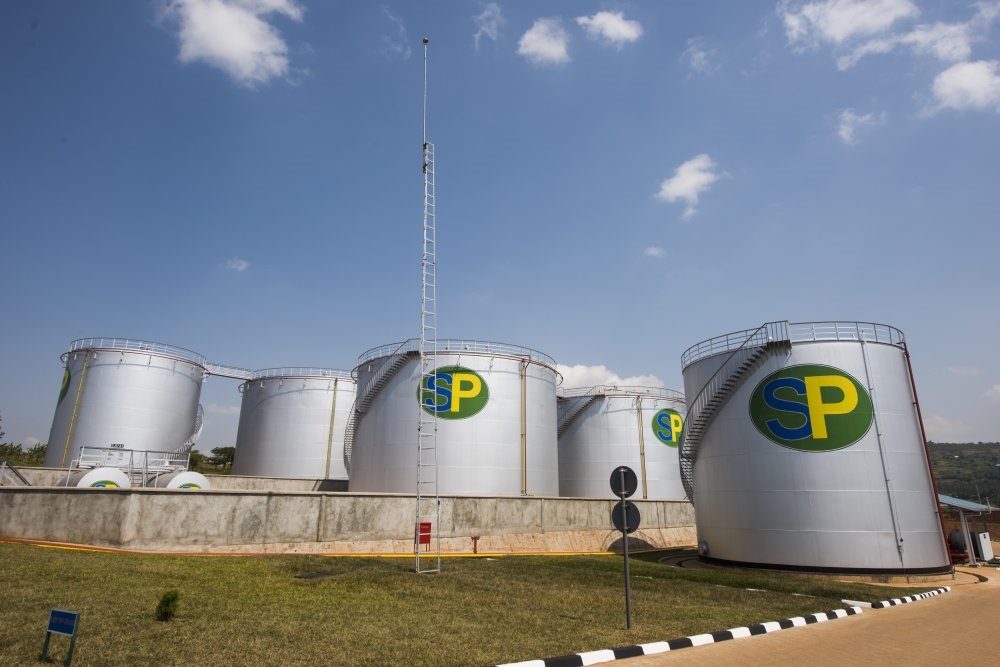
Rwanda currently has storage facilities capable of holding about 110 million litres of petroleum products, enough to cover roughly one and a half months of demand. However, experts estimate that the country would need storage capacity of around 400 million litres to comfortably sustain supplies for four months during a global crisis.
Rwanda imports approximately 60 million litres of fuel every month. Of this, aviation fuel accounts for about 10 million litres, diesel 30 million litres and petrol 20 million litres.
Mutaganda said that while March and April were particularly challenging, the situation has since improved.
“We experienced difficulties in March and April, but things have started returning to normal. Some of our suppliers also faced disruptions. We have not yet reached the volumes we used to import, but supply conditions have improved and all fuel products are now available. We hope the Iran conflict comes to an end soon,” he said.
Most of Rwanda’s petroleum products are imported through Tanzania’s Port of Dar es Salaam, which handles between 90% and 95% of the country’s fuel imports. The remaining 5% to 10% comes through Kenya’s port system.
Fuel imports are handled by between 10 and 15 companies, including Merez, a Rwandan-owned company that has operated for 25 years. It employs more than 300 people and operates 19 fuel stations across the country.
“Our target is to end this year with 20 fuel stations. We employ Rwandans, and the company is 100% Rwandan-owned,” Mutaganda said.
He added that private sector operators are also working alongside the government to expand national storage capacity. Merez, for example, plans to construct a 20-million-litre fuel storage facility in Nyacyonga, Gasabo District.
“We are currently seeking the necessary approvals from the City of Kigali so construction can begin. Other companies are also planning similar projects to increase the country’s storage capacity,” he said.
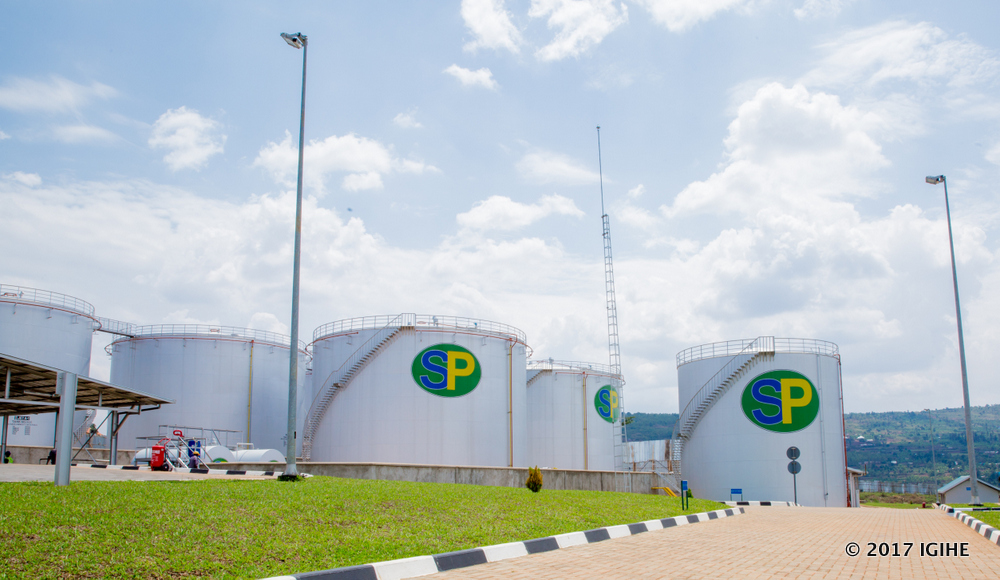
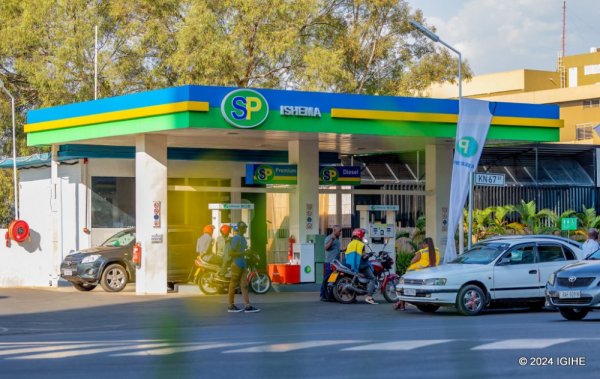
In addition to Merez, Société Pétrolière (SP) is building liquefied petroleum gas storage facilities valued at more than Rwf60 billion. The facilities will have the capacity to store 9,000 tonnes of cooking gas, enough to supply the country for about two months.
Eric Mutaganda, Chairperson of the Rwanda Association of Petroleum Product Traders and Managing Director of Merez, said the sector imports about 60 million litres of petroleum products each month.
BPR Bank Rwanda steps in
BPR Bank Rwanda is among the country’s largest banks. In 2025, it recorded profits exceeding Rwf40.8 billion. The bank also extended loans worth Rwf666 billion in 2024, underscoring its contribution to Rwanda’s economic development.
It is against this backdrop that the bank decided to convene stakeholders in the petroleum sector to explore practical solutions, particularly given its capacity to provide financing that can help businesses weather the crisis.
Mutaganda said the role of banks has become even more critical as import costs have multiplied.
“If fuel costs increase fivefold, it means you need five times more capital than before to purchase the same quantity of products. That is where banks come in by increasing financing capacity. Banks have supported us, and when support continues during difficult periods, it helps businesses stay afloat until conditions improve,” he said.
Ngirikiringo reassured industry players that BPR remains committed to engaging with stakeholders because petroleum products are fundamental to economic activity.
“We cannot achieve sustainable development if these challenges are not properly addressed. Given the impact of the Iran conflict on global fuel prices, there are consequences for both livelihoods and the economy. We are discussing what can be done to ensure Rwanda remains economically resilient despite these challenges,” he said.
He explained that BPR is exploring ways to facilitate fuel imports by providing financing mechanisms that enable importers to secure supplies without having to make immediate full payments.
“We provide facilities that allow importers to bring petroleum products into the country and settle payments once the products arrive. Instead of sending money in advance and waiting for delivery, we can support them. Because we have established relationships with international banks and suppliers, our clients can access products without excessive pressure and with greater certainty,” he explained.
Ngirikiringo added that BPR also provides conventional loans that support infrastructure investments, including the construction of fuel storage facilities that can help expand national reserves.
BPR Bank Rwanda PLC’s Chief Finance Officer, Vincent Ngirikiringo, reassured petroleum traders facing capital constraints amid rising fuel costs.
Reassurance from the National Bank of Rwanda
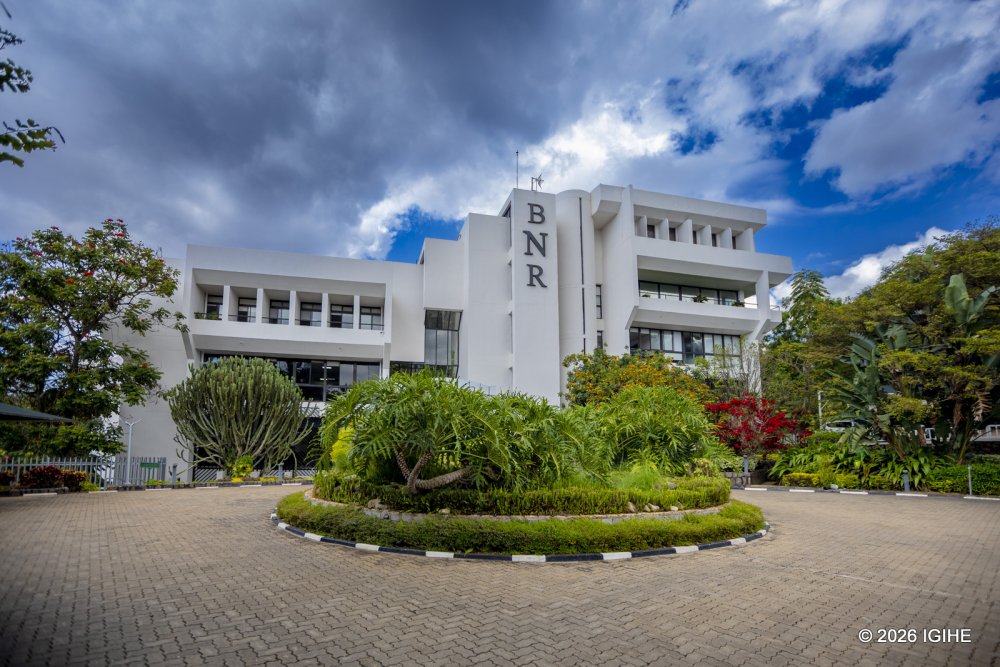
The Chief Economist at the National Bank of Rwanda (BNR), Dr. Thierry M. Kalisa, said the Iran conflict had shaken global petroleum markets because of disruptions linked to the closure of the Strait of Hormuz.
“Rwanda imports petroleum products because we do not produce them locally. As a result, domestic prices increased. Transport is one of the largest components of household expenditure in Rwanda. About 12% of household income is spent on transportation. When transport costs rise, the prices of many other goods and services also increase,” he said.
To illustrate that the issue extends far beyond Rwanda, Dr. Kalisa noted that global inflation had initially been projected at 4.4% in 2026 and 3.7% in 2027, although those projections could be revised upward depending on global economic conditions. Meanwhile, global economic growth is forecast at 3.1% in 2026 and 3.2% in 2027.
“What is happening is not unique to Rwanda. It is a concern shared by countries around the world, though it affects them through different channels,” he said.
He explained that Rwanda has already put in place measures to help cushion the economy, including efforts to narrow the trade deficit through increased exports such as coffee, minerals and other products.
Dr. Kalisa noted that despite these efforts, Rwanda will continue importing essential commodities that cannot be produced locally, including petroleum products, which account for imports worth more than $650 million annually.
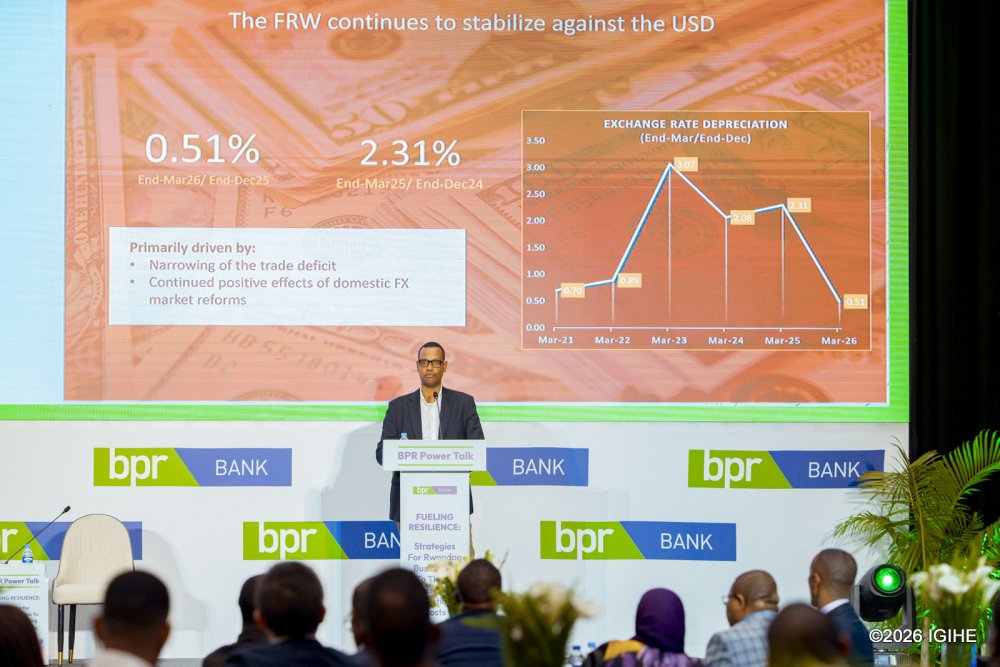
He highlighted the stability of the Rwandan franc against the US dollar as another factor helping fuel importers manage costs.
This was evident during the first quarter of the year, when the franc depreciated by only 0.5%.
“Compared to previous years, that is a very low level. This is extremely important for importers because exchange-rate movements have remained relatively stable. It allows them to continue importing goods without facing major increases in the value of their import bills,” he said.
If current economic performance is maintained, Rwanda’s economy is expected to grow by 6.8%, lower than the 9.4% growth recorded in 2025 but still reflecting continued expansion despite global headwinds.
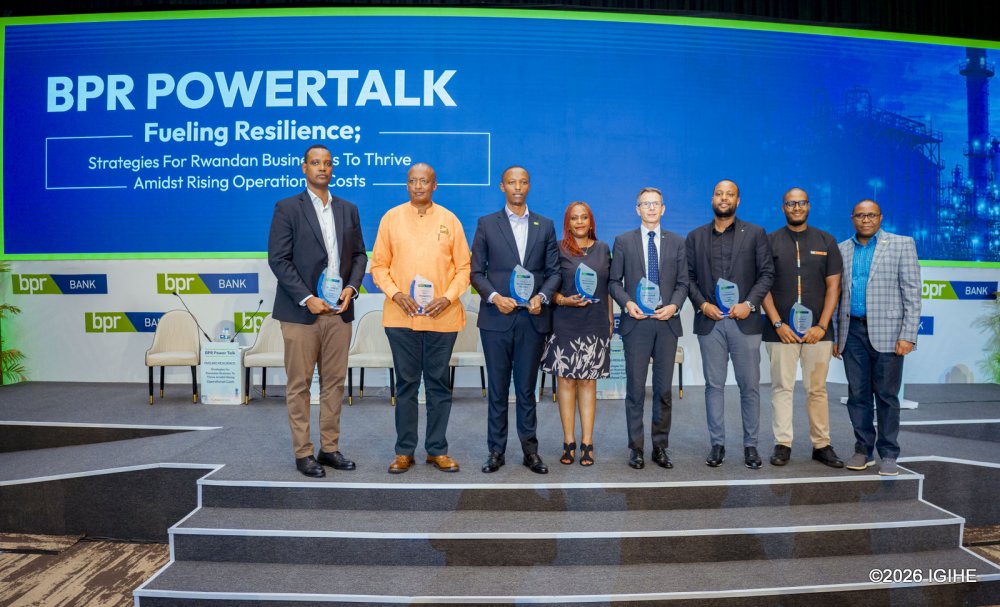
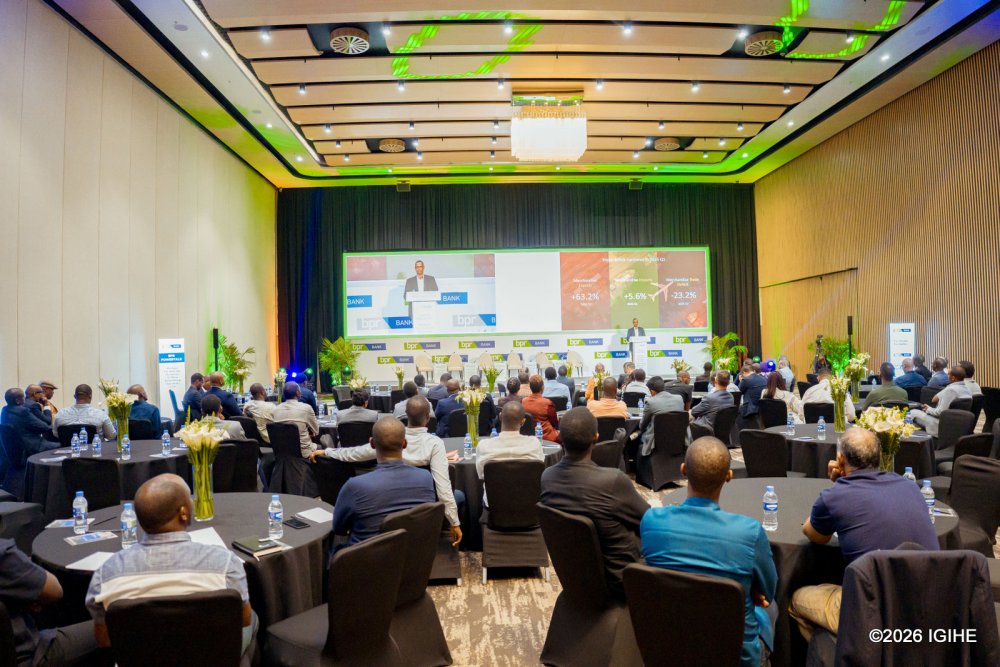
Dr. Thierry M. Kalisa, Chief Economics at the National Bank of Rwanda, outlined measures being taken to mitigate the impact of rising prices.Speakers who shared insights on addressing rising fuel prices were recognized with awards following the discussions.BPR Bank Rwanda PLC brought together stakeholders from the energy sector to explore solutions to the challenges currently affecting the industry.
The proposed budget is designed to strengthen agricultural production, boost industrial growth, accelerate job creation and maintain macroeconomic stability, according to resolutions adopted during a Cabinet meeting chaired by President Paul Kagame on June 8.
The budget represents an increase of approximately Rwf 844.2 billion compared to the revised 2025/26 budget, reflecting the government’s continued focus on economic transformation and development.
Sixty-eight percent of the budget, equivalent to Rwf 5.3 trillion, will be financed through domestic resources, while foreign grants will account for 7 percent.
The government said the budget will prioritise interventions aimed at strengthening economic resilience while accelerating the implementation of key development projects and programmes across various sectors.
The Cabinet’s approval follows the presentation of the 2026/27 Budget Framework Paper to Parliament by Finance and Economic Planning Minister Yusuf Murangwa on May 11, 2026.
Murangwa is expected to formally table the budget before Parliament for debate and consideration on June 11, when Rwanda will join other member states of the East African Community in presenting their national budgets.
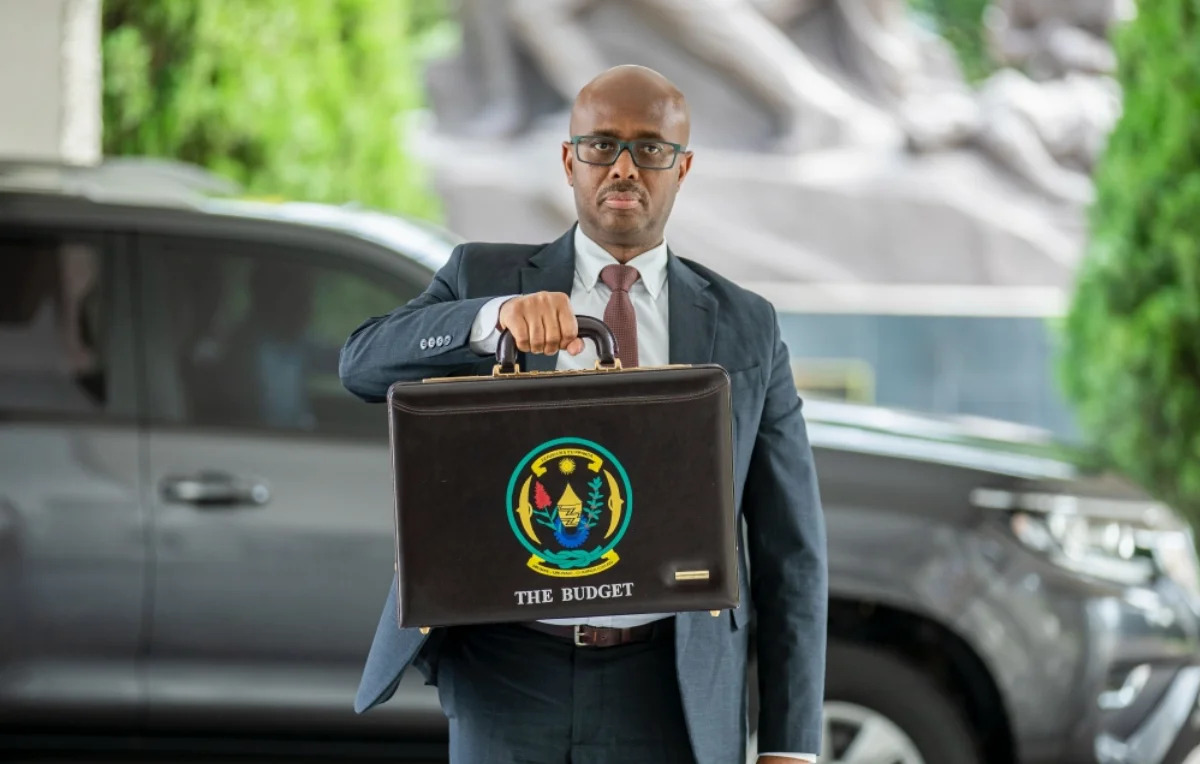
Finance Minister Yusuf Murangwa presents the 2025-26 national budget before parliament on June 12. Rwanda’s Cabinet has approved a draft law determining State finances for the 2026/27 fiscal year, endorsing a national budget of Rwf 7.8 trillion, a 12 percent increase from the previous year’s revised budget.
In a communiqué released on Monday, June 8, 2026, the IMF Executive Board approved a 38-month Extended Credit Facility (ECF) arrangement totalling SDR 185.031 million (about US$250 million) and authorised an immediate disbursement of SDR 26.433 million (approximately US$35.7 million).
According to the IMF, the program is designed to help Rwanda navigate tighter global financing conditions while sustaining economic growth, protecting social and development spending, and rebuilding policy buffers.
Rwanda’s economy has continued to demonstrate strong resilience despite a challenging international environment. Economic growth reached 9.4 percent in 2025, significantly exceeding expectations, driven by robust domestic activity and strong export performance, particularly in coffee and mineral exports.
However, inflationary pressures have intensified. Inflation rose to 13.2 percent year-on-year in April 2026, moving above the National Bank of Rwanda’s target range. The IMF attributed much of the pressure to higher global oil and fertilizer prices linked to the ongoing war in the Middle East.
While Rwanda’s external position improved in 2025 and foreign exchange reserves remained healthy at just over four months of import coverage, the IMF warned that the conflict in the Middle East poses significant risks to the country’s outlook. Economic growth is projected to slow to below 6.8 percent in 2026 as higher import costs and financing pressures weigh on the economy.
The IMF-supported program will focus on three key priorities: strengthening macroeconomic policies, managing fiscal and debt risks to preserve sustainable growth, and promoting private sector-led development through improved transparency and oversight of state-owned enterprises.
IMF Deputy Managing Director and Acting Chair Bo Li said Rwanda’s economy had remained resilient despite successive global shocks, reflecting strong policymaking and reform efforts.
“Rwanda’s economy has remained resilient amid successive shocks, reflecting strong reform ownership and agile policymaking,” Li said.
He noted that advancing development goals while rebuilding economic buffers will require a carefully balanced policy approach, including greater exchange rate flexibility and a credible medium-term fiscal consolidation strategy.
The IMF emphasised the importance of strengthening domestic revenue mobilisation, improving public investment management, and enhancing oversight of fiscal risks to maintain Rwanda’s moderate risk of debt distress while protecting social spending.
The Fund also called for a tight and forward-looking monetary policy to address elevated inflation and reinforce confidence in the inflation-targeting framework. Although rapid credit growth warrants close monitoring, the IMF said Rwanda’s financial sector remains stable.
Looking ahead, the IMF stressed that continued structural reforms, including improvements in public investment efficiency and accelerated reforms of state-owned enterprises, will be essential for enhancing economic resilience and fostering stronger private-sector-led growth.
The newly approved ECF arrangement is expected to serve as a key policy anchor for Rwanda as it seeks to manage external shocks, maintain reform momentum, and attract additional financing from development partners.
According to the IMF, the program is designed to help Rwanda navigate tighter global financing conditions while sustaining economic growth, protecting social and development spending, and rebuilding policy buffers.
The move reflects growing price pressure driven by both domestic and global factors, including higher fuel and transport costs linked to international disruptions.
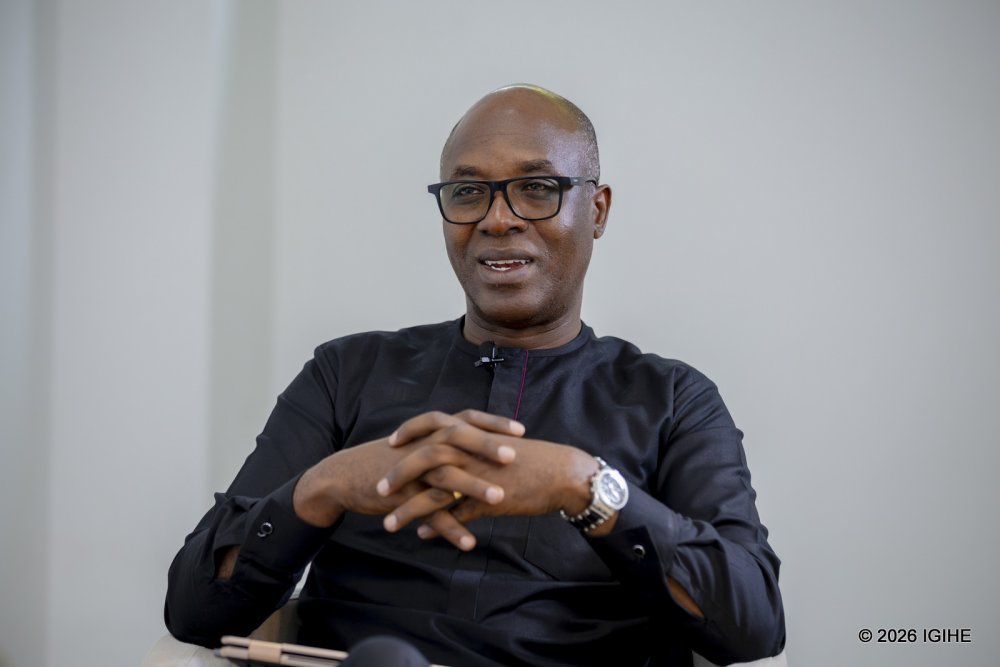
Explaining the decision in an exclusive interview with IGIHE, Prof. Kasai Ndahiriwe, Director of the Monetary Policy Department at BNR, said the central bank is guided by inflation projections and the need to keep price increases within a sustainable range.
“When the Monetary Policy Committee observes that inflation is increasing or is expected to rise beyond the BNR target range of 2% to 8%, action is taken. Inflation should ideally not exceed 8%,” Prof. Kasai said.
He added that the policy rate is one of the key tools used to manage inflation by influencing the cost of borrowing and overall demand in the economy.
“When goods become more expensive, people tend to buy less. Conversely, when prices are lower, consumption increases,” he explained.
According to him, raising the policy rate is designed to reduce excess money circulation in the economy by making borrowing more expensive for households and businesses.
“When BNR raises the policy rate, it signals banks and borrowers to be more cautious in their spending. It is essentially a message encouraging reduced spending to help control inflation,” he said.
Inflation pressures driving policy decisions
Inflation in Rwanda has shown a steady upward trend since the beginning of 2026, rising from 8.9% in January to 9.2% in February and March, before reaching 13% in April.
Prof. Kasai noted that both domestic conditions and global shocks have contributed to the rise in prices.
“The inflation projections show that the rate will remain above 8% this year and in the early part of next year,” he said.
He pointed to external disruptions, including geopolitical tensions affecting global oil supply routes such as the Strait of Hormuz, which handles a significant share of global petroleum trade.
“Intense global developments, including conflicts affecting oil transport routes, have impacted fuel prices, transport costs, and ultimately inflation,” he added.
The BNR adjusts the policy rate depending on how far inflation is from the target range. In the current environment, inflation has moved significantly above the upper limit of 8%, prompting stronger action.
Prof. Kasai said the size of the increase reflects the severity of inflationary pressure.
“A 1% adjustment reflects the fact that inflation is far from the desired range for the Rwandan economy,” he said, noting that forecasts for 2026 point to inflation levels around 13.9%.
Economic growth remains strong despite inflation
Despite inflationary pressures, Rwanda’s economy continues to show strong performance. Real GDP grew by 9.4% in 2025, while economic activity expanded further in early 2026, with the Composite Index of Economic Activities (CIEA) rising by 16.5% in Q1 2026.
External trade also strengthened, with merchandise exports increasing by 63.2% year-on-year in Q1 2026, driven by higher coffee and mineral export volumes and stronger prices. Non-traditional exports rose by 64.8%, led by processed cooking oil and wheat flour.
Prof. Kasai emphasised that strong growth and high inflation can occur at the same time, and should be assessed separately.
“When you look at the economy of Rwanda, GDP has continued to grow strongly. That is one side,” he said.
For ordinary citizens, the policy rate increase translates into higher borrowing costs as commercial banks adjust their lending rates.
However, BNR maintains that the objective is to stabilise prices and protect purchasing power in the long run.
The central bank expects inflation to gradually return within its target range by around 2027, depending on how global and domestic pressures evolve.
Explaining the decision in an exclusive interview with IGIHE, Prof. Kasai Ndahiriwe, Director of the Monetary Policy Department at BNR, said the central bank is guided by inflation projections and the need to keep price increases within a sustainable range.
The revelation comes as Rwanda continues efforts to cushion consumers from rising global petroleum prices through fuel subsidies.
On June 5, 2026, the government announced that the retail price of petrol would remain capped at Rwf2,938 per litre, while diesel would retail at no more than Rwf2,927 per litre, up from Rwf2,205 in the previous review.
Despite the increase, the government maintained a subsidy on diesel. Officials said that without the intervention, diesel would have sold at Rwf3,581 per litre.
Speaking during a media briefing on June 7, Minister of Trade and Industry Prudence Sebahizi said Rwanda’s comparatively lower fuel prices attracted buyers from neighbouring countries, resulting in a sharp increase in domestic fuel consumption.
Trade Minister Prudence Sebahizi said Rwanda’s lower fuel prices attracted buyers from neighbouring countries, sharply increasing fuel consumption.
Under normal conditions, Rwanda consumes between 1.2 million and 1.5 million litres of diesel per day, alongside 800,000 to 900,000 litres of petrol.
However, during periods of heightened regional price disparities, daily diesel consumption surged to between 2.5 million and 3 million litres.
“The situation showed that we were effectively subsidising fuel for people beyond our borders when our objective was to support Rwandans,” Sebahizi said.
The increased demand was particularly evident at fuel stations near Rwanda’s borders, where supplies were depleted shortly after opening.
“For about a week, some stations located near border areas ran out of fuel within the first two hours of operation because of customers coming from neighbouring countries,” he said.
According to the minister, consumption levels have since normalised following monitoring and corrective measures.
Data from early June indicate that diesel consumption has returned to pre-crisis levels, while petrol consumption has fallen as consumers adapt to higher prices.
Public transport shift cuts petrol demand
Government officials attributed part of the decline in petrol consumption to growing use of public transport.
Passenger numbers on public buses have increased by approximately 15 percent as more commuters opt to leave private vehicles at home.
Rwanda currently operates 390 buses in its public transport network. The fleet is expected to expand with the addition of 100 buses by the end of 2026 and a further 200 in 2027, bringing the total to nearly 700 buses.
State Minister for Infrastructure Jean de Dieu Uwihanganye said the long-term goal is to expand the fleet to between 1,000 and 1,500 buses while continuing to improve supporting road infrastructure.
“We want public transport to become the preferred mobility option for more people,” Uwihanganye said.
State Minister for Infrastructure Jean de Dieu Uwihanganye said the long-term goal is to expand the fleet to between 1,000 and 1,500 buses.
Current petrol consumption has fallen to between 600,000 and 700,000 litres per day, compared with previous levels of up to 900,000 litres. On some days, consumption falls as low as 400,000 litres.
Officials say the trend demonstrates that Rwandans are responding to calls for more efficient fuel use.
Fuel imports remain a major foreign exchange burden
The government also highlighted the broader economic implications of fuel consumption, noting that petroleum imports account for one of the country’s largest foreign currency expenditures.
According to Sebahizi, Rwanda spends more than $700 million annually on petroleum imports, a figure roughly equivalent to the country’s earnings from tourism.
Tourism revenues reached $685 million in 2025, up from $647 million in 2024.
“The foreign currency generated through tourism is almost equal to what we spend on petroleum products each year,” Sebahizi said. “Reducing unnecessary fuel consumption is therefore important for protecting the country’s foreign exchange reserves.”
Sebahizi also addressed concerns over low industrial capacity utilisation, noting that some factories are operating at only about 30 percent of their potential output.
The government is working with manufacturers to increase production and reduce reliance on imported goods, he said.
Officials argue that expanding domestic production and encouraging more efficient energy use will help strengthen Rwanda’s economic resilience amid global market uncertainties.
To improve preparedness for future fuel supply disruptions, Rwanda plans to double its strategic petroleum storage capacity.
The country currently has storage facilities capable of holding 117 million litres of petroleum products. Increasing that capacity would allow Rwanda to maintain fuel supplies for at least six months during periods of severe market volatility, officials said.
Rwanda plans to double its petroleum storage capacity.