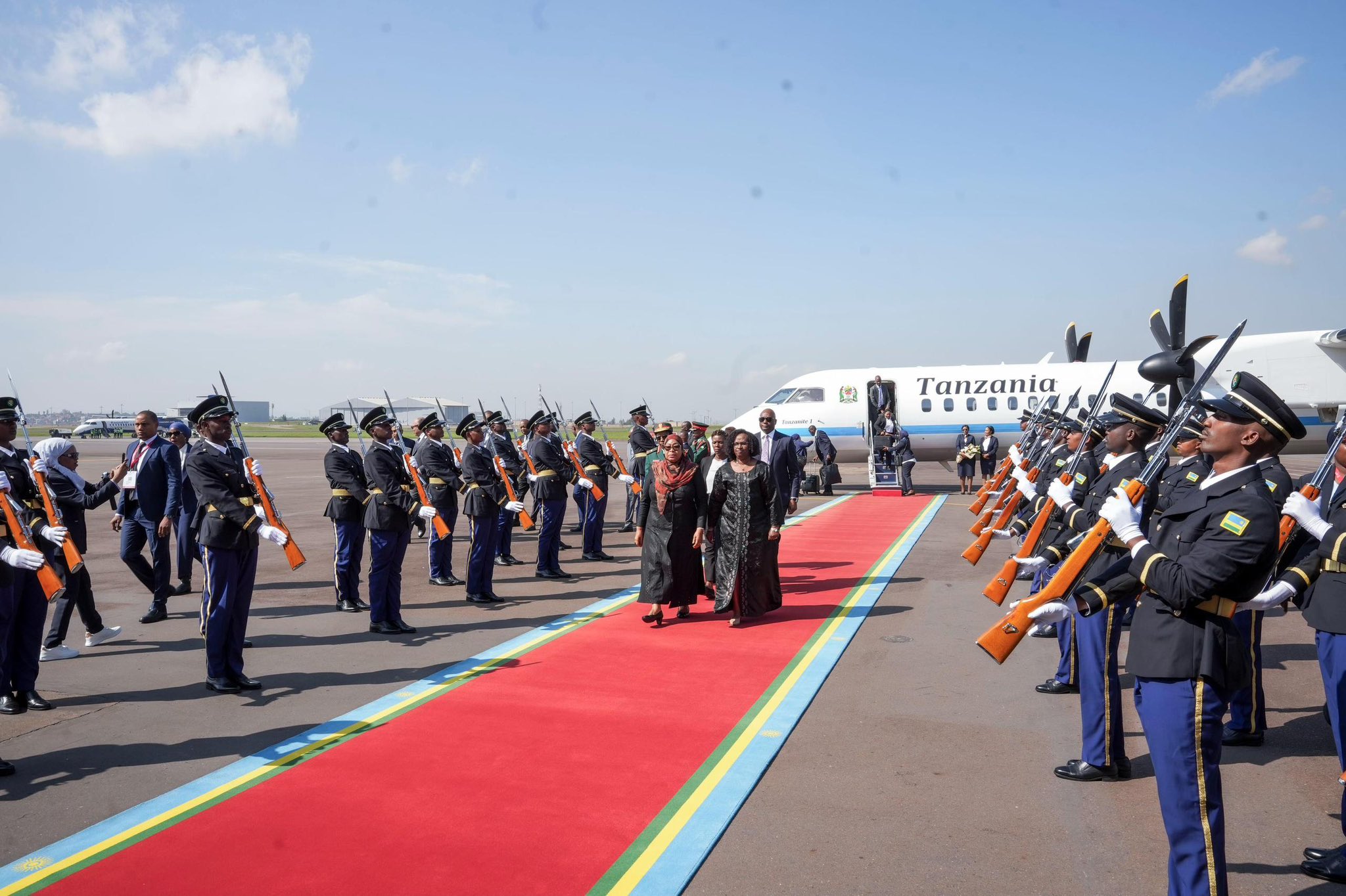
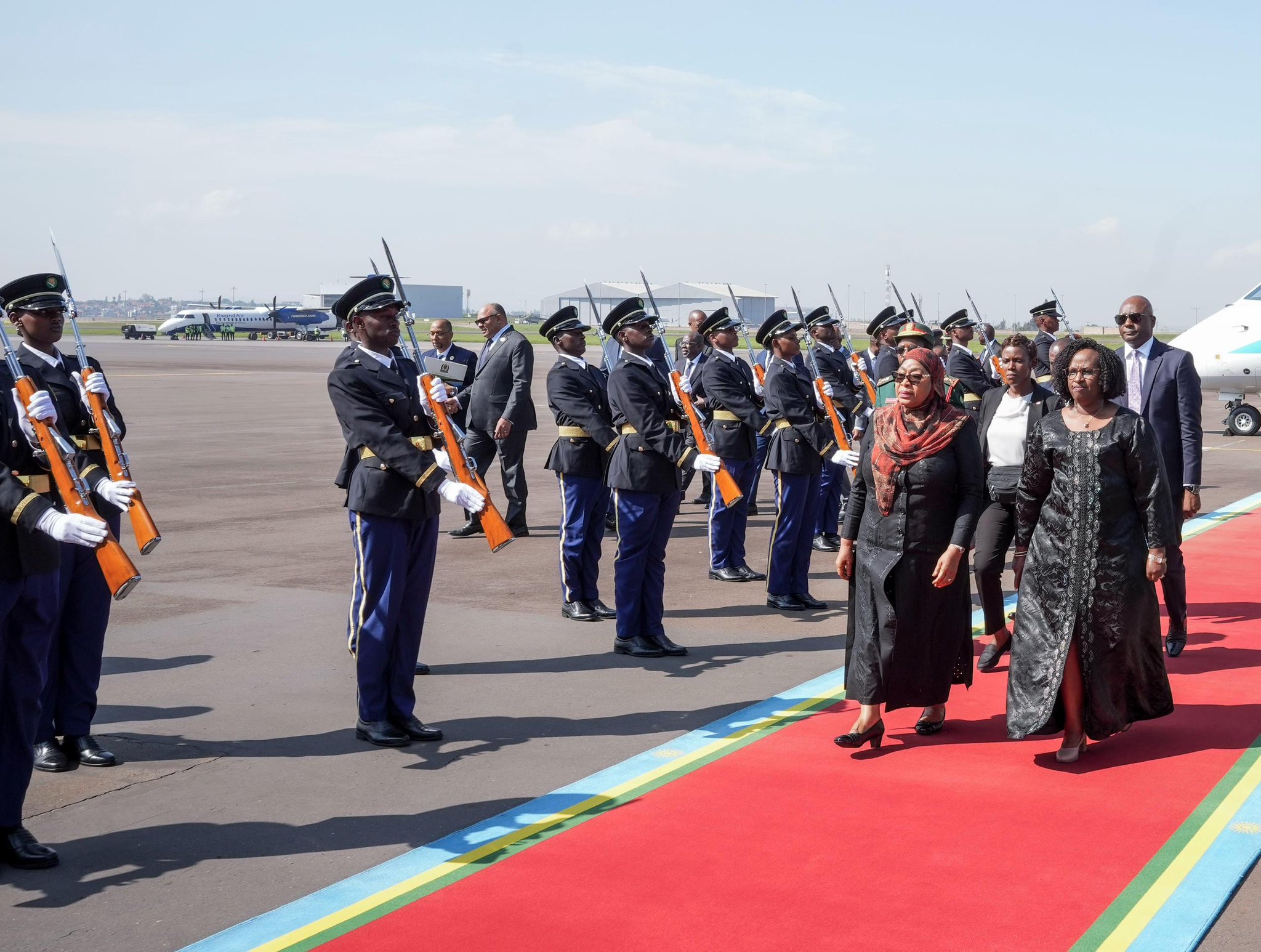
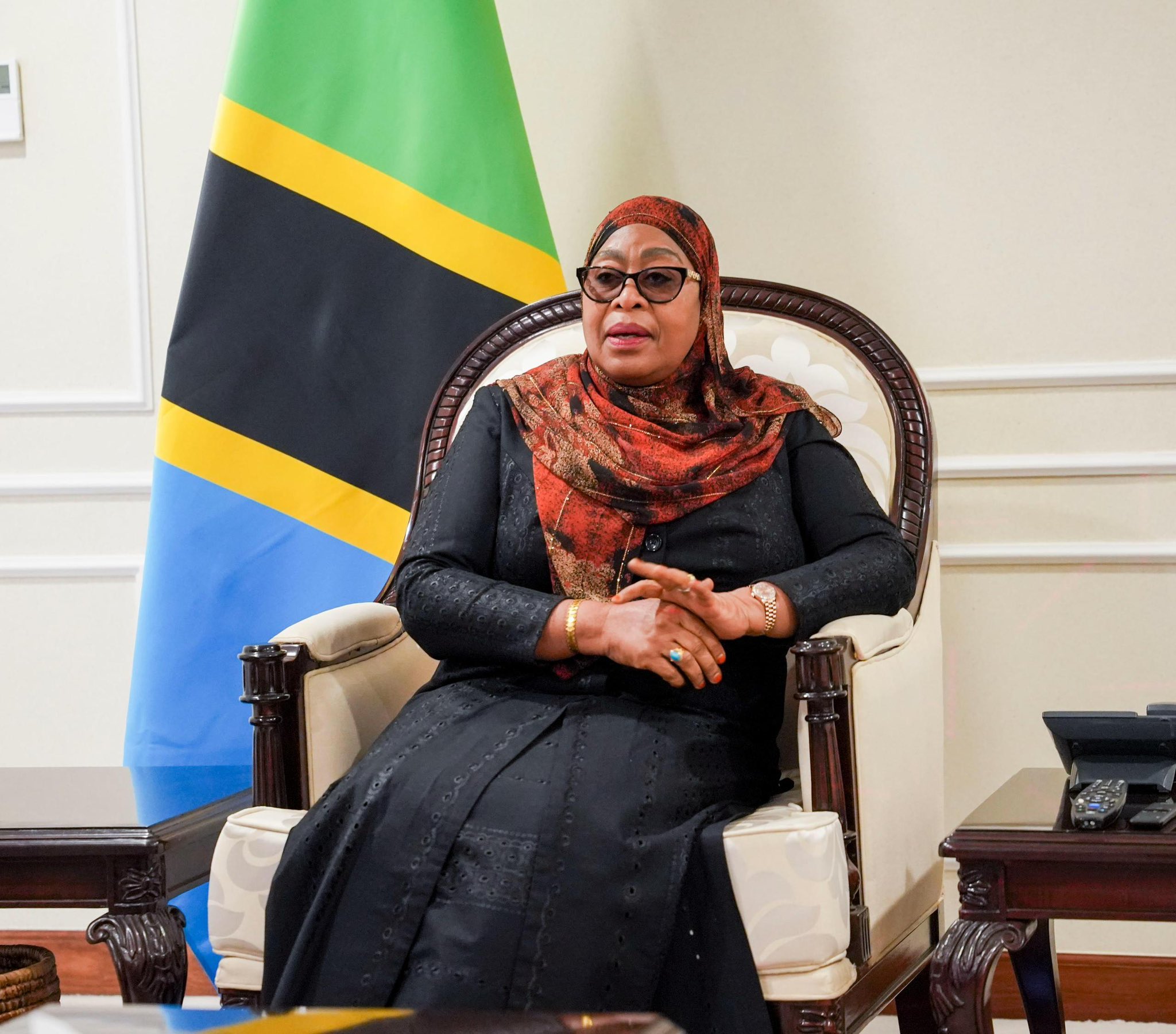
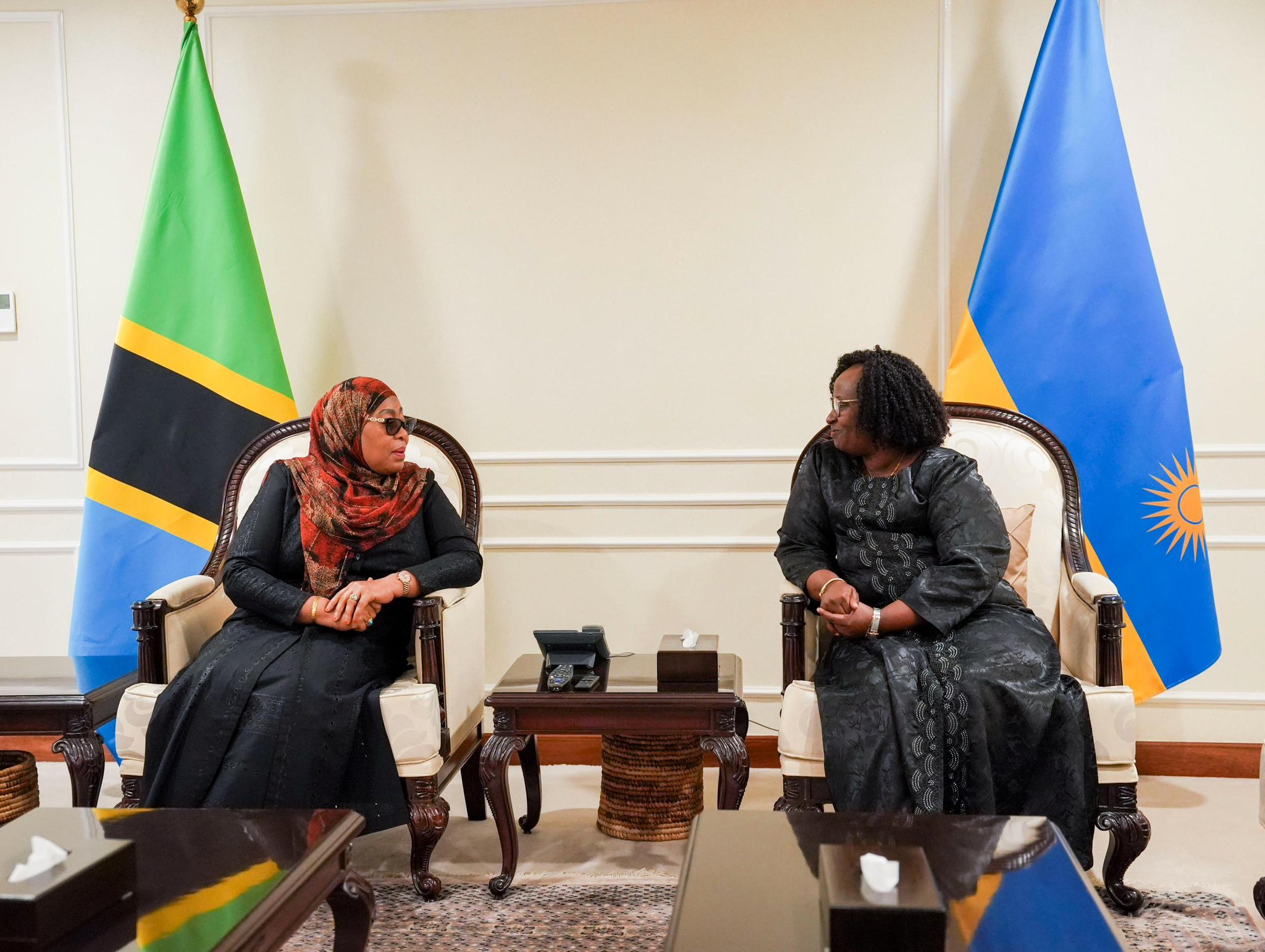
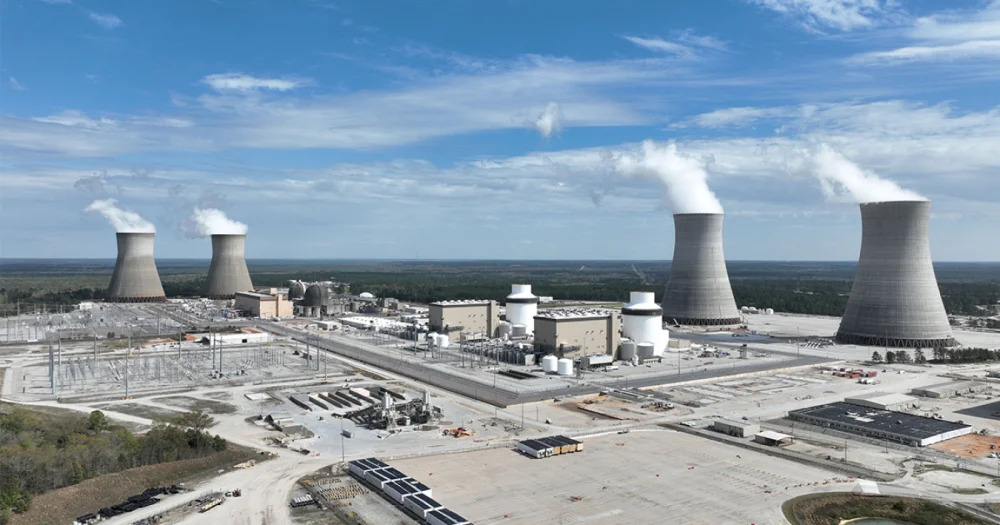
President Samia Suluhu Hassan of Tanzania has arrived in Rwanda to attend the Nuclear Energy Innovation Summit for Africa (NEISA 2026), where regional and global leaders are meeting in Kigali to discuss the future of nuclear science and technology on the continent.
The summit, held under the theme Powering Africa’s Future: Turning Nuclear Energy Ambition into Investable Reality, brings together policymakers, scientists, and energy stakeholders at a time when African countries are increasingly exploring nuclear energy as part of long-term strategies to address rising electricity demand and support industrial development.
For many nations, nuclear discussions are still emerging from being treated as distant or politically sensitive topics into more practical energy planning frameworks.
Rwanda is among the countries actively advancing nuclear energy plans as part of its long-term development strategy. The government aims to generate up to 1.5 gigawatts of electricity from nuclear power by 2050, as it works to expand national electricity generation capacity and prepare for future demand.
Officials estimate that electricity demand in Rwanda could exceed 5,000 megawatts in the coming decades, compared to the current installed capacity of about 406 megawatts. This growing gap has pushed the country to consider more scalable and reliable energy options.
A central part of Rwanda’s approach is the adoption of Small Modular Reactor (SMR) technology, which authorities describe as a more flexible and practical alternative to traditional large nuclear plants. SMRs are seen as better suited for phased deployment and for countries building nuclear capability gradually.
President Paul Kagame has previously described nuclear energy as a key pillar of Rwanda’s industrialisation agenda. Speaking at a nuclear energy summit in Paris earlier this year, he said nuclear power would help diversify the country’s energy mix while ensuring a stable electricity supply for long-term transformation.
NEISA 2026, which runs from 18-21 May, 2026, is expected to bring together several heads of state and senior officials, including Faure Essozimna Gnassingbé of Togo and Rt. Hon. Ali Mahamane Zeine of Niger, alongside leading figures in global nuclear governance and energy policy.
Among the international participants are Rafael Mariano Grossi of the International Atomic Energy Agency, Dr. Lassina Zerbo, William D. Magwood IV of the OECD Nuclear Energy Agency, and Sylvie Bermann of the World Nuclear Exhibition, all contributing to high-level discussions on nuclear development.
The summit positions Rwanda as an emerging hub for continental energy dialogue, as African countries explore nuclear power as part of broader efforts to secure sustainable, reliable, and future-oriented energy systems.
President Samia Suluhu of Tanzania arrived in Rwanda on Tuesday morning.The summit, held under the theme Powering Africa’s Future: Turning Nuclear Energy Ambition into Investable Reality, brings together policymakers, scientists, and energy stakeholders at a time when African countries are increasingly exploring nuclear energy as part of long-term strategies to address rising electricity demand and support industrial development.
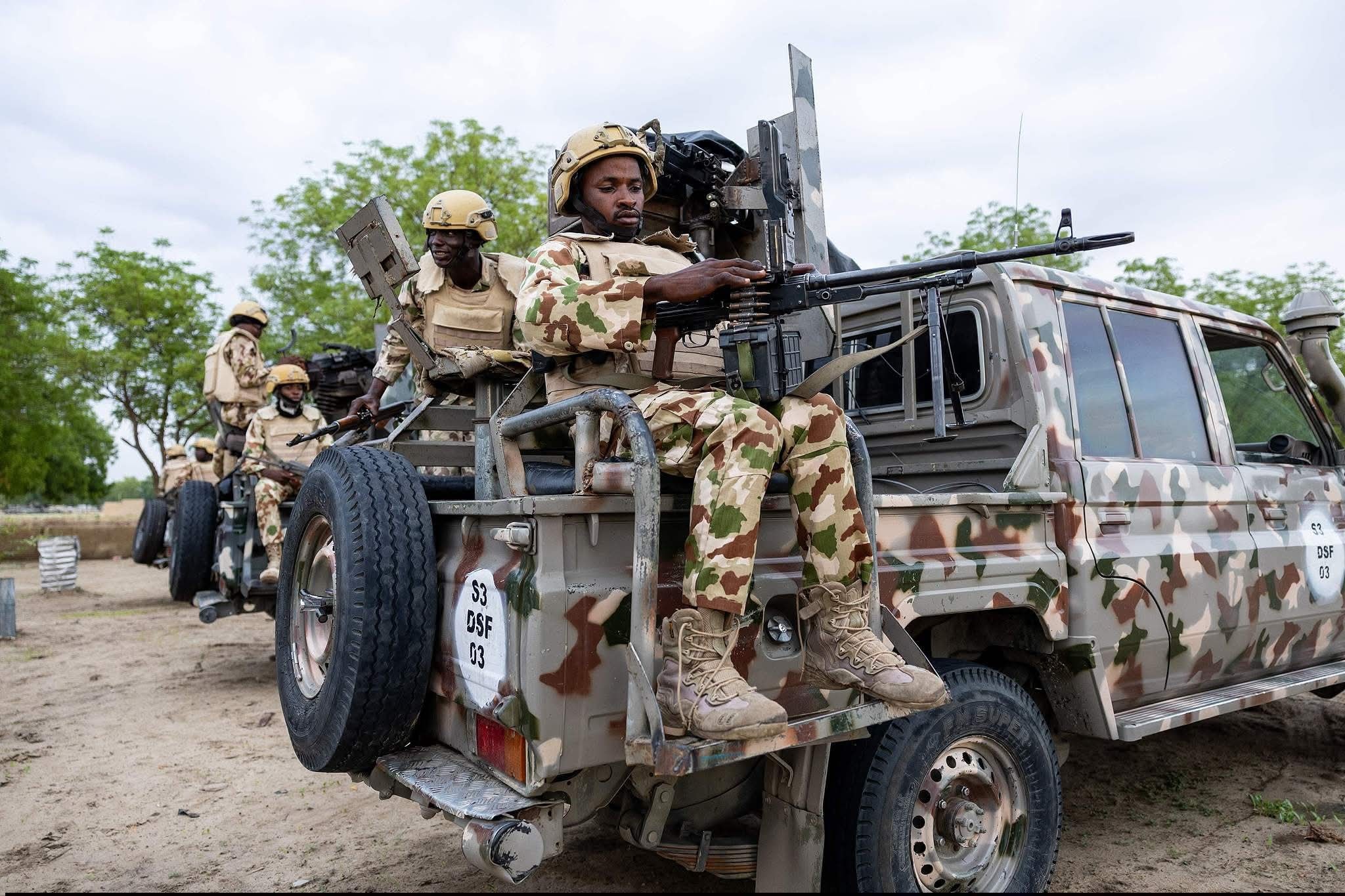
In a statement, military spokesperson Samaila Uba said the operation was carried out in the Metele area of Borno as part of ongoing counter-terrorism efforts in the region.
Uba said the strikes came after the killing of Abu-Bilal al-Minuki, whom the military described as the global second-in-command of IS.
According to the statement, the operation was conducted under a recently established counter-terrorism and intelligence-sharing partnership between Nigeria and the United States aimed at dismantling terrorist networks operating in the region.
The military said the strikes were launched after surveillance detected the gathering and movement of suspected militants, adding that ongoing operations were intended to weaken terrorist networks and deny armed groups safe havens within Nigeria.
The U.S. Africa Command confirmed on Monday that U.S. forces, in coordination with the Nigerian government, conducted additional strikes against IS militants in northeastern Nigeria.
In a statement, the U.S. Africa Command said intelligence had confirmed the targets were IS militants, adding that no U.S. or Nigerian personnel were hurt during the operation, while further assessments were underway.
Nigeria’s military spokesperson, Samaila Uba, said the operation was carried out in the Metele area of Borno as part of ongoing counter-terrorism efforts in the region.
The move comes as the country seeks to expand its electricity generation capacity. The Government of Rwanda estimates that national demand could exceed 5,000 megawatts in the coming decades, compared to the roughly 406 megawatts currently available.
To help bridge that gap, Rwanda has opted to pursue Small Modular Reactor (SMR) technology, arguing that it offers a more practical and scalable solution for the country than conventional large-scale nuclear plants.
President Paul Kagame, while speaking at the Nuclear Energy Summit in Paris, France, in March this year, described nuclear energy as a key pillar for powering the country’s industrial growth while meeting its climate responsibilities.
“We have decided to make nuclear central to our strategy,” Kagame said. “It will diversify our energy mix while providing the stability required for industrial growth and long-term transformation.”
This strategic roadmap takes center stage as Rwanda hosts the second edition of the Nuclear Energy Innovation Summit on Africa (NEISA 2026) at the Kigali Convention Centre. The high-level gathering brings together continental heads of state, including Tanzanian President Samia Suluhu Hassan and Togolese President Faure Gnassingbé, alongside global industry leaders like Rafael Grossi, Director General of the International Atomic Energy Agency (IAEA).
Unlike hydroelectric dams or fossil-fuel-powered plants, nuclear reactors require relatively small amounts of fuel to produce substantial amounts of electricity. Uranium, the fuel used in nuclear power generation, releases heat through a process known as nuclear fission, in which atomic nuclei split apart. The resulting heat is used to produce steam that drives turbines to generate electricity.
According to energy experts, a single gram of uranium can generate enough energy to produce one megawatt of electricity per day, roughly equivalent to the output generated by three tons of coal.
Why Rwanda chose small modular reactors
Rwanda began studying the feasibility of nuclear power in 2017. Early assessments concluded that constructing a large conventional nuclear plant would be difficult due to the country’s limited land area and infrastructure constraints.
Officials noted that a traditional 1,000-megawatt reactor would exceed the absorption capacity of Rwanda’s current electricity grid. In addition, large nuclear facilities typically require extensive exclusion zones of up to 40 kilometers surrounding the site for safety purposes, a condition difficult to meet in Rwanda’s densely populated landscape.
As a result, policymakers turned to Small Modular Reactors, a newer generation of nuclear technology designed to operate on a smaller footprint while maintaining significant electricity output.
SMRs generally require less land, in some cases around 20 hectares, and are designed with passive safety systems intended to automatically shut down reactors in the event of technical failure.
International partnerships taking shape
Rwanda has already entered into several international partnerships aimed at supporting its nuclear energy ambitions.
In 2018, the country launched cooperation with Russia focused on establishing a nuclear research centre that could eventually support domestic nuclear energy production.
In August 2024, Rwanda signed a cooperation agreement with the U.S.-based company Nano Nuclear Energy Inc to collaborate on advanced nuclear technologies intended for electricity generation.
Earlier, the government also signed an agreement with Dual Fluid Energy Inc to test nuclear reactor technologies that could potentially be deployed in Rwanda. The broader objective is for nuclear energy to contribute approximately 1.5 gigawatts of Rwanda’s projected 5-gigawatt electricity demand by 2050.
Site selection and safety assessments underway
Authorities have already identified preliminary locations for future reactor installations based on visible geographic conditions. However, detailed scientific assessments are still underway to determine whether the sites meet international safety requirements.
Among the key considerations are seismic stability, water availability, and population density. Nuclear facilities require reliable water sources for cooling and steam generation and are generally located away from densely populated areas to minimise potential risks.
Multi-billion-dollar investment
The nuclear program is expected to require substantial financial investment.
Although final construction costs have not yet been determined, Rwanda estimates that each megawatt of nuclear generating capacity could cost approximately $4 million to develop.
At that rate, achieving the country’s target of 1,500 megawatts of nuclear-generated electricity could require investments approaching $6 billion, though officials acknowledge that the estimate remains preliminary.
Rwanda is also investing in workforce development to support the emerging sector.
In 2024, reports indicated that more than 200 Rwandan students were selected for overseas training in nuclear science and engineering disciplines. The initiative is intended to build a domestic pool of specialists capable of operating and maintaining future nuclear facilities.
Initial plans focused on deploying a single SMR unit capable of generating approximately 200 megawatts of electricity. Current projections, however, envision four such modules, each producing around 200 megawatts.
The expansion would significantly increase demand for specialised personnel, with estimates suggesting that more than 400 additional experts will eventually be required as the sector grows.
Officials say additional reactor modules could be introduced progressively as Rwanda’s energy needs continue to expand.
Rwanda is advancing plans to integrate nuclear energy into its long-term development strategy, with ambitions to generate up to 1.5 gigawatts of electricity from nuclear power by 2050.
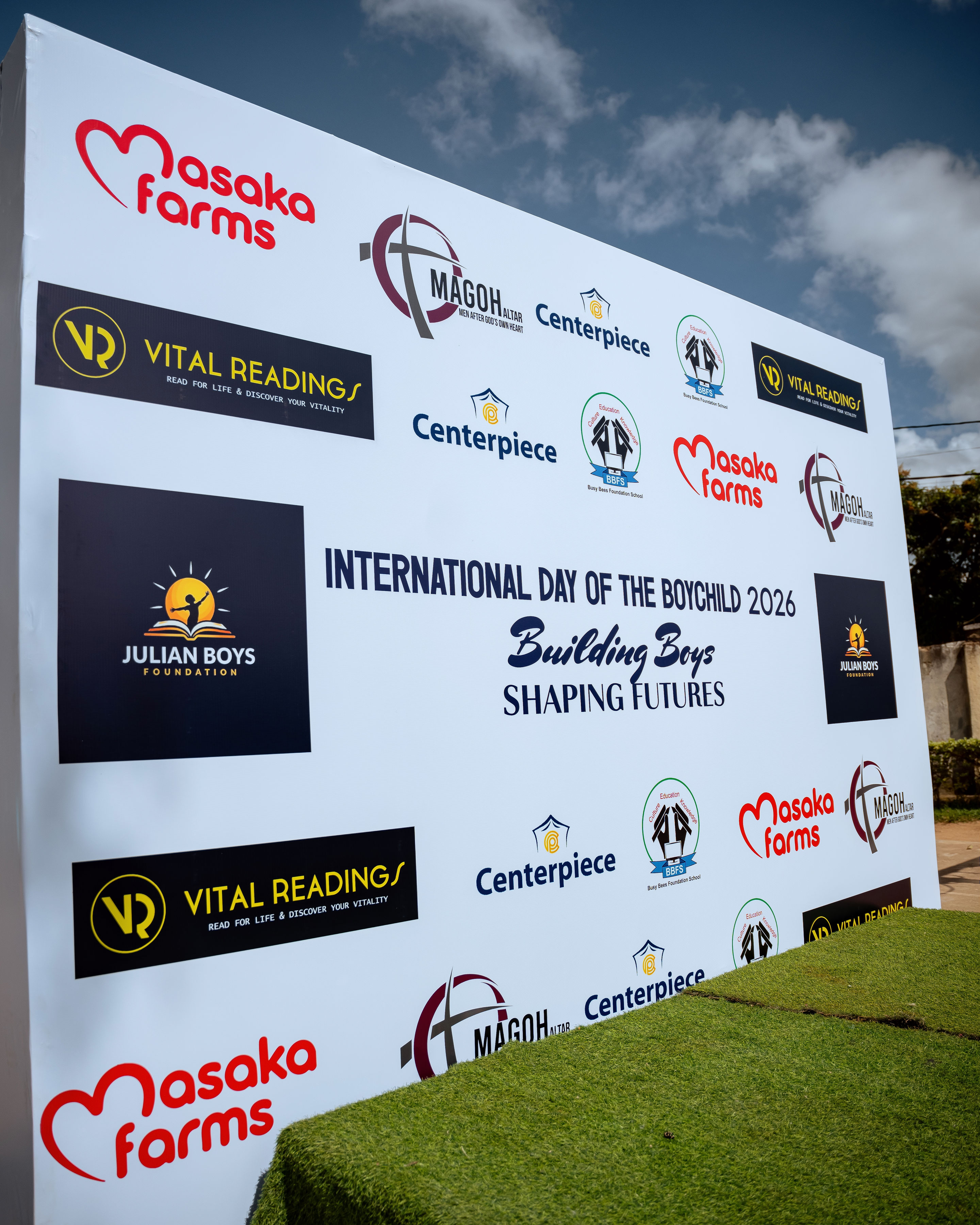
International Day of the Boy Child is celebrated on May 16 each year across the world. The day recognises the importance of boys’ well-being and the challenges they face, while also celebrating the positive aspects they bring to their communities and families.
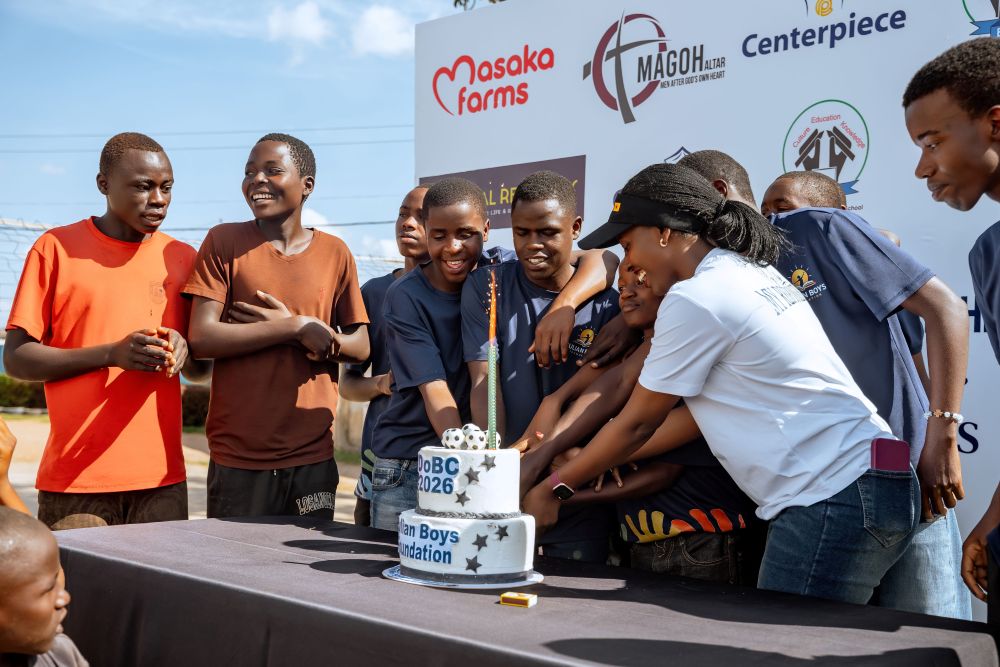
Held at Busy Bees Foundation School in Kigali under the theme “Building Boys, Shaping Futures,” the JBF event brought together boys, mentors, parents, educators, community leaders, and supporters for a day focused on leadership, discipline, identity, emotional well-being, and purpose.
Participants took part in mentorship sessions, interactive discussions, games, team-building activities, inspirational talks, performances, and faith-based conversations designed to encourage confidence, healthy masculinity, and personal growth.
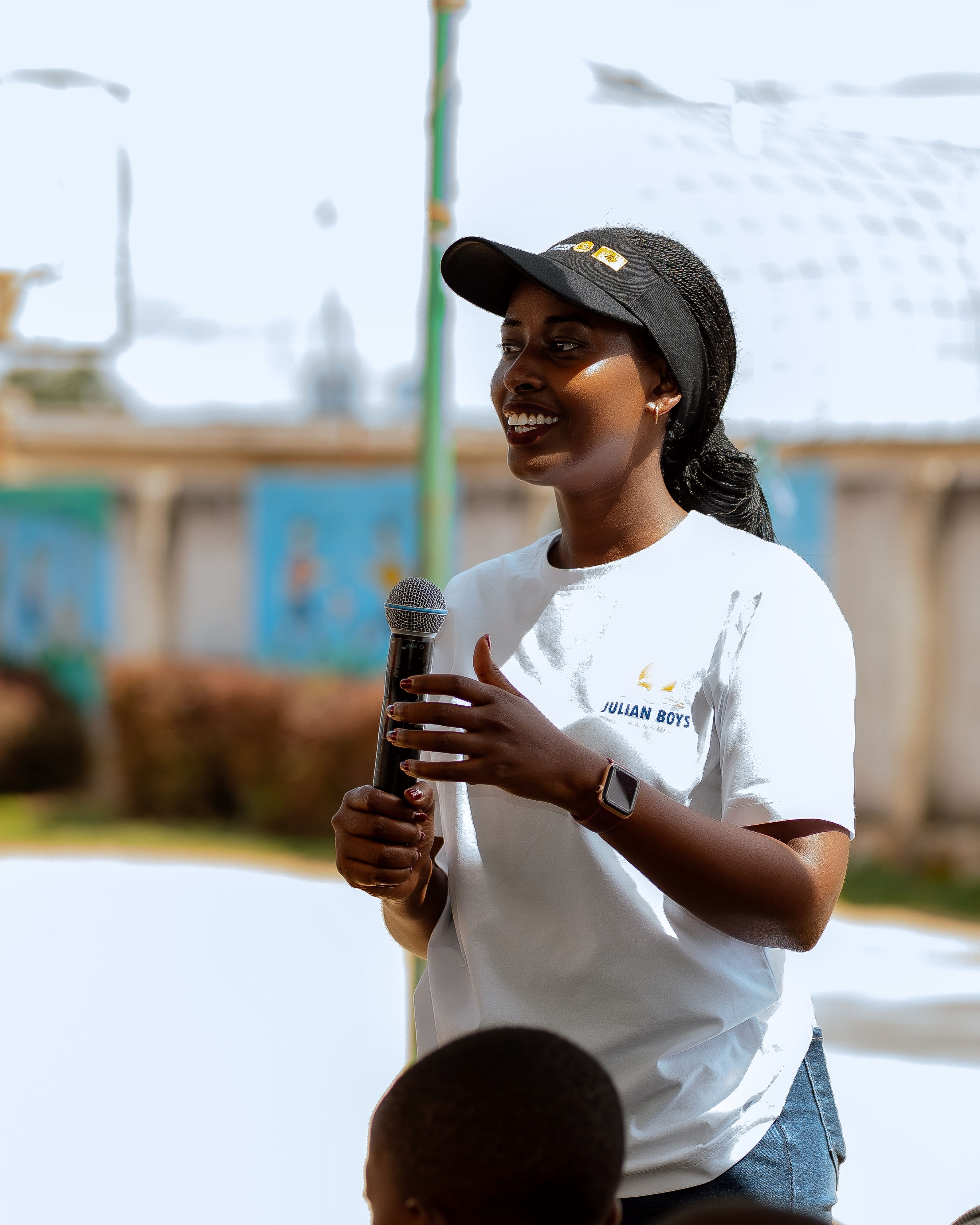
Speaking during the event, Martha Julian Kiiza, founder of the Julian Boys Foundation, emphasised the importance of investing in boys as future leaders.
“International Boy Child Day is more than just an event. It is a reminder that you boys are the men of tomorrow, so your voices matter, and your future matters,” she said.
“Your generation will shape the future, and that journey starts now. The kind of men you become tomorrow depends on the values you build today.”
She urged the boys to grow into young men of character, discipline, prayerfulness, and hard work, noting that the choices they make today will shape both their own futures and that of their communities and country.
Organisers said the celebration sought to create a safe and inspiring environment where boys feel seen, heard, valued, and encouraged to become responsible and purpose-driven men.
Throughout the event, facilitators led age-specific sessions focused on leadership development, emotional expression, community building, and positive social values. The atmosphere was marked by learning, encouragement, and meaningful interaction among participants.
The foundation also used the occasion to reaffirm its commitment to supporting boys from disadvantaged and underserved backgrounds through mentorship, educational support, mental health awareness campaigns, and community outreach initiatives.
The inspiration behind the foundation is deeply personal to its founder. Kiiza was moved by the silent struggles many boys and men face, including depression, substance abuse, emotional suppression, identity crises, and the impact of absentee fatherhood.
A turning point came after hearing the story of a struggling family during a 2017 youth camp in Uganda, where a father battling addiction and gambling had neglected his family, leaving his wife and children in extreme hardship. While many efforts focused on helping the abandoned wife and children, Kiiza said she began to question who was helping the broken man at the centre of the crisis.
The issue became even more personal when her own brother nearly died by suicide after battling depression, drug use, and years of unaddressed emotional pain. The experience, she said, opened her eyes to the hidden struggles affecting many boys and young men.
Those experiences eventually led to the birth of the Julian Boys Foundation, which was established with the vision of empowering boys to become exemplary men who strengthen families and transform nations.
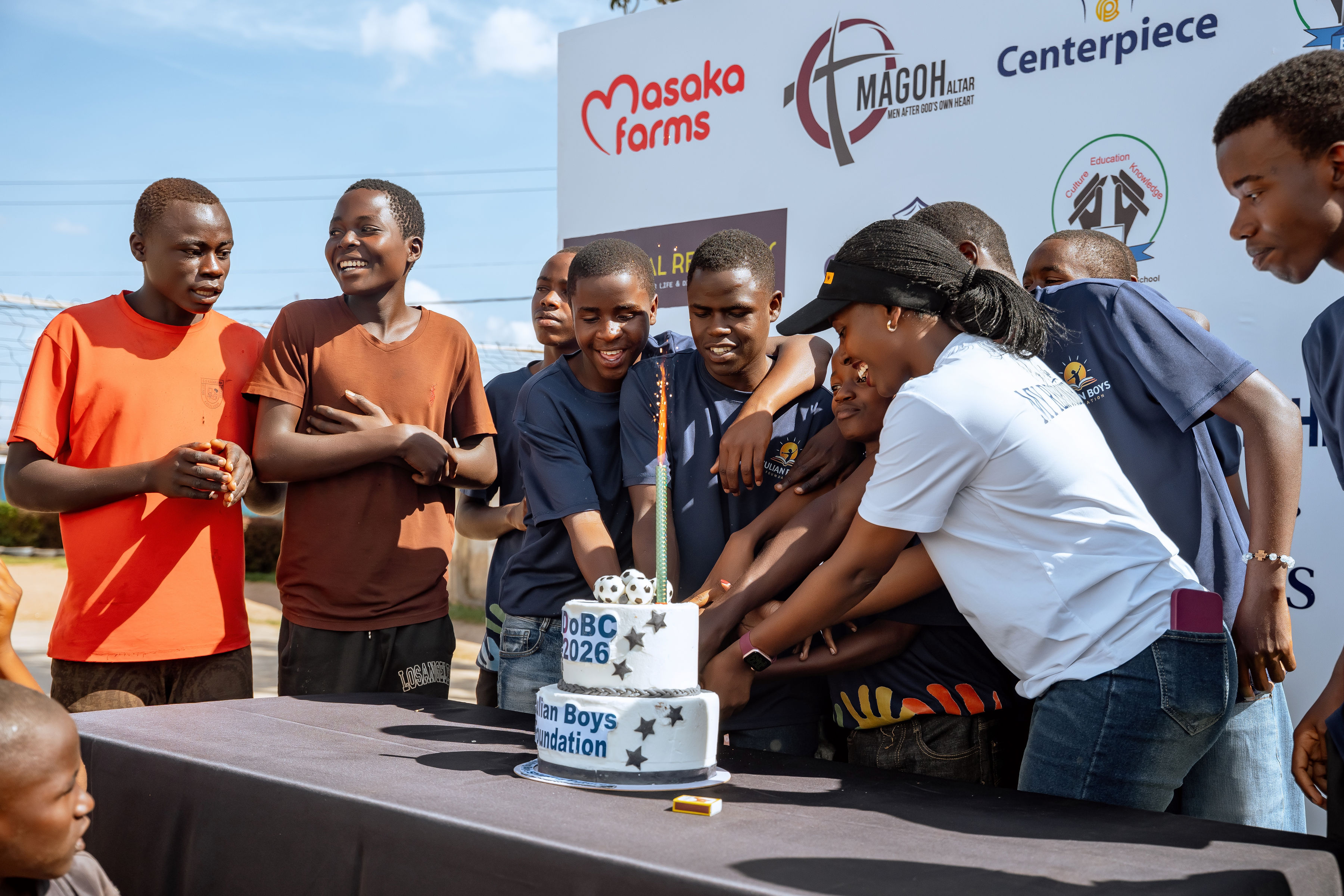
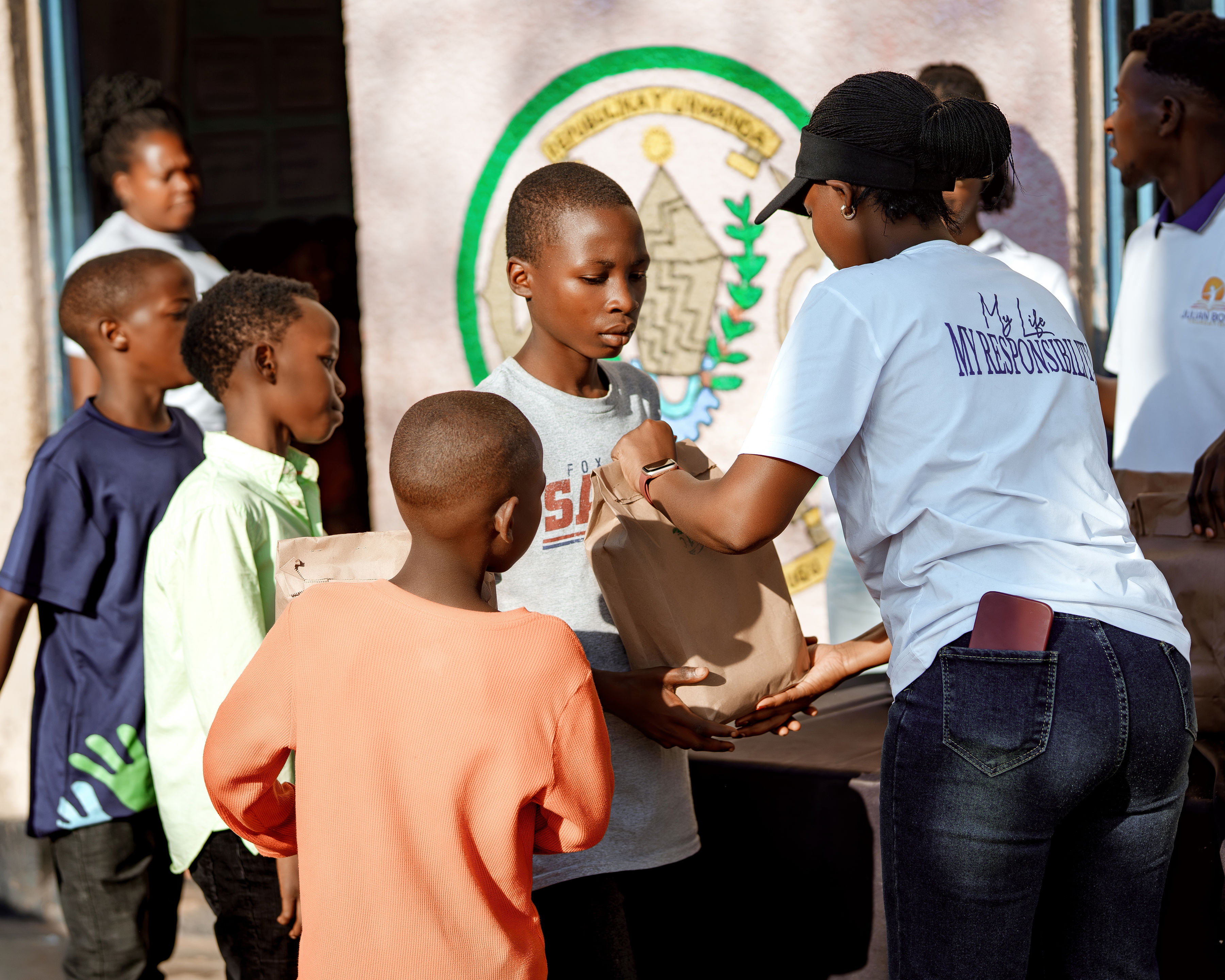
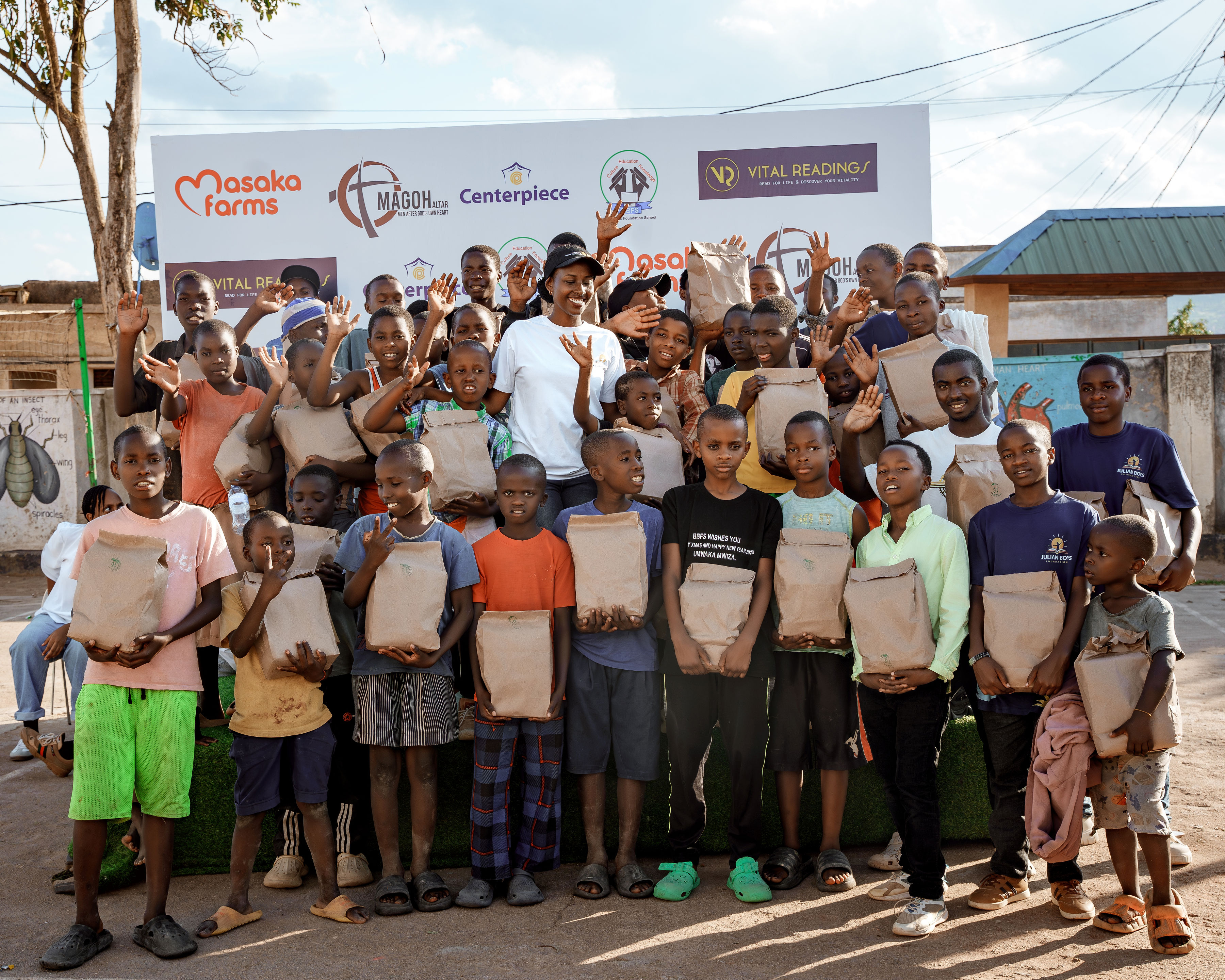
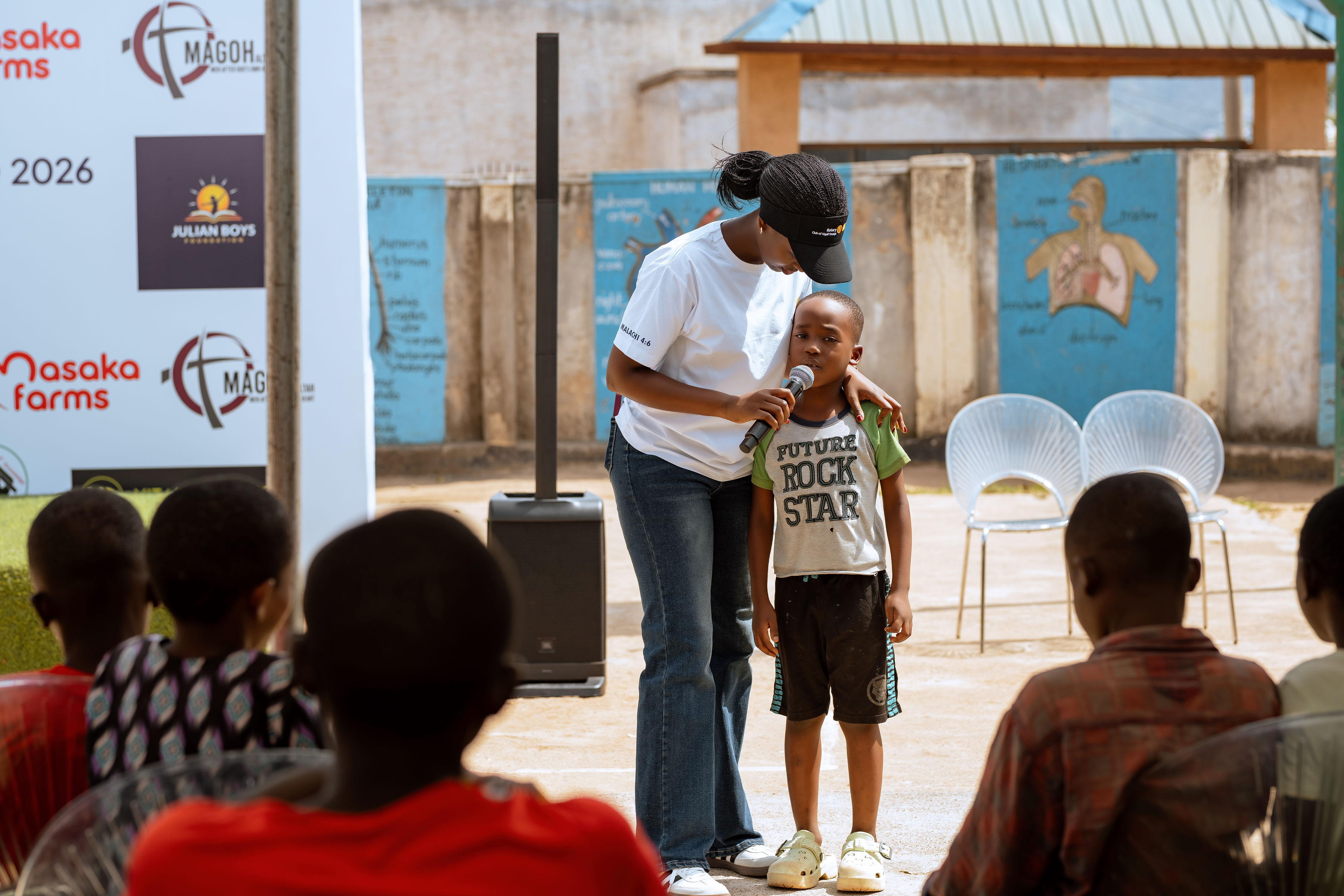
Speaking during the event, Martha Julian Kiiza, founder of the Julian Boys Foundation, emphasised the importance of investing in boys as future leaders.The day recognises the importance of boys’ well-being and the challenges they face, while also celebrating the positive aspects they bring to their communities and families.The boys cut a cake in celebration, symbolising the global observance of the day.Organisers said the celebration sought to create a safe and inspiring environment where boys feel seen, heard, valued, and encouraged to become responsible and purpose-driven men.The foundation also used the occasion to reaffirm its commitment to supporting boys from disadvantaged and underserved backgrounds through mentorship, educational support, mental health awareness campaigns, and community outreach initiatives.The event aimed at empowering young boys through mentorship, leadership training, and values-based discussions.Martha Julian said she founded the foundation with the vision of empowering boys to become exemplary men who strengthen families and transform nations.Held at Busy Bees Foundation School in Kigali under the theme “Building Boys, Shaping Futures,” the JBF event brought together boys, mentors, parents, educators, community leaders, and supporters for a day focused on leadership, discipline, identity, emotional well-being, and purpose.Various partners supported the day’s activities.
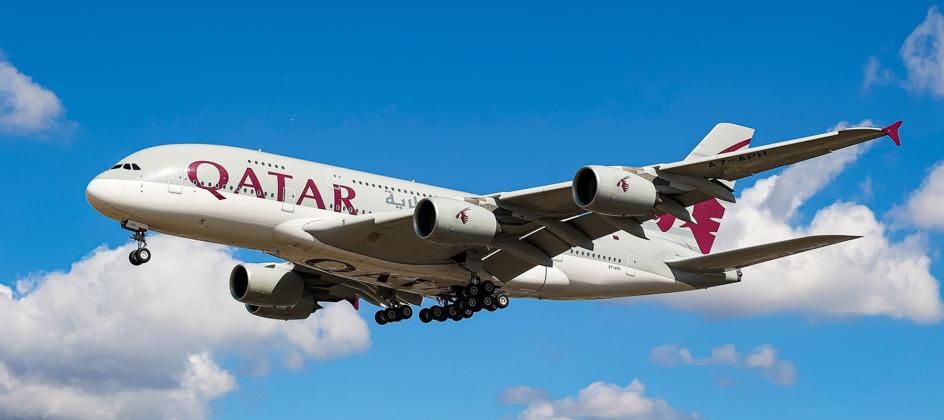
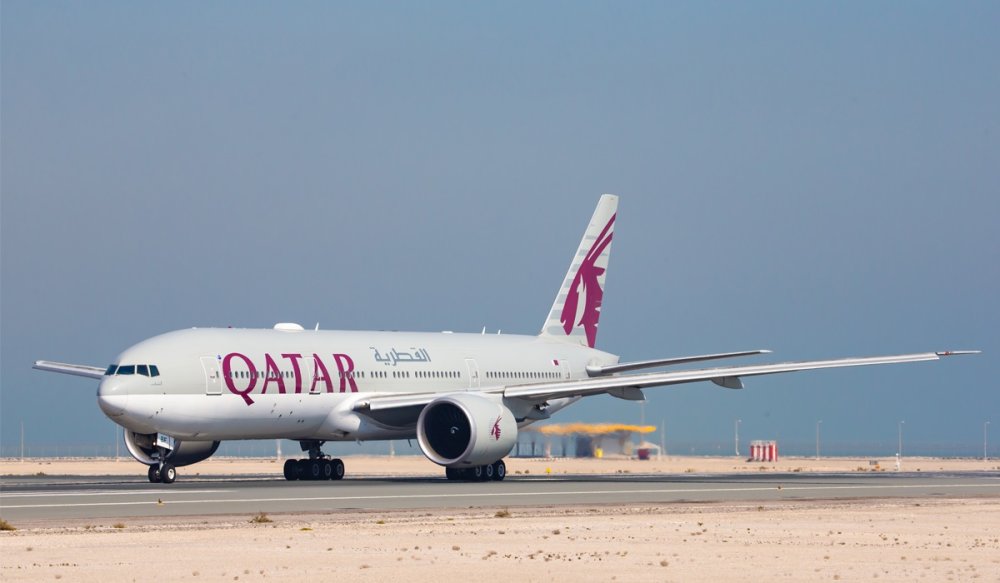
Qatar Airways has announced that it will restart two weekly flights to Kigali International Airport (KGL) from June 16, 2026, strengthening connectivity between Rwanda and Doha through Hamad International Airport ahead of the busy summer travel season.
The resumption forms part of Qatar Airways’ wider African network expansion, which also includes the restart of four weekly flights to Seychelles from June 16 and daily flights to Marrakesh from July 1.
The carrier, which resumed passenger flights to Kigali last year after a three-year hiatus, is also increasing frequencies on several African routes amid growing demand for air travel and trade connectivity across the continent.
Among the destinations receiving additional flights are Alexandria, Cairo, Cape Town, Dar es Salaam, Lusaka-Harare, and Maputo-Durban.
In addition, Qatar Airways will launch three weekly flights to Port Sudan beginning July 2, 2026. The flights will operate every Tuesday, Thursday, and Saturday between Doha and Port Sudan.
According to the airline, the expansion is aimed at enhancing travel convenience while supporting sustainable growth and strengthening global connectivity through its Doha hub.
“This summer, Qatar Airways will fly to over 160 destinations worldwide, connecting through its Doha hub, Hamad International Airport,” the airline said.
The airline has won the Skytrax World’s Best Airline award nine times, most recently in 2025. It also received recognition for World’s Best Business Class and World’s Best Business Class Airline Lounge.
Its hub, Hamad International Airport, has been recognised by Skytrax as the Best Airport in the Middle East for 11 consecutive years.
The airline has also partnered with Rwanda’s national carrier, RwandAir, under a comprehensive strategic partnership that includes a codeshare agreement launched in October 2021 to boost global connectivity through Kigali and Doha.
The agreement allows RwandAir customers access to more than 65 destinations across the United States, Europe, and Asia, while providing Qatar Airways with enhanced access to African cities.
Qatar Airways will restart two weekly flights to Kigali International Airport (KGL) from June 16, 2026, strengthening connectivity between Rwanda and Doha through Hamad International Airport ahead of the busy summer travel season.
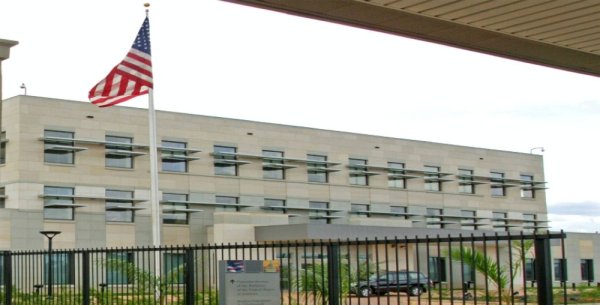
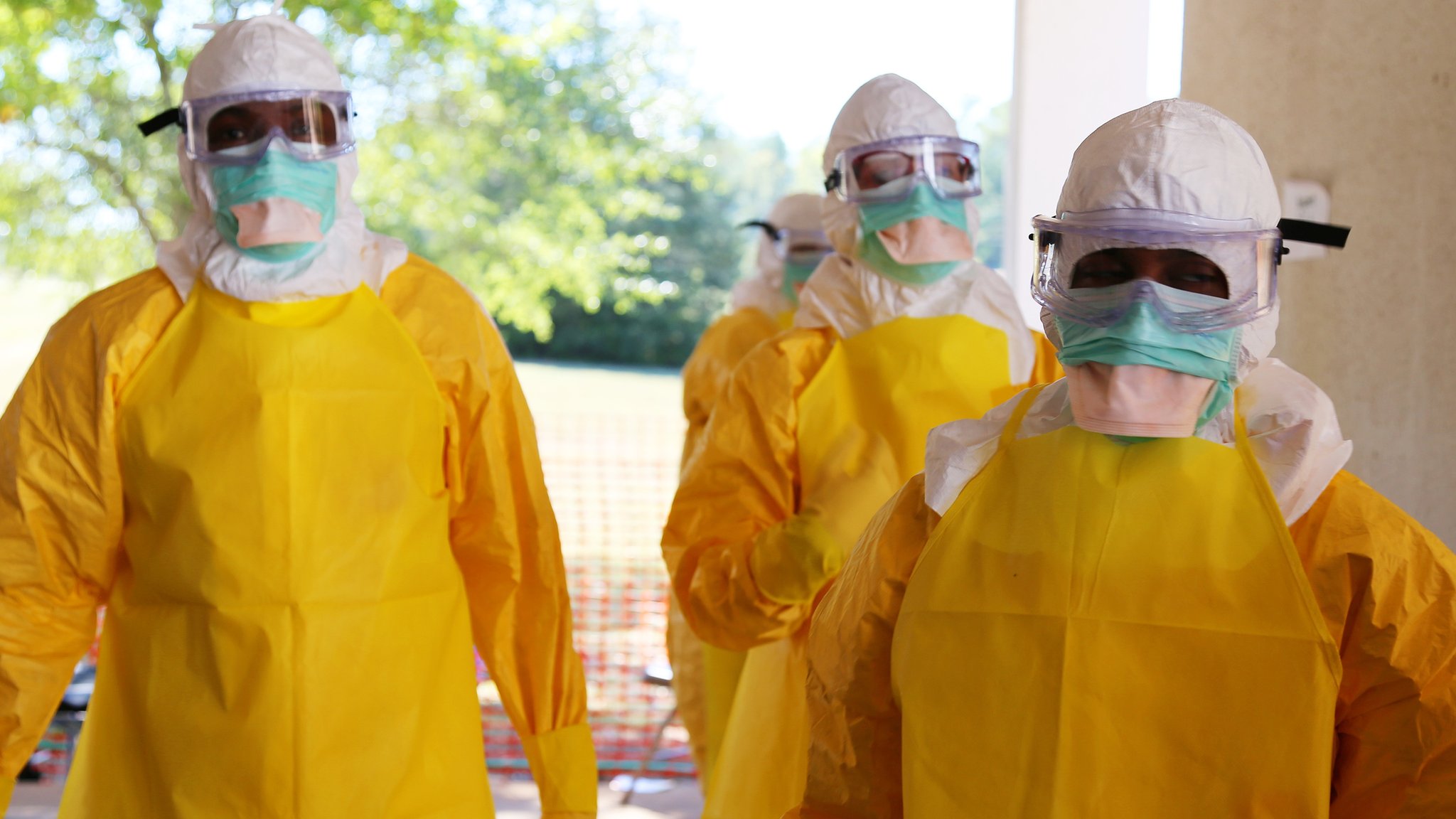
In a health alert issued on May 18, 2026, the embassy said the World Health Organization (WHO) had declared the Ebola outbreak in the DRC and Uganda a Public Health Emergency of International Concern (PHEIC) on May 17.
The advisory follows a Level 2 Travel Health Notice issued by the U.S. Centers for Disease Control and Prevention (CDC) for the DRC, urging travelers to practice enhanced precautions, while Uganda remains under a Level 1 notice advising usual precautions.
The embassy warned Americans against traveling to Ituri Province in eastern DRC, which is currently under a Level 4 “Do Not Travel” advisory due to the heightened Ebola risk.
“The U.S. government is extremely limited in its ability to provide emergency assistance. Do not travel to this area for any reason,” the alert stated.
According to the CDC, Ebola is a rare but severe and often fatal hemorrhagic disease transmitted through direct contact with infected individuals, bodily fluids, contaminated objects, or infected corpses.
The embassy advised people at risk of exposure to seek medical guidance immediately if they develop Ebola-like symptoms. It also encouraged travelers to continue taking malaria prophylaxis, noting that malaria symptoms can resemble those of Ebola and may lead to unnecessary panic.
Travelers returning from affected regions were urged to monitor their health for 21 days after travel.
The advisory comes as Rwanda intensifies surveillance and prevention measures along its borders with the DRC following the worsening outbreak, which has already killed at least 87 people in eastern Congo.
In a statement issued on May 17, Rwanda’s Ministry of Health said there were currently no Ebola cases in Rwanda but confirmed that authorities had heightened preparedness measures.
Health screening and surveillance have been reinforced at border entry points, with rapid response teams placed on alert to ensure early detection and containment of any suspected cases.
According to the Africa Centres for Disease Control and Prevention (Africa CDC), the outbreak has so far recorded 336 suspected and confirmed cases in Ituri Province and is linked to the Bundibugyo strain of the Ebola virus, which currently has no approved strain-specific vaccine.
Regional concerns deepened after Uganda confirmed an imported Ebola case linked to the DRC outbreak involving a 59-year-old Congolese man who later died in Kampala.
Authorities in Rwanda have also temporarily closed several border crossings with the DRC as a preventive measure. The Petite Barrière, Grande Barrière, and Kabuhanga border posts linking Rubavu District and Goma were shut down on May 17.
On May 18, authorities in Rusizi District also announced the temporary closure of the Rusizi I and Rusizi II border posts connecting Rwanda to Bukavu in eastern DRC.
Rusizi District Mayor Phanuel Sindayiheba said limited movement would still be allowed for students, humanitarian workers, transporters of essential goods, and returning residents under strict monitoring procedures.
The Ministry of Health said Rwanda would continue working with regional and international partners to strengthen preparedness and safeguard public health as the outbreak evolves.
According to the Africa Centres for Disease Control and Prevention (Africa CDC), the outbreak has so far recorded 336 suspected and confirmed cases in Ituri Province and is linked to the Bundibugyo strain of the Ebola virus, which currently has no approved strain-specific vaccine.
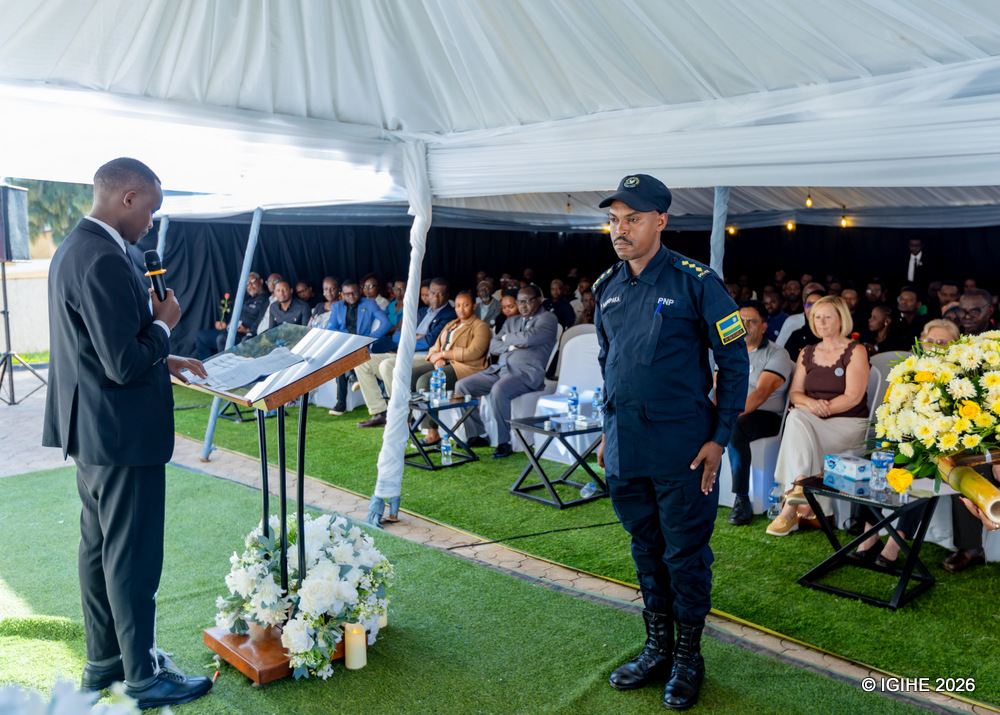
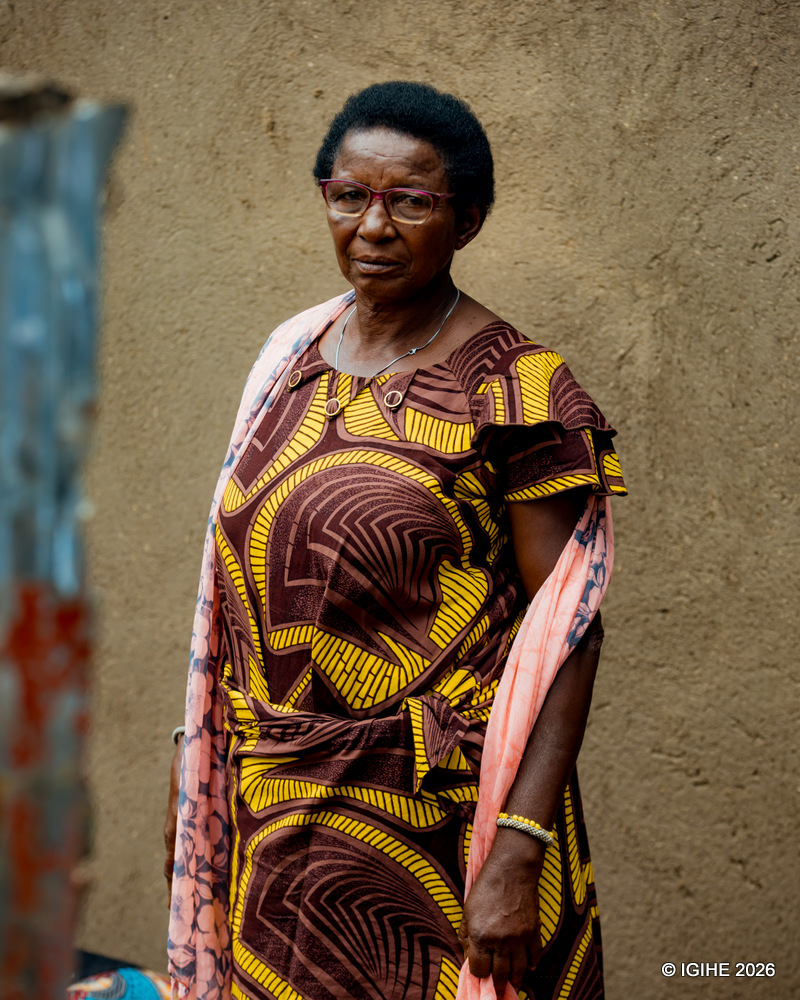
The commemoration activities began with a visit to Kangabe, a 68-year-old survivor living in Kanyinya Sector, Nyarugenge District.
Kangabe lost her husband, two children, and several relatives during the Genocide against the Tutsi in 1994. After the genocide was stopped, she returned with her four surviving children to their family property in Kanyinya, only to find their home destroyed. She was later assisted with a temporary shelter built from wood and iron sheets, but she continued to live in difficult conditions.
In recent years, her situation became even more challenging after she developed a serious illness involving a tumour in her head, leaving her struggling physically and emotionally.
Speaking during the visit, Kangabe expressed gratitude for the support she has received from Kipharma and its partners, saying the assistance had restored her hope for the future.
“Today my happiness is beyond words. I had reached a point where I had lost hope and thought I would simply die, but now I believe I still have a reason to live,” she said.
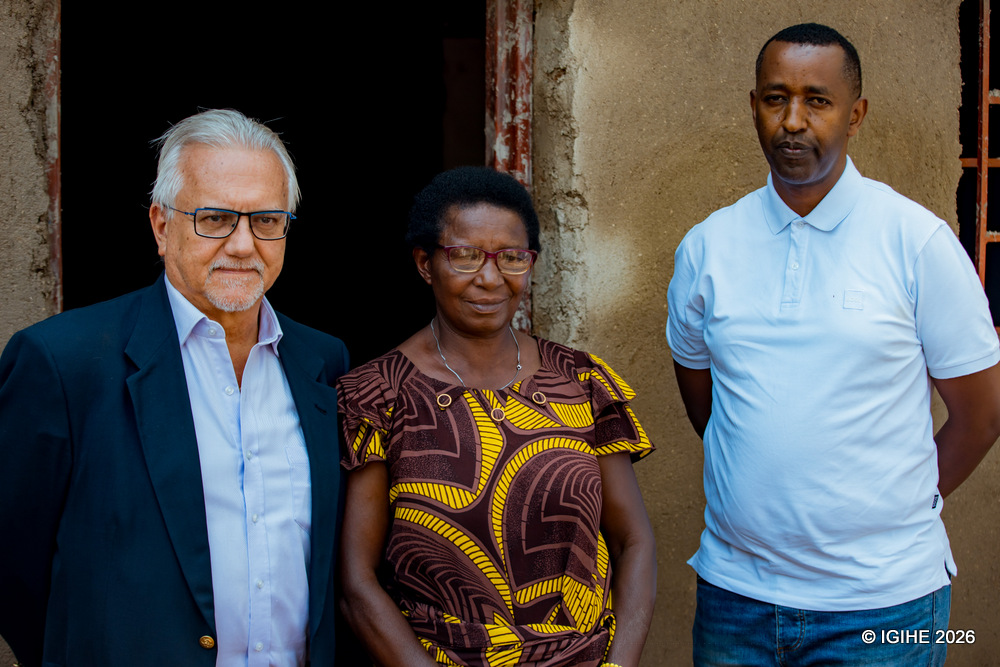
Construction of her new home is still ongoing, with final works yet to be completed. Kipharma Executive Director Giovanni Davite said the company would continue exploring additional ways to improve her welfare, including facilitating access to clean water closer to her residence.
Davite noted that commemorating the Genocide against the Tutsi should go hand in hand with supporting survivors who continue to face trauma and economic hardship.
“It is our responsibility not only to remember those who were killed during the Genocide against the Tutsi, but also to stand with survivors who are still carrying the burden of what happened. Many continue to suffer from trauma and poverty, and supporting them is a collective duty,” he said.
During the event, Mukandahigwa Gemma, an employee of Kipharma since 1995, shared testimony about discrimination she experienced before the genocide while working at the Ministry of Infrastructure.
She recounted that the ministry’s then director-general, who was related to former President Juvénal Habyarimana, openly targeted Tutsi employees and demanded their removal from the workplace.
“He would tell the secretary that he did not want to keep seeing Tutsi women at the office every morning, at noon, and in the evening. Eventually, we were transferred to Gikondo,” she recalled.
Mukandahigwa also paid tribute to the Rwandan Patriotic Army (RPA) fighters for stopping the genocide and thanked Kipharma for the opportunities and support the company has provided her over the years.
She said the company had become more than just a workplace, helping her educate her children and rebuild her life after the tragedy.
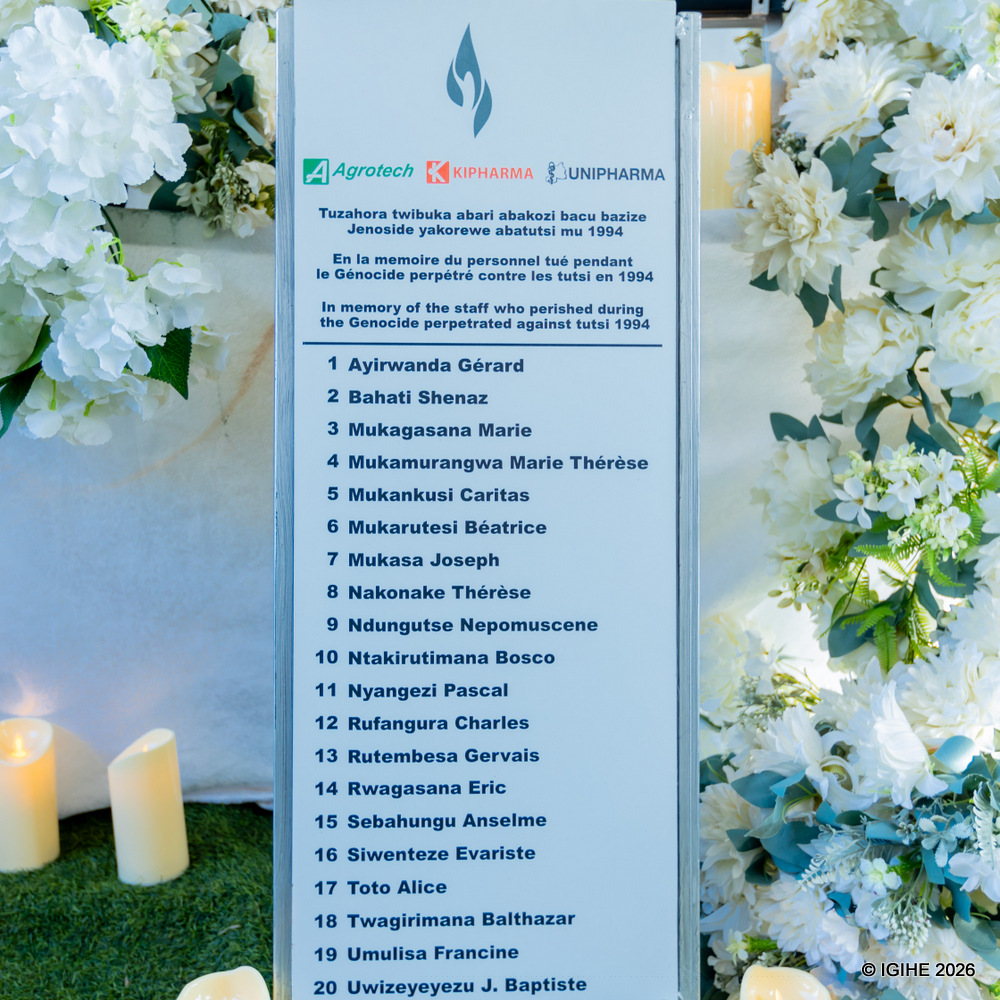
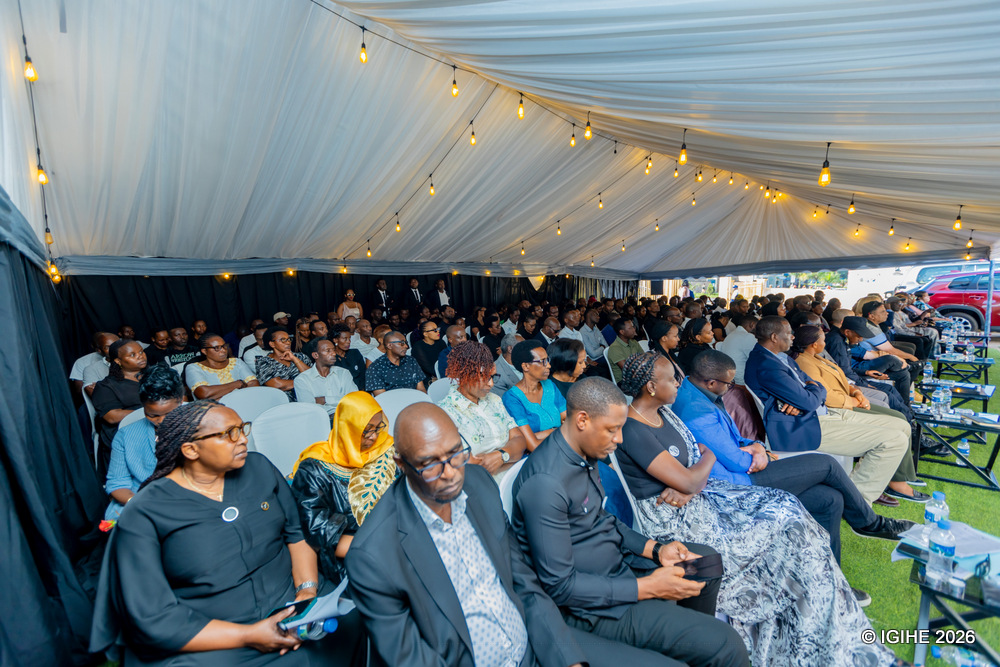
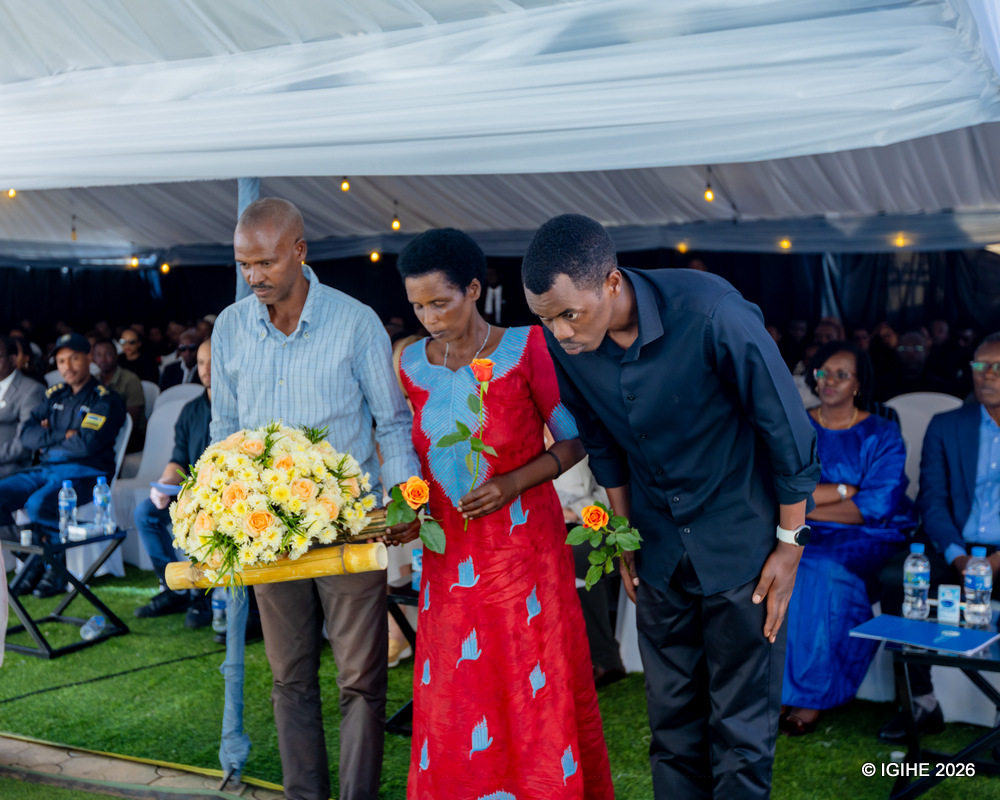
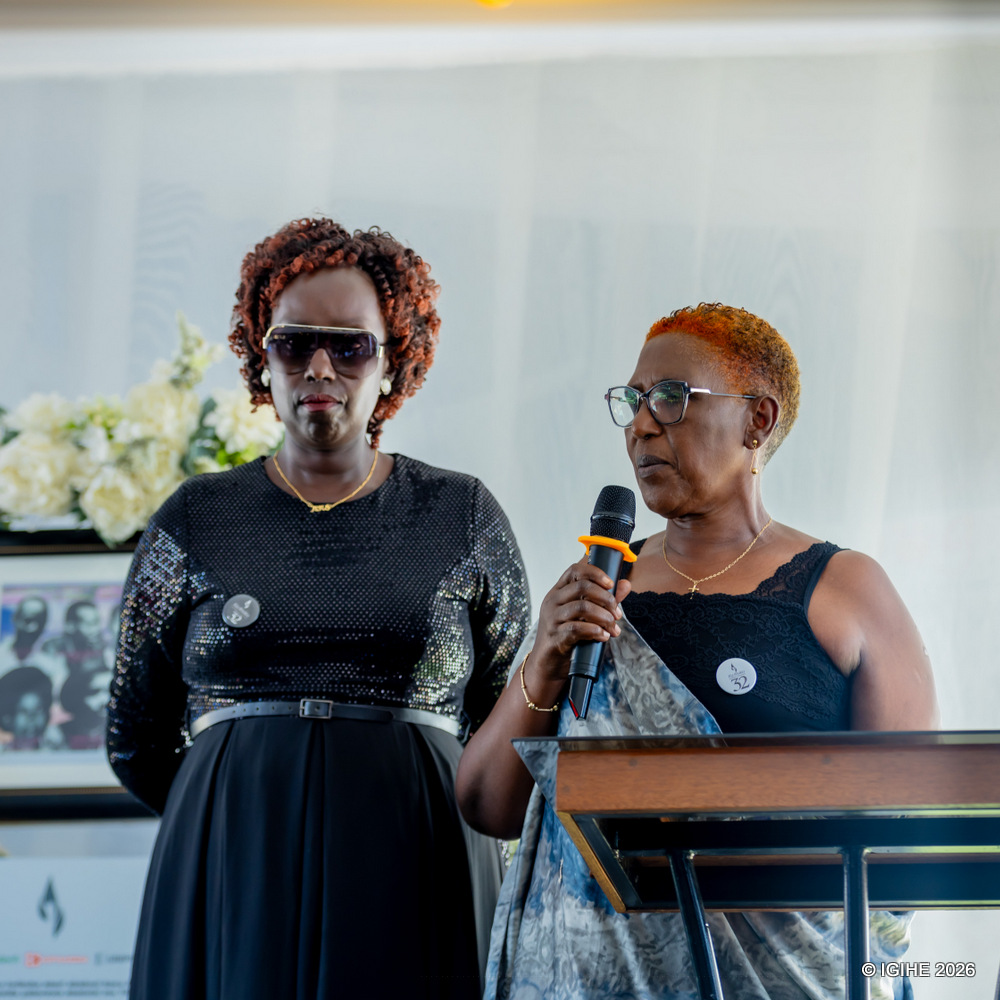
Kipharma, Unipharma, and Agrotech, which are part of KIPHAGRU, paid tribute to their employees who were killed during the 1994 Genocide against the Tutsi.The management and staff of Kipharma, together with colleagues from Unipharma and Agrotech, marked the 32nd commemoration of the 1994 Genocide against the Tutsi.Officials from various sectors, including security agencies, attended the 32nd commemoration of the 1994 Genocide against the Tutsi.Kangabe Bernadette (centre) said that the construction of her house has restored her hope for life after she had previously been in despair.Mukandahigwa Gemma gave testimony on how the son-in-law of Juvénal Habyarimana, who led the Ministry of Infrastructure shortly before 1994, persecuted Tutsi employees working there.
Pastor Dr. Antoine Rutayisire revealed that, in the course of officiating marriage ceremonies, he has encountered cases where the parents of one partner rejected the other due to ethnic divisions.
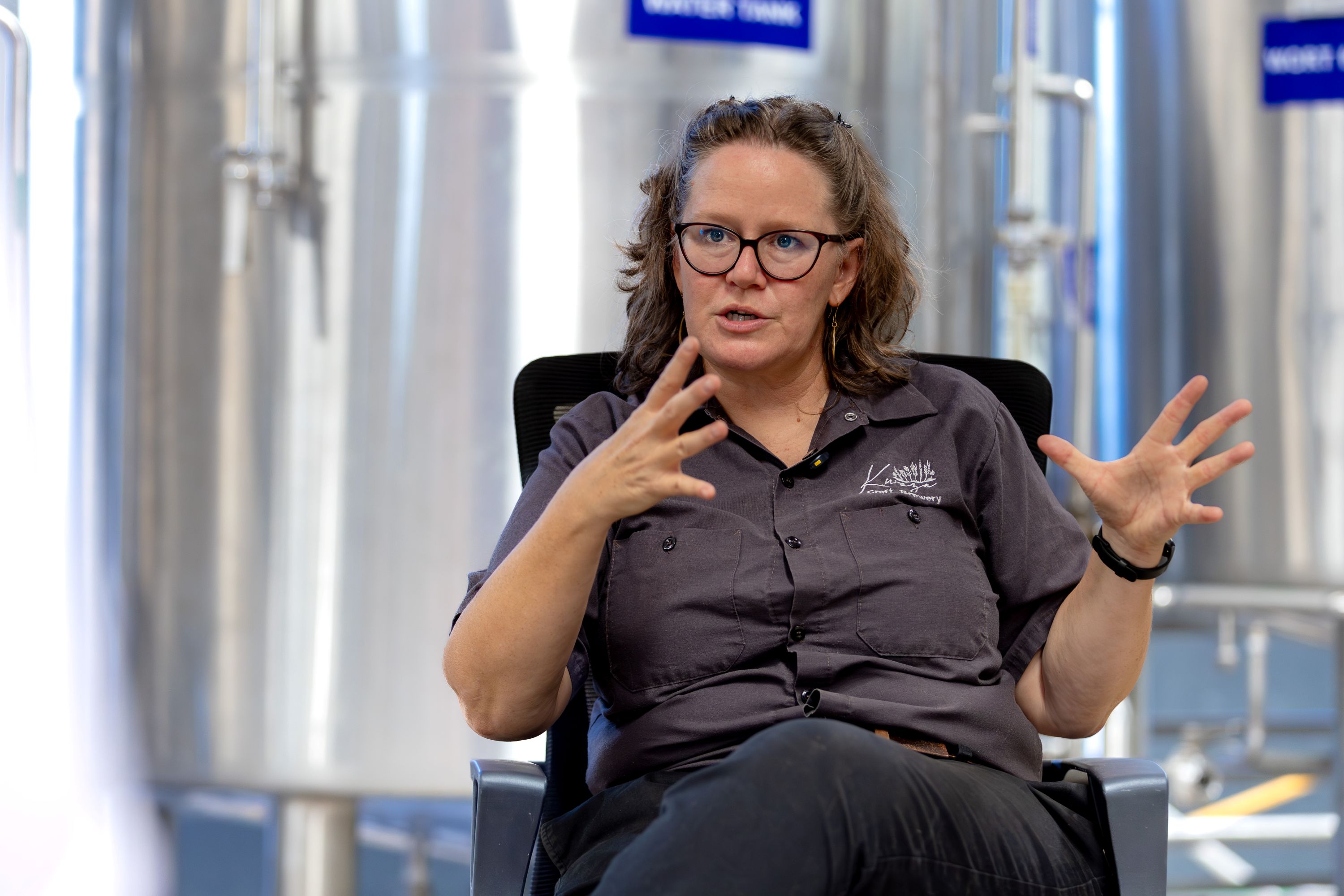
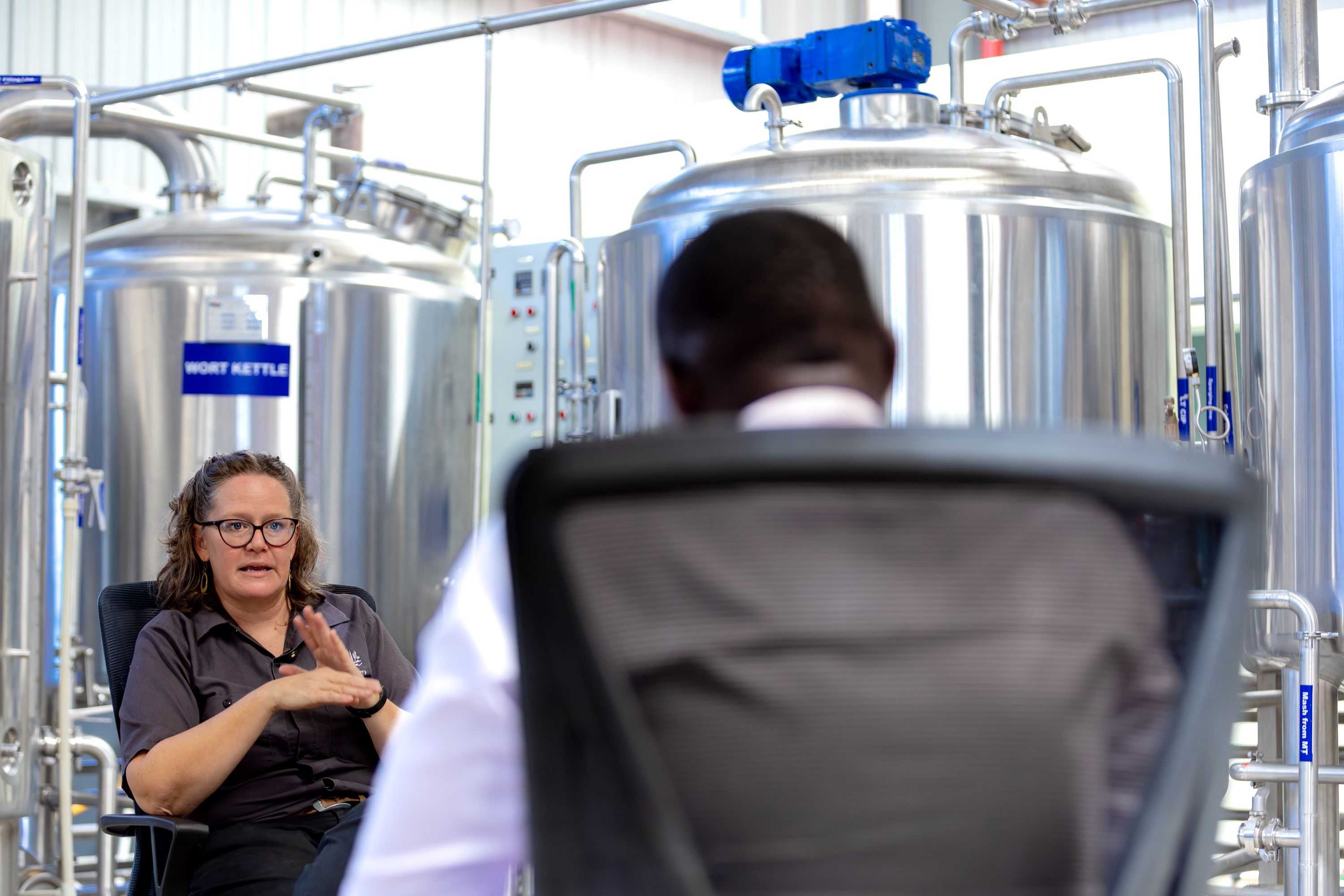
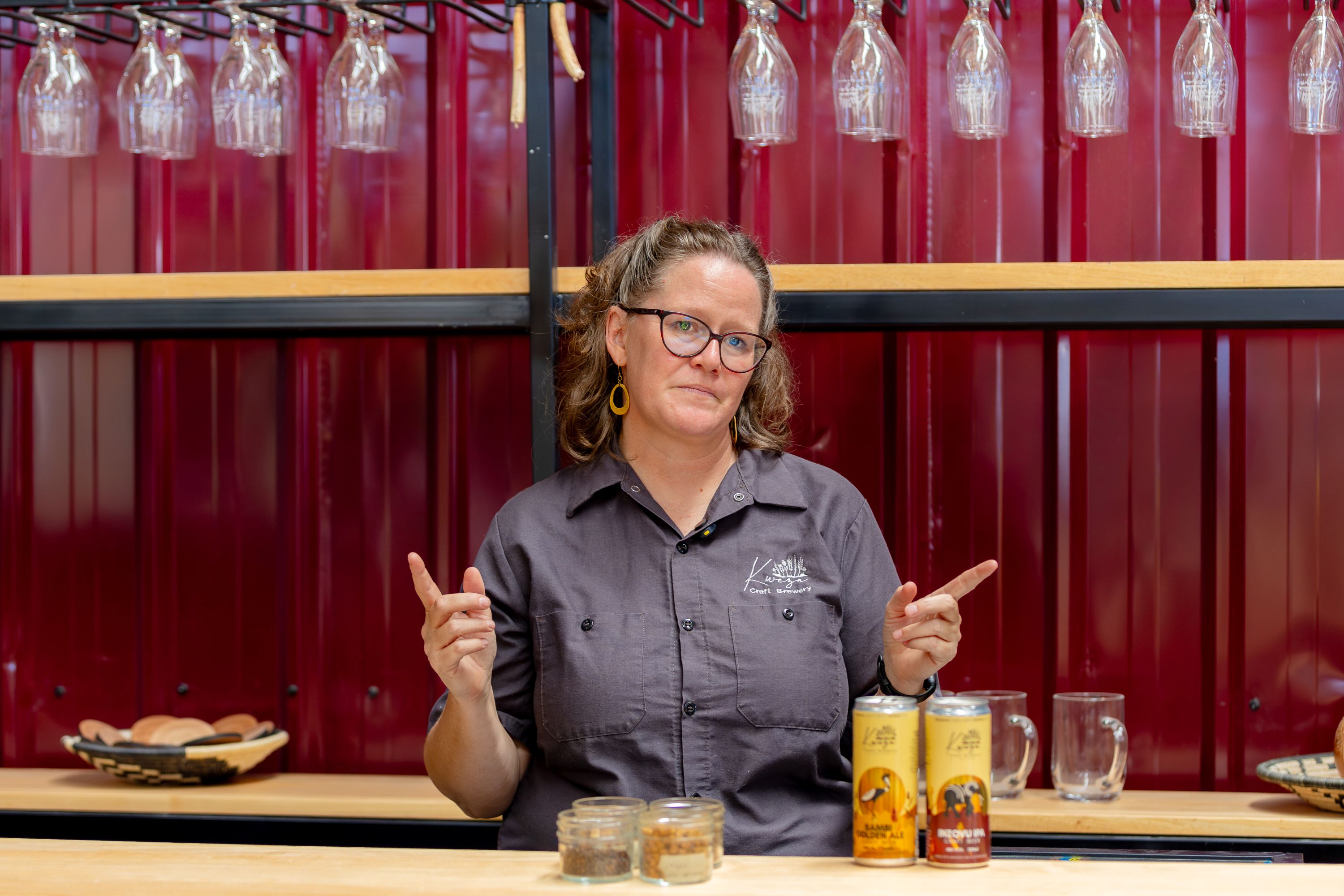
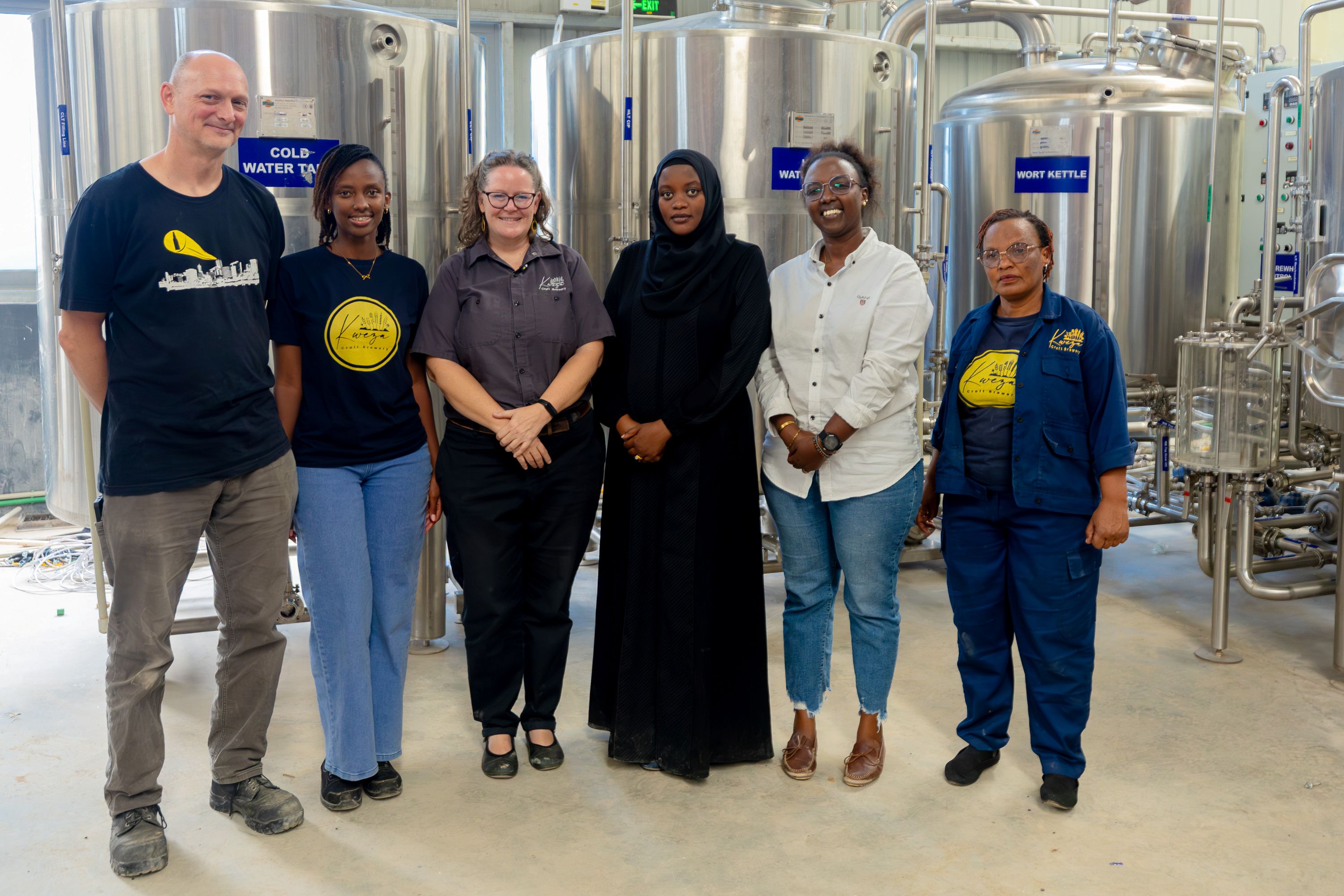
Speaking in an exclusive interview with IGIHE, Managing Director Jessi Flynn said Kweza represents both a business venture and a broader mission to reshape the global brewing industry by centring women and African agricultural heritage.
Flynn, who first came to Rwanda in 2017 as a landscape architect working on the Rwanda Institute for Conservation Agriculture, said she was drawn to Kweza’s founding idea: a women-led craft brewery using locally sourced ingredients to take Rwandan beer to global markets.
“Brewing is a $900 billion global industry, but only about 3% of those involved in ownership and leadership are women,” she said, noting that brewing historically began in Africa with women, particularly in traditional beer-making practices such as ikigage.
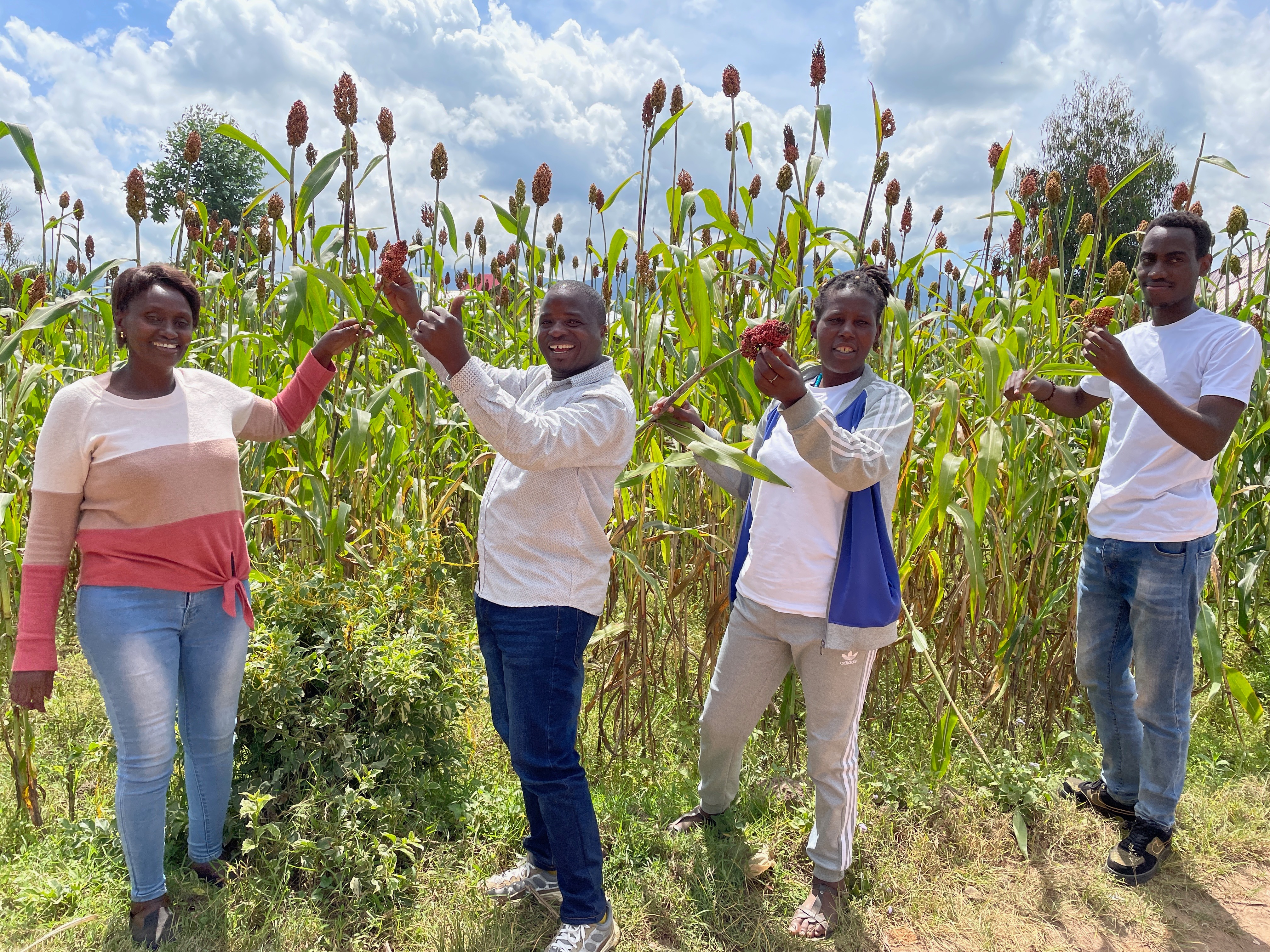
Kweza produces beer primarily from malted sorghum.
Sorghum-based brewing and expansion ambitions
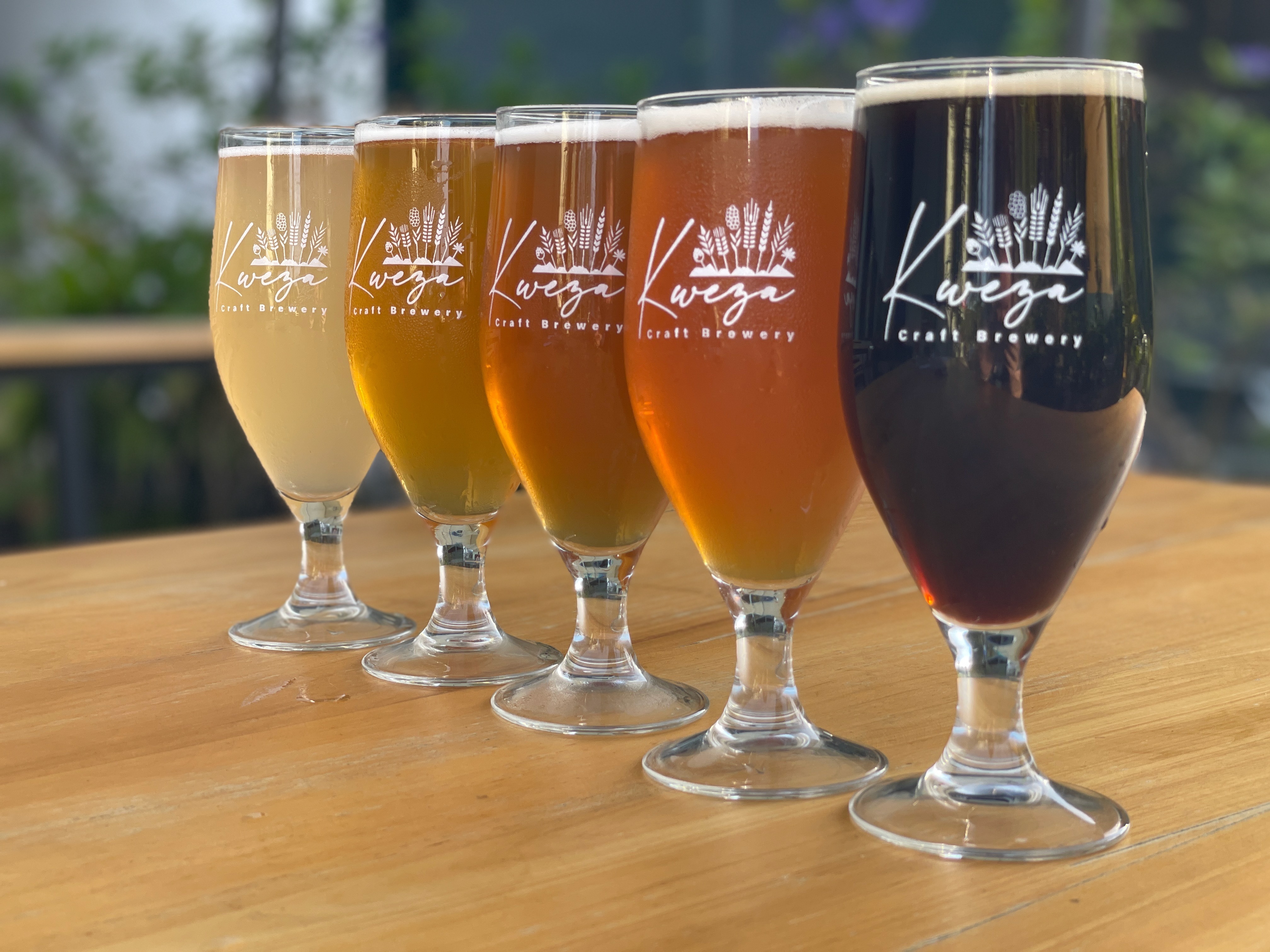
Kweza produces beer primarily from malted sorghum, locally known as amamera, a grain the company says gives its products a lighter, gluten-reduced profile and a distinct flavour compared to conventional barley-based beers.
The brewery, which has already won recognition, including a bronze medal at the African Beer Cup for its Nzovu IPA, began with small-scale production before expanding following licensing approval in 2021. It now supplies draft beer to around a dozen locations in Kigali, including major hotels and entertainment venues, and recently introduced canned products to reach supermarkets and delivery platforms.
Before recent disruptions, the company was valued at approximately $2.3 million (approximately Rwf 3.4 billion), built on investments and brand value, with ambitions to expand across Rwanda and eventually into wider African and global markets.
Before recent disruptions, the company was valued at approximately $2.3 million.
Landlord dispute and production shutdown
However, Flynn revealed that the company’s growth trajectory was interrupted by a dispute with its former landlord, which escalated into a legal battle.
According to her account, changes to an original equity agreement led to failed negotiations and eventual relocation plans. During the transition, she said the landlord locked the brewery premises, prompting legal action.
After a three-month court process, the court ruled the seizure illegal and dismissed the complaints, allowing the company to proceed with relocation. Despite the legal victory, the shutdown resulted in significant financial losses and nearly nine months without production.
“We have not brewed since late August,” Flynn said, describing the downtime as a major setback for a manufacturing business.
The disruption also forced the company to lay off more than half of its workforce, most of whom were women, and temporarily close its taproom operations.
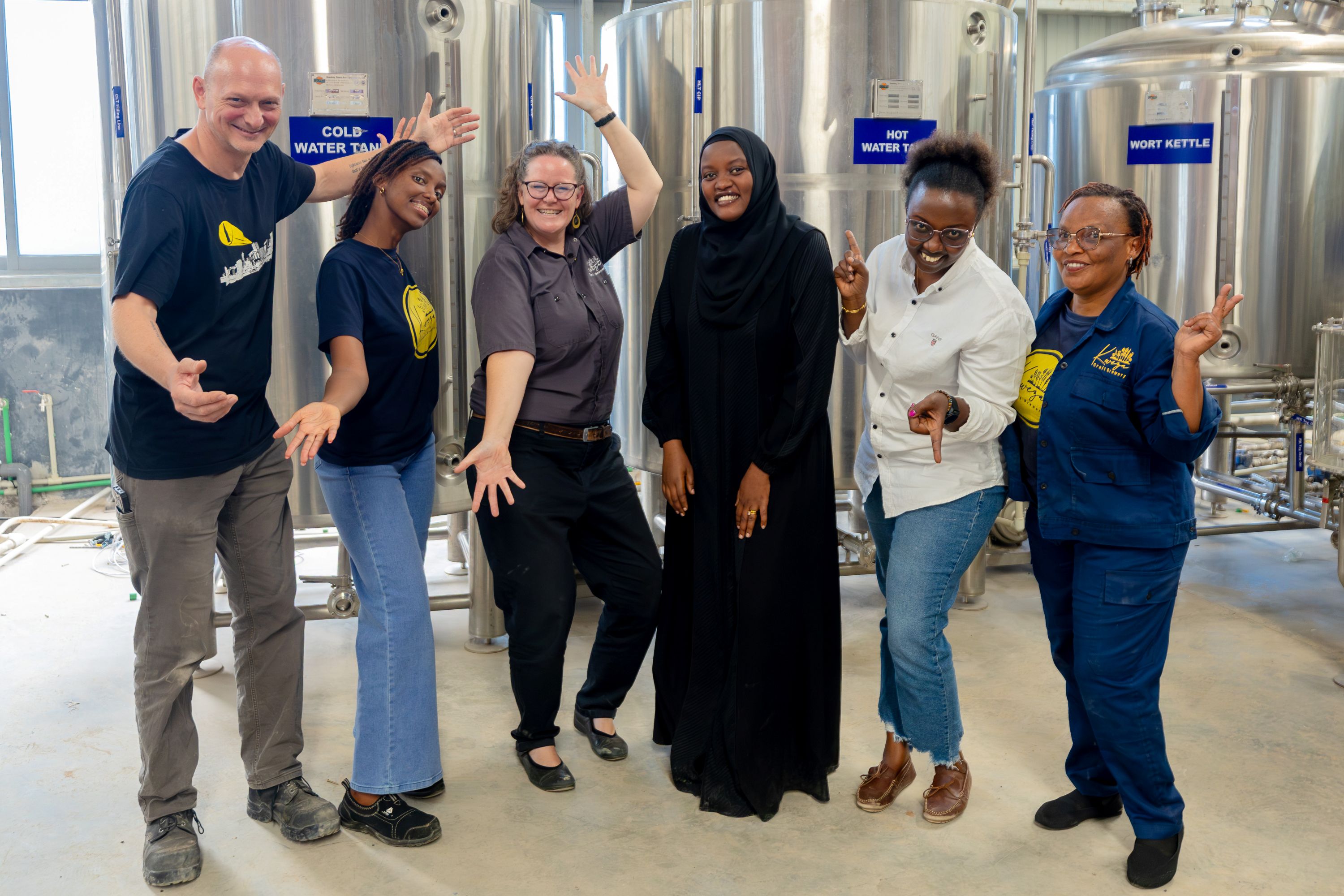
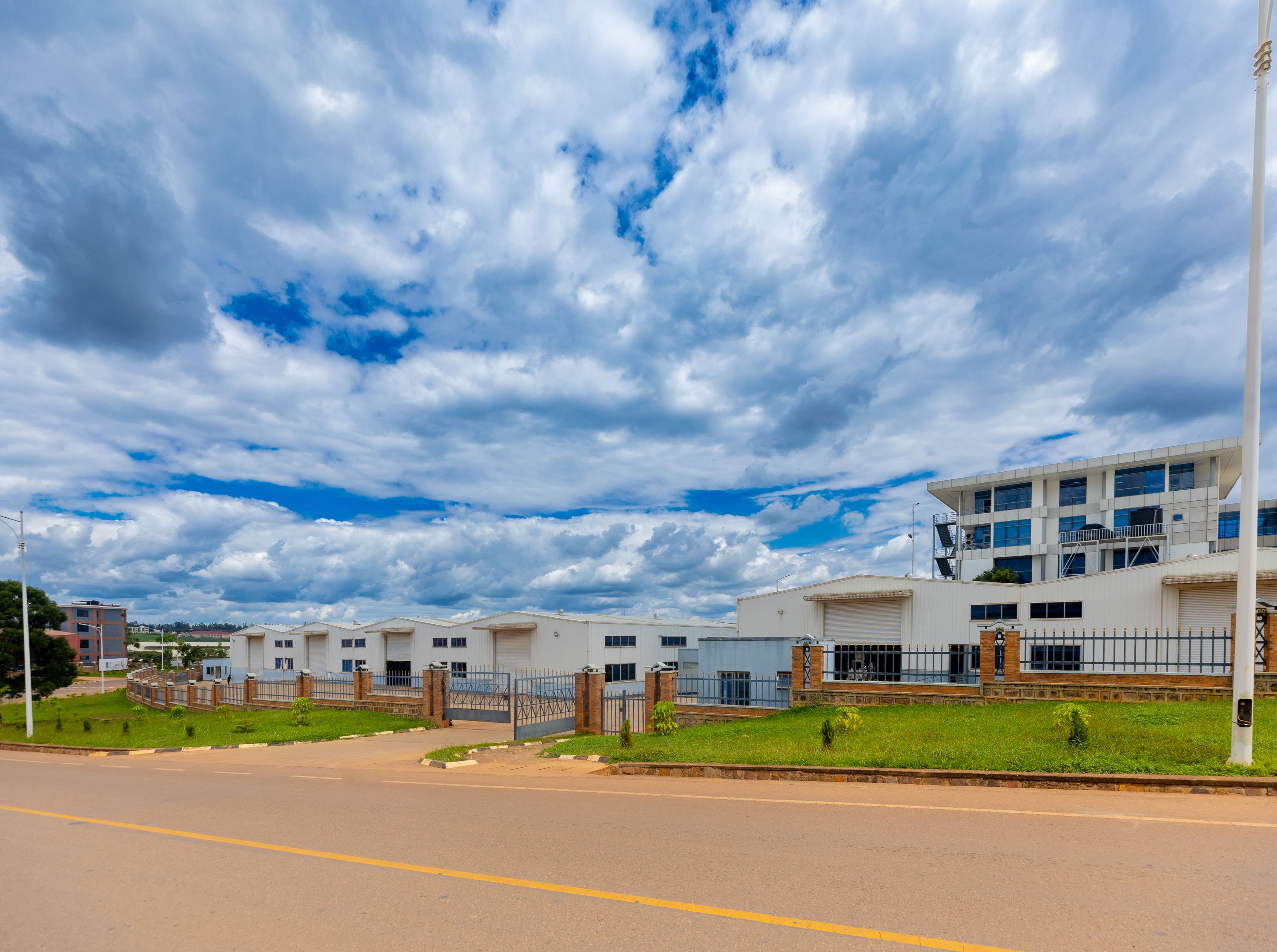
Kweza has since relocated to the Masoro Economic Zone, which Flynn said offers improved infrastructure, including reliable power and water systems needed for scaling production.
Kweza is a women-led craft brewery using locally sourced ingredients to make beer.
Crowdfunding to restart operations
To bridge the financial gap created by the shutdown and relocation, Kweza launched a crowdfunding campaign aimed at raising $22,000, which it has since reached. Flynn said the initiative was intended as a short-term survival strategy while the company works toward longer-term financing.
The MD, who has indicated an intention to countersue as the landlord continues litigation despite court findings, said the funds would support restarting production, rehiring staff, and bringing back key brewing personnel.
Kweza produces beer primarily from malted sorghum, locally known as amamera, a grain the company says gives its products a lighter, gluten-reduced profile and a distinct flavour compared to conventional barley-based beers.
She noted that the campaign has attracted support from individuals, industry professionals, and beer enthusiasts globally, many of whom have expressed concern that the brand could disappear.
The company is also exploring shareholder loans and longer-term investment partnerships as it looks to stabilise operations and resume full production.
A vision that “refused to die”
Despite the setbacks, Flynn said the experience has reinforced Kweza’s identity and mission.
She emphasised the company’s ambition to connect traditional African brewing practices with modern global markets, while challenging long-standing gender imbalances in the brewing industry.
“How do we use this story, this history, and this essence to grow a global brand?” she said.
Kweza craft beer,
Flynn added that continued public support has been crucial during the crisis, with growing international interest in the brand’s products and story.
“When we get calls from across the world asking when they can get our beer in their countries, it shows there’s an amazing future ahead,” she said.
For now, Kweza remains in a critical transition phase, moving from crisis toward recovery, with its leadership betting that renewed production will mark the beginning of a stronger chapter.
“At the end of the day, it’s a manufacturing business with day-to-day operations. But when you sit down with a friend and share a Kweza beer, it’s social. It’s art and science. It’s business. It’s women-led and locally sourced. We’re not only innovating, we’re challenging the market in a way that people identify with, love, and want more of,” Flynn quipped.
Watch the video to learn more about the Kweza Craft Brewery journey, its setbacks, comeback, and what lies ahead.
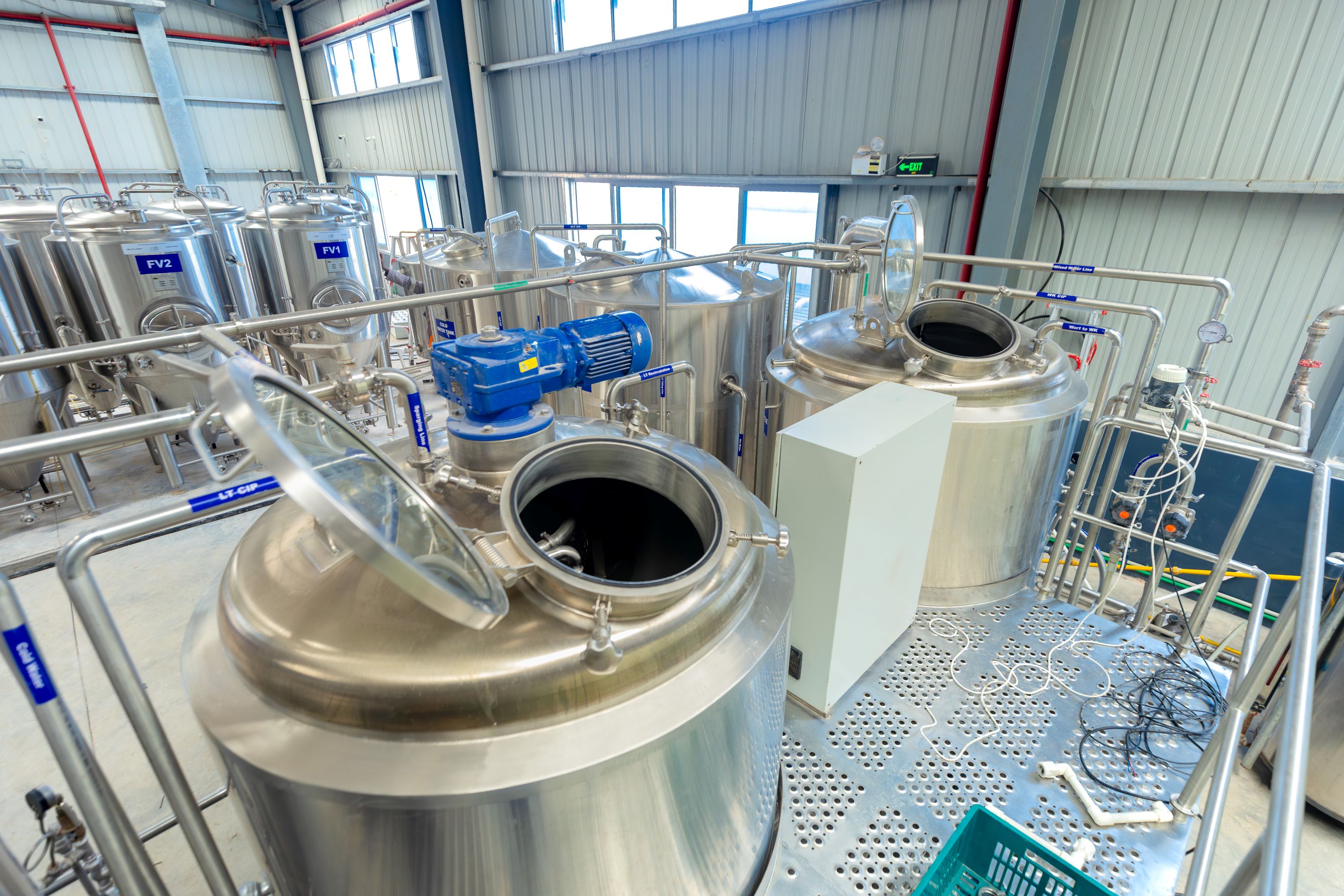
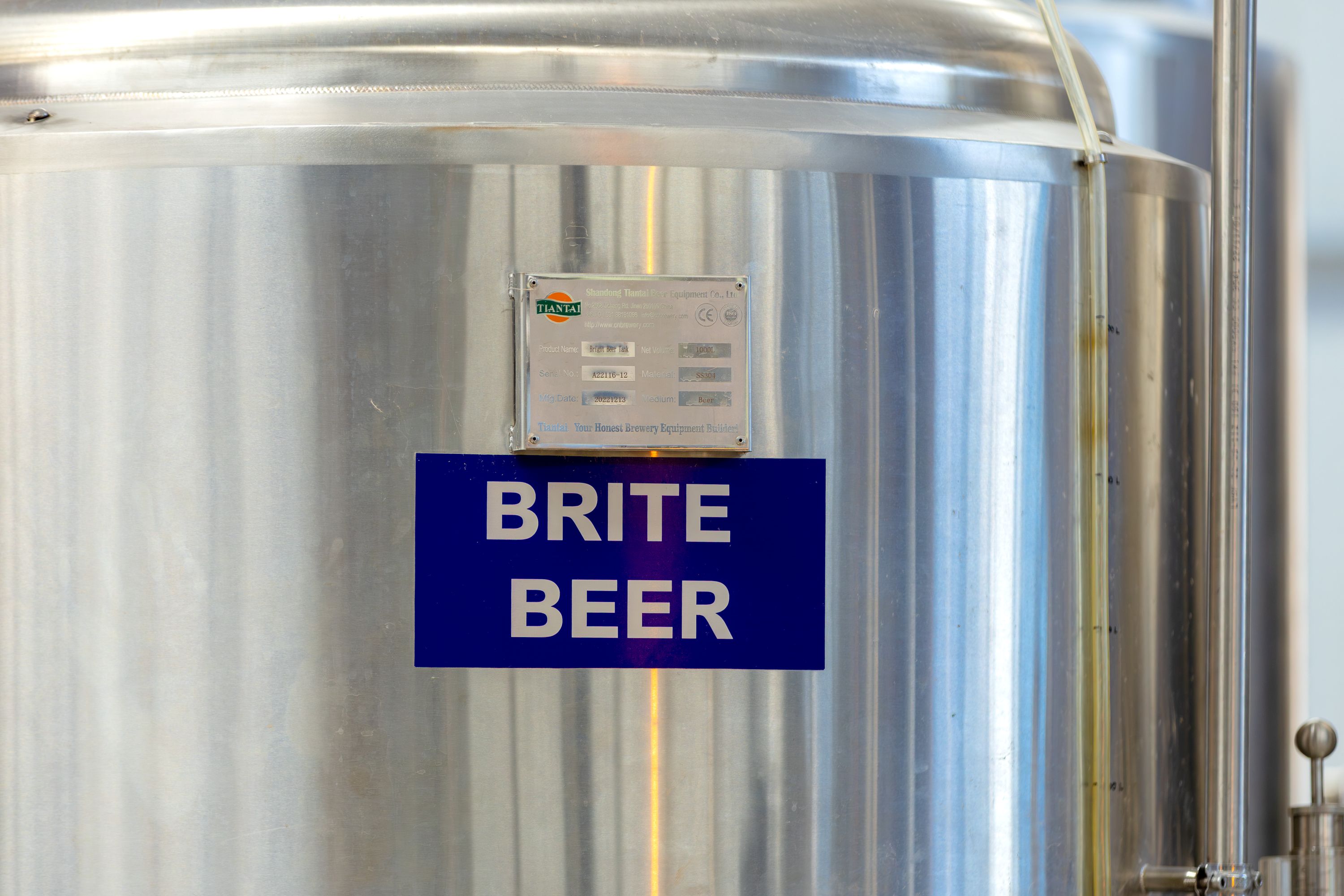
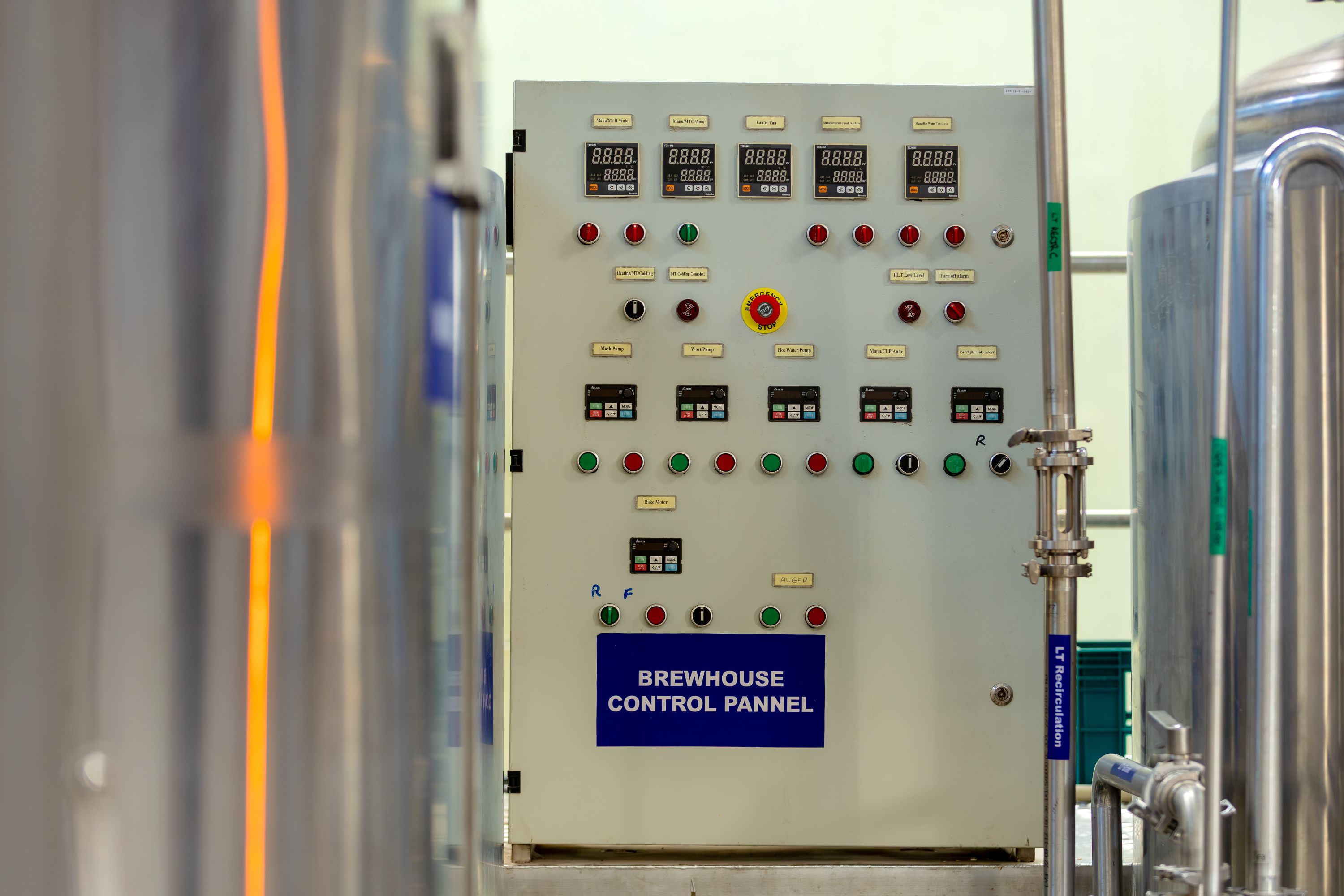
Kweza recently relocated to the Masoro Economic Zone, which Flynn said offers improved infrastructure, including reliable power and water systems needed for scaling production.Speaking in an exclusive interview with IGIHE, Managing Director Jessi Flynn said Kweza represents both a business venture and a broader mission to reshape the global brewing industry by centring women and African agricultural heritage.The brewery, which has already won recognition, including a bronze medal at the African Beer Cup for its Nzovu IPA, began with small-scale production before expanding following licensing approval in 2021.The brewing equipment has been installed ahead of the resumption of operations.
In a letter dated Sunday, May 17, 2026, Nsengiyumva addressed his apology to the Rwanda Football Federation (FERWAFA), BK Pro League, Mukura Victory Sports, the refereeing commission, the Rwanda Referees Association (ARAF), Mbonyamahoro Serieux, and football fans at large.
“I am writing this letter to apologise for the inappropriate behaviour I displayed during the Matchday 29 fixture between Mukura Victory Sports and Rutsiro FC on May 3, 2026, where I committed an unacceptable act during the match,” he wrote.
“I would first like to sincerely apologise to Mukura VS player Mbonyamahoro Serieux, because it is unacceptable for a referee to behave in such a manner. I also apologise to Mukura VS, FERWAFA, BK Pro League, and the refereeing authorities because my conduct projected a bad image,” he added.
Nsengiyumva described the incident as a serious mistake committed in the heat of the moment and assured the public that such behaviour would not happen again.
He further pledged to respect the laws of the game, uphold professionalism, and maintain the discipline expected of match officials.
The FERWAFA Refereeing Commission, which convened on May 4, 2026, found that Nsengiyumva, who was serving as an assistant referee during the match, had displayed conduct inconsistent with the responsibilities of a referee, resulting in a 12-month suspension.
The commission also sanctioned other officials involved in the match. Centre referee Nshimiyimana Rémy Victor was suspended for five matches after being found guilty of wrongly awarding two penalties to Rutsiro FC and failing to effectively control the game.
Mu mukino w’Umunsi wa 29 wa Shampiyona wabereye kuri Stade Kamena, Rutsiro FC yatsinze Mukura ibitego 2-1, byombi byavuye kuri penaliti.
Uyu mukino wabayemo agashya, aho umusifuzi w’igitambaro Nsengiyumva Jean Paul nyuma yo gusifura penaliti ya kabiri, yakubise umugeri… pic.twitter.com/yFuLjSnEFQ
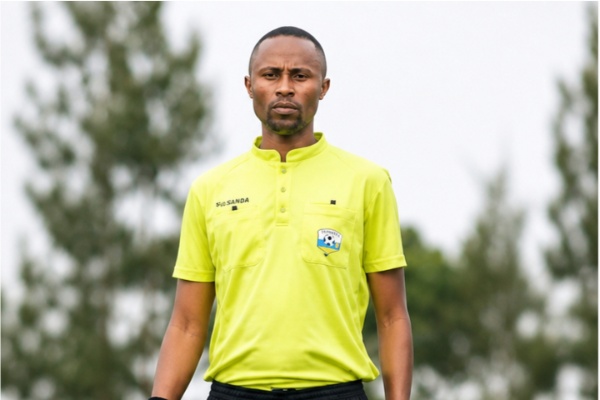
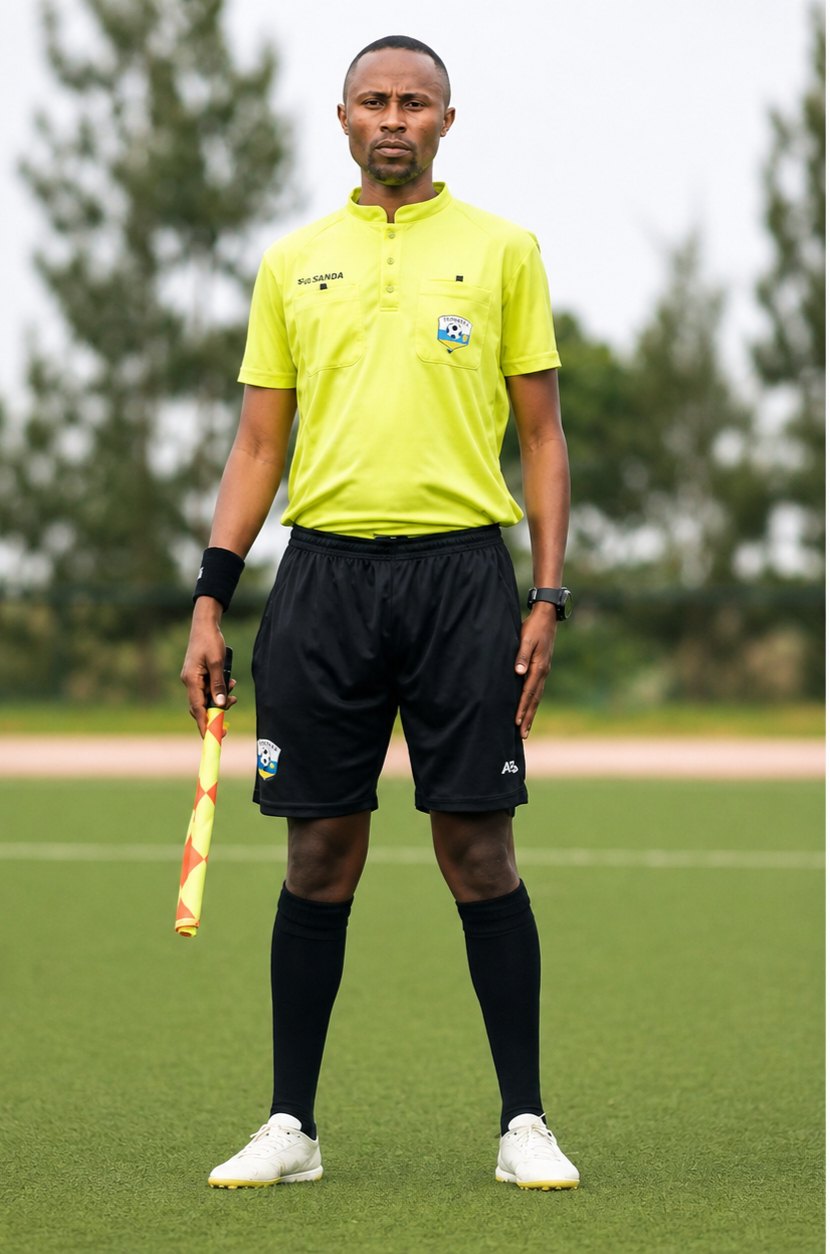
Referee Nsengiyumva Jean Paul, who was handed a 12-month suspension after kicking Mukura VS defender Mbonyamahoro Serieux in the groin during a league match, has apologised for his conduct.
The coaches are expected to travel to Madrid later this week, where the training sessions will officially begin on May 23, 2026.
The initiative is part of a broader partnership between Rwanda and Atlético de Madrid, implemented through the Ministry of Sports and the Rwanda Development Board (RDB). Since February 2026, Spanish coaches from the club have been conducting technical and tactical training sessions for Rwandan coaches, particularly those involved in youth football development across the country.
Following the initial training phase, 13 coaches were selected to continue the program through online classes held twice a week, with advanced in-person sessions scheduled to take place in Spain.
The selected coaches are Haruna Niyonzima, Itangishaka Blaise, Sifa Gloria Nibagwire, Innocent Murwanashyaka, Iragena Oscarie, Joseph Junior Rutagengwa, Nadia Bugenimana, Nicolas Hakizimana, Darius Hirwa, Damascène Nsengiyumva, Emmanuel Coman Mugisha, Schadrack Nsengayire, and Shema Bravo.
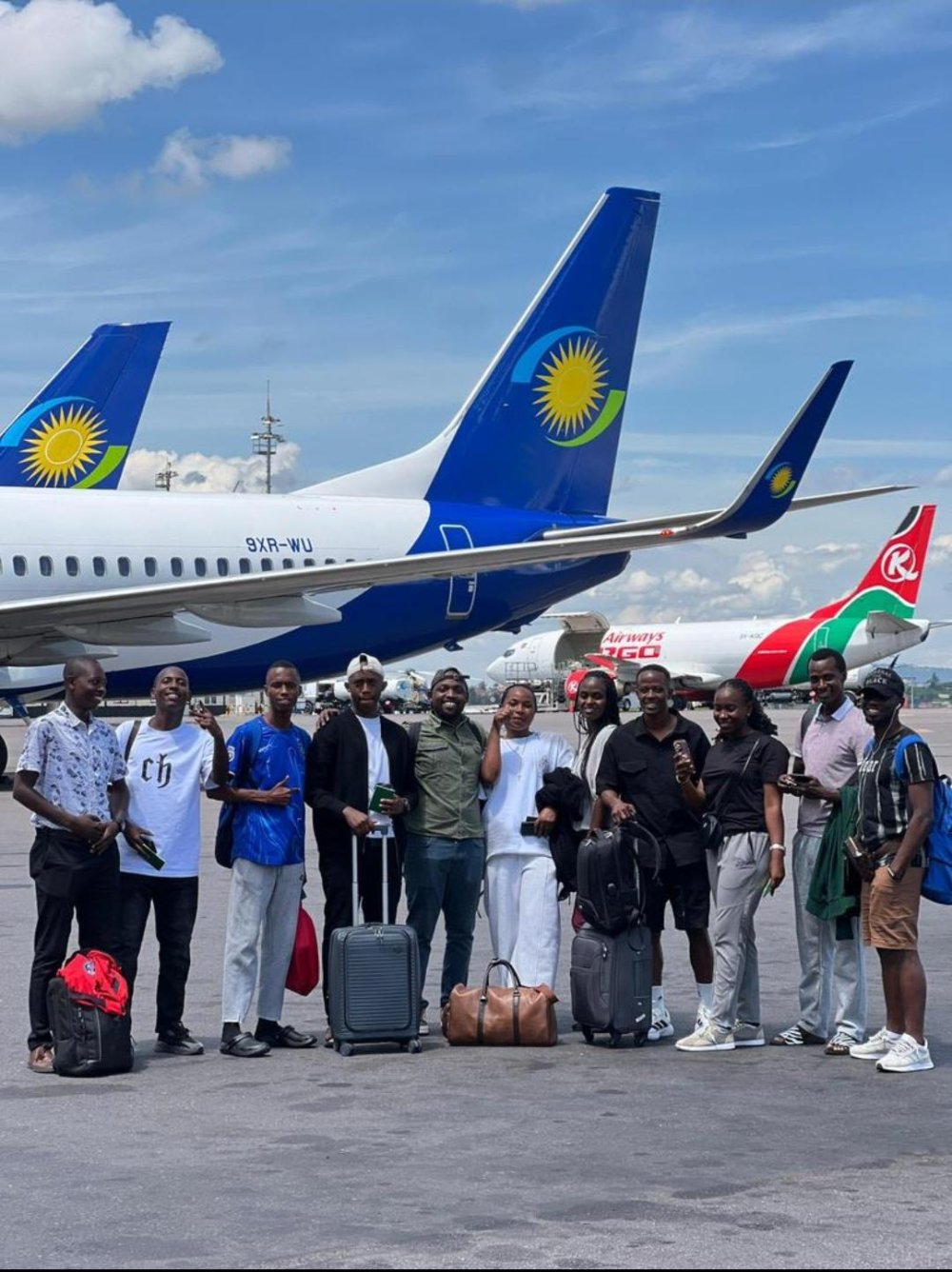
The delegation left Rwanda on Sunday, May 17, 2026, for Tanzania, where they will finalize travel documentation required for entry into Spain.
President of the Rwanda Football Federation (FERWAFA), Fabrice Shema Ngoga, said the program is designed to help Rwanda build a stronger pool of qualified coaches capable of developing local football talent.
“All coaches are expected to meet the required standards because this is a serious professional program, not a recreational activity. Those who do not perform are dropped from the course. The 13 selected coaches attend classes twice a week, and they are expected to play a key role in developing many more coaches in the future,” he said.
Atlético de Madrid, one of Spain’s most successful football clubs with 11 league titles, has partnered with Rwanda under the Visit Rwanda campaign to promote the country’s tourism sector internationally. The partnership includes branding at the Riyadh Air Metropolitano Stadium and on the club’s training kits.
The coaches are expected to travel to Madrid later this week, where the training sessions will officially begin on May 23, 2026.