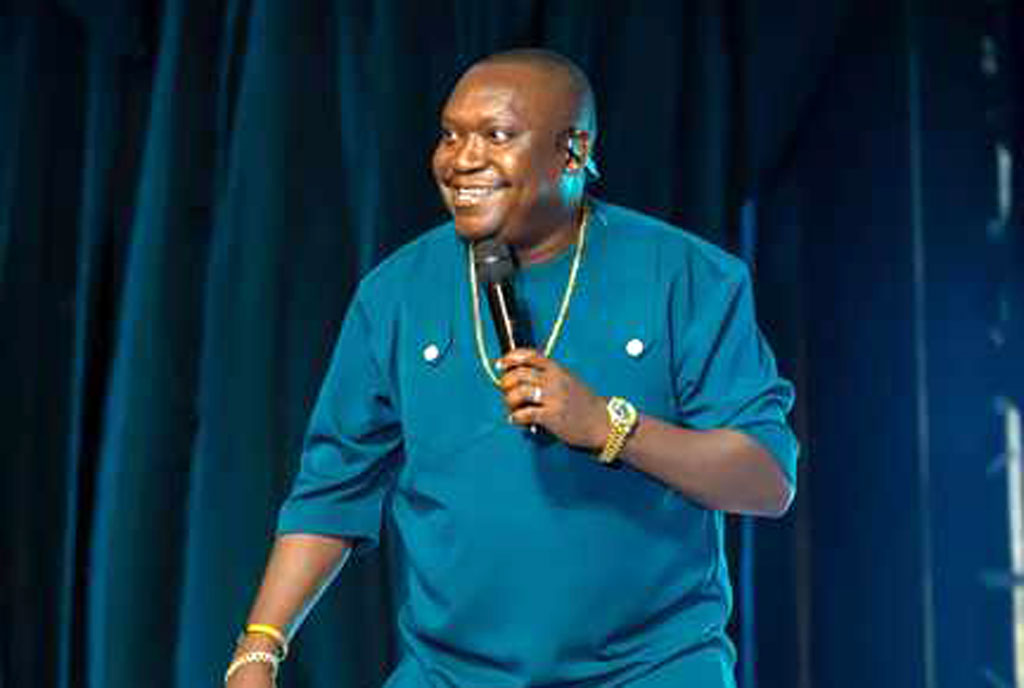
Patrick Salvado, a leading figure in Uganda and across Africa’s comedy scene, will headline the ‘Thank God It’s Funny’ show at Kigali Universe on March 6, 2026.
The show will feature an exciting lineup of local talent, including Rwandan comedians Rusine, Michael Sengazi, Hervé Kimenyi, Muhindee, and several others.
Patrick Idringi Viera, known professionally as Patrick Salvado, is a 41-year-old comedian and actor with a career spanning over 17 years.
He began performing in 2009 while working at NTV Uganda as a technical assistant during his university studies in Telecommunications Engineering. After graduating in 2008, he joined MTN Uganda, where he started developing his comedy career. In 2011, he moved to Capital FM, gaining wider recognition, including performing at events like Miss Uganda.
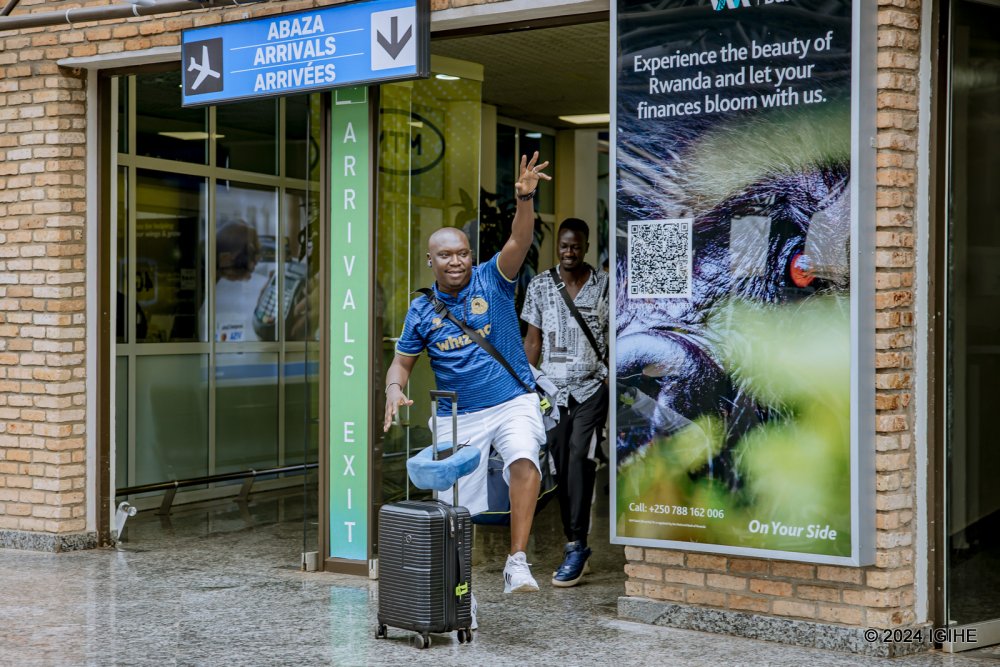
Since 2011, Salvado has performed in numerous shows both in Uganda and internationally, including Rwanda, where he has appeared in various comedy events.
The origin of “Salvado”
His stage name originates from the 2000s soap opera Second Chance (El Cuerpo del Deseo). Salvado has said that a woman once mistook him for the show’s handsome lead, Salvador Cerinza, a joke that eventually inspired his professional name.
Salvado’s work has gained international recognition. He was a semi-finalist in the 2016 “World’s Funniest Person” competition, organised by the Laugh Factory in the United States. He is also the founder and host of Africa Laughs, a comedy franchise that brings together performers from across the continent, including Nigeria, South Africa, and Kenya.
In addition to stand-up comedy, Salvado has appeared in television series such as Beneath the Lies and films including Bed of Thorns.
Away from the spotlight, Salvado shares his life with his wife, Daphine Frankstock Idringi, and their three children.
Patrick Salvado will headline the ‘Thank God It’s Funny’ show at Kigali Universe on March 6, 2026.
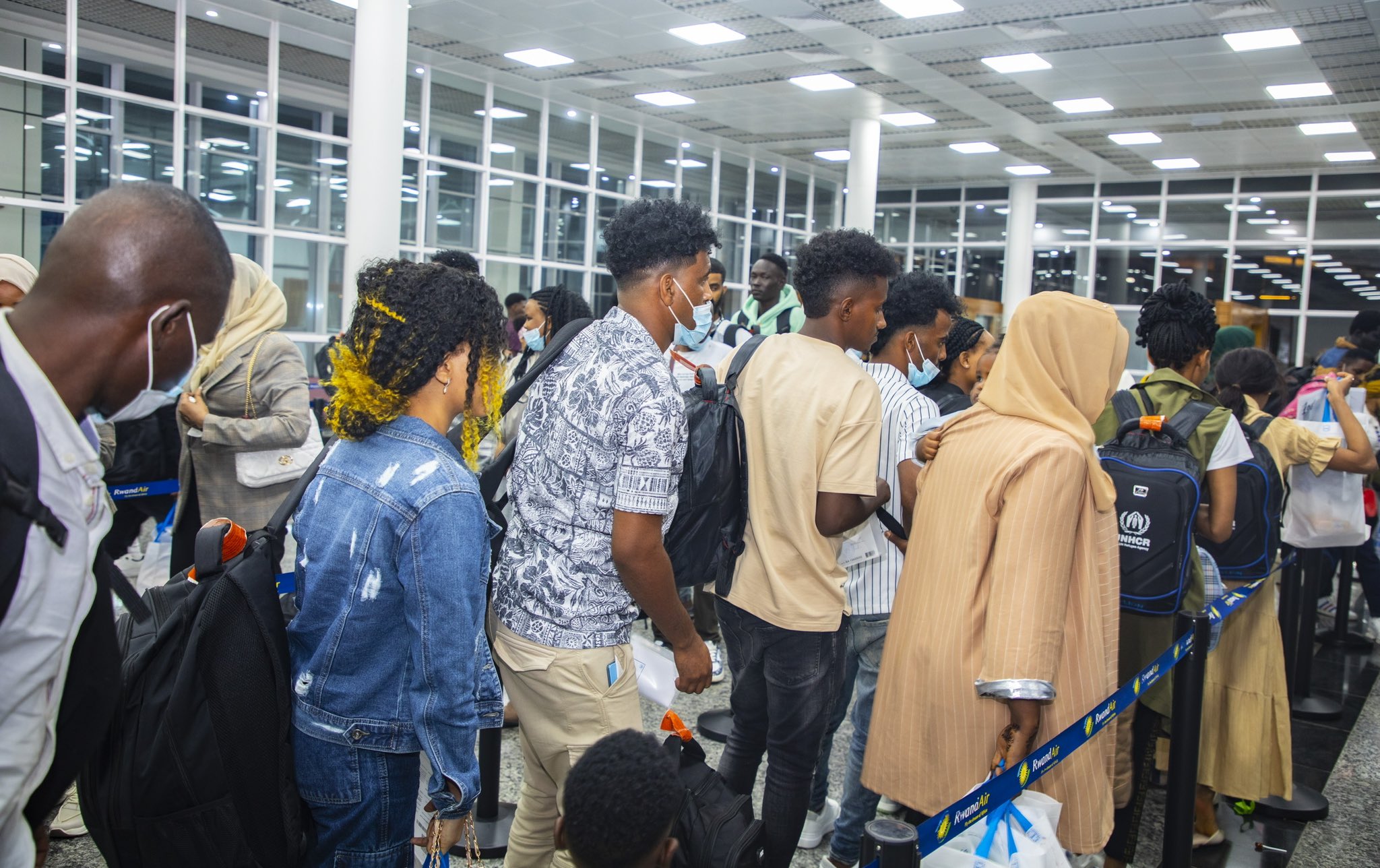
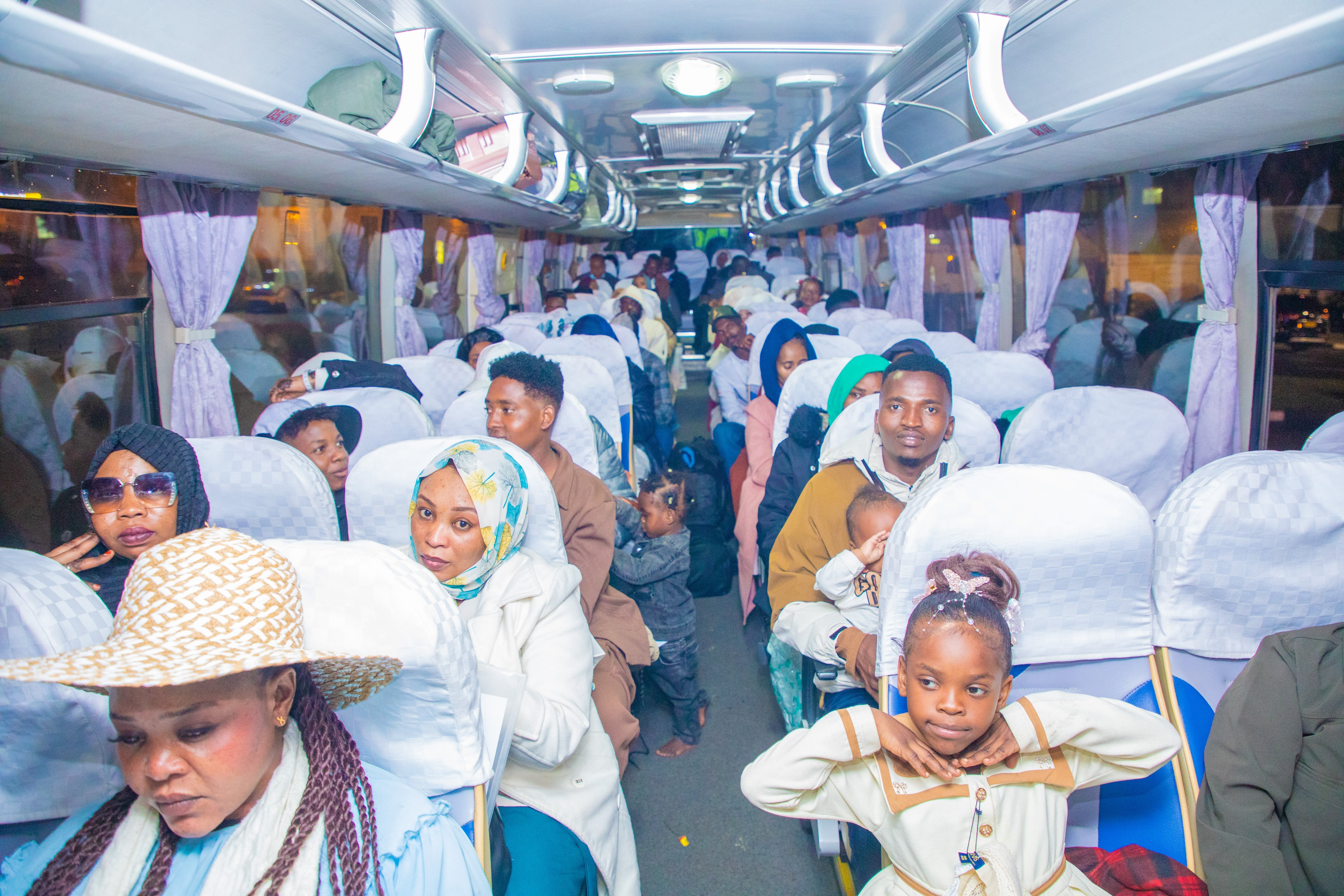
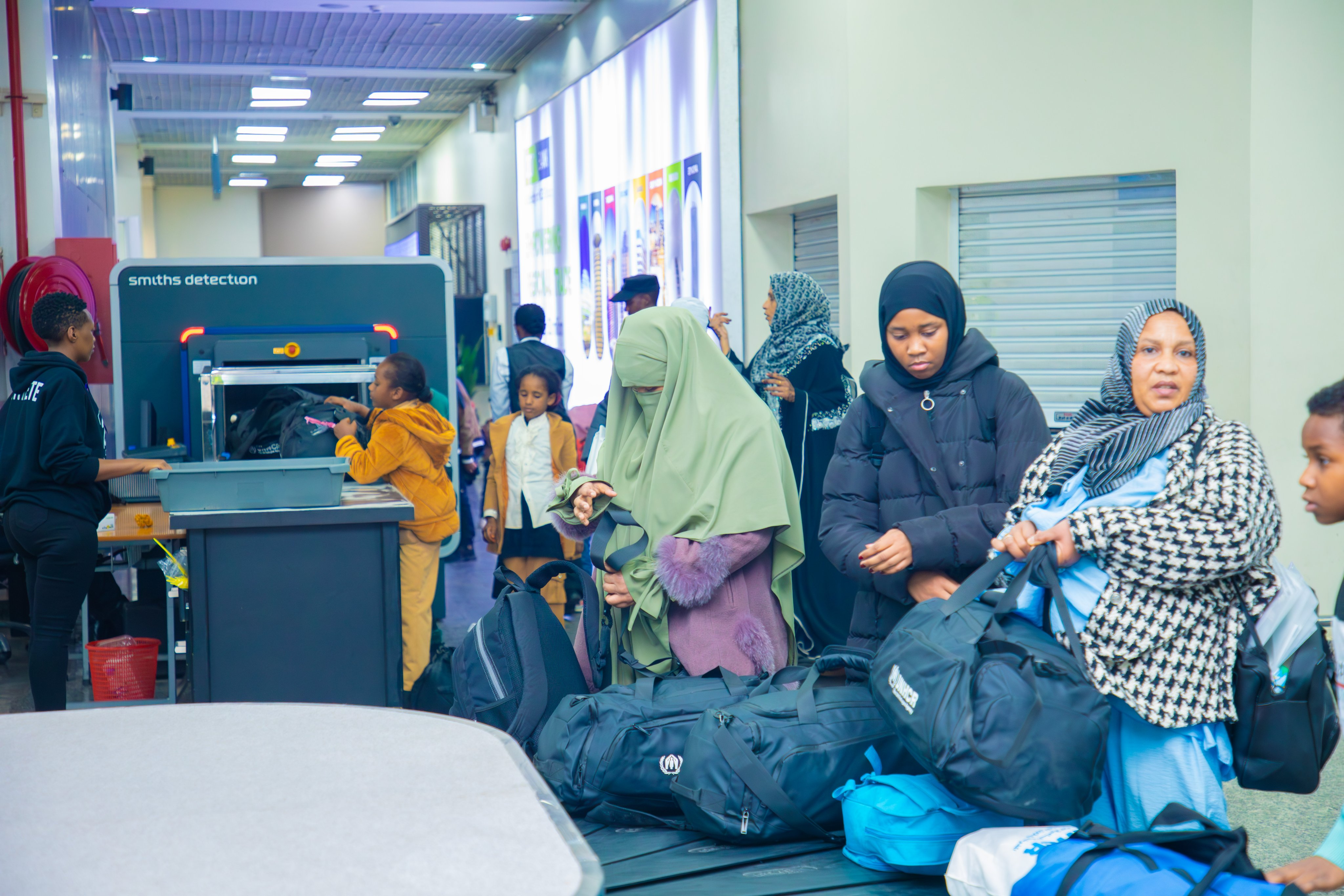
The group arrived on Wednesday night through a joint effort between the United Nations High Commissioner for Refugees (UNHCR) and the Government of Rwanda. Of the 164 evacuees, 143 originate from Sudan, 19 from Eritrea, while one person each comes from Ethiopia and South Sudan.
The ETM, a joint initiative involving UNHCR and the African Union, was established to provide lifesaving protection and assistance to vulnerable refugees and asylum seekers trapped in Libya. The mechanism temporarily relocates them to Rwanda while durable solutions, including resettlement to third countries, are pursued.
Since the launch of the ETM in 2019, a total of 2,760 people have been evacuated to Rwanda and hosted at Gashora Transit Centre. Of these, more than 2,500 have since been resettled in third countries.
In August 2024, the Government of Rwanda, UNHCR, and the African Union Commission agreed to extend the ETM programme. In a joint statement issued on August 22, 2024, the three parties reaffirmed their commitment to continue protecting evacuees and securing lasting solutions, while Rwanda provides temporary safe haven.
“The Government of Rwanda reaffirms its unwavering commitment to receive and protect these individuals, as well as others identified as particularly vulnerable and at risk,” the statement noted.
The parties also adopted a second addendum to the original Memorandum of Understanding signed on September 10, 2019. The updated framework emphasises a more transparent selection process for evacuees, ensuring equal opportunity for all potential candidates, regardless of nationality, ethnicity, race, gender, age, or any other factor unrelated to vulnerability.
The group arrived on Wednesday night through a joint effort between the United Nations High Commissioner for Refugees (UNHCR) and the Government of Rwanda.The ETM, a joint initiative involving UNHCR and the African Union, was established to provide lifesaving protection and assistance to vulnerable refugees and asylum seekers trapped in Libya. Since the launch of the ETM in 2019, a total of 2,760 people have been evacuated to Rwanda and hosted at Gashora Transit Centre.
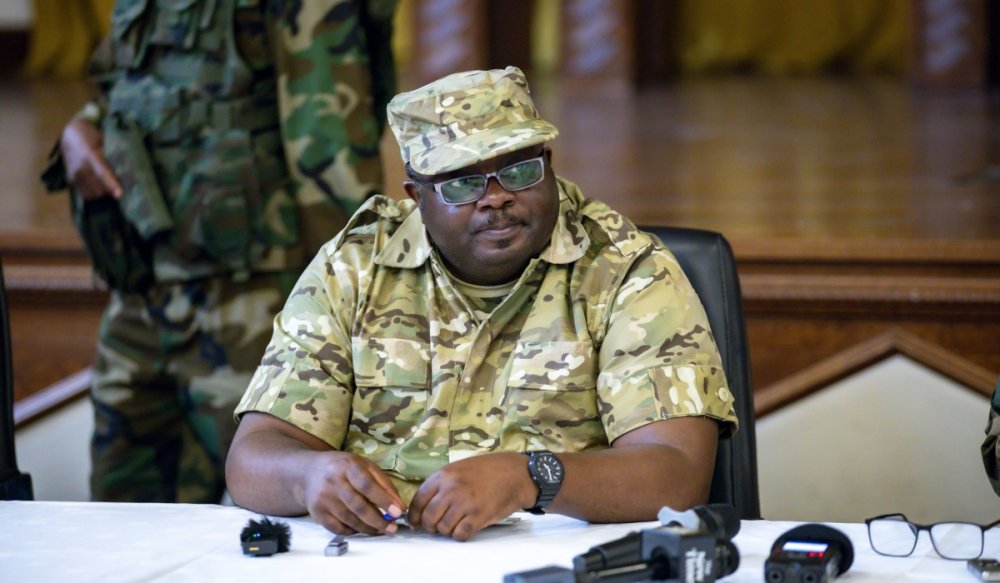
The AFC/M23 movement has strongly criticised the international community for remaining silent as the government of the Democratic Republic of Congo (DRC) launched a large-scale offensive, causing civilian casualties and mass displacement.
According to Lawrence Kanyuka, spokesperson for AFC/M23, the attacks on Wednesday, February 25, 2026, marked a “new threshold of violence” by the Kinshasa regime.
The DRC military reportedly used armed drones and heavy artillery to strike densely populated areas as well as M23 positions, in what Kanyuka described as blatant violations of international humanitarian law.
The strikes were recorded throughout the morning and early afternoon, beginning at 9:00 AM in Rutigita, Minembwe, continuing at 10:30 AM in Kitazungura, Kalehe territory, and culminating at 12:00 PM in Rugezi and surrounding areas of Minembwe.
“These deadly aggressions are causing human casualties, mass displacement of civilian populations, and fueling an extreme humanitarian crisis,” Kanyuka said, highlighting the severity of the situation for local communities.
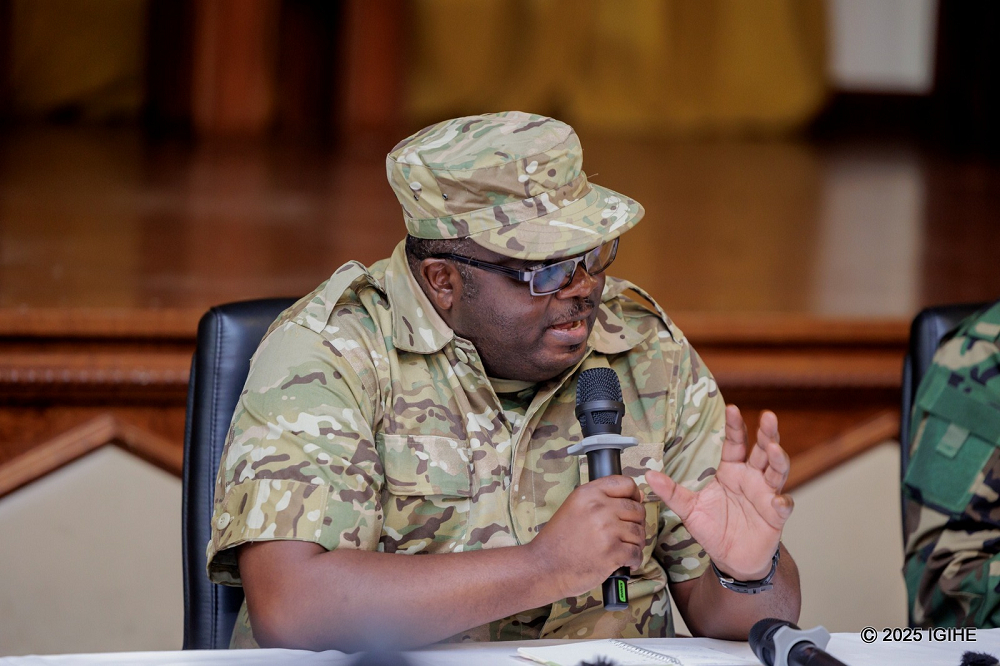
Bertrand Bisimwa, deputy coordinator of AFC/M23, emphasised that the offensive reflects a deliberate choice by the DRC government to pursue military escalation, violating ceasefire agreements. He also criticised the international community for failing to act:
“We cannot help but express our deep concern over the absence, at this stage, of any clear and visible initiative aimed at bringing an immediate halt to this government offensive. There has been no public reprimand, no condemnation… no discernible action seems to have been taken to prevent the risk of escalation,” Bisimwa stated.
He added, “This silence contrasts with the swift reactions observed when our movement is forced to exercise its legitimate right to self-defence in the face of direct attacks.”
The offensive marks a continuation of rising tensions in the region despite peace efforts by mediators such as Qatar and existing ceasefire commitments.
Bertrand Bisimwa, deputy coordinator of AFC/M23, emphasised that the offensive reflects a deliberate choice by the DRC government to pursue military escalation, violating ceasefire agreements.
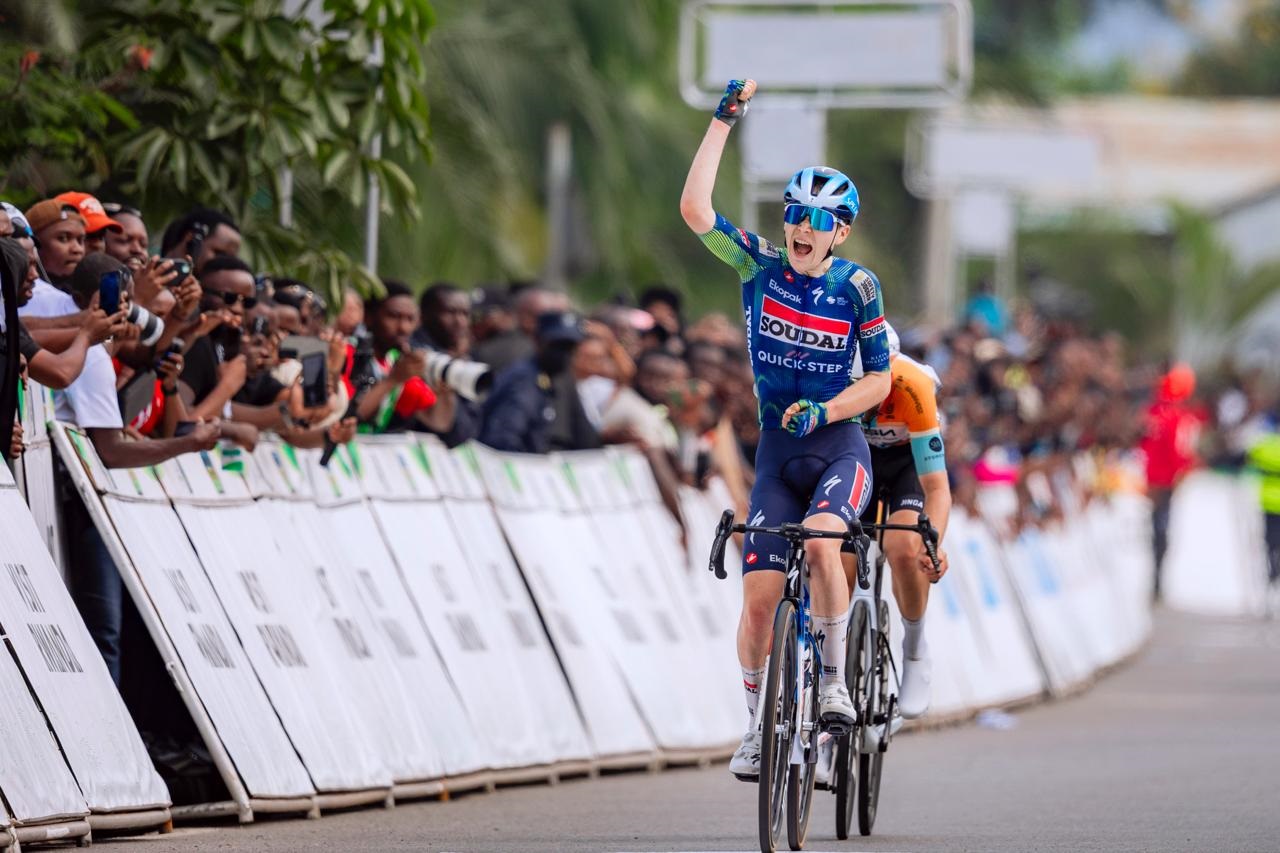
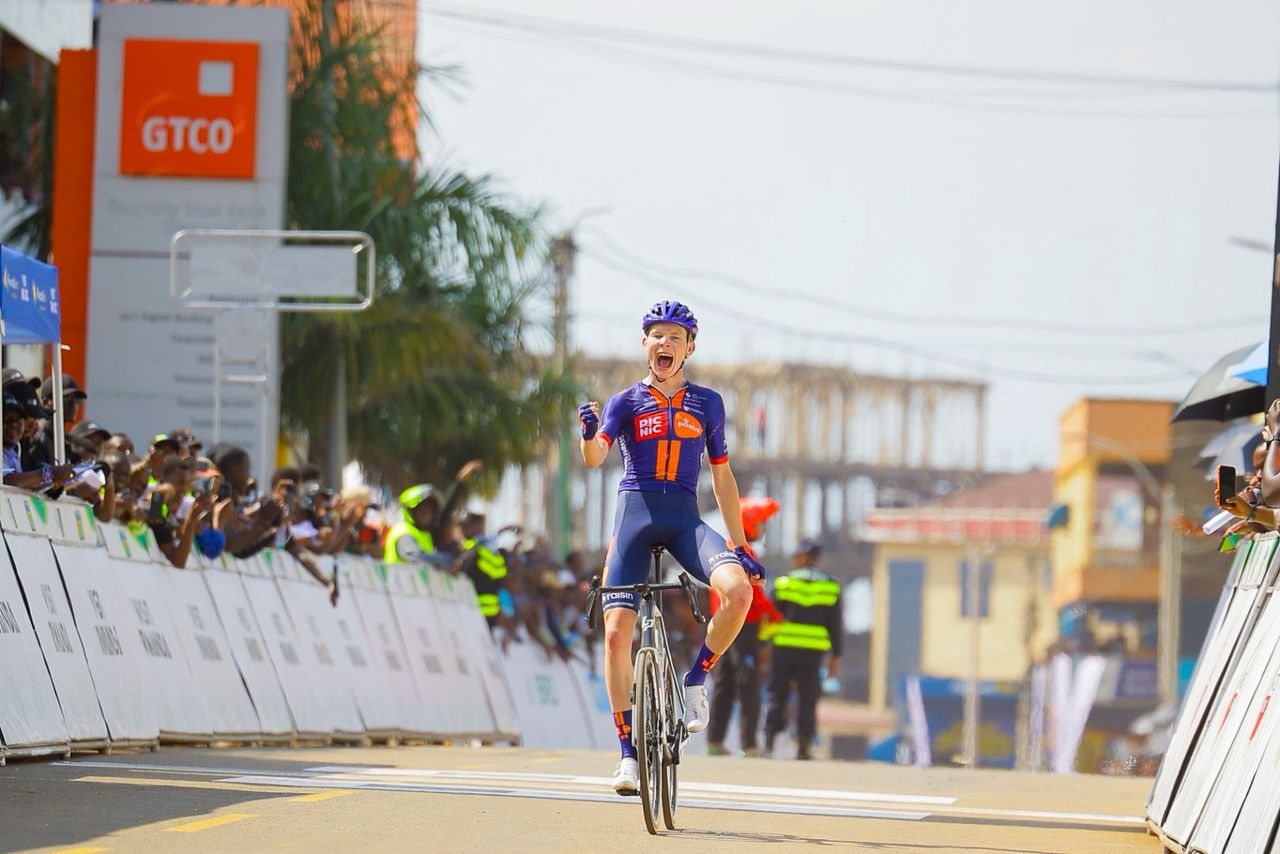
Riding for Soudal Quick-Step Devo Team, the 20-year-old showed composure and power in the closing meters to edge out Kretschy of NSN Development Team, capping off one of the most exciting stages of this year’s race.
Rambo climb proves decisive
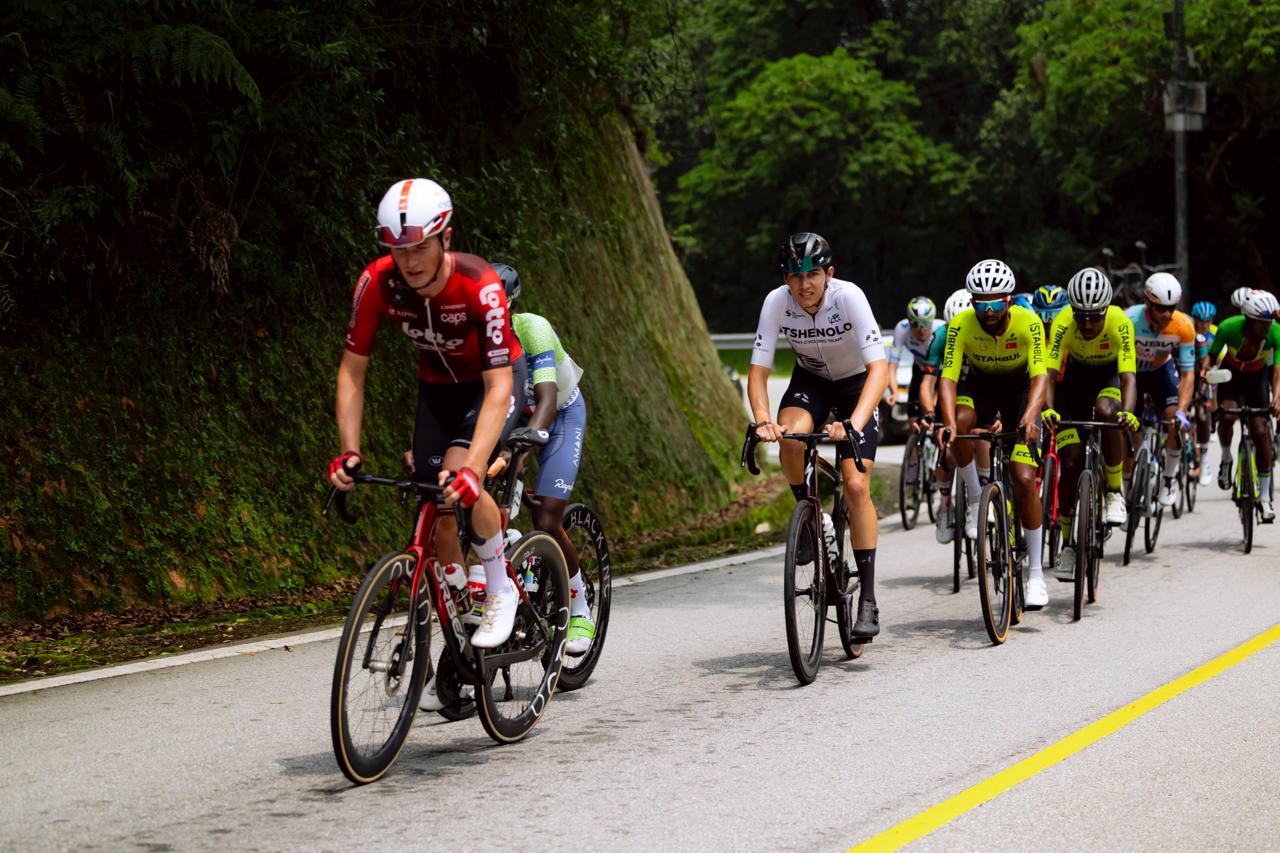
The pivotal moment came on the Rambo climb at kilometre 111, a three-kilometre ascent positioned within the final 15 kilometres of the stage. De Clercq surged to take maximum mountain points ahead of Kretschy and Mauro Cuylits, tightening the battle at the front.
Matthijs De Clercq showed composure and power in the closing meters to edge out Kretschy of NSN Development Team.
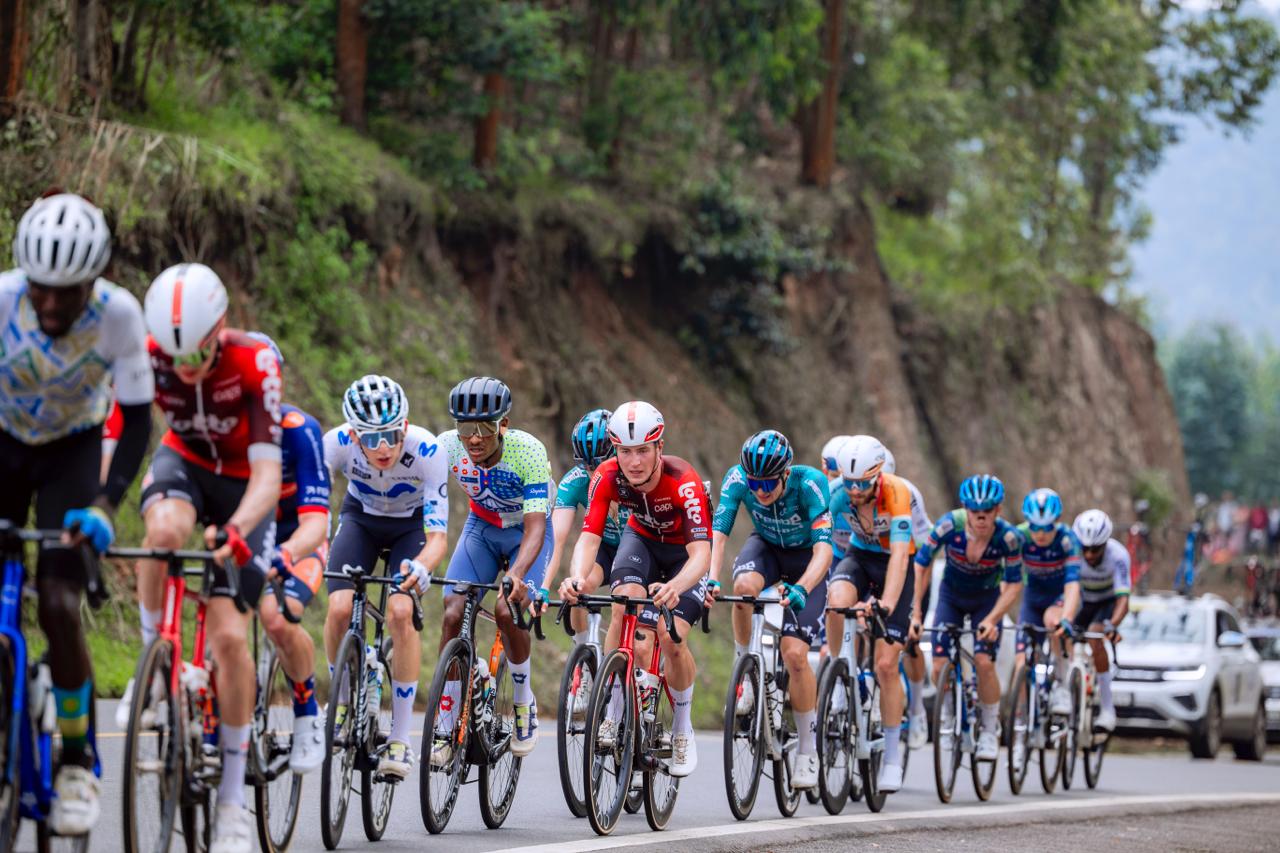
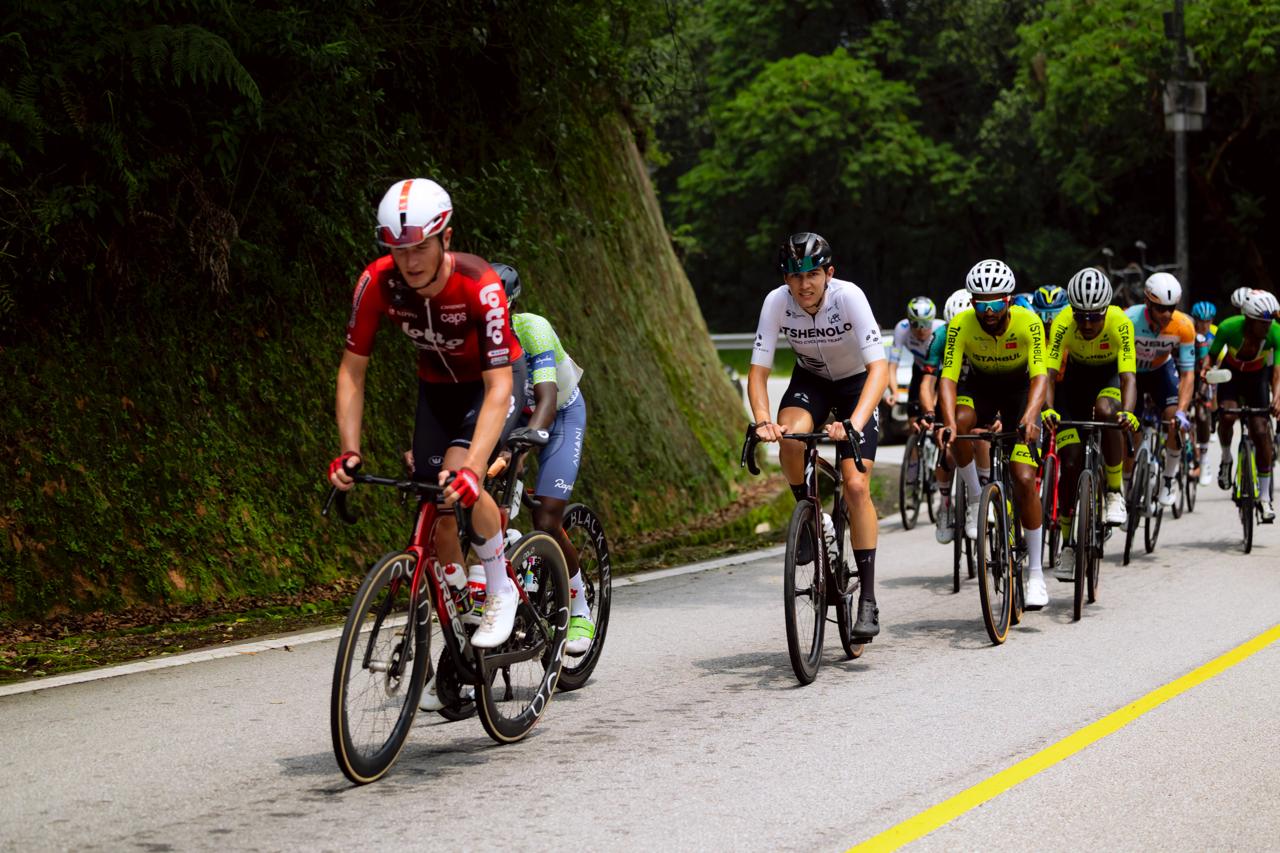
With 20 kilometres remaining, De Clercq, Kretschy and Cuylits held a slender 20-second advantage over their nearest rivals, while the peloton trailed by five minutes and 30 seconds. Attacks soon began within the leading trio as each rider sensed an opportunity to break clear.
By the final 10 kilometres, De Clercq and Kretschy had distanced Cuylits by 50 seconds, with the chasing group sitting 1 minute and 40 seconds behind. The two leaders worked together before launching into a head-to-head sprint that saw the Belgian narrowly prevail on the line.
Kretschy takes the yellow jersey
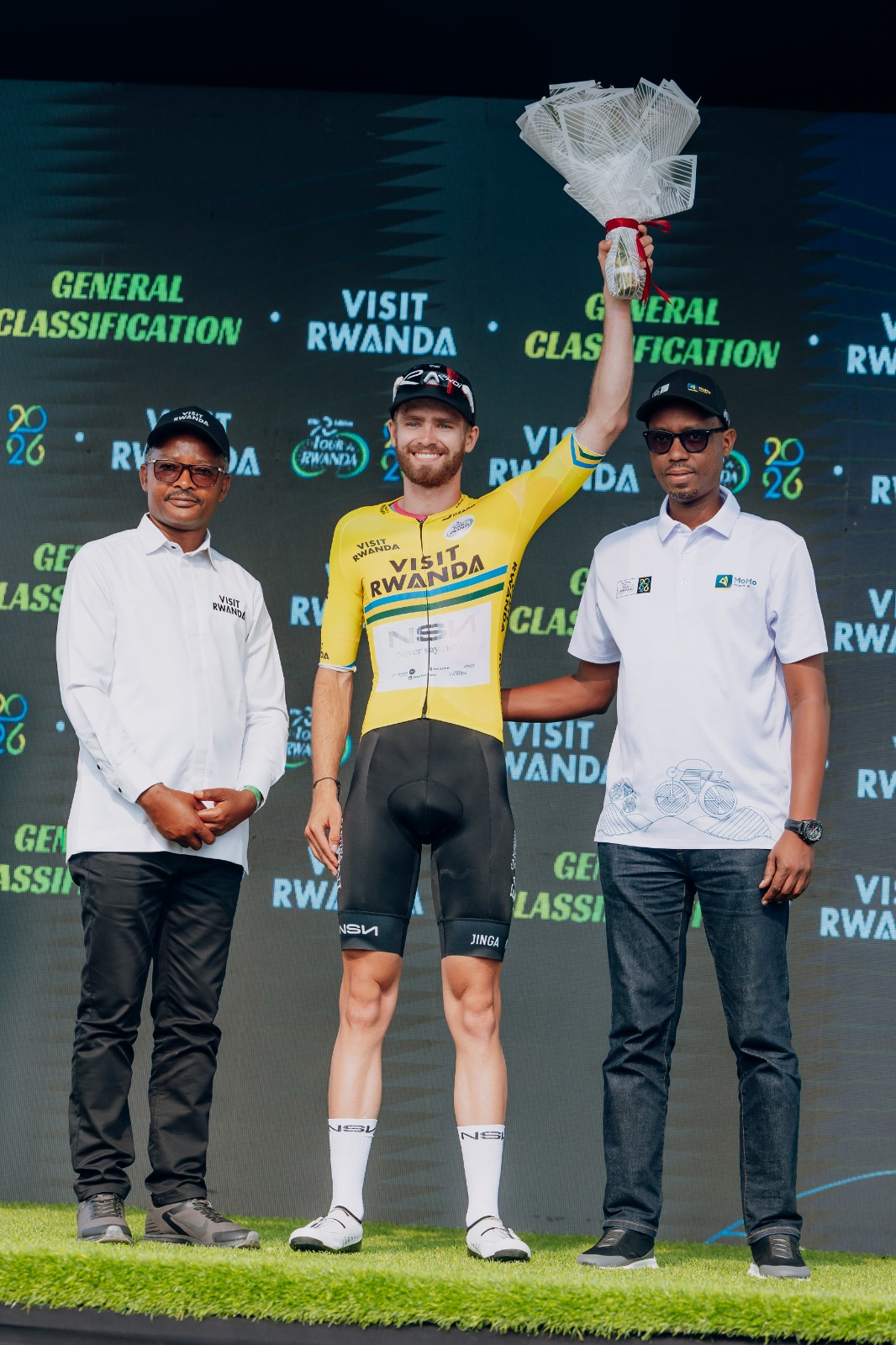
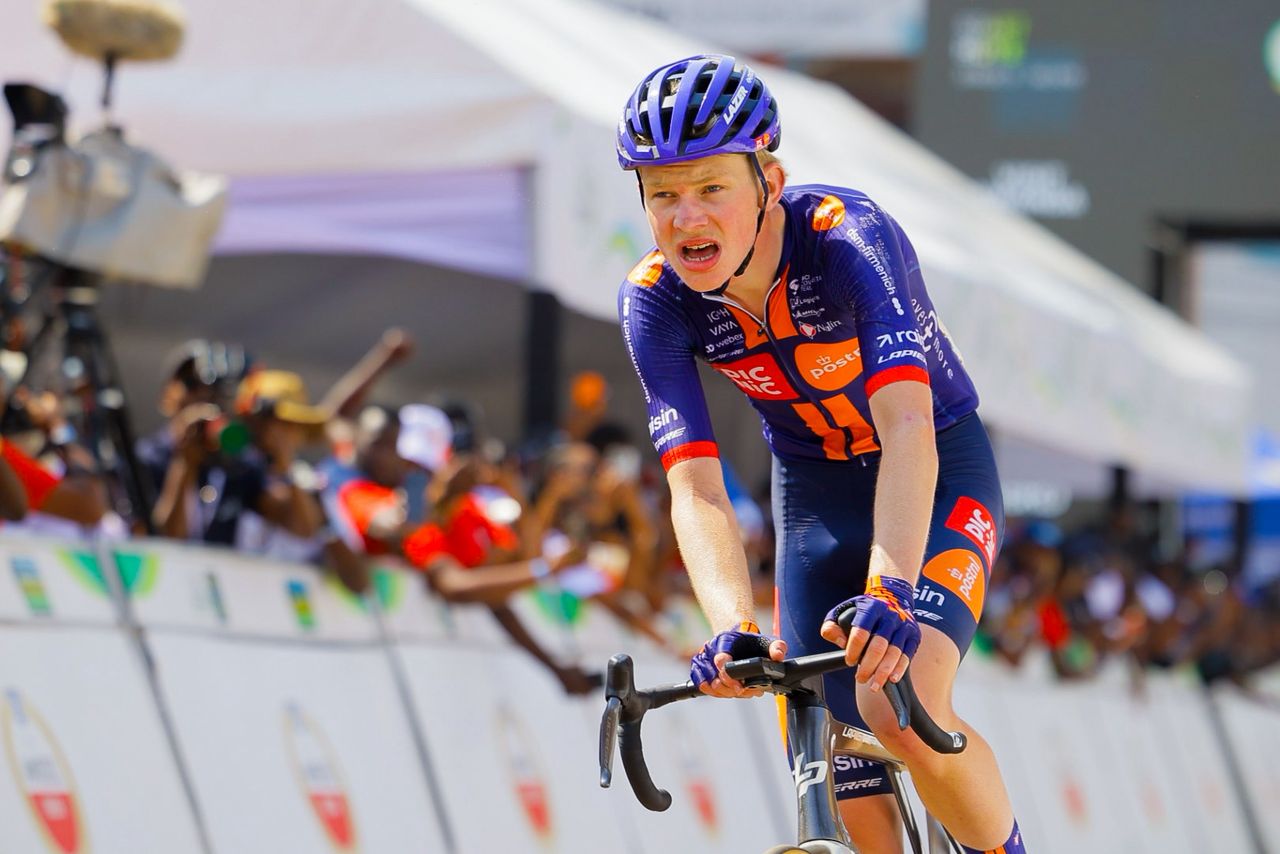
Despite finishing second on the stage, Kretschy moved into the overall race lead and donned the coveted yellow jersey. Thanks to the time bonuses and the gap to the previous leader, Zomermaand, Kretschy successfully reclaimed the yellow for the NSN Development Team.
Kretschy moved into the overall race lead and donned the coveted yellow jersey.
The 23-year-old German becomes the fourth rider to wear yellow in four days, highlighting not only his strong performance today but also the strategic depth of his team.
Stage 4 top 10 results
Matthijs De Clercq (Soudal Quick-Step Devo Team) – 3:05:55
Moritz Kretschy (NSN Development Team) – 3:05:55
Luke Finlay Tarling (NSN Development Team) – +2:15
Jacob Bush (Development Team Picnic PostNL) – +2:15
Johannes Adamietz (Rembe | Rad-Net) – +2:15
Duarte Marivoet Scholiers (Lotto – Groupe Wanty) – +2:15
Merhawi Kudus (Eritrea) – +2:15
Sebastian Castro Castro (Movistar Team Academy) – +2:
Stage 5 awaits
The Tour du Rwanda continues on Thursday, February 26, with Stage 5 set for an 82-kilometre circuit in Rubavu. Riders will tackle a nine-kilometre loop nine times, starting at 3:00 PM, promising another tactical showdown as Kretschy defends the yellow jersey and De Clercq looks to build on his breakthrough victory.
After four stages, the race for overall glory remains wide open, and Rubavu has already delivered a thriller.
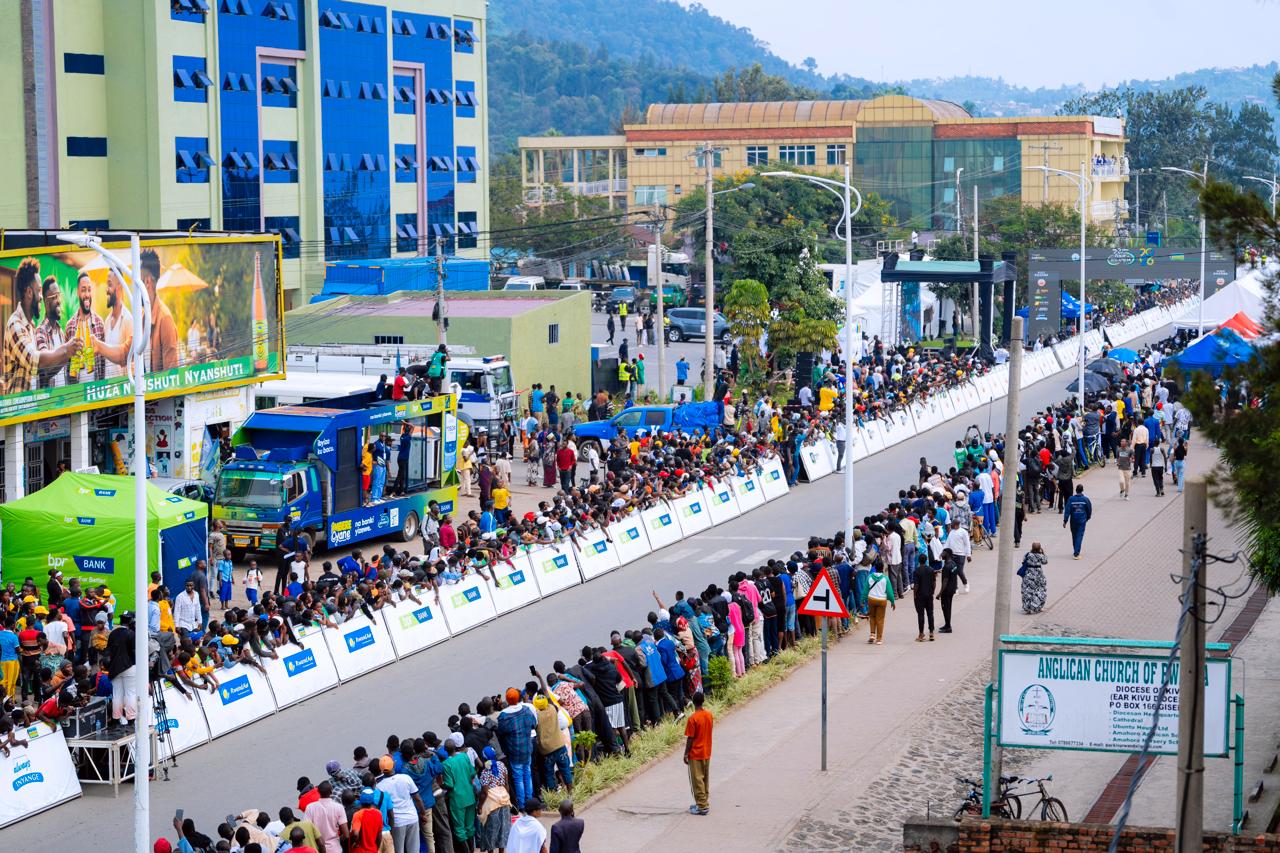
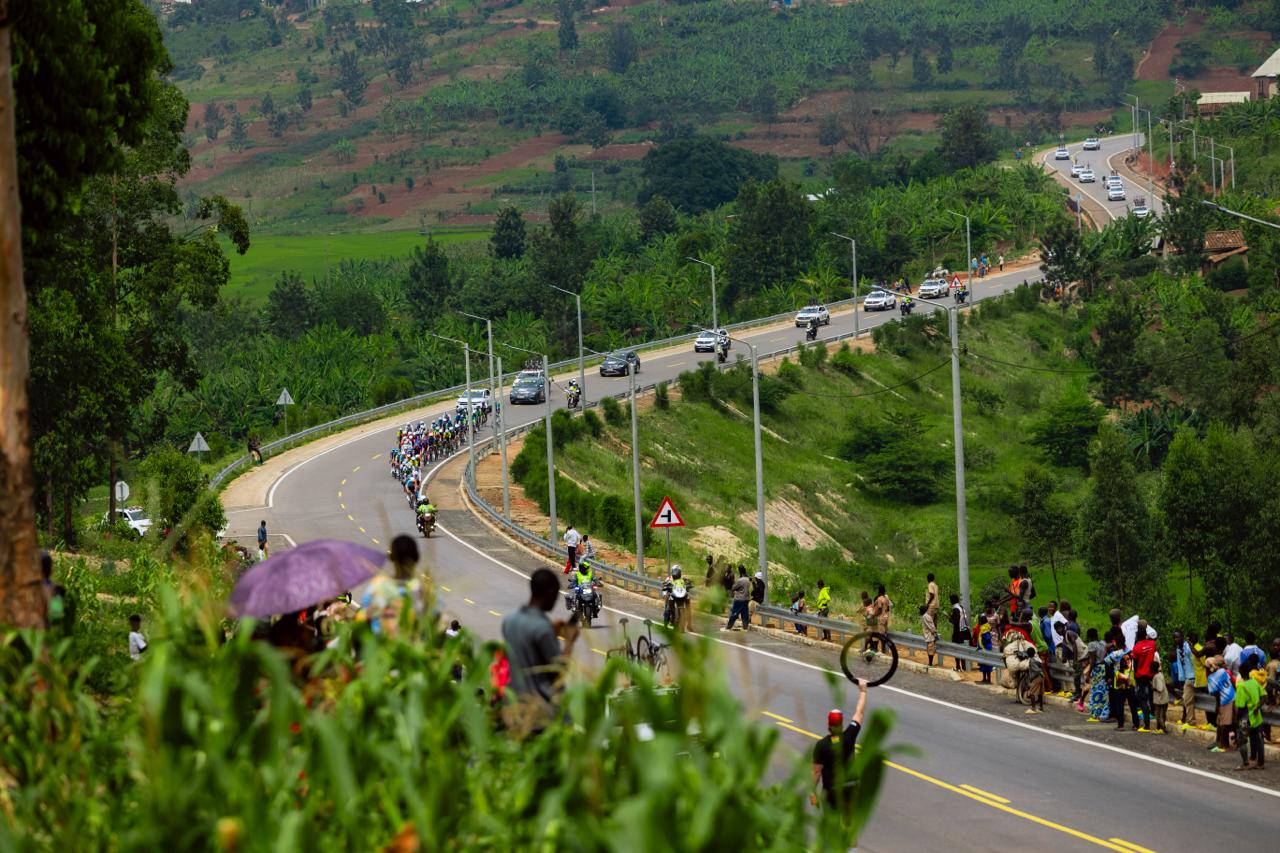
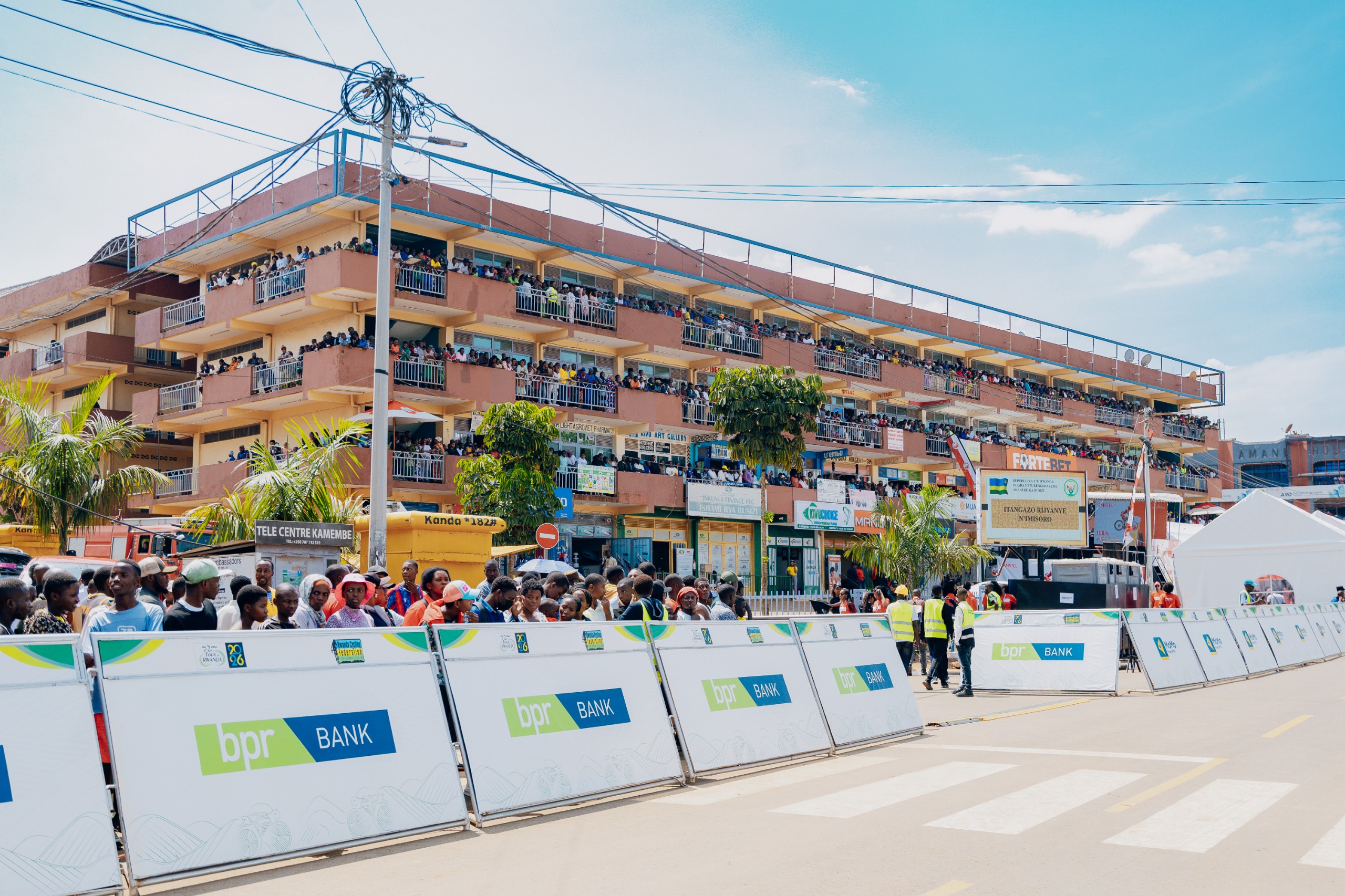
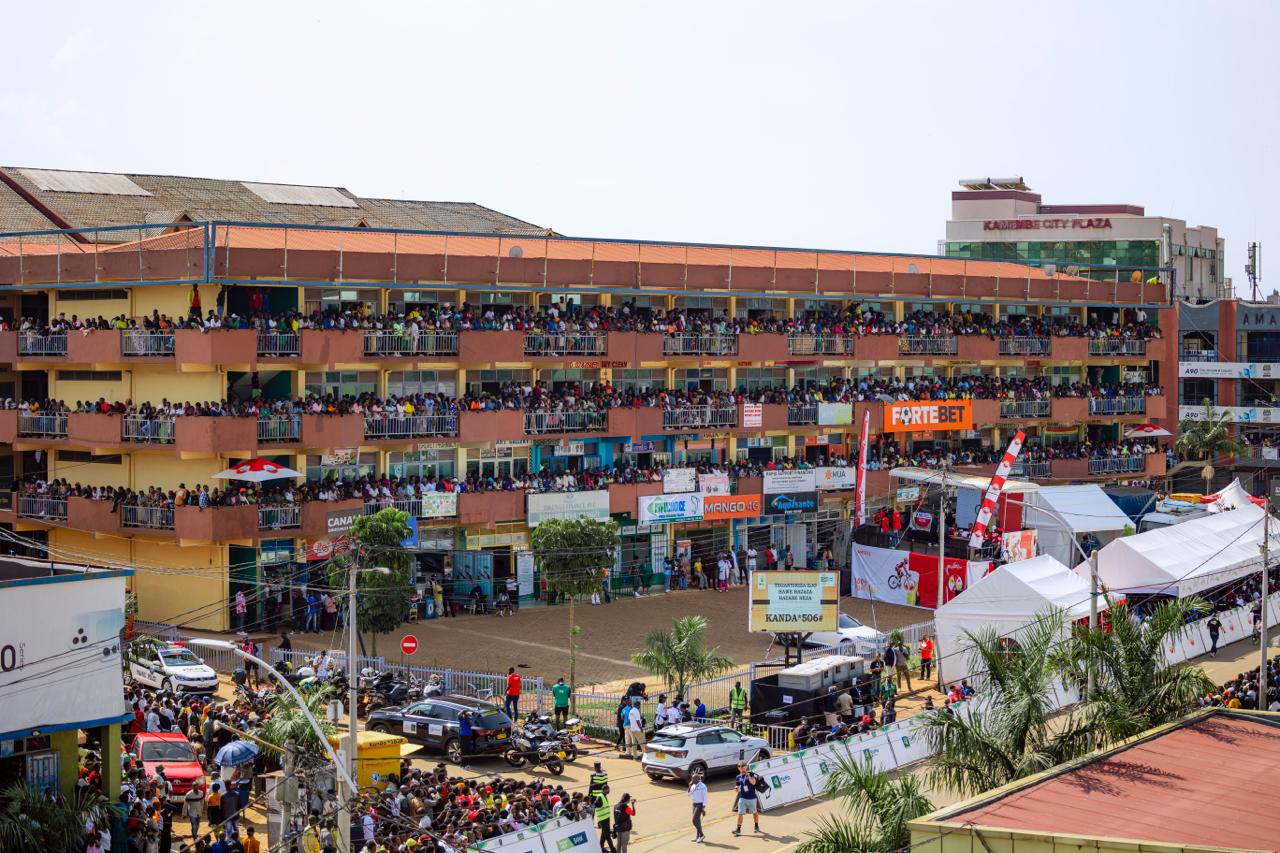
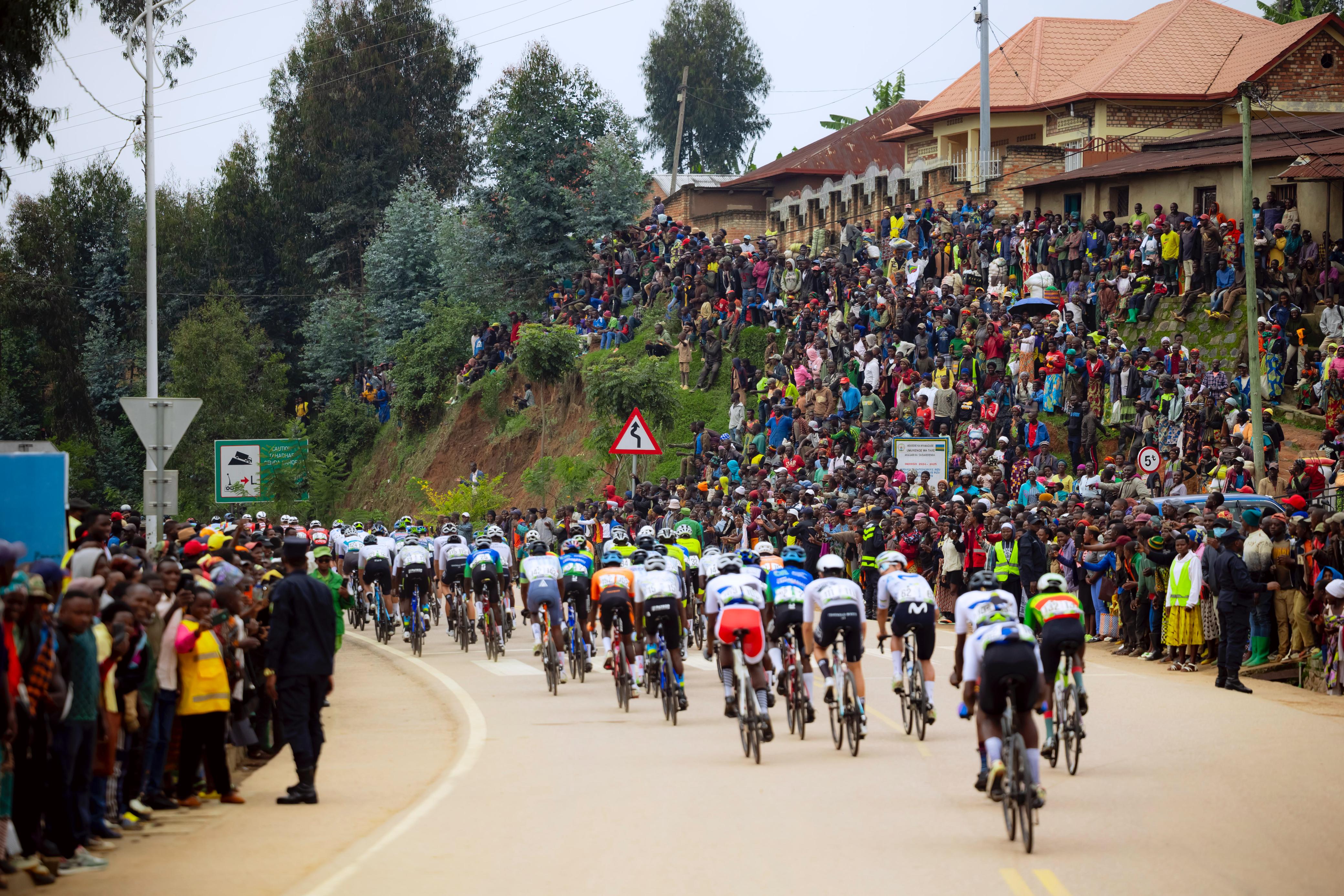
Riders covered 127.2 km from Karongi to Rubavu, ending in a thrilling sprint finish. Locals turned up in large numbers along the road to cheer the riders.
The Tour du Rwanda 2026 is currently rolling across the “Land of a Thousand Hills”, and while on paper it’s a UCI 2.1 cycling race, to anyone standing on the roadside, it feels more like a national carnival.
Now in its 18th edition as an international event, the Tour has grown from a local race into one of Africa’s premier cycling competitions. Following the massive success of the historic 2025 World Championships held right here in Rwanda, this year’s Tour feels like a victory lap for an entire continent.
Here is why this race is so much more than just a bike ride.
1. The “Mur de Kigali” is our colosseum
In European cycling, fans talk about the cobbled climbs of Flanders. In Rwanda, the Mur de Kigali demands the same awe. This steep, cobblestone climb winds through the lively streets of Nyamirambo, where the energy of the crowd meets the grit of the riders.
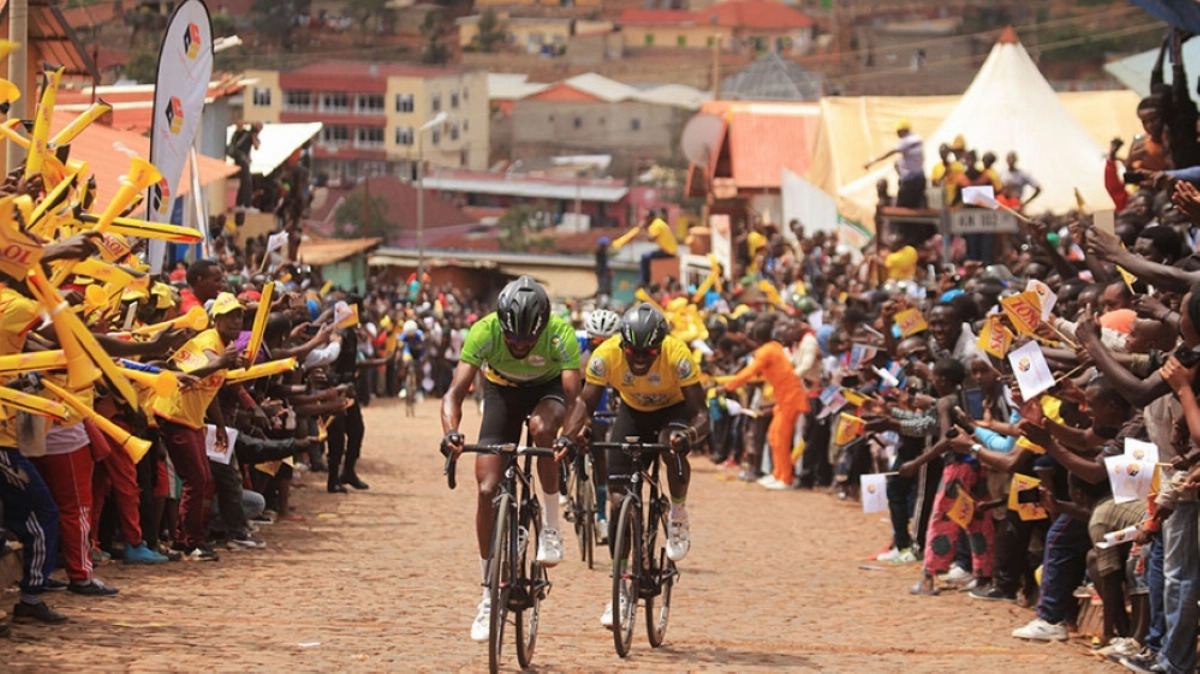
Tour du Rwanda 2017: Joseph Areruya and Eritrean Eyob Metkel climb the Mur de Kigali, the legendary cobblestone climb, one of the toughest challenges awaiting global cycling stars.
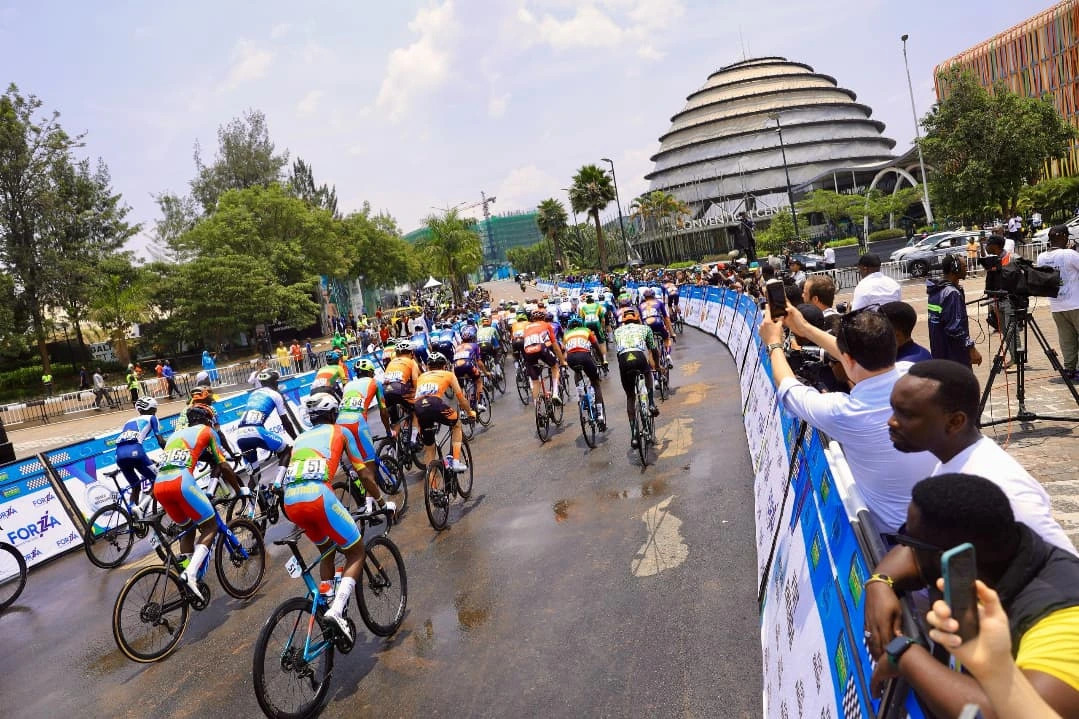
Streets packed with cheering spectators transform each pedal stroke into a test of endurance, courage, and sheer will. When a Rwandan rider leads up “The Wall,” the roar of the crowd echoes across the surrounding hills.
Thousands of fans line the streets, standing along sidewalks, slopes, and open areas near the climb. You’ll see grandmothers cheering next to teenagers, all drawn together by the sight of elite athletes powering up a 12% incline.
When the peloton powers up the Mur de Kigali, the cheers ripple across the surrounding hills, filling the neighborhood with energy and excitement. Fans clap, wave, and call out encouragement as riders tackle the steep climb, making the moment feel like a shared celebration of effort and endurance.
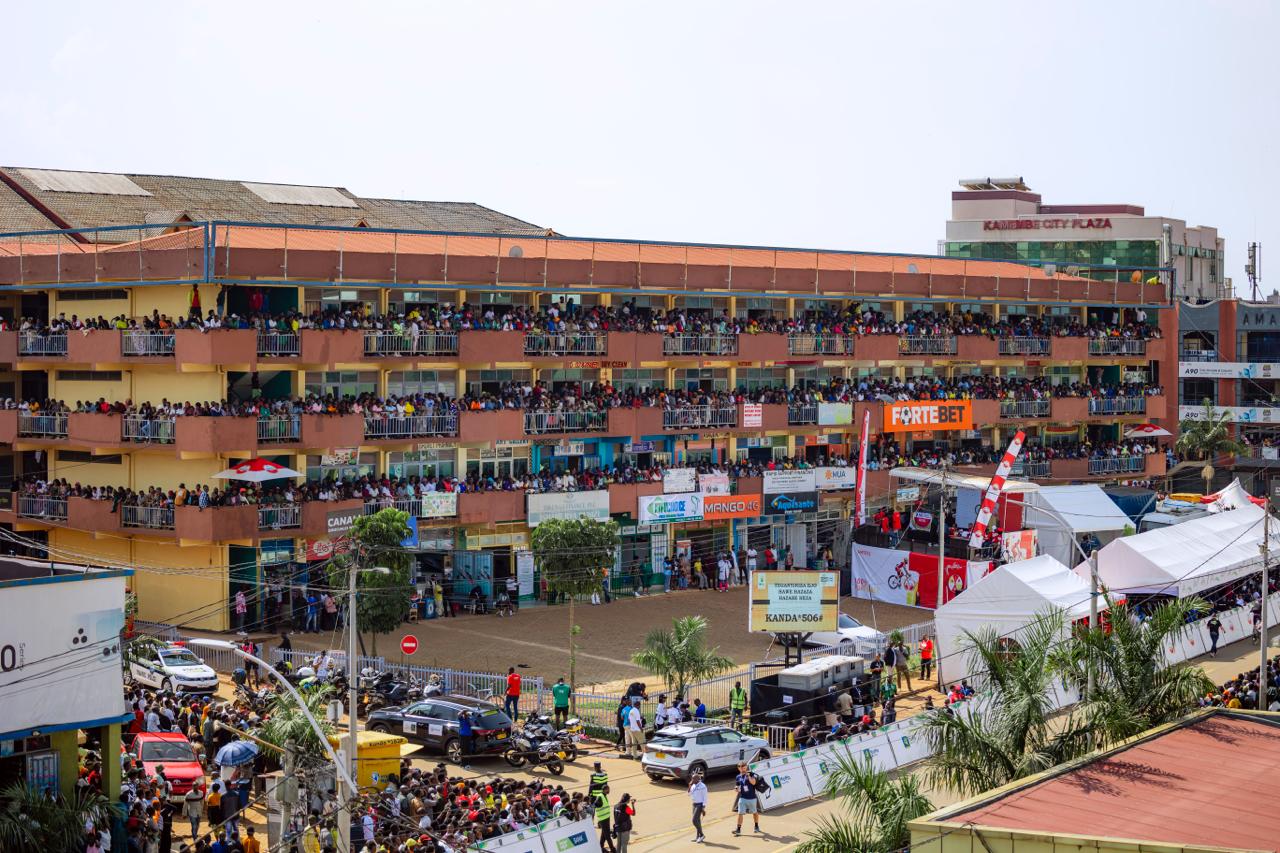
It has become a norm for locals to turn up along the road and on top of their buildings to witness the race.
2. A “stadium” without walls
Most sports require a ticket and a seat. The Tour du Rwanda requires a front porch and a pair of lungs.
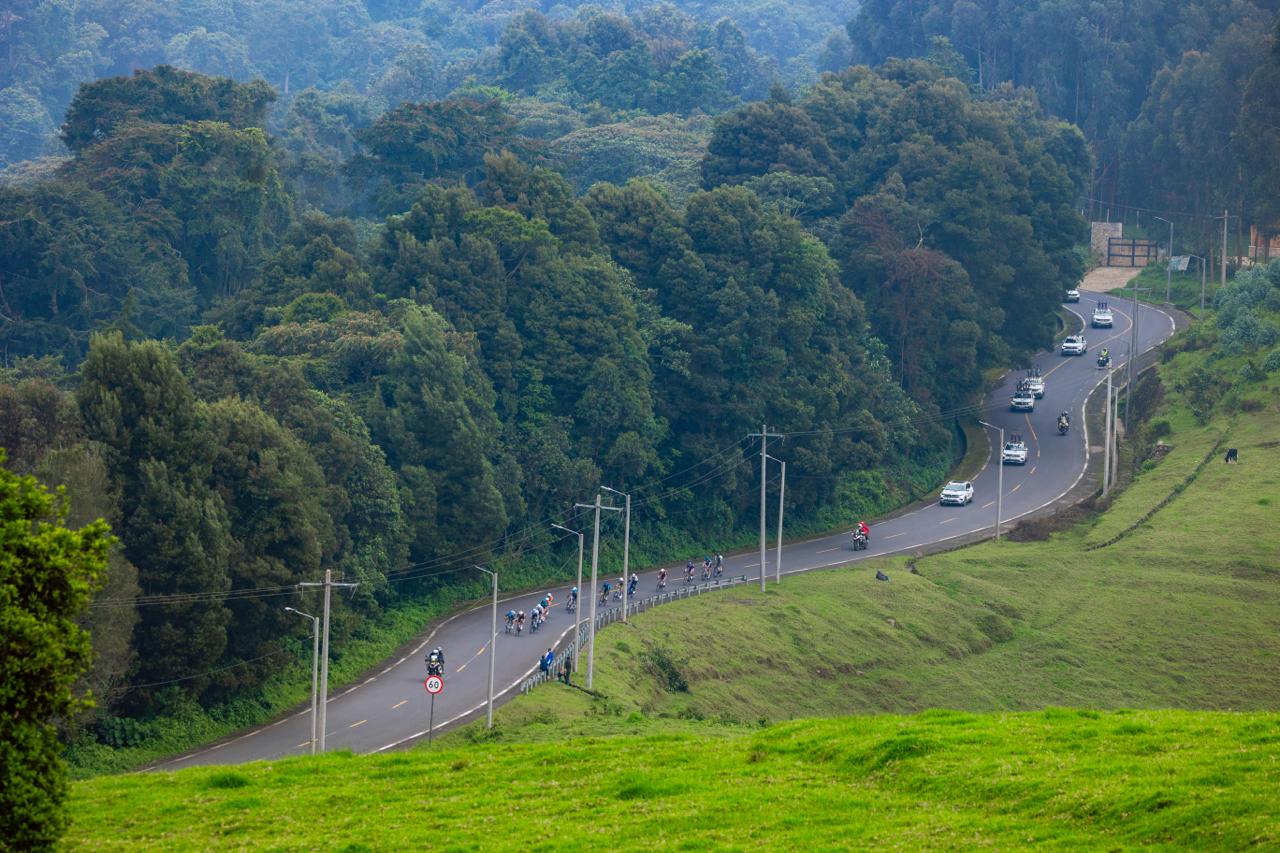
Because the 2026 route stretches across nearly 1,000 kilometres of the country, from the rolling highlands of northern Rwanda to the palm-fringed shores of Lake Kivu, it brings the spectacle to the people. It’s estimated that over 2 million people line the roads.
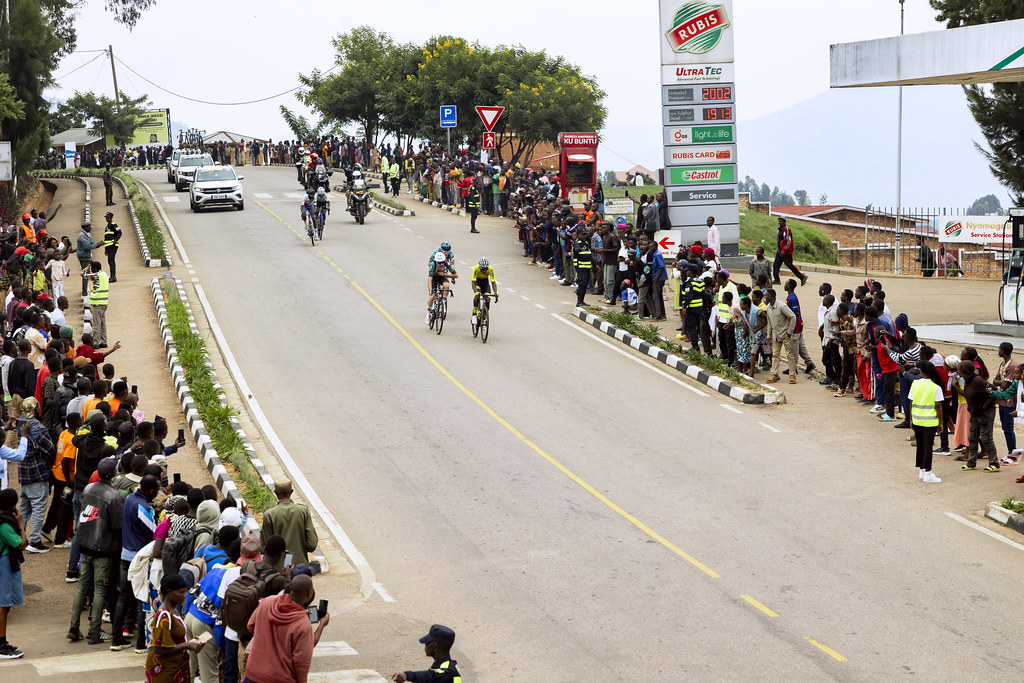
Crowds gather to cheer on the elite riders.
For a few minutes, every village becomes the centre of the world. Rural farmers and urban residents alike watch the same drama unfold as the peloton passes by, united in the excitement of the race.
3. Cycling is part of life in Rwanda
To understand why Rwandans love this race, you have to look at the “abanyonzi” taxi-velo riders. In Rwanda, the bicycle isn’t just for fitness; it’s a lifeline.
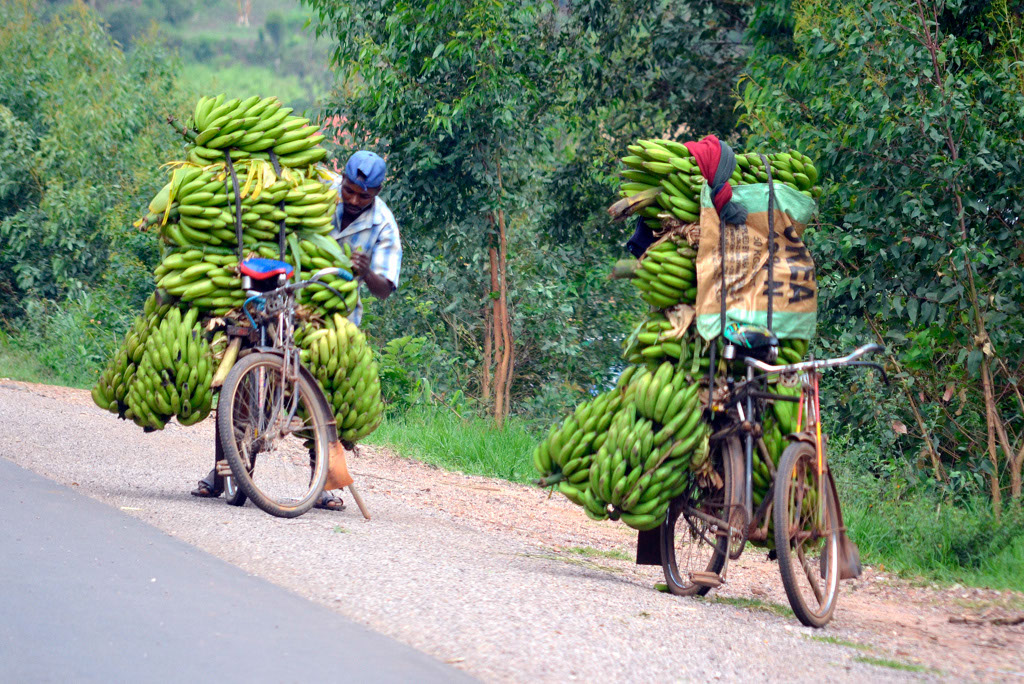
Bicycles are common in rural Rwandan villages and are often used to transport farm produce like green bananas.
Every day, thousands of Rwandans use bikes to transport massive loads of ibitoke (green bananas), heavy milk jugs, or charcoal across impossible inclines. There is a deep, cultural respect for anyone who can conquer a hill on two wheels.
When locals watch a pro athlete fly up a mountain that they usually struggle to climb with a load of crops, there is an instant, visceral connection. It’s a celebration of the hustle that defines Rwandan rural life.
4. A high-def tour of the “new Rwanda”
The Tour is arguably Rwanda’s most effective “business card” to the world. As the cameras follow the peloton, the world sees not just sweat; but also the results of a nation’s transformation.
Tour du Rwanda showcases Rwanda’s incredible transformation to the world.
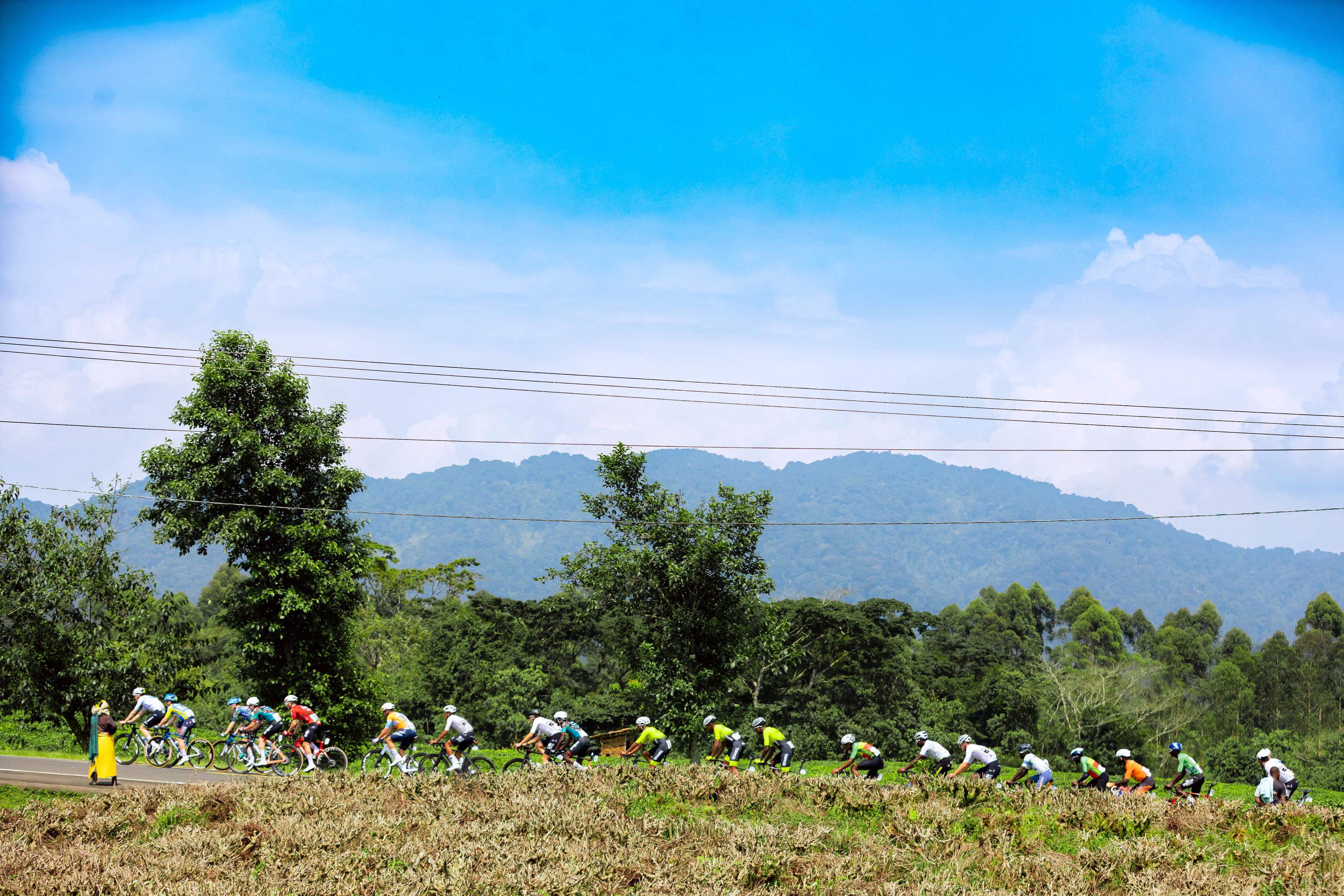
The 2026 footage showcases the pristine, plastic-free streets of Kigali, the lush green tea plantations of the West, and the world-class infrastructure that makes this the safest and cleanest cycling environment in Africa. It’s a source of immense national pride, a way for Rwandans to say, “This is who we are now.”
6. The “Africa’s turn” momentum
For decades, professional cycling was a closed-off European club. The Tour du Rwanda changed that narrative. As the premier stage for African talent, this race is where the next global stars, like Samuel Niyonkuru or Henok Mulubrhan, prove they belong on the world stage.
In the wake of the 2025 UCI World Championships, the 2026 Tour feels like the start of a new era. It’s no longer about hosting a race; it’s about owning the sport. For every kid on the side of the road in Rubavu or Gicumbi watching the peloton fly by, that bike represents a path to the world stage.
Jules Karangwa, Chief Executive Officer (CEO) of the Rwanda Premier League, explained that the closure is the reason for several changes in scheduled matches.
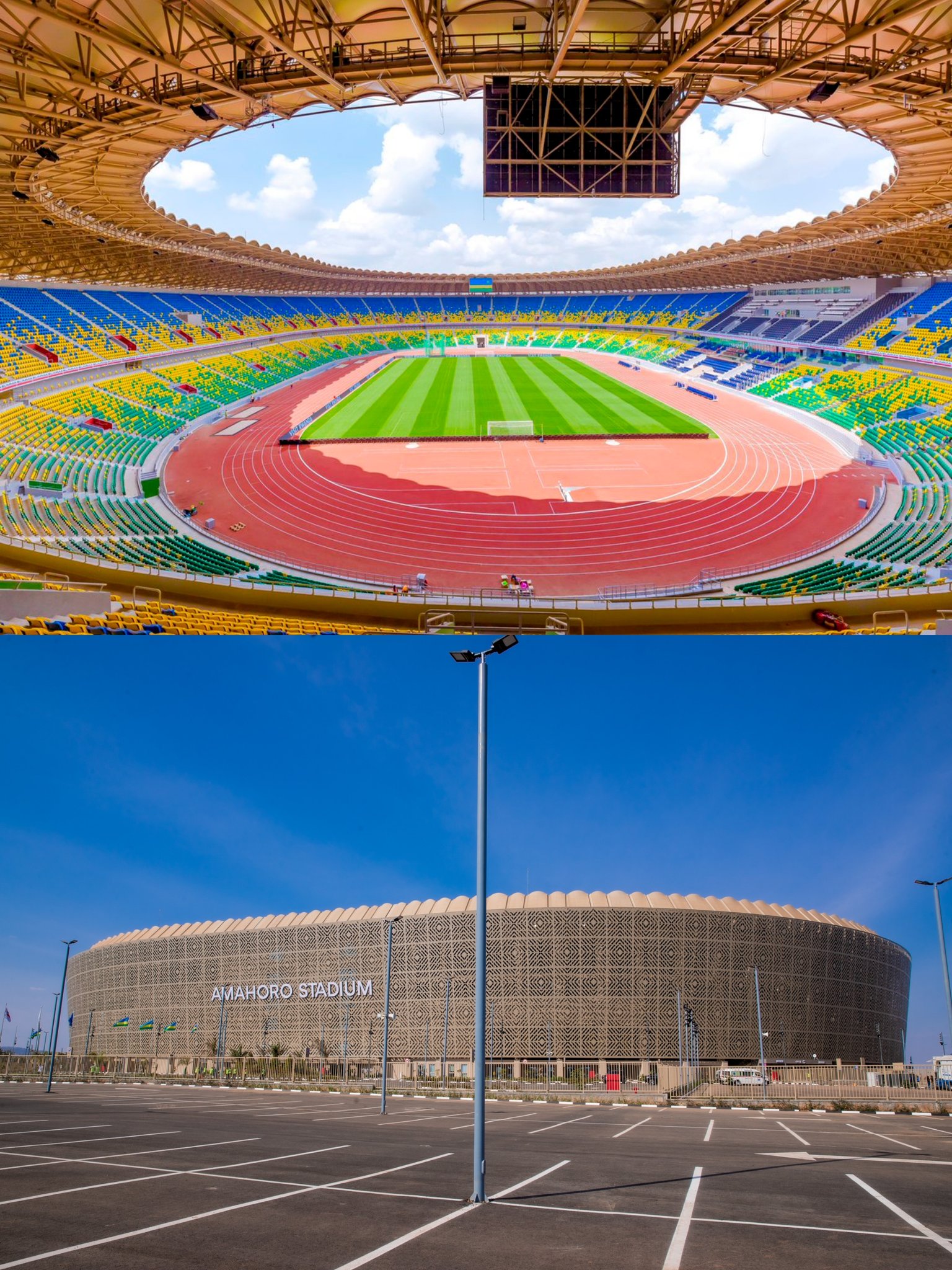
“The stadium is being prepared for FIFA Series matches,” Karangwa told RBA. “After the recent match between Kiyovu Sports and APR FC, it was closed for maintenance. It is expected to reopen after March 2026.”
He added, “We have looked into alternatives, but in order to meet FIFA’s standards for the tournament, the stadium must remain closed. We will continue to organize matches at other venues in the meantime.”
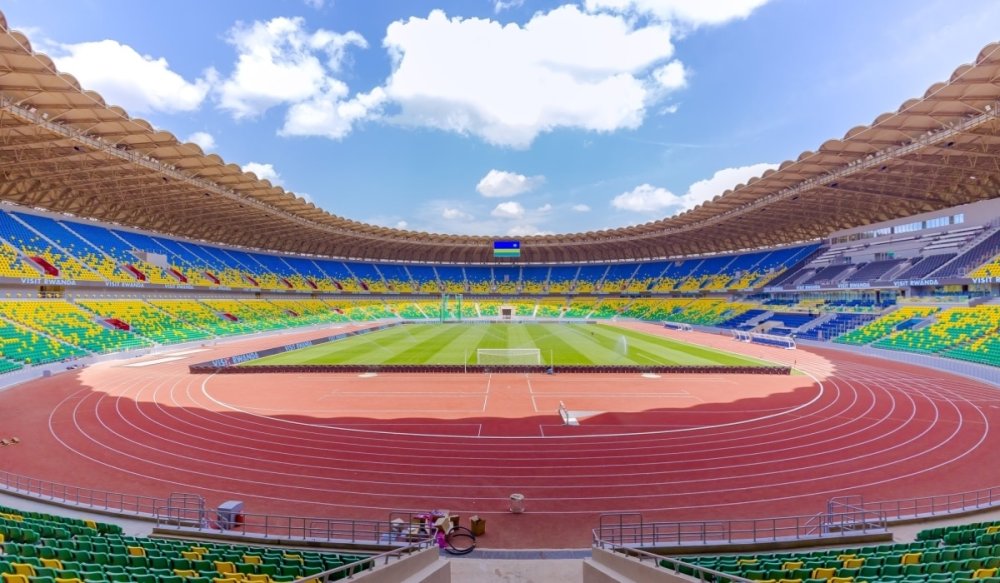
Amahoro Stadium was originally set to host the match between Rayon Sports and Al Hilal SC. The fixture has now been moved to Kigali Pelé Stadium and will take place on Wednesday, February 25, 2026.
During the FIFA Series 2026, starting on March 26, Amahoro Stadium will host Group A matches, featuring Estonia, Grenada, Kenya, and Rwanda. Group B matches, including Aruba, Liechtenstein, Tanzania, and Macau, will be played at Kigali Pelé Stadium.
Amahoro Stadium was originally set to host the match between Rayon Sports and Al Hilal SC. The fixture has now been moved to Kigali Pelé Stadium and will take place on Wednesday, February 25, 2026.
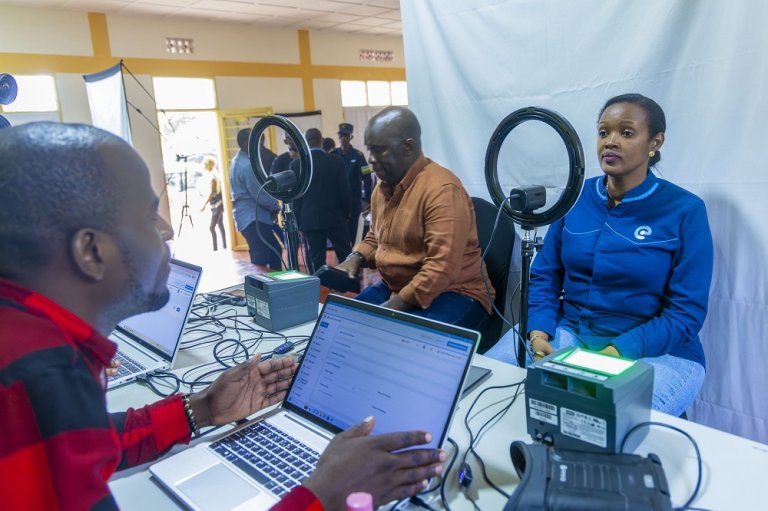
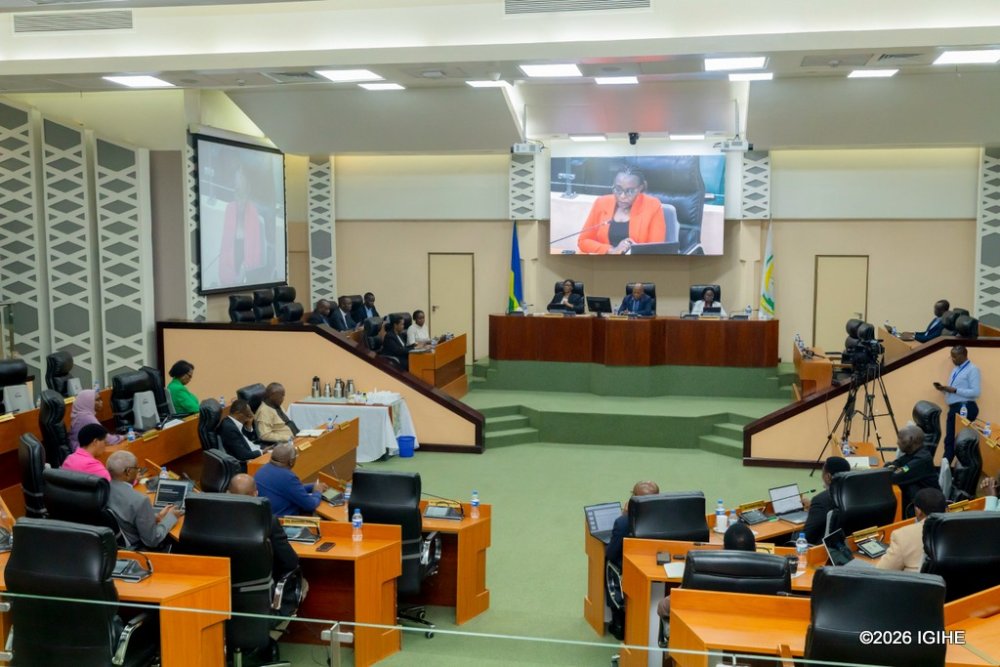
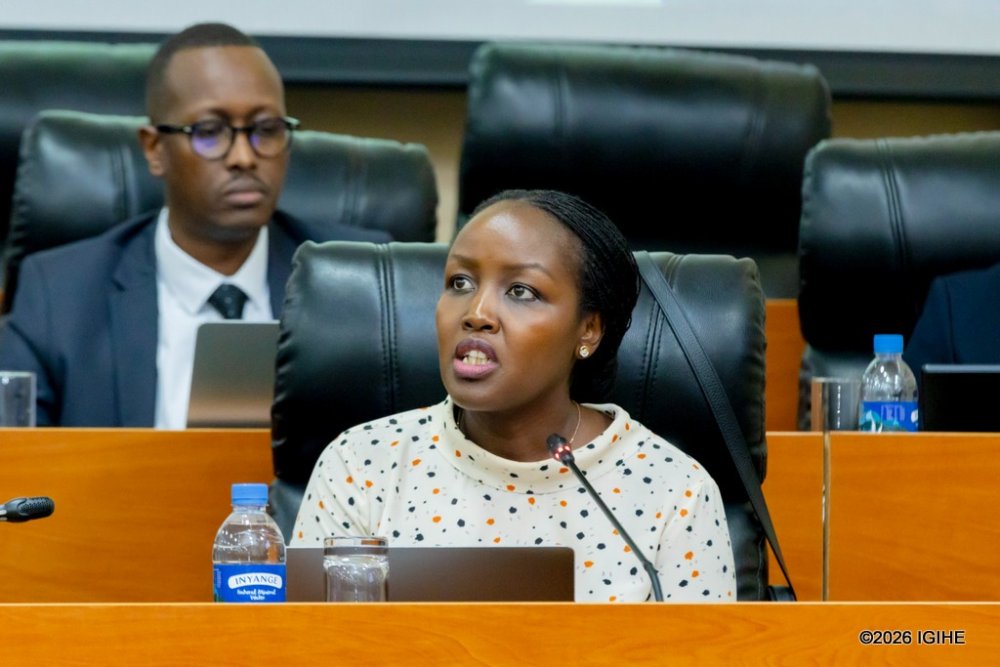
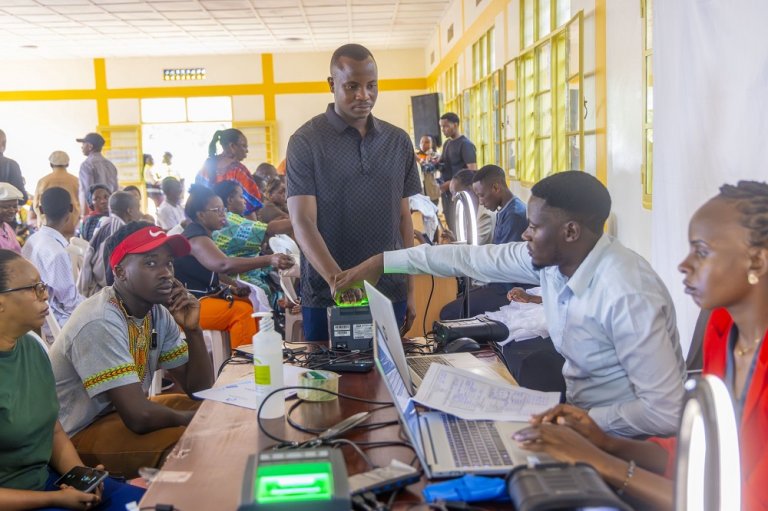
Speaking before the Senate on February 24, 2026, Minister Paula Ingabire stated that 1,828,763 individuals have so far had their data captured. The exercise has been conducted in nine districts, including the initial pilot districts of Huye, Nyanza, and Gisagara, as well as Kamonyi, Muhanga, Ruhango, Nyarugenge, Gasabo, and Kicukiro.
The digital ID, known as the e-ID or Single Digital ID, will be a permanent identification assigned to every Rwandan from birth and linked to key public and private services. The $50 million initiative aims to cover at least 15 million residents, including citizens, refugees, and migrants.
According to the Minister, nationwide biometric capture is expected to be completed by the end of this year, with the official issuance of the digital IDs set to begin in August 2026.
The e-ID will support access to vital services such as healthcare, education, banking, taxation, social protection, voting, and business registration. It will also simplify account opening and reduce the cost of linking bank and mobile money services.
Minister Ingabire emphasised that the system is not designed for surveillance and that data will be protected under Rwanda’s data protection law, which strictly requires any breach to be reported within 72 hours.
To ensure accessibility for all residents, including those without smartphones, the ID will be issued in three modalities: a physical card with a QR code, a digital ID number, and a secure token for online transactions.
Senators welcomed the initiative during the session, noting that it is expected to streamline service delivery and significantly improve efficiency across government institutions.
More than 1.8 million people have completed biometric enrollment under the country’s national digital ID project.Senators welcomed the initiative during the session, noting that it is expected to streamline service delivery.Minister Ingabire emphasised that the system is not designed for surveillance and that data will be protected under Rwanda’s data protection lawThe digital ID, known as the e-ID or Single Digital ID, will be a permanent identification assigned to every Rwandan from birth and linked to key public and private services.
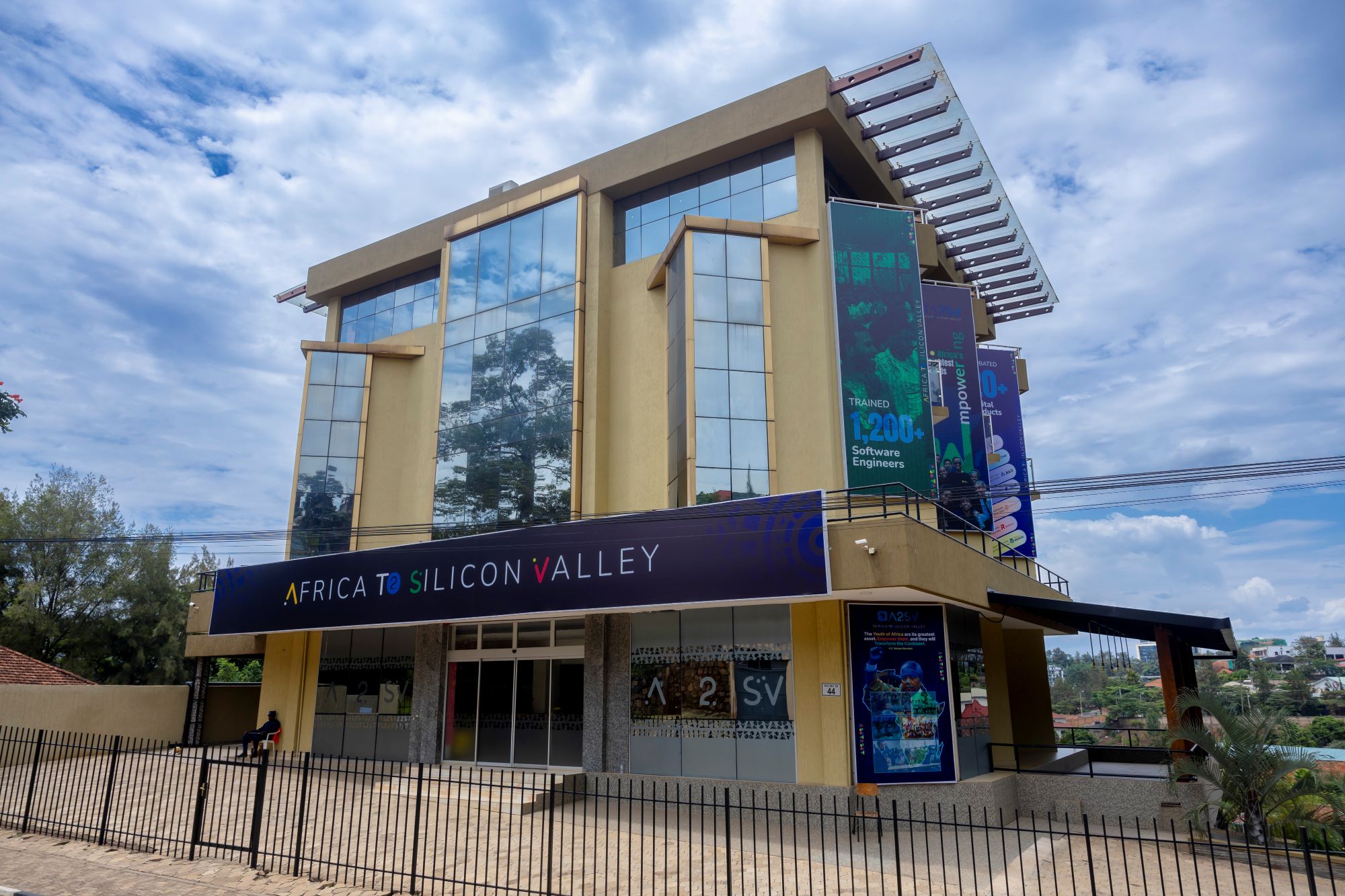
The organisation’s new office is located in Gishushu, placing it within Kigali’s growing tech ecosystem and providing a central base for A2SV’s education and incubator programs.
Founded in 2019 by former Google software engineer Emre Varol, A2SV is a free, non-profit initiative providing high-impact technical education to top-performing university students across Africa. Its mission is to bridge the gap between local university training and the expectations of global tech employers.
What began as a single, informal class at Addis Ababa University with just 22 students has grown into a continent-wide program. To date, A2SV has trained more than 1,200 software engineers from 22 African countries, with alumni securing over 120 job offers from global firms including Google, Amazon, LinkedIn, Bloomberg, and Meta.
A2SV’s model combines rigorous training, mentorship, and real-world project experience to develop globally competitive technologists. The program identifies promising students through a competitive selection process that includes solving data structure and algorithm problems and participating in technical and behavioural interviews.
Once selected, students receive intensive training both in-person and remotely, covering foundational software engineering concepts, problem-solving, and soft skills. Education is delivered in small groups, often with three educators for every thirty students, ensuring each participant receives personalised guidance.
Students work on digital products designed to address local African challenges, such as Eskalate, which connects developers to global companies; DIME, a digital money transfer platform; and Skillbridge, which helps bridge gaps between universities and the workforce. Beyond education, A2SV functions as an incubator, hiring top alumni to develop new solutions while mentoring the next generation of talent.
Graduates are connected to internships and full-time roles at top tech companies, and the program remains entirely free for participants through partnerships with universities. In Rwanda, A2SV has partnered with the University of Rwanda and the Adventist University of Central Africa.
Shema Katende, A2SV’s marketing lead, explained that Kigali was chosen for its supportive environment for innovation and its growing pool of IT talent.
“Rwanda has systematically become a hub for innovation,” he said. “The government’s strong support and youth-focused initiatives made Kigali the ideal base for A2SV to scale across the continent.”
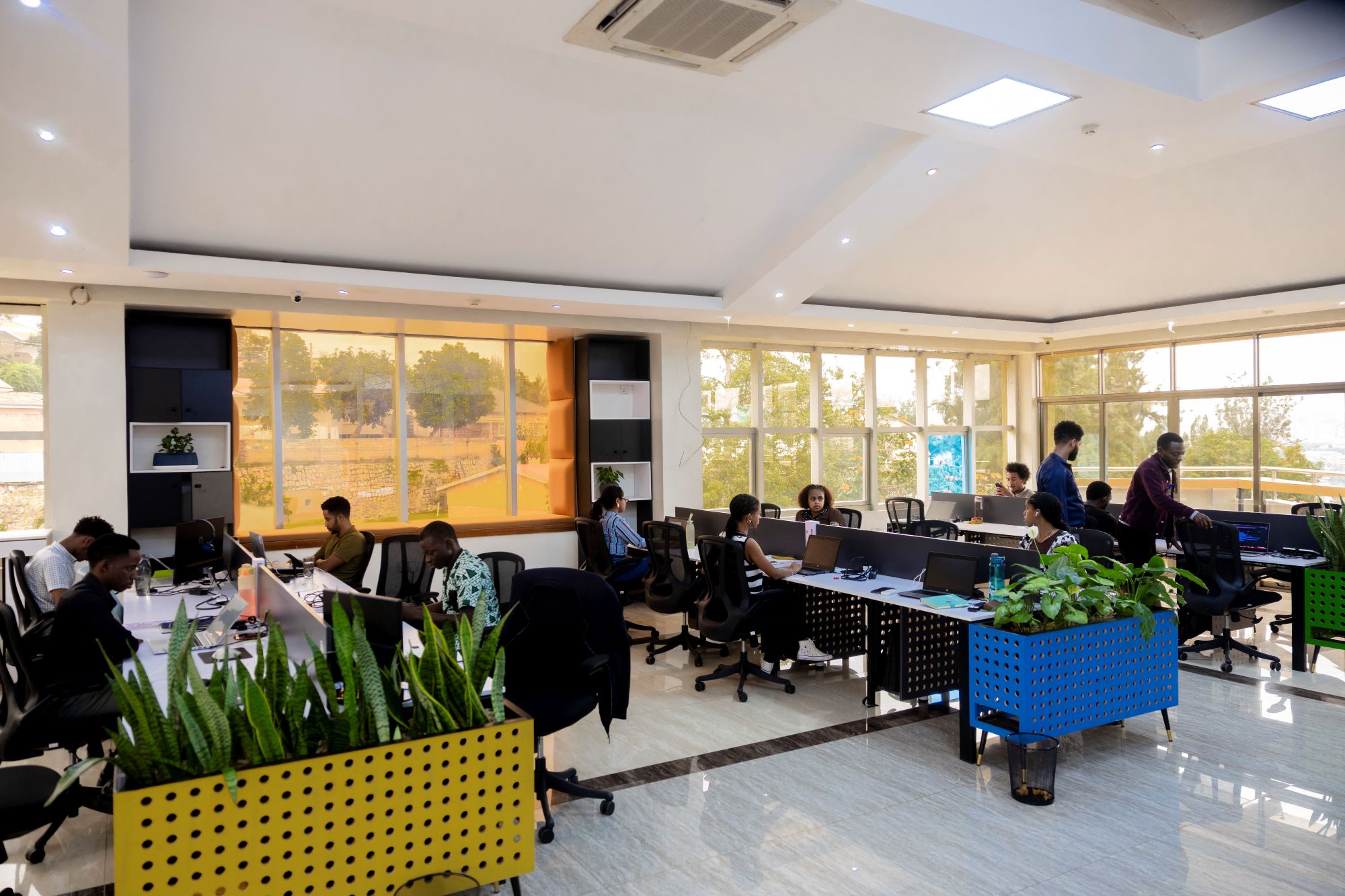
The Gishushu office now serves as the central hub for both the academy and incubator, attracting students, mentors, and developers to work on projects with both local and international impact.
The program emphasises building a strong foundation in programming, particularly in data structures and algorithms, which sets it apart from traditional boot camps.
Adolphe Ngoga, a Rwandan IT graduate, is now part of the team on Eskalate, the organisation’s platform that connects African developers with companies around the world. The program gives developers the opportunity to work on real software projects and gain experience with international teams.
“By the time I joined, more than a dozen developers had already secured roles with U.S.-based companies, showing that these opportunities are truly possible,” said Ngoga, who joined A2SV nearly three months ago when the company relocated to Rwanda.
Mohamed Yasir, a Sudanese team lead who started as a student at A2SV a few years ago, highlighted the importance of mentorship and mastering foundational skills, saying, “Starting with the basics is key. If you understand data structures, algorithms, and how to collaborate with your team, you can take on bigger challenges.”
He advises emerging tech talent to focus on mastering foundational skills and adapting to the evolving landscape, including artificial intelligence: “AI is not here to replace us; it’s here to support developers. Learning how to collaborate with AI and communicate effectively is key to succeeding in today’s tech landscape.”
As A2SV grows in Kigali, founder Emre Varol emphasised the need for partners, investors, and philanthropists to help scale the initiative.
“Our goal is not to promise overnight transformation, but to do the rigorous work required to build a durable pipeline of technical talent and locally rooted ventures,” he remarked.
With its new base in Kigali, A2SV is positioning itself as a launchpad for a continent-wide vision, connecting African engineers to the global tech stage while simultaneously addressing real challenges in education, healthcare, and finance.
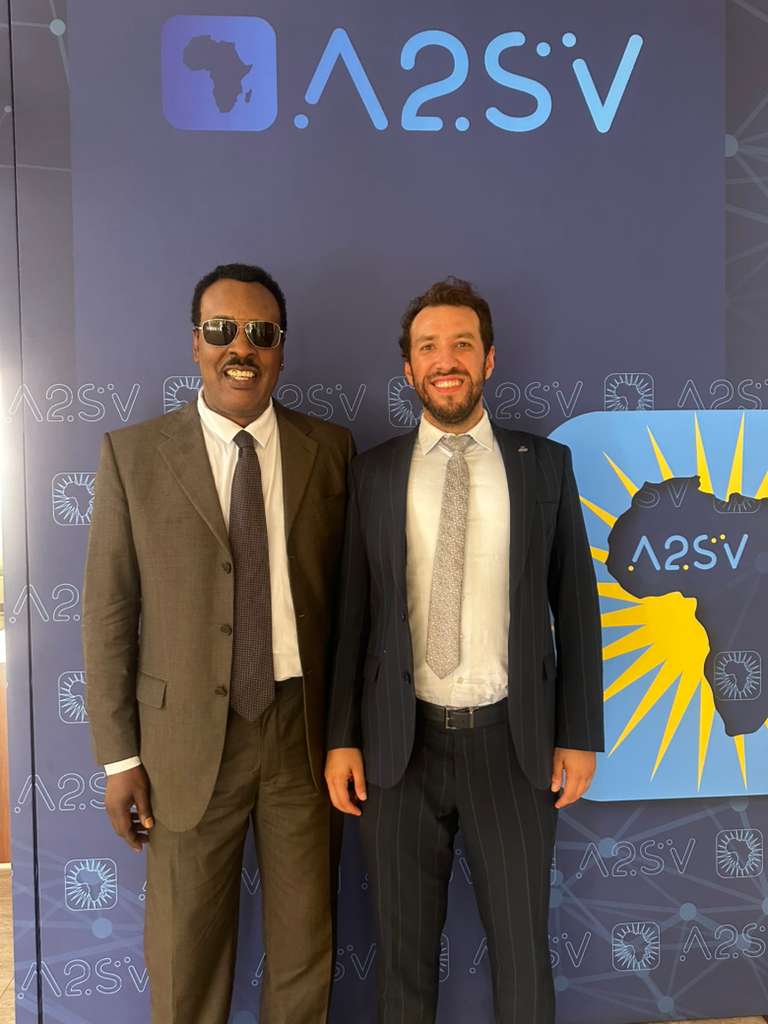
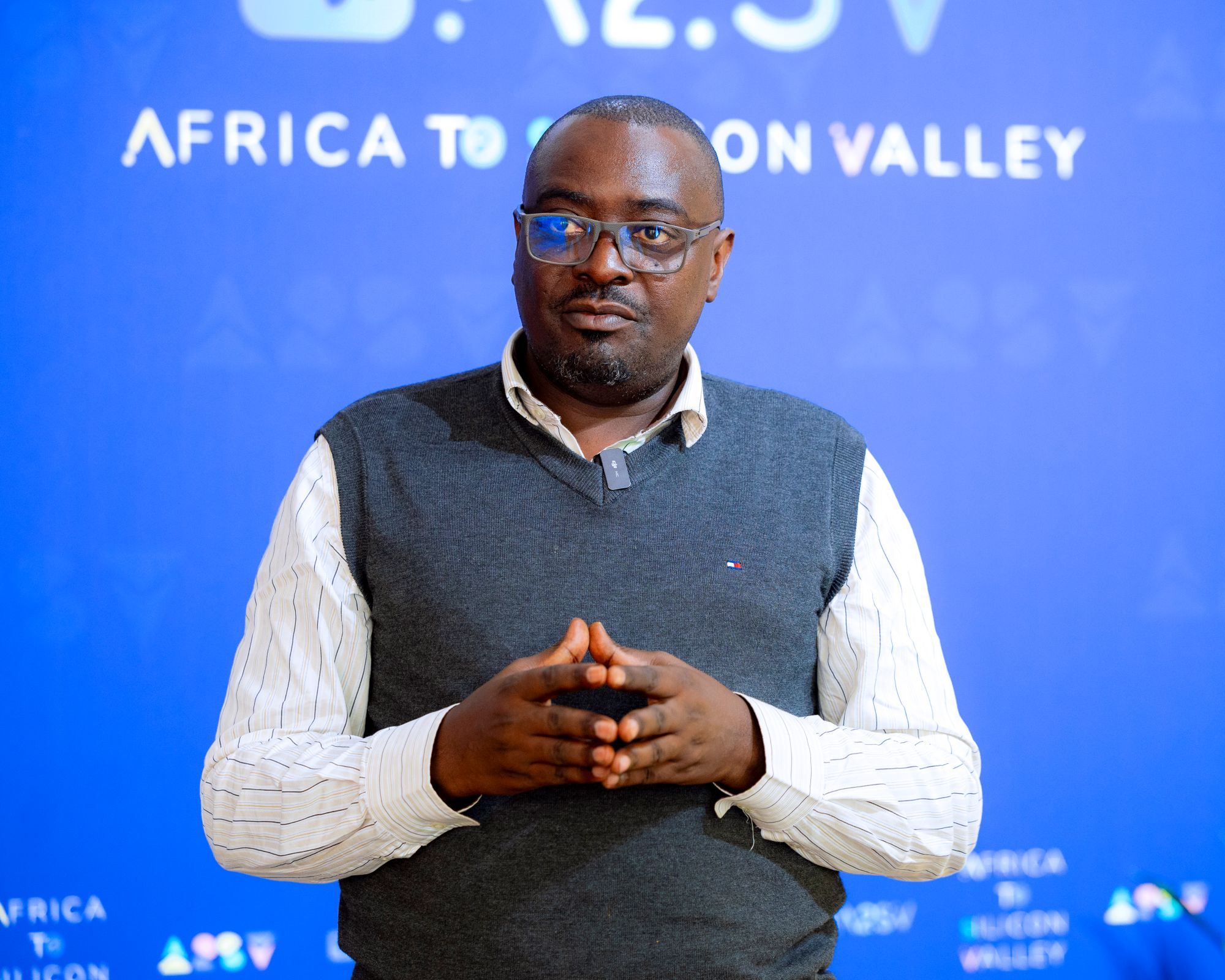
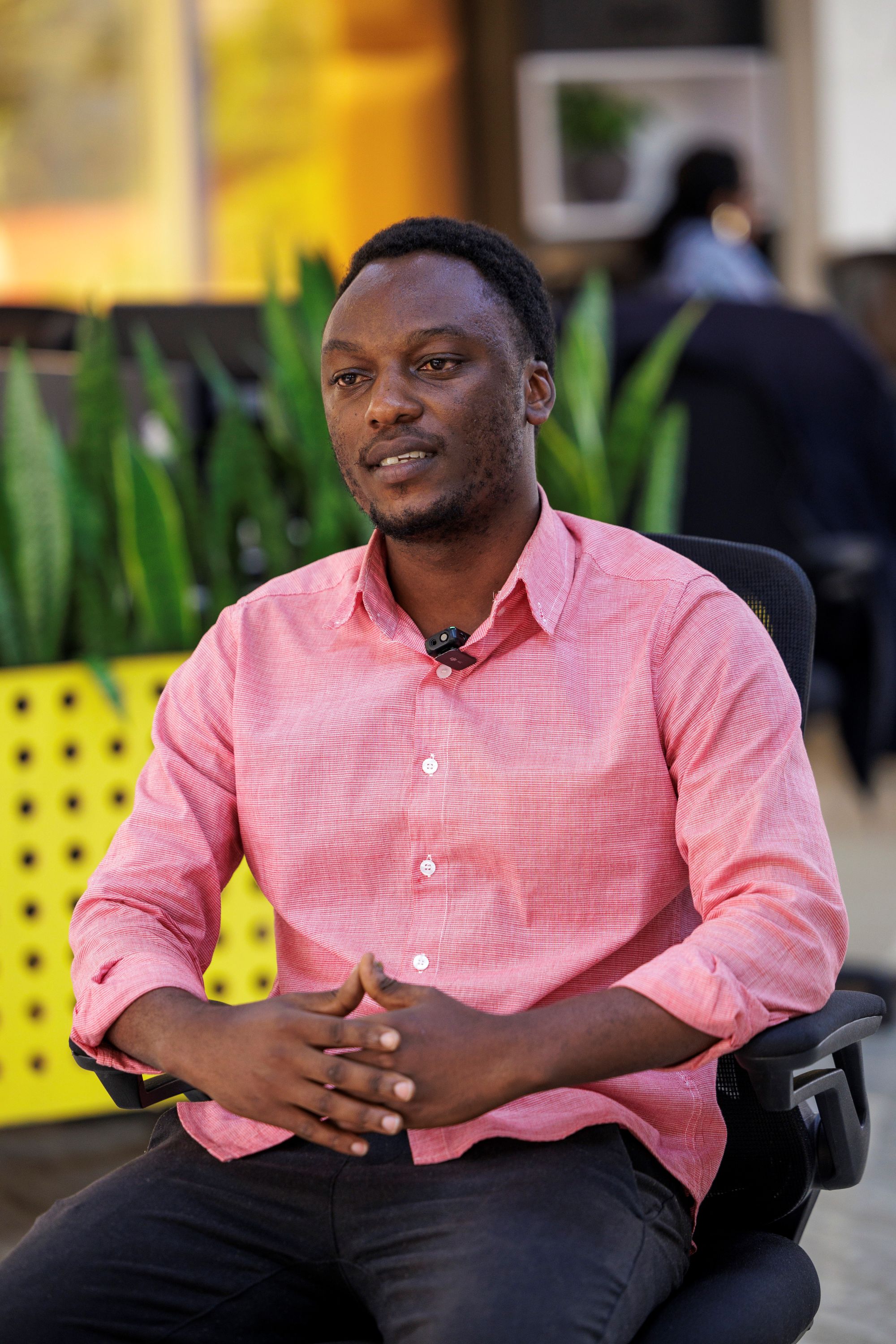
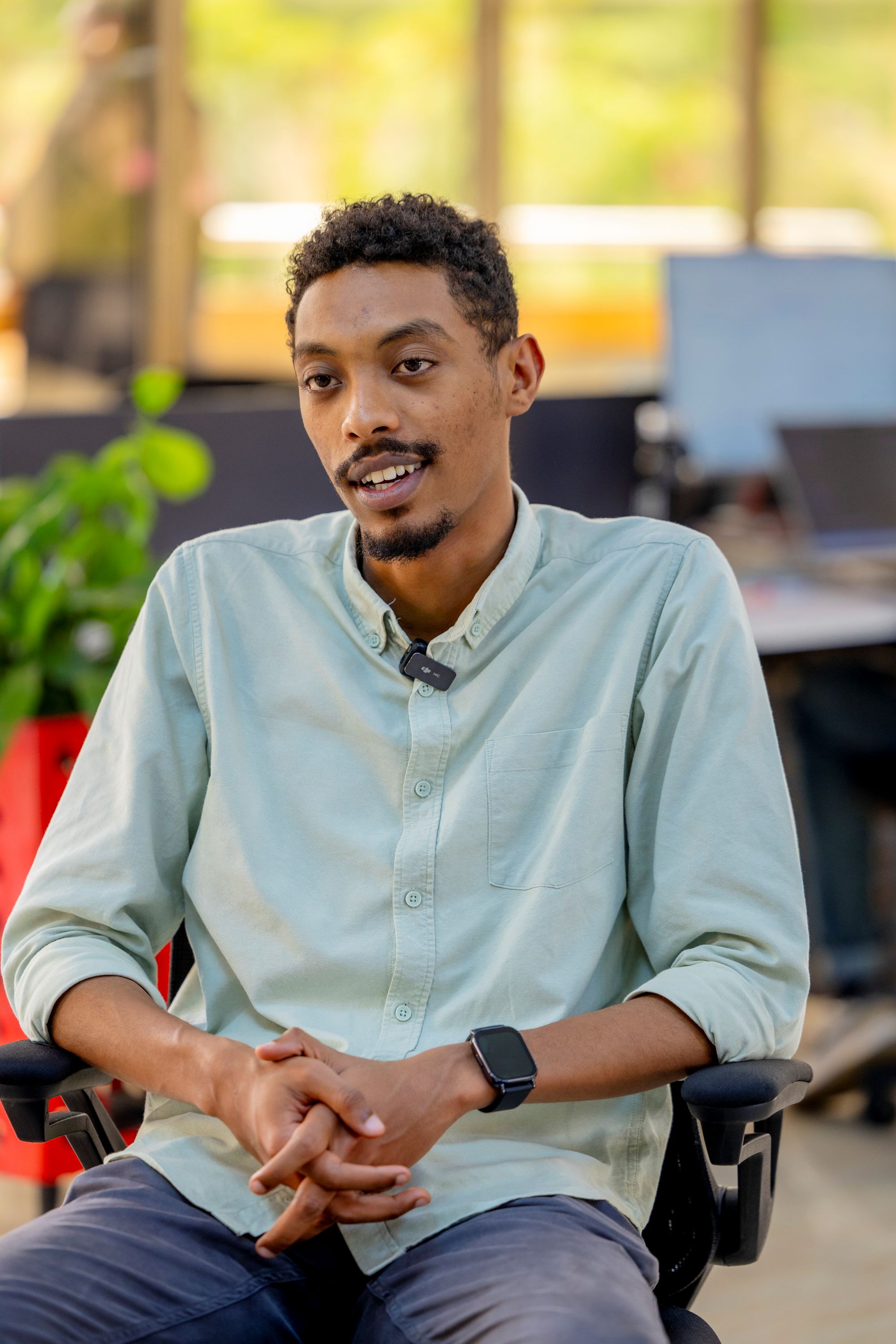
A2SV new office in Gishushu, Kigali.Founded in 2019 by Emre Varol, A2SV is a free, non-profit initiative that provides high-impact technical education to top-performing university students across Africa. The program emphasises building a strong foundation in programming, particularly in data structures and algorithms, which sets it apart from traditional boot camps.A2SV CEO Emre Varol (right) and the company’s Executive Public Relations Officer, John Bunyeshuri. The CEO emphasised the need for partners, investors, and philanthropists to help scale the initiative.Shema Katende, A2SV’s marketing lead, explained that Kigali was chosen for its supportive environment for innovation and its growing pool of IT talent.Adolphe Ngoga, a Rwandan IT graduate, is now part of the team on Eskalate, the organisation’s platform that connects African developers with companies around the world.Mohamed Yasir, a Sudanese team lead who started as a student at A2SV a few years ago, highlighted the importance of mentorship and mastering foundational skills
The 20-year-old, who also won a yellow jersey, made his decisive move with just three kilometers remaining, breaking clear from the peloton and holding off the chasing riders to cross the line solo. At the 1 km mark, he had a lead of 45 seconds, which had slightly narrowed to 35 seconds, while Pau Marti, in the yellow jersey, struggled to maintain pace in the chasing group.
Earlier in the stage, the front group of 12 riders had established a 50-second gap over the peloton, featuring riders such as Ribeiro, Mulugeta, Mulubrhan, Aman, Vanhuffel, and Marti. Zomermaand also claimed the final climbing points at Bushenge Hill (km 127), edging past Mulubrhan and Vanhuffel. Solo breakaway attempts by Eritrea’s Nahom Araya earlier in the stage added drama, but the chasing group gradually reeled him back, including Duarte Marivoet of Lotto – Groupe Wanty.
Rwanda’s top rider
Rwanda’s own Samuel Niyonkuru of Team Amani finished 10th, emerging as the highest-placed Rwandan on Stage 3. Tackling the hilly 145 km course with determination, Niyonkuru stayed with the leading group for most of the stage, fending off the chasing pack to secure a top-ten finish.
Stage 3 Results (Elite – Top 10)
Jurgen Zomermaand (Development Team Picnic PostNL) – 3:44:53
Lucas Van Gils (Lotto – Groupe Wanty) – +20.36s
Matteo Vanhuffel (Development Team Picnic PostNL) – +20.50s
Jose Said Cisneros Diaz De Leon (Soudal Quick-Step Devo Team) – +28.22s
Yafiet Mulugeta (Eritrea) – +28.43s
Henrique Da Silva Avancini (Localiza Meoo / Swift Pro Cycling) – +28.93s
Oliver Mattheis (Bike Aid) – +29.09s
Awet Aman (Istanbul Team) – +29.27s
Samuel Niyonkuru (Team Amani) – +43.81s
The race continues on Wednesday, February 25, with Stage 4 starting in Karongi at 12:00 and concluding in Rubavu over a 127.2 km route.
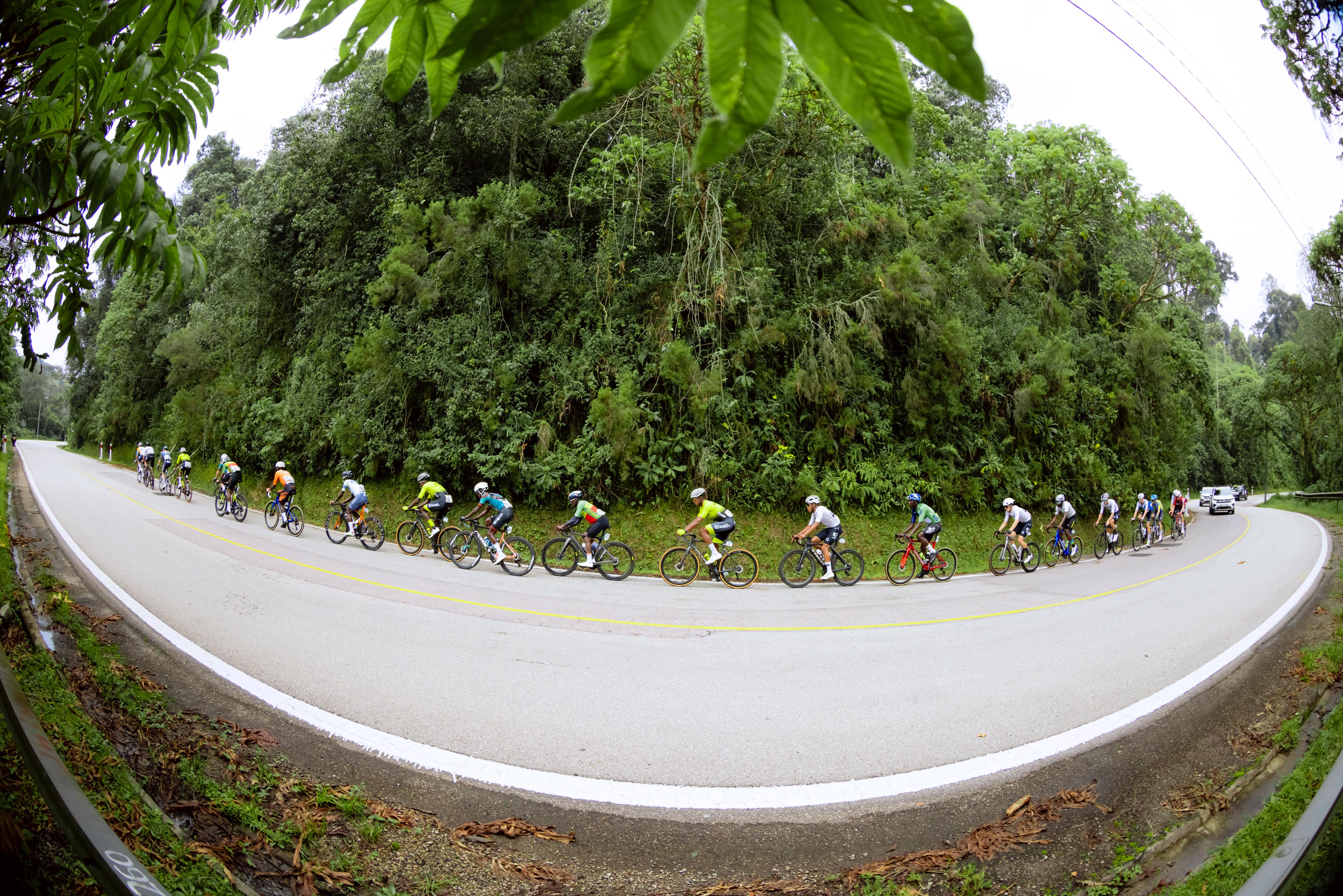
Zomermaand made his decisive move with just three kilometers remaining, breaking clear from the peloton and holding off the chasing riders to cross the line solo.Locals turned up along the road and on top of their buildings to witness the race.Stage 3 of the Tour du Rwanda stretched from Huye to Rusizi, covering 145.3 km of challenging terrain.
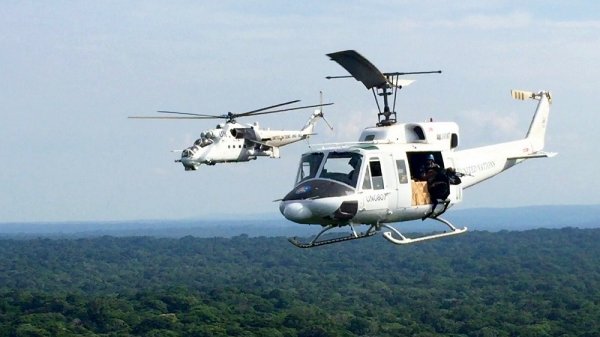
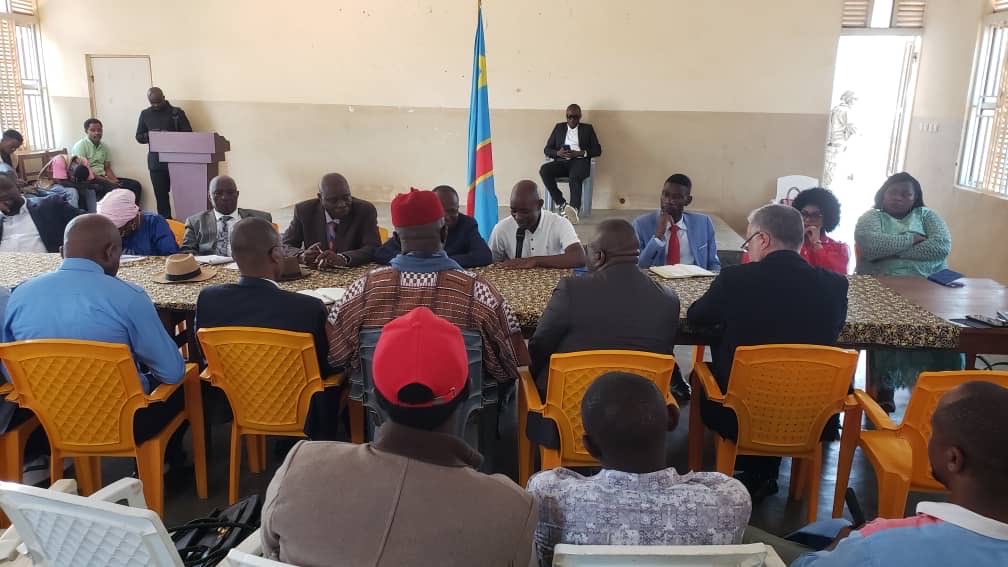
In a statement released on Tuesday, MONUSCO said the assessment mission, running from February 23 to 27, follows consultations with Democratic Republic of the Congo President Félix Tshisekedi, who also serves as chairperson of the ICGLR.
The statement noted that the deployment is a preparatory step toward operationalising the agreed ceasefire architecture. The team is evaluating access, security, logistics, and engagement requirements to ensure that future monitoring and verification efforts are credible, safe, and operationally feasible.
The initiative comes amid sustained diplomatic efforts to stabilise eastern DRC. In October 2025, the DRC government and the AFC/M23 rebel alliance signed the Doha Framework for Comprehensive Peace Agreement in Doha, establishing a joint monitoring and verification mechanism to investigate and prevent ceasefire violations. Observers from the United States, the African Union and Qatar are also part of that mechanism.
MONUSCO recalled that under UN Security Council Resolution 2808 (2025), the mission is authorised to support the implementation of a permanent ceasefire. This includes backing the Ceasefire Oversight and Verification Mechanism as well as the Expanded Joint Verification Mechanism Plus (EJVM+), created following the Doha agreement.
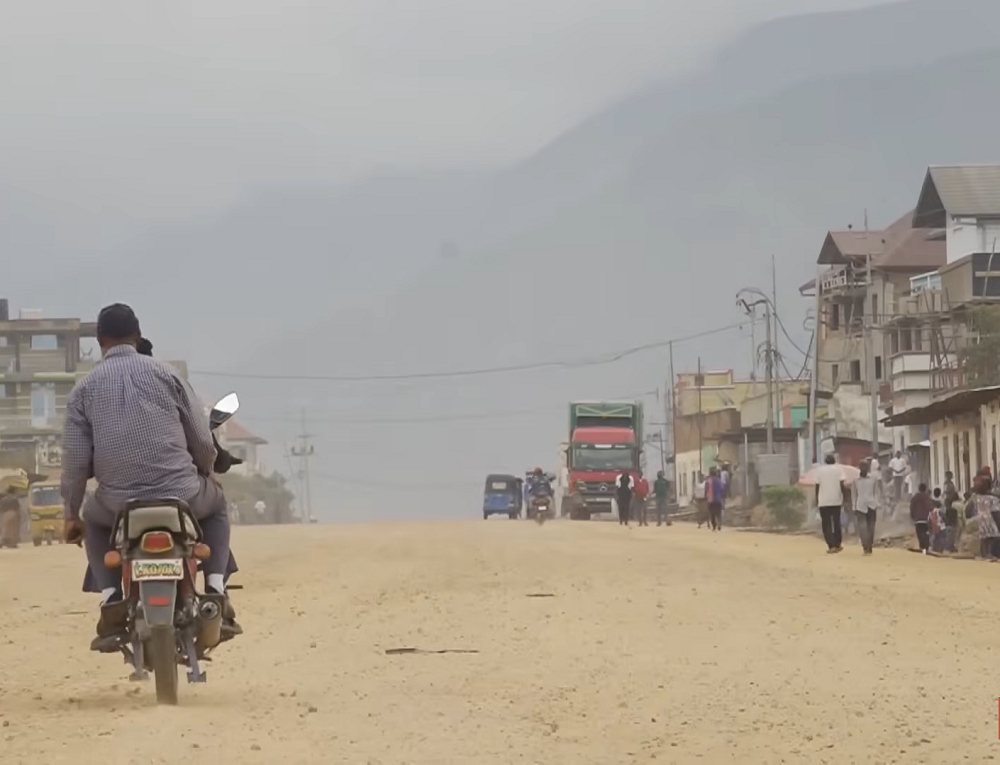
During their stay in and around Uvira, the joint team will assess political, security, logistical and socio-environmental conditions to inform comprehensive planning for a future deployment.
“Effective ceasefire monitoring is intended to reduce violence and create the necessary space for a durable political solution,” said Vivian van de Perre, Special Representative of the UN Secretary-General in the DRC and Head of MONUSCO ad interim.
She noted that, unlike in North Kivu and Ituri, MONUSCO’s mandate in South Kivu is limited to ceasefire monitoring and does not include Protection of Civilians responsibilities under Resolution 2808 (2025).
The mission emphasised that the current deployment is exploratory in nature. The scale and configuration of any subsequent ceasefire monitoring presence will depend on agreed parameters, security guarantees and operational requirements.
ICGLR Executive Secretary Dr. Mbita Luwabeha said regional cooperation remains key to lasting stability. “The Great Lakes region has vast potential for peace and prosperity. By uniting and cooperating, we can tackle challenges and create a brighter future for everyone,” he said.
Repeated ceasefire violations and ongoing hostilities have hampered efforts to stabilise the region, and it remains to be seen if the latest attempt to implement a lasting truce will succeed.
During their stay in and around Uvira, the joint team will assess political, security, logistical and socio-environmental conditions to inform comprehensive planning for a future deployment. The assessment mission runs from February 23 to 27.The team is evaluating access, security, logistics, and engagement requirements to ensure that future monitoring and verification efforts are credible, safe, and operationally feasible.