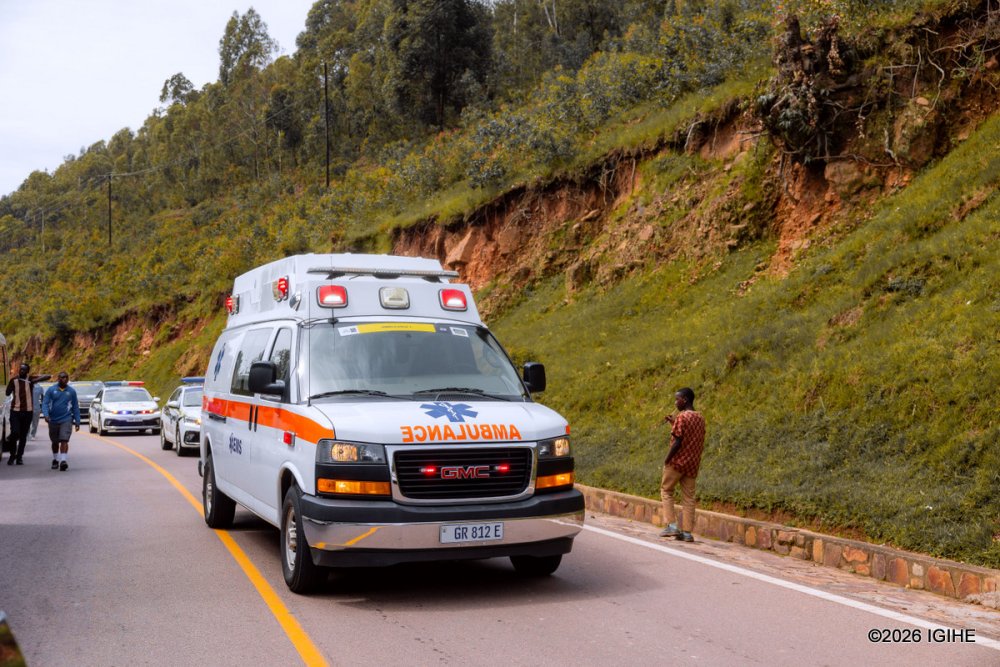
In a statement released by Tour du Rwanda management, organisers confirmed the accident and expressed their deep condolences to the families affected. The injured are receiving care, and authorities are closely monitoring their condition.
“We extend our sincere condolences to the families and remain committed to public safety,” the statement read in part.
The Rwanda National Police has launched an investigation into the incident.
Candy Basomingera, Permanent Secretary of the Ministry of Sports, expressed sorrow over the accident and stressed the need for vigilance on the roads during the race.
“This reminds us of the importance of being vigilant on the road as we drive and cheer on the riders. Our thoughts and prayers are with the families of the victims, and we wish a quick recovery to those who have been injured,” she said.
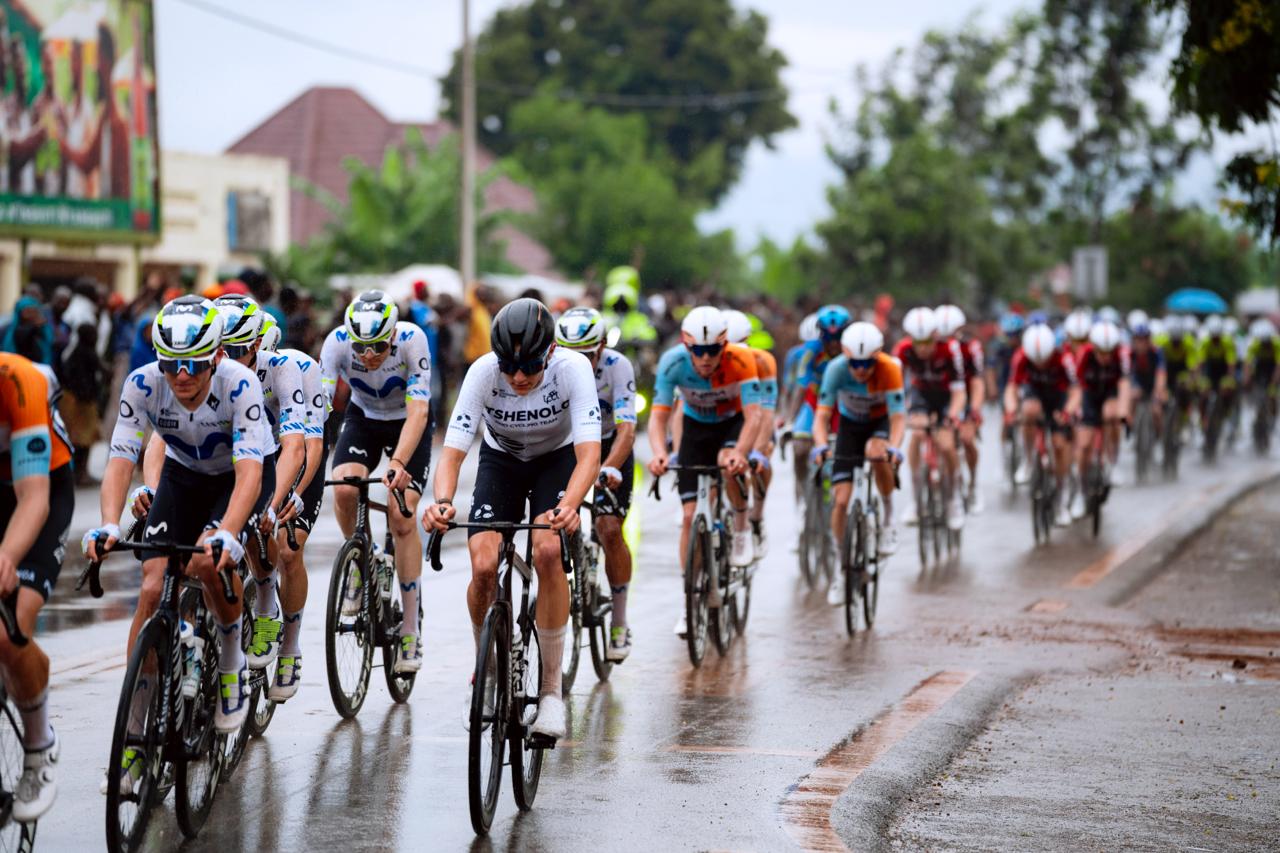
Israeli cyclist Itamar Einhorn of NSN Devo Team won the first stage of the race, completing the 174 km from Rukomo to Rwamagana in a time of 4:00:05.02 and earning the first yellow jersey.
The 2026 edition, marking the 18th Tour du Rwanda since it gained international status, runs from February 22 to March 1, covering eight stages and nearly 1,000 km. Riders will face more than 16,000 meters of total elevation gain over the week, living up to Rwanda’s nickname as the “Land of a Thousand Hills.”
A total of 18 teams are competing, including four Rwandan squads.
The first stage of Tour du Rwanda 2026 covered 174 km from Rukomo to Rwamagana. This year’s edition marks the 18th Tour du Rwanda since it gained international status in 2009.
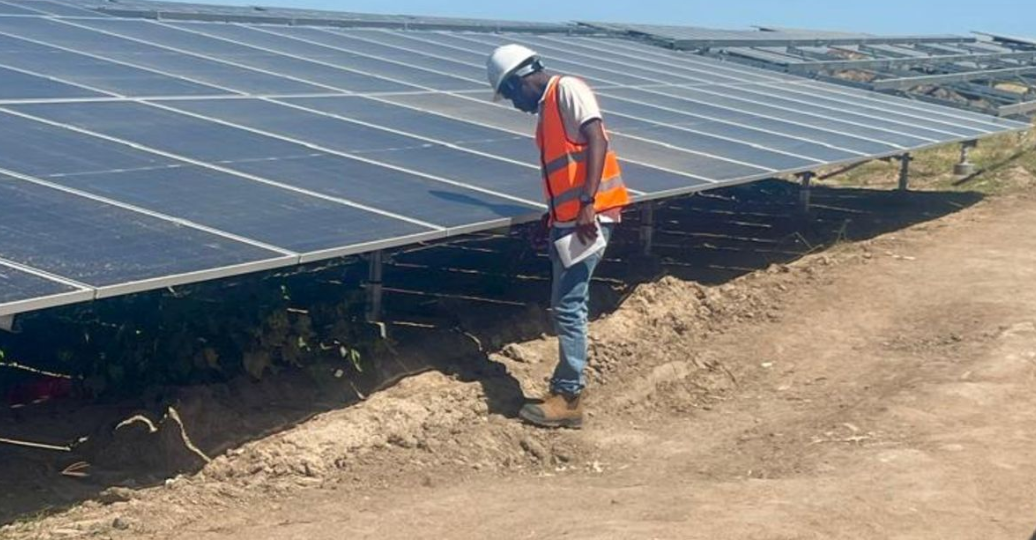
Tanzania has completed its first large-scale solar power project in Kishapu District of the northwestern Shinyanga region, marking a milestone in the country’s energy transformation agenda, the Ministry of Energy said in a statement on Sunday.
According to the statement, Lazaro Twange, managing director of the Tanzania Electric Supply Company Limited, said during a site inspection on Saturday that the project reflects the government’s commitment to expanding access to reliable electricity nationwide.
Twange described the project as a new chapter in the country’s history, saying it is the first solar project of such magnitude since independence. He said electricity has already been generated at the site, with 50 megawatts set to be connected to the national grid by March 1.
Kishapu District Commissioner Peter Masindi said the solar plant is a catalyst for local economic growth, particularly benefiting youth engaged in mining and agriculture.
Mariana Mrosso, acting manager of the power generation plant, said the facility would enhance the stability of the national grid and improve electricity supply, especially across the Lake Zone regions.
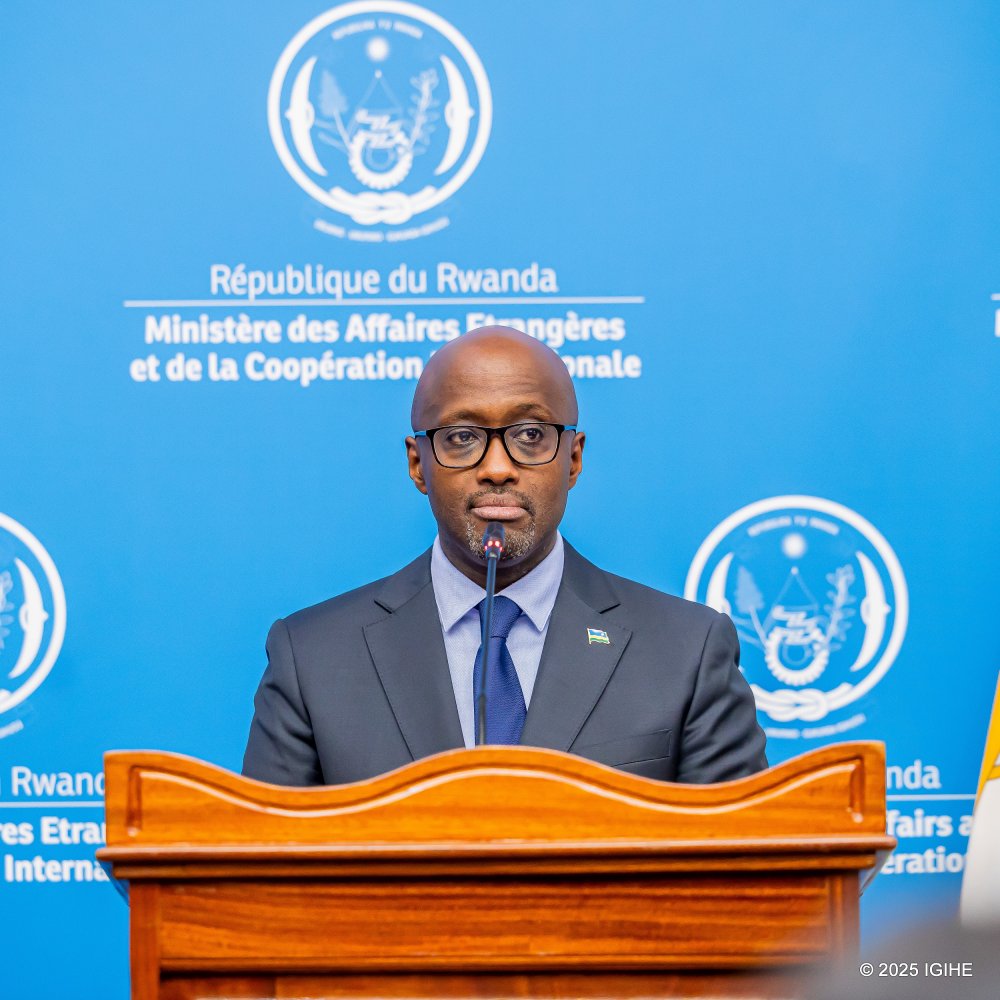
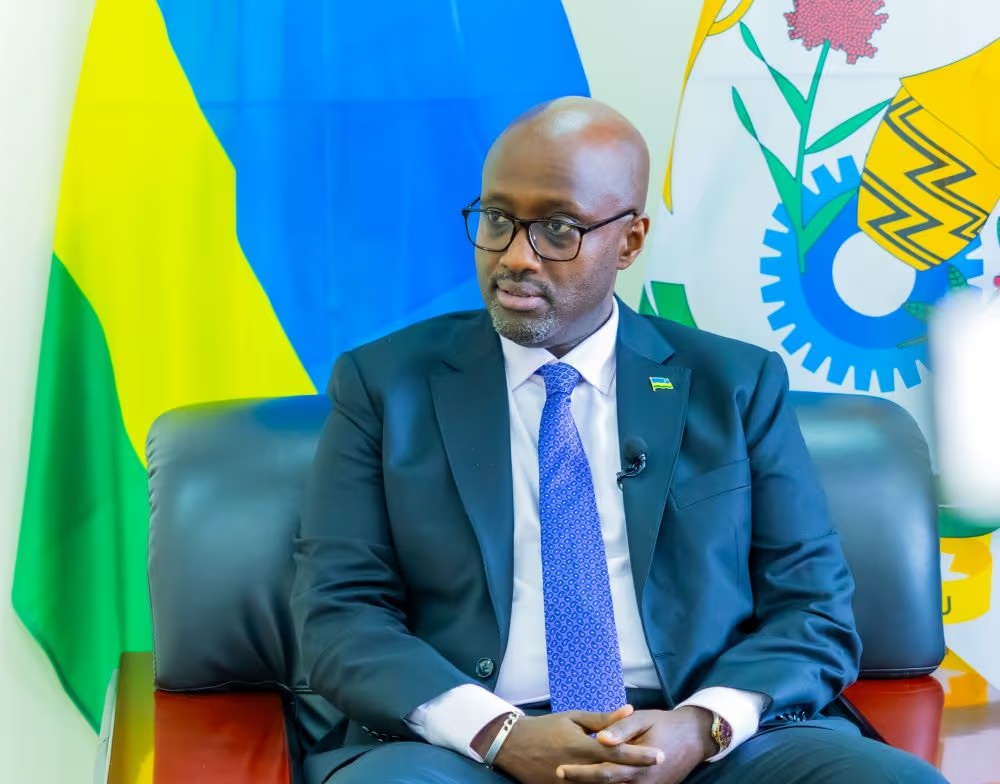
The minister was responding to Congolese government spokesperson Patrick Muyaya, who had downplayed the threat posed by the militia group formed by the perpetrators of the 1994 Genocide against the Tutsi who fled to the DRC.
Muyaya had questioned whether members of the FDLR could still pose a threat 32 years later, calling the group an “eternal pretext” in regional tensions.
Responding in detail, Nduhungirehe rejected that argument outright.
“The misleading propaganda of the Congolese government on the issue of the genocidal FDLR nevertheless has its limits,” the minister wrote.
He recalled that on March 21, 2024, during the first ministerial meeting under the Luanda Process, then DRC Foreign Minister Christophe Lutundula had committed to presenting a “plan for the neutralisation of the FDLR.”
“In the final communiqué of that meeting, it was even specified that ‘consequently’ to the neutralisation of the FDLR, Rwanda would lift its defensive measures,” Nduhungirehe stated.
However, he pointed to what he called a sudden reversal only days later.
“We were surprised to hear, two days later in a press conference in Kinshasa, the same Christophe Lutundula claim that the FDLR did not exist,” he said.
The minister also cited a planned 2024 operation by the Congolese armed forces (FARDC), coordinated with the United States and aimed at targeting FDLR positions, describing it as a total failure.
“This military operation was a total failure, for the simple reason that a FARDC general had informed his FDLR friends in advance,” Nduhungirehe stated, adding that the development had angered international partners.
Despite that setback, he noted that military and intelligence experts from Rwanda, the DRC and mediator Angola later adopted a Concept of Operations (CONOPS) in Luanda on October 31, 2024, focused on neutralising the FDLR.
According to Nduhungirehe, the CONOPS became a key pillar of subsequent peace understandings.
“The neutralisation of the FDLR is therefore a central element of the Washington Agreements and for a lasting peace in eastern DRC,” he wrote.
But he questioned Kinshasa’s commitment, noting that coordination meetings between FARDC and FDLR commanders took place on the very day the CONOPS was endorsed.
“This demonstrates the lack of political will in Kinshasa on the FDLR issue,” he argued.
Addressing Muyaya’s assertion that the group’s age diminishes its relevance, Nduhungirehe dismissed the reasoning as flawed.
“This eternal argument about the age of FDLR members is one of the most absurd and ridiculous there is,” he said, adding that the group “regularly recruits new members on the basis of its genocidal ideology.”
Muyaya had claimed that the real drivers of instability in eastern DRC are natural resources, including gold and coltan, rather than the FDLR.
Earlier this month, President Paul Kagame dismissed claims that Rwanda was targeting DRC minerals, insisting that the country’s concerns were primarily about security and the FDLR’s genocidal ideology.
“If we were in Congo for minerals, we would be a hundred times richer than we are now […] the threats coming from Congo related to our security have materialised several times. You just don’t want to see it, you don’t want to hear it,” he stated during the 20th edition of Umushyikirano, Rwanda’s National Dialogue Council.
Minister Nduhungirehe slammed Patrick Muyaya over the DRC government’s repeated contradictions on the FDLR.
State Minister in the Ministry of Sports, Rwego Ngarambe, was also among the officials present.
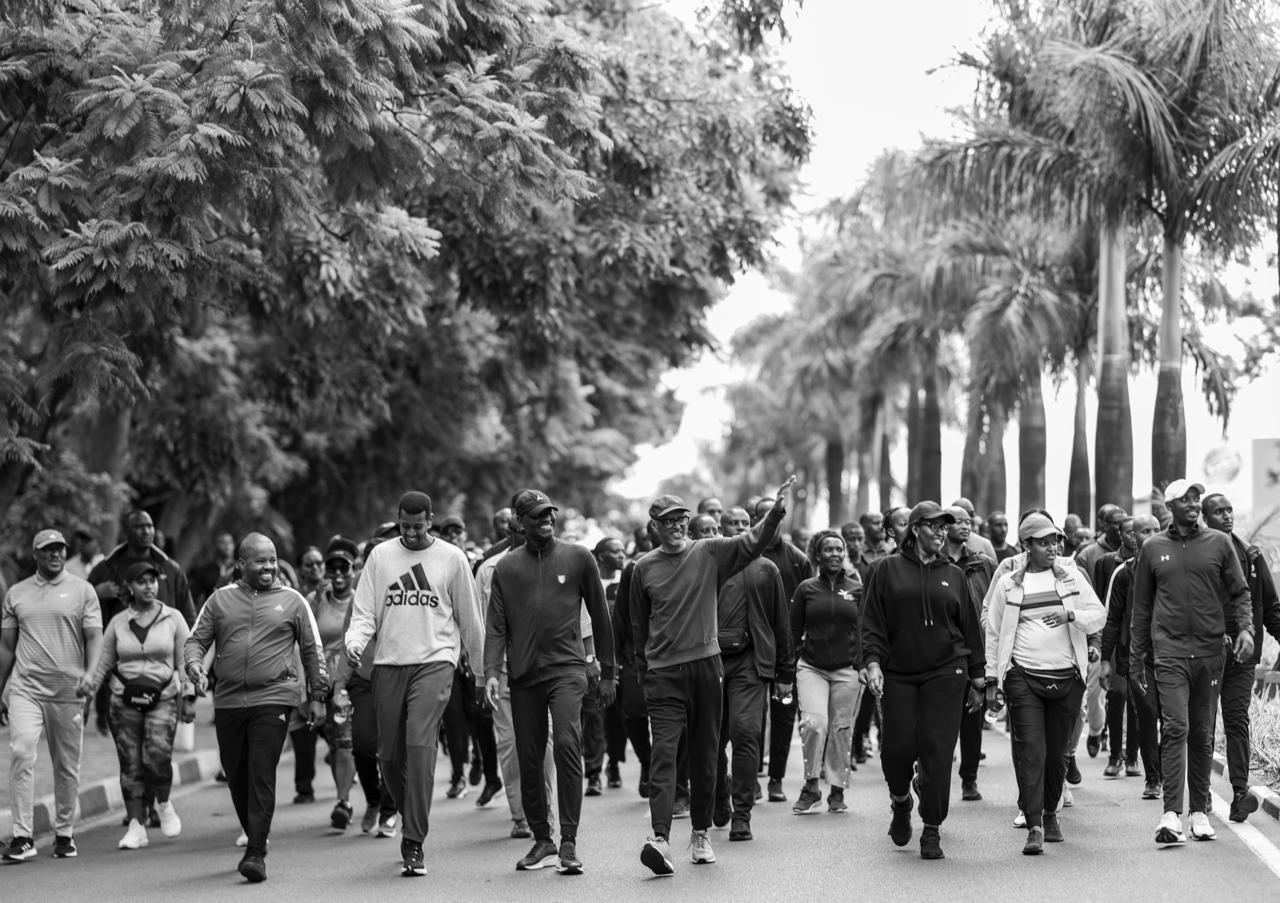
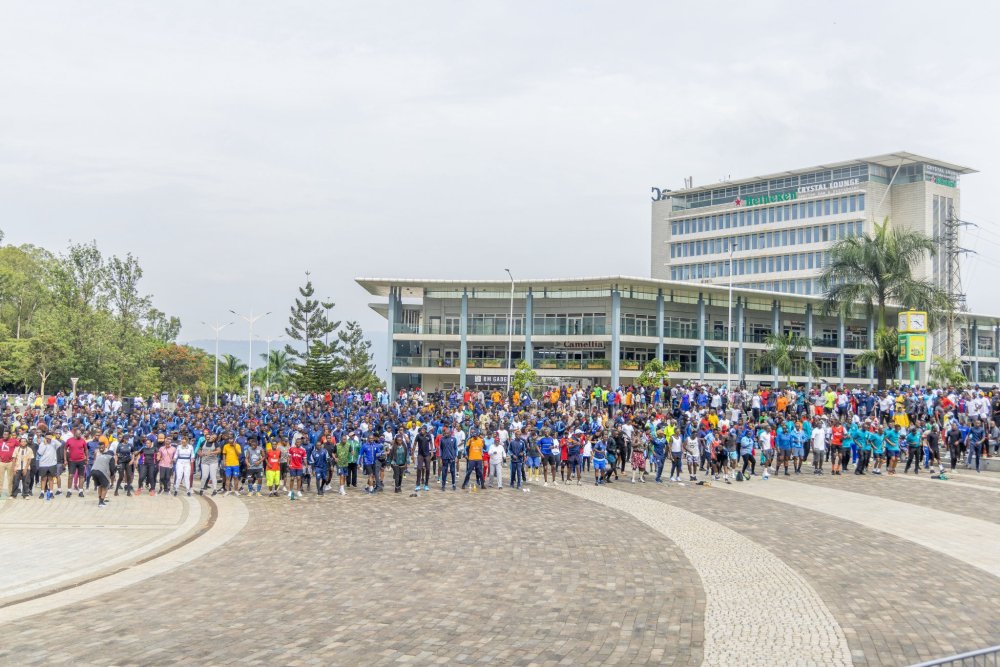
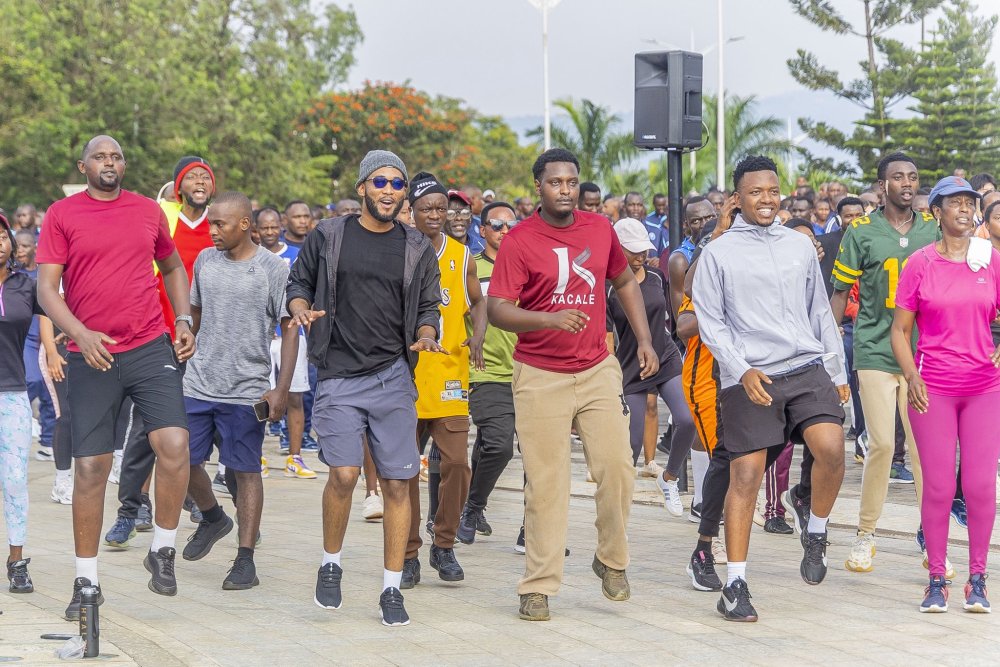
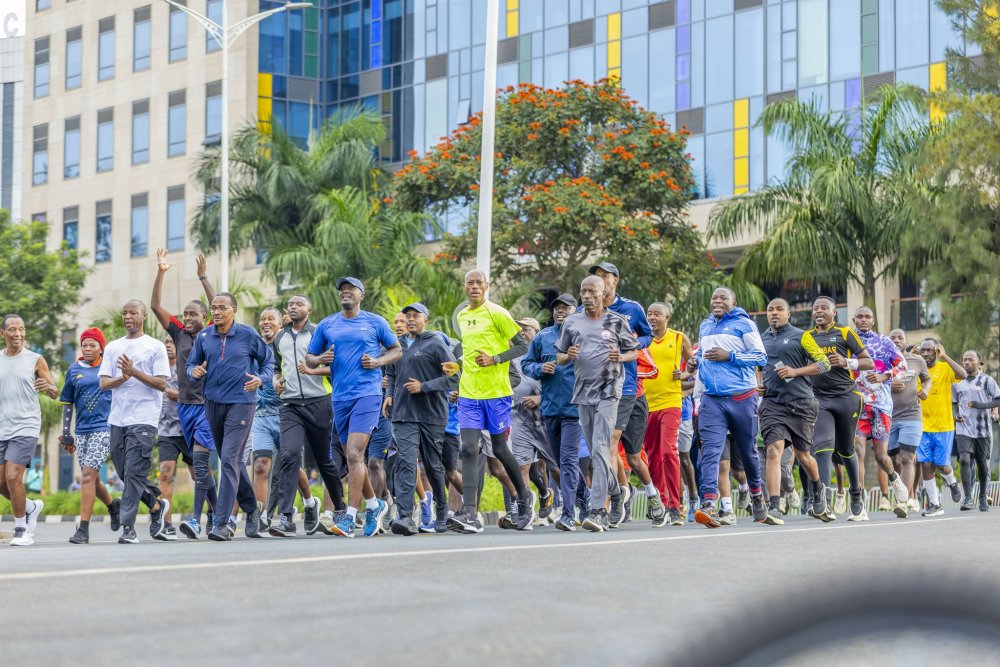
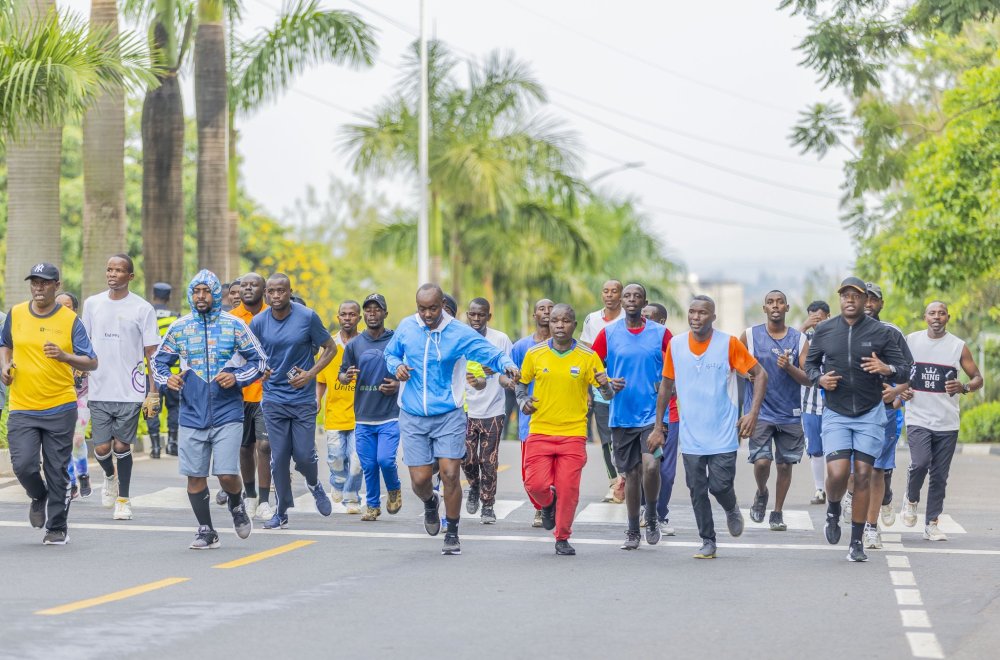
During the event, several streets across Kigali were closed to cars and motorcycles from 7:00 a.m. to 10:00 a.m., allowing thousands of residents to engage in walking, cycling, and other recreational activities such as street tennis and three-on-three basketball.
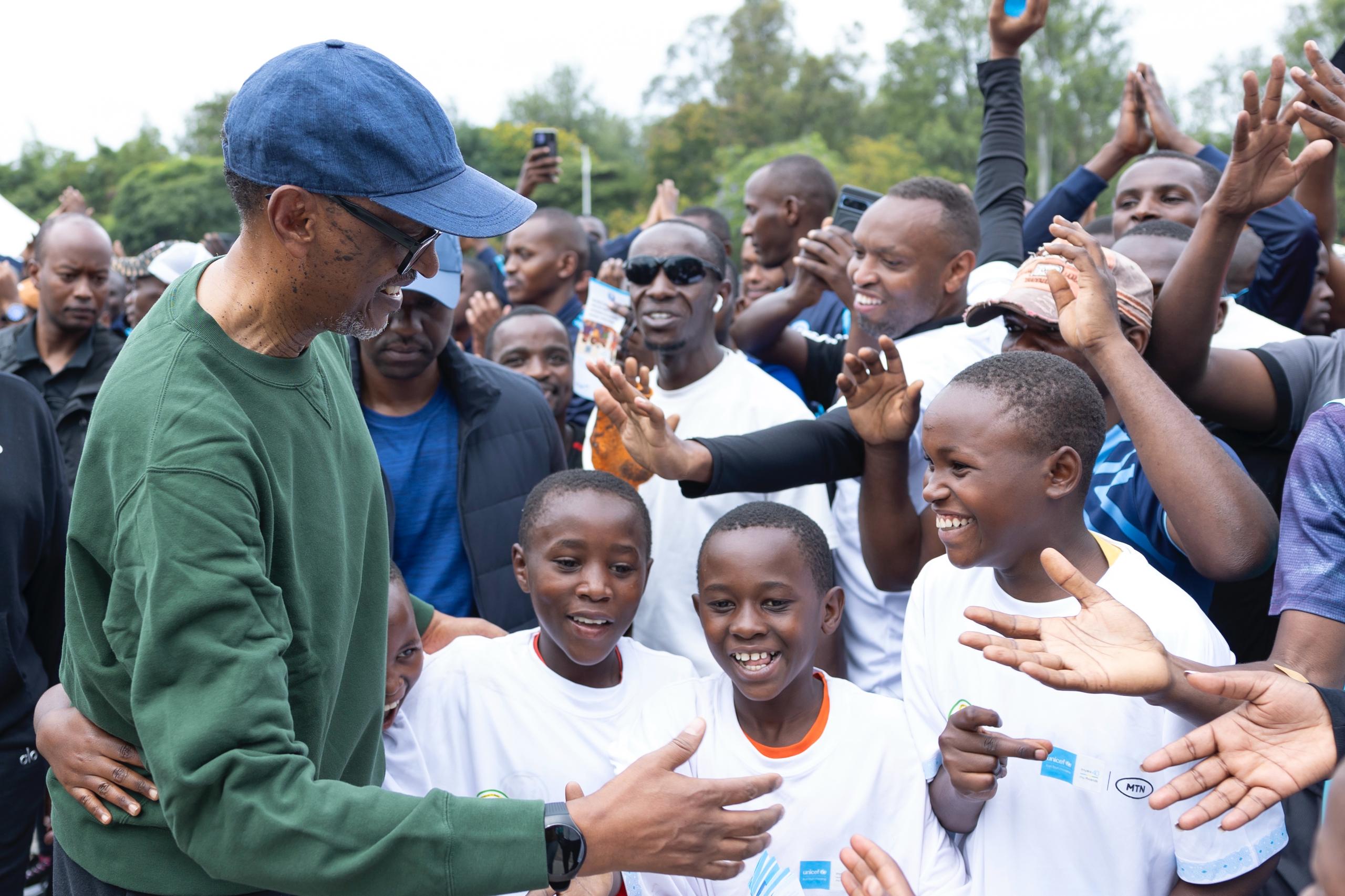
President Kagame took the opportunity to engage with participants, including children, who joined the event in support of wellness, community, and an active lifestyle.
Launched in May 2016, Car Free Day aims to promote healthy lifestyles among Kigali residents while also raising awareness about disease prevention. Participants are sometimes offered free health screenings and advice during the event.
Although the initiative, held twice a month, started in Kigali, it has since grown into a broader tradition, with other provinces adopting similar activities.
The City of Kigali highlights that Car Free Day also contributes to environmental conservation, as temporarily reducing vehicle traffic lowers harmful emissions and improves air quality.
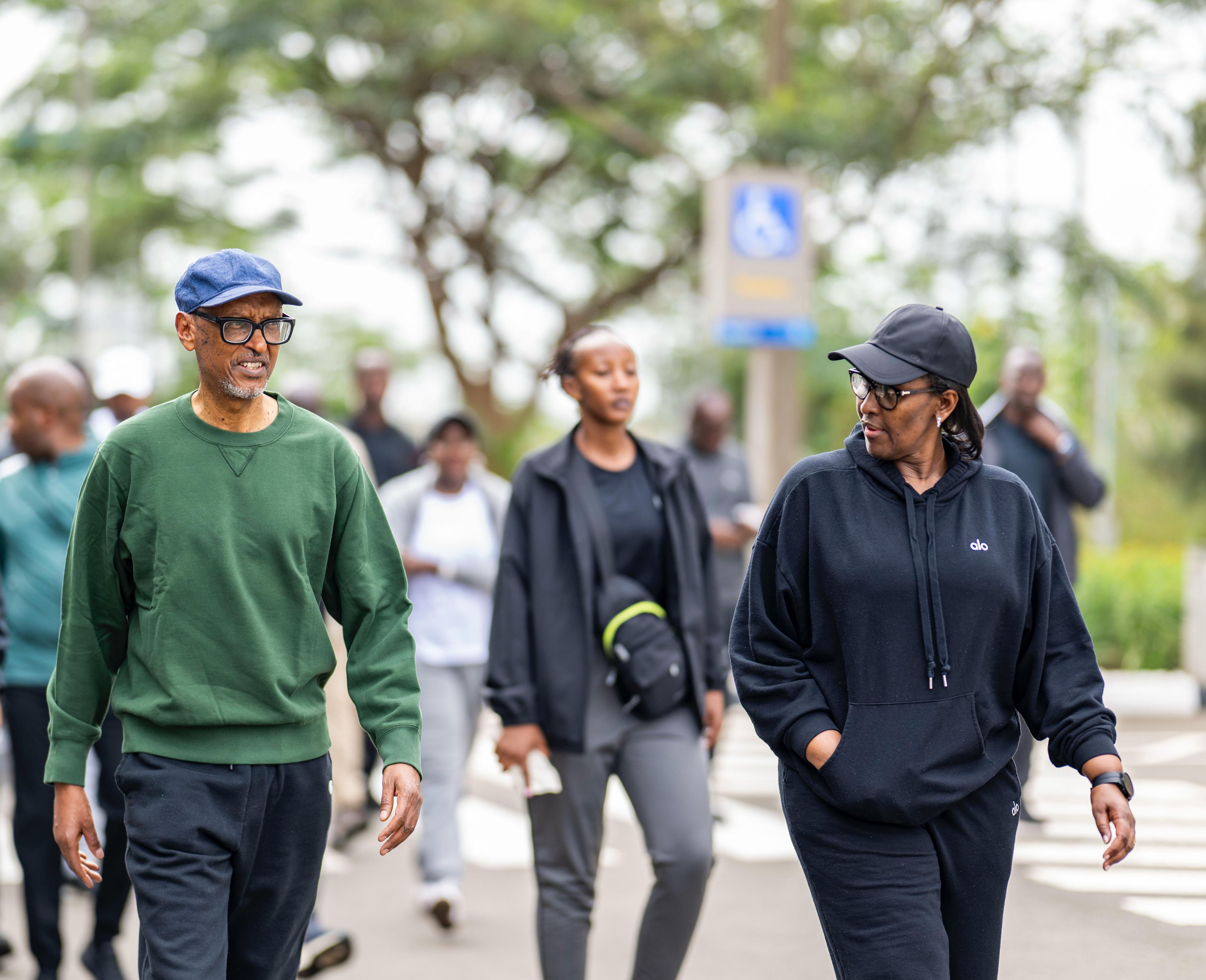
Various state officials accompanied President Kagame and First Lady Jeannette Kagame.President Kagame took the opportunity to engage with participants, including children, who joined the event in support of wellness, community, and an active lifestyle.The event is organised twice a month in support of wellness, community, and an active lifestyle.Participants were guided on practical ways to incorporate physical exercise into their daily routines with ease. Comedians Fally Mercy and Umushumba were among the participants in the public sports event.
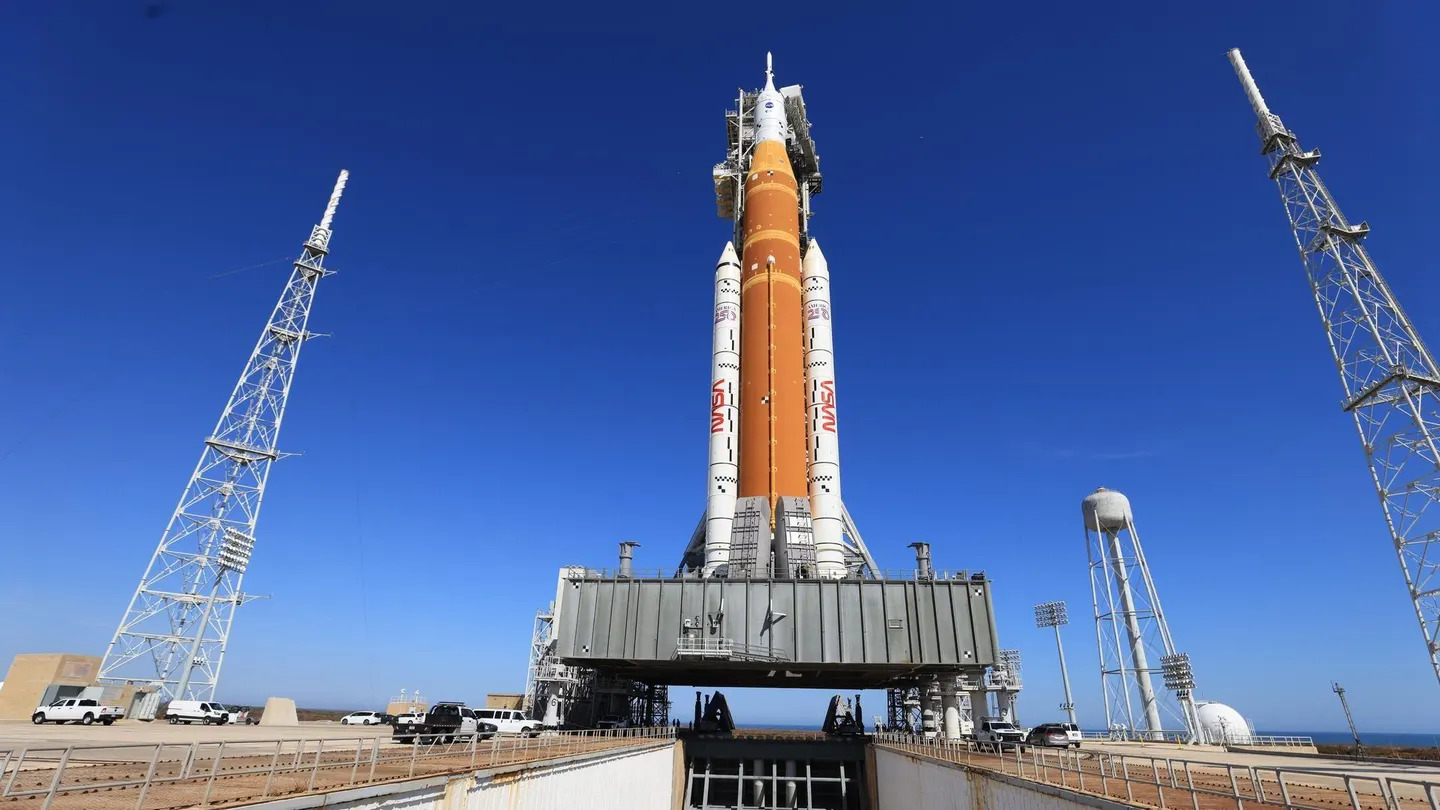
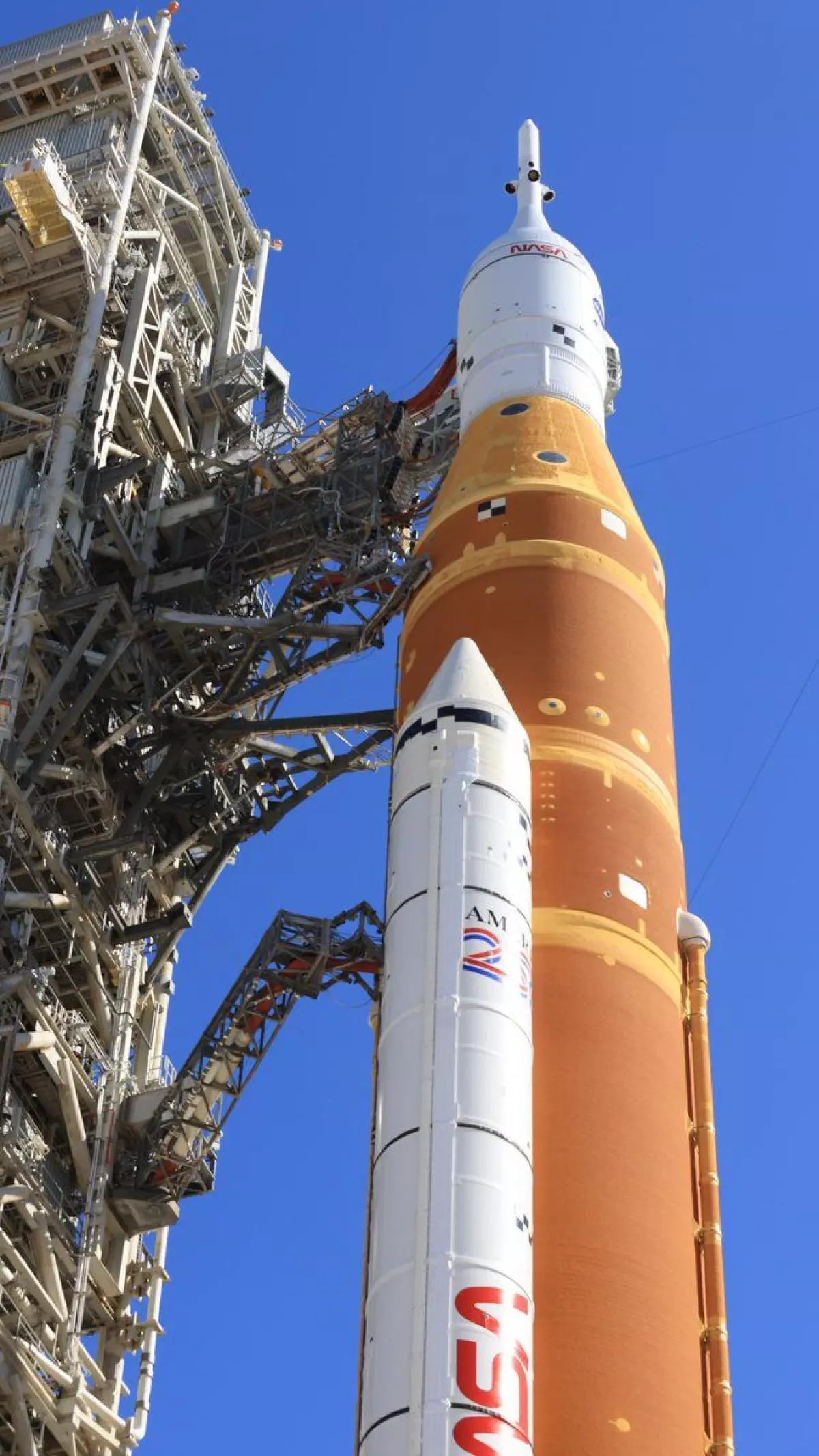
NASA Administrator Jared Isaacman said the problem may involve a faulty filter, valve, or connection plate.
“The only way to inspect and repair the affected area is to roll the 98-meter (322-foot) Space Launch System rocket back to its hangar at Kennedy Space Center,” he said, adding that the March window is no longer feasible.
Artemis II will carry four astronauts, three Americans, Reid Wiseman, Victor Glover, and Christina Koch, and Canadian Jeremy Hansen, on a journey around the Moon and back. The crew will orbit the Moon’s far side, a region never visible from Earth, testing spacecraft systems critical for future lunar exploration.
The mission is a key precursor to Artemis III, NASA’s planned Moon landing, currently scheduled for 2028. Artemis II would also mark humanity’s farthest journey into space since the Apollo program ended in 1972.
The Artemis program has faced multiple delays, including previous hydrogen fuel leaks and postponed rehearsals. A recent wet dress rehearsal, conducted under real fueling conditions, had cleared the mission for a potential March launch before the helium system issue emerged.
The setback comes amid growing international competition in lunar exploration, with China planning a crewed Moon landing by 2030 and uncrewed missions starting in 2026. Despite the delay, NASA says Artemis II remains critical for testing systems and operations needed for sustainable lunar missions and eventual crewed Mars exploration.
NASA’s moon rocket sits on the pad at Kennedy Space Center in Florida.
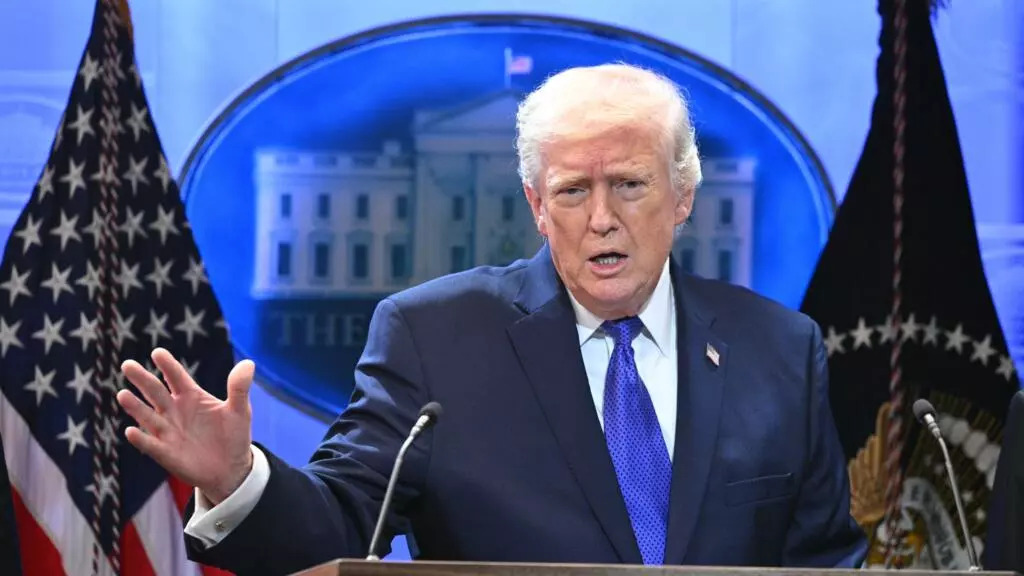
“I, as President of the United States of America, will be, effective immediately, raising the 10% Worldwide Tariff on Countries, many of which have been ‘ripping’ the U.S. off for decades, without retribution (until I came along!), to the fully allowed, and legally tested, 15% level,” Trump wrote in a social media post on Saturday.
He added that during the next short number of months, his administration will “determine and issue the new and legally permissible Tariffs, which will continue our extraordinarily successful process of Making America Great Again – GREATER THAN EVER BEFORE!!!”
U.S. Supreme Court ruled Friday morning in a 6-3 vote that Trump’s tariff policy under the International Emergency Economic Powers Act was illegal.
Infuriated by the ruling, Trump signed an order imposing a 10 percent tariff on imports from all countries hours later.
US President Donald Trump has used tariffs against both friends and adversaries since returning to office.
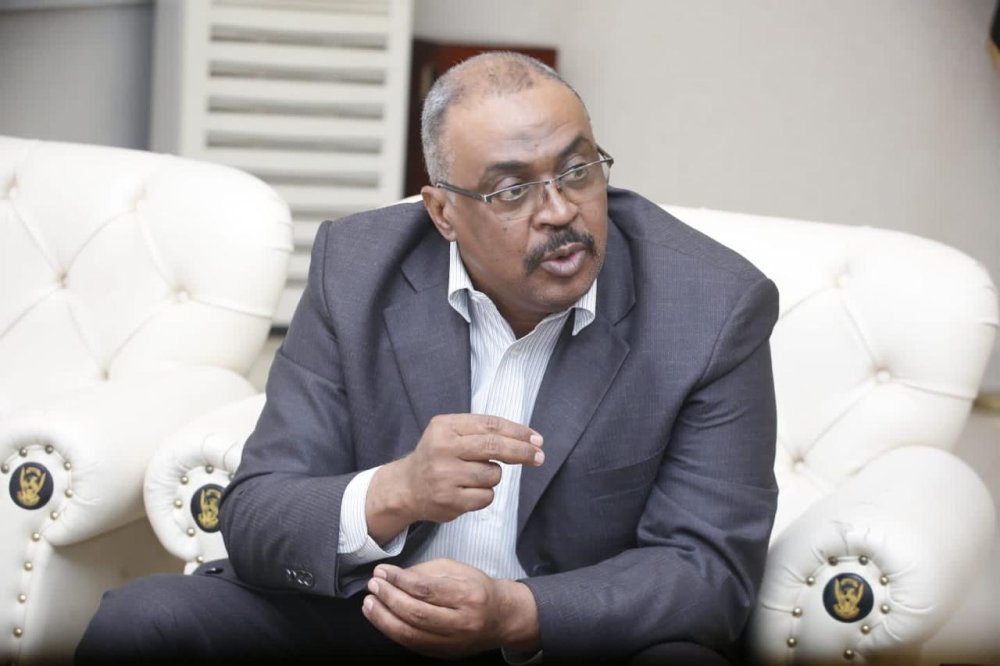
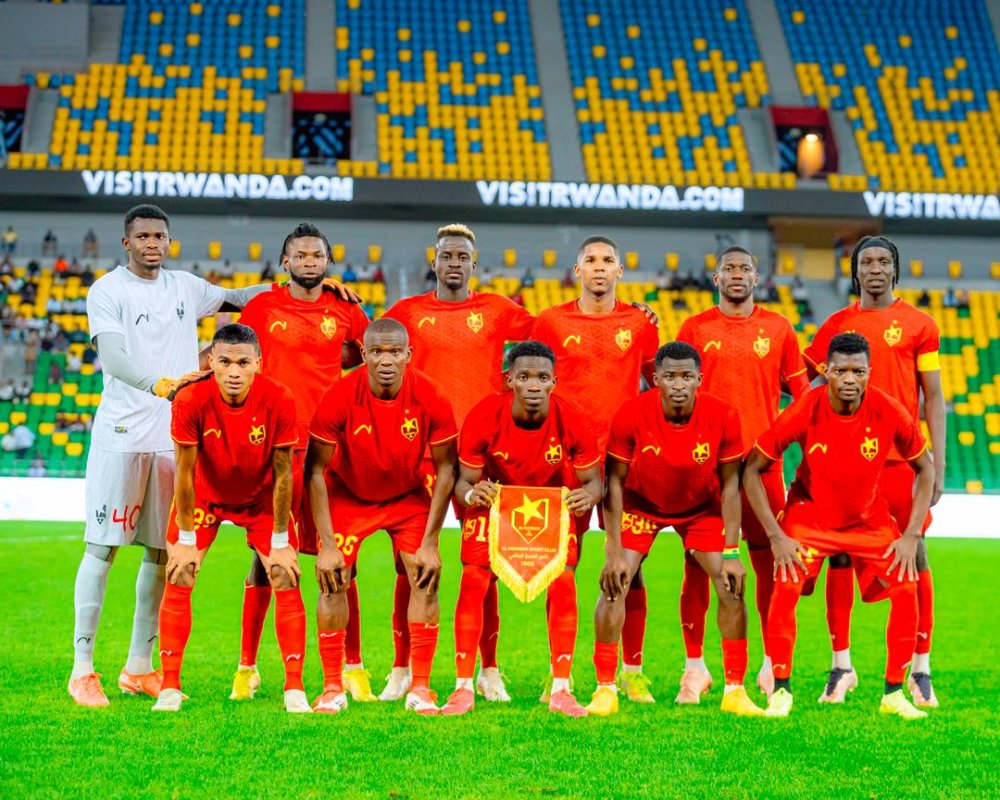
Mohamed Musa Al Kando, a board member of Al-Merrikh, thanked the Rwandan government and people for their support in a statement released on Friday.
“Thanks to the government and nation of Rwanda for welcoming our two big teams and, before that, welcoming the Sudanese people during this hard time of war.”
Al-Merrikh and fellow Sudanese club Al-Hilal SC were cleared to participate in the 2025/26 Rwanda Premier League in November last year, following the suspension of the Sudan Premier League in April 2023, which prompted the clubs to seek temporary relocation.
The clubs have received support from the Rwanda Football Federation and the league organizers, helping them integrate smoothly into the competition.
“I was very happy when I arrived in Kigali just two days before the big derby and we won,” Al Kando said, reflecting on their recent success.
Al-Merrikh plans to build stronger ties with local clubs through collaboration and experience sharing, and the board is also considering establishing a Merrikh Academy in Rwanda in the near future.
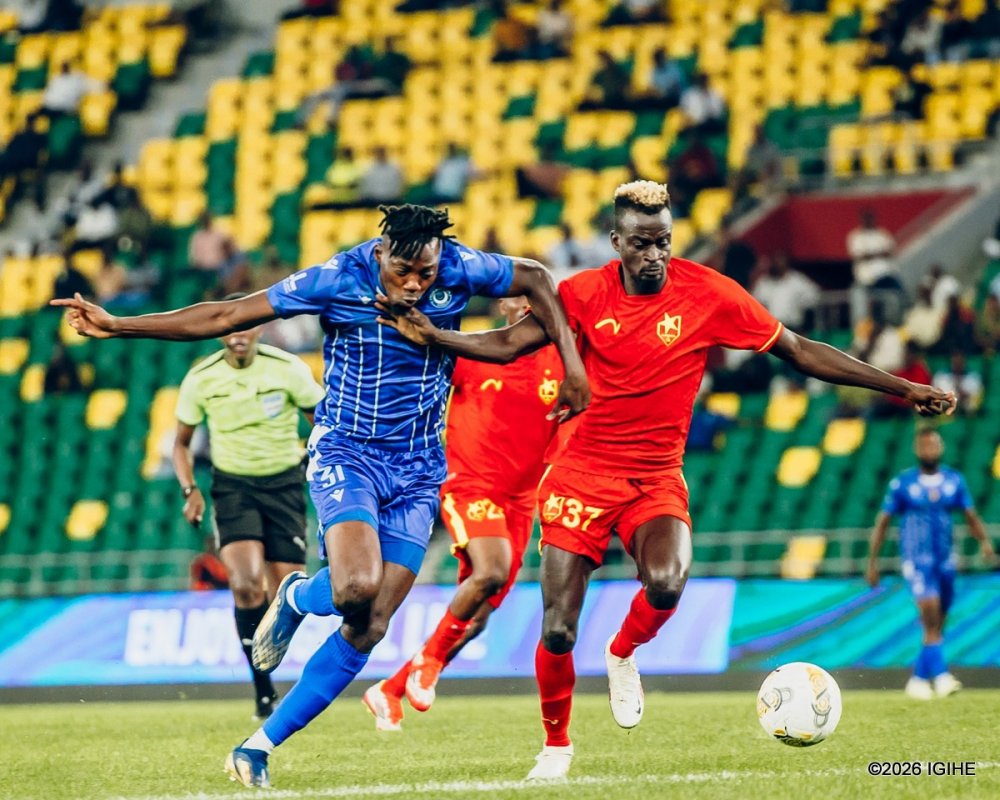
Currently, Al-Merrikh sits third in the Rwanda Premier League with 37 points, just one point behind Al-Hilal and APR FC, following a 2-1 victory over rivals Al-Hilal SC at Stade Amahoro on Tuesday, February 17, 2026.
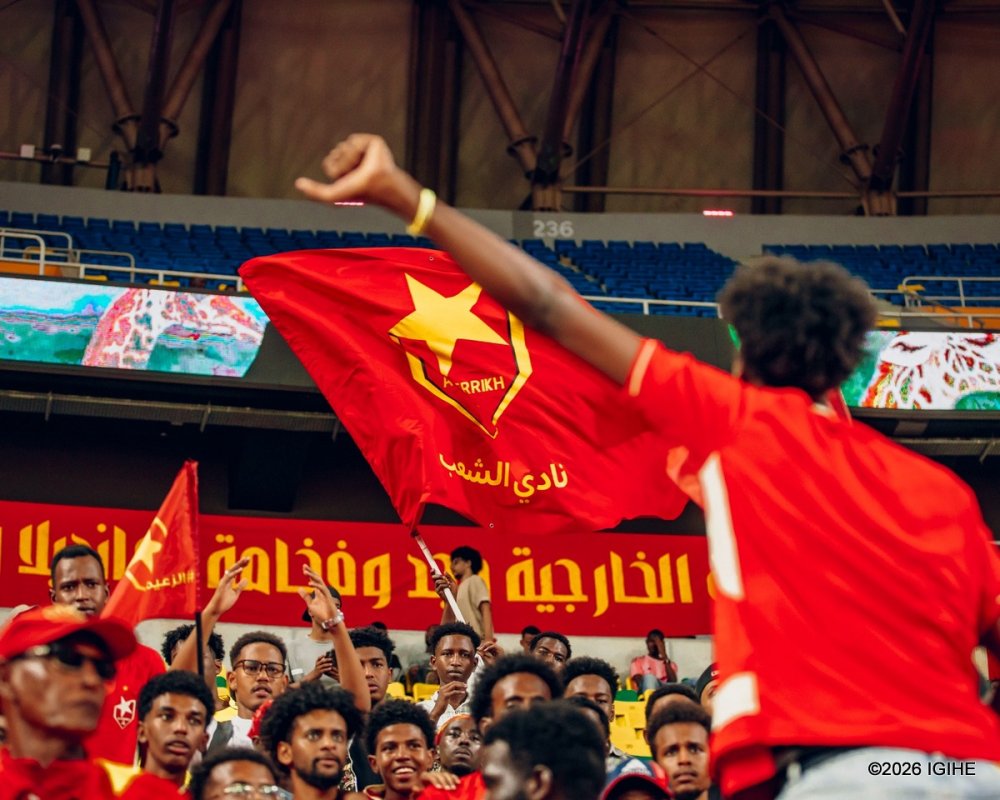
Al-Merrikh SC has been playing in the Rwanda Premier League since November 2025. In their most recent match, Al-Merrikh SC beat Al-Hilal SC 2-1 in the derby.Sudanese nationals in Rwanda often turn out to support their teams.
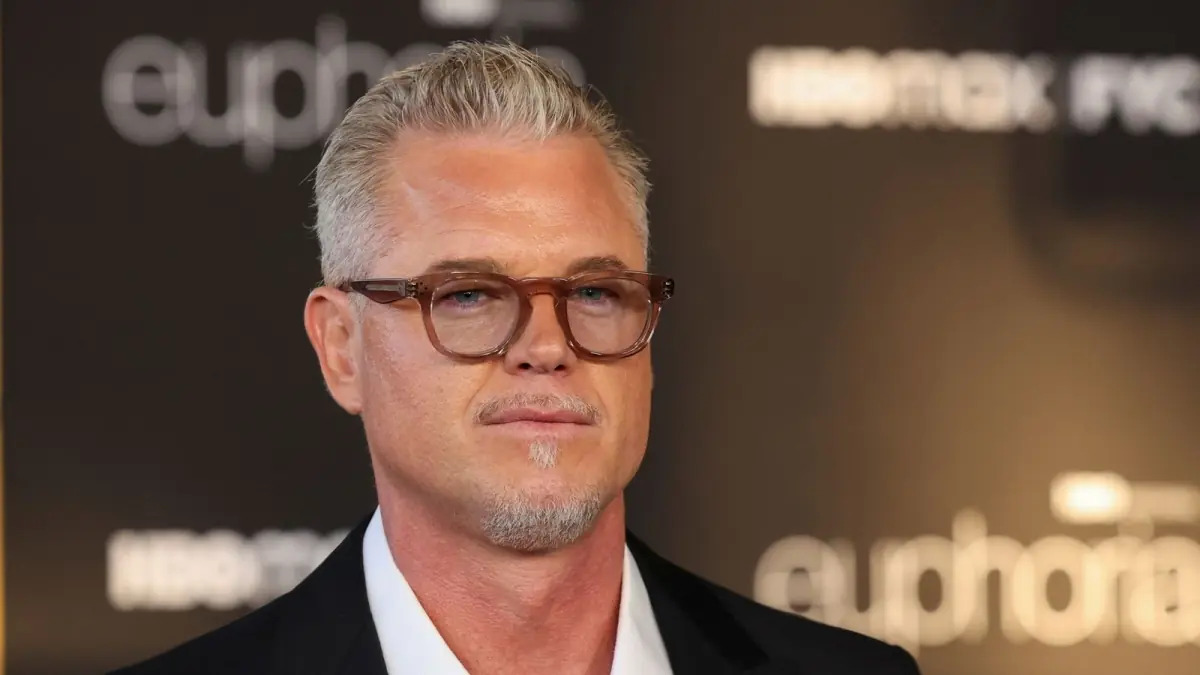
His family confirmed he passed away on Thursday, describing his final months as a courageous fight marked by advocacy and dedication to raising awareness of the disease.
Dane publicly revealed his ALS diagnosis in April 2025 and spent the months that followed using his platform to support patients and research.
Family statements highlighted his determination to make a difference, noting that he focused on fundraising and bringing public attention to ALS, the most common form of motor neurone disease. In recognition of his efforts, Dane was named “Advocate of the Year” by the ALS Network in late 2025.
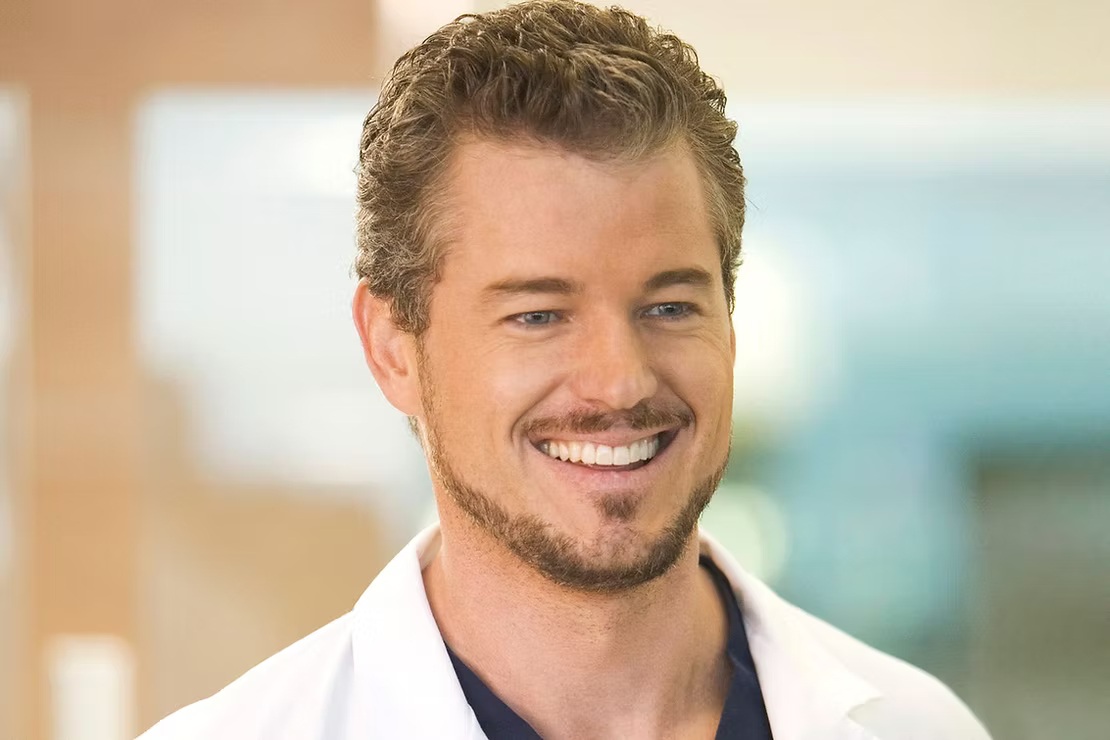
Born with a versatile talent for television and film, Dane first gained widespread recognition for his portrayal of Dr. Mark Sloan, affectionately nicknamed “McSteamy”, on the long-running medical drama Grey’s Anatomy. Introduced in Season 2, he became a fan favorite, appearing in 139 episodes, and left a lasting mark on pop culture.
He later drew acclaim for his darker, complex role as Cal Jacobs on the hit teen series Euphoria, continuing through the show’s second season and filming scenes for its upcoming third season. Dane also starred as Captain Tom Chandler on the post-apocalyptic action series The Last Ship from 2014 to 2018.
His other work included recurring television roles in Charmed and Gideon’s Crossing, early appearances in The Wonder Years, Roseanne, and Saved by the Bell, as well as film roles in X-Men: The Last Stand, Marley & Me, Valentine’s Day, Burlesque, and Bad Boys: Ride or Die.
Tributes have poured in from co-stars and colleagues, who remembered Dane as a warm, humorous, and intelligent presence on set. Many praised his dedication to ALS advocacy, noting his final months were defined by generosity and purpose.
Dane is survived by his wife and two daughters, Billie and Georgia, whom his family described as the center of his world. His memoir, scheduled for release later this year, will offer a closer look at his life, career, and enduring efforts to make a difference for those affected by ALS.
Dane publicly revealed his ALS diagnosis in April 2025 and spent the months that followed using his platform to support patients and research.
He emphasised that both countries are members of the East African Community (EAC) and, as such, should not harbour forces hostile to one another.
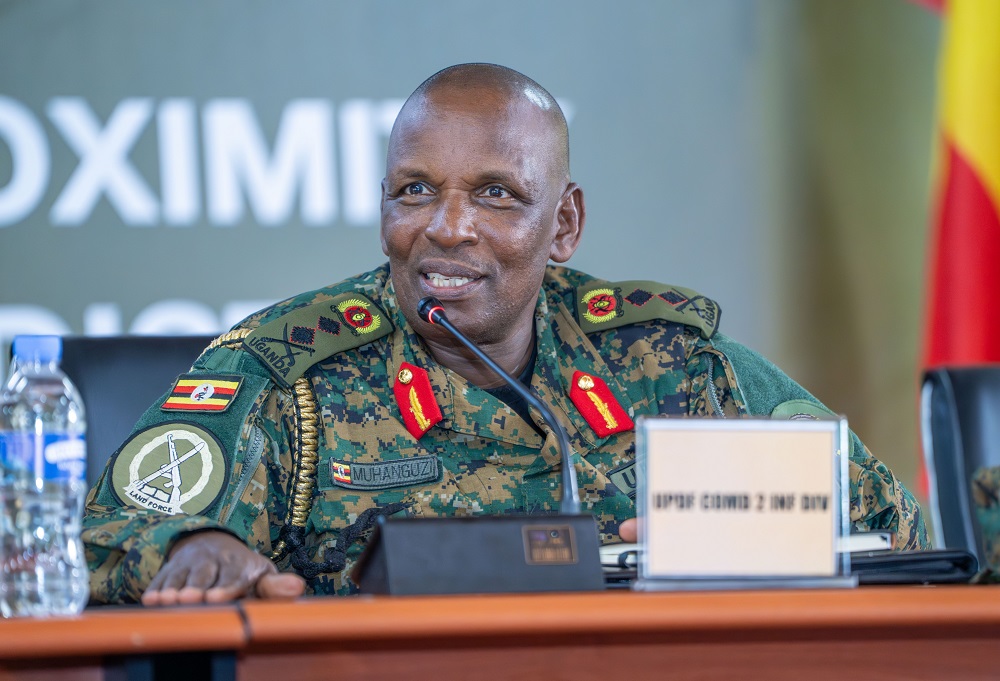
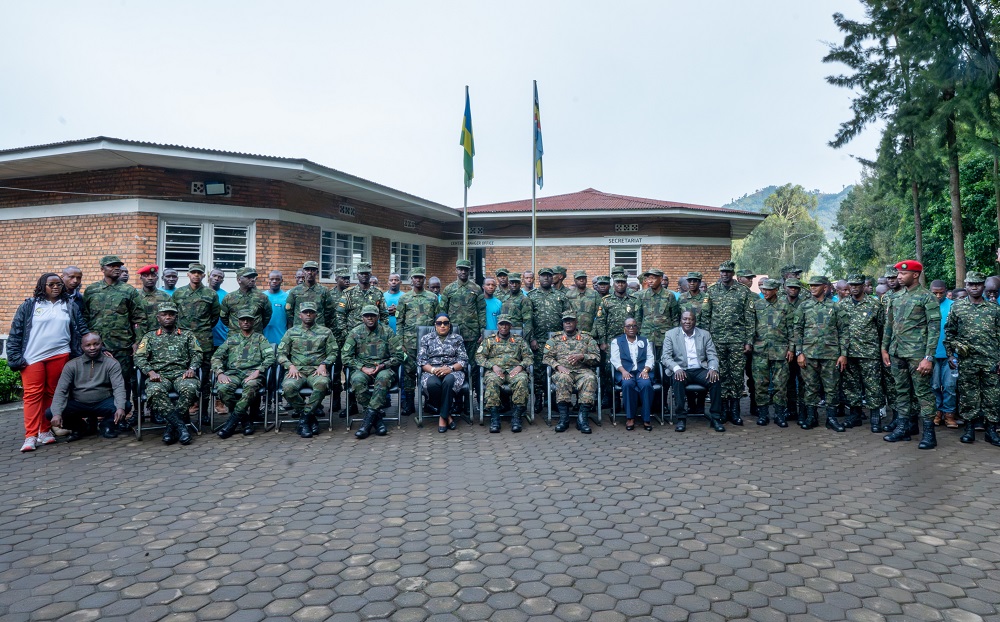
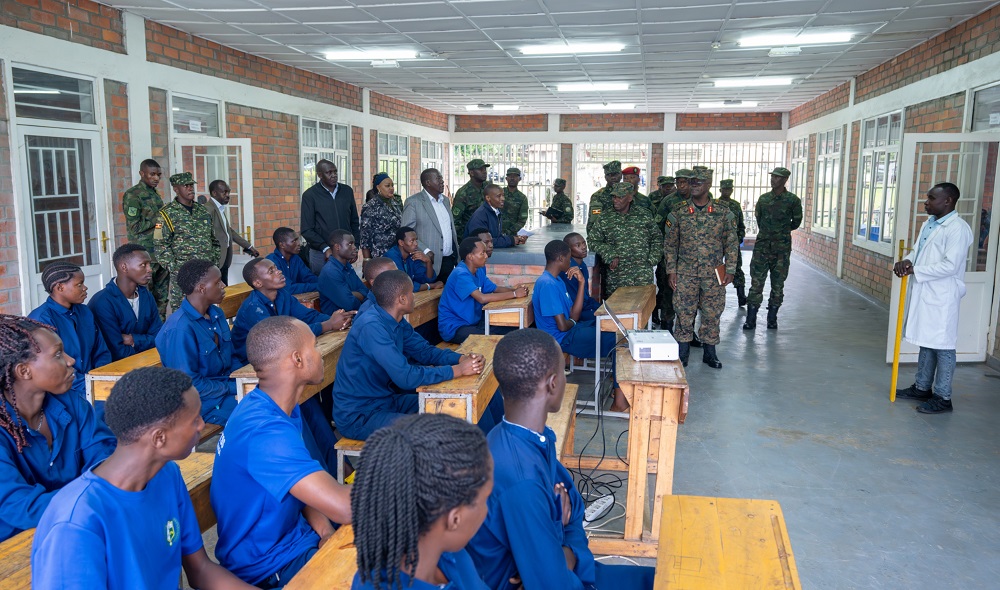
Major General Muhanguzi made the remarks on February 19, 2026, while leading a delegation of Ugandan soldiers on a visit to Rwanda. The delegation toured the National Commission for Demobilization and Reintegration (RDRC) center in Mutobo, located in Musanze District.
The visit aimed to familiarise Ugandan officers with Rwanda’s demobilisation and reintegration programs, which support the transition of former combatants, including members of the Democratic Forces for the Liberation of Rwanda (FDLR) and their families, back into civilian life.
Many of these former fighters had been operating from eastern DRC, where members of the militia group responsible for the 1994 Genocide against the Tutsi sought refuge after their defeat by the Rwanda Patriotic Army (RPA).
Speaking during the visit, Maj Gen Muhanguzi stressed that regional cooperation requires member states to prevent armed groups from operating within their borders.
“Rwanda should never have enemies originating from Uganda, and likewise, no enemy should be allowed to come from Rwanda to Uganda. However, we want Congo to ensure that it does not harbour enemies that attack both Uganda and Rwanda,” he said.
Maj Gen Muhanguzi praised former FDLR fighters who have chosen to return to Rwanda, saying many still have the capacity to contribute to national development alongside other citizens.
“A country is not built by one individual; it is built by all its people,” he added. “I also commend President Kagame for his leadership of Rwanda, and you, too, should come to understand the truth and return to your home.”
According to the RDRC, since 2001, a total of 12,602 former combatants have been reintegrated into civilian life. However, testimonies from returnees indicate that a number of former fighters, particularly from the FDLR, remain in hiding in the forests of eastern DRC.
Soldiers from Uganda’s Commander of the 2nd UPDF Infantry Division visited the Mutobo Centre.The delegation toured the National Commission for Demobilization and Reintegration (RDRC) center in Mutobo, located in Musanze District.
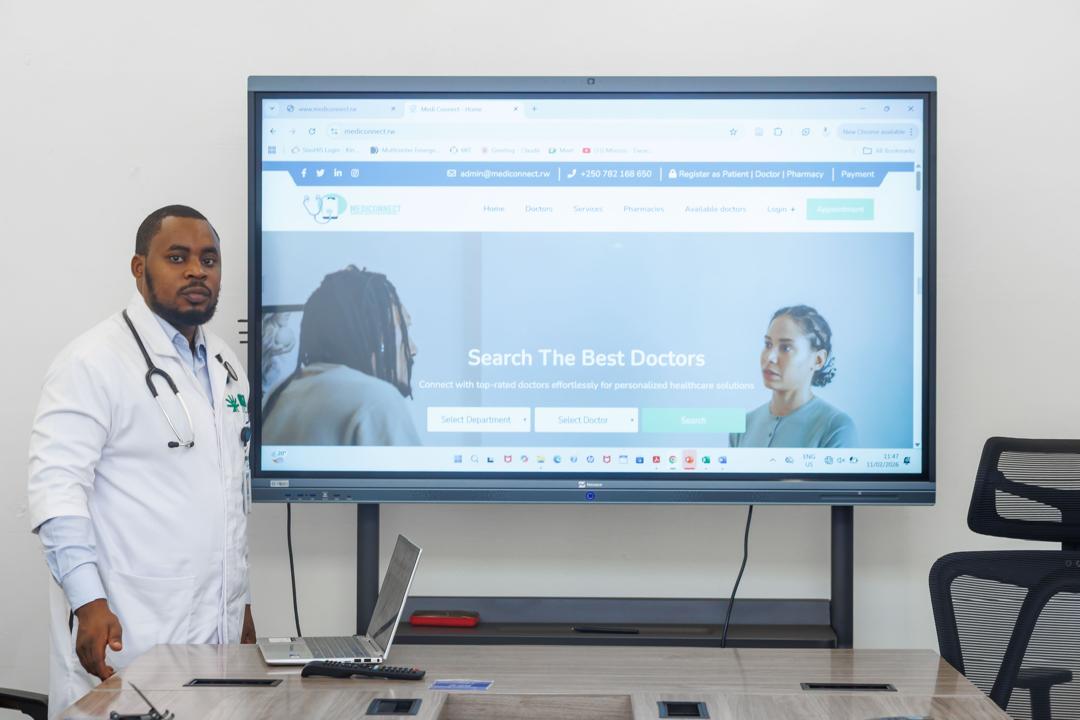
MediConnect is a digital health platform that connects patients with licensed doctors across multiple specialities through messaging, phone calls, or video consultations. It offers electronic prescriptions, home delivery of medications, and follow-up care. Consultations are priced to remain affordable, with a general practitioner costing 3,000 Rwandan francs and a specialist 5,000 Rwandan francs.
In an interview with IGIHE, Dr. Iradukunda explained that MediConnect was born from watching patients travel long distances for consultations and imagining a way for doctors to provide care beyond hospital walls.
The MediConnect platform connects patients with licensed doctors across multiple specialities through messaging, phone calls, or video consultations.
The shortage of doctors was another driving factor. Currently, Rwanda has approximately one doctor for every 4,000 members of its population, but the government is working aggressively to meet the WHO-recommended threshold by 2028 through the “4×4 Reform”.
“At the current rate, it would take us about 180 years to reach the World Health Organization’s recommended number of healthcare providers,” he remarked, acknowledging the urgent need to disrupt that timeline through the government’s ambitious initiative to quadruple the number of healthcare professionals within four years.
The MediConnect solution, he said, was not about replacing existing services but complementing them. MediConnect allows doctors to consult patients virtually when they are not at hospitals or clinics, extending care beyond traditional settings and reaching patients in both urban and rural areas.
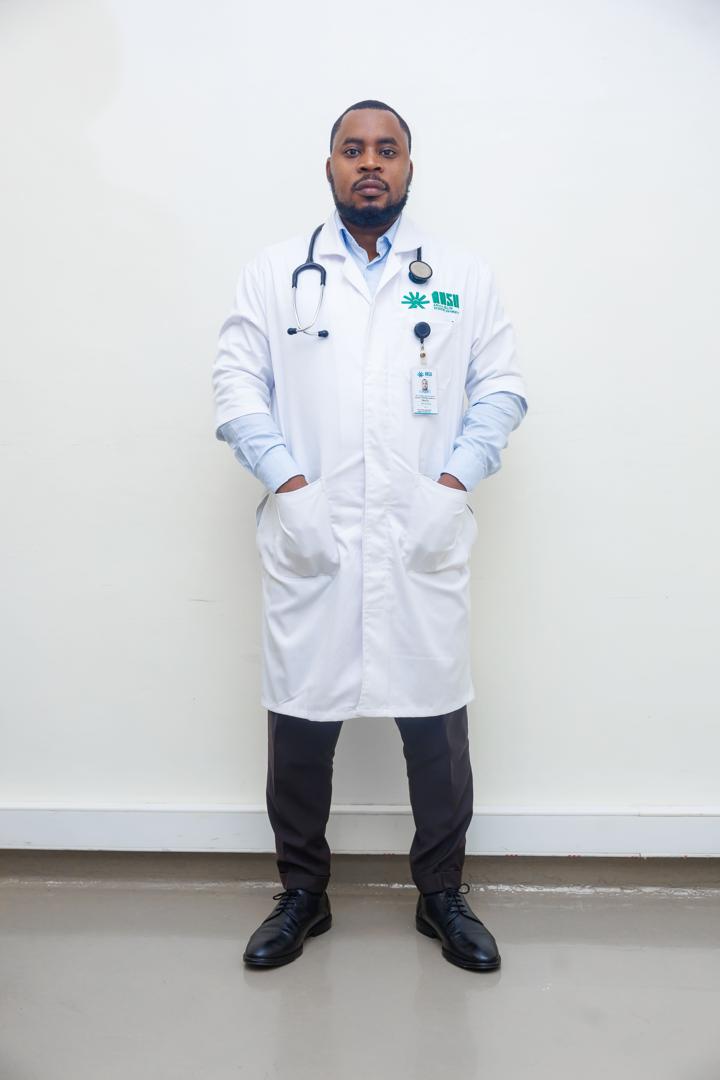
Dr. Seraphin Iradukunda launched MediConnect in 2024.
The platform was conceived during the COVID-19 lockdowns in 2020, when access to healthcare became even more challenging. Development began in 2023, when Dr. Iradukunda brought together a team of colleagues, developers, and digital health experts. MediConnect officially launched in 2024 and has since onboarded more than 60 licensed doctors across different specialities, facilitating hundreds of consultations.
The platform is registered with the Rwanda Development Board, licensed by the Ministry of Health, and cleared by the Rwanda Cyber Security Authority for data protection and privacy compliance. It was also featured on the Africa Digital Health Network Watchlist 2025 as one of the continent’s promising digital health startups.
MediConnect’s impact goes beyond consultations. Dr. Iradukunda is specializing in Emergency Medicine and Critical Care at Africa Health Sciences University (AHSU). Launched in September 2024 by King Faisal Hospital Rwanda in partnership with the Ministry of Health, AHSU aims to expand the country’s healthcare workforce.
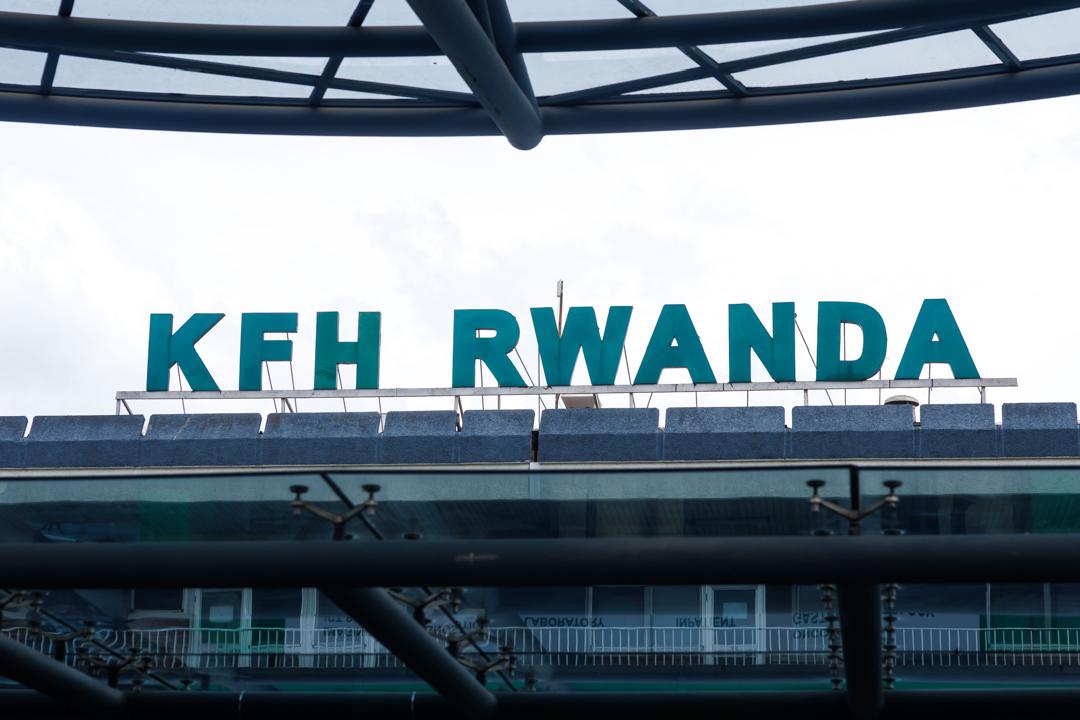
King Faisal Hospital Rwanda is the founder and a key stakeholder of Africa Health Sciences University (AHSU).
The university currently has 202 students and is expecting its third cohort this September. Its first cohort, which began training in 2024 and is expected to graduate in 2028, will produce roughly 60 specialists and 40 midwives. AHSU integrates digital health, telemedicine, and artificial intelligence into its residency programs, equipping students with the skills to innovate.
Residents from AHSU, including Dr. Iradukunda, have contributed to MediConnect by refining the web application, creating patient-centred designs, and developing health education tools.
“That early training in digital health opened our minds to technology’s role,” he told IGIHE. “We show that beyond being a doctor, you can provide solutions using university-acquired skills to solve real-world problems.”
Residents from AHSU, including Dr. Iradukunda, have contributed to MediConnect by refining the web application.
Beyond the code and the interface, the true heart of MediConnect is found in the lives it quietly saves when every second counts. This was the reality for a 25-year-old patient in 2025 who logged on to discuss persistent headaches.
What began as a convenient digital check-up quickly turned urgent as the physician identified critical warning signs, blurred vision and impaired balance. The resulting CT scan uncovered a brain tumour, leading to an immediate referral and successful surgery that likely wouldn’t have happened without that timely virtual connection.
“This shows MediConnect’s role in early detection of serious conditions that could have been missed,” Dr. Iradukunda said.
Looking ahead, MediConnect and AHSU innovators are developing AI-powered triage tools to determine whether cases can be managed virtually or need urgent referral. They are also creating electronic health information cards to track patient histories and exploring digital medical fitness certificates to reduce unnecessary clinic visits. Plans are underway for a mobile app and telemedicine kiosks to reach rural areas with limited digital access.
Dr. Iradukunda sees the platform not just as technology but as a new model of healthcare delivery. “We must be solution providers for our country and continent,” he said. “The future belongs to those who use knowledge and digital technology like AI to solve real-world problems.”
To access MediConnect’s services, book a consultation, or learn more about their digital health solutions, visit their web portal at www.mediconnect.rw.