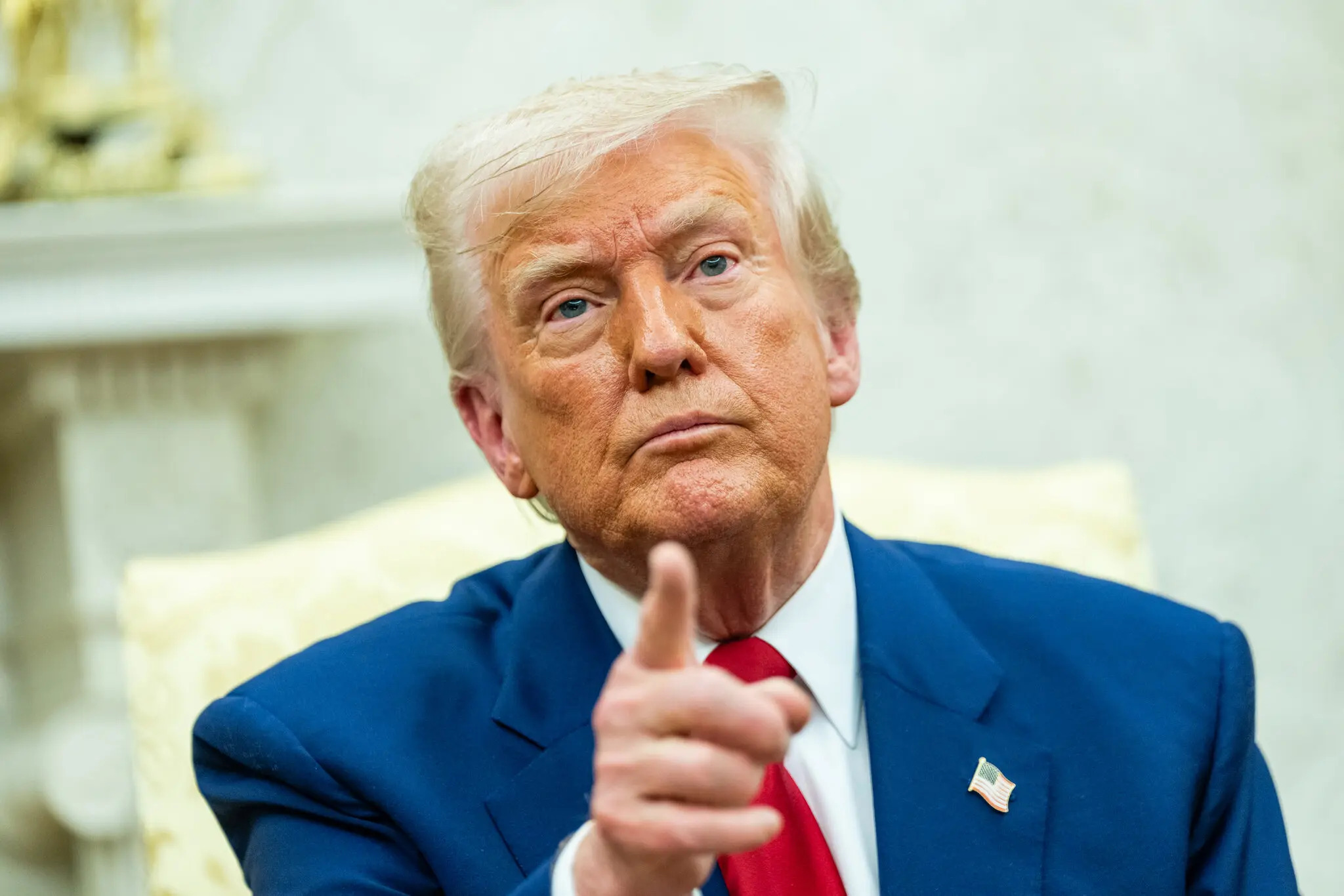
“I have just concluded my telephone conversation with President Vladimir Putin, of Russia, and it was a very productive one,” said Trump on Truth Social.
“We also spent a great deal of time talking about Trade between Russia and the United States when the War with Ukraine is over,” he said.
“I believe great progress was made with today’s telephone conversation,” he added.
Trump said the two countries agreed to hold a high-level advisors’ meeting next week, with Secretary of State Marco Rubio leading the U.S. delegation, adding that the meeting location is to be determined.
“President Putin and I will then meet in an agreed upon location, Budapest, Hungary, to see if we can bring this ‘inglorious’ War, between Russia and Ukraine, to an end,” Trump said.
The phone conversation came one day ahead of Ukrainian President Volodymyr Zelensky’s scheduled visit to the White House.
Trump and Putin met in the U.S. state of Alaska in August, but no deal was reached. In late September, Trump said on social media that he believes Ukraine, with the support of the European Union and NATO, “is in a position to fight and WIN all of Ukraine back in its original form.”
Under the deal, the International Committee of the Red Cross (ICRC) was designated to locate the prisoners, verify related information, and facilitate their transfer between the two sides.
However, a month later and despite Qatari mediation, no prisoners have been released. Instead, both parties continue to trade accusations of violating the ceasefire in North and South Kivu provinces.
On October 13, 2025, representatives from the DRC Government and AFC/M23 reconvened in Qatar to discuss compliance with the ceasefire and the modalities for the prisoner exchange, ahead of the next phase that is expected to lead to a peace accord.
The ceasefire implementation has since been given structure, with both sides agreeing to establish a joint monitoring mechanism composed of mediators and observers.
But progress on the prisoner issue has stalled. The list of detainees remains incomplete, the locations of some prisoners are unknown, and several cases are still under judicial review. As a result, an exchange cannot yet proceed.
Following agreement on the ceasefire monitoring mechanism on October 14, talks began to address the outstanding challenges surrounding prisoner release. The discussions are expected to last about ten days.
Mediators and observers, including representatives from the United States and the African Union, have intensified pressure for tangible results, especially after the parties failed to meet their initial target of signing a peace agreement by August 2025.
AFC/M23 has submitted a list of prisoners it wants freed by the DRC Government. The list includes its members, such as Eric Nkuba Shebandu, a former adviser to Corneille Nangaa, along with others accused of belonging to the movement.
According to a public notice dated October 14, 2025 and signed by NLA Director General and Chief Registrar of Land Titles, Marie Grâce Nishimwe, the decision aligns with the government’s ongoing efforts to enhance the efficiency, transparency, and accessibility of land services nationwide.
The NLA noted that significant progress has been made through the decentralisation of land services, which are now accessible at national, provincial, district, and sector levels. Licensed private notaries with the necessary competences are also authorised to handle land transactions, including the transfer of land rights.
“Since land services are now available near everyone, it is no longer necessary for people who live in a different area from where their land is located to appoint someone through a power of attorney for land rights transfer,” the statement reads in part.
The authority explained that the temporary suspension seeks to address a growing number of fraud cases involving falsified powers of attorney, which have been used to facilitate illegal transfers of land ownership.
The suspension will remain in force until the electronic notary system (e-notary), currently being developed by the Ministry of Justice, is officially launched and becomes operational.
However, in exceptional circumstances where an individual is genuinely unable to appear in person, the matter may be submitted for review through the Office of the Registrar of Land Titles in the respective province or through the NLA headquarters in Kigali.
The Authority clarified that the suspension applies only to powers of attorney issued within Rwanda. Those issued outside the country will continue to be accepted, provided they meet all legal and procedural requirements.
The NLA reaffirmed its commitment to safeguarding landowners’ rights and ensuring the integrity of land transactions through more secure and transparent digital systems.
This represents a 22.5 percent increase compared to the previous year. Together, they account for 67.4 percent of all regulated financial assets, meaning the banking sector controls roughly two-thirds of the country’s financial system and remains central to Rwanda’s financial stability and growth.
At the core of this expansion are Rwanda’s nine commercial banks: I&M Bank Rwanda Plc, Bank of Kigali Plc, BPR Bank Rwanda Plc, GT Bank Plc, Ecobank Rwanda Plc, Access Bank Rwanda Plc, Equity Bank Rwanda Plc, BOA Rwanda Plc, and NCBA Rwanda Plc. Combined, they manage assets valued at Frw 7.7 trillion.
Their growth has been driven by strong lending activity and solid deposit mobilisation, reflecting a buoyant domestic economy. Customer deposits rose by 27.7 percent to Frw 6.1 trillion, providing a stable funding base for lending. Using these funds, banks expanded their net loans to customers by 17.8 percent, reaching Frw 4.8 trillion.
This sustained credit flow is supporting households and businesses in key sectors such as construction, trade, manufacturing, transport, and hospitality, helping to fuel economic activity across the country.
Rwanda’s banks have also strengthened their financial foundations. Liquidity positions improved significantly, with cash holdings up by 48.1 percent, balances in other banks rising by 39.8 percent, and reserves at the National Bank of Rwanda increasing by 30.4 percent. These indicators point to improved resilience and the ability to withstand potential financial shocks.
The sector’s capital position is also stronger. Total shareholders’ funds rose by 36.1 percent to FRW 1.8 trillion, driven by a 73.1 percent increase in reserves and a 21.6 percent rise in profits, which reached Frw 161 billion. This capital growth enhances lending capacity and provides an important buffer against possible economic disruptions.
While commercial banks dominate in size, specialised institutions continue to play a critical role. The Cooperative Bank, ZIGAMA CSS, manages Frw 1.1 trillion in assets and supports community-based financial services.
The Rwanda Development Bank (BRD) also expanded its balance sheet to Frw 902.6 billion as it focuses on financing large-scale and long-term investment projects. Together, these institutions complement the commercial banks’ activities and contribute to a more inclusive financial ecosystem.
{{Lower borrowing costs boost credit
}}
The banking sector is also benefiting from improved monetary conditions. Following recent reductions in the Central Bank Rate, the weighted average lending rate dropped by 37 basis points to 15.93 percent, making credit more affordable for businesses and households. This has encouraged borrowing and stimulated investment across multiple sectors.
Rwanda’s banking industry is therefore not only expanding in size but also building greater financial strength. With strong deposit growth, rising loan portfolios, and a solid capital base, the sector is well-positioned to support the country’s ongoing economic transformation. These 11 institutions are shaping Rwanda’s financial landscape and powering its ambition for sustained and inclusive growth.
The $274.5 million transaction, initially announced in May 2025, transfers ownership of approximately 1,467 tower sites across the country to Paradigm, establishing it as Rwanda’s leading independent tower operator. The sites underpin the mobile networks that connect more than 5.3 million Rwandans to essential services such as mobile money and digital communications.
Backed by a consortium of international investors, including Convergence Partners, British International Investment (BII), and Proparco, Paradigm Tower Ventures aims to enhance connectivity and lower the cost of cellular services across Rwanda and the region. The deal was arranged and financed by Rand Merchant Bank, a division of FirstRand Bank Limited.
Paradigm said the acquisition would help improve network quality and affordability, driving digital inclusion in line with Rwanda’s national digital transformation goals. Research indicates that a 10 percent increase in mobile penetration can raise GDP per capita by 2.5 percent in African economies.
Stephen Harris, co-founder and chairman of Paradigm, said the company was “delighted to be expanding into the Rwandan market,” pledging to improve infrastructure efficiency and sustainability.
“Our focus is to improve existing infrastructure to be more efficient and environmentally friendly, alongside facilitating the improvement of mobile network coverage and connectivity,” he said.
Andile Ngcaba, Founder and Chairman of Convergence Partners, said the investment represents “the kind of opportunity where shared conviction, capable partners and sound fundamentals come together to create lasting value across the Continent.” He added that the platform would serve as “a critical enabler” for emerging data, cloud, and AI-driven services in Africa.
Abhinav Sinha, Managing Director and Head of Technologies, Telecoms and Sustainable Industrials at BII, said the investment underscores a commitment to bridging Africa’s digital divide.
“By enabling affordable, high-quality connectivity, we’re helping unlock opportunities for millions, whether it’s a student accessing online learning, a small business owner using mobile payments, or a healthcare worker connecting with remote communities,” he stated.
Djalal Khimdjee, Deputy Chief Executive Officer of Proparco, said the transaction reflects the organisation’s “trust and continued support” for Convergence and its mission to expand digital coverage across Africa.
Paradigm’s entry into Rwanda reflects investor confidence in the country’s stable policy environment and strong demand for connectivity. Beyond this initial acquisition, the company plans to build and operate additional carrier-neutral tower assets, supporting mobile operators in expanding coverage and accelerating digital inclusion across Africa.
Born on January 7, 1945, in Maseno, Nyanza Province, Raila Odinga was the son of Jaramogi Oginga Odinga, Kenya’s first Vice President and a key figure in the country’s independence movement. His father’s legacy shaped Raila’s political consciousness from an early age.
Odinga pursued technical studies in East Germany in the 1960s, training as a mechanical engineer before returning to Kenya to teach and later work at the Kenya Bureau of Standards. His professional career soon gave way to political activism, as he became increasingly involved in the struggle for democracy during the one-party era.
Odinga was arrested and charged with treason after being accused of being among the masterminds of the 1982 coup attempt to overthrow the government of then-President Daniel Arap Moi.
He was released six years later in February 1988, but detained again in August that year to be released in June 1989.
In the 1990s, Odinga was elected Member of Parliament for Lang’ata and emerged as one of the most vocal proponents of multi-party democracy. His persistence positioned him at the heart of Kenya’s pro-reform movement, earning both admiration and criticism for his defiance of entrenched political power.
Odinga’s first presidential bid came in 1997, marking the beginning of a long series of campaigns for the country’s highest office. His 2007 election battle against then-President Mwai Kibaki was one of Kenya’s most contested polls, sparking post-election violence that claimed more than 1,200 lives. The crisis was resolved through a power-sharing deal that made Odinga Prime Minister under a coalition government from 2008 to 2013.
During his tenure, Odinga played a crucial role in the formulation and adoption of Kenya’s 2010 Constitution, a landmark reform that devolved power and strengthened democratic institutions. Despite further presidential bids in 2013, 2017, and 2022, he never attained the presidency but remained an enduring symbol of opposition and reform.
From 2018 to 2023, Odinga served as the African Union High Representative for Infrastructure Development in Africa, further cementing his influence on the continental stage.
In 2022, he contested the presidency against William Ruto and challenged the results in court. The outcome was upheld, sparking protests from the opposition.
At the height of Gen Z economic-related protests in 2024, Odinga joined forces with President Ruto to form a broad-based government, resulting in several of his allies being appointed to key positions. In response to growing criticism, he later explained that his decision was motivated by the need to quell potential political instability.
He also campaigned for the African Union Commission Chairperson position in 2024–2025 but lost to Mahamoud Ali Youssouf of Djibouti.
Raila Odinga is survived by his wife, Ida Odinga, and their children: Rosemary, Raila Jr., and Winnie. His eldest son, Fidel Odinga, passed away in 2015.
Raila Odinga’s passing marks the end of an era in Kenyan politics, that of a resilient statesman whose quest for democracy, social justice, and good governance reshaped his country’s political landscape.
Facilitated by the State of Qatar, the agreement builds on the Doha Declaration of Principles signed on July 19, 2025, and outlines a structured process for monitoring compliance with the permanent ceasefire. The mechanism will be responsible for investigating and verifying alleged violations and engaging relevant actors to prevent renewed hostilities.
According to the Qatari Ministry of Foreign Affairs, the United States, the African Union, and Qatar itself will take part in the mechanism as observers, ensuring transparency and reinforcing international and regional support for the peace process in the Great Lakes region.
The ministry described the accord as a “pivotal step” toward confidence-building and advancing the journey toward a comprehensive peace settlement between Kinshasa and the AFC/M23 movement. It also expressed Qatar’s appreciation to the African Union, the United States, and the Togolese Republic for their “constructive contributions” to supporting the initiative.
The signing comes after months of counter-accusations of ceasefire violations between Congolese government forces and the rebel group, which took control of large territories in eastern DRC early this year.
Reacting to the latest development, U.S. Senior Advisor for Africa Massad Boulos commended both parties for their commitment to dialogue and restraint.
In a statement posted on X, Boulos said the agreement “brings the DRC and AFC/M23 closer to a comprehensive peace accord while advancing the implementation of the Washington Peace Agreement.”
“This critical step will ensure compliance through investigation and verification of any alleged violations, strengthen trust between parties, and reduce tensions on the ground,” he added, thanking Qatar for its leadership in facilitating the process.
The Doha mechanism is expected to provide a framework for sustained monitoring and accountability, a move diplomats hope will lay the groundwork for a durable peace and stability in eastern DRC after years of conflict.
Colonel Michael Randrianirina, flanked by senior officers, addressed the nation from outside the ceremonial presidential palace in Antananarivo, announcing that the military had “taken power” and dissolved most state institutions. “We have taken the power,” he said, pledging the formation of a transitional council composed of officers from the army, gendarmerie, and national police.
Randrianirina said a prime minister would soon be appointed to establish a civilian-led government and that a referendum would be held within two years to determine Madagascar’s future political direction. The colonel also announced the suspension of the constitution, the High Constitutional Court, the Senate, and the National Independent Electoral Commission, leaving only the lower house of parliament intact.
The dramatic turn followed a day of extraordinary political upheaval. Earlier Tuesday, the National Assembly voted 130 to 1 to impeach President Rajoelina during a special session, rejecting his attempt to dissolve the chamber just hours before. The assembly’s vice president, Siteny Randrianasoloniaiko, called the president’s dissolution decree “devoid of legal validity.”
Rajoelina, who first came to power in a 2009 coup before being elected in 2019 and re-elected in 2023, fled the country over the weekend after soldiers joined the youth-led anti-government protests that have gripped the Indian Ocean island for weeks.
Reports indicate that Rajoelina departed Madagascar aboard a French army aircraft on Sunday, though French President Emmanuel Macron declined to confirm his government’s involvement.
The latest turmoil was triggered by street demonstrations that began on September 25 over crippling power cuts and water shortages but quickly evolved into a broader movement denouncing corruption, poverty, and the soaring cost of living.
Led by Gen Z activists, the protests drew tens of thousands to the streets, gaining momentum after the army’s elite CAPSAT unit — the same force that propelled Rajoelina to power in 2009 — declared it would “refuse orders to shoot” demonstrators.
According to United Nations figures, at least 22 people have been killed and more than 100 injured since the unrest began, though government officials have disputed the toll.
By Tuesday evening, Madagascar’s police had also joined the military and gendarmerie in supporting the protesters, effectively ending Rajoelina’s grip on power.
Randrianirina said the military council would act “to meet the aspirations of the Malagasy people” and restore stability, but offered few details about the transition ahead in a nation once again thrust into uncertainty.
Amid failed ceasefires and polarised narratives, a new peace plan brokered by US President Donald Trump has emerged, promising a lasting truce, hostage releases, and a phased Israeli withdrawal from Gaza. But as headlines proclaim “the war is over,” questions linger about its durability.
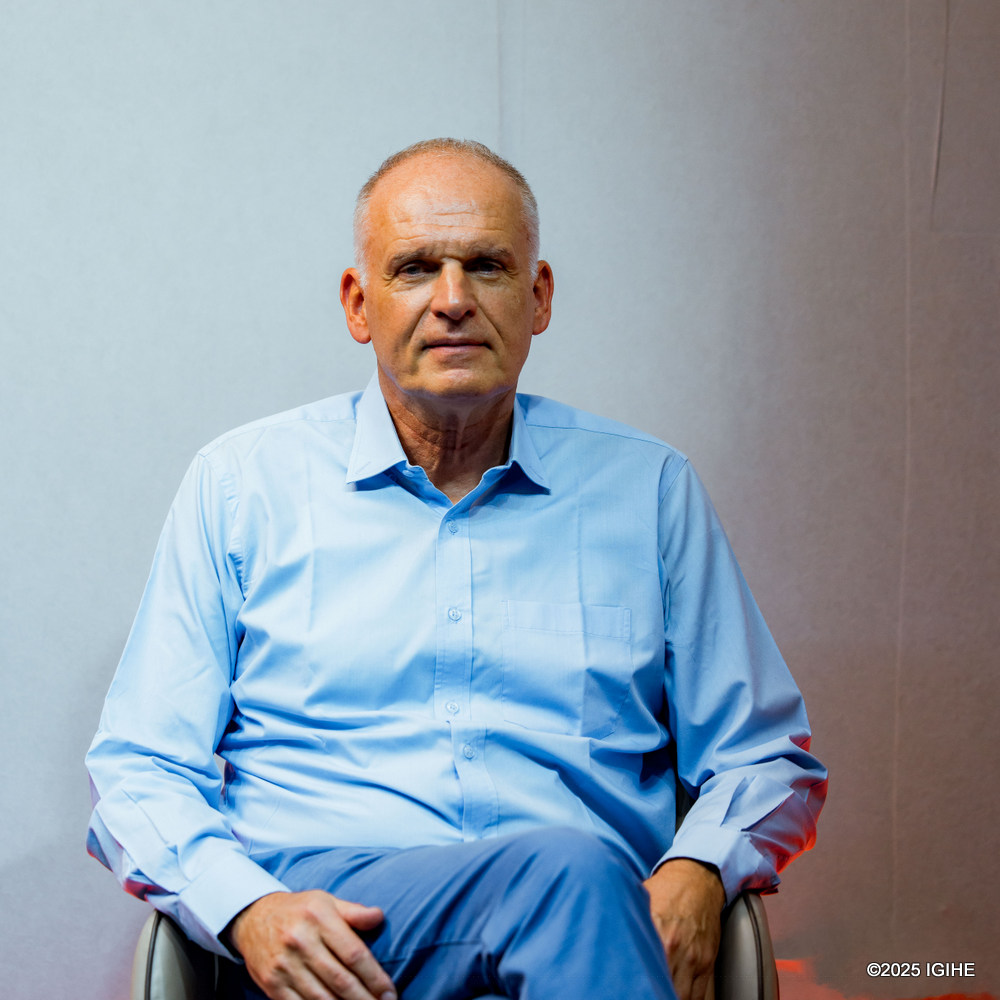
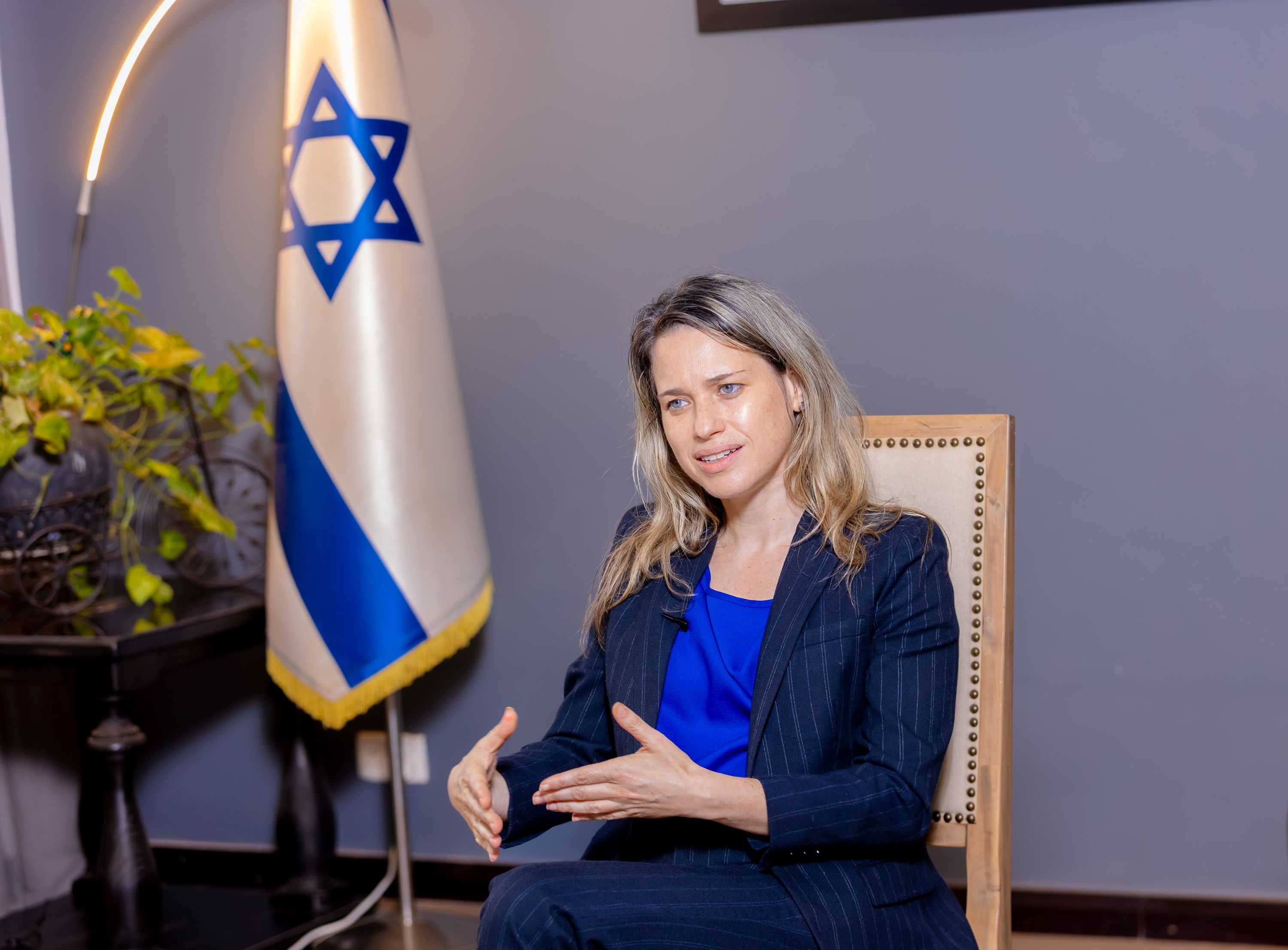
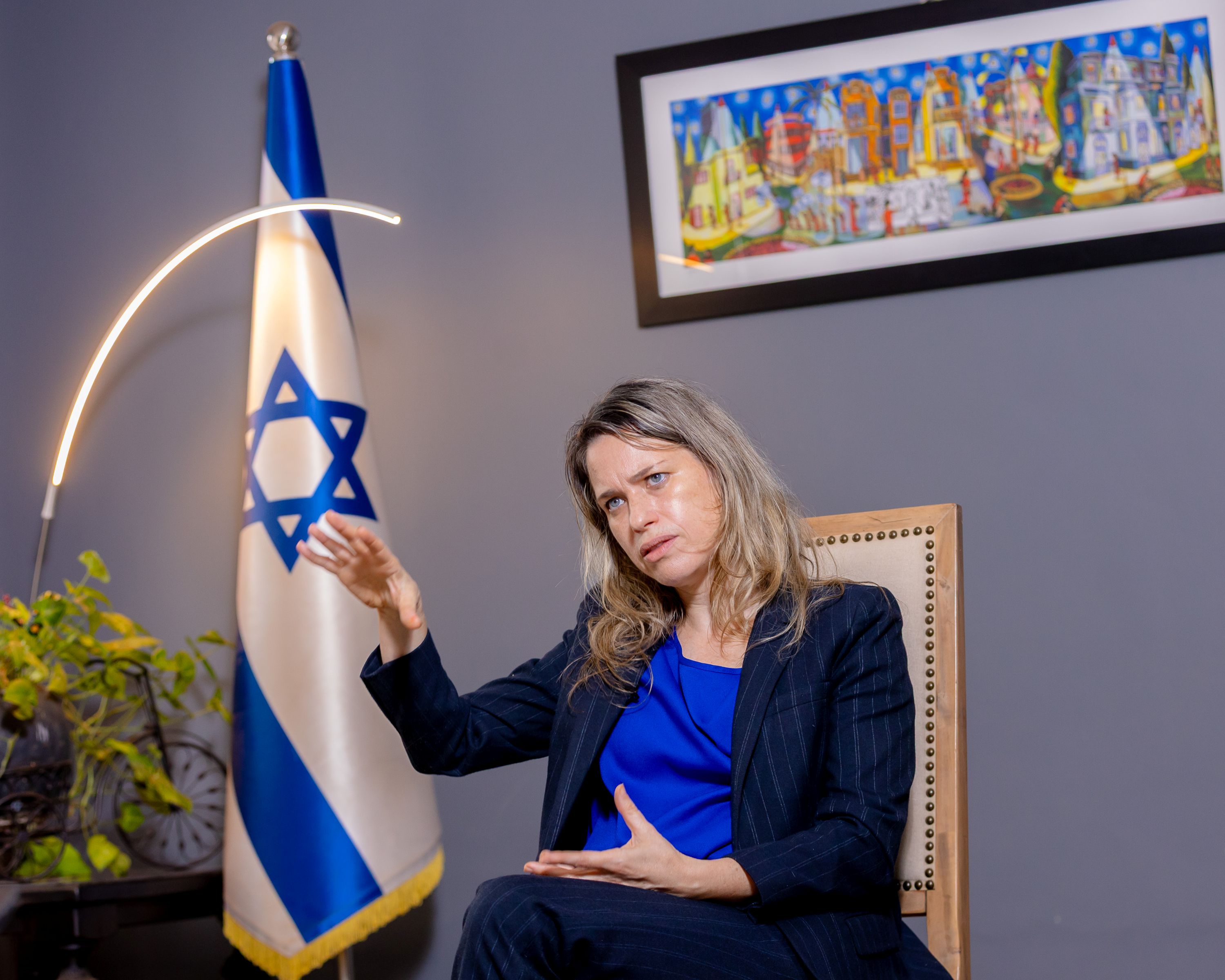
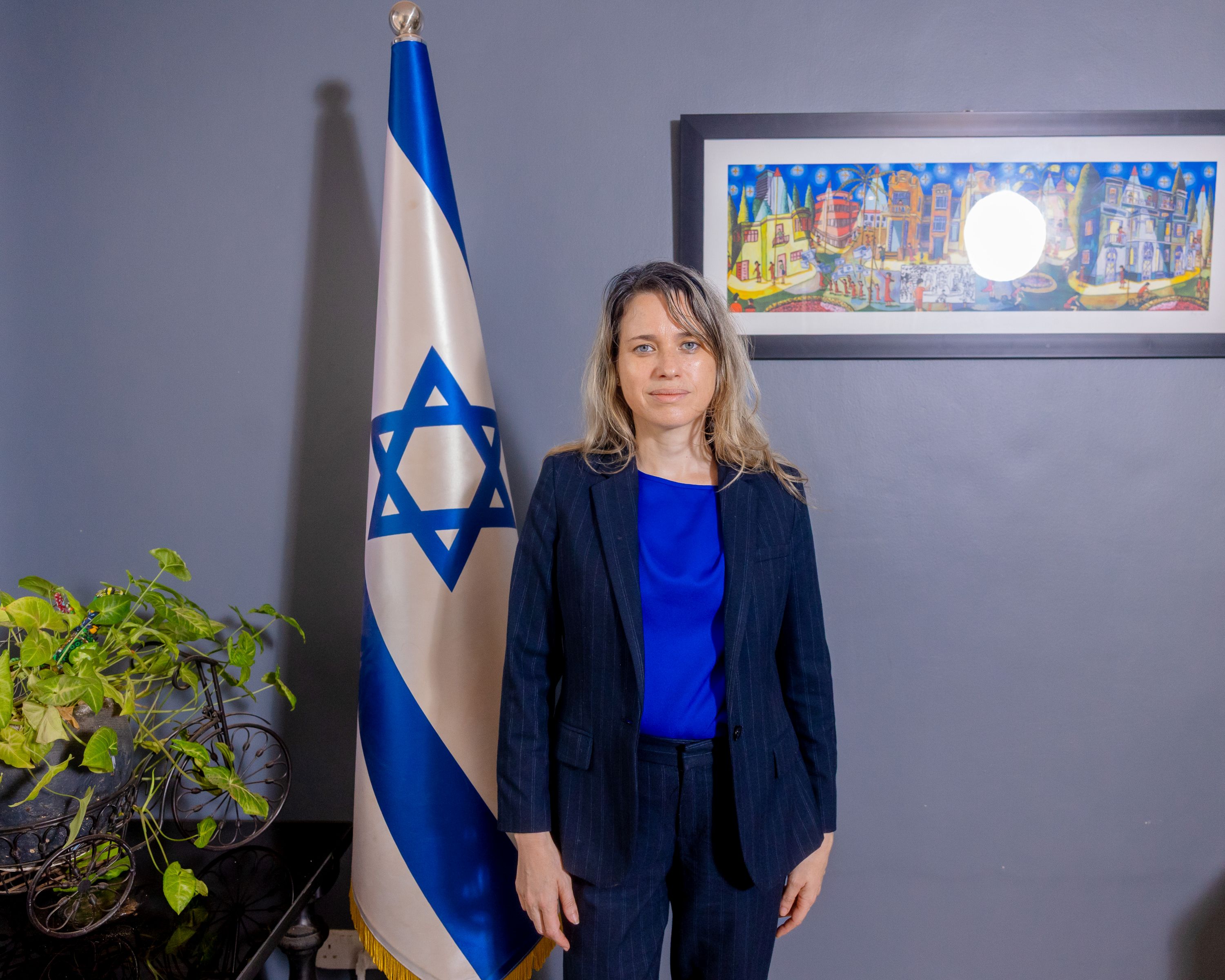
In an exclusive interview with IGIHE, Israel’s Ambassador to Rwanda, Einat Weiss, offered a candid perspective on the ceasefire, Israel’s stance on accountability, the emotional toll of the conflict, and the fragile hope for peace.
Speaking from Kigali, where she began her diplomatic mission just 50 days before the war erupted, Weiss reflected on the human and strategic dimensions of a conflict that has reshaped Israel and its global relationships.
{{A personal and national trauma
}}
The war’s onset was deeply personal for Weiss. “When October 7 happened, it was deeply traumatic,” she said, recalling the chaos as 1,500 Israelis were killed, hostages were taken, and missiles rained across the country. Her husband, Aviad, driven by what she describes as Israel’s “deep patriotism,” volunteered as a reservist, serving multiple tours in the Southern Command until recently.
“My parents and family were in shelters,” Weiss added. “As a human being, it was challenging to start a new diplomatic mission amidst such uncertainty.”
She highlighted the resilience shown by many Israelis, noting that around 500,000 people, over 5% of the population, gathered in Hostages Square to mark the recent peace agreement.
“If terror is abandoned and its sponsors held accountable, a positive future is possible,” she said.
{{A historic ceasefire
}}
The Trump-brokered deal, finalised in October 2025, marks a turning point. Weiss described Monday, October 13, 2025, the day the hostages were released, as “the most optimistic day we’ve experienced in the last two years,” with all 20 known hostages released from Gaza, either after crossing the border or while in Red Cross custody.
“They are on their way back to their families,” she said, though their physical and emotional conditions remain unclear.
Unlike previous ceasefires, which failed to hold, Weiss said the latest agreement is bolstered by its concise 20-point framework and “strong American safeguards.”
She credits the timing with Hamas “weakened” after two years of Israeli operations targeting its leadership, and President Trump’s personal pressure on all parties. The plan aims to demilitarize Hamas, dismantle its 600 kilometers of tunnels, and create a safe zone for Israel’s security.
“This is the first time Hamas agreed to these terms,” Weiss noted.
{{Accountability in the wake of heightened criticism
}}
The war’s toll of over 67,000 reported deaths in Gaza, half of them women and children, according to human rights organisations, has fueled accusations of genocide and the use of disproportionate force by Israel.
Weiss denied accusations of genocide and excessive force as “false,” framing the conflict as an “asymmetric war” against a terror organization. She accused Hamas of using civilians as human shields, operating from hospitals and homes, and blocking evacuations to provoke global condemnation.
“Israel has done more than most armies to minimize harm,” she stated, pointing to warnings via pamphlets and instances where soldiers’ lives were risked to avoid civilian casualties.
However, critics argue that Israel’s extensive airstrikes and ground operations in densely populated Gaza, resulting in over 67,000 reported deaths, raise serious questions about proportionality and the effectiveness of these measures, especially given Israel’s advanced intelligence capabilities.
Weiss dismissed calls for independent investigations into Israel’s actions, arguing that equating a state with a terror group like Hamas, which she says “openly disregards international law,” is misguided. She defended Israel’s judicial system as “robust” and capable of meeting international standards for self-investigation.
“We investigate thoroughly, even during the war,” she said, acknowledging mistakes but stressing efforts to learn from them.
However, critics contend that Israel’s internal probes may lack impartiality, given the scale of destruction in Gaza and allegations of war crimes, raising doubts about whether self-investigation can adequately address international concerns over accountability.
{{Rebuilding Gaza and Israel’s role
}}
The peace plan prioritizes Gaza’s reconstruction, redirecting funds to health, infrastructure, and economic growth. Weiss notes Israel provided aid throughout the war, though much was looted by Hamas. The agreement aims to ensure aid reaches civilians.
Before October 7, 2023, Gaza saw economic growth through Israeli work permits, she says, yet critics argue Israel’s blockade and restrictions stifled Gaza’s potential long before the war.
The plan’s transitional technocratic government, backed by the U.S. and Arab states, seeks to replace Hamas’ rule. An International Stability Force will work with the IDF to ensure demilitarization, but Weiss emphasizes Hamas must cease as a terror entity.
{{Palestinian statehood and global perceptions
}}
On the contentious issue of Palestinian statehood, Weiss reiterated Israel’s conditions: the Palestinian Authority must stop encouraging terrorism, including compensating families of attackers and promoting anti-Israel material in schools. Only then, she said, can a U.S.-led dialogue proceed, as outlined in the agreement’s final points. Critics argue that Israel’s conditions delay negotiations, maintaining the status quo.
Global opinion, especially among African youth, remains polarised, with many viewing Israel’s actions in Gaza as disproportionate due to the high civilian toll and widespread destruction. Ambassador Weiss attributed these perceptions to misinformation on social media, often driven by anti-Israel agendas. She urged audiences to look beyond the conflict, emphasising that Israel offers significant contributions in areas like agriculture and technology.
While some African nations criticised Israel, she added, others strengthened their support, visiting Israel and its border areas.
“Criticism often reflects specific agendas,” Weiss said, “but Africa remains a key friend. Israel has increased its focus on Africa, with frequent high-level visits reflecting mutual interests and support, including at the UN.”
The ambassador also dismissed concerns that the conflict could escalate to involve Hezbollah or Iran, pointing instead to a de-escalating trend and urging critics to focus on Iran’s role in militarizing the region.
“The situation is de-escalating, not escalating. Hezbollah is weakened, and Iran’s influence is being countered. The focus now is on stabilization and rebuilding,” she said.
Even as Trump declared the war over on Monday, Weiss struck a cautious tone. “The war is officially over, with Israel withdrawing as agreed,” she noted, “but Hamas must fulfill its obligations, including surrendering weapons and addressing the tunnels.”
The apps were unveiled on October 13 during the Africa HealthTech Summit at Kigali Convention Centre.
e-Buzima is a digital health platform designed to digitise medical records and synchronise patient information across all public health facilities. The system allows doctors and patients to access medical records in real time, reducing waiting times and improving treatment accuracy. It also eliminates the need for patients to repeat their medical histories when referred from one facility to another.
e-Banguka, on the other hand, focuses on emergency medical response, enabling real-time ambulance tracking and identifying the nearest available ambulance to a patient. Together, the two apps create a connected network linking community health workers, health centres, hospitals, pharmacies, and patients, streamlining information flow and care coordination.
“These applications will help citizens access health services more quickly while ensuring seamless information sharing,” said Dr. Yvan Butera, Minister of State for Health.
He added that the platforms also allow patients to consult doctors remotely, providing professional guidance over the phone.
The digital systems are expected to reduce patient costs by eliminating repetitive paperwork and supporting evidence-based planning at the Ministry of Health.
According to the ministry, the apps are locally developed and comply with national data protection and cybersecurity regulations, ensuring that all patient information is stored and managed securely within Rwanda.
Ozonnia Ojielo, UN Resident Coordinator in Rwanda, praised the initiative as a model of partnership-driven innovation, highlighting collaboration between government, UN agencies, private sector actors, and local tech developers. The platforms are interoperable, cost-effective, and tailored to Rwanda’s context while adhering to ethical standards in handling patient data.
By leveraging artificial intelligence and digital tools, Rwanda is taking significant steps toward modernising its healthcare system, improving service delivery, and expanding access to quality care for all citizens.