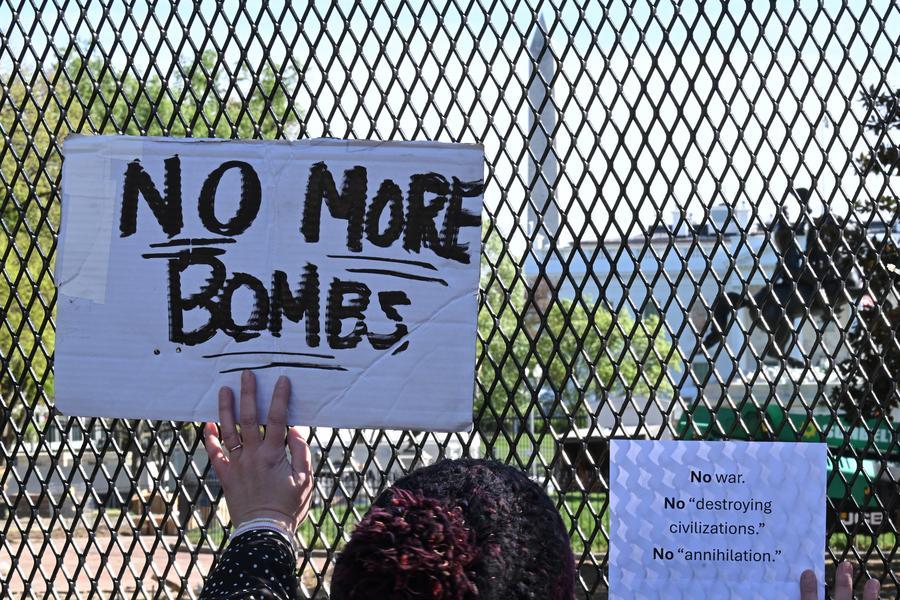
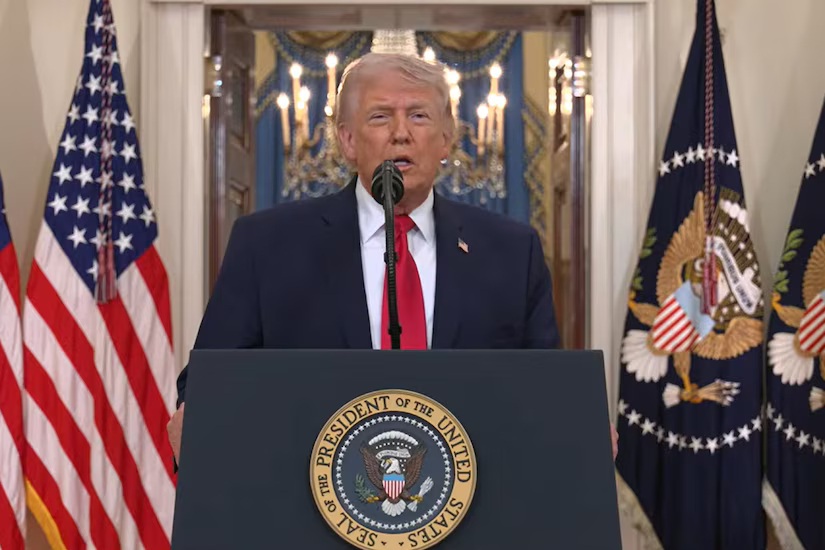
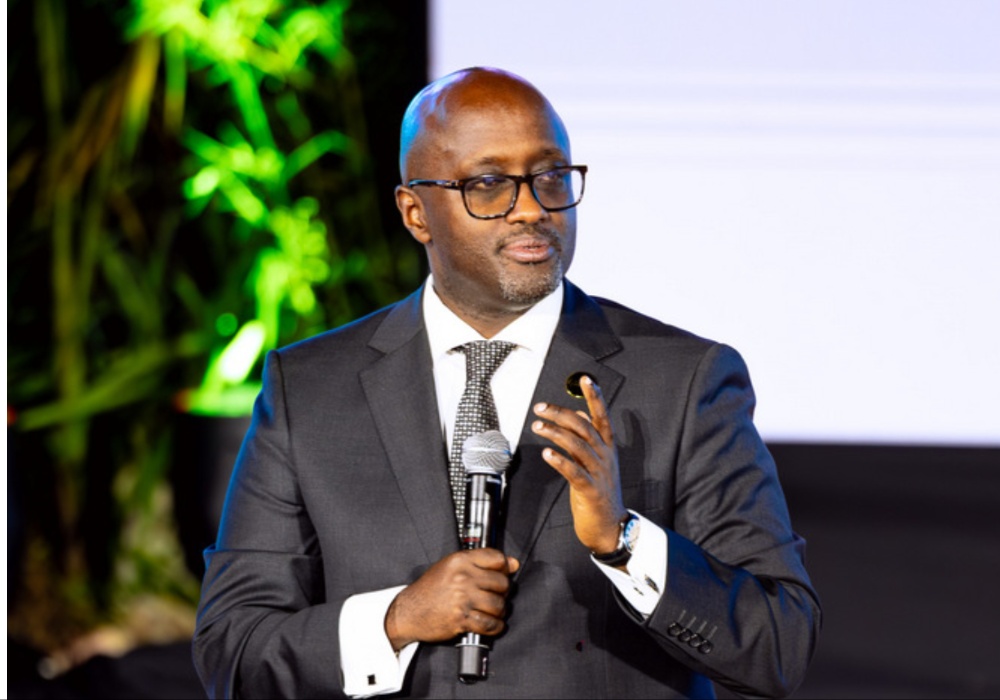
Iran’s leaders “talk much differently when you’re at a meeting than they do to the press. They’re much more reasonable,” Trump said during a phone interview with NBC News.
“They’re agreeing to all the things that they have to agree to,” he claimed. “If they don’t make a deal, it’s going to be very painful.”
Trump said he had a phone call with Israeli Prime Minister Benjamin Netanyahu on Wednesday and noted that the Israelis were “scaling back” operations in Lebanon.
“I spoke with Bibi (Netanyahu) and he’s going to low-key it. I just think we have to be sort of a little more low-key,” he said.
Israel and Lebanon will start their first round of direct negotiations next week in Washington, D.C., with the United States, Israel and Lebanon represented at the ambassadorial level, online U.S. media outlet Axios reported Thursday, citing a senior Israeli official.
Iranian President Masoud Pezeshkian and Parliament Speaker Mohammad Baqer Qalibaf have stressed that stopping attacks on Lebanon is an integral part of the ceasefire reached between the United States and Iran.
US President Donald Trump said he had a phone call with Israeli Prime Minister Benjamin Netanyahu on Wednesday and noted that the Israelis were “scaling back” operations in Lebanon.
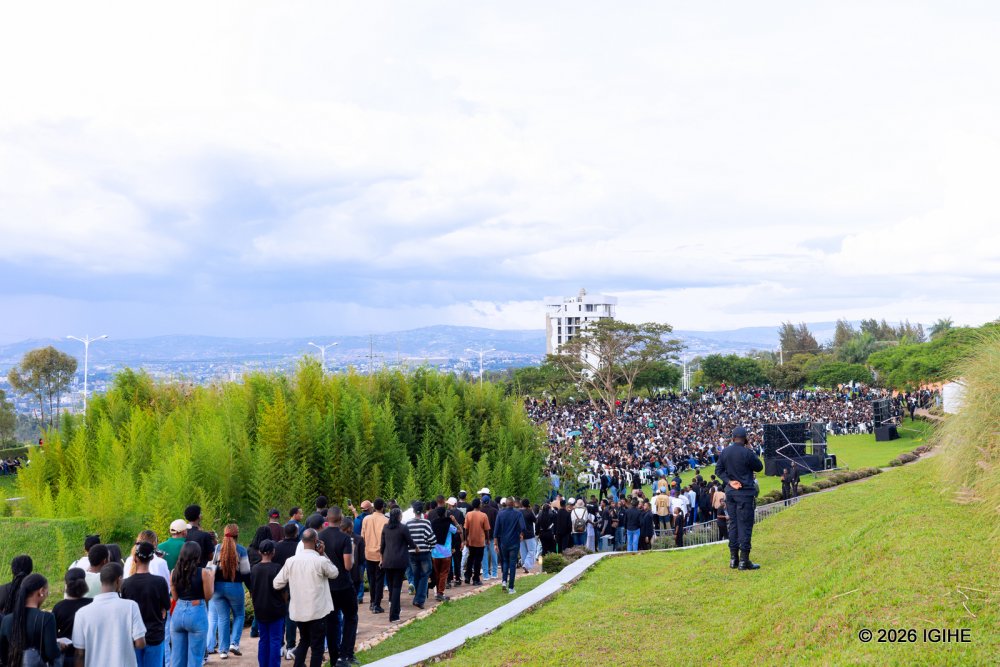
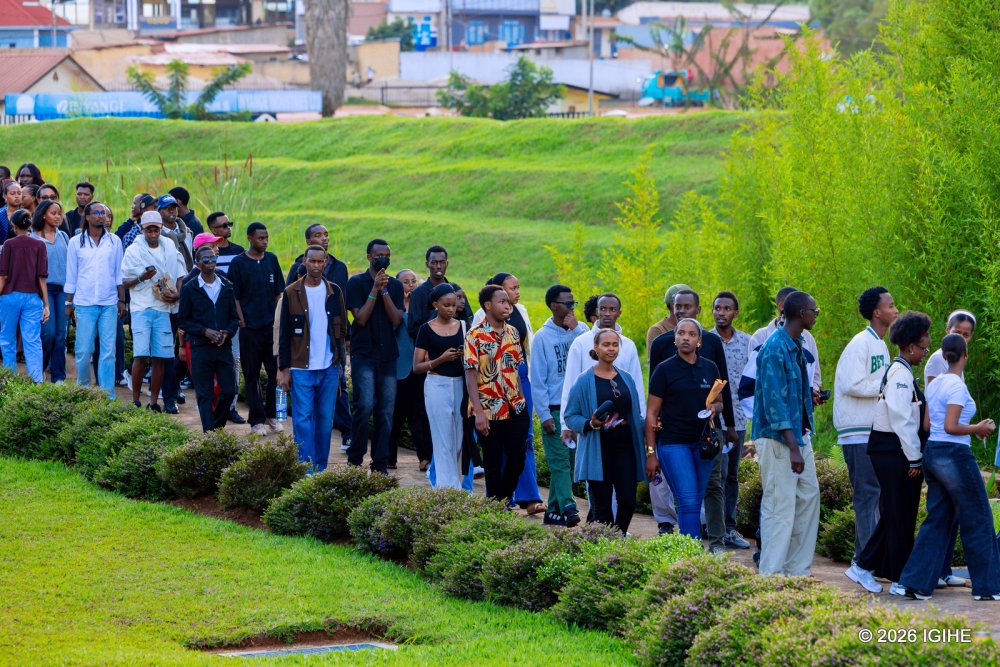
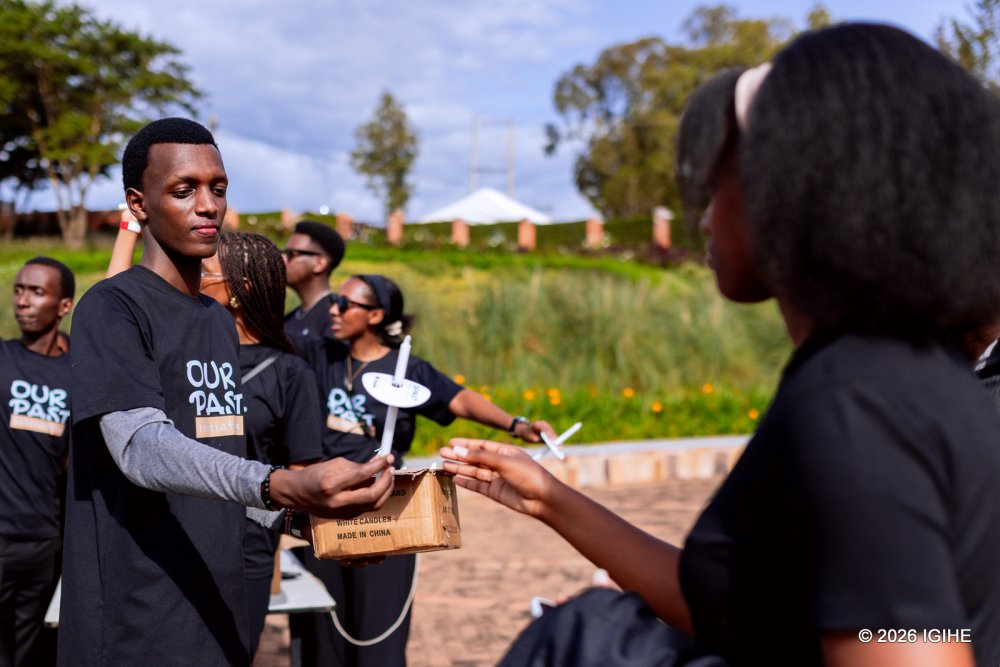
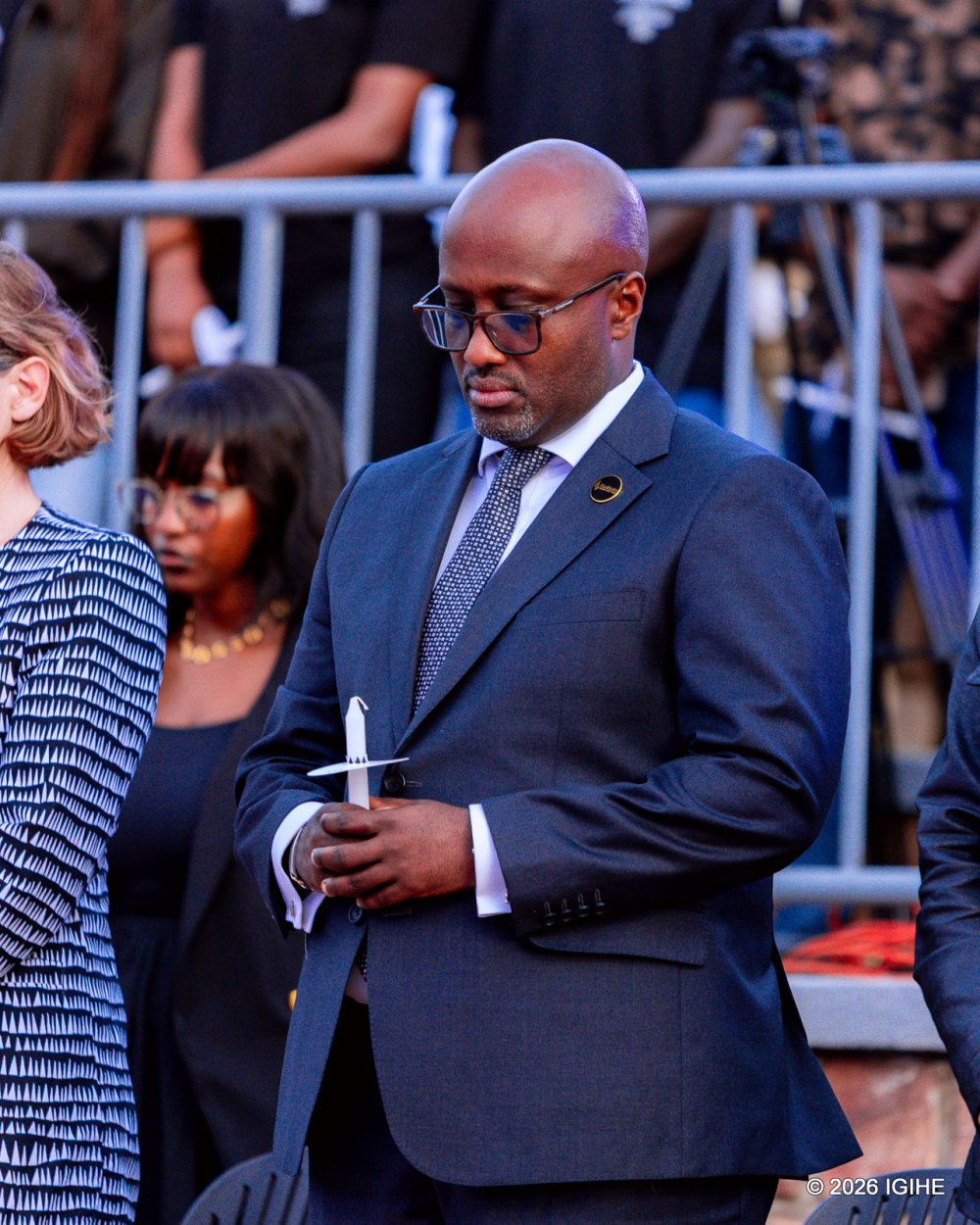
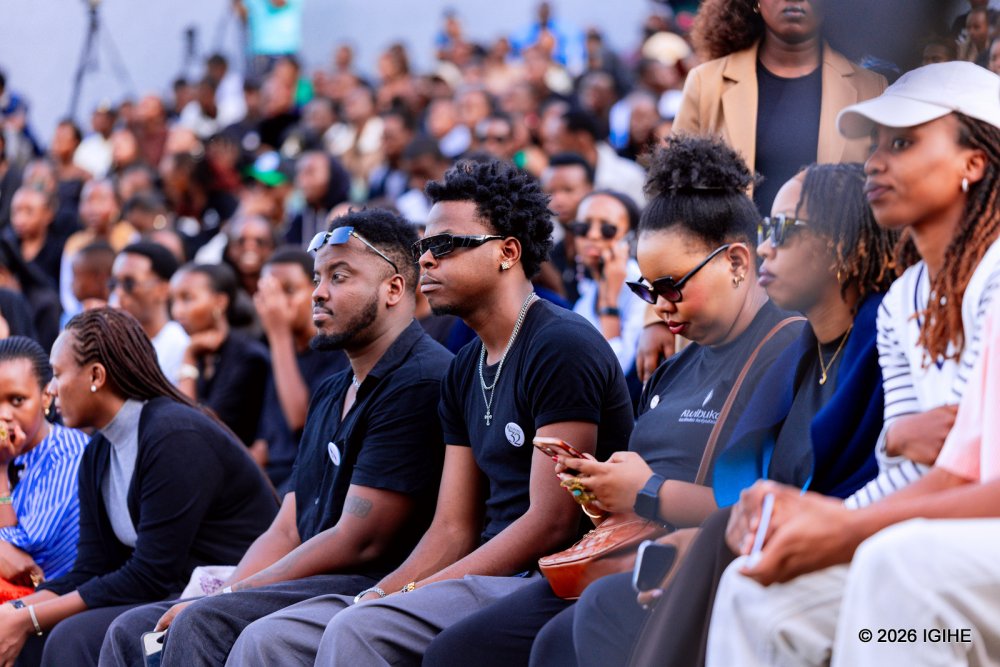
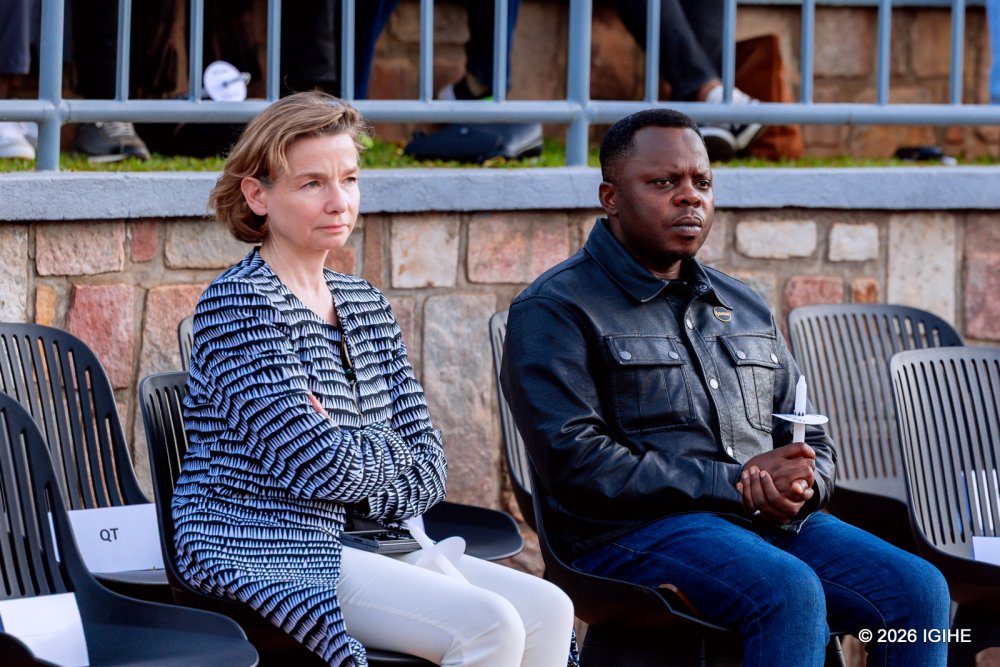
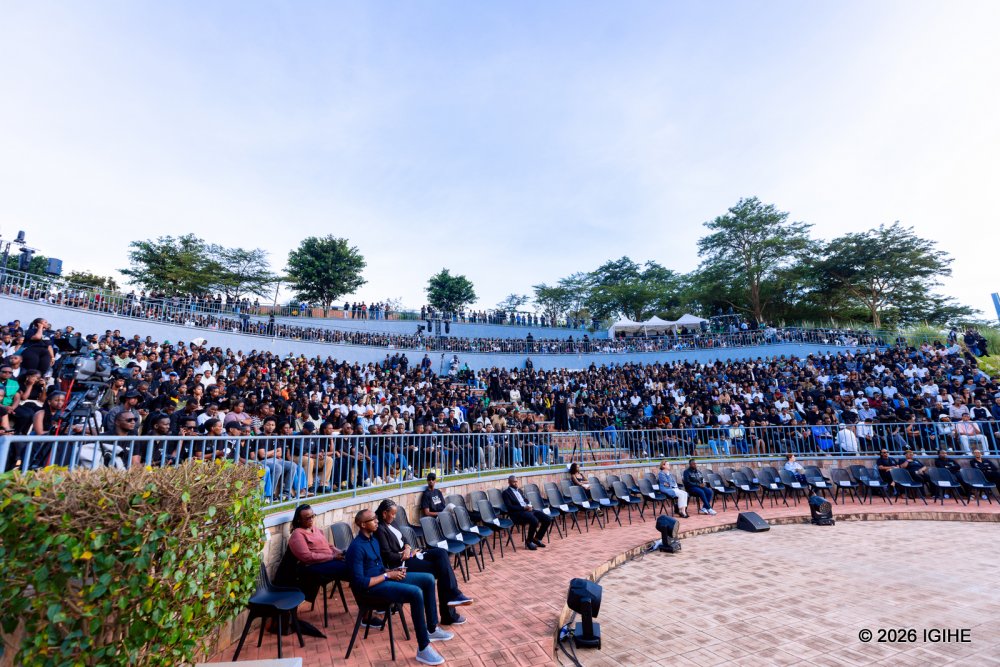
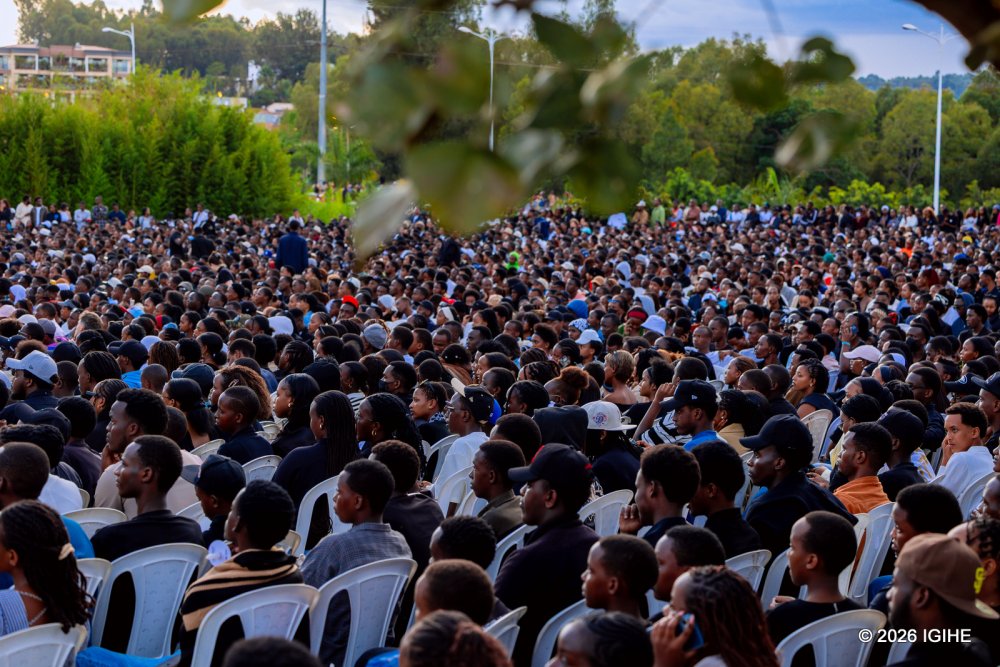
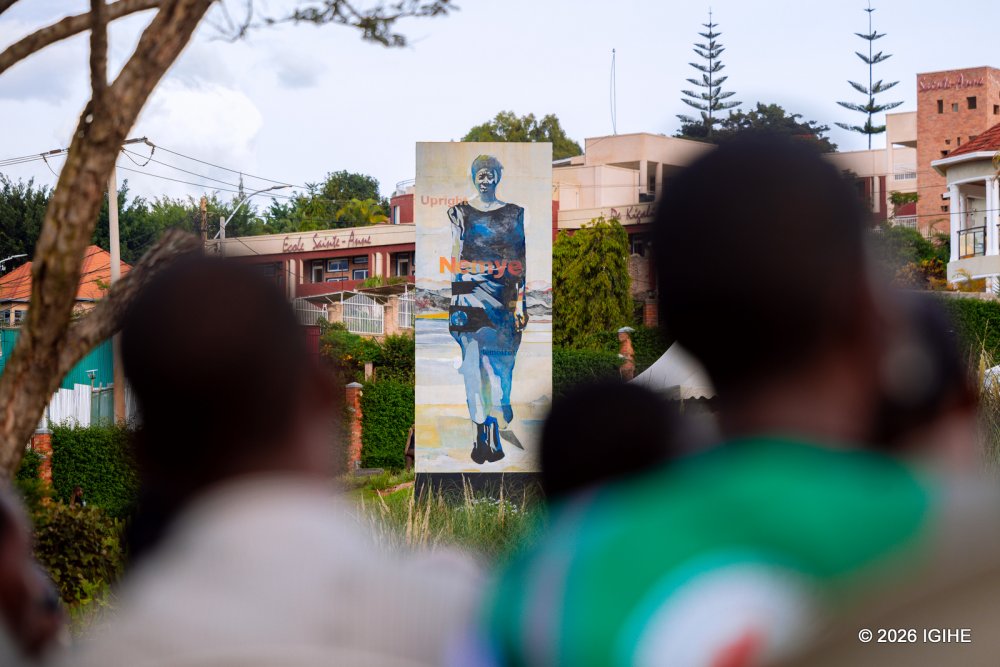
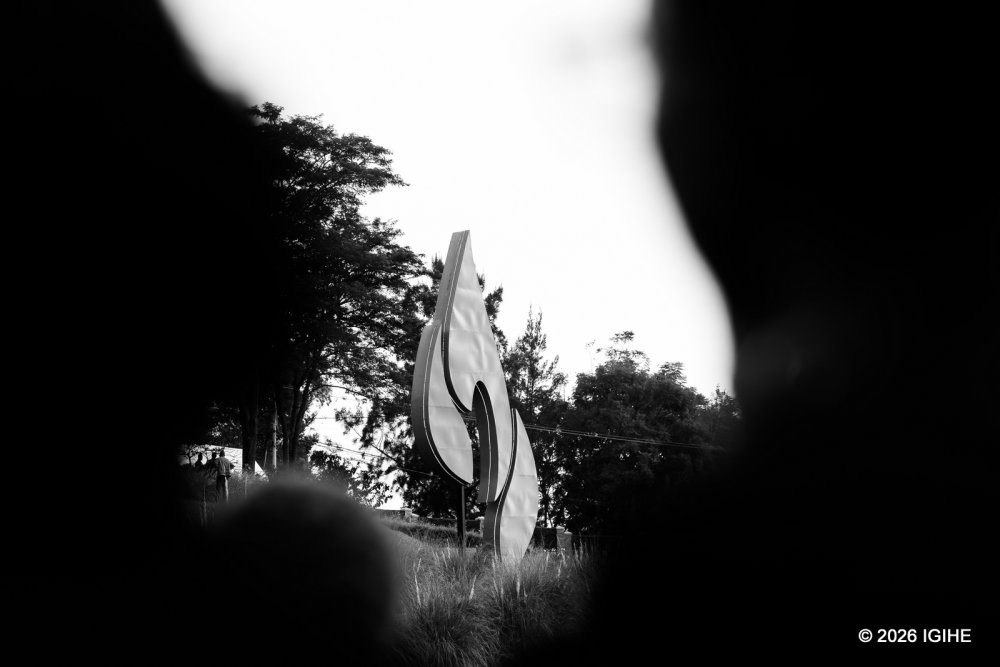
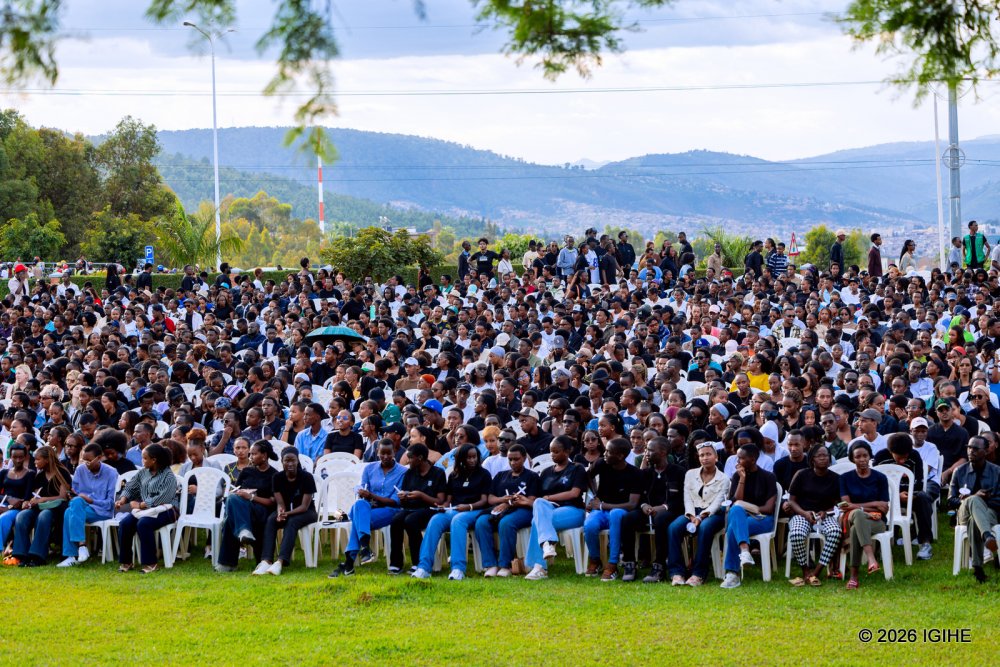
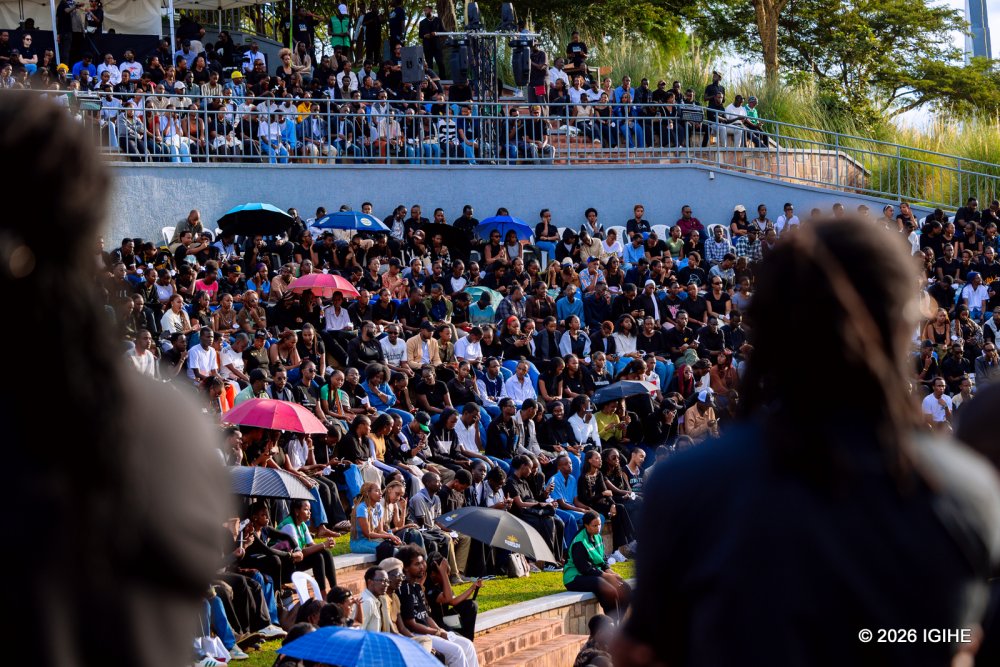
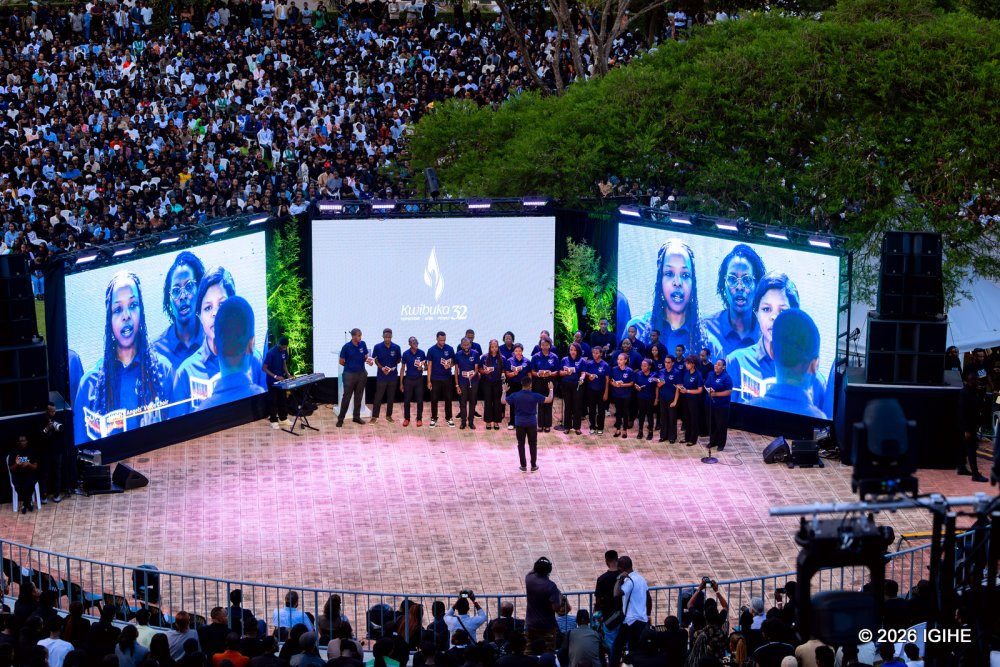
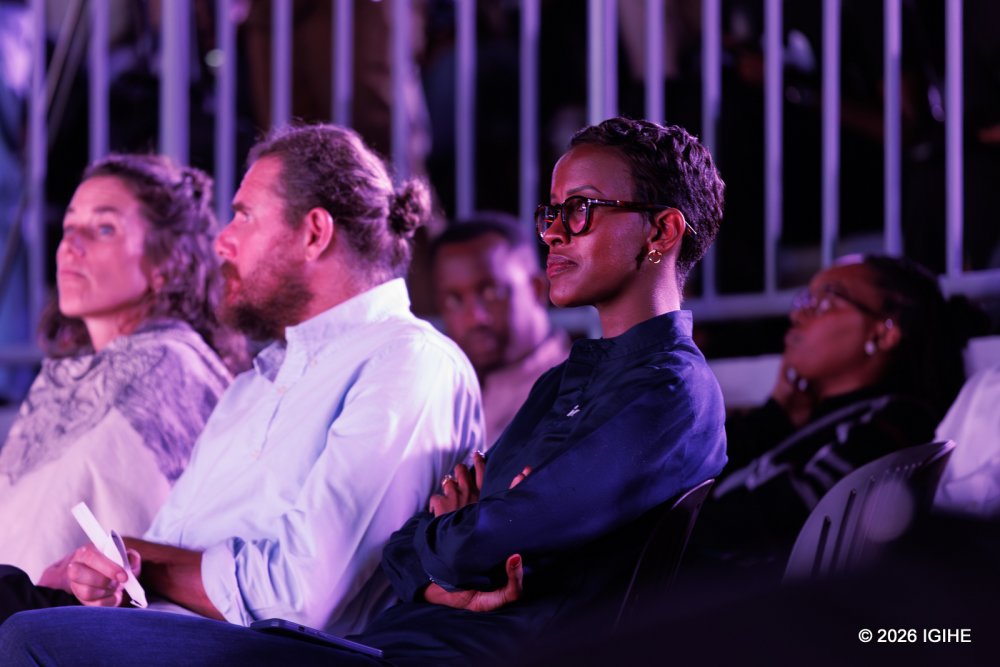
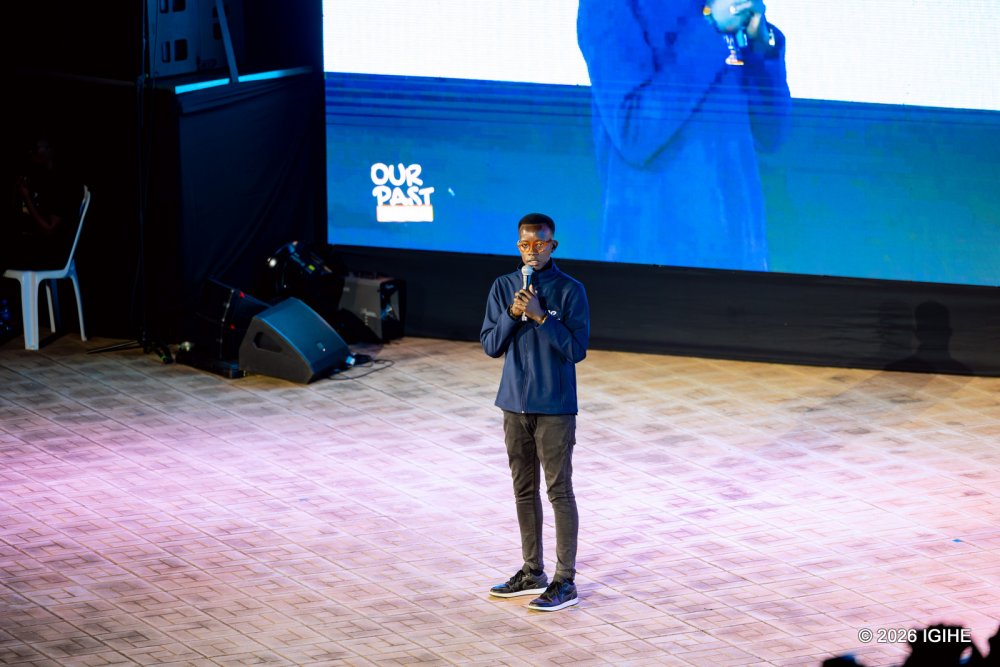
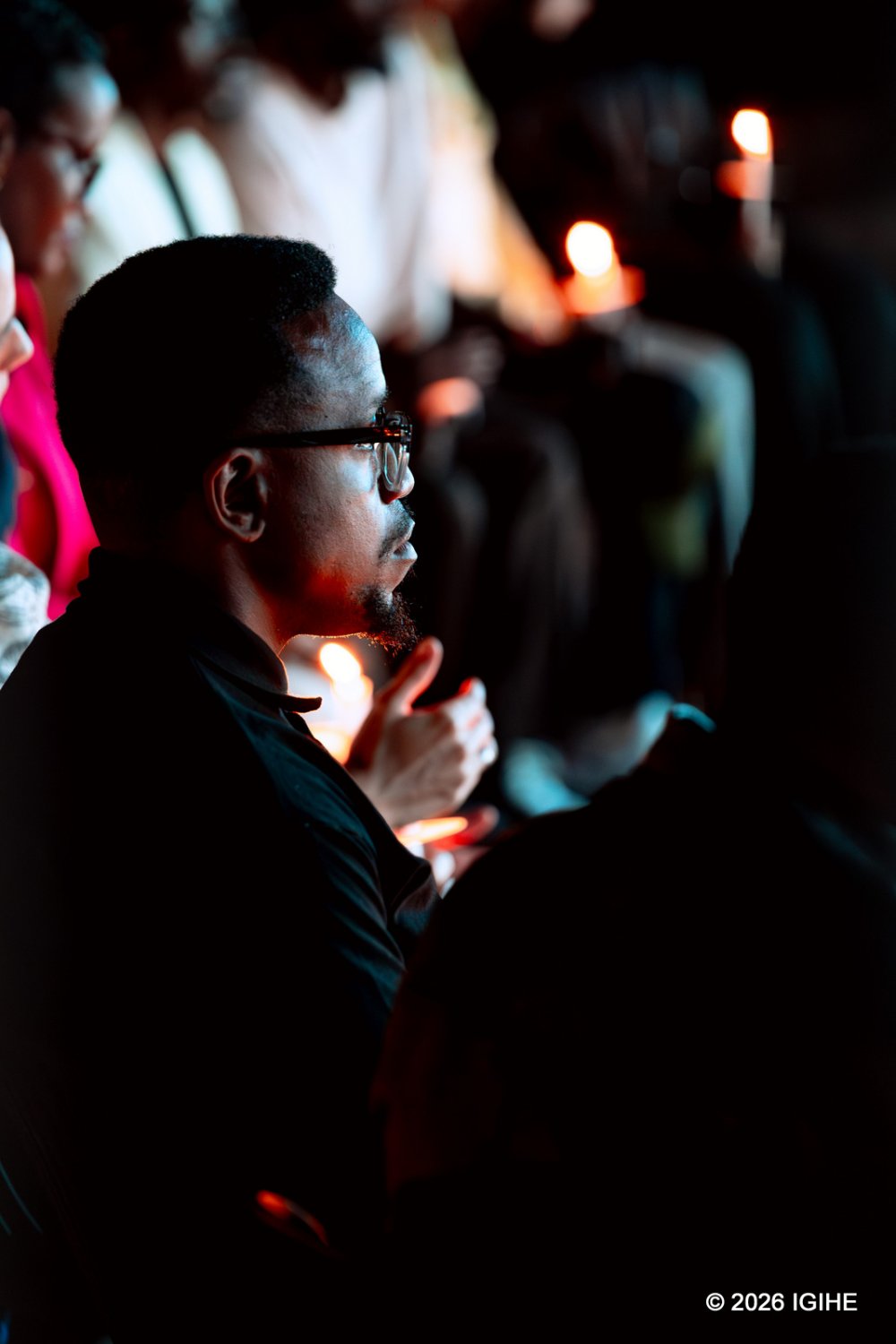
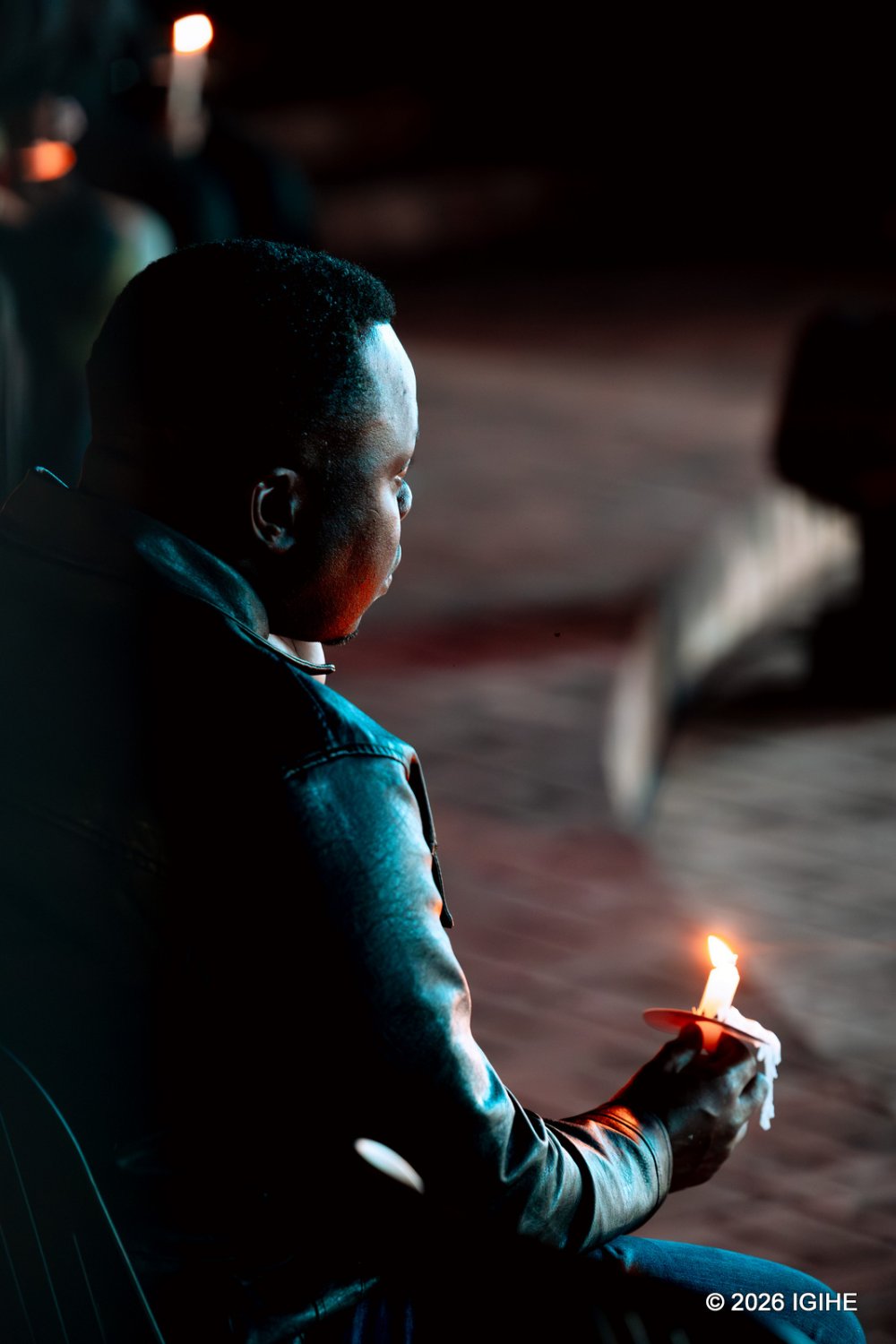
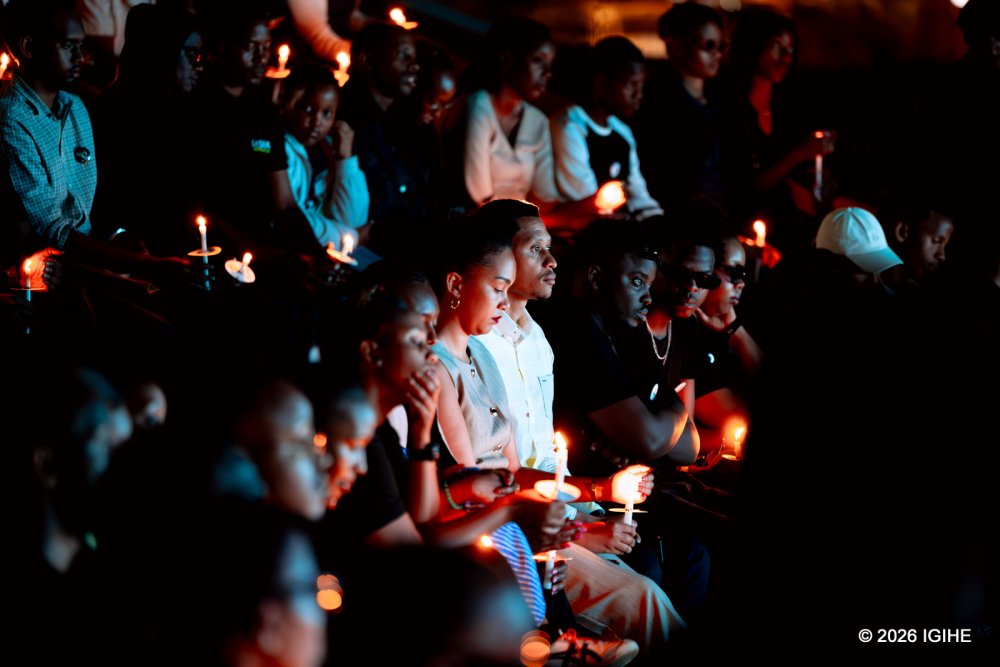
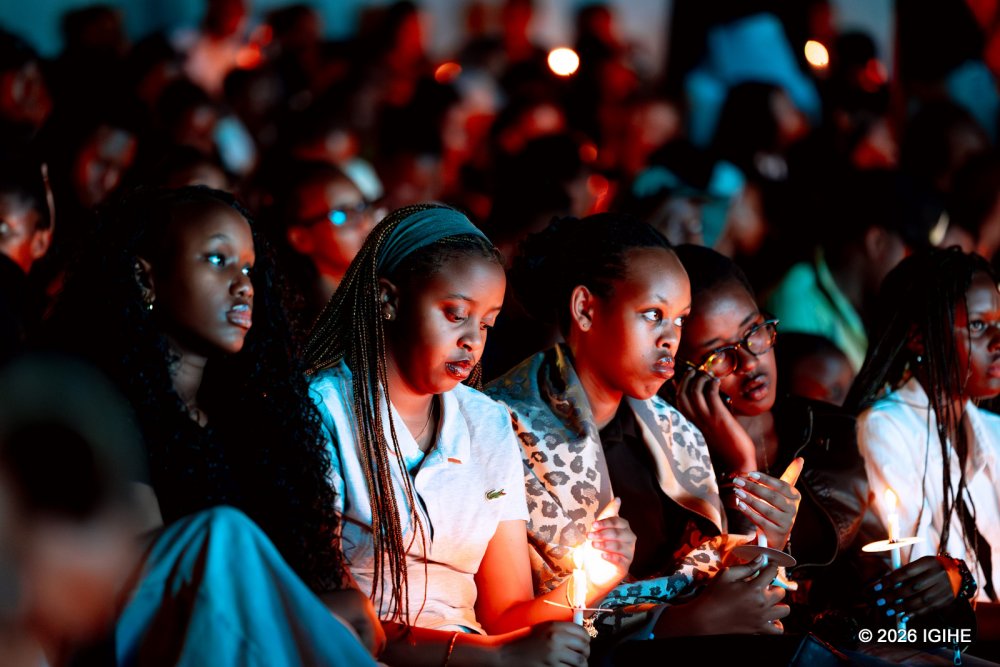
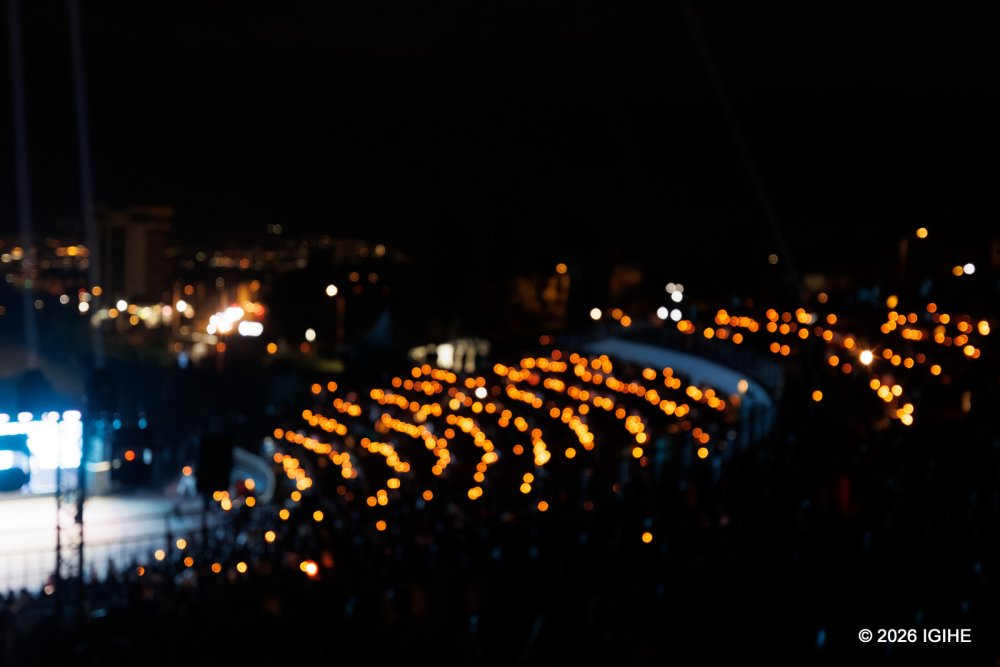
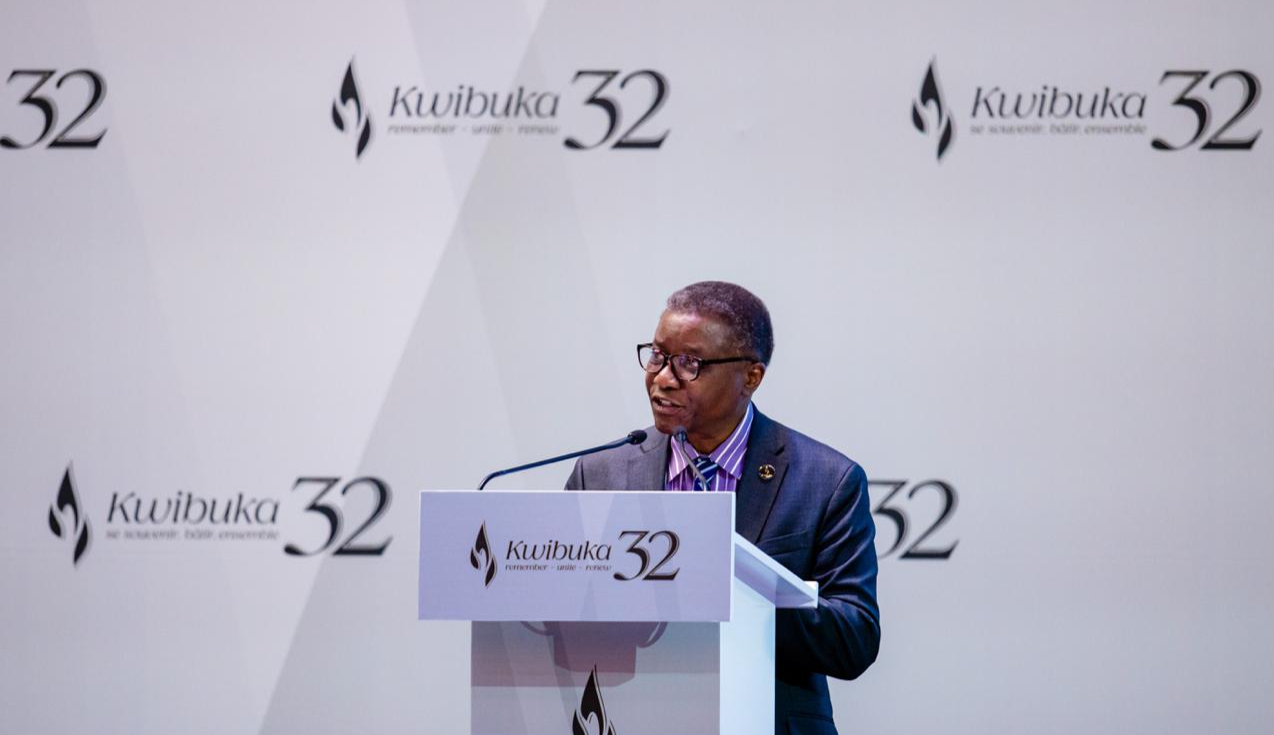
He made the remarks during the 32nd commemoration of the Genocide against the Tutsi, organised by a youth initiative known as “Our Past Initiative,” which is held annually on April 9. The event brought together more than 10,000 young people at the Nyanza Genocide Memorial in Kicukiro District.
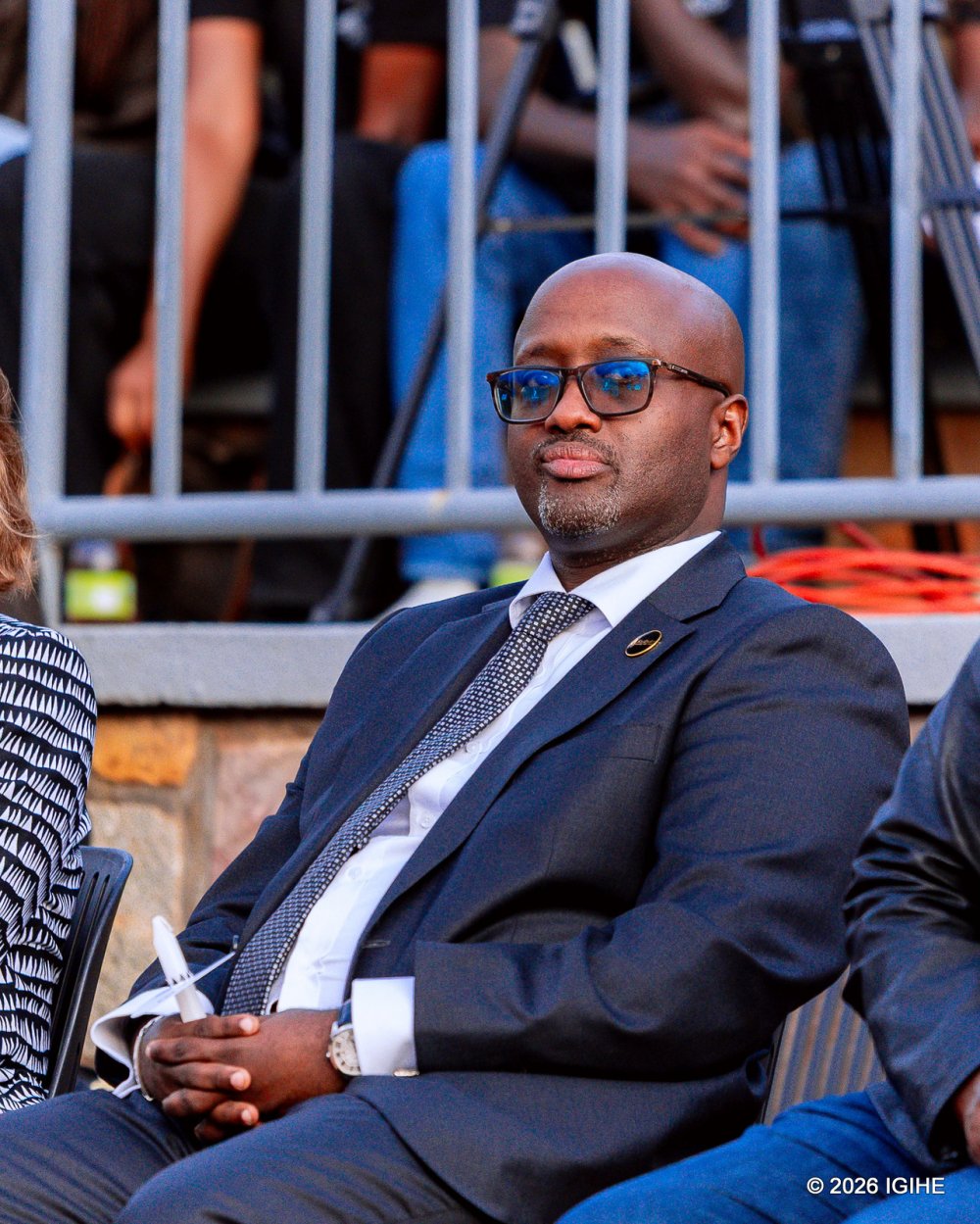
Nduhungirehe said that while remembrance is a matter of principle for Rwandans, it is sometimes misunderstood internationally as an expression of resentment.
“Commemoration is very important, but not everyone understands it that way. Some believe we should forget and move on with life. I have personally been told that Rwandans are exaggerating and should simply forget,” he said.
He stressed that such a position is impossible given the scale and nature of the crime committed during the genocide.
“The Genocide against the Tutsi claimed more than one million lives out of a population of just over seven and a half million in only 100 days. It was an unimaginable crime, which is why remembrance must continue indefinitely,” he said.
Nduhungirehe reflected on Rwanda’s historical context, including the colonial period, during which social categories of Hutu, Tutsi, and Twa were ethnicised, and divisive ideologies were introduced and reinforced under Belgian rule.
He noted that these ideologies were later sustained by successive post-independence governments, from Grégoire Kayibanda to Juvénal Habyarimana, and further entrenched through education systems that normalised ethnic division from an early age.
“In history classes, no child could be identified as Tutsi without consequences. Students were taught divisive narratives and then asked to identify themselves along ethnic lines. Teachers often knew students’ backgrounds and would single them out accordingly,” he said.
He argued that decades of indoctrination and hate propaganda contributed significantly to the scale and intensity of the genocide.
“The genocide was carefully planned, but without more than 30 years of indoctrination, it would not have reached such magnitude. People were taught to see their neighbours as enemies,” he said.
He added that the genocide was not carried out by a single group, but involved widespread participation.
“The genocide was not committed by the Interahamwe alone, nor solely by the army. In many cases, neighbours took part. That is why escape was extremely difficult,” he said.
Following the genocide, Rwanda embarked on a long process of rebuilding national unity and reconciliation.
This included psychosocial healing programmes, the establishment of the National Unity and Reconciliation Commission, and community-based justice mechanisms such as Gacaca courts, which enabled citizens to participate in delivering justice for genocide crimes.
On the international stage, he said, Rwanda faced significant resistance in securing recognition that the 1994 atrocities constituted the Genocide against the Tutsi, rather than a general genocide in Rwanda.
“For many years, it was difficult to have the genocide recognised as the Genocide against the Tutsi,” he said.
He noted that the United Nations General Assembly only formally adopted the International Day of Reflection on the Genocide against the Tutsi on April 7 in 2020, 26 years after the genocide.
He attributed the delay to resistance from powerful member states within the United Nations.
“There were powerful countries that did not accept the terminology and did not want it to be called the Genocide against the Tutsi,” he said.
He added that Rwanda often had to advocate persistently for international recognition of its history.
“In 2014, when I was a diplomat in New York, we spent nights lobbying countries to acknowledge our history. Many of those countries had not intervened or had, in some cases, been complicit,” he said.
Call to youth
Nduhungirehe warned of ongoing genocide denial and revisionism, particularly among some members of the Rwandan diaspora youth.
He cited groups such as Jambo ASBL, which he said are composed of children of individuals implicated in the genocide, and which promote narratives denying that the genocide was planned, instead claiming it was a spontaneous reaction following the assassination of President Juvénal Habyarimana.
He urged young people to actively counter such narratives by studying history, educating others, and rejecting genocide ideology.
“National unity, reconciliation, and the understanding that we are one people must remain our priority. We must tell young people abroad that genocide ideology has no place in Rwanda and will never be tolerated again,” he said.
he event brought together more than 10,000 young people at the Nyanza Genocide Memorial in Kicukiro District.Nduhungirehe said that while remembrance is a matter of principle for Rwandans, it is sometimes misunderstood internationally as an expression of resentment.
Organisers have confirmed this year’s summit will be held under the theme, “The Scale Imperative: Why Africa Must Embrace Shared Ownership,” placing business expansion, cross-border investment and regional integration at the centre of discussions on Africa’s economic future.
The forum comes at a time of shifting global economic dynamics, with organisers arguing that African economies and businesses must achieve greater scale to remain competitive in an increasingly fragmented global marketplace.
Hosted by Jeune Afrique Media Group and co-organised with the International Finance Corporation (IFC), the event is expected to draw several of Africa’s top political and business leaders.
Among those already confirmed are host President Paul Kagame and President Bola Ahmed Tinubu of Nigeria, alongside Prime Ministers Maria Benvinda Levi of Mozambique, Robert Beugré Mambé of Côte d’Ivoire, and Amadou Oury Bah of Guinea.
Senior ministers from Angola, Senegal, Guinea, Nigeria and Gabon are also expected to attend.
According to organisers, the 2026 edition will focus on how African governments and private sector leaders can collaborate to build larger, more competitive continental enterprises through shared ownership models and cross-border partnerships.
The agenda will revolve around three strategic priorities: shared equity, which focuses on promoting cross-border investment to create multinational African firms; shared infrastructure, aimed at developing regional infrastructure projects to integrate value chains; and shared frameworks, which seek to harmonise regulations and standards to facilitate the movement of capital, goods and services across borders.
Amir Ben Yahmed, President of the Africa CEO Forum, said Africa must move beyond fragmented national approaches if it hopes to compete globally.
“If Africa wants to compete in a world defined by scale, it must move beyond economic patriotism and embrace a new model: African capital investing together,” he said.
“Shared ownership, cross-border partnerships and continental ambition will define the economic future of Africa and the next generation of African champions.”
Makhtar Diop, Managing Director of IFC, said the continent already has the capital and economic opportunity needed for growth and create quality jobs, but must deploy both more effectively.
“What matters now is putting that capital to work at scale. That means building trust, sharing risk, and investing across borders,” he said.
The Africa CEO Forum has grown into one of the continent’s most influential platforms for public-private dialogue and dealmaking, often shaping conversations around Africa’s investment climate, industrial policy and regional economic integration.
The 2026 gathering marks Kigali’s third time hosting the forum, further cementing Rwanda’s position as a regional hub for major international business and policy events.
Kigali first hosted the Africa CEO Forum in 2019, the first time the summit was held in East Africa, with discussions then centred on regional integration and implementation of the African Continental Free Trade Area (AfCFTA).
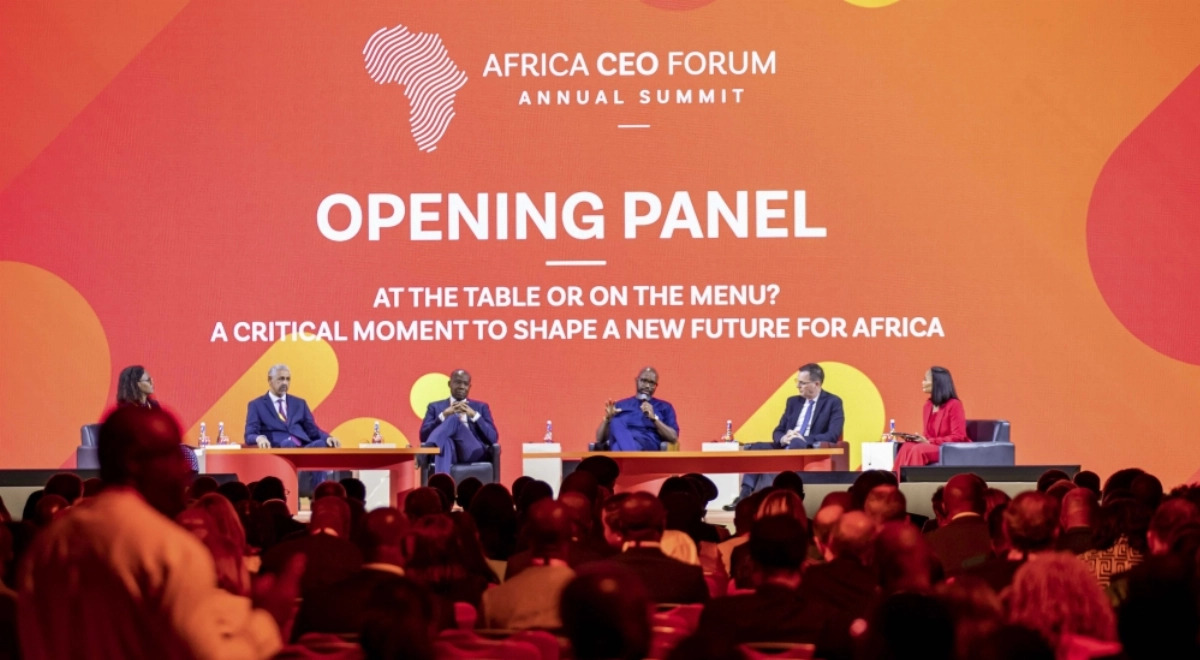
The forum returned to Rwanda in 2024 under the theme “At the Table or On the Menu? A Critical Moment to Shape a New Future for Africa.”
Its 2025 edition was held in Abidjan, Côte d’Ivoire.
Organisers say the 2026 summit, coming a decade after the launch of AfCFTA negotiations, will seek to convert years of integration rhetoric into concrete commitments by business and political leaders.
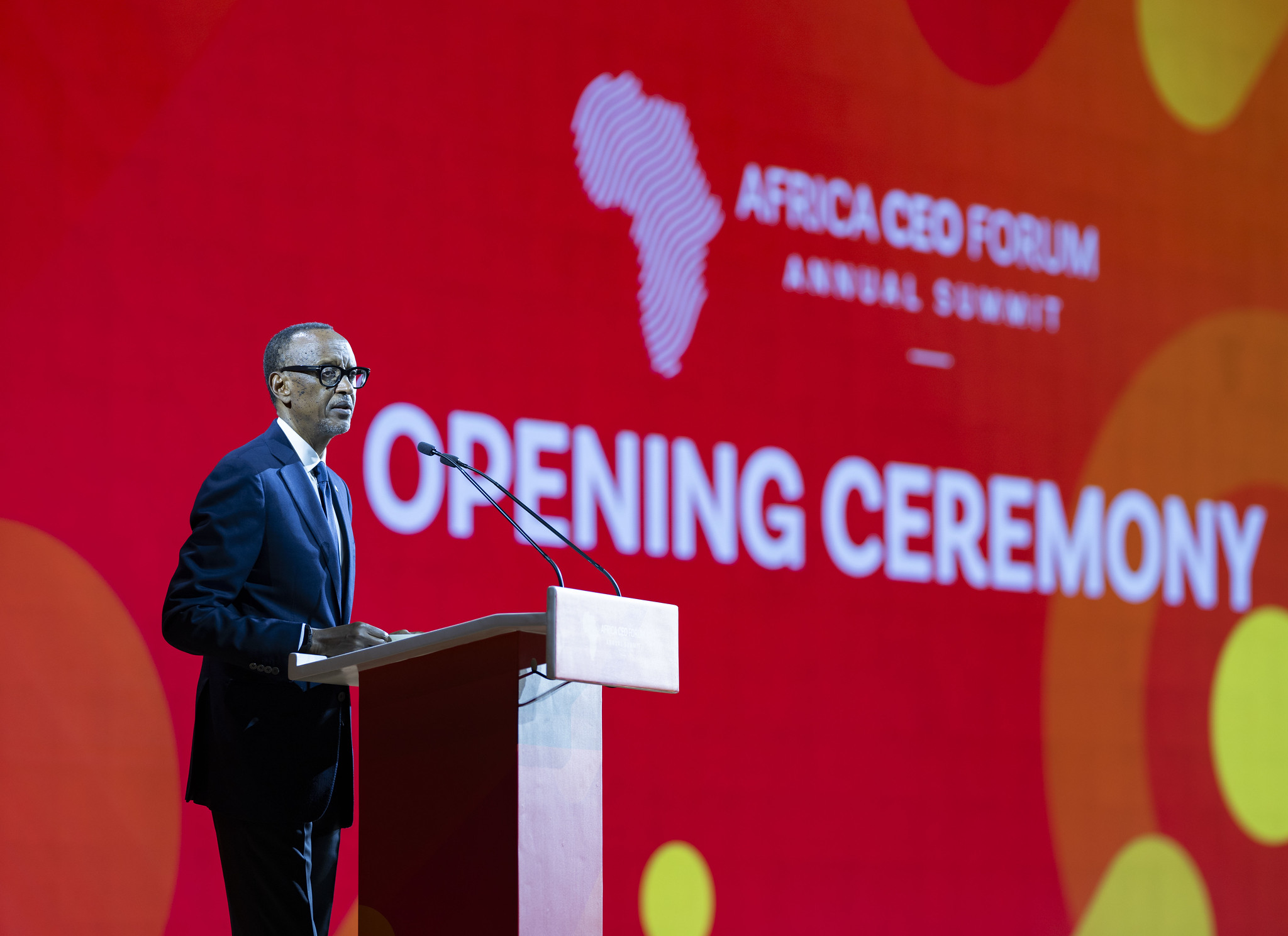
The 2024 edition of the Africa CEO Forum was held in Kigali under the theme “At the Table or on the Menu? A Critical Moment to Shape a New Future for Africa.”President Paul Kagame during the opening ceremony of the Africa CEO Forum in Kigali in 2024.
The trials utilise the Volkswagen ID. Buzz AD, an all-electric, autonomous version of the iconic microbus. The initial test fleet consists of roughly 10 vehicles, specifically configured to seat four passengers to maximise comfort during the pilot phase.
The companies have already opened a joint operations facility in Los Angeles to manage the fleet, which they plan to scale to more than 100 vehicles for real-world validation before the public launch.
Throughout the current testing phase, a human safety operator remains behind the wheel of every vehicle to supervise the technology. If these validation milestones are met and the necessary permits from California regulators are secured, the companies expect to offer commercial rides on the Uber app by late 2026, transitioning to fully driverless operations in 2027.
The project is led by MOIA America, which was rebranded from Volkswagen ADMT (Autonomous Driving, Mobility and Transport) in early 2026 to align with Volkswagen’s established European mobility brand. The ID. Buzz vehicles are equipped with a Level 4 autonomous stack developed in collaboration with Mobileye, featuring a suite of 13 cameras, nine LiDAR units, and five radar sensors.
Beyond its work with Volkswagen, Uber continues to expand its “platform for partners” strategy. In March 2026, the ride-hailing giant announced a major investment of up to $1.25 billion in Rivian (with an initial $300 million commitment) to deploy 10,000 autonomous R2 robotaxis. Those vehicles are slated to begin operations in San Francisco and Miami starting in 2028.
The companies have already opened a joint operations facility in Los Angeles to manage the fleet, which they plan to scale to more than 100 vehicles for real-world validation before the public launch.
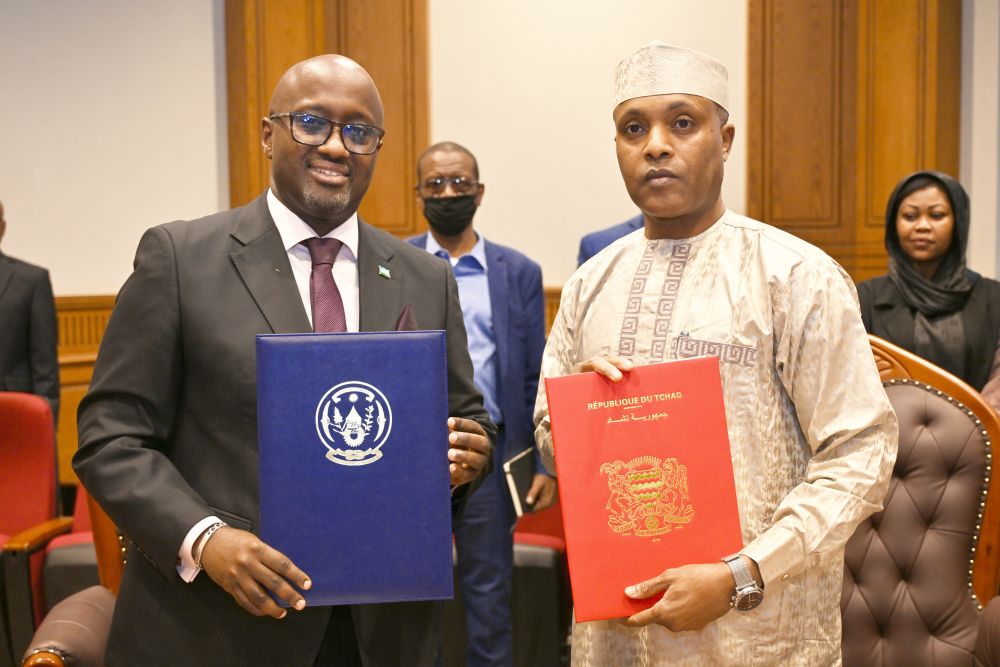
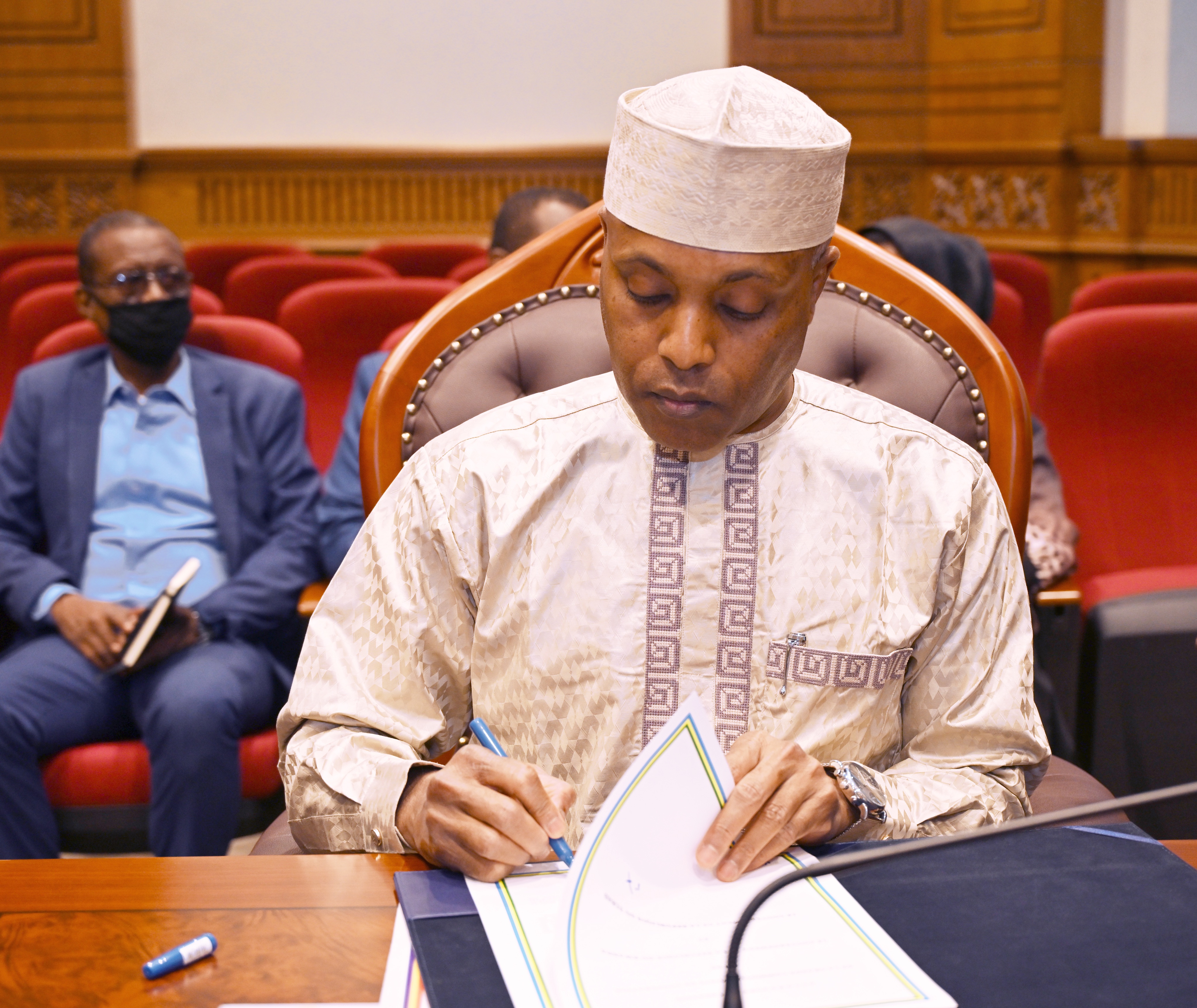
The agreement, signed in N’Djamena on Wednesday by Rwanda’s Minister of Foreign Affairs and International Cooperation, Olivier Nduhungirehe, and his Chadian counterpart, Dr. Abdoulaye Sabre Fadoul, aims to deepen cooperation in areas of common interest and create a formal framework for enhanced collaboration.
During his visit, Minister Nduhungirehe, who is also a Special Envoy of President Paul Kagame, held an audience with Marshal President Mahamat Idriss Déby Itno.
On this occasion, he handed a letter from President Kagame requesting Chad’s support for Rwanda’s nomination of Louise Mushikiwabo for a third term as Secretary-General of the International Organisation of La Francophonie (OIF).
Rwanda has officially nominated Mushikiwabo ahead of the 20th Francophonie Summit, scheduled for November in Phnom Penh, Cambodia.
Having led the international Francophone network since 2019, Mushikiwabo has advanced initiatives promoting language, culture, and cooperation. If re-elected, she would become only the second Secretary-General, after former Senegalese President Abdou Diouf, to serve three terms.
The establishment of the Great Joint Cooperation Commission and the diplomatic engagement surrounding Mushikiwabo’s candidacy highlight Rwanda and Chad’s shared commitment to regional cooperation and international diplomacy.
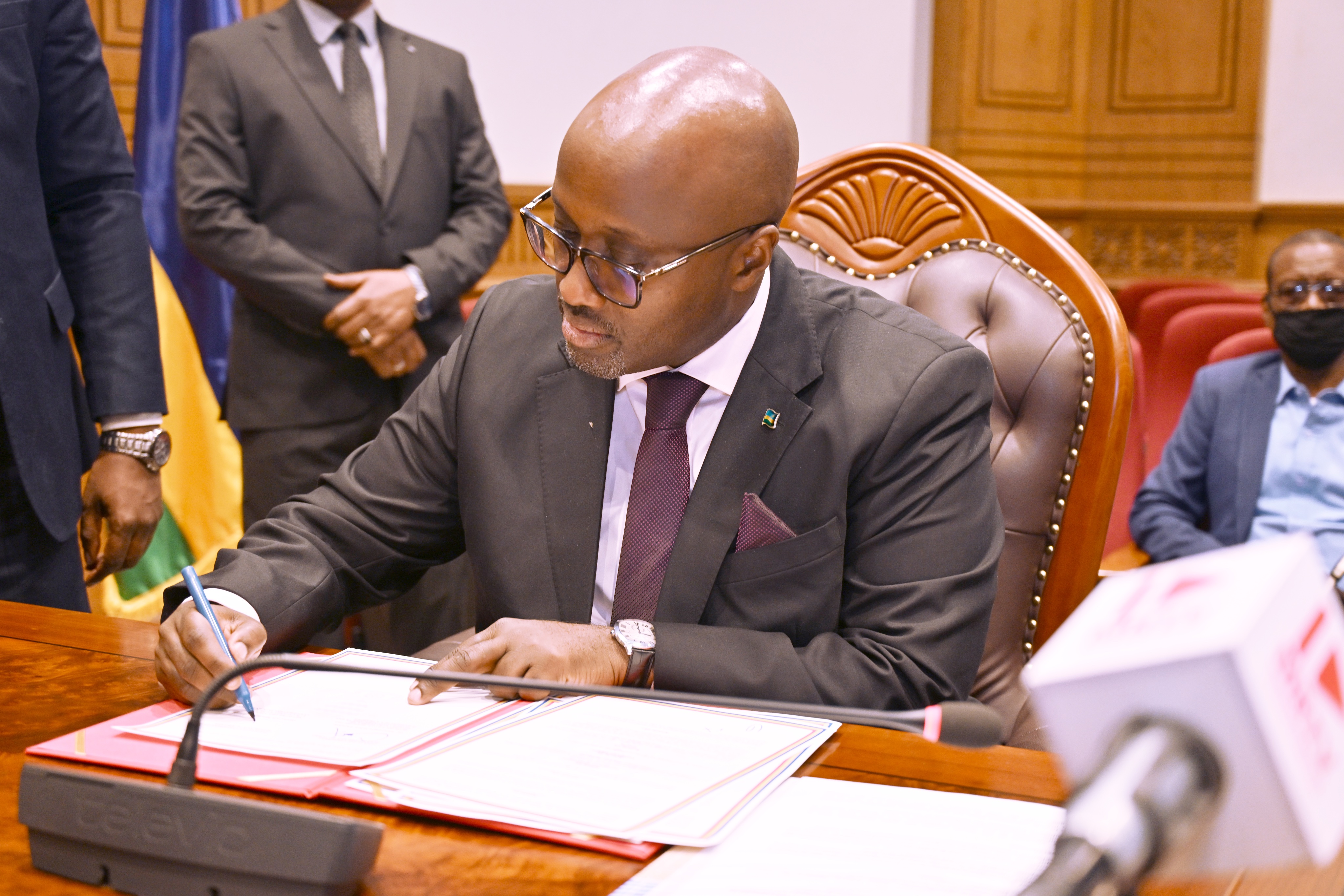
Rwanda’s Minister of Foreign Affairs and International Cooperation, Olivier Nduhungirehe, signs the new agreemeent.The agreement signed by Nduhungirehe, and his Chadian counterpart, Dr. Abdoulaye Sabre Fadoul, aims to deepen cooperation in areas of common interest and create a formal framework for enhanced collaboration.
He made the remarks on Wednesday, April 8, during the International Conference on Genocide Prevention held at Intare Conference Arena, part of Rwanda’s 32nd commemoration of the 1994 Genocide against the Tutsi.
“It is with profound honour to be here in Kigali, speaking for the first time since my appointment in September last year,” Beyani said. “Genocide is the most heinous crime against humanity. Its essence is the extermination of people based on their identity.”
Beyani recounted his personal experience during the 1994 genocide. As an academic at the University of Oxford and a trustee at Oxfam, he received early reports of mass killings of Tutsis in Rwanda.
“Oxfam was among the first humanitarian organisations to acknowledge and denounce genocide against Tutsis,” he said.
During a July 1994 visit to Rwanda, he witnessed the aftermath firsthand, describing the sight of victims’ bodies in public spaces in Kigali as an experience that “shocked the core of my conscience as a human being.”
Drawing lessons from the tragedy, Beyani outlined the creation of his office as an early-warning mechanism within the UN, a direct response to the international community’s failure to prevent the 1994 Genocide against the Tutsi.
He emphasised that prevention requires both effective early-warning mechanisms and early action to protect civilians.
“Genocide is deliberately designed to effect mass execution. It takes systematic planning to execute it. It cannot occur without state failure or complicity,” Beyani said. “In 1994, the international community, including the United Nations, failed Rwanda. The early warning signs were there.”
“All these remind us that we must do more to protect people’s lives and reinforce preventive engagements and actions. The commitments to prevent that echo in the halls of international institutions must translate into effective prevention in the spaces where this is most needed. From the onset, we are required to set up not only effective early warning mechanisms, but also early action to save lives.
Beyani warned that rising xenophobia, hate speech, and the erosion of multilateral norms continue to threaten global peace. He called for coordinated efforts between the UN, regional organisations such as the African Union, the International Conference on the Great Lakes Region, IGAD, the East African Community, ECOWAS, and national institutions, as well as civil society, media, youth, and religious leaders.
“The genocide against the Tutsi started with words — the demonisation of an entire community group. We must put in place concrete measures to address and counter hate speech, because in its worst form, it is an indicator and trigger of the risk of genocide and other atrocious crimes,” he stated.
The conference also highlighted ongoing risks in the Great Lakes region, particularly in the Democratic Republic of the Congo. Senegalese General Babacar Faye, a former UNAMIR officer, compared the current situation in eastern DR Congo to pre-genocide Rwanda, noting continued ethnic targeting, militia activity, and insufficient international intervention.
Lawyer Innocent Nteziryayo and other experts cited massacres against the Banyamulenge community in DR Congo, tracing a pattern of discrimination and violence that persists decades after the Rwandan genocide. They warned that genocide ideology continues to spread, and that international silence risks repeating past failures.
“Reports are written, but followed by silence,” said Faye. “The international community had information about an imminent genocide, but lacked political will. Genocide does not wait. Impunity is the fertiliser of genocide. Hate speech must be punished.”
Survivors and researchers at the conference emphasised the need to translate lessons from Rwanda into action, ensuring accountability for perpetrators and protection for at-risk communities.
Yolande Mukagasana, a survivor and author, recalled decades of persecution against Tutsi and called out the UN’s inaction.
“The UN existed even in 1972, but it did not act. Today, Tutsi are being killed and persecuted in the Democratic Republic of the Congo. Urgent action is needed.”
Beyani concluded with a call for sustained global commitment: “As we remember the horrors of 32 years ago, let us redouble our efforts to build resilient societies by guaranteeing fundamental rights and freedoms. The best way to honour the victims and survivors of the 1994 Genocide against the Tutsi is to ensure that no one else endures this most heinous of crimes. This is both a call and an obligation for all of us.”
Chaloka Beyani, United Nations Special Adviser on the Prevention of Genocide, made the remarks during the International Conference on Genocide Prevention held at Intare Conference Arena, part of Rwanda’s 32nd commemoration of the 1994 Genocide against the Tutsi.
At the senior level, five officers have been promoted from Assistant Commissioner of Police (ACP) to Commissioner of Police (CP). These are Emmanuel Karasi, Bertin Mutezintare, Jean Népomuscène Mbonyumuvunyi, Barthélemy Rugwizangoga, and Fidèle Mugengana.
Ten officers were promoted from Commissioner of Police (CSP) to Assistant Commissioner of Police (ACP). They include Claude Bizimana, Adolphe Nyagatare, Rango Ndoli, Callixte Kalisa, Vincent Habintwari Bihigi, Antoine Munyampundu, Faustin Kalimba, Hodali Rwanyindo, Christian Safari, and Alexis Nyamwasa.
In the broader category of senior and junior officers, five personnel were elevated from Senior Superintendent of Police (SSP) to Commissioner of Police (CSP), while 94 moved from Superintendent of Police (SP) to Senior Superintendent of Police (SSP). A further 161 officers were promoted from Chief Inspector of Police (CIP) to Superintendent of Police (SP).
Additionally, 574 officers advanced from Inspector of Police (IP) to Chief Inspector of Police (CIP), and 17 were promoted from Assistant Inspector of Police (AIP) to Inspector of Police (IP).
Among non-commissioned officers and other ranks, 282 personnel were promoted from Staff Sergeant (S/SGT) to Chief Sergeant (C/SGT), while 763 moved from Sergeant (SGT) to Staff Sergeant (S/SGT). At the lower levels, 1,886 officers were elevated from Corporal (CPL) to Sergeant (SGT), and 1,949 from Police Constable (PC) to Corporal (CPL).
The promotions span all levels of the force and reflect ongoing efforts to strengthen capacity and leadership within the Rwanda National Police.
The long-awaited truce was struck in the nick of time, coming shortly before U.S. President Donald Trump’s deadline for Iran to agree to a deal and reopen the Strait of Hormuz, or the “whole civilization will die.”
While the ceasefire has pressed pause on a conflict whose shockwaves have been felt across the globe, experts warn that deep-seated disputes between Washington and Tehran remain unresolved, leaving the prospects for lasting peace far from certain.
Last-ditch breakthrough
The ceasefire was reached amid repeated threats from Trump, which culminated on Tuesday when he warned that Iran’s “whole civilization will die” if Tehran failed to meet his latest deadline for a deal by Tuesday, 8:00 p.m. Eastern Time (0000 GMT Wednesday), a statement that drew widespread criticism.
Late Tuesday night, as the world braced for possible U.S. strikes, Trump announced a two-week “double sided ceasefire,” as Tehran agreed to “the complete, immediate and safe opening” of the Strait of Hormuz.
In an interview with the media, Trump hailed the agreement as a “total and complete victory,” adding that Iran’s uranium would be “perfectly taken care of” under the ceasefire deal.
Following Trump’s announcement, Iran’s Supreme National Security Council quickly issued a statement confirming the ceasefire.
Iran has achieved a “great victory” and “forced” the United States to accept its 10-point plan, which includes controlled passage through the Strait of Hormuz and the necessity of ending the war against all elements of the “axis of resistance,” said the statement.
Iran’s Foreign Minister Seyed Abbas Araghchi said that Iran will cease “defensive operations” if attacks against it stop. Araghchi also promised safe passage through the Strait of Hormuz during the two-week ceasefire under “coordination” with Iranian armed forces.
For its part, Israel said it supports the temporary truce, noting that Lebanon is excluded from the deal.
Entrenched differences
The ceasefire has, to some extent, revived hopes that negotiations might settle the conflict, but responses from key stakeholders suggest that deep divisions and mutual distrust remain firmly in place.
In the statement confirming the ceasefire, Iran’s Supreme National Security Council stressed that the negotiations will be conducted on Friday in Islamabad “with complete distrust of the American side.”
“Our hands are on the trigger, and as soon as the slightest mistake by the enemy is made, it will be responded to with full force,” the security council warned.
Hamad Alhosani, a researcher at TRENDS Research and Advisory in the United Arab Emirates, said that the statements from the United States and Iran also reveal “a wide chasm.”
On the Strait of Hormuz, Washington demands “complete, immediate, and safe opening,” while Tehran insists on “continued Iranian control,” Alhosani said. On the nuclear program, Iran demands acceptance of its enrichment rights, while the United States has told Israel it is committed to removing all of Iran’s nuclear material, he added.
Similarly, Mohamed Benaya, an expert on Iranian and Gulf affairs at Al-Azhar University in Egypt, said, “The main points of difference are structural, the nuclear issues and the levels of enrichment and timelines.”
“There is a problem of trust between the two sides, driven by both ideological concepts,” Benaya added. “Bridging these gaps will be difficult without phased, reciprocal concessions.”
Analysts also noted that the disagreements between Washington and Tehran are not new: They stem from decades of political, ideological and strategic rivalry, and are unlikely to be resolved through either war or negotiations alone.
Akram Atallah, a Palestinian political analyst, said differences over Iran’s nuclear program, concerns about its regional influence, and the weight of economic sanctions have left fundamental disputes between Tehran and Washington unresolved.
“The current agreement should be understood primarily as an attempt to contain escalation rather than resolve the underlying conflict. It opens a diplomatic window, but the structural issues between the two sides remain unresolved,” Atallah said.
Dim prospects
Given these entrenched divisions, experts said the prospects for lasting peace in the Middle East remain shrouded in uncertainty.
“Over the next two weeks, we may see limited confidence-building steps, but the talks will likely focus on preventing further escalation rather than resolving all underlying disputes,” Oytun Orhan, a senior researcher at the Ankara-based Center for Middle Eastern Studies, told Xinhua.
Salah Ali Salah, a project officer at the Sanaa Center for Strategic Studies, said the ceasefire reflects a reluctant compromise by both sides rather than a genuine consensus.
“What we are witnessing is a forced and temporary truce between two sides that have exhausted their escalation options without achieving decisive outcomes,” he said. “With many critical issues still unresolved, the chances of renewed tensions outweigh the prospects for a real diplomatic breakthrough in the coming weeks.”
Jumaa Mohammed, a politics professor at Iraq’s Tikrit University, also voiced doubts about the prospects for lasting peace.
Both sides have lost enough to realize that a quick return to war would be more costly, but they do not yet trust each other enough to make major concessions, Mohammed said.
Mohammed Zakaria Aboudahab, a professor of public law and political science at Morocco’s Mohammed V University, also warned that the ceasefire is no guarantee of lasting peace.
“The fundamental drivers of conflict – Iran’s nuclear status, the reconfiguration of Gulf security architecture, and the persistent risk of escalation within the Israel-Hezbollah-Iran triangle – remain unresolved,” Aboudahab said. “What we are witnessing is more likely an intermission than a conclusion.”
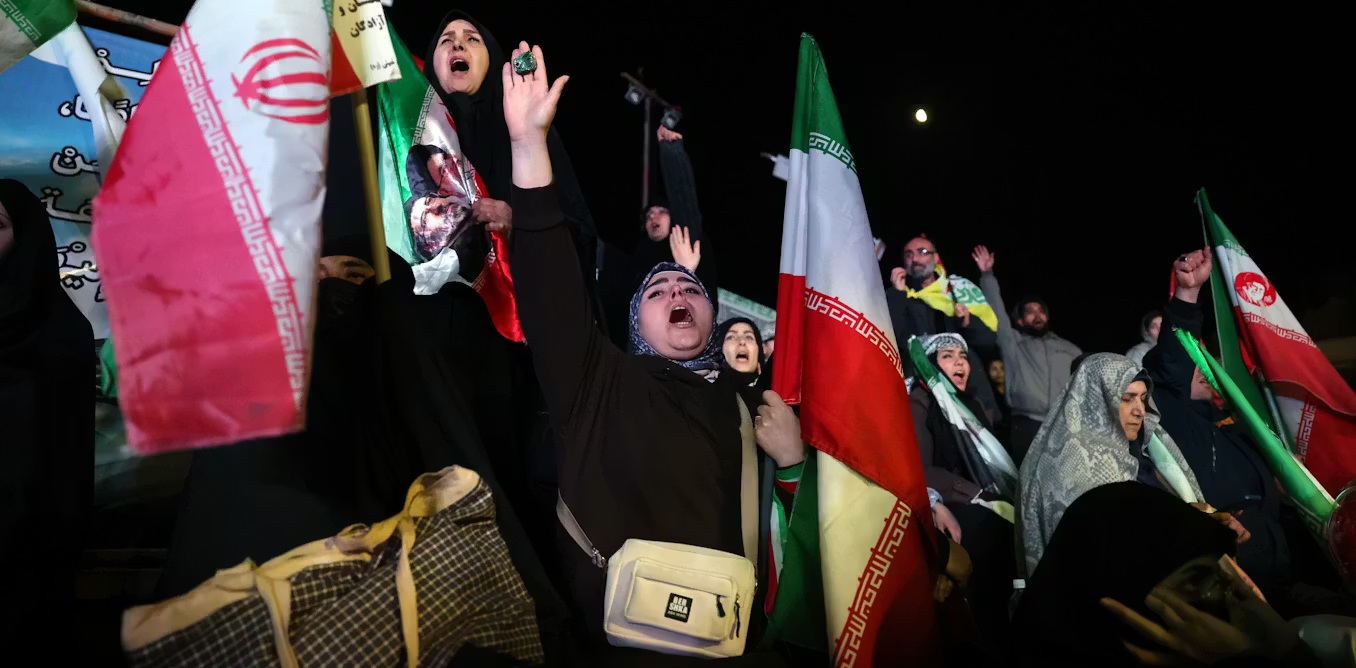
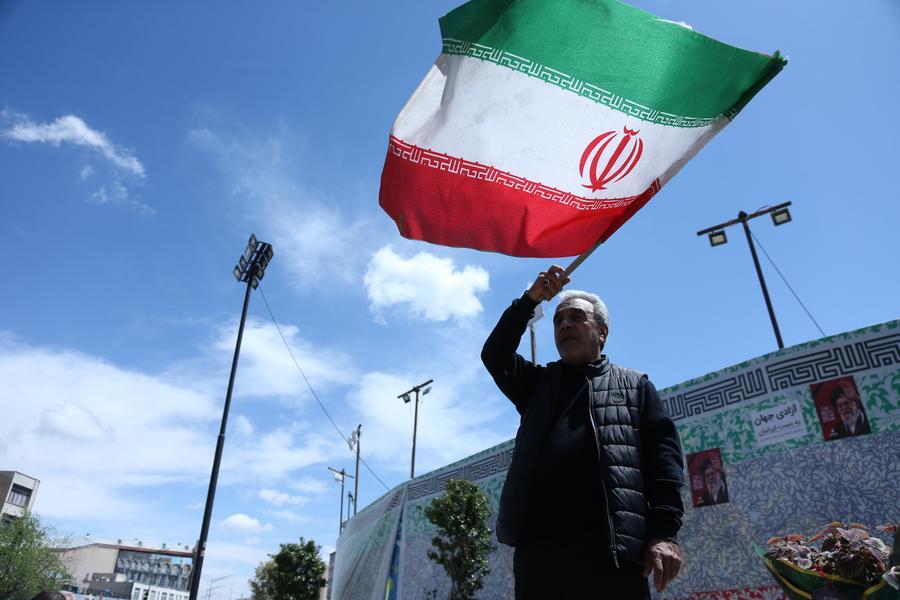
A man attends a rally in Tehran, Iran, April 8, 2026. After some 40 days of deadly clashes, the United States and Iran on Wednesday reached a two-week ceasefire
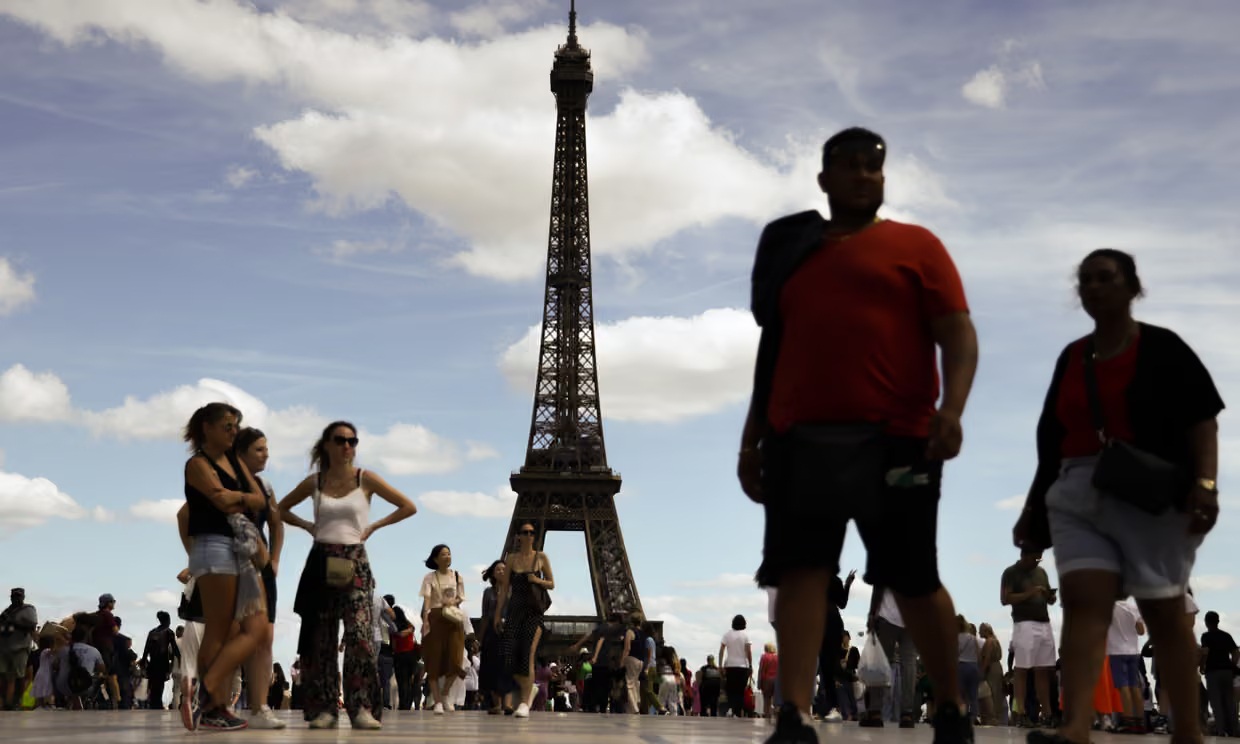
This isn’t just any souvenir. The steel spiral staircase, which once connected the second and third floors of the Eiffel Tower when it first opened in 1889, is made of riveted sheet metal and includes 14 steps resting on a cross-shaped base. The section stands 2.75 meters tall and spans nearly 1.75 meters in diameter.
Over 300 million people have climbed the tower since its debut at the Universal Exposition celebrating the 100th anniversary of the French Revolution, but for nearly a century, those steps were part of the journey to the top. In 1983, the tower underwent a massive overhaul, replacing sections of the original staircase with elevators. Most of the dismantled steps ended up in private collections, while a few were placed in museums like the Musée d’Orsay, Cité des Sciences, and even as far afield as Japan and New York.
Now, Section No. 1 is coming back into the spotlight. Artcurial’s Art Deco department in Paris will put it up for auction on May 21, with an expected price tag of €120,000 to €150,000 (approximately 205.4 million to 256.7 million Rwandan francs).
The staircase has been in a private collection for over 40 years and underwent a full restoration for the sale, according to Sabrina Dolla, associate director at Artcurial.
“It’s more than just a piece of history,” Dolla told CNN. “It’s an immersive experience, a stationary journey through time and space. Imagine yourself in 1889, perched hundreds of meters above Paris on this staircase, with a 360-degree view and no safety barriers.”
Artcurial has auctioned other staircase sections before, with one record-setting section selling for €523,800 (approximately Rwf 896.5 million) in 2016 to a determined collector from China. According to Dolla, such sales often come down to “circumstances and opportunities,” making this upcoming auction a rare chance to own a tangible piece of the Eiffel Tower.
So, do you have the space, the money, and a flair for the historic? If yes, this 14-step slice of Paris might just be yours, history included.
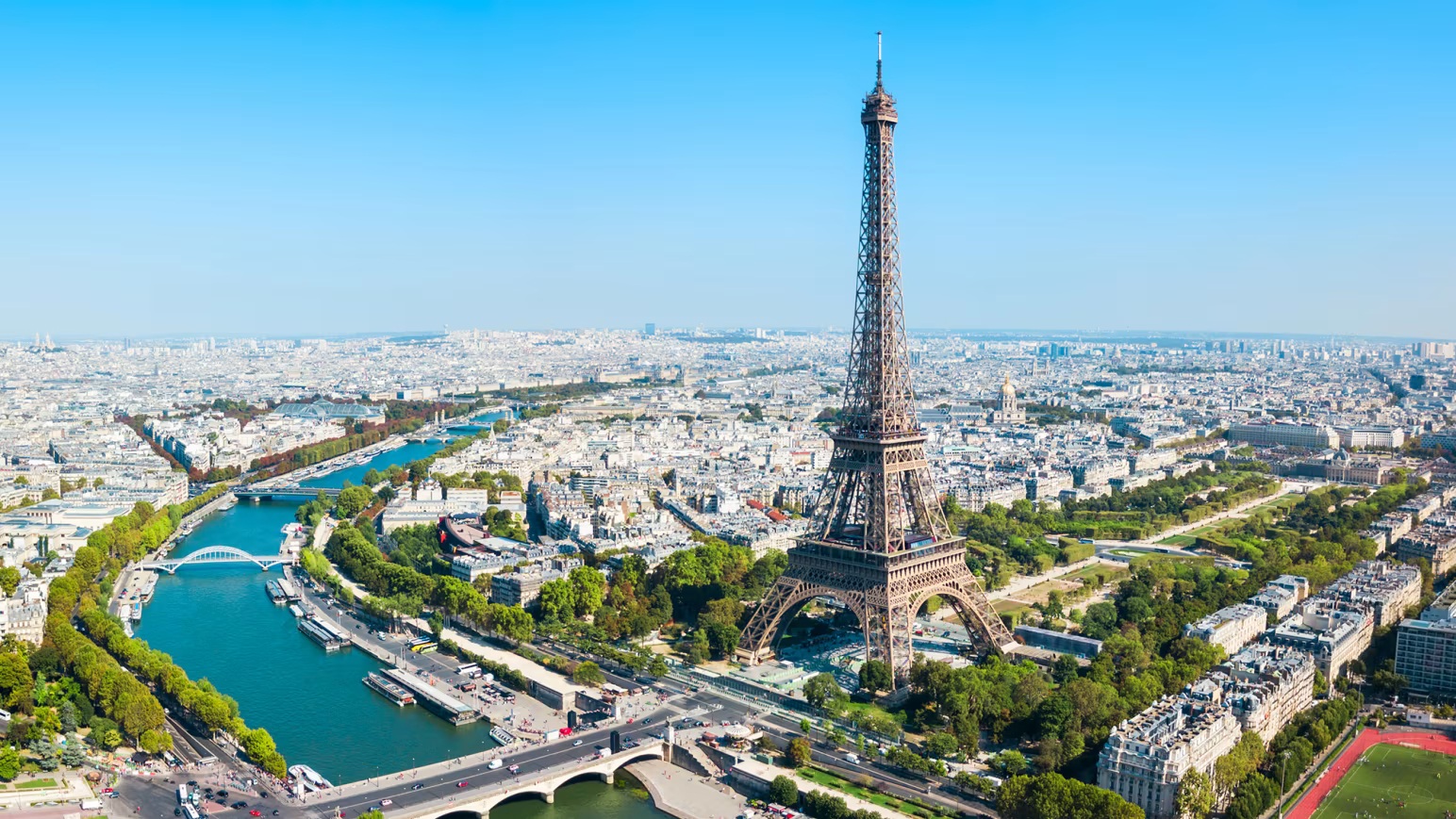
Over 300 million people have climbed the tower since its debut at the Universal Exposition celebrating the 100th anniversary of the French Revolution.
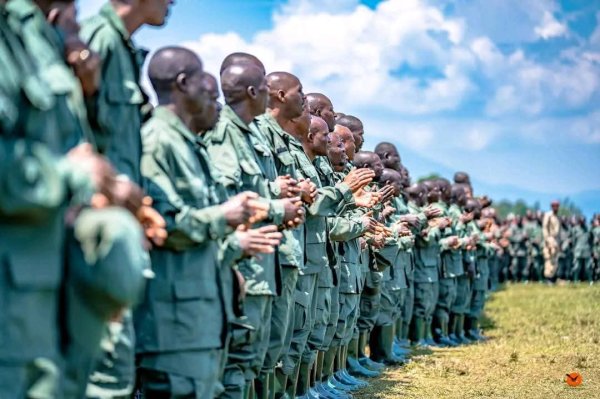
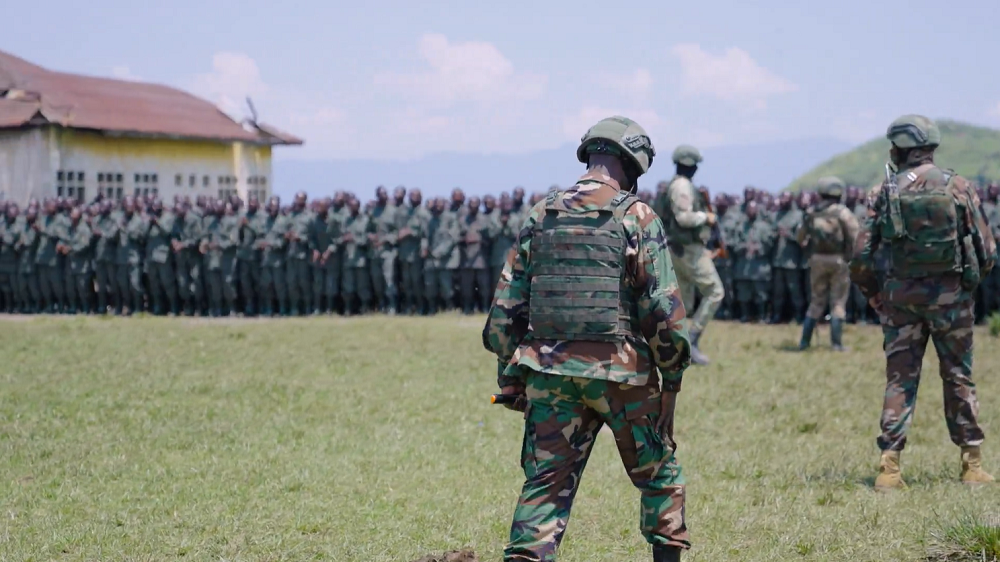
AFC/M23 is currently holding thousands of Congolese government troops, most of whom were captured during fighting in late January 2025, when the group seized the city of Goma and surrounding border areas.
On March 8, 2026, AFC/M23 announced plans to hand over 5,000 detainees to the International Committee of the Red Cross (ICRC) for transfer to the capital, Kinshasa. The group said the soldiers are being held at the Rumangabo military base and that their release is intended to support ongoing peace efforts and facilitate dialogue with the DRC government.
RFI reported on April 8, 2026, that the ICRC is prepared to transport the soldiers to Kinshasa, but that Congolese authorities have not yet authorized their reception. According to the report, the hesitation is linked to concerns that some of the soldiers could have been compromised or may pose a threat, although no official government statement has been issued.
The report also noted that AFC/M23 has been encouraging the DRC government to receive the soldiers, while a source close to President Félix Tshisekedi said the government was taking time to consider the offer.
Earlier, on February 20, 2026, AFC/M23 political coordinator Corneille Nangaa Yobeluo announced the release of 230 soldiers captured in Goma, though it remains unclear whether they were subsequently transferred to Kinshasa by the ICRC.
In a related development, in April 2025, 1,359 Congolese soldiers and police officers who had taken refuge at United Nations peacekeeping bases (MONUSCO) on the outskirts of Goma were repatriated to Kinshasa following negotiations involving the ICRC and AFC/M23.
Many of the soldiers captured by AFC/M23 are being held at the Rumangabo military base.