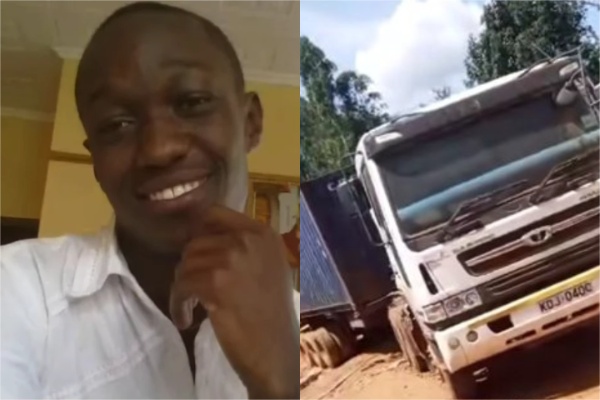
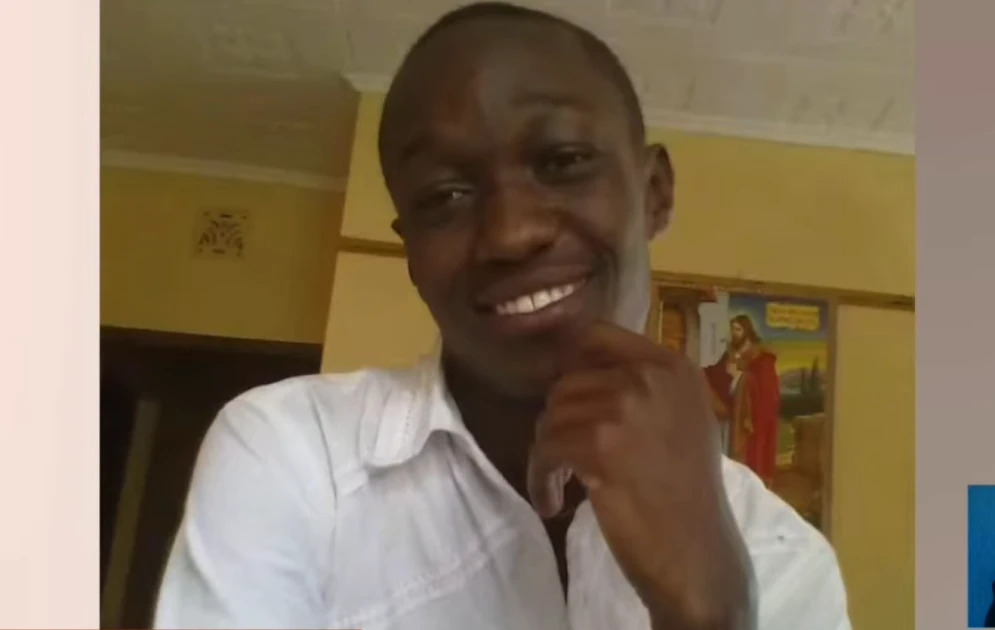
Edwin Njuguna Ngugi, a driver from Malava in Busia County, was transporting goods from Mombasa to Bunia when he ran into trouble. His truck reportedly broke down in the volatile Ituri province, an area plagued by armed groups.
According to his family, Njuguna’s last known contact was on April 3 at exactly 2:22 p.m., when his phone went silent.
His mother, Rose Ngugi, said he had earlier expressed fear for his life.
“I started speaking with him on April 2 when he complained that the vehicle had broken down in a dangerous place and he was in the wrong hands,” she told the Kenyan media.
In a final call to his cousin in Mombasa, Njuguna described the dire situation he was facing.
“You can see the trouble I have encountered here. The road is very bad, the truck broke down yesterday and the trailer got stuck. I am now being guarded by soldiers… yesterday I was almost attacked by people with machetes who wanted to rob me, but luckily soldiers came because I am in the bush… the cargo owner said he would bring another truck to transfer the load and then burn this trailer, so I am waiting for them,” he said.
Desperate for safety, Njuguna reportedly sought protection from local soldiers. However, his family alleges that the same soldiers later took his money and abandoned him.
He is believed to have been subsequently attacked by armed groups, killed, and his truck looted.
Days later, fellow Kenyan truck drivers operating in the region discovered his decomposing body and shared images in a WhatsApp group in an attempt to identify him. It was through these images that his family confirmed his death, nearly ten days after he went missing.
His body is currently at Bunia Main Hospital, while the truck remains at the scene of the attack.
The family says it lacks the financial means to travel to the DRC to retrieve the body and is now appealing to the Kenyan government for assistance with repatriation.
Eastern DRC remains one of the most unstable regions in Africa, with hundreds of armed groups operating in the region. Ituri province, where Bunia is located, has faced persistent violence from militias, including the Allied Democratic Forces (ADF) and local ethnic groups such as Cooperative for Development of the Congo (CODECO).
Edwin Njuguna Ngugi, a driver from Malava in Busia County, was transporting goods from Mombasa to Bunia when he ran into trouble. His truck reportedly broke down in the volatile Ituri province, an area plagued by armed groups.
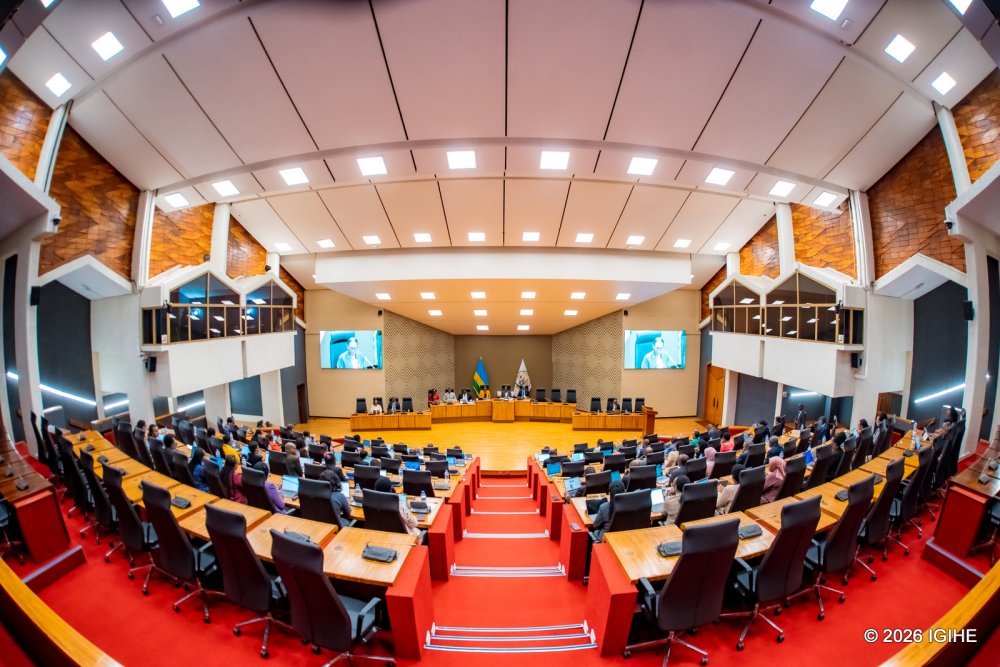
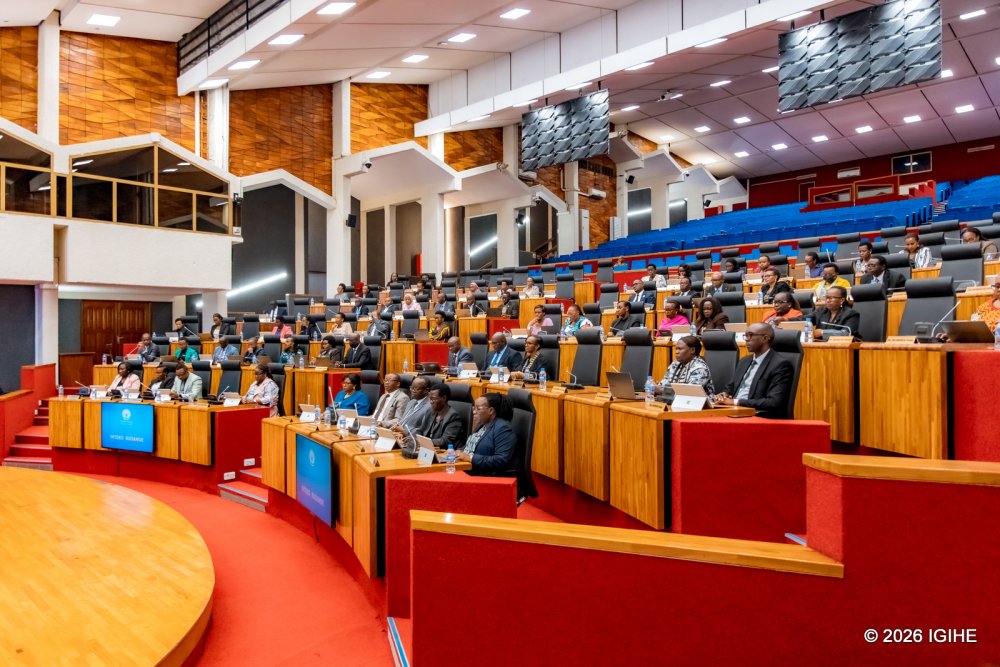
The approval was made on April 13, 2026, following a majority vote by Members of Parliament after the Government presented the financing proposals.
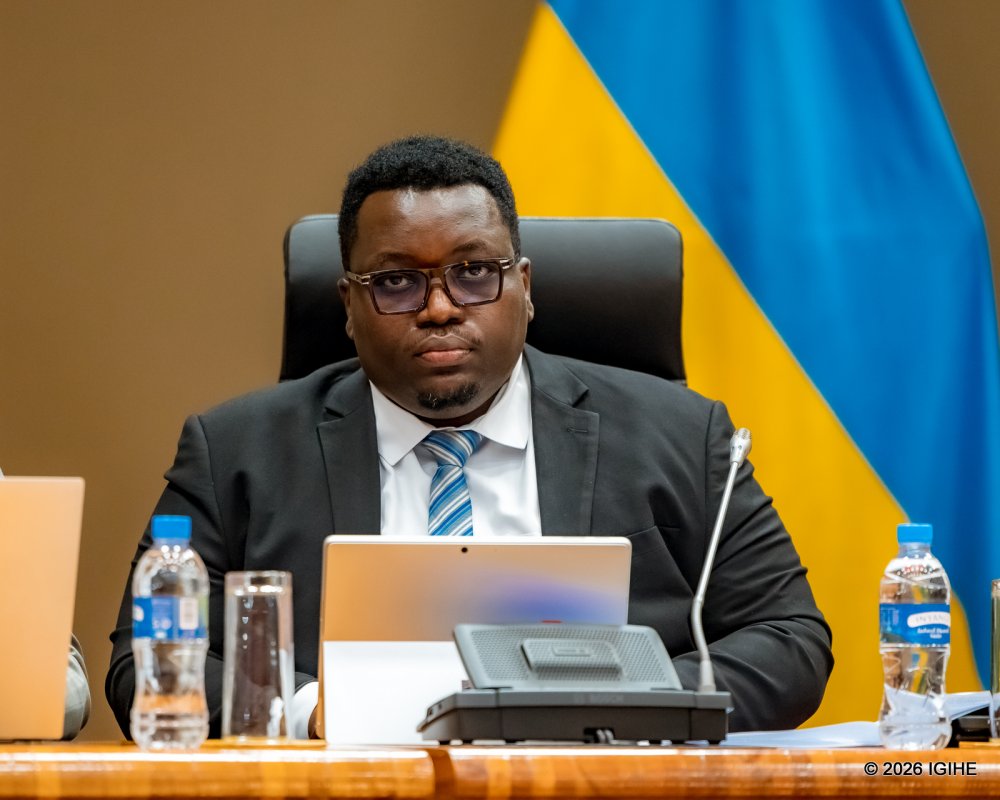
The agreements were tabled before the House by the Minister of State for National Treasury in the Ministry of Finance and Economic Planning, Godfrey Kabera, who outlined how the funds will be allocated across priority development areas.
The largest share of the financing is a loan of over €213 million to be provided by Standard Chartered Bank in partnership with Société Générale, and backed by an international development fund. The facility will be repaid over 15 years, including a six-year grace period before repayment begins.
A second loan of 15.3 billion Japanese yen has been secured from an international development fund to support policies promoting inclusive and sustainable employment in Rwanda. It carries a 31-year repayment period, with an eight-year grace period.
In addition, the Asian Infrastructure Investment Bank will provide a loan of 14.8 billion Japanese yen to support development initiatives. This facility will be repaid over 29 years, with a five-year grace period.
According to Kabera, the financing package is expected to significantly strengthen Rwanda’s economy by supporting key national priorities, including job creation, digital connectivity, and productivity improvements in agriculture.
He noted that part of the funds will be used to expand inclusive and sustainable employment opportunities, strengthen collaboration between public and private sector actors, improve access to high-speed internet, and promote the adoption of modern technologies in agriculture and livestock farming.
A portion of the financing will also go toward the energy sector, with a strong focus on clean and sustainable solutions.
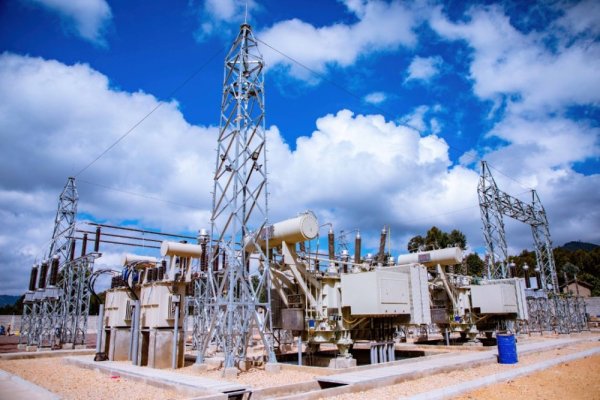
“These funds will support a project aimed at expanding and strengthening electricity transmission networks to improve power distribution in densely populated areas. The project will also increase access to electricity for both on-grid and off-grid users, while promoting clean cooking solutions in rural communities,” Kabera said.
The project is expected to provide electricity to around 200,000 households, as well as 850 businesses and industries. It will also extend off-grid electricity access to 50,000 people, enable 100,000 households to access clean cooking equipment, and supply such equipment to 310 schools and health facilities.
Additionally, about 200 kilometres of street lighting will be installed in secondary cities surrounding Kigali.
Other components of the financing will support improvements in public financial management, expansion of essential infrastructure, and investments aimed at positioning Rwanda as a regional hub for transport and tourism.
The funds will also support agricultural and livestock development, including improved access to inputs and enhanced productivity in areas such as fish farming.
Minister of State for National Treasury in the Ministry of Finance and Economic Planning, Godfrey Kabera, who outlined how the funds will be allocated across priority development areas.The approval was made on April 13, 2026, following a majority vote by Members of Parliament after the Government presented the financing proposals.
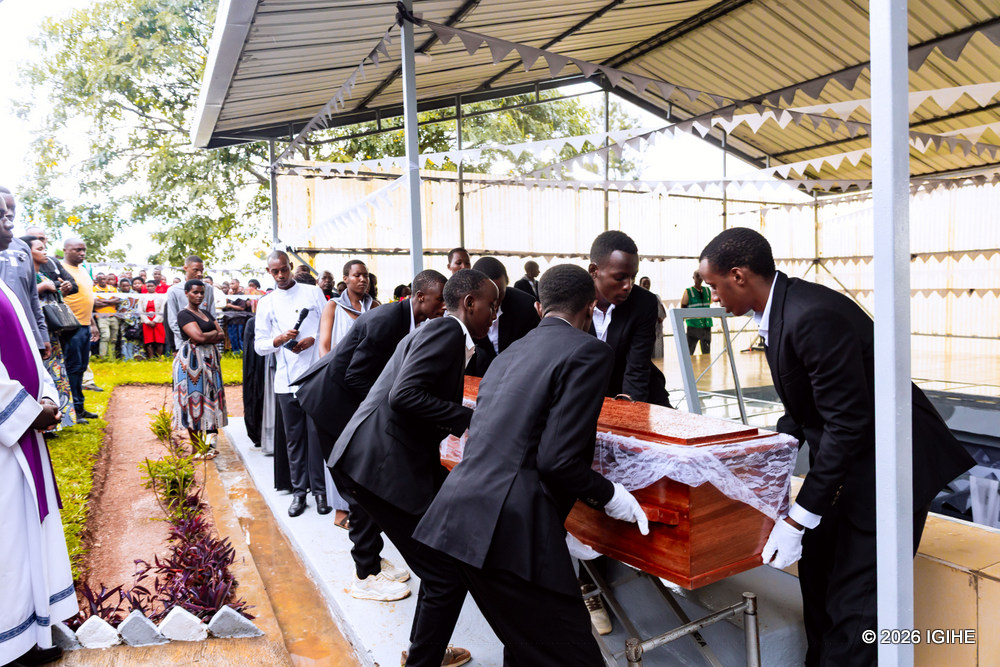
The commemoration ceremony took place at the Ruhuha Genocide Memorial. It was preceded by a wreath-laying ceremony at the Akanyaru River, followed by a moment of silence in honour of Tutsi victims who were thrown into the river and the Rwabusoro swamp.
The remains laid to rest belong to a mother and three siblings of Mukasine Speciose. They were exhumed in Nyarugenge Sector from a farm owned by a resident who had purchased the land from a Genocide perpetrator who fled the country.
Speaking during the ceremony, Mukasine said the discovery of her relatives’ remains brought her long-awaited relief, after years of anguish caused by not knowing their whereabouts or being able to bury them with dignity.
“It had left me with deep emotional wounds to the extent that I never joined IBUKA associations. I would think about how others commemorate their loved ones because they were able to bury them, while I did not know where mine were and sometimes wondered if they might still be alive. When I was informed that my relatives had been found, I thanked God and felt a sense of peace in my heart,” she said.
The Mayor of Bugesera District, Richard Mutabazi, said the act of dumping victims into water bodies underscores the extreme cruelty with which the Genocide was carried out.
“These waters, once a source of life, were turned into instruments of death. At the same time, they remain silent witnesses to the atrocities committed against those killed during the Genocide against the Tutsi,” he said.
Mutabazi added that the continued discovery and burial of victims more than three decades later, despite perpetrators knowing where bodies were disposed of, continues to reopen wounds for survivors who have made significant strides in rebuilding their lives.
Jean Claude Rugero, the Coordinator of Dukundane Family, called for the installation of memorial markers at rivers and wetlands where many victims were killed, to support remembrance and preserve historical memory.
“We have worked with local authorities to establish memorial markers in several locations, including Cyome in Ngororero, Kirinda in Karongi, along the Akanyaru River in Nyaruguru, on the Nyabarongo in Nyarugenge, and at the confluence of the Nyabarongo and Akagera rivers. We are requesting that a similar marker be installed here so that residents can also have a place to remember,” he said.
In recent weeks, Bugesera District has also witnessed the dignified burial of 52 other Genocide victims, as the recovery of remains continues to bring long-awaited closure to bereaved families across the district.
Residents of the former Ngenda Commune paid tribute to the victims laid to rest at the Ruhuha Genocide Memorial. Four bodies of victims of the Genocide against the Tutsi were accorded a dignified burial at the Ruhuha Genocide Memorial.Mukasine Speciose, who laid her relatives to rest 32 years after the Genocide against the Tutsi, said she felt a deep sense of relief in her heart.The Mayor of Bugesera District, Richard Mutabazi, said the act of dumping victims into water bodies underscores the extreme cruelty with which the Genocide was carried out.Jean Claude Rugero, the Coordinator of Dukundane Family, called for the installation of memorial markers at rivers and wetlands where many victims were killed, to support remembrance and preserve historical memory.
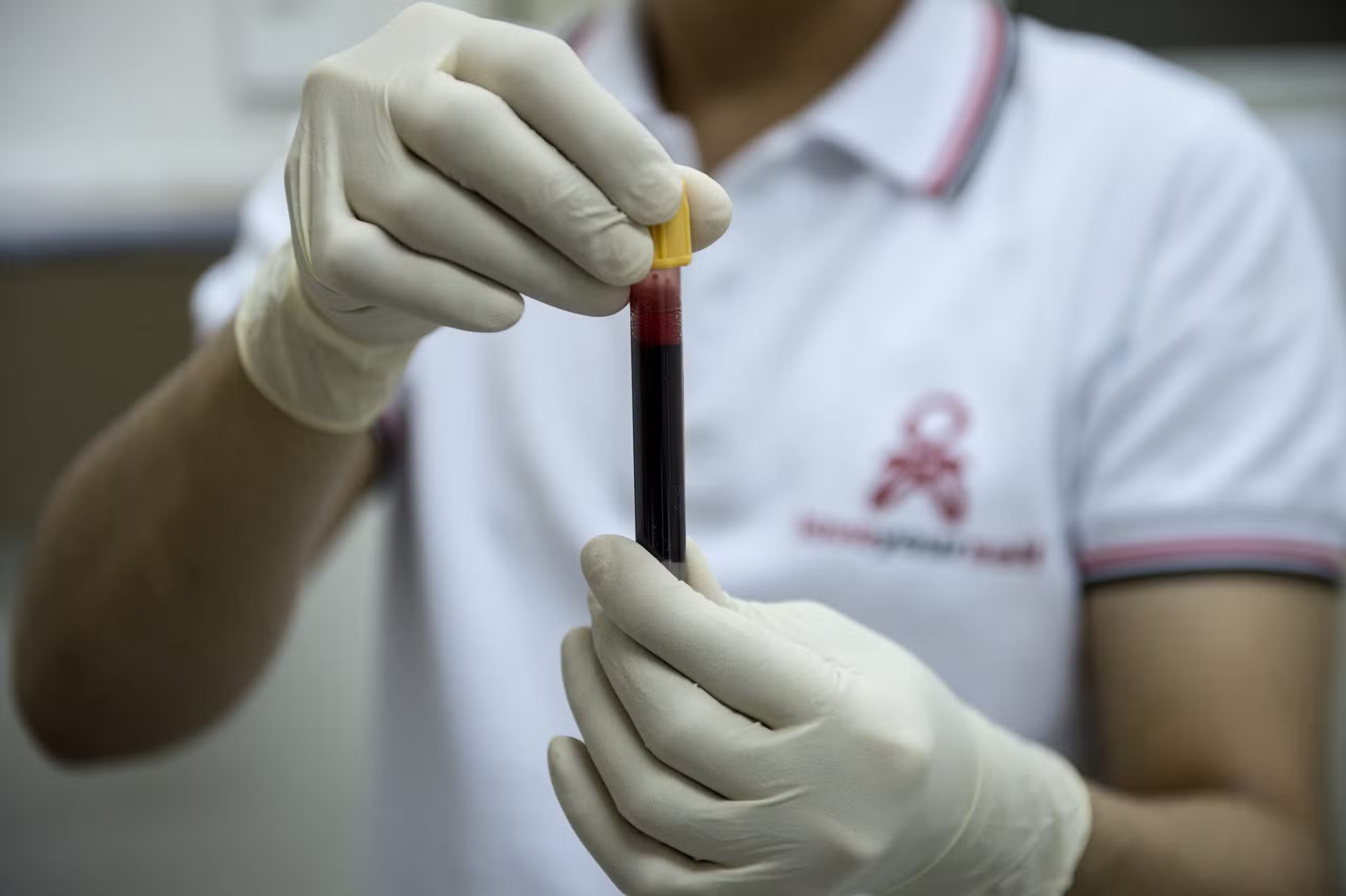
The 63-year-old, known as the “Oslo patient,” is now among roughly 10 people globally who have entered long-term remission from HIV following transplants initially intended to treat serious blood cancers.
The breakthrough hinged on a rare genetic mutation carried by the patient’s brother, which prevents HIV from entering human cells. The mutation affects the CCR5 gene and is found in only about one percent of people in northern Europe.
The patient had been living with HIV since 2006 before being diagnosed in 2017 with myelodysplastic syndrome, a life-threatening blood cancer. His doctors sought a donor who could help treat both conditions, but after failing to find a match, they opted for his elder brother.
In a remarkable twist, doctors only discovered on the day of the 2020 transplant that the brother carried the crucial mutation.
“We had no idea… That was amazing,” said Anders Eivind Myhre of Oslo University Hospital.
Two years after the transplant, the patient stopped taking antiretroviral therapy. Subsequent tests found no trace of HIV in his blood, gut, or bone marrow.
“For all practical purposes, we are quite certain that he is cured,” Myhre said.
The patient himself described the outcome as “like winning the lottery twice,” according to the researchers, whose findings were published in Nature Microbiology.
Doctors say the man is now in excellent health and has regained high energy levels.
While the case represents a significant scientific milestone, experts caution that the procedure itself is not a practical solution for most people living with HIV. Stem cell transplants are complex, high-risk, and typically reserved for patients with life-threatening cancers.
Still, researchers believe such rare cases are crucial to understanding how HIV can be eliminated from the body, potentially guiding future treatments. Notably, the Oslo patient is the first known case of an HIV cure following a transplant from a family member.
According to Marius Troseid of the University of Oslo, the patient’s immune system was “completely replaced” by the donor’s—an outcome observed for the first time in both bone marrow and gut tissues of a cured patient.
The case also builds on earlier breakthroughs, including that of Timothy Ray Brown, the first person declared cured of HIV in 2008, as well as subsequent patients in cities such as London, New York, and Geneva.
Given his recovery, researchers suggest the man’s nickname may no longer apply.
“The Oslo patient is perhaps no longer a patient,” Troseid said. “At least he doesn’t feel like it.”
The 63-year-old, known as the “Oslo patient,” is now among roughly 10 people globally who have entered long-term remission from HIV following transplants initially intended to treat serious blood cancers.
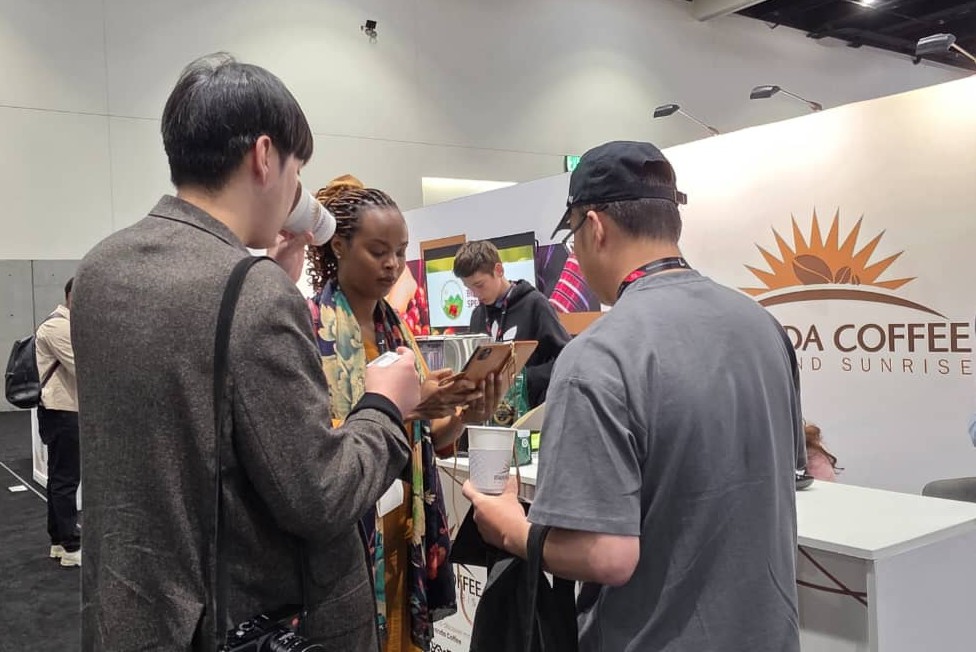
In a statement on Monday, April 13, 2026, NAEB confirmed that Rwanda coffee captured global attention with an anaerobic natural processed lot that placed in the top five out of 48 competing samples.
“Rwanda coffee ranked among the winners at the World of Coffee San Diego 2026 cupping competition, capturing global attention with an anaerobic natural processed lot that placed in the top 5 out of 48 samples,” NAEB said. “This achievement reflects Rwanda’s continued commitment to quality, innovation, and strong competitiveness on the global market.”
NAEB confirmed that Rwanda coffee captured global attention with an anaerobic natural processed lot that placed in the top five out of 48 competing samples.
The World of Coffee San Diego 2026, organised by the Speciality Coffee Association (SCA), is regarded as North America’s leading speciality coffee trade event. Held from April 10–12 at the San Diego Convention Centre in California, the exhibition brought together more than 650 exhibitors and over 15,000 participants from 90 countries, making it one of the most influential gatherings in the global coffee value chain.
NAEB Director General Claude Bizimana attended the three-day event and led a delegation of Rwandan coffee exporters, engaging with international buyers and stakeholders across the speciality coffee industry.
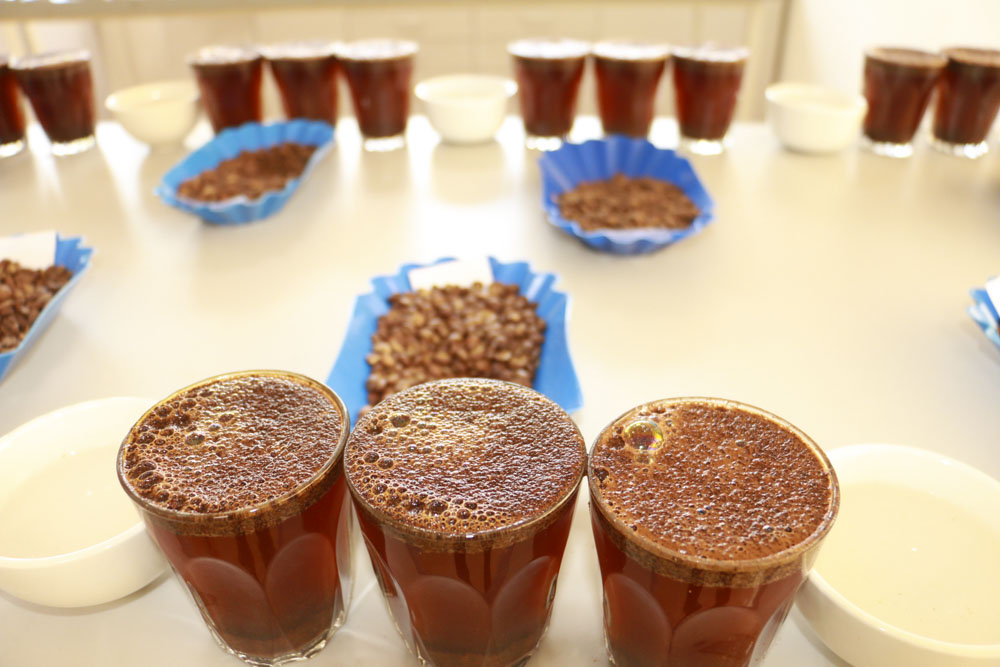
The cupping competition, where Rwanda’s entry stood out, evaluates coffee through blind tasting by professional cuppers who assess aroma, acidity, body, and flavour complexity. The process is widely regarded as one of the most rigorous methods for identifying premium speciality coffee lots.
The World of Coffee San Diego 2026, organised by the Speciality Coffee Association (SCA), is regarded as North America’s leading speciality coffee trade event.
The awarded lot was also previously recognised in the 2025 Rwanda Coffee Excellence Competition, highlighting its consistent quality performance across different stages of evaluation.
Beyond the competition, WOC San Diego served as a major platform for global coffee trade, innovation, and networking, helping producing countries like Rwanda access new markets and strengthen their international visibility in the speciality coffee sector.
During the event, NAEB also highlighted a key milestone in coffee sector cooperation. Bizimana, who also serves as Executive Director of the African Coffee-producing Countries Organisation, oversaw the signing of a cooperation agreement with the International Coffee Organisation (ICO).
The agreement aims to strengthen collaboration in the global coffee sector through improved data collection and analysis, support for farmers and traders in meeting international trade regulations, promotion of research on climate-resilient coffee, and capacity building across the entire coffee value chain.
Under Rwanda’s National Strategy for Transformation (NST2), the country aims to export more than 32,000 tons of coffee annually and generate over $115 million in foreign exchange earnings by 2029.
According to RIB data, 47 cases of genocide ideology were recorded during the period from April 7 to April 13, 2026, representing a 38.2% decrease compared to 76 cases reported during the same period in 2
The number of suspects arrested also declined by 27.2%, falling from 81 in 2025 to 59 in 2026.
Cases related to discrimination and divisionism similarly decreased, with five recorded cases compared to six in the previous year, a 16.7% reduction.
By region, the Southern Province recorded the highest number of arrests with 14 cases, accounting for 29.8% of the total. The Eastern Province recorded 13 cases, the Western Province 10, while Kigali had seven cases. The Northern Province recorded three cases.
The government has repeatedly stated that, despite 32 years since the end of the Genocide against the Tutsi, genocide ideology remains a concern both domestically and abroad.
On April 8, 2026, during the launch of the International Conference on Genocide Prevention, Minister of National Unity and Civic Engagement Bizimana Jean Damascène called for stronger efforts to combat such ideology.
He stated that in some contexts, international actors would strongly condemn collaboration with perpetrators of Nazi-era crimes, yet similar responses are not always seen in relation to groups accused of promoting genocide ideology in the Great Lakes region.
He specifically cited the presence of the armed group FDLR, which he said continues to spread genocide ideology and operate in cooperation with actors in the region, including authorities in the Democratic Republic of the Congo.
He urged the international community not to remain passive in the face of continued spread of genocide ideology in the region.
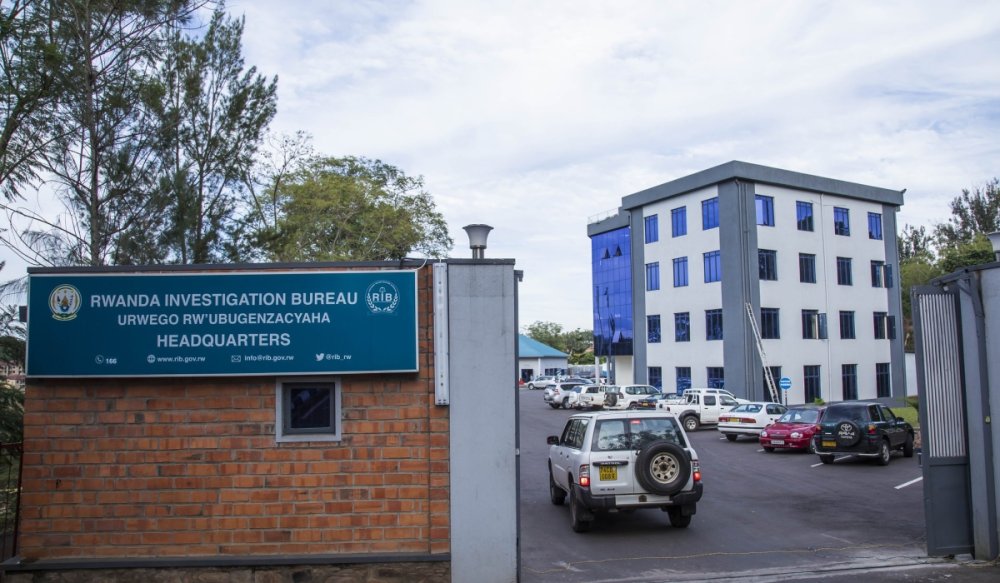
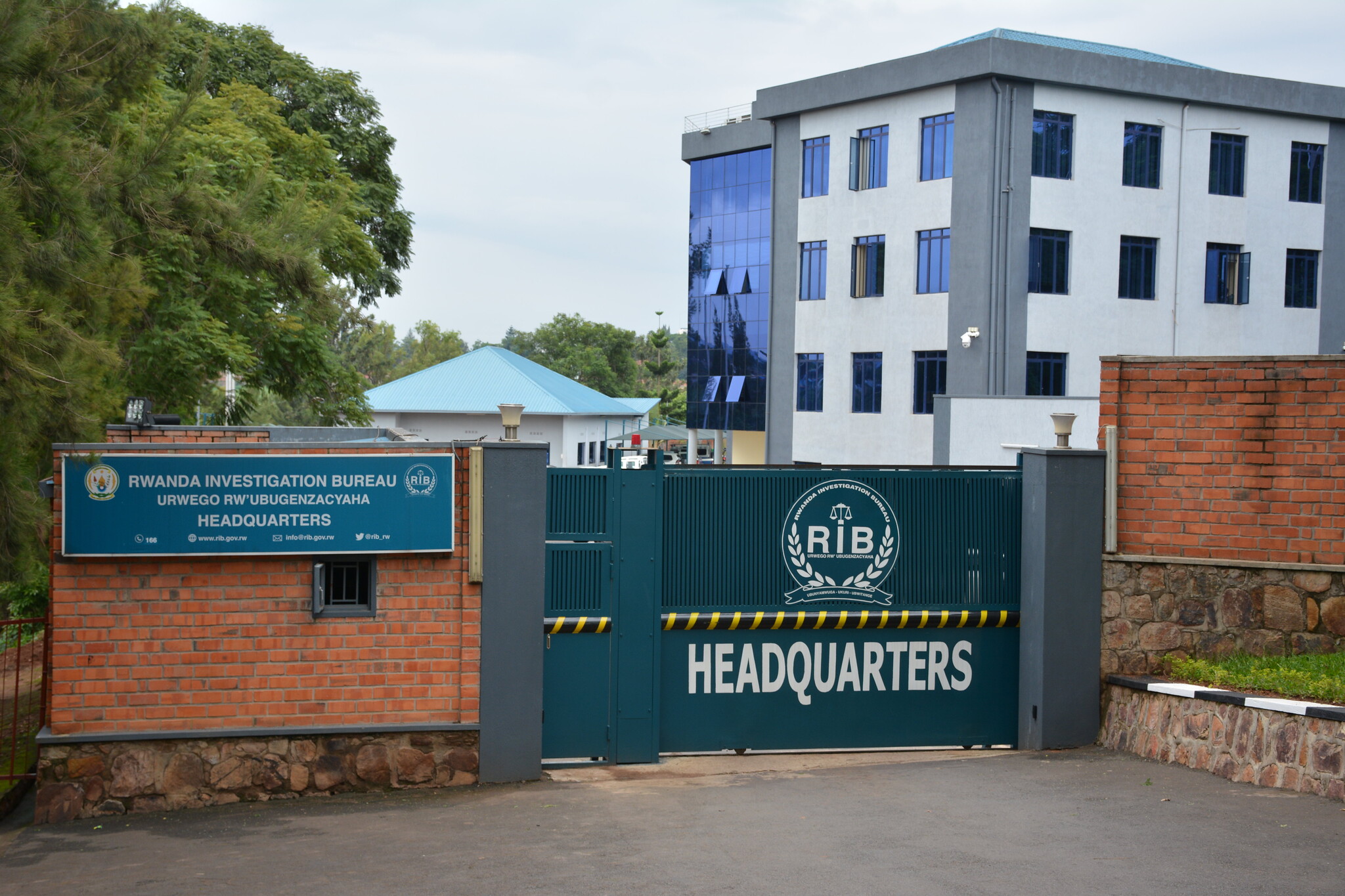
The Rwanda Investigation Bureau (RIB) has confirmed that 59 people were arrested during the national commemoration week of the 1994 Genocide against the Tutsi on suspicion of genocide ideology and related offences.
Experts say that, given the complexity of the strait and the potential blowback to U.S. own interests, a full blockade may be difficult to sustain. Nevertheless, this “reckless move” could further disrupt the global economy and heighten the risk of renewed regional conflict.
“Reckless move”
After U.S. President Donald Trump threatened on Sunday to block ships attempting to enter or leave the Strait of Hormuz, U.S. Central Command said that U.S. forces will begin implementing a blockade of “all maritime traffic entering and exiting Iranian ports” on Monday at 10 a.m. Eastern Time (1400 GMT).
In accordance with Trump’s proclamation, the blockade will be enforced “impartially” against vessels of all nations entering or departing Iranian ports and coastal areas, including “all Iranian ports on the Arabian Gulf and Gulf of Oman,” according to the statement.
On Monday afternoon, the U.S. blockade of the Strait of Hormuz came into effect.
In a press conference following the blockade, Trump warned that the U.S. military will “eliminate” any Iranian ship if it comes close to the U.S. blockade in the Strait of Hormuz.
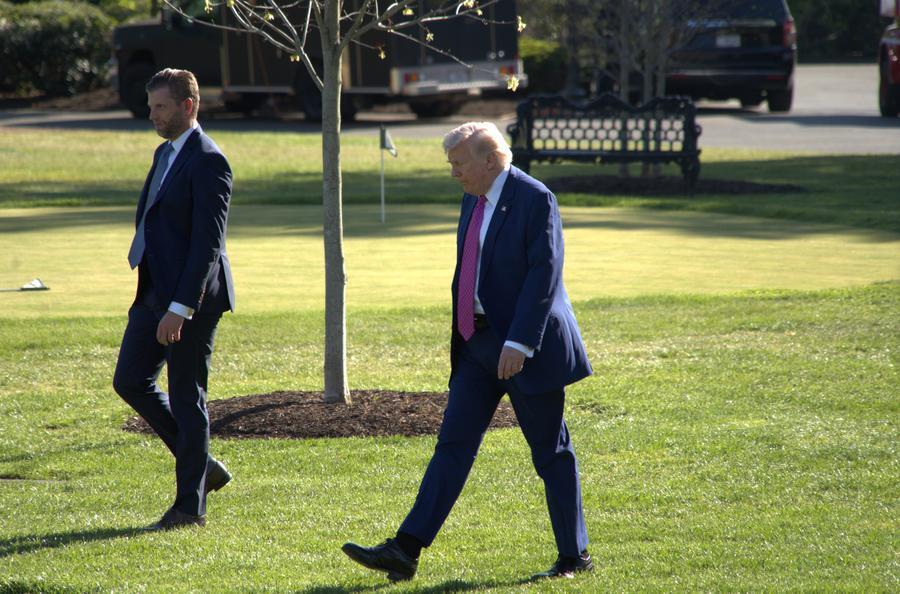
U.S. President Donald Trump (R) walks toward Marine One at the White House in Washington, D.C., the United States, on April 10, 2026.
The blockade adds yet another hurdle to a globally vital shipping route already battered by the U.S.-Israel-Iran conflict.
U.S. blockade of the Strait of Hormuz “is not just a geopolitical escalation but a reckless move that risks choking the global economy, with American consumers bearing the brunt,” Iranian semi-official Tasnim news agency opined on Monday.
Unsustainable blockade
While the United States seeks to pressure Iran by blocking the strait to secure concessions on issues such as the reopening of Hormuz, experts say that a full blockade is unlikely to be either feasible or sustainable.
The United States is likely to rely on enhancing its naval presence, intensifying monitoring and inspection operations, and possibly imposing “selective restrictions” on the movement of certain vessels, said Abdulaziz Alshaabani, a Saudi researcher at Al Riyadh Center for Political and Strategic Studies.
“However, it is unlikely that the naval blockade would be complete or absolutely effective, given the complexities of maritime routes and the entanglement of international interests,” Alshaabani added.
Mohammed Al-Jubouri, a professor at al-Iraqia University in Baghdad, echoes Alshaabani’s assessment.
“Iran does not need to engage the U.S. fleet directly to undermine the blockade,” Al-Jubouri said. “It suffices for Tehran to employ tactics involving fast-attack craft, naval mines, coastal missile batteries, or even proxy attacks in other parts of the region. Such tools are capable of transforming any blockade into a prolonged war of attrition.”
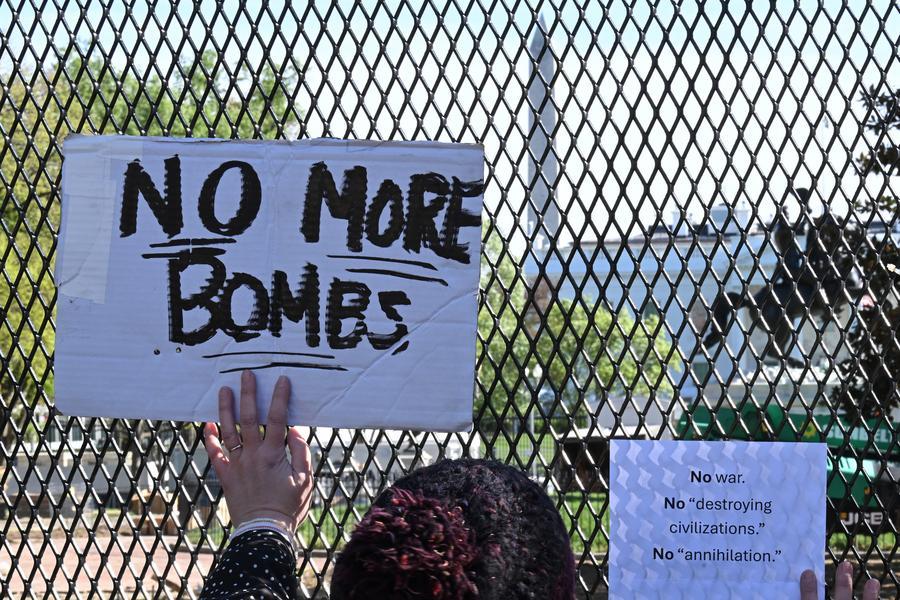
A demonstrator holds placards in front of the White House in Washington, D.C., the United States, on April 7, 2026.
Abu Bakr al-Deeb, an advisor at the Cairo-based Arab Center for Research and Studies, argues that a complete blockade could end up shooting the United States in the foot, ultimately working against its own interests.
“The United States can impose temporary or partial control, but it would face immense difficulty in transforming that control into a stable, long-term blockade without incurring significant political and economic costs,” he added.
Far-reaching impact
Even if a long-term blockade may be beyond Washington’s reach, the move is sure to send additional shockwaves through a global energy market already roiled by ongoing U.S.-Iran tensions and could further jeopardize the fragile ceasefire between the United States, Israel and Iran, raising the risk of renewed conflict.
A blockade of a strait as vital as Hormuz cannot remain a “purely American affair” in terms of its impact, al-Deeb said, adding, “The global economy — particularly Asia and Europe — would suffer immediate and direct harm.”
Following the outbreak of the U.S.-Israel-Iran conflict on Feb. 28, Brent Crude oil prices have already soared, reaching highs of over 120 U.S. dollars per barrel by early April.
Oil could rise to 150 dollars a barrel under a U.S. blockade of the Strait of Hormuz, Jorge Montepeque, managing director at Britain-based Onyx Capital Group, told Bloomberg.
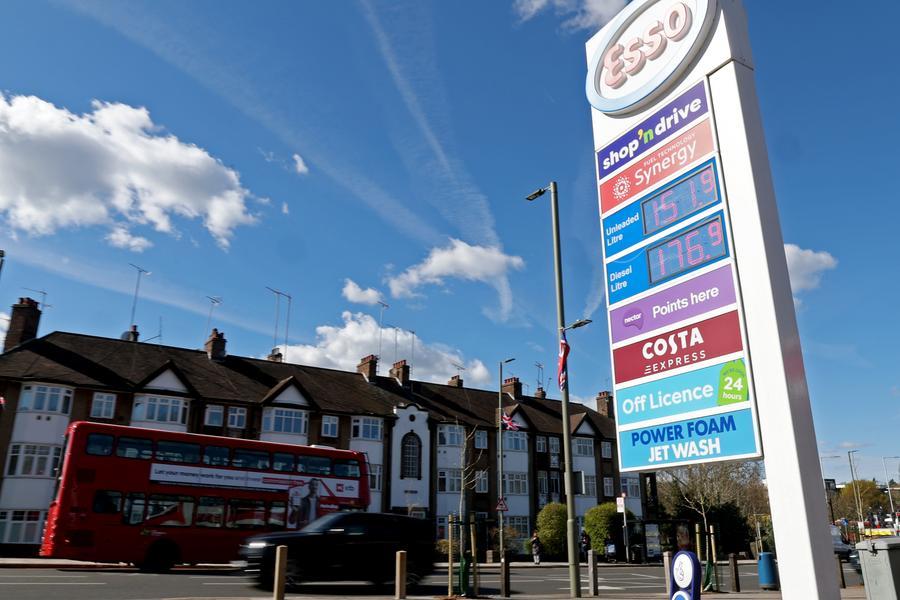
Gas prices are displayed at a petrol station in London, Britain, March 26, 2026. The strikes launched by the United States and Israel against Iran have triggered a sharp spike in global oil prices.
The U.S. blockade is also believed to raise the risk of hostilities reigniting between Washington and Tehran, potentially undermining the ceasefire that was just agreed upon last week.
“The U.S. insistence and lack of flexibility regarding navigation in the Strait of Hormuz … reveals Washington’s intention to use these issues as a pretext for launching further strikes and attacks,” said Al-Jubouri.
Iran’s Islamic Revolution Guards Corps (IRGC) has vowed to use new military capabilities if the war with the United States and Israel continues.
“We have not yet used our capabilities, and if the war continues, we will unveil capabilities that the enemy has no idea about,” IRGC spokesperson Hossein Mohebbi said after the U.S. blockade took effect.
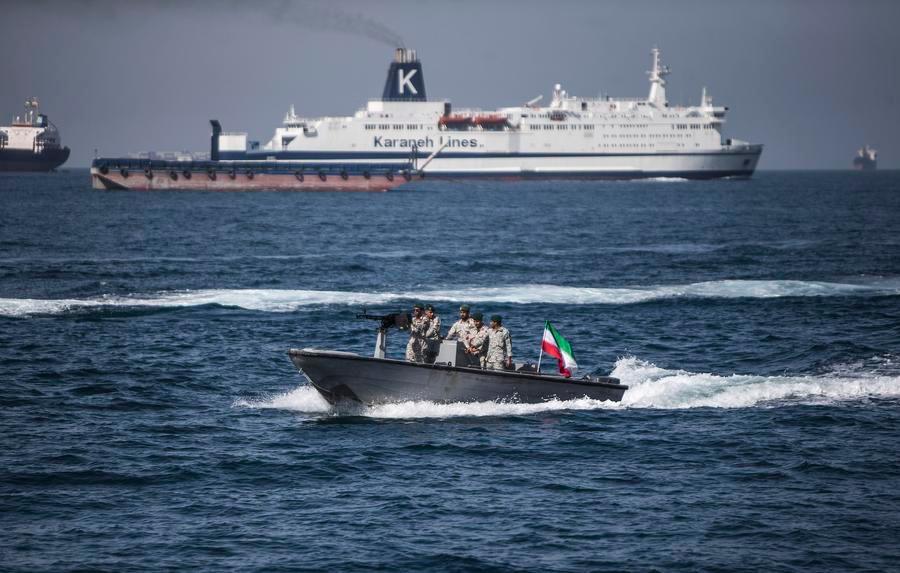
Iranian soldiers patrol the Strait of Hormuz in southern Iran, April 30, 2019.
This is not a routine diplomatic stop; it is a calculated recognition of a continent that has become the new center of gravity for the world’s most pressing conversations on faith, diplomacy, and unity.
The 11-day itinerary, spanning Algeria, Cameroon, Angola, and Equatorial Guinea, is a grueling schedule involving 18 flights and 11 cities. In practice, it represents a bold pivot toward the Global South, moving Africa from the periphery of international discourse to its vital center.
A strategic opening in Algiers
The decision to launch the tour in Algeria is a significant diplomatic statement. As a nation where Islam is the bedrock of social life, Algeria has never before hosted a Catholic Pope. By beginning his journey here, Leo XIV is prioritizing interfaith dialogue over traditional denominational strongholds.
Pope Leo is the first pope to visit Algeria.
The symbolism is profound: the Pontiff’s schedule includes a historic visit to the Great Mosque of Algiers, one of the world’s largest, followed by a meeting with the local Christian community at the Basilica of Our Lady of Africa. These visits are an active demonstration of how divergent faiths can occupy the same intellectual and physical space.
Furthermore, the visit serves as a historical homecoming. On April 14, the Pope travels to Annaba, the ancient Hippo Regius, to pray at the ruins where Saint Augustine, a foundational architect of Western thought, lived and ministered. For Leo XIV, an Augustinian himself, this is a nod to the African roots of Christian philosophy, a reminder that the continent’s contribution to global thought is as ancient as it is essential.
The new heart of global Catholicism
Beyond the symbolism lies a demographic reality: Africa is now the primary engine of the Catholic Church’s growth. The continent is home to over 256 million Catholics, representing roughly one-fifth of the global total. While participation in the West plateaus, African congregations are expanding at a rate that has fundamentally inverted the old “missionary” narrative.
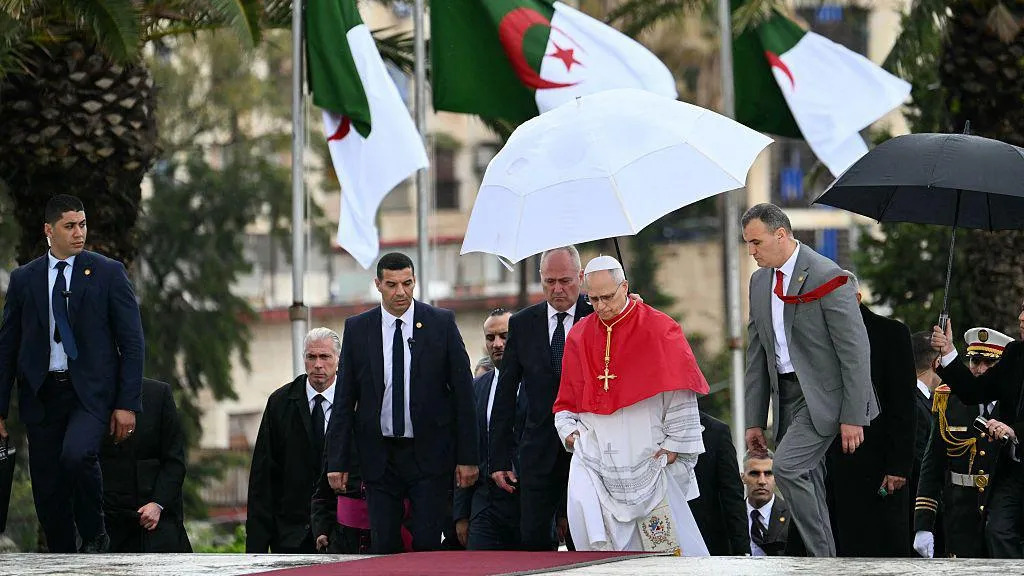
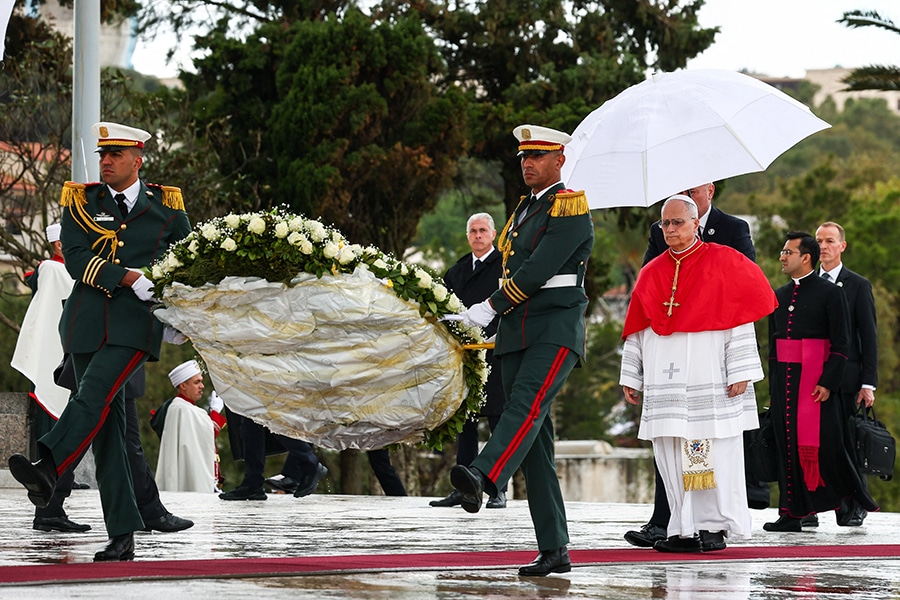
Pope Leo XIV visits Maqam Echahid (Martyrs’ Memorial) monument in El Madania, Algiers, Algeria, April 13, 2026, to begin his apostolic journey to Algeria, Angola, Cameroon and Equatorial Guinea.
Today, Africa no longer just receives the faith; it exports it. African priests and lay leaders are increasingly filling the administrative and spiritual voids of the Global North. By visiting Cameroon and Angola, Leo XIV is engaging with the very people who will dictate the future trajectory of the institution.
Navigating high-stakes realities
Each stop on the itinerary is strategically calibrated to address specific regional or global tensions, moving the journey beyond simple ritual into the realm of high-stakes diplomacy.
From Wednesday, April 15, to Saturday, April 18, the Pope will visit Cameroon, a nation of 30 million people, where he will venture into Bamenda. This region has been marked by years of socio-political tension, making his “Meeting for Peace” at St. Joseph’s Cathedral a high-stakes effort toward national reconciliation.
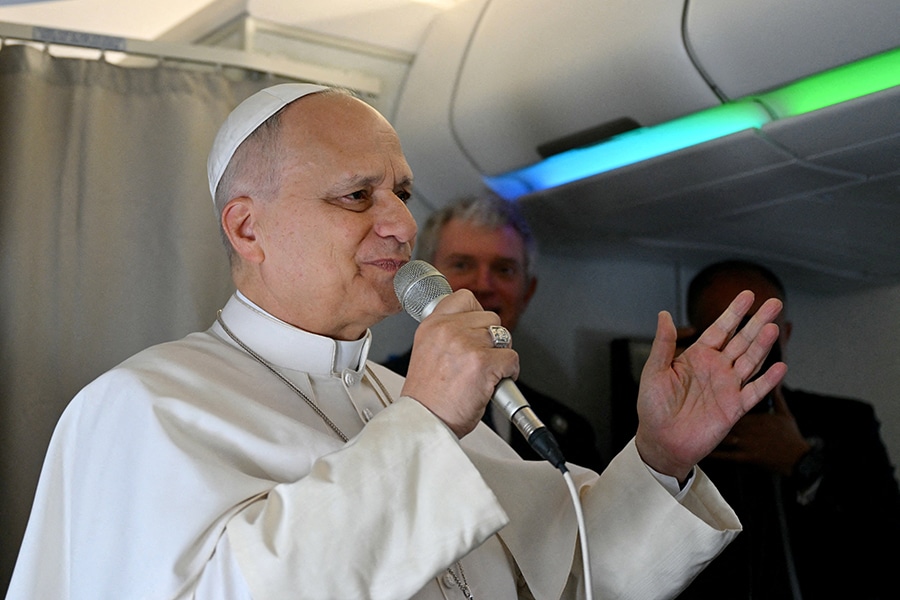
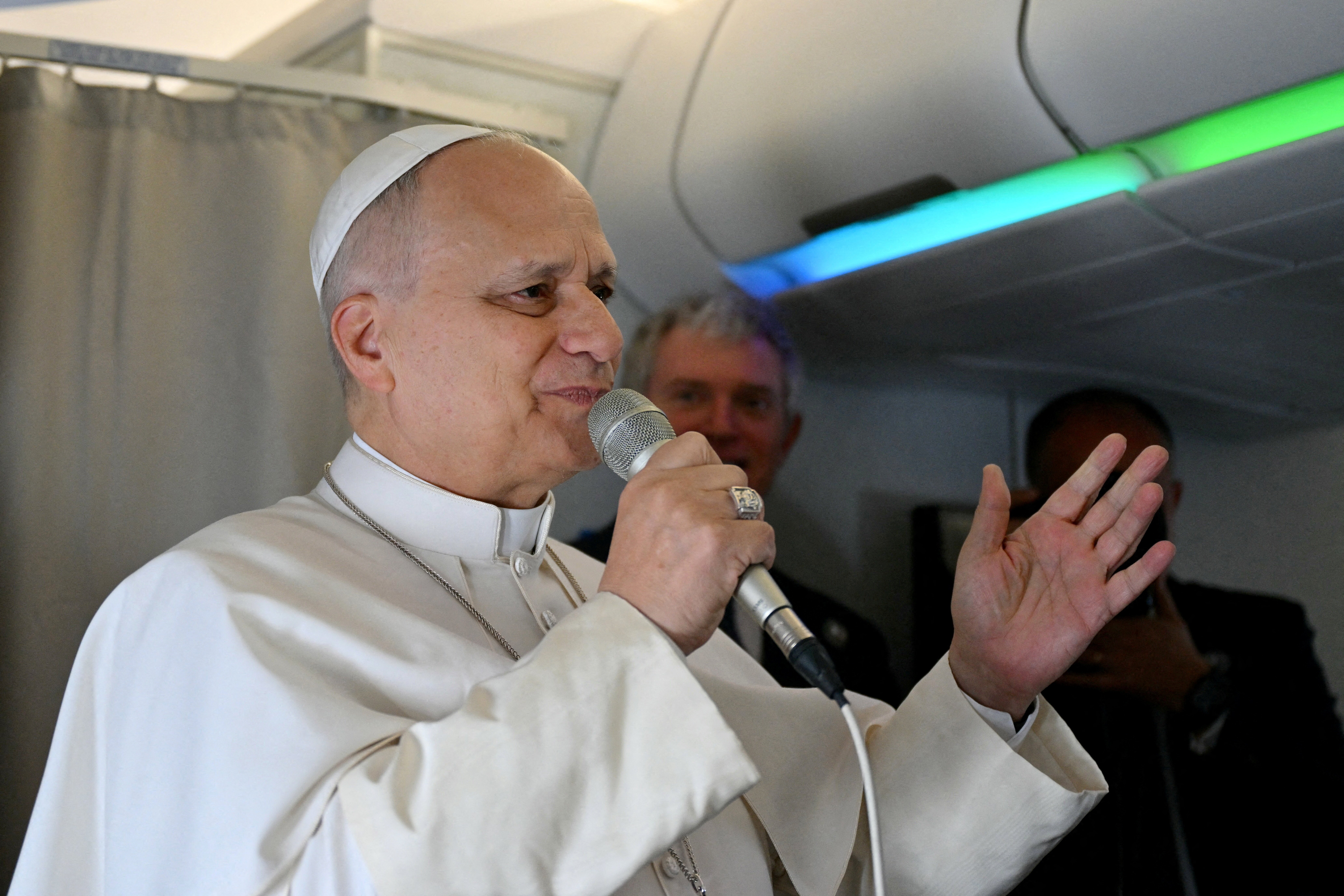
Pope Leo XIV addresses journalists during the flight heading to Algiers on April 13, 2026. Pope Leo XIV embarks on April 13 on an 11-day visit to Algeria, Cameroon, Angola and Equatorial Guinea for his first major international trip since becoming pontiff in May 2025.
This serious diplomatic mission will be balanced by a massive show of faith in Douala, where an estimated 600,000 faithful are expected to gather at Japoma Stadium for a landmark Eucharistic celebration.
The journey then shifts to Angola from Saturday, April 18, to Tuesday, April 21. During this leg, the Pontiff will travel to the Marian shrine of Mama Muxima, a site of profound cultural and spiritual devotion, to pray for peace in a nation still navigating the scars of its civil war history.
His itinerary also includes a visit to Saurimo, a hub of the diamond industry, where he intends to highlight the human dignity and ethical stakes involved in Africa’s vast natural resource wealth.
The tour concludes in Equatorial Guinea from Tuesday, April 21, to Thursday, April 23, with a final focus on “works of mercy.” In the capital and beyond, Leo XIV will visit the Jean Pierre Olie Psychiatric Hospital and engage with academics at the National University’s León XIV Campus, a sequence of events designed to bridge the gap between grassroots social care and the continent’s growing intellectual influence.
The sheer scale of the mission, covering nearly 18,000 kilometers, underscores its urgency. For a 70-year-old leader, the pace is demanding, but the objective is clear: visibility. By visiting coastal hubs, diamond centers, and conflict-affected regions, the tour brings a global spotlight to areas frequently overlooked by the Western media apparatus.
Ultimately, this tour is an exercise in recognition. It acknowledges a continent that is no longer “in waiting,” but is actively leading global conversations. Over these 11 days, Pope Leo XIV is not merely visiting four nations; he is engaging with a continent that is currently writing the next chapter of global history. In a world defined by fragmentation, this move to center Africa may well be the most important diplomatic statement of his papacy.
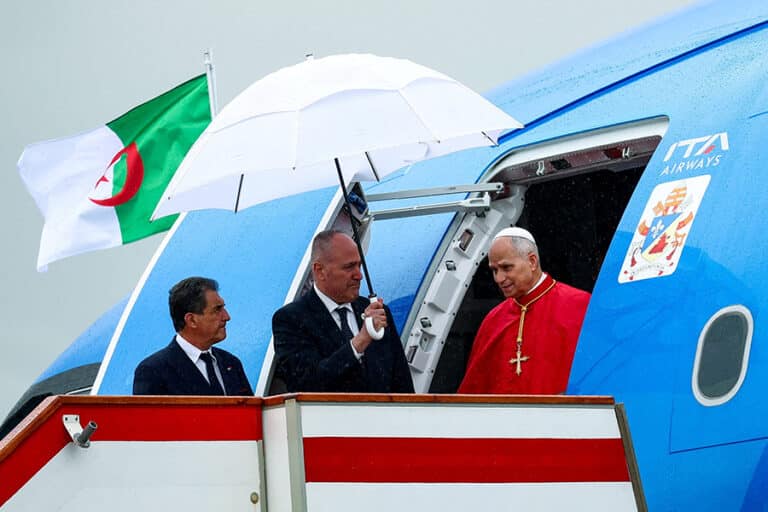
Pope Leo XIV disembarks the papal plane upon his arrival at Houari Boumediene International Airport to begin his apostolic journey to Algeria, Angola, Cameroon and Equatorial Guinea, in Dar El Beida, Algiers, Algeria, April 13, 2026.
Speaking to reporters aboard the papal aircraft on Monday, the U.S.-born pontiff responded to Trump’s recent criticism by insisting that his messages should not be interpreted through a political lens.
“To put my message on the same plane as what the president has attempted to do here, I think is not understanding what the message of the Gospel is,” Leo said. “And I’m sorry to hear that, but I will continue on what I believe is the mission of the Church in the world today.”
The pope, the first American to lead the Catholic Church, stressed that his appeals for peace and reconciliation are not directed at any individual leader. He said his repeated warnings against what he called a “delusion of omnipotence” driving global conflicts were meant as a moral, not political, critique.
“I will not enter into debate. The things that I say are certainly not meant as attacks on anyone,” he said. “The message of the Gospel is very clear: ‘Blessed are the peacemakers.’”
In remarks to other reporters, Leo added plainly: “I have no fear of the Trump administration.”
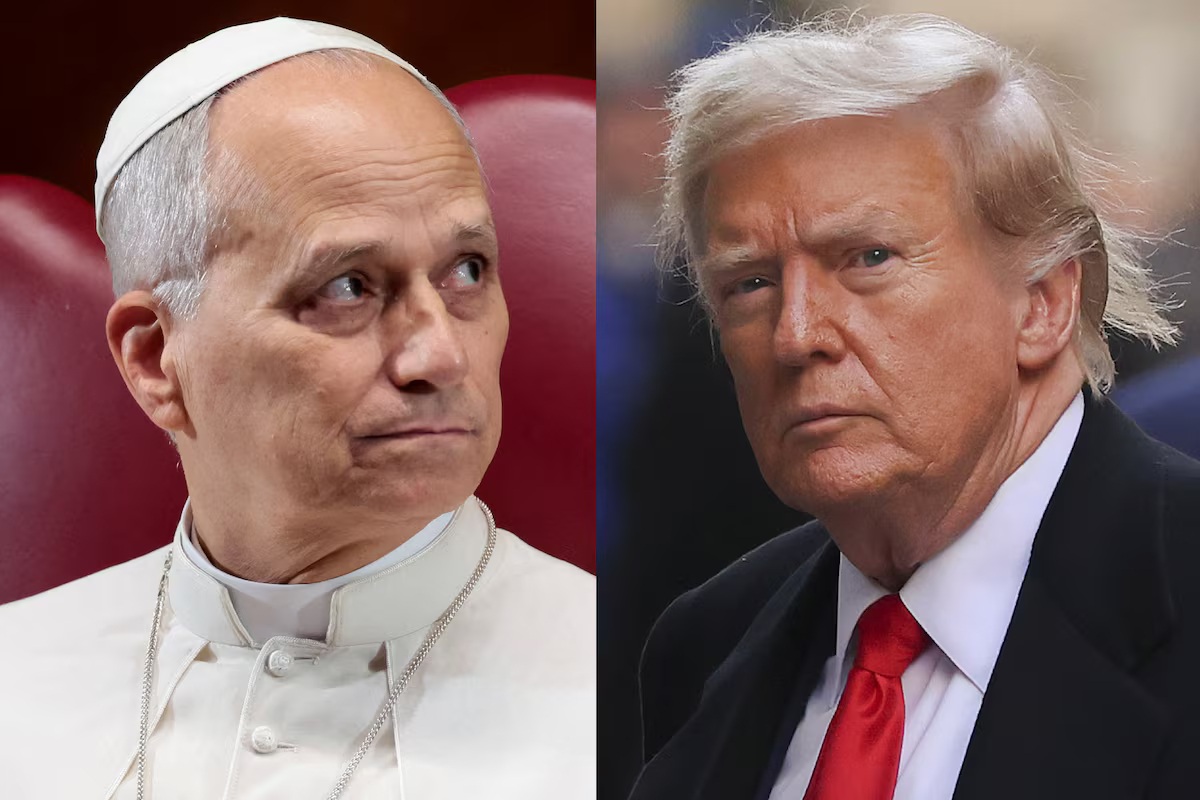
The exchange comes after Trump launched a forceful attack on the pope over the weekend, criticizing Leo’s comments on the Iran war and accusing him of being “very liberal” and “weak on crime.” The president also suggested the pontiff should “stop catering to the Radical Left” and condemned his opposition to aspects of U.S. foreign policy.
“I’m not a fan of Pope Leo,” Trump said while traveling back from Florida to Washington, escalating his criticism in both social media posts and comments to reporters.
In his posts, Trump also objected to the pope’s earlier remarks suggesting that talk of overwhelming military force in Iran reflected dangerous thinking, arguing that Leo had overstepped by commenting on geopolitical strategy. He further claimed the pope should avoid political issues altogether.
The White House’s criticism followed a period of heightened tensions between Washington and the Vatican, as Leo increasingly warned against escalating rhetoric around the Iran conflict. The pope has previously described threats of large-scale destruction as “truly unacceptable” and cautioned against what he sees as the religious justification of war.
Archbishop Paul S. Coakley, president of the U.S. Conference of Catholic Bishops, later said he was “disheartened” by the tone of the president’s remarks, stressing that the pope speaks as “the Vicar of Christ who speaks from the truth of the Gospel.”
Trump, however, doubled down on his criticism, reiterating that he was elected “in a landslide” to carry out his foreign policy agenda and suggesting the pope had been elevated in part due to his American nationality.
“If I wasn’t in the White House, Leo wouldn’t be in the Vatican,” Trump said.
Despite the escalating rhetoric, Pope Leo emphasized that he would continue his global tour of Africa, which began Monday with a visit to Algeria, where he is expected to meet civil authorities and later travel to Cameroon, Angola and Equatorial Guinea.
“I will not shy away from announcing the message of the Gospel,” he said. “And inviting all people to look for ways of building bridges of peace and reconciliation, and looking for ways to avoid war any time that’s possible.”
Pope Leo XIV addresses journalists during the flight heading to Algiers on April 13, 2026. Pope Leo XIV embarks on April 13 on an 11-day visit to Algeria, Cameroon, Angola and Equatorial Guinea for his first major international trip since becoming pontiff in May 2025.
He made the remarks on April 13, 2026, during the 32nd commemoration ceremony for politicians who were killed in the Genocide against the Tutsi.
The event marked the closure of the Commemoration Week and was held in Rebero, Kigali City, at Rebero Genocide Memorial, where the remains of 21 politicians are interred. The politicians were killed for opposing discrimination that culminated in the 1994 Genocide against the Tutsi.
Senator Dr. Habineza emphasised that Rwanda has 11 political parties, each guided by its own ideology. He noted that while their ideas may differ, they all operate peacefully within the national governance framework, and each maintains its own independent political stance.
“All 11 political parties are represented in Parliament and in other leadership institutions of the country. It should be clearly understood that meeting and sharing views on national issues does not remove the independence of each political party,” he said.
He further explained that this independence naturally includes differing political opinions, commonly referred to as “opposition.”
“It does not prevent each political party from having different views from others, what some call ‘opposition.’ Opposition to the government in Rwanda is not about fighting or destroying what has been achieved in the 32 years since the 1994 Genocide against the Tutsi. Our opposition is about presenting ideas and proposing solutions to existing challenges, while keeping in mind Rwanda’s difficult history,” he said.
Dr. Habineza added that such political differences should always align with the principles the country has adopted to promote unity among Rwandans.
He also criticised politicians based abroad, whom he accused of misleading the public about governance in Rwanda, stating that their actions should not be tolerated.
“We support our leadership, led by the President of the Republic. We will not allow anyone who seeks to take us backwards, regardless of the means they use,” he said.
Referring to the ongoing period of commemoration, Dr. Habineza noted that some Rwandans remain abroad, including exiles and individuals who were involved in the 1994 destruction of the country, among them members of the FDLR. He reiterated that Rwanda’s policy is that no Rwandan should remain in exile indefinitely.
“Rwanda’s policy is that no Rwandan should remain in exile forever. The Forum of Political Organizations calls on Rwandans still in the forests of the Democratic Republic of Congo and elsewhere in the world to distance themselves from those who hold them hostage and return home, especially given the crimes they committed in Rwanda, including the 1994 Genocide against the Tutsi. Let them come home in peace […]. We have chosen to pursue a constructive, inclusive form of politics that values all Rwandans,” he said.
On the closing day of the Commemoration Week, tributes were paid to politicians who opposed the plans for the Genocide against the Tutsi, up to the point of losing their lives.Senator Dr. Habineza said Rwanda has 11 political parties with different ideologies, all operating peacefully within the national governance framework while maintaining independent positions.