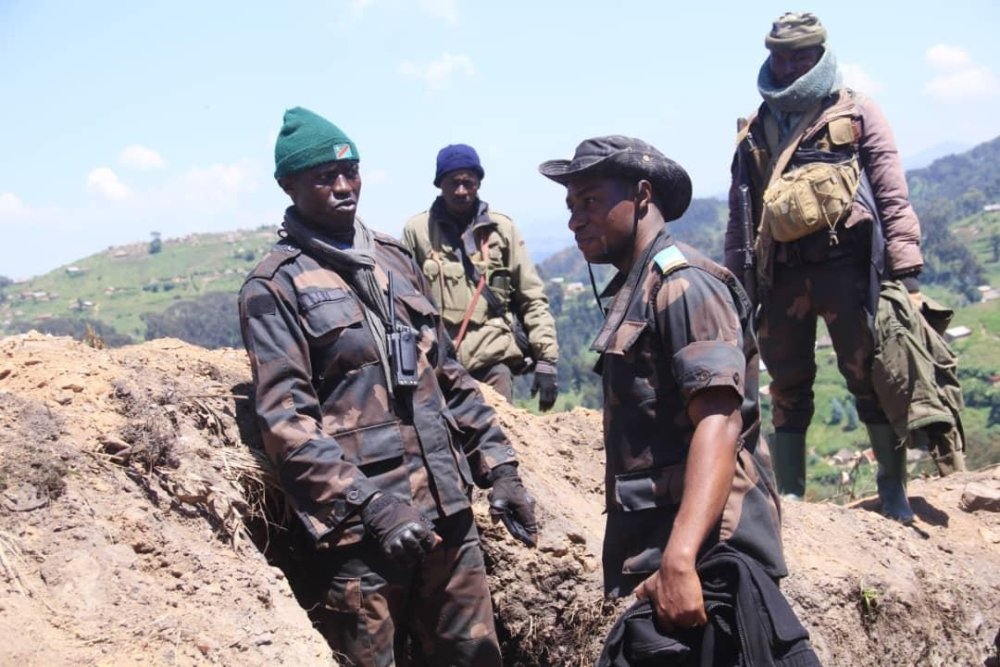
Last week, a coalition of the DRC armed forces, Burundian troops, the FDLR group, and Wazalendo militias launched coordinated attacks in the outskirts of Minembwe. The operations were aimed at capturing the area, which has been under the control of the MRDP-Twirwaneho group for nearly a decade.
On June 18, 2026, the spokesperson for the DRC armed forces in South Kivu Province, Lt. Reagan Mbuyi Kalonji, announced that government forces had taken control of Minembwe. However, both the military and civilian leadership of Twirwaneho rejected the claim, saying the area remained under their control.
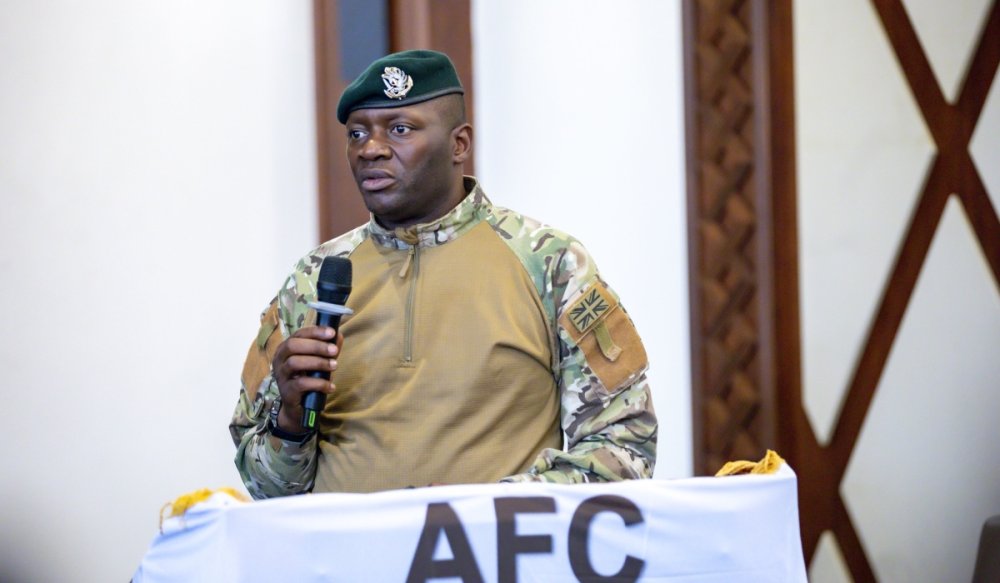
Dr. Freddy Kaniki, president of MRDP-Twirwaneho and deputy head of AFC/M23 in charge of economy and finance, said the government coalition would not succeed in capturing Minembwe.
According to MRDP-Twirwaneho, its fighters, supported by AFC/M23 forces using combat drones, repelled advancing government troops and regained control of several positions near Minembwe.
AFC/M23 spokesperson Lawrence Kanyuka said that following the reported defeat of government forces in Minembwe, troops carried out attacks against civilians in Bidegu, Gakenke, and Mikenke beginning on the night of June 22, allegedly using drones.
Kanyuka stated that the attacks were widespread and repeated, resulting in civilian deaths, multiple injuries, and the displacement of thousands of residents.
AFC/M23 further stated that it would continue what it described as efforts to protect civilians as long as the attacks persist.
AFC/M23 spokesperson Lawrence Kanyuka said government forces attacked civilians in Bidegu, Gakenke, and Mikenke after a reported defeat in Minembwe, starting June 22, using drones.
Since tensions between the Democratic Republic of Congo (DRC) and Rwanda escalated in 2022, the two leaders have drawn closer politically and militarily. However, observers note that their cooperation appears to prioritise security and battlefield coordination over development initiatives such as infrastructure or economic integration.
At the centre of this alignment is the war in eastern DRC, where Burundian forces have become one of Kinshasa’s key allies in operations against AFC/M23 and MRDP-Twirwaneho.
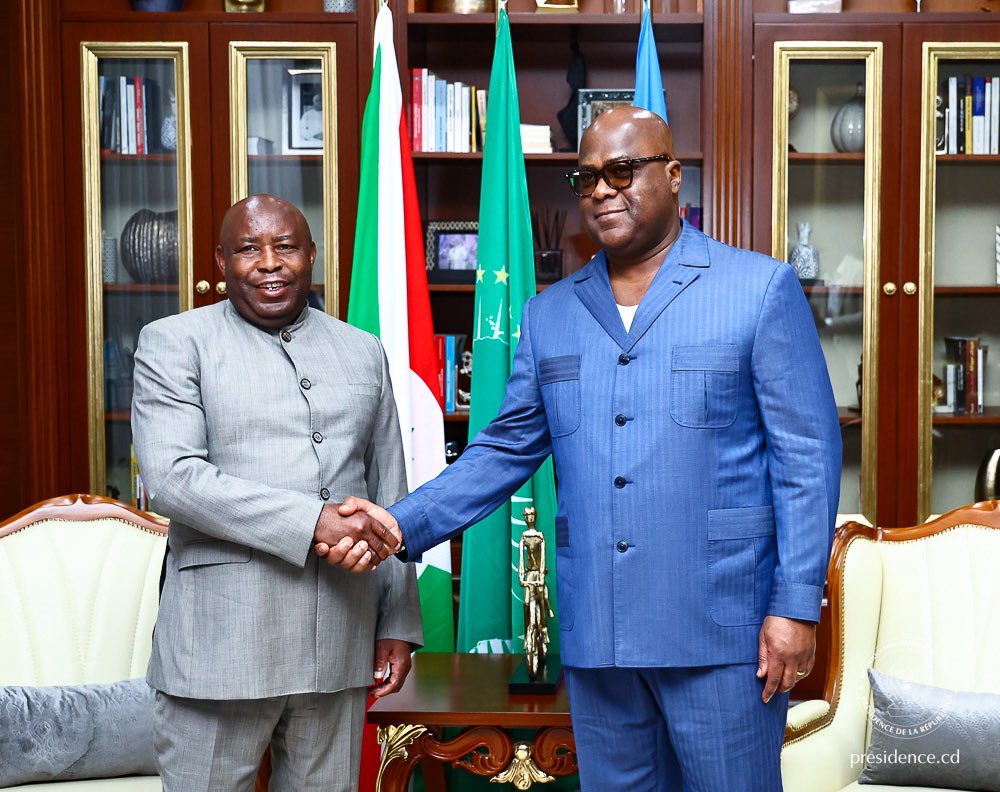
It is in this context that President Ndayishimiye arrived in Kinshasa for a two-day official visit beginning June 22, 2026, accompanied by his wife.
Official agenda versus underlying priorities
Publicly, discussions are said to focus on security in eastern DRC, bilateral cooperation, Ebola response, and broader regional issues. However, analysts argue that the real agenda extends far beyond these stated priorities.
The visit takes place as Burundian troops have remained deployed in the DRC for nearly three years, and as fighting in South Kivu, particularly in the Minembwe highlands, has intensified.
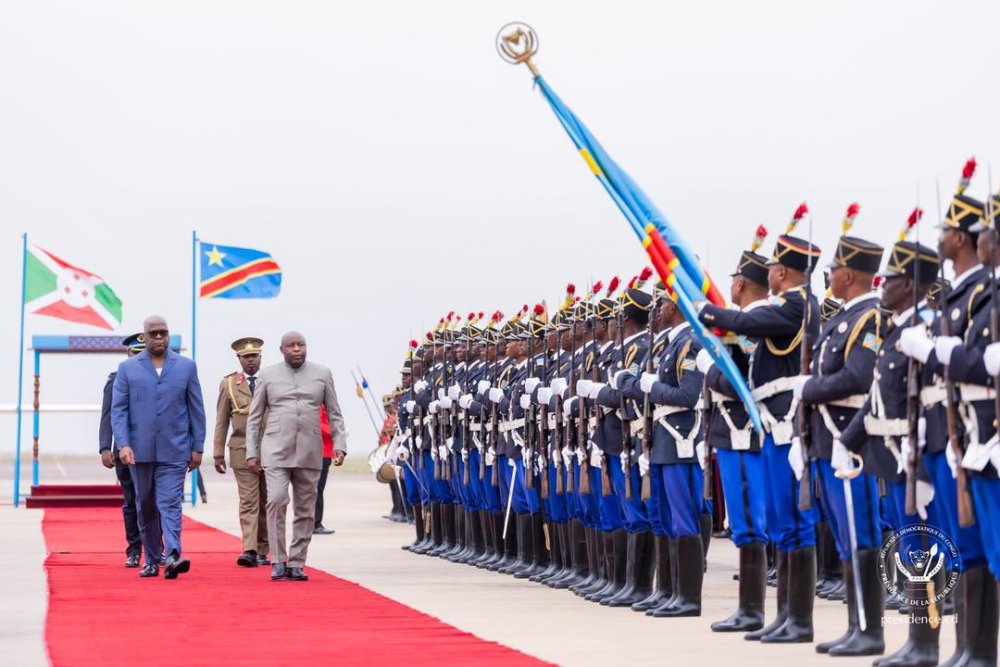
Tshisekedi personally received Ndayishimiye at N’djili International Airport, where the two leaders walked on a red carpet, national anthems were played, and military honours were rendered.
Later, they held closed-door talks at the Cité de l’Union Africaine. The ceremony projected strong bilateral ties, but also underscored deeper strategic alignments behind the scenes.
“Kinshasa views Bujumbura as its closest partner in both the military campaign and the political confrontation with Kigali. Burundi has effectively become a key operational instrument,” one analyst noted.
Congolese media similarly reported that the visit reflects coordination between two governments aligned around the objective of defending DRC sovereignty and countering Rwanda and AFC/M23.
A partnership defined by war rather than development
Since 2022, when relations between Rwanda and the DRC sharply deteriorated, high-level exchanges between Tshisekedi and Ndayishimiye have significantly increased.
Ndayishimiye has visited Kinshasa eight times, while Tshisekedi has made five visits to Burundi.
Military cooperation between the Burundian army and the FARDC began in South Kivu in 2022 and later expanded into operations in North Kivu against M23.
This shift followed Kinshasa’s criticism of the East African Community (EAC) regional force, which it accused of failing to take an offensive stance against M23, instead focusing on separation of forces and ceasefire monitoring.
Since then, Tshisekedi has increasingly relied on partners willing to engage directly in combat operations, with Burundi emerging as a central ally.
Visit coincides with intensified fighting in Minembwe
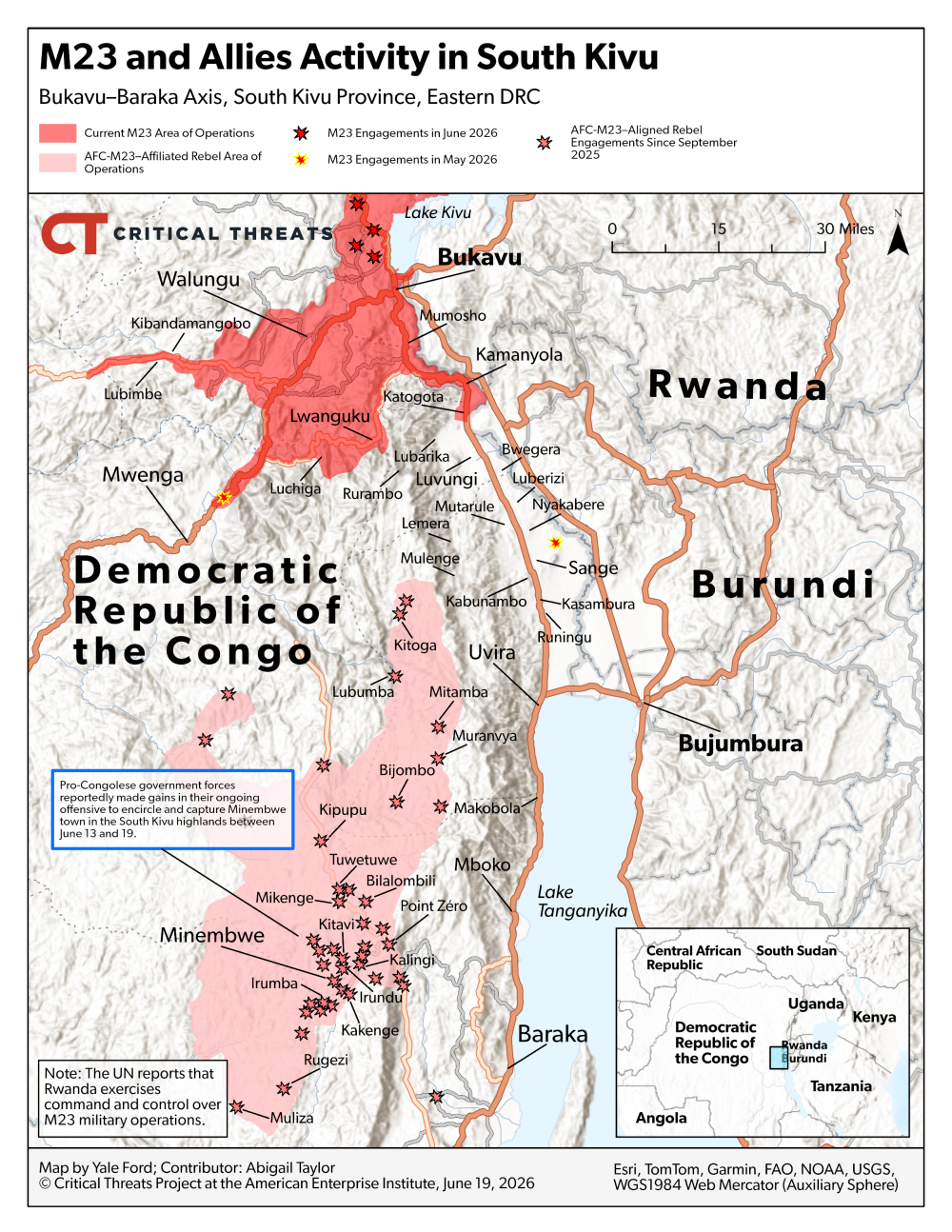
The visit comes amid ongoing and intense fighting in Minembwe, in South Kivu’s highlands. Forces aligned with the DRC government have launched operations aimed at capturing Minembwe, engaging MRDP-Twirwaneho positions.
Between June 6 and 12, government forces reported capturing several villages around Minembwe. On June 13 and 14, reports indicated continued airstrikes on at least four surrounding villages.
Heavy artillery, aircraft, and drones were reportedly used. On June 15, Kinshasa announced that Minembwe had been taken, a claim rejected by MRDP-Twirwaneho.
On June 17, FARDC spokesperson in South Kivu, Lt. Reagan Mbuyi Kalonji, stated that government forces had seized villages including Ilundu, Kitavi, and Bidegu, and were advancing toward Minembwe airport.
Meanwhile, reports indicate that a DRC coalition aircraft, possibly an L-39, had been shot down, indicating escalation to a higher-intensity phase of combat.
Allegations of multi-force alignment in Minembwe
The situation in Minembwe highlights reported coordination among FARDC, Burundian forces, Wazalendo militias, and the FDLR. This reinforces long-standing accusations by Rwanda that the FDLR continues to operate alongside state and allied forces in eastern DRC.
Rwanda maintains that the FDLR, linked to perpetrators of the 1994 Genocide against the Tutsi, poses an ongoing security threat and should not be integrated into any legitimate security framework in the region.
On June 18 and 19, fighting continued. Reports from Kinshasa indicated that government forces carried out drone strikes using Turkish-made TB2 drones targeting Minembwe and surrounding areas.
However, MRDP-Twirwaneho maintained that it still controlled Minembwe, arguing that government forces had failed to secure full control over the strategically located territory linking Uvira, Fizi, and Mwenga.
FARDC recently claimed it had captured Minembwe, but Twirwaneho says this is not true.
Ndayishimiye’s framing of the conflict
In an interview with Jeune Afrique, President Ndayishimiye described the conflict in eastern DRC as a direct security concern for Burundi.
He referred to Uvira, a city close to Bujumbura, that was captured by AFC/M23 on December 10, 2025, shortly after the Washington peace agreement was signed between Tshisekedi and President Paul Kagame.
According to Ndayishimiye, M23’s proximity to Burundi’s border increases the risk of activation of the RED-Tabara rebel group against Burundi.
“As long as M23 fighters are near our border, it remains a problem, and we must remain vigilant,” he stated.
The city remained under AFC/M23 control for nearly a month before the group withdrew to allow renewed peace negotiations.
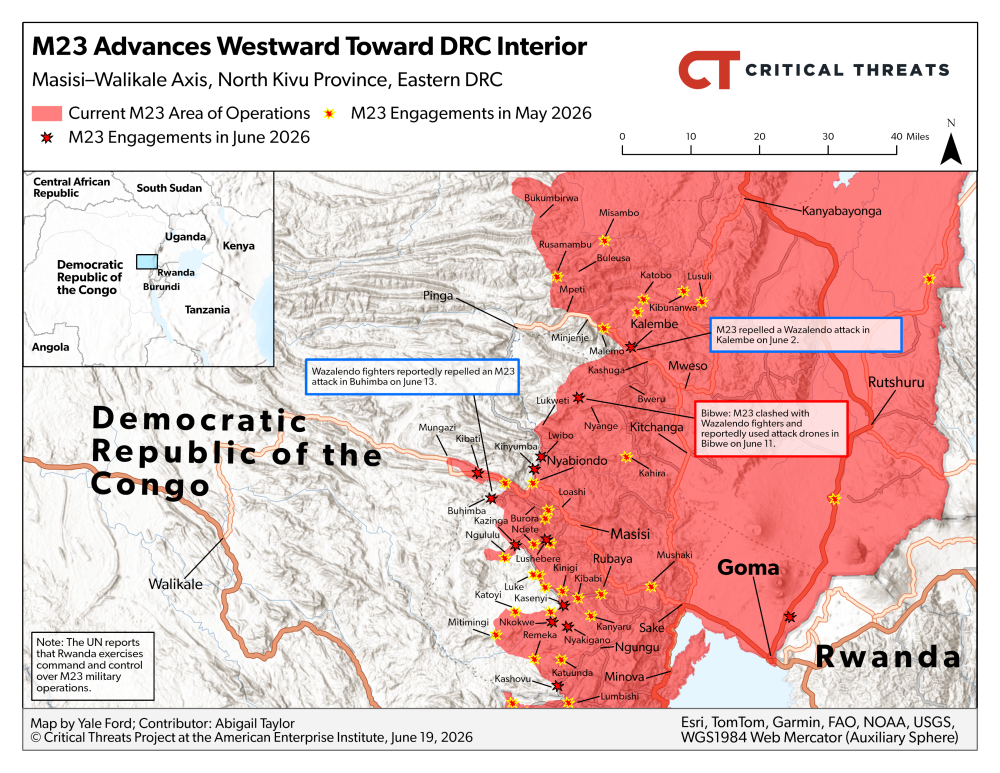
Wazalendo and other armed groups were reported in the areas of Buhimba, Kibati, Lwibo, and other locations.
Burundian forces and questions over operational control
“We are not in the DRC to protect Burundi; we are there to support the Congolese army in its fight against its enemy,” Ndayishimiye stated.
He further noted that Burundian troops operate under FARDC command and are deployed according to Congolese military needs. He also emphasised that their withdrawal is solely the decision of the Congolese government.
“It is the Congolese government that must decide. If it finds their presence no longer useful, Burundi will withdraw its soldiers.”
While military cooperation between states is common, analysts note that the current arrangement raises questions about command structure and operational independence, with some describing it as unusually dependent on the host government’s direction.
FDLR as a persistent regional fault line
Rwanda maintains that sustainable peace in eastern DRC is impossible as long as the FDLR remains active, tolerated, or insufficiently dismantled.
President Paul Kagame has repeatedly argued that Rwanda cannot be portrayed as the central security problem while armed groups hostile to Rwanda remain operational near its borders.
FDLR continues to be cited by Kigali as a key destabilising force in the region and as part of the broader conflict dynamics involving M23.
In broader geopolitical terms, the Tshisekedi–Ndayishimiye partnership increasingly appears anchored in a shared adversarial stance toward Rwanda.
For Kinshasa, the objective has been to build alliances with actors willing to support its military strategy against armed groups it associates with Rwanda. Tshisekedi has publicly signalled such intent since late 2023.
This position was further reinforced during Ndayishimiye’s visit to Kinshasa in January 2024, when he was reported to have expressed support for mobilising Rwandan youth against their government.
“Every state has the right to choose its partners. The DRC can cooperate with Burundi, just as Burundi can cooperate with the DRC. However, when such cooperation involves armed groups, inflammatory rhetoric, and the neglect of the FDLR issue, it becomes a serious concern,” a regional analyst told IGIHE.
Ndayishimiye and Tshisekedi have for some time been promoting rhetoric in the region that Rwanda says targets Tutsi communities.
Tshisekedi and Ndayishimiye have long converged on a shared narrative that their main adversary in the region is Rwanda.
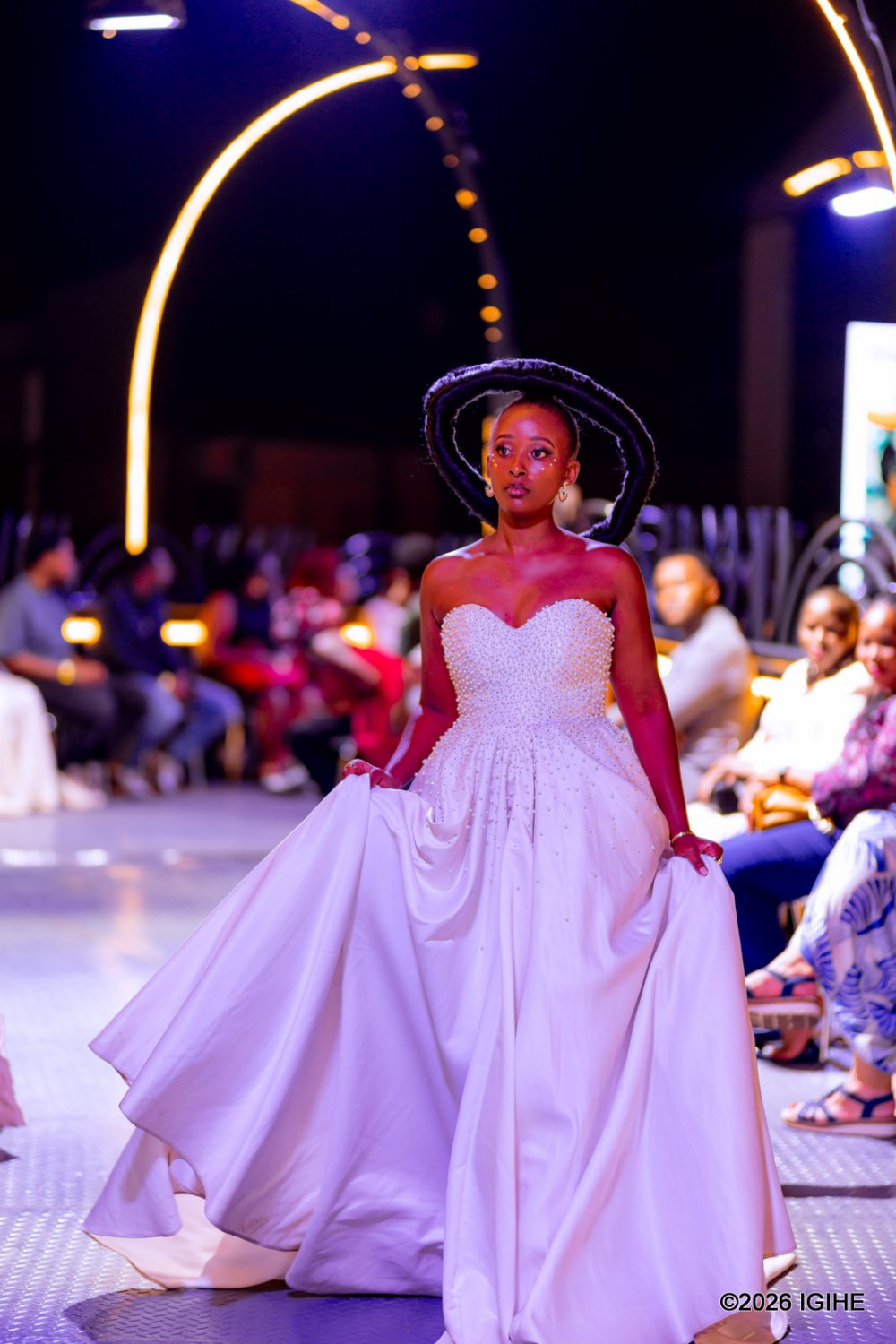
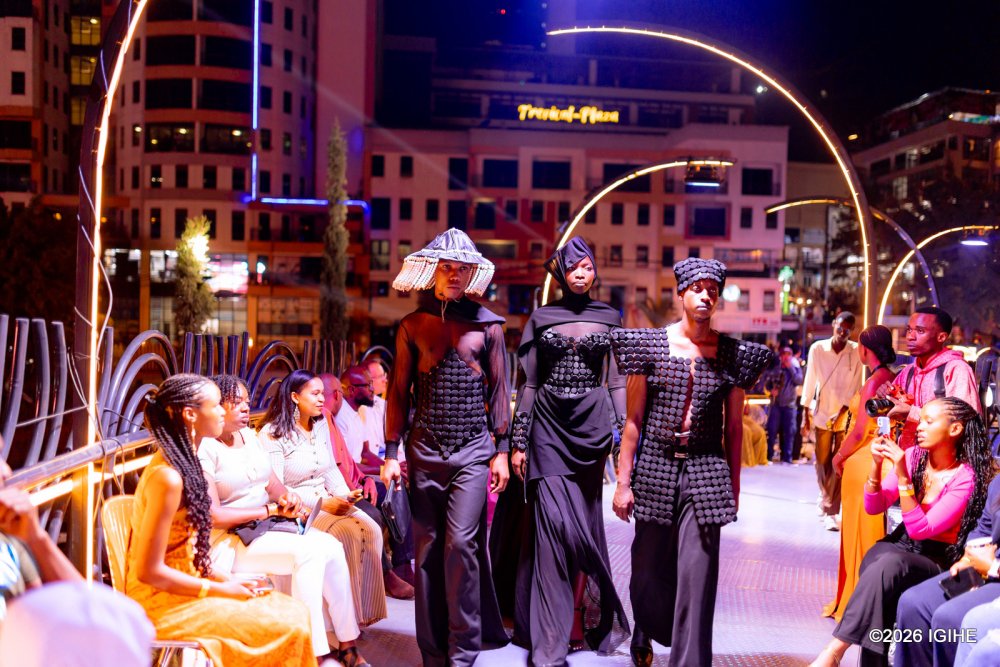
The 2026 edition of Kigali Fashion Week, held from May 25 to 30, marked the event’s highly anticipated comeback, featuring runway shows at Kigali Universe and The Pinnacle, among other venues. The event drew designers, models, diplomats, corporate partners, and fashion enthusiasts from across the region.
However, weeks after the celebrations ended, Bunyeshuri says serious disagreements emerged behind the scenes, prompting him to cancel a Memorandum of Understanding (MoU) signed with LG Events in November 2025.
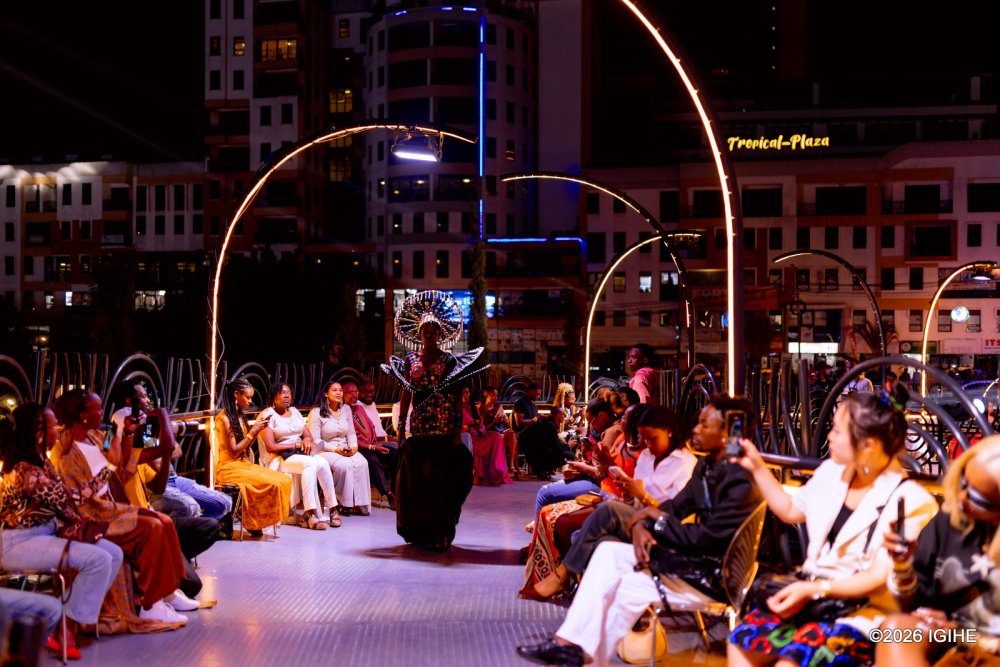
The open-air setting of Kigali Universe Bridge added a distinctive visual identity to Kigali Fashion Week’s runway presentation.
Speaking in an interview with IGIHE, Bunyeshuri praised the event’s execution and the efforts of the organising team but claimed that financial and operational concerns ultimately led to the collapse of the partnership.
“I think it was very successful,” he said of the event. “I must give credit to those who were behind managing and running it. The Rwandans who worked tirelessly behind the scenes did a really good job. Kigali Fashion Week came back with a bang.”
Despite commending the production, Bunyeshuri alleged that disputes arose over finances and communication during and after the event. According to him, several service providers and members of the organizing team later contacted him claiming they had not been paid.
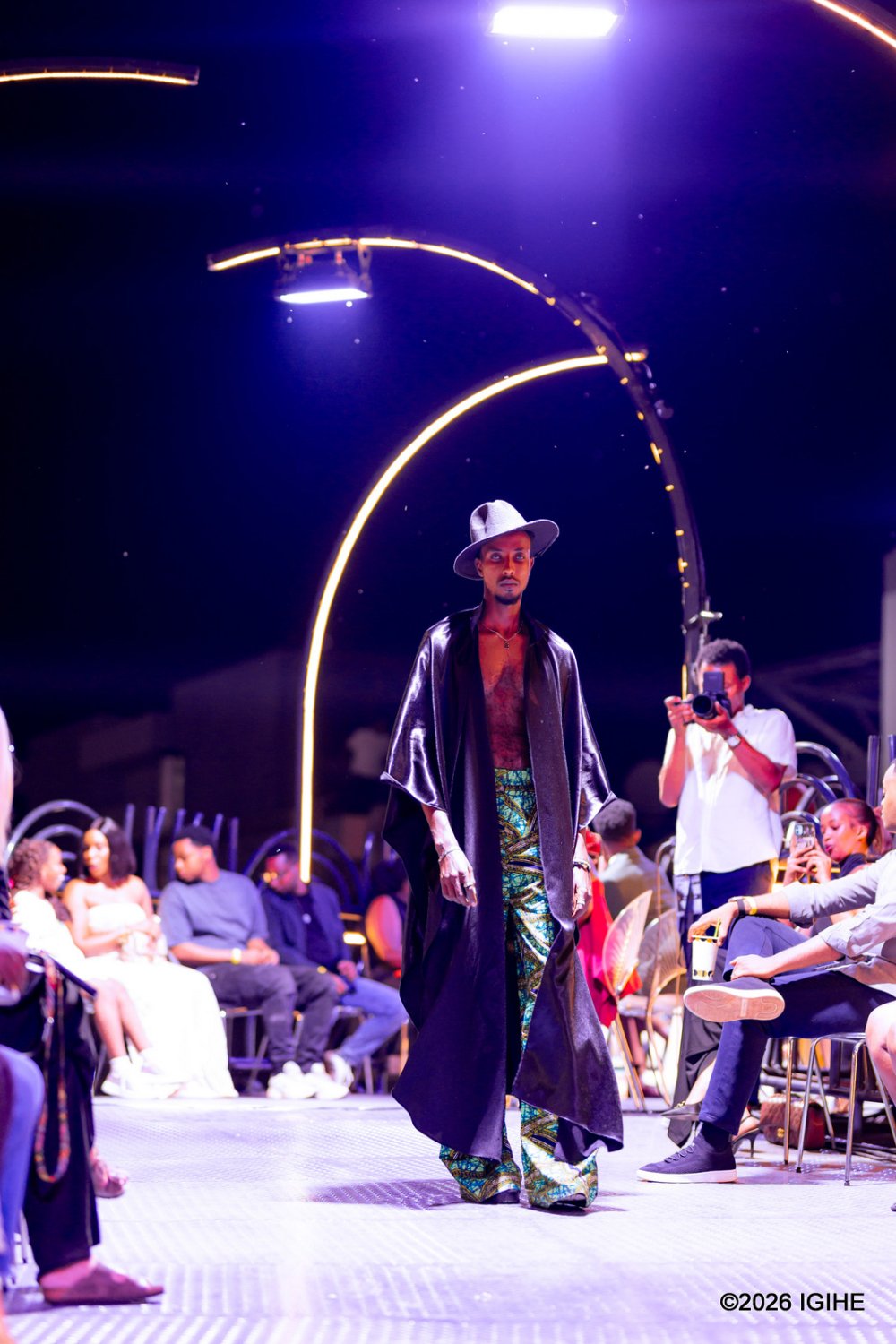
The fashion showcase at Kigali Universe Bridge reflected Kigali’s growing reputation as a hub for creative industries.
He further alleged that approximately Rwf 35 million linked to various contributors and partners remained unaccounted for, though he acknowledged that he was not directly involved in the event’s financial management.
“The partners I’m talking about are the Americans and some Rwandans who worked with this event. None of them were paid. The Rwandans who were part of the organizing team were not paid,” he claimed.
Bunyeshuri also alleged that repeated attempts to reach LG Events after the event were unsuccessful.
“We gave him 14 days to come back to us. He didn’t come back. We wrote to him, but he didn’t answer calls. We used our legal team to write to him, he didn’t respond,” he said.
Designers from across the region presented bold and creative collections
The fashion entrepreneur further revealed that complaints had been filed with authorities in both Rwanda and Uganda.
“We have filed formal complaints. Everything is in the process. We want justice for the people who were affected,” he revealed.
Bunyeshuri maintained that he never received any financial benefit from the agreement, despite being entitled to 15 percent under the partnership arrangement.
“I never received a single dime from this project,” he stated.
LG Events responds
In response to these heavy allegations, LG Events Production and Creative Director, George Lugoloobi, rejected suggestions that his company’s role was merely operational.
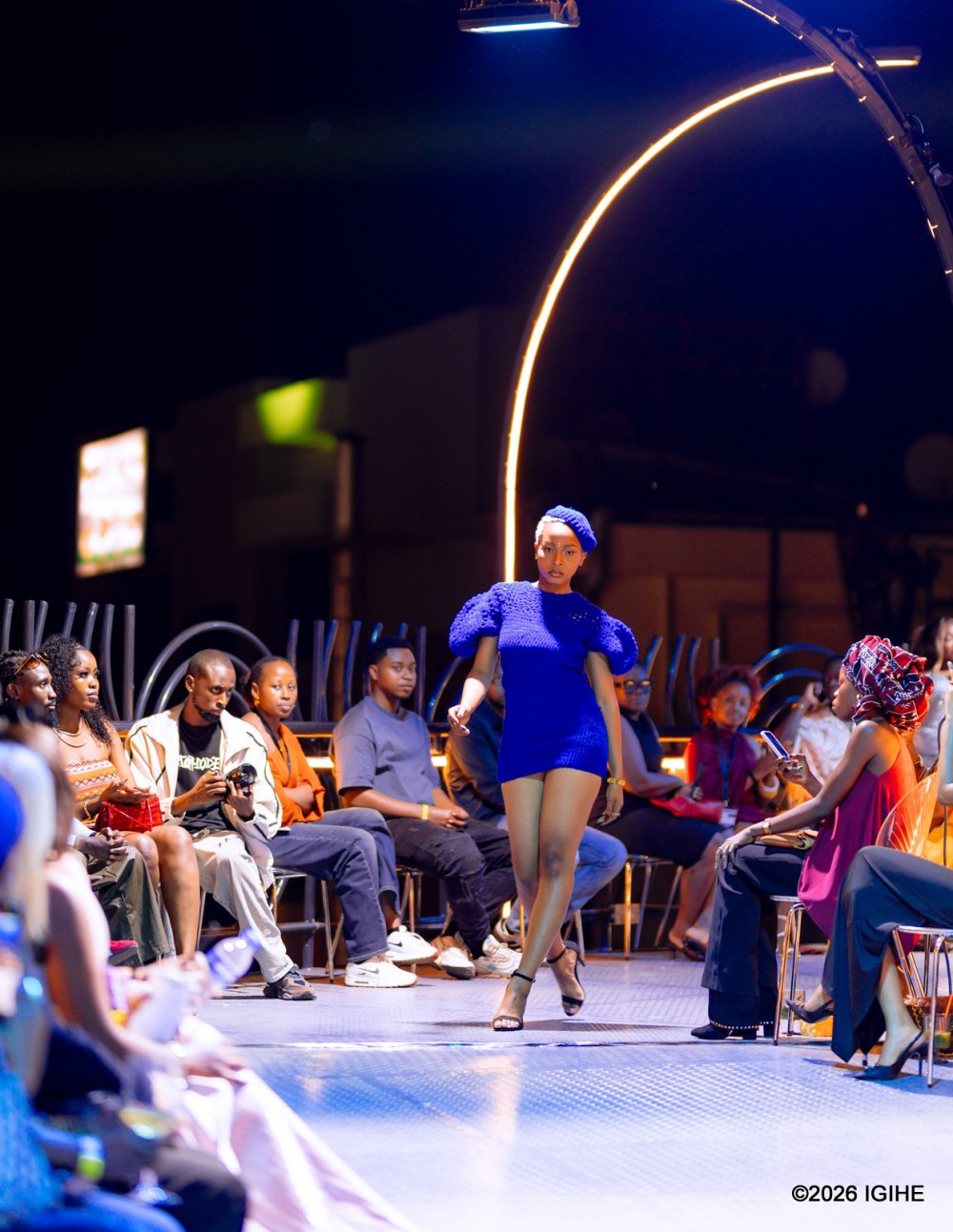
Kigali Fashion Week turned Kigali Universe Bridge into a center of creativity as designers unveiled modern and innovative collections.
Speaking to IGIHE, Lugoloobi defended his team’s work, framing the financial strain as an inherent hurdle in building a long-term “creative ecosystem” rather than operational mismanagement.
“The success and visibility of this edition did not happen by accident. It was built through strategy, creative direction, execution, sacrifice, and significant financial risk,” Lugoloobi argued.
However, Lugoloobi’s defense avoids the specific financial rescue lines highlighted by the founder, who noted that a sponsor, Thompson Samson, had to step up to pay all 80 models present entirely out of pocket to avoid “embarrassment.”
Bunyeshuri pointed out that Samson “lost a lot of money” as funds went missing, questioning how the event’s capital was actually allocated.
In his response, Lugoloobi challenged the assumption that the event generated immediate profits, noting that first-year revivals require significant reinvestment. However, he fell short of addressing the core financial issues regarding service providers, who are yet to receive their money.
“In a first year of rebuilding any platform, profit is rarely the focus… Success on the outside does not always reflect the financial pressure, debt, and operational burden behind the scenes,” he stated.
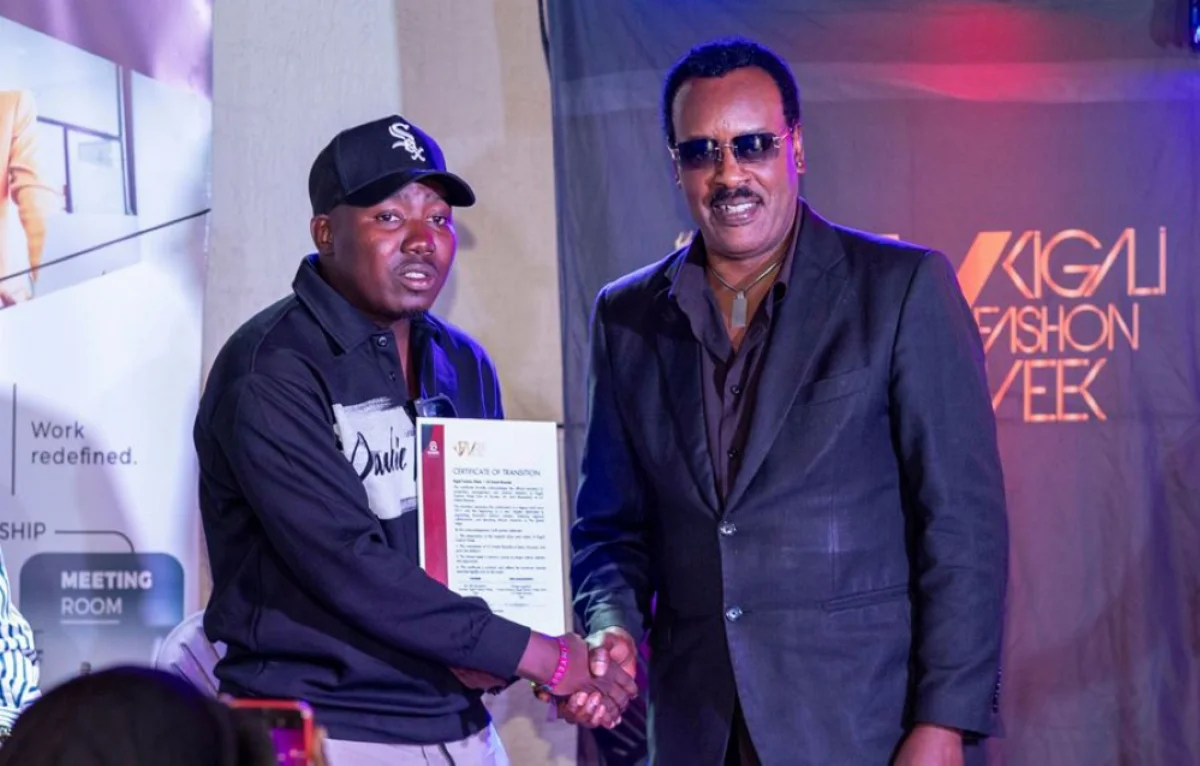
Bunyeshuri (right)revealed that complaints had been filed with authorities in both Rwanda and Uganda.
Lugoloobi heavily criticised Bunyeshuri for airing what he termed as unresolved grievances in the press.
“What raises concern for me is the decision to take unresolved matters directly into the media before full financial reconciliation and due process have taken place,” Lugoloobi said. “That approach creates unnecessary public speculation instead of allowing the facts to be established through proper channels.”
While Bunyeshuri has said the partnership has been cancelled and control of the brand has reverted to him, Lugoloobi insisted that LG Events is not contesting ownership of Kigali Fashion Week.
“We are not fighting for ownership. We respect the history of the platform and the role of its founder,” he said.
“However, respect must also be given to creative minds, strategic contributions, and the value of the work that transformed this edition.”
Lugoloobi added that any transition should be handled professionally and should account for outstanding debts, liabilities, and obligations associated with rebuilding the platform.
“If the intention is to reclaim the platform, then the responsible thing is to settle matters accordingly, through proper financial reconciliation and mutual respect,” he noted.
Despite the dispute, both parties acknowledged the undeniable success of Kigali Fashion Week’s return and its positive impact on Rwanda’s creative economy.
Kigali Fashion Week created a unique atmosphere on Kigali Universe Bridge with lights, music, and runway presentations.
Bunyeshuri stated that the event renewed enthusiasm among young designers and models, confirming that discussions are already underway for future editions later this year.
“We’re not going to stop. We’re going to build on what they built,” he remarked.
As formal legal and financial complaints unfold with authorities in both Kigali and Kampala, the final resolution of the dispute, and whether local service providers will ever see their money, remains to be seen.
Watch the full interview with John Bunyeshuri below:
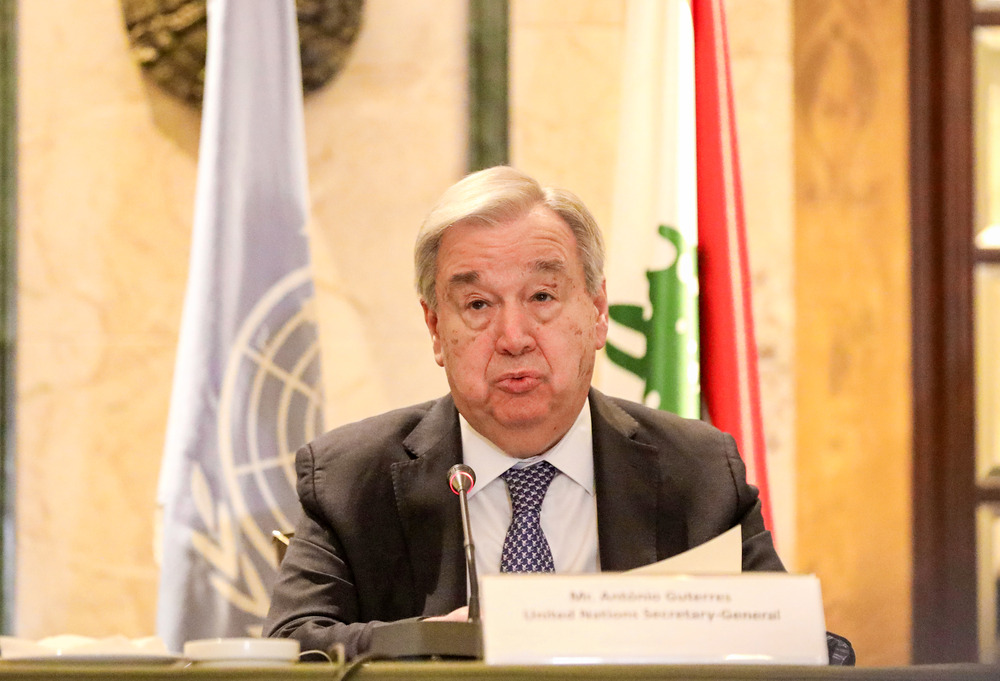
“This is a meeting that is taking place to find solutions, and once again summon the political will to accelerate and finish the global HIV fight,” Guterres said in a statement delivered by UN Deputy Secretary-General Amina Mohammed at the Opening Plenary of the High-level Meeting on HIV/AIDS.
Guterres said that in the 45 years since the first case of AIDS was reported, the world has demonstrated uncommon resolve and solidarity, which “wasn’t easy.”
Thanks to the political commitment and resolve shown by governments and investments by global partners, AIDS-related deaths have been reduced by 70 percent since their peak in 2004, and by 54 percent in 2010, he said.
According to the secretary-general, HIV prevention and treatment services have reduced new infections by 40 percent since 2010, and today more than 32 million people living with HIV are receiving lifesaving antiretroviral therapy.
However, “AIDS is not over,” with 9.2 million people in need still lacking access to HIV treatment at the end of 2024, said Guterres.
He proposed five “essential” acceleration pathways: closing the widening gaps in access to prevention, treatment and care services; continuing to ensure the leadership of communities in the HIV response; protecting human rights; securing financing; and reviving the multilateral spirit that has driven the HIV response from the very start.
“The HIV response has shown that solidarity across borders and sectors can overcome fear, inequality and injustice. And it has proven that global, regional and local institutions are all essential to deliver together,” he said.
Noting that the meeting is a chance to demonstrate that the international community can rally once again around science, human dignity, solidarity and shared responsibility, the UN chief said that “the responsibility to end AIDS as a public threat by 2030 belongs to each and every one of us.”
UN Secretary-General Antonio Guterres on Monday called for political will to accelerate and finish the global HIV fight at a high-level meeting of the UN General Assembly.
At least 1,232 households in Rusizi District, Western Province, are set to receive compensation as Rwanda advances land acquisition for the Ruzizi III Regional Hydropower Project.
The households have been identified following completion of the inventory and valuation of affected land and assets, including houses, crops, trees, and other property. A published list confirms those eligible for compensation under the project’s resettlement process.
The $800 million Ruzizi III project is a 206-megawatt regional hydropower scheme developed as a public-private partnership between Rwanda, Burundi, and the Democratic Republic of the Congo. It also involves private sector partners Industrial Promotion Services, the infrastructure arm of the Aga Khan Fund for Economic Development, and SN Power, owned by TotalEnergies.
It is being implemented by Ruzizi III Energy Limited, a special-purpose vehicle responsible for developing, financing, constructing, and operating the facility. Once completed, electricity generated will be shared equally among the three countries to improve access to affordable renewable energy.
A cut-off date of June 8, 2026 has been set, meaning any land developments or assets added after that date will not be eligible for compensation.
“The recent declaration of the land acquisition cut-off date in Rwanda is an important milestone in the implementation of the Resettlement Action Plan on the Rwandan side,” Mohsin Tahir, Project Director at Ruzizi III Energy Limited, told The New Times.
He added that compensation figures are based on verified assessments. “On the Rwandan side, based on the land and asset inventory undertaken, it is expected that approximately 1,232 affected households will be eligible for compensation. This will be finalised and confirmed following the cut-off process, including landowners, crop owners, tenants, and sharecroppers.”
Project officials said the measure is intended to ensure fairness and transparency in the compensation process while preventing opportunistic developments aimed at increasing payouts after notification of land acquisition.
An estimated $21 million will be spent on compensation in Rwanda. While the figure for Rwanda is confirmed, assessments in the Democratic Republic of the Congo are still ongoing, and Burundi is not expected to have any displaced households.
The project is backed by several international financiers, including the World Bank, African Development Bank, European Union, European Investment Bank, and International Finance Corporation.
Construction is expected to begin in the first quarter of 2027, with Ruzizi III expected to significantly boost regional power supply once operational.
Officials say at least 1,232 households in Rusizi District, Western Province, are set to receive compensation as Rwanda advances land acquisition for the Ruzizi III Regional Hydropower Project.
According to RIB spokesperson Dr. Murangira B. Thierry, the complaint has been officially registered and an investigation has begun. He also confirmed that the complainant underwent medical examinations.
“We have received the complaint and investigations have begun. The complainant also underwent medical examinations at Isange One Stop Center,” the spokesperson revealed.
On June 22, 2026, Shaddy Boo publicly appealed to RIB via social media, later stating that she had been advised to proceed with medical testing as part of the investigation process.
Shaddy Boo alleges that the rape incident occurred during the night of June 21, 2026, at her residence. She claims that the suspect, a former friend, visited her home carrying alcohol, which they consumed together.
She further alleges that after drinking, she became intoxicated and later woke up to find herself undressed, with the man beside her, suggesting that sexual intercourse had taken place without her consent.
She stated that the situation caused her significant distress, emphasising that the encounter was not consensual and that she believed she had been taken advantage of while she was vulnerable.
RIB has stated that investigations into the case are ongoing.
The Rwanda Investigation Bureau (RIB) has confirmed that it has received a complaint filed by socialite Shadia Mbabazi, commonly known as Shaddy Boo, who accuses Iradukunda Aimable, popularly known as Yugi Umukaraza, of sexual assault.Shaddy Boo claims Yugi Umukaraza took advantage of her on the night of June 21, 2026.
The findings are contained in the Rwanda First Biennial Report, which examines greenhouse gas emissions between 2006 and 2022. The report tracks four key greenhouse gases that contribute to global warming and are covered under international climate agreements: carbon dioxide (CO₂), methane (CH₄), nitrous oxide (N₂O), and hydrofluorocarbons (HFCs).
Carbon dioxide emissions largely stem from human activities such as cooking with firewood and charcoal, which drives deforestation, as well as industrial processes and the use of petroleum-based fuels. Methane is primarily produced by livestock farming, decomposing organic waste, and oil extraction activities. Nitrous oxide emissions result mainly from agricultural fertiliser use, while hydrofluorocarbons are released from cooling equipment such as refrigerators and air conditioners.
To standardise measurement, all greenhouse gases are converted into carbon dioxide equivalent (CO₂e), allowing for consistent comparison despite differences in their atmospheric impact.
According to the report, emissions stood at 2.395 million tons in 2006 before rising to 4.017 million tons in 2010. Between 2011 and 2014, emissions stabilised at slightly above 3 million tons annually, reflecting a temporary decline.
However, emissions rose sharply in 2015, reaching 5.031 million tons. After a slight decline in 2016 and 2017, when levels remained just above 4 million tons, emissions increased again, reaching 5.314 million tons in 2018 and 6.731 million tons in 2019. In 2020, emissions slightly decreased to 6.434 million tons.
The upward trend resumed in subsequent years, with emissions reaching 7.095 million tons in 2021 and 7.832 million tons in 2022.
The report attributes the increase in emissions to several factors, including the growing use of ozone-friendly refrigerants and cooling gases, which, despite replacing ozone-depleting substances, still contribute to greenhouse gas emissions. These emissions from cooling technologies are estimated to be increasing by around 12% annually.
Another major driver is the country’s reliance on biomass for cooking energy, with approximately 83% of households using firewood and charcoal, both of which significantly contribute to carbon emissions. Petroleum products used in transport and machinery account for 9.7% of emissions, while electricity generation contributes 1.3%.
Despite the upward trend, the report highlights ongoing mitigation efforts. These include government initiatives to promote electric mobility and reduce reliance on fossil fuels.
Rwanda has also set a national target to reduce the use of firewood and charcoal to 42% by 2030. These measures are part of a broader climate strategy aimed at reducing carbon dioxide emissions by 38%, equivalent to approximately 4.6 million tons, by the year 2030.
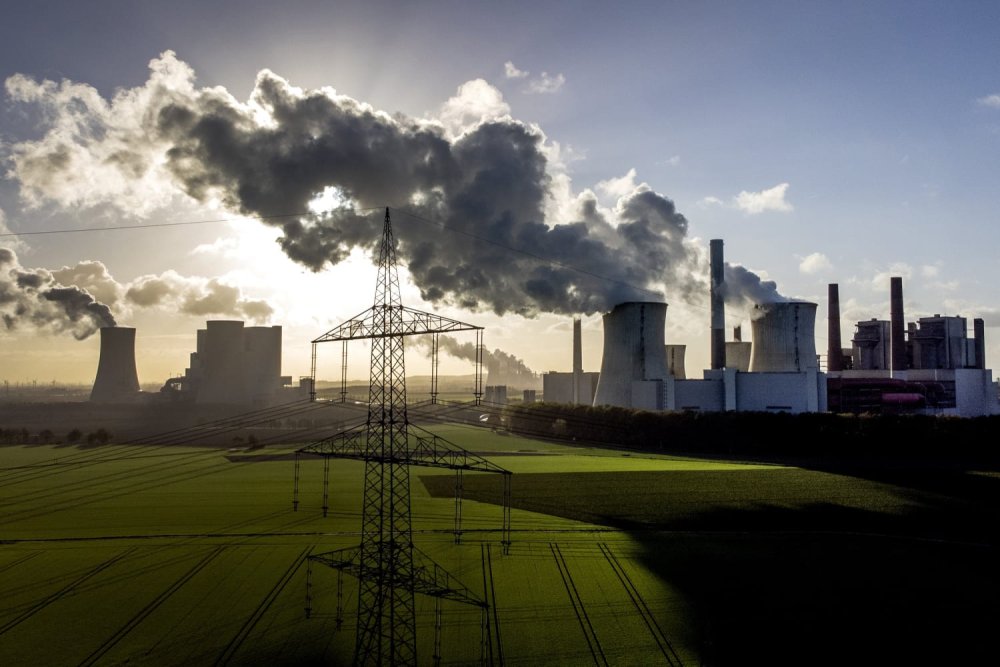
Rwanda’s greenhouse gas emissions have risen sharply over the past 16 years, increasing from 2.395 million tons in 2006 to 7.832 million tons in 2022, according to a new report by the Rwanda Environment Management Authority (REMA).
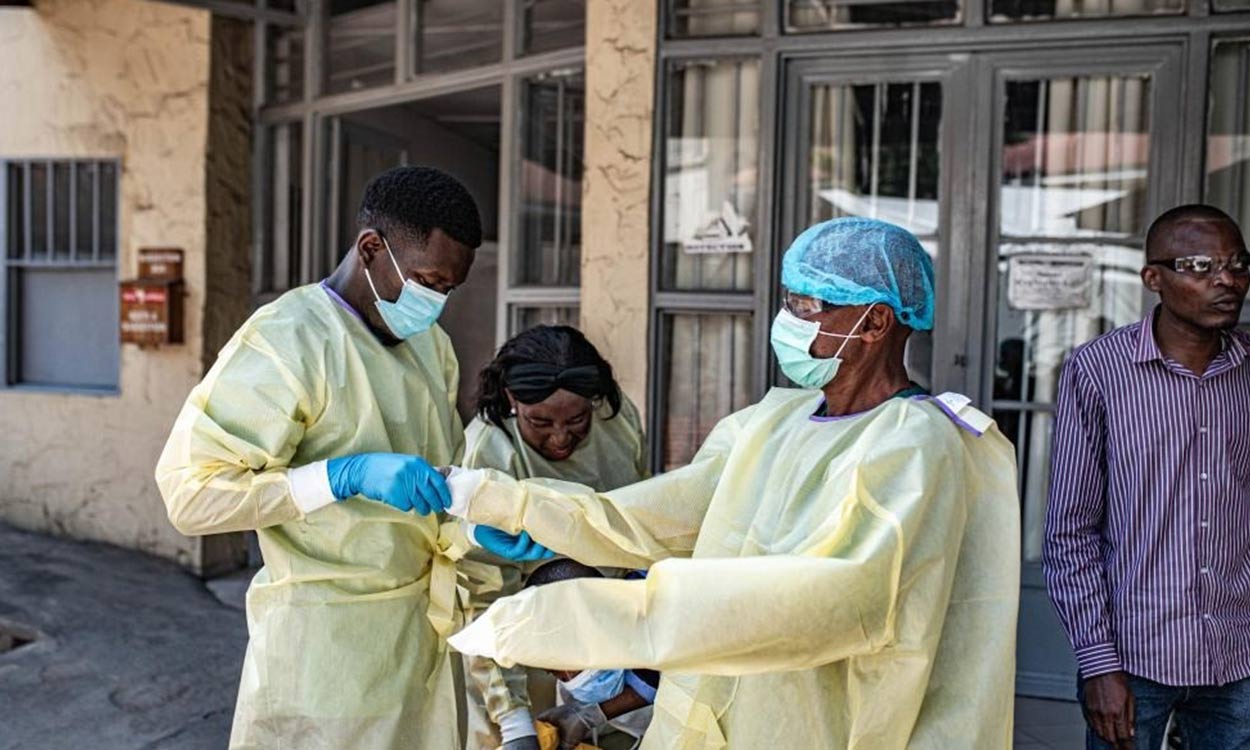
According to the report, covering data as of Sunday, 371 patients were in isolation or hospitalized, while 112 people had recovered. A total of 202 suspected cases, including 60 deaths, were identified as of Sunday. The overall case fatality rate stood at 25.5 percent.
The report said the number of confirmed cases has continued to rise week by week, indicating ongoing community transmission. It warned that a rapid geographic spread remains possible if public health measures are not implemented promptly.
The current outbreak, caused by the Bundibugyo ebolavirus, was officially declared on May 15 by the DRC’s health ministry.
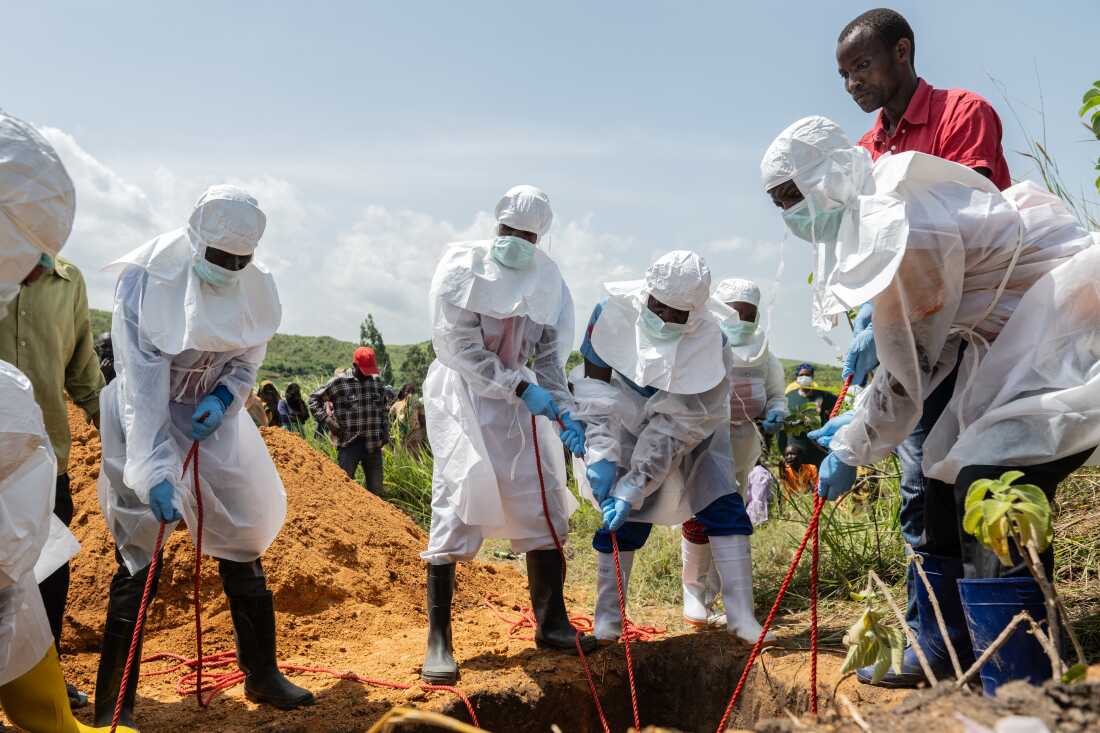
Red Cross workers bury an Ebola victim at the Rwampara Cemetery, in Rwampara, Congo, Saturday, May 23, 2026.
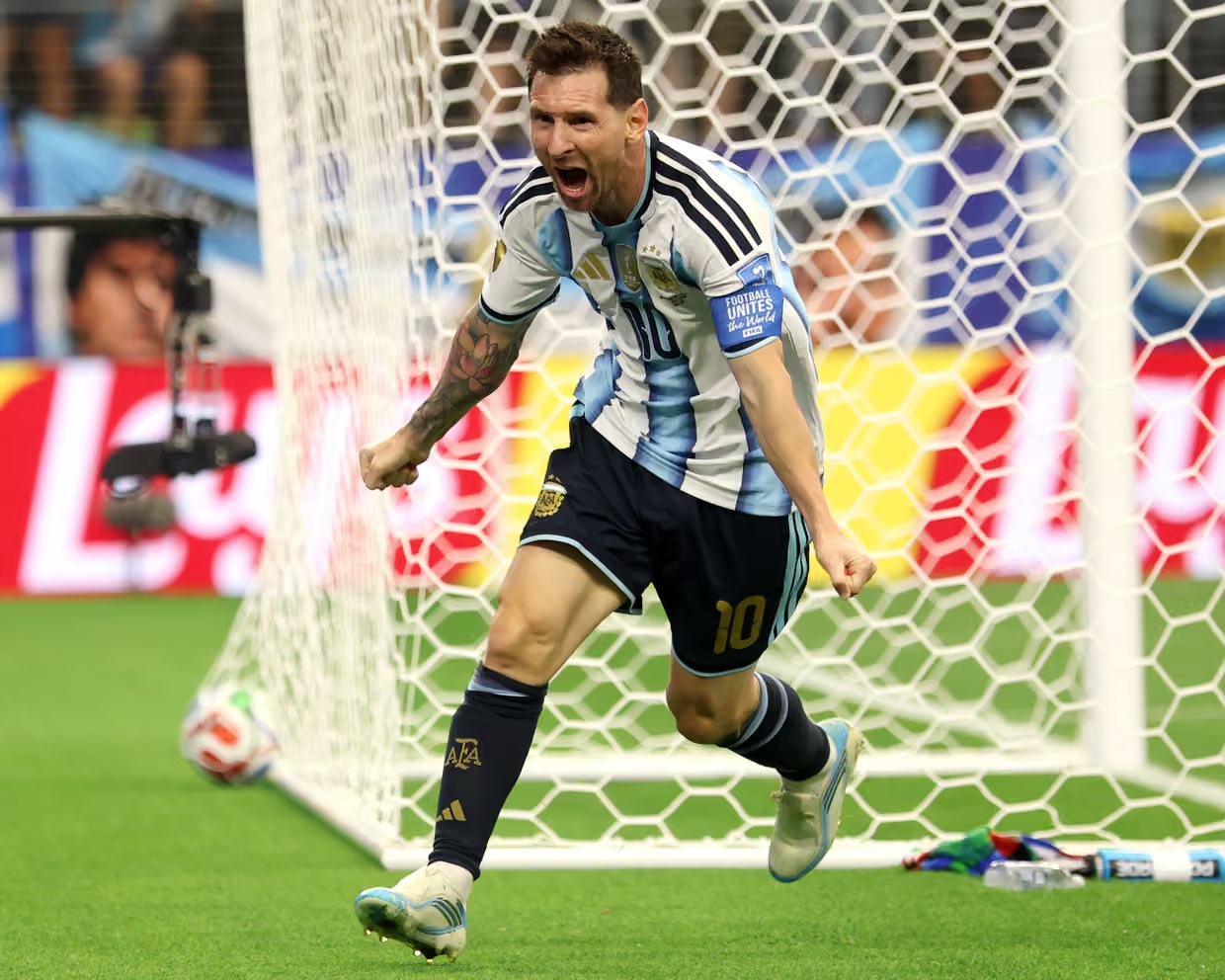
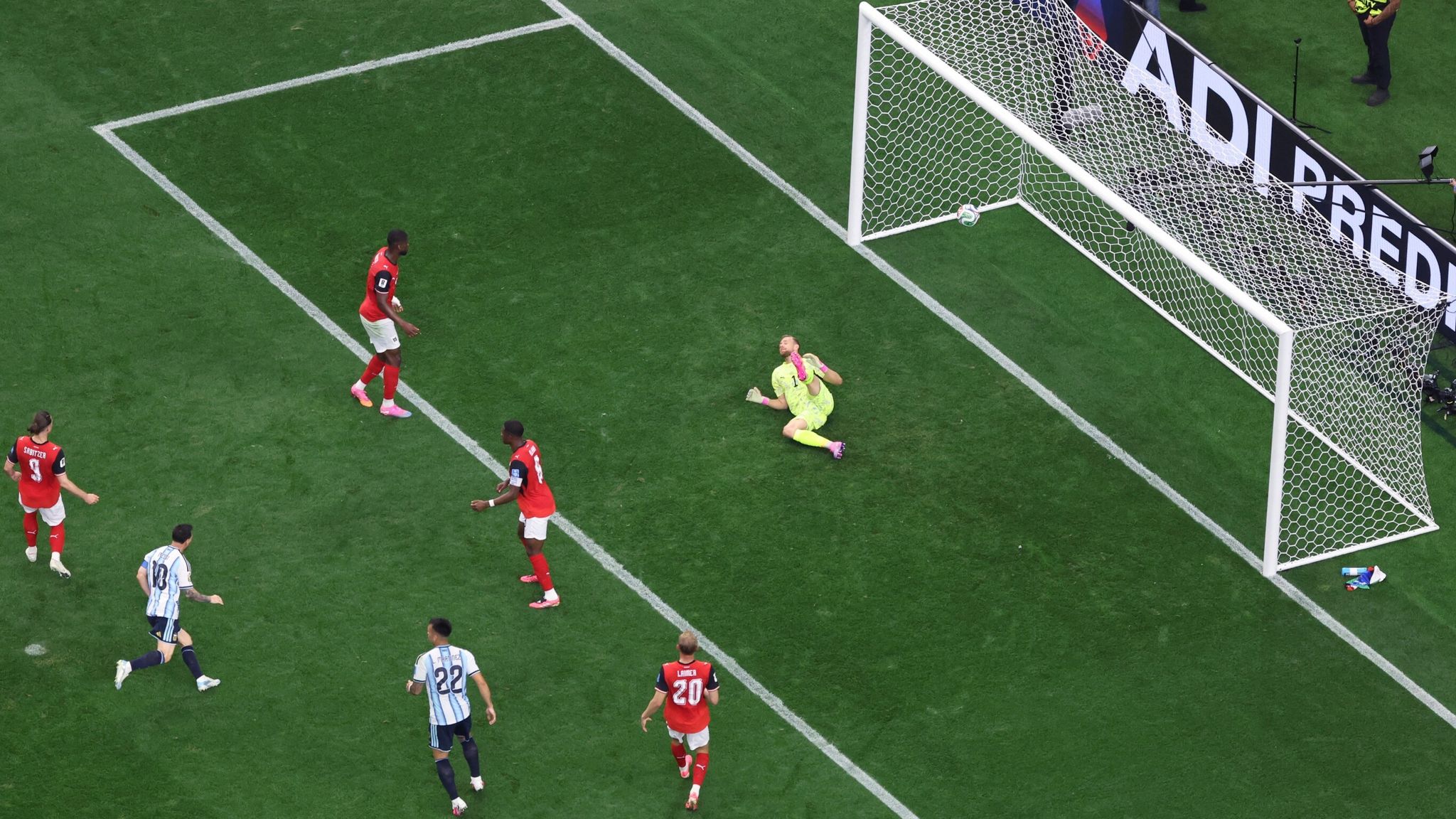
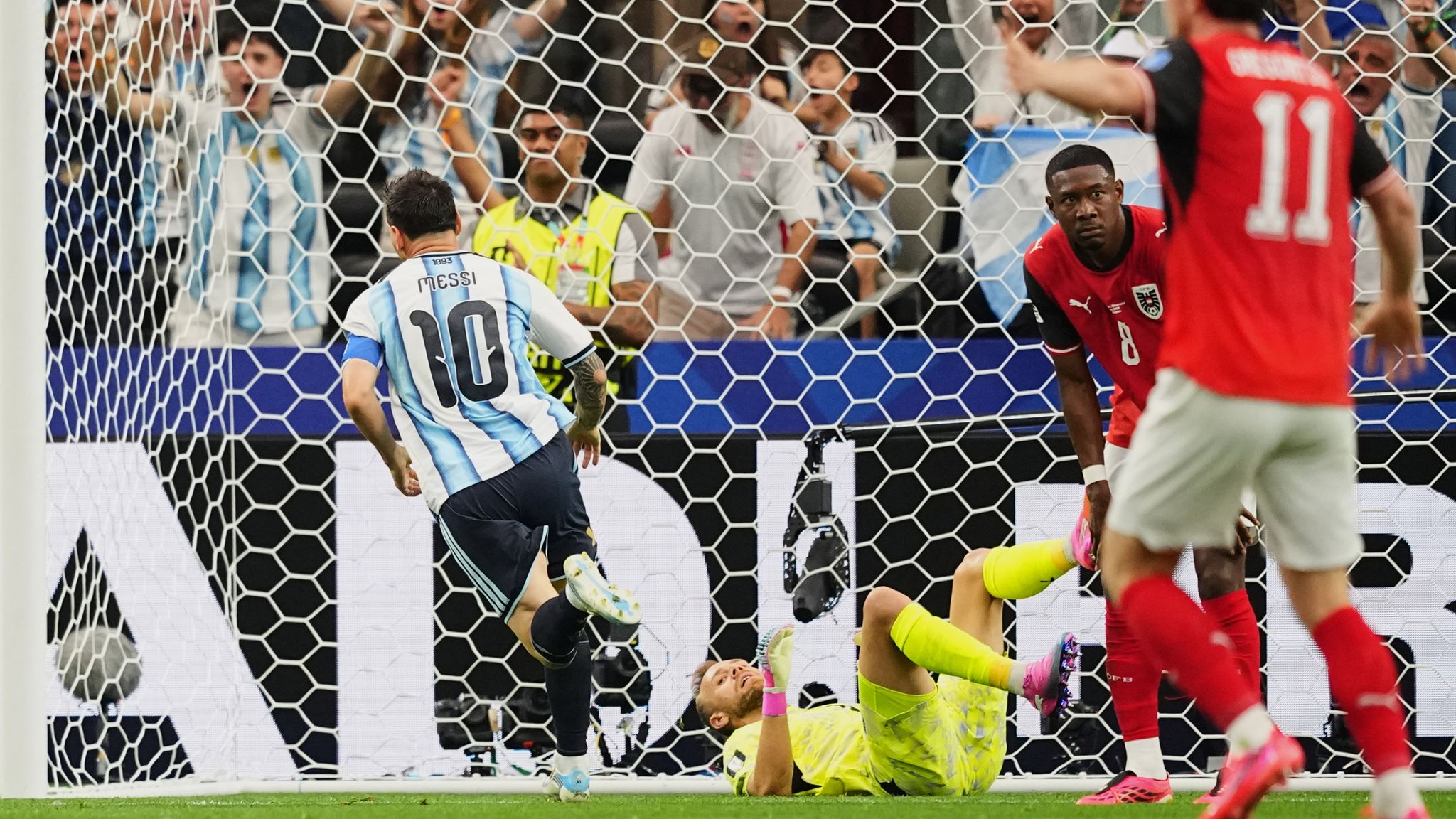
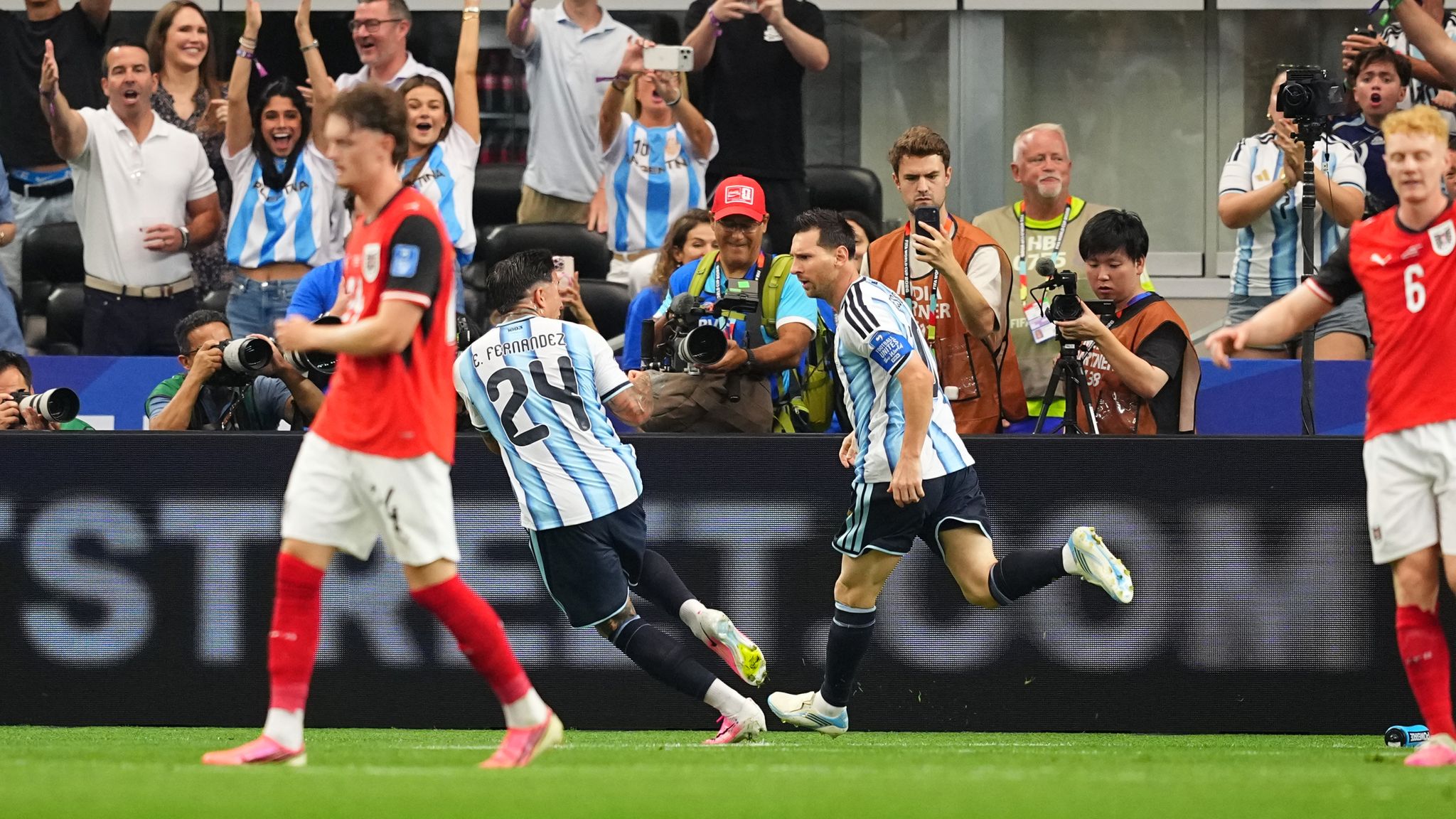
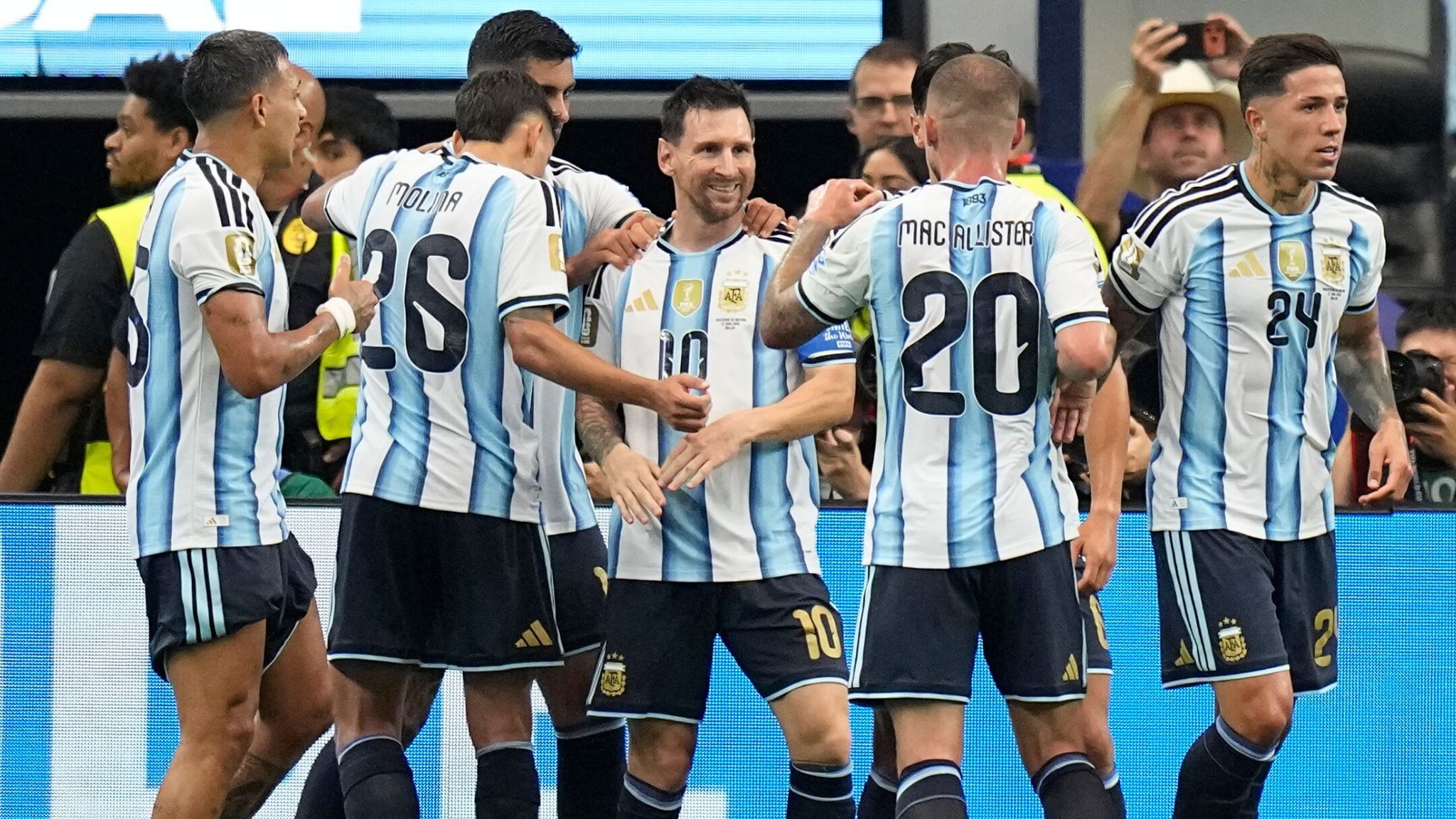
The Argentine captain scored twice in the Group J clash in Dallas to move onto 18 World Cup goals, surpassing former Germany striker Miroslav Klose’s long-standing record of 16. The brace also took Messi’s tally at the tournament to five goals in just two matches, following his hat-trick in Argentina’s opening 3-0 win over Algeria.
The historic evening did not begin smoothly for the 38-year-old. Messi had an early opportunity to break the record after Argentina were awarded a penalty in the eighth minute following a foul on Lautaro Martinez. However, the Inter Miami forward fired his effort wide, leaving the record temporarily out of reach.
Messi responded in trademark fashion. In the 38th minute, Thiago Almada cleverly allowed Facundo Medina’s pull-back to run through his legs, giving Messi the chance to sweep a first-time finish into the net from inside the penalty area. The goal sparked celebrations and confirmed his place alone at the top of the World Cup scoring charts.
Austria, managed by Ralf Rangnick, threatened to equalise in the second half, but goalkeeper Emiliano Martinez produced a fine save to deny Marcel Sabitzer’s powerful free-kick on his 100th international appearance.
Messi then put the result beyond doubt in stoppage time. After Julian Alvarez’s effort was blocked by goalkeeper Alexander Schlager, the Argentine star reacted quickest to fire home from a tight angle and seal victory.
The goals marked another milestone in an extraordinary career. Twelve of Messi’s 18 World Cup goals have come after turning 35, while he also became only the third player to score in six consecutive World Cup matches.
The victory lifts Argentina to six points and guarantees their progress to the knockout stage. They conclude their group campaign against Jordan on June 28, with Messi now aiming to extend a record that may stand for years to come.
World Cup top goalscorers
18 Lionel Messi (Argentina, 2006-2026)
16 Miroslav Klose (Germany, 2002-2014)
15 Ronaldo (Brazil, 1994-2006)
15 Kylian Mbappe (France, 2018-2026)
14 Gerd Muller (West Germany, 1970-1974)
13 Just Fontaine (France, 1958)
12 Pele (Brazil, 1958-1970)
11 Sandor Kocsis (Hungary, 1954)
11 Jurgen Klinsmann (West Germany and Germany, 1990-1998)
10 Helmut Rahn (West Germany, 1954-1958)
10 Gary Lineker (England, 1986-1990)
10 Gabriel Batistuta (Argentina, 1994-2002)
10 Harry Kane (England, 2018-2026)
10 Teofilo Cubillas (Peru, 1970-1982)
10 Thomas Muller (Germany, 2010-2022)
10 Grzegorz Lato (Poland, 1974-1982)
The Argentine captain scored twice in the Group J clash in Dallas to move onto 18 World Cup goals, surpassing former Germany striker Miroslav Klose’s long-standing record of 16. Messi celebrates after scoring his first goal against Austria.
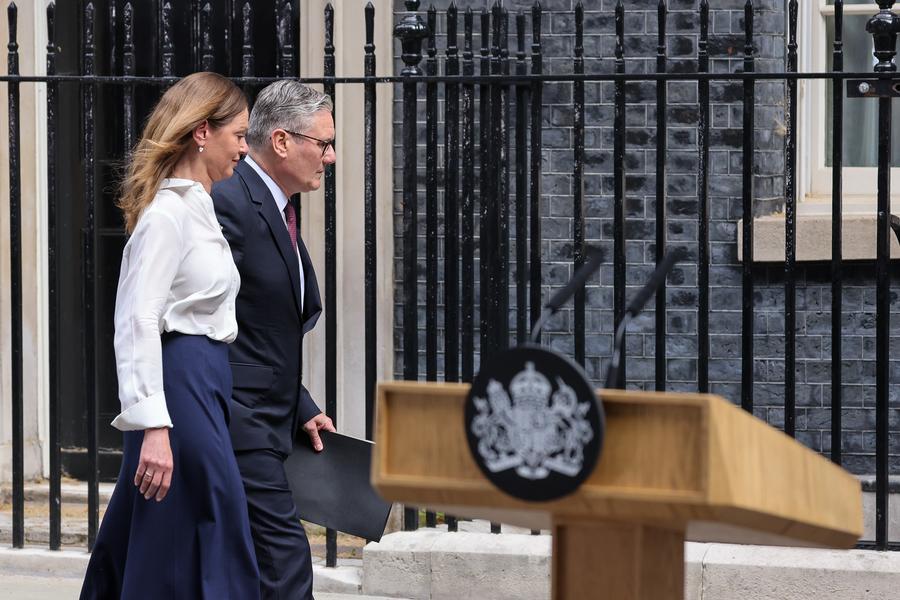
British Prime Minister Keir Starmer announced on Monday that he would resign as leader of the governing Labour Party and leave office once a successor is chosen.
Less than two years ago, Starmer led Labour to a landslide election victory that ended 14 years of Conservative rule. His early departure under mounting pressure from within Labour exposed the party’s governing difficulties and adds uncertainties to a prolonged political instability in Britain.
Analysts said the emphatic victory of Andy Burnham, then the mayor of Greater Manchester, in the recent Makerfield parliamentary by-election triggered Starmer’s resignation, but Britain’s deeper economic and political problems will confront whoever succeeds him.
From winner to loser
Starmer entered Downing Street in July 2024 promising “change,” faster economic growth, better public services and tighter control of illegal immigration. Yet his government soon became caught between efforts to limit public spending and demands from Labour lawmakers, trade unions and traditional supporters for greater social investment.
Moves to restrict winter fuel payments for pensioners and reform disability benefits provoked strong opposition. Subsequent concessions and policy reversals brought further criticism that the government lacked a clear direction.
The controversy surrounding former British Ambassador to the United States Peter Mandelson’s links with the late U.S. financier Jeffrey Epstein also raised questions about Starmer’s political judgment. The departure of senior Downing Street aides further weakened confidence in his administration.
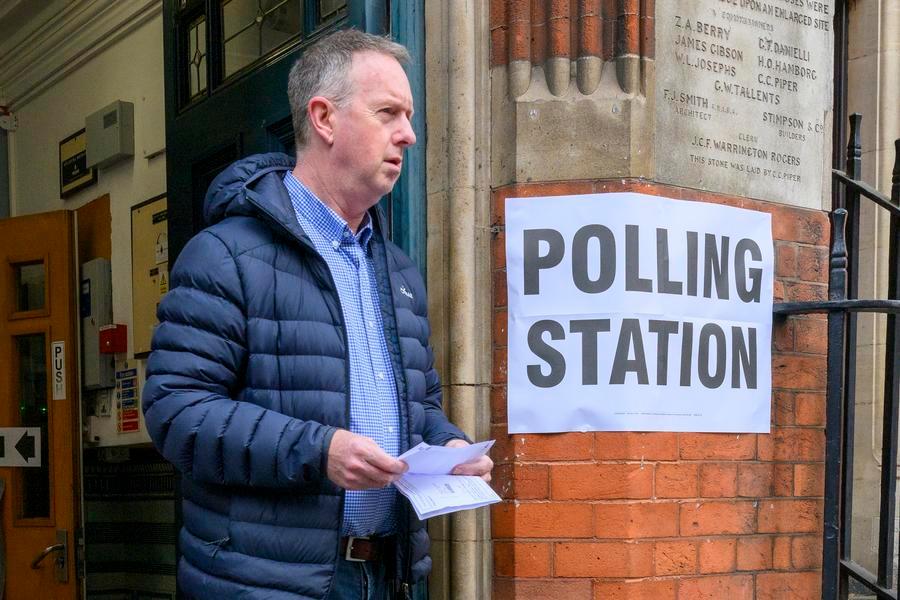
A man leaves a polling station after voting for local elections in London, Britain, May 7, 2026.
What dealt another critical blow to Starmer were Labour’s heavy losses in May’s local and regional elections as Reform UK challenged it from the right, particularly on immigration, while the Green Party attracted some disillusioned voters on the left.
Stuart Wilks-Heeg, a political expert at the University of Liverpool, told Xinhua that Starmer could no longer remain in office once large numbers of Labour lawmakers and senior cabinet members concluded that he had to go.
“If you don’t have the command of your parliamentary party, you really are in trouble as a prime minister,” he said.
Wilks-Heeg said Starmer had succeeded in transforming Labour from a party widely considered unelectable after its 2019 defeat into the 2024 general election winner. However, he was unable to transfer that success into governance, with repeated policy reversals and “unforced errors” steadily eroding his authority.
Burnham emerges as front-runner
Burnham is widely regarded as the front-runner to succeed Starmer. He previously served as culture secretary and health secretary under former Prime Minister Gordon Brown and twice ran for the Labour leadership.
Burnham has returned to the House of Commons after winning the Makerfield by-election on Friday. On Monday, he voiced willingness to be “part of this process,” referring to the selection of Starmer’s successor.
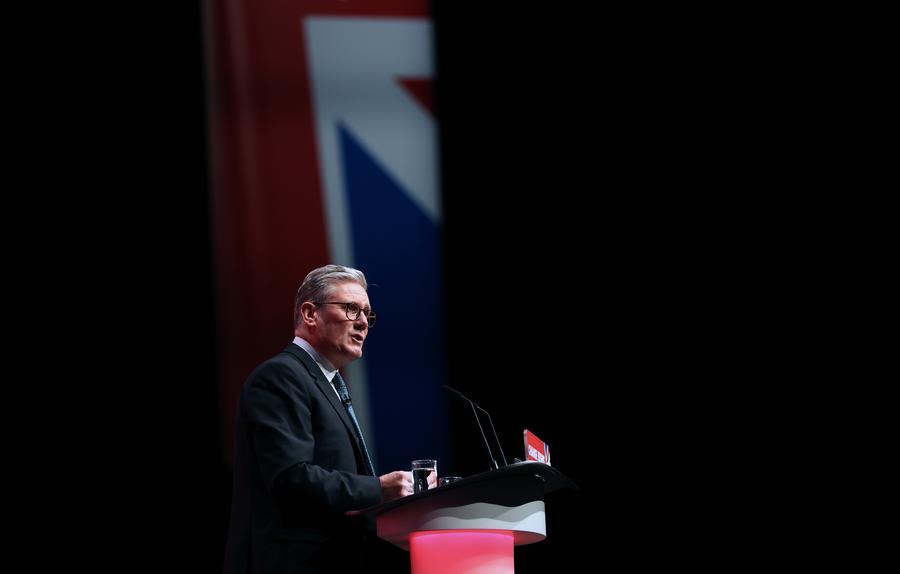
This file photo taken on September 24, 2024, shows Keir Starmer in Liverpool, Britain. British Prime Minister Keir Starmer announced in a speech outside No. 10 Downing Street on Monday that he would resign as leader of the governing Labour Party and set out a timetable for his departure from the government.
Former Health Secretary Wes Streeting, previously regarded as a potential contender, expressed support for Burnham and called on other Labour figures to back him.
Burnham’s victory in Makerfield, where he defeated the Reform UK candidate Nigel Farage by a wide margin, strengthened his claim that he could halt the adversary’s advance. “It was almost like a jolt of electricity back into the Labour Party,” said David Bailey, an economics professor at the University of Birmingham.
Ian Scott, a professor at the University of Manchester, said Burnham combines long political experience, strong regional popularity and a direct style that resonates with voters. However, moving from Greater Manchester to Downing Street would be a major test. “He’s got an awful lot to prove,” Scott said.
Burnham’s policy agenda may distinguish him from Starmer, but it also raises questions about how additional investment and public service reform would be financed.
“The new prime minister faces a lot of the same constraints that the previous one faced,” Steve Nolan, a senior lecturer in economics at Liverpool John Moores University, said, adding, “There is wiggle room to play with, but not much.”
Britain’s Office for Budget Responsibility forecast in March that the country’s economy would grow by just 1.1 percent in 2026. Official statistics also showed that output per worker fell by 0.1 percent year on year in the first quarter.
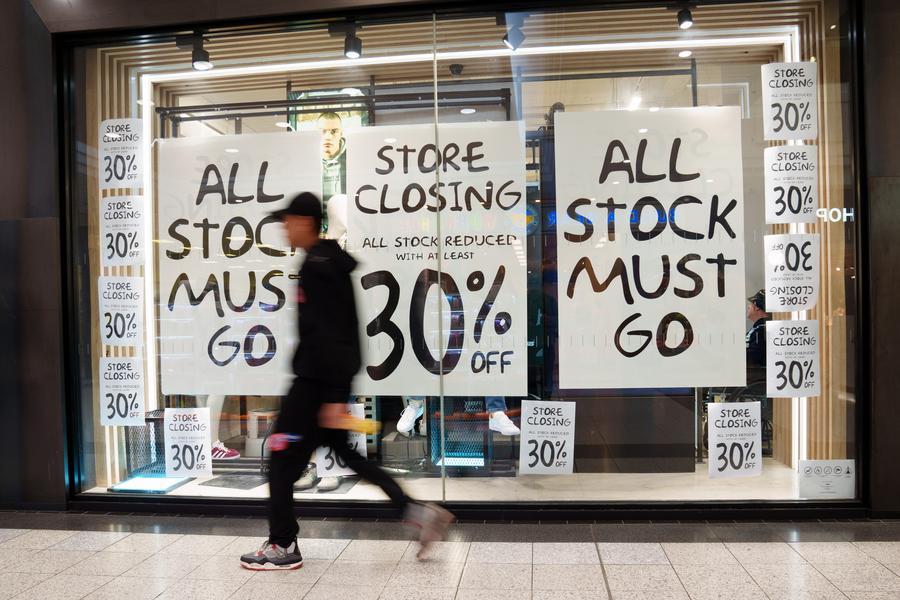
A man walks past a shop in Manchester, Britain, May 11, 2023.
Nolan also noted bond markets would pay particular attention to whether the next government remained committed to Britain’s fiscal rules. High public debt and elevated borrowing costs would make any attempt to loosen those rules a “serious constraint” for a new leadership.
Set for seventh PM in decade
Starmer’s stepping down means his successor will become the seventh prime minister to enter Downing Street in roughly a decade since the 2016 Brexit referendum, highlighting the instability at the top of British politics.
Nolan said such frequent changes “do not signal a stable political economy.” He argued that replacing the prime minister does not alter Britain’s underlying conditions, as any new leader will face the same constraints of weak growth and public services.
Yang Fang, a researcher at the China Institutes of Contemporary International Relations, said tensions between Britain’s political system and party culture and the needs of its modern economy and society have weakened governance and fueled public dissatisfaction.
“Both Labour and the Conservatives have responded to crises by changing leaders to preserve power, but this approach cannot resolve deeper structural problems and instead risks creating ‘a low-efficiency cycle of repetition,’” she said.