The Communications Regulatory Authority of Namibia confirmed that Starlink’s applications for both a telecommunications service licence and access to radio spectrum were rejected, according to a notice published in the government gazette earlier this week.
The regulator said Starlink only satisfied three of the six legal criteria required for approval. A key issue was non-compliance with Namibia’s local ownership laws, which require that at least 51% of a telecommunications company be owned by Namibian citizens or entities. Starlink, being wholly foreign-owned, had not obtained an exemption from this requirement.
Authorities also raised concerns related to national defence and public security, arguing that Starlink’s ownership structure presented challenges around jurisdiction and enforcement of regulatory obligations.
In addition, the regulator pointed to past instances in which Starlink was found to have contravened Namibia’s Communications Act and failed to respond to a regulatory summons, describing the conduct as showing “a total disregard” for the sector’s governance framework.
Despite the rejection, the regulator noted that Starlink met criteria related to competition, technical and financial capacity, as well as frequency availability.
Starlink has been expanding its presence across Africa, operating in several countries including Rwanda, but has encountered regulatory hurdles in others due to local ownership requirements and policy restrictions.
In Namibia, authorities previously issued a cease-and-desist order in November 2024, stating that the company had been operating without a licence and advising the public against using its services.
The regulator said it may reconsider the decision within 90 days, either on its own initiative or following a petition from an affected party.
Starlink has been expanding its presence across Africa, operating in several countries, but has encountered regulatory hurdles in others due to local ownership requirements and policy restrictions.
According to the ruling, the judge will reassess whether the conditions for house arrest remain in place once the period expires.
The decision follows a statement from Attorney General Paulo Gonet, who supported easing Bolsonaro’s detention conditions due to his health condition.
Bolsonaro is serving a final sentence of 27 years and three months in prison for leading an attempted coup in 2022.
He suffered a health episode on March 13 at a military police facility, which prompted his urgent transfer to a hospital in Brasilia. Medical reports showed respiratory complications and bilateral bacterial bronchopneumonia. According to the latest update, he is recovering well and is expected to leave intensive care within 24 hours.
The former president had previously been under house arrest but was returned to preventive detention in November, after violating the terms of his electronic monitoring.
The former president had previously been under house arrest but was returned to detention in November after violating electronic monitoring terms.
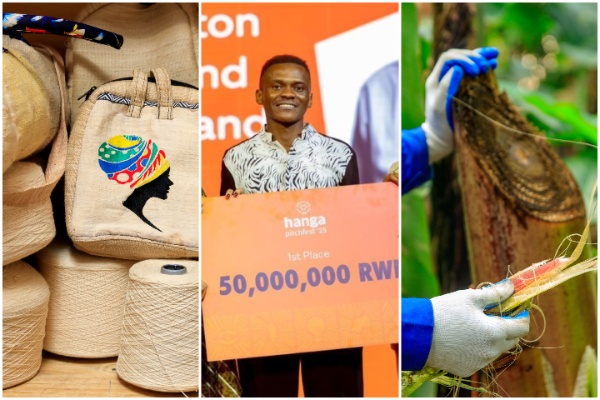
At the centre of that transformation is Jonathan Shauri Kalibata, a mechanical engineer trained at Rwanda Polytechnic and the founder of Re-Banatex, a startup turning discarded banana stems into textile fibres. His work recently gained national attention after winning Hanga Pitch Fest 2025, a platform organised by the Ministry of ICT and Innovation (MINICT) and the Rwanda Development Board, with support from partners including UNDP.
For Shauri, the idea did not begin in a lab, but in memory.
Growing up, banana stems were part of everyday life, playthings, discarded remnants, and later, invisible waste. Years later, that same material would become the raw input for an emerging textile innovation.
“Banana plants only produce fruit once,” he explains. “After harvesting, the stems are usually thrown away without any economic value. We are giving them that value.”
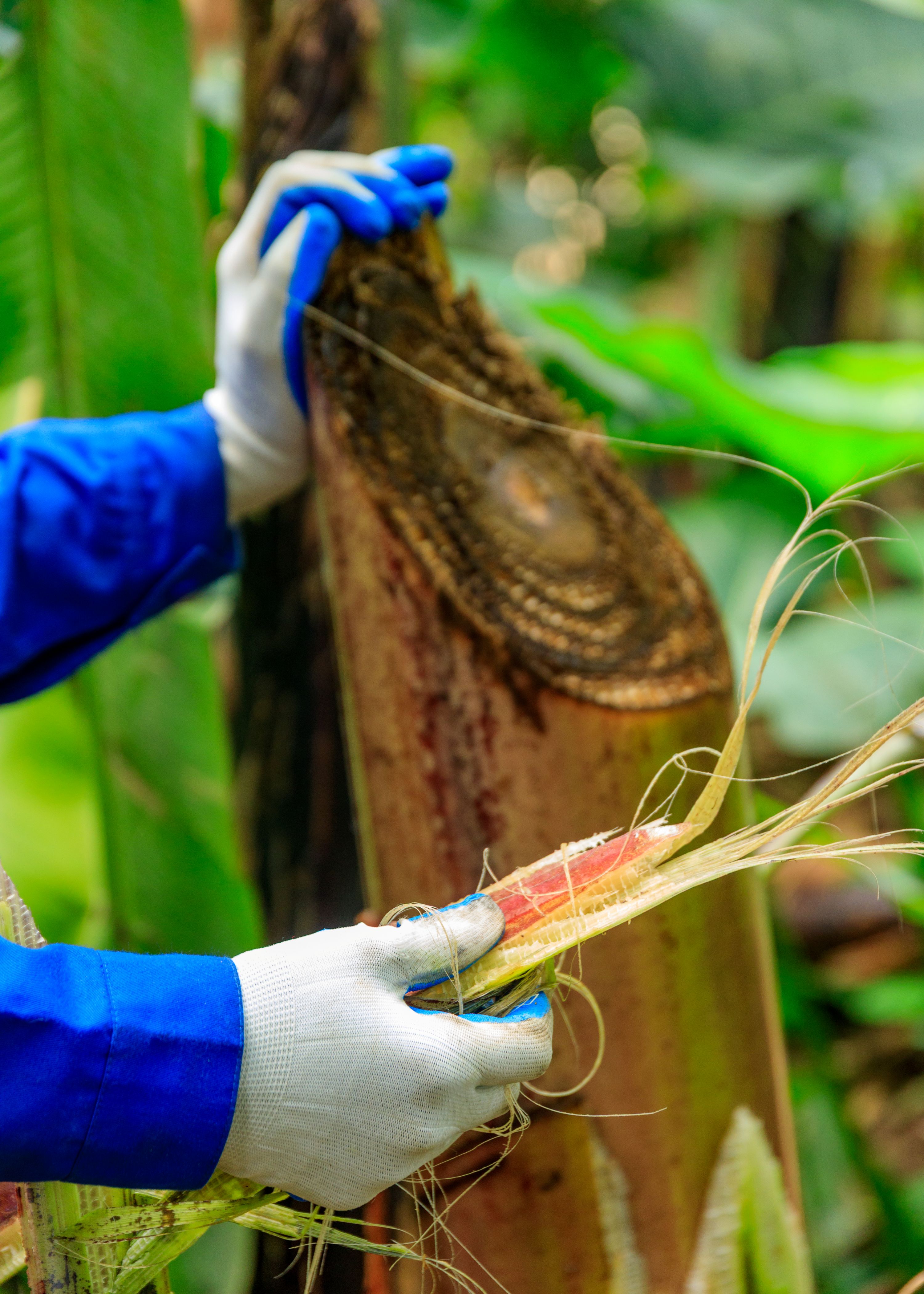
Re-Banatex turns banana stems into textile fibres.
From agricultural waste to industrial input
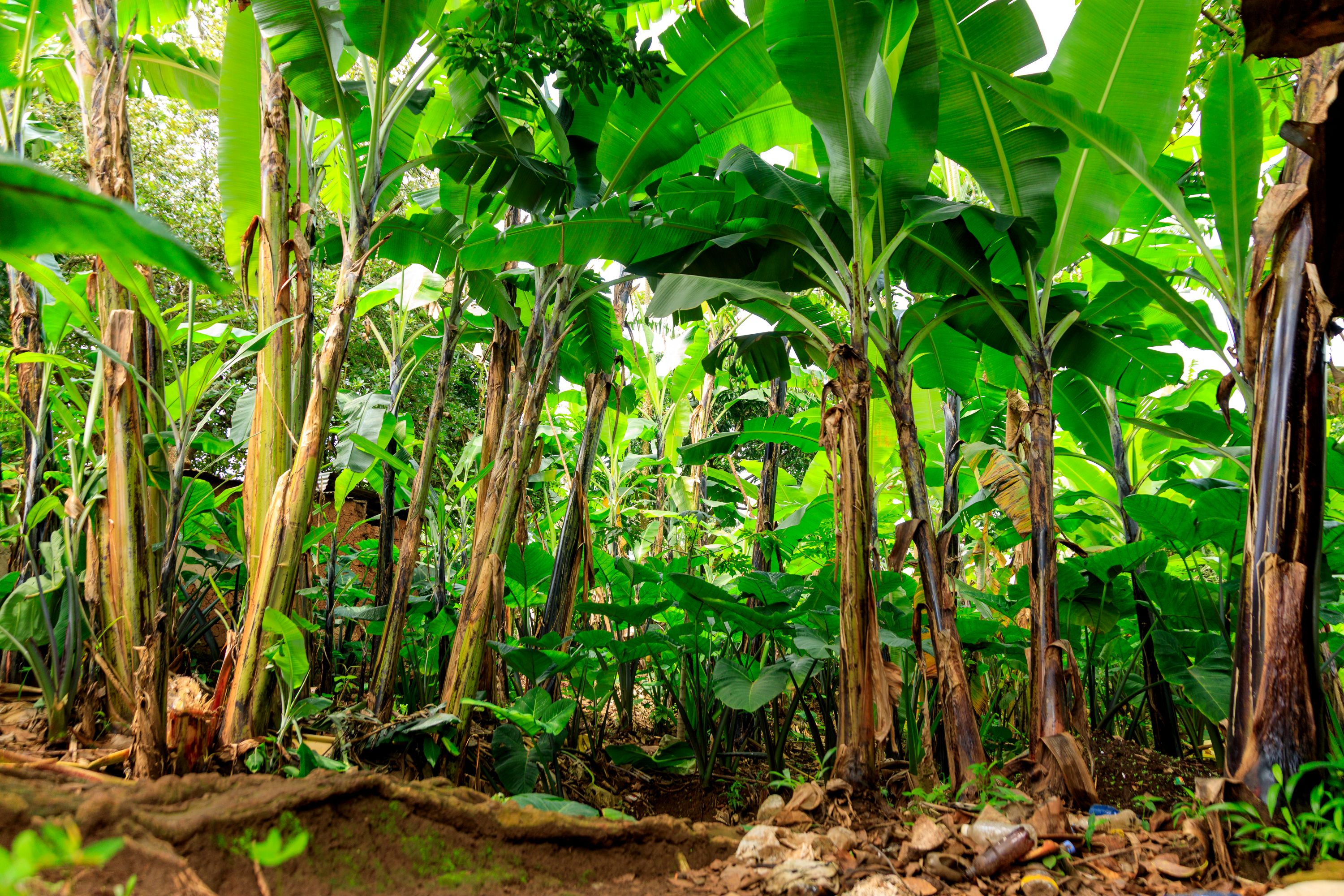
Rwanda’s position as one of the region’s major banana producers means large volumes of post-harvest biomass are generated daily. Traditionally left to decompose or be discarded, these stems are now being reclassified by Re-Banatex as a resource rather than waste.
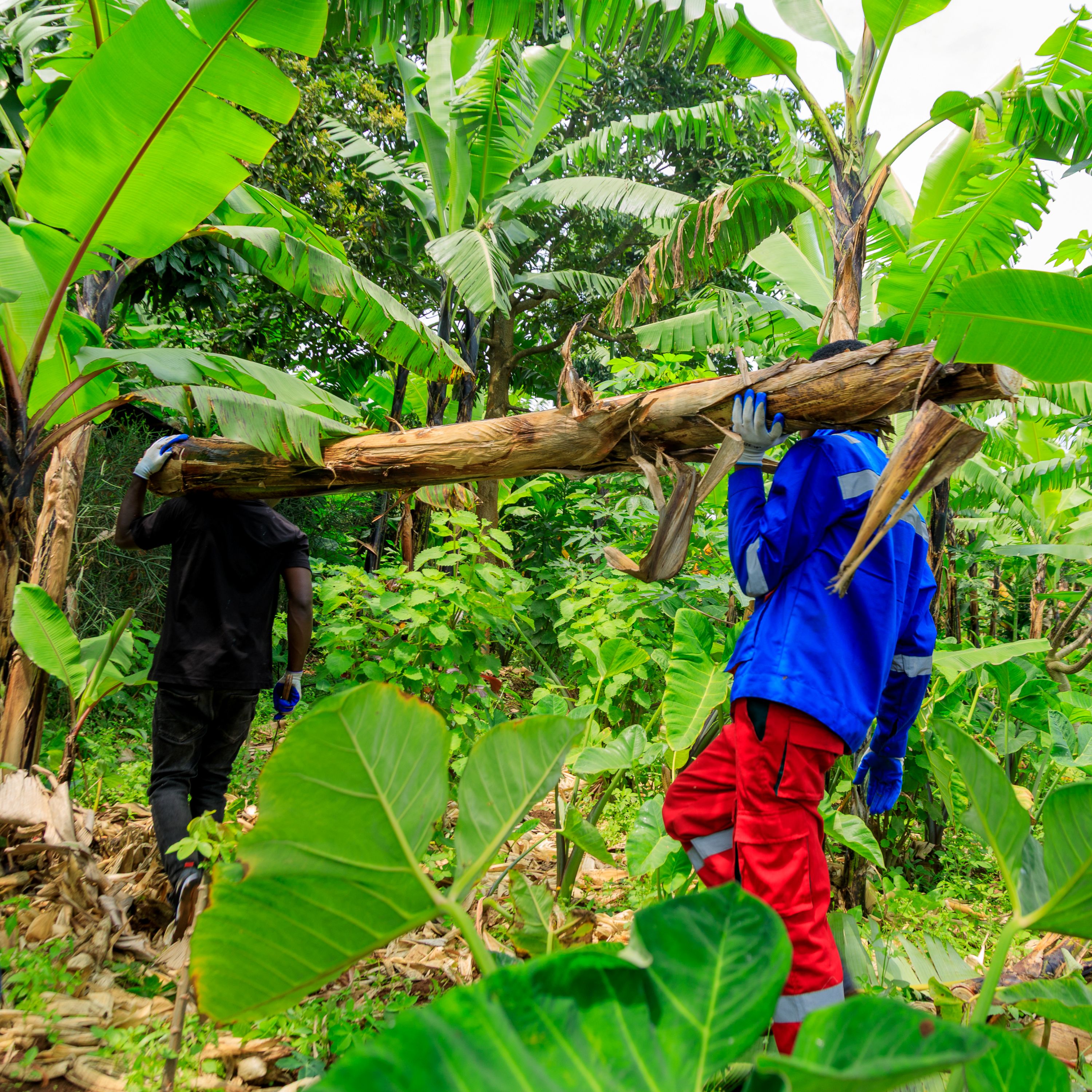
The process begins at the farm level. Re-Banatex works directly with banana farmers, purchasing stems after harvest at a rate of 100 Rwandan francs per meter. The arrangement is simple but impactful, allowing farmers to earn income from material that previously had no market value, while the company secures its primary raw input.
Rather than relying on dried material, the startup uses fresh banana stems. According to Shauri, fresh stems yield stronger fibres, which are better suited for textile production.
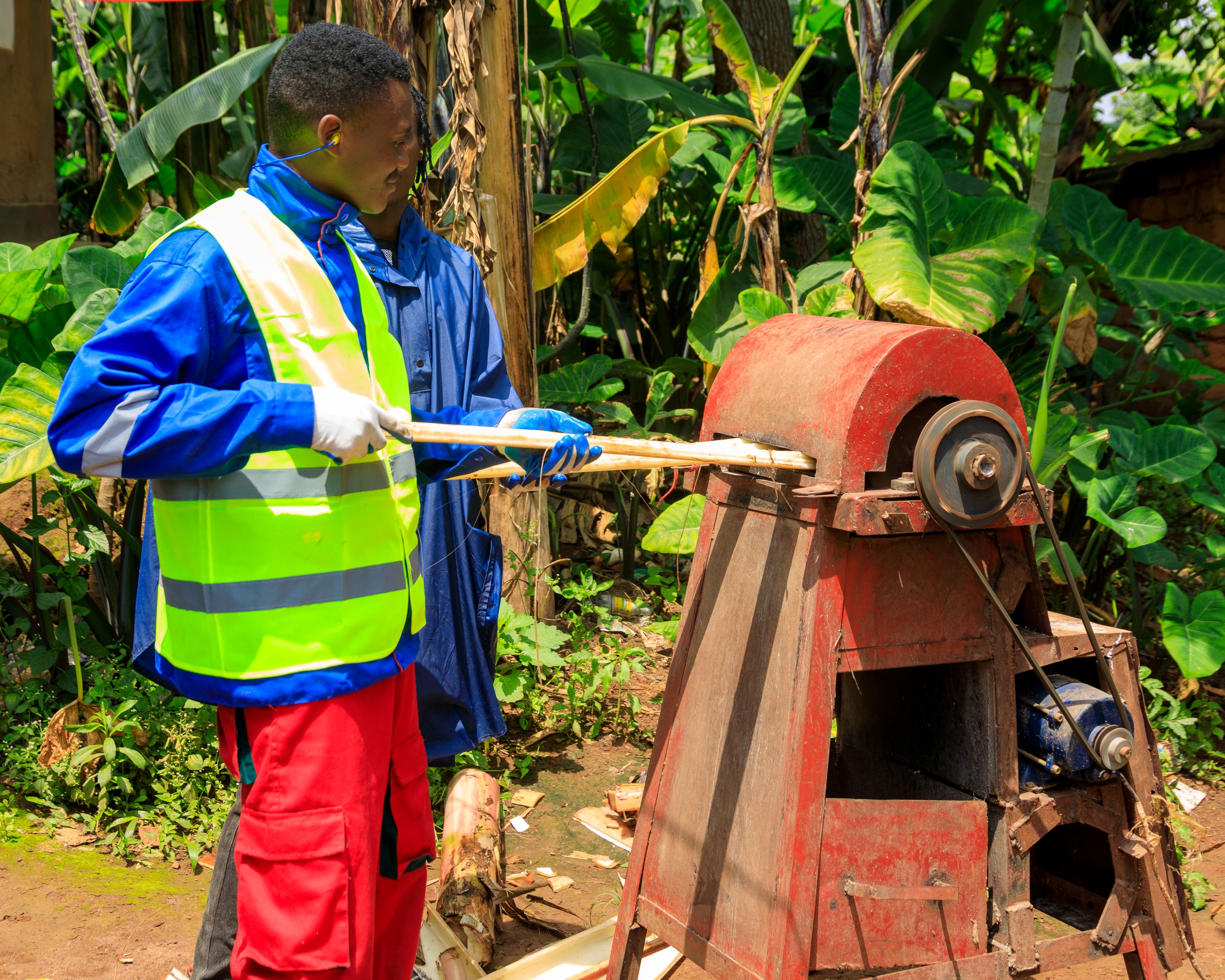
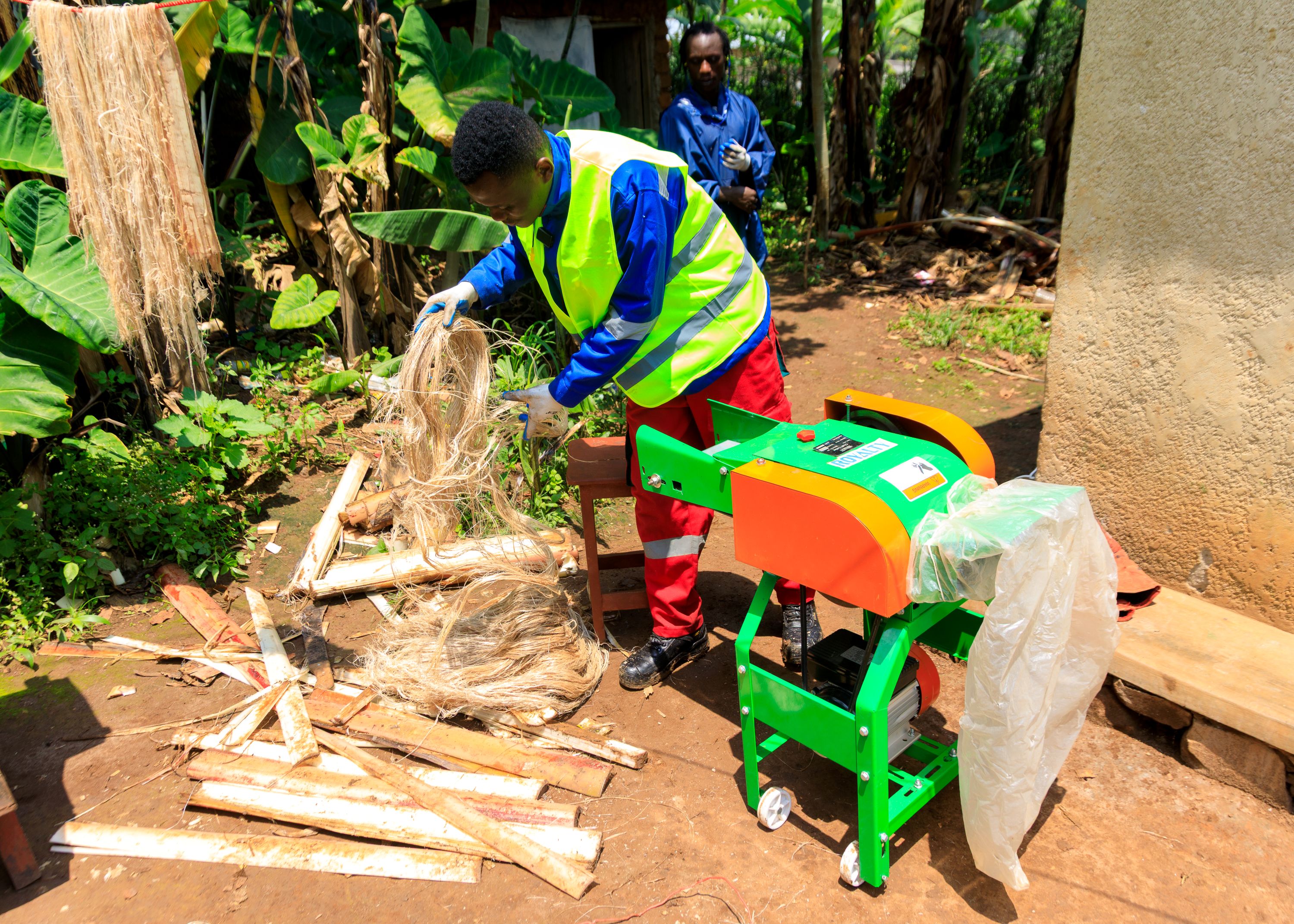
Once collected, the stems are transported to processing sites where fibres are extracted. Initially, this process was manual with workers physically beating the stems to reveal the fibres inside. Over time, the team engineered machinery to improve efficiency and consistency.
Re-Banatex buys banana stems that were often discarded by farmers.
Engineering a new material
What begins as a thick, water-rich stem is transformed through a multi-stage process into usable fibre. The stems contain multiple layers, each with potential applications, though Re-Banatex continues to explore ways to utilise even the inner portions more effectively.
After extraction, the fibres are dried and processed into a softer form suitable for blending. This intermediate material is then mixed with cotton and spun into yarn, which can be woven into fabric using loom machines.
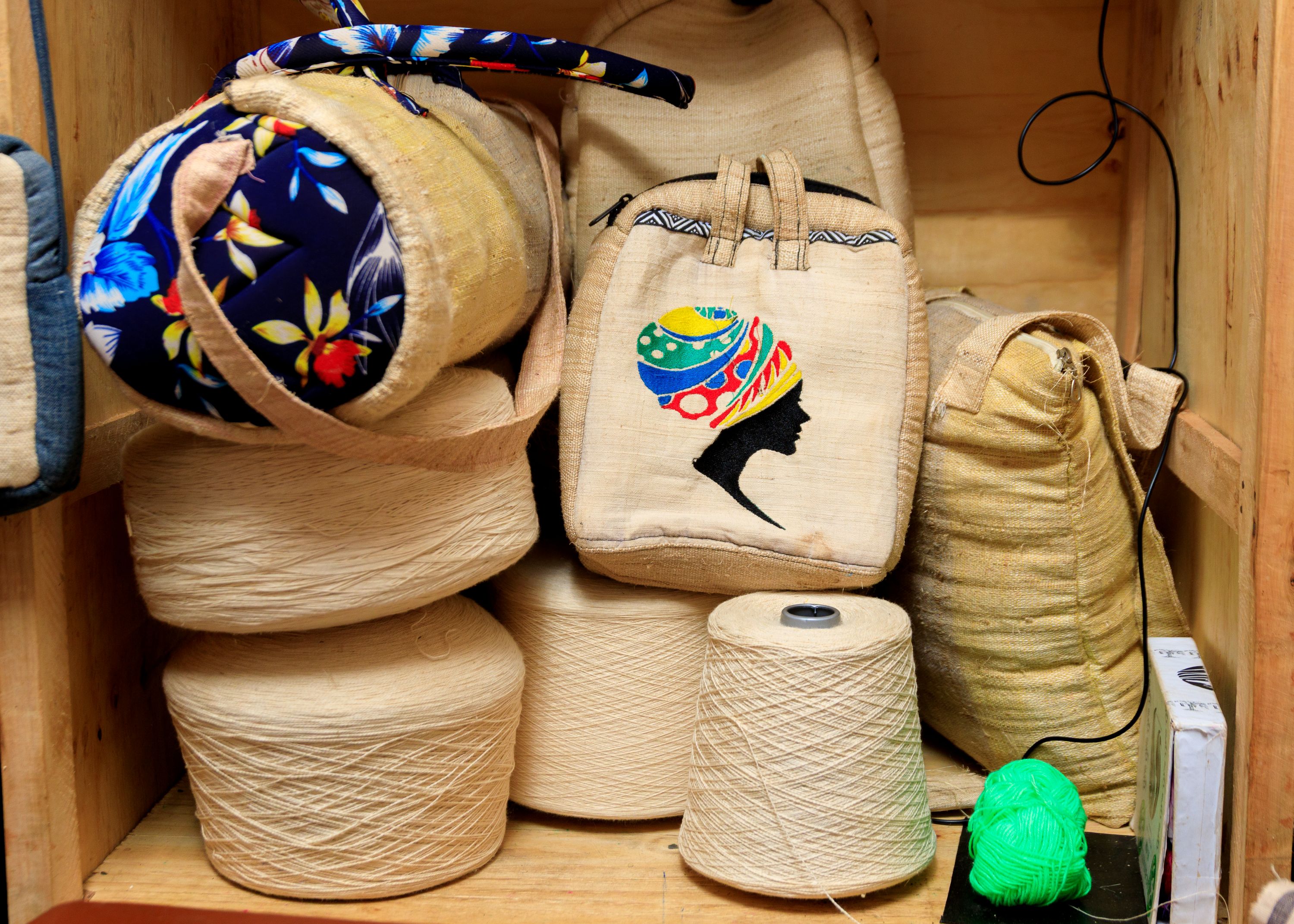
The result is a plant-based textile that can be used in a range of products, including bags and shoes to carpets and garments.
Shauri notes that the company is still expanding its material applications, reflecting the experimental nature of the innovation.
Rather than relying on dried material, the startup uses fresh banana stems. According to Shauri, fresh stems yield stronger fibres, which are better suited for textile production.
Trial, error, and iteration
Re-Banatex’s journey has not been linear.
The team’s first fabric prototype, Shauri recalls, was far from market-ready. It was stiff, rough, and visually unappealing. But rather than discouraging the team, it became a turning point.
“It was very bad,” he admits. “But it gave us feedback that pushed us to improve.”
That early failure led to experimentation with blending banana fibres with other materials, including cotton. The goal, as Shauri recalls, was to improve texture, durability, and usability while maintaining sustainability.
The company also began exploring ways to repurpose byproducts from the extraction process. The residual material left after fibre extraction is not wasted as it can be used as fertiliser, animal feed, or even for mushroom cultivation.
The textile material extracted from banana stems is used in the fashion value chain to make products such as bags.
Building a circular value chain
Beyond the technical process, Re-Banatex is building a value chain that connects farmers, engineers, and designers.
Farmers benefit from an additional income stream. Designers gain access to locally produced, eco-friendly materials. And the startup positions itself at the intersection of agriculture, manufacturing, and sustainability.
“We bring banana farmers, fashion designers, and other stakeholders together,” Shauri says.
The company’s products, including woven fabrics and finished goods like bags, are already being introduced to local designers. These collaborations are helping test market acceptance while refining product quality.
Like many early-stage innovations, Re-Banatex has faced resistance. Introducing a new material into a market accustomed to synthetic and imported textiles has required persistent education and outreach. Early reactions from designers were sceptical, particularly when presented with initial fabric samples.
At the same time, scaling production and transitioning from manual to industrial processes has been a technical and financial challenge.
There were moments of doubt.
“At some point, I felt like giving up,” Shauri reflects. “But innovation requires resilience.”
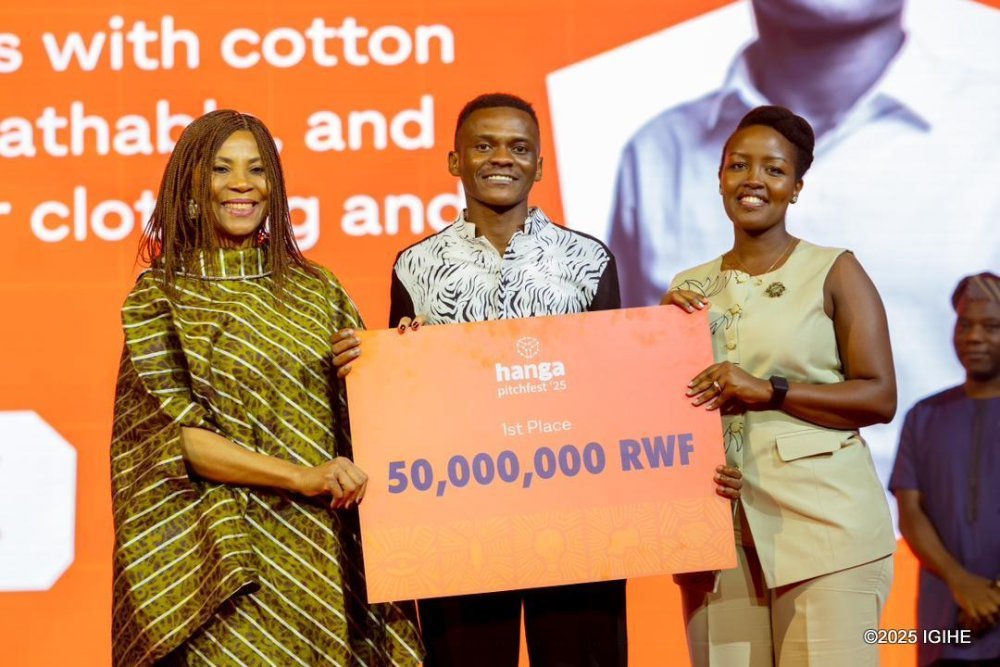
The co-founder says winning Hanga Pitchfest 2025 marked a significant milestone for Re-banatex.
Recognition and momentum
Winning Hanga Pitchfest 2025 marked a significant milestone for Re-banatex. As one of the Rwandan government’s premier innovation platforms, the competition has empowered hundreds of startups since its inception in 2021 by bridging the gap between raw ideas and market readiness. To date, it has disbursed over Rwf 600 million in direct grants, providing the critical capital and mentorship needed for entrepreneurs to scale their solutions.
For Re-Banatex, the prize of 50 million Rwandan francs extends beyond financial support. It represents validation from institutions such as MINICT and the Rwanda Development Board, signalling confidence in the startup’s potential.
Shauri says the recognition is already accelerating the company’s transition toward industrial-scale production. The start-up is in the process of importing new machinery to automate processes such as fibre carding and spinning, with plans to fully industrialise operations within months.
Re-Banatex is in the process of importing high-tech machinery to replace their mechanical processes as they look to fully industrialise their idea.
Aligning with “Made in Rwanda”
Re-Banatex’s ambitions extend beyond entrepreneurship. The company sees itself as contributing to Rwanda’s broader industrial and sustainability goals, particularly within the “Made in Rwanda” agenda.
By sourcing raw materials locally and reducing reliance on imported synthetic fibres, the startup is attempting to close gaps in the textile value chain.
“In the future, we want ‘Made in Rwanda’ to truly mean made from Rwanda’s own resources,” Shauri explains.
Over the next five to ten years, Re-Banatex aims to position itself as a leading player in eco-friendly textile manufacturing in Rwanda and across Africa. The vision includes expanding production capacity, improving material quality, and influencing a shift toward sustainable alternatives in the fashion industry.
For now, the journey continues, rooted in experimentation, driven by local resources, and sustained by a belief that waste can be transformed into value.
In a public notice issued on March 24, 2026, the Central Bank Governor Soraya Hakuziyaremye said the move follows Presidential Order nº11/01 of February 27, 2026, which authorised the withdrawal of specific banknote series. The order was published in the Official Gazette on March 2, 2026, marking the start of the transition period.
The affected denominations include Rwf 500 notes issued on July 1, 2004 and January 1, 2013; Rwf 1,000 notes issued on July 1, 2004 and May 1, 2015; Rwf 2,000 notes issued on October 31, 2007; as well as Rwf 5,000 notes issued on April 1, 2004 and February 1, 2009.
According to the announcement, these banknotes will officially lose their legal tender status on March 2, 2027.
“After this period, these banknotes will no longer be accepted as a means of payment,” said the central bank boss.
Holders of the affected notes have been advised to exchange them within set timelines. From March 2, 2026, to November 1, 2026, the banknotes can be exchanged at commercial banks and Umwalimu SACCO branches across the country. After this period, they will only be exchangeable at the headquarters of the National Bank of Rwanda in Kiyovu, Kigali, and its branches until March 1, 2027.
In a statement issued on Tuesday, March 24, the company clarified that it has no intention of ceasing its operations in Rwanda and urged stakeholders, customers, and the general public to disregard the circulating reports.
“The media reports about Volkswagen disinvesting or leaving Rwanda are incorrect and unfounded,” the company stated, reaffirming its continued presence in the country.
The automaker further announced that, effective April 1, 2026, Volkswagen Mobility Solutions Rwanda will relocate to new and larger premises in the Special Economic Zone, signalling continued investment in its local operations.
Volkswagen Group Africa emphasised that it will maintain and expand its business activities in Rwanda, which include mobility services, vehicle assembly, vehicle retail, and after-sales services.
The company also outlined its broader strategy to strengthen its presence in the country by building a regional team to drive its mobility services across Africa.
Reaffirming its long-term outlook, Volkswagen Group Africa said it remains committed to delivering world-class automotive products and services in Rwanda.
Volkswagen Group Africa operates a vehicle assembly plant in Kigali, Rwanda, opened in 2018 in partnership with CFAO Mobility to promote local manufacturing and reduce reliance on used car imports. The plant specialises in assembling models like the Polo, Passat, and Teramont, with a capacity of roughly 5,000 cars per year.
President Paul Kagame inaugurated a Volkswagen assembly plant in Rwanda back in 2018.
The Sudanese club was knocked out after losing 1–0 in the second leg played on Sunday, March 24, 2026, at Amahoro Stadium, resulting in a 2–1 aggregate defeat. The club has been playing its “home” matches at the Amahoro Stadium in Kigali due to the ongoing civil war in Sudan.
In a strongly worded complaint, Al Hilal accused both the central referee and the Video Assistant Referee (VAR) official of responsibility for the loss, alleging bias in favour of their opponents.
“Al Hilal Club has sent a protest to CAF against the refereeing team of its match against RS Berkane. The club considers that the main referee and the VAR official were responsible for the defeat due to bias in favour of the opponent,” the statement reads.
The club further questioned the competence of the officiating team, stating that it had previously requested the appointment of experienced, qualified and credible referees to handle high-stakes matches, in order to safeguard the integrity of competition and respect teams’ preparations.
According to the complaint, those concerns were not addressed, with Al Hilal arguing that a referee lacking sufficient experience was instead appointed. The club also accused the VAR official of being complicit, describing the decisions made during the match as “catastrophic” and directly influencing the outcome.
Al Hilal supported its protest with video evidence highlighting what it described as major refereeing errors. These include a controversial incident in which a penalty was awarded against its defender following a VAR review. The club maintains that the footage shows the opposing attacker raising his foot onto the defender, causing injury and forcing the Al Hilal player off the pitch, yet the referee still awarded what it termed a non-existent penalty.
The club also raised concerns over the application of VAR, arguing that its use in the incident violated Article 5 of the protocol, which states that VAR should not be applied once play has restarted. It further criticised the amount of stoppage time added, saying it did not reflect the actual time lost during reviews and interruptions.
Al Hilal additionally expressed frustration over what it described as CAF’s continued disregard of its previous complaints regarding refereeing, warning that such inaction risks enabling unfair decisions.
Based on its submission and the accompanying video evidence, the club has called for an immediate investigation, urging CAF to take action to protect the integrity of the competition and ensure justice is served.
Al Hilal SC was eliminated from the CAF Champions League quarterfinals. In a strongly worded complaint, Al Hilal accused both the central referee and the Video Assistant Referee (VAR) official of responsibility for the loss, alleging bias in favour of their opponents.Al-Hilal SC defender Saeed Ahmed was taken off on a stretcher after his challenge in the penalty area resulted in a penalty.Al Hilal SC does not accept the penalty decision.
Friendly countries recently sent messages to Iran indicating Washington’s desire to begin talks on ending the war, but Iran has not responded, the IRNA reported, citing Iranian Foreign Ministry spokesperson Esmaeil Baghaei.
Baghaei said Tehran’s stance on the Strait of Hormuz, as well as its conditions to end the war, have not changed, the IRNA reported.
Iranian Parliament Speaker Mohammad Bagher Ghalibaf also denied the claim on social media platform X, saying “no negotiations have been held” with Washington.
Meanwhile, several media reports quoted Ebrahim Rezaei, spokesperson for the Iranian parliament’s National Security and Foreign Policy Committee, as saying that talks with the United States are meaningless in the current conditions.
Earlier in the day, Trump said he had ordered a five-day delay of planned strikes on Iranian power plants and energy facilities, citing what he described as “very good and productive conversations” over the past two days aimed at easing tensions in the Middle East.
Reuters, citing Israel officials, later reported that the United States is holding negotiations with Ghalibaf, and that the two sides could hold talks in Pakistan’s Islamabad as early as this week.
The developments came amid heightened regional tensions following joint U.S.-Israeli strikes on Iran starting on February 28, to which Iran and its regional allies responded with attacks on Israeli and U.S. interests across the Middle East.
Iran’s declaration comes hours after President Trump said he had ordered a five-day delay of planned strikes on Iranian power plants and energy facilities, citing what he described as “very good and productive conversations” over the past two days aimed at easing tensions in the Middle East.
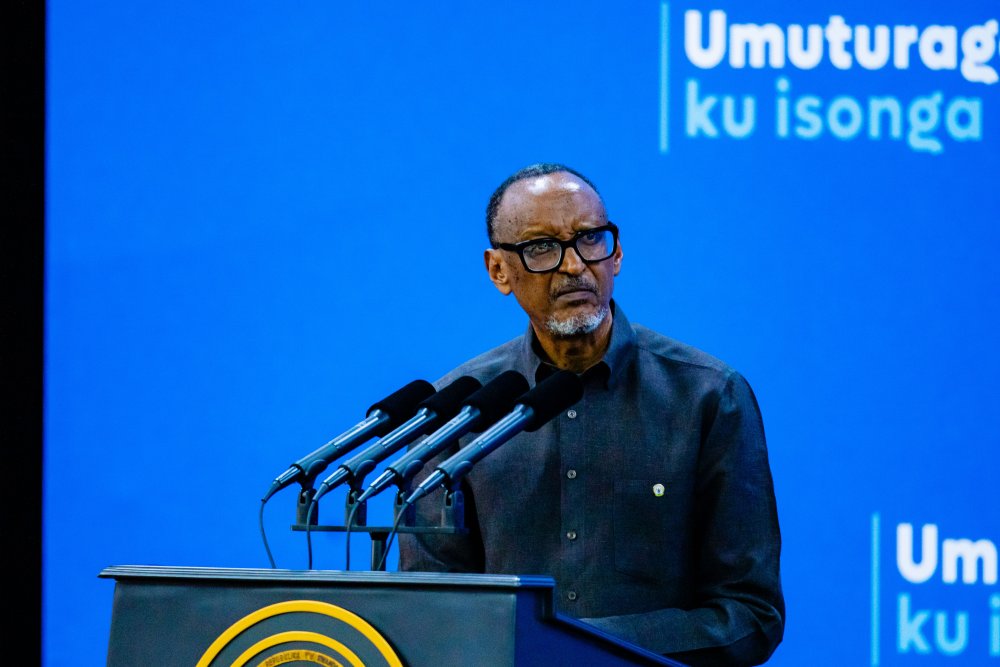
He made the remarks while closing a national meeting of central and local government leaders held at the Gako Military Academy, attended by district officials, cabinet ministers, and other senior government representatives.
The meeting examined ongoing governance challenges, including weak coordination among leaders, inefficiencies in service delivery, and other persistent shortcomings.
In his opening remarks, the Prime Minister cited findings from the National Institute of Statistics, noting a decline in service delivery performance, from 78.2% in 2023 to 75.8% in 2024, and further down to 71.7% in 2025.
Before delivering his address, Kagame was informed that leaders had acknowledged their shortcomings and committed to improving their performance. He questioned whether the issues raised were new to those present.
“Who here is hearing this for the first time? That would mean there are issues beyond what has been acknowledged. Otherwise, we should continuously assess what is not working, put everything in order, and implement corrective measures. But what we end up with is repetition. So what exactly is the problem?” he asked.
The President expressed concern over leaders who repeatedly make the same mistakes, apologise, and promise not to repeat them, only to fall into the same patterns again.
“Making the same mistake repeatedly, apologising for it, and repeating it again, I don’t understand that as a normal way people make mistakes. It becomes a problem. These are mistakes that are repeatedly made by the same individuals, including those in leadership positions,” he said.
He stressed that if a leader continues to repeat the same mistakes, it reflects a lack of understanding that must be addressed.
The Head of State further questioned whether the issue lies in how responsibilities are understood and executed across leadership structures.
“Is the problem within us as Rwandans? All of you seated here understand your responsibilities and what needs to be done, perhaps even better than I do. Yet we still face these challenges,” he said.
He also highlighted weaknesses in planning and implementation, noting that failure to align plans with execution leads to ineffective outcomes.
“Planning must go hand in hand with implementation. Even when plans are well designed, if they are not aligned with execution, it becomes a problem. You cannot expect meaningful results without proper planning,” he noted.
Citing an example from the Eastern Province, Kagame questioned why an irrigation project intended to also supply water to residents had not achieved both objectives.
“You follow up on one component and neglect the other. How can you achieve the intended outcome?” he asked.
The Governor of the Eastern Province, Pudence Rubingisa, explained that while part of the irrigation component had been implemented, the water supply aspect had been overlooked.
Kagame questioned the lack of coordination among stakeholders involved in the project, emphasising the importance of communication in delivering results.
“After this, you go and communicate, something I have not seen in the past 31 years,” he remarked.
Rubingisa acknowledged the communication gap and noted that leaders had committed to improving coordination and ensuring citizen participation in providing feedback on projects affecting them.
President Kagame concluded by stressing the need for urgent behavioural and operational changes among leaders, urging them to move beyond repeated mistakes and apologies, and to fully understand and fulfil their responsibilities.
President Kagame made the remarks while closing a national meeting of central and local government leaders held at the Gako Military Academy, attended by district officials, cabinet ministers, and other senior government representatives.
Over the course of a single week in March 2026, ALX Rwanda hosted and participated in two impactful Women in Tech engagements, one in collaboration with HerinTech on March 14 and another with Lead Access on March 17. While each event had its own focus, both were united by a shared mission of empowering women with the confidence, connections, and capabilities needed to thrive in tech.
Partnership-driven empowerment
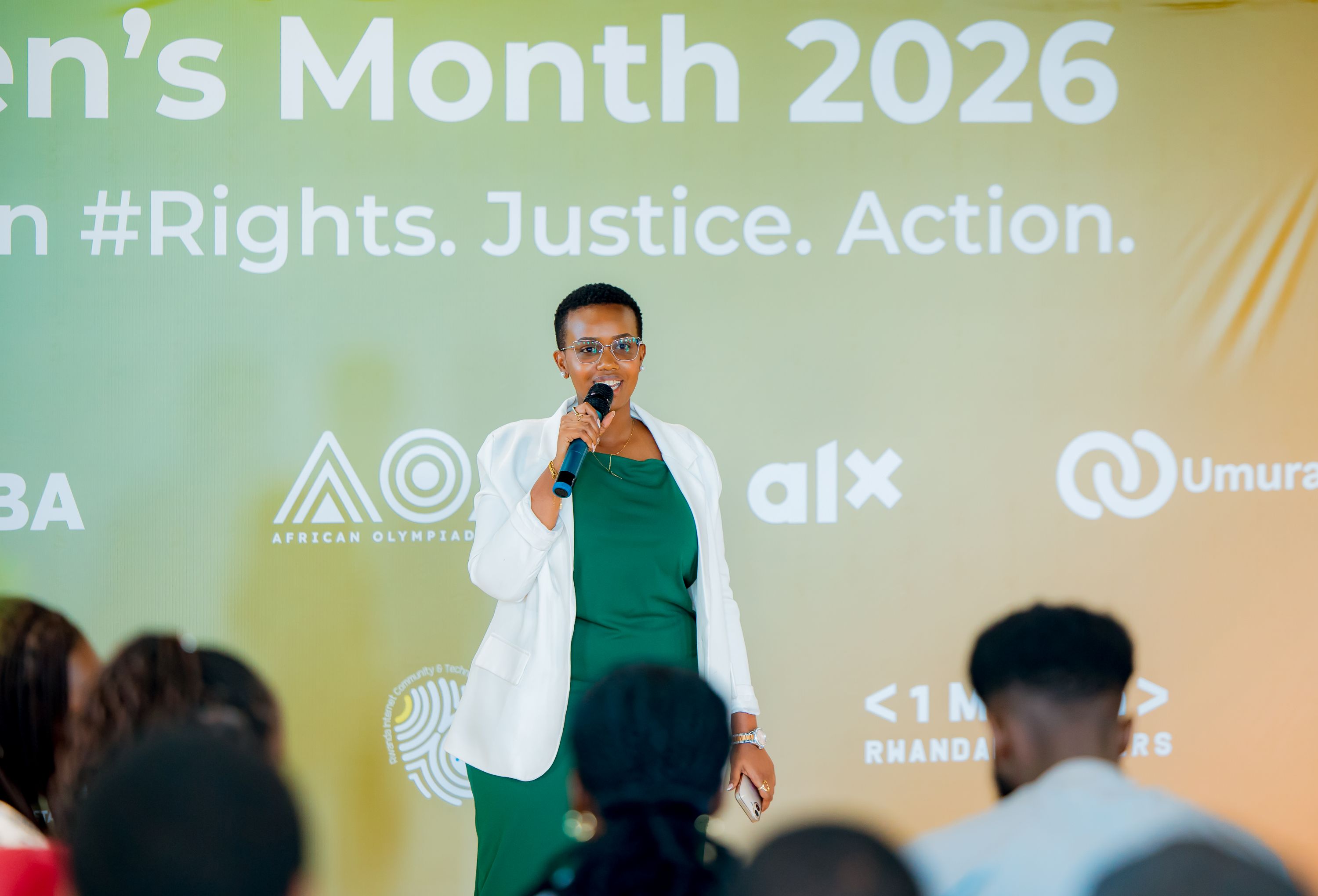
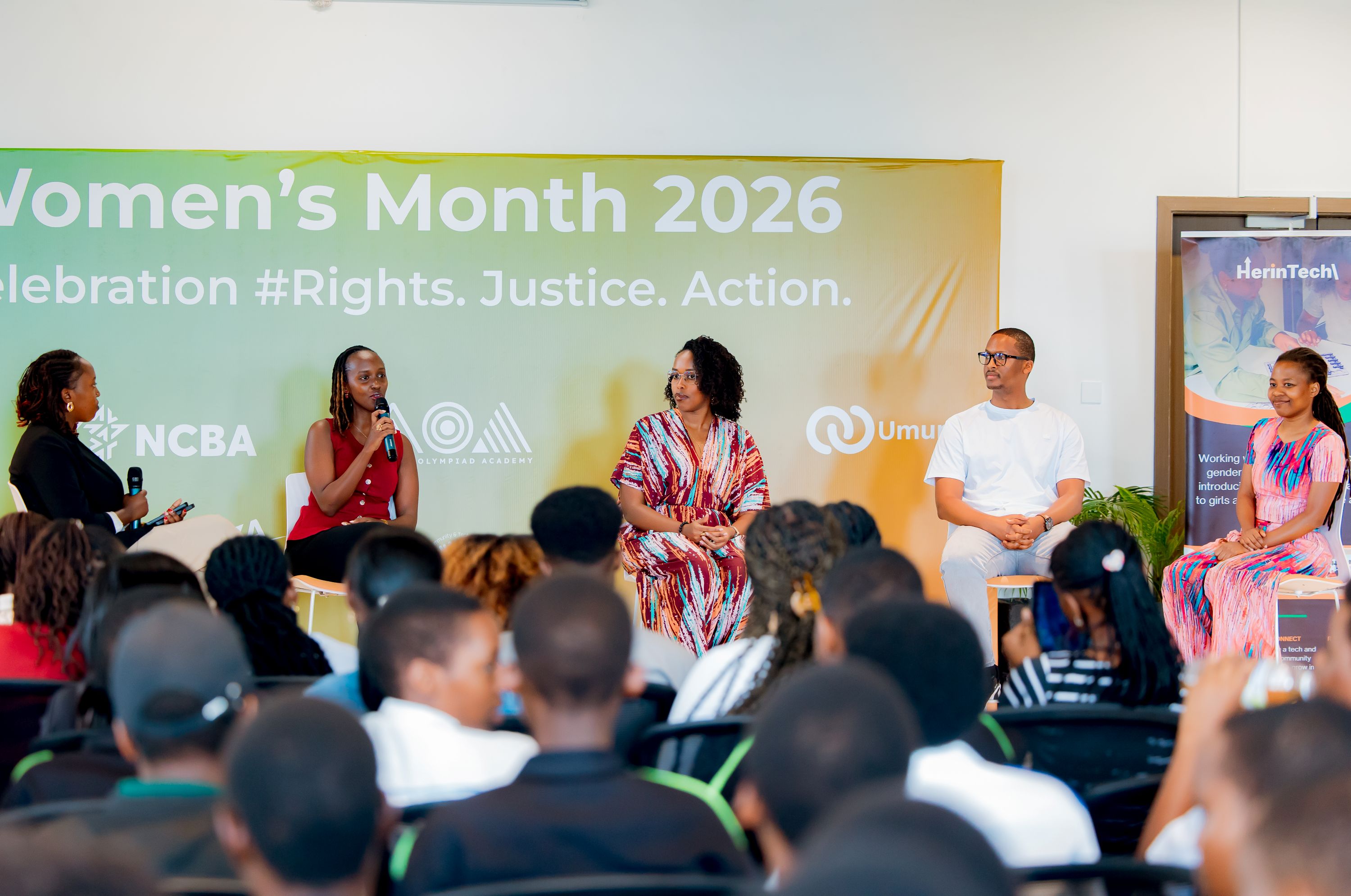
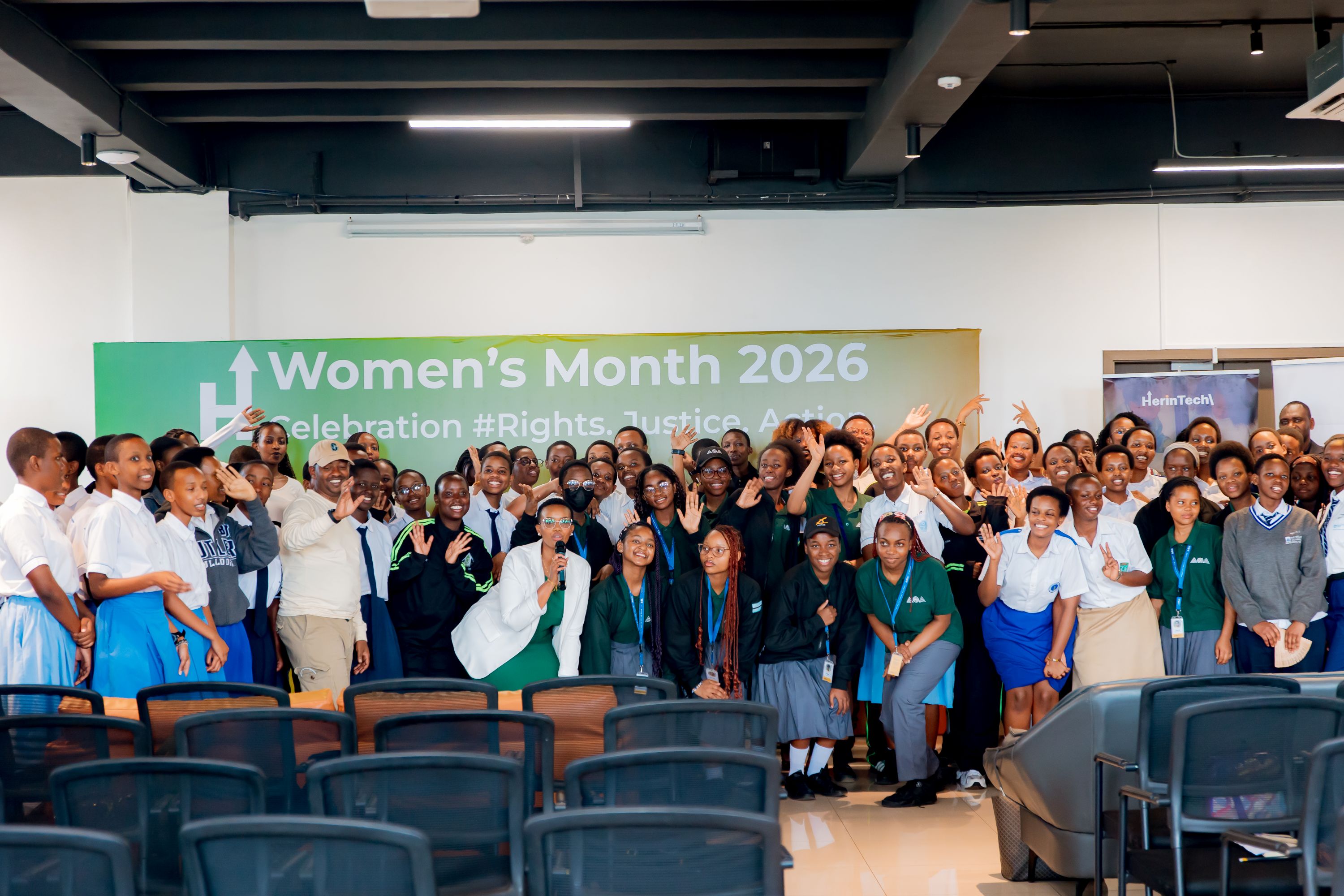
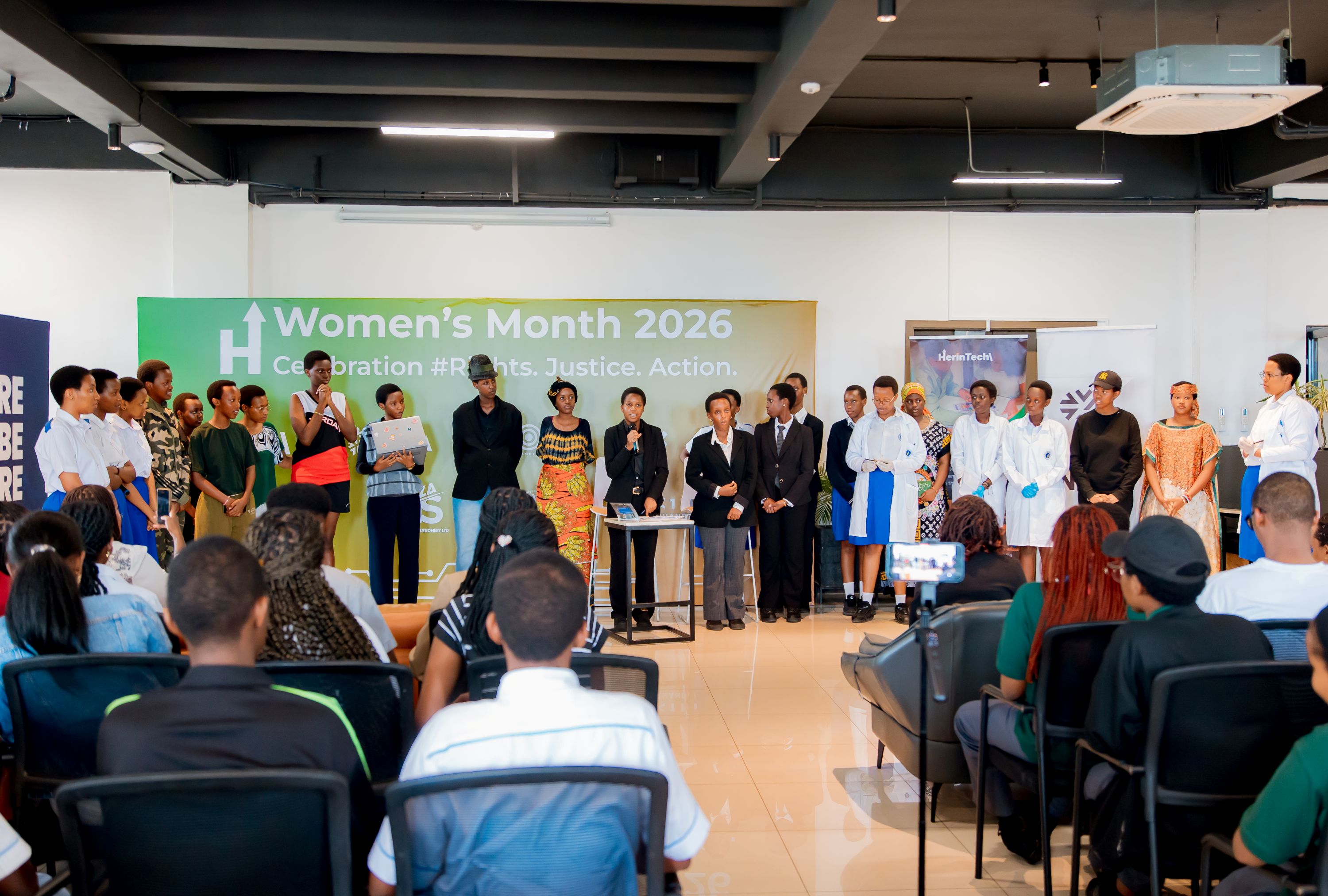
The March 14 engagement, organised in partnership with HerinTech, brought together young women, students, and industry professionals under the theme “Rights. Justice. Action. For All Women and Girls.” The session created a dynamic and inclusive space for learning, dialogue, and inspiration.
While each event had its own focus, both were united by a shared mission of empowering women with the confidence, connections, and capabilities needed to thrive in tech.
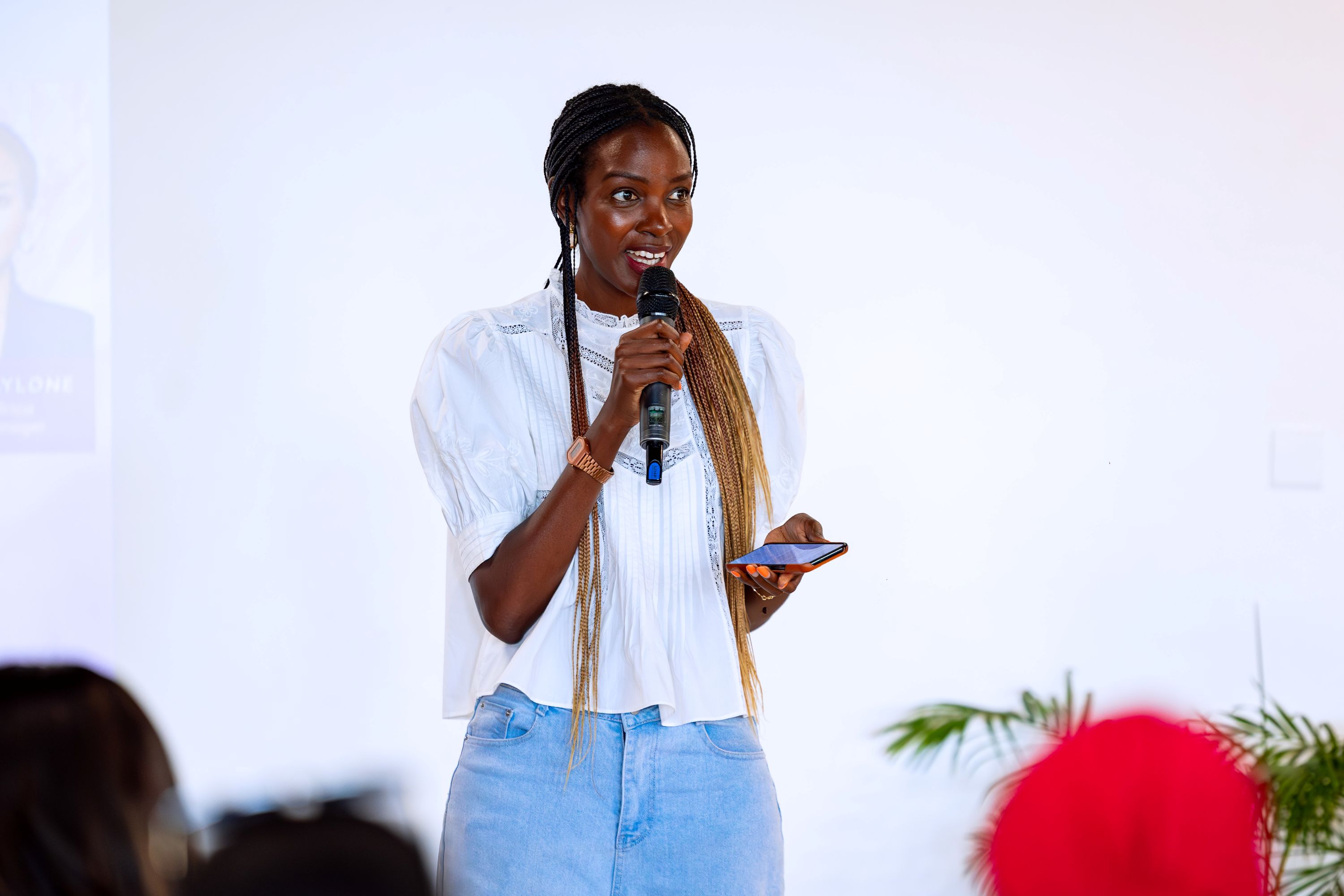
Speakers, including Linda Ikirezi, Founder of HerinTech, emphasised the importance of intentional collaboration in creating opportunities for women. Their message underscored a key reality that advancing women in tech requires ecosystems rather than isolated efforts.
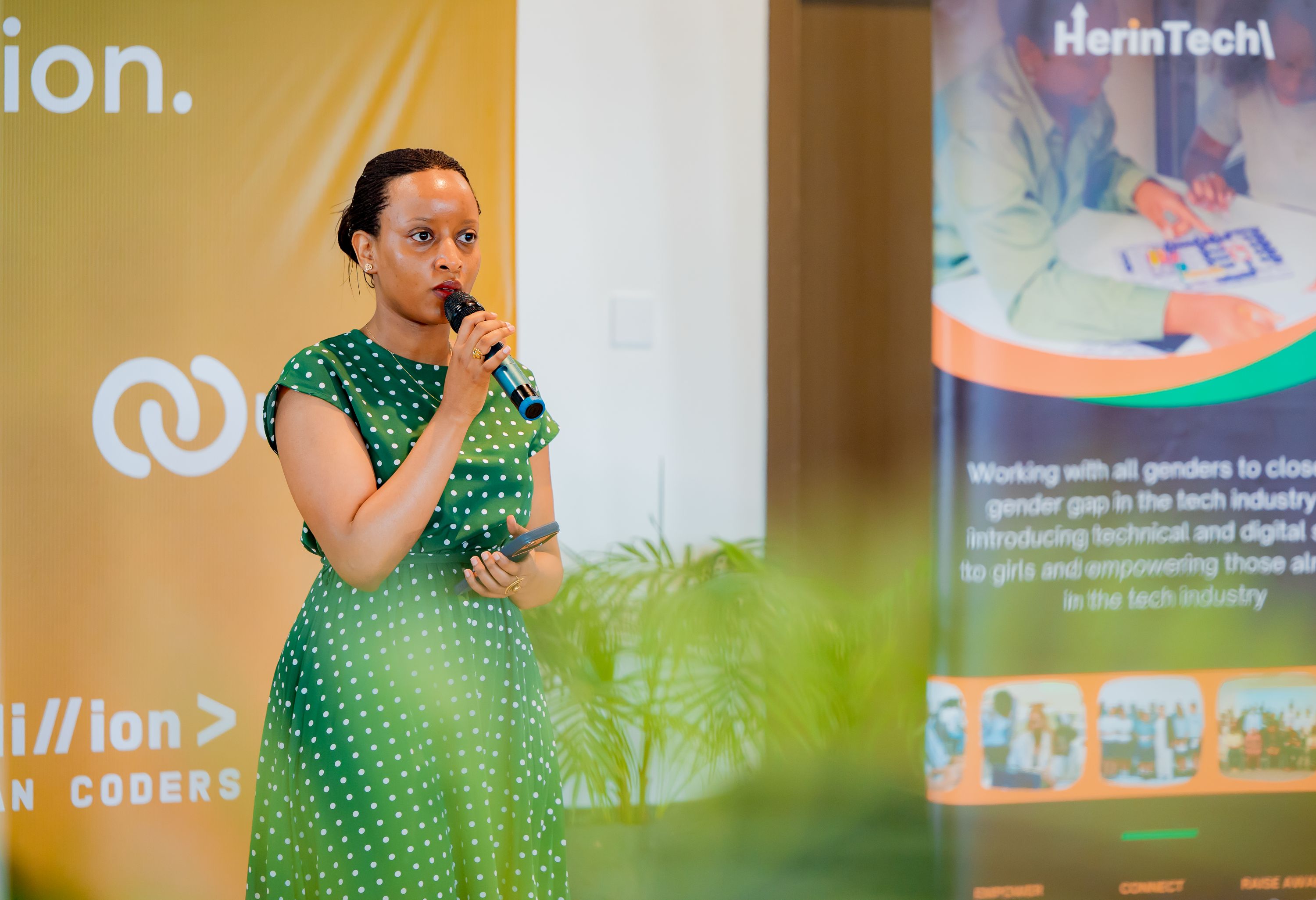
The event featured contributions from industry professionals and partners, including Marie Grace Niwemukiza from the Ministry of ICT and Innovation, Arnould Gabiro, Software Engineer at Umurava, and Fleury, a representative from NCBA Bank spoke at the event. Sessions covered a wide range of topics, from career journeys in tech to often-overlooked conversations such as women’s reproductive health, creating a holistic environment that addressed both personal and professional development.
Linda Ikirezi, Founder of HerinTech, emphasised the importance of intentional collaboration in creating opportunities for women.
A panel discussion moderated by Liliose Gashugi brought together experienced professionals, including Simonneta Perles from Westerwelle Startup Haus Kigali, Eliane Irankunda Kamana from Irembo, and Resire Mboneko, a Kigali-based Information Security Manager. They shared candid insights on navigating male-dominated industries, with their collective message resonating strongly with participants.
“Show up—scared, nervous, or uncertain—but always show up.”
The engagement also featured presentations from young innovators, including students from SOS Technical School, demonstrating early-stage creativity and highlighting the importance of nurturing talent from a young age.
Panel discussions featured experienced professionals who shared candid insights on navigating male-dominated industries, with their message resonating strongly with participants.
The keynote speech by Grace Ingabire, CEO of RICTA, left a lasting impression. She spoke about the importance of being audacious, challenging stereotypes, and taking action before feeling ‘ready.’
Her message resonated deeply, noting that growth comes from stepping forward rather than waiting for perfection.
What followed was pure joy, with music, dance, and a lively after-party led by the students themselves. From Amapiano challenges to spontaneous moments of connection, the atmosphere reflected something deeper than fun, showcasing a sense of community, connection, and shared celebration.
ALX workshop with Lead Access
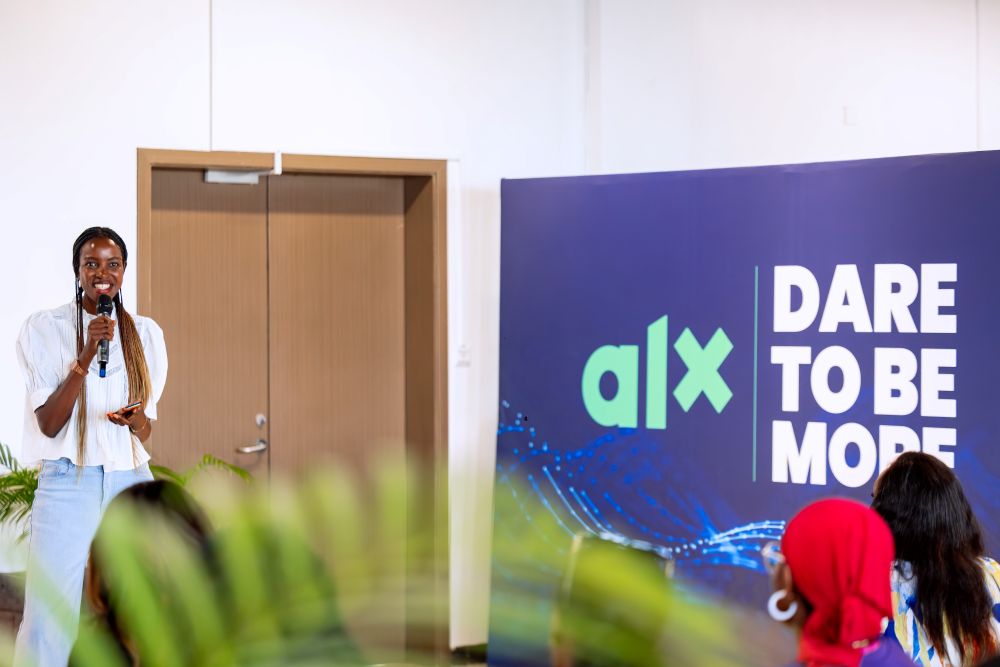
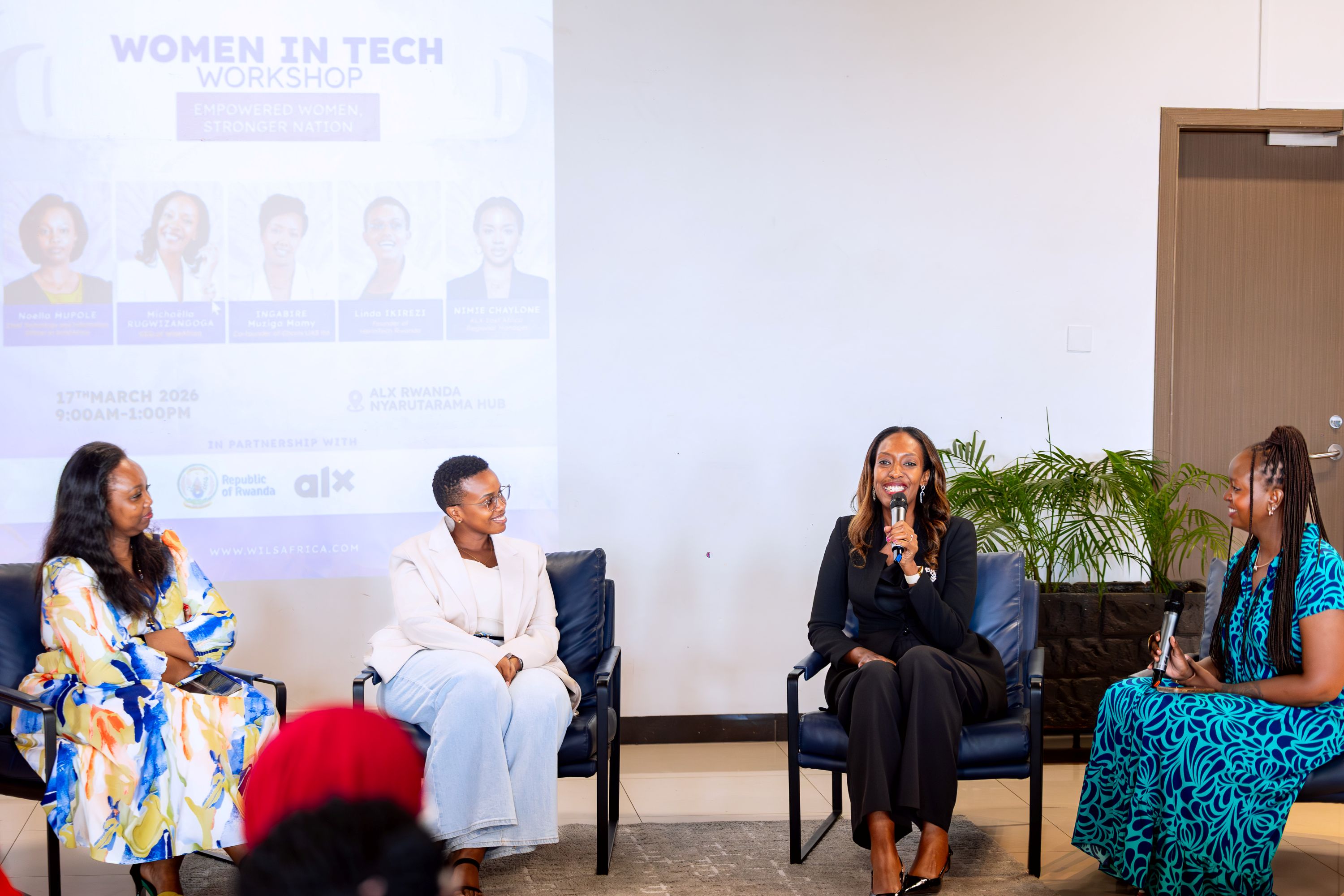
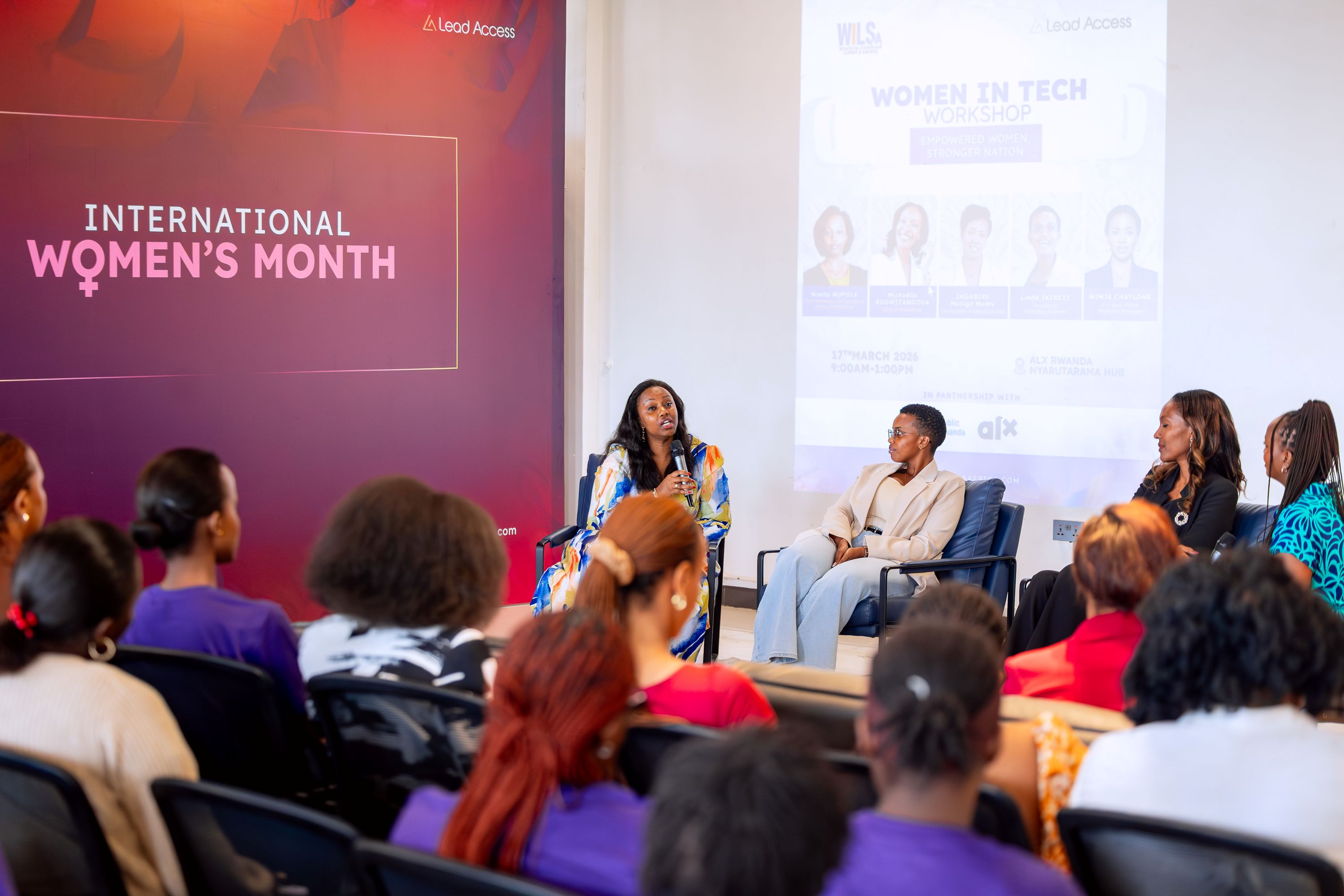
Just days later, ALX Rwanda, in partnership with Lead Access, hosted a Women in Tech workshop at the ALX Rwanda Hub in Nyarutarama. Held under the theme “Give to Gain”, the session brought together aspiring technologists, learners, and industry leaders in an interactive environment centred on mentorship, leadership, and innovation.
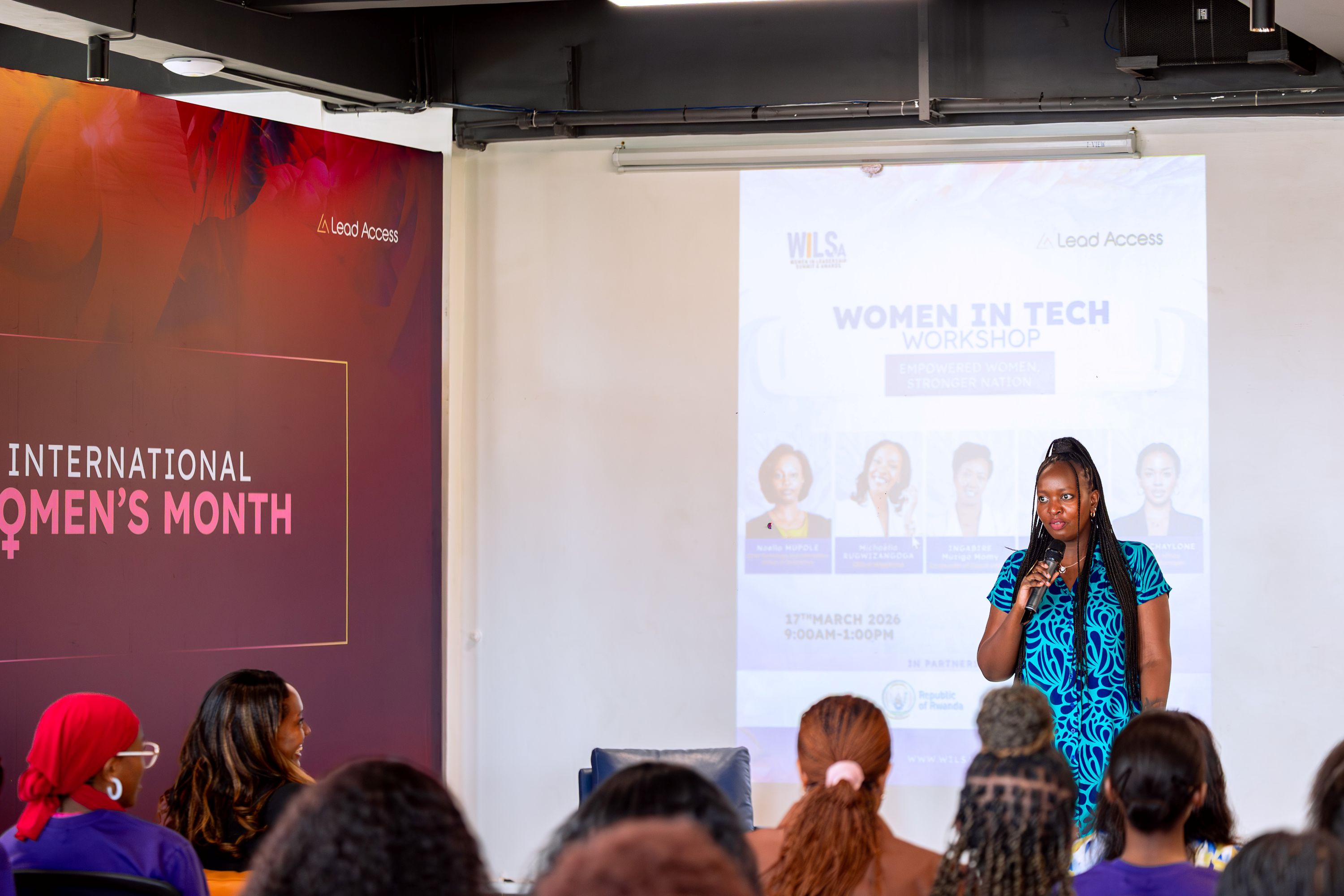
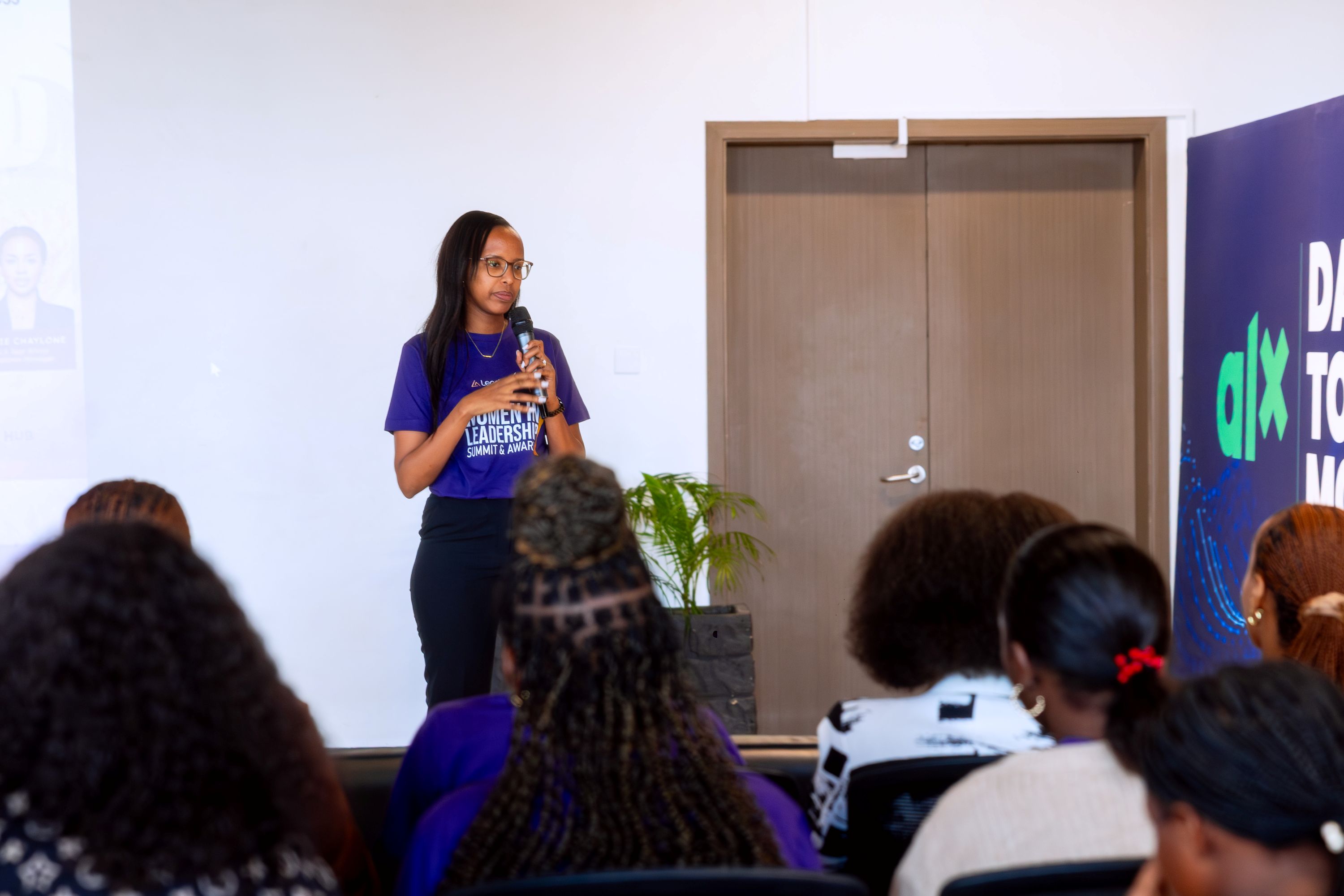
The workshop highlighted Rwanda’s growing position as a hub for digital talent and innovation. Speaking at the event, Sandra Kabongoyi, Partnership Manager at ALX Africa, emphasised the importance of inclusivity in shaping the future of the digital economy.
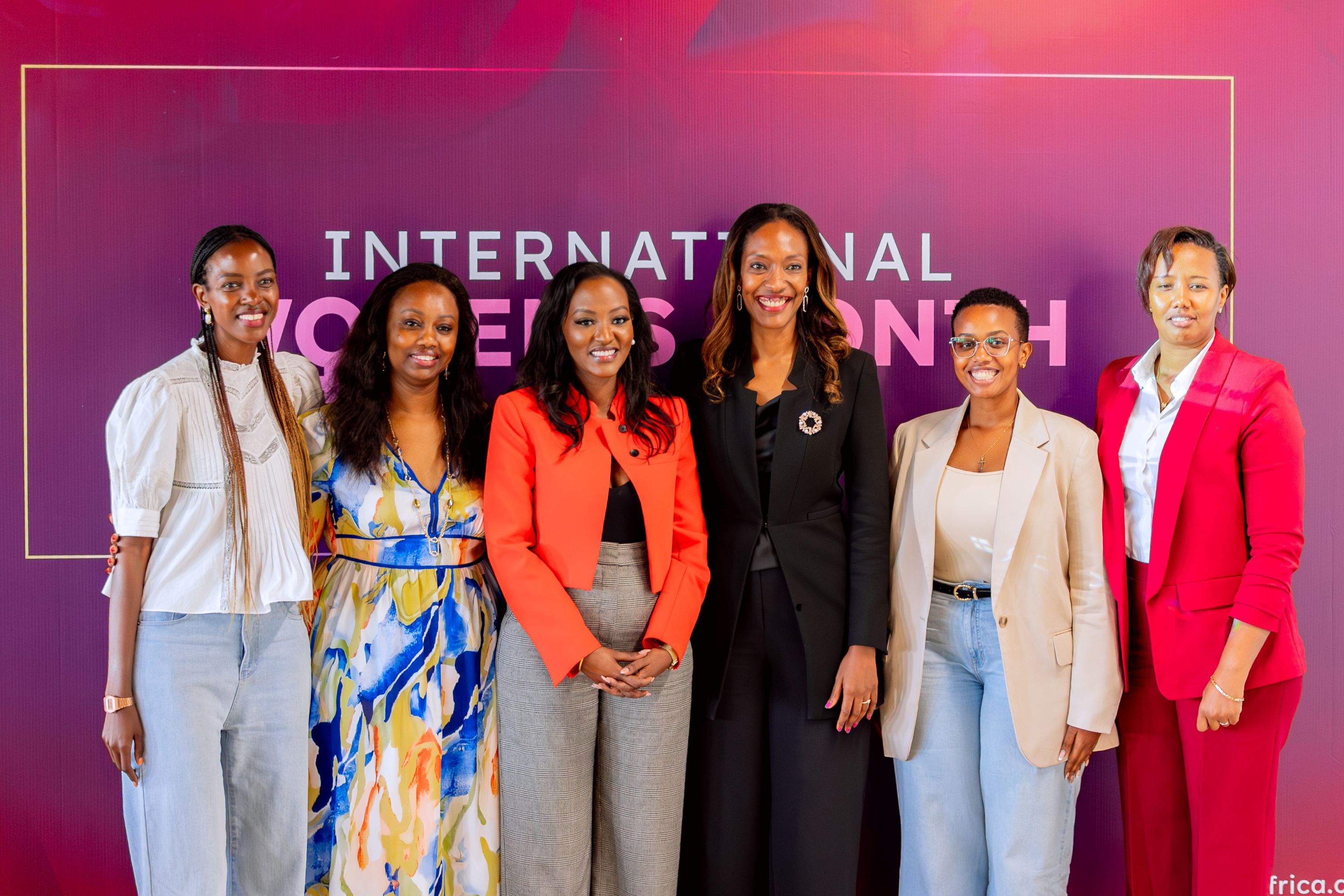
ALX Women in Tech events coincided with International Women’s Month, highlighting the celebration of women’s achievements while fostering dialogue, collaboration, and empowerment in the tech space.
The program featured a panel discussion with prominent women in tech, including Noella Mupole, Chief Technology and Information Officer at Solid Africa, Linda Ikirezi, Founder of HerinTech Rwanda, and Michaëlla Rugwizangoga, CEO of WiseAfrica, moderated by Jacinta Gitau. The discussion explored personal journeys marked by resilience, persistence, and growth, with panellists sharing experiences overcoming gender barriers, self-doubt, and structural challenges.
A key message emerged throughout the session: mentorship and continuous learning remain essential pillars for women building careers in technology.
Michaëlla Rugwizangoga highlighted the broader ecosystem’s role in enabling women’s progress, while Ingabire Muziga Mamy, Co-founder of Charis UAS Ltd, delivered a motivational talk emphasising purposeful innovation and leadership:
“The future digital economy must be built by women, not just used by women.”
The engagements sparked inspiration, learning, and connection.
She further encouraged participants to tackle local challenges as a pathway to global relevance, reinforcing the idea that innovation often begins within one’s immediate environment.
For many participants across both events, the experience went beyond inspiration. It provided practical exposure, meaningful connections, and renewed confidence in their ability to pursue careers in technology.
Learners like Apophia Usanabaganwa from ALX Rwanda described the experience as transformative, noting how interactions with speakers and peers helped restore confidence and reaffirm ambition.
“I’m really happy about what happened today. We’ve been reminded that women are capable of everything,” she said. “My hope had dropped in recent days, but today it rose again because of the engaging words from the guests. Right now, I’m very confident that I’m able to do anything.”
She also highlighted the role of ALX in her personal growth, noting that the program has equipped her with practical skills, including AI Career Essentials, and valuable connections to support her career journey.
For many participants across both events, the experience went beyond inspiration. It provided practical exposure, meaningful connections, and renewed confidence in their ability to pursue careers in technology.
ALX at the centre of a growing ecosystem
Through both engagements, ALX Rwanda played a central role not only as a host but as a convener of partnerships, ideas, and opportunities. By working alongside organisations such as HerinTech and Lead Access, ALX continues to strengthen a collaborative ecosystem that supports women at different stages of their tech journeys.
At the core of ALX’s model is a focus on accessible, flexible, and future-ready learning. Through a hybrid model that combines intensive online technical tracks, ranging from software engineering and data science to AI career essentials, with in-person collaboration at its Kigali Tech Hub, the organisation bridges the gap between traditional education and the modern workforce.
By leveraging strategic partnerships with the Government of Rwanda and global tech entities, ALX focuses on large-scale youth employability, offering fully sponsored programs and advanced AI learning tools like “Chidi” to foster a knowledge-based economy and drive regional innovation.
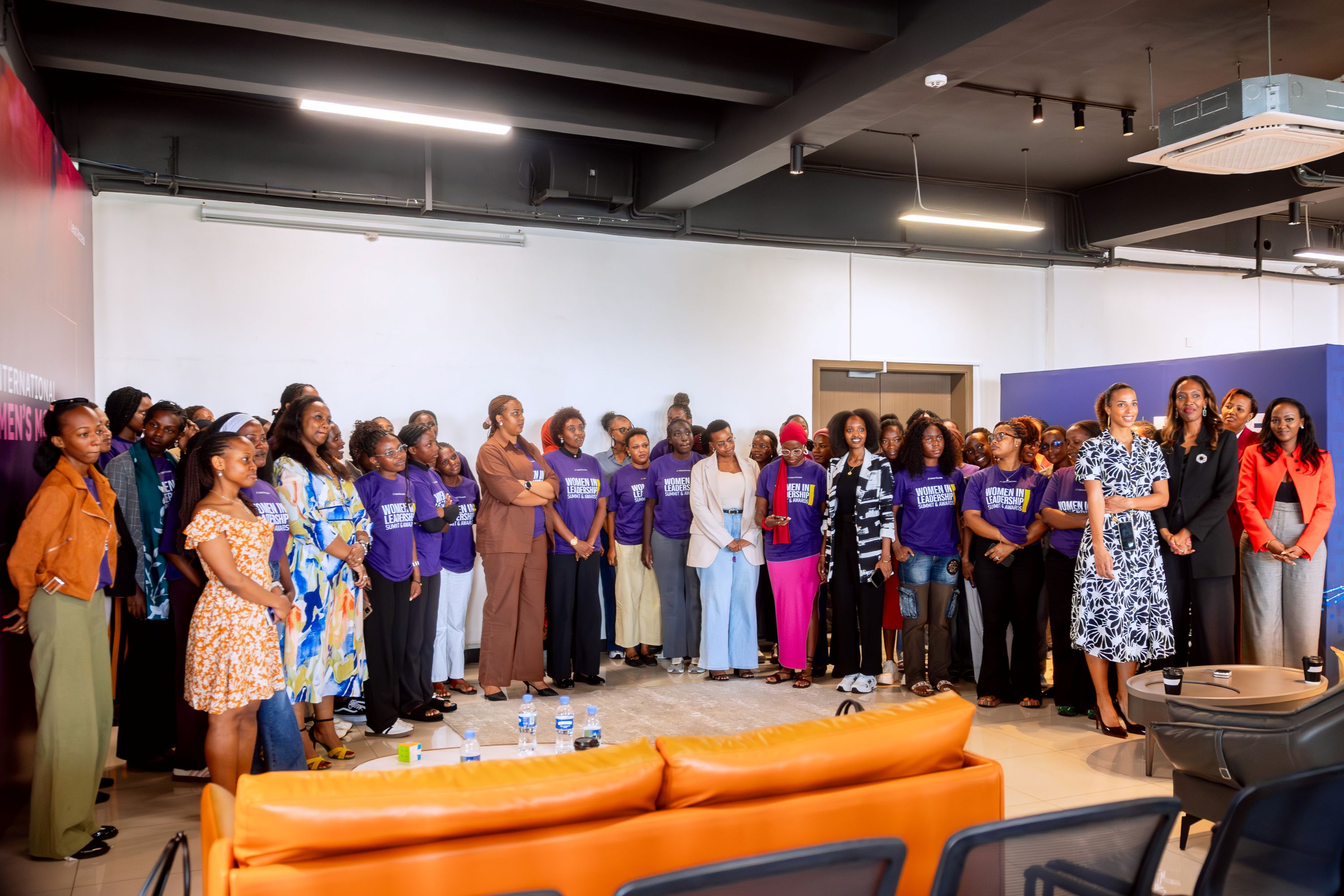
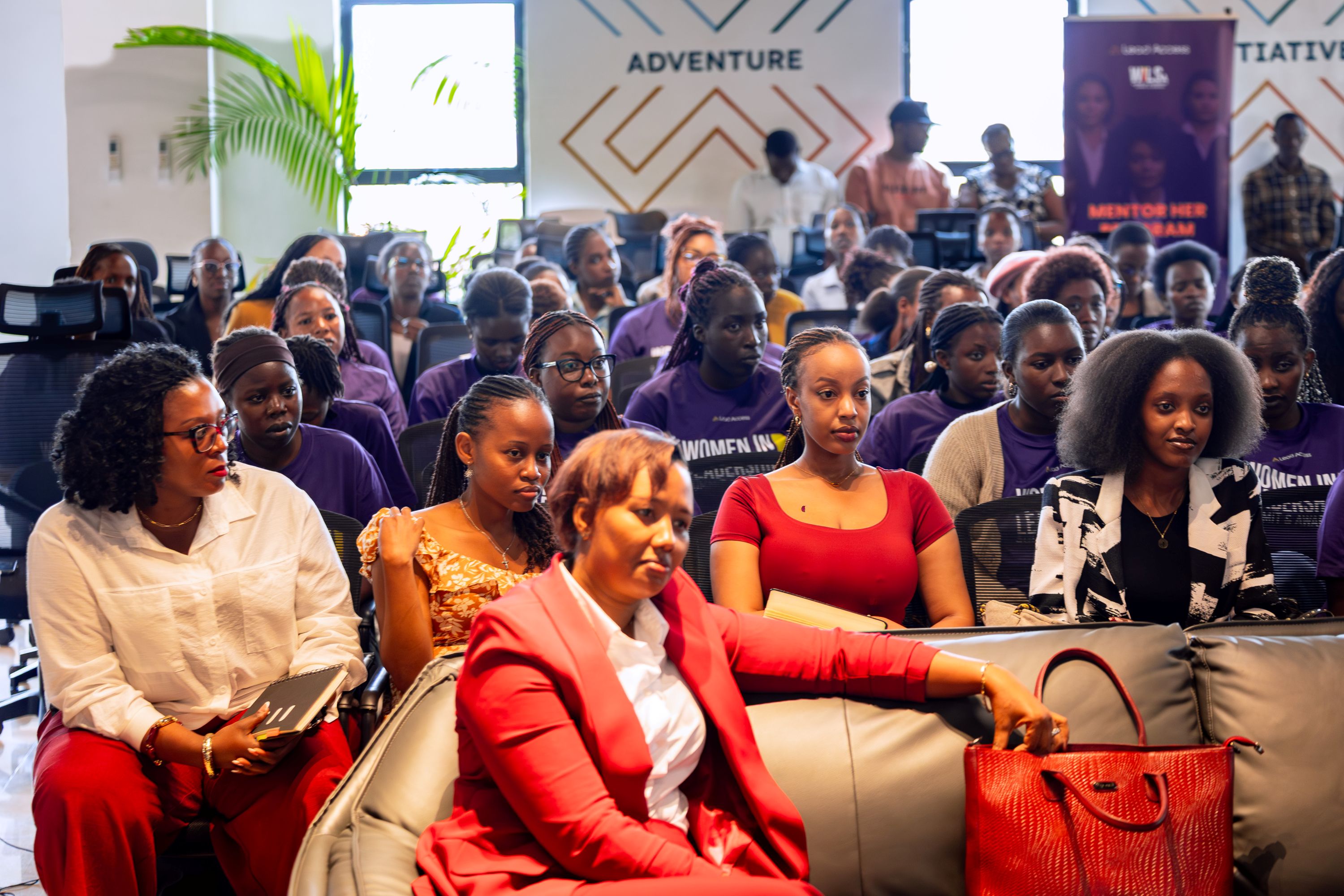
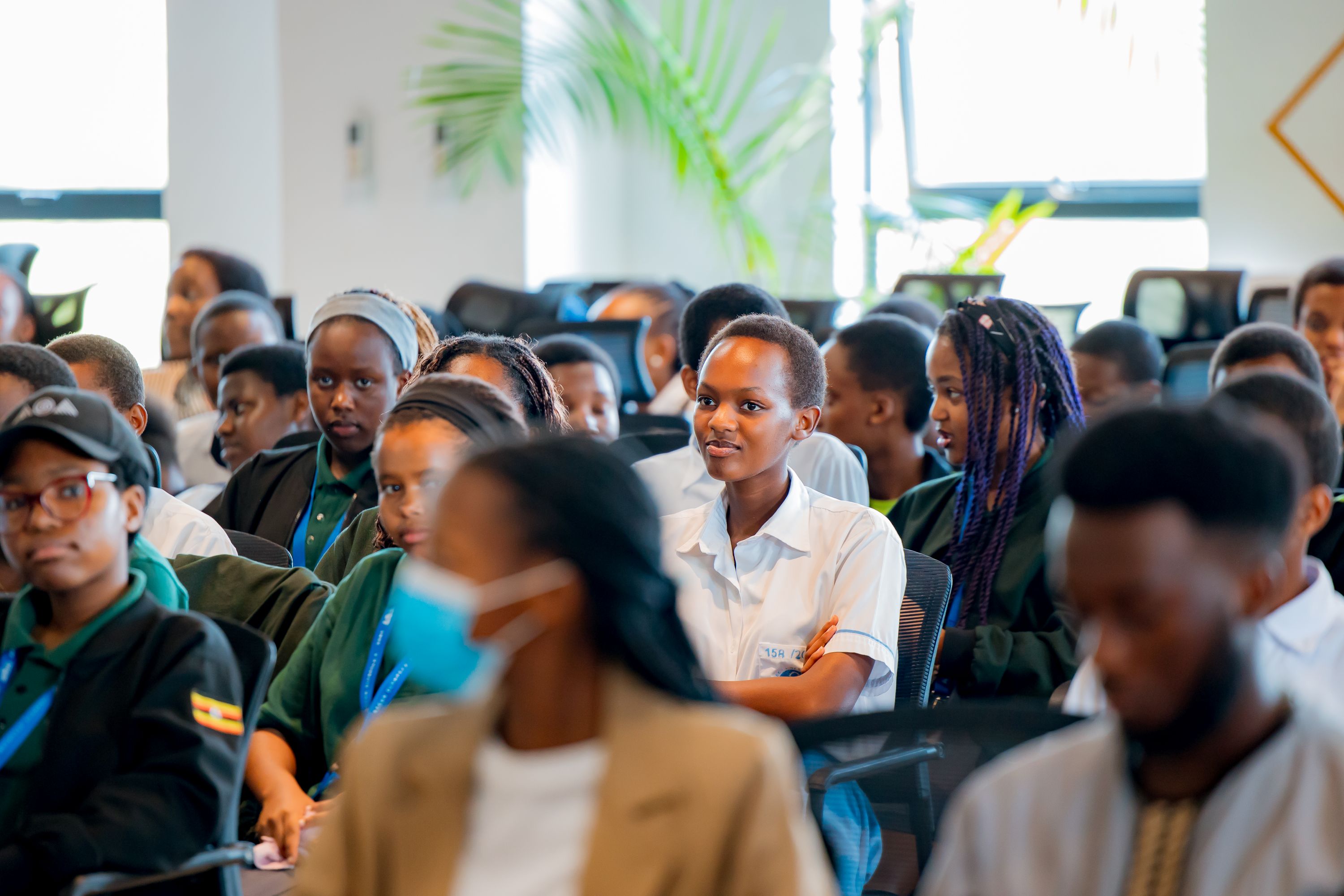
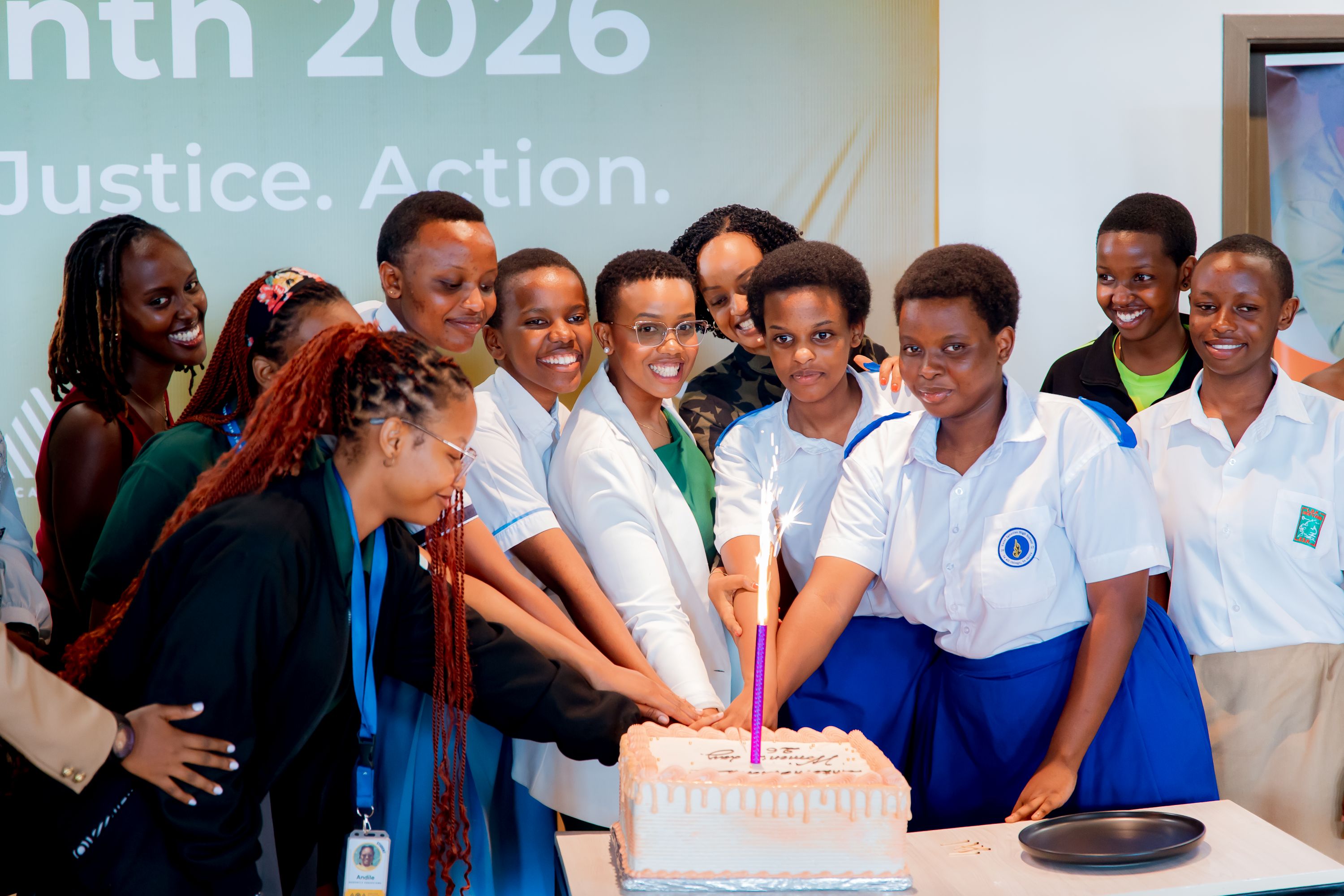
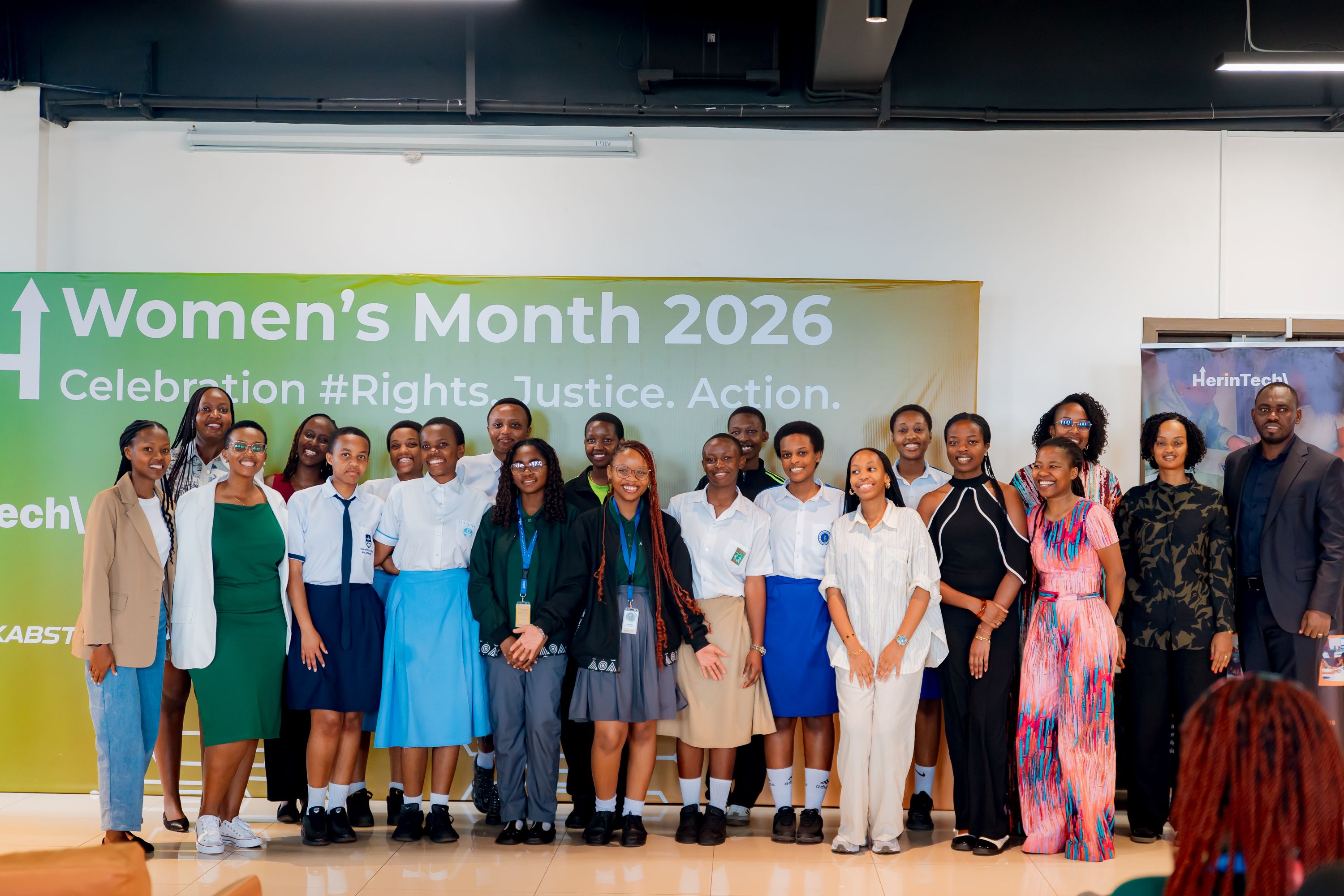
Dozens of young women in tech attended the events.Panellists shared real-world insights on navigating and thriving in tech careers. Held under the theme “Give to Gain”, the session brought together aspiring technologists, learners, and industry leaders in an interactive environment centred on mentorship, leadership, and innovation.Sandra Kabongoyi, Partnership Manager at ALX Africa, emphasised the importance of inclusivity in shaping the future of the digital economy.Through both engagements, ALX Rwanda played a central role not only as a host but as a convener of partnerships, ideas, and opportunities.For many participants, the experience went beyond inspiration, offering practical exposure, meaningful connections, and renewed confidence to pursue careers in technology.Participants gained valuable insights from experienced professionals in the Women in Tech space. The engagement also featured presentations from young innovators, including students from SOS Technical School.The participants cut a cake to mark International Women’s Month.The events offered practical exposure, meaningful connections, and renewed confidence to pursue tech careers.
In a Truth Social post, Trump said the two sides had held “very good and productive conversations” over the past two days aimed at resolving hostilities in the Middle East.
Based on the “in-depth, detailed, constructive” nature of the talks, he had instructed the Pentagon to postpone any strikes on Iranian energy infrastructure for five days, pending further discussions.
Iran’s primary military command, Khatam al-Anbiya Central Headquarters, warned on Sunday that power plants in countries hosting U.S. bases would be considered legitimate targets if the United States attacks Iran’s power facilities.
The statement came in response to remarks by Trump threatening to target Iran’s power infrastructure, according to Iranian state media Islamic Republic of Iran Broadcasting.
The Strait of Hormuz has not been fully closed and remains under Iran’s “smart control,” with non-harmful transit continuing under specific regulations to ensure national security and interests, the statement said.
If U.S. threats are carried out, Iran would immediately adopt several punitive measures, including the full closure of the Strait of Hormuz until damaged Iranian facilities are rebuilt, it said.
Other measures would include large-scale strikes on Israel’s power, energy and communications infrastructure, attacks on regional companies with U.S. capital ties, and targeting power facilities in countries hosting U.S. military bases.
The statement stressed that Iran would take “all necessary measures” to defend its national interests and would continue operations against U.S. and allied economic and energy infrastructure in the region.
U.S. President Donald Trump said Monday that he had ordered the military to delay strikes on Iranian power plants and energy facilities for five days after what he called “productive” talks with Iran.