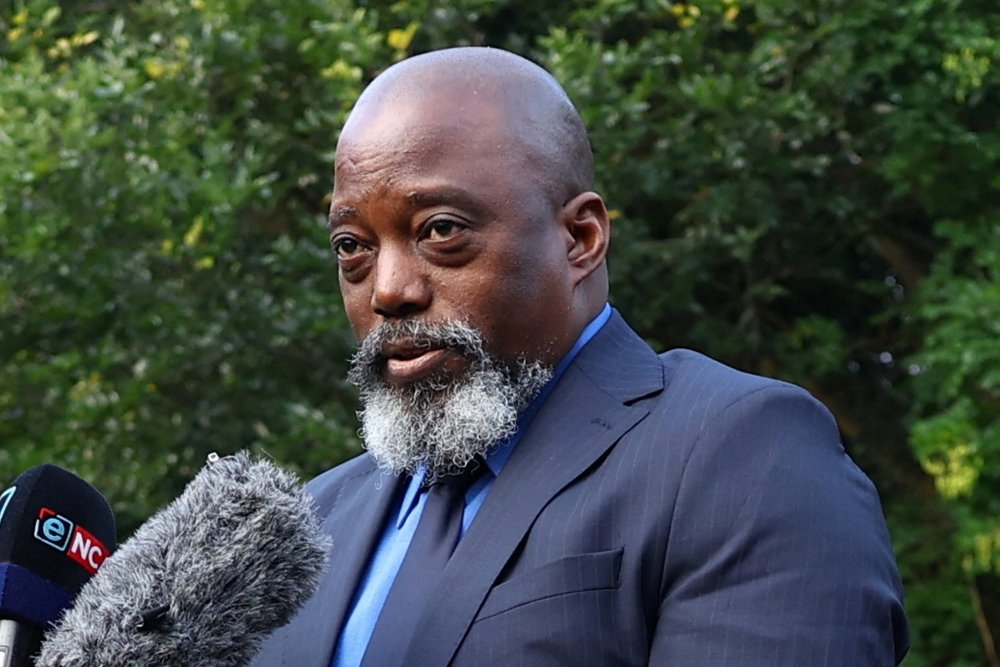
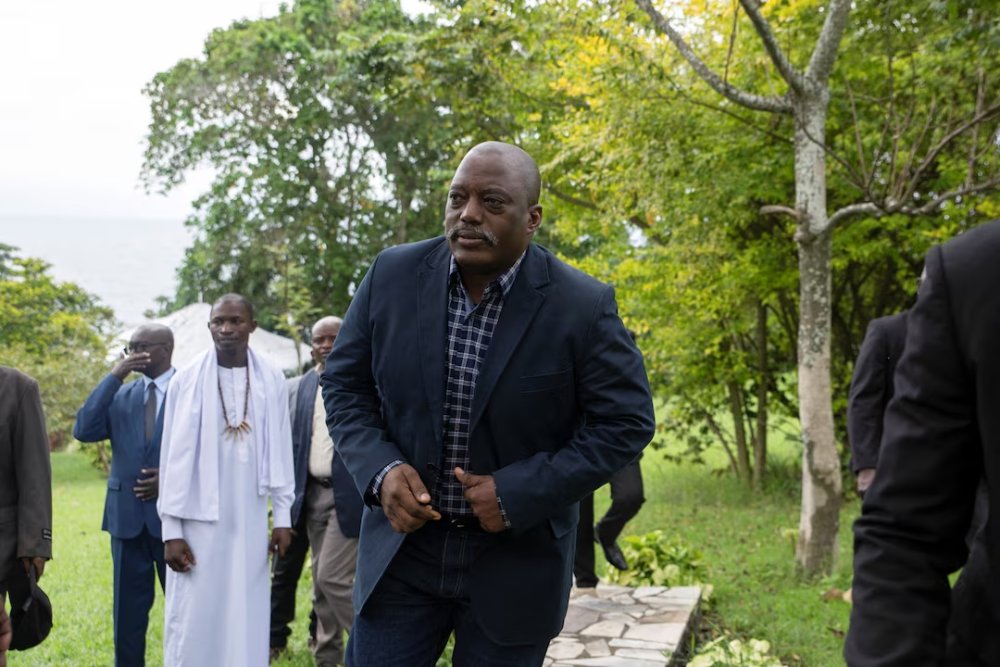
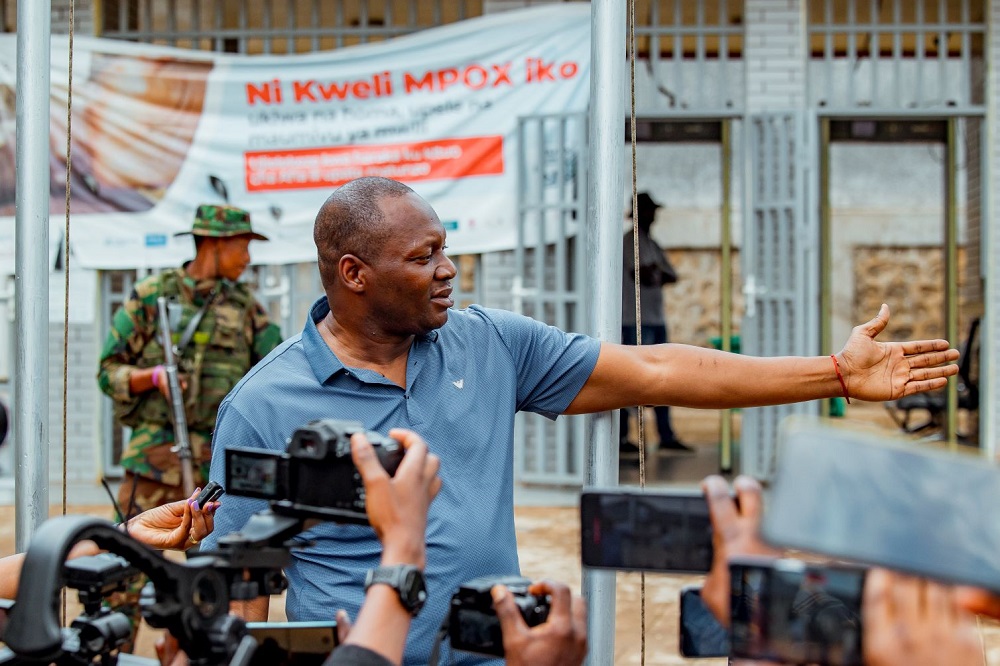
Speaking in an interview with journalist Hubert Leclercq of Le Libre on March 20, 2026, at his residence in Goma in North Kivu Province, Kabila said the current administration must be opposed through collective civic action.
“I said it in May last year—we must stop this authoritarian regime that has taken power. To achieve this, we must join forces and conduct awareness campaigns among all Congolese, whether those in exile or those inside the country.”
Kabila has been based in eastern Democratic Republic of the Congo since May 2025. Authorities in Kinshasa have accused him of collaborating with the AFC/M23 coalition, which controls Goma and parts of eastern Congo, allegations he denies. He has been sentenced to death in absentia over the claims.
Explaining his presence in Goma, Kabila said the city is his home, noting that he owns a residence there purchased in 1999. He added that the attacks against him and his political network began in 2019, before the emergence of AFC/M23. He further stated that he has the right to engage with all Congolese citizens in pursuit of dialogue, national cohesion, and peace.
Kabila also accused Kinshasa forces of targeting him following a March 11, 2026, drone strike carried out by government forces, which is said to have been aimed at him and senior AFC/M23 figures, including Corneille Nangaa, Bertrand Bisimwa, Freddy Kaniki, and Maj. Gen. Sultani Makenga.
He further accused government forces of ongoing attacks against civilians in eastern DRC, including in Masisi and Minembwe in South Kivu Province, alleging the use of drones and other heavy weaponry.
On constitutional matters, Kabila argued that the Tshisekedi administration has not adhered to the rule of law and is seeking to amend the Constitution to extend beyond the two-term presidential limit. He described such a move as harmful to the country.
He said any effort to challenge the government should be grounded in Article 64 of the Constitution, which he interpreted as obliging citizens to resist individuals or groups acting in violation of the law.
Former DRC President Joseph Kabila said the current administration, led by his successor Félix Tshisekedi, must be opposed through collective civic action.
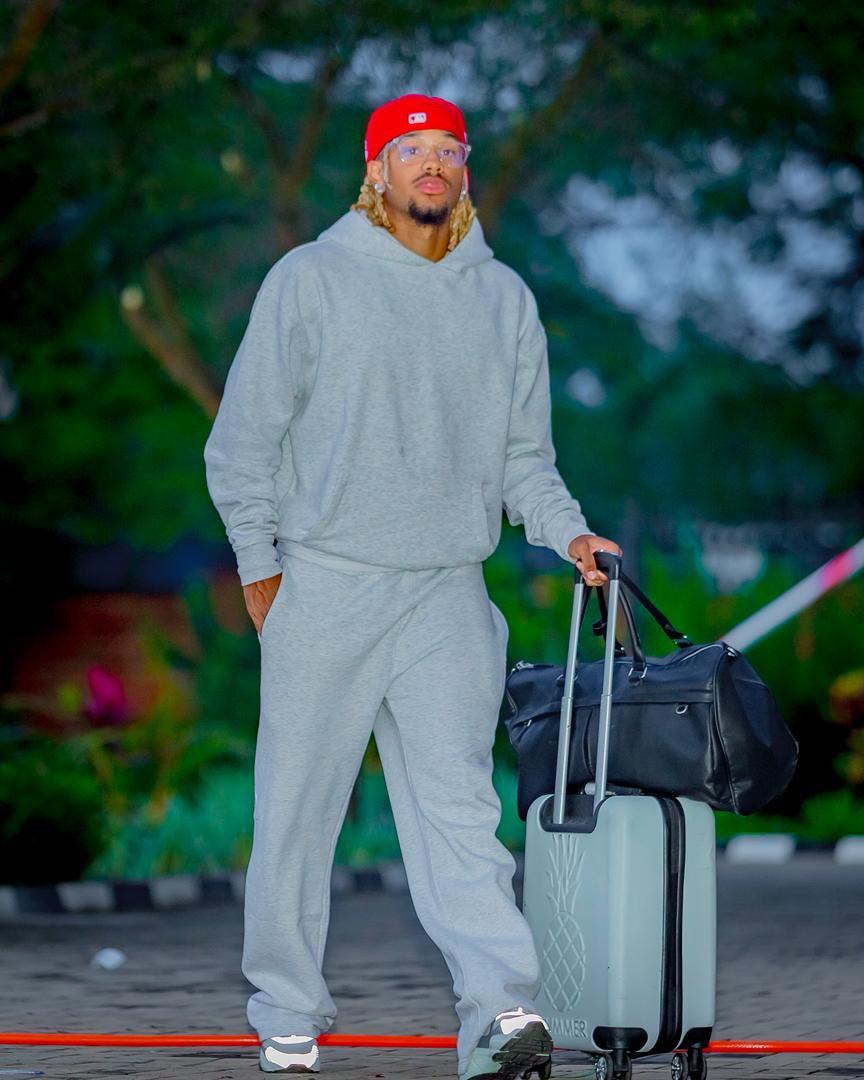
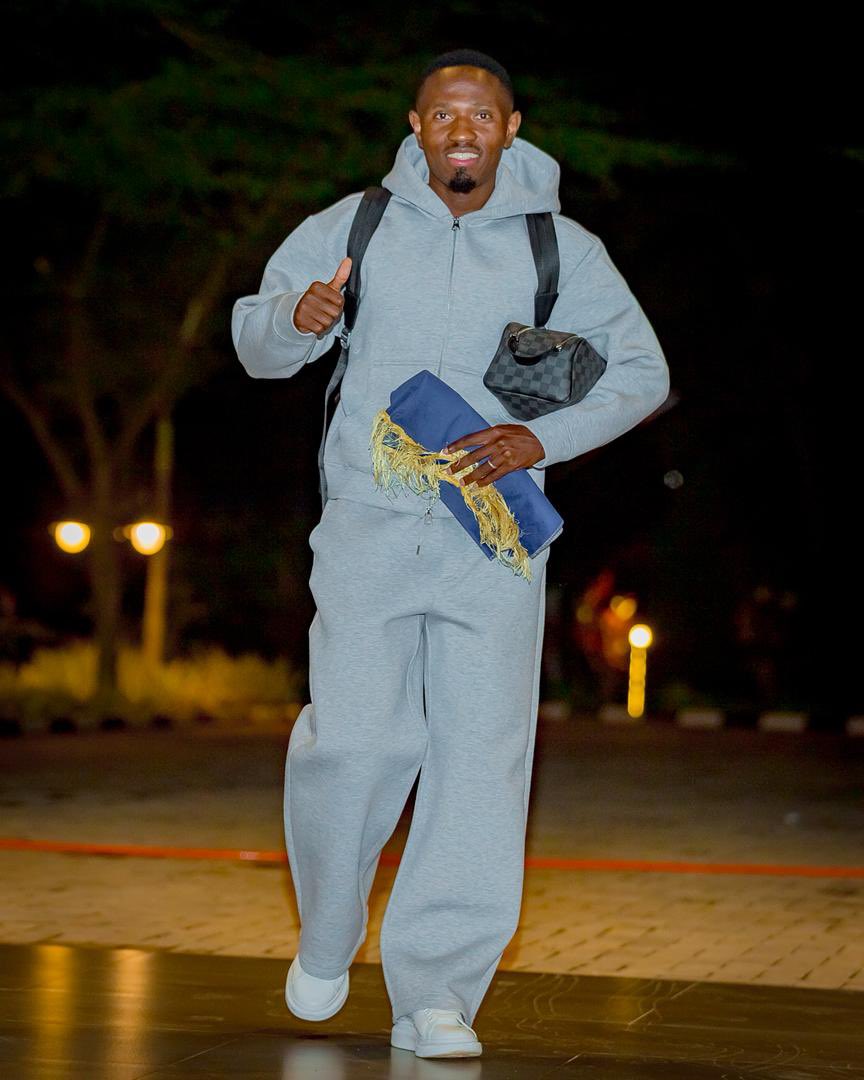
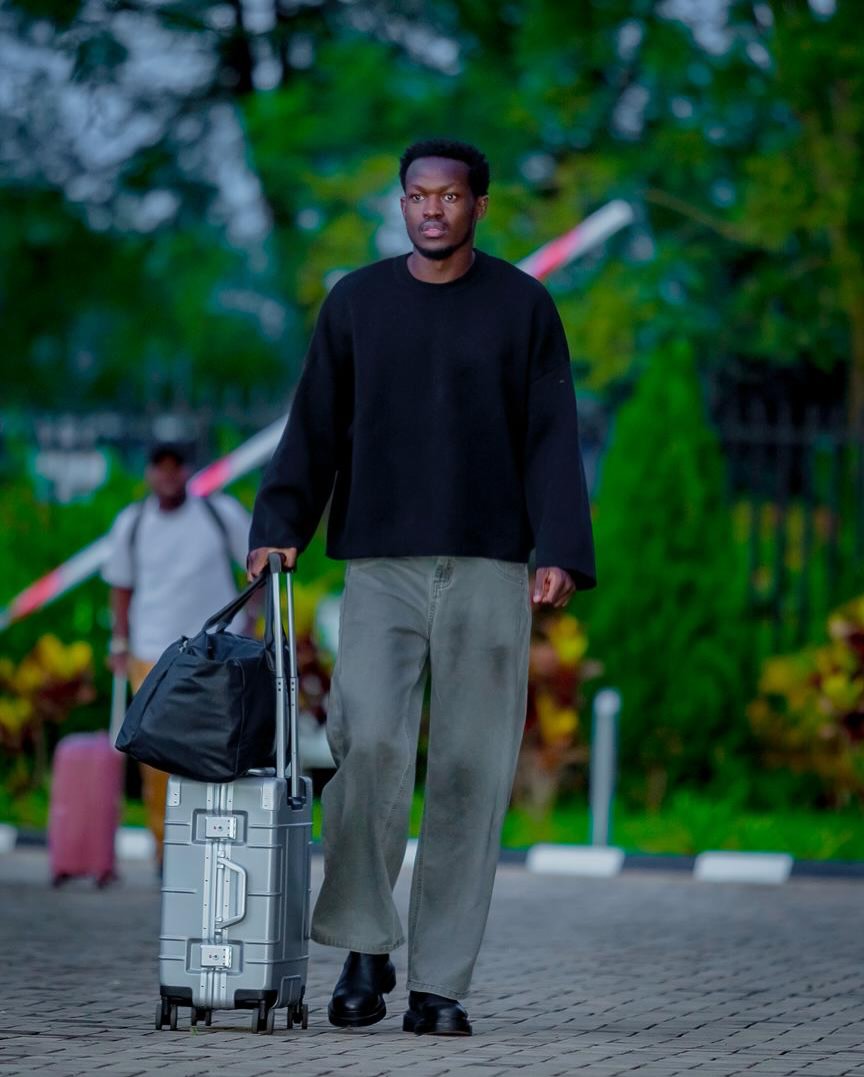
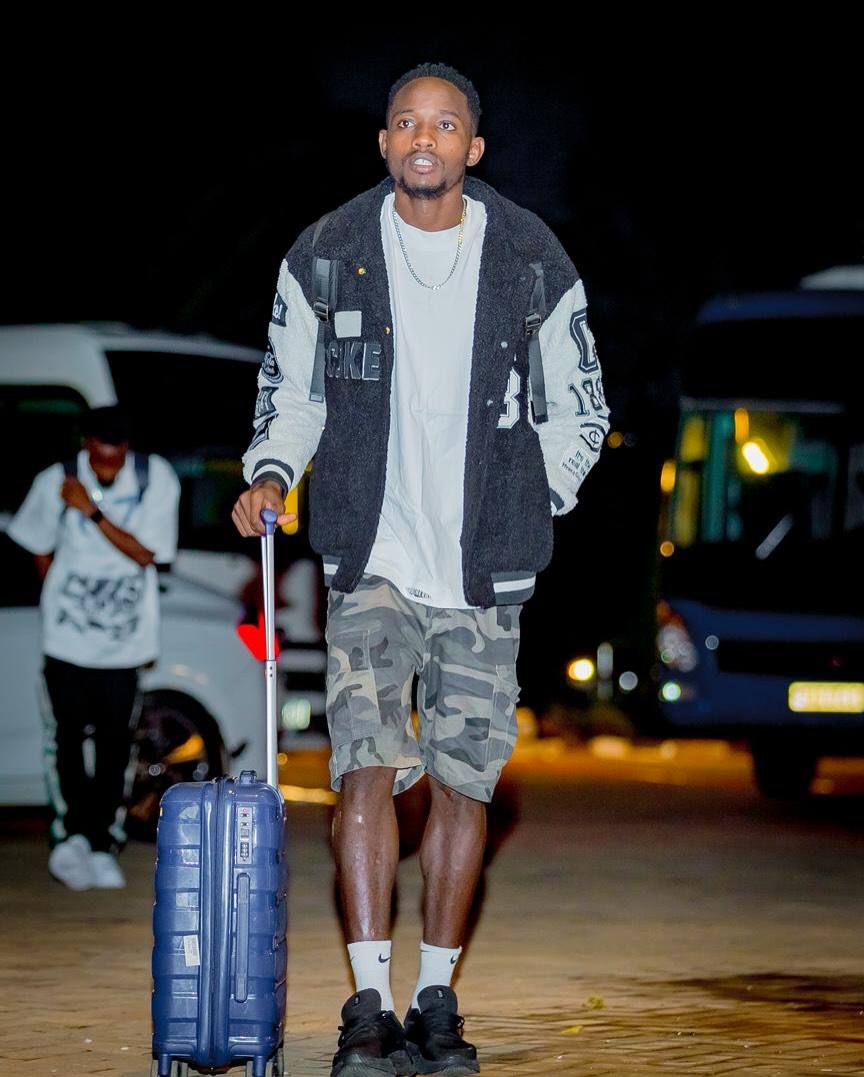
The squad assembled on Sunday evening at the Rwanda Football Federation (FERWAFA) hotel in Kigali, marking the start of residential training as the team gears up for the international tournament.
Among the early arrivals are several foreign-based players, including three brothers leading the attacking line: Mickels Joy Slayd (FK Karvan), Mickels Joy Lance (Saba Baku), and Mickels Leroy Jacques (Zira FK).
They are joined by a strong contingent of internationals such as Innocent Nshuti (Al Wafaq Ajdabia), Djihad Bizimana (CS Constantine), David Niyo (NK Veres Rivne), Kevin Muhire (Jamus SC), Ange Mutsinzi (Zira FK), Abeddy Biramahire (Assabah FC), Karl Matteo Ndayishimiye (KVC Wilrijk), and Johan Marvin Kury (AC Bellinzona).
Locally based players have also reported to camp, with APR FC contributing Gilbert Byiringiro, Jean Bosco Ruboneka, Adolphe Hakizimana, Jean Gilbert Byiringiro, Yunusu Nshimiyimana, and Claude Niyomugabo, while Police FC is represented by Patience Niyongira.
The squad was received by head coach Stephen Constantine, alongside assistant coach Eric Nshimiyimana, who played a key role in assembling the team.
Kigali will host the FIFA Series tournament for the first time, with Rwanda set to open their campaign against Grenada at Amahoro Stadium on Friday, March 27, 2026.
Among the early arrivals are several foreign-based players, including three brothers leading the attacking line: Mickels Joy Slayd (FK Karvan), Mickels Joy Lance (Saba Baku), and Mickels Leroy Jacques (Zira FK).Kury Johan Marvin has once again responded to Amavubi’s call-up.Djihad Bizimana is ready to inspire Amavubi once more as captain.Ruboneka Jean Bosco and Mugisha Gilbert checked in together for Amavubi duty.Niyo David, who plays for NK Veres Rivne FC in Ukraine, was among the first to report to camp.Amavubi goalkeeper Adolphe Hakizimana checks in at camp.Mickels Joy Lance will play for Rwanda for the first time.Innocent Nshuti is expected to lead Amavubi’s scoring efforts.Abeddy Biramahire of Assabah FC is among Rwanda’s top forwards.Kevin Muhire, who plays for Jamus in South Sudan, has arrived in Rwanda.Zira FK’s Ange Mutsinzi set to strengthen Rwanda’s defence.Jean Bosco Ruboneka has also joined the Amavubi training camp.Karl Matteo Ndayishimiye of KVC Wilrijk has also arrived in Rwanda for training.Yunusu Nshimiyimana has joined the Amavubi training camp.The squad was received by head coach Stephen Constantine.
March 23 is World Meteorological Day, with the theme “Observing Today, Protecting Tomorrow.” On the same day, the WMO released the State of the Global Climate report 2025, analyzing a range of key climate indicators, including greenhouse gas concentrations, surface temperature, ocean heat and acidification, sea level rise, Antarctic sea ice extent, and glacier melt.
The report confirmed that 2015-2025 were the hottest 11 years on record, and 2025 was the second or third hottest year on record, at about 1.43 degrees Celcius above the 1850-1900 average. Extreme events around the world, including intense heat, heavy rainfall and tropical cyclones, caused disruption and devastation, highlighting the vulnerability of interconnected economies and societies.
The ocean continues to warm and absorb carbon dioxide. Over the past two decades, the ocean has absorbed the equivalent of about 18 times the annual human energy use each year. In 2025, ocean heat content (to a depth of 2,000 meters) reached the highest level since records began in 1960, surpassing the previous high set in 2024.
Data from individual monitoring stations showed that levels of three main greenhouse gases, carbon dioxide, methane and nitrous oxide, continued to increase in 2025.
For the first time, the report included Earth’s energy imbalance as a key climate indicator. The Earth’s energy balance measures the rate at which energy enters and leaves the Earth system.
Earth’s energy imbalance has been increasing since its observational record began in 1960, particularly in the past 20 years. It reached a new high in 2025.
The Earth’s energy balance measures the rate at which energy enters and leaves the Earth system.
The statement came in response to remarks by U.S. President Donald Trump threatening to target Iran’s power infrastructure, according to Iranian state media Islamic Republic of Iran Broadcasting.
The Strait of Hormuz has not been fully closed and remains under Iran’s “smart control,” with non-harmful transit continuing under specific regulations to ensure national security and interests, the statement said.
If U.S. threats are carried out, Iran would immediately adopt several punitive measures, including the full closure of the Strait of Hormuz until damaged Iranian facilities are rebuilt, it said.
Other measures would include large-scale strikes on Israel’s power, energy and communications infrastructure, attacks on regional companies with U.S. capital ties, and targeting power facilities in countries hosting U.S. military bases.
The statement stressed that Iran would take “all necessary measures” to defend its national interests and would continue operations against U.S. and allied economic and energy infrastructure in the region.
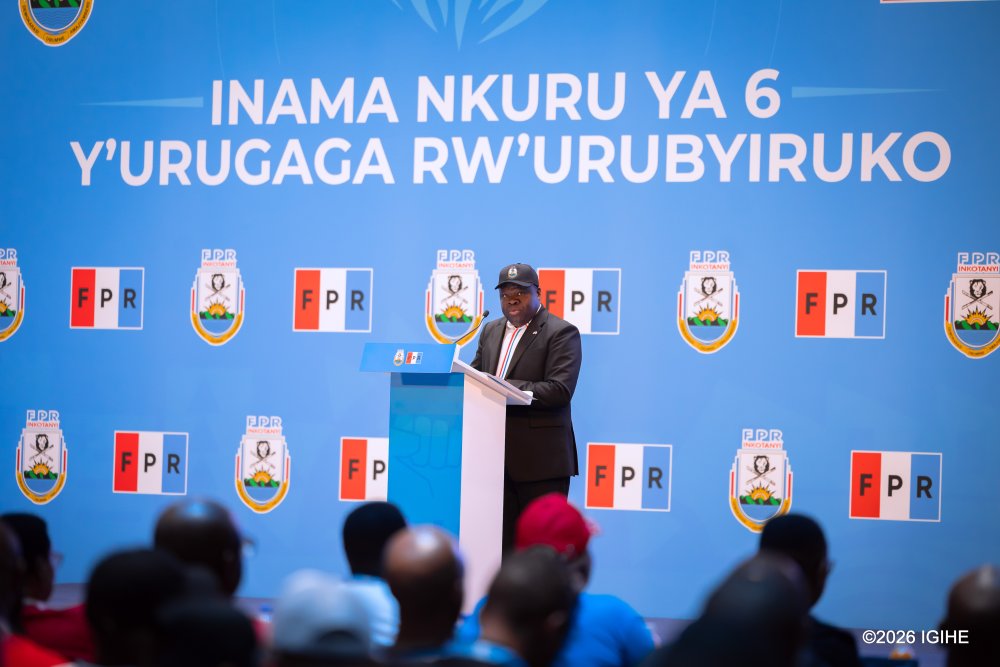
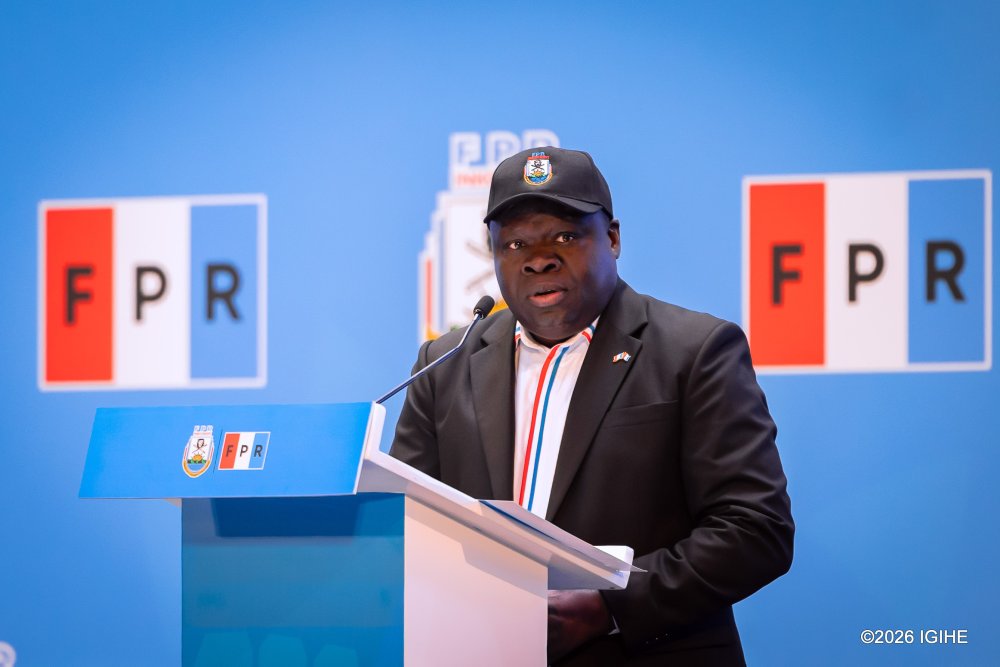
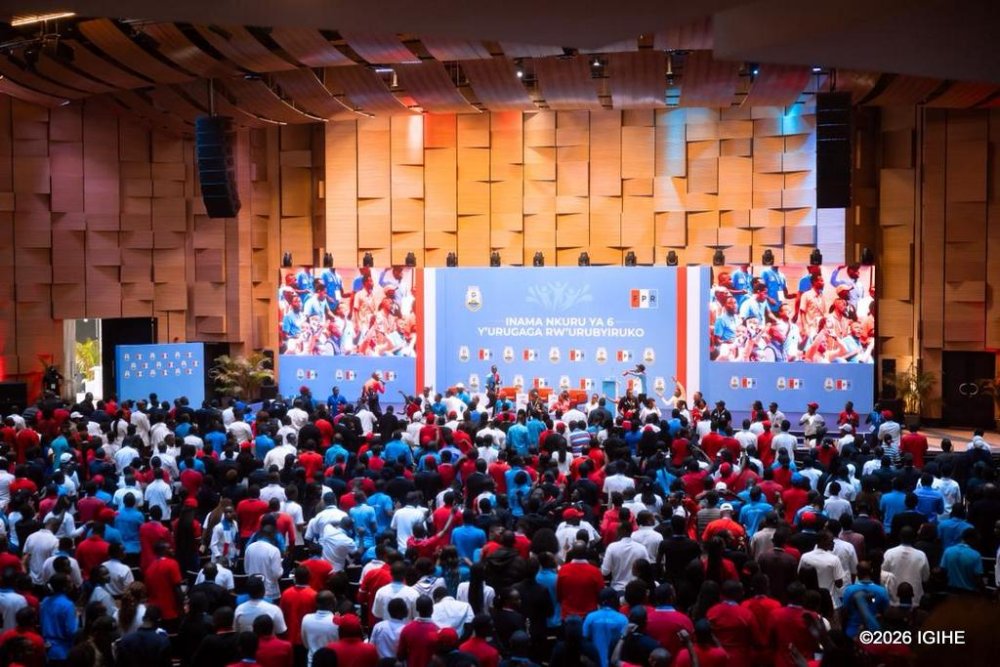
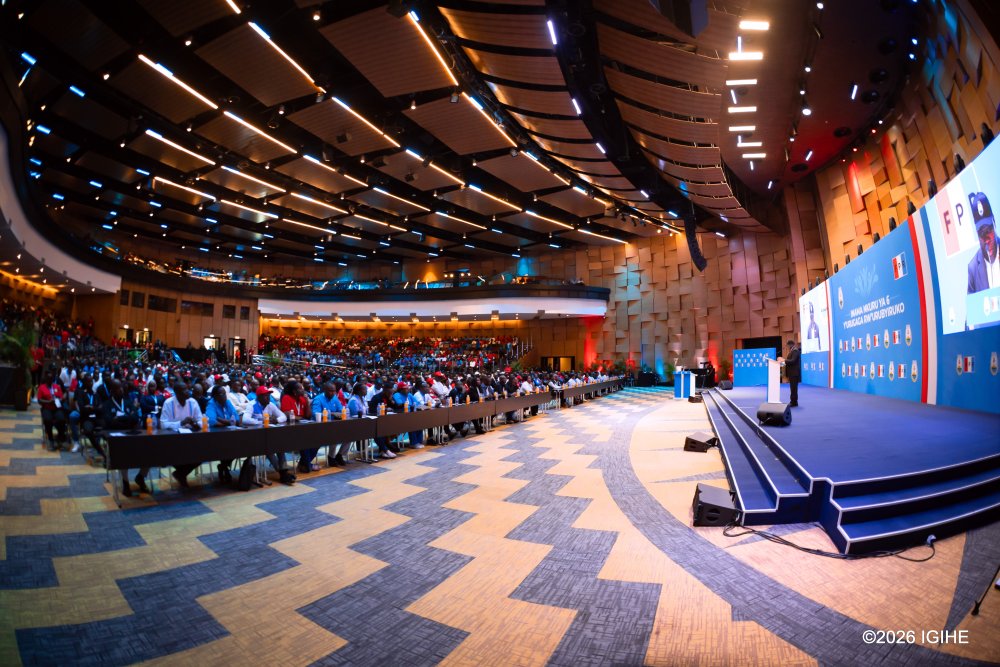
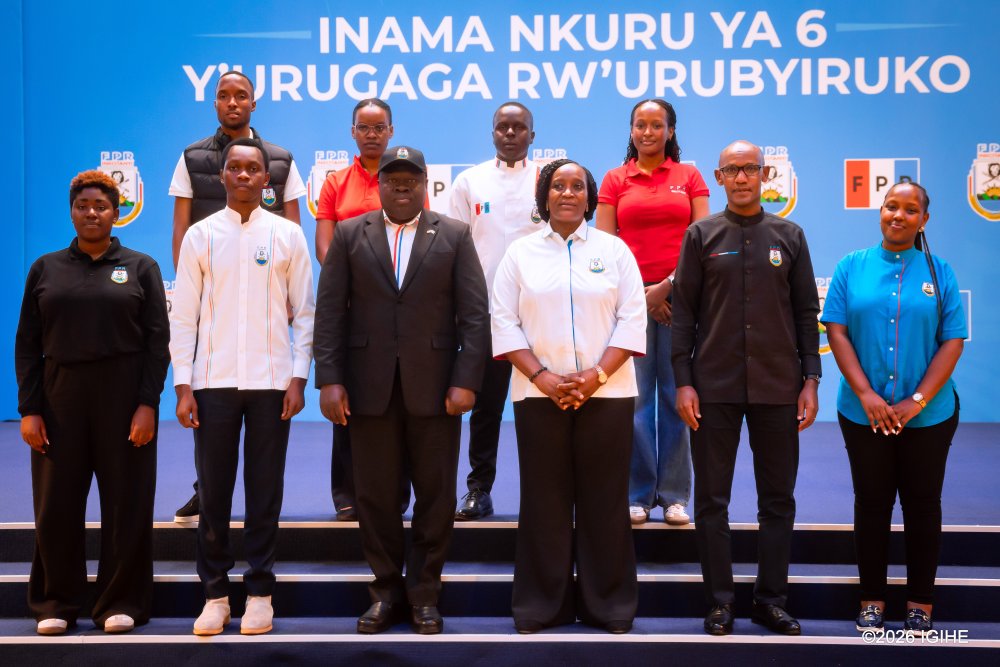
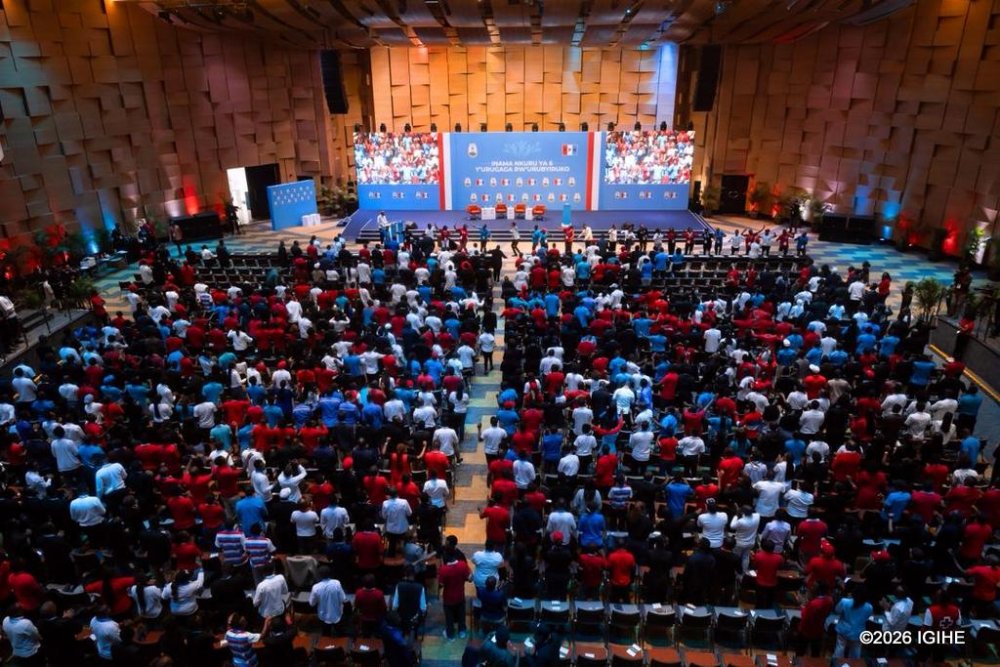
He made the remarks on Sunday, March 22, 2026, during the Sixth National Congress of the FPR-Inkotanyi Youth League, which also elected new leadership.
Amb. Bazivamo urged the youth to be guided by integrity, avoid the misuse of social media, reject hate speech and division, and consistently promote unity and national cohesion.
“FPR-Inkotanyi youth should stand out and be exemplary in all aspects by maintaining cleanliness, discipline, professionalism, and delivering quality service wherever you are. Be role models in your families, especially in your communities. Be exemplary in your work, in schools, and in leadership. Be youth who provide solutions wherever you are,” he said.
He emphasised the importance of responsible engagement on digital platforms, encouraging young people to promote truth and counter misinformation.
“On social media, where you interact, we ask you to be exemplary in promoting truth. Avoid harmful content, protect our country’s image, fight falsehoods and division, and use these platforms as a tool to build and develop Rwanda,” he added.
He further reminded the youth that they carry the responsibility of representing Rwanda both locally and internationally.
“Wherever you are, remember that you represent Rwanda. Your behaviour, speech, and actions should reflect integrity, good character, dedication, and patriotism.”
Amb. Bazivamo also commended the outgoing leadership for their dedication and commitment, noting that the newly elected committee is expected to build on those achievements with even greater effort.
“You are required to put in more effort than those before you to achieve even more and build on the strong foundation already laid. We expect you to drive rapid and sustainable development. As members of FPR-Inkotanyi, we are ready to support you in fulfilling your responsibilities,” he said.
He also highlighted the role of the party’s Chairman in prioritising youth in national development programs, noting that supporting his vision requires active participation and tangible results.
He encouraged the youth to work together, remain focused on development, and avoid negative behaviours that could hinder progress.
New leadership elected
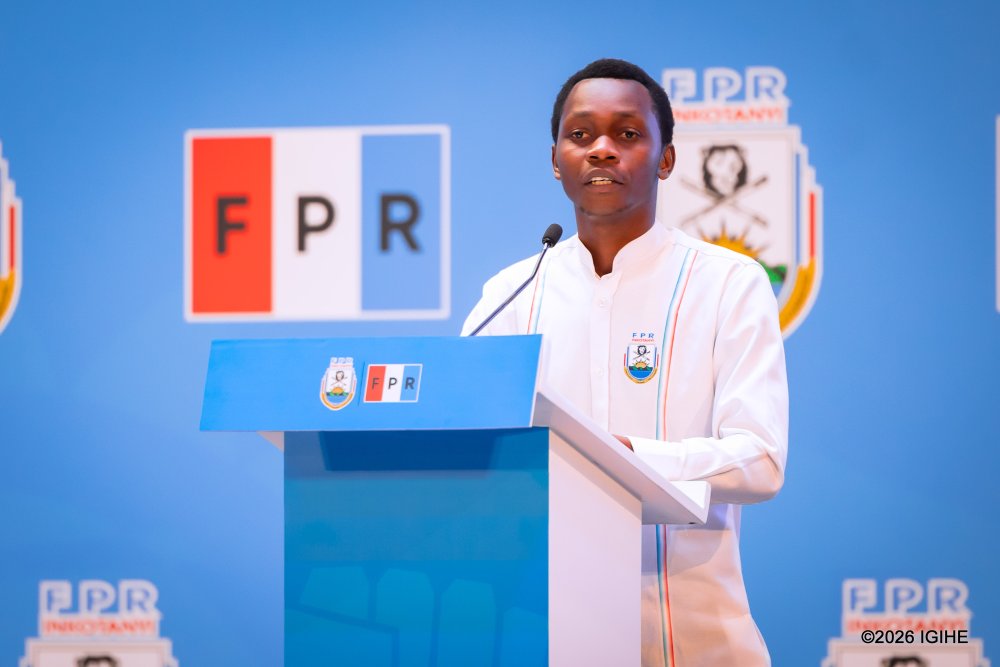
Mugisha Ernest was elected President of the FPR-Inkotanyi Youth League, with Rwagitare Nelly elected as Vice President. Kwizera Urindwa Esther was elected as Secretary General.
Other members of the executive committee include Nuru Mupenzi Israel, who will oversee good governance; Marie Valantine Niyodusingiza, who will be in charge of economic affairs; Icyoyishakiye, who will handle social affairs; and Kayiteshonga Kesly, who will be responsible for justice.
In his remarks, Mugisha Ernest pledged to strengthen youth participation in national development and safeguard the achievements made so far.
“We are committed to changing mindsets and acting as true winners. FPR-Inkotanyi is built on a winning spirit, and as youth, we are the future of our country. What has been achieved so far was made possible by our predecessors, but sustaining and building on these gains will require collective effort and unity of purpose,” he said.
Youth achievements highlighted
Over the past two years, of more than 700,000 jobs created, over 570,000, representing 81%, were filled by young people.
In addition, more than 3,700 youth-led projects have been supported with access to finance through various initiatives, including Youth Connekt, the TVET Youth Challenge, and ArtRwanda-Ubuhanzi.
These programs have been implemented across the country, with efforts ongoing to expand their reach.
The Youth League has also contributed to community development, including the construction of more than 1,300 houses for vulnerable families, establishment of kitchen gardens, sanitation facilities, and renovation of recreational infrastructure.
Youth members have also supported efforts to keep children in school and helped reintegrate dropouts into the education system.
Through the Ejo Heza long-term savings scheme, young people have collectively saved over Rwf 4.8 billion.
Furthermore, more than 2.6 million youth participated in campaigns against genocide ideology, while over 3.9 million engaged in the Intore program during school holidays.
The Secretary General of the FPR-Inkotanyi, Amb. Christophe Bazivamo, called on young people to uphold strong values, use social media responsibly, and play an active role in safeguarding Rwanda’s image and development.The national congress was held on Sunday, March 22, 2026.Mugisha Ernest was elected President of the FPR-Inkotanyi Youth League.The newly elected leaders of the FPR-Inkotanyi Youth League.
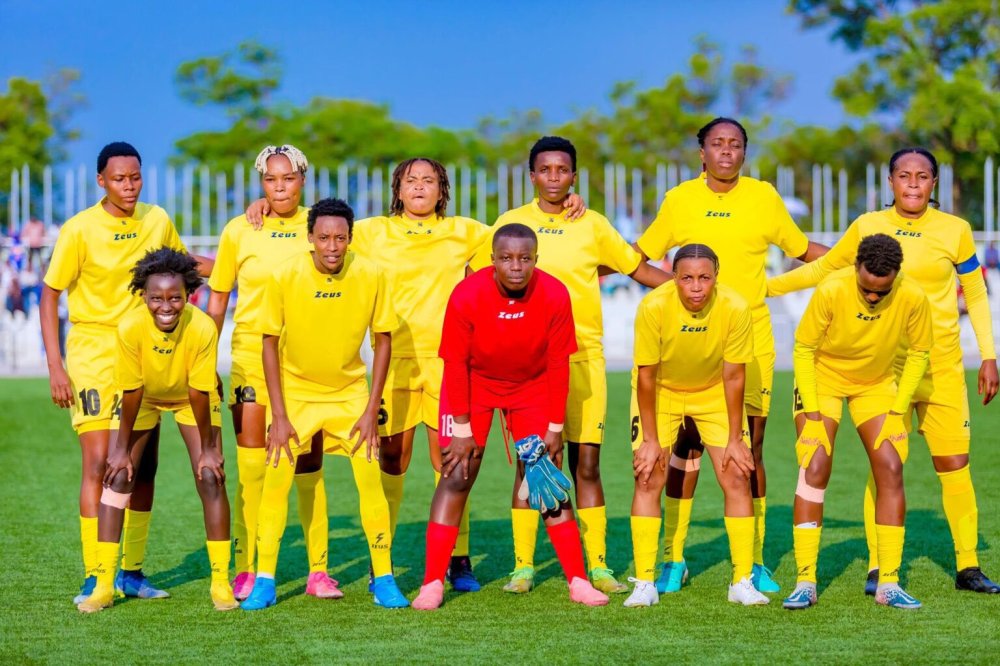
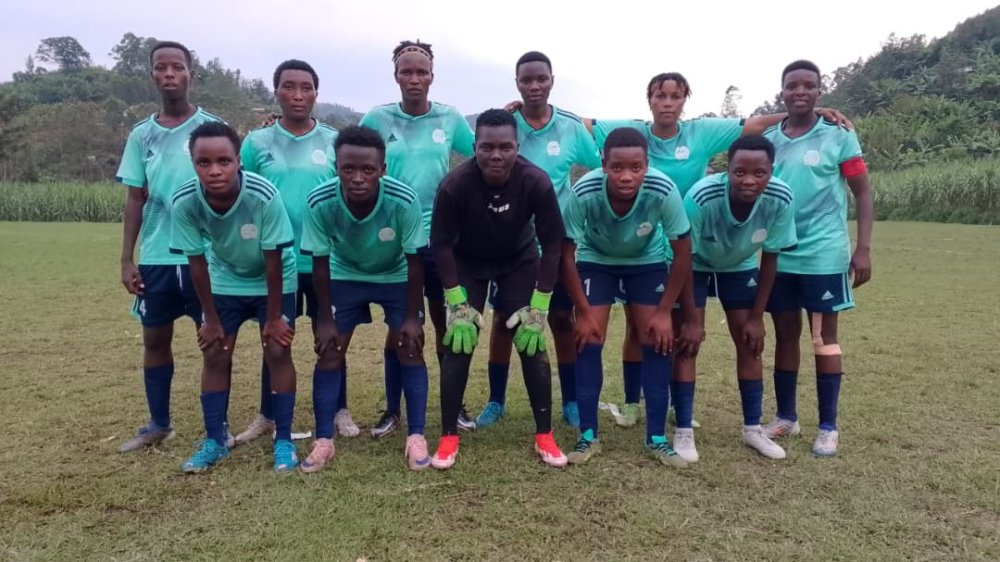
The City of Kigali–backed side saw its relegation effectively sealed with one match remaining in the 2025/26 FERWAFA Women’s Super League season, following a 1-1 draw with Inyemera WFC on Saturday, March 21, 2026, in a Matchday 21 fixture.
Inyemera WFC, which hosted the encounter, proved a difficult opponent, and the match ended level despite both teams creating opportunities. The result left AS Kigali WFC in 11th place with 13 points, four points behind Forever WFC, which sits 10th with 17 points.
AS Kigali WFC will be relegated alongside Nyagatare WFC, who lost 2-1 to Bugesera FC. The Nyagatare-based side has failed to register a single point this season and will go down regardless of the outcome of its remaining fixture against AS Kigali WFC.
AS Kigali WFC now features a squad largely composed of young players.
The 2025/26 campaign has been a challenging one for AS Kigali WFC, marked by significant squad changes and instability in the technical bench.
The season began with the return of Mukamusonera Théogènie as head coach, replacing Bizumuremyi Radjab, who had left to join Rutsiro FC in the men’s top division. However, coaching changes continued in February when Mukamusonera was replaced by his assistant, Mubumbyi Adolphe “Igor.”
Mubumbyi struggled to reverse the team’s fortunes, collecting just two points from five matches during his one-month spell in charge.
Despite its relegation, AS Kigali WFC leaves the top flight with a strong historical record. Over its 18-year stay in the first division, the club established itself as the most successful side in the league’s history, winning 12 league titles.
Twagirumukiza’s statements come as the DRC government has repeatedly downplayed the FDLR’s strength, arguing that the group consists mainly of elderly fighters and poses little threat.
Last month, Patrick Muyaya, spokesperson for the DRC government, denied any cooperation between his country and the FDLR. He told journalists that Rwanda should not continually cite the FDLR issue, as many of its members are now located in areas controlled by the AFC/M23, which often attribute regional instability to Rwanda.
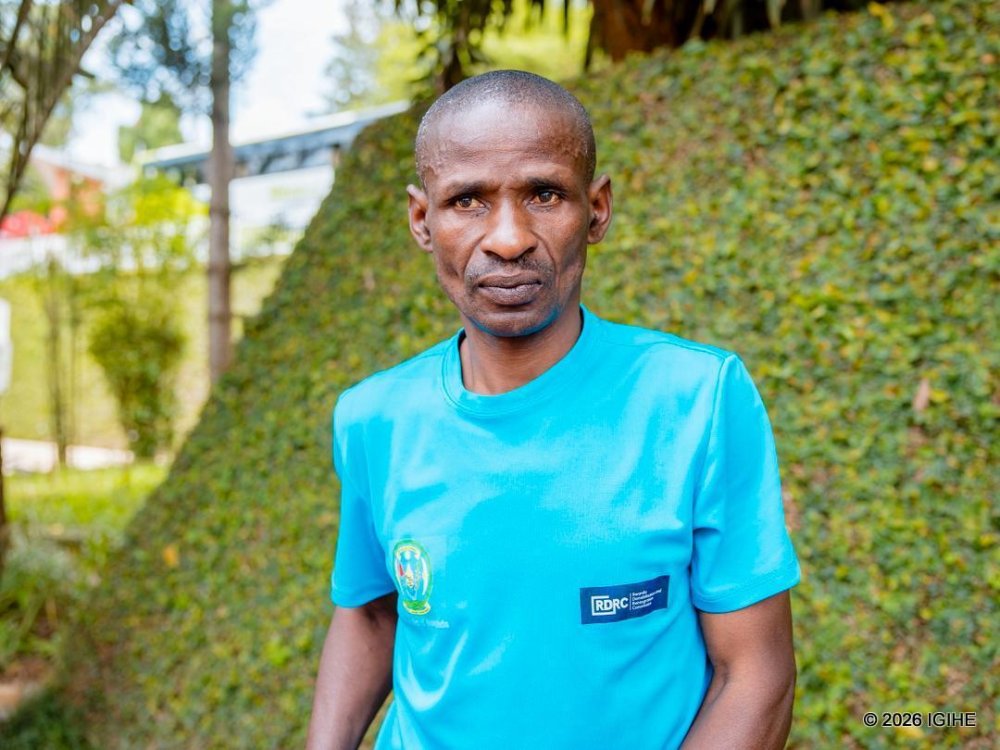
Twagirumukiza, however, challenges that view. He is currently completing reintegration training through the National Commission for Demobilisation and Reintegration (RDRC). On March 20, 2026, during a visit to the Kigali Genocide Memorial, he recounted his return to Rwanda in October 2025 after realising that the forests of the DRC, where he had lived for 31 years, offered no future prospects.
A native of Kigali, Twagirumukiza explained that during the 1994 Genocide against the Tutsi, he served in the former Rwandan Armed Forces (Ex-FAR) but fled to the DRC, like many others. In the Burungi camp in South Kivu, he underwent military training alongside both soldiers and civilians before joining the FDLR, which aimed to undermine Rwanda’s security.
He described the FDLR as a resilient organisation that continues to renew itself through recruitment, noting that many fighters are the children of former members.
“Those who claim the FDLR no longer exists are genocide deniers trying to weaken Rwanda,” he said. “The group has never disappeared. Even during my time in the DRC, we continued to train new soldiers, mostly young men. Today, they are still present, and the FDLR is reasserting itself.”
Twagirumukiza acknowledged that internal divisions have long affected the group. In 2016, a faction broke away to form a new group called CNRD. This group later merged into the MRCD alliance, led by Paul Rusesabagina, which included the military wing FLN. In 2018, the alliance carried out several attacks in Rwanda, killing nine civilians.
*Involvement in CNRD and FLN attacks*
He recounted that while he was part of the CNRD, he was not among those sent to carry out attacks. “I stayed behind, but we understood that people were killed in Rwanda,” he said.
Twagirumukiza left the forests in 2025 after realising that, aside from the promises of their leaders, continuing the fight would achieve nothing. He reflected on the group’s internal divisions and decided to return to Rwanda to rebuild his life.
“I left to find unity and help rebuild my country,” he said. “I urge others still in the group to go home. I will return and support rebuilding without harming anyone.”
Twagirumukiza also described the lasting impact of the 1994 Genocide against the Tutsi. “What happened cannot happen again. Witnessing the genocide’s horror firsthand motivates me to prevent anyone from trying to repeat it,” he said.
He noted that many older fighters in the DRC remain unwilling to settle down or pursue normal lives, focusing solely on armed struggle. He praised Rwanda for the progress it has made since 1994.
The insecurity in the region dates back to 1994, when the Ex-FAR and Interahamwe forces murdered more than a million people in the Genocide against the Tutsi and fled to Zaire (now DRC). These groups were allowed to establish camps near Rwanda in Goma and Bukavu, which soon became military bases.
There, they recruited new fighters, trained them, and launched attacks back into Rwanda. This coalition later evolved into FDLR.
Today, it is estimated that between 7,000 and 10,000 FDLR fighters remain in the DRC, harboured by the Kinshasa government and collaborating with government forces in the fight against the M23 rebel group.
Emmanuel Twagirumukiza, a former FDLR fighter, says the militia group remains entrenched, continues to recruit youth, and has not abandoned its longstanding plan to destabilise Rwanda.
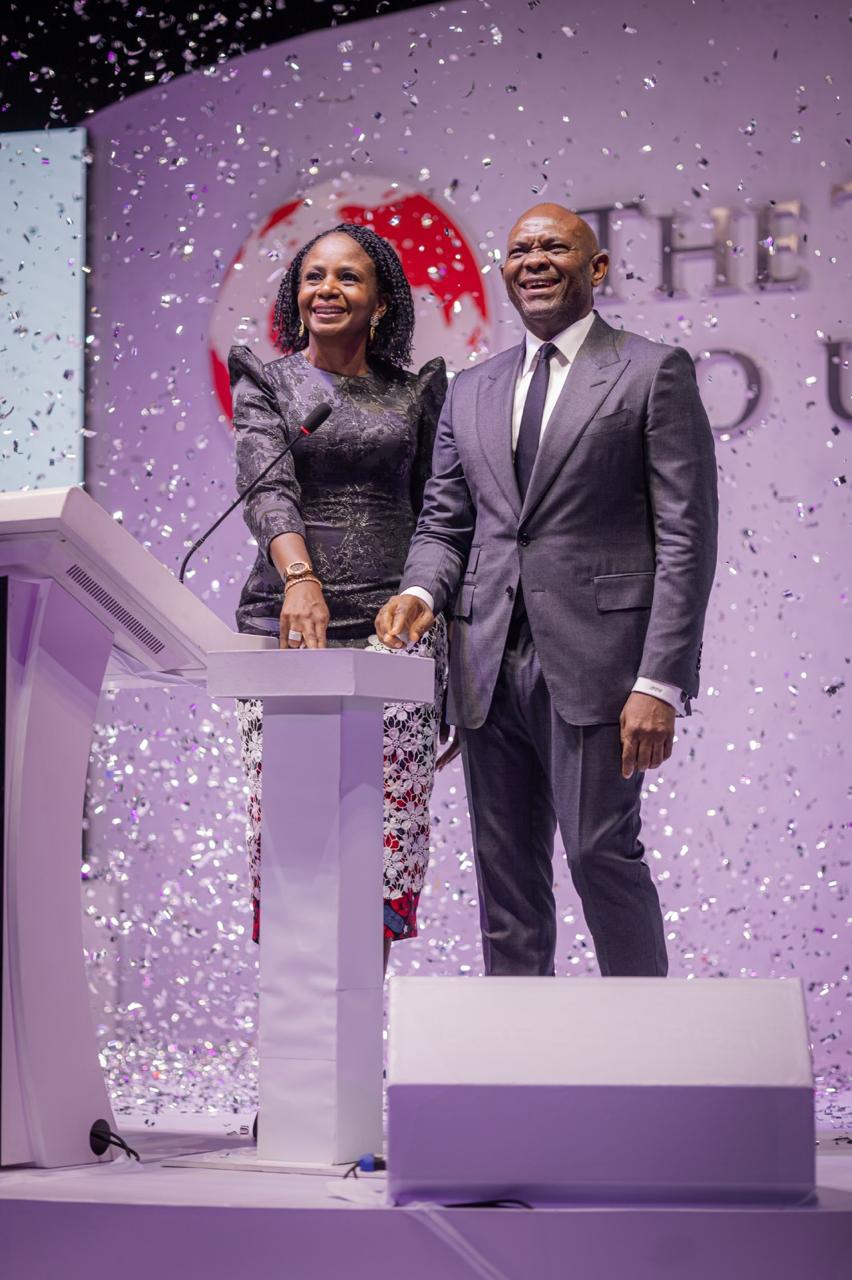
The upcoming announcement by the Tony Elumelu Foundation will mark the unveiling of the 12th cohort of its flagship programme, which continues to support early-stage entrepreneurs across Africa with funding, training, and mentorship.
According to the foundation, this year’s programme attracted more than 265,000 applications from all 54 African countries, underscoring the strong demand for startup financing and the growing interest in entrepreneurship across the continent. Applicants largely focused on key sectors including agriculture, artificial intelligence, healthcare, and the green economy.
Under the 2026 cohort, a total of 3,200 entrepreneurs are expected to benefit through various TEF programmes implemented in partnership with global and regional organisations. These include collaborations with institutions such as the European Commission, OACPS, BMZ, GIZ, DEG, the IKEA Foundation, UNICEF’s Generation Unlimited, the Dutch Government, as well as the United Nations Development Programme and the Rwandan Ministry of Youth and Arts.
The upcoming announcement by the Tony Elumelu Foundation will mark the unveiling of the 12th cohort of its flagship programme
Each selected entrepreneur is expected to receive $5,000 (approximately 7 million Rwandan francs) in non-refundable seed capital, along with access to business management training through TEFConnect, personalised mentorship, and entry into a continental network of entrepreneurs, investors, and partners.
The selection process is independently conducted by Ernst & Young, ensuring a rigorous evaluation of applicants ahead of the final cohort reveal.
In Rwanda, the 100 entrepreneurs set to benefit from the 2026 cohort, will join a growing group of beneficiaries under TEF-supported initiatives. According to programme data, 300 young Rwandans have benefited from TEF-backed entrepreneurship support to date, receiving funding, training, and mentorship to launch and scale their businesses.
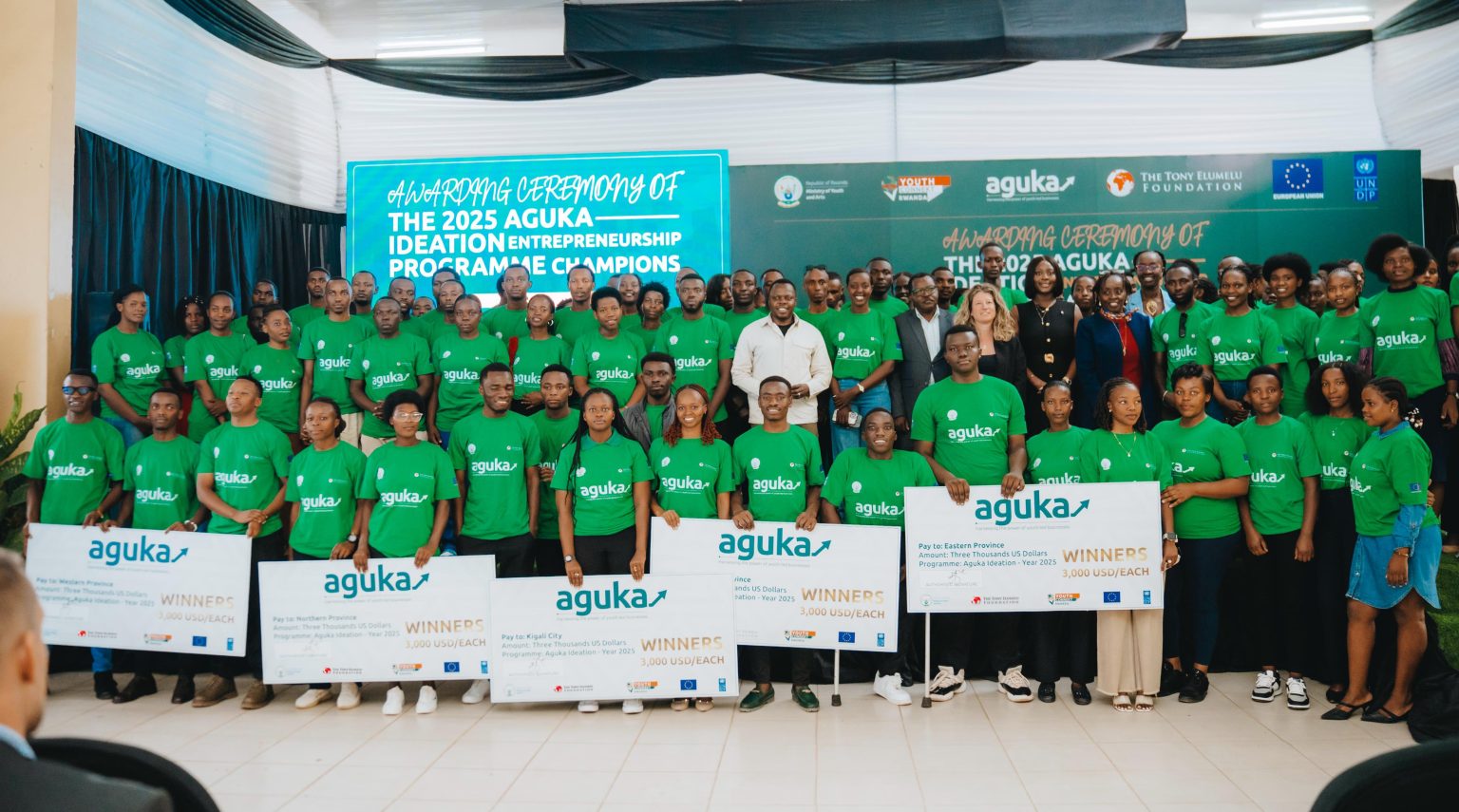
The Rwandan entrepreneurs have benefitted through the Aguka Ideation Entrepreneurship Programme, a partnership involving TEF, UNDP, the European Union, and the Ministry of Youth and Arts, now in its fourth edition. The programme focuses on supporting Rwandan youth to develop ventures in sectors aligned with national development priorities, including technology, agriculture, health, education, and renewable energy.
Applications for the 2026 Aguka cohort opened on November 1, 2025, and closed on January 11, 2026.
Among past beneficiaries, several Rwandan entrepreneurs have already launched impactful ventures. Naomi Iradukunda, founder of Ira EcoSolutions, developed biodegradable packaging using banana fibres, helping reduce plastic waste while creating jobs for women in Musanze District. Jean Bosco Hirwa, through AgriSmart Rwanda, introduced solar-powered irrigation systems for smallholder farmers, contributing to improved agricultural productivity and food security. Meanwhile, Keza Umutoni expanded her Kigali-based startup Tech4Teens, a digital literacy initiative that has trained more than 500 secondary school students in coding and digital skills.
Across Africa, TEF continues to position entrepreneurship as a key driver of economic transformation. Since its inception, the Foundation has empowered over 2.5 million young Africans through its TEFConnect platform, disbursed more than $100 million in seed capital, and supported over 24,000 entrepreneurs who have collectively created millions of jobs and generated billions in revenue.
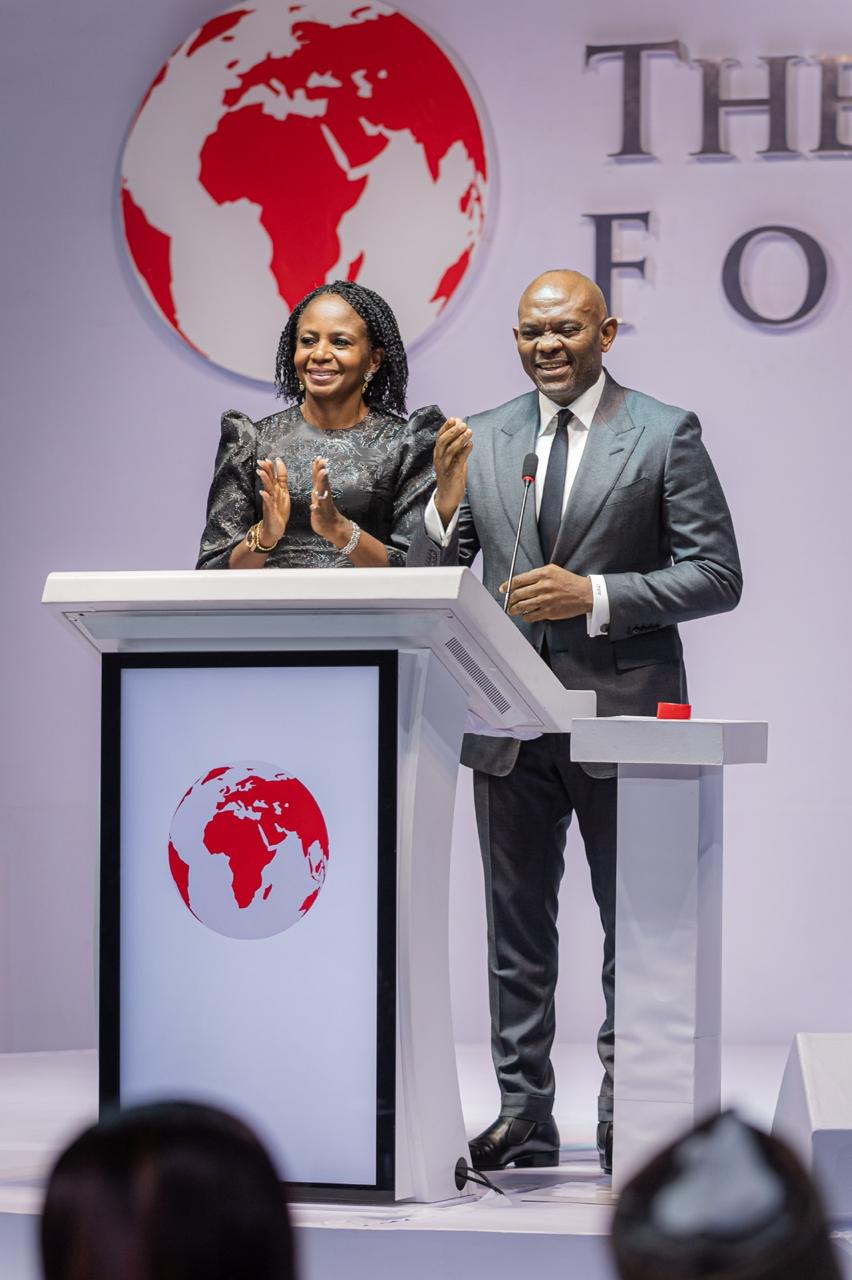
TEF Founder Tony O. Elumelu has reiterated the Foundation’s commitment to supporting young entrepreneurs.
Speaking ahead of the announcement, TEF Founder Tony O. Elumelu reiterated the Foundation’s commitment to supporting young entrepreneurs, noting that empowering business creators remains central to Africa’s long-term economic growth.
“The future of Africa will be built by Africans who create businesses, generate jobs and solve the challenges of our continent. At the Tony Elumelu Foundation, we believe that empowering entrepreneurs is the most sustainable path to Africa’s economic transformation,” Elumelu said, adding, “I look forward to announcing and congratulating the 2026 cohort and witnessing the impact they will create across the continent.”
According to programme data, 300 young Rwandans have benefited from TEF-backed entrepreneurship support to date, receiving funding, training, and mentorship to launch and scale their businesses.
According to Lawrence Kanyuka, spokesperson for AFC/M23, the attacks occurred on the night of March 21–22, 2026, targeting densely populated areas, including the villages of Gakenke and Kalingi, as well as the centre of Minembwe.
“These indiscriminate attacks have caused deaths, triggered massive displacement, and inflicted significant destruction on local communities,” Kanyuka said in an official update on Sunday. “They mark a serious escalation aimed at annihilating entire communities.”
The AFC/M23 called on the Congolese people to bear witness to what it described as systematic, deliberate, and openly committed attacks against civilians, which have taken place in full view of all, while the international community remains silent.
The group emphasised that the continued targeting of civilian populations represents an intolerable situation requiring urgent attention.
Repeated ceasefire violations and ongoing hostilities have hampered efforts to stabilise the region, despite multiple declared ceasefires.
Lawrence Kanyuka, spokesperson for AFC/M23, said the attacks occurred on the night of March 21–22, 2026, targeting densely populated areas, including the villages of Gakenke and Kalingi, as well as the centre of Minembwe.
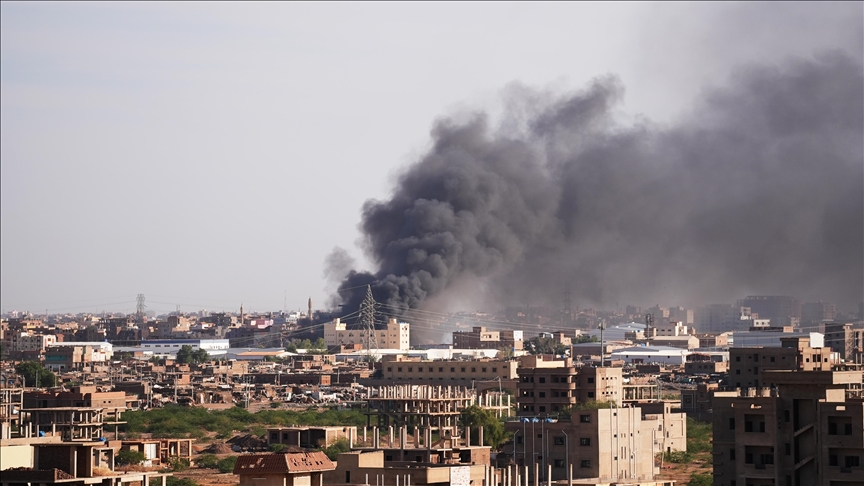
The paramilitary Rapid Support Forces (RSF) said the strike on Friday evening also injured 113 people, completely destroyed the upper floor of the hospital’s emergency department, and caused extensive damage to the hospital’s infrastructure and medical equipment, adding that a number of victims remain trapped under the rubble as search and rescue operations continue.
The RSF called the strike a “blatant violation of international humanitarian law,” urging an independent international investigation to hold those responsible accountable.
Meanwhile, Mohamed Idris Khater, head of the civil administration in East Darfur, put the injuries at more than 90, and noted that most of the victims were women and children.
He said the strike, which completely destroyed the hospital’s emergency department, was a “direct targeting of a vital civilian institution.”
In a post on social media platform X, the UN Office for the Coordination of Humanitarian Affairs in Sudan said it is “appalled” by the strike, and stressed the need to protect civilians and healthcare workers.
The Sudanese Armed Forces (SAF) has not immediately commented on statements accusing it of launching the strike.
The SAF and RSF have been at war since April 2023. The conflict has killed tens of thousands of people and displaced millions inside Sudan and across the region. East Darfur, including its capital Al-Daein, has been under the control of the RSF since the early months of the conflict.
More than 60 people, including 12 children, were killed in a drone strike on Al-Daein Teaching Hospital in East Darfur, western Sudan, local and UN sources said.