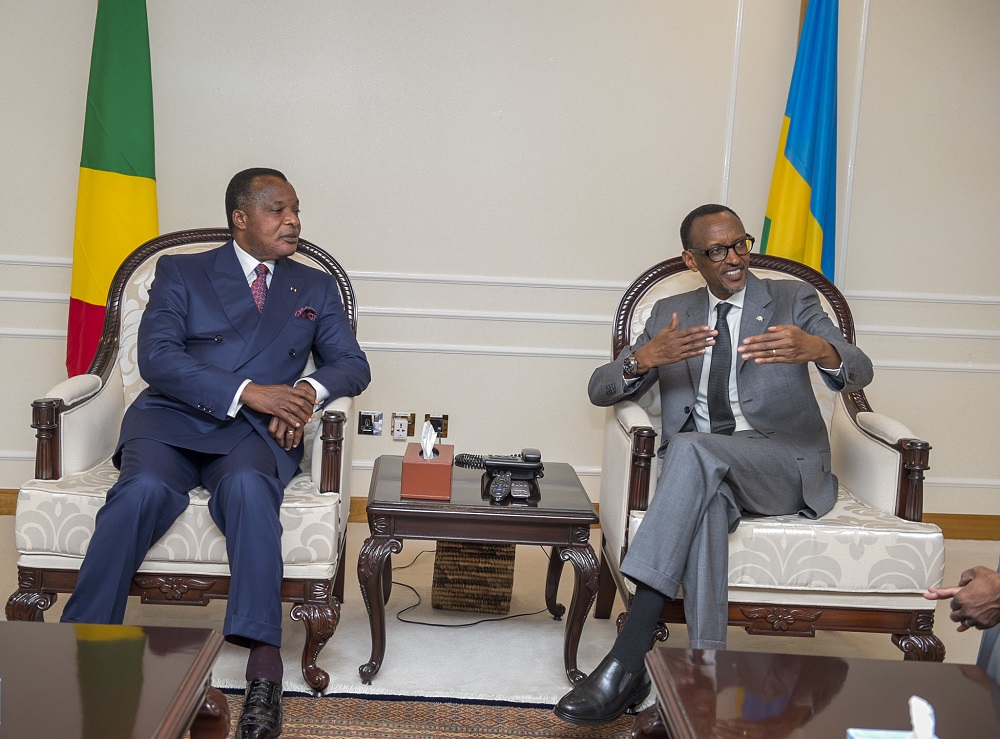
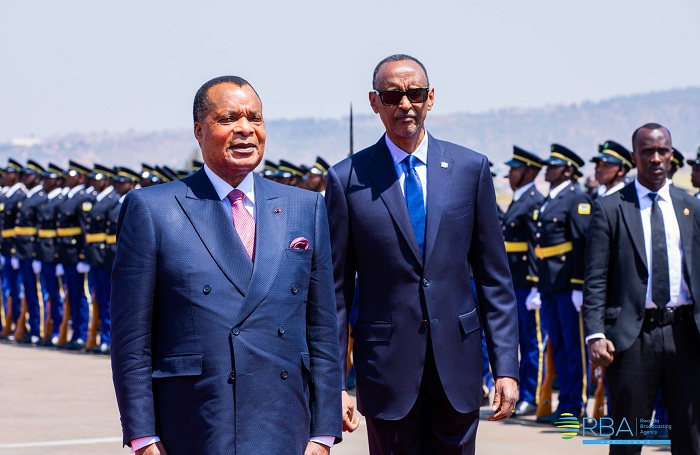
In a message shared on X, Kagame said he looks forward to the continuation of strong bilateral relations and close cooperation with the Republic of the Congo.
“Rwanda welcomes the strong quality of our bilateral relations and looks forward to continuing close cooperation in support of our shared priorities and the prosperity of our peoples,” President Kagame said on Friday.
Sassou Nguesso, 82, secured a fifth term after winning 94.82 percent of the vote in Sunday’s presidential election, according to the Interior Ministry. Out of 3,167,909 registered voters, turnout reached 84.64 percent, reflecting strong participation in the electoral process.
Seven candidates contested the election. Uphrem Dave Mafoula finished a distant second with about 1.03 percent of the vote. Other contenders included Joseph Kignoumbi Kia Mboungou, Anguios Nganguia Engambe, and first-time candidates Vivien Romain Manangou, Destin Gavet, and Mabio Mavoungou Zinga.
Under the country’s electoral framework, the president is elected through direct voting, with a two-round system applied if no candidate achieves a majority in the first round.
Rwanda and the Republic of the Congo have maintained a longstanding partnership marked by cooperation across multiple sectors, including diplomacy, trade, and security. In August 2016, Rwanda opened its embassy in Brazzaville, further strengthening diplomatic engagement.
The two countries signed a series of agreements in 2011 covering trade, air transport, tourism promotion, energy, security, environmental protection, and fisheries. Air connectivity has also been reinforced, with RwandAir operating flights between Kigali and Brazzaville since that year.
Cooperation expanded further in November 2021, when both nations signed agreements on military collaboration, higher education, land management, sustainable development, and trade promotion. Additional deals focused on environmental protection and expanding air transport links.
In the same year, Rwanda’s Housing Authority and Congo-Brazzaville’s SOPRIM entered into a partnership to promote housing development and the construction of affordable, modern homes.
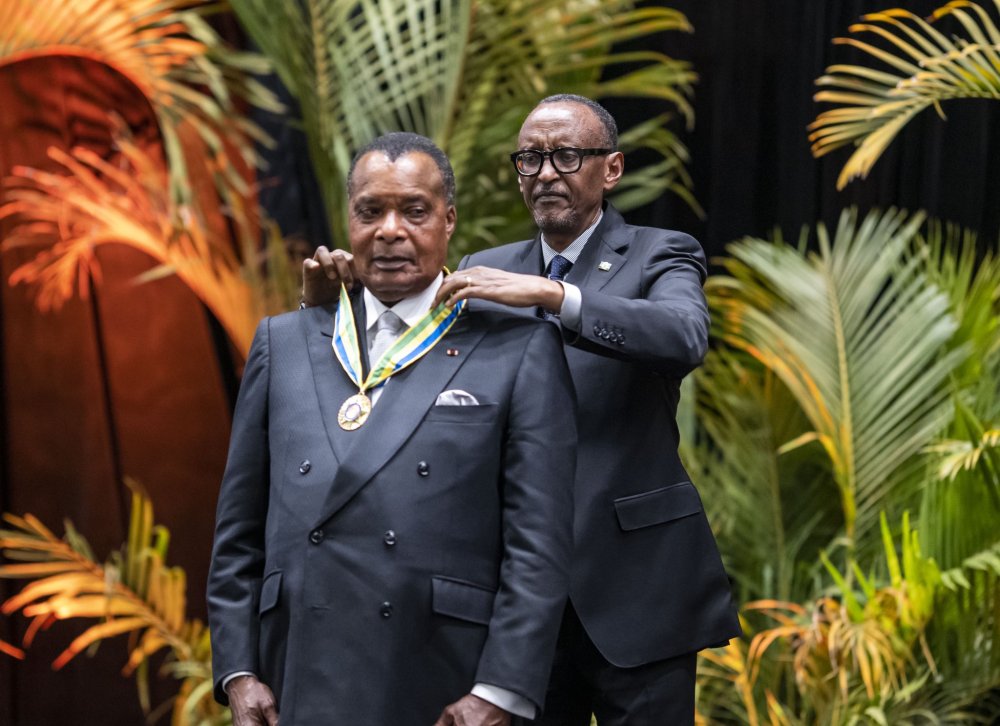
Relations between the two leaders have remained cordial over the years. During a visit to Rwanda in 2023, Sassou Nguesso was awarded the Agaciro Medal by President Kagame in recognition of his contribution to Africa’s development.
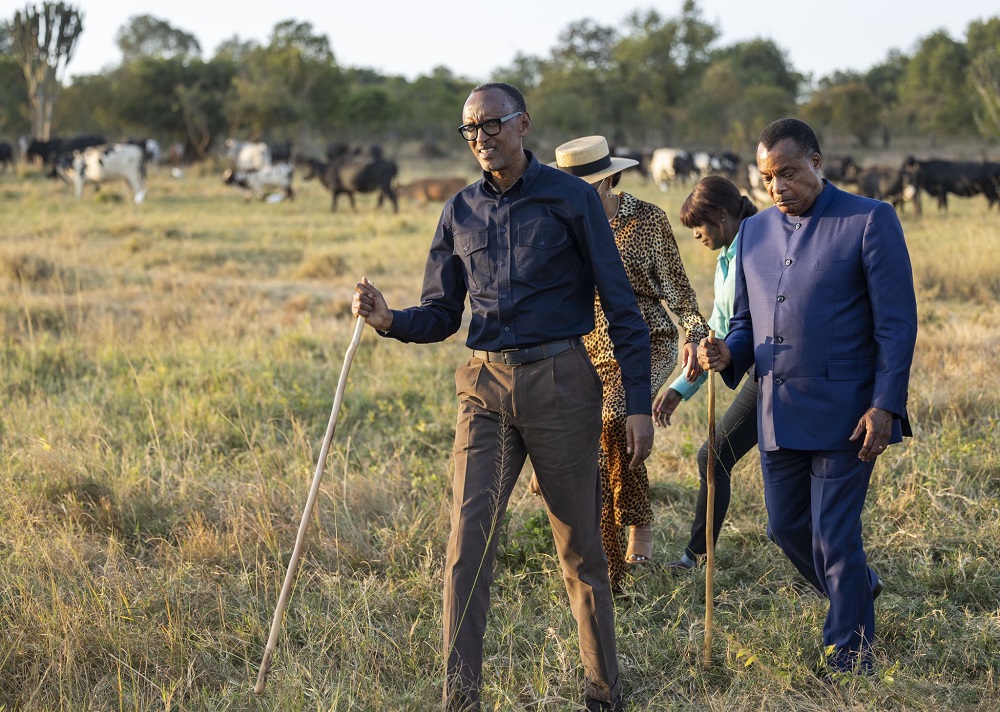
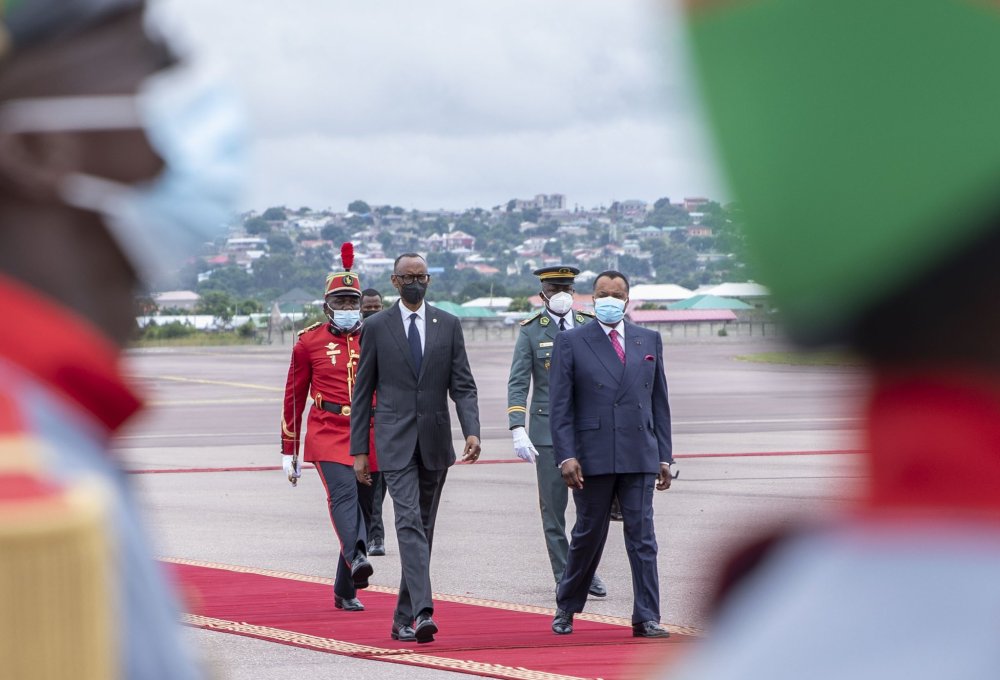
In 2023, President Kagame gifted cows to Denis Sassou Nguesso in a gesture of friendship and respect.President Kagame upon his arrival in Brazzaville, Republic of the Congo, in 2022. President Kagame during his third visit to Congo-Brazzaville in 2013.President Kagame praised the relations between Rwanda and the Republic of the Congo (Congo-Brazzaville). During a visit to Rwanda in 2023, Sassou Nguesso was awarded the Agaciro Medal by President Kagame in recognition of his contribution to Africa’s development.
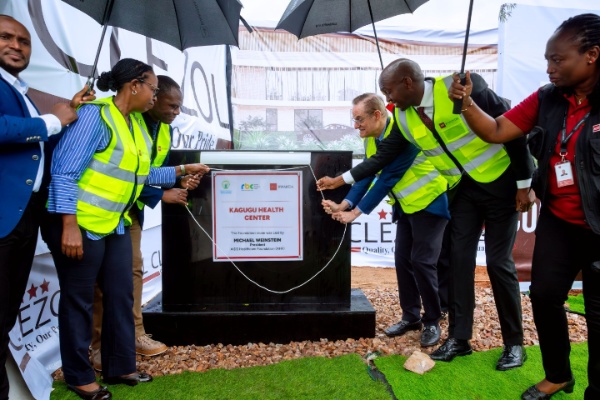
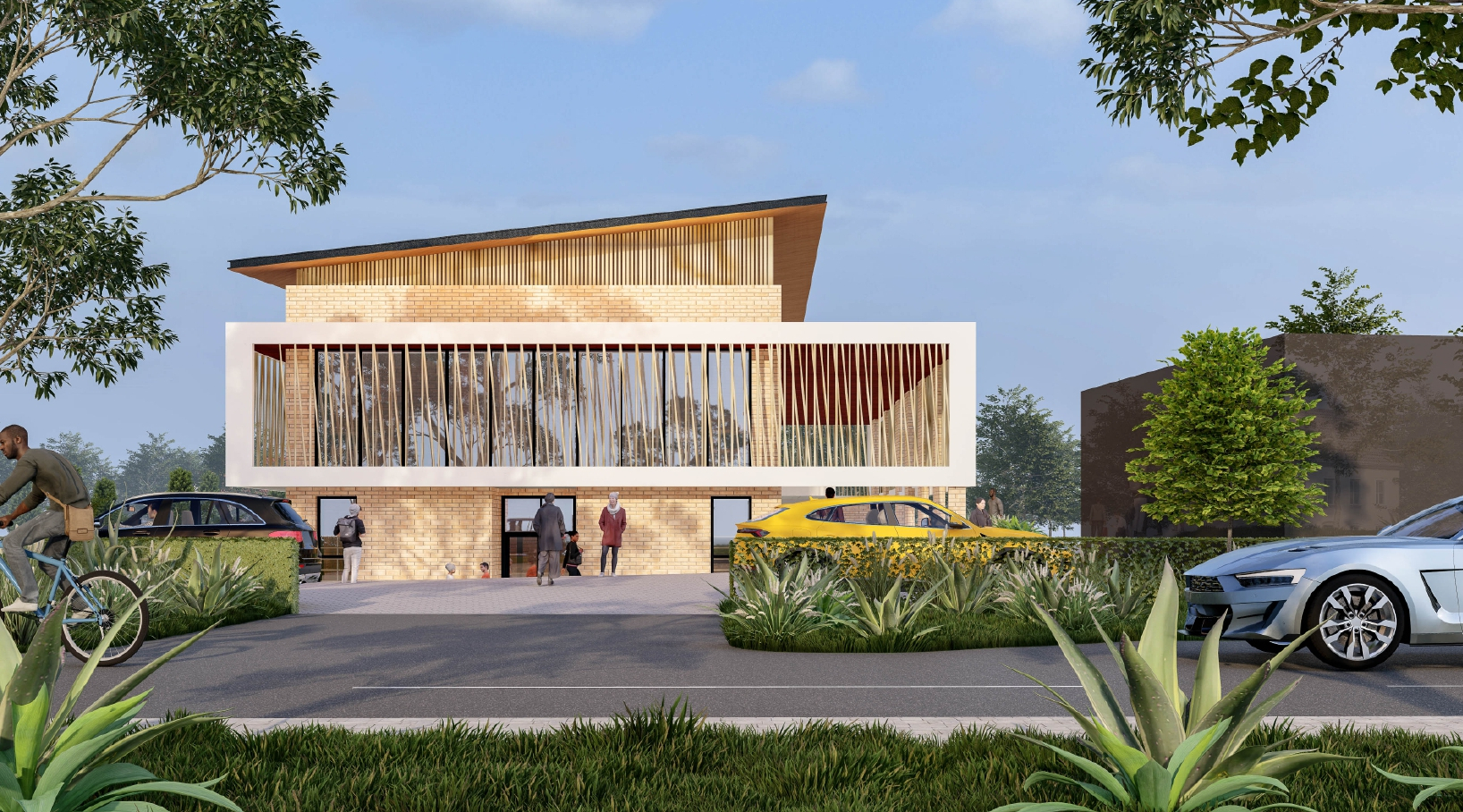
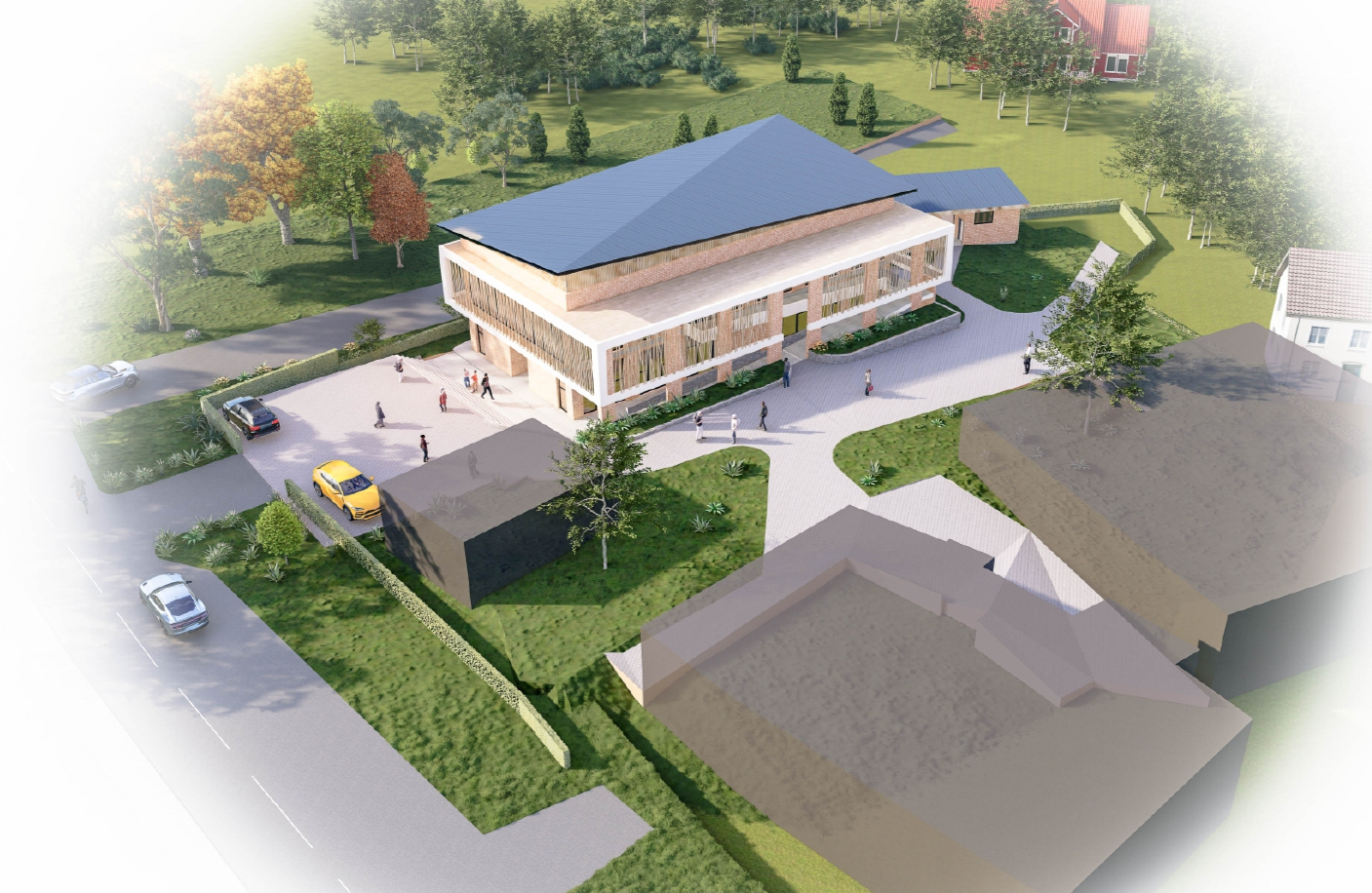
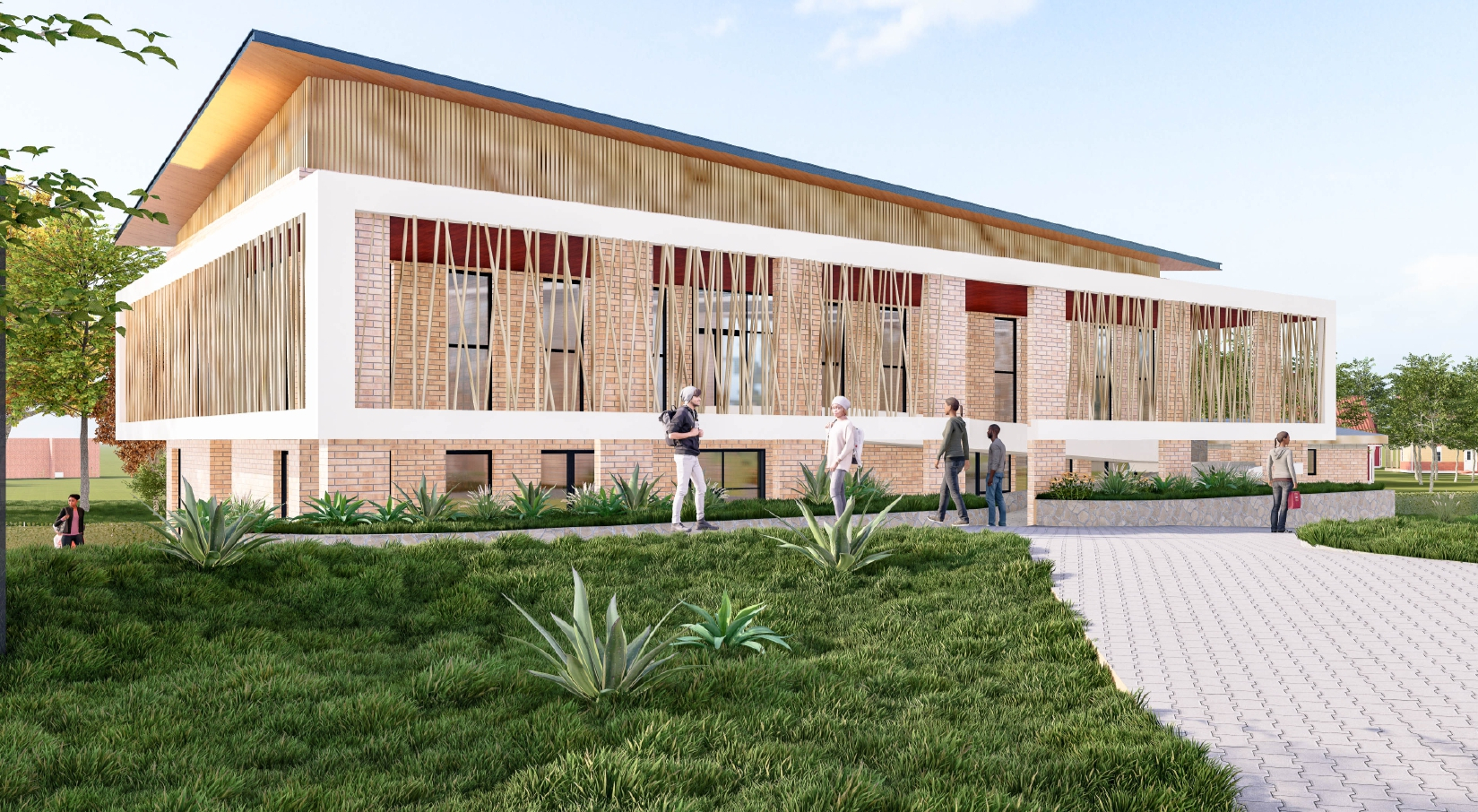
Construction of the two-storey building valued at Rwf 678 million is progressing, with partners laying a symbolic foundation stone on Wednesday, March 18, 2026, in a ceremony attended by senior government officials and development partners.
The project is expected to transform the existing facility into a modern, one-stop health centre offering integrated and client-centred services, particularly in HIV prevention, care, and treatment, as well as broader primary healthcare.
Artistic impression of the new modern facility, estimated to cost Rwf 678 million.
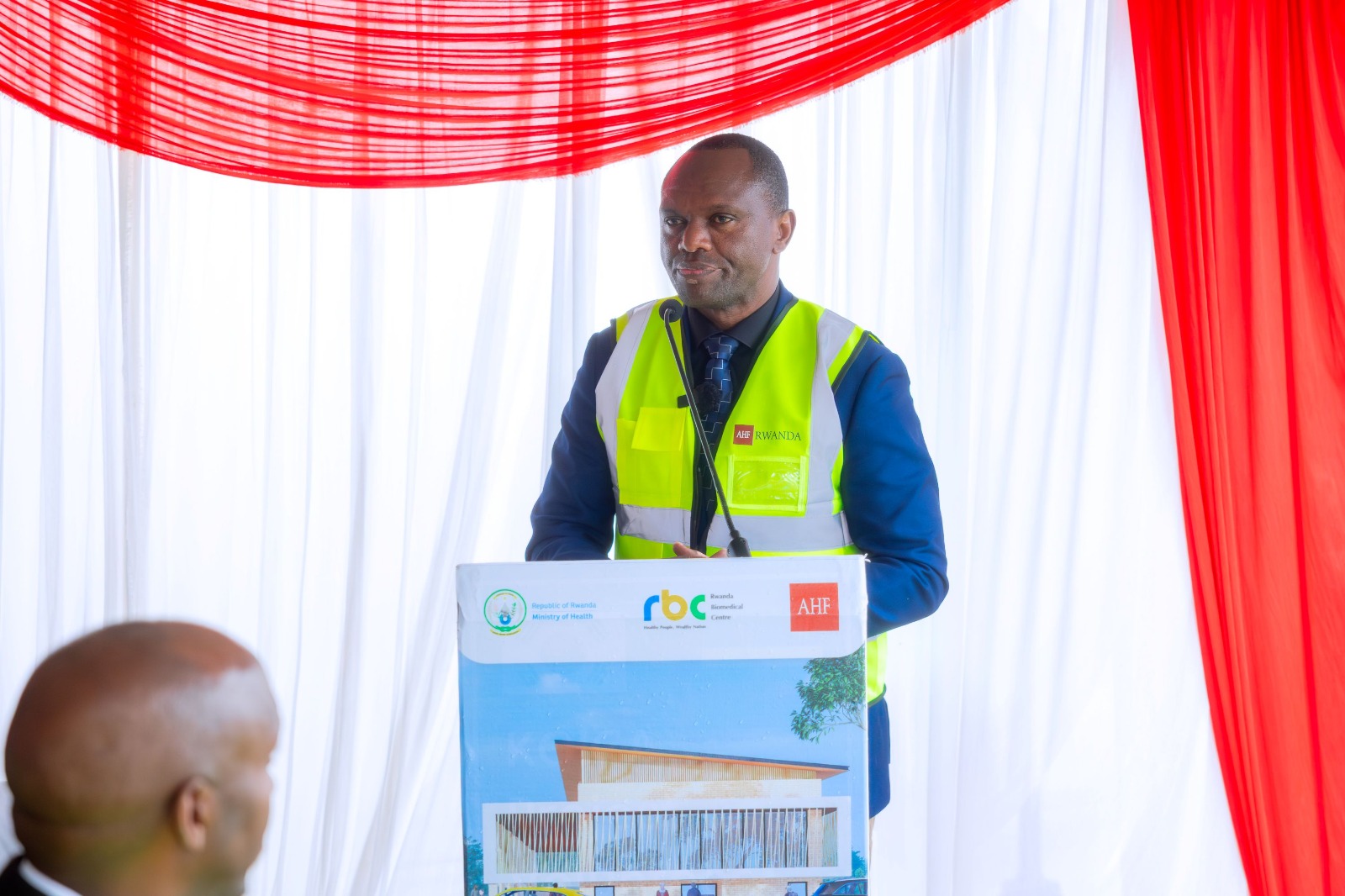
Speaking at the event, Dr. Lambert Rangira, AHF Rwanda Country Program Manager, said the expansion reflects a strong partnership between the Government of Rwanda and development partners aimed at strengthening the country’s health system.
“This project demonstrates what can be achieved when institutions work together toward a common goal, which is improving access to quality healthcare for all,” he said.
He also requested a collective commitment from all stakeholders to ensure that this investment translates into measurable impact for the Rwandan communities it will serve.
He emphasised that the new facility will go beyond infrastructure, delivering tangible benefits such as reduced waiting times, improved confidentiality, enhanced patient experience, and better health outcomes.
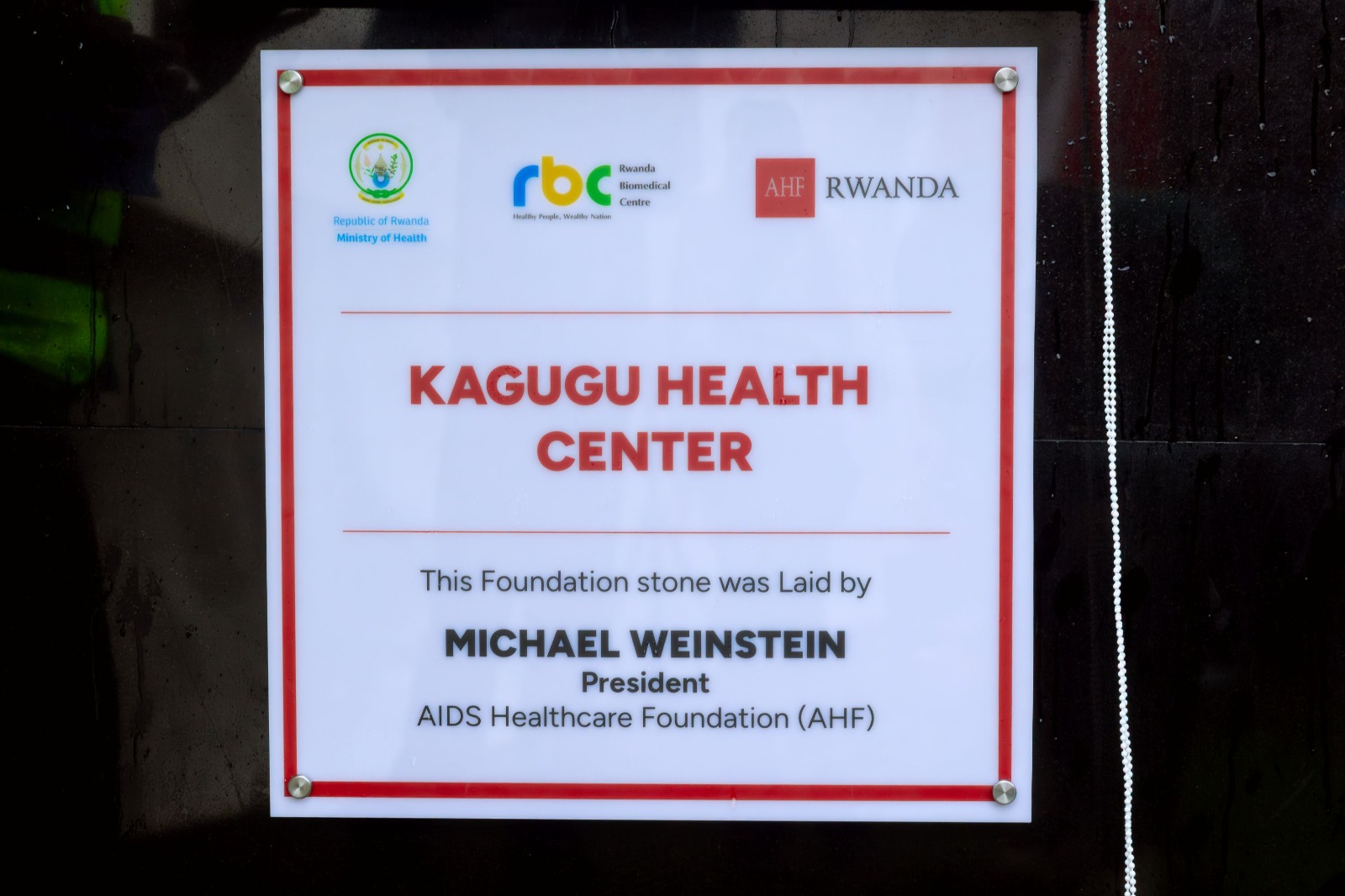
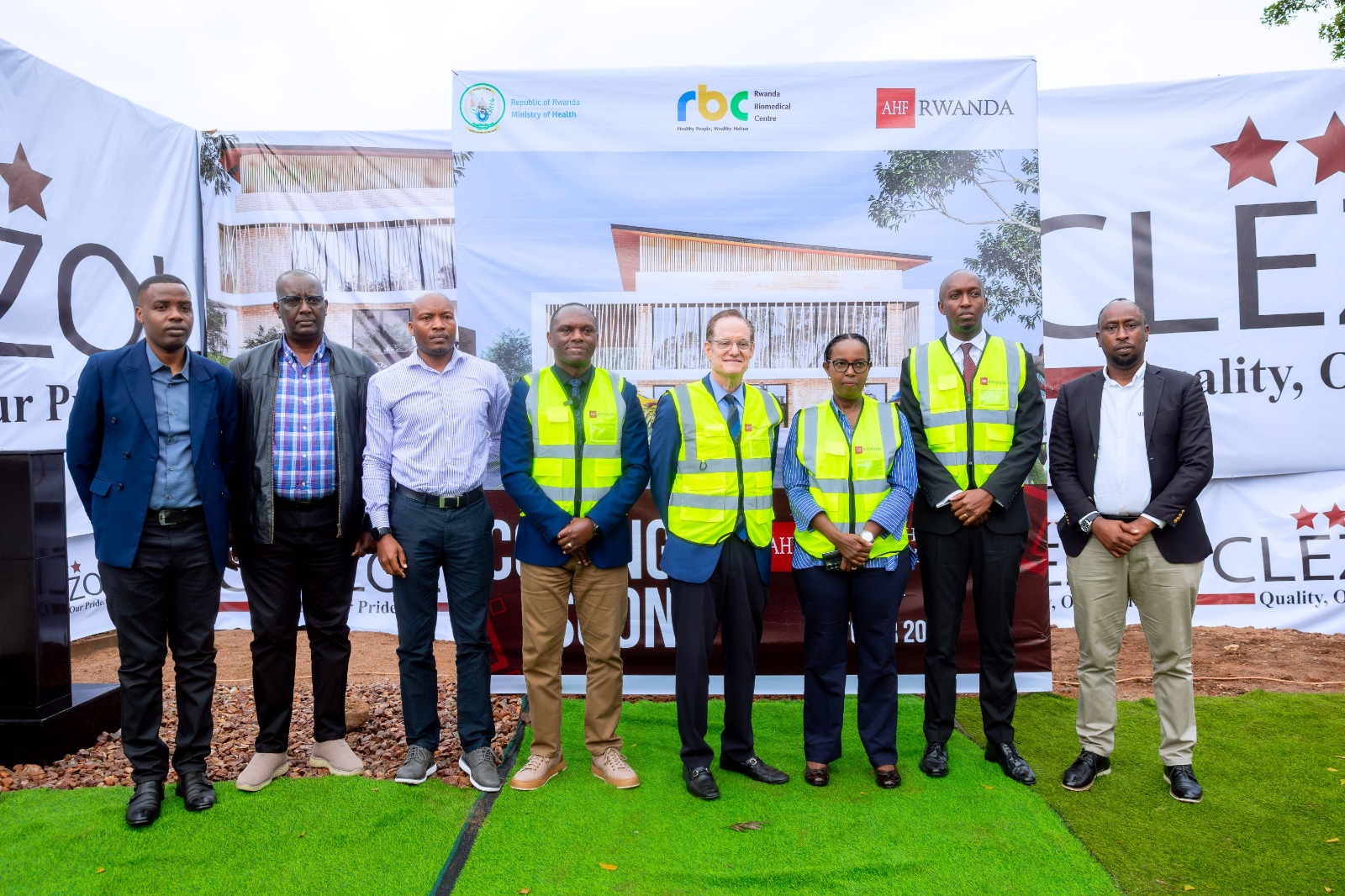
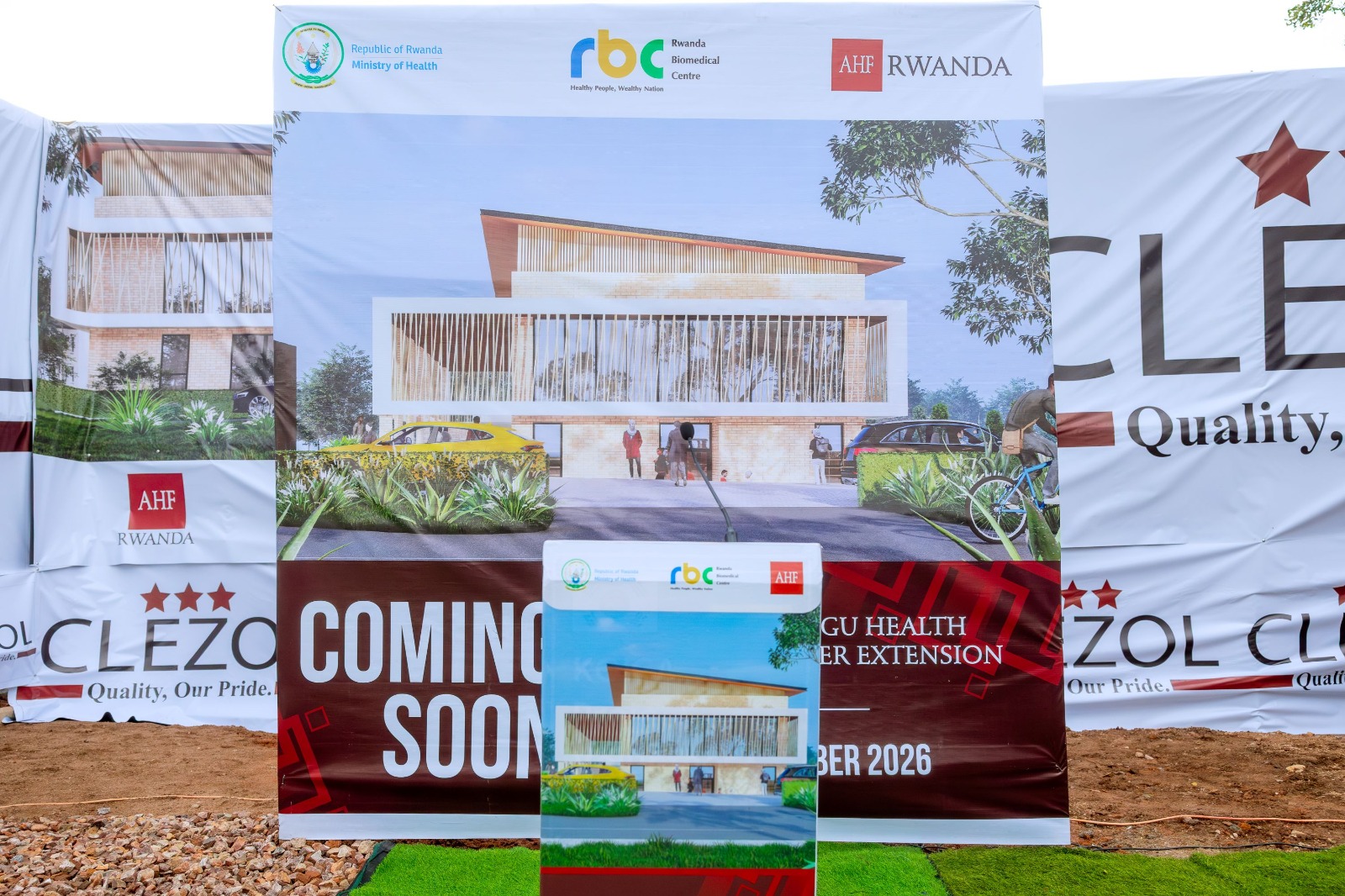
A symbolic foundation stone was laid at the site of the new facility on Wednesday, March 18, 2026.
The project is progressing well and is currently 38% complete, with full completion scheduled for October this year.
The expansion comes as AHF Rwanda continues to scale up its operations. Since launching in 2006, the organisation has grown from supporting just a few facilities to working in 11 districts. What began with three health facilities in Gasabo, Kicukiro, and Nyabihu districts with 850 patients in 2026 has expanded significantly over the past two decades. Today, AHF Rwanda supports 38 health facilities across 11 districts, collectively serving more than 47,200 people living with HIV.
The Kagugu Health Center expansion is also part of AHF Rwanda’s broader growth strategy. This year, the program plans to expand services to 24 additional sites, bringing care to an estimated 11,000 more clients across five new districts. By the end of the year, AHF Rwanda aims to reach 62 health facilities across 16 districts.
Aerial view of the new building. The project is expected to be completed by October 2026.
Founder and President of AIDS Healthcare Foundation Michael Weinstein, who was visiting Rwanda for the first time, commended the country’s coordinated approach to healthcare delivery, particularly in the fight against HIV.
“Rwanda has been a global leader in HIV response by ensuring that all partners work within one system,” he said. “Facilities like this need to be expanded to meet demand, and what we are seeing here is the essence of partnership.”
At the local level, the expansion is expected to address longstanding challenges at Kagugu Health Centre, which currently serves a population of over 100,000 people.
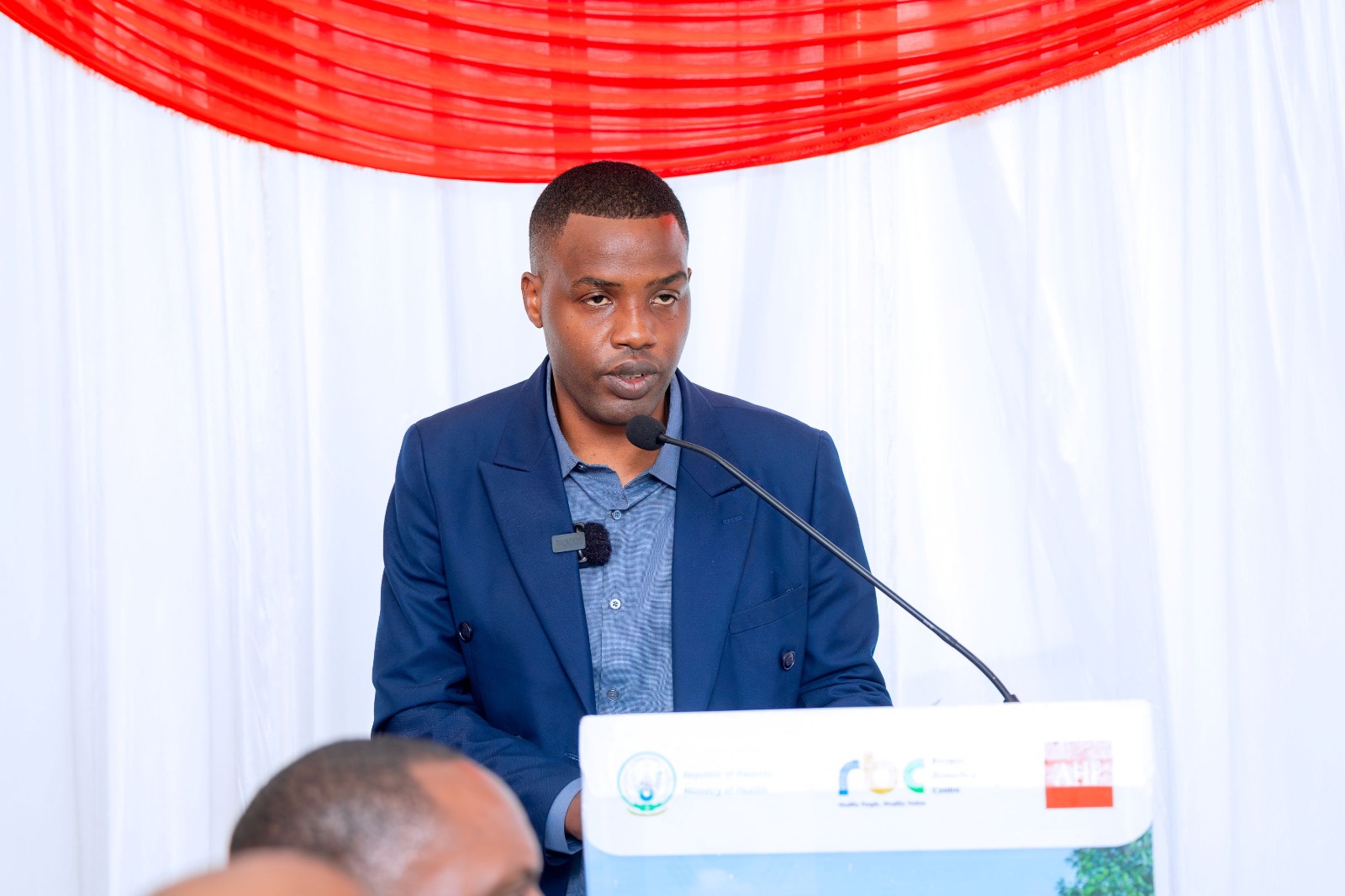
According to the facility’s head, Dogo Trésor, limited space has constrained service delivery despite growing demand.
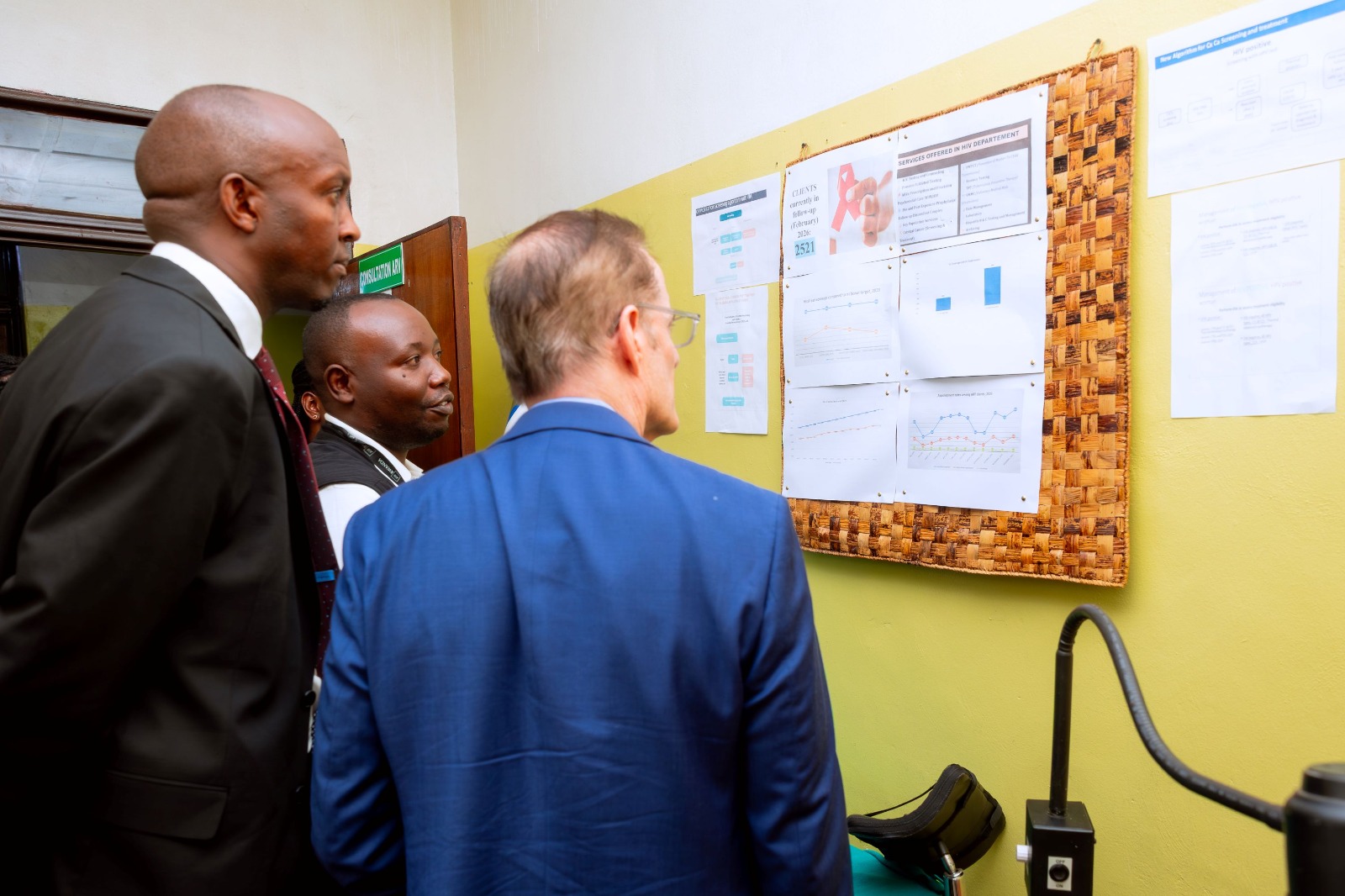
“We follow up nearly 3,000 HIV patients, with more than 2,500 active clients, and currently record over 40 new HIV cases each month. The current infrastructure is not enough,” he said, adding that the expansion will allow for improved working conditions and the recruitment of additional staff.
Front view of the modern hospital under construction at Kagugu Health Center.
Kigali City authorities also welcomed the project as a key contribution to urban health development. Urujeni Martine, Vice Mayor in charge of Socio-Economic Affairs, noted that the investment aligns with Kigali’s broader goal of ensuring residents have timely access to quality healthcare.
“This facility will play a critical role in improving the well-being of our citizens and supporting sustainable development,” she said.
From the national perspective, the Ministry of Health highlighted the project’s alignment with Rwanda’s priorities, including modernising health infrastructure and improving service delivery.
Representing the Ministry, Dr. Oreste Tuganeyezu said the expansion would significantly enhance the quality of care provided at the facility.
“This project contributes directly to improving healthcare quality and supporting health workers, while also strengthening services for people living with HIV,” he said, adding that AHF’s support has been instrumental in expanding access to care and supporting vulnerable populations by covering their Community-Based Health Insurance (Mutuelle de Santé) contributions.
Dr. Oreste also noted that the project aligns with Rwanda’s broader health sector goals, including the plan to quadruple the number of health professionals between 2025 and 2029, which will further improve service delivery and reduce the workload on existing staff.
Once completed, the upgraded facility will offer a wide range of services under one roof, including HIV testing and counselling, laboratory services, pharmacy, maternal and child health services, non-communicable disease screening, and dedicated youth-friendly spaces.
AHF, which has a presence in more than 50 countries across Africa, the Americas, the Asia/Pacific region, and Europe, has been operating in Rwanda for the last 20 years and offers a comprehensive range of services, including HIV testing, care and treatment, prevention programs including Condom education and distribution, and integrated non-communicable disease (NCD) services, advocacy initiatives, and provision of supplemental personnel and monthly operational funding to all supported sites.
With robust testing models and strong community outreach, AHF Rwanda ensures services reach hard-to-access areas. The organisation partners with community-based organisations (CBOs) for mobilisation, education, and referrals, while also advocating for policy changes to benefit people living with HIV (PLHIV). To date, it has distributed more than 3 million condoms through its strategically located condom kiosks and dispensers across the city.
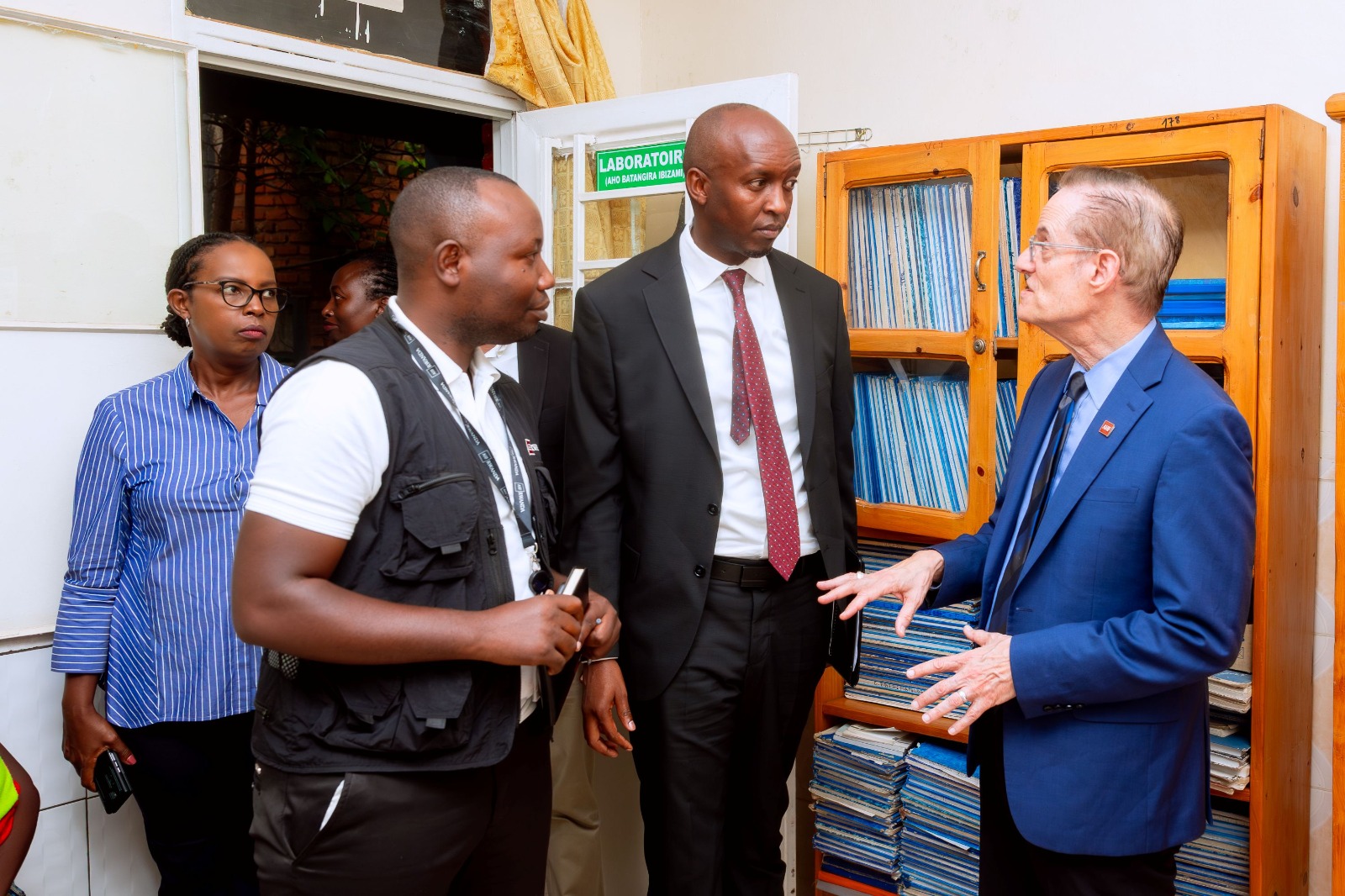
Founder and President of the AIDS Healthcare Foundation, Michael Weinstein, led other partners to lay a foundation stone for the new health facility under construction on Wednesday, March 18, 2026.The two-story building is 38% complete.Founder and President of the AIDS Healthcare Foundation, Michael Weinstein, during a tour of the Kagugu Health Center on Wednesday.Michael Weinstein, founder and president of the AIDS Healthcare Foundation, was given a tour of the hospital operations.Kagugu Health Center head, Dogo Trésor, said the expansion will provide much-needed relief to the hospital amid rising demand from the local community.Representing the Ministry, Dr. Oreste Tuganeyezu said the expansion would significantly enhance the quality of care provided at the facility.
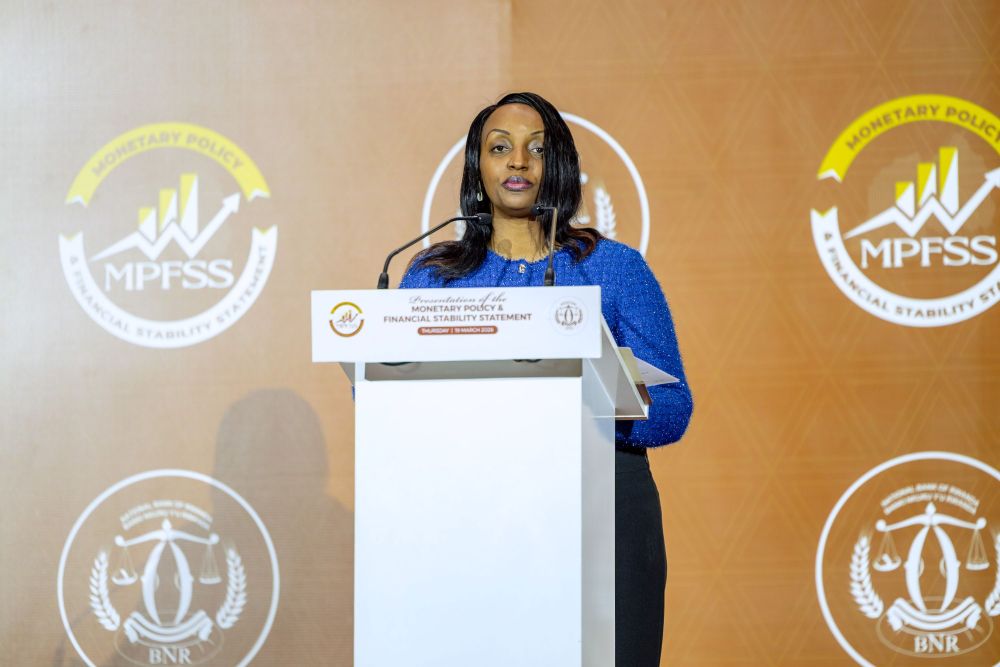
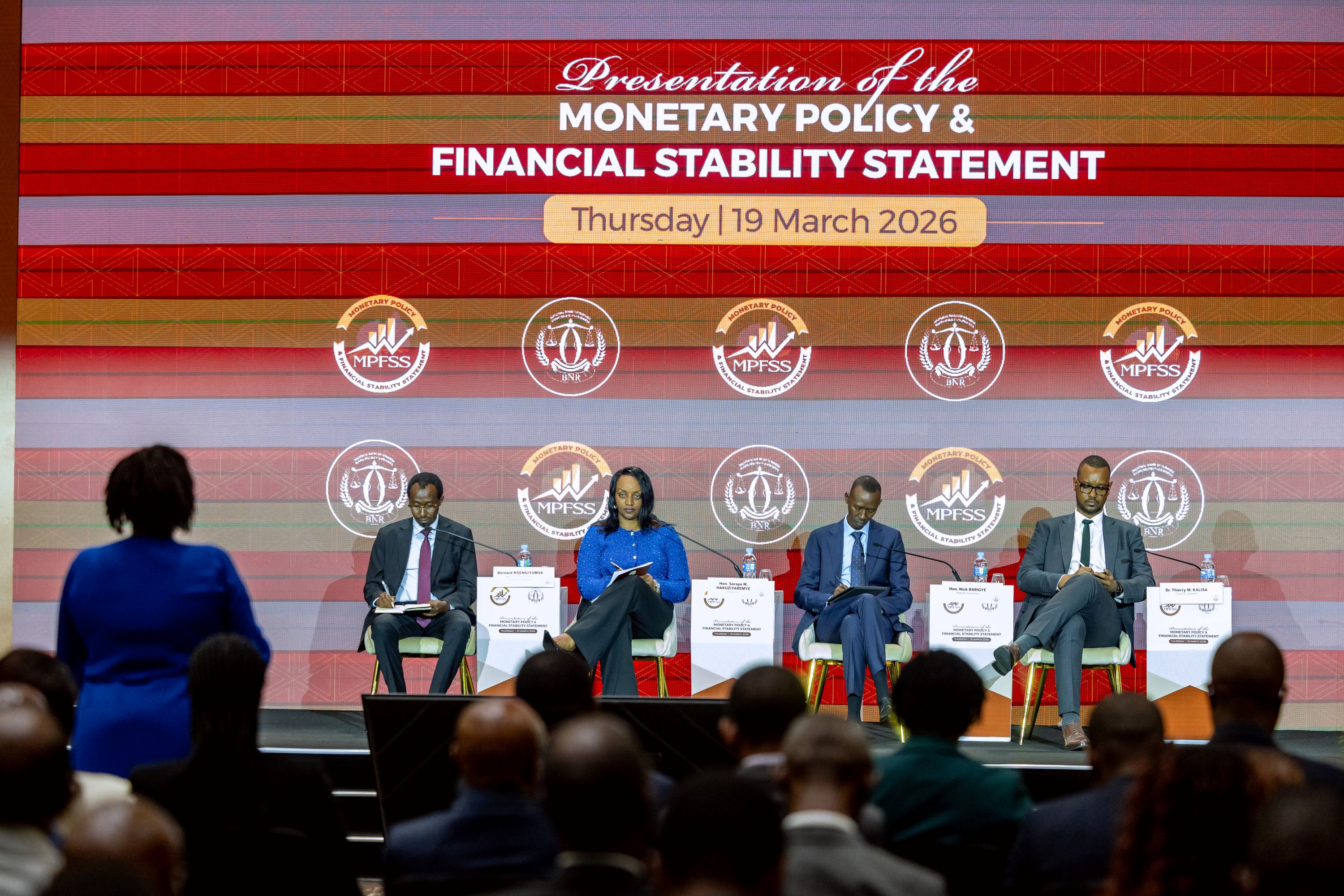
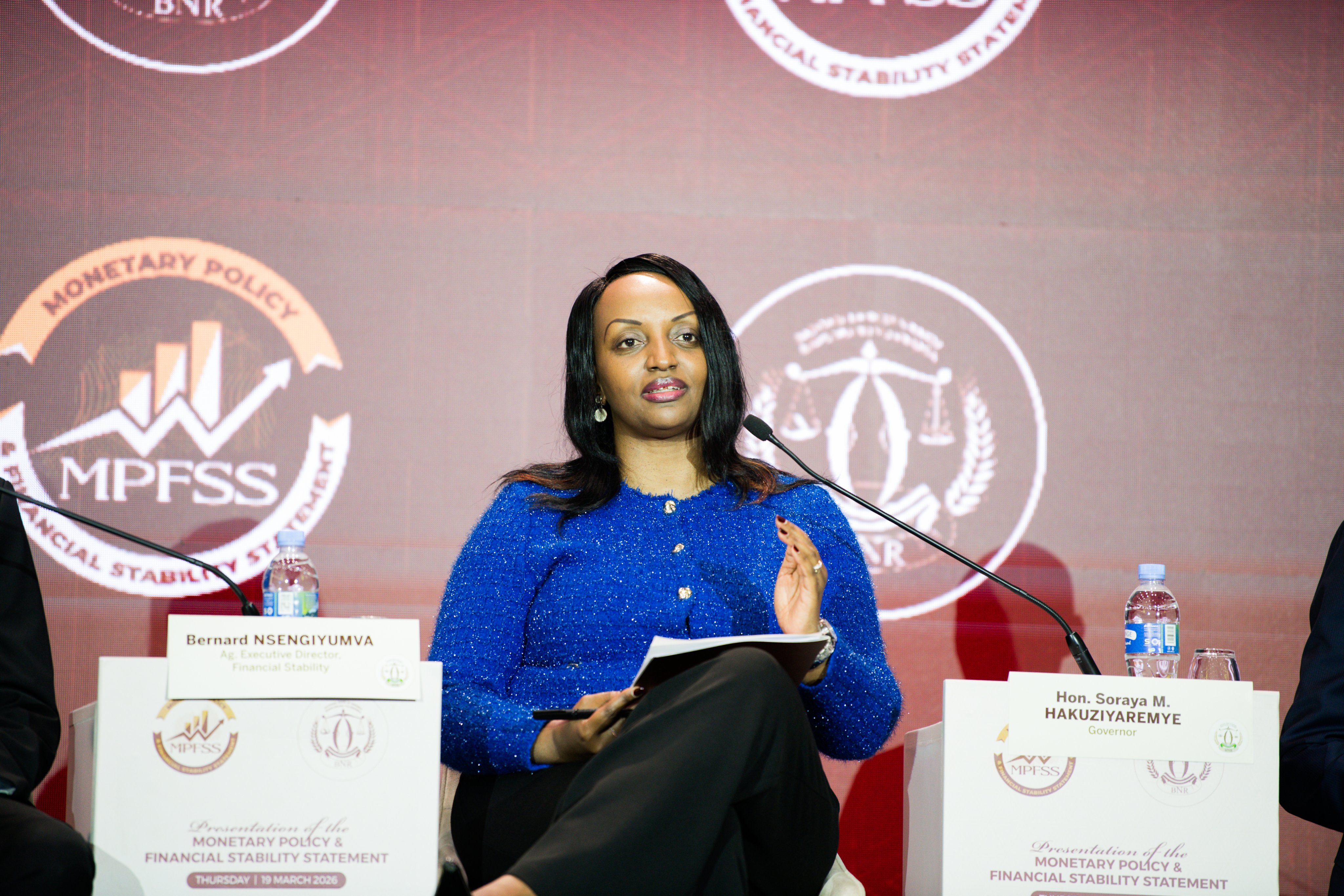
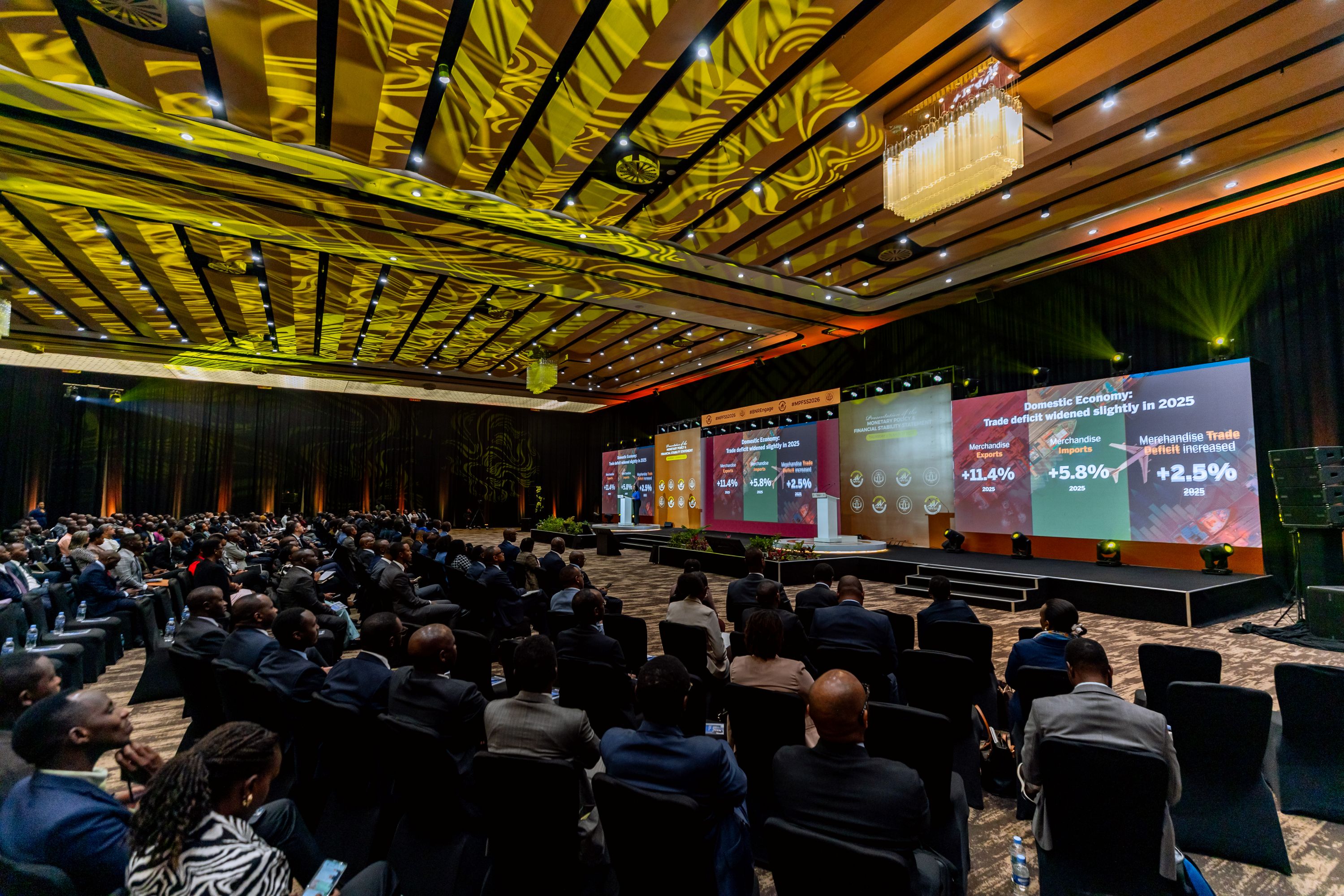
Delivering the National Policy and Financial Stability Statement (NPFSS) 2026 on Thursday at the Kigali Convention Centre, Governor Hakuziyaremye addressed members of the public and stakeholders from various sectors, emphasising the Central Bank’s mandate to maintain price stability and promote a sound and inclusive financial system.
“We meet at a time when the global economic environment is marked by elevated uncertainties, in particular geopolitical tensions, volatile stock markets, and commodity markets. These developments continue to shape global and domestic inflation dynamics, financial conditions, and growth prospects around the world and in Rwanda,” the governor stated.
The ongoing Middle East conflict began in late February 2026, when US and Israeli strikes on Iranian military targets escalated tensions in the region. This disruption triggered sharp increases in global energy prices.
The Governor noted that disruptions in oil and gas flows via the Strait of Hormuz have triggered sharp price increases, with crude oil rising 43% from $72 to $103 per barrel, and natural gas up 64% from $32 to $52 per megawatt-hour. She warned that these energy price shocks elevate risks to inflation and could slow economic activity if the conflict persists.
Despite global pressures, the Rwandan franc depreciated against the US dollar at a much slower pace in 2025, with a 4.4% decline compared to a 9.4% drop in 2024. This relative stability was supported by a stronger current account, boosted by tourism receipts and remittances, reforms in the domestic foreign exchange market, and a weakening of the US dollar globally.
Governor Hakuziyaremye also addressed concerns about the potential impact of the Middle East crisis on food and agriculture. When asked about fertiliser supply, which largely comes from the Middle East, she said that imports for upcoming agricultural seasons B and C are secure. However, the Central Bank and government will continue to monitor potential effects on season A, which starts in September.
“As a country, we diversify sources of fertiliser, and there are always ways to access raw materials when a region is impacted,” she explained.
Rwanda’s economy remained strong in 2025, with GDP growth of 9.4%, surpassing the Second National Strategy for Transformation (NST2) target of 9.3%. Growth was driven by industry (11%), services (8.5%), and agriculture (7.4%), supported by exports of coffee, minerals, and other industrial and digital services.
The Governor also highlighted developments in Rwanda’s financial sector, which recorded nearly 24% growth in total assets to 15.9 trillion Rwandan francs in 2025. Lending rose 25% to support households and businesses, with trade, construction, personal loans, and manufacturing accounting for 70% of total credit. Digital financial services expanded rapidly, with the eKash platform nearly tripling transaction values to 136 billion francs.
Looking ahead, the Central Bank remains vigilant against global and domestic risks, including geopolitical tensions, energy price shocks, virtual assets, operational and cyber threats, and limited financing in strategic sectors.
Inflation remains above target, with headline inflation at 9.2% in February 2026, slightly above the upper bound of 8%. The Governor said inflation is expected to remain elevated in the near term but gradually return to the target range of 2–8% by the end of 2026.
“In spite of global headwinds, the central bank remains confident in Rwanda’s macroeconomic stability, sustained growth, and the soundness of the financial system to support the financial resilience of households and businesses,” Governor Hakuziyaremye assured.
Governor Hakuziyaremye and her team from BNR addressed members of the public and stakeholders from various sectors.She emphasised the Central Bank’s mandate to maintain price stability and promote a sound and inclusive financial system.The meeting was attended by stakeholders from various sectors.
The sanctions, announced on Wednesday, March 18, 2026, target Mauritius-based PwC Associates Africa Ltd., PricewaterhouseCoopers Limited, Kenya, and PricewaterhouseCoopers Rwanda Limited. They are tied to the Eastern Electricity Highway Project under the First Phase of the Eastern Africa Power Integration Program in Ethiopia.
The project, designed to increase the volume and reduce the cost of electricity supply in Kenya while generating revenues for Ethiopia through electricity exports, was intended to boost regional power integration and reduce energy costs for consumers.
According to the World Bank, the PwC firms, prominent for providing audit, tax, and advisory services, “obtained confidential procurement information from project officials to improperly influence the award of a consultancy services contract in 2019” for implementing International Financial Reporting Standards at the Ethiopian Electric Power Corporation.
Investigators also found attempts by the firms to influence the award of a contract for Fixed Asset Inventory and Revaluation for the Ethiopian Electric Utility (EEU FAIR Contract). During the selection and execution of that contract, PwC Associates “misrepresented the availability, qualifications, and employment status of key experts, and failed to fully disclose all subconsultants.” The Bank said these actions “constitute collusive and fraudulent practices under the Bank Group Consultant Guidelines.”
As a result, the three firms and any affiliates they control are barred from participating in World Bank-financed projects and operations. The debarment is part of a settlement agreement under which the companies admitted to wrongdoing.
The World Bank noted that the reduced debarment period takes into account the firms’ “admission of misconduct, cooperation, strengthening of aspects of their existing integrity compliance program, and voluntary remedial actions,” including internal investigations, disciplinary measures against responsible staff, training, and ceasing business with involved subconsultants.
PwC firms must also implement or enhance integrity compliance programs aligned with the Bank’s guidelines and continue full cooperation with the Bank’s Integrity Vice Presidency to regain eligibility. PricewaterhouseCoopers Africa Limited, which oversees PwC network firms in Africa, signed the agreement as a non-sanctioned party.
The Bank added that the debarment “qualifies for cross-debarment by other multilateral development banks” under the 2010 Agreement for Mutual Enforcement of Debarment Decisions, raising the potential for wider repercussions across Africa.
The sanctions target Mauritius-based PwC Associates Africa Ltd., PricewaterhouseCoopers Limited, Kenya, and PricewaterhouseCoopers Rwanda Limited. They are tied to the Eastern Electricity Highway Project under the First Phase of the Eastern Africa Power Integration Program in Ethiopia.
Trump’s remarks followed reports that Iran hit Qatar’s liquefied natural gas (LNG) facilities, after Israel launched an attack on Wednesday against Iran’s South Pars offshore natural gas field in the Persian Gulf it shares with Doha.
Qatar reported fires and extensive damage at its LNG facilities targeted by Iran, adding that emergency response teams had been deployed to contain the situation.
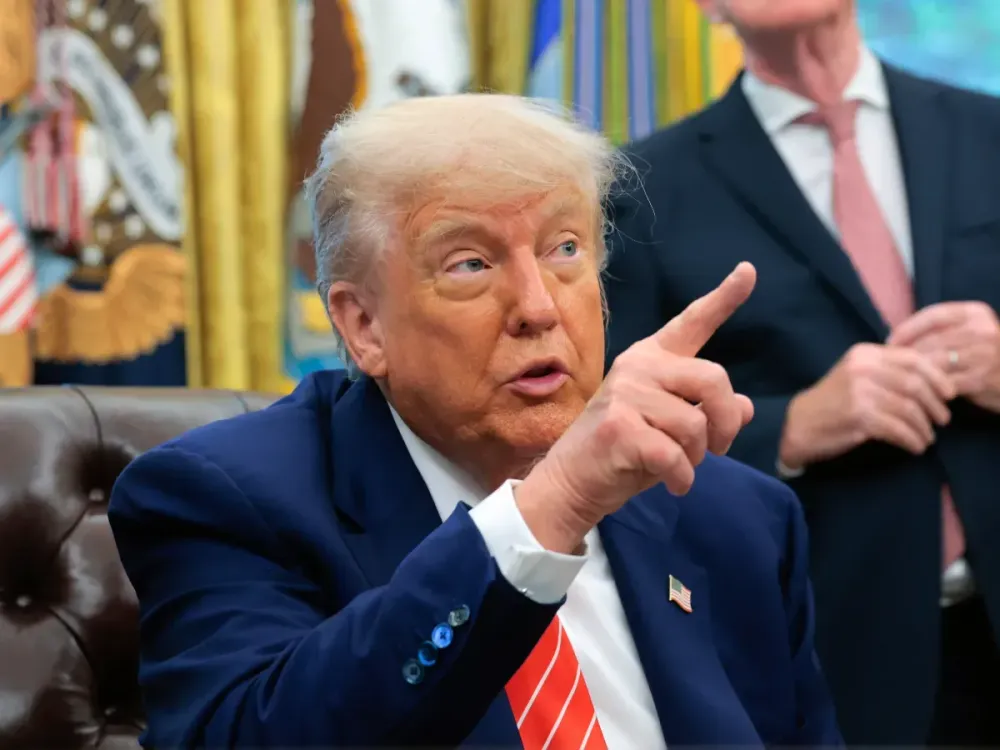
“The United States knew nothing about this particular attack, and the country of Qatar was in no way, shape, or form, involved with it, nor did it have any idea that it was going to happen,” Trump said.
“NO MORE ATTACKS WILL BE MADE BY ISRAEL pertaining to this extremely important and valuable South Pars Field unless Iran unwisely decides to attack” Qatar again, he added.
If Iran attacks Qatar again, “the United States of America, with or without the help or consent of Israel, will massively blow up the entirety of the South Pars Gas Field at an amount of strength and power that Iran has never seen or witnessed before,” he warned.
Meanwhile, Oman’s Foreign Ministry condemned the targeting of energy facilities in Iran’s South Pars gas field, describing it as a dangerous escalation that threatens regional security and global energy supplies.
The United States and Israel launched massive attacks on Iran on February 28, disrupting global shipping, sending oil prices soaring and shaking the global economy.
Trump’s remarks followed reports that Iran hit Qatar’s liquefied natural gas (LNG) facilities, after Israel launched an attack on Wednesday against Iran’s South Pars offshore natural gas field in the Persian Gulf it shares with Doha.
As Iran’s top security official, Larijani’s killing represents a major loss for Iran’s leadership and has sparked more intense retaliatory attacks from Tehran on Israeli and U.S. targets. Here is what you need to know about Larijani’s death:
Who was Larijani?
Born in 1958, Larijani served as a senior official in Iran for several decades.
After Iran’s 1979 Islamic Revolution, he joined the Islamic Revolution Guard Corps (IRGC) in the early 1980s, before transitioning to government, serving as Culture Minister between 1994 and 1997.
During the early stages of Iran’s nuclear crisis, Larijani, who once served as Iran’s chief nuclear negotiator, played a key role in the process that ultimately led to a nuclear agreement.
In 2008, Larijani ran for a seat in the Iranian parliament and was elected speaker, a position he held until 2020.
Larijani tried to run for president in 2021 and again in 2024, but on both occasions, the Constitutional Council disqualified him.
In 2025, following the 12-day war between Israel, the United States and Iran, President Masoud Pezeshkian appointed Larijani as secretary of the Supreme National Security Council.
How did Larijani die?
Since Iran’s former Supreme Leader Ali Khamenei was killed in an Israeli strike in February, Larijani had played a key role in Iran’s national affairs, frequently issuing tough statements in response to U.S. and Israeli attacks.
On Tuesday, the Israel Defense Forces said that it carried out precision airstrikes in Tehran, killing Gholamreza Soleimani, commander of Iran’s Basij volunteer force, and Larijani.
Israeli Prime Minister Benjamin Netanyahu said later on Tuesday that Israel had killed Larijani, adding, “There are many more surprises.”
Late Tuesday night, Iran’s Supreme National Security Council confirmed that its secretary, Larijani, had been killed.
In a statement, the council said Larijani died early Tuesday alongside his son Morteza Larijani, deputy for security affairs at the council’s secretariat Alireza Bayat, and several others.
The council praised Larijani’s long service to Iran’s development and called for national unity in the face of external threats.
Reactions to Larijani’s death
Iran’s Supreme Leader Mojtaba Khamenei offered his condolences on Wednesday over the death of Larijani, while hinting at retaliation.
In a statement on social media, he condemned the “assassination,” stating that those responsible would inevitably “pay the price for their crimes.”
In an interview with Al Jazeera on Wednesday, Iranian Foreign Minister Seyed Abbas Araghchi said Israel’s killing of Larijani will not deal a fatal blow to Iran’s leadership.
“I do not know why the Americans and the Israelis still have not understood this point: The Islamic Republic of Iran has a strong political structure with established political, economic, and social institutions,” Araghchi said. “The presence or absence of a single individual does not affect this structure.”
Russia on Wednesday condemned the killing of Larijani. “We certainly condemn actions intended to harm health or, even more so, to kill representatives of the leadership of a sovereign and independent Iran, as well as other countries. We condemn such actions,” Kremlin spokesman Dmitry Peskov told reporters in a daily briefing.
Hamas on Wednesday also condemned the “treacherous” Israeli strike on Tehran that killed Larijani.
Praising Larijani’s support for the Palestinian cause, the group extended condolences to Iran’s leadership and people, calling the attack a “flagrant aggression” against Iran.
As Iran’s top security official, Larijani’s killing represents a major loss for Iran’s leadership and has sparked more intense retaliatory attacks from Tehran on Israeli and U.S. targets. Here is what you need to know about Larijani’s death:
Priced at nearly $2,899 (approximately Rwf 4.2 million), the 10-inch trifold smartphone was primarily sold in South Korea and the United States, but its innovative design has drawn global attention as a glimpse into the future of mobile devices.
The Galaxy Z TriFold was first announced on December 1, 2025, made its debut in South Korea on December 12, and went on sale in the US on January 30. It features a 6.5-inch cover screen and two hinges that allow it to unfold into a 10-inch main display, combining smartphone portability with tablet-sized functionality.
According to Bloomberg, Samsung will begin the phase-out in its home market of South Korea and will stop selling the device in the US once current inventory is depleted. While the report cited a Samsung spokesperson, the company has not issued a formal public statement on the decision. In the US, the TriFold was available through Samsung’s website and select Experience Stores, with a few units reportedly sold recently in Texas and New York, shared by buyers on online communities.
Industry experts say the TriFold was never intended to be a regular part of Samsung’s lineup. South Korea’s Dong-A Ilbo reported that the device was designed as a “flagship showcase” to demonstrate Samsung’s technical prowess rather than to generate long-term profits. Only 3,000 units were sold on each of two days following the official release.
Rising component costs have also contributed to the device’s short market run. DRAM, NAND flash, and application processors, which power memory, storage, and operating systems, have surged in price this year due to increased demand for AI-related computing workloads. These higher costs reduced profit margins for the Galaxy Z TriFold, making it a niche luxury device rather than a mainstream smartphone.
Some of the tech enthusiasts who tested the device described it as “versatile, innovative and practical,” while noting that it is “not for everyone.” Its high price and limited availability have reinforced its status as a collectible tech statement rather than a mass-market product.
The Samsung Galaxy Z TriFold has two hinges and opens up into a 10-inch tablet.
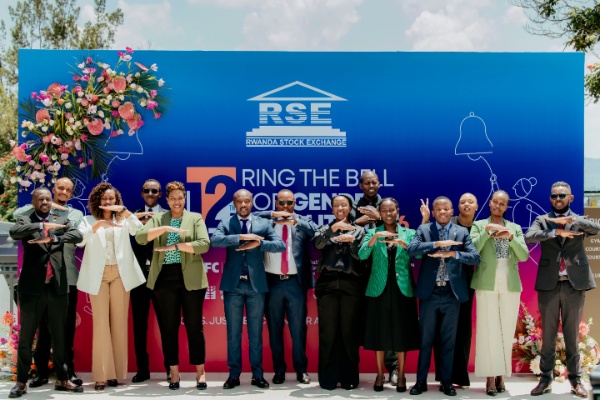
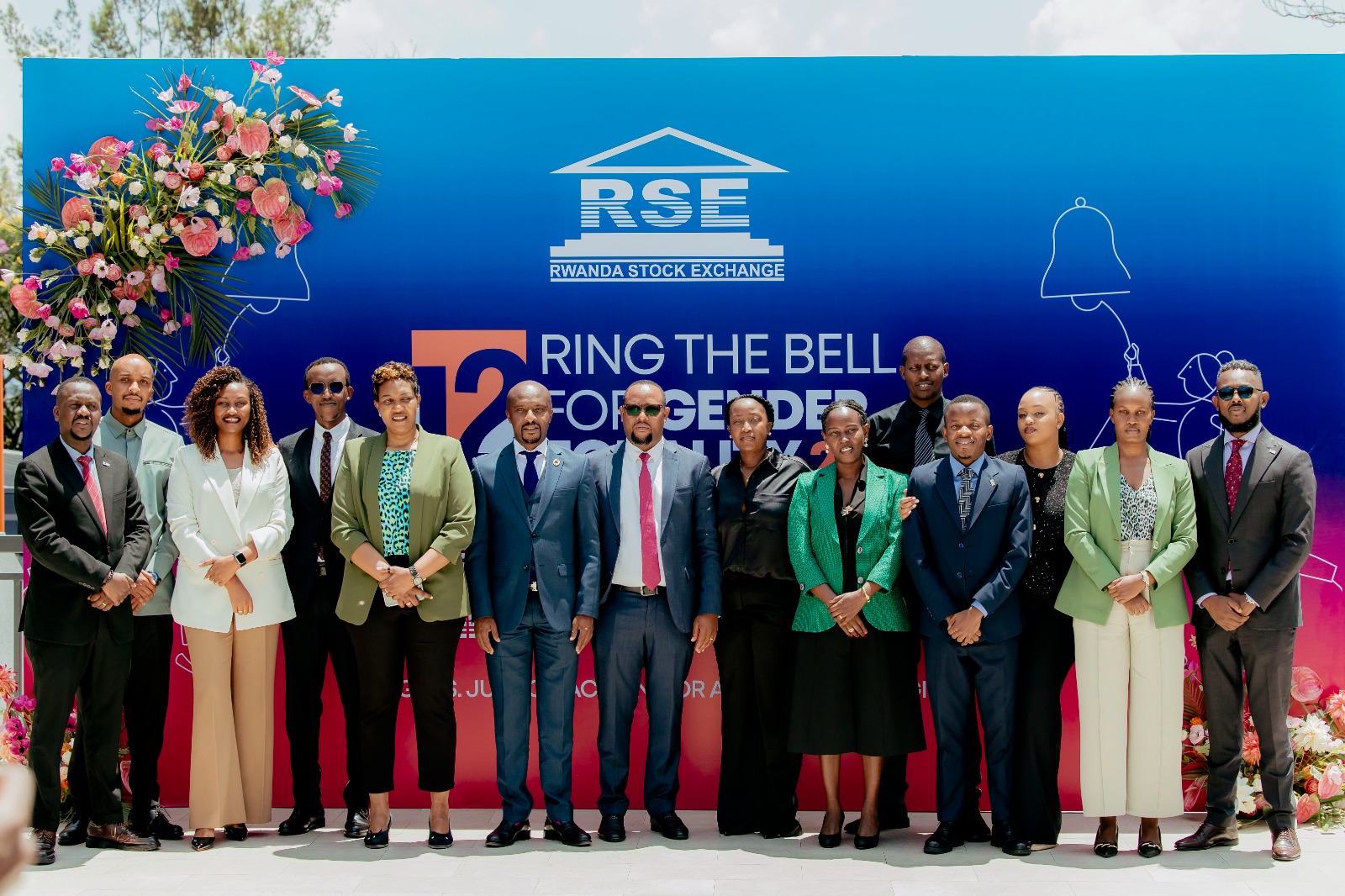
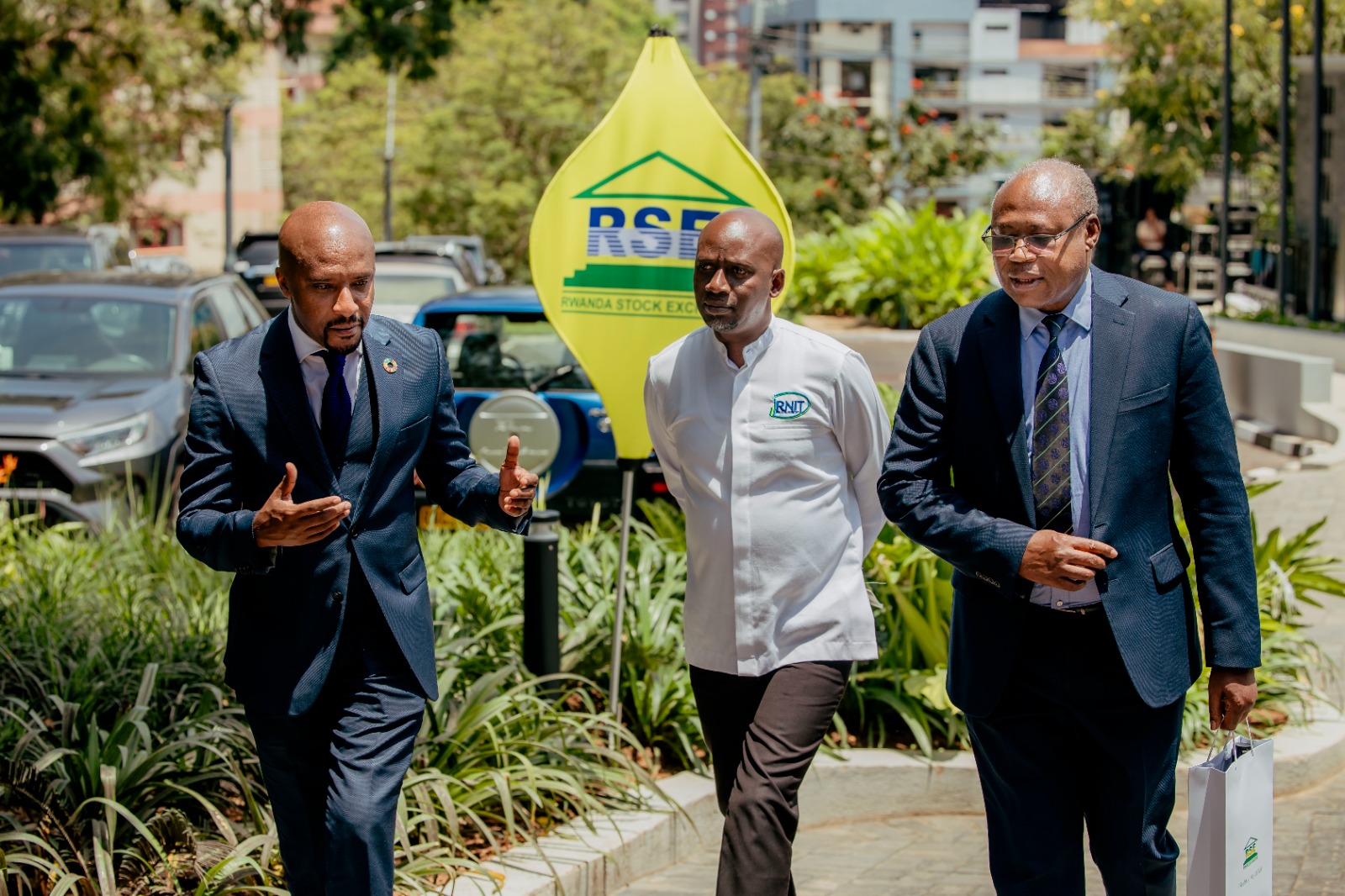
The event, hosted by the Rwanda Stock Exchange (RSE) at Mövenpick Kigali, is part of the “Ring the Bell for Gender Equality” initiative, an annual, worldwide event that takes place around International Women’s Day to spotlight how financial markets can advance gender equality.
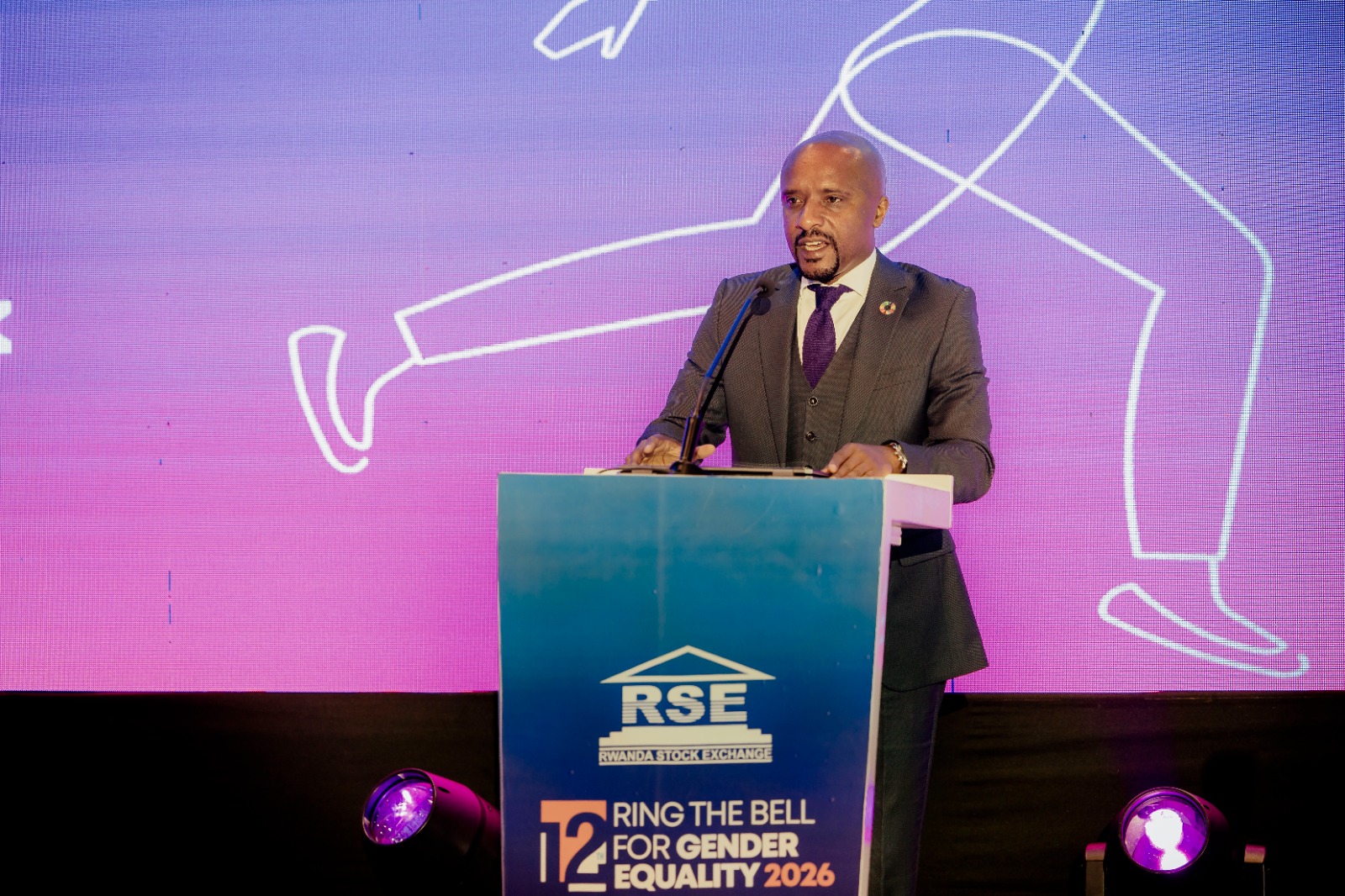
Speaking at the ceremony, RSE CEO Pierre-Célestin Rwabukumba emphasised that gender equality is central to Rwanda’s development.
“When women rise, economies rise. When women succeed, societies prosper. Investing in women is not charity, it is nation-building,” he said.
The event, hosted by the Rwanda Stock Exchange (RSE) atMövenpick Kigali, is part of the “Ring the Bell for Gender Equality” initiative.
This year’s theme, “Rights. Justice. Action. For All Women and Girls,” reflects the need for measurable progress and collective responsibility to achieve equality.
Rwabukumba noted that stock exchanges are more than trading platforms. “They shape corporate behaviour, mobilise investment, and promote transparency and good governance. Inclusive capital markets lead to stronger economies,” he said.
The RSE boss added that companies with gender-diverse leadership perform better and that women’s access to finance drives innovation and entrepreneurship, aligning with Rwanda’s Vision 2050 and the ambitions of the Kigali International Financial Centre (KIFC).
“If we educate women, we educate a nation,” he remarked, adding, “At the Rwanda Stock Exchange, we strongly believe that inclusive capital markets lead to stronger economies. When companies promote gender diversity in leadership, they perform better.”
Speaking at the ceremony, RSE CEO Pierre-Célestin Rwabukumba emphasized that gender equality is central to Rwanda’s development.
Minister of Gender and Family Promotion, Consolée Uwimana, highlighted persistent gaps in women’s participation in Rwanda’s private sector, despite the country leading in political decision-making, with women holding 64% of parliamentary seats. While women occupy 32% of decision-making positions and own 34% of businesses, their representation remains low in sectors such as transport, construction, and mining.
“To bridge the gap, we do not only pledge, but we will act,” she said, urging financial institutions, development partners, and private sector actors to develop actionable roadmaps for women’s economic transformation.
Minister of Gender and Family Promotion, Consolée Uwimana, highlighted persistent gaps in women’s participation in Rwanda’s private sector, despite the country leading in political decision-making.
Romeo Ngarambe, CEO of the Capital Market Authority (CMA), stressed the multiplier effect of empowering women.
“When you empower a woman, you empower her children, her household, her community,” he said, urging capital markets to open doors for women entrepreneurs, investors, and leaders.
Ngarambe added that financial literacy, investor education, and products designed with women in mind are critical steps toward inclusive markets.
Global partners, including the International Finance Corporation (IFC), UN Women, and the UN Global Compact, reaffirmed the importance of leadership, accountability, and accelerated action to close the global gender financing gap, estimated at over $360 billion annually.
As Marie Claire Dushimumukiza of the UN Global Compact noted, “Progress requires more than intention; it requires accelerated action, leadership, and accountability. It signals that markets matter in advancing gender equality.”
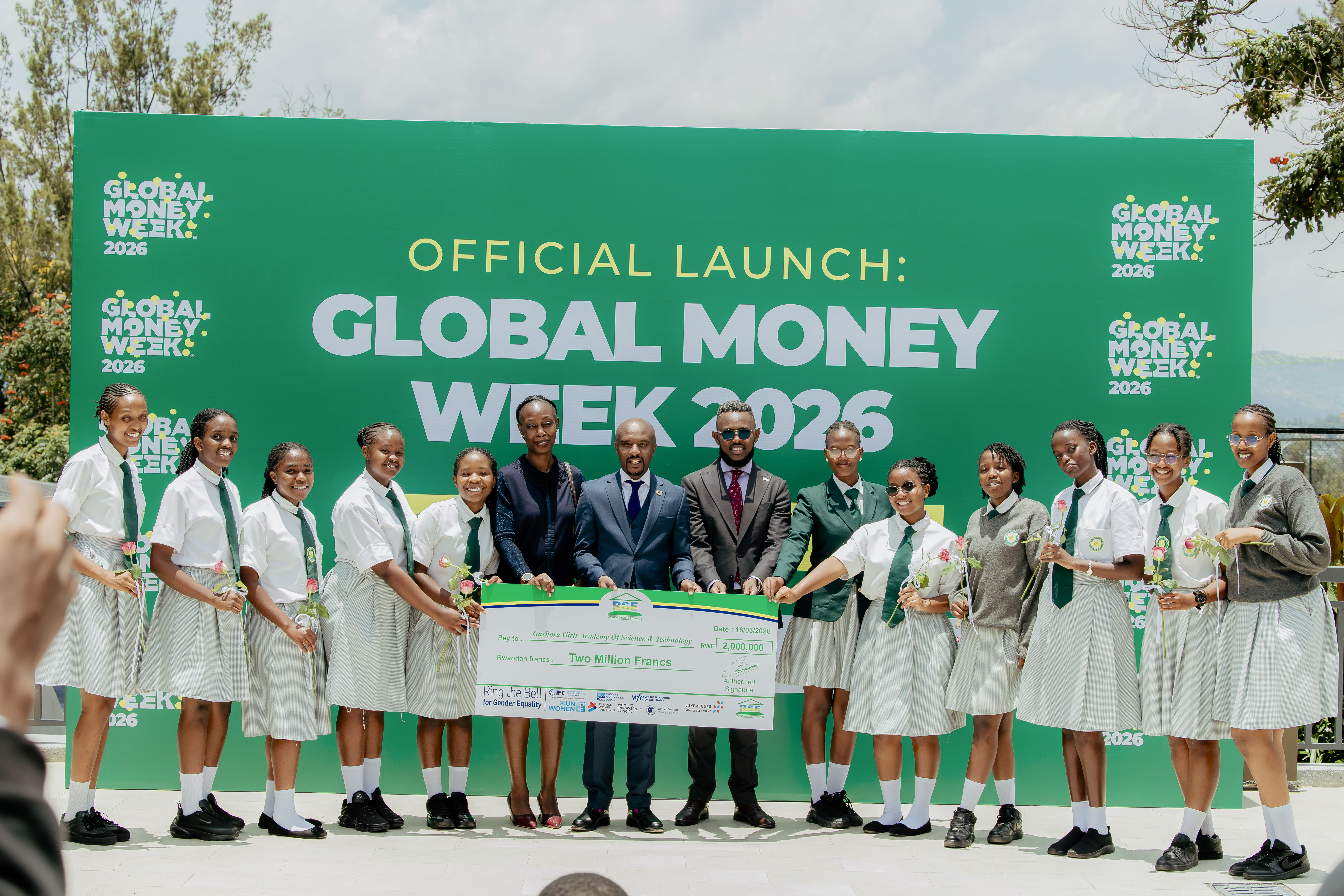
A highlight of the event was an awards ceremony, recognising outstanding achievements in finance and financial literacy. Hortense Mudenge, CEO of KIFC, was honoured as the 2026 Women Achiever in Finance, while students from Gashora Girls Academy, part of the Gashora NexGen Investors Program, were recognised for their efforts in financial literacy, receiving a cash prize of 2 million Rwandan francs to support their journey as future investors.
Students from the Gashora Girls Academy received a cash prize of 2 million Rwandan francs to support their journey as future investors.
The ceremony concluded with the symbolic ringing of the bell by the Guest of Honour alongside representatives from RSE, IFC, UN Women, and UN Global Compact, marking the opening of economic opportunities for women in Rwanda and reinforcing the nation’s commitment to inclusive growth.
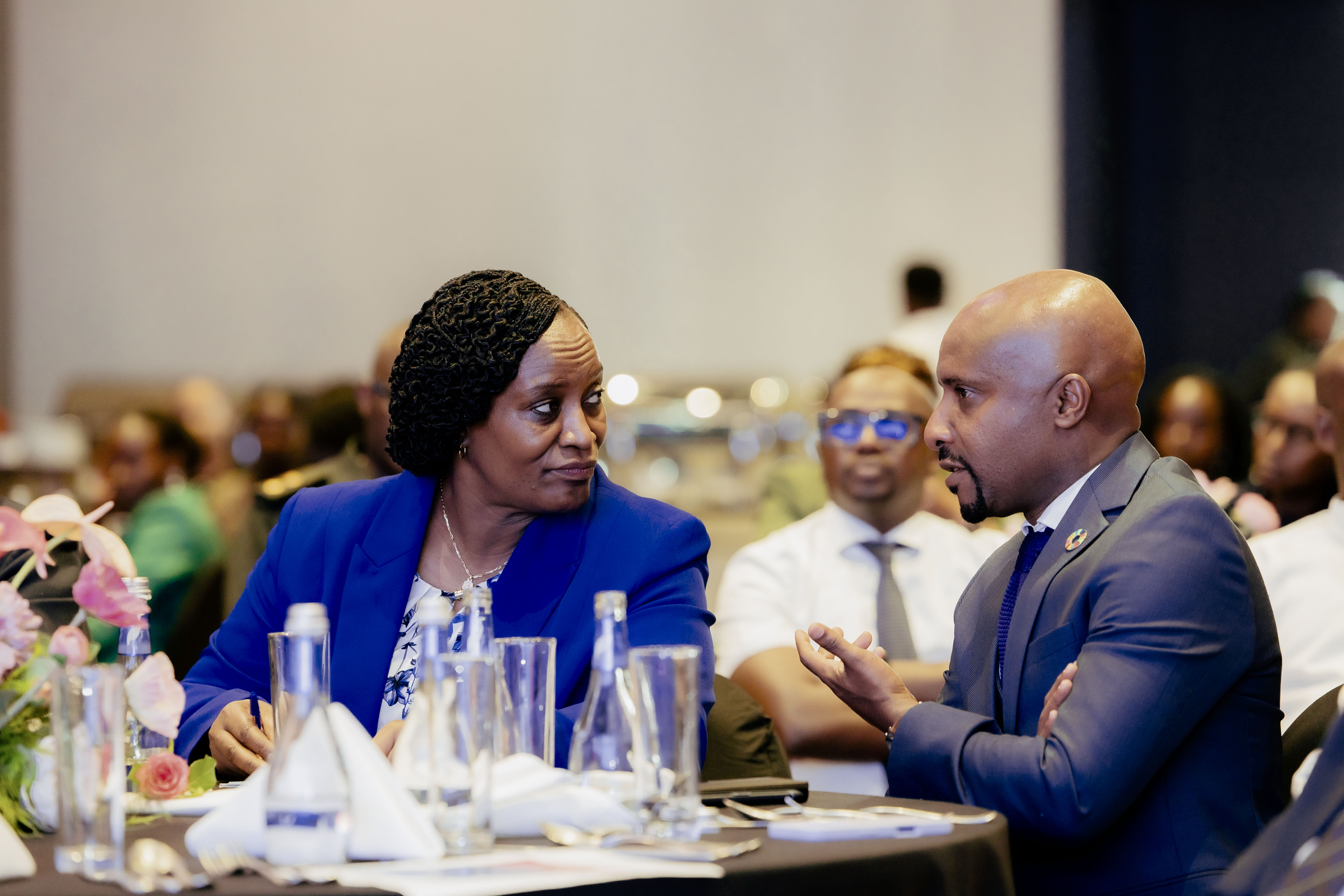
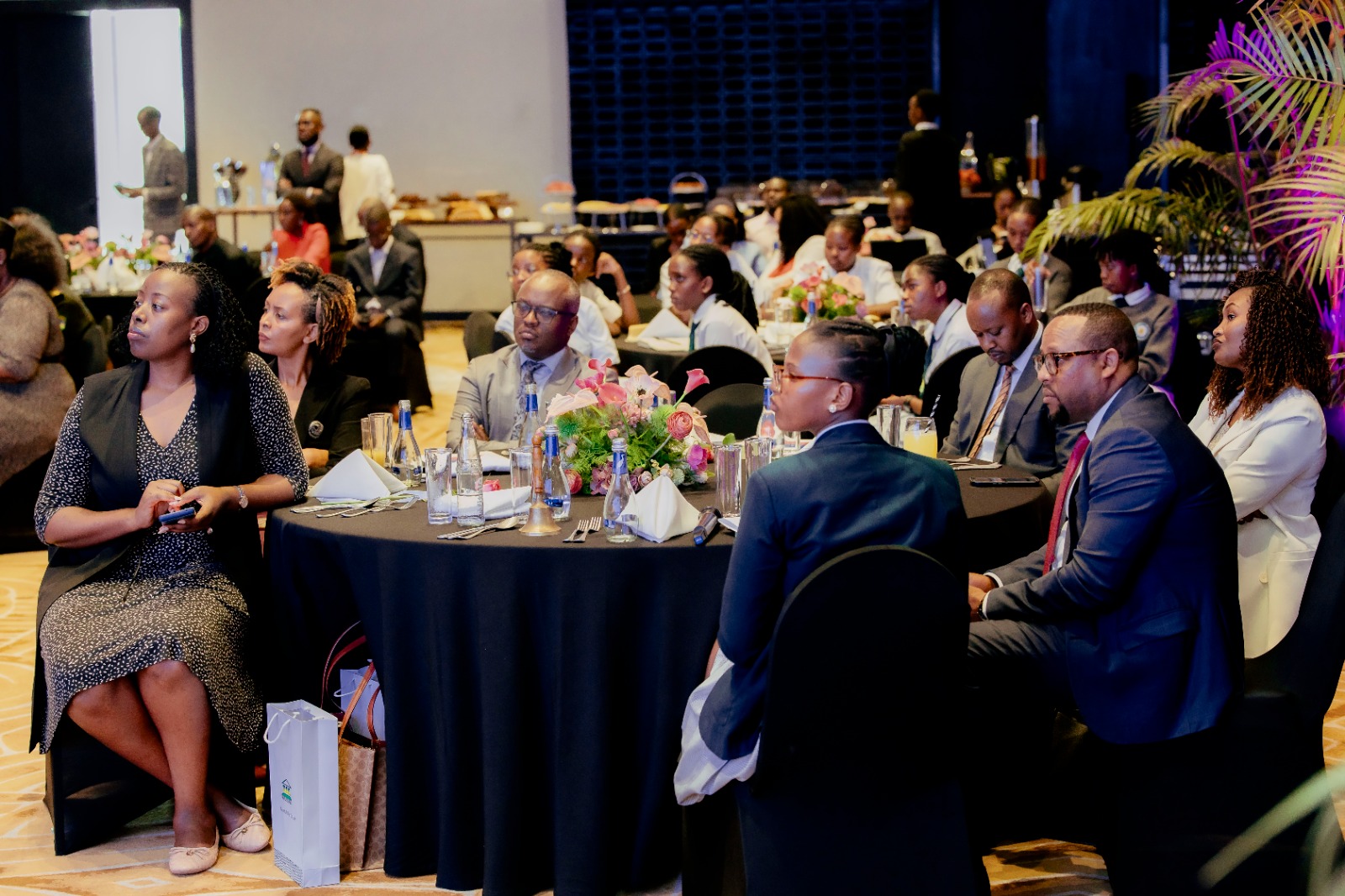
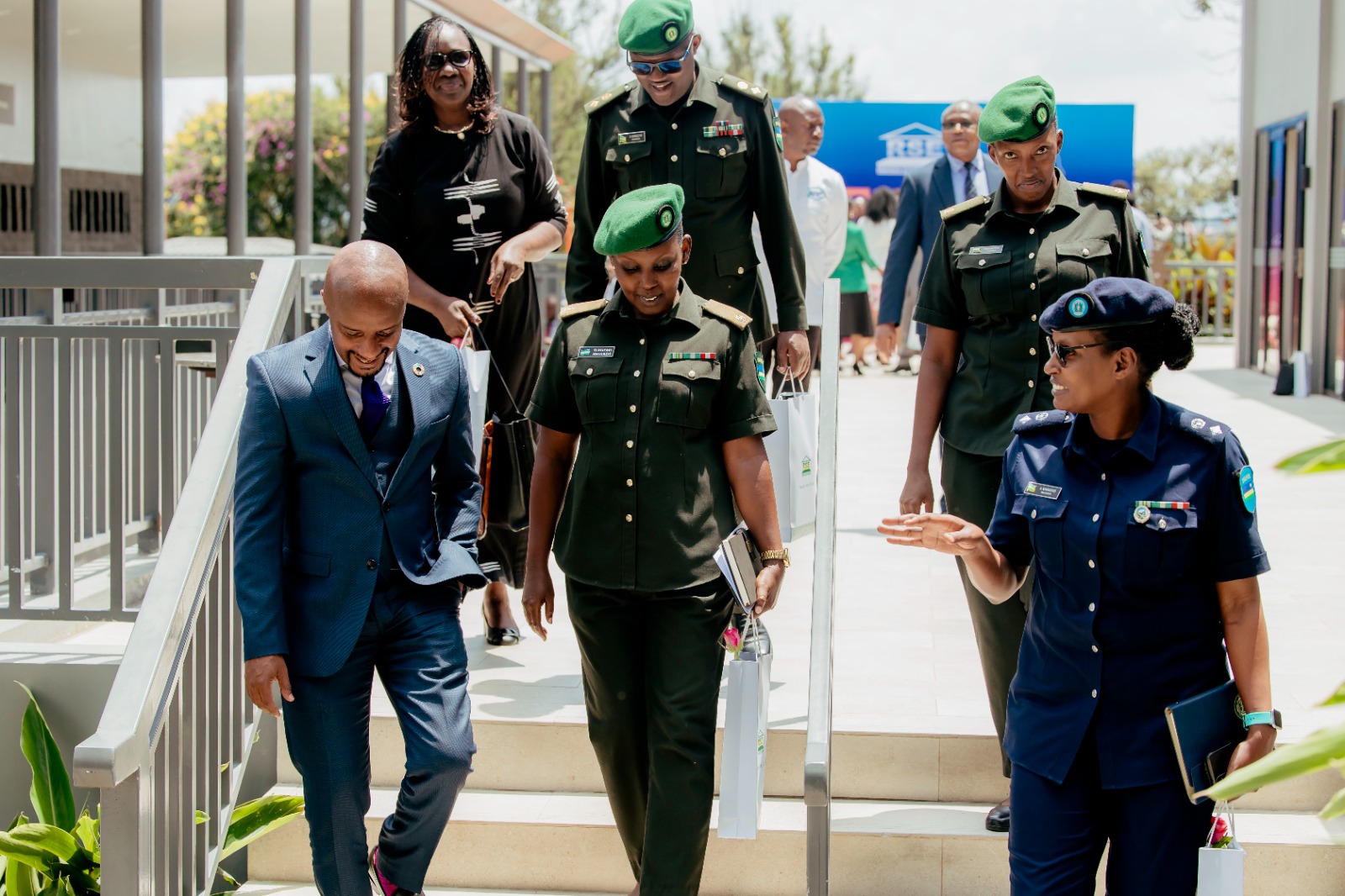
The event, hosted by the Rwanda Stock Exchange (RSE) atMövenpick Kigali, is part of the “Ring the Bell for Gender Equality” initiative.Representatives from various institutions, including security agencies, attended the event.
IGIHE has learned from reliable sources that Rwanda will be represented at the meeting.
The talks will mark the first direct engagement between the two sides in the U.S. capital since Washington imposed sanctions earlier this month on the Rwanda Defence Force (RDF) and several senior Rwandan military officials, prompting protest from Kigali, which described the measures as “unjust” and “one-sided.”
In a statement released on March 2, Kigali argued that the sanctions ignore violations by the DRC and misrepresent the broader dynamics of the conflict in eastern Congo in light of the Washington Accords signed in December last year.
“The sanctions issued today by the United States unjustly targeting only one party to the peace process misrepresent the reality and distort the facts of the conflict in eastern Democratic Republic of Congo,” the statement read.
“Consistent and indiscriminate drone attacks and ground offensives constitute clear violations of ceasefire agreements by the DRC, and continue to cost many lives. Protecting Rwanda is a badge of honour which the Rwanda Defence Force carries very proudly,” it added.
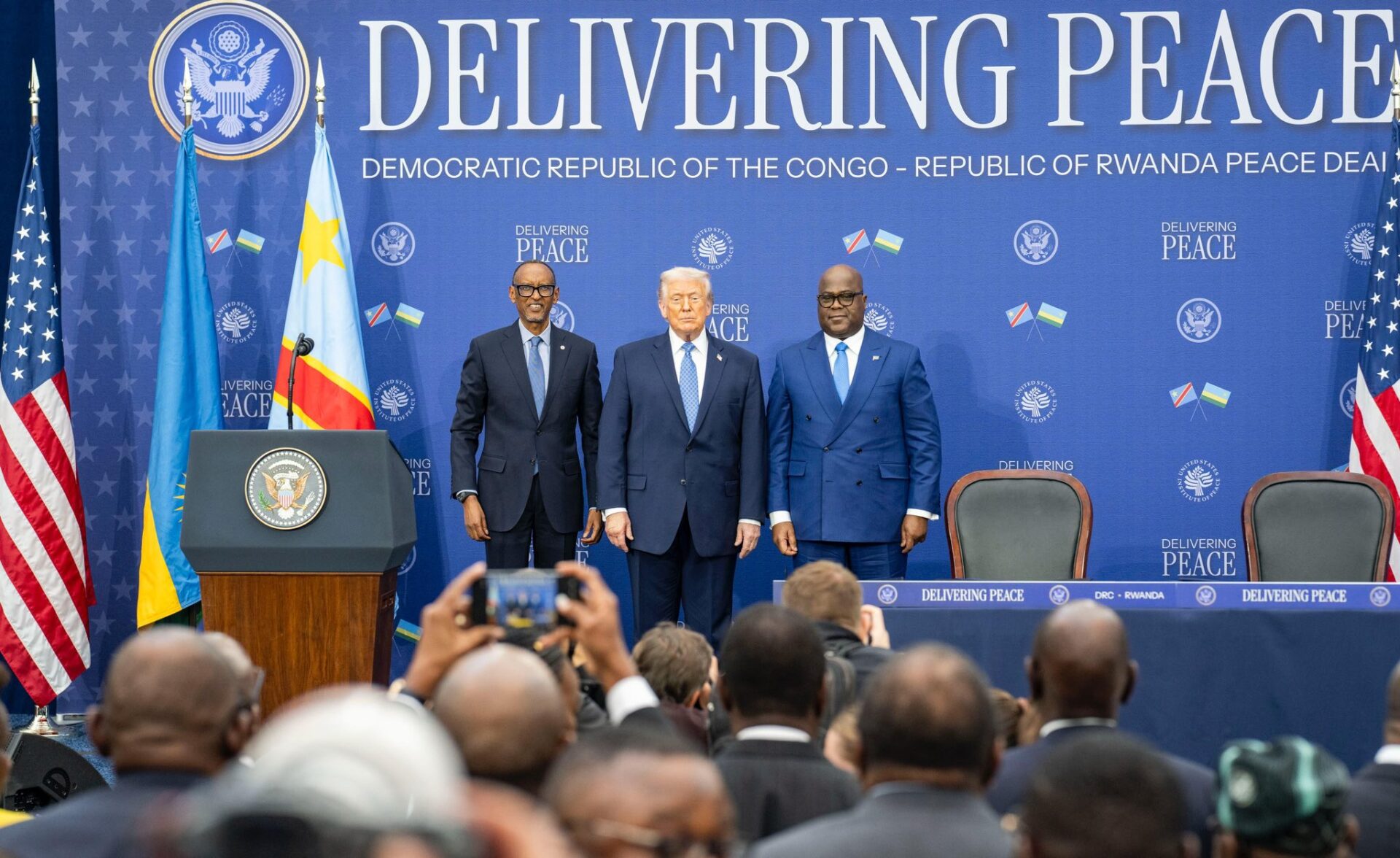
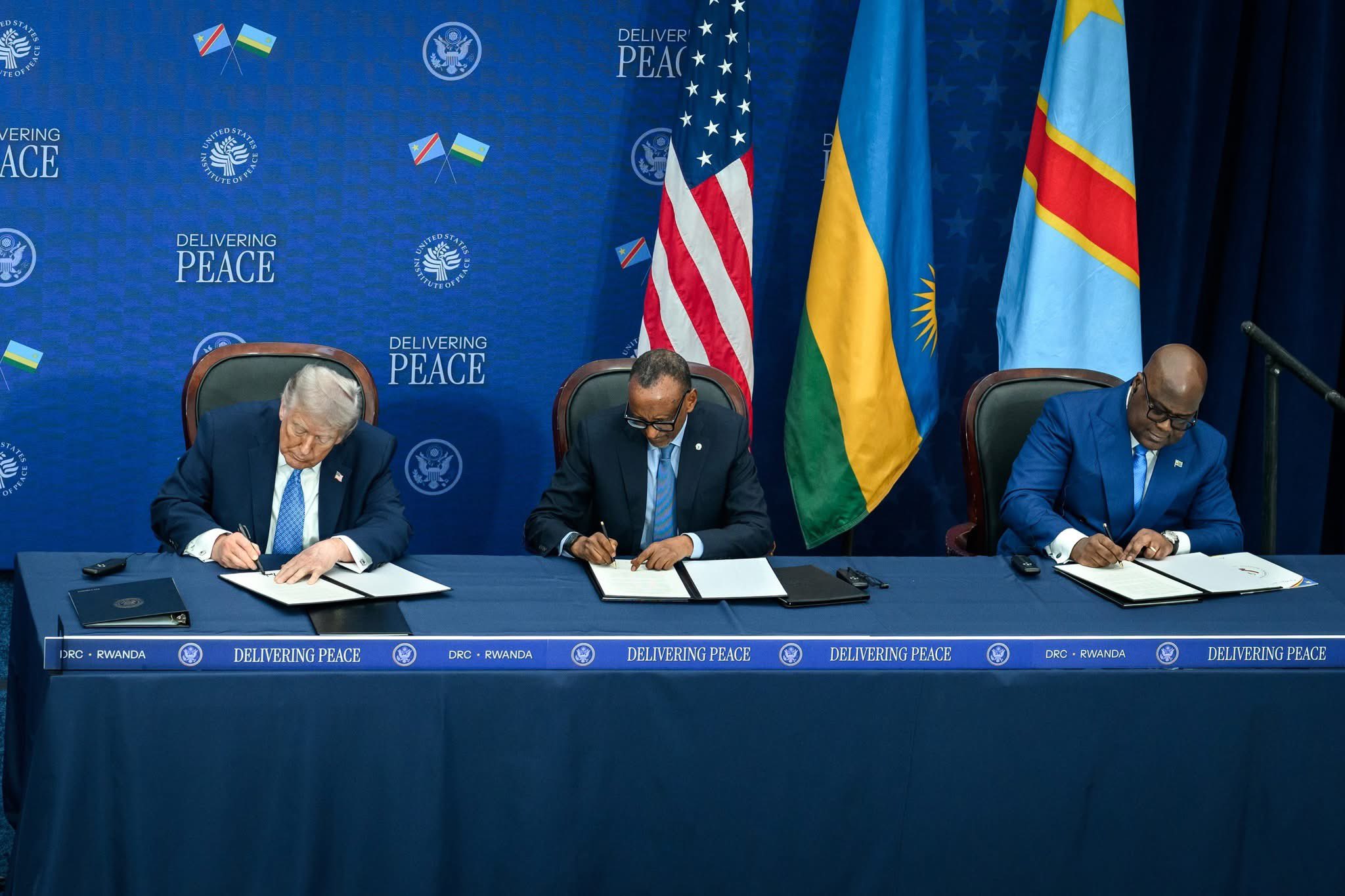
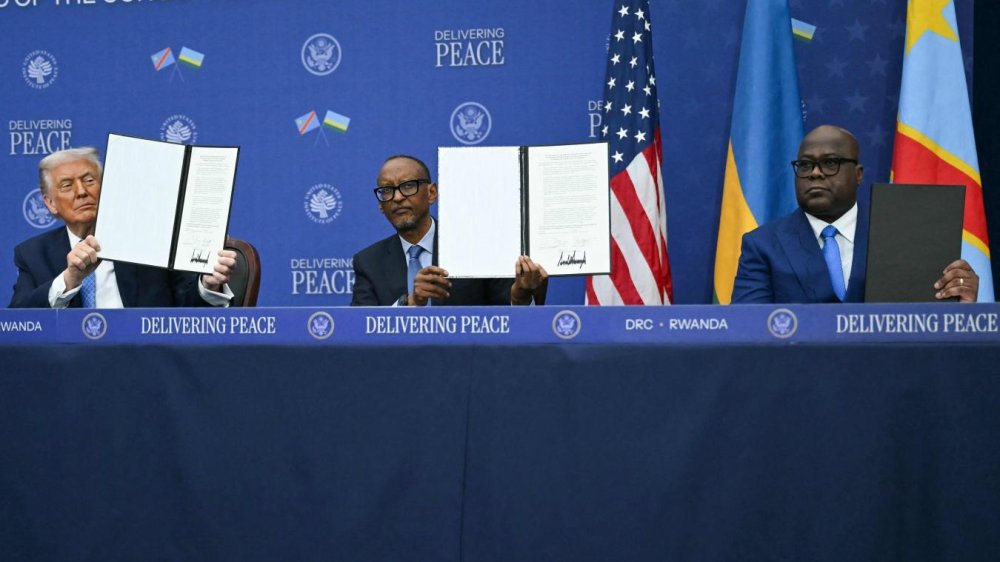
Rwanda and the DRC signed the Washington Accords in Washington, D.C., in early December 2025, in a bid to restore peace in eastern Congo.
Despite the agreement, DRC-allied coalition, including the FDLR militia, mercenaries, Burundian soldiers and Wazalendo fighters, has continued launching attacks on AFC/M23 positions and densely populated areas using ground and drone offensives.
Rwanda maintains that its defensive measures along the border with the DRC will remain in place until the FDLR militia group is dismantled, as committed to under the Washington Accords.
The FDLR was formed by perpetrators of the 1994 Genocide against the Tutsi who fled to eastern Congo after the genocide. Kigali has repeatedly accused the Kinshasa administration of harbouring FDLR forces, which pose a major security threat to Rwanda’s security.
The planned meeting in Washington could provide an opportunity to revive diplomatic engagement between Rwanda and the DRC under the framework of the Washington Accords. The agreement aims to address security concerns in eastern Congo while advancing regional economic cooperation.
The talks are expected to take place as dozens of African officials and private-sector representatives gather in Washington for the annual Powering Africa Summit, scheduled for Thursday and Friday.
Energy ministers from several African countries are expected to attend the summit alongside investors and U.S. officials.
The Washington Accords, signed by the two countries in the U.S. capital in December 2025, aim to address security concerns in eastern Congo while advancing regional economic cooperation.
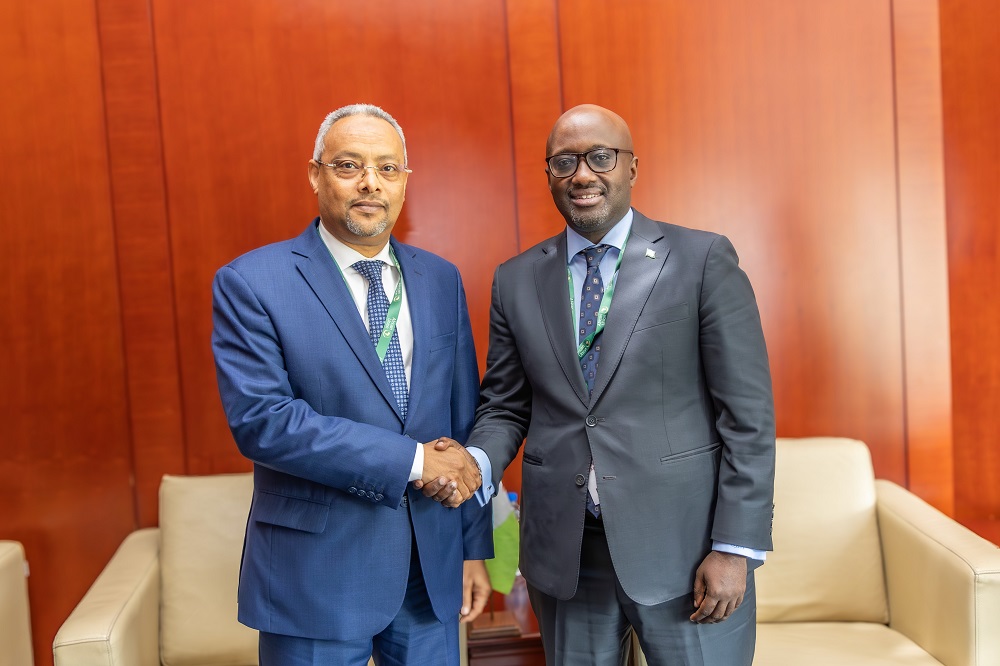
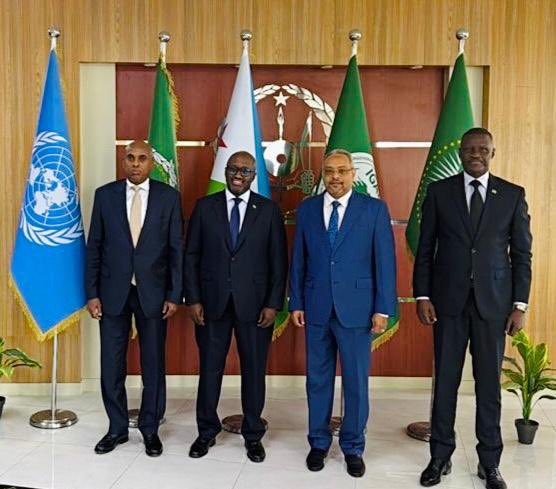
The two ministers also discussed expanding cooperation in areas that would bring mutual benefits to both nations.
During the visit, Minister Nduhungirehe is expected to meet Djibouti’s President and deliver a special message from Rwanda’s President, Paul Kagame.
Rwanda and Djibouti have maintained strong diplomatic relations for many years. Through a joint ministerial-level commission, the two countries regularly meet to assess opportunities to deepen their partnership.
In November 2025, the two nations signed nine cooperation agreements through this commission, covering sectors such as sports, health, family development, and diplomatic training.
Rwanda and Djibouti had previously concluded other agreements aimed at promoting trade, air transport, technology cooperation, investment protection, and visa-free travel for diplomats.
As part of their growing partnership, Djibouti allocated Rwanda 60 hectares of land, including areas near its port and within a designated commercial zone. In return, Rwanda granted Djibouti 10 hectares of land in the Masoro Industrial Zone.
The two ministers also discussed expanding cooperation in areas that would bring mutual benefits to both nations.