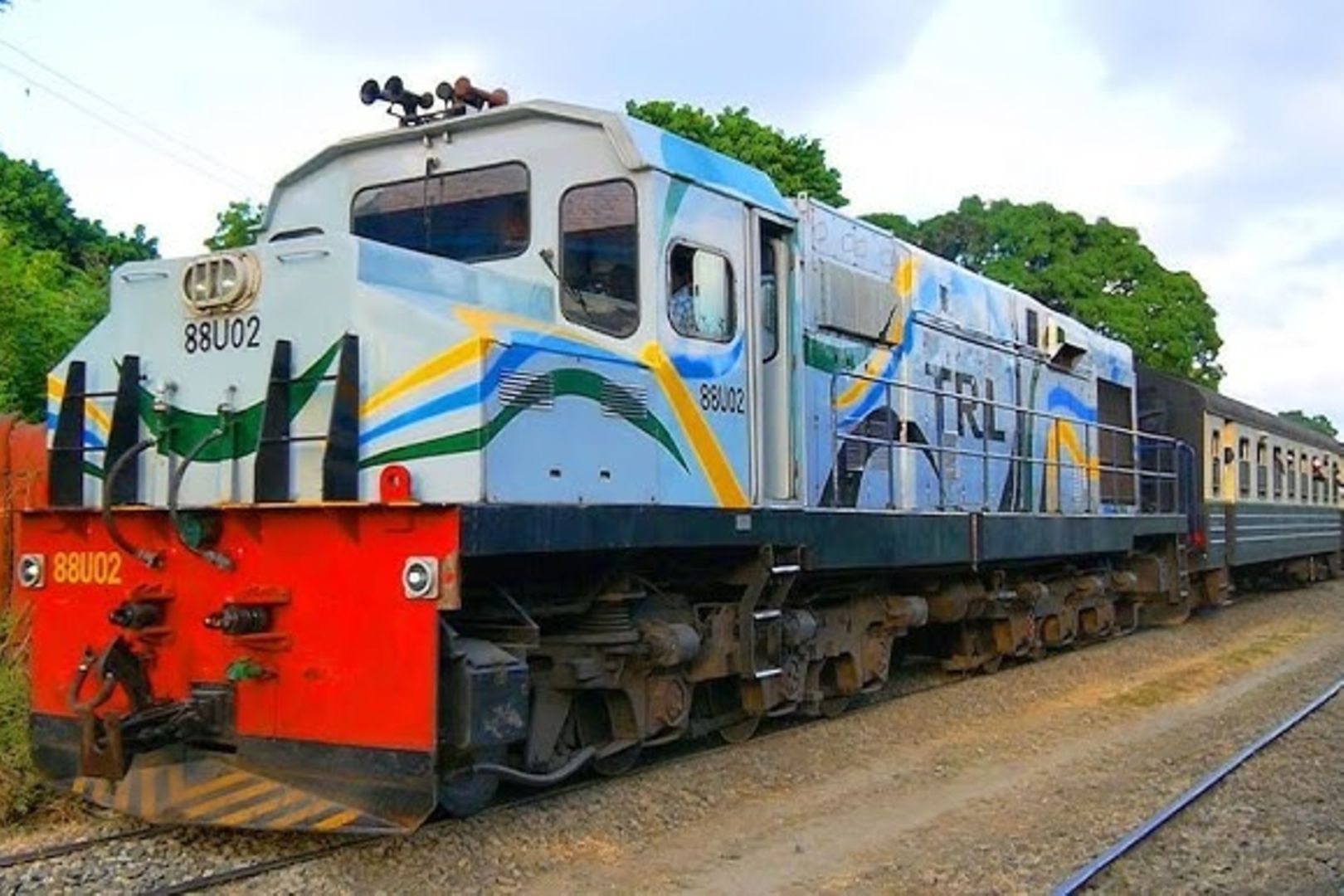
The Parliamentary Standing Committee on Infrastructure commended the Tanzania Railways Corporation (TRC) for the initiative during an inspection visit to the Pugu railway workshop in Dar es Salaam, where the locomotive assembly project is underway.
Committee Chairman Selemani Kakoso urged the TRC to continue building the capacity of Tanzanian youth involved in assembling and maintaining the locomotives by providing advanced training both domestically and abroad.
He said strengthening technical knowledge, skills and innovation among young technicians would enhance efficiency and sustainability in the railway sector.
According to TRC Director General Machibya Shiwa, the decision to assemble the locomotives locally followed delays in the delivery of spare parts from suppliers due to the Russia-Ukraine conflict.
Two locomotives assembled in Malaysia were shipped to Tanzania, while parts for the remaining six units were transported to the Pugu workshop for local assembly.
Shiwa said the project has opened business opportunities for local suppliers providing machinery services, construction materials, electrical equipment and other components.
Tanzania has begun assembling mainline gauge railway locomotives locally.
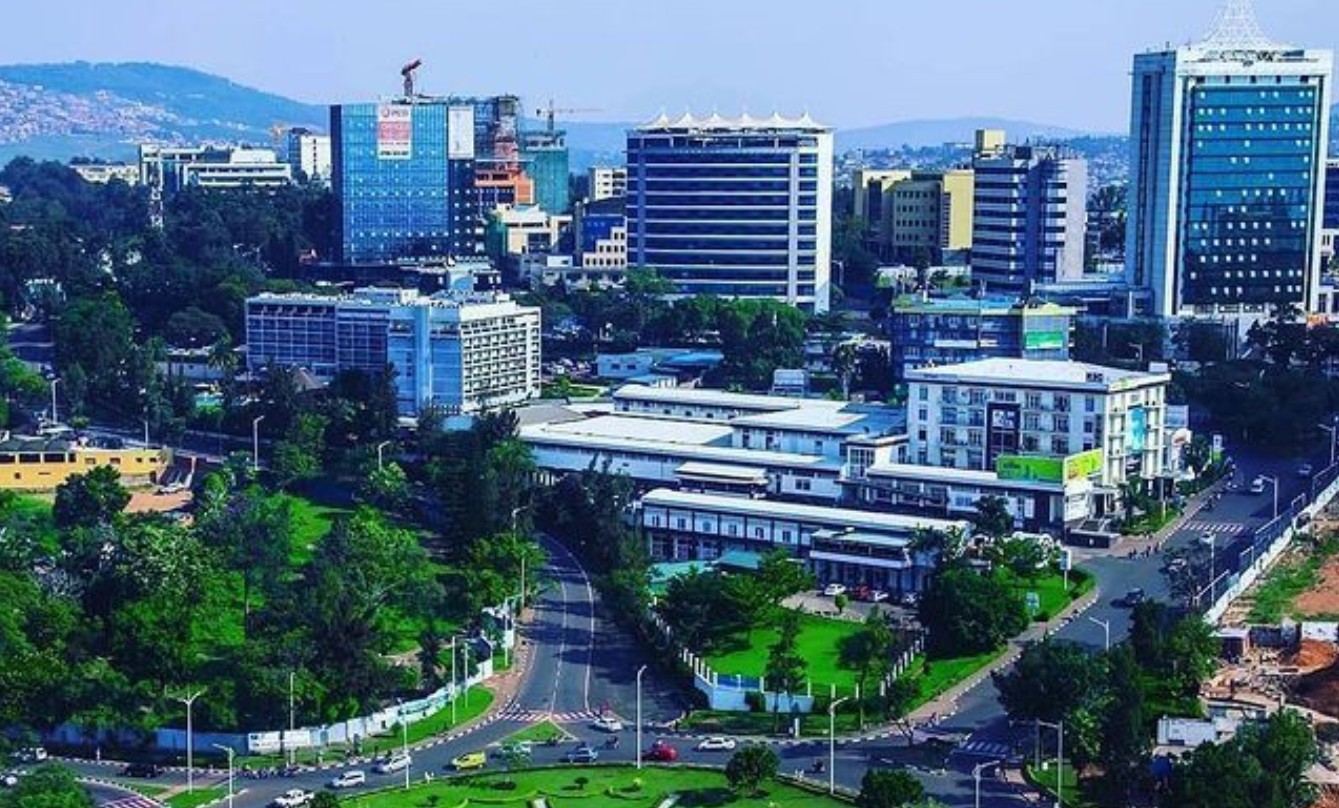
In a statement released on March 13, the global credit rating agency said the outlook revision reflects reduced uncertainty over Rwanda’s access to external funding and growing confidence that public debt levels will stabilise in the coming years.
Fitch noted that strong donor support has helped ease near-term fiscal and external financing risks. External disbursements from multilateral and bilateral partners reached about $1 billion, equivalent to 6.1% of GDP, in the fiscal year ending June 2025. The agency expects official external loan commitments to remain close to $1 billion annually between 2026 and 2027, supporting government financing needs.
The agency also pointed to recent diplomatic engagement and de-escalation of conflict in eastern Democratic Republic of the Congo as helping reduce uncertainty over Rwanda’s access to concessional financing, although it cautioned that the regional security environment remains fragile.
Rwanda’s public debt is expected to rise in the short term as the government continues to finance major infrastructure and development projects. According to Fitch, government debt could reach around 79% of GDP by 2027, up from 75% in 2025, before gradually stabilising as growth and fiscal adjustments take effect.
The increase in borrowing is partly linked to large-scale investments, including the construction of Bugesera International Airport and the expansion of the national carrier RwandAir. However, Fitch noted that most of Rwanda’s external debt remains highly concessional, helping maintain manageable debt servicing costs.
Economic growth remains a key strength supporting the rating. Fitch estimates that Rwanda’s real GDP growth reached 8% in 2025 and expects it to remain above 7% through 2027, significantly higher than the median growth rate for countries with similar credit ratings.
Recent data from the National Institute of Statistics of Rwanda also showed strong economic momentum, with the economy expanding 11.8% in the third quarter of 2025, driven largely by the services and industrial sectors.
As Rwanda continues investing in major infrastructure projects, Fitch projects the current account deficit to widen to around 15% of GDP in 2026, reflecting strong import demand linked to ongoing economic development.
Fitch said improvements in export performance, stronger foreign reserve levels and sustained fiscal consolidation could support a future upgrade of Rwanda’s credit rating.
Fitch Ratings is an American-British credit rating agency. It is one of the three nationally recognised statistical rating organisations designated by the U.S. Securities and Exchange Commission and is considered as being one of the “Big Three credit rating agencies”, along with Moody’s and S&P Global Ratings.
Fitch Ratings is an American-British credit rating agency and one of the “Big Three” global rating agencies alongside Moody’s and S&P Global Ratings.
In a recent interview with Hot 97 FM in New York City, Starr praised the trio for their contributions to the genre. She highlighted Savage as the pioneering female force, Wizkid as the embodiment of global success, and Rema for his innovative sounds that continue to push Afrobeats in new directions.
“My Afrobeats Big 3 would be Tiwa Savage, Wizkid and Rema. My solid Big 3,” Starr said.
Notably, her selection excludes Davido and Burna Boy, who are often cited alongside Wizkid as part of the traditional Afrobeats Big 3.
Born Oyinkansola Sarah Aderibigbe in Cotonou, Benin, and raised in Lagos, Nigeria, Ayra Starr has rapidly become one of the leading faces of the global Afrobeats movement. Since her debut in early 2021, she has transitioned from a viral social media sensation to a multi-platinum, Grammy-nominated artist, establishing herself as a major force in the music industry.
Her 2022 hit “Rush” became a global anthem, accumulating over 300 million streams on Spotify and becoming the first solo song by a female Nigerian artist to chart on the UK Singles Chart.
She also earned a nomination for Best African Music Performance at the 66th Annual Grammy Awards, making her one of the youngest Nigerian female artists to receive the honour. Her sophomore album, The Year I Turned 21 (2024), marked the first time a female Nigerian artist debuted on the Billboard 200.
Starr, who refers to herself as a “Celestial Being”, has become a cultural icon for Africa’s youth. Known for her Y2K-inspired fashion, bold style, and unapologetic attitude, she seamlessly blends Afrobeats, R&B, Soul, and Alté in her music. Her versatile alto voice allows her to switch effortlessly between English, Nigerian Pidgin, and Yoruba.
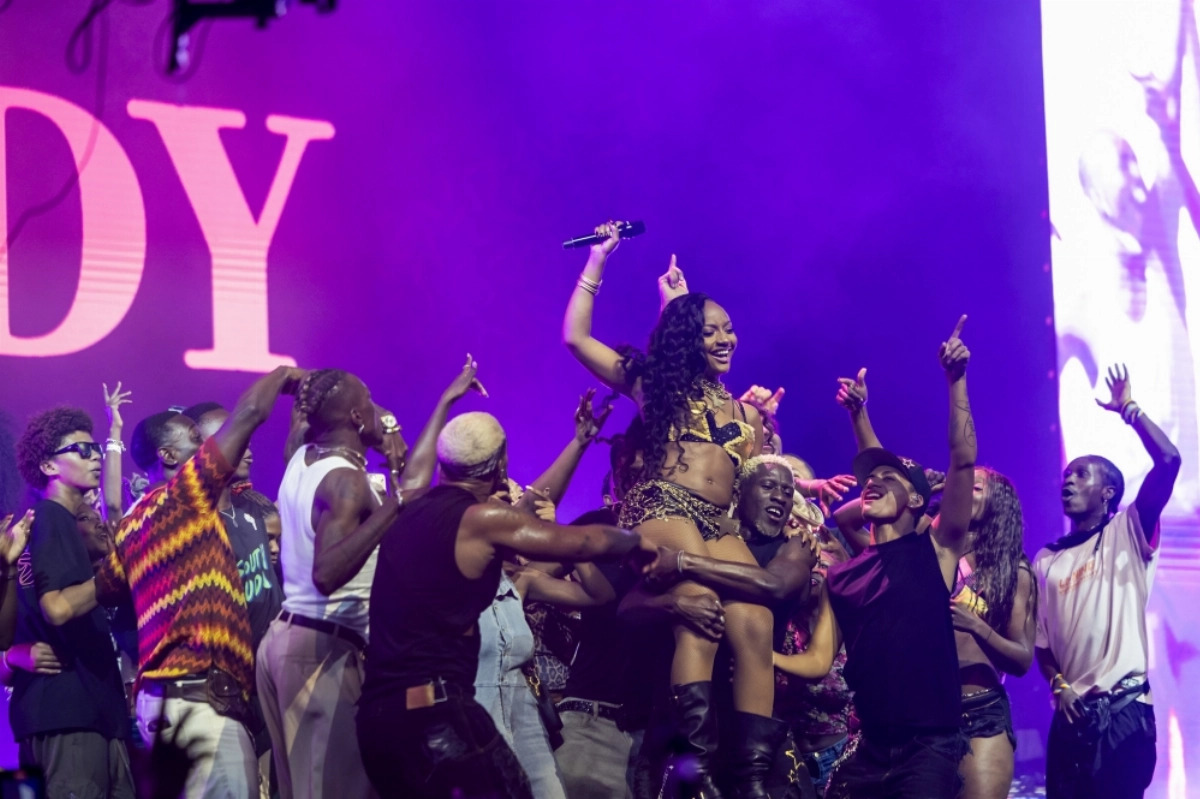
Born Oyinkansola Sarah Aderibigbe in Cotonou, Benin, and raised in Lagos, Nigeria, Ayra Starr has rapidly become one of the leading faces of the global Afrobeats movement.Ayra Starr during her debut performance in Kigali at the Giants of Africa in August 2025.
FUFA announced the punitive measures following an investigation into a match played on December 21, 2024, in which Kitara FC defeated Express FC 7–0.
The suspended individuals include Mike Mutyaba, a former player for Uganda Cranes, Ivan Katende, a former FUFA staff member, Ashiraf Miiro, the Chief Executive Officer of Express FC, and two players —Emmanuel Kalyowa and Ashiraf Mbaziira.
FUFA’s Investigatory Chamber of the Ethics and Disciplinary Committee revealed that the match was reportedly fixed for betting purposes.
“After the match, FUFA was informed by FIFA via a betting report that the game had been fixed for betting purposes, with prior knowledge that Express FC would lose and concede at least five goals,” FUFA said in a statement.
Preliminary investigations suggest that Mutyaba coordinated the fix with Katende, who has previously been implicated in match-fixing cases. Mutyaba reportedly introduced Katende to Express FC CEO Miiro, and the three conspired to manipulate the match outcome.
Evidence shows that Ugandan betting accounts linked to Katende won millions of shillings at a Tanzanian-based betting company, which later blocked the payments after detecting fraud.
The inquiry also points to the involvement of players Kalyowa and Mbazira, who were allegedly recruited by Mutyaba to execute the fix on the field. Mutyaba assumed technical responsibilities for the team during the match due to the absence of head coach Kaddu Badru.
FUFA has formally engaged the Criminal Investigations Directorate, and the process remains ongoing.
“FUFA remains committed to protecting the integrity of football in Uganda by fighting all forms of match manipulation,” the federation said in a statement.
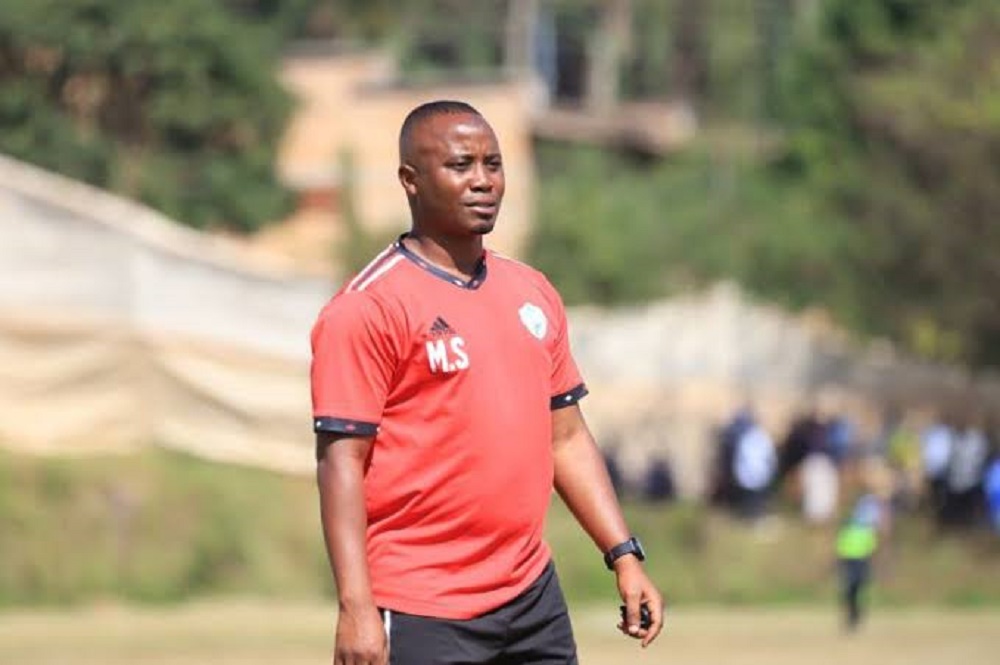
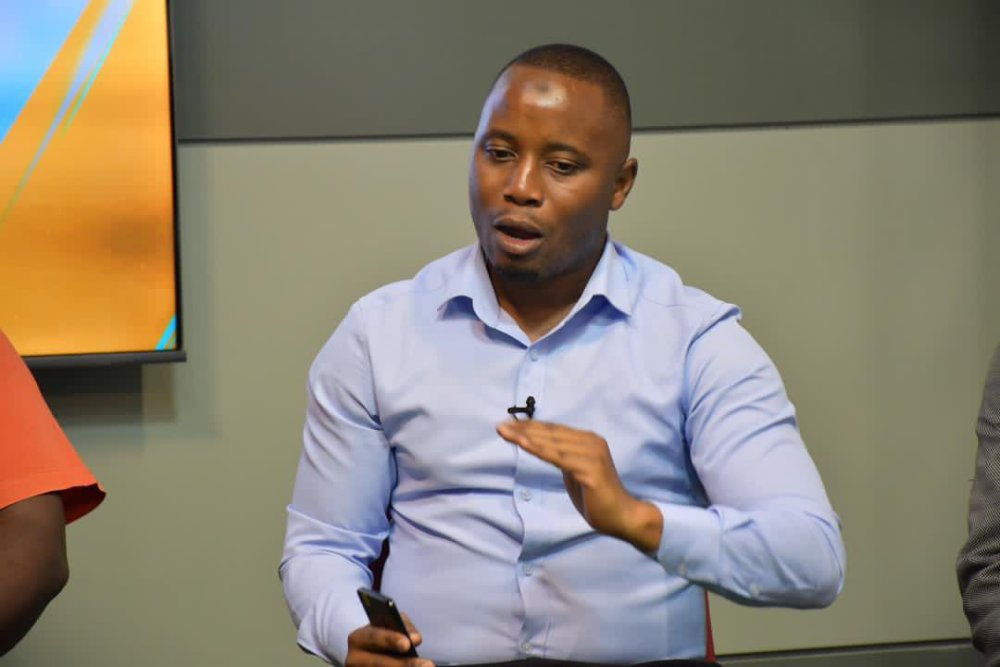
The suspended individuals include Mike Mutyaba, a former player for Uganda Cranes.Preliminary investigations suggest that Mutyaba coordinated the fix with Katende, who has previously been implicated in match-fixing cases.
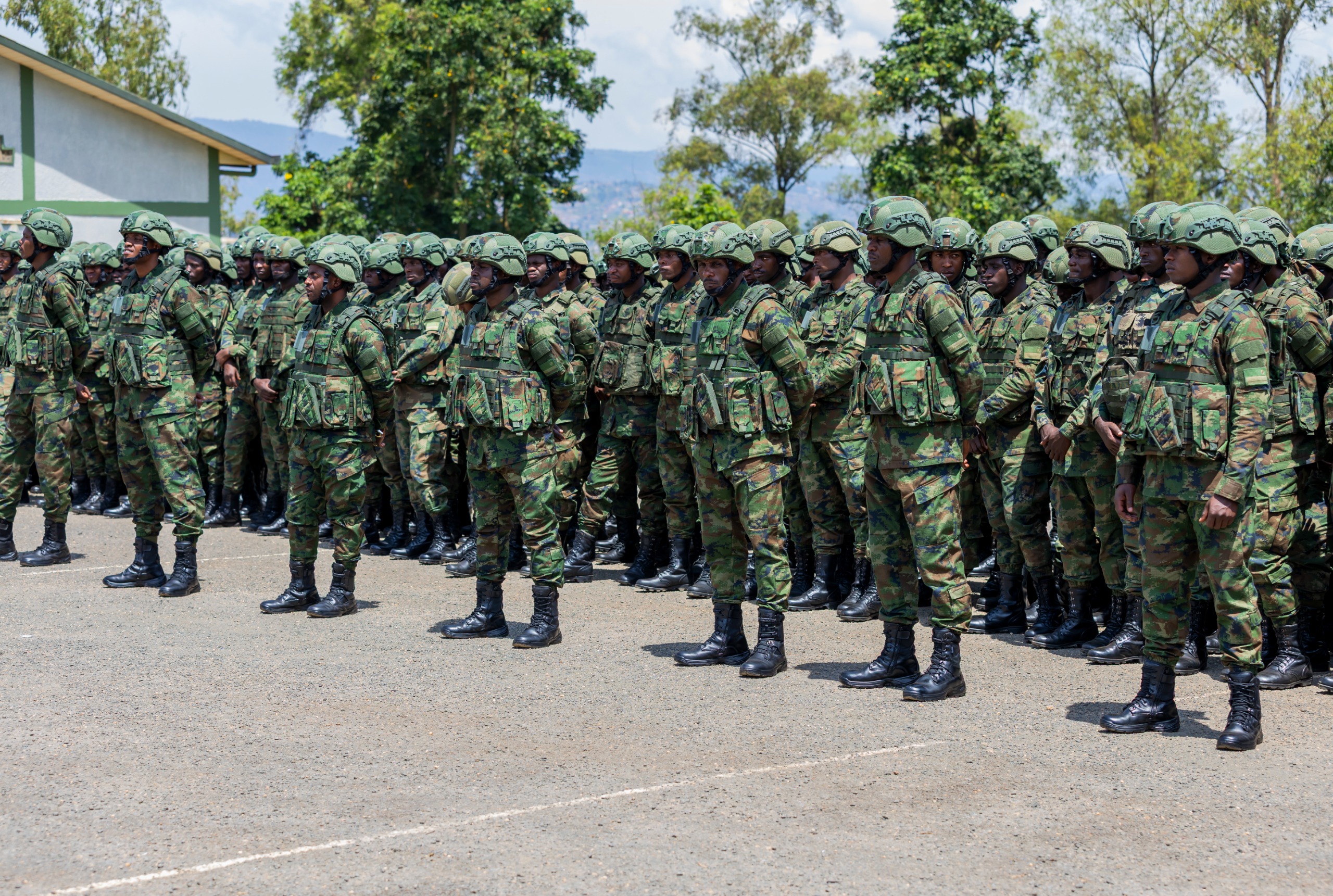
The contingent was briefed on Friday by Vincent Nyakarundi, the Army Chief of Staff of the RDF, during a ceremony held at Kami Barracks.
The briefing was also attended by the Deputy Inspector General of Police in charge of Operations, Commissioner of Police Vincent B. Sano.
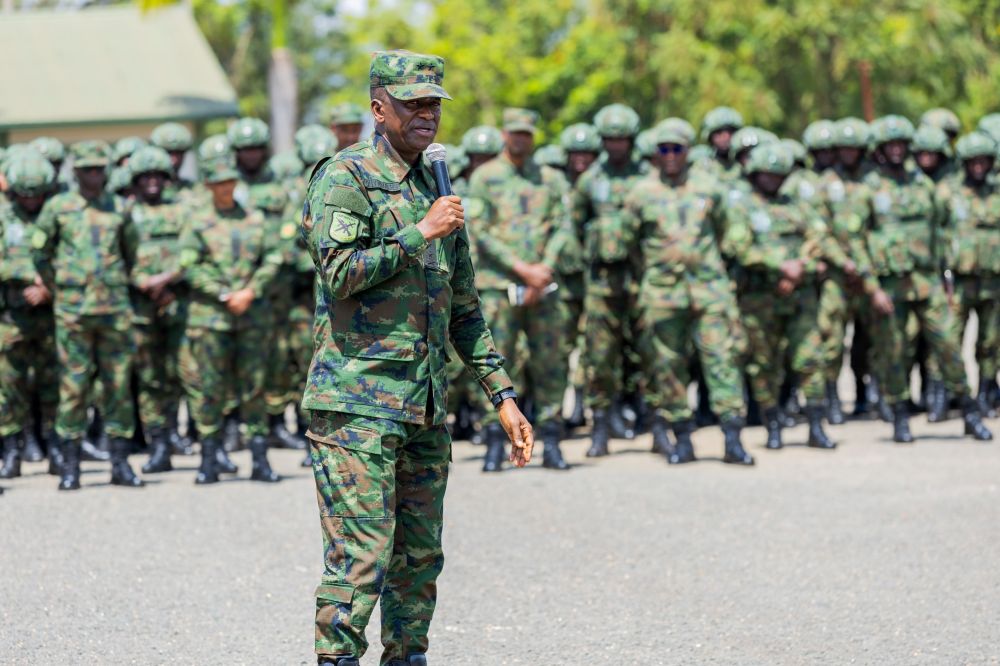
During the briefing, Maj Gen Nyakarundi reminded the contingent that their mission is to protect civilians from terrorism and urged them to serve as good ambassadors of Rwanda. He emphasised the importance of discipline, teamwork, and professionalism, encouraging them to remain fully committed to their duties, just as their predecessors have done.
Rwandan troops were first deployed to Cabo Delgado in July 2021 at the request of the Mozambican government, following years of attacks by Islamic State-linked insurgents.
Since then, the joint operations between Rwanda Security Forces and the Mozambican army have significantly weakened the insurgency, restored security in several areas, and enabled thousands of displaced residents to return to their homes.
The latest deployment comes a few months after a visit by Mozambican President Daniel Francisco Chapo to Rwanda, during which a renewed Status of Forces Agreement on the support to fight terrorism in Mozambique was signed. The agreement extended Rwanda’s military support in Cabo Delgado province.
“Thanks to this cooperation, we can see peace returning to the region,” President Chapo said, acknowledging Rwanda’s role in stabilising Cabo Delgado despite ongoing sporadic attacks.
Maj Gen Nyakarundi reminded the contingent that their mission is to protect civilians from terrorism and urged them to serve as good ambassadors of Rwanda. The new contingent will relieve colleagues currently serving in Rwanda’s counter-terrorism mission in Cabo Delgado.The briefing was also attended by the Deputy Inspector General of Police in charge of Operations, Commissioner of Police Vincent B. Sano.
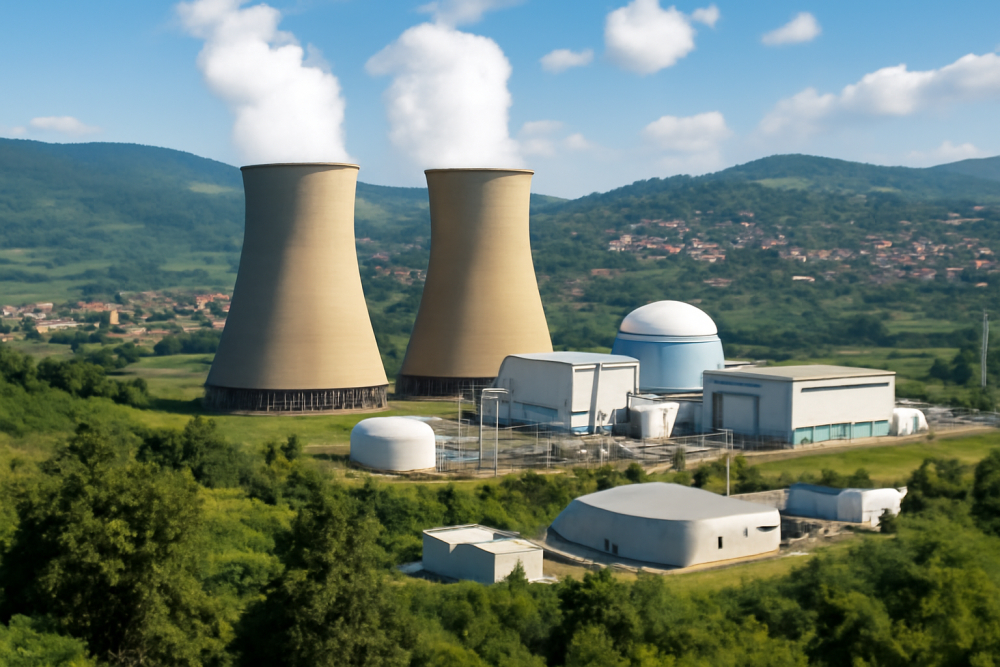
The evaluation, conducted from March 2–9, 2026, reviewed 19 key areas, including the country’s long-term nuclear energy plans, measures to protect people and the environment, financial frameworks for building and maintaining facilities, skilled personnel, and relevant legislation. The experts concluded that Rwanda is well-prepared in many of these areas.
Dr. Fidele Ndahayo, CEO of the Rwanda Atomic Energy Board (RAEB), said six priority areas require continued focus.
“We have made progress across all areas assessed, but there is still work to be done. The priority areas include preparing comprehensive documentation of what has been achieved and what remains, ensuring national leadership is fully informed, and reviewing all legislation to remove potential obstacles to the nuclear power plant project,” he said.
Rwanda plans to develop small nuclear power plants, which are expected to increase the country’s electricity capacity from 447 megawatts.
President Paul Kagame, speaking at the Nuclear Energy Summit in Paris, France, on Tuesday, said Rwanda’s long-term ambition to become a high-income country by 2050 requires a reliable and abundant electricity supply. He noted that nuclear energy will play a central role in diversifying the country’s energy mix and providing the stability needed for sustained economic transformation.
According to the Head of State, nuclear power offers Rwanda a dependable source of electricity that can support industrial expansion while helping reduce carbon emissions.
“We have decided to make nuclear central to our strategy,” Kagame said. “It will diversify our energy mix while providing the stability required for industrial growth and long-term transformation.”
The government estimates that $5 billion will be needed to establish nuclear power generation in the country.
Rwanda began collaborating with Russia in 2018 to establish a nuclear research center, paving the way for a future power plant. In August 2024, the country signed a partnership with U.S.-based Nano Nuclear Energy Inc. to develop new technology for generating electricity from nuclear energy.
RAEB projects that by 2028, the 234 skilled personnel required for the nuclear program will be in place, enabling the nuclear power plant to start supplying electricity by 2030.
In late 2025, the University of Rwanda introduced a new academic programme in nuclear science to build local expertise. Dr. Ndahayo also highlighted the need to support local industries to actively participate in building and operating nuclear-powered facilities.
As of early 2026, over 85% of Rwandan households have access to electricity, with residential and industrial sectors accounting for the highest demand.
Rwanda plans to develop small nuclear power plants, which are expected to increase the country’s electricity capacity from 447 megawatts.
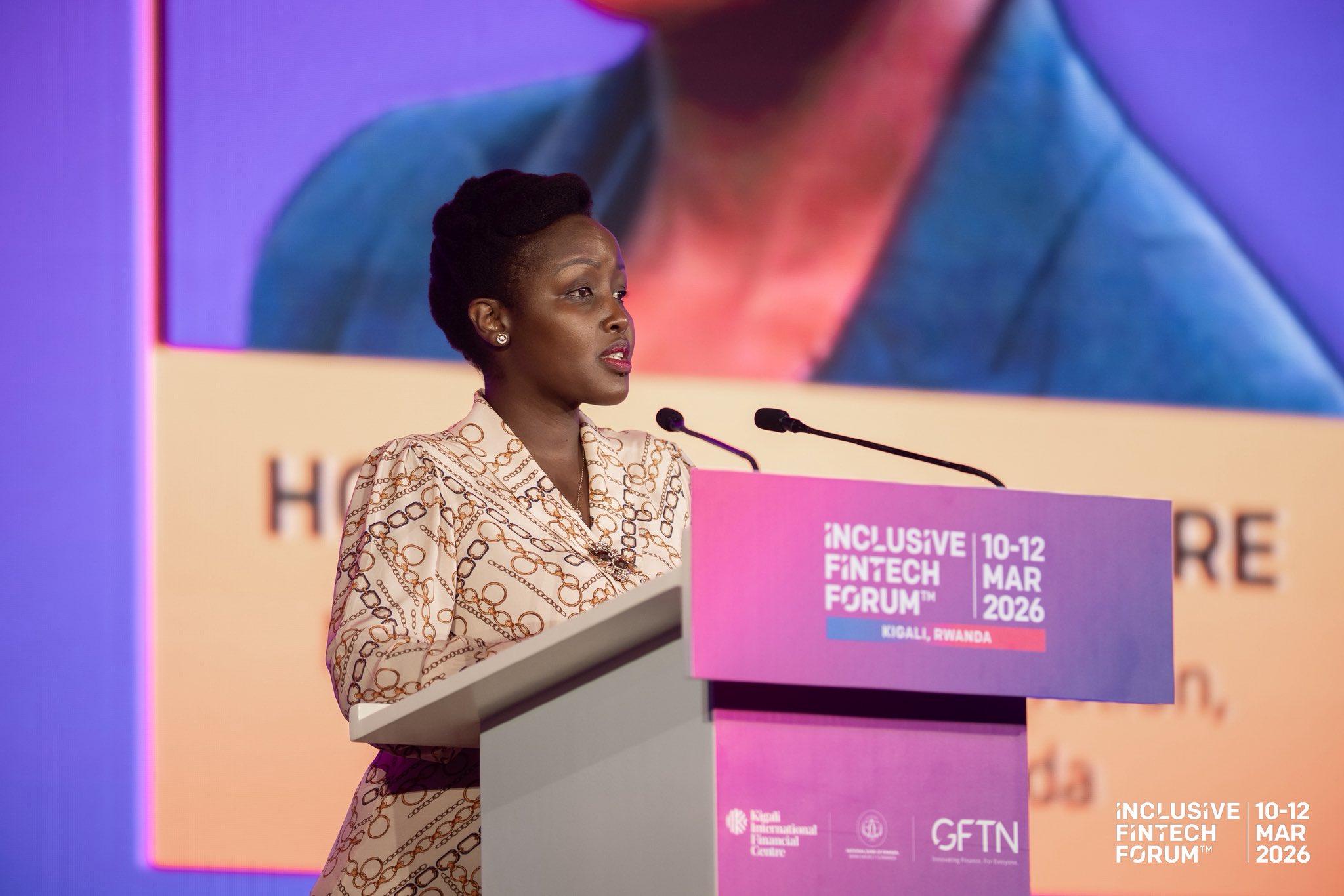
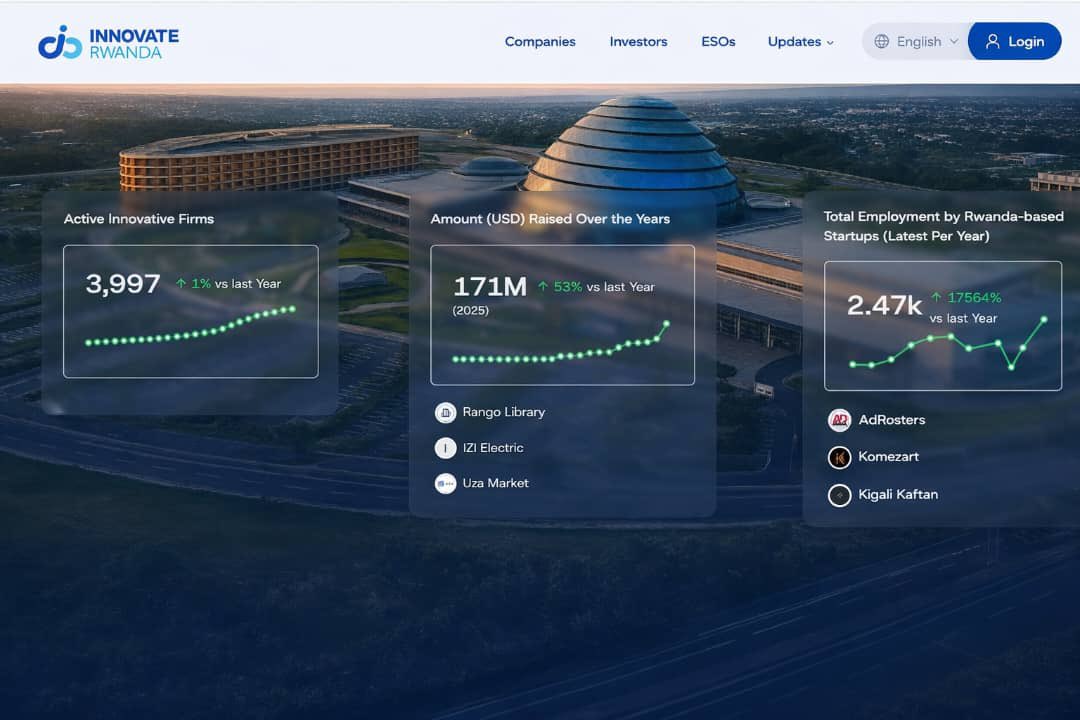
The platform, unveiled by Minister of ICT and Innovation Paula Ingabire on the sidelines of the Inclusive FinTech Forum, serves as a central gateway for Rwanda’s innovation landscape, making it easier for founders, partners, and investors to discover opportunities, collaborate, and grow innovative ventures.
“The platform will provide innovators and partners with an environment to experiment, collaborate, and develop solutions that address real challenges across digital finance, public services, and cross-border trade,” Minister Ingabire stated.
Innovate Rwanda enables ecosystem support organisations, including hubs, accelerators, incubators, and capacity-building programs, to better coordinate their efforts in supporting startups. Through the platform, the organisations can publish their programs, track startup engagement, and connect with partners working in similar sectors. By offering a shared space for visibility and collaboration, the platform aims to reduce fragmentation and improve the effectiveness of support for founders.
Minister of ICT and Innovation Paula Ingabire unveiled the platform on the sidelines of the Inclusive FinTech Forum.
For startups, Innovate Rwanda acts as a gateway to opportunities across Rwanda’s innovation ecosystem. Founders can create profiles to showcase their ventures, discover support programs, access funding and partnerships, and connect with ecosystem organisations that can help scale their ideas. The platform simplifies navigation of the innovation landscape, ensuring entrepreneurs find the right support at every stage of their journey.
The platform also enhances visibility for investors by providing a clear view of Rwanda’s startup pipeline. Investors can explore verified startup profiles, identify high-potential ventures, and engage with ecosystem organisations that facilitate deal flow and due diligence. This improved transparency helps investors discover opportunities and participate more effectively in the country’s growing startup scene.
Beyond connecting stakeholders, Innovate Rwanda strengthens coordination among ecosystem actors. By promoting programs, reaching the right founders, and aligning initiatives, the platform ensures that support, investment, and talent flow efficiently to innovators.
Ultimately, Innovate Rwanda positions Rwanda’s innovation ecosystem to be more connected, visible, and accessible both locally and globally, providing innovators with the resources and partnerships they need to grow and scale.
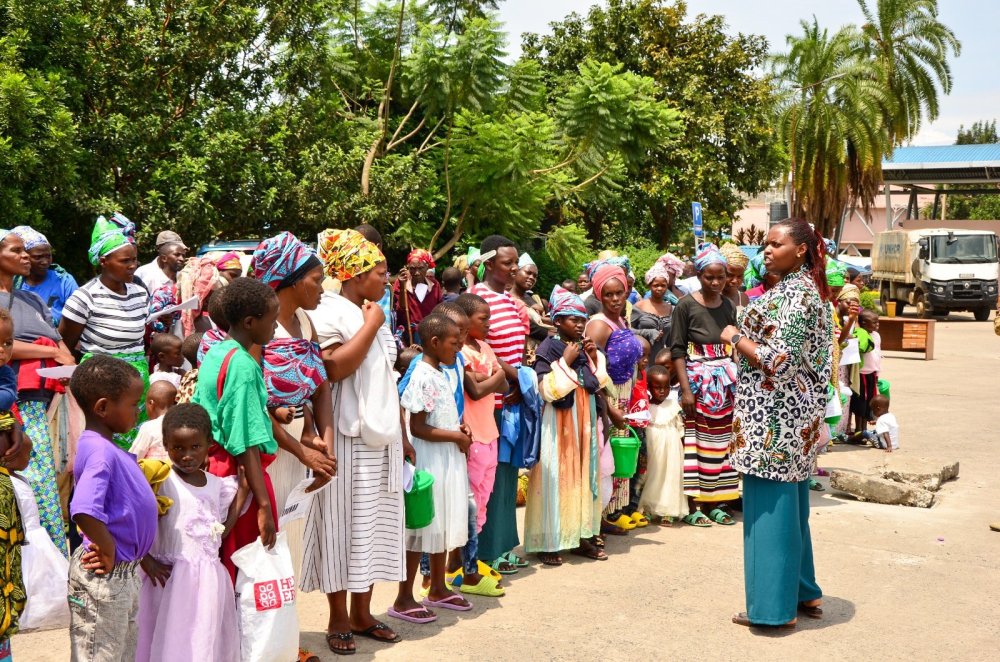
The group crossed into Rwanda on Thursday, March 12, 2026, through the main border post linking the two countries in Rubavu District, where they were received by the district’s Vice Mayor in charge of Social Affairs, Ishimwe Pacifique.
Most of the returnees are women and children, many of whom were born in the Democratic Republic of the Congo.
Speaking to the Rwanda Broadcasting Agency, several of them said they decided to return after being encouraged by fellow Rwandans who had previously repatriated and successfully rebuilt their lives back home.
Many of those returning had spent years under the control of the FDLR, a militia group formed by perpetrators of the 1994 Genocide against the Tutsi who fled to the DRC after being defeated by the Rwandan Patriotic Army (RPA).
Since the M23 rebel forces began taking control of large parts of eastern DRC, the returnees say security conditions have improved, allowing them to consider going back to Rwanda.
In cooperation with the United Nations High Commissioner for Refugees, those willing to return are being facilitated to repatriate.
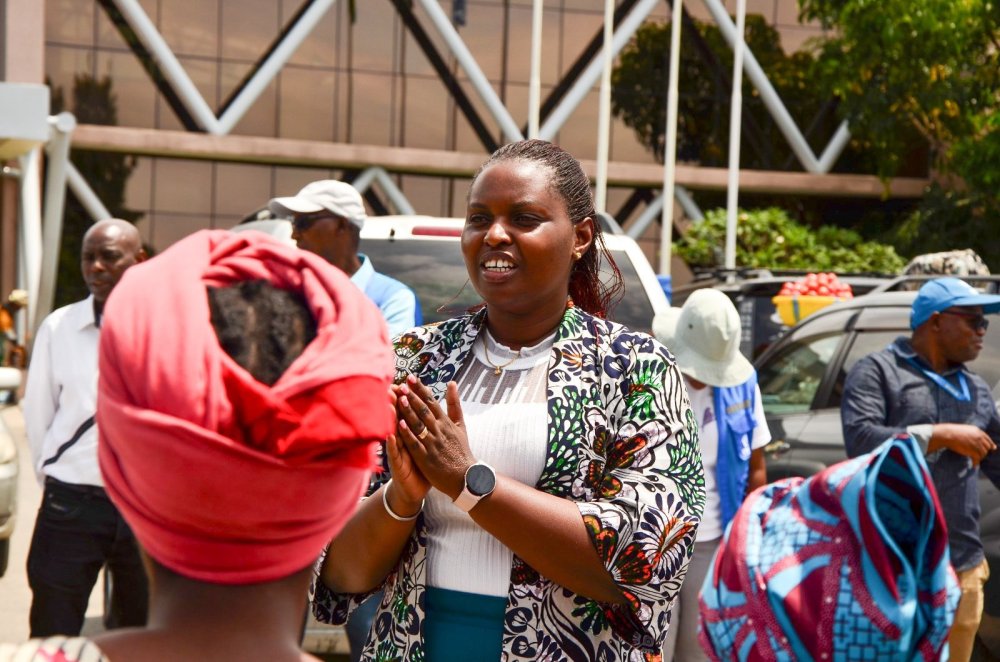
The returning Rwandan nationals were welcomed by the district’s Vice Mayor in charge of Social Affairs, Ishimwe Pacifique.
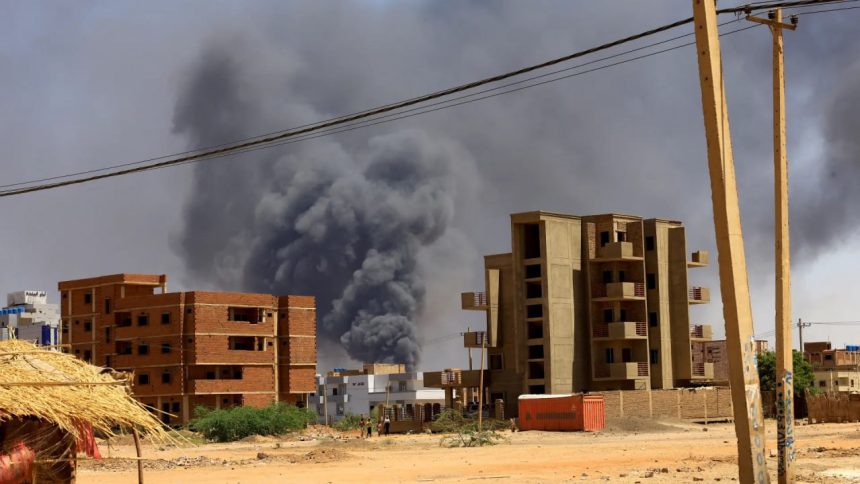
The Coordination Council of El Geneina Emergency Rooms, a voluntary civilian group, said in a statement that a drone fired four missiles at the crossing, killing 13 people involved in the fuel trade, including five women, and injuring five others.
The strike destroyed the fuel market at the crossing, damaged several civilian vehicles, and burned large quantities of food supplies, the group said.
According to the council, all the victims were small-scale traders who transported fuel and goods from the Chadian city of Adre to the crossing using traditional animal-drawn carts as part of their daily livelihood activities.
The group added that the crossing is also used for humanitarian operations, including the delivery of relief supplies, medicines, and shelter materials, as well as the movement of international humanitarian workers.
Meanwhile, an eyewitness, Adam Abdalla, a local fuel trader, told Xinhua that the attack occurred early in the morning while traders were preparing to begin their daily work.
“Several successive explosions hit the fuel market, and the fuel tanks and vehicles caught fire,” he said.
Abdalla added that the fuel market at the crossing had been a primary source of livelihood for dozens of families, noting that the strike caused heavy losses for traders and left the site almost completely destroyed.
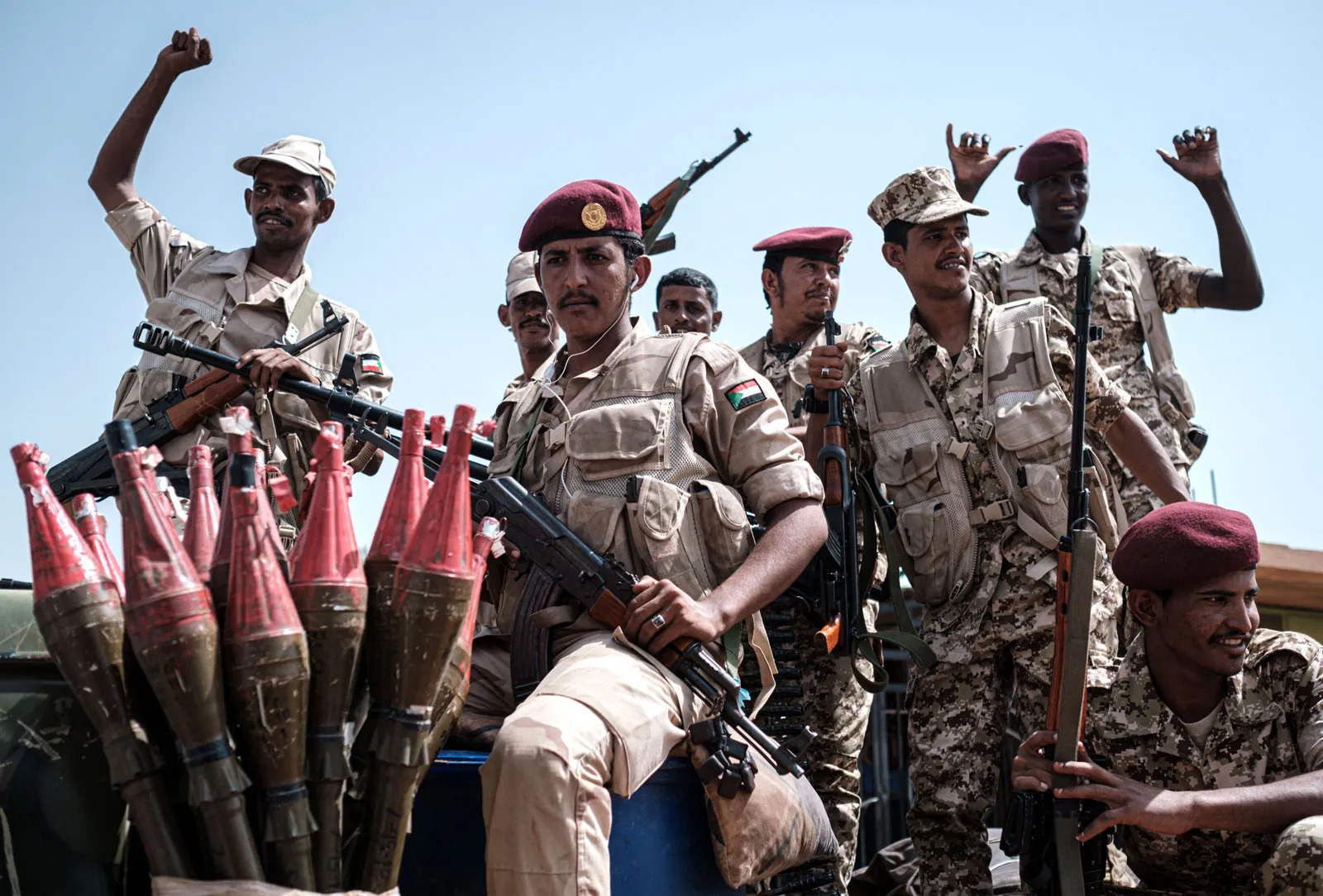
The paramilitary Rapid Support Forces (RSF) accused the Sudanese Armed Forces (SAF) of carrying out the attack, claiming it was intended to disrupt the delivery of humanitarian aid to the Darfur region.
The RSF called on the UN Security Council and international organizations to take urgent measures to halt what it described as “attacks” and to hold those responsible accountable.
Border crossings between Sudan and Chad, particularly the Adre crossing, are among the most important commercial routes for residents of Darfur, serving as a key artery for the movement of goods and people.
On February 23, Chad announced the closure of its border with Sudan after armed groups involved in the conflict crossed into its territory, while stating that humanitarian exceptions would still be granted subject to prior authorization.
Fighting between the SAF and the RSF erupted in April 2023 and has killed tens of thousands of people and displaced millions inside Sudan and across its borders.
The paramilitary Rapid Support Forces (RSF) accused the Sudanese Armed Forces (SAF) of carrying out the attack, claiming it was intended to disrupt the delivery of humanitarian aid to the Darfur region.
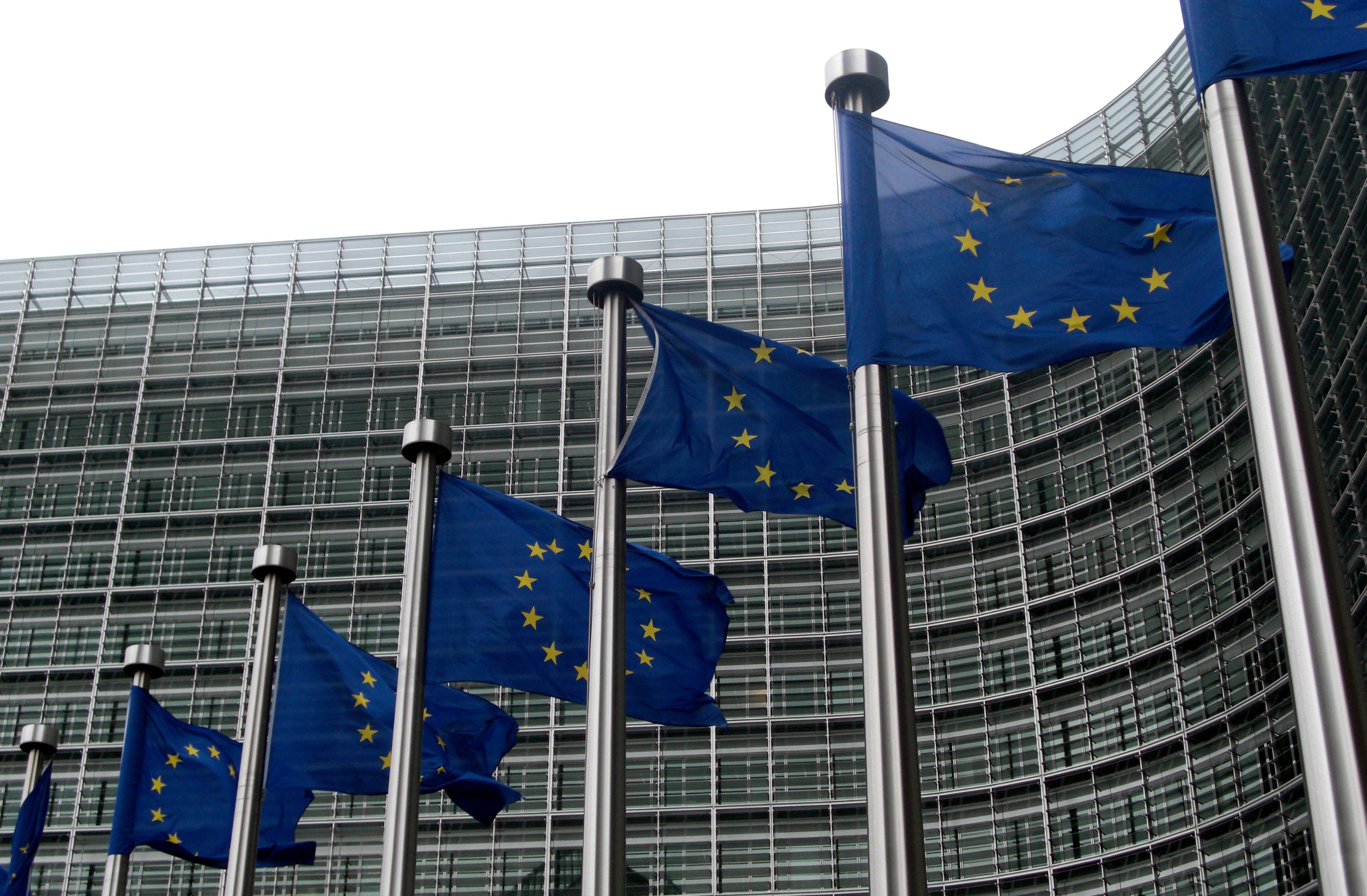
European Commission Deputy Chief Spokesperson Olof Gill told a press briefing that the Commission would carefully review the details of the U.S. investigation and continue to ensure that the EU’s interests are fully protected.
Gill added that the Commission would seek further clarification from Washington on how the Section 301 investigation would interact with the framework agreed under the EU-U.S. joint statement.
“The Commission will respond firmly and proportionately to any breach of the joint statement commitments,” Gill said.
Under the EU-U.S. trade deal reached in July last year, the EU agreed to eliminate tariffs on all U.S. industrial products and introduce tariff-rate quotas for a wide range of U.S. agri-food products entering the EU market. In return, Washington would set a 15-percent tariff ceiling on most EU goods exported to the United States.
Under the EU-U.S. trade deal reached in July last year, the EU agreed to eliminate tariffs on all U.S. industrial products and introduce tariff-rate quotas for a wide range of U.S. agri-food products entering the EU market.