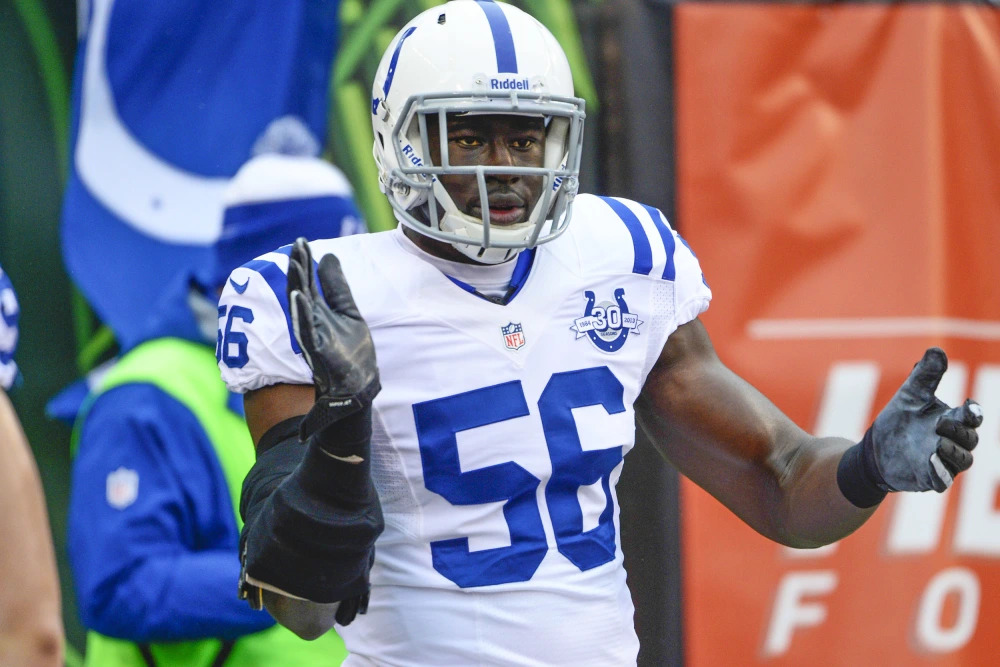
U.S. Immigration and Customs Enforcement (ICE) said the 37-year-old former Indianapolis Colts linebacker was removed from the country on June 20 following an immigration judge’s removal order issued in late March.
According to ICE, Adongo remained in the United States after his visa expired in 2016, a year after his NFL career came to an end.
The agency also cited his criminal record, saying he was convicted of misdemeanor criminal mischief involving property damage in 2020. He was sentenced to 364 days in jail but ultimately served about six months after receiving credit for time already spent in custody.
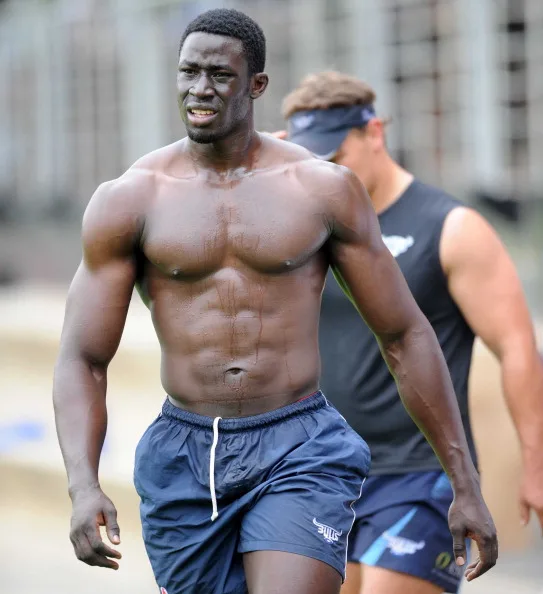
Adongo at the peak of his career, before his life began to spiral.
ICE further noted that Adongo had previously faced other charges, including felony intimidation, battery and disorderly conduct, although court records show those cases were dismissed without convictions.
Adongo shot to international fame in 2013 when the Indianapolis Colts signed him despite having no previous experience playing American football. Having transitioned from rugby, he became the first Kenyan to reach the NFL, a milestone that inspired many aspiring athletes back home.
His NFL career, however, lasted just two seasons before he was released by the Colts in 2015.
The Indianapolis Star previously reported that Adongo had multiple encounters with law enforcement during and after his football career. The newspaper also said court records showed he had at times been found incompetent to stand trial, with his attorney raising concerns that he may have suffered a traumatic brain injury during his rugby and football career.
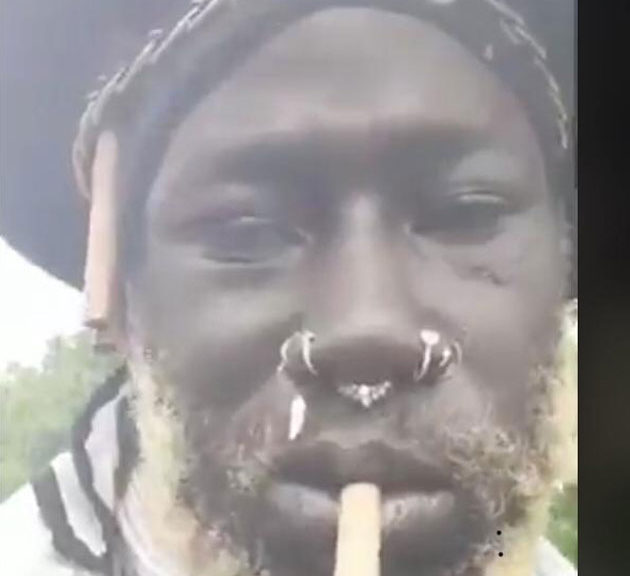
In August 2020, disturbing videos circulated showing a visibly unkempt and disheveled Daniel Adongo with nose piercings, smoking and talking to himself. The footage sparked widespread shock and concern in Kenya about his well-being.
A screen grab taken on August 14, 2020, from an online video shows Kenya’s history-making NFL player, Daniel Adongo, in a disturbing state.
Former Kenya 15s rugby international Ken Thimba described Adongo’s return as a dramatic turn for an athlete who once symbolized hope for Kenyan talent on the global stage.
“Adongo’s return to Kenya marks a dramatic change in the journey of an athlete who was once celebrated as a symbol of hope and opportunity for Kenyan talent on the global stage,” Thimba said.
He said moving from rugby to American football requires more than physical ability.
“Physically, rugby players have a strong foundation: tackling, spatial awareness, aggression and conditioning. That part translates. But the NFL is a system-heavy sport, highly specialised and highly technical. Every role is precise. In rugby, you read the game. In the NFL, you execute within a system, repeatedly, under pressure.”
“The real transition is not physical. It is mental discipline and technical adaptation. It is like learning a new language,” he added, suggesting Adongo may have struggled with the intense pressure and scrutiny that comes with competing in the NFL.
Adongo’s deportation comes as the Trump administration continues a broader crackdown on undocumented immigrants. ICE said his latest detention fell under the Laken Riley Act, legislation requiring authorities to detain undocumented immigrants arrested, charged or convicted of certain theft-related offenses. Critics of the law argue it weakens due process protections for immigrants accused, but not convicted, of crimes.
Adongo shot to international fame in 2013 when the Indianapolis Colts signed him despite having no previous experience playing American football.
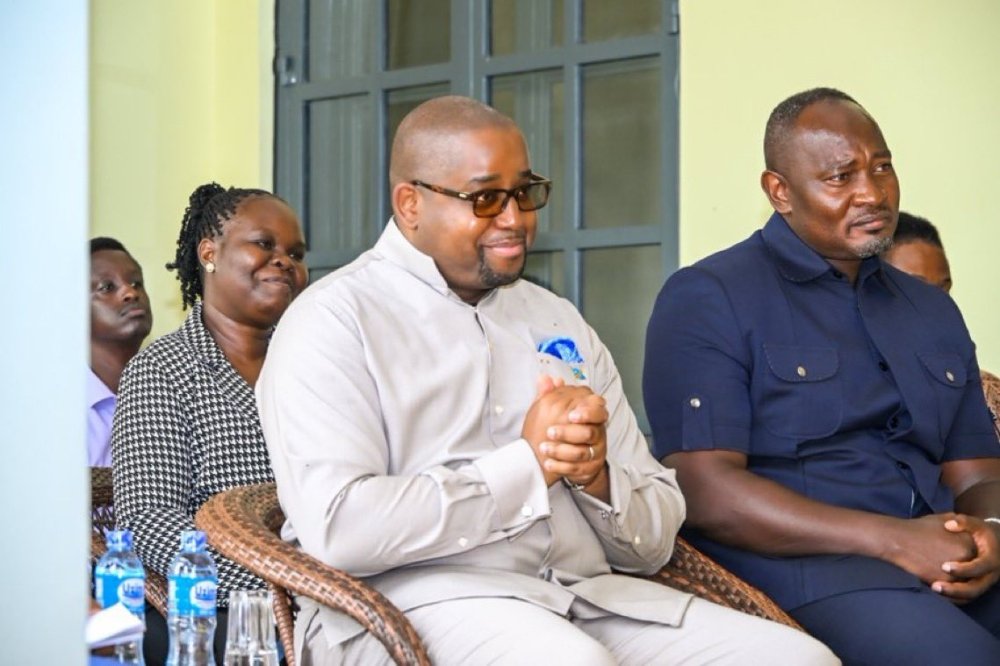
The discussions focused on efforts to grow the sport, nurture young talent and create more opportunities for basketball players in Uganda.
The meeting builds on earlier engagements held in Uganda in March 2026, when Gen. Muhoozi and Akamanzi discussed possible collaboration with the Ministry of Education and Sports to establish a Junior NBA League aimed at developing young players while promoting teamwork, discipline, leadership and work ethic.
During the March discussions, Akamanzi highlighted NBA Africa’s initiatives across the continent, including partnerships with governments and private sector actors to develop basketball ecosystems and create economic opportunities linked to the sport.
The talks also explored ways to improve basketball infrastructure in Uganda and strengthen pathways for young players to progress into professional leagues.
Gen. Muhoozi arrived in Kigali on Saturday for an official visit that included meetings with Rwanda’s senior military leadership and President Paul Kagame.
During his visit, the Ugandan military chief toured several infrastructure and recreational facilities in Kigali, including the King Faisal Hospital Expansion Project, Nyandungu Eco Park and Parklane Estate, a residential development in Gacuriro.
NBA Africa, led by Akamanzi, has been working to expand basketball across the continent through youth development programmes, partnerships and initiatives aimed at growing the sport’s professional ecosystem.
The planned Junior NBA League in Uganda is expected to provide a platform for secondary school students to develop their skills and compete in an organised basketball structure.
Veteran Ugandan journalist Andrew Mwenda also joined Gen. Muhoozi and Akamanzi during the meeting. The meeting builds on earlier engagements held in Uganda in March 2026, when Gen. Muhoozi and Akamanzi discussed possible collaboration with the Ministry of Education and Sports to establish a Junior NBA League.
In a public notice issued on Monday, July 27, RDB announced that it had begun operating from its new premises on KN 69 Street, opposite St. Michael Cathedral, with all services now available from the new location.
“Effective 27 July 2026, the RDB office has relocated to new premises,” the agency said, noting that the move applies to the public, development partners, investors and the wider business community.
RDB said all of its services will now be provided from the new offices, while the One Stop Centre, which offers a range of government and business services to investors, will operate from the ground floor of the building.
The agency added that its digital platforms remain fully operational, allowing clients to continue accessing online services and information without interruption. Customer support teams will also remain available to assist stakeholders during the transition.
RDB said details on the relocation of its subsidiaries, the Rwanda Convention Bureau (RCB) and the Rwanda Mines, Petroleum and Gas Board (RMB), will be communicated at a later date.
The move follows the temporary closure of the RDB Building in Gishushu on May 5, 2026, to pave the way for planned renovation and upgrade works.
At the time, RDB relocated its One Stop Centre services to the Ministry of Infrastructure offices in Kimihurura, while other services continued to be offered through the institution’s digital platforms.
The 12-storey Gishushu building, which also housed the Rwanda Housing Authority (RHA), had become the subject of scrutiny after assessments identified structural and construction-related defects.
RDB had long operated from this building in Gishushu before it was closed in May to allow renovations aimed at addressing structural defects.
Mmamoloko Kubayi, chairperson of the Inter-Ministerial Committee on Migration, made the remarks at a media briefing in Pretoria on the government’s latest progress in dealing with the migration challenges in the country.
The repatriations come amid a recent rise in attacks targeting foreign nationals in South Africa, which has prompted some migrants to opt for voluntary return. Kubayi said the government has been working with representatives of countries of origin to facilitate the repatriation process.
“Regarding deportations and repatriations, we can confirm that since Malawian nationals assembled at Sherwood in KwaZulu-Natal from June 14 to July 24, a total of 68,138 foreign nationals have been processed, the majority repatriated following processing at the Musina Temporary Repatriation Processing Centre,” said Kubayi, who is also minister of justice and constitutional development.
According to Kubayi, the Border Management Authority processed 72,906 repatriations involving various nationalities at ports of entry between June 7 and July 14, including those handled at the temporary repatriation center.
She said dedicated immigration courts finalized 28,736 immigration-related cases, mainly involving deportations, between April 1 and the end of June. Kubayi also warned against unauthorized identity checks targeting foreign nationals, saying migration management remains the responsibility of state authorities and must be conducted in accordance with the law.
“To date, law enforcement authorities have registered 354 cases of arrests and prosecutions against individuals who are in contravention of the law related to the issue of migration. An additional 69 people were arrested in Eastern Cape last weekend, and appeared in court on Monday. Government is making it clear that migration management is fundamentally a rule-of-law matter. Criminality will not be tolerated, regardless of who is involved,” she said.
Since April, a total of 93 joint border operations have been conducted to crack down on the illegal movement of illicit goods, human trafficking and drug syndicates, according to Kubayi.
She said the government has also intensified engagement with neighboring countries and countries of origin to strengthen cooperation on migration management, documentation, repatriation and information sharing.
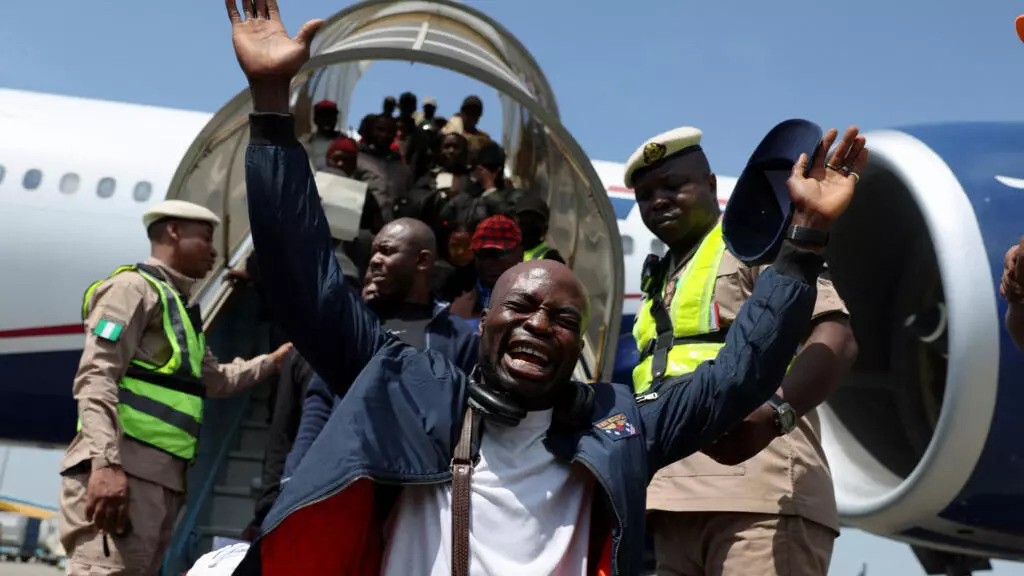
A man disembarks from a government-chartered flight repatriating Nigerian citizens fleeing xenophobic attacks in South Africa, in Lagos on 11 June 2026. The South African government has been accused of failing to crack down on anti-immigrant violence
The DRC government has been lobbying African and European partners with a proposal that would see the FDLR dismantled through a political process rather than military action.
Rwanda and political analysts argue that the initiative is a diversionary tactic that fails to address what they describe as the root cause of the threat posed by the group, its genocidal ideology.
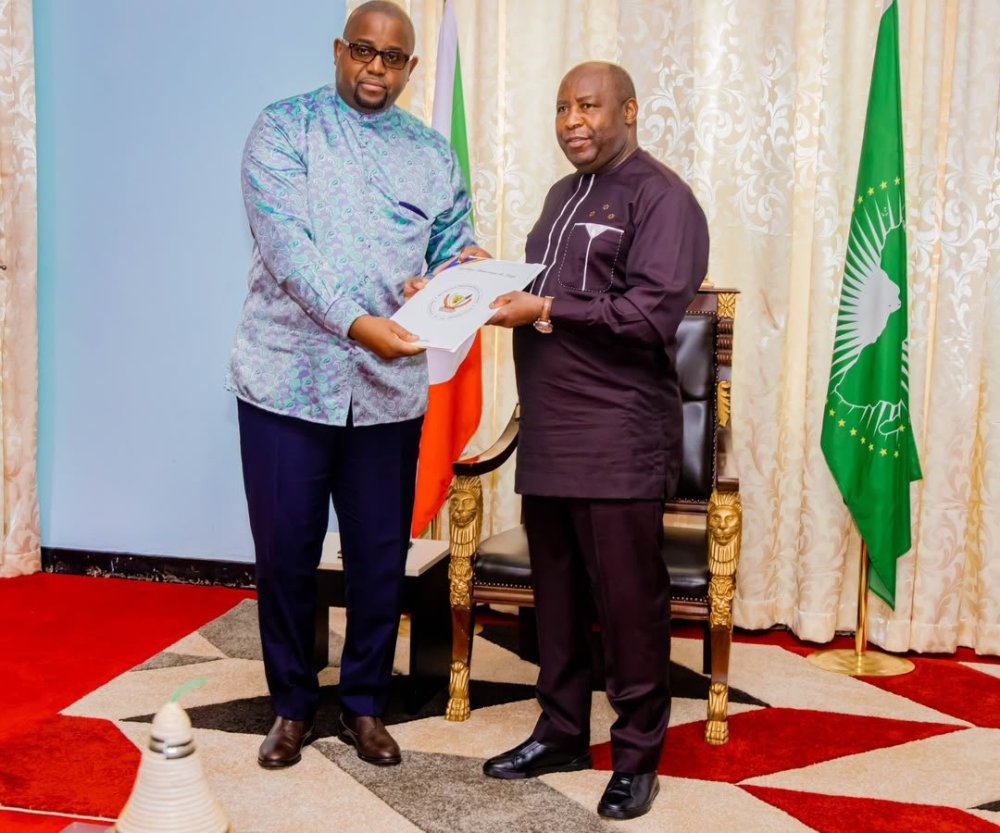
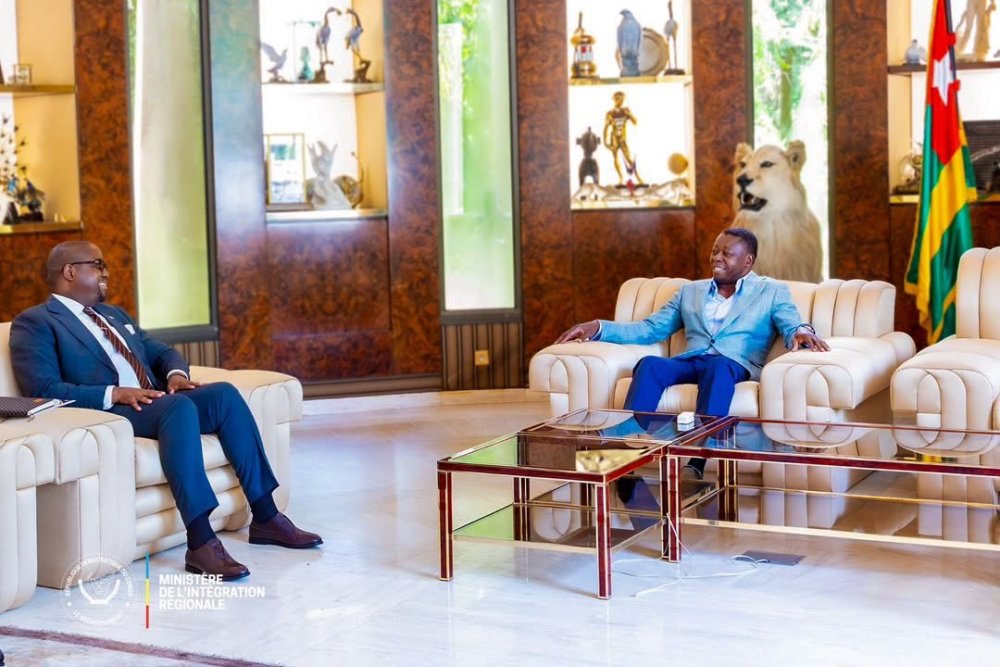
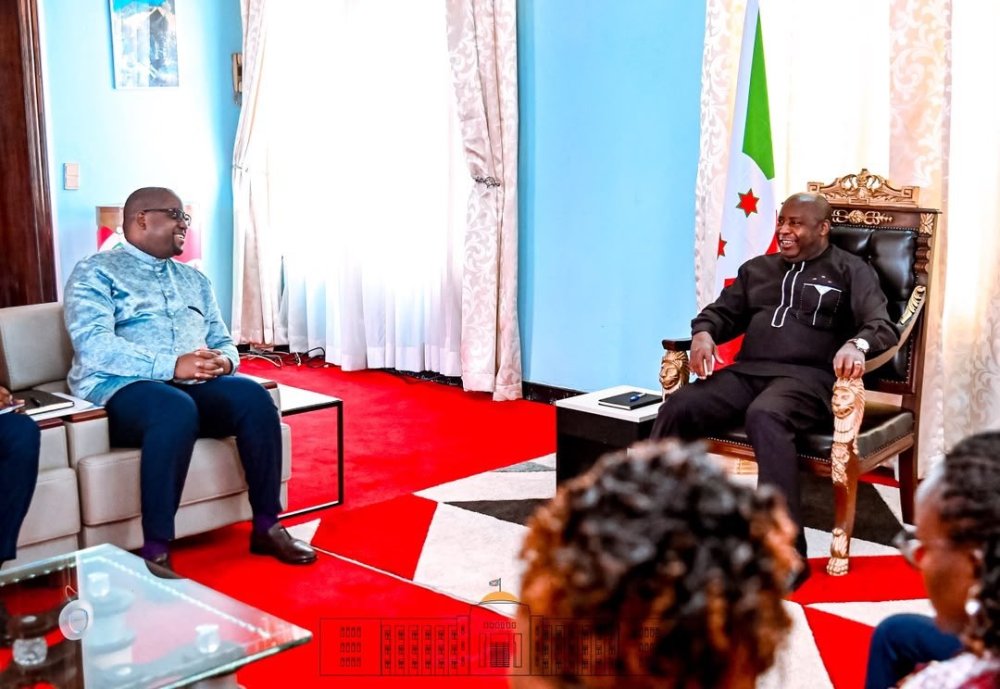
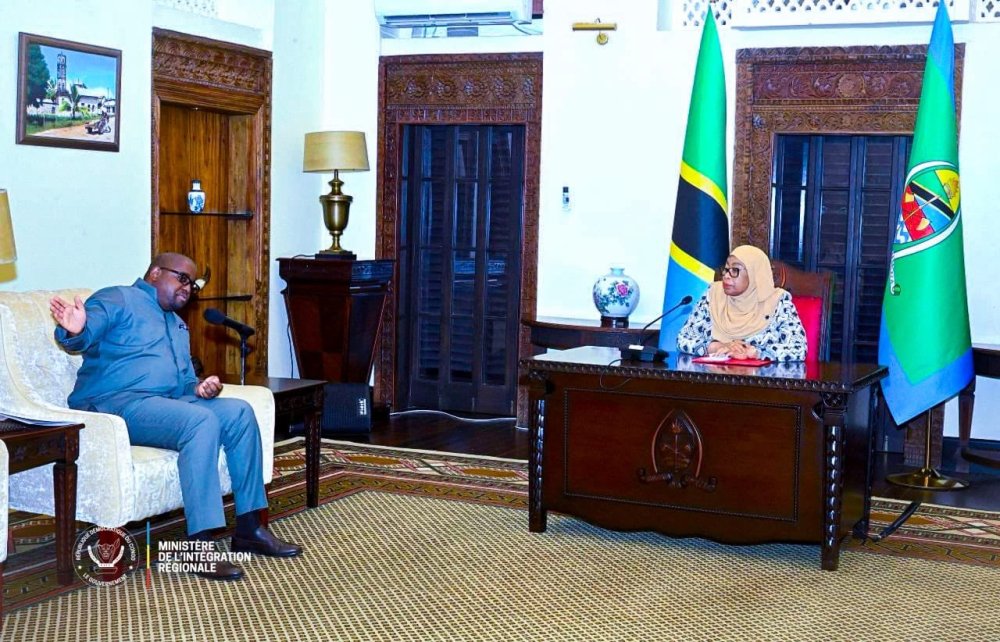
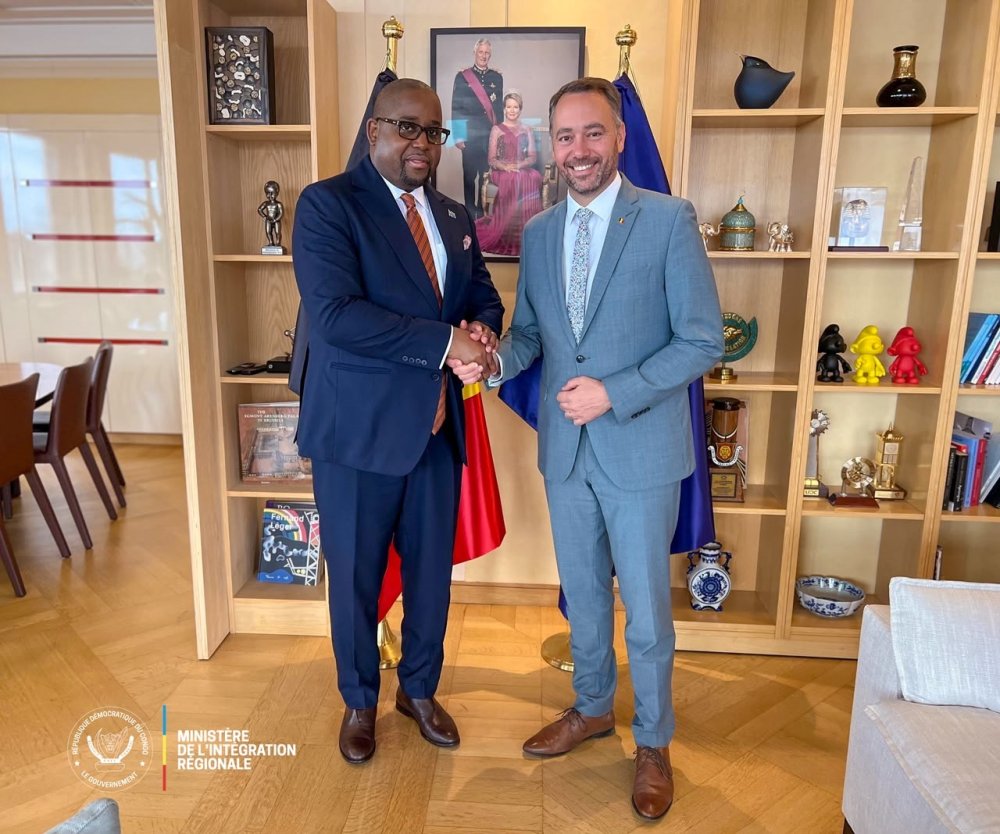
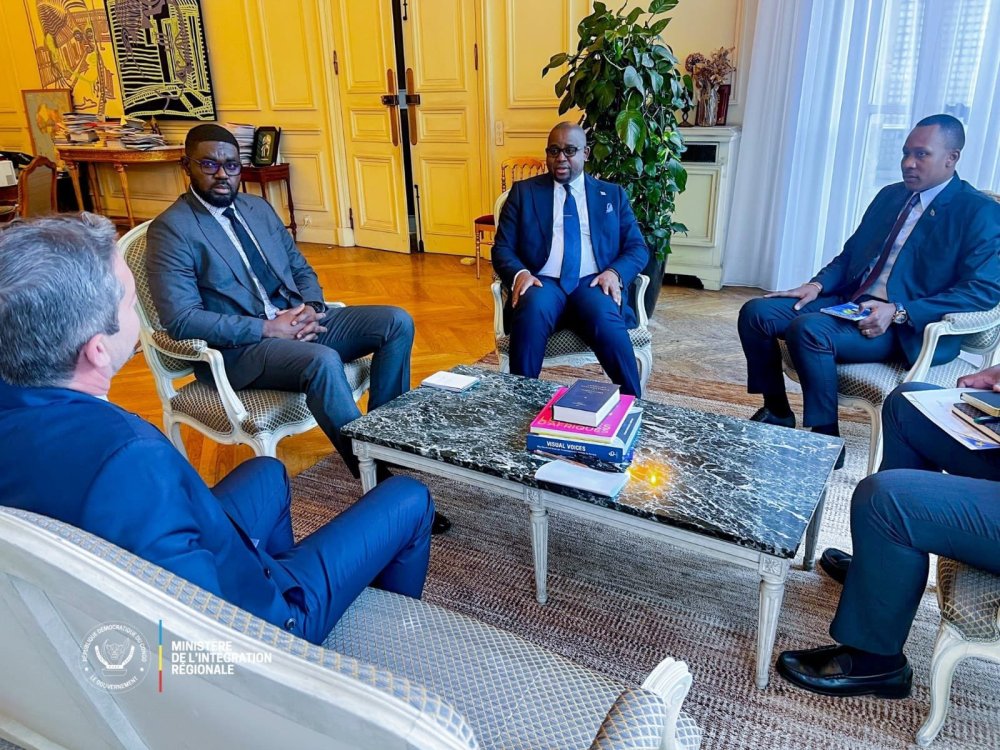
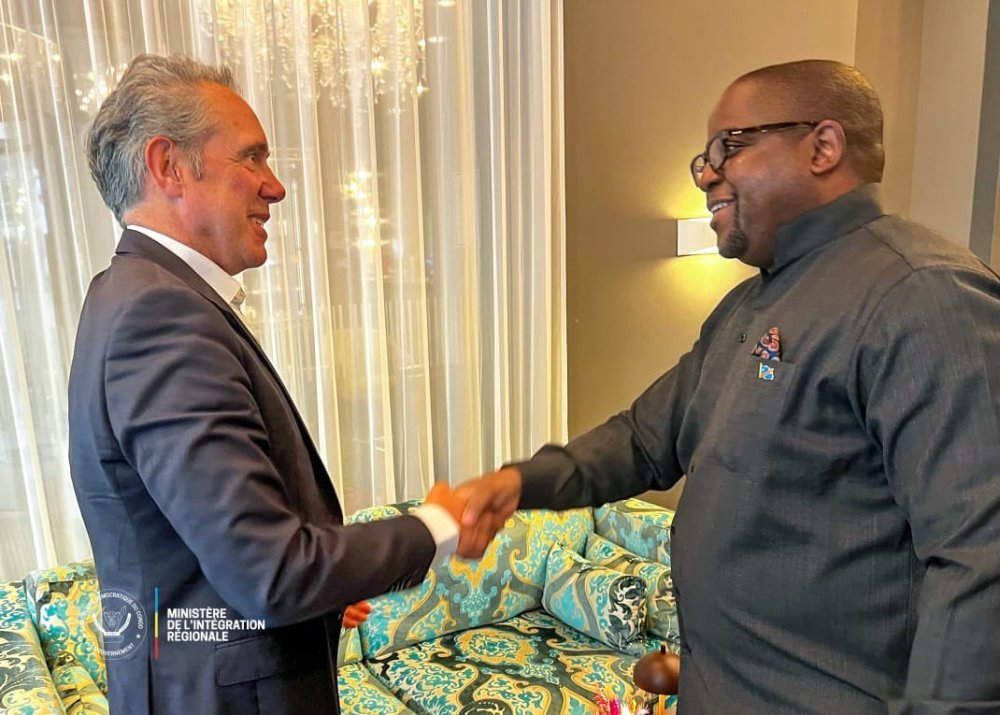
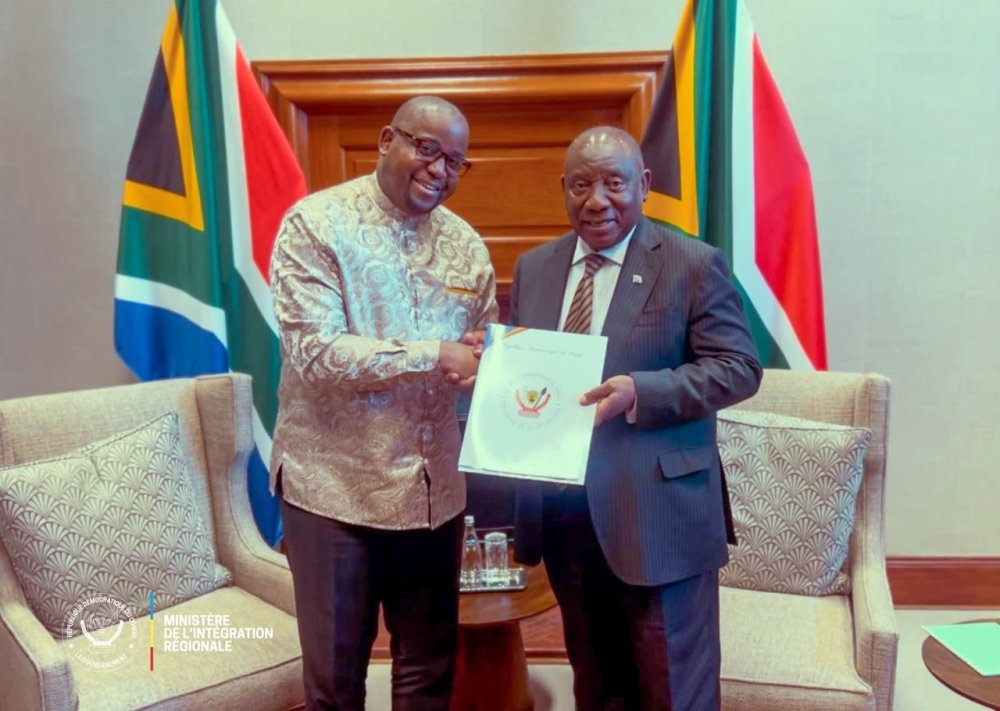
Since July 13, 2026, the DRC’s Minister for Regional Integration, Floribert Anzuluni Isiloketshi, has visited Uganda, Togo, Burundi, Tanzania, Belgium, France and South Africa, in addition to holding meetings at the European Union headquarters in Brussels.
Although the tour was officially presented as consultations on the security situation in eastern DRC, reports indicate that President Félix Tshisekedi’s envoys were also carrying a proposal aimed at persuading international partners to support Kinshasa’s new approach to addressing the FDLR issue.
According to Jeune Afrique, the Congolese government is seeking to convince regional and Western partners that it is making genuine efforts to dismantle the FDLR, even as it faces mounting pressure over what critics say is its failure to implement obligations under the Washington Peace Agreement.
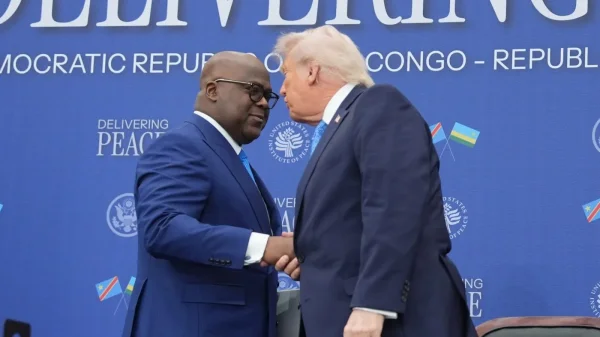
That diplomatic push intensified after Washington publicly raised concerns over the pace of implementation. On June 27, U.S. President Donald Trump’s Senior Advisor for Africa, Massad Boulos, told the United Nations Security Council that the DRC had failed to fulfill its commitment to dismantle the FDLR.
On July 13, Minister Anzuluni and his delegation were received in Uganda.
FDLR proposes voluntary disbandment
During his diplomatic tour, Minister Anzuluni presented a document outlining what Kinshasa describes as a new framework for the voluntary disarmament, demobilization and reintegration of FDLR fighters.
Signed by Victor Byiringiro, a senior political figure within the FDLR, the document proposes the group’s voluntary disarmament and self-dissolution following an awareness campaign conducted by the Congolese government.
The proposal, submitted by Byiringiro to President Tshisekedi on May 30, 2026, argues that dismantling the FDLR should be achieved through political engagement rather than military operations. It further proposes that FDLR combatants be housed in a secure, protected facility where they would not be subjected to military attacks.
Byiringiro also argues that FDLR members should not be forcibly repatriated to Rwanda. Instead, those unwilling to return should be assisted in resettling in third countries together with their families currently living in the DRC.
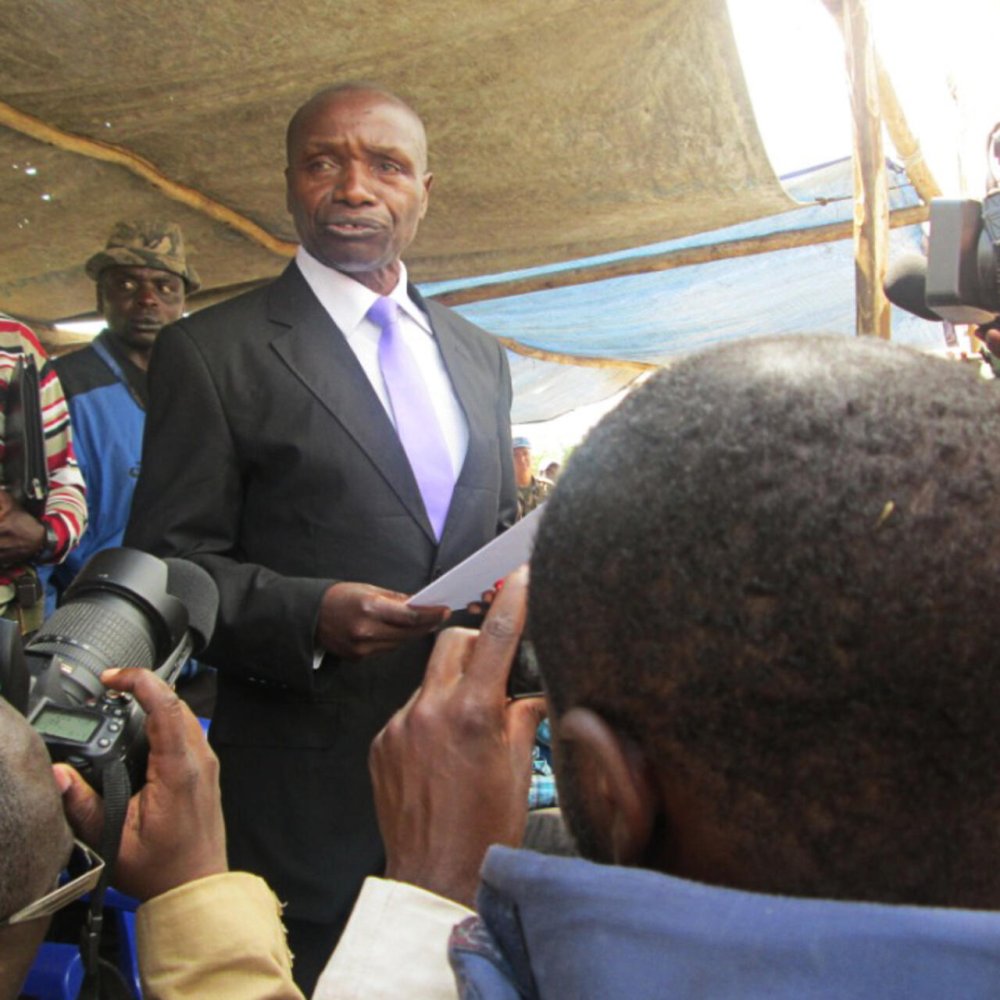
FDLR political leader Victor Byiringiro drafted the proposal for the group’s dissolution and sent it to President Félix Tshisekedi.
Kinshasa has presented the proposal as a major step forward, arguing that it removes what it describes as Rwanda’s justification for supporting the AFC/M23 coalition. Rwanda, however, rejects that characterization, insisting that the AFC/M23 movement is a Congolese rebel group whose members are fighting against marginalization and exclusion within the DRC.
Rwanda has rejected the proposal, describing it as an attempt to circumvent the Washington Peace Agreement, which requires the DRC to dismantle the FDLR following the agreement signed on June 27, 2025.
According to Belgium’s La Libre, Rwanda’s Minister of Foreign Affairs and International Cooperation, Ambassador Olivier Nduhungirehe, dismissed the proposal as an effort to distract from the agreement’s core obligations.
“We remain committed to the agreement we signed. Any attempt to introduce additional elements aimed at portraying the FDLR as a party to the agreement is unacceptable. Such efforts are intended to undermine the document signed in Washington,” Nduhungirehe said.
He added: “The Washington Agreement is a sound document. If all its provisions are implemented, we would have genuine hope for lasting peace and development in the Great Lakes region.”
Analysts question the proposal
Political analysts say this is not the first time the FDLR has proposed voluntarily dissolving itself, arguing that similar initiatives in the past failed to produce meaningful results.
Professor Bob Kabamba, a political scientist at the University of Liège in Belgium, said the proposal was unlikely to succeed.
“This is not the first time such an initiative has emerged. One has to examine the history of the FDLR to understand the nature of this issue,” he said.
Kabamba noted that in July 2000, then-DRC President Laurent-Désiré Kabila oversaw the dissolution of the ALiR rebel movement before the FDLR later emerged.
He argued that even if the FDLR were formally dissolved under the current proposal, another armed group with the same ideology and objectives could emerge.
“The new plan allows the FDLR to dissolve itself. That is difficult to understand, and Kigali will not accept it because it has not forgotten ALiR and the subsequent creation of the FDLR, which it says continues to receive support from Kinshasa. Based on this proposal, history could repeat itself, with another armed group emerging after the FDLR’s dissolution.”
Since early 2026, Tshisekedi has also reportedly considered the renaming of the FDLR in what analysts describe as an attempt to improve its international image. Under the reported proposal, the group would become the Front Commun pour la Libération Rwandaise (FCLR) while retaining its ideology and military structure.
Ideology remains the central concern
Both Nduhungirehe and Kabamba argue that the principal concern surrounding the FDLR is not simply the number of fighters it commands but the genocidal ideology embraced by its leadership and members.
“This issue goes far beyond the number of FDLR fighters,” Kabamba said. “Today they number only around 2,000 to 3,000, which is insufficient to militarily threaten the Rwandan state. The real concern is the extremist ideology that continues to target a particular ethnic group with the objective of extermination while promoting violence. This proposal addresses none of that.”
According to the latest report by the UN Group of Experts, published in late June 2026, the FDLR claims to have more than 10,000 fighters, about half of whom are permanent combatants. Its elite military wing, known as CRAP, claims to have 20,000 fighters.
Meanwhile, beyond Minister Anzuluni’s diplomatic campaign, the DRC government continues military preparations in North and South Kivu provinces. Although the Congolese army announced in late March 2026 that it would dismantle the FDLR, Rwanda says that commitment was never implemented and that, two days later, the group instead received additional weapons from the Congolese military to continue supporting government forces.
Rwanda has continued to present evidence of cooperation between the DRC government and the FDLR. Kinshasa, however, maintains that its contacts with the armed group are intended solely to persuade it to lay down its arms, a claim disputed by Rwanda.
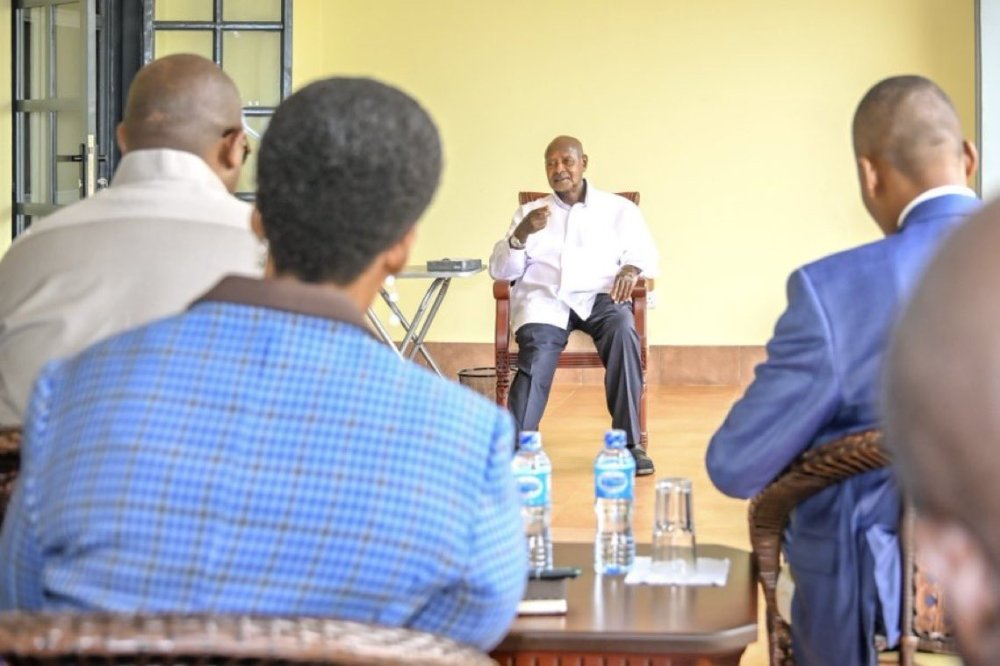
Minister Anzuluni and his delegation were received by Uganda’s President Yoweri Kaguta Museveni.On July 15, 2026, Burundi’s President Évariste Ndayishimiye received Minister Anzuluni, who presented him with the FDLR proposal. On July 15, Minister Anzuluni was received by Togo’s President of the Council of Ministers, Faure Essozimna Gnassingbé. Minister Anzuluni presented the proposal to Ndayishimiye, a close ally of the DRC who currently serves as the Chairperson of the African Union (AU).
On July 19, Minister Anzuluni was received by Tanzania’s President Samia Suluhu Hassan.On July 20, Minister Anzuluni was received by Belgium’s Minister of Foreign Affairs, Maxime Prévot.
On July 22, Minister Anzuluni met with the French President’s Advisor for Africa.
On July 23, Minister Anzuluni met with Johan Borgstam, the European Union Special Representative for the Great Lakes Region, in Brussels and presented him with the proposal.On July 24, Minister Anzuluni met with South African President Cyril Ramaphosa.
The Ugandan government formally submitted Otunnu’s candidature to the United Nations on Saturday, presenting him as a veteran diplomat and international civil servant with more than four decades of experience in global affairs.
Otunnu, 75, previously served as the UN Under-Secretary-General and Special Representative of the Secretary-General for Children and Armed Conflict from 1997 to 2005 under former Secretary-General Kofi Annan.
During his tenure, he helped elevate the protection of children affected by armed conflicts on the UN agenda and contributed to the creation of mechanisms aimed at monitoring violations against children in war zones.
Before joining the UN leadership, Otunnu served as Uganda’s Permanent Representative to the United Nations from 1980 to 1985 and briefly held the position of Foreign Affairs Minister between 1985 and 1986.
Otunnu served as Uganda’s Permanent Representative to the United Nations from 1980 to 1985 and became President of the UN Security Council in December 1981. During that period, he played a key role in resolving a deadlock over the selection of the UN Secretary-General by introducing a straw-balloting procedure that helped identify Javier Pérez de Cuéllar as a consensus candidate.
At the national political level, Otunnu led the opposition Uganda People’s Congress (UPC) and contested Uganda’s 2011 presidential election, where he lost to President Yoweri Museveni, who has been in power since 1986.
Beyond government and UN roles, Otunnu served as President of the International Peace Academy, now known as the International Peace Institute, from 1990 to 1998. He has also held academic positions at institutions including Albany Law School and the American University in Paris.
His nomination adds him to a field that includes Chile’s Michelle Bachelet, Ecuador’s Maria Fernanda Espinosa, Argentina’s Rafael Grossi, Costa Rica’s Rebeca Grynspan, Guyana’s Carolyn Rodrigues-Birkett and Senegal’s Macky Sall.
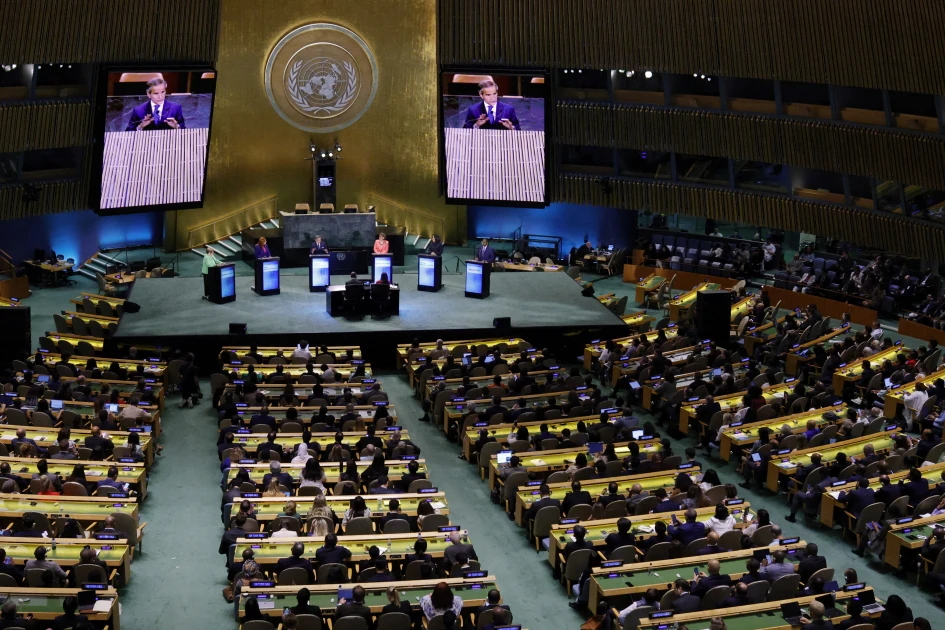
The candidates took part in a televised debate on Thursday as they presented their visions for leading the United Nations.
The UN Security Council is expected to hold its first closed-door, anonymous vote on the candidates on July 30. The process will continue through additional rounds of voting until a candidate secures the required nine votes from the 15-member council without opposition from any of the five permanent members: the United States, United Kingdom, China, France and Russia.
The selected candidate will then be presented to the UN General Assembly for formal appointment and will assume office on January 1, 2027.
The UN Security Council is expected to hold its first closed-door, anonymous vote on the candidates on July 30.
Faye unveiled the Republican Patriots party on Saturday, seeking to consolidate his political base after months of growing tensions with Sonko, who helped him rise to power in 2024.
The two leaders campaigned together under Pastef’s banner, promising to create jobs for young people, fight corruption and secure a larger share of Senegal’s oil, gas and mineral wealth for citizens.
However, their alliance began to weaken over disagreements on key policy issues, including negotiations with the International Monetary Fund (IMF) over a financial support programme as Senegal faces a deepening debt crisis.
Faye later dismissed Sonko as prime minister, but Sonko’s political influence remained strong. Pastef retained its majority in parliament, and Sonko was subsequently elected president of the National Assembly.
A new prime minister, Ahmadou Al Aminou Lo, was appointed in May, with a Cabinet formed the following month without members of Pastef after Sonko announced that his party would not participate in the government.
Ahead of the launch of Faye’s new party, several Pastef officials resigned from the party to join the president’s movement, including regional leaders and members of its youth wing. Some members of the opposition Alliance for the Republic also joined Faye’s camp.
The creation of the Republican Patriots marks a new phase in Senegal’s political landscape, with the two former allies expected to compete for influence in the lead-up to local elections in 2027 and the presidential race in 2029.
Faye’s government has faced mounting challenges since taking office, particularly after authorities discovered that the previous administration had underreported billions of dollars in public borrowing, worsening the country’s debt situation.
The emerging rivalry between Faye and Sonko could reshape Senegal’s political future as both leaders seek to consolidate their support bases ahead of future elections, including the 2029 presidential race.
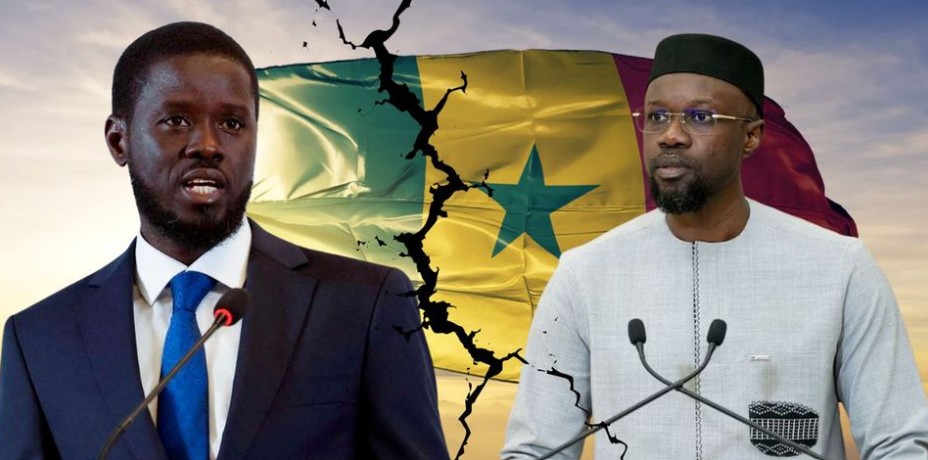
Senegalese President Bassirou Diomaye Faye (left) and former Prime Minister Ousmane Sonko. Faye has launched his own political party, formalising a split with former ally and ruling Pastef party leader Ousmane Sonko.
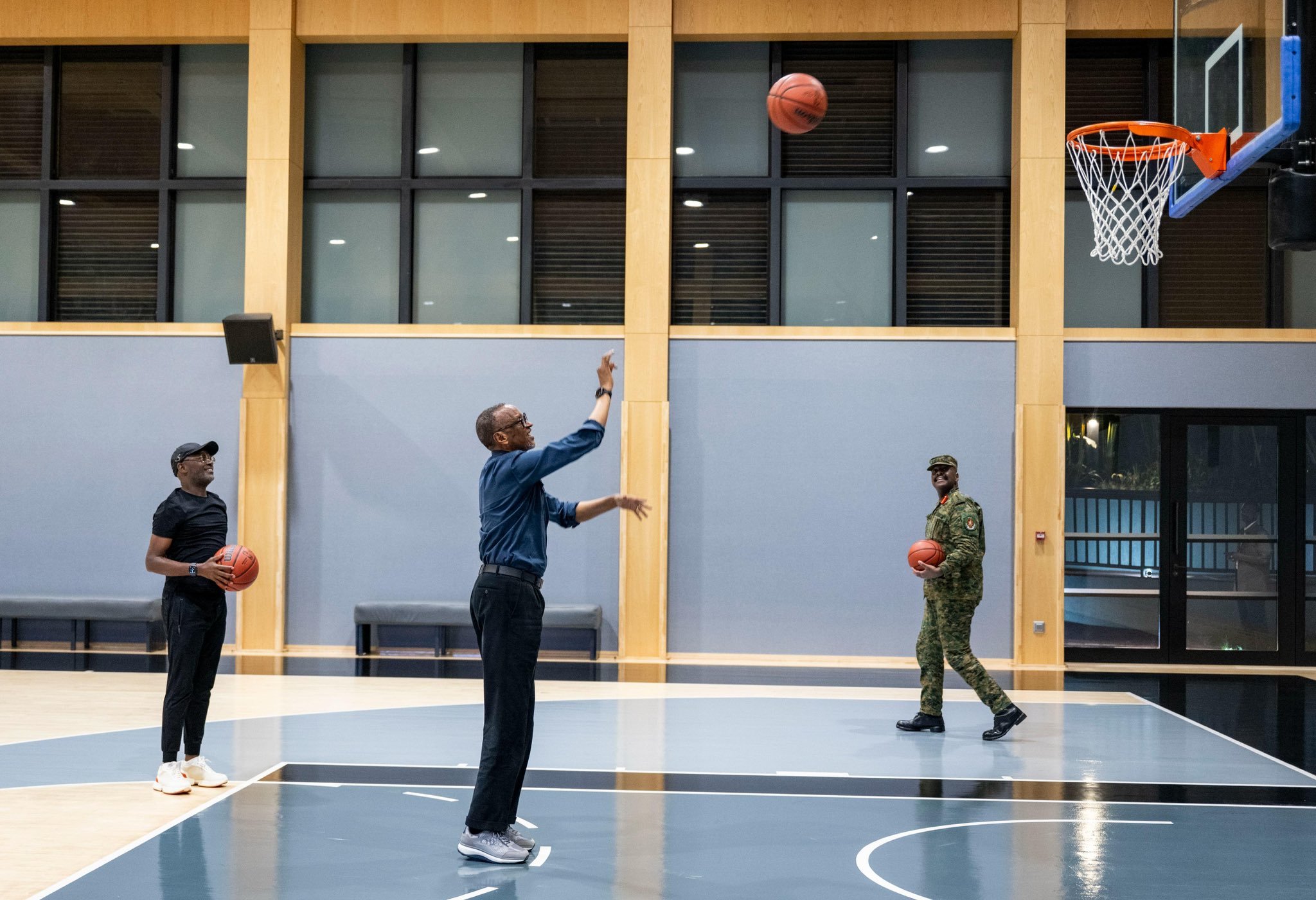
The moment was shared by veteran Ugandan journalist Andrew Mwenda, who was present during the game.
In a post on X on Sunday, July 26, 2026, Mwenda said he enjoyed playing basketball alongside President Kagame and Gen Muhoozi, while joking about his performance on the court.
“Playing basketball with the President of Rwanda, Paul Kagame and the CDF of Uganda, Gen Muhoozi Kainerugaba. The messes [sic] I made would win me a sport in the Guinness Book of World Records as most disastrous player of all time,” he wrote.
Gen Muhoozi arrived in Kigali on Saturday, July 25, 2026, for a working visit that included discussions with Rwanda’s senior military leadership and a meeting with President Kagame.
According to a statement released by the Office of the President late Saturday, the meeting centred on strengthening bilateral cooperation between Rwanda and Uganda, as well as regional peace, security and stability.
This marks Gen Muhoozi’s first visit to Rwanda since March 2025, when he held discussions with senior RDF commanders on bilateral military cooperation.
During that visit, he also toured the Rwanda Defence Force Command and Staff College in Nyakinama of Musanze District, where he delivered a lecture on the role of African countries in promoting peace and security across the continent.
President Paul Kagame and Uganda’s Chief of Defence Forces, Gen Muhoozi Kainerugaba, took time off official engagements to play basketball during the Ugandan military chief’s working visit to Rwanda.President Kagame sets up for a shot at the basket. Gen Muhoozi takes aim at the hoop.
The DRC’s health authorities said the outbreak has now recorded 3,075 confirmed cases, including 1,354 deaths and 556 recoveries, while 755 patients remain in hospital or isolation.
The outbreak is affecting five provinces, namely Ituri, North Kivu, South Kivu, Haut-Uele and Tshopo.
Prime Minister Judith Suminwa Tuluka said on Friday that researchers were working to develop a treatment and a vaccine against the Bundibugyo ebolavirus, the virus strain responsible for the current outbreak in the DRC.
Expressing hope that a vaccine and treatment could become available “within two to four months,” she said the government has provided funding for the research but did not give further details on the development stage or expected approval process.
There is currently no approved vaccine or specifically licensed treatment for the Bundibugyo ebolavirus. Several experimental vaccines and therapeutics are undergoing clinical evaluation.
The University of Oxford announced on Friday that the first volunteer has been vaccinated in the world’s first human trial of a vaccine, known as ChAdOx1 BDBV, designed to protect against the Bundibugyo ebolavirus.
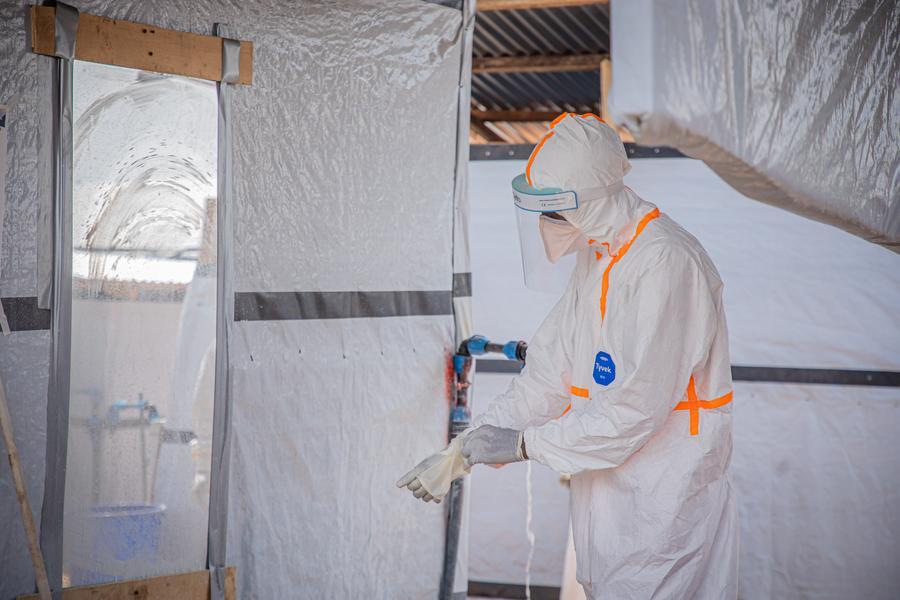
A medical worker disinfects protective gloves at an Ebola treatment center in Bunia, Ituri Province, the Democratic Republic of the Congo, July 6, 2026.
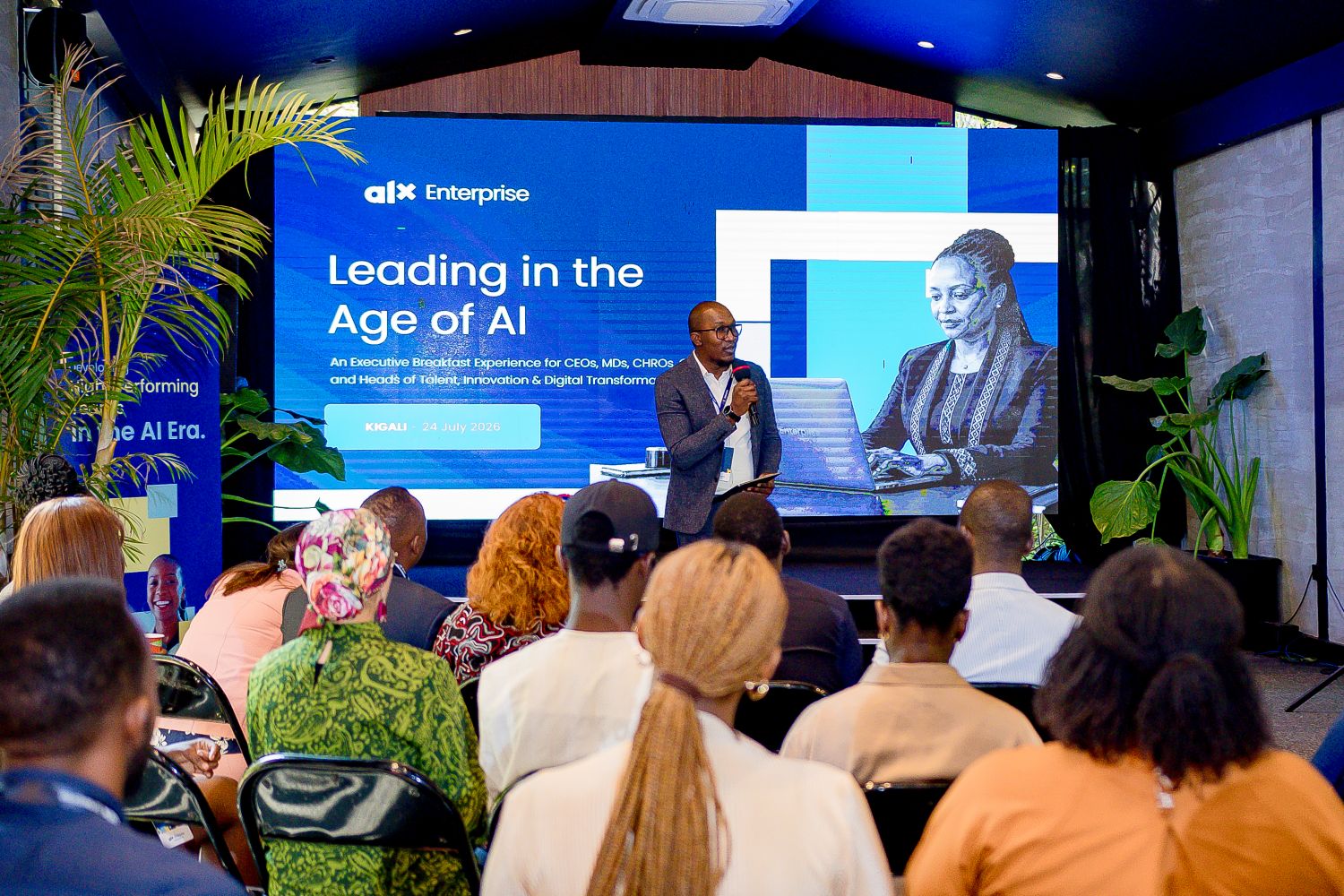
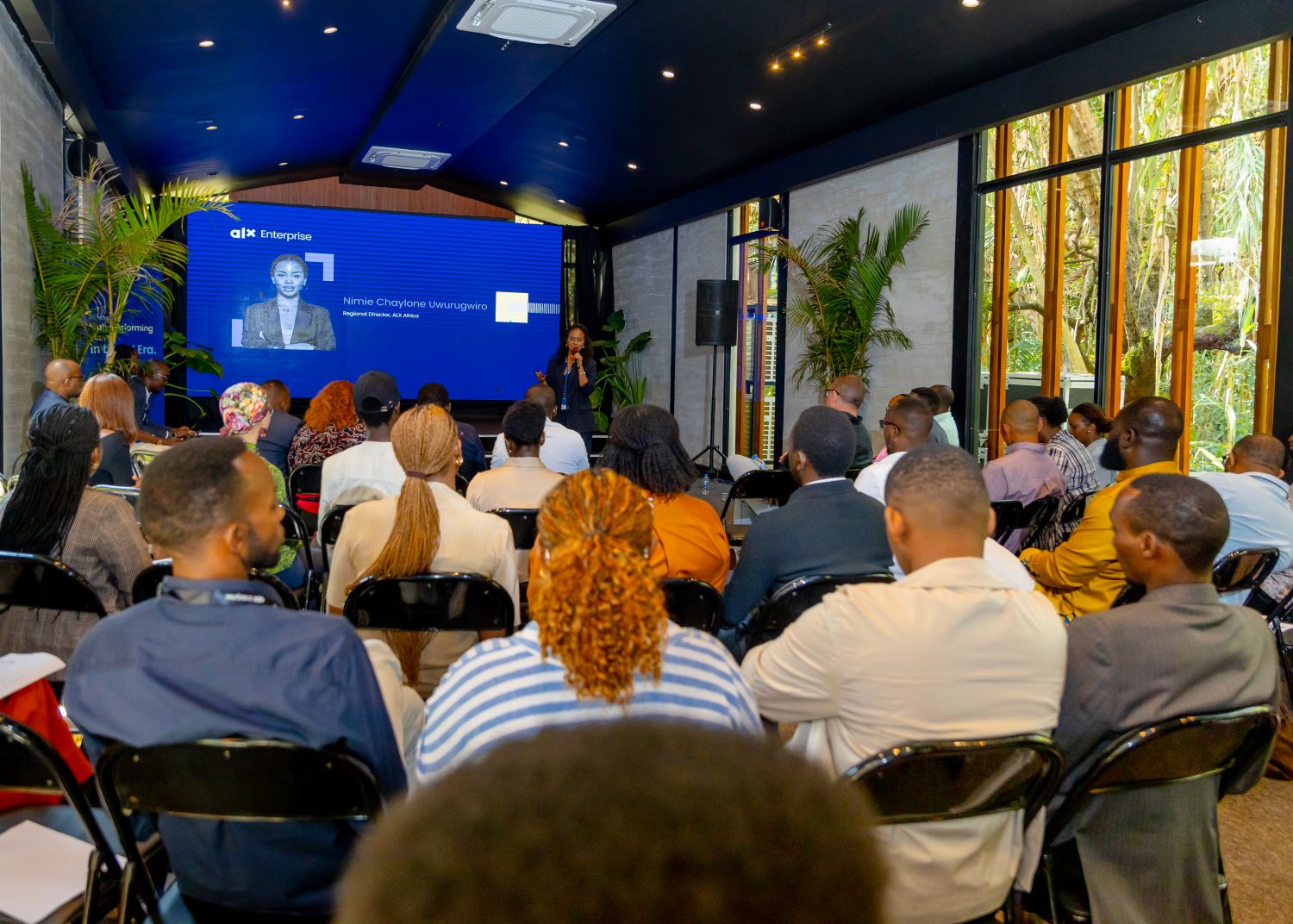
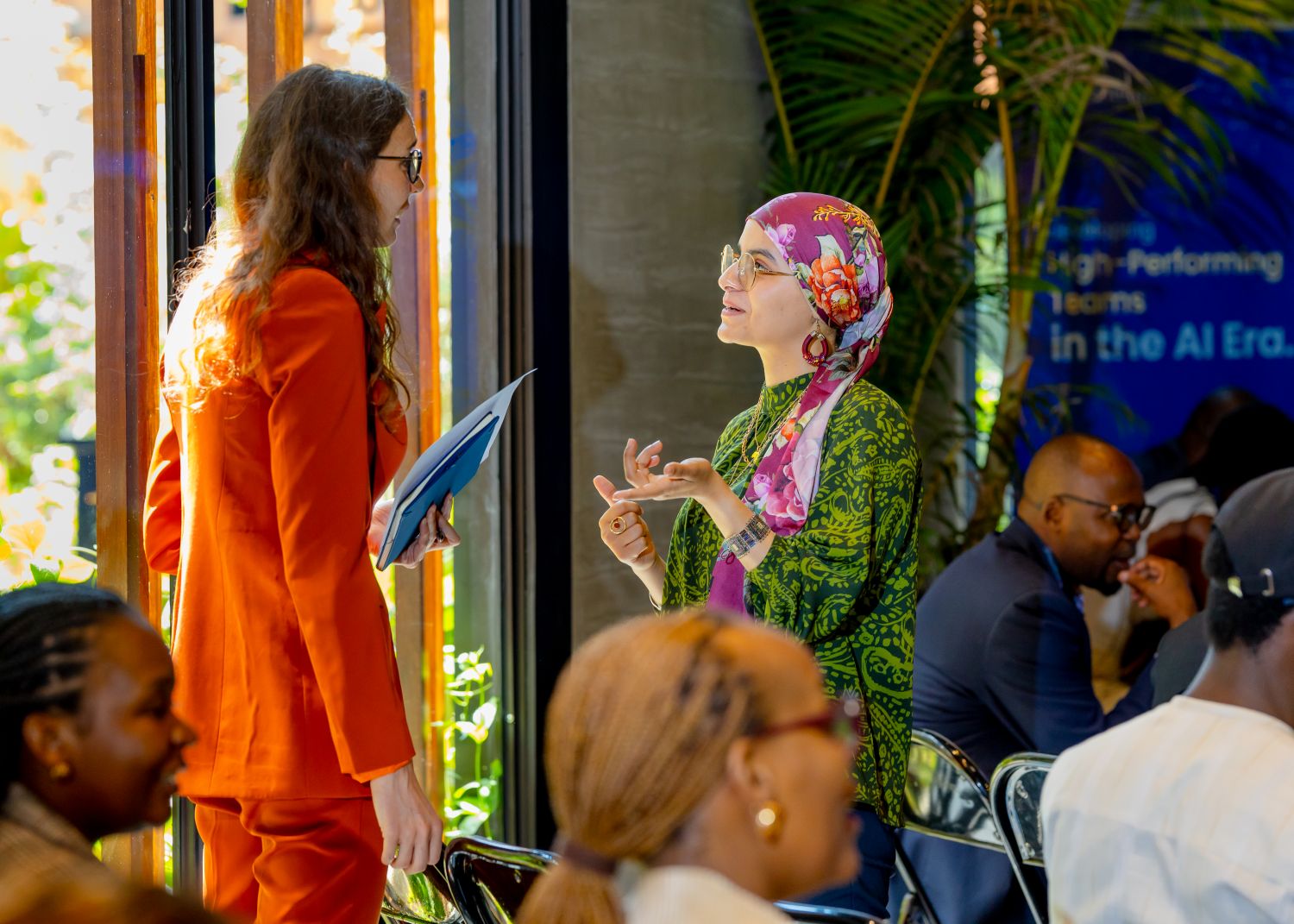
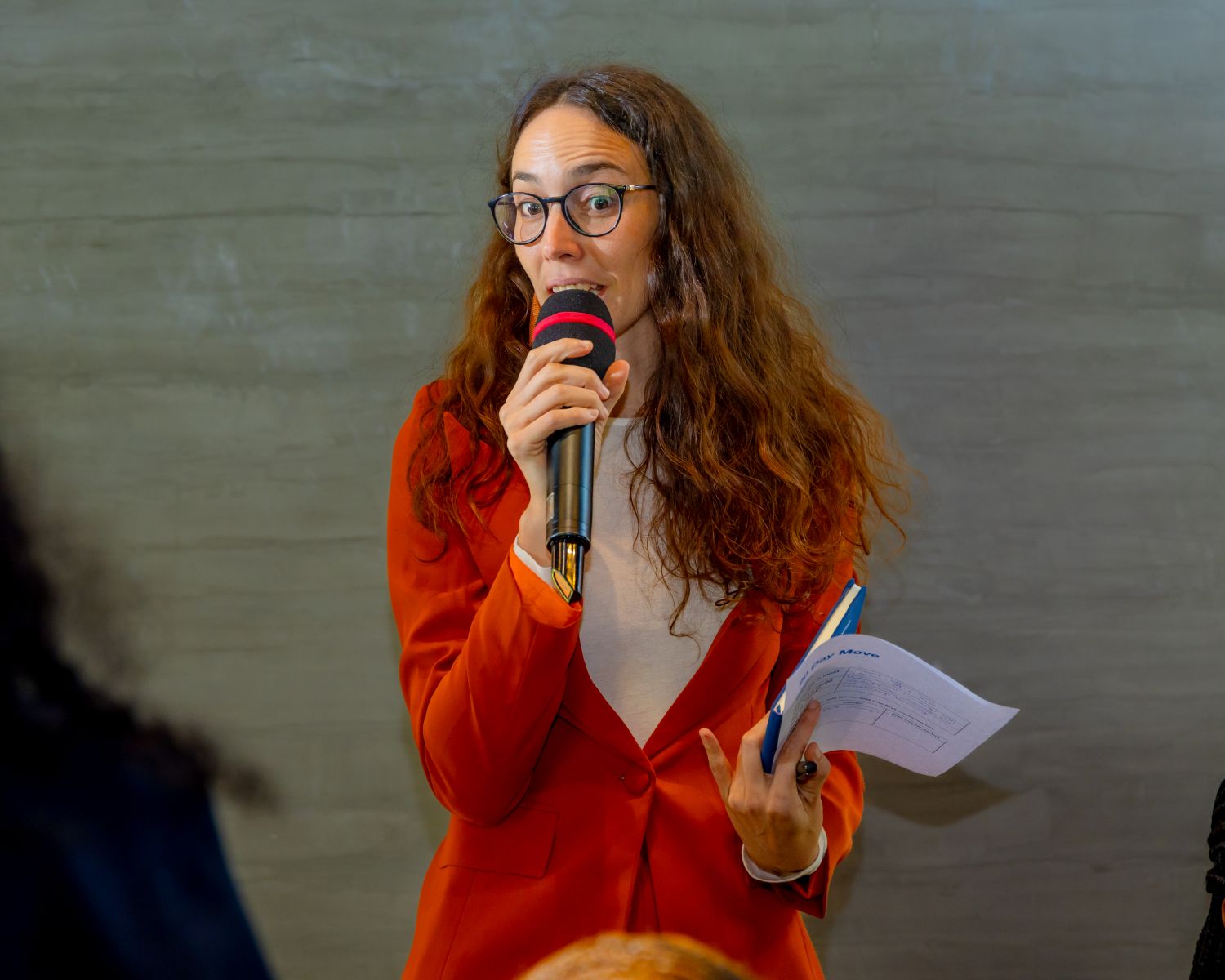
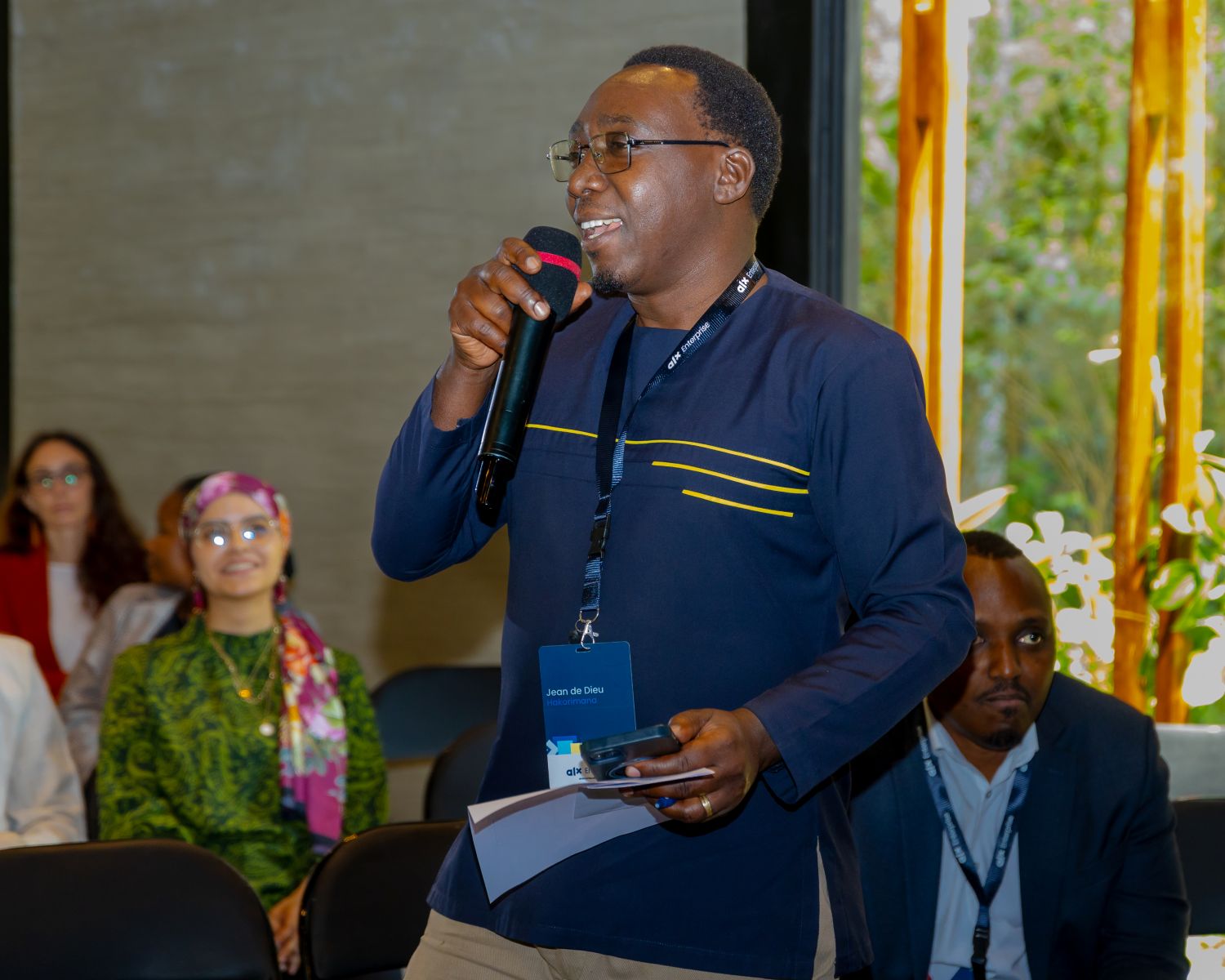
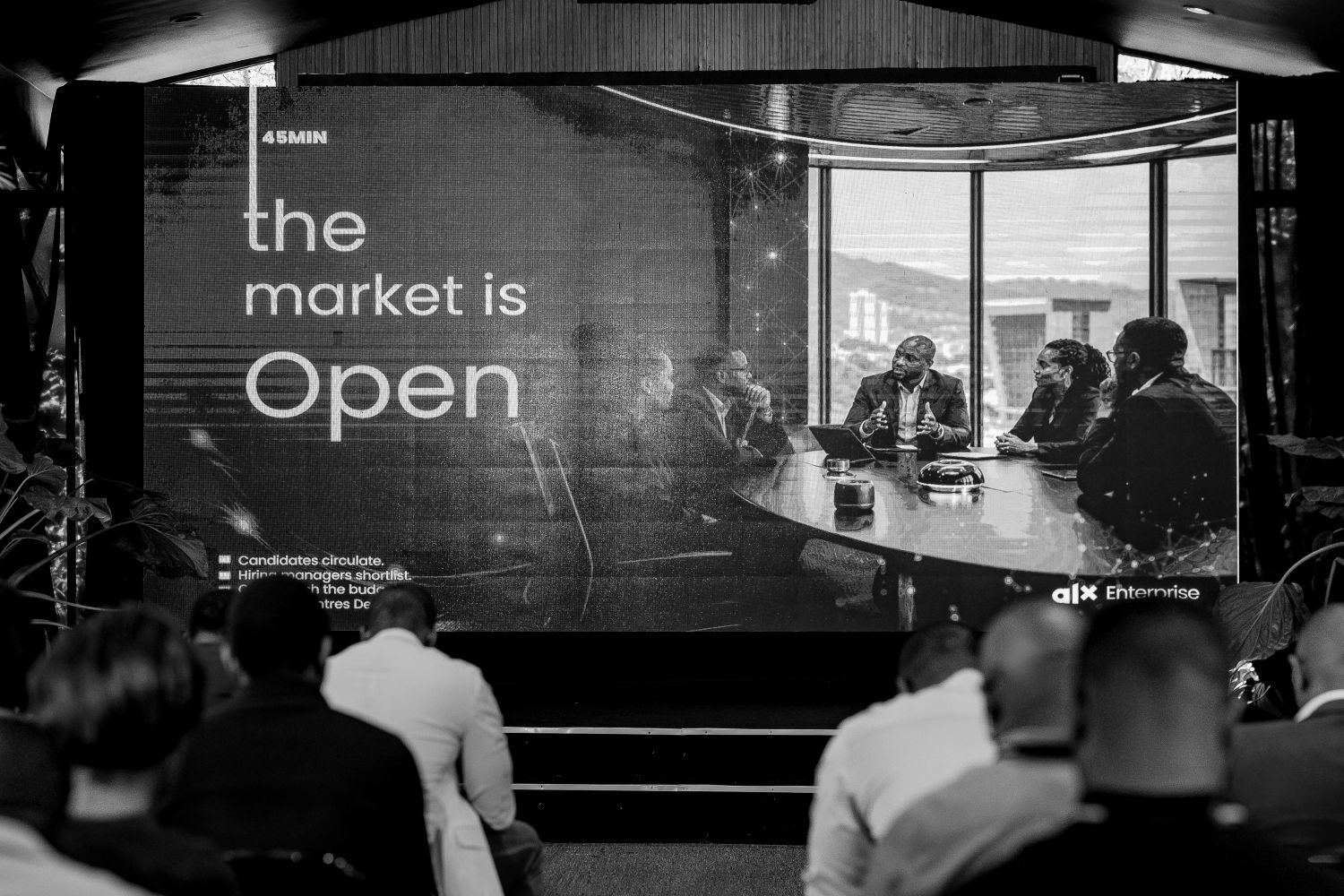
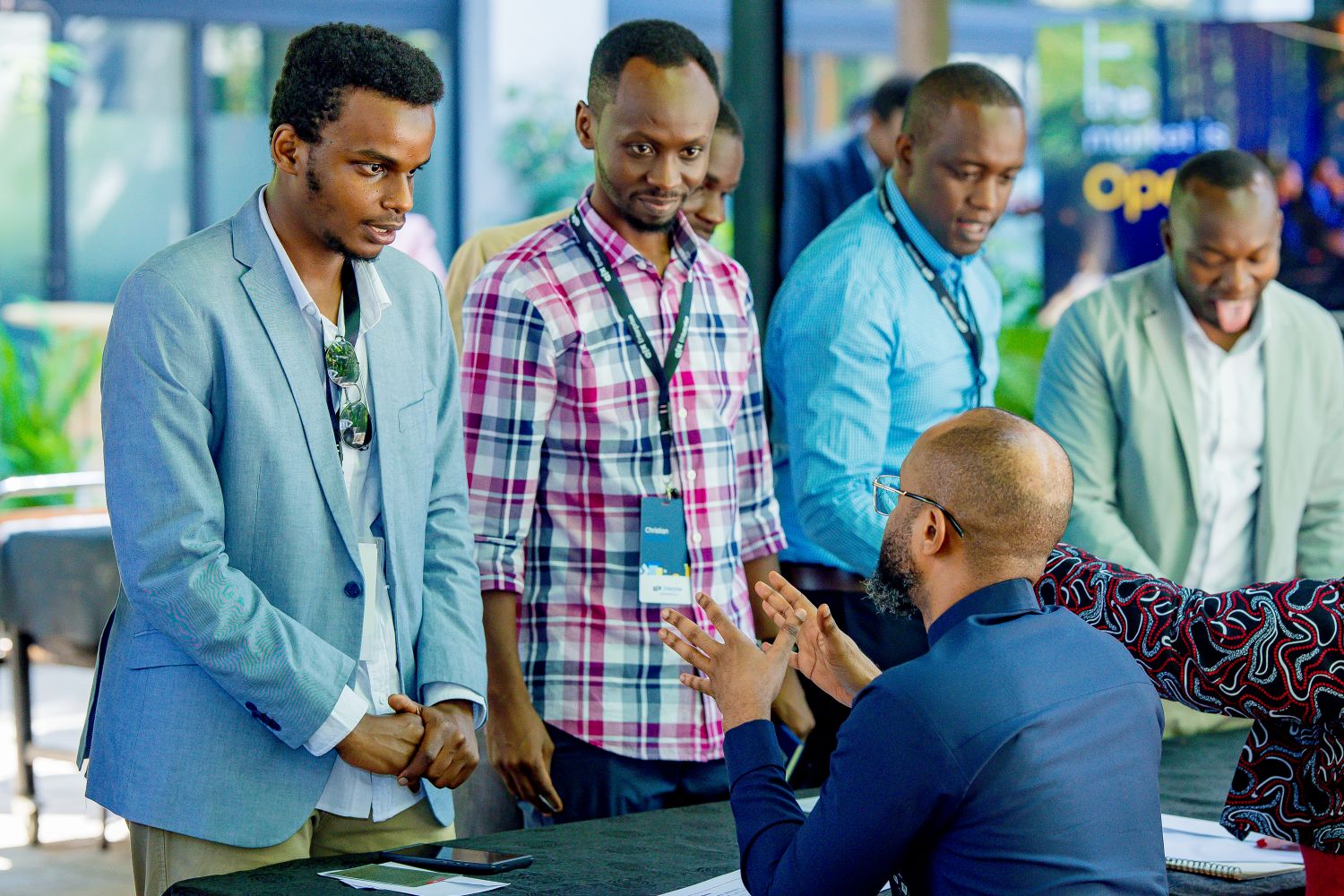
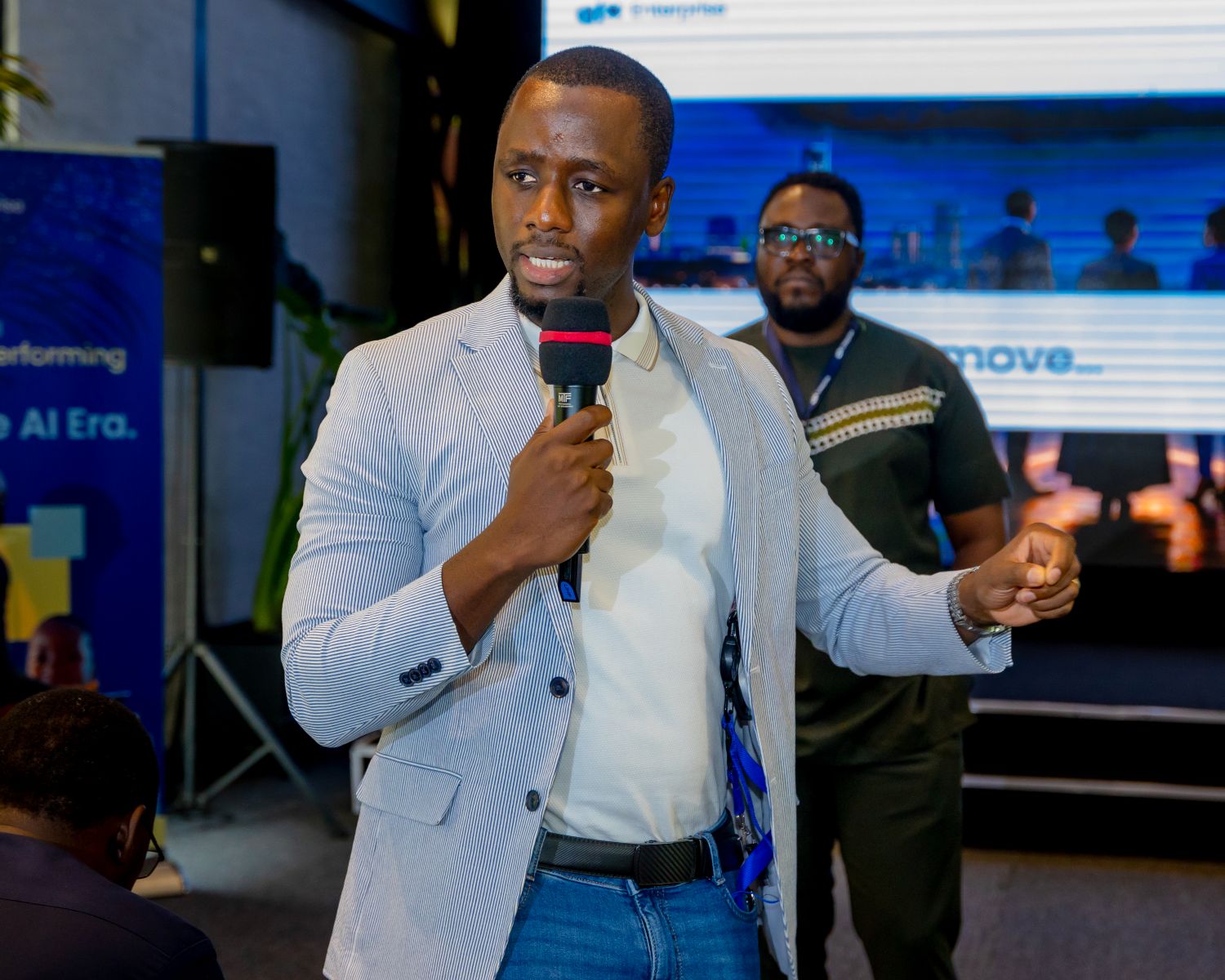
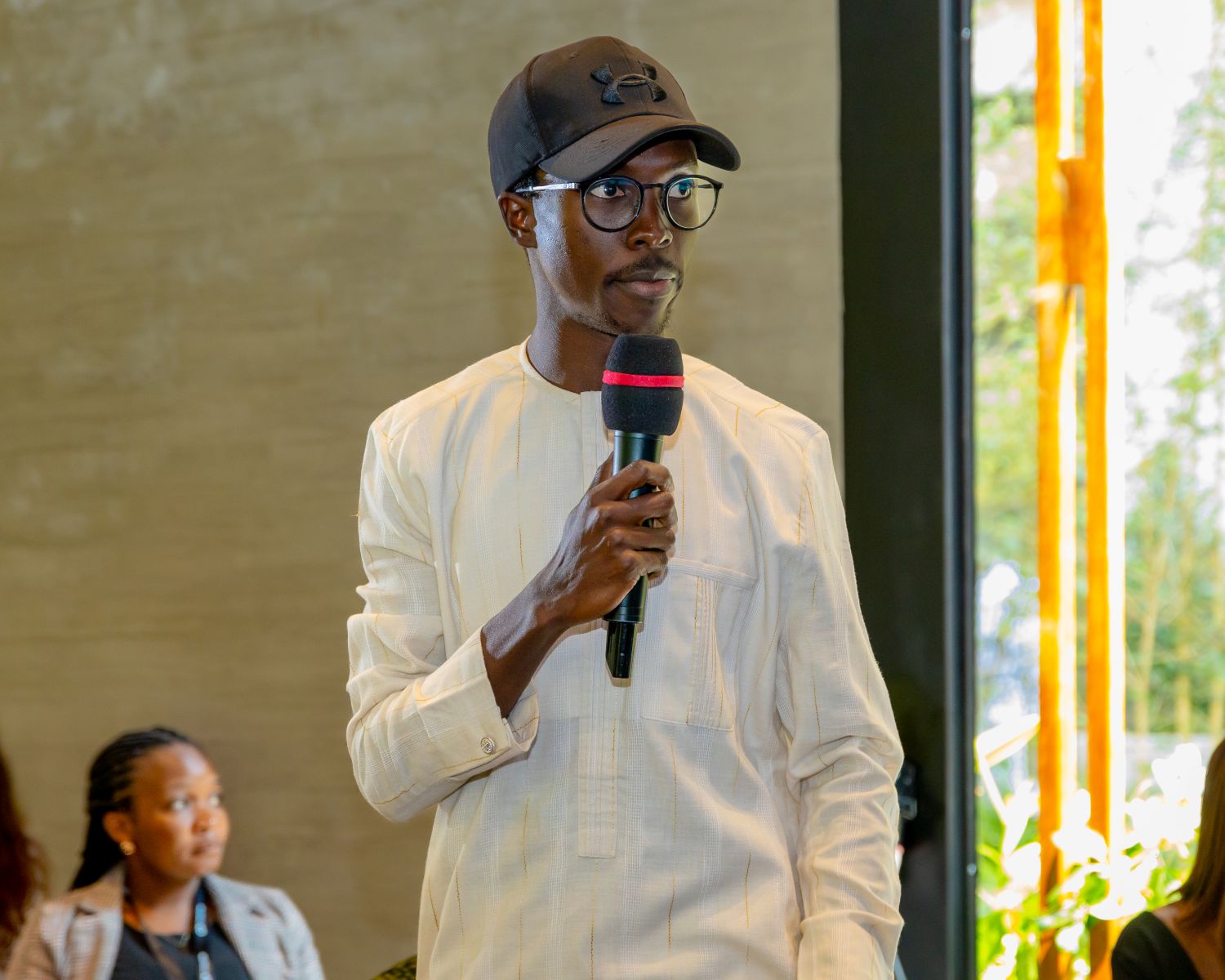
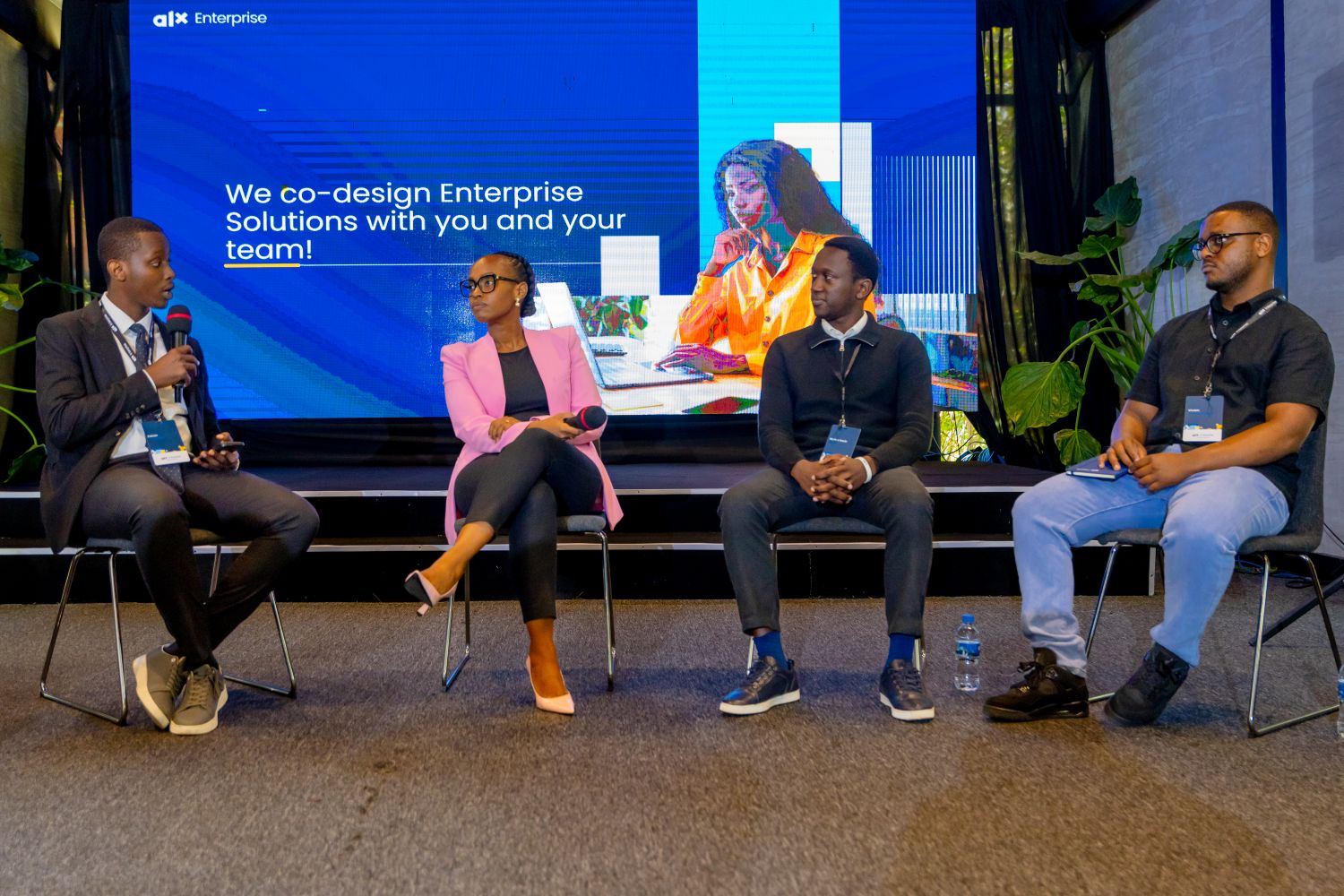
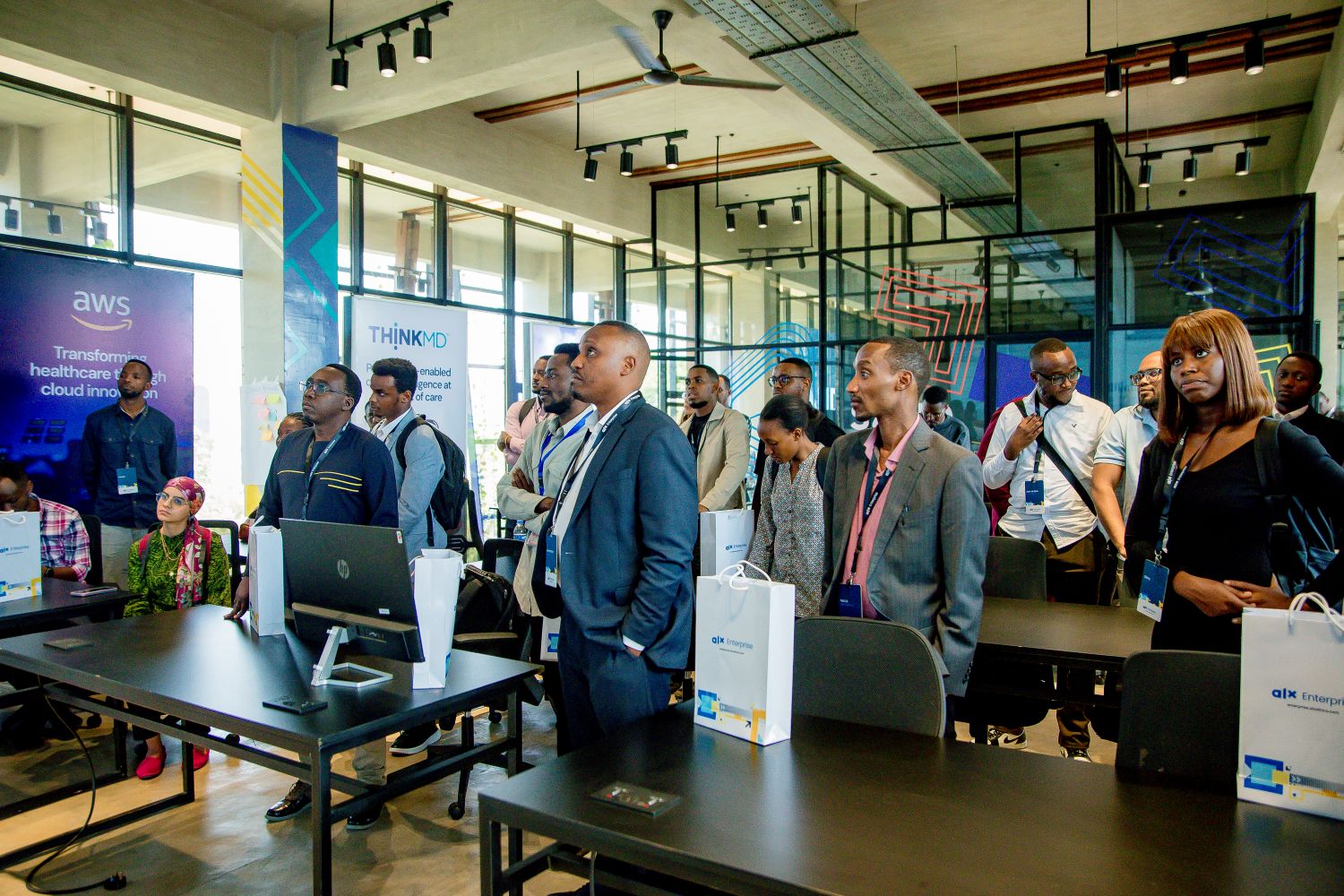
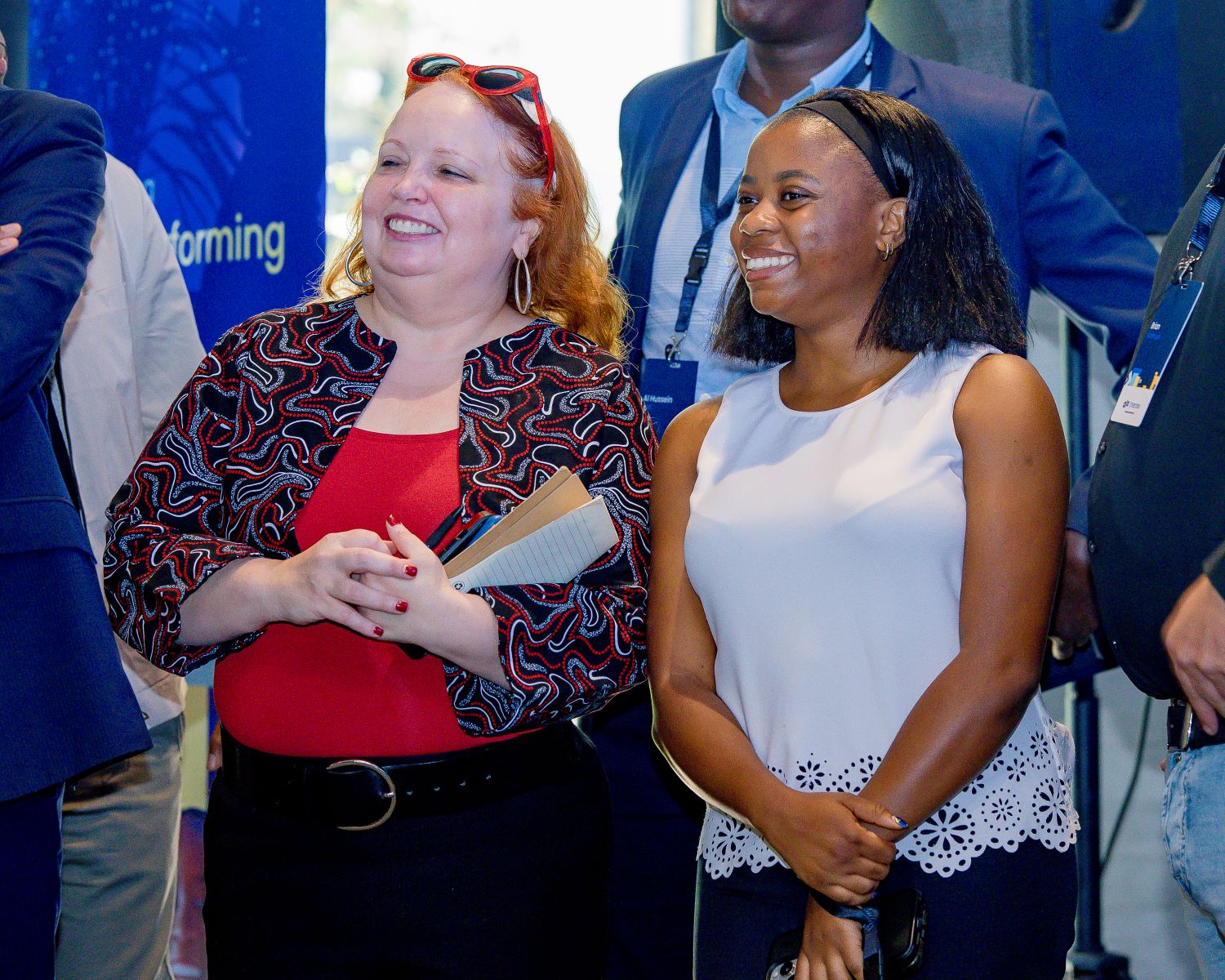
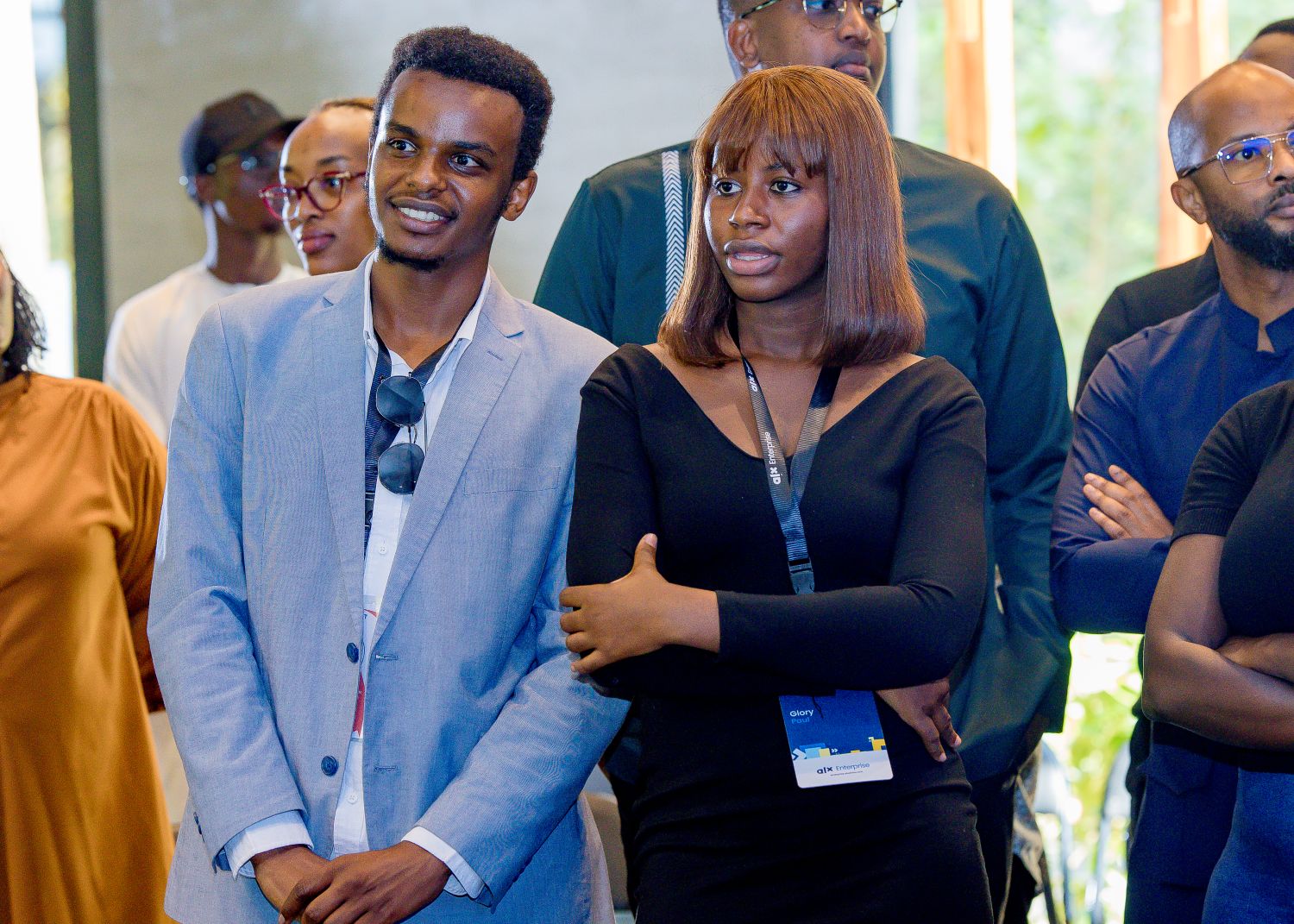
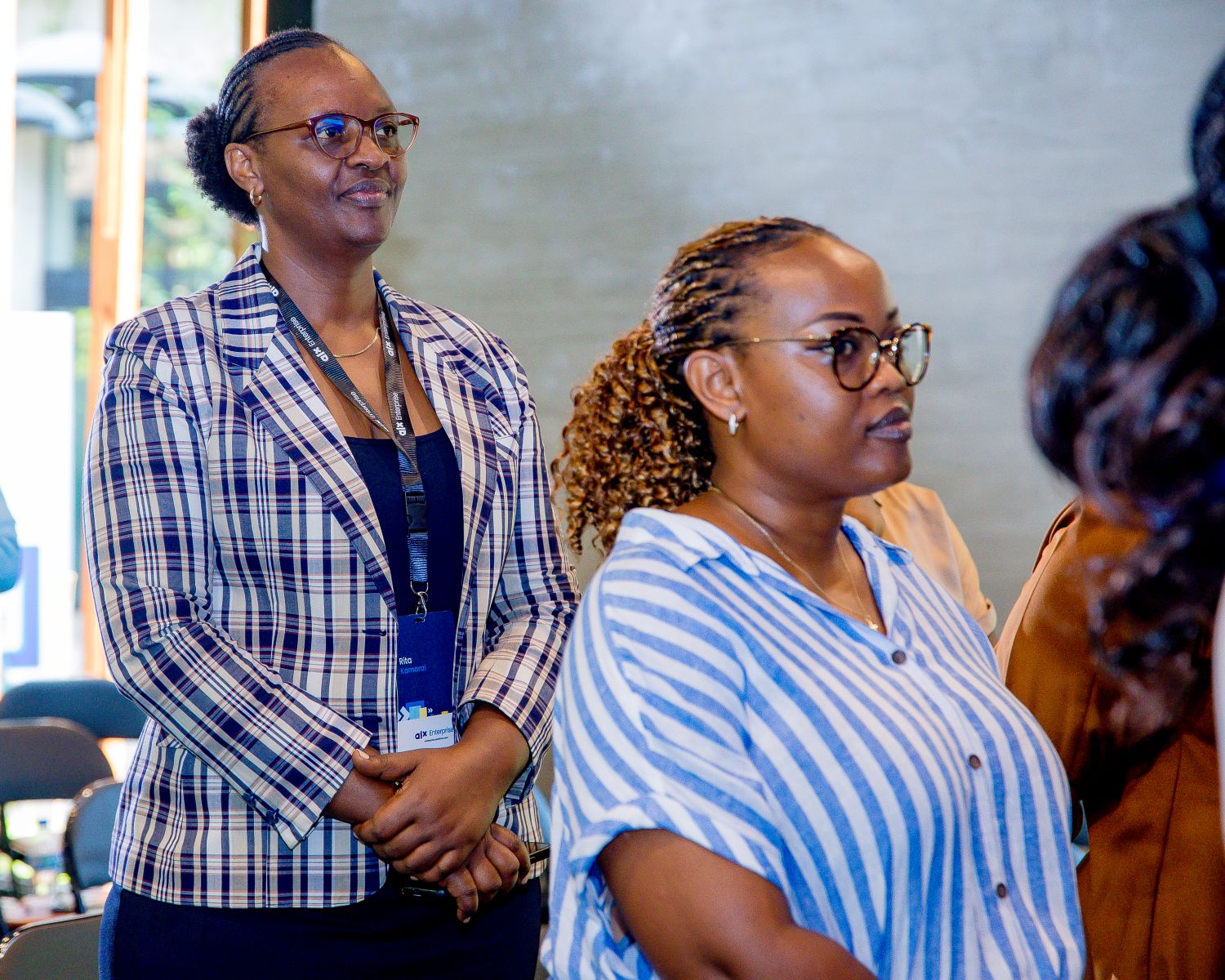
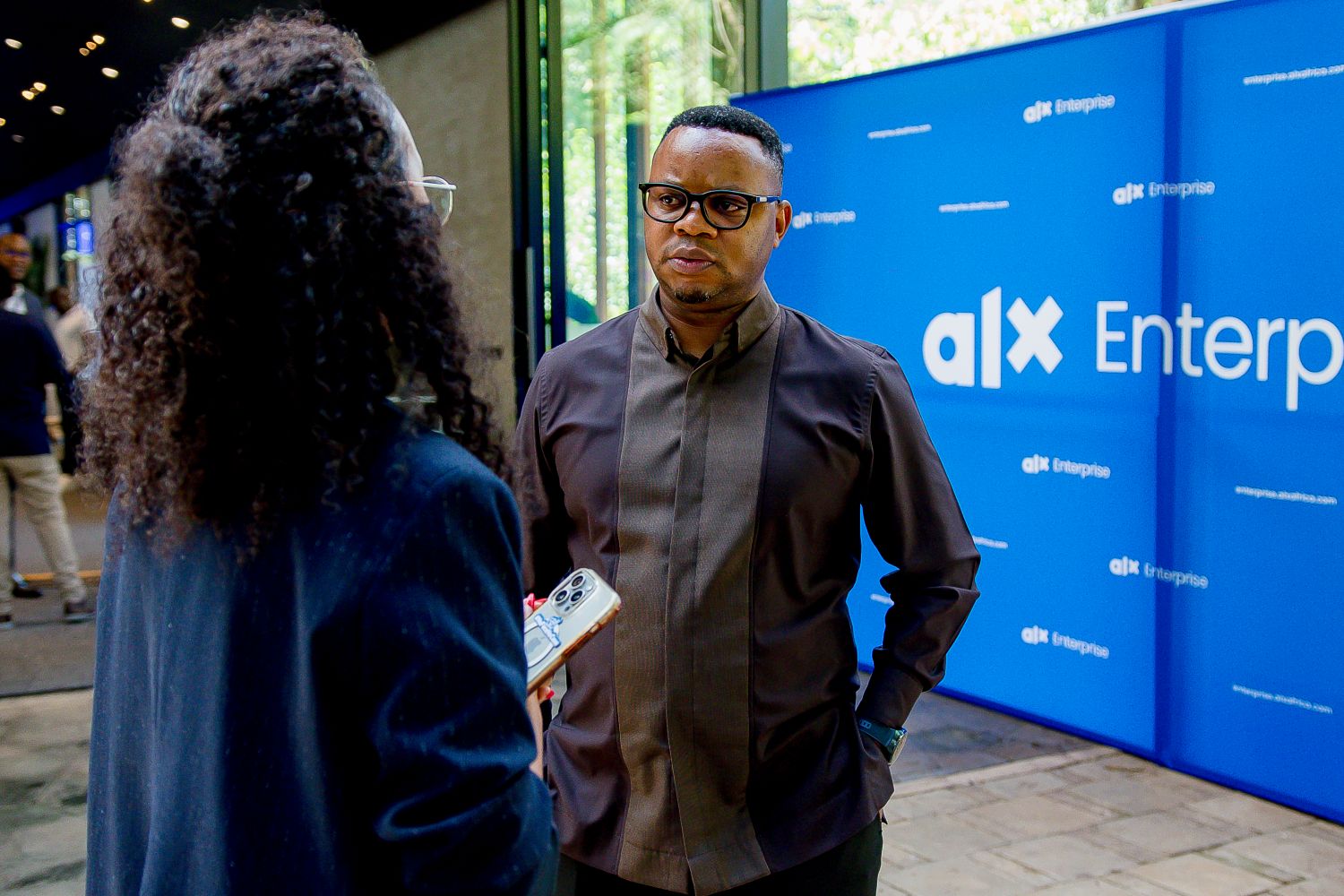
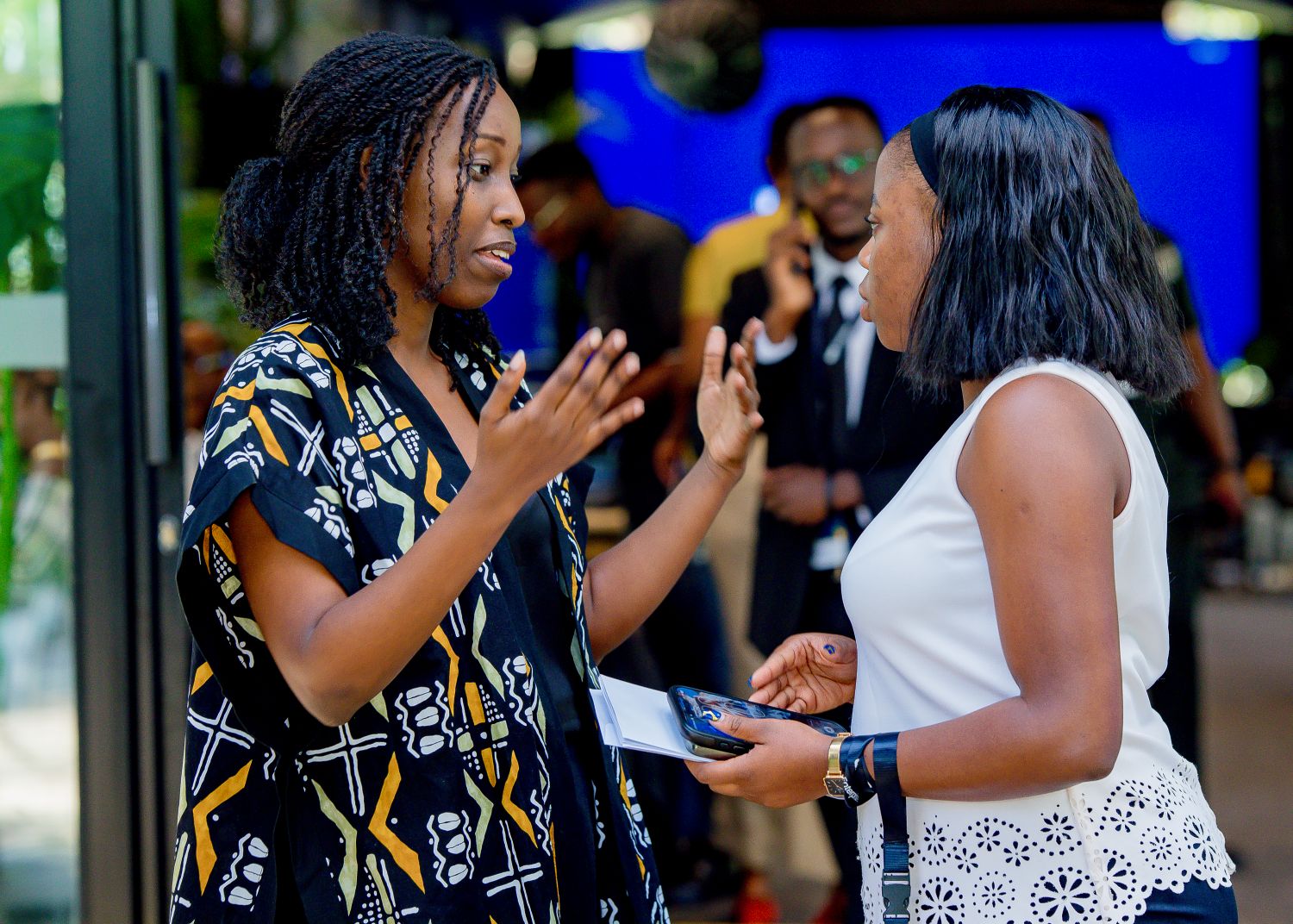
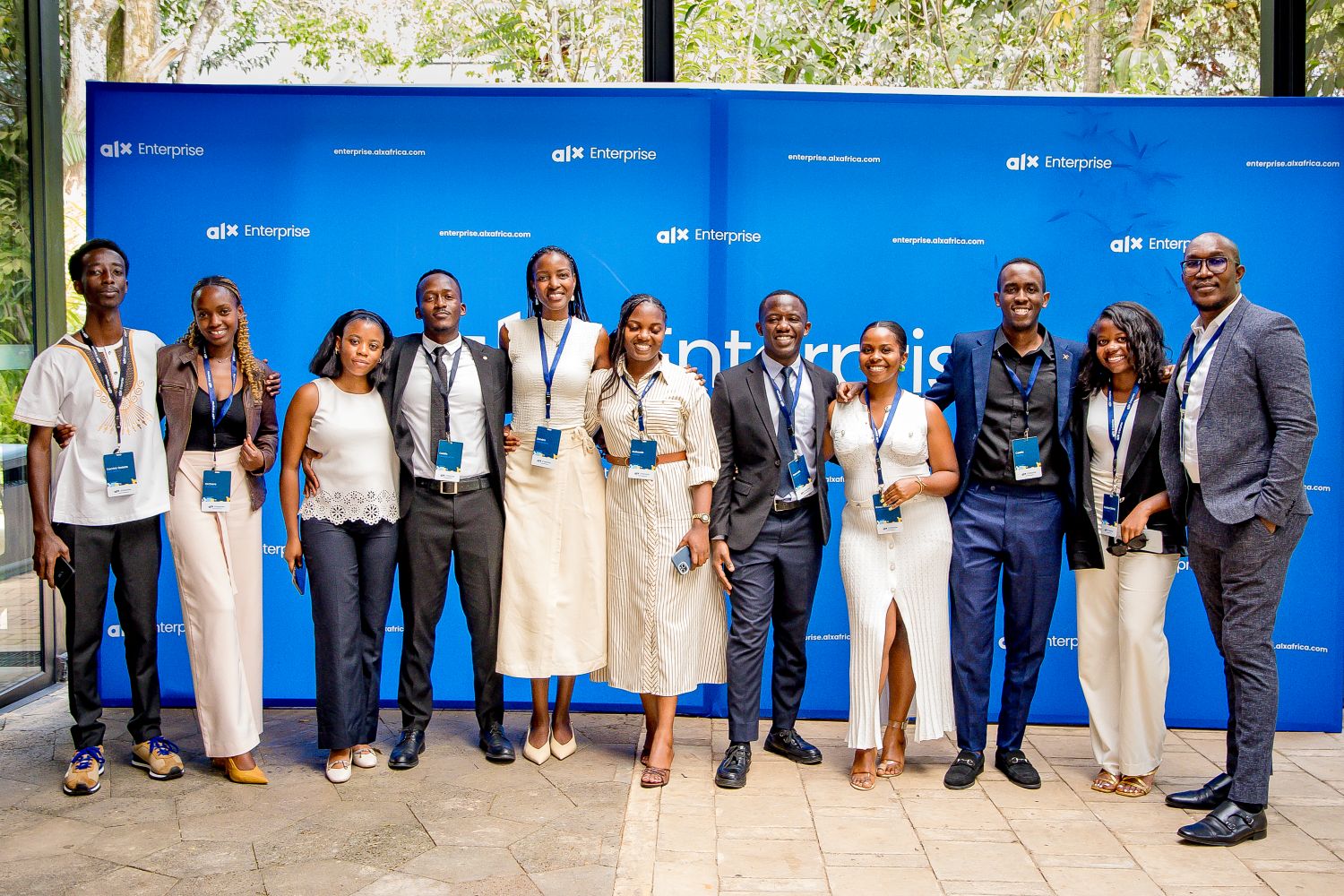
That was the central message at Leading in the Age of AI, an executive breakfast hosted by ALX Enterprise at Norrsken Kigali on Friday, where CEOs, senior executives, HR professionals and business leaders gathered to examine how AI is reshaping organisations beyond automation. Rather than focusing on software or technical demonstrations, the event challenged leaders to rethink the future of work itself through practical discussions and an immersive simulation that mirrored the disruptions AI is already creating across industries.
For many organisations, the question is no longer whether AI will transform business operations, but whether leadership teams are prepared to guide their companies through the transition.
Leadership in an era of constant disruption
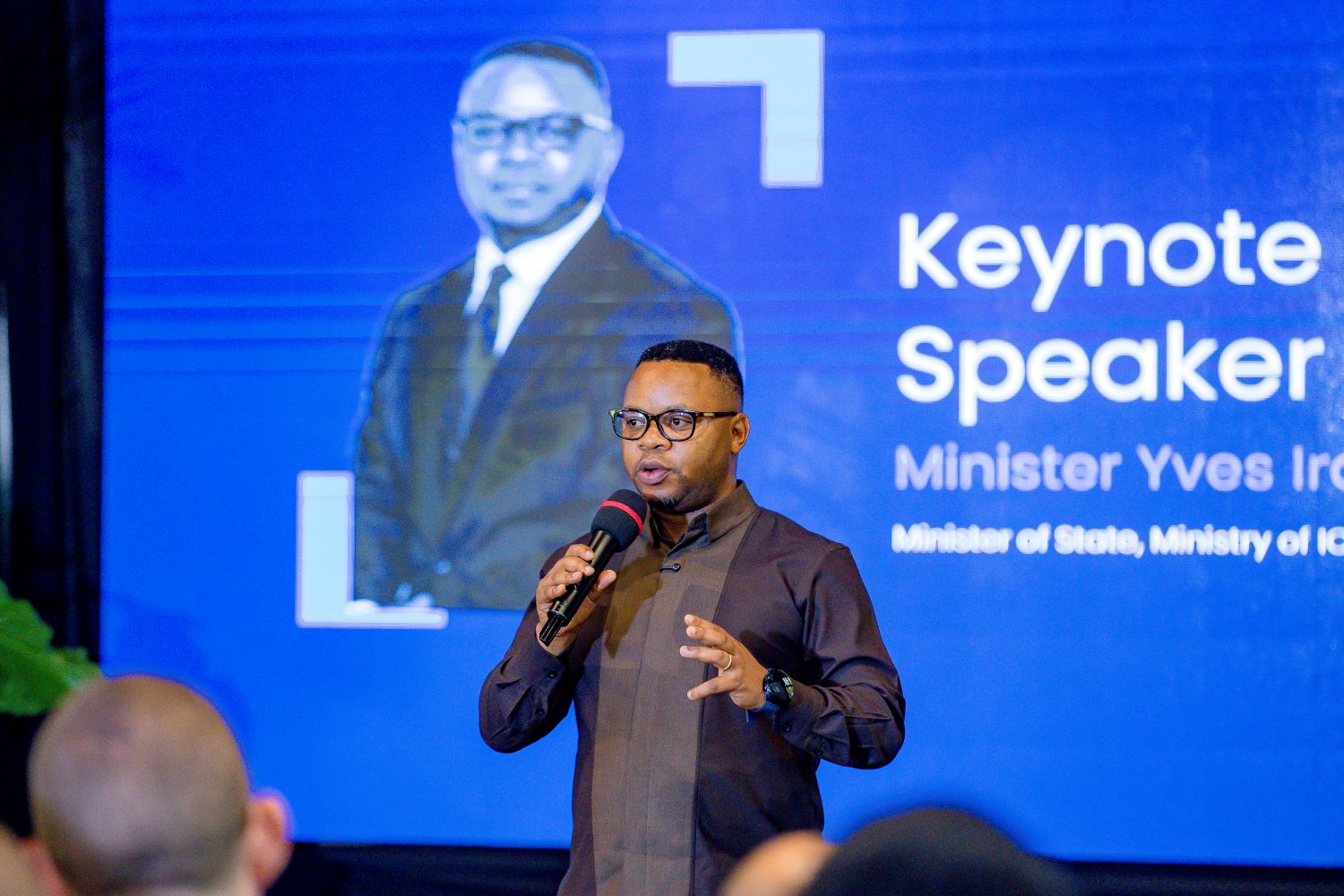
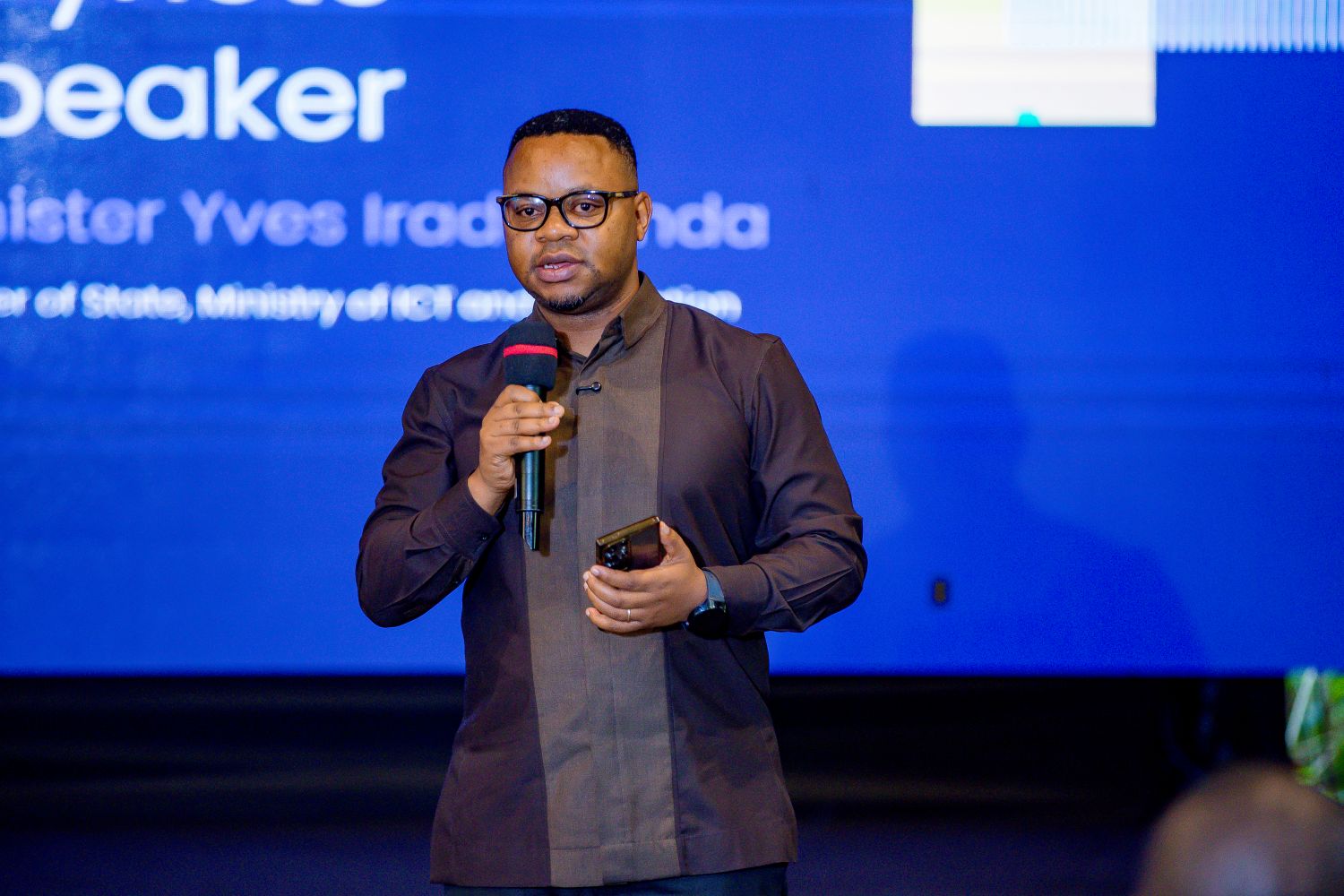
Delivering the keynote address, Minister of State for ICT and Innovation Yves Iradukunda said leadership has become significantly more complex because AI technologies evolve at a pace that makes yesterday’s assumptions obsolete almost overnight.
Minister of State for ICT and Innovation Yves Iradukunda delivered a keynote address at the event.
He noted that executives today must make decisions in an environment where new AI models and tools are constantly changing how businesses operate, requiring organizations to rethink not only technology adoption but also governance, regulation and workforce development.
“The companies that are going to succeed are not the ones that have adopted these AI tools first,” Iradukunda said.
“I believe they are the ones that will be able to deploy these tools to generate the highest impact, but also do it responsibly and equitably.”
According to the minister, responsible AI adoption extends beyond purchasing new software. It requires businesses to think carefully about data governance, ethics, workforce readiness and long-term competitiveness.
He also emphasised that organisations cannot rely indefinitely on imported AI technologies, arguing that Rwanda is investing in local capabilities through a National AI Agency, AI-ready infrastructure, stronger data governance frameworks and expanded talent development to help businesses innovate responsibly.
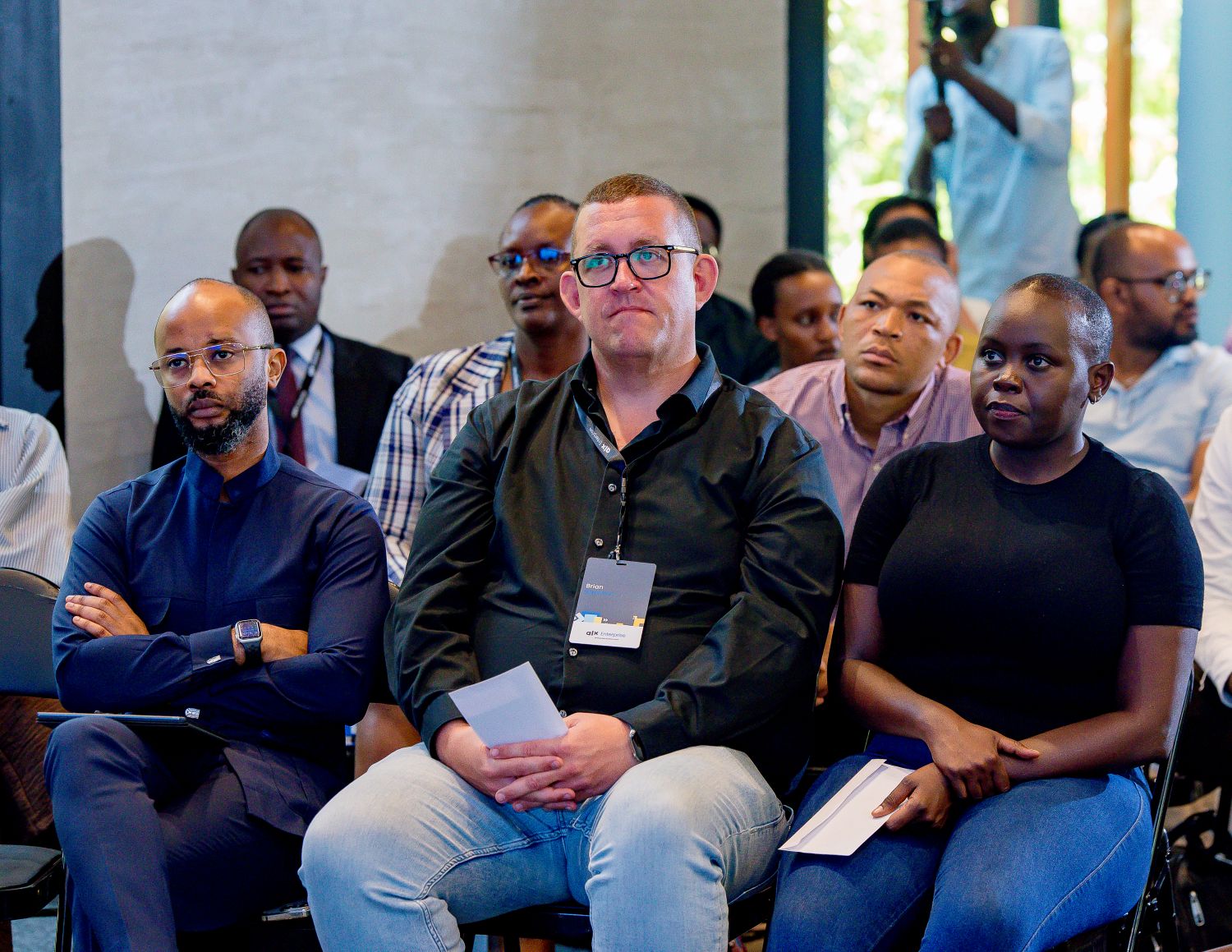
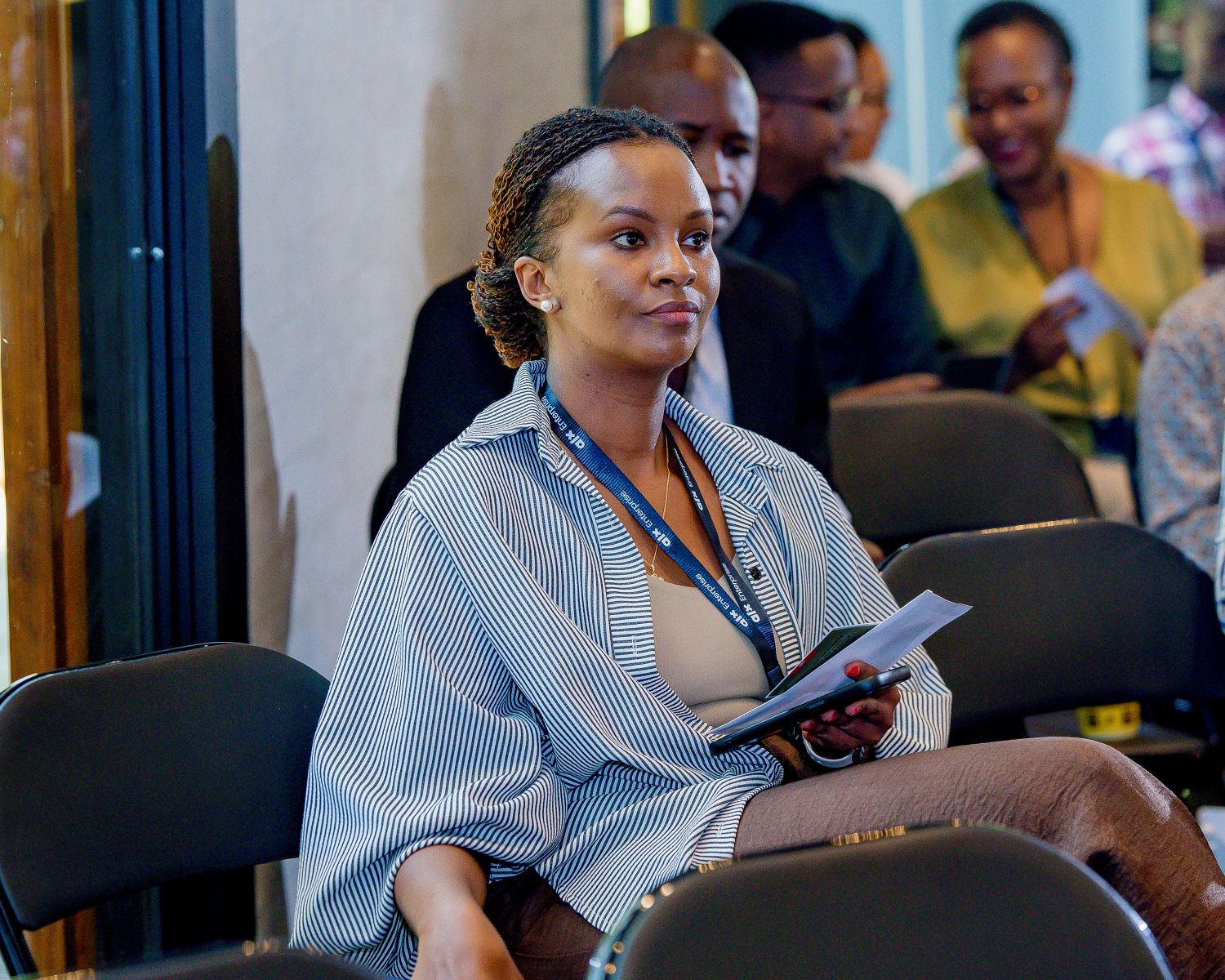
Attendees follow a highly engaging session at Norrsken Kigali on Friday, July 24, 2026.
Workforce training becomes a business strategy
Perhaps the biggest shift highlighted throughout the discussions was the changing role of workforce development.
Instead of treating employee training as a human resources function, speakers argued that continuous learning is becoming essential for business survival.
“The team you have today, the team that has gotten you here as a corporate, is not the team that is going to take you to the next level if you are not constantly training and building their capacity,” Iradukunda said.
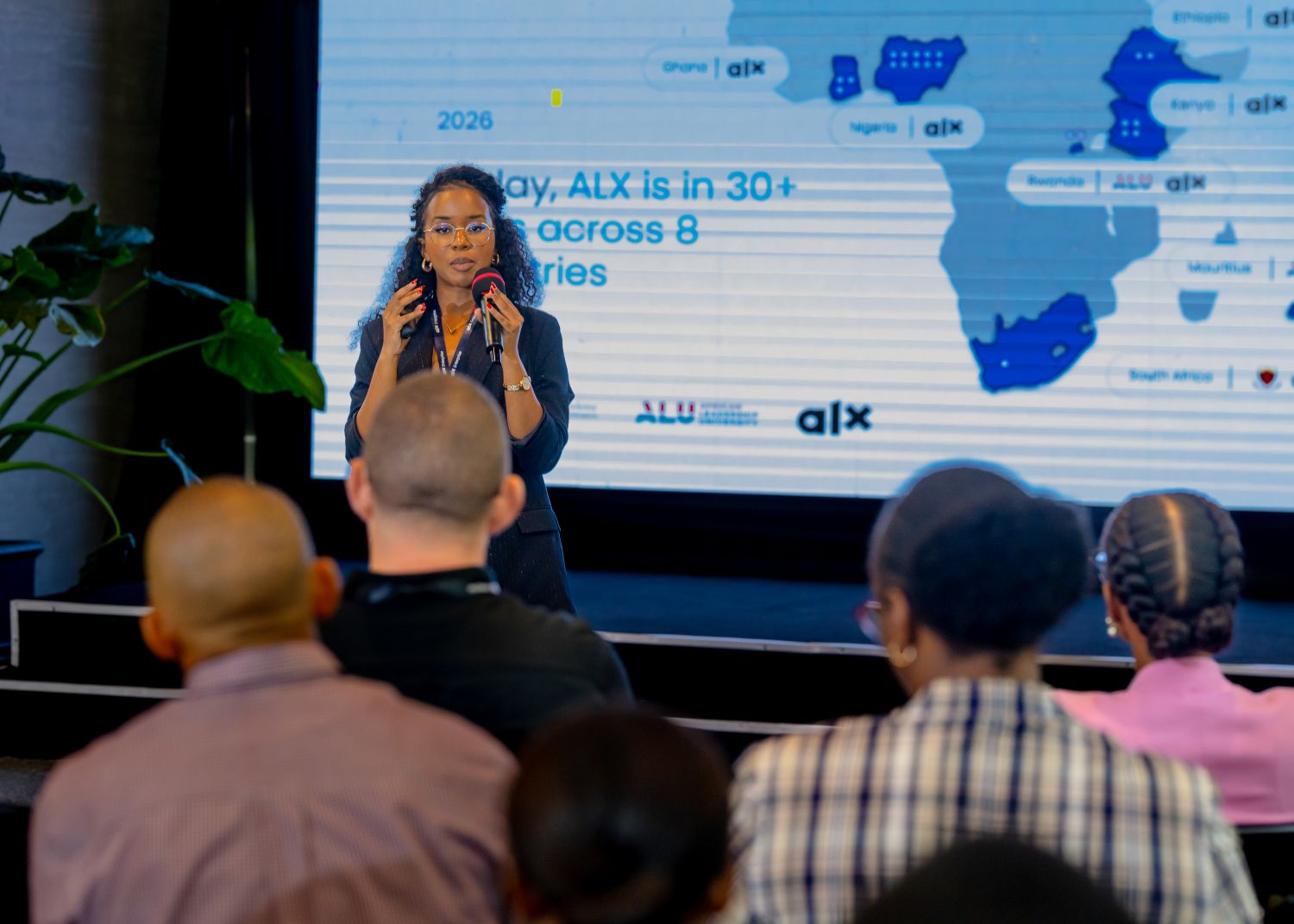
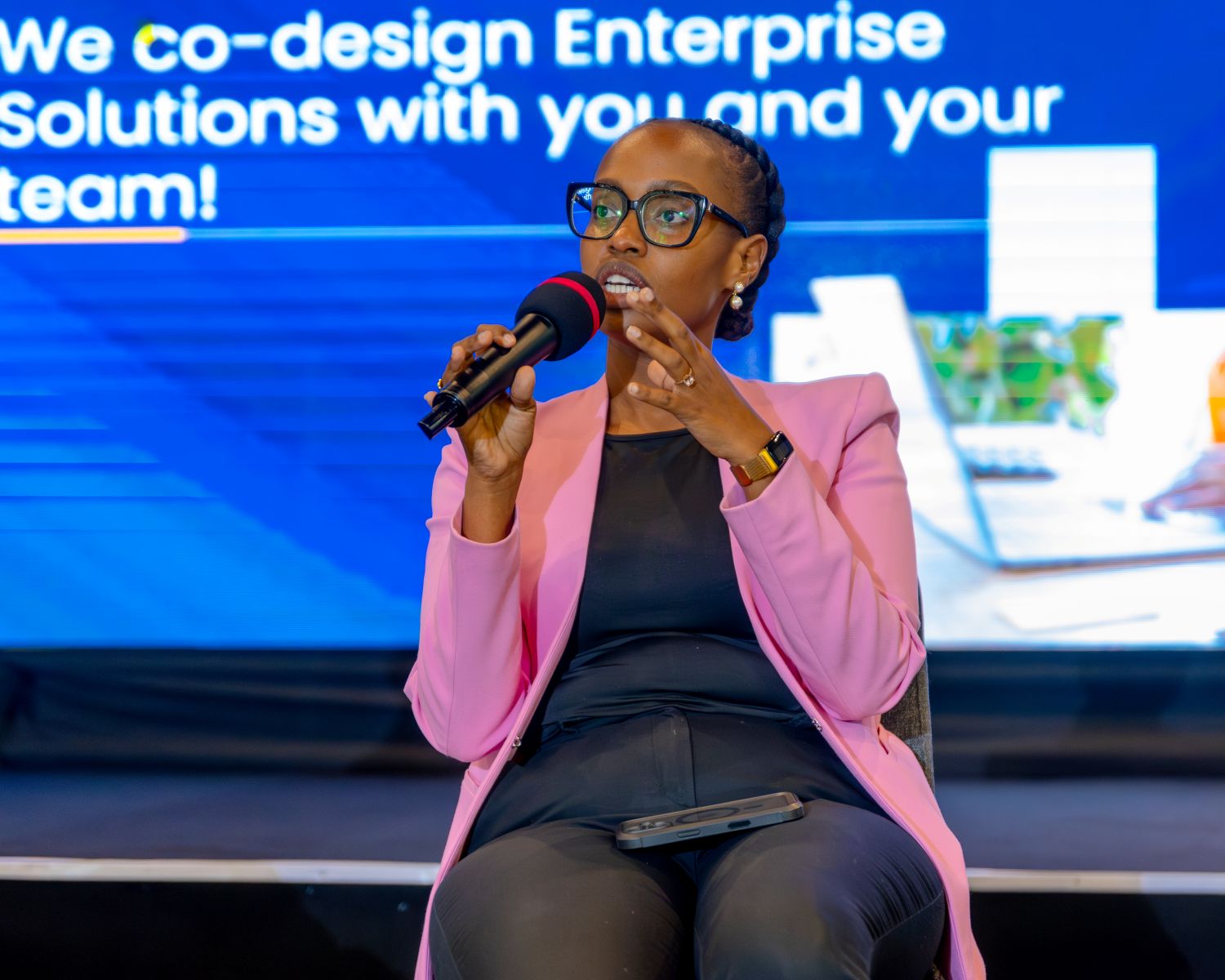
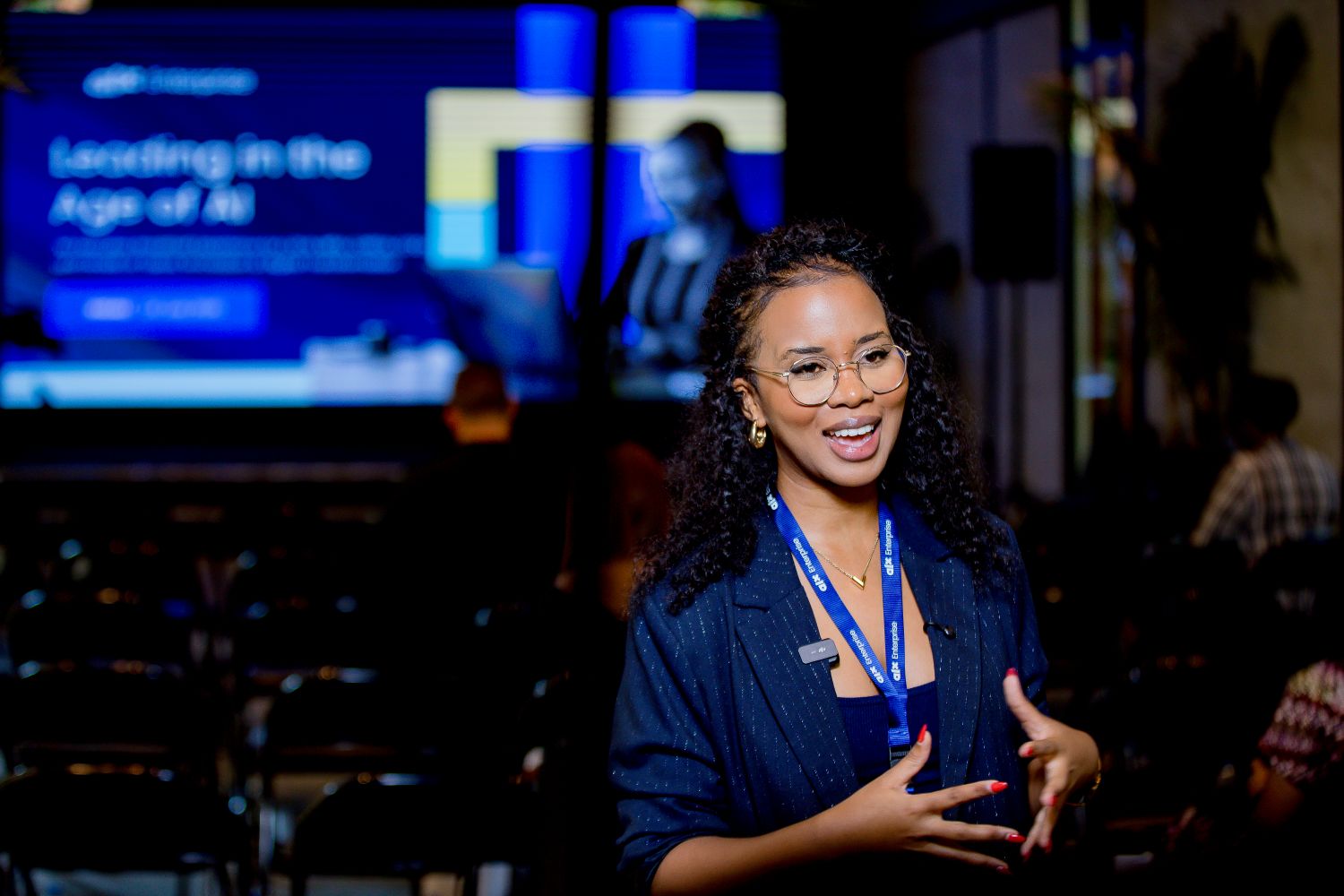
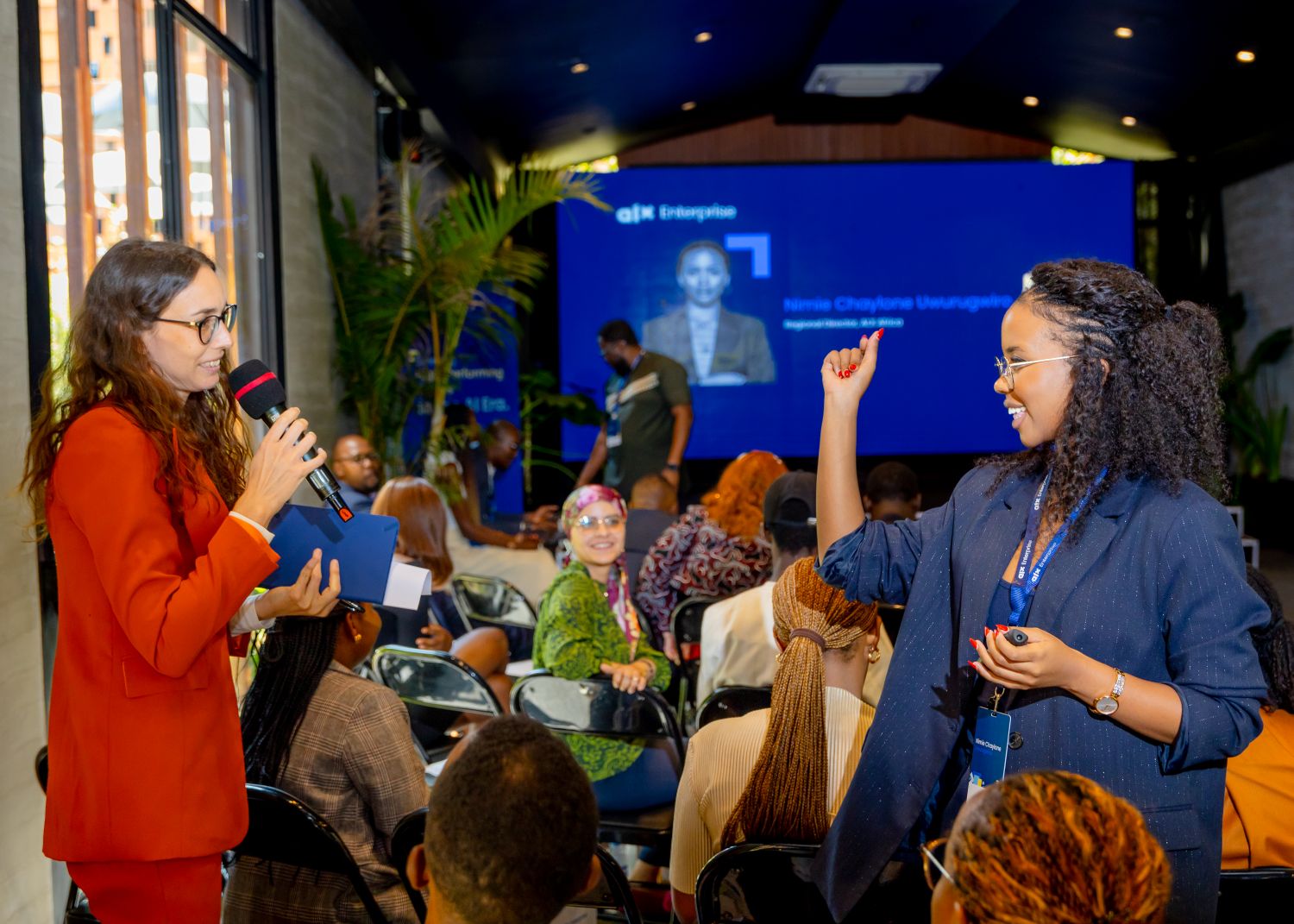
ALX Africa Regional Director Nimie Chaylone echoed the same message, urging organisations to stop viewing upskilling as something employees do away from work.
“If you find someone who is a culture fit and they have skills, but their skills are becoming obsolete, how can we make sure that you are not losing them but literally keeping them while upskilling them?” she asked.
ALX Africa Regional Director Nimie Chaylone urged organizations to embed upskilling into the workplace.
She argued that organisations face growing challenges recruiting employees with both the right technical capabilities and cultural fit. Rather than repeatedly replacing workers whose skills become outdated, companies should focus on continuously developing existing talent while employees remain in their roles.
That philosophy underpins ALX Enterprise’s approach of working directly with businesses to design customised AI and leadership training programs tailored to their operational needs rather than offering generic courses.
AI is changing the role of managers
The discussions also highlighted a shift that is often overlooked in conversations about artificial intelligence.
While much attention focuses on software developers and data scientists, speakers argued that middle managers may ultimately determine whether AI investments succeed.
According to ALX Enterprise, AI is changing where value is created inside organisations, making managers responsible for translating new technologies into measurable business outcomes. Workforce training, therefore, is no longer simply an employee benefit but a business continuity strategy.
Chaylone added that leadership itself must evolve.
Managers must understand not only AI tools, but also AI ethics, cybersecurity risks, data privacy and organisational change management.
Managers were challenged to ensure new technologies deliver measurable business impact.
She warned that many employees are already using generative AI applications in ways that could expose sensitive company information, making leadership awareness just as important as technical capability.
Learning through experience
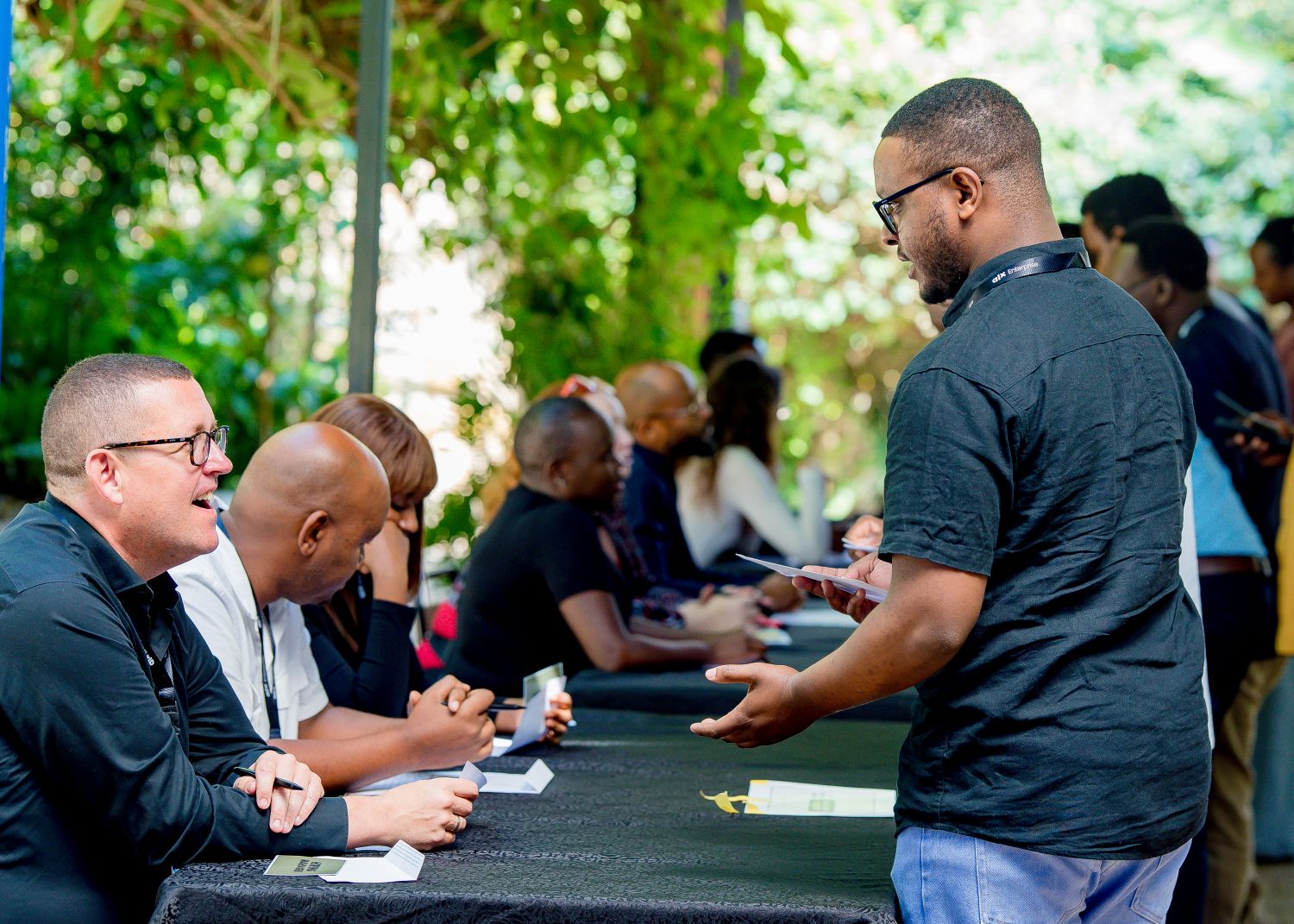
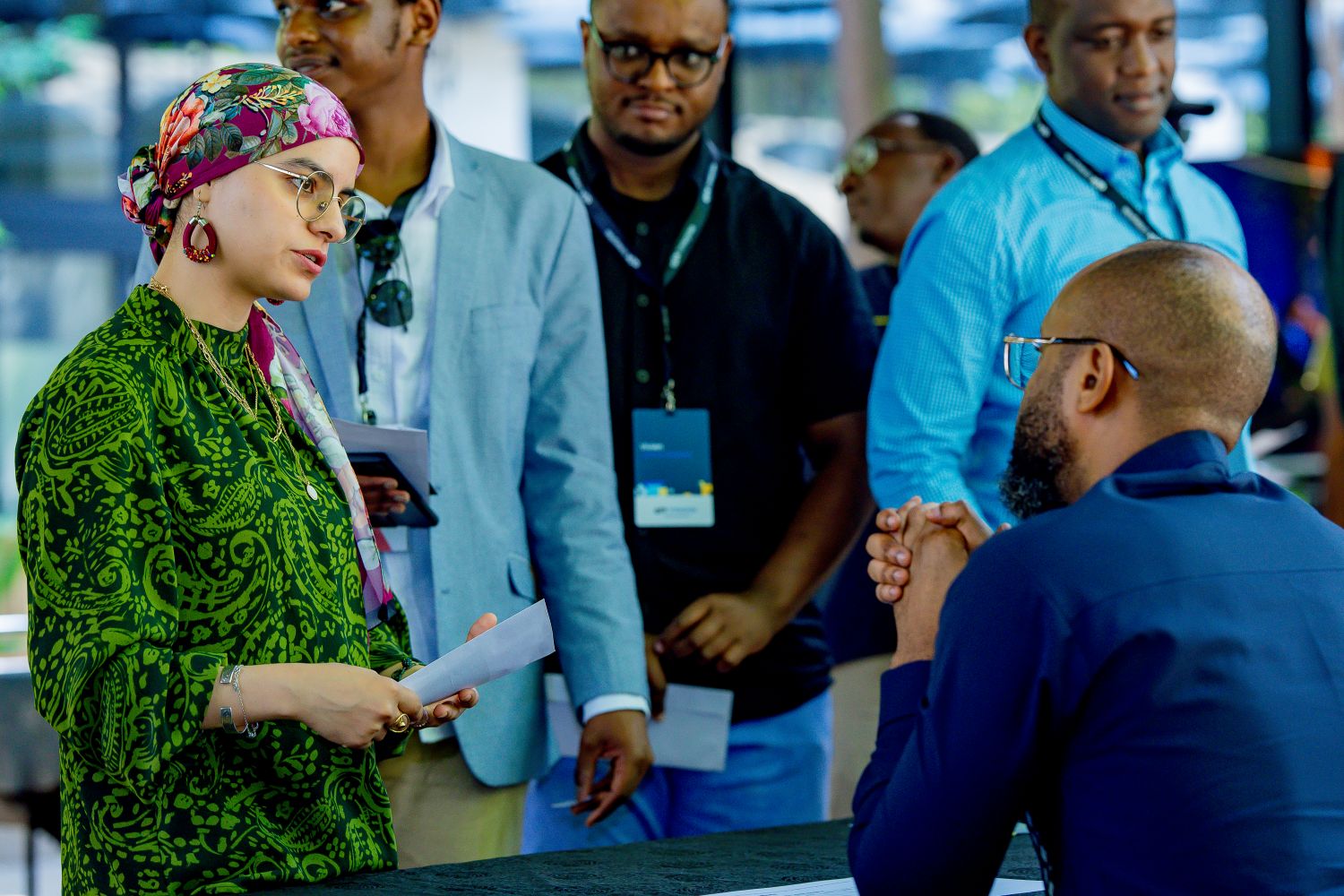
Instead of relying on keynote speeches alone, organisers placed executives inside an interactive simulation called The Future of Work Marketplace.
Participants assumed the roles of CEOs, hiring managers, employees, training providers and market forces, navigating rounds of AI-driven disruption involving automation, changing salaries, evolving client expectations and shifting workforce demands.
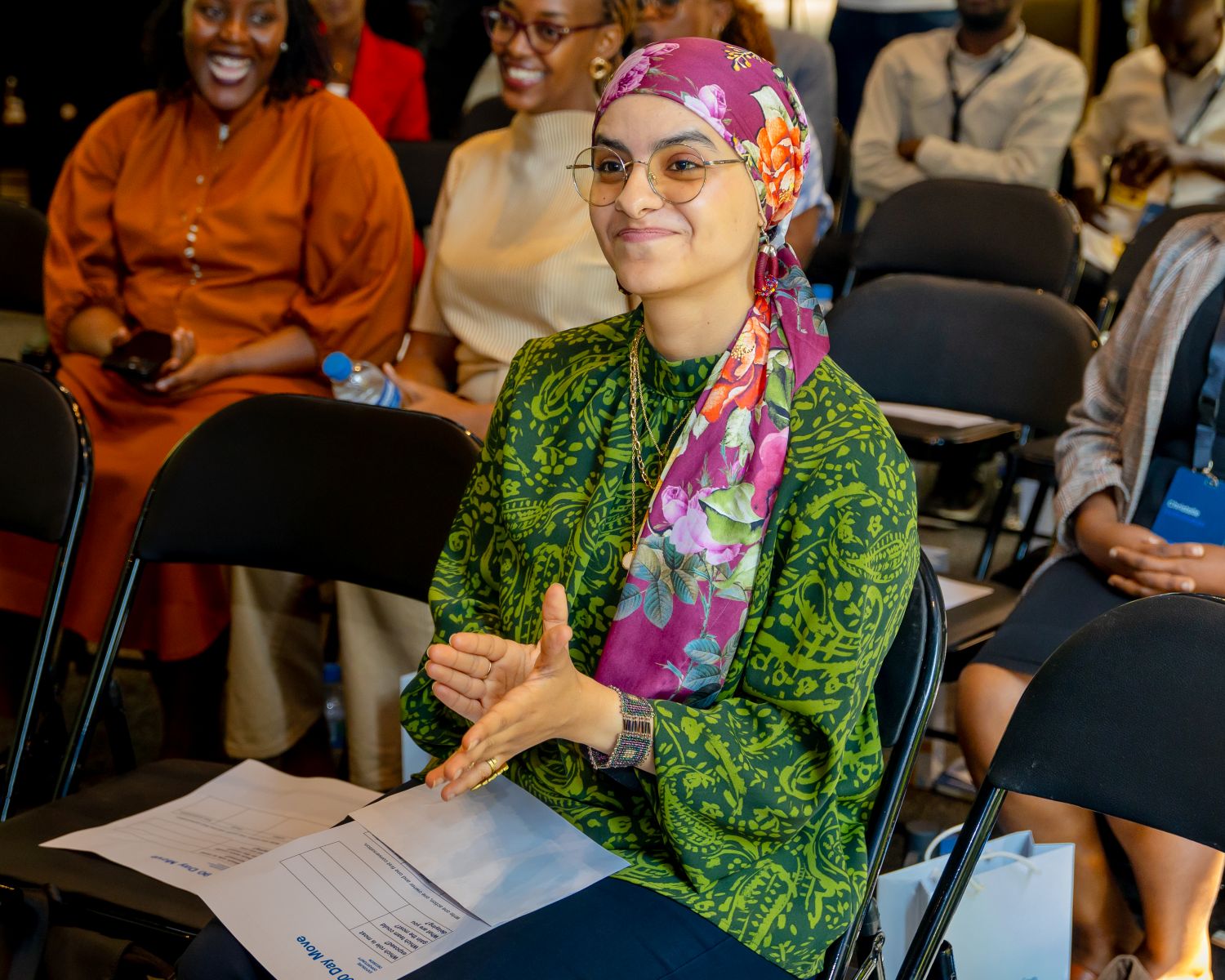
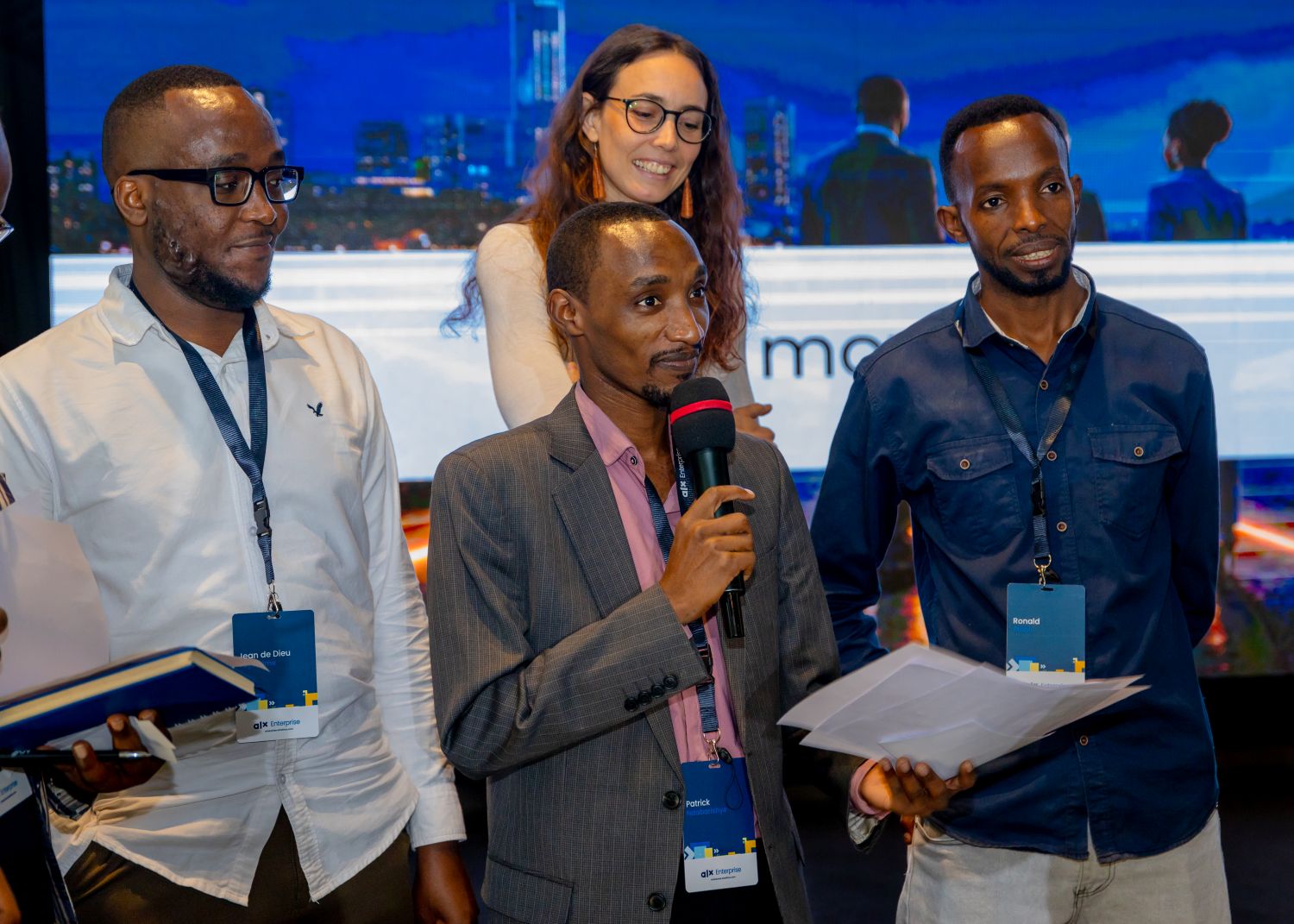
The exercise concluded with each group presenting a 90-day strategy for how their organization should respond to the challenges they had experienced.
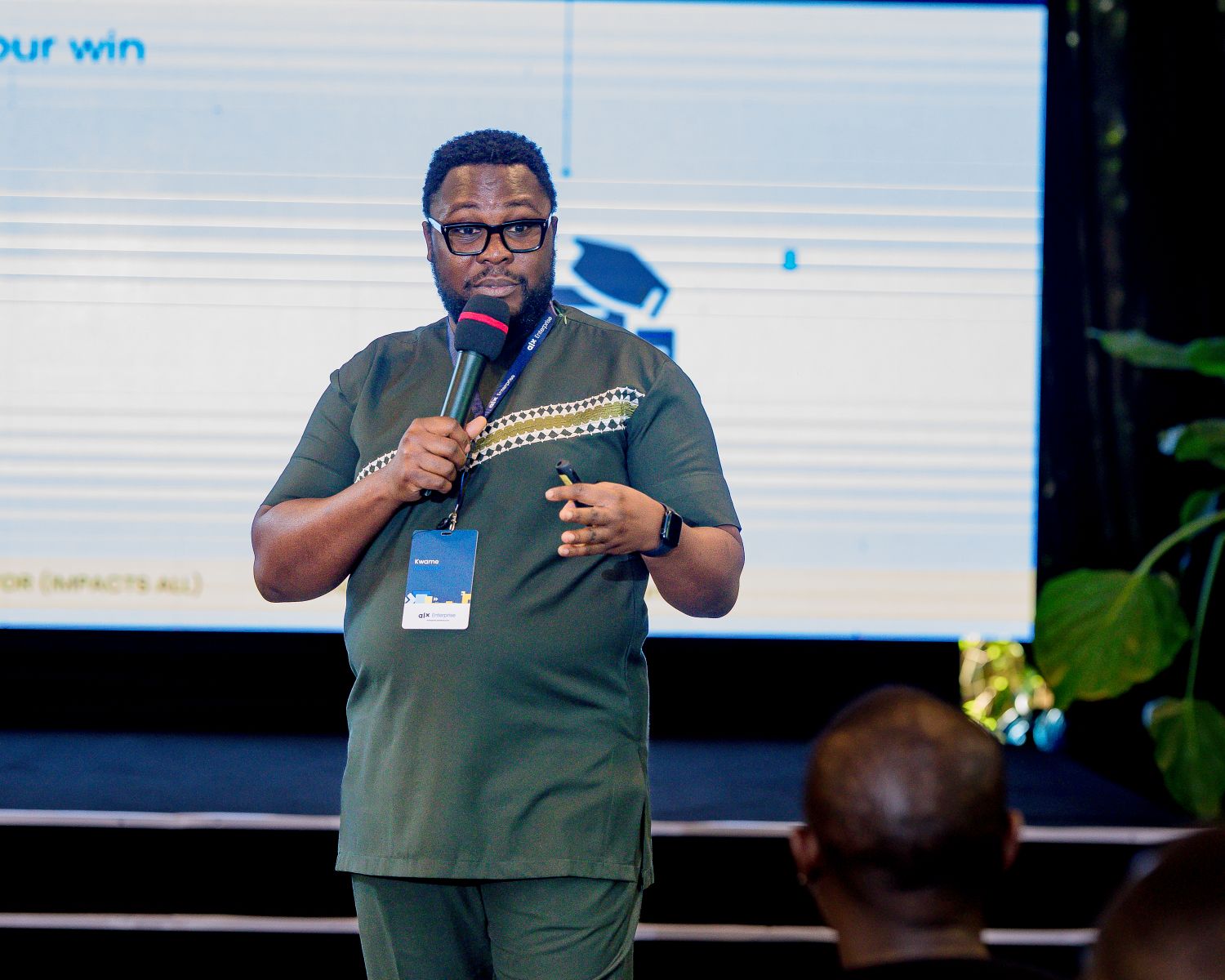
Kwame Norvixoxo, Research Lead at the World Bank and facilitator of the simulation, said the exercise was intentionally designed to move away from traditional conferences where participants passively listen to presentations.
Instead, leaders were encouraged to experience the uncertainty organisations now face and collectively reflect on practical responses.
He said the exercise also provides an opportunity for businesses and training institutions to better understand future workforce needs and collaborate on closing emerging skills gaps.
Kwame Norvixoxo, Research Lead at the World Bank, facilitated the simulation.
Business leaders see AI as unavoidable
Participants from different sectors agreed that AI adoption is no longer optional.
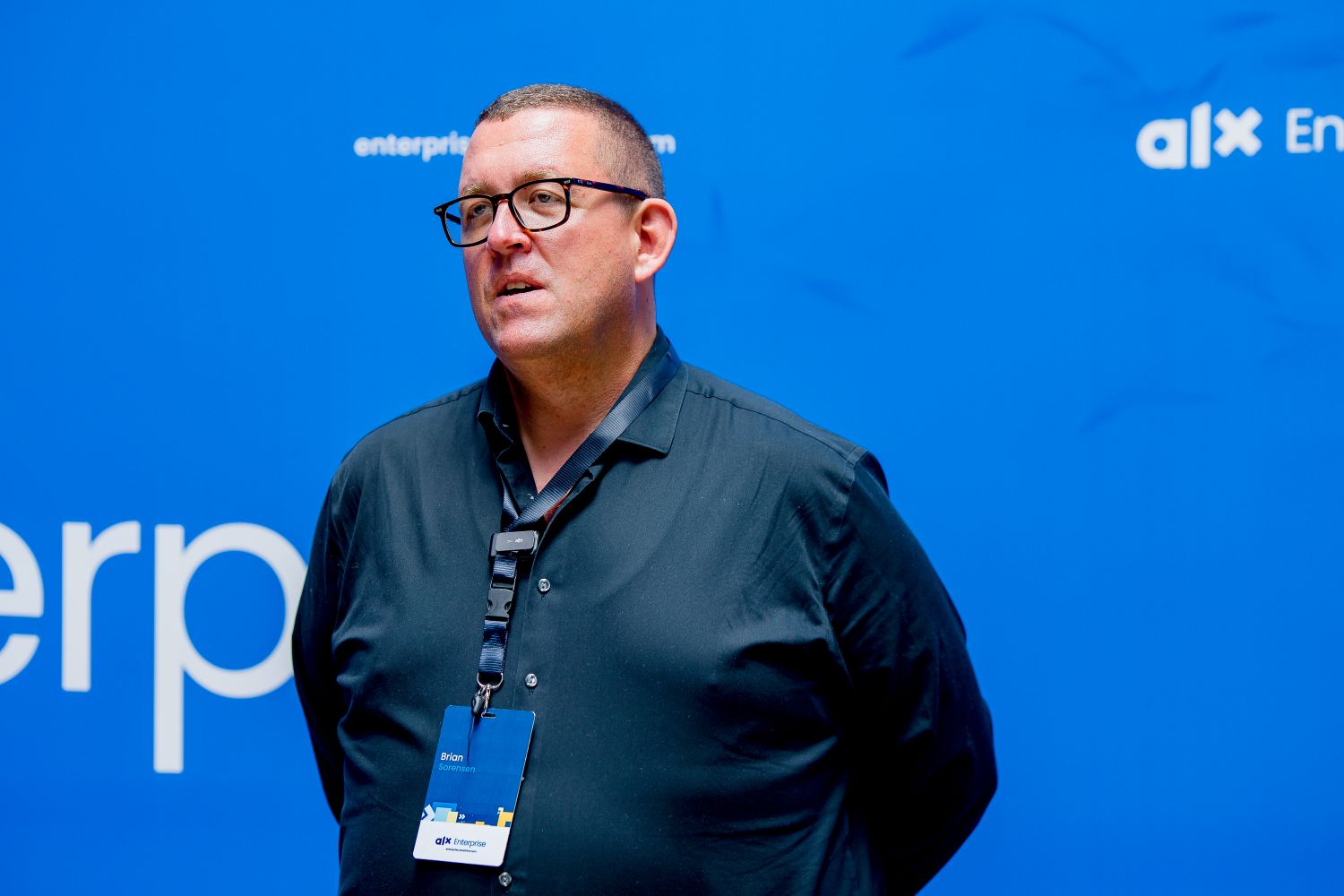
Brian Sørensen, who leads Vertland Africa, said AI has become a strategic priority across his organisation because it enables businesses to become more efficient while delivering faster services.
“We know that this is a must-have,” he said, noting that continuous upskilling has become central to the company’s growth strategy.
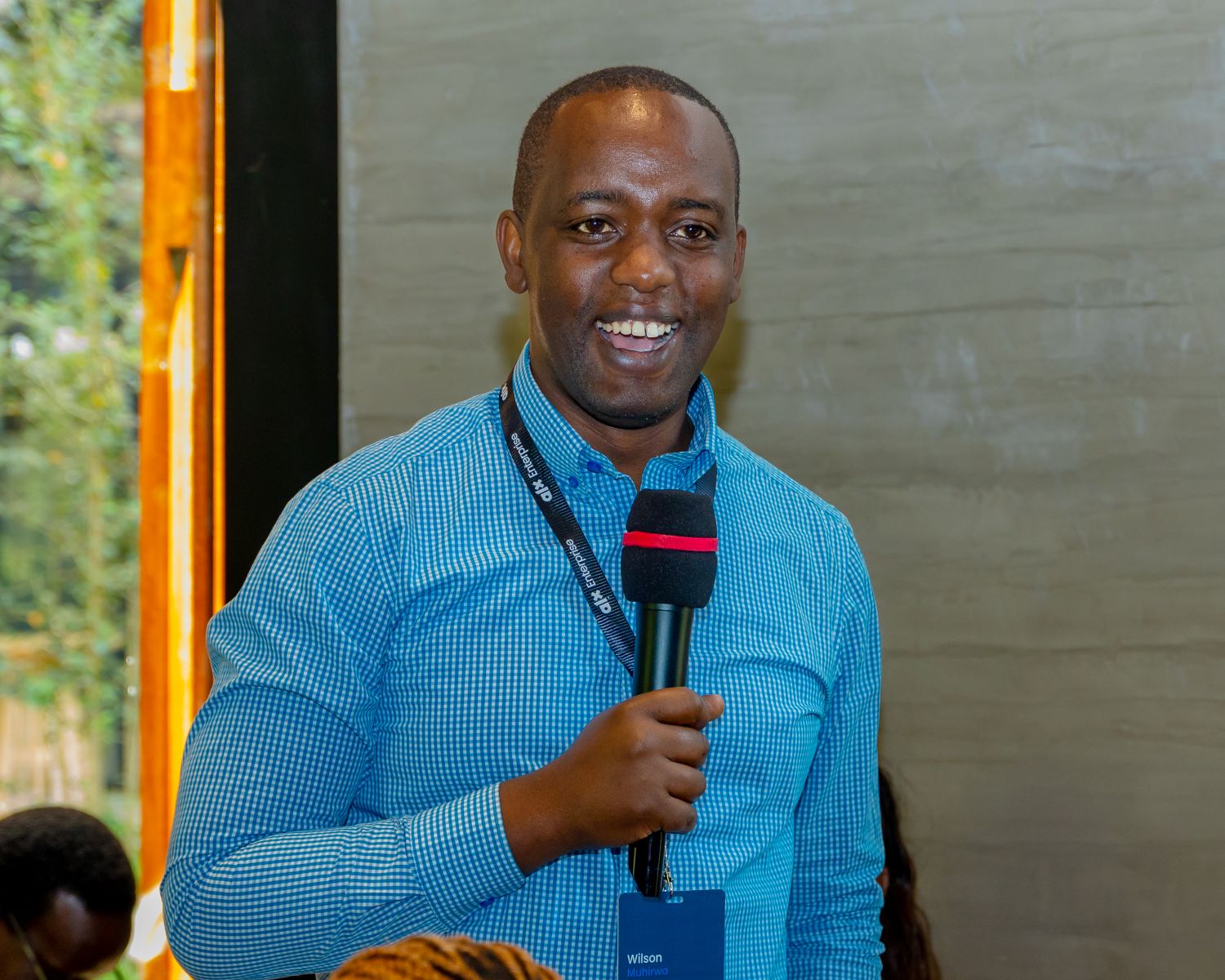
Wilson Muhirwa, Managing Director of Shift Africa, said organisations that delay adopting AI risk falling behind.
“The only thing we have to do is to make sure that we adopt, we learn, we unlearn where necessary, and adapt to the new technologies,” he said.
He encouraged business leaders to build organisational cultures that embrace experimentation and continuous learning rather than fearing technological change.
Wilson Muhirwa, Managing Director of Shift Africa, said organisations that delay adopting AI risk falling behind.
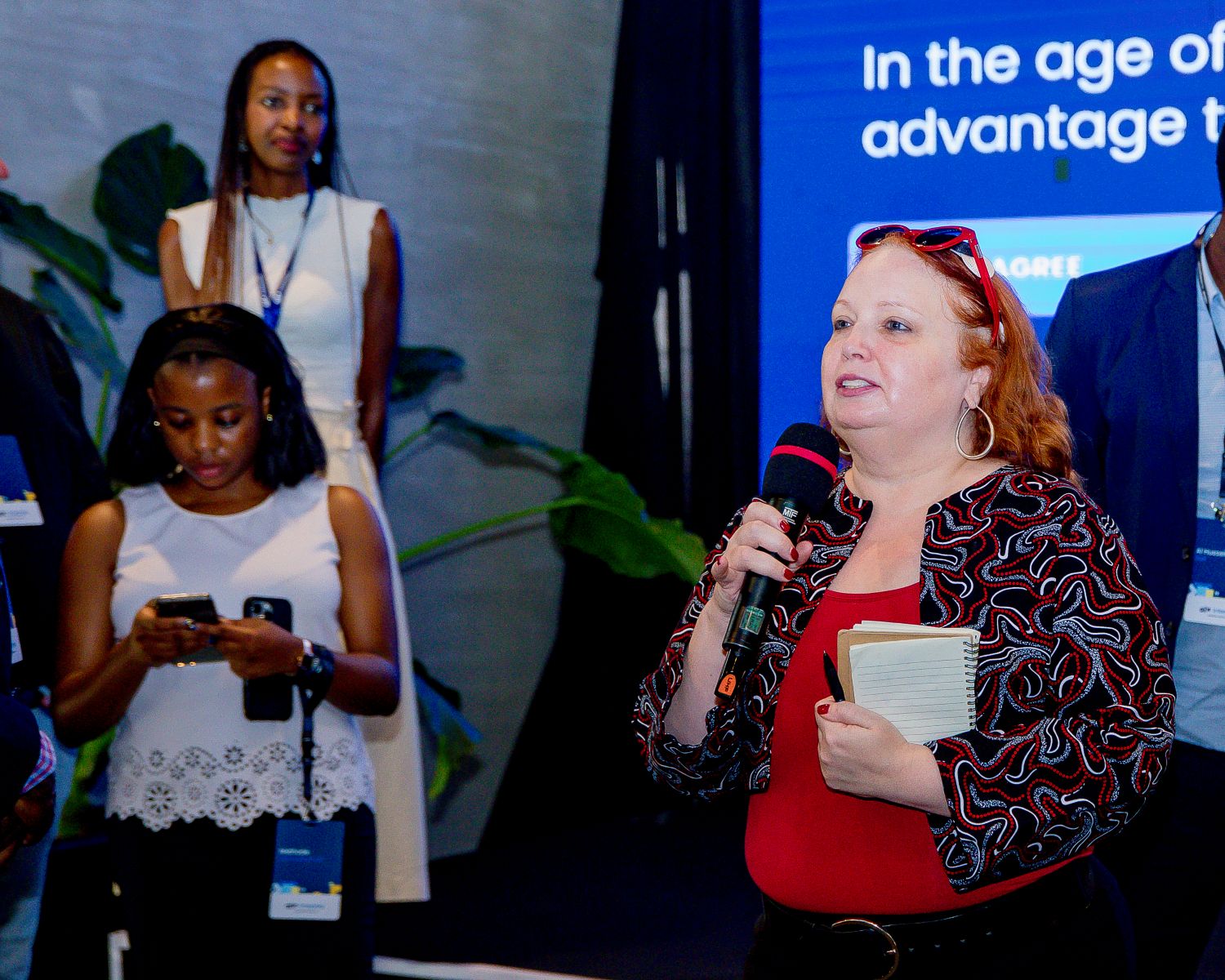
Laura Gotti, Communications Manager at Rwanda Men’s Resource Centre (RWAMREC), said AI adoption should begin with educating employees and strengthening governance around data protection.
For her organisation, one immediate takeaway was the need to develop an AI policy aligned with existing data protection frameworks before expanding AI use.
Raissa Mahoro, Healthcare Solutions Manager at Sand Technologies, argued that leaders should first identify operational challenges where AI can create value before investing in workforce capability, to ensure employees can use new technologies effectively and responsibly.
Raissa Mahoro, Healthcare Solutions Manager at Sand Technologies, speaking at the ALX Enterprise AI leadership breakfast in Kigali.
Leadership, not technology, will determine success
Across every session, one conclusion consistently emerged: the future of work is becoming less about technology itself and more about leadership.
AI may automate routine tasks, improve decision-making and accelerate productivity, but organisations will only realise those benefits if leaders create cultures that encourage learning, build workforce capability and adapt business strategies to an increasingly AI-driven economy.
For today’s CEOs, the challenge is no longer deciding whether AI matters. It is deciding whether their people, their managers and ultimately their leadership are prepared for what comes next.
ALX Enterprise is the corporate training arm of ALX, a pan-African talent and skills organisation that has trained hundreds of thousands of learners across the continent in software engineering, data science, cloud computing and AI. Building on that track record, ALX Enterprise partners directly with companies and their leadership teams to close AI and data capability gaps, redesign workflows around new tools, and build the manager and executive capability needed to lead through disruption grounded in practical, Africa-relevant training rather than theory alone.
The executive breakfast hosted by ALX Enterprise at Norrsken Kigali on Friday brought together CEOs, senior executives, HR professionals, and business leaders. Minister of State for ICT and Innovation Yves Iradukunda told the business leaders that responsible AI adoption extends beyond purchasing new software.ALX Africa Regional Director Nimie Chaylone speaks during the “Leading in the Age of AI” executive breakfast at Norrsken Kigali.ALX Africa Regional Director Nimie Chaylone urged organizations to embed upskilling into the workplace.Brian Sørensen, who leads Vertland Africa, said AI has become a strategic priority across his organisation because it enables businesses to become more efficient while delivering faster services.Laura Gotti, Communications Manager at RWAMREC, says AI adoption should begin with educating employees and strengthening data governance. The event challenged leaders to rethink the future of work itself through practical discussions and an immersive simulation that mirrored the disruptions AI is already creating across industries.The event challenged leaders to rethink the future of work itself through practical discussions.Guests toured Sand Technologies at Norrsken, where the company demonstrated its services.