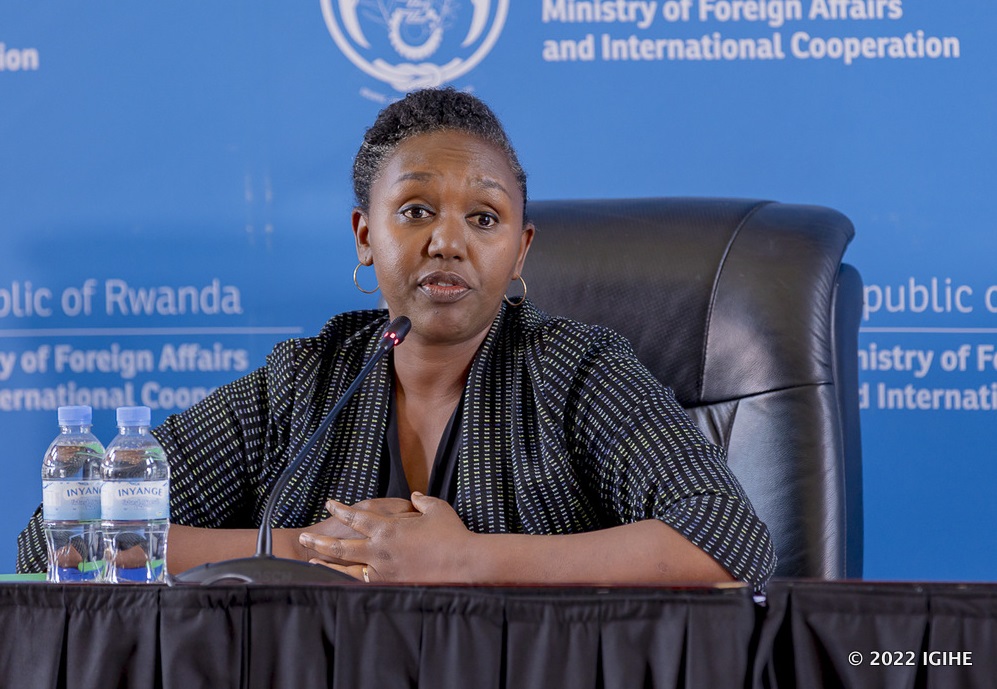
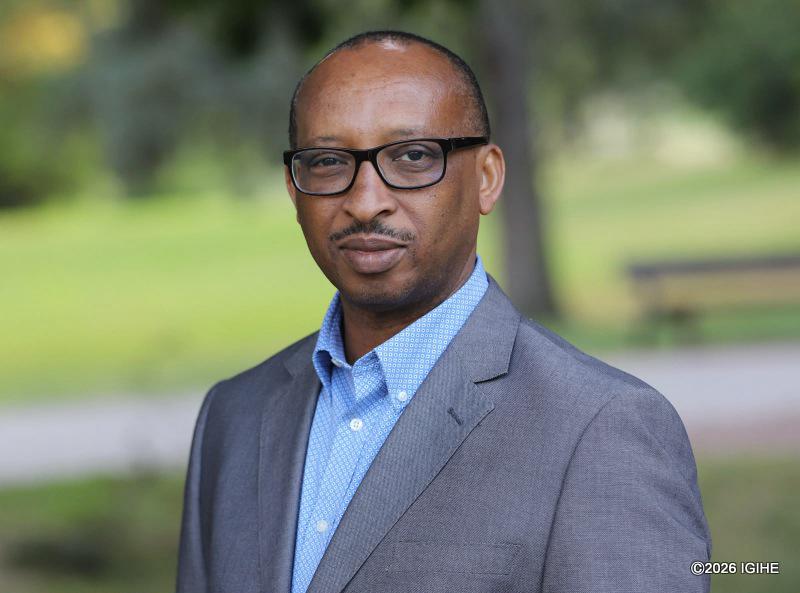
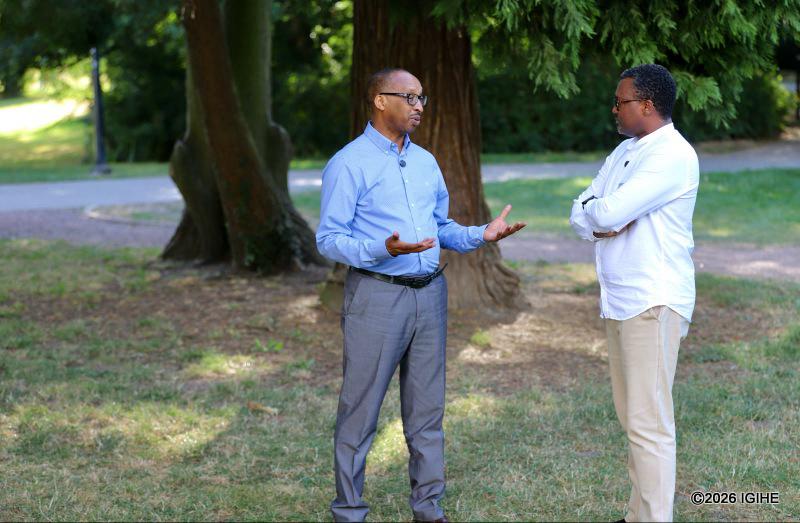
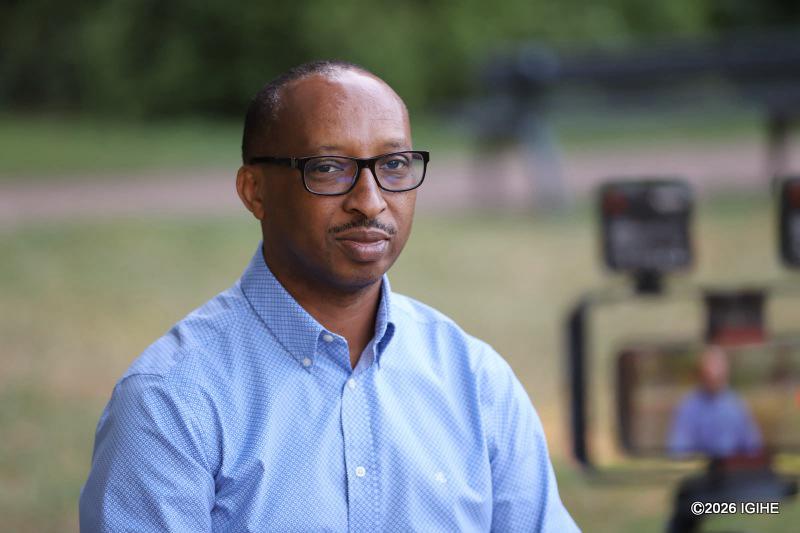
The exchange unfolded on X after Hudson criticised the U.S. Embassy in Kigali for reposting U.S. Secretary of State Marco Rubio’s latest criticism of the ICC.
The embassy had shared Rubio’s statement declaring that the United States “will never surrender sovereignty to an unaccountable global tribunal” and announcing what he described as a comprehensive campaign to end what Washington calls the ICC’s “illegitimate overreach.”
Reacting to the embassy’s post, Hudson argued that Rwanda was an inappropriate example for the United States to use in criticising the court.
“This feels so discordant coming from our embassy in Kigali, a country that has benefitted from restorative and international justice and is often cited as a reason for creating the ICC,” Hudson wrote.
He argued that criticism of the ICC should also be accompanied by recognition of the role international justice mechanisms play in promoting accountability.
Responding directly to Hudson on Friday, Makolo said Rwanda has never regarded the ICC as central to its pursuit of justice.
“Rwanda is the wrong example to use to defend the ICC. We have consistently opposed the ICC as a selective, unaccountable institution which has been used to target Africans disproportionately,” Makolo wrote.
She explained that after the Genocide against the Tutsi, Rwanda established Gacaca, a community-based justice and reconciliation system that handled nearly two million cases over a ten-year period.
According to Makolo, the Gacaca courts delivered justice efficiently and at relatively low cost while uncovering the truth, ensuring accountability, and helping rebuild communities torn apart by the genocide.
“Gacaca was pivotal to Rwanda’s recovery, progress and stability,” she said. “A distant, biased court such as the ICC could never have delivered justice and reconciliation on that scale—not in our lifetime.”
Hudson, who is Managing Partner at political and investment risk advisory firm 54 Advisors, is an analyst specialising in African security, governance and geopolitical risk. He previously served in the U.S. government, including as Director for African Affairs at the White House National Security Council during the George W. Bush administration and as chief of staff to successive U.S. Presidential Special Envoys for Sudan.
The exchange comes amid renewed criticism of the ICC by the administration of U.S. President Donald Trump. In his statement, Rubio accused the court of attempting to become “the unaccountable arbiter of a new global law” with powers that threaten U.S. sovereignty.
“We will teach the ICC the full meaning of American resolve,” Rubio said.
Rwanda’s Government Spokesperson, Yolande Makolo, has rejected claims by American analyst Cameron Hudson that Rwanda benefited from the International Criminal Court (ICC), insisting that the country has consistently opposed the Hague-based tribunal and instead relied on its home-grown Gacaca courts to deliver justice after the 1994 Genocide against the Tutsi.
The “Argentina Out” campaign gained massive traction following a series of controversial matches during the tournament, which culminated in Spain defeating Argentina 1–0 in extra time in the World Cup final.
Throughout the competition, supporters of the petition accused FIFA and match officials of systematically favoring Argentina and captain Lionel Messi.
Before closing, the appeal collected 23,316,108 signatures from fans across roughly 170 countries. It fell just short of the Guinness World Record of 24,319,181 signatures, set in 1997 by the Jubilee 2000 movement, which advocated for the cancellation of debts owed by developing nations.
Accusations of bias and viral backlash
Organizers launched the “Argentina Out” campaign following heated knockout fixtures, including a contentious round-of-16 clash against Egypt, arguing that the tournament’s integrity had been compromised.
“Why should the rest of the world compete when the winner has already been decided? Exclude Argentina from the World Cup and give everyone else a fair chance,” the petition’s central statement read.
Allegations of official leniency toward Argentina spread rapidly online, driving viral discussions, fan protests, and AI-generated media across social platforms.
Heated final and disciplinary probe
The controversy reached a boiling point after the final whistle of the championship match in East Rutherford, New Jersey. Tensions erupted into post-match altercations involving several Argentine players and staff:
Nahuel Molina was involved in a confrontation with Spanish players on the pitch.
Leandro Paredes clashed directly with Spain defender Eric García.
Assistant coach Roberto Ayala and other team members were implicated in additional arguments during the post-game chaos.
In response to the scenes, FIFA’s Disciplinary Committee appointed an ethics prosecutor to review whether the actions breached regulations on sporting conduct or brought the governing body into disrepute.
Campaign closure and final outcome
Despite the scale of the “Argentina Out” drive, FIFA did not act on the petition’s demands, as fan-driven petitions carry no formal regulatory authority over tournament operations.
Following Spain’s extra-time victory sealed by Ferran Torres, the petition’s organizers officially closed the drive, signing off with a message celebrating the final result:
“FIFA ignored us, but Spain delivered. Thank you Spain.”
Argentina’s Nicolas Otamendi and Nahuel Molina fight with Spain’s Rodri after the World Cup final.
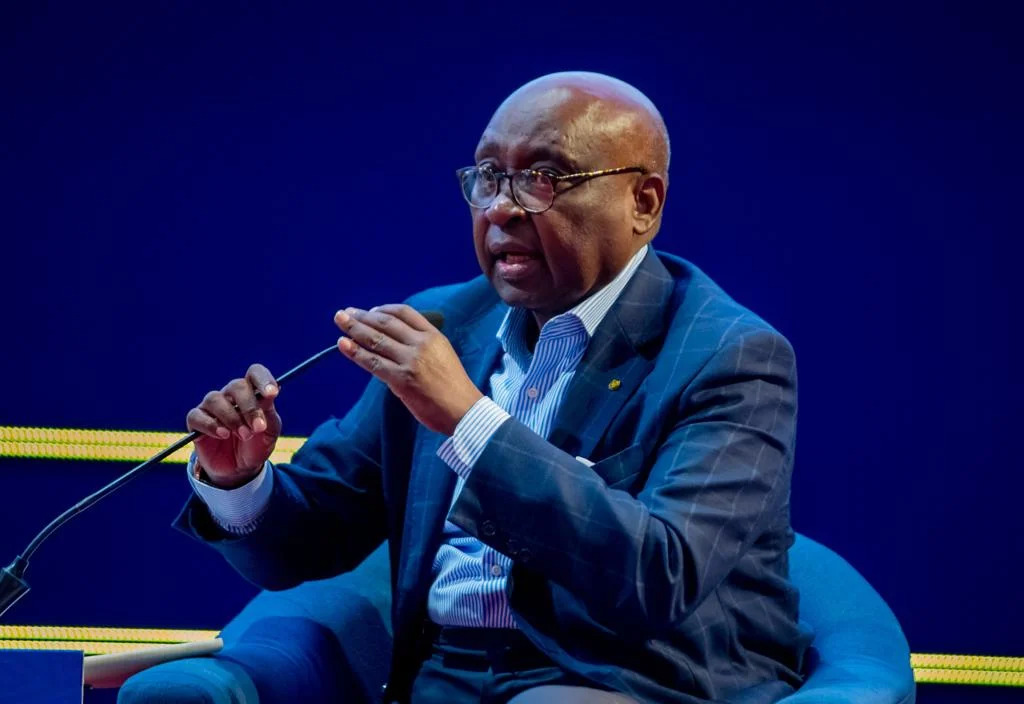
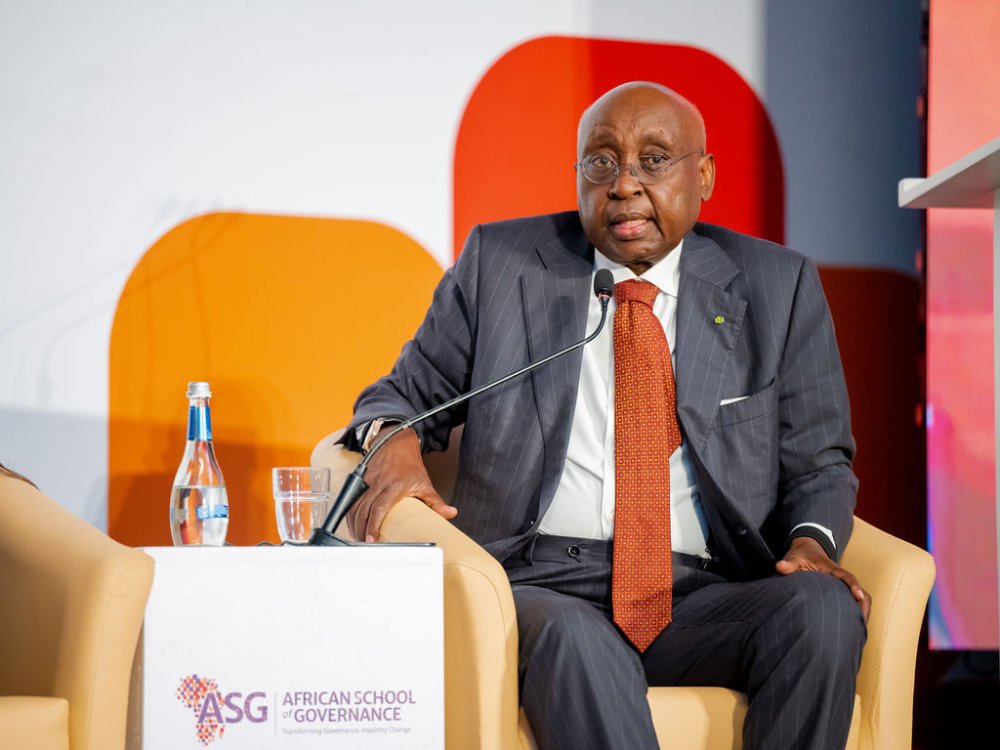
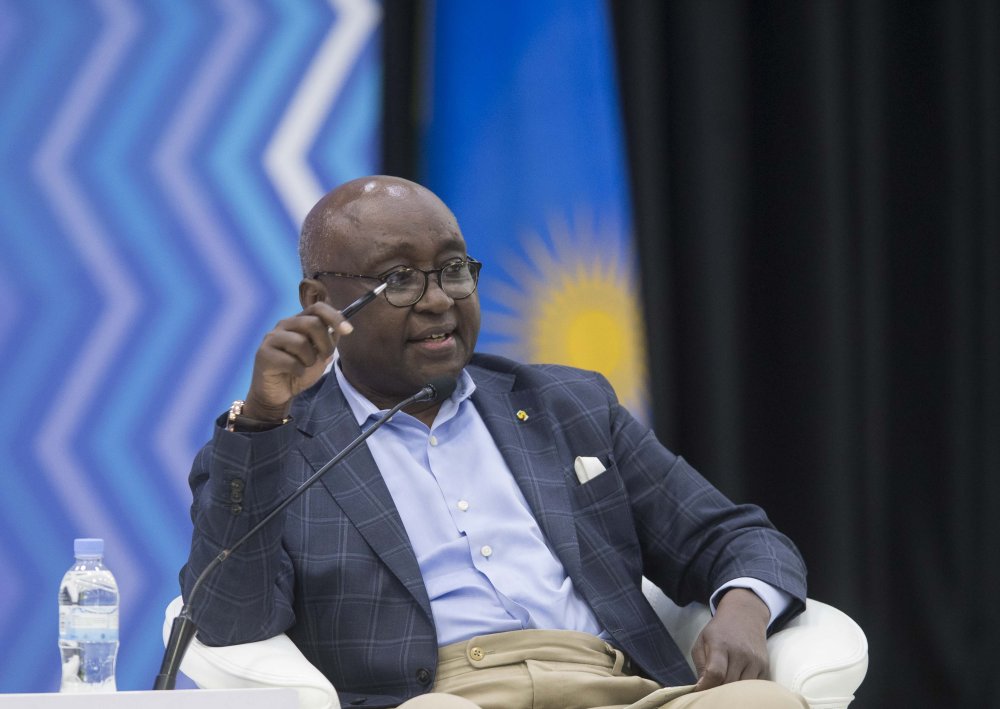
Born on October 5, 1951, in Byumba, Rwanda, Kaberuka grew up during a difficult period in the country’s history. The persecution of 1959 forced many Rwandans, including his family, into exile. Decades later, he would become one of the key figures involved in rebuilding Rwanda’s economy after the 1994 Genocide against the Tutsi and would go on to lead one of Africa’s most important financial institutions.
Kaberuka studied economics and development, beginning his higher education at the University of Dar es Salaam. He later obtained a Master of Philosophy in Development Studies from the University of East Anglia in 1979 before earning a PhD in Economics from the University of Glasgow.
His economic thinking was shaped by his experiences studying in the United Kingdom during the economic turmoil of the 1970s. In an interview with Jeune Afrique, Kaberuka recalled how Britain’s economic crisis, marked by high inflation and a request for support from the International Monetary Fund in 1976, influenced his views.
“The economic and industrial crisis had a profound impact on me,” Kaberuka recalled. “Imagine the United Kingdom with 25 percent inflation having to seek assistance from the International Monetary Fund in 1976. It taught me to be skeptical of theories. Since then, my approach has been simple: What works?“
Kaberuka’s economic thinking was shaped by his experiences studying in the United Kingdom during the economic turmoil of the 1970s.
Rebuilding Rwanda’s economy
After the 1994 Genocide against the Tutsi, Kaberuka returned to Rwanda and became part of the team that helped rebuild the country’s economy.
As Minister of Finance and Economic Planning from 1997 to 2005, he introduced reforms that focused on liberalising the economy, strengthening domestic revenue collection, granting greater independence to the central bank and maintaining strict fiscal discipline.
His leadership during this period contributed to Rwanda’s economic recovery, with development institutions such as the French Development Agency describing the country’s approach as an effective development model in sub-Saharan Africa.
In 2005, Kaberuka was elected President of the African Development Bank (AfDB), a position he held until 2015.
During his decade at the helm of the institution, he oversaw a major expansion of the bank’s financial capacity, with its capital increasing from $30 billion to $100 billion and annual commitments doubling.
Leading through the 2008 financial crisis
Kaberuka’s leadership was tested during the global financial crisis of 2008, when concerns grew that Africa could face severe economic consequences.
He recalled receiving calls from worried officials asking whether Africa would become the continent most affected by the crisis.
To assess the situation, he brought together finance ministers and central bank governors in Tunis, where the AfDB was then headquartered, to discuss the impact and agree on a response.
The assessment was that African banking systems would remain relatively resilient because they were less connected to Western financial markets. However, the continent would face challenges from declining global demand and reduced trade volumes.
Rather than applying a single economic prescription across countries, Kaberuka promoted solutions adapted to local circumstances, including budget support, balance-of-payments assistance and infrastructure investments.
Economist Modibo Makalou Mao noted that during the crisis, Kaberuka avoided standard solutions and instead favoured approaches adapted to the size, level of development and needs of individual economies.
In Togo, AfDB financing supported strategic projects such as the Lomé-Cotonou corridor, which was viewed as a stronger driver of growth than traditional fiscal adjustment measures.
Kaberuka was elected President of the African Development Bank (AfDB) in 2005, a position he held until 2015.
Supporting African industrial growth
During his leadership at the AfDB, Kaberuka also focused on supporting industrial small and medium-sized enterprises (SMEs), inspired by Germany’s Mittelstand model.
He argued that SMEs were central to economic transformation because they played a major role in job creation.
“The foundation of its success is SMEs. They are the ones that impact the unemployment curve,” he said, referring to Germany’s experience.
A champion of financial self-reliance
After leaving the AfDB, Kaberuka continued working on global and continental development issues.
He served as Chair of the Board of the Global Fund and later as the African Union’s Special Envoy for COVID-19, where he advocated for Africa to gradually reduce its dependence on external assistance.
While recognising the importance of international solidarity, particularly in the fight against HIV/AIDS, he argued that such support should not replace long-term financial independence.
“The pandemic and the recent withdrawal of USAID have confirmed the need for autonomy,” he said.
Frannie Leautier, an executive at SouthBridge Investments, the investment firm co-founded by Kaberuka, said his view of finance goes beyond mobilising resources.
“Donald Kaberuka has always seen in finance much more than a mechanism for mobilising resources. For him, it is a lever of dignity, sovereignty and transformation,” she said.
A lasting influence on Africa’s development agenda
Even after leaving public office, Kaberuka has remained active in discussions on Africa’s economic future, advocating for stronger institutions, industrial growth and greater financial independence.
His career reflects a rare combination of policymaking, financial leadership and development expertise, from helping rebuild Rwanda’s economy to transforming the African Development Bank into a stronger continental institution.
At 74, Kaberuka remains a prominent voice in Africa’s development debate, with a legacy built on his belief that financial systems should serve development and ultimately improve people’s lives.
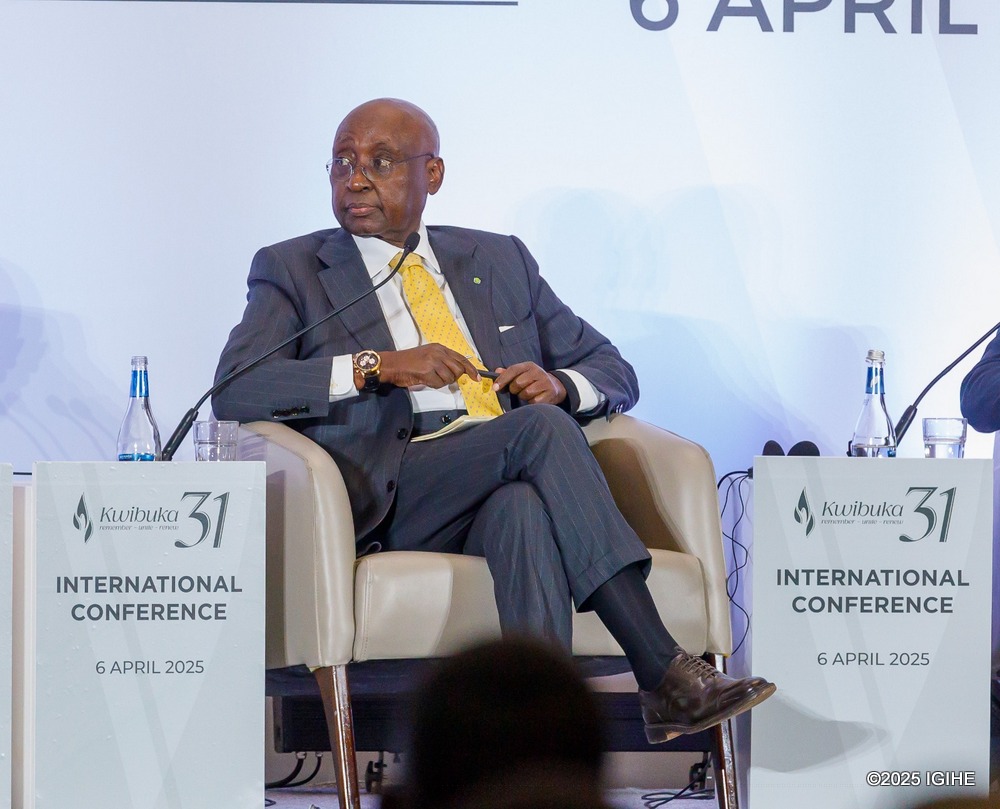
At 74, Kaberuka remains a prominent voice in Africa’s development debate.
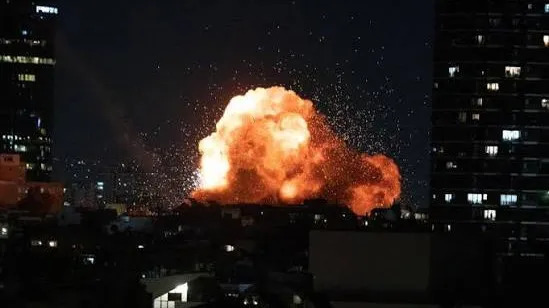
The latest airstrikes began at 5:30 p.m. Eastern Time on Wednesday, the command announced on X.
“The mission will continue to further degrade Iran’s ability to threaten civilian mariners and commercial vessels transiting regional waters,” said the command.
Earlier on Wednesday, U.S. President Donald Trump threatened to destroy a bridge or power plant in Iran each time it shoots at a ship in the Strait of Hormuz.
“From this point forward, any time the Islamic Republic of Iran shoots at a ship in the Strait of Hormuz, whether it be by Missile, Rocket, Drone, or any other device or weapon, the United States will bomb and destroy ONE BRIDGE OR POWER PLANT, including those located next to, or in, the Capital City of Tehran,” Trump wrote on Truth Social.
In response, Iran’s main military command, Khatam al-Anbiya Central Headquarters, on Wednesday warned that if the United States attacks Iranian infrastructure, Iran will block all oil exports from West Asia and target oil, gas, electricity, and economic infrastructure across the region, according to media reports.
It added that continued threats by the United States will only lead to the war’s expansion in the region and even beyond that.
As many as 68 percent of U.S. adults said the war with Iran was “not worth fighting,” while 28 percent said it was, according to a The Washington Post-Ipsos poll issued last week.
The latest airstrikes began at 5:30 p.m. Eastern Time on Wednesday, the command announced on X.
The couple, who pleaded not guilty to drug trafficking and firearms charges, made their third appearance in a New York court after being forcibly seized by U.S. troops in a military raid in early January.
During Wednesday’s 15-minute hearing, Judge Alvin Hellerstein set the trial date at the request of lawyers on both sides.
Maduro’s lawyer, Barry Pollack, said he will first challenge the indictment on sovereign immunity grounds because if that is successful, Maduro will not have to continue litigating the case.
On January 3, U.S. military forces launched a large-scale strike against Venezuela and forcibly seized Maduro and his wife before transporting them to New York. The U.S. attacks have shocked the international community, triggering a stream of condemnation and serious concerns worldwide.
During his first arraignment on January 5, Maduro pleaded not guilty to all U.S. charges against him, including drug trafficking.
The couple has been jailed at the Metropolitan Detention Center in Brooklyn, New York, since their seizure in Caracas.
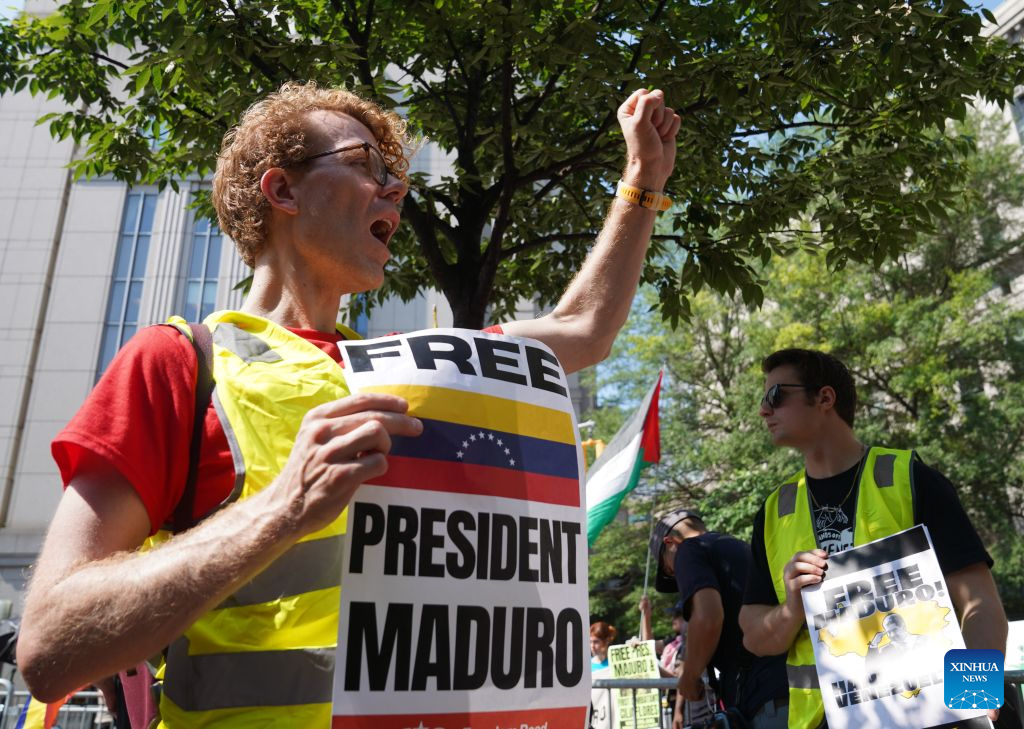
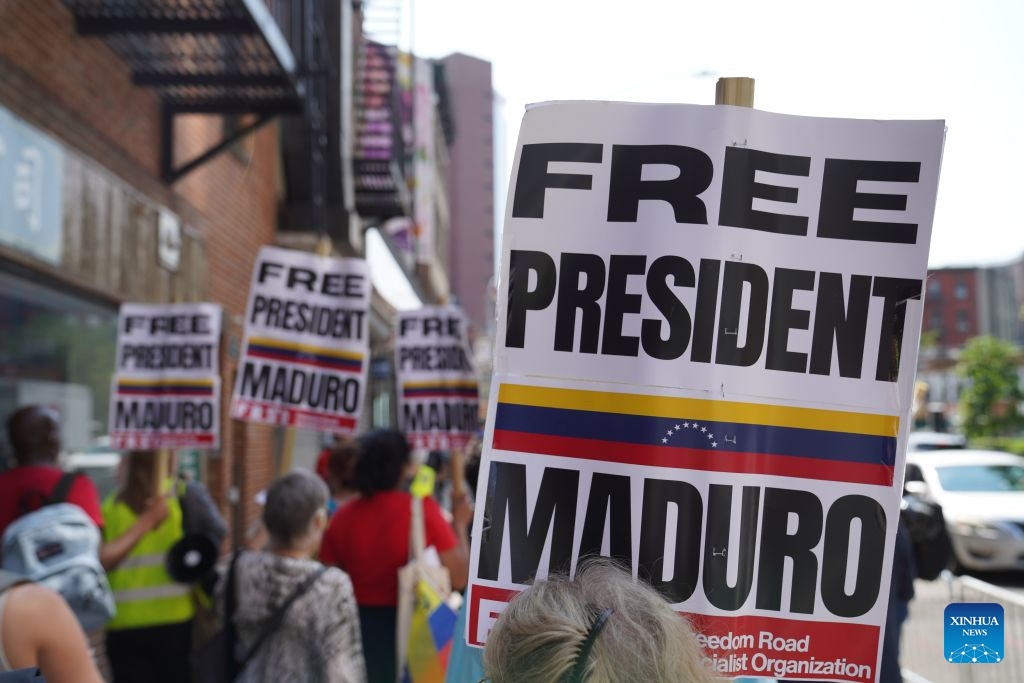
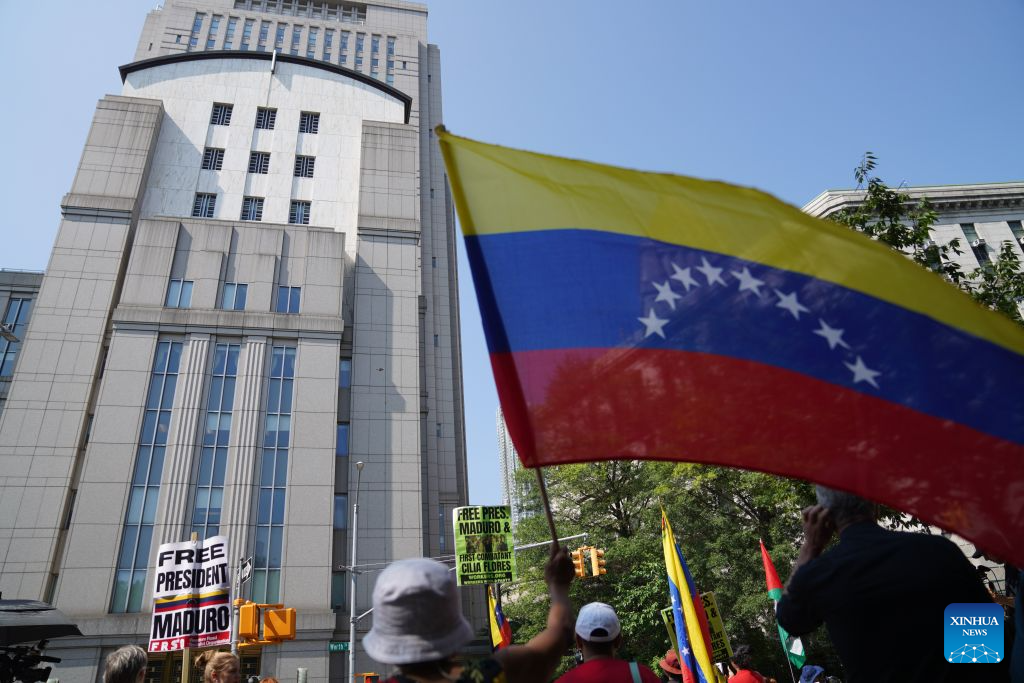
Protesters gathered Wednesday outside the heavily guarded Manhattan courthouse, demanding the immediate release of Maduro and opposing any form of U.S. military intervention abroad.
Allison Gunderson, a demonstrator from Minneapolis, told Xinhua that the United States is prosecuting the president of a sovereign nation after an illegal kidnapping.
“It is unjust and criminal,” Gunderson said.
Tom Burke, a member of the Anti-War Action Network’s steering committee, believes that the abduction, the detention and the trial of the Venezuelan president are against international law. “We’re gonna oppose it every step of the way,” he said.
“The United States is basically doing an armed robbery,” Burke said. “The rest of the world is watching, and people don’t trust the U.S. government now.”
Sara Flounders, a U.S. political writer, highlighted that Wednesday marked the 200th day since Maduro was kidnapped.
“We don’t forget these days. We don’t forget their crimes. We stand up to every single one of them, and we build solidarity with every one of these struggles,” said Flounders, referring to U.S. overseas operations in Venezuela, Iran and Cuba.
Supporters of Venezuelan President Nicolas Maduro protest outside a courthouse in New York, the United States, July 22, 2026. Venezuelan President Nicolas Maduro and his wife Cilia Flores will go on trial starting on June 1, 2027, a U.S. judge ruled on Wednesday.
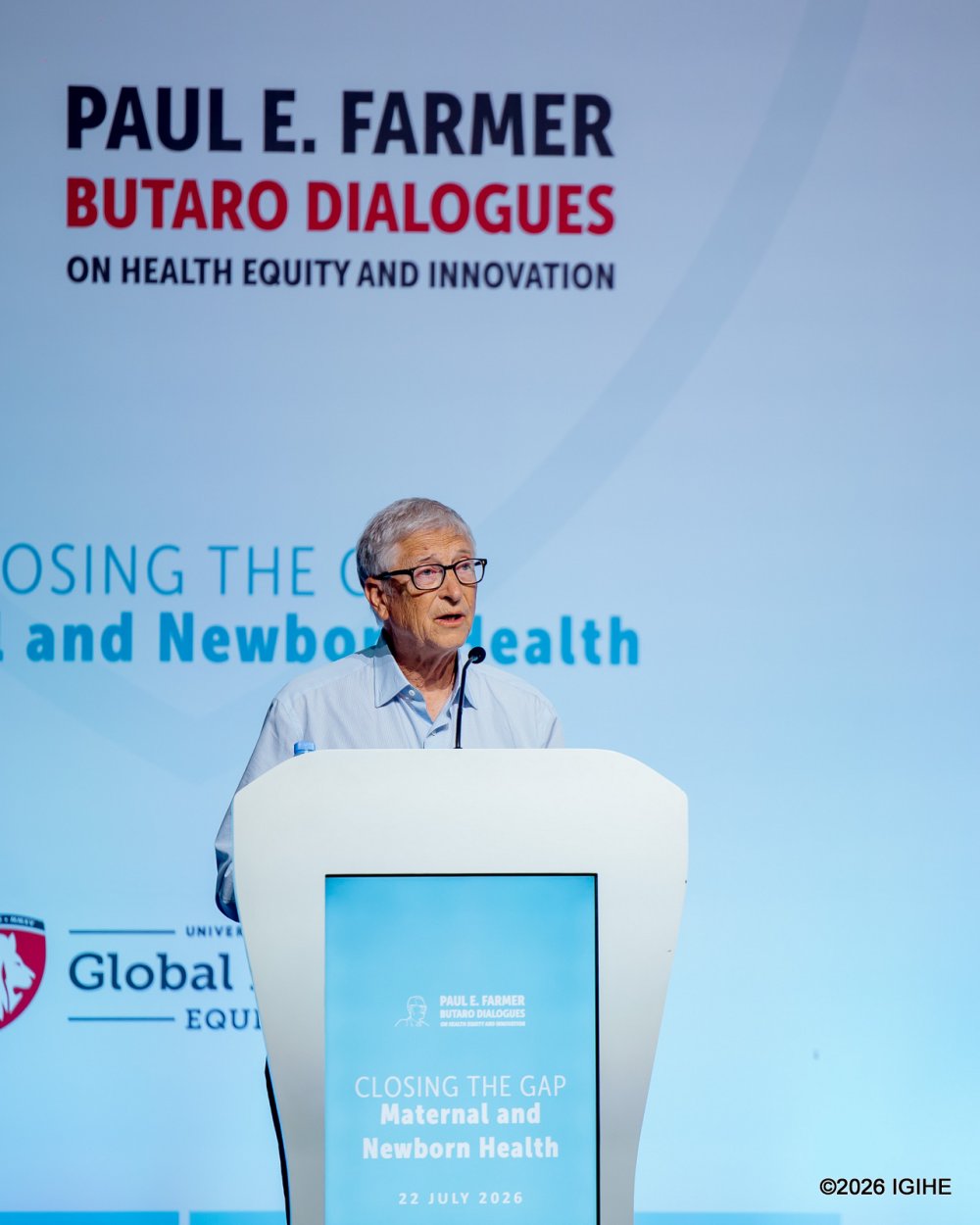
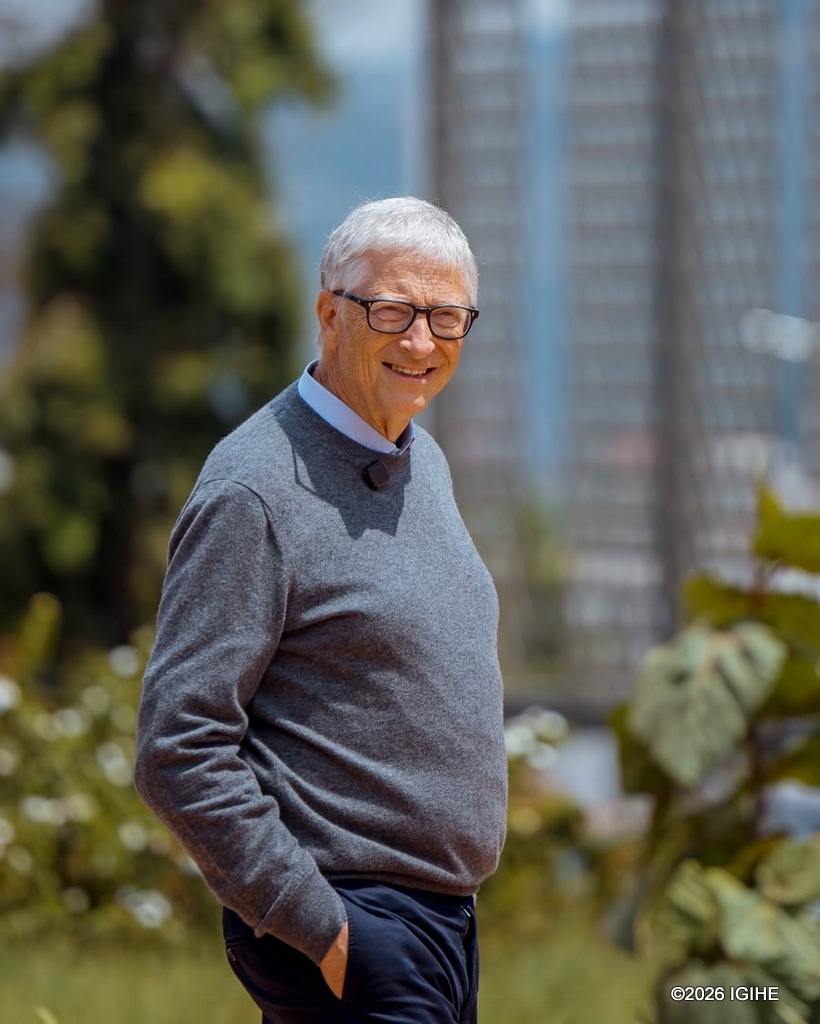
Microsoft co-founder and philanthropist Bill Gates has praised Rwanda’s progress in improving healthcare outcomes, while warning that artificial intelligence (AI) must be made accessible to African health systems rather than becoming a tool that benefits only wealthy countries.
Gates made the remarks on Wednesday while delivering the inaugural lecture at the Paul E. Farmer Butaro Dialogues on Health Equity and Innovation, hosted by the University of Global Health Equity (UGHE) in Butaro, Northern Province.
The dialogue, named after the late physician and global health pioneer Paul Farmer, brought together global health leaders to discuss how medical innovations can reach communities that need them most.
Gates highlighted Rwanda’s progress in building a strong healthcare system, using technology and community-based approaches to improve health outcomes, particularly in reducing child and maternal deaths.
“Rwanda as a whole has set a very good example. Its public health system, there’s a lot that others could learn from,” he said.
“Since the turn of the century, child deaths have fallen by 80%. Maternal deaths are down over 80%, and those are really incredible numbers.”
He also praised Rwanda’s use of digital technology in healthcare, citing his visit to the National Health Intelligence Center (NHIC), where he observed how digital systems are being used to monitor and improve health services.
“Those digital systems will be the foundation for the next generation, which will be powered by artificial intelligence,” Gates noted, adding that Rwanda is “at the forefront” of exploring how AI can benefit the health system.
However, Gates warned that global health progress is facing growing pressure, partly due to declining financial support from donor countries.
“Today we face greater challenges than ever. Progress in Africa as a whole is definitely in jeopardy. It’s a tough time for global health,” he cautioned.
He pointed out that donor countries are reducing their aid budgets, leaving African leaders under pressure to achieve more with fewer resources.
“Around the world, donor countries are shrinking their aid budgets, and so the leaders here are being forced to do more with less,” Gates explained.
He noted that the consequences of those decisions were already becoming visible, highlighting that last year marked the first time since the turn of the century that global childhood deaths increased.
“Not here in Rwanda, but a lot of those additional deaths were in Africa,” he added.
Gates argued that the situation makes it even more important to ensure new technologies, particularly AI, are used to strengthen healthcare delivery in countries with limited resources.
He warned that AI could deepen existing inequalities if it follows the same path as many previous technologies, where benefits are concentrated in wealthier nations.
“If we let things take their normal course, AI, like all advanced tools, will be in the rich countries,” he stated.
“The profit motive, the amount customers can pay, the data centres, it will benefit a narrow part of the world. That would be a great injustice.”
He stressed that Africa should be among the first places to benefit from AI, given the continent’s overstretched healthcare workforce.
“Right at the beginning, if anything, we should bring AI to those in need because the most overloaded healthcare workforce in the world, of course, is here in Africa,” Gates emphasized.
He explained that AI tools could help healthcare workers make better decisions, streamline services and identify where additional support is needed.
“The things that help them make decisions and streamline things and show them where we should do more, those will save many, many lives,” he added.
Gates noted that institutions such as UGHE would play an important role in ensuring AI solutions are adapted to local realities, including language needs and health challenges specific to African communities.
The remarks echoed the message of the dialogue, which UGHE Deputy Vice Chancellor Prof. Abebe Bekele described as an effort to bridge the gap between medical innovation and implementation.
Prof. Bekele observed that advances in artificial intelligence, digital health, genomics, diagnostics and clinical care were expanding the boundaries of medicine, but millions of people were still unable to benefit from these breakthroughs.
“The challenge before us is not one of discovery alone. It’s one of translation,” he noted.
He stressed that innovations only save lives when they are successfully implemented through policies, education, research and healthcare systems that ensure they reach every woman and child regardless of where they live.
Prof. Bekele explained that the Butaro Dialogues, organised by UGHE and the Consortium of Medical Schools in Africa (COMSA), aim to identify critical maternal and neonatal health innovations and support their adoption across African health systems.
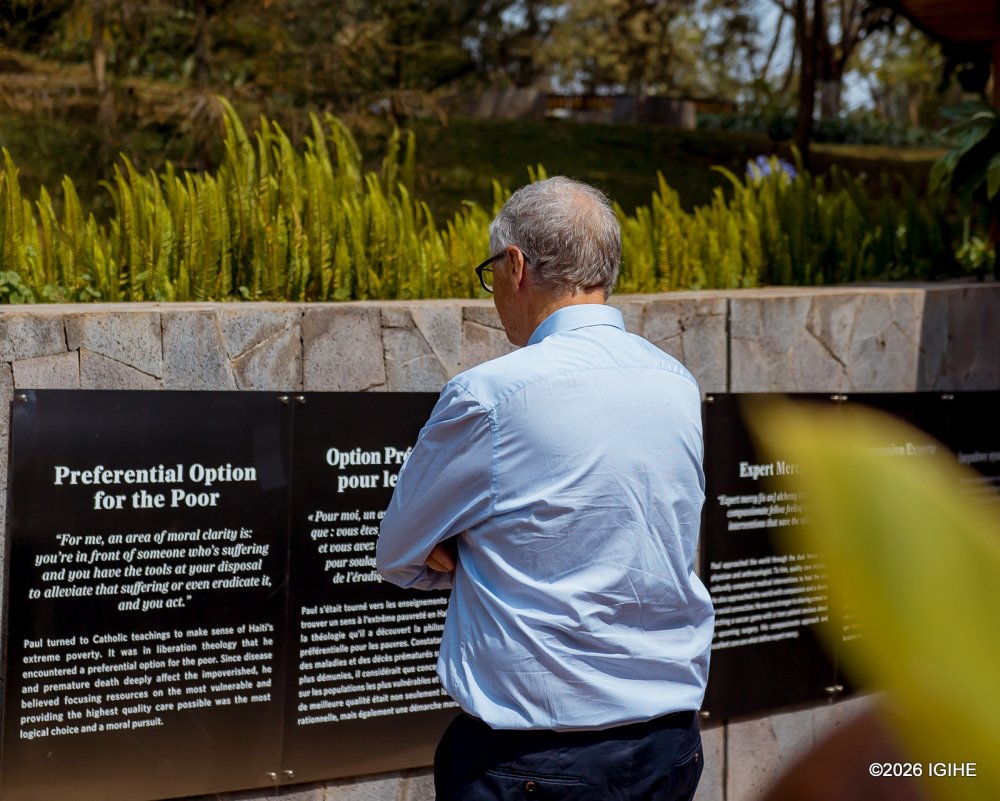
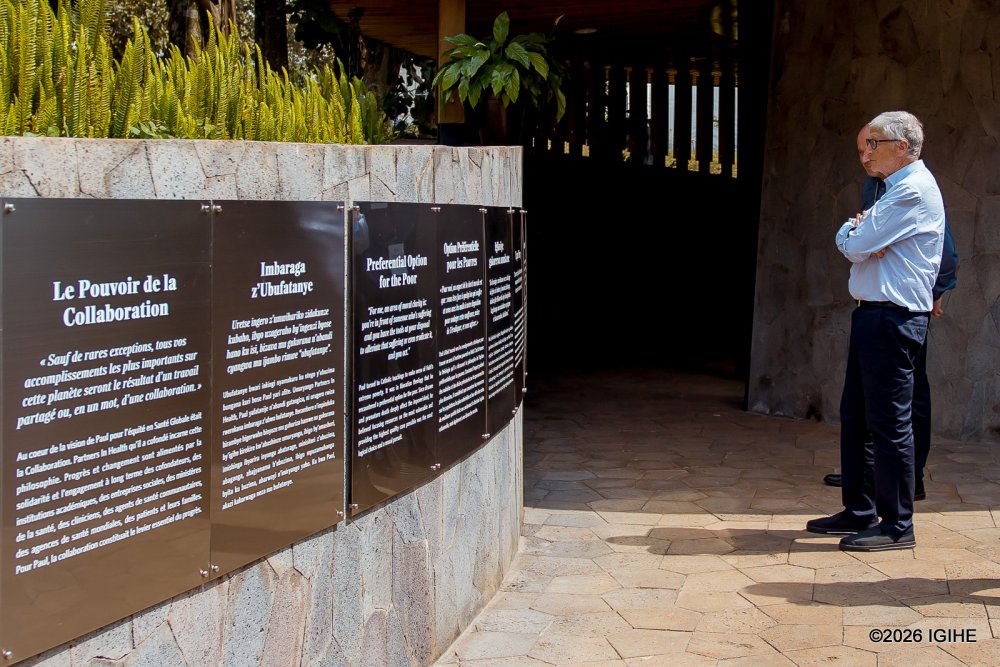
Gates also reflected on the legacy of Paul Farmer, who helped establish UGHE and dedicated his career to expanding access to quality healthcare for underserved communities.
He described Farmer’s greatest lesson as the belief that medical breakthroughs only matter when they reach the people who need them most.
“For him, he saw everyone as worthy of having great health,” Gates said. “What mattered to him were the lives he saved.”
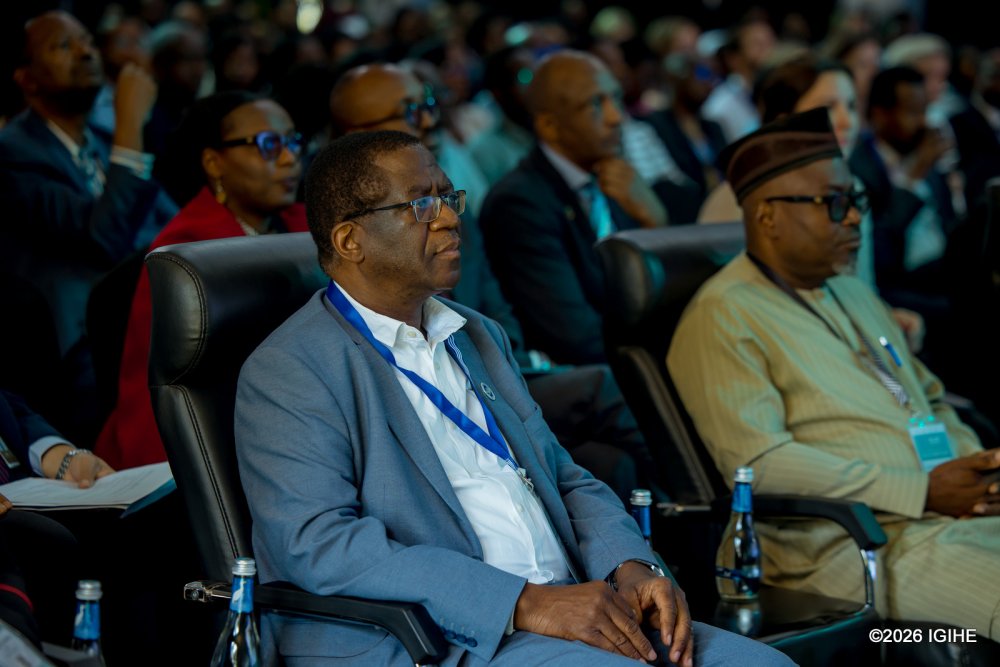
The inaugural Paul E. Farmer Butaro Dialogues brought together government officials, health experts, academics and students to explore how innovation, technology and stronger health systems can advance health equity across Africa.
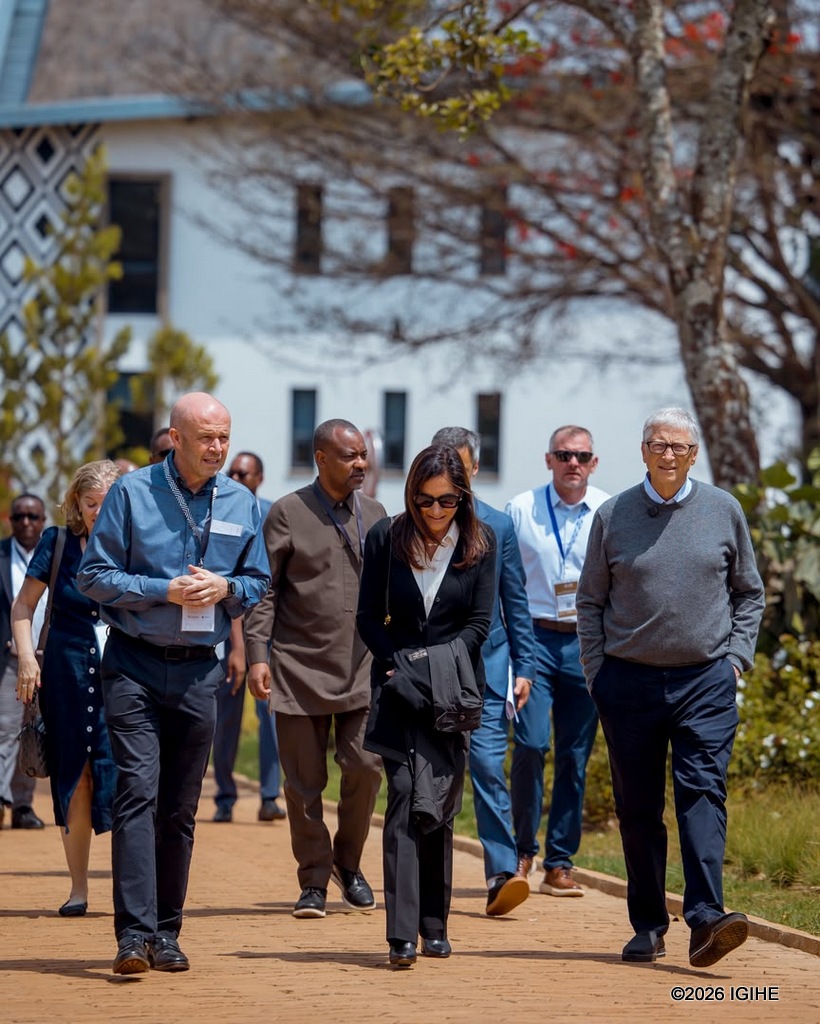
Gates started his engagements in Rwanda on Monday, July 20, as part of a visit focused on learning more about the country’s progress in health, agriculture, and digital public infrastructure.
Since arriving in Rwanda, Gates has toured the TKMD syringe manufacturing plant in Rwamagana District, visited Mwulire Health Centre, and met community health workers to gain deeper insight into Rwanda’s primary healthcare system.
The Gates Foundation has worked with Rwanda for more than two decades, supporting programmes in healthcare, agriculture, nutrition, and innovation. Earlier this year, Rwanda became the first beneficiary of the Horizon1000 initiative, a $50 million artificial intelligence programme launched by the Gates Foundation in partnership with OpenAI to help African countries use AI to strengthen healthcare delivery.
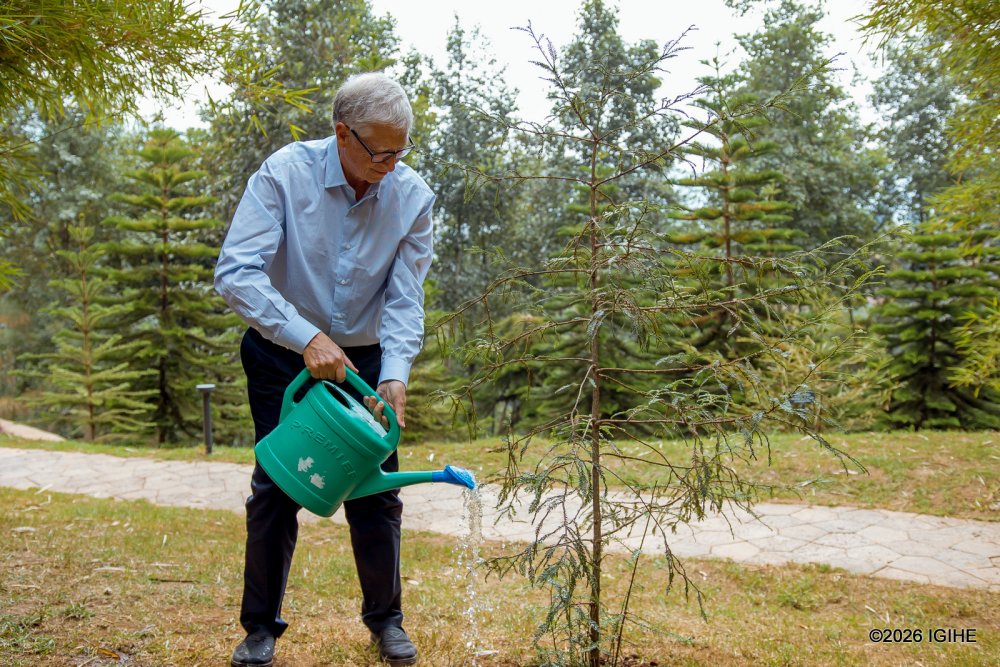
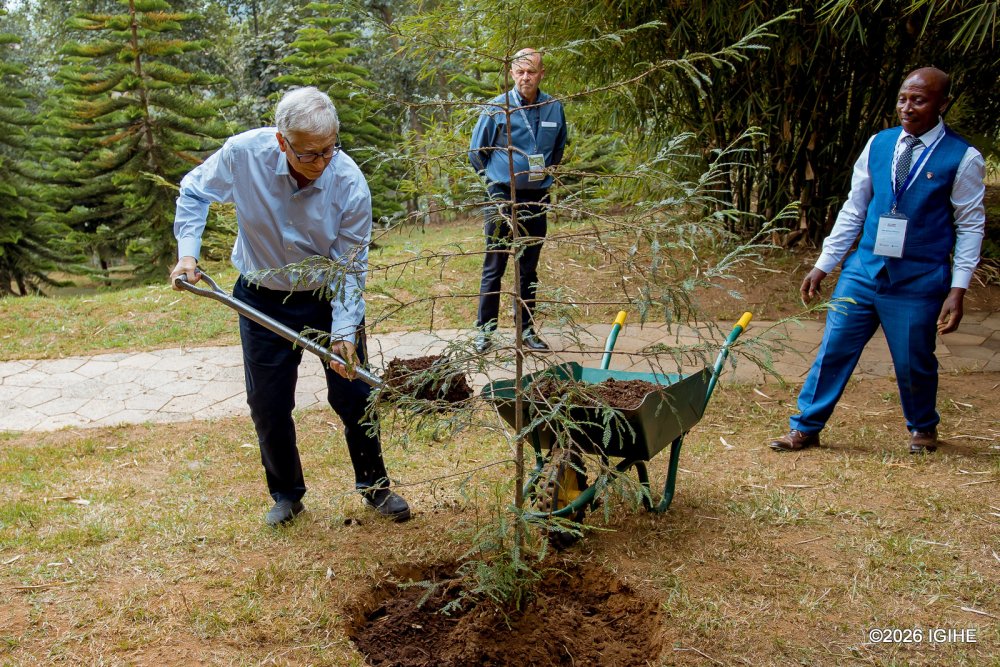
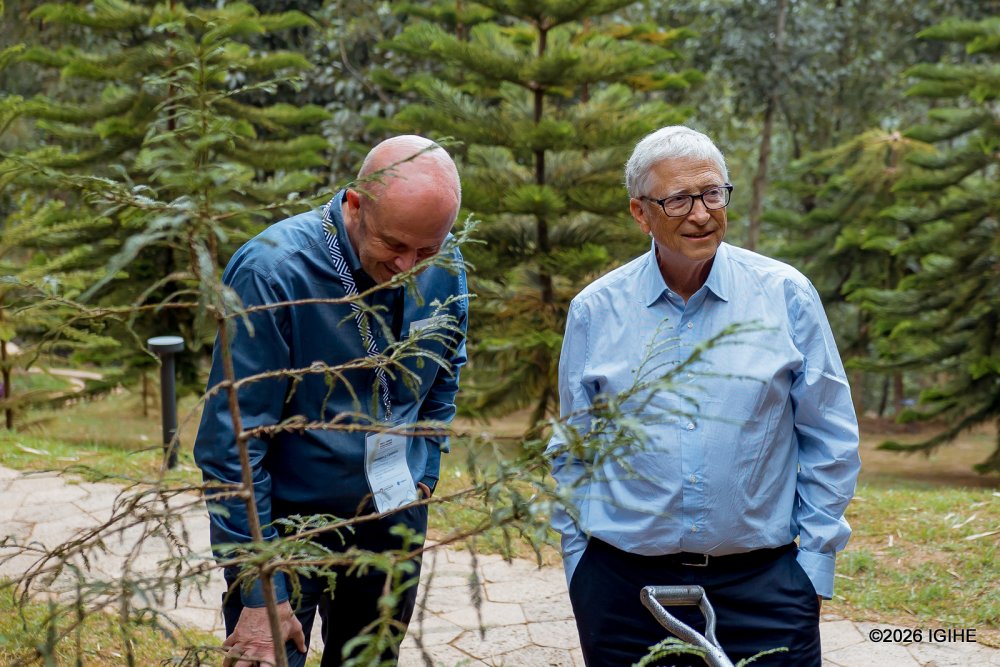
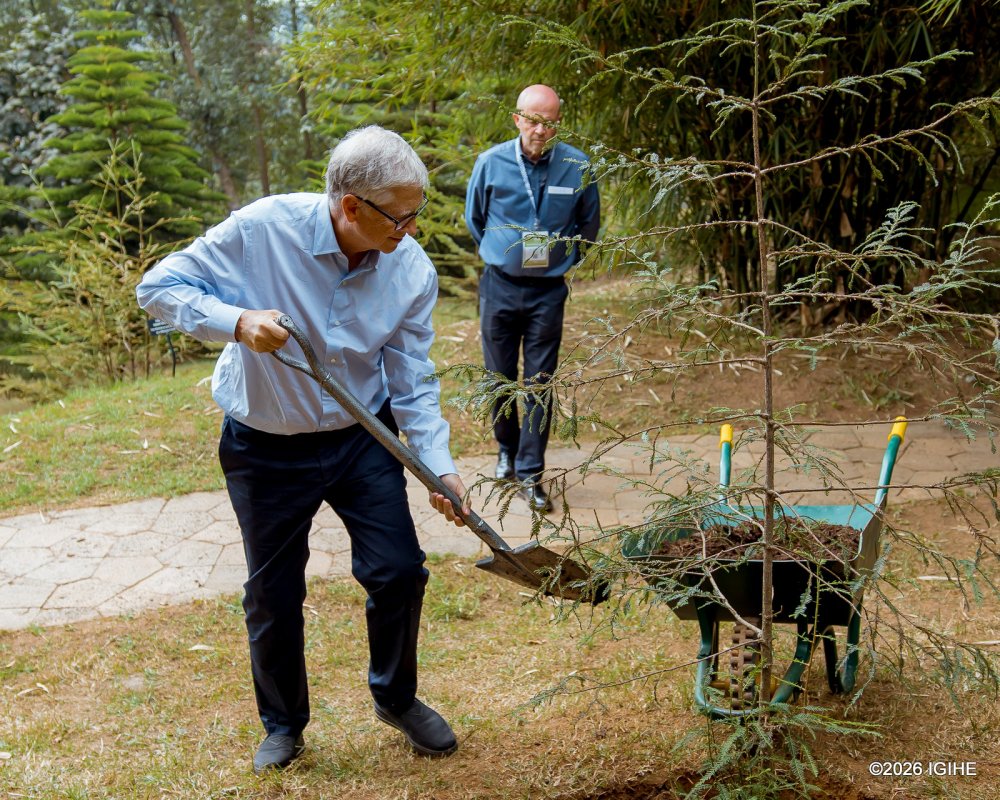
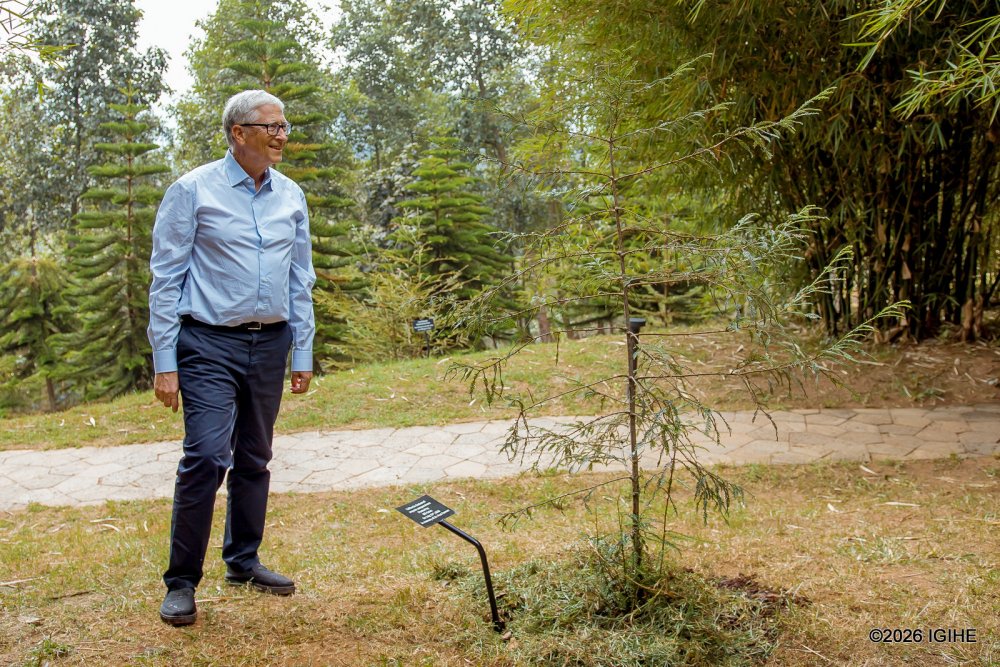
Bill Gates made the remarks on Wednesday while delivering the inaugural lecture at the Paul E. Farmer Butaro Dialogues on Health Equity and Innovation, hosted by the University of Global Health Equity (UGHE) in Butaro, Northern Province.The inaugural Paul E. Farmer Butaro Dialogues brought together government officials, health experts, academics and students to explore how innovation, technology and stronger health systems can advance health equity across Africa.Bill Gates pays tribute to Paul Farmer, who died in 2022 Bill Gates waters tree he planted during previous visit.
The Egmont Group is a global network of Financial Intelligence Units (FIUs) dedicated to strengthening international cooperation in combating money laundering, terrorist financing and other financial crimes. Through secure communication channels and trusted frameworks for FIU-to-FIU collaboration, the Group enables the timely exchange of actionable financial intelligence across jurisdictions.
Rwanda’s admission marks the culmination of more than three years of rigorous assessment, institutional reforms and sustained national commitment to strengthening its Anti-Money Laundering, Countering the Financing of Terrorism and Countering Proliferation Financing (AML/CFT/CPF) regime.
More than a national achievement, Egmont membership signifies Rwanda’s commitment to collective international action against increasingly complex and transnational financial crimes. It reinforces the country’s growing reputation as a credible and trusted partner in promoting financial integrity, transparency and global security.
Why Egmont membership matters
Membership positions FIC-Rwanda within a global network of FIUs, enabling secure, real-time exchange of financial intelligence and strengthening international cooperation in investigating and disrupting money laundering, terrorist financing, tax crimes, drug trafficking, human trafficking, illegal mining and other illicit financial activities.
The membership also provides access to specialised training, technical assistance, peer learning and international best practices, further enhancing institutional capacity to detect, investigate and respond to financial crimes.
Beyond the Financial Intelligence Centre, Egmont membership strengthens Rwanda’s international standing by reinforcing confidence among investors, development partners and the global financial community, while supporting the country’s efforts to maintain a resilient, transparent and secure financial system.
A stronger Rwanda, a stronger global financial system
As financial crime becomes increasingly sophisticated and borderless, Rwanda’s admission into the Egmont Group demonstrates the country’s readiness to work alongside the international community in safeguarding the integrity of the global financial system. Through enhanced cooperation, intelligence sharing and adherence to international standards, Rwanda is well positioned to contribute meaningfully to the global fight against illicit financial flows while advancing sustainable economic development and financial security.
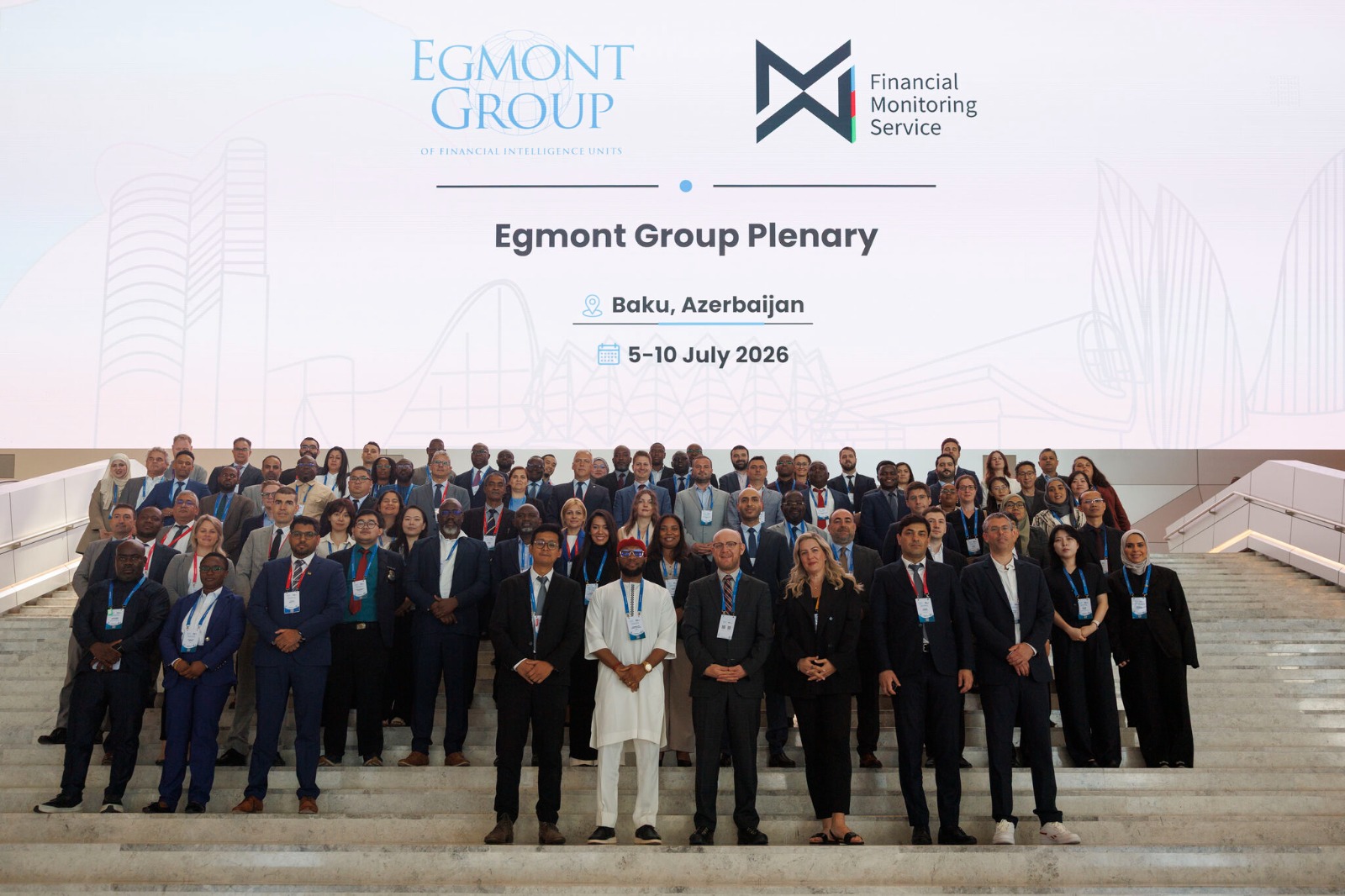
FIC was admitted to the global network on July 8, 2026, during the 32nd Egmont Group Plenary held in Baku, Azerbaijan, from July 5 to 10, marking a major milestone in Rwanda’s efforts to strengthen the integrity of its financial system.
The report, covering calendar year 2025, provides the company’s first comprehensive account of its environmental, social and economic footprint and establishes a baseline against which future progress will be measured. As it expands across the continent, Spiro projects that its electric mobility ecosystem will help avoid approximately 700,000 tonnes of CO₂ emissions annually by 2030.
The report comes as African countries, including Rwanda, continue to accelerate the transition to electric mobility in a bid to cut emissions, reduce fuel costs and build cleaner transport systems.
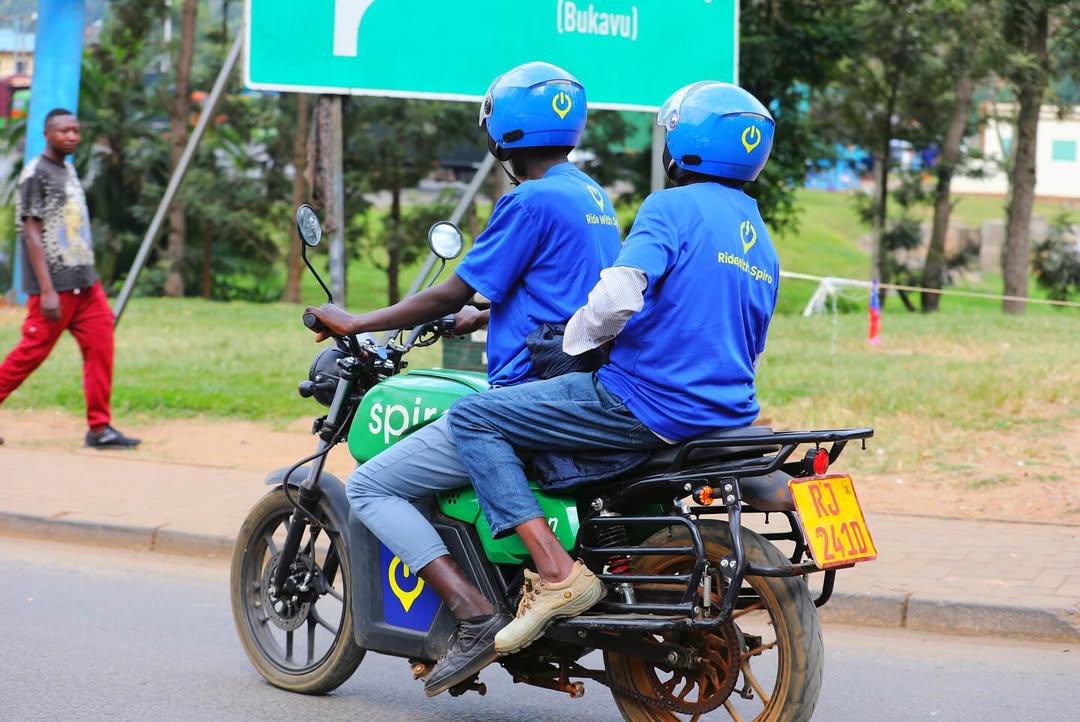
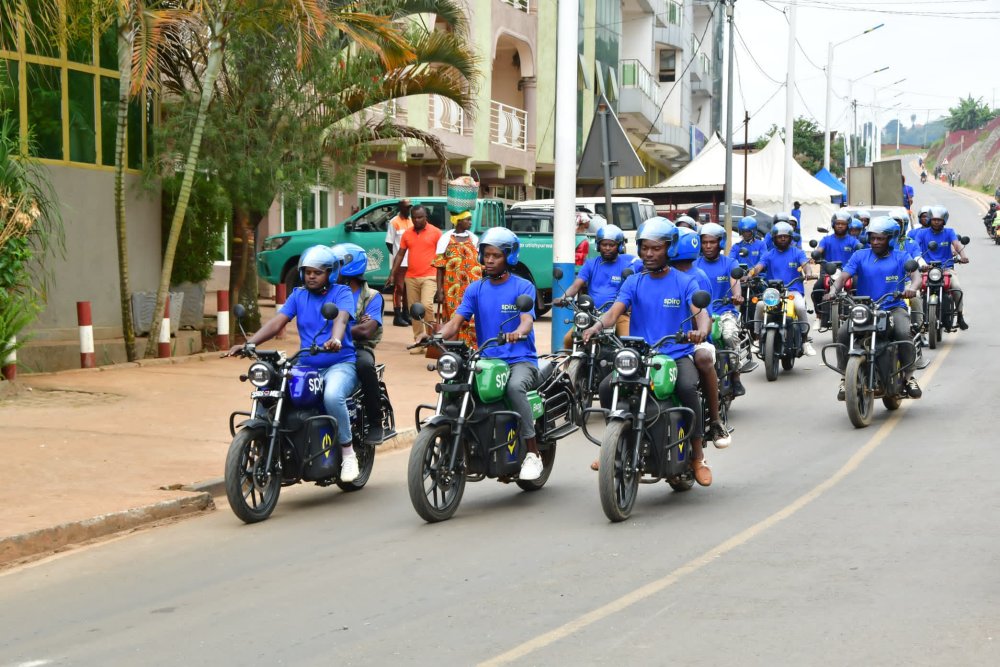
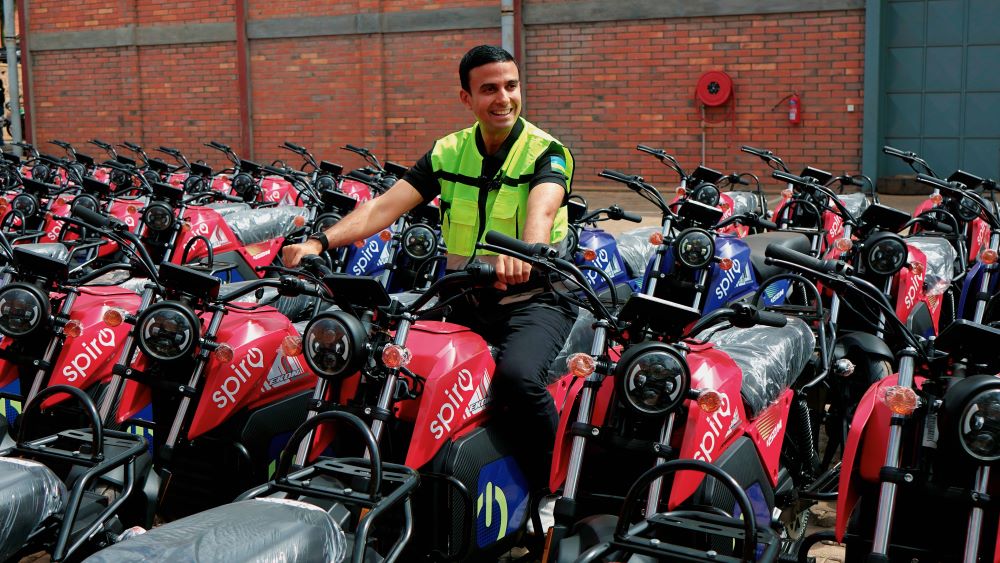
Spiro now operates more than 100,000 electric motorcycles across Africa, supported by more than 2,500 battery-swapping stations and over 30 million battery swaps completed to date, making it the continent’s largest electric two-wheeler and battery-swapping network.
Rwanda remains Spiro’s largest market among its six African operations, with 22,000 electric motorcycles on the road and more than 600 battery-swapping stations, ahead of Uganda, which has 16,000 motorcycles and more than 300 stations, and Kenya, with 14,000 motorcycles and over 300 stations. The company also operates one of its four vehicle assembly facilities in Rwanda, alongside plants in Uganda, Kenya and Nigeria.
Spiro operates more than 600 battery-swapping stations in Rwanda.
Highlighting the significance of the report, Imtinen Hamlaoui, Head of ESG and Sustainability at Spiro, said the company has completed its first end-to-end greenhouse gas inventory covering Scope 1, Scope 2 and Scope 3 emissions across its operations and value chain.
“By establishing our first comprehensive ESG baseline, including Scope 1, 2 and 3 emissions, we are creating the foundations needed to track progress, set measurable targets and strengthen transparency as Spiro continues to scale across Africa,” she said.
“Sustainability is not a standalone initiative. It is integrated into how we operate, innovate and create long-term value.”
To further reduce its environmental footprint, Spiro is evaluating the deployment of 80-125 kVA on-site solar installations at selected battery-swapping stations to reduce dependence on national grids. The company also reported that smart energy management initiatives at its assembly facilities have already delivered an estimated 15-25% reduction in energy consumption.
Beyond climate goals, the report highlights Spiro’s investment in skills
development. Through the Spiro Academy, the company trained more than 4,000 people across Africa in 2025 in areas including electric vehicle maintenance, battery management and technical operations. The company also cited Africa’s first women electric motorcycle assembly line as part of its efforts to promote workforce inclusion and local industrial growth.
According to Spiro’s management, their motorcycles reduce riders’ operating costs by 70-80% compared with petrol-powered alternatives.
On the economic front, Spiro affirmed that commercial riders using Spiro motorcycles reduce their operating costs by 70-80% compared with petrol-powered alternatives, while benefiting from lower maintenance costs and reduced exposure to fuel price volatility.
Group Chief Executive Officer Anant Badjatya said sustainability will continue to shape the company’s expansion strategy across the continent.
“This report reflects how far Spiro has come, not only in terms of growth, but in our ability to measure and improve our impact. As we expand across Africa, sustainability will remain a core business driver, shaping how we invest, manufacture, innovate and partner for the long term,” he said.
Rwanda’s operations employed 51 permanent staff and supported a further 1,147 workers during 2025, contributing to Spiro’s group-wide workforce of 6,298 employees. The company said it continues to work closely with the Government of Rwanda in supporting the country’s shift from petrol-powered motorcycles to electric mobility.
During the year, Spiro also received several industry recognitions, including the E-Mobility Award from Brands & Beyond, AA Kenya’s EV Champion of the Year award, and recognition in Uganda for innovation in electric mobility. The company was also named a finalist for the Milken-Motsepe Prize in AI & Manufacturing for its work in localising and automating vehicle assembly across Uganda, Kenya, Rwanda and Nigeria.
Reflecting on the company’s long-term vision, founder Gagan Gupta said sustainability has been embedded in Spiro’s mission from the outset.
“Having grown up in India, I have witnessed firsthand the impact of vehicle emissions on public health and urban environments. At Spiro, our responsibility as founders is not only to scale innovation, but to ensure that the systems we build endure economically, socially and environmentally for generations to come,” he said.
Reflecting on Spiro’s long-term vision, founder Gagan Gupta said sustainability has been embedded in Spiro’s mission from the outset.
The sustainability report was developed with reference to the Global Reporting Initiative’s sustainability standards and will serve as the foundation for Spiro’s annual sustainability disclosures. The company is also registered on the Science Based Targets initiative platform as it works to align its emissions reduction pathway with internationally recognised climate benchmarks.
The report marks Spiro’s first comprehensive public assessment of its environmental, social and economic performance and establishes the benchmark against which the company says it will measure its progress as it continues expanding electric mobility across Africa.
The ruling upheld the verdict delivered on October 30, 2024, following an appeal trial that lasted for more than a month, from June 8 to July 18, 2026.
For the appeal proceedings, Rwamucyo was represented by a new team of seven lawyers. Among them was Jean-Baptiste Harelimana, a Rwandan lawyer who told the court that he had attended the Petit Séminaire de Butare during his secondary education.
The crimes for which Rwamucyo was convicted were committed in four communes of the former Butare Prefecture: Ngoma, Gishamvu, Ndora and Huye. At the time, he was Director of the Centre Universitaire de Santé Publique (CUSP) at the former National University of Rwanda (UNR) and was also serving as acting head of the Butare Health Region(Région sanitaire).
Unprecedented incidents during the trial
In an interview with IGIHE, André Martin Karongozi, one of the lawyers representing the civil parties, said the trial was marked by a number of unusual incidents targeting survivors of the 1994 Genocide against the Tutsi, as well as the RPF-Inkotanyi.
According to him, the first major incident occurred on the day the first genocide survivors, who had travelled from Rwanda specifically to testify before the court, took the stand.
As the first witness—a survivor represented by lawyer Karongozi—had just recounted her experience during the three months of the 1994 Genocide against the Tutsi and was awaiting questioning by the court and the parties, two people seated among Rwamucyo’s relatives and supporters suddenly stood up. Waving flags, one of them wearing a black face mask, they shouted slogans targeting President Paul Kagame.
French gendarmes immediately intervened and removed the protesters from the courtroom. The presiding judge ordered a suspension of the hearing to restore calm, allow security officers to assess the situation, and ensure the witness could continue testifying under appropriate conditions. The individuals involved were identified, and photos were taken for further investigation.
Lawyer André-Martin Karongozi during an interview with IGIHE’s Karirima A. Ngarambe. He said Rwamucyo ‘s trial was marked by unusual incidents targeting survivors of the 1994 Genocide against the Tutsi, as well as the RPF-Inkotanyi.
A traumatic experience for survivors
The lawyer said the disruption deeply traumatized the witness as well as several genocide survivors present in the courtroom.
The witness was unable to sleep throughout the night following the testimony. The next morning, his condition deteriorated to the point that an ambulance had to be called. After receiving medical attention, she was later able to go back to Rwanda.
According to Lawyer Karongozi, the fact that such an incident occurred on the very first day survivors testified suggests that it had been planned in advance.
A social media disinformation campaign
The lawyer also alleged that Rwamucyo’s supporters published very often distorted accounts of the court proceedings on social media in an effort to discredit the lawyers representing the civil parties as well as the Advocate General( prosecutor).
Toward the end of the trial, false claims began circulating that the lawyer had secretly met with Eugène Rwamucyo and had, moreover, distanced himself from the RPF-Inkotanyi.
According to him, these allegations were entirely fabricated.
Other lawyers were also targeted, including Richard Gisagara, lawyer Michel Laval, representative of the Collectif des Parties Civiles pour le Rwanda (CPCR), and the Advocate General.
Karongozi told IGIHE that Rwamucyo’s supporters published distorted daily accounts of the court proceedings on social media in an effort to discredit the lawyers representing the civil parties as well as the Advocate General.
Large-scale mobilization of Rwamucyo’s supporters
The lawyer said information circulating during the proceedings indicated that Rwamucyo’s supporters had planned to bring nearly 200 sympathizers to the courthouse in an attempt to exert pressure on the court. As a result, from July 16, judicial authorities significantly reinforced security measures around the courthouse.
Unprecedented support for a genocide convict
According to Karongozi, a lawyer who has represented civil parties before the assize courts since 2005, Eugène Rwamucyo is the first Rwandan prosecuted over the 1994 Genocide against the Tutsi to receive such a large show of support inside French or Belgian courtrooms.
He was told that some of those supporters may themselves have participated in the genocide.
He also noted that Rwamucyo called several witnesses known for denying or distorting the Genocide against the Tutsi including:
Patrick Mbeko, author of some writings about Rwanda whose statements were rejected during the hearing by one of Rwamucyo’s lawyers;
The former Commander of the Rwandan Gendarmerie, General Augustin Ndindiliyimana, who dared to say that the speech of April 19, 1994 in Butare by Théodore Sindikubwabo was positive;
Hervé Deguine, whose views align with those expressed by Pierre Péan in his book Noires fureurs, blancs menteurs): Tutsi are born liars, and the Hutu who hang out with them are tainted by it.
The Paris Court of Assizes recently upheld the conviction of Dr. Eugène Rwamucyo for complicity in genocide and crimes against humanity, confirming his 27-year prison sentence.
A different defense strategy on appeal
Finally, Lawyer Karongozi observed that Rwamucyo adopted a different approach during the appeal from the one he had taken during his first trial.
Having remained in custody since his 2024 conviction despite appealing the verdict, Rwamucyo spoke before the court about the hardships of prison life, even explaining that he once had to clean his prison cell soiled by the previous inmate.
According to the lawyer, this was part of a strategy aimed at gaining the court’s sympathy. On several occasions, Rwamucyo said he bowed in memory of the victims of the genocide and acknowledged the suffering of survivors, hoping to be cleared of all charges or to get a reduced sentence.
However, the lawyer argued that these statements failed to convince the court. In his view, despite expressing sympathy for the victims, Rwamucyo never changed his fundamental position. Instead, he continued to endorse the ideology of Parmehutu and the Coalition pour la Défense de la République (CDR), claiming that Tutsi victims had been killed by fellow Tutsi under the direction of the RPF-Inkotanyi and that the RPF was responsible for the massacres.
For Karongozi, these statements demonstrated that the accused had never abandoned a genocide denial narrative, which helps explain why the Paris Court of Assizes upheld both his conviction and his 27-year prison sentence.
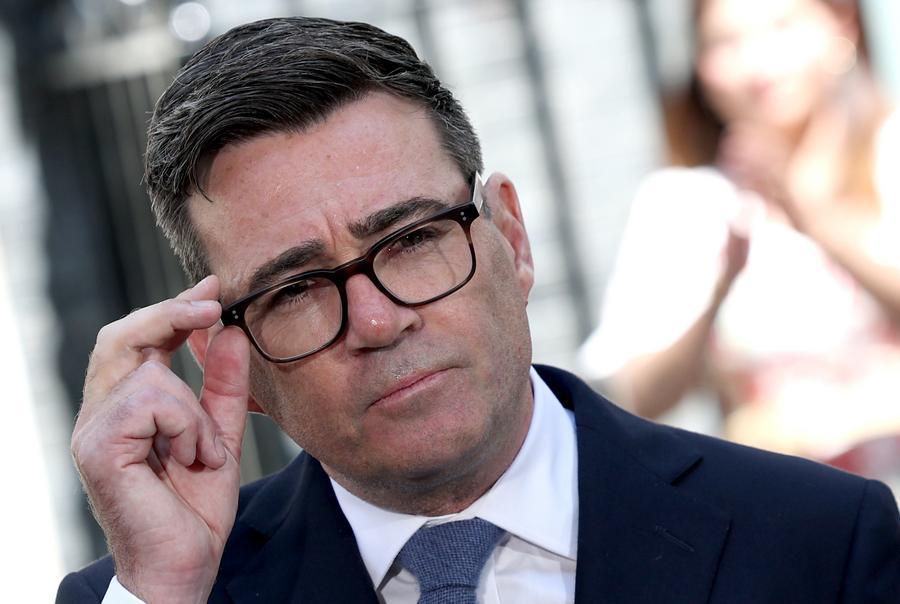
Burnham said his government will devolve more power to cities and regions, revive industry, strengthen public control over essential services and work with businesses to promote regional growth. The agenda draws heavily on the model he developed as mayor of Greater Manchester.
However, analysts said his decision to appoint experienced and relatively cautious figures to key economic and security posts indicates an effort to reassure financial markets, contain divisions within the ruling Labour Party and avoid an abrupt break with the previous government.
British scholar Martin Jacques told Xinhua that Burnham was probably “the best choice available,” citing his record as mayor of Greater Manchester.
Jacques said Burnham appeared determined to move away from the economic approach associated with former prime ministers Margaret Thatcher and Tony Blair and break with neoliberalism. However, Burnham has said little about foreign policy, making his positions on major international issues difficult to assess, Jacques said.
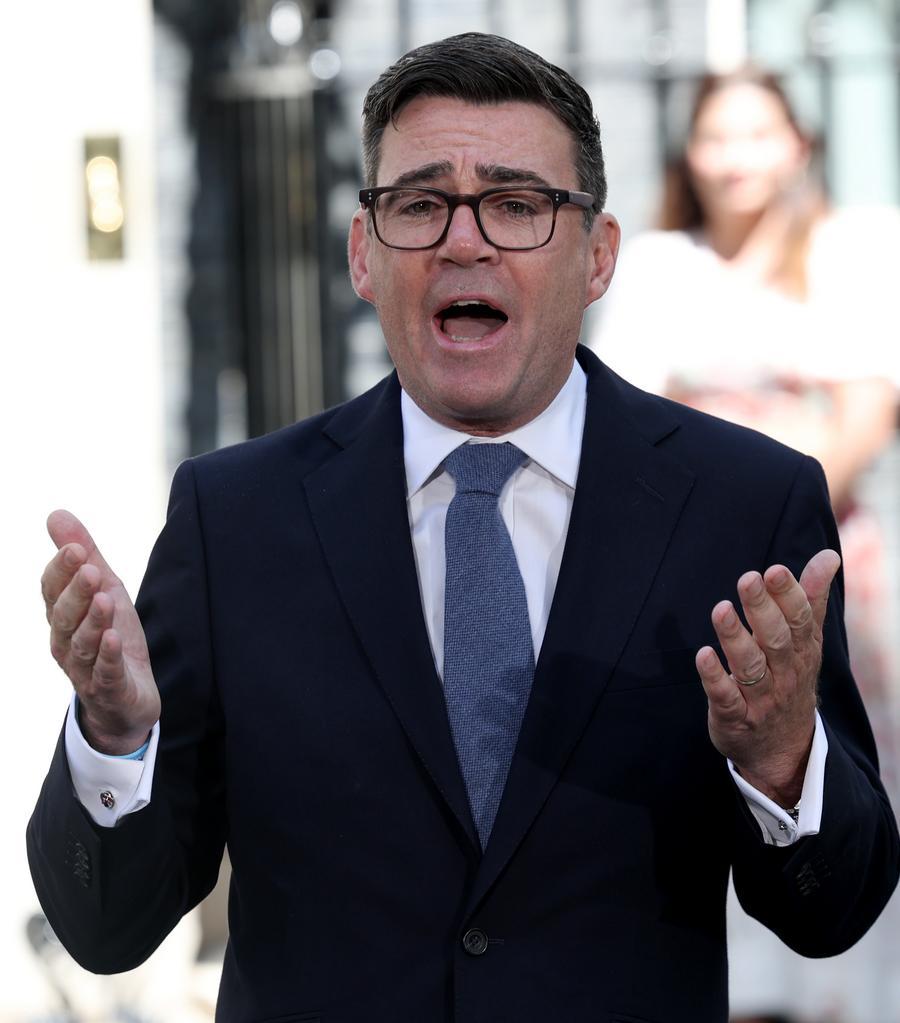
Andy Burnham delivers his first speech as British prime minister outside 10 Downing Street in London, Britain, July 20, 2026.
From Manchester to Downing Street
In his first speech outside 10 Downing Street, Burnham noted that he was Britain’s seventh prime minister since 2016 and acknowledged that politicians had “not been good enough.”
He pledged to make his premiership a “circuit breaker for Britain” and deliver “the biggest changes in the last 40 years” through “a new political model and a new economic model.”
Burnham said policies pursued since the 1980s had concentrated political power in London, weakened industrial regions and left many communities unable to reverse long-term decline.
He said his government would transfer more authority to local areas, strengthen public control over essential services and use public procurement to support British industry. A 10-year national plan is expected later this year.
The program draws heavily on Burnham’s experience in Greater Manchester, where local authorities have gained greater influence over transport, housing and economic development.
Before taking office, Burnham proposed establishing a “No. 10 North” office in Manchester to help coordinate the transfer of power from Whitehall to cities and regions.
His first instruction as prime minister was to launch a national drive to end long-term rough sleeping. He also said the government would introduce measures to ease living costs, with bus fares, energy bills, housing and youth employment among the priorities.
Rain Newton-Smith, chief executive of the Confederation of British Industry, said Burnham had demonstrated in Greater Manchester that he could work with businesses to strengthen communities and support growth.
“It’s a way of working he will now need to replicate nationwide, while maintaining fiscal credibility, investor confidence and delivery discipline,” she said.
Newton-Smith added that measures to ease household living costs should be accompanied by policies to reduce business costs and encourage investment.
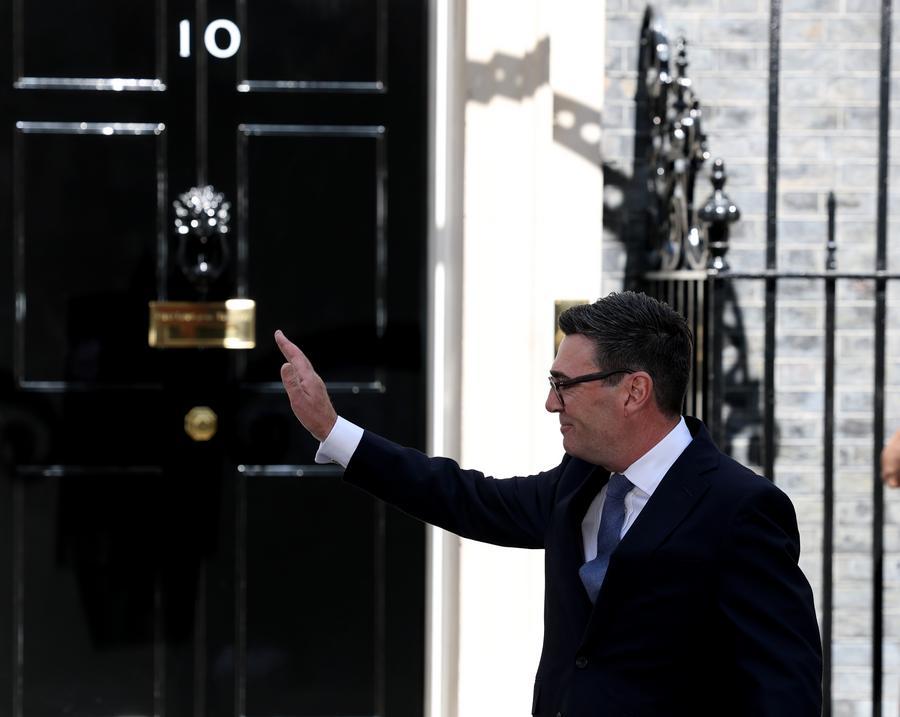
Andy Burnham waves to the crowd outside 10 Downing Street in London, Britain, July 20, 2026.
Change under pressure
Burnham appointed former Defense Secretary John Healey as chancellor of the exchequer, an unexpected choice for a government promising higher public investment and stronger public services.
Ed Miliband became foreign secretary, Wes Streeting was appointed defense secretary, and Louise Haigh, a close Burnham ally, took a senior role in the Cabinet Office. Several figures closely associated with former Prime Minister Keir Starmer left the government, while other experienced ministers remained.
The Financial Times described Healey as a steady figure with ties to both business and trade unions. A former junior Treasury minister, Healey faces the challenge of funding Burnham’s domestic agenda while addressing a multibillion-pound shortfall in the defense budget.
The appointments point to a more social democratic direction, tempered by Burnham’s commitment to retain existing fiscal rules and avoid unsettling financial markets.
Jonathan Reynolds was appointed to oversee business, trade, science and innovation. Kanishka Narayan became minister for artificial intelligence and will attend Cabinet meetings, giving the issue a more prominent role in economic and industrial policy.
Whether the government can translate those changes into tangible results remains the key test.
Jonathan Tonge, a professor of politics at the University of Liverpool, said Burnham entered Downing Street with considerable goodwill, but “the economic facts have not changed.”
High spending on welfare and pensions, together with public debt and interest payments, would limit Burnham’s room for maneuver and could shorten the government’s political honeymoon, Tonge said.
Steven Lynch, director of international trade at the British Chambers of Commerce, said Burnham’s emphasis on devolution and reindustrialization would raise expectations that government policies deliver more investment, exports and jobs across Britain.
Neil Carberry, chief executive of the Recruitment and Employment Confederation, warned that business support would fade without concrete action. He said recent policies had increased costs and discouraged hiring, and urged the government to reduce barriers to employment and private investment.
“The government cannot solve all the problems we face, but it can create an environment that enables the private sector to play a much bigger role,” Carberry said.