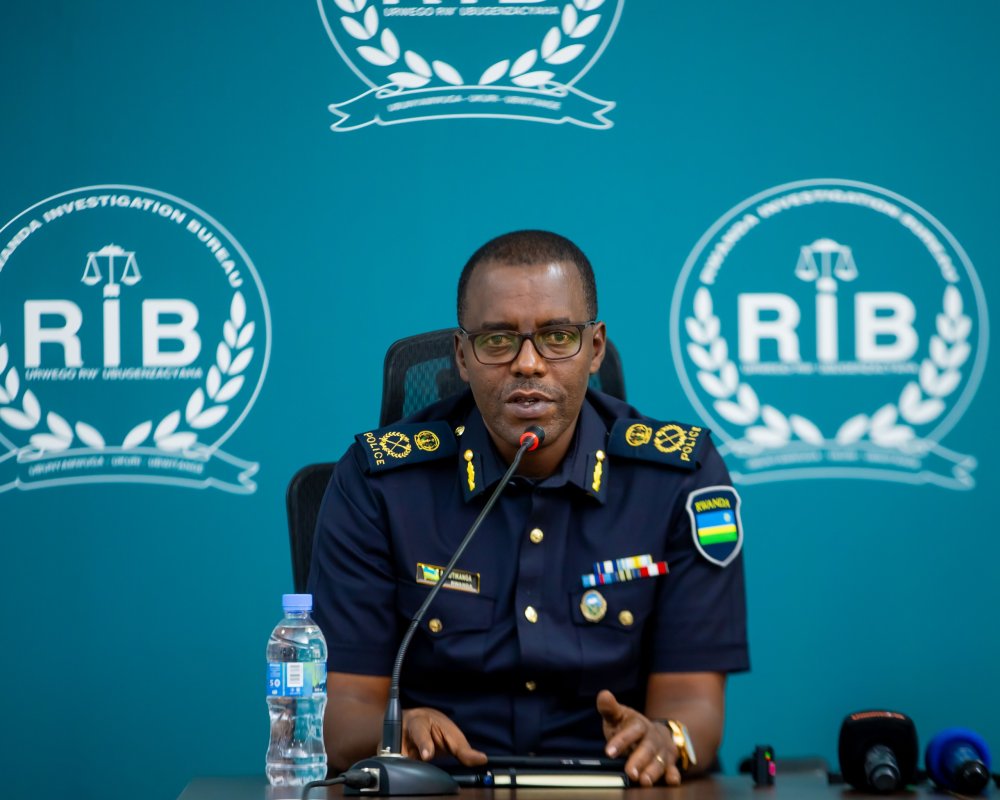
Police spokesperson ACP Boniface Rutikanga said the law classifies vaping products as drugs, meaning users cannot justify their use on the grounds that they produce little or no smoke or odor.
“I would like to urge those who use them to take this seriously and start thinking about putting them aside. They are not permitted; this is provided for by law,” Rutikanga said.
Health Minister Dr. Sabin Nsanzimana also warned about the health risks associated with vaping, describing it as among the substances of concern because of its potential harmful effects.
Nsanzimana made the remarks during a TikTok discussion with social media users focused on preventing the use of illicit or substandard alcoholic beverages and drugs.
Vapes, also known as e-cigarettes, are electronic devices that produce an aerosol for users to inhale. The aerosol can contain substances including nicotine, propylene glycol and glycerin.
Vaping devices come in various forms, including products designed to resemble pens and flash drives, which can make them difficult to identify without prior knowledge.
The availability of different flavors and scents, along with the design of the devices and their promotion or discussion on social media, has contributed to their growing popularity among young people.
While e-cigarettes are sometimes promoted as a way to help people who smoke conventional cigarettes quit, Nsanzimana said vaping can pose serious health risks.
“There are many drugs, including those used in vaping. To everyone listening to me, I say: stay away from vaping. It can kill you even more than ordinary cigarettes,” he said.
Nsanzimana said vaping has been associated with several health risks, including cancers affecting the lungs and digestive system. He added that research shows the nicotine contained in vaping products can lead to dependence.
He urged the public, particularly young people, to avoid vaping, warning that its perceived appeal and variety of flavors should not obscure the potential risks to users’ health.
Police spokesperson ACP Boniface Rutikanga said the law classifies vaping products as drugs, meaning users cannot justify their use on the grounds that they produce little or no smoke or odor.
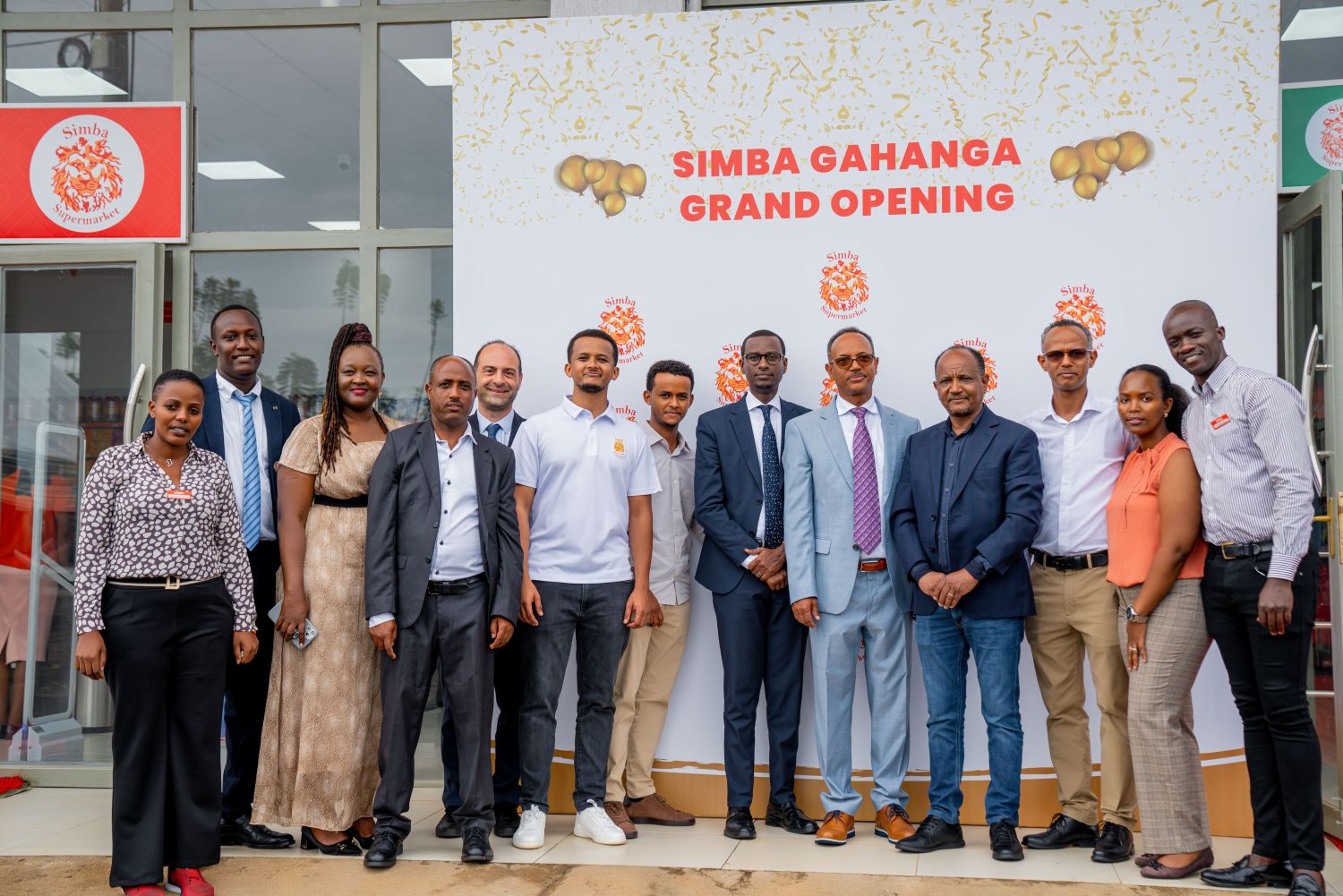
The milestone celebrates Simba’s 18-year journey of growth, quality, affordability and convenience, with celebrations continuing throughout the week.
Over the years, Simba has expanded its presence and today operates 15 branches across the country, bringing its services closer to communities while responding to the changing needs of Rwandan consumers.
From everyday household essentials and fresh produce to premium local and international brands, Simba has built its offering around giving customers greater choice under one roof.
18 years of growing with customers
At the heart of Simba Supermarket’s journey has been its relationship with customers.
As Simba celebrates 18 years, the anniversary is not only an opportunity to reflect on its growth, but also to recognise the customers, employees, suppliers and partners who have contributed to the journey.
Speaking about the milestone, Simba Supermarket Managing Director Joseph Mutabazi said reaching 18 years is an achievement the company shares with the people who have supported it throughout its journey.
“Eighteen years is more than a milestone for us. It represents 18 years of trust from our customers, commitment from our employees and strong relationships with our partners and suppliers. Simba would not be where it is today without the people who have chosen to grow with us,” Mutabazi said.
Simba has continued to position itself as a neighbourhood supermarket, strategically bringing its outlets closer to residential communities and making everyday shopping more convenient for families.
For Mutabazi, expansion is not simply about increasing the number of stores.
“Our growth has always been driven by one question: how can we serve our customers better? Opening closer to where people live means making shopping more convenient, saving families time and ensuring that quality products are within their reach,” he said.
Beyond traditional retail, it has increasingly developed its stores into spaces where customers can combine shopping with other experiences, including dining and family entertainment.
Quality, affordability and variety
Throughout its growth, Simba Supermarket has maintained a focus on balancing quality with affordability.
Its stores bring together locally sourced products and a diverse selection of international brands, allowing customers to access everyday essentials as well as premium products from different markets around the world.
Through direct sourcing, partnerships with suppliers and an efficient supply chain, it continues to work towards keeping quality products accessible to Rwandan households.
Simba has also continued to strengthen partnerships with local and international businesses as part of efforts to improve customer experience and provide greater value.
Celebrating the people behind the journey
As part of its 18th anniversary, Simba is putting customers and the people who have contributed to its journey at the centre of the celebration.
The milestone provides an opportunity to appreciate long-serving employees, loyal customers, suppliers and business partners who have played a role in the supermarket’s growth over the years.
“This anniversary is an opportunity for us to recognise our employees who serve our customers every day, our suppliers and partners who have believed in our vision, and above all, our customers who continue to choose Simba,” Mutabazi noted.
Among the partners Simba recognises as part of this journey is I&M Bank Rwanda, for its continued partnership which has contributed to the supermarket’s efforts to provide customers with greater convenience over the years.
The anniversary will also be reflected through customer-focused activities and special experiences aimed at thanking shoppers for their continued trust and loyalty.
Looking to the future
At 18, Simba Supermarket says the milestone is as much about the future as it is about celebrating the past.
As Rwanda’s retail sector continues to evolve, changing lifestyles, digital payments and growing consumer expectations are reshaping the shopping experience.
Simba plans to continue responding to these changes by strengthening accessibility, expanding its product offering and improving the overall experience across its stores.
“We are proud of what the past 18 years represent, but we are even more excited about what comes next. Our ambition is to keep evolving with our customers, reach more communities and continue raising the standard of the shopping experience in Rwanda,” Mutabazi said.
After 18 years, Simba Supermarket enters its next chapter with a message of appreciation to the customers and communities that have been part of its journey.
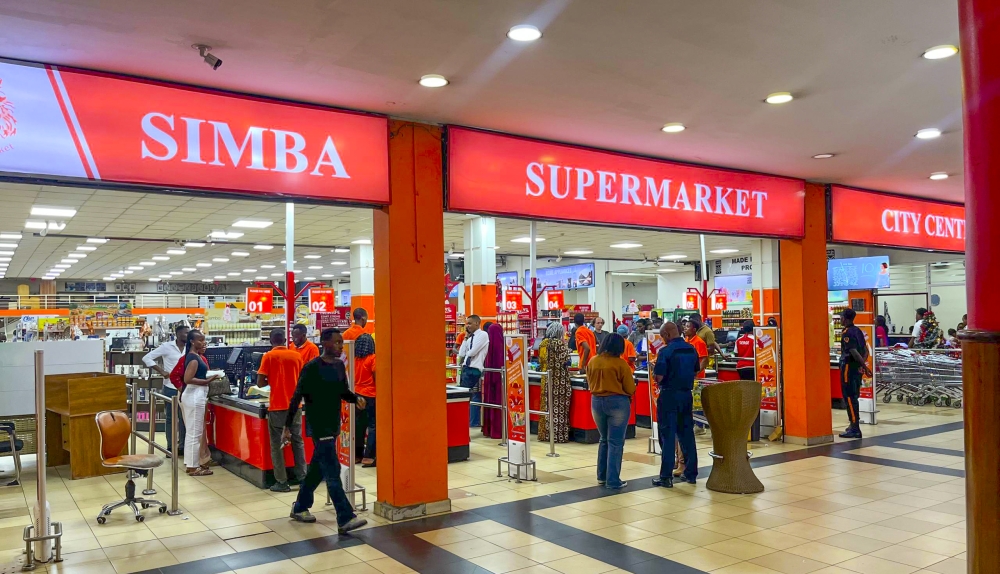
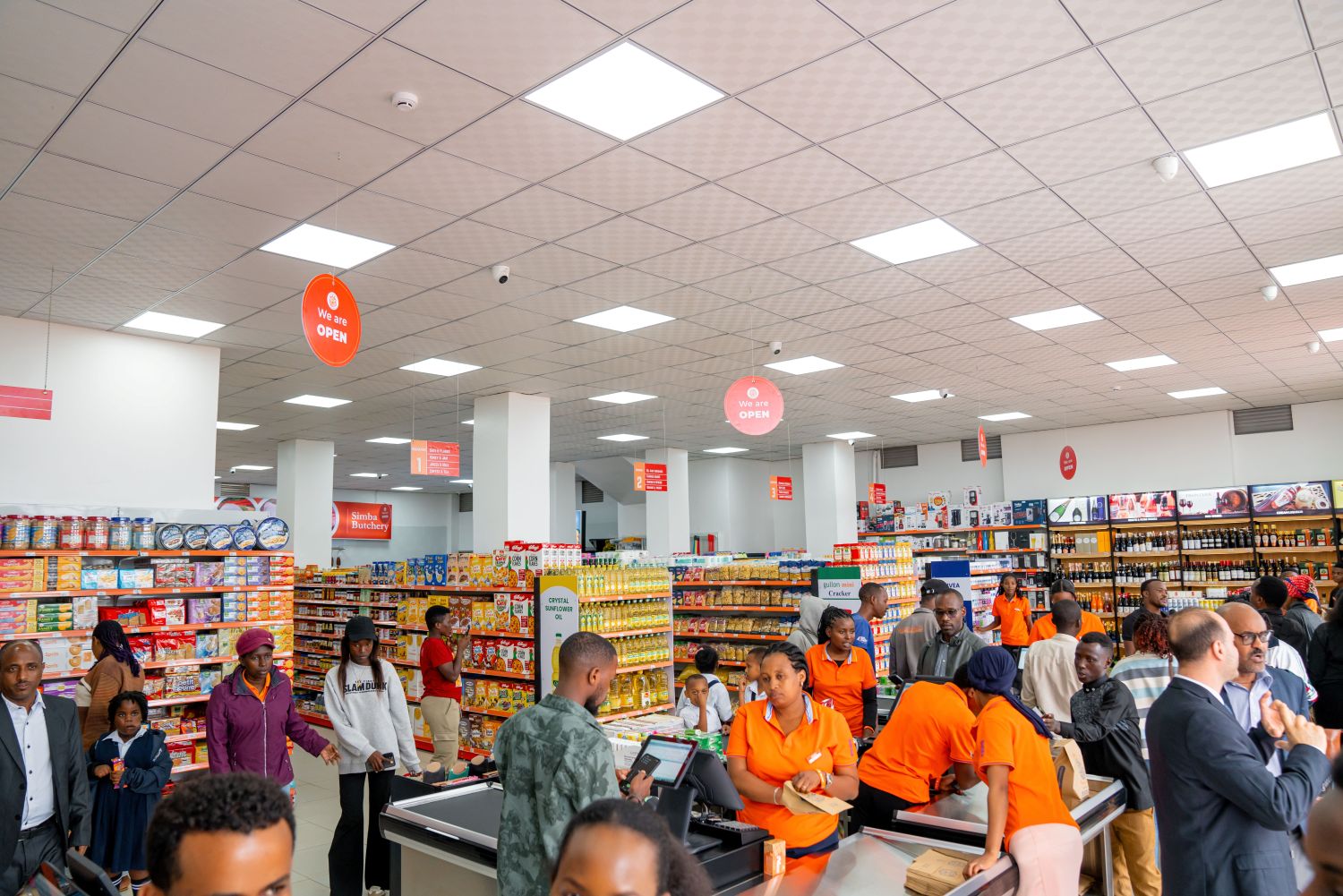
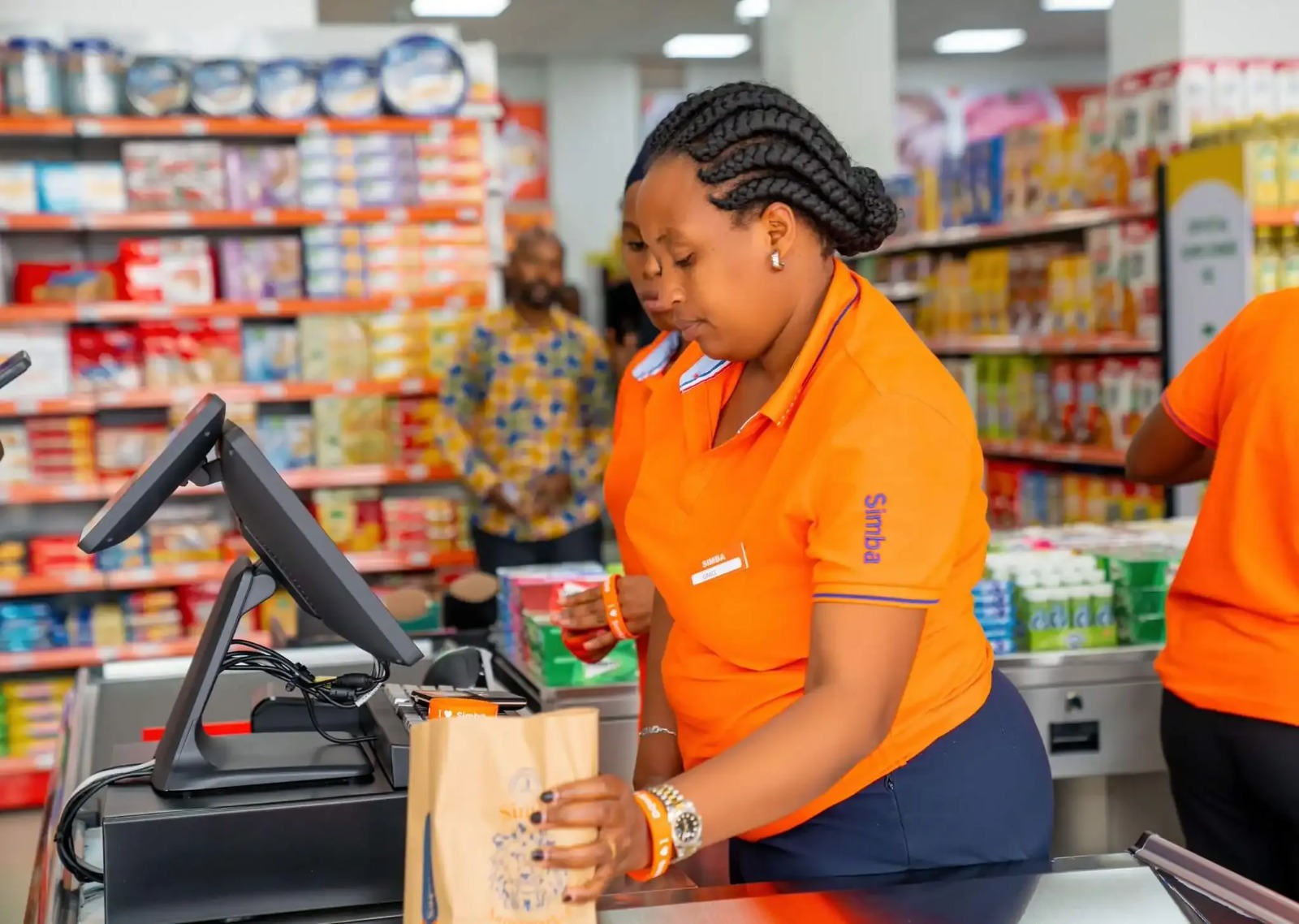
Simba Supermarket has marked its 18th anniversary, celebrating nearly two decades of serving Rwandan households while growing its footprint and strengthening its position as one of the country’s leading retail brands.Simba has built its offering around giving customers greater choice under one roof.Throughout its growth, Simba Supermarket has maintained a focus on balancing quality with affordability.As part of its 18th anniversary, Simba is putting customers and the people who have contributed to its journey at the centre of the celebration. Simba operates 15 branches across the country.
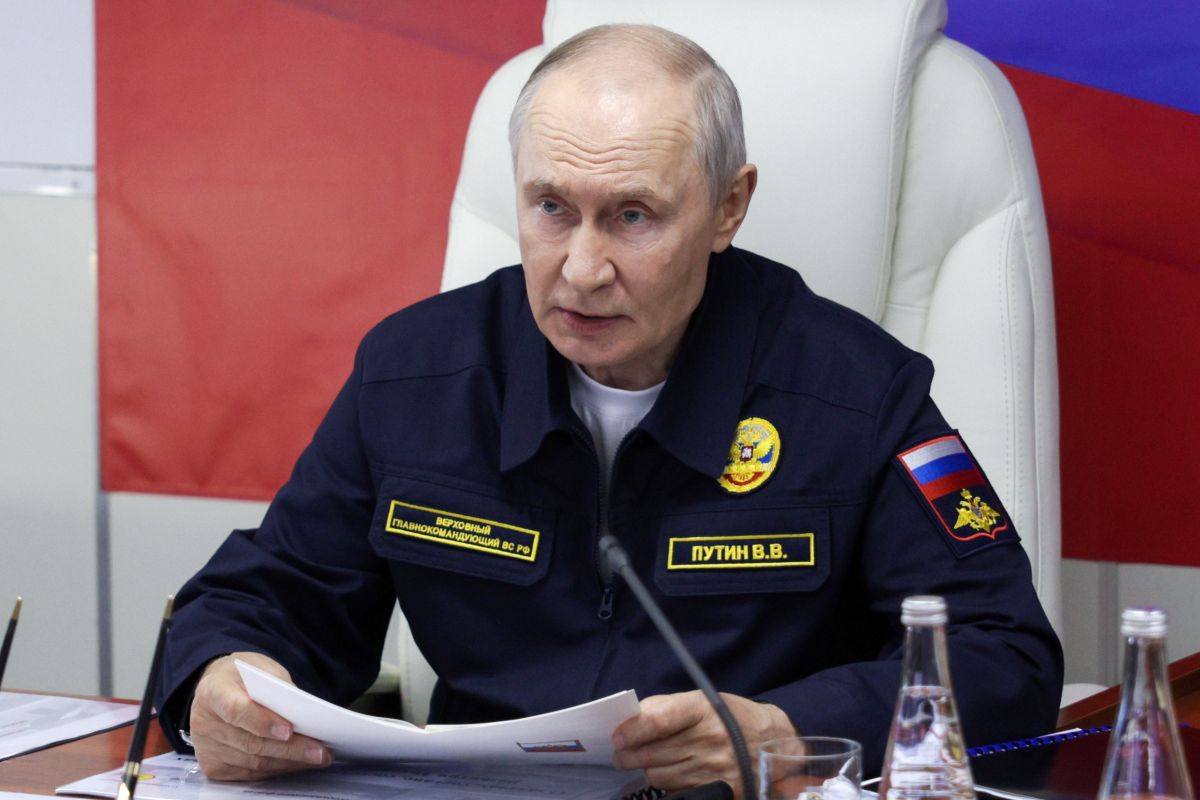
“We see that the authorities of some countries, in violation of international maritime law, are trying to restrict the movement of our economic operators’ vessels, peaceful vessels, I want to emphasize,” Putin said during the final stage of the Pacific Fleet’s exercises.
Putin’s remarks come against the backdrop of recent interceptions and inspections of “shadow fleet” ships by European naval forces, including Italian-led European Union (EU) operations in the Mediterranean. At the end of July, the EU also adopted a port access ban on 41 more “shadow fleet” vessels and introduced mandatory notification requirements for the sale of liquefied natural gas tankers to Russia.
Putin has also voiced his concern over increasing tensions in the Asia-Pacific region due to “unprovoked” sanctions against Russia introduced by Japan. “Unfortunately, we are seeing changes in positions, and I would like to emphasize that these changes were not provoked by anything on our part,” said Putin.
Russian President Vladimir Putin warned on Wednesday that Russia would respond in kind if Western countries seize its merchant ships.
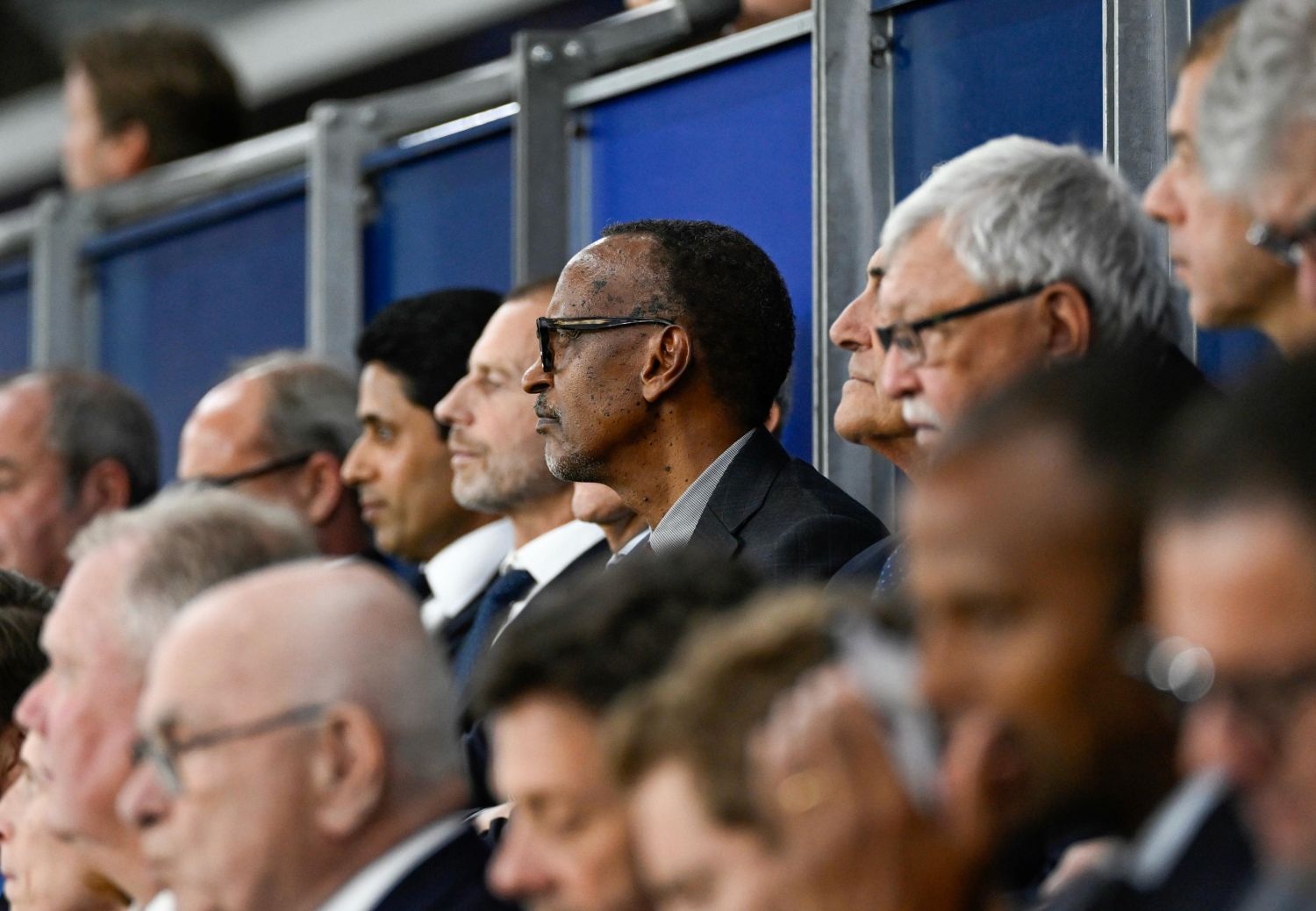
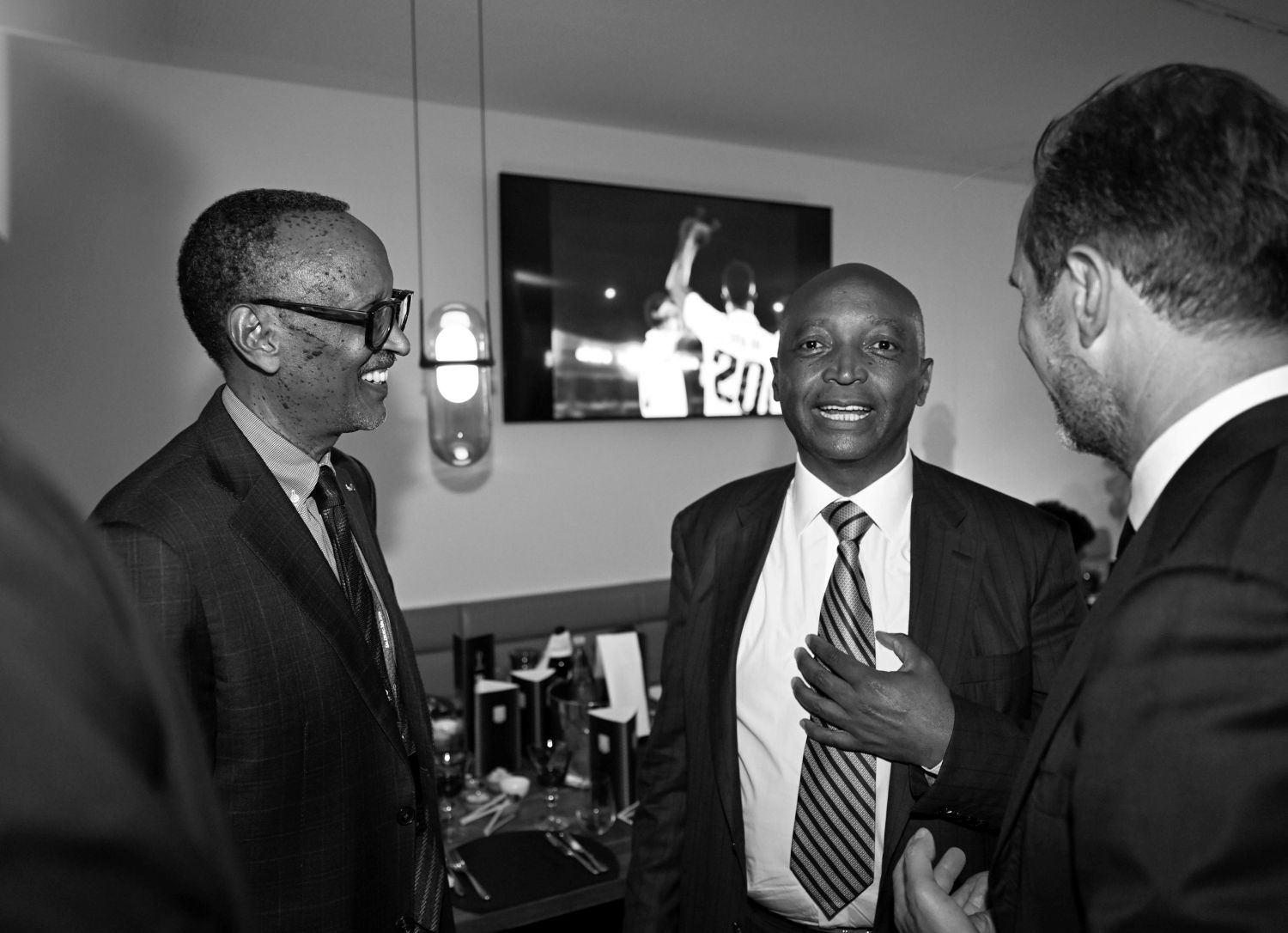
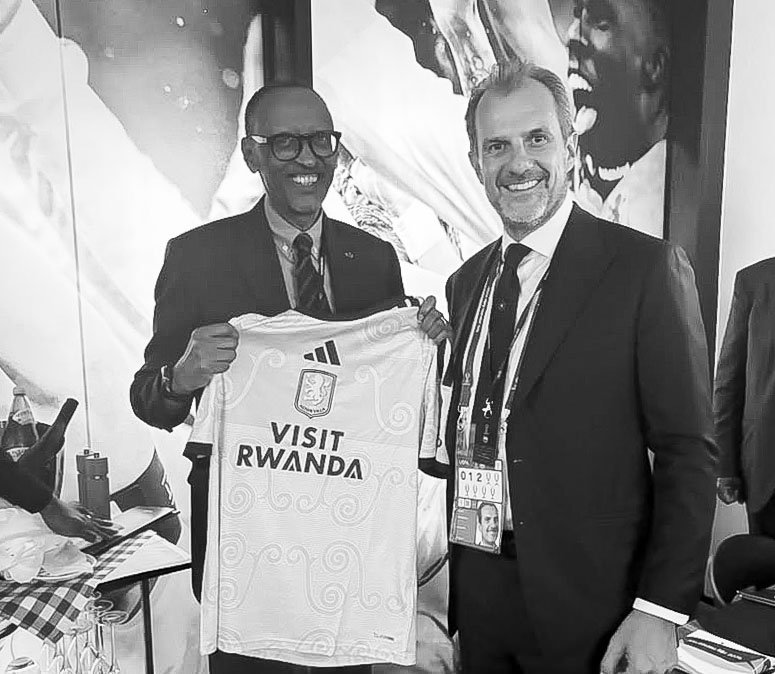
According to a post by the Office of the President on X, President Kagame attended the annual European season curtain-raiser, featuring PSG, the reigning UEFA Champions League winners, and Aston Villa, the UEFA Europa League winners and Visit Rwanda’s newest football partner.
PSG emerged victorious, defeating Aston Villa 2-1 to retain the UEFA Super Cup for a second consecutive year.
Khvicha Kvaratskhelia opened the scoring for PSG in the 20th minute before Aston Villa equalised through 17-year-old Brian Madjo. Madjo, making his competitive debut for the English club, became the youngest player to start and score in a UEFA Super Cup final.
PSG restored their advantage in the 61st minute when Désiré Doué converted a pass from Ousmane Dembélé. The goal was initially ruled out for offside but was awarded following a video review after Aston Villa defender Matty Cash was judged to have marginally played Doué onside.
The victory gave PSG their second successive UEFA Super Cup title and marked the beginning of a season in which the French side could compete for as many as six trophies.
The match also highlighted the growing visibility of Visit Rwanda’s partnerships with major international football clubs.
Rwanda announced its partnership with Aston Villa in July, naming Visit Rwanda the English club’s Official Front-of-Shirt Partner, Official Tourism Partner and Official Coffee Provider. The agreement covers Aston Villa’s men’s, women’s and youth teams, with the Visit Rwanda brand appearing on their shirts across domestic and European competitions.
The partnership is designed to promote Rwanda as a tourism, investment and business destination while using Aston Villa’s international reach to expand the country’s visibility in key global markets.
The agreement also includes international marketing campaigns, digital content, fan engagement initiatives and branding at Villa Park. Beyond commercial activities, the partnership provides for football development programmes, coach education, academy exchanges, charitable initiatives and leadership programmes in Rwanda.
The Aston Villa deal adds to Visit Rwanda’s established sports partnerships, including its collaboration with PSG, as well as partnerships involving Atlético de Madrid, the Basketball Africa League, the Los Angeles Clippers and the Los Angeles Rams.
Rwanda has increasingly used international sport as a platform for tourism promotion and economic development. The country recorded 9.4 percent economic growth in 2025, while tourism and conference activities generated a record $685 million in revenues, according to figures from the Rwanda Development Board.
Rwanda is targeting $1.1 billion in annual tourism revenues and $4.6 billion in private investment by 2029, with officials positioning international sports partnerships as part of efforts to attract visitors, investors and business opportunities.
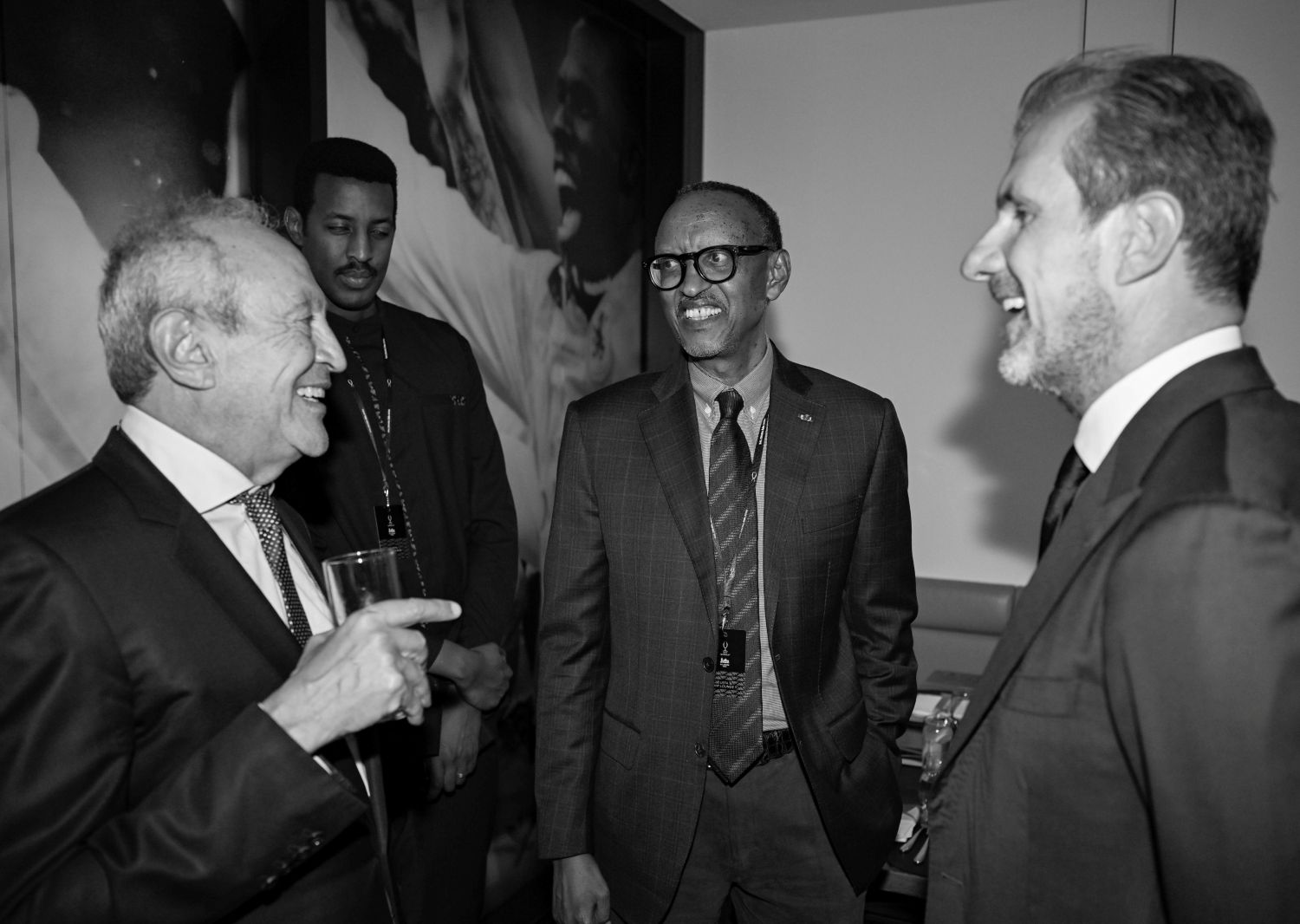
President Paul Kagame follows the 2026 UEFA Super Cup clash between PSG and Aston Villa in Salzburg.President Kagame with Patrice Motsepe, President of the Confederation of African Football (CAF).Aston Villa President of Business Operations Francesco Calvo with President Kagame.
Somali referee Omar Artan (center), who was denied entry to the United States and consequently missed the 2026 FIFA World Cup, officiated the match.PSG’s Desire Doue scored the second goal against Aston Villa.PSG emerged victorious, defeating Aston Villa 2-1 to retain the UEFA Super Cup for a second consecutive year.
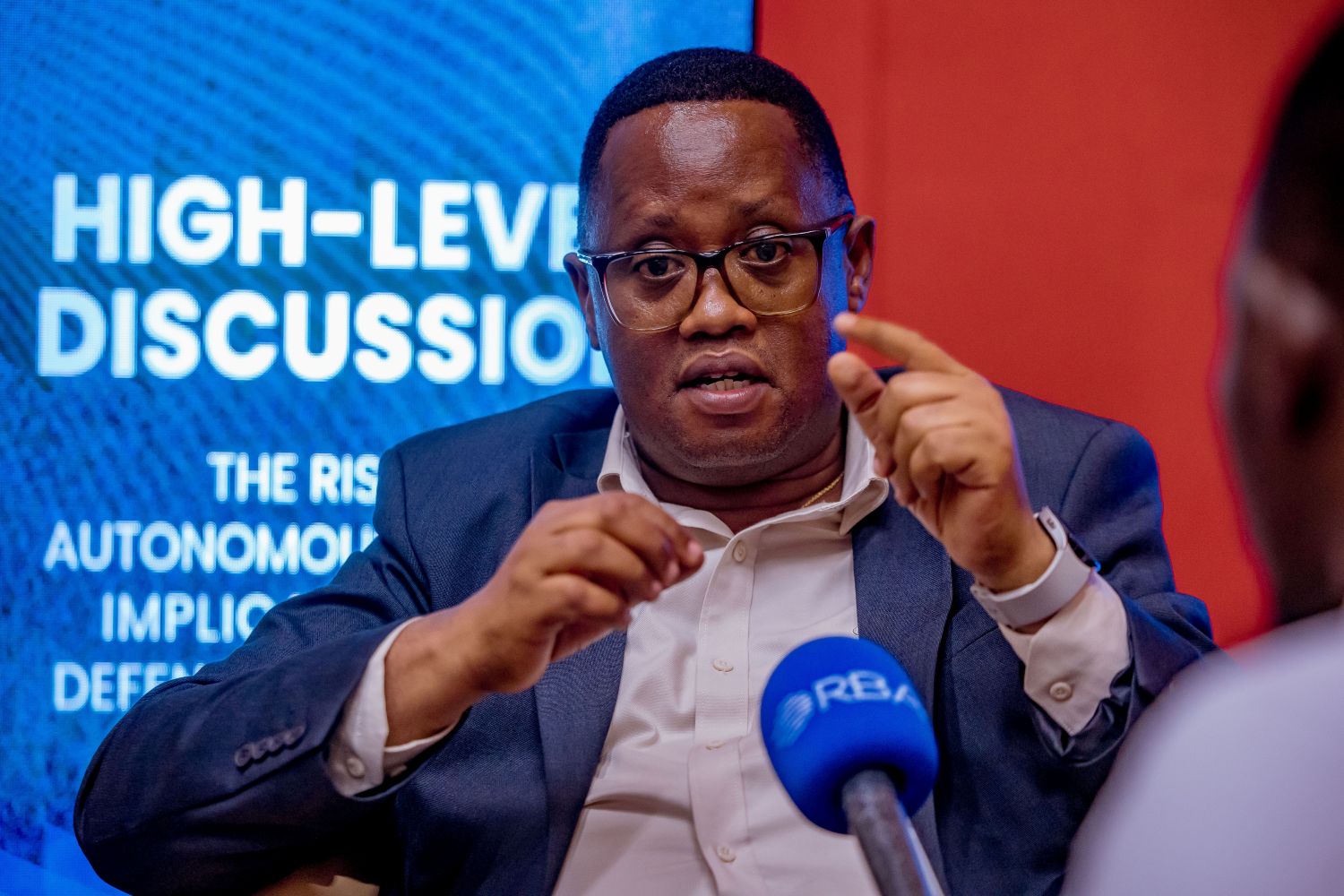
Speaking to journalists on the sidelines of the ISCA High-Level Discussion in Kigali on Wednesday, Dr. Ndushabandi said Rwanda’s governance, security institutions, research capacity and investment in education give it an advantage as African countries confront a rapidly changing technological and security environment.
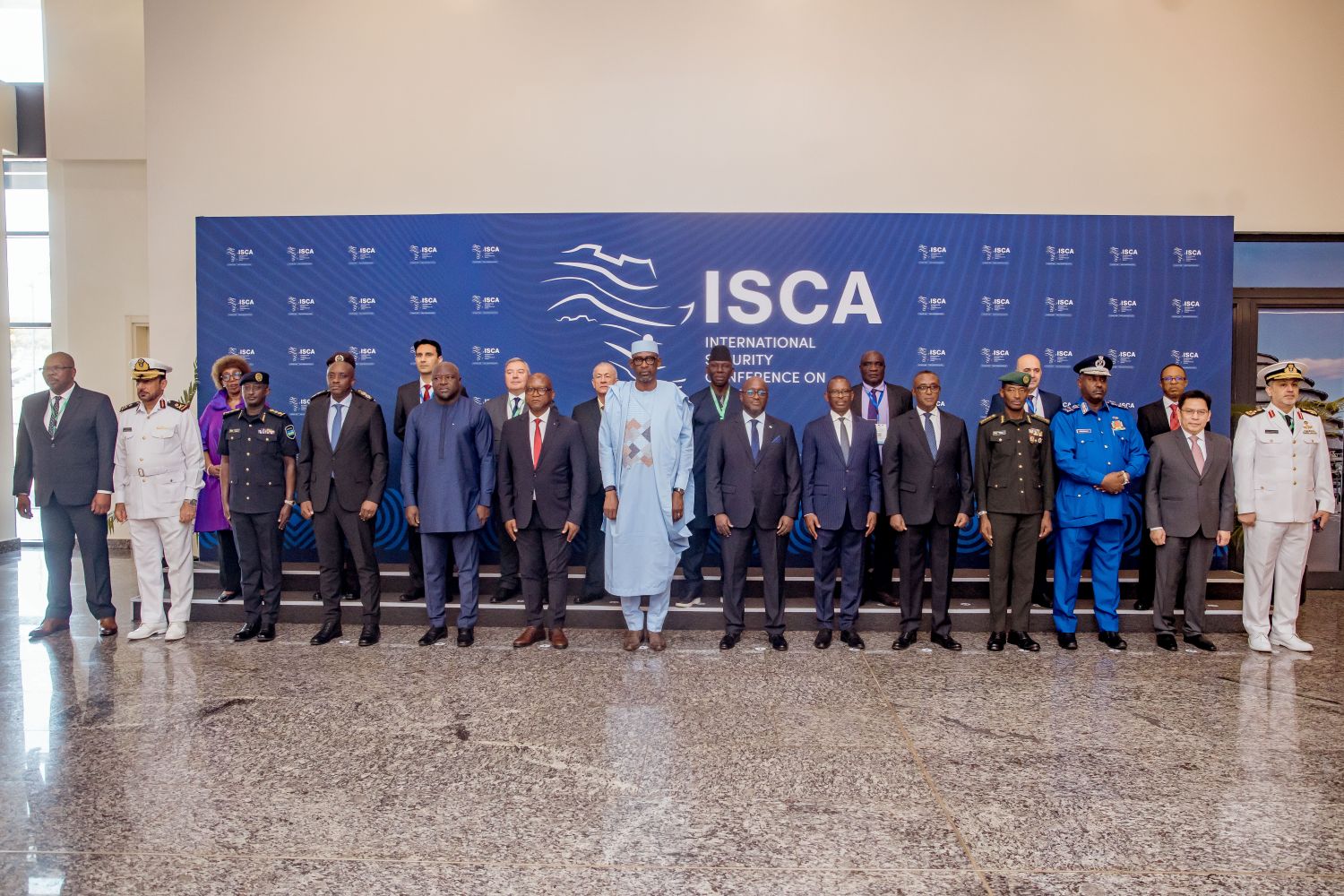
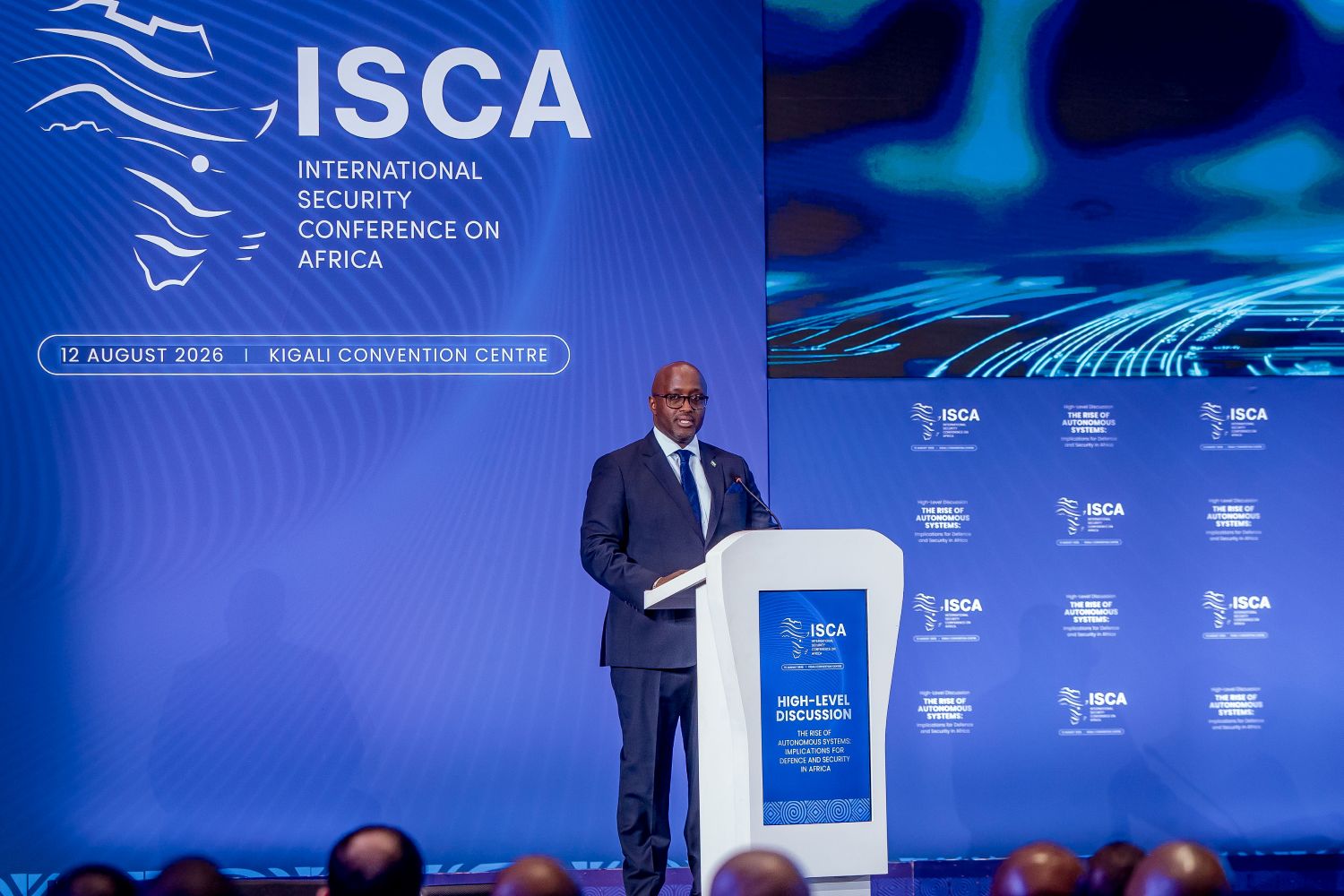
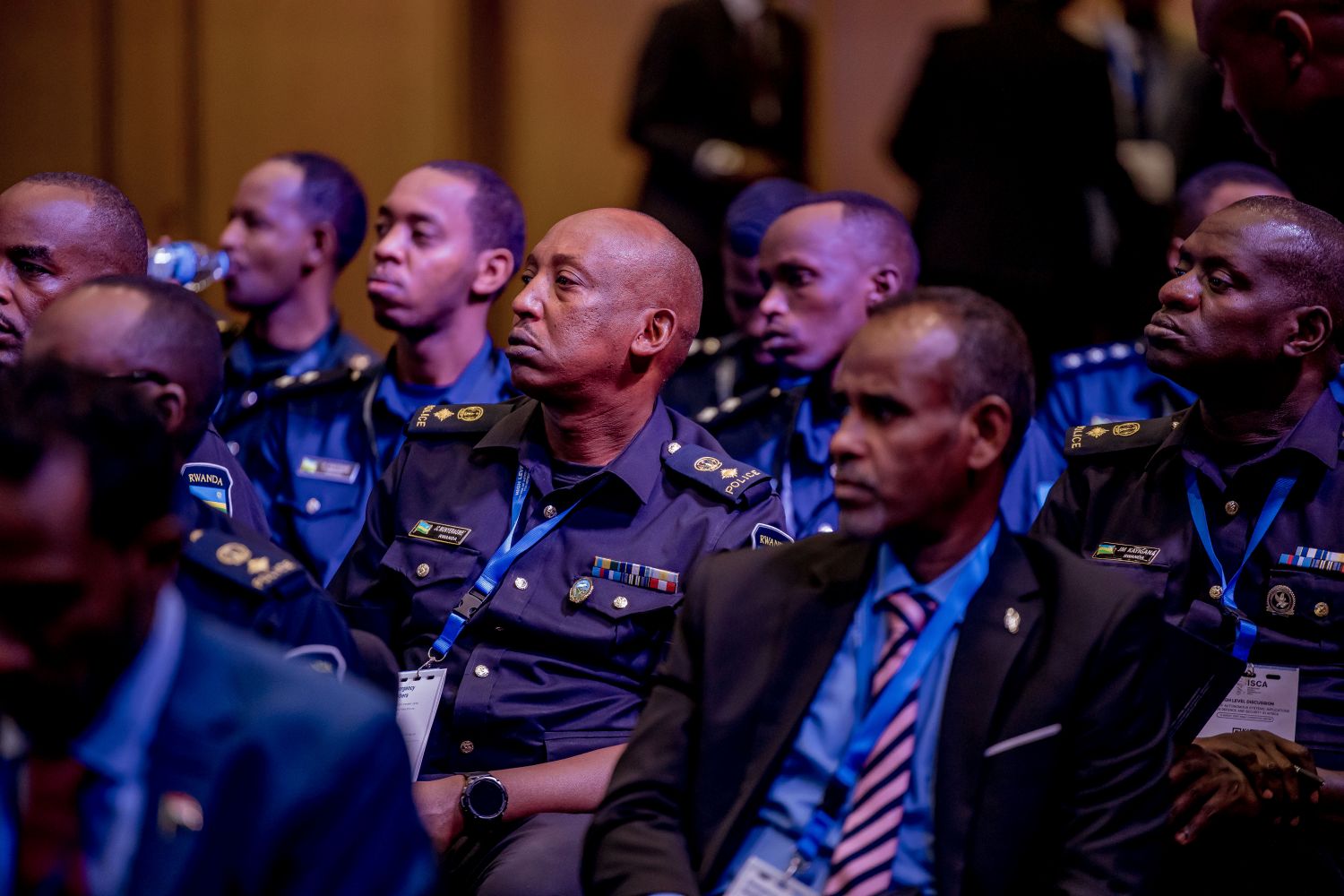
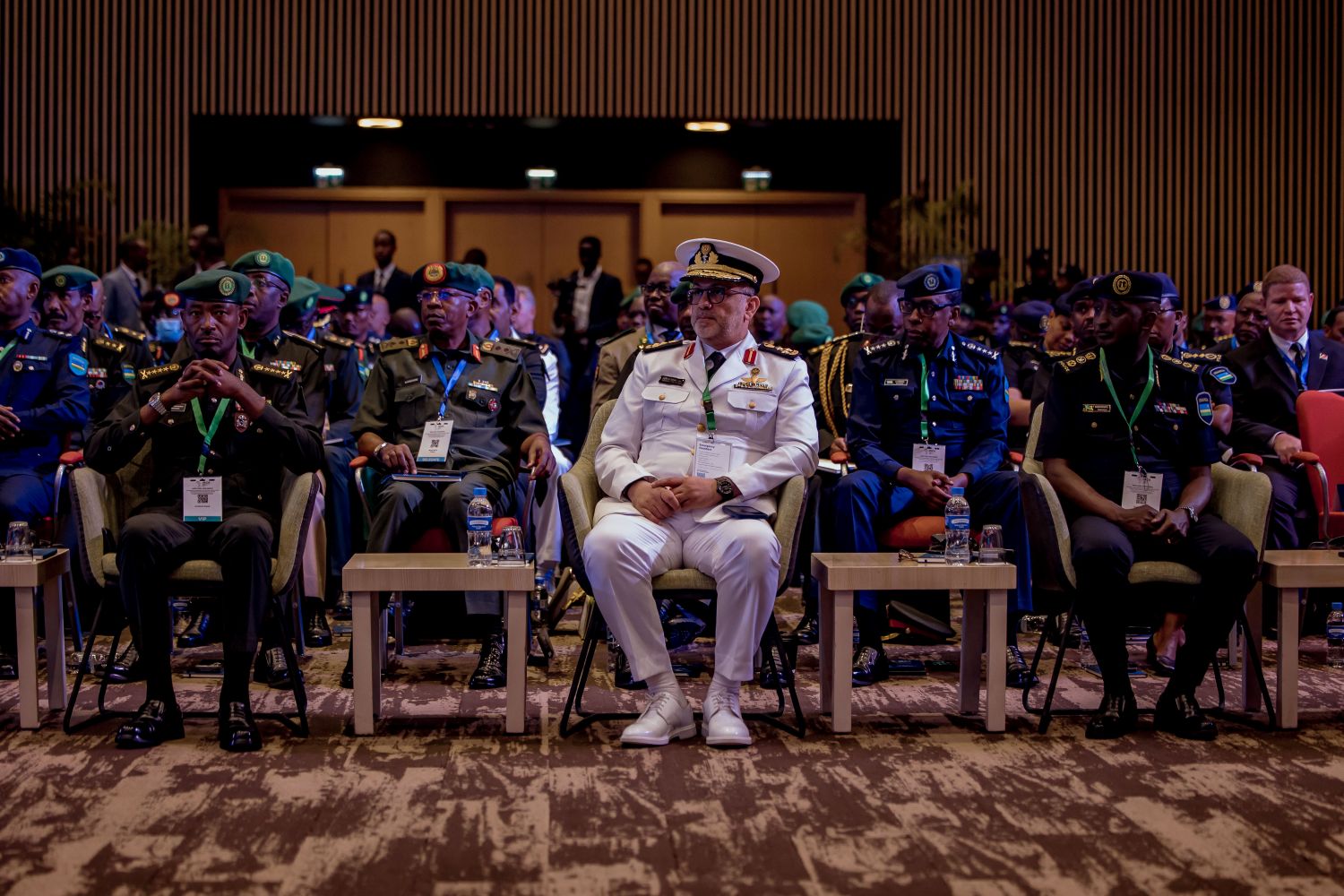
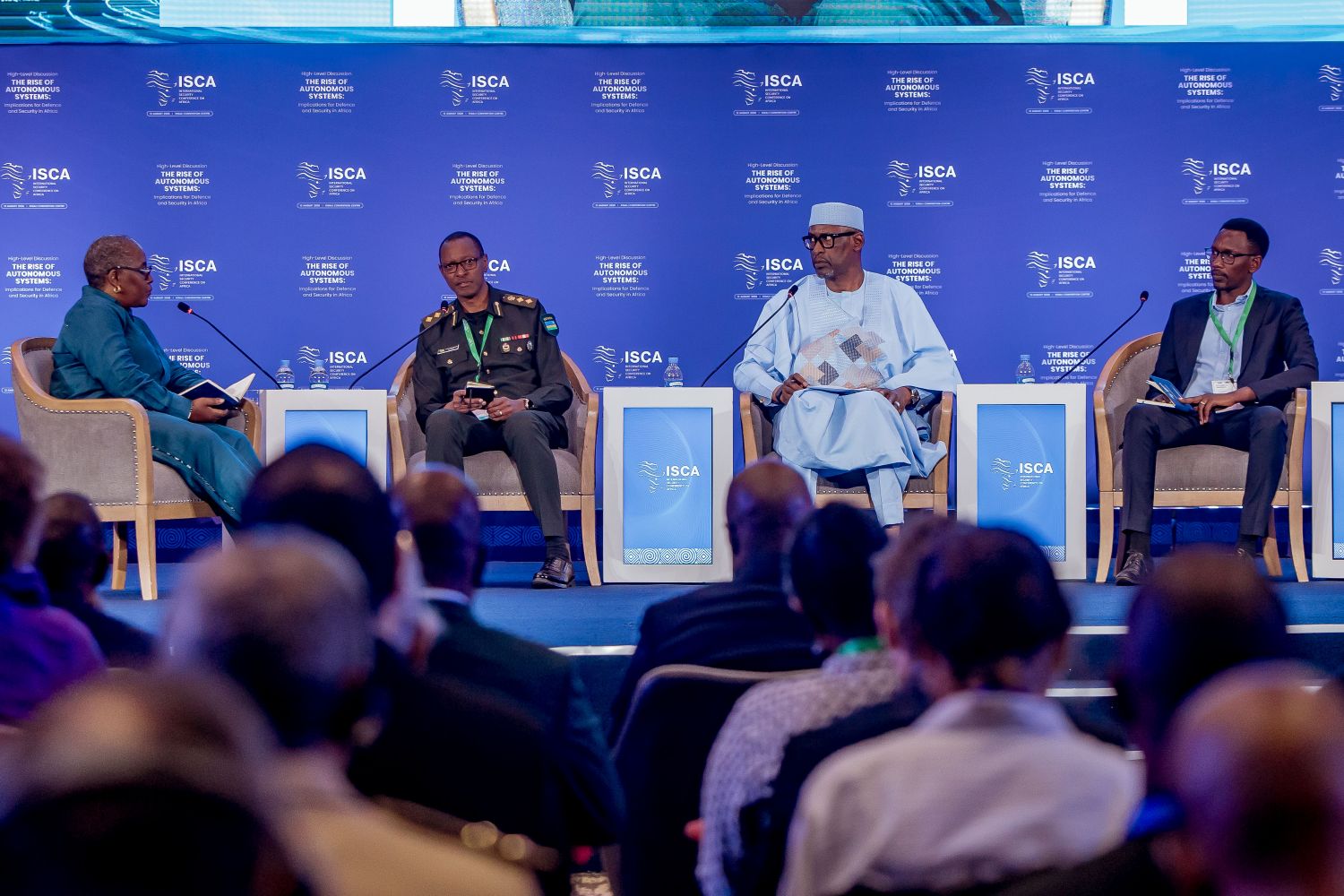
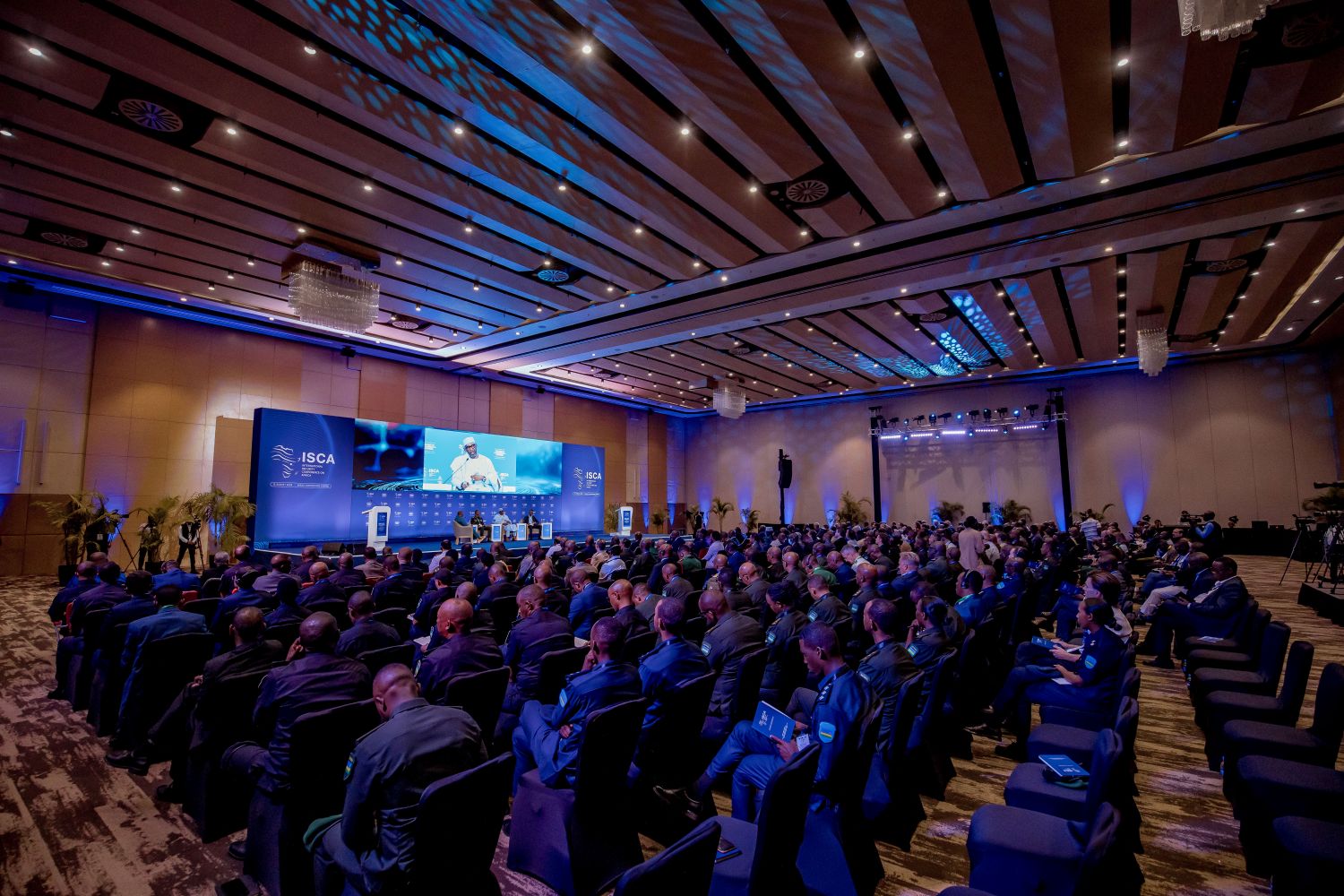
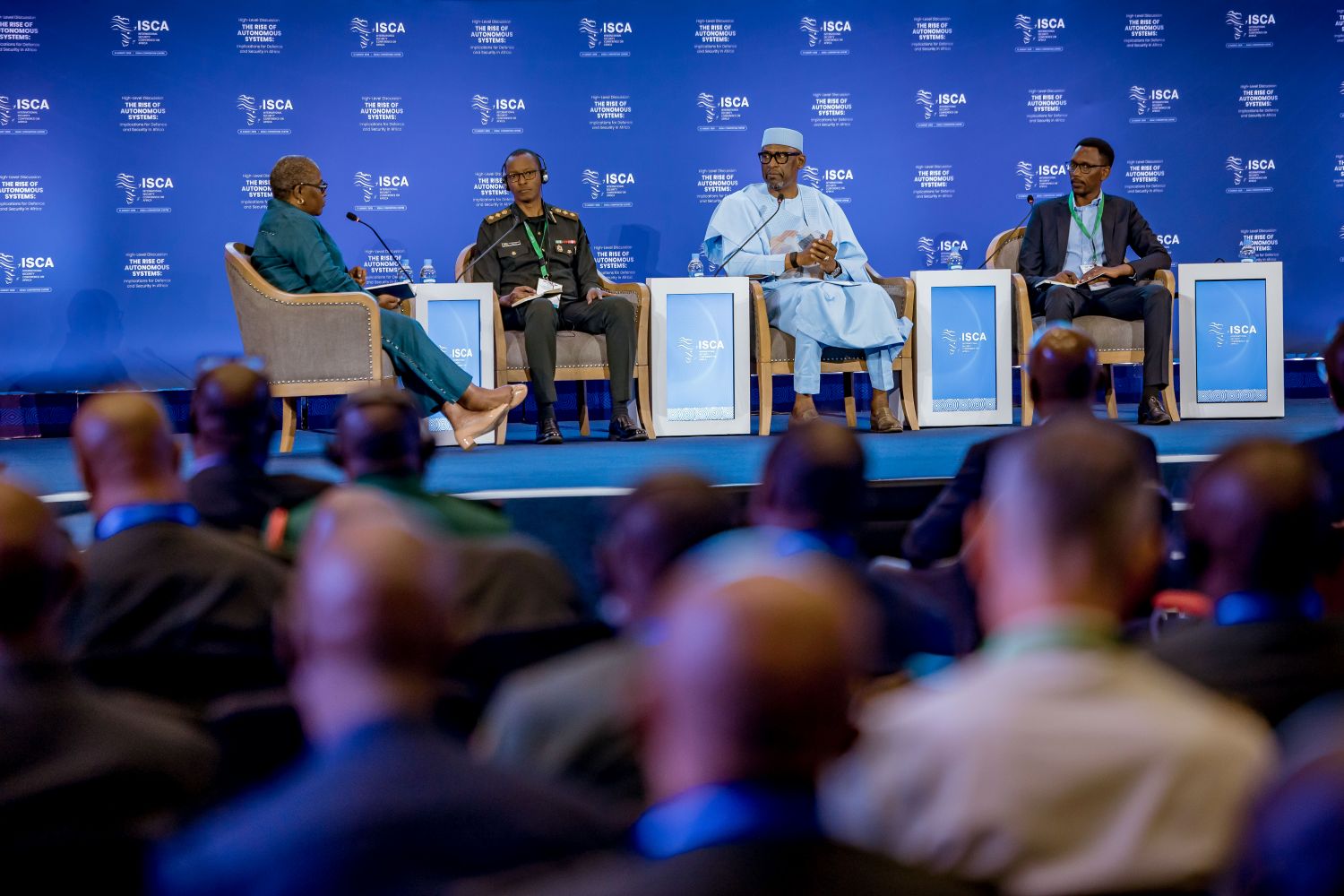
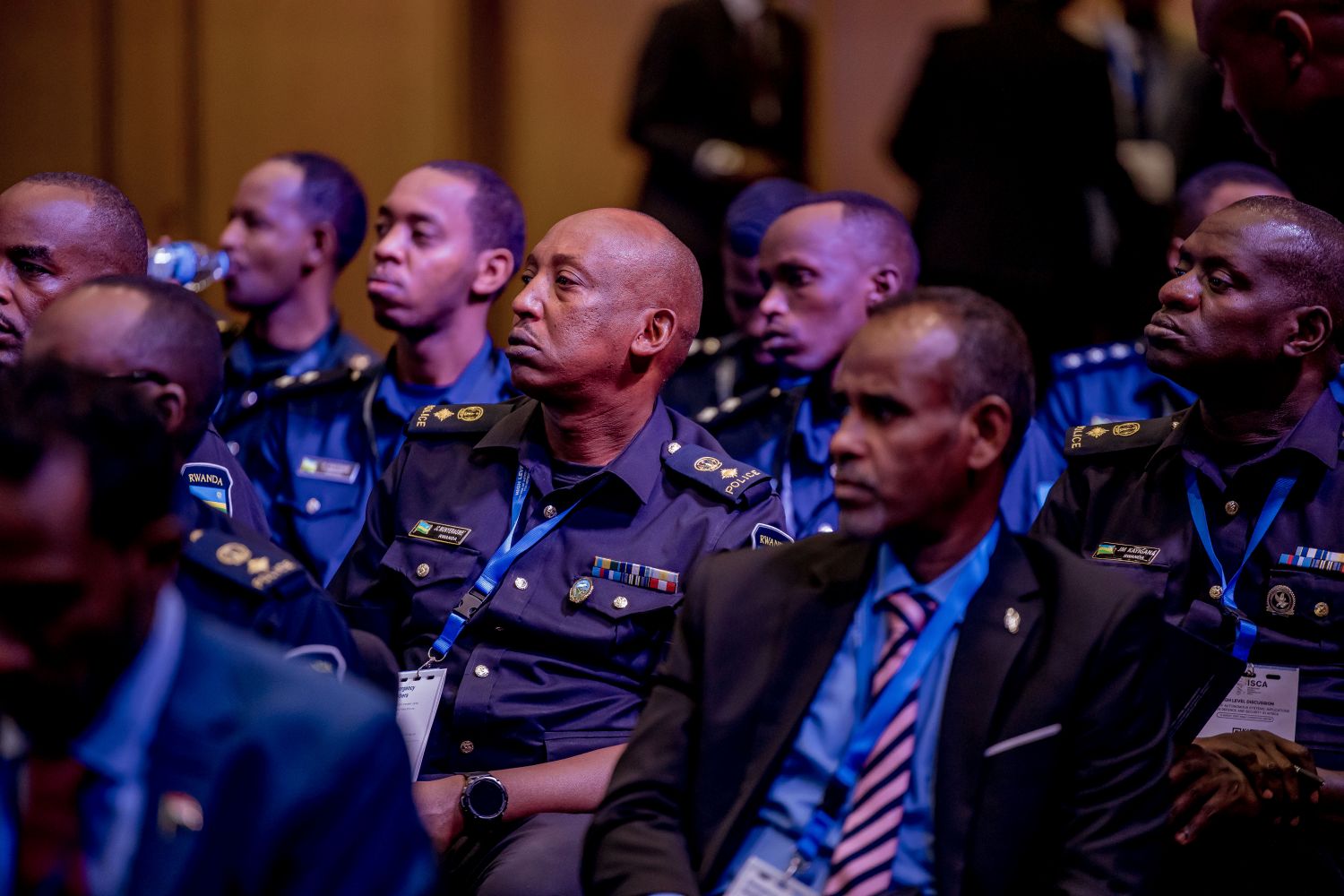
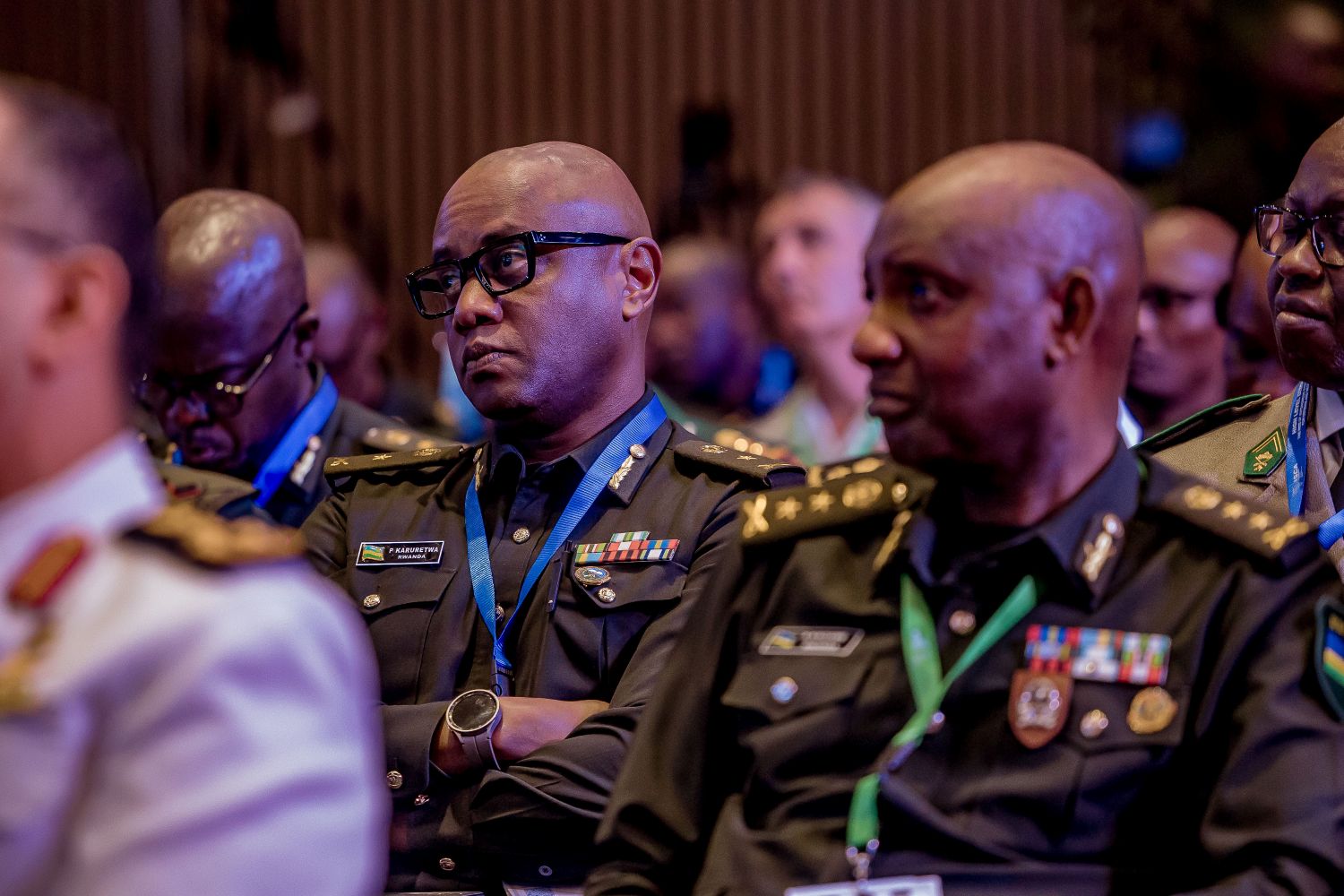
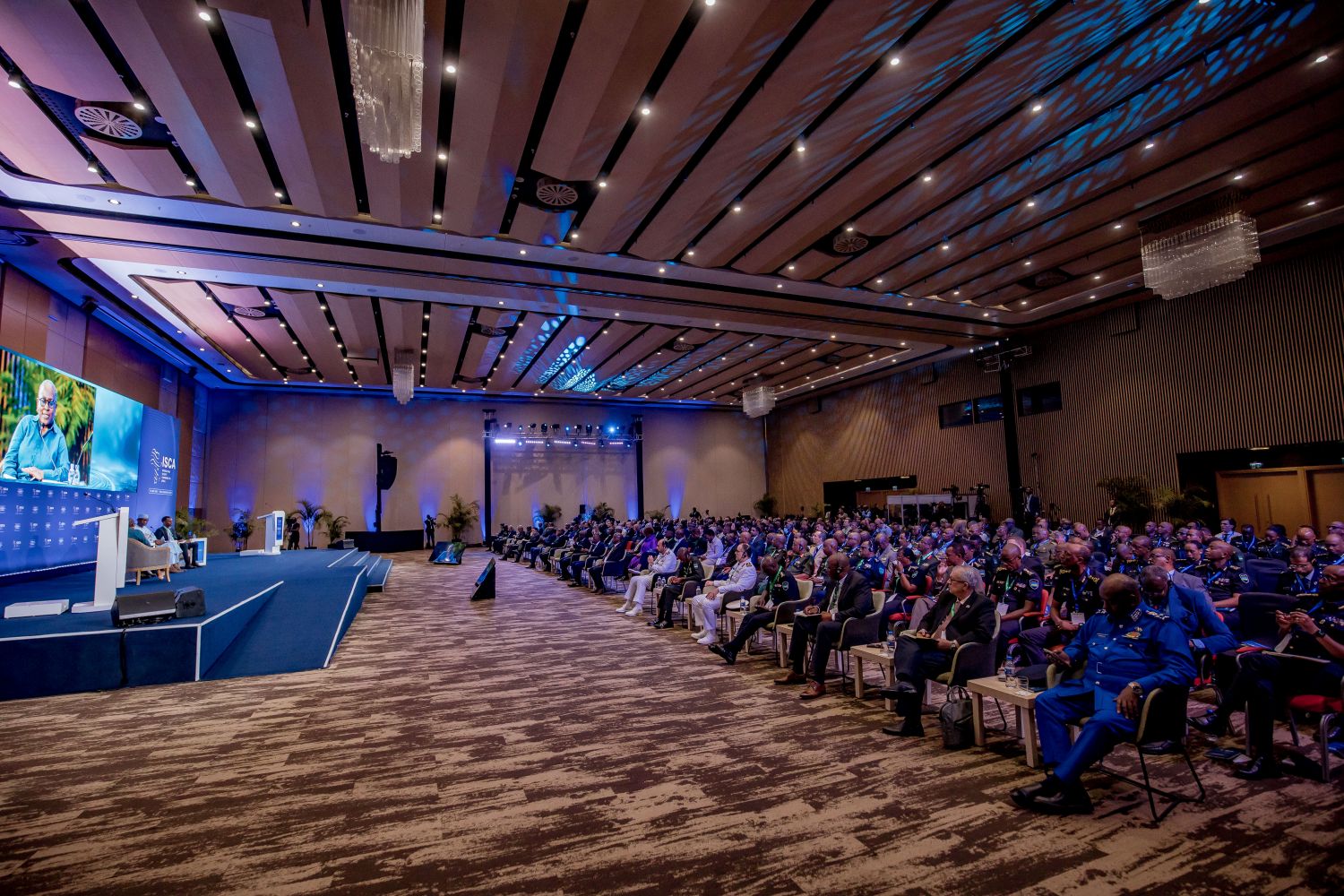
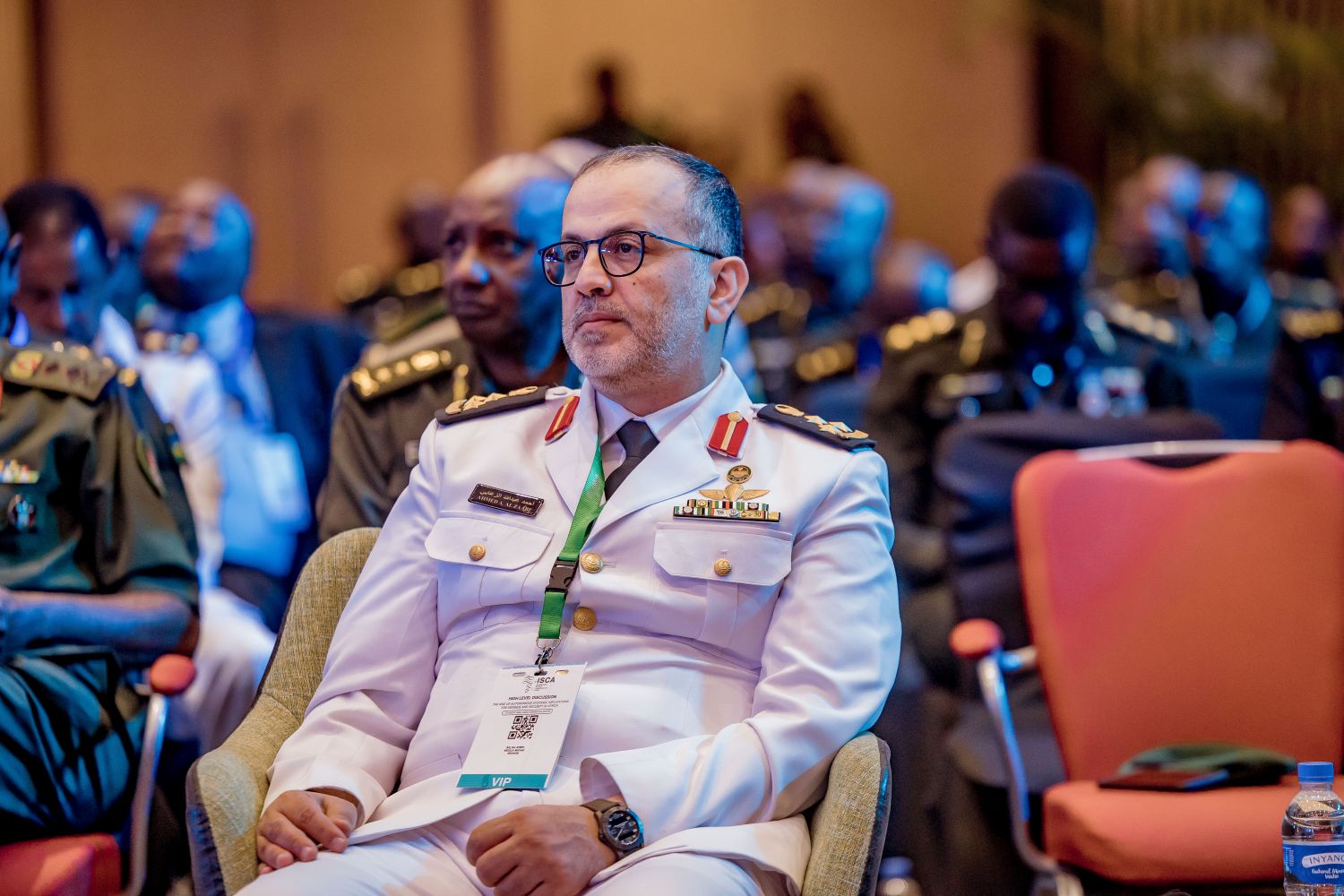
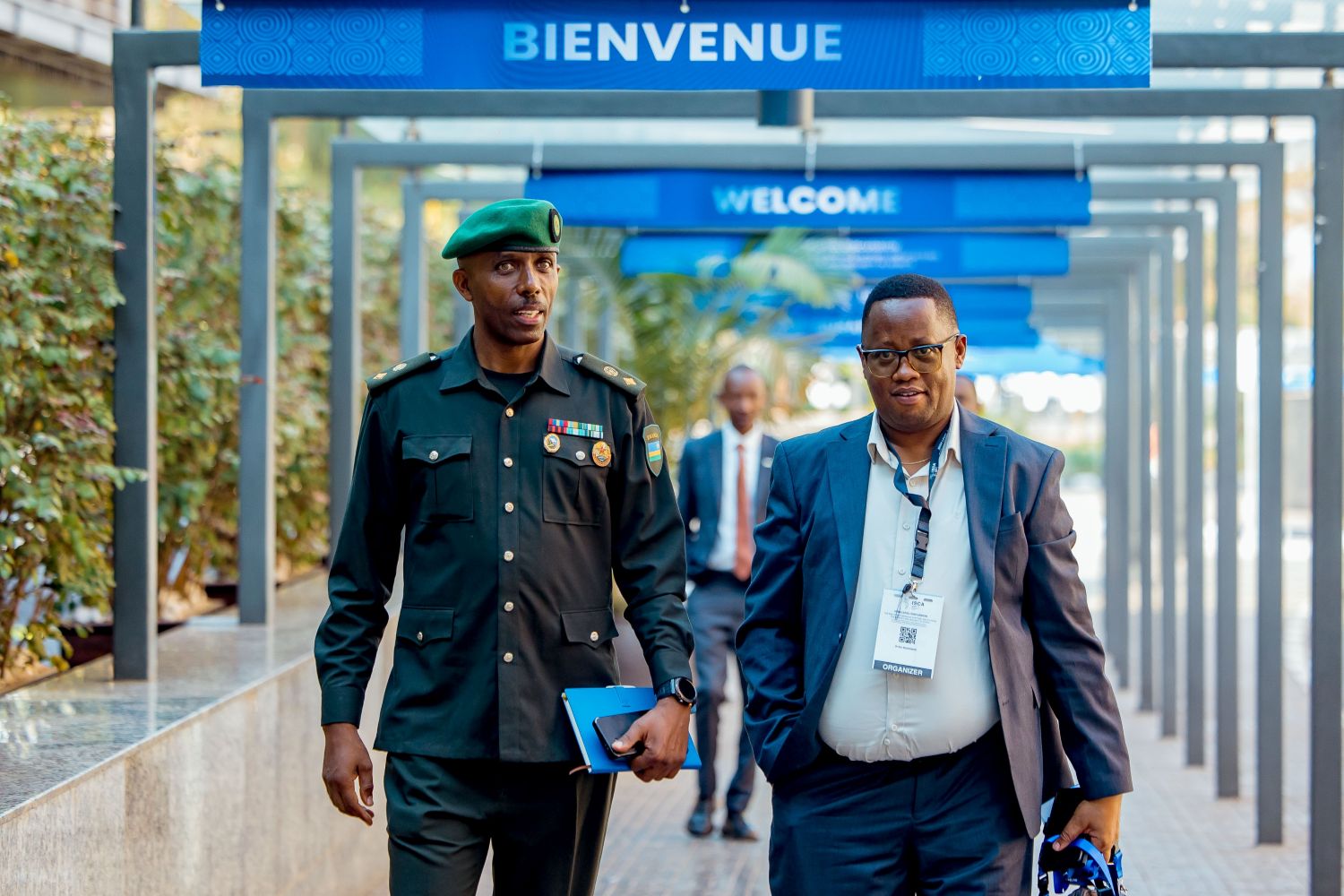
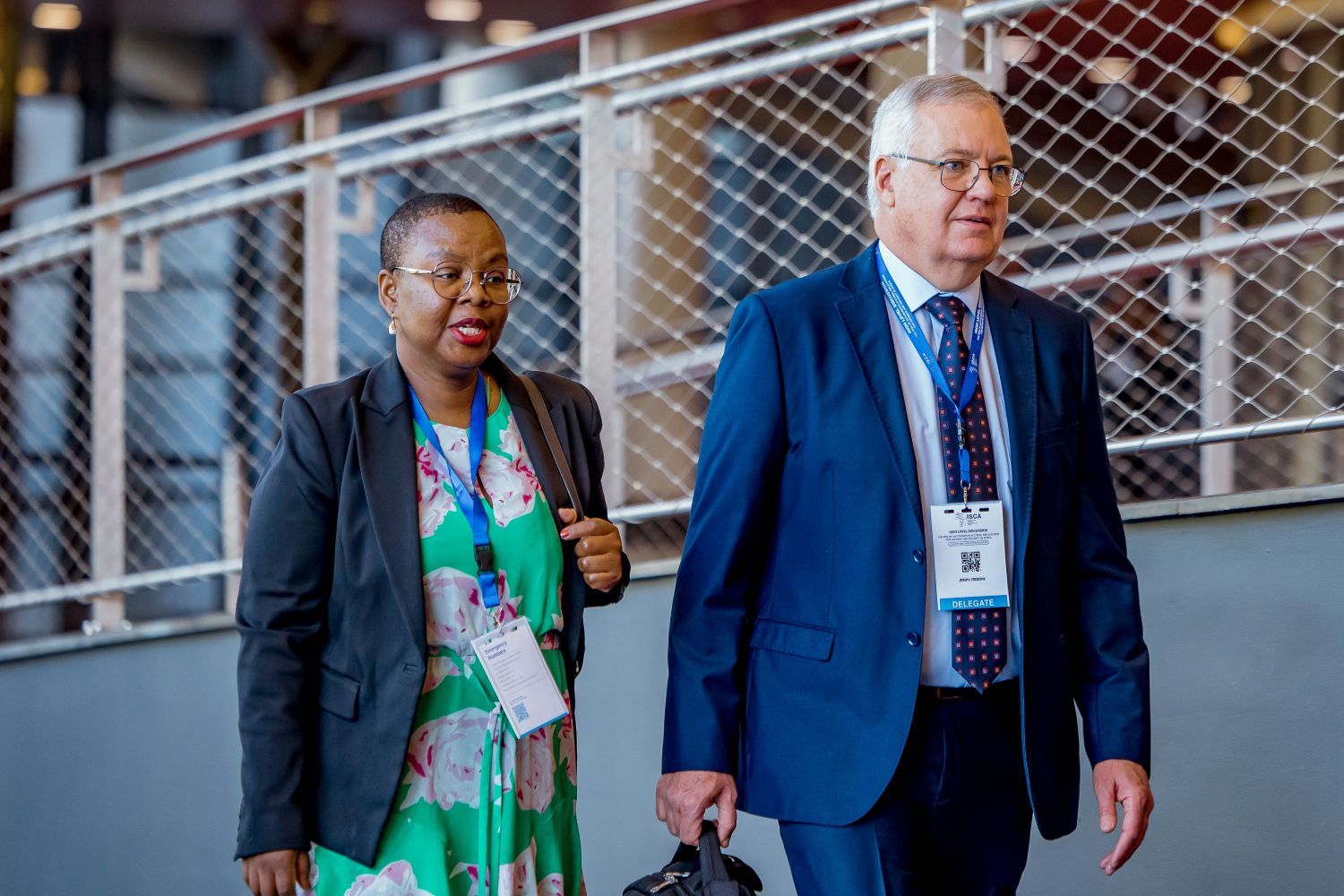
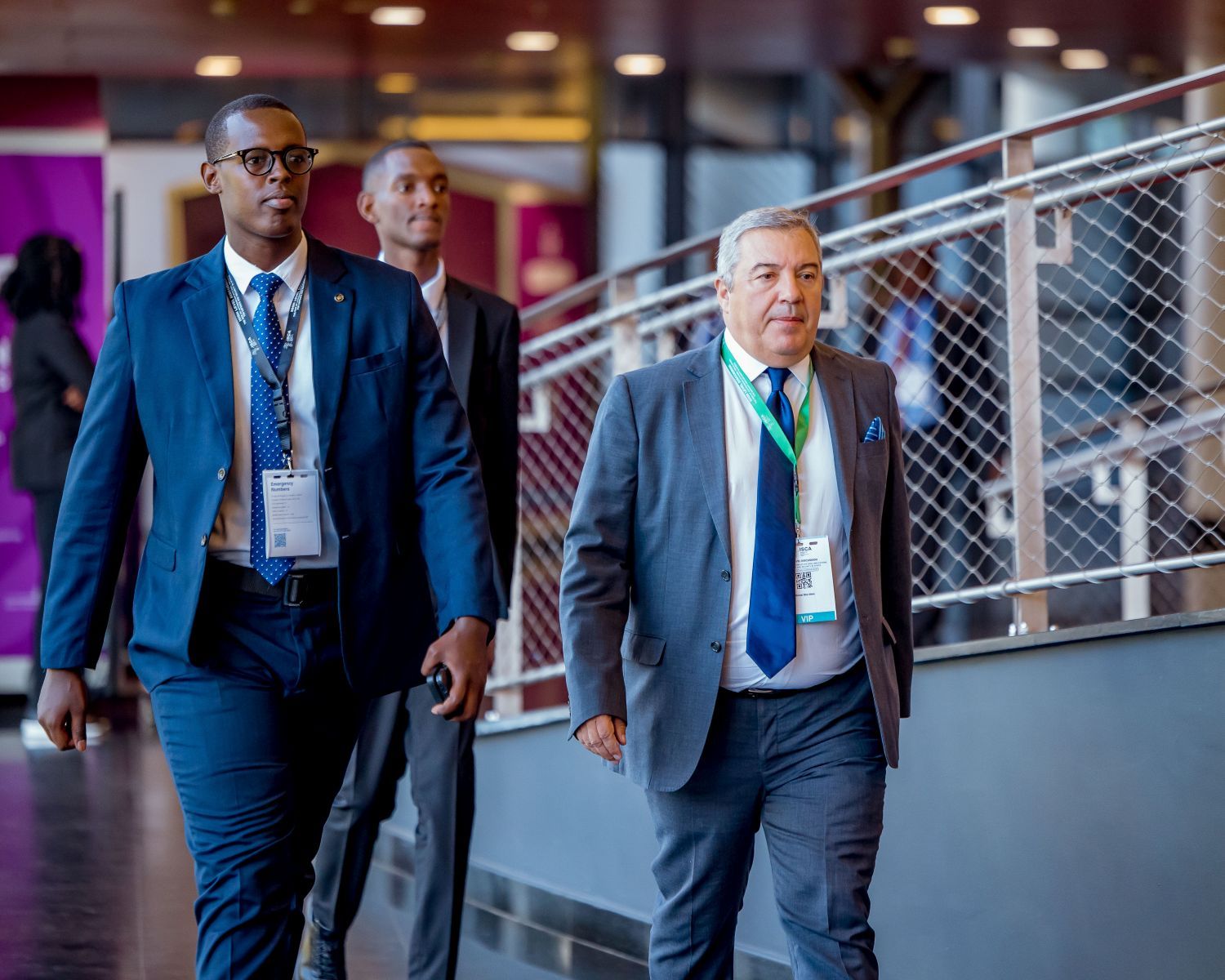
The high-level discussion, held at the Kigali Convention Centre under the theme “The Rise of Autonomous Systems: Implications for Defence and Security in Africa,” brought together more than 300 delegates from 50 countries, including policymakers, defence and security officials, researchers, technology experts and international partners.
Dr. Ndushabandi said the discussions had demonstrated that autonomous systems are no longer a distant technological development but are already changing the nature of conflict and security across Africa.
“Something is happening. The conflict, the landscape is changing,” he said, summarising one of the key conclusions emerging from the discussions.
He said autonomous systems are reshaping issues ranging from border security and military operations to cybersecurity, cross-border crime and immigration management, forcing African states to reconsider their doctrines, institutions and capabilities.
Rwanda’s advantage
According to Dr. Ndushabandi, Rwanda stands out in three key areas: governance and leadership, information and security capabilities, and human-centred development.
“From a research perspective, I could highlight three dimensions. The first one is governance and leadership,” he said, arguing that Rwanda’s experience in institution-building, governance and security provides lessons that could be relevant to other African countries.
He pointed to Rwanda’s participation in peace operations and counterterrorism efforts, including in Mozambique and the Central African Republic, as examples of the country’s developing security and military capabilities.
He also highlighted Rwanda’s ability to monitor and assess emerging security challenges, arguing that information capabilities will become increasingly important as autonomous technologies transform the security environment.
The third dimension, he said, is development, particularly education and the development of human capabilities.
“Capabilities goes with resources, capability, development of education systems,” Dr. Ndushabandi said, stressing that Africa’s response to autonomous technologies cannot be separated from investment in people.
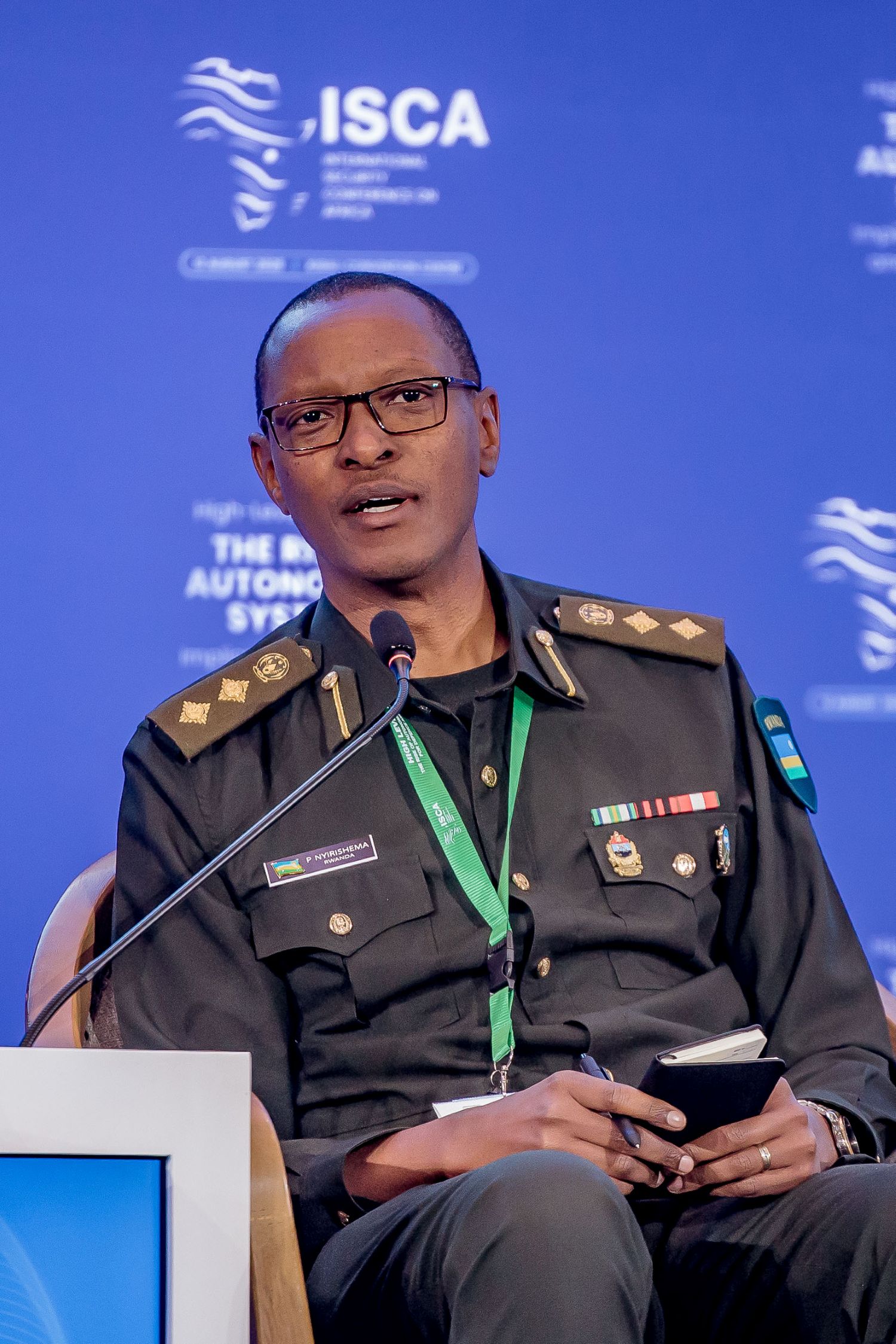
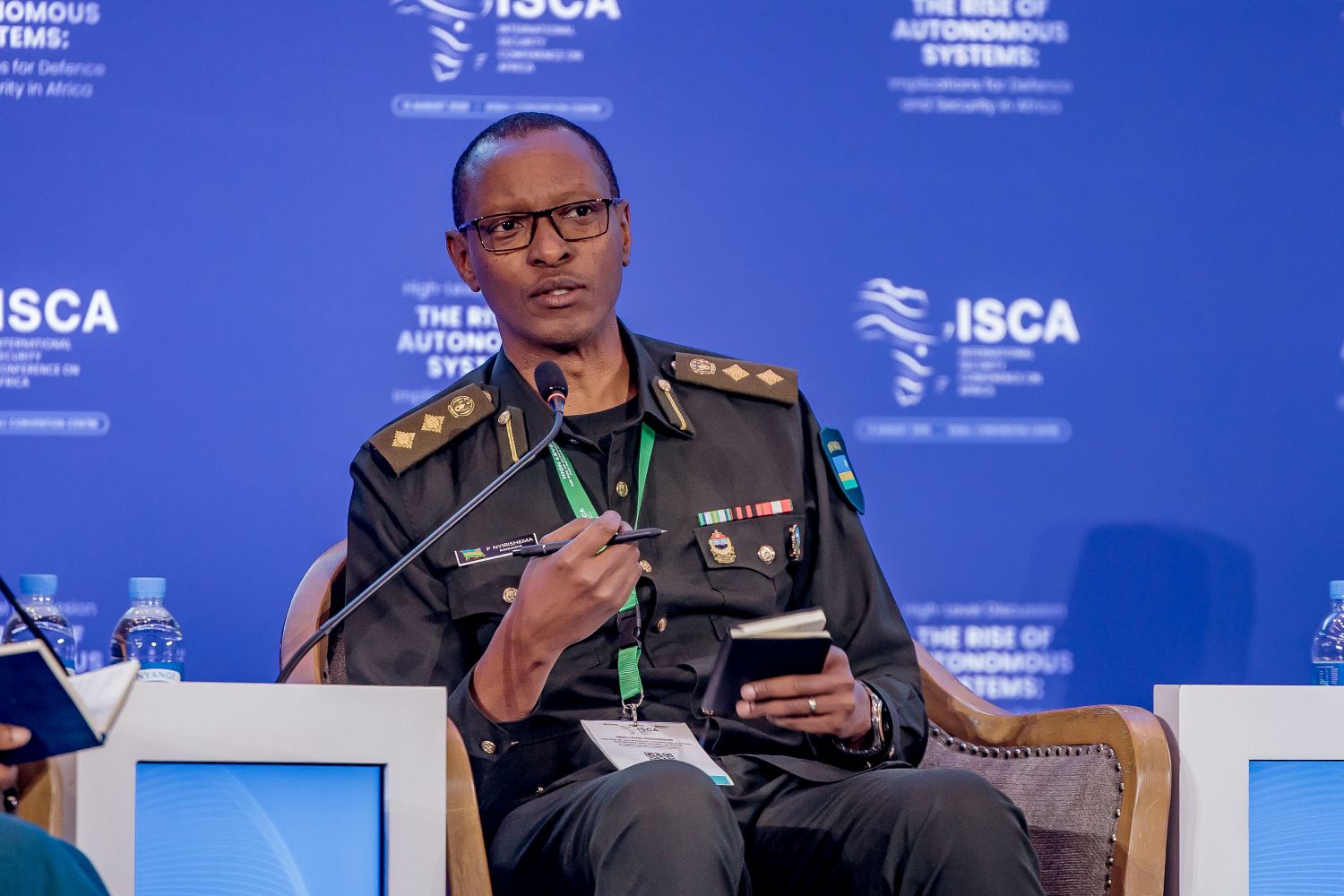
His assessment echoes comments made during the conference by Col. Patrick Nyirishema, Head of Defence Research and Development at the Rwanda Defence Force, who argued that Rwanda has a particular advantage because of its leadership’s emphasis on anticipating future security challenges.
Nyirishema said Africa faces a fundamental choice: whether to remain primarily a consumer of technologies developed elsewhere or to build the capabilities needed to shape and adapt them.
For him, the starting point is talent.
“Build talent. Build talent. Build talent,” Nyirishema told the panel, arguing that African countries need to develop technology ecosystems extending beyond defence institutions to universities, private companies, young innovators and other parts of society.
From buying technology to building capability
The conference repeatedly stressed that autonomous systems cannot simply be treated as another procurement item.
Col. (Rtd) David Kanamugire, Chief Executive Officer of Rwanda’s National Cyber Security Authority, said Africa could not “buy autonomy” because effective autonomous capability depends on much more than acquiring equipment.
He identified data, computing power, talent and adaptable institutions as essential components of the technology ecosystem.
“Autonomous-ready means you control the entire technology stack,” Kanamugire said, highlighting the importance of controlling sensors, communications, cybersecurity and other supporting systems.
This concern was also central to Dr. Ndushabandi’s assessment.
He said Africa should welcome technological opportunities coming from outside the continent, but should simultaneously develop the capacity to adapt and eventually develop technologies that respond to African needs.
“The objective is not simply going to be to regulate what comes from outside,” he said. “It is about being open to and aware of the opportunities these technologies offer.”
However, he stressed that imported systems must be adapted to local cultures, institutions and security realities.
The African context matters
The conference heard that technologies developed elsewhere may not perform in exactly the same way when deployed in African environments.
Moise Busogi, Assistant Teaching Professor at CMU-Africa, gave the example of artificial intelligence models used for image recognition. A model trained in one country can perform differently when deployed in another environment because of differences in terrain, infrastructure and other local conditions.
That, he argued, makes contextualisation and local innovation essential.
Nyirishema said autonomous systems designed for desert environments would need to operate differently from those deployed in forests, mountainous terrain or other settings, underscoring the need for African countries to develop the talent and institutions required to adapt such technologies to local conditions.
Security risks are also increasing
While autonomous systems offer opportunities in border surveillance, agriculture, infrastructure protection, intelligence gathering and military operations, speakers warned that their increasing accessibility also creates new security risks.
Rwanda’s Foreign Minister Olivier Nduhungirehe said autonomous systems and artificial intelligence are becoming increasingly accessible, including to non-state actors.
“Africa cannot afford to fall behind as these technologies continue to evolve,” Nduhungirehe said.
Dr. Ndushabandi similarly warned that autonomous technologies could become particularly problematic in countries affected by unresolved conflicts, weak governance or limited state control over territory.
He said the decreasing cost of autonomous systems could make them increasingly accessible to non-state groups, including armed groups, potentially intensifying existing conflicts.
Sovereignty and strategic autonomy
Another major concern emerging from the discussions was sovereignty.
Dr. Ndushabandi said autonomous systems can challenge traditional concepts of state sovereignty, particularly when systems operate across borders or when states become dependent on technologies, data or infrastructure controlled elsewhere.
The question for Africa, he said, is how to benefit from international technological cooperation while maintaining sufficient strategic autonomy.
Dr. Paul Simon Handy, Regional Director for East Africa and Representative of the African Union/Institute for Security Studies, argued that strategic autonomy should not mean that every African country manufactures every component of an autonomous system.
Instead, he said, it should mean having the knowledge and political freedom to understand, sustain and make decisions about the technologies countries acquire.
He also urged African states to rethink military doctrines rather than simply inserting new technologies into existing structures.
A continental opportunity
The discussions also pointed to greater cooperation between African countries.
Handy said no African state could independently develop the entire range of technologies required for autonomous systems, making regional cooperation and an intentional division of labour essential.
Dr. Ndushabandi said the ISCA platform had provided an opportunity for governments, security institutions, researchers, universities and international partners to begin developing such cooperation.
He noted that the discussions were also timely because technology is expected to feature prominently on the African Union agenda in 2027.
For Dr. Ndushabandi, Africa’s preparedness will ultimately depend on whether governments can translate the current debate into practical policies, stronger institutions, education programmes and technological capabilities.
Dr. Ndushabandi also urged young Africans to use growing access to AI and other technologies to develop specialised skills rather than focusing primarily on entertainment. “AI is giving opportunity for young people to access knowledge,” he said, stressing the importance of education and professionalisation as Africa prepares for the changing security and technological environment.
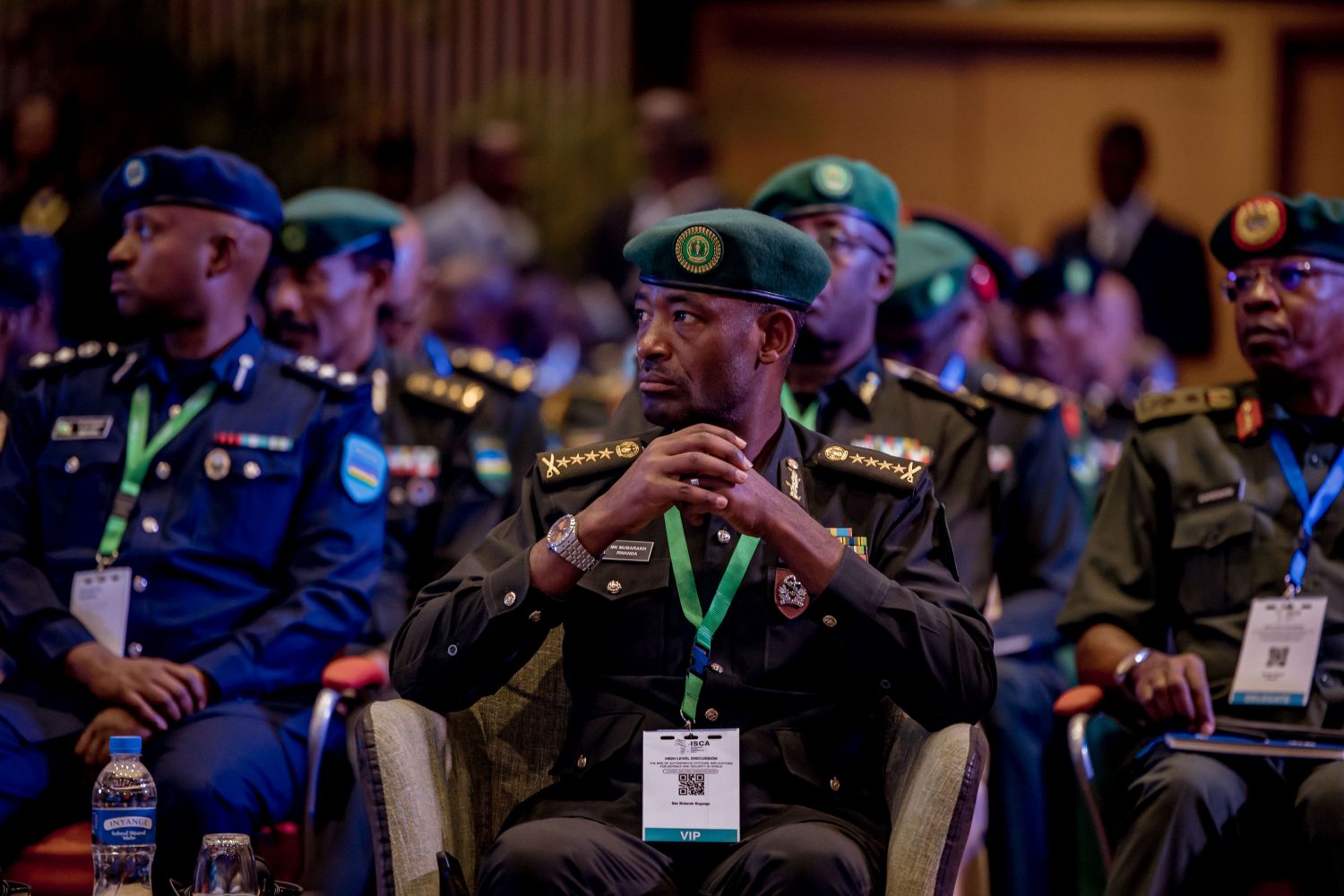
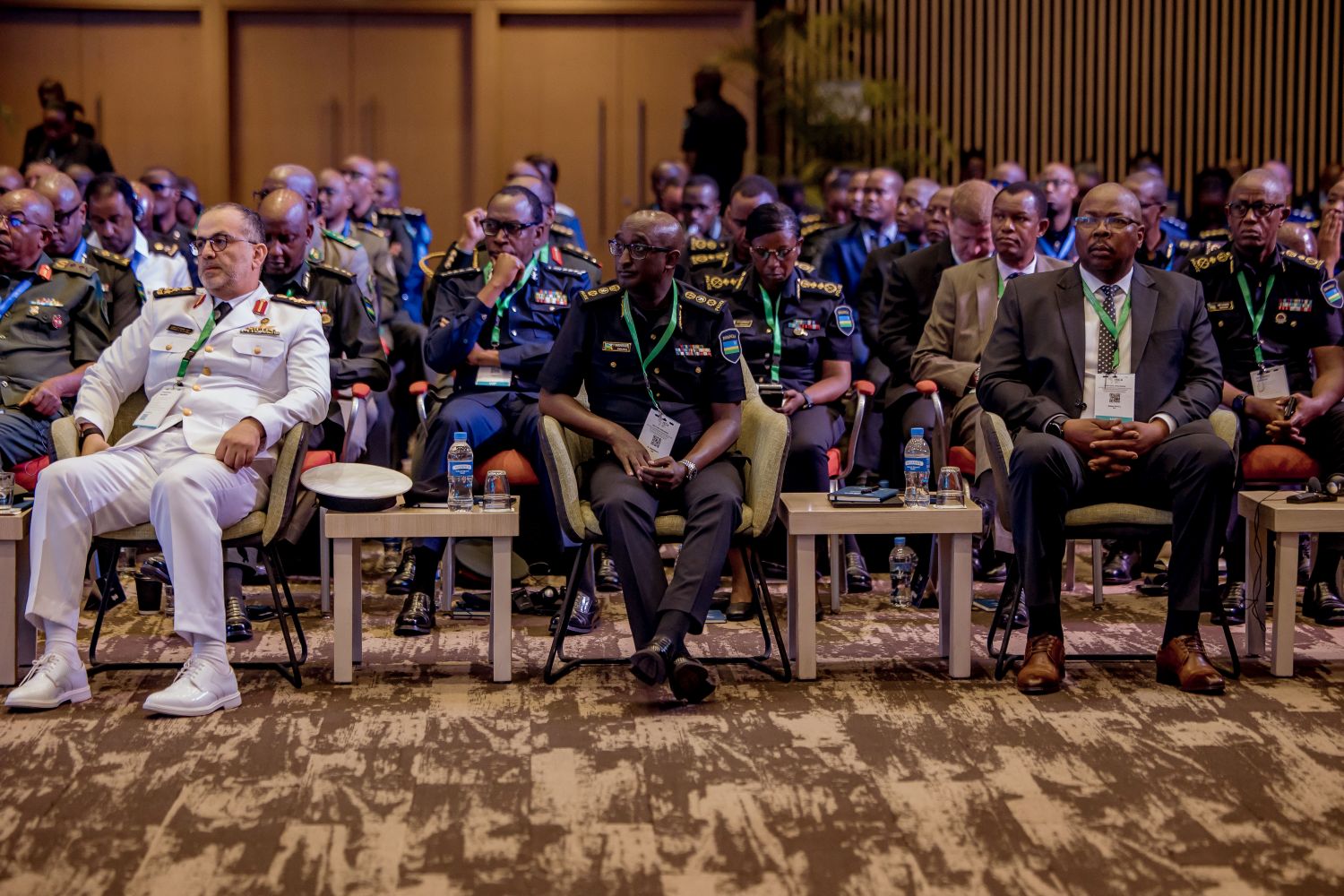
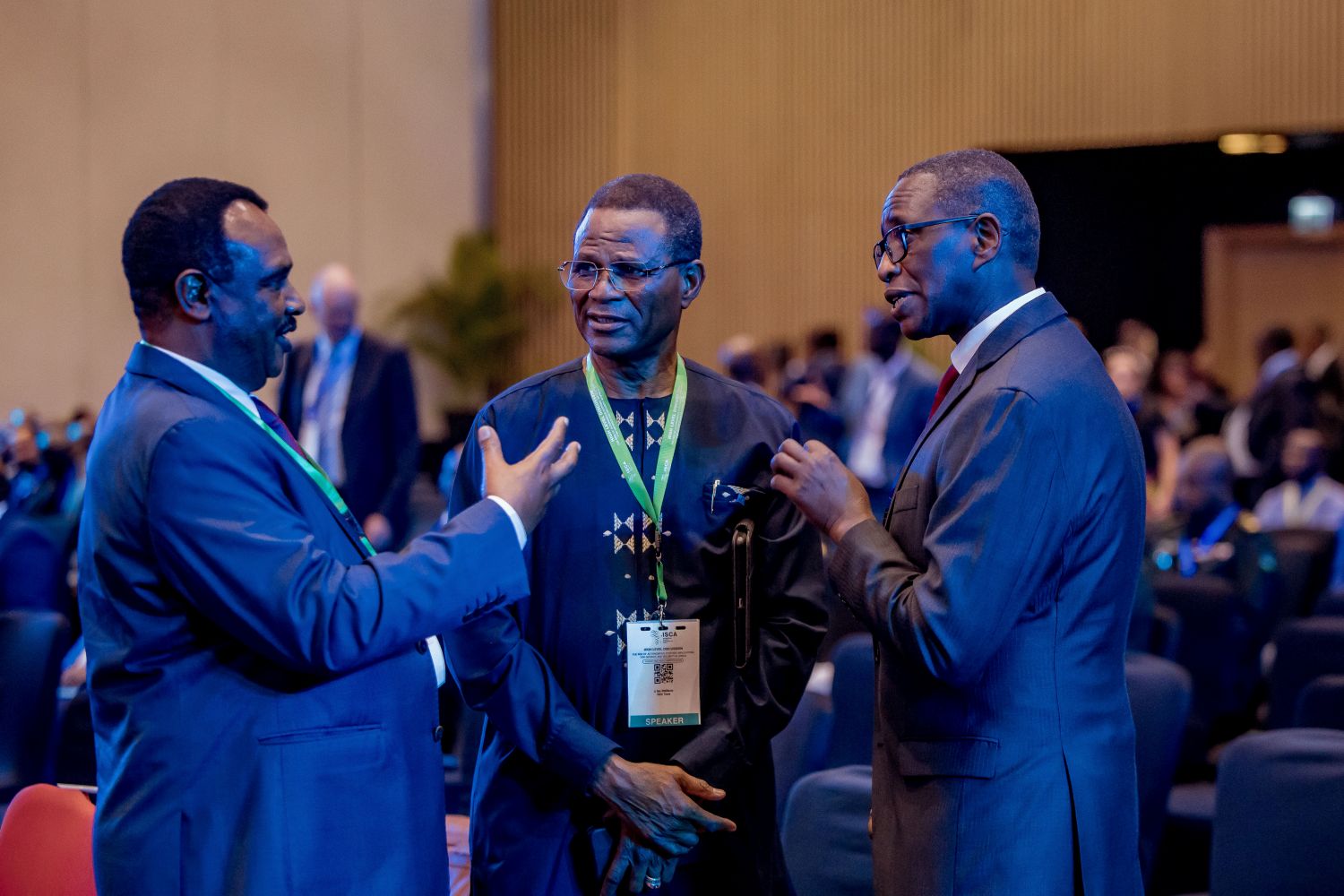
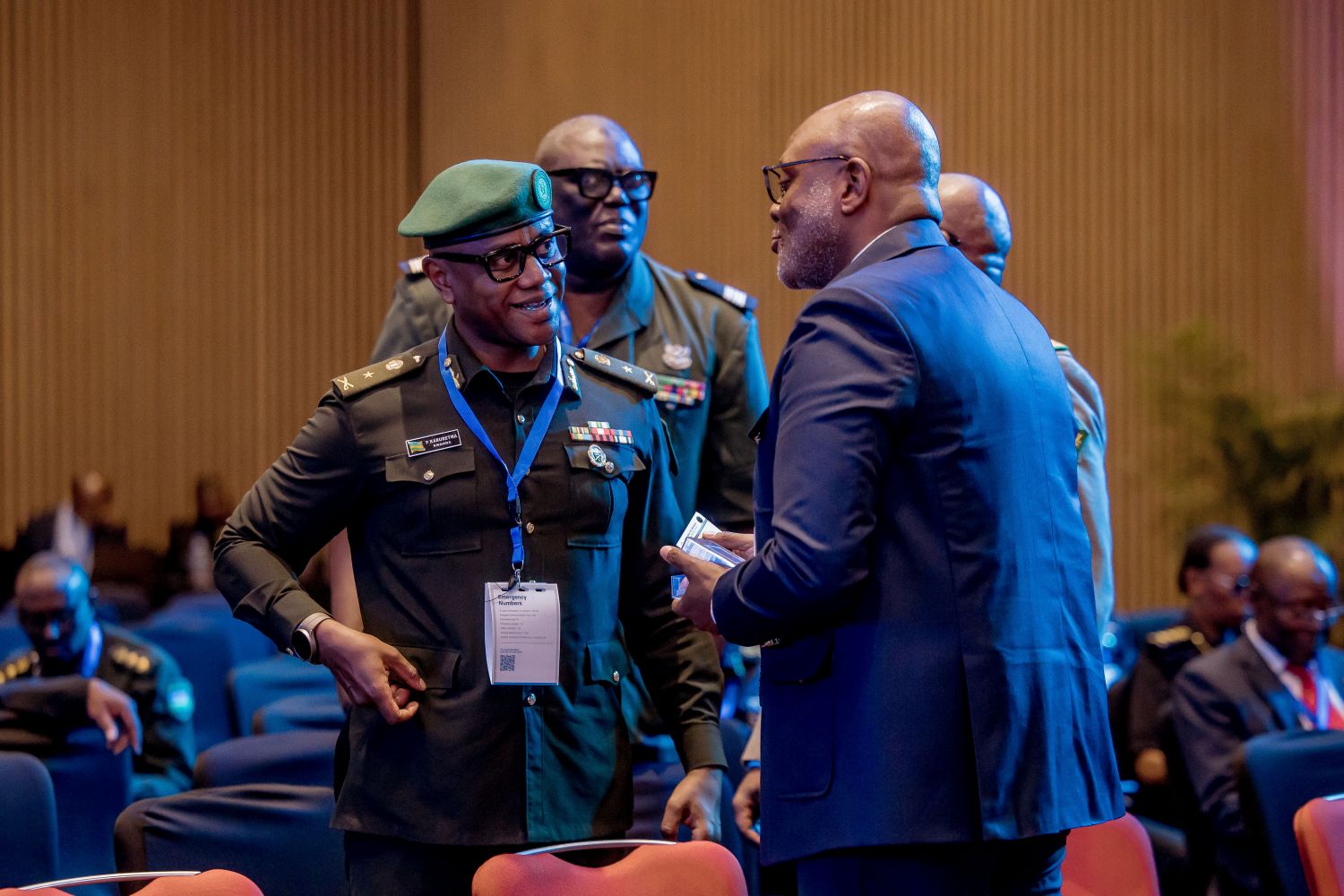
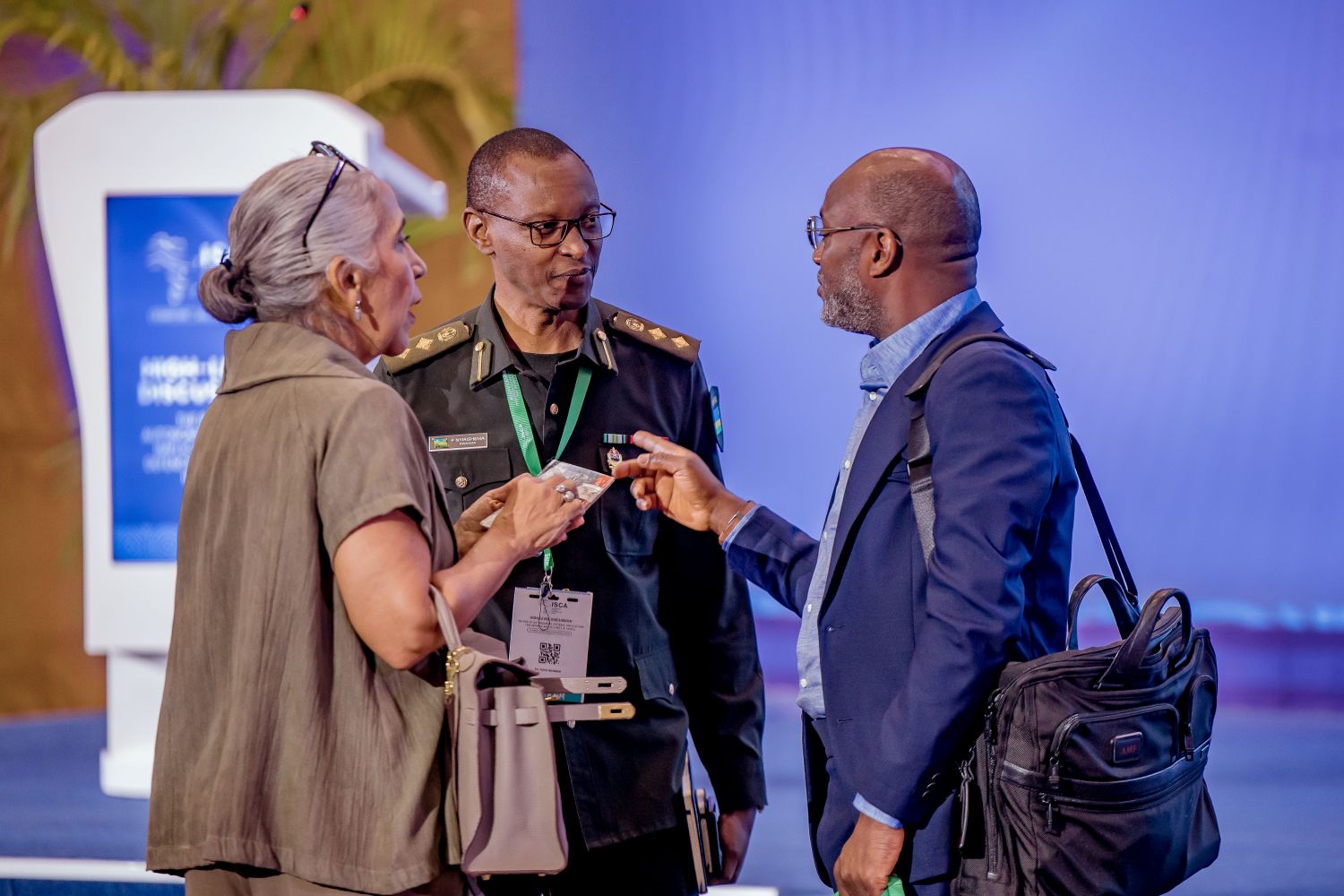
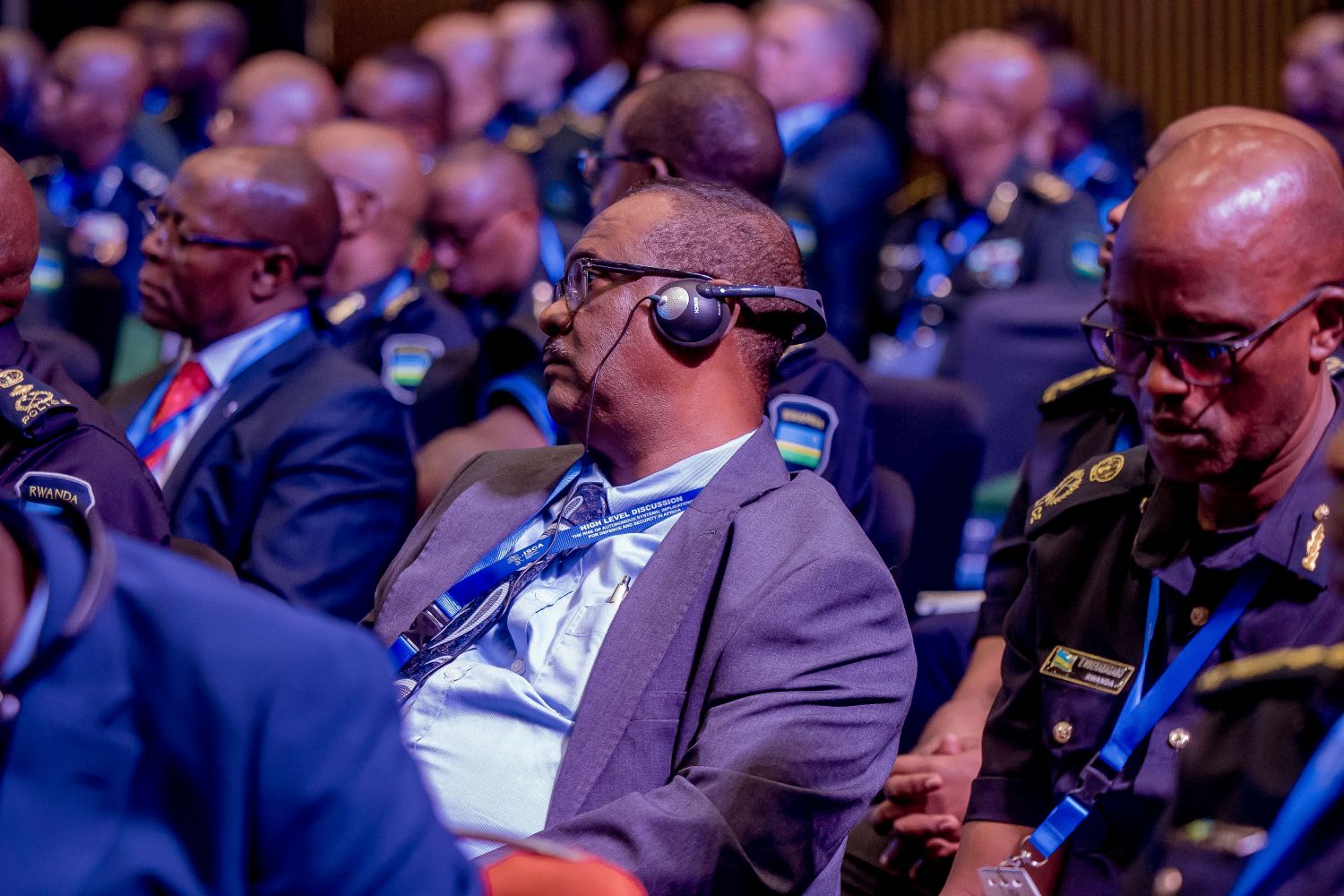
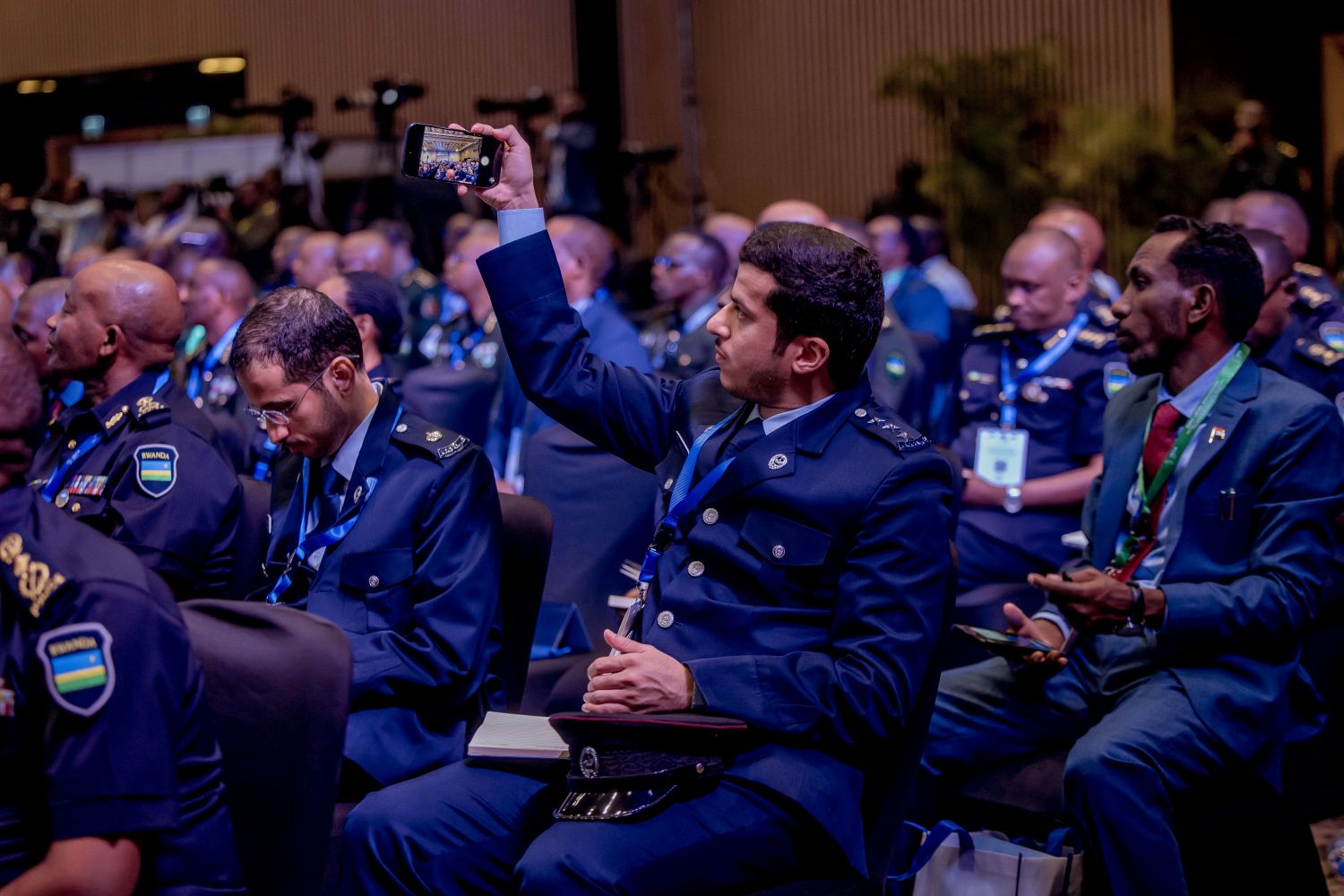
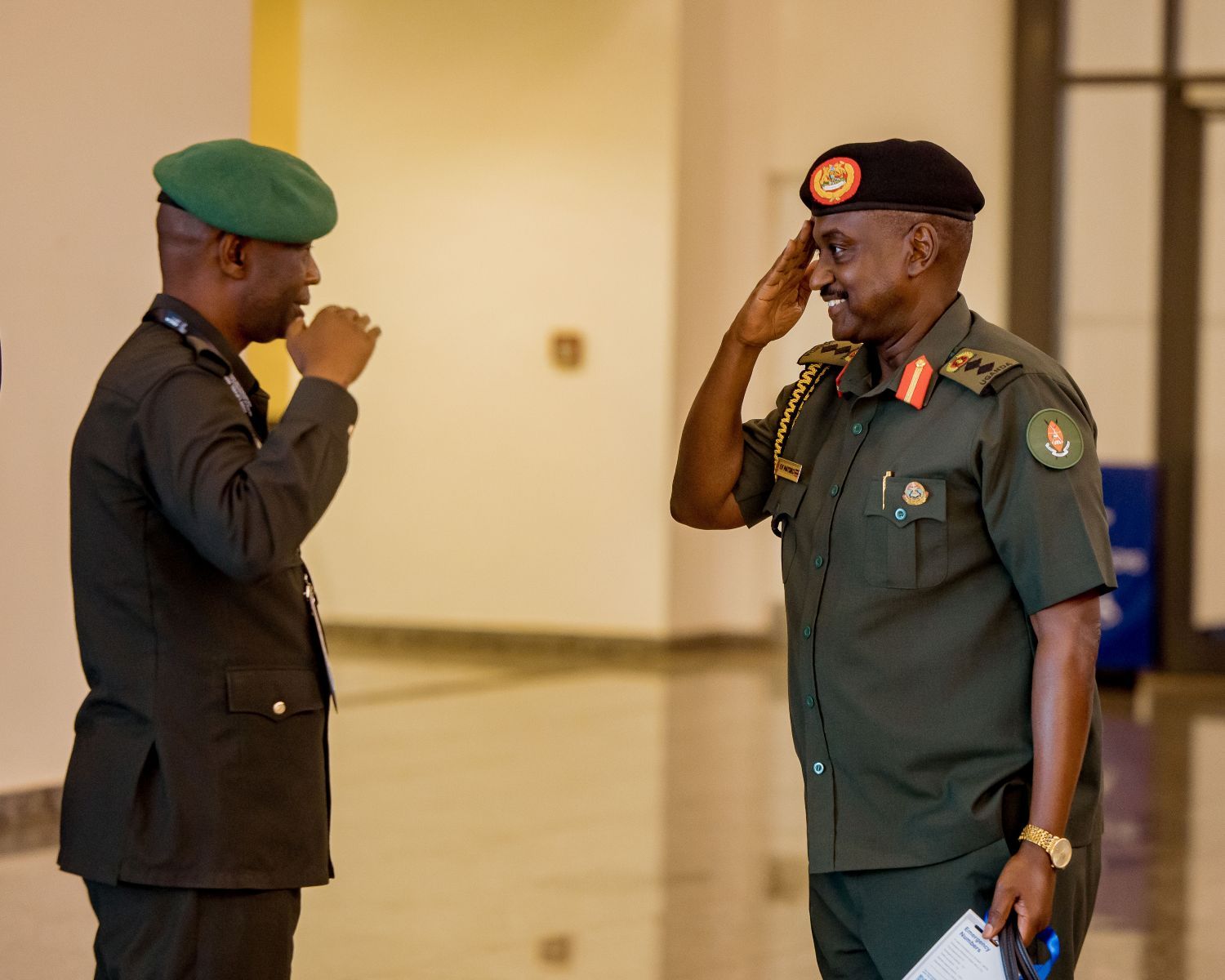
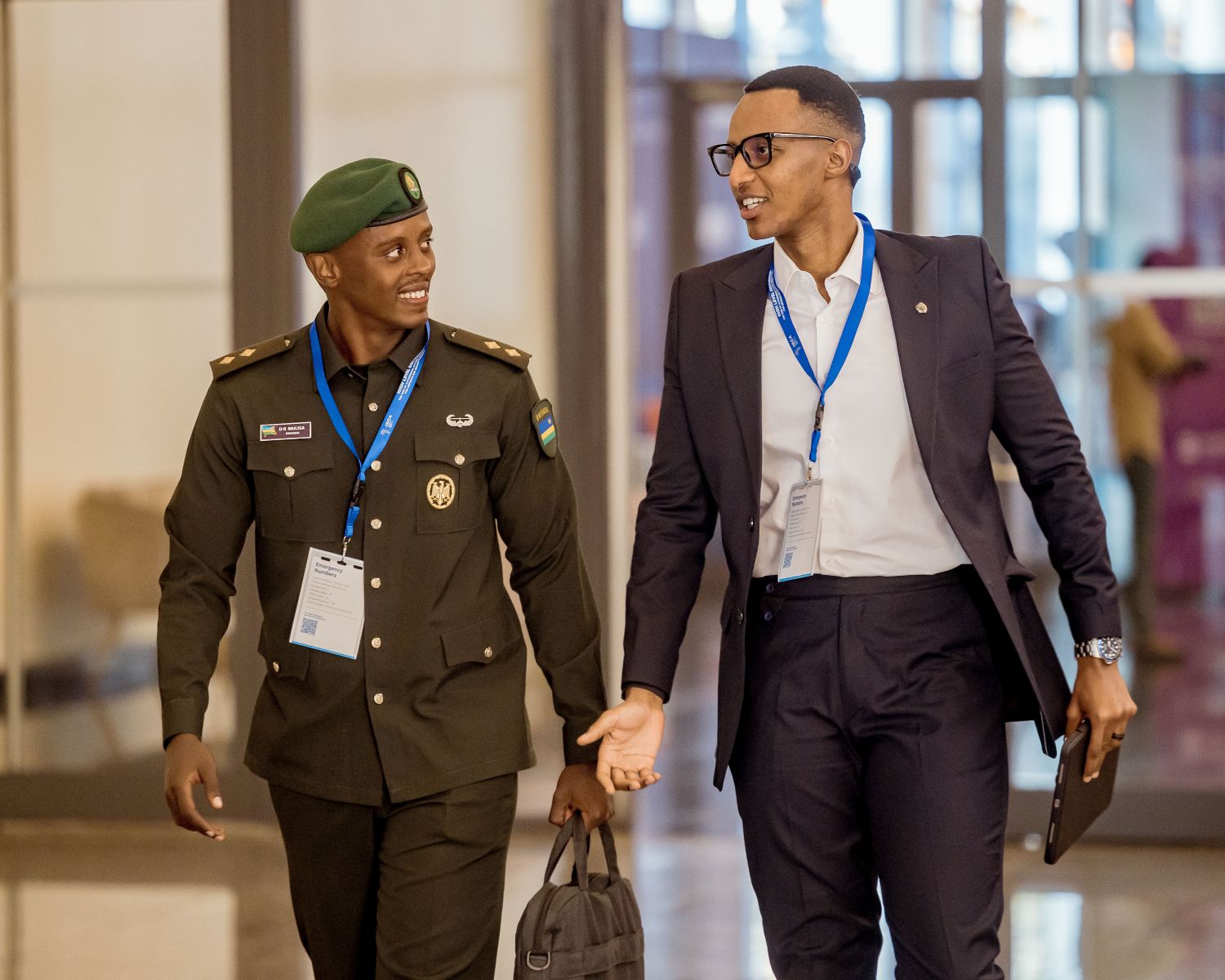
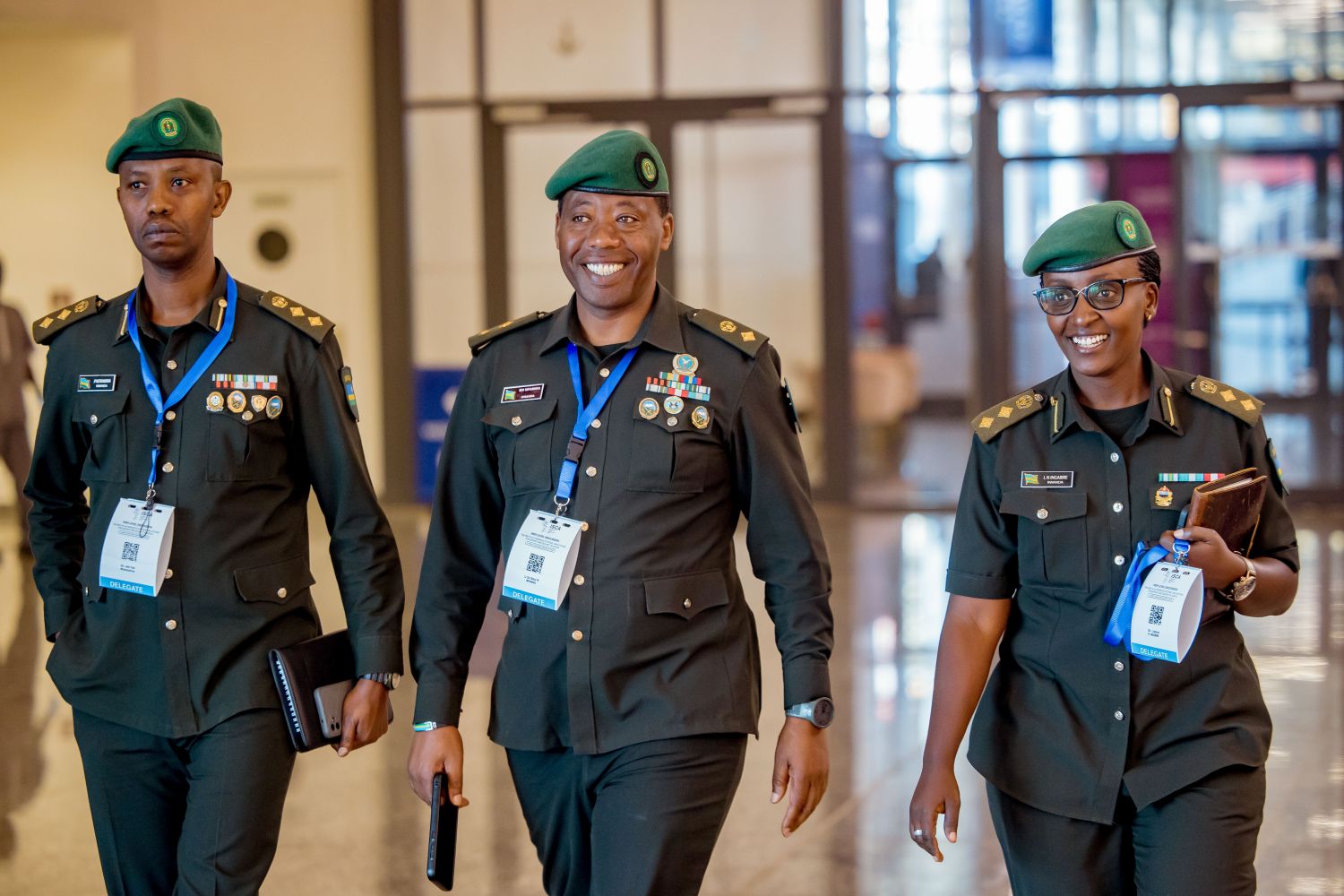
The high level convening brought together more than 300 delegates from 50 countries.Rwanda’s Foreign Minister Olivier Nduhungirehe said autonomous systems and artificial intelligence are becoming increasingly accessible, including to non-state actors.Chief of Defence Staff (CDS) of the Rwanda Defence Force, General Mubarakh Muganga, follows the discussions. The conference repeatedly stressed that autonomous systems cannot simply be treated as another procurement item.Col. Patrick Nyirishema, Head of Defence Research and Development at the Rwanda Defence Force, argued that Rwanda has a particular advantage because of its leadership’s emphasis on anticipating future security challenges.
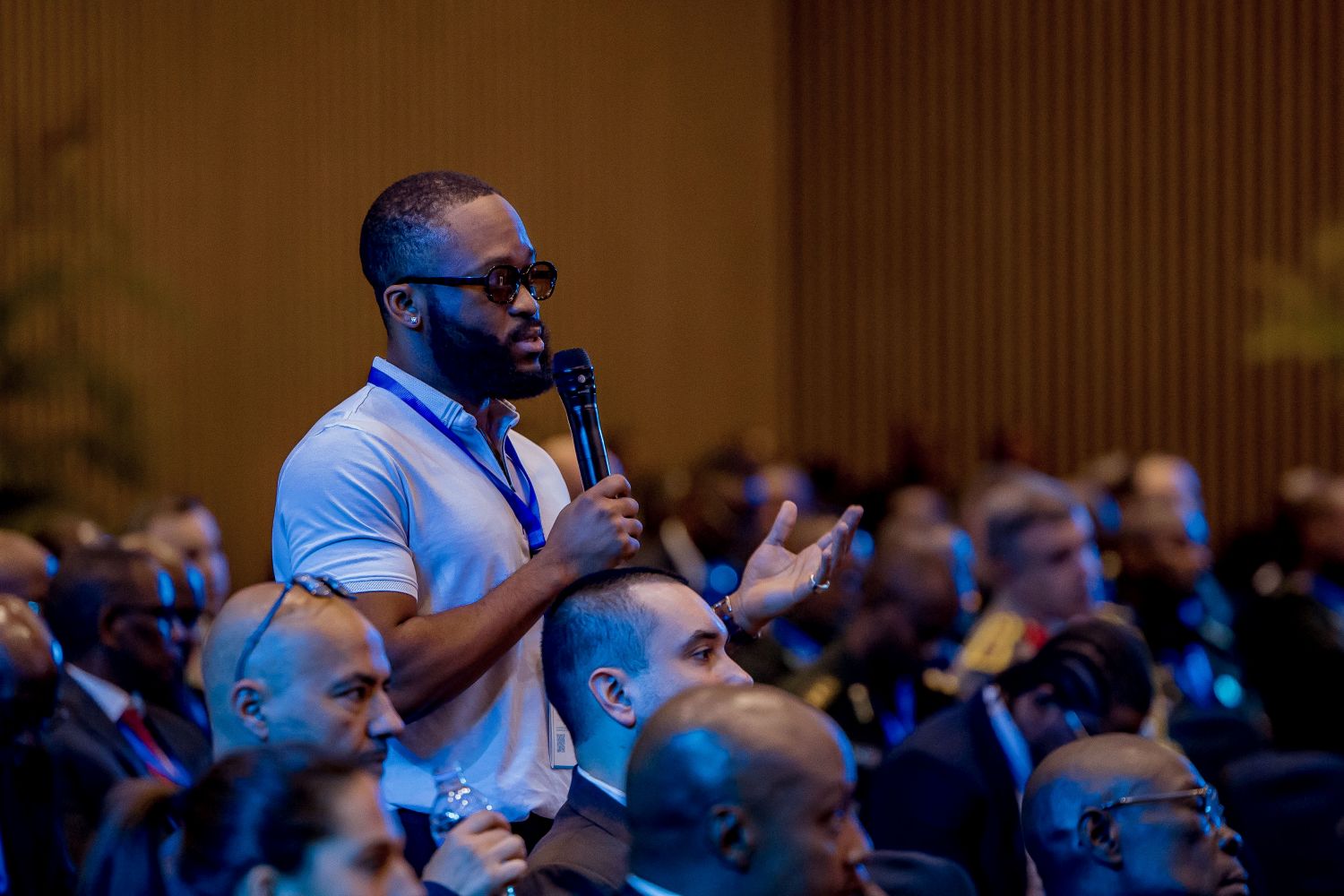
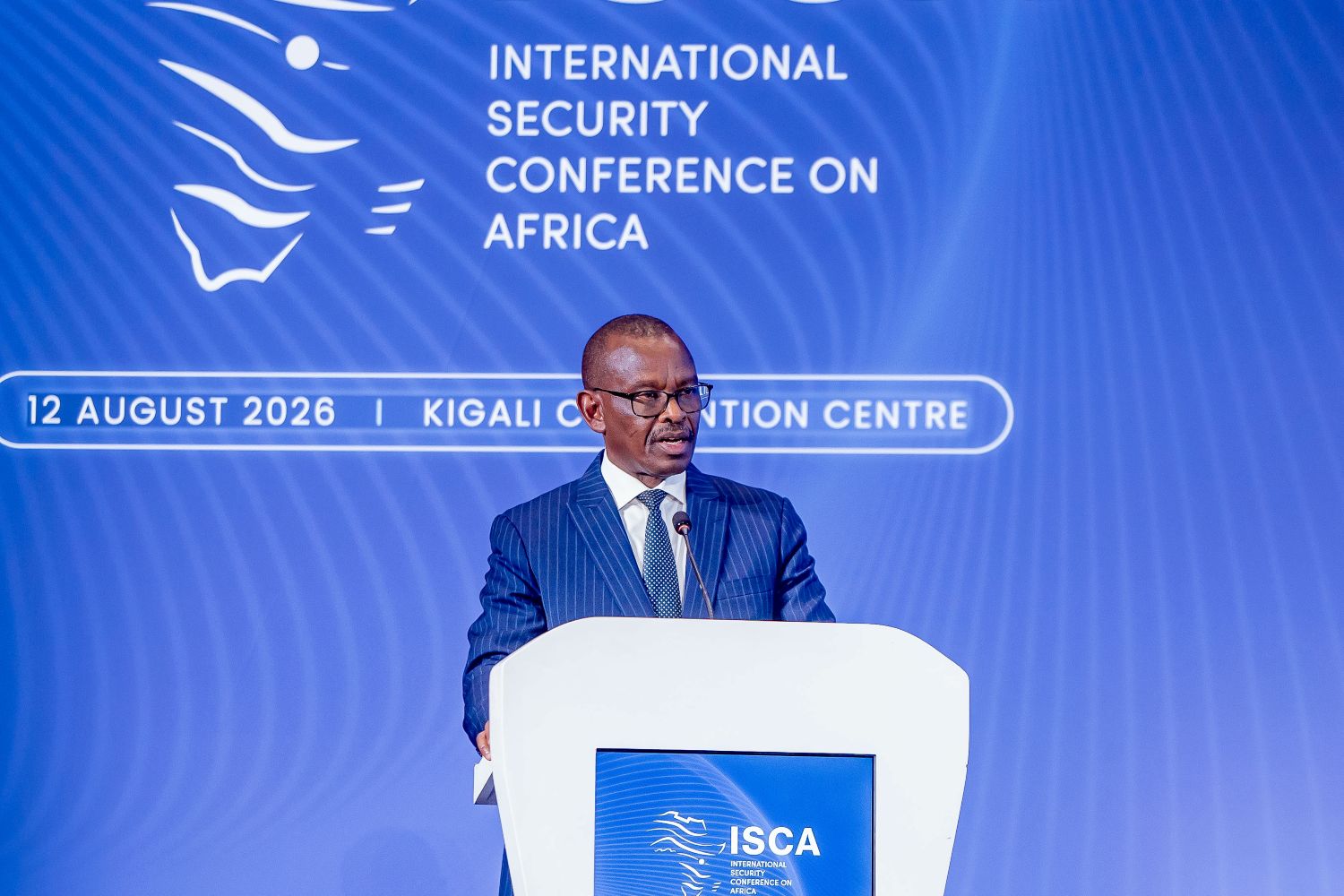
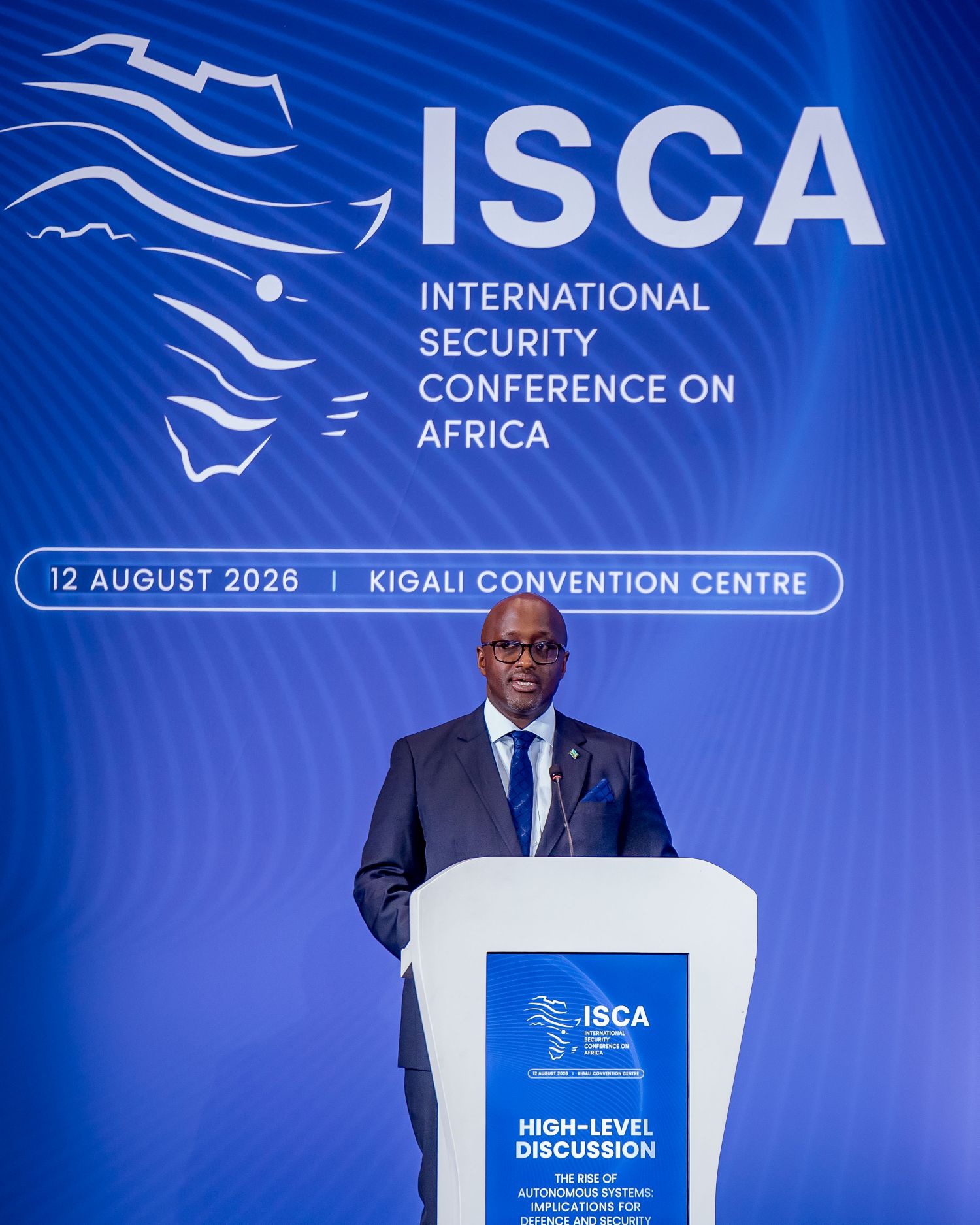
Held under the theme “The Rise of Autonomous Systems: Implications for Defence and Security in Africa,” the discussion brought together more than 300 delegates from 50 countries to examine how artificial intelligence and autonomous systems are changing warfare, border security and national defence.
Opening the discussion, ISCA Executive Director Lt. Gen. (Rtd) Frank Mushyo Kamanzi noted that advances in artificial intelligence and autonomous aerial, maritime and ground systems are already reshaping warfare, border security, peace support operations and national defence.
He highlighted their potential to strengthen intelligence gathering, border surveillance, maritime security and protection of critical infrastructure, while raising concerns about human oversight, accountability and possible misuse by non-state actors.
“These questions demand collective leadership and cooperation,” Kamanzi maintained, urging African governments, regional organisations, research institutions, industry and international partners to develop policies and capabilities suited to the continent’s security priorities.
The discussion brought together more than 300 delegates from 50 countries to examine how artificial intelligence and autonomous systems are changing warfare, border security and national defence.
Rwanda’s Foreign Affairs Minister Olivier Nduhungirehe warned that artificial intelligence and autonomous systems are becoming increasingly accessible, including to non-state actors.
“Africa cannot afford to fall behind as these technologies continue to evolve,” Nduhungirehe cautioned.
He called for greater investment in African skills, institutions and technological capacity while stressing the implications of autonomous systems for sovereignty and strategic autonomy.
Minister Nduhungirehe called for greater investment in African skills, institutions and technological capacity.
Mali’s experience
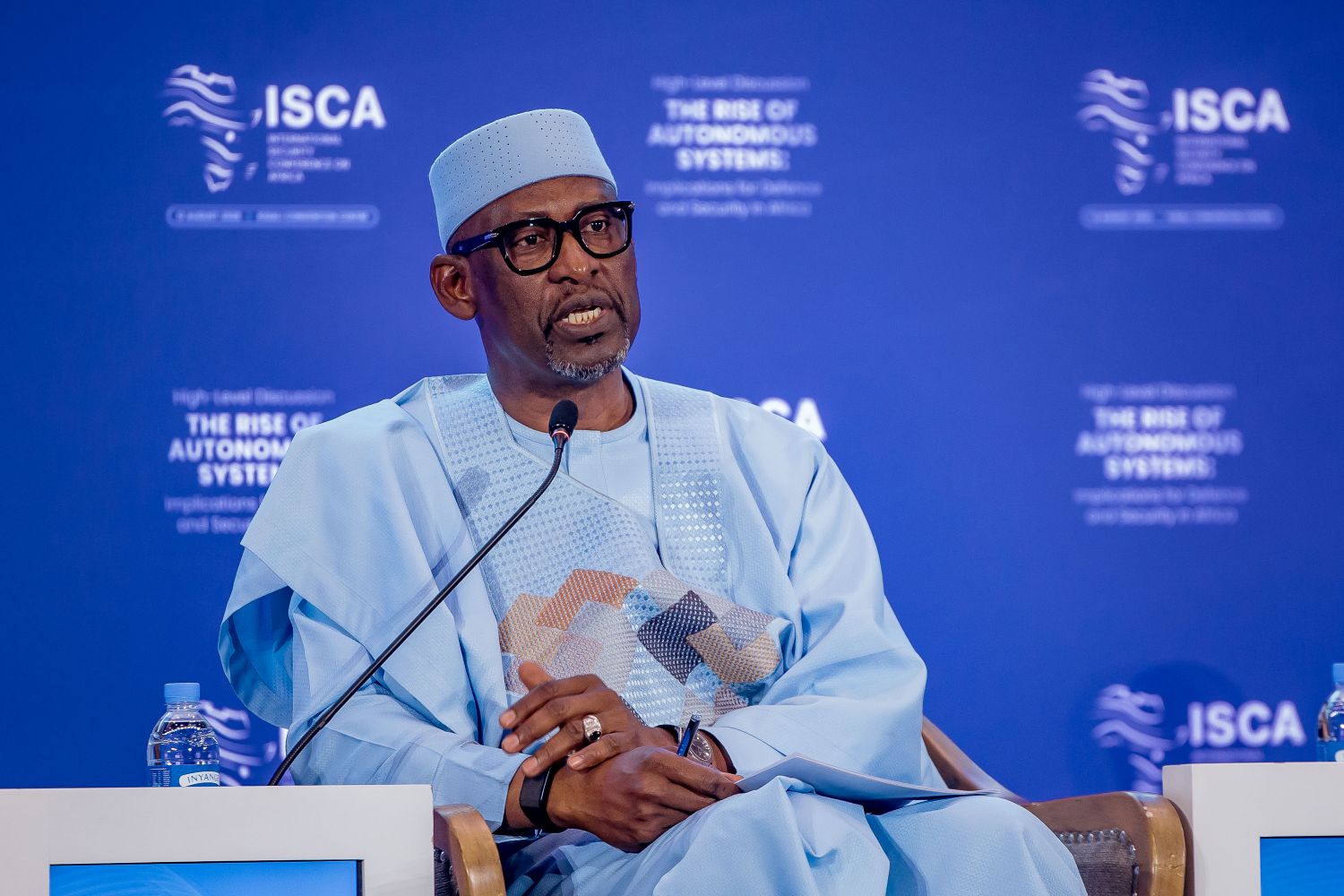
Mali’s Foreign Affairs Minister Abdoulaye Diop placed the debate within the broader question of sovereignty and Africa’s ability to provide for its own defence.
Mali, he noted, faces terrorism, separatism, inter-community conflicts and other threats across a territory of about 1.2 million square kilometres bordered by seven countries.
Diop explained that drones and other autonomous technologies have consequently become an increasingly important part of Mali’s security architecture. Mali, he indicated, had almost no drones five years ago but now has dozens, approaching hundreds, operated by Malian defence and security personnel.
He stressed that training and technology transfer are essential if African countries are to avoid replacing one form of dependence with another.
“It is a bit like cutting the logic of dependence,” he remarked, describing Mali’s efforts to strengthen its own defence capabilities.
Minister Diop revealed that drones and other autonomous technologies have consequently become an increasingly important part of Mali’s security architecture.
Mali has incorporated training and technology transfer into defence agreements and established a national artificial intelligence centre where young people receive training for applications in defence, medicine, energy and other sectors.
But Diop also warned that autonomous technologies are increasingly available to terrorist groups, adding another layer to asymmetric threats.
“We are not only in an asymmetrical war, but the autonomous system also brings a level of asymmetry that competes with the state,” he observed.
From consumers to technology builders
Col. Patrick Nyirishema, Head of Defence Research and Development at the Rwanda Defence Force, argued that autonomous systems are changing the traditional understanding of military power.
“For centuries, military power was determined by who had more soldiers… But we’ve entered an era where machines can see. Machines can analyse. Machines can make decisions. And machines can act with diminishing human intervention,” he noted.
Col. Patrick Nyirishema, Head of Defence Research and Development at the Rwanda Defence Force, argued that autonomous systems are changing the traditional understanding of military power.
African countries now face a choice between remaining consumers of emerging technologies or investing in capabilities that allow them to shape them.
“The question is whether Africa can position itself so that this rise of autonomous systems and other related technologies and capabilities can be converted into a strategic advantage. Or whether it becomes a strategic vulnerability,” Nyirishema remarked.
He placed particular emphasis on talent.
“I think the starting point is talent. Build talent. Build talent,” he stressed, calling for national technology ecosystems in which young people can experiment, innovate and develop dual-use applications.
Such technologies, he noted, could support border surveillance, cross-border crime prevention, agriculture and other civilian activities in addition to defence.
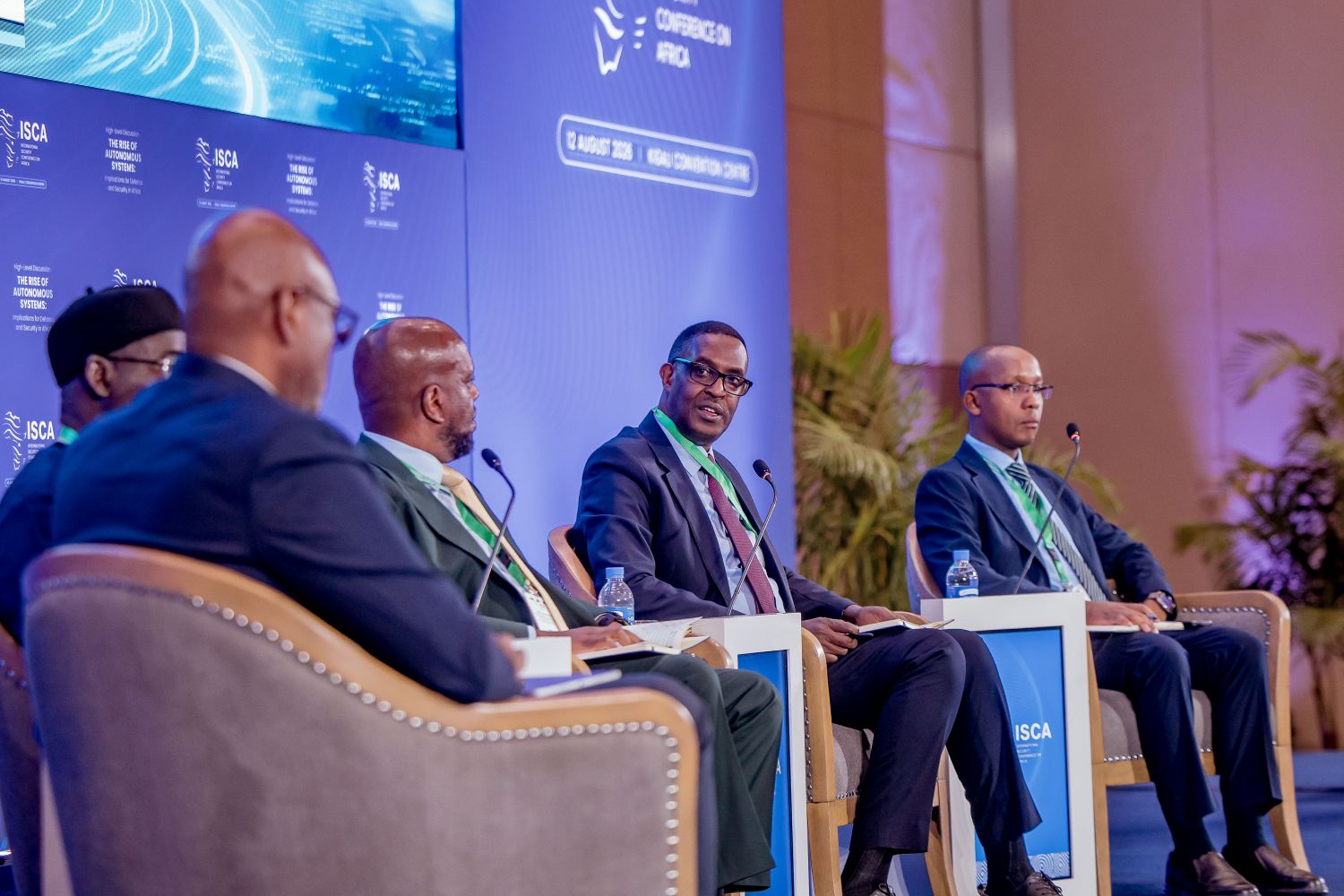
Panellists during a discussion focused on Africa’s evolving security environment in autonomous defence and security systems.
Buratai praises Rwanda, urges African defence fund
Former Nigerian Chief of Army Staff Lt. Gen. (Rtd) Tukur Yusuf Buratai linked autonomous systems to the wider questions of governance, independence and indigenous technological capacity.
Buratai praised Rwanda for its leadership in advancing African defence and security solutions, recalling his participation in the country’s Armed Forces Commanders Conference the previous year.
“The Rwandan government has been in the forefront with projecting African defence and security solutions,” he noted, describing Rwanda’s approach as evidence of leadership and commitment to African security knowledge.
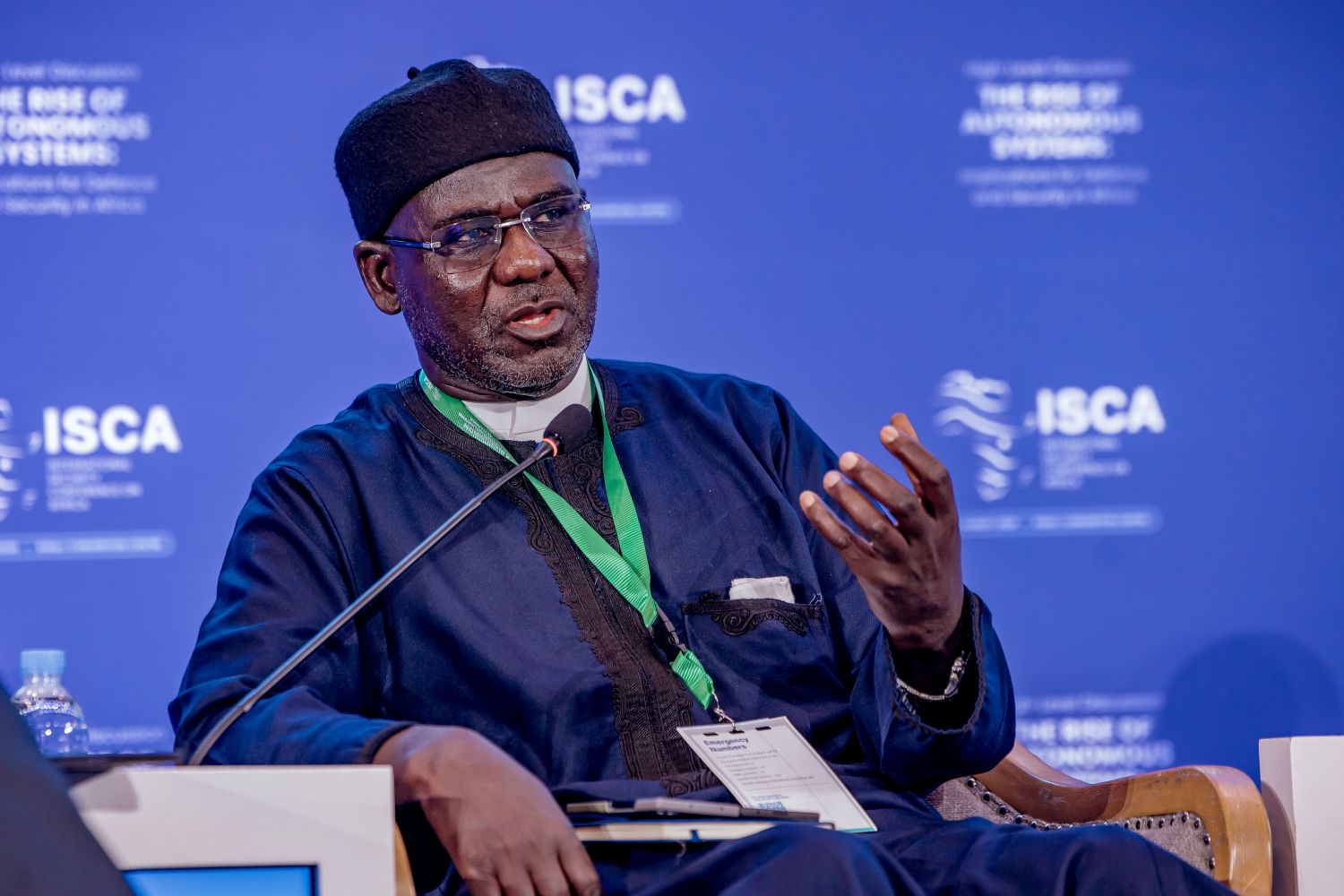
Former Nigerian Chief of Army Staff Lt. Gen. (Rtd) Tukur Yusuf Buratai linked autonomous systems to the wider questions of governance, independence and indigenous technological capacity.
He argued that autonomous systems must be considered at the strategic level rather than simply as tactical military equipment, while emphasising the importance of indigenous technology and investment in Africa’s young innovators.
Buratai also called for a dedicated African defence fund to help the continent respond to existing and emerging security threats.
Funding, he maintained, has been a longstanding challenge for the African Union and regional organisations, with external financing sometimes influencing African security priorities.
He further linked security to governance and socio-economic development, noting from Nigeria’s experience that counter-insurgency efforts must be accompanied by measures addressing unemployment, education and other conditions that contribute to insecurity.
Technology must fit African realities
Moise Busogi, an Assistant Teaching Professor at CMU-Africa, cautioned that technologies developed elsewhere cannot automatically be expected to perform effectively in African environments.
“Many of these technologies are global, but usually the environment is very local,” Busogi noted.
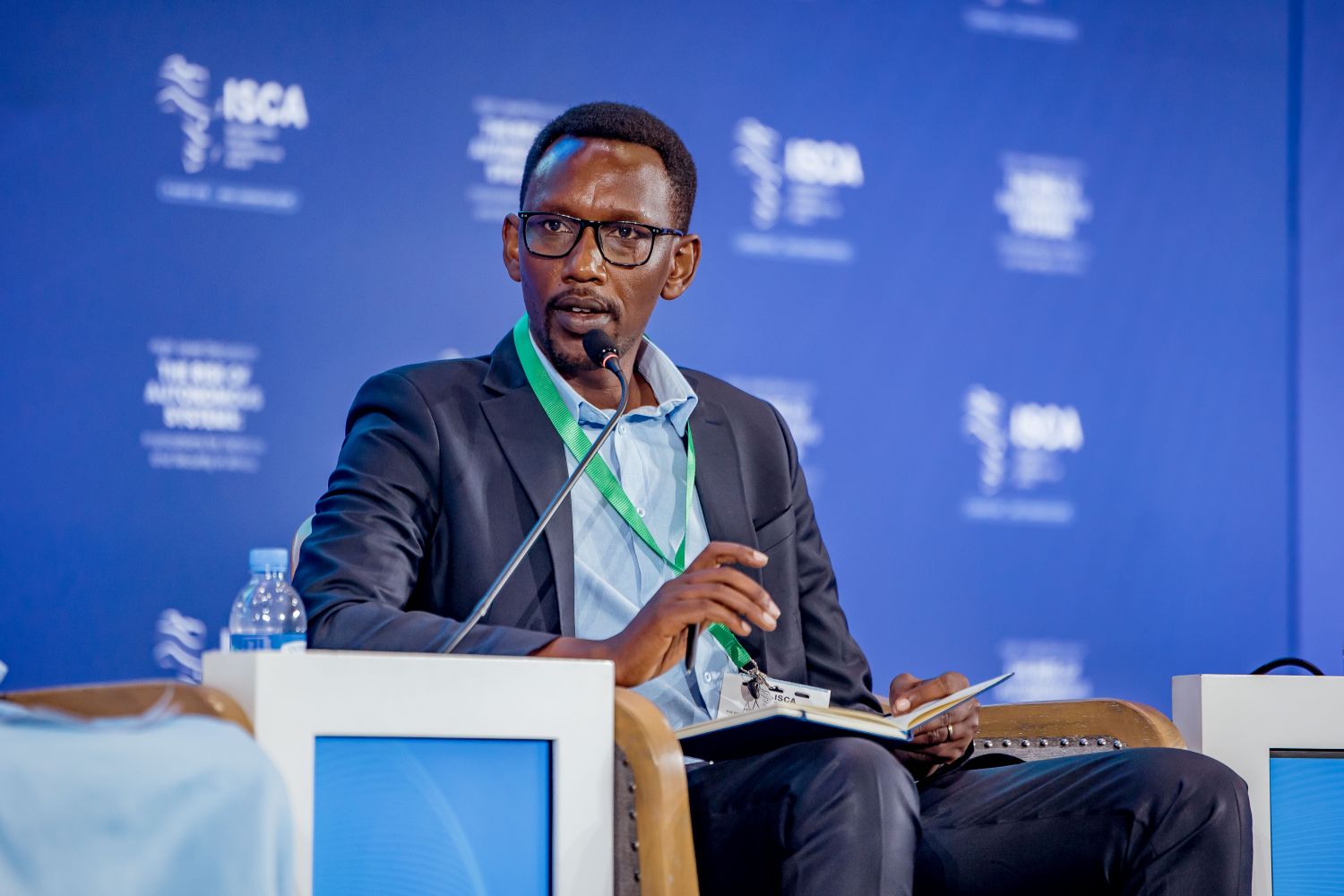
Moise Busogi, an Assistant Teaching Professor at CMU-Africa, argued that technologies developed elsewhere cannot automatically be expected to perform effectively in African environments.
Drawing from his work in computer vision, he explained that AI models can perform differently when moved from one environment to another, making local expertise and contextualisation essential.
He also encouraged African institutions to give locally developed technologies greater opportunities to mature, arguing that African innovation cannot grow if funding and confidence consistently favour foreign products.
Rethinking doctrine and strategic autonomy
Dr. Paul-Simon Handy, Regional Director for East Africa and Representative to the African Union at the Institute for Security Studies, argued that autonomous systems should not simply be inserted into existing military structures.
“Adopting this technology is not just a matter of automating existing doctrines,” Handy maintained. “Actually, we should rethink doctrines in light of this development.”
African states, he argued, need to identify the security problems they are trying to solve, determine which decisions can legitimately be delegated to machines and establish where meaningful human control must remain.
Handy also cautioned that countries should prepare to defend themselves against autonomous systems, not merely acquire them. A country that obtains drones without investing in counter-capabilities, he observed, may become more technologically equipped without necessarily becoming more secure.
He called for stronger regional cooperation, noting that no single African country can develop every component required for autonomous technologies. Strategic autonomy, he argued, does not mean manufacturing everything domestically but retaining sufficient knowledge, capacity and political freedom to understand and sustain critical systems.
Autonomy cannot simply be bought
Col. (Rtd) David Kanamugire, CEO of Rwanda’s National Cyber Security Authority, warned against treating autonomous capability as a procurement exercise.
“We can’t look at autonomy as a procurement problem. You can’t buy autonomy. That’s not possible,” Kanamugire stressed.
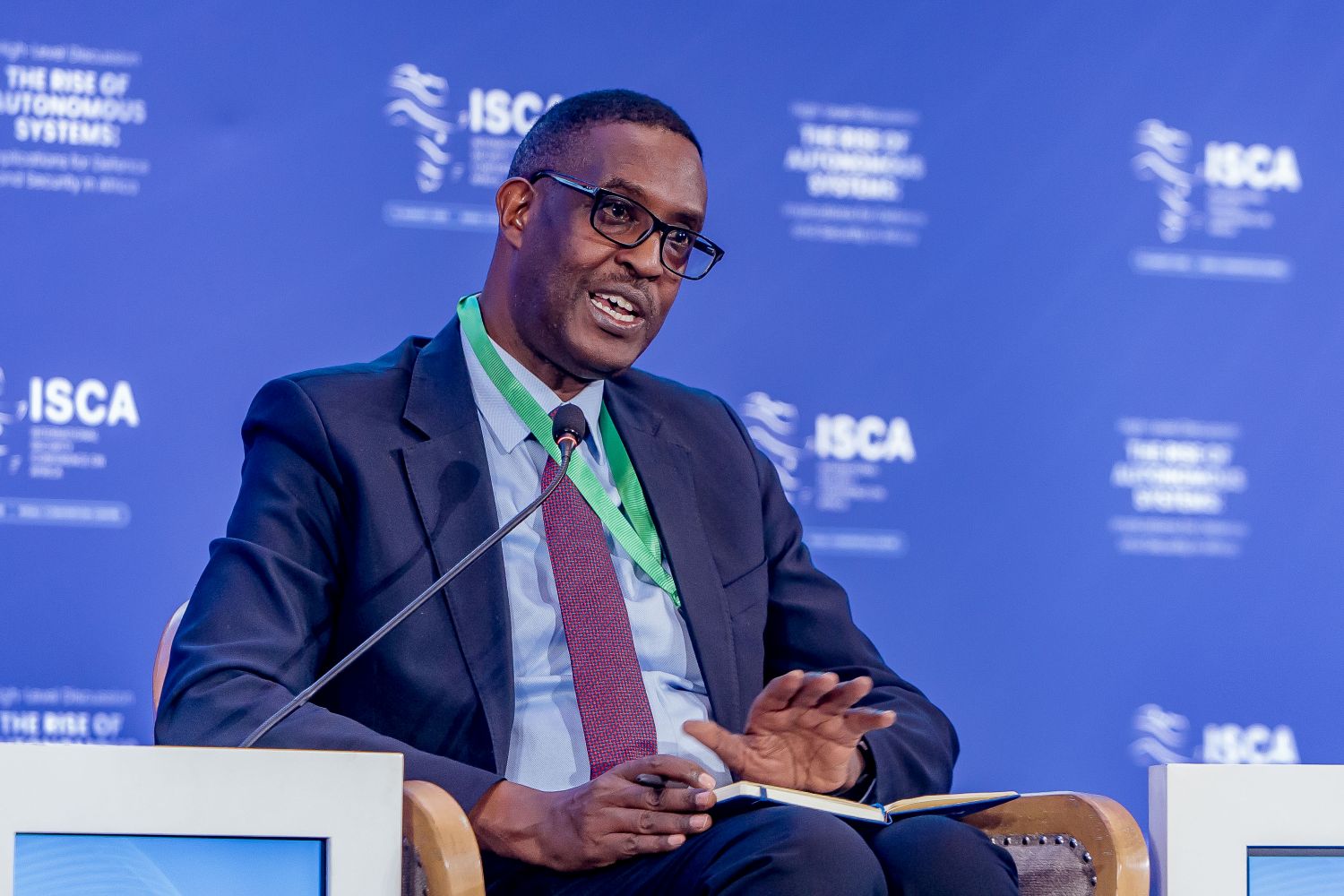
Col. (Rtd) David Kanamugire, CEO of Rwanda’s National Cyber Security Authority, speaks during the second panel discussion, which focused on “Africa’s Strategic Response: Adaptation, Governance, and Development of Strategic Capabilities.
He identified data, computing power, talent and adaptable institutions as the foundations of genuine autonomous capability. Countries, he argued, need the ability to control and understand the wider technology stack, including sensors, communications and protection against cyber and electronic threats.
The discussions underscored that autonomous systems present Africa with both an opportunity and a growing security challenge. While they could strengthen surveillance, intelligence, border management, agriculture and other civilian services, they are also becoming accessible to non-state actors.
For the panellists, the central question is no longer whether autonomous technologies will transform African security, but whether African states will develop the talent, institutions, infrastructure and strategic cooperation required to shape that transformation on their own terms.
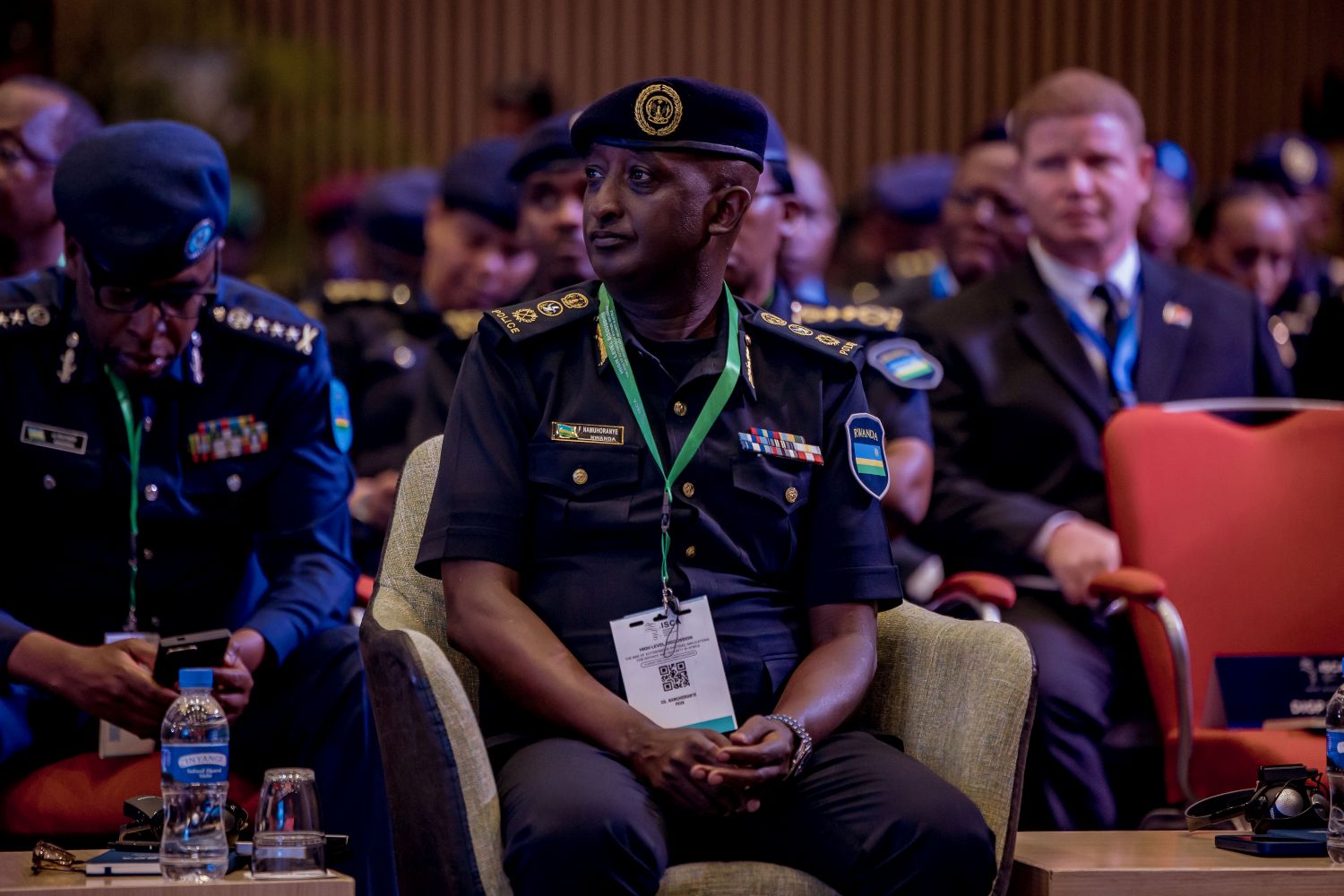
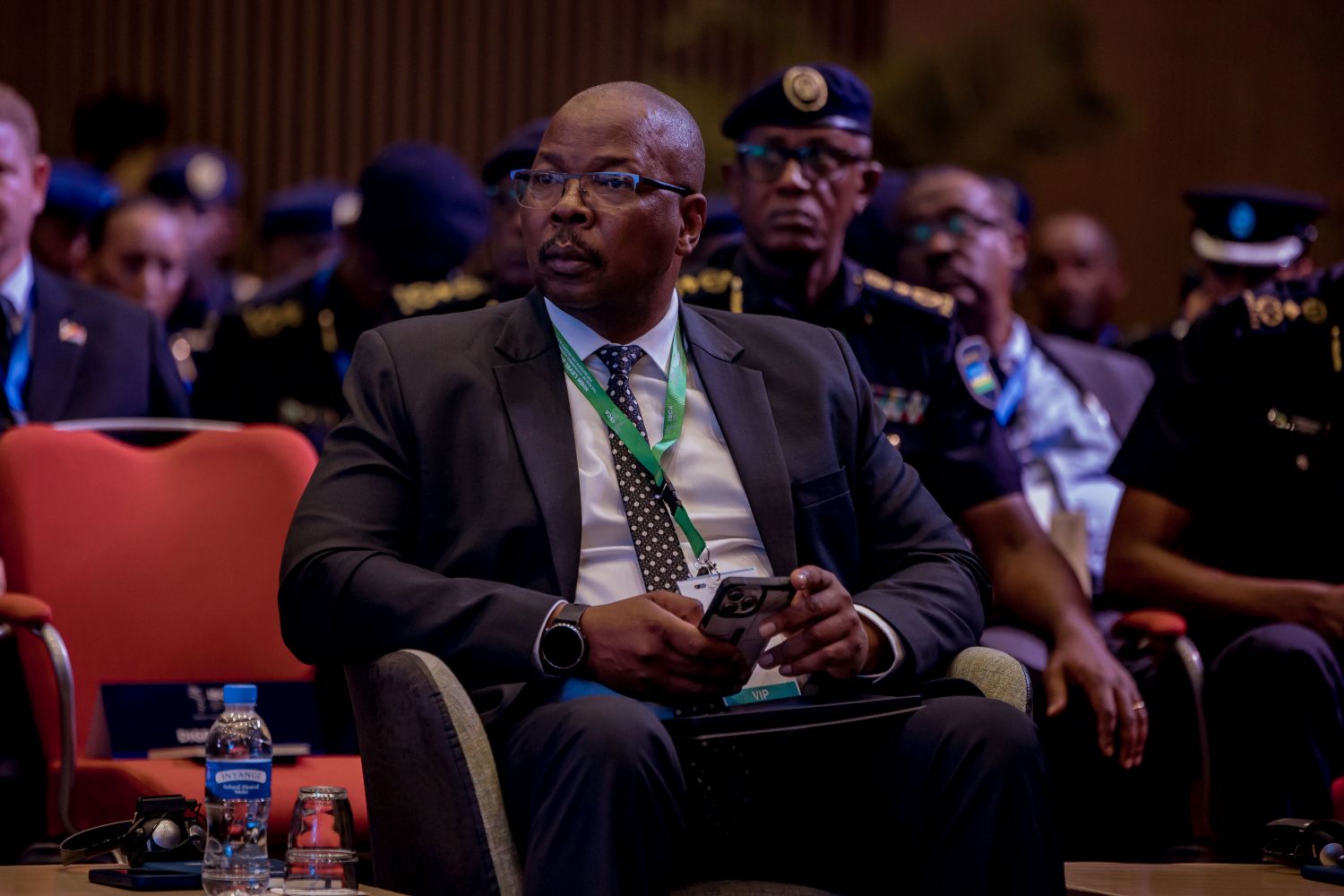
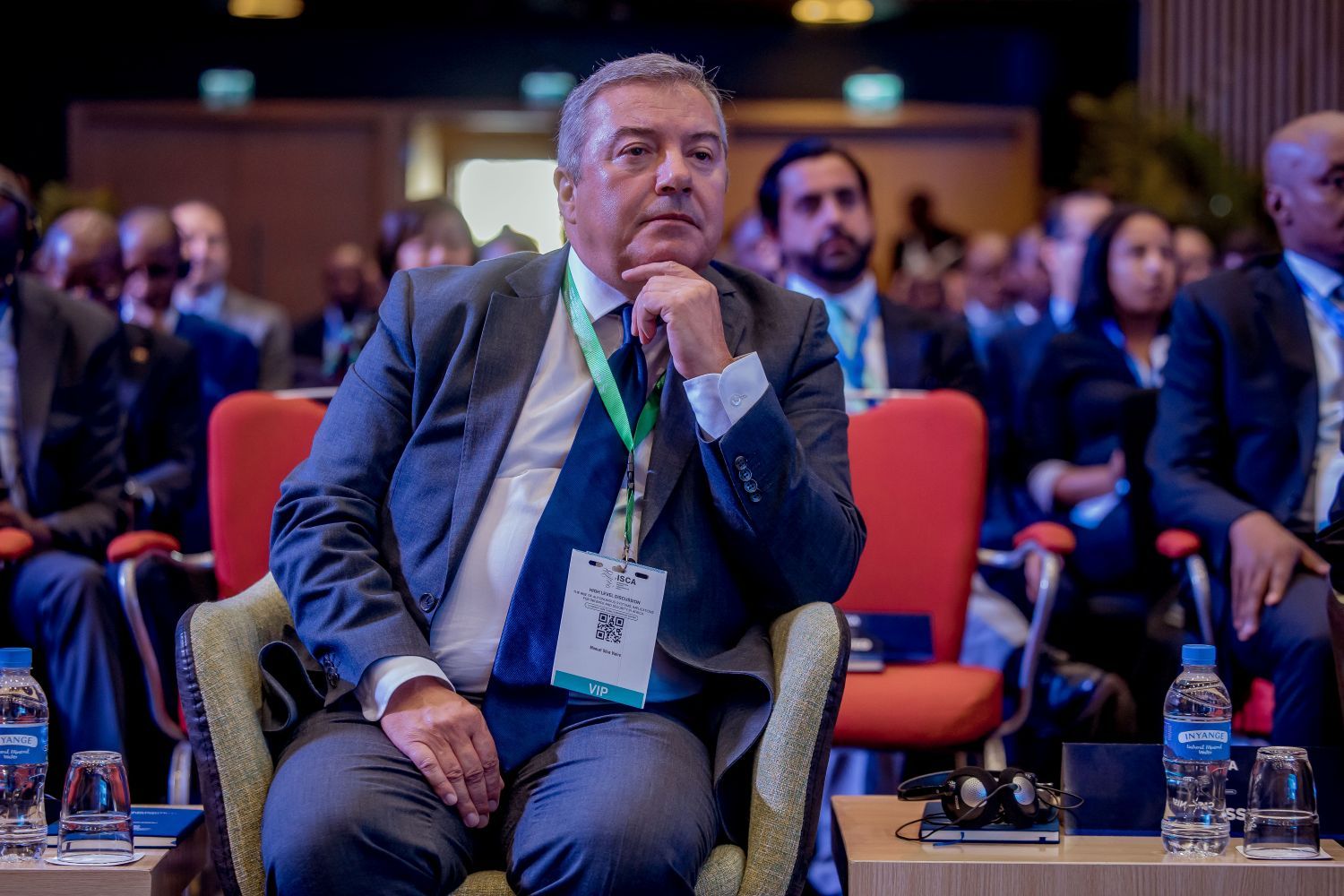
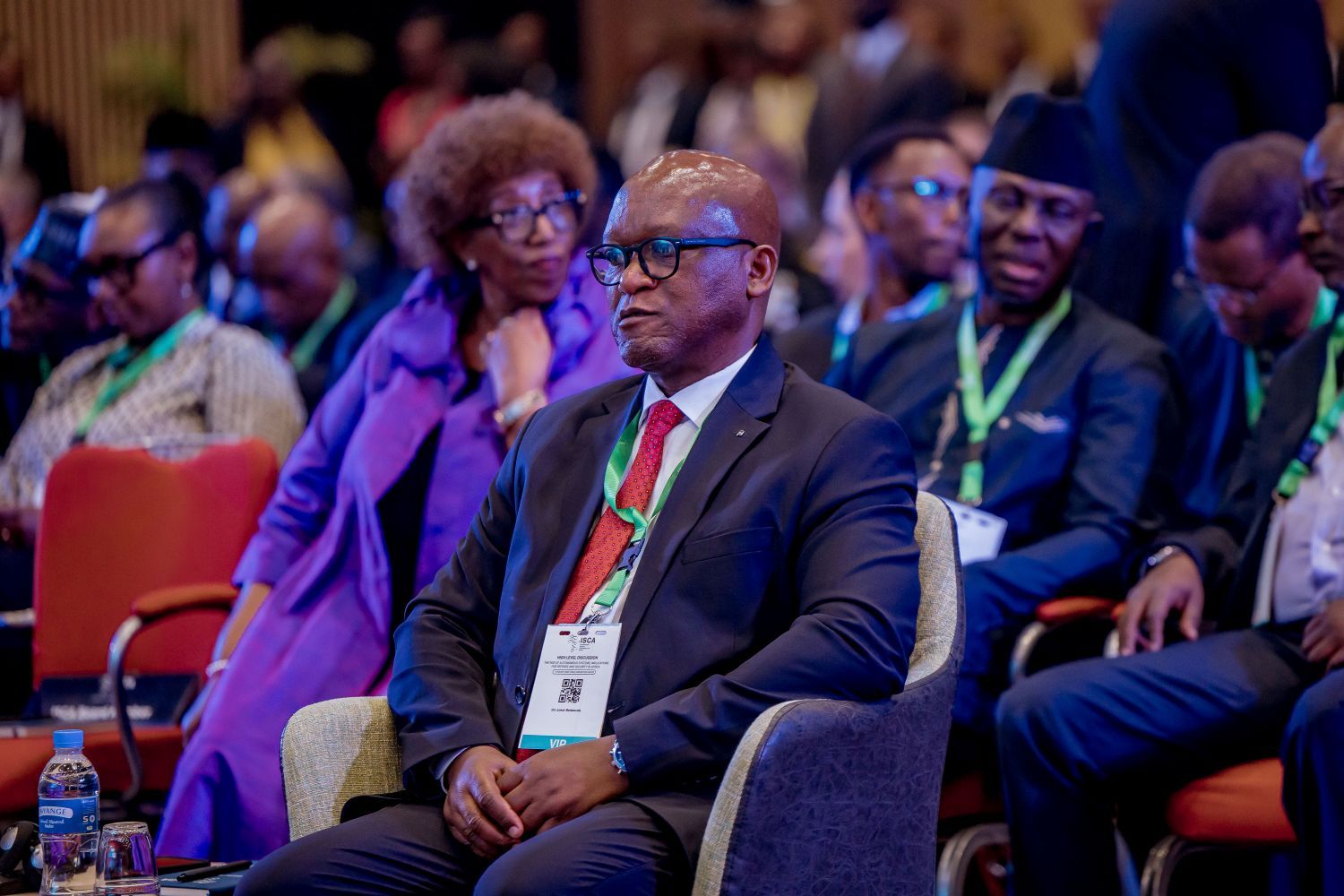
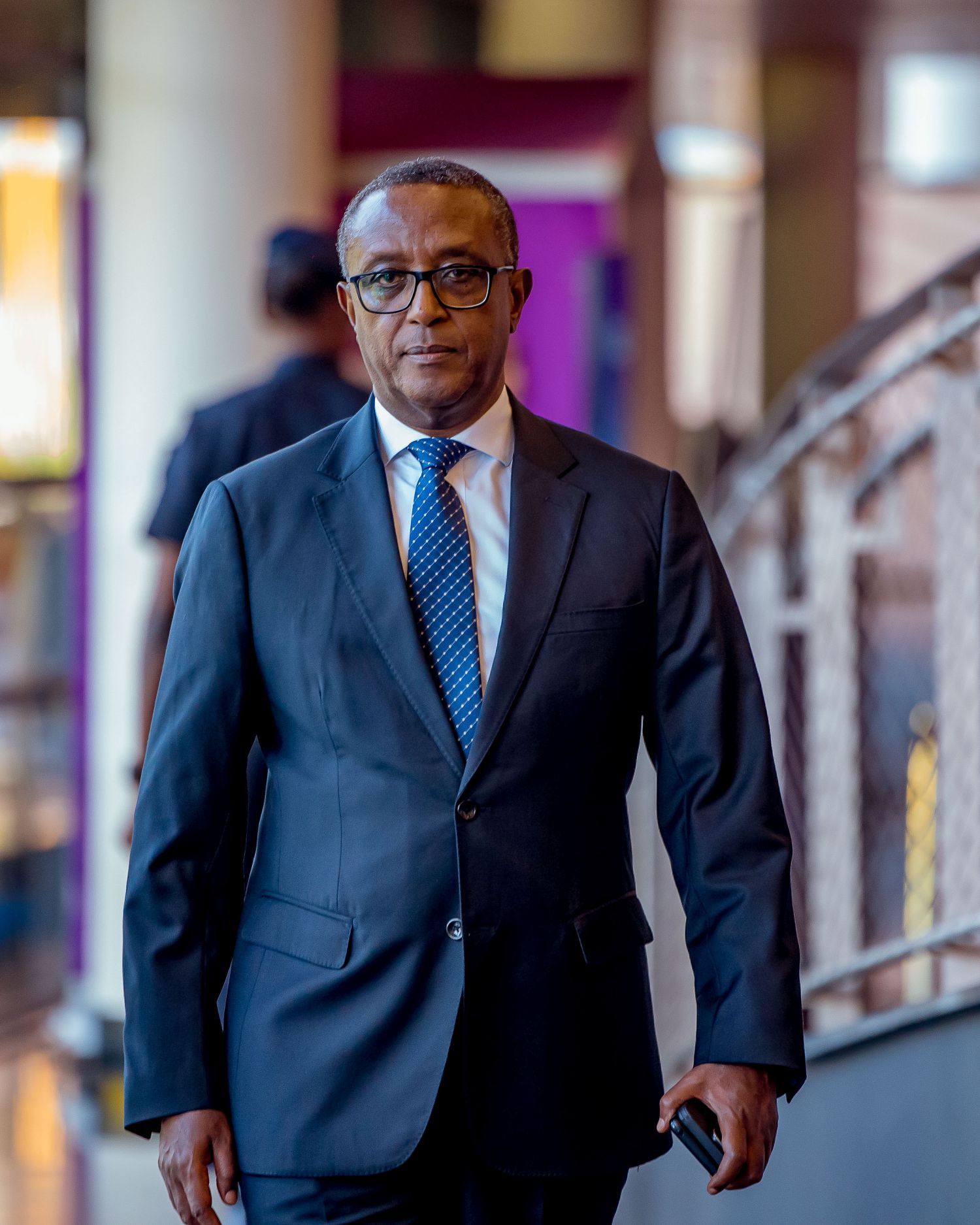
Rwanda’s Foreign Affairs Minister Olivier Nduhungirehe warned that artificial intelligence and autonomous systems are becoming increasingly accessible, including to non-state actors.The event brought together more than 300 delegates from 50 countries to examine how artificial intelligence and autonomous systems are changing warfare, border security and national defence.Chief of Defence Staff (CDS) of the Rwanda Defence Force, General Mubarakh Muganga, follows the discussions.Inspector General of Police (IGP) Felix Namuhoranye also attended the event.Rwanda’s Minister of Defence, Juvenal Marizamunda, follows the discussions.Rwanda’s Minister of Interior, Dr. Vincent Biruta, attended the event.
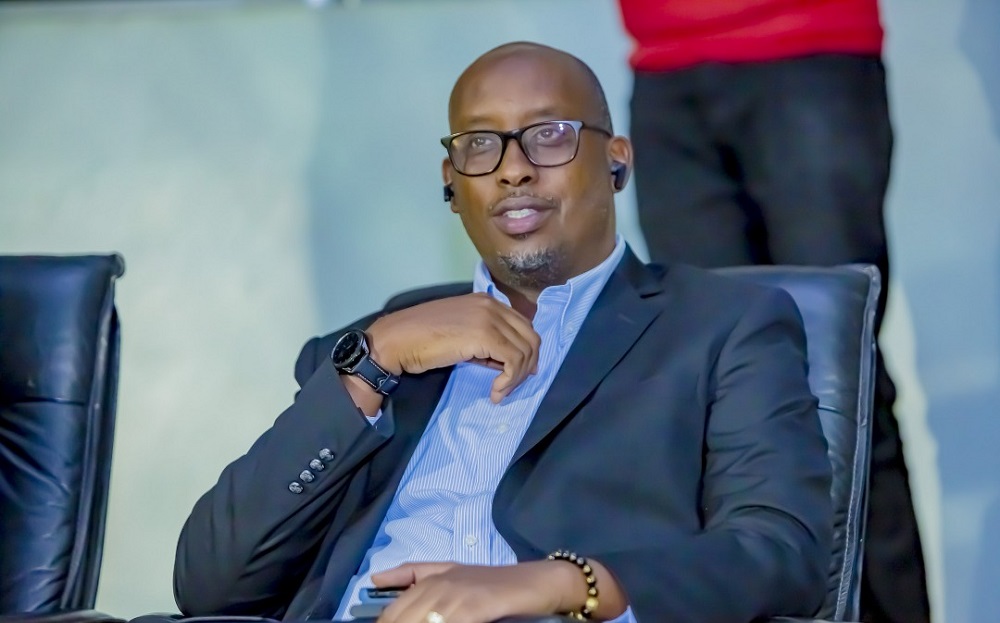
RIB spokesperson Dr. Thierry B. Murangira confirmed to IGIHE that Shema was arrested on Tuesday, August 11, 2026.
He is currently being held at the RIB station in Kicukiro as investigations continue before his case file is submitted to the National Public Prosecution Authority.
Shema was elected FERWAFA president on August 30, 2025, alongside members of his executive committee during the federation’s General Assembly. The team campaigned under the slogan “Dream Team.”
After taking office, the former AS Kigali president unveiled an agenda aimed at reforming Rwandan football, with priorities including the development of women’s football, youth football, sports infrastructure, and other areas of the game.
Although he serves as president of FERWAFA, Shema has not been receiving a salary. Instead, he pledged to donate the $200,000 he would have earned over his four-year term to support youth talent development.
Before taking over the leadership of FERWAFA, Shema spent six years as president of AS Kigali, helping guide the club to several major trophies, including the 2019 and 2022 Peace Cup titles and the 2022 Super Cup.
RIB spokesperson Dr. Thierry B. Murangira confirmed to IGIHE that Shema was arrested on Tuesday, August 11, 2026.
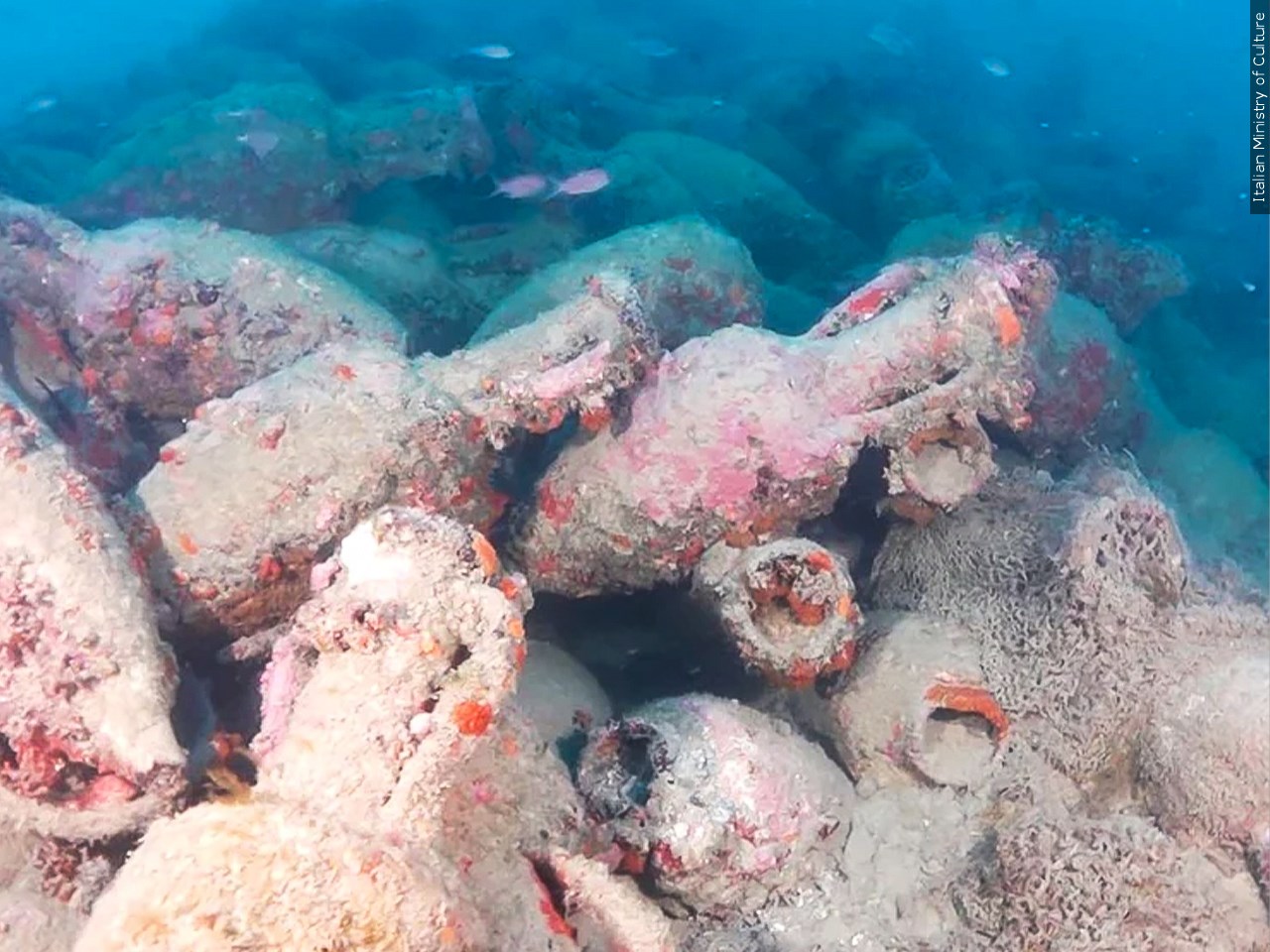
The vessel was found about 3 miles (5km) off Mazara del Vallo at a depth of around 46 metres (151ft), according to Italian authorities. It measures approximately 21 metres (69ft) long and 6 metres (20ft) wide.
The discovery followed a tip-off from fishermen, prompting Italy’s Carabinieri cultural heritage protection squad to send specialist divers to investigate the site using underwater cameras.
The wreck is believed to date from the second or first century BC and is loaded with hundreds of amphorae, ancient ceramic containers with narrow necks and two handles that were commonly used to transport goods across the Mediterranean.
Most of the cargo consists of Dressel 1A amphorae, which were widely used to transport wine. Archaeologists consider the containers particularly valuable because their distribution can help shed light on the commercial networks connecting Italy with other parts of the Mediterranean more than 2,000 years ago.
Italy’s Culture Minister Alessandro Giuli described the discovery as “one of the most important underwater archaeological discoveries of recent years”.
He said the wreck offered “precious fragments of our history” and provided further evidence of the trade routes and exchanges that made the Mediterranean a “crossroads of civilisations”.
Fisherman and free-diver Giacomo De Mola said he discovered the wreck while surveying the seabed near Mazara del Vallo. After noticing what appeared to be a large rock on his scanner, he decided to investigate.
“I get closer. And my heart stops. It wasn’t a rock,” De Mola wrote on Instagram, describing the moment he saw a vast area covered with amphorae.
“This is, without a doubt, the most incredible discovery of my life,” he said, adding that it was difficult to describe the feeling of being among the first people in nearly 20 centuries to see the site.
Footage he shared showed eels, snappers and other marine life living around the ancient containers.
Authorities are now preparing further investigations to establish the precise date of the wreck, the origin and destination of its cargo and the condition of the surviving material. Measures will also be introduced to protect the site during the research.
The discovery adds to a growing list of ancient shipwrecks found in Italian waters. A Roman vessel carrying wine amphorae was discovered off Palermo in 2021, while another Roman ship dating from the second century BC was found off the coast of Liguria in 2013.
Sicily’s strategic position along ancient maritime routes linking Europe, North Africa and the eastern Mediterranean has made its surrounding waters one of the region’s richest areas for underwater archaeology.
A 2,100-year-old Roman shipwreck carrying about 500 ancient amphorae has been discovered off the coast of Sicily, in what Italy’s culture minister has described as one of the most significant underwater archaeological finds in recent years.
Naomie shared the news in a message posted on her social media accounts, saying she was preparing to welcome her first child in the coming days.
In the post, she wrote: “My God is Yahweh. Jesus, thank You so much for making us parents. Thank You for keeping Your promise and blessing us with our precious little rainbow, already loved more than words could ever express.”
The message led some people to speculate that Naomie had already given birth. However, speaking to IGIHE, she clarified that she was expressing gratitude to God for blessing them with a child they are preparing to welcome soon.
Miss Naomie and Michael Tesfay officially tied the knot before the law in a civil wedding in Kigali on Friday, December 27, 2024.
Two days later, on Sunday, December 29, 2024, the couple held their traditional introduction ceremony at the Intare Conference Arena followed by a religious wedding at Women Foundation Ministries in Kimihurura.
In December last year, Miss Naomie also released a memoir titled More Than a Crown, which details different stages of her life, including her childhood, her experience in the Miss Rwanda pageant and her life after marriage.
Naomie shared the news in a message posted on her social media accounts, saying she was preparing to welcome her first child in the coming days.Miss Naomie is married to Michael Tesfay.
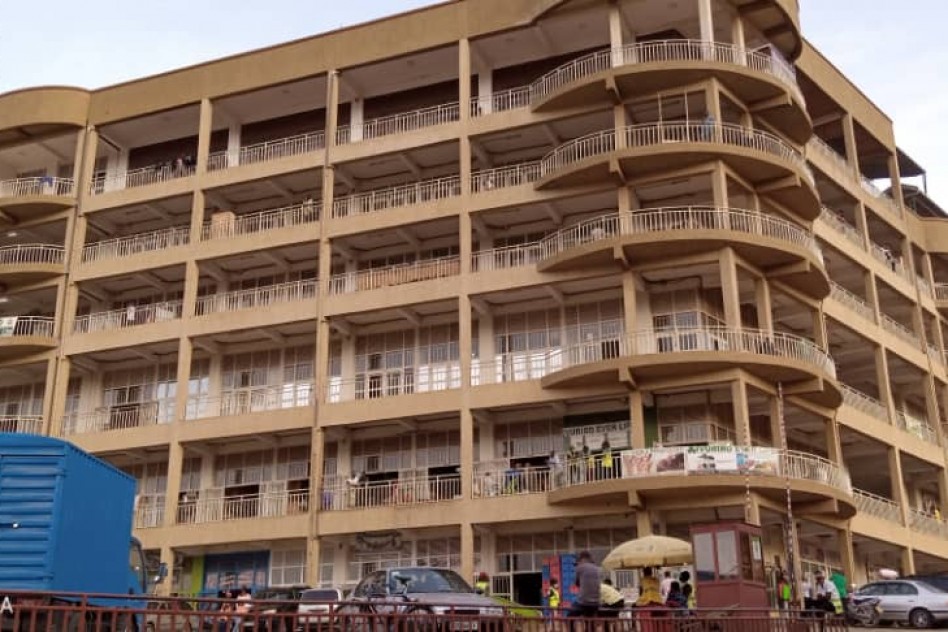
In a public notice issued on Tuesday, August 11, the City said the building had been reopened following the initial implementation of measures required to address sanitation concerns and improve the safety of people working there.
However, the reopening does not mean all corrective measures have been completed. The management of Inkundamahoro Building has been instructed to continue addressing outstanding requirements, including installing an appropriate wastewater treatment system, ensuring the daily collection and proper disposal of solid waste, carrying out necessary repairs and repainting, among other measures.
The reopening comes just days after the City temporarily closed the building over continued failure to comply with safety, sanitation and environmental requirements.
In a notice issued on August 8, the City said it had issued several directives and notices between May and August requiring the management to address deficiencies. Despite the interventions, key concerns remained unresolved, including the discharge of untreated wastewater from toilets directly into a wetland.
The City said the latest incident involving the discharge of untreated wastewater was confirmed on August 7, prompting the temporary closure. The City had warned that the building would remain closed until the required corrective measures were implemented and compliance verified by the relevant authorities.
Following the initial implementation of those measures, the City has now permitted the building to reopen while requiring management to complete the outstanding work.
The City also reminded people working in Inkundamahoro Building of their responsibility to maintain cleanliness and proper sanitation in their workplace.
At the same time, the warning extends beyond Inkundamahoro. The City reminded all building managers, particularly those managing buildings that accommodate large numbers of people, to comply with applicable sanitation, safety and environmental requirements.
“Those who fail to comply with these requirements or to implement corrective measures recommended following inspections will be held accountable,” the City said in its latest notice.
In a public notice issued on Tuesday, August 11, the City of Kigali said Inkundamahoro building had been reopened following the initial implementation of measures required to address sanitation concerns and improve the safety of people working there.