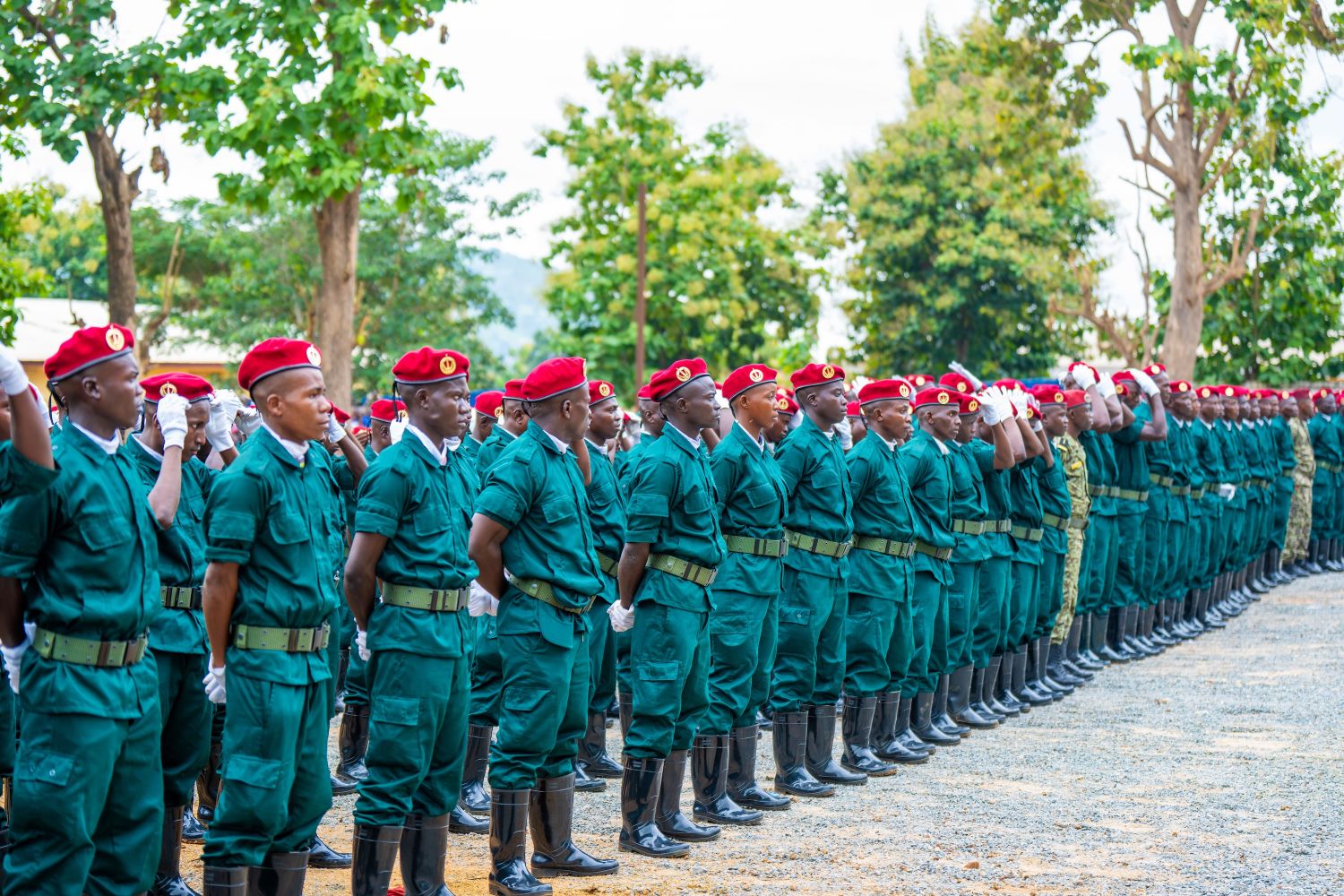
An additional 104 personnel, including senior non-commissioned officers, completed four months of career training under the same programme.
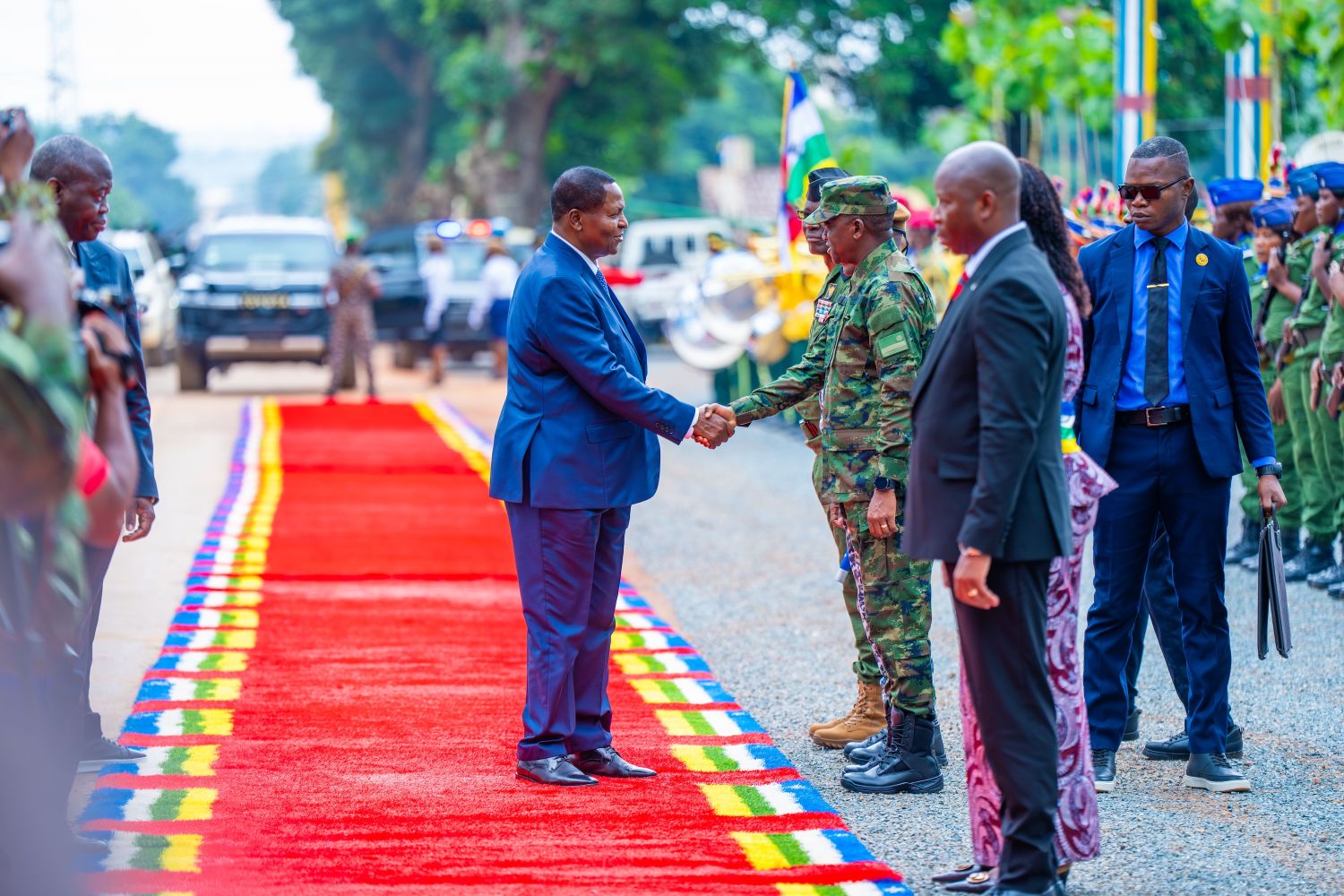
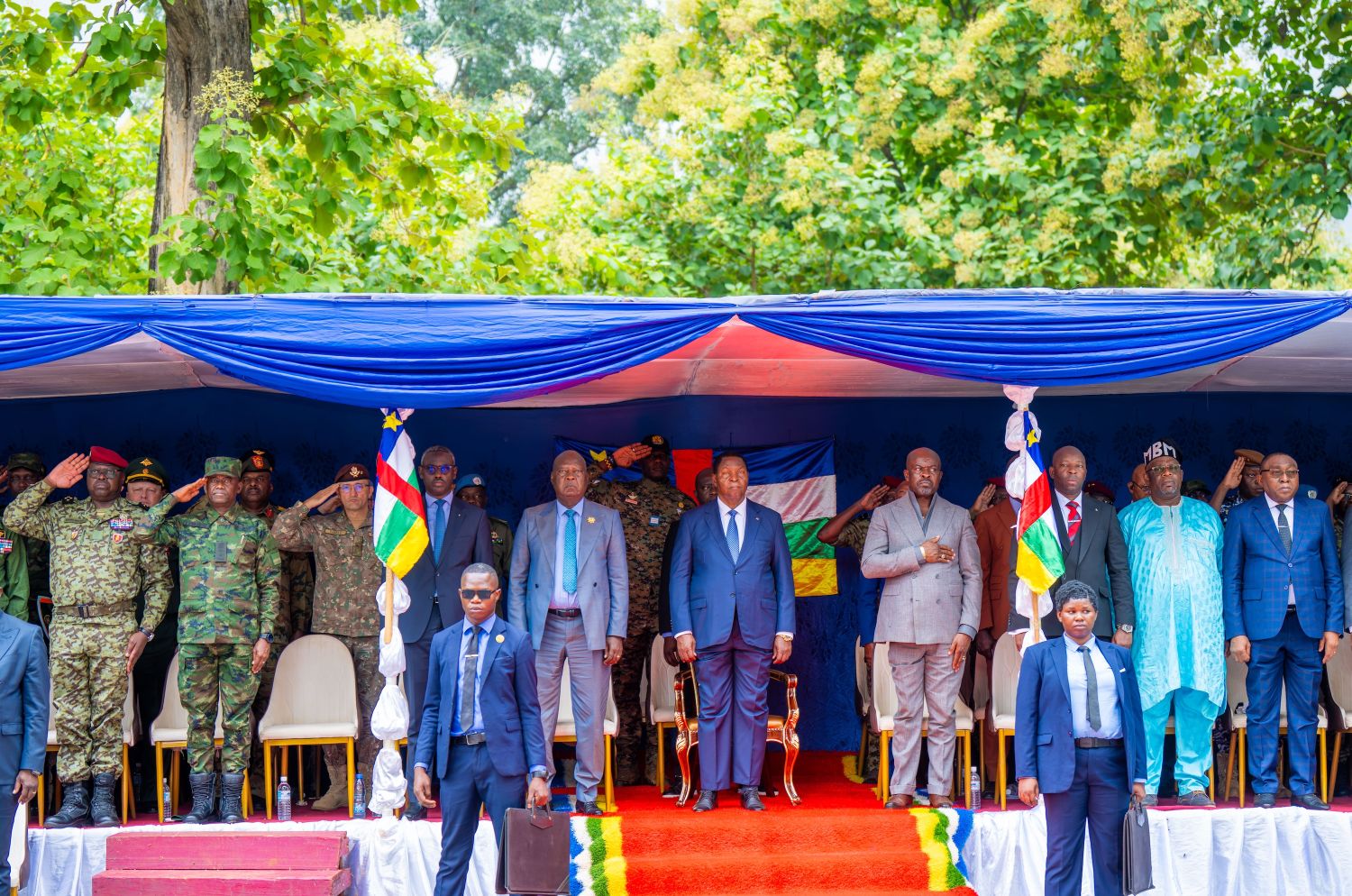
The pass-out ceremony was held on August 10 at Camp Kassaï military barracks in Bangui and was presided over by Central African Republic President and Commander-in-Chief of the armed forces, Faustin-Archange Touadéra.
The ceremony was attended by RDF Army Chief of Staff Maj Gen Vincent Nyakarundi, Rwanda’s Ambassador to the Central African Republic, Kayumba Olivier, senior government officials and defence attachés accredited to the Central African Republic.
The training was conducted as part of bilateral military cooperation between Rwanda and the Central African Republic, which includes efforts to strengthen the capabilities of the FACA and joint peacekeeping initiatives.
FACA Chief of General Staff Gen Zéphirin Mamadou welcomed the newly trained personnel, saying they would join other soldiers in protecting the country’s territorial integrity.
He thanked Rwandan President Paul Kagame for Rwanda’s military cooperation with the Central African Republic, which he said had yielded positive results.
“This graduation marks the completion of the fifth intake by military instructors from the Rwanda Defence Force, with the ultimate objective of preventing the activities of the enemies of peace,” Mamadou said. “I have no doubt that the skills acquired during this course will contribute to protecting the country and its people.”
Maj Gen Nyakarundi said the ceremony reflected the dedication, discipline and commitment demonstrated by the trainees throughout their training.
He said the graduates had demonstrated their readiness to serve professionally and uphold the values and responsibilities entrusted to them as soldiers, having acquired skills needed to perform their duties effectively.
Rwanda has maintained troops in the Central African Republic since 2020 under bilateral arrangements aimed at supporting efforts to counter armed groups threatening civilian security.
The two countries have since expanded their military cooperation, with Rwanda also supporting efforts to build the capacity of the Central African armed forces.
In November 2025, Rwanda’s Ministry of Defence said the RDF had trained 2,409 junior soldiers from the Central African Republic, along with 300 non-commissioned officers.
The latest graduation marks the fifth intake of FACA personnel trained by RDF instructors.
The new recruits join more than 2,400 others trained by the RDF.RDF Army Chief of Staff, Maj Gen Vincent Nyakarundi and Rwanda’s Ambassador to the Central African Republic, Olivier Kayumba, attended the ceremony.
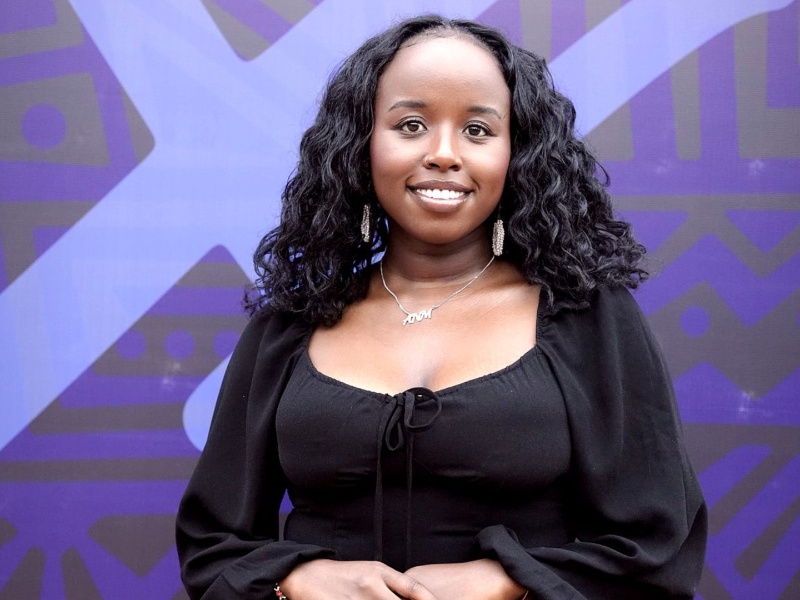
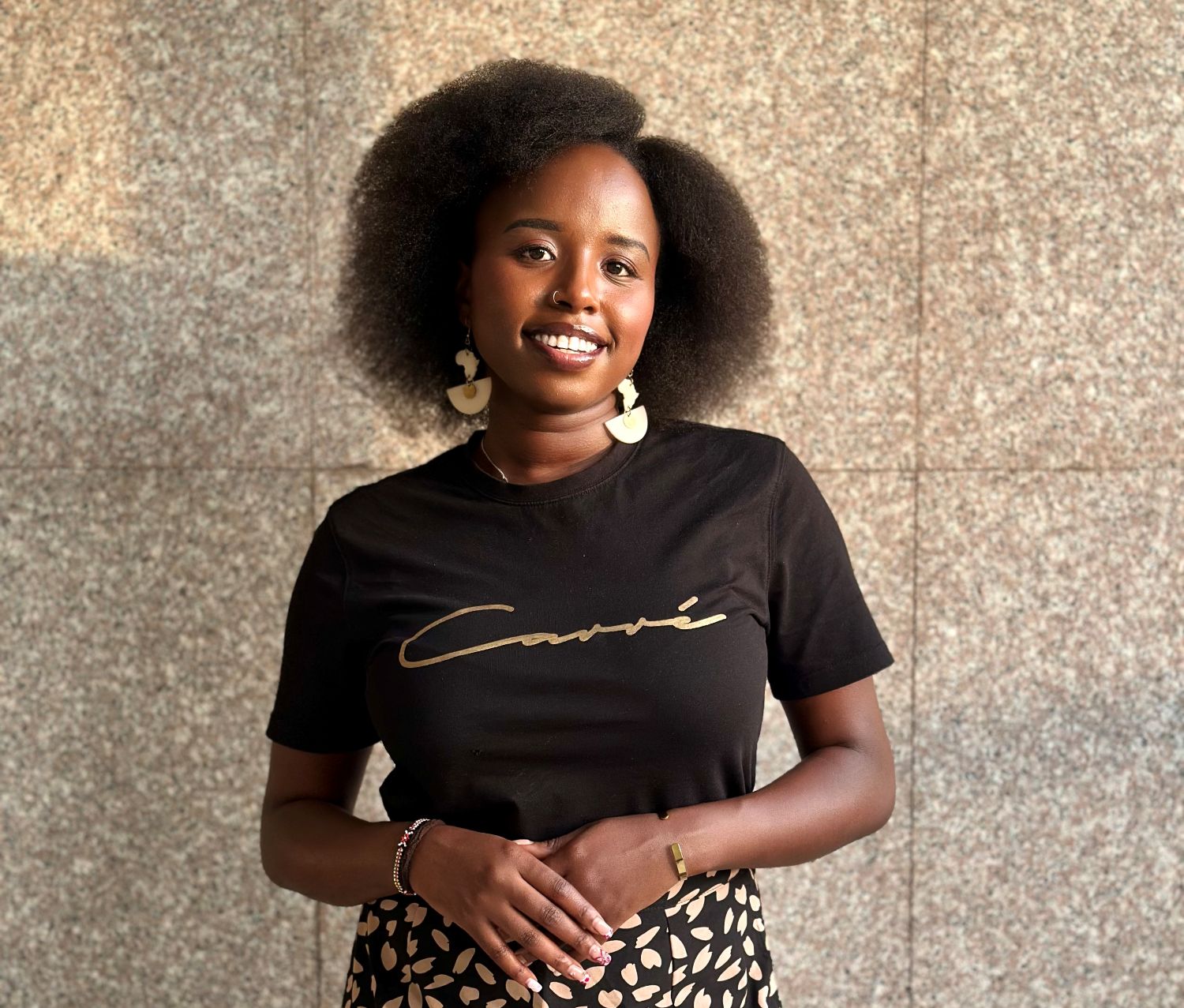
The Kenyan creator had been experimenting with the language she was learning after moving to Rwanda. When the video drew attention, she decided to keep going, and Kinyarwanda gradually became part of her creative identity.
Today, Njoki combines Kinyarwanda, humour and storytelling in her videos while working as a communications strategist at Blue Oceans Rwanda.
Through Unscripted with Njoki, her interview series on Instagram and TikTok, she features personalities from Rwanda’s sports and entertainment scene, alongside content about everyday life and her experiences in the country.
But the journey that brought her to Rwanda was not exactly planned.
Njoki combines Kinyarwanda, humour and storytelling in her videos while working as a communications strategist at Blue Oceans Rwanda.
Njoki came to Rwanda in November 2021 to visit her cousin during her gap year. What began as a short visit eventually led to university and a career.
She enrolled at East African University Rwanda, where she studied journalism and mass communication and graduated at the top of her class. Nearly five years later, she has established herself professionally while growing her online presence.
“I love Rwanda. Rwanda is nice. It’s been nice. It’s been a good ride so far. I’m enjoying myself. I’m putting out content, you know, I’m living life every day, one day at a time,” Njoki remarked during an exclusive interview with IGIHE.
For Njoki, her Rwanda experience has been about more than work and social media. It has involved learning a new language, navigating a different culture, being away from family and adapting to a different pace of life.
And somewhere along the way, Kinyarwanda, once one of her biggest challenges, became one of the ways she connected with Rwanda.
From struggling with Kinyarwanda to going viral
Learning Kinyarwanda was initially one of Njoki’s biggest challenges after moving to Rwanda.
“Kinyarwanda is not easy. It is not easy. At first, the language was like, ‘Yo, I’m so lost. I can’t get anything.’ But with time, I learned it,” she recalled.
She picked up much of the language from friends at university and colleagues at work. Her Kikuyu background also helped her recognise similarities between some words in the two Bantu languages.
Even after years in Rwanda, Njoki says learning Kinyarwanda remains an ongoing process.
“Sometimes I forget some words. It’s a learning process. It never ends,” she explained.
Her experience with the language eventually became an unexpected source of inspiration.
After seeing Kenyan content creator Debby Rono do an impression of how Kinyarwanda sounded to her, Njoki decided to try her own version, drawing on the words she had learned.
“I did that, and the first video got a lot of attention, and I was like, ‘Oh, this works. Let me do more,’” she recalled.
The response encouraged her to keep experimenting, and Kinyarwanda soon became a recurring feature of her videos.
For Njoki, the language is not simply a way to entertain. It has also become a
way of engaging with Rwandan culture and sharing her experience as a Kenyan living in the country.
Njoki came to Rwanda in November 2021 to visit her cousin during her gap year. What began as a short visit eventually led to university and a career.
Finding a different pace of life
One of the biggest ways Rwanda has influenced Njoki, she says, is by changing how she approaches everyday life.
Coming from Kenya, she describes life there as fast-paced and energetic. In Rwanda, she learned to slow down, be more approachable and take things as they come.
“Rwanda has taught me that you can actually become. You don’t have to always be in a rush every time, in like defensive mode every time,” she noted.
“I feel like since I came to Rwanda, I’ve learned how to be a bit calmer, and just chill, and take a minute to take in life as it comes.”
She says the experience has also broadened her perspective and exposed her to different cultures.
“Rwanda has also taught me to open up my mind and embrace different cultures, the Rwandan culture. And because we have so many foreigners here, you’re exposed to a lot,” she added, noting that adjusting to life away from home came with challenges, including learning Kinyarwanda, being separated from her family and adapting to Rwanda’s food culture.
Kenya and Rwanda: Different cultures, familiar people
Njoki sees clear cultural differences between Kenya and Rwanda.
She describes Kenyans as generally more outspoken and energetic, while she sees Rwandans as quieter and more reserved.
“Kenyans are rowdy. There is a lot of chaos, there’s a lot of loudness,” she observed.
Despite those differences, she says the two countries share similarities in areas such as religion, food and aspects of everyday life.
Ultimately, Njoki says Rwanda gives her a strong feeling of home.
“When I’m in Rwanda, I feel like I’m at home. People are the same,” she reflected.
Even after years in Rwanda, Njoki says learning Kinyarwanda remains an ongoing process.
What makes Rwanda stand out
Among the things Njoki admires most about Rwanda is what she sees as the country’s deliberate efforts to promote women’s participation and empowerment.
“I love the fact that you guys actually are very intentional when it comes to uplifting women, and the fact that we have so many women in parliament,” she said.
She praised efforts to ensure women are not left behind, including discussions around workplace equality and pay gaps.
“They talk about it and they actually do it,” she added.
Njoki also highlighted Rwanda’s security and cleanliness, saying the country’s reputation for being clean is reflected in everyday life.
“I like the fact that people here don’t litter. You’ll see someone walking with a bottle up to home or up to where you’ll see a dustbin,” she noted.
Bigger ambitions for her career
Looking ahead, Njoki hopes to take her work to a much bigger stage.
Over the next five years, she wants to work with brands, secure partnerships, MC events, travel and develop new skills.
“I want to be doing content on a full scale. I want to work with brands. I want brand deals, to advertise for people, MC for people. I want to travel more,” she stressed.
She also hopes to use her growing platform to give back to others.
“Just pick up as many skills as I can, and just be able to give back more to people than I’m taking,” she added.
“Don’t let anyone shame you for trying”
For young people who are afraid of being judged when pursuing their ideas, Njoki urged them not to let criticism or embarrassment hold them back.
“Don’t let anyone shame you for trying,” she urged.
She encouraged young people not to abandon their ideas simply because others consider them embarrassing or “cringe.”
“You see that thing people are calling cringe? Nah, do it,” she remarked.
Her advice is to keep trying, take things one day at a time and remember that no one has everything figured out.
“No one has everything figured out. So, just try and don’t let anyone shame you for trying.”
The urban index, which serves as the headline measure for monetary policy, rose 0.9 percent on a monthly basis compared to June 2026. The annual average inflation rate between July 2026 and July 2025 stood at 9.9 percent, while the annual average underlying inflation rate was 10 percent.
Nationally, the overall Rwanda CPI increased by 13.8 percent year-on-year and 0.3 percent month-on-month. Rural inflation rose 13.3 percent annually but eased 0.2 percent from June, pulled down by a 3.6 percent monthly drop in rural housing, water, electricity, gas and other fuel costs.
Transport and housing costs continue to lead the increase. Urban transport prices jumped 24.2 percent year-on-year, while housing, water, electricity, gas and other fuels rose 21 percent. Transport costs have been under pressure since February, linked to disruptions in oil flows through the Strait of Hormuz amid the Middle East conflict.
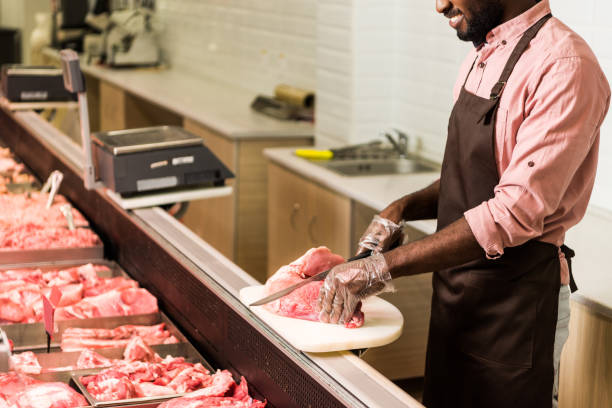
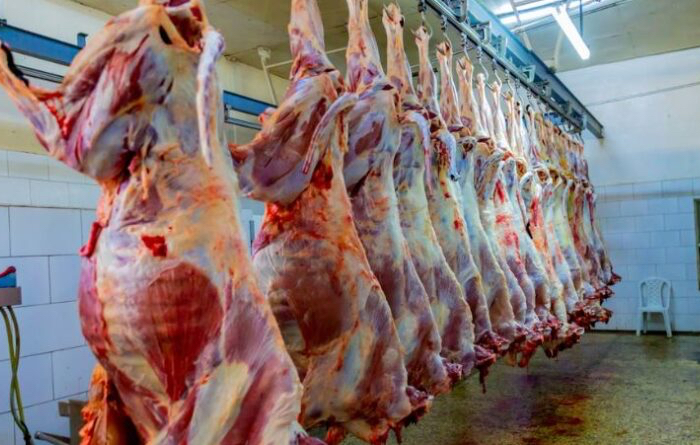
Meat prices surged 33.8 percent annually and spiked 17.8 percent in a single month, while vegetables were up 19.8 percent year-on-year, though they eased 0.8 percent from June. The sharp monthly rise in meat prices has been linked to strict livestock movement restrictions and quarantine measures imposed to contain Rift Valley Fever, a contagious animal disease that has significantly reduced the number of cattle, goats and sheep reaching Kigali’s abattoirs.
Food and non-alcoholic beverages, the largest component of the urban basket at 27 percent weight, increased 13.1 percent annually and 1.5 percent monthly, making it the biggest driver of July’s monthly rise. Restaurants and hotels rose 14.2 percent year-on-year.
NISR’s core index, which strips out fresh food and energy prices to capture underlying price trends, rose 11.4 percent year-on-year and 0.6 percent month-on-month, up from 5.8 percent a year earlier, signalling that price pressures have broadened beyond volatile categories.
The energy index rose sharply, up 44.5 percent annually, while the local goods index increased 15.8 percent and the imported goods index rose 10.7 percent over the same period.
NISR’s CPI is based on a basket of 1,622 products, with more than 29,482 prices collected each month in urban areas and 10,744 in rural areas. The urban CPI serves as the headline index for monetary policy purposes.
Meat prices surged 33.8 percent annually and spiked 17.8 percent in a single month. The sharp monthly rise in meat prices has been linked to strict livestock movement restrictions and quarantine measures imposed to contain Rift Valley Fever.
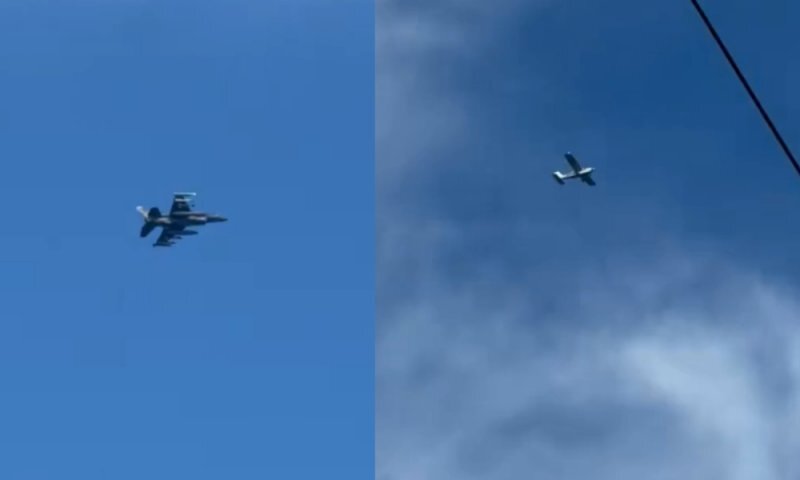
“NORAD F-16s intercepted multiple general aviation aircraft today that violated temporary flight restrictions over Bedminster, NJ. All aircraft were safely escorted out of the area by NORAD aircraft,” said the North American Aerospace Defense Command (NORAD), which patrols this area, in a post on social media platform X.
Trump was at his Trump National Golf Club this weekend.
Local media outlets reported that two civilian airplanes were intercepted by military jets.
One video that captured the moment when an F-16 fighter jet was chasing a slow-moving aircraft was posted on X by Joe Afflerbach of Joey’s North Jersey Severe Weather.
NJ.com, a digital news content provider in New Jersey, which got permission to post the video on its website, said the video was taken from Afflerbach’s house in Jefferson Township, outside Bedminster.
Fox News said a third aircraft triggered an alert as Trump was preparing to depart the area.
The third incident appeared to delay Trump’s departure by about 13 minutes. During that time, emergency SUVs, law enforcement officers and U.S. Secret Service agents were seen moving into position near the runway where Trump was scheduled to depart around 5 p.m. (2100 GMT), said Fox News.
The third aircraft re-established communications and became compliant before NORAD intervention was required, said Fox News.
Local media outlets reported that two civilian airplanes were intercepted by military jets.
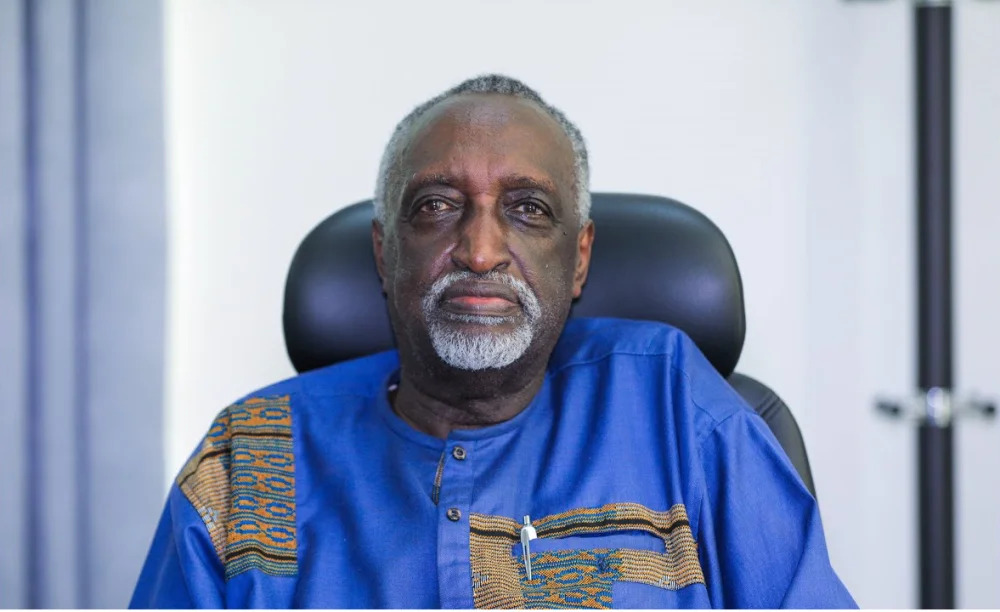
Rutaremara, now Chairperson of Rwanda Elders Advisory Forum (REAF), shared the account in an interview with One Nation Radio, offering fresh details about his first encounter with Dijoud, one of the key architects of France’s Rwanda policy in the early 1990s.
The remarks build on an account President Paul Kagame shared last month about his own tense meeting with Dijoud in Paris in September 1991, when the French official warned that even if the RPF captured Kigali, it would not find the people it sought to rescue because they would have already been killed.
A meeting that quickly turned confrontational
Rutaremara said he travelled to Paris ahead of Kagame to prepare for talks that France had requested with the RPF.
When he arrived at Dijoud’s office, he was received by the diplomat’s secretary while Dijoud met ministers from Djibouti, the Central African Republic and Chad.
According to Rutaremara, the secretary deliberately opened the office doors and windows, allowing him to overhear Dijoud reprimanding the ministers.
“We heard him saying they came asking for their countries’ money, squandered it and then returned asking for more,” Rutaremara recalled.
He believes the secretary intentionally allowed the RPF delegation to hear the exchange.
When Rutaremara and his colleagues were finally invited into Dijoud’s office, he said the French official did not greet them. Instead, he immediately asked whether they were from the RPF, speaking in what Rutaremara described as a dismissive tone.
Dijoud then urged the RPF to end the war, saying France wanted the movement to halt its military campaign and that he had advised President Juvénal Habyarimana to allocate government positions to the RPF.
Rutaremara objected to the tone of the meeting, telling Dijoud there was no reason to treat them disrespectfully.
“He asked me what I meant,” Rutaremara recalled. “I told him, ‘Those ministers you were scolding had come asking for money. We have not come here asking you for money, so why are you treating us this way?’”
‘We did not ask for your permission’
Rutaremara said Dijoud again insisted that the RPF should stop fighting.
His response, he said, was unequivocal.
“I told him, ‘When we started the war, we did not ask for your permission. You came to help fight against us, but you will not be the ones to stop this war. We will stop it ourselves when we decide the time is right.’”
According to Rutaremara, the exchange infuriated Dijoud, who ordered the delegation out of his office and requested that future discussions be held with other senior RPF leaders.
He said the French side specifically asked that Kagame, then the RPF’s vice chairman, attend the next meeting instead of the movement’s chairman, Col. Alexis Kanyarengwe.
Confined to a hotel in Paris
Rutaremara said that when Kagame later travelled to Paris for the talks, he was instructed to remain at the hotel where he was staying and was not allowed to accompany him to the negotiations.
He believes the decision was linked to his earlier confrontation with Dijoud.
“It felt like being imprisoned,” he said. “I believed they kept me away because of my argument with Dijoud.”
Rutaremara added that Rwandan contacts later helped him leave the hotel through an alternative exit.
A lesson for young people
Reflecting on the RPF’s eventual military victory over the then Rwandan government forces and the French troops supporting them, Rutaremara said the outcome should inspire younger generations.
He argued that despite France’s global influence, the RPF prevailed because it remained committed to what it believed was a just cause.
“Do not be intimidated by those who appear powerful. If you are fighting for a just cause, remain committed to it, and you can achieve your goal,” he said.
At the RPF Political Bureau meeting on July 17, 2026, President Kagame also recalled his own encounter with Dijoud, saying the French official warned him in September 1991 that if the RPF continued fighting, it would eventually capture Kigali only to find that the people it sought to save had already been killed.
“He said, ‘You must stop fighting, because even if you take Kigali, you will not find your people,’” Kagame recalled.
“At first, I couldn’t understand what it meant. But it actually meant they would be killed,” he added, noting that the warning foreshadowed the 1994 Genocide against the Tutsi.
As the meeting ended, Kagame said Dijoud made a sarcastic remark in the corridor, telling him he hoped to meet him again “when you are the commander of the new army of Rwanda.” Kagame said he replied that if that happened, he would do a good job of it.
President Kagame also recounted how, after the meetings, he and two colleagues, Dr. Emmanuel Ndahiro and Tom Byabagamba, were arrested in the middle of the night by armed plainclothes officers while staying at a hotel in Paris.
He said they were taken to a detention facility, where they were questioned about the people they had met during the visit.
Kagame recalled refusing to undergo a polygraph test and rejecting food offered to him while in custody. The three were released later that day before Kagame left France via Brussels.
Veteran RPF-Inkotanyi official Tito Rutaremara recounted a heated confrontation with Paul Dijoud, then a senior official at the French Foreign Ministry, saying he told the diplomat that the RPF had never sought France’s permission to launch its liberation struggle and would decide for itself when to end the war.
The announcement marks Israel’s first official and straightforward rejection of the plan.
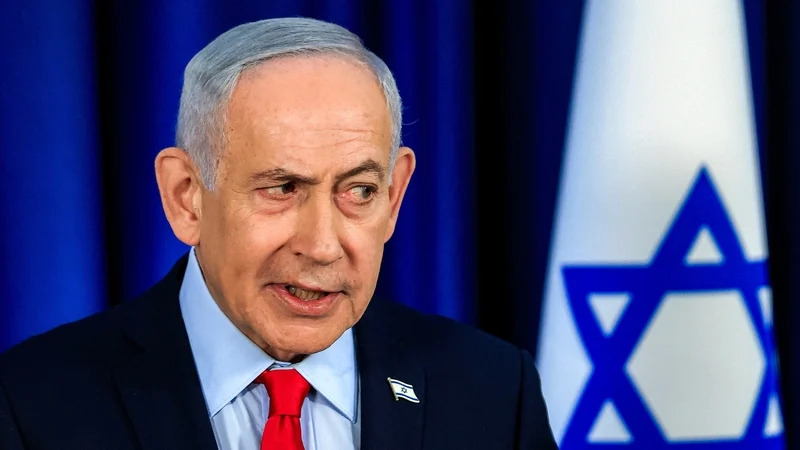
Netanyahu told the weekly cabinet meeting that Israeli forces, which Israeli officials had previously estimated control about 70 percent of Gaza, will continue to carry out attacks in the enclave to “thwart threats.”
“When I say disarming Hamas, I mean the heavy weapons, the less heavy weapons — all weapons,” Netanyahu said.
Israel is still in talks with the United States about the document of the plan, he said. “They have ideas, some of which are acceptable to us and some of which are not, and we know how to stand our ground on these matters.”
The plan was drafted in May by Nickolay Mladenov, “high representative for Gaza” of the “Board of Peace,” and officially announced by U.S. President Donald Trump in late July, who said back then the board had reached an agreement on the “complete disarmament” of Hamas and other armed groups in Gaza.
A day after Trump’s announcement, Hamas said it had agreed to the “latest version of the roadmap” for the second phase of the Gaza ceasefire agreement after “fierce” negotiations, but conditioned weaponry arrangements on a complete halt to “aggression,” Israeli withdrawal from the enclave, and progress on reconstruction.
Since a ceasefire between Hamas and Israel came into effect in October 2025, Israeli attacks have killed more than 1,250 people and injured over 4,100 others in Gaza, according to Gaza-based health authorities.
Netanyahu told the weekly cabinet meeting that Israeli forces, which Israeli officials had previously estimated control about 70 percent of Gaza, will continue to carry out attacks in the enclave to “thwart threats.”
Hunter Biden said the cancer, which was diagnosed in May 2025, has metastasised beyond his father’s bones and is “very painful” and “very debilitating in many respects”.
“It’s really, really hard, and it’s really sad to watch,” Hunter Biden told the BBC’s Newsnight in an interview broadcast on Friday.
“I wish he would complain more, because it’s not good,” he said, adding that the former president remained active and engaged despite his illness.
Biden, 83, announced in May 2025 that he had been diagnosed with an aggressive form of prostate cancer that had already spread to his bones. His spokesman said later that year that he was undergoing radiation treatment and hormone therapy.
The former president was the oldest person to win the US presidency when he was elected in 2020. His physical health and mental acuity became a major focus during his presidency, particularly after his poor performance in a June 2024 debate against Donald Trump contributed to his decision to abandon his re-election campaign.
Hunter Biden also reflected on his father’s health during the BBC interview, describing him as the centre of their family and praising his resilience.
“He’s the best father, the best husband, the best grandfather,” Hunter Biden said.
He added that Biden remained determined to continue speaking publicly and engaging with issues important to him.
The interview also covered Hunter Biden’s controversial presidential pardon, which his father granted in December 2024 shortly before leaving office.
Hunter Biden acknowledged that the pardon was open to criticism and said he understood arguments that it was not good for the American people, the Constitution or his father’s legacy. However, he said he remained “eternally grateful” to his father for the decision.
The pardon covered Hunter Biden’s federal gun conviction, a tax case and potential federal offences dating from 2014 to 2024.
Hunter Biden also discussed his past struggles with addiction, saying he wanted to focus his future efforts on helping others recover from drug and alcohol dependence rather than seeking elected office.
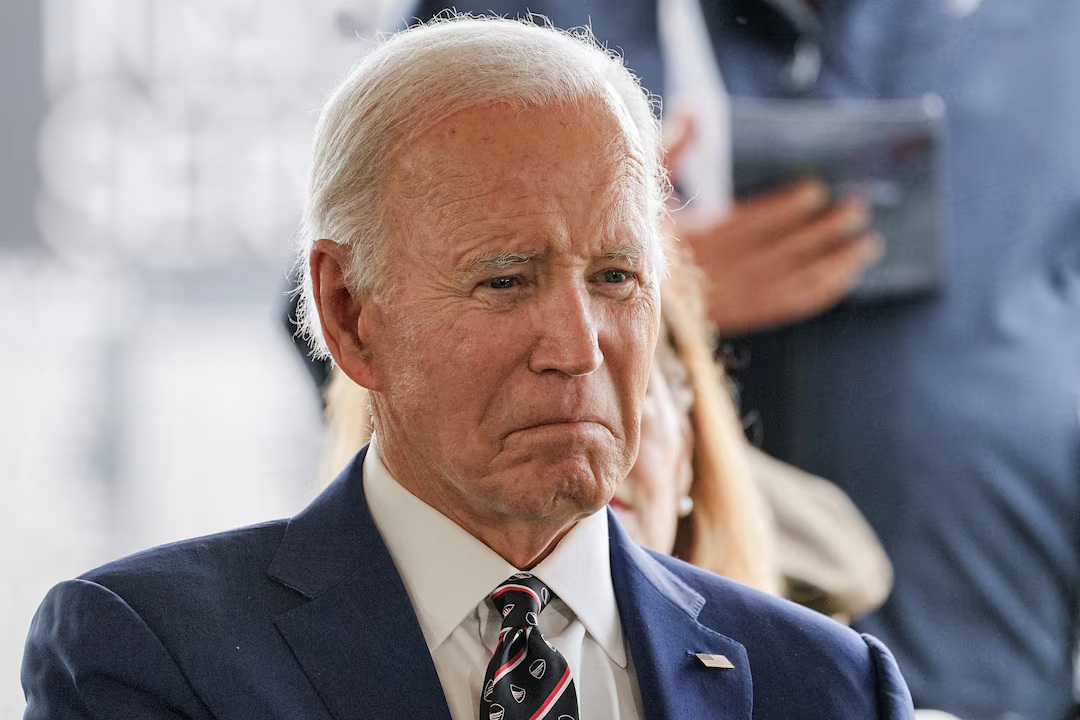
Hunter Biden said the cancer, which was diagnosed in May 2025, has metastasised beyond his father’s bones and is “very painful” and “very debilitating in many respects”.Former U.S. President Joe Biden attends a ceremony at Veterans Memorial Park in New Castle, Delaware, U.S., May 30, 2025.
Rwanda, South Africa, Argentina and Thailand are reportedly the leading candidates for new races on the Formula 1 calendar, although no country has yet been officially confirmed.
“Negotiations are progressing very well in Africa. We are having other discussions in South America. We have discussions in the Far East,” said Domenicali during a media briefing with assembled international motorsport journalists, including representatives from PlanetF1 early this month.
“One thing that I can tell you is that we have more requests in China and Japan, but for the moment, we want to stay with one race in China because we need to consolidate the market before thinking about having other options there.”
Rwanda has been working to bring Formula 1 to the country as part of a broader strategy to establish itself as a major destination for global sports. President Paul Kagame formally announced the country’s bid to host a Grand Prix in December 2024 during the FIA General Assembly in Kigali.
Formula 1 has not held a race in Africa since the South African Grand Prix in 1993.
Rwanda, South Africa, Nigeria and Morocco have all expressed interest in bringing the championship back to the continent.
President Kagame has since visited Formula 1 facilities in Azerbaijan and Qatar, including the Baku City Circuit and Lusail International Circuit.
The proposed Formula 1 circuit in Rwanda is expected to be built in Bugesera District, near the new airport currently under construction.
In July, Sports Minister Nelly Mukazayire said Rwanda remained committed to hosting a Formula 1 race.
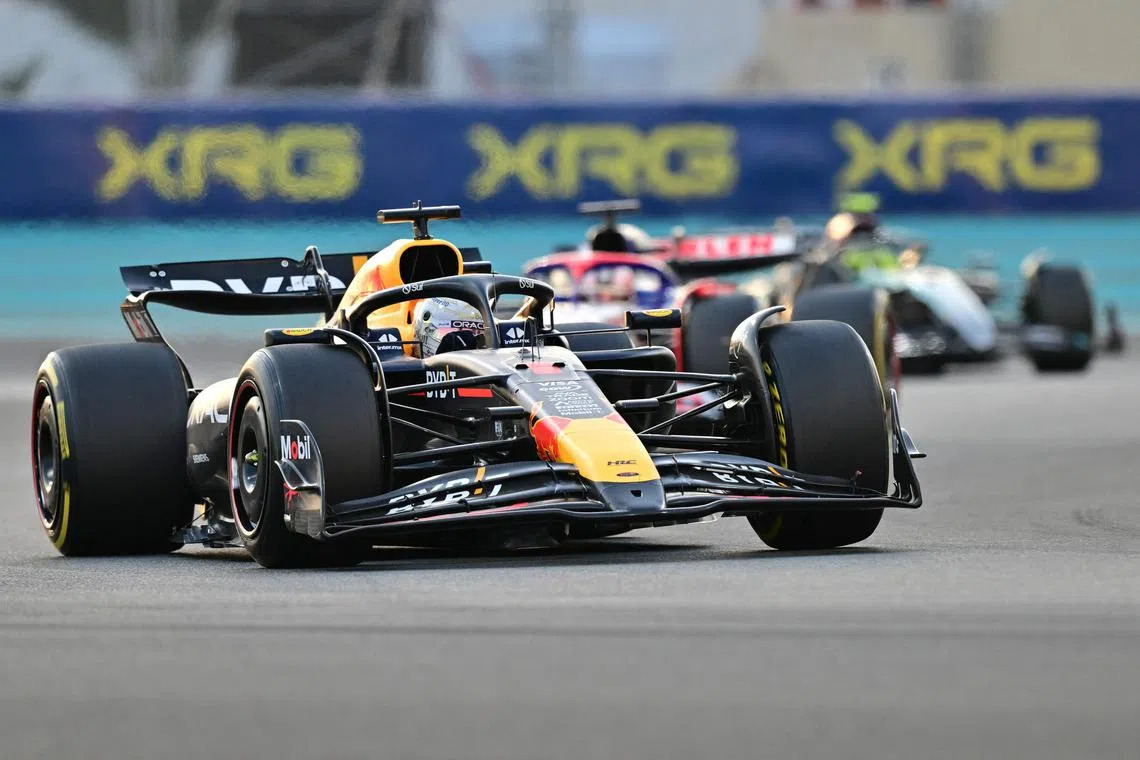
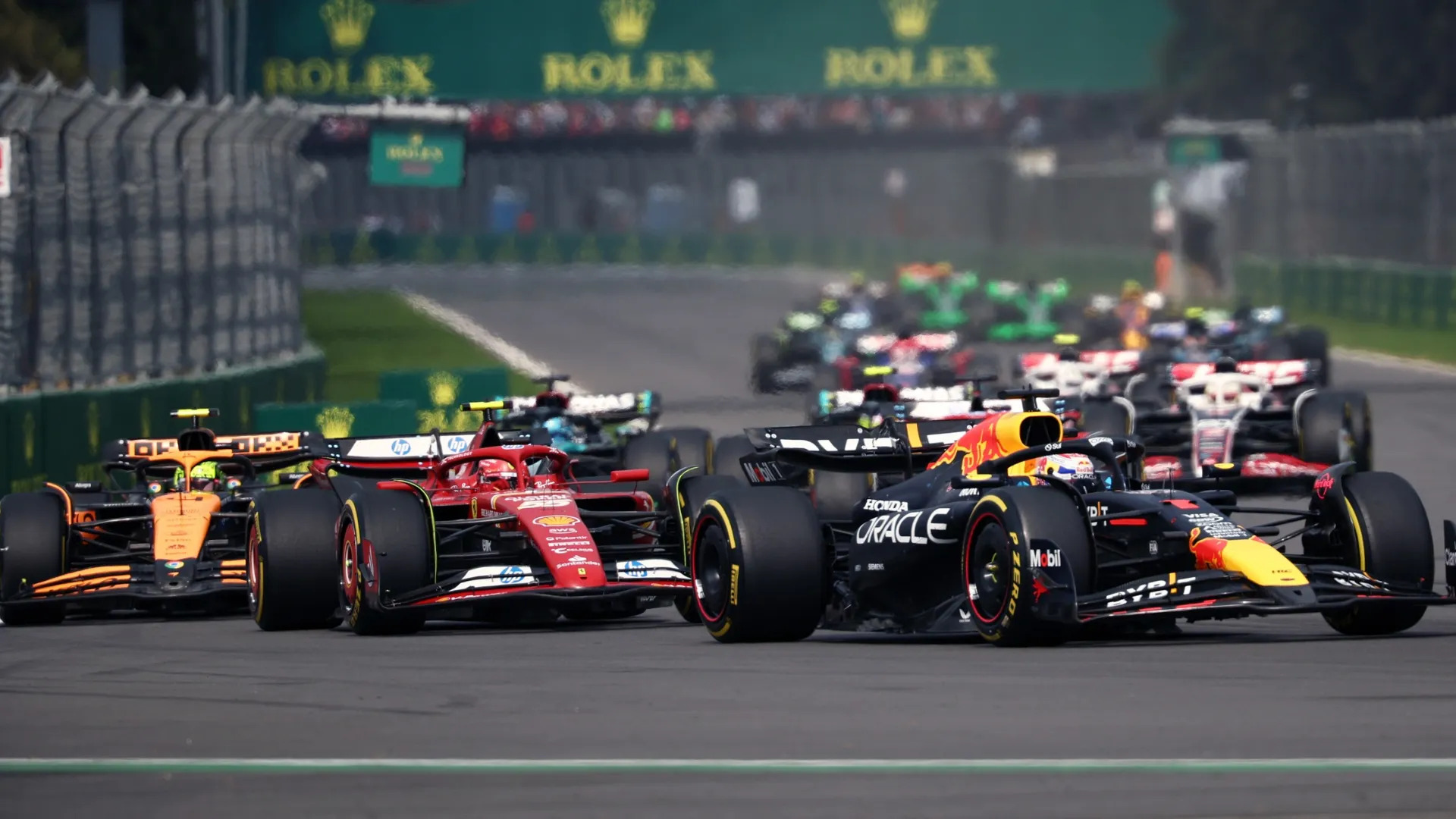
Formula 1 is the world’s premier single-seater motor racing championship, known for its high speeds, advanced technology and global following.
The championship is contested through a series of races known as Grands Prix, held on purpose-built circuits or temporary street circuits.
Drivers and teams earn points based on their results in each Grand Prix, with the driver and team accumulating the most points over the season crowned world champions.
Rwanda has been working to bring Formula 1 to the country as part of a broader strategy to establish itself as a major destination for global sports.
The delegates include Miss Uganda Trivia Elle Muhoza, who shares a strong connection to Rwanda through her maternal lineage.
The 73rd edition will feature contestants from countries around the world, with Eritrea, French Guiana, Maldives, Mozambique and Pakistan set to participate for the first time.
Several countries that did not take part in last year’s competition are also returning this year. They include Aruba, the Bahamas, the Cook Islands, Fiji, Guinea-Bissau, Kosovo, Laos, Malawi, Morocco, Norway, Saint Lucia, South Korea, Tanzania and the Turks and Caicos Islands.
This year’s pageant coincides with celebrations marking 75 years since Miss World was established. It is one of the world’s longest-running and most prominent international beauty pageants.
Rwanda is not participating in this year’s competition, while several other East African countries, including Eritrea, Ethiopia, Kenya, Somalia, Tanzania and Uganda, will be represented.
Rwanda made its Miss World debut in 2016, when Jolly Mutesi became the country’s first representative. Contestants, including Elsa Iradukunda, Liliane Iradukunda, and Meghan Nimwiza, followed her.
Naomie Nishimwe, who was crowned Miss Rwanda 2020, did not compete at Miss World following the cancellation of the 2020 global pageant due to the COVID-19 pandemic and her subsequent departure from the local organizing agency. Grace Ingabire represented Rwanda in 2021 and remains the country’s last contestant to appear on the Miss World stage.
Divine Muheto, crowned Miss Rwanda 2022, was unable to compete at Miss World 2023 after the national pageant’s operations were suspended.
The latest contestants will compete for the crown currently held by Thailand’s Suchata Chuangsri, who won Miss World 2025.
The delegates include Miss Uganda Trivia Elle Muhoza, who shares a strong connection to Rwanda through her maternal lineage.This year’s pageant coincides with celebrations marking 75 years since Miss World was established.
The International Basketball Federation (FIBA) announced the draw on Saturday, August 8, with the tournament scheduled to take place in China from September 22 to 27, 2026.
RSSB Tigers will compete in Group A alongside Rytas Vilnius of Lithuania, representing Europe, and Shanghai Sharks of China, representing Asia.
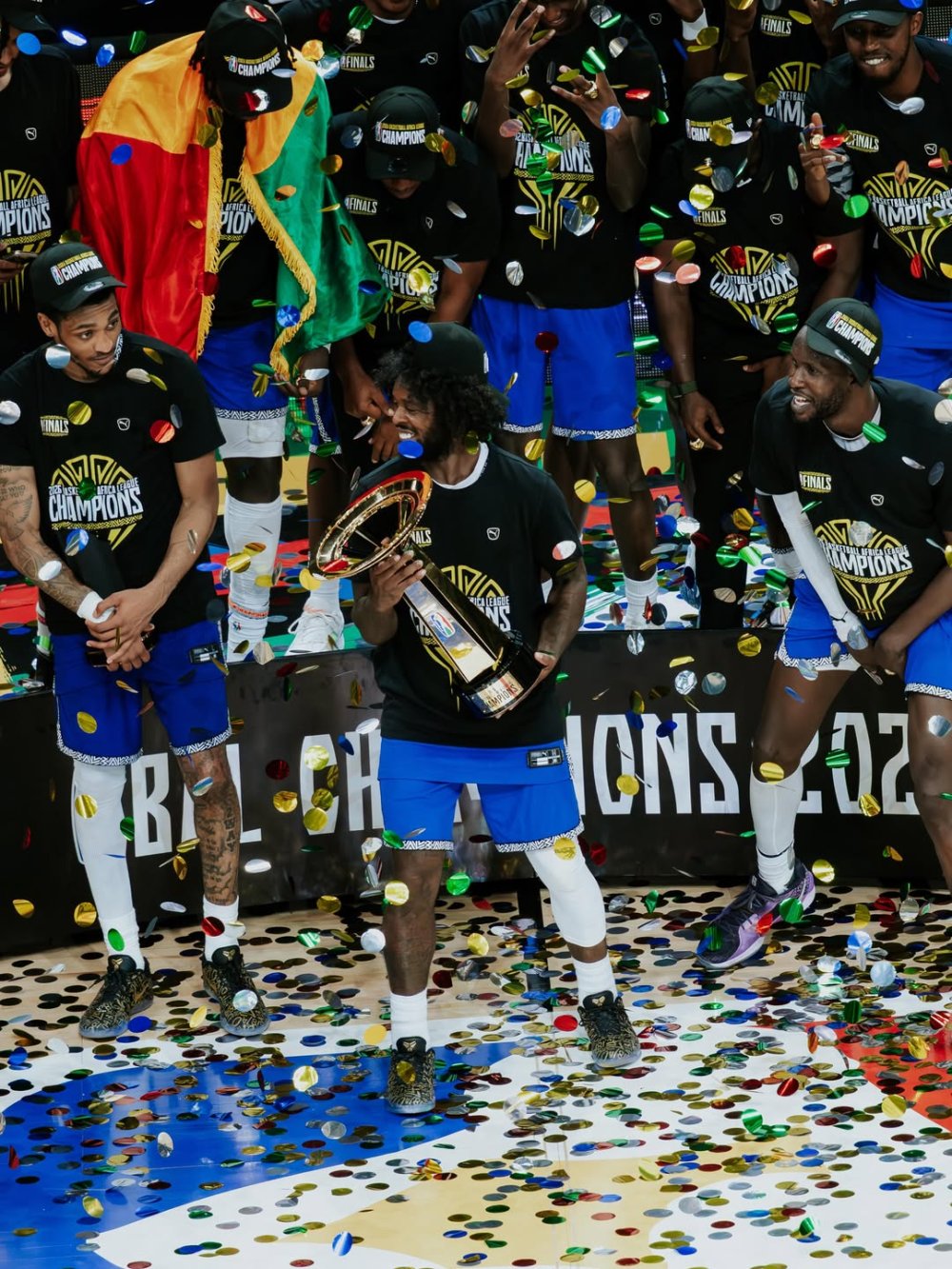
The Rwandan side earned its place in the competition after winning the 2026 BAL title in Kigali, becoming the first Rwandan team to win the continental championship.
In Group B, Chinese side Beijing Royal Fighters will face Boca Juniors of Argentina, representing South America, and NBA G League United, a team made up of selected players from the NBA G League that will represent the United States.
RSSB Tigers will open their Intercontinental Cup campaign against Rytas Vilnius on September 22.
The top two teams from each group will advance to the semi-finals, with the tournament bringing together champions and leading clubs from basketball leagues across the world’s major regions.
The competition will give RSSB Tigers an opportunity to test themselves against clubs from Europe and Asia after their historic BAL triumph.
The Rwandan side earned its place in the competition after winning the 2026 BAL title in Kigali, becoming the first Rwandan team to win the continental championship.