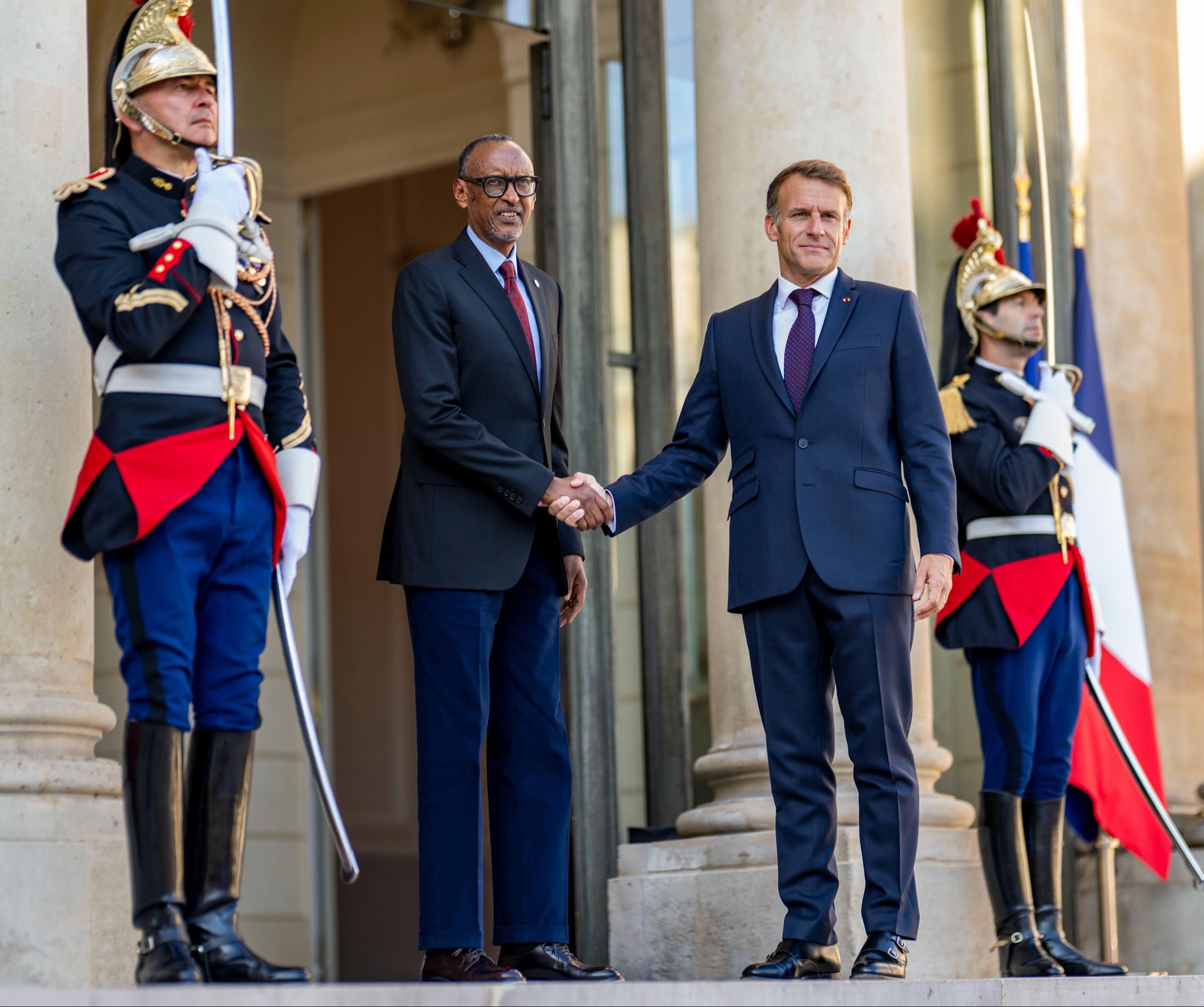
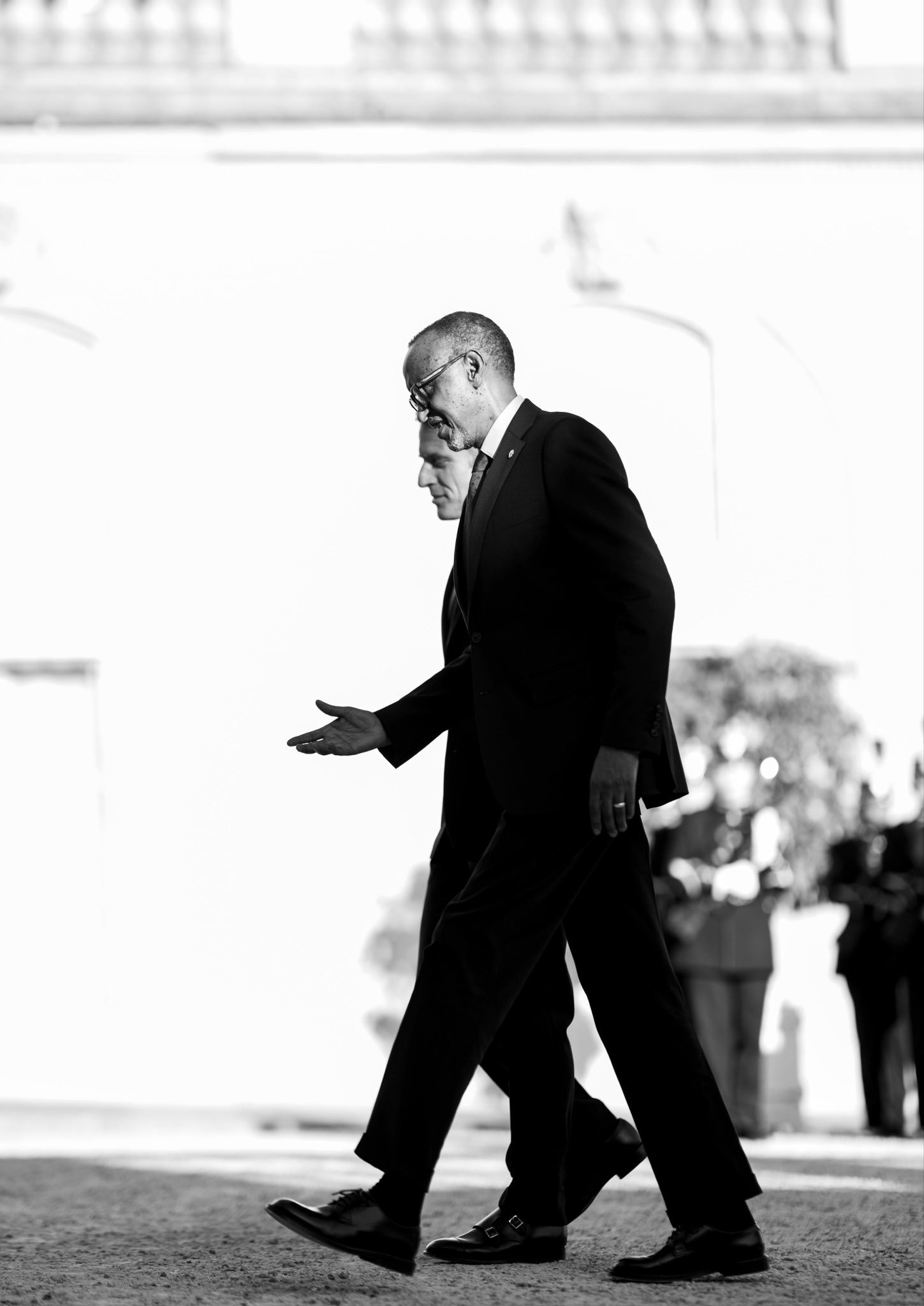
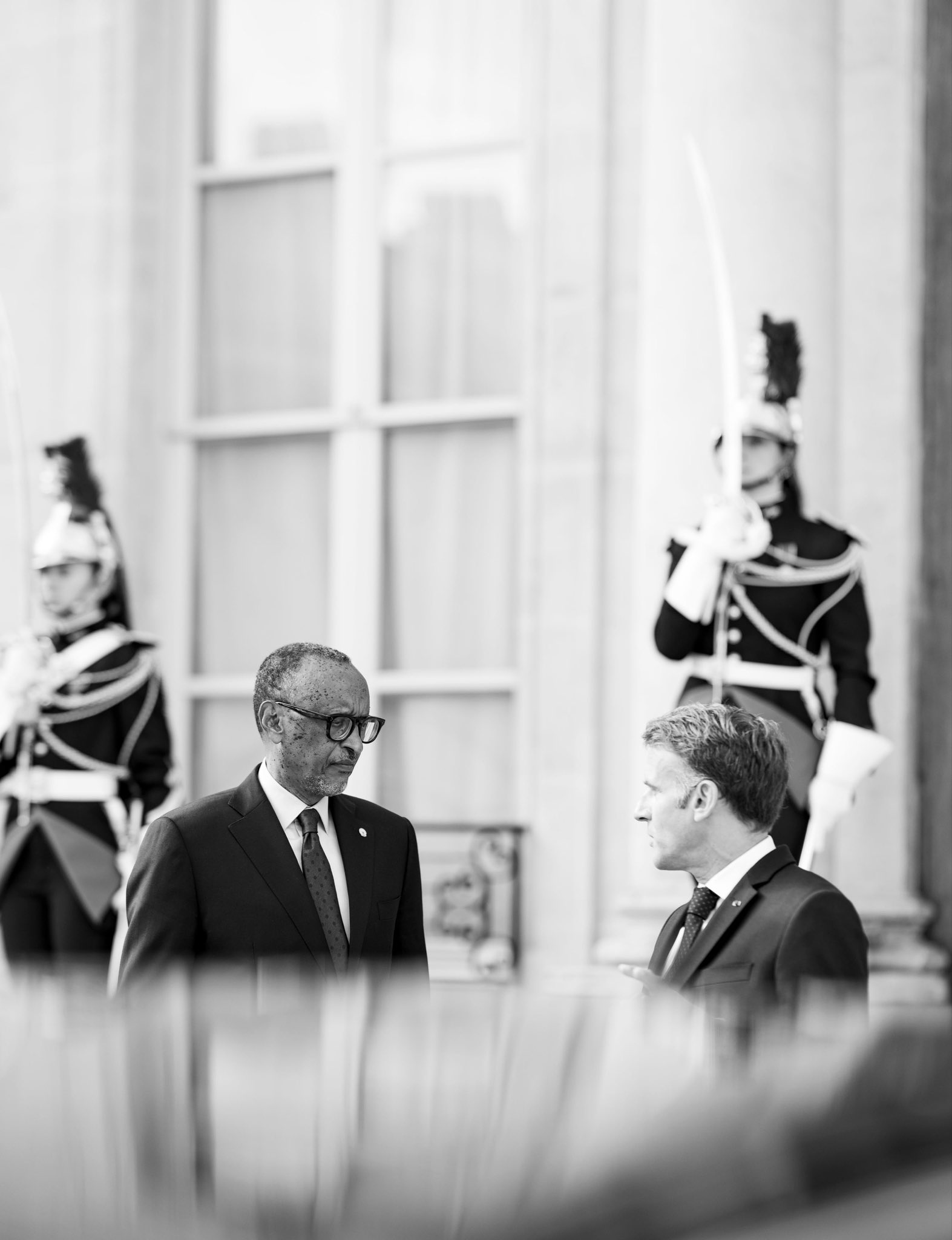
According to the Office of the President, the two leaders discussed the strengthening of Rwanda-France relations, cooperation in areas of mutual interest, as well as regional and global developments.
The meeting came as Kagame attended the International Space Summit, a two-day gathering convened by Macron that brought together Heads of State and Government, space agency leaders and industry representatives to discuss governance, security and sustainable development in the space sector.
Addressing the summit, Kagame called for greater African participation in the rapidly growing global space economy, warning against reproducing existing inequalities in the sector.
“For a continent with a young and increasingly connected population, this sector offers enormous potential,” Kagame said, arguing that African countries should be contributors to science, research and global decision-making rather than merely users of space technologies.
He highlighted Rwanda’s national space policy and the use of space technologies and artificial intelligence in agriculture, infrastructure and disaster management.
Kagame also raised concerns over access to orbital and spectrum resources as satellite constellations expand, citing Rwanda’s support for African efforts to regain several orbital slots through the African Telecommunications Union.
He called for clear international rules for the space sector, with developing countries given a meaningful voice in shaping global frameworks and greater access to technology and knowledge.
“Ultimately, we should avoid reproducing in space the inequalities that exist in other domains,” he said, adding that Rwanda was ready to work with France, Europe and other partners to deepen space cooperation.
The meeting follows another engagement between Kagame and Macron in Paris in June, when they inaugurated a monument honouring victims of the 1994 Genocide against the Tutsi.
At the event, Kagame commended Macron for acknowledging France’s historical responsibility, describing his recognition of the country’s failures as “something more valuable than an apology.”
The latest talks come as Rwanda and France continue to strengthen cooperation across political, economic and technological areas, alongside discussions on regional and international affairs.
President Macron hosted his Rwandan counterpart, President Paul Kagame, for talks at the Élysée Palace in Paris on Friday morning.According to the Office of the President, the two leaders discussed the strengthening of Rwanda-France relations, cooperation in areas of mutual interest, as well as regional and global developments.
Foster made the remarks in an exclusive interview with IGIHE on the sidelines of the SportsBiz Africa Forum in Kigali, where he discussed the growth of esports across Africa and the steps Rwanda needs to take to establish itself in the sector.
He pointed to Rwanda’s connectivity, fibre infrastructure, power supply and internet capacity as a strong foundation for the development of esports.
“The key thing is that Rwanda has the physical infrastructure to support esports,” Foster said.
He added that the next step would be strengthening the organisation of the sport in the country, including establishing an esports federation under the relevant national sports structures.
Rwanda is not currently a member of the Global Esports Federation, a gap Foster said needs to be addressed if the country is to participate more fully in the international esports ecosystem.
“Rwanda has to become a member of Global Esports Federation. It currently isn’t. So that’s a very important first step,” he noted.
Foster said Rwanda would first need to establish a national esports federation before joining the global body, adding that the African Esports Federation was ready to help the country accelerate the process.
“We’re having a meeting later today, actually, on exactly that topic. So we hope that it can accelerate. We’re ready for that,” he revealed.
Africa’s esports opportunity
Foster described Africa as one of the most promising regions for esports, noting that the African Esports Federation already has about 35 countries within its membership, with more countries considering joining.
“The development in the last two or three years in Africa has been significant. So I think the time for Africa is right now,” he noted.
He argued that esports has an advantage because it can be adapted to different markets, cultures and languages across the continent.
“Whether it’s in a smaller country or a larger country, in the islands, the north, the south, the centre, east or west, you can have e-sports,” Foster explained.
The growth is being driven by a large and digitally connected young population, which Foster believes is well positioned to participate in the industry’s expansion.
“Young people are digital natives. They’re born digital, so they’re ready to go, and I think the world will be waiting for them,” he added.
Rwanda’s esports scene takes shape
Rwanda has already begun building a competitive esports scene, with local tournaments providing a pathway for players to compete at continental level.
Last month, Praise Steven Nyamwasa won the national EA SPORTS FC 26 championship at BK Arena, defeating Sami Muhamedssin Mohamednour Atta 4-2 in the final to claim the Rwf1 million top prize.
Nyamwasa, Atta, Tresor Irasubiza and Franklin Gacinya qualified to represent Rwanda at the second edition of the SportsBiz Africa Esports Cup, which will bring together 32 players from eight African countries in Kigali on September 12-13.
The continental tournament will feature players from Rwanda, Kenya, South Africa, Madagascar, Nigeria, Côte d’Ivoire, Egypt and Morocco, competing for a $10,000 prize pool.
Nyamwasa, who finished fourth when he represented Rwanda alone at last year’s tournament, said having four players this time gives the country a stronger presence.
“Last time I went alone, now I’m going with four companions, and I believe they’re going to do better,” he said.
The competition also highlights some of the gaps Foster identified. Nyamwasa has called for more investment and regular competitions, noting that he had taken part in only three tournaments over the past year, compared with countries where players can compete almost every month.
Foster says Africa is emerging as a major esports market, with 35 countries already in the federation.
From gaming to an investment opportunity
Foster also pushed back against the perception that esports is simply young people playing games for entertainment.
He argued that gaming has become a social and cultural ecosystem in which players build communities and interact across borders.
“It’s much more than that,” he said, noting that technological advances have enabled gamers to connect with friends and communities around the world.
That growing community, he suggested, represents an opportunity for companies and investors seeking to engage younger consumers, particularly Generation Z.
Foster said the global gaming ecosystem already involves around four billion players, while the Global Esports Federation has 180 federations.
He expects the sector to attract more capital as esports matures.
“The industry of eSports is known to be $600 billion by 2030,” he said.
He added that the pace of technological change means esports is developing rapidly and requires organisations and investors to continually adapt.
“It’s still young. And the developments are fast, maybe faster than any other sport,” Foster added.
A pathway for young gamers
Foster believes Rwanda’s young gamers can move from casual participation to elite competition if they are given opportunities to train, compete and gain international exposure.
He pointed to national, regional, continental and global competitions as potential pathways for young players to develop their skills and build careers in esports.
“They’ll focus on it, they’ll get better at it, they’ll practice more, they’ll become elite,” he stressed.
SportsBiz Africa project lead Bridget Mutoni has in the past also highlighted opportunities beyond competitive gaming, including event organisation, commentary, refereeing, game development and education.
Foster said esports can create opportunities for a broad range of participants, regardless of gender, age or disability.
“Everyone can choose their game,” he said. “And the most important thing is to have fun.”
The SportsBiz Africa Forum brought together policymakers, investors, sports administrators, entrepreneurs and athletes in Kigali to explore opportunities for expanding Africa’s sports economy, including through technology and digital entertainment.
In an exclusive interview with IGIHE on the sidelines of the SportsBiz Africa Forum in Kigali, Foster discussed the growth of esports across Africa and the steps Rwanda needs to take to establish itself in the sector.
According to the Office of the President, during the talks on Thursday, the two leaders reaffirmed the strong and longstanding relations between Rwanda and Congo-Brazzaville and exchanged views on challenges facing the African continent.
They also discussed the need to advance effective and sustainable solutions led by African countries.
The meeting came as the two countries continue to strengthen diplomatic and political relations and cooperation across several areas.
Rwanda opened its embassy in Congo-Brazzaville in August 2016, further formalising diplomatic engagement between the two countries.
In November 2021, Rwanda and Congo-Brazzaville signed a series of agreements covering military cooperation, collaboration in improving teaching and learning at universities, land management, sustainable development and environmental protection.
The agreements also covered the promotion of bilateral trade and expansion of cooperation in air transport development.
According to the Office of the President, during the talks on Thursday, the two leaders reaffirmed the strong and longstanding relations between Rwanda and Congo-Brazzaville and exchanged views on challenges facing the African continent.
“So far, despite six months of war in the Middle East, the global economy has been resilient. It has weathered the shocks, the energy shocks in particular, better than feared,” IMF spokesperson Julie Kozack said at a news briefing.
“But uncertainty, as we’ve been saying for quite some time, continues to remain high,” said Kozack.
She noted that the global economy is being pulled in two directions: a negative supply shock from higher energy and commodity prices, and a positive demand shock from the AI-driven technology cycle.
She added that there are “significant differences” in how these forces are impacting individual economies.
Kozack also noted that several risks to the global economic outlook remain high, including a persistent energy shock, mounting public debt, and a stalled disinflation process.
The 2026 Annual Meetings of the IMF and the World Bank Group are scheduled to take place in Bangkok, Thailand, from October 12 to 18. IMF Managing Director Kristalina Georgieva said in late August that resilience and dynamism are the two main topics.
IMF spokesperson Julie Kozack said Thursday that the global economy has been resilient despite six months of war between the United States and Iran, but uncertainty remains high.
Musonye made the call in Kigali on the sidelines of the SportsBiz Africa Forum, where he outlined a vision of AFCON 2027 as a regional event extending beyond the three host countries.
“We are preparing AFCON for the region, not for Kenya, Uganda and Tanzania alone. We are preparing AFCON to cover the entire region. We want Rwanda to be part of it because Rwanda has played a big role in changing football in this region,” Musonye told IGIHE on Thursday.
He identified Rwanda’s qualification as his first priority, but also wants the country to benefit from the tournament by hosting teams for training camps.
“I want Rwanda to qualify for AFCON 2027. That’s number one. Number two, I want to see many teams coming to train in Rwanda here even if Rwanda doesn’t qualify,” he explained.
Rwanda is yet to begin its qualification campaign. The Amavubi were drawn in Group K alongside Mali, Cape Verde and Liberia, with the first two matchdays scheduled for September 24 to October 6.
Rwanda will open its campaign against Liberia before facing Cape Verde away. The remaining group matches against Mali, Cape Verde and Liberia will be played across the November 2026 and March 2027 international windows.
Under CAF’s qualification format, the top two teams in groups without a co-host qualify for the finals. Kenya, Uganda and Tanzania already have places secured as hosts, meaning the highest-ranked team alongside each host will advance from those groups.
Rwanda therefore faces a competitive route, with Mali and Cape Verde both in its group. But Musonye believes the country’s contribution to the tournament should not depend solely on whether the Amavubi secure a place on the pitch.
Kenya’s AFCON 2027 Local Organising Committee chairman Nicholas Musonye during an exclusive interview with IGIHE on the sidelines of the SportsBiz Africa Forum in Kigali on Thursday, September 10, 2026.
Infrastructure remains key
Musonye also expressed confidence that Kenya, Uganda and Tanzania will have their infrastructure ready for the tournament, dismissing concerns over stadium preparedness as the main remaining risk.
“The risks were the infrastructure. Now we are working to mitigate it. That is the only risk,” he said.
He noted that the three hosts are working together to ensure the venues meet the required standards.
“We are ready. The stadiums will be ready. Uganda, Tanzania, we are working as a team of Pamoja to make sure that the venues are ready for AFCON,” he added.
AFCON 2027 will be played from June 19 to July 17, with East Africa hosting the tournament for the first time in more than five decades. The competition will feature 24 teams.
Musonye sees the tournament as an opportunity to leave a lasting infrastructure and football development legacy across the region.
He projects that Kenya, Uganda and Tanzania could generate about $20 billion from the wider tournament, with the ambition of reinvesting the proceeds in infrastructure and grassroots football.
“We don’t want to make money and drop it. We want to make money and put it back in society to improve the infrastructure further and also to develop youth football from the grassroots,” he stressed.
‘An authentic African AFCON’
Beyond infrastructure and investment, Musonye wants the tournament to offer a different experience from previous editions by making movement around the region easier for fans.
“We want to make it open. We want people to come free in our region to watch football. There will be no restrictions about visa or what. We want to make it open. You come and enjoy football. You enjoy tourism and enjoy yourself,” he said.
He described the planned tournament as an “authentic African AFCON”, with East African hospitality at its centre.
For Rwanda, Musonye believes the tournament provides an opportunity to deepen regional cooperation in football, whether the Amavubi qualify or not.
Kagame made the remarks while addressing the International Space Summit in Paris, a two-day gathering convened by French President Emmanuel Macron that brought together Heads of State and Government, space agency leaders, and industry representatives to discuss governance, security and sustainable development frameworks for the space sector.
Thanking President Macron for convening the summit, Kagame said the space economy is evolving rapidly, driven by lower costs, new technologies and greater private sector engagement, and that Africa intends to be a contributor to science, research and global decision-making, not only a user of space capabilities.
“For a continent with a young and increasingly connected population, this sector offers enormous potential,” he said, adding that with the right support, African talent can develop the relevant expertise and build businesses that create real value for the continent.
Kagame pointed to Rwanda’s national space policy as an example of how the country is positioning itself in the sector, saying it was designed to foster investment and innovation.
He told the delegates that Rwanda is currently using space technologies and artificial intelligence to strengthen agriculture, infrastructure, disaster management and other critical areas, and that the country also hosts satellite ground infrastructure serving global operators.
On the growing competition for spectrum and orbital resources as satellite constellations expand, Kagame warned that developing countries risk losing access.
He noted that Rwanda, alongside other partners, supported the African Telecommunications Union’s efforts to regain several orbital slots for the continent, describing the experience as proof of how coordinated African action can protect the continent’s interests.
Kagame called for the pace of change in the space sector to be matched by clear international rules, saying frameworks should recognize both the civilian and security applications of space technologies and enable responsible collaboration. He said this requires an inclusive process that gives developing countries a meaningful voice and ensures their priorities are fairly represented.
He also raised the issue of technology transfer, saying export restrictions continue to limit access to knowledge and modern technologies, and welcomed partnerships that advance research and build local capacity. He cited the company E-Space as an example, saying it is working with a growing number of African countries to develop and deploy satellite-based solutions.
“Ultimately, we should avoid reproducing in space the inequalities that exist in other domains,” Kagame said, adding that Rwanda stands ready to work with France, Europe and other partners to deepen space cooperation.
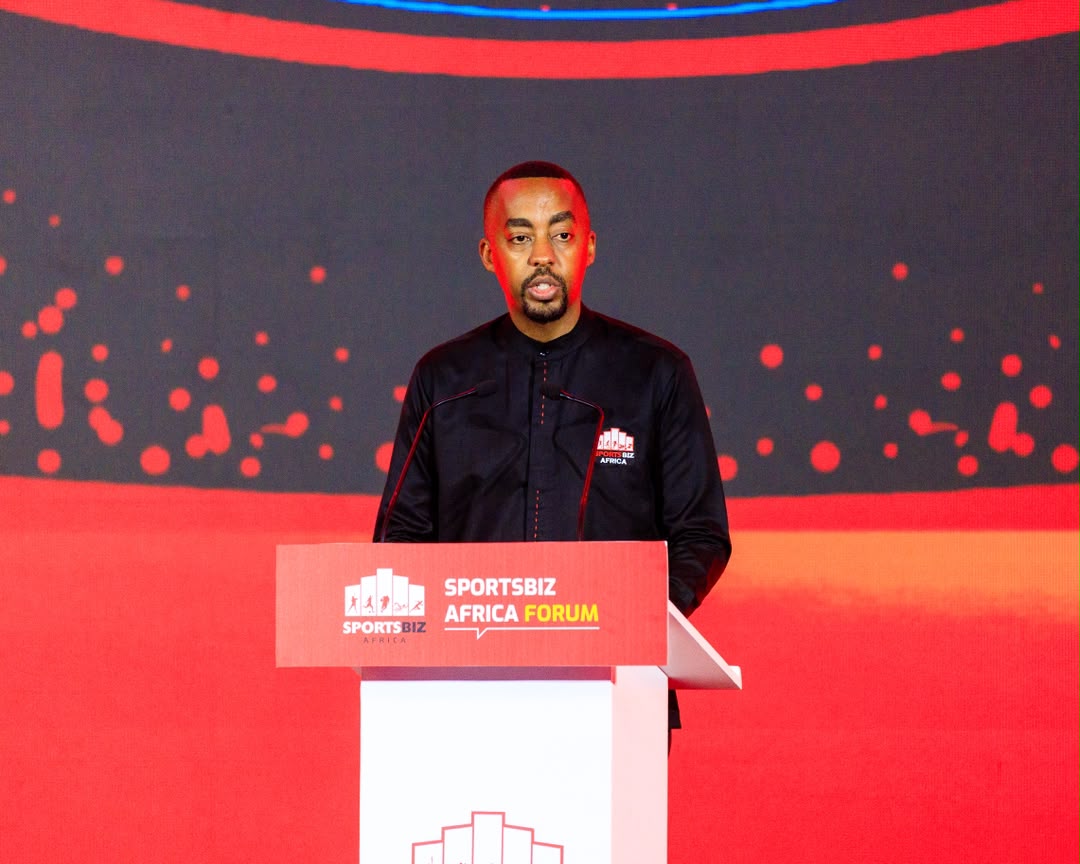
Christian Gakwaya, Chief Executive Officer of Rwanda Events Group, announced the shift as the third SportsBiz Africa Forum opened in Kigali on September 10, arguing that Africa needs to move beyond discussions about sporting talent and trophies to capturing more of the economic value generated by the sector.
“It’s time for a shift,” Gakwaya told delegates at the Kigali Convention Centre.
The event, which runs from September 10 to 11, is bringing together policymakers, investors, sports administrators, business leaders, entrepreneurs, athletes and development partners to discuss investment, innovation, governance and business opportunities in sport.
Gakwaya argued that Africa has long supplied talent, coaches, stories and other resources to the global sports industry, while much of the economic value has been captured elsewhere.
He challenged stakeholders to consider who owns the media rights, intellectual property and data generated by African sport, as well as who manufactures the apparel, technology and other products used by athletes and fans.
“Who owns our needs? Who owns the media rights to our needs? Who owns the intellectual property in the sports sector on the continent?” he asked.
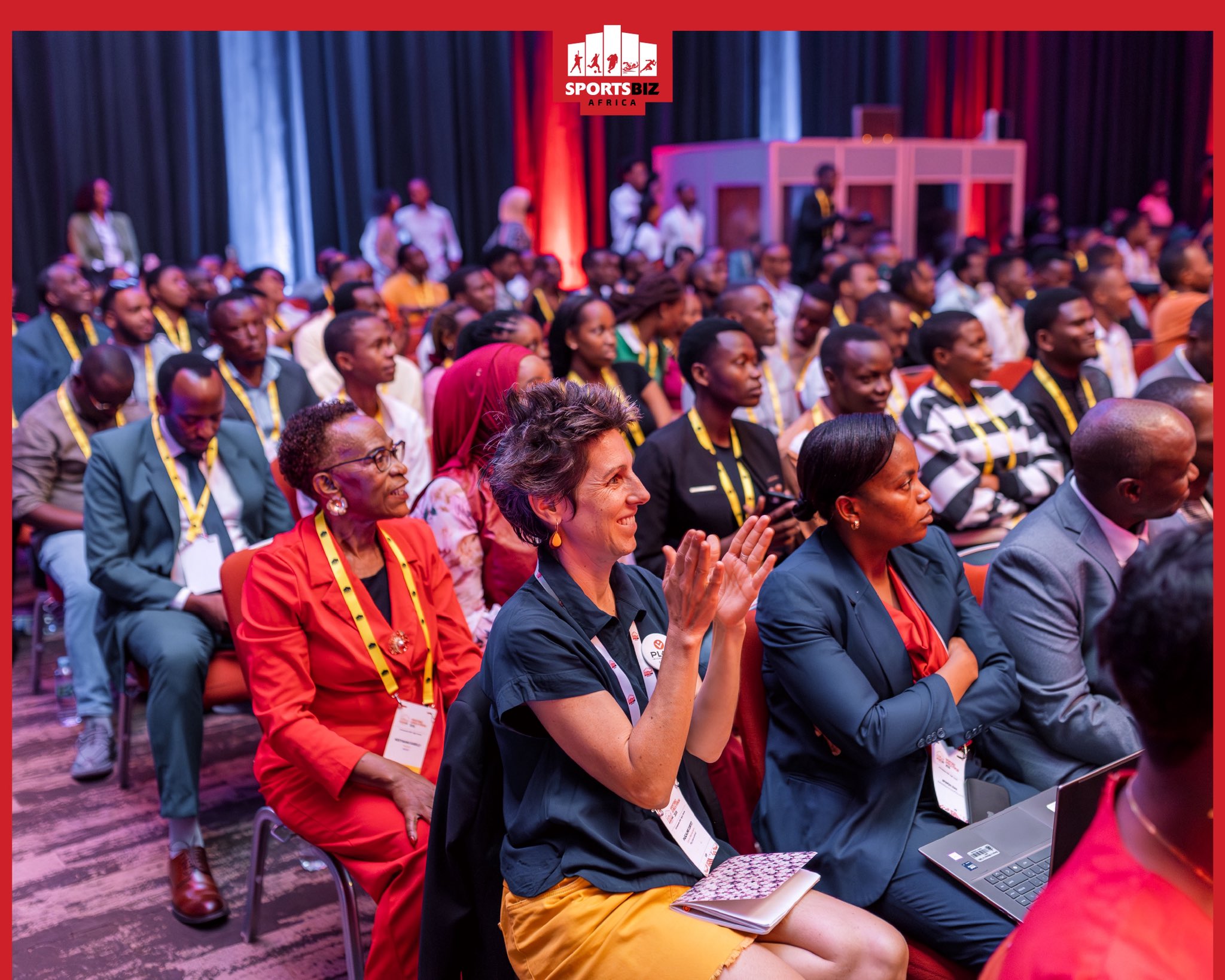
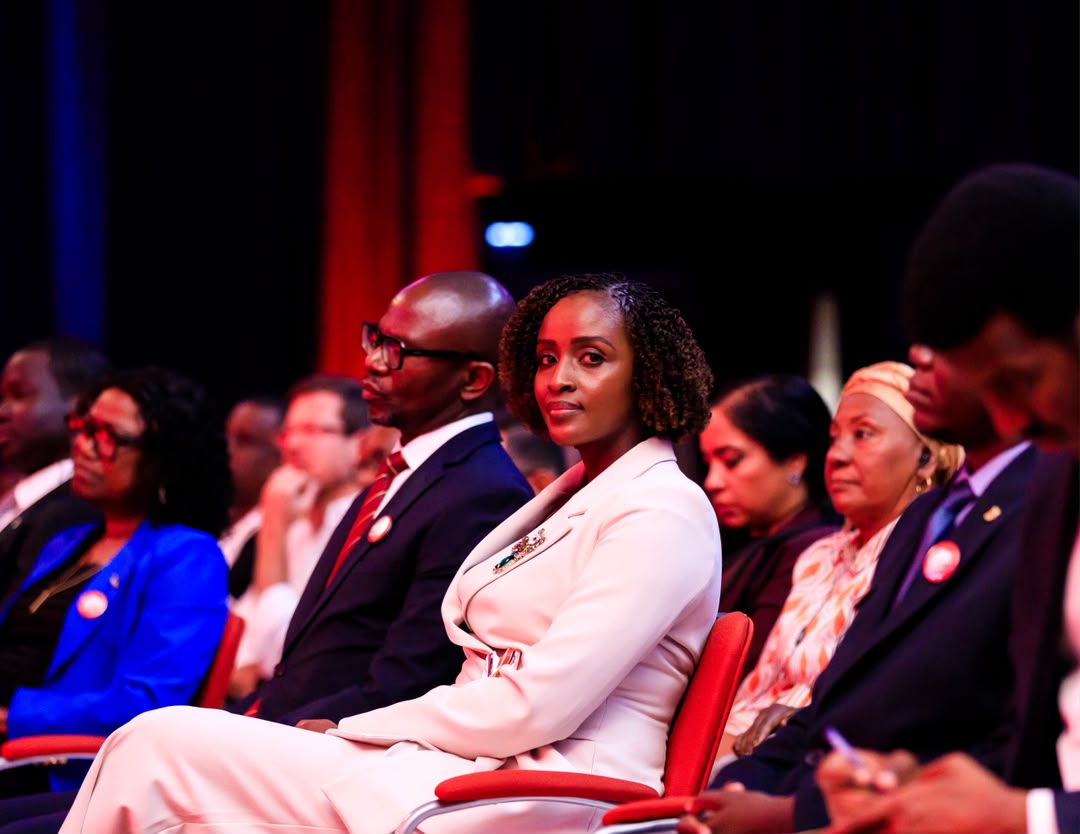
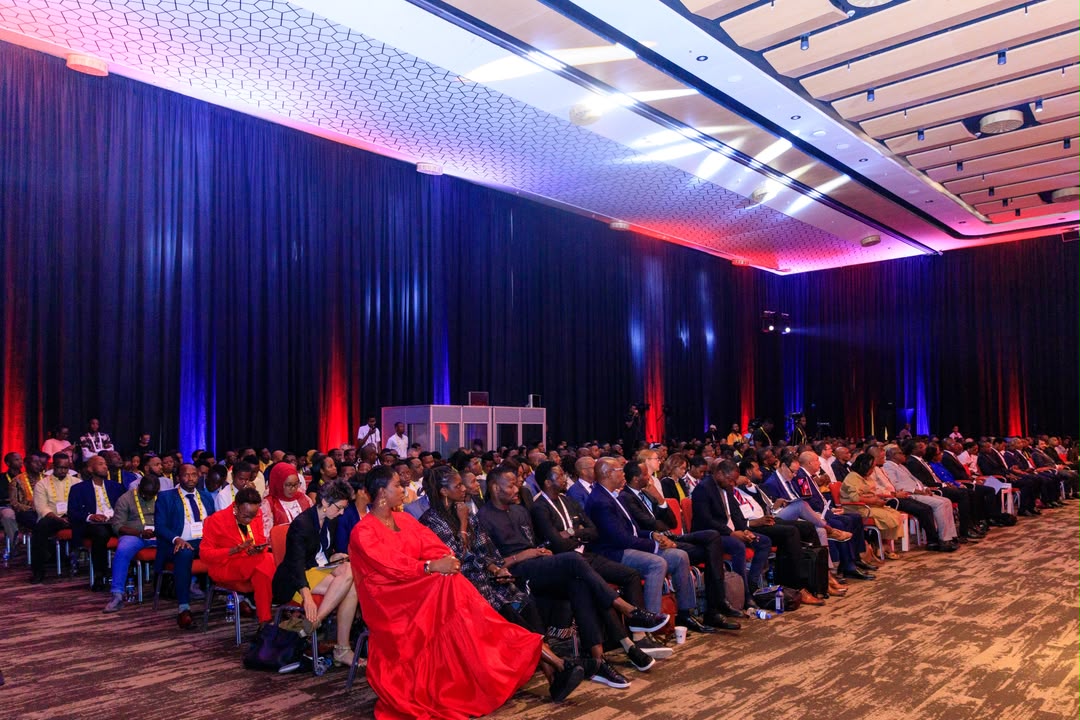
The two-day SportsBiz Africa Forum brings together policymakers, investors, sports leaders, entrepreneurs and athletes to explore ways to grow Africa’s sports economy.
The new SportsBiz Africa Platform is intended to address some of these gaps by focusing on investment facilitation, business development, market intelligence, entrepreneurship, policy engagement, talent development and cross-border participation.
Unlike the forum, which brings stakeholders together for a few days each year, the platform is designed to operate throughout the year.
“A forum brings people together. A platform will help them to do something together,” Gakwaya explained. “A forum can last three days… But we want a platform that will create value throughout the 365 days.”
The initiative will seek to connect startups with investors, leagues with technology companies, brands with communities and African athletes and entrepreneurs with global opportunities.
Gakwaya acknowledged that significant barriers remain, including limited sports data, difficulties commercialising sports assets and events, and inadequate access to structured financing.
“Too many promising ideas remain disconnected from institutional investors and markets that can help them grow,” he noted.
Rwanda’s Minister of Sports, Nelly Mukazayire, also called for a stronger focus on the commercial side of sport, arguing that Africa’s share of the global sports economy remains disproportionately small despite its large pool of talent and young population.
Mukazayire estimated the global sports industry at between $2.3 trillion and $2.65 trillion, while Africa accounts for about 0.5% of the sector.
She identified data, people and the commercialisation of sport as three areas requiring greater attention if Africa is to close the gap.
The minister called for more African-owned data on athletes and sports markets, greater investment in athletes’ physical and mental wellbeing, and stronger commercial structures around broadcasting rights, merchandise, manufacturing and sports infrastructure.
She also argued that sports facilities should be designed as broader commercial and community hubs rather than simply venues for talent development.
“By building pitches you’re creating community. By adding all those services you’re creating value,” Mukazayire said.
Minister Mukazayire estimated the global sports industry at between $2.3 trillion and $2.65 trillion, while Africa accounts for about 0.5% of the sector.
Her remarks echoed the broader objective of the SportsBiz Africa Platform, which is to create an ecosystem around sport rather than focus solely on competition.
Dr Decius Hikabwa Chipande, Coordinator and Head of the African Union Sports Council, backed greater collaboration between governments, the private sector, sports organisations and development partners to expand the continental sports economy.
He urged participants to move from dialogue to investment and measurable outcomes, noting that sport can contribute to youth employment, entrepreneurship, innovation and social development.
Félicité Rwemarika, an International Olympic Committee member, similarly stressed that Africa’s sporting potential will require investment in organisations, skills and people alongside physical infrastructure.
She pointed to the Dakar 2026 Youth Olympic Games as an example of how major sporting events can leave a legacy through skills development and professional training.
Meanwhile, Sir Paul J. Foster, President and CEO of the Global Esports Federation, urged African stakeholders to build stronger connections between local talent and global markets.
He argued that technology can connect African creators, entrepreneurs and intellectual property to international audiences and capital, but warned that connectivity alone is insufficient without the systems and infrastructure to support it.
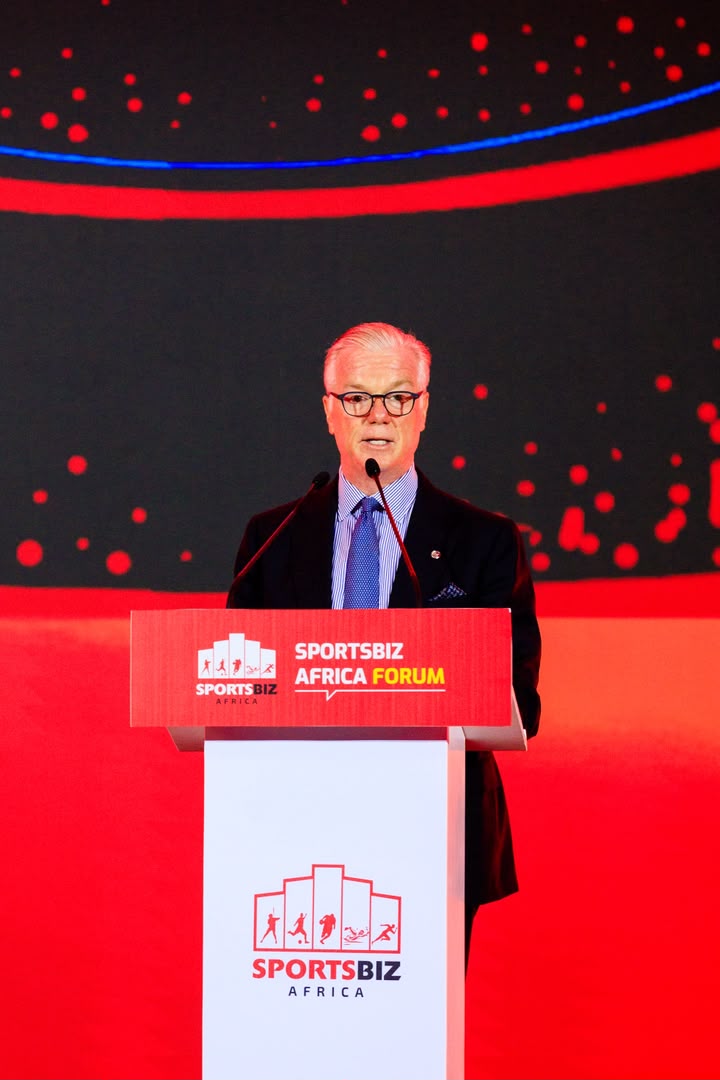
Sir Paul J. Foster, President and CEO of the Global Esports Federation, urged African stakeholders to build stronger connections between local talent and global markets.
The SportsBiz Africa programme also includes a Dealroom designed to match investors with sports-related ventures, alongside a career fair, Gamers Garage and the SportsBiz Africa Esports Cup.
Gakwaya said the ambition is for the platform to demonstrate measurable progress by the time stakeholders reconvene next year.
“We want to make sure that next year, around the same date as we host SportsBiz Africa again, we will be able to say that we have constructed an ecosystem,” he said.
The third edition of the SportsBiz Africa Forum opened in Kigali on Thursday, September 10, 2026.Christian Gakwaya, Chief Executive Officer of Rwanda Events Group, told delegates that Africa needs to move beyond discussions about sporting talent and trophies to capturing more of the economic value generated by the sector.
Opening the third SportsBiz Africa Forum in Kigali on September 10, Mukazayire noted that the global sports industry was valued at between $2.3 trillion and $2.65 trillion, while Africa accounted for only about 0.5% of the global market.
The gap, she argued, was difficult to ignore given the continent’s youthful population and its long record of producing athletes whose talent has helped drive sports industries elsewhere.
“What are they doing that we are not doing?” Mukazayire asked as she outlined three areas she believes Africa must address to unlock more value from its sporting potential: data, people and the commercial side of sport.
The first is data.
Mukazayire argued that Africa needs to collect and use more data suited to African athletes, markets and conditions rather than relying entirely on research and systems developed elsewhere.
Science and technology, she explained, must also reflect the realities of African athletes, including factors such as altitude, climate and local environments.
The minister pointed to the limited availability of data on women in sport, noting that much of the research developed over the years has been based largely on men despite the growing participation and performance of women athletes across Africa.
“We need to discuss how we start looking at data, collecting data that is meant for African athletes and that is going to be created, put together by African companies, entrepreneurs and interpreted in that way,” she said.
The two-day SportsBiz Africa Forum brings together policymakers, investors, sports leaders, entrepreneurs and athletes to explore ways to grow Africa’s sports economy.
The second priority is people.
Mukazayire stressed that African sports systems need to look beyond an athlete’s natural ability and understand the wider factors that determine high performance and long-term success.
Health, mental wellbeing, nutrition, sleep, recovery and the environment surrounding athletes all require greater attention, she argued.
She also highlighted fan engagement as an increasingly important part of the sports economy. Sport, she noted, can create opportunities beyond competition by supporting entertainment, fashion, creative industries and other businesses.
The third priority is commercial value.
Mukazayire questioned who benefits from broadcasting rights, merchandising and other revenue streams generated by African sport, arguing that the continent needs to take a greater role in building businesses around its sporting assets.
She also called for a different approach to investment in sports infrastructure. Stadiums, pitches and arenas should not be viewed only as facilities for developing athletes, but as centres around which businesses and communities can grow.
“By building pitches you’re creating community. By adding all those services you’re creating value,” she told delegates.
Her message was echoed by Christian Gakwaya, Chief Executive Officer of Rwanda Events Group, who argued that Africa has spent years supplying talent to the global sports economy without capturing a proportionate share of the value created.
Christian Gakwaya, Chief Executive Officer of Rwanda Events Group, speaks during the forum held at the Kigali Convention Centre (KCC) on Thursday.
Africa has produced athletes, coaches and stories that have helped shape global sport, Gakwaya observed, but much of the economic value generated from those contributions has been captured elsewhere.
He urged the continent to move beyond measuring sporting success solely through participation, performance and trophies and instead confront questions around ownership.
“Who owns our media rights?” he asked. “Who owns the intellectual property in the sports sector in the continent?”
Gakwaya also questioned who manufactures sports apparel and technologies used on the continent, manages African athletes, collects sports data and builds African sports brands.
For him, the next phase should focus on ensuring that more of the economic value generated by African sport remains in Africa.
The SportsBiz Africa Forum, now in its third edition, he announced, is evolving into the SportsBiz Africa Platform, a shift intended to move beyond periodic discussions towards investment facilitation, business development, market intelligence, entrepreneurship, policy engagement and talent development.
“A forum brings people together. A platform will help them to do something together,” Gakwaya said.
The call for stronger African participation in the global sports economy was also reinforced by Sir Paul J. Foster, President and Chief Executive Officer of the Global Esports Federation.
Foster described connectivity as a form of infrastructure capable of creating economic opportunity, particularly for young people, entrepreneurs and creators who can use technology to access global markets.
Sir Paul J. Foster, President and Chief Executive Officer of the Global Esports Federation, was among the leaders who graced the event.
Rather than focusing on bringing the world to Africa, he argued that the continent should concentrate on connecting African talent, businesses, intellectual property and ideas directly to global opportunities.
“For too long, the conversation has been about bringing the world to Africa. I’m much more interested in the reverse. Africa to the world,” Foster told the forum, describing it not simply as a slogan but as an economic proposition.
He urged African governments, universities, entrepreneurs, investors and sports organisations to build the infrastructure, competitions, academies, investment pathways and commercial networks needed to support that ambition.
Foster noted that the global gaming industry had grown into a major economic force, placing esports at the intersection of technology, artificial intelligence, entertainment, media, education, commerce and youth.
The challenge, he suggested, was to build systems that allow young Africans to move from being players to developers, fans to creators, students to entrepreneurs, and local businesses to global companies.
Dr Decius Hikabwa Chipande, Coordinator and Head of the African Union Sports Council, similarly framed sport as a strategic sector for economic growth, youth empowerment, job creation and innovation.
He urged stronger partnerships between governments, the private sector, sports organisations, development partners and communities to unlock opportunities across the sports value chain.
The African Union, he noted, sees sport as more than recreation and competition, with potential to support entrepreneurship, employment, skills development and continental integration.
Félicité Rwemarika, an International Olympic Committee member, also emphasised that talent and passion alone would not be enough for Africa to realise its sporting potential.
The continent needs strong institutions, good governance, investment, skills and expertise, she conveyed in a message from IOC President Kirsty Coventry.
Investment in sport, the message argued, should ultimately be understood as an investment in people, creating opportunities for young people through education, skills development and employment.
Together, the speakers returned repeatedly to a similar question: how can Africa retain more of the value generated by its sporting talent?
For Mukazayire, the answer begins with understanding African athletes through African data, investing in the people around sport and building stronger commercial ecosystems capable of creating value at home.
The task now, she told delegates, is to move beyond recommendations and develop practical measures that can create jobs, businesses and investment for future generations.
“We have to be intentional in terms of what is the legacy we are leaving for the next generations,” she said.
The two-day SportsBiz Africa Forum brings together policymakers, investors, sports administrators, business leaders, entrepreneurs and athletes to discuss ways of strengthening Africa’s sports economy through investment, innovation and collaboration.
Opening the third SportsBiz Africa Forum in Kigali on September 10, Mukazayire noted that the global sports industry was valued at between $2.3 trillion and $2.65 trillion, while Africa’s share remained at about 0.5%.The two-day SportsBiz Africa Forum brings together policymakers, investors, sports leaders, entrepreneurs and athletes to explore ways to grow Africa’s sports economy.
The meeting took place ahead of the International Space Summit, which is being held in Paris on September 9-10.
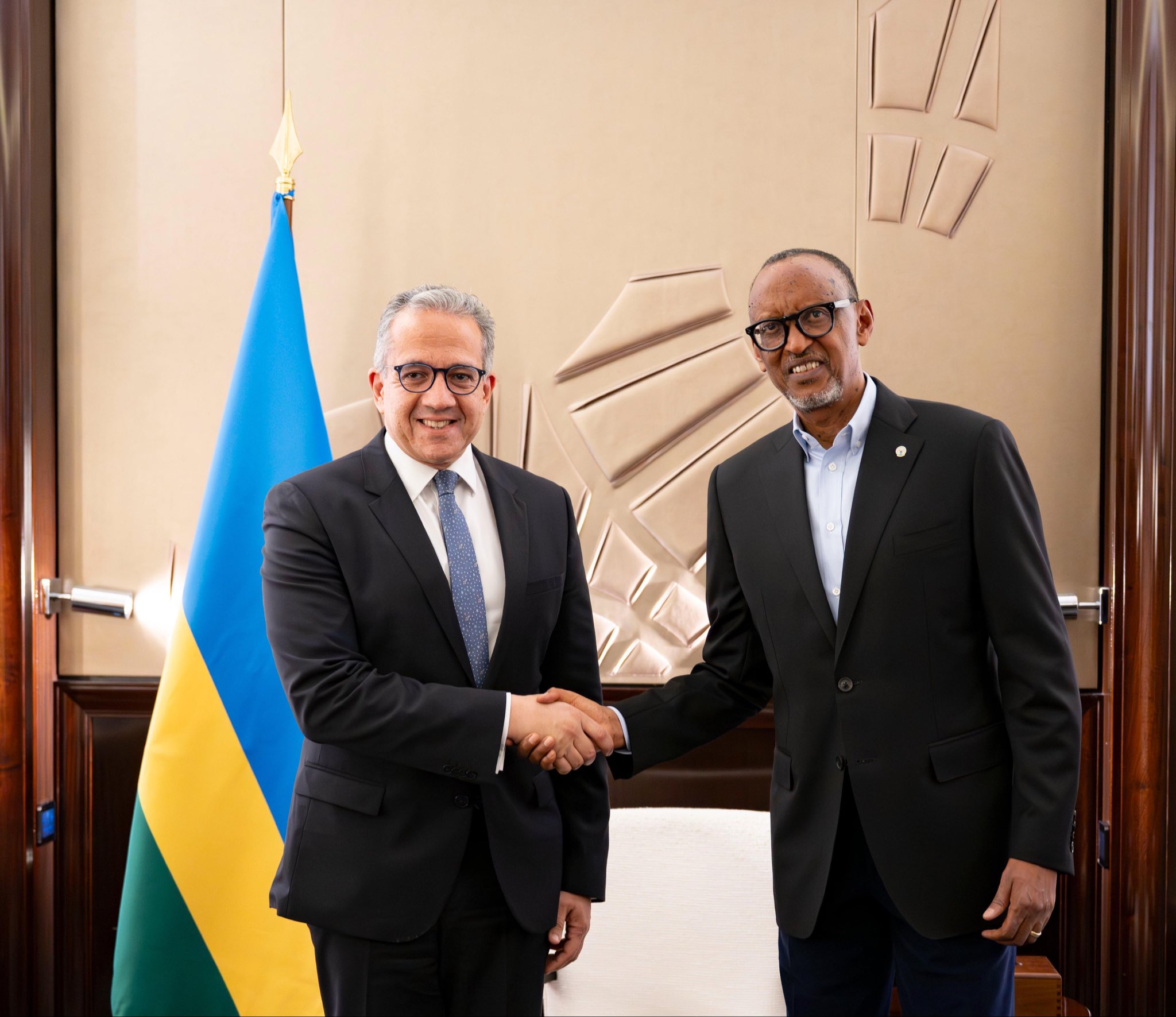
According to a statement from the Office of the President, Kagame and El-Enany discussed Rwanda’s cooperation with UNESCO in key areas including education, science and technology, cultural heritage and the preservation of memory.
Rwanda has two properties inscribed on the UNESCO World Heritage List, both added in September 2023 during the 45th session of the World Heritage Committee.
Nyungwe National Park was inscribed as a natural heritage site in recognition of its rainforest ecosystem, rich biodiversity and importance as a habitat for endangered species, including the eastern chimpanzee.
The second inscription, the Memorial Sites of the Genocide: Nyamata, Murambi, Gisozi and Bisesero, is a serial cultural heritage site comprising four memorial sites dedicated to preserving the memory of the 1994 Genocide against the Tutsi.
The inscription placed the sites on the global heritage list and recognised their importance in preserving memory and educating future generations about the genocide.
UNESCO, the United Nations Educational, Scientific and Cultural Organization, works through international cooperation in education, science, culture and information. Its mandate includes protecting cultural and natural heritage, supporting education systems, promoting scientific cooperation and safeguarding freedom of expression and access to information.
Kagame’s meeting with El-Enany came a day after his visit to Oman, where Rwanda and Oman signed two agreements and six MoUs covering areas including trade, investment, agriculture and logistics. The two countries also agreed to open residential embassies in each other’s capitals.
In Paris, Kagame is also attending the International Space Summit, co-organised by France and Germany and hosted by French President Emmanuel Macron.
The September 9-10 summit brings together nearly 120 foreign delegations, including political leaders, astronauts, scientists and representatives of the space industry.
The summit focuses on strategic autonomy, space capabilities, security, regulation and the sustainable use of outer space.
The meeting between President Kagame and UNESCO Director-General Khaled El-Enany took place ahead of the International Space Summit, which is being held in Paris on September 9-10.
Minister of Education Joseph Nsengimana said the deadline is now less than four years away, requiring East African countries to move faster in addressing regulatory differences and other barriers that limit the movement of students, academics, professionals and qualifications across borders.
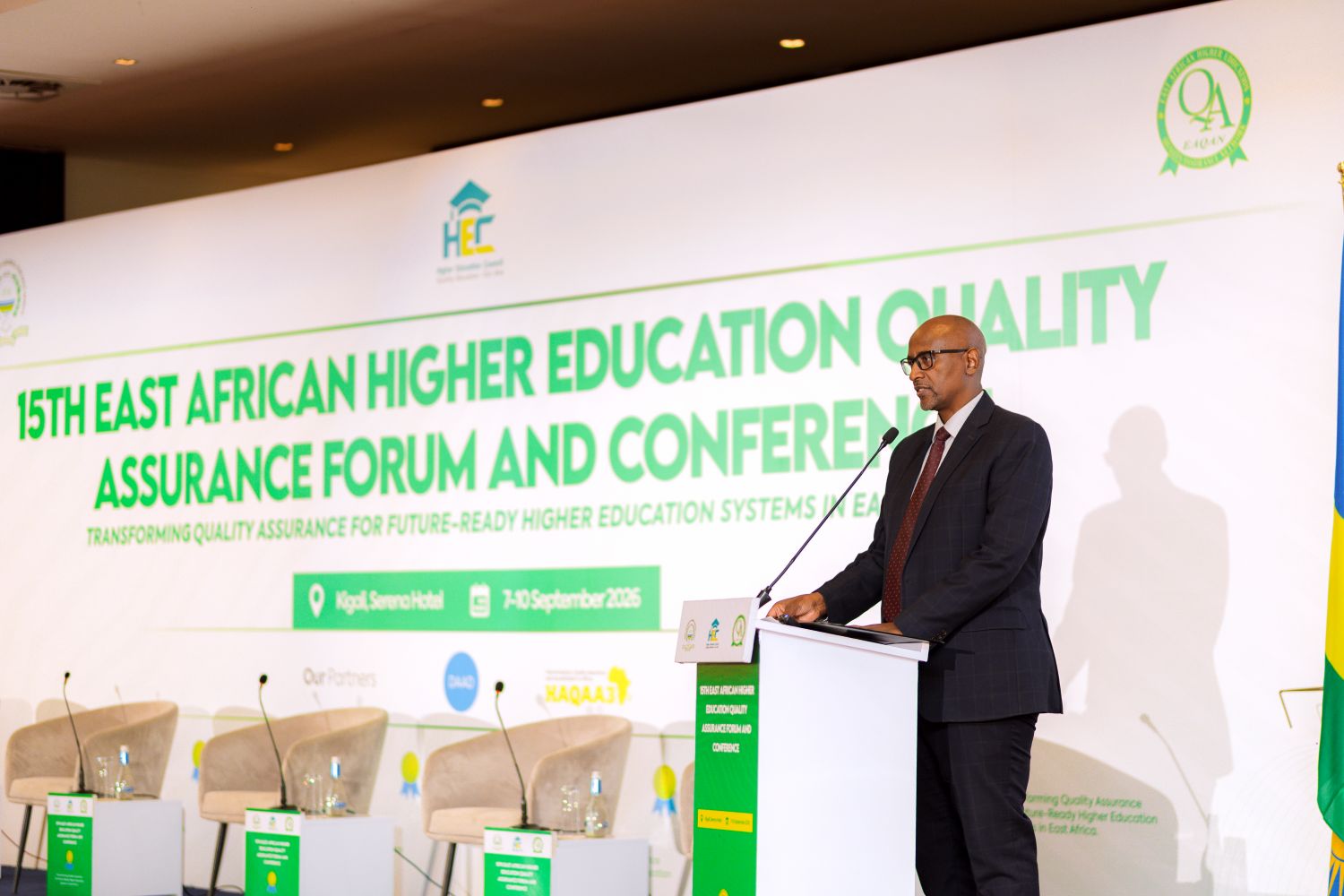
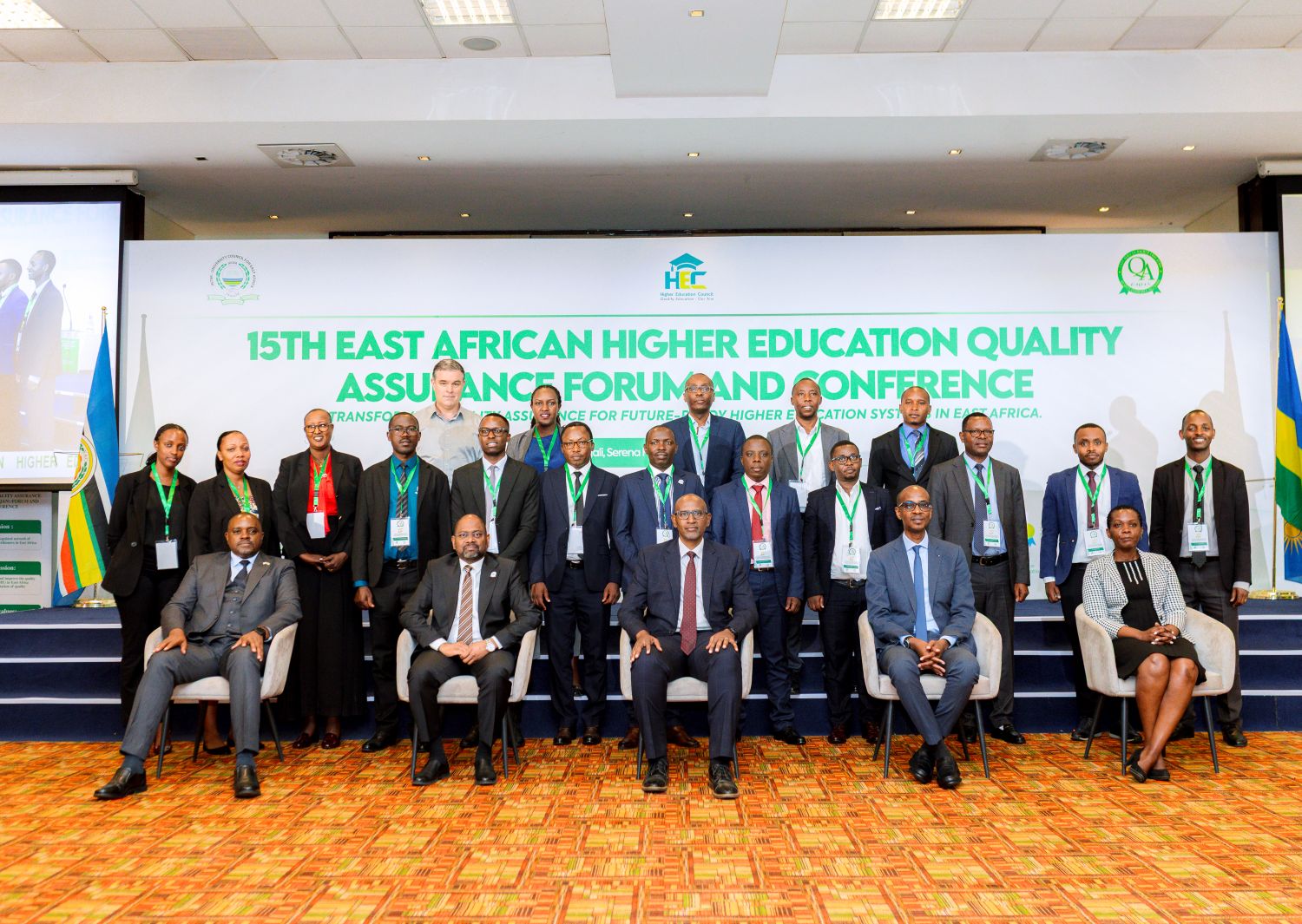
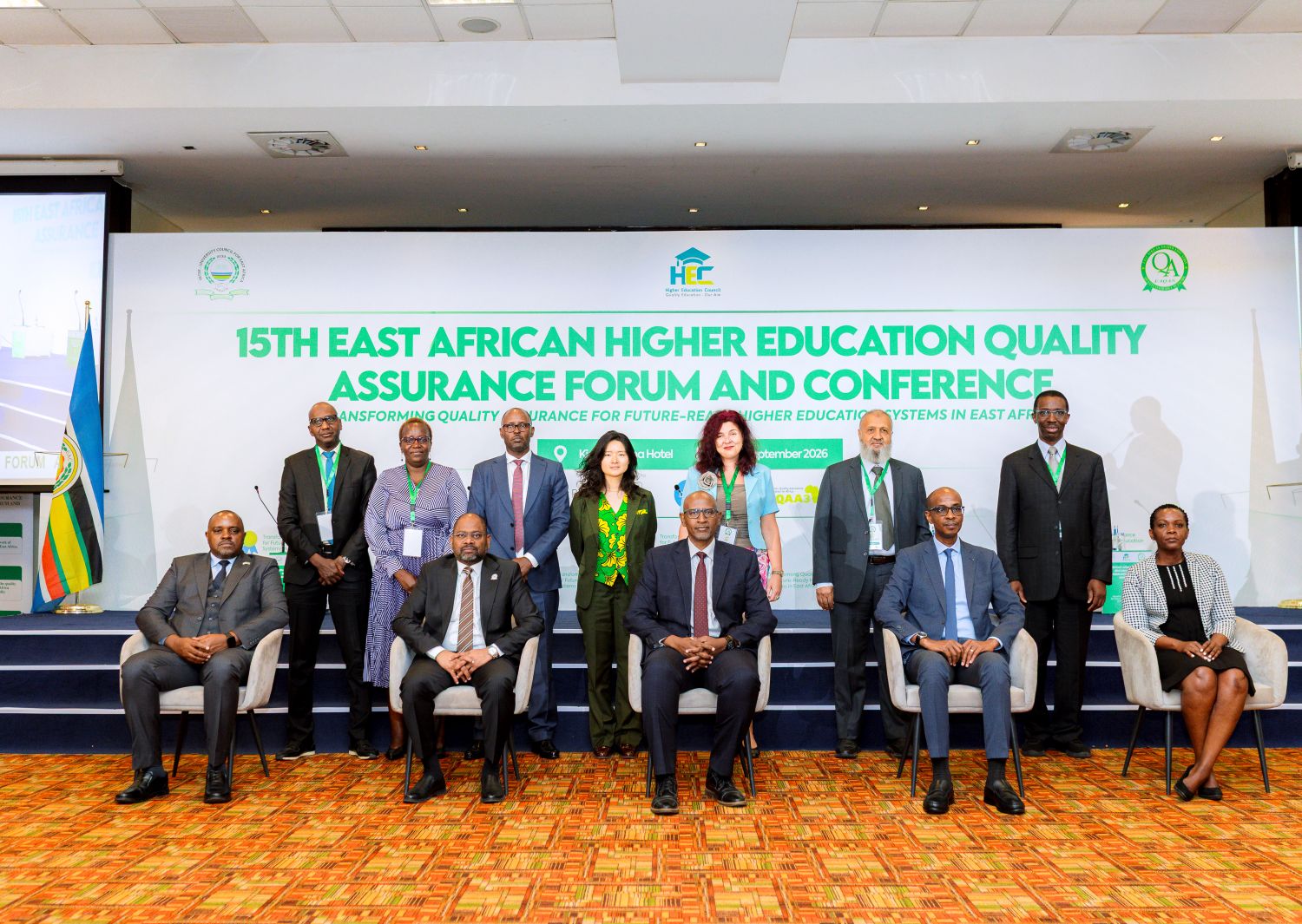
Nsengimana made the call on September 7 at the 15th East African Higher Education Quality Assurance Forum and Conference in Kigali, which brings together higher education stakeholders from across the region.
“Our heads of state and ministers responsible for education in the East African Community have set the ambitious goal of operationalising this Common Higher Education Area by 2030. The deadline is now fewer than four years away. This should not create anxiety, but it must create urgency,” he remarked.
“To achieve this, we must accelerate harmonisation, address gaps in international regulatory frameworks, and confront the resource and administrative constraints that continue to slow our progress.”
He said a common higher education area would enable qualifications earned in one East African country to be recognised more easily in another, while allowing students and professionals to move across borders with fewer administrative barriers.
The minister said quality assurance should serve as the foundation for building this trust, describing it as an “invisible infrastructure of trust” that allows qualifications, knowledge, research and human capital to move across the region.
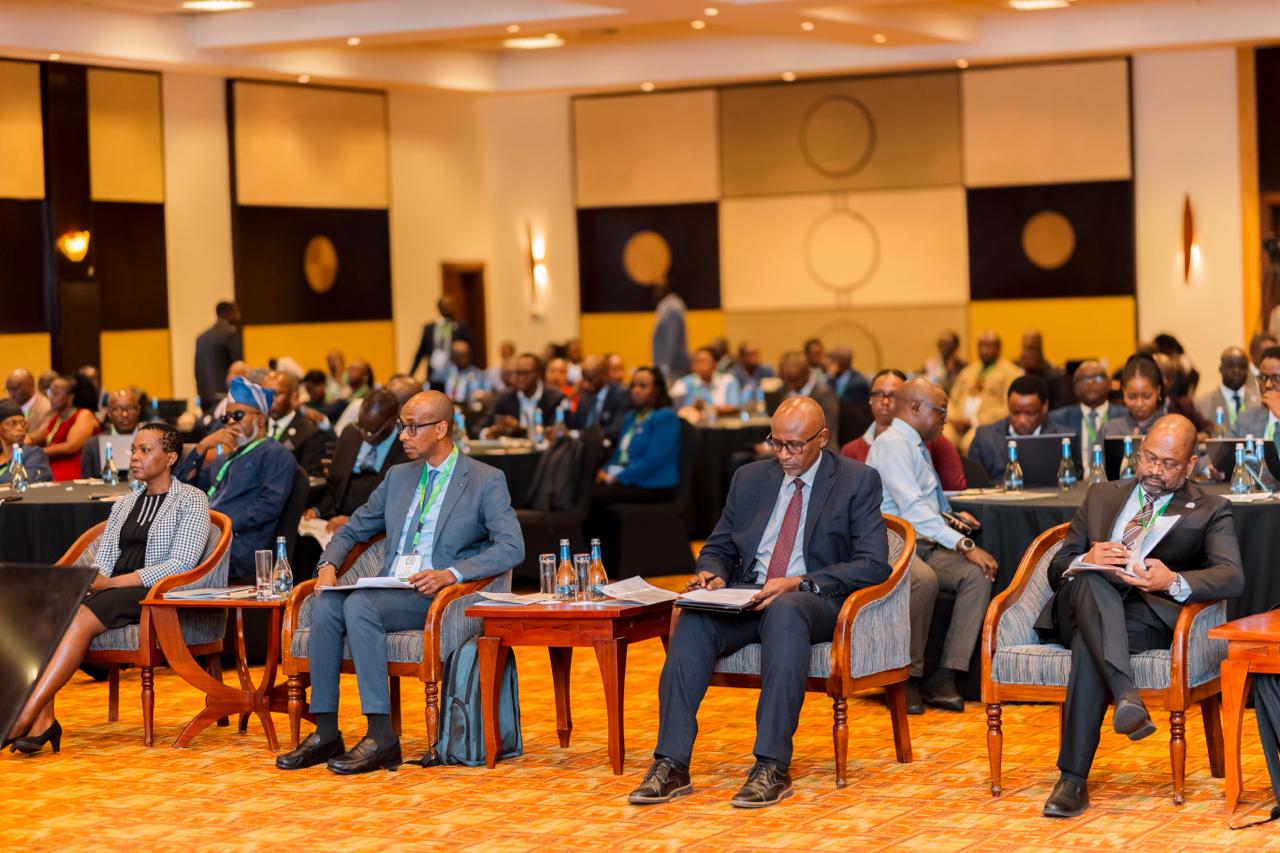
The forum brings together regional higher education stakeholders.
The push comes as the Inter-University Council for East Africa (IUCEA) shifts its focus from developing regional frameworks towards putting them into practice.
Prof. Idris Rai, Acting Executive Secretary of IUCEA, said the council’s 2026–2031 strategic plan places the operationalisation of the Common Higher Education Area at the centre of its work.
The strategy includes strengthening regional programme accreditation, qualifications frameworks and recognition, credit accumulation and transfer, policy harmonisation and quality assurance systems.
Rai said East Africa also needs to update its quality assurance tools to reflect emerging forms of education, including artificial intelligence-supported learning, digital education and micro-credentials.
Removing barriers to mobility
Participants at the forum identified differences in qualification frameworks, credit systems and recognition of prior learning as some of the challenges that continue to complicate cross-border mobility.
Other barriers include differences in curricula and academic calendars, language, bureaucracy, financial constraints, limited access to internships and industry placements, and varying levels of quality assurance development across countries.
Prof. Mary Okwakol of Uganda’s National Council for Higher Education said national qualification frameworks should align with the East African Qualifications Framework for Higher Education rather than operate in isolation.
She said the long-term objective should be automatic recognition of authentic formal qualifications across the region.
Dr. Edward Kadozi, Director General of Rwanda’s Higher Education Council, argued that the main challenge is not necessarily determining whether qualifications are equivalent, but building trust in the quality of education behind them.
He said quality assurance should become a continuous part of university operations rather than an exercise carried out only during inspections or audits.
“Quality assurance should be the daily heartbeat of institutions,” Kadozi said, arguing that universities must focus on learning outcomes, practical skills, critical thinking and adaptability as technology and labour markets evolve.
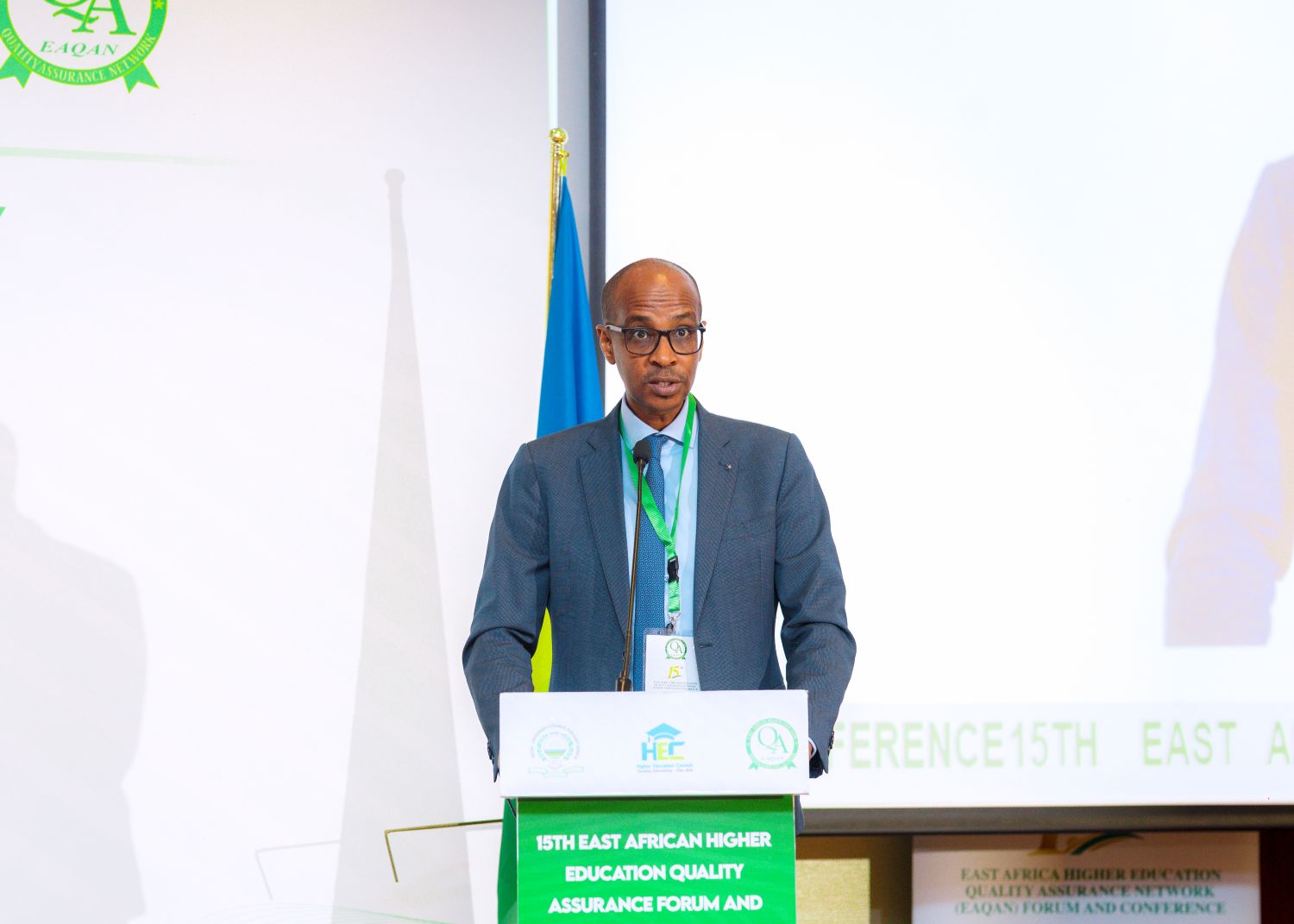
Dr. Edward Kadozi, Director General of Rwanda’s Higher Education Council, said building trust in the quality of education remains the key challenge.
The discussions also highlighted the role of student and staff mobility in strengthening regional integration.
Prof. Didas Kayihura of the University of Rwanda said cross-border mobility benefits both individuals and institutions, while international students can contribute to a richer learning environment.
However, he identified financing as one of the major constraints and called for stronger links between universities and the private sector to create more cross-border internships and align curricula with labour market needs.
Universities join regional AI network
The regional integration agenda is also extending to artificial intelligence, with six universities selected to anchor a new regional AI network aimed at strengthening education, research and innovation.
The University of Rwanda is among the institutions selected, alongside the University of Dodoma in Tanzania, Dedan Kimathi University in Kenya, SIMAD University in Somalia, the University of Burundi and Kabale University in Uganda.
Rai said the network forms part of IUCEA’s wider plan to establish a federated regional Centre of Excellence in Artificial Intelligence, linking universities across the East African Community through specialised institutional nodes.
The initiative is expected to support collaboration in AI education, research and innovation, as the region seeks to prepare universities and graduates for increasingly technology-driven economies.
IUCEA is also considering an AI foundational module for university students across the region, alongside training for lecturers and a policy framework governing the use of AI in teaching, learning and research.
The 15th East African Higher Education Quality Assurance Forum and Conference is being held at Kigali Serena Hotel from September 7 to 10 under the theme, “Transforming Quality Assurance for Future-Ready Higher Education Systems in East Africa.”
The meeting brings together regional higher education stakeholders as East Africa seeks to turn the goal of a Common Higher Education Area by 2030 from a policy ambition into an operational system.
The 15th East African Higher Education Quality Assurance Forum and Conference closes on September 10, 2026.The forum brings together regional higher education stakeholders.