Kagame made the remarks while addressing the International Space Summit in Paris, a two-day gathering convened by French President Emmanuel Macron that brought together Heads of State and Government, space agency leaders, and industry representatives to discuss governance, security and sustainable development frameworks for the space sector.
Thanking President Macron for convening the summit, Kagame said the space economy is evolving rapidly, driven by lower costs, new technologies and greater private sector engagement, and that Africa intends to be a contributor to science, research and global decision-making, not only a user of space capabilities.
“For a continent with a young and increasingly connected population, this sector offers enormous potential,” he said, adding that with the right support, African talent can develop the relevant expertise and build businesses that create real value for the continent.
Kagame pointed to Rwanda’s national space policy as an example of how the country is positioning itself in the sector, saying it was designed to foster investment and innovation.
He told the delegates that Rwanda is currently using space technologies and artificial intelligence to strengthen agriculture, infrastructure, disaster management and other critical areas, and that the country also hosts satellite ground infrastructure serving global operators.
On the growing competition for spectrum and orbital resources as satellite constellations expand, Kagame warned that developing countries risk losing access.
He noted that Rwanda, alongside other partners, supported the African Telecommunications Union’s efforts to regain several orbital slots for the continent, describing the experience as proof of how coordinated African action can protect the continent’s interests.
Kagame called for the pace of change in the space sector to be matched by clear international rules, saying frameworks should recognize both the civilian and security applications of space technologies and enable responsible collaboration. He said this requires an inclusive process that gives developing countries a meaningful voice and ensures their priorities are fairly represented.
He also raised the issue of technology transfer, saying export restrictions continue to limit access to knowledge and modern technologies, and welcomed partnerships that advance research and build local capacity. He cited the company E-Space as an example, saying it is working with a growing number of African countries to develop and deploy satellite-based solutions.
“Ultimately, we should avoid reproducing in space the inequalities that exist in other domains,” Kagame said, adding that Rwanda stands ready to work with France, Europe and other partners to deepen space cooperation.
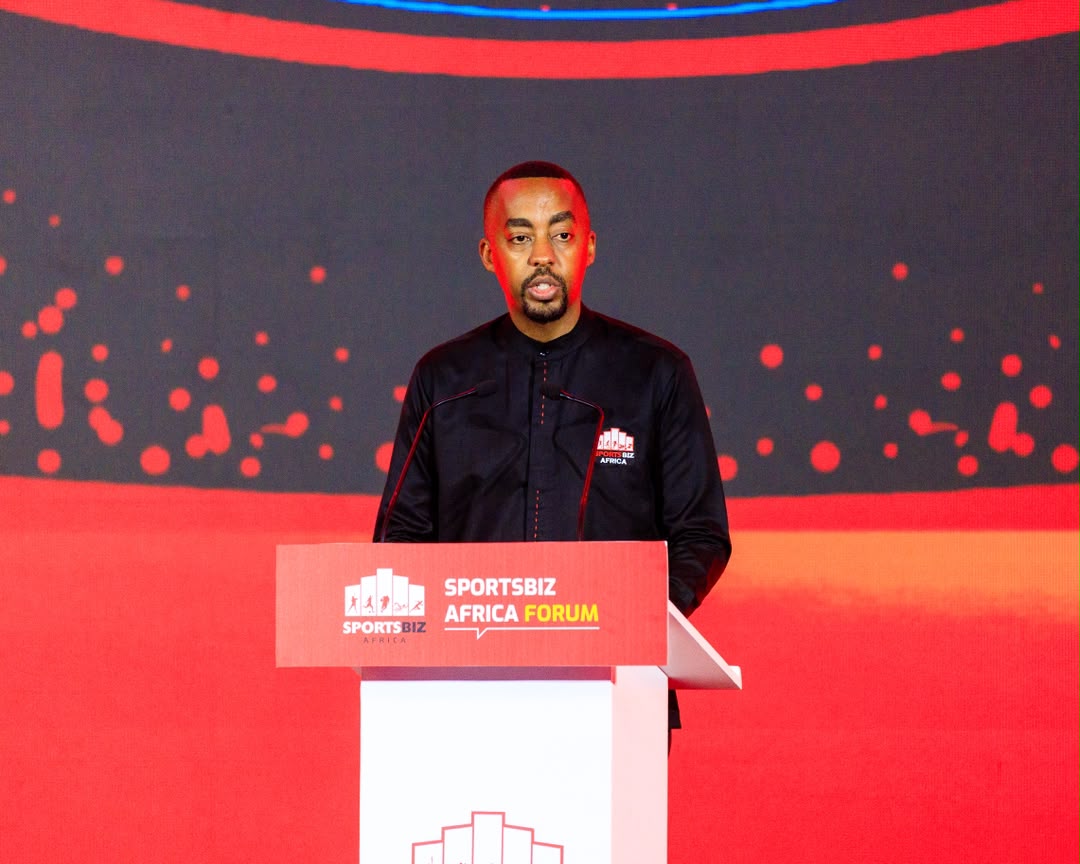
Christian Gakwaya, Chief Executive Officer of Rwanda Events Group, announced the shift as the third SportsBiz Africa Forum opened in Kigali on September 10, arguing that Africa needs to move beyond discussions about sporting talent and trophies to capturing more of the economic value generated by the sector.
“It’s time for a shift,” Gakwaya told delegates at the Kigali Convention Centre.
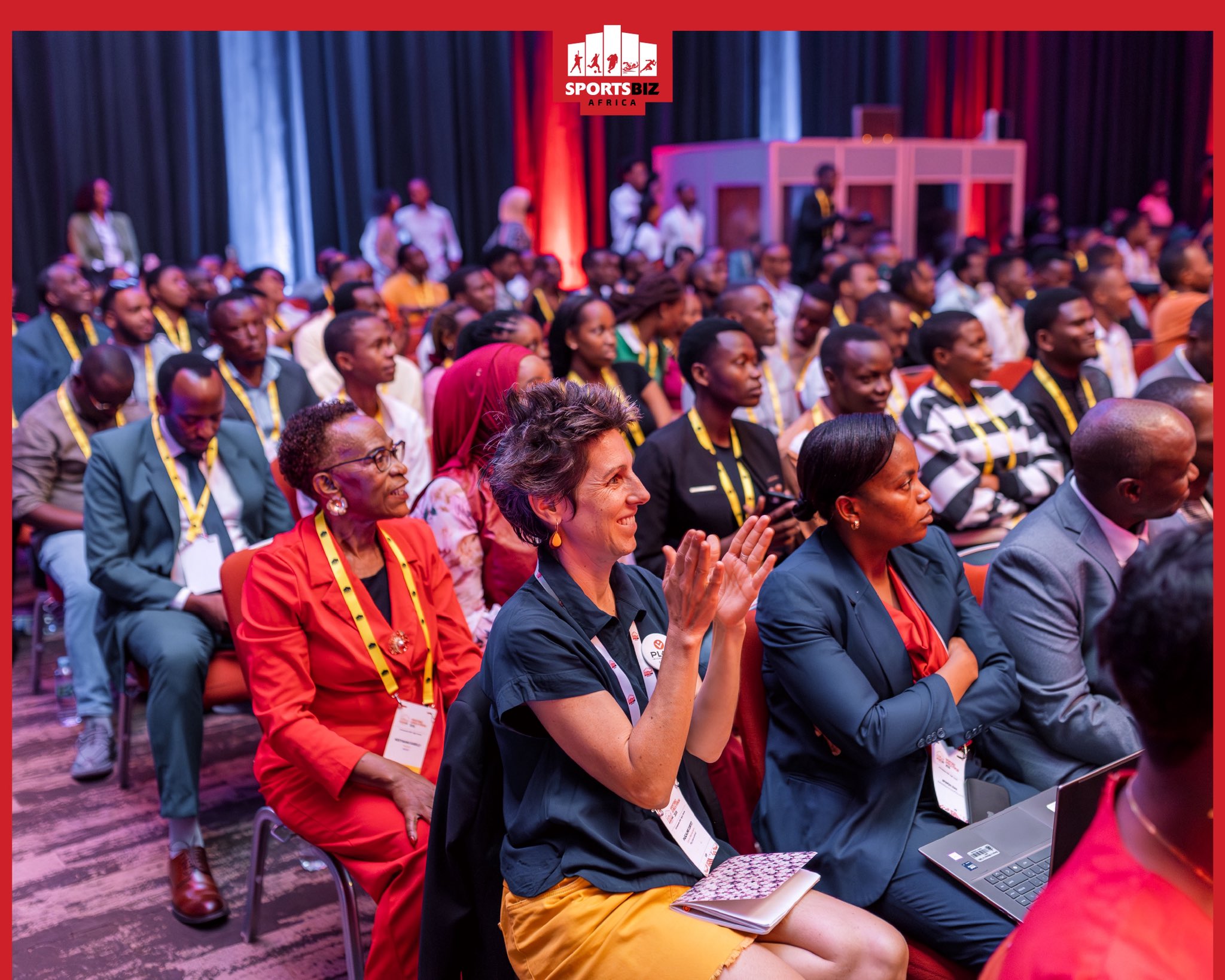
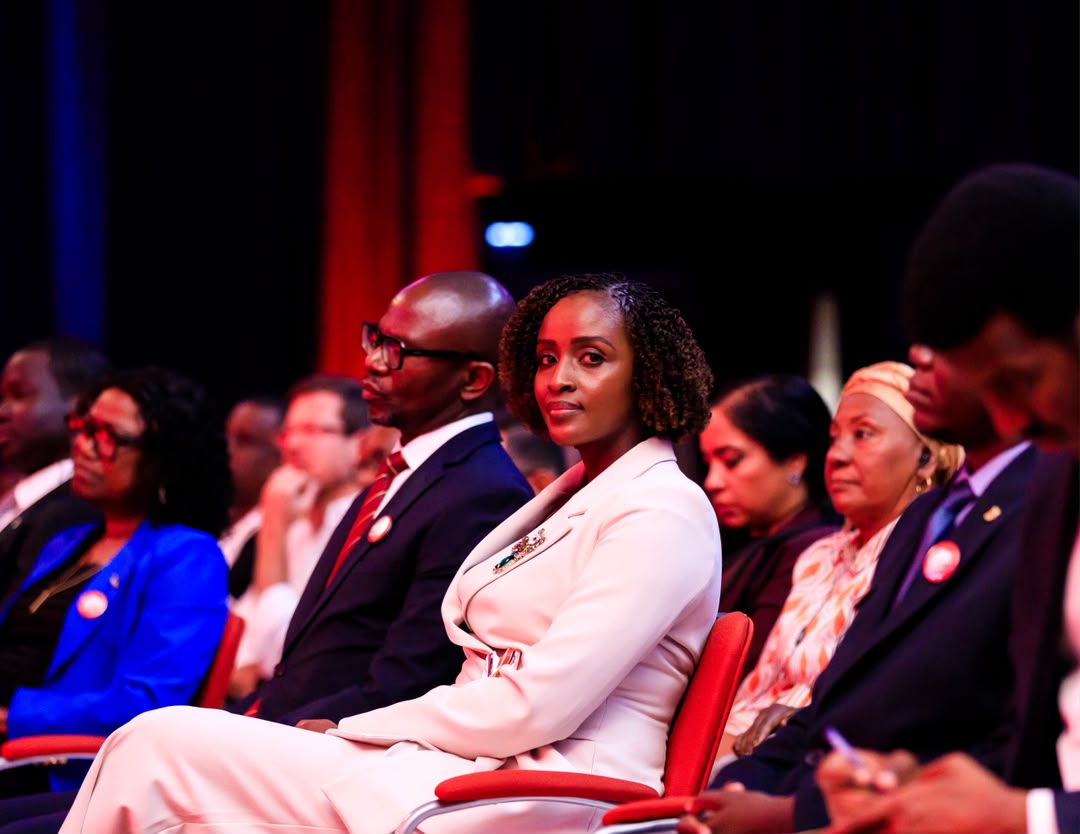
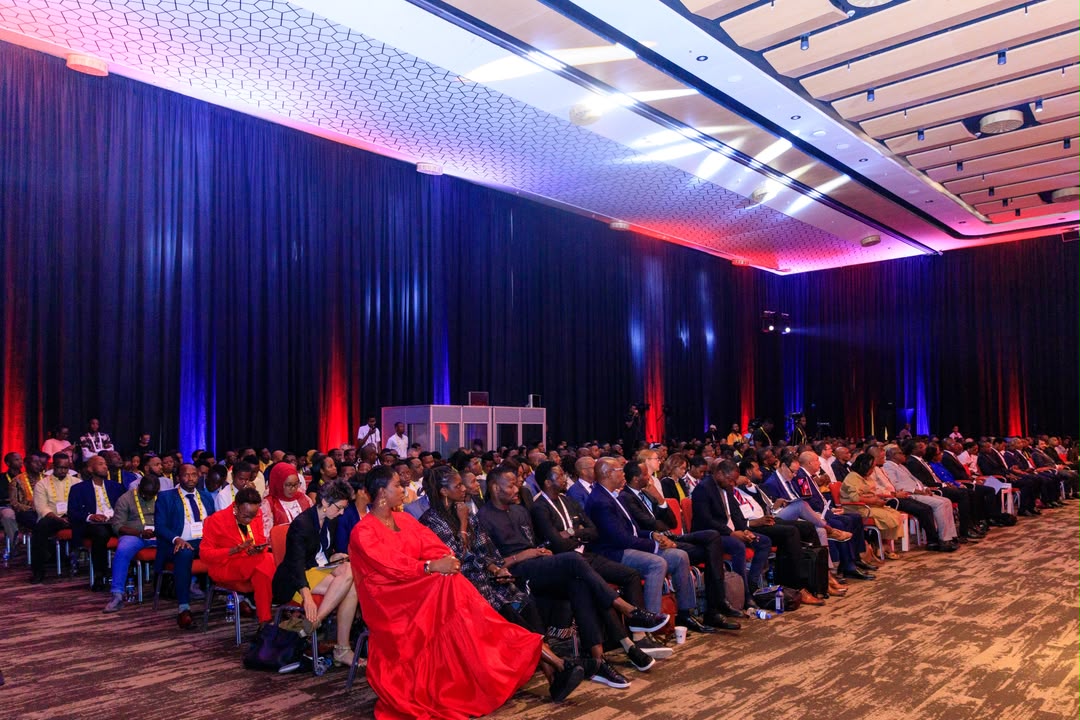
The event, which runs from September 10 to 11, is bringing together policymakers, investors, sports administrators, business leaders, entrepreneurs, athletes and development partners to discuss investment, innovation, governance and business opportunities in sport.
Gakwaya argued that Africa has long supplied talent, coaches, stories and other resources to the global sports industry, while much of the economic value has been captured elsewhere.
He challenged stakeholders to consider who owns the media rights, intellectual property and data generated by African sport, as well as who manufactures the apparel, technology and other products used by athletes and fans.
“Who owns our needs? Who owns the media rights to our needs? Who owns the intellectual property in the sports sector on the continent?” he asked.
The two-day SportsBiz Africa Forum brings together policymakers, investors, sports leaders, entrepreneurs and athletes to explore ways to grow Africa’s sports economy.
The new SportsBiz Africa Platform is intended to address some of these gaps by focusing on investment facilitation, business development, market intelligence, entrepreneurship, policy engagement, talent development and cross-border participation.
Unlike the forum, which brings stakeholders together for a few days each year, the platform is designed to operate throughout the year.
“A forum brings people together. A platform will help them to do something together,” Gakwaya explained. “A forum can last three days… But we want a platform that will create value throughout the 365 days.”
The initiative will seek to connect startups with investors, leagues with technology companies, brands with communities and African athletes and entrepreneurs with global opportunities.
Gakwaya acknowledged that significant barriers remain, including limited sports data, difficulties commercialising sports assets and events, and inadequate access to structured financing.
“Too many promising ideas remain disconnected from institutional investors and markets that can help them grow,” he noted.
Rwanda’s Minister of Sports, Nelly Mukazayire, also called for a stronger focus on the commercial side of sport, arguing that Africa’s share of the global sports economy remains disproportionately small despite its large pool of talent and young population.
Mukazayire estimated the global sports industry at between $2.3 trillion and $2.65 trillion, while Africa accounts for about 0.5% of the sector.
She identified data, people and the commercialisation of sport as three areas requiring greater attention if Africa is to close the gap.
The minister called for more African-owned data on athletes and sports markets, greater investment in athletes’ physical and mental wellbeing, and stronger commercial structures around broadcasting rights, merchandise, manufacturing and sports infrastructure.
She also argued that sports facilities should be designed as broader commercial and community hubs rather than simply venues for talent development.
“By building pitches you’re creating community. By adding all those services you’re creating value,” Mukazayire said.
Minister Mukazayire estimated the global sports industry at between $2.3 trillion and $2.65 trillion, while Africa accounts for about 0.5% of the sector.
Her remarks echoed the broader objective of the SportsBiz Africa Platform, which is to create an ecosystem around sport rather than focus solely on competition.
Dr Decius Hikabwa Chipande, Coordinator and Head of the African Union Sports Council, backed greater collaboration between governments, the private sector, sports organisations and development partners to expand the continental sports economy.
He urged participants to move from dialogue to investment and measurable outcomes, noting that sport can contribute to youth employment, entrepreneurship, innovation and social development.
Félicité Rwemarika, an International Olympic Committee member, similarly stressed that Africa’s sporting potential will require investment in organisations, skills and people alongside physical infrastructure.
She pointed to the Dakar 2026 Youth Olympic Games as an example of how major sporting events can leave a legacy through skills development and professional training.
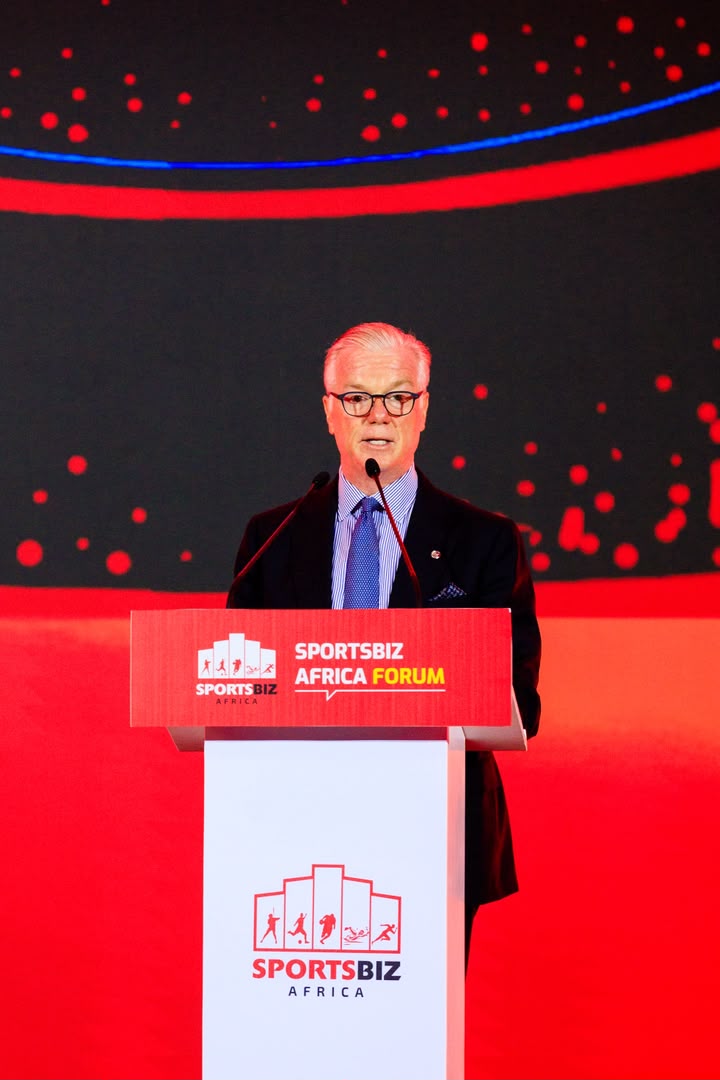
Meanwhile, Sir Paul J. Foster, President and CEO of the Global Esports Federation, urged African stakeholders to build stronger connections between local talent and global markets.
He argued that technology can connect African creators, entrepreneurs and intellectual property to international audiences and capital, but warned that connectivity alone is insufficient without the systems and infrastructure to support it.
Sir Paul J. Foster, President and CEO of the Global Esports Federation, urged African stakeholders to build stronger connections between local talent and global markets.
The SportsBiz Africa programme also includes a Dealroom designed to match investors with sports-related ventures, alongside a career fair, Gamers Garage and the SportsBiz Africa Esports Cup.
Gakwaya said the ambition is for the platform to demonstrate measurable progress by the time stakeholders reconvene next year.
“We want to make sure that next year, around the same date as we host SportsBiz Africa again, we will be able to say that we have constructed an ecosystem,” he said.
The third edition of the SportsBiz Africa Forum opened in Kigali on Thursday, September 10, 2026.Christian Gakwaya, Chief Executive Officer of Rwanda Events Group, told delegates that Africa needs to move beyond discussions about sporting talent and trophies to capturing more of the economic value generated by the sector.
Opening the third SportsBiz Africa Forum in Kigali on September 10, Mukazayire noted that the global sports industry was valued at between $2.3 trillion and $2.65 trillion, while Africa accounted for only about 0.5% of the global market.
The gap, she argued, was difficult to ignore given the continent’s youthful population and its long record of producing athletes whose talent has helped drive sports industries elsewhere.
“What are they doing that we are not doing?” Mukazayire asked as she outlined three areas she believes Africa must address to unlock more value from its sporting potential: data, people and the commercial side of sport.
The first is data.
Mukazayire argued that Africa needs to collect and use more data suited to African athletes, markets and conditions rather than relying entirely on research and systems developed elsewhere.
Science and technology, she explained, must also reflect the realities of African athletes, including factors such as altitude, climate and local environments.
The minister pointed to the limited availability of data on women in sport, noting that much of the research developed over the years has been based largely on men despite the growing participation and performance of women athletes across Africa.
“We need to discuss how we start looking at data, collecting data that is meant for African athletes and that is going to be created, put together by African companies, entrepreneurs and interpreted in that way,” she said.
The two-day SportsBiz Africa Forum brings together policymakers, investors, sports leaders, entrepreneurs and athletes to explore ways to grow Africa’s sports economy.
The second priority is people.
Mukazayire stressed that African sports systems need to look beyond an athlete’s natural ability and understand the wider factors that determine high performance and long-term success.
Health, mental wellbeing, nutrition, sleep, recovery and the environment surrounding athletes all require greater attention, she argued.
She also highlighted fan engagement as an increasingly important part of the sports economy. Sport, she noted, can create opportunities beyond competition by supporting entertainment, fashion, creative industries and other businesses.
The third priority is commercial value.
Mukazayire questioned who benefits from broadcasting rights, merchandising and other revenue streams generated by African sport, arguing that the continent needs to take a greater role in building businesses around its sporting assets.
She also called for a different approach to investment in sports infrastructure. Stadiums, pitches and arenas should not be viewed only as facilities for developing athletes, but as centres around which businesses and communities can grow.
“By building pitches you’re creating community. By adding all those services you’re creating value,” she told delegates.
Her message was echoed by Christian Gakwaya, Chief Executive Officer of Rwanda Events Group, who argued that Africa has spent years supplying talent to the global sports economy without capturing a proportionate share of the value created.
Christian Gakwaya, Chief Executive Officer of Rwanda Events Group, speaks during the forum held at the Kigali Convention Centre (KCC) on Thursday.
Africa has produced athletes, coaches and stories that have helped shape global sport, Gakwaya observed, but much of the economic value generated from those contributions has been captured elsewhere.
He urged the continent to move beyond measuring sporting success solely through participation, performance and trophies and instead confront questions around ownership.
“Who owns our media rights?” he asked. “Who owns the intellectual property in the sports sector in the continent?”
Gakwaya also questioned who manufactures sports apparel and technologies used on the continent, manages African athletes, collects sports data and builds African sports brands.
For him, the next phase should focus on ensuring that more of the economic value generated by African sport remains in Africa.
The SportsBiz Africa Forum, now in its third edition, he announced, is evolving into the SportsBiz Africa Platform, a shift intended to move beyond periodic discussions towards investment facilitation, business development, market intelligence, entrepreneurship, policy engagement and talent development.
“A forum brings people together. A platform will help them to do something together,” Gakwaya said.
The call for stronger African participation in the global sports economy was also reinforced by Sir Paul J. Foster, President and Chief Executive Officer of the Global Esports Federation.
Foster described connectivity as a form of infrastructure capable of creating economic opportunity, particularly for young people, entrepreneurs and creators who can use technology to access global markets.
Sir Paul J. Foster, President and Chief Executive Officer of the Global Esports Federation, was among the leaders who graced the event.
Rather than focusing on bringing the world to Africa, he argued that the continent should concentrate on connecting African talent, businesses, intellectual property and ideas directly to global opportunities.
“For too long, the conversation has been about bringing the world to Africa. I’m much more interested in the reverse. Africa to the world,” Foster told the forum, describing it not simply as a slogan but as an economic proposition.
He urged African governments, universities, entrepreneurs, investors and sports organisations to build the infrastructure, competitions, academies, investment pathways and commercial networks needed to support that ambition.
Foster noted that the global gaming industry had grown into a major economic force, placing esports at the intersection of technology, artificial intelligence, entertainment, media, education, commerce and youth.
The challenge, he suggested, was to build systems that allow young Africans to move from being players to developers, fans to creators, students to entrepreneurs, and local businesses to global companies.
Dr Decius Hikabwa Chipande, Coordinator and Head of the African Union Sports Council, similarly framed sport as a strategic sector for economic growth, youth empowerment, job creation and innovation.
He urged stronger partnerships between governments, the private sector, sports organisations, development partners and communities to unlock opportunities across the sports value chain.
The African Union, he noted, sees sport as more than recreation and competition, with potential to support entrepreneurship, employment, skills development and continental integration.
Félicité Rwemarika, an International Olympic Committee member, also emphasised that talent and passion alone would not be enough for Africa to realise its sporting potential.
The continent needs strong institutions, good governance, investment, skills and expertise, she conveyed in a message from IOC President Kirsty Coventry.
Investment in sport, the message argued, should ultimately be understood as an investment in people, creating opportunities for young people through education, skills development and employment.
Together, the speakers returned repeatedly to a similar question: how can Africa retain more of the value generated by its sporting talent?
For Mukazayire, the answer begins with understanding African athletes through African data, investing in the people around sport and building stronger commercial ecosystems capable of creating value at home.
The task now, she told delegates, is to move beyond recommendations and develop practical measures that can create jobs, businesses and investment for future generations.
“We have to be intentional in terms of what is the legacy we are leaving for the next generations,” she said.
The two-day SportsBiz Africa Forum brings together policymakers, investors, sports administrators, business leaders, entrepreneurs and athletes to discuss ways of strengthening Africa’s sports economy through investment, innovation and collaboration.
Opening the third SportsBiz Africa Forum in Kigali on September 10, Mukazayire noted that the global sports industry was valued at between $2.3 trillion and $2.65 trillion, while Africa’s share remained at about 0.5%.The two-day SportsBiz Africa Forum brings together policymakers, investors, sports leaders, entrepreneurs and athletes to explore ways to grow Africa’s sports economy.
The meeting took place ahead of the International Space Summit, which is being held in Paris on September 9-10.
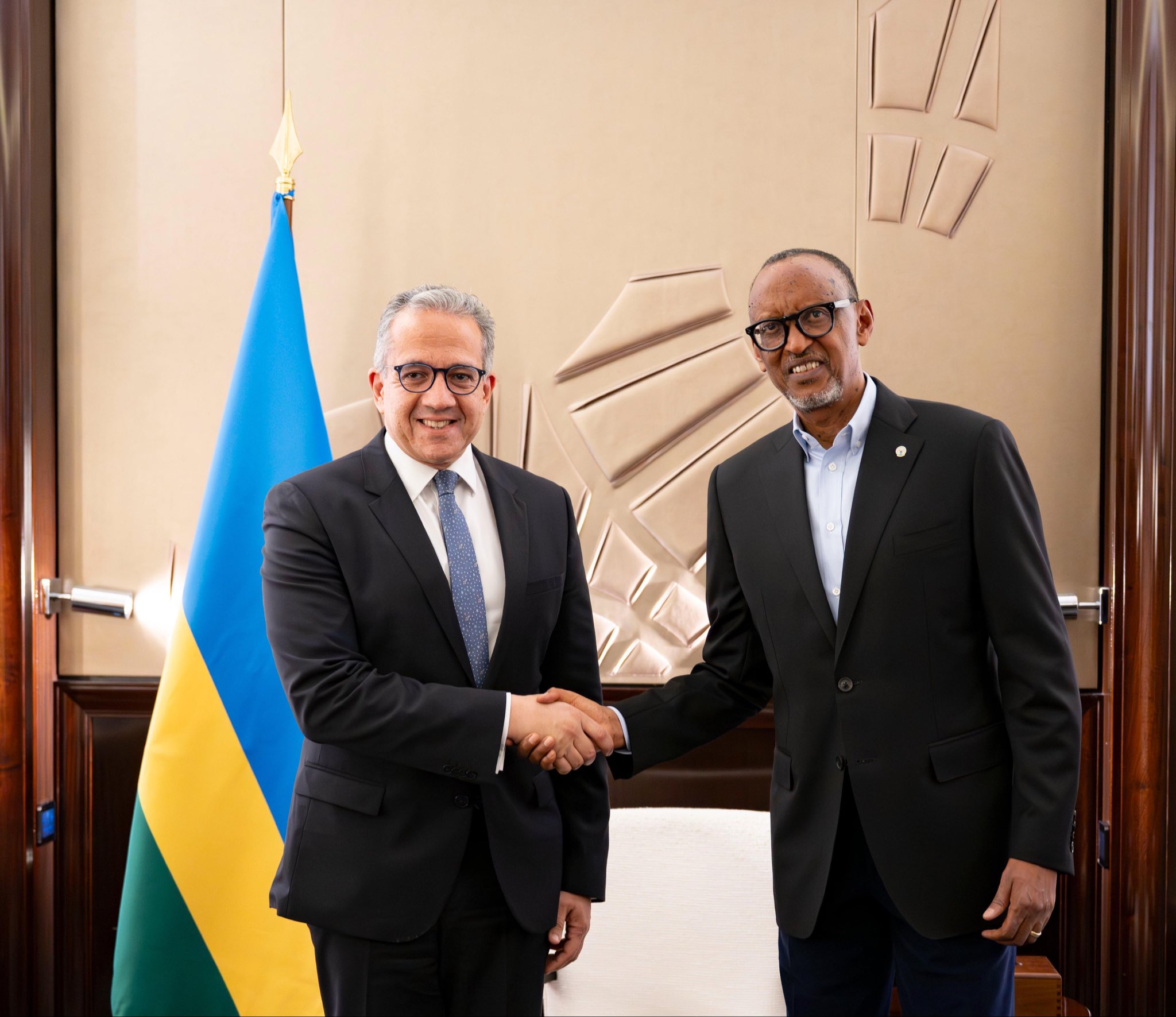
According to a statement from the Office of the President, Kagame and El-Enany discussed Rwanda’s cooperation with UNESCO in key areas including education, science and technology, cultural heritage and the preservation of memory.
Rwanda has two properties inscribed on the UNESCO World Heritage List, both added in September 2023 during the 45th session of the World Heritage Committee.
Nyungwe National Park was inscribed as a natural heritage site in recognition of its rainforest ecosystem, rich biodiversity and importance as a habitat for endangered species, including the eastern chimpanzee.
The second inscription, the Memorial Sites of the Genocide: Nyamata, Murambi, Gisozi and Bisesero, is a serial cultural heritage site comprising four memorial sites dedicated to preserving the memory of the 1994 Genocide against the Tutsi.
The inscription placed the sites on the global heritage list and recognised their importance in preserving memory and educating future generations about the genocide.
UNESCO, the United Nations Educational, Scientific and Cultural Organization, works through international cooperation in education, science, culture and information. Its mandate includes protecting cultural and natural heritage, supporting education systems, promoting scientific cooperation and safeguarding freedom of expression and access to information.
Kagame’s meeting with El-Enany came a day after his visit to Oman, where Rwanda and Oman signed two agreements and six MoUs covering areas including trade, investment, agriculture and logistics. The two countries also agreed to open residential embassies in each other’s capitals.
In Paris, Kagame is also attending the International Space Summit, co-organised by France and Germany and hosted by French President Emmanuel Macron.
The September 9-10 summit brings together nearly 120 foreign delegations, including political leaders, astronauts, scientists and representatives of the space industry.
The summit focuses on strategic autonomy, space capabilities, security, regulation and the sustainable use of outer space.
The meeting between President Kagame and UNESCO Director-General Khaled El-Enany took place ahead of the International Space Summit, which is being held in Paris on September 9-10.
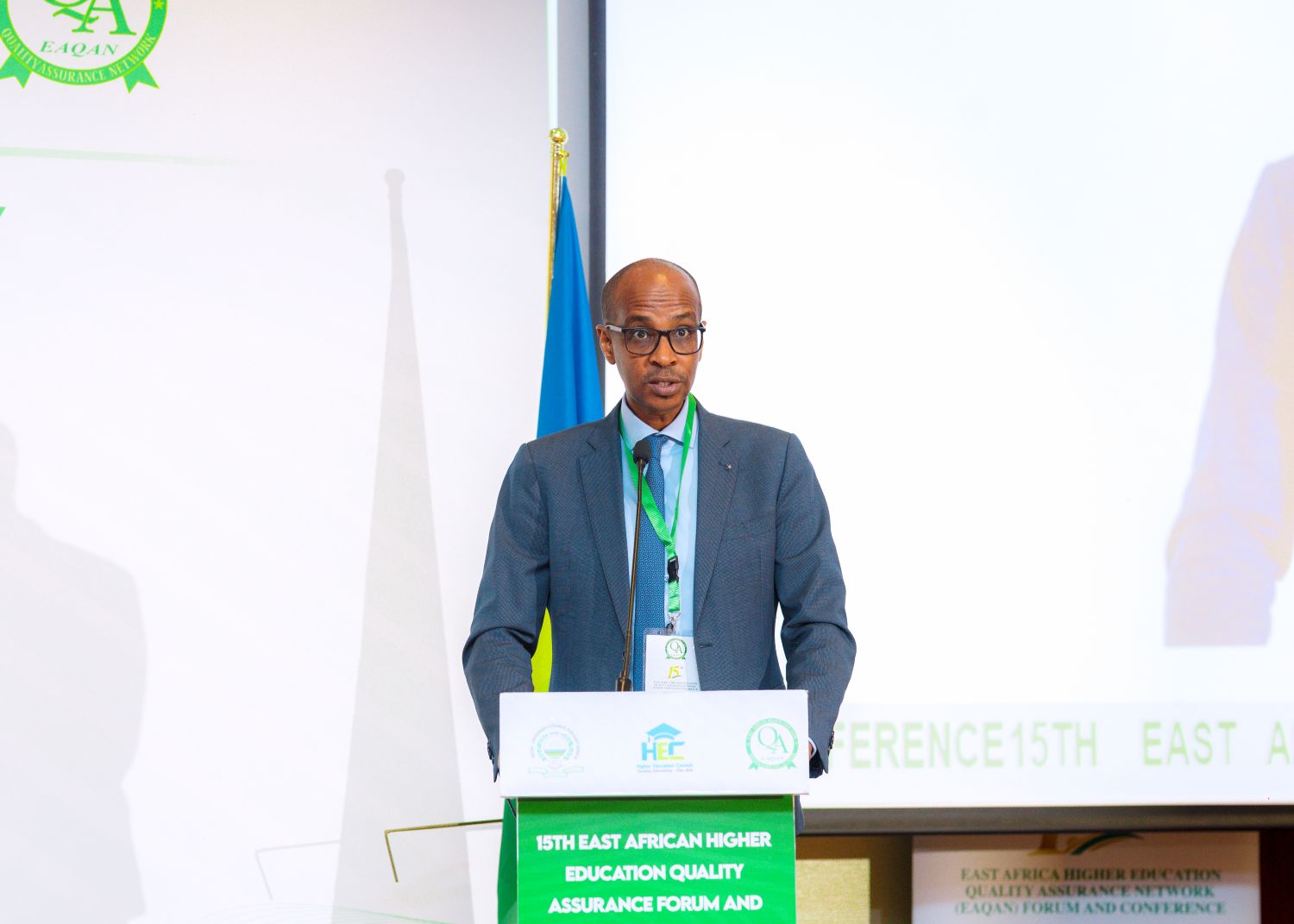
Minister of Education Joseph Nsengimana said the deadline is now less than four years away, requiring East African countries to move faster in addressing regulatory differences and other barriers that limit the movement of students, academics, professionals and qualifications across borders.
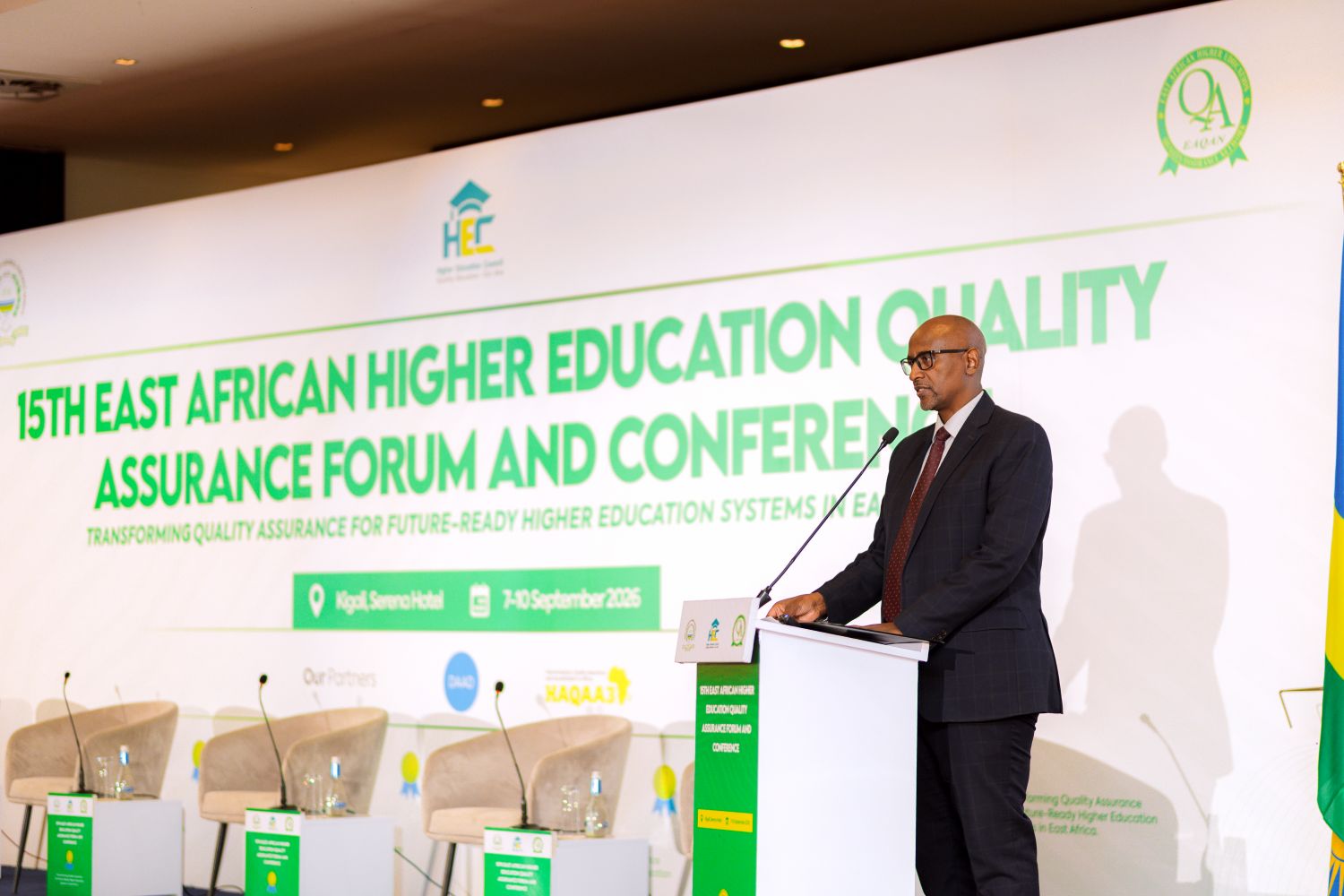
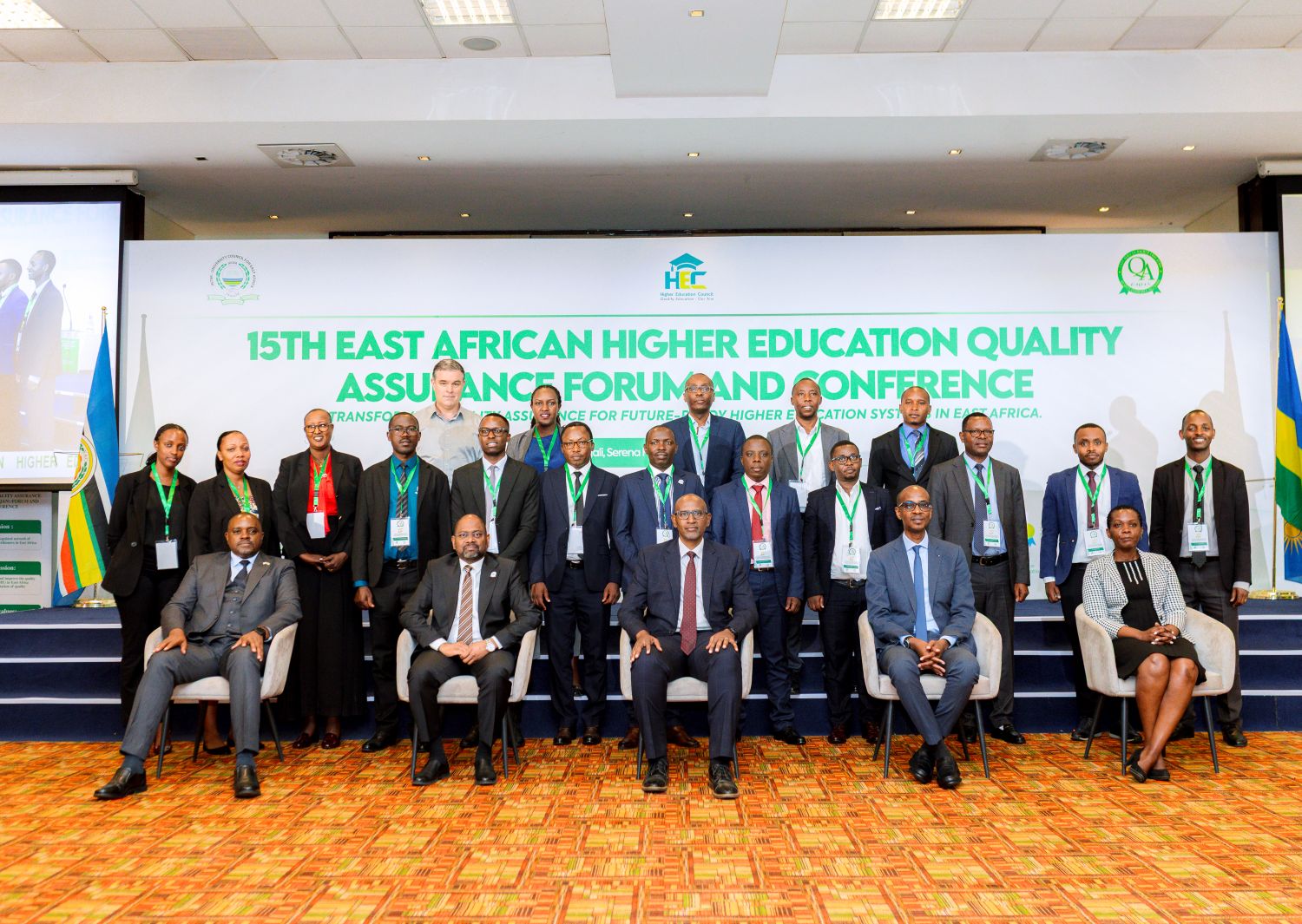
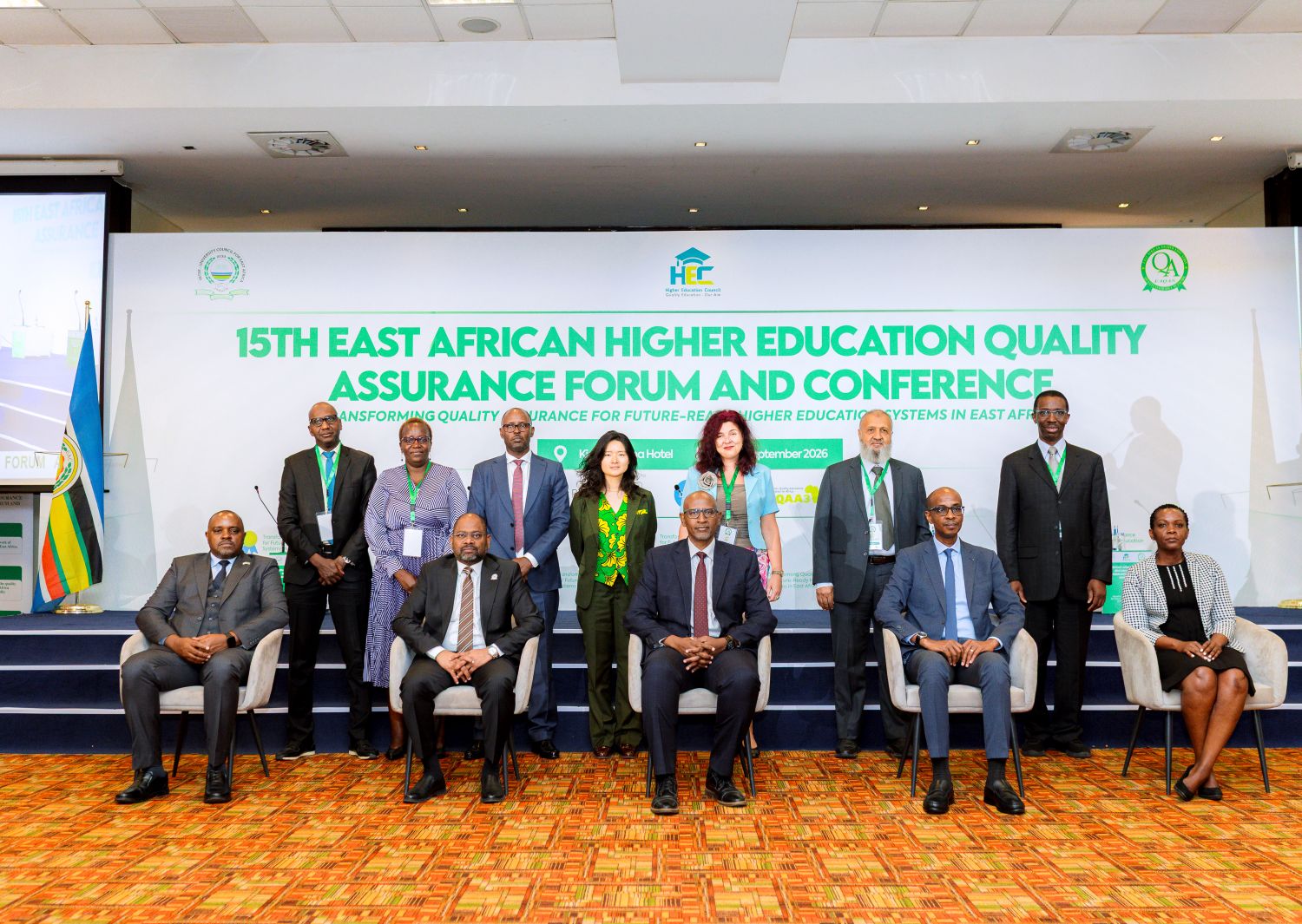
Nsengimana made the call on September 7 at the 15th East African Higher Education Quality Assurance Forum and Conference in Kigali, which brings together higher education stakeholders from across the region.
“Our heads of state and ministers responsible for education in the East African Community have set the ambitious goal of operationalising this Common Higher Education Area by 2030. The deadline is now fewer than four years away. This should not create anxiety, but it must create urgency,” he remarked.
“To achieve this, we must accelerate harmonisation, address gaps in international regulatory frameworks, and confront the resource and administrative constraints that continue to slow our progress.”
He said a common higher education area would enable qualifications earned in one East African country to be recognised more easily in another, while allowing students and professionals to move across borders with fewer administrative barriers.
The minister said quality assurance should serve as the foundation for building this trust, describing it as an “invisible infrastructure of trust” that allows qualifications, knowledge, research and human capital to move across the region.
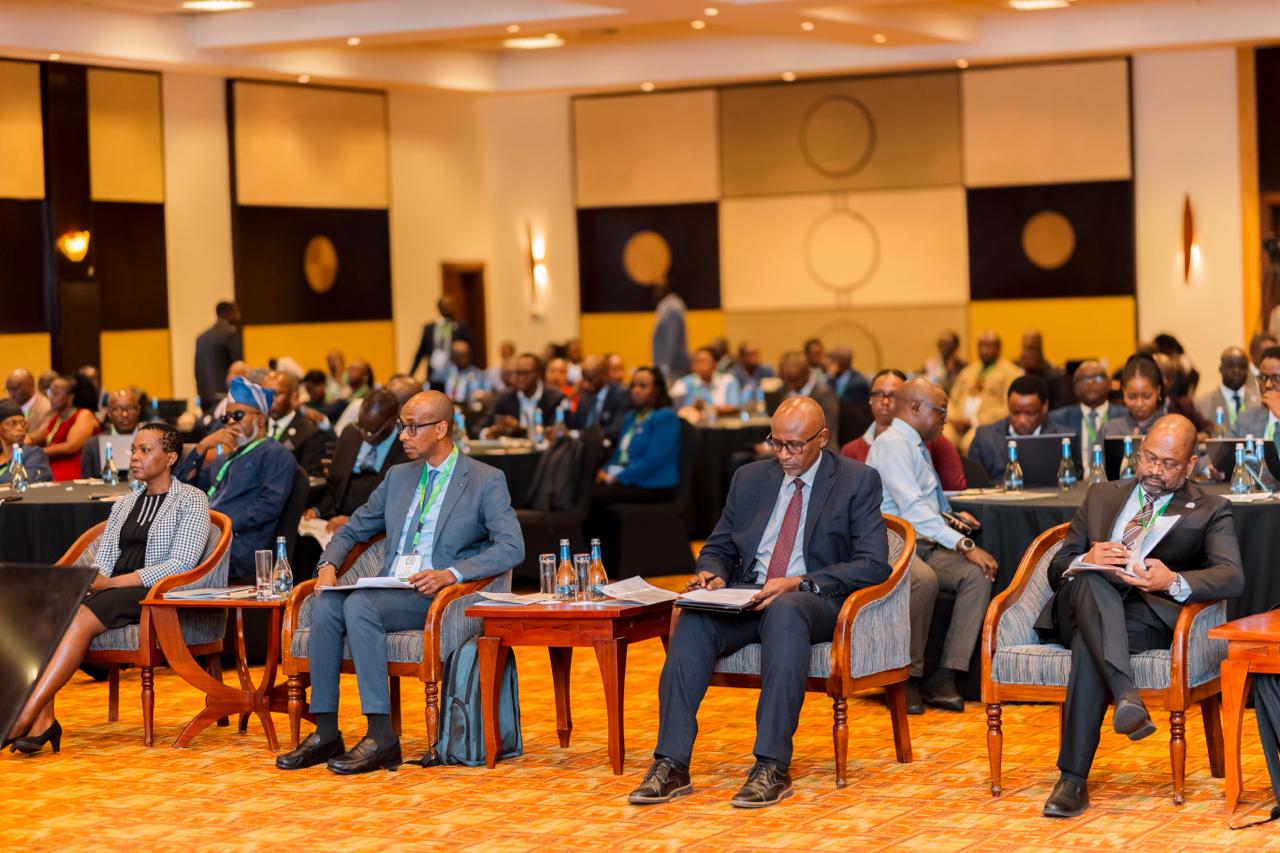
The forum brings together regional higher education stakeholders.
The push comes as the Inter-University Council for East Africa (IUCEA) shifts its focus from developing regional frameworks towards putting them into practice.
Prof. Idris Rai, Acting Executive Secretary of IUCEA, said the council’s 2026–2031 strategic plan places the operationalisation of the Common Higher Education Area at the centre of its work.
The strategy includes strengthening regional programme accreditation, qualifications frameworks and recognition, credit accumulation and transfer, policy harmonisation and quality assurance systems.
Rai said East Africa also needs to update its quality assurance tools to reflect emerging forms of education, including artificial intelligence-supported learning, digital education and micro-credentials.
Removing barriers to mobility
Participants at the forum identified differences in qualification frameworks, credit systems and recognition of prior learning as some of the challenges that continue to complicate cross-border mobility.
Other barriers include differences in curricula and academic calendars, language, bureaucracy, financial constraints, limited access to internships and industry placements, and varying levels of quality assurance development across countries.
Prof. Mary Okwakol of Uganda’s National Council for Higher Education said national qualification frameworks should align with the East African Qualifications Framework for Higher Education rather than operate in isolation.
She said the long-term objective should be automatic recognition of authentic formal qualifications across the region.
Dr. Edward Kadozi, Director General of Rwanda’s Higher Education Council, argued that the main challenge is not necessarily determining whether qualifications are equivalent, but building trust in the quality of education behind them.
He said quality assurance should become a continuous part of university operations rather than an exercise carried out only during inspections or audits.
“Quality assurance should be the daily heartbeat of institutions,” Kadozi said, arguing that universities must focus on learning outcomes, practical skills, critical thinking and adaptability as technology and labour markets evolve.
Dr. Edward Kadozi, Director General of Rwanda’s Higher Education Council, said building trust in the quality of education remains the key challenge.
The discussions also highlighted the role of student and staff mobility in strengthening regional integration.
Prof. Didas Kayihura of the University of Rwanda said cross-border mobility benefits both individuals and institutions, while international students can contribute to a richer learning environment.
However, he identified financing as one of the major constraints and called for stronger links between universities and the private sector to create more cross-border internships and align curricula with labour market needs.
Universities join regional AI network
The regional integration agenda is also extending to artificial intelligence, with six universities selected to anchor a new regional AI network aimed at strengthening education, research and innovation.
The University of Rwanda is among the institutions selected, alongside the University of Dodoma in Tanzania, Dedan Kimathi University in Kenya, SIMAD University in Somalia, the University of Burundi and Kabale University in Uganda.
Rai said the network forms part of IUCEA’s wider plan to establish a federated regional Centre of Excellence in Artificial Intelligence, linking universities across the East African Community through specialised institutional nodes.
The initiative is expected to support collaboration in AI education, research and innovation, as the region seeks to prepare universities and graduates for increasingly technology-driven economies.
IUCEA is also considering an AI foundational module for university students across the region, alongside training for lecturers and a policy framework governing the use of AI in teaching, learning and research.
The 15th East African Higher Education Quality Assurance Forum and Conference is being held at Kigali Serena Hotel from September 7 to 10 under the theme, “Transforming Quality Assurance for Future-Ready Higher Education Systems in East Africa.”
The meeting brings together regional higher education stakeholders as East Africa seeks to turn the goal of a Common Higher Education Area by 2030 from a policy ambition into an operational system.
The 15th East African Higher Education Quality Assurance Forum and Conference closes on September 10, 2026.The forum brings together regional higher education stakeholders.
Reports indicate that the fighting is concentrated southwest of Masisi town, particularly in Nyamaboko I groupement, where AFC/M23 fighters are mainly facing Wazalendo militias supporting FARDC.
The clashes intensified after AFC/M23 captured Ngululu and advanced towards Humura and Kazinga. The advance has brought fighting and pressure closer to Kyumba and Langira in Walikale Territory.
A separate front has emerged south of Masisi, in Ufamandu I groupement, where AFC/M23 controls the areas of Miko, Kaleta and Remeka.
Wazalendo fighters are attempting to retake some of these positions, which are about 15 kilometres from Biriko, one of the first towns reached on the route into Walikale.
Further north, FARDC and Wazalendo fighters are seeking to push AFC/M23 from Chad Hill, Kasumba and the village of Kazumba. Reports indicate that AFC/M23 has deployed additional fighters to reinforce its positions in Ihula.
East of Walikale town, AFC/M23 is also strengthening its positions in Kashebere and Kibati, where its fighters face government forces deployed along the Mungazi-Kibua line.
Fighting has also continued in the highlands of Fizi, Uvira and Mwenga territories in neighbouring South Kivu Province.
In those areas, FARDC and Wazalendo fighters are engaged in clashes with AFC/M23 and the Twirwaneho armed group, which is aligned with the coalition.
AFC/M23, which has cited the marginalisation of Kinyarwanda-speaking communities and poor governance as reasons for its armed struggle, says it is continuing to defend its positions, particularly around an area known as Point Zéro.
The clashes intensified after AFC/M23 captured Ngululu and advanced towards Humura and Kazinga. The advance has brought fighting and pressure closer to Kyumba and Langira in Walikale Territory.
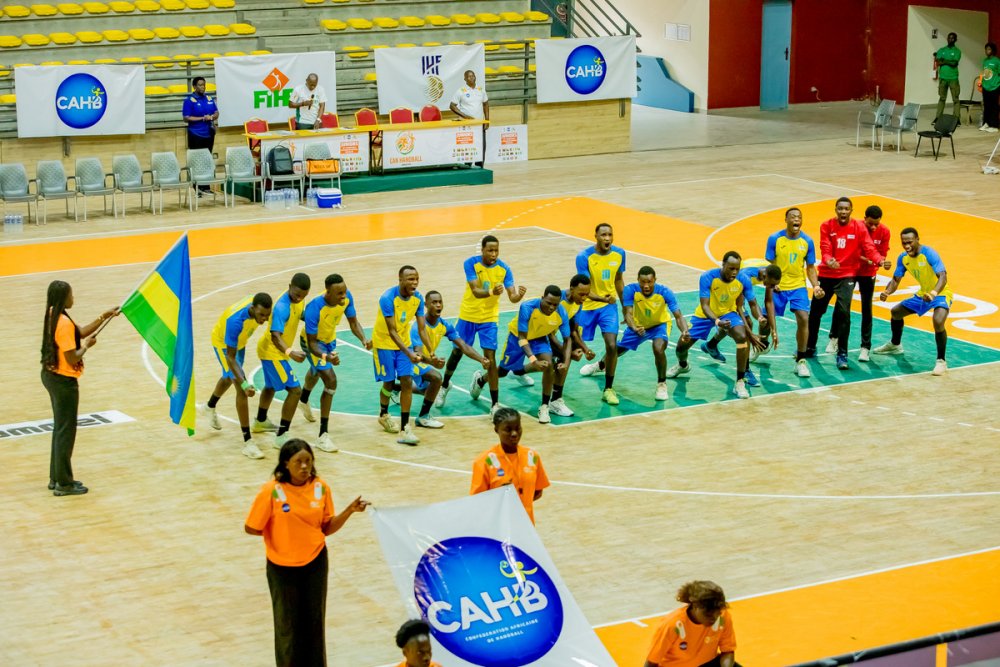
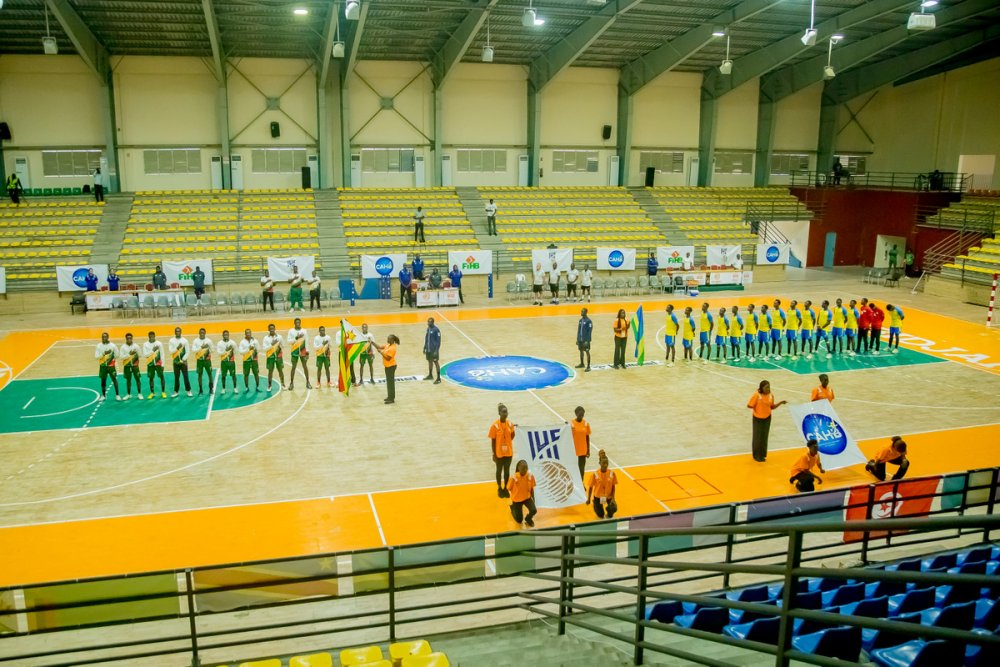
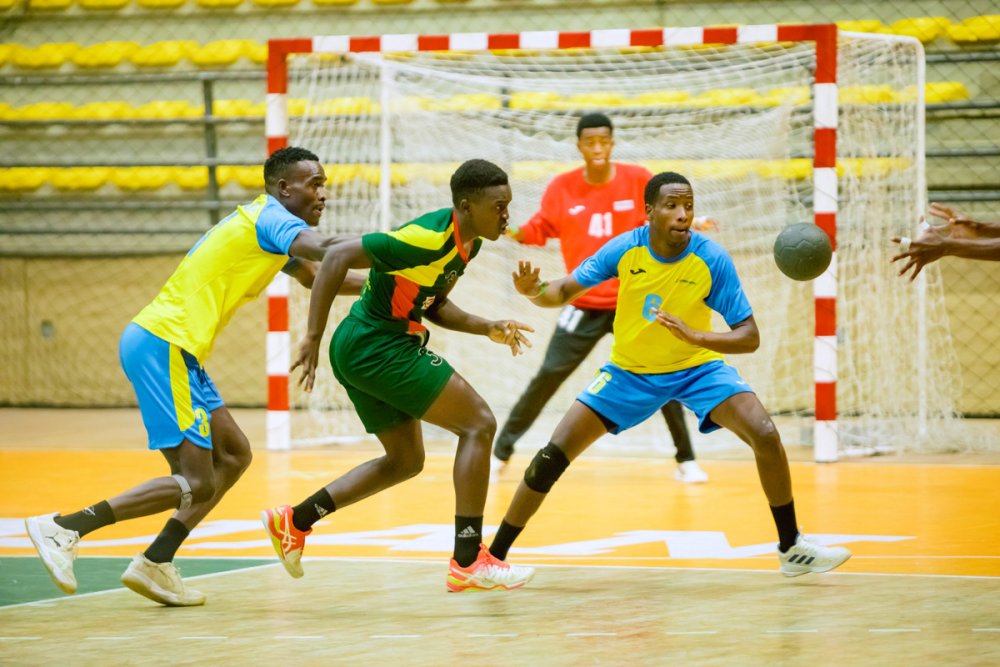
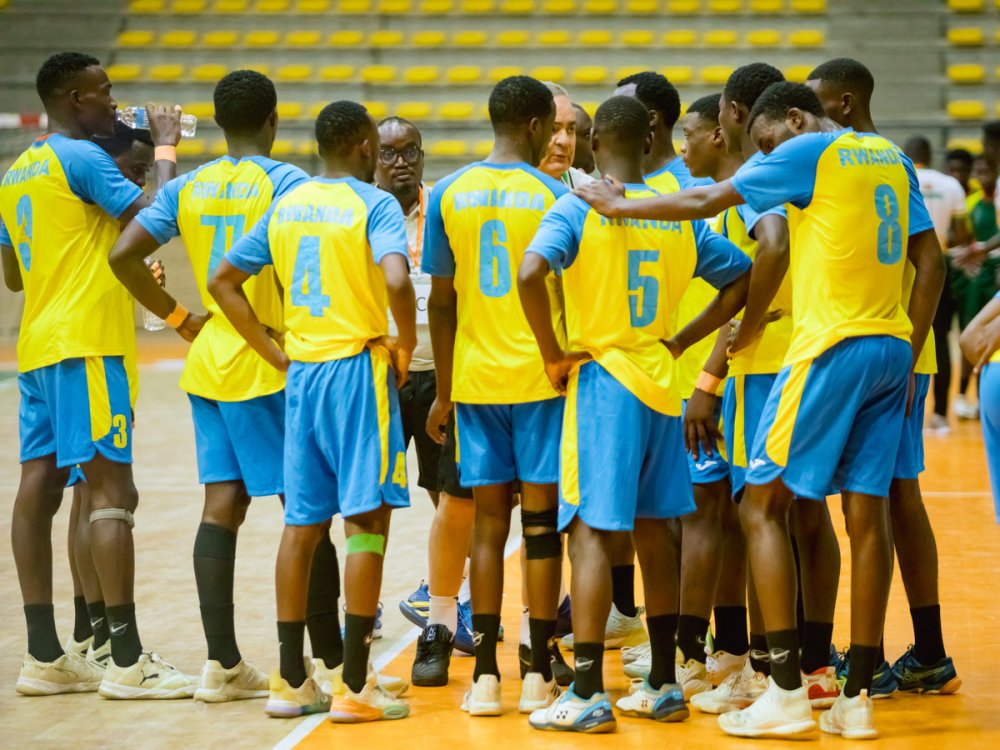
The victory at Salle Polyvalente in Abidjan secured Rwanda’s place in the knockout stage after they finished second in Group A with four points.
Rwanda entered the match needing a win after losing 36-20 to Guinea in their opening game before bouncing back with a 30-25 victory over hosts Côte d’Ivoire.
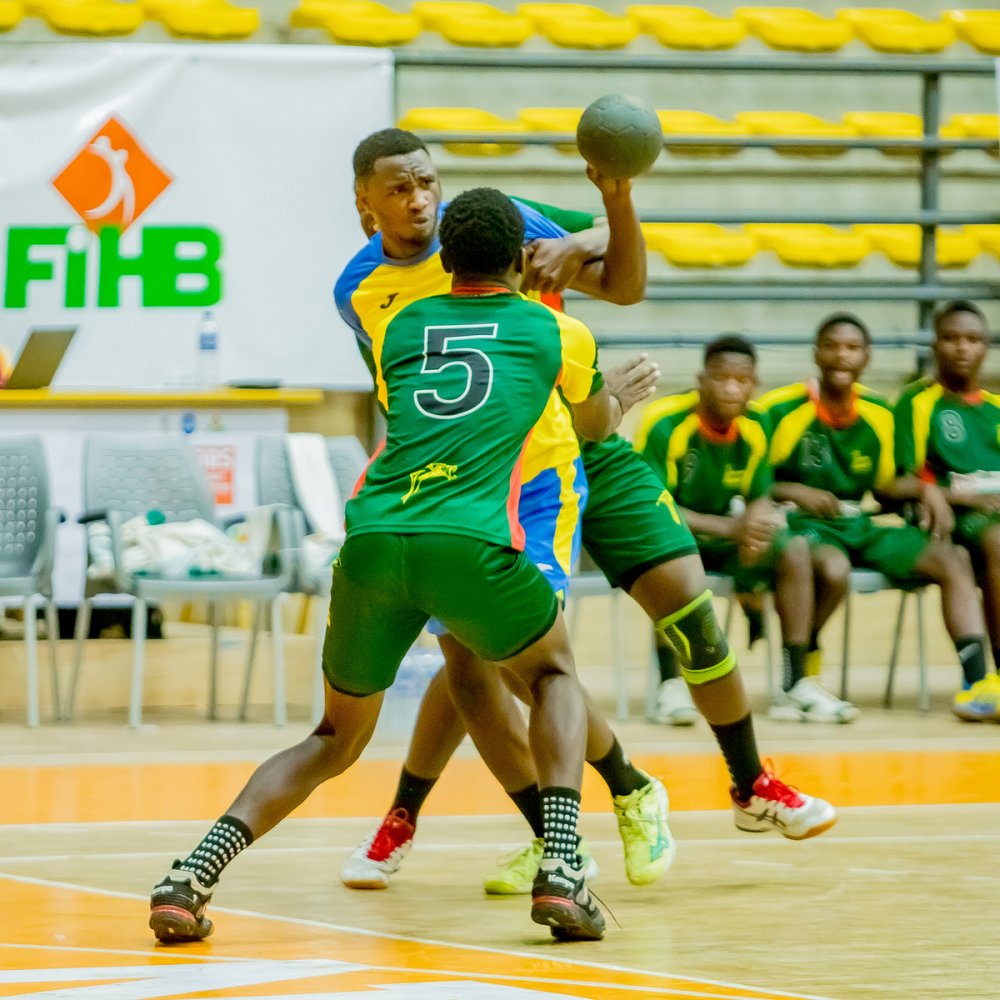
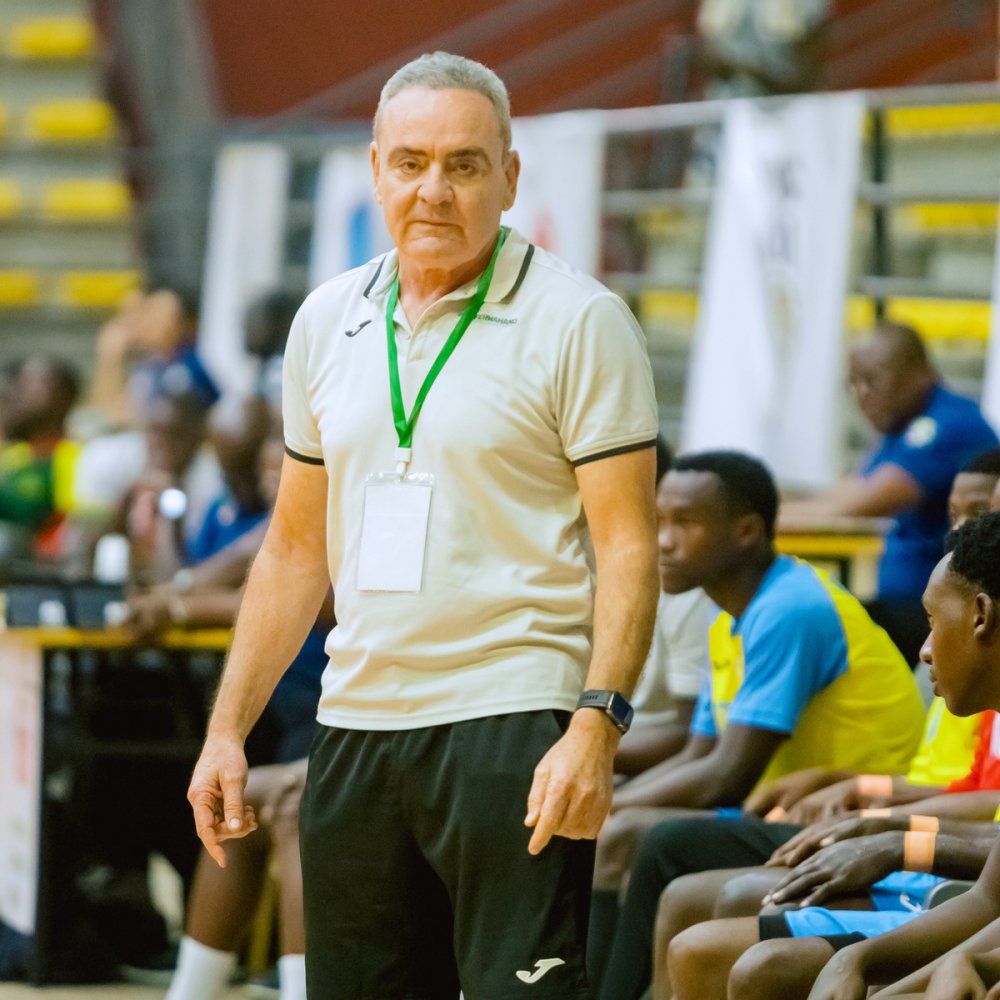
Coach Hafedh Zouabi’s side dominated Zimbabwe from the outset, taking an 18-5 lead into half-time before completing a 32-16 victory.
Guinea topped Group A with six points after beating Côte d’Ivoire 32-14 in the other group match.
Rwanda will face Angola in the quarter-finals on Wednesday, September 9, with the match scheduled for 2 p.m. Kigali time.
It will be Rwanda’s third appearance at the Africa U-20 Handball Championship.
Rwanda first competed in the tournament in 2022 when they hosted the championship in Kigali and finished eighth. They returned in 2024, finishing sixth in the edition held in Tunisia.
The victory at Salle Polyvalente in Abidjan secured Rwanda’s place in the knockout stage after they finished second in Group A with four points.Rwanda entered the match needing a win after losing 36-20 to Guinea in their opening game before bouncing back with a 30-25 victory over hosts Côte d’Ivoire.Coach Hafedh Zouabi’s side dominated Zimbabwe from the outset, taking an 18-5 lead into half-time before completing a 32-16 victory.
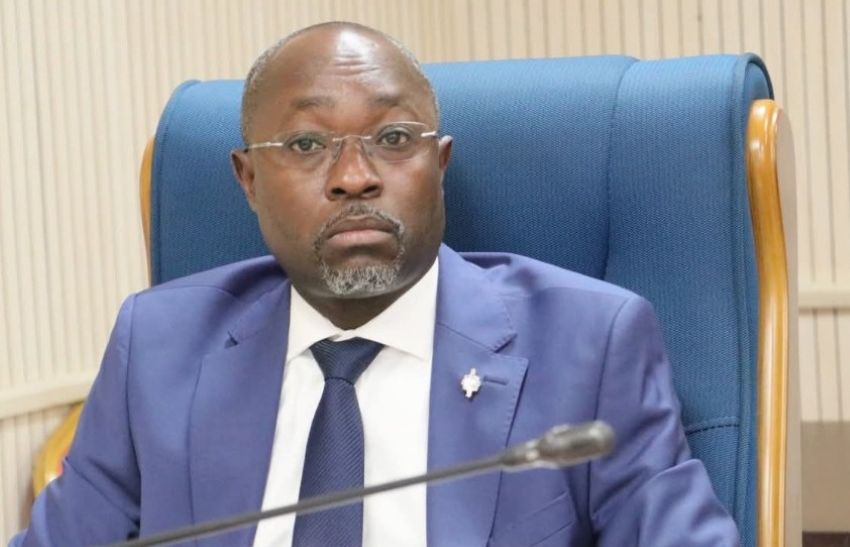
Yembi was arrested on September 3, 2026, following the incident, according to Gabon’s Ministry of Foreign Affairs and Cooperation.
Videos circulating on social media show the lawmaker slapping a RwandAir employee at the airport. He is also seen confronting other people who approached as they attempted to intervene.
Gabonese Foreign Affairs Minister Marie Edith Tassyla-Ye-Doumbeneny said Yembi remained in detention for several days before Rwandan authorities authorised him to leave the country on September 6, 2026.
The minister said the decision took into account the close and friendly relations between Gabon and Rwanda, as well as the relationship between President Paul Kagame and his Gabonese counterpart, Brice Clotaire Oligui Nguema.
“Because of the special brotherly relationship between the Republic of Gabon and the Republic of Rwanda, as well as the friendship that continues to be strengthened between President Paul Kagame and his counterpart, Oligui Nguema, Rwanda authorised Augustin Lobelle Yembi to leave Rwandan territory,” she said.
However, Yembi is expected to face legal proceedings in Gabon after his return to Libreville.
The Gabonese Foreign Affairs Ministry said he would be handed over to the country’s judicial authorities upon arrival for further proceedings.
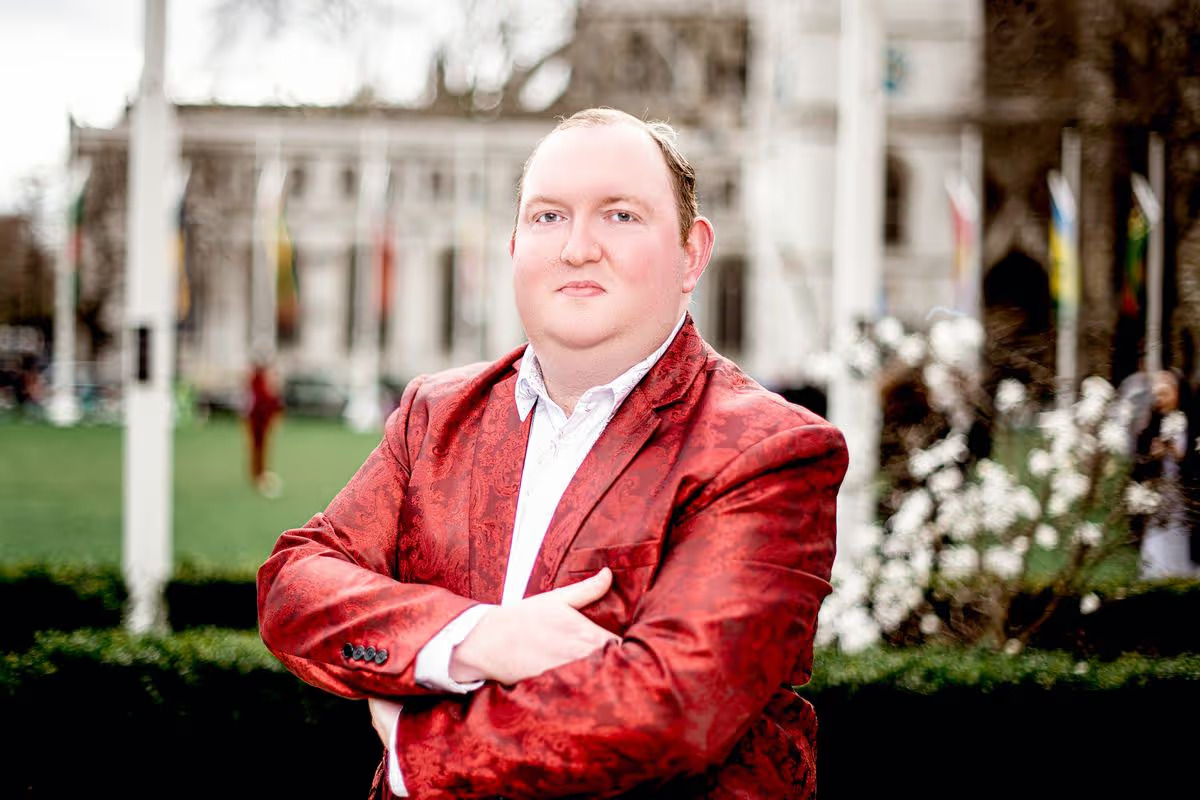
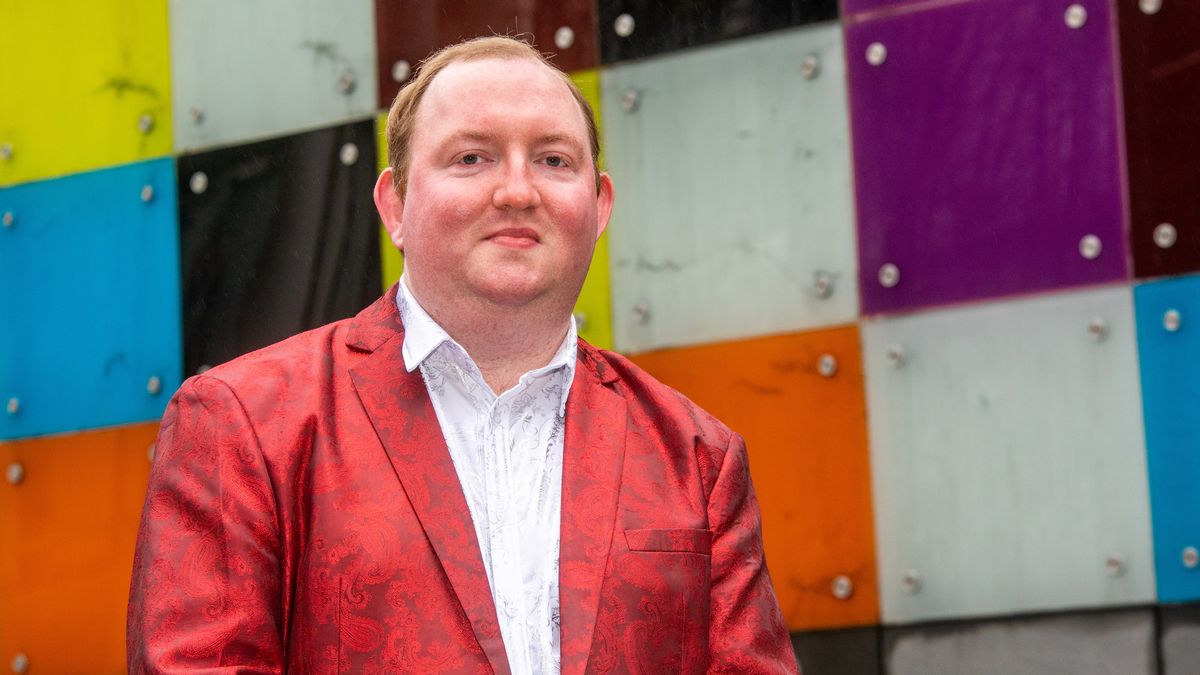
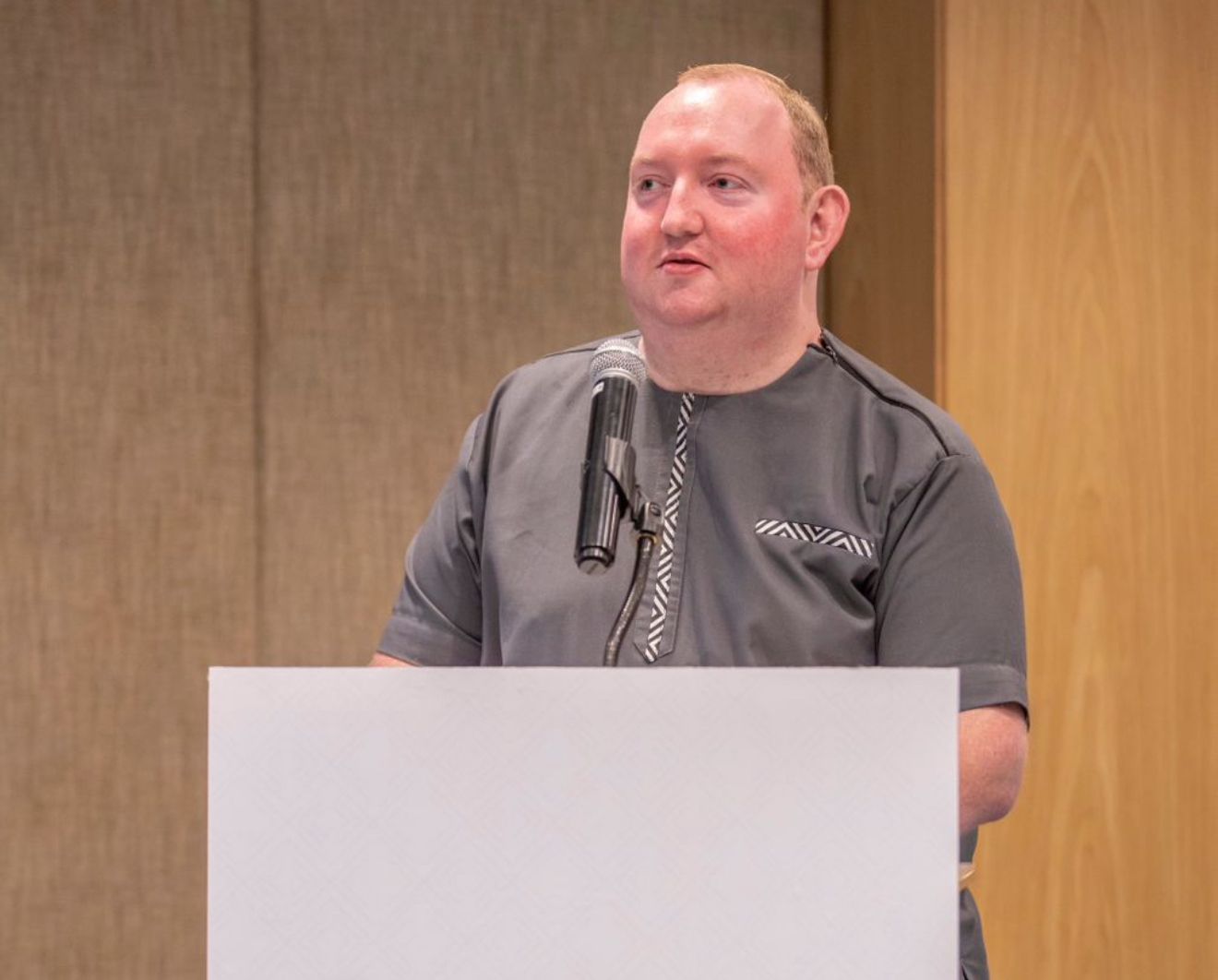
At 22, Bradford was already working on youth enterprise and social impact, but being named one of the Queen’s Young Leaders in 2016 felt far removed from the life of an ordinary young person.
“I thought it was some kind of joke. I was like, ‘No, this can’t be for real,’” Bradford recalled in an exclusive interview with IGIHE.
It was real. And the experience would become one of the defining moments of his life.
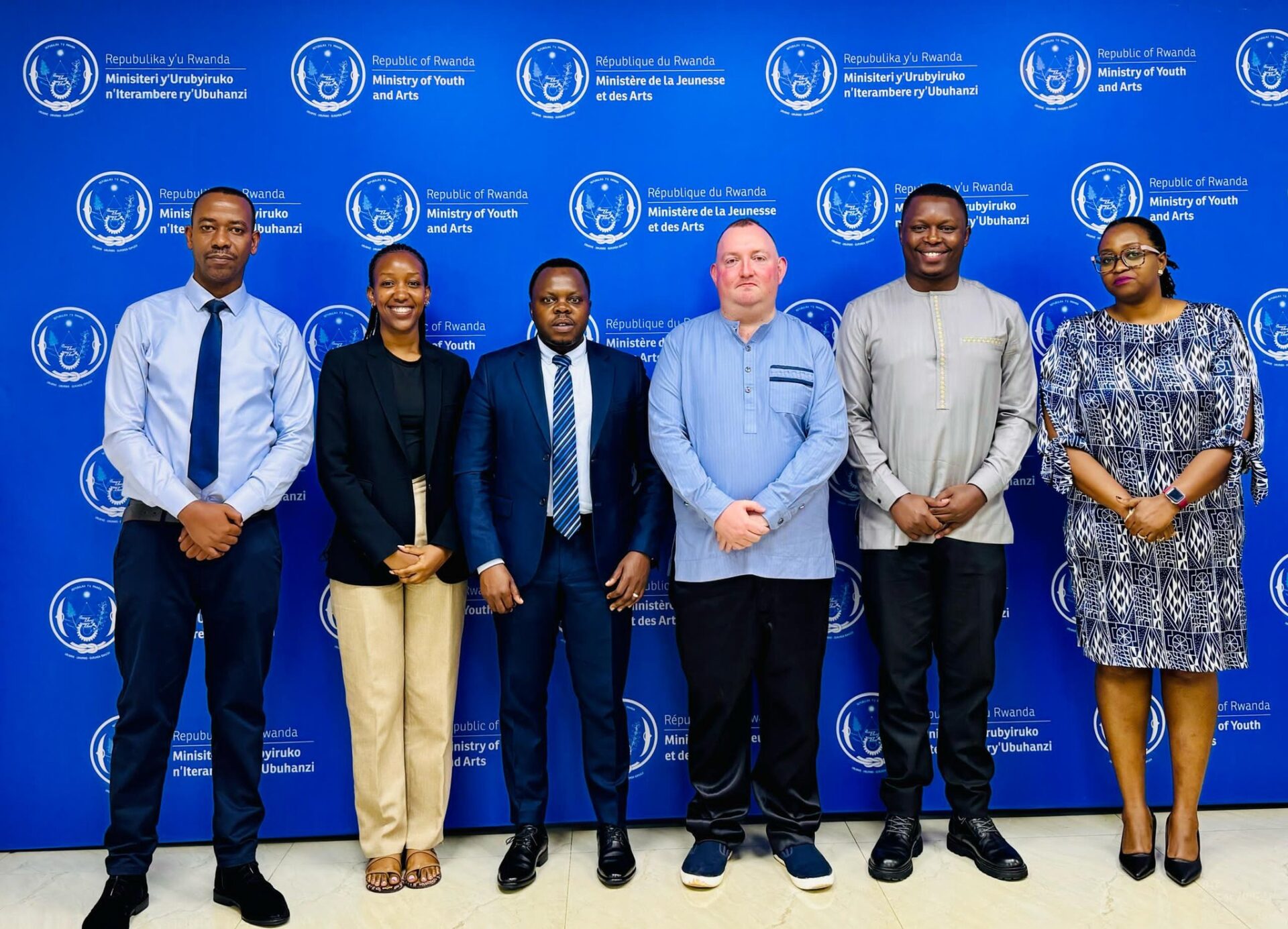
Today, Bradford is the co-founder and CEO of Green Horizon Ventures, a Kigali-based social enterprise working across environmental protection, youth development and consultancy. His work includes supporting young creatives through schools and youth centres, working with farmers and foresters on environmental sustainability, and providing technical support to development programmes.
His path to Rwanda, however, is closely intertwined with the experience that began at Buckingham Palace a decade ago.
From disbelief to the Palace
The Queen’s Young Leaders programme was established to recognise young people across the Commonwealth who were making a difference in their communities.
Bradford was among those selected in 2016, an honour he credits with opening his eyes to the scale of what young people were accomplishing around the world.
The programme brought together young leaders from across the Commonwealth, exposing Bradford to people who were tackling social problems with passion, ideas and, in many cases, very limited resources.
For him, that was as important as the award itself.
“I think we all talk about the word leadership and the word leaders all the time, but this was probably the first time really when I was 22 when I found out about the award that I actually noticed that there were so many young people who were using their passion, their ideas, their skills, some of them with very little resources to tackle issues and raise awareness and create change.”
The experience changed how he viewed leadership.
It showed him that leadership was not necessarily about age, position or resources. It could begin with an individual who simply decided to act.
In his early 20s, Bradford was recognised as one of the Queen’s Young Leaders in 2016 for his work in youth enterprise and social impact.
Meeting a Queen who made people laugh
Meeting Queen Elizabeth came with all the expected royal protocol.
There were formalities, the appropriate greetings and the recognition of her status.
But Bradford’s strongest memory was not the ceremony. It was the person behind it.
“She’s incredibly friendly, very approachable and very chatty,” he remembers.
The Queen, he recalls, made an effort to speak to people and put them at ease.
One of the things that surprised him most was her sense of humour.
“She has such an amazing sense of humour. She’s so funny, and she really tried to make everybody smile.”
For Bradford, that was more than a charming personal quality. It was a lesson in leadership.
He remembers leaving the encounter with the feeling that the young leaders had been taken seriously by someone who occupied one of the highest-profile positions in the world.
He also met Prince Harry during the occasion, describing him as equally “cheeky and funny”.
But it was the Queen’s message to the young leaders that remained with him.
She reminded them that the future would be shaped by their decisions and actions.
For Bradford, that was a powerful vote of confidence.
“It was an important message for someone in her position to say that she trusted us, from the highest level, to make the world a better place than it is today,” he says.
Bradford is the co-founder and CEO of Green Horizon Ventures, a Kigali-based social enterprise working across environmental protection, youth development and consultancy.
A responsibility, not just an award
The recognition did not simply give Bradford confidence. It gave him a sense of responsibility.
He came to see the award less as a personal achievement and more as an obligation to help other young people believe that they, too, could create change.
“For anybody who’s had such an award from the Royal Family, you see it as a responsibility to raise the standards for the next generation of youth,” he adds.
That mindset became central to his subsequent work.
Rather than keeping the recognition as a personal milestone, Bradford sought to use the networks and lessons from the programme to support other young people.
He also became one of the founding advisers of the Queen’s Commonwealth Trust, an initiative created to support young people leading projects across Commonwealth countries.
When he joined, the organisation was still an idea on paper.
His role involved helping shape how it could identify young people doing important work on the ground and understand what they actually needed to move their projects forward.
“It’s easy, I think, to sit and make a decision from Buckingham Palace where you have that privilege,” he observes. “But what’s happening on the ground?”
The objective was to ensure that young people in Africa, Asia, the Caribbean and other parts of the Commonwealth were not simply being spoken about, but were being listened to.
Bradford takes particular pride in seeing the initiative grow from an idea into a programme that eventually supported hundreds and thousands of young people.
The Queen and the road to Africa
Bradford believes the experience at the Palace helped influence his decision to look more seriously towards Africa.
That eventually brought him to Rwanda.
His decision to remain in Rwanda after the Commonwealth Heads of Government Meeting (CHOGM) in 2022, he explains, was driven largely by what he saw in the country’s leadership and development story.
“I think one of the most inspiring stories of development has come from Rwanda.”
For a social entrepreneur interested in environmental protection and youth development, he found a country where ambition and experimentation resonated with his own philosophy.
Bradford was particularly drawn to the idea of challenging assumptions about what is possible.
“A lot of it is what’s possible when you say, let’s break the rules as they used to be, let’s dream beyond what others have said is possible and try and do something bigger and better.”
That philosophy, he believes, is visible across sectors in Rwanda, from infrastructure and governance to environmental initiatives.
His decision to stay, he adds, was not simply about a business opportunity, but about finding a place where he felt ideas could be turned into action.
Today, through Green Horizon Ventures, he works with young people and communities on environmental and youth-development initiatives, while also consulting on projects led by others working towards social impact.
His youth programmes have engaged and trained thousands of young people, while environmental projects are reaching hundreds of people and are still expanding.
Turning personal challenges into advocacy
Bradford’s leadership journey has also been shaped by experiences far removed from royal ceremonies and international programmes.
As a teenager, he was diagnosed with autism, an experience that has influenced how he thinks about difference, leadership and inclusion.
He describes autism as something that can present challenges but also bring different ways of thinking.
For him, that different way of processing information has become useful in business, particularly when analysing problems and developing solutions.
But Bradford is equally interested in changing how society views neurodiversity.
He believes families and communities should recognise the abilities of people on the autism spectrum rather than defining them primarily through their challenges.
His own experience has made him more willing to speak publicly about autism, which he sees as a way of challenging stigma and encouraging greater understanding.
That same instinct to turn personal experience into public advocacy has appeared elsewhere in his life.
Bradford’s work includes supporting young creatives through schools and youth centres, working with farmers and foresters on environmental sustainability, and providing technical support to development programmes.
From family crisis to gambling reform
Another defining chapter began with a deeply personal family crisis.
When Bradford was in his early 20s, his father was imprisoned after stealing money connected to a gambling addiction.
The family had not fully understood what was happening until the consequences became impossible to ignore.
As the eldest son, Bradford found himself having to help support his family, deal with the financial consequences and make sense of how an addiction could push someone into such a difficult situation.
The experience led him into advocacy around gambling regulation in the United Kingdom.
He began campaigning for stronger safeguards and greater support for people vulnerable to gambling addiction, particularly young people.
His efforts contributed to changes in policy and regulation, as well as greater attention to support for people experiencing gambling-related harm.
It is a chapter of his life that now intersects with his work in Africa.
Bradford has advised and engaged with gambling-related issues in several African countries, including Rwanda, Kenya, South Africa and Nigeria.
In Rwanda, he welcomes the development of a more structured regulatory environment and hopes the gambling industry will become more conscious of the potential risks to vulnerable people.
The leadership lesson that stayed with him
For Bradford, the lasting lesson from Queen Elizabeth was that leadership can begin at a young age. He continues to encourage young people to focus on practical solutions, build sustainable ventures and remain resilient through setbacks, rather than waiting for others to solve their problems.
“She was a beacon, like a role model for all of the millions of youth in the Commonwealth and the whole world, to say that you can be a leader from a very young age and it’s a good thing to do.”
That philosophy also informs the legacy Bradford hopes to leave through his own work. He wants his projects and ideas to give people another way of thinking and show that challenges can be approached differently. For him, even influencing one person to see a new possibility and improve their life would be a meaningful contribution.
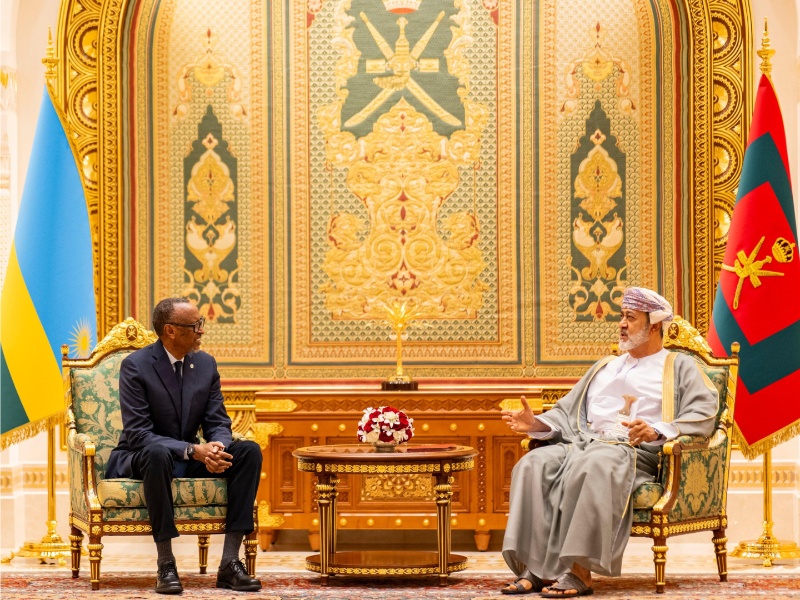
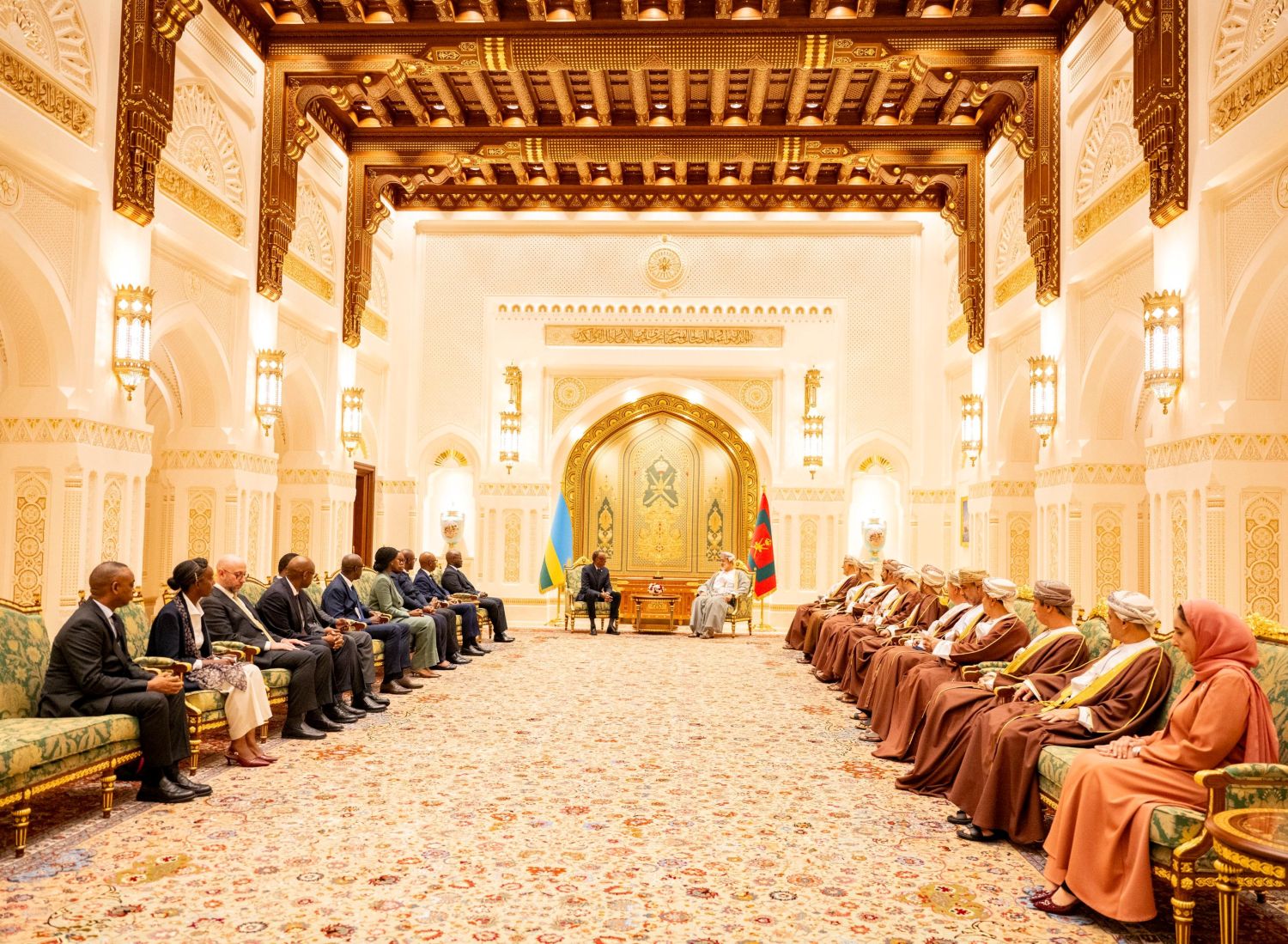
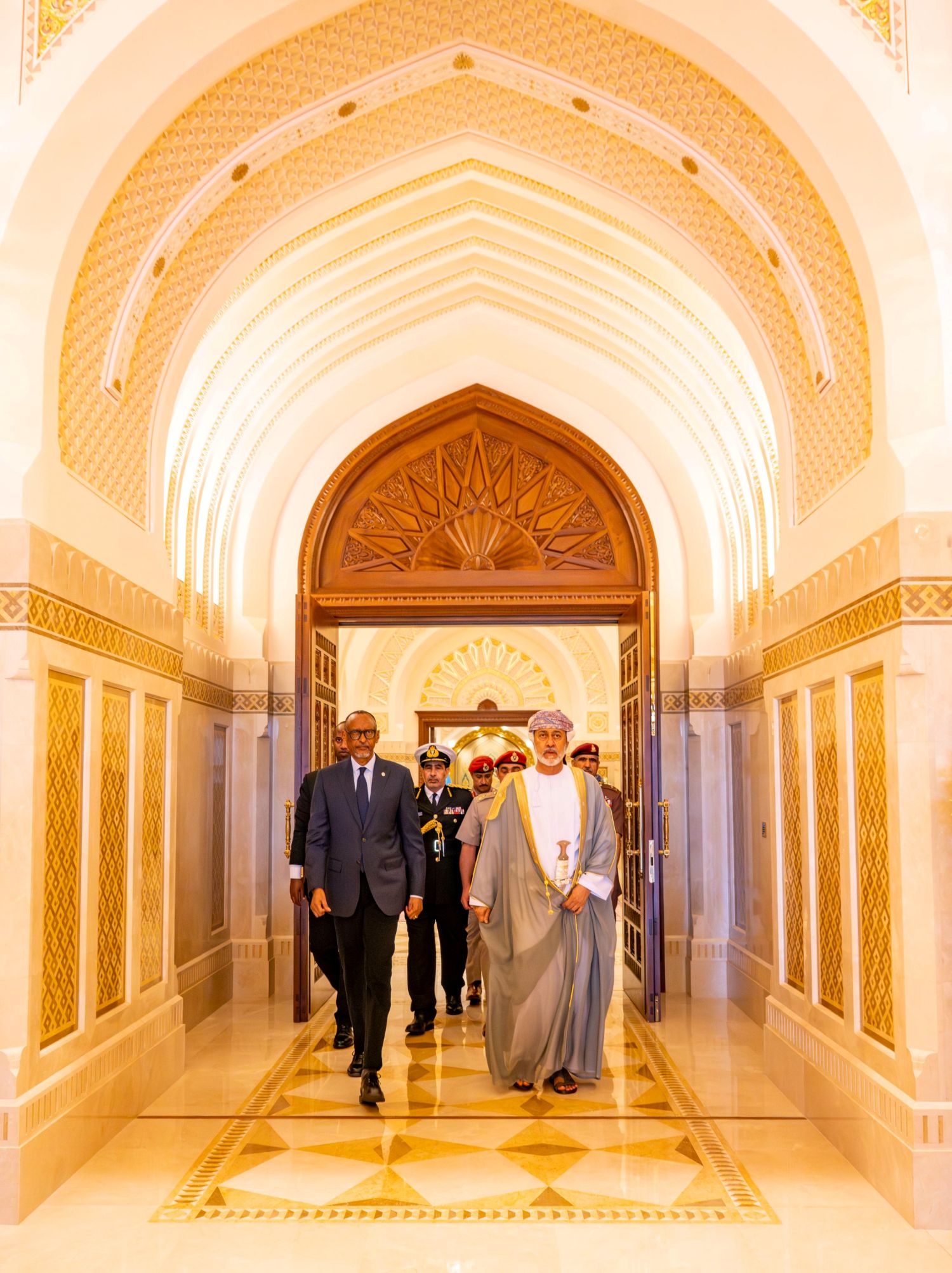
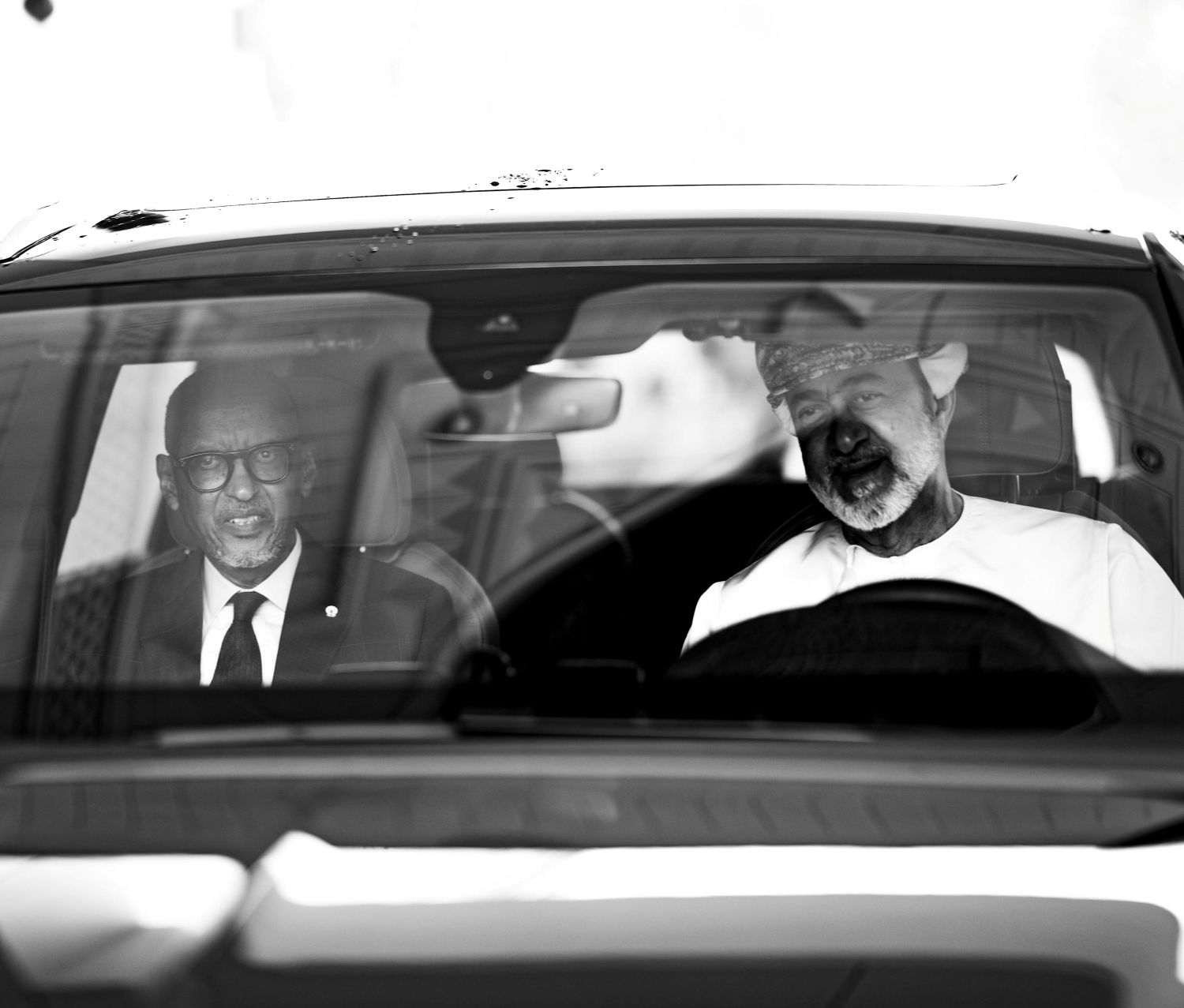
The decision was among the key outcomes of Kagame’s two-day official visit to Oman, held from September 7 to 8, 2026, at the invitation of Sultan Haitham bin Tarik.
Currently, Oman’s ambassador to Rwanda, Nasra bint Salim bin Mohammed Al Hashmi, is a non-resident ambassador based in Nairobi, Kenya, while Rwanda’s ambassador to Oman, Dan Munyuza, is based in Cairo, Egypt.
Establishing resident embassies is expected to strengthen the diplomatic presence of both countries and provide a closer institutional framework for advancing growing cooperation.
Rwanda and Oman agreed to establish resident embassies during President Kagame’s September 7–8 official visit to Oman.
In a joint statement issued at the conclusion of Kagame’s visit, Rwanda and Oman said they had also agreed to establish a Joint Committee and a Joint Business Council, as well as implement a technical cooperation programme.
The new mechanisms are intended to support the implementation and follow-up of cooperation between the two countries as they seek to expand their partnership.
During talks between Kagame and Sultan Haitham, the two leaders reaffirmed their commitment to strengthening bilateral relations and identified investment, transport, energy, mining, tourism, logistics and communications among the sectors with potential for deeper cooperation.
The two countries also highlighted opportunities in banking and finance, while encouraging greater partnerships between public and private sector institutions and efforts to increase trade.
The visit further witnessed the signing of two agreements and six memoranda of understanding (MoUs) aimed at expanding bilateral cooperation across areas including trade, investment, agriculture, logistics and food security.
Among them was an agreement on mutual visa exemption for holders of diplomatic, special and service passports, as well as an agreement on the avoidance of double taxation.
The six memoranda of understanding provide a framework for cooperation in political consultations, labour, trade and investment, logistics and the development of inland and dry ports, agriculture, investment promotion, and strategic partnership and investment activation.
The two leaders also praised the growth of bilateral cooperation, particularly in transport, communications and information technology.
The two leaders reaffirmed their commitment to supporting efforts aimed at promoting security and stability and resolving disputes through peaceful means in accordance with international law.
Rwanda and Oman’s economic relationship has gained momentum in recent years, with the two countries expanding cooperation in trade, energy, transport and investment.
A key development is an arrangement under which Rwanda will receive direct shipments of refined petroleum products from Oman through Tanzania’s Port of Tanga.
Prime Minister Justin Nsengiyumva has said Rwanda expects to receive one shipment each month, with the imports aimed at strengthening fuel supply security and helping stabilise prices.
Air connectivity between the two countries has also improved following SalamAir’s launch of direct flights between Muscat and Kigali on July 21, 2026.
The route is expected to support travel, trade, tourism and investment while giving passengers from Rwanda access to SalamAir’s wider network across the Gulf, Asia and Europe.
During their discussions, Kagame and Sultan Haitham also exchanged views on regional and international issues of common interest.
The two leaders reaffirmed their commitment to supporting efforts aimed at promoting security and stability and resolving disputes through peaceful means in accordance with international law.
Kagame praised Oman’s role in supporting regional dialogue and peace, while Sultan Haitham expressed appreciation for Rwanda’s role in promoting stability, dialogue and peaceful solutions in its region.
During the visit, Kagame also toured the Museum of the Frankincense Land, located within the Al Baleed Archaeological Park, a UNESCO World Heritage Site, as well as the Kagame Razat Royal Farm in Dhofar Governorate.
At the conclusion of the visit, Kagame expressed appreciation for the hospitality extended to him and his delegation and invited Sultan Haitham to visit Rwanda.
President Kagame concluded his official visit to Oman on Tuesday.