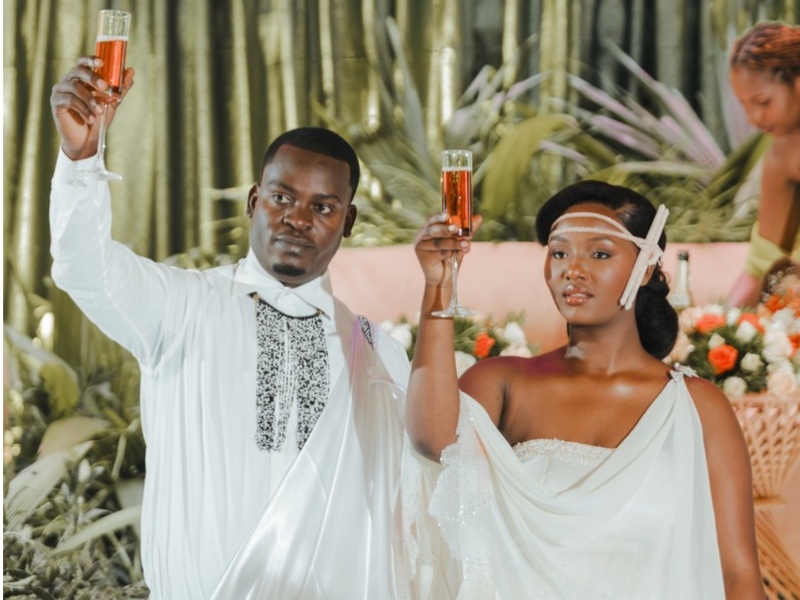
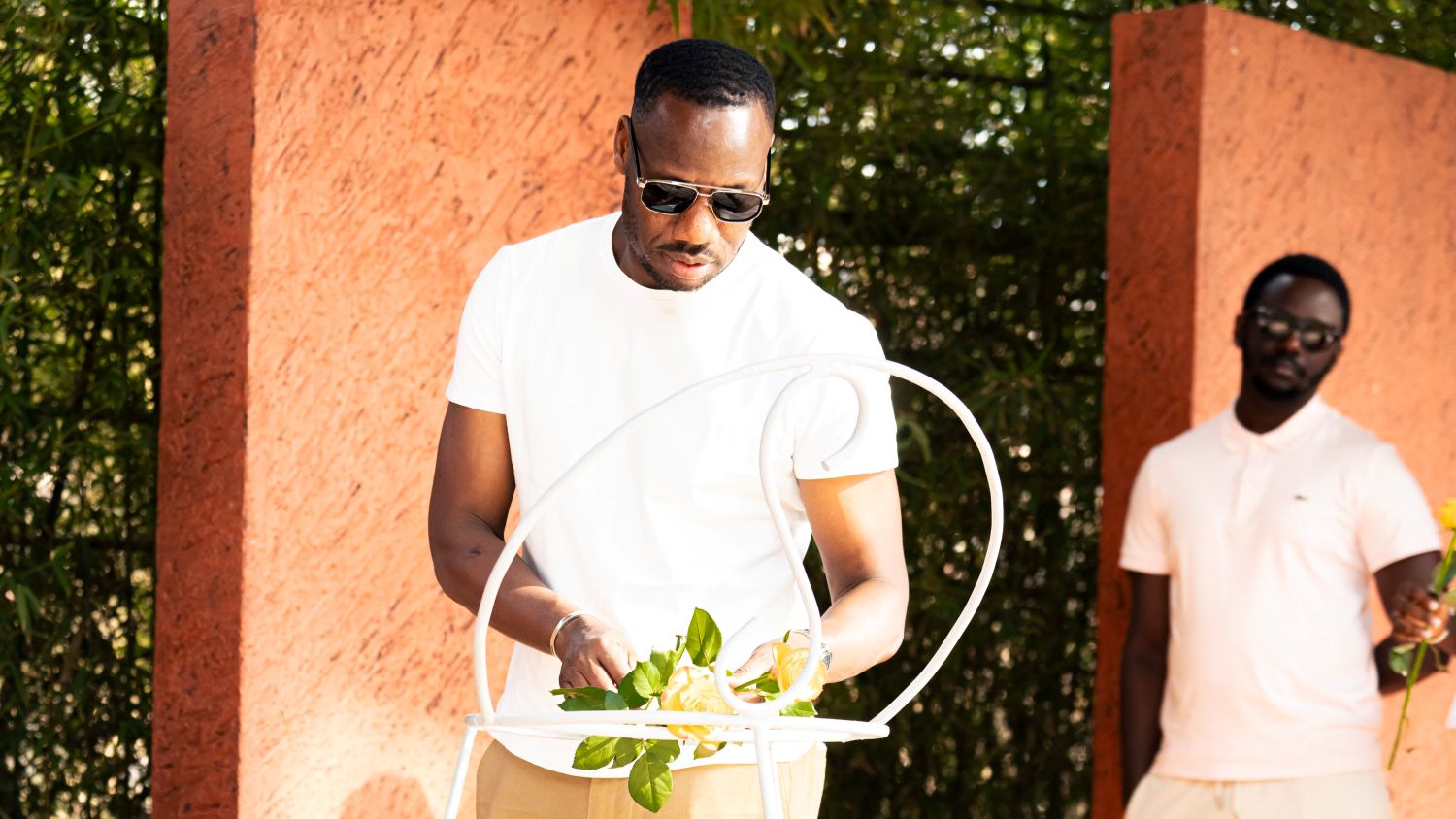
Speaking to IGIHE, Vestine confirmed that she had started the legal process to end their marriage, saying she had obtained information and evidence that her husband had been involved with two other women.
“I do not want to say much about this. What you should know is that we have started the legal process of separating after I obtained information and evidence that he had slept with two girls and got them pregnant,” she said.
Vestine declined to identify the two women whom she alleges her husband impregnated. She maintained, however, that she has evidence supporting her claims and that this prompted her decision to seek a divorce.
She also dismissed claims that she was seeking a divorce in order to share the couple’s property.
“I am the one who filed for divorce. I do not want us to share anything,” she said.
Vestine first hinted that all was not well in her marriage in November 2025, when she shared a message on social media suggesting that she was going through a difficult period.
“The life I am living today is not the one I chose. I am going through difficult times that I do not deserve. I know I have made bad choices in my life, but there was nothing else I could do. God allows certain things to happen to us so that we can learn from them. I have cried enough. No man will ever deceive me again and ruin my life,” she wrote at the time.
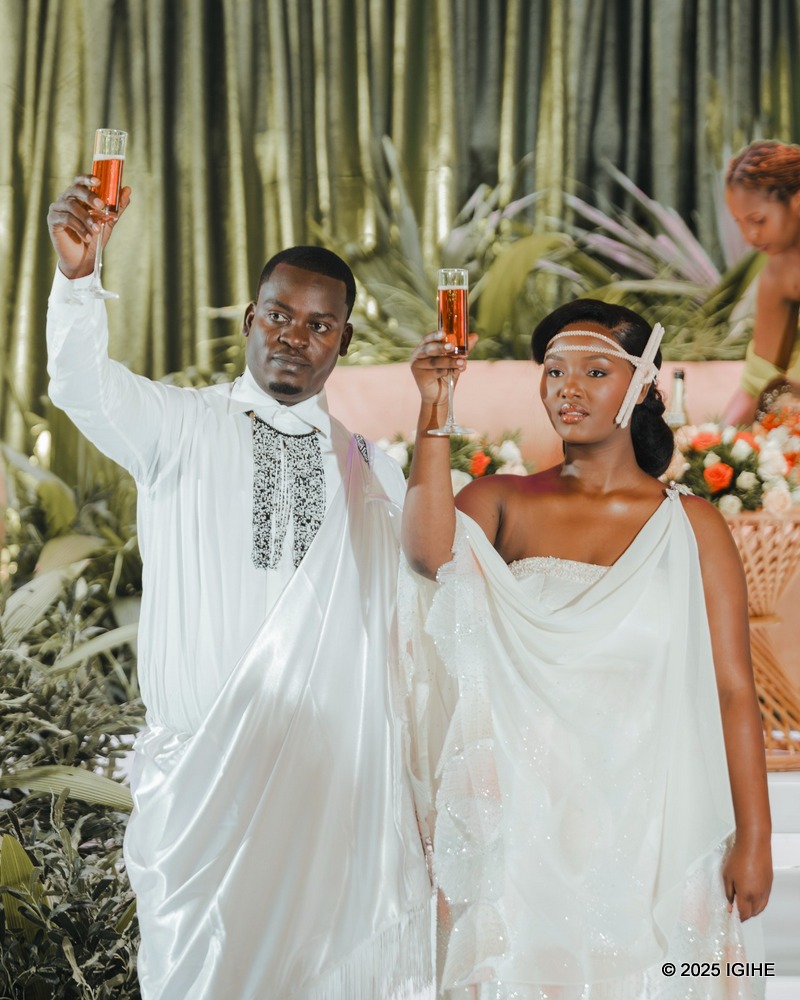
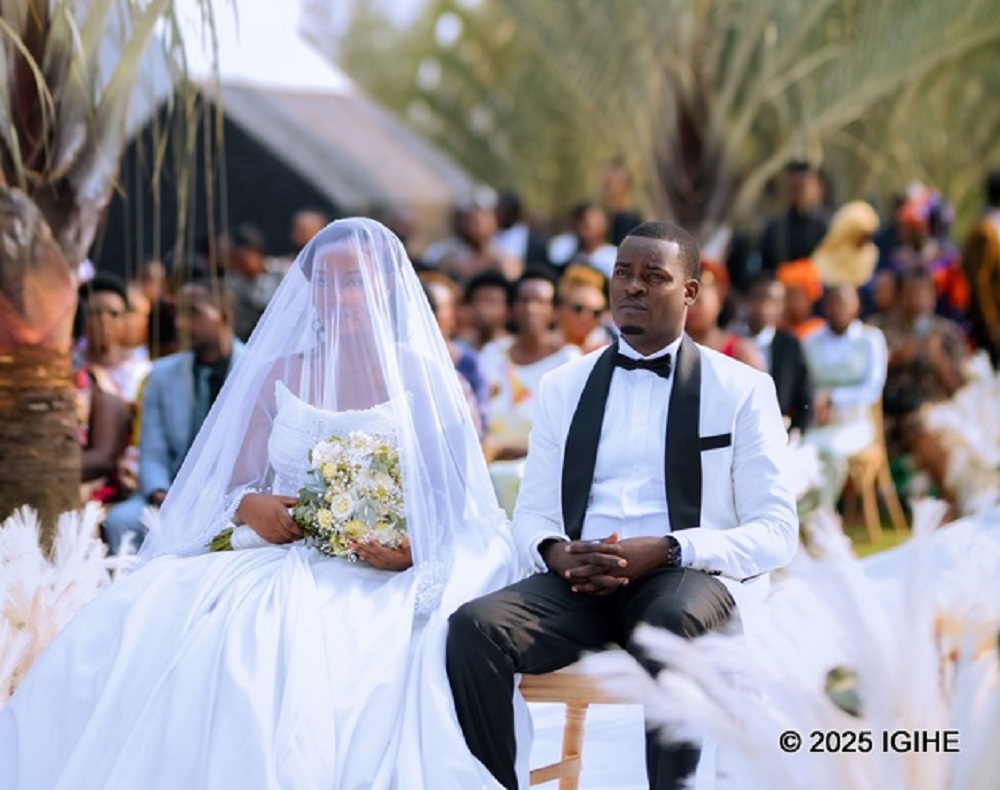
Vestine and Ouédraogo married on July 5, 2025, after their relationship became public. The couple had earlier formalised their union through a civil marriage.
Vestine confirmed to IGIHE that she had started the legal process to end their marriage, saying she had obtained information and evidence that her husband had been involved with two other women.
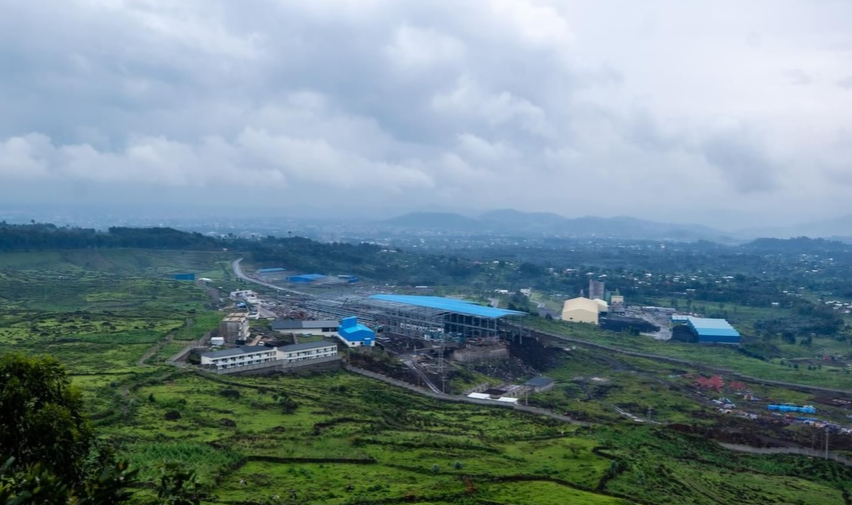
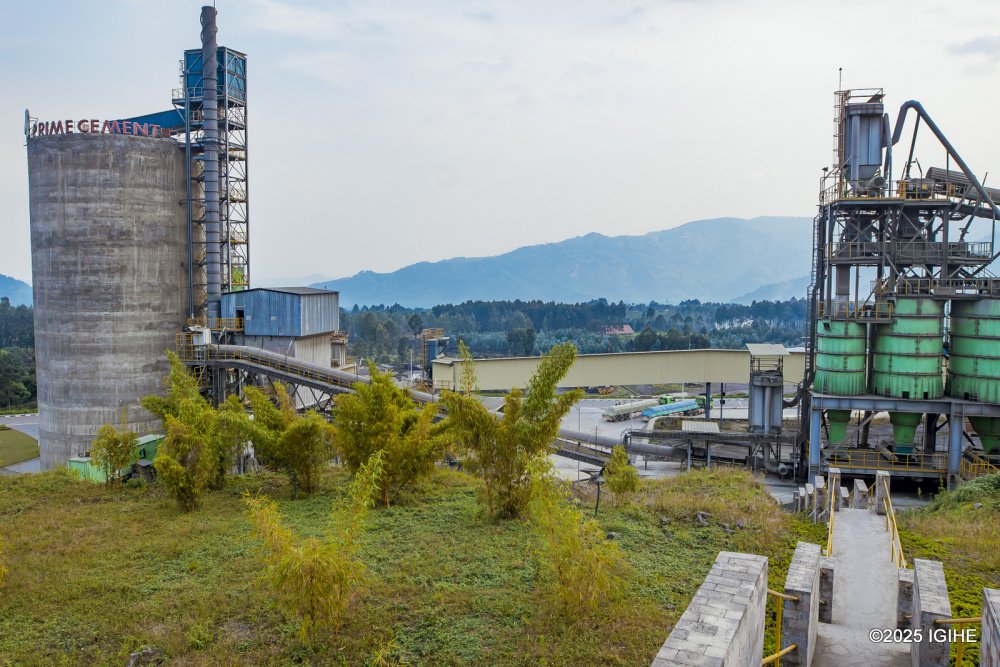
In a tender notice seen by IGIHE, the Ministry of Trade and Industry (MINICOM) said the planned facility will exclusively serve industries operating within Musanze Industrial Park, providing storage, customs clearance and warehousing services.
The government is offering a lease over 12,635.96 square metres of land within the industrial park to a qualified private investor who will be responsible for financing, developing, constructing, operating and maintaining the facility.
The investor will also be expected to provide plans for expanding and further developing the facility as demand grows.
According to MINICOM, industries operating in Musanze Industrial Park imported approximately 6,680 tonnes of raw materials between January and June 2026.
“The volume of imported raw materials demonstrates the need for a Customs Bonded Warehouse to facilitate efficient storage, customs clearance, and warehousing within the Industrial Park supply chain management system,” the ministry said.
A customs bonded warehouse allows imported goods to be stored under customs control before duties and taxes are paid, subject to applicable regulations. The facility is expected to support industries by improving access to raw materials and streamlining their logistics operations.
MINICOM said the selection of the private investor will be conducted through a competitive bidding process in line with Rwandan law and international best practices.
Interested investors are required to demonstrate the technical and financial capacity to develop and operate the facility.
The ministry is also seeking investors capable of supporting the future expansion of the facility, with bidders required to provide details of their proposed development plans.
A mandatory field visit has been scheduled for September 25, 2026, at 11am. Interested investors will depart from the Musanze District One Stop Centre.
The deadline for submitting bids is October 28, 2026, at 5pm local time.
MINICOM said bidding documents and Terms of Reference will be made available through its website, while inquiries can be directed to the ministry.
The Ministry of Trade and Industry (MINICOM) said the planned facility will exclusively serve industries operating within Musanze Industrial Park, providing storage, customs clearance and warehousing services.
The assessment, released on September 11, highlights continued confidence in the country’s economic fundamentals and policy framework despite a challenging global and regional environment.
Fitch expects Rwanda’s economy to grow by 7.8% in 2026, down from 9.4% in 2025 but still well above the 4.5% median for countries rated ‘B’. Growth is expected to be supported by continued expansion in agriculture, services and construction, including infrastructure projects such as the Bugesera airport.
The agency expects inflation to average 11.7% in 2026, above the National Bank of Rwanda’s 2%-8% target. It noted that the central bank has raised its policy rate by a cumulative 150 basis points to 8.75% since February 2026.
Fitch forecasts Rwanda’s current account deficit to widen to nearly 15% of GDP in 2026, driven by resilient domestic growth, higher imports linked to the Bugesera airport project, and increased fuel and fertilizer costs. The deficit is largely financed through foreign direct investment and official borrowing.
The agency estimates Rwanda’s net external debt will reach 63% of GDP in 2026, compared with a 48% median for ‘B’-rated countries. However, it noted that 87% of Rwanda’s external debt is highly concessional, helping to mitigate the risks associated with the country’s external financing position.
On public finances, Fitch expects the fiscal deficit to remain broadly stable at 4.5% of GDP in the fiscal year ending June 2027, compared with 4.4% in FY2026.
The agency said tax reforms implemented since FY2025 helped tax receipts exceed the government’s target by 0.6 percentage points of GDP in FY2026. Further gains are expected, although revenue growth could moderate in FY2027 due to the impact of the Iran war, lower grants and weaker non-tax revenues.
Fitch projects general government debt to decline in FY2027-FY2028, averaging about 65% of GDP, after peaking at around 74% in FY2025. The decline is expected to be driven mainly by strong nominal GDP growth and, to a lesser extent, spending consolidation.
The agency also expects Rwanda to rely more heavily on external borrowing to finance its fiscal deficit, with external financing remaining largely concessional. Multilateral and bilateral partners are projected to account for about 82% of total external financing in FY2027-FY2028.
Fitch expects regional security risks to remain elevated, with the conflict in eastern DRC continuing to pose risks to Rwanda’s external financing position. However, the agency does not anticipate a sharp escalation in the near term.
The Ministry of Finance and Economic Planning welcomed the reaffirmation, saying it reflects continued confidence in Rwanda’s economic fundamentals and policy framework.
“The reaffirmation reflects continued progress in strengthening Rwanda’s macroeconomic foundations while maintaining a focus on sustainable growth, investment, resilience and fiscal sustainability,” the ministry affirmed.
The latest assessment comes six months after Fitch revised Rwanda’s sovereign outlook to Stable from Negative while retaining the ‘B+’ rating. At the time, the agency cited improved access to external financing and reduced uncertainty over Rwanda’s funding position.
Fitch Ratings is an American-British credit rating agency and one of the “Big Three” global rating agencies alongside Moody’s and S&P Global Ratings.
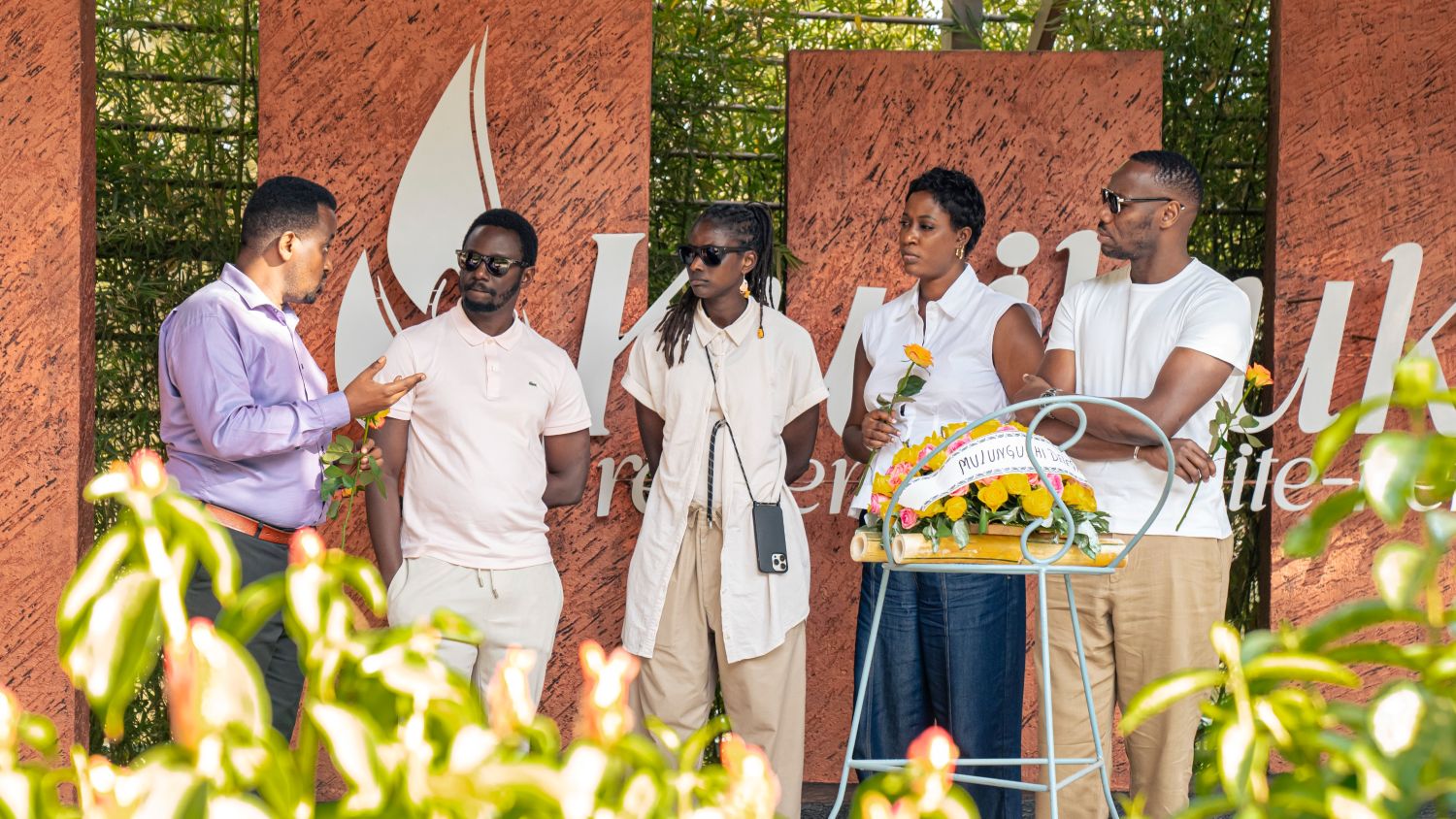
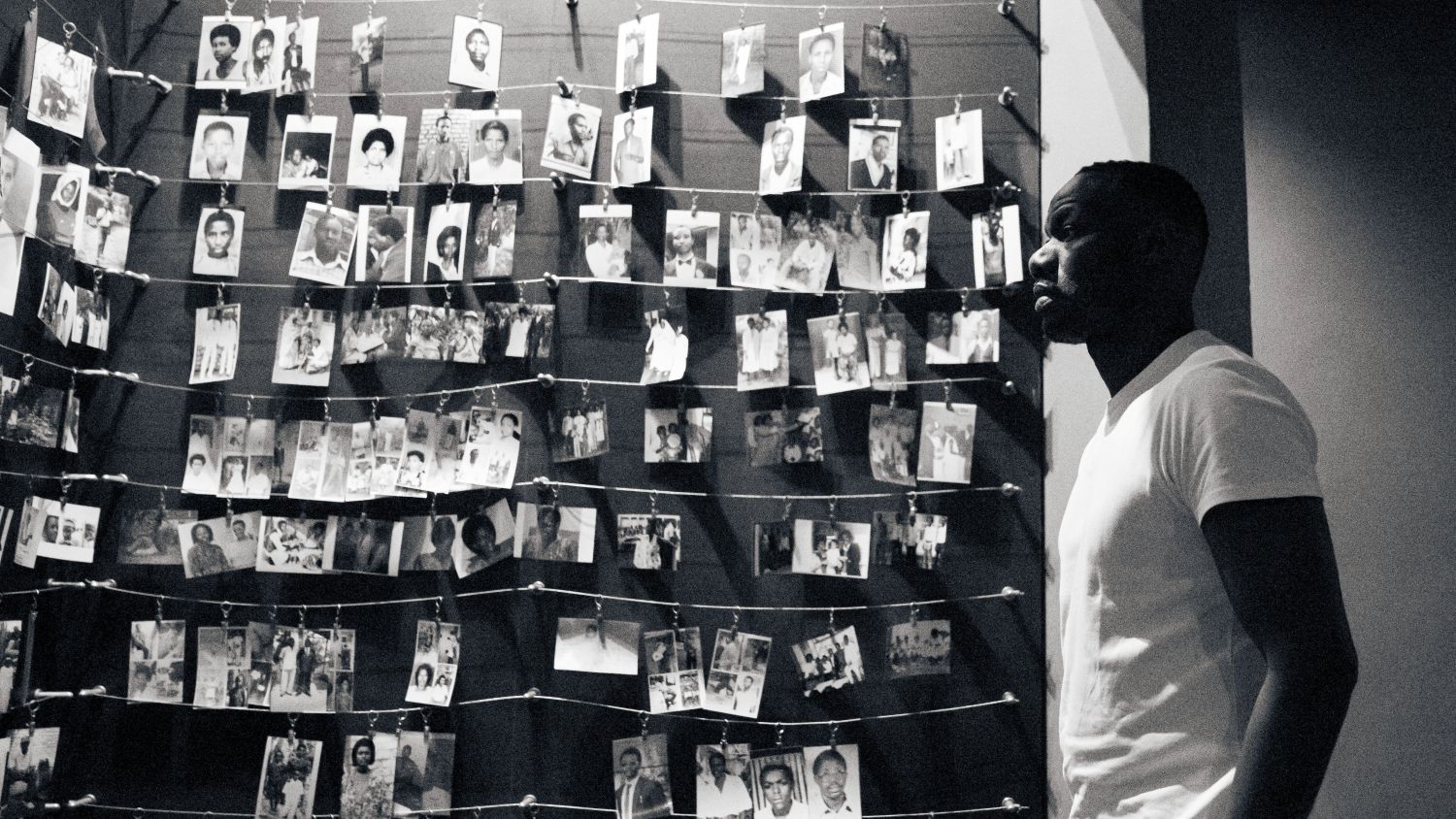
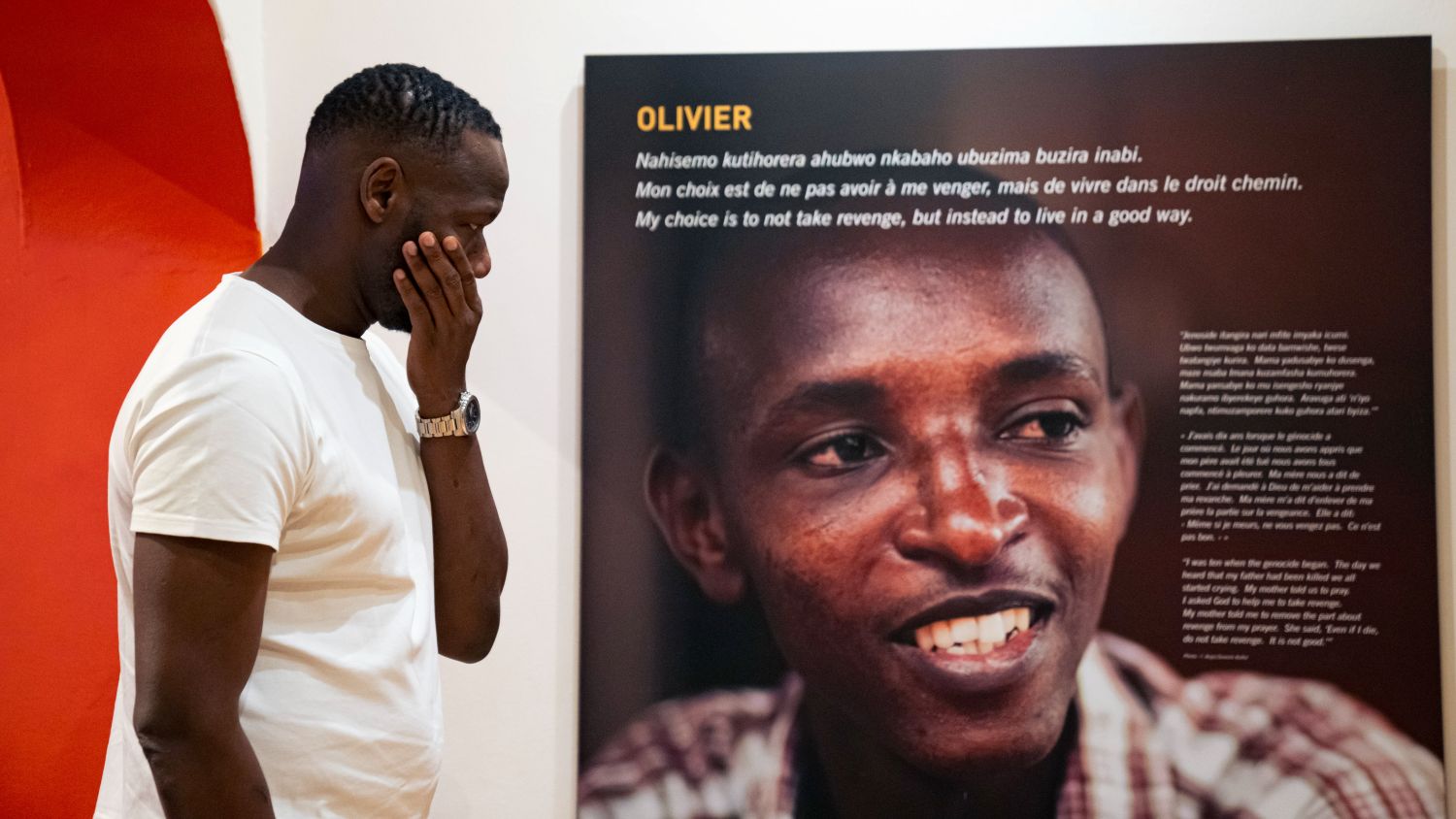
In a statement on Monday, the Kigali Genocide Memorial said Thiaw honoured the victims and learned more about the history of the Genocide against the Tutsi during a tour of its exhibits.
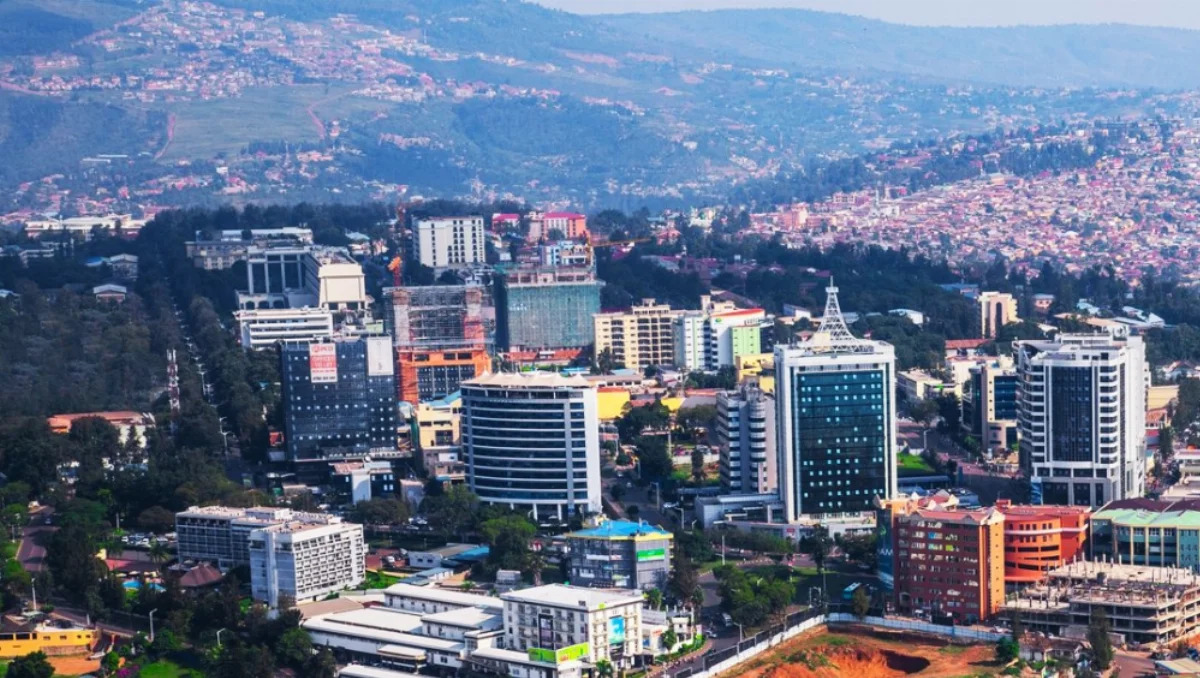
Located in Gisozi, Kigali, the memorial is the final resting place of more than 250,000 victims of the Genocide against the Tutsi. It also serves as a centre for remembrance and education, documenting the events of 1994, when more than one million people were killed in just 100 days.
Thiaw was in Rwanda for the SportsBiz Africa Forum, held at the Kigali Convention Centre on September 10 and 11, 2026, where he joined sports leaders, investors and other stakeholders in discussions on the future of African sport.
His visit to Kigali came as part of a career that has made him one of the prominent figures in Senegalese football. As a player, Thiaw was part of Senegal’s celebrated 2002 generation that reached the quarter-finals of the FIFA World Cup in South Korea and Japan and finished runners-up at the Africa Cup of Nations the same year.
Thiaw also guided Senegal to a 1–0 victory over Morocco in the 2025 Africa Cup of Nations final in January 2026, although CAF later overturned the result and awarded Morocco a 3–0 victory. Senegal has appealed the decision at the Court of Arbitration for Sport, with a hearing scheduled for October 8, 2026.
Thiaw also became the first Senegalese footballer to feature in Spain’s La Liga. His playing career included spells in France, Switzerland, Russia and Spain, while he earned 16 international caps for Senegal.
After retiring from playing, he turned to coaching and earned both UEFA A and CAF A coaching licences.
While in Rwanda, Thiaw met State Minister for Youth and Arts Development Sandrine Umutoni, with their discussions focusing on the role of sports, arts and culture in empowering African youth and expanding economic opportunities.
They also discussed talent development, entrepreneurship and preparing athletes and young professionals for life beyond their active sporting careers, as well as opportunities for young people to use digital platforms and artificial intelligence to market and showcase their talent internationally.
Thiaw also met members of the Executive Committee of the Rwanda Football Federation (FERWAFA), led by First Vice-President Me Claudine Gasarabwe, who is serving as acting president. Their discussions focused on Rwanda’s efforts to develop and strengthen domestic football structures.
During his stay, he visited Rwanda’s national U-20 team and its technical staff during their training camp, where he shared lessons from his coaching journey and offered mentorship on leadership, resilience and player development.
At the SportsBiz Africa Forum, Thiaw was among speakers addressing sports leaders, investors and other stakeholders. His discussions focused on leadership and resilience in African sport, the pressures facing coaches, accountability and the need to build sustainable pathways for football development across the continent.
Located in Gisozi, Kigali, the memorial is the final resting place of more than 250,000 victims of the Genocide against the Tutsi. The Kigali Genocide Memorial said Thiaw honoured the victims and learned more about the history of the Genocide against the Tutsi during a tour of its exhibits.
In a statement issued on September 13, the Sauvons la RDC coalition said a presidential decree establishing the framework for a committee tasked with preparing the dialogue showed that the government wanted to control the process.
“Based on this decree, Mr Félix Tshisekedi, who has a tendency to grant himself excessive powers, has made himself the Alpha and Omega of the so-called national dialogue,” the coalition said.
It added that Tshisekedi’s influence extended from the selection of members of the organising committee to the conclusions of the dialogue.
“From the beginning to the end of this dialogue, from the selection of members of the organising committee to the conclusions that will emerge from it, everything, without exception, depends on his will and is based on his power to make decisions as he pleases,” it said.
The coalition also questioned whether the dialogue would be inclusive, arguing that the president’s announcement offered little assurance that different political groups and representatives of Congolese interests would be adequately involved.
Sauvons la RDC further argued that the dialogue was not primarily aimed at resolving the country’s problems but at consolidating the current administration’s hold on power and serving Tshisekedi’s interests.
The coalition invoked Article 64 of the DRC Constitution, which provides for citizens to oppose any individual or group that takes power in violation of constitutional principles.
The coalition has previously made Article 64 central to its political position, particularly in its opposition to any attempt to extend Tshisekedi’s stay in power beyond the constitutional framework.
Tshisekedi announced the national dialogue on August 27, presenting it as an effort to address the country’s challenges and strengthen national cohesion. The September 13 presidential decree established the committee responsible for preparing the process.
The committee is expected to prepare the administrative, material and logistical arrangements for the dialogue and submit a preliminary report to Tshisekedi. A subsequent decree is expected to formally convene the dialogue and set out its principles, stages, representation and mechanisms for monitoring its conclusions.
Sauvons la RDC has called for independent mediation, the participation of different stakeholders and a credible mechanism to monitor the implementation of any resolutions reached through the dialogue.
The government has ruled out participation by those fighting against the constitutional order as political components of the dialogue. Discussions involving the AFC/M23 are being handled separately through the Doha process.
Sauvons la RDC sees little hope in Tshisekedi’s proposed national dialogue, accusing the Congolese president of seeking full control.
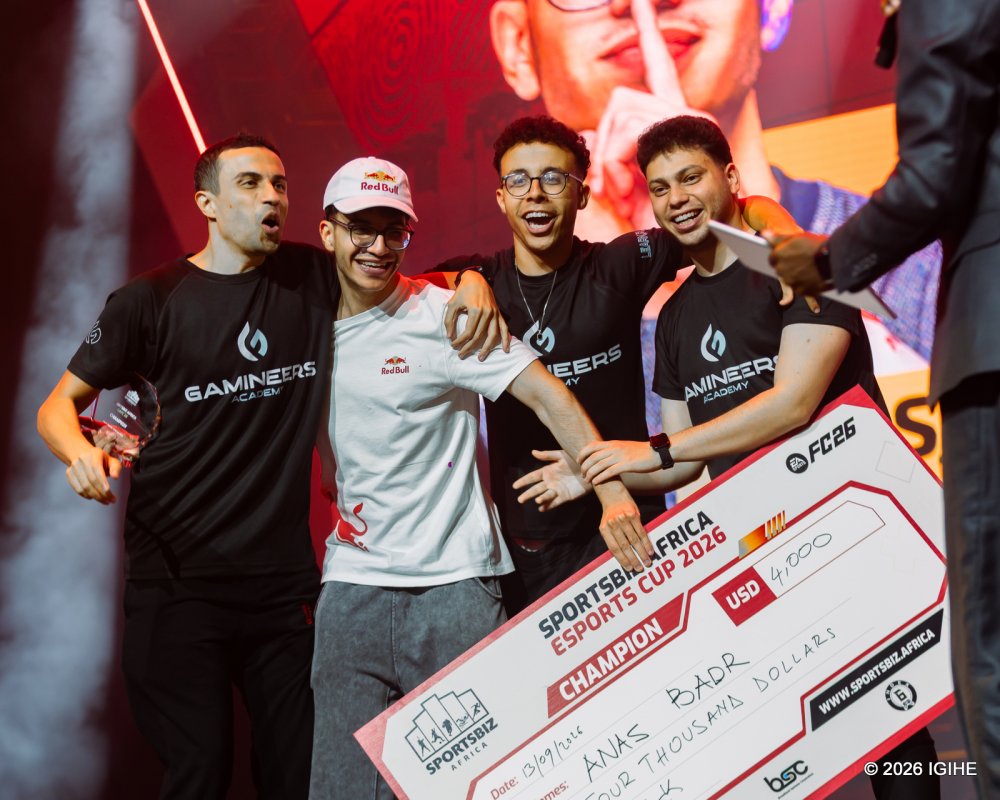
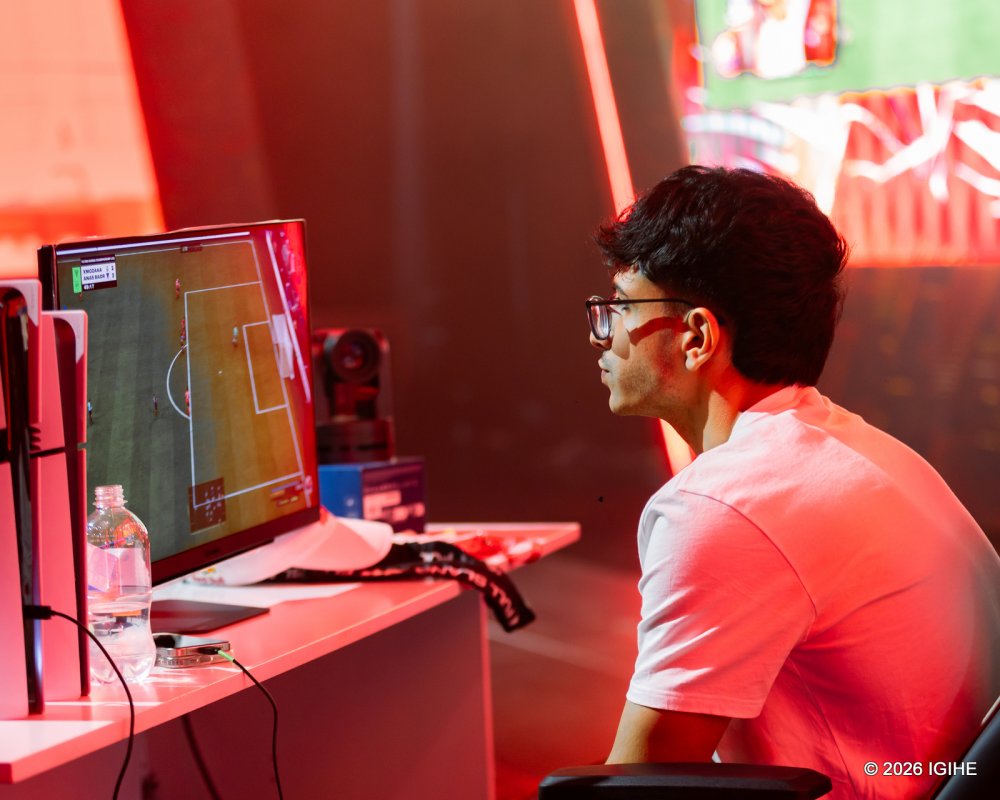
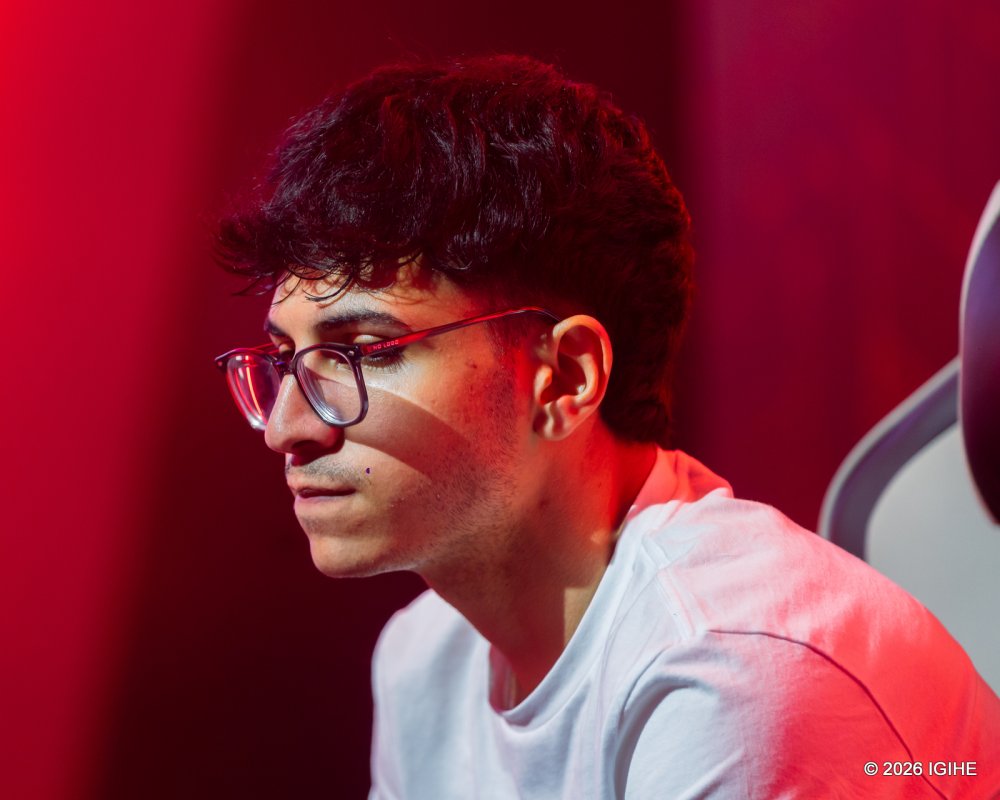
Badr secured the title with two consecutive wins, beating Toxic Joe 5-3 in the first match before winning the second 6-3.
The tournament was held as part of activities organised alongside the SportsBiz Africa Forum 2026, a conference focused on sports investment in Africa.
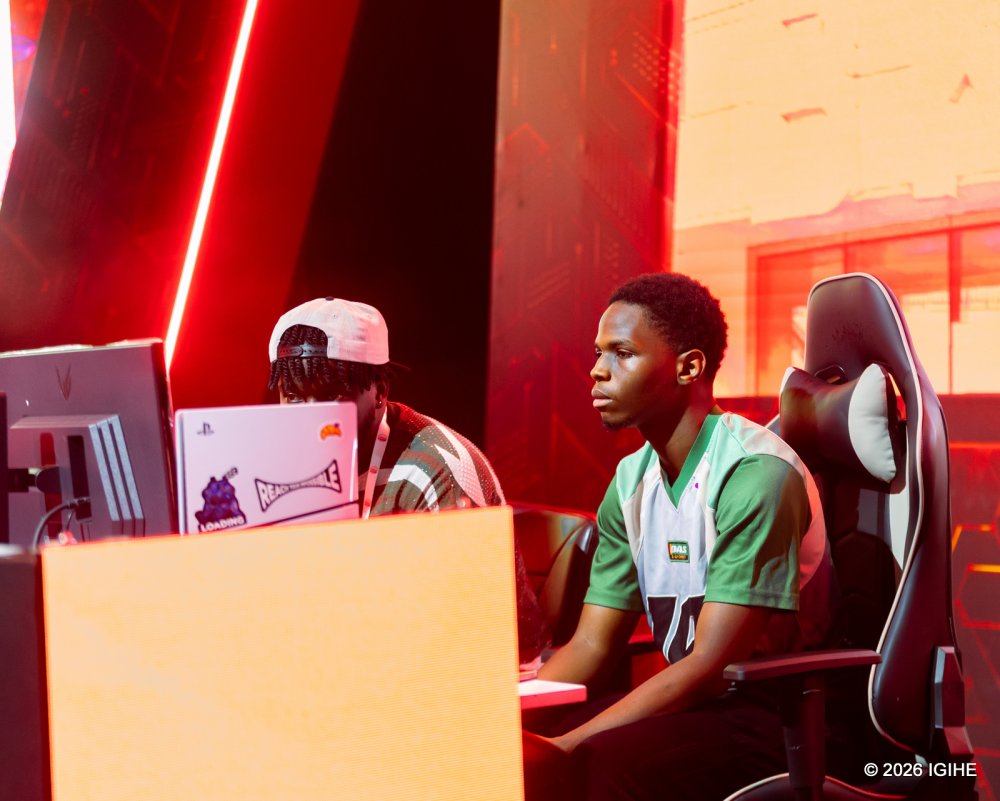
The competition featured two categories: eFootball Mobile, played on mobile phones, and EA Sports FC 26, played using game controllers.
Sixteen players who reached the round of 16 in the EA Sports FC 26 category competed on the final day for a share of the $10,000 prize pool, worth more than Rwf14.7 million.
None of the four Rwandan players reached the knockout stage after being eliminated in the group phase. They were Samy, Tresol, Franklin and Nyamwasa Praise, who was the highest-ranked Rwandan player.
The semi-finals featured four of the tournament’s strongest players: Moaaz Ahmed Ibrahim, who reached the final last year, defending champion Zaid April, and Egyptian debutants Badr and Toxic Joe.
Toxic Joe eliminated Moaaz, while Badr defeated Zaid, who was seeking to retain the title.
The final was played as a best-of-three series, with players allowed to select their preferred teams and players.
Badr won the first two matches to claim the championship, leaving Toxic Joe as runner-up. Zaid finished third, while Moaaz placed fourth.
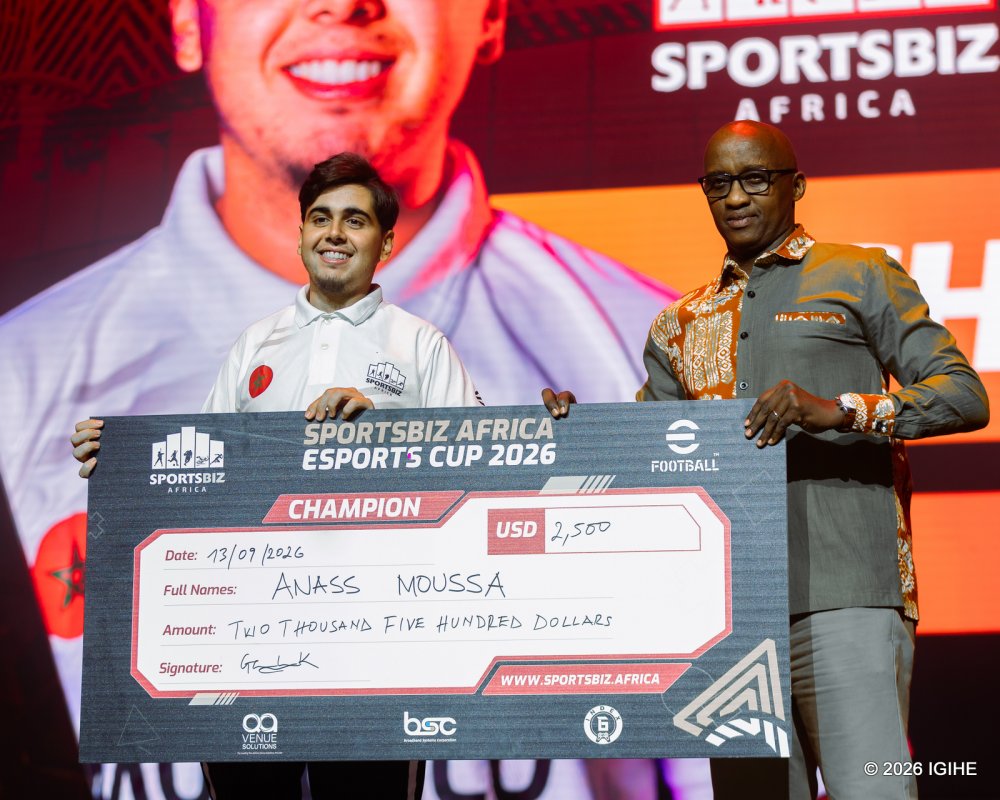
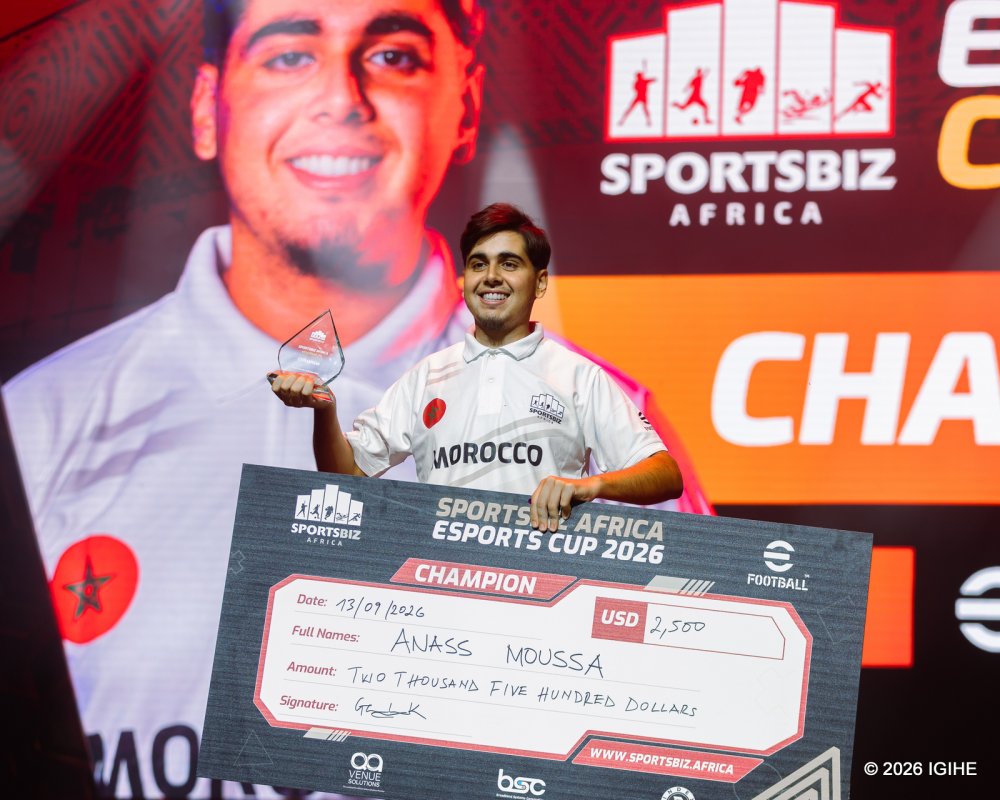
Moroccan player Anass Moussa won the eFootball Mobile category.
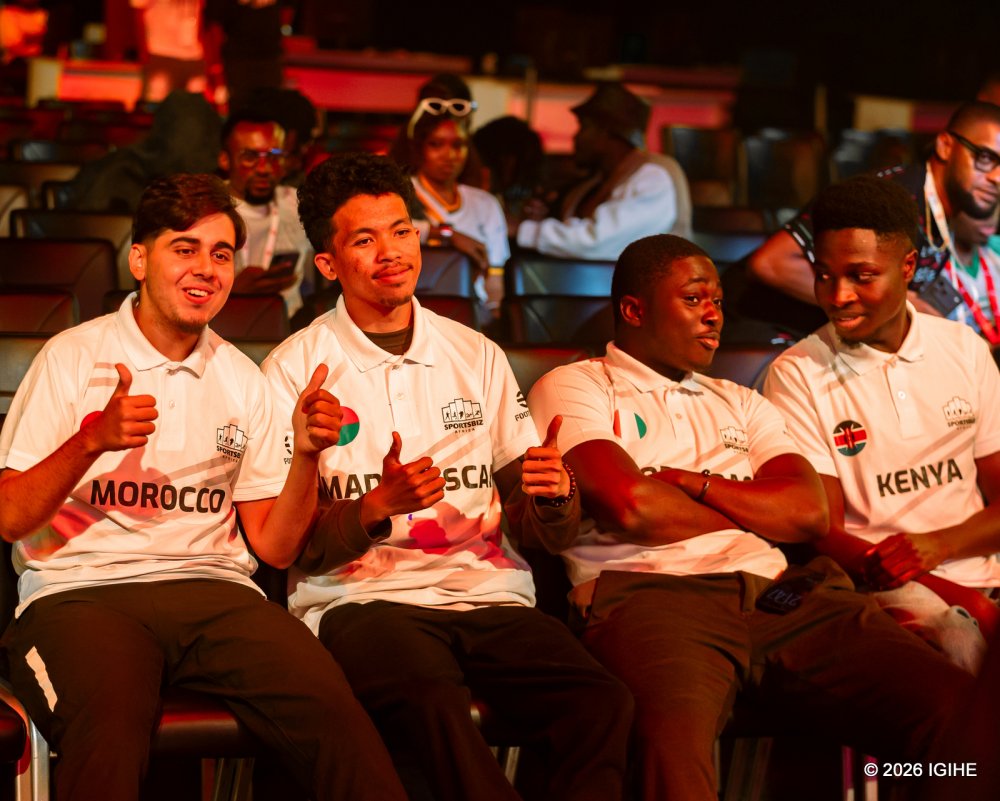
Players representing 16 African countries, as well as India, took part in the tournament.
The African participants came from South Africa, Egypt, Somalia, Kenya, the Democratic Republic of Congo, Nigeria, Algeria, Tanzania, Cameroon, Uganda, Ghana, Comoros, Côte d’Ivoire, Morocco, Madagascar and Rwanda.
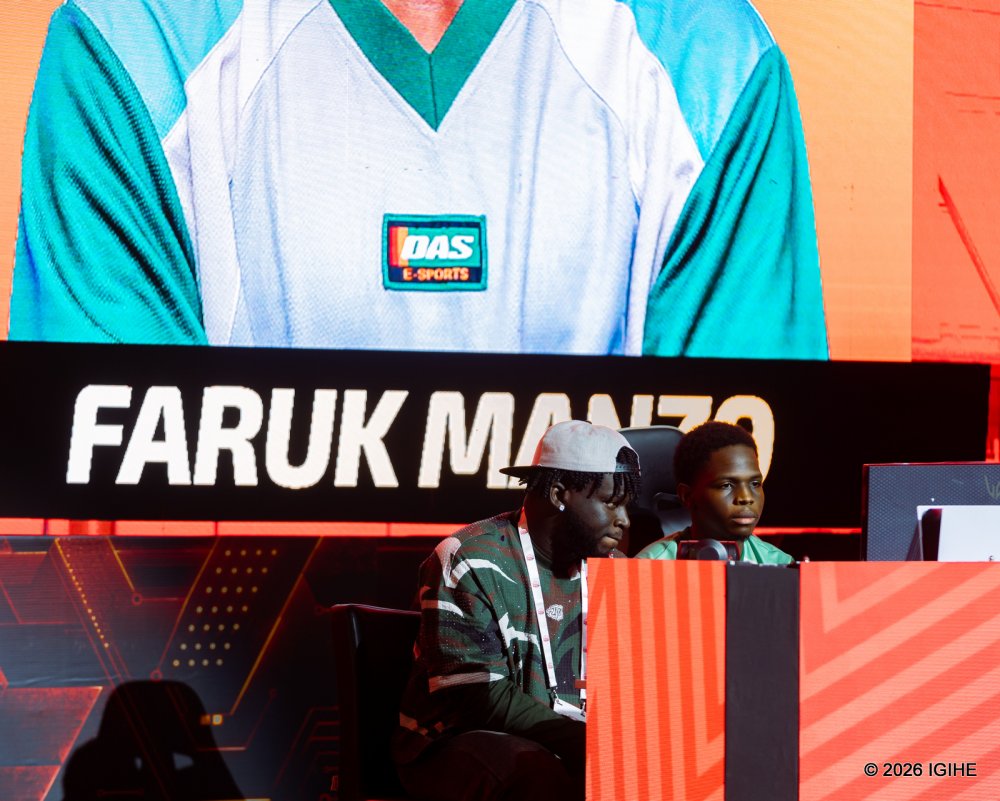
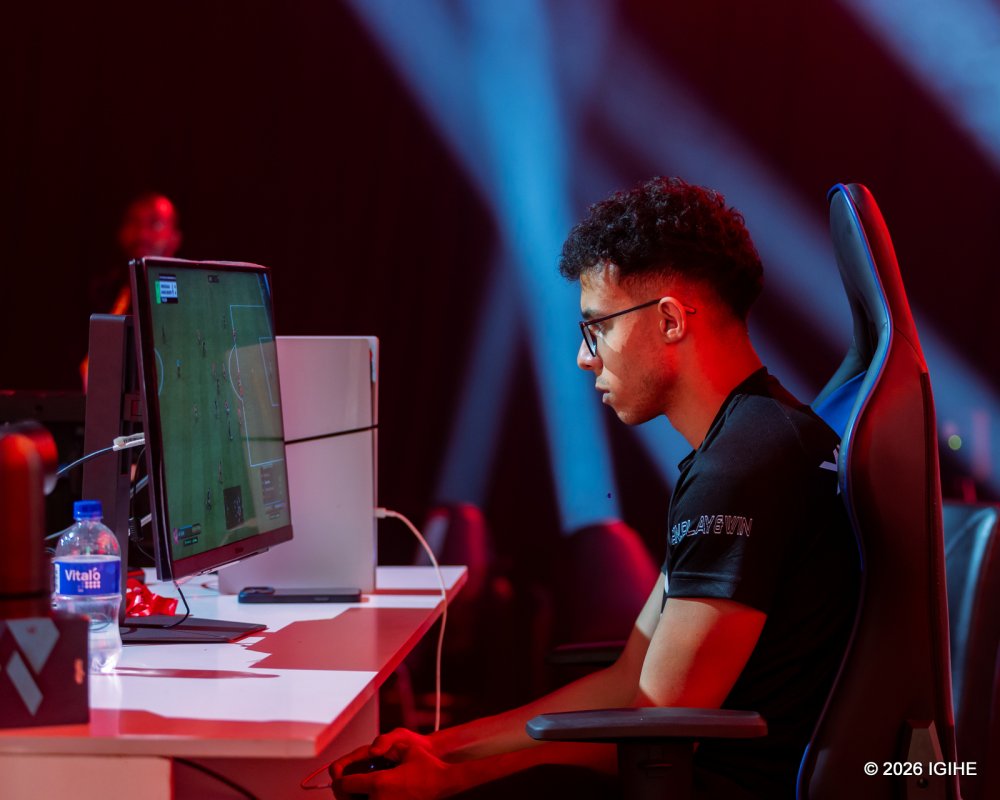
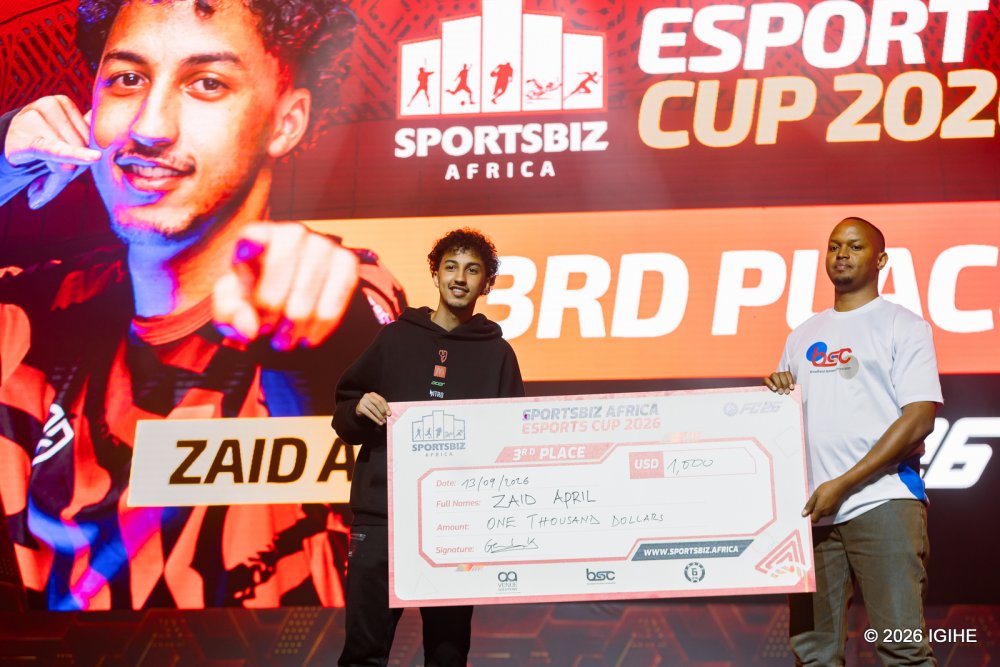
Faruk Manzo of Nigeria was eliminated in the round of 16.Zaid April was eliminated in the semi-finals.Egypt had the highest number of players in the tournament.
Nigeria’s Faruk Manzo was among the tournament favourites but was eliminated early.
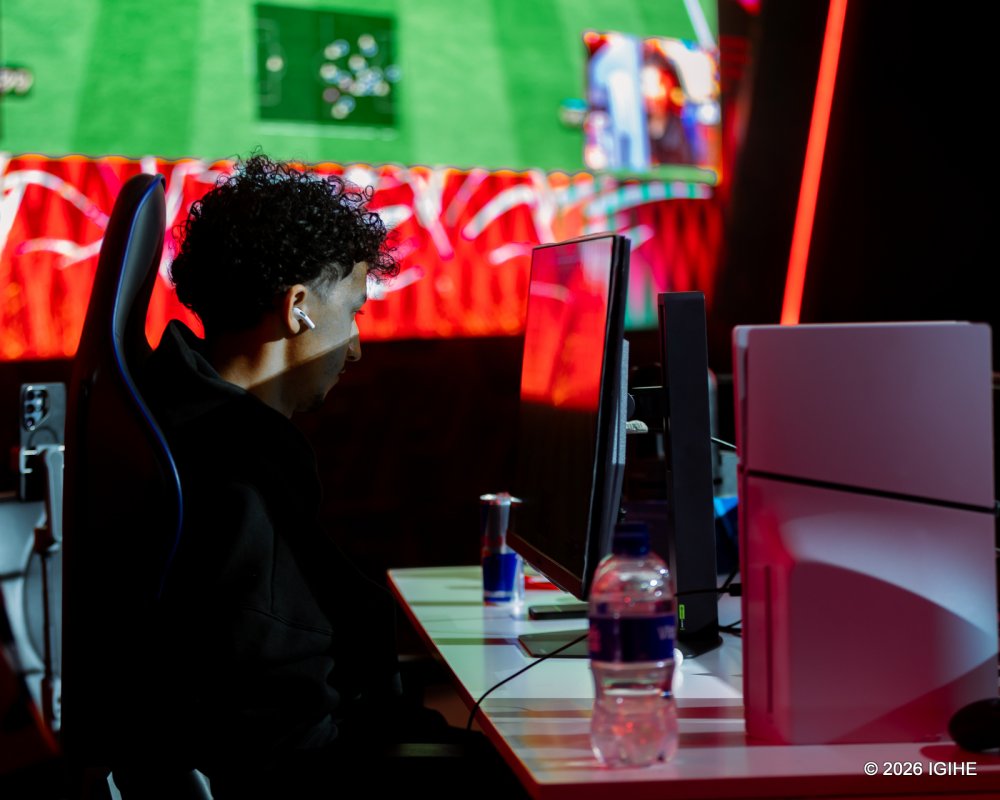
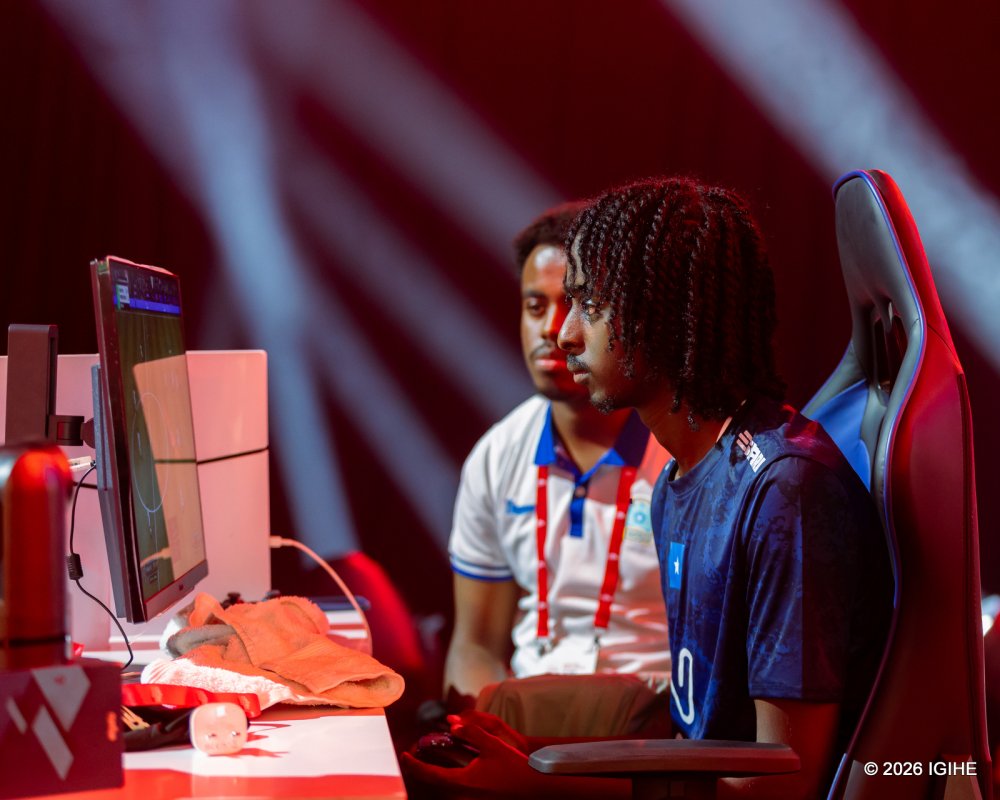
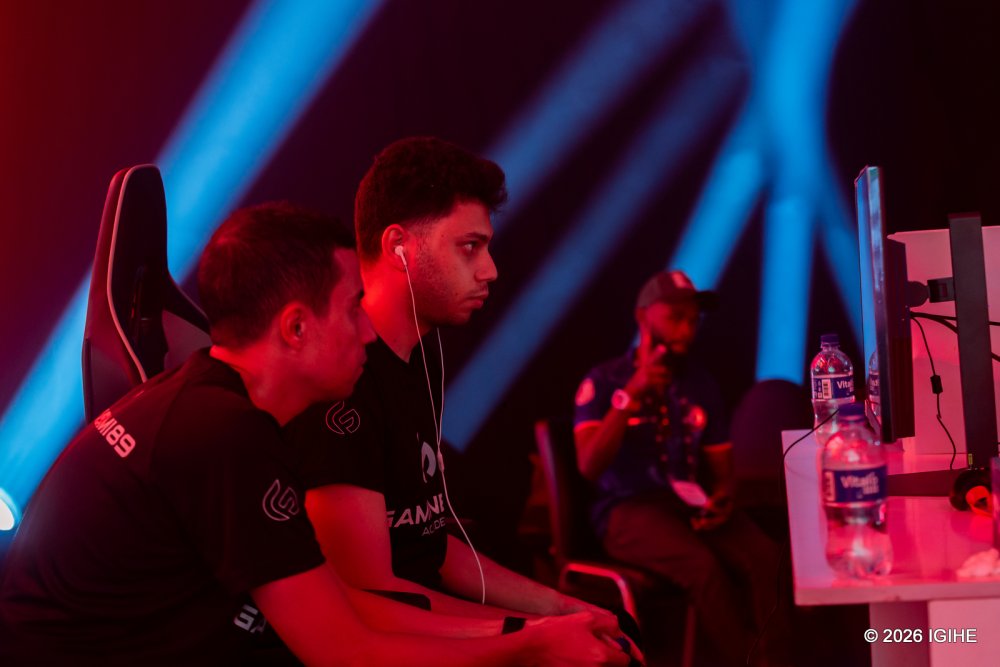
Somalia’s Nhaych was among the players who competed on the final day.
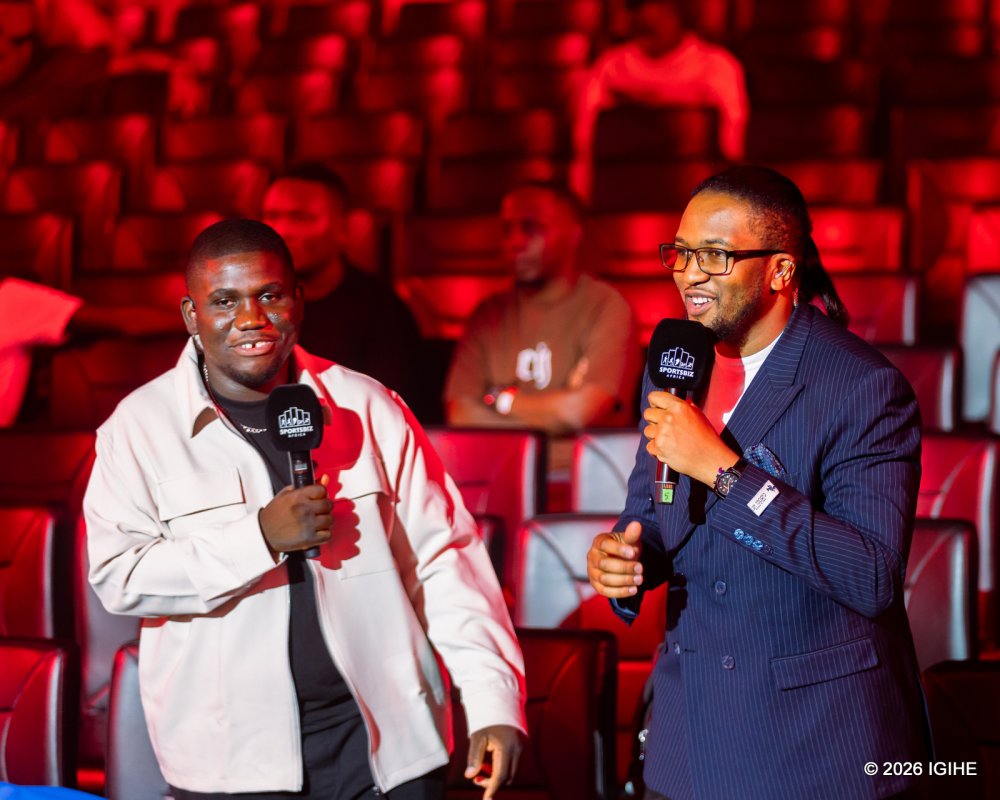
The matches featured live commentators who provided analysis throughout the games.Anas Badr won all his matches.Anas Badr is regarded as one of Africa’s top players.
Moaaz was eliminated in the semi-finals.
Toxic Joe was beaten in the final.
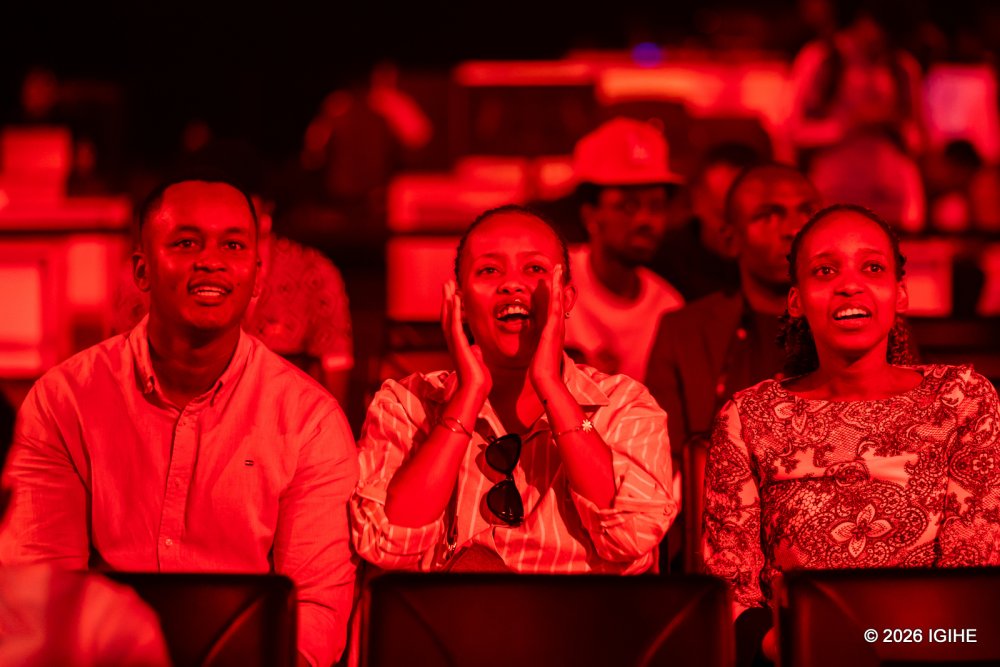
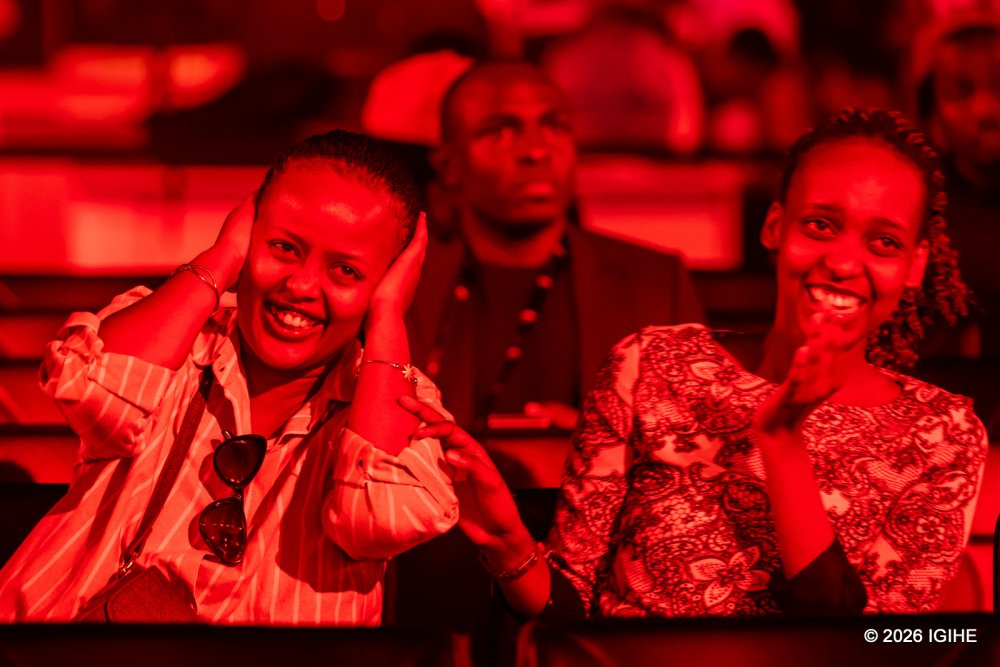
Fans enjoyed an exciting final. eSports fans stayed up late to watch the tournament.
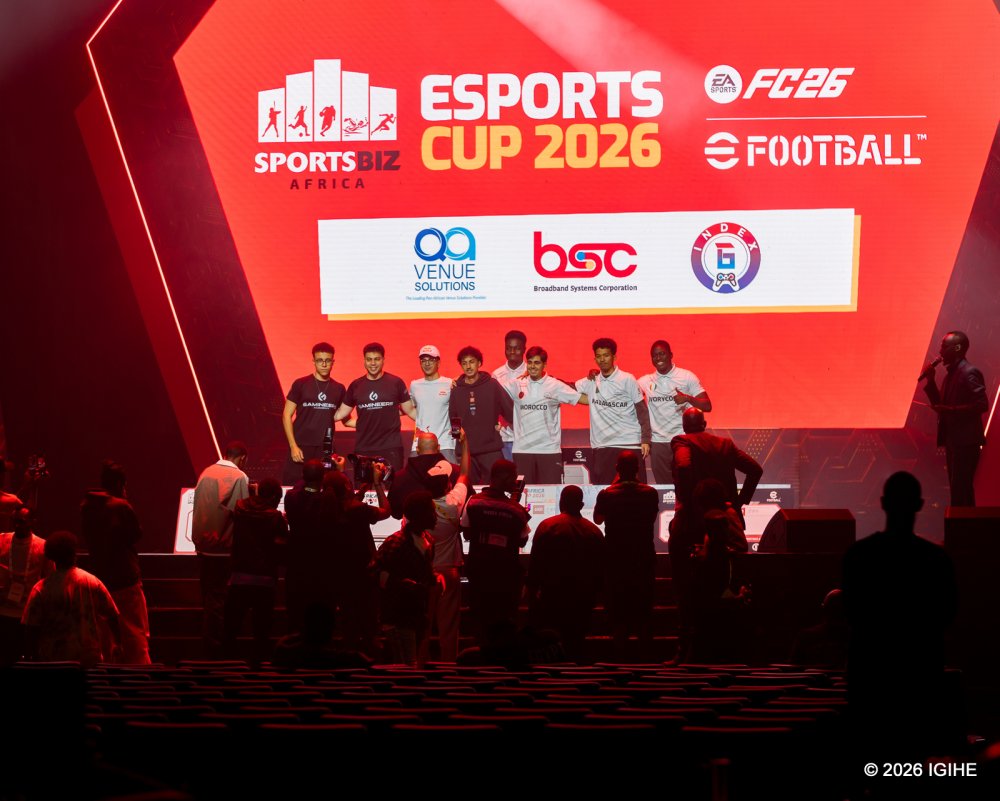
These were the top players in the mobile football category.
Alexis Sharangabo presented the award to Anass Moussa
Morocco’s Anass Moussa won the eFootball Mobile title at the SportsBiz Africa Esports Cup.
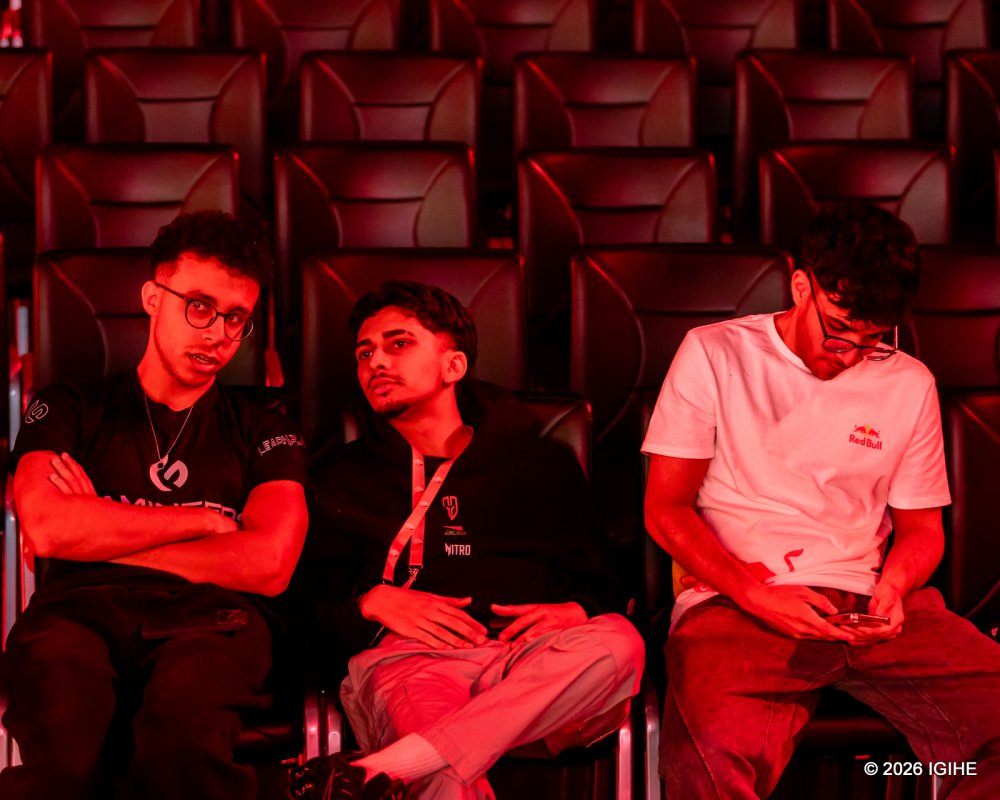
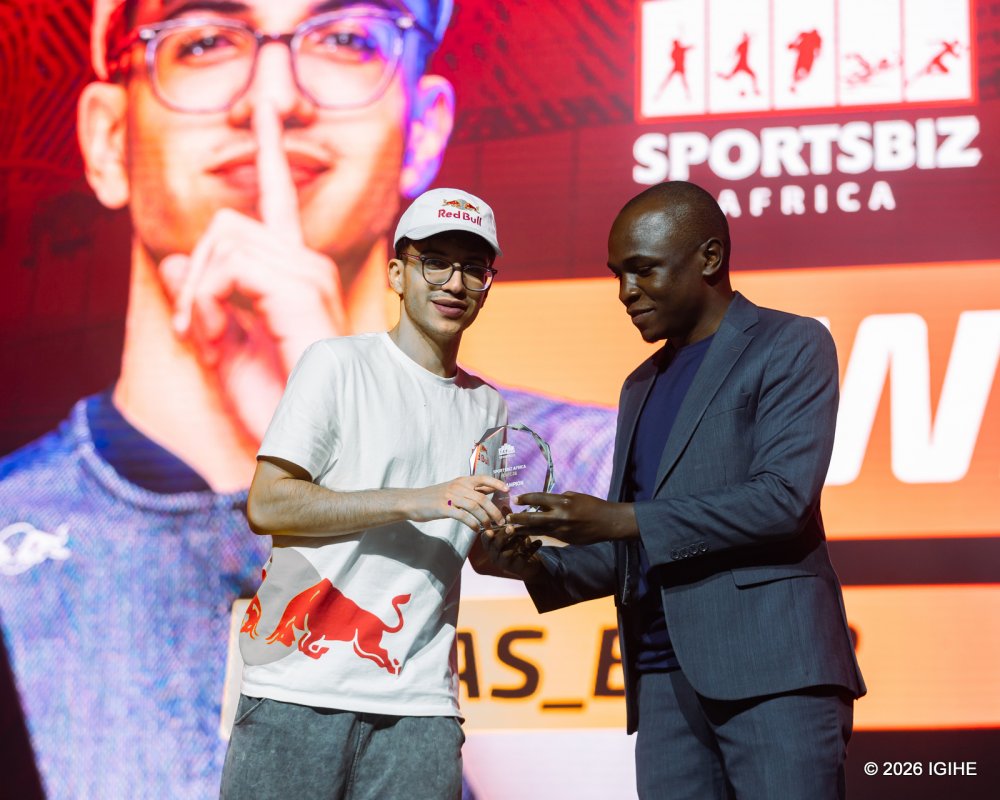
Zaid April failed to defend his African eSports title as the tournament returned to Rwanda for a second edition.Ronny Lusigi, president of Kenya’s Esports Federation, presented the award to Anas Badr.
Egyptian players congratulate their compatriot Anas Badr after he won the tournament.
The top-performing players shared a $10,000 prize pool.
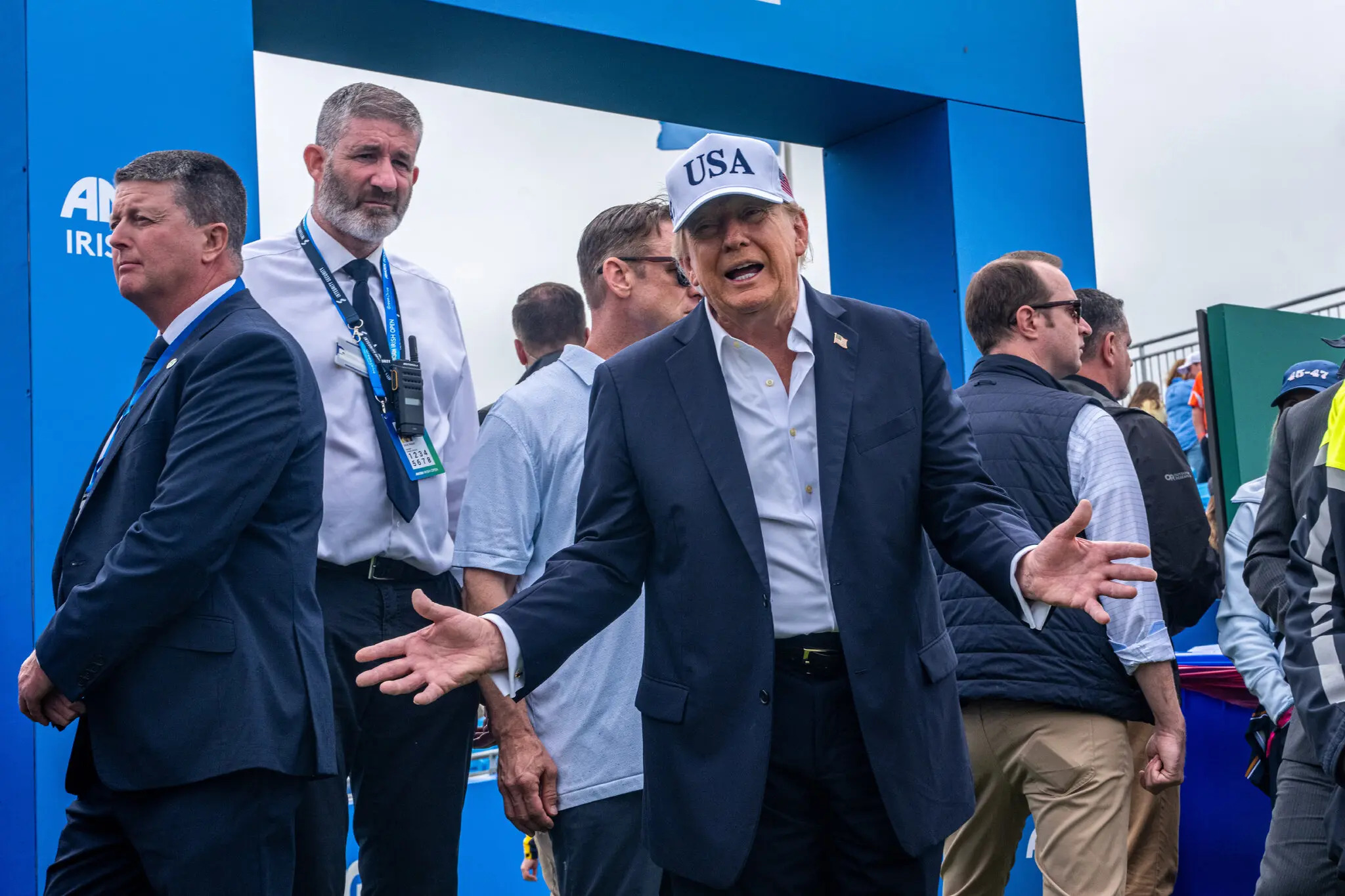
Trump made the remarks on Sunday after being asked whether he had spoken with Ukrainian President Volodymyr Zelenskyy following his conversation with Russian President Vladimir Putin.
“Mr. Zelenskyy has to do one thing. He has to stop knocking out diesel fuel in Russia,” Trump told a reporter at his golf course in Ireland.
“He has to stop knocking out diesel fuel in Russia. We spoke to Mr. Zelenskyy about it. There are plenty of other targets. Don’t hit diesel fuel, because that’s hurting, that’s hurting the world.”
Trump said diesel prices were rising as supplies from Russia were being disrupted, arguing that the impact was being felt beyond the countries involved in the war.
Diesel prices in the United States climbed above $6 a gallon on Friday for the first time, according to AAA, amid a wider energy crunch that has also been driven by the conflict involving Iran and disruptions to oil supplies through the Strait of Hormuz.
Ukraine has intensified attacks on Russian energy infrastructure in an effort to disrupt Moscow’s ability to finance and sustain its war. The strikes have hit oil refineries and other fuel facilities across Russia, contributing to supply shortages and restrictions on fuel exports.
Hours before Trump made his remarks, Ukraine’s military said it had struck the TANECO oil refinery in Nizhnekamsk, in Russia’s Tatarstan republic, in a joint operation involving the country’s military, security service and military intelligence.
Local officials said the attack killed two civilians and wounded others.
Ukraine has maintained that Russian refineries are legitimate military targets, arguing that the facilities help fund Moscow’s war effort and supply fuel to Russian forces.
Russia has also repeatedly targeted Ukraine’s energy infrastructure, with missile and drone attacks hitting power facilities as the country prepares for another winter under the threat of prolonged electricity shortages.
Trump’s intervention comes as diesel supplies face pressure from damage to refining infrastructure in both Russia and the Middle East. Higher diesel prices could also push up the cost of transporting goods, potentially feeding into broader consumer price increases.
Trump made the remarks on Sunday after a reporter asked about his talks with Zelenskyy, urging Ukraine to stop targeting Russian diesel facilities because it was “hurting the world.”
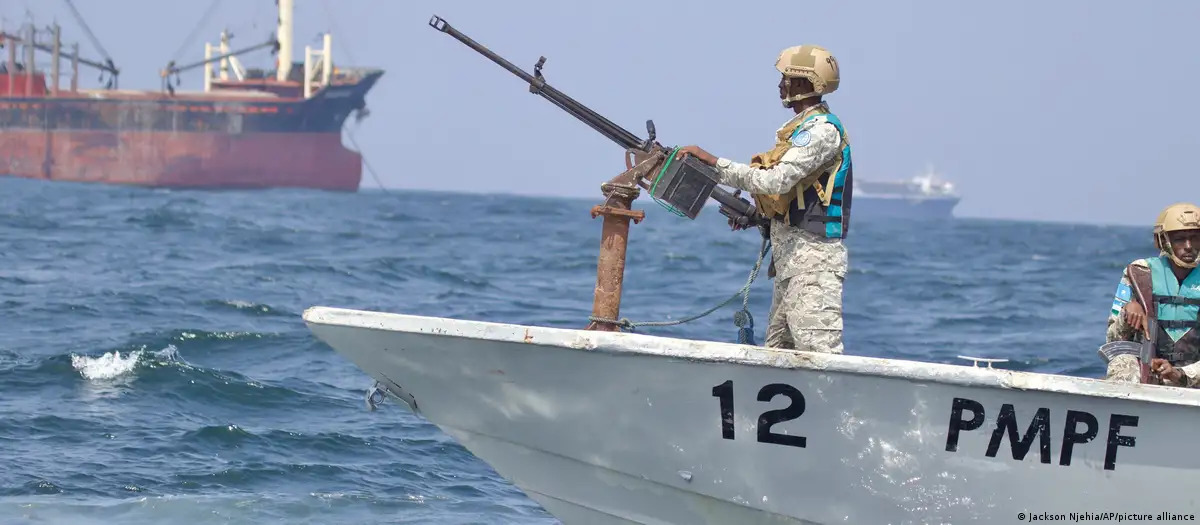
Following a string of vessel attacks and seizures since April, the International Maritime Organization (IMO), a specialized agency of the United Nations regulating maritime transport, issued a warning on August 24 highlighting the rise in piracy and confirming that over 90 seafarers remain held hostage by pirate networks.
Experts emphasize that a persistent lack of economic opportunities, compounded by widespread illegal fishing by foreign vessels, is driving more Somalis toward piracy, viewed by many both as a form of socio-economic protest and a desperate survival strategy.
Mohamed Husein Gaas, director of the Raad Peace Research Institute, a think tank, noted that the security vacuum created as international naval forces shifted attention to the Red Sea crisis has given Somali pirate networks renewed operational freedom.
“Somali piracy is back not because the underlying problem disappeared, but because the security architecture that suppressed it has weakened,” Gaas told Xinhua in a recent interview in Mogadishu, the capital of Somalia.
He noted that while international naval patrols and vessel defense measures previously suppressed piracy, root causes like weak coastal enforcement, poverty, and lack of governance remained unresolved.
“Piracy was suppressed, not solved,” Gaas said.
Gaas said that the Houthi conflict has “changed the equation” by shifting shipping routes and diverting naval resources, creating ripple effects for maritime traffic near Somalia.
However, he cautioned against treating allegations of direct operational ties between Houthi networks and Somali pirate groups as established fact.
Meanwhile, commercial consequences are mounting in the region.
Abdirizak Sabriye, a member of the Somali Chamber of Commerce and Industry, the apex umbrella body for Somalia’s private sector, noted that global ocean carrier Maersk has suspended new bookings to and from the Port of Berbera in northern Somalia citing operational scheduling conflicts and broader regional route realignments.
While Sabriye did not link the decision solely to piracy, he emphasized that it underscores the widespread logistics disruption hitting Horn of Africa trade.
For Somalia, an import-dependent economy, prolonged maritime disruptions threaten to drive up freight and insurance premiums, tighten domestic supply chains, and trigger consumer price inflation.
Yusuf Mohamed Mahadale, a prominent capital goods importer known locally as “Shakirow”, said that these cost pressures are already spilling over into local markets.
“The prices of construction materials, fuel and even cooking gas have risen sharply in recent months,” Shakirow said, linking the price hikes directly to growing risks along shipping routes and the broader regional maritime crisis.
Because much of Somalia’s construction material is imported from China, Shakirow emphasized that the Indian Ocean-Gulf of Aden corridor serves as a vital economic lifeline for Somali businesses.
“When shipping companies avoid taking such risks, supply becomes tighter while market demand remains high,” Shakirow told Xinhua.
Analysts have warned that the long-term economic fallout could escalate significantly if piracy evolves from isolated incidents into a sustained, systemic threat to Indian Ocean trade corridors.
“If piracy becomes sustained, shipping companies could again avoid the Gulf of Aden, raising insurance, freight and fuel costs and ultimately consumer prices,” Gaas said.
“For Somalia, that would mean higher import costs and weaker maritime investment, while the wider region and global trade would absorb the larger shock,” he cautioned.
Rising piracy highlights a shift in regional security dynamics as Western naval forces pivot toward broader Middle Eastern conflicts, opening space for Turkey, China, and Gulf nations to expand their influence around the Red Sea.
To address these vulnerabilities, a Somali government official stated that Mogadishu plans to join the Mecca Joint Defense Agreement with Saudi Arabia, Turkey, and Pakistan.
Speaking on condition of anonymity, the official noted Somalia will also consult with China to strengthen its naval capabilities and reduce reliance on Western defense coalitions.
Though Somalia’s potential entry into the defense pact remains an unconfirmed diplomatic effort, Mogadishu is expanding domestic counter-piracy operations.
The foreign ministry reported ongoing land and sea interventions, highlighting the August 29 liberation of the hijacked cargo ship MV Lutuf as a key success.
“Somalia will not permit its waters to become a haven for maritime crime,” the ministry said.
The government is calling for international naval support to align with its national security framework and bringing the piracy issue before the UN Security Council, supported by Parliament’s recent passage of updated anti-piracy legislation.
Gaas noted that naval patrols are insufficient on their own, arguing that lasting solutions depend on strong coastal governance, improved enforcement, and genuine economic opportunities for local communities.
A resurgence of Somali piracy off the northeastern coast and in the Gulf of Aden is growing amid Red Sea security risks, threatening global shipping costs and commodity prices to push up, analysts warned.
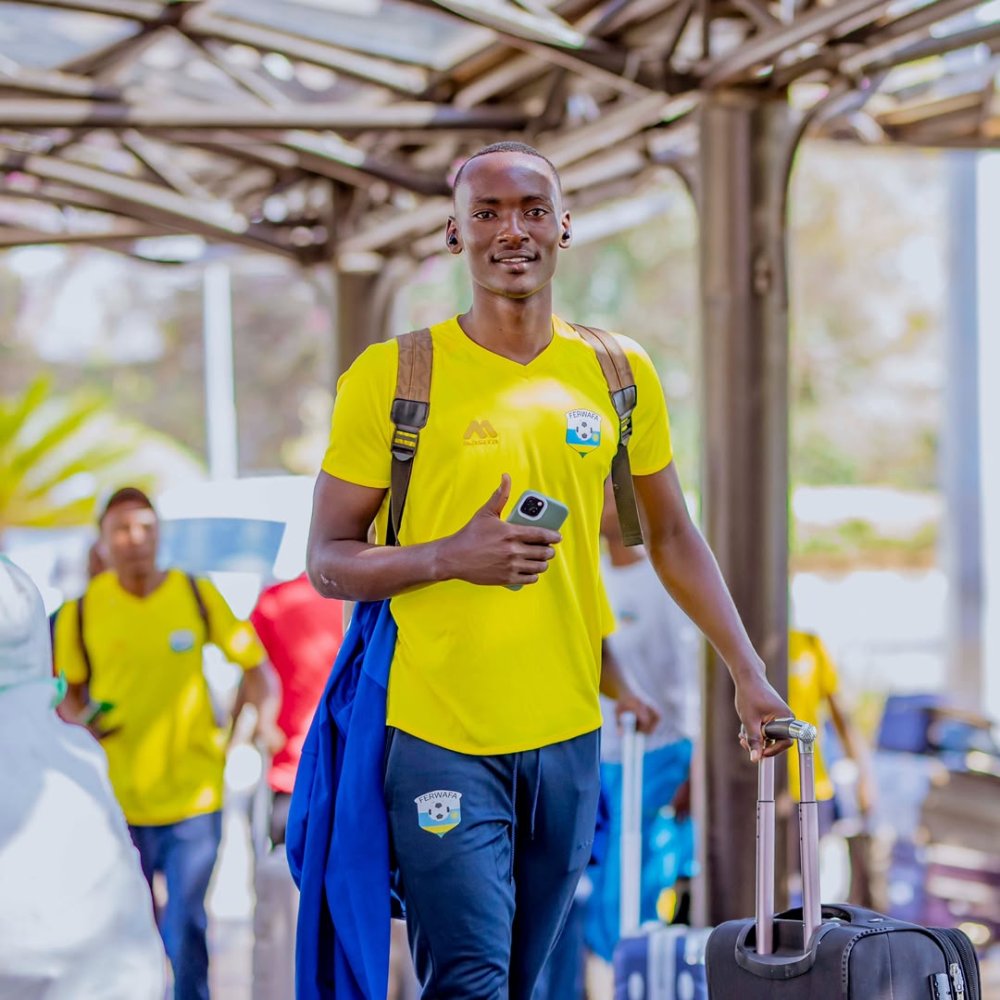
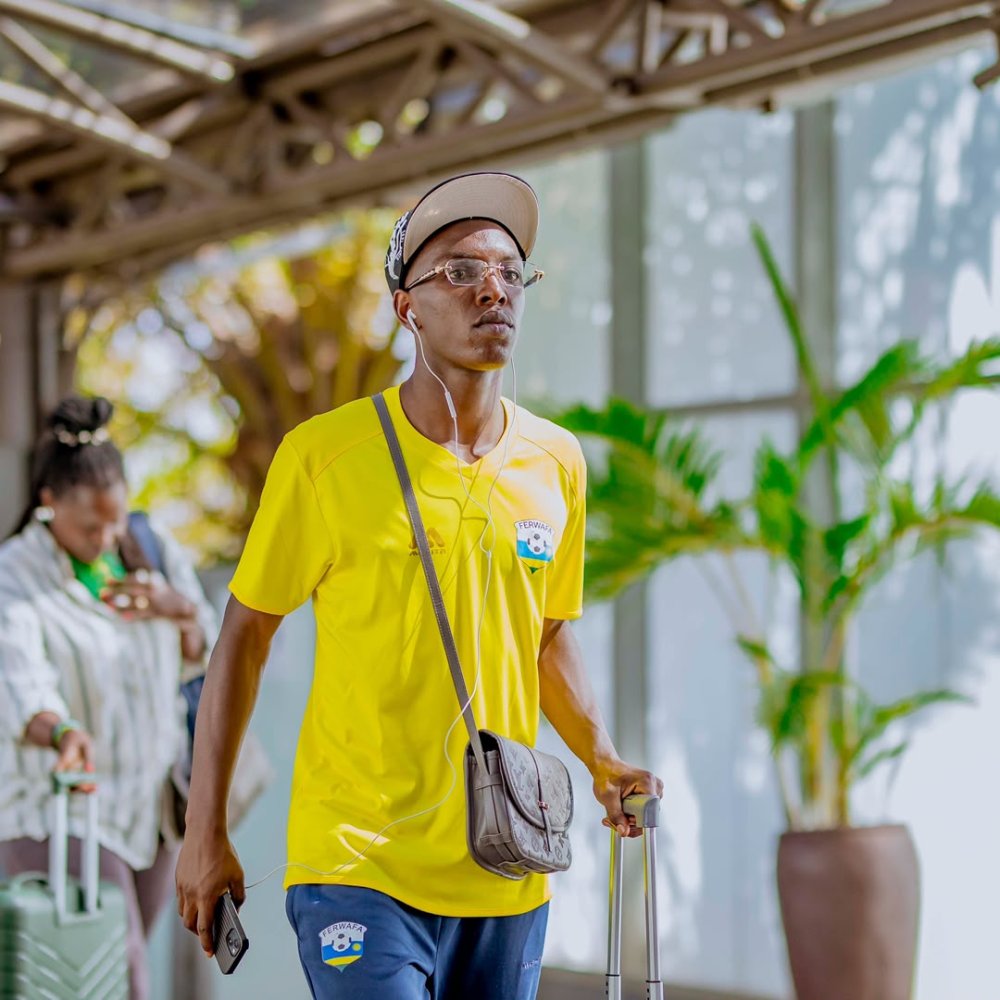
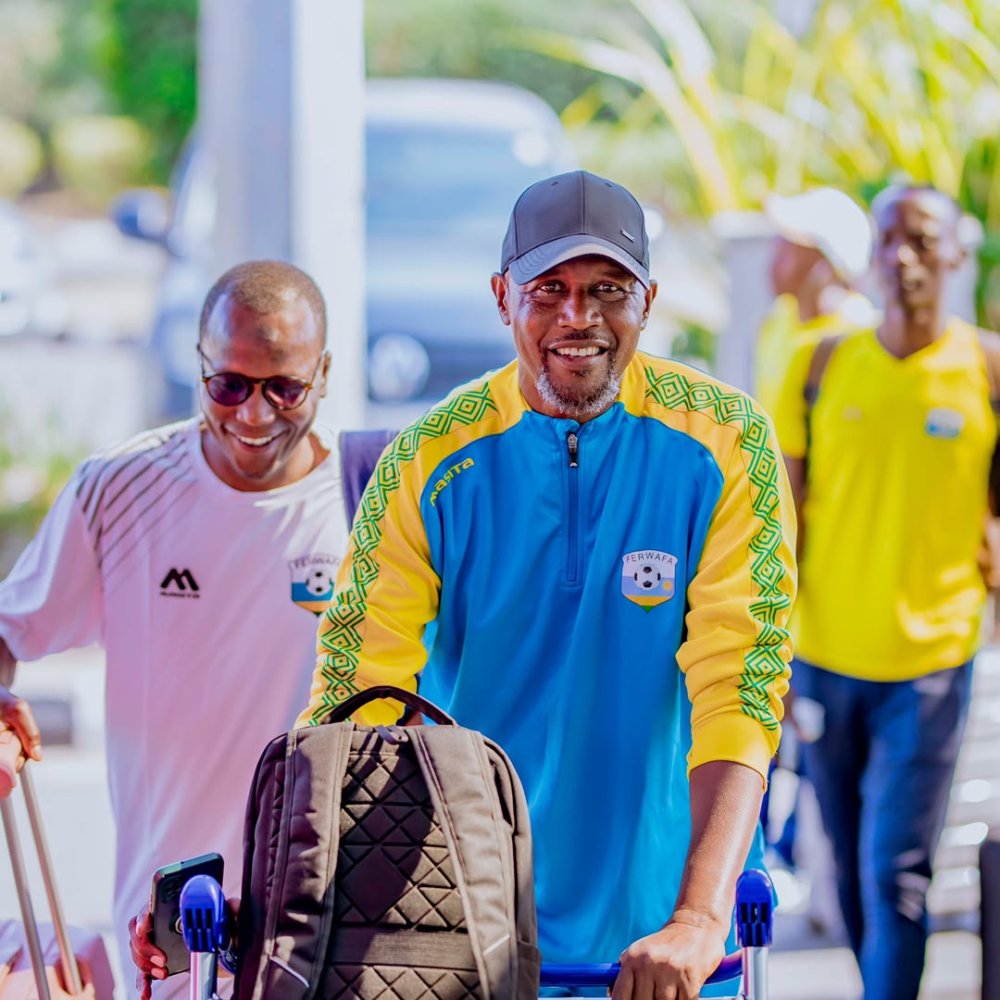
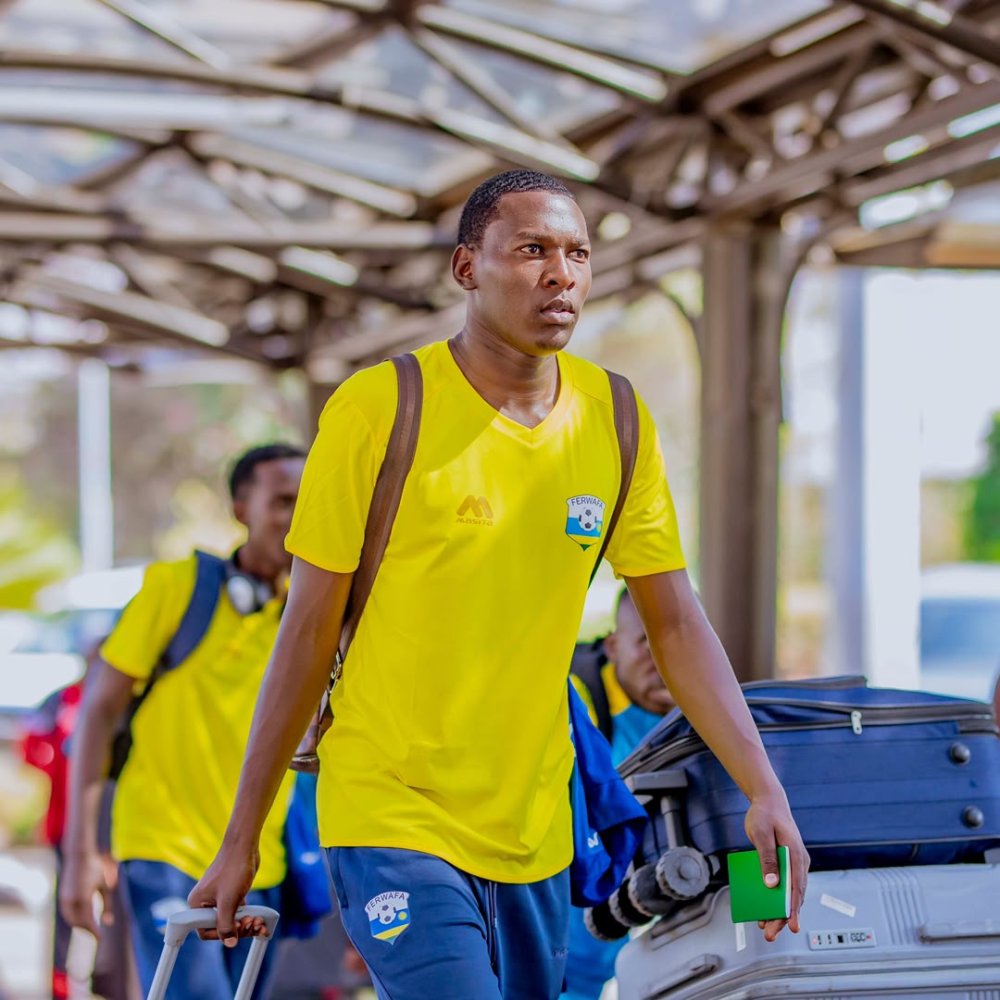
The team left Kigali International Airport on Sunday, September 13, 2026, ahead of the tournament, which runs from September 15 to 25.
Head coach Cassa Mbungo André is leading a 25-player squad, assisted by Ntamuhanga Tumaini, physical trainer Peter Otema and goalkeeper coach Ndizeye Aimé Désiré ‘Ndanda’.
Rwanda is in Group A alongside hosts Tanzania and Ethiopia. The matches will be played at Uhuru Stadium in Dar es Salaam, which was renovated ahead of the 2027 Africa Cup of Nations.
The Rwandan side comes into the tournament after playing two friendly matches against Sudan’s U-20 team. The first ended in a 2-2 draw, while the second finished 1-1.
Group B consists of Uganda, Sudan and Djibouti, while Group C features South Sudan, Burundi and Kenya.
The three group winners will advance to the semi-finals, alongside the best-performing second-placed team.
The two finalists will qualify to represent the CECAFA region at the 2027 Africa Cup of Nations, which will be held in Ghana.
The team left Kigali International Airport on Sunday, September 13, 2026, ahead of the tournament, which runs from September 15 to 25.Head coach Cassa Mbungo André is leading a 25-player squad, assisted by Ntamuhanga Tumaini, physical trainer Peter Otema and goalkeeper coach Ndizeye Aimé Désiré ‘Ndanda’.The players had spent the past week preparing for the tournament.
Rwanda’s 25-player squad heads to Tanzania for the Africa Cup of Nations qualifiers.
Bizimana said in a post on X on Sunday that the FDLR was “an alibi used to cover real motivations of the war imposed on Congolese people.”
Nduhungirehe responded by pointing to Bizimana’s role within the African Union and its previous resolutions against the FDLR, an armed group formed by individuals involved in the 1994 Genocide against the Tutsi in Rwanda.
“Let me recall that Édouard Bizimana is not only the Minister of Foreign Affairs of Burundi but also the Chairperson of the AU Executive Council,” Nduhungirehe wrote.
He said the African Union had adopted multiple resolutions condemning the FDLR and calling for its disarmament and repatriation.
“If he doesn’t read documents of the organisation he chairs, let me remind him that the African Union adopted multiple resolutions condemning the FDLR genocidal force and calling for its disarmament and repatriation,” Nduhungirehe said.
Nduhungirehe also cited the African Union’s support for the Washington peace agreements between Rwanda and the DRC, which include a commitment by Kinshasa to neutralise the FDLR.
The June 27, 2025 Washington Peace Agreement and the December 4, 2025 Washington Accords for Peace and Prosperity were signed in the presence of Burundi President Évariste Ndayishimiye.
Nduhungirehe questioned Bizimana’s characterisation of the FDLR as an “alibi”, noting that Burundi is not a signatory to the agreements.
“How then is it possible that Édouard Bizimana, whose country is not signatory to those Accords, comes from nowhere to claim that the FDLR is an ‘alibi’?” he wrote.
He further accused Burundi’s army of cooperating with the FDLR in eastern DRC and criticised Bizimana for denying the continued threat posed by the group.
“It’s appalling to note that the Chairperson of the African Union, whose army collaborates with the FDLR in eastern DRC, continues to deny the existence of a genocidal force that was condemned on multiple occasions by the very organisation he chairs,” Nduhungirehe said.
He concluded by calling on the AU to be more careful in choosing leaders for its institutions.
“The African Union should be serious and avoid, for the future, to hand over the reins of our precious organisation to people who obviously don’t have the capacity to lead it,” he wrote.
Bizimana has previously argued that the FDLR does not pose a significant threat to Rwanda.
In an interview broadcast in August, he said the group had never attacked Rwanda, despite repeated references to such attacks in discussions about the conflict in eastern DRC and evidence to the contrary.
“The FDLR has never attacked Rwanda. They have been talking about it for more than 30 years, but the group has never carried out an attack in Rwanda,” Bizimana said.
He added that Burundi could not support the FDLR, saying the group “has no value”.
Bizimana has also previously described the FDLR as a pretext in discussions about the conflict between Rwanda and the DRC.
Let me recall that Édouard Bizimana is not only the Minister of Foreign Affairs of Burundi but also the Chairperson of the AU Executive Council.
If he doesn't read documents of the organisation he chairs, let me remind him that the African Union adopted multiple resolutions… https://t.co/nea3vHsyTB