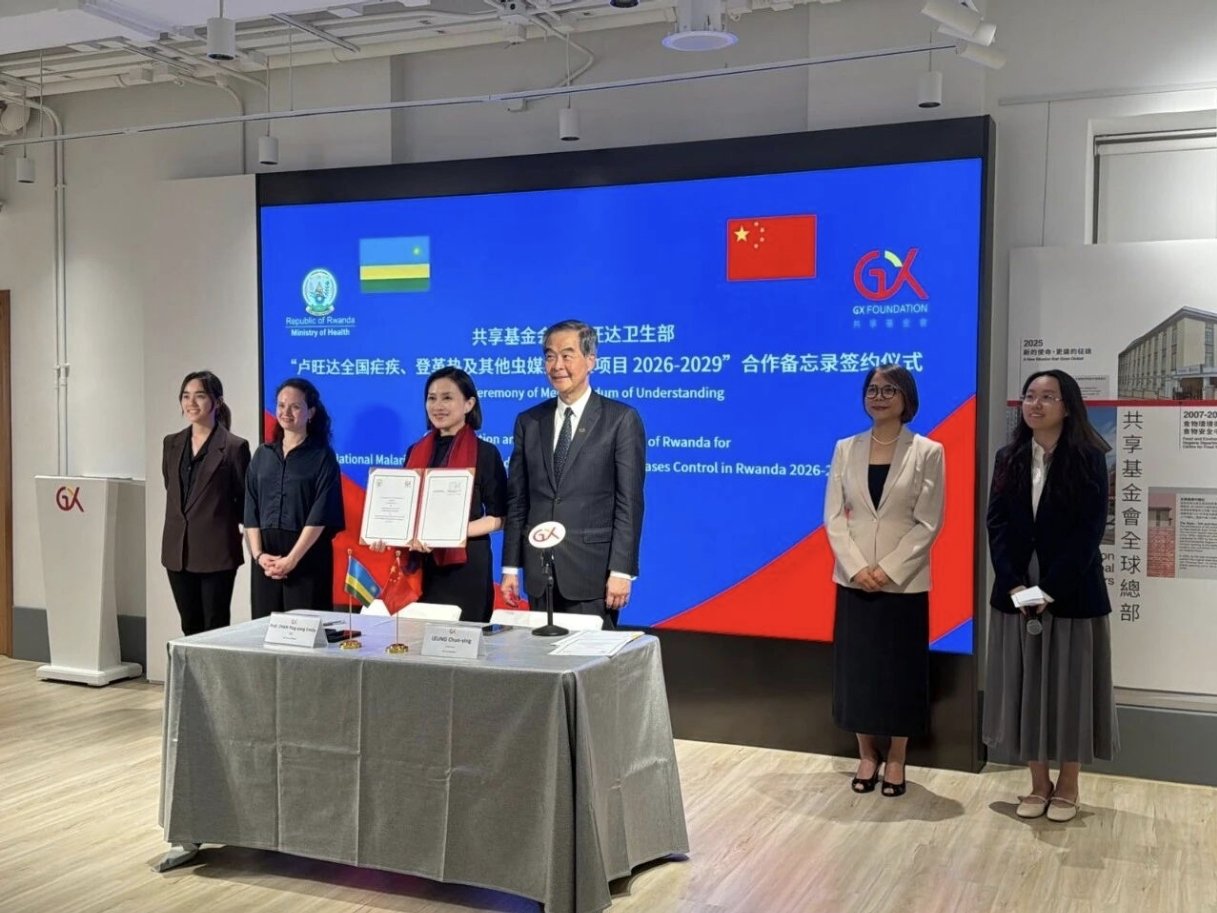
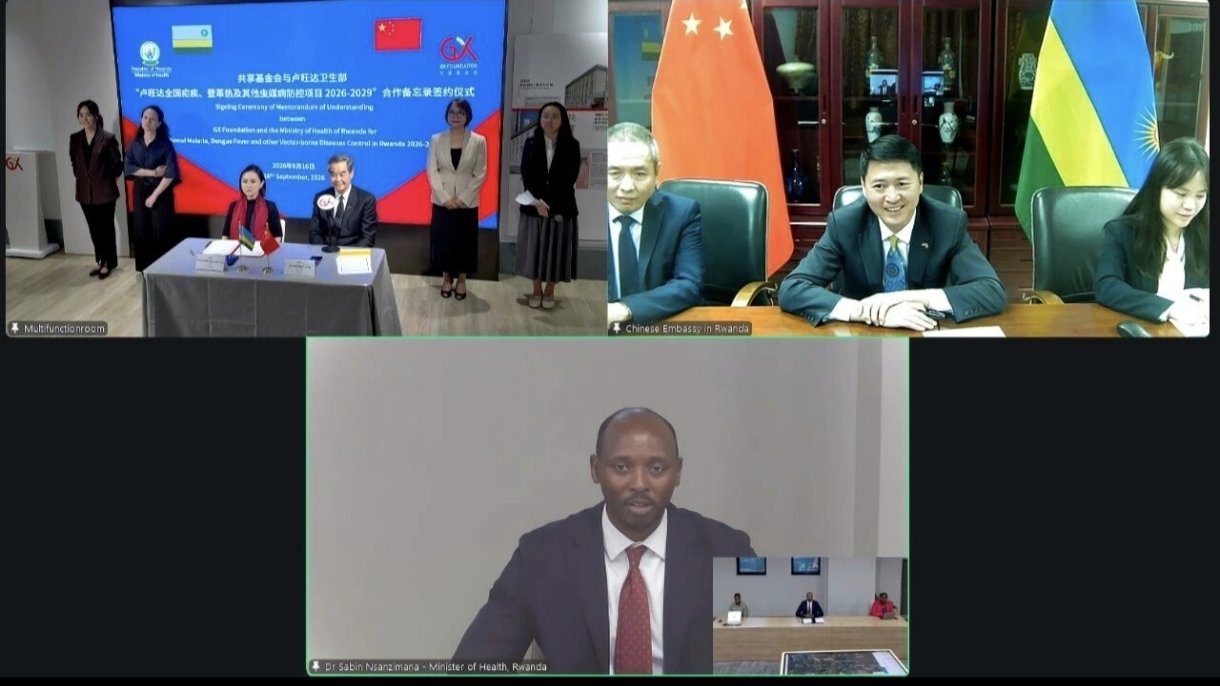
The Memorandum of Understanding (MoU) was signed online on September 16 by GX Foundation CEO Professor Chan Yingyang and Rwanda’s Minister of Health, Dr Sabin Nsanzimana, formally launching the “National Malaria, Dengue Fever, and other Vector-Borne Disease Control in Rwanda” programme.
The signing ceremony was witnessed by GX Foundation Chairman Leung Chun-ying and Chinese Ambassador to Rwanda Gao Wenqi.
Under the agreement, GX Foundation will provide 36,000 rapid test kits for malaria and dengue, 18,000 bed nets and 6,500 mosquito lamps. The foundation will also supply more than 320,000 sticky fly traps and public education materials to support prevention and awareness efforts.
The three-year programme makes Rwanda the foundation’s 13th project country.
The partnership comes as Rwanda continues efforts to strengthen prevention, early detection and community-level responses to vector-borne diseases, including malaria and dengue. Dengue is a viral infection spread to people through the bites of infected mosquitoes.
The collaboration also coincides with the 55th anniversary of diplomatic relations between Rwanda and China, with the two countries continuing to expand cooperation in areas including public health.
The agreement follows discussions held in Kigali in January 2026 between Prime Minister Justin Nsengiyumva and a GX Foundation delegation led by Leung Chun-ying.
At the time, the two sides discussed potential areas of cooperation in Rwanda’s health sector, including healthcare delivery, prevention of avoidable diseases, capacity building and community-based interventions.
GX Foundation, a Hong Kong-based charitable organisation established in 2018, works on medical and public health programmes in underserved communities. Its areas of focus include vector-borne disease control, environmental health, emergency health risk management and prevention of avoidable conditions.
The foundation’s programmes also emphasise training, knowledge transfer and partnerships with governments and health institutions.
The Memorandum of Understanding (MoU) was signed online on September 16 by GX Foundation CEO Professor Chan Yingyang and Rwanda’s Minister of Health, Dr Sabin Nsanzimana, formally launching the “National Malaria, Dengue Fever, and other Vector-Borne Disease Control in Rwanda” programme.
Under the proposed EU KIDS Act, children under 13 would be barred from social media, and children aged between 13 and 15 would only be allowed to use limited social media accounts set up through a parent or guardian’s account. Such accounts would include restrictions on social contacts and screen time of up to one hour per day.
The proposal would also require social media platforms, video-sharing services, online video games, AI companions and chatbots used by minors to be “safe by design.”
Addictive features, including infinite scrolling, certain reward mechanisms and push notifications during sleeping hours, would be restricted. Profiles of minors would have to be private by default, with geolocation, camera and microphone access switched off.
AI companions and chatbots would also be disabled by default for minors and prohibited from simulating interpersonal relationships in ways that could create emotional dependency.
The proposal requires online services and app stores to introduce age-assurance mechanisms. The Commission said its EU age-verification app could be used without retaining identity documents or biometric data.
The act would also reverse the burden of proof for very large online platforms, requiring providers to demonstrate that their services are safe for children. They would have to submit compliance plans for independent auditing before introducing relevant services or features.
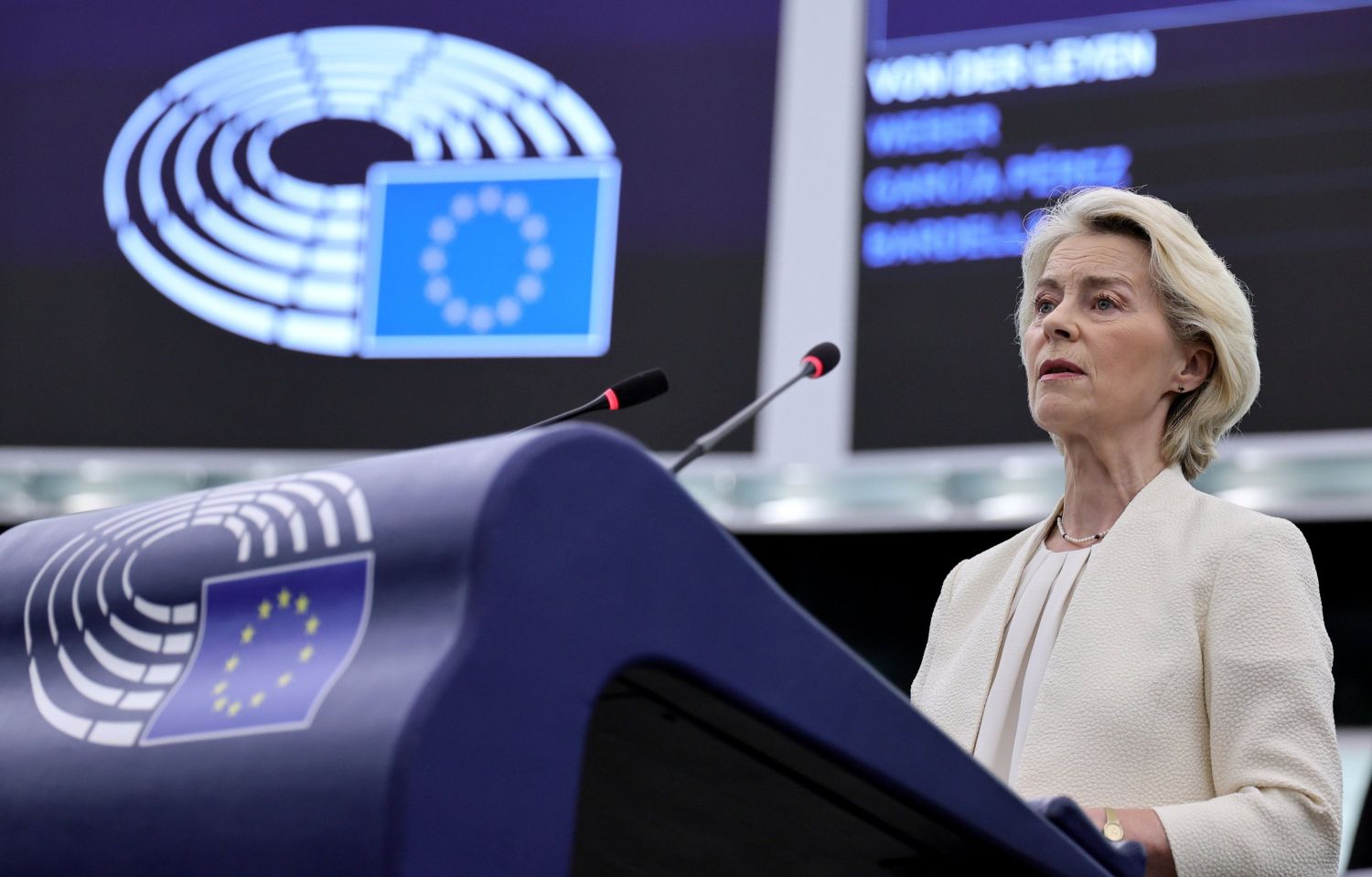
European Commission President Ursula von der Leyen said the proposal was intended to put parents “back in the driving seat” and require platforms to prove their services are safe by design.
The proposal has been submitted to the European Parliament and the Council of the EU for consideration and approval. Enforcement would build on existing mechanisms under the Digital Services Act and the Artificial Intelligence Act, with fines for violations potentially reaching 6 percent of a company’s total worldwide annual turnover.
European Commission President Ursula von der Leyen speaks during a debate on the “State of the Union” at the European Parliament, Strasbourg, France, September 16, 2026.
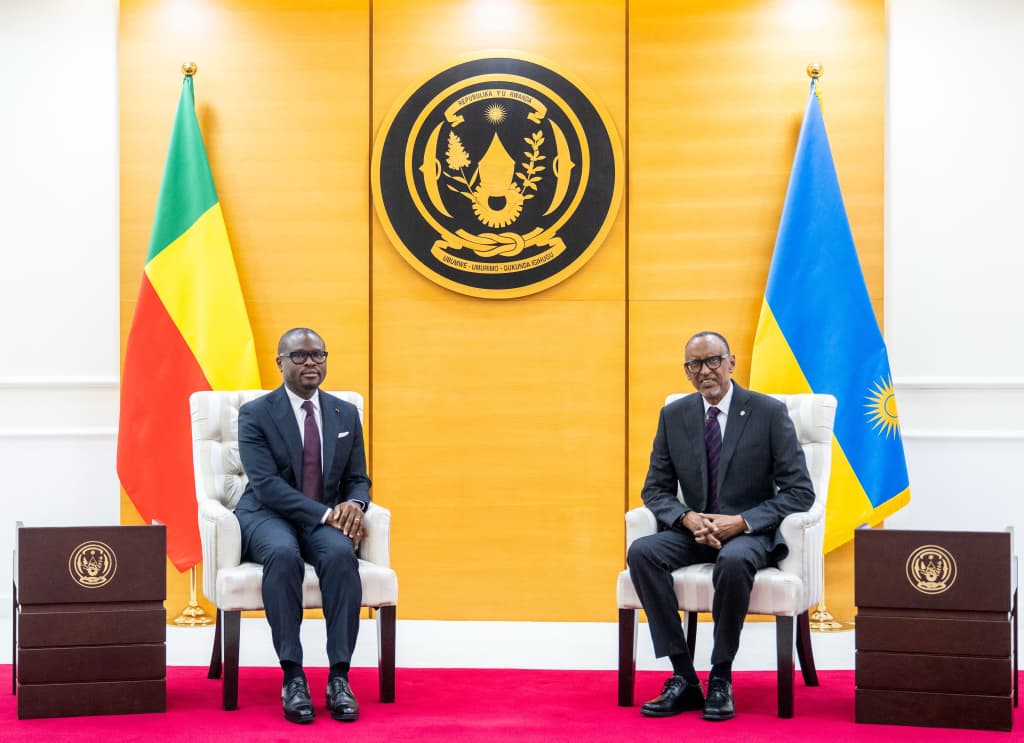
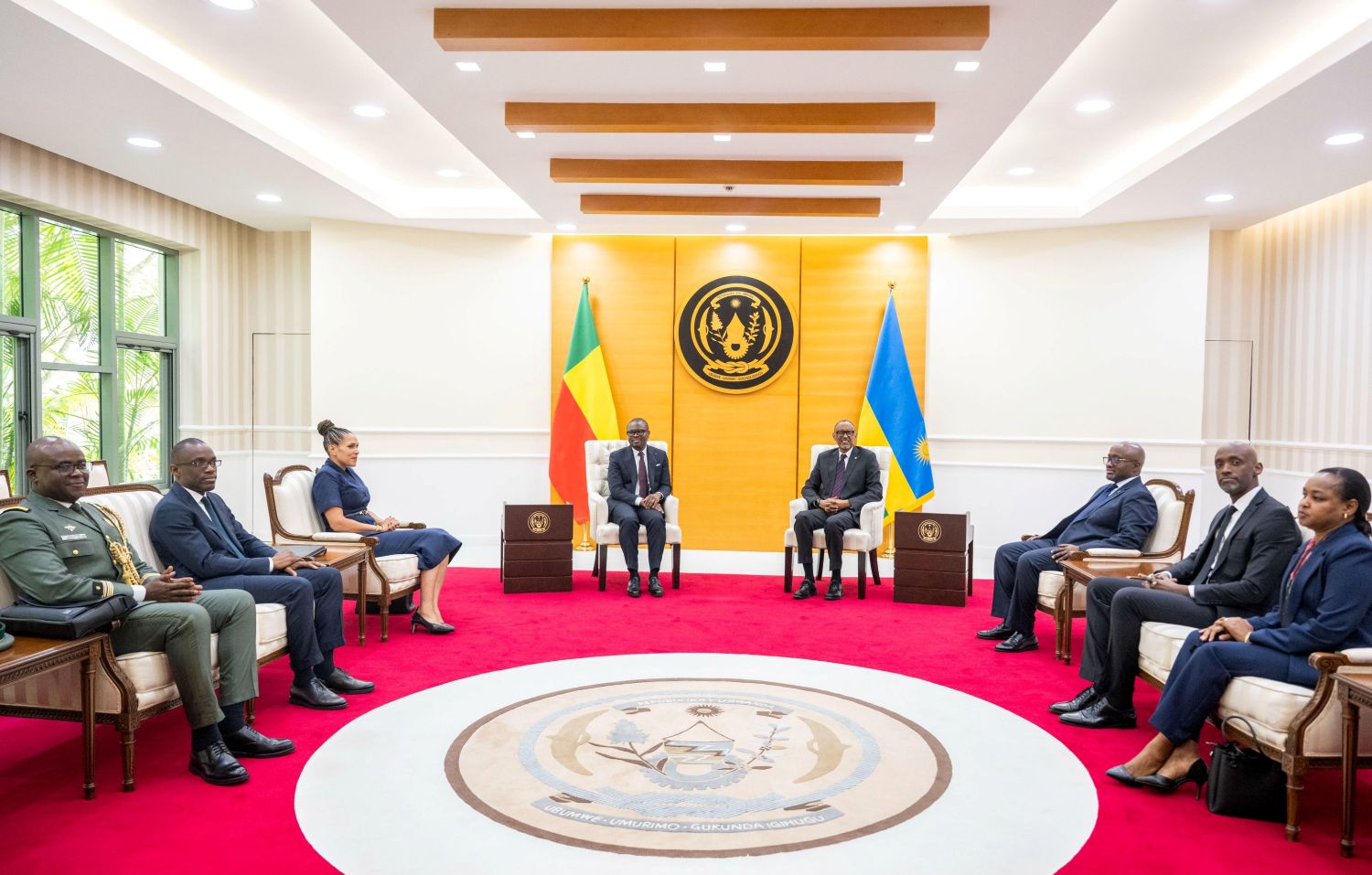
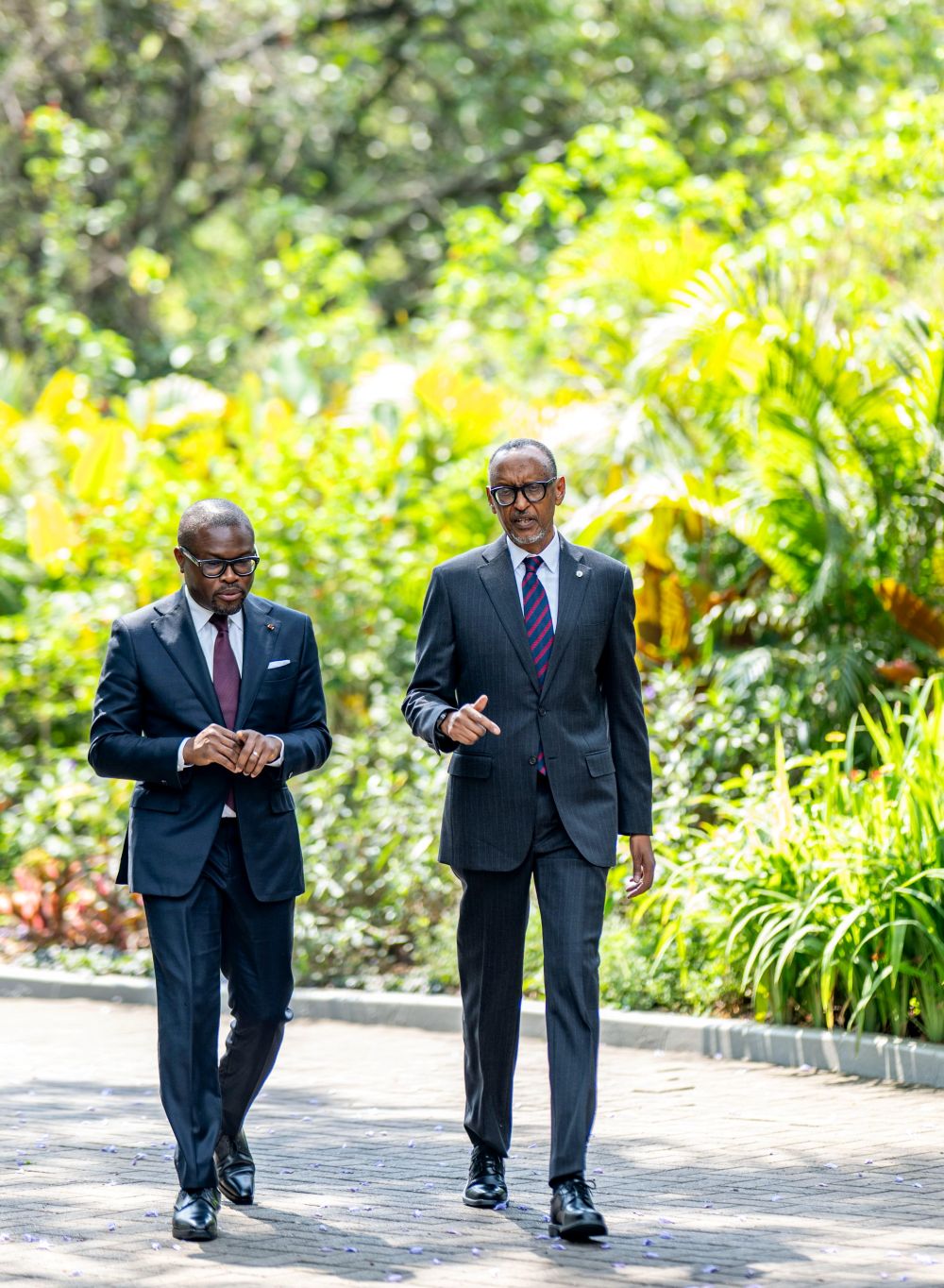
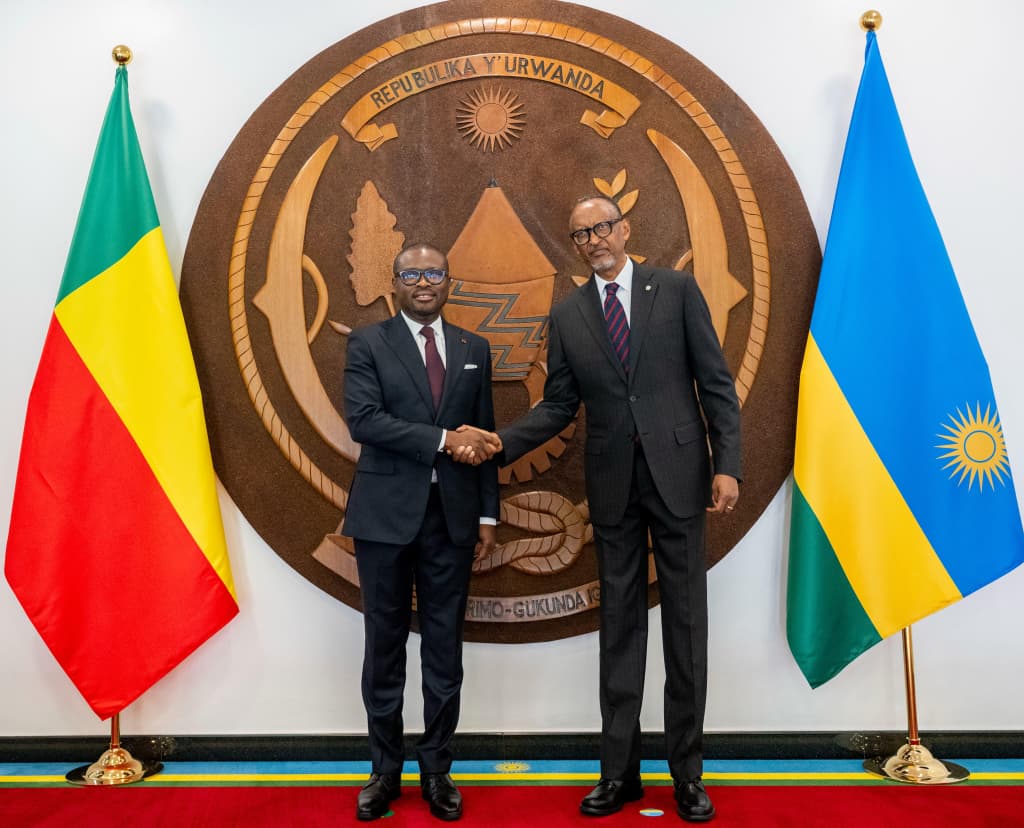
During their tête-à-tête, the two leaders reviewed existing bilateral initiatives and tasked their respective delegations with advancing strategic cooperation across key sectors.
“Following their talks, President Kagame and President Romuald Wadagni of Benin tasked their respective delegations with strengthening existing bilateral cooperation and advancing new areas of collaboration, with a focus on translating shared priorities into concrete outcomes,” stated the Office of the President.
President Kagame also hosted President Wadagni for an official lunch following their meeting.
Wadagni, 49, assumed office on May 24, 2026, succeeding Patrice Talon following his victory in the April 12 presidential election. His trip to Kigali marks his first official visit to Rwanda since taking office.
Cooperation between Rwanda and Benin has expanded significantly in recent years, underpinned by key agreements signed during President Kagame’s state visit to Benin in April 2023. Most notably, the security and defence agreement was established to help Benin secure its northern borders against the southward spillover of Sahel-based jihadist insurgencies, drawing on the Rwandan Defence Forces’ operational experience through joint training, strategic coaching, and potential security deployments.
Beyond defense, these bilateral frameworks encompass trade and investment, agriculture, digital transformation, tourism, taxation, and institutional development.
The two-day visit serves as an opportunity for both governments to evaluate ongoing progress, streamline the cross-border movement of people and goods, and map out new avenues for economic integration between East and West Africa.
During their tête-à-tête, the two leaders reviewed existing bilateral initiatives and tasked their respective delegations with advancing strategic cooperation across key sectors.Wadagni, 49, assumed office on May 24, 2026, succeeding Patrice Talon following his victory in the April 12 presidential election. His trip to Kigali marks his first official visit to Rwanda since taking office.
Over 90% of micro, small, and medium enterprises (MSMEs) run their entire sales operations inside messaging apps like WhatsApp, Instagram, and Facebook. It’s where customers discover products, ask questions, negotiate prices, and make buying decisions.
Yet, despite mobile messaging being the primary commercial engine of Sub-Saharan Africa, the transaction checkout remains painfully broken.
Merchants are forced to send manual bank account details, ask buyers to take screenshots of transfer receipts, or redirect customers to external websites where over 70% abandon their carts. A single 3-hour manual inventory check or delayed reply often means a lost customer. This disconnect creates an estimated $120 billion annual friction gap across African informal trade.
John Josiah Sakala, CEO & Founder, ChatCash Holdings Inc., says ChatCash didn’t discover this problem in a research paper; “we lived it”. The company spent months running manual merchant operations on the ground, experiencing firsthand the friction of reconciling manual mobile money transfers, losing orders, and watching hard-working micro-entrepreneurs remain locked out of formal bank credit because their sales left zero verifiable paper trails.
ChatCash, he affirms, was built to cure this problem.
APOMA: Turning chat threads into automated storefronts
ChatCash introduces APOMA (Autonomous Conversational Commerce Operating System), an AI-native engine that brings the entire e-commerce lifecycle directly into the active messaging thread.
Instead of forcing buyers to download third-party apps or leave WhatsApp, ChatCash enables consumers to browse multilingual catalogs, searching product inventory in real-time in English, Kinyarwanda, or French. They can also interact with AI agents for 24/7 automated intent parsing and price negotiations.
Consumers can pay natively by executing instant, secure mobile money (MTN MoMo, Airtel Money) or bank checkouts inside encrypted, tokenized WhatsApp Flow containers. ChatCash also enables instant settlement (T+0), routing funds through national payment switches directly into commercial bank accounts.
More importantly, every transaction processed on ChatCash generates an immutable, cryptographically logged digital trail. For the first time, an informal shoe vendor or boutique owner in Kigali builds a verifiable credit profile that formal financial institutions can underwrite.
Operational scale & regulatory excellence
Without spending millions on customer acquisition, ChatCash proved its commercial unit economics by scaling across 5,000+ merchants in East and Southern Africa.
The company’s growth is built on regulatory trust and institutional infrastructure. ChatCash is actively executing its live regulatory pilot with the National Bank of Rwanda (BNR) for in-chat eKash API settlements and native ledger protections, ensuring world-class compliance with personal data protection laws.
Headquartered at Norrsken House Kigali under the Kigali International Financial Centre (KIFC) framework, Rwanda serves as the company’s regional operating hub and engineering engine.
ChatCash has also established strategic integration with local agent networks like DDIN, which has 4,000+ agents in Rwanda, as well as cross-border settlement rails via partners like Onafriq and Visa.
Partnering with Ingressive Capital: Fueling the next chapter
As ChatCash moves to accelerate its Pan-African expansion, it has secured investment from Ingressive Capital.
Led by Maya Horgan Famodu, Ali El-Gayar, and a world-class team, Ingressive Capital has consistently backed some of Africa’s most transformative technology companies. Their deep Pan-African footprint across West and East Africa aligns with ChatCash’s expansion roadmap into Ghana, Nigeria, and regional East African markets.
“We are not trying to change how Africans trade—we are simply empowering how they already communicate,” says Sakala. “Partnering with Ingressive Capital gives us the strategic leverage, venture network, and capital to scale our conversational commerce operating system to ten thousand micro-merchants over the next 12 months.”
For Ingressive Capital, the investment reflects a broader conviction about how commerce is evolving across the continent. Maya Horgan Famodu, Founder & Managing Partner of Ingressive Capital, had this to say:
“ChatCash is building at the intersection of two powerful shifts in African markets: the migration of commerce into messaging platforms and the formalization of millions of informal businesses. As Africans, we’ve always loved ordering through conversation — asking questions, negotiating, and knowing there’s a person on the other side of the transaction. ChatCash takes that inherently conversational behavior and solves for it at scale.
“We believe this can fundamentally change how merchants sell, collect payments, and build financial histories. What really stood out to us during our diligence was the strength of the customer advocacy we saw, and how broadly this infrastructure can serve B2C businesses. We’re excited to support the team as they take this model into more markets across Africa”
Setting the stage for institutional seed round
As ChatCash prepares for its upcoming Institutional Seed Round, the company is expanding its engineering capacity, deepening its integration with it’s ultra-low latency AI models, and passporting its Merchant Gateway licensing across multi-currency markets.
“The future of global retail is conversational, and Africa is building the blueprint. To our merchants, partners, and investors, thank you for building with us,” Sakala said.
ChatCash introduces APOMA (Autonomous Conversational Commerce Operating System), an AI-native engine that brings the entire e-commerce lifecycle directly into the active messaging thread.
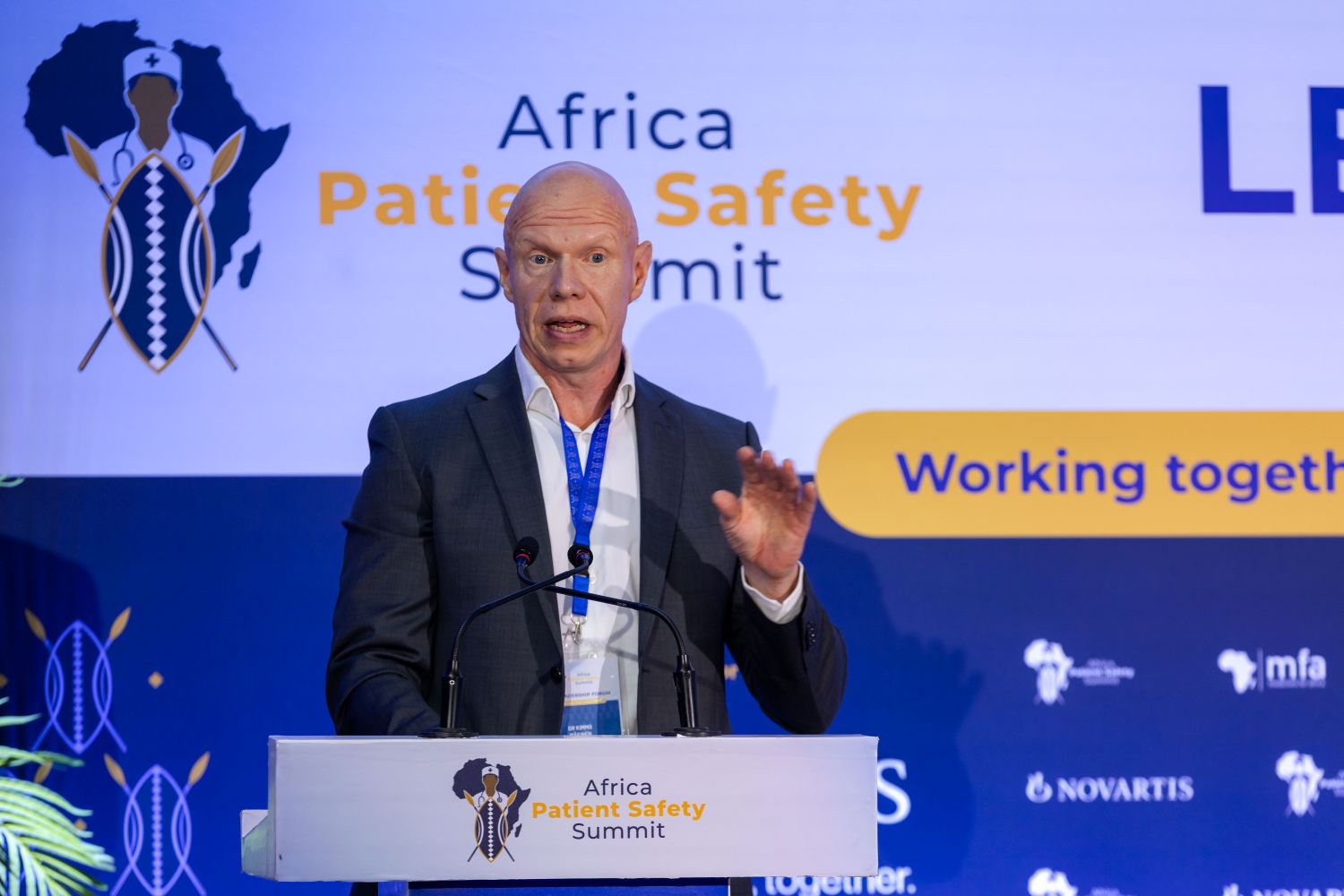
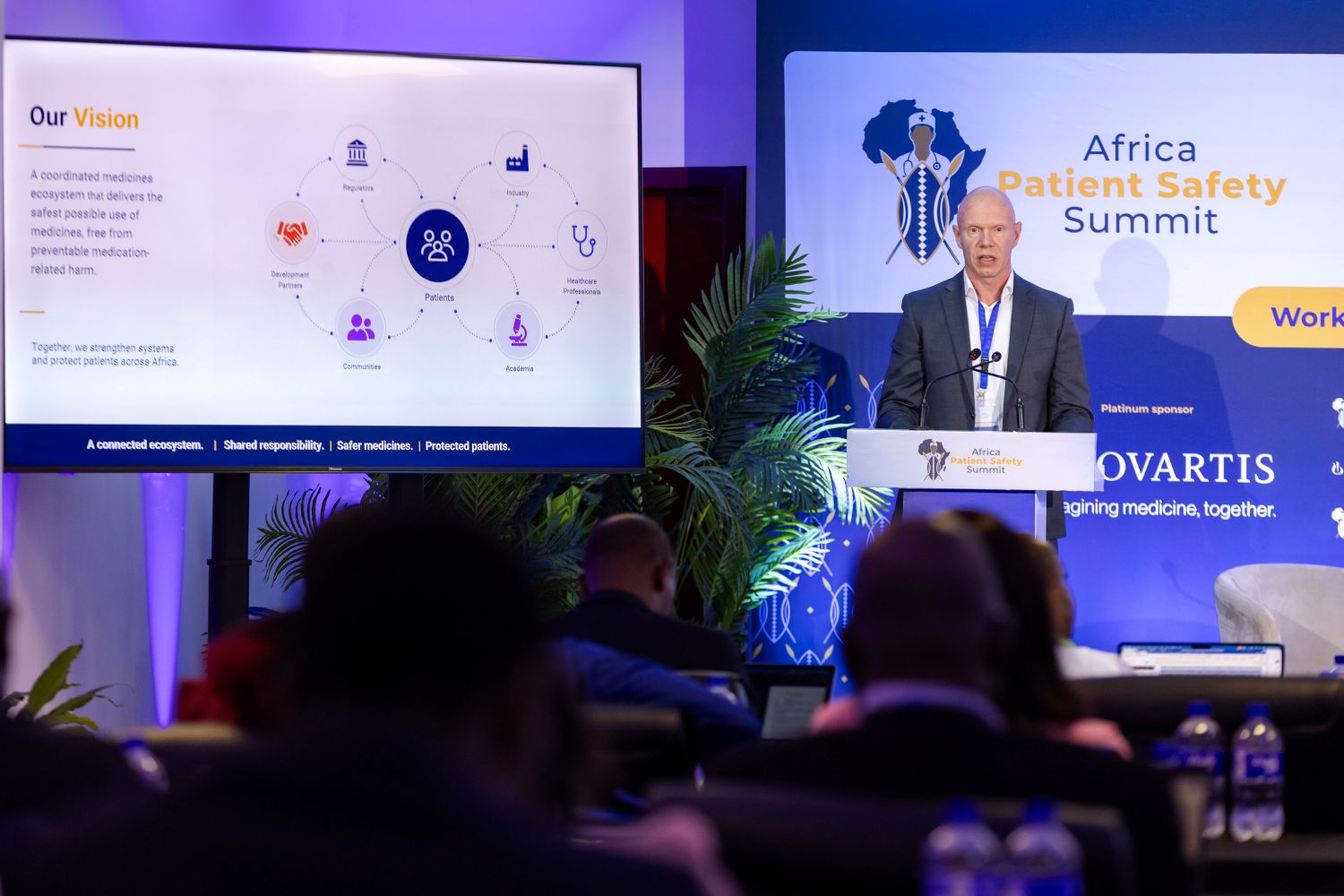
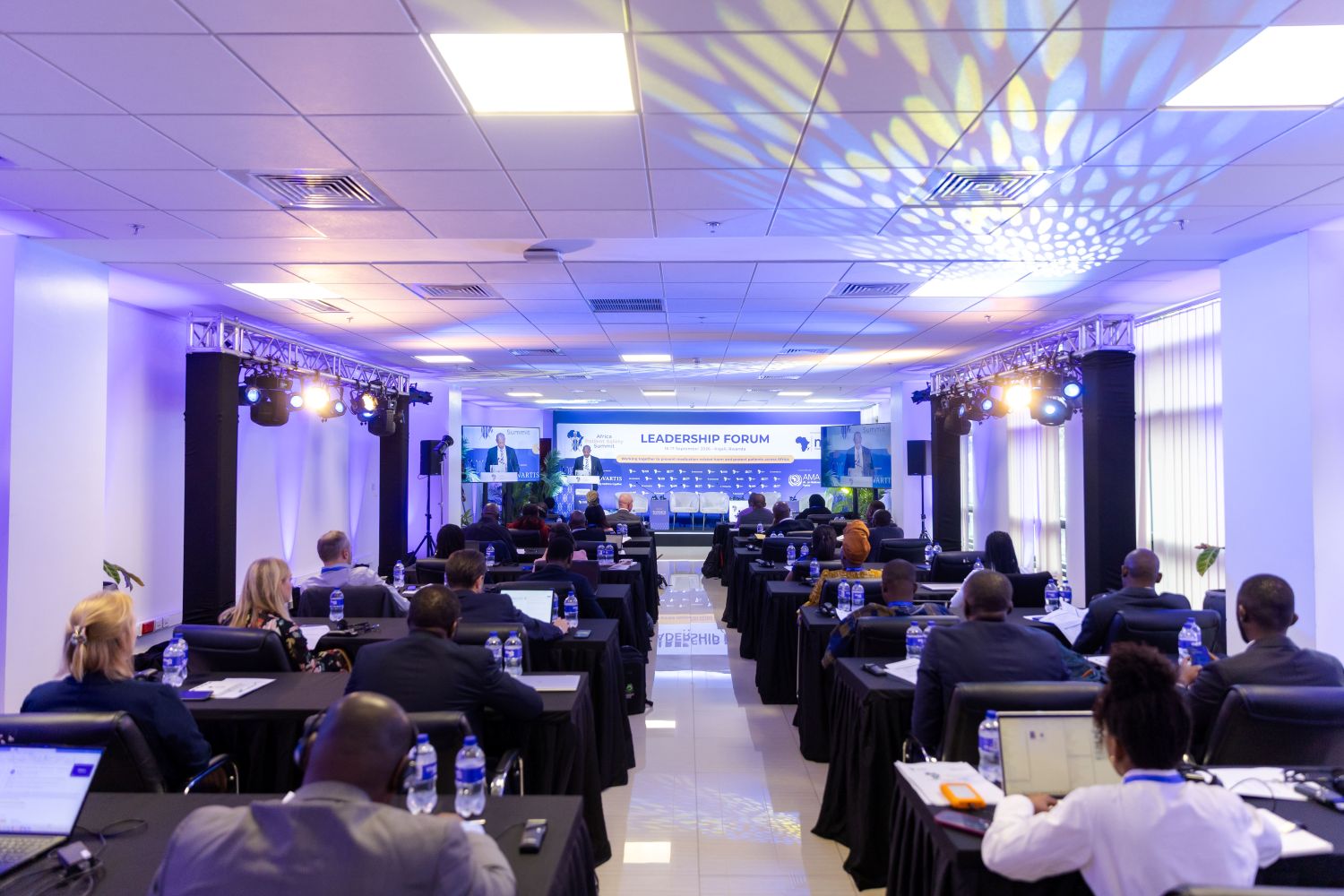
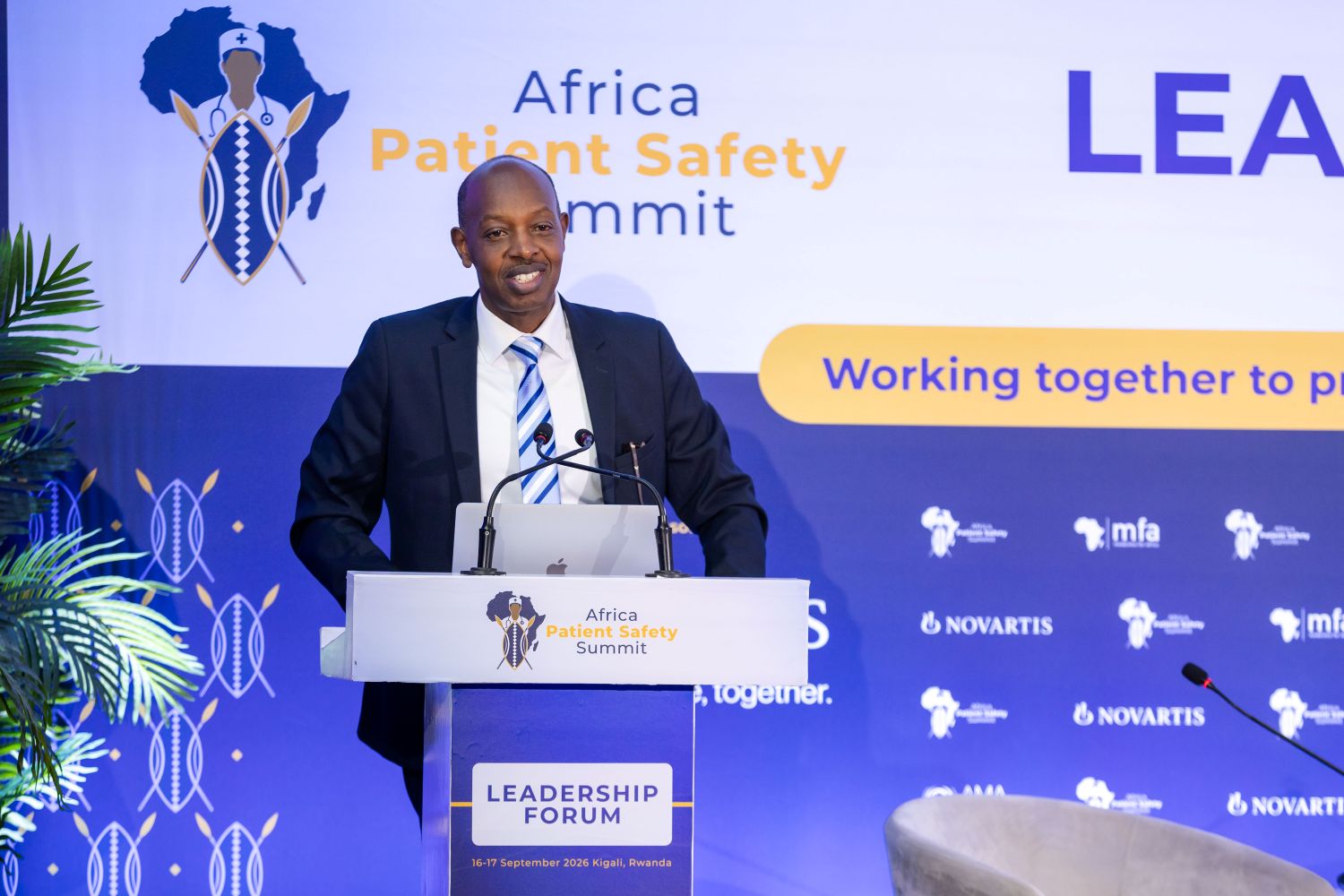
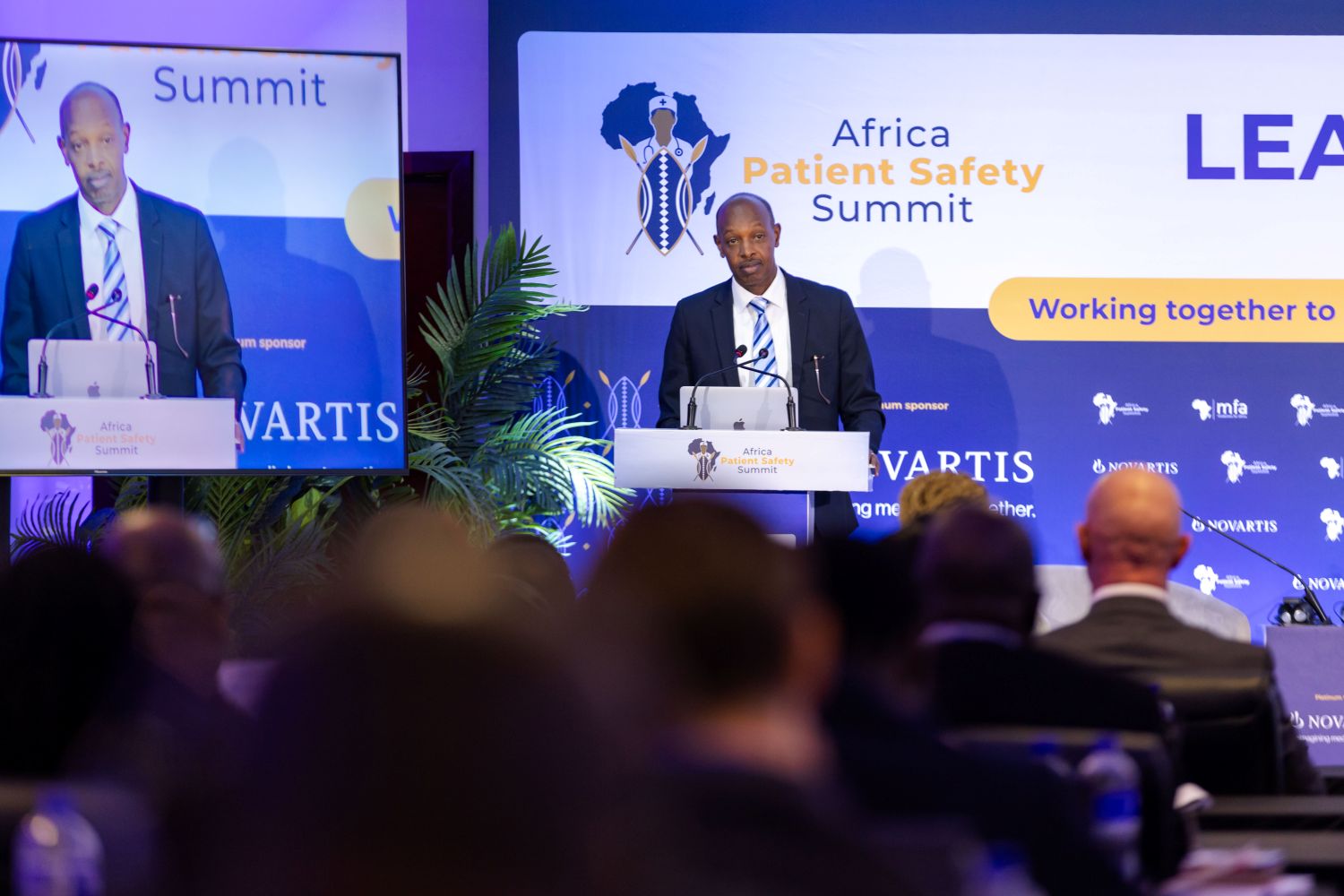
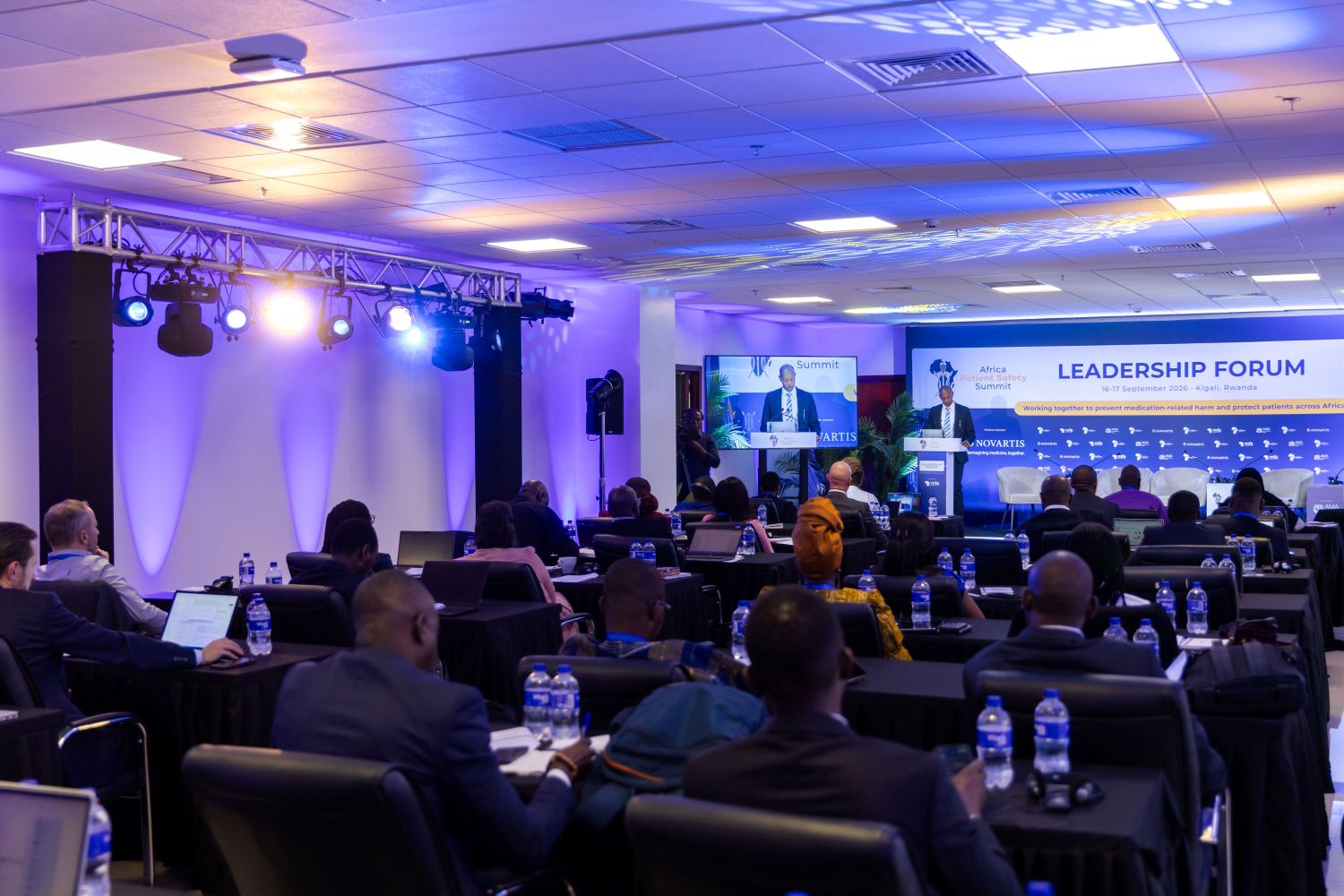
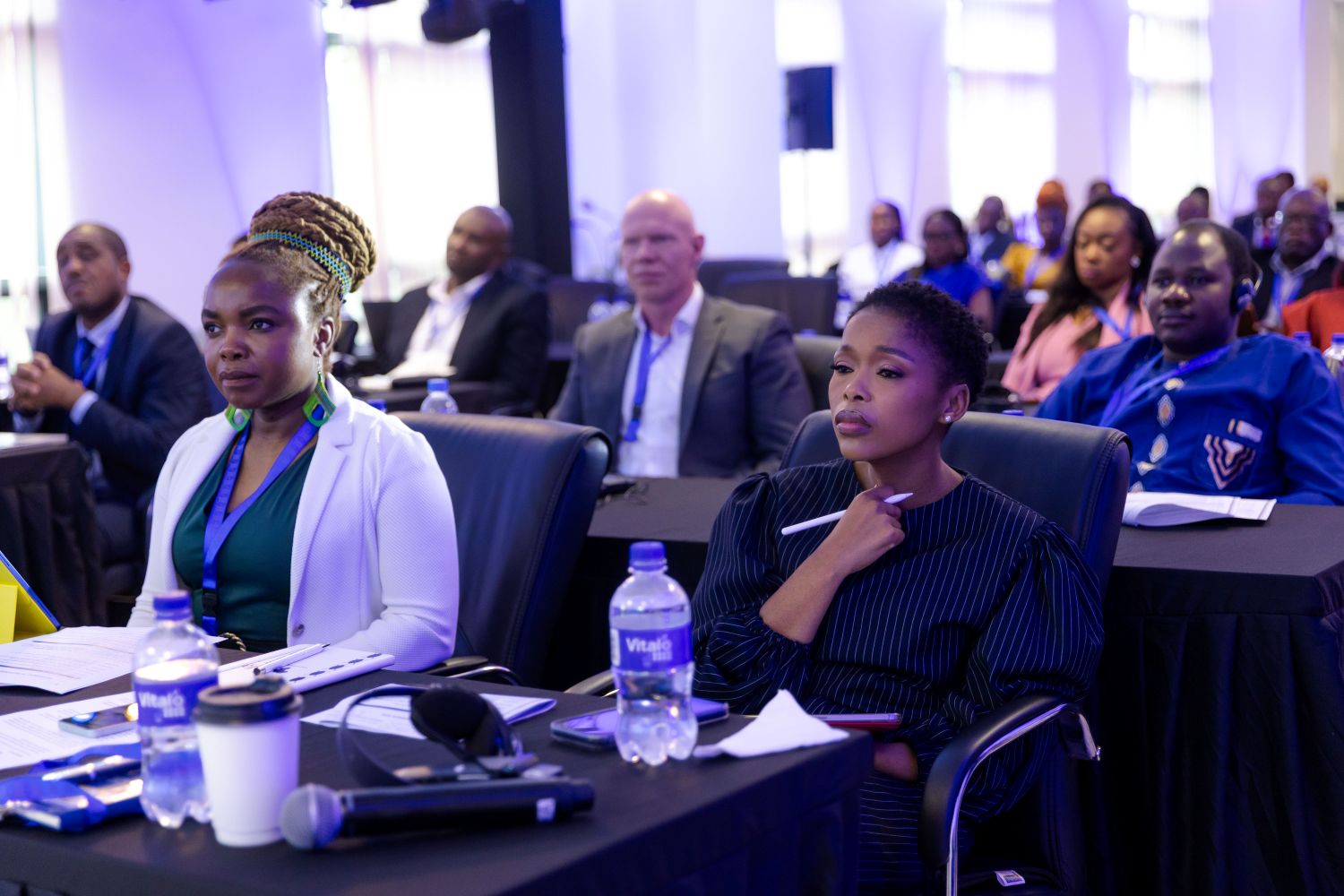
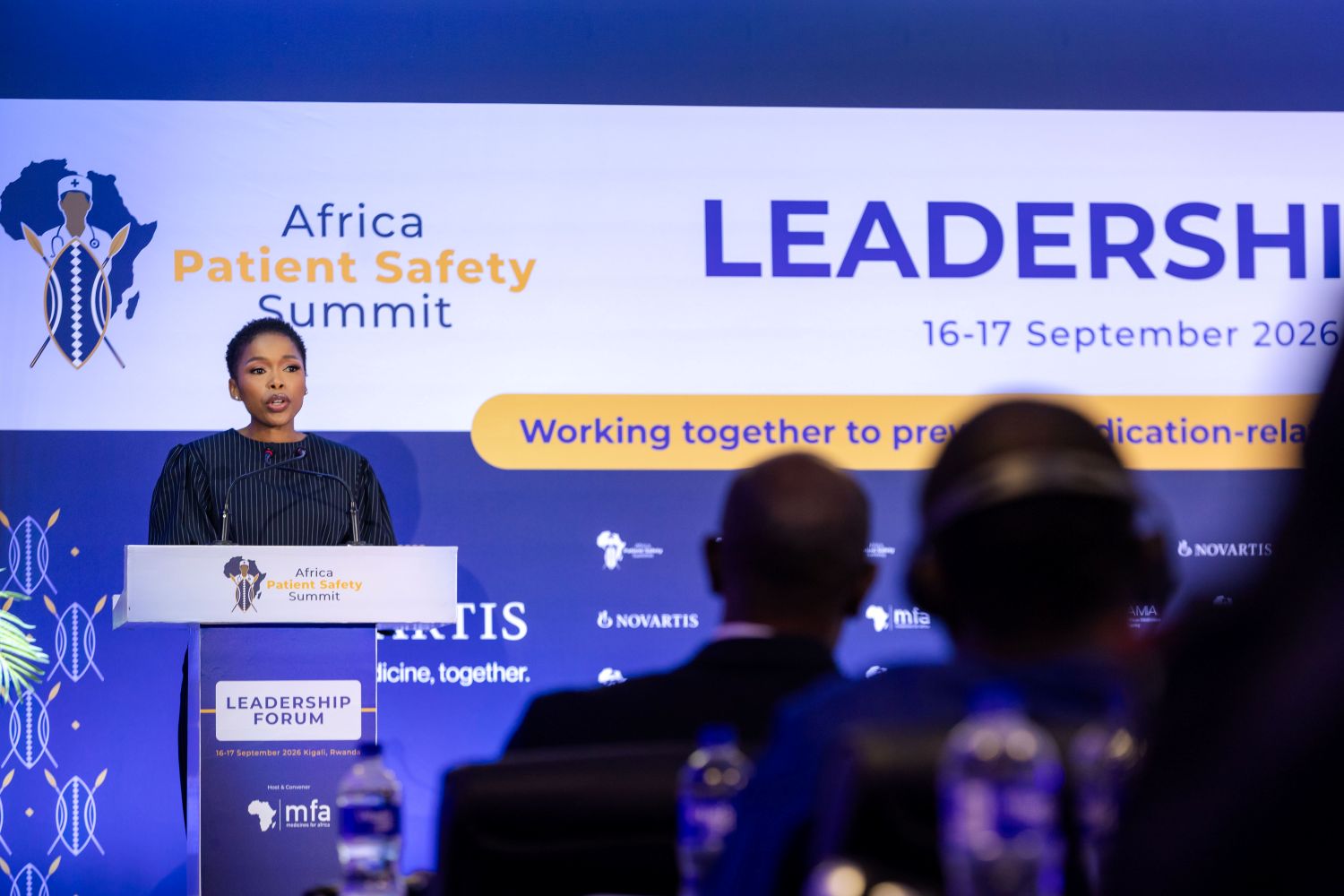
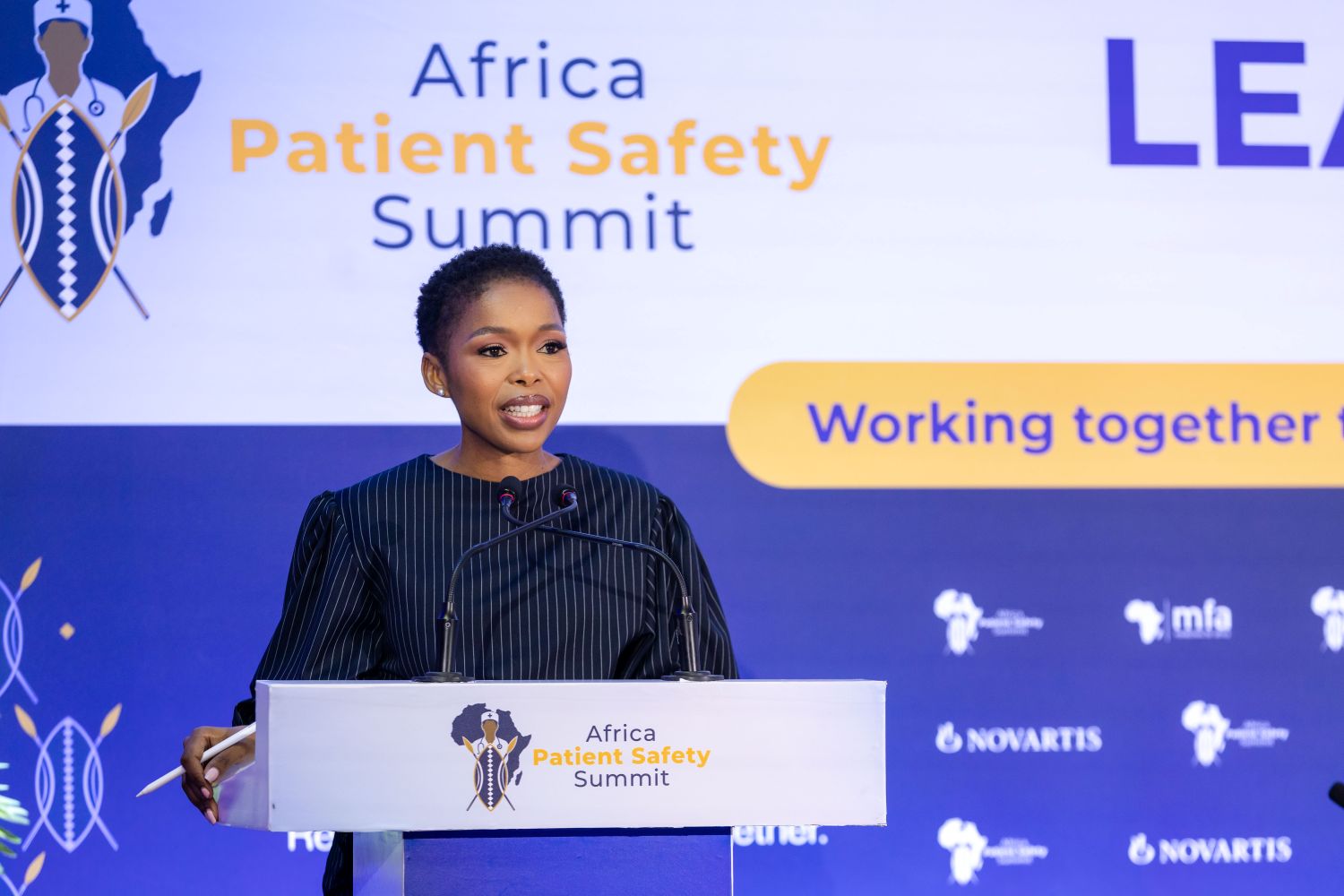
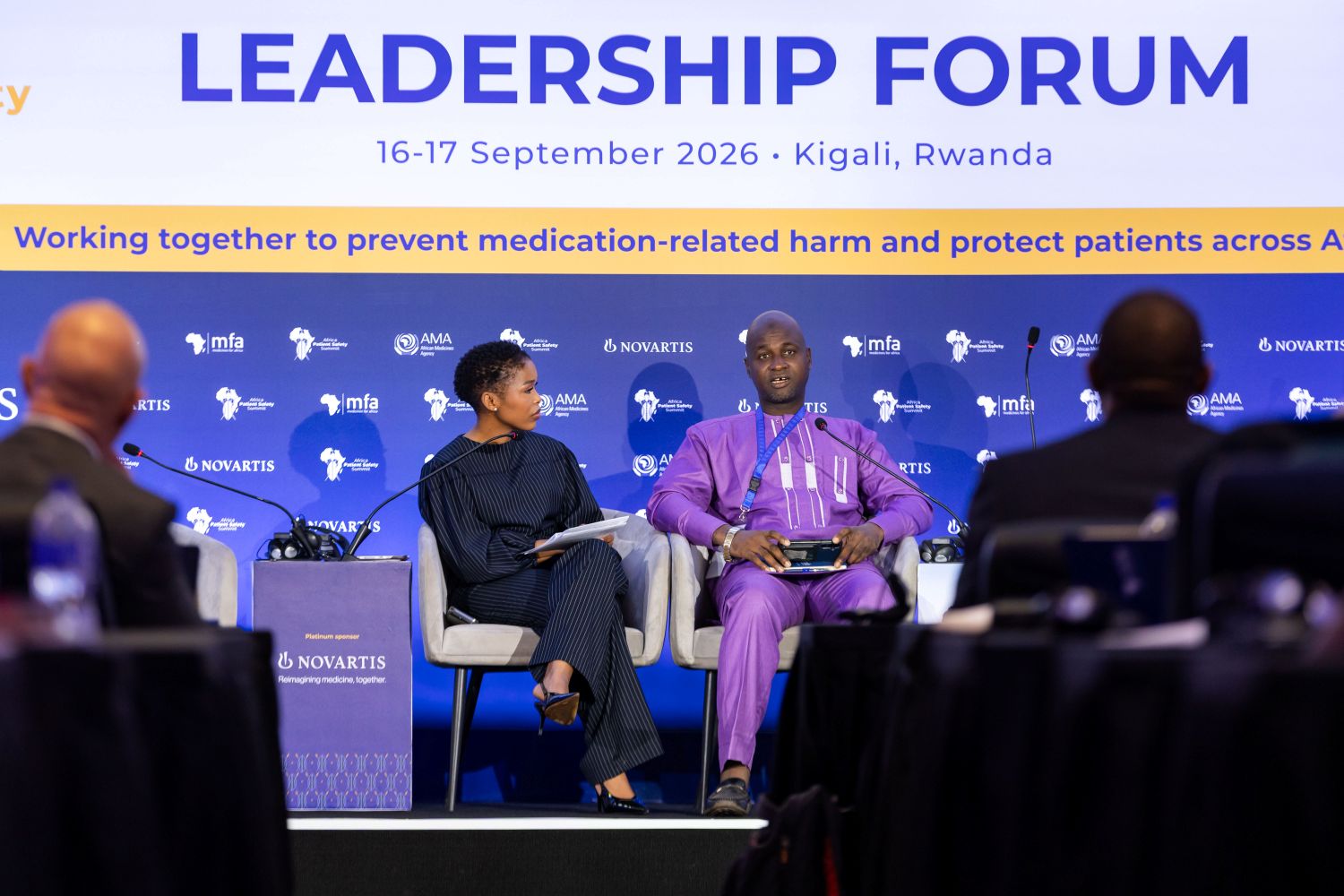
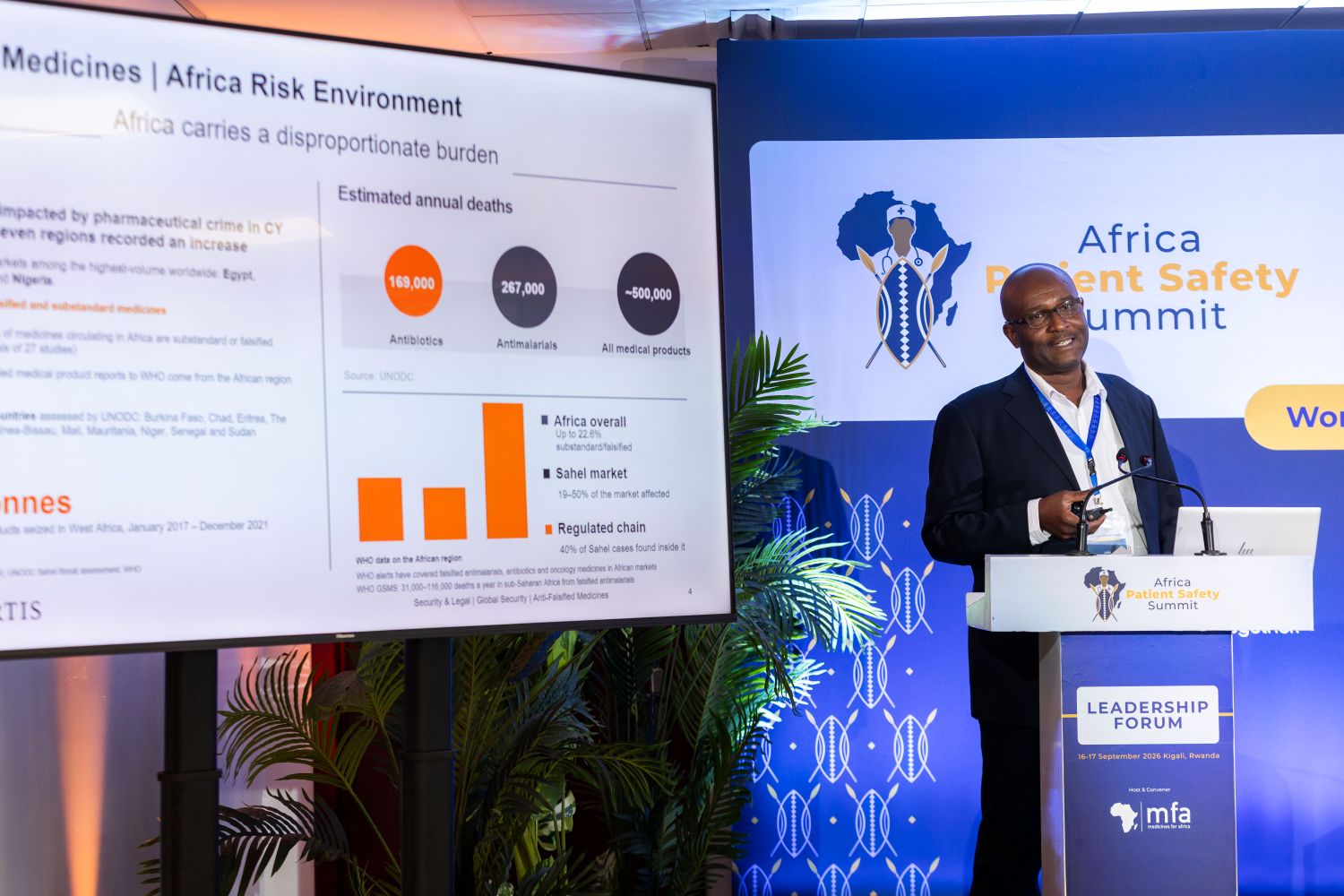
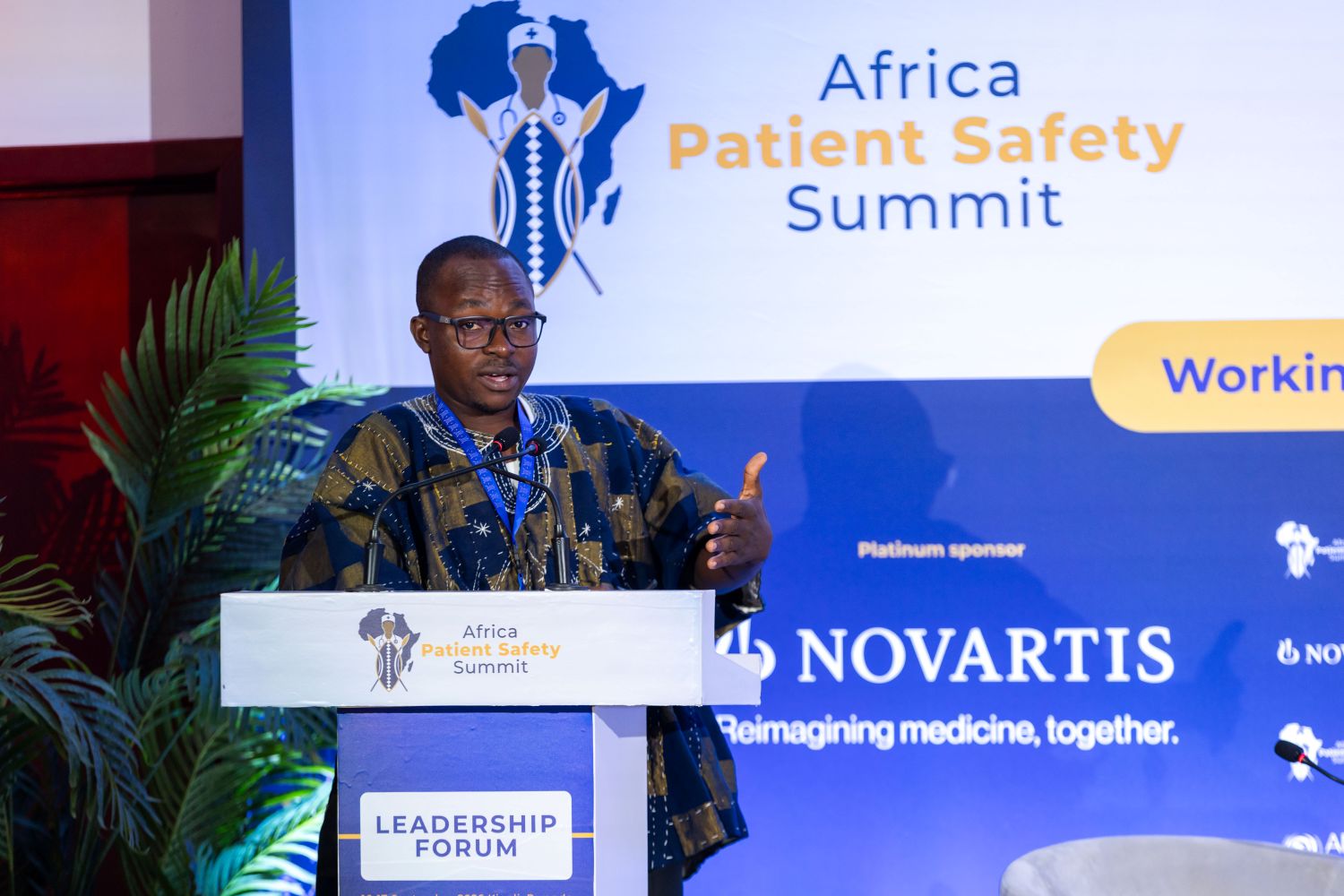
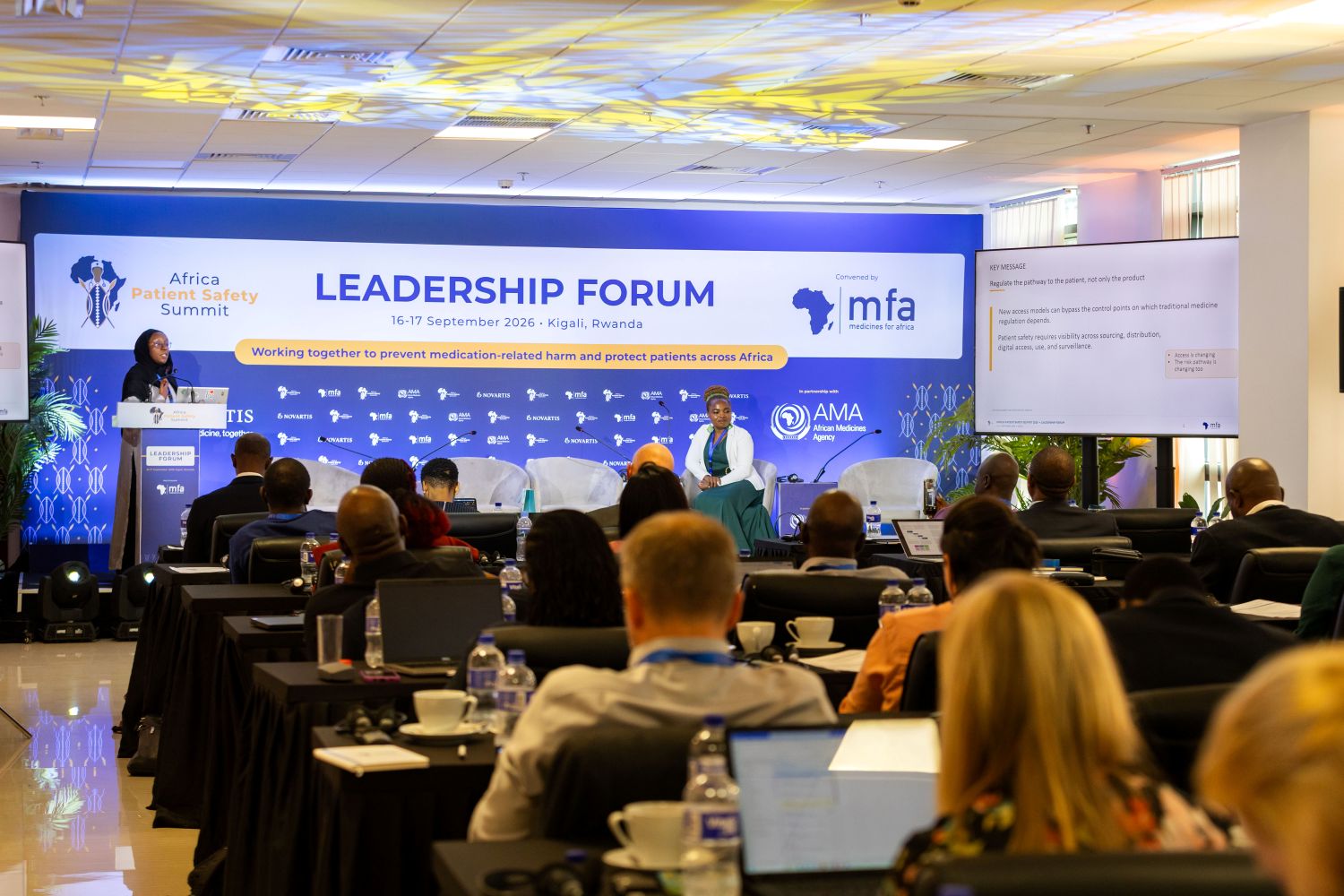
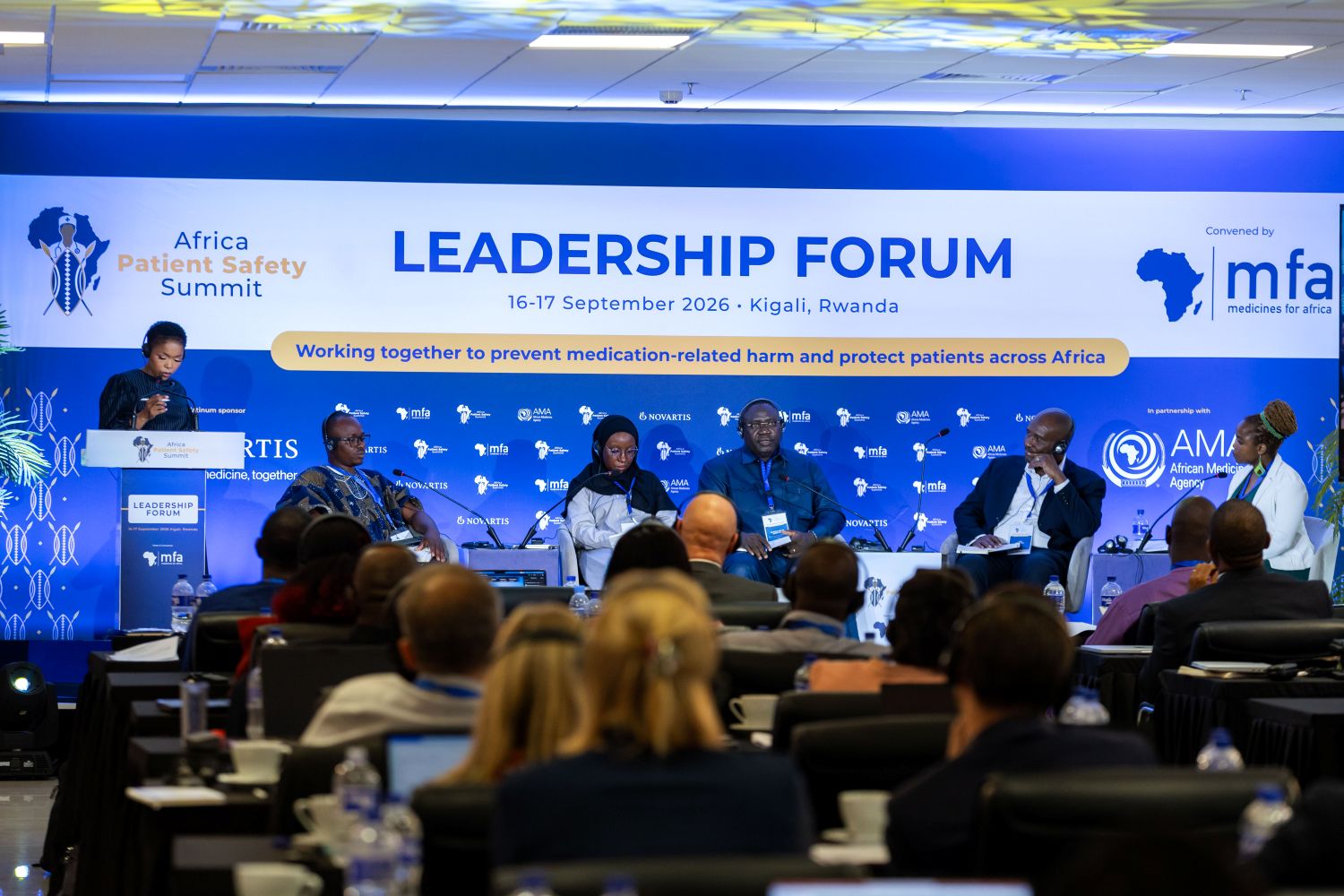
Makinen made the remarks on Wednesday, September 16, at the opening of the Africa Patient Safety Summit in Kigali, which brought together regulators, policymakers, healthcare professionals, researchers, patient organisations and pharmaceutical industry representatives to discuss ways of strengthening medicine safety across the continent.
The two-day summit, running from September 16-17 at the African Medicines Agency headquarters and the Kigali Convention Centre, is organised by Medicines for Africa in partnership with the African Medicines Agency (AMA).
Makinen explained that the summit was created to address gaps in patient safety by bringing together stakeholders from across the medicines ecosystem instead of addressing issues such as pharmacovigilance, falsified medicines and regulatory oversight in isolation.
“Medication-related harm remains the biggest patient safety challenge on the African continent today,” he noted.
He added that the forum was intended to promote a more integrated approach to patient safety and put patients at the centre of discussions involving medicines regulation, manufacturing, supply chains and healthcare delivery.
Dr Kimmo Makinen, co-founder of Medicines for Africa, said one in 20 African patients experience medicine-related harm, calling for stronger, coordinated patient safety systems across the continent.
Rwanda among countries strengthening regulation
Makinen highlighted progress in African medicines regulation, noting that the continent has gone from zero to 10 national regulatory authorities at Maturity Level 3 under the WHO’s Global Benchmarking Tool in nine years.
The countries include Rwanda, Egypt, Ethiopia, Ghana, Mozambique, Nigeria, Senegal, South Africa, Tanzania and Zimbabwe.
WHO’s Maturity Level 3 classification refers to a stable, well-functioning and integrated regulatory system. Rwanda achieved the designation in December 2024, when it became the eighth African country to reach the level.
Makinen observed that African regulatory capacity has continued to mature, with the number of WHO-recognised regulatory authorities reaching ML3 increasing substantially in recent years.
He stressed, however, that stronger regulatory systems need to be matched by greater cooperation and information sharing between countries.
“If something happens in one country, it will be then known by other countries straightaway, and they can take action,” he explained.
He also pointed to the need for regulators to look beyond individual areas such as pharmacovigilance or counterfeit medicines and consider patient safety across the entire medicines ecosystem.
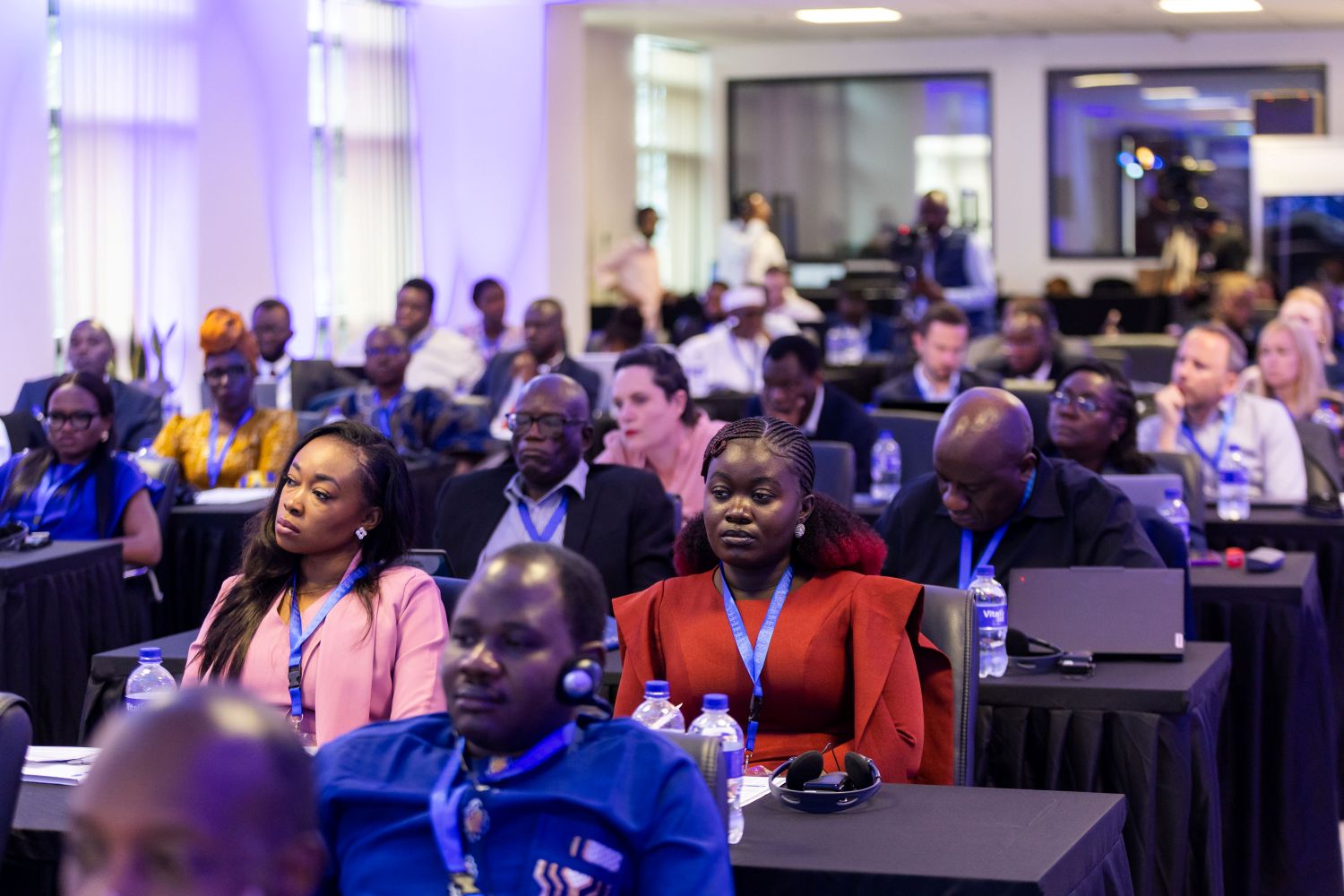
The two-day summit brings together regulators, policymakers, healthcare professionals, researchers, patient organisations and pharmaceutical industry representatives to discuss ways of strengthening medicine safety across the continent.
AMA calls for faster safety information sharing
Opening the summit, African Medicines Agency Director General Dr Delese Mimi Darko underlined the importance of keeping patients at the centre of medicine regulation.
She explained that patient safety covers the entire journey of a medical product, from regulatory assessment and manufacturing to distribution, use and monitoring after it reaches the market.
Darko stressed that regulators must ensure that medicines, vaccines and medical devices available to patients meet required quality and safety standards, while also maintaining systems capable of detecting and responding to problems after products enter the market.
“Regulation is invisible until it fails,” she remarked, noting that patients rarely see the systems behind the products they use, including manufacturing oversight, quality surveillance, pharmacovigilance and laboratory testing.
She called for safety information to move across African borders as quickly as medicines and medical products themselves.
A safety concern identified in one country can affect patients elsewhere because medicines move rapidly across the continent, including through porous borders, Darko noted.
“Strong regulatory authorities are the foundation of medicine safety in Africa,” she emphasised, adding that AMA’s role is not to replace national regulators but to connect and strengthen them.
Darko urged countries to establish systems through which a safety finding in one African country can quickly alert regulators and patients in others.
“A safety finding in one country should be able to be a warning for patients in several others,” she stated.
She called on the summit to produce a small number of concrete actions, with clear responsibilities and practical arrangements for communication and information sharing.
Darko also proposed a 90-day timeframe for reviewing progress on commitments made at the summit, rather than waiting until the next annual meeting.
Rwanda urges stakeholders to move from information to action
Dr Raymond Muganga, Acting Director General of the Rwanda Food and Drugs Authority (Rwanda FDA), who represented Minister of State for Health Dr Yvan Butera, called for greater involvement from every stakeholder in protecting patients.
Muganga stressed that patients themselves have a role to play by reporting suspected adverse reactions and other medicine-related problems.
“We are all patients,” he remarked. “We are all concerned. It’s all about our lives.”
Dr Raymond Muganga, Acting Director General of the Rwanda Food and Drugs Authority (Rwanda FDA), called for greater involvement from every stakeholder in protecting patients.
He urged participants to move beyond exchanging information and translate safety data into concrete action.
“It means that starting by just information but ending also by action,” Muganga told journalists.
He explained that regulators have responsibilities throughout a medicine’s lifecycle, beginning with assessment of applications and laboratory testing before registration and continuing with inspections and monitoring once products enter the market.
The Rwanda FDA also relies on information from patients and other medicine users to identify potential safety concerns, he added.
“You cannot control every corner in the country. It’s also important to get information and feedback from users and the people,” Muganga explained.
He also highlighted the role of the supply chain in medicine safety, noting that risks can arise from raw materials, manufacturing processes, storage conditions and other stages before a product reaches the patient.
Muganga referred to Rwanda’s recent action against illicit alcoholic beverages as an example of the need to act when products pose risks to public health.
He noted that the issue extends beyond the finished product to the substances and materials used to produce it, as well as storage and handling conditions.
Muganga also backed greater cooperation between African regulators to make medicine registration and monitoring more efficient, while maintaining the due diligence needed to protect patients.
Regulators urged to put patients first
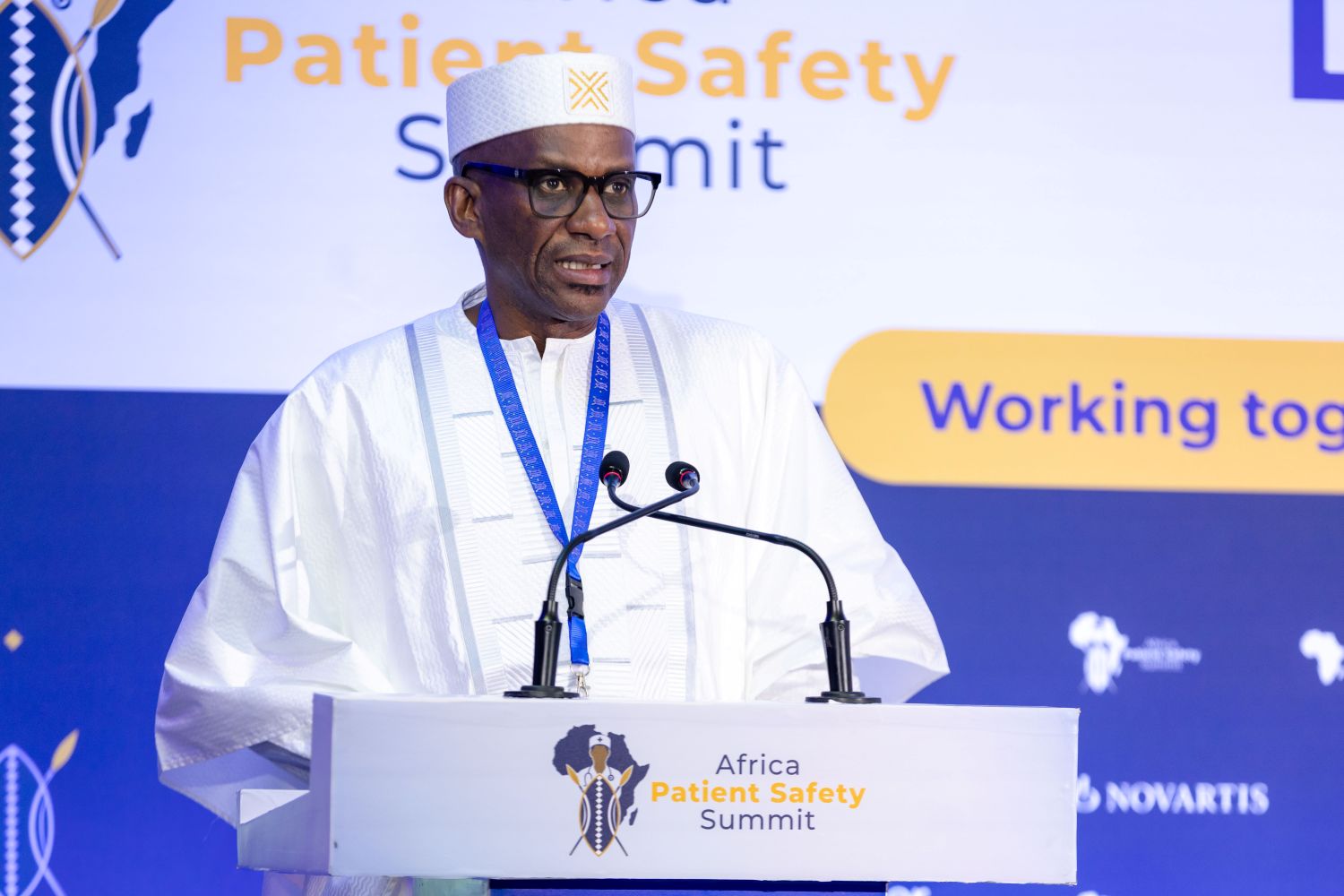
Prof Papa Madieye Gueye, chair of the Regulatory Council of Senegal’s Pharmaceutical Regulatory Agency, described patient safety as an ethical and collective responsibility.
He stressed that every African patient has a right to safe, quality and effective healthcare and medicines.
Gueye observed that increased trade, new health technologies and continuing challenges involving falsified and substandard medicines have made cooperation between African countries increasingly important.
“No country can act alone,” he stated.
Prof Papa Madieye Gueye, chair of Senegal’s Pharmaceutical Regulatory Agency Council, called patient safety a collective responsibility.
He called for stronger monitoring systems, effective governance, reliable safety information-sharing mechanisms and closer cooperation among African states.
Gueye noted that the establishment of AMA, strengthening of national regulatory authorities, continental pharmacovigilance initiatives and growing involvement of patient organisations have created opportunities to build a stronger patient safety system.
The challenge now, he added, is to turn that progress into measurable improvements for patients.
He called for a shift from systems that primarily react to adverse events towards approaches capable of anticipating risks, preventing harm and continuously learning from patients’ experiences.
The summit is expected to focus on identifying vulnerabilities in medicine safety systems, sharing experiences and defining practical actions to strengthen coordination between national regulators, healthcare providers, manufacturers and patients across Africa.
Dr Raymond Muganga, Acting Director General of the Rwanda Food and Drugs Authority (Rwanda FDA) represented Minister of State for Health Dr Yvan Butera at the summit.The two-day summit brings together key stakeholders to strengthen medicine safety across Africa.
The summit is organised by Medicines for Africa in partnership with the African Medicines Agency (AMA).
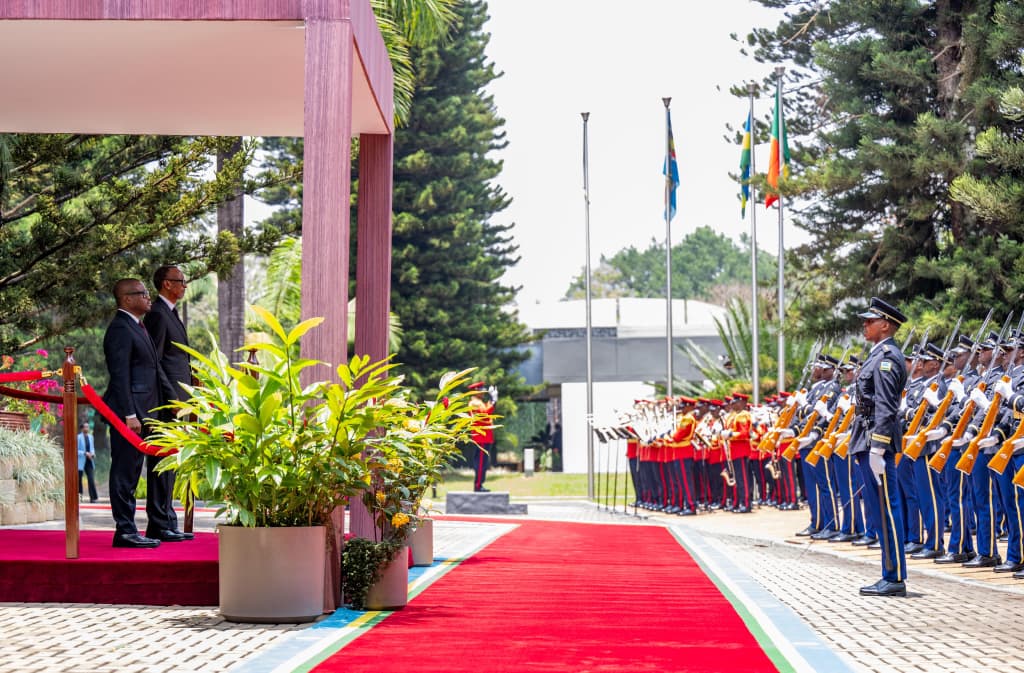
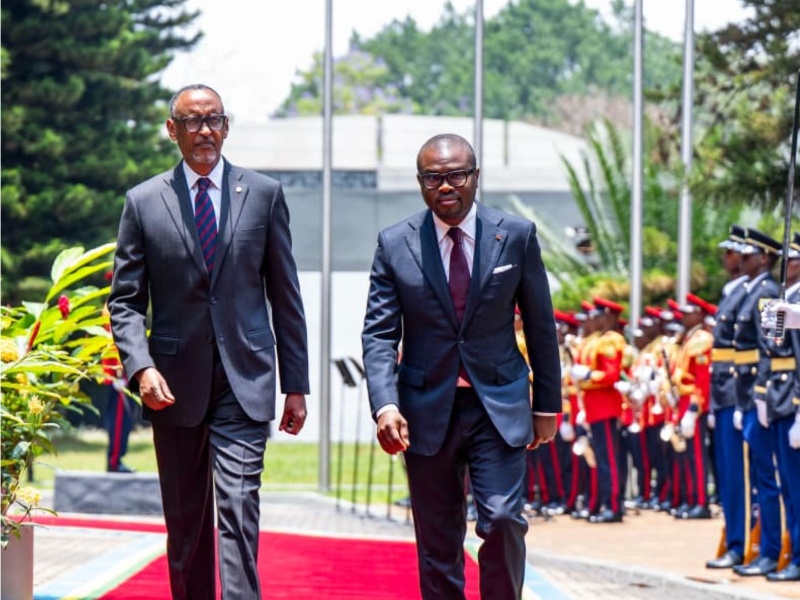
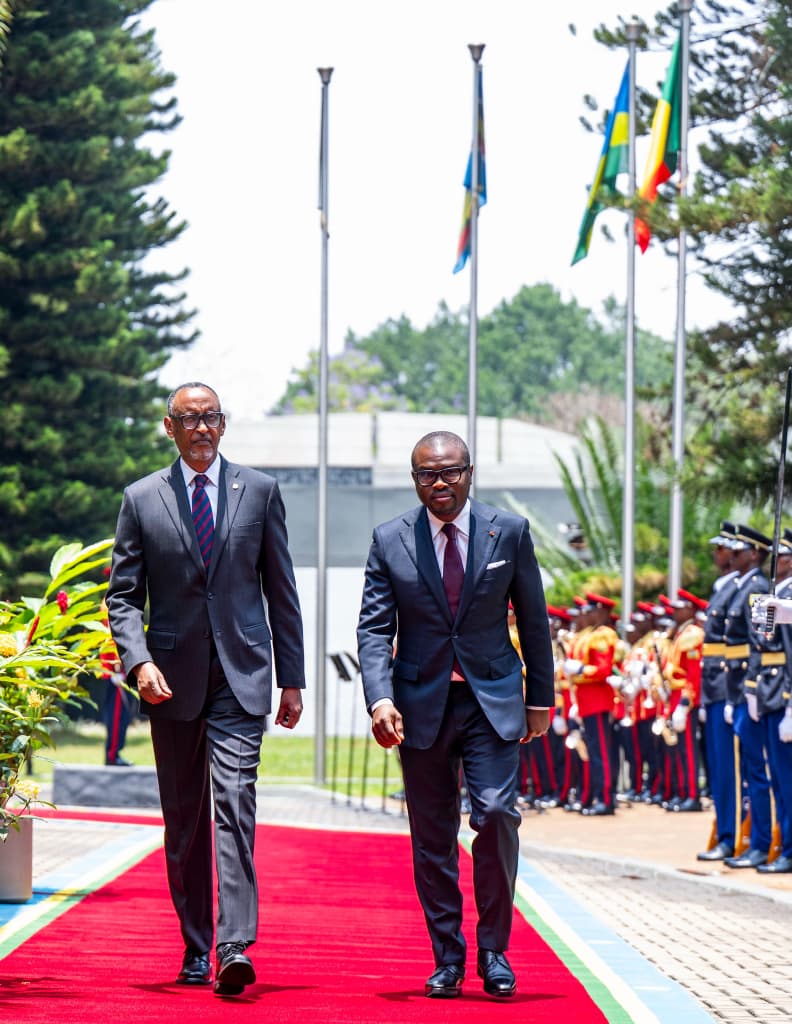
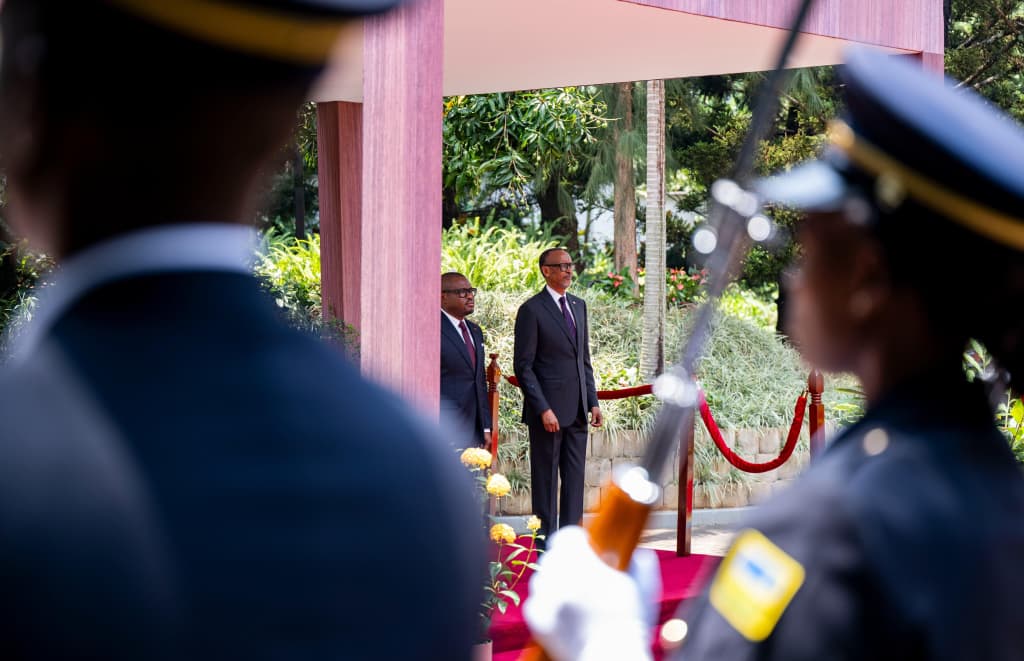
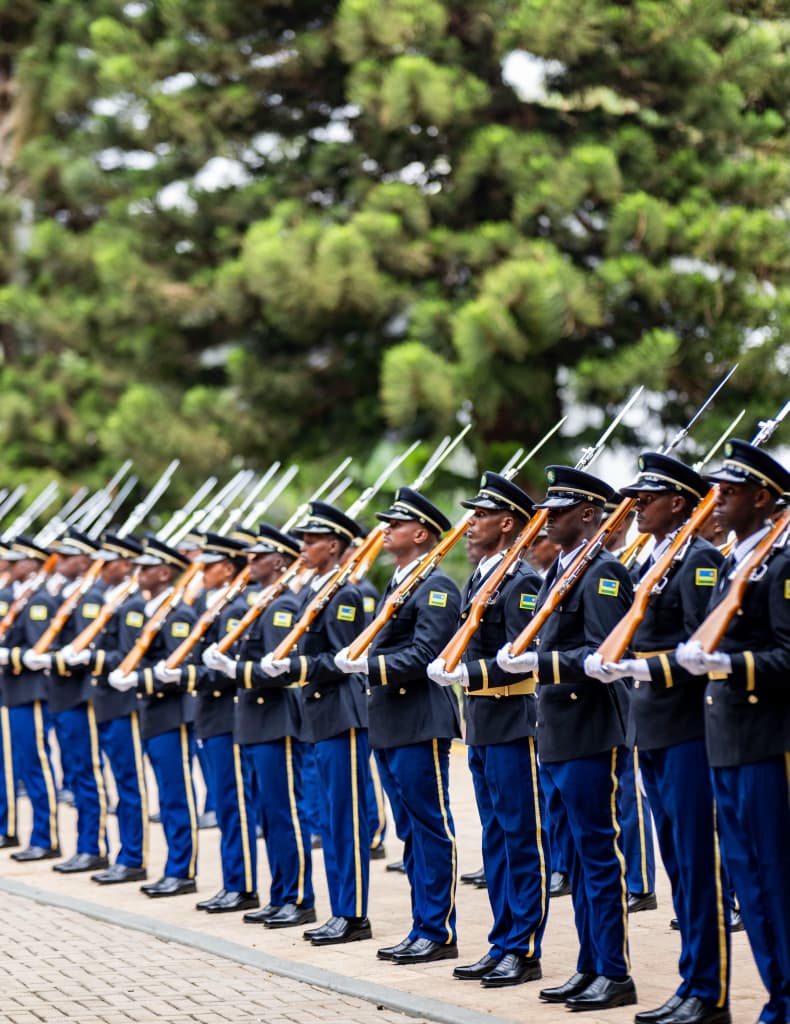
Wadagni was welcomed by President Paul Kagame at Urugwiro Village in Kigali on Wednesday, September 16, where he was received with an official welcome ceremony.
The visit comes as Rwanda and Benin continue to strengthen bilateral ties in areas including security, trade, investment, agriculture, technology and governance.
Wadagni, 49, was sworn in as Benin’s president on May 24, succeeding Patrice Talon after winning the April 12 presidential election with 94.27% of the vote. His running mate, Mariam Chabi Talata, became vice president.
According to Benin’s Constitutional Court, Wadagni received 4,575,449 votes, while his main challenger, Paul Hounkpè, received 278,297 votes. Voter turnout was 63.57%.
Before becoming president, Wadagni served as Benin’s minister of economy and finance from 2016 and was later promoted to senior minister. He previously worked at Deloitte before joining government.
The visit provides an opportunity for the two countries to review and deepen their existing cooperation.
Rwanda and Benin have expanded their partnership in recent years, with cooperation covering security and defence, economic and commercial affairs, agriculture, digital transformation, tourism and institutional development.
During President Kagame’s state visit to Benin in April 2023, the two countries signed agreements aimed at strengthening cooperation in several areas. The partnership included security and defence cooperation, with the two sides agreeing to work together to address security threats affecting Benin’s northern borders.
The countries have also pursued cooperation in trade, investment promotion, taxation, information and communications technology and other areas. Rwanda and Benin have previously described their relationship as a strategic partnership and have sought to facilitate the movement of people and goods between the two countries.
Wadagni’s visit comes less than four months after he assumed office and marks his first official trip to Rwanda as Benin’s president.
The two-day programme is expected to include discussions between the two presidents and their delegations on bilateral and regional issues.
Wadagni was welcomed by President Paul Kagame at Urugwiro Village in Kigali on Wednesday, September 16, 2026.He was received with an official welcome ceremony.The visit provides an opportunity for the two countries to review and deepen their existing cooperation.
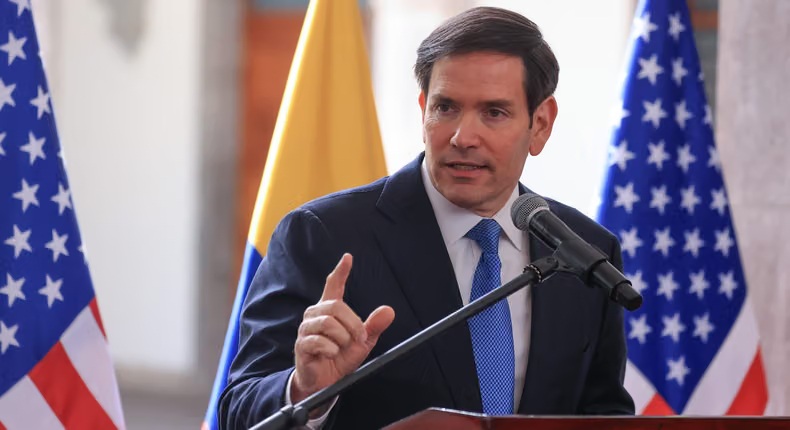
US Secretary of State Marco Rubio announced the policy on Tuesday, saying Washington had determined that the South African government had not adequately addressed concerns previously raised by the Trump administration.
The restrictions will target people whom the US says are responsible for or complicit in the enactment or implementation of laws or policies that enable uncompensated land seizures, race-based discrimination or the incitement of imminent violence against minority ethnic or racial groups in South Africa.
The US did not immediately identify any individuals affected by the restrictions.
Rubio said the policy was being imposed under Section 212(a)(3)(C) of the US Immigration and Nationality Act, which allows the secretary of state to declare a foreign national inadmissible where their entry could have potentially serious adverse consequences for US foreign policy.
“These actions directly undermine peace, economic stability, and the rule of law,” Rubio said in the statement.
The move is the latest escalation in relations between Washington and Pretoria, which have deteriorated since President Donald Trump returned to office in January 2025.
The Trump administration has repeatedly accused South Africa of discriminating against Afrikaners, the predominantly white descendants of European settlers, through its racial-equity policies and land reform programme. South Africa has rejected those allegations.
At the centre of the dispute is South Africa’s land reform policy. President Cyril Ramaphosa signed legislation allowing the state to expropriate property in the public interest, including in limited circumstances where compensation may be set at zero.
The law requires authorities, in most cases, to first seek agreement with property owners, while disputes can be challenged in court. The South African government has argued that the legislation is intended to address land inequalities created during apartheid and does not permit arbitrary seizure of property.
Land ownership remains a politically sensitive issue in South Africa, where the black majority was dispossessed of land and denied many rights under apartheid.
Trump has previously accused South Africa of failing to protect white farmers and offered refugee status to Afrikaners seeking to leave the country. South African authorities have rejected claims of a campaign of persecution against white people and have said allegations of a “white genocide” lack credible evidence.
The latest US measures come after Washington imposed a 30% tariff on South African exports in August, adding to tensions between the two countries.
The US embassy in Pretoria said the new visa restrictions were the first in a series of measures intended to demonstrate Washington’s position on the issue.
“The South African government has not adequately addressed the previously laid out concerns,” Rubio said.
US Secretary of State Marco Rubio announced the policy on Tuesday, saying Washington had determined that the South African government had not adequately addressed concerns previously raised by the Trump administration.
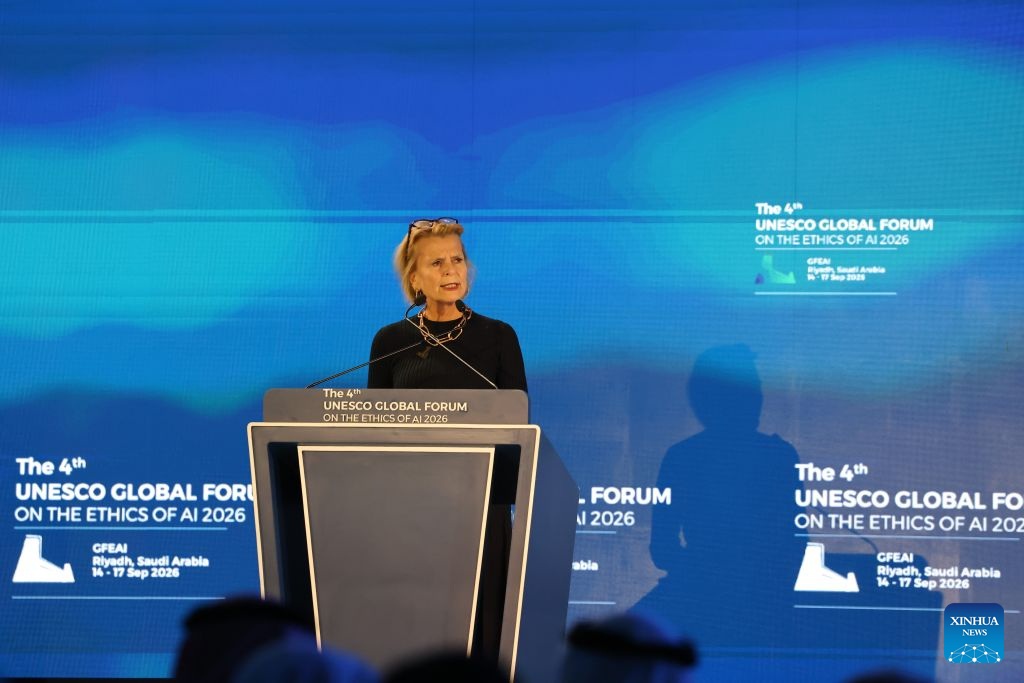
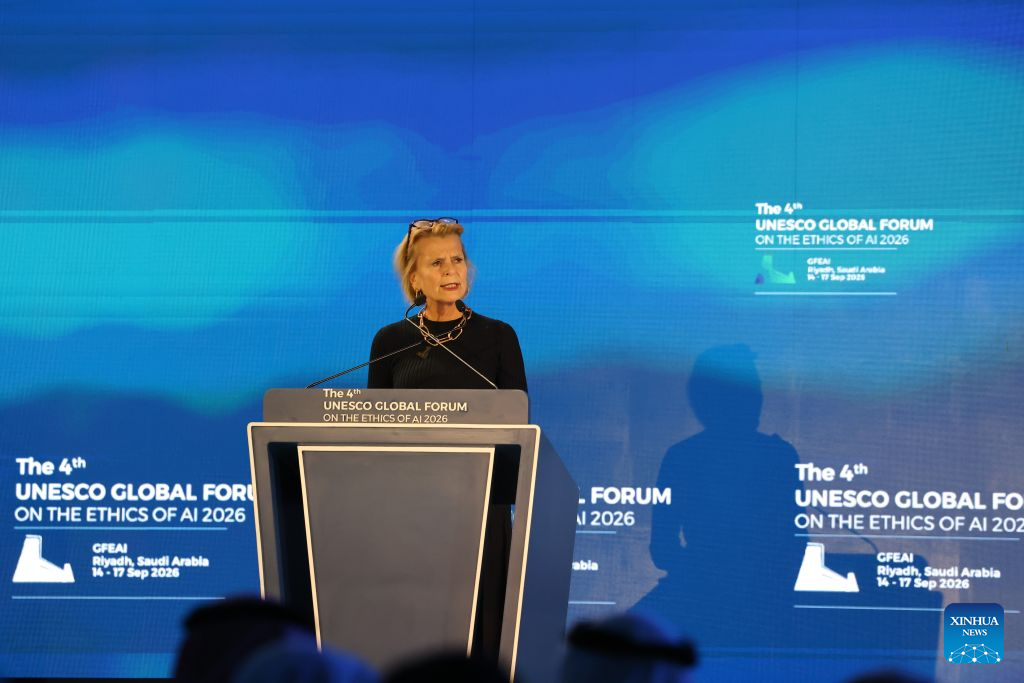
Co-hosted by the United Nations Educational, Scientific and Cultural Organization (UNESCO) and Saudi Arabia, the forum runs until Thursday, bringing together government officials, representatives of technology firms as well as experts and researchers.
“AI is advancing at unprecedented speed, while governance struggles to keep pace,” Asa Regner, deputy director-general of UNESCO, said at the opening ceremony.
Regner stressed the need for stronger global cooperation and equitable participation in AI governance, adding that the forum will explore how to turn AI ethical principles into practical implementation.
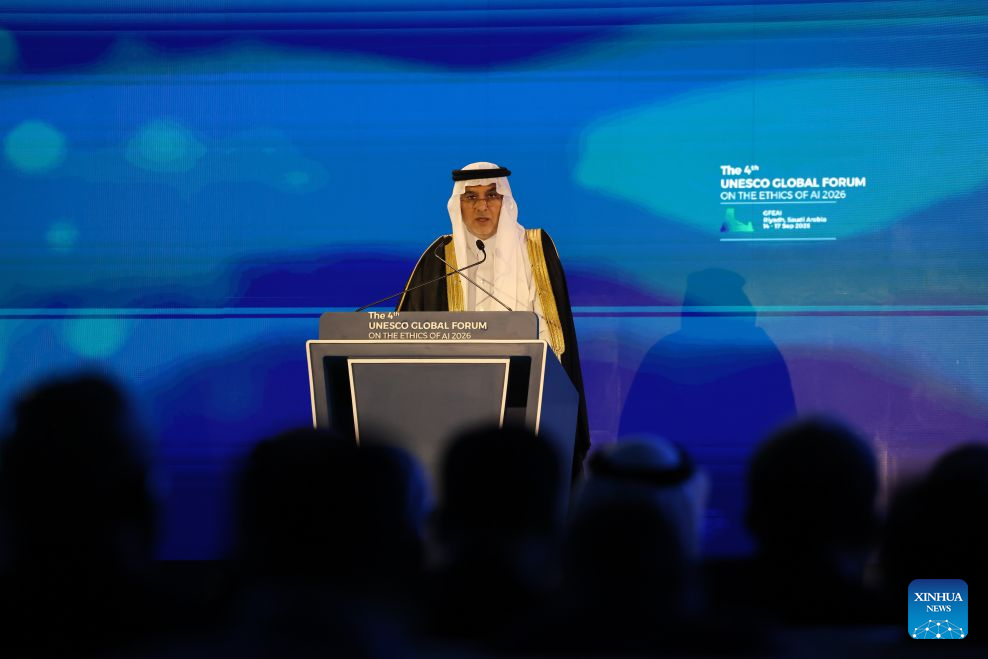
Abdullah bin Sharaf Alghamdi, president of the Saudi Data and AI Authority, said at the ceremony that countries should pursue AI governance based on common principles while tailoring policies to their own national priorities and cultural contexts.
“We need to work together, turn shared principles into action and make AI governance inclusive, accountable and people centered,” he said.
Since its inception in 2022, the forum has convened global stakeholders from government, academia, civil society, and the private sector to advance dialogue and cooperation on the ethical governance of AI.
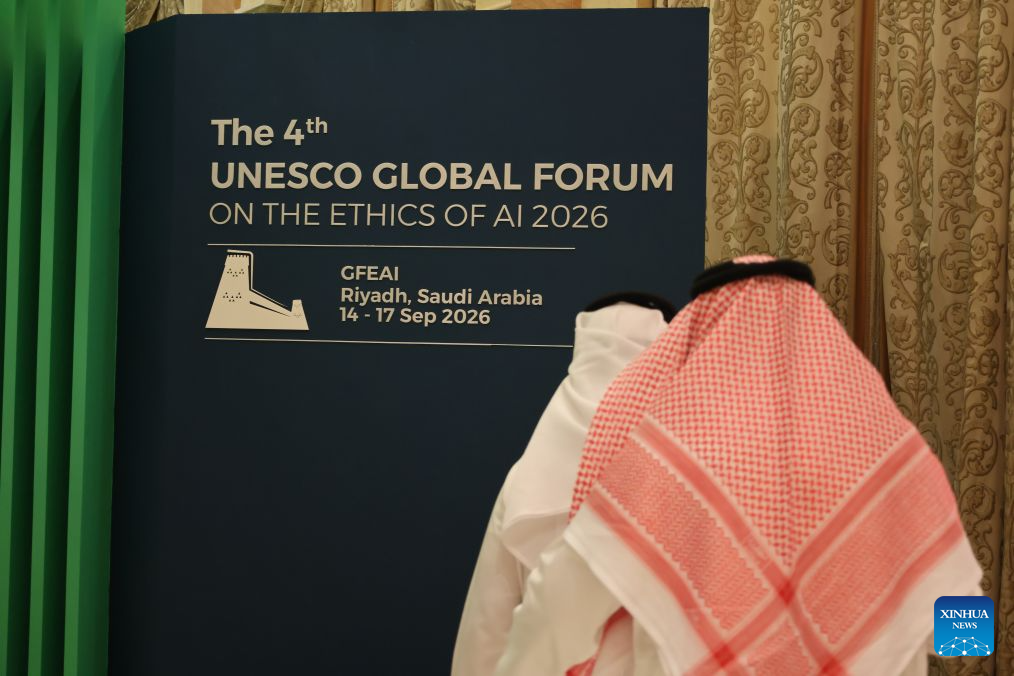
Asa Regner, deputy director-general of UNESCO speaks at the opening ceremony of the 4th Global Forum on the Ethics of Artificial Intelligence in Riyadh, Saudi Arabia, Sept. 15, 2026. The 4th Global Forum on the Ethics of Artificial Intelligence (AI) opened in Riyadh on Tuesday, where delegates discussed aligning AI development with safety and responsibility requirements.Abdullah bin Sharaf Alghamdi, president of the Saudi Data and Artificial Intelligence Authority speaks at the opening ceremony of the 4th Global Forum on the Ethics of Artificial Intelligence in Riyadh, Saudi Arabia, Sept. 15, 2026. The 4th Global Forum on the Ethics of Artificial Intelligence (AI) opened in Riyadh on Tuesday, where delegates discussed aligning AI development with safety and responsibility requirements. Participants walk past a display board during the 4th Global Forum on the Ethics of Artificial Intelligence in Riyadh, Saudi Arabia, Sept. 15, 2026. The 4th Global Forum on the Ethics of Artificial Intelligence (AI) opened in Riyadh on Tuesday, where delegates discussed aligning AI development with safety and responsibility requirements.
GDP at current market prices reached Rwf7.17 trillion in the quarter, up from Rwf5.8 trillion in the second quarter of 2025, NISR said in its latest GDP report released on September 15. Services accounted for 51% of GDP, followed by industry at 23% and agriculture at 21%, while indirect taxes contributed 5%.
Industry was the fastest-growing sector, expanding by 18% year-on-year. Construction activities grew by 24%, while mining and quarrying increased by 26% and manufacturing rose by 10%.
NISR attributed the strong industrial performance to increased construction activity, which boosted demand for locally manufactured construction materials.
Manufacturing growth was driven by a 51% increase in the production of metal products, machinery and equipment. Manufacturing of non-metallic mineral products grew by 22%, while textiles, clothing and leather products increased by 13%.
Services grew by 7% in the second quarter. Wholesale and retail trade increased by 18%, while transport services grew by 7%.
Information and communication services recorded particularly strong growth of 29%, while administration and support services and professional services each grew by 9%. Hotels and restaurants expanded by 5%, while financial services grew by 4%.
Agriculture grew by 4% in the quarter.
Food crop production increased by 5%, but export crop production fell by 20%, mainly due to a 33% decline in coffee production. The decline was partly offset by an 18% increase in tea production.
The latest GDP figures come as Rwanda’s economy continues to face external pressures, with NISR noting that economic performance in the second quarter remained resilient despite spillovers from geopolitical tensions in the Middle East.
GDP at current market prices reached Rwf7.17 trillion in the quarter, up from Rwf5.8 trillion in the second quarter of 2025, NISR said in its latest GDP report released on September 15.
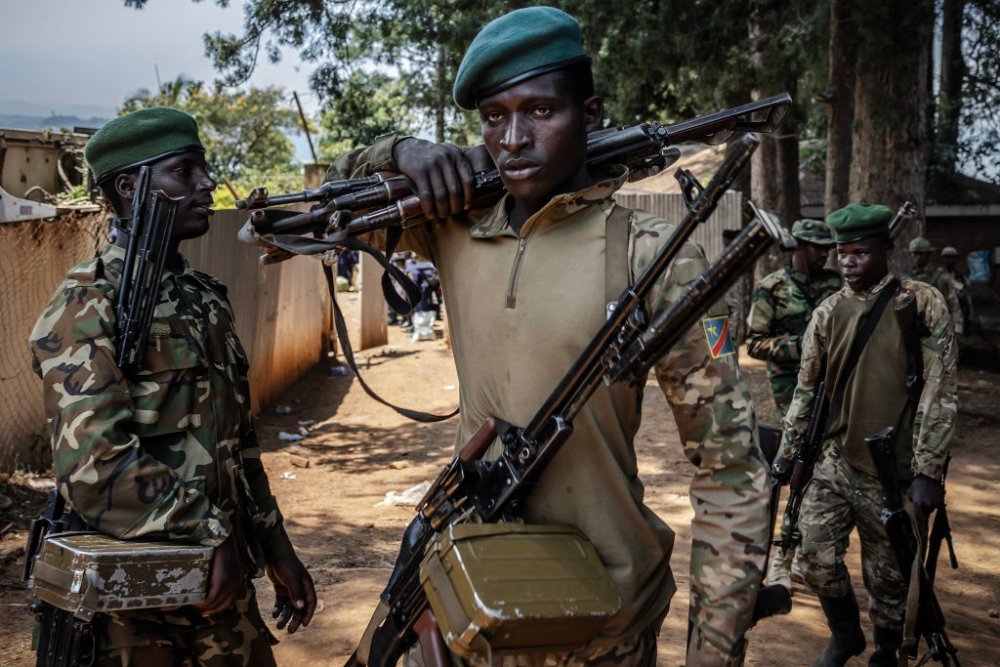
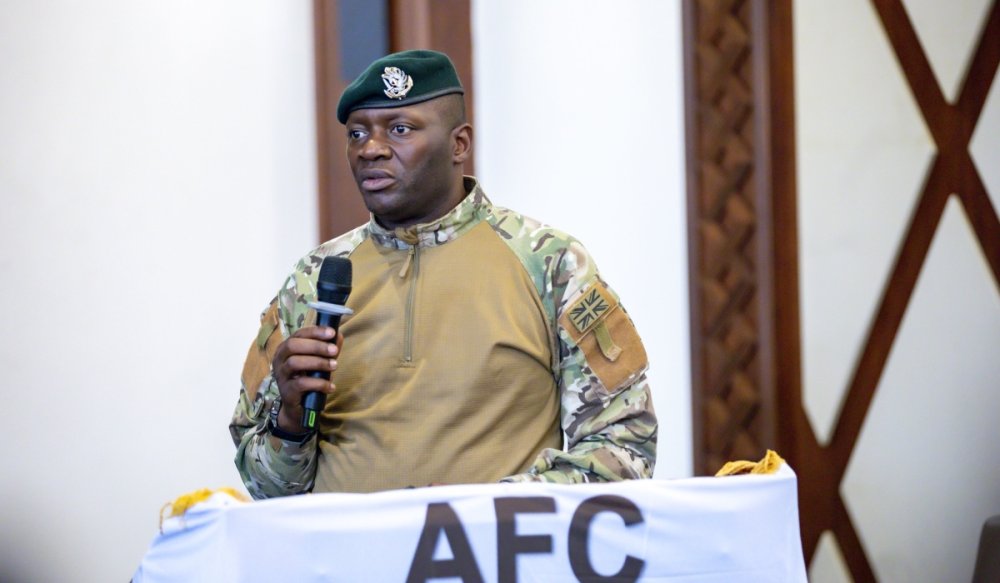
In a post on X on Tuesday, September 15, AFC/M23 spokesperson Lawrence Kanyuka said the attacks took place in the morning, resulting in deaths and forcing civilians to flee their homes in search of safety.
He said the first attack was launched at around 8:30 a.m., followed by another at 9:30 a.m. in the Ntekomiko and Kareta areas of Masisi.
Kanyuka added that at around 11:30 a.m., DRC government forces launched another attack in the Point-Zéro area using ground troops.
“Currently, AFC/M23 forces continue to protect and defend civilians,” he wrote.
The accusations come despite an agreement by the two sides to observe a ceasefire and establish a joint mechanism to monitor compliance with the truce.
AFC/M23 spokesperson Lawrence Kanyuka said the attacks took place in the morning, resulting in deaths and forcing civilians to flee their homes in search of safety.