The United Nations High Commissioner for Refugees (UNHCR) said the total figure includes 610,268 registered refugees and 3,442 asylum-seekers.
“The vast majority, 94 percent or 576,672 individuals, are Sudanese refugees, followed by 14,677 or 2 percent from the Democratic Republic of the Congo, 6,599 from Ethiopia, 5,605 from the Central African Republic, 5,165 from Eritrea, and 1,550 from other nationalities,” the UNHCR said in its latest report released in Juba, the capital of South Sudan.
It said the South Sudanese government continues to grant prima facie refugee status to those fleeing Sudan in response to the ongoing conflict.
According to the UNHCR, 49 percent of the refugee population are females aged 0-59, while women and children combined account for 75 percent of the total.
The agency said Ethiopians and Eritreans each account for 37 percent of the total, forming the two largest groups of asylum seeker population, followed by Burundians with 9 percent, Ugandans with 7 percent, and 9 percent other nationalities.
South Sudan remains at the center of one of the region’s largest displacement crises, with more than 2.3 million South Sudanese living as refugees in the DRC, Ethiopia, Kenya, Uganda, and Sudan, the UNHCR said.
WBD announced on Thursday that its Board of Directors, following consultation with its independent financial and legal advisors, has determined that the previously disclosed proposal from Paramount Skydance constitutes a “Company Superior Proposal” as defined in WBD’s merger agreement with Netflix.
As disclosed by WBD on Tuesday, Paramount Skydance’s proposal includes a purchase price of 31.00 U.S. dollars per WBD share in cash, plus a daily ticking fee equal to 0.25 dollars per share per quarter beginning after Sept. 30, 2026, as well as a 7 billion dollars regulatory termination fee payable by Paramount Skydance in the event the transaction does not close due to regulatory matters.
Paramount Skydance’s latest bid values WBD at about 111 billion dollars. Netflix, the world’s largest streaming company by subscriber count, then announced it is pulling out of the contest.
“The transaction we negotiated would have created shareholder value with a clear path to regulatory approval. However, we’ve always been disciplined, and at the price required to match Paramount Skydance’s latest offer, the deal is no longer financially attractive, so we are declining to match the Paramount Skydance bid,” Netflix said in a statement in response from co-CEOs Ted Sarandos and Greg Peters.
Netflix sent shockwaves through Hollywood on Dec. 5 by announcing an 82.7 billion-dollar agreement to acquire WBD. Paramount Skydance has since launched a hostile bid, placing the merger at the center of a widening national debate.
Unlike the deal with Netflix, which covered WBD’s film studio and streaming service and would spin off its cable division into a new publicly traded company, Paramount Skydance’s offer is for the entirety of WBD.
Experts warned that although the indirect talks have achieved “significant” and “good progress” as Iran mediator Oman reported, the fundamental rift between Tehran and Washington remains unbridgeable, keeping the risk of military confrontation dangerously high.
Good progress on table, but no handshake yet
The Geneva talks, headed respectively by Iran’s Foreign Minister Seyed Abbas Araghchi and U.S. president’s special envoy Steve Witkoff, and mediated by Oman, were held on Thursday with both sides presenting what Iranian Foreign Ministry spokesman Esmaeil Baghaei called “very important and practical proposals” on the nuclear file and sanctions relief.
According to Iran’s official news agency IRNA, after three hours of intensive negotiations, delegations from both sides took a break for “internal consultations” before resuming their talks later in the day. The IRNA said the second stage lasted two hours.
Araghchi said good progress was achieved with Washington in the talks, and the two sides agreed to begin technical reviews in Vienna next Monday.
He added that it was also decided that the Iranian and U.S. delegations would hold the fourth round of talks very soon, perhaps in less than a week.
Following the first stage of the talks, Oman’s Foreign Ministry described the atmosphere as demonstrating “unprecedented openness to new and creative ideas and solutions.”
A report by The Wall Street Journal, citing U.S. officials, said Washington is demanding that Iran accept a deal with no expiration date, setting tough terms including shutting down Iran’s three main nuclear facilities of Fordow, Natanz and Isfahan, and transferring all remaining enriched uranium to the United States.
The United States is offering only limited sanctions relief at the outset of any agreement, with the possibility of further easing if Iran complies over time, said the report.
Meanwhile, Iran’s state-run IRIB TV reported that the Iranian delegation has completely rejected transferring Iran’s enriched uranium abroad in the indirect talks, and is also insistent on the termination of U.S. sanctions against the country.
Ali Shamkhani, a senior advisor to Iran’s Supreme Leader Ali Khamenei, posted on social media platform X that if the main issue is Iran not making nuclear weapons, “an immediate agreement is within reach,” citing a religious decree against such weapons. Tehran has been firm in securing its right to enrichment on its own soil.
Palestinian political analyst Samer Anabtawi told Xinhua that the Iranian move to prepare a draft agreement shows its “clear seriousness” in the negotiation process.
“But Washington’s acceptance of it remains another matter linked to broader political calculations,” Anabtawi noted.
Akram Atallah, a Gaza-based analyst, told Xinhua that Israel, though not at the table, is “the most influential actor” shaping the “dynamics” of the talks.
“It plays a significant role in preventing the negotiations from reaching a meaningful outcome,” Atallah said, adding, “many of the conditions being raised in this diplomatic process are, in essence, Israeli conditions reflected in American demands.”
Dual-track strategy
“What is currently happening can be described as a ‘finger-biting’ phase, in which each side is flexing its military and political muscle in an attempt to impose its negotiating terms,” Anabtawi noted.
Both Washington and Tehran are pursuing a dual-track strategy: negotiating while visibly preparing for possible conflict. The United States has amassed two aircraft carrier strike groups, over 150 combat aircraft, including F-35 stealth fighters, and has reinforced its bases in Jordan and Israel. It has also evacuated non-essential staff from its embassy in Beirut.
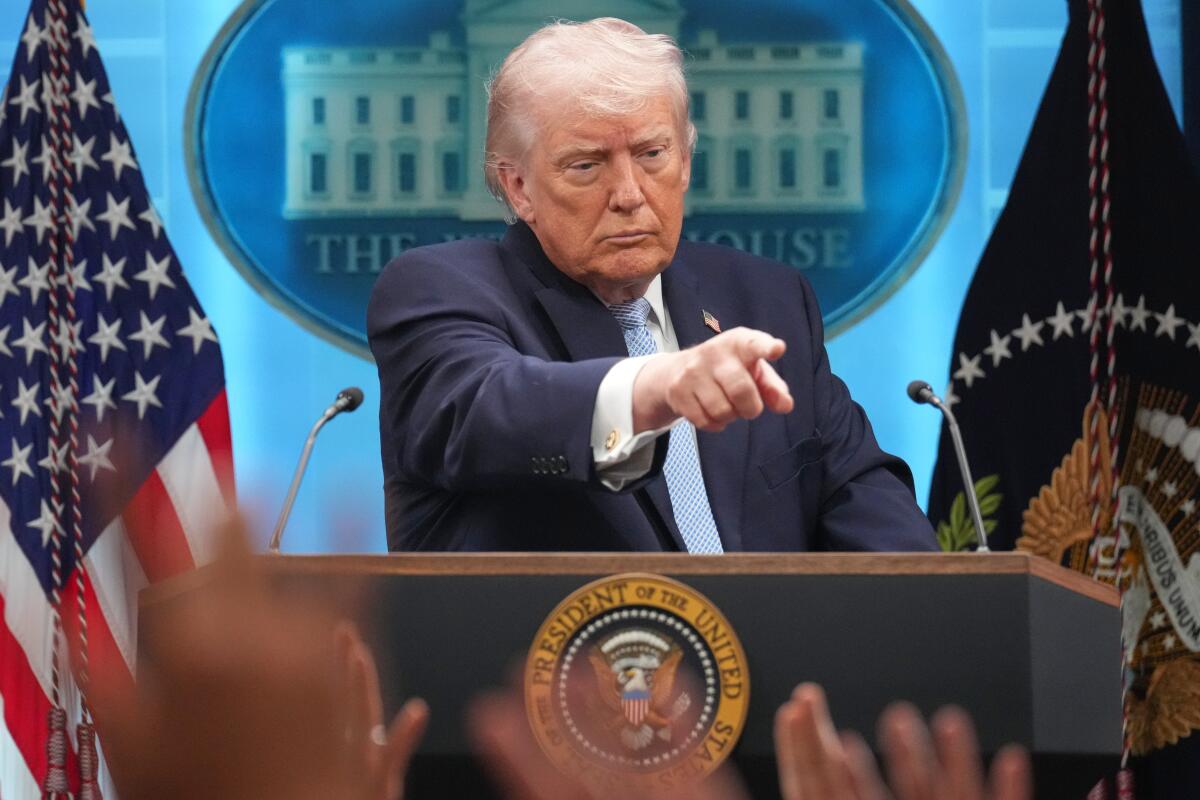
U.S. President Donald Trump has warned of “phase two” if such indirect talks fail, and The New York Times reported he is considering initial limited strikes to pressure Tehran at the negotiation table, which could later turn into a far larger campaign.
Iran, for its part, conducted live-fire drills in the Strait of Hormuz last week, temporarily closing the strategic waterway in a show of its ability to disrupt global oil shipments. Tehran has repeatedly stressed readiness to retaliate forcefully against any attack.
Mohammed Nader al-Omari, a Syrian writer and researcher specializing in crisis and conflict management, described the scale of the U.S. mobilization as “not routine” and sending “a clear signal that military options are being prepared.” Another Syrian analyst, Sinan Hassan, called it “coercive diplomacy,” by “applying pressure through military signaling while keeping negotiations alive.”
Yet Amer Sabaileh, a Jordanian political analyst, argued that the size and nature of the buildup suggest Washington is not merely posturing.
“The military preparations and reinforcements the United States is carrying out in the region suggest that the possibility of war and U.S. strikes against Iran is highly likely,” Sabaileh said.
Meanwhile, Charbel Barakat, international editor at Kuwait’s Al-Jarida newspaper, noted Iran’s tactical flexibility, as Tehran has signaled willingness to cap enrichment at 3.67 percent, accept an international consortium for fuel supply, and place its 60-percent stockpile under continuous monitoring of the International Atomic Energy Agency, all while keeping the missile program and regional allies off the table.
“This flexibility does not mean a willingness to alter its strategic doctrine,” Mohamed Mohsen Abo El-Nour, head of the Arab Forum for Analyzing Iranian Policies and an expert on Iranian affairs, told Xinhua.
Ahed Ferwana, a Gaza-based analyst, observed that the U.S. military moves “exert significant pressure on Iran” and are meant to push Tehran toward compromise. But he cautioned that if Washington rejects Iran’s proposals, “tensions are likely to continue or even escalate.”
Possible technical understanding amid persistent core conflict
Despite the tactical maneuvers, experts agreed that the core conflict is far from resolved. Iran’s red lines, including its right to a civilian nuclear program, its missile deterrent, and its regional influence, are seen as non-negotiable.
In the eyes of Atallah, U.S. objectives may extend to altering Iran’s domestic trajectory, possibly through regime change, which is a “maximalist” goal Tehran would never accept.
El-Nour pointed out that Washington’s goal “goes beyond the narrow nuclear file to recalibrating the security environment surrounding Iran.”
Amid heated debate on whether a full-scale war will break out between the two sides, Omani analyst Khalfan al-Touqi cautioned that any conflict would be far more destructive than the 12-day war in June last year. “The strikes will not be limited, as some expect, but will be far more dangerous, with dire consequences not just for Iran, but for the entire region.”
Still, some experts believe in a possible interim outcome, with both sides reaching a technical understanding, which could reduce imminent confrontation.
“Both sides are aware of the high cost of military escalation and therefore prefer managing tensions through negotiation,” said Abdulaziz Alshaabani, researcher at Al Riyadh Center for Political and Strategic Studies, noting that a full-scale explosion “remains a less probable outcome.”
For al-Omari, Trump now faces a narrowing set of choices. On one hand, he is under pressure from Washington hawks not to accept terms that could be portrayed as a watered-down version of the earlier nuclear deal signed in 2015.
On the other hand, military action carries its own dangers, he noted. “There are serious fears about the consequences of war and the scale of losses U.S. forces could suffer if Iran absorbs the first strike and is able to respond.”
Thair Abu Ras, director of Palestinian Programs at the Van Leer Jerusalem Institute, questioned whether Washington is truly prepared to pull the trigger.
Washington “is not politically prepared and lacks sufficient legal grounds, and most of its regional allies do not appear to be keen on a war of this nature,” Ras said.
Still, he acknowledged that after such a massive buildup, Trump faces “two main options: either launching a strike or extracting an agreement that is presented to the American public as an achievement.”
A police car is seen near the Omani ambassador’s residence in Geneva, Switzerland, Feb. 26, 2026. (Xinhua/Lian Yi)
Speaking to reporters at a daily briefing, Stephane Dujarric, spokesperson for the UN secretary-general, said that according to the IOM, sea crossings remained among the deadliest routes, with at least 2,185 people dead or gone missing in the Mediterranean, and 1,214 recorded on the Western Africa/Atlantic route toward the Canary Islands.
Despite year-on-year declines, the real toll is likely much higher, Dujarric said.
The spokesperson said that IOM figures showed the number of deaths in 2025 was lower than the nearly 9,200 deaths recorded in 2024.
Over 7,600 people died or went missing on migration routes worldwide in 2025:
The withdrawal was due to the prevailing conditions in Palestine, Baerbock said in a letter to all permanent representatives and permanent observers to the United Nations.
In accordance with the established regional rotation, the president of the 81st UNGA session will be elected from the Asia Pacific Group.
Following Mansour’s withdrawal, two candidates remain in the race for the post — Md. Touhid Hossain of Bangladesh and Andreas S. Kakouris of Cyprus.
According to a note sent to reporters on Thursday, Baerbock will convene informal dialogues with the candidates in May and an election will be held on June 2.
Riyad Mansour, the Palestinian “permanent observer” to the United Nations, speaks at the U.N. Security Council meeting on the situation in the Middle East on Oct. 9, 2024. Credit: Eskinder Debebe/U.N. Photo.
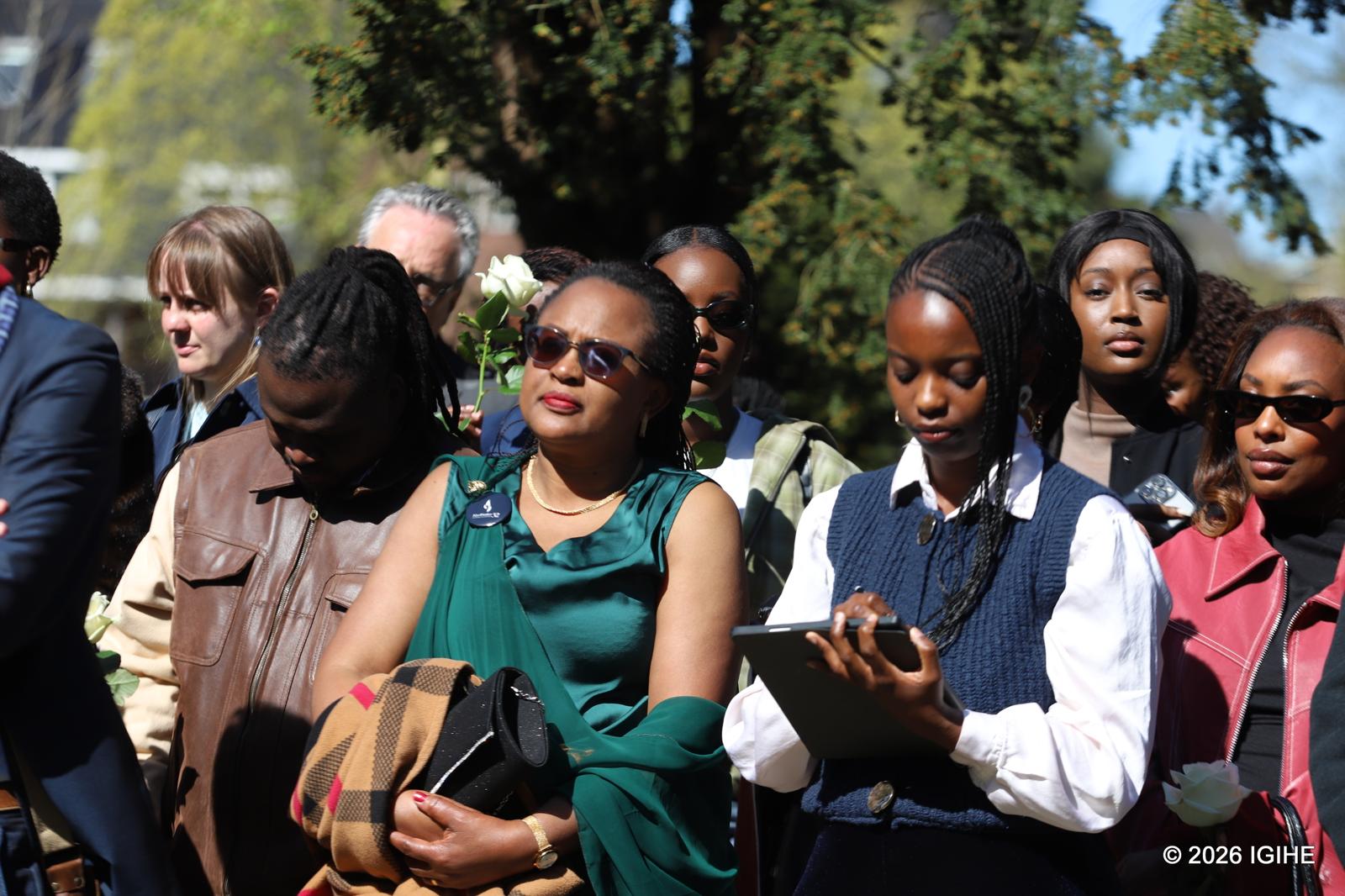
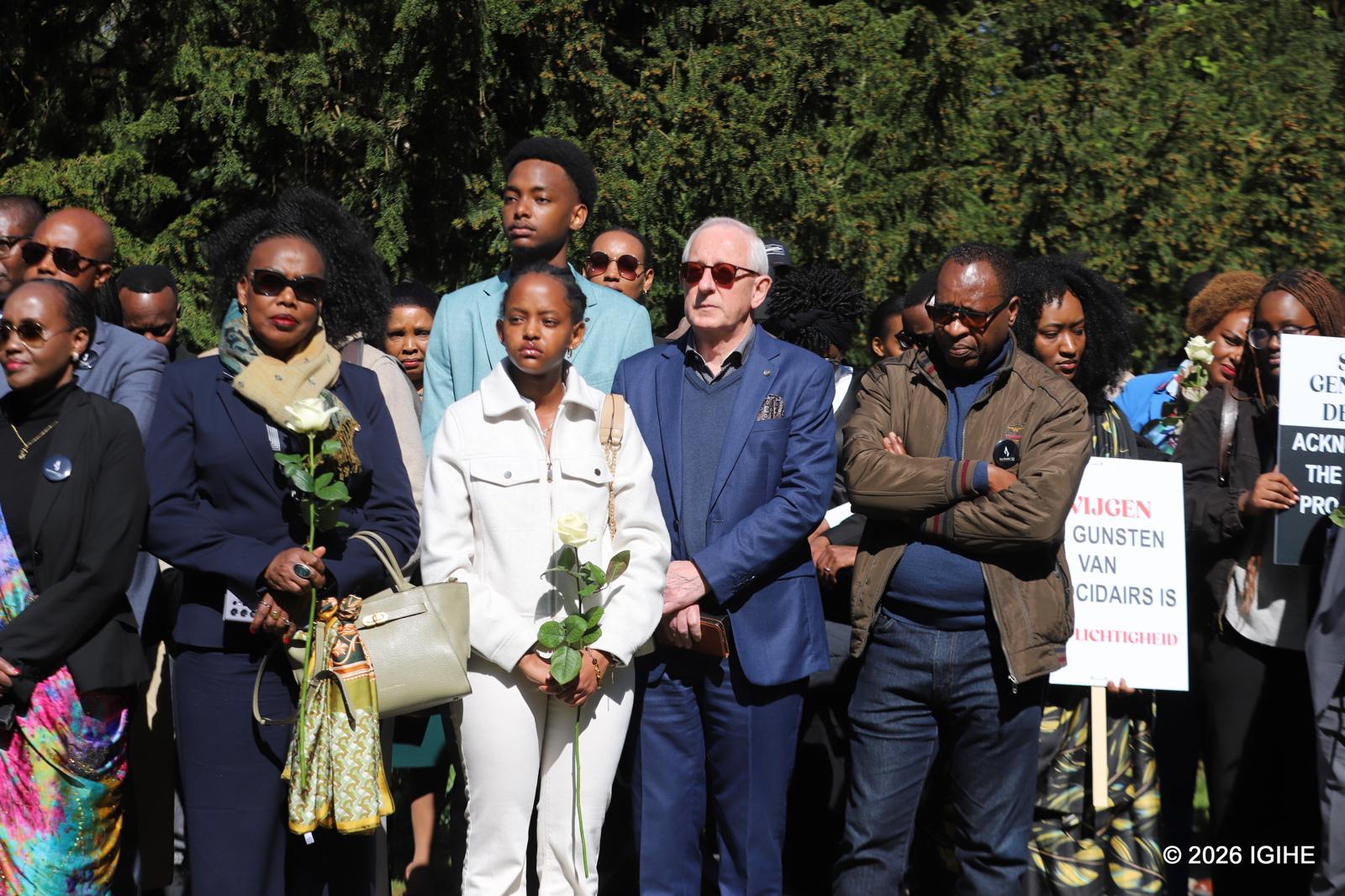
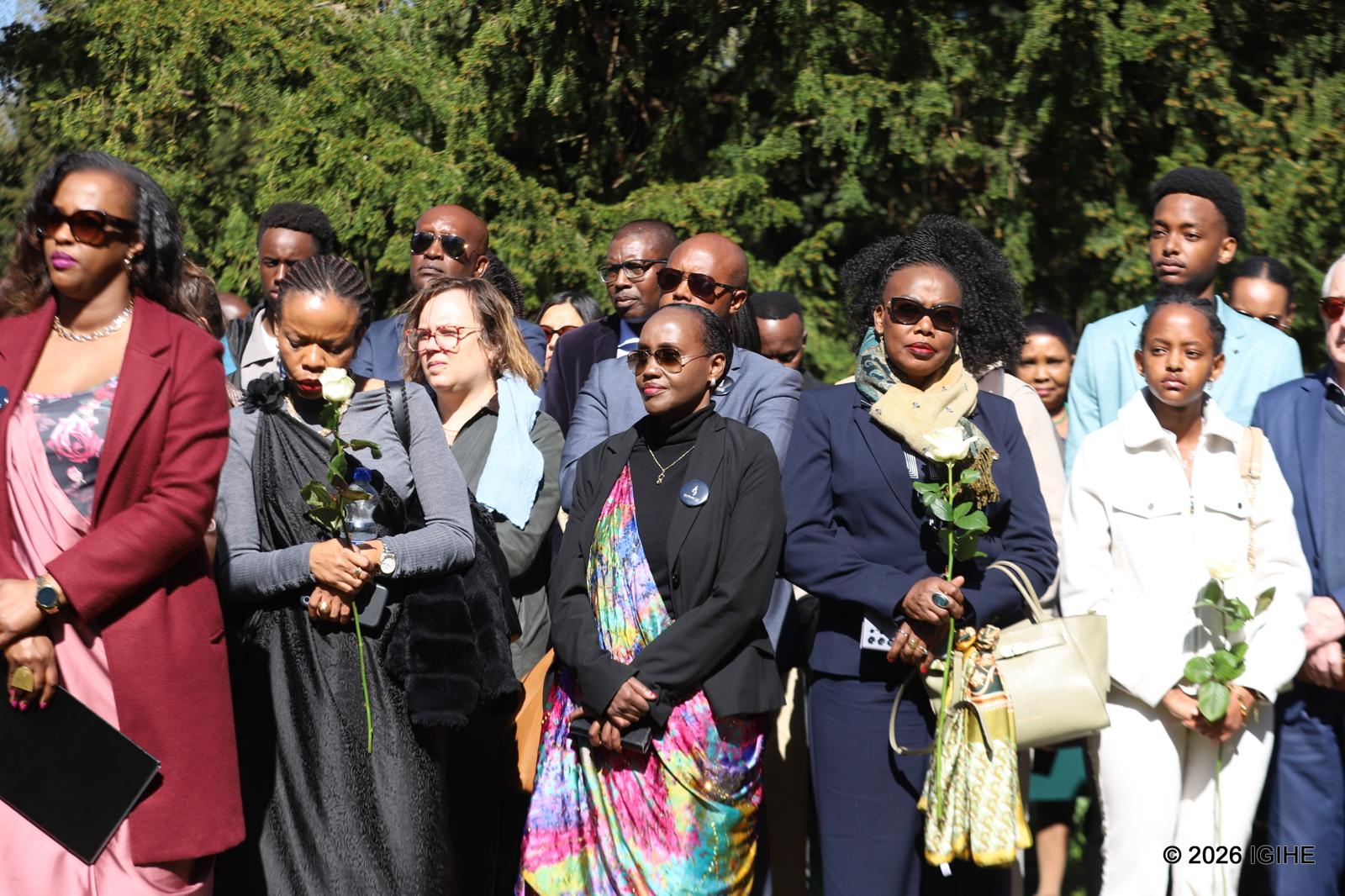
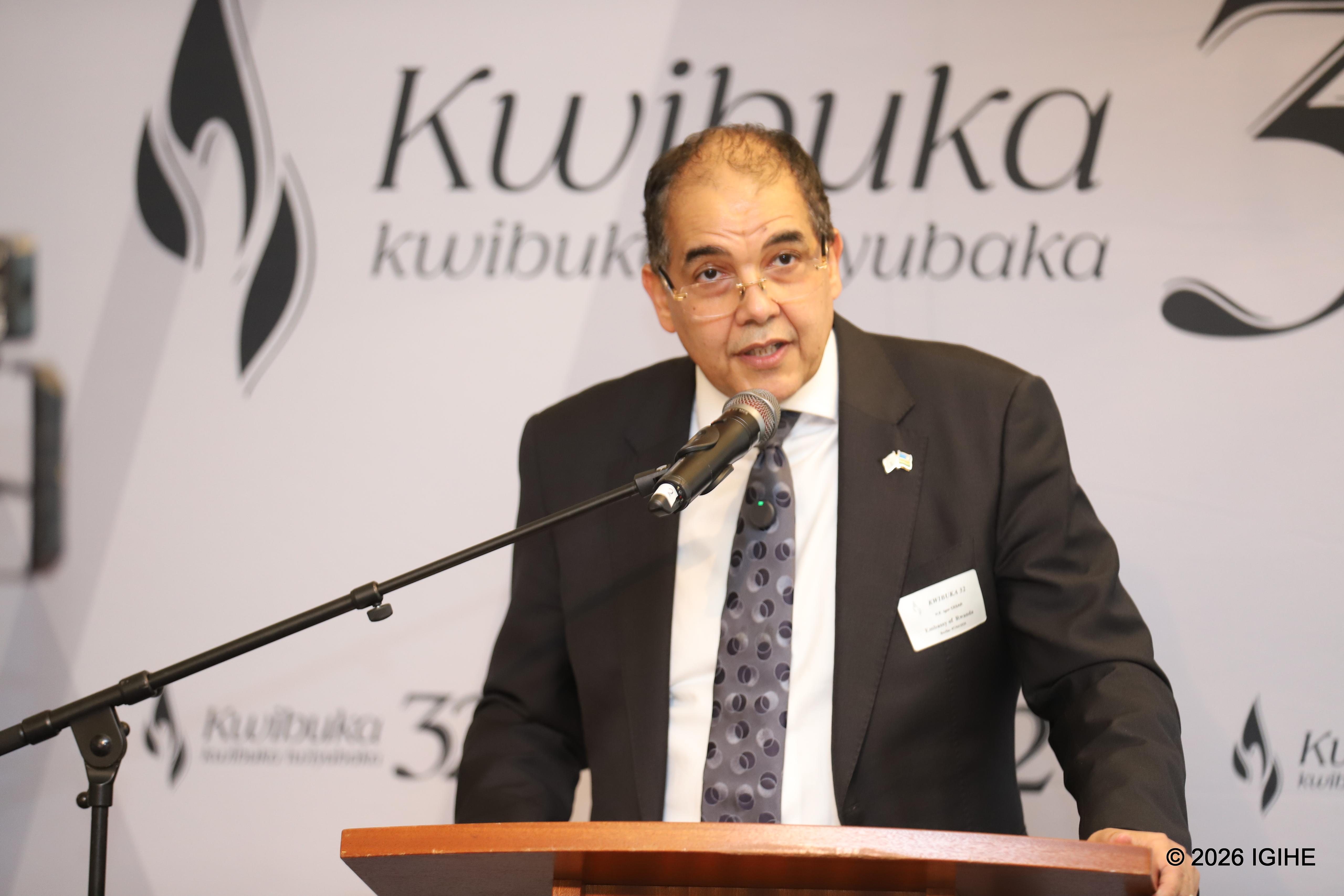
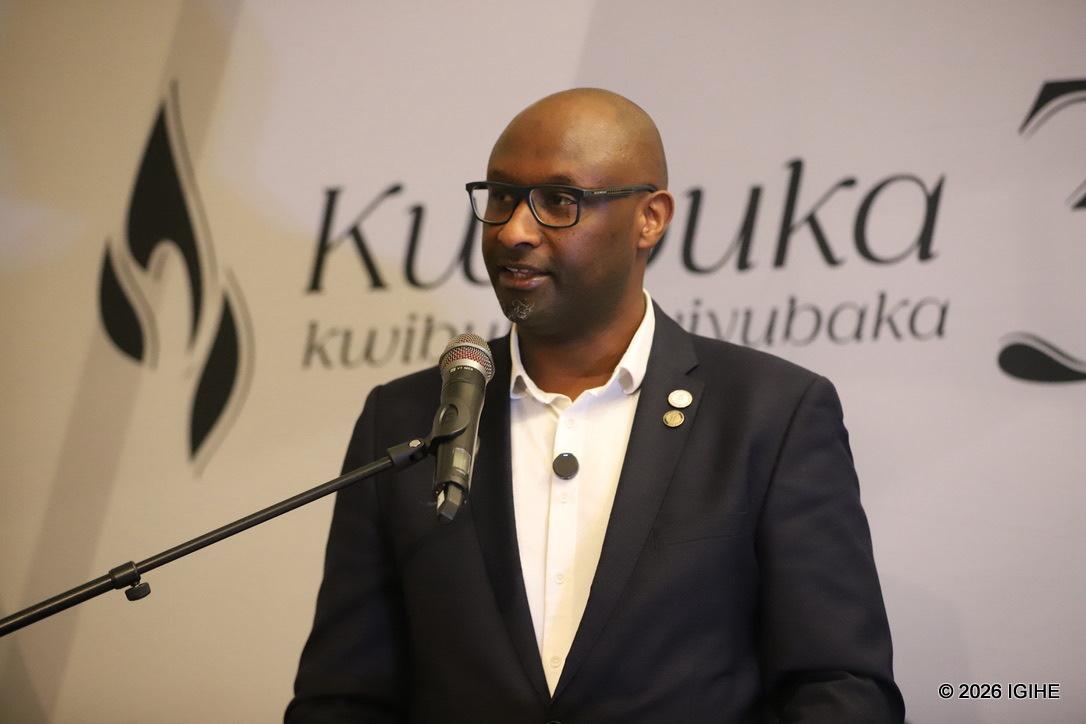
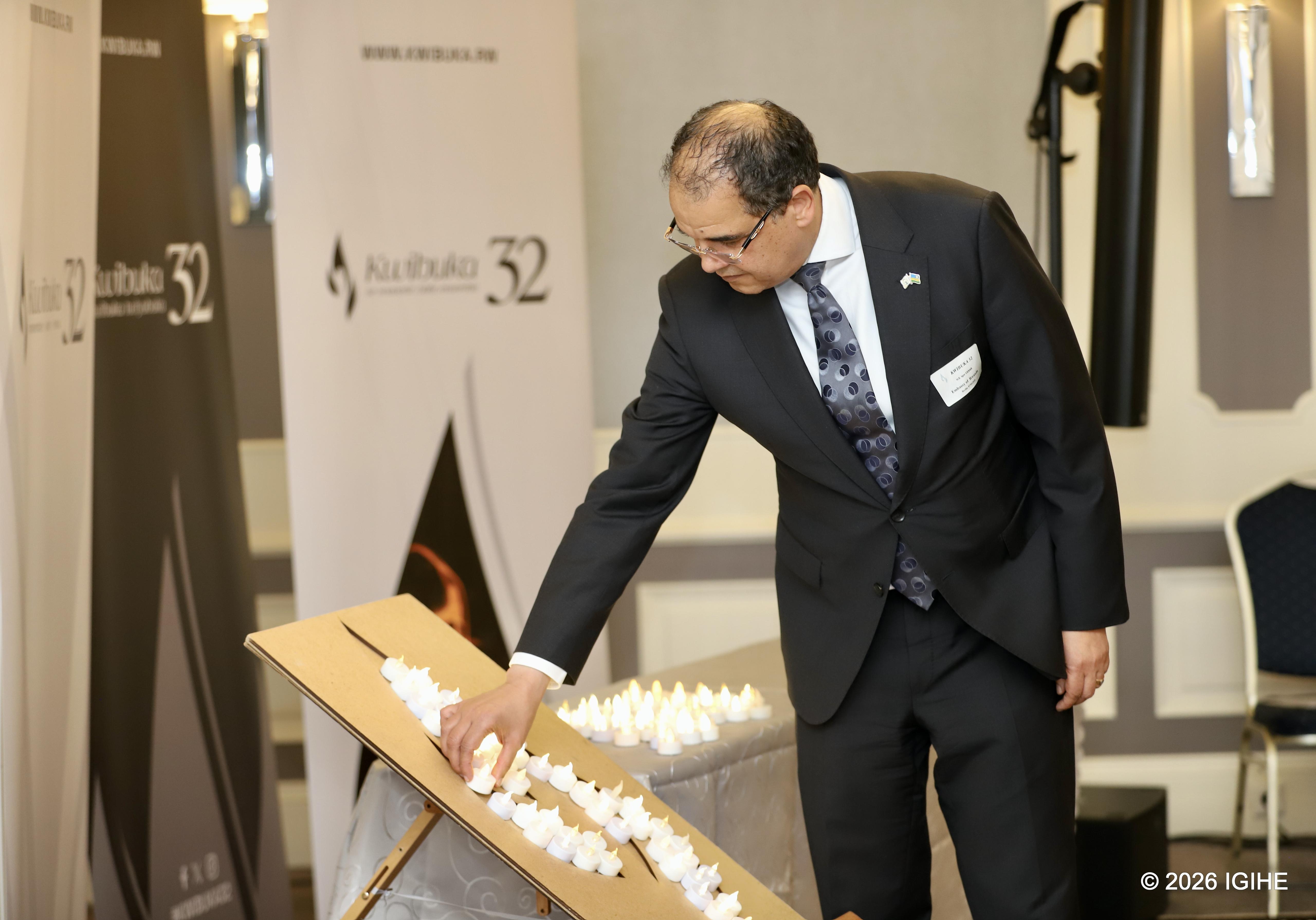
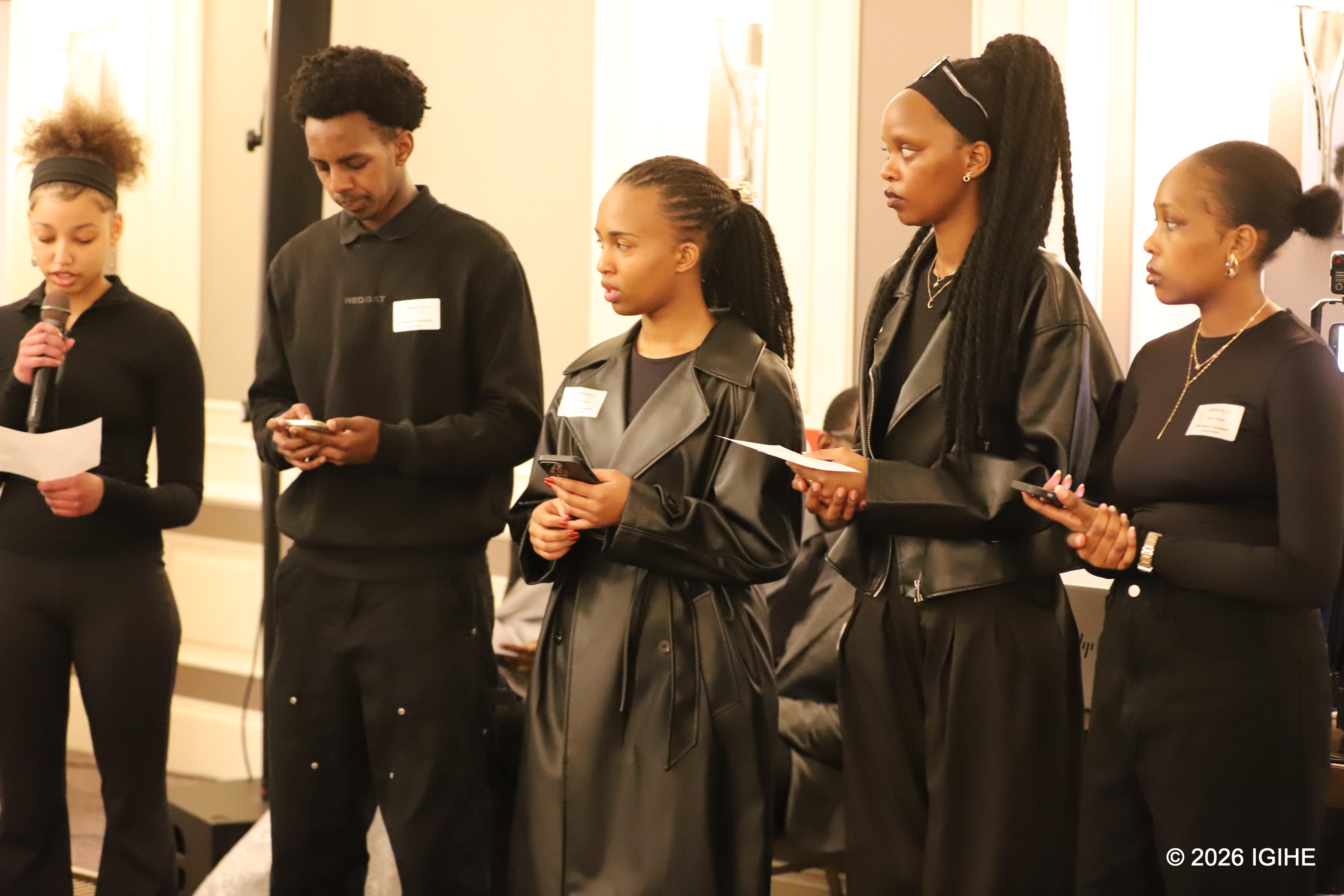
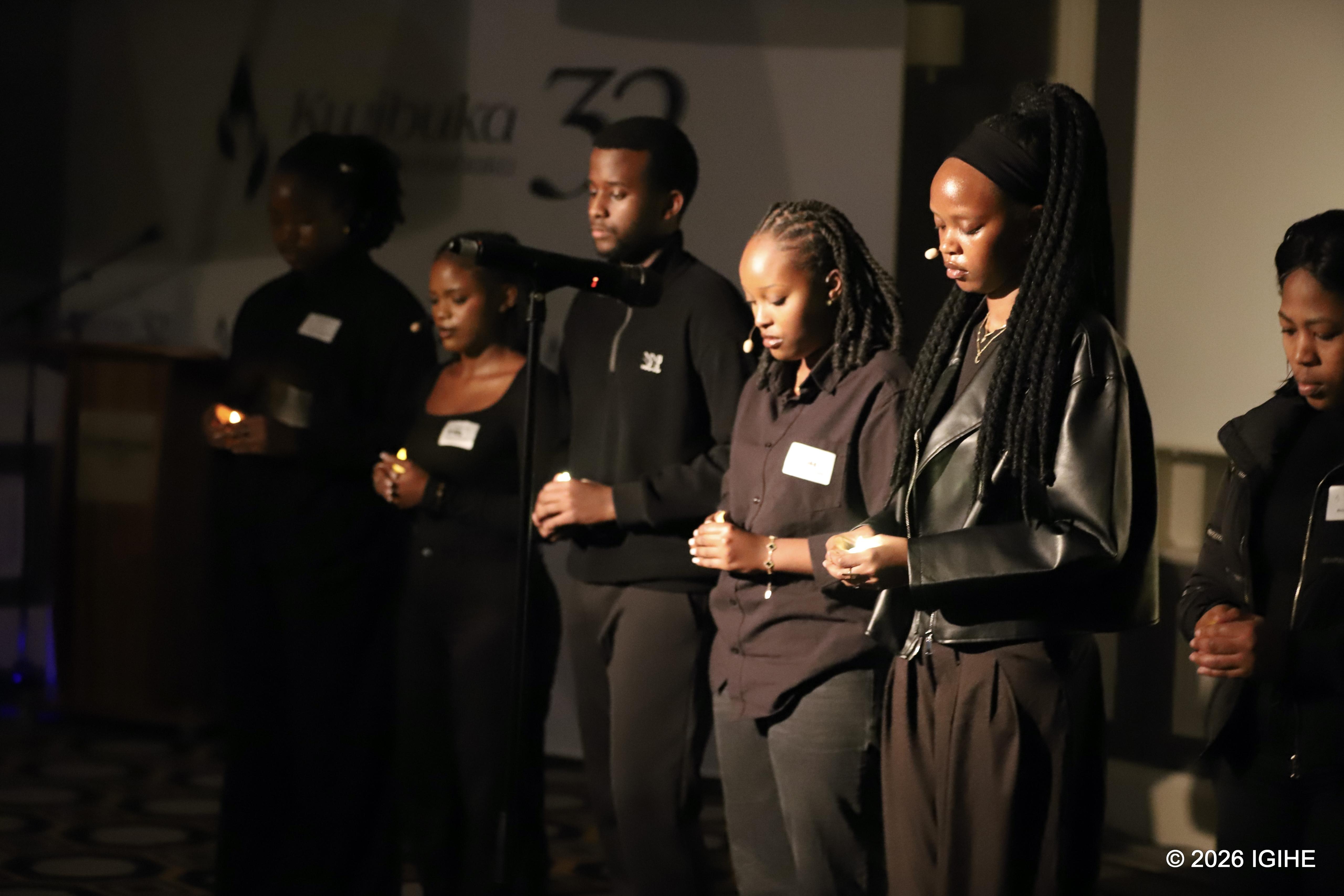
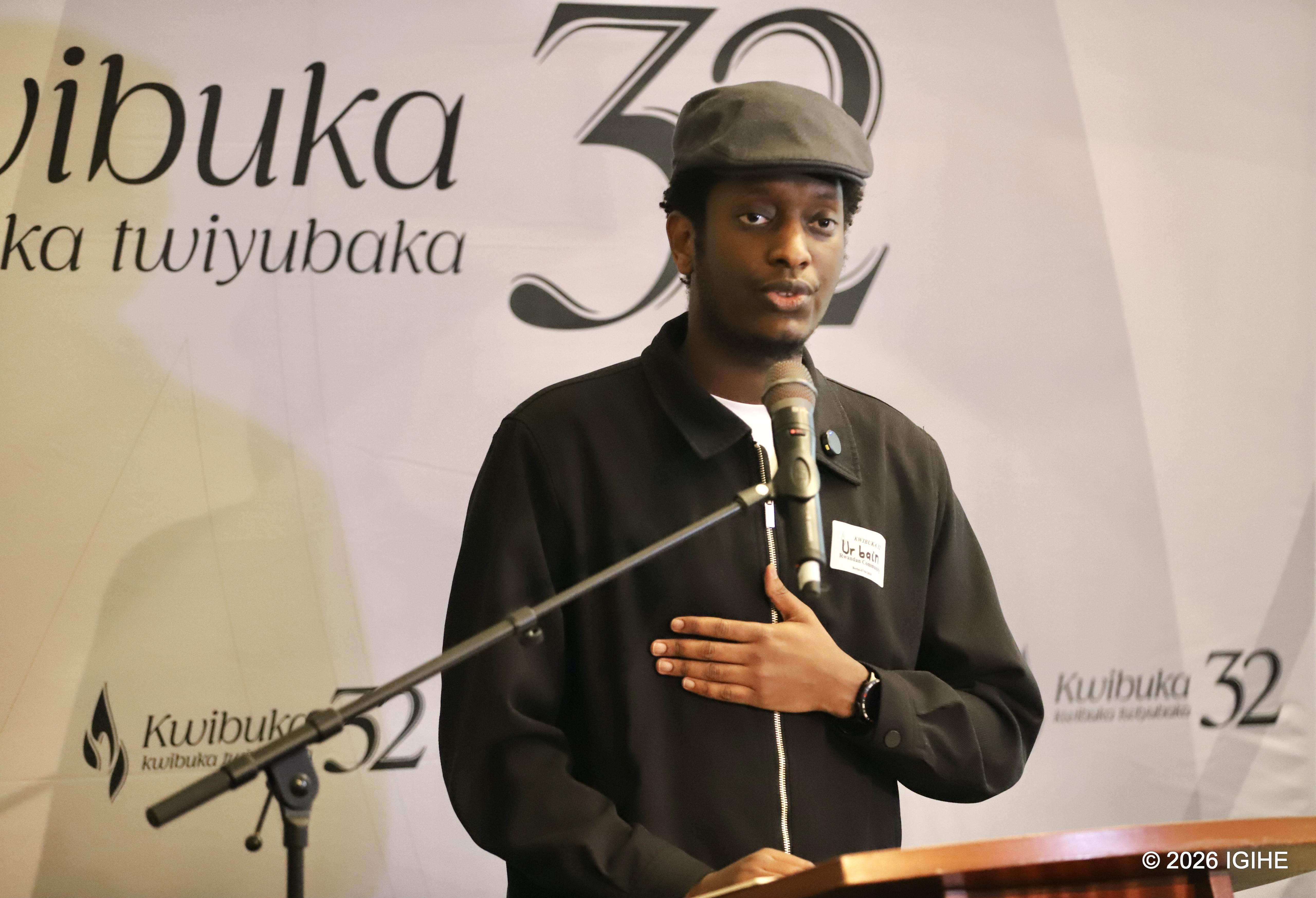
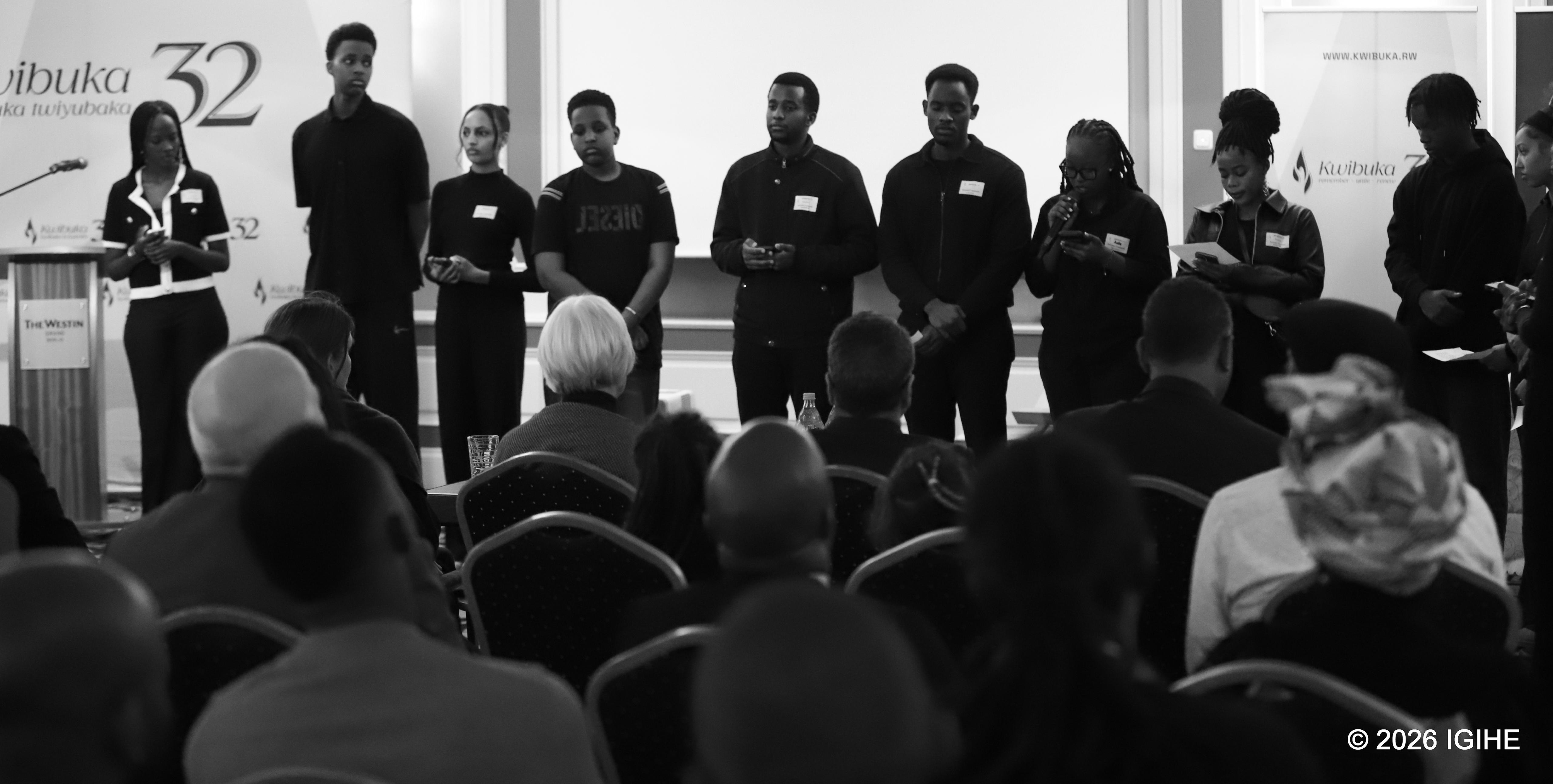
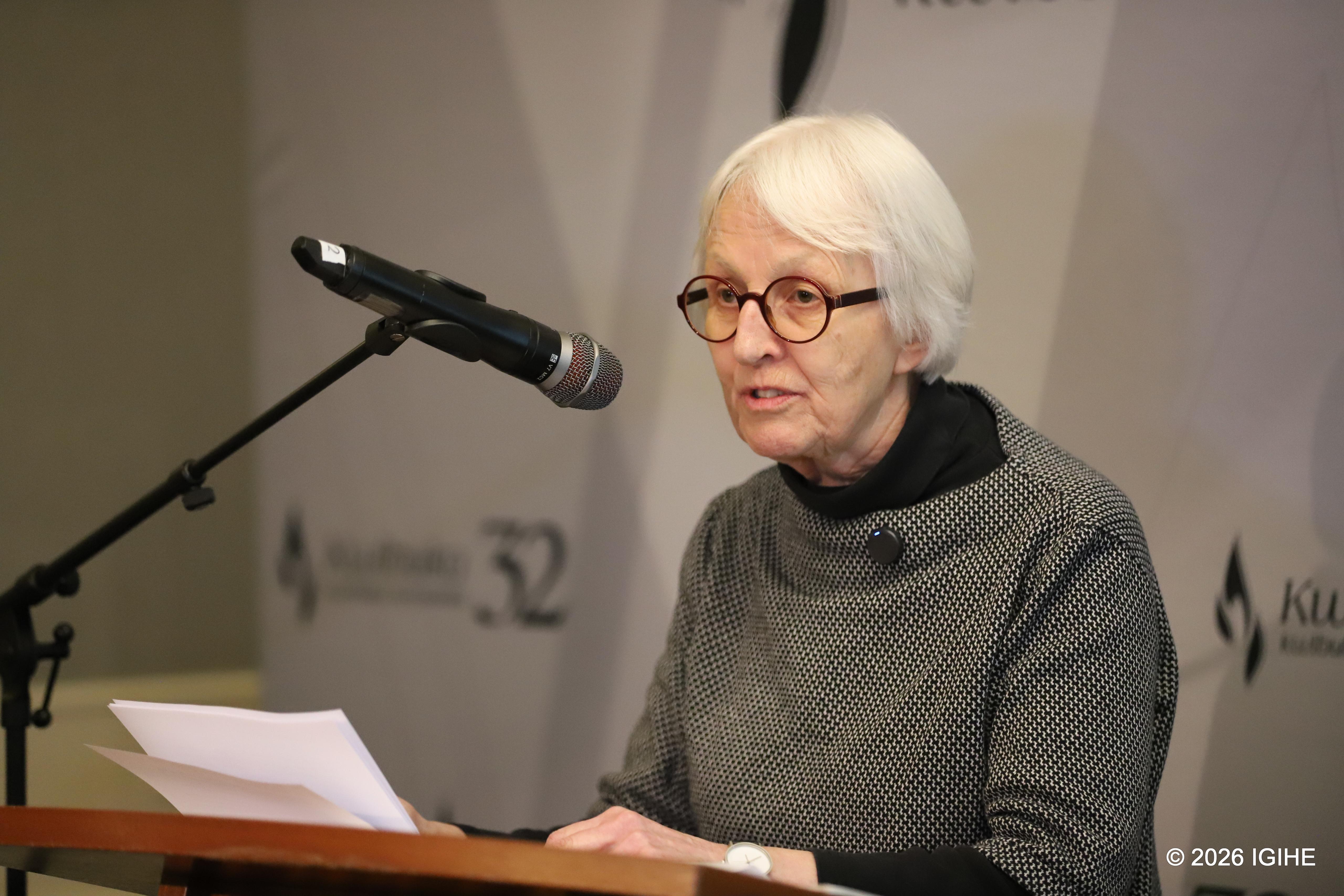
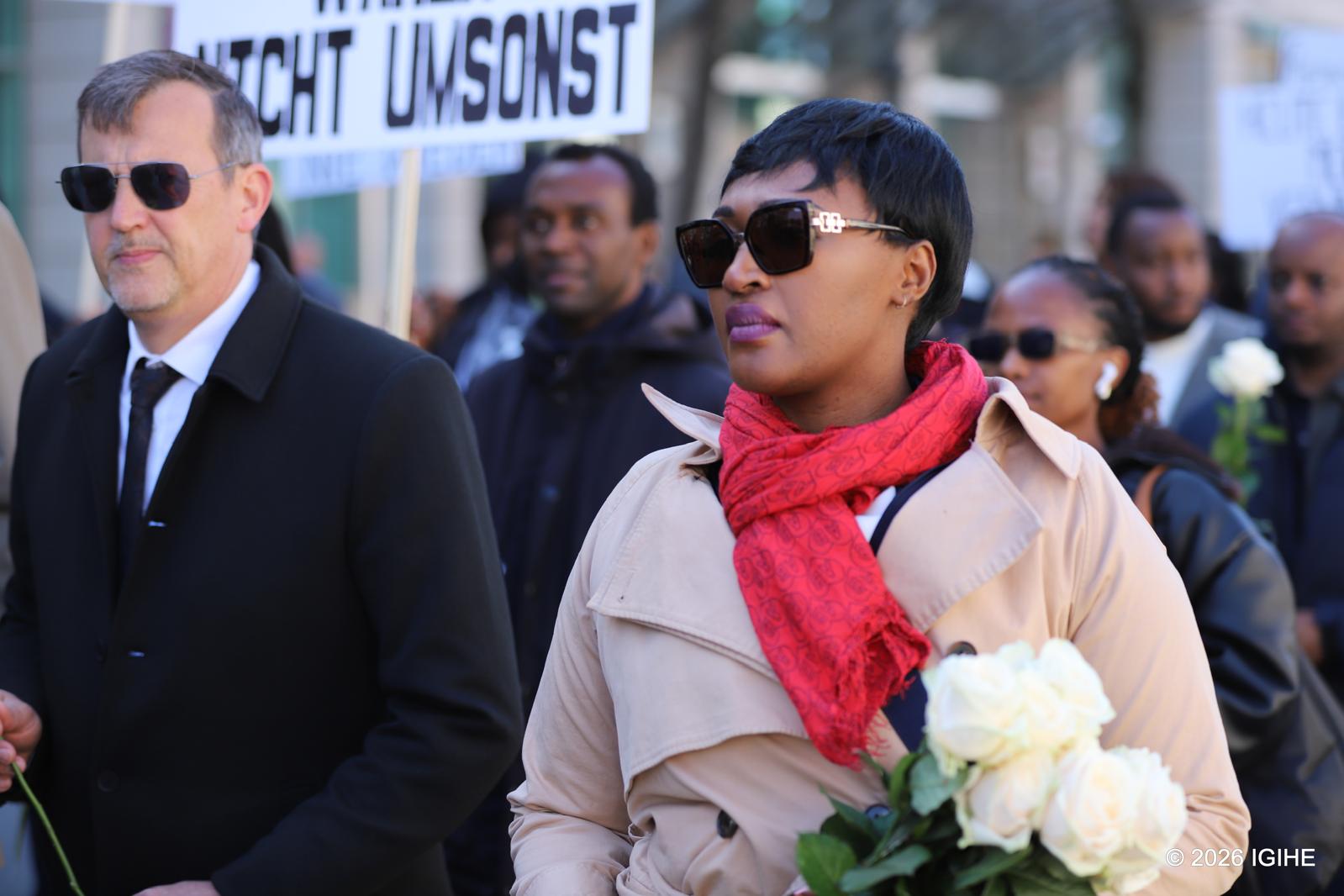
Young people and adults from several countries shared experiences and personal stories, creating a space where memory, identity, and intergenerational transmission took center stage.
Personal journeys and inheritances
Senator Amandin Rugira delivered a moving account of his family and professional journey. Raised in a household that rejected tribalism, he said his parents instilled values of love, respect, and integrity that later guided his career as an economist and public official.
He recalled that defending such principles under the regime of Juvénal Habyarimana came at a heavy cost, making him and his family targets during the 1994 Genocide against the Tutsi.
The Minister of Sports Nelly Mukazayire spoke about the complexity of her own identity. The daughter of a woman convicted for genocide crimes and a Tutsi father, she learned of her mother’s involvement only two years after the events.
As Mukazayire explained, she chose not to be defined by her family’s past but to build her life on responsibility, dignity, and hope. She encouraged young people to own their choices, know their history, and speak the truth with courage, while urging parents to maintain open dialogue with their children.
She illustrated this approach with a powerful moment when her daughter, at age 12, asked whether she should love or hate her imprisoned grandmother. Faced with the question, she and her husband chose transparency, convinced that truth shared within a framework of trust is essential to identity formation and reconciliation.
Nubuhoro Eugénie also shared her experience as the child of a parent involved in the genocide. Raised in exile amid hatred toward Tutsi, she questioned the narratives she had inherited and sought the truth through the Ministry of National Unity and Civic Engagement before returning to Rwanda in August 2025 after 31 years abroad.
Her story underscored the importance of rejecting wrongdoing, even within one’s own family, and passing on truth to future generations.
Youth and social media as tools for truth
Gatete Olivier discussed the role of social media and how young Rwandans living or raised in Europe can use digital platforms to access reliable information. He explained that he initially feared speaking publicly against misinformation about Rwanda, but later launched YouTube programs and created his own channel to counter false narratives. His experience shows how social media can become a powerful vehicle for truth and civic engagement.
In the same spirit, Bryon Mutijima described his active use of online platforms to promote verified information and respectful dialogue. He noted that many young people now rely primarily on digital spaces for news, and that sharing factual content and personal experience can spark reflection and constructive discussion.
Drawing on his entrepreneurial work in Rwanda, he encouraged diaspora youth to explore investment and business opportunities, stressing the importance of preparation, institutional support, and on-the-ground visits to understand market realities.
Barebe Niringiyimana, who lives in Sweden, spoke about growing up in a family that portrayed Rwanda negatively and warned he could be killed if he returned. Seeking clarity, he contacted Rwanda’s embassy office for the Nordic countries, which helped him reconsider. Despite lingering fears, he traveled to Rwanda and encountered a reality very different from what he had been told. After deciding to return last month, he began developing a project in the country—an experience he says opened new perspectives.
Exchanges with the Minister of National Unity and Civic Engagement, Jean Damascène Bizimana highlighted the importance of such initiatives and the role young people can play in strengthening unity and resilience.
Memory, justice, and critical awareness
Other interventions emphasized justice, remembrance, and critical thinking. Lawyer Richard Gisagara spoke about his involvement in trials of genocide suspects in France since 2014, stressing the need for continued vigilance as time reduces the number of witnesses and defendants.
Testimonies from Jean de Dieu Uwizeye and other diaspora youth showed how inherited narratives and propaganda still shape perceptions, underscoring the importance of engaging directly with Rwanda to form an informed understanding of history.
The dialogue concluded with a shared conviction; when memory is approached with responsibility and empathy, it can become a driver of collective resilience.
The gathering reflected the determination of a diverse yet united diaspora to contribute to Rwanda’s future by transmitting truth and strengthening intergenerational cohesion.
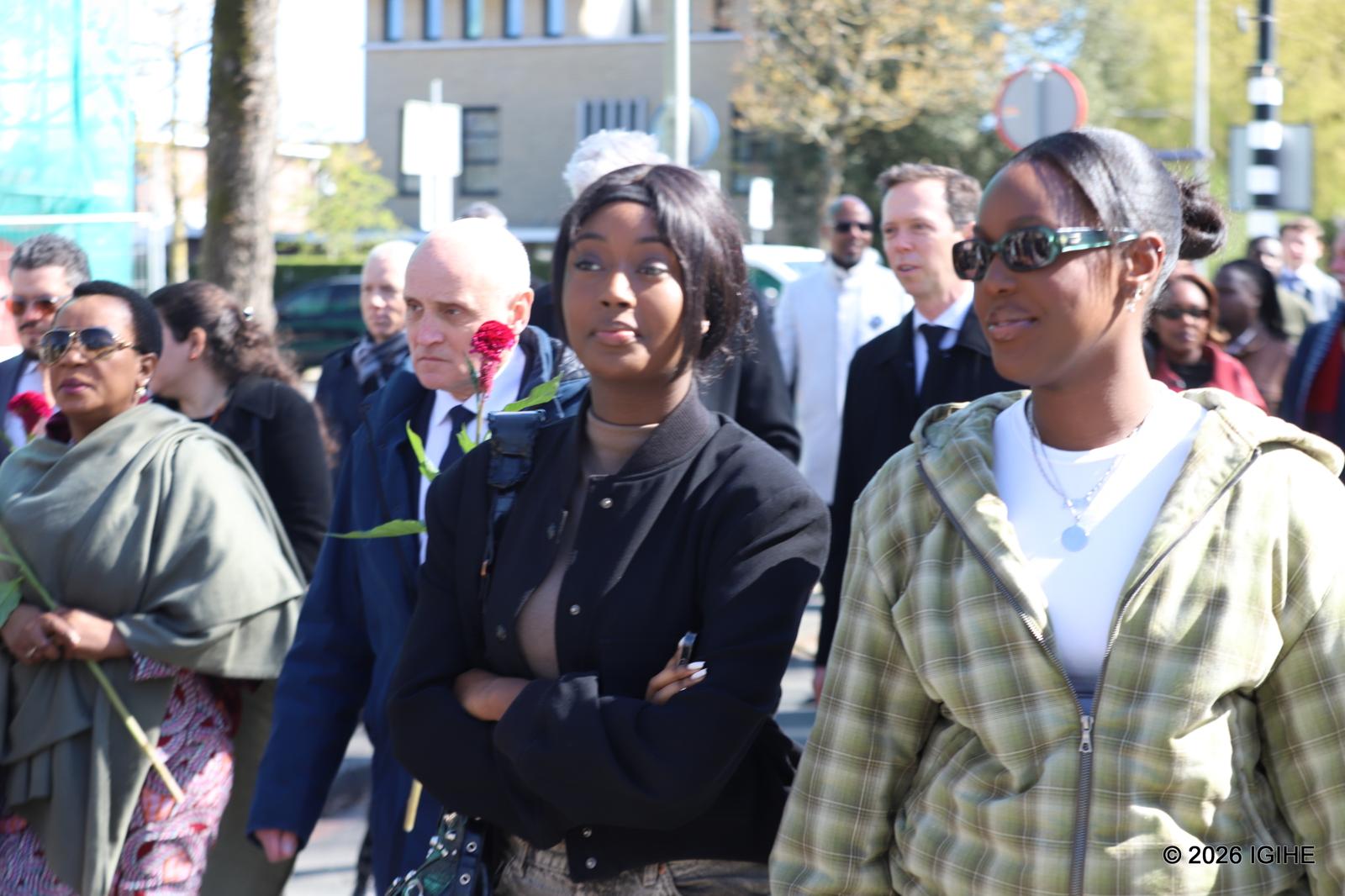
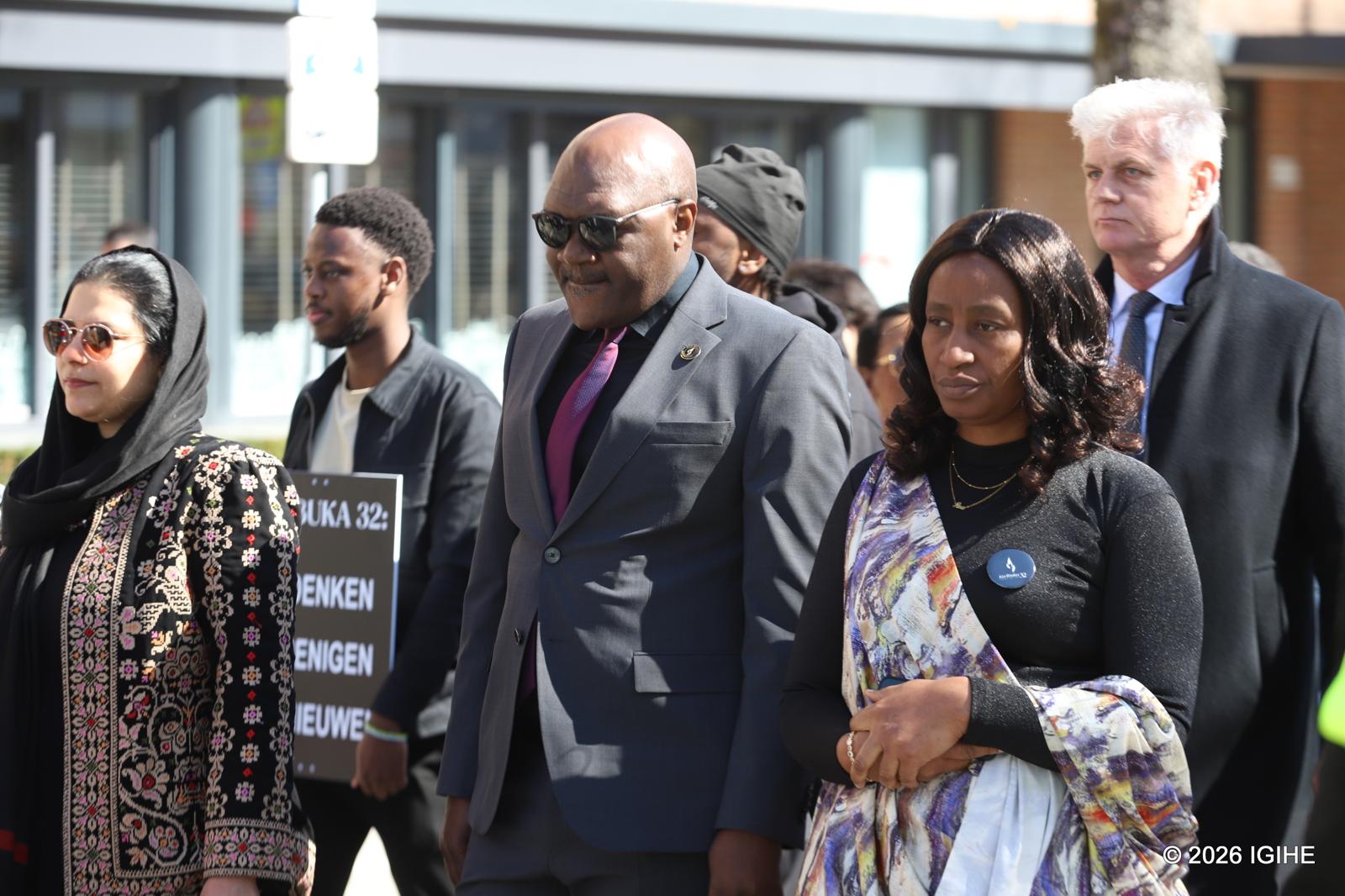
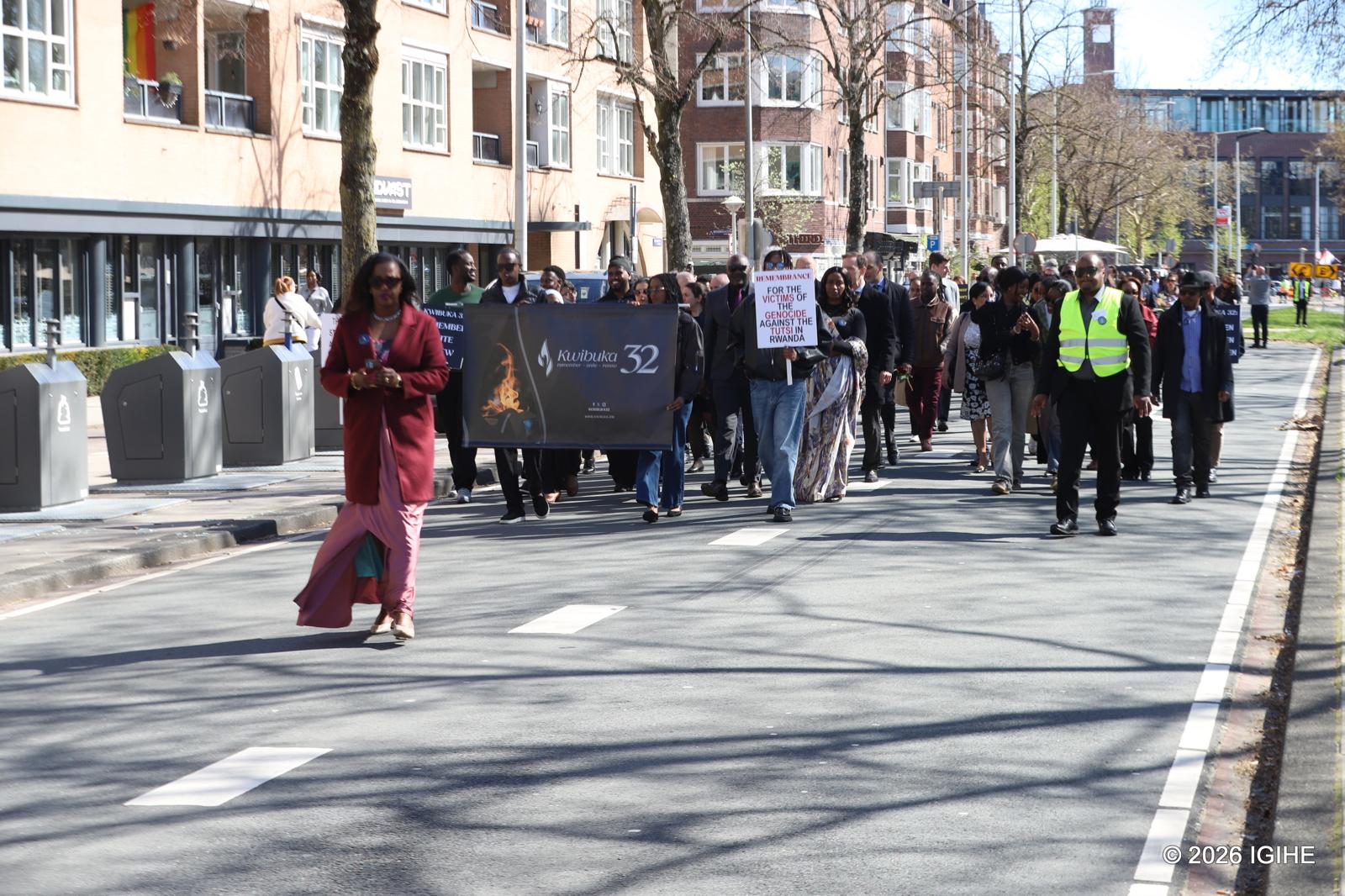
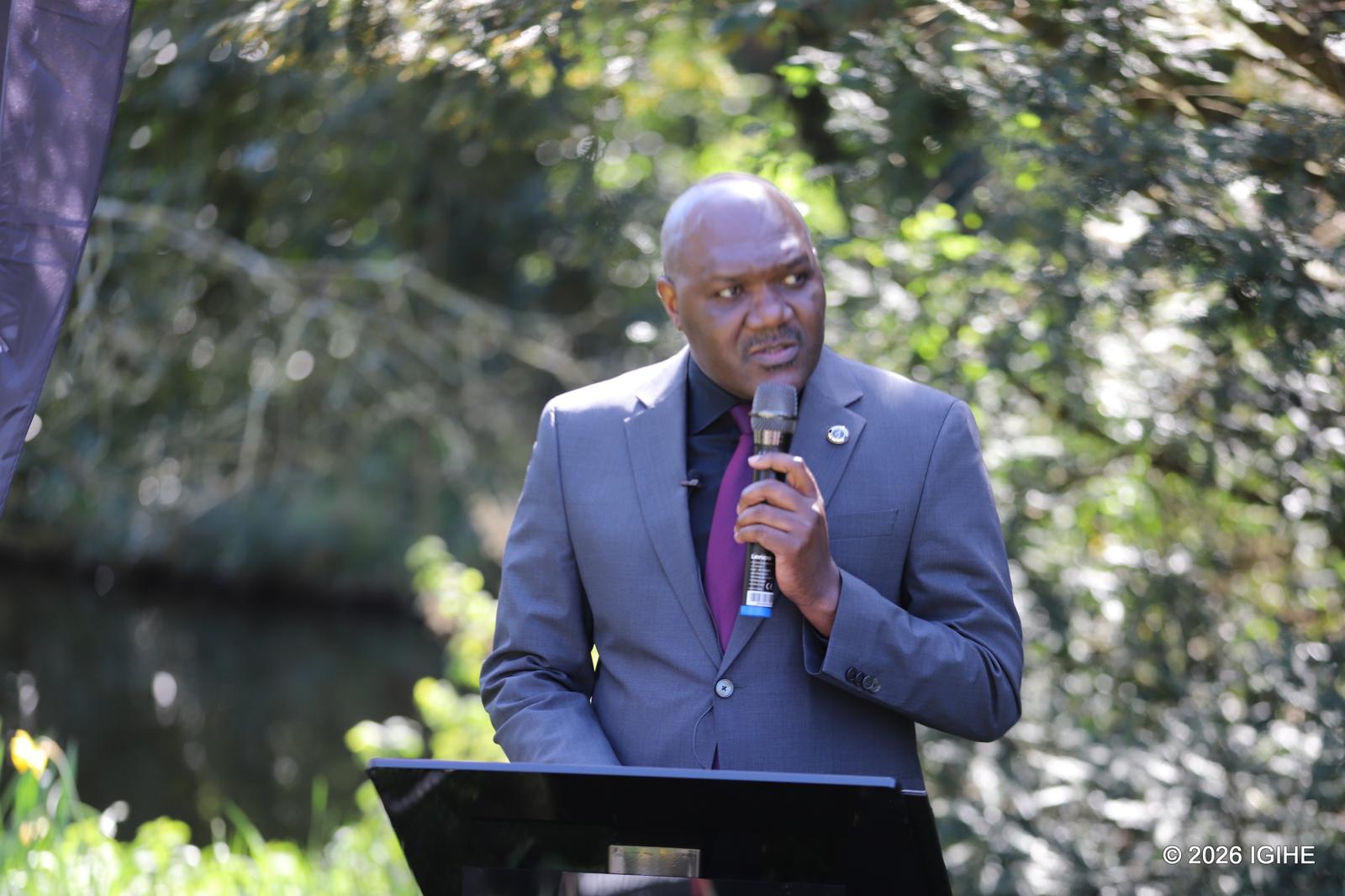
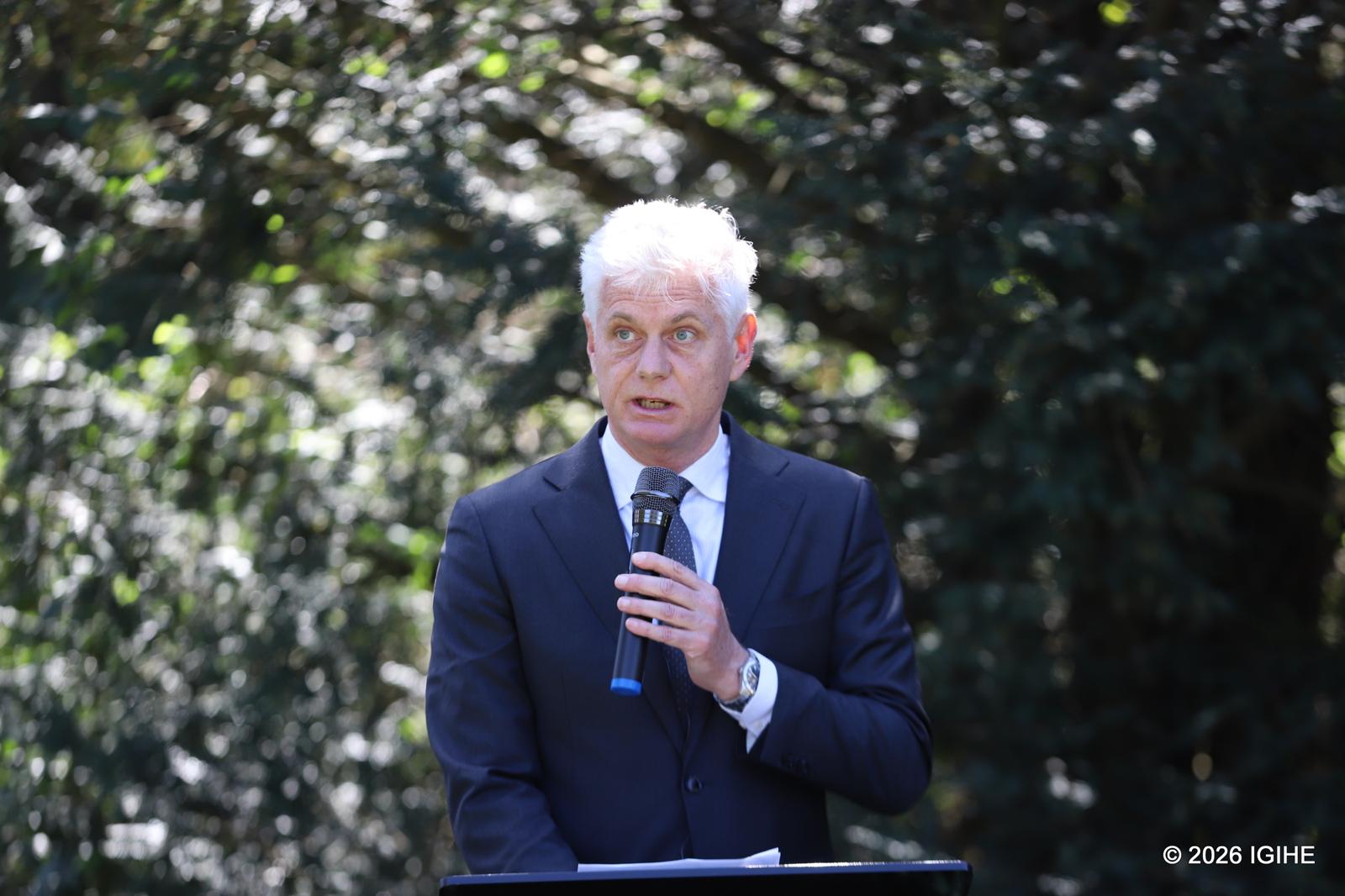
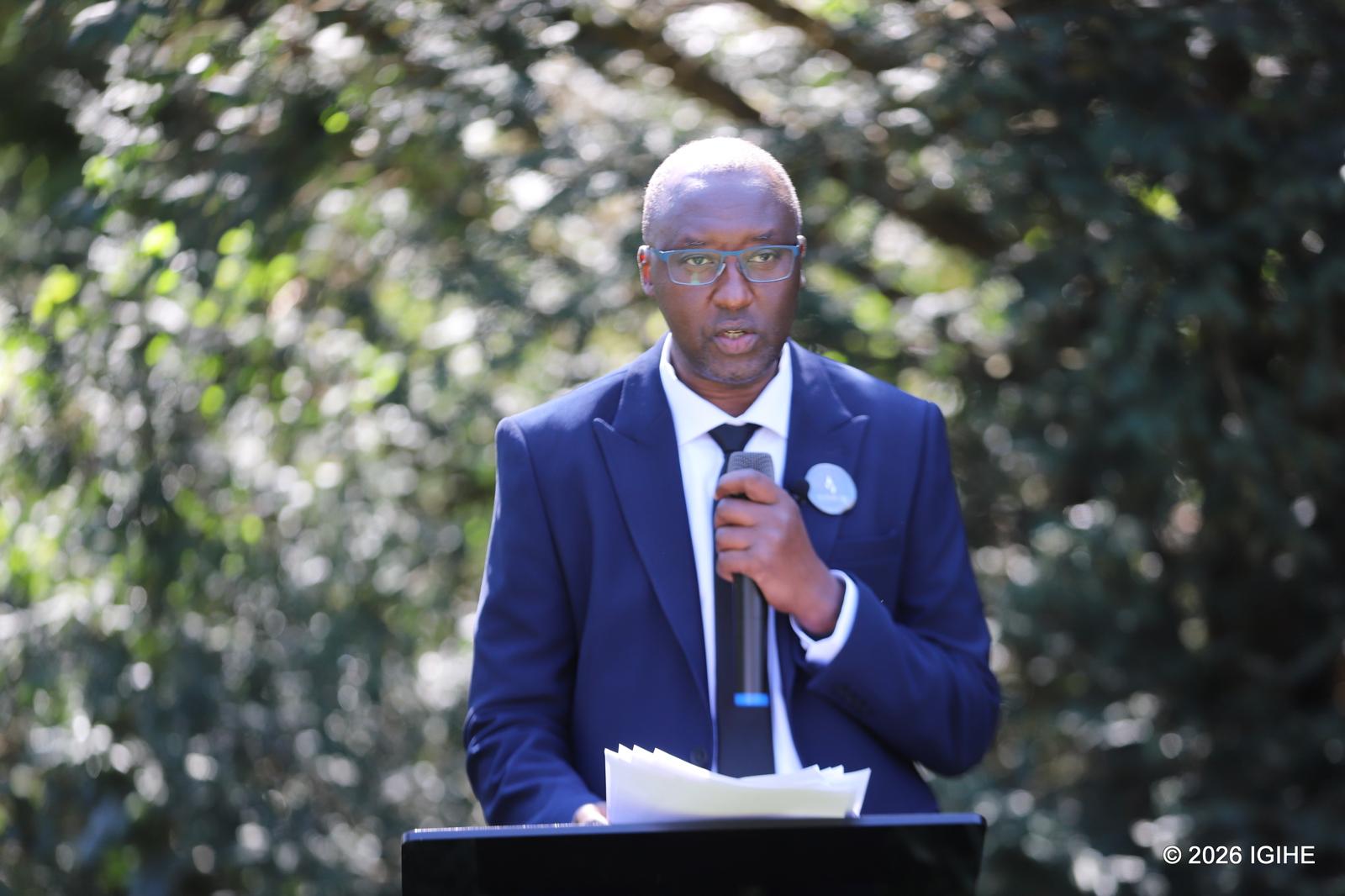
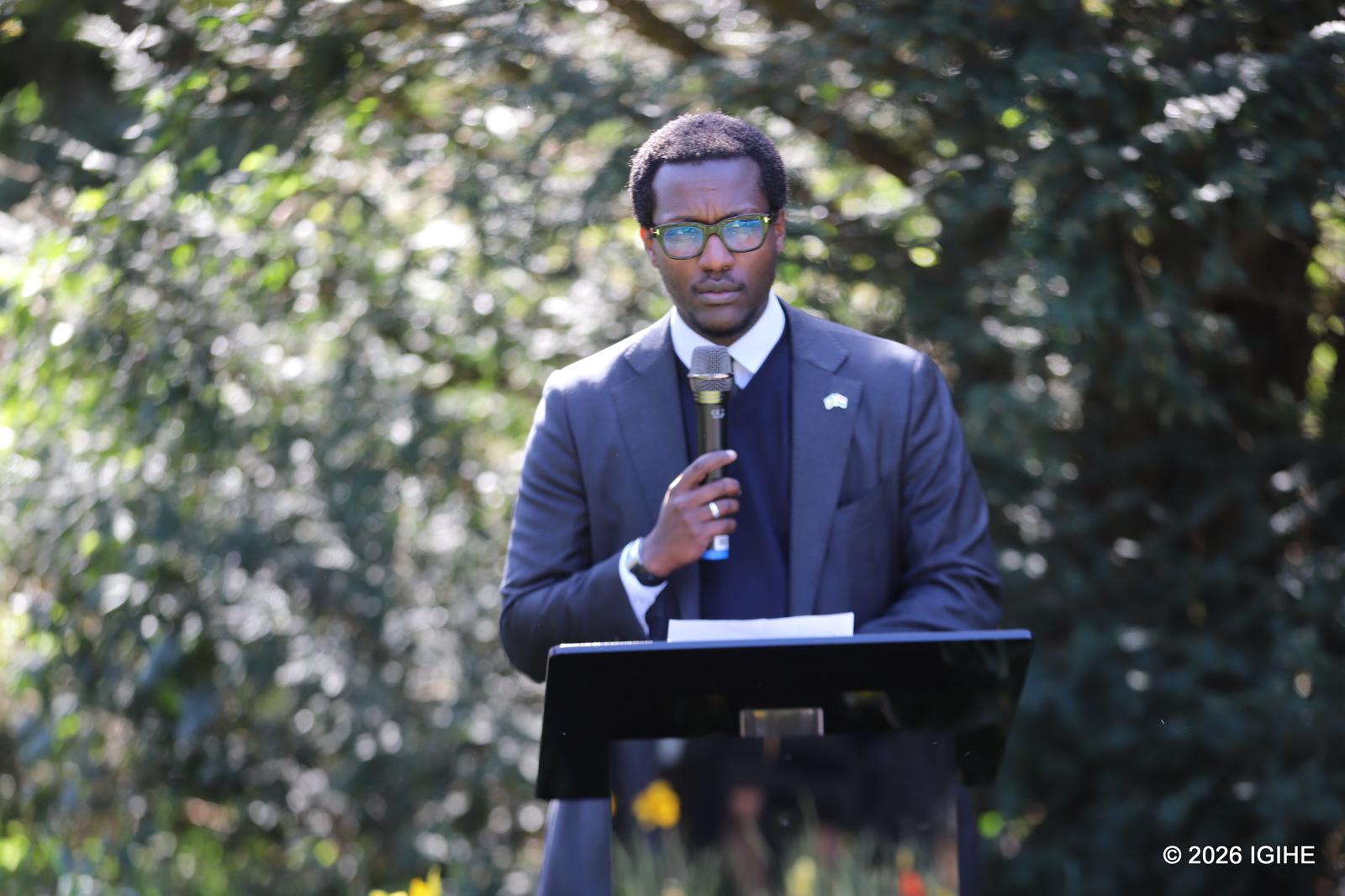
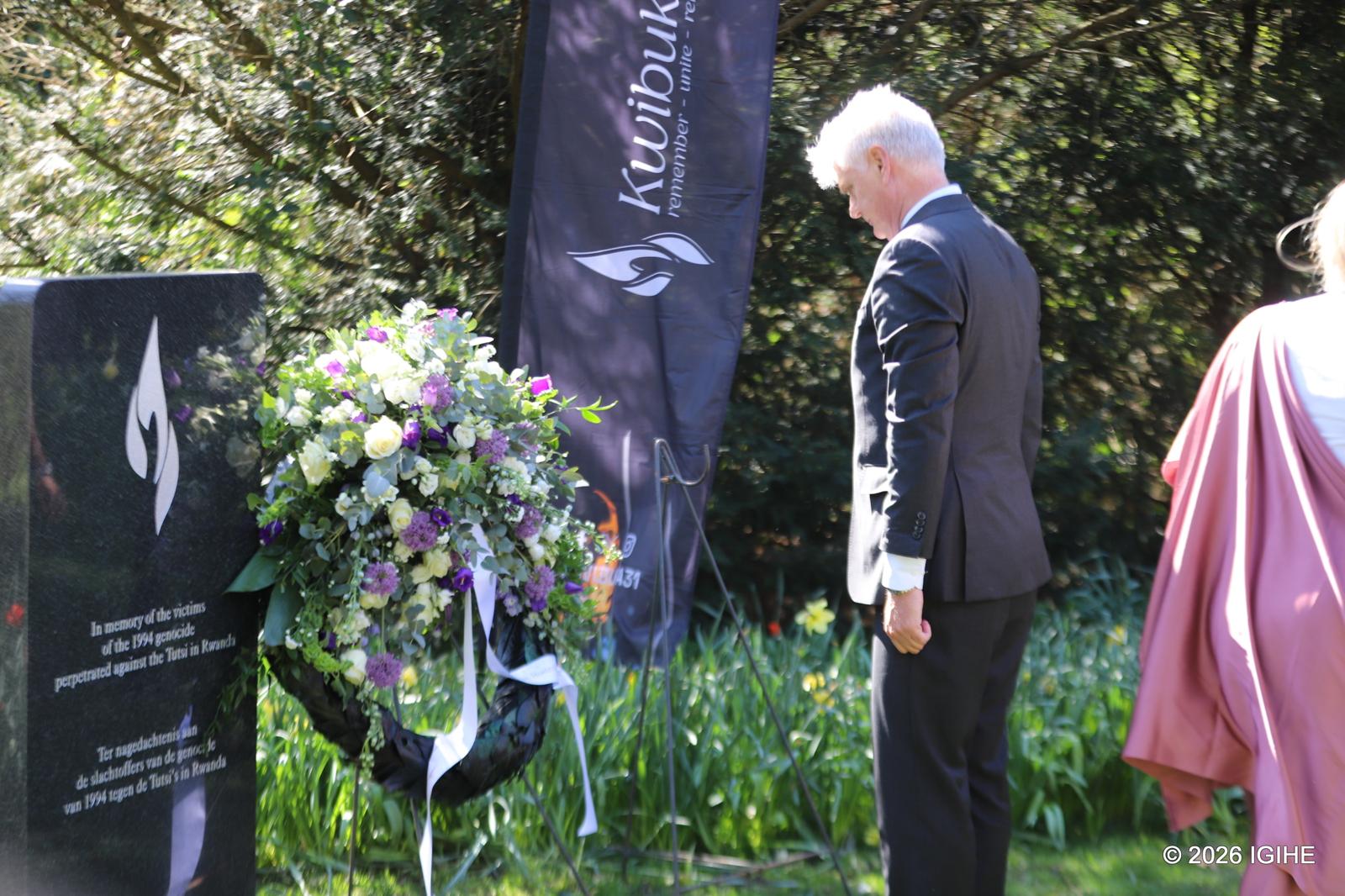
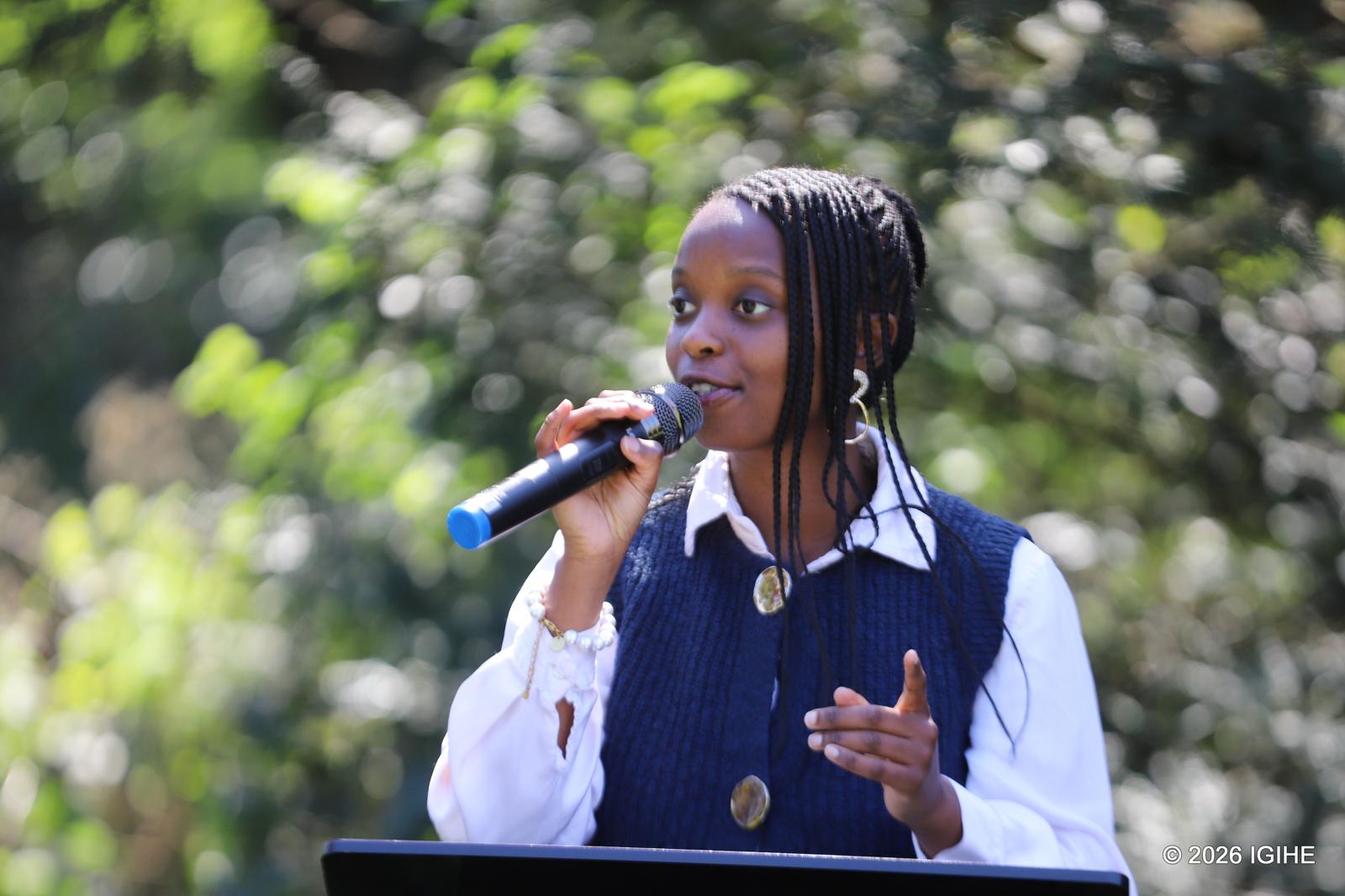
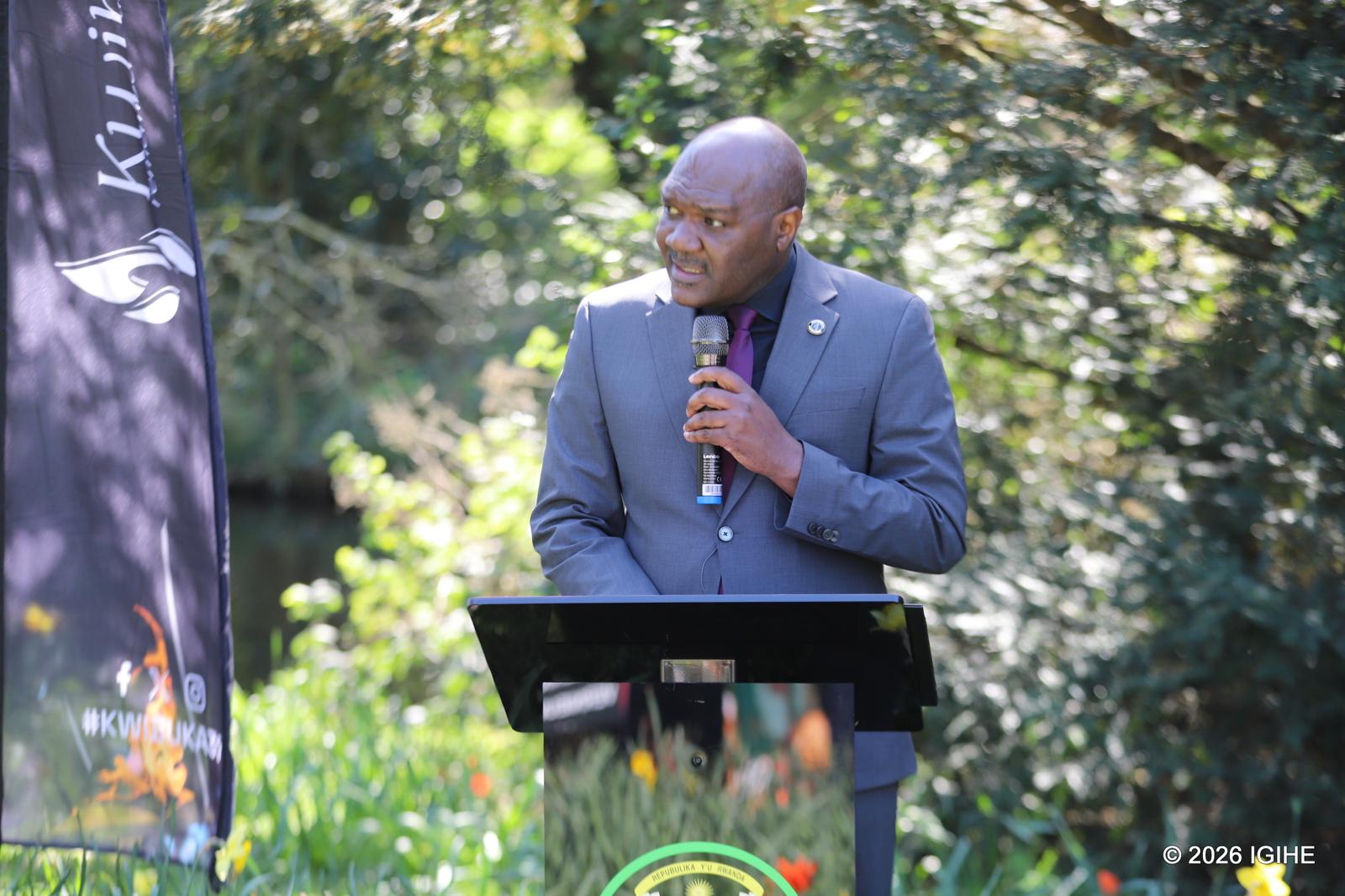
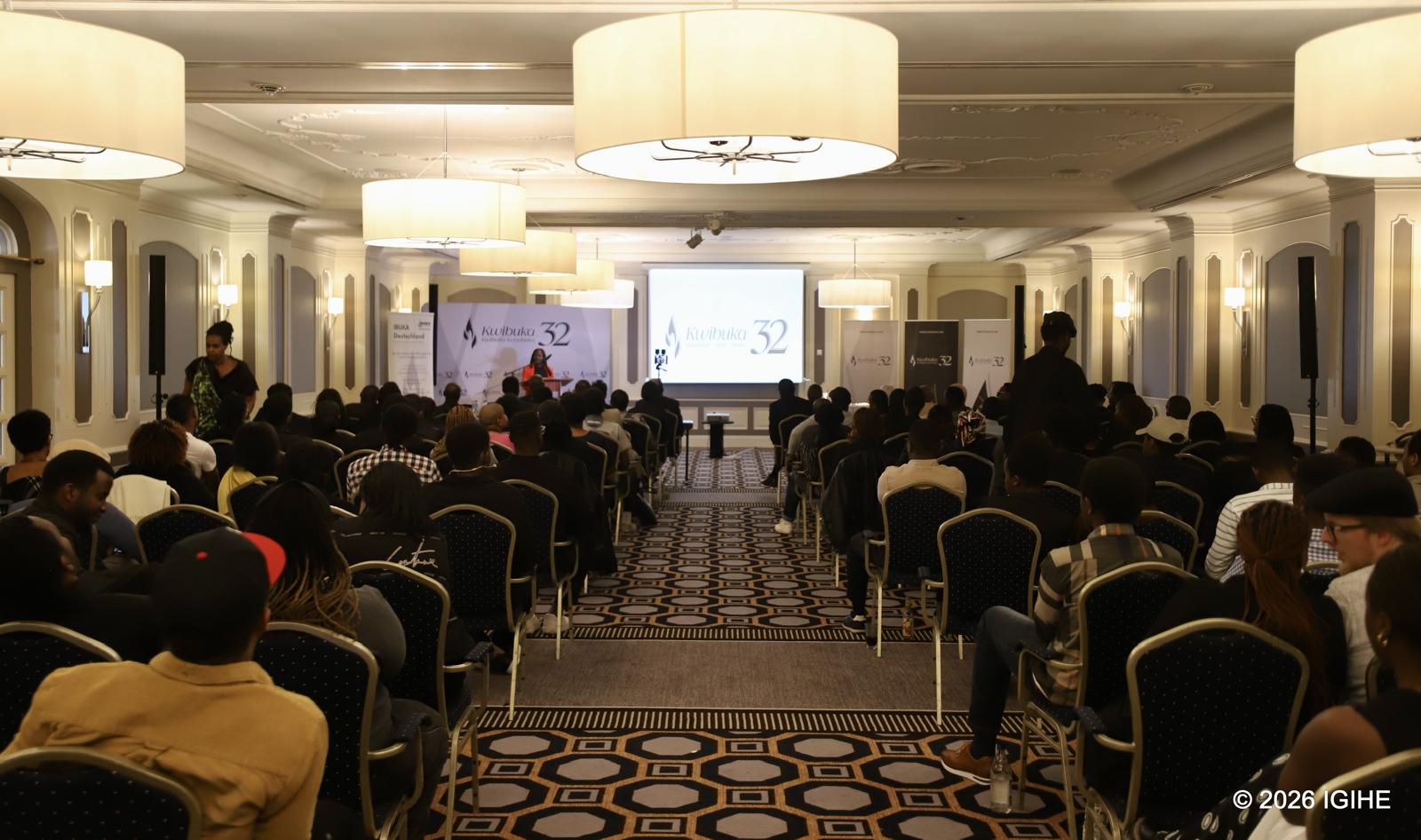
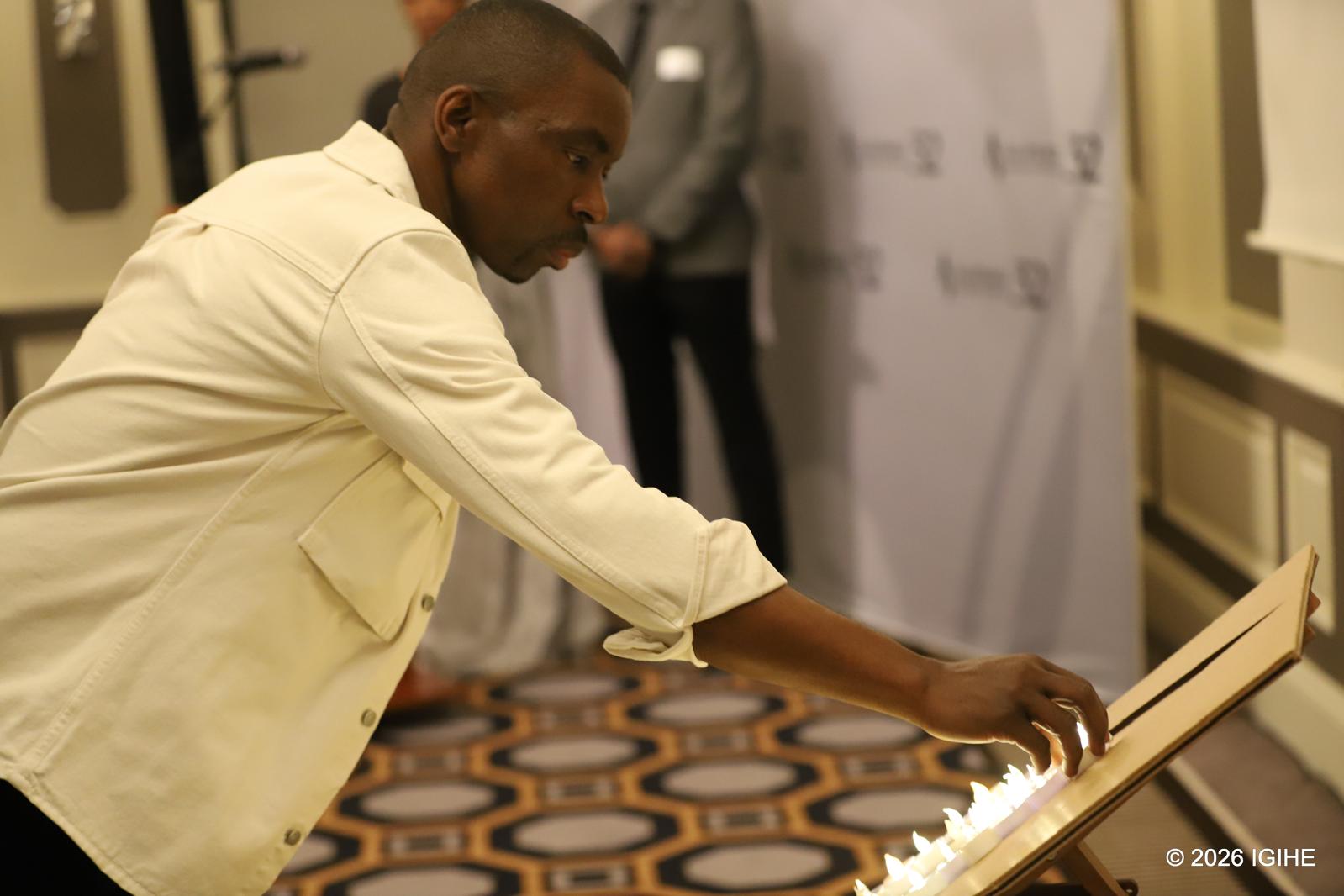
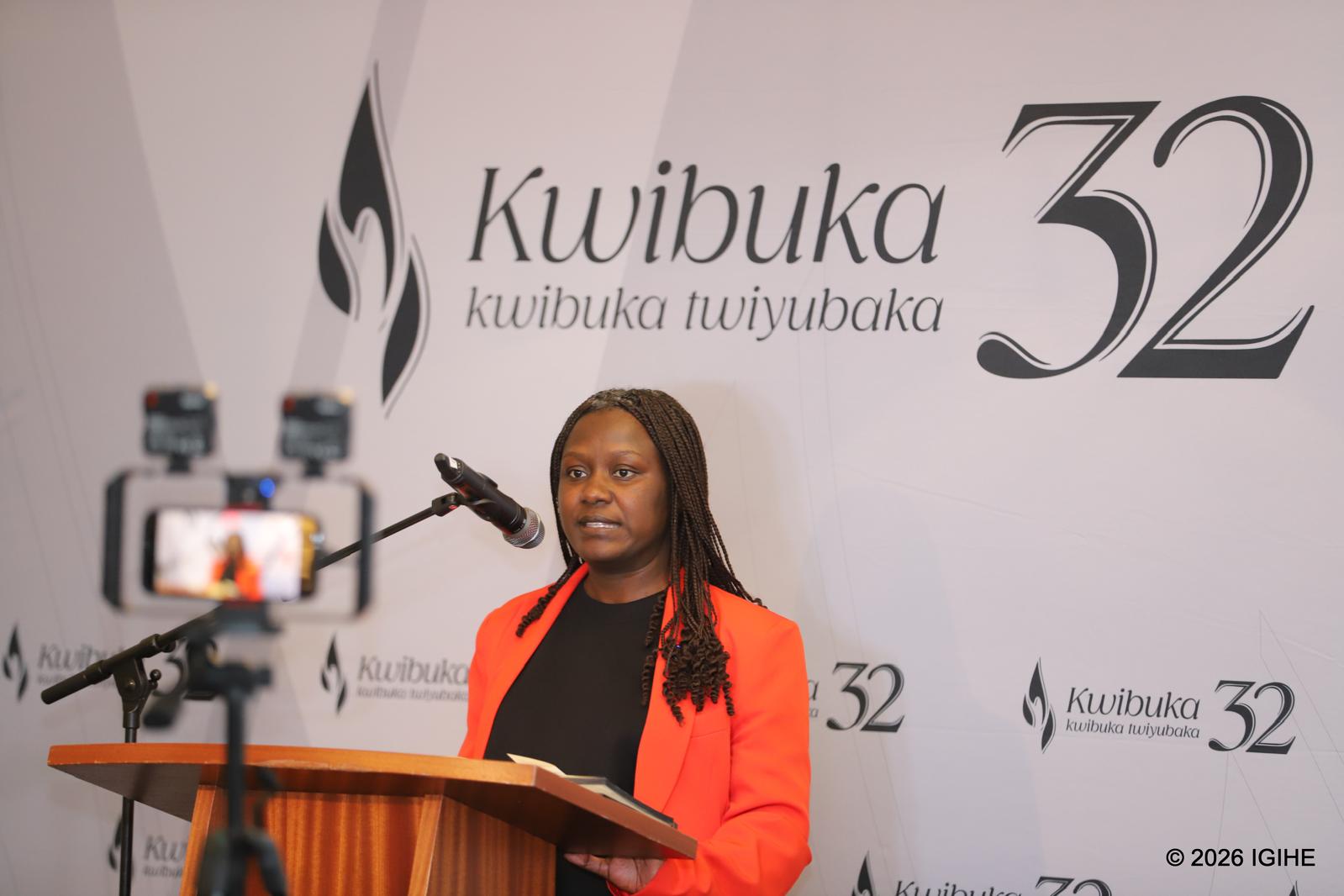
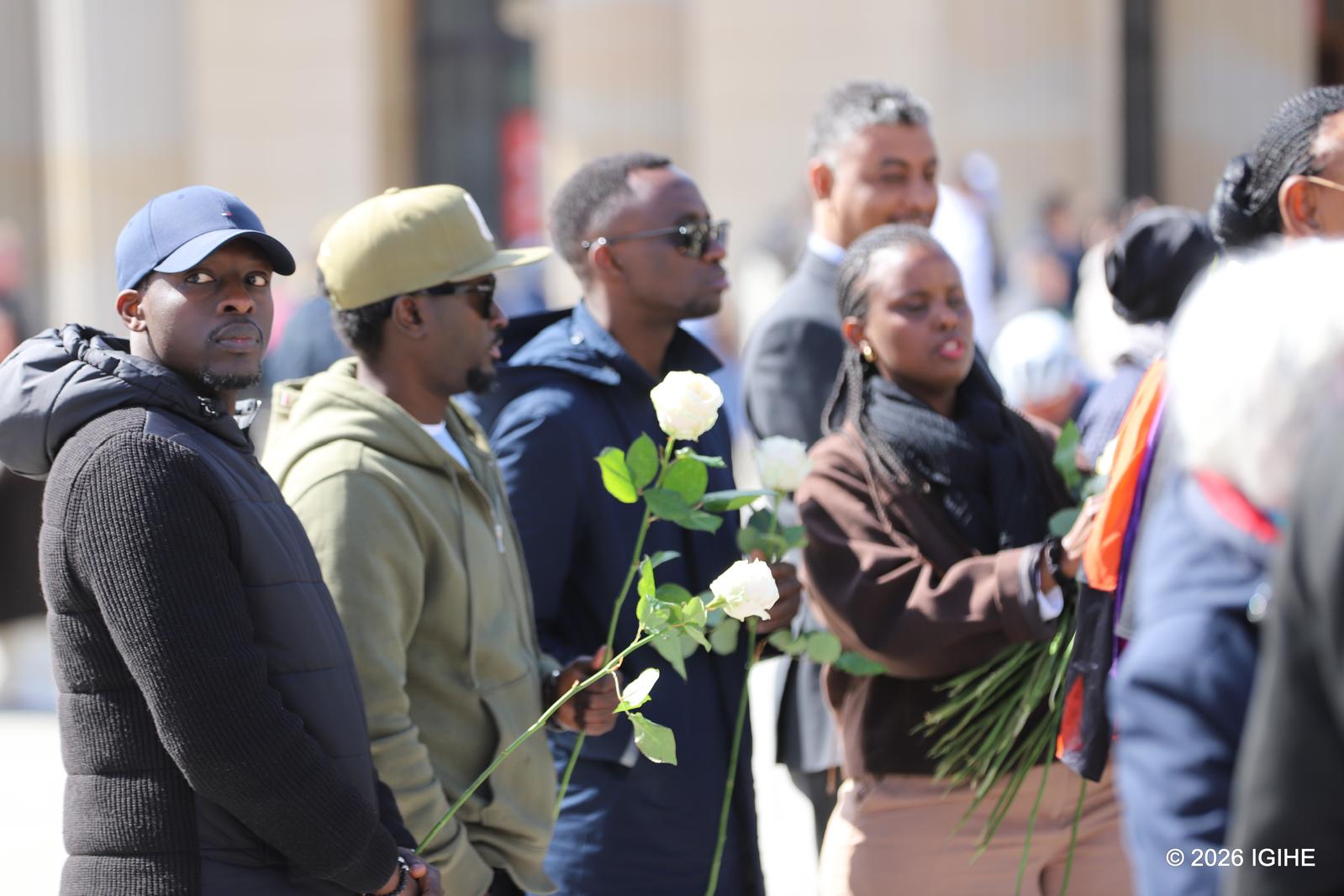
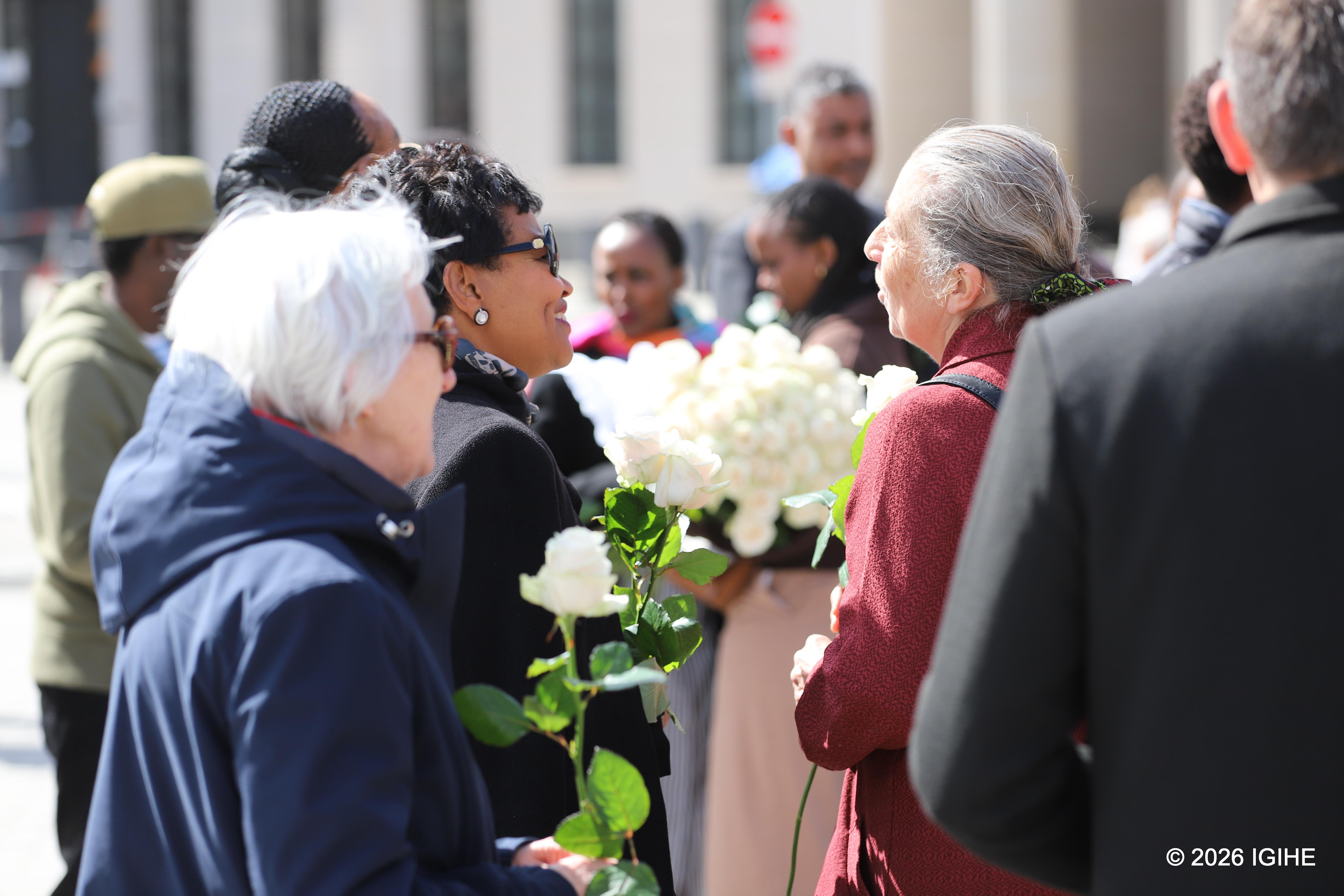
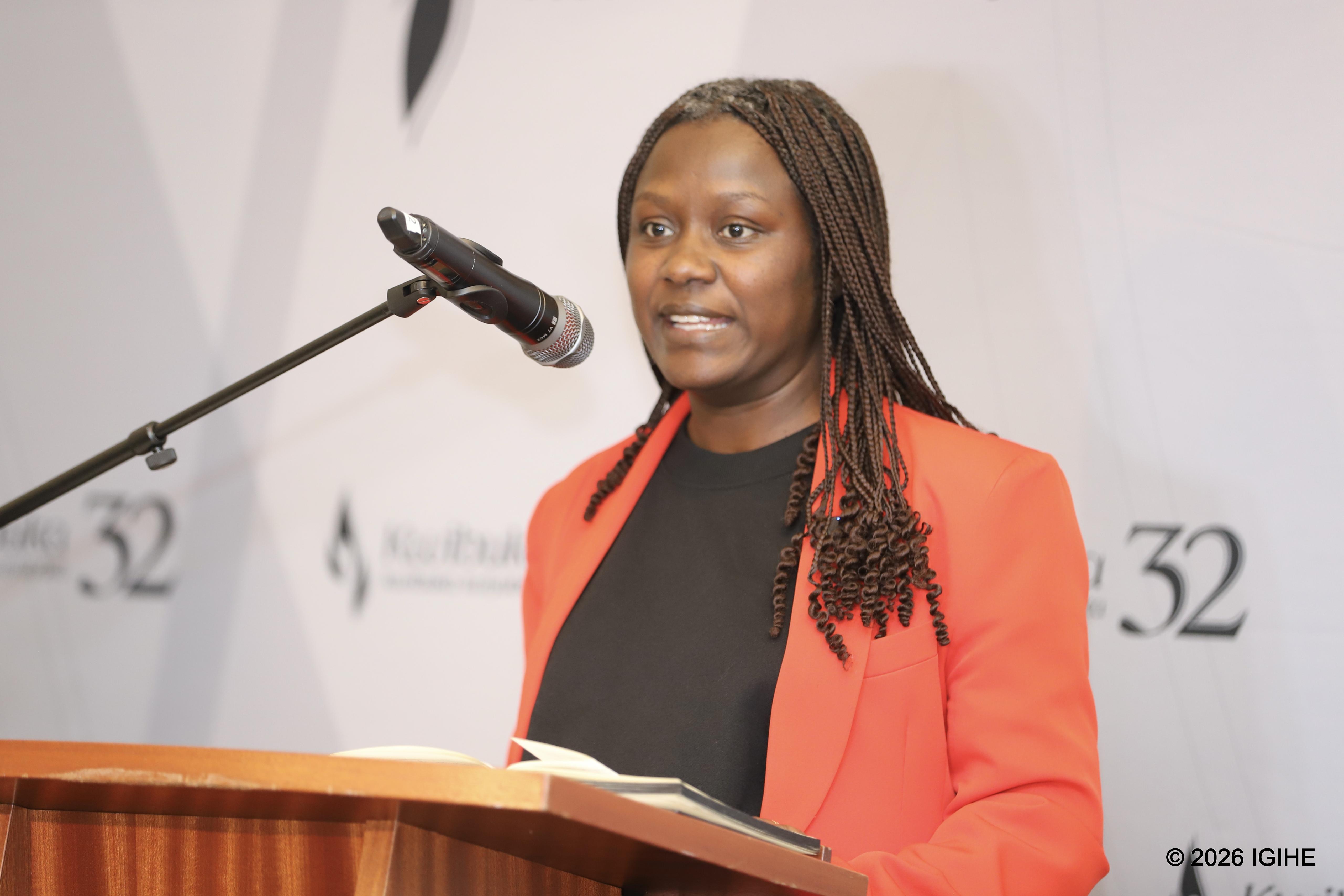
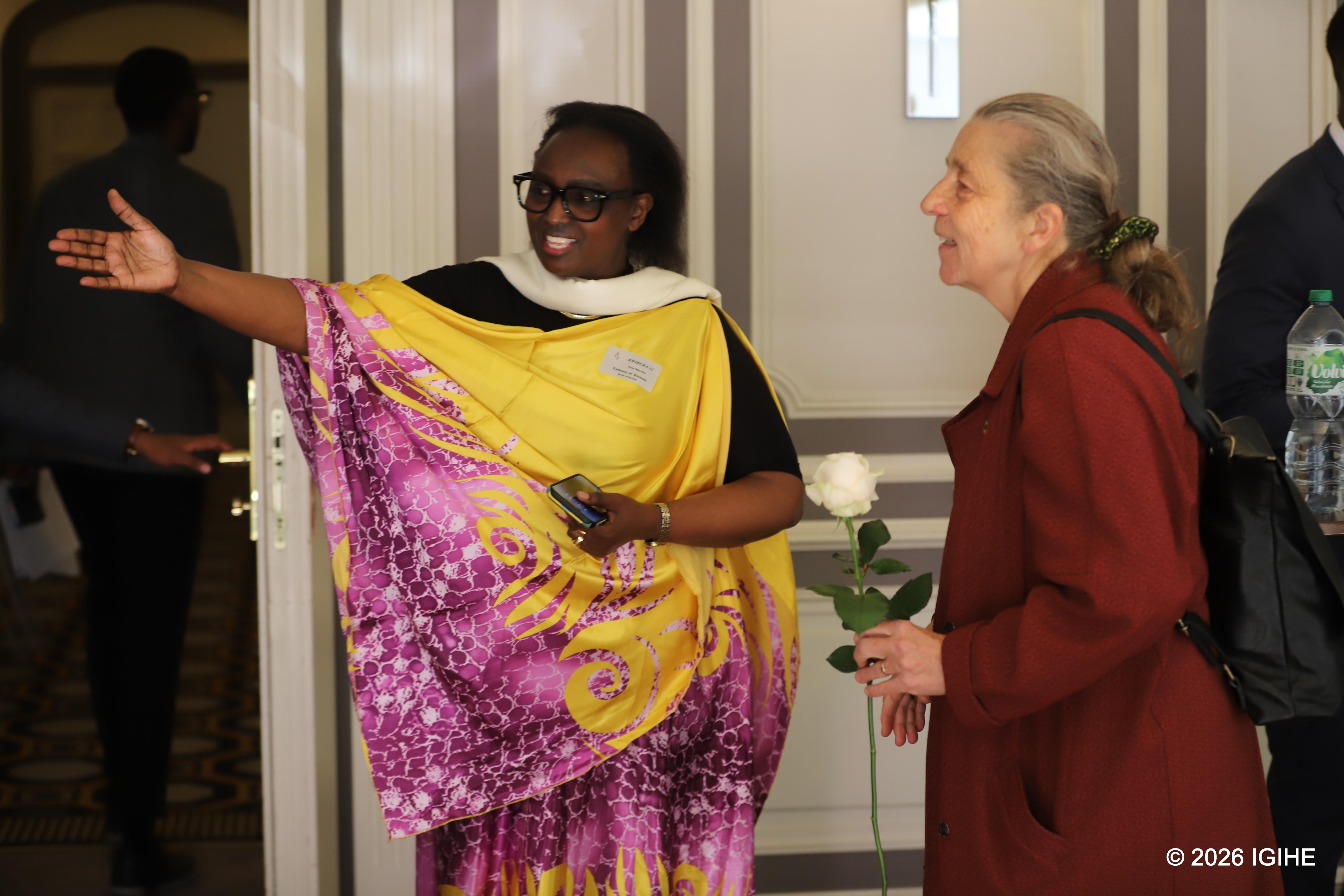
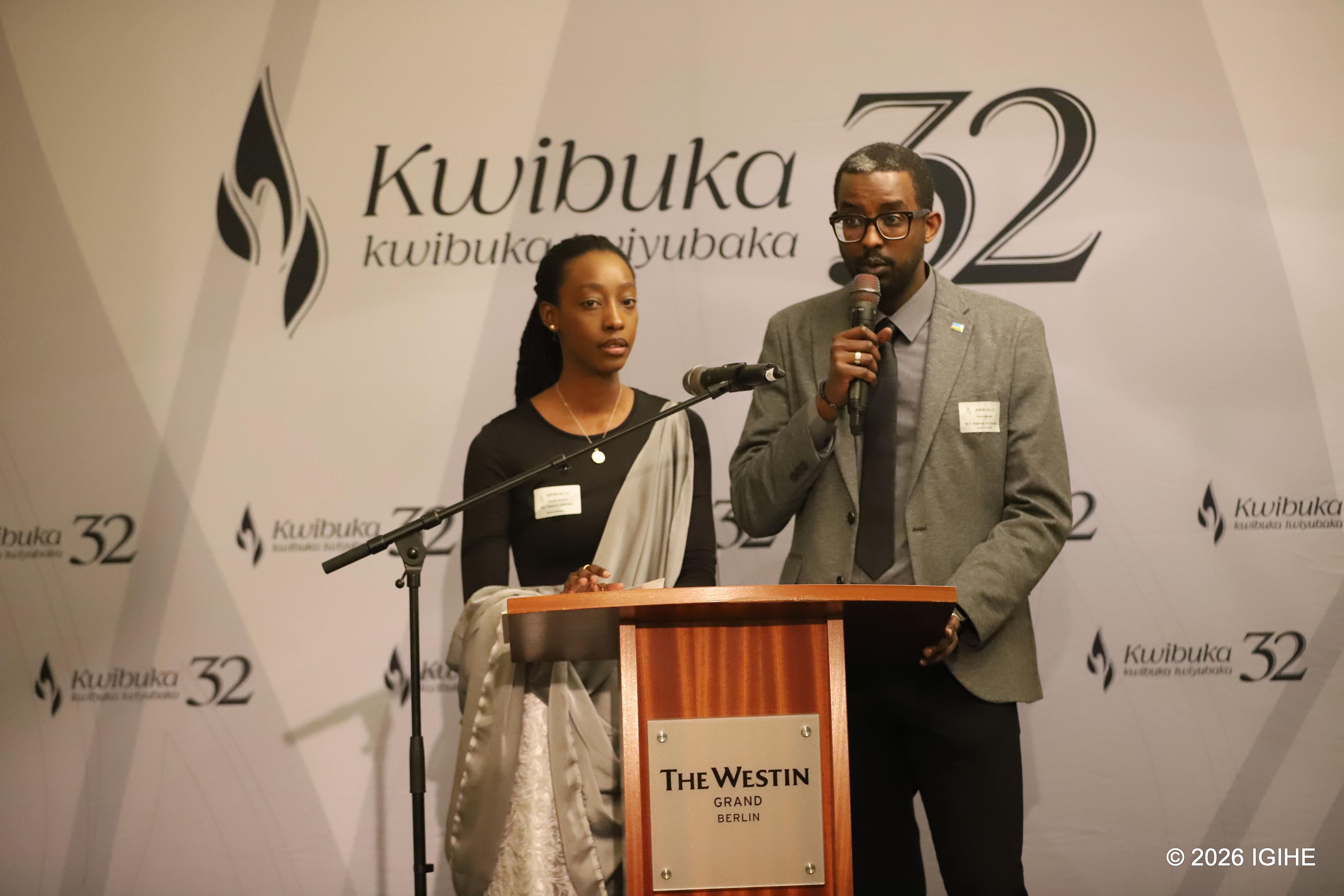
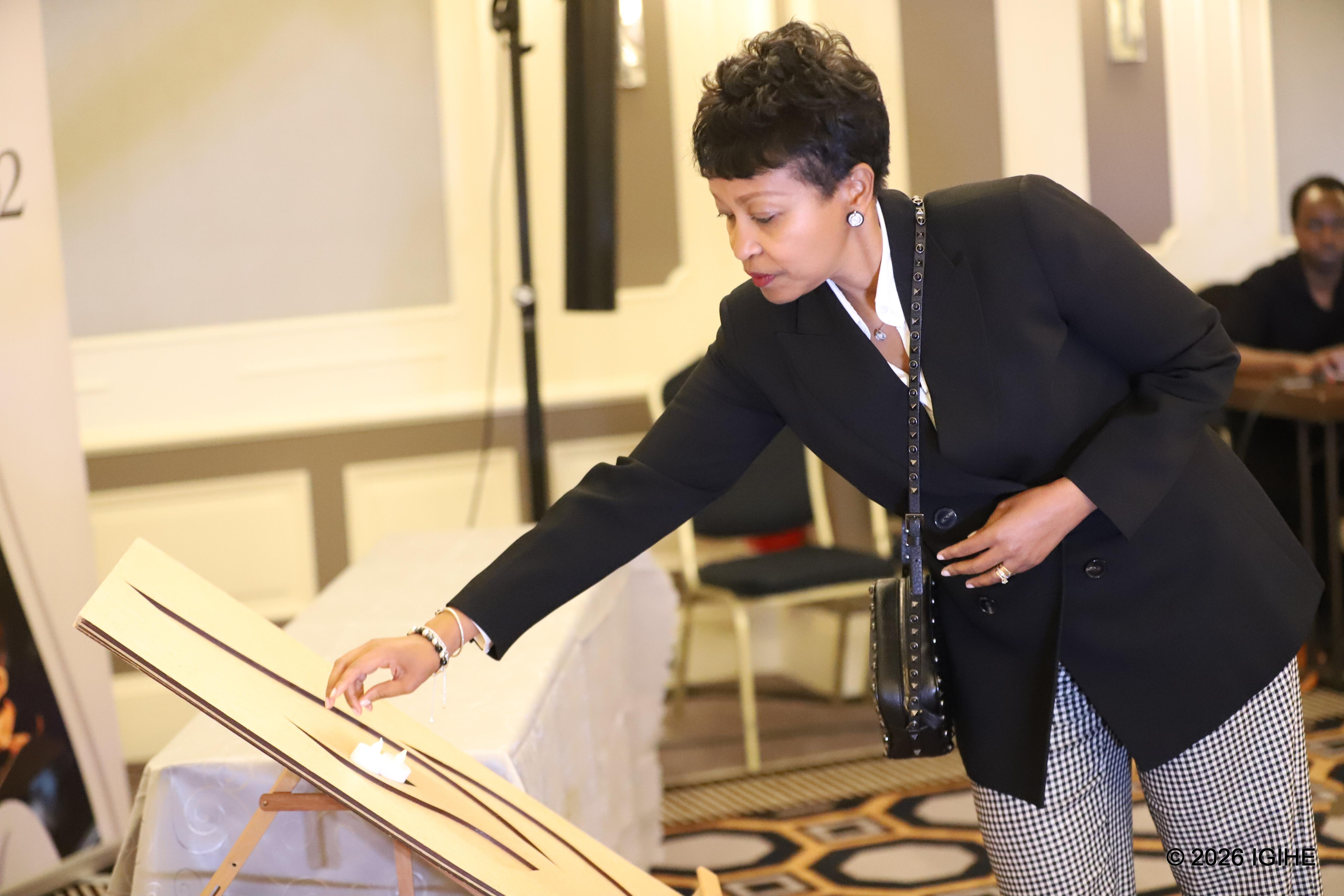
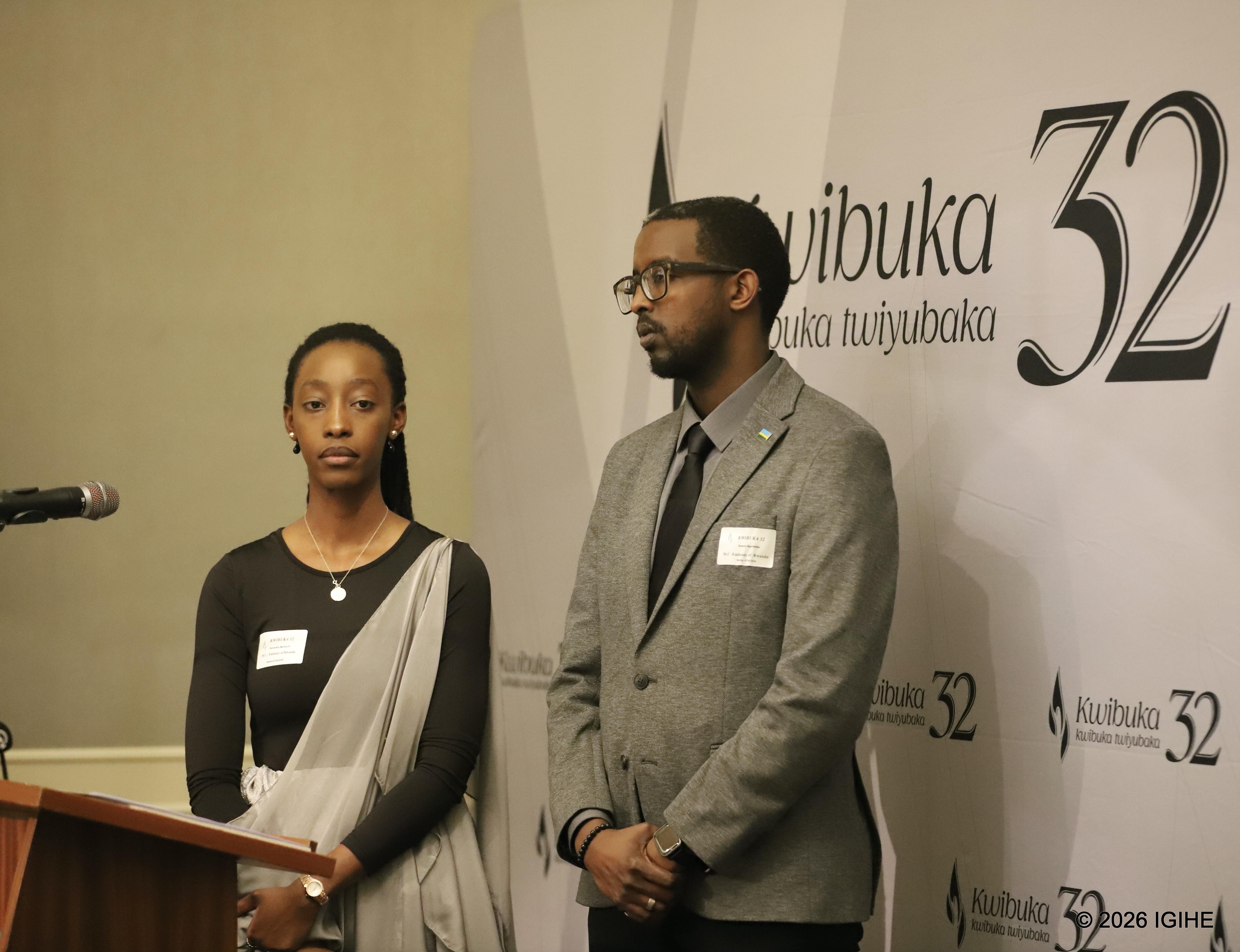
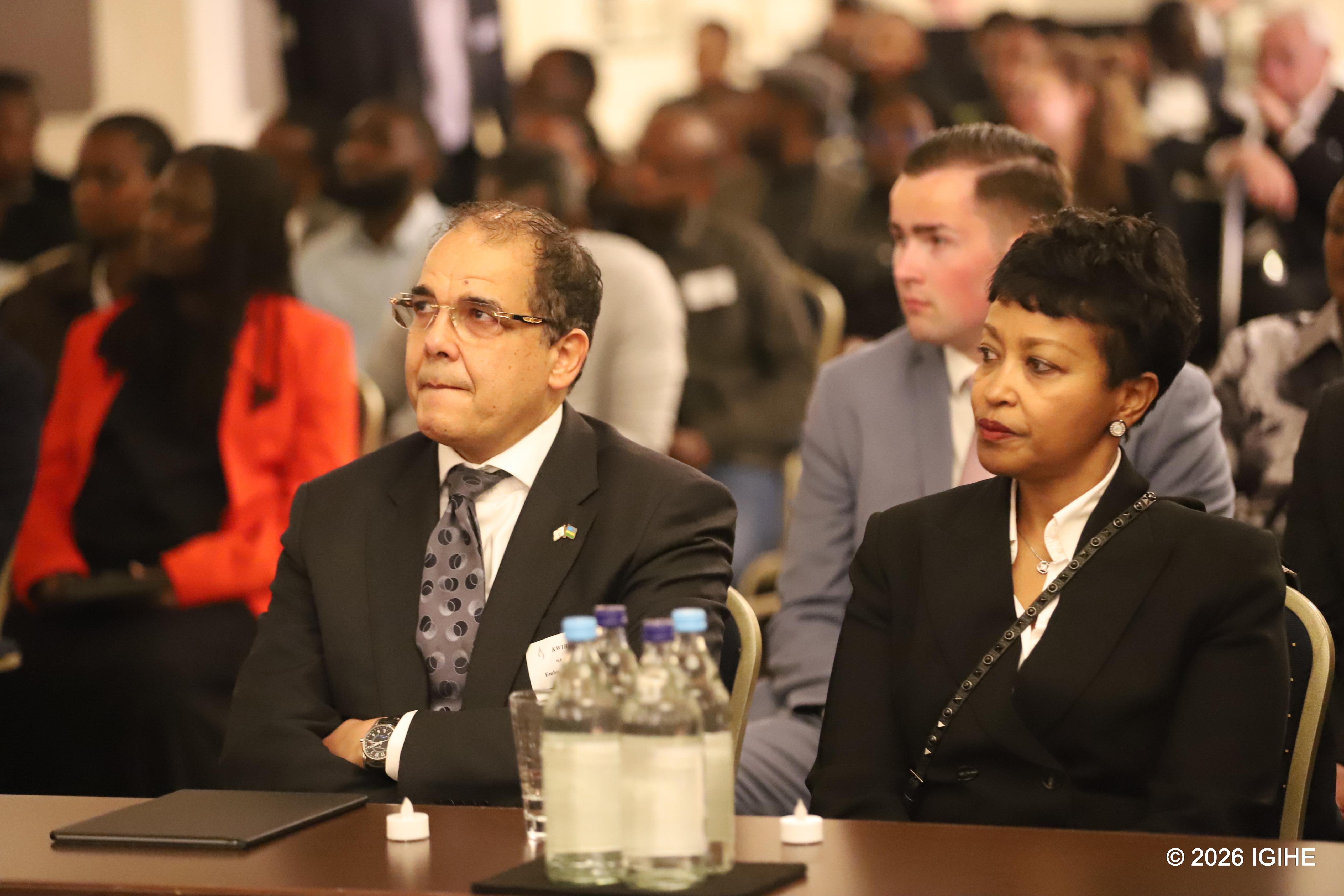
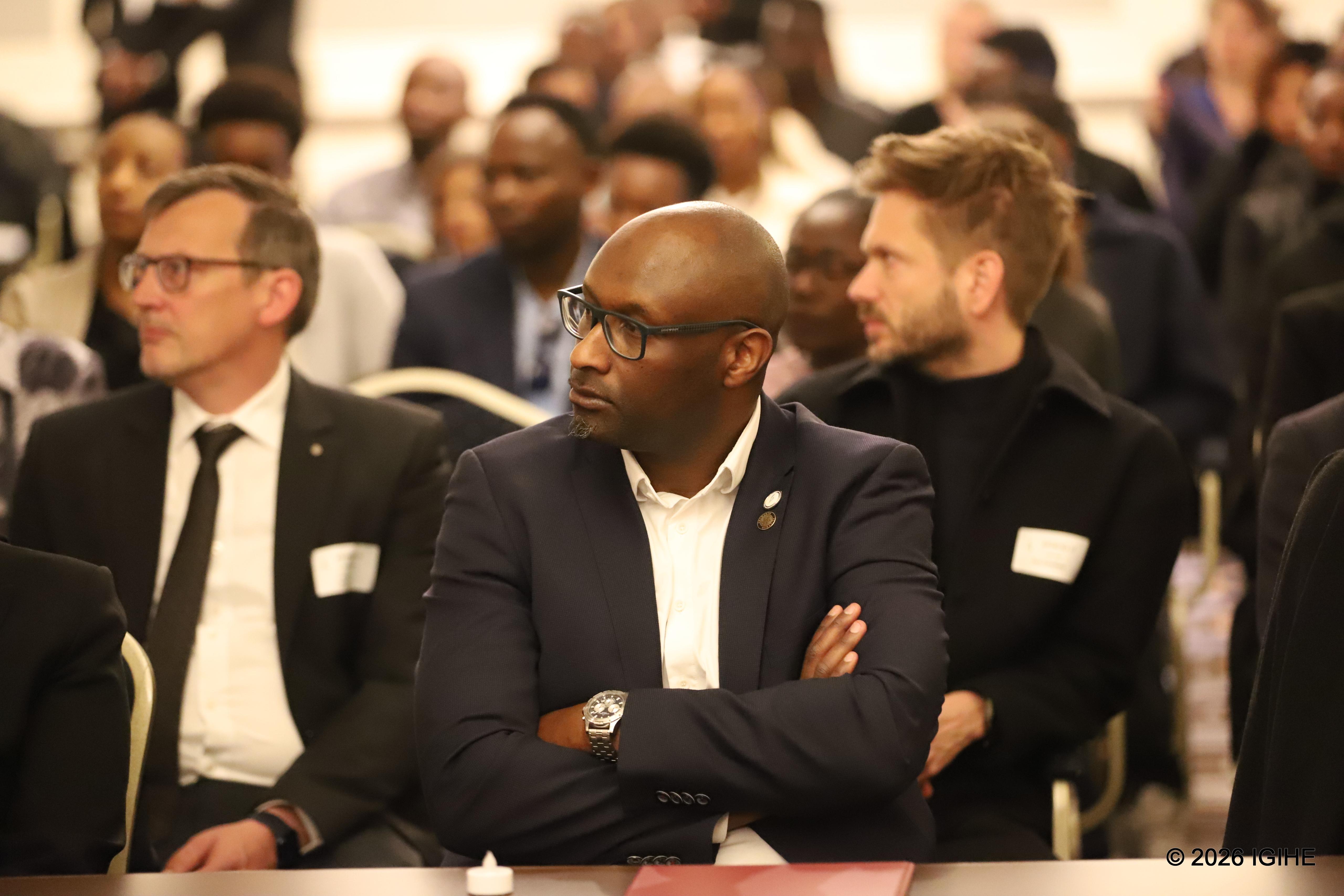
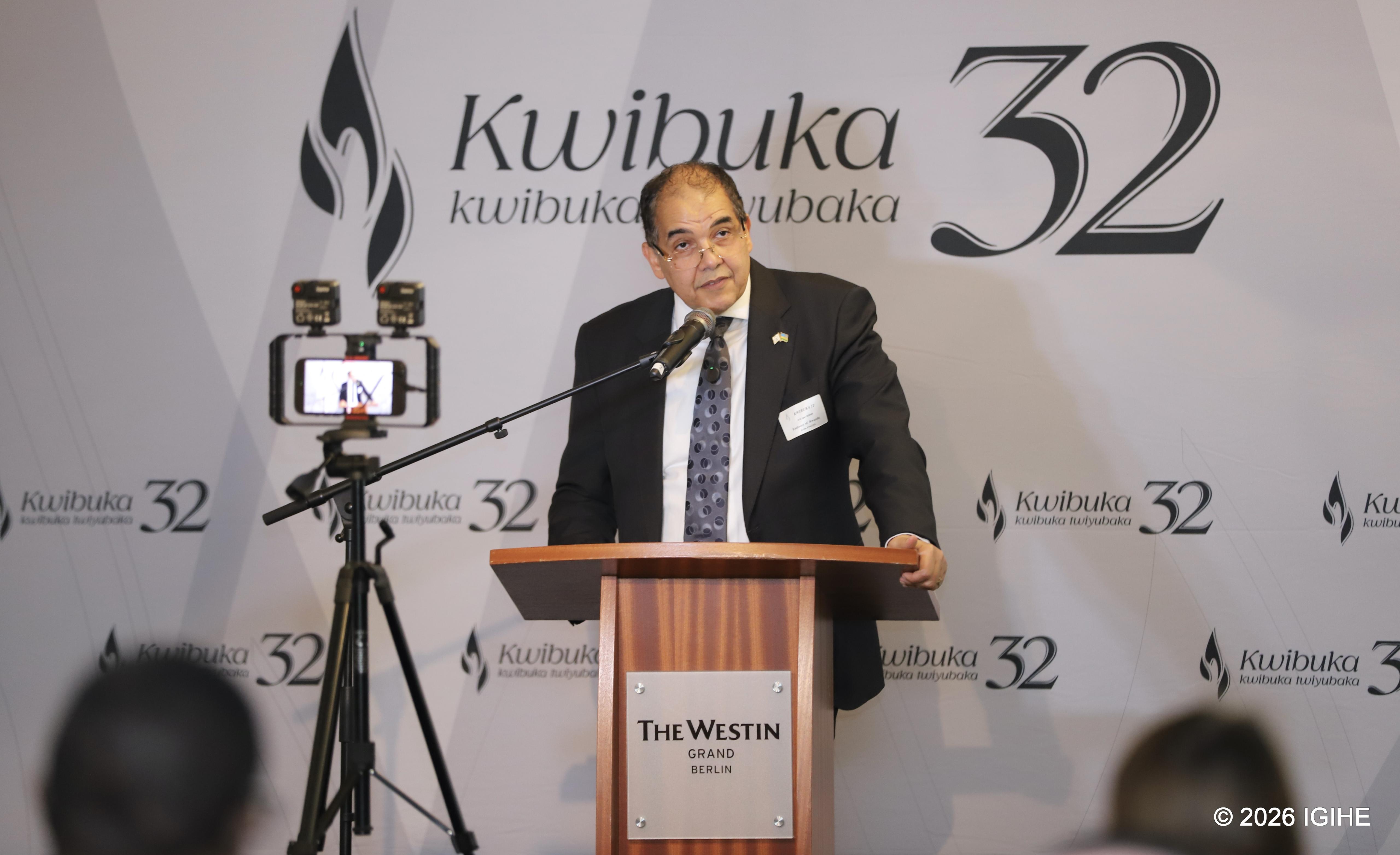
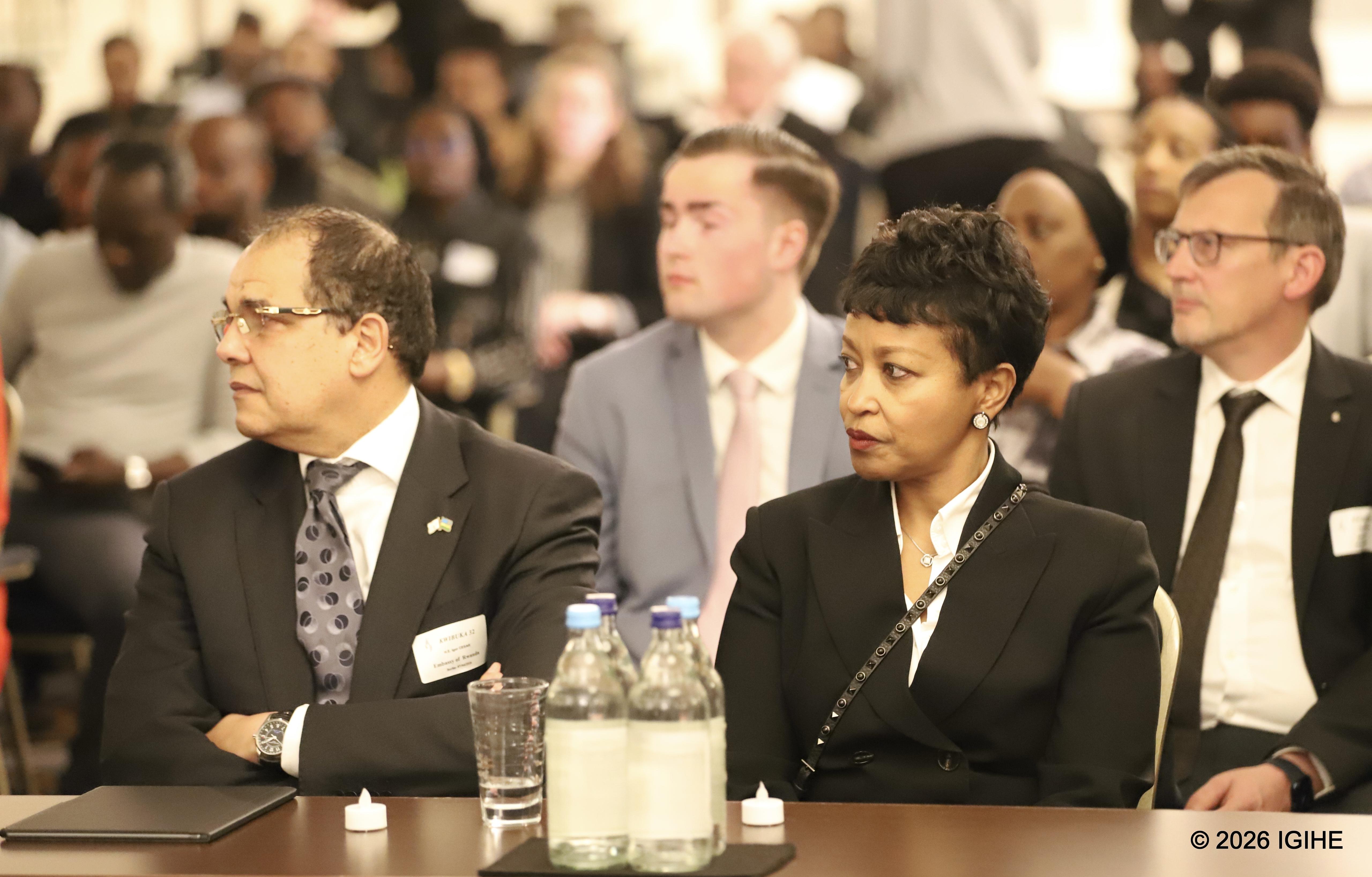
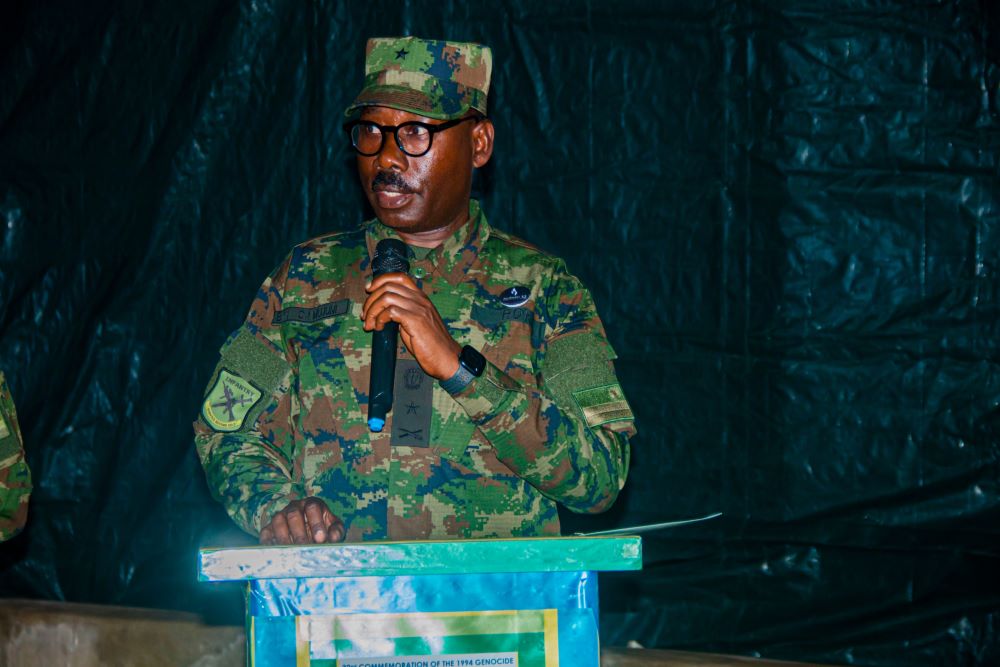
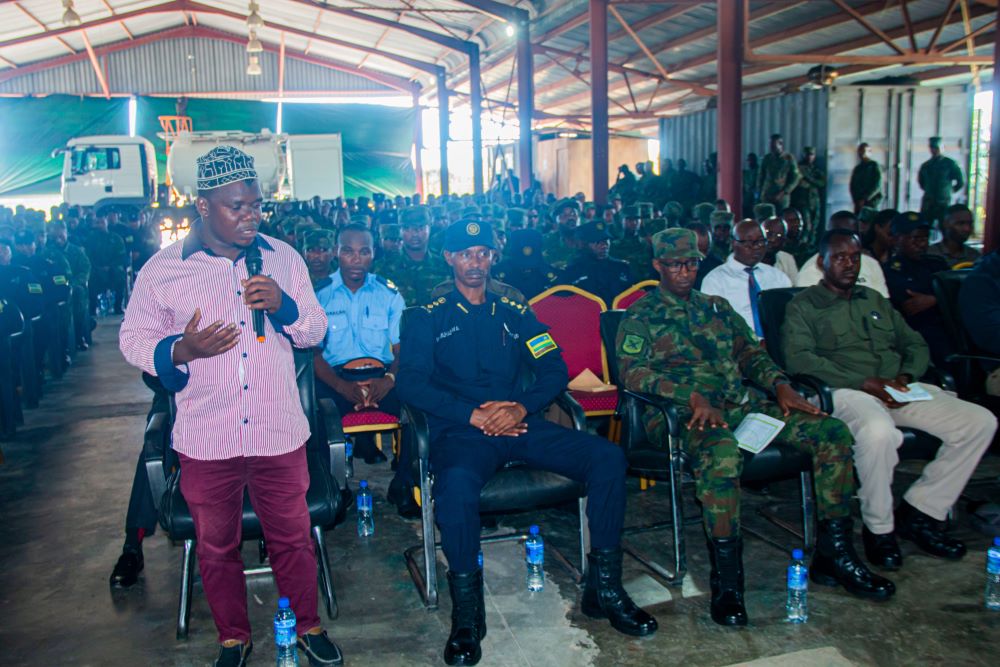
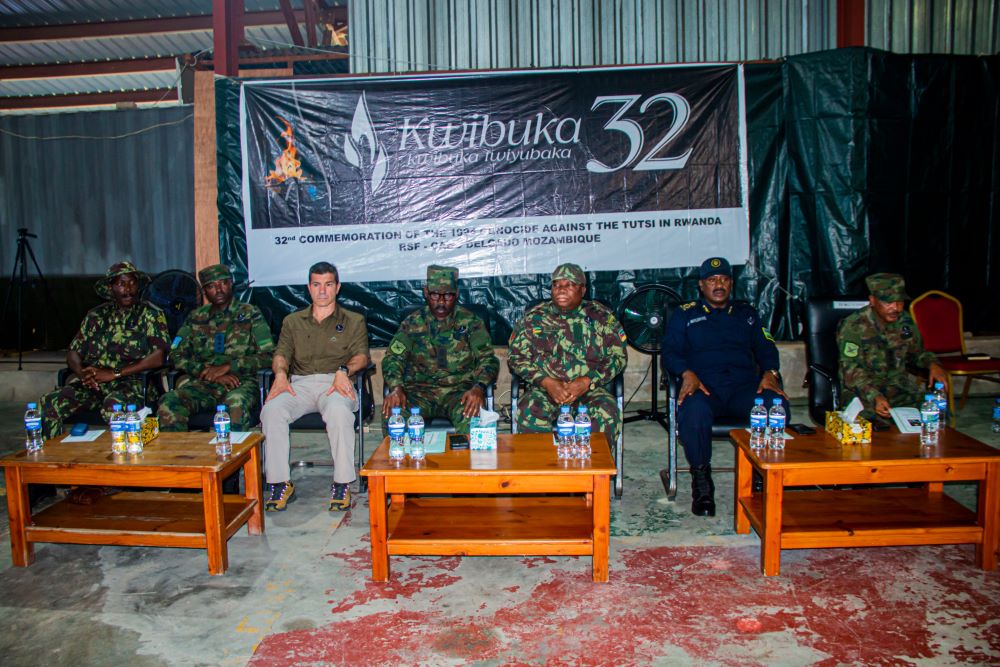
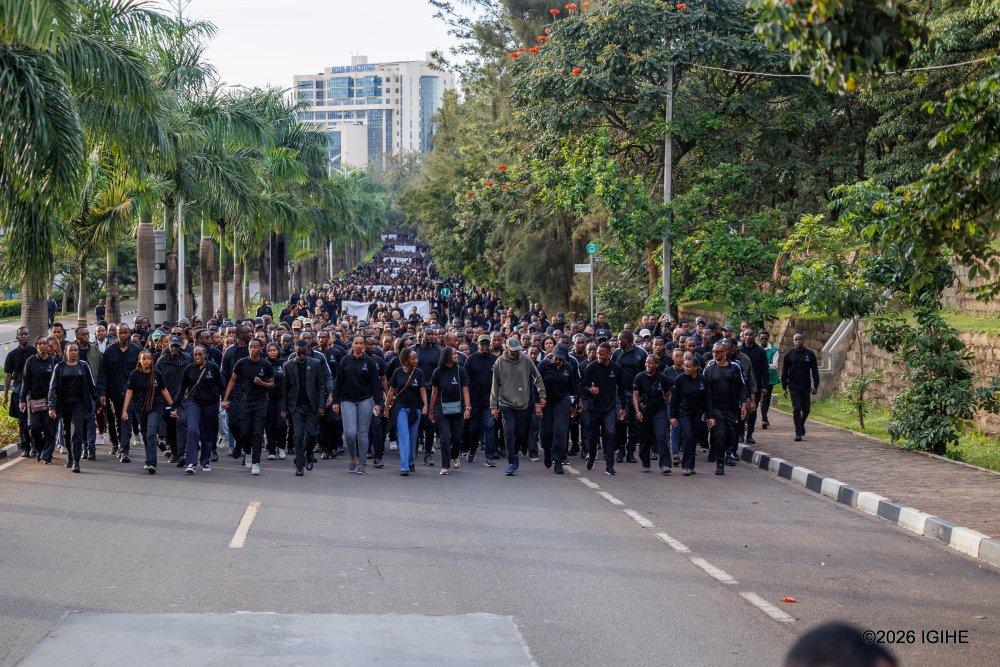
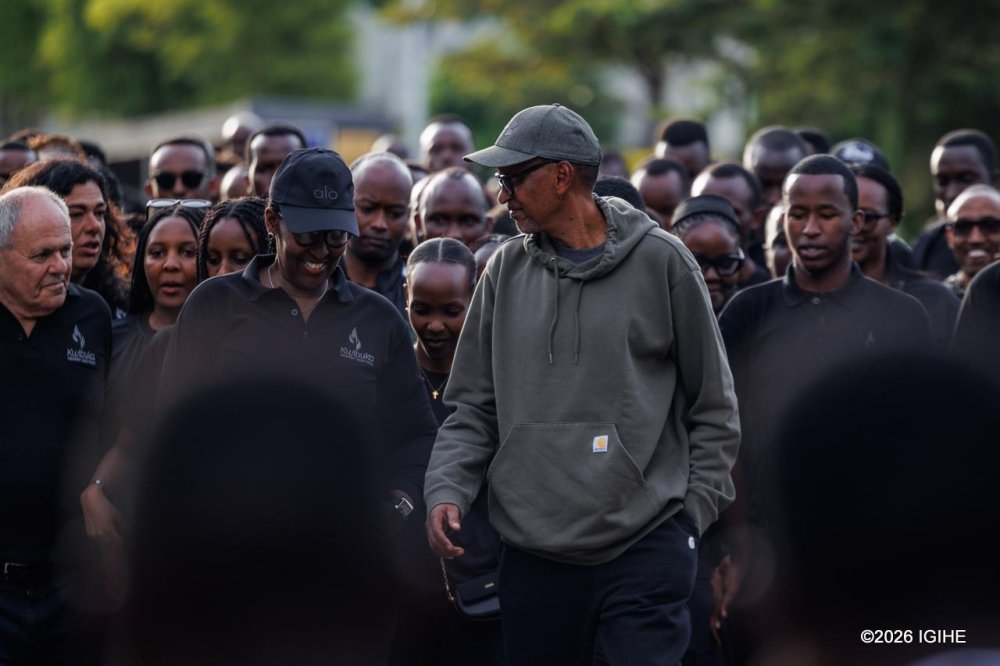
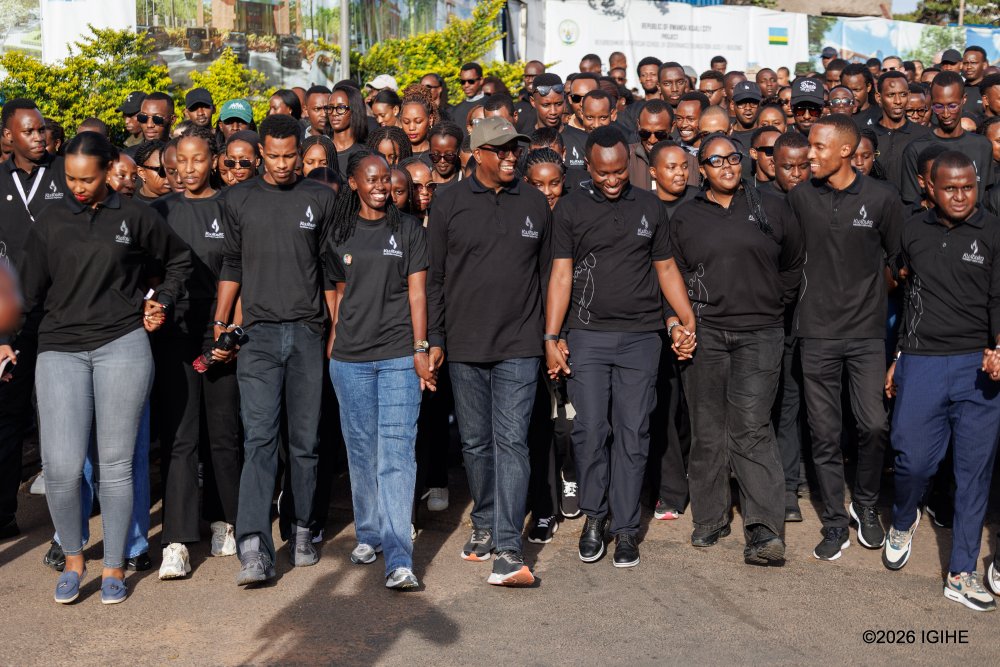
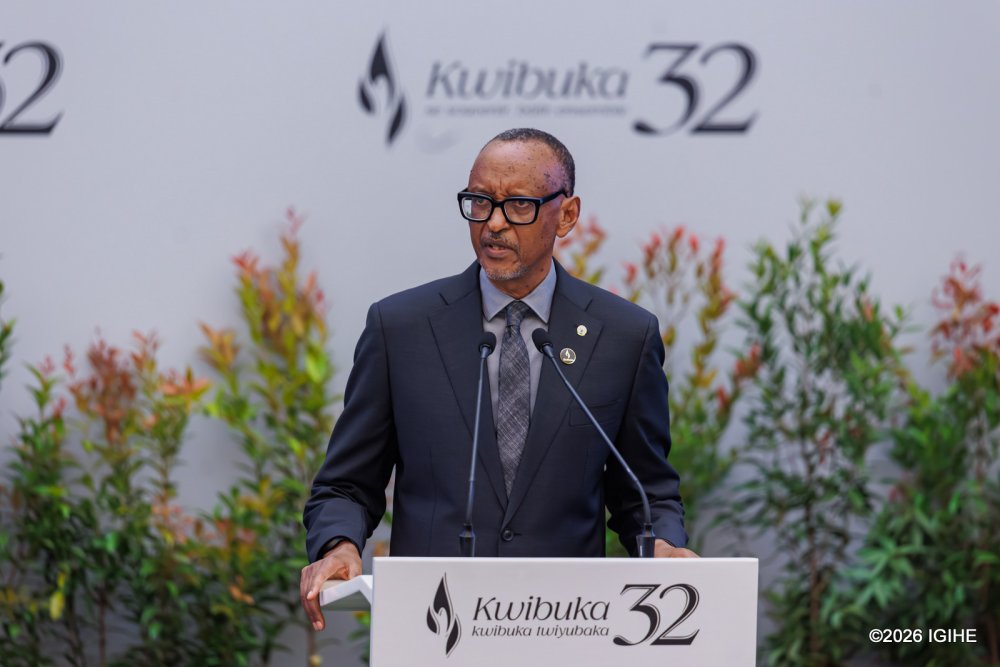
The Rwandan diaspora in Europe recently gathered in Paris for a sociocultural dialogue. After years of misinformation, Barebe Niringiyimana returned to Rwanda and launched a promising project.Bryon Mutijima encouraged diaspora youth to use social media to share the truth and take advantage of entrepreneurial opportunities in Rwanda. Gatete Olivier spoke about the role of social media and how young Rwandans living or raised in Europe can use it to access reliable information.Jean de Dieu Uwizeye and young diaspora members highlighted the importance of visiting Rwanda to form one’s own understanding of history, countering propaganda and inherited narratives.Lawyer Richard Gisagara emphasized the importance of justice and memory in genocide trials and urged Rwandans to stay engaged. Nubuhoro Eugénie also shared her experience as the child of a parent involved in the genocide. Raised in exile with hatred toward the Tutsi, she questioned her parents’ accounts and sought the truth from the Ministry of Unity and ReconciliationSenator Amandin Rugira gave testimony about his family and professional journey.Minister Nelly Mukazayire shared the complex story of her own identity
The manufacturing sector played a key role in this expansion. By the close of the 2024/25 fiscal year, it contributed 22% to GDP and continued driving job creation.
During this period, 111 new industrial facilities were set up across the country: 84 focused on processing agricultural and livestock products, 15 producing various items, 10 manufacturing construction materials, and two involved in mineral processing.
A standout example is A1 Iron & Steel, which converts iron ore into steel at the Musanze Industrial Zone. Backed by $20 million in foreign investment, it exemplifies the wave of international ventures launched in recent years.
Data released on February 17, 2026, by the National Bank of Rwanda, the National Institute of Statistics, and the Rwanda Development Board highlight the steady upward trend in foreign direct investment (FDI).
Inflows climbed to $548 million in 2021, $663 million in 2022, $886.9 million in 2023, and finally exceeded $1 billion in 2024.
In 2024, the top source countries included Mauritius ($251.1 million), Kenya ($140.3 million), China ($108.6 million), the United States ($103.9 million), and Germany ($65.3 million).
By regional blocs, the Common Market for Eastern and Southern Africa (COMESA) led with $418.6 million, followed by the Organisation for Economic Co-operation and Development (OECD) countries at $340.6 million, the Southern African Development Community (SADC) at $293.4 million, Asian nations at $228.2 million, and the East African Community (EAC) at $159.1 million.
Private sector external debt inflows also increased significantly, reaching $543.6 million in 2024, a 28.5% rise from the prior year’s $423 million. The majority (60.8%) came from related entities abroad, with the remaining 39.2% from unrelated entities.
Foreign investment in 2024 supported the creation of 69,341 jobs, with Rwandans comprising 97.6% of the workforce, a notable increase from the 59,916 jobs generated the previous year.
This photo shows the view of Kigali, the capital of Rwanda.
Since their inception in 2018, the Financial Afrik Awards have grown into a premier platform for Africa’s financial and economic leadership, bringing together policymakers, investors, entrepreneurs, and financial sector experts to debate, analyze, and celebrate the continent’s transformative economic developments.
AMIFA was recognized for its unwavering commitment to financial inclusion, particularly its efforts to expand access to financing for micro, small, and medium-sized enterprises (MSMEs) and low-income populations across multiple African regions. The award underscores AMIFA’s role as a socially responsible financial institution driving sustainable, inclusive growth.
Receiving the trophy, Mr. Mouhssine Cherkaoui, Chief Executive Officer of AMIFA Holding, stated that, “This award recognizes the commitment and relevance of the Groupe BCP’s strategy, deployed through AMIFA, in promoting financial inclusion. It reflects the concrete impact of our actions in improving access to financing for MSMEs and low-income populations. AMIFA actively works to reduce the financing gap for hundreds of thousands of economic actors.”
“We dedicate this award to all our clients and partners who trust us, as well as to our more than 1,100 employees who, every day, carry our values of proximity, citizenship, innovation, and performance with dedication, enthusiasm, and ambition,” he added.
Created by the Banque Centrale Populaire Group, AMIFA operates in eight African countries; Burkina Faso, Côte d’Ivoire, Gabon, Guinea Conakry, Madagascar, Mali, Rwanda, and Senegal, with a share capital of 897,398,000 dirhams (approximately 98 million USD).
The recognition at the Financial Afrik Awards reinforces AMIFA’s standing as a key player in African microfinance, highlighting its continued efforts to deliver inclusive financial services that generate lasting value for local economies.
AMIFA has been named ‘Champion of African Financial Inclusion’ at the 7th edition of the Financial Afrik Awards, held in Banjul on 22nd and 23rd January 2026. AMIFA was recognized for its unwavering commitment to financial inclusion.
Supported by the UN Joint SDG Fund, this multi-agency initiative launched on Thursday, February 25, 2026, aims to fast-track the transition toward sustainable, inclusive, and climate-resilient agri-food systems across six food-insecure districts including; Rubavu, Rutsiro, Ngororero, Nyamagabe, Nyaruguru, and Burera.
The programme focuses on strengthening strategic partnerships, improving access to finance, and promoting affordable green technologies in horticulture, poultry, and livestock value chains. It further provides targeted support to agri‑MSMEs and cooperatives through financial literacy training, investment-ready business planning, and strengthened lending capacity among financial institutions.
Dr. Patrick Karangwa, Director General of Agriculture Modernisation at the Minister of Agriculture and Animal Resources, emphasized the programme’s transformative potential: “The Rwanda Green Food Future programme represents a strategic step in strengthening our food systems through innovation, partnerships, and investment. By empowering farmers, cooperatives, and agribusinesses with climate-smart solutions and access to finance, we are building a resilient agricultural sector that supports national development and improves livelihoods across rural communities.”
Dr. Ozonia Ojielo, United Nations Resident Coordinator in Rwanda, underscored the collective commitment of the UN system: “This Joint Programme reflects the United Nations’ commitment to supporting Rwanda’s vision for sustainable development. By bringing together multiple agencies, government institutions, and private-sector partners, we are creating a powerful platform to mobilize resources, scale innovation, and accelerate progress toward inclusive and climate-resilient food systems.”
The launch event convened government ministries, district authorities, development partners, financial institutions, agribusinesses, cooperatives, and UN agencies to align priorities and reinforce commitments for effective implementation.
The programme is designed to de-risk private investment, strengthen value chains, and expand financial inclusion, ensuring that farmers and small enterprises can access the tools, capital, and knowledge needed to scale sustainable production.
By fostering coordinated action among public and private stakeholders, the initiative aims to expand the adoption of climate-smart agricultural technologies, strengthen the investment readiness of agri-MSMEs and cooperatives, improve access to finance across agricultural value chains, and advance inclusive economic growth and food security in vulnerable districts across Rwanda.
The Joint SDG Fund Food Systems Transformation Window was established through a partnership between the UN Food Systems Coordination Hub and the Joint SDG Fund Secretariat to support government-led food systems transformation and accelerate progress across the SDGs.
This joint programme is supported by the Joint SDG Fund in collaboration with the UN Food Systems Coordination Hub.
The European Union and the governments of Belgium, Denmark, Germany, Ireland, Italy, Luxembourg, Monaco, the Netherlands, Norway, Poland, Portugal, the Republic of Korea, Saudi Arabia, Spain, Sweden, and Switzerland have been also commended for their contributions in accelerating progress towards the SDGs.
The launch marks a pivotal milestone in building a shared platform for collaboration and sustained partnership, accelerating Rwanda’s journey toward a resilient, competitive, and inclusive agrifood system.
Participants at the launch of the Rwanda Green Food Future programme./@FAORwandaDr. Patrick Karangwa, Director General of Agriculture Modernisation at the Minister of Agriculture and Animal Resources speaking at the launch. Dr. Ozonia Ojielo, United Nations Resident Coordinator in Rwanda, underscored the collective commitment of the UN system.
Rather than a simple list of attractions, Rwanda unfolds as an interconnected journey, where wildlife encounters, cultural immersion, and lakeside retreats flow seamlessly together, and every adventure feels part of a larger story. This thoughtful balance is what makes Rwanda a standout choice for travelers in 2026: a destination that leaves a lasting impression, offering both authenticity and unforgettable moments.
Your journey often begins in Kigali, one of Africa’s cleanest and most welcoming capitals. The city’s impeccably tidy streets reflect a longstanding commitment to the environment, starting with the groundbreaking 2008 plastic bag ban and reinforced by nationwide community clean-up efforts.
This green ethos extends far beyond the city: Rwanda maintains around 30% forest cover through ambitious tree-planting campaigns and wetland restorations that curb flooding, boost biodiversity, and create urban gems like the Nyandungu Urban Wetland Eco-Tourism Park, with its scenic trails and over 100 bird species.
Layered onto this foundation is an unwavering reputation for safety, stability, and efficient infrastructure, making Rwanda genuinely accessible and reassuring for families, solo adventurers, and everyone in between.
Heading north to Volcanoes National Park, the experience becomes truly transformative. Here, mountain gorillas, now numbering close to 1,080 worldwide, thanks to relentless anti-poaching and habitat protection, offer one of wildlife’s most profound encounters.
The annual Kwita Izina ceremony, celebrating its 20th edition in September 2025, named 40 baby gorillas (bringing the total named since 2005 to nearly 400).
This vibrant tradition blends Rwandan cultural heritage with global conservation support, while gorilla trekking permits sustain high-value tourism. Crucially, 10% of park revenues flow back to surrounding communities through sharing programs, funding schools, clinics, clean water, and more, transforming local residents into active stewards of their shared heritage.
Eastward, Akagera National Park showcases the power of rewilding. Lions, reintroduced in 2015, now thrive with a population of about 70 individuals through natural growth. Rhinos have made a bold return, highlighted by the historic translocation of 70 southern white rhinos in June 2025—the largest single operation of its kind in Rwanda’s history.
These achievements, driven by strong partnerships and zero poaching losses for key species since reintroduction, have restored classic Big Five safaris across sweeping savannas, lakes, and wetlands.
To the south lies Nyungwe Forest National Park, inscribed as a UNESCO World Heritage Site in 2023. As one of Africa’s oldest montane rainforests, it pulses with life: chimpanzees, rare birds, suspended canopy walks, and unparalleled biodiversity within the Albertine Rift.
Ongoing restoration efforts only deepen its global significance. Rwanda’s protected areas continue to evolve, with the newer Gishwati-Mukura National Park safeguarding regenerating forests home to Eastern chimpanzees and golden monkeys, opening fresh avenues for eco-tourism and community empowerment.
Beyond the parks, the country’s scenic shores, especially along Lake Kivu, offer tranquil lakeside lodges, cultural villages, and relaxed immersion, rounding out a portfolio that balances adventure with serenity.
Hospitality here mirrors this thoughtful approach: elevated yet unobtrusive, sustainable, and deeply connected to place. In Volcanoes, standout lodges like Singita Kwitonda (with sweeping volcano views), One&Only Gorilla’s Nest (nestled in eucalyptus groves), and Bisate Lodge (with its innovative, tradition-inspired pods) set benchmarks for luxury and responsibility.
In Nyungwe, One&Only Nyungwe House harmonizes with surrounding tea plantations; in Akagera, Magashi Camp delivers intimate wilderness immersion. These are just highlights in a landscape dotted with exceptional options, from misty highlands to serene lakesides and vibrant urban edges, ensuring every traveler finds spaces to rest, reflect, and reconnect.
This is merely a glimpse; Rwanda pulses with more: emerging trails, ziplines, cultural encounters, adventure pursuits, and new developments that keep the destination fresh and forward-looking.
The vision guiding it all is measured yet ambitious. From $647 million in tourism revenue in 2024 (boosted by a 27% surge in gorilla tourism), Rwanda eyes over $700 million in 2025, with a longer-term goal of $1.1 billion annually by 2029.
This growth stems from smart diversification; into Meetings, Incentives, Conferences, and Exhibitions (MICE), sports, nature-based experiences, and more, while redefining what sustainable African tourism can look like, ensuring revenues regenerate communities, spark positive change, and let visitors connect with genuine hope.
This photo shows the canopy walkway in Nyungwe National Park. Tourists take a leisurely cruise across a lake in Akagera National Park.Tourists can enjoy a variety of breathtaking scenic views.Akagera National Park is home to the big five animals.