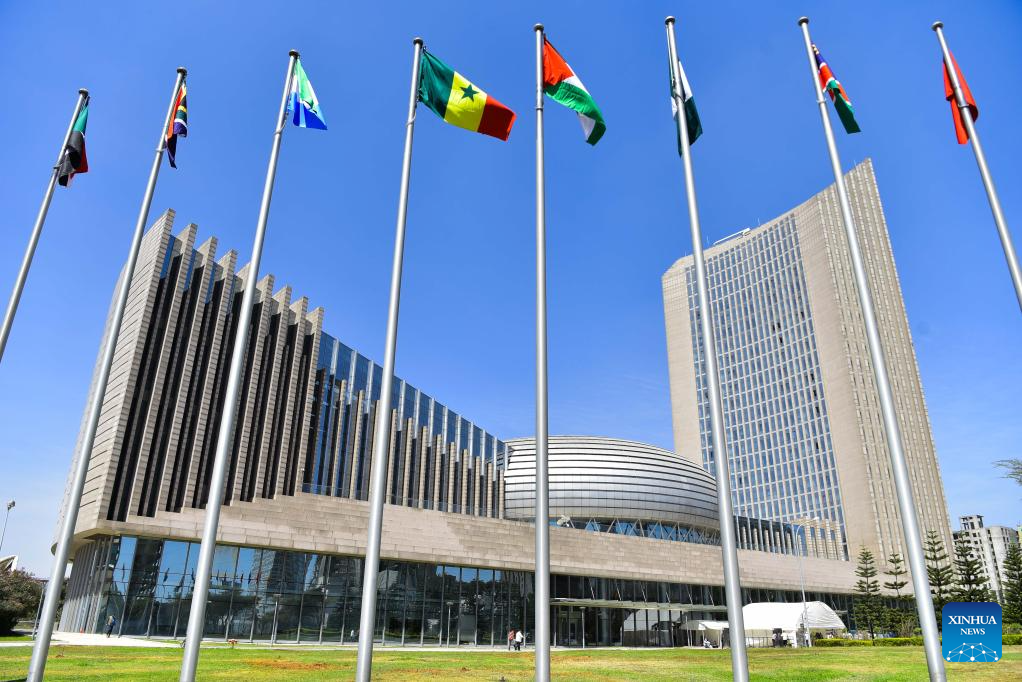
AU Commission Chairperson Mahmoud Ali Youssouf said in a statement that the initiative “constitutes a timely and constructive contribution to ongoing international efforts to de-escalate tensions and advance a political and diplomatic pathway.”
He said the initiative’s “emphasis on an immediate cessation of hostilities, the protection of civilians, respect for international humanitarian law, and the safeguarding of maritime security reflects key elements required to contain the current crisis.”
Youssouf reiterated his “deep concern” over the continued escalation in the Gulf and Middle East region.
He underscored that the effects of the conflict are already being felt globally, including on energy supply chains, food systems, and economic stability — particularly in Africa, a continent already confronting multiple and intersecting challenges.
Calling for restraint, urgent de-escalation and sustained engagement, the AUC chief stressed that all parties must act fully in accordance with international law and the United Nations Charter to safeguard international peace and security.
“A durable resolution can only be achieved through dialogue and negotiated solutions,” he added, stressing the AU’s readiness to work with international and regional partners for peace and stability in the region.
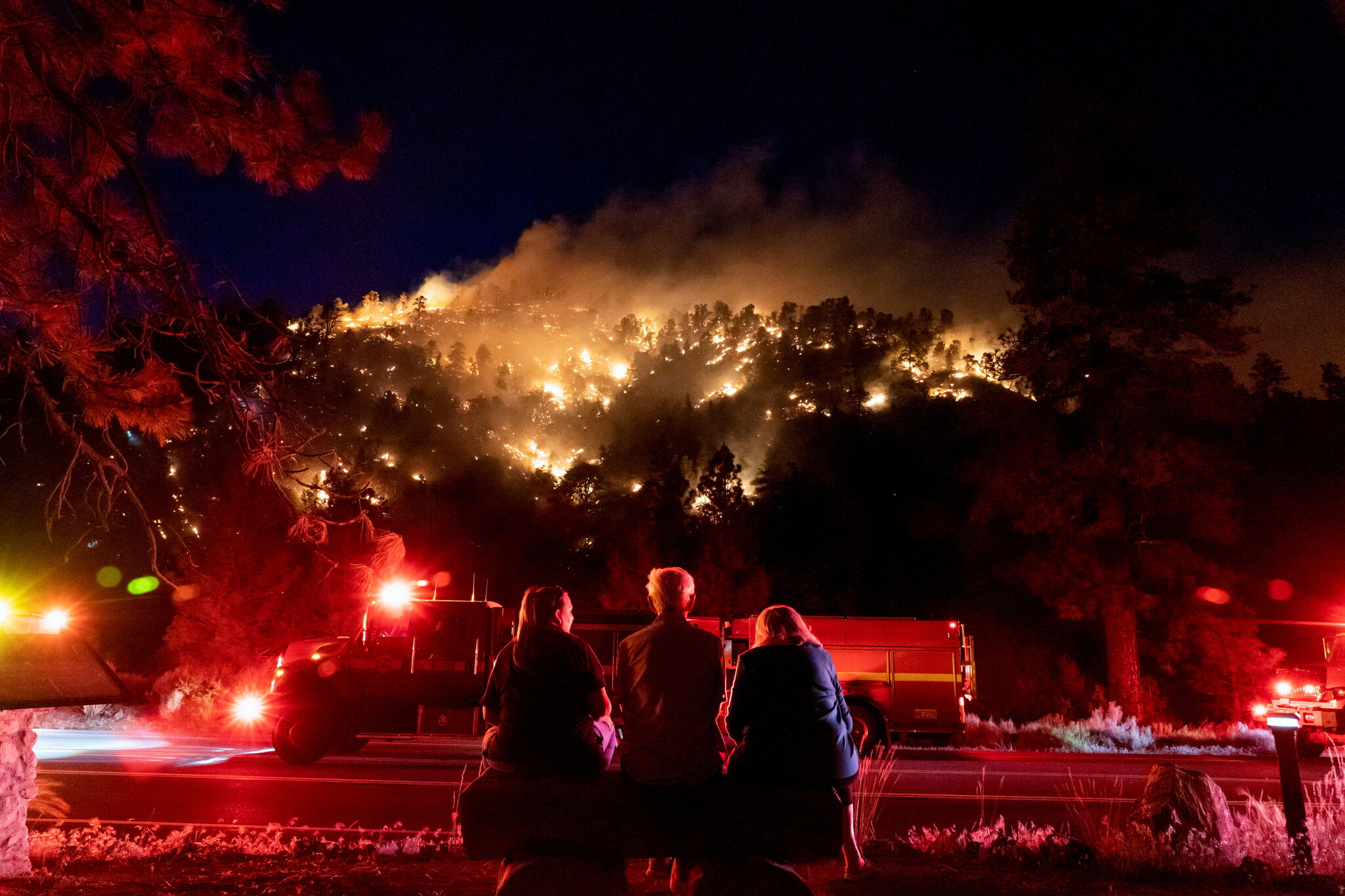
A wildfire, dubbed the Springs Fire, expanded to 4,176 acres (16.9 square km) with only 10 percent containment in Riverside County as of Friday evening, according to the California Department of Forestry and Fire Protection (Cal Fire).
Around 260 firefighters are still battling the fire as evacuation orders were issued for some nearby communities in the area.
Another blaze, dubbed the Crown Fire, had burned 345 acres (1.4 square km) in Los Angeles County. The fire was 25 percent contained so far, according to the Cal Fire.
All evacuation orders for the Crown Fire have been lifted, but evacuation warnings remain in place for parts of the surrounding area.
The U.S. National Weather Service issued a Wind Advisory for some areas in Southern California, warning that “moderate to strong Santa Ana winds affected much of the area” Friday.
“Significant warming is expected through Sunday as gusty Santa Ana winds continue over Los Angeles and Ventura Counties,” the agency said in an area forecast discussion.
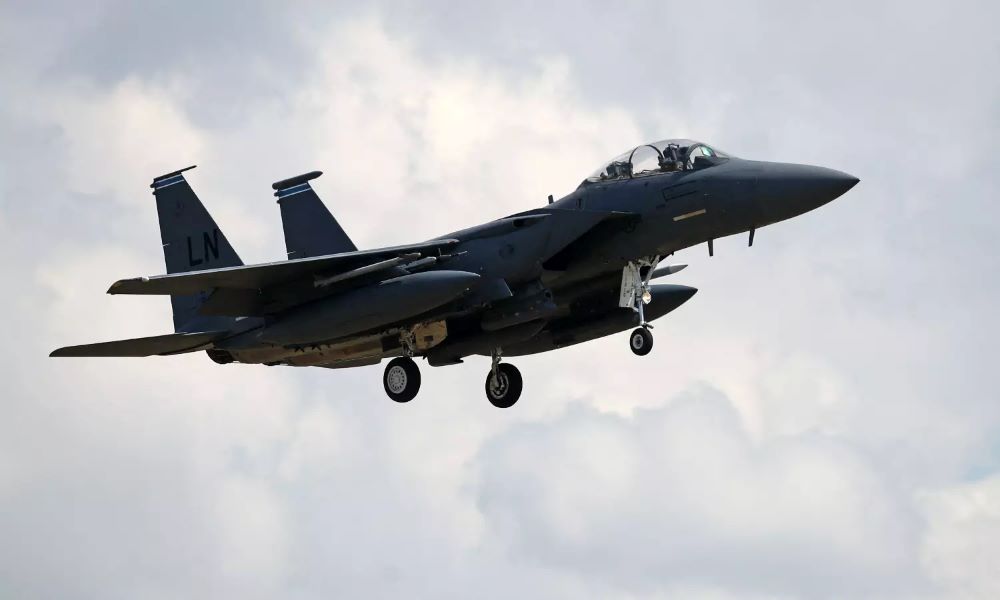
One pilot from the two-seat F-15 has been rescued, but the other remains missing. The A-10 Warthog reportedly managed to reach Kuwaiti airspace, where the lone pilot ejected and escaped.
U.S. officials later confirmed that two U.S. rescue helicopters, including a UH-60 Black Hawk, which undertook the search-and-rescue operations for the jets, were also struck.
The consecutive losses of U.S. aircraft came shortly after U.S. President Donald Trump’s claim that Iranian forces “can’t do a thing about” U.S. planes flying over Tehran.
Scrambling for pilot
This incident is the first known case of a U.S. warplane being downed inside Iranian territory and the fourth F-15 lost since the United States and Israel launched large-scale strikes on Iran on Feb. 28.
Crews were racing to locate the second pilot of the downed jet, which was believed to have crashed in Iran’s southwestern Kohgiluyeh and Boyer-Ahmad province, near the border with Iraq, according to local authorities.
Iran’s Revolutionary Guard Corps (IRGC) was combing an area near where the pilot’s plane came down in southwestern Iran, and the governor of the province said that anyone who captured or killed the pilot would be “specially commended,” reported Iran’s semi-official news agency ISNA.
A television channel in the province advised citizens who encounter downed U.S. pilots to keep them alive and bring them to authorities for a “prize,” reversing earlier instructions that had encouraged harming them, NewsNation reported.
A reward of 10 billion tomans (6,600 U.S. dollars) has been set to find the pilot, reported the Iranian news outlets.
After weeks of relentless U.S. airstrikes, Iranians posted jubilant messages online celebrating the downing of the U.S. aircraft. Iran’s Parliament Speaker Mohammad Baqer Qalibaf wrote on X that what had begun as a military campaign had now been transformed into a hunt for their pilots.
Israel’s state-owned Kan TV News reported that Israel is assisting the United States with intelligence in locating the pilot.
Meanwhile, Israel’s Channel 12 reported that the country had delayed planned strikes in the search area, citing Israeli officials. The Israel Defense Forces has not confirmed these reports independently.
“Miscalculation”
IRGC said Friday that the aircraft was hit by advanced air defense systems operated by its aerospace division.
Earlier on Wednesday, Trump said that Iran’s drone and missile capabilities had been “decimated”. While he claimed that the U.S. military had achieved “total air dominance” over the region, military experts suggested that air superiority does not mean that there are no threats.
Iran has bolstered its defenses by constructing extensive underground missile facilities, networks of tunnels, and fortified bunkers across the country, said Federico Borsari, a non-resident fellow with the Transatlantic Defense and Security Program at the Center for European Policy Analysis. “It is quite possible that some Iranian air defense assets are still operational and hidden and concealed in many locations across the country.”
The potential that a U.S. pilot remains alive and at large deep inside Iran has heightened the pressure on Washington in a war that has struggled to secure strong backing from the American public, according to opinion polls.
In a phone interview with The Independent, a British online newspaper, Trump said he hopes that’s “not going to happen” if Iranian forces find the missing airman.
Iran has rejected a U.S. proposal for a 48-hour ceasefire, the semi-official Fars news agency reported on Friday.
The source added that Washington has stepped up its diplomatic efforts to secure a ceasefire, particularly after an Iranian strike targeted a U.S. “military forces depot” on Kuwait’s Bubiyan Island.
According to the agency, assessments suggest that the proposal was put forward following an intensification of the crisis in the region and “serious problems” for U.S. forces resulting from their country’s “miscalculation” of Iran’s military capabilities.
U.S. officials later confirmed that two U.S. rescue helicopters, including a UH-60 Black Hawk, which undertook the search-and-rescue operations for the jets, were also struck.
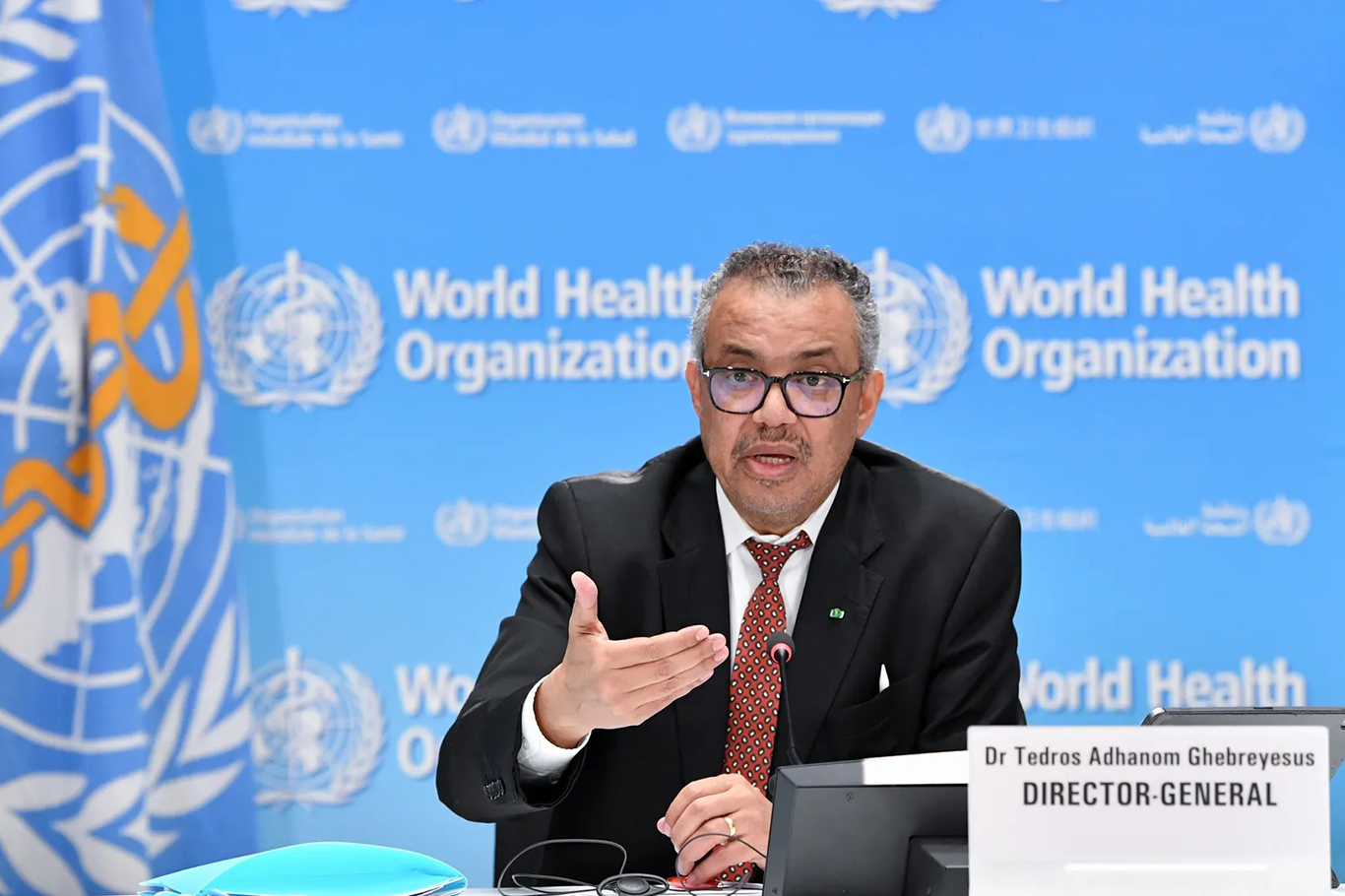
Health systems in the affected countries are “under severe strain” following weeks of intensified violence, Tedros said, adding that the WHO has launched a 30.3 million U.S. dollar flash appeal to support its health response to the escalating conflict in the Middle East, with a focus on the five countries.
The appeal, covering the period from March to August 2026, aims to sustain essential health services and trauma care, strengthen disease surveillance and early warning systems, and enhance mass casualty management, as well as national readiness for chemical, biological, radiological and nuclear emergencies, Tedros noted.
According to the WHO, as of March 31, the ongoing hostilities in the Middle East have triggered the displacement of more than 4 million people, with over 3,300 deaths and 30,000 injuries.
World Health Organization (WHO) Director-General Tedros Adhanom Ghebreyesus said on Friday in a social media post that urgent support is needed for the health systems of five countries affected by the conflict in the Middle East
In an editorial published on Wednesday, the Hokkaido Shimbun described the incident as serious and warned against downplaying its implications. The article stressed that the Japanese government has yet to apologize to China, despite the gravity of the case.
According to the editorial, SDF personnel, who are expected to uphold the law, instead violated international norms protecting diplomatic missions. The newspaper criticized the government for treating the matter as an isolated act by an individual, urging authorities not to trivialize the situation.
The editorial also highlighted the need for preventive measures, including stronger education and discipline within the SDF, to avoid similar incidents in the future.
Under the Vienna Convention on Diplomatic Relations, host countries are obligated to protect diplomatic premises from intrusion, damage, disturbance of peace, or impairment of dignity. The newspaper noted that the Japanese government’s delayed response raises questions about its commitment to these obligations and could harm the country’s international credibility.
Additionally, the incident has prompted concerns over the adequacy of security arrangements for foreign diplomatic missions in Japan, the editorial added.
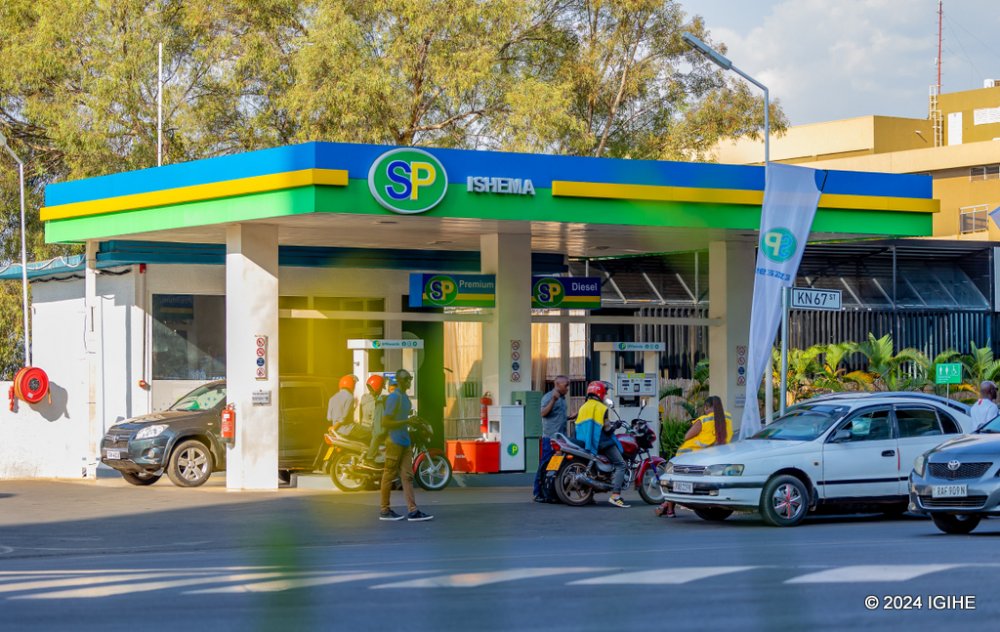
The changes come in response to a sharp rise in fuel prices, which recently reached historic levels in Rwanda. For the first time, both petrol and diesel exceeded Rwf 2,000 per litre, with petrol priced at Rwf 2,303 and diesel at Rwf 2,205.
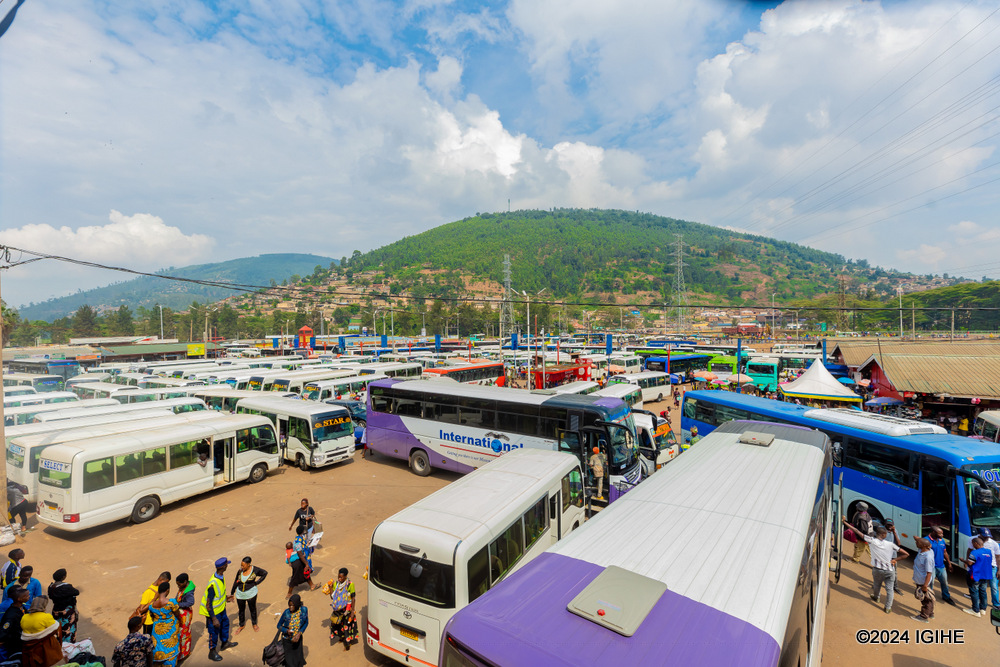
Under the revised pricing structure, passengers in Kigali will now pay Rwf 59.28 per kilometre, while intercity travels will be charged Rwf 41.58 per kilometre.
Currently, the most expensive route in the country is from Nyabugogo to Kamembe via Huye, with a fare of Rwf 11,445. This route was not among those listed in the 2024 fare structure.
Passengers traveling from Nyabugogo to Pindura will now pay Rwf 10,930, up from the previous Rwf 8,070.
For those heading from Nyabugogo to Kamembe via Karongi, the fare has increased to Rwf10,296. Meanwhile, passengers traveling from Muhanga to Kamembe via Huye will pay Rwf 9,603, compared to the previous Rwf 7,090.
The fare from Nyabugogo to Mushubi has risen to Rwf 9,524 from Rwf 7,032. Similarly, passengers traveling from Rubavu to Kamembe will now pay Rwf 9,009, up from Rwf 6,652.
Other updated fares include Rwf 4,950 for the journey from Rubavu to Karongi, Rwf 4,851 from Nkomero to Kirambo, and Rwf 5,881 for passengers traveling from Gakeri to Nyamasheke.
The last adjustment to fuel prices was made on March 4, 2026, when petrol was priced at Rwf 1,989 per litre and diesel at Rwf 1,948 per litre.
In a statement released on April 3, 2026, RURA indicated that the new prices will take effect from April 4 at 6:00 a.m.
“These adjustments reflect the prevailing international market trends as well as government measures to mitigate the impact of global price fluctuations,” reads the statement.
“The public is encouraged to plan travel efficiently, use public transport and avoid unnecessary trips and in order to reduce fuel consumption,” the statement adds.
RURA also noted that the changes in fuel prices have led to a revision of the base fare in public transport. In the City of Kigali, passengers will now pay Rwf 59.28 per kilometre, while intercity travels will cost a passenger Rwf 41.58 per kilometre.
As of April 3, 2026, the price of a barrel of crude oil on the international market had reached $112.4 up from about $70.
The ongoing conflict involving the United States, Israel, and Iran, now entering its second month, has led to the blockage of the Strait of Hormuz, a critical passage through which 20% of the world’s daily oil supply passes.
On April 3, 2026, Prime Minister Dr. Justin Nsengiyumva told members of the press that the situation is already impacting Rwanda’s economy.
“This issue is affecting international trade, particularly in energy and transport, and has already caused noticeable changes in global market prices, especially for petroleum products and gas,” he said.
He further explained that the conflict is disrupting Rwanda’s exports, with some trade routes, including those to the United Arab Emirates, already affected.
Imports are also impacted, as rising global prices are expected to translate into higher costs within Rwanda.
“These are some of the effects we are observing that could impact our national economy. It is projected that global economic growth could decline from 3.3% to 2.7%. This will also contribute to rising prices in Rwanda, meaning it will affect nearly every Rwandan. We must be prepared, but without panic,” he added.
RURA has announced new fuel prices, with the cost of petrol rising to Rwf 2,303 per litre, an increase of Rwf 314. Diesel has also gone up to Rwf 2,205 per litre, reflecting an increase of Rwf 257.
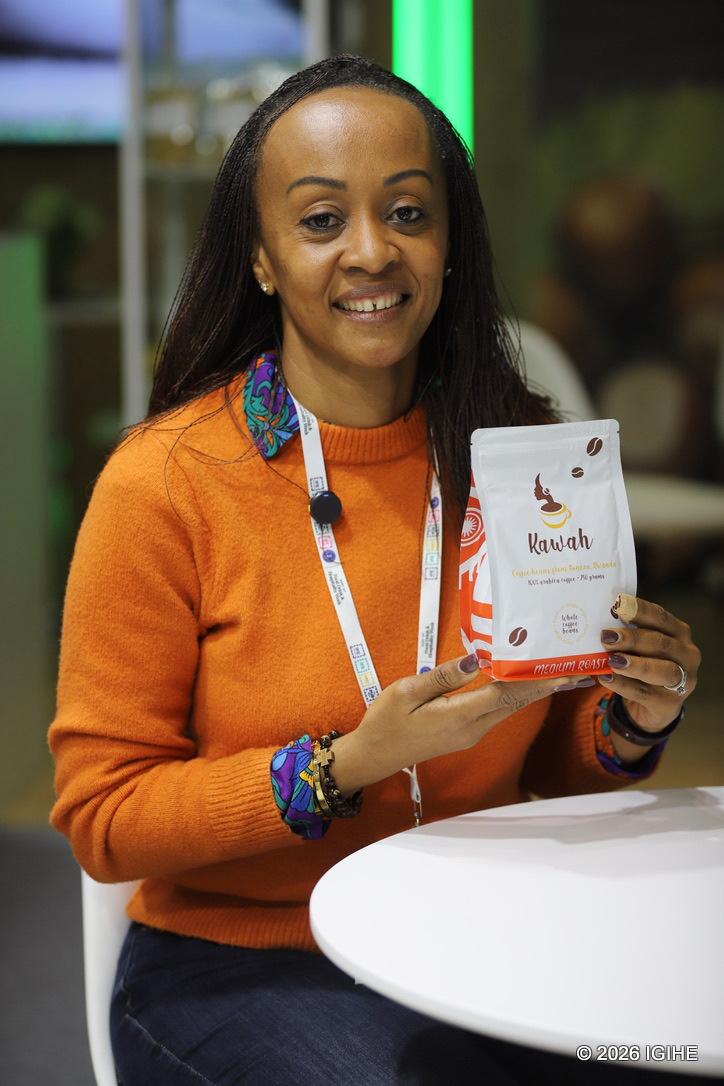
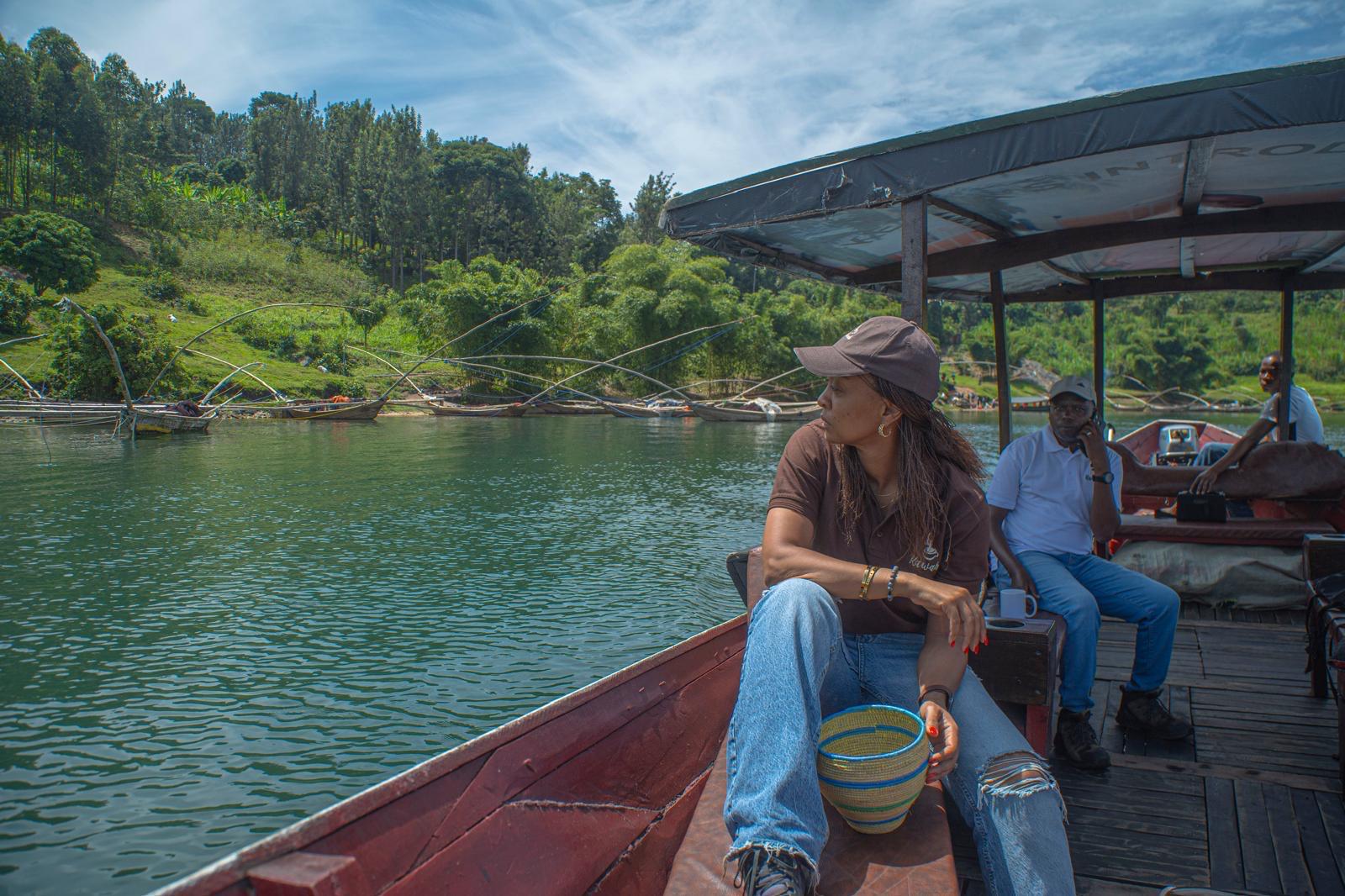
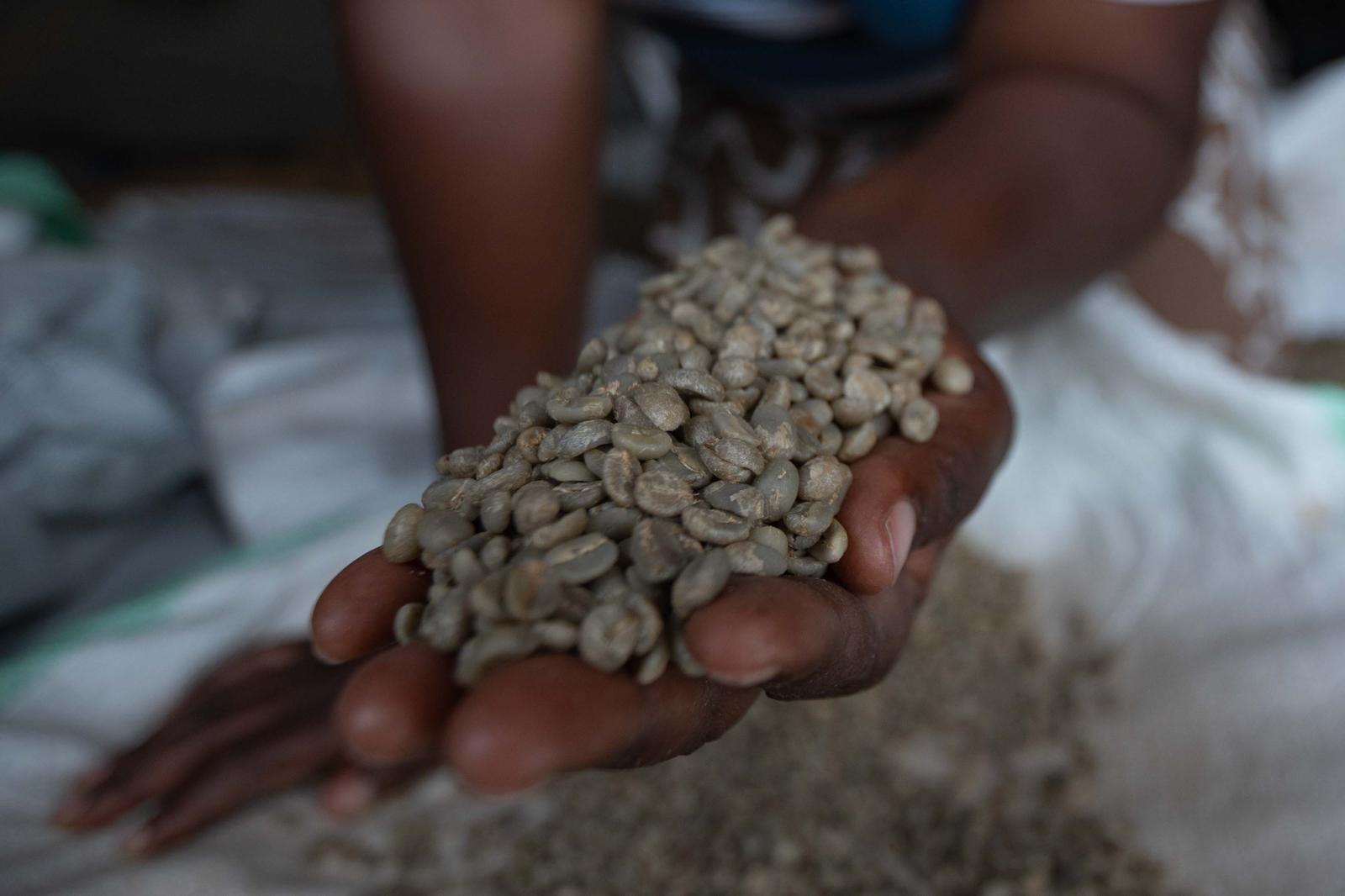
From her early studies in interior architecture to leading an internationally recognized coffee brand, Kubwimana combines creativity, heritage, and entrepreneurship in a journey that celebrates both her roots and Rwanda’s growing prominence in the global coffee market.
IGIHE spoke with her during the recent International Food and Drink Event (IFE) trade show in London about her career, the evolution of Kinunu, and the story behind the coffee that has captured international attention.
IGIHE:Your academic and professional background is in architecture, yet today you lead a coffee business. How did this transition come about?
Michaelle Kubwimana: I wasn’t initially destined for the coffee sector. I completed my bachelor’s degree in interior architecture in 2001 in South Africa, and later earned my master’s degree in 2006 in Italy. I practiced in this field for several years, running my own architecture business in Rwanda before gradually becoming involved in the family coffee enterprise.
Can you share how you became involved in the family coffee business?
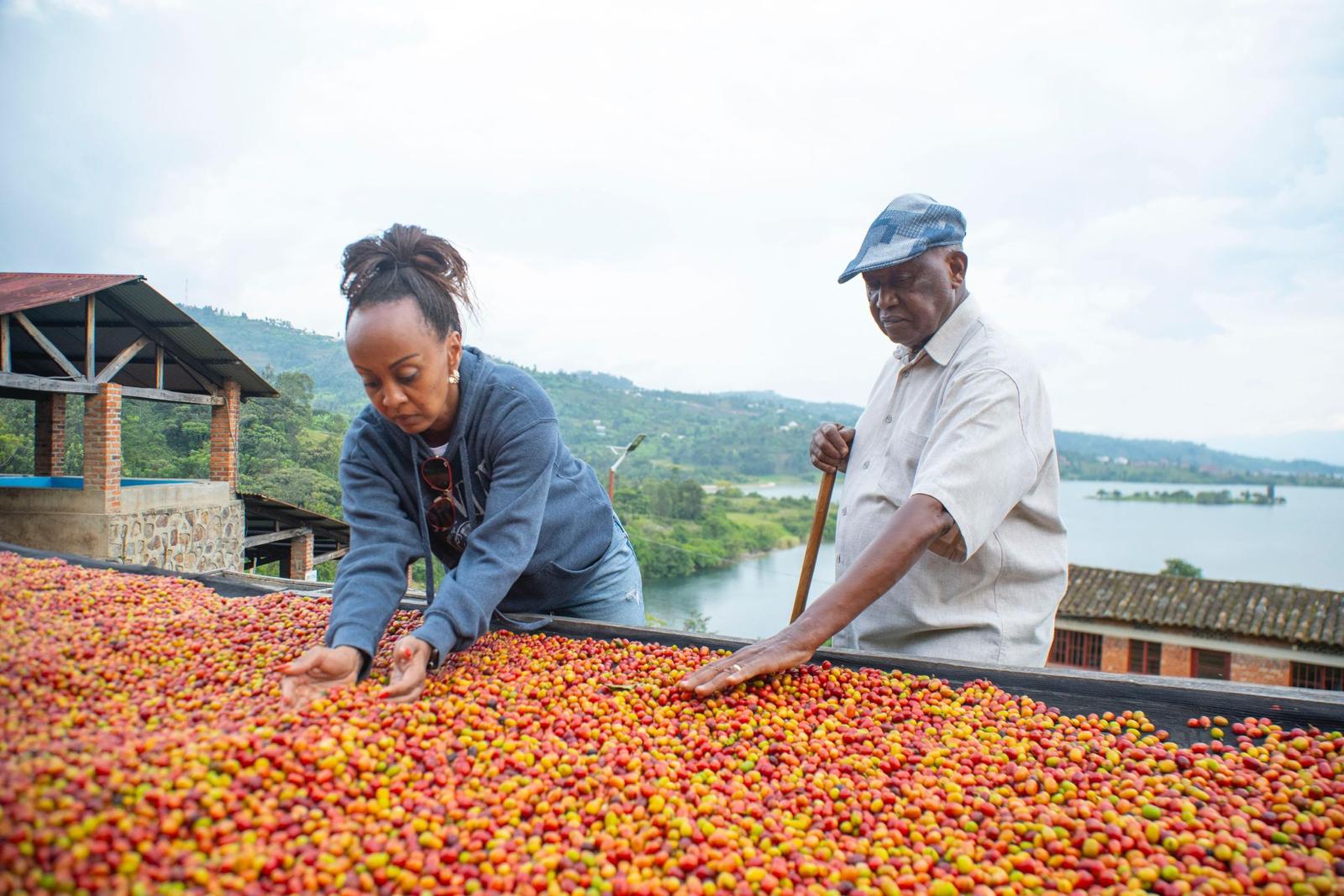
Kubwimana: By the time I finished my studies, my father had already started the coffee farm in his native village, working with one of my brothers. That village has always been central to our family life, and I spent much of my childhood there. Over time, I developed a genuine interest in the farm, particularly as I saw the positive impact it had on the local community.
Kinunu today seems to be much more than a coffee farm. How has it evolved?
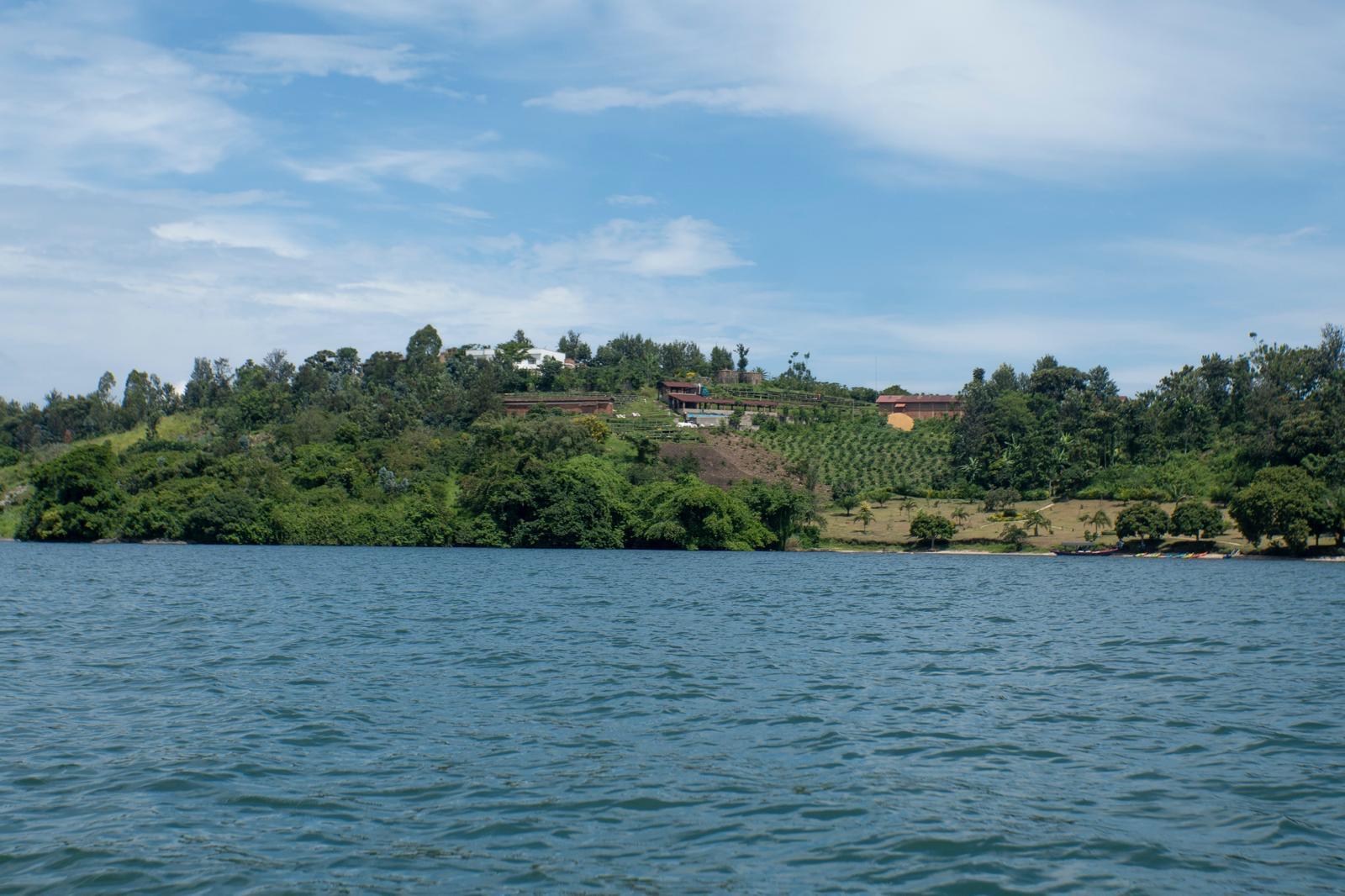
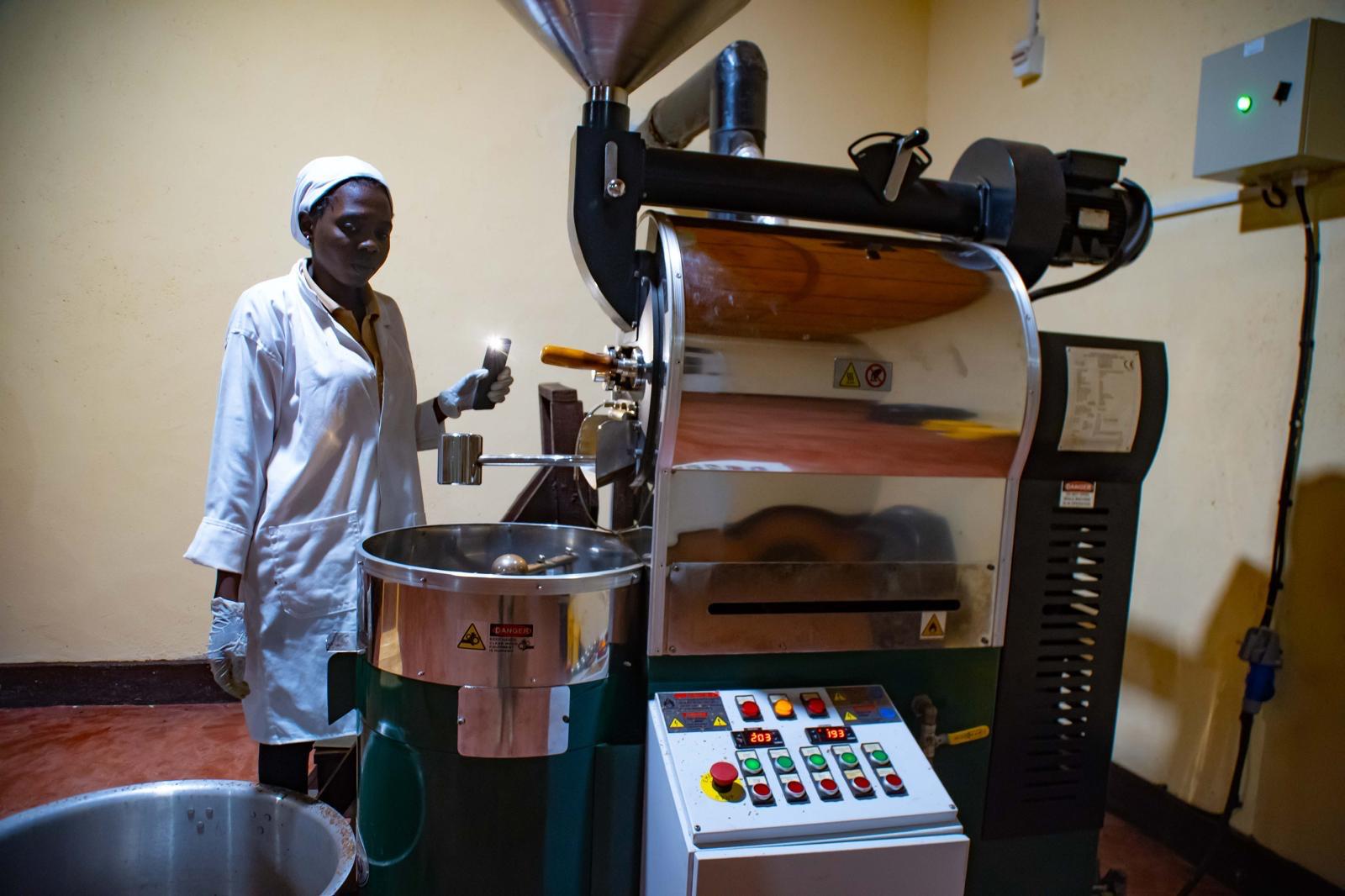
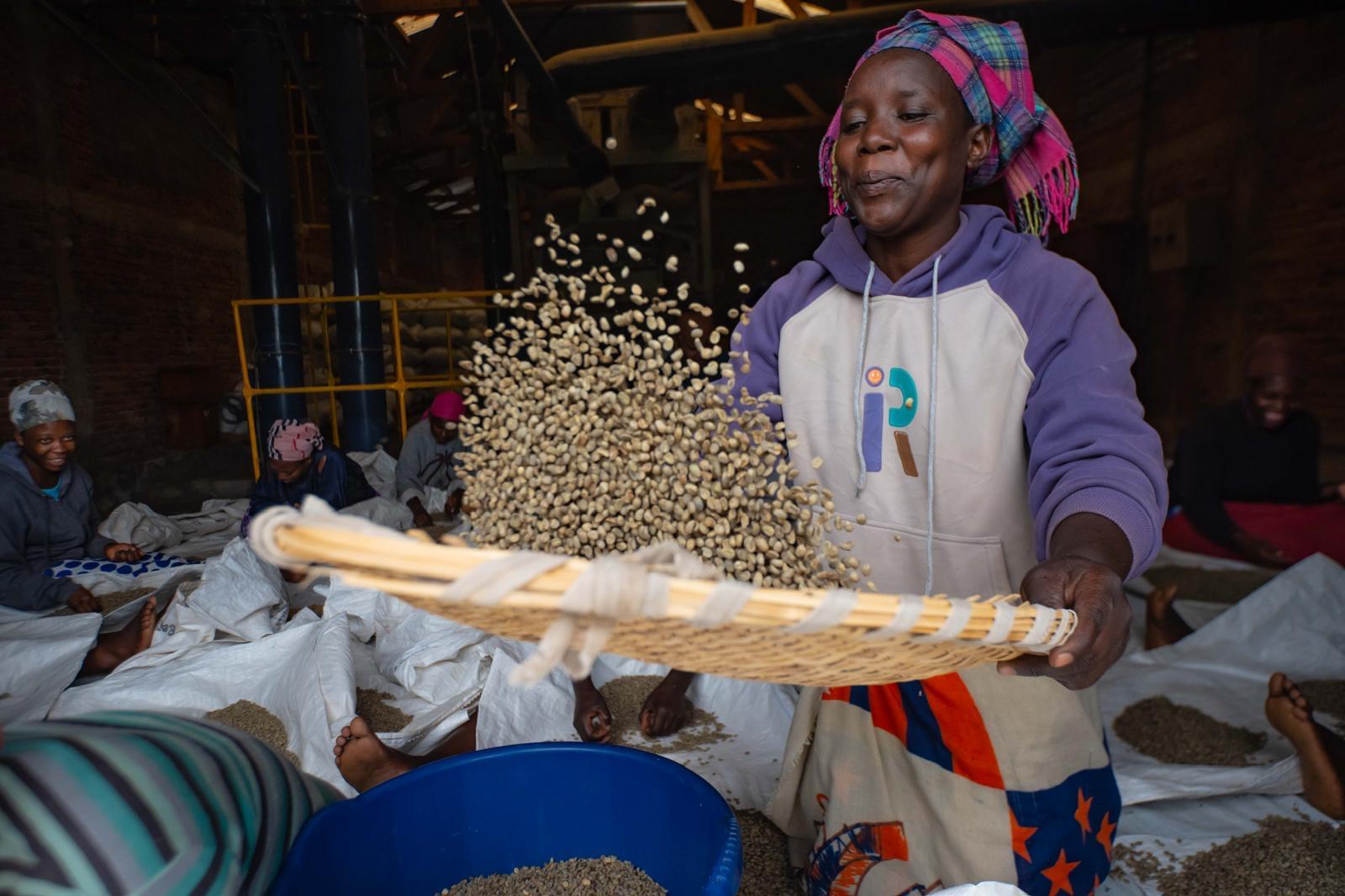
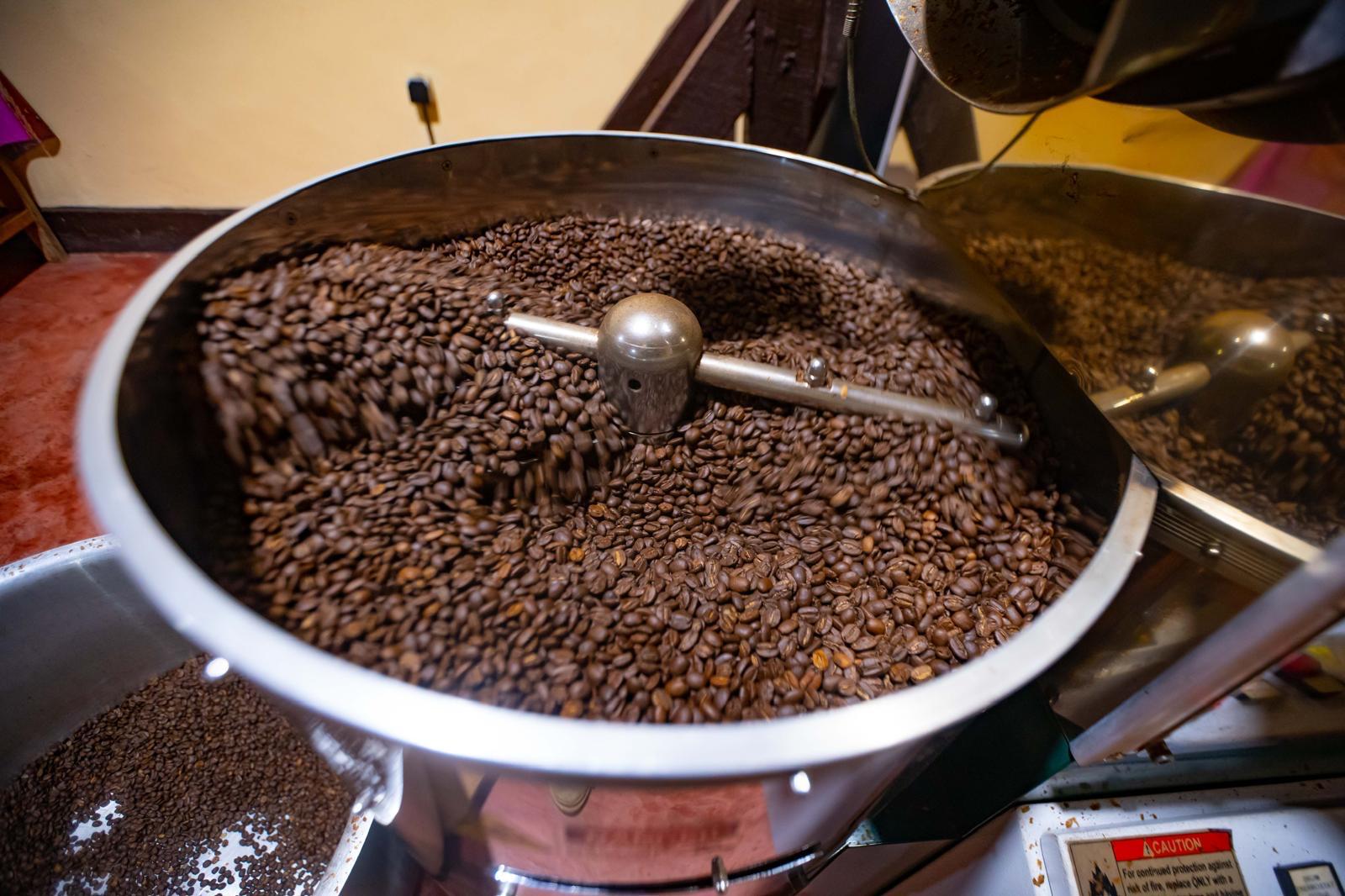
Kubwimana: Absolutely. What started as a small farm aimed at supporting the village and surrounding region has grown into a full ecosystem. We now operate a coffee washing station, host tours for both local and international visitors, and offer a guesthouse and restaurant managed by my sister. Kinunu is recognized by the Rwanda Development Board as a key stop along the Congo Nile Trail, blending heritage, tourism, and community development.
You have also played a role in expanding Rwandan coffee internationally. What has the journey been like?
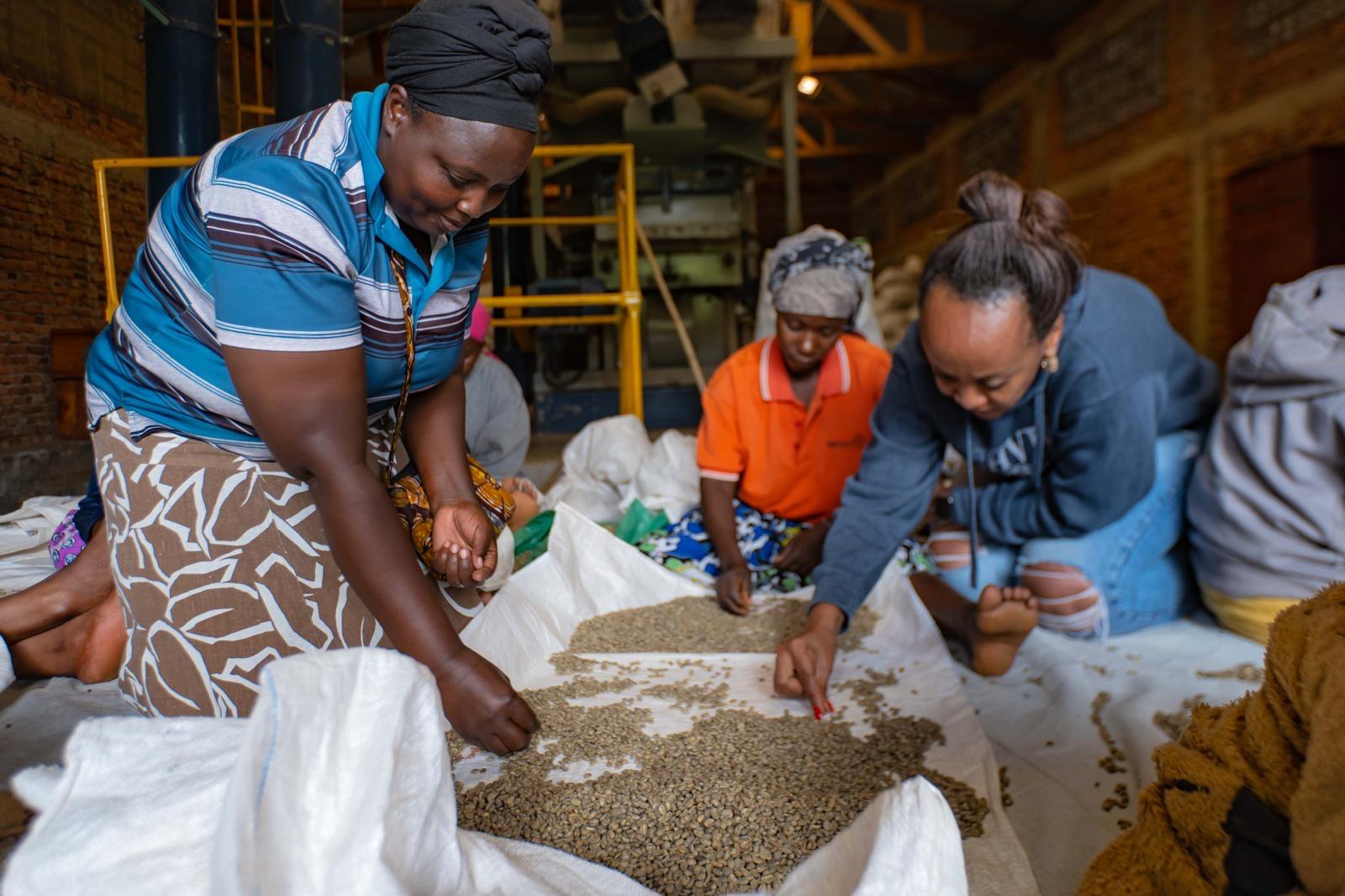
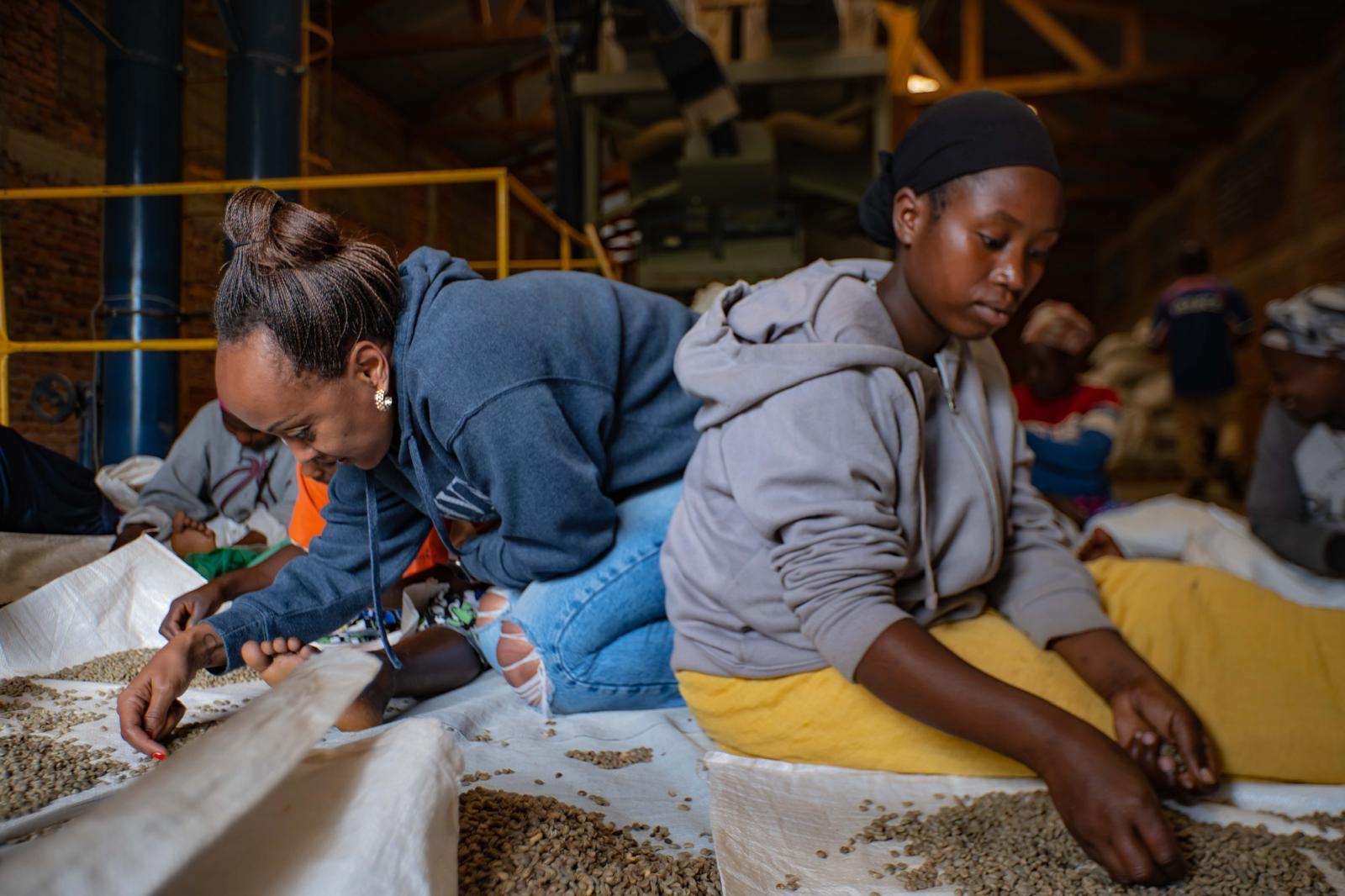
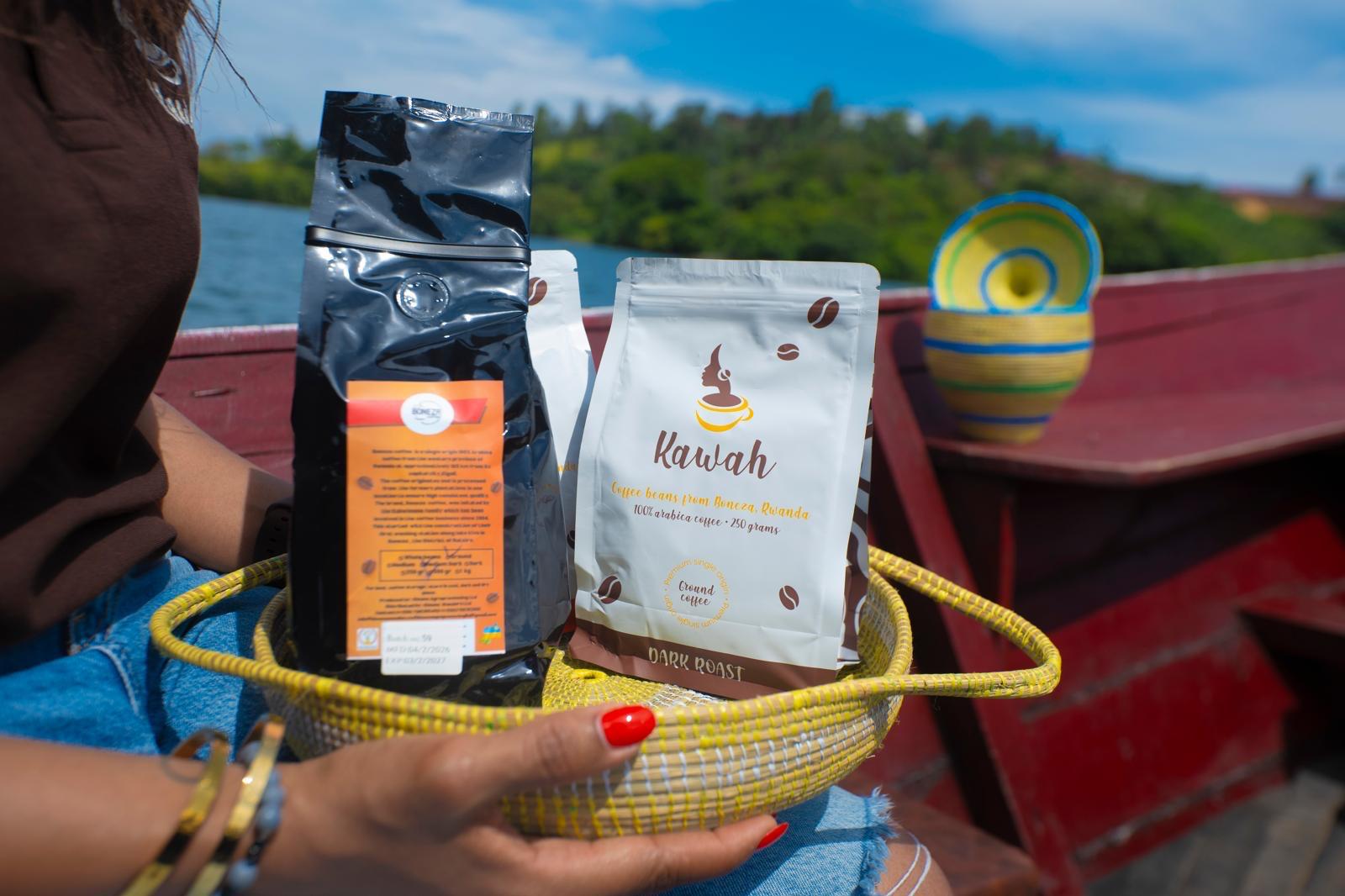
Kubwimana: In 2014, I began promoting our coffee abroad, especially in Dubai, through Boneza Coffee. In 2020, after moving to Singapore, I launched Kawah Coffee, targeting the international market. The goal was not just to showcase our coffee but also to highlight the stories of our farmers—90% of whom are women. By September 2022, the brand was registered in the UK after we relocated there.
What inspired you to formally take on the leadership of Kinunu Agroprocessing?
Kubwimana: It was a gradual decision fueled by both passion and responsibility. Kinunu is more than a business—it’s a family legacy. Leading it allows me to honor the heritage of my father and grandfather while supporting the community that has grown with the farm.
How do you see Rwandan coffee positioned in the global market today?
Kubwimana: Rwanda has made a clear strategic choice to focus on quality. Despite its small size, the country produces coffee under excellent conditions, which is why Rwandan coffee is now recognized among the best in the world. Initiatives such as the Visit Rwanda brand have also helped increase the country’s visibility internationally, making it much easier today to introduce Rwandan coffee to new markets compared to a few years ago.
Any final thoughts you’d like to share?
Kubwimana: Taking over Kinunu is about continuing a family and human story. It’s about preserving heritage, staying true to our values, and looking forward, ensuring that the legacy of our coffee farmers continues to thrive both locally and globally.
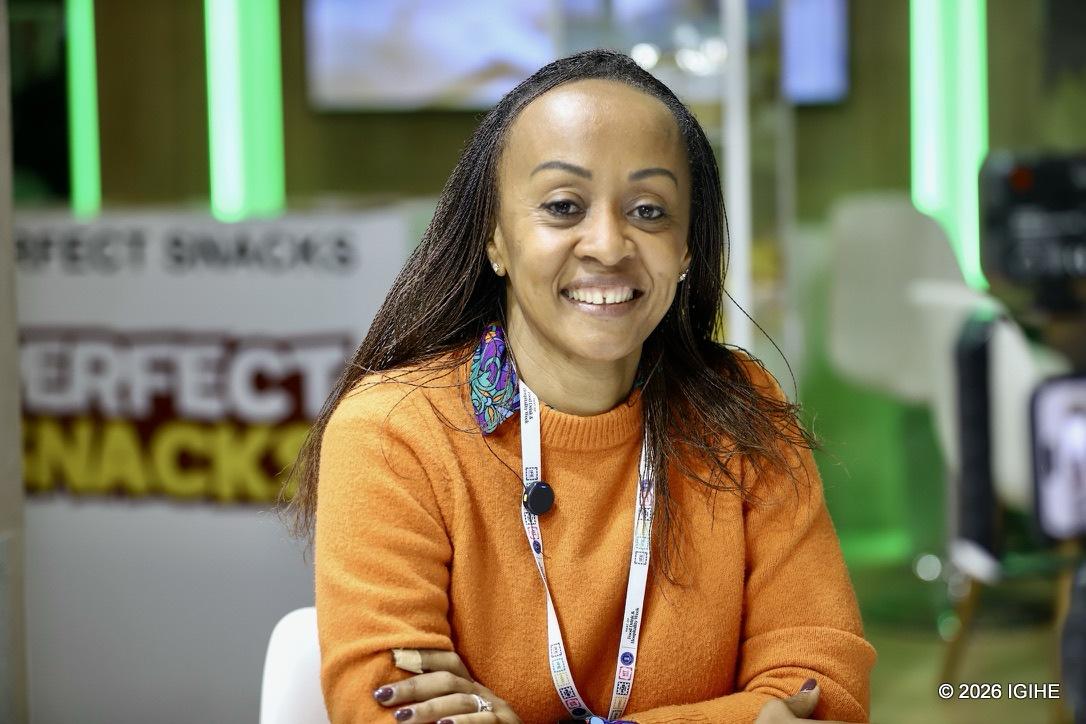
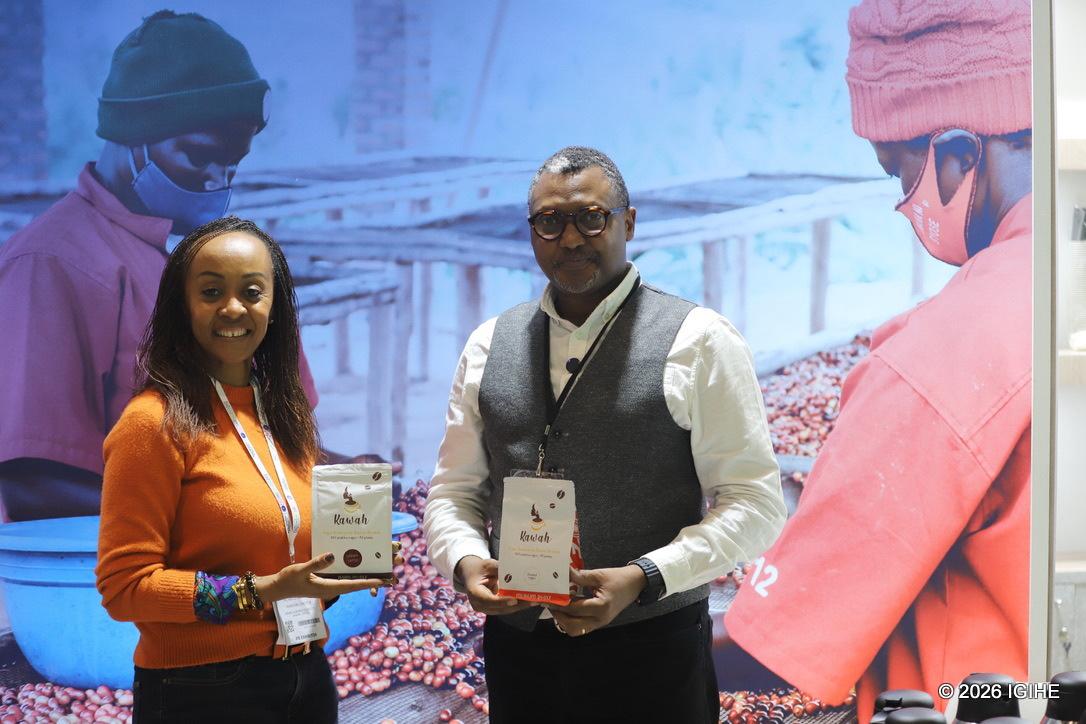
Michaelle Kubwimana, the Managing Director of Kinunu Agroprocessing, is redefining the legacy of her family’s coffee farm. Kubwimana during an interview with IGIHE at IFE-2026
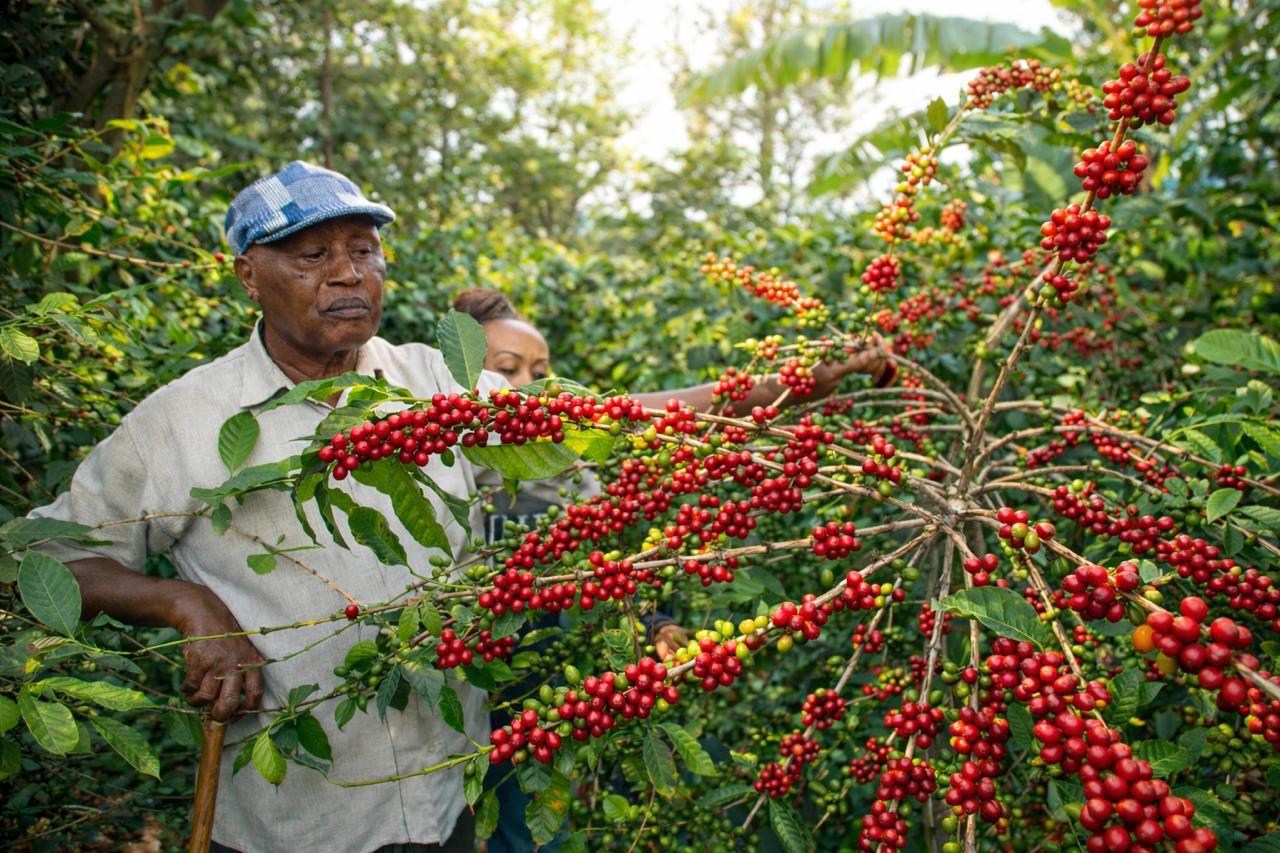
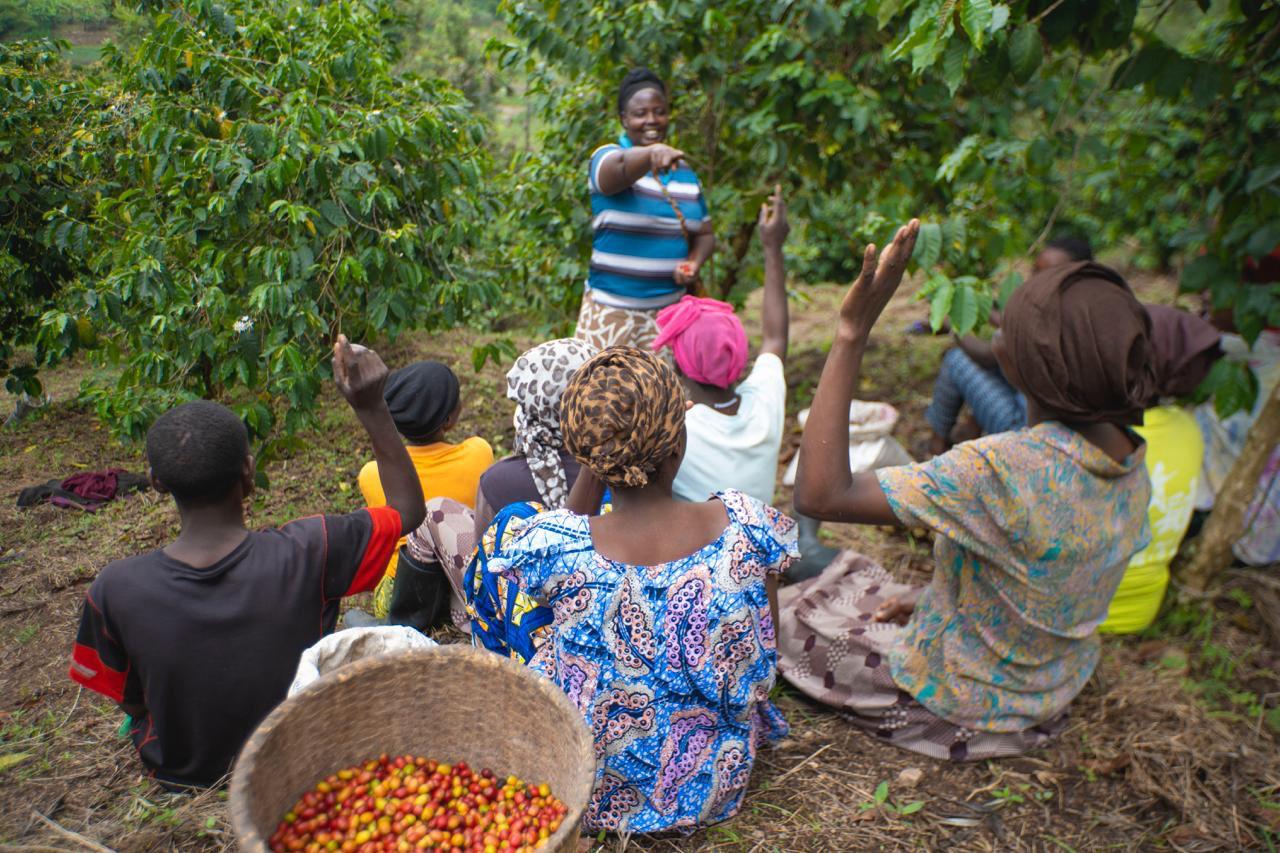
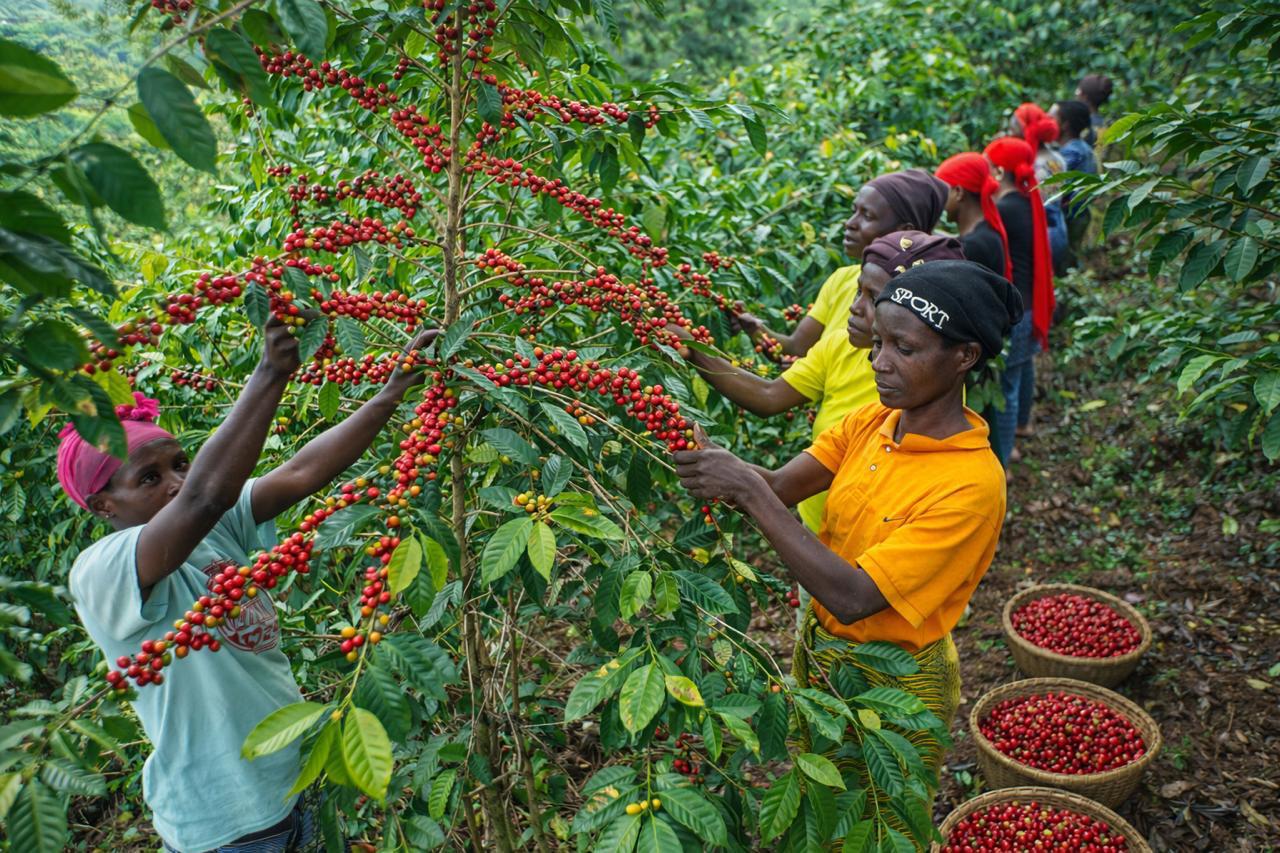
Photos showing Kubwimana and her father with farmers working on their farm in Kinunu
He made his criticisms during an interview with Jeune Afrique where he addressed concerns about his personal reputation, recent U.S. sanctions and rumors that once circulated about his health.
“Those who apply sanctions, they’ll do what they want, any day. You don’t have to have done anything wrong, but because they support somebody who has done something wrong, or is doing something wrong, they will apply it if it is based on interest,” he stated.
On March 2, 2026, the U.S. Department of the Treasury’s Office of Foreign Assets Control (OFAC) announced sanctions against the RDF as an institution and four senior military officials; Chief of Defence Staff Gen Mubarakh Muganga; Army Chief of Staff Maj Gen Vincent Nyakarundi; Commander of the RDF Special Operations Force, Brig Gen Stanislas Gashugi; and Commander of the RDF’s Fifth Division, Maj Gen Ruki Karusisi.
In early December 2025, Rwanda and the DRC signed the Washington Accords in Washington, D.C., aimed at restoring peace in eastern DRC.
Despite the agreements, however, a DRC-allied coalition—including the genocidal FDLR militia, mercenaries, Burundian soldiers, and Wazalendo militia, continued launching attacks on AFC/M23 positions and densely populated areas using ground and drone offensives.
The DRC has accused Rwanda of supporting the AFC/M23 rebel coalition, which resumed fighting in 2021 to defend the rights of marginalized Tutsi communities targeted by the DRC government after previous talks failed.
The United States statement imposed sanctions, accusing Rwanda of backing the M23, allegations Kigali has consistently denied, while urging the Democratic Republic of the Congo to end its collaboration with the FDLR, which has launched attacks on Rwandan territory on multiple occasions.
During the fighting in DRC, Rwanda was targeted multiple times, prompting the country to establish defensive measures along its border.
In its statement released on March 2, 2026, the Rwandan government insisted that the sanctions unfairly target only one party to the peace process while ignoring violations by the DRC side.
Commenting on these sanctions, Kagame also emphasized that Rwanda’s global reputation is important, but it cannot be compromised by sanctions that ignore the root causes of conflicts.
On the topic of public perception, Kagame also reflected on his brief disappearance from public view last year, which had sparked health rumors. He explained that the time away was personal, spent with his grandchildren, and not related to any illness.
The President reassured the public of his robust health, comparing himself favorably to others worldwide.
“But let me tell you, if you take 100 people randomly from anywhere to investigate how healthy they are—here, France, London, the UK, America—and include me among them, I would come among the top 10.”
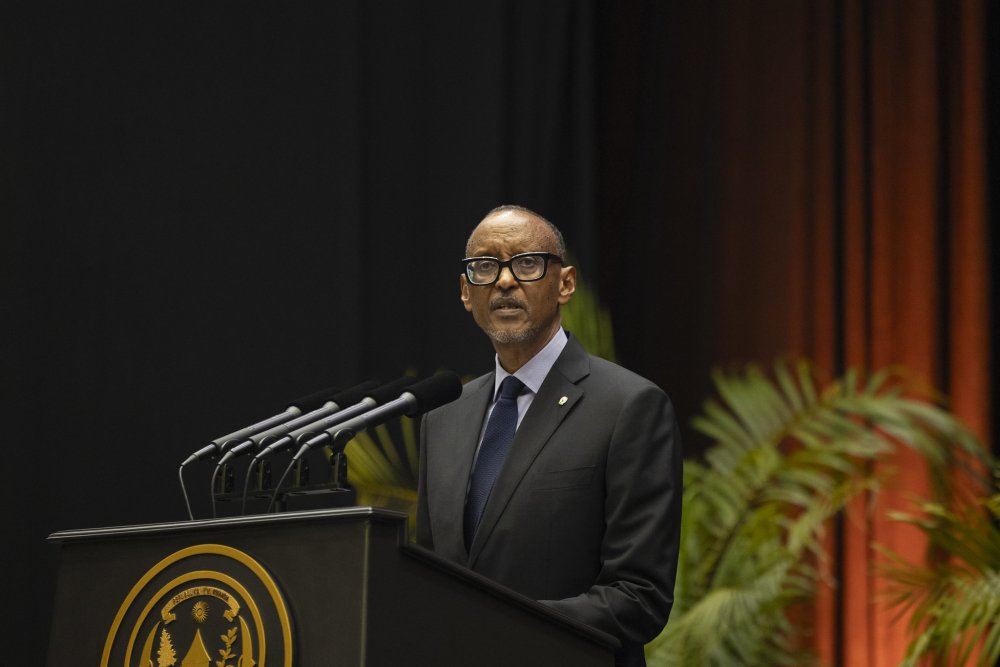
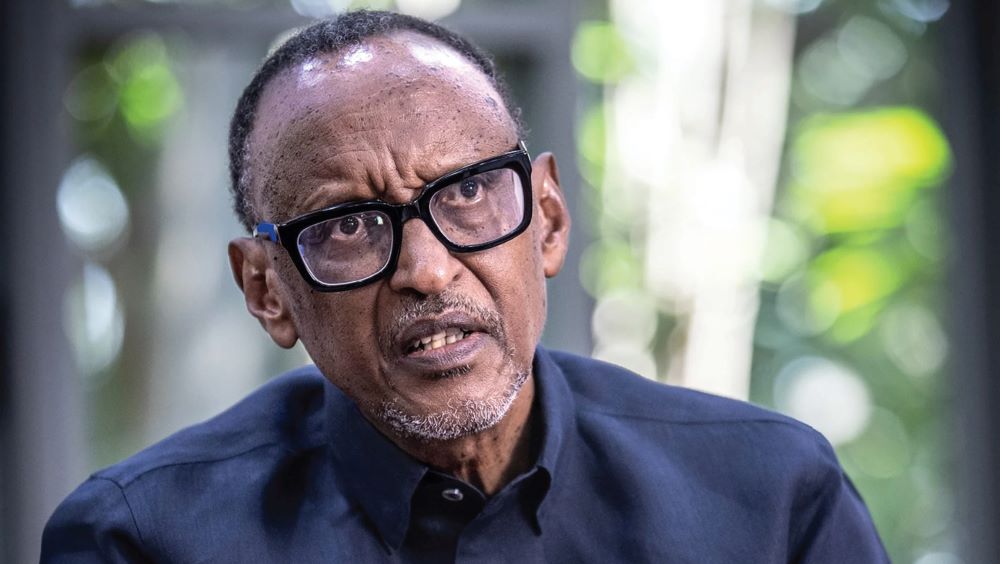
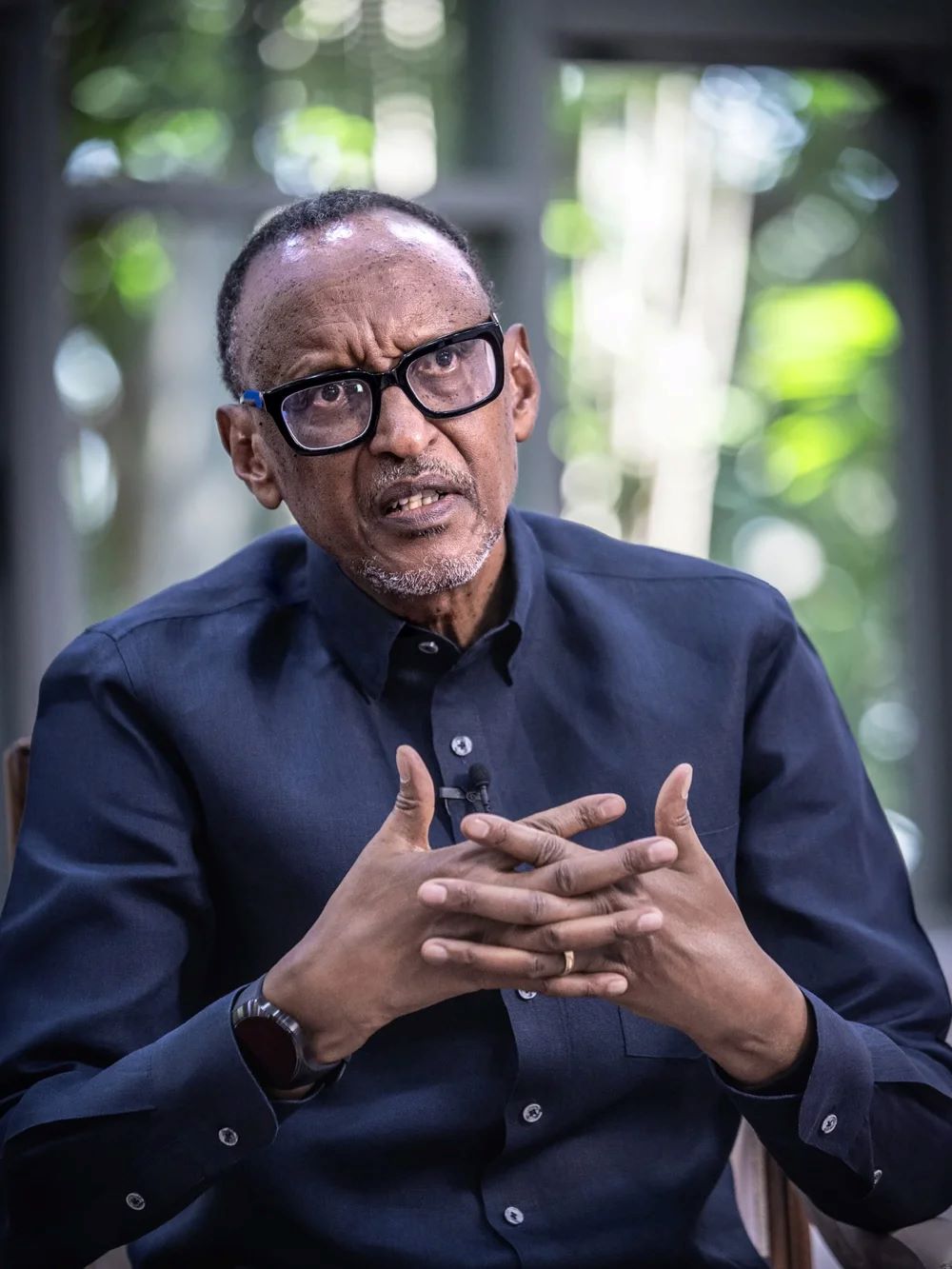
President Kagame has criticized biased sanctions against Rwanda
In an exclusive interview with Jeune Afrique, Kagame criticized the hypocrisy by international actors calling for lifting of defensive measures without taking Rwanda’s security concerns into consideration.
“We refuse to remove defensive measures, whether it means troops or whatever else. We call it defensive measures. And in your logic, why would a threat be against me and you are asking me to remove my defensive measures but you’re not dealing with a threat? What is the logic?” he said.
Kagame stressed that the defensive measures are intended solely to secure Rwanda’s borders and prevent any hostile force from crossing into the country.
He emphasized that the FDLR terrorist group remains a persistent threat, making the continuation of measures put in place essential.
Since January 2025, when AFC/M23 forces captured Goma, Kagame highlighted that the security situation in Eastern Congo has improved. He highlighted that the presence of M23 on the border guarantees better border security with the DRC.
“The situation today is better than it was before. Anybody can make their own assessment. It is better there in Goma and better in Bukavu than it was before. There is no question about it. The whole border now is secure.”
Despite criticism from some international actors, Kagame maintained that Rwanda’s defensive posture is necessary to ensure no threat crosses into Rwanda.
“The easiest thing to do here is to blame Rwanda and keep all the penalties and whatever on Rwanda because it is easy. They are doing what is easy for them to do. […] But can it give a solution when you are keeping quiet about the root cause?” he wondered.
He also hinted at the possibility of compromise but warned that previous agreements with the DRC had not been fully respected.
“A compromise solution has been indicated in many of these agreements we have had, including the one in Washington, D.C., but previous agreements have never been respected by DRC.”
President Kagame has defended Rwanda’s defensive measures during an interview with Jeune Afrique.