This institution is a home for children with disabilities under Mustered Seed Communities. The initiative forms part of the ongoing Hurricane Melissa recovery efforts aimed at supporting vulnerable communities and restoring essential facilities.
According to the Rwanda’s Ministry of Defence, the activity was conducted together with University Hospital of the West Indies Tony Thwaites Wing to improve living and learning conditions of the children at the Blessed Assurance. The work involved painting the study hall and installing electric ceiling fans in the dormitories.
This activity mirrors a spirit of cooperation between the RDF and JDF, as well as the shared commitment to community resilience and humanitarian support.
This support gave a better face-lift to the institution and contributed meaningfully to the well-being of the children and staff at the facility.
Speaking during the activity, Col Moses Kayigamba, RDF Engineer Contingent Commander, commended all participants for their dedication and teamwork.
He briefly explained to the audience the background of Umuganda that was adopted as one of Rwanda’s homegrown solutions to foster unity, solidarity and collective responsibility. Col Kayigamba, noted that it is carried out on a mandatory basis every last Saturday of the month.
He noted that bringing this spirit of service to Jamaica further strengthens the bond and shared experiences that benefit communities they serve.
Mr. Dalmas Agan, Manager of the Blessed Assurance Children’s Home, also expressed his sincere appreciation to the RDF and JDF Engineers for their outstanding support.
He commended the teams for their generosity and hard work, noting that the children will now live and study in improved conditions as a result of this heartfelt initiative.
Dalmas described the activity as a true demonstration of compassion and solidarity, which has made a meaningful difference in the lives of the children under their care.
Col Moses Kayigamba, RDF Engineer Contingent Commander, commended all participants for their dedication and teamwork. The work involved painting the study hall.Installing electric ceiling fans in the dormitories was part of the exercise.
Rwanda has concluded its participation in the 2026 edition of the Paris International Agricultural Show (SIA), marking its fifth appearance at one of Europe’s largest agriculture and livestock exhibitions.
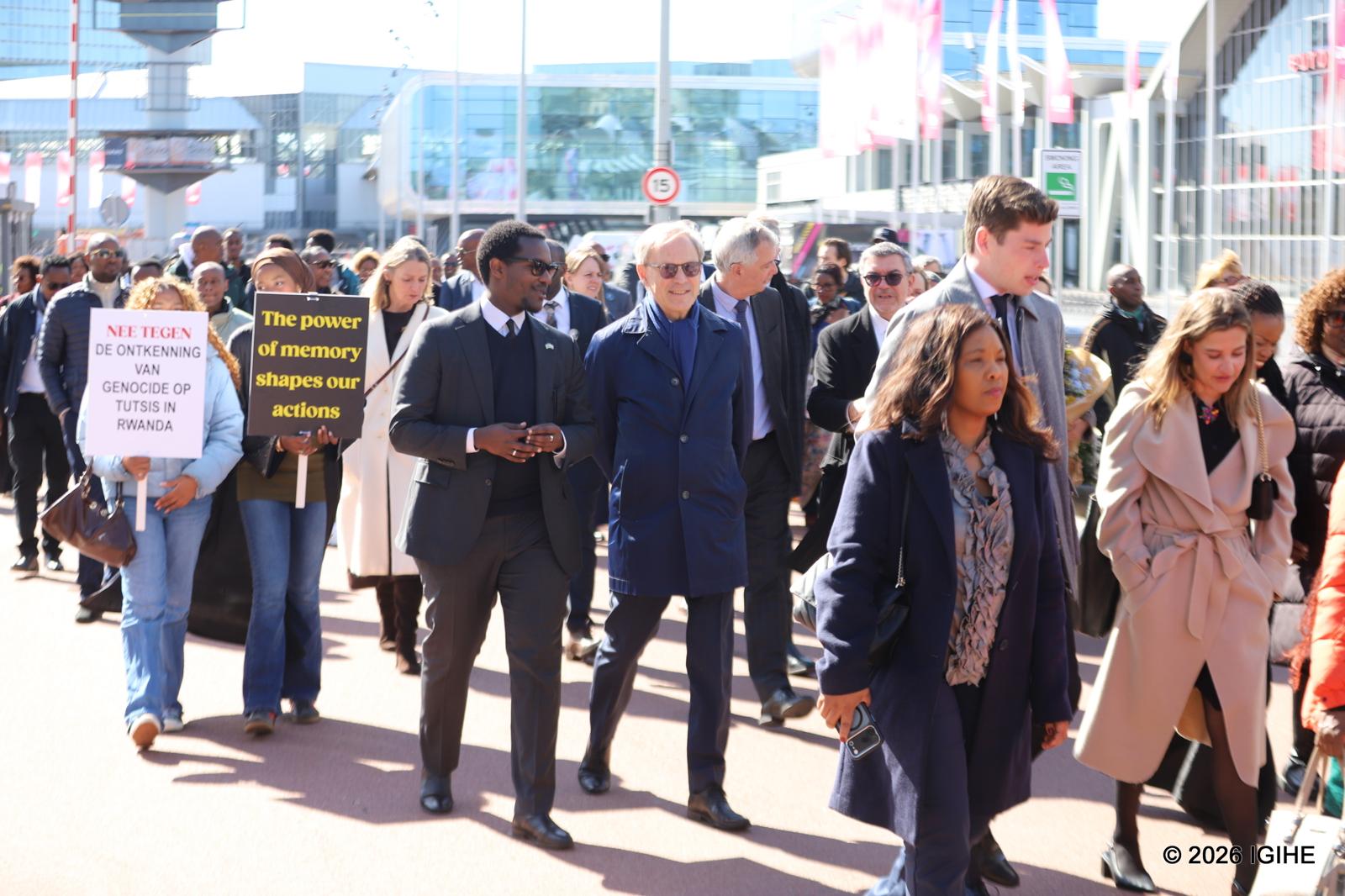
Held over nine days at Paris Expo–Porte de Versailles and officially opened by French President Emmanuel Macron on February 21, the global trade fair brought together more than 1,000 exhibitors and over 100 participating countries, attracting hundreds of thousands of visitors.
Rwanda was represented by the National Agricultural Export Development Board (NAEB), the Embassy of Rwanda in France, and 15 exporting companies showcasing products including coffee, tea, honey, chili, and other value-added agricultural goods.
Located in Pavilion Seven, the Rwandan stand highlighted the country’s progress in developing export-ready products and strengthening agricultural value chains.
The exhibition provided a platform for farmers, entrepreneurs, traders, and investors to exchange expertise, build partnerships, and explore market opportunities. Beyond product displays, participants engaged in business meetings and networking sessions with global buyers and importers.
Janet Basiima, Export Market Development and Innovation Division Manager at NAEB, said Rwanda’s presence focused on expanding market access and strengthening the international visibility of its agricultural products.
“We came with around 15 exporters showcasing tea, coffee, honey, and other agricultural goods. Our participation is aimed at expanding markets for Rwanda’s agricultural and livestock products,” she said. Basiima added that while more than 100 countries are represented at the exhibition, France remains a strategic market, currently ranking fourth among destinations for Rwanda’s agricultural exports.
She also noted that improved logistics continue to support export growth. According to Basiima, direct flights operated by RwandAir between Kigali and Paris three times a week provide a practical advantage in transporting Rwandan products to European markets.
During a visit to the Rwandan pavilion, Rwanda’s Ambassador to France, François Nkulikiyimfura, emphasized the importance of strengthening trade relations with a country widely recognized for its agricultural expertise. He assured exhibitors of continued diplomatic support in accessing new markets and building sustainable partnerships.
Exhibitors themselves reported encouraging outcomes from the trade fair. Ritha Umutoni, CEO of Rixu Rwanda Coffee, said participation extends beyond direct sales opportunities.
“Attending is not just about meeting buyers,” she said. “We also engage in planned activities, meeting executives from large importing and exporting companies worldwide. It’s a place to learn, visit other key markets in France, and expand our business ideas and practices.”
Umutoni also praised Rwanda’s leadership under President Paul Kagame, saying it enables Rwandans to engage confidently on international platforms.
Other exhibitors echoed similar sentiments. Stephanie Kayirangwa, Managing Director of Fita Ltd, commended NAEB for facilitating participation and the embassy for providing ongoing support.
Aloys Rubayiza, Managing Director of Rwanda Mountain Coffee, said he was impressed by the attention Rwandan products received during his first participation.
“This was Rwanda’s fifth participation, and we noticed buyers returning for Rwandan coffee and tea because they enjoyed it. It confirmed that our coffee is gaining recognition internationally,” he said.
Valentin Rwayitare, SIA Coordinator on behalf of the Rwandan Embassy in France, emphasized its role in creating opportunities to expand markets and described it as a platform to learn from best practices that can advance Rwanda’s agricultural export ambitions.
The Paris International Agricultural Show is known not only for trade and exhibitions but also for its scale and diversity. The event features agricultural technologies, value chains, and more than 4,000 animals, including cattle, sheep, pigs, and horses, reflecting the breadth of the global agriculture sector.
Rwanda’s participation aligns with broader national export ambitions. Agricultural and livestock exports remain a key driver of the country’s economy, generating more than $893.1 million in revenue by December 2025.
Under the Second National Strategy for Transformation (NST2), Rwanda aims to increase annual foreign exchange earnings from agricultural and livestock exports to $1.5 billion by 2029.
The country’s continued presence at major international trade fairs signals a sustained commitment to promoting its agricultural sector, strengthening global visibility, and positioning Rwandan products more competitively on the international market.
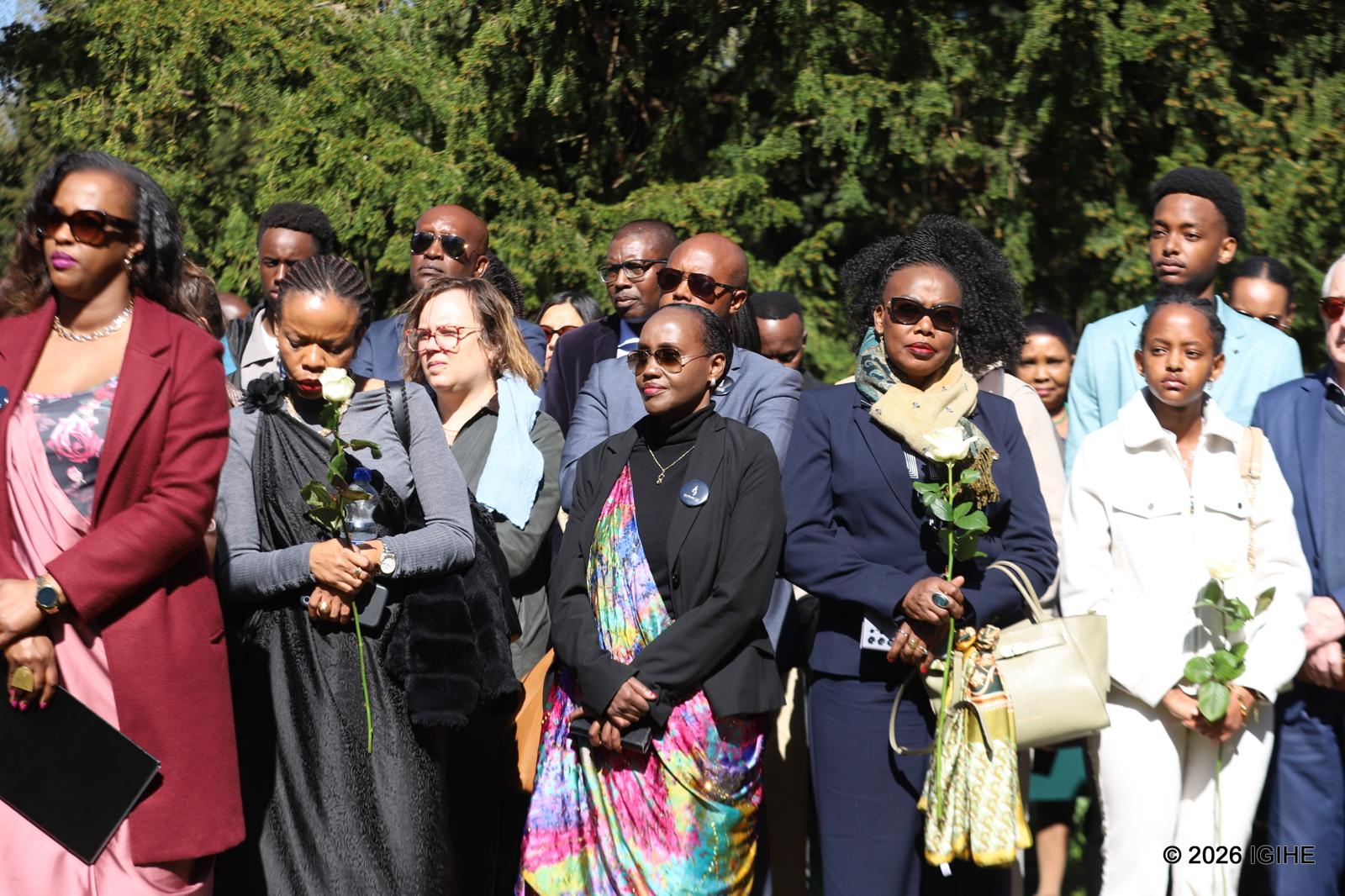
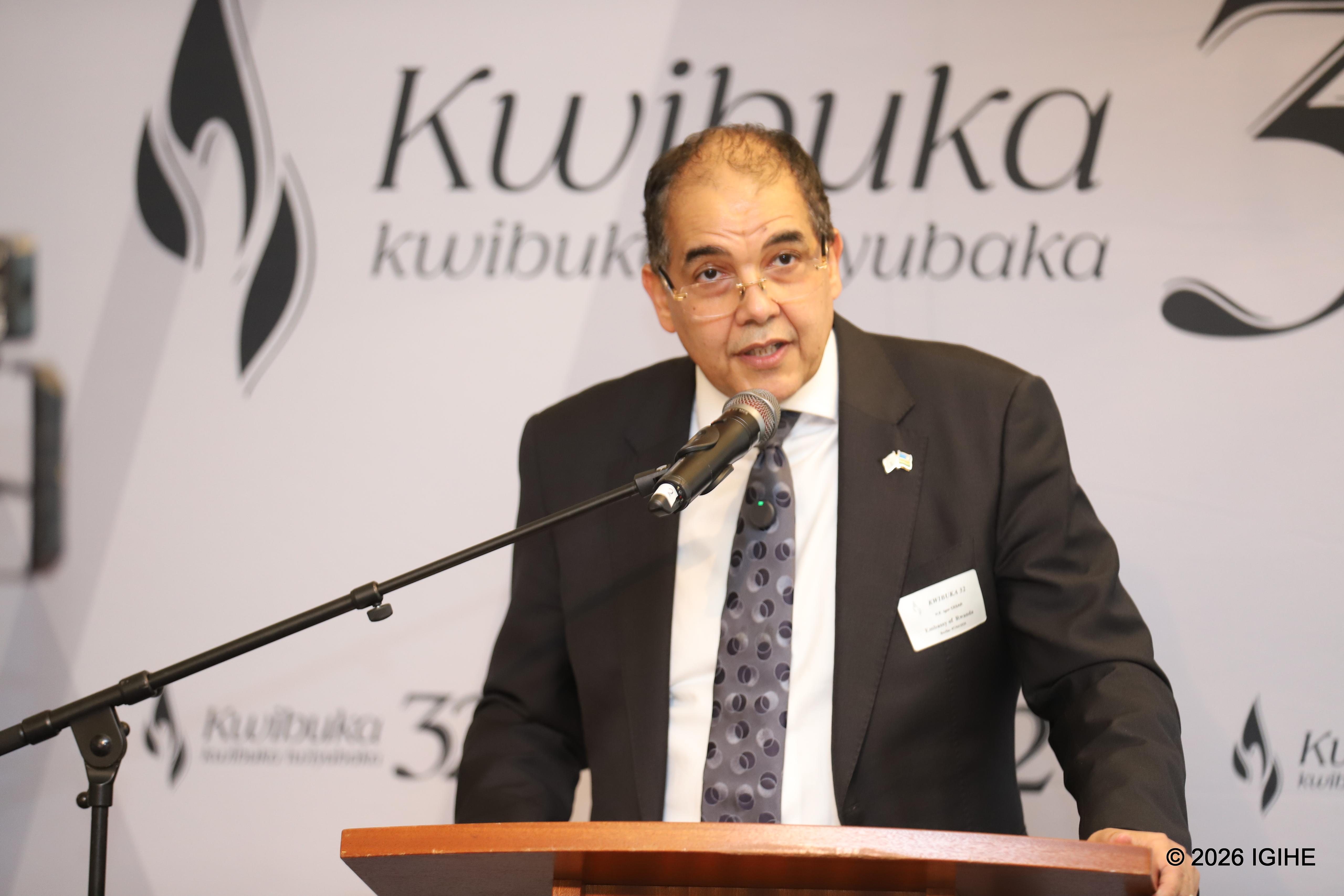
Visitors were impressed by Rwandan coffee. Rubayiza Aloys, the Managing Director of Rwanda Mountain Coffee, showcasing his products to visitors. Rwanda is participating in SIA trade fair in France for the fifth time.Rwanda’s Ambassador to France, François Nkulikiyimfura, promised support to those seeking expanded market opportunities in the country. Amb. Nkulikiyimfura speaks with Stephanie Kayirangwa, CEO of Fita Ltd, which produces chili and various flavors.Amb. Nkulikiyimfura talks with participants, including coffee exporter NzungizeRitha Umutoni, CEO of Rixu Rwanda Coffee, told IGIHE that the main reason for attending such fairs is to promote “Made in Rwanda” products.Ambassador François Nkulikiyimfura in conversation with IGIHE.Rubayiza Aloys, the Managing Director of Rwanda Mountain Coffee, welcomed the attention Rwandan exhibitors receive from foreign visitorsRwanda’s pavillion received significant attention. Rwandans were pleased with opportunities to expand markets in Europe.Swiss visitors admired Rwandan coffeeRwandans at SIA 2026 trade fair have been pleased with the available opportunities. Janet Basiima, Export Market Development and Innovation Division Manager at NAEB, said Rwanda continues to broaden market access while strengthening the global visibility of its agricultural products. The exhibition provides a valuable platform to promote innovation in agriculture and livestock development.The event takes place at Paris Expo–Porte de Versailles from late February to early March each year. Nzungize is among participants representing Rwandan companies exporting coffee.
Iran’s state media confirmed Sunday that its Supreme Leader Ayatollah Ali Khamenei was killed in a joint U.S.-Israeli attack on Saturday, prompting Iranian missile strikes on Israel and U.S. targets across the region.
What happened in the past 24 hours? Why did the United States and Israel take action now? How will Iran retaliate? Will this conflict escalate?
What happened?
Israel announced a “preemptive” strike on Saturday morning, sending about 200 fighter jets in simultaneous airstrikes on missile and defense systems in western and central Iran.
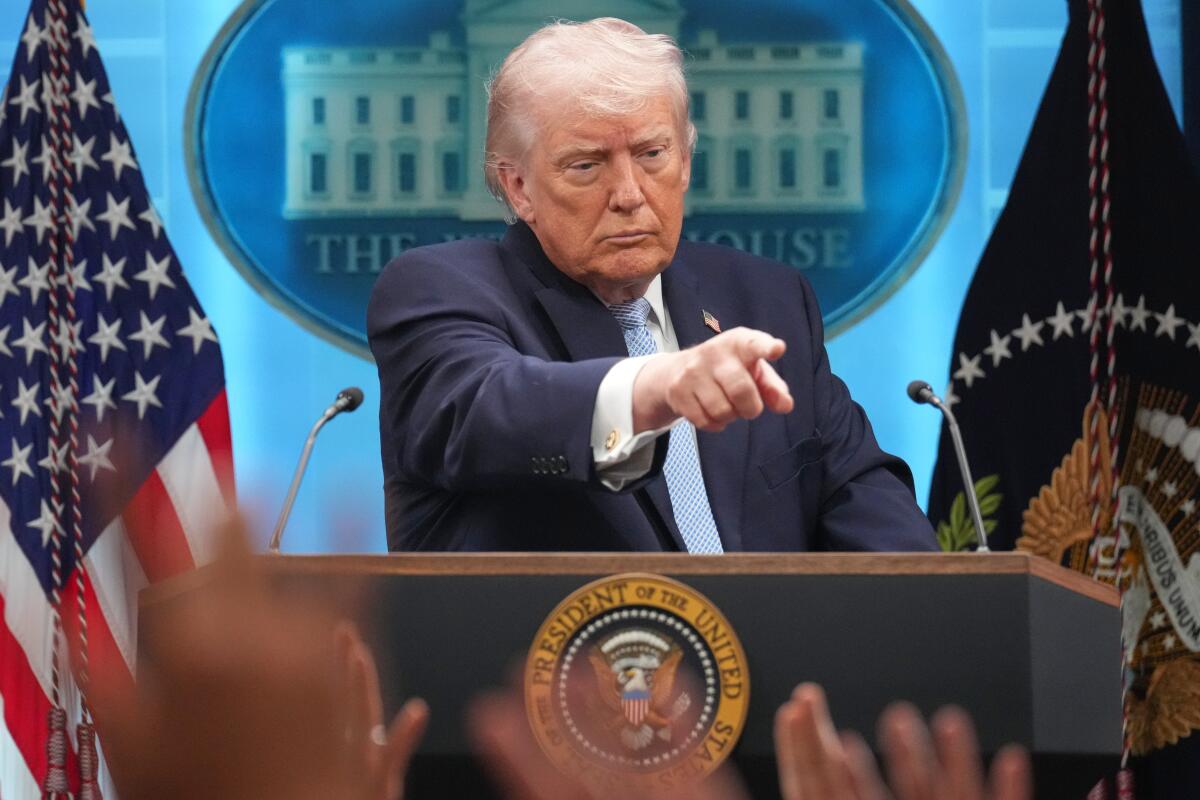
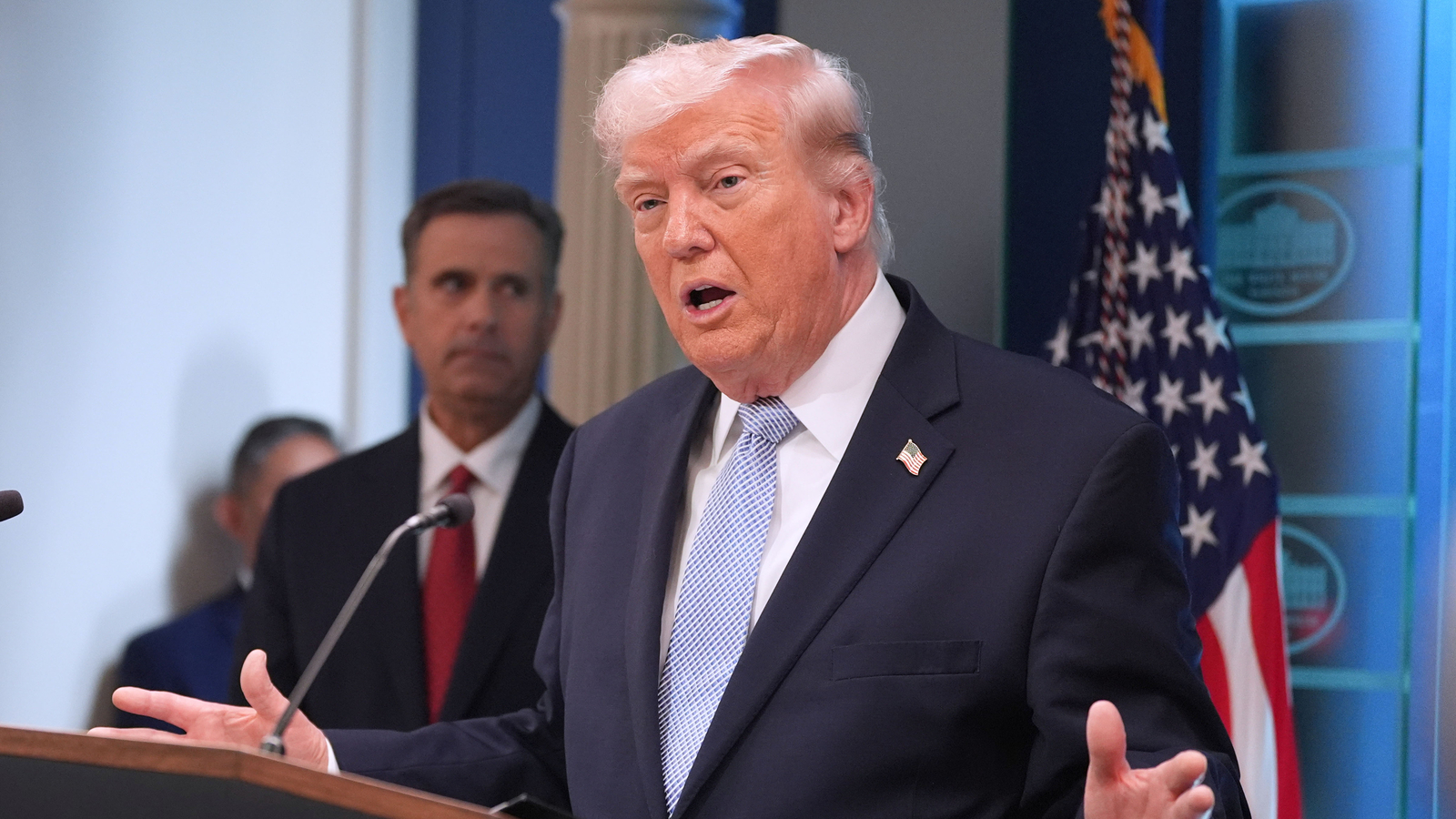
Shortly after the Israeli announcement, U.S. President Donald Trump said on his social media platform Truth Social that U.S. forces are “undertaking a massive and ongoing operation” targeting Iran’s missile industry.
Iran retaliated swiftly, declaring all U.S. military bases in the region legitimate targets and striking Israel and U.S. assets across the Gulf, with explosions reported in Bahrain, Qatar, Kuwait, Jordan, the United Arab Emirates (UAE) and Saudi Arabia, among other countries.
Iranian media reported that the Islamic Revolution Guards Corps had closed the Strait of Hormuz to shipping, declaring the vital oil and gas waterway unsafe due to U.S. and Israeli attacks.
The Iranian Red Crescent Society said that the strikes hit at least 24 of Iran’s 31 provinces, with 201 deaths and 747 injuries reported so far.
Up to 160 people could have been killed as airstrikes struck a school in southern Iran, said Iranian Foreign Ministry spokesman Esmaeil Baghaei. Iran’s president condemned the incident as “inhumane.”
In Tehran, missiles struck near the offices of Khamenei and President Masoud Pezeshkian.
Trump said Saturday that Khamenei was killed in the strikes — a claim later confirmed on Sunday by Iran’s state media, after which the government announced a 40-day mourning period.
Why now?
Trump said in an eight-minute video that the objective “is to defend the American people by eliminating imminent threats” from Iran. Echoing his remarks, the Israeli Defense Ministry said the action aims to “remove threats to Israel.”
Analysts suggest the rhetoric indicates a broader objective: government change in Iran through military force.
Unlike the June 2025 strikes targeting underground nuclear facilities away from civilian zones, this operation hit multiple cities and leadership sites.
The timing was chosen to maximize chances of eliminating top Iranian leaders while they were at their command posts, Syrian international relations researcher Mohammad Nader al-Omari said, adding that both the United States and Israel sought a swift, decisive outcome with minimal losses.
The Pentagon has named the operation “Operation Epic Fury,” and U.S. officials told news outlets that it could continue for days or weeks. According to Israeli media, planning had been underway for months, with the final date set weeks ago.
Before launching the strikes, the Trump administration built up the U.S. military presence in the Middle East to its largest level since the 2003 invasion of Iraq. Meanwhile, Israel operates around 300 advanced fighter jets and maintains a multi-layered air defense system designed to counter short-range rockets, medium-range threats and ballistic missiles.
Liu Chang, an expert at the China Institute of International Studies, said that the strikes aim to paralyze Iran’s high-level command structure and weaken domestic resistance while using military pressure as leverage in potential negotiations.
How will Iran retaliate?
There are no “red lines” for Iran after the U.S.-Israeli strikes, Al Jazeera reported, citing an unnamed Iranian official. Anything is possible, the report said, including scenarios never before considered.
“We are not surprised by this aggression. Our response will be full and open-ended, without time limits,” the official said.
While the United States and Israel maintain a significant military advantage, Iran retains potent retaliatory options, particularly its ballistic missile arsenal.
According to Al Jazeera, the exact size of Iran’s ballistic missile arsenal is unclear.
Still, it is widely considered one of the largest and most advanced in the Middle East, with some missile types capable of reaching Israel in roughly 12 minutes.
Diplomatically, Iran called on the United Nations to act against the strikes. Foreign Minister Seyed Abbas Araghchi, in letters to the UN secretary general and Security Council, reaffirmed Iran’s right to self-defense, vowing to respond “decisively and immediately” until the aggression “completely and unconditionally stops.”
Experts warned that continued U.S. and Israeli escalation could prompt Iran to coordinate with regional allies — including Yemen’s Houthis, Lebanon’s Hezbollah and Iraqi Shiite militias — to strike U.S. and Israeli targets across the Middle East.
Will conflict escalate?
After announcing Khamenei’s death, Trump said that “the heavy and pinpoint bombing, however, will continue, uninterrupted throughout the week or, as long as necessary to achieve our objective of PEACE THROUGHOUT THE MIDDLE EAST AND, INDEED, THE WORLD!”
Analysts cautioned that what begins as a calculated military action could spiral into an uncontrollable regional conflagration.
Adel al-Ghurairi, an Iraqi political analyst and professor at Baghdad University said, “The diplomatic track had already failed,” adding that the strike “is an admission that they believe the military option is the only remaining tool to roll back Iran’s nuclear progress.”
Gulf countries may face pressure to take sides, “exacerbating existing rivalries or triggering new security dilemmas,” said Palestinian political analyst Hussam al-Dajani.
Syrian researcher in international relations Mohammad Nader al-Omari noted the timing of the strikes reflects domestic political considerations. A rapid resolution, whether through systemic collapse in Tehran or its significant weakening, would benefit Trump ahead of the U.S. midterm congressional elections and bolster Benjamin Netanyahu’s prime ministerial bid, creating incentives for escalation, he said.
William Jackson, chief emerging markets economist at Capital Economics, warned that prolonged conflict could push Brent crude to 100 U.S. dollars per barrel, adding up to 0.7 percentage points to global inflation.
Iran’s closure of the Strait of Hormuz, which handles 20 percent of world oil, risks immediate supply disruptions. Meanwhile, the Organization of the Petroleum Exporting Countries and its allies may face pressure to raise production, he added.
Experts warned that continued U.S. and Israeli escalation could prompt Iran to coordinate with regional allies.
The following is a recap of the international community’s responses:
China
China is highly concerned over military strikes against Iran launched by the United States and Israel, the Chinese Foreign Ministry said in a press release, stressing that Iran’s sovereignty, security and territorial integrity should be respected.
Russia
In a phone call with his Iranian counterpart, Russian Foreign Minister Sergey Lavrov condemned the “unprovoked armed attack” by the United States and Israel on Iran, and urged an immediate halt to the strikes.
Oman
“I am dismayed,” Omani Foreign Minister Sayyid Badr bin Hamad bin Hamood Albusaidi, the mediator of recent Iranian-U.S. negotiations, said in a post on social media.
“Active and serious negotiations have yet again been undermined. Neither the interests of the United States nor the cause of global peace are well served by this … I urge the United States not to get sucked in further. This is not your war,” he said.
Brazil
“The Brazilian government condemns and expresses grave concern regarding the attacks,” the Brazilian Foreign Ministry said in a statement, calling on “all parties to respect international law and exercise maximum restraint in order to avoid an escalation of hostilities and ensure the protection of civilians and civilian infrastructure.”
Norway
Norwegian Foreign Minister Espen Barth Eide expressed concerns about the attack. “The attack is described by Israel as a preventive strike, but it is not in line with international law,” the minister said in a statement. “Preventive attacks require an immediately imminent threat.”
France
“The outbreak of war between the United States, Israel, and Iran carries grave consequences for international peace and security,” French President Emmanuel Macron said in a statement, stressing that the ongoing escalation is dangerous for all and must stop.
Pakistan
In a phone call with Iranian Foreign Minister Seyed Abbas Araghchi, Pakistani Foreign Minister Mohammad Ishaq Dar strongly condemned the “unwarranted attacks” against Iran and called for an immediate halt to escalation through urgent resumption of diplomacy to achieve a peaceful, negotiated resolution to the crisis.
Egypt
In a Foreign Ministry statement, Egypt expressed its deep concern over the military escalation.
The escalating tensions risk expanding the scope of the conflict, which could lead the entire region into a state of comprehensive chaos with undoubtedly catastrophic repercussions for regional and international security and stability, it said.
Saudi Arabia
The country condemned in the “strongest terms” the Iranian attacks on the United Arab Emirates (UAE), Bahrain, Qatar, Jordan and Kuwait, warning of “dire consequences” over the continued violation of “state sovereignty and the principles of international law.”
Qatar
Qatar’s Ministry of Foreign Affairs condemned Iranian missile strikes on its territory, calling them a violation of its sovereignty and a direct threat to national security and regional stability.
The ministry said Qatar reserves the right to respond in accordance with international law and in a manner proportionate to the nature of the attack.
Kuwait
Kuwait’s Ministry of Foreign Affairs condemned the Iranian attack targeting its territory, describing it as a “flagrant violation of Kuwait’s sovereignty, airspace, international law and the United Nations Charter.”
The European Union
Developments in Iran were “greatly concerning,” leaders of the European Union said, urging all sides to exercise maximum restraint.
“We remain in close contact with our partners in the region,” European Council President Antonio Costa and European Commission President Ursula von der Leyen said in a joint statement.
“We call on all parties to exercise maximum restraint, to protect civilians, and to fully respect international law,” the statement added.
The International Committee of the Red Cross
In a statement, the International Committee of the Red Cross said, “The military escalation in the Middle East is igniting a dangerous chain reaction across the region, with potentially devastating consequences for civilians.”
The United Nations
United Nations Secretary-General Antonio Guterres condemned the military escalation.
“The use of force by the United States and Israel against Iran, and the subsequent retaliation by Iran across the region, undermine international peace and security,” he said in a statement, “strongly” encouraging “all parties to return immediately to the negotiating table.”
This image from video provided by U.S. Central Command shows a missile being launched from a U.S. Navy ship in support of Operation Epic Fury on Saturday, Feb. 28, 2026. (U.S. Central Command via AP)
Despite Ribeiro’s stage win, German rider Moritz Kretschy of the NSN Development Team maintained a narrow overall lead, holding a two-minute advantage over his closest competitor with one stage remaining, Stage 8, scheduled for Sunday.
With Stage 8 still to come, the overall title remains up for grabs, setting the stage for an exciting finale in the 2026 Tour du Rwanda.
Brazilian cyclist Henrique Bravo Ribeiro, 20, riding for the Soudal Quick-Step Development Team, claimed victory in Stage 7 of the Tour du Rwanda 2026.
She voiced the appreciation during a High-Level Stakeholders’ Engagement Meeting held on February 27, 2026, at the Kigali Marriott Hotel.
The minister specifically highlighted BRAC’s commitment to combating issues such as teenage pregnancy and school dropout rates affecting both boys and girls.
Minister Uwimana emphasized the urgency of intensified action on these concerns and urged all stakeholders to collaborate more effectively, aligning their initiatives with Rwanda’s national priorities to achieve measurable and lasting impact.
BRAC, originally the Bangladesh Rural Advancement Committee, is a global development organization founded in 1972 in Bangladesh. It began operations in Rwanda in 2019, concentrating on youth unemployment, gender inequality, and financial inclusion.
These efforts support Rwanda’s long-term development agenda, including Vision 2050 and the National Strategy for Transformation (NST2).
BRAC Rwanda operates through three entities; BRAC Microfinance and BRAC NGO, which implements Accelerating Impact for Young Women (AIM ) programme in partnership with the Mastercard Foundation and BRAC Ultra Poor graduation Initiative (UPGI) which supports Rwanda to implement out of poverty graduation agenda.
Since 2019, BRAC Rwanda Microfinance has grown to 35 branches covering all 30 districts, serving over 100,000 borrowers, 98% of whom are women. It offers collateral-free group loans, agricultural finance products, savings services, and financial literacy training, primarily targeting women in rural and remote areas.
Through its AIM programme, launched in 2023 in partnership with the Mastercard Foundation, BRAC has reached over 30,000 adolescent girls and young women in Rwanda.
The programme provides life skills, entrepreneurship training, employability skills, and access to finance, equipping participants to succeed in the country’s growing economy.
Minister Uwimana expressed deep appreciation to BRAC and its partners, for their vital funding and support.
“This comprehensive approach aligns strongly with our national priorities and aspirations. We extend our appreciation to BRAC and its partners, especially MasterCard Foundation for generously funding these programmes, enabling the success we are celebrating today,” she stated.
“Your partnership exemplifies how strategic collaboration can translate into meaningful opportunities for young people, families, across all the country,” the minister added.
Alex Bekunda, BRAC’s Country Director for Rwanda, reinforced the value of joint efforts.
“We have witnessed young women start and grow businesses, engage in productive work among others and build confidence as leaders within their communities. These are not isolated stories. They are powerful reminders of what is possible when systems work together and when potential is nurtured,” he said.
Bekunda also called for expanding youth programmes to reach an additional 100,000 adolescent girls and young women by 2030.
Anne Mutta, BRAC’s Regional Director, elaborated on the organization’s integrated model, stressing the importance of combining skills development with financial access.
She also stressed the urgent need for collective action to confront the persistent challenges of gender-based violence and teenage pregnancy, issues that continue to disrupt girls’ education, threaten their safety, and constrain their economic prospects.
“Ending poverty in Rwanda will remain incomplete unless we protect girls, keep them in school, and create safe pathways for them to thrive.
“BRAC stands ready not only as a problem solver but also as a long-term partner committed to advancing Rwanda’s development vision through evidence, scale, and systems change to reduce poverty,” Mutta noted.
The event included inspiring testimonies from beneficiaries. Gaudence Muhongerwa, a mother of four from Ruhango District who participated in the AIM Programme, shared her progress.
“Through the AIM Programme, I have gained new skills that have helped me grow my business and empower my family,” she noted.
Marie Rose Uwizeyimana, a para-social worker from Nyamagabe District, also praised BRAC’s grassroots impact and its role in driving sustainable change.
The meeting took place as BRAC Rwanda hosted senior leadership; including the Regional Director, Senior Director of Programs, and AIM Director, from February 23–27.
During the visit, the delegation witnessed firsthand the depth of BRAC’s integrated impact and how the “ONE BRAC” model works seamlessly to transform lives across the country.
In the Southern Province, they observed how AIM is creating pathways of opportunity for young women and communities. They met with provincial and district officials, led by Governor Alice Kayitesi, and engaged directly with frontline staff whose dedication drives the organization’s mission forward. They also interacted with BRAC participants who shared powerful testimonies of transformation and resilience.
The visit culminated in a high-level stakeholder meeting on the 27th, attended by senior government officials, civil society leaders, and development partners, with the Minister of Gender and Family Promotion, Consolée Uwimana, serving as Guest of Honor.
Minister Uwimana has praised BRAC’s efforts in empowering young women, tackling youth challenges. The event took place at Kigali Marriott Hotel. Alex Bekunda, BRAC’s Country Director for Rwanda, reinforced the value of joint efforts.BRAC has reached over 30,000 adolescent girls and young women in Rwanda. Upoma Husain, Chief Executive Officer, BRAC Rwanda Microfinance also shared insights into key areas of interventions. Anne Mutta, BRAC’s Regional Director, elaborated on the organization’s integrated model.The event also featured a panel discussion revolving around community empowerment. Marie Rose Uwizeyimana, a para-social worker from Nyamagabe District, also praised BRAC’s grassroots impact. Participants of the event in a group photo. Gaudence Muhongerwa, a mother of four from Ruhango District who participated in the AIM Programme, shared her progress.
The announcement, made on February 28, 2026, follows a major strike by Israel and the United States on Iran, dubbed “Operation Roaring Lion.”
RwandAir said passenger and crew safety remains its top priority and urged affected passengers to reschedule their flights.
“ We are closely monitoring the situation and will provide further updates as more information becomes available. Affected passengers may reschedule their tickets for a later date,” reads a statement shared on X.
As Iran began retaliating, several neighboring countries; including Qatar, Kuwait, Syria, and the United Arab Emirates,closed their airspace.
According to the communique, the decision follows a recent stand taken by the Maldivian government, “whereby it no longer recognizes the sovereignty of the Republic of Mauritius over the Chagos Archipelago, its territorial integrity and is now objecting to the Agreement between Mauritius and the United Kingdom.”
The communique said that the decision reflects the commitment of Mauritius to safeguard its national interest and uphold the principles of sovereignty and respect of the UN Charter, international law, peace and stability in the region.
Port Louis is the capital and largest city of Mauritius.
“I can tell you that the Secretary-General is deeply concerned by the escalation of violence between Afghanistan and Pakistan and the impact that violence is having on civilian populations,” Dujarric told a daily briefing.
The UN chief reiterated his call on the parties to resolve any differences through diplomacy, the spokesperson added.
On the humanitarian situation in Afghanistan, Dujarric said according to UN humanitarians, years of conflict, poverty and natural disasters, such as drought and earthquakes, have left nearly half the country’s population in need of humanitarian aid.
“This number will only increase if the fighting goes on or escalates,” he said.
“We continue to call on all parties to the conflict to comply with their obligations under international humanitarian law; in particular, to ensure that civilians are protected at all times, as well as civilian infrastructure,” Dujarric said.
UN Secretary-General Antonio Guterres on Friday called for an immediate cessation of hostilities between Afghanistan and Pakistan.
The South American country’s national airline Boliviana de Aviacion announced the temporary closure of El Alto International Airport following the crash.
No official statement on the crash has been released yet.
The security forces personnel work at a military plane crash site at El Alto International Airport in El Alto, Bolivia, Feb. 27, 2026.