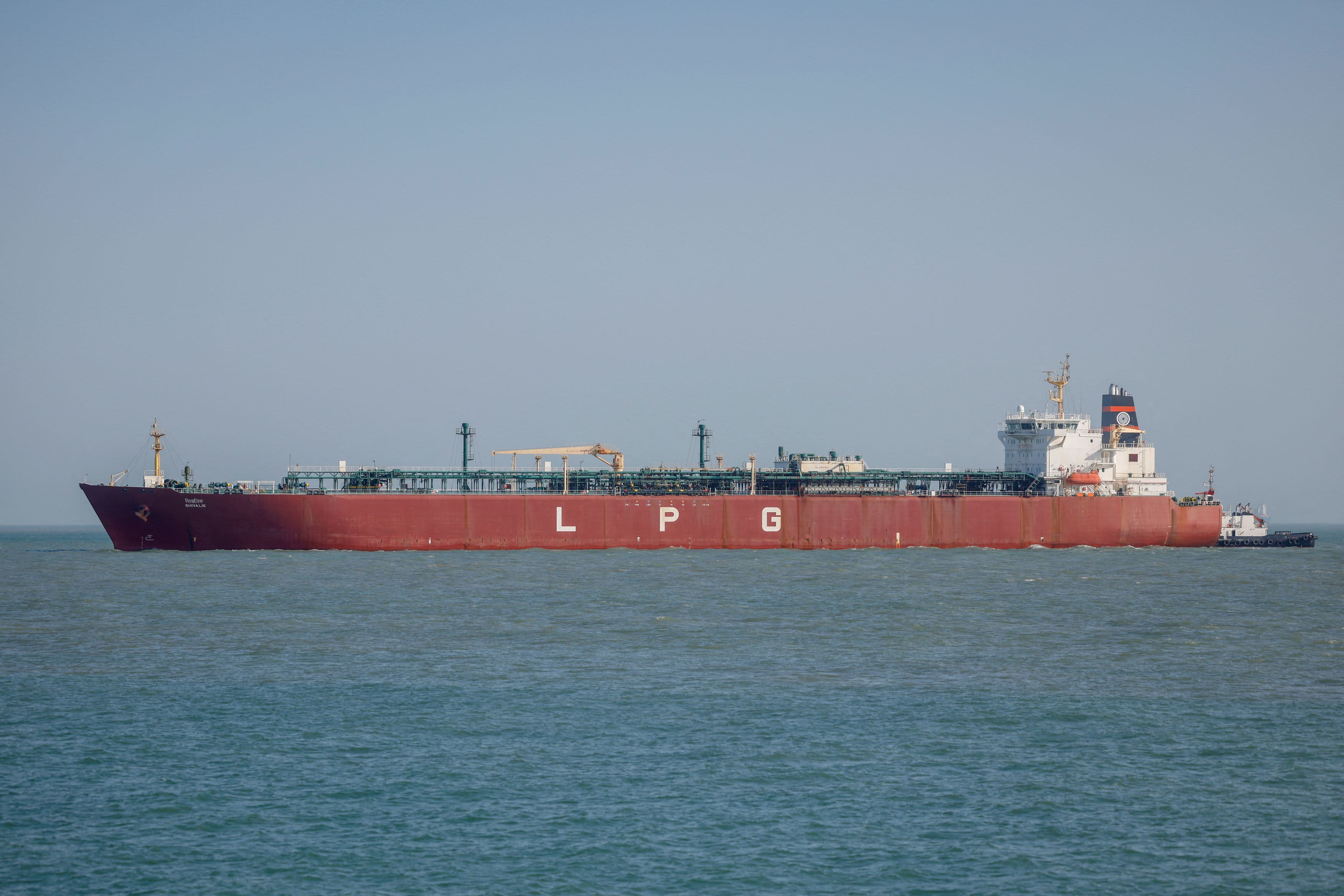
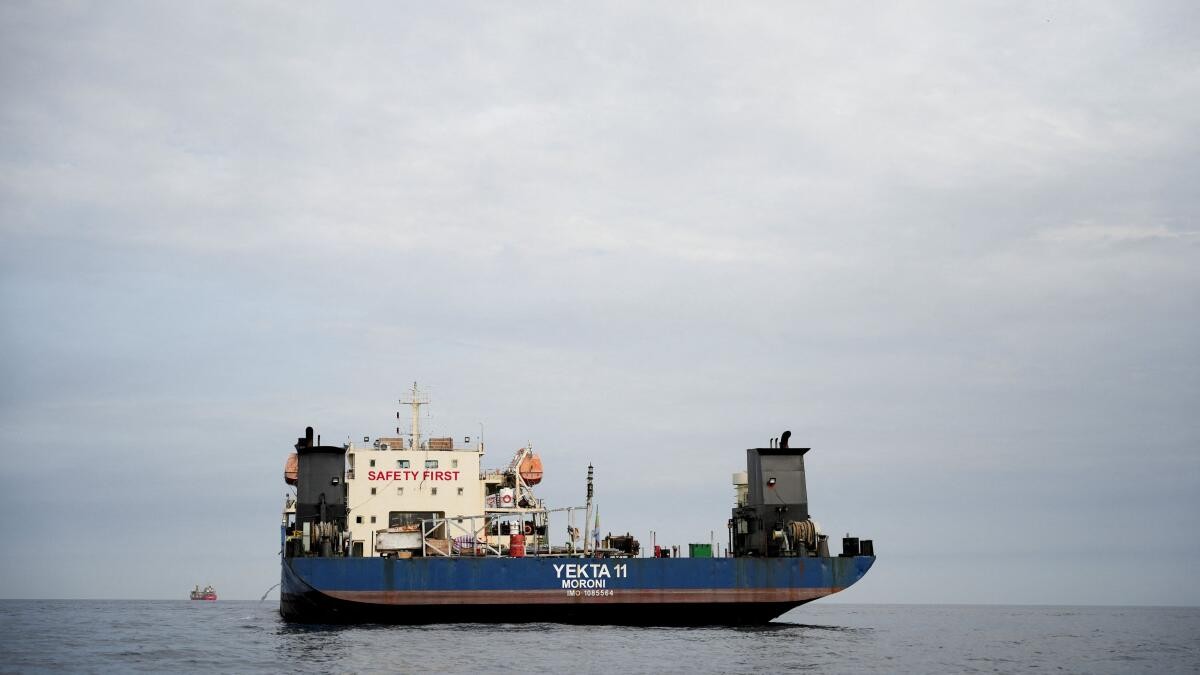
The report said that following the enforcement of the blockade, some vessels with intended calls at Iranian ports were observed adjusting their AIS destination signals while passing through the Strait of Hormuz.
According to the report, shortly after the blockade took effect, at least two Iran-flagged container ships previously indicating sailing to the southern Iranian port of Bandar Abbas changed their AIS messages to the more general designation of “PG Ports,” meaning “Persian Gulf ports.”
After successfully passing through the Strait, they continued their journey toward Bandar Abbas on Tuesday, said the report.
Citing analysts, the report said such actions could complicate the intelligence collection phase of the U.S. blockade and require additional resources to track and identify vessels involved in maritime traffic to Iranian ports.
The U.S. Central Command said Tuesday that more than 10,000 troops are executing the mission to blockade ships entering and departing Iranian ports, targeting vessels of all nationalities without discrimination.
At least two vessels transited through the Strait of Hormuz en route to Iranian ports after altering their Automatic Identification System (AIS) destination data.
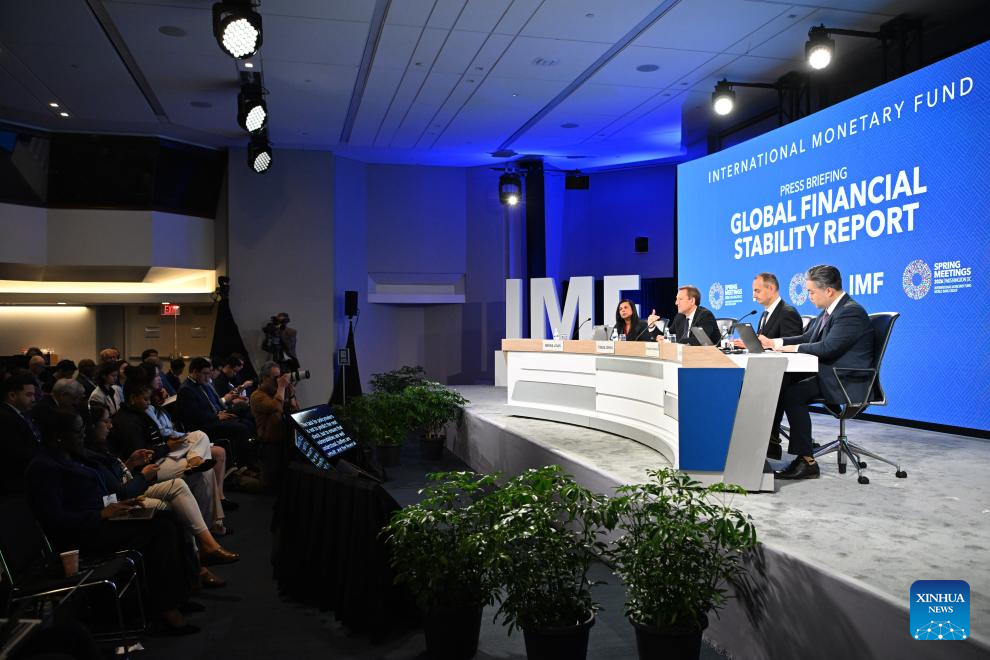
“The global financial system is confronting the ongoing war in the Middle East, potential inflationary pressures, rising risks of further tightening in financial conditions, and several channels through which market turmoil could escalate into financial instability,” the report said.
The longer the conflict continues, the greater the risk that global financial conditions could tighten further and more abruptly, it suggested.
The report listed several channels that could test the financial system’s resilience and lead to financial stability risks.
First, greater bond market volatility could tighten funding markets, as rising debt-to-GDP levels have led to larger bond yield gyrations.
Second, emerging markets may face currency and capital outflow pressures as carry trades unwind and terms of trade worsen.
Third, an abrupt tightening of financial conditions can lead to forced selling by hedge funds, option sellers, leveraged exchange-traded funds and other nonbank financial intermediaries (NBFIs) that have expanded through leverage.
Fourth, signs of more borrower defaults in private credit could cascade into broader concerns about corporate credit, particularly for highly leveraged borrowers subject to the artificial intelligence (AI) disruption.
Also, booming investments in AI may slow significantly if the Middle East conflict were to persist.
The IMF urged policymakers to act decisively to bolster resilience amid the Middle East conflict, suggesting that monetary policy preserve price stability and be attuned to spillovers from actual inflation to inflation expectations, while remaining data dependent.
It also recommended a fiscal stance shift toward appropriately tight settings to place public debt on a stable path, with new spending focused on protecting vulnerable groups from the inflation shock.
Closing data gaps, improving cross-jurisdictional data sharing, and enhancing oversight are critical, as NBFIs grow more leveraged and more connected to banks, the report said.
Tobias Adrian (3rd R), director of the International Monetary Fund’s (IMF’s) Monetary and Capital Markets Department, speaks at a press briefing on Global Financial Stability Report in Washington, D.C., the United States, on April 14, 2026. IMF on Tuesday released its Global Financial Stability Report, warning that risks to global financial stability are rising amid the current situation in the Middle East. (Xinhua/Li Rui)
The meeting followed a two-week ceasefire that paused nearly 40 days of intense hostilities and briefly opened a narrow window for diplomacy.
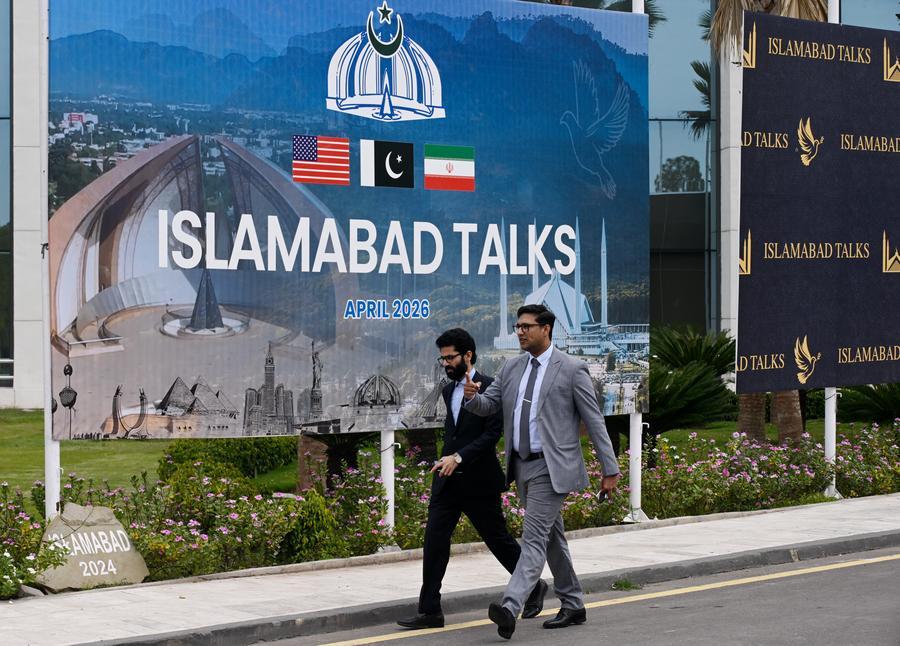
Held in Pakistan, a key regional mediator, the talks marked the highest-level face-to-face engagement between the United States and Iran since 1979, a relationship long defined by decades of sanctions, periodic confrontation, and deep mistrust.
Analysts said the failure to reach an agreement underscores entrenched structural divisions between the two sides, while noting that the very fact that the talks took place signals limited but meaningful diplomatic progress.
They added that domestic political pressures, economic risks linked to potential instability in the Middle East, and signs of growing war fatigue may continue to encourage both sides to keep diplomatic channels open despite the current deadlock.
No deal reached
Speaking at a press conference in Islamabad on Sunday, U.S. Vice President JD Vance said he was returning “without an agreement,” adding that Iran had not accepted U.S. terms despite what he described as “a good-faith engagement.”
Vance said the Iranian nuclear program remained at the center of the dispute, reiterating that Washington requires an “affirmative commitment” from Tehran not to pursue nuclear weapons or the capability to rapidly develop them. Iran, however, has consistently maintained that its uranium enrichment activities are a sovereign right and has rejected externally imposed restrictions.
Iranian officials, in turn, blamed the impasse on what they described as “excessive and unreasonable demands” from the United States, arguing that Washington’s conditions failed to respect Iran’s “legitimate rights,” including enrichment activities and meaningful sanctions relief.
Iranian Foreign Ministry spokesman Esmail Baghaei said that while the two sides had reached understandings on several issues, they remained far apart on two to three key points, preventing a final agreement.
Despite the lack of a breakthrough, Tehran signaled that dialogue could continue. Quoted by Iran’s Mehr News Agency, Baghaei said it would be unrealistic to expect a deal in a single round of talks, adding that Tehran remained “confident that contacts between us and Pakistan and our other friends in the region will continue.”
Pakistani security analyst Tughral Yamin noted that Pakistan had provided a platform for dialogue rather than a venue for a final settlement, suggesting the Islamabad talks may represent only an initial step in a longer diplomatic process.
For Pakistan, which facilitated the negotiations, officials indicated their role was far from over. Deputy Prime Minister and Foreign Minister Mohammad Ishaq Dar said Islamabad would continue to play a constructive role in supporting engagement between Iran and the United States in the days ahead.
Testing red lines
In the early hours of Saturday, a 71-member Iranian delegation led by Parliament Speaker Mohammad Bagher Ghalibaf and Foreign Minister Abbas Araghchi arrived in Islamabad. Later that day, a much larger U.S. delegation headed by Vance also reached the Pakistani capital, with the American side numbering around 300 people.
Before formal negotiations began, Pakistani Prime Minister Shehbaz Sharif held a meeting with the Iranian side, during which Tehran laid out several preconditions for engaging with Washington, including the unfreezing of all Iranian overseas assets and accounts and an immediate halt to all attacks, particularly those targeting Lebanon. Iranian officials have repeatedly stressed that stopping strikes on Lebanon is an integral component of any broader ceasefire arrangement.
However, the fragile ceasefire between the United States and Iran has been further complicated by continued Israeli strikes against Hezbollah, the Iran-backed group in Lebanon.
On Saturday evening, Israeli Prime Minister Benjamin Netanyahu said in a statement that the elimination of Hezbollah was a precondition for any ceasefire agreement between Israel and Lebanon.
Tensions also flared during more than 20 hours of negotiations over developments in the Strait of Hormuz.
The United States announced on Saturday that two U.S. Navy destroyers had passed through the strategic waterway, a claim Iran denied, saying its forces had forced the vessels to withdraw.
Entrenching deadlock
Analysts believed that the unsuccessful talks highlight the persistence of deep strategic divisions between the two sides, stressing that the gap is not merely tactical but structural.
The positions of both countries are highly divergent, with maximalist demands that remain far apart and are further complicated by deep-rooted mistrust, former Pakistani diplomat Masood Khalid said.
This divergence is reflected across multiple core issues. According to another former Pakistani diplomat, Naghmana Hashmi, the impasse centers on several key areas: the control of the Strait of Hormuz, the nuclear issue where both sides maintain hardline positions, military arrangements including Iran’s demand for a U.S. withdrawal from the region, compensation claims for damages suffered by Iran, sanctions relief — particularly frozen assets — and the situation in Lebanon.
Addressing these complexities remains a formidable challenge, as Mohamed Benaya, an expert on Iranian and Gulf affairs at Al-Azhar University in Egypt, said that “bridging these gaps will be difficult without phased, reciprocal concessions.”
Glimmers of hope
Despite these significant hurdles, analysts believe that the mere occurrence of these talks signifies progress.
Hashmi observed that both parties’ willingness to remain at the negotiating table indicates a “positive mindset” focused on finding a solution, adding that the priority now is to maintain diplomatic momentum.
Khalid echoed this sentiment, suggesting that in the current high-tension climate, the fact that dialogue happened at all is an achievement in itself.
Looking ahead, analysts said that a combination of domestic and global pressures may push the dialogue to continue despite the deadlock.
Aizaz Ahmad Chaudhry, former Pakistani ambassador to the United States, noted that for U.S. President Donald Trump, the risks of a prolonged military confrontation and its potential fallout on upcoming midterm elections create a strong incentive for diplomacy.
Furthermore, experts said long-term economic risks, specifically the threat of instability in the Middle East disrupting global energy markets and trade flows, have strengthened international calls for de-escalation.
Battlefield dynamics may also be shaping diplomatic calculations. Said Nazir, a Pakistani defense analyst, pointed to growing “war fatigue” on both sides after weeks of confrontation and demonstrations of military capability, saying this could push Washington and Tehran to avoid a costly, open-ended conflict by keeping diplomatic channels open.
People walk past the press center for the talks between the United States and Iran in Islamabad, Pakistan, April 11, 2026.
According to a presidential order issued on April 10, 2026, the other individuals pardoned are Dilan Berat Mete, Emmanuel Kanamugire, and Mujawamariya. Mete had been convicted as an accomplice in the misuse of public property and was sentenced to one year in prison along with a fine of Rwf 1 million.
Kanamugire and Mujawamariya were convicted of issuing bounced cheques and fined Rwf 154.8 million and Rwf 84 million respectively.
Lt Col (Rtd) Nkusi had also been found guilty as an accomplice in the misuse of public property and was sentenced to one year and six months in prison, in addition to a fine of Rwf 1 million. Brig Gen (Rtd) Muziraguharara had been convicted on similar charges of complicity in the misuse of public property, as well as failure to report a serious offense, and was sentenced to one year in prison.
Throughout his military career, Brig Gen (Rtd) Muziraguharara served in several key roles within the RDF. Between 1998 and 2000, he was in charge of research. From 2005 to 2006, he served as Chief Instructor at the Gako Military Academy, among other roles.
He later served in a United Nations peacekeeping mission in Darfur, Sudan, where he was responsible for planning. From 2010 to 2012, he worked as Director of Planning in the RDF before representing the force at the International Conference on the Great Lakes Region (ICGLR).
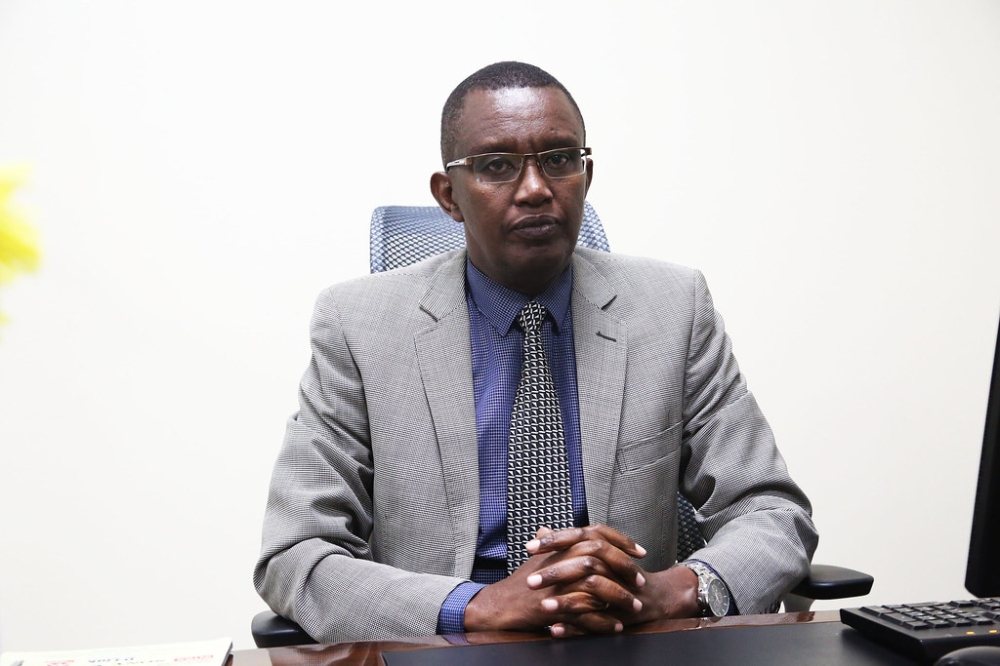
From 2013 to 2018, he served as Director General in charge of administration and finance at the National Intelligence and Security Service (NISS). On July 29, 2025, Brig Gen (Rtd) Muziraguharara was among more than 1,000 soldiers who were officially retired from military service.
Brig Gen (Rtd) Muziraguharara is among five individuals that have been granted presidential clemency.
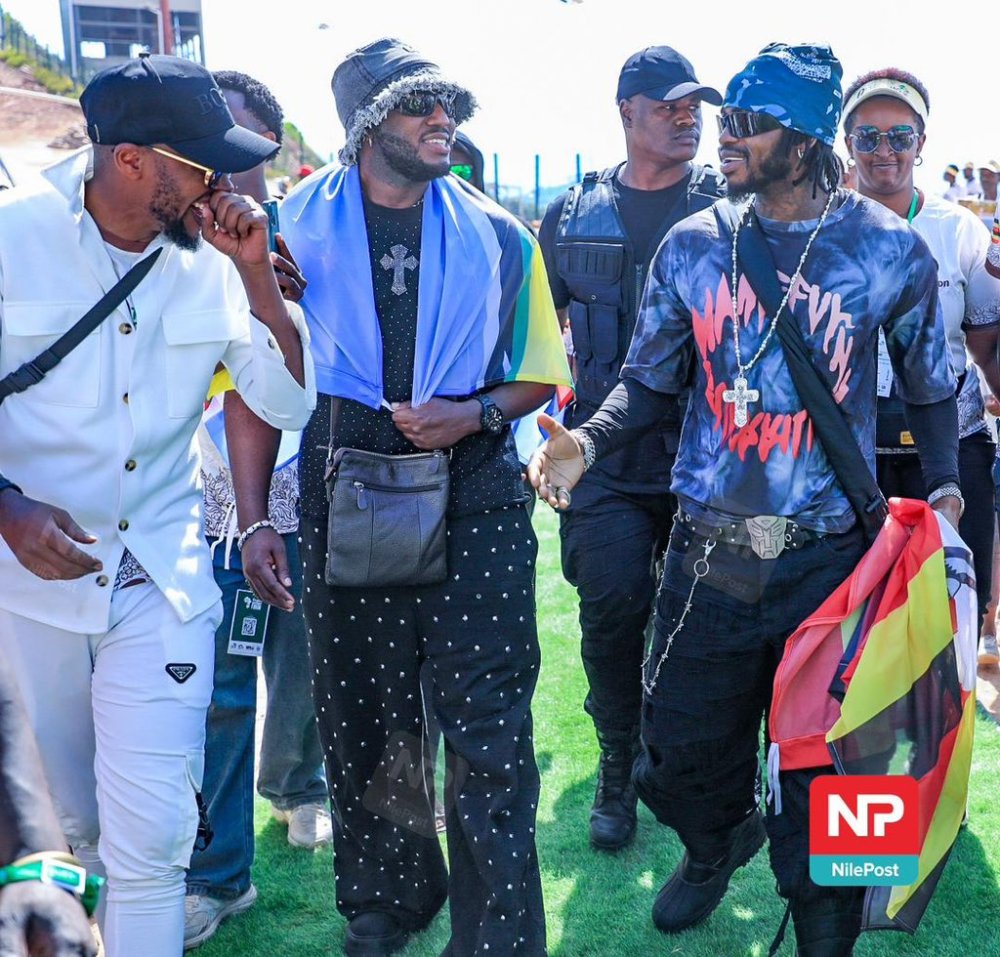
The two acclaimed performers are among the headline acts billed for the “Comedy Store,” a widely followed weekly entertainment showcase curated by Ugandan comedian and show host Alex Muhangi.
Their joint appearance revives a notable artistic pairing that previously delivered the hit single “Why,” a track that enjoyed strong regional reception and solidified their cross-border appeal.
This will not be the first time the duo shares a stage in Uganda. In 2025, both artists featured at a live music event in Ntungamo, staged on the night of May 24–25.
The performance formed part of the “Coffee Marathon Concert,” an entertainment event that followed a marathon race and was tied to a broader campaign aimed at promoting economic empowerment among women coffee farmers.
Although their joint performances remain occasional, The Ben and Diamond Platnumz have previously appeared together on major international platforms, including the 2023 Trace Awards.
The Ben’s Kampala appearance comes as he gears up for a major domestic undertaking, a nationwide Rwandan tour alongside fellow star Bruce Melodie, expected to span all four provinces.
The Ben and Diamond Platnumz delivered an energetic performance in Ntungamo last year.The two stars are among the headline acts for “Comedy Store,” a popular weekly show curated by Ugandan comedian Alex Muhangi.Both artistes also shared stage last year in Ntungamo.
The survey was conducted among more than 12,000 respondents drawn from different sectors of society across various parts of the country.
Among those surveyed, 93% said that the MRND party, which was in power until 1994, contributed to the weakening of national unity. The same proportion also agreed that in the early stages of the breakdown of unity, APROSOMA and PARMEHUTU parties played a role in promoting ethnic ideology, discrimination, and division.
Following the Genocide against the Tutsi, Rwanda introduced policies aimed at guaranteeing equal rights for all citizens, with ethnic and regional discrimination being eliminated across all sectors of public life.
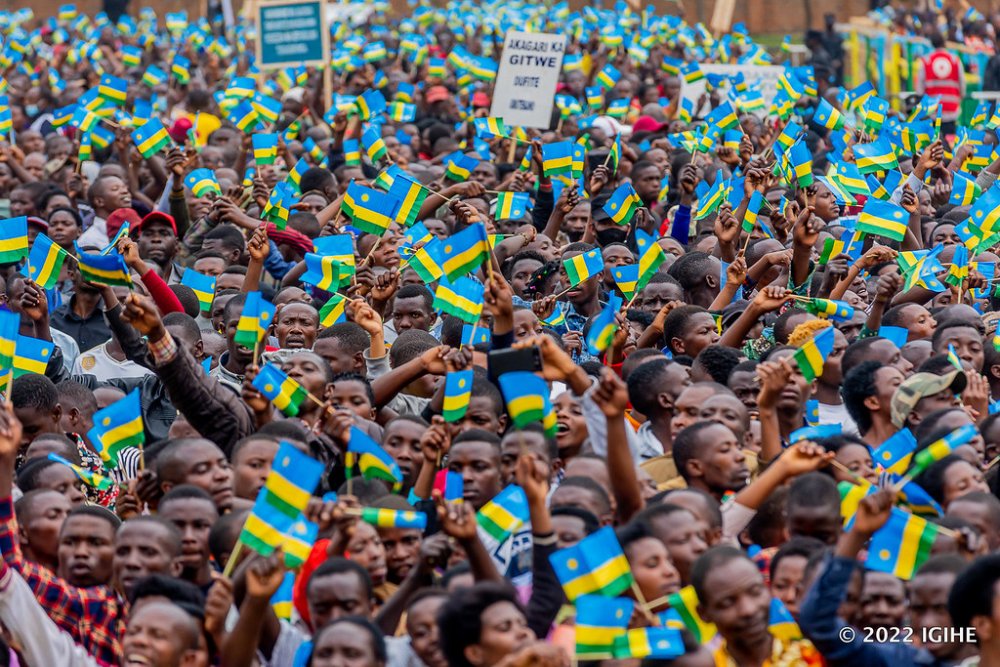
The survey found that 99% of respondents believe that Rwandans, regardless of where they live, regularly interact socially without regard to ethnic background. Respondents also noted that the commemoration of the Genocide against the Tutsi plays an important role in strengthening reconciliation among Rwandans.
In addition, 94% of respondents said that communities actively take part in initiatives and programs aimed at promoting peaceful coexistence.
The Minister of National Unity and Civic Engagement, Dr. Jean Damascène Bizimana, recently told senators that the improvement in indicators of unity, reconciliation, and resilience is the result of deliberate government programs designed to strengthen social cohesion.
“The reasons behind the improvement in these indicators include various government programs aimed at bringing Rwandans together, ensuring equal opportunities, fighting injustice and discrimination, promoting healing, delivering justice, and improving citizens’ welfare in an inclusive manner,” he said.
The survey further shows that 99.1% of respondents agreed that Rwanda’s governance system is inclusive.
A further 98.6% said that the country promotes a culture of dialogue, conflict resolution, and consensus-based decision-making, while 98.1% agreed that citizens are represented in decision-making institutions.
Furthermore, 97.8% of respondents believe that justice is delivered without discrimination, while 87.2% said that power-sharing contributes to strengthening resilience among Rwandans.
The survey shows that 99.1% of Rwandans agreed that the country’s governance system is inclusive
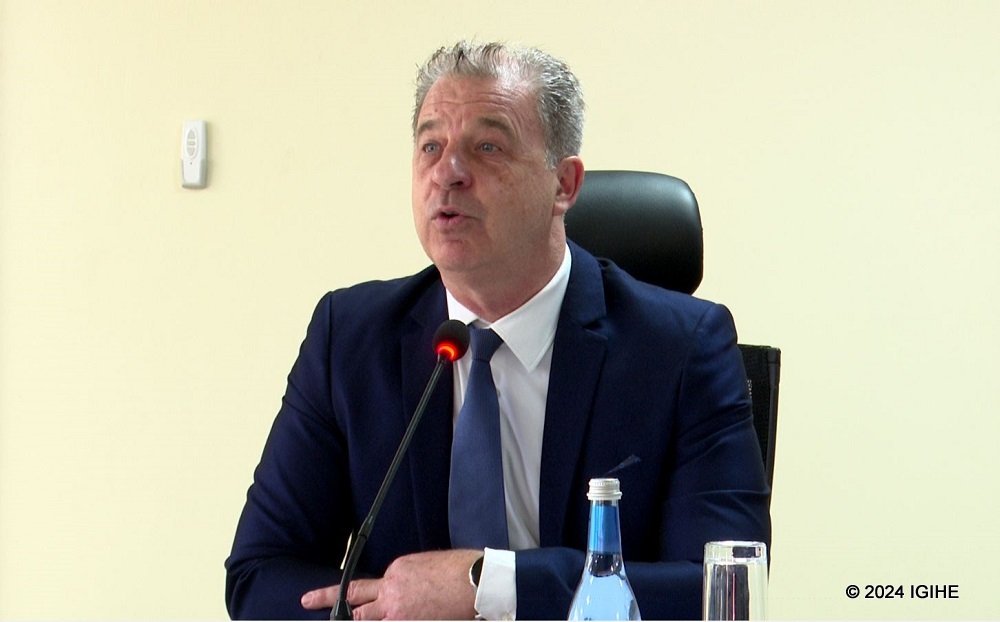
The final decision will be made by the United Nations Security Council. The Mechanism was tasked with handling residual cases from the International Criminal Tribunal for Rwanda (ICTR) and the tribunal for the former Yugoslavia, including tracking fugitives and overseeing ongoing legal matters.
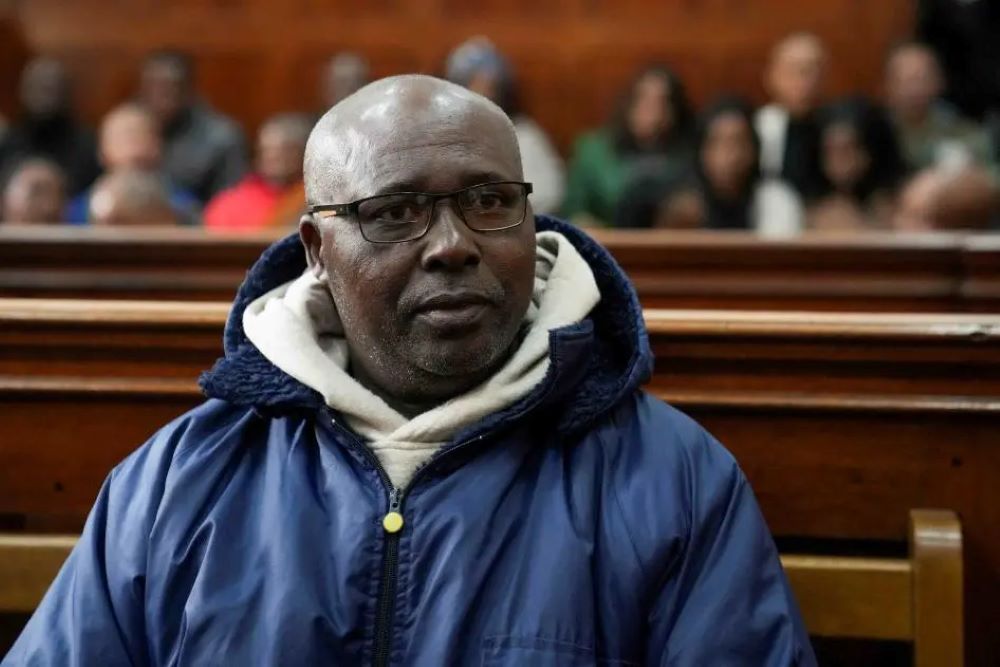
Among the most prominent recent cases handled by the IRMCT are those of Félicien Kabuga and Fulgence Kayishema. Kabuga, arrested in 2020, was deemed unfit to stand trial due to severe health and cognitive issues.
Once considered a key financier of the 1994 Genocide against the Tutsi, he remains detained in The Hague, as medical experts ruled he cannot travel. No country has agreed to host him except Rwanda.
Kayishema, arrested in 2023 in South Africa, continues to resist extradition to Rwanda, despite a 2012 ICTR ruling determined that his case should be transferred to Rwanda’s High Court.
If no legal obstacles arise, he is expected to be transferred via Arusha before facing trial in Rwanda, as national courts cannot overturn decisions made by international tribunals.
In June 2026, the UN Security Council will also decide whether to renew the mandates of IRMCT Prosecutor Serge Brammertz and Registrar Abubacarr Tambadou, or to formally wind down the institution’s operations. According to Tambadou, this meeting will determine whether the Mechanism continues operating in Arusha or begins its closure process.
If the IRMCT ceases operations, remaining cases will likely be handled by national jurisdictions. Countries such as France, Belgium, and others in Europe have already taken steps to prosecute genocide suspects or extradite them to Rwanda.
Since the establishment of the ICTR in 1995, 92 individuals were indicted for their role in the 1994 Genocide against the Tutsi. Of these, 62 were convicted, 10 were transferred to Rwanda for trial, and three cases were left to the IRMCT in 2010. Ten individuals were acquitted.
Beyond trials, the IRMCT also oversees enforcement of sentences and management of archives. Its closure raises concerns about genocide convicts currently imprisoned in countries like Senegal and Benin, as their future custody arrangements remain unclear once UN oversight ends.
Reports indicate that the UN has been funding their detention, particularly in Africa.
Discussions are ongoing about whether host countries will assume responsibility for these prisoners or transfer them to Rwanda. The country has indicated readiness to receive them, given the capacity to host them at modern prison facilities such as Mpanga Prison in Nyanza.
Meanwhile, Rwanda continues to pursue justice for genocide suspects abroad. Over 1,100 arrest warrants have been issued to various countries, with more than 500 suspects believed to be in the Democratic Republic of the Congo.
However, cooperation, especially from African nations, has been limited.
On April 11, 2026, Rwanda’s Minister of Foreign Affairs, Olivier Nduhungirehe, criticized the lack of action from African countries during a commemoration event in Kicukiro.
He emphasized that while European countries are often blamed, many African states have not taken sufficient steps to prosecute or extradite suspects.
France alone is currently handling around 40 pending genocide-related cases, while the United Kingdom is reported to host five suspects but has neither prosecuted nor extradited them.
As the IRMCT approaches its possible closure, the question remains: will justice for the remaining genocide cases be fully realized, or will responsibility shift unevenly across national jurisdictions?
IRMCT Prosecutor Serge Brammertz whose mandate comes to an end in June 2026 requested the extradition of Rwandans from Niger to their home country. Kayishema, arrested in 2023 in South Africa, continues to resist extradition to Rwanda, despite a 2012 ICTR ruling determined that his case should be transferred to Rwanda’s High Court.
The initiative, titled “Blueing the Caspian Sea: Building Capacities for Pollution Management and Biodiversity Conservation,” is expected to benefit Azerbaijan, Kazakhstan and Turkmenistan.
The project will receive 11.74 million dollars in grant financing from the Global Environment Facility.
The implementation will be coordinated by the United Nations Environment Programme, while the United Nations Office for Project Services will receive a 183,489 dollar grant to develop environmental and social framework tools and strengthen cross-country cooperation.
World Bank funding will support two components: pollution monitoring management worth 3.15 million dollars, aimed at developing systemic approaches and comparable water quality assessments, and biodiversity planning management worth 4.25 million dollars to improve protected area management and track population status.
The project seeks to enhance pollution control systems and increase the effectiveness of marine protected areas across the Caspian Sea, which hosts around 400 endemic species.
The bank warned that the sea’s level has decreased significantly in recent decades and could drop by 8 to 30 meters by 2100 due to climate change and economic use of water resources.
In Azerbaijan, the initiative will assist the Ministry of Ecology and Natural Resources in developing a marine pollution monitoring scheme, including policy tools, a national seminar and staff training.
The project will also support biodiversity measures focused on Caspian seals and sturgeon, alongside plans to expand marine protected areas within Absheron National Park.
More than 7.89 million voters were registered, with turnout reaching 58.75 percent. The results show Wadagni, the incumbent Minister of Economy and Finance, backed by the ruling coalition, defeated opposition candidate Paul Hounkpe of the Cowry Forces for an Emerging Benin.
Wadagni’s running mate, Mariam Chabi Talata, will serve as vice president.
During the campaign, Wadagni pledged to build on reforms of the past decade and pursue a shift from a primary industry-driven model to a modern economy focused on industrialization, digitalization and regional integration. He said the emphasis would move from expanding economic scale to achieving higher-quality growth.
Political figures, electoral institutions and observers said the voting process was generally smooth and orderly. Benin’s Constitutional Court is expected to announce the final results within five days. Under the electoral code, the president and vice president are elected by direct universal suffrage for a seven-year term.
Wadagni, 49, previously worked at Deloitte before joining the government after Patrice Talon was elected president in 2016. He has since served as Minister of Economy and Finance. Wadagni was reappointed in 2021 and promoted to senior minister, playing a key role in implementing Talon’s economic policies.
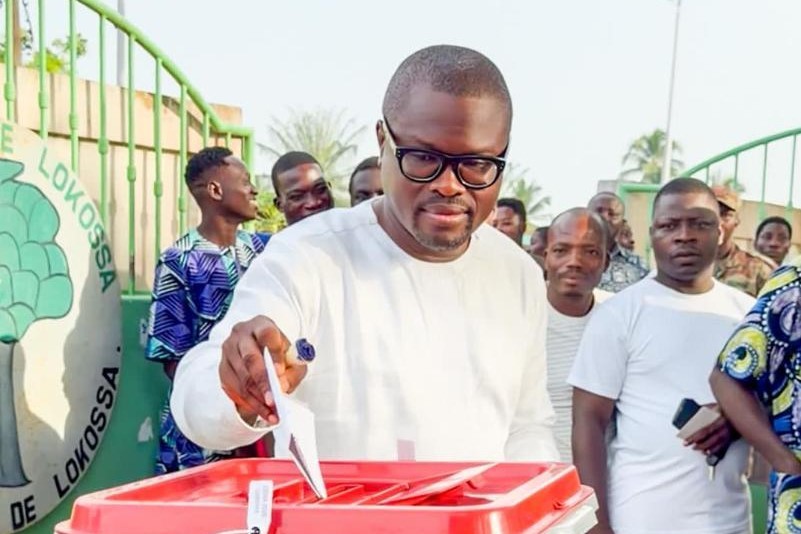
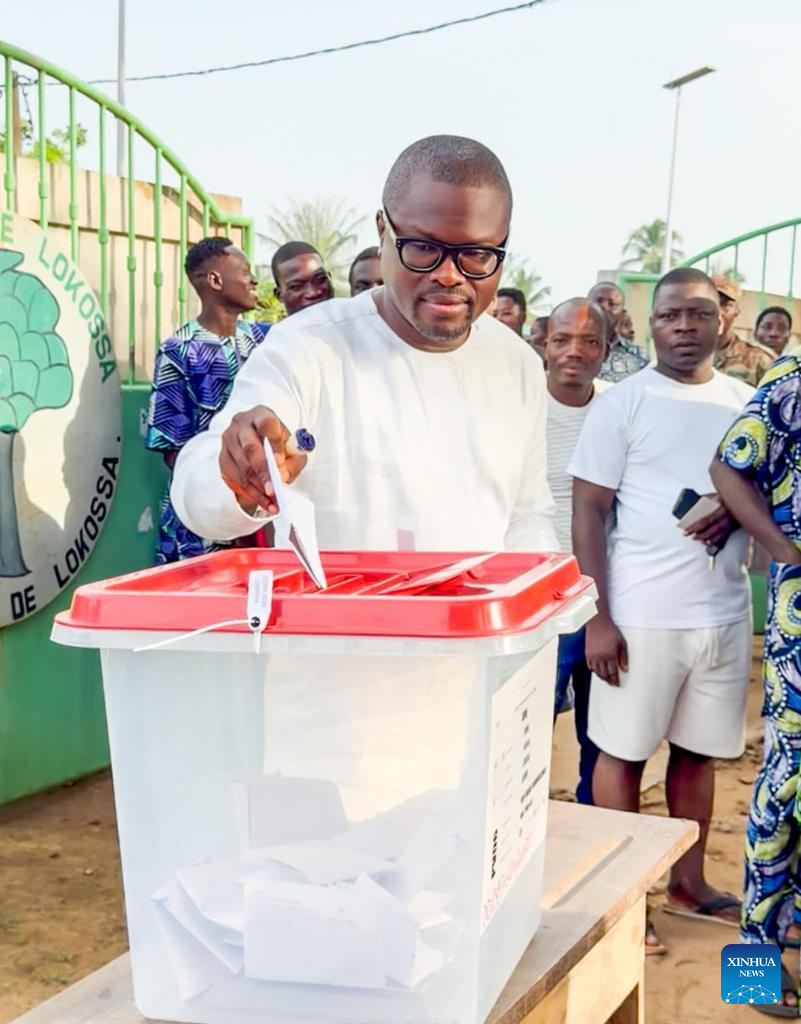
Romuald Wadagni casts his ballot at a polling station in Lokossa, Benin, on April 12, 2026. Romuald Wadagni won Benin’s presidential election held on Sunday, according to preliminary results released Monday by the country’s Autonomous National Electoral Commission.
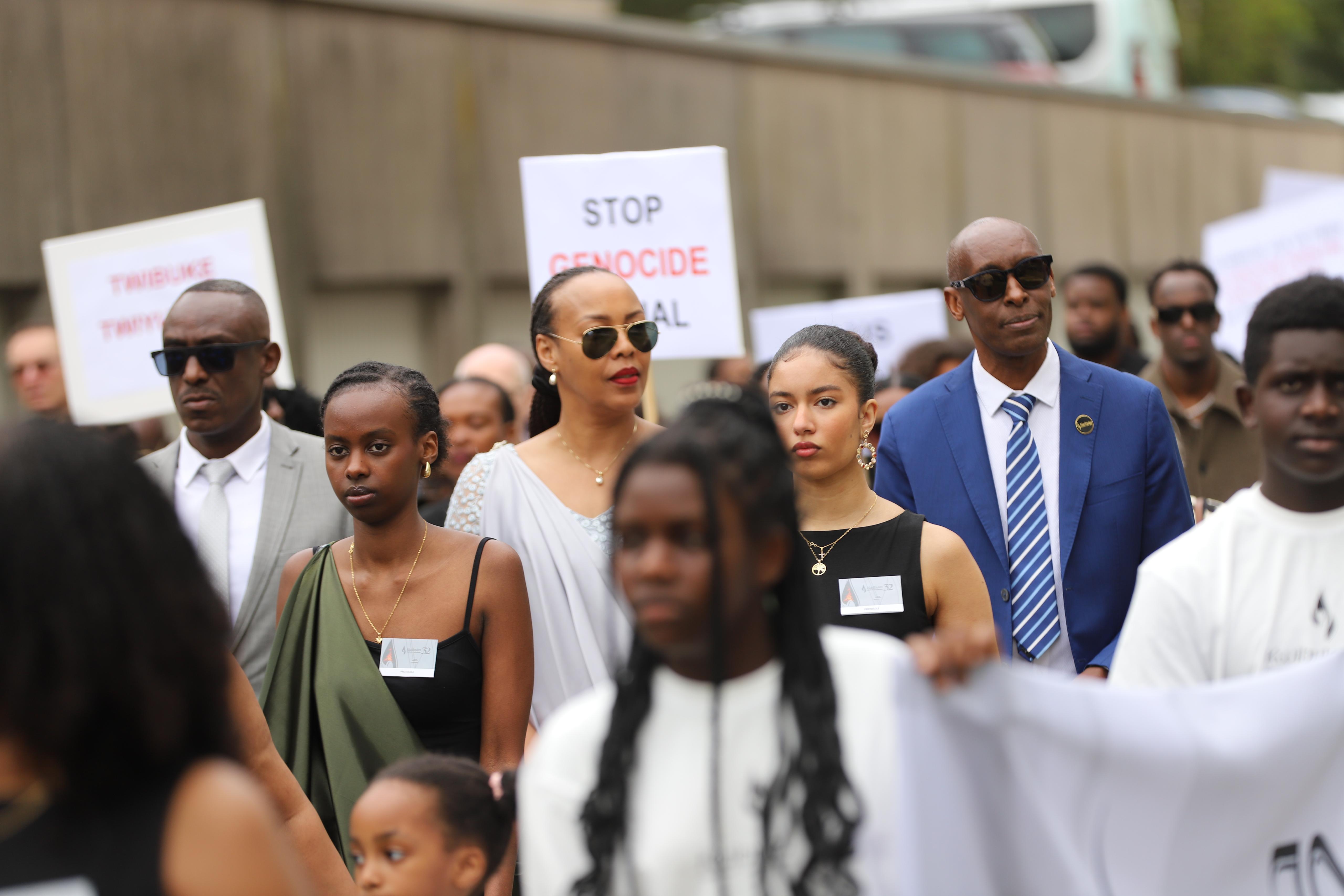
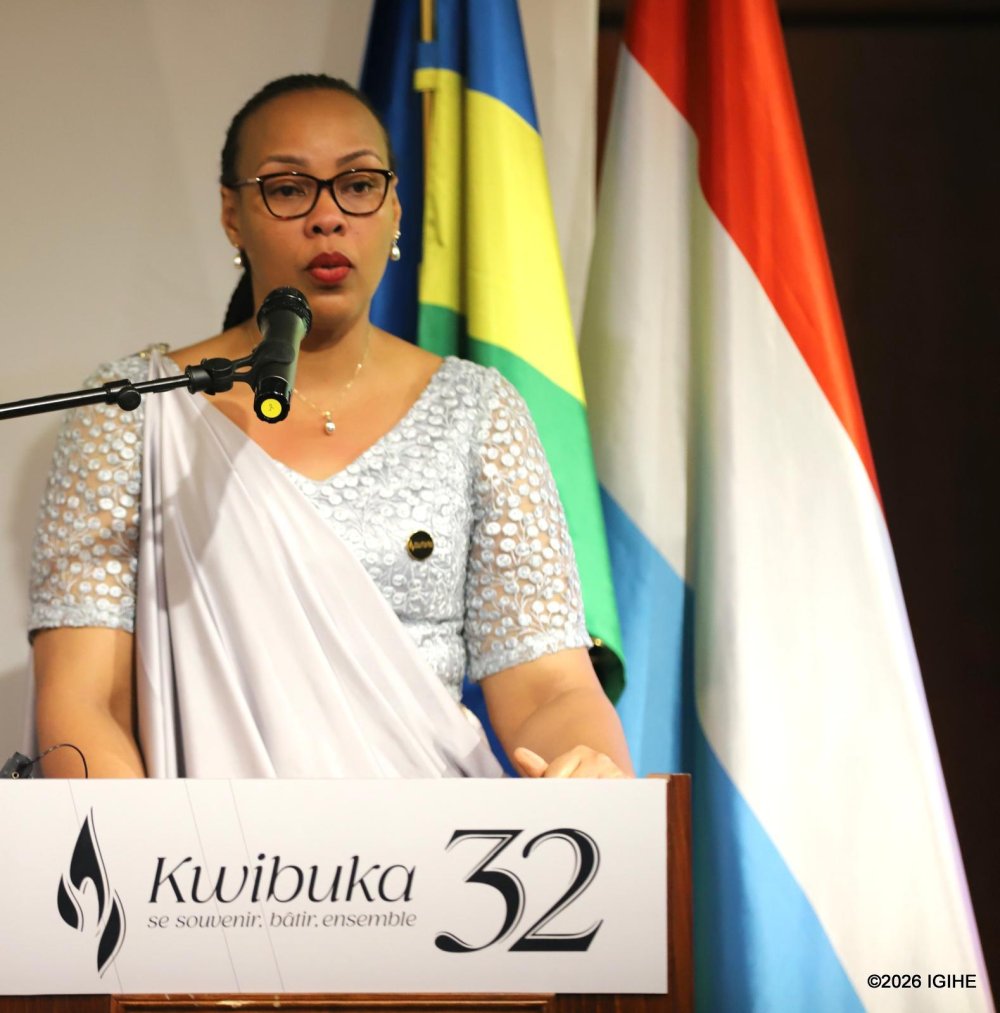
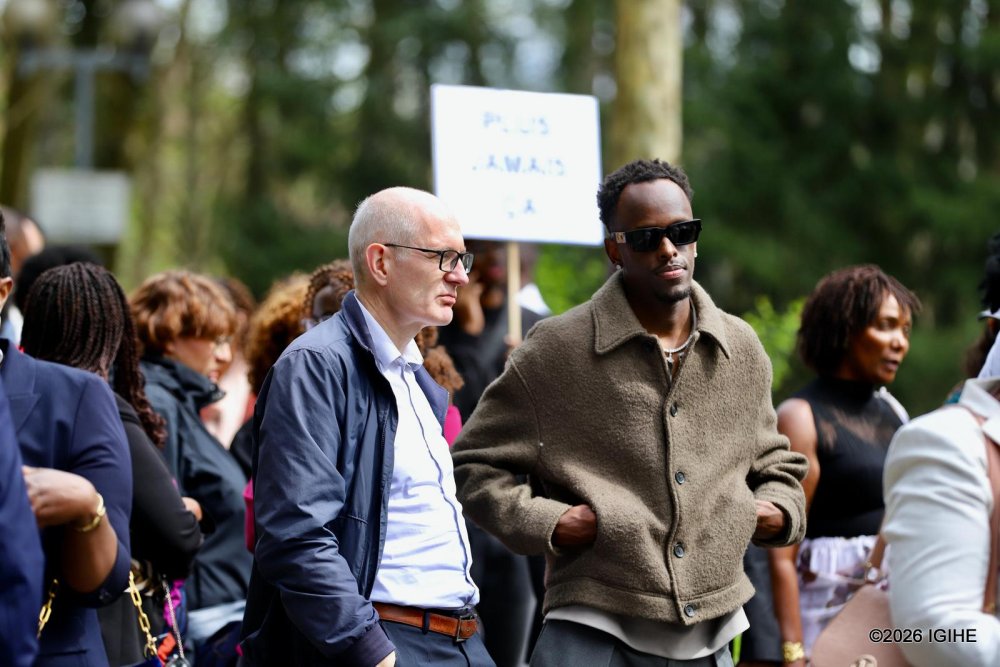
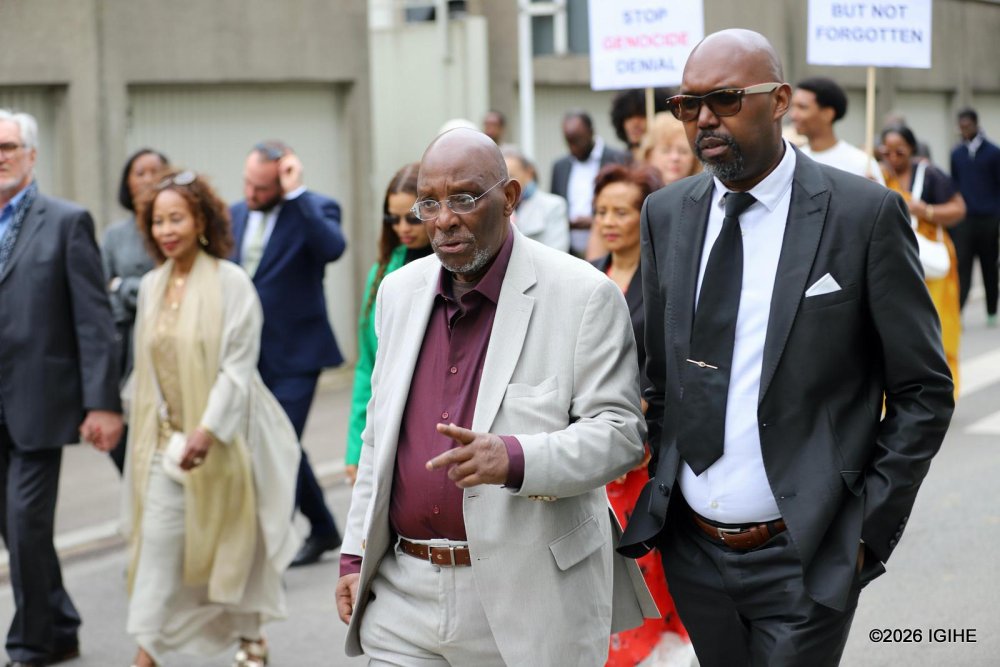
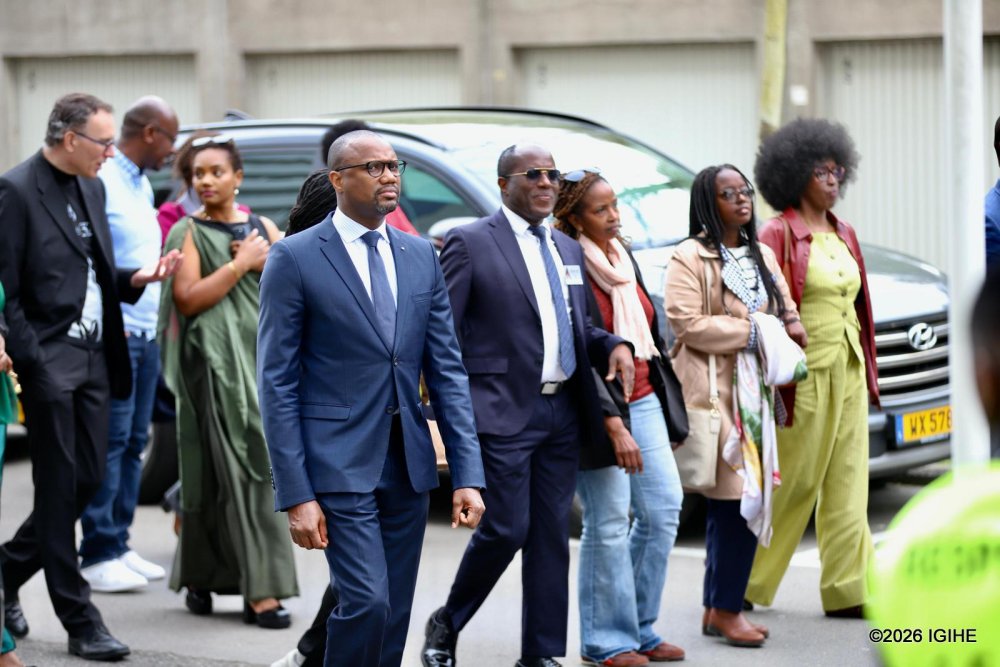
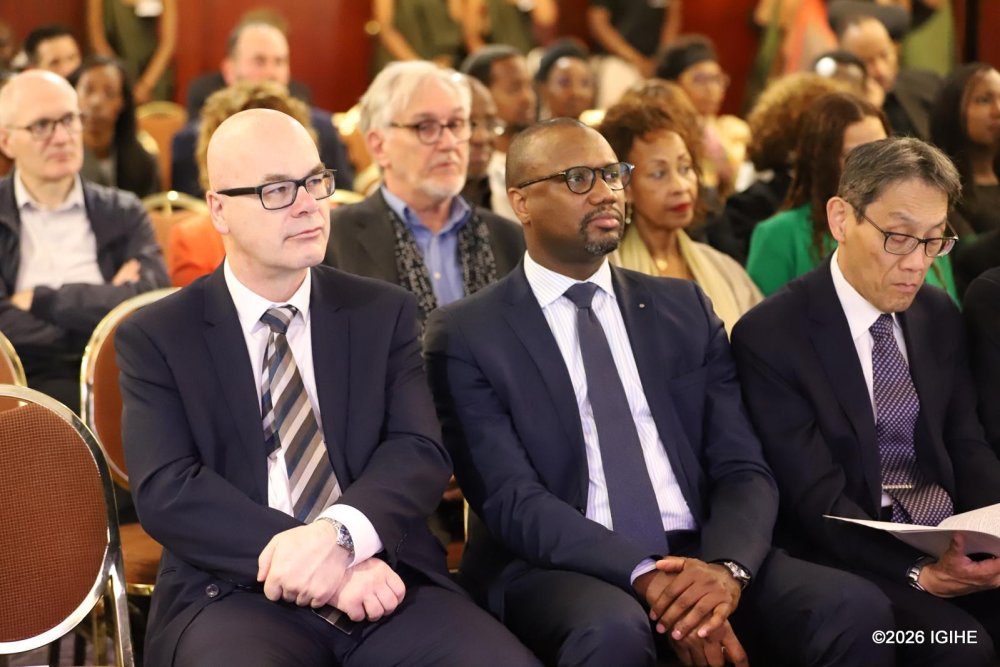
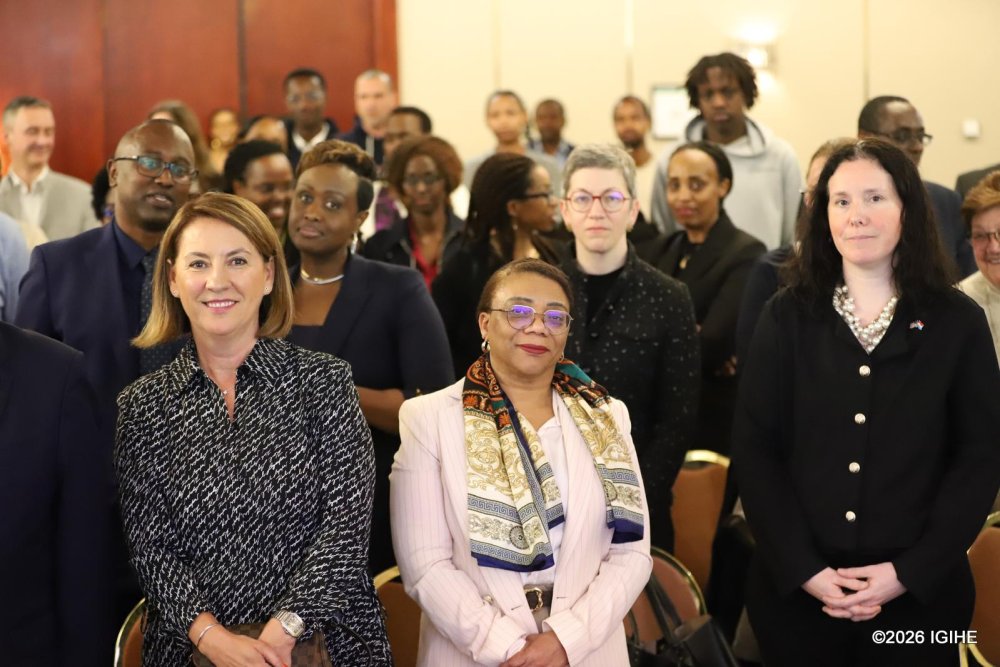
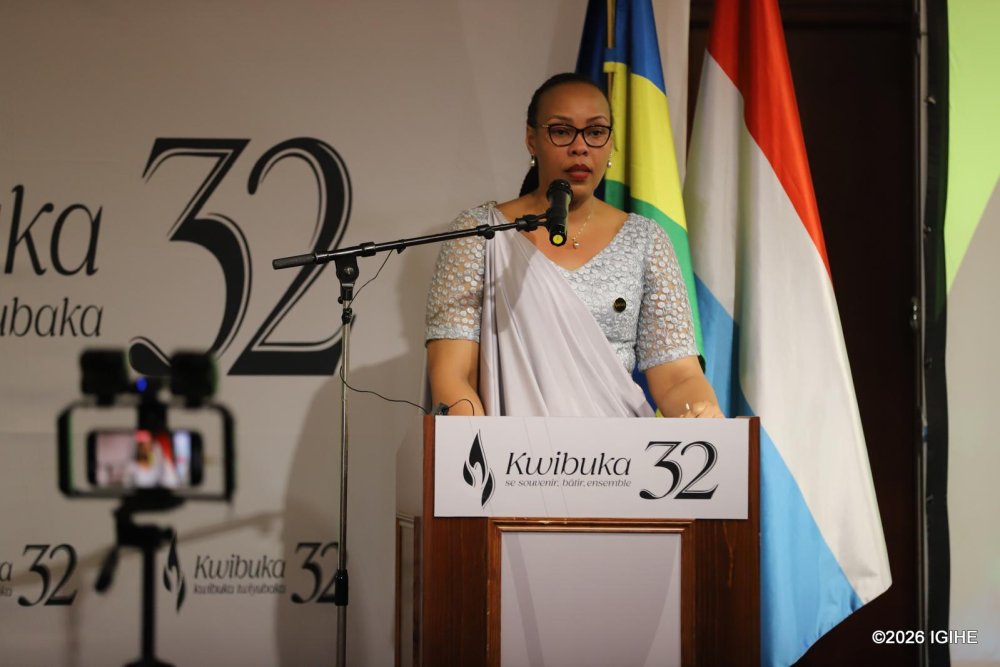
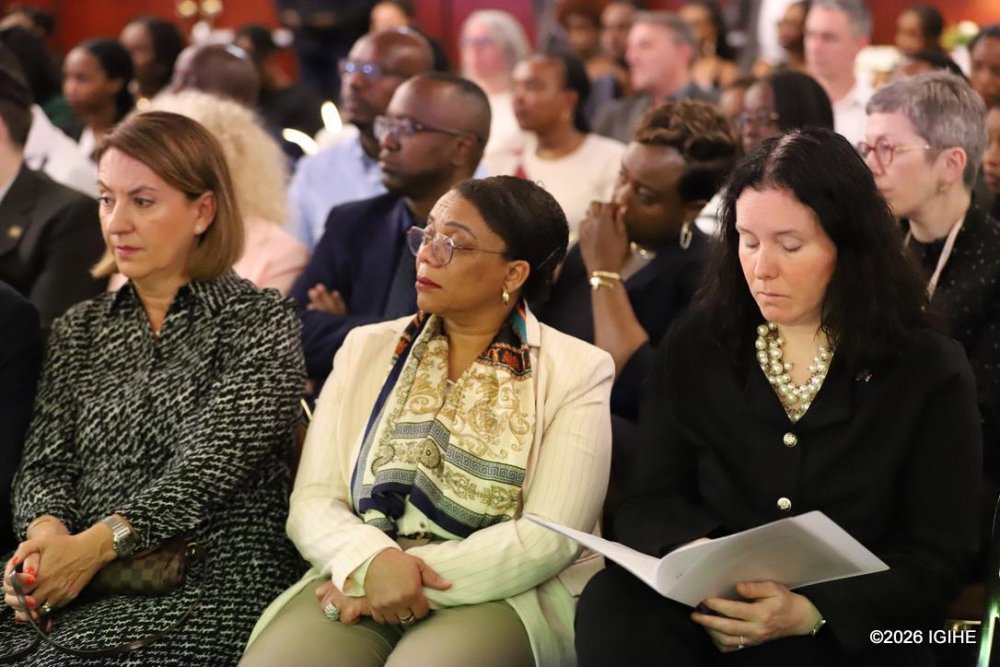
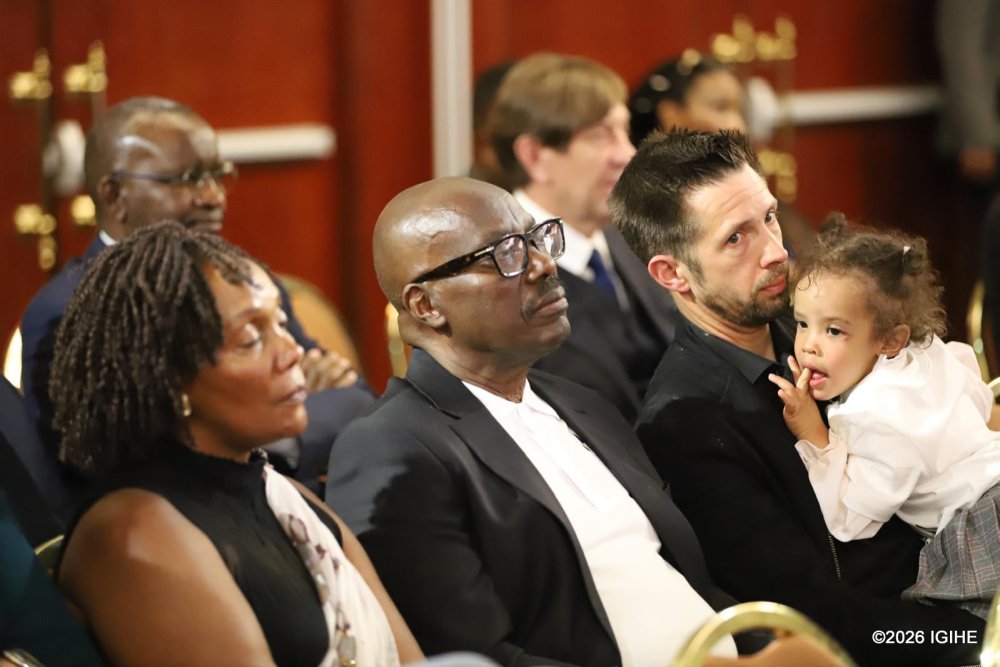
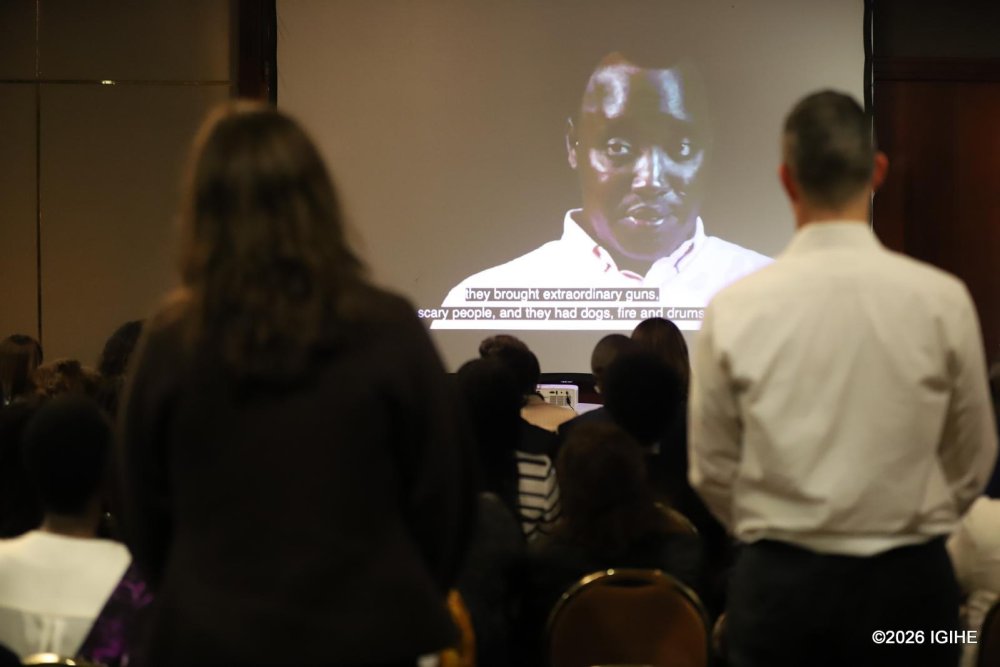
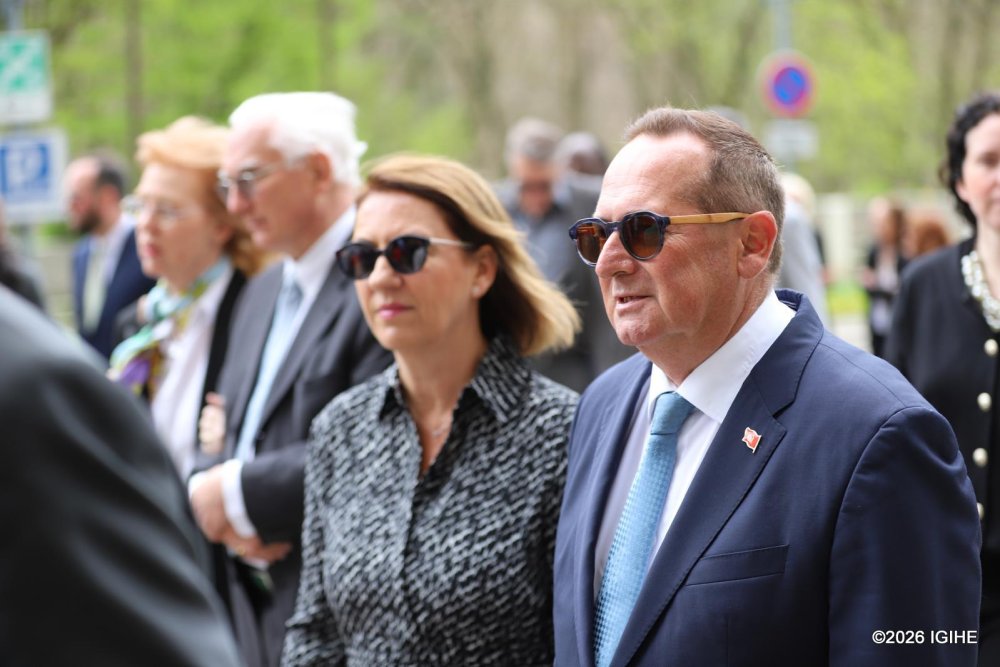
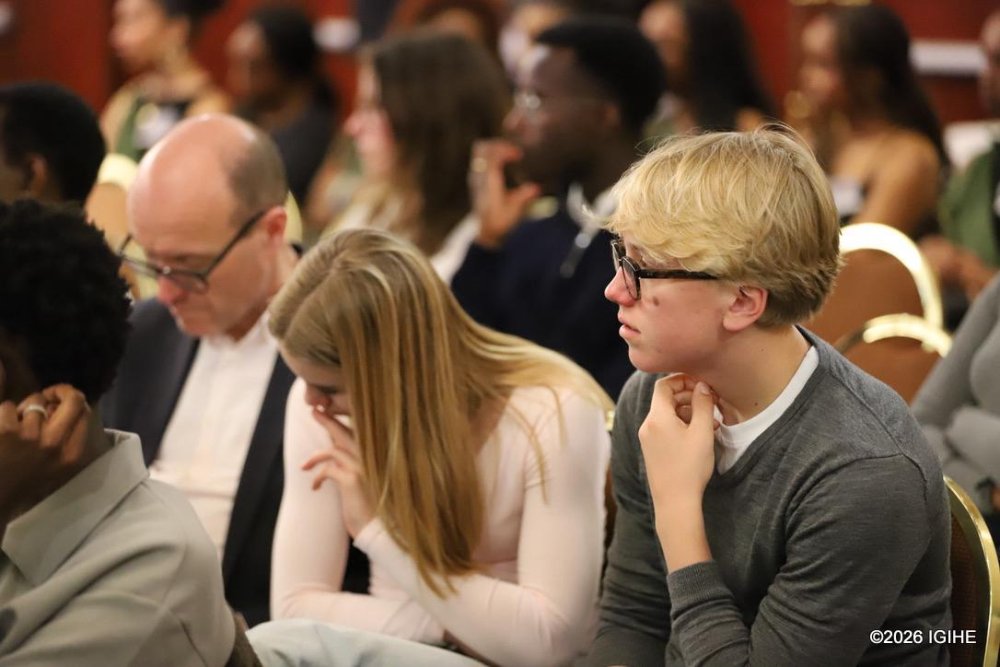
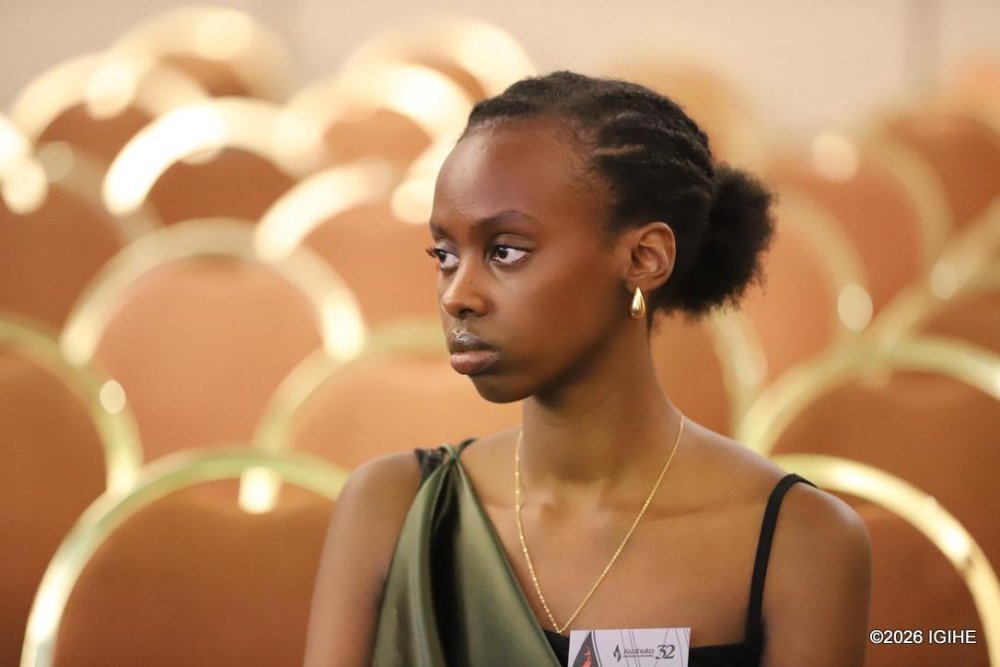
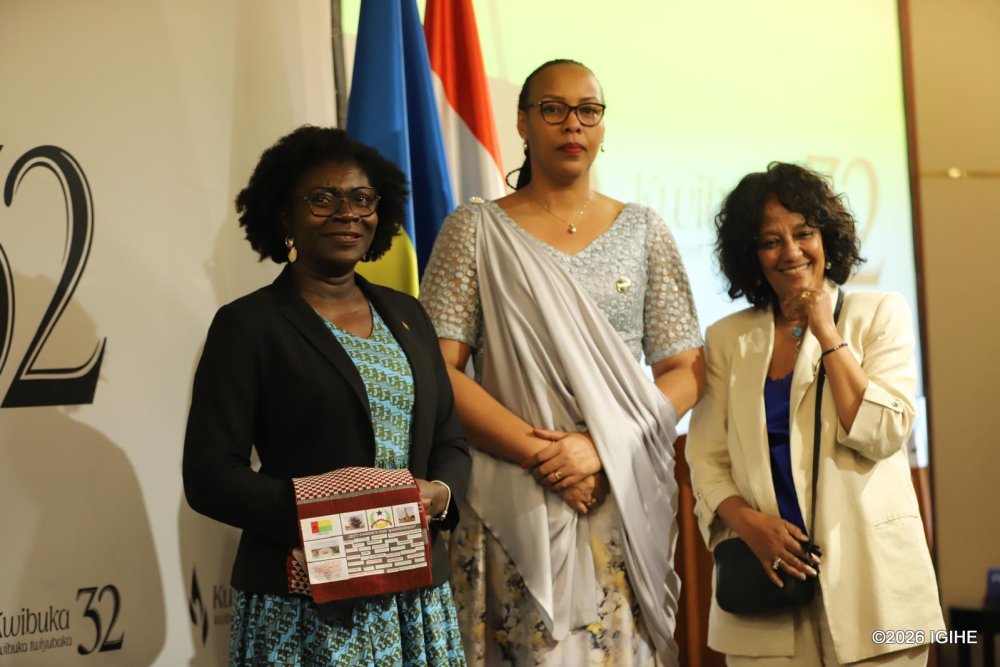
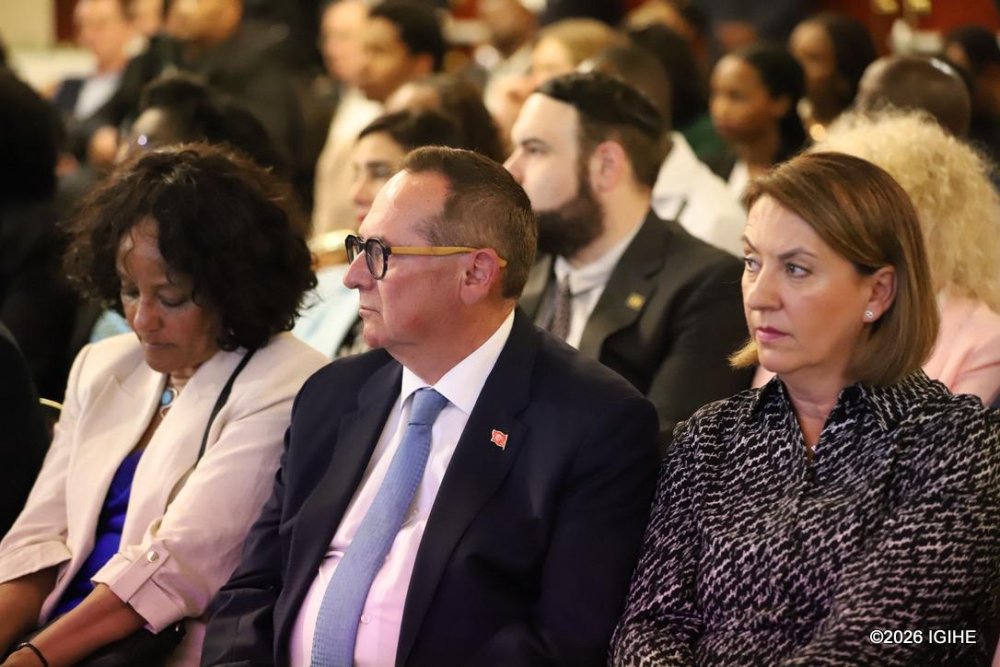
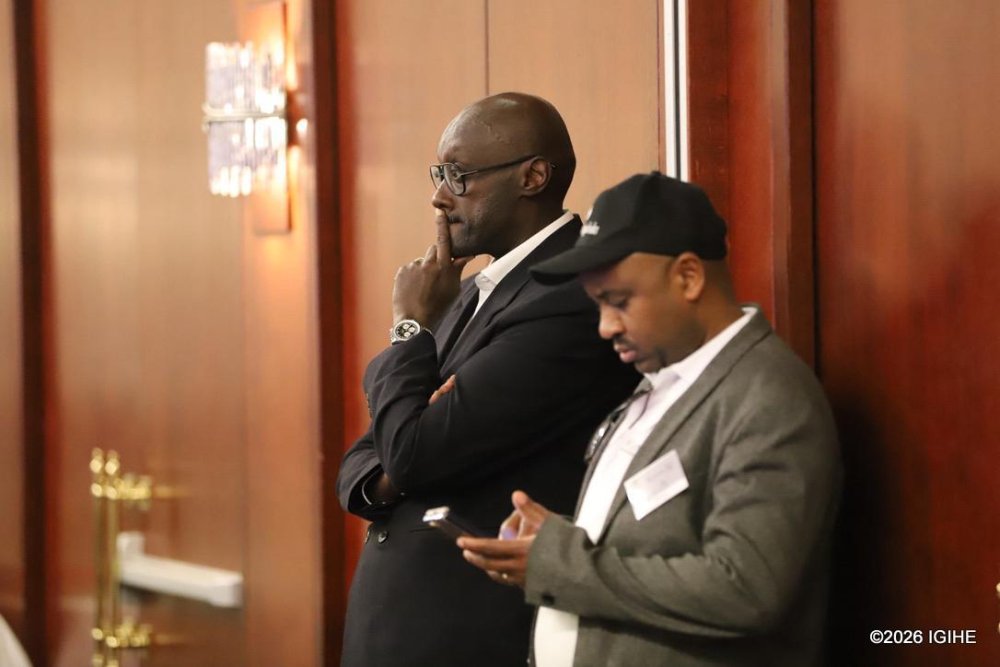
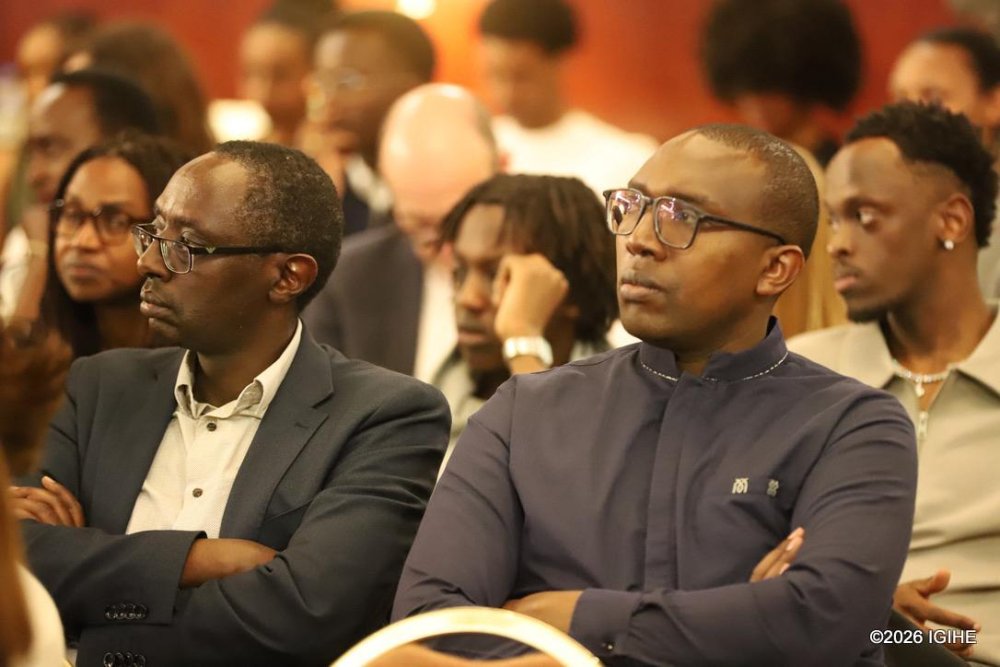
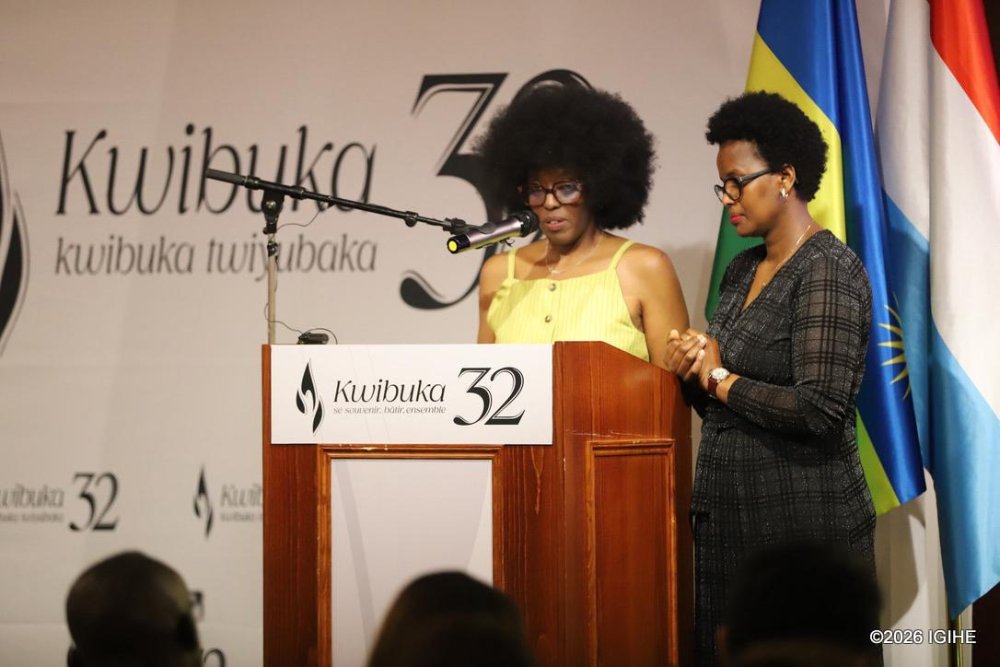
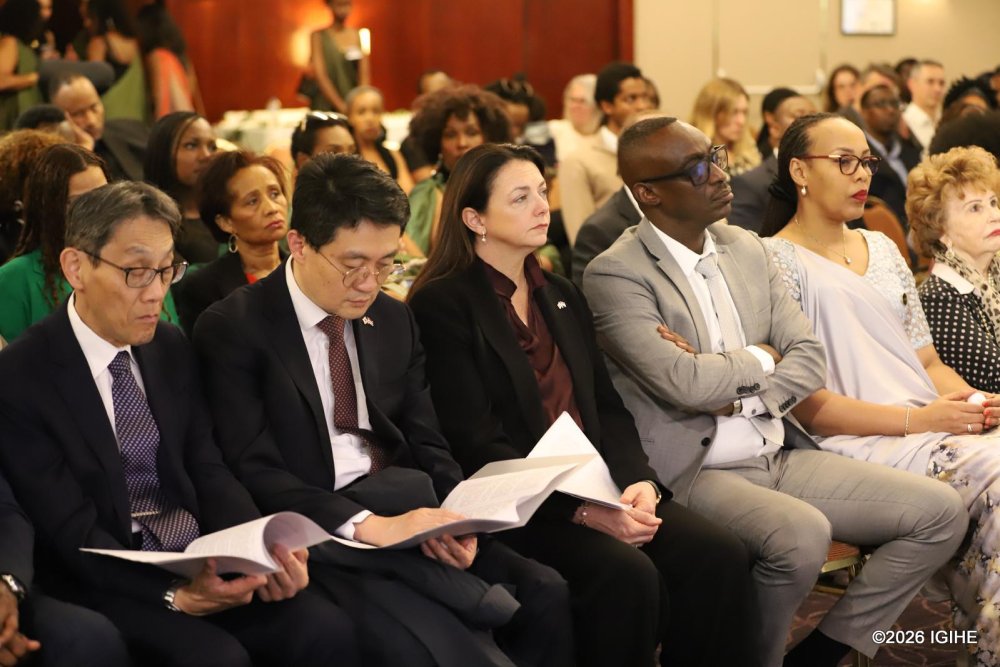
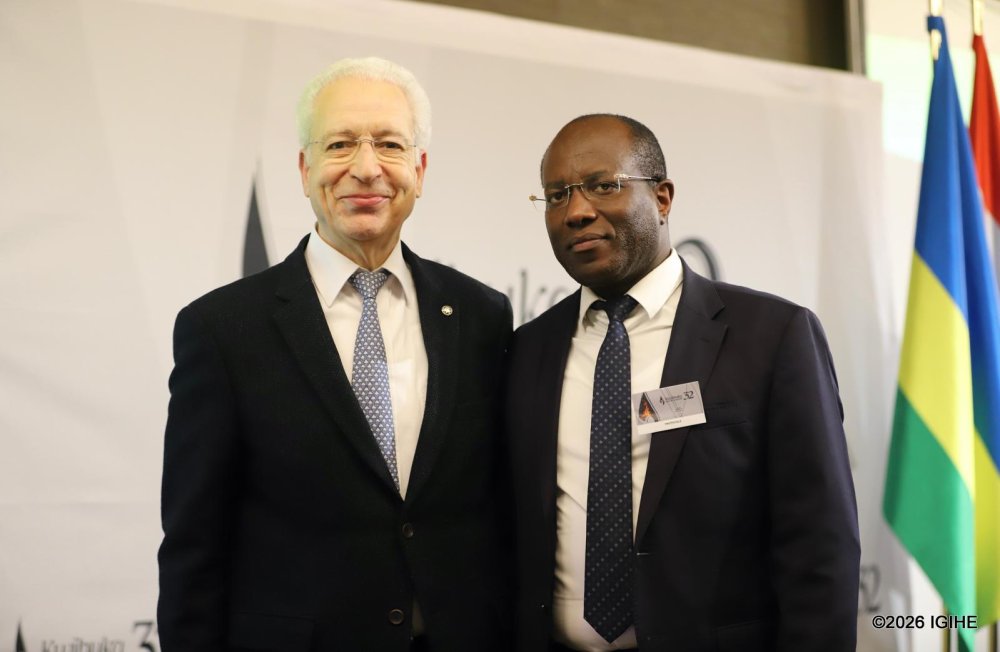
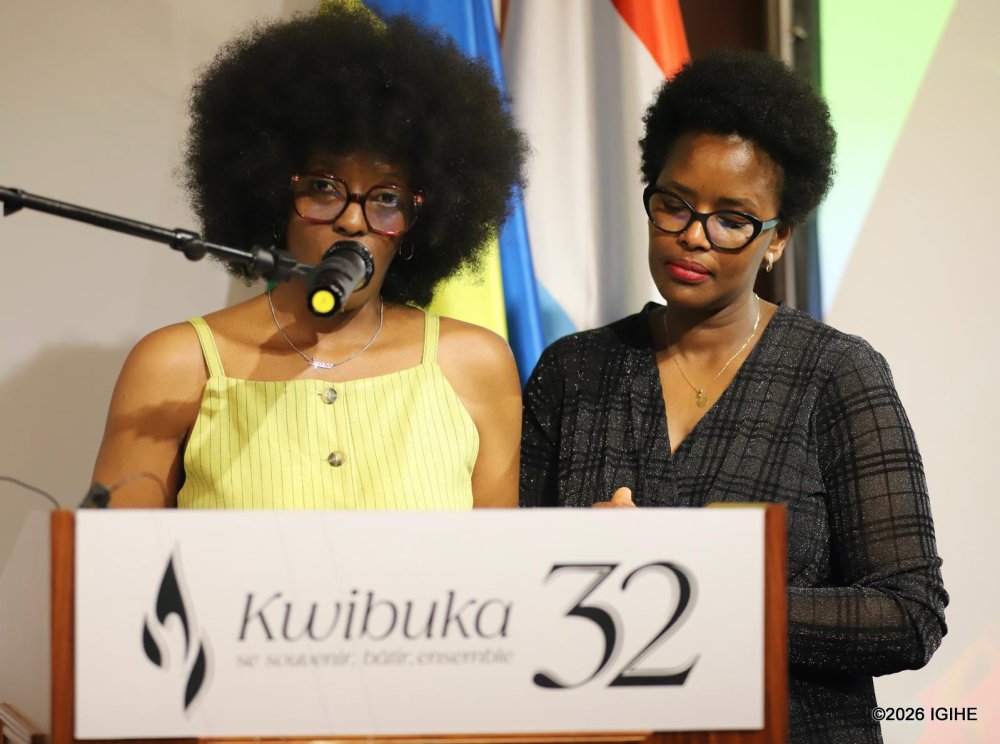
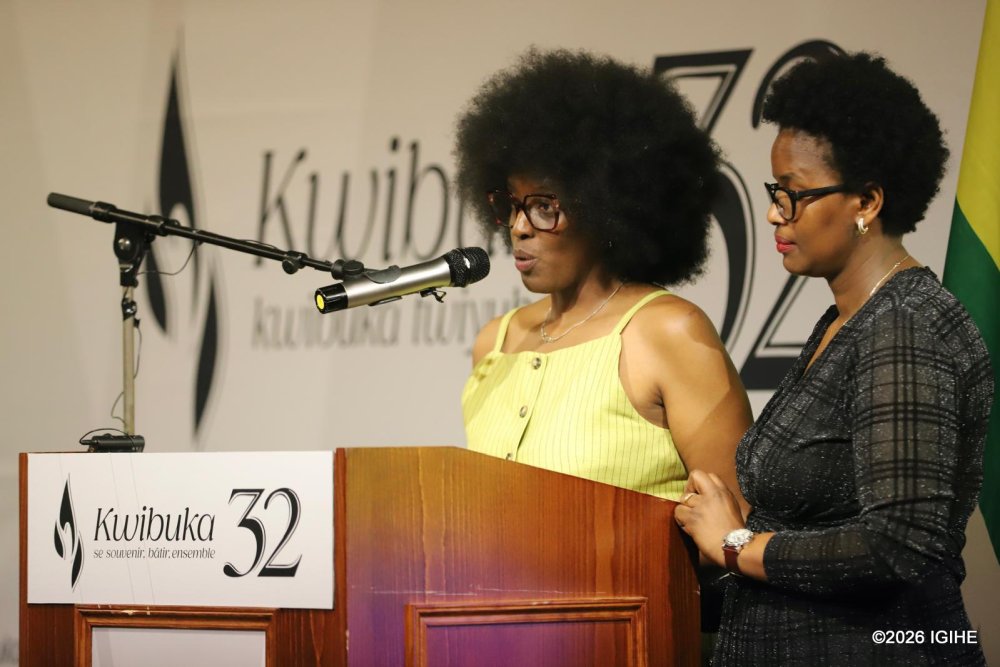
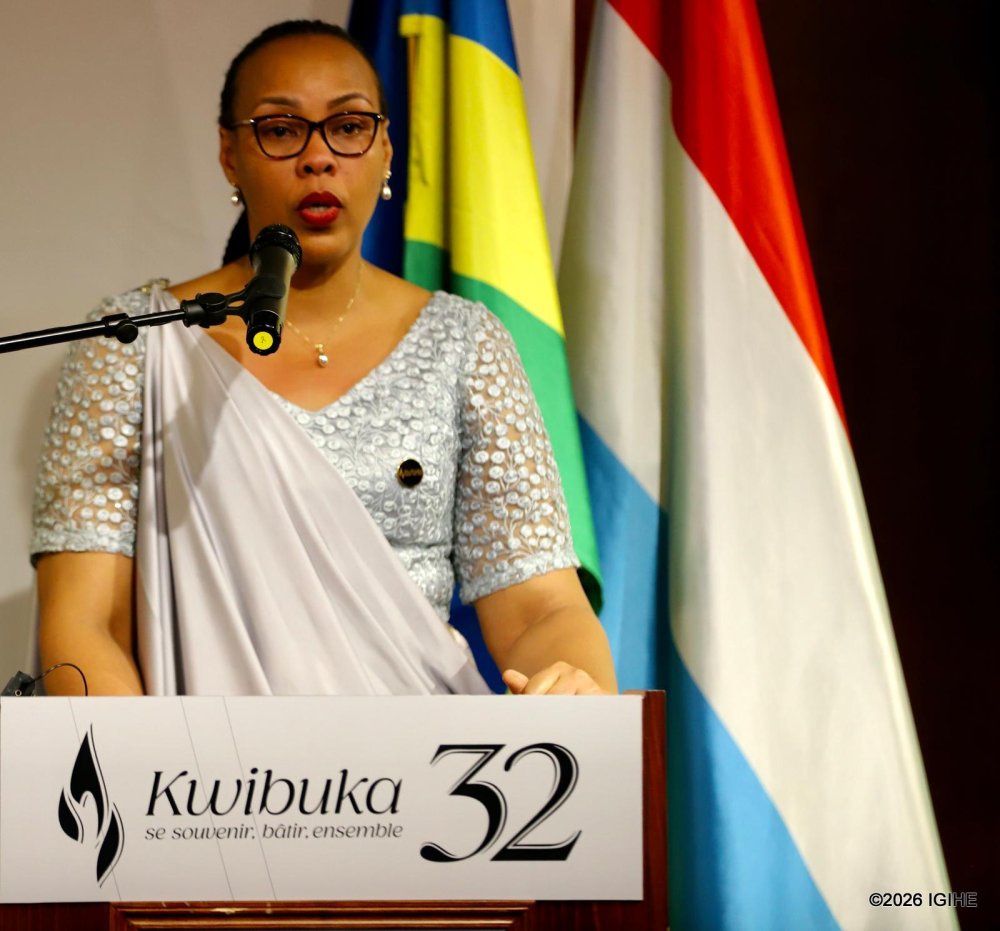
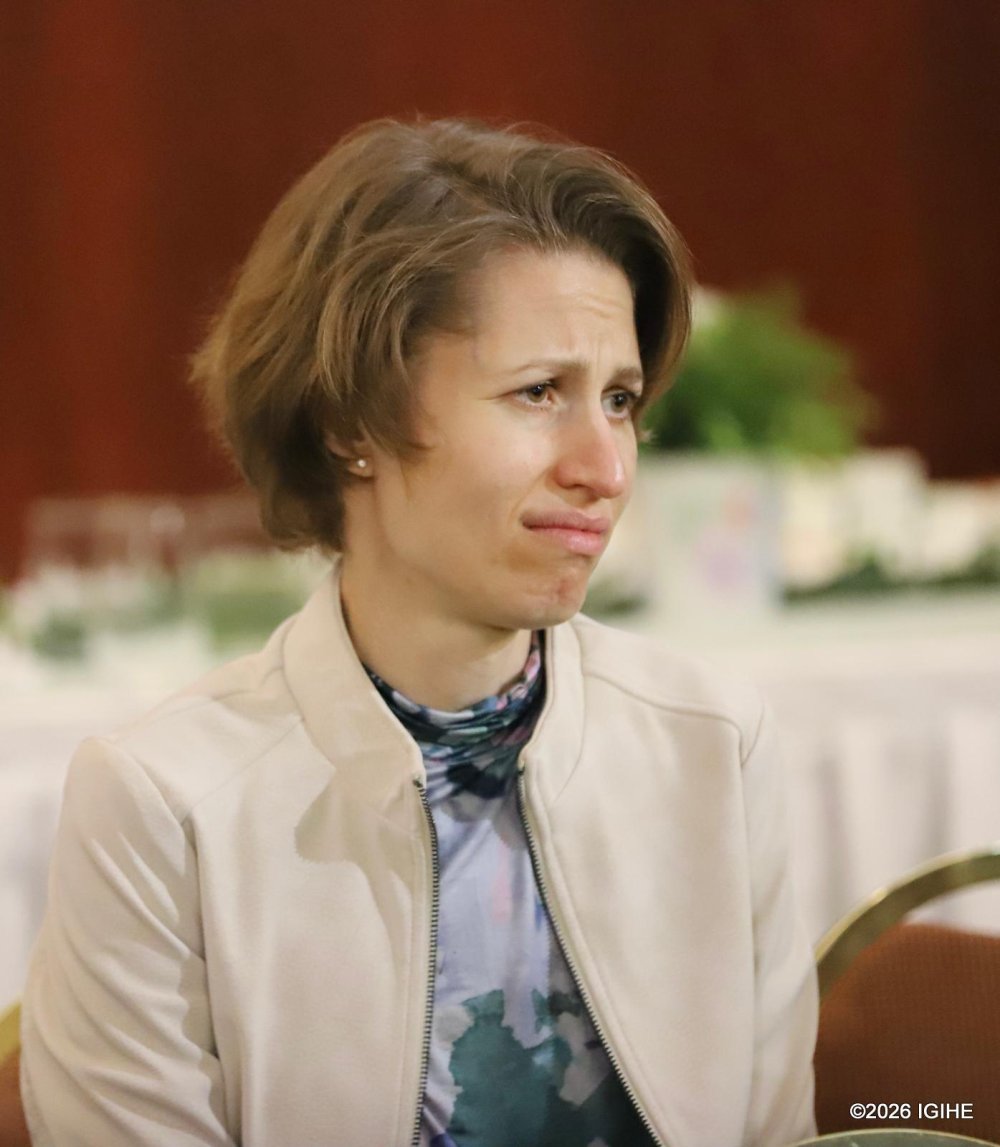
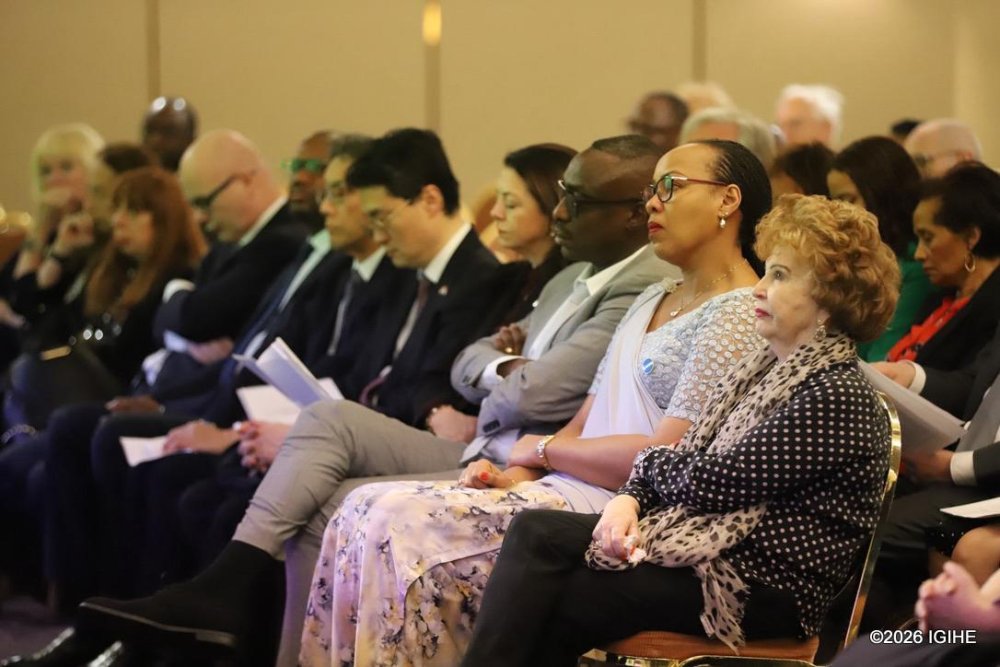
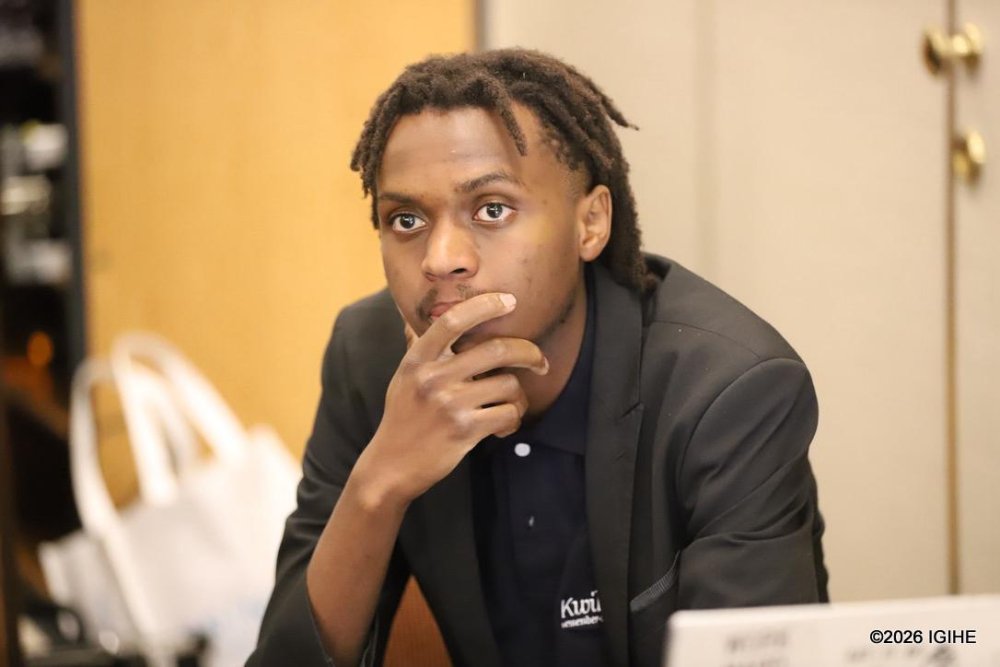
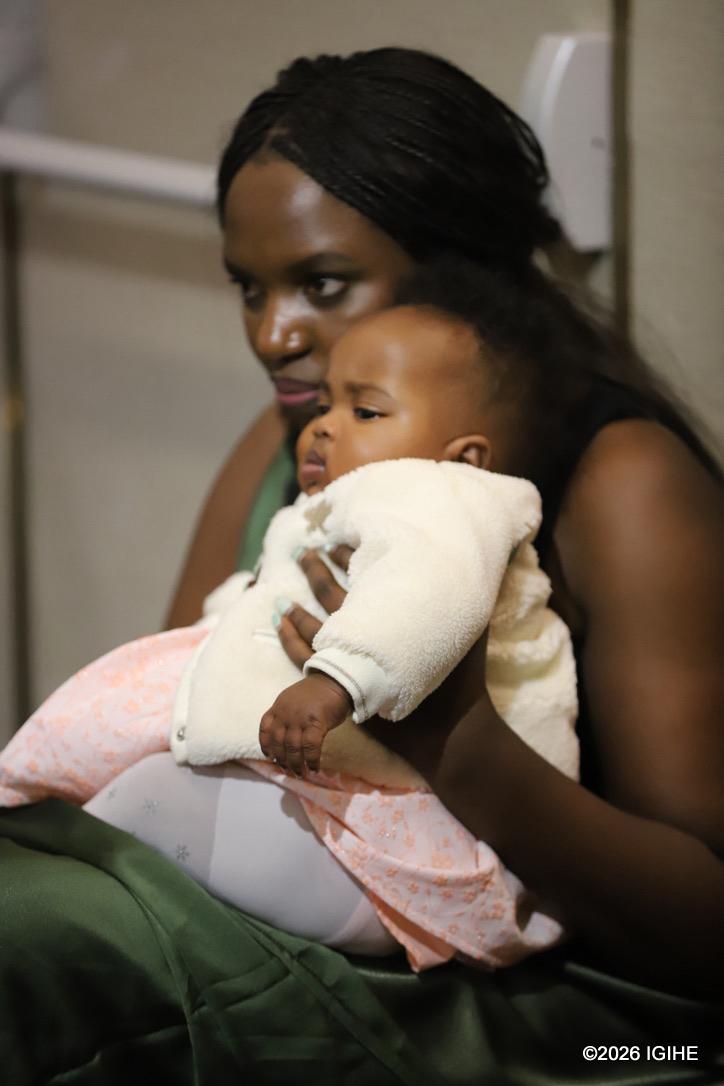
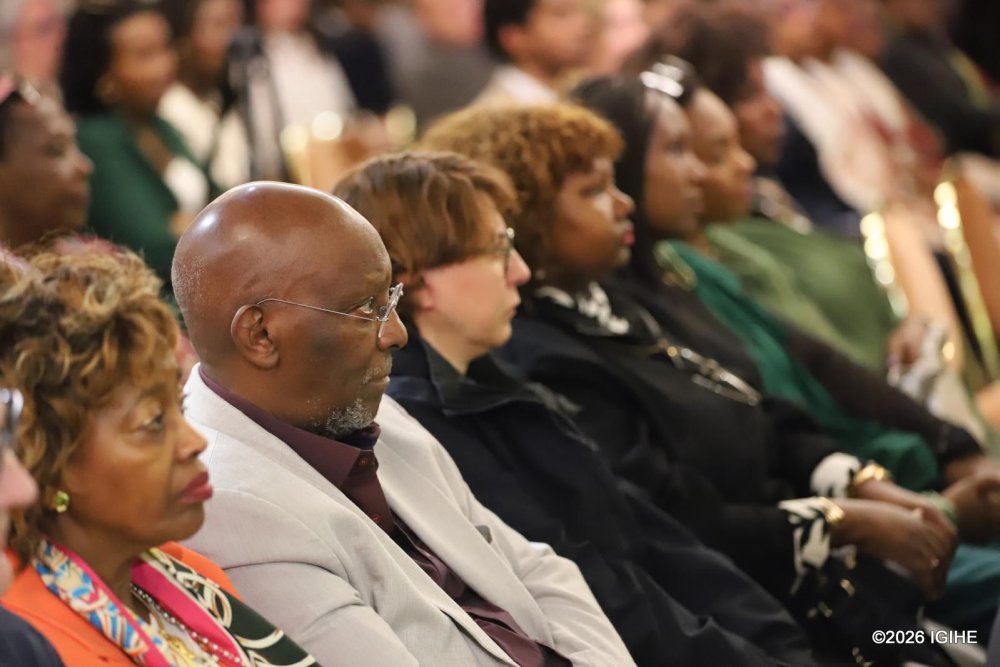
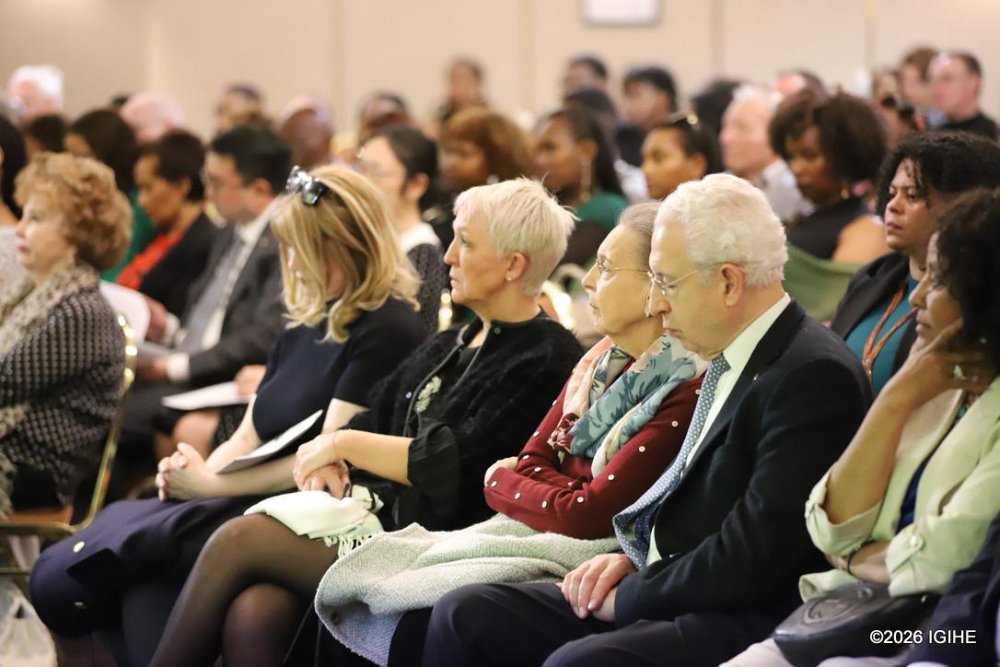
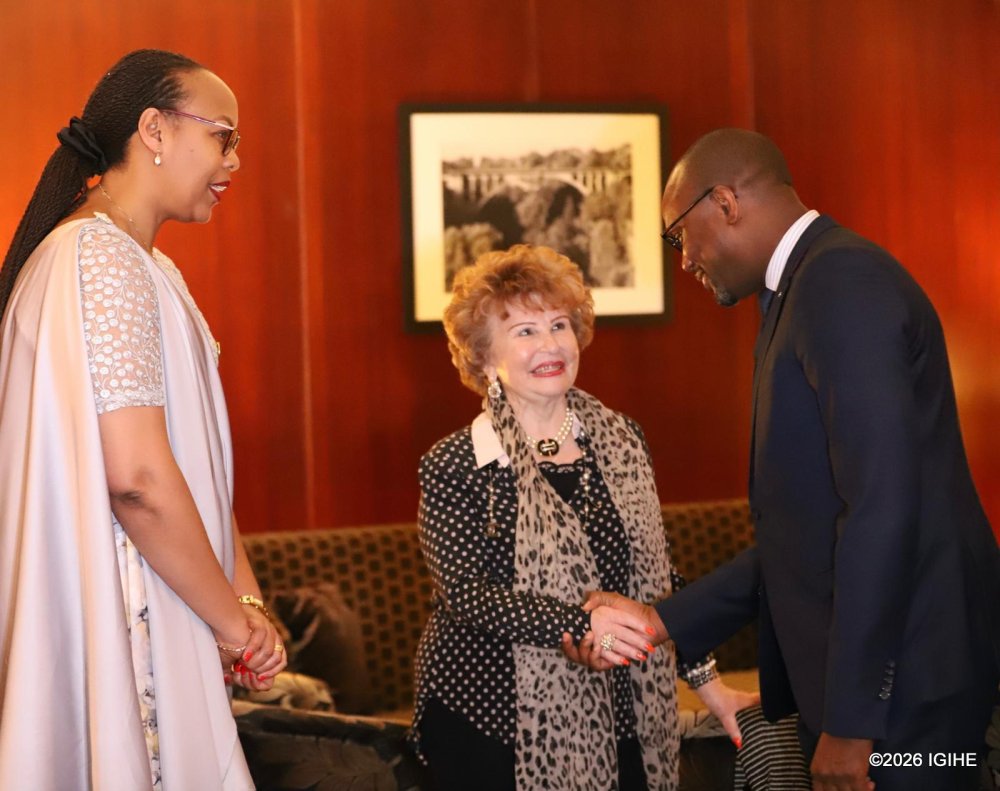
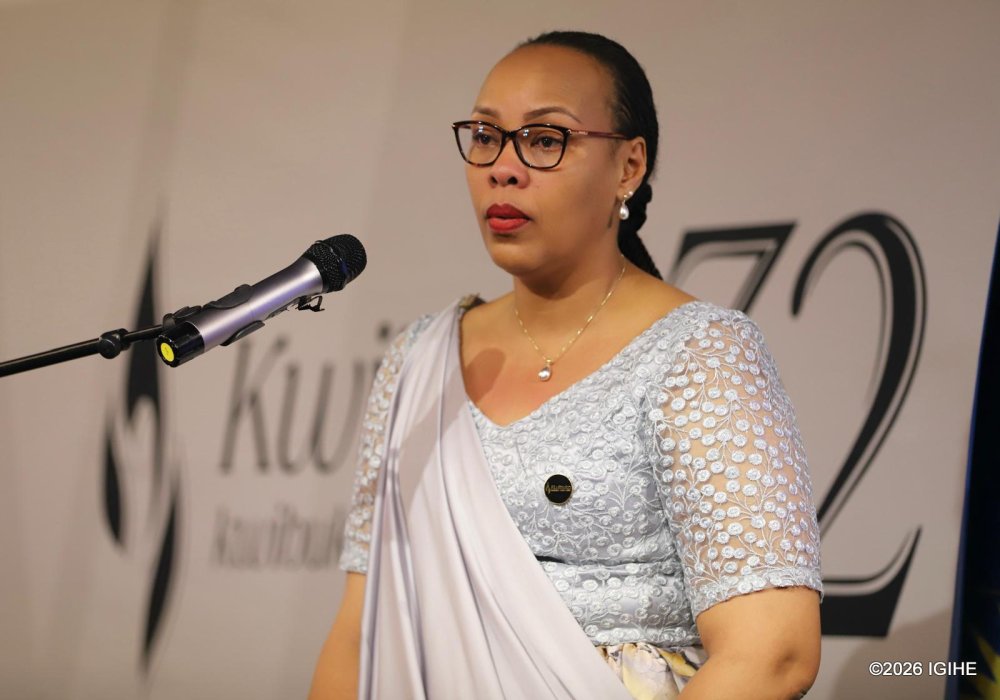
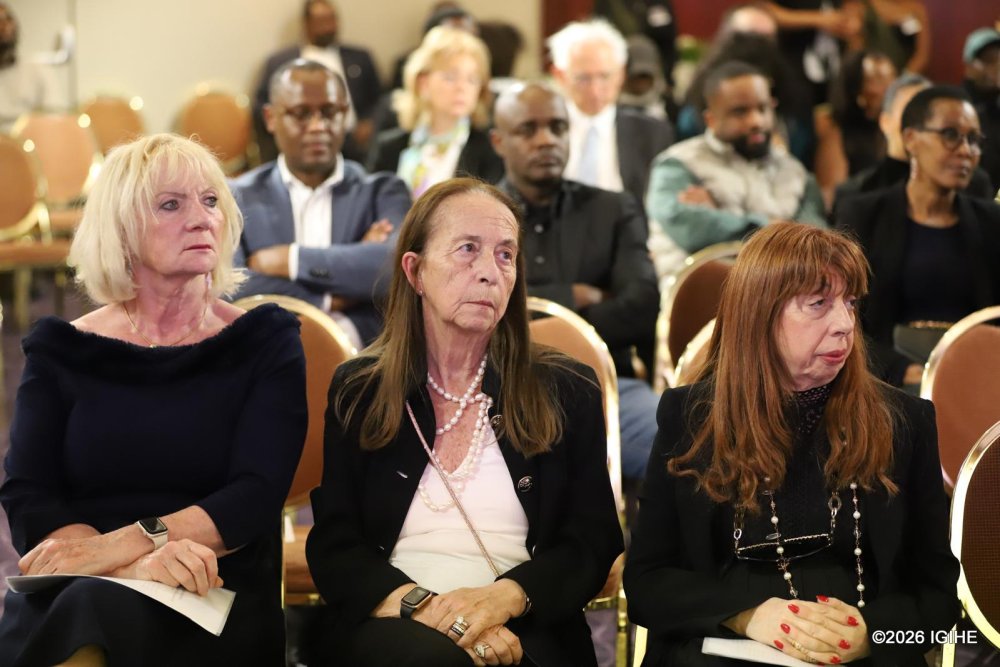
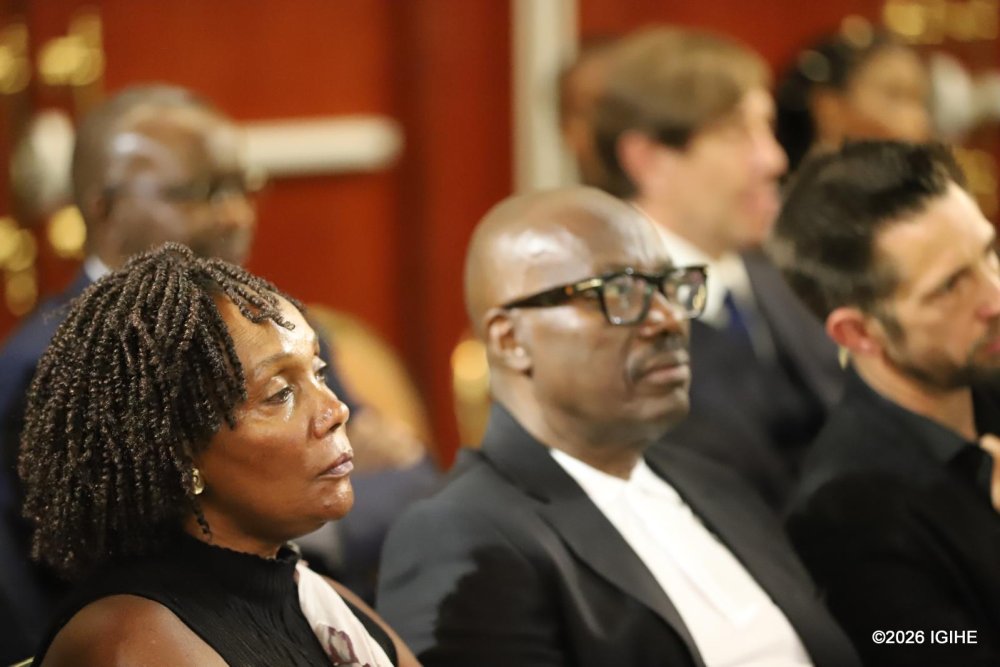
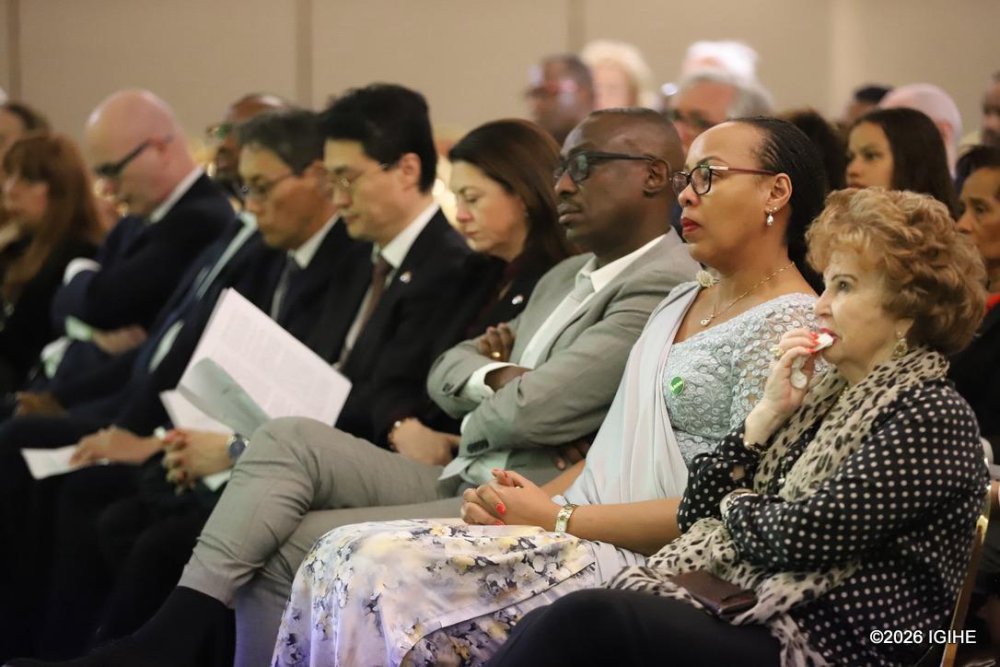
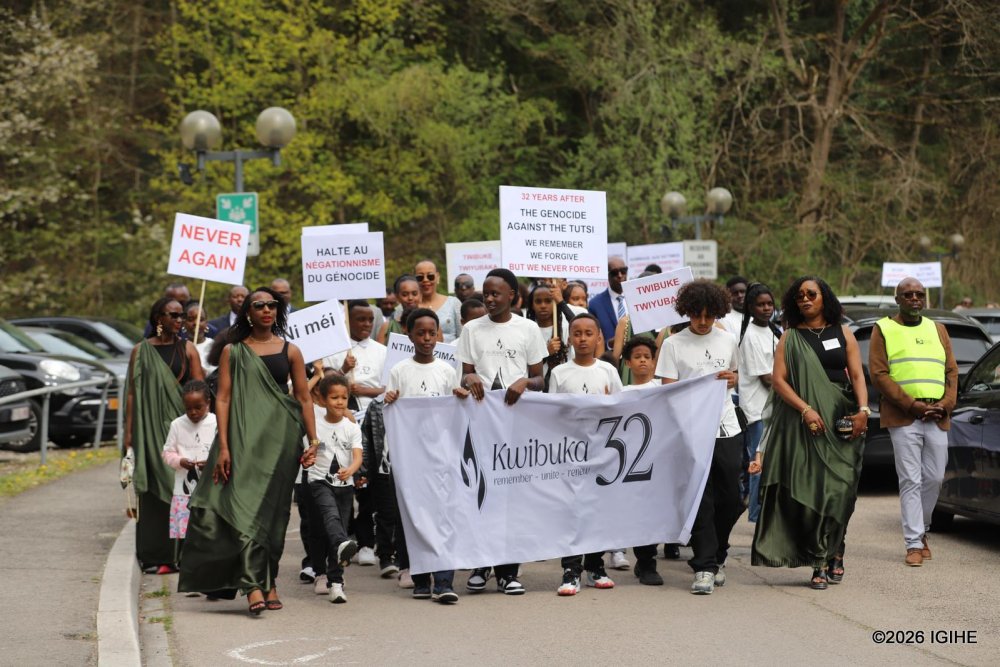
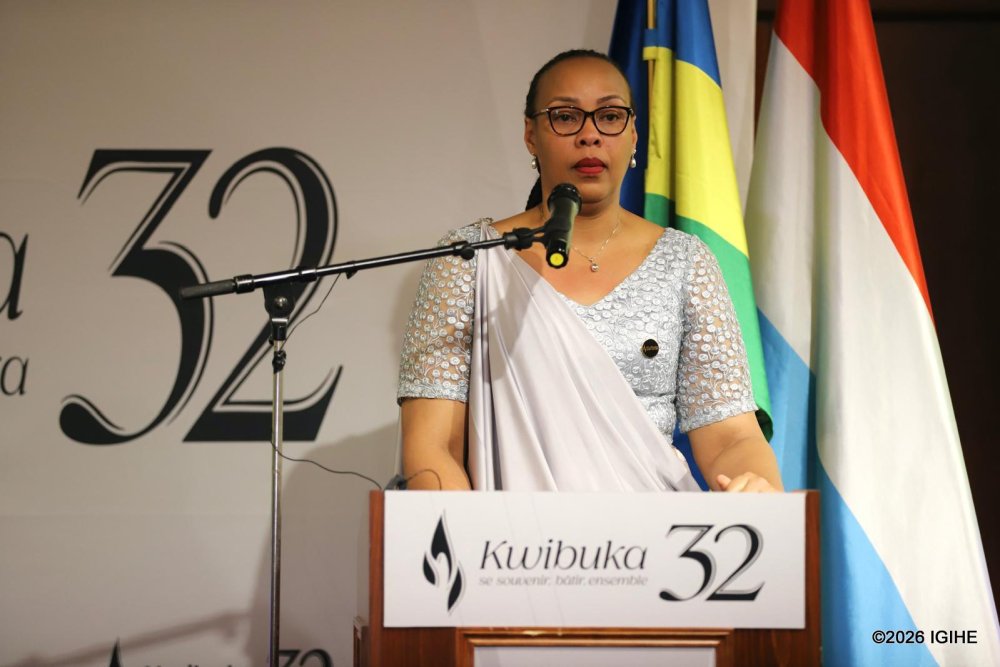
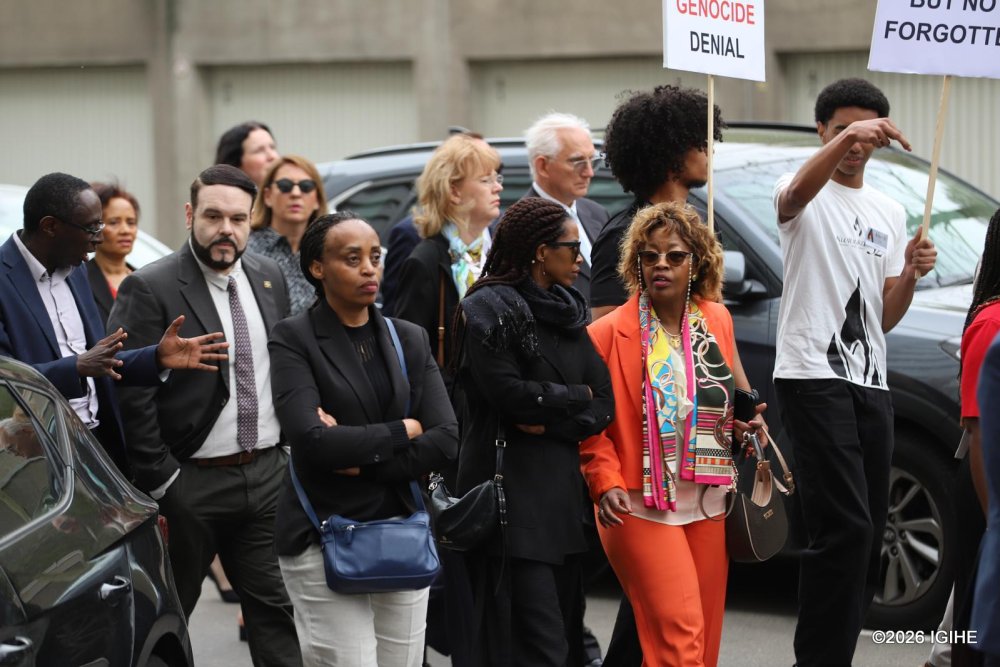
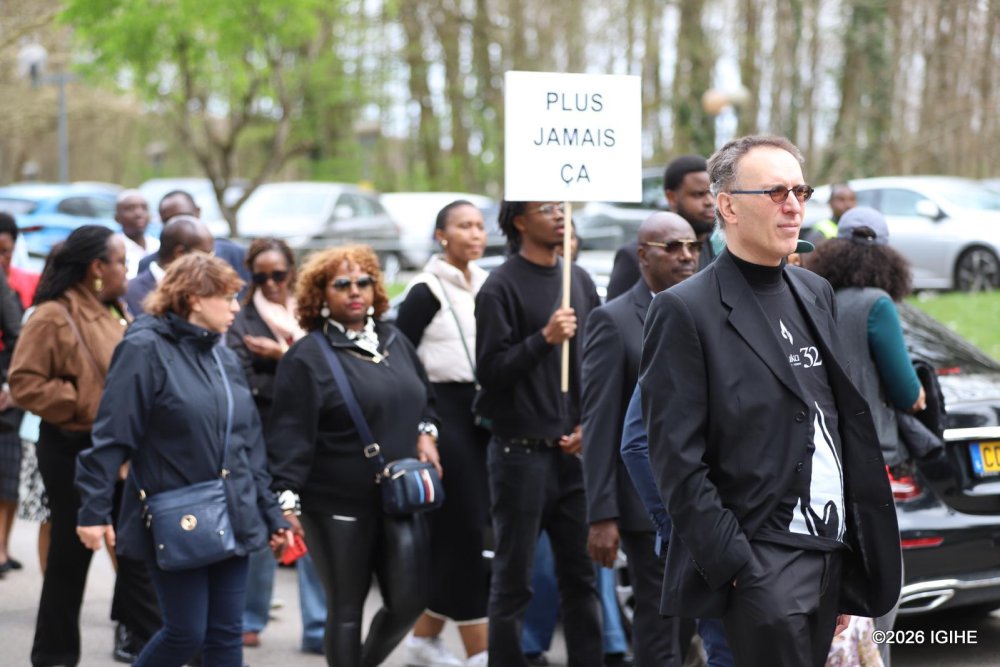
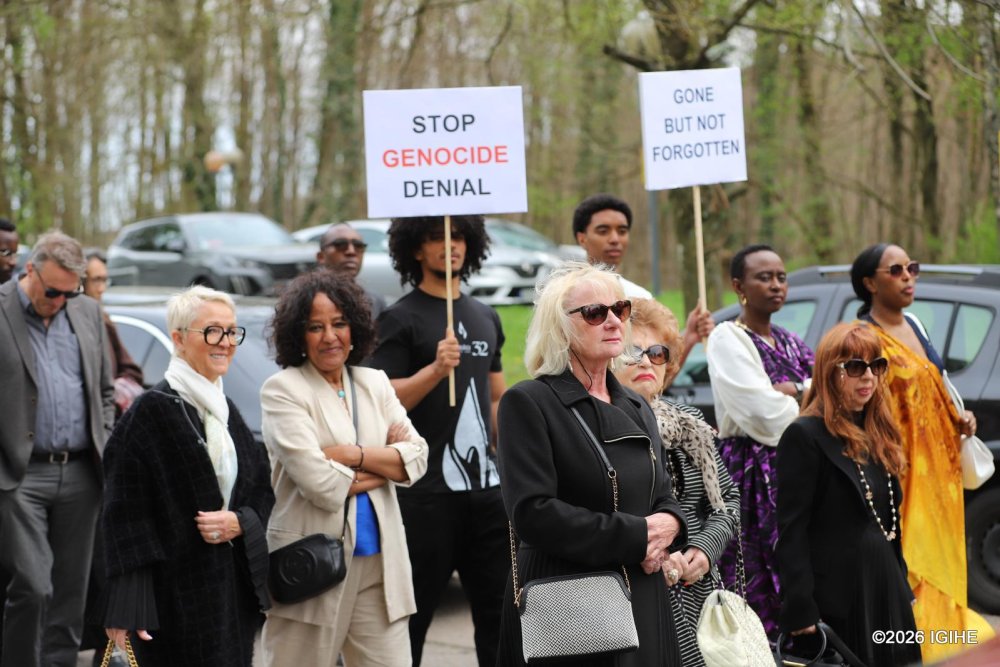
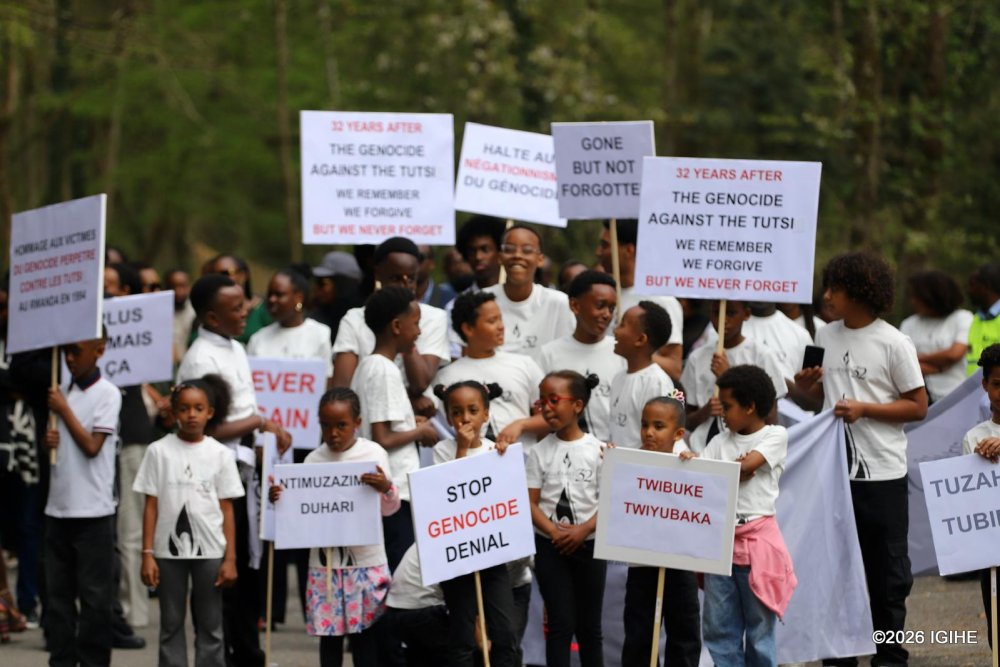
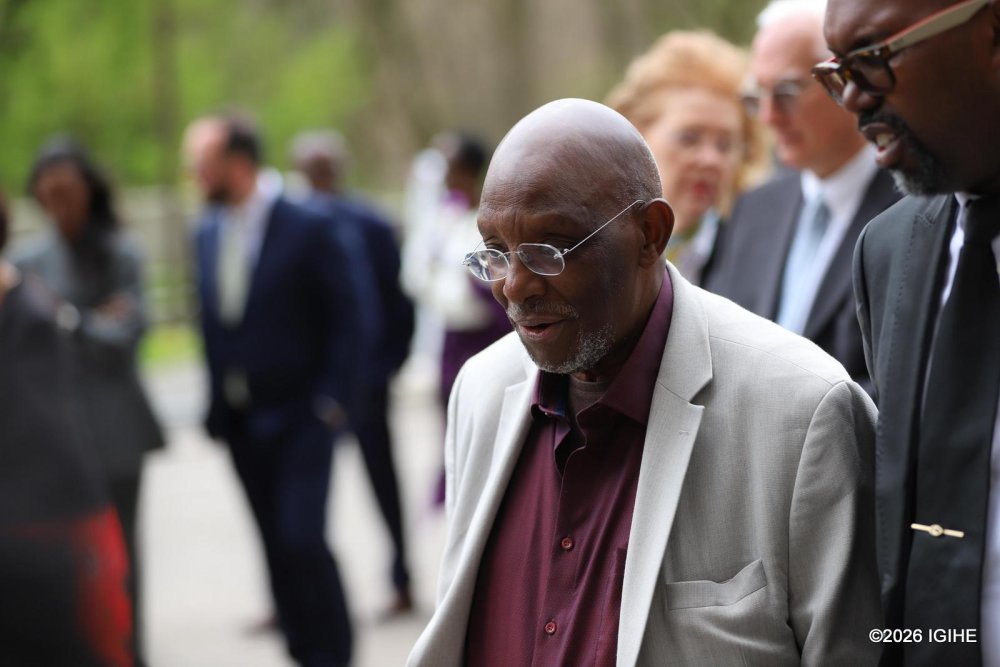
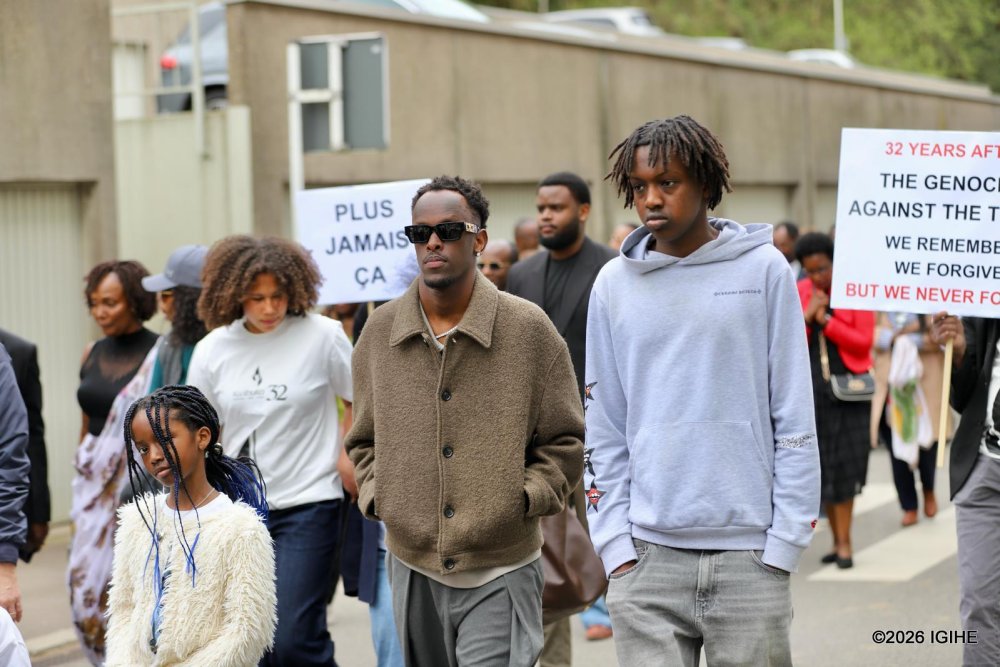
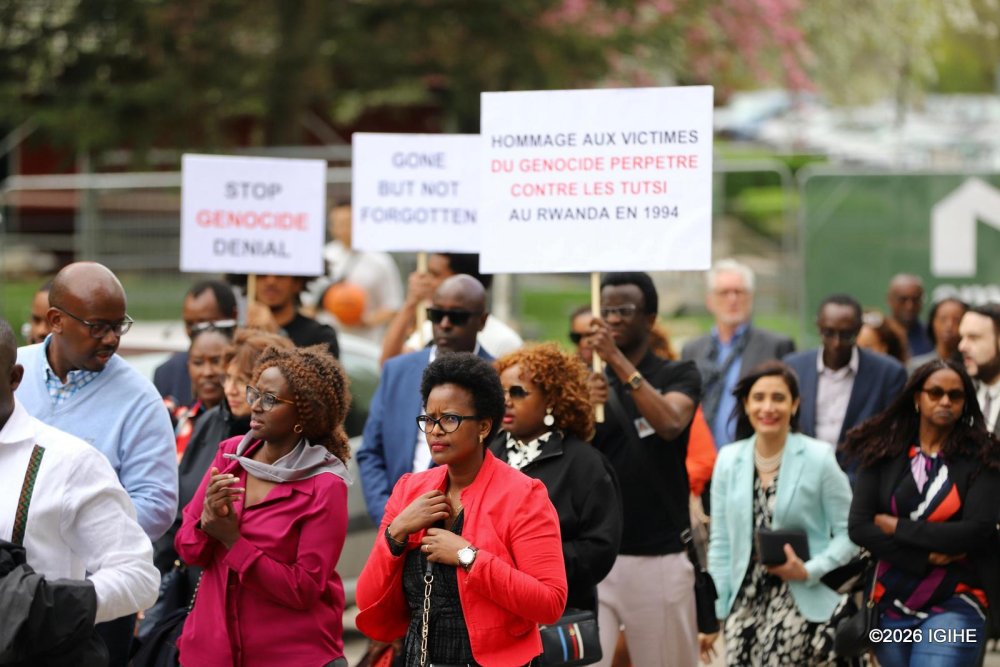
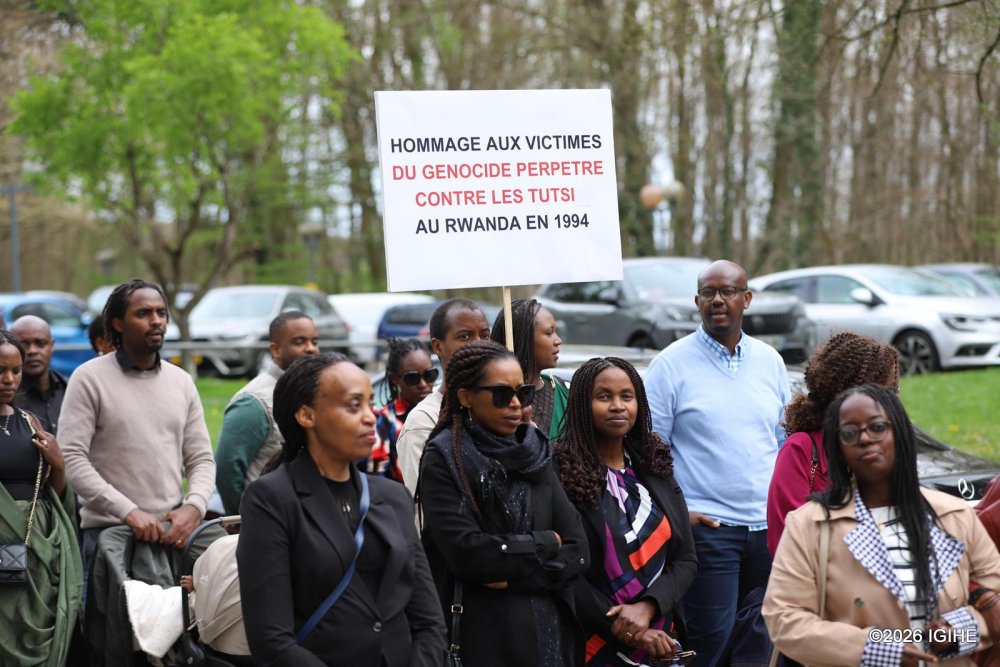
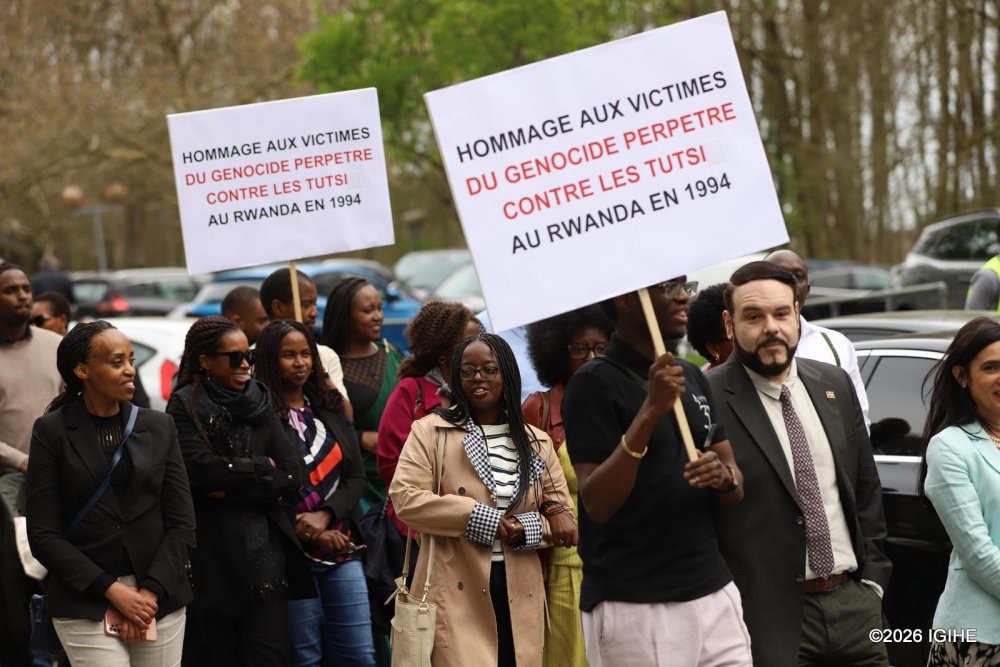
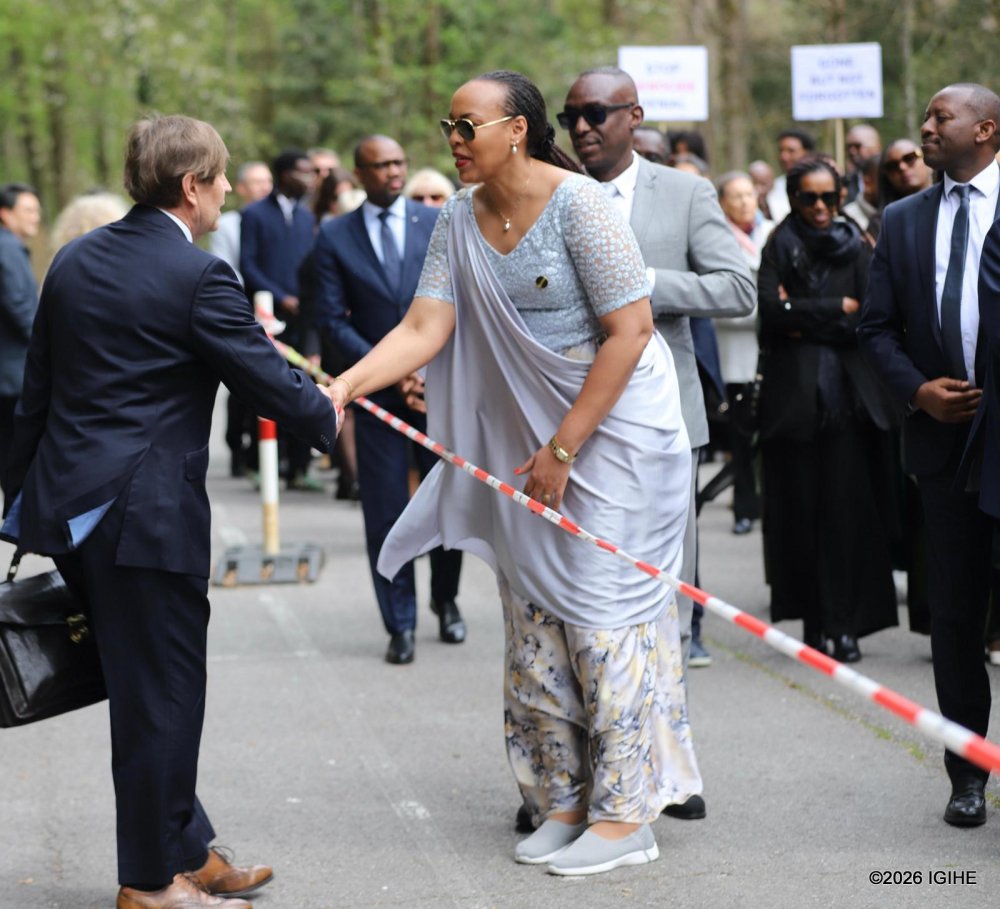
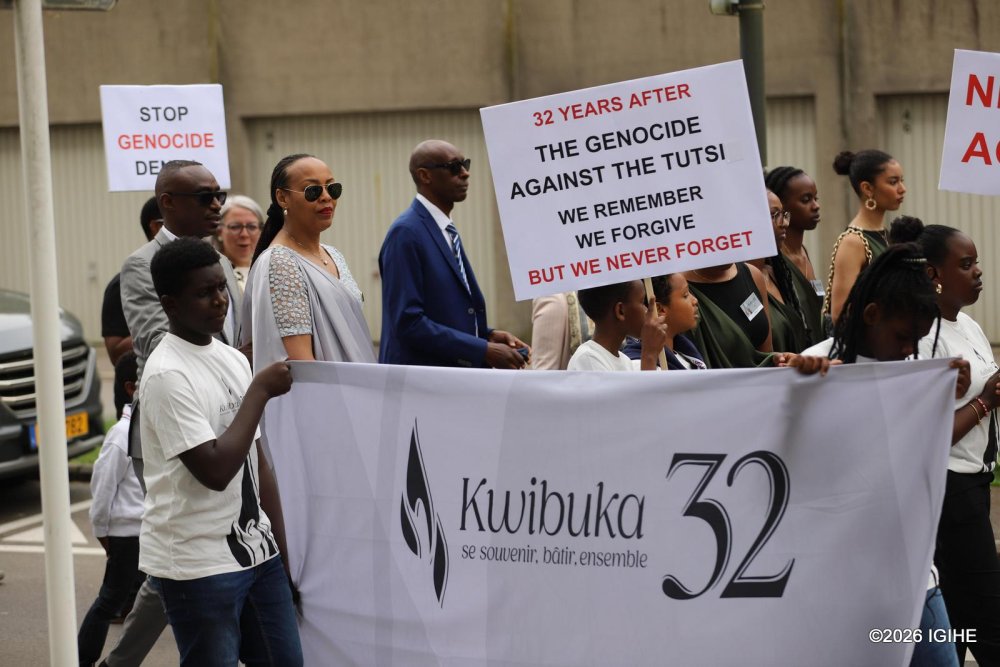
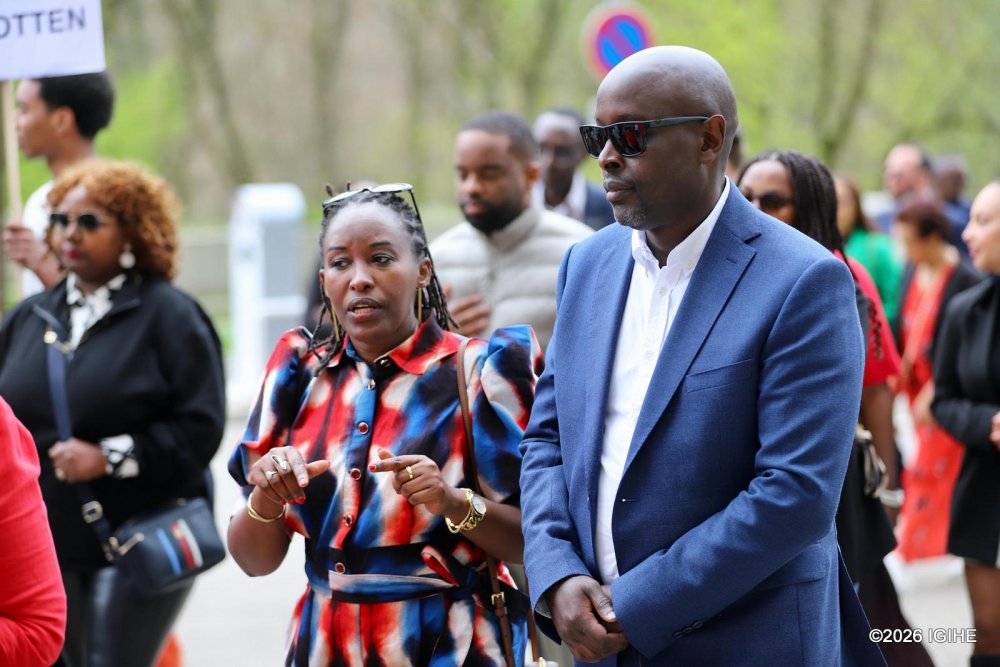
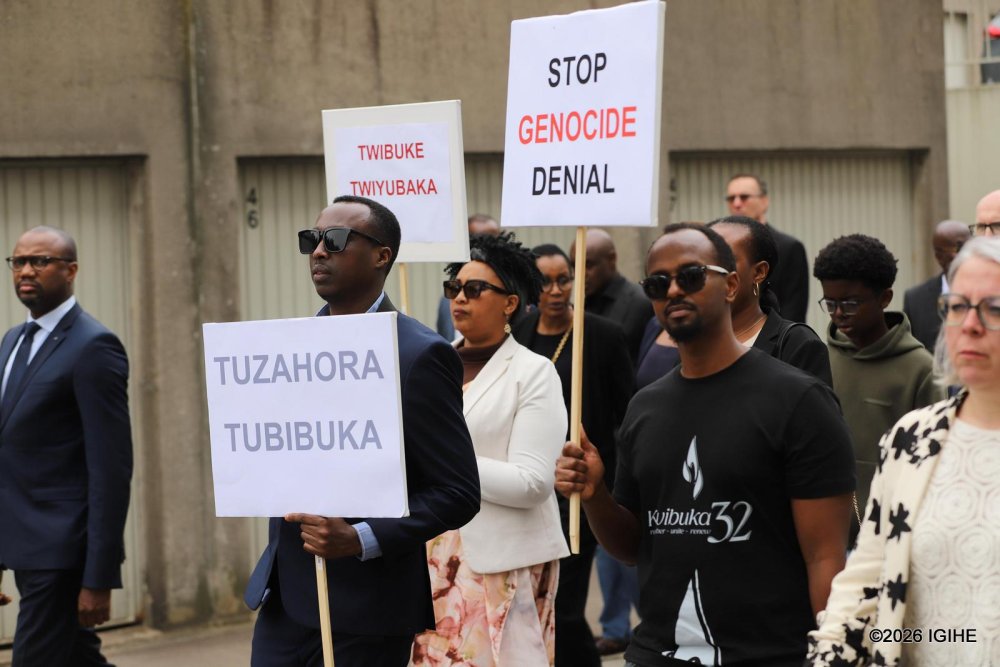
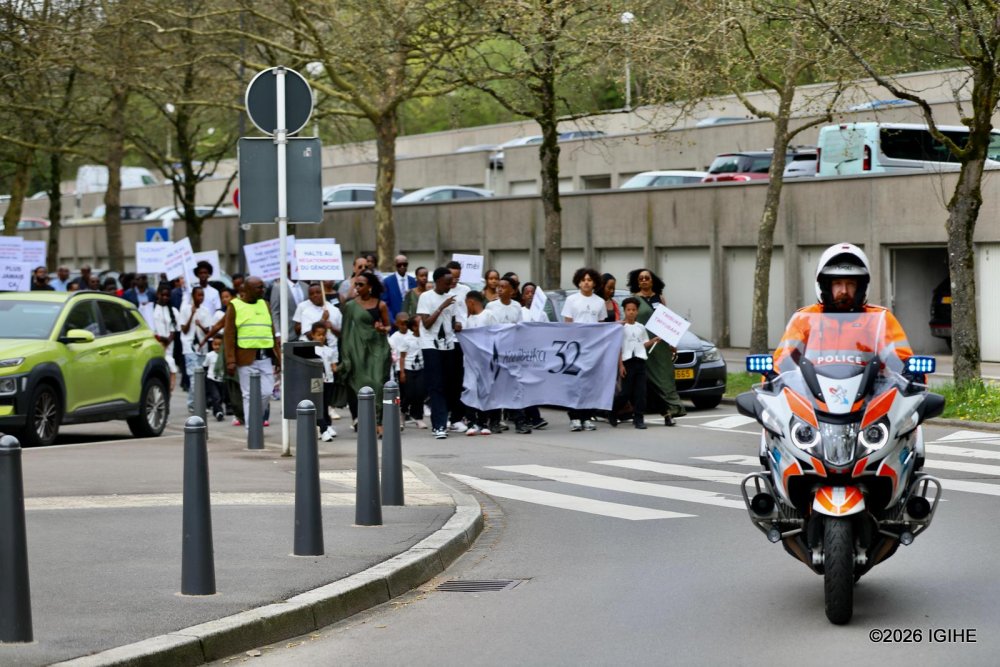
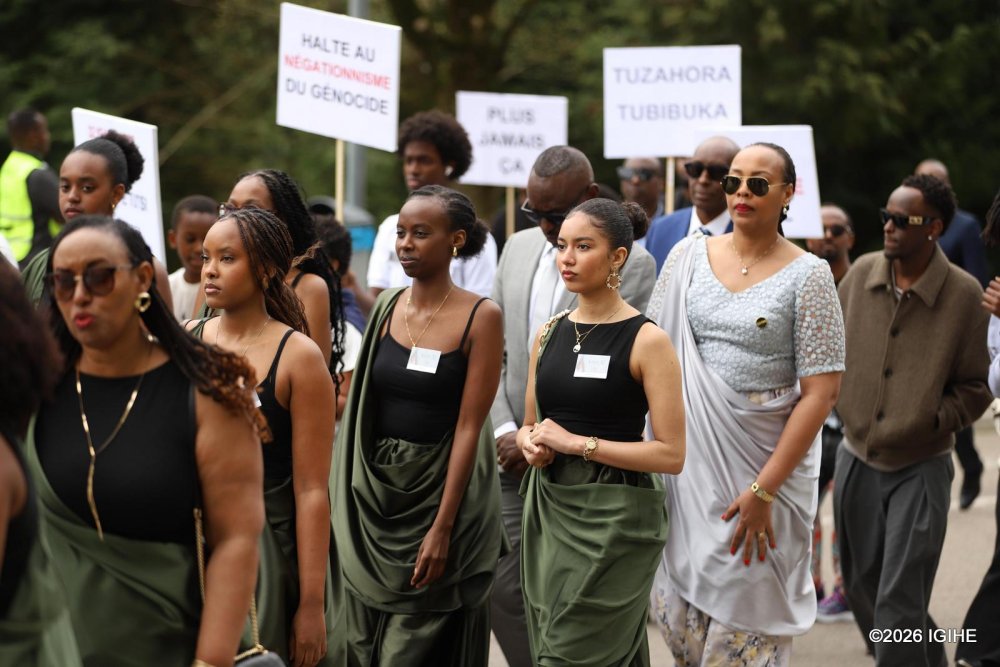
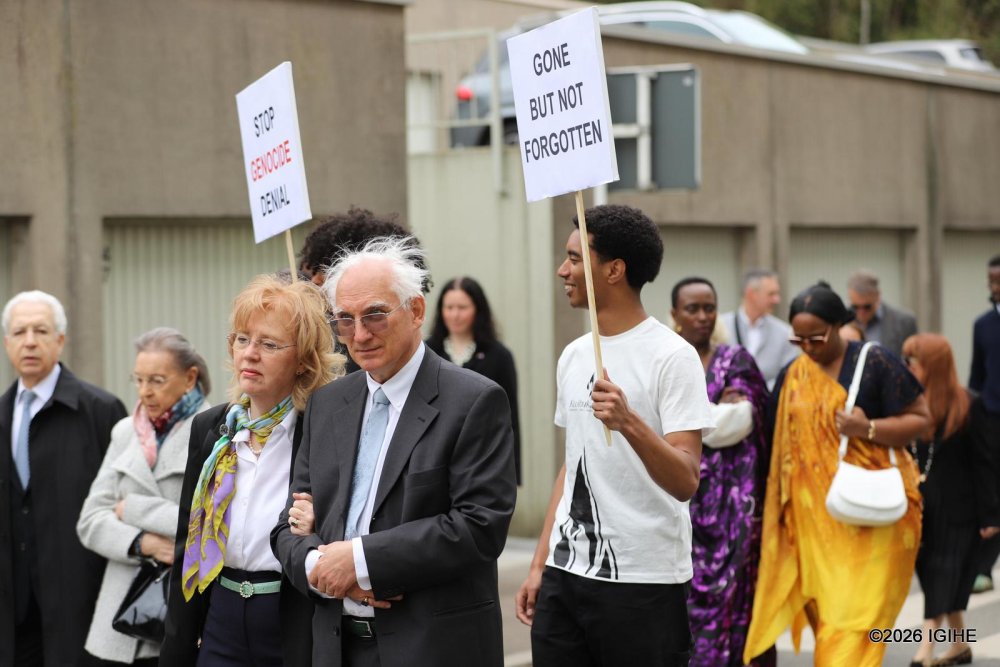
The commemoration brought together members of the Rwandan community, Luxembourg officials, and friends of Rwanda on April 11, 2026.
Speaking at the event, Amb. Munyangaju stressed that remembering the victims of the Genocide against the Tutsi is a responsibility shared by all, while expressing gratitude to those who joined Rwandans in honoring the victims.
“We are gathered here not only to remember but also to reaffirm our responsibility,” she said.
She highlighted the scale and brutality of the genocide, noting that in just 100 days, more than one million Tutsi were killed.
The ambassador emphasized that the genocide was not a spontaneous tragedy but a carefully planned and executed crime, rooted in decades of division, hate propaganda, discrimination, and systematic dehumanization of the victims.
She also pointed to the failure of the international community to act, despite clear warning signs, while commending the resilience and courage of survivors.
According to her, testimonies from survivors underscore the importance of remembrance and the collective responsibility to ensure that such atrocities never happen again.
Amb. Munyangaju called on the international community to play an active role in preserving historical truth, supporting survivors, and combating hate speech and genocide ideology that continue to spread. She warned that, 32 years later, genocide ideology has not disappeared but has instead evolved.
Hate speech and genocide denial, she said, are increasingly spreading on social media, with coordinated networks disseminating misinformation across different parts of the world.
She stressed that genocide denial is not an expression of opinion but a continuation of the crime itself, urging countries to implement United Nations Security Council Resolution 2150, particularly in prosecuting genocide suspects and addressing the challenge of impunity.
The ambassador also raised concern over the situation in the region, especially in eastern Democratic Republic of Congo, where genocide ideology continues to spread, particularly through the FDLR, a group formed by perpetrators of the 1994 Genocide against the Tutsi.
She strongly condemned hate speech and violence targeting Congolese Tutsi and Banyamulenge communities, warning that such acts, if left unchecked, could escalate into further killings. “The silence in the face of these warning signs amounts to complicity,” she said.
Amb. Munyangaju commended the Government of Luxembourg for its continued solidarity with Rwanda during commemoration periods, including its support in providing land for the construction of a Genocide memorial, describing it as a strong symbol of partnership.
“These actions honor the victims and send a clear message: peace is a choice, justice is essential, and hate speech must never be tolerated,” she noted.
She also urged young people to play an active role in preserving history and reaffirmed Rwanda’s commitment to working with international partners in fighting genocide ideology, promoting unity, and strengthening reconciliation.
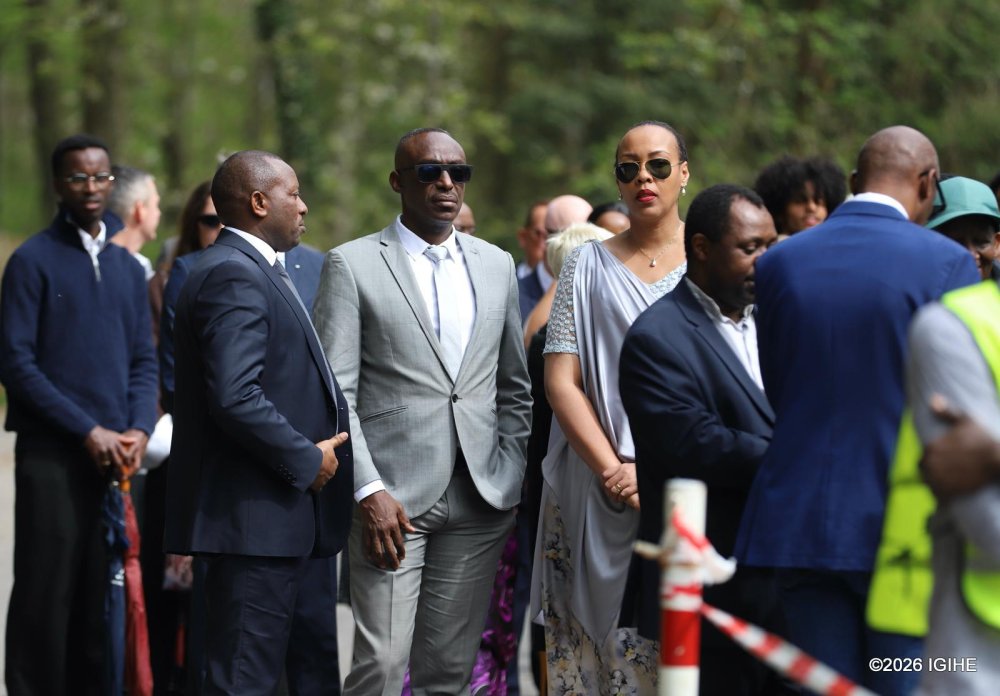
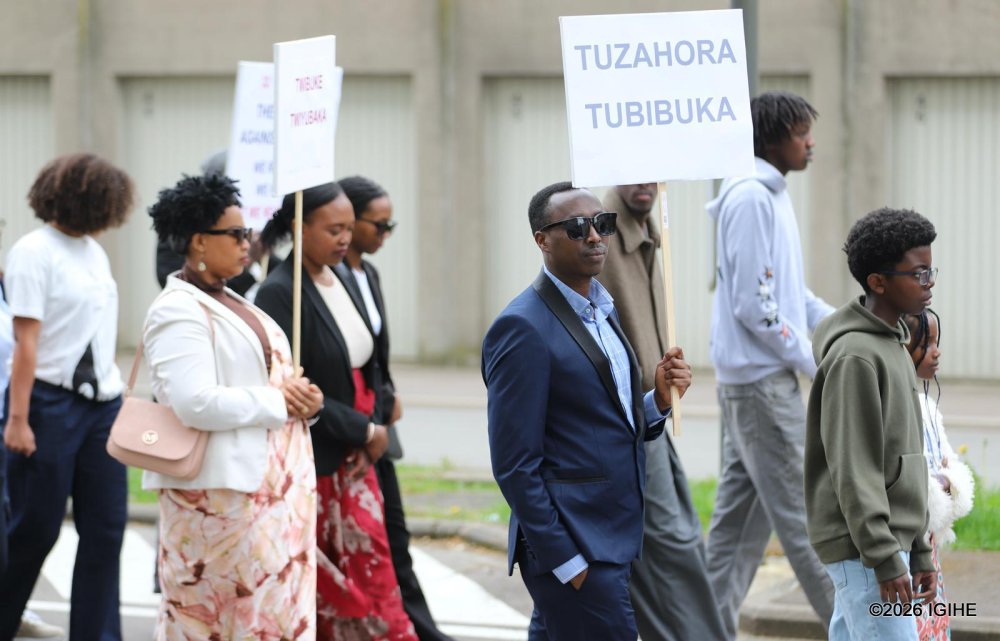
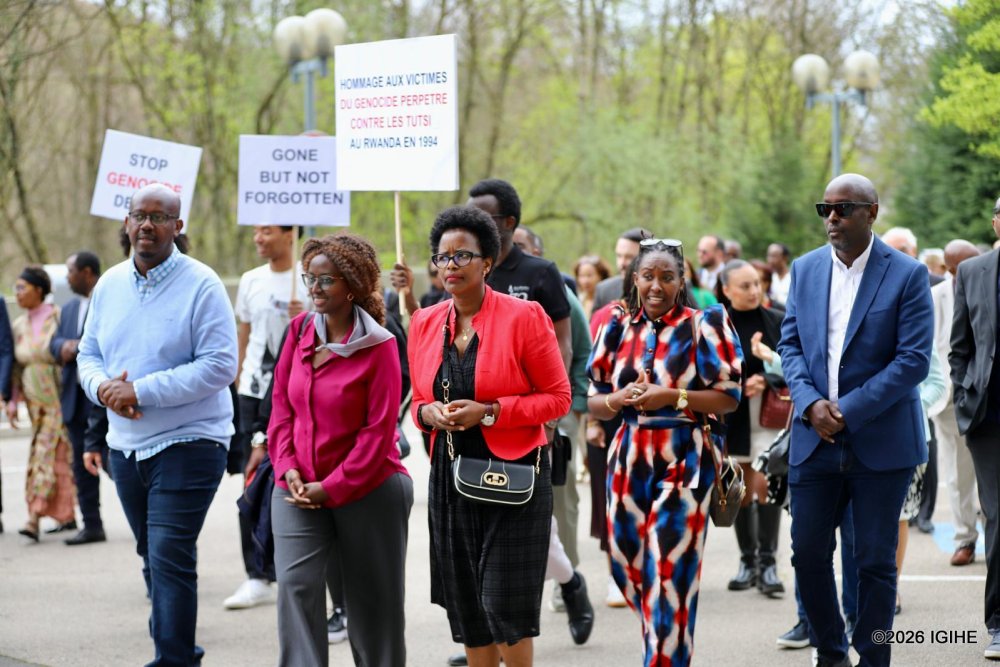
Amb. Munyangaju further expressed appreciation to the commune of Mersch for allocating land for the construction of a memorial to the victims of the Genocide against the Tutsi, and to participants who took part in a wreath-laying ceremony held in Moesdorf, in Mersch district.
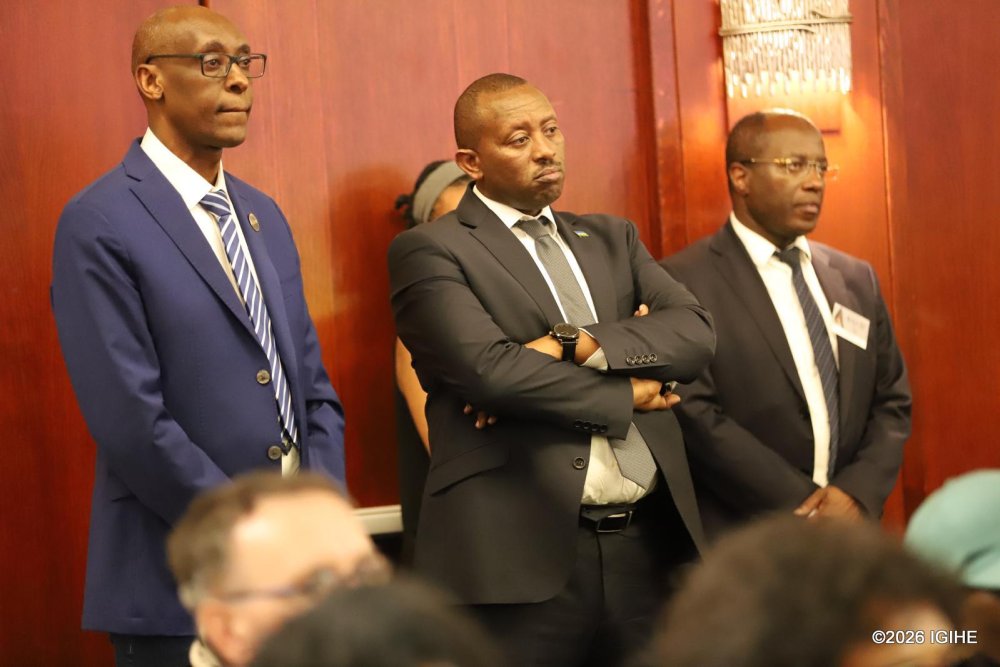
Attendees included staff from the Rwandan embassy in Luxembourg, members of Ibuka Luxembourg, and the Rwandan community organization RDL asbl.
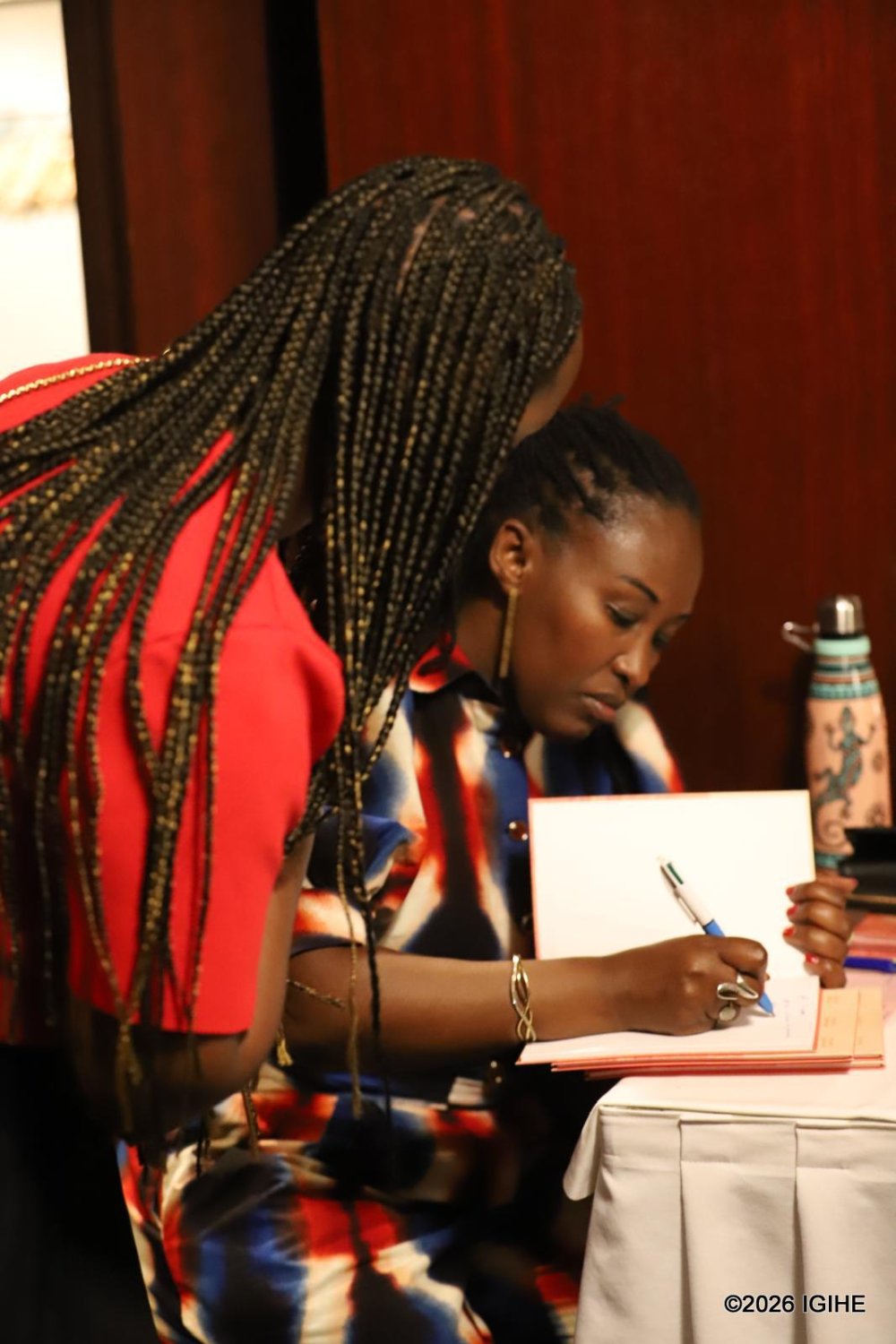
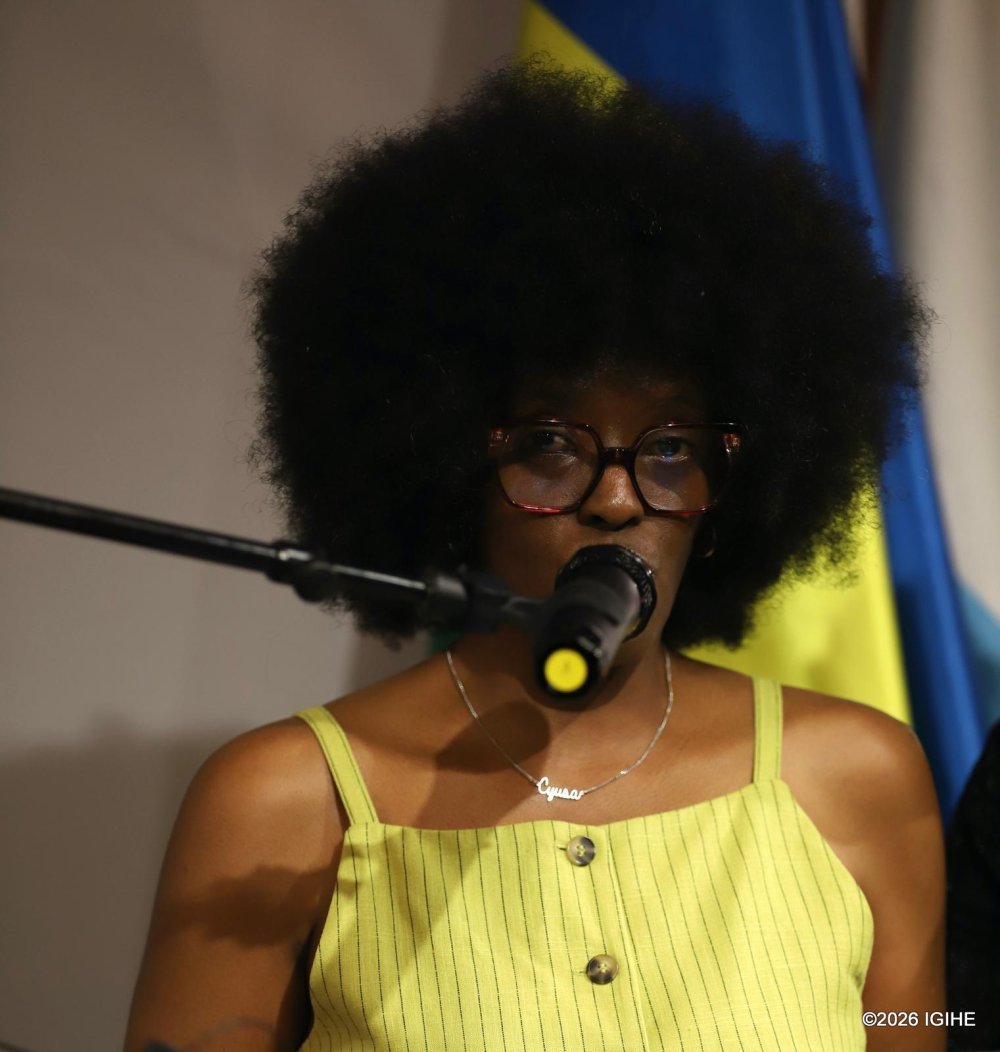
Photos of the commemoration event in Luxembourg
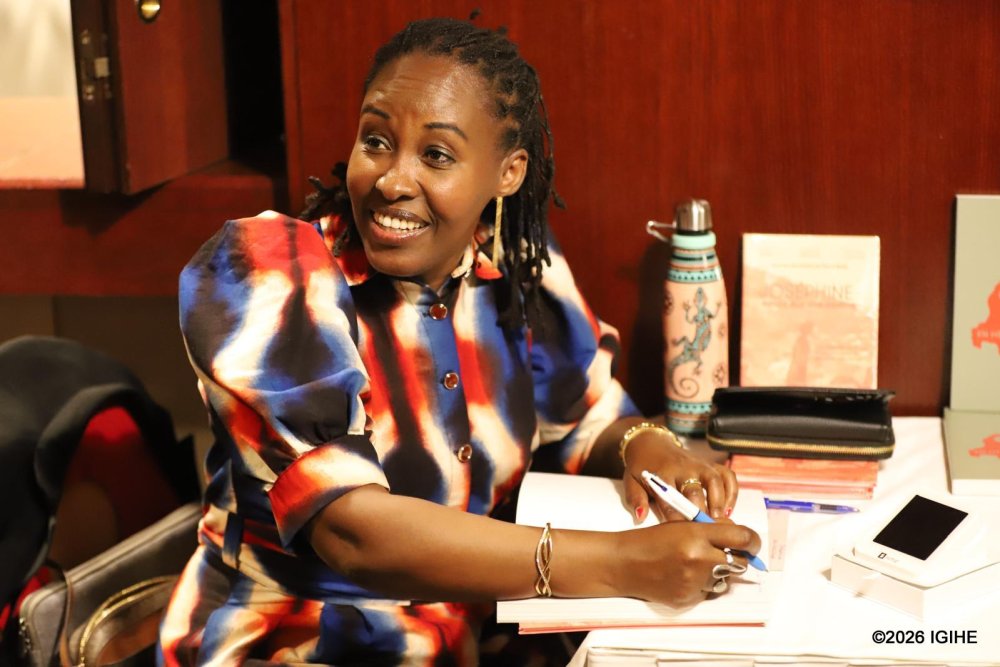
Rwanda’s Ambassador to Luxembourg, Aurore Mimosa Munyangaju has called on the international community to remain committed to ensuring that genocide never happens again anywhere in the world..Kalisa Didace President of Ibuka Luxembourg speaking at the event. Karurenzi Donatille, one of the authors of the books that were launched welcoming readers.Books featuring testimonies of genocide survivors were launched during the event. Lidia Umurerwa shared a testimony of her survival during Genocide against the Tutsi.