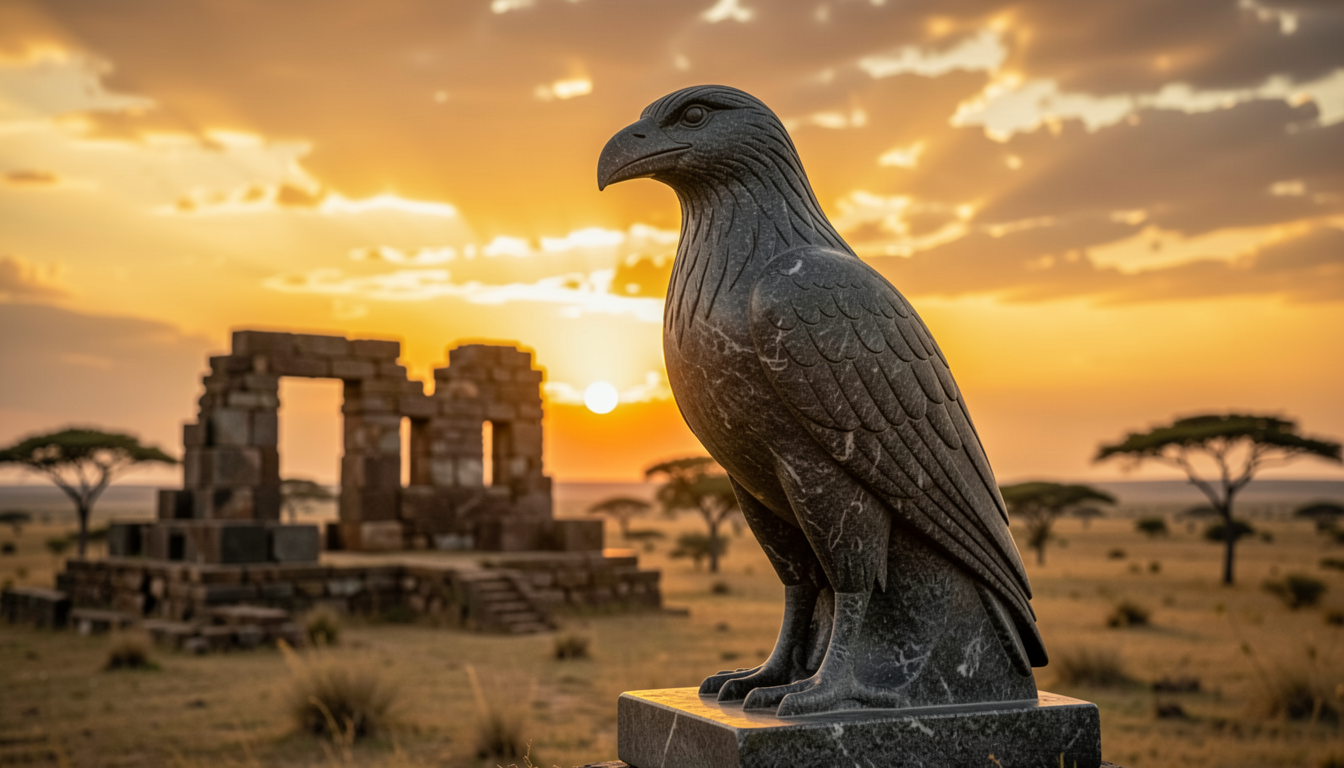
Zimbabwean President Emmerson Mnangagwa presided over the handover ceremony at State House, attended by South African Minister of Sport, Arts and Culture Gayton McKenzie, and Zimbabwean government officials.
Mnangagwa hailed the repatriation as a triumph of Pan-African solidarity and a decisive step toward addressing historical colonial injustices. He emphasized that reclaiming such artifacts is essential for restoring the nation’s cultural identity and rectifying the “salient testament” of past plunder.
“For far too long, this vital piece of our national soul and dignity resided in a foreign land… My government will continue to ensure that Zimbabwe’s rich heritage is freed from the hostage in foreign museums, public spaces and private galleries,” the president said.
For his part, McKenzie described the return as a significant historical milestone, expressing his hope that the eight ancestors would finally find peace in their native soil and that the day’s events would help in the long journey of restoring Zimbabwe’s national wholeness.
The Zimbabwe Bird, known in the Shona language as Chapungu, is a national emblem and symbol associated with the country’s cultural and historical identity, and is featured in the national flag, coat of arms and currency.
Carved from soapstone, this specific artifact was the first of eight carvings looted from the ruins of Great Zimbabwe — the Iron Age capital located in the country’s southeast — and later sold to Cecil John Rhodes, then the prime minister of the Cape Colony, in the 1890s.
The eight ancestral human remains were collected from Zimbabwe — then known as Southern Rhodesia — during the late 19th and early 20th centuries. They were acquired by colonial officials, medical practitioners and researchers, and donated to what became the Iziko South African Museum as scientific specimens.
Zimbabwe on Wednesday welcomed the return of a centuries-old “Zimbabwe Bird” stone sculpture and eight ancestral remains from South Africa.
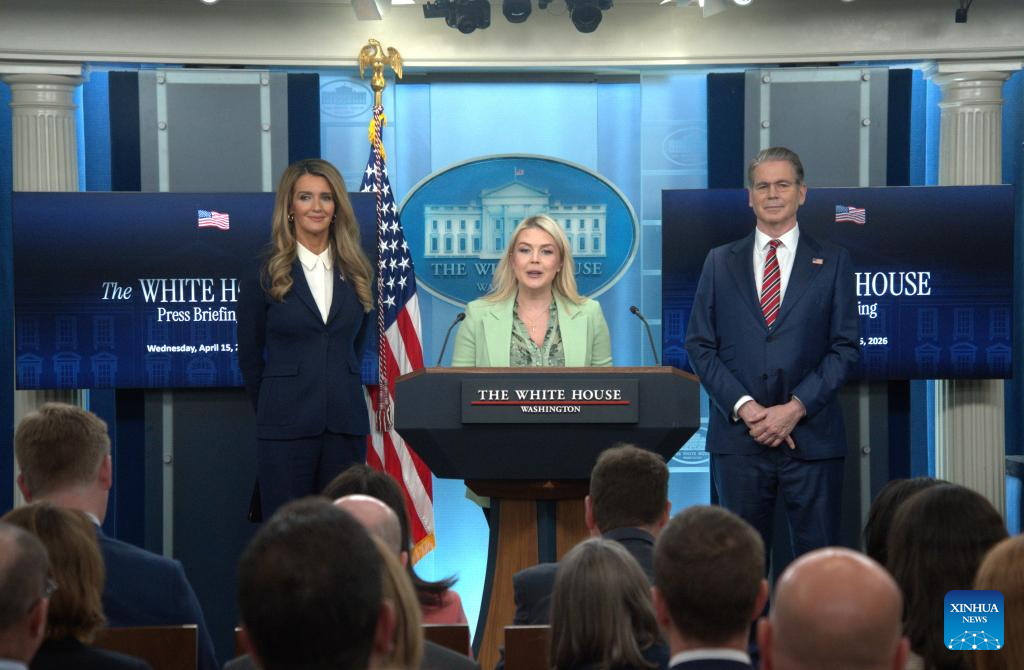
Leavitt said at a White House press briefing that the Trump administration is optimistic the continued negotiations could yield a deal to end the weeks-long war.
“We feel good about the prospects of a deal,” she said.
Leavitt also did not confirm when talks with Iran would resume, but said if there were talks, they would continue to be held in Pakistan following stalled talks in Islamabad over the weekend.
U.S. President Donald Trump said Tuesday that fresh U.S.-Iran talks “could be happening over next two days” in Pakistan. Also, he said earlier on Wednesday that the U.S.-Israeli war with Iran is “very close to being over,” without providing a clear timeline.
The two-week ceasefire is set to expire next week.
White House Press Secretary Karoline Leavitt speaks during a White House press briefing in Washington, D.C., the United States, April 15, 2026. Leavitt said Wednesday an extension of the current U.S. ceasefire with Iran is “not true at this moment.”
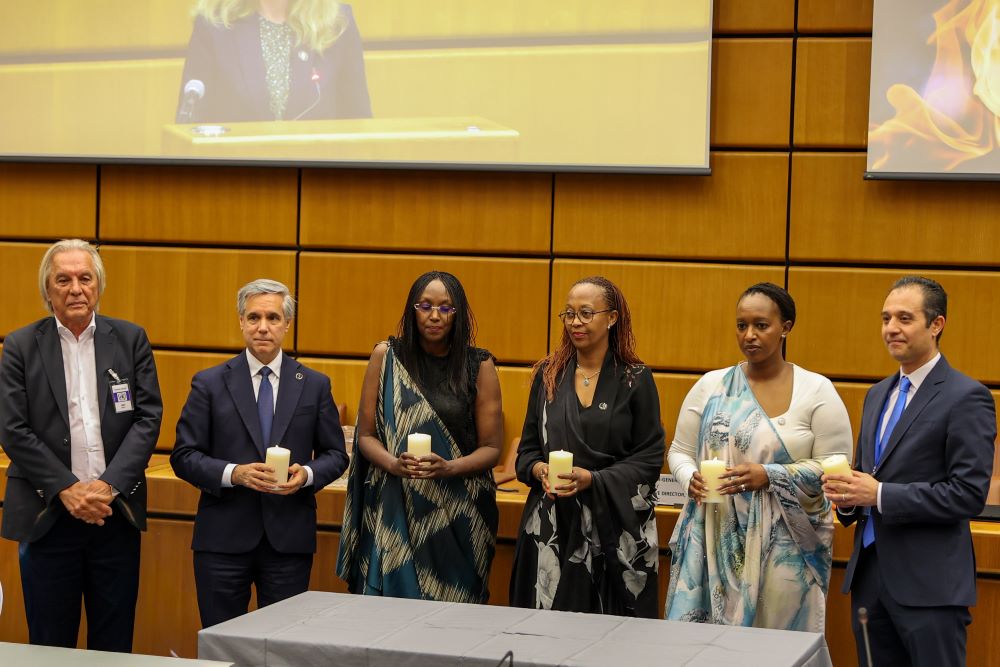
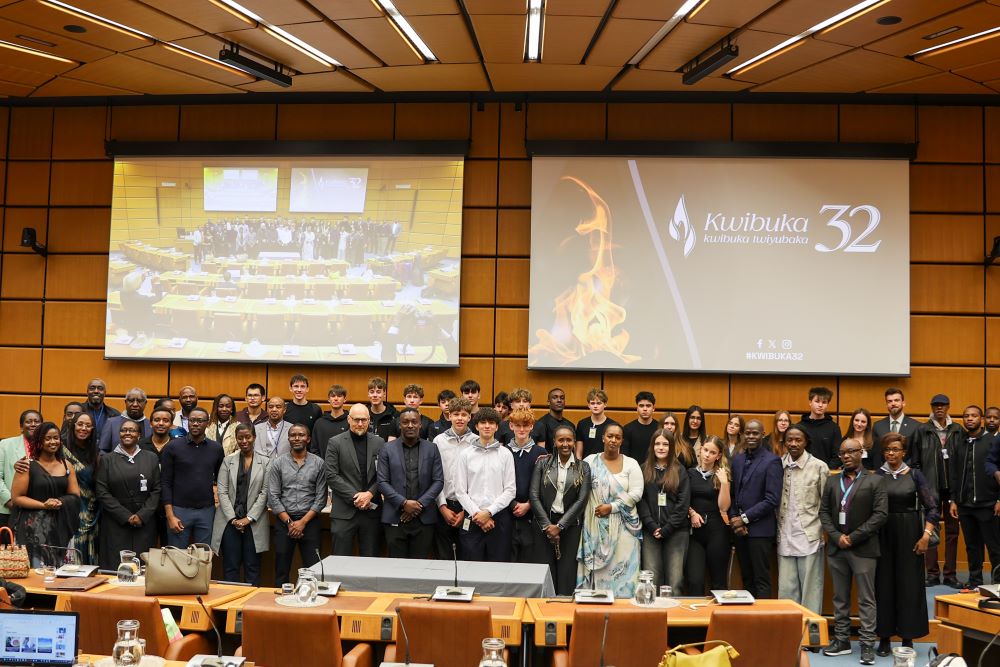
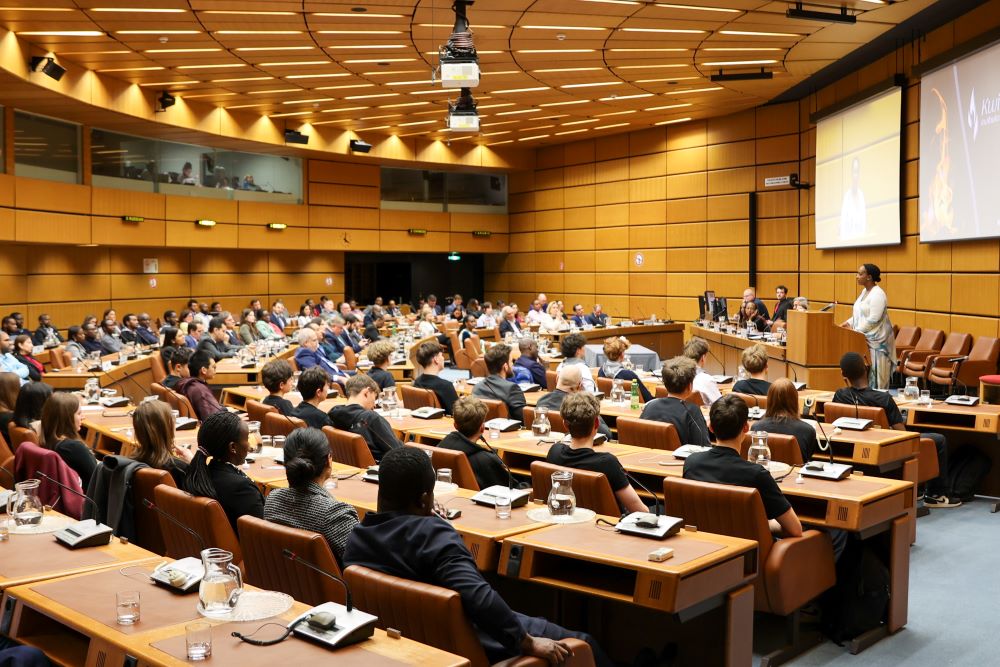
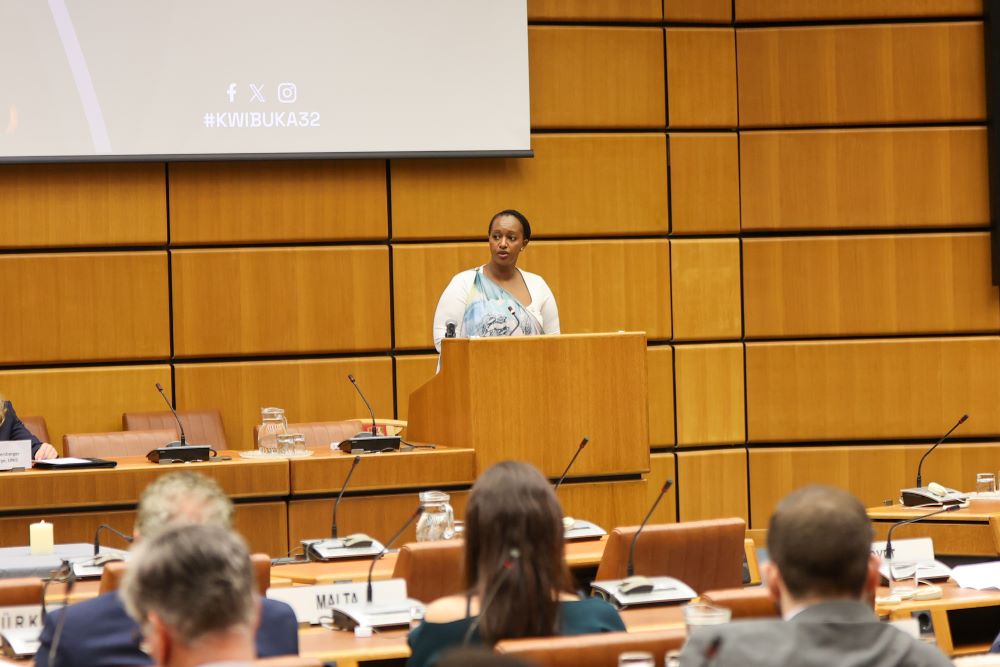
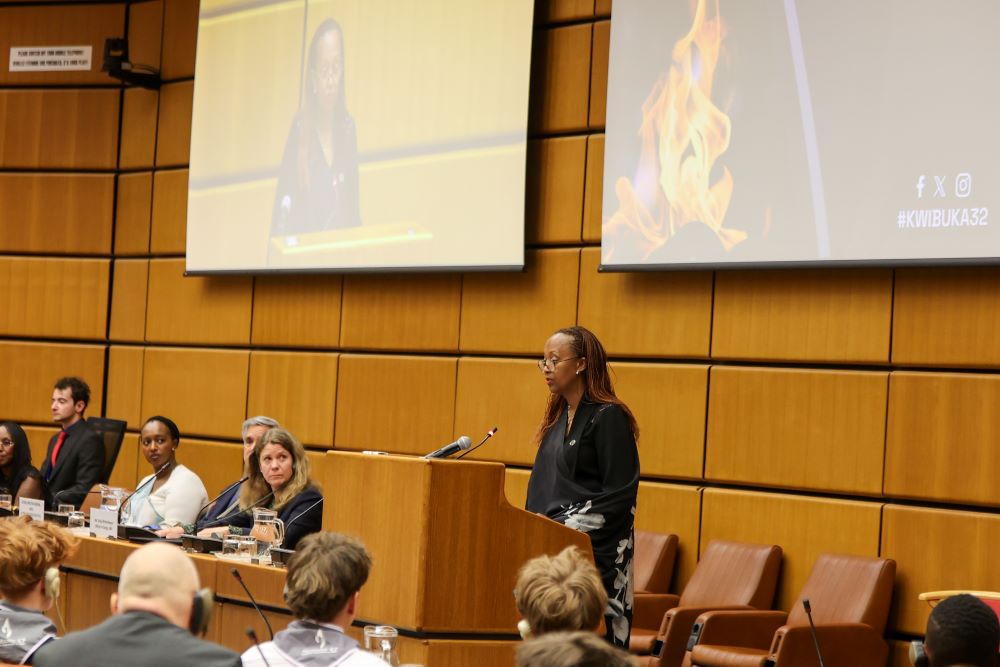
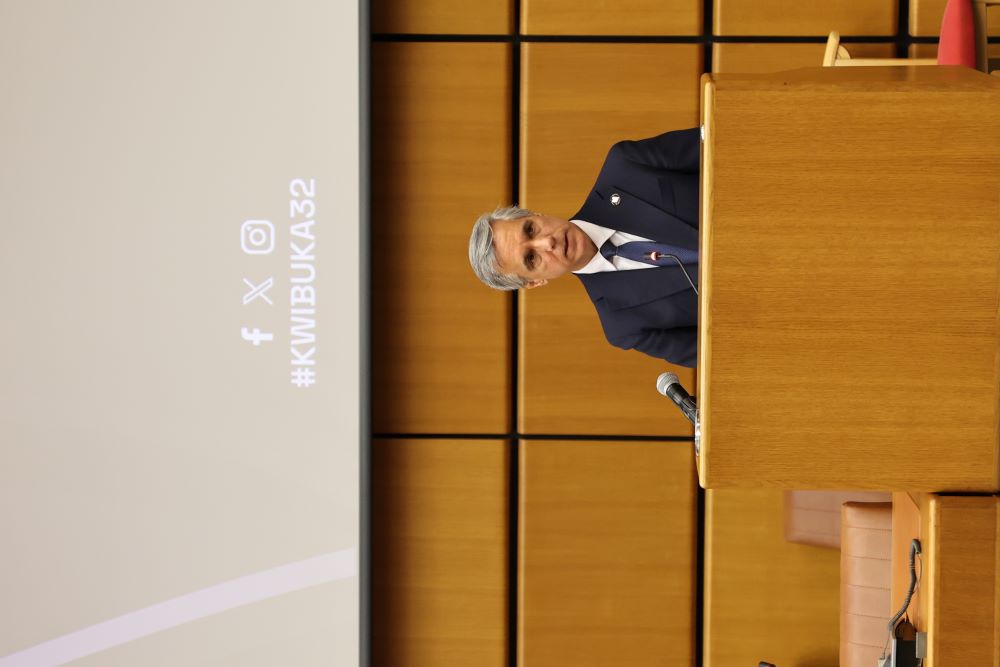
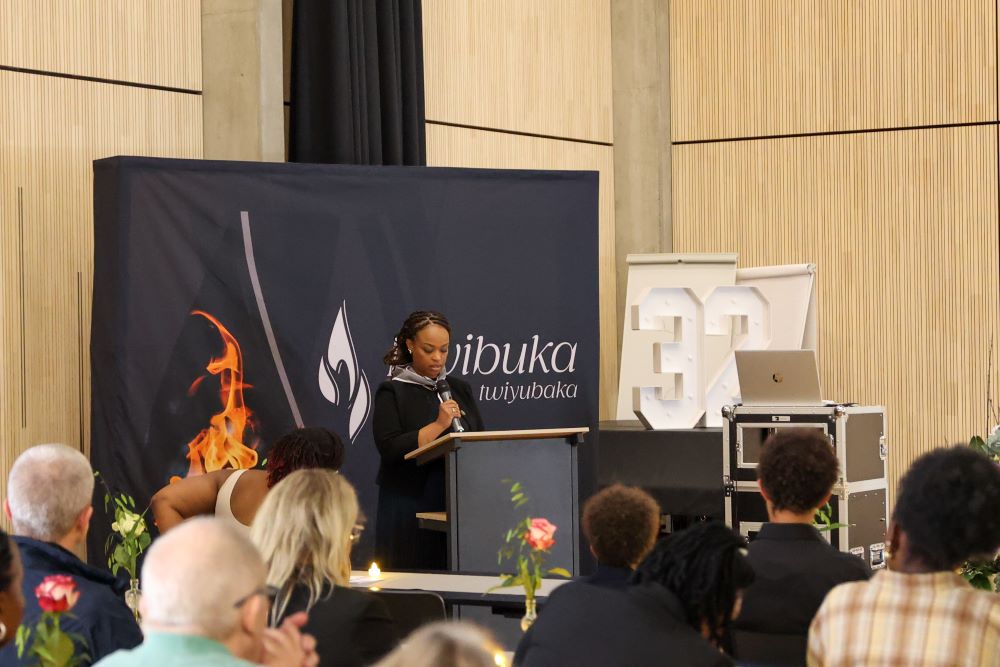
The commemoration began on April 9 at the United Nations Office at Vienna, where the message of the UN Secretary-General was delivered, emphasizing the need to strengthen shared values and institutions to prevent future atrocities.
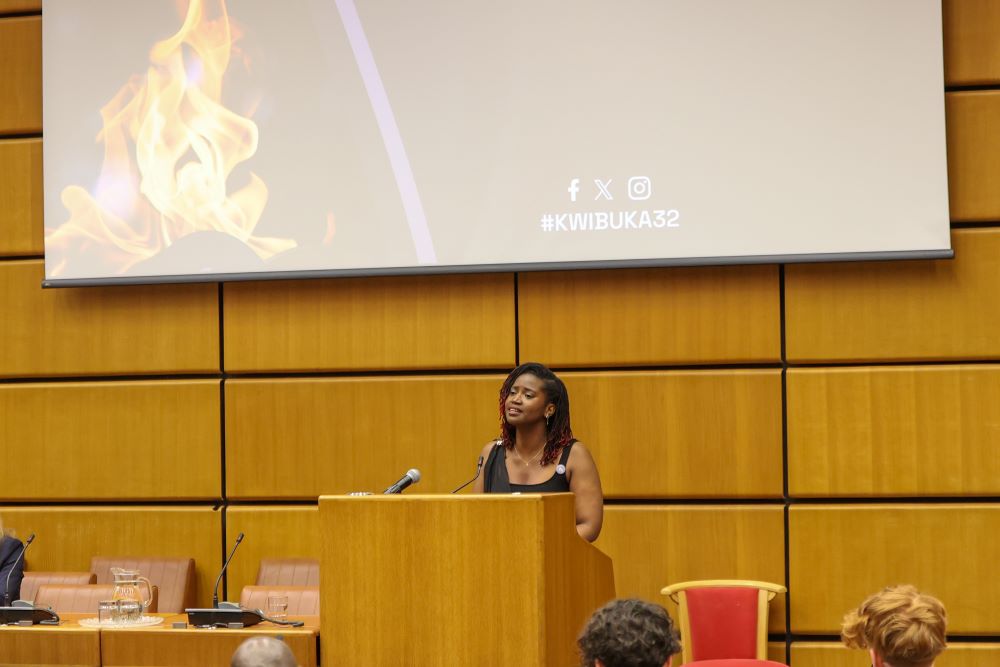
A key moment of the ceremony was the testimony of genocide survivor Yvonne Buhikare, whose account drawn from her book “Ils vont nous tuer” highlighted the importance of preserving memory and confronting historical truth.
Rwanda’s Ambassador to Austria, Urujeni Bakuramutsa, stressed that the genocide was not spontaneous but carefully planned, warning that such crimes begin with hate speech, dehumanization and the normalization of violence.
The commemoration continued on April 11 in Innsbruck, Tyrol, in an event organized by the Rwandan community in Austria, with participation from local authorities and residents.
The event featured remarks from community leaders, representatives of survivors and local officials, reaffirming a shared commitment to remembrance and prevention.
A powerful testimony by survivor Marie Kresbach Kabera, underscored resilience and the importance of ensuring that such atrocities never happen again.
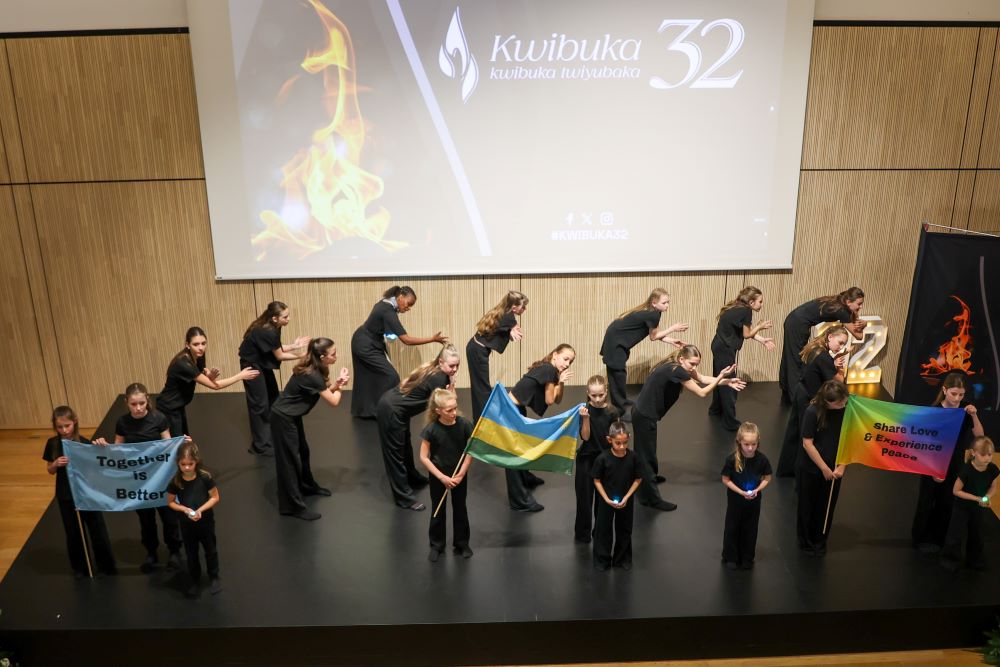
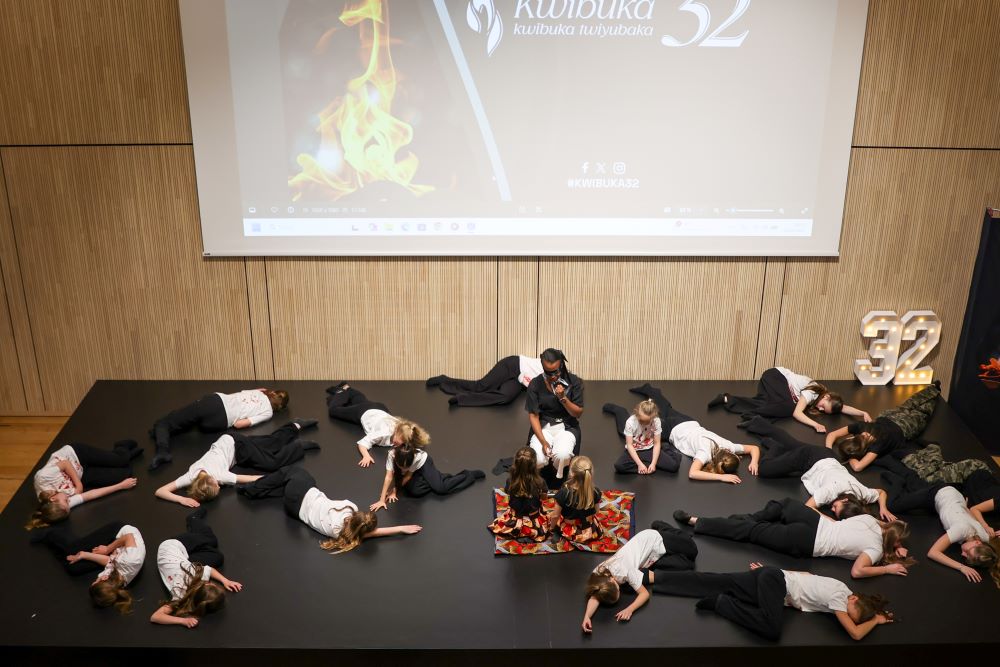
The programme also included performances by children, poetry and musical tributes, reflecting intergenerational engagement in preserving memory.
Amb. Bakuramutsa welcomed the first-ever commemoration of Genocide against the Tutsi in Tyrol and commended the City of Innsbruck’s initiative to establish a memorial in honour of the victims.
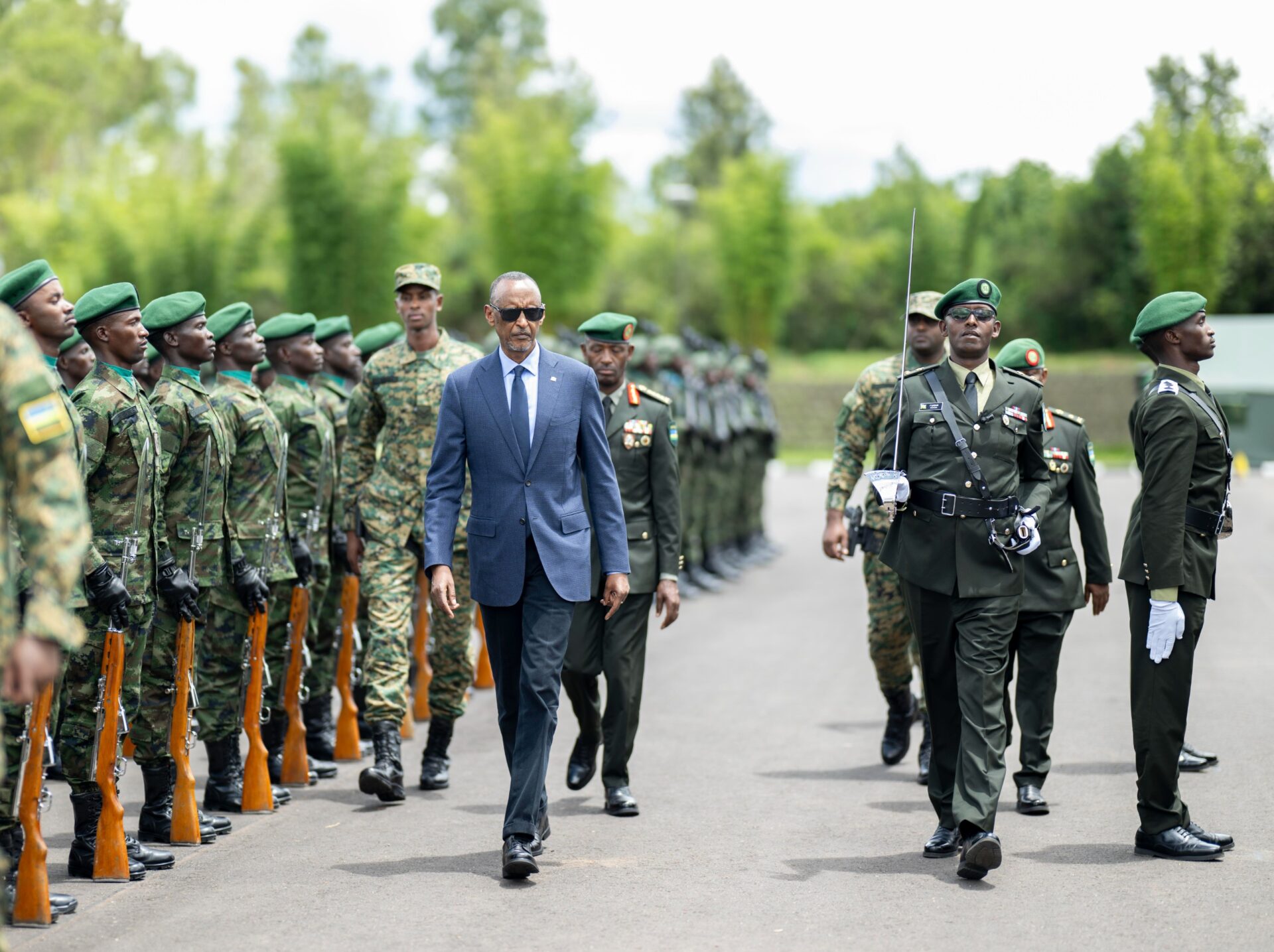
The law provides that the President of the Republic, who is also the Commander-in-Chief of the Rwanda Defence Force, is the Chancellor of the university.
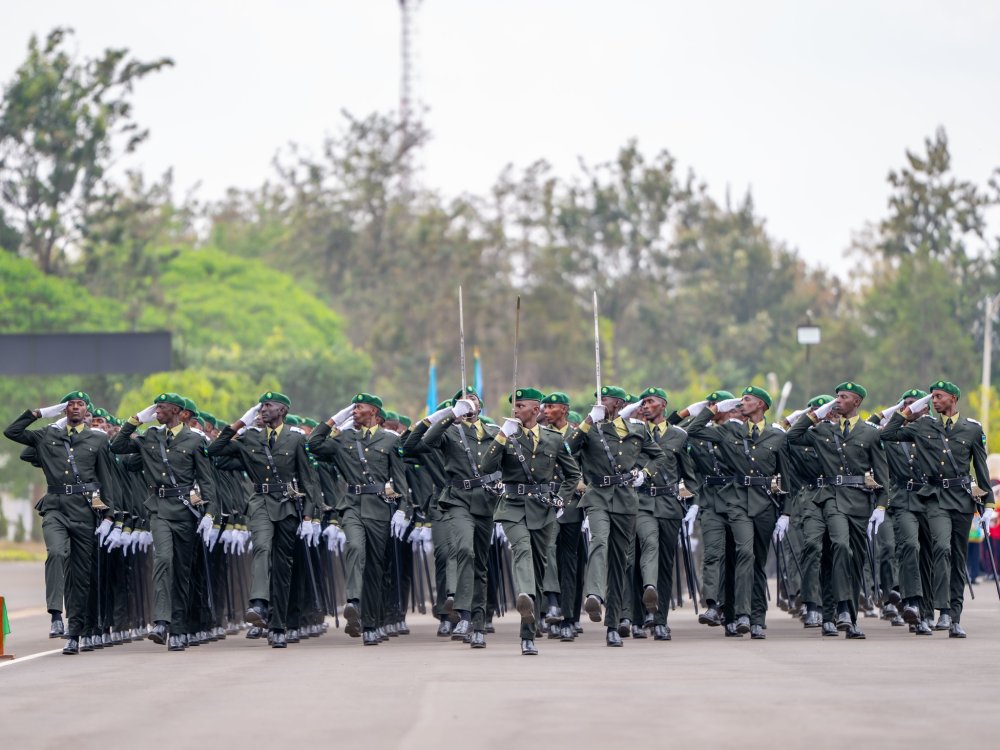
NDU-R brings together military colleges, police training institutions, and academies of the National Intelligence and Security Service (NISS) under one integrated system. The university is jointly overseen by the Ministry of Defence and the Ministry of Education.
It is headquartered in Kigali, although a presidential order may relocate it elsewhere in the country if necessary.
Integrated defence and security institution
The National Defence University–Rwanda includes several constituent institutions such as the National Defence College–Rwanda (NDC-R), Defence College of Health Sciences (DCHS), Defence Institute of Sciences and Technology (DIST), and the Institute for Defence and Strategic Studies (IDSS), all based in Kigali.
Other institutions include the National Intelligence Academy (NIA) in Bugesera District, the Rwanda Defence Force Command and Staff College (RDFCSC) in Musanze District, the National Police College (NPC) in Musanze, and the Rwanda Military Academy (RMA) in Bugesera.
The university is mandated to provide advanced education, training, and research for personnel in defence and security organs, senior government officials involved in national security, and international partners, with the aim of strengthening strategic thinking through high-level academic instruction and research.
Governance structure
The law states that the Chancellor of NDU-R is the President of the Republic and Commander-in-Chief of the Rwanda Defence Force. In this role, the Chancellor provides broad strategic guidance to ensure the university fulfills its mission and presides over graduation ceremonies for the conferment of degrees, certificates, medals, and honorary distinctions, or may designate a representative to perform these duties.
The governance structure also includes a Board of Governors composed of seven external members appointed by presidential order, including a Chairperson and Vice-Chairperson. Members are required to have expertise in national defence and security, higher education teaching and management, institutional administration, research and innovation, or other fields relevant to national development.
The Board further includes the Vice-Chancellor of NDU-R, who serves as rapporteur; the Commandant of the National Defence College–Rwanda; one representative of teaching and research staff elected by peers; one dean elected by peers; the head of quality assurance; and one student representative from the National Defence College–Rwanda.
At least 30% of the Board members must be women, and except for ex officio members, others serve a four-year term renewable once.
Executive and academic leadership
The Executive Organ responsible for daily operations is led by the Vice-Chancellor, assisted by deputy vice-chancellors in charge of academic affairs and research, as well as planning, administration, and finance. A further deputy vice-chancellor may be appointed by presidential order if necessary. Members of the Executive Organ serve five-year renewable terms, with at least 30% female representation.
The university also has an academic governance structure that includes institutional leaders, deans, heads of departments, research and innovation coordinators, quality assurance officers, and student representatives.
Except for ex officio members, other members serve renewable two-year terms, while student representatives serve one academic year.
A student of NDU-R is defined as any person formally admitted and registered to pursue studies under regular or specialized programmes offered by the university, with admission requirements determined by internal regulations.
The university is mandated to provide advanced education, training, and research for personnel in defence and security organs.The law provides that the President of the Republic, who is also the Commander-in-Chief of the Rwanda Defence Force, is the Chancellor of the National Defence University–Rwanda (NDU-R).
The announcement by the Taiwan Work Office of the Communist Party of China (CPC) Central Committee followed a meeting on Friday between Xi Jinping, general secretary of the CPC Central Committee, and Cheng Li-wun, chairwoman of the Chinese Kuomintang (KMT) party, the first such top-level meeting between the two political parties across the Taiwan Strait in a decade.
Invited by the CPC Central Committee and Xi, Cheng led a KMT delegation on a six-day visit to mainland cities including Nanjing, Shanghai and Beijing, which concluded on Sunday.
Atop the 10 initiatives announced by the mainland on Sunday is a proposal to explore a regular communication mechanism between the CPC and the KMT.
The CPC and the KMT will, on the common political foundation of adhering to the 1992 Consensus and opposing “Taiwan independence,” take “stronger measures” to promote cross-Strait exchanges, interaction and integration, the CPC’s Taiwan work office said in a statement.
The Taiwan question is a scar left over by a full-blown civil war fought between the forces led by the CPC and the KMT about eight decades ago. In 1949, the remnants of the defeated KMT retreated to Taiwan, and the People’s Republic of China was founded under the leadership of the CPC.
The unresolved civil war and foreign interference have left the two sides of the Strait in a prolonged state of political confrontation.
However, the fact that Taiwan is an inalienable part of China’s territory has never changed.
The latest policies and measures, according to the statement, aim to advance the peaceful development of cross-Strait relations and enhance the kinship and well-being of compatriots across the Strait.
The policy package demonstrates the mainland’s sincerity, goodwill and firm resolve in promoting the peaceful and integrated development of cross-Strait relations, said Wang Yingjin, director of the cross-Strait relations research center of the Renmin University of China. “The measures will inject fresh momentum into efforts to sustain the steady improvement of cross-Strait relations.”
Infrastructure, travel and trade
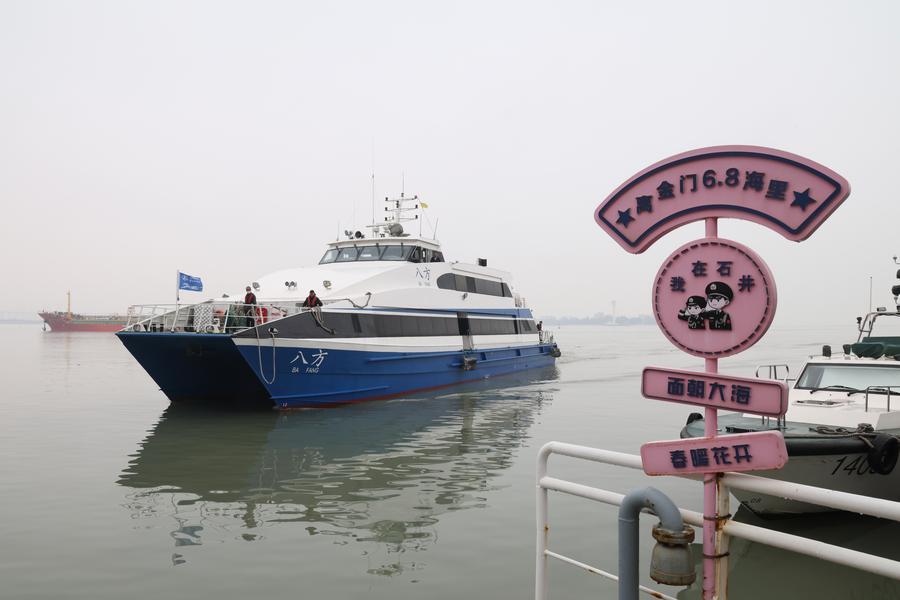
According to the statement, efforts will be made to support the coastal areas of Fujian Province — the mainland region closest to Taiwan — in sharing water, electricity and gas supplies with the offshore islands of Kinmen and Matsu, and to promote construction of sea-crossing bridges linking them, when conditions permit.
The mainland will also move to resume regular direct passenger flights across the Strait, including routes to and from Urumqi, Xi’an, Harbin, Kunming and Lanzhou.
Kinmen will be supported to use a new airport under construction in the nearby mainland city of Xiamen, expected to begin operations by the end of 2026.
Lee Chou-hsi, a Tsinghua University graduate student from Taiwan, welcomed the new measures. “During my undergraduate study in Changsha, I had to transfer flights to and from Taiwan, which was very inconvenient at the time,” said Lee. “More direct flights between mainland cities and Taiwan will surely benefit students and tourists.”
A communication mechanism will be set up on the common political foundation of adhering to the 1992 Consensus and opposing “Taiwan independence” to facilitate the entry of Taiwan’s agricultural and fishery products that meet the quarantine standards into the mainland.
Efforts will also be made to help Taiwan’s agricultural and fishery products gain access to various mainland trade fairs to expand their sales channels.
The mainland will explore building wharves and berths in regions where conditions permit for distant-water fishing vessels from the Taiwan region, and mull providing convenience for the sales of their fish catch on the mainland.
It will also facilitate registration procedures for qualified Taiwan food manufacturers and the entry of their food products into the mainland market.
The mainland will explore the establishment of more trading markets for small-ticket items with Taiwan and support micro, small and medium-sized enterprises from Taiwan to expand business on the mainland.
Mainland cities such as Fuzhou and Xiamen have long established such markets, allowing small businesses from Taiwan to directly sell specialty commodities to mainland buyers.
Wu Chia-ying, executive vice president of the Association of Taiwan Investment Enterprises on the Mainland, said that the measures respond to the practical needs of business development such as reducing operating costs and improving access to the mainland market.
“We hope these measures will be implemented as soon as possible,” Wu said, adding that the association will play a bridging role to help Taiwan businesses better seize opportunities and participate in the country’s modernization drive, contributing to a stronger Chinese economy.
Youth, culture
The statement said that an institutionalized platform will be set up to promote two-way exchanges between young people on both sides of the Strait. The All-China Youth Federation and other relevant mainland institutions will invite 20 youth groups from Taiwan to visit the mainland for exchanges every year.
Fan Chiang-feng, a young Taiwan entrepreneur based on the mainland, said that the establishment of a regular platform for young people on both sides of the Strait would help break down information barriers. “Our generation on both sides of the Strait should move forward together,” he said.
To boost cultural ties, the mainland will allow qualified TV shows, documentaries and animations from Taiwan to be aired, and permit Taiwan residents to take part in the mainland’s fast-growing micro-drama industry.
Working in youth services in Xiamen, Wu Ping-chang from Taiwan was encouraged by the policies. “With more opportunities and confidence, I hope to take cross-Strait stories into the drama production in the future, enabling audiences on both sides to see more authentic and warm exchanges,” Wu said.
The statement also noted that the mainland will promote the resumption of individual tours for Shanghai and Fujian residents to Taiwan.
A pilot scheme allowing mainland individuals to tour Taiwan was introduced in 2011, but was suspended in 2019 — a few years after the secessionist Democratic Progressive Party came to power in Taiwan and stepped up plots to seek “Taiwan independence.”
Sheng Jiuyuan, director of the center for Taiwan studies at Shanghai Jiao Tong University, told Xinhua that the cumulative effect of these measures may reshape the pattern of cross-Strait exchanges.
“The two-way integration across the Strait, grounded in tangible improvements to people’s livelihoods, will lay a broad and durable foundation of public support and foster profound mutual trust,” Sheng said.
An aerial drone photo taken on Jan. 20, 2026 shows a night view of the Xiamen Xiang’an International Airport in Xiamen, southeast China’s Fujian Province.A ferry linking Fujian Province on the mainland with Kinmen approaches a passenger terminal in Quanzhou, southeast China’s Fujian Province, April 3, 2026.
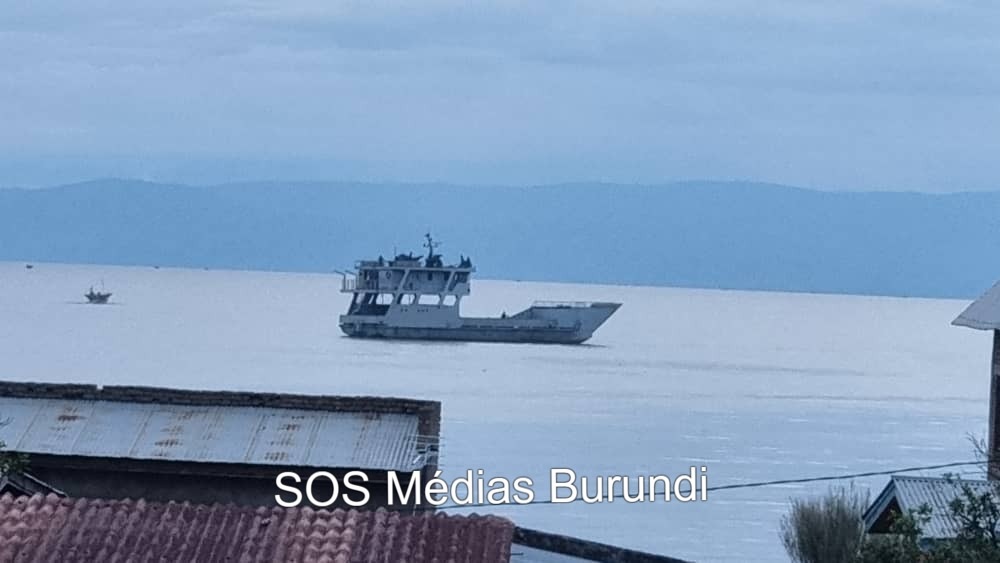
According to SOS Médias, on the evening of April 14, 2026, a large Burundian military vessel was seen at Rumonge port on Lake Tanganyika, carrying soldiers and military equipment.
The vessel continued its journey to the town of Baraka in Fizi Territory, South Kivu. The deployed troops are expected to be sent to frontline areas including Gakenke, Mikenke, Kalingi, and Mulima.
Reports indicate that Burundian forces, together with DRC government troops and Wazalendo militia groups, are planning an offensive aimed at capturing Minembwe commune, a strategic area currently controlled by Twirwaneho, a group formed to protect the Banyamulenge community.
By early December 2025, Burundi reportedly had more than 20,000 troops in South Kivu. Some of these forces were withdrawn after the AFC/M23 coalition took control of several areas in Uvira Territory, including Uvira town.
Sources in South Kivu say that after months of regrouping, the Burundian government has recently resumed military deployments to the front lines in an effort to retake previously lost positions and capture new areas.
The AFC/M23 alliance has claimed that DRC forces, Burundian troops, Wazalendo fighters, FDLR elements, and mercenaries have continued launching attacks in several parts of South Kivu, including Gakenke, Kalingi, and Bidegu.
The group says these operations are aimed at disrupting ongoing peace talks taking place in Switzerland since April 13, accusing the DRC government of preferring military escalation over dialogue.
AFC/M23 maintains that it seeks a political solution to its conflict with the DRC government, but insists it will continue to defend itself and protect civilians if attacks persist.
According to SOS Médias, on the evening of April 14, 2026, a large Burundian military vessel was seen at Rumonge port on Lake Tanganyika, carrying soldiers and military equipment. Sources in South Kivu say that after months of regrouping, the Burundian government has recently resumed military deployments to the front lines in an effort to retake previously lost positions and capture new areas.
Pope Leo XIV began his African tour on April 13, starting in Algeria before concluding his visit there on April 14, 2026.
In Cameroon, the Pope is expected to focus on key themes including peace, coexistence, youth development, and holistic human development—covering economic, social, spiritual, and physical dimensions of life.
Antoine Kambanda was elevated to Cardinal on November 28, 2020, by Pope Francis.
Since then, the Vatican has appointed him as a member of the Dicastery for Evangelization and the Dicastery for Culture and Education in the Catholic Church.
Cardinals who accompany the Pope on his apostolic journeys are often those whose responsibilities align with the main themes of the visit.
During the wider African tour, Pope Leo XIV is also expected to focus on youth development, human progress, and the impact of corruption and colonial legacy in Angola.
In Equatorial Guinea, the Pope will emphasize education, culture, and the role of the Church in promoting peace.
A significant number of African Cardinals are part of the delegation accompanying Pope Leo XIV on this tour.
The Catholic Church has increasingly appointed African Cardinals to senior global roles, as part of efforts to strengthen the Church’s presence on a continent where more than 20% of its faithful live.
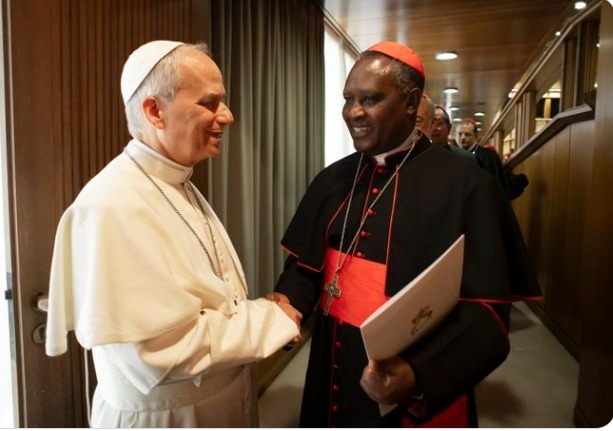
Cardinal Kambanda is among clergy accompanying Pope Leo XIV in Cameroon.
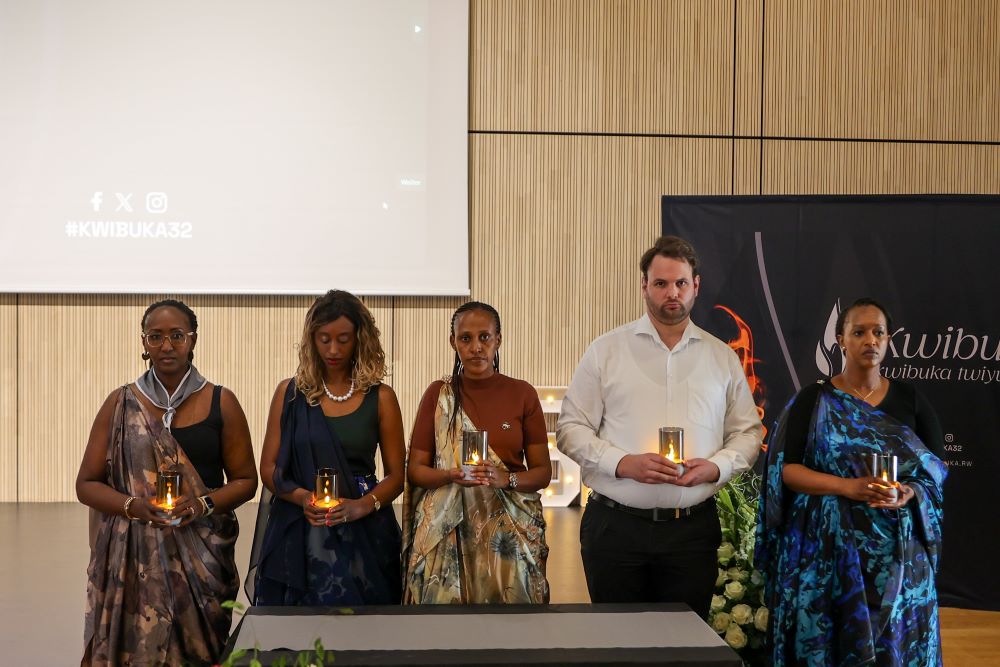
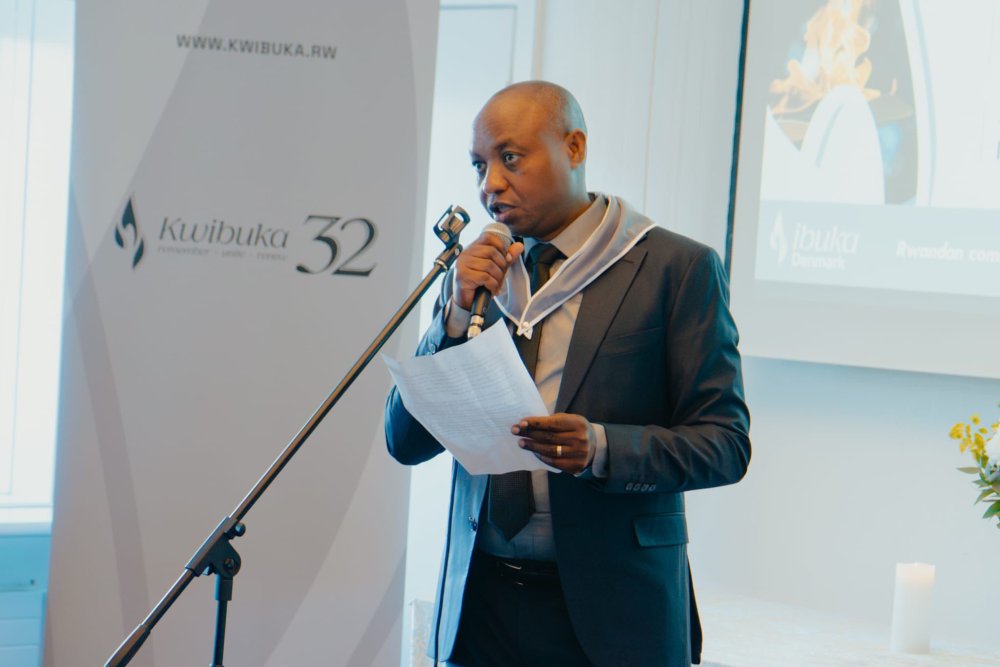
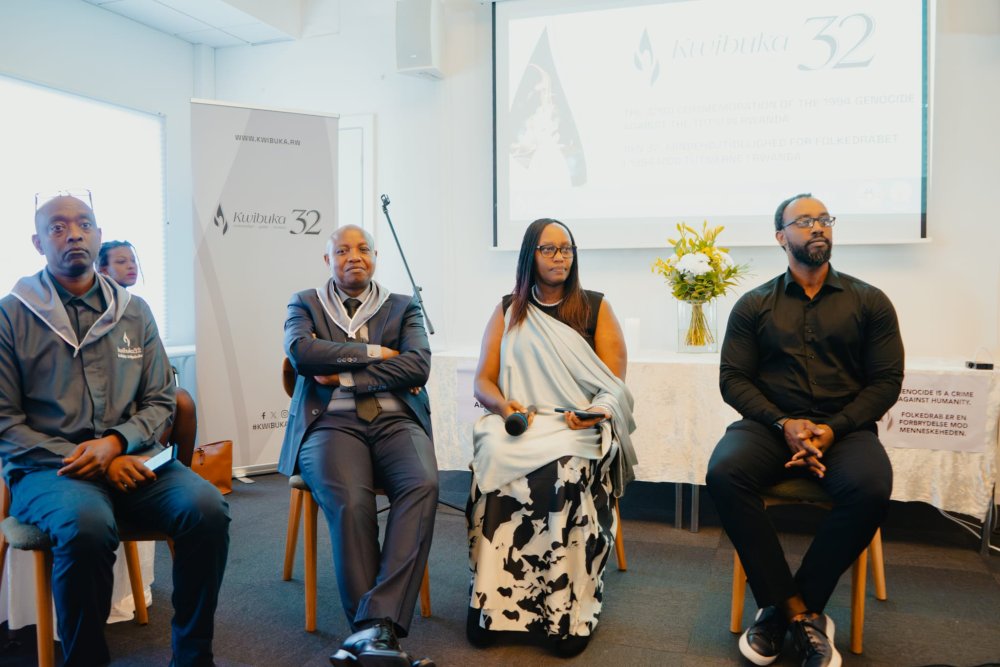
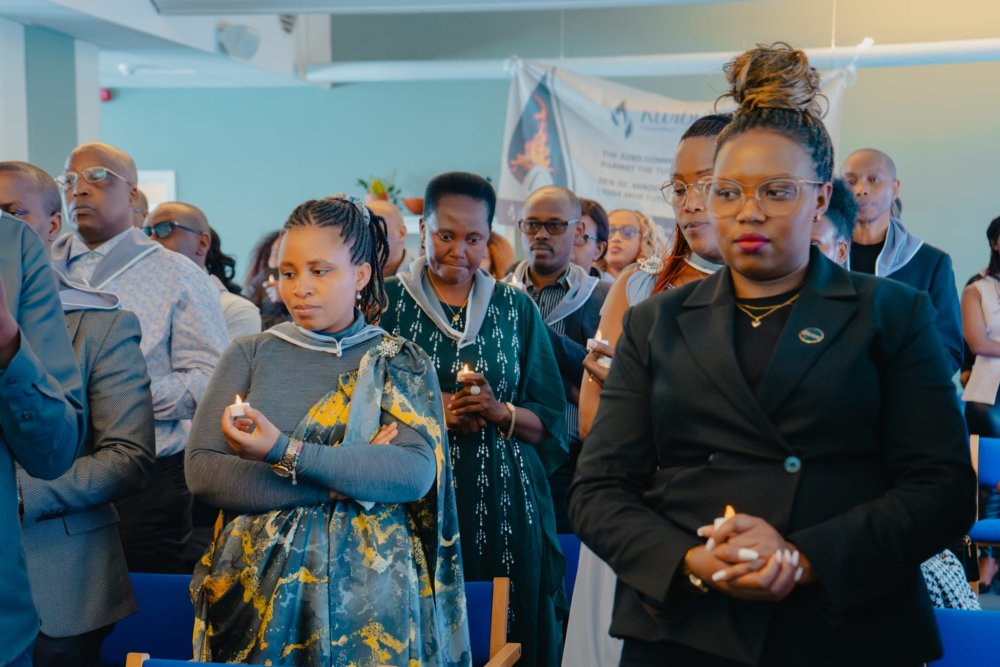
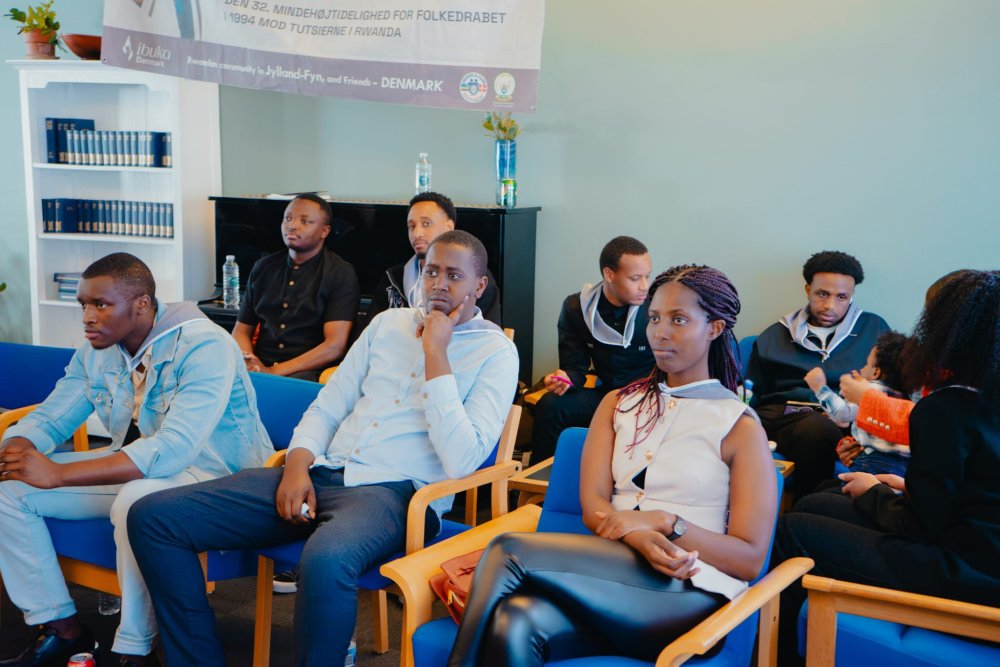
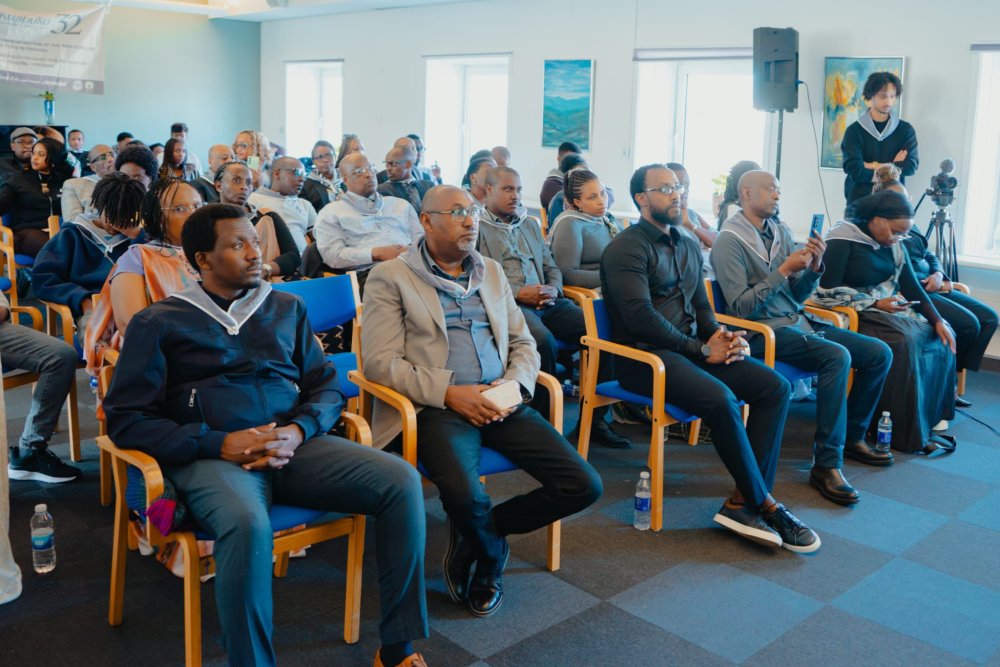
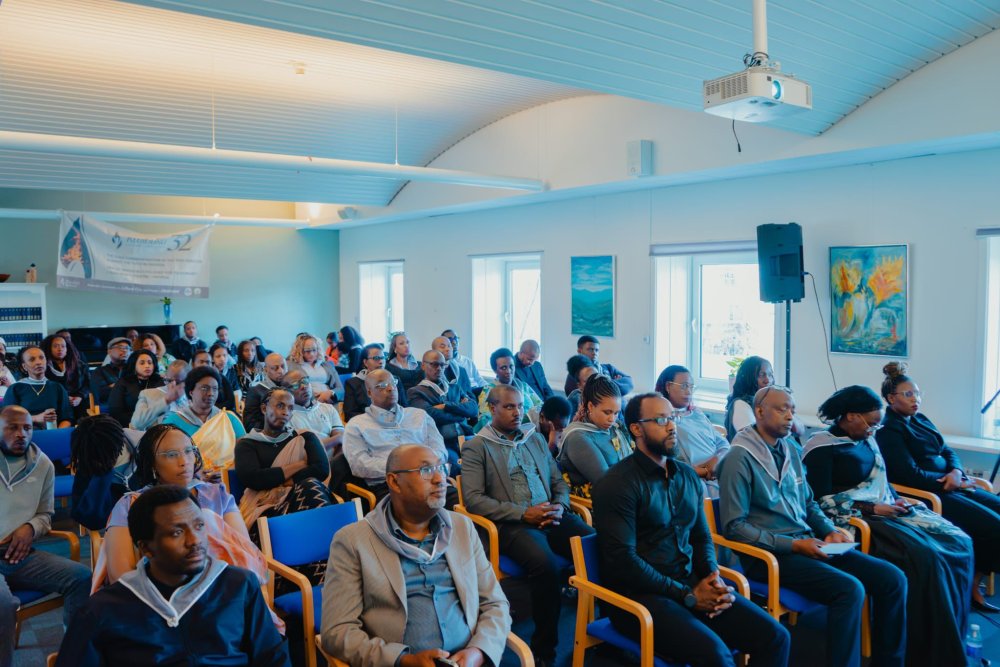
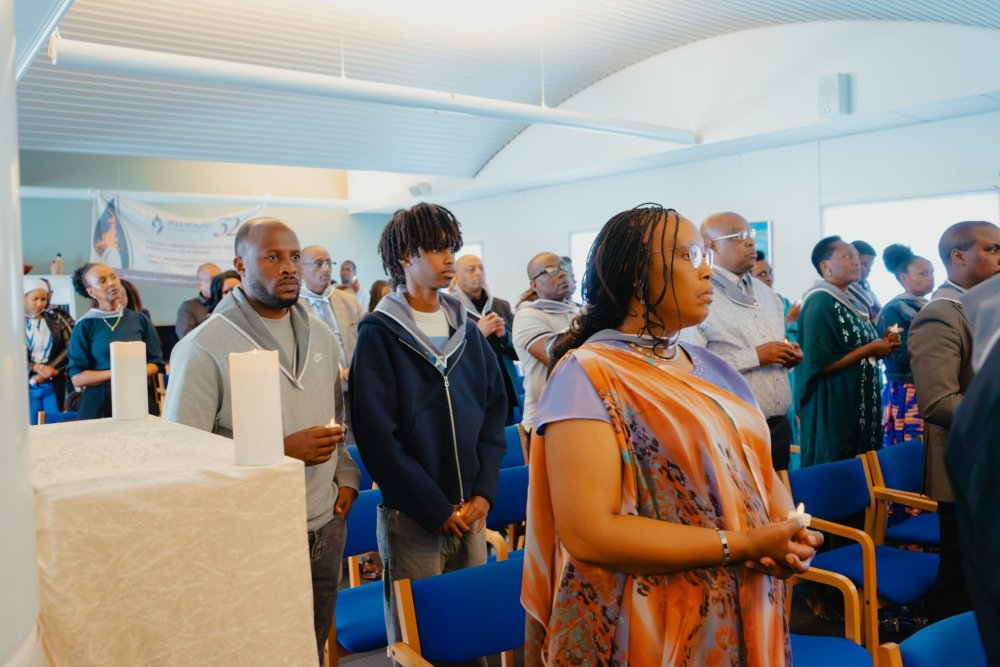
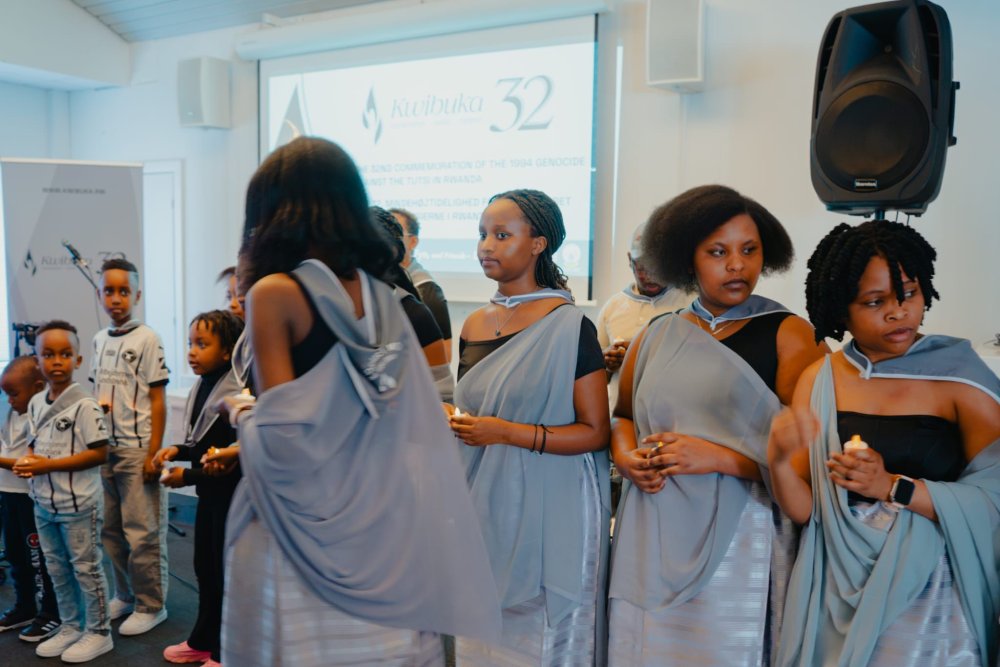
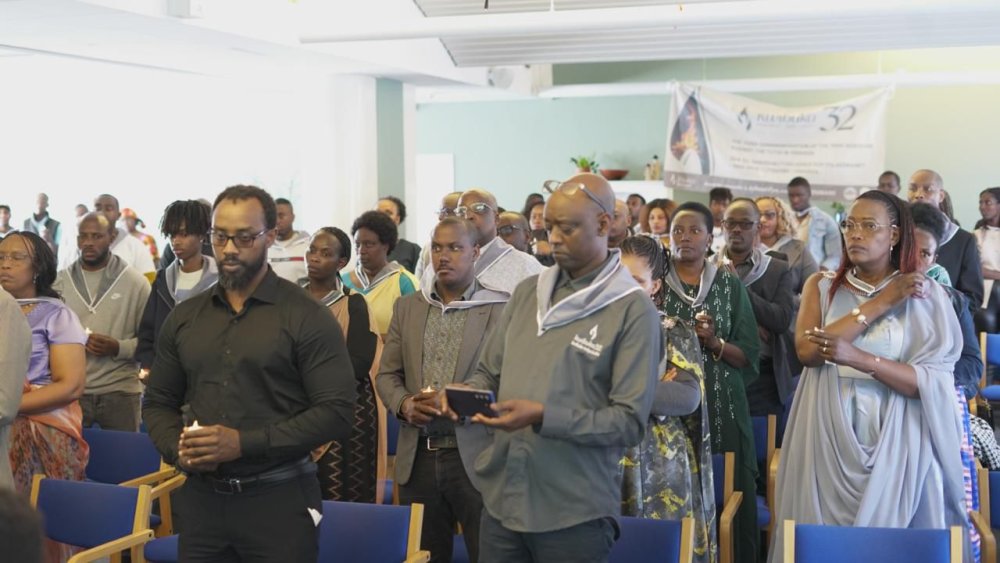
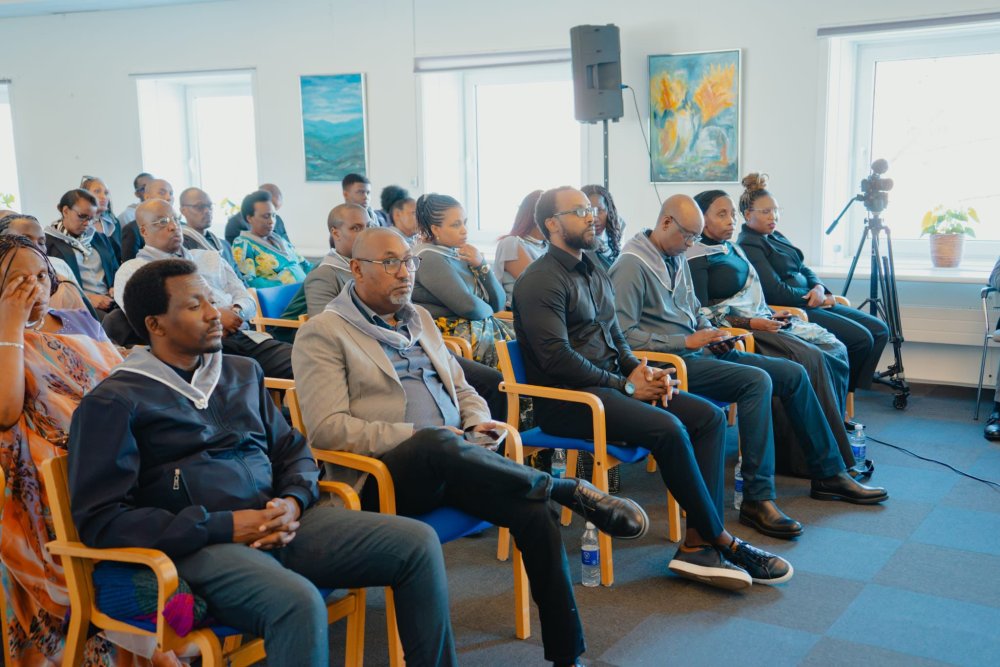
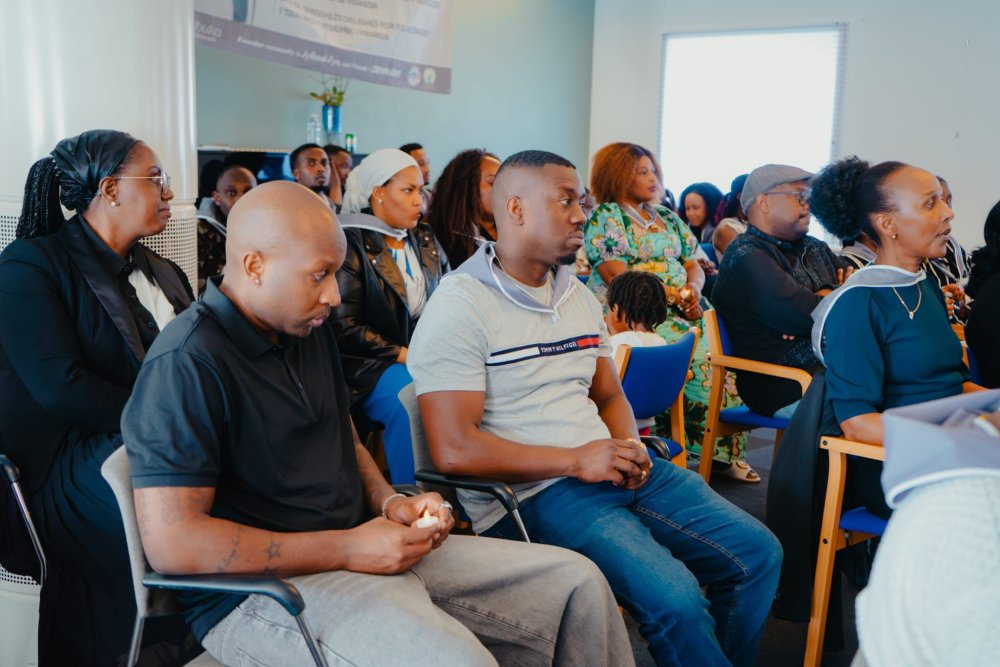
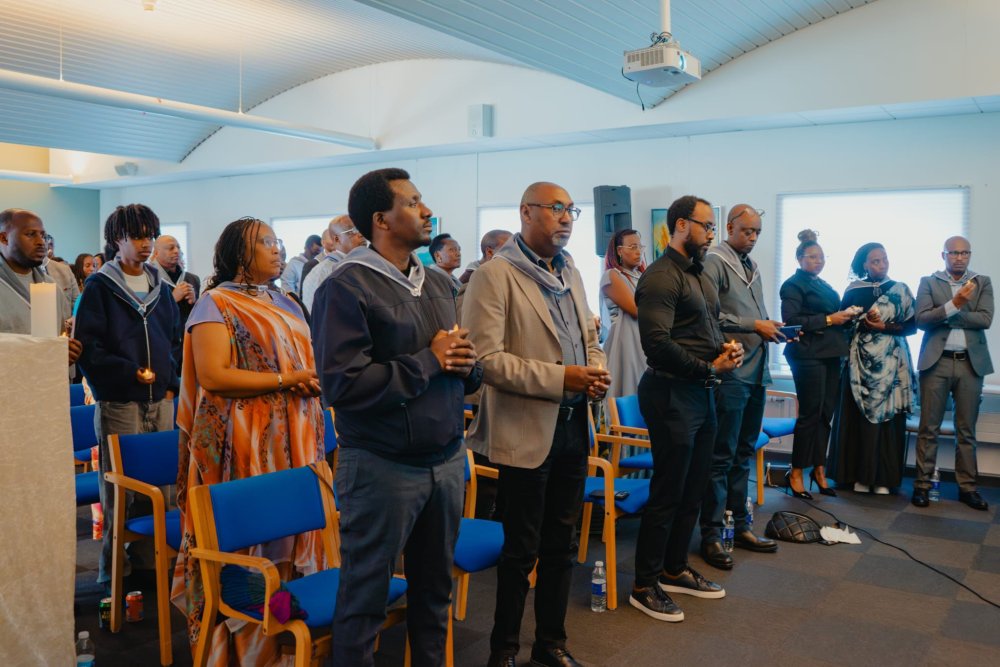
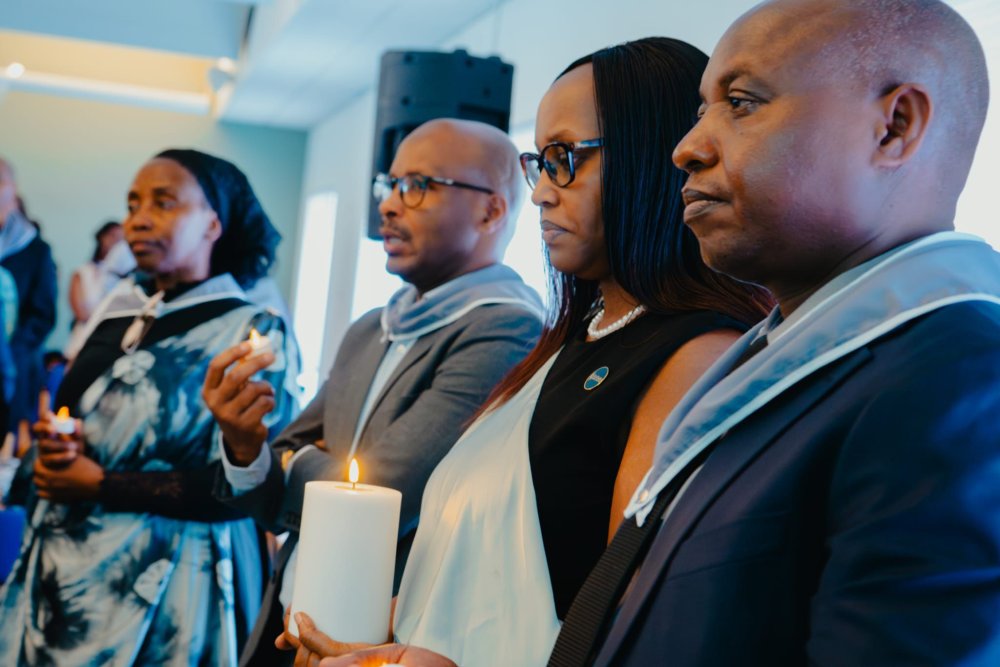
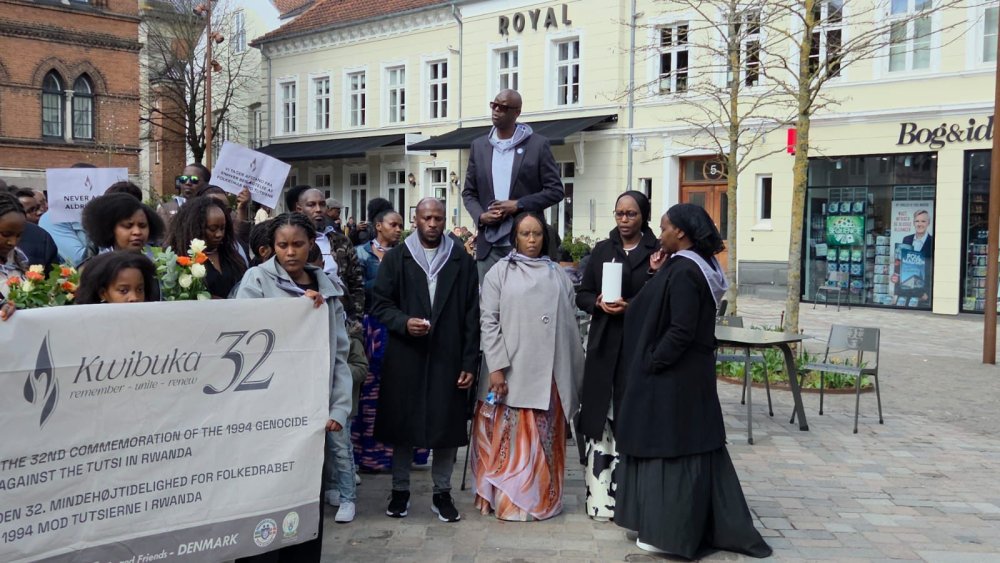
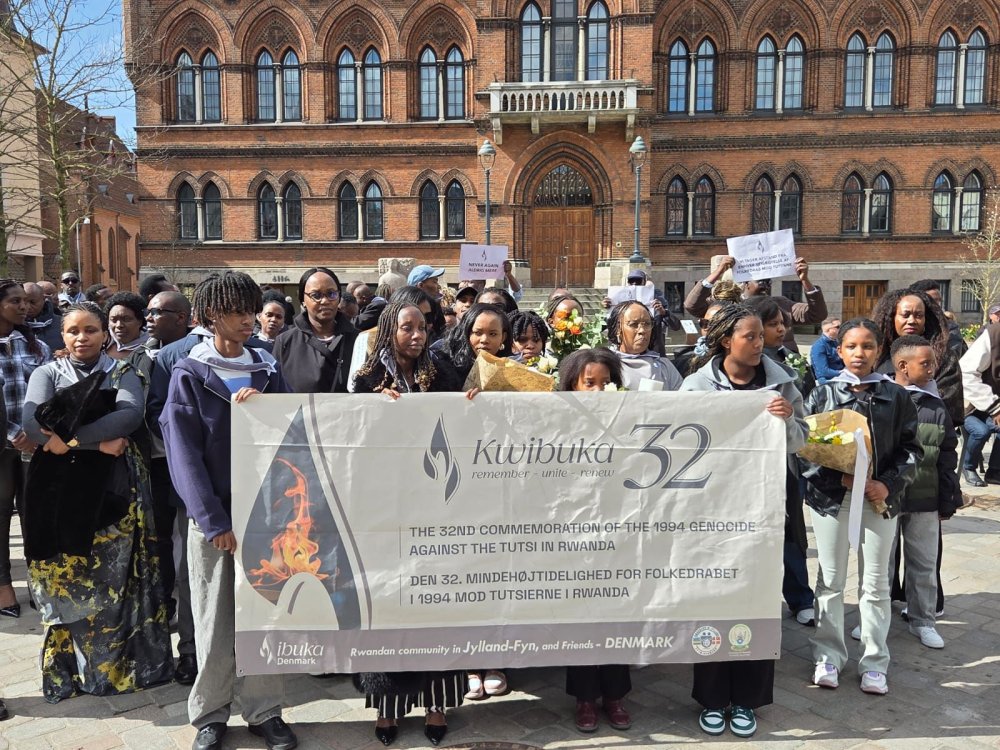
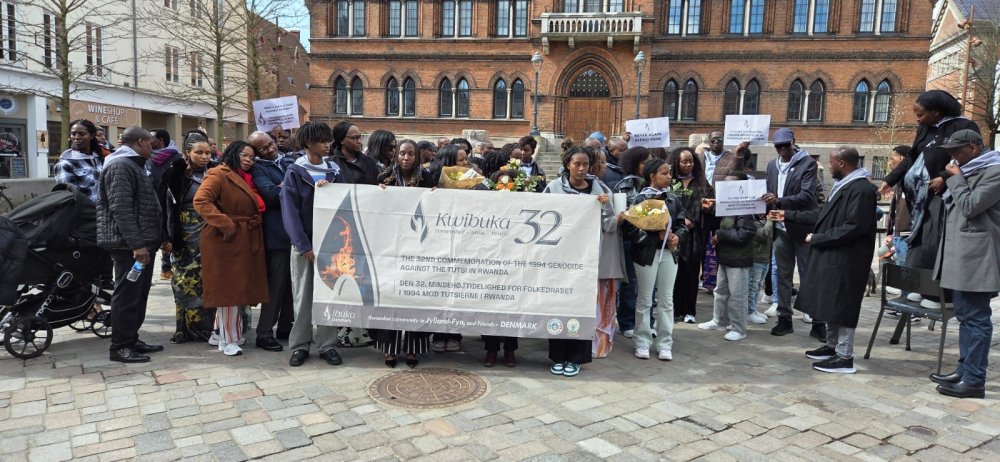
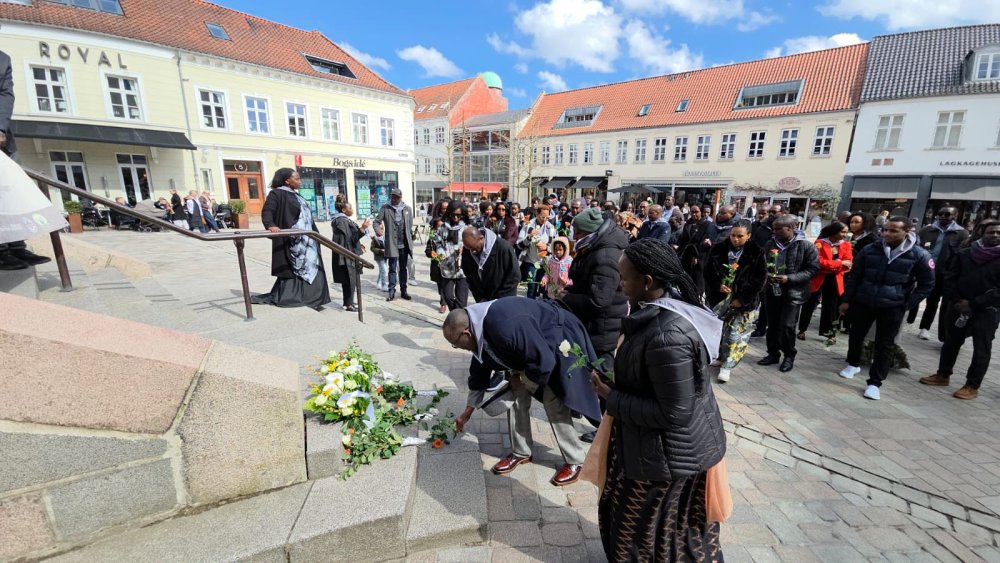
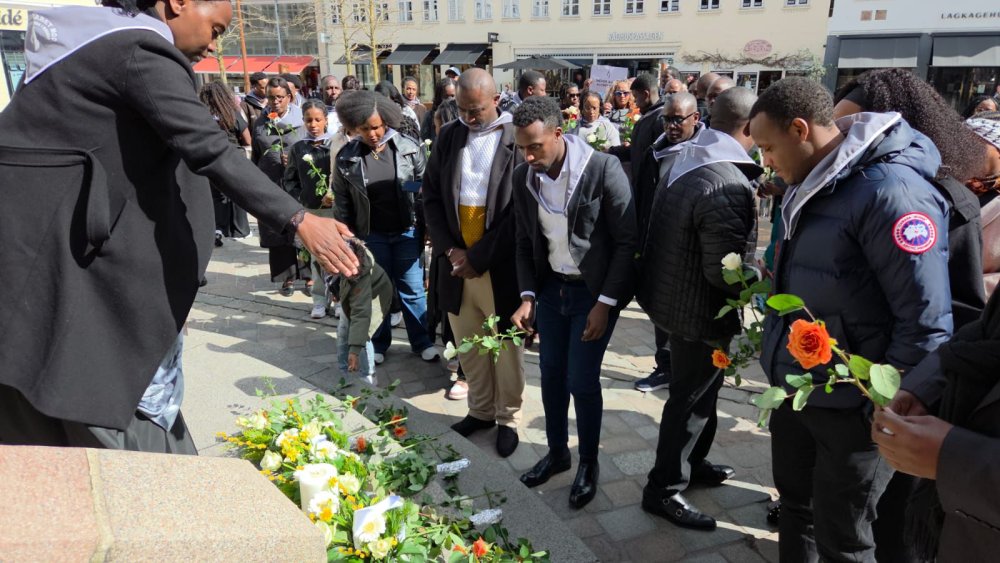
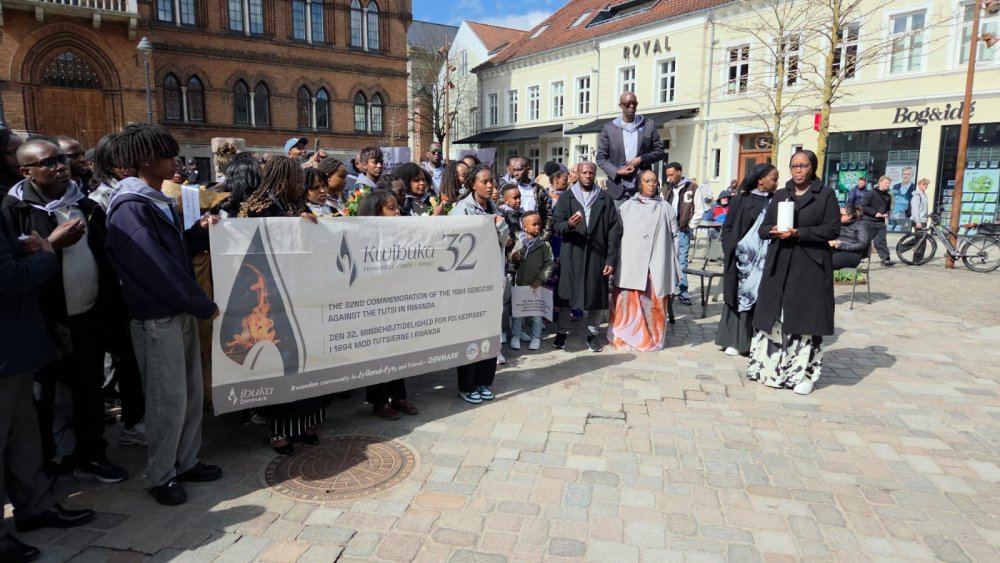
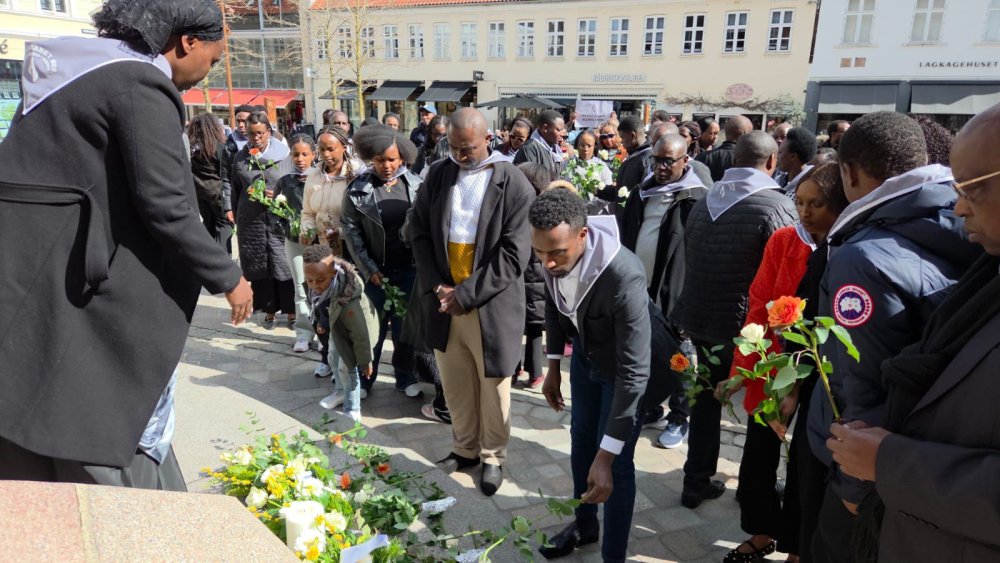
The commemoration event was jointly organized by Ibuka-Denmark and the Embassy of Rwanda in Sweden, which also covers several Nordic countries.
It was attended by Geraldine Umutesi, First Counsellor at the embassy, who represented Ambassador Diane Gashumba.
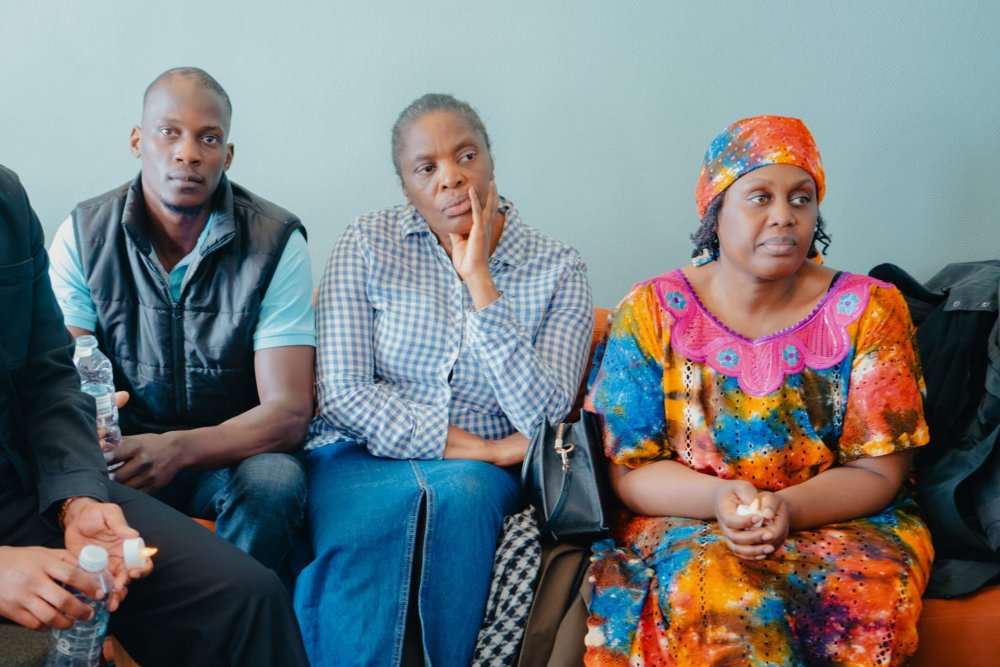
The event featured testimonies from survivors of the Genocide against the Tutsi, sharing how they endured and survived the atrocities.
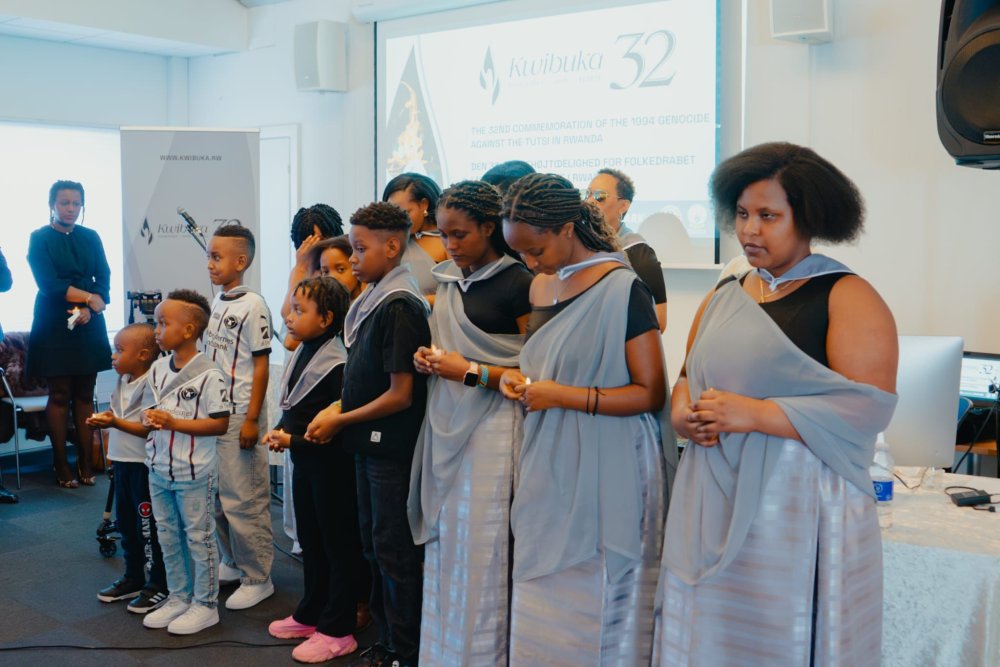
Youth performances, including songs focused on comfort and remembrance, were presented alongside discussions on the historical context that led to the 1994 Genocide against the Tutsi.
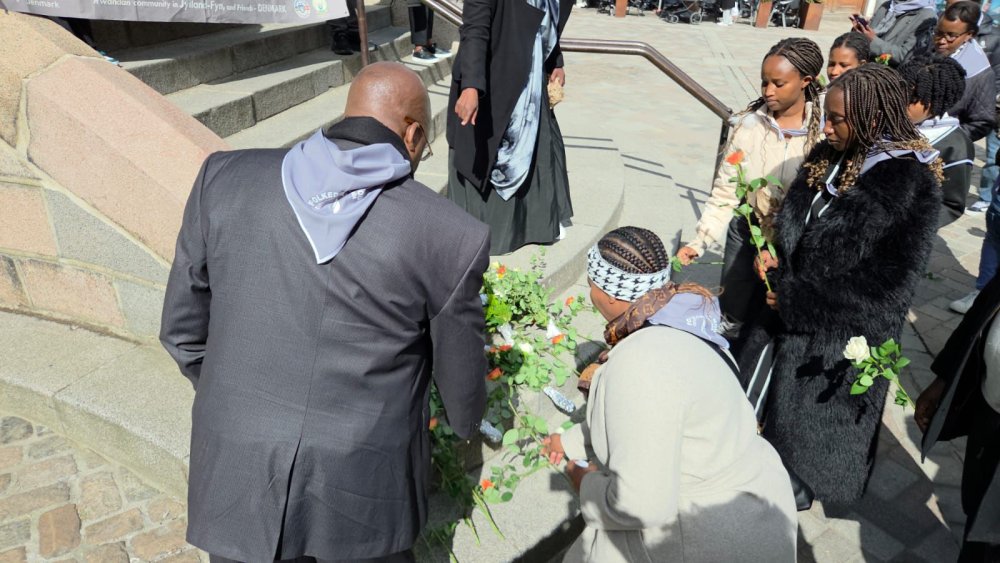
The commemoration began with a remembrance walk, followed by opening remarks from Paul Nkubana, head of the Rwandan community in Denmark.
“This is an annual event in our community. Thank you for joining Rwandans and their friends here, because remembrance concerns us all,” he said.
Egide Semukanya, representing Ibuka in Denmark, delivered a talk focusing on the historical events that led to the Genocide against the Tutsi.
He paid tribute to the sacrifices of the Rwandan Patriotic Front (Inkotanyi), many of whose members lost their lives while stopping the genocide and saving survivors.
Semukanya also highlighted Rwanda’s progress today, emphasizing governance rooted in unity beyond ethnic divisions, and collective citizen participation in national development.
A panel discussion moderated by Jackline Hansen brought together speakers including Dr. Innocent Ngoga, Egide Semukanya, youth representative Jean Claude Gakimbiri, and Geraldine Umutesi.
In her remarks, Umutesi emphasized that today’s Rwanda, under the visionary leadership of President Paul Kagame, promotes unity through initiatives such as the Ndi Umunyarwanda program.
“Avoid divisionism, because it is what led us to where we are today, remembering victims of the Genocide against the Tutsi,” she said.
She urged participants to actively challenge genocide denial and trivialization, particularly when motivated by personal or political interests, calling for adherence to historical truth.
“The truth is clear and visible to everyone—except those who have an interest in hiding what they or their parents did,” she noted.
Umutesi also reminded attendees that during the 1994 Genocide against the Tutsi, Rwanda was largely abandoned as the international community stood by.
She warned that similar patterns appear to be unfolding today in Democratic Republic of the Congo, where violence targeting Kinyarwanda-speaking communities, especially Tutsis, continues.
“Those who once destroyed Rwanda are now collaborating with authorities in the DRC in acts of violence and killings, while the world watches. It is painful that the lessons from Rwanda’s history have not been learned,” she said.
Umutesi concluded by commending the Rwandan community leadership in Denmark, particularly those in Jutland and Funen, for organizing the commemoration, and reassured them of the embassy’s continued support.
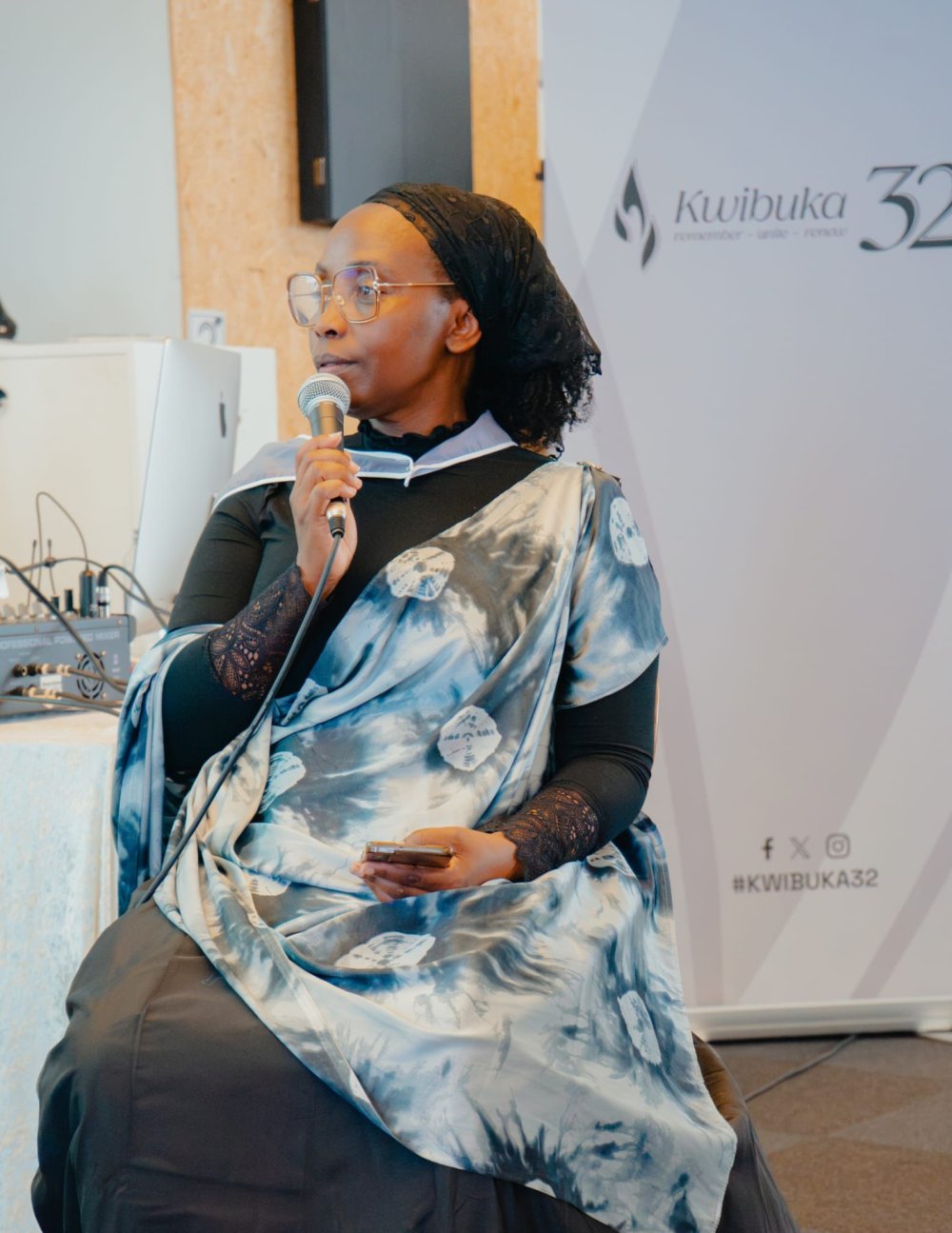
Egide Victor Semukanya, head of Ibuka Denmark, emphasized that remembrance concerns everyone. Geraldine Umutesi, First Counsellor at the Embassy of Rwanda, attended the commemoration event. Dr. Innocent Ngoga, Egide Semukanya (head of Ibuka Denmark), Jean Claude Gakimbiri, and Geraldine Umutesi, First Counsellor at the Embassy of Rwanda to the Nordic countries, delivered presentations during the event.The discussion session was moderated by Jackline Hansen and brought together Dr. Innocent Ngoga, Egide Semukanya (head of Ibuka Denmark), Jean Claude Gakimbiri, and Geraldine Umutesi.
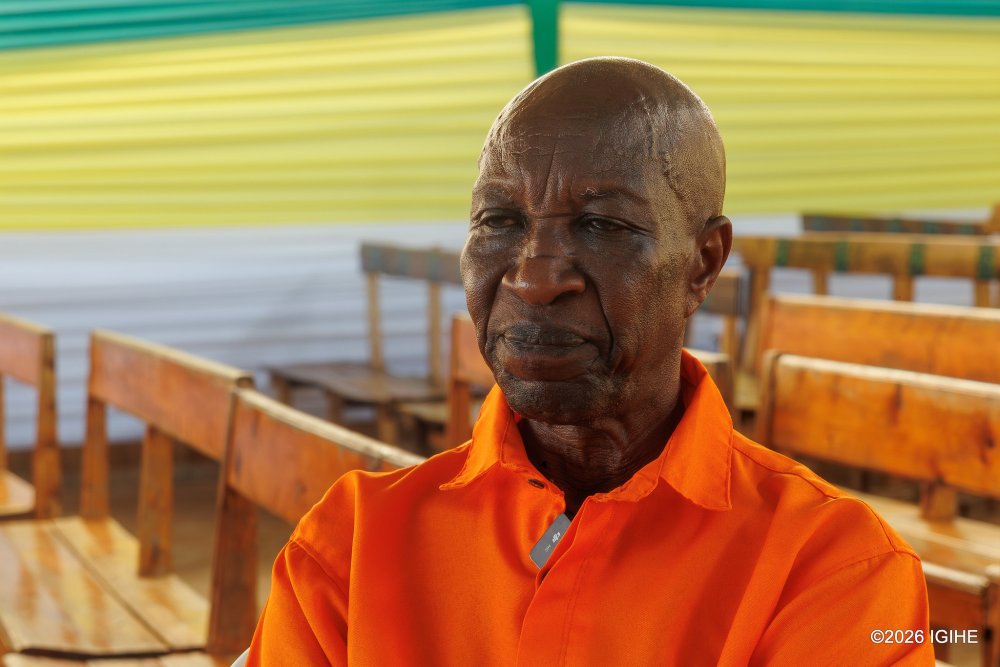
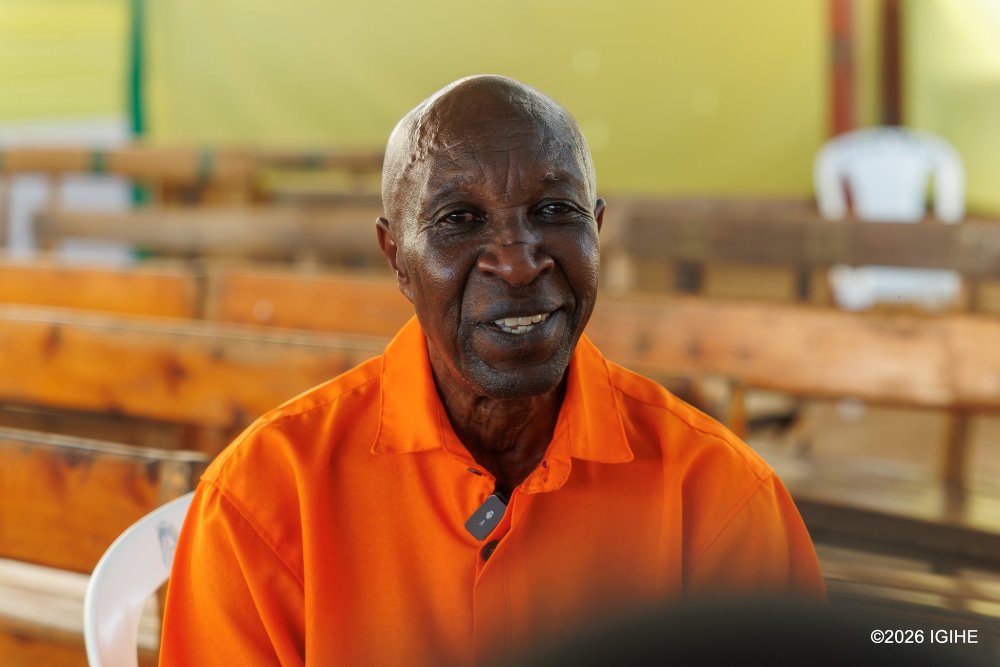
One of the stark testimonies of these atrocities comes from Célestin Sezibera, a former member of the Seventh-day Adventist Church who admits that he would attend worship services and then go out to kill Tutsis.
IGIHE visited the 67-year-old at Nyarugenge Correctional Facility, located in Mageragere Sector, where he is serving a life sentence.
Sezibera was convicted of crimes related to the Genocide against the Tutsi, including distributing weapons used in killings across different parts of Nyamirambo, charges he openly acknowledges. He has now spent nearly 32 years in prison.
Sezibera explained that during the Genocide, he served as Nyamirambo sector leader from January 20, 1990, to April 29, 1994. He recalls how, in the fourth week of April 1994, he contacted the Kigali City Prefecture, where then-Prefect Tharcisse Renzaho authorized him to collect ten firearms from the Ministry of Defense. He then distributed these weapons to local cell leaders.
“Those guns were meant to kill Tutsis,” he admitted.
Sezibera was arrested on September 27, 1994, after initially being detained at the Nyamirambo brigade earlier that month.
His testimony challenges narratives often put forward by Genocide denialists who claim that the violence was spontaneous or triggered solely by the downing of President Habyarimana’s plane. Sezibera insists instead that the Genocide was carefully planned by the government in power at the time.
“The Genocide was prepared and executed by a bad government,” he said. “People must accept that it was organized. You cannot deny that Tutsis were killed, nor that they were killed by the government we lived under.”
A religious leader who turned against his own followers
When discussing the role of religious figures during the Genocide, Sezibera speaks with painful clarity—he was part of that leadership. On Saturdays, he would preach the Word of God, only to later join in the killings of Tutsis, including members of his own congregation.
Sezibera was convicted of crimes related to the Genocide against the Tutsi, including distributing weapons used in killings across different parts of Nyamirambo.
Today, he serves as a pastor within the Seventh-day Adventist Church community inside Nyarugenge Prison, a role he had also held before 1994, beginning in 1985 as an assistant pastor.
“It is both painful and shocking that those who were killed were people we led in churches, and those who killed them were also under our leadership,” he reflected. “It pains me deeply that we lacked the courage to stop such evil.”
Asked how he reconciles preaching about God today after participating in such crimes, Sezibera admits he lives with constant shame. He says he has worked to bring together fellow inmates accused of genocide to reflect, seek forgiveness, and acknowledge their responsibility.
“We gathered, knelt down, and asked for forgiveness from survivors of the 1994 Genocide against the Tutsi,” he said.
Among the memories that haunt him most is his role in persecuting innocent Tutsis falsely accused of being accomplices of the RPF. He recalls events from September 1990, when Tutsis were detained at Nyamirambo stadium under harsh conditions—denied food and water, with some dying there.
“I personally arrested some of them and took them to the stadium,” he admitted.
He also regrets his involvement in setting up roadblocks across Kigali, including in Nyamirambo, where many Tutsis were killed.
“And then there are the guns I distributed. They had only one purpose, to kill Tutsis. That is why I feel deep remorse and ask forgiveness from those who lost their loved ones.”
Reflecting on justice and reconciliation
Sezibera also spoke about Rwanda’s decision to abolish the death penalty in 2007. Before its abolition, more than 700 individuals were on death row, many convicted of genocide-related crimes.
He expressed gratitude to the Government of Rwanda for replacing capital punishment with life imprisonment, describing it as part of broader efforts to rebuild society and promote unity.
“Everyone was anxious. I thank the Government of National Unity for abolishing the death penalty… it was a step toward rebuilding Rwandan society,” he said.
He also praised the country’s efforts to stop the Genocide and promote equal opportunities for all citizens, including the children of perpetrators. Sezibera describes his personal transformation as akin to the biblical shift from Saul to Paul.
“I can truly say I have changed. I became like Paul, and I will continue on that path while encouraging others to do the same.”
Now a father of four, grandfather of ten, and great-grandfather of one, Sezibera has written a book about his life so that future generations in his family can understand his past and grow up committed to rejecting evil in all its forms.
He says he continues to seek reconciliation and has requested to meet survivors from Nyamirambo, either by visiting them or welcoming their representatives to the prison.
“I want to ask for forgiveness face to face and feel a sense of relief,” he said.
As a member of the Unity and Resilience Commission within the prison, he also encourages fellow inmates to reveal information about the whereabouts of victims’ remains so they can be given a dignified burial.
Sezibera served as Nyamirambo sector leader from January 20, 1990, to April 29, 1994.
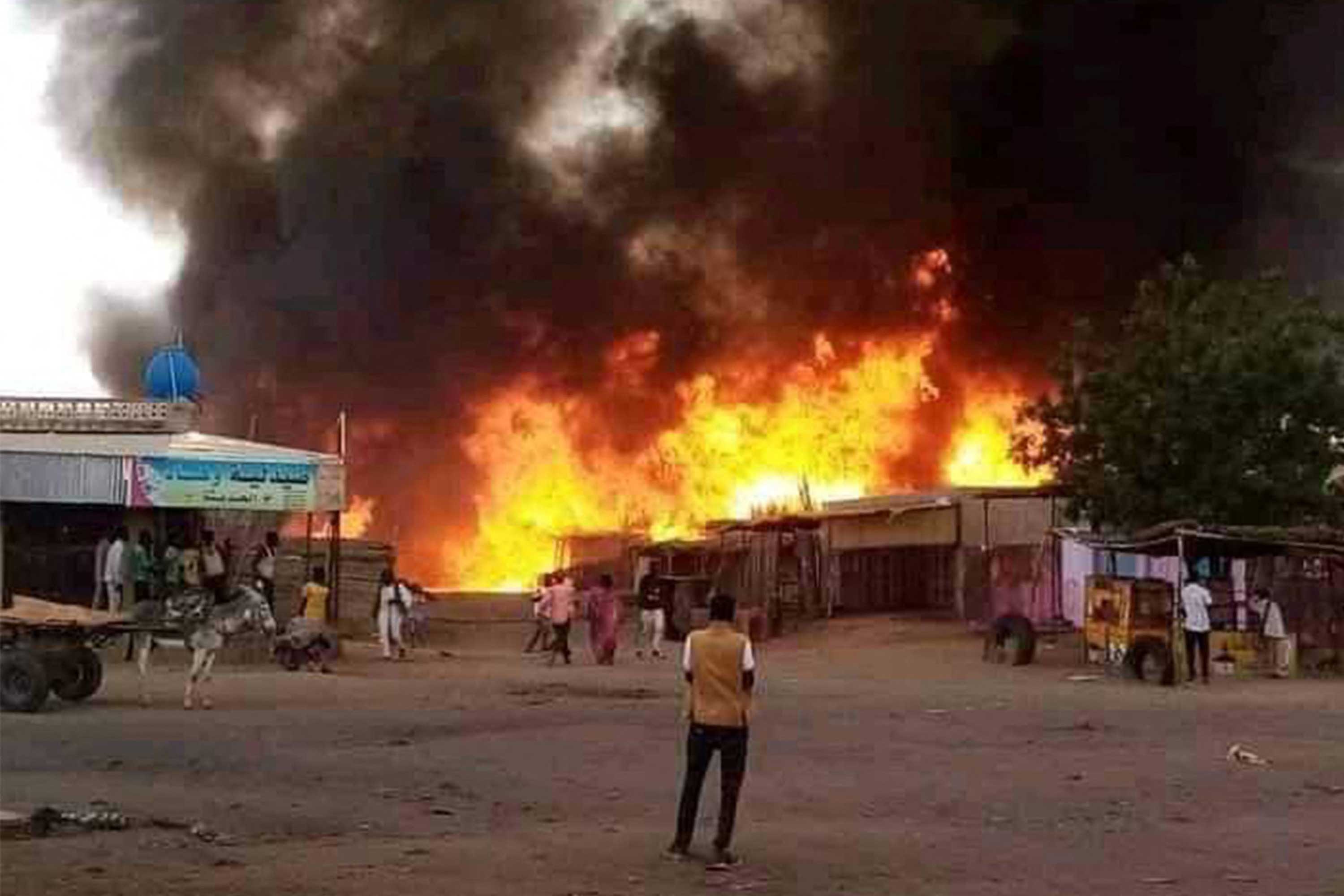
UN Under-Secretary-General for Humanitarian Affairs and Emergency Relief Coordinator Tom Fletcher said Sudan remains the world’s largest humanitarian crisis.
“Nearly 34 million people in Sudan — or almost two out of every three people — need humanitarian assistance, as hunger tightens its grip, children face acute malnutrition and women and girls are subjected to widespread and brutal violence,” Fletcher said.
The UN relief chief called for urgent action to stop the fighting, protect civilians, ensure safe and unimpeded humanitarian access, and mobilize the funding needed to sustain life-saving operations.
UN Women said the number of women and girls requiring support after experiencing gender-based violence nearly doubled in two years and quadrupled since the start of the war.
“Women and girls are being raped and killed in their homes, and as they flee, seek food, water and medical care,” said UN Women Regional Director for East and Southern Africa Anna Mutavati. “The use of sexual violence has been embedded in the blueprint of Sudan’s war.”
UN Women cited a new Gender Alert on the war, published Tuesday, as saying that more than 4.3 million women and girls have been displaced in Sudan, while 17.1 million require humanitarian assistance. For many, there is limited or no access to food, shelter or medical care.
Eva Hinds, UN Children’s Fund (UNICEF) chief of communication in Sudan, said that at least 245 children were reportedly killed or injured in just the first three months of this year.
“This is a sharp increase compared to the same period last year. Most of these children killed or injured were in Darfur and the Kordofan states, where violence has become a constant part of daily life,” Hinds told a press briefing in Geneva.
She said that “since the war began, the United Nations has verified more than 5,700 grave violations against children across Sudan. More than 4,300 children have been killed or maimed, with Darfur and Kordofan states again accounting for the highest numbers.”
Humanitarian access remains a major challenge, since large parts of the country are still cut off because of fighting, damaged infrastructure, and administrative obstacles. The constraints are especially severe in Darfur, Kordofan and parts of Blue Nile state, leaving many of the most vulnerable children beyond reach, said Hinds.
UNICEF Executive Director Catherine Russell said: “For three years, children across Sudan have been killed, injured, and displaced at staggering levels. Their homes, schools and hospitals continue to come under attack. There is no justification for violence against children. It reflects a collective failure by parties to the conflict to protect the most basic rights of children.”
The UN Office for the Coordination of Humanitarian Affairs (OCHA) said that drone strikes have reportedly killed nearly 700 civilians in the first three months of this year. On Monday, a drone strike in Ed Daein, East Darfur state, reportedly killed nine civilians and injured 27 others, including a child and health-affiliated workers.
OCHA reiterated that the violence must stop.
“Civilians and civilian infrastructure must be protected in line with international humanitarian law,” said the office. “Humanitarian access must be rapid, safe, unimpeded and sustained, and the response must be fully funded to save lives.”
Fletcher also said the grim and chastening anniversary marks another year when the world has failed to meet the test of Sudan.
The UN relief chief has called for urgent action to stop the fighting in Sudan, protect civilians, ensure safe and unimpeded humanitarian access, and mobilize the funding needed to sustain life-saving operations.