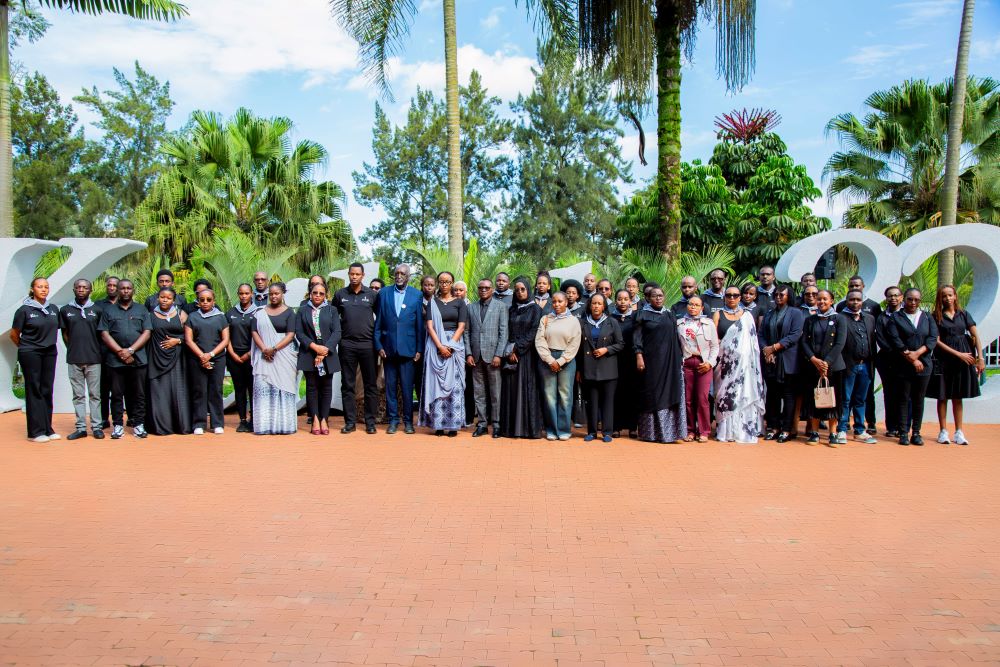
The commemoration which took place from 2:00 PM to 5:00 PM, brought together Human Resource practitioners, leaders, and stakeholders from across Rwanda.
In her remarks, Jocelyn Uwamahoro, Chairperson of RHRMO, welcomed participants and emphasized the critical role of HR professionals in fostering ethical and inclusive workplaces.
She urged practitioners to reflect on the past and clearly distinguish themselves from individuals who misused positions of authority during the genocide to harm employees.
She called on all HR professionals to uphold values of integrity, fairness, and humanity, while honoring the victims by committing to the principle of “Never Again.”
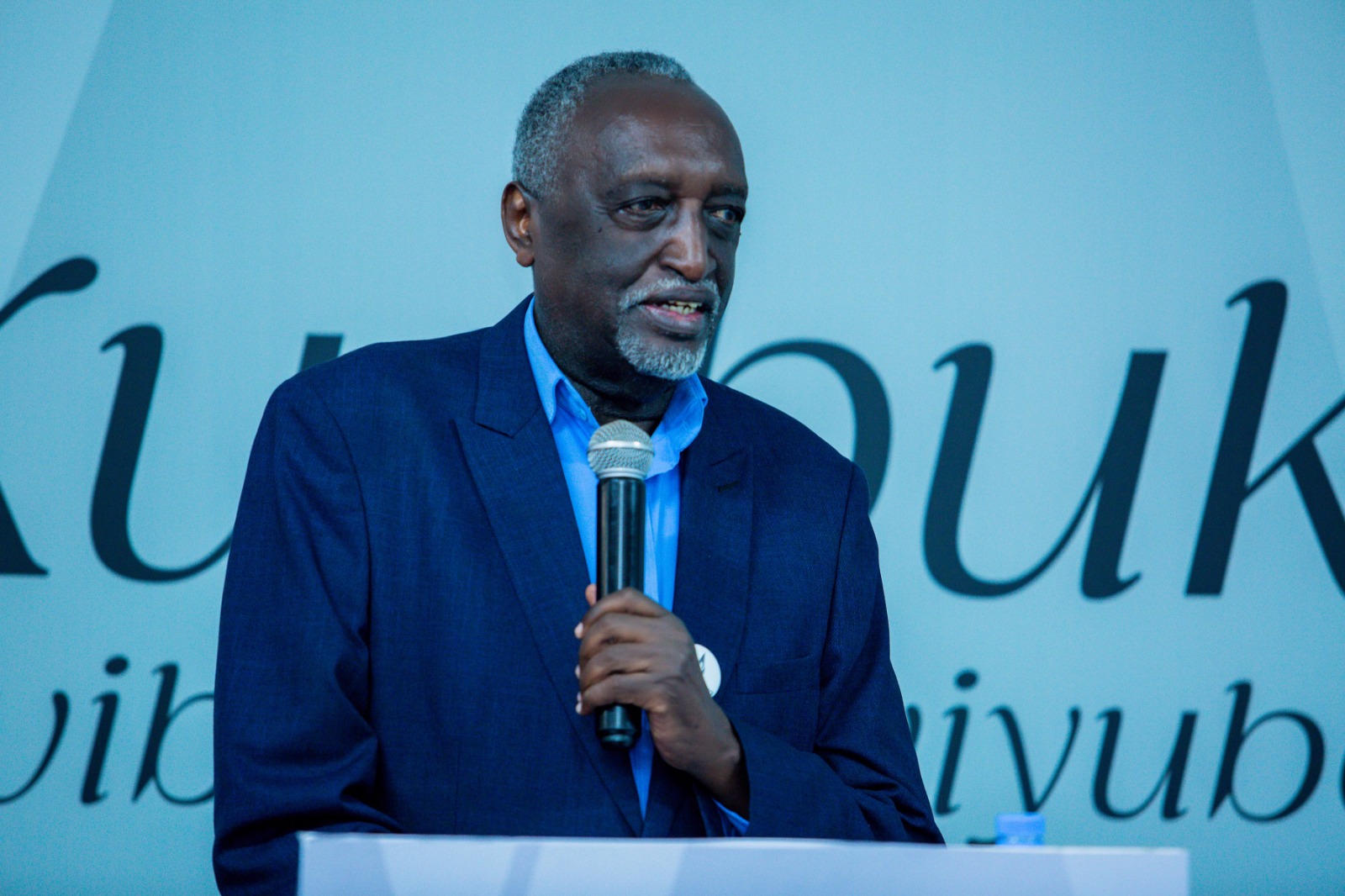
The event also featured a keynote address by Tito Rutaremara, Chairperson of the Rwanda Elders’ Advisory Forum.
He shared a historical account of how the Genocide against the Tutsi was systematically prepared and executed, warning against the dangers of divisionism and hate.
Rutaremara encouraged HR practitioners to actively promote unity, equality, and respect within workplaces.
A moving testimony was delivered by Agnes Nyiragabiro, a retired employee, who shared her personal experience during the genocide.
She recounted how the genocide took the life of her husband and reflected on the discrimination and mistreatment she faced from HR structures prior to 1994.
Her testimony highlighted how workplace discrimination and hate contributed to a broader environment that enabled injustice, and she urged HR professionals to ensure such failures are never repeated.
Participants were also encouraged to act as ambassadors of peace, ensuring that workplaces remain free from discrimination, division, and hatred.
The RHRMO reaffirmed its commitment to promoting ethical human resource practices and contributing to national efforts toward unity, reconciliation, and sustainable peace.
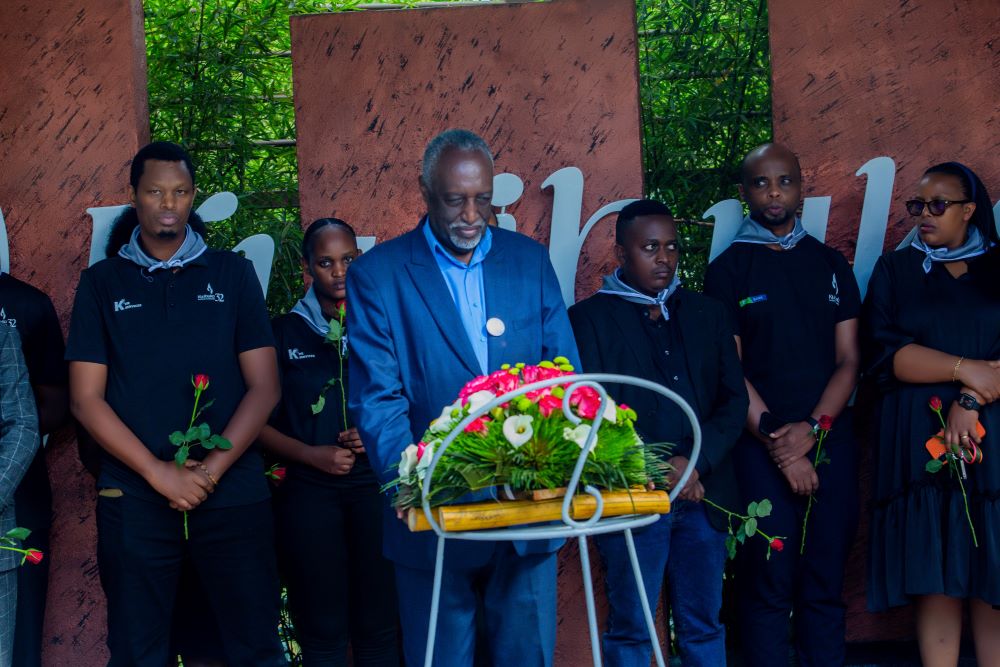
HR professionals have been urged to act as ambassadors of peace. Rutaremara encouraged HR practitioners to actively promote unity, equality, and respect within workplaces.HR professionals laying wreaths at Kigali Genocide Memorial. Tito Rutaremara, Chairperson of the Rwanda Elders’ Advisory Forum laying wreaths at the mass grave at Kigali Genocide Memorial. Jocelyn Uwamahoro, Chairperson of RHRMO, welcomed participants and emphasized the critical role of HR professionals in fostering inclusive workplaces. Agnes Nyiragabiro, a retired employee shared her personal experience during the Genocide against the Tutsi.
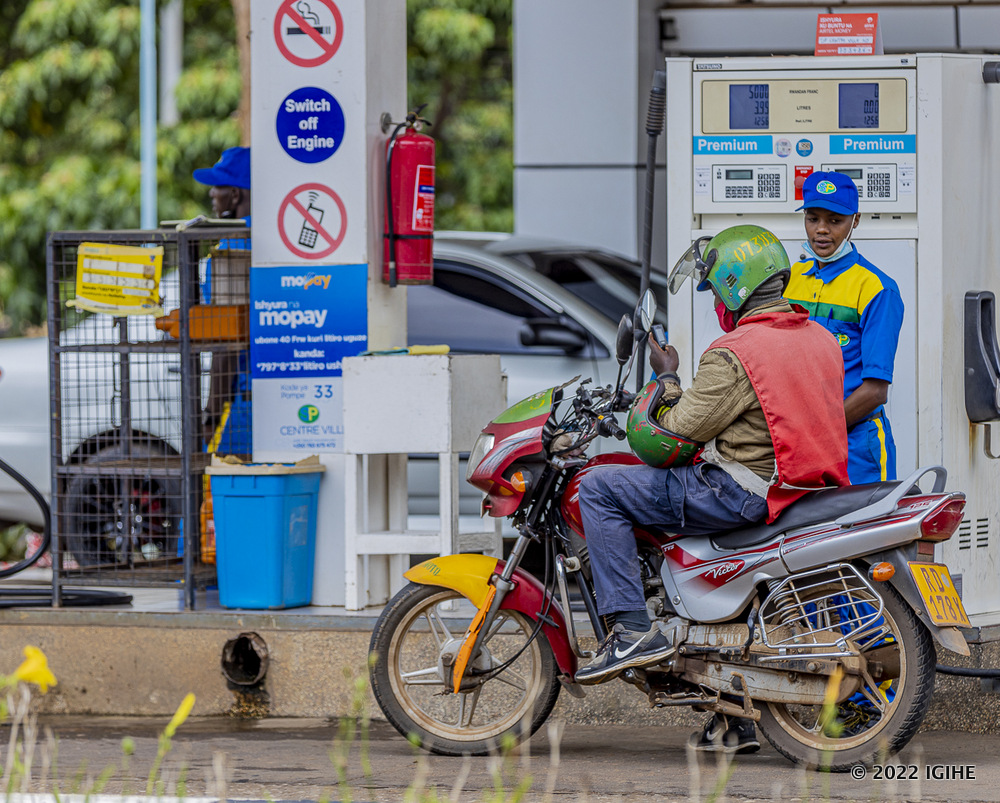
Another notable change is the unusually frequent revision of fuel prices. For the first time, prices were adjusted after only two weeks. Traditionally, fuel prices in Rwanda were revised every two months, but in early April, the cycle was shortened to one month, and later to just two weeks.
According to RURA’s pricing mechanism, fuel prices can technically be reviewed daily depending on market conditions and their impact on supply and costs.
Global supply disruptions as the main driver
Petrol imported into Rwanda passes through ports in Dar es Salaam (Tanzania) and Mombasa (Kenya). However, before reaching these ports, it is sourced from various global suppliers.
Currently, about 27% of fuel entering the region passes through the Strait of Hormuz. Other supplies come from India and Saudi Arabia, often transported through routes near Yemen, particularly the Bab el-Mandeb Strait.
Due to the Iran–US conflict, tensions in the Strait of Hormuz have disrupted shipping routes, with some vessels being blocked or delayed.
This has reduced the flow of fuel to Tanzania and Kenya, forcing suppliers to seek alternative and often more expensive routes. As a result, transportation costs have increased, which has directly pushed up fuel prices.
In Kenya and Tanzania, fuel prices are also adjusted monthly. Currently, petrol in Kenya costs about Rwf 2,342 per litre, while diesel is around Rwf 2,341.
Before Rwanda adjusted its prices, fuel in the country was relatively cheaper compared to neighbouring markets. This allowed some international truck drivers to refuel in Rwanda.
However, this situation created distortions in the market, prompting a price adjustment to align Rwanda with regional pricing trends, where profit margins had shifted unfavourably.
Storage owners have significantly increased prices
In Rwanda, fuel pricing is calculated based on importers who bring petroleum products through international supply chains, mainly via shipping routes in the region. These importers account for about 60% of Rwanda’s fuel supply.
The remaining 40% is supplied through traders who purchase fuel from Tanzania and Kenya, negotiate prices, transport it by trucks, and sell it in Rwanda. Due to rising global prices and regional shortages, these traders face higher procurement costs.
In simple terms, storage owners tend to delay selling in anticipation of higher future profits. Some storage operators in Tanzania have sharply increased their prices, which has affected the 40% of traders who rely on them. As a result, many truckers are now unable to sell fuel competitively in the Rwandan market.
If this segment of 40% were left unregulated, the 60% of formal importers would continue supplying fuel, but at a level insufficient to meet national demand, potentially leading to shortages.
This situation forced Rwanda to take early action to stabilise the market and ensure continued supply. Typically, a fuel truck takes at least five days to travel from Tanzania to Rwanda.
Government absorbs diesel cost increases
According to RURA’s latest pricing statement, the price of diesel has remained unchanged. This decision was made to continue supporting public transport, goods transportation, and the broader economy.
This is a critical intervention, as an increase in diesel prices would have significantly raised the cost of living across all sectors. Transport fares would have increased, and the prices of goods would have risen sharply.
In practical terms, maintaining diesel prices means the government is effectively absorbing part of the cost, likely through tax adjustments. Without this intervention, diesel prices could have exceeded Rwf 3,000 per litre.
Future outlook
If current trends continue, petrol prices in Rwanda could exceed Rwf 3,200 per litre by May, reflecting ongoing global market pressures.
On the international market, a barrel of crude oil is currently trading between $98.5 and $113 in some regions.
In March, crude oil prices fluctuated significantly: on March 4 it stood at $74.6 per barrel, rose to $97 on March 19, reached $98.7 on March 13, and climbed to about $108 in early April.
These global fluctuations continue to strongly influence fuel prices in Rwanda and the wider region.
Fuel prices in Rwanda have increased significantly due to the impact of the Iran–United States conflict.
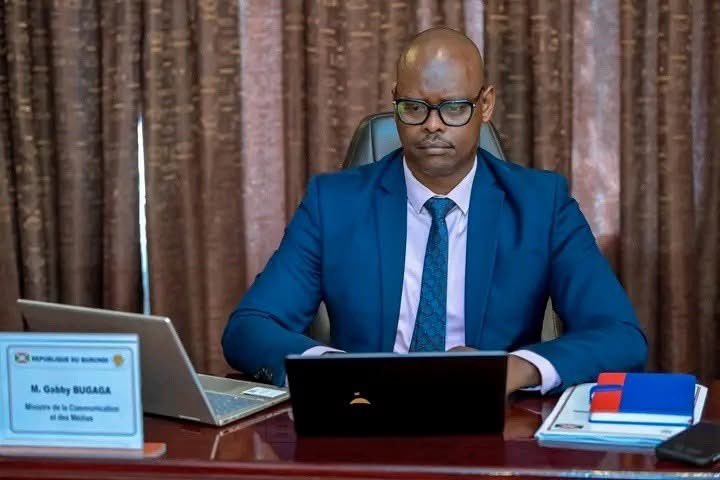
On the morning of April 16, Bugaga’s vehicle was found parked in a palm plantation in Kivoga, near the Bujumbura–Bubanza road. His body was discovered in the front seat, with one leg hanging out through the left window.
Reports indicate that when people later accessed the scene, the body had been repositioned, placing Minister Bugaga in a seated position inside the vehicle in a way that would make it difficult for a casual observer to immediately realize he had died inside the car.
One of the first elements that raised suspicion was the absence of his security detail. In Burundi, a government official of his rank is normally accompanied by security personnel at all times, making their absence unusual.
A close friend of the late minister said that before his death, Bugaga had expressed fear, although he did not clearly explain what he was afraid of. The same friend said he had been planning to leave Burundi for Canada, but later changed his mind.
The friend, who is based in Europe, added that Bugaga had asked for assistance in preparing for relocation, saying, “One day before his death, he urged me to speed up the plan.”
Other accounts suggest that amid growing fears, Bugaga had consulted friends about the possibility of resigning, but they advised him against it, warning that it could create political tension with the government of President Évariste Ndayishimiye.
Human rights activist Pacifique Nininahazwe also questioned the official version of events. He stated that Bugaga’s Toyota Hilux was found in Kivoga without a rear license plate and that no visible signs of a nearby accident scene were present, raising questions about whether the incident actually occurred there.
He further noted unusual details, saying: “The first strange thing is that the car key was not inside the vehicle but was found in Gabby Bugaga’s bag. Did he drive without a key? Or did he park the car, remove the key, lie down, and place his leg out of the window while waiting for death?”
In an official statement, the Secretary-General and government spokesperson of Burundi, Jérôme Niyonzima, insisted that there is no doubt Bugaga died in a road accident and stated that no investigation is necessary.
However, the president of the Ligue Iteka human rights organization, Anschaire Nikoyagize, warned against rushing to conclusions. He called for an independent investigation to establish the truth.
Nikoyagize noted that since President Ndayishimiye came to power in June 2020, 2,248 bodies of people who died under unclear circumstances have been recorded in Burundi, suggesting that Bugaga’s death should also be thoroughly examined rather than automatically classified as an accident.
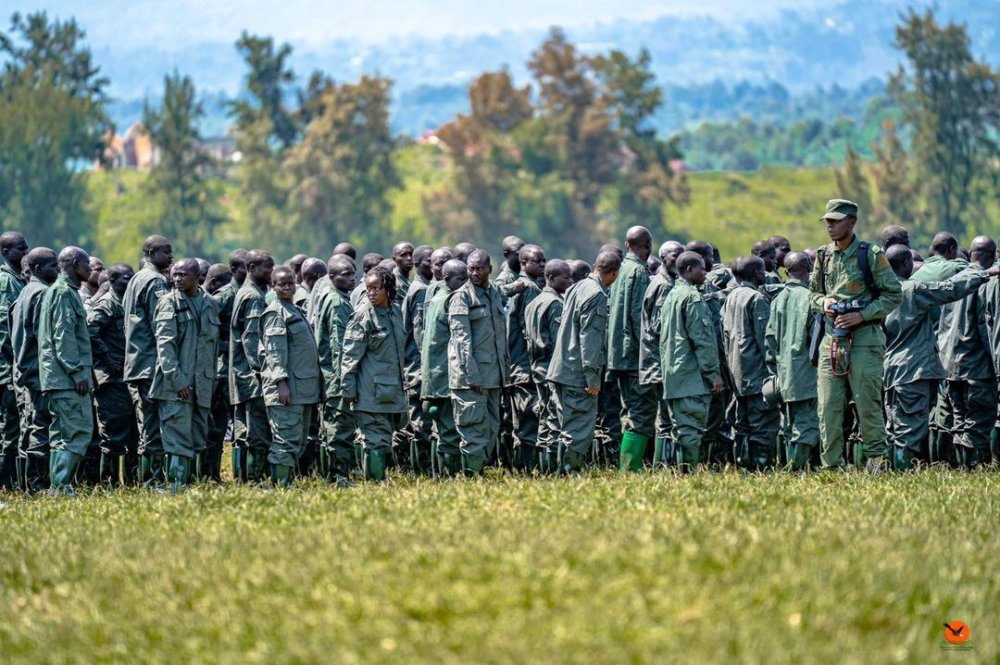
The deal was concluded during peace talks held in Switzerland from April 13 to 17, 2026, with support from Qatar and the United States.
Under the agreement, the DRC government is expected to release 311 prisoners linked to AFC/M23, while the rebel group will free 166 individuals held from the government side.
The prisoner exchange is seen as a confidence-building measure aimed at supporting ongoing peace efforts.
Both parties indicated that the list of prisoners to be released was provided by the International Committee of the Red Cross, in line with an agreement previously signed on September 14, 2025.
On April 14, 2026, the two sides also agreed to operationalise a revised international mechanism tasked with monitoring the ceasefire, known as EJVM+. This body will include three representatives from each side.
The decision to establish EJVM+ was initially made during earlier peace discussions held in Doha, Qatar, last year. However, its implementation had been delayed due to persistent tensions between the DRC government and AFC/M23.
The mechanism is now expected to begin overseeing the ceasefire within a week. Troops from the United Nations peacekeeping mission in the DRC (MONUSCO) are also set to support its operations.
The Government of the Democratic Republic of Congo (DRC) and the AFC/M23 rebel coalition have reached an agreement to release more than 400 prisoners within the next 10 days.
The latest assessment places Rwanda ahead of countries with comparable income levels, reflecting notable progress across health, education, and labour market performance.
The country achieved a score of 157 on the HCI+, significantly surpassing the Sub-Saharan Africa average of 126 and the low-income country benchmark of 116.
The HCI+ evaluates how effectively nations are building and utilising human capital by measuring the future productivity of children born today.
It considers access to quality healthcare, education, and employment opportunities, while also accounting for inefficiencies such as underused skills.
Compared to the original index, the HCI+ introduces broader indicators, including higher education attainment, job quality, and transitions within the labour market.
Minister of Finance and Economic Planning Yusuf Murangwa attributed the achievement to Rwanda’s long-standing policy focus.
“Our focus on health, quality education, and creating pathways to productive employment is delivering measurable results for Rwandans and the economy,” he stated.
He further noted that sustainability is being embedded across sectors to secure lasting impact.
Key indicators underline this progress. The probability of surviving to age 60 has reached 79 per cent, exceeding the regional average of 73.8 per cent.
Efforts to combat child stunting have also advanced, with 70.2 per cent of children expected to grow without stunting.
In education, Rwanda posted a harmonised learning score of 417 and a tertiary completion rate of 22.8 per cent.
Meanwhile, employment data shows encouraging trends, particularly among youth and wage earners, pointing to improved access to stable jobs. Overall, the gains reflect steady advancement since 2010, especially in health and workplace learning.
Rwanda has achieved a score of 157 on the HCI+, significantly surpassing the Sub-Saharan Africa average of 126 and the low-income country benchmark of 116 in the latest World Bank human capital index.
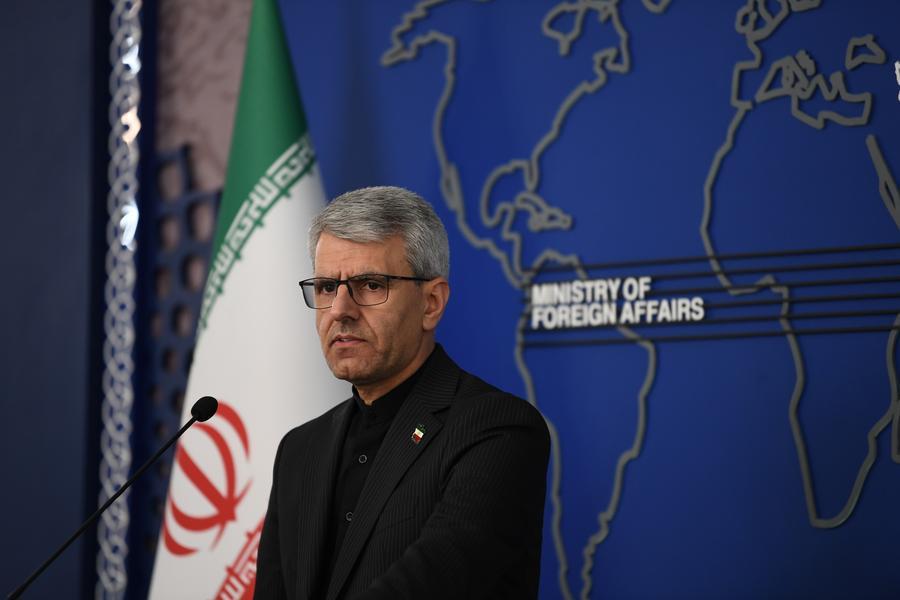
Baghaei, speaking on state-run IRIB television, said that recent public statements by Foreign Minister Seyed Abbas Araghchi were made within the framework of the ceasefire between Iran and the United States announced on April 8, not as signals of a new diplomatic opening.
Earlier Friday, Araghchi said the Strait of Hormuz would remain “completely open” to commercial shipping for the duration of the current truce between Iran and the United States.
Baghaei moved to clarify the foreign minister’s position, saying that following a ceasefire in Lebanon on Friday, Tehran chose to apply safe-passage conditions outlined in its agreement with Washington to vessels transiting the strait.
“We have reached no new agreement,” he said. “The ceasefire agreement is the one announced on April 8.”
He accused the United States of failing, from the outset of the truce, to honor a commitment to extend its terms to Lebanon, a provision Iran insists was included in the April 8 agreement. Washington and Jerusalem have rejected that characterization.
Baghaei also warned that Iran would take “countermeasures” if a United States naval blockade of the Strait of Hormuz persisted. He said no talks on extending the ceasefire had taken place, and that mediation efforts led by Pakistan remained focused on ending the conflict and protecting Iran’s interests.
Iran tightened its grip on the strait beginning Feb. 28, when it barred safe passage to vessels belonging to or affiliated with Israel and the United States following joint strikes on Iranian territory.
The United States subsequently imposed its own blockade, preventing ships traveling to and from Iranian ports from transiting the waterway after peace negotiations in Islamabad collapsed over the weekend.
Axios reported Friday, citing people familiar with the talks, that a second round of United States-Iran negotiations is expected to take place in Pakistan this weekend, most likely on Sunday.
Iranian Foreign Ministry spokesman Esmaeil Baghaei speaks at a weekly press conference in Tehran, Iran, April 6, 2026.
In late March, the relatively unknown Chinese motorcycle maker ZXMOTO clinched back-to-back titles in the World Supersport category at the Portuguese round of the Superbike World Championship, breaking a decades-long monopoly held by established global brands.
Hailed by international media as a testament to China’s manufacturing strength and comprehensive local supply chain, the victory highlights a larger reality: as global economic turbulence intensifies, China’s manufacturing sector is proving its resilience and capacity for high-quality growth.
From big to strong
Having maintained its position as the world’s largest manufacturing hub for 16 consecutive years, China has fortified its key industrial and supply chains to become more resilient, providing strong support for weathering major risks.
The country’s 15th Five-Year Plan (2026-2030) has made moving faster to boost its strength in manufacturing a central task, calling for maintaining a reasonable share of manufacturing in the economy and building a modern industrial system led by advanced manufacturing.
According to the Ministry of Industry and Information Technology, during the 2026-2030 period, the country will shore up weak links, strengthen competitive edges and seize early-mover advantages, with the goal of moving from key breakthroughs to all-round advantages.
Xin Yongfei, an expert with the China Academy of Information and Communications Technology, noted that China’s manufacturing sector already has the scale and innovation foundation.
During the 15th Five-Year Plan period, he said, maintaining strategic focus and concentrating on crucial areas will allow China to leap from “following” to “running alongside” and even “leading,” laying a solid foundation for basically achieving new industrialization.
Local governments have also rolled out concrete plans: Hunan Province in central China will implement landmark projects for an advanced manufacturing highland, Shanghai in east China aims to build the “Made in Shanghai” brand, and southwest China’s Chongqing Municipality is pushing to become a strong manufacturing city.
Core-reshaping innovation
In Beijing’s Yizhuang District, also known as E-town, humanoid robots can be seen training for a half-marathon. Many of them can now run at speeds of up to six meters per second, rivaling the pace of professional athletes.
This leap mirrors a broader push toward higher-end, smarter and greener manufacturing. The 15th Five-Year Plan outlines a series of concrete steps: improving manufacturing quality, boosting the resilience of industrial and supply chains, and achieving breakthroughs in core technologies.
One telling example is the recent release of China’s domestically developed T1200-grade ultra-high-strength carbon fiber, now the strongest industrially produced carbon fiber in the world.
“Thanks to this technological breakthrough, our domestically produced large aircraft will be lighter, deep-space exploration can go farther, and new energy vehicles will have longer range. It provides a stronger ‘skeleton’ for future industries,” said Chen Qiufei, the R&D lead.
Meanwhile, companies are shifting from selling hardware to offering integrated solutions. DJI, known for its drones, now provides agricultural plant protection solutions, with related service revenue accounting for more than 30 percent of its total.
Similarly, Chinese battery maker Sunwoda has built a six-dimensional maglev production line and a digital twin system to improve its own manufacturing efficiency, and is now exporting smart manufacturing solutions to others.
The results are visible in the data. In the first two months of 2026, the value-added output of high-tech manufacturing enterprises grew 13.1 percent year on year, while that of equipment manufacturing rose 9.3 percent.
The “AI plus manufacturing” initiative has been implemented, with the adoption rate of AI technology among major manufacturing firms exceeding 30 percent. Meanwhile, more than 8,300 green factories have been established nationwide.
More open landscape
At the same time, China’s manufacturing sector is opening up further. In Zhanjiang, south China’s Guangdong Province, German chemicals giant BASF’s massive production complex, known as a Verbund site, has started production, marking the largest single investment project wholly owned by a German enterprise in China.
Thousands of miles away in Tatabanya, Hungary, Chinese heavy machinery manufacturer Zoomlion’s first European smart factory has opened, providing a stable and efficient product supply and better localized services for European customers.
All foreign investment restrictions in the manufacturing sector have been lifted in China. In the first two months of this year, China’s exports of high-tech and high-value-added mechanical and electrical products reached 2.89 trillion yuan (about 418.9 billion U.S. dollars), up 24.3 percent year on year.
As China navigates an increasingly volatile world, its manufacturing sector is actively integrating into global markets, offering vast cooperation opportunities for the world.
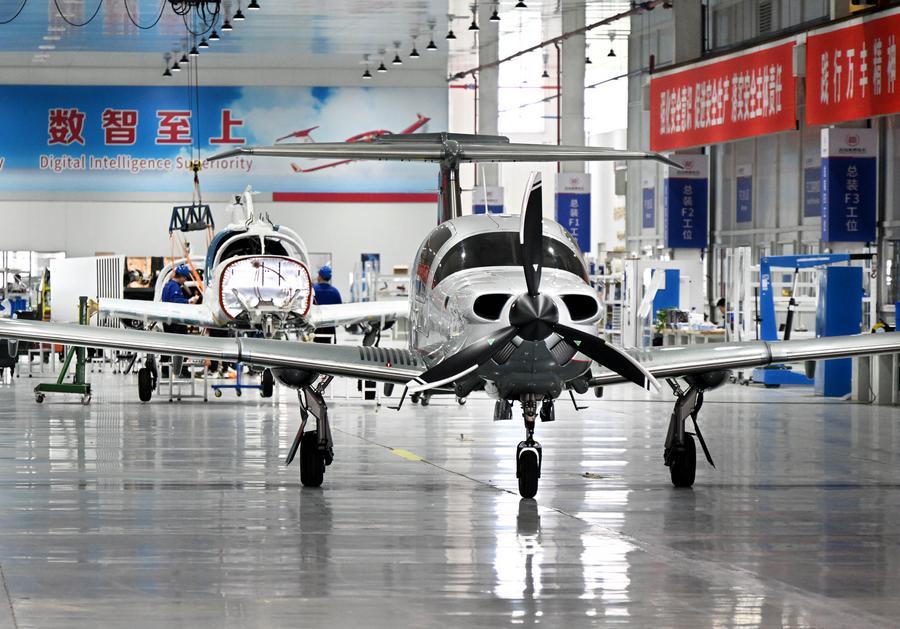
This photo taken on April 2, 2026 shows a view inside an aircraft manufacturing workshop of Wanfeng Auto Holding Group in Laixi City, east China’s Shandong Province.
Running from April 13 to 18 in Haikou, capital of China’s island province of Hainan, the annual expo is showcasing premium global products and facilitating cooperation between international brands and local partners.
Despite the diversity of their product categories ranging from health, food and cosmetics to art, exhibitors share a common goal: to expand their presence in China.
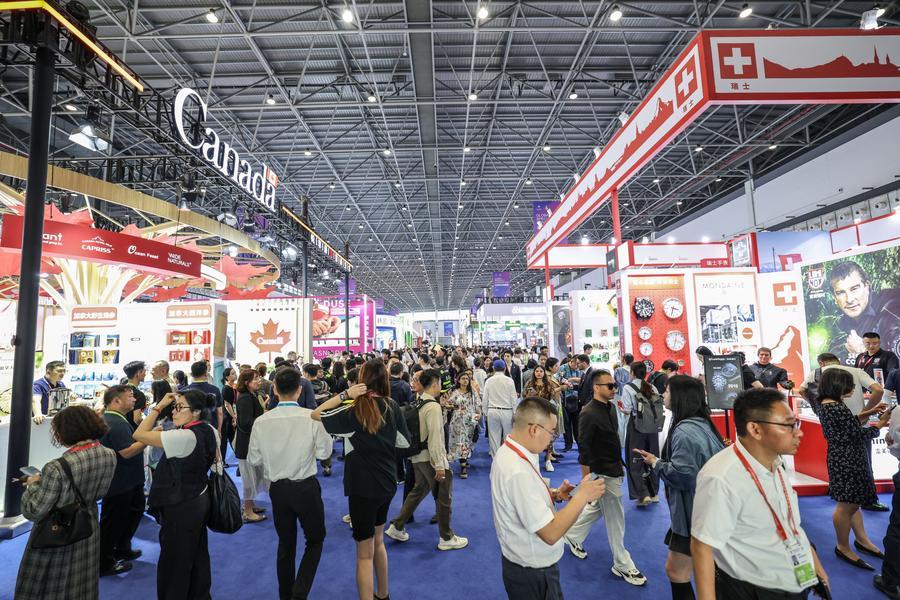
As this year’s guest country of honor, Canada has brought its largest-ever delegation, with around 40 companies participating. A highlight among its premium offerings is a wide range of natural, health-boosting products.
Among the companies is Canada Royal Milk (CRM), a powder formula producer based in Ontario. The company is leveraging the expo to capitalize on China’s huge market potential, driven by its large population and consumption upgrading.
Reago Li, the China region general distributor for the Canadian brand, told Xinhua that at this year’s expo, the company is highlighting Capriss, a goat milk powder brand under CRM that targets adult consumers, particularly those aged 45 and above.
According to Li, compared to cow milk, goat milk has smaller fat molecules, making it easier to digest and more friendly for people with lactose intolerance.
Since its debut in the Chinese market in 2023, Capriss has expanded its sales and built a growing presence in local supermarkets and shopping malls. It has also established a sales channel on a popular online pharmacy platform in the country, Li said.
Next to Li’s booth, DPA is displaying seal oil soft capsules, an Omega-3 health supplement. Song Bingbing, the brand’s chief nutritionist, said that five consecutive years of participation in the expo has helped the Canadian brand gain growing market recognition, with its products now sold in over 5,000 retail stores nationwide.
Explaining the Chinese market’s strategic importance, Song said there is a shift in the country from a treatment-centered approach to one centered on chronic disease management, and that the product aligns well with growing health management needs, such as weight management and cardiovascular and cerebrovascular health. “With a large population base, the Chinese market is a top priority.”
Li echoed this sentiment, categorizing China’s consumer market as top-tier in both scale and quality. “Indispensable” was his word for the market, expressing the Canadian brand’s confidence in competing for a share in it.
The information provided by the two exhibitors has offered a clear lens into how increasingly important the Chinese market is becoming for global companies. Further evidence of their eagerness to explore this market is inside the hall, where live-streamers are invited to promote premium products to online audiences, and hired staff are hospitably offering samples of delicacies to visitors and inquirers — from butter on biscuits from Ireland, wine from France, to ginseng tea from Canada.
The numbers tell the same story. International exhibits accounted for 65 percent of the total this year, up 20 percentage points from last year, according to expo data. Meanwhile, the number of professional buyers is expected to reach 65,000, a 10-percent rise from the previous edition, said Lu Min, director of the Hainan provincial bureau of international economic development.
While the convergence of global brands demonstrates their continued interest, the market’s diversity, speed and complexity are also prompting them to refine their marketing strategies, pricing and product design in response to rapidly evolving consumer preferences. In a recent commentary, the Macau Post Daily noted that rather than simply a question of scale or growth, the Chinese market is where global companies’ strategies get tested and refined.
Chen Lifen, a researcher at the Development Research Center of the State Council, said China’s consumer market is seeing increasingly pronounced trends toward smarter, greener and higher-quality consumption upgrades. Chen noted that the expo has built an efficient and convenient channel for high-quality global consumer goods to enter the domestic market, and injected new momentum into expanding and upgrading consumption while unlocking the potential of China’s mega-market.
Since its launch in 2021, the CICPE has become an important platform for multinationals to stay abreast of consumer trends in China, with over 3,800 enterprises and more than 12,000 brands from 92 countries and regions participating in the past five editions.
People visit the sixth China International Consumer Products Expo in Haikou, south China’s Hainan Province, April 13, 2026.
The State Minister for Infrastructure, Jean de Dieu Uwihanganye, made the appeal following a recent increase in petrol prices, emphasizing that public transport fares will remain unchanged since diesel, widely used in public transport, has not increased in price.
On April 16, 2026, Rwanda Utilities Regulatory Authority (RURA) announced that the price of petrol had risen from Rwf 2,303 to Rwf 2,938 per litre, an increase of Rwf 635. The new prices took effect on the morning of April 17, 2026. Meanwhile, the price of diesel remained unchanged at Rwf 2,205 per litre.
Speaking to Radio Rwanda, Uwihanganye attributed the rise in petrol prices to ongoing conflict in the Middle East, particularly involving Iran, the United States, and Israel—regions that are key sources and transit routes for petroleum products imported into Rwanda.
“We are in an extraordinary situation caused by the war involving Iran, the United States, and Israel in a region that supplies petroleum products. Supply has decreased, pushing prices up by nearly 20%,” he said, noting that global price fluctuations remain unpredictable as the conflict continues.
Despite the increase in petrol prices, the minister stressed that public transport fares will not be revised upward, since diesel prices have remained stable. He explained that this is part of government measures to cushion citizens from the full impact of global fuel price shocks.
“The price of public transport will not change because diesel, which is mainly used in public transport, has not increased,” he said.
Uwihanganye added that the cost of goods is also not expected to rise significantly, as diesel—commonly used in the transportation of goods—has remained stable.
However, he cautioned that price adjustments may continue depending on how the conflict evolves, noting that the government will keep balancing necessary changes with the welfare of citizens.
He explained that the government’s priority is to ensure a steady supply of petroleum products in the country, even as rising global prices require additional financial resources to maintain supply—costs that are partly passed on to consumers.
Sufficient fuel reserves
Addressing concerns about fuel availability, Uwihanganye reassured the public that Rwanda still has adequate reserves of both petrol and diesel.
“There are minimum stock levels that fuel traders are required to maintain, and these are still in place. In addition, the country has strategic reserves that can be used in case of disruptions,” he said.
He noted that Rwanda relies entirely on international markets for petroleum products, meaning supply chains can take time, which makes maintaining reserves essential.
However, he warned that despite the current stability in reserves, Rwanda is not immune to shortages, as seen in some countries affected by the ongoing conflict.
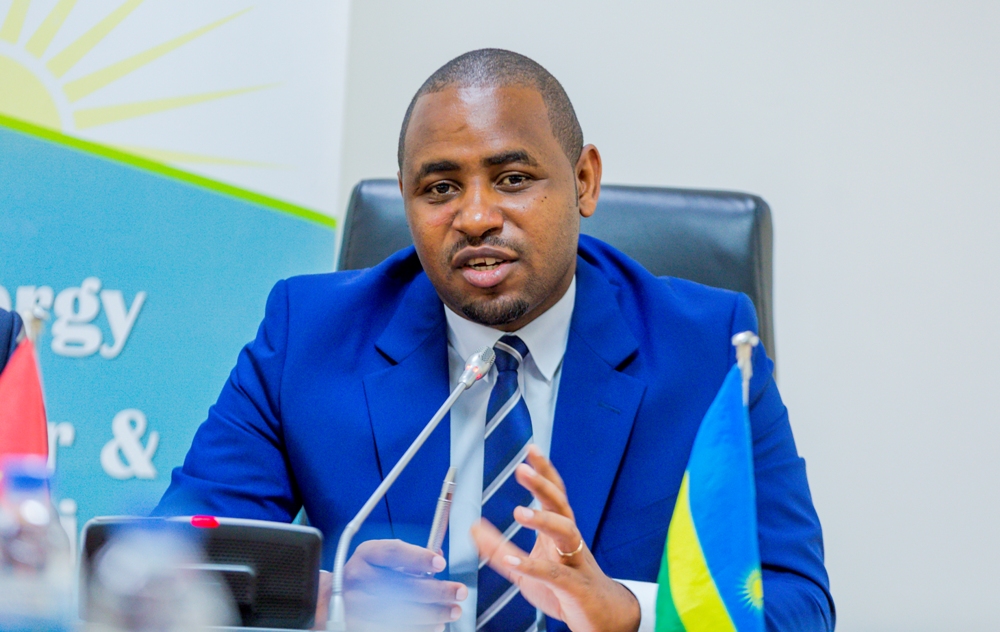
Eng. Jean de Dieu Uwihanganye says public transport fares will remain unchanged.
Call for responsible consumption
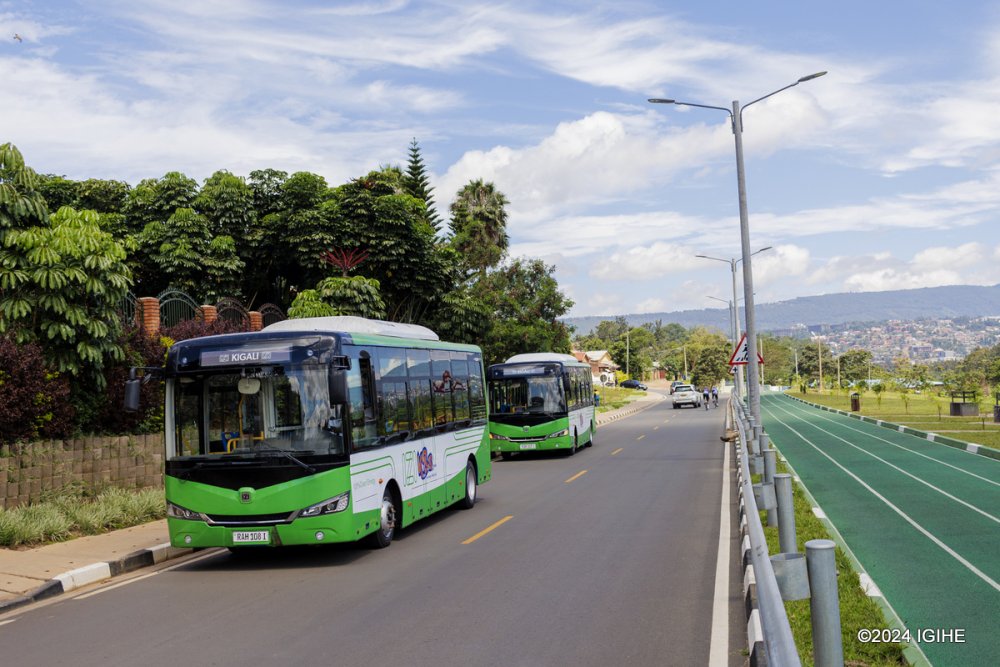
In light of the situation, the minister urged citizens to reduce non-essential travel and prioritize public transport such as buses instead of using private cars. He also encouraged households to use petroleum-based energy responsibly.
On the issue of subsidies, Uwihanganye said the government is already providing support, noting that without intervention, fuel prices—especially petrol—would be significantly higher based on international market trends.
“Current prices already reflect government efforts, including subsidies and support to fuel importers. Diesel has remained stable partly due to these measures,” he explained.
He also warned traders against exploiting the situation by unjustifiably increasing the prices of goods, stressing that the rise in petrol prices should not disrupt market stability.
Long-term measures
Looking ahead, Uwihanganye said the government is continuing efforts to secure fuel supply routes and maintain reserves, even as delays in deliveries have started to emerge due to the conflict.
He also encouraged Rwandans to consider adopting electric vehicles as a long-term solution to reduce dependence on petroleum products.
In the meantime, citizens have been advised to expect broader price increases due to the global situation, avoid unnecessary spending, and rely on government measures aimed at protecting livelihoods.
MININFRA has urged private car owners to opt for public buses
According to the Rwanda Vital Statistics Report 2025, released on April 15, 2026, the recorded divorce cases include separations that occurred over the past three years but were officially entered into the system in 2025.
Out of the 4,479 recorded cases, 2,629 divorces were granted through courts of law.
The highest number of divorce cases was recorded in Kigali City, with 1,199 households, followed by the Eastern Province with 1,011 cases. The Southern Province recorded 976 divorces, while the Western Province had 669, and the Northern Province registered 592 cases.
Data further shows that courts granted 1,068 divorces in 2024, up from 782 cases in 2023, indicating a steady increase in legal separations over recent years.
An analysis of the 2025 figures indicates that in 3,936 of the divorced households, both partners remained in the same province after separation, while in 543 cases, each partner relocated to a different province.
Under Rwanda’s law governing persons and family, divorce may be requested on various grounds, including adultery, conviction for a serious offense, failure to provide for the family, physical or psychological abuse, emotional distress, economic abuse, or other behaviors that seriously harm a spouse, a shared child, or either party individually. Couples may also separate when cohabitation becomes intolerable for one or both partners.
Decline in legal marriages
The report also highlights a decline in legally registered marriages. In 2025, a total of 50,256 marriages were recorded, down from 52,878 in 2024.
Men entering marriage were predominantly aged between 25 and 29, while most women were between 21 and 24 years old.
Districts with the highest number of marriages exceeding 2,000, include; Gasabo District, Gicumbi District, Nyarugenge District, Kicukiro District, Musanze District, Muhanga District, Rubavu District, and Nyamasheke District.
On the other hand, districts with fewer than 1,000 registered marriages include Nyanza District, Gisagara District, and Ngoma District.
In 2025, a total of 50,256 marriages were recorded, down from 52,878 in 2024.